

Best Enemy Factions in Games You Love To Hate (Non-Villain Focus)

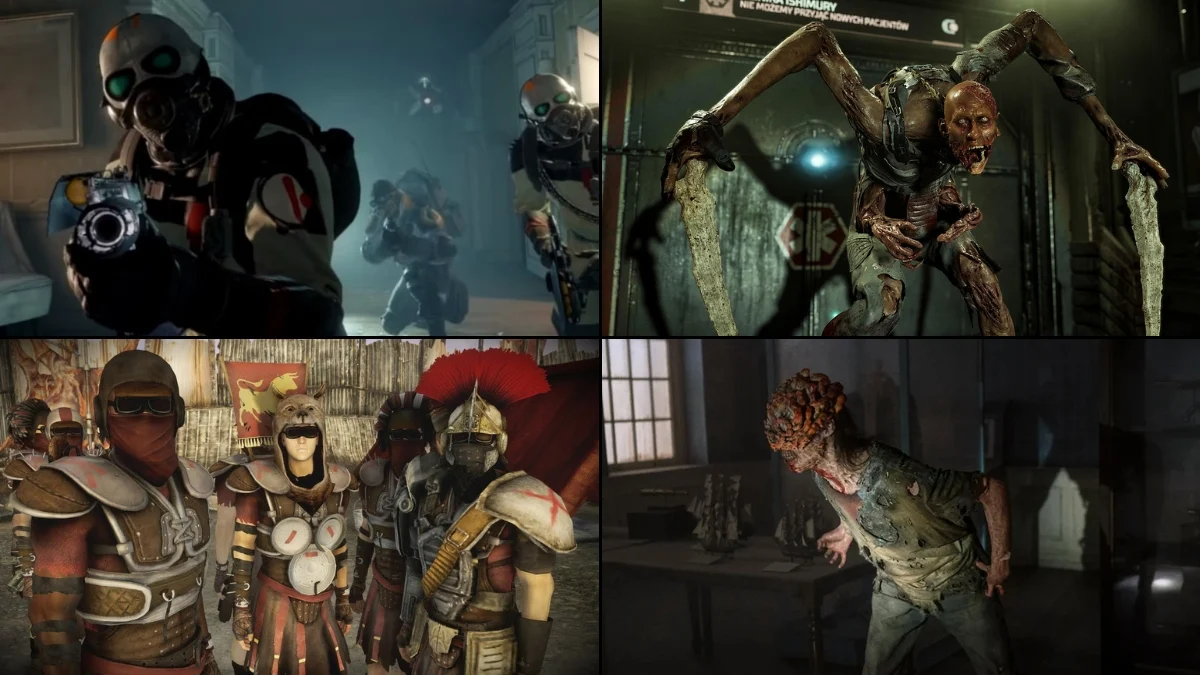


From galaxy-spanning coalitions to cults that swallow small towns, some game worlds are defined by the organized forces you square off against again and again. These factions come with clear chains of command, specialized units, signature weapons, and tactics you learn to read over time. Below are ten enemy groups—organizations and species, not single bosses—that shape their games through systems, encounters, and worldbuilding. Each one leaves a recognizable footprint on missions, maps, and the way you plan your next move.
The Combine

Introduced in the ‘Half-Life’ series, the Combine is a multidimensional empire that subjugates planets through transhuman soldiers, civil protection patrols, and draconian resource extraction. Their control of City 17 relies on surveillance systems, suppression fields, and off-world technology like Striders and Gunships. Enemy compositions often mix human Overwatch units with synth war machines, forcing players to juggle cover, verticality, and priority targets. The faction’s logistics—citadel hubs, depots, and rail lines—shape level layouts and scripted set pieces across the campaign.
The Covenant

In ‘Halo’, the Covenant is a theocratic alliance of alien species coordinated by a strict caste structure, from Grunts and Elites to Prophets at the top. Encounters revolve around complementary unit roles—shielded Elites push aggressively while Jackals hold firing lines with energy shields. Vehicle warfare is central, with Ghosts, Wraiths, and Banshees defining open-area skirmishes and sandbox choices. Their plasma weaponry and energy shields introduce clear counters, encouraging precision bursts, grenade sticks, and weapon swapping.
The Locust Horde

‘Gears of War’ pits players against subterranean Locust forces that emerge through emergence holes and fortified strongpoints. The faction fields a broad roster—Drones, Kantus, Boomers, Theron Guards—supported by monstrous assets like Corpsers and Brumaks. Their AI emphasizes flanking and suppression, making cover-to-cover movement and team fire essential. Horde modes and campaign battles both highlight Locust attrition tactics and area denial through explosives and heavy weapons.
The Necromorphs
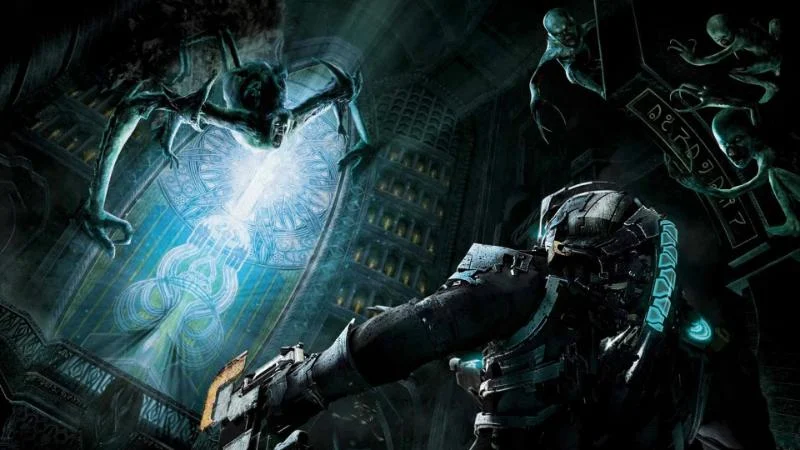
In ‘Dead Space’, Necromorphs are reanimated organisms reshaped by alien signals, turning combat into targeted dismemberment rather than conventional headshots. Enemy variants—from Slashers and Lurkers to regenerating elites—pressure players in airless corridors, zero-G arenas, and maintenance shafts. Audio cues and vent spawn points dictate pacing, with stasis and kinesis systems built into encounter design. The faction’s infestation loops—corruption growth, corpse conversion, and marker influence—tie narrative beats directly to gameplay hazards.
The Infected (Cordyceps)

‘The Last of Us’ frames the Infected as stages of fungal progression—Runners, Stalkers, Clickers, and Bloaters—each with distinct senses and durability. Stealth and sound are core mechanics: Clickers key off echolocation, while ambient noise and thrown items redirect threats. Crafting—shiv uses, molotovs, and nail bombs—aligns tightly with enemy resistances and detection ranges. Arena layouts funnel choices between silent takedowns, chokepoints, and controlled crowd control.
ADVENT

In ‘XCOM 2’, ADVENT is the human-alien collaboration that polices occupied cities through patrol routes, scanners, and timed objectives. Pods activate on line-of-sight, creating turn-based tempo swings that hinge on overwatch traps and flanking. Unit variety—Troopers, Captains, MECs, and psionic officers—combines armor, crowd control, and buffs, demanding specialized squad builds. Strategic layer mechanics—retaliation strikes, dark events, and facility timers—extend the faction’s pressure beyond tactical missions.
The Reapers

The ‘Mass Effect’ trilogy’s Reapers are sentient capital ships that indoctrinate organics and field husk variants through local proxies. On-foot battles feature faction mixes—Cannibals, Marauders, Banshees—whose synergies punish exposed positions and unstripped defenses. Power combos (biotic and tech detonations) are designed to counter heavy shields and barriers common in Reaper-aligned units. At the galactic scale, war asset accumulation and priority missions mirror the Reapers’ systematic harvest strategy.
The Hive

In ‘Destiny’, the Hive is a death-worshipping civilization with rigid hierarchies—Thrall, Acolytes, Knights, Wizards, and Ogres—plus bosses tied to ritual spaces. Encounters leverage rune shields, arcane totems, and summoning rituals that spawn waves until objectives are disrupted. Elemental damage types, champion modifiers, and light-level checks determine loadouts for Strikes, Raids, and seasonal activities. Their architecture—chitin halls, sarcophagi, and tomb-worlds—drives sightlines, add phases, and arena mechanics.
Caesar’s Legion

In ‘Fallout: New Vegas’, Caesar’s Legion operates as an expansionist slaver state organized into centuries and cohorts. The faction’s presence changes faction reputations, quest outcomes, and control over the Colorado River region. Loadouts emphasize melee, marksman gear, and named commanders, influencing mid-range engagements and ambush spots along highways and outposts. Player choices determine access to camps, unique gear, and late-game alignments that reshape the political map.
The Helghast

The ‘Killzone’ series centers on the Helghast, an industrial militarist society fielding disciplined infantry, snipers, and heavy armor in urban and arctic theaters. Their iconic visors and gas masks pair with strict fireteam tactics, suppressive fire, and turret/drone support. Multiplayer and campaign encounters highlight lane control, recoil patterns, and objective rotations that fit their militarized doctrine. Environmental hazards—dust storms, low visibility, and tight interiors—complement their emphasis on cover and crossfire.
Share your own most-loathed enemy factions—and the encounters that made them memorable—in the comments!