


10 Best Episodes of ‘Doctor Who’



Few shows have reinvented themselves as boldly or as often as ‘Doctor Who’. Since 1963 the series has followed the Doctor across time and space with new faces and fresh eras while keeping the same adventurous spirit. The format lets each episode stand on its own with different genres and historical settings, which makes singling out highlights a fun challenge.
This list gathers ten standout tales that help define what ‘Doctor Who’ does best. You will find inventive monsters, clever time twists, and character driven stories that echo through later adventures. Each entry notes the key players on screen and behind the scenes along with the plot beats and lasting impact inside the wider continuity of the show.
Blink
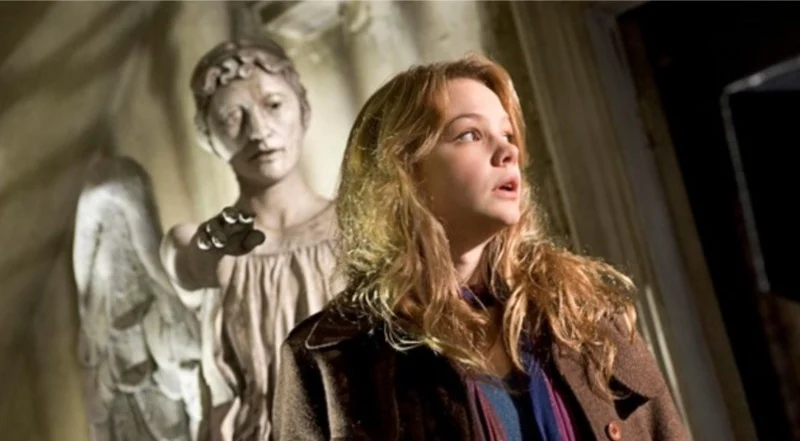
Set in modern day London this story introduces the Weeping Angels who send victims back in time and feed on the energy of what might have been. Sally Sparrow pieces together clues hidden in DVD easter eggs while the Tenth Doctor and Martha Jones are stranded in the past and communicate through pre recorded messages. The narrative is mostly told from Sally’s point of view which makes the Angels feel ever present even when the Doctor is off screen.
Written by Steven Moffat this episode cemented the Angels as a recurring threat and established the phrase timey wimey that the series often references. It also showed how well ‘Doctor Who’ can work with a Doctor light structure that focuses on new characters while still advancing the ongoing adventures of the TARDIS team.
Heaven Sent
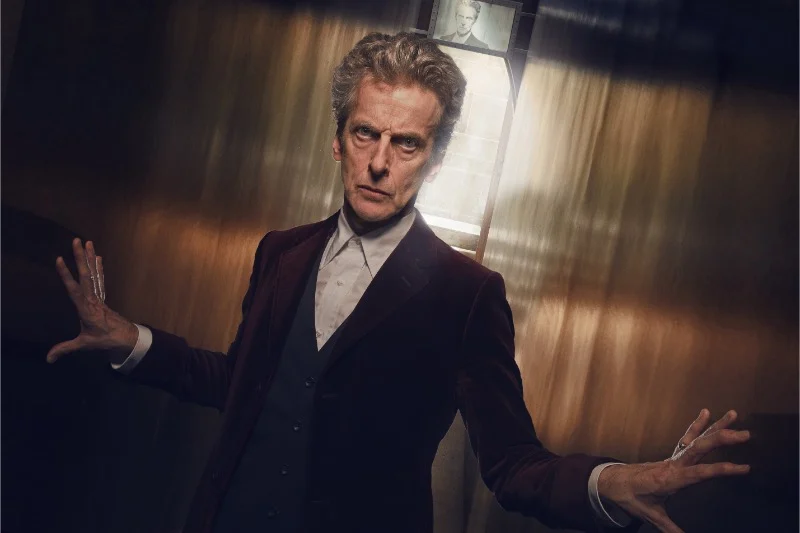
After a devastating loss the Twelfth Doctor finds himself alone inside a shifting clockwork like castle pursued by a shrouded creature called the Veil. The environment resets in a loop and the Doctor slowly maps secret routes and mechanisms while confessing clues about the Hybrid mystery. The setting becomes a puzzle box where observation and memory are the only escape tools.
Directed by Rachel Talalay and written by Steven Moffat the hour functions as an intense character study with almost no supporting cast. Its resolution leads directly into the next story and reveals the location of Gallifrey which sets up the season finale and the Doctor’s confrontation with his own people.
The Day of the Doctor
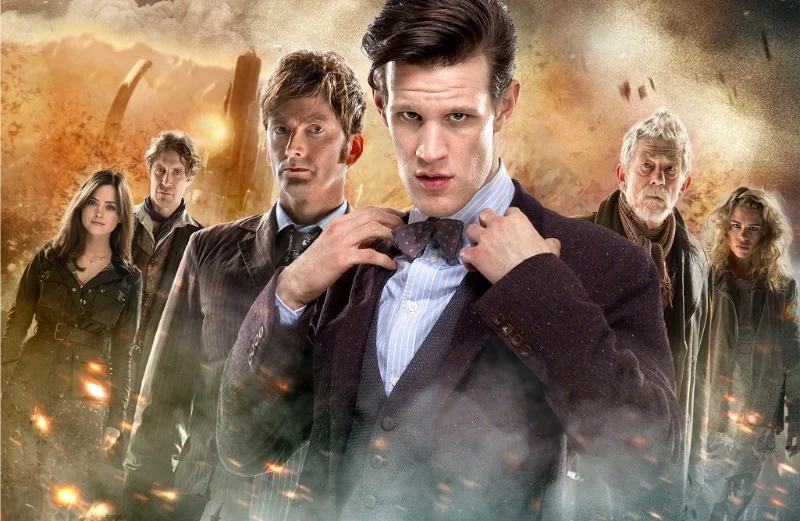
Created for the fiftieth anniversary this special unites the Tenth Doctor the Eleventh Doctor and the War Doctor during a crisis that links present day London with Elizabethan England. The Zygons infiltrate positions of power through shape shifting while a forbidden Time Lord device known as the Moment pushes the War Doctor toward a final decision about the Time War. The narrative intercuts across eras and uses paintings as a bridge between timelines.
The story reframes the fate of Gallifrey by having the Doctors coordinate a plan to freeze their home world in a pocket universe rather than destroy it. Appearances by UNIT and the National Gallery tie the special to earlier lore and a brief scene with a familiar museum curator hints at a long future for the character which becomes a touchstone for later episodes of ‘Doctor Who’.
The Girl in the Fireplace
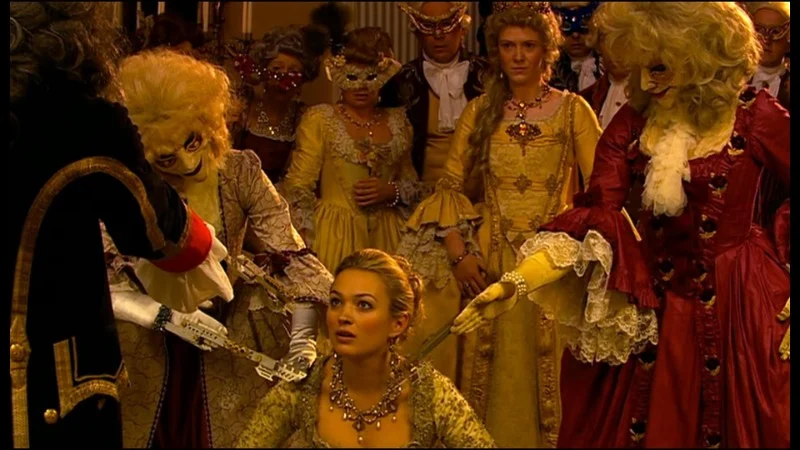
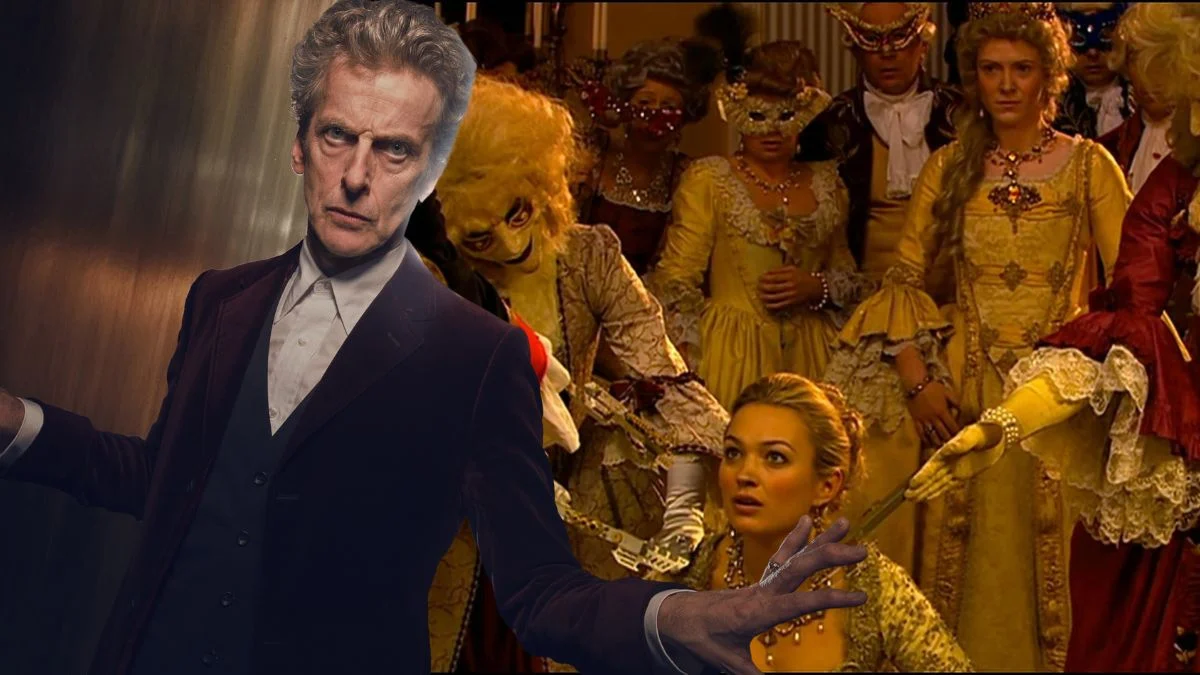
On a derelict starship in the fifty first century time windows open into the life of Reinette better known as Madame de Pompadour. The Tenth Doctor steps through to eighteenth century France and discovers that ornate clockwork droids are stalking Reinette because the ship has been repaired with human parts and wants her brain to complete the work. The story alternates between the ship and Versailles as the windows jump forward through Reinette’s years.
Steven Moffat’s script pairs the Doctor with a historical figure whose life moves faster than his access to it which underlines the bittersweet cost of time travel. The clockwork droids return in later seasons and the ship’s name connects to Reinette herself which links the futuristic mystery with the period setting in a clean loop inside the lore of ‘Doctor Who’.
Vincent and the Doctor
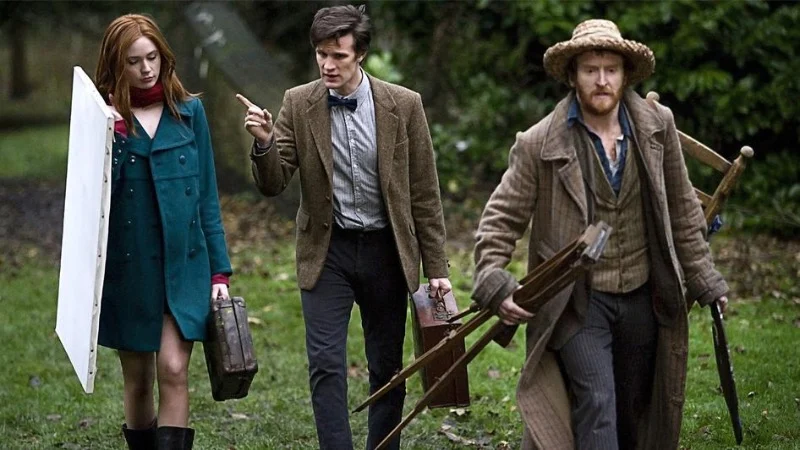
A visit to a museum leads the Eleventh Doctor and Amy Pond to notice a strange creature hidden in a Vincent van Gogh painting. They travel to France and meet Vincent who can see an invisible alien known as a Krafayis that others cannot perceive. The episode follows the trio as they track the creature through fields and streets while also showing Vincent’s working process and the town’s wary response to him.
Written by Richard Curtis the story blends science fiction with art history by weaving the Krafayis into the inspiration for several canvases. A later trip to a gallery lets Vincent hear how his work will be viewed in the future which becomes an emotional hinge for the character and a memorable example of how ‘Doctor Who’ uses time travel to revisit cultural milestones.
The Empty Child and The Doctor Dances
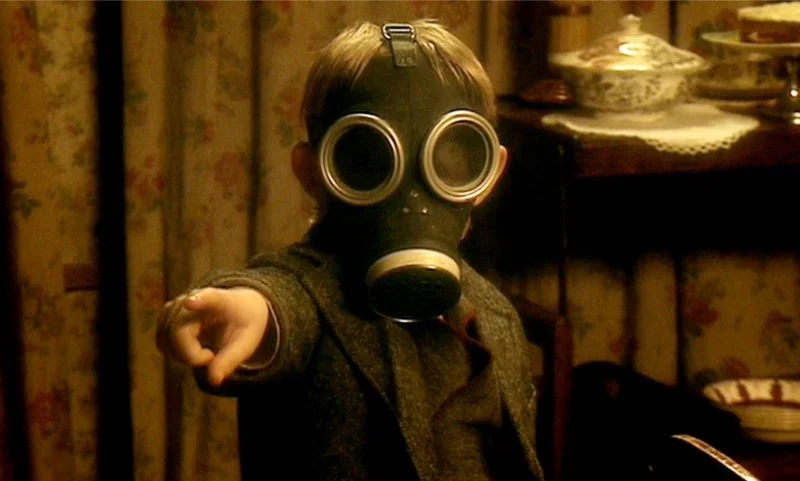
During the London Blitz the Ninth Doctor and Rose Tyler encounter a mysterious child in a gas mask whose presence coincides with strange wounds and a contagious transformation. Captain Jack Harkness enters the series as a swashbuckling time traveler whose con has gone wrong and who becomes a key ally. The group investigates a crashed alien medical ship whose automated nanogenes have misread human biology and are rewriting people to match the injured child.
Steven Moffat’s two parter resolves when the truth about the child’s parentage is finally spoken which gives the nanogenes the correct template to heal everyone. The episodes also launch Jack as a continuing figure who later headlines ‘Torchwood’ and they establish the tone and humor that would carry forward into later seasons of ‘Doctor Who’.
Human Nature and The Family of Blood
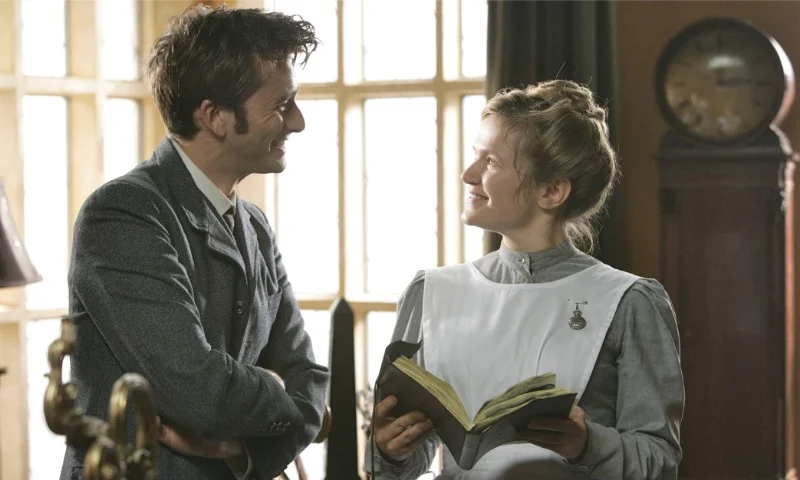
To escape pursuit by the Family of Blood the Tenth Doctor uses a chameleon arch to rewrite himself into a human schoolteacher named John Smith in 1913 England. Martha Jones works undercover as a maid to protect him while a fob watch holds his Time Lord essence and the Family hunts for it using living scarecrows and stolen bodies. The setting explores class dynamics and the looming approach of war as students drill for conflict.
Adapted by Paul Cornell from his ‘Doctor Who’ novel the story examines what is lost and gained when the Doctor becomes human. When the watch is finally opened the Doctor returns and delivers fitting punishments that trap the Family across time which echoes in later references and shows how dangerous he can be when pushed.
The Waters of Mars
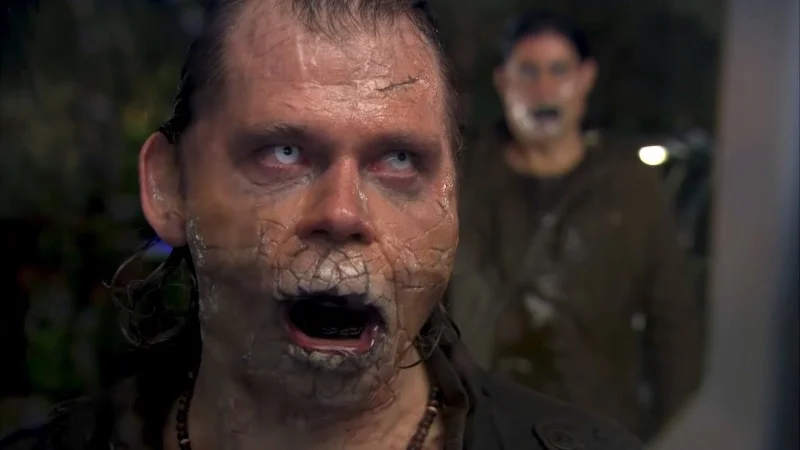
The Tenth Doctor arrives at Bowie Base One the first human colony on Mars and discovers that a water borne infection is turning the crew into hosts with cracked faces and a compulsion to spread. The mission commander Adelaide Brooke is marked as a fixed point in time whose fate inspires future exploration which puts the Doctor in a bind between saving lives and preserving history. The crisis escalates as water finds new paths through pipes and suits.
By intervening the Doctor declares himself the Time Lord Victorious which breaks his usual rules and leads to tragic consequences that reset the event’s legacy. This pivot darkens the path to his regeneration and becomes a reference point for later discussions about fixed points and the burden carried by the lead character in ‘Doctor Who’.
The Caves of Androzani
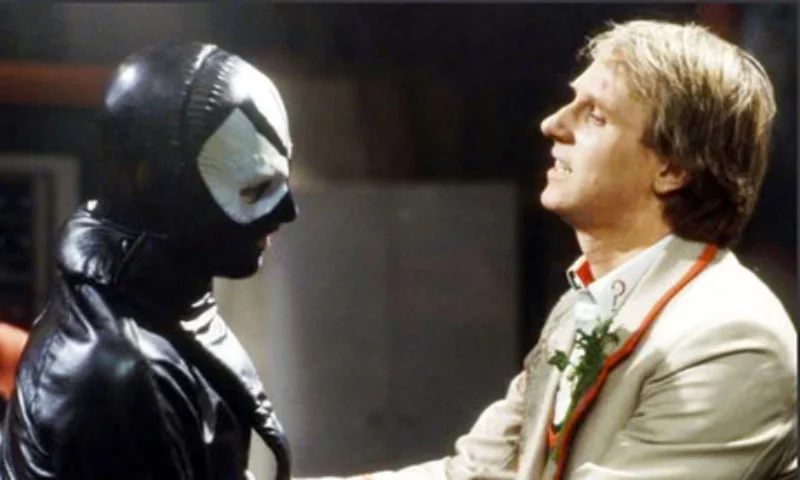
The Fifth Doctor and Peri land on Androzani Minor and are caught between gun runners a corrupt corporate leader named Morgus and the masked recluse Sharaz Jek. Exposure to raw spectrox poisons both travelers and the Doctor searches for the rare bat’s milk that can cure the toxin while factions fight over control of the valuable resource. The spiraling conflict strips away allies and leaves the Doctor to choose between escape and saving his friend.
Written by Robert Holmes and directed by Graeme Harper the serial concludes with the Fifth Doctor’s regeneration into his sixth incarnation. The production uses studio sets to create caves and machinery that feel harsh and confined which matches the fatal tone of the story and gives a defining endpoint to this era of ‘Doctor Who’.
Genesis of the Daleks
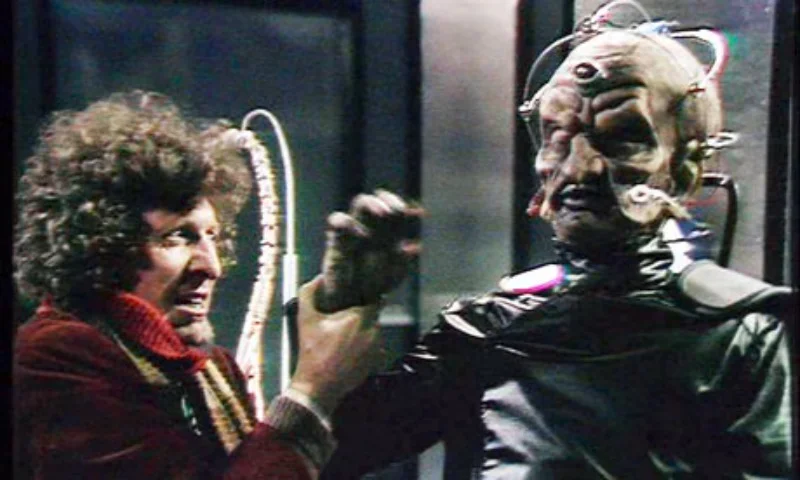
The Time Lords send the Fourth Doctor Sarah Jane Smith and Harry Sullivan to Skaro at the moment the Daleks are about to be created. In the middle of a long war between Kaleds and Thals the scientist Davros designs the travel machines and programs the philosophy that will guide his creations. The Doctor faces a moral test over whether to destroy the creatures before they begin or risk what they will become.
Terry Nation’s script sets the origin for the Daleks and introduces Davros who appears throughout later decades of ‘Doctor Who’. The serial explains the tank like casing the voice and the merciless logic of the species while also establishing historical details that later writers return to when exploring the relationship between the Doctor and his oldest enemies.
Share your own picks for the best ‘Doctor Who’ episodes in the comments so everyone can compare notes and keep the discussion going.