

Best eSports Games of All Time, Ranked

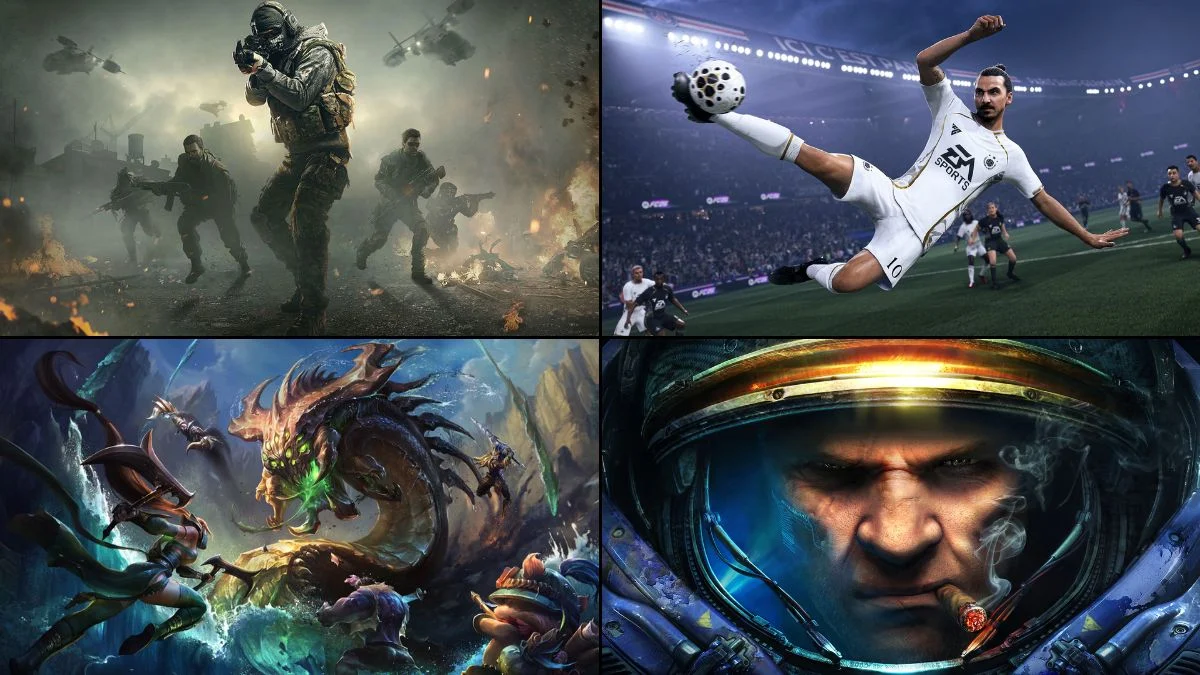


Esports has grown from small local LAN meetups into global stadium events with broadcast crews, player unions, and seven figure prize pools. The games that built this scene did it through deep competitive design, strong tournament infrastructure, and communities that kept showing up year after year. Together they created a pipeline of amateur ladders, regional leagues, and world finals that now rival traditional sports in viewership.
This list looks at long term competitive relevance, consistency of high level events, international player bases, and the strength of developer or third party support. It also considers how each title shaped formats, production standards, and talent development. From tactical shooters to real time strategy and fighting games, these are the pillars that defined modern competitive play.
20. Halo
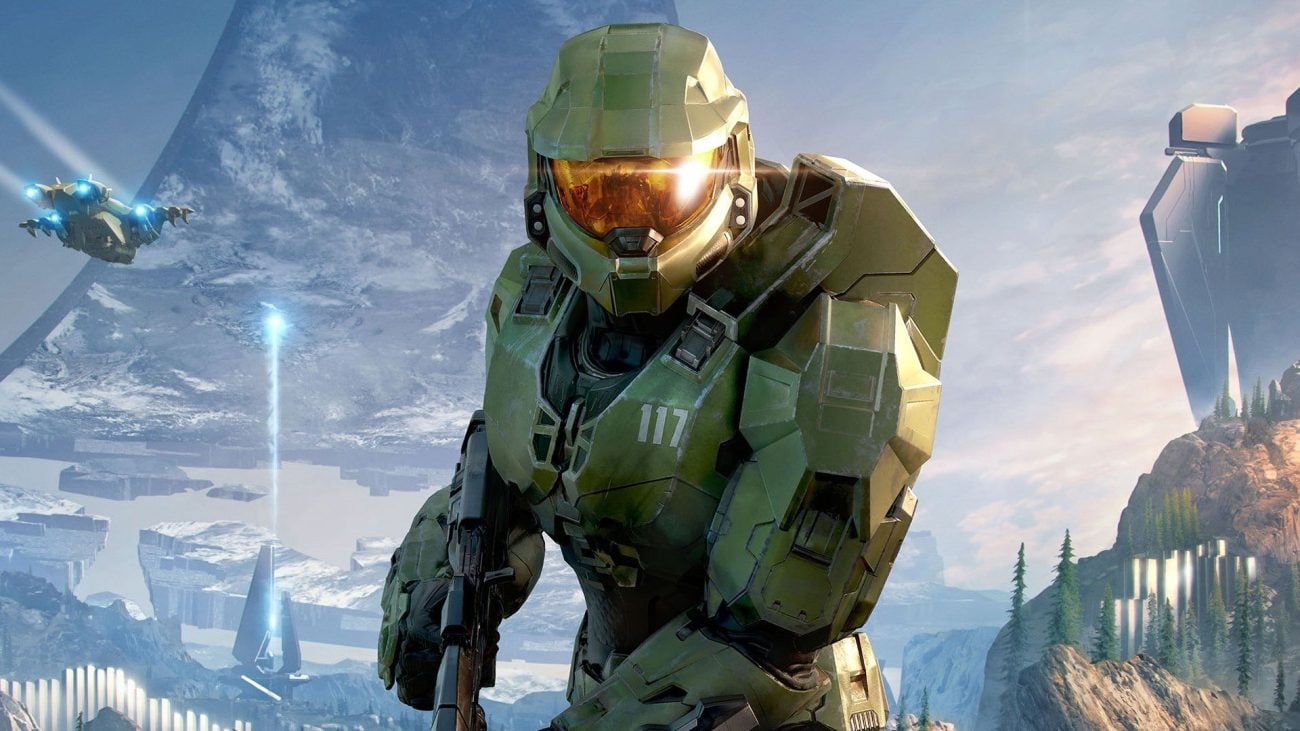
Halo established console esports on Xbox with early Major League Gaming circuits and consistent North American rosters that stayed together across multiple entries. The game popularized objective based arena modes with strict weapon spawn control and map movement that rewarded timing and teamwork. Its spectator experience improved with features like theater tools and observer cams that made broadcast coverage clearer.
The Halo Championship Series unified formats across seasons with point based qualification and international stops. LAN events delivered stable performance for aim and movement based duels while map remakes kept legacy layouts in rotation. The scene created recognizable organizations and coaches who refined scrim culture, vod review, and playbook preparation.
19. Quake

Quake proved the viability of one on one arena duels with precision aim, strafe jumping, and item control at the highest level. Tournaments standardized time limits, sudden death rules, and map pick and ban that later carried into other shooters. Modes like duel and team based capture gave players different paths to compete while keeping mechanical skill at the center.
QuakeCon and third party circuits maintained prize pools and international attendance across versions including Quake III Arena and Quake Live. Consistent map naming, health and armor timing, and spawn logic enabled analysts to teach viewers how a lead is built. The game also served as a training ground for talent who later moved into commentary and production.
18. StarCraft Brood War
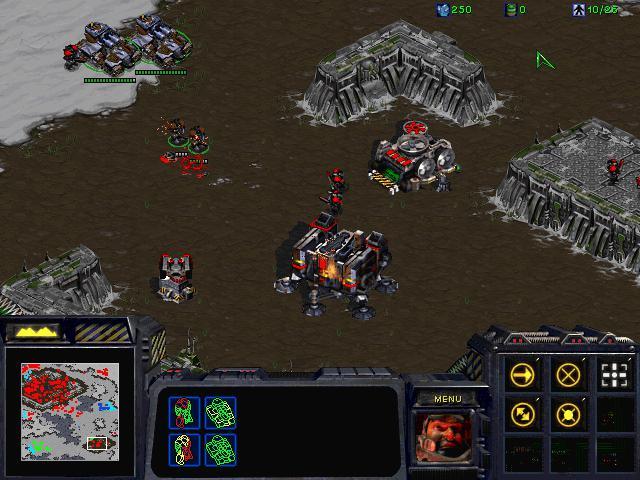
Brood War built one of the first full time professional ecosystems with televised leagues in South Korea, team houses, and dedicated coaching staffs. The game balanced three asymmetric races with strategic depth that produced distinct regional styles. Mechanical skill requirements such as rapid multitasking and economy management defined a clear separation between tiers of play.
KeSPA team leagues and individual star leagues introduced format standards like best of series, map pools, and promotion and relegation. Stable patches over long periods let the meta evolve through player innovation rather than frequent updates. The legacy of training regimens, scheduling, and sports psychology from Brood War influenced every real time strategy title that followed.
17. EA Sports FC series

The football simulation formerly known as FIFA delivers a global competitive funnel that mirrors the real sport with national tournaments, club backed teams, and regional playoffs. Its core one on one format is easy to follow and allows quick scheduling across online qualifiers and LAN finals. Player databases and team tactics create a scouting element that matters in roster building.
Official programs like the eChampions League and domestic leagues connect the scene to existing sports brands and venues. Ultimate Team modes fund large scale events and create reliable qualification calendars. Broad appeal and cross platform play ensure a steady influx of new competitors which keeps regional parity high.
16. Tekken 7 and Tekken 8
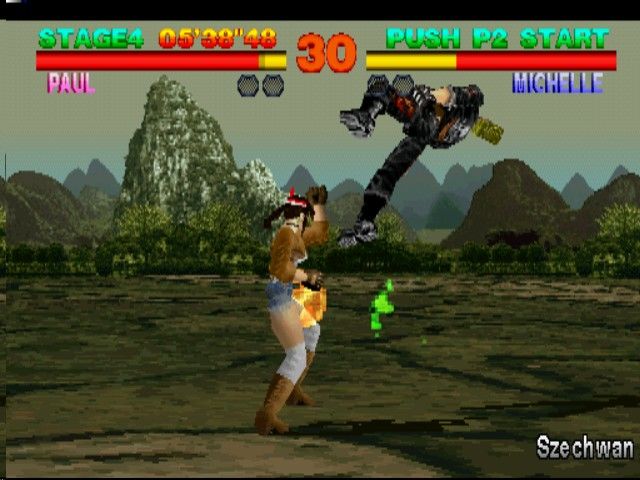
Tekken emphasizes movement mastery and matchup knowledge through backdash canceling, wall pressure, and long combo routes. The series maintains a clear ruleset for tournament play with round counts, time limits, and stage legality that organizers can replicate across regions. Character diversity supports counterpicks without making bans necessary.
The Tekken World Tour provides a connected circuit with master level stops and a global finals. Consistent netcode improvements and replay tools help players prepare for specific tendencies. Production quality and storyline packages present player rivalries in a way that is accessible to new viewers while preserving deep analysis for veterans.
15. Street Fighter V and Street Fighter 6
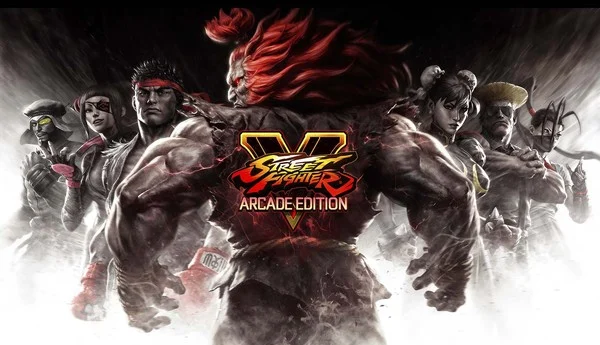
Street Fighter sets the template for modern fighting game circuits with the Capcom Pro Tour and a structured points leaderboard. Core mechanics such as footsies, anti airs, and resource management remain readable for spectators while still providing depth for experts. Frequent balance updates and seasonal content keep the roster fresh without disrupting event calendars.
Premier events feed into a world final that highlights regional champions and open bracket qualifiers. Training mode features and replay sharing allow targeted preparation, which encourages coaching roles and team infrastructure. The scene thrives across community run majors and publisher supported stops which makes it resilient and accessible.
14. Super Smash Bros. Melee
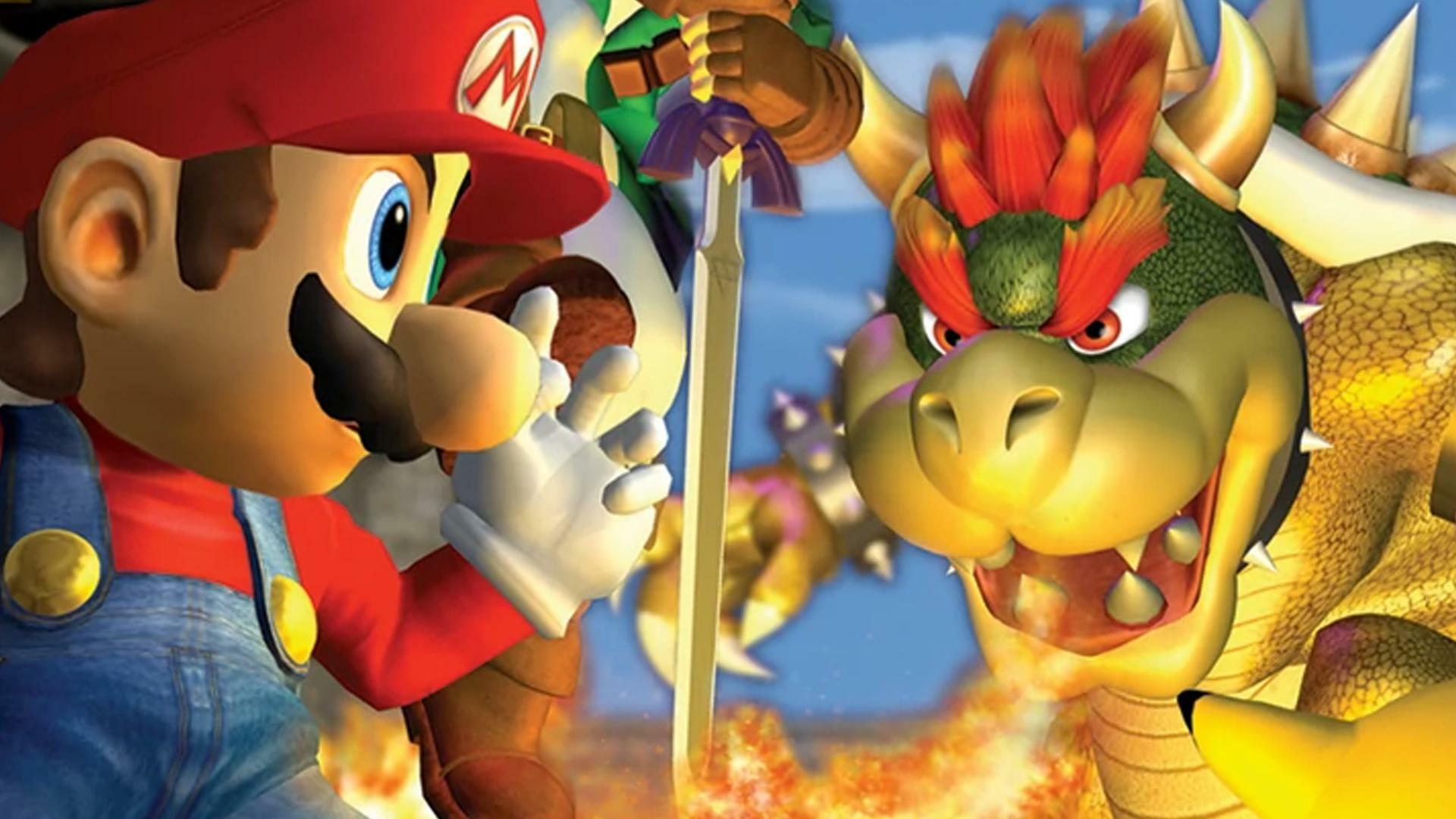
Melee maintains sustained high level competition through community led circuits, grassroots majors, and dedicated broadcast teams. Its movement tech including wavedashing and dash dancing produces unique player identities and matchup strategies. The meta continues to evolve through lab work and controller optimizations that are widely documented.
Rulesets like neutral stage lists and stock counts standardize events across regions. Third party ranking systems and vod archives help seed brackets accurately and support data driven preparation. Despite limited official backing the scene delivers consistent attendance and viewership for long running tournaments.
13. Hearthstone
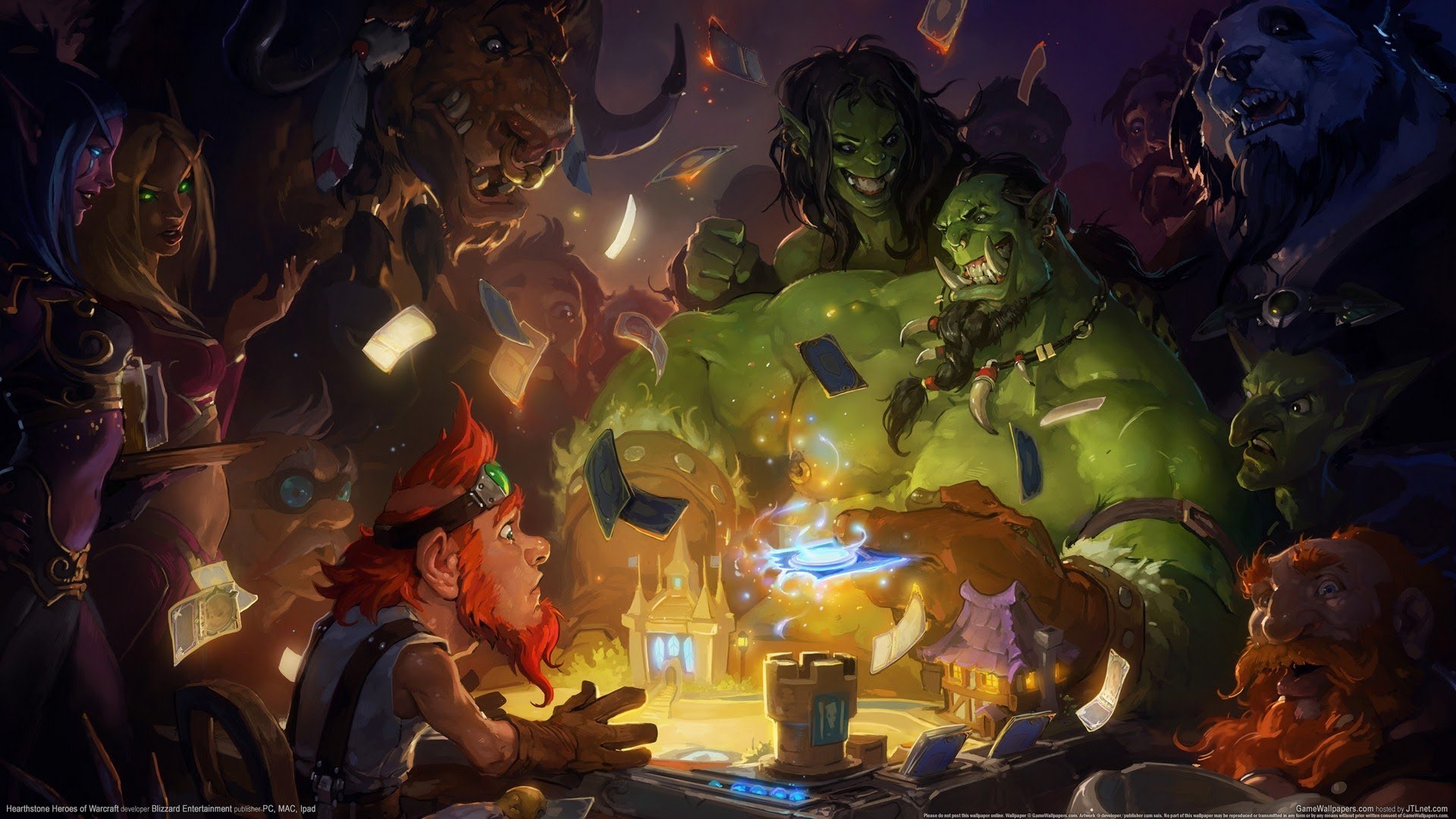
Hearthstone popularized accessible digital card esports with clear visuals, open deck building, and easy to follow turns. Its tournament formats include conquest, last hero standing, and specialist which force strategic bans and lineup planning. Frequent expansions and balance changes produce rotating metas that require constant practice and preparation.
Broadcasts developed strong decklist graphics and on screen trackers that help viewers understand resource counts and probabilities. Blizzard backed programs and partner events created a yearly calendar with seasonal championships. Third party tools and stat sites made analysis and scouting part of team support roles.
12. PUBG Battlegrounds
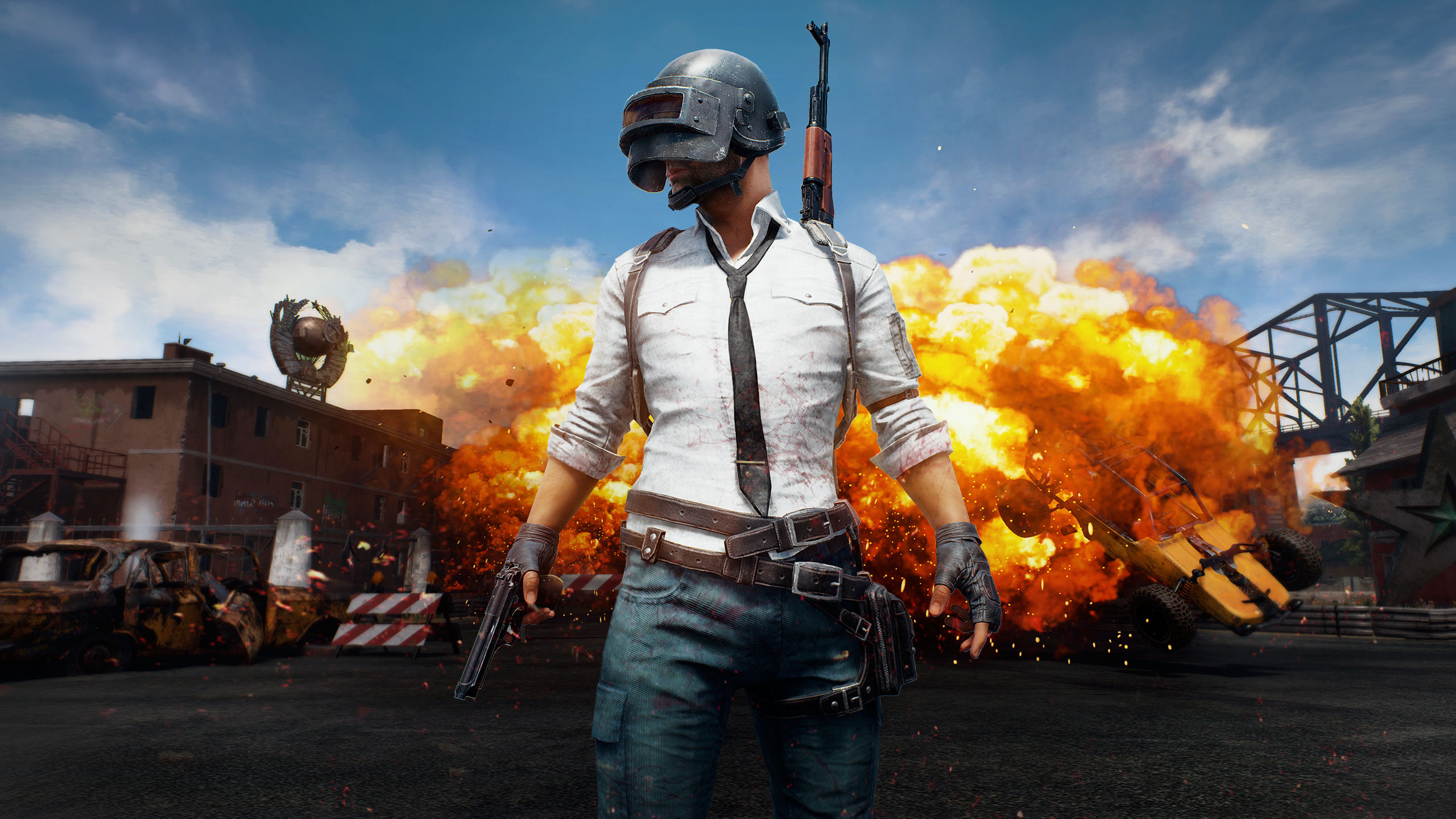
PUBG introduced large scale battle royale competition with realistic ballistics, terrain control, and rotating circles that force decision making under pressure. Team based play stresses information sharing, vehicle routes, and timing for third party fights. Map knowledge and utility usage determine safe rotations and late game positioning.
The PUBG Global Championship and regional pro leagues standardized point systems that balance placements and eliminations. Spectator technology including map feeds and live comms gives context to macro choices. Stable rulebooks outline circle settings, match counts, and tiebreakers which keeps events comparable across regions.
11. Apex Legends
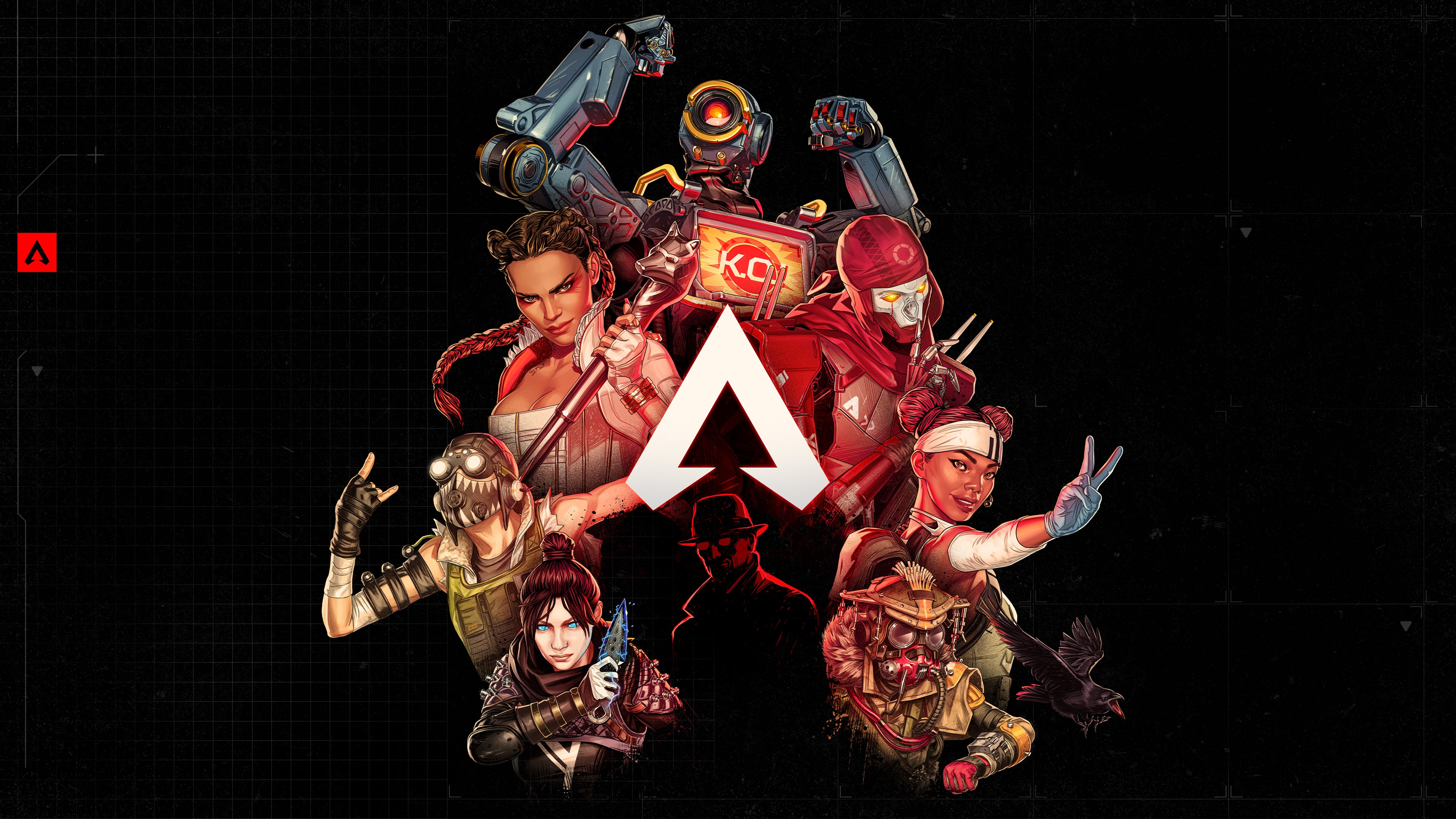
Apex focuses on hero abilities combined with team shooting and movement options like slides and ziplines. Compositions and legend swaps create a drafting layer before each lobby which adds strategy beyond aim. The time to kill and knock system encourage coordinated pushes and recovery planning.
The Apex Legends Global Series connects open qualifiers to split playoffs and a world championship. The format uses match point or cumulative scoring depending on the stage which changes risk profiles for teams. Production integrates overhead maps and zone predictions to make rotations and third party timing easy to follow.
10. Call of Duty
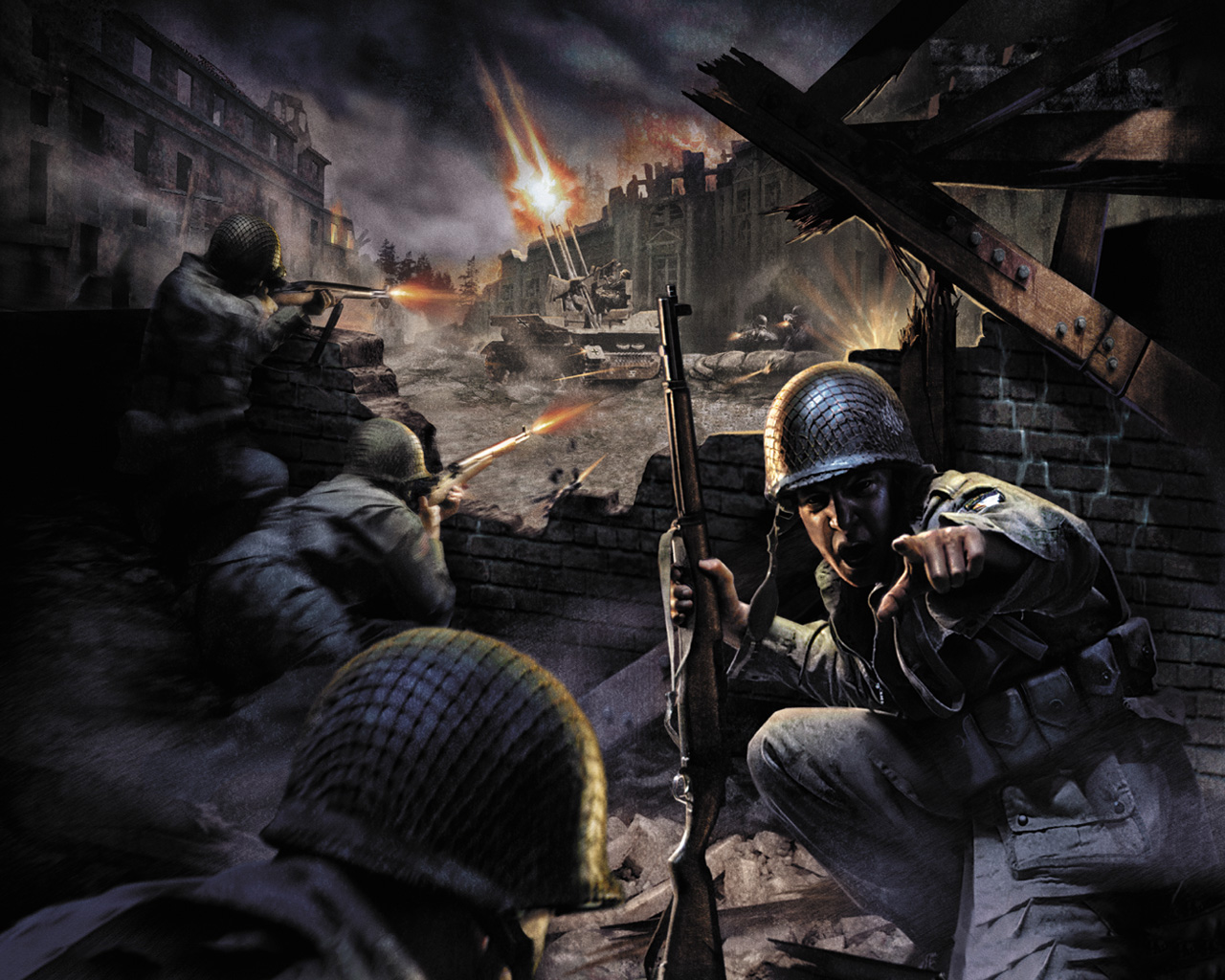
Call of Duty offers fast paced four on four competition with a reliable annual cycle and clear competitive modes like Hardpoint, Search and Destroy, and Control. Teams practice map specific breakoffs and retake protocols that translate into strong coaching playbooks. Weapon tuning and restricted lists are codified in rulebooks to keep the sandbox stable for events.
The Call of Duty League operates with franchised teams, regular season matches, and majors that culminate in playoffs. Academy programs and challengers circuits feed new talent into starting rosters. Consistent broadcast packages showcase stats like hill time, first bloods, and hold breaks that help viewers track momentum.
9. Rainbow Six Siege
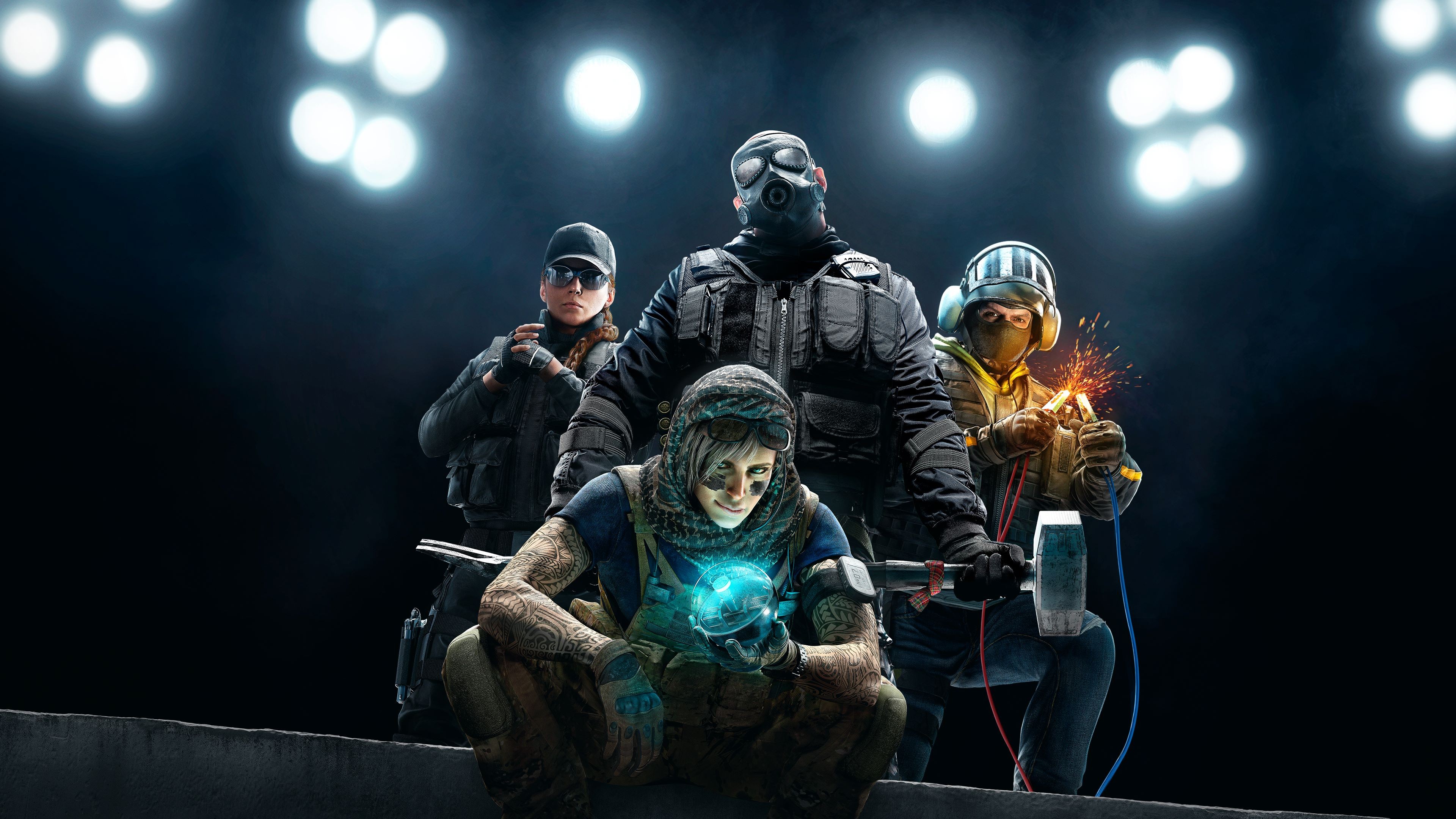
Siege delivers tactical depth through destructible environments, operator abilities, and coordinated executes. Attack and defense halves require teams to plan site specific setups, drone routes, and utility trades. The sound and vision system rewards information control which adds a coaching layer to mid round calls.
The Six Invitational serves as a world championship with regional leagues feeding into international majors. Ubisoft maintains a detailed competitive rulebook that covers operator pick and ban, map pools, and round counts. Spectator features like tactical overhead and replay cams make complex strategies easier to understand on broadcast.
8. Rocket League
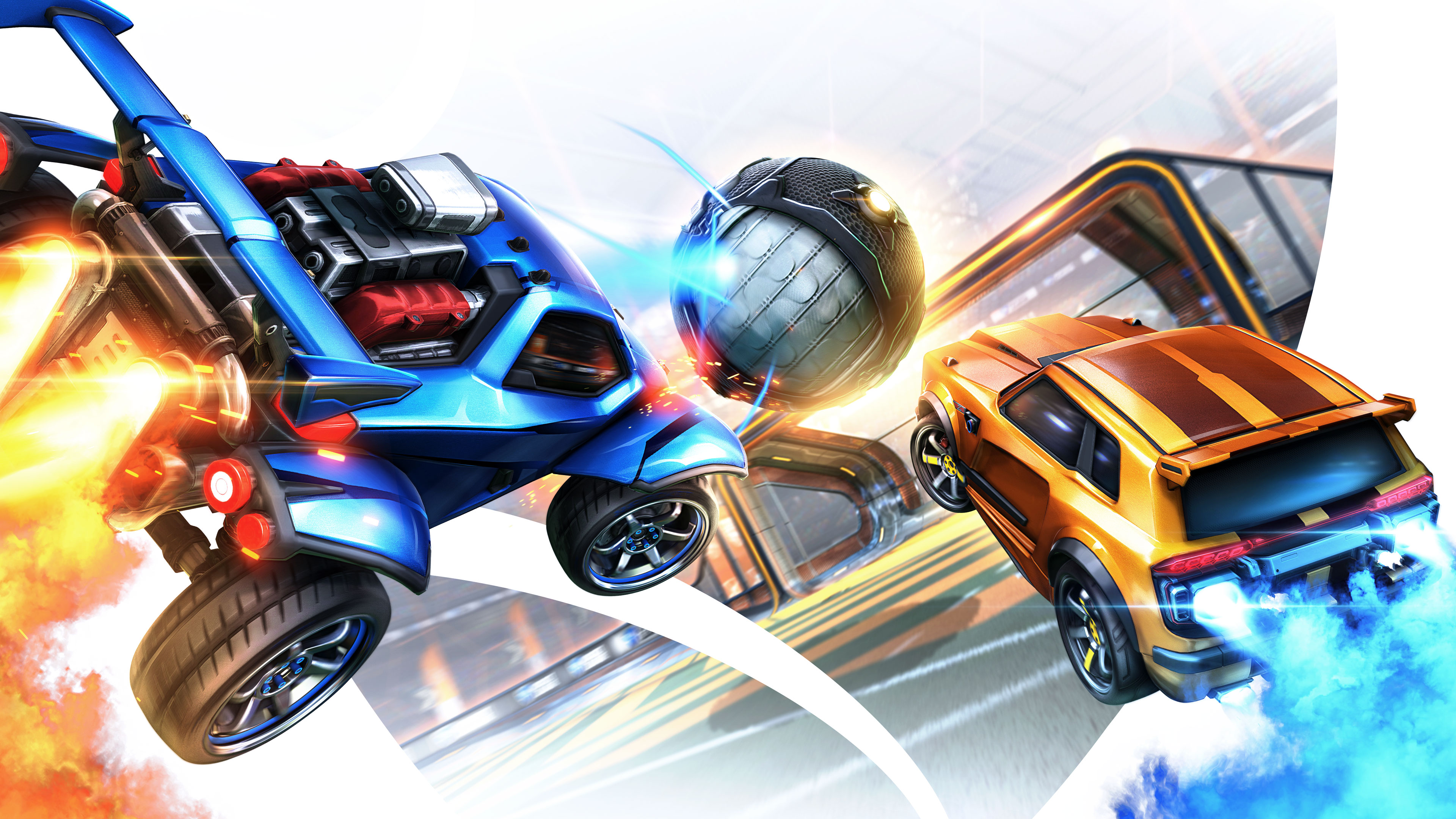
Rocket League blends sports structure with car based mechanics, creating a three on three format that is simple to watch and difficult to master. Rotation discipline and boost management are core skills that teams develop through structured scrim routines. The ball physics and arena layouts are consistent which supports long term strategic refinement.
The Rocket League Championship Series runs seasonal splits with open qualifiers and international LANs. Cross region play at majors highlights differing styles and promotes roster movement. In game esports tabs and reward drops boost engagement and help viewers move from casual play to following pro teams.
7. Overwatch
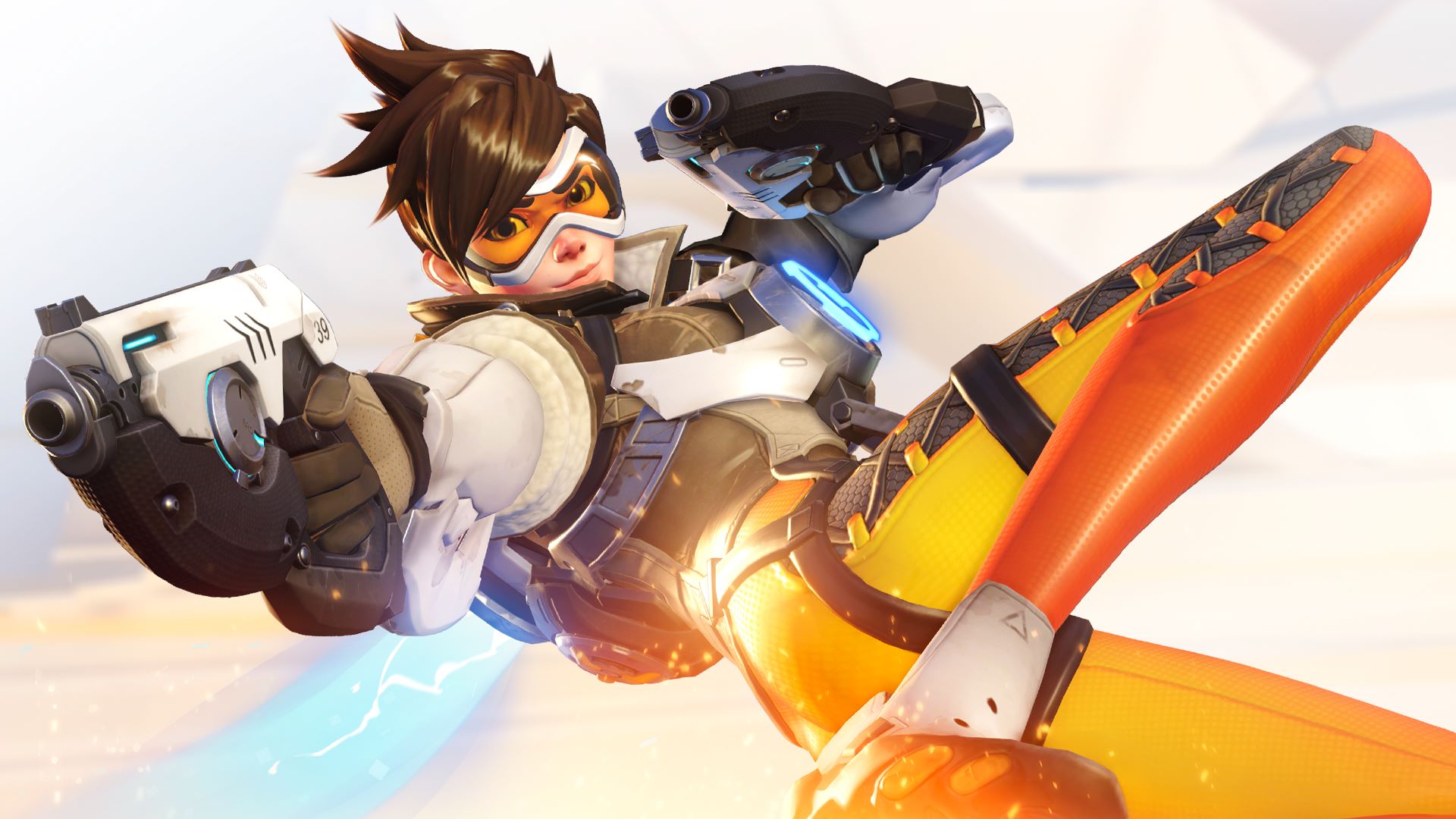
Overwatch combines hero abilities with objective modes that require coordinated ult economy and role specialization. The game uses role lock to define team compositions which supports readable strategies. Map types such as hybrid and control offer distinct win conditions that teams practice with scenario specific playbooks.
The global league format established city based franchises, academy teams, and a path to pro through contenders. Observer tools allow instant replay, ultimate tracking, and top down views that clarify chaotic fights. Frequent patches and hero pools have been managed with published schedules to protect tournament integrity.
6. Valorant
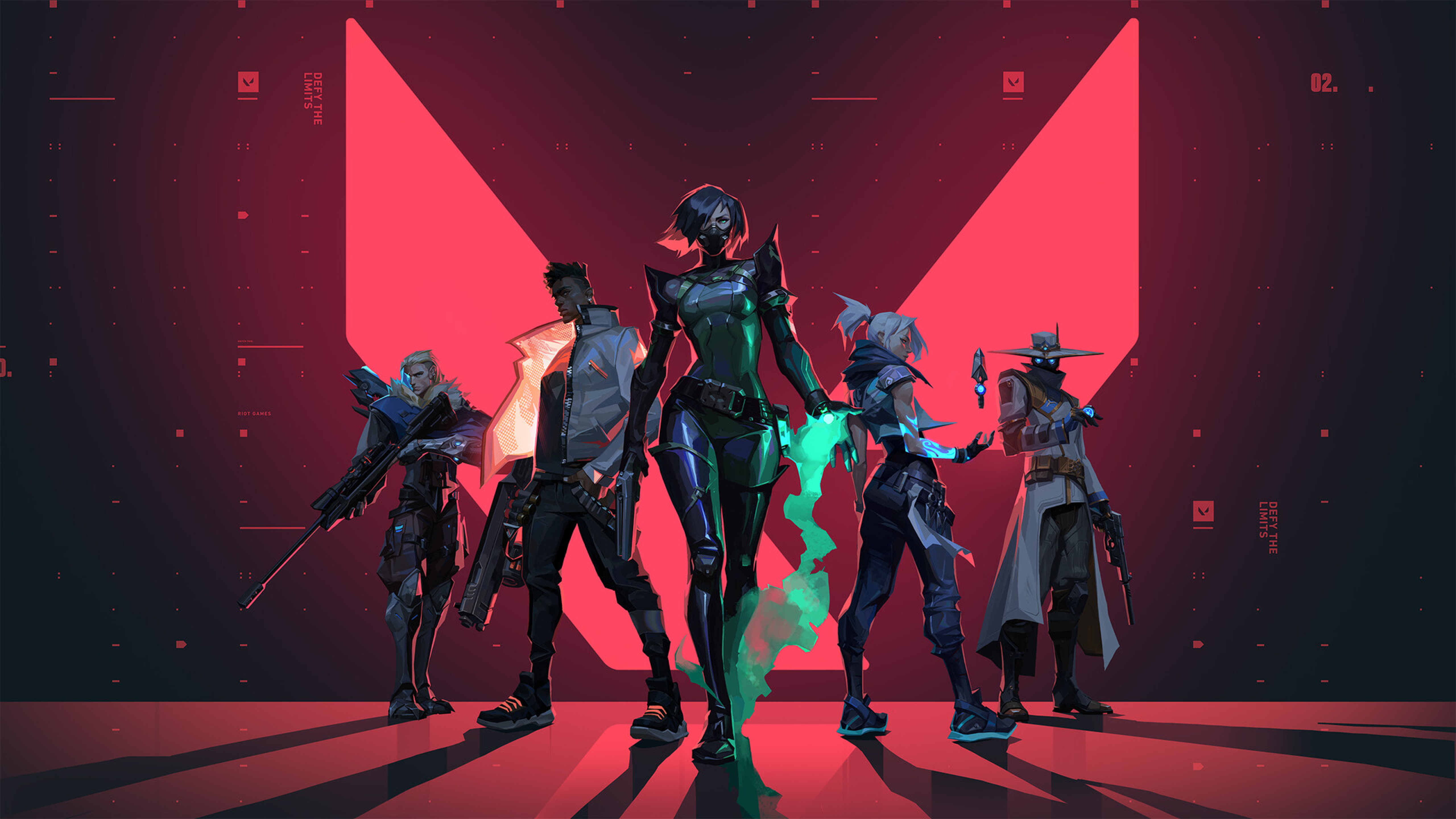
Valorant pairs tactical shooter fundamentals with agent utility that changes site executes, retakes, and defaults. Map design includes features like one way vision blockers and movement options that produce unique set plays. The economy system and round based structure create predictable practice routines for teams.
The official Champions Tour links open qualifiers to international Masters and a world final. Partner teams gain stability for roster building while challengers leagues provide promotion paths. Riot invests in observer technology and replay packages that highlight lineups, post plant setups, and utility trades which helps new viewers follow strategy.
5. Fortnite

Fortnite established large scale open qualifiers that let amateurs reach major finals through in game events. The building and editing system rewards mechanical mastery and makes endgames a resource based puzzle. Point structures balance placements and eliminations which encourages smart macro decisions in stacked lobbies.
The Fortnite World Cup set a benchmark for single event prize pools and production scale. Creator ecosystems and third party events fill the calendar between official competitions. Cross platform support and regular content updates keep participation high for both solos and duo or trio formats.
4. StarCraft II
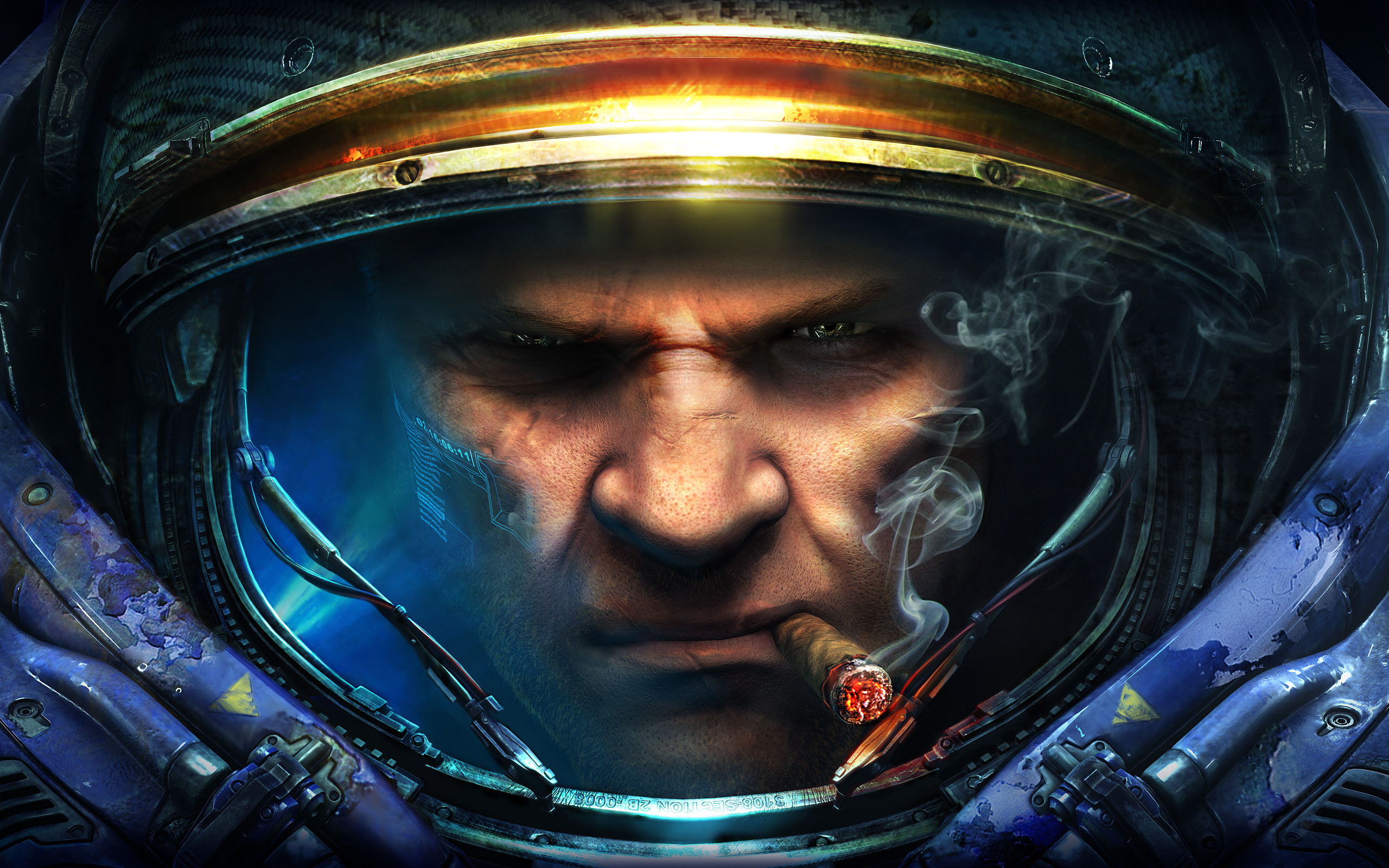
StarCraft II remains a premier one on one esport with a stable global circuit and region based leagues. The three races deliver distinct strategies such as timing attacks, tech switches, and late game army trades. High actions per minute requirements and tight build orders set clear skill metrics for evaluation.
The Global StarCraft II League and international championships maintain deep history with repeat champions and iconic rivalries. Map pools rotate through vetted community submissions which keeps strategies fresh. Observer tools convey economy leads, supply counts, and production cues so viewers can read the state of a match quickly.
3. Dota 2
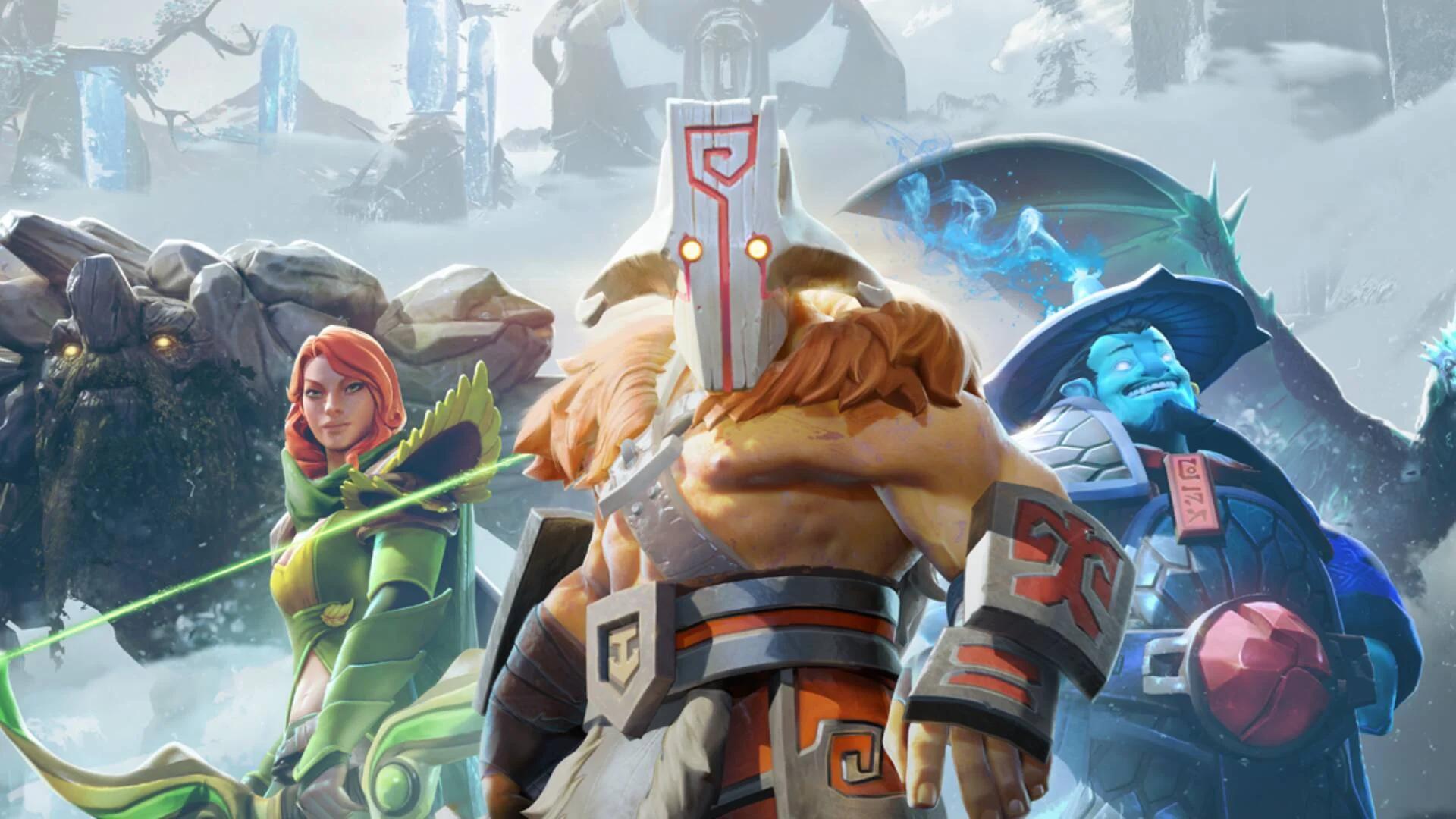
Dota 2 supports massive team fights, deep drafting, and complex economy management through items and buyback rules. The game rewards vision control, timing around Roshan, and objective tradeoffs that are planned across long series. Patches shift the meta while keeping core mechanics intact which sustains long term learning.
The International delivered record prize pools through crowd funding and set production standards for opening ceremonies and stage design. Regional leagues and majors organize the season and protect competitive integrity. Advanced spectator overlays show net worth, damage breakdowns, and smoke movements which helps analysts explain strategy.
2. Counter-Strike
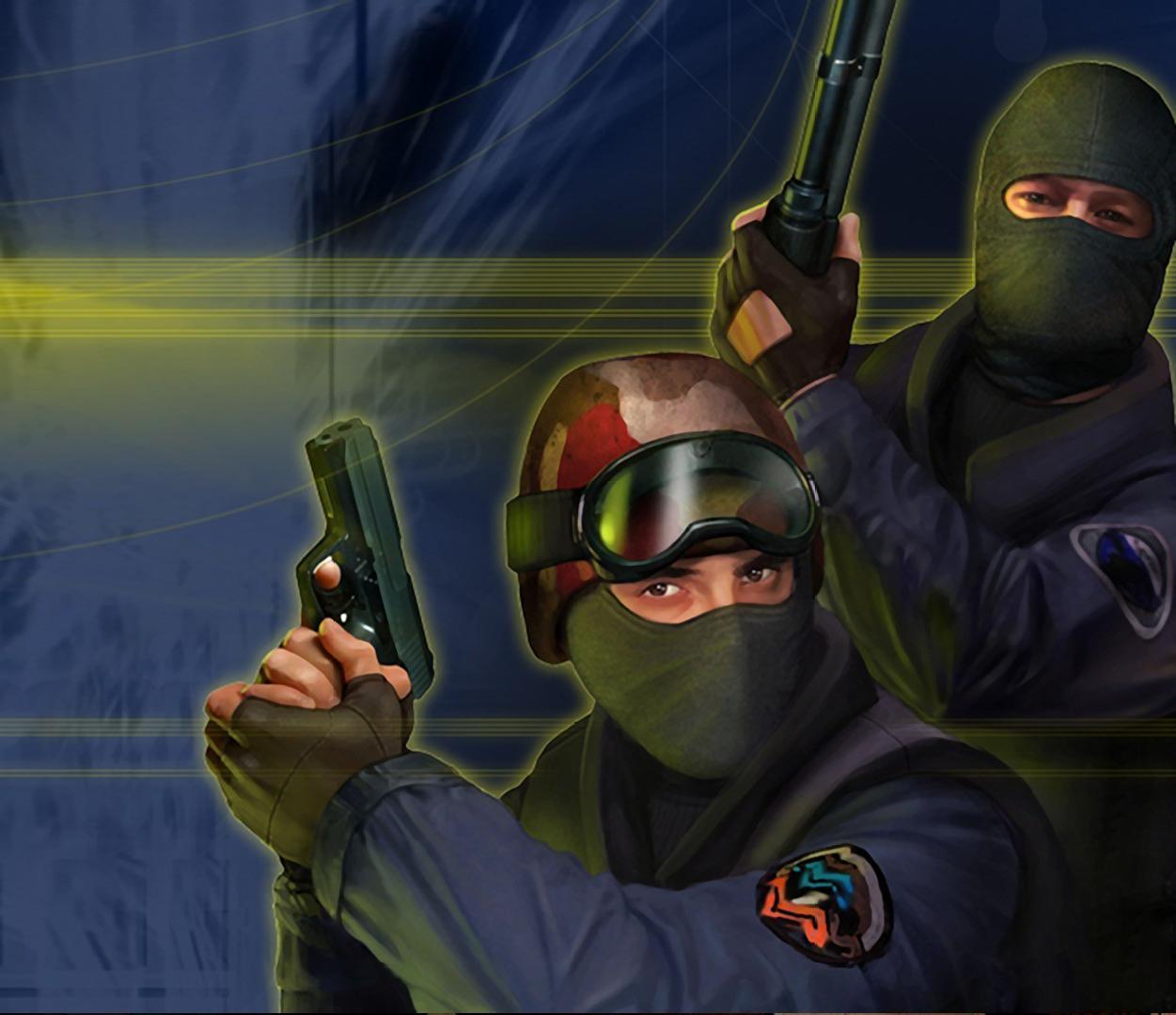
Counter-Strike offers clean round based competition with clear objectives, an economy layer, and precise gunplay. Map control concepts such as utility usage, defaults, and executes create a strategic framework that teams practice daily. The franchise maintained continuity across versions which preserved history and player careers.
Third party organizers like ESL, BLAST, and PGL run international circuits with consistent rulebooks and open qualifiers. Majors crown world champions and provide sticker revenue that funds teams and players. Broadcasts use tactical timeouts, coach comms, and heat maps to explain decision making in a way that rewards dedicated viewers and newcomers.
1. League of Legends
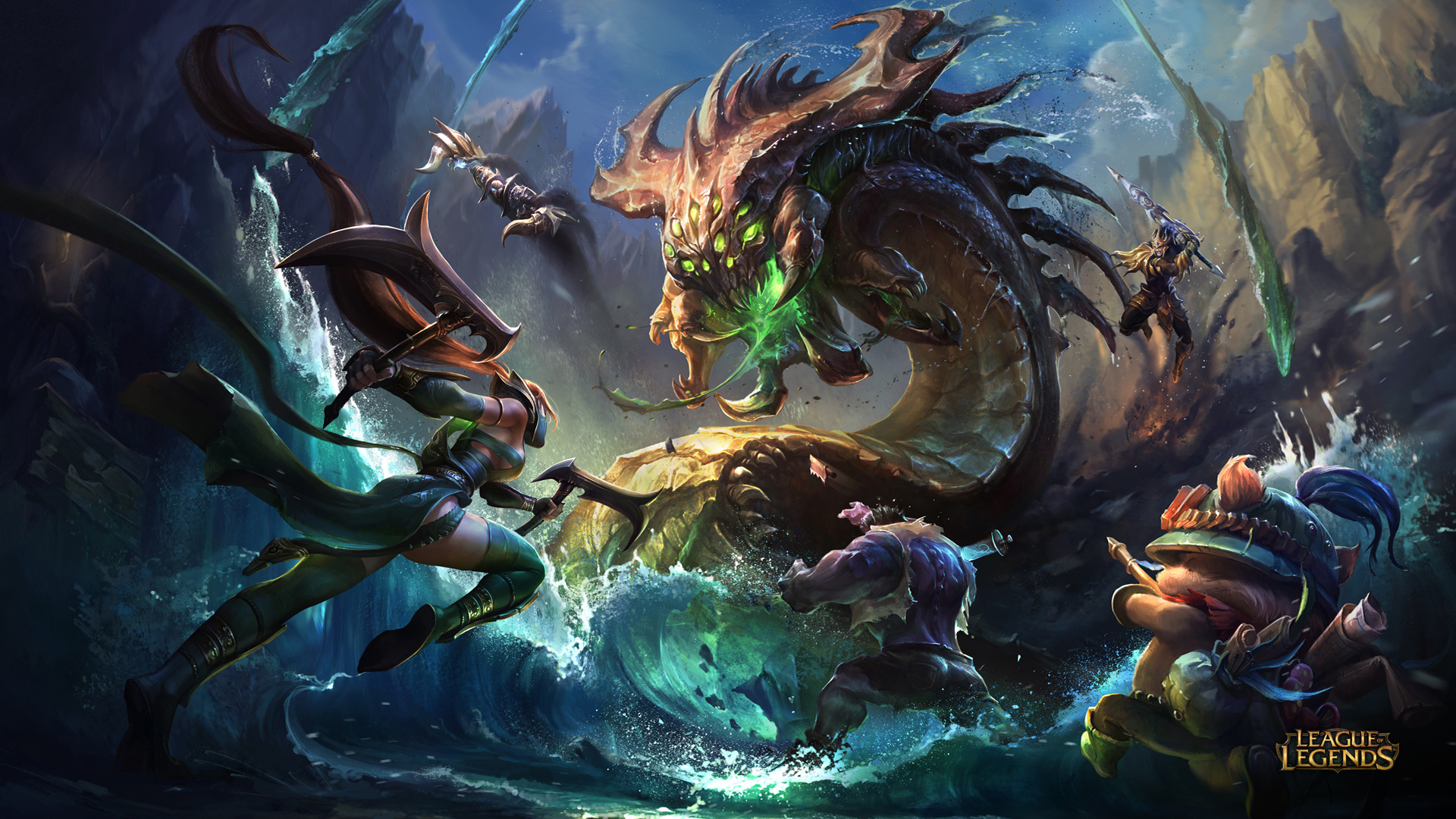
League of Legends operates a global league structure with regional splits that culminate in an annual world championship. Clear roles and objective based maps enable strategic planning and scouting. The draft phase creates a measurable preparation edge where analysts study opponent tendencies and build targeted plans.
The developer supports competitive integrity with locked patches for key events and a published schedule. International tournaments like MSI and Worlds showcase cross region matchups with detailed seeding rules and play in stages. Observer features highlight vision control, objective timers, and teamfight replays which keep broadcasts informative and consistent.
Share your favorite competitive memories and the one game you think belongs on this list in the comments.