

Best Game Rivalries That Push The Hero Forward

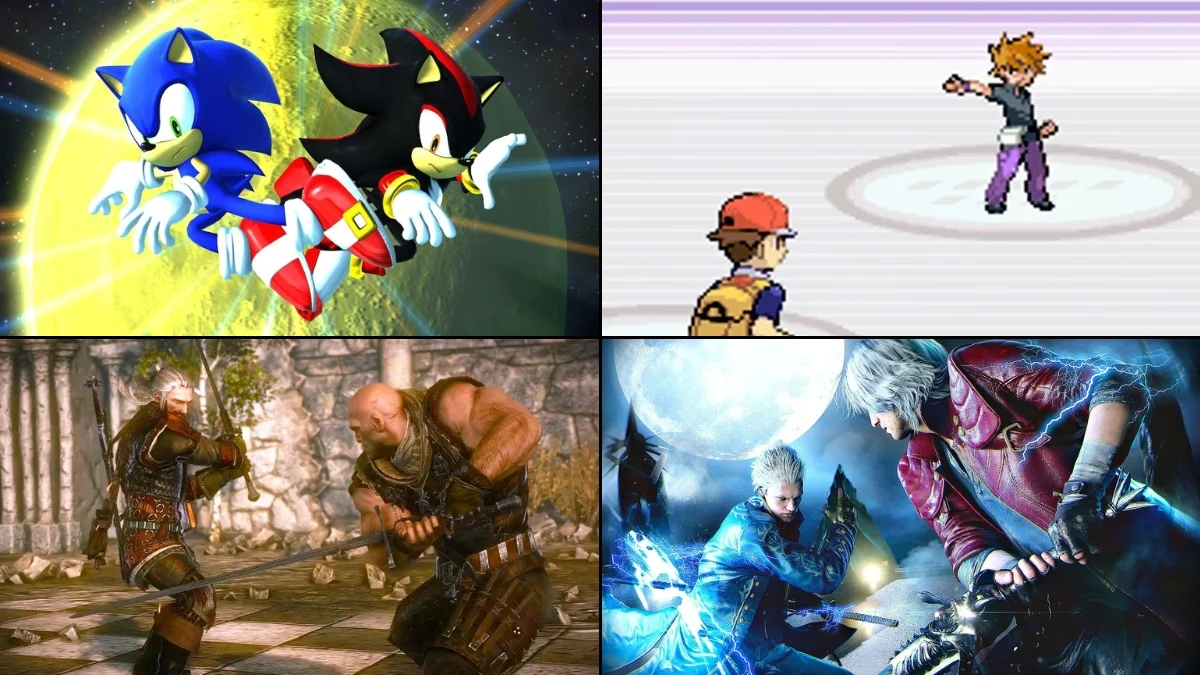


Some rivalries don’t just set up a boss fight—they shape how protagonists train, choose allies, and master new systems. The best ones recur across entries, force mechanical adaptation, and thread through story beats so the hero’s next breakthrough feels earned. From fighting games to RPGs, these face-offs fuel skill checks, rematches, and character arcs. Here are ten rivalries that consistently drive their heroes to grow through gameplay and narrative pressure.
Player vs Blue (Pokémon)

Beginning in Pokémon Red and Blue, Blue (called Gary in the anime) challenges the player at multiple checkpoints—on routes, at the Pokémon League, and as the final Champion battle. His teams evolve with each encounter, testing type coverage, team balance, and level pacing across Kanto and later titles like FireRed/LeafGreen and Let’s Go, Pikachu!/Eevee!. The rivalry also anchors tutorial-adjacent learning: early losses push players to understand matchups, status effects, and held items in later generations. Blue’s later roles—such as Gym Leader in Pokémon Gold/Silver and Sun/Moon—continue the arc, turning recurring battles and cameos into a long-form progression yardstick.
Ryu vs Ken (Street Fighter)
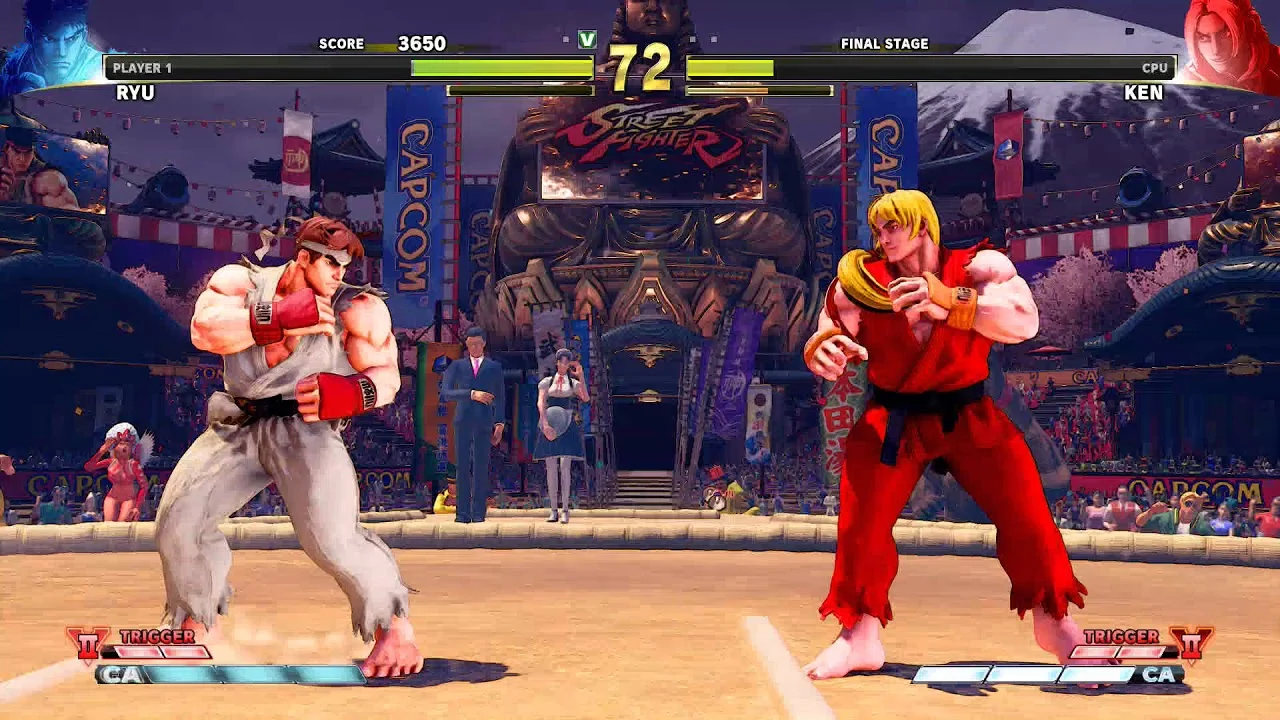
Introduced in Street Fighter and formalized from Street Fighter II onward, Ryu and Ken share a moveset base—Hadoken, Shoryuken, Tatsumaki—while frame data, ranges, and target combos diverge between games. This “mirror but not mirror” design teaches spacing, anti-airs, and meter management, as players refine fundamentals to edge out the other shoto. Story modes and character prologues frame their sparring as mutual improvement, with iterations in Alpha, III, IV, V, and 6 updating tools and V-/Drive systems to keep the duel instructive. Tournaments and arcade ladders repeatedly pair them, turning their rivalry into a practical lab for core mechanics.
Dante vs Vergil (Devil May Cry)
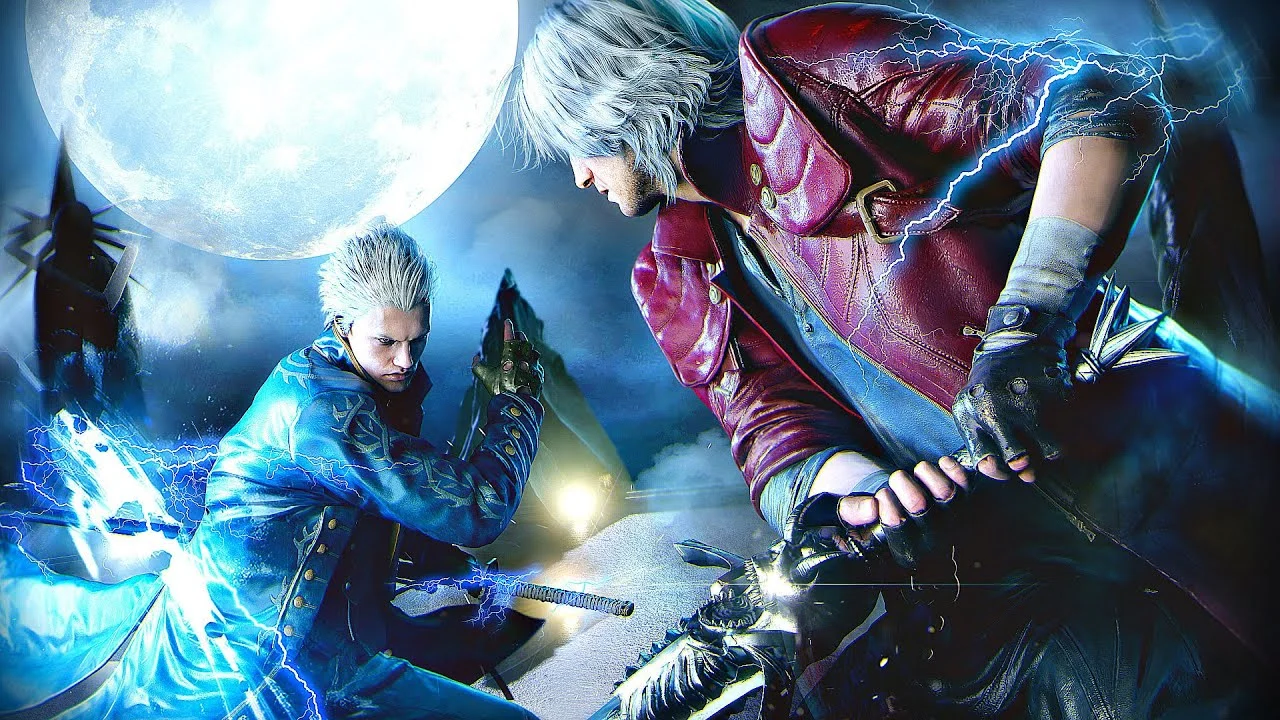
Devil May Cry 3 establishes Dante and Vergil as opposing philosophies of power, culminating in multi-phase duels that stress parries, jump-cancels, and style swapping. Vergil’s AI and moves—Judgment Cut, Rapid Slash, and teleport mix-ups—force mastery of i-frames and weapon cycling to maintain Stylish ranks. Later appearances, including special editions where Vergil is playable, reverse the perspective so players can explore the same toolkit from the rival’s side. Across sequels and expansions, their encounters serve as capstone exams for execution, with unlocks and higher difficulties making each rematch a mechanical progression milestone.
Phoenix Wright vs Miles Edgeworth (Ace Attorney)
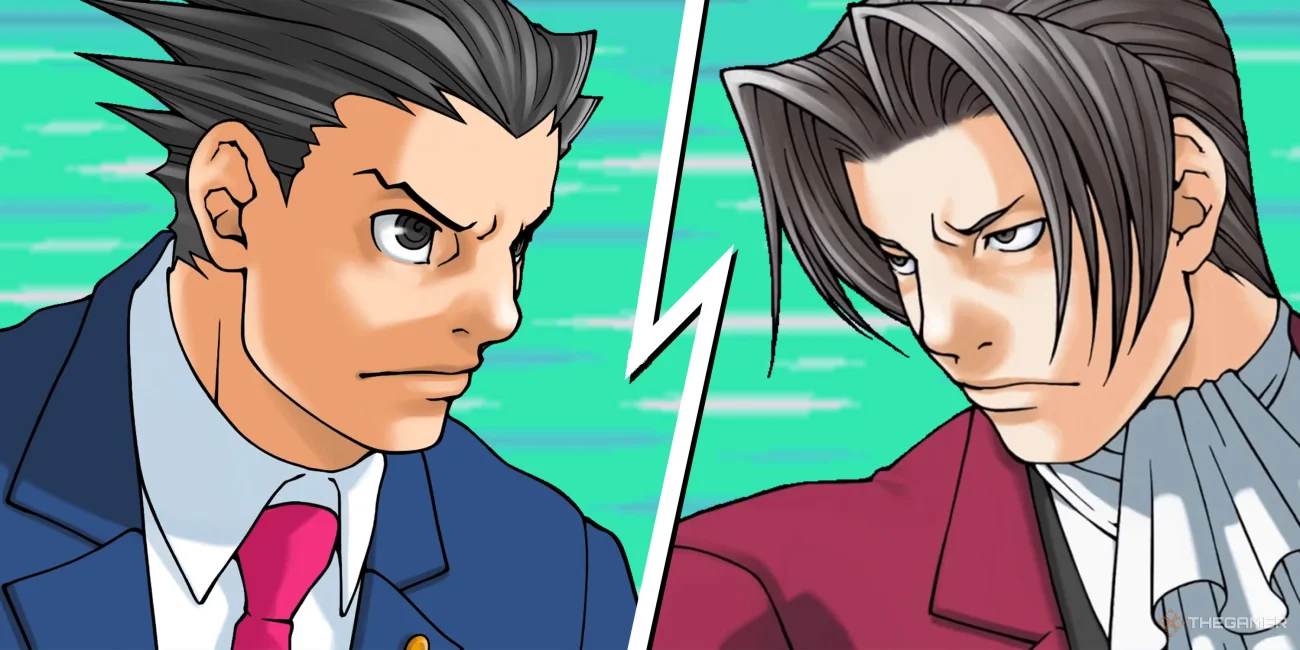
Beginning in Phoenix Wright: Ace Attorney, courtroom showdowns with Prosecutor Miles Edgeworth structure case flow through cross-examinations, contradictions, and evidence chains. Their legal clashes teach players how to parse testimonies, present profiles, and pace objections under penalty constraints. Edgeworth’s evolving stance across subsequent cases introduces new legal twists, from forensics details to psyche-locks, pushing the player to synthesize clues more rigorously. Spin-offs and later entries deepen the professional rivalry into collaboration, raising the bar for logic puzzles while retaining the duel’s competitive framing.
Sonic vs Shadow (Sonic the Hedgehog)
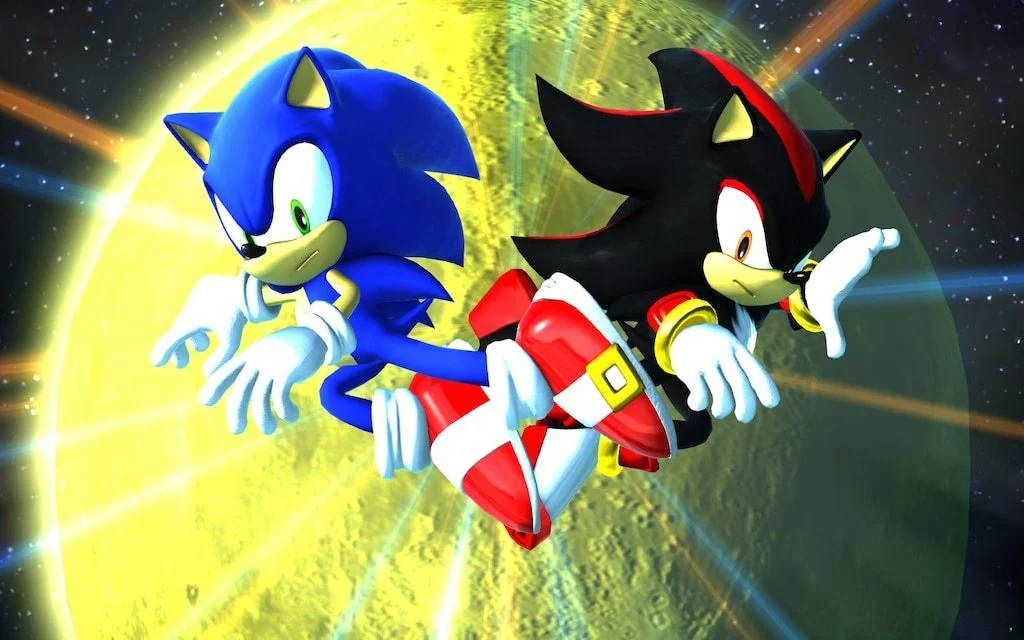
Debuting in Sonic Adventure 2, Sonic and Shadow race through parallel stages where speed routing, rail-grinds, and homing attack chains reward precision. Story campaigns split perspectives—Hero and Dark—so players learn level variants, boss patterns, and time-attack strategies through mirrored objectives. Rival battles emphasize ring management and boost timing, reinforcing core movement tech later used in stage S-rank attempts. Subsequent titles and cameos keep the duel alive through unlockables and versus modes, making speed mastery the metric of growth.
Mega Man vs Bass (Mega Man Classic)
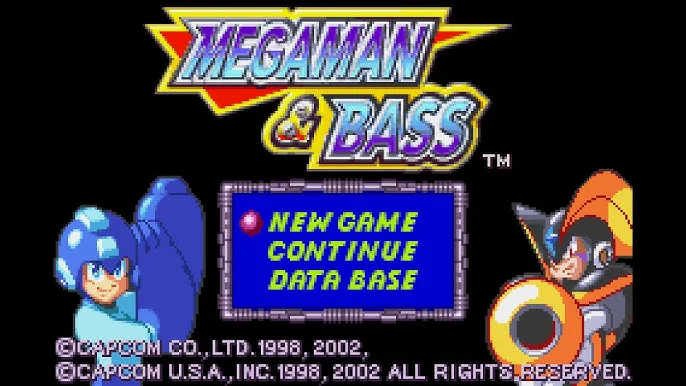
Introduced in Mega Man 7 and expanded in Mega Man & Bass, Bass is a Wily-built rival whose rapid-fire buster, dash, and double jump contrast with Mega Man’s more deliberate toolkit. Encounters and playable scenarios drive players to exploit boss weaknesses, platforming routes, and shop upgrades differently depending on character. Collectible CDs, branching paths, and post-game challenges turn the rivalry into parallel progression tracks that highlight movement and shot-angle trade-offs. Recurring confrontations also frame narrative beats about design purpose and adaptability within the classic series.
Jin Kazama vs Hwoarang (Tekken)
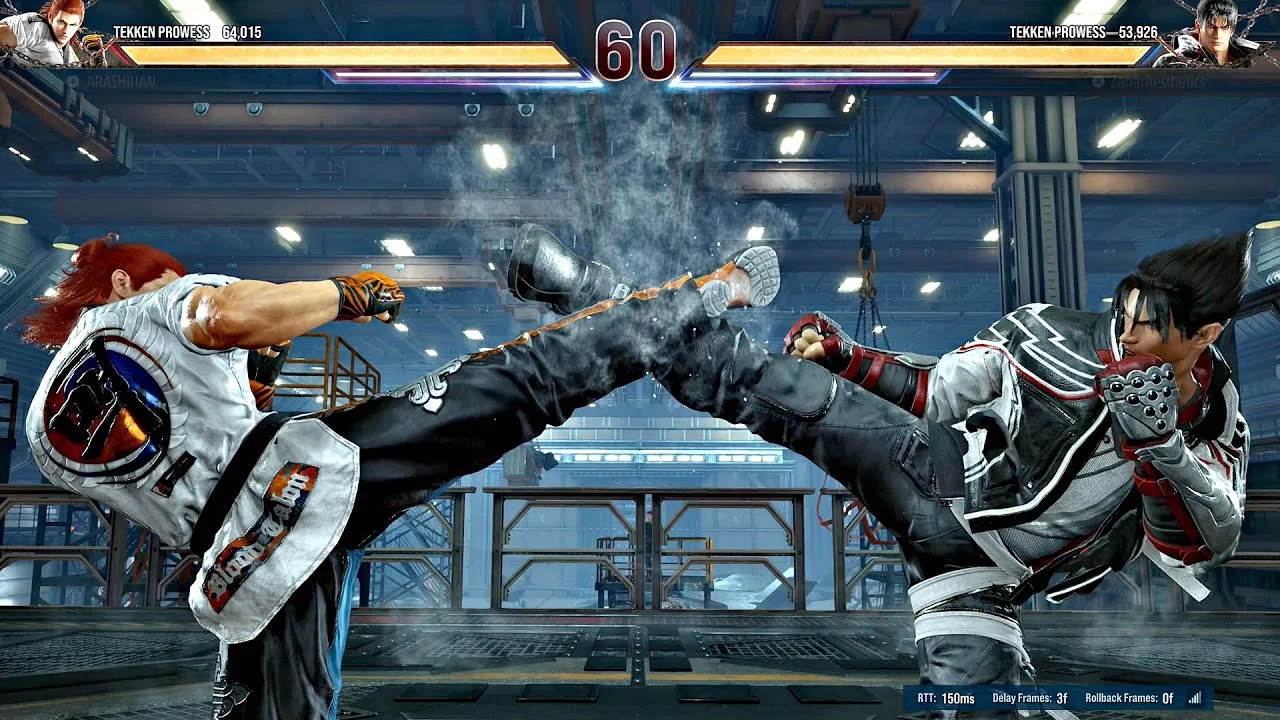
From Tekken 3 onward, Hwoarang’s rivalry with Jin anchors arcade endings and character episodes, pairing Mishima-style fundamentals with Taekwondo stance pressure. Matchups spotlight whiff punishment, electric inputs, and stance transitions, encouraging lab work to handle frame traps and sidestep timing. Story modes and character episodes revisit their clashes across entries, updating move lists and wall systems so each new game refreshes the rivalry’s learning curve. Ranked play and ghost AI further translate the narrative feud into practical matchup growth for players maining either character.
Master Chief vs The Arbiter (Halo)
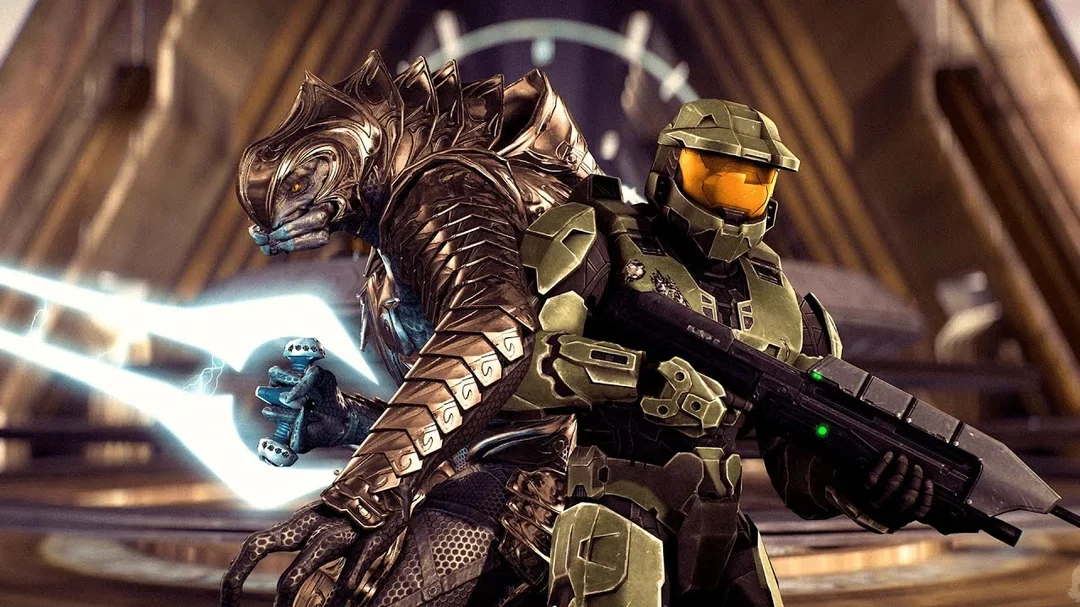
Halo 2 positions the Arbiter as a Covenant counterpart to Master Chief, with campaign missions alternating perspectives to explore parallel objectives, equipment, and enemy behaviors. Co-op and dual narratives push players to adapt to different weapon sandboxes, from energy swords and carbines to human BRs and shotguns. Their uneasy competition becomes collaboration, but the contrast in roles—Spartan vs Sangheili—teaches encounter design from two angles, informing tactics used in Legendary runs. The rivalry-turned-alliance continues to influence later lore and multiplayer customization, reinforcing skill growth across modes.
Geralt of Rivia vs Letho of Gulet (The Witcher 2: Assassins of Kings)
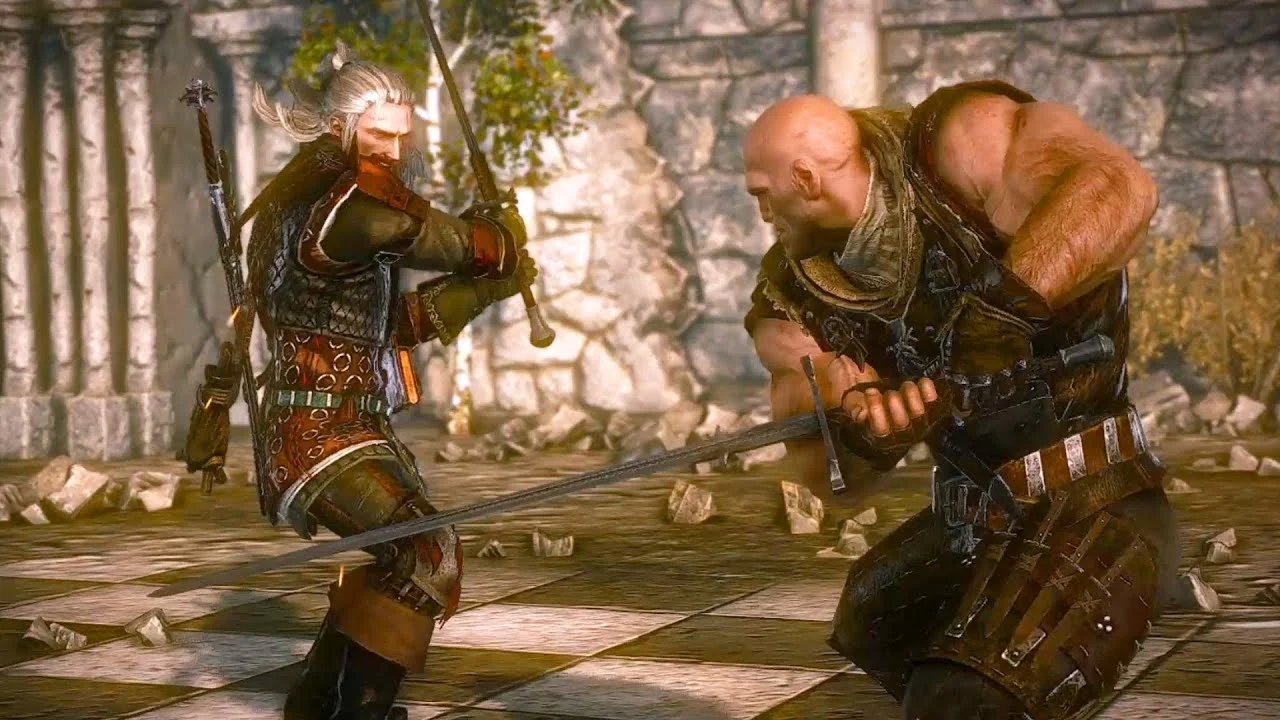
Letho’s introduction ties directly to branching narrative routes, with confrontations that shift depending on player choices and alliances. Boss mechanics stress quen timing, bomb usage, traps, and sign combinations, nudging players beyond basic sword strikes. Dialogue paths and investigations recontextualize the duel, rewarding preparation—oils, potions, and armor builds—with tangible combat advantages. The possible outcomes reshape late-game quests and NPC dynamics, making the rivalry a lever for both character development and mechanical progression.
Cloud Strife vs Sephiroth (Final Fantasy VII)
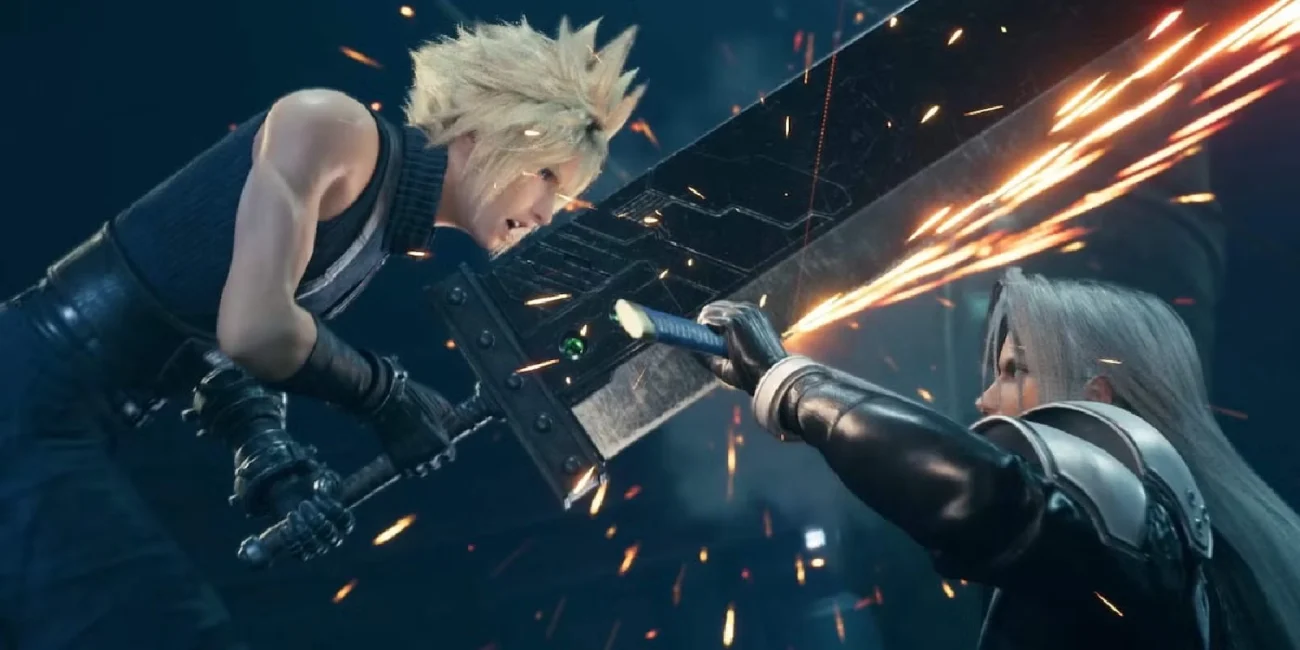
From Nibelheim flashbacks to Northern Crater, Cloud’s confrontations with Sephiroth gate core systems—Limit Breaks, Materia builds, and party synergy. Optional content like the Battle Square and weapon hunts primes players for end-game checks in damage thresholds and resistance planning. Rematches and story set-pieces in later releases and re-imaginations reuse the rivalry to test ATB management, stagger windows, and accessory loadouts. Music cues, cutscenes, and multi-phase boss design consistently link Cloud’s growth to mastering new layers of the combat system.
Share your favorite game rivalry—and the moment it finally “clicked” for you—in the comments!