120 Best Halloween Movies of All Time (From Horrors To Comedies)



Halloween viewing works best when you mix shivery scares with cozy crowd pleasers. This list brings together iconic slashers, supernatural chillers, animated favorites, and laugh out loud classics that keep the spirit of the season alive for every kind of viewer. You will find small town legends, haunted houses, mischievous witches, and friendly ghosts that turn an ordinary night into a full themed marathon.
Each pick includes what it is about, who made it, and what makes it useful for your Halloween lineup. Use it to plan a balanced watchlist that pairs heavy hitters with lighter palate cleansers so your night never drags and everyone at the party has something to enjoy.
‘Halloween’ (1978)
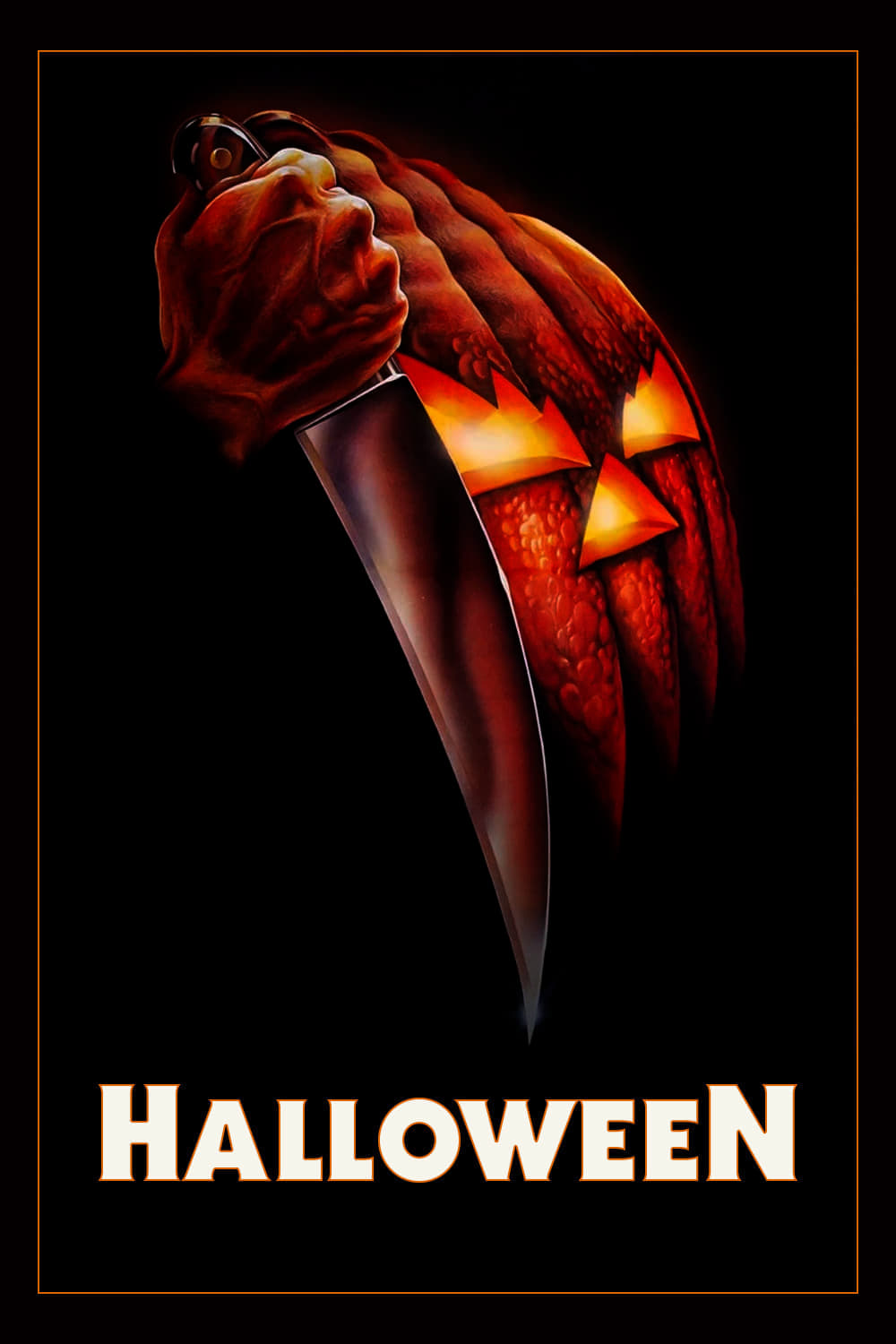
John Carpenter’s independent slasher follows babysitters in a suburban town as Michael Myers returns home on October 31. The film established a lean visual style, a minimalist score, and a masked presence that shaped countless holiday themed thrillers.
It is efficient at building tension with long takes and carefully staged point of view shots that are easy to follow in a group setting. The structure makes it simple to drop in snacks or games between sequences without losing track of the story.
‘Trick ‘r Treat’ (2007)
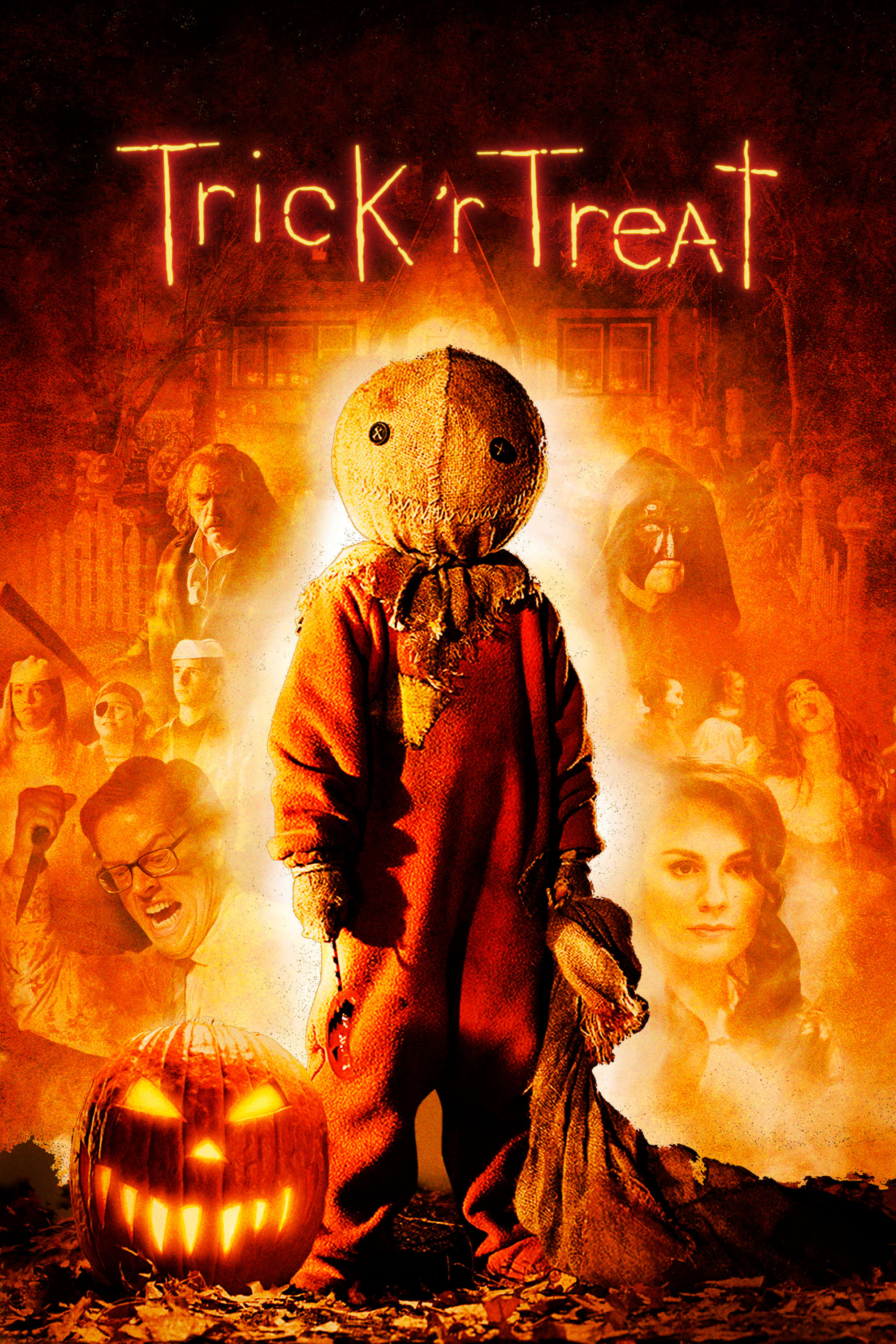
This anthology weaves four intersecting stories across one Halloween night guarded by a mysterious trick or treater named Sam. It connects school legends, neighborhood rituals, and party mishaps into a single timeline.
Its modular chapters make it ideal for a gathering because you can pause between stories for activities. The film rewards attention to decorations and rules of the holiday, which helps you set up themed props around the room.
‘Hocus Pocus’ (1993)
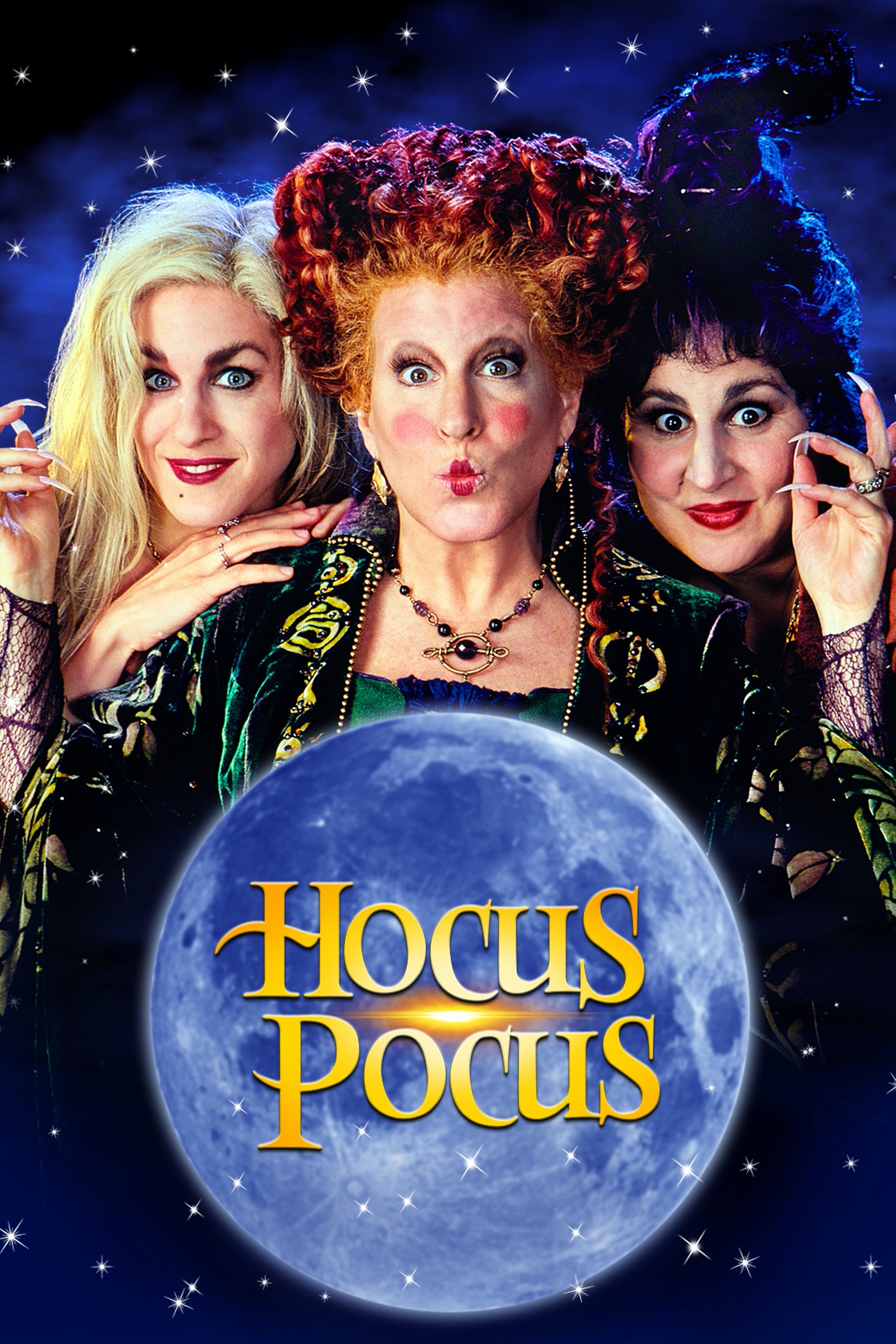
Three resurrected sisters stir trouble in Salem after a curious teen lights a black flame candle. The story blends musical moments, talking animals, and light frights for an all ages crowd.
It is a dependable choice for early evening programming before the scarier titles. The witchy motifs and colorful costumes also make it a strong backdrop for family friendly games and pumpkin treats.
‘The Nightmare Before Christmas’ (1993)
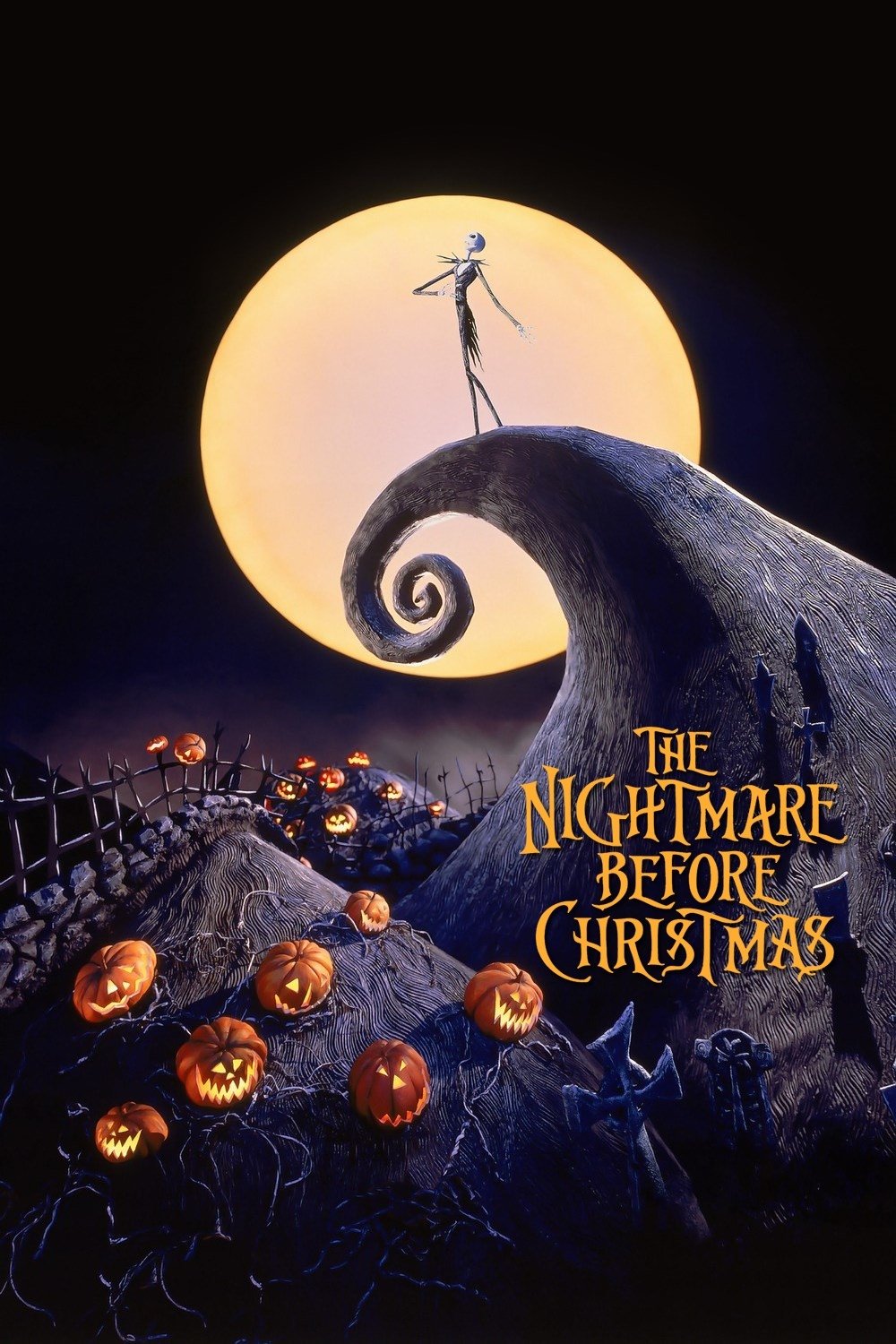
Jack Skellington discovers a portal to a festive town and decides to borrow another holiday for his own. Stop motion craft gives every character and set piece a tactile charm that suits themed decor.
Songs carry the plot forward, which keeps younger viewers engaged while adults appreciate the meticulous design. It works equally well as a warm up feature or a late night comfort rewatch to wind down.
‘Scream’ (1996)
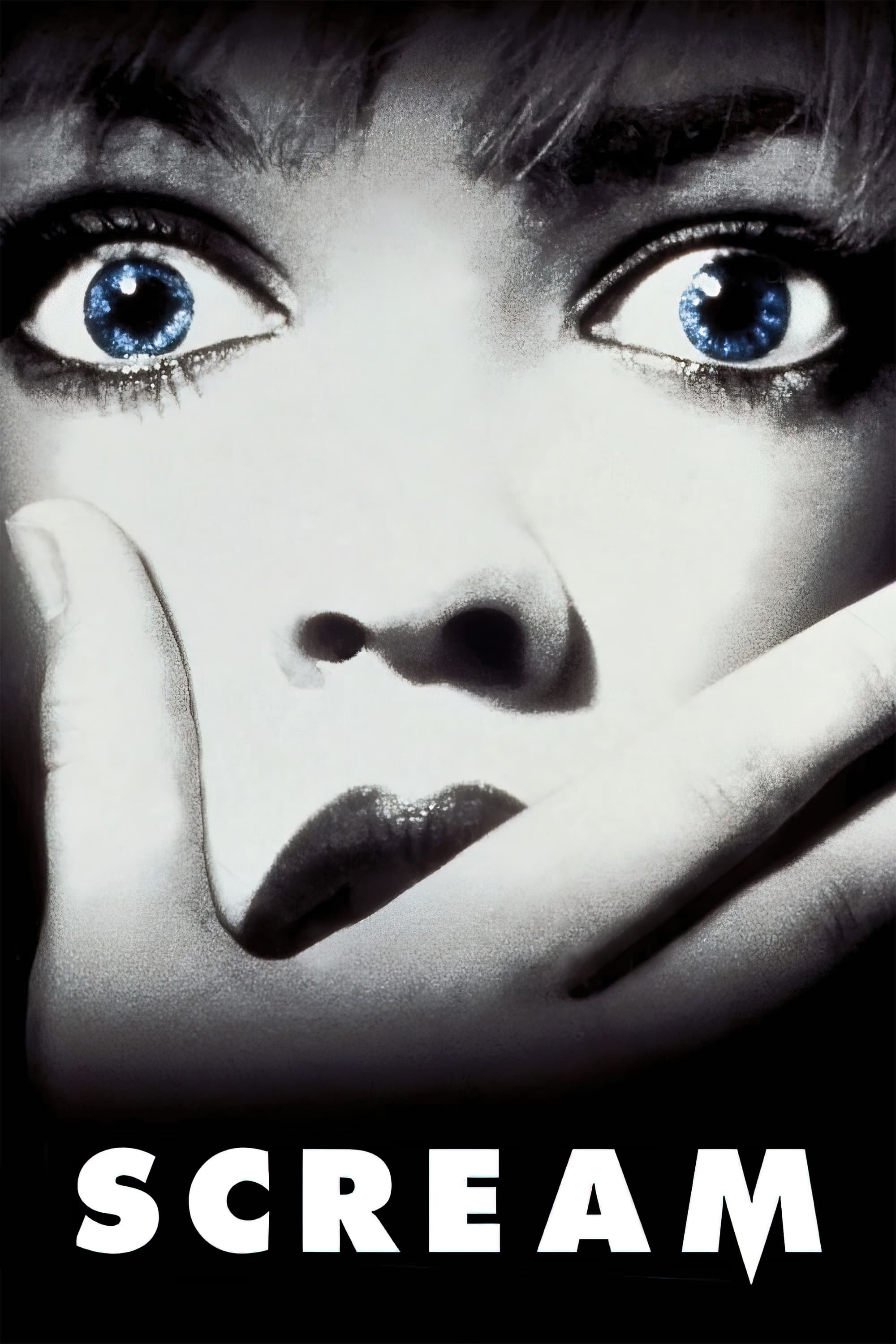
A masked caller targets high school friends while dropping meta hints about slasher rules. Wes Craven updates familiar tropes with a mystery that invites viewers to guess the culprit.
The whodunit framework is useful for party contests because guests can track suspects and clues. The script references earlier classics, which helps you build a layered marathon around it.
‘The Exorcist’ (1973)

A possessed child in Georgetown forces a priest to confront faith and fear in a grounded setting. The production uses practical effects and careful sound design that still hold attention in a busy room.
Because its intensity is higher, it fits best when the group is ready for a serious entry. Keep the lights low and reduce distractions to let the slow build and ritual sequences land.
‘Hereditary’ (2018)
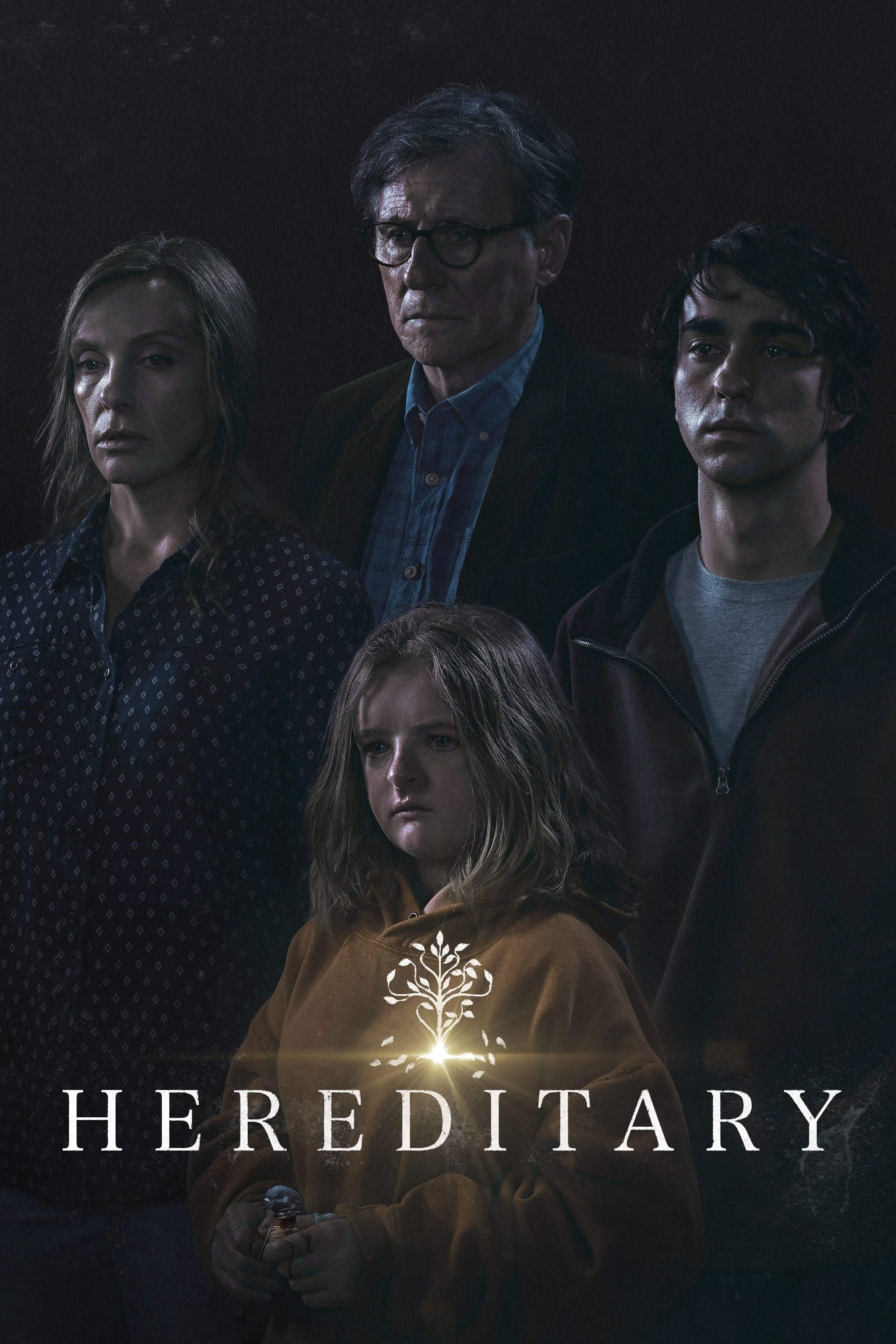
A family deals with grief that slowly reveals a deeper occult plan. Ari Aster stages everyday spaces so that unease grows from small details into full shock.
This pick benefits from a quieter crowd, so place it mid marathon once everyone has settled. The visual motifs are easy to spot on a second viewing, which makes it a strong centerpiece for seasoned horror fans.
‘The Conjuring’ (2013)
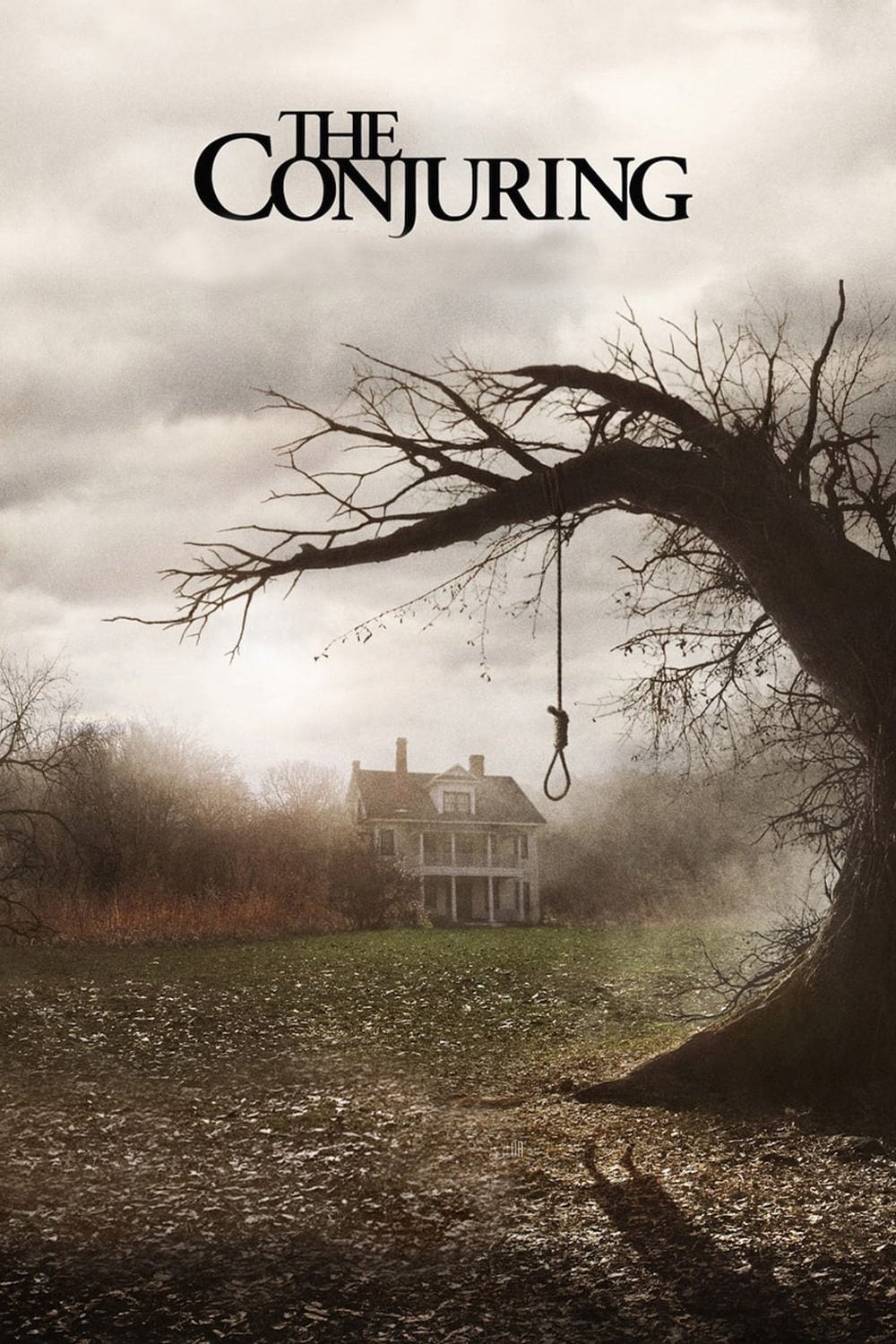
Paranormal investigators assist a farm family with escalating disturbances. The film uses period setting, measured camera moves, and clearly mapped rooms to guide the scares.
Its haunted house structure is straightforward for mixed groups since locations and stakes are clear. You can pair it with a real world urban legend segment or a ghost story circle between features.
‘Get Out’ (2017)
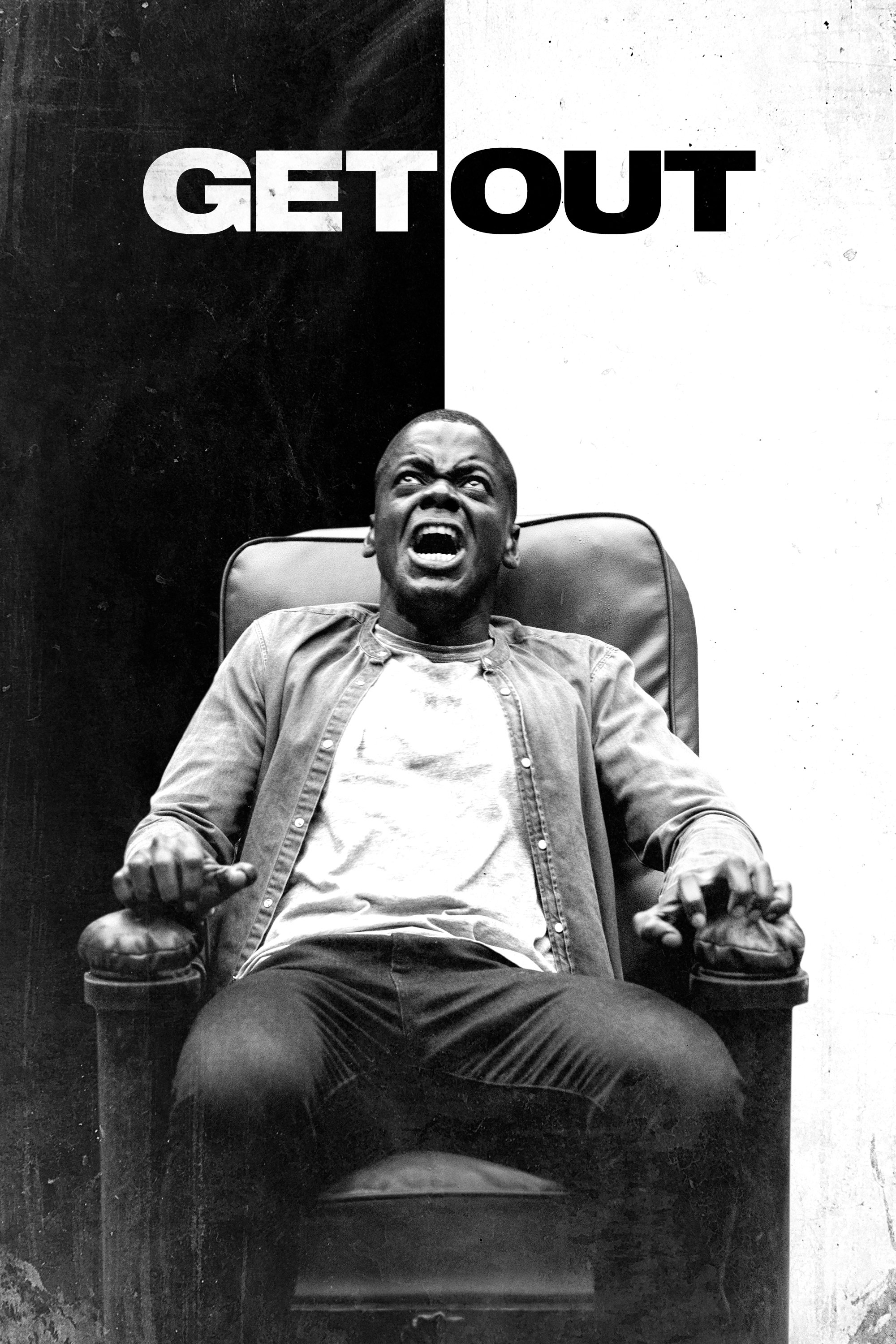
A photographer visits his partner’s family estate where social niceties hide a disturbing practice. The narrative layers suspense with clues that pay off cleanly on repeat viewings.
It is useful for sparking conversation during snack breaks because visual and verbal hints are easy to recall. The pacing also keeps attention without relying on constant jump scares.
‘It’ (2017)
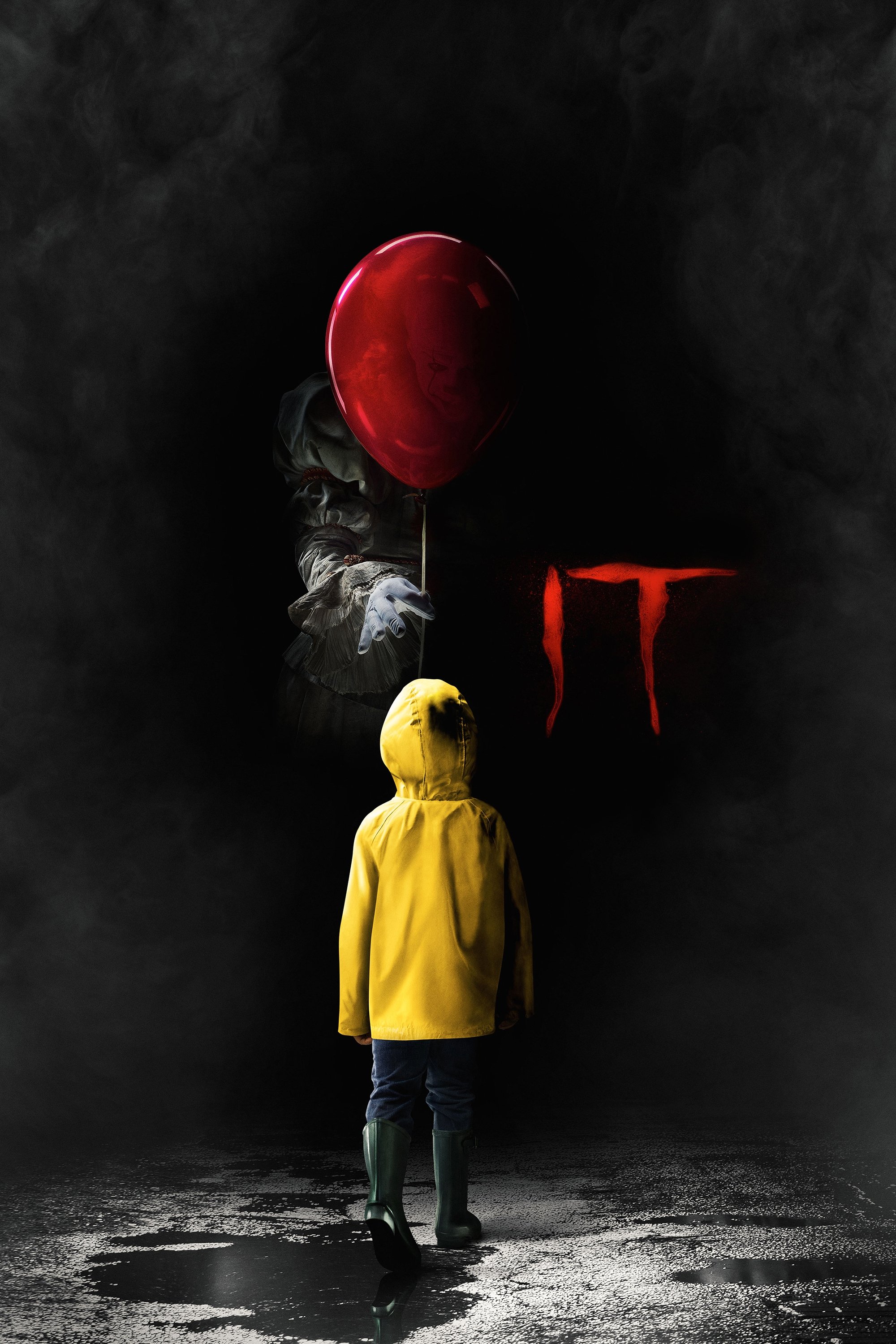
A group of friends in a small town unite to face a shape shifting entity that returns in cycles. The story balances childhood adventure with well staged set pieces that move briskly.
The ensemble dynamic gives every viewer a favorite character to follow. It fits well in the first half of a lineup because its momentum carries energy into the next selection.
‘Beetlejuice’ (1988)
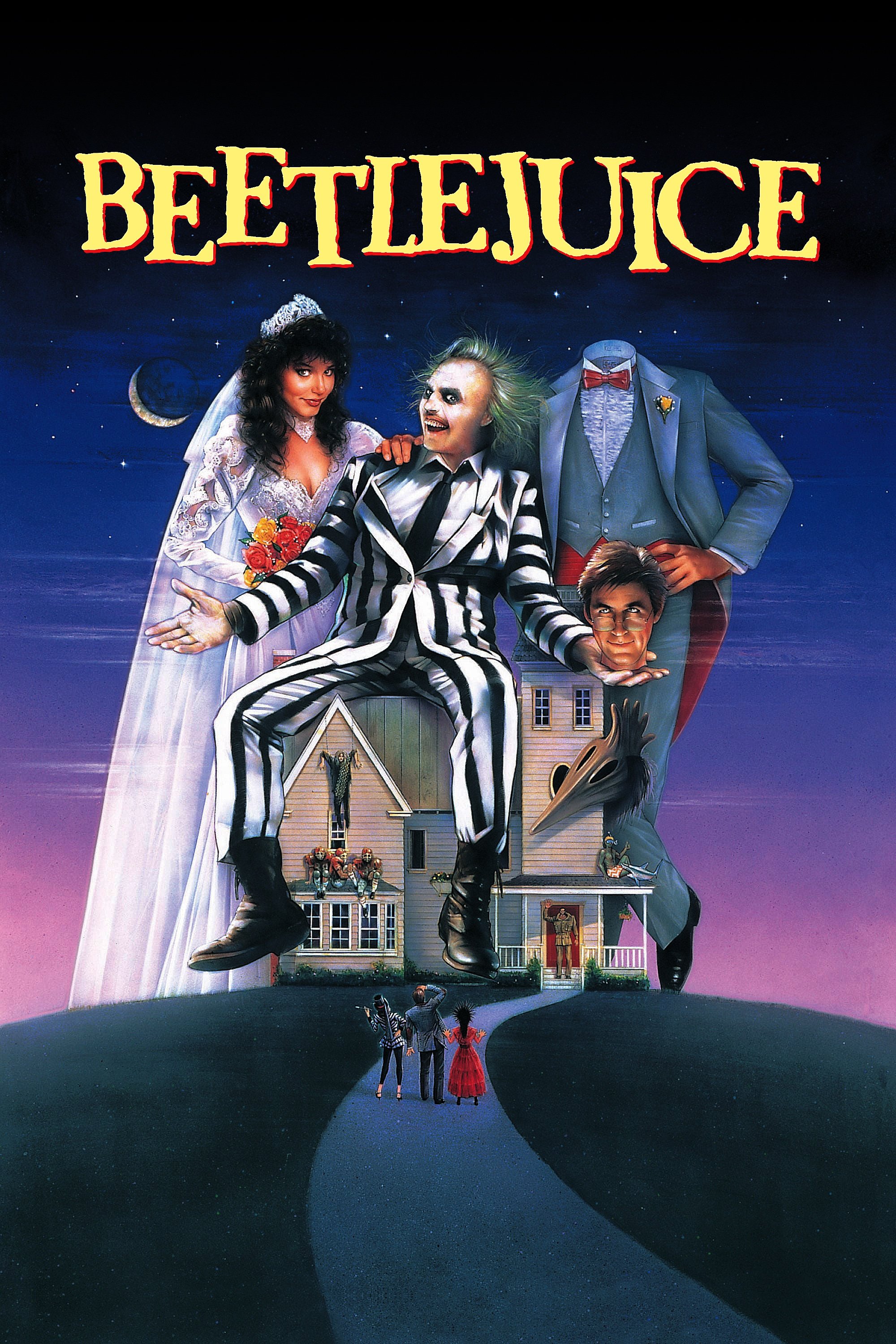
A newly deceased couple hires a chaotic bio exorcist to reclaim their home. Tim Burton’s production design fills every frame with memorable makeup and playful practical tricks.
It doubles as a comedy break between darker entries while keeping the spooky mood intact. The set pieces and costumes make it easy to theme snacks and photo spots for guests.
‘Ghostbusters’ (1984)
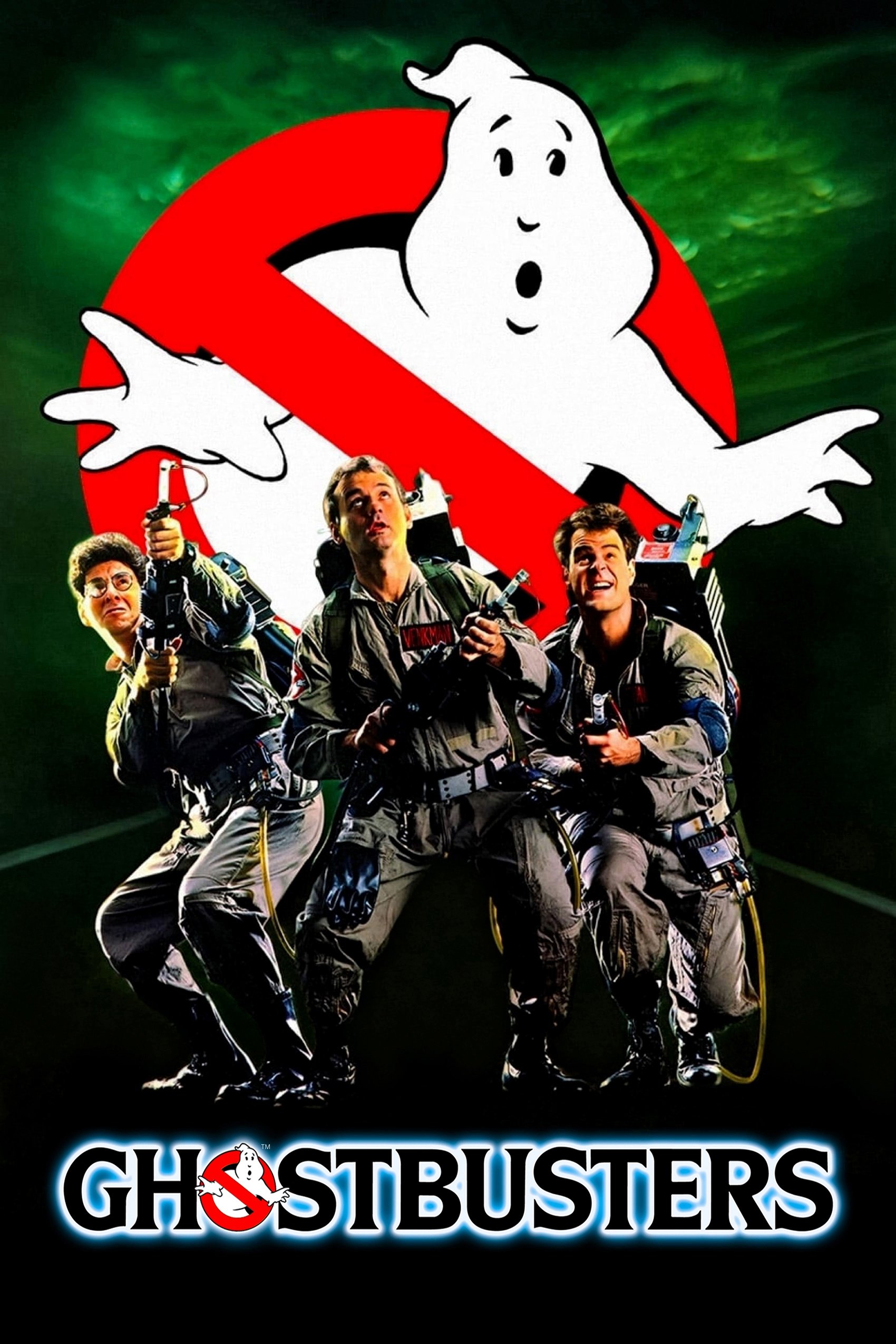
A startup crew traps spirits across New York using homemade tech and untested plans. The plot introduces its rules clearly so newcomers can follow the tools and terms.
Because humor carries the action, it works well for mixed ages and drop in viewers. You can pair it with trivia about gadgets or a quick round of costume judging without interrupting the story.
‘The Blair Witch Project’ (1999)
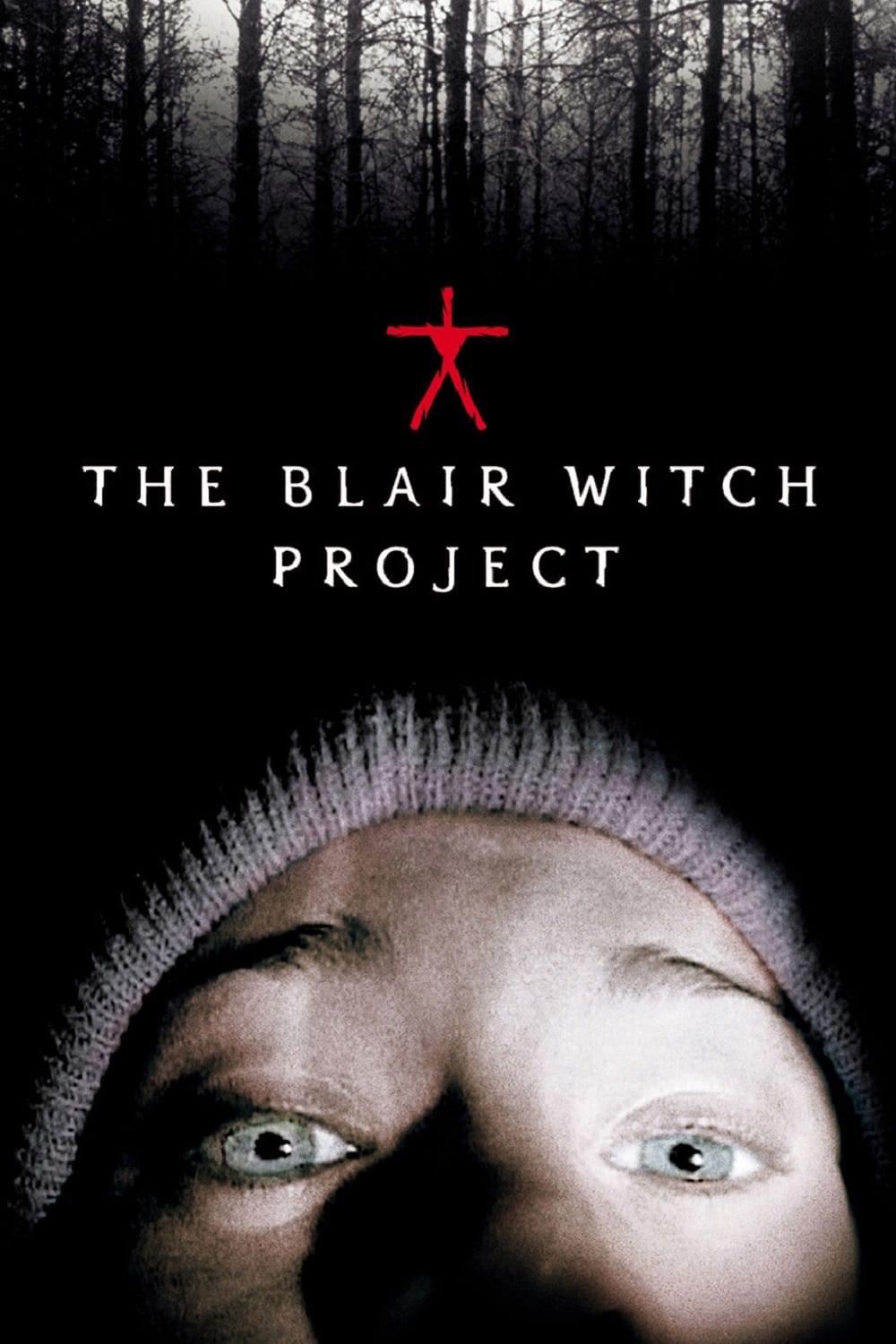
Three filmmakers get lost in the woods while documenting a local legend. The found footage format uses simple elements like sound at night and map confusion to build dread.
Its minimalist approach is easy to reproduce for a themed scavenger hunt before the screening. Keep lights low and phones down to preserve the escalating uncertainty.
‘A Nightmare on Elm Street’ (1984)

Teens are hunted in dreams by a killer who uses their fears against them. Practical effects and imaginative dream logic create set pieces that stand apart from other slashers.
It is a strong bridge between straight scares and more fantastical entries. Viewers can compare creative sequences and pick favorites, which keeps discussion lively between films.
‘The Shining’ (1980)
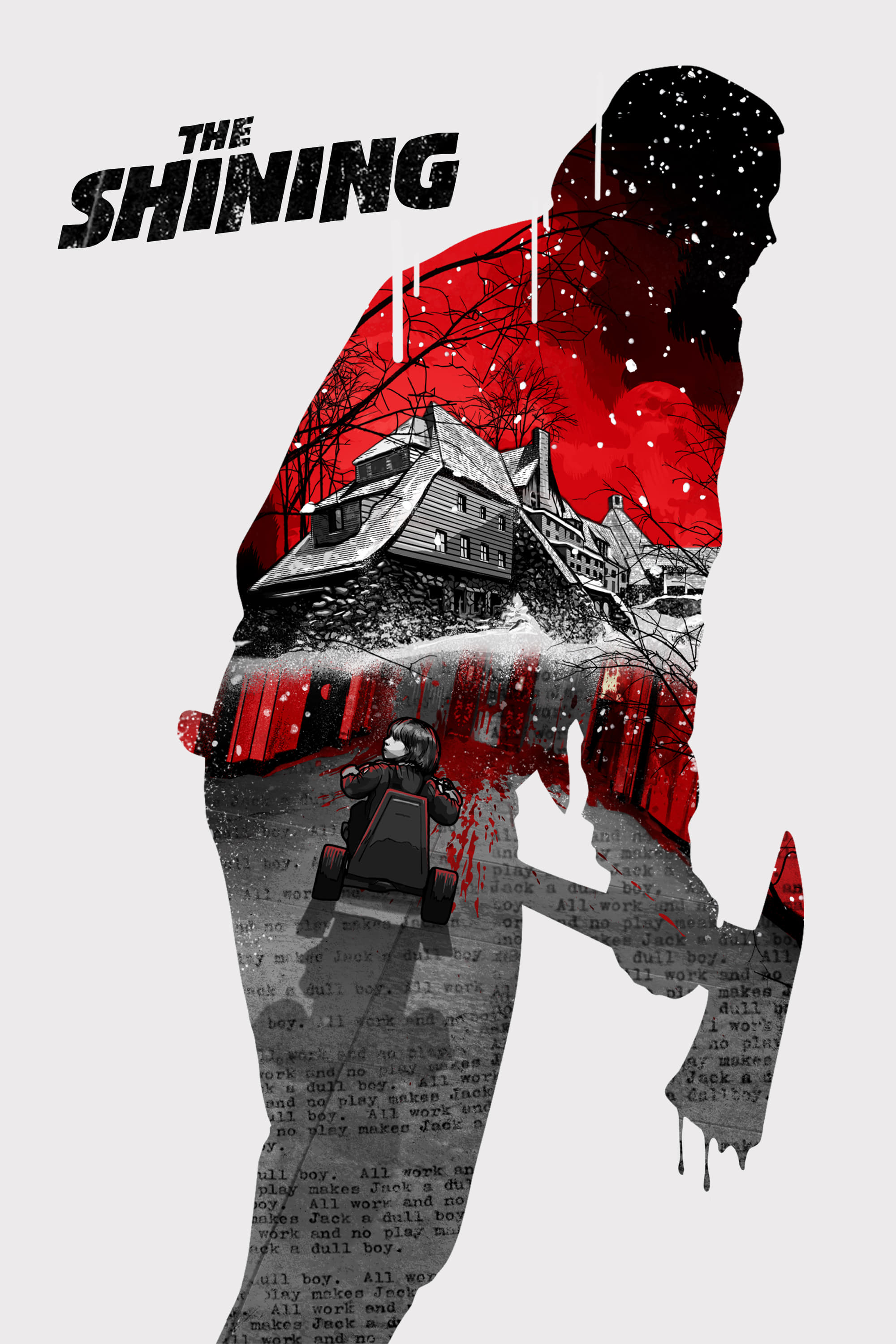
A caretaker family winters in a remote hotel where isolation fuels a psychic and psychological spiral. The steady camera work and carefully composed corridors make navigation of the space effortless for the audience.
It plays best when you can give it time without interruptions so the tension accumulates. Use it as a late night anchor when the room is quiet and focused.
‘Coraline’ (2009)
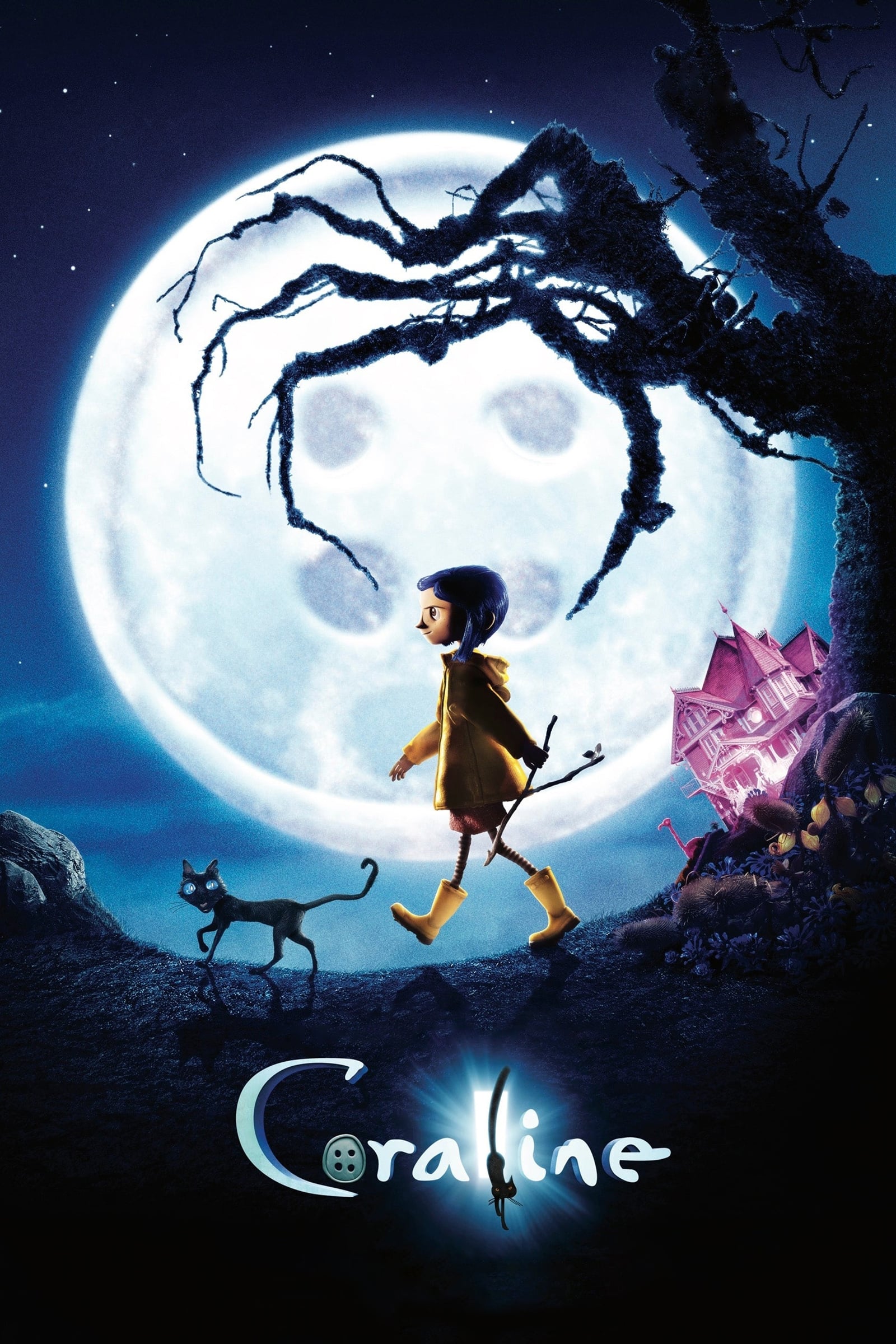
A curious girl discovers a hidden door to an alternate home that tempts her with perfect versions of life. The stop motion world mixes cozy textures with unsettling imagery that remains accessible to older kids.
Its clear journey structure lets families follow along without confusion. Pair it with craft activities like button art or paper keys to extend the theme beyond the screen.
‘Practical Magic’ (1998)
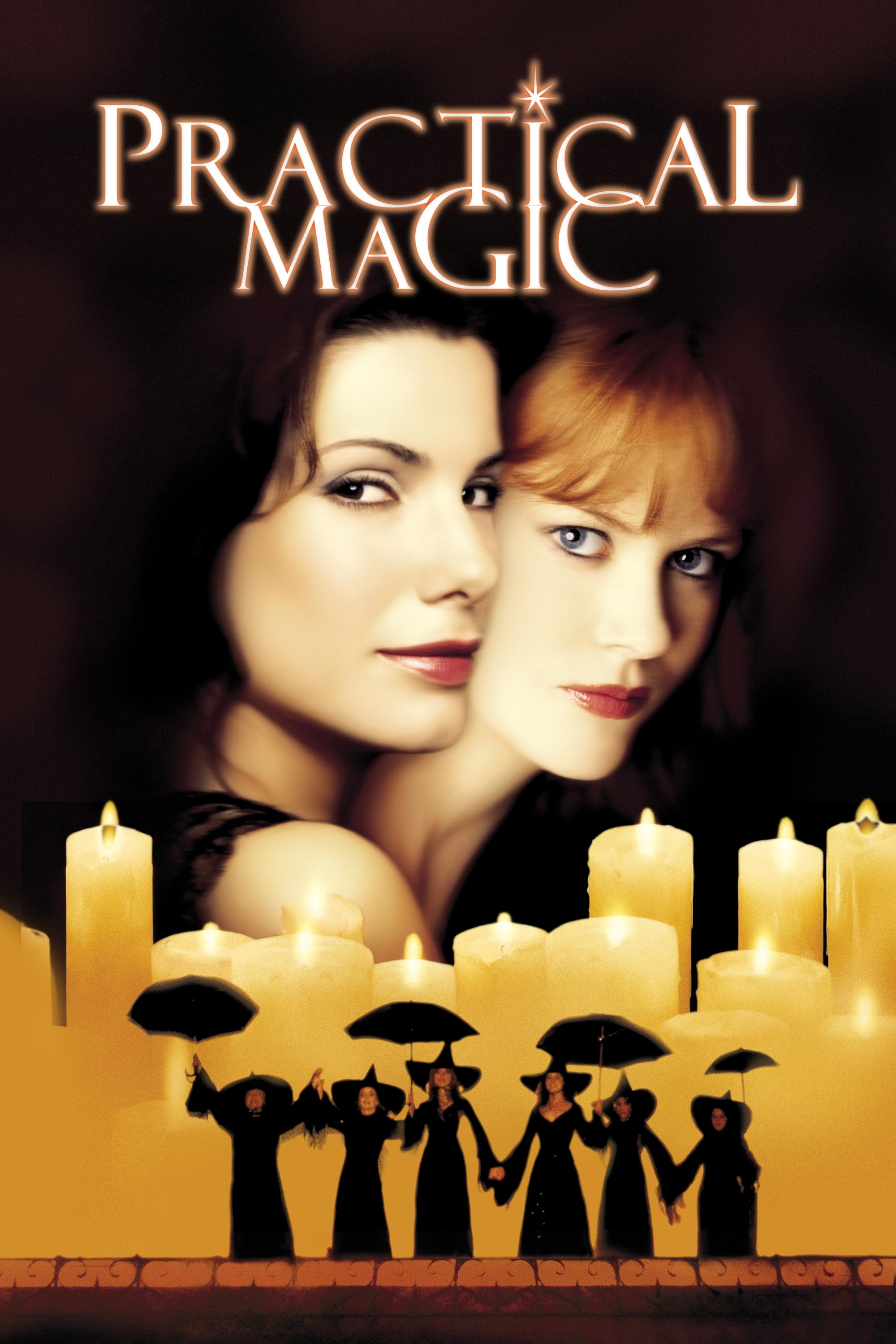
Two sisters in a family of witches handle small town gossip, romance, and a dangerous entanglement. The story emphasizes bonds, rituals, and a warmly lived in house that invites seasonal decorating ideas.
It suits a relaxed gathering that wants a supernatural vibe without heavy scares. Use it to open a marathon with cider and snacks before switching to darker material.
‘ParaNorman’ (2012)
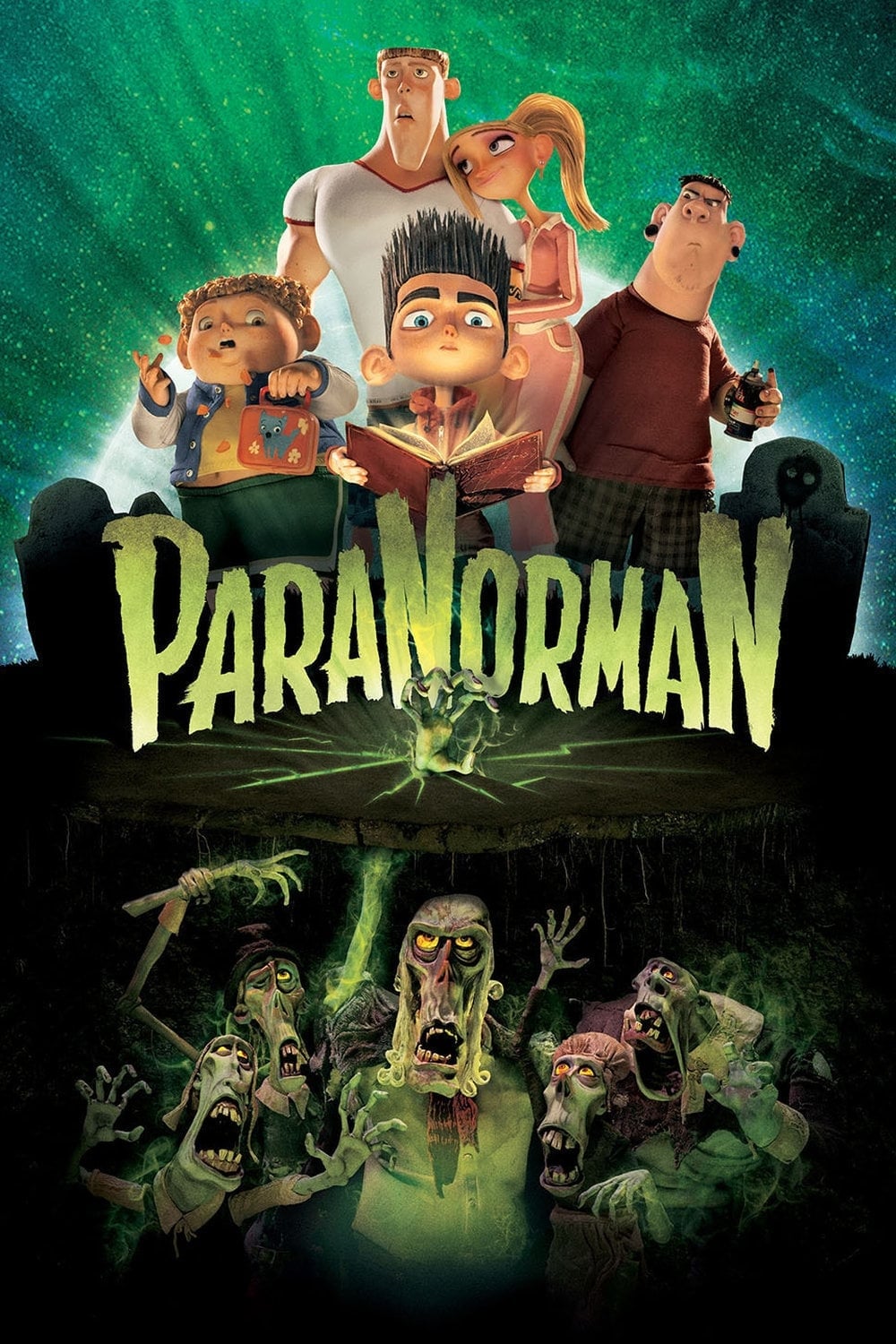
A boy who sees spirits must resolve an old injustice to save his town from a curse. The film explains its lore clearly and gives side characters memorable roles that keep the pace lively.
Its messages about empathy and history make it a good pick for mixed age groups. It also pairs nicely with neighborhood themed decorations like hand painted signs and cardboard gravestones.
‘Young Frankenstein’ (1974)
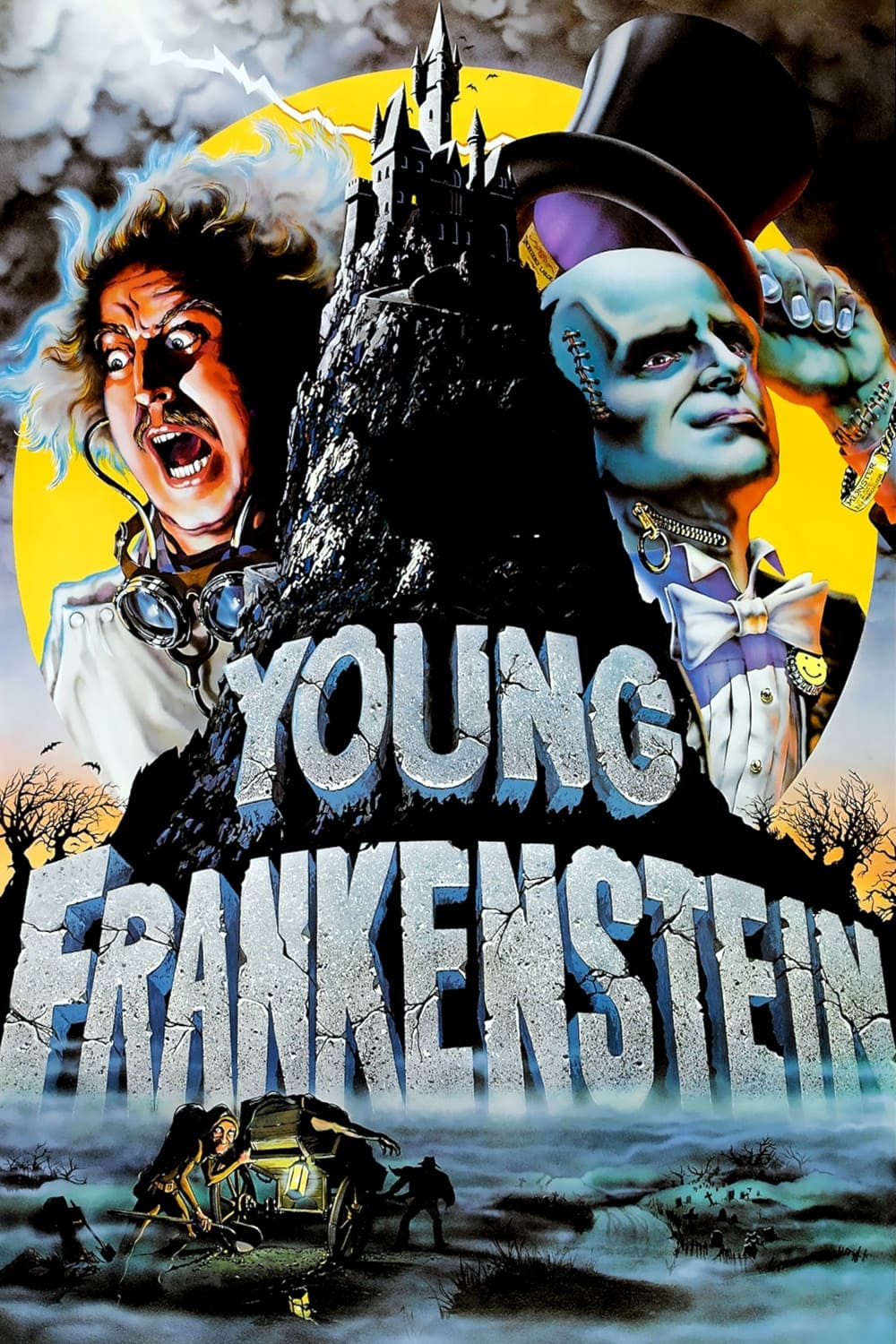
A skeptical doctor inherits a castle and continues a familiar experiment with unexpected results. The film recreates classic laboratory imagery while delivering precise verbal and visual gags.
Because it references earlier monster movies, it helps introduce newcomers to genre roots. Place it after a serious feature to reset the mood while staying inside spooky territory.
‘The Addams Family’ (1991)
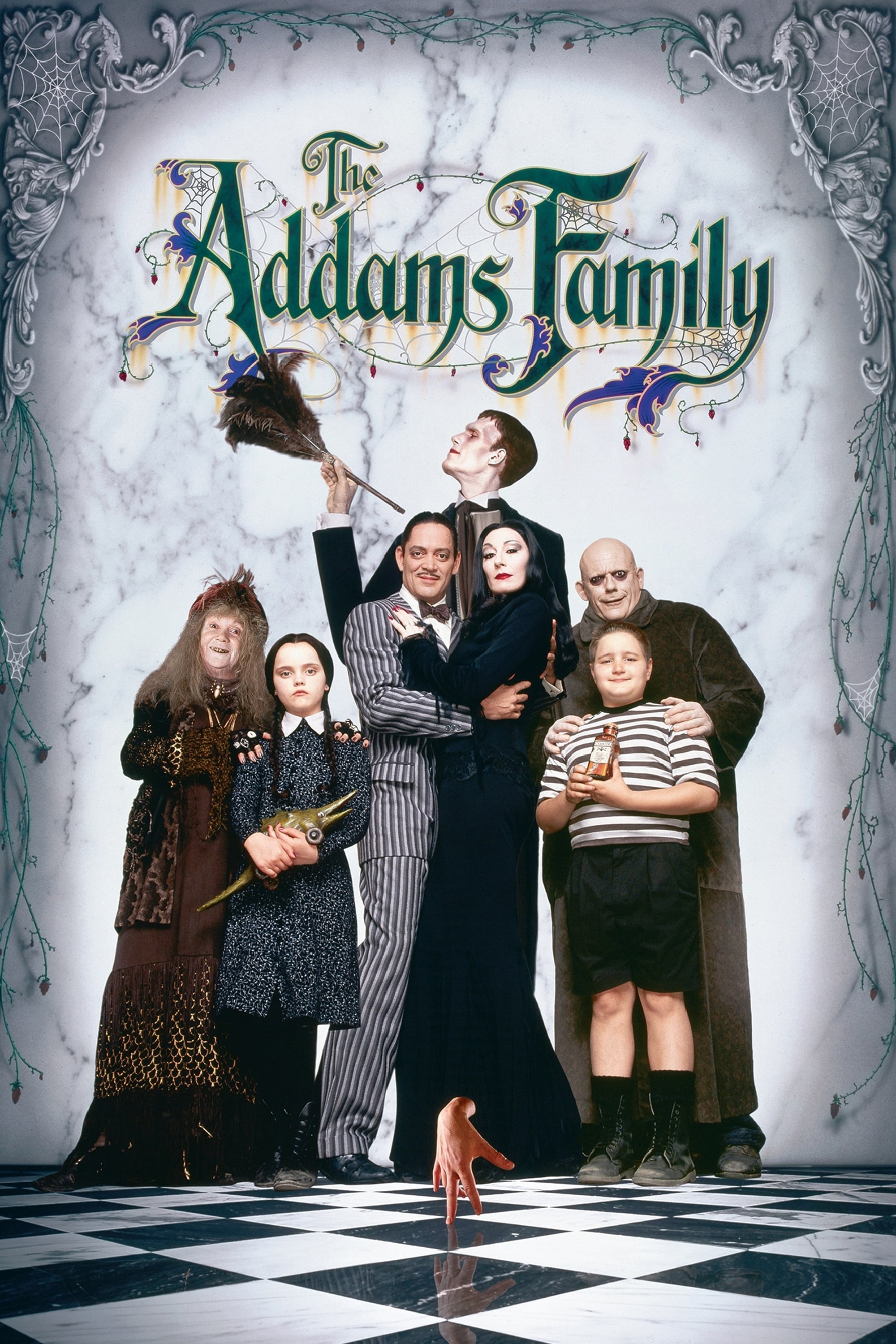
A long lost relative returns to a gothic mansion and stirs suspicion among a close knit clan. The production leans on elaborate sets, crisp costume work, and a theme that audiences recognize instantly.
It functions as a family friendly closing pick that keeps the Halloween tone without intense fear. The characters’ running bits and sight gags make it easy to watch while cleaning up after a party.
‘Poltergeist’ (1982)
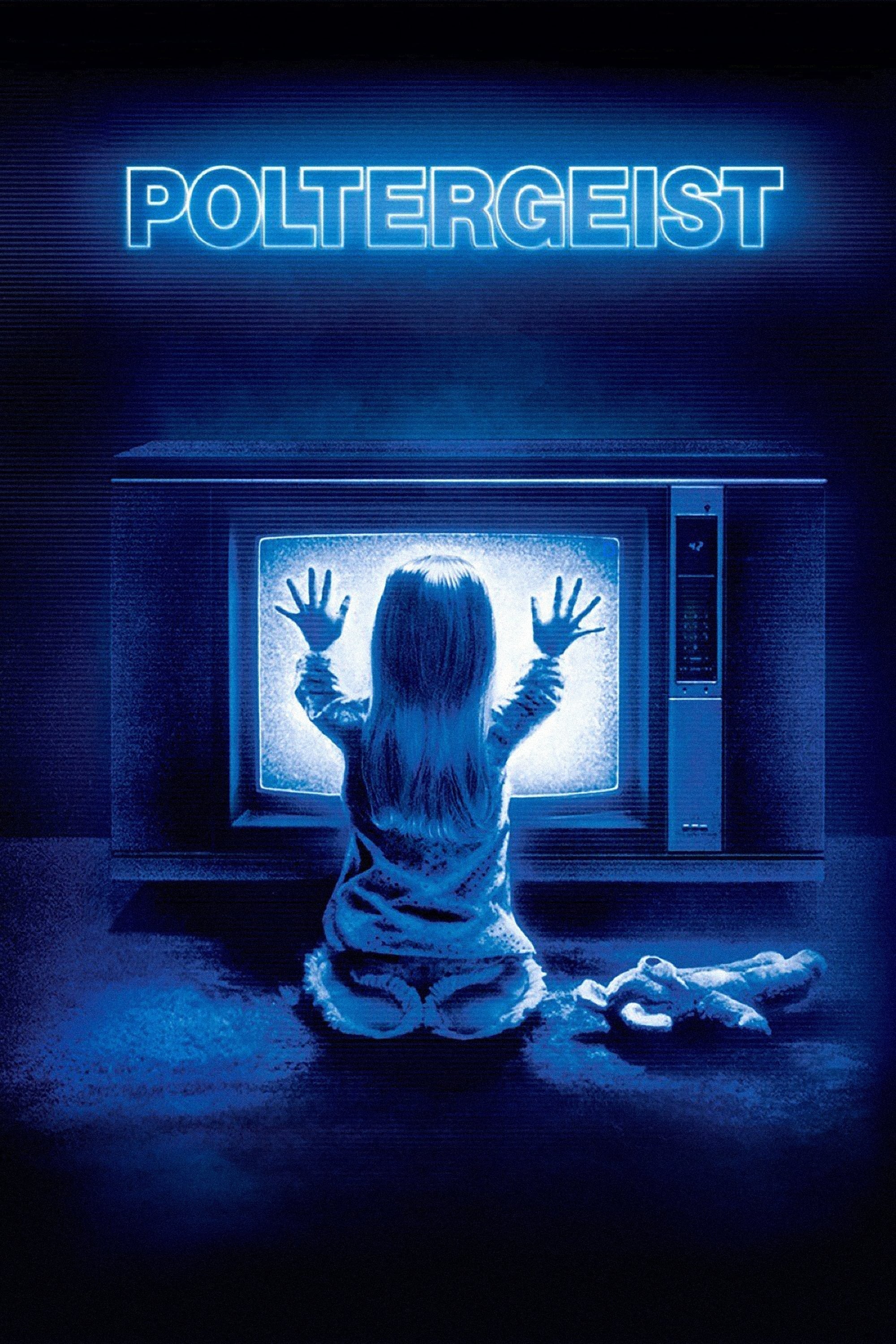
A suburban family experiences strange events when spirits target their youngest child through a television set. It is directed by Tobe Hooper with production by Steven Spielberg and features practical effects that stage hauntings inside a modern home.
The setting uses ordinary rooms, televisions, and toys, which makes decorating a viewing space easy with common items. Pair it with a haunted house theme and simple props like static noise on a screen and flickering lights for quick scene recreations.
‘The Ring’ (2002)
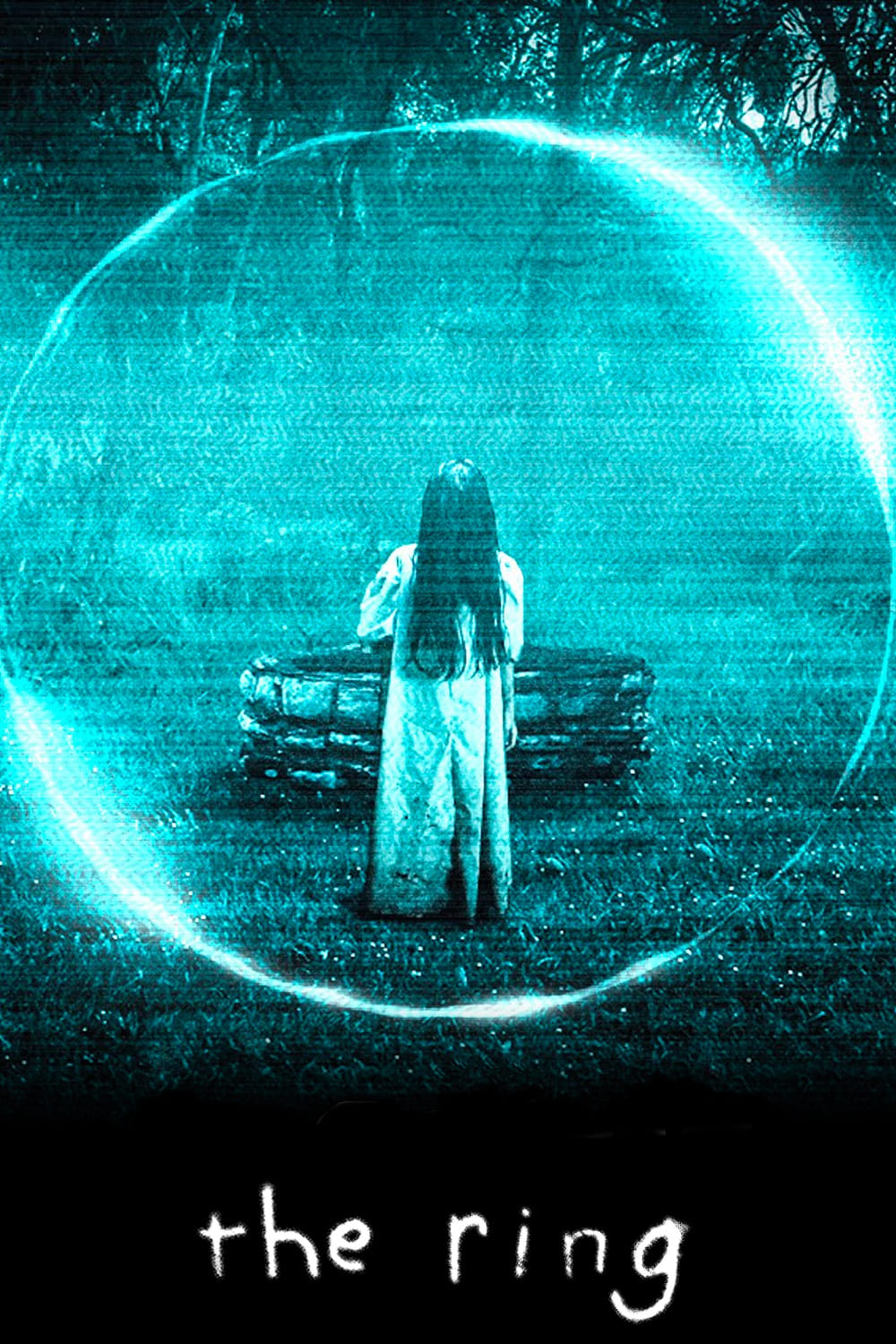
A journalist investigates a cursed videotape that causes viewers to die after a phone call and a seven day countdown. The remake is directed by Gore Verbinski and stars Naomi Watts with a focus on eerie imagery and investigative clues.
Its plot structure is clear for group watching because the lead follows a trail of evidence. Create a simple countdown card for breaks between scenes and use a bowl of blank tapes or discs as playful table decor.
‘Insidious’ (2010)
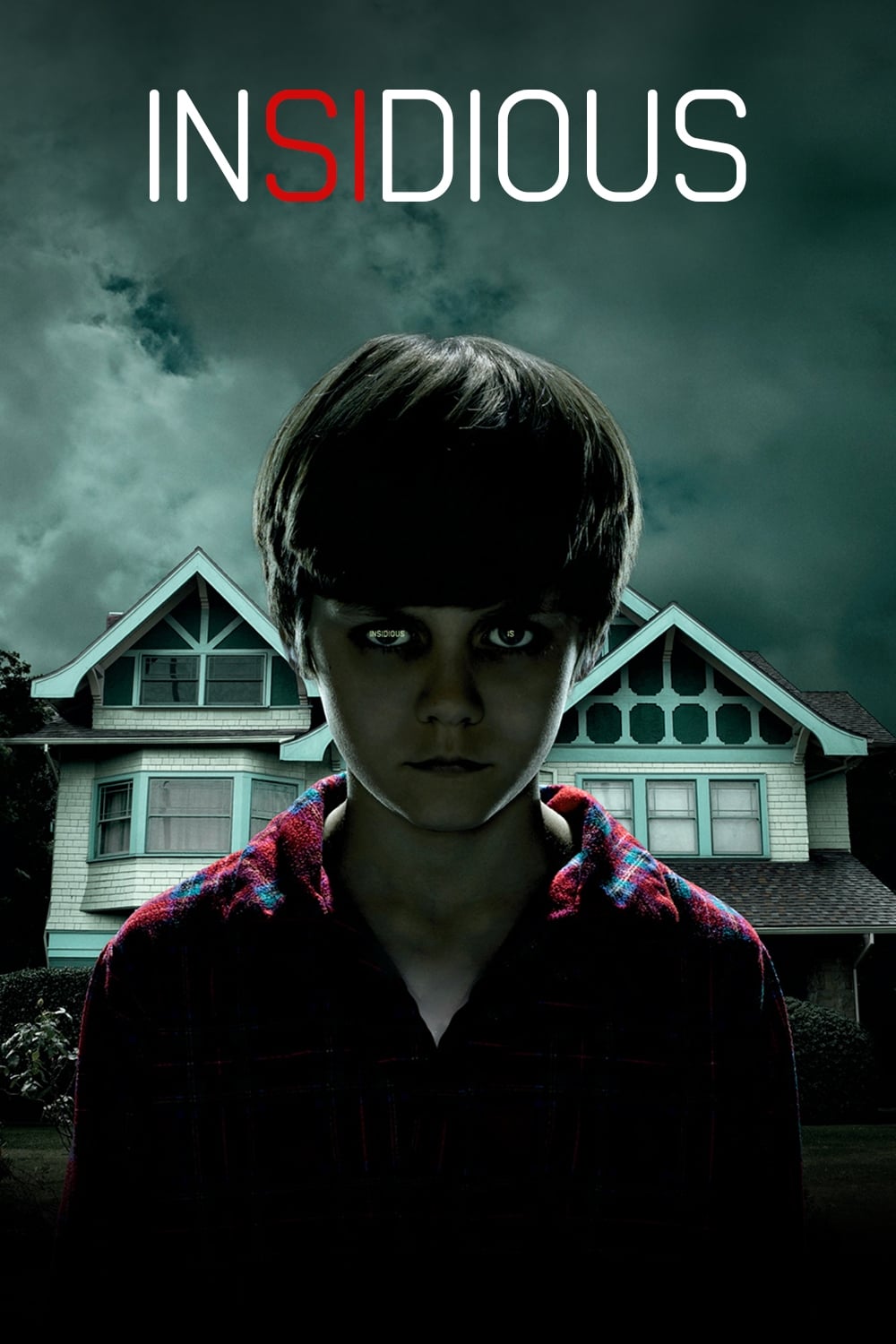
A family discovers their child is a vessel for spirits from a realm called the Further. James Wan directs a story that combines in home scares with a spirit world and introduces paranormal helpers who explain the rules.
The film breaks cleanly into discovery and rescue sections, which helps plan snack or game intervals. Print a floor plan of your living room and mark where jump scares occur to turn the watch into a playful map based activity.
‘The Babadook’ (2014)
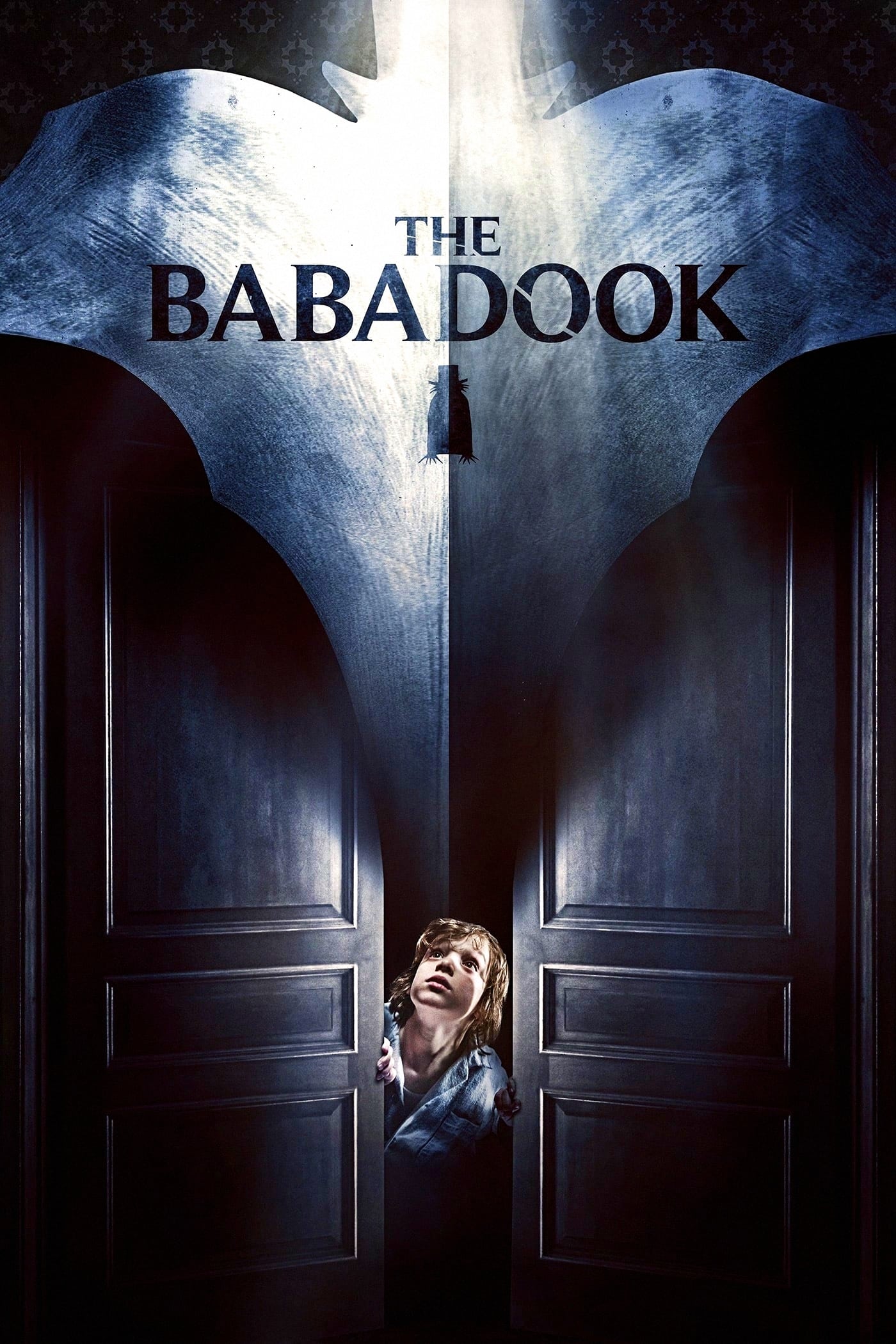
A widowed mother and her son are stalked by a figure that first appears in a pop up book. Jennifer Kent directs a contained story that uses sound and shadow to show how the presence grows inside their home.
The book motif is easy to theme with folded paper crafts and black and white decorations. Provide guests with small cardstock sheets to make pop up shapes during the opening scenes without missing key dialogue.
‘A Quiet Place’ (2018)
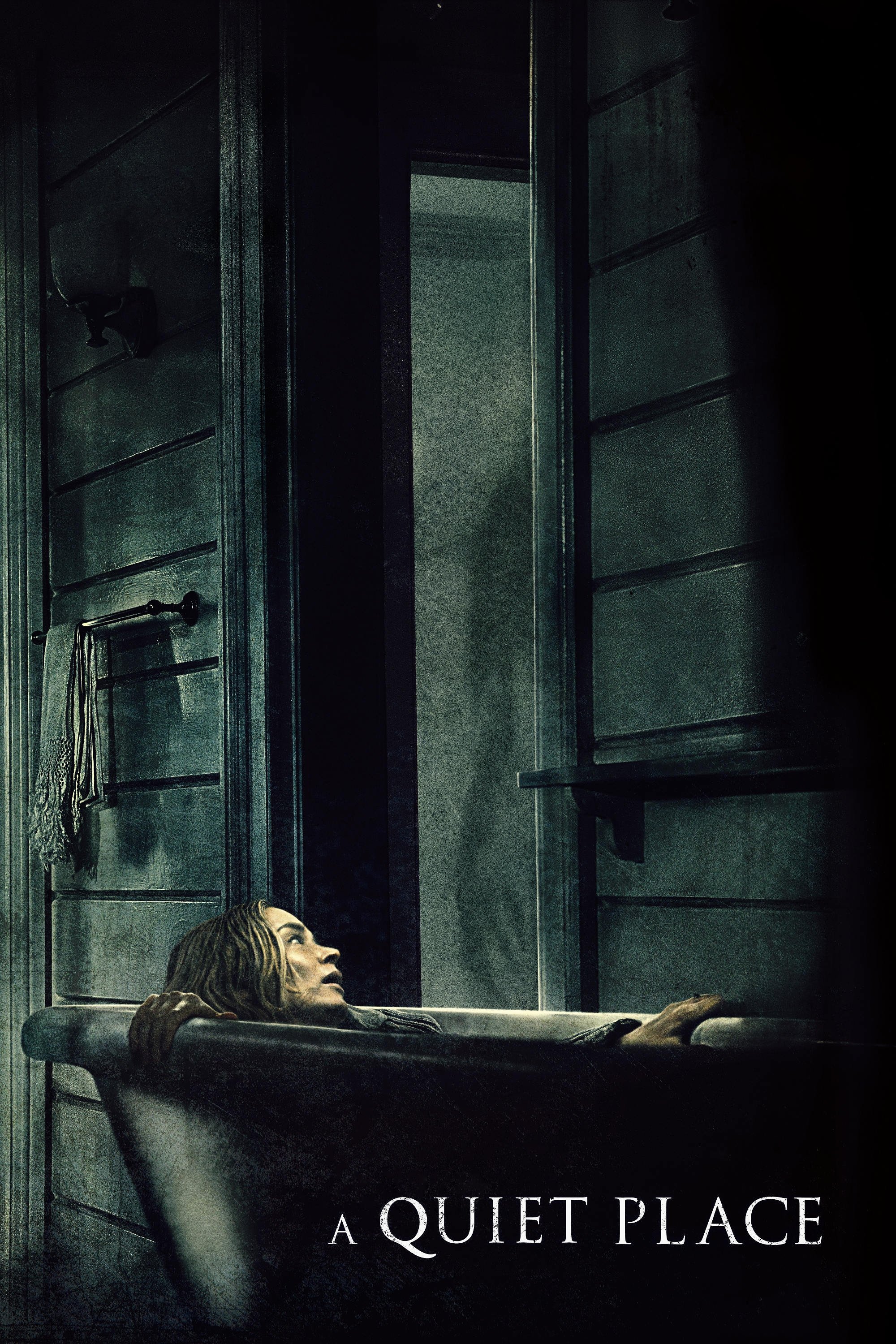
A family survives by living in silence while creatures hunt by sound. John Krasinski directs and stars alongside Emily Blunt and the film uses visual storytelling to show rules like sand paths and soft steps.
You can turn the silence into a fun challenge by using written notes for snack orders and charades during breaks. Keep crinkly wrappers in bowls ahead of time so viewers do not disrupt tense sequences.
‘Train to Busan’ (2016)
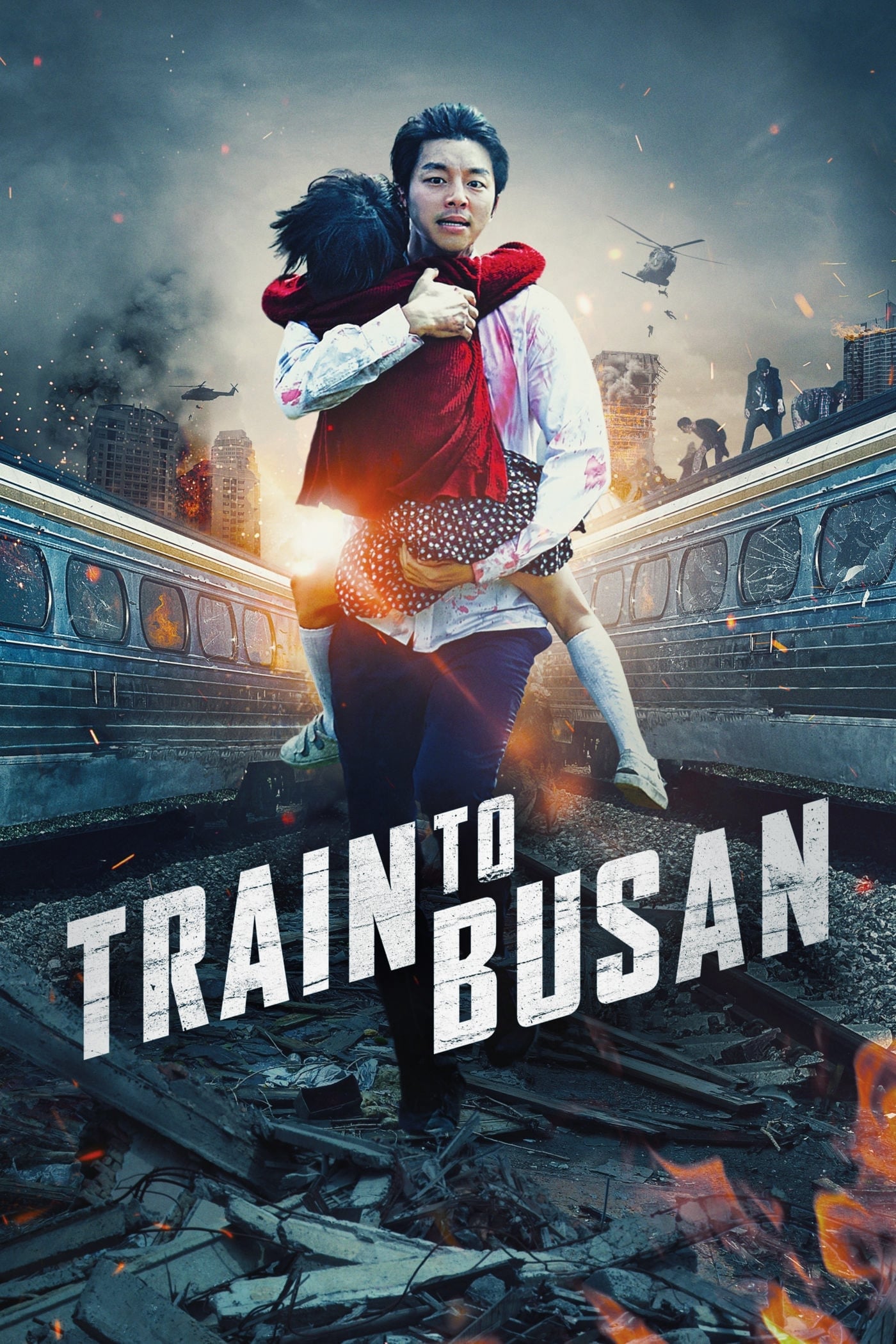
Passengers on a high speed rail line face a sudden zombie outbreak that sweeps through the cars. Yeon Sang ho directs a contained survival story that uses moving compartments to stage escalating encounters.
The car by car progression makes timing predictable for pauses between stops. Set out snacks in labeled stations that match car numbers so viewers move quickly during planned breaks and return before the next sequence.
‘The Witch’ (2015)
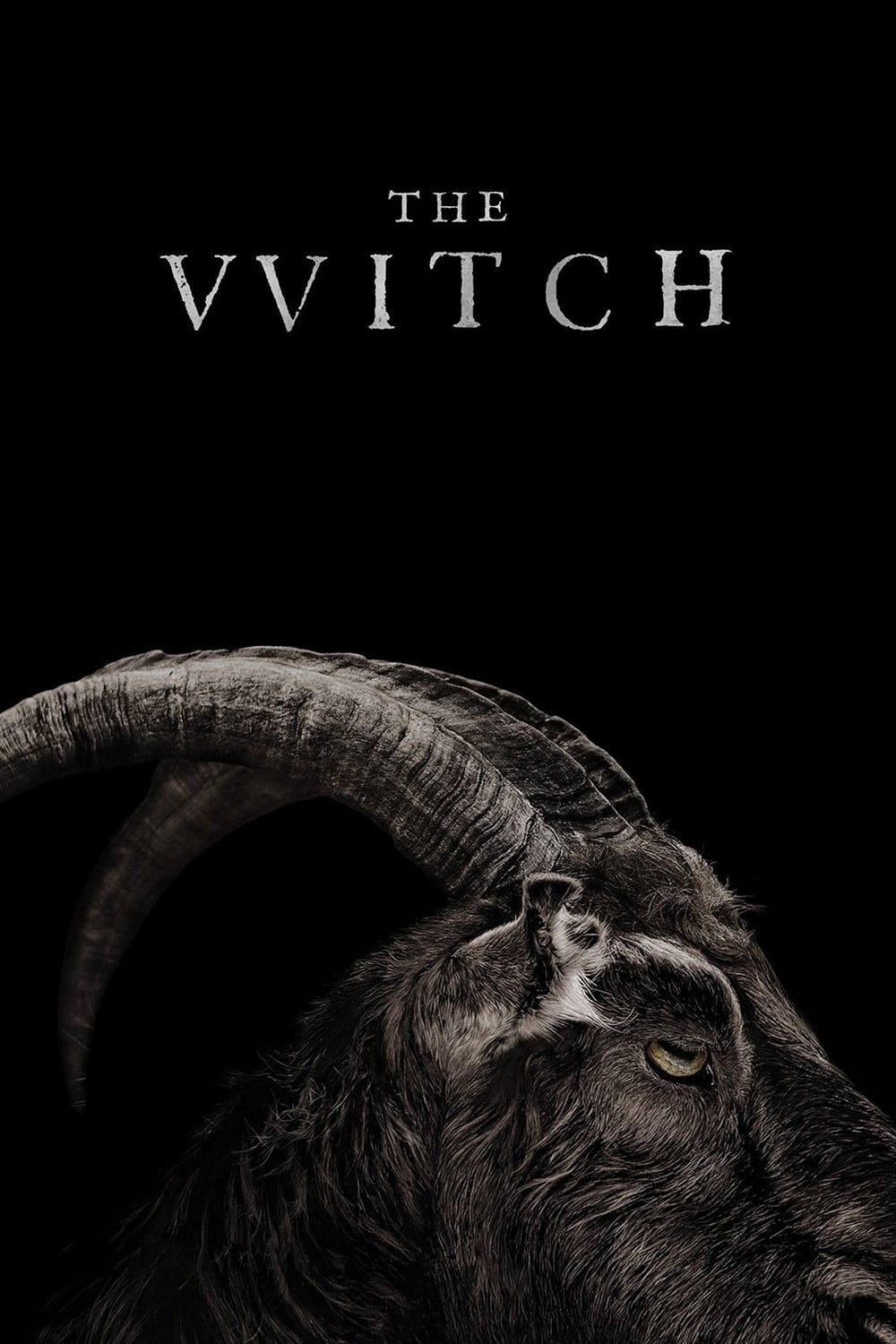
A family in 1630s New England confronts paranoia and isolation at the edge of a forest. Robert Eggers uses period language and natural light to depict suspicion growing inside a small homestead.
The historical setting works well with candlelit ambience and low light blankets to match the mood. Share a short glossary of a few archaic words on a card so newcomers follow important lines without confusion.
‘The Cabin in the Woods’ (2012)
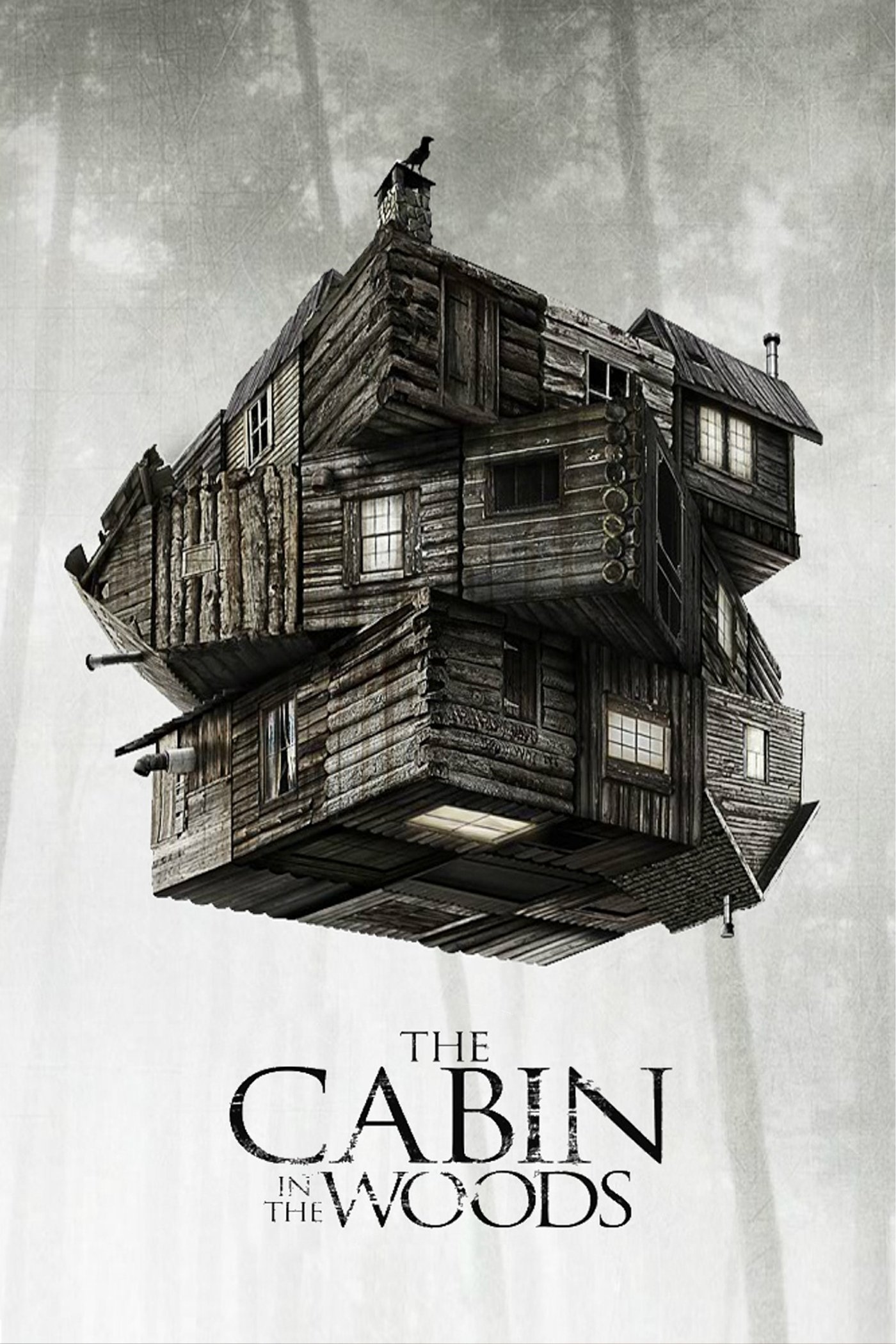
Friends visit a remote cabin without realizing they are part of a controlled ritual. Drew Goddard directs a story that reveals a larger facility managing horror scenarios with buttons and screens.
Its layered structure rewards attentive viewers, so plan brief pauses after control room scenes for quick discussion. Build a simple bingo card of common horror choices and let guests mark squares as the film unfolds.
‘Shaun of the Dead’ (2004)
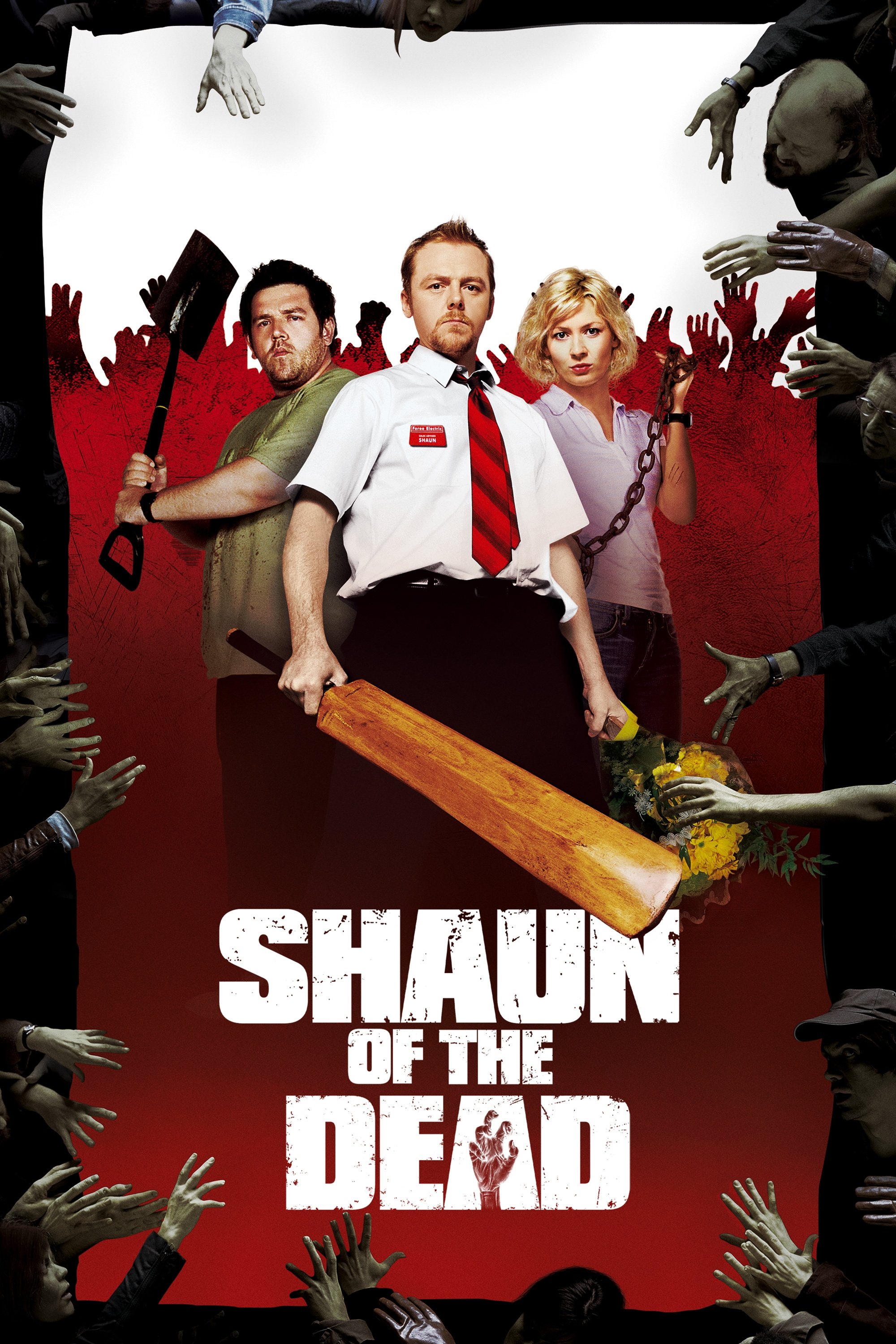
A Londoner tries to fix his life on the same day a zombie outbreak begins. Edgar Wright directs with precise visual gags and rhythmic edits while the cast moves between flats, pubs, and streets.
The neighborhood setting is easy to theme with pub snacks and a corner designated as the safe spot. Prepare a quick checklist of errands for viewers to tick off as the main character attempts each goal on screen.
‘Zombieland’ (2009)
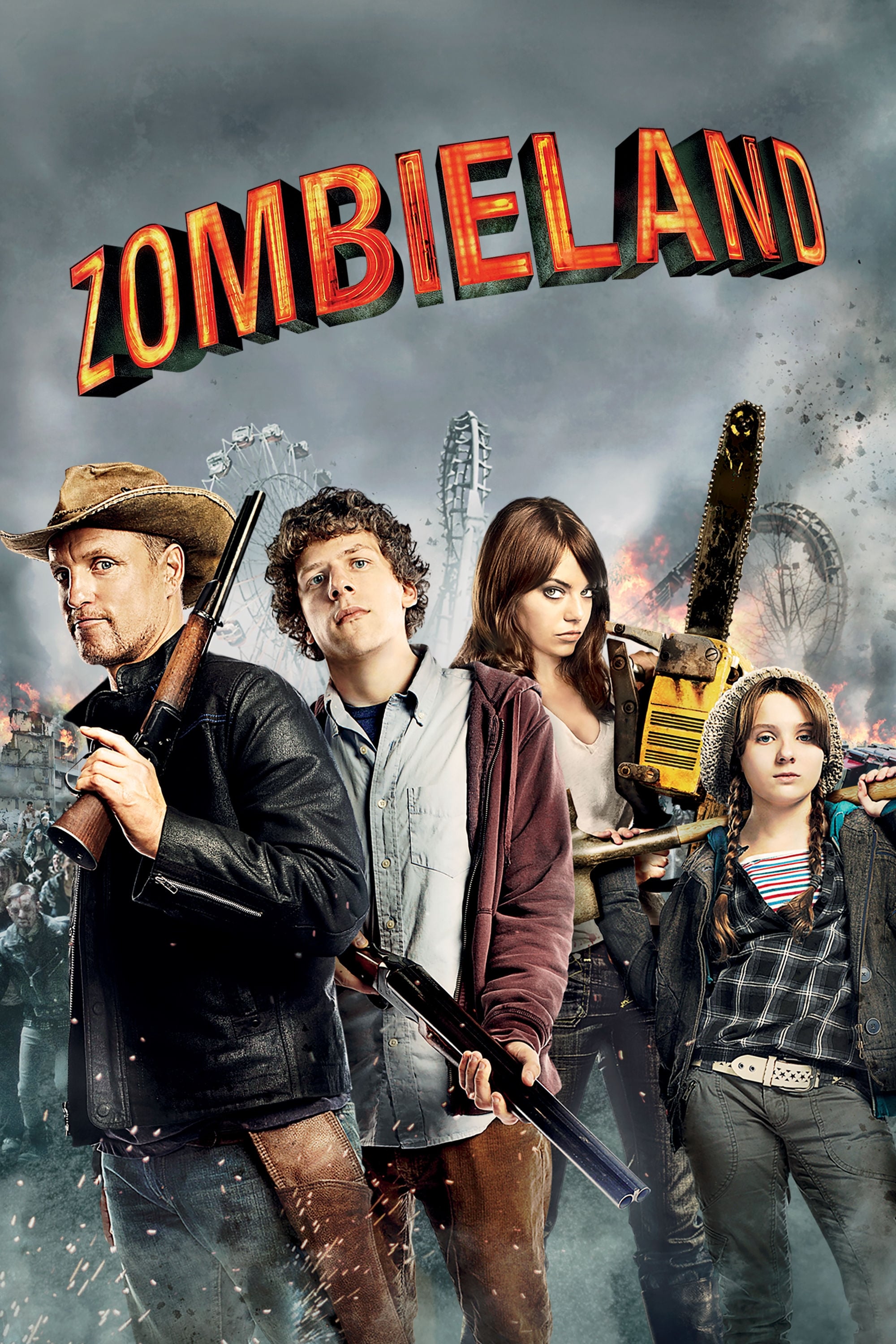
A cautious survivor teams with new allies and follows a set of personal rules to navigate a zombie filled America. Ruben Fleischer directs a road trip structure that introduces each rule visually as situations unfold.
The rules are simple to turn into party signs and on screen prompts for a game. Give guests cards with numbers and let them raise the matching rule when it appears to keep everyone engaged between action beats.
‘Army of Darkness’ (1992)
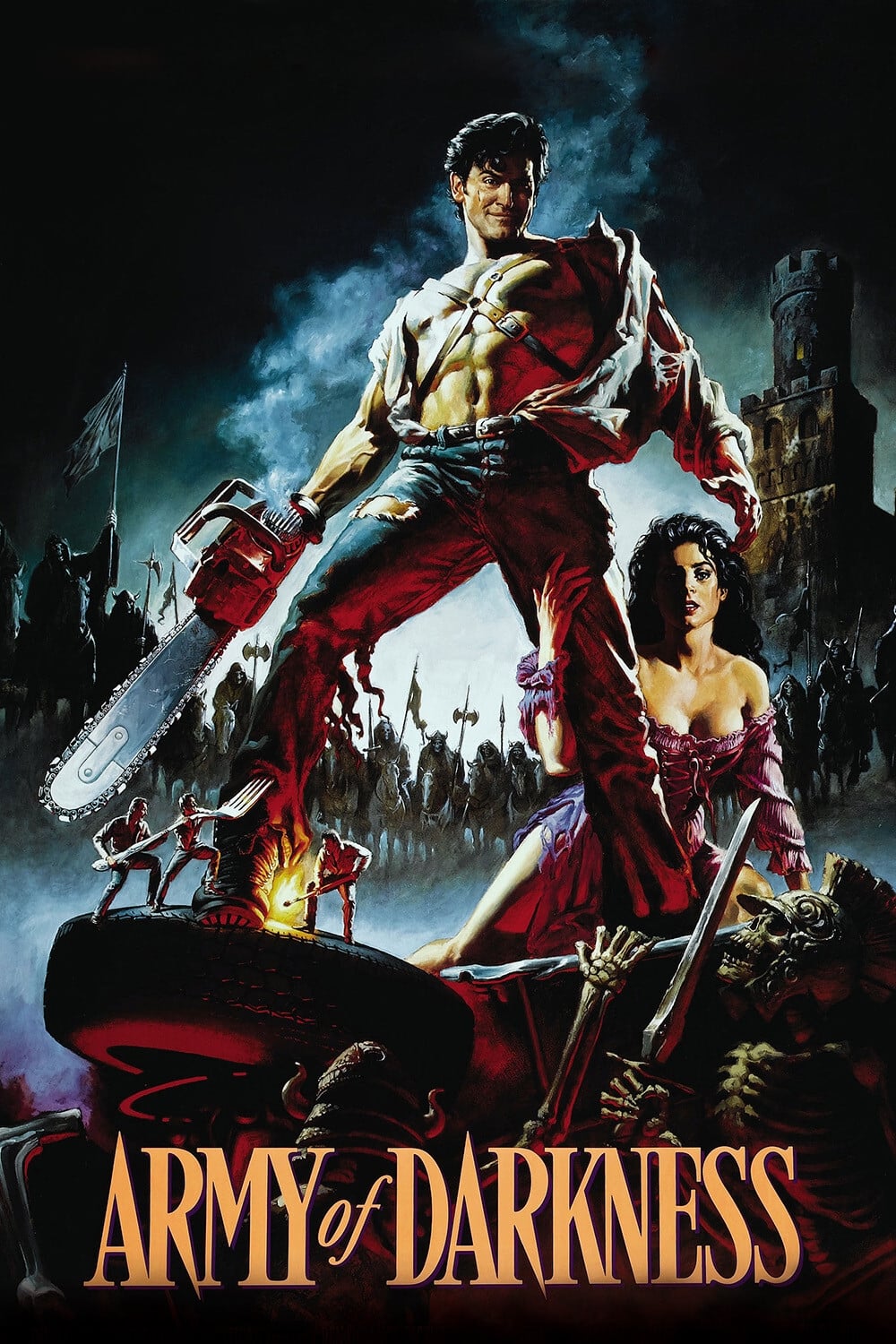
A man is transported to the medieval past where he battles undead forces with improvised tools. Sam Raimi directs a fast paced adventure that mixes practical effects with slapstick sequences.
Its medieval props make easy costume stations using cardboard shields and plastic goblets. Show a brief prop making demo before the screening so viewers have themed items ready for late set pieces.
‘The Rocky Horror Picture Show’ (1975)
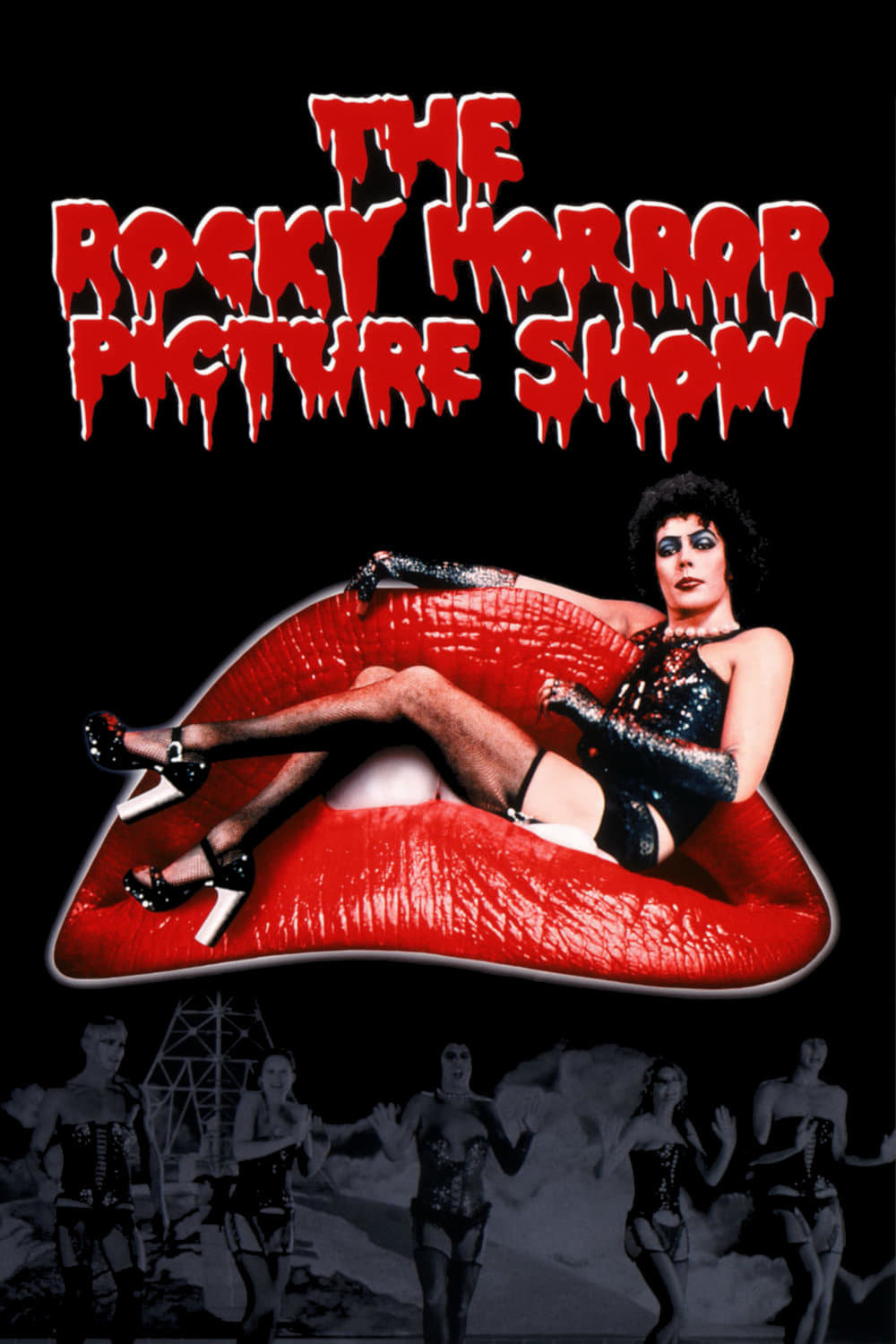
A stranded couple stumbles upon a mansion hosting a flamboyant scientist and an unusual party. Jim Sharman directs a cult musical with audience participation traditions like call backs and prop cues.
You can print a lightweight participation guide that lists common moments like confetti and newspapers. Keep props simple and safe by using paper items and soft materials that clean up quickly after the show.
‘Carrie’ (1976)
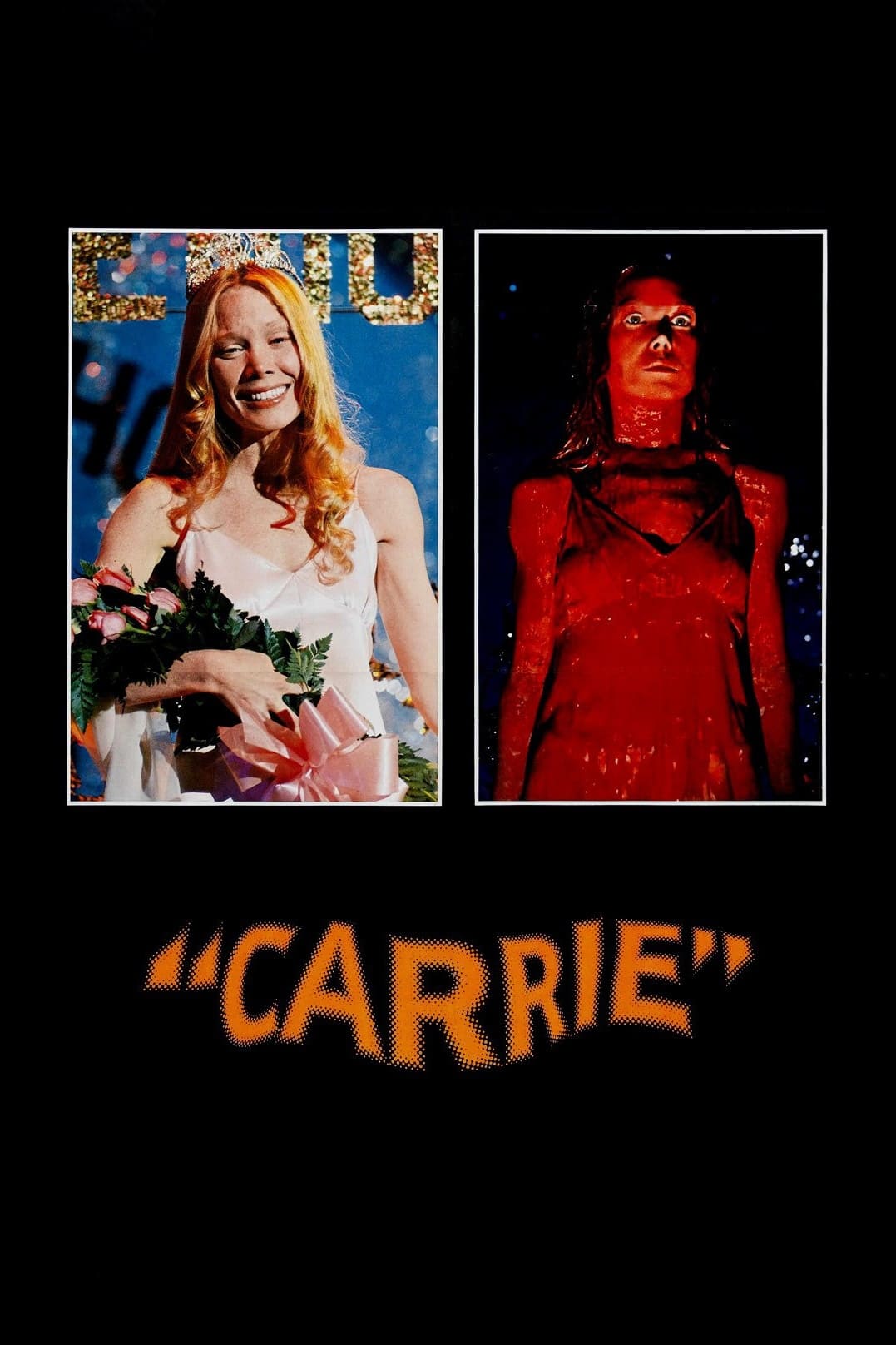
A shy student develops telekinetic powers while dealing with bullying and a strict home life. Brian De Palma adapts the story with split screen and slow builds that lead to a school dance finale.
The prom theme is easy to recreate with streamers and a simple photo corner. Offer corsage stickers and a ballot for harmless superlatives to mirror the event before the film reaches its turning point.
‘The Texas Chain Saw Massacre’ (1974)

Friends on a road trip encounter a family in rural Texas and a killer who wields a chainsaw. Tobe Hooper uses a documentary style approach with daylight scenes that gradually lead to a claustrophobic farmhouse.
The rural setting can be matched with rustic table setups and metal free cutlery for safety. Keep ambient fan noise low so the sound design reads clearly when the action shifts indoors.
‘Friday the 13th’ (1980)
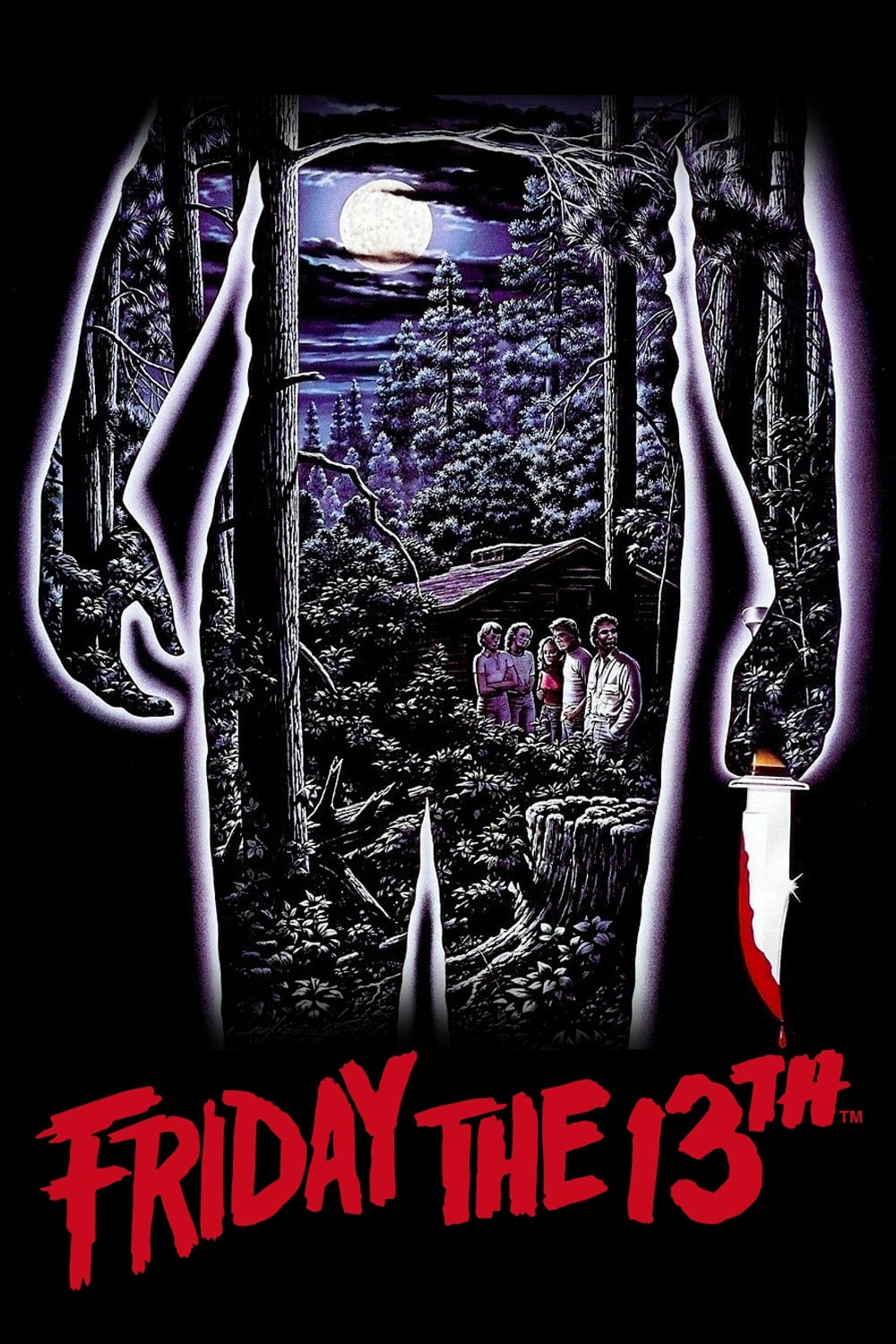
Counselors prepare a summer camp reopening while a hidden attacker targets the grounds. Sean S Cunningham structures the story around cabins, docks, and woods that are easy to track on a simple map.
Set up a camp themed snack table with labeled stations for mess hall, dock, and trail mix. Hand out small paper maps so guests follow locations and recall where each scare happens.
‘Candyman’ (1992)
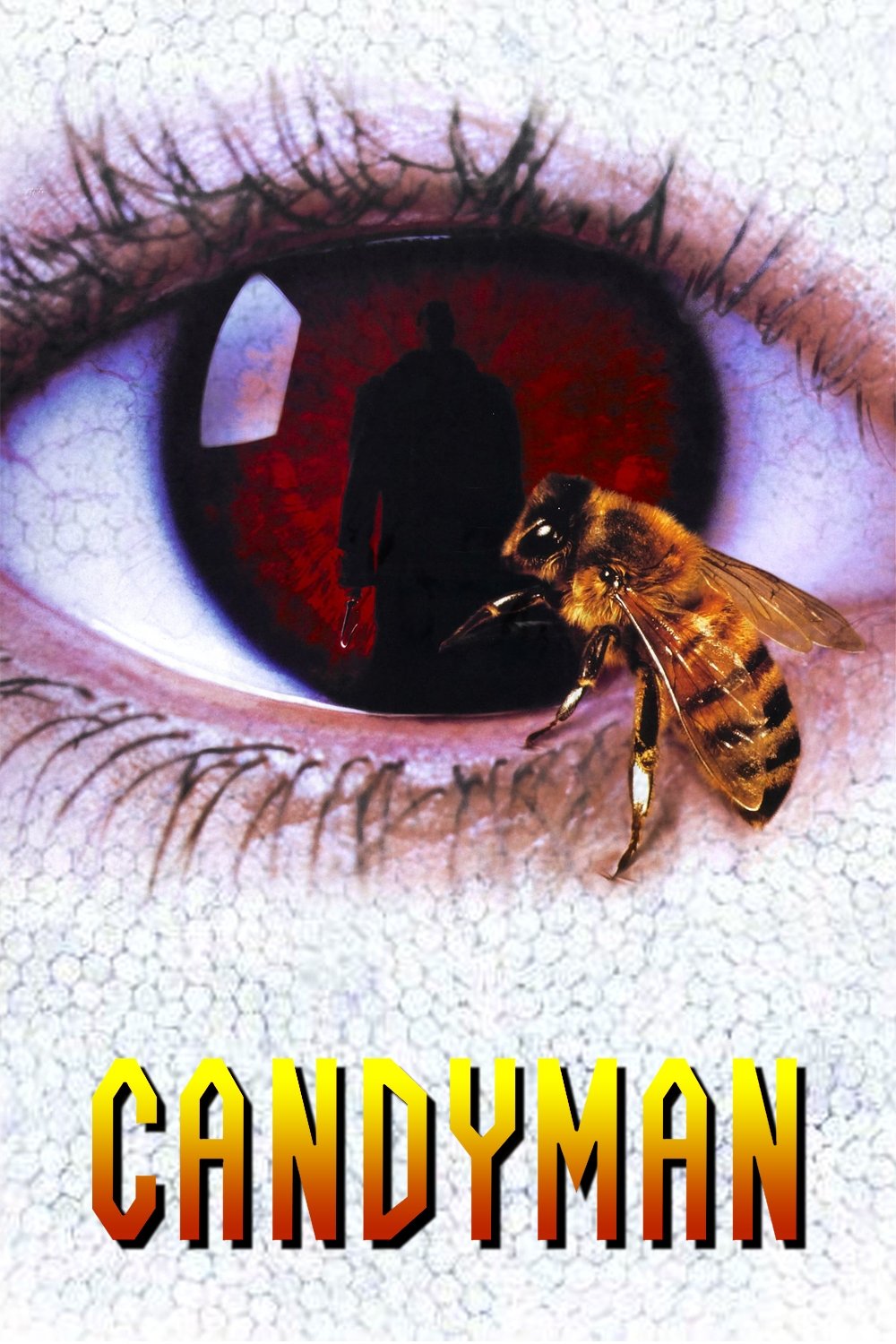
A graduate student researches an urban legend linked to a public housing community and a series of murders. Bernard Rose directs with a blend of folklore, journalism, and striking visuals anchored by a memorable antagonist.
The legend format invites a pre screening rule explanation with a mirror prop used only for photo fun. Share a short printout that outlines the myth and the real locations to ground discussion after the film ends.
‘The Others’ (2001)
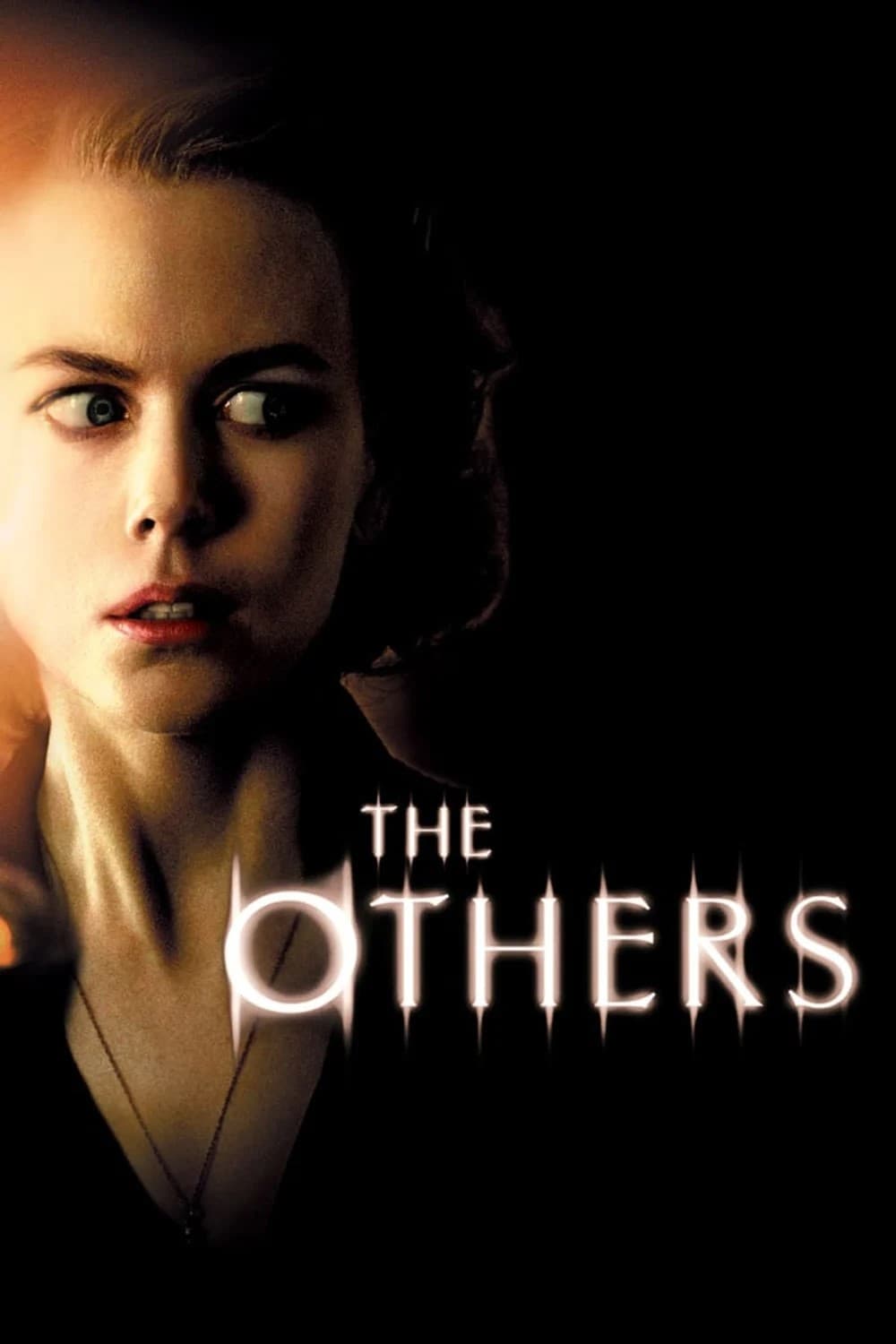
A mother and her photosensitive children live in a fog shrouded mansion where doors and curtains must be managed carefully. Alejandro Amenábar crafts a story that turns routine chores into clues about the house.
You can use blackout curtains or dimmed lamps to echo the film’s rules without causing discomfort. Prepare a door and key checklist so viewers track which spaces are open or locked as the mystery builds.
‘What We Do in the Shadows’ (2014)
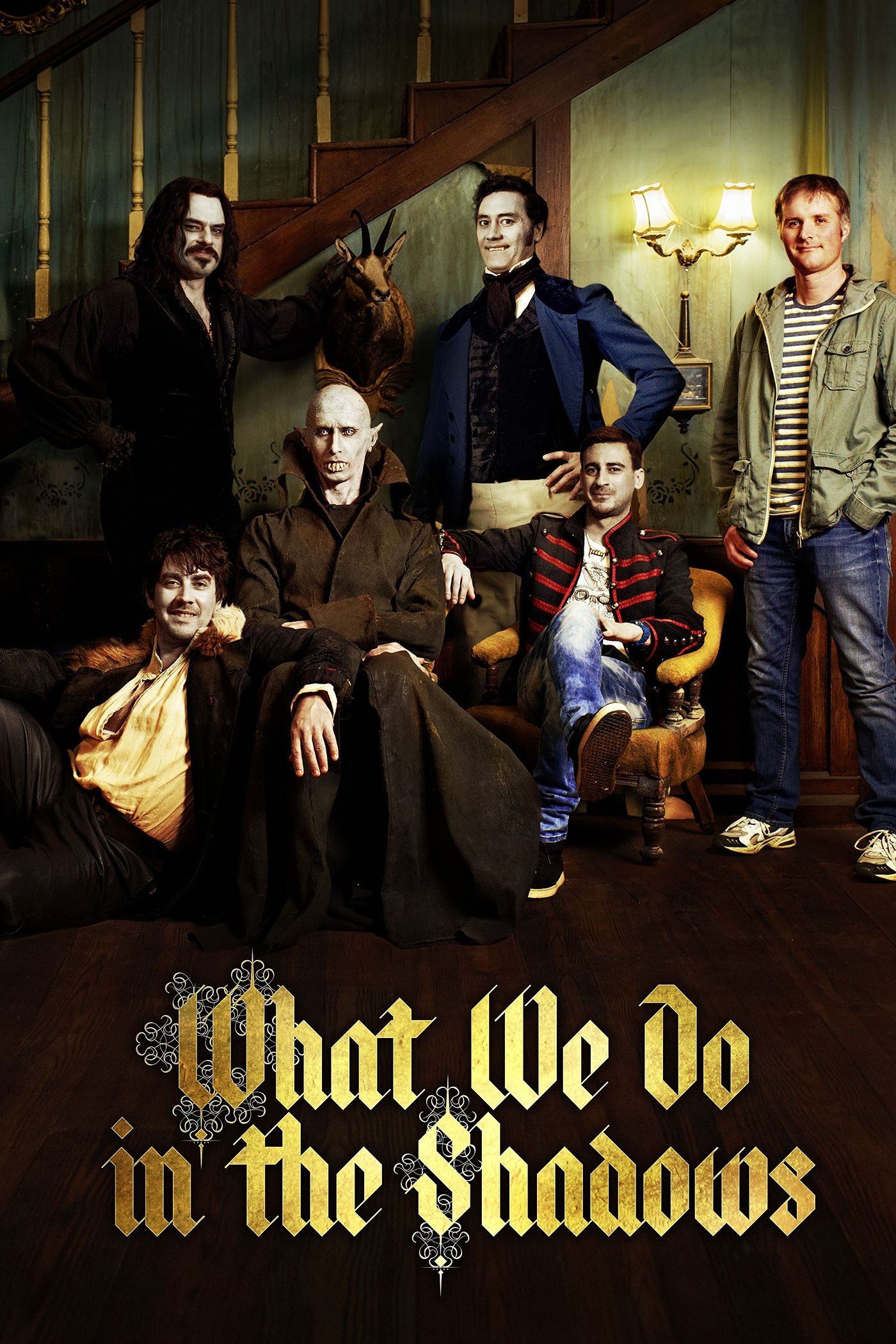
A group of vampires in modern Wellington shares a flat and navigates house chores and rivalries. Taika Waititi and Jemaine Clement blend documentary style interviews with supernatural scenarios like invitations and ancient feuds.
The mock interview format is perfect for intermission photo booths and quick confession cards. Give guests character role stickers like familiar or centuries old so running jokes are easy to join.
‘Gremlins’ (1984)
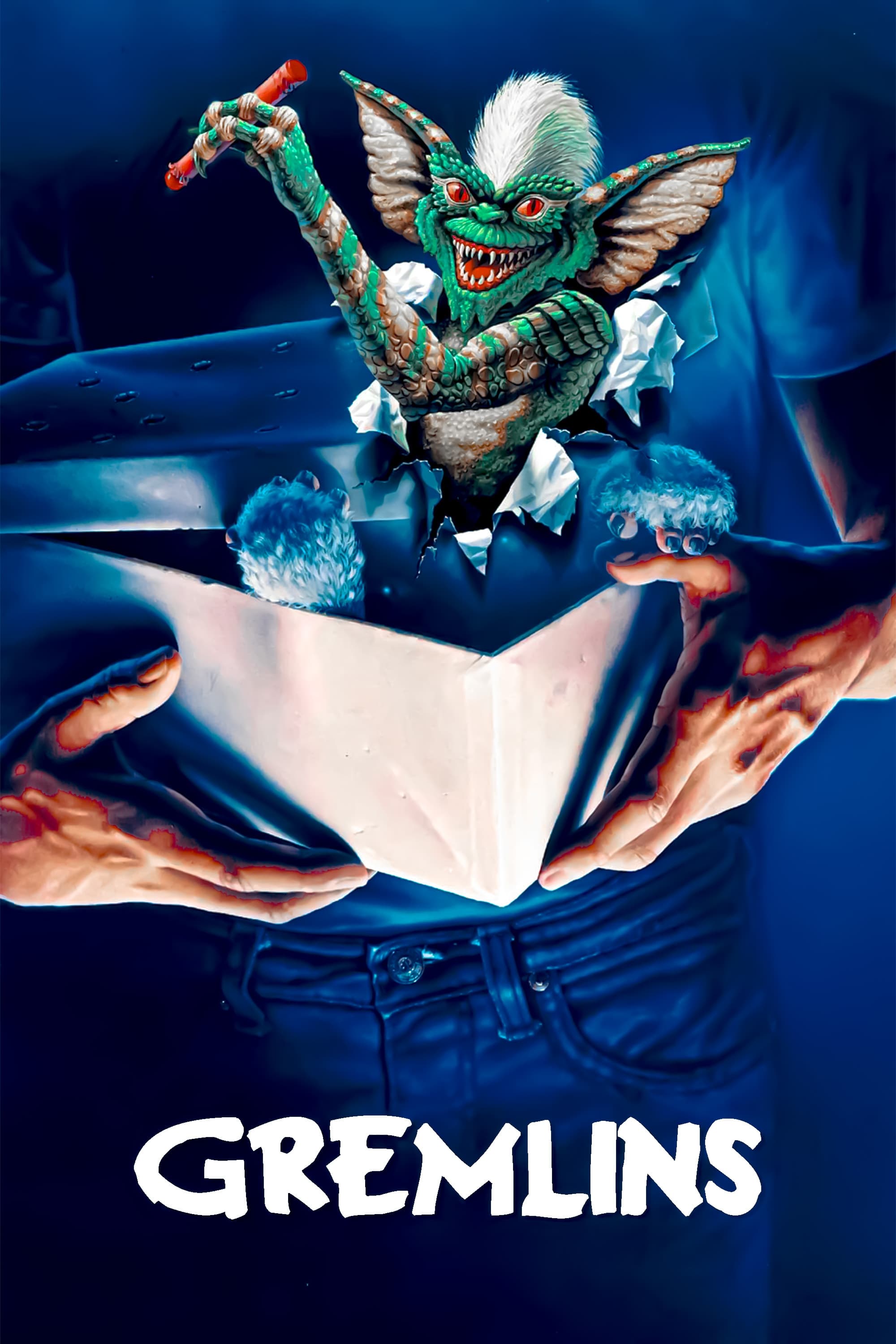
A small town is overrun by mischievous creatures that multiply when rules are broken. Joe Dante introduces three simple guidelines for caring for a mogwai that drive every set piece.
Turn the rules into playful signage near snacks and drinks so guests remember no water and no late night snacking jokes. Use battery tea lights for gremlin safe lighting that fits both spooky and cozy rooms.
‘Sinister’ (2012)

A true crime author finds reels of home movies that reveal linked murders and an entity behind them. Scott Derrickson structures the film around the discovery of each reel and the investigation that follows.
The film’s pattern makes it easy to schedule brief pauses after each reel for calm resets. Prepare a timeline sheet so viewers note dates and locations, which helps keep details straight as the clues connect.
‘Psycho’ (1960)
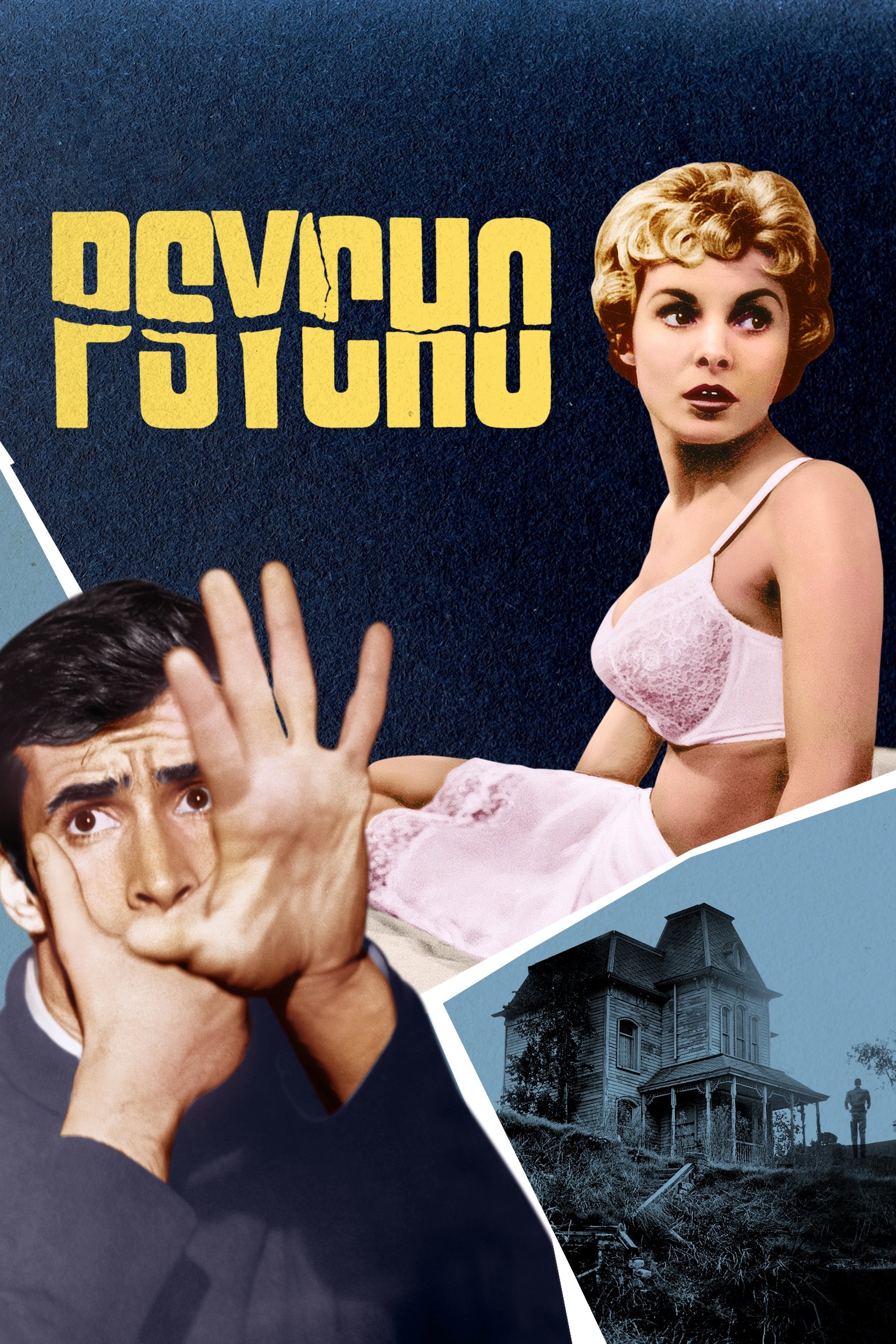
A secretary on the run stops at a roadside motel where the owner lives under the influence of his unseen mother. Alfred Hitchcock directs from a script by Joseph Stefano, adapting Robert Bloch’s novel and using black and white photography to keep production costs controlled.
The film pioneered editorial techniques like the shower sequence built from short cuts and precise sound cues. Bernard Herrmann’s string score established a recognizable motif that studios reused in trailers and television for years.
‘The Thing’ (1982)
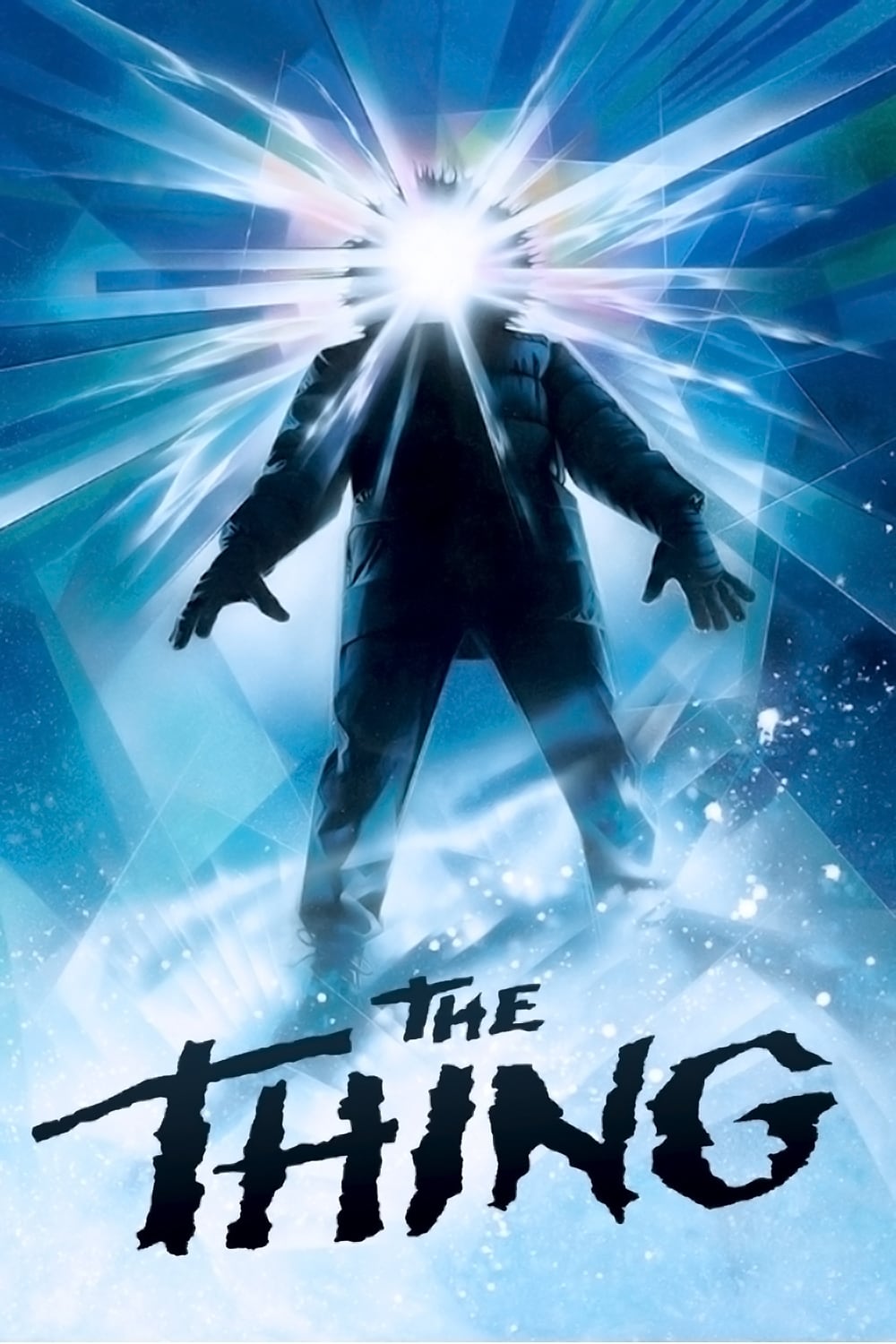
Researchers at an Antarctic outpost confront a parasitic life form that imitates organisms it absorbs. John Carpenter directs with practical creature effects by Rob Bottin that rely on prosthetics and animatronics.
The remote setting limits escape options and organizes scenes around tests to verify identity. Ennio Morricone supplies a minimalist pulse that supports long stretches of suspicion between characters.
‘Alien’ (1979)
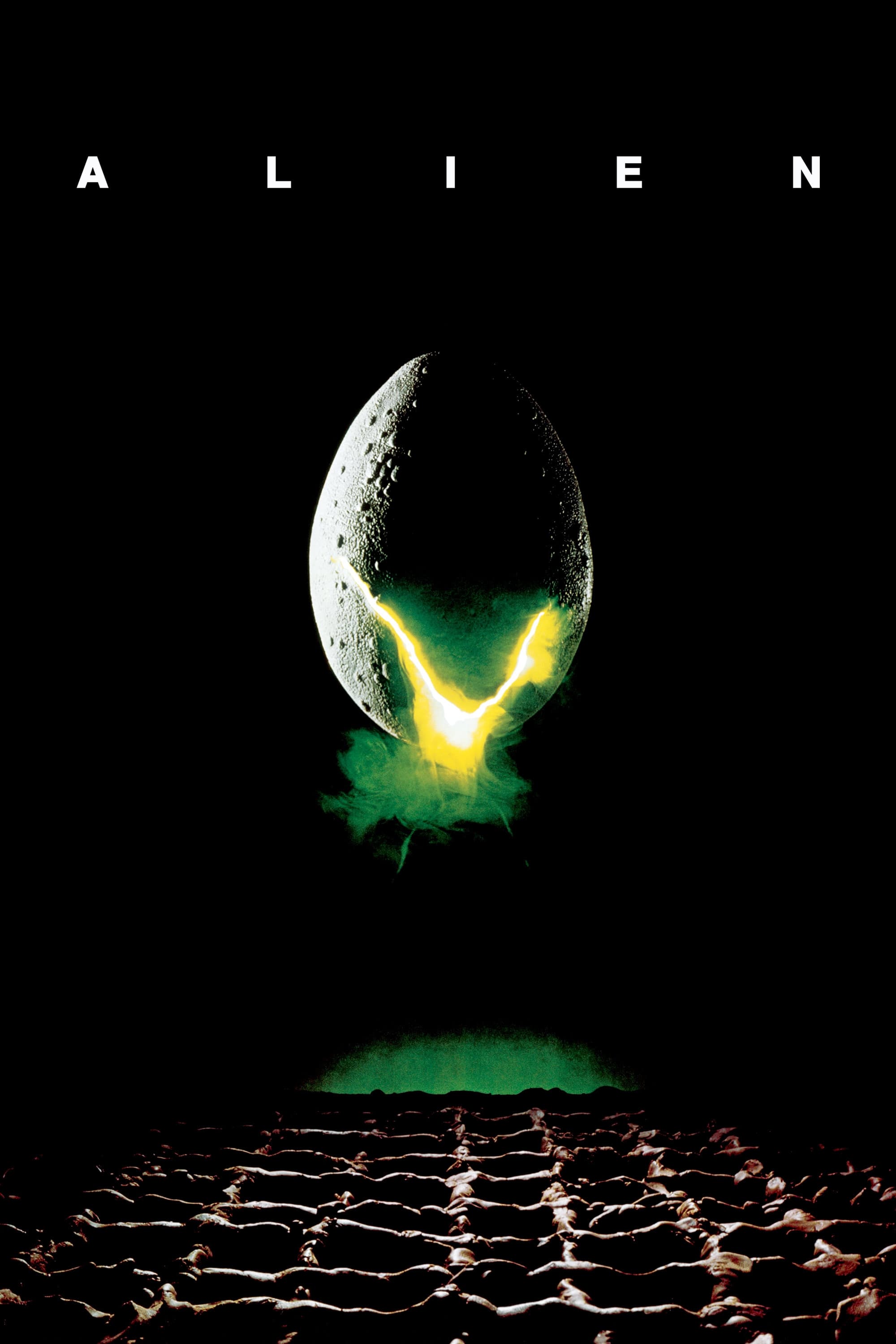
A commercial spaceship diverts to investigate a signal and brings a hostile organism aboard. Ridley Scott directs with production design by H R Giger and sets that combine industrial corridors with biological textures.
The narrative tracks one creature moving through mapped sections of the ship while the crew follows company directives. Jerry Goldsmith’s score and ambient machine noise structure quiet passages before each encounter.
‘Evil Dead II’ (1987)
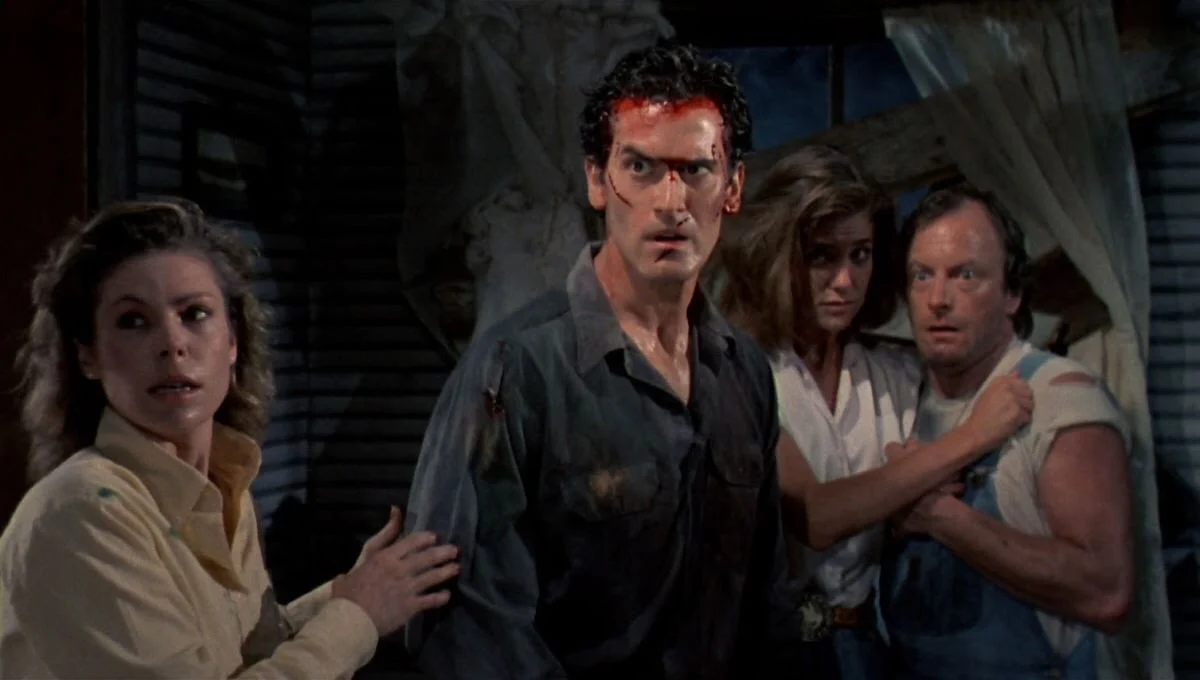
A man in a forest cabin faces demons unleashed by passages from an archaeological recording. Sam Raimi directs with a mix of horror set pieces and fast motion camera moves that create a kinetic style.
Makeup and stop motion work depict possession and dismemberment effects inside a single location. The story connects directly to the first film by restaging key beats in a condensed opening before new events begin.
‘An American Werewolf in London’ (1981)
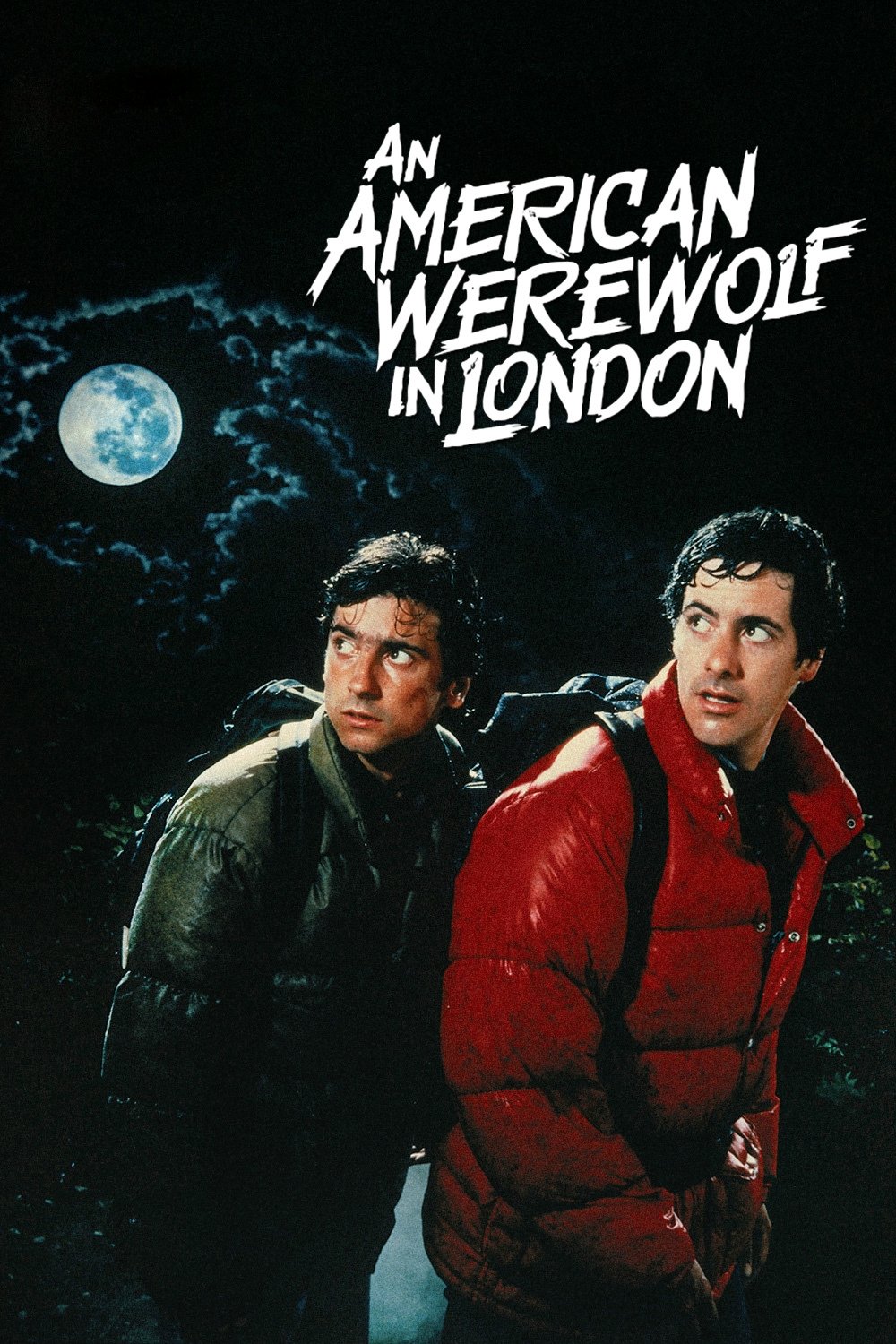
Two travelers cross the English countryside and one survives an attack that leads to monthly transformations. John Landis directs with transformation effects created by Rick Baker using appliances and bladder rigs.
London landmarks such as the underground and Piccadilly Circus appear in chase scenes that integrate location photography. The soundtrack curates songs with moon references that align with the timeline of events.
‘The Wicker Man’ (1973)
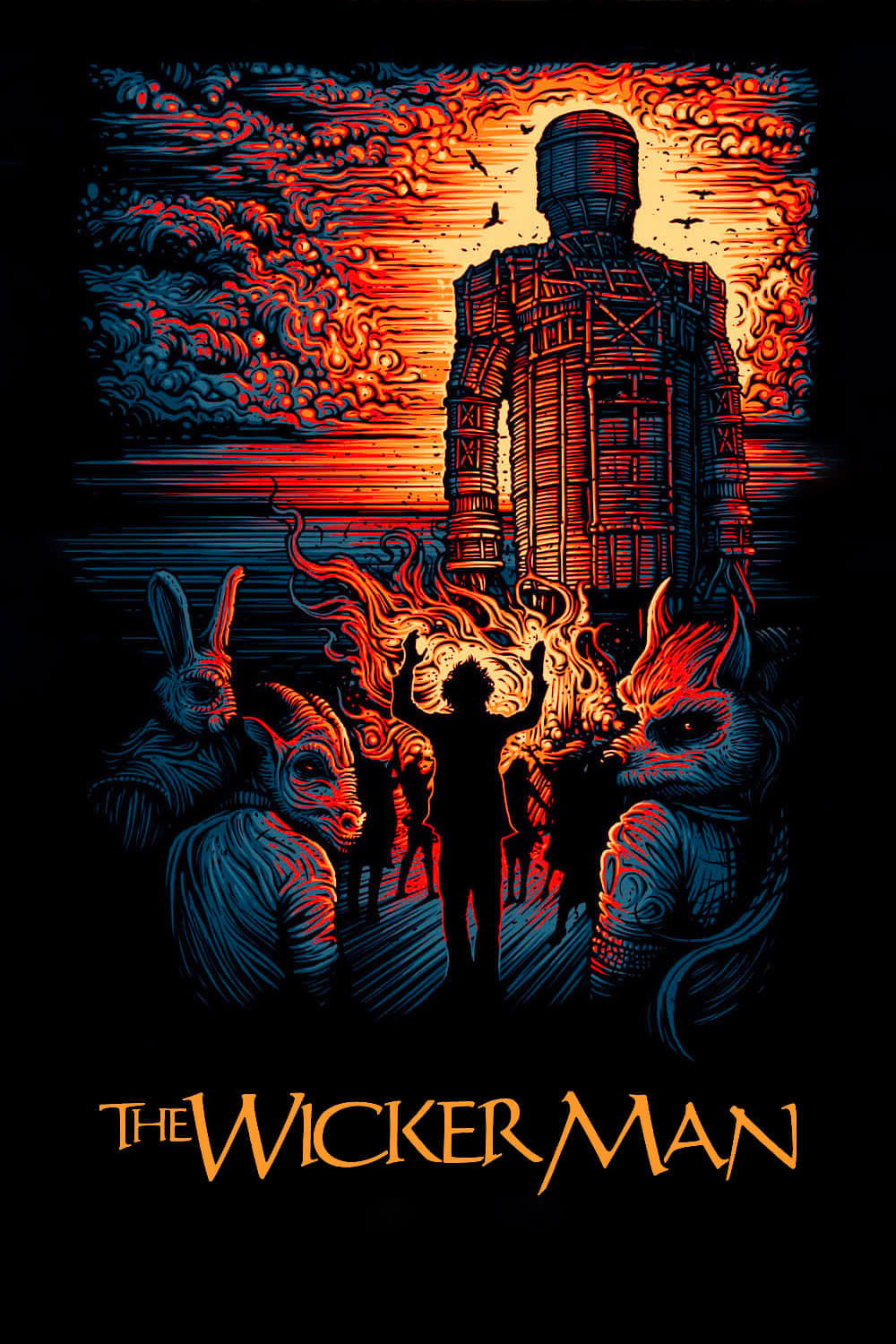
A police sergeant visits a remote island to search for a missing girl and encounters local rituals. Robin Hardy directs from a script by Anthony Shaffer and uses folk songs and processions to show community beliefs.
The investigation unfolds through interviews that reveal conflicting statements about the child. The production uses real coastal locations in Scotland and costumes that mirror seasonal ceremonies recorded in folklore studies.
‘The Omen’ (1976)
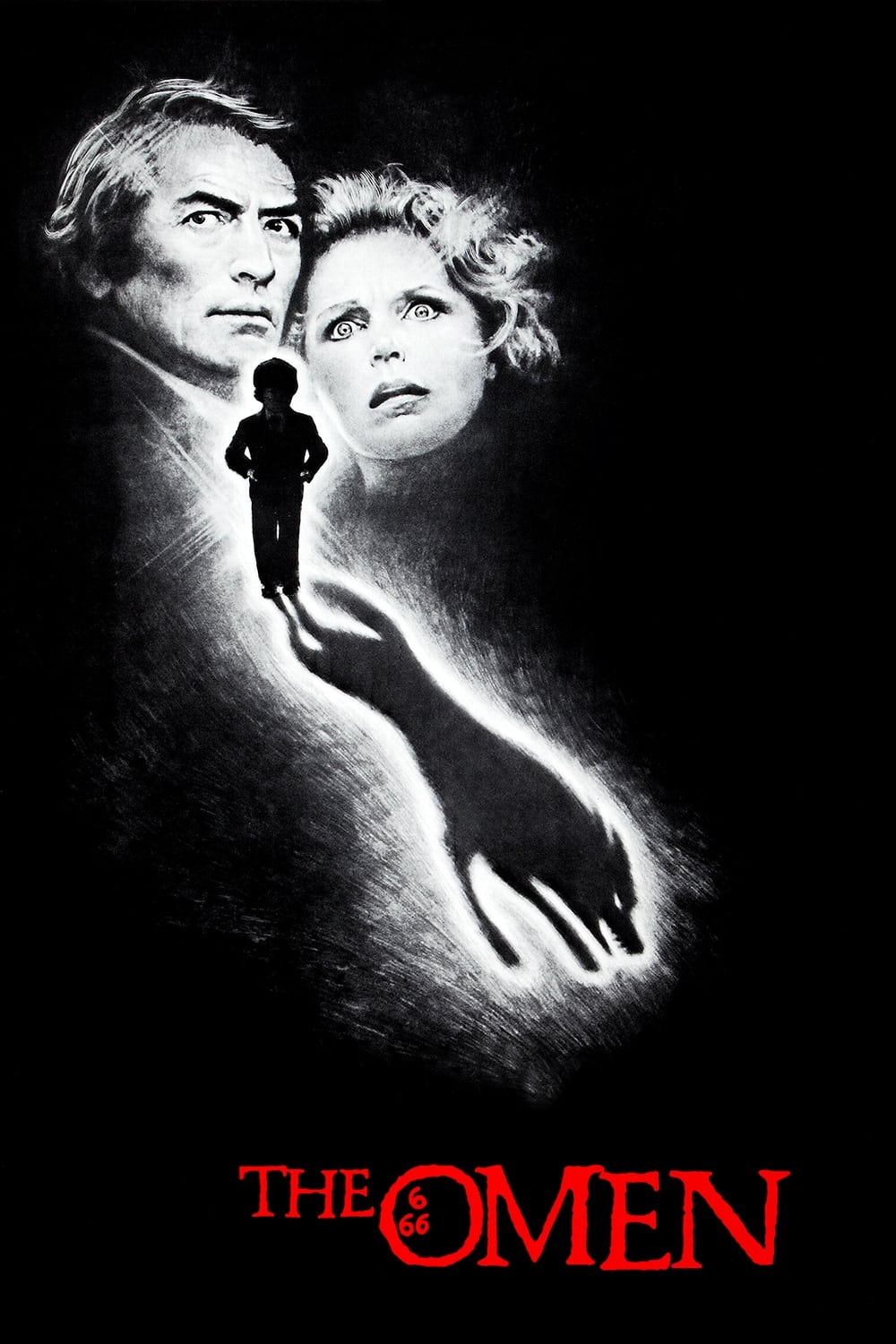
A diplomat adopts a child under unusual circumstances and later learns of ominous prophecies tied to the boy. Richard Donner directs with a score by Jerry Goldsmith that uses choral arrangements in Latin.
Set pieces are staged as accidents that correspond to biblical references and number patterns. The film introduced recurring names and symbols that continue through sequels and later television versions.
‘The Sixth Sense’ (1999)
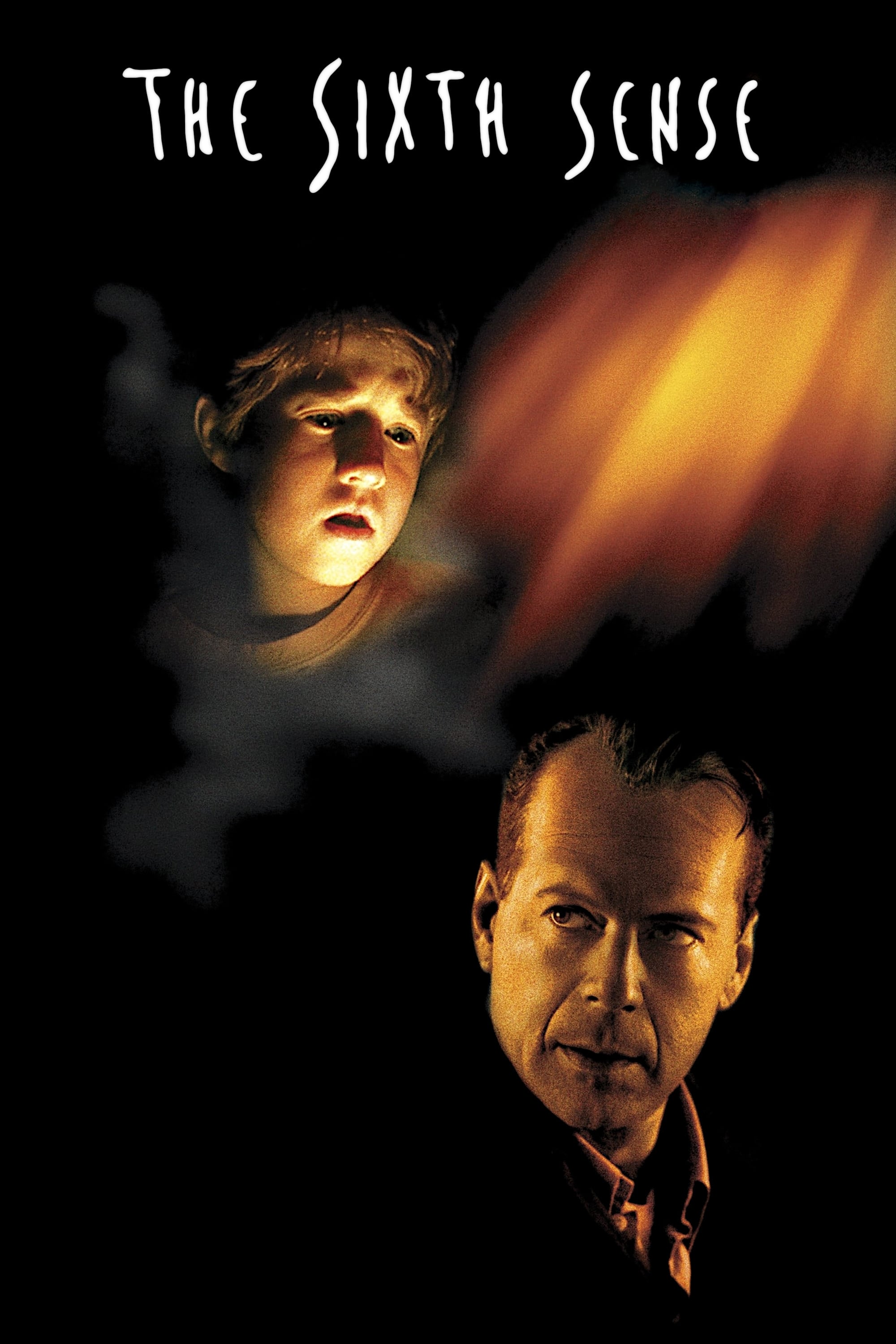
A child psychologist works with a boy who reports seeing the dead and struggles to interpret the visits. M Night Shyamalan directs and writes a script that lays visual clues across domestic interiors and public spaces.
The structure follows therapy sessions that resolve specific hauntings and reveal how each ghost’s request functions. Repeated objects and color choices guide attention without revealing the final explanation early.
‘The Fly’ (1986)
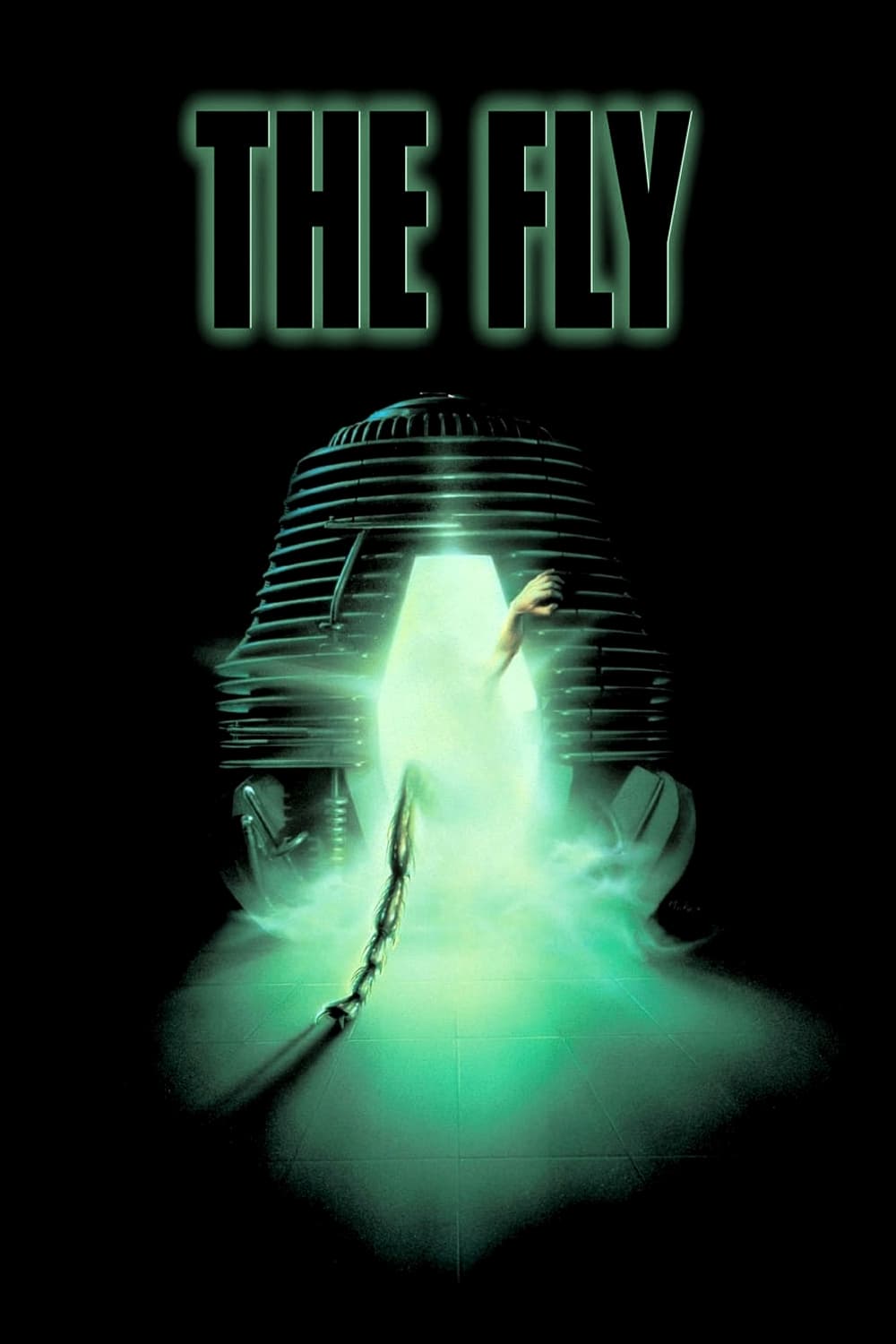
A scientist experiments with teleportation and undergoes a gradual transformation after a flawed test. David Cronenberg directs and co writes a version that emphasizes laboratory procedures and medical symptoms.
Chris Walas leads makeup effects that progress in stages from minor blemishes to full creature suit. The timeline is documented through video logs and lab notes that chart the decline in a clinical manner.
‘Suspiria’ (1977)
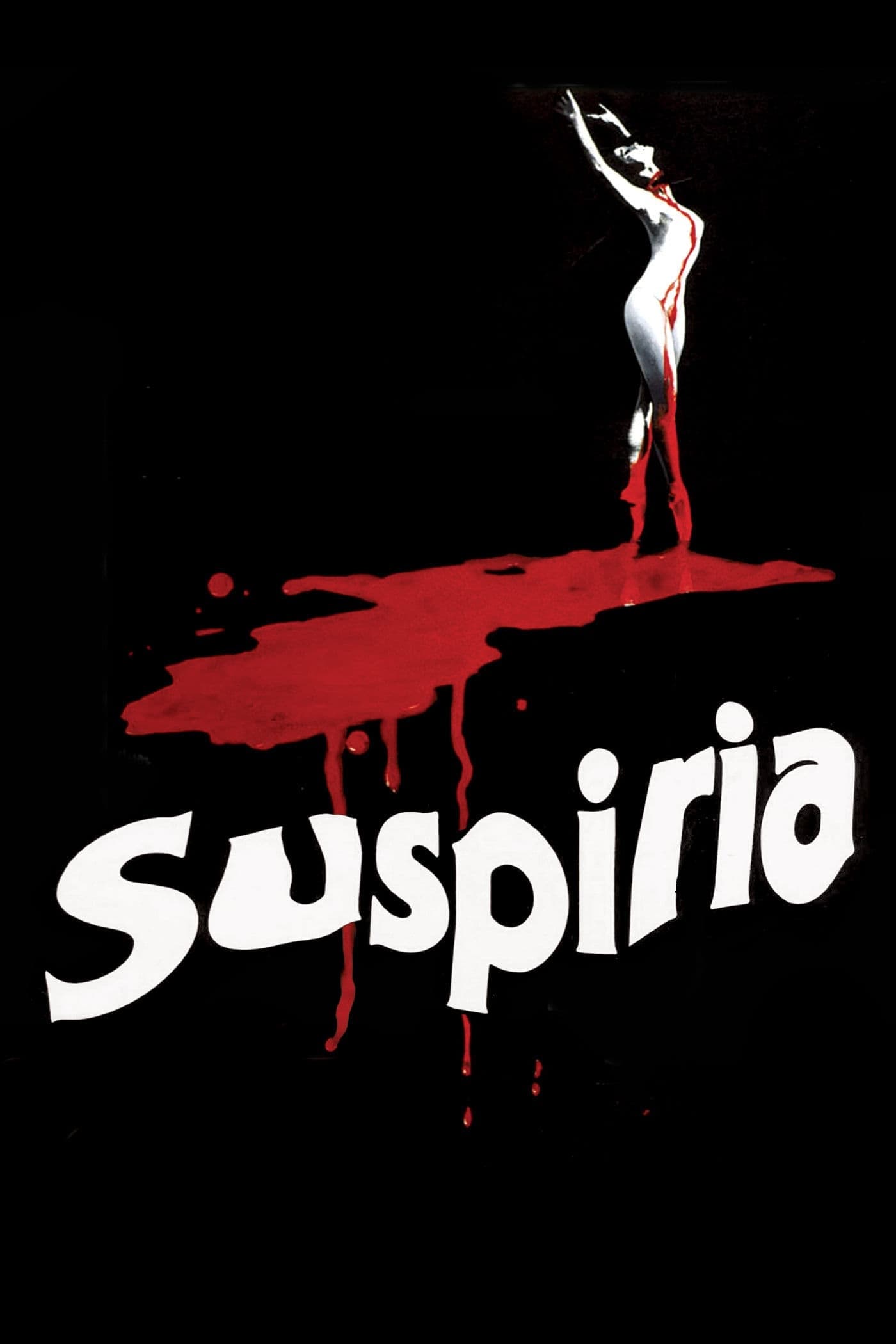
A new student arrives at a dance academy that hides occult activity behind strict routines. Dario Argento directs with cinematography by Luciano Tovoli that uses bold primary colors and wide angle compositions.
Goblin provides a score recorded with layered percussion and whispered vocals that plays during dialogue scenes. The academy’s floor plan and secret rooms appear in repeated tracking shots that hint at hidden routes.
‘REC’ (2007)

A television reporter and a fire crew enter an apartment building during a late night call and find residents infected by an unknown cause. Jaume Balagueró and Paco Plaza direct a real time story presented through a news camera.
The confined building uses stairwells and apartments as checkpoints that close behind characters as authorities seal the site. The final minutes shift to night vision in an attic where documents outline a prior investigation.
‘Let the Right One In’ (2008)
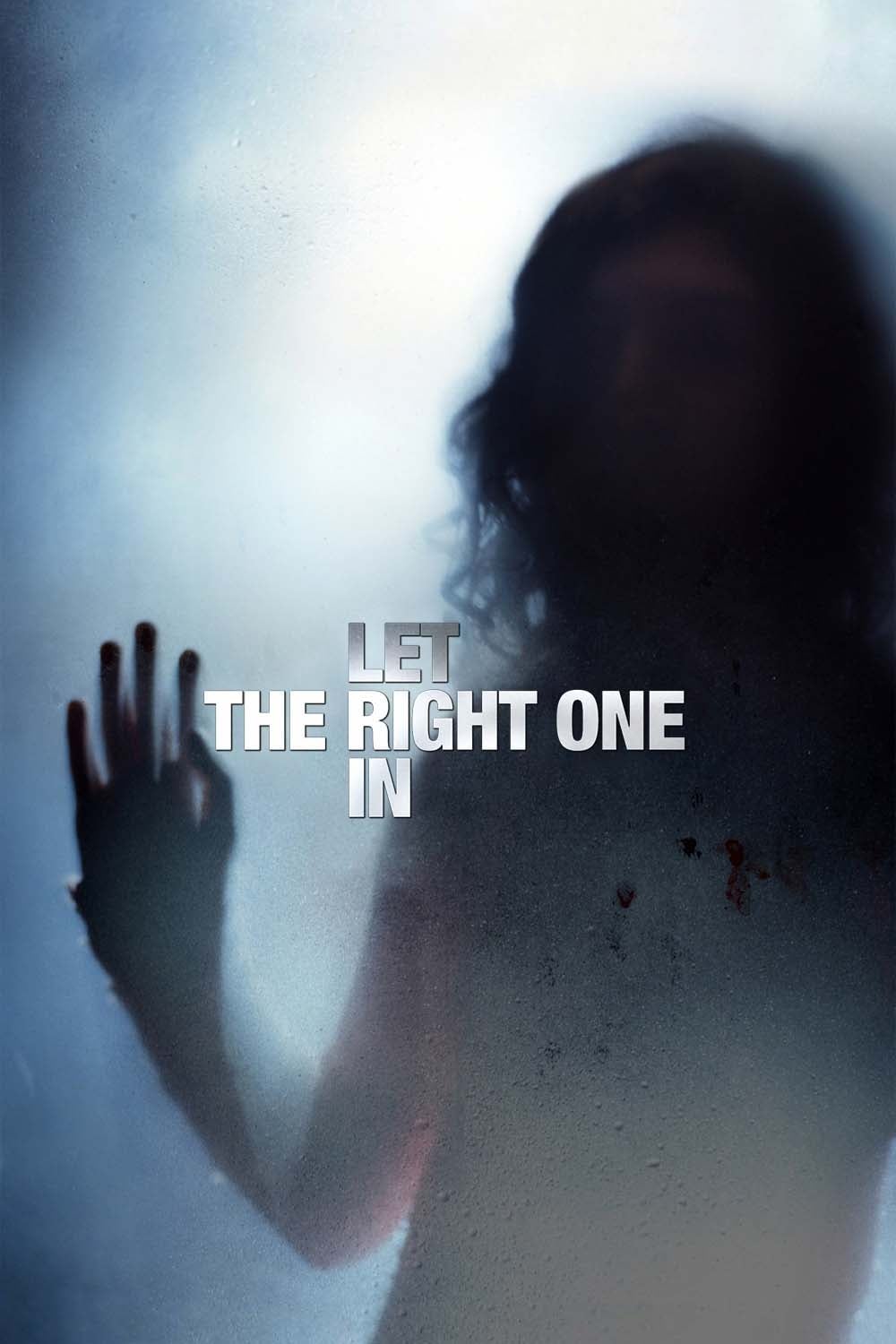
A bullied boy in a suburban complex meets a new neighbor who is a vampire and travels with a guardian. Tomas Alfredson directs from John Ajvide Lindqvist’s novel and keeps action near courtyards, basements, and a school pool.
Events track feeding incidents and the logistics of moving during winter while authorities piece together a pattern. The film details how names, invitations, and thresholds control access to homes and gathering areas.
‘The Descent’ (2005)
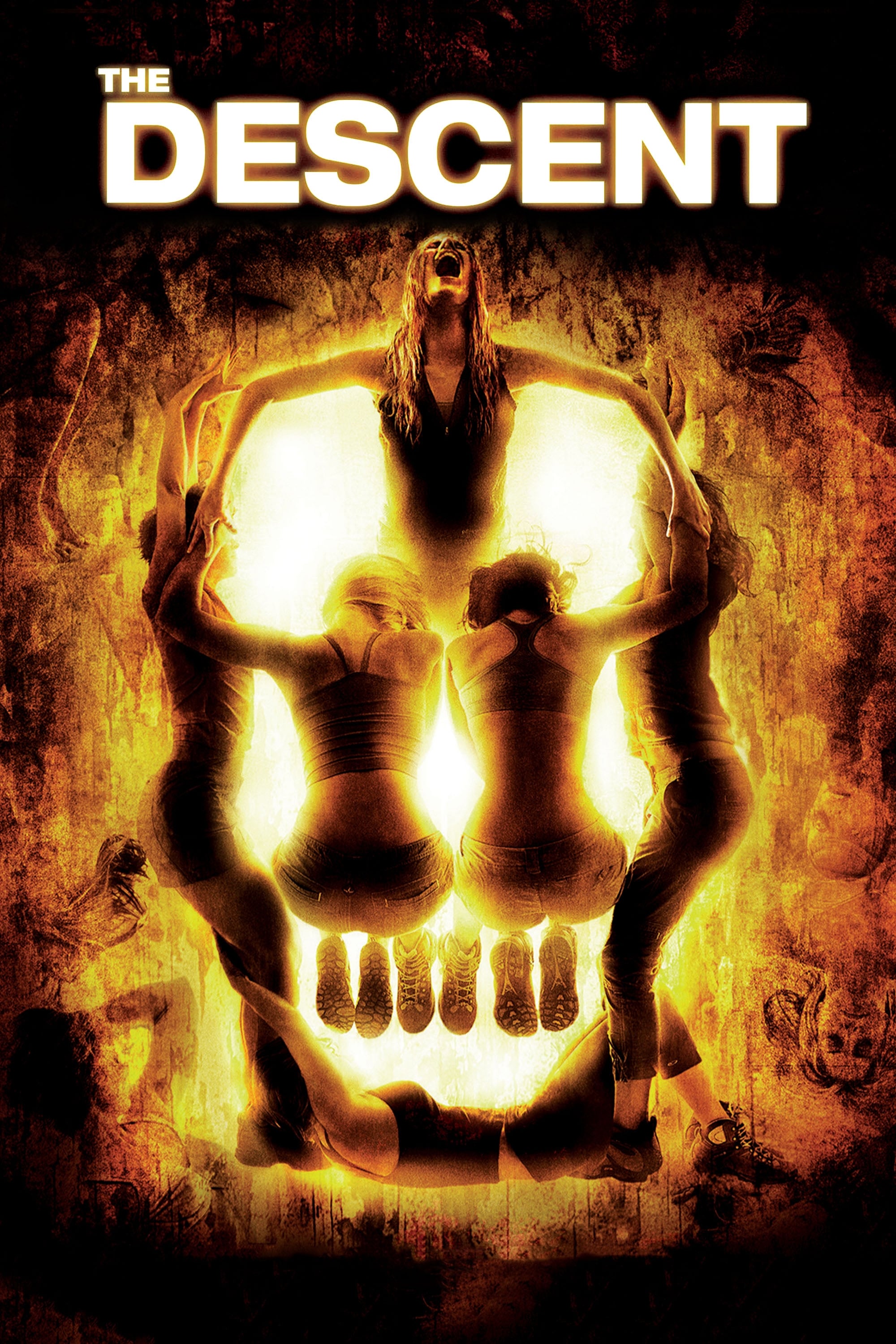
A group of friends explores a cave system and becomes trapped where creatures adapted to darkness hunt by sound. Neil Marshall directs with sets built to simulate narrow passages and vertical drops.
Headlamps and glow sticks guide visibility and divide scenes by color temperature for orientation. The story records route decisions on maps and marks that show how a wrong turn removes the option to retreat.
‘The Orphanage’ (2007)
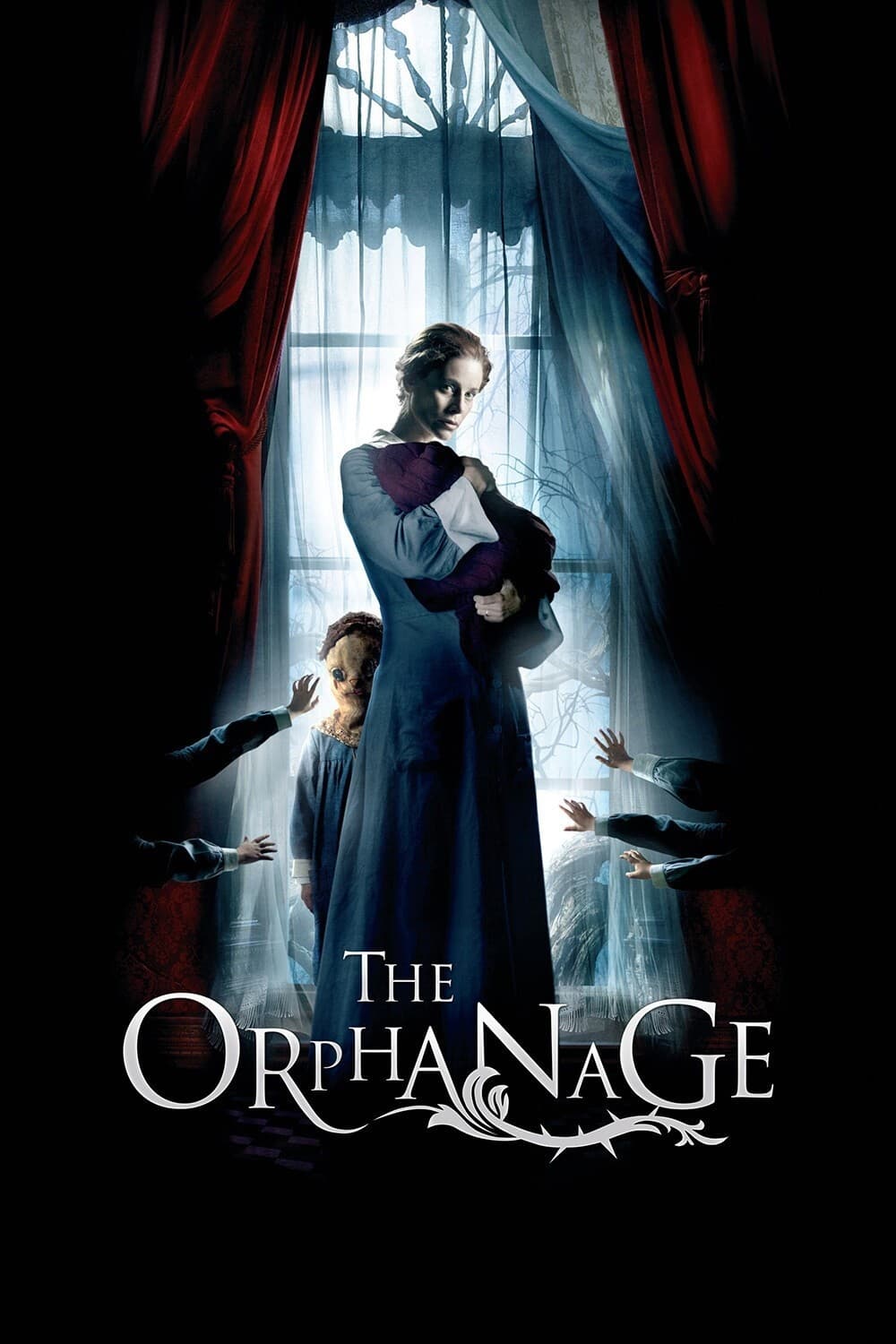
A woman reopens the foster home where she grew up and searches for her missing son amid signs of former residents. J A Bayona directs from a script by Sergio G Sánchez and uses coastal architecture and period fixtures.
Clues appear as games that children once played and as items concealed in walls and rooms. The narrative follows timed sequences that match the rules of a party activity at the house decades earlier.
‘A Tale of Two Sisters’ (2003)

Two siblings return from a hospital stay to a country home shared with a father and a strict stepmother. Kim Jee woon directs with attention to room geometry and recurring props like wardrobes and kitchen fixtures.
The timeline interweaves memories with present incidents and uses color schemes to signal shifts. The story draws from the Korean folktale Janghwa Hongryeon jeon and adapts its characters to a modern setting.
‘It Follows’ (2014)
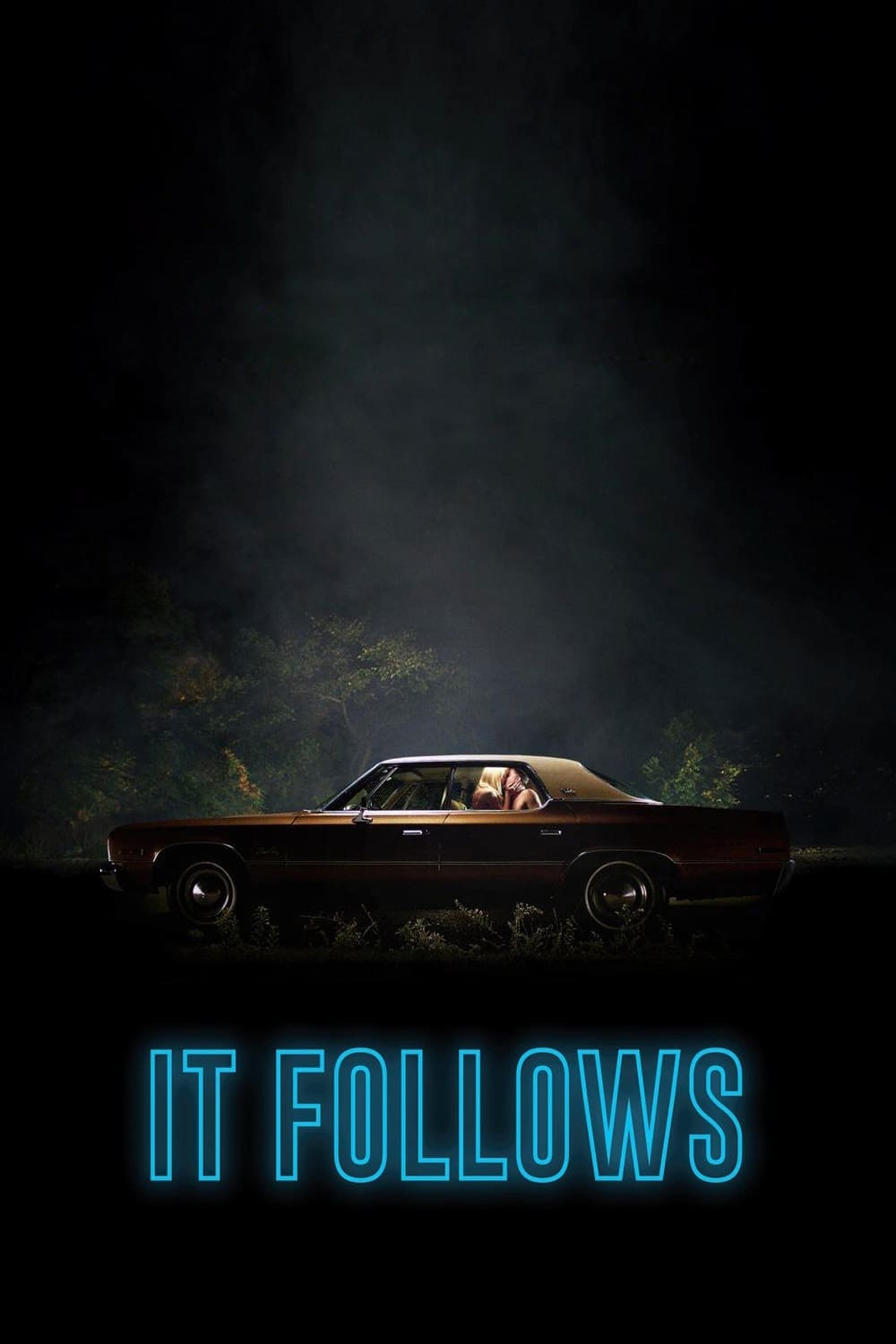
A college student learns that a shape shifting entity will pursue her at walking speed after a sexual encounter. David Robert Mitchell directs with a setting that mixes period details to create an undefined time frame.
The entity changes appearance and moves in straight lines toward its target, which allows for surveillance strategies. Disasterpeace composes a synth score that marks approaches with repeating patterns.
‘Drag Me to Hell’ (2009)
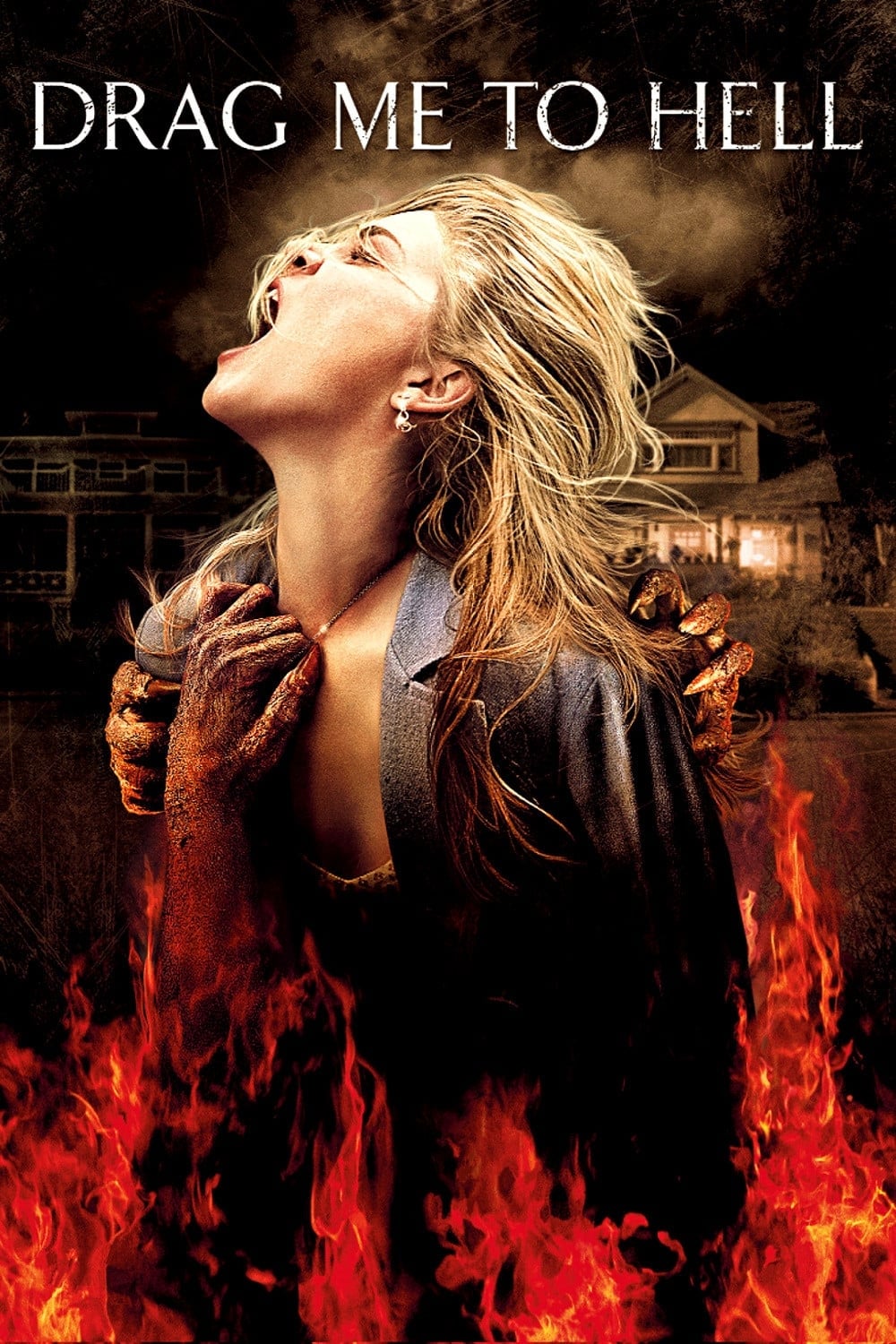
A bank employee declines an extension on a loan and is cursed by a client who performs an old world ritual. Sam Raimi directs with a structure that sets deadlines for escalating hauntings before a final appointment.
Practical gags mix with digital enhancements to stage attacks in offices, cars, and a graveyard. The script uses a series of choices tied to work policies and personal belongings that must be exchanged or destroyed.
‘The Frighteners’ (1996)

A small town con artist who can see ghosts investigates a series of sudden heart failure deaths. Peter Jackson directs with early digital effects from Weta that integrate translucent spirits into live action plates.
The plot connects a past crime in a hospital to current events and assigns numeric marks to victims. Locations include Victorian houses, a museum, and a sanatorium that holds records needed to decode the pattern.
‘Bram Stoker’s Dracula’ (1992)
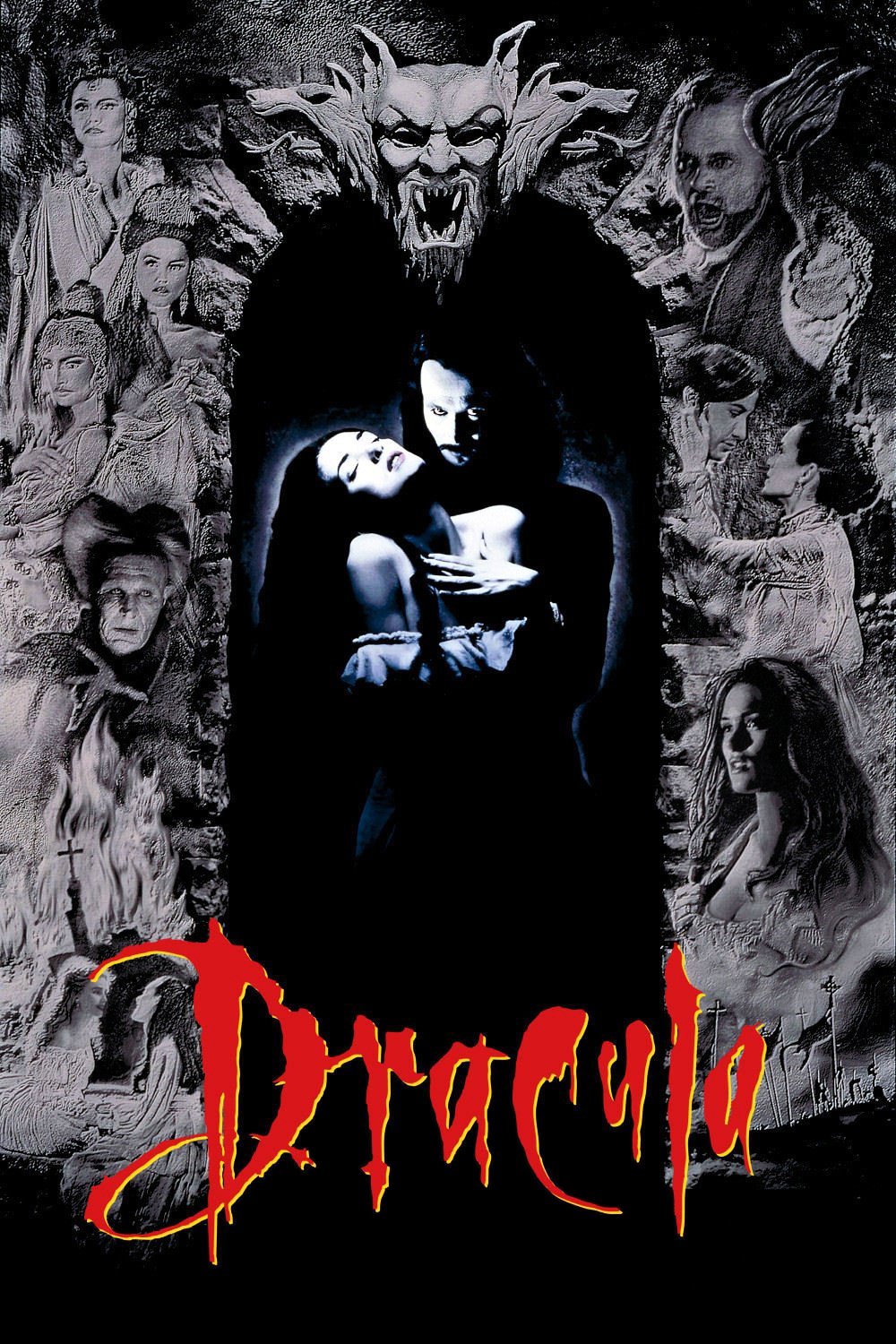
A historical prologue links Vlad Dracula to the later figure who arrives in London to pursue Mina Harker. Francis Ford Coppola directs with production design that uses miniatures, rear projection, and in camera transitions.
Costumes by Eiko Ishioka define character roles through sculpted silhouettes and textured fabrics. The adaptation restores multiple narrators from the novel by presenting letters, diaries, and ship logs on screen.
‘Tucker and Dale vs. Evil’ (2010)
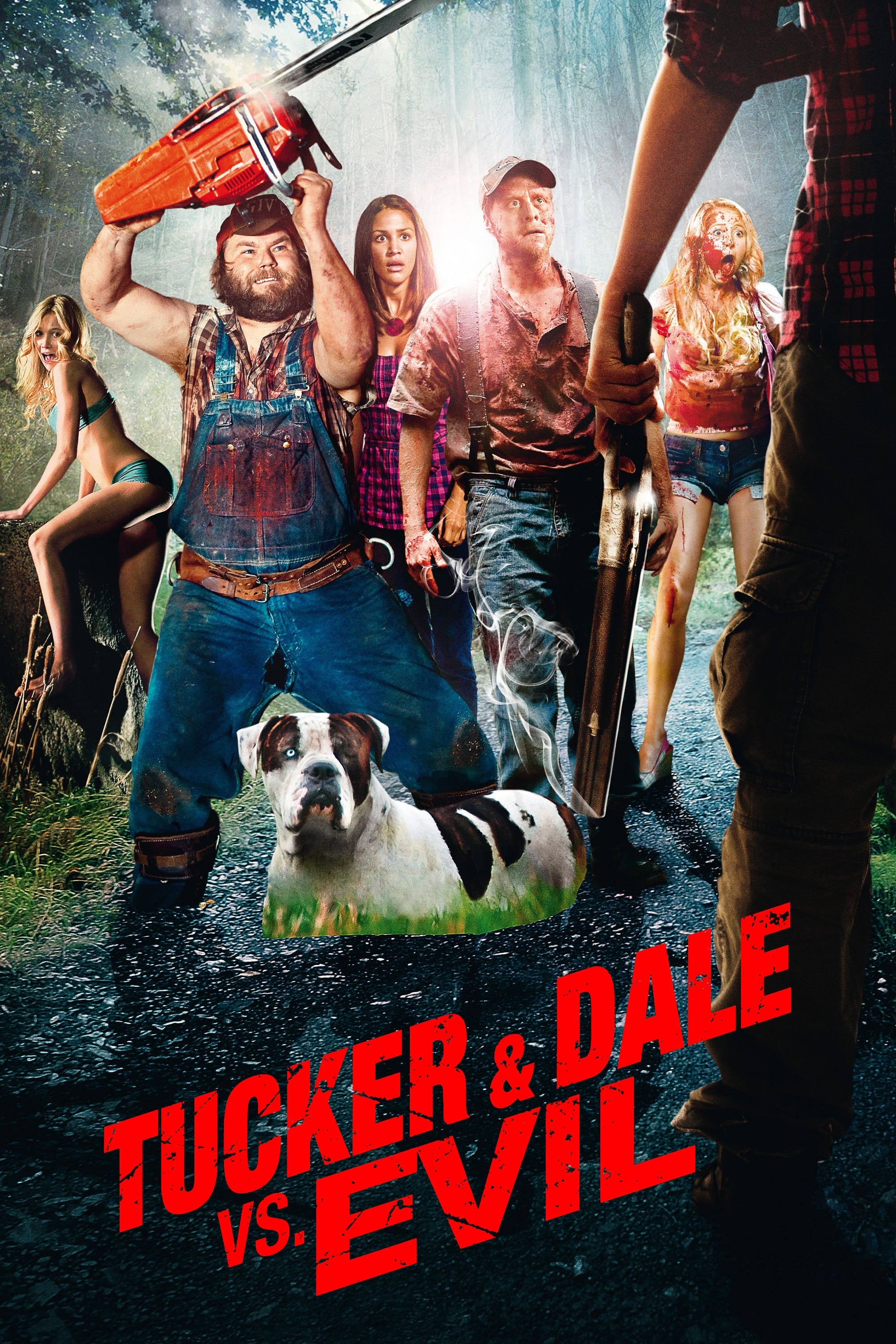
Two friends on a cabin vacation are mistaken for killers by a group of college students, leading to a chain of accidents. Eli Craig directs with a structure that reinterprets familiar backwoods scenarios through misunderstandings.
The film tracks each incident with simple cause and effect staging around tools, boats, and woodpile hazards. Dialogue and police reports document how assumptions escalate while the central pair attempts basic repairs and first aid.
‘Hellraiser’ (1987)
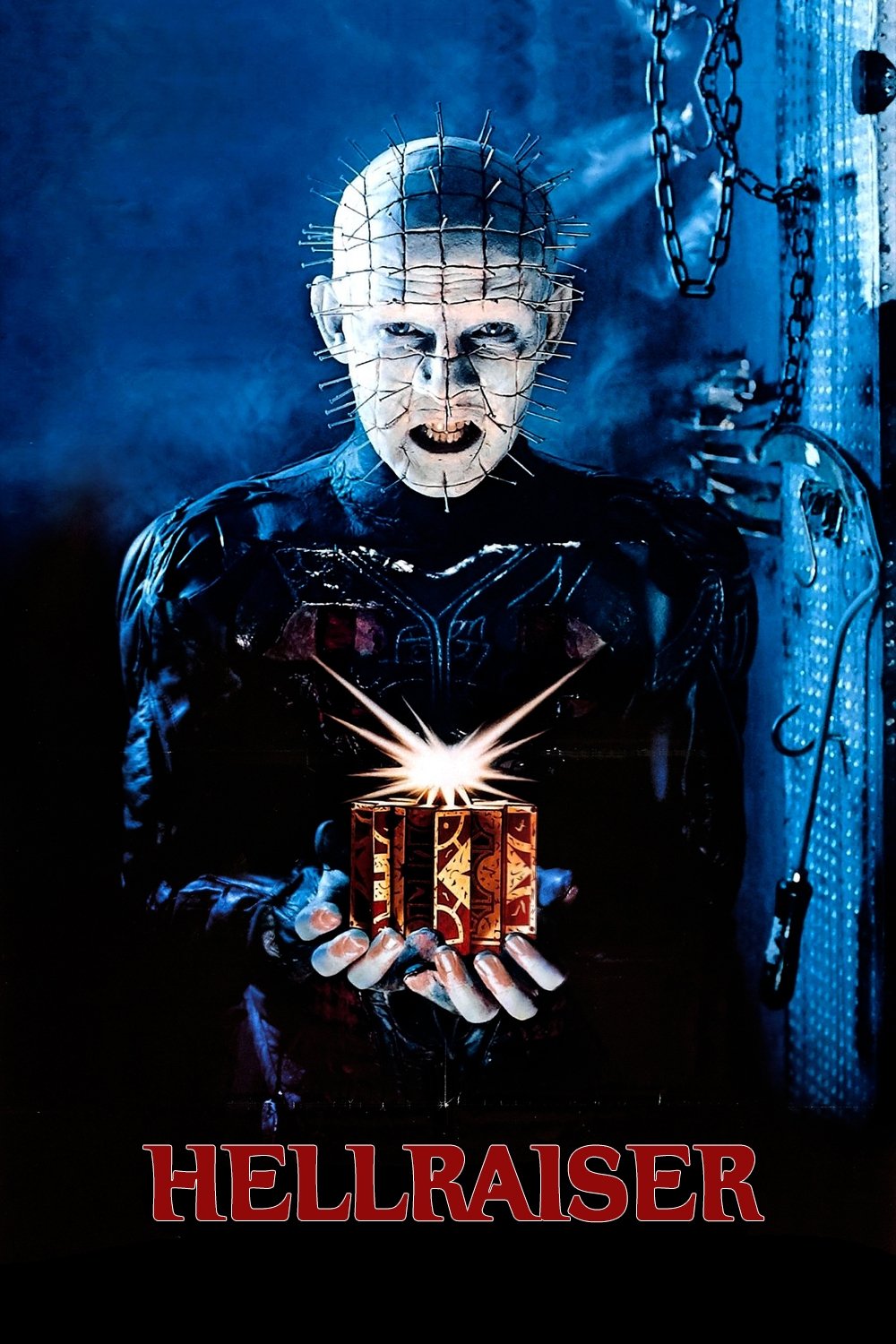
A man opens a puzzle box and unleashes beings who explore extremes of sensation while his resurrected body demands fresh blood to rebuild. Clive Barker writes and directs an adaptation of his novella and introduces the Cenobites with distinct leather and nail studded designs created through prosthetics and makeup.
The production uses a suburban house as the main location and shows the attic as the central space for regeneration scenes. Practical effects depict skinless forms and hooked chains while the puzzle box props use mechanical inserts for close shots.
‘The Haunting’ (1963)
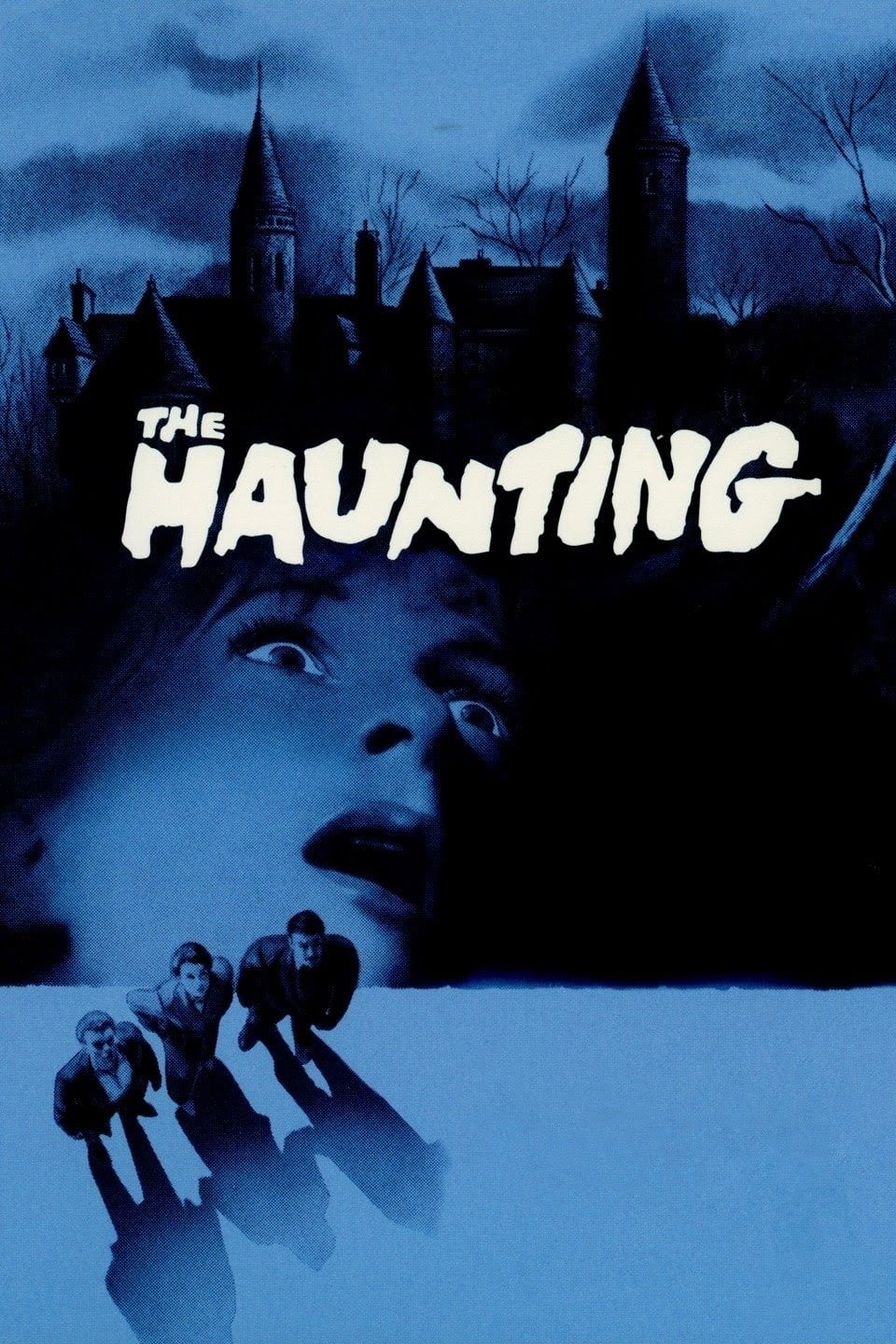
A researcher assembles a small group to study reported phenomena in a large New England mansion with a troubled past. Robert Wise directs with widescreen photography and uses canted angles and long corridors to emphasize the building as a character.
Sound design carries much of the fear through thuds on walls and whispered voices outside rooms. Sets feature ornate woodwork and spiraling staircases that allow the camera to circle characters during tense sequences.
‘The Devil’s Backbone’ (2001)
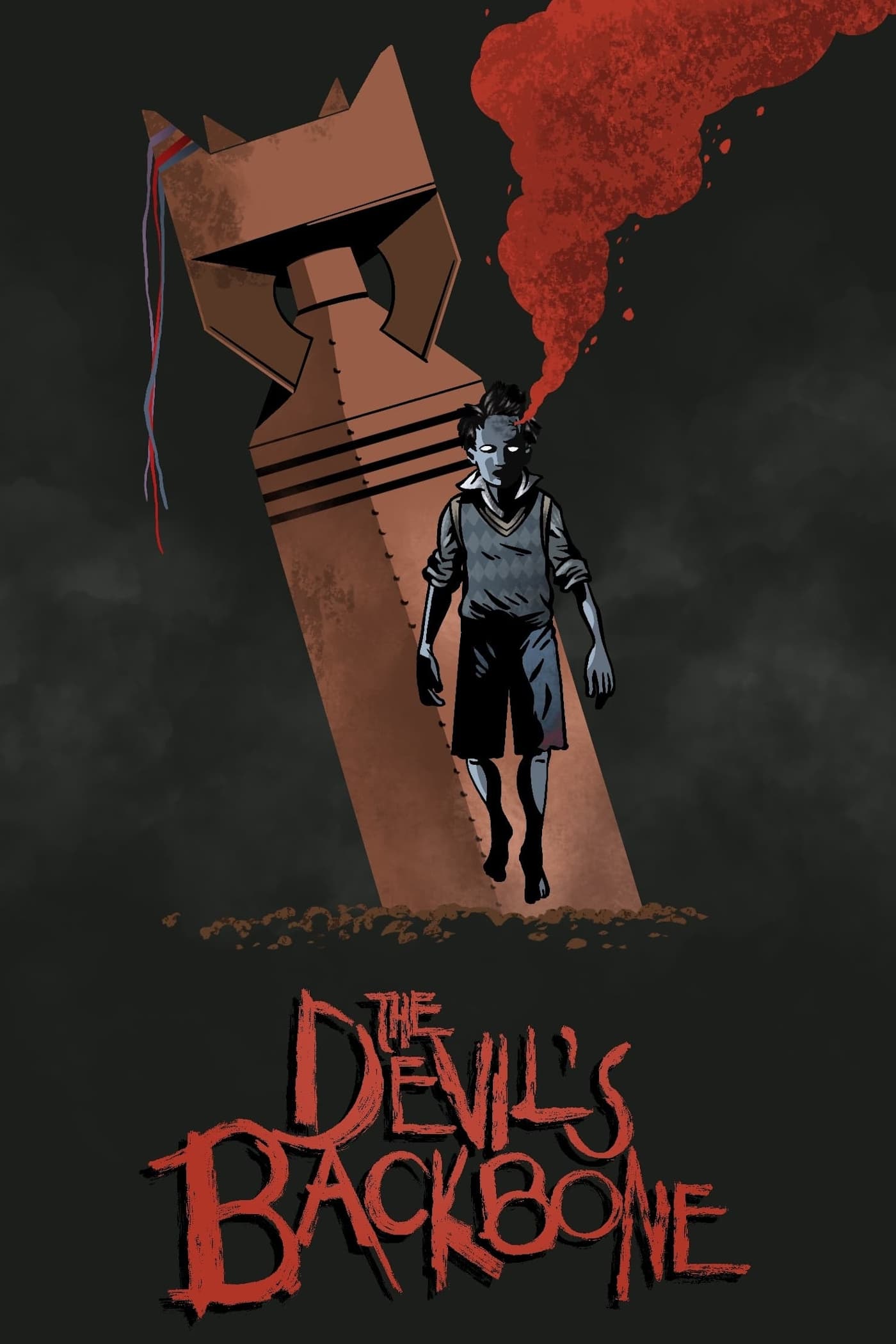
A boy arrives at a remote orphanage during wartime and encounters a spectral presence tied to a hidden event on the grounds. Guillermo del Toro combines historical detail with a mystery that links stored valuables, a bomb in the courtyard, and the fate of missing children.
Production design shows dry earth, jars in a basement lab, and rooms that hold coded clues to the story. Cinematography uses warm interiors and stark exteriors to mark shifts between daily routine and secret searches.
‘The Mist’ (2007)
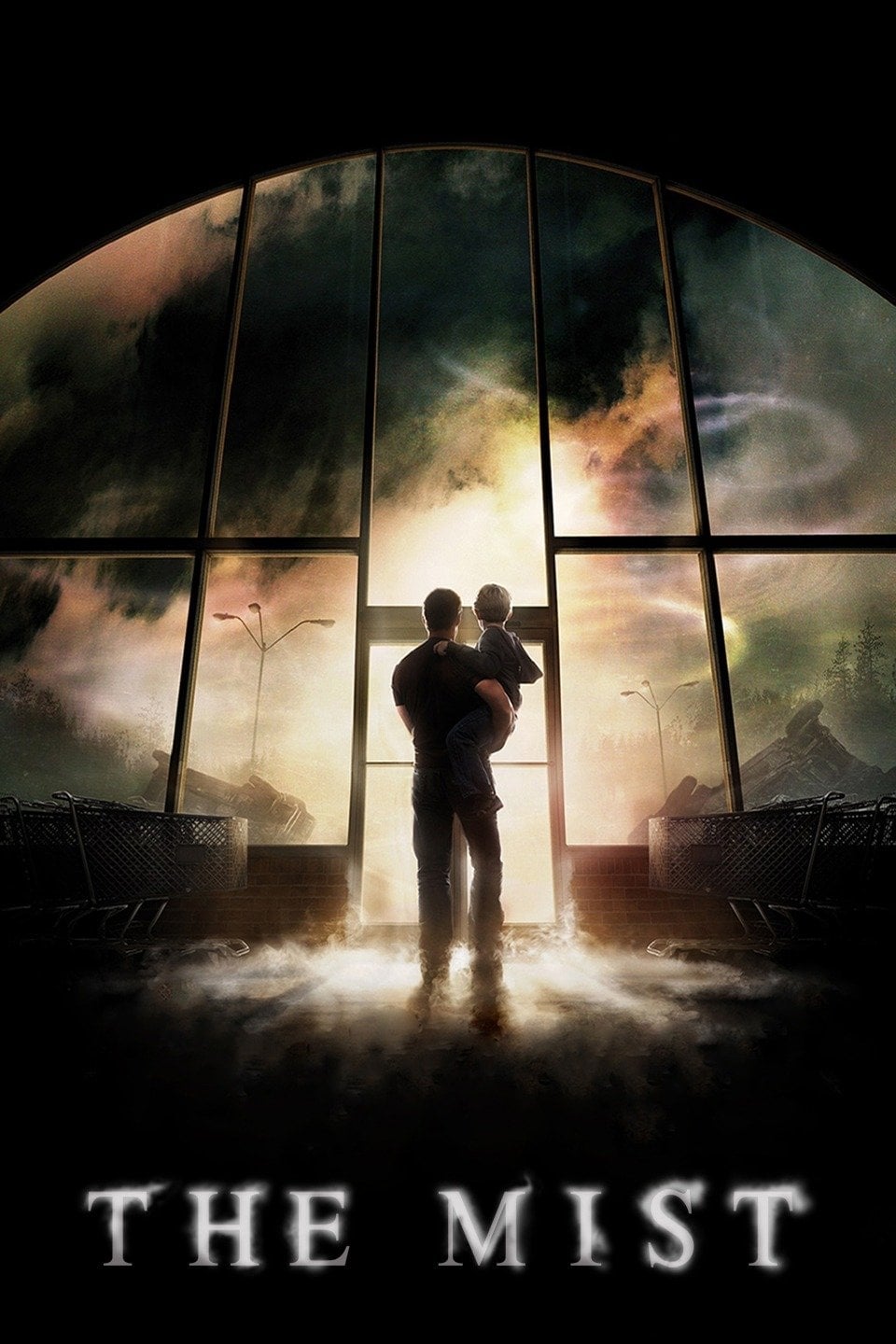
After a storm, townspeople shelter in a grocery store as a thick mist brings creatures that attack anyone who ventures outside. Frank Darabont adapts the novella and stages most action in aisles, loading bays, and the parking lot.
The plot tracks supply runs, group votes, and the formation of factions inside the store. Creature work mixes practical tentacles with digital swarms while fog machines and lighting control visibility.
‘Crimson Peak’ (2015)
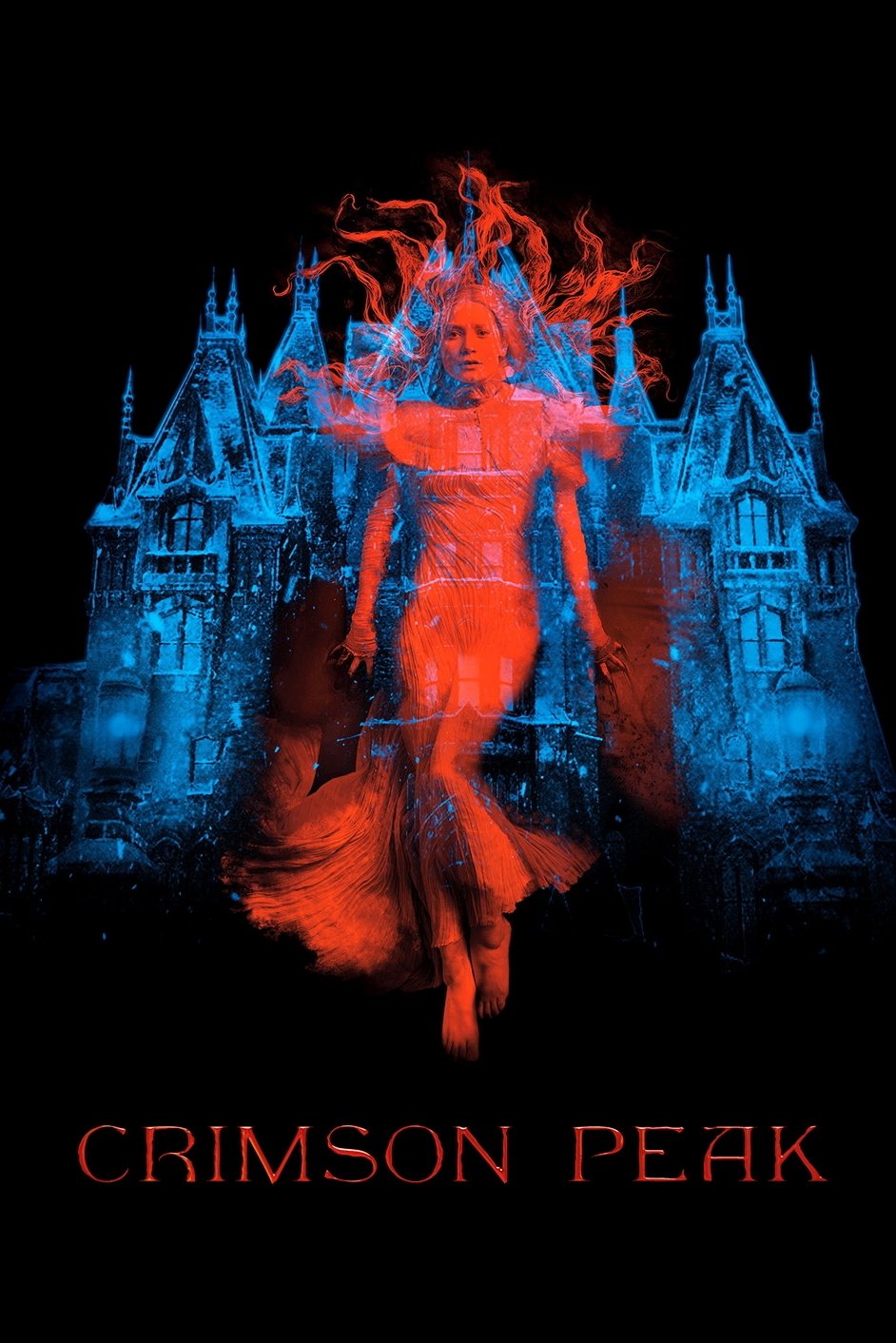
An aspiring author marries into a family that lives in a decaying mansion built over a red clay mine that stains snow and seeps through floors. Guillermo del Toro crafts a gothic romance that uses secret rooms, a locked workshop, and ledgers that record past crimes.
Costumes use saturated colors to mark family lines and emotional states while the house features a roof hole that lets leaves fall indoors. Ghosts appear as red tinged figures that guide the lead toward hidden documents.
‘Pan’s Labyrinth’ (2006)
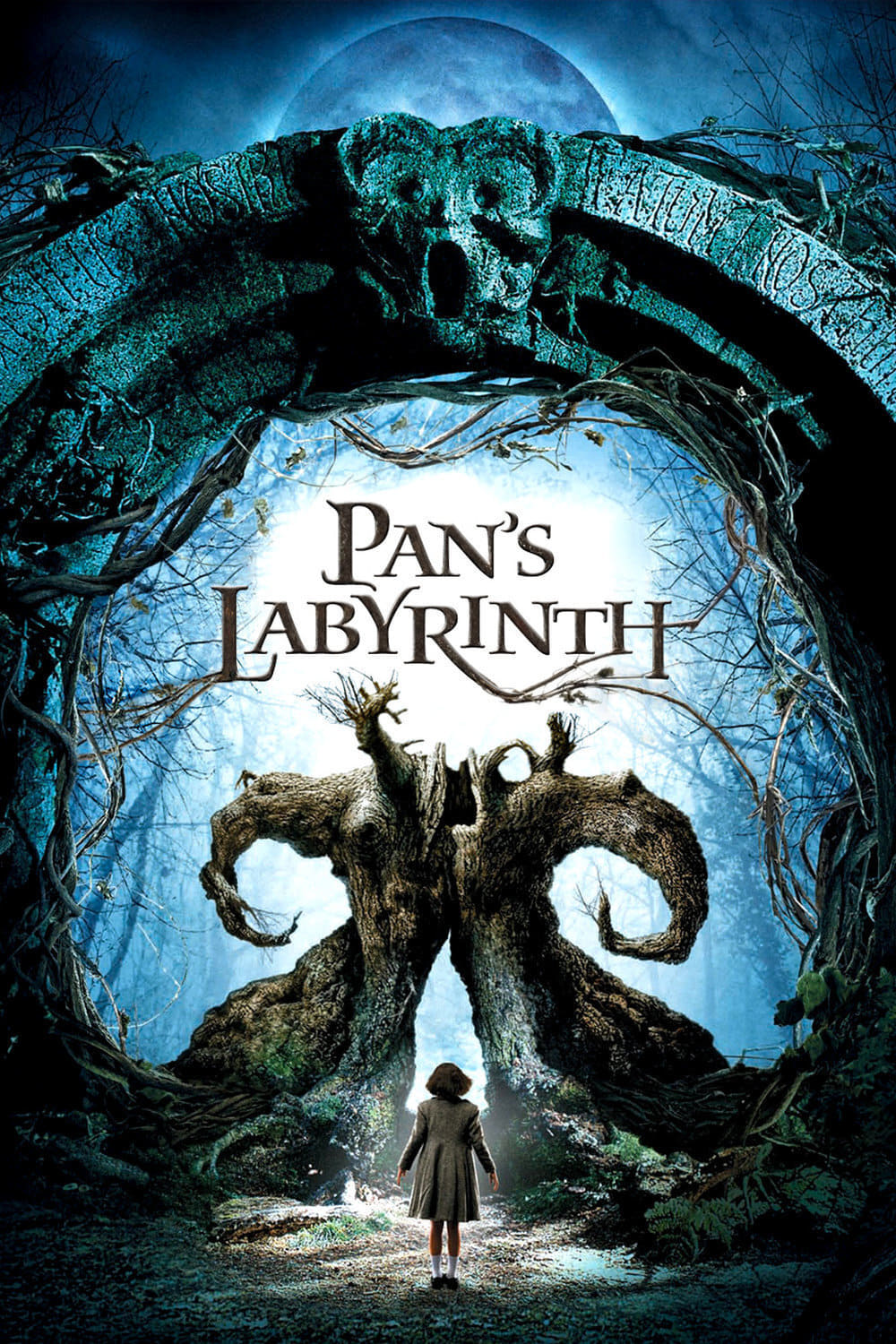
A girl in the aftermath of a civil conflict meets a faun who assigns three tasks that must be completed before a moon phase. Guillermo del Toro interweaves underground creatures with a strict military household and places key items like chalk and a key in her path.
Creature effects include a pale figure with eyes in its hands and a giant toad beneath a fig tree. Editing alternates between fantasy trials and scenes that document resistance activity in the surrounding hills.
‘The Invisible Man’ (2020)
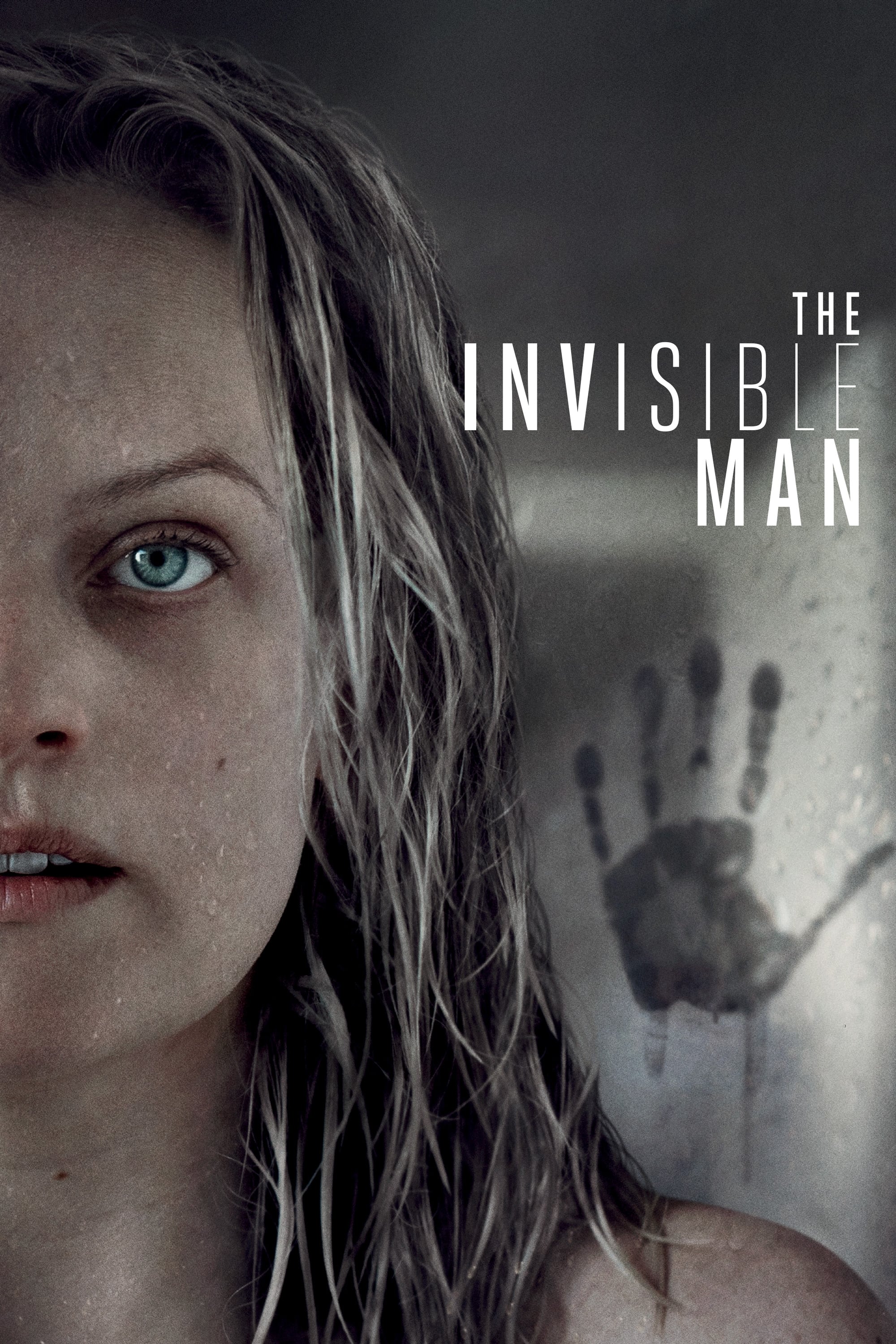
A woman escapes an abusive partner who appears to die and then seems to reenter her life using technology that bends light. Leigh Whannell writes and directs a modern reimagining that relocates the threat to suburban and institutional spaces.
Set pieces use quiet frames that hold empty doorways and chairs while objects shift to suggest an unseen presence. The suit design employs small cameras that create a reflective surface and ties the horror to surveillance.
‘Don’t Breathe’ (2016)
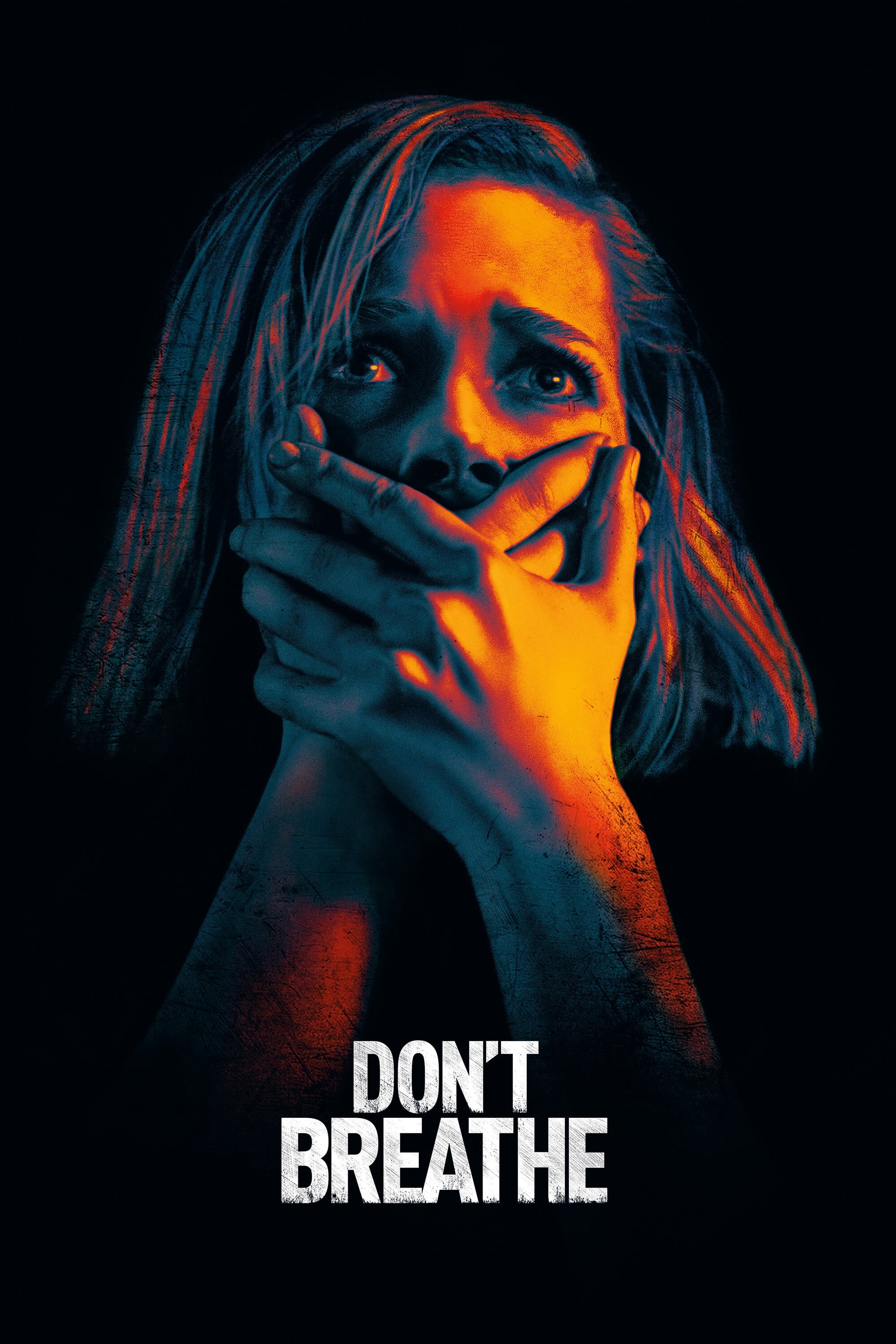
Three burglars enter a house owned by a blind veteran and discover that the layout and defensive preparations trap them inside. Fede Álvarez directs with long takes that travel through rooms and reveal alarms, locks, and the location of a safe.
The script turns off lights to switch the advantage and uses basements and vents to change routes. Sound is central to navigation so footsteps, dropped tools, and barking dogs become cues for movement.
‘Ready or Not’ (2019)
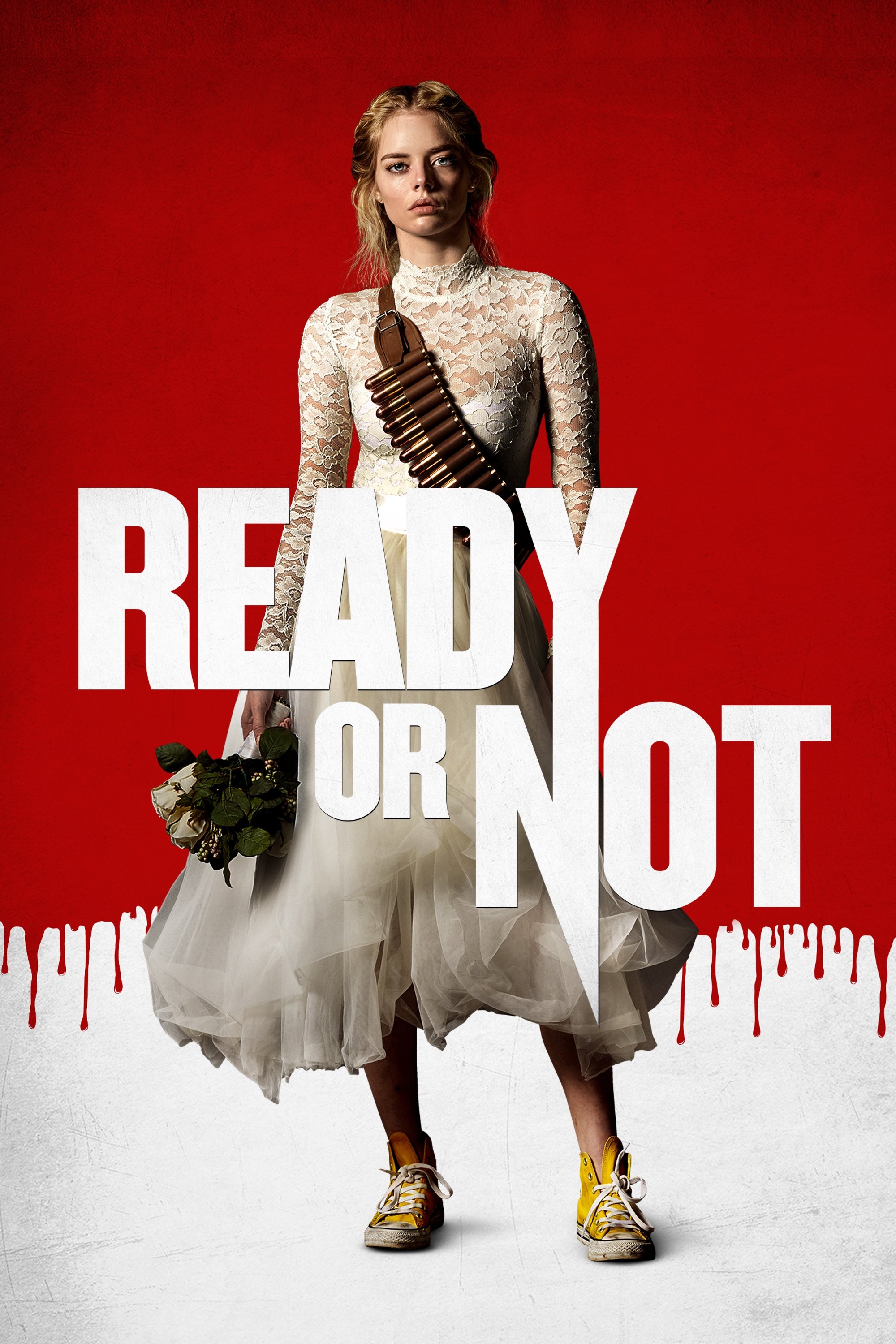
A bride must play a family tradition that turns into a lethal game through a set of rules tied to a random card draw. Radio Silence directs a story that runs through a mansion filled with hidden passages, trophy rooms, and a dumbwaiter that becomes a hiding spot.
The timeline compresses events into a single night and tracks the search with walkie talkie chatter among relatives. Practical blood effects and prop weapons support scenes that move from parlor to grounds and back indoors.
‘The Lost Boys’ (1987)
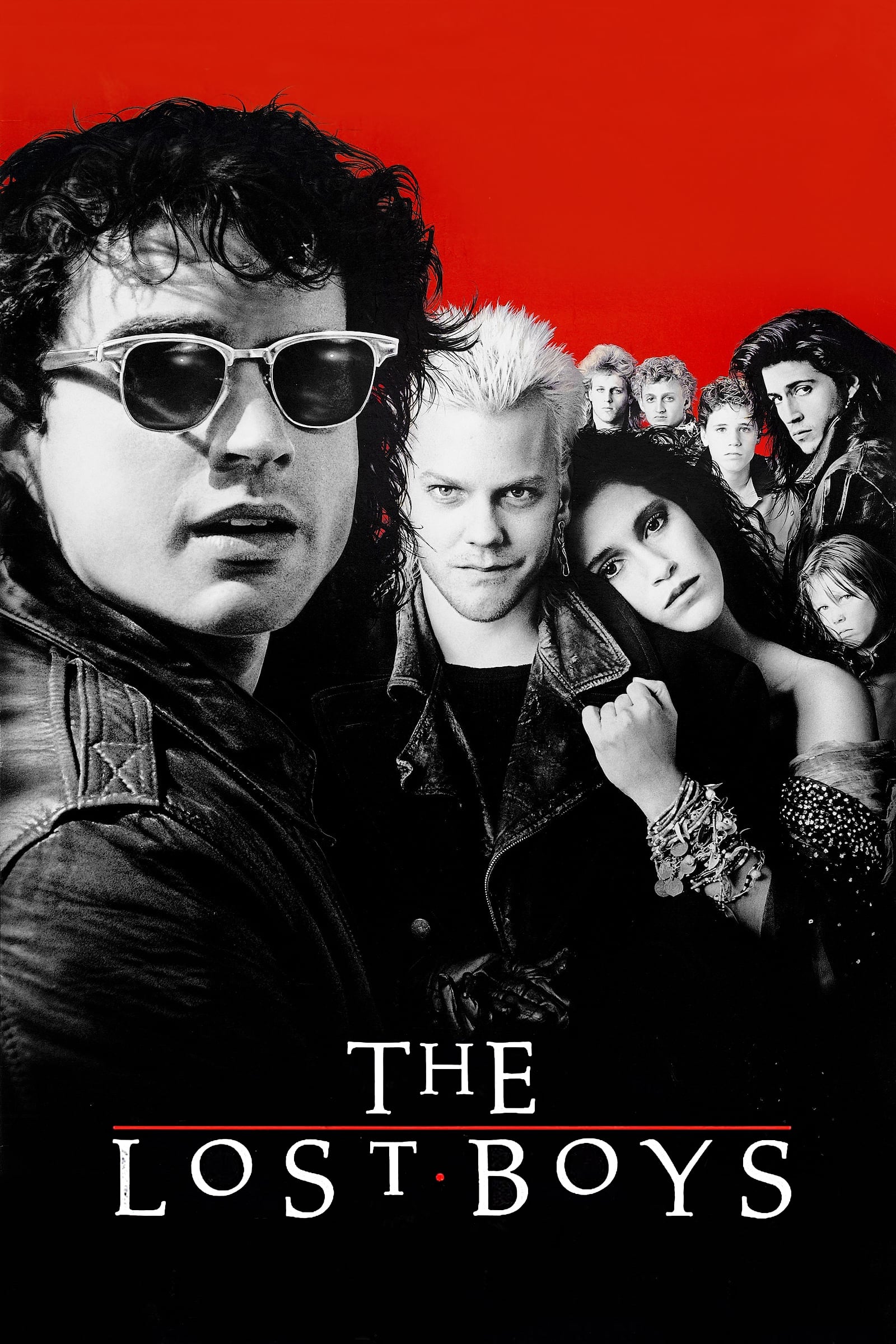
Two brothers relocate to a coastal town where a local group of bikers is connected to unexplained disappearances. Joel Schumacher sets much of the action on a boardwalk with neon lights, comic shops, and outdoor concerts that introduce the social scene.
The plot builds around a rule that an invite is required to enter a home and a quest to identify the leader of the group. Garlic, holy water, and improvised stakes appear as tools while a comic book guide outlines procedures.
‘Sleepy Hollow’ (1999)
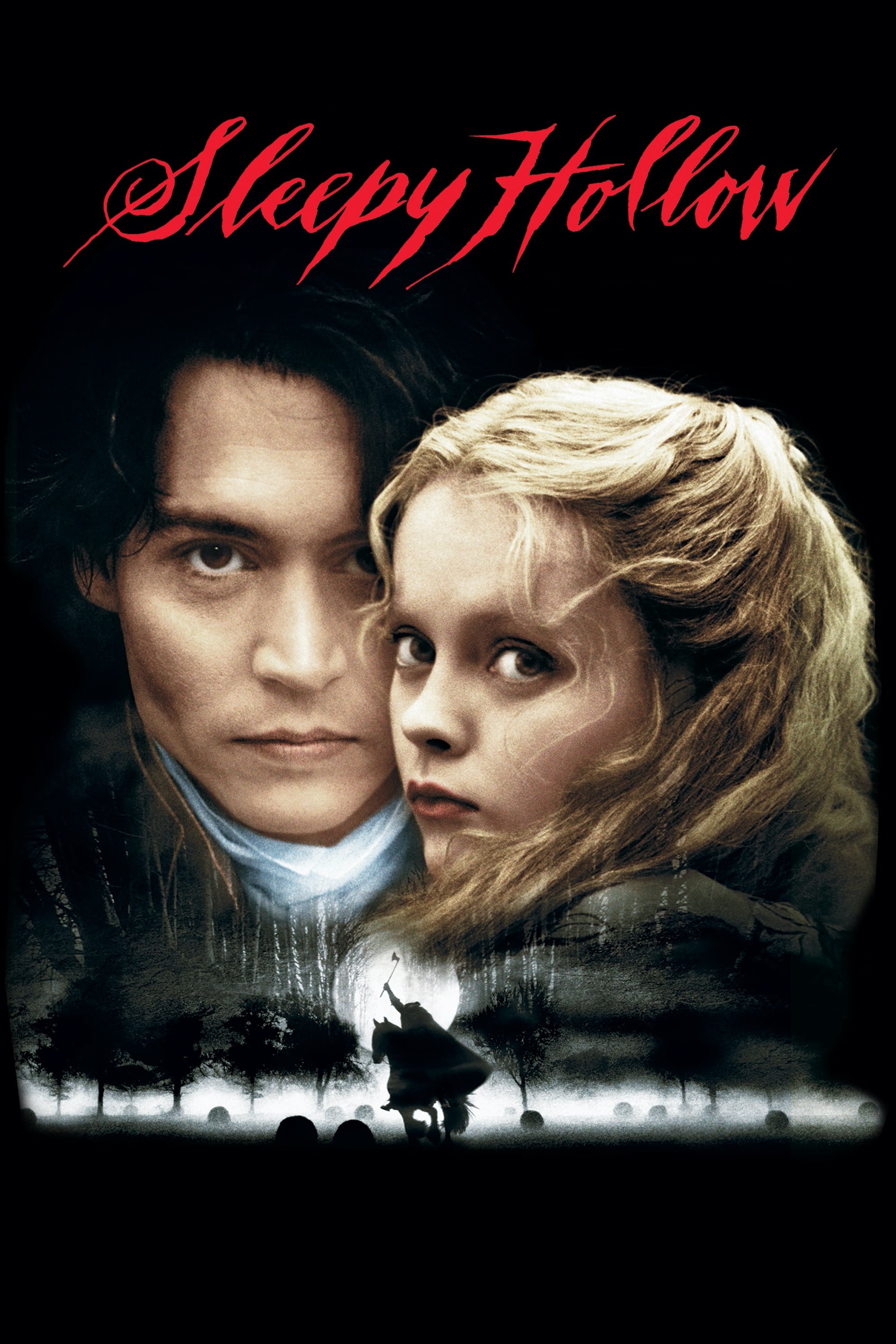
A constable investigates a series of decapitations in a village surrounded by woods known for a headless rider. Tim Burton uses smoke filled forests, covered bridges, and a windmill to stage chases and confrontations.
Production design features wooden autopsy tools, period lanterns, and a tree that hides a collection of skulls. The investigation compiles names of families, property lines, and inheritances that point toward a plan.
‘The Craft’ (1996)
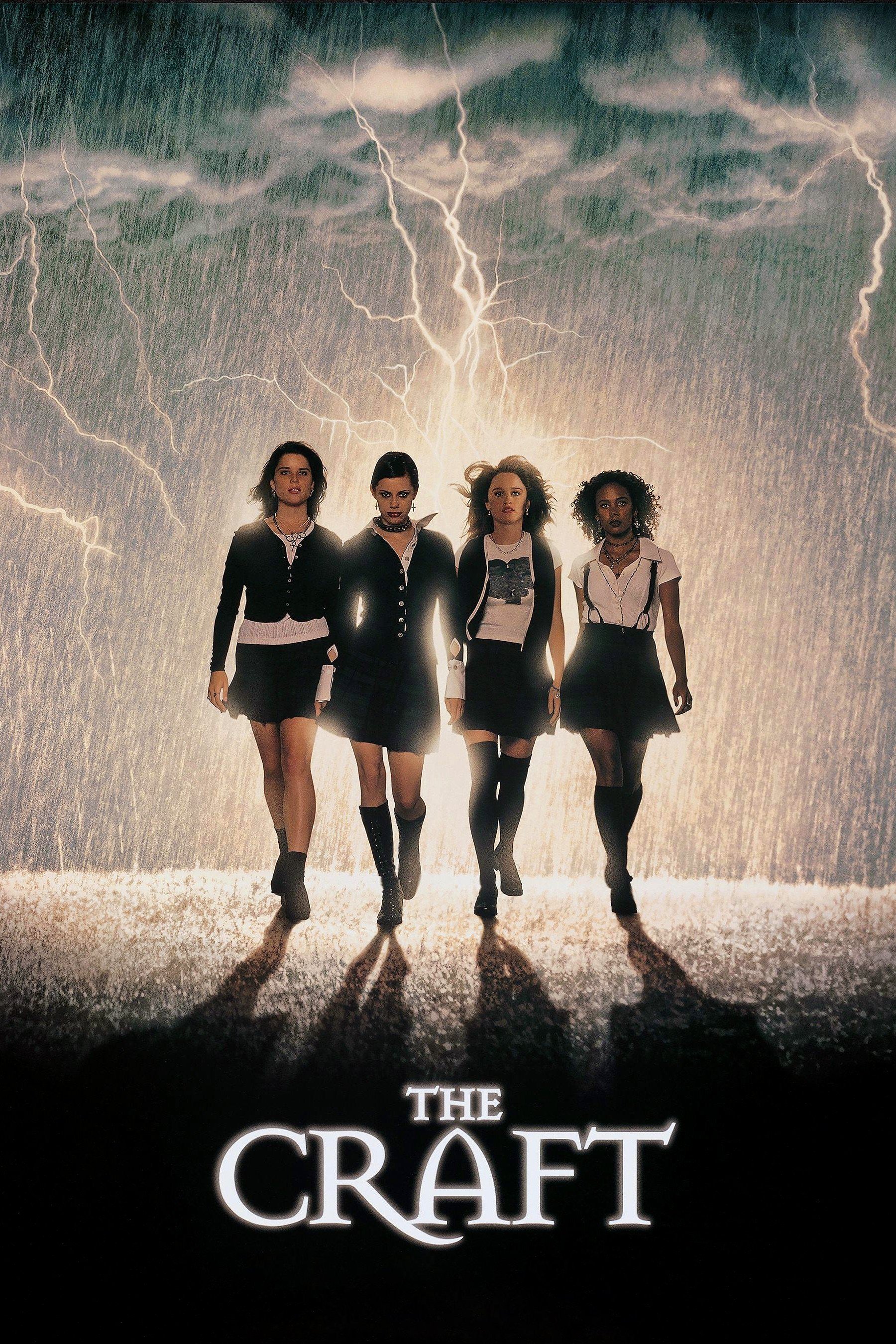
A new student joins three classmates who practice witchcraft and use rituals to change aspects of their lives. Andrew Fleming directs with scenes set in classrooms, bathrooms, and a beach that becomes a key rite location.
The narrative tracks the rule that actions return threefold and shows the strain on friendships as requests escalate. Props include candles, photo binding charms, and a book of spells that characters annotate during meetings.
‘Warm Bodies’ (2013)

A zombie rescues a human survivor and begins to regain memory and language while a city tries to rebuild behind a wall. Jonathan Levine adapts the novel with a voiceover that records the change from single words to sentences.
The world includes bonies who have progressed beyond return and a stadium that holds supplies for the living. The plot uses music and shared objects to transfer memories which alters behavior across groups.
‘Monster House’ (2006)
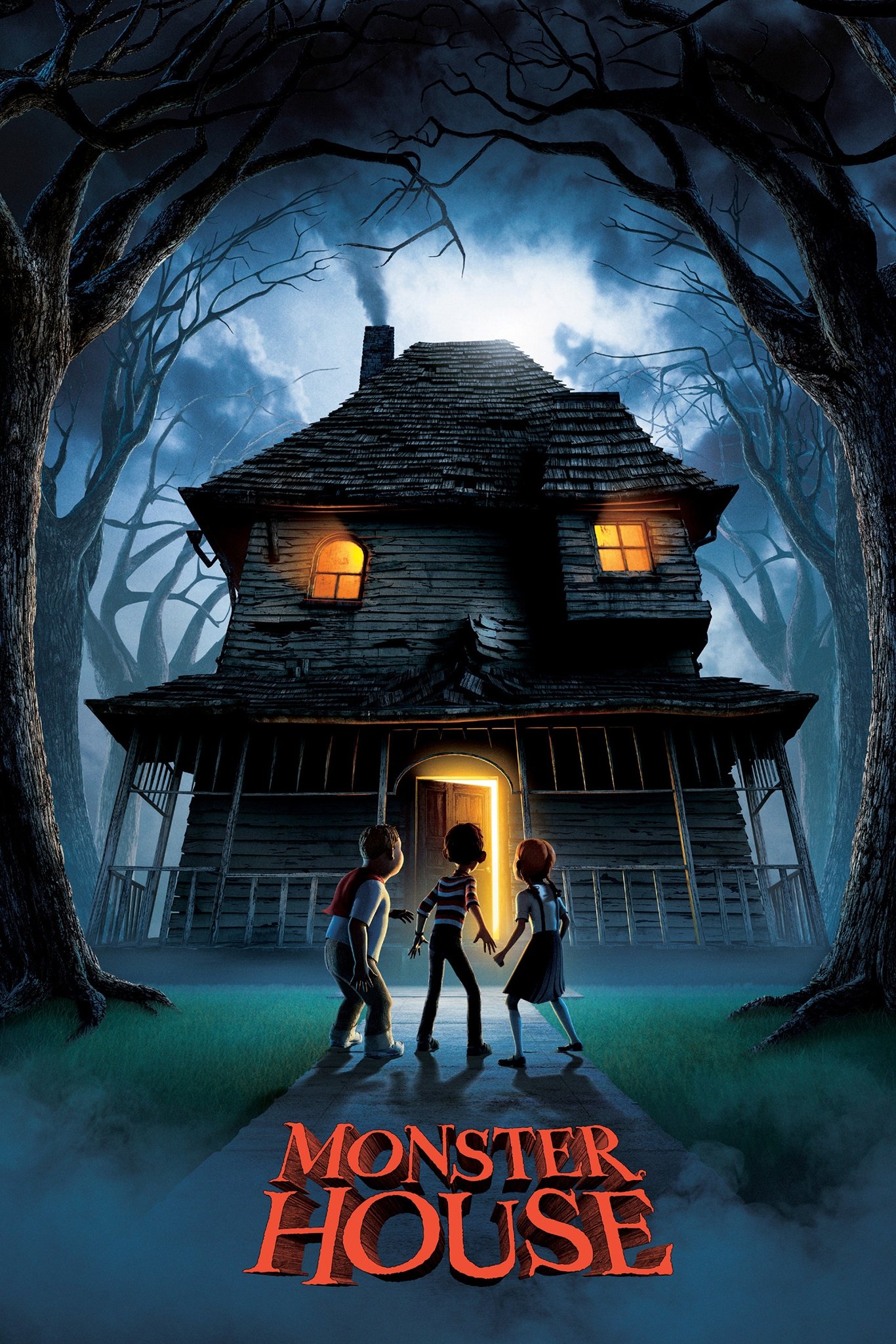
Three kids notice that a neighborhood home reacts like a living creature that swallows anything that touches its lawn. Gil Kenan directs a performance capture animated film that maps the interior as a body with pipes and a furnace.
The trio builds a plan using a water filled vacuum tank and toy bombs to reach the heart of the structure. The calendar places the action near trick or treat time which integrates costumes and crowds into the finale.
‘Child’s Play’ (1988)
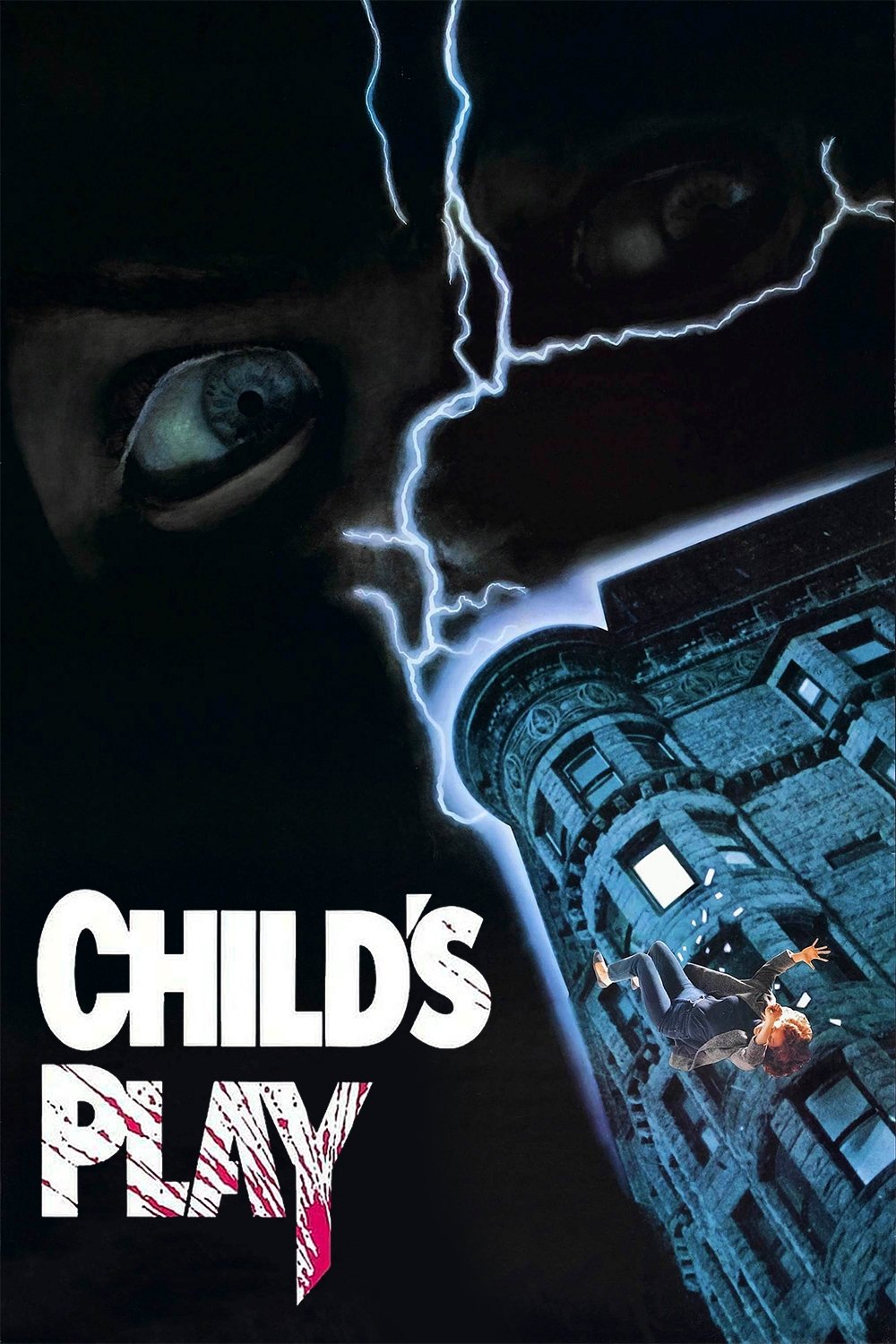
A serial killer transfers his soul into a doll using a ritual and the toy ends up in the home of a single mother and her son. Tom Holland directs with animatronics and little person suit work to bring the doll to life in wide and close shots.
Scenes use elevators, toy stores, and a bedroom as stages for attacks while detectives follow evidence back to the first crime. The ritual language and the need for a specific host guide the villain’s choices across the runtime.
‘The Amityville Horror’ (1979)
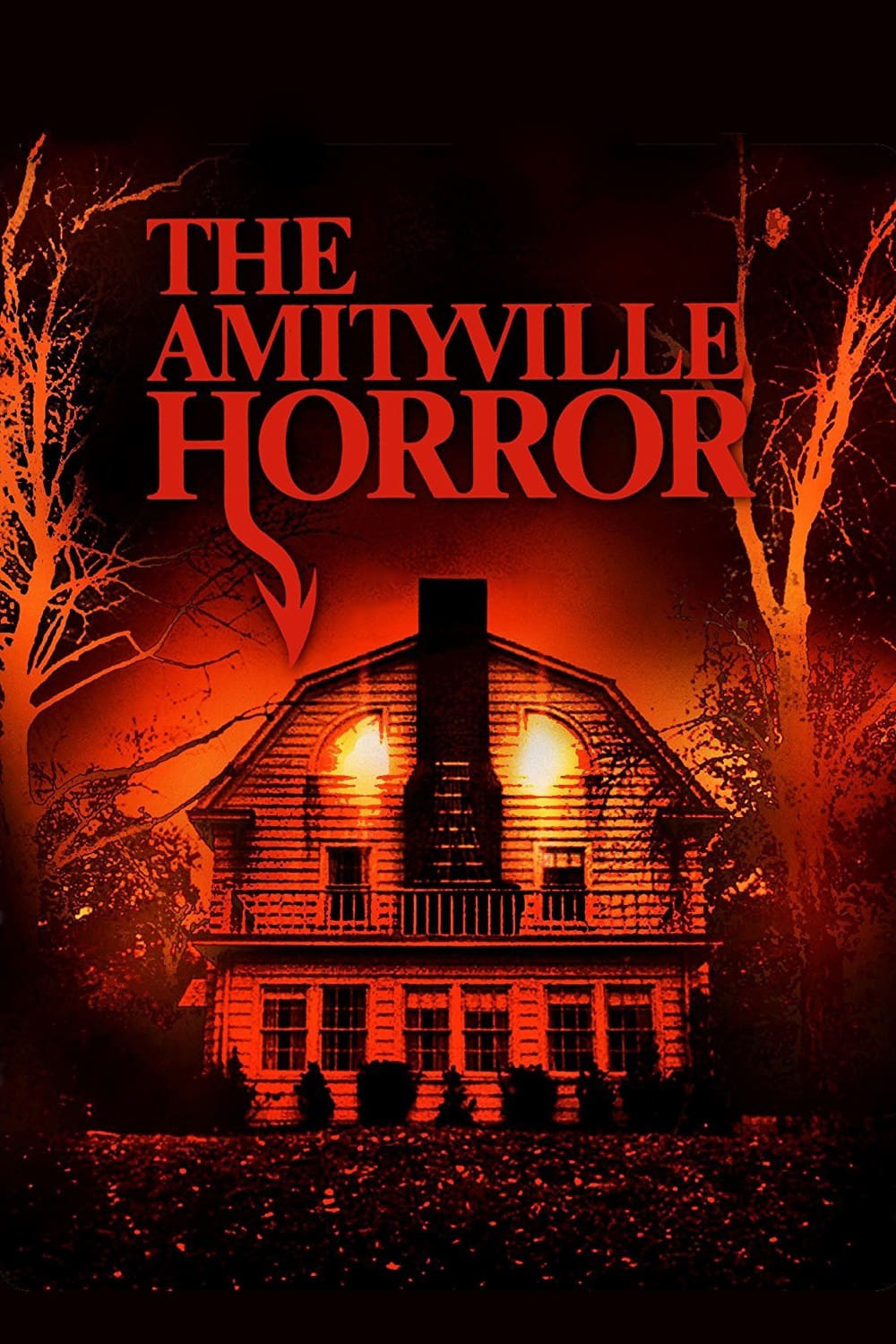
A family moves into a riverside house where a previous case of violence occurred and soon experiences cold spots, swarms of insects, and unexplained noises. Stuart Rosenberg adapts the reported events and keeps the story centered on domestic routines that start to break down.
Priestly visits, police reports, and utility readings appear as outside attempts to verify claims. Windows, boathouse doors, and a hidden red room become recurring locations that signal the house’s influence.
‘The Changeling’ (1980)
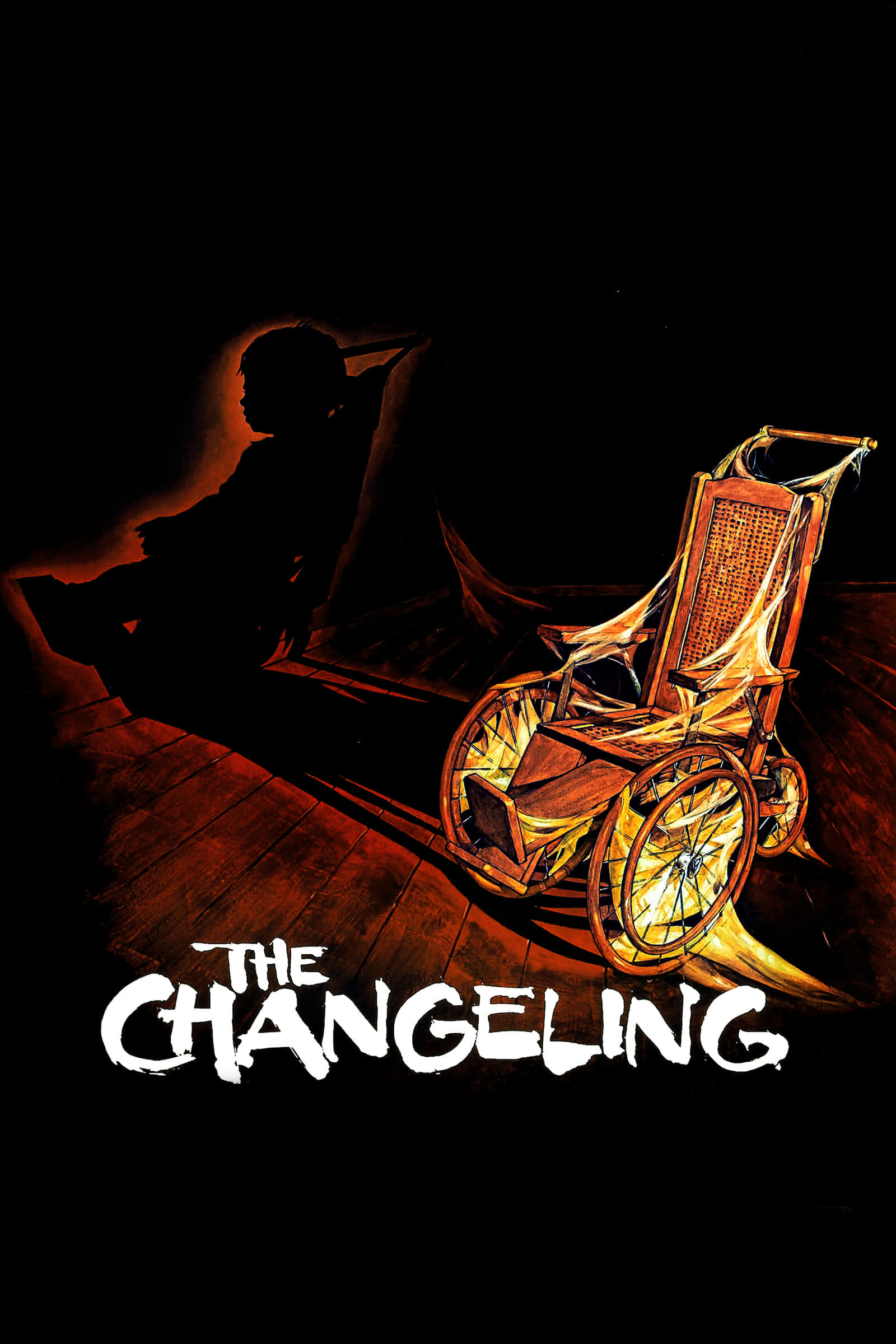
A composer relocates to an old mansion after a personal loss and hears nightly sounds that lead to a sealed room in the attic. Peter Medak directs with emphasis on wood floors, high ceilings, and a central staircase that frames a rolling ball scene.
The investigation follows property records, adoption papers, and a well beneath a house that links two addresses. A séance sequence uses automatic writing and audio recording to collect data in real time.
‘Killer Klowns from Outer Space’ (1988)
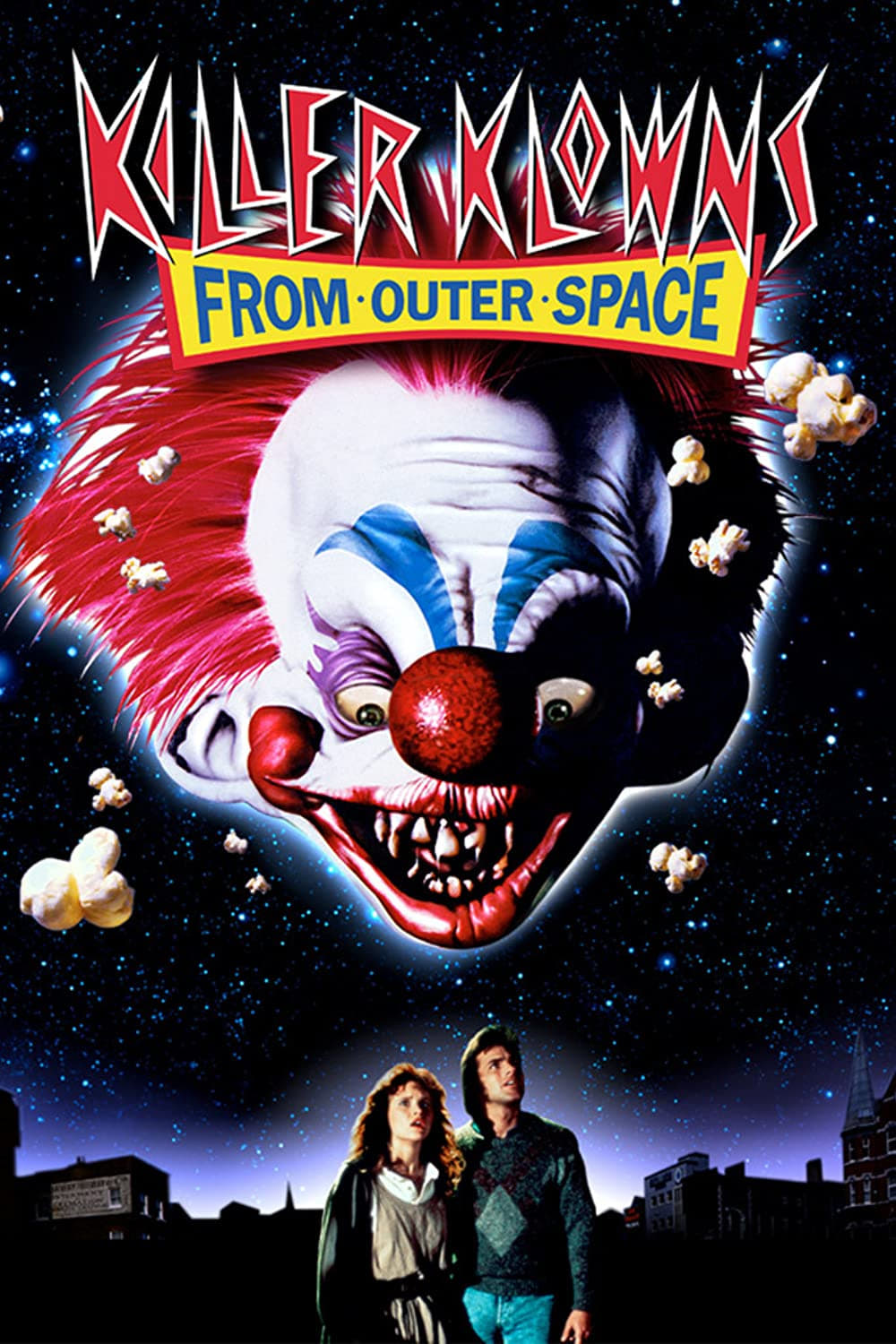
An alien craft shaped like a circus tent lands near a small town and its occupants capture residents using carnival themed devices. The Chiodo Brothers direct and supply foam latex suits and oversized props that fit the motif.
Set pieces include cotton candy cocoons, popcorn guns, and a shadow puppet that becomes a creature. The finale moves to a funhouse interior where spinning rooms and trap doors map the escape route.
‘The Autopsy of Jane Doe’ (2016)
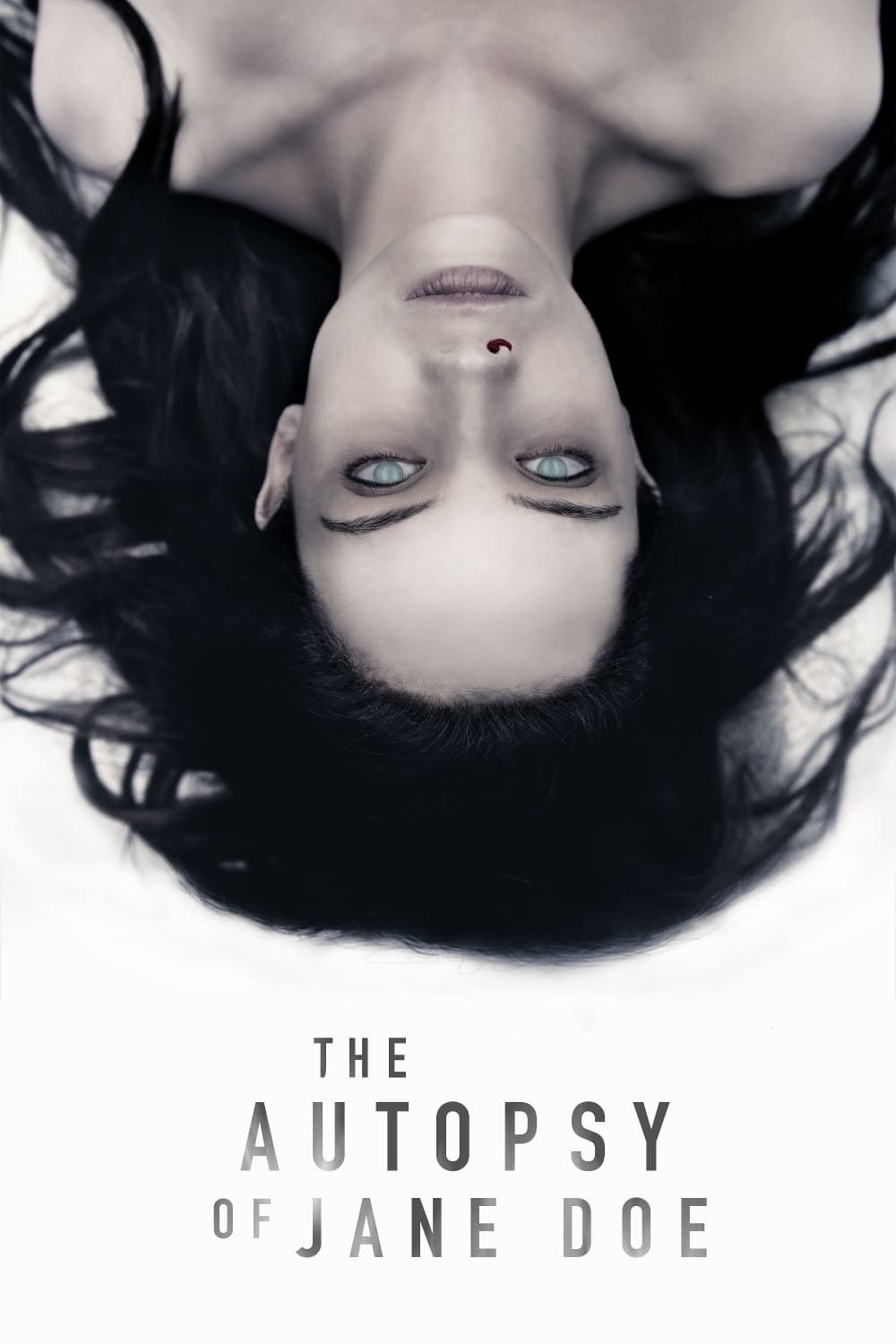
A father and son team of coroners receives an unidentified body and find injuries that do not align with normal procedures. André Øvredal limits the setting to a basement lab and uses a whiteboard and dictation to log each discovery.
The story uncovers foreign objects beneath skin layers and symbols that point to a hidden history. Power failures and radio announcements shift the environment while doors lock and a cremation chamber becomes a critical element.
‘Happy Death Day’ (2017)
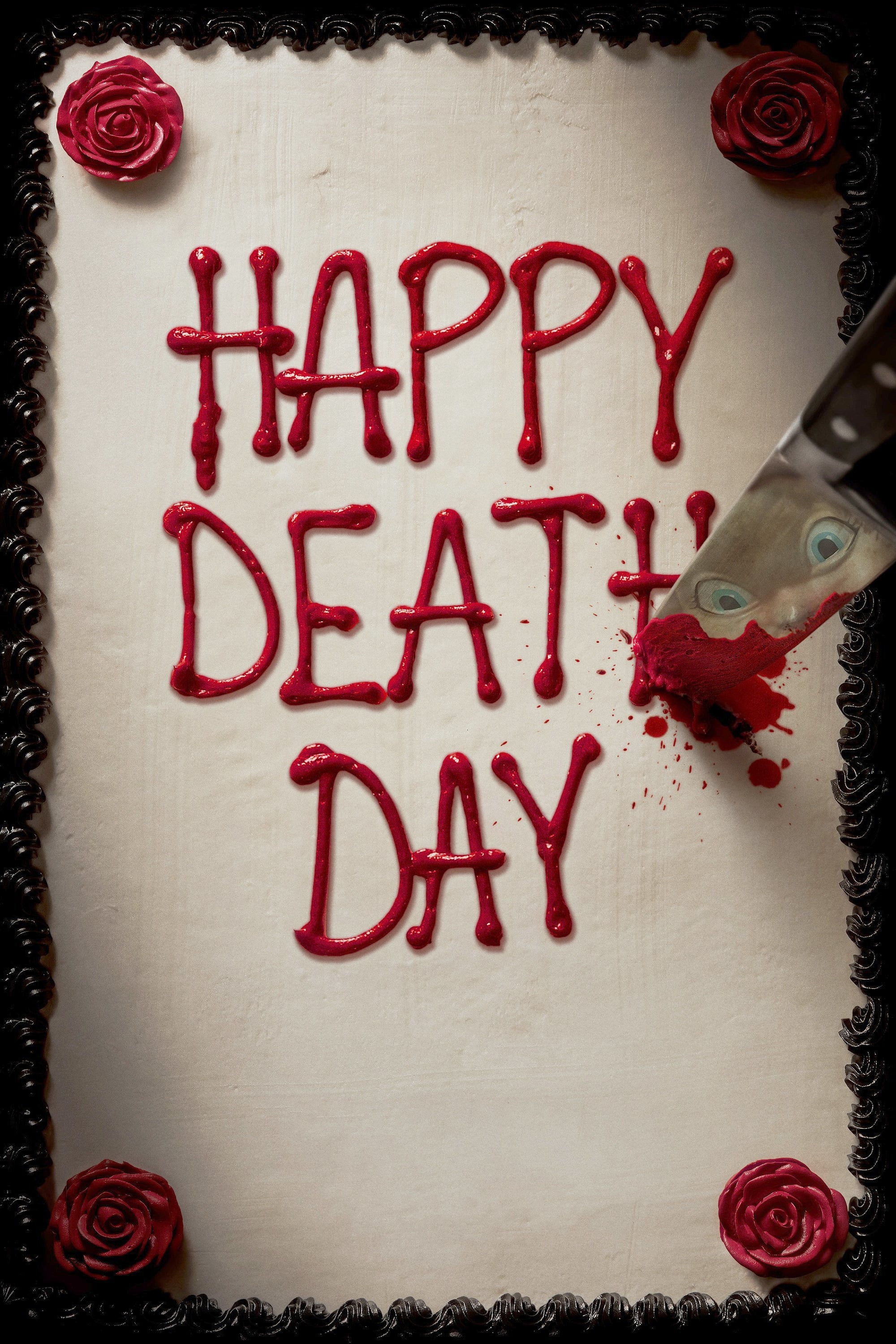
A college student relives the day of her murder and must identify the killer by testing different choices across repeats. Christopher Landon directs with a structure that resets classes, cafeteria routes, and a party that offers multiple entry points.
The lead creates a checklist and alters variables such as allies, locations, and timing. A baby faced mask provides a consistent image for the attacker while campus security and hospital records complicate the search.
‘Bride of Frankenstein’ (1935)

A scientist is forced to resume forbidden experiments and create a companion for his first creation after surviving an earlier confrontation. The story introduces a second laboratory process, new electrical apparatus, and a mentor figure whose methods escalate the procedure.
Production expands the world with village interiors, a hermit’s cottage, and the tower where the final assembly occurs. Makeup and hair design establish the companion’s look with a braided pattern and lightning shaped accents that became a recognizable image.
‘Frankenstein’ (1931)
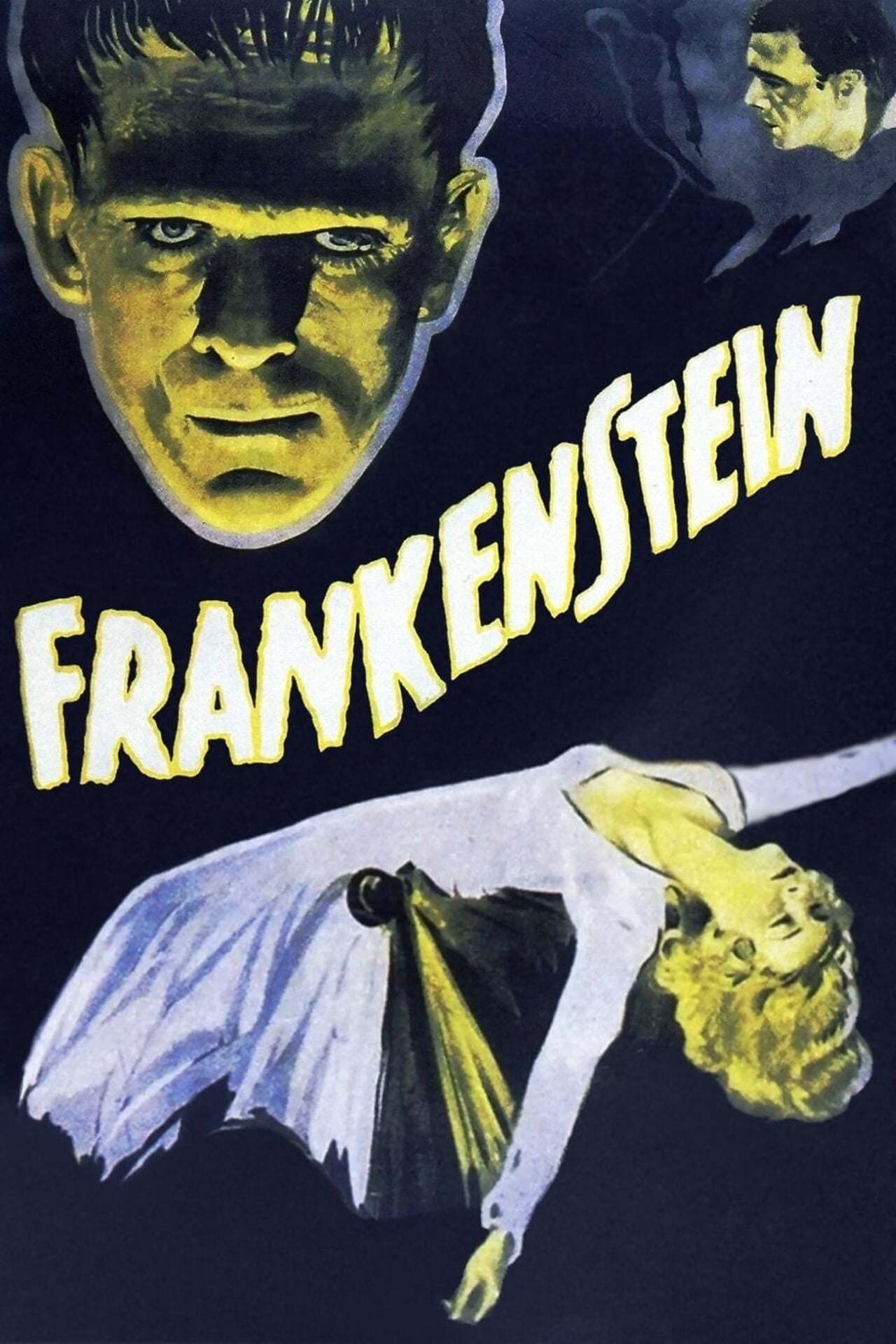
A determined researcher collects materials to animate a body and tests a procedure that depends on a storm and specialized equipment. The narrative follows graveyards, classrooms, and a hilltop laboratory as key locations that chart the experiment from theory to result.
Set construction centers the operating platform, electrodes, and a ceiling that opens to the sky to admit the necessary surge. Camera placement records the switch throwing sequence and the first signs of movement with clear steps that map the process.
‘Dracula’ (1931)
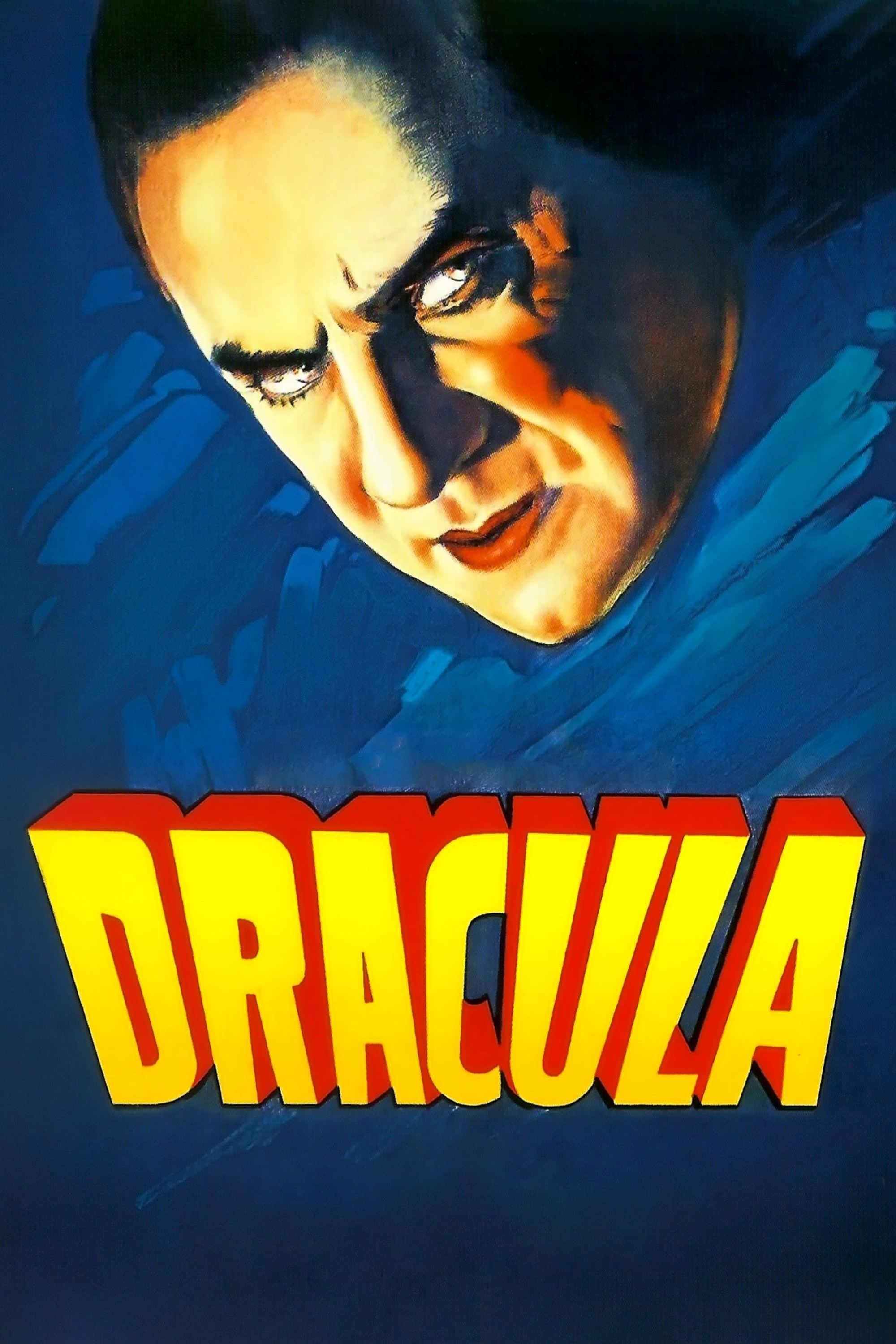
A nobleman travels from his homeland to a city where he takes residence in an old abbey and begins influencing the people around him. The plot tracks real estate transactions, ship logs, and medical consultations that document the pattern of illness and late night visits.
Interior sets use staircases, balconies, and drawing rooms where introductions and hypnotic encounters take place. A sanitarium provides a second location that connects the main household with observations from a doctor who records changes in behavior.
‘Nosferatu’ (1922)
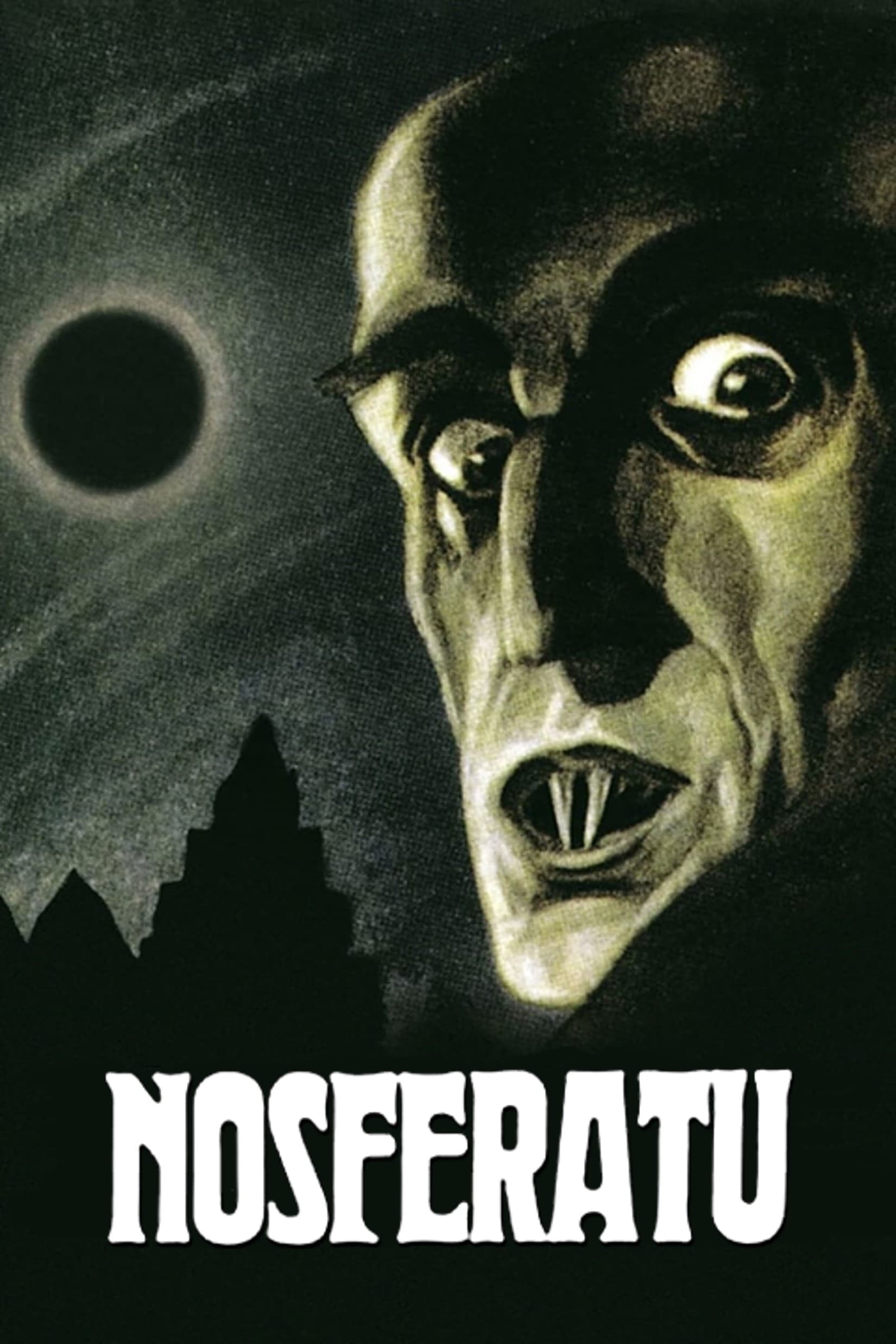
A clerk journeys to a remote castle to finalize a property deal with a reclusive count who then relocates to a new district. The story uses letters, contracts, and shipping manifests to explain how a coffin shipment reaches a port and spreads a mysterious plague.
Location photography captures mountains, courtyards, and river crossings that mark the route between homes. Shadows and elongated silhouettes create scenes where the figure ascends stairs or leans over a sleeper in a frame that emphasizes angles.
‘The Wolf Man’ (1941)
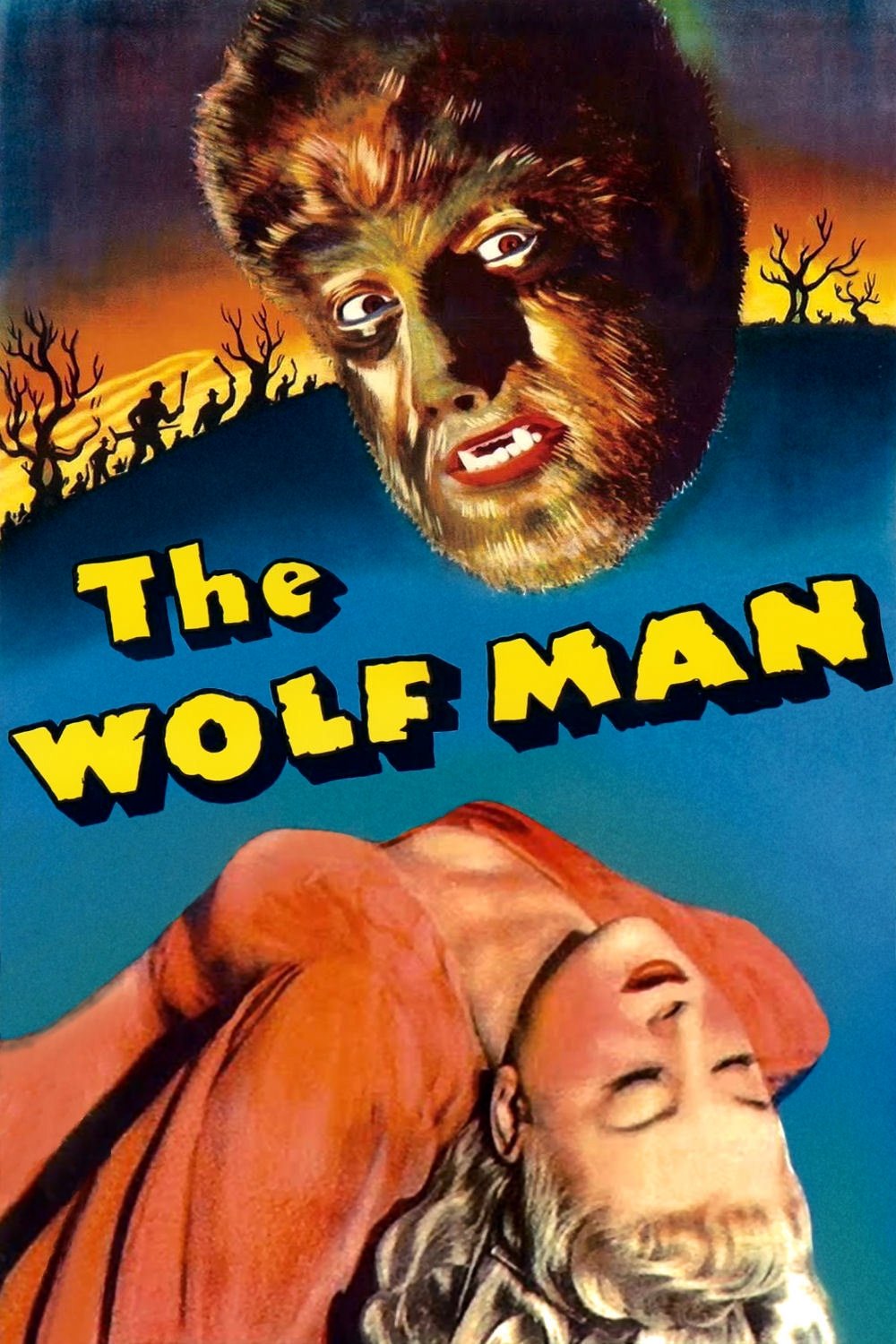
A man returns to his family estate and becomes linked to attacks in nearby woods after an encounter under a full moon. The narrative outlines folklore rules that involve silver, a specific rhyme, and the transmission of a condition through a bite.
Makeup effects apply progressive hair and facial appliances to depict the change from human to creature. Sets include foggy forest paths, a fortune teller’s wagon, and a conservatory that hosts confrontations among relatives and town officials.
‘House on Haunted Hill’ (1959)
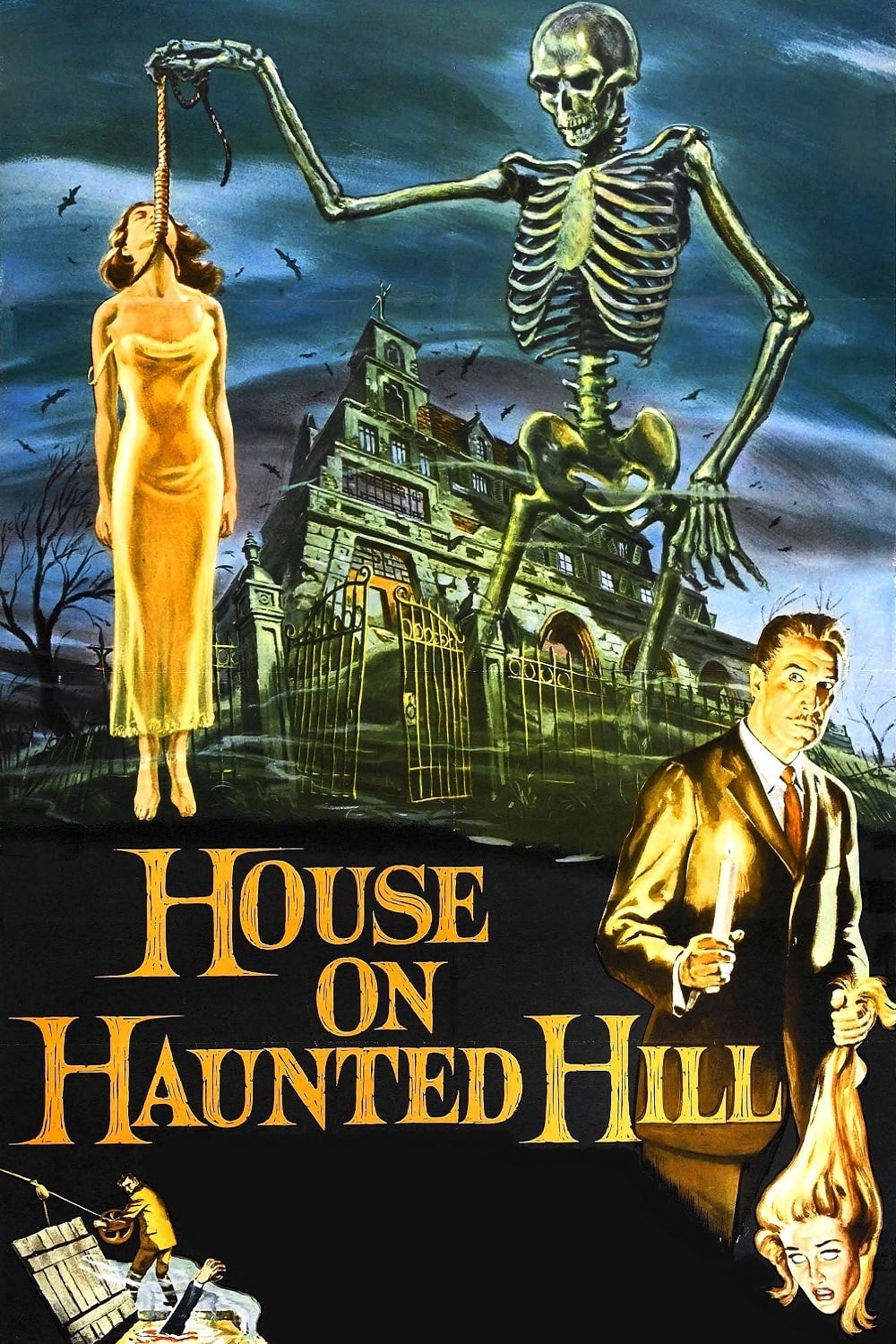
Guests accept an invitation to spend the night in a mansion for a promised sum while doors lock and lights go out. The host provides limited explanations through recorded messages and party favors that include small coffins and firearms.
The film organizes scares around a basement with a vat, a hidden ceiling mechanism, and secret passages behind walls. A rolling skeleton effect appears during the climax and is coordinated with a balcony and pulley system that triggers at a set cue.
‘The Innocents’ (1961)
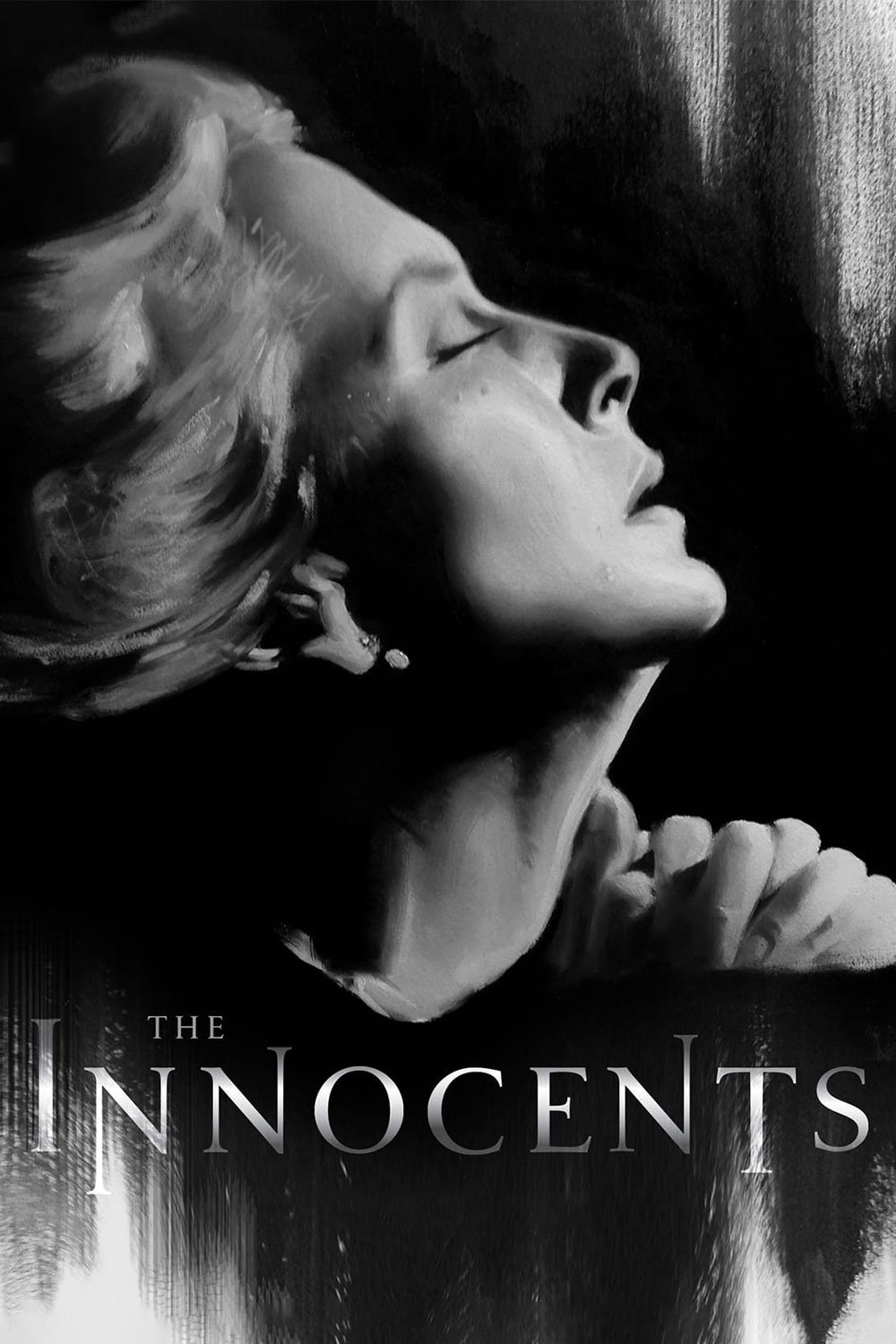
A governess takes charge of two children at a country estate and slowly suspects unseen influences around the grounds and lake. The plot presents letters, prior staff histories, and reported sightings that the protagonist records in a diary.
Cinematography uses deep focus and wide frames to keep doorways and windows visible while characters move through halls and gardens. Sound cues like distant laughter and faint singing support scenes where the governess searches for sources that may not be present.
‘The Fog’ (1980)

A coastal town approaches an anniversary while strange radio messages and malfunctioning electronics precede the arrival of a glowing mist. A shipwreck and a hidden piece of local history explain why the weather event carries figures that target specific people.
Key locations include a lighthouse with a late night broadcast, a church that stores a critical journal, and docks where the first sign of danger appears. Practical effects combine miniature boats, low lying fog, and light rigs to create moving clouds that obscure visibility.
‘Pet Sematary’ (1989)
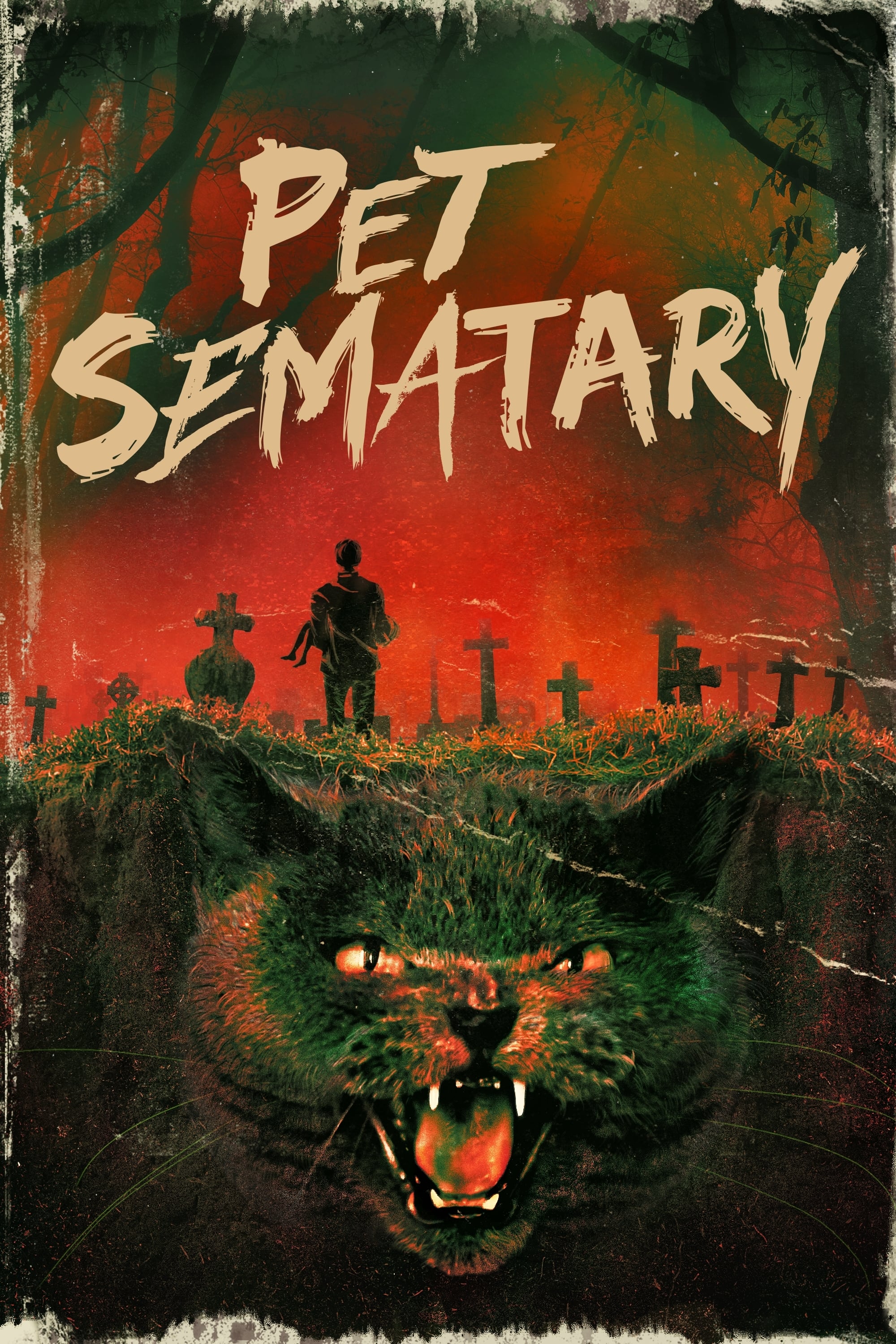
A family relocates near a road used by heavy trucks and learns of a burial ground beyond a pet cemetery that returns what is placed there. The story shows a sequence of choices driven by grief and proximity as characters cross a deadfall to reach the site.
Medical work and emergency calls appear as elements that shape how events unfold and how injuries are handled when incidents occur. Clues about the ground’s history come from older residents who share stories of past attempts to reverse loss.
‘The Crow’ (1994)
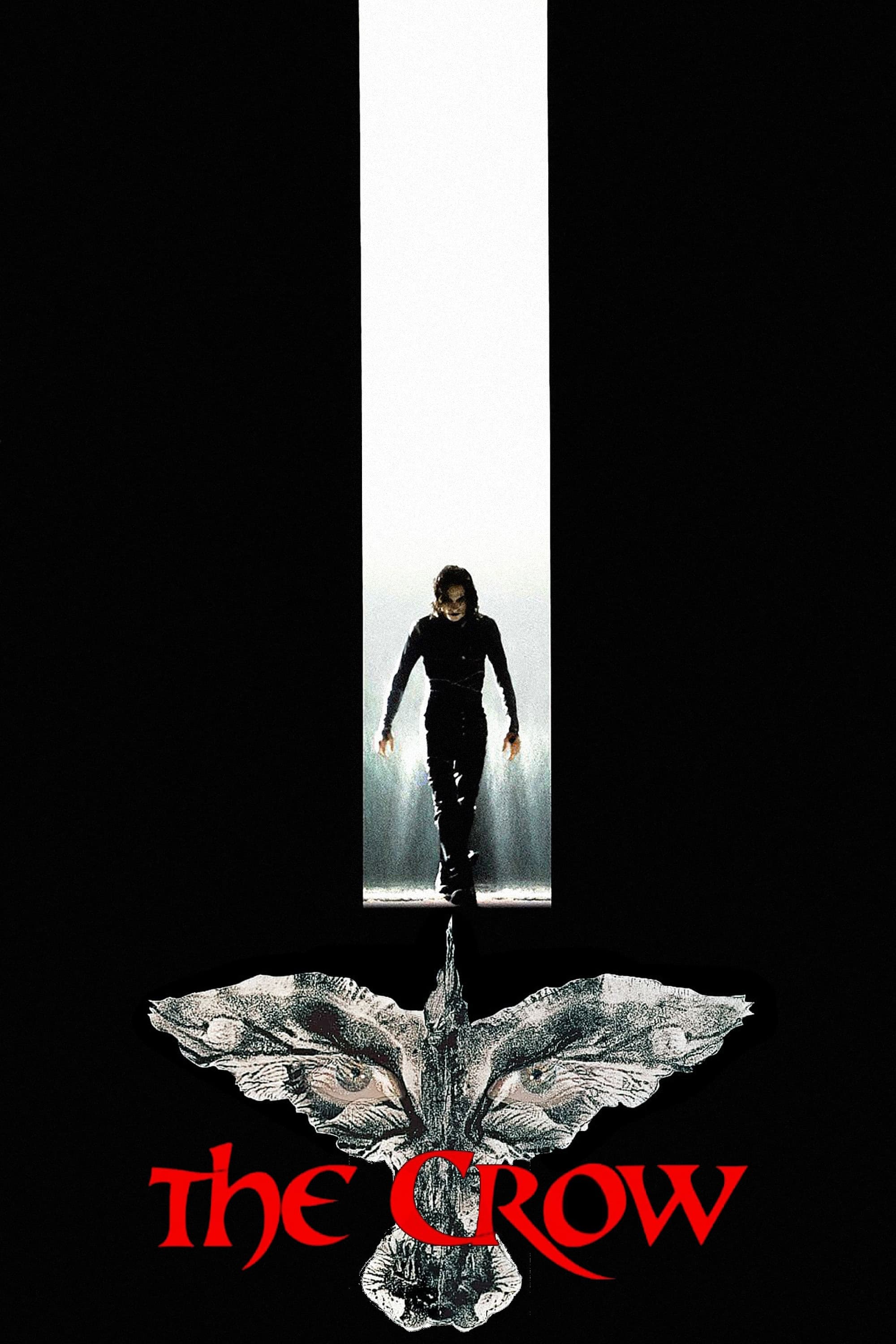
A musician and his fiancée are attacked on the night before a citywide celebration, and he later returns with supernatural resilience to address those responsible. The narrative ties locations together through a pet bird that travels between rooftops and alleys.
The plot uses calling cards like a circular symbol and a specific set of names to structure encounters. Urban settings include a burned out church, a nightclub headquarters, and an apartment where personal items trigger memory flashes that guide the route.
‘The Howling’ (1981)
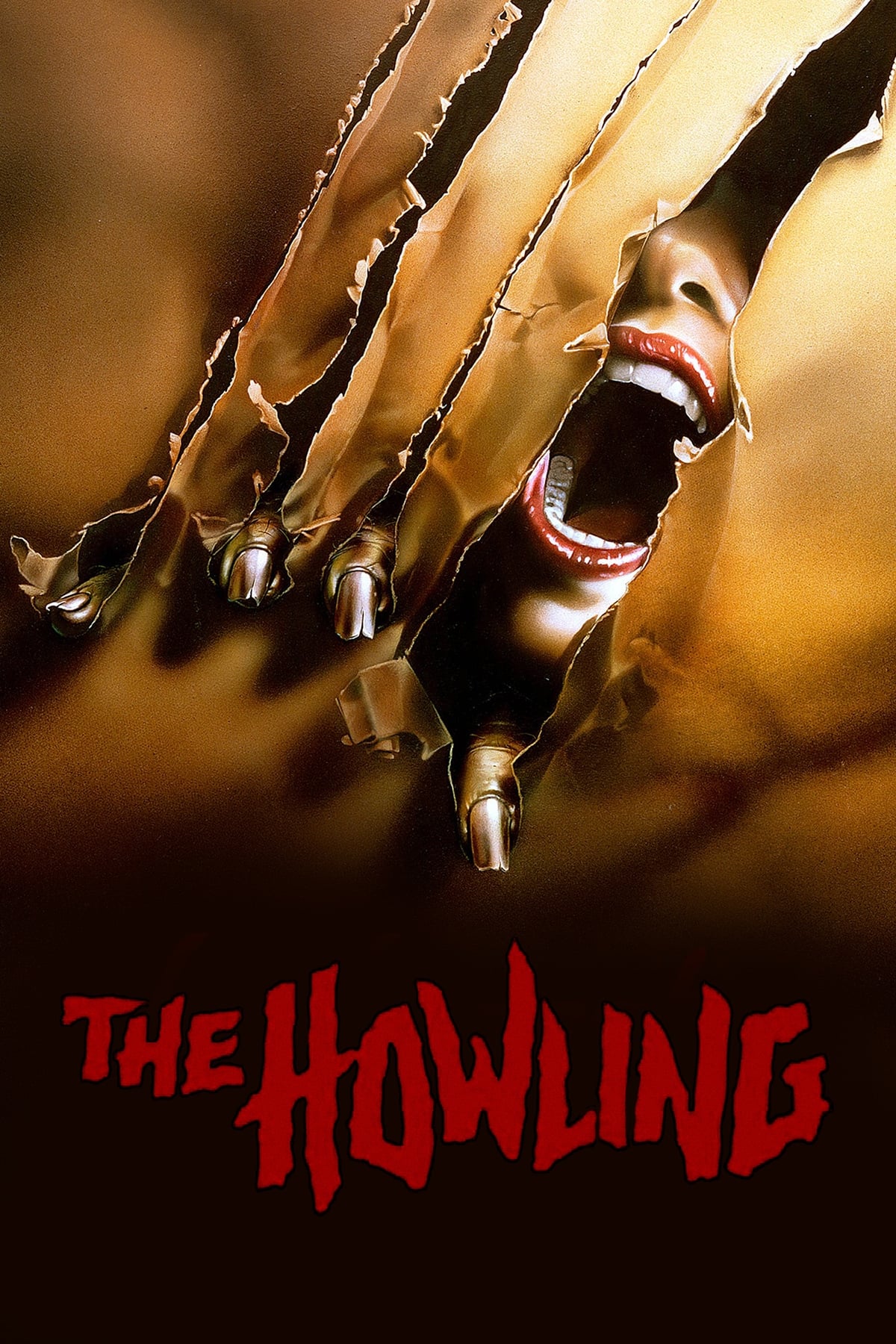
A reporter survives a traumatic investigation and retreats to a therapy colony that sits near a forest with nocturnal activity. Recordings, maps, and televised segments document her work and establish the timeline of sightings and disappearances.
Transformation scenes use bladder effects, hair applications, and elongating jaws captured in extended takes. The final act moves between the colony, a bookstore that houses research material, and a newsroom where a broadcast transmits a crucial reveal.
‘Black Christmas’ (1974)
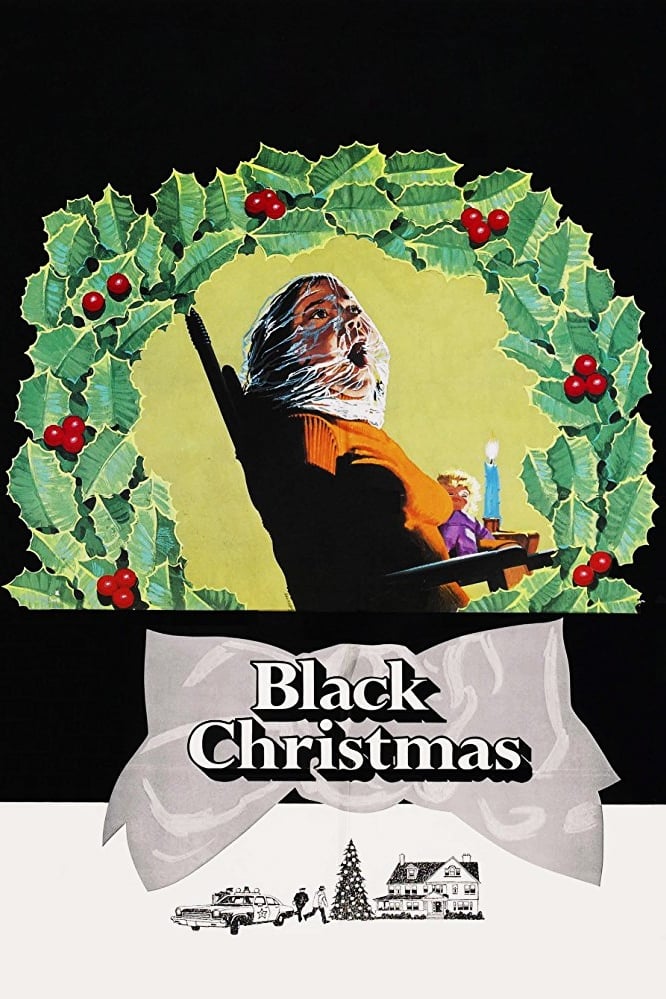
A group of students in a sorority house receives obscene phone calls as a series of disappearances draws police attention. The phone line becomes a central object that is traced to locate the source while officers canvass the neighborhood.
The house layout with an attic, staircases, and a front hall is mapped through repeated shots that show where characters move during searches. Holiday decorations and parties provide cover for movements and serve as time markers across the narrative.
‘The House of the Devil’ (2009)
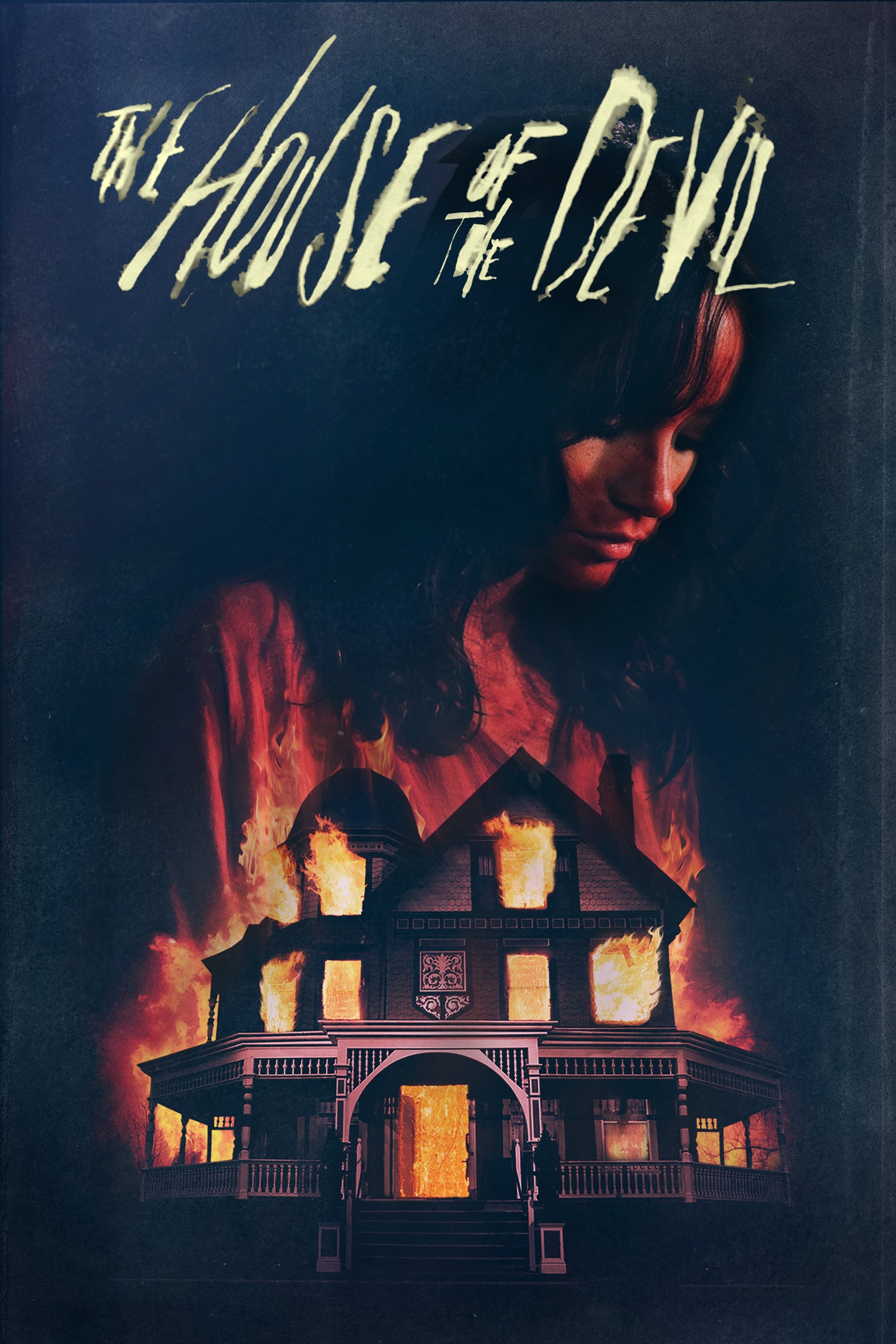
A college student accepts a one night babysitting job in an isolated home that requires arriving during a lunar event. The setup includes a landline number, an envelope with cash, and restricted access to certain rooms, which limit options once the employer departs.
The timeline divides into check in calls, pizza delivery, and unapproved explorations that reveal items locked in a basement. Soundtracks from a portable cassette player mark scenes where the protagonist passes time before the ritual plan becomes clear.
‘The Skeleton Key’ (2005)
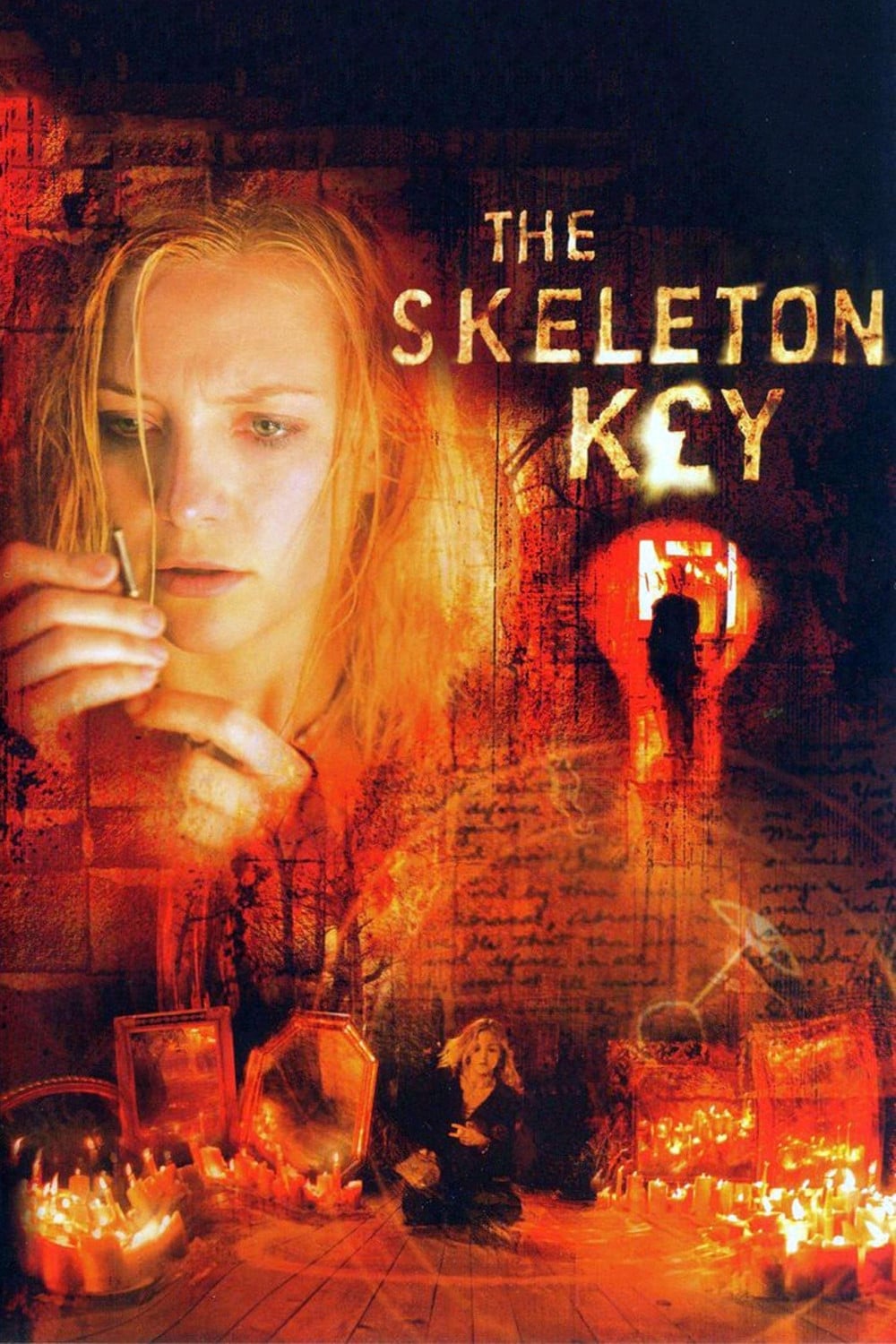
A hospice worker takes a job in a New Orleans mansion and discovers locked rooms, ritual artifacts, and legal documents that reference a past tragedy. A non disclosure clause and a house key with partial access complicate her ability to investigate.
Local beliefs, mirrors, and a hidden attic room provide a framework for how power transfers between people. The plot connects property deeds and a recorded phonograph to a method that depends on consent and specific phrases.
‘Scary Stories to Tell in the Dark’ (2019)
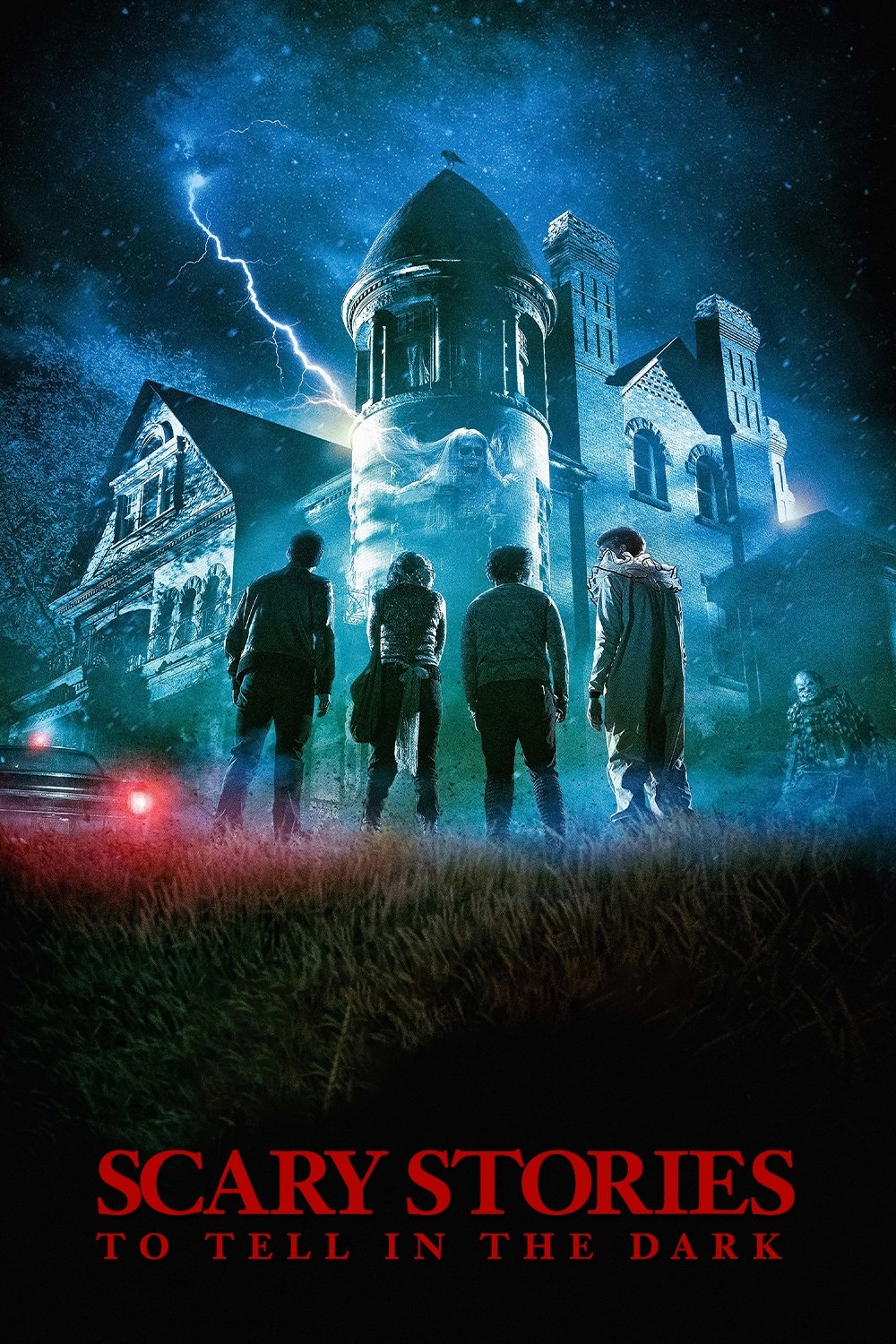
A group of friends finds a book in a deserted house that begins writing new entries tied to each of them. The rules indicate that removing pages or leaving town does not stop the process once names appear in the text.
Practical creatures and makeup translate illustrations into set pieces that unfold at school, a hospital, and a cornfield. The investigation focuses on family records and a history of institutionalization that explains why the author of the book was isolated.
‘Corpse Bride’ (2005)
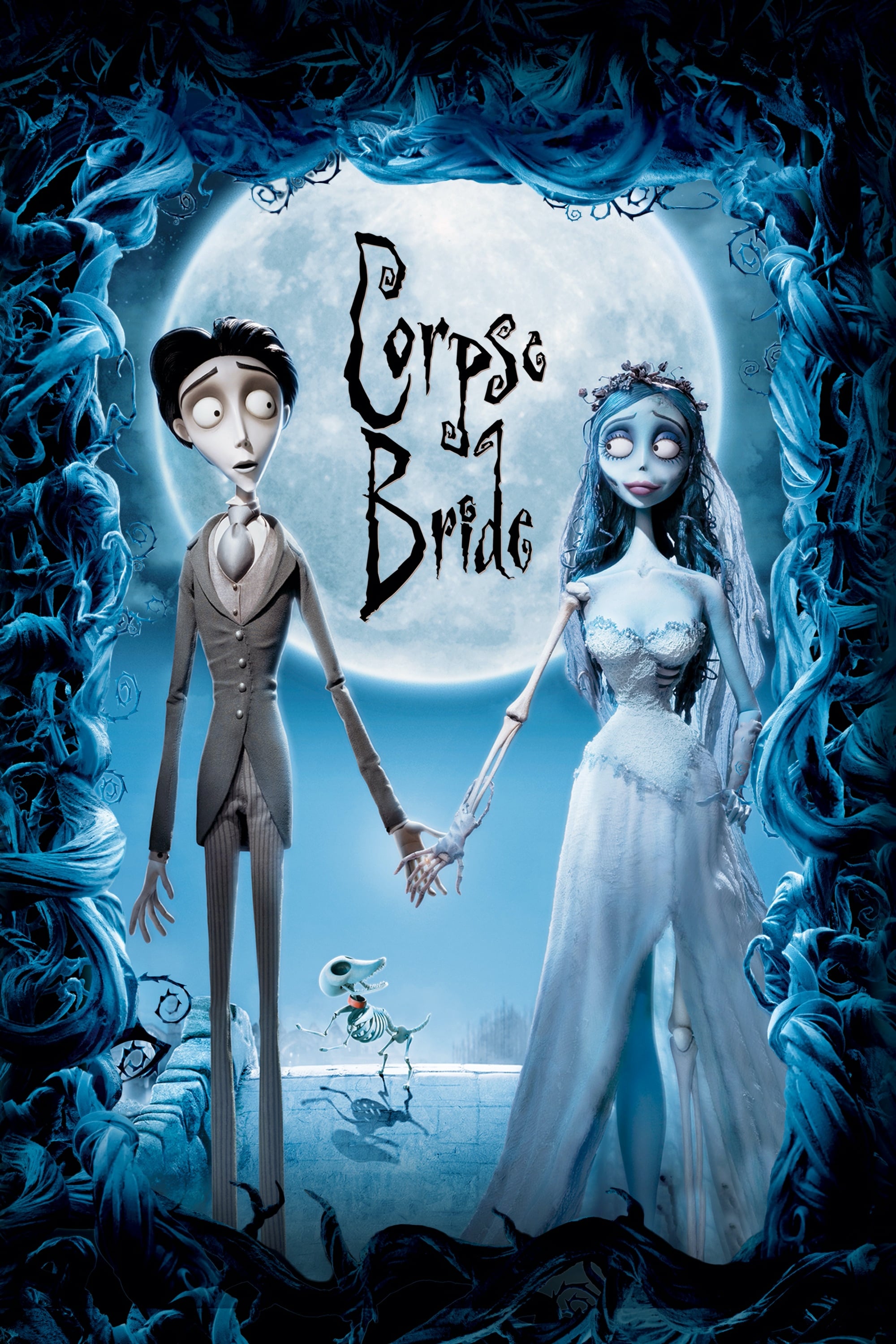
A nervous groom practices vows in a forest and accidentally places a ring on the hand of a deceased woman who accepts and draws him into an underworld community. The living and the dead are divided by color palettes and lighting that distinguish above and below ground.
Stop motion puppets use armatures and replacement faces to deliver precise expressions during musical numbers and dialogue. Plot mechanics revolve around legal marriage conditions, a pending ceremony, and a poisoned drink that first set events in motion.
‘The Monster Squad’ (1987)
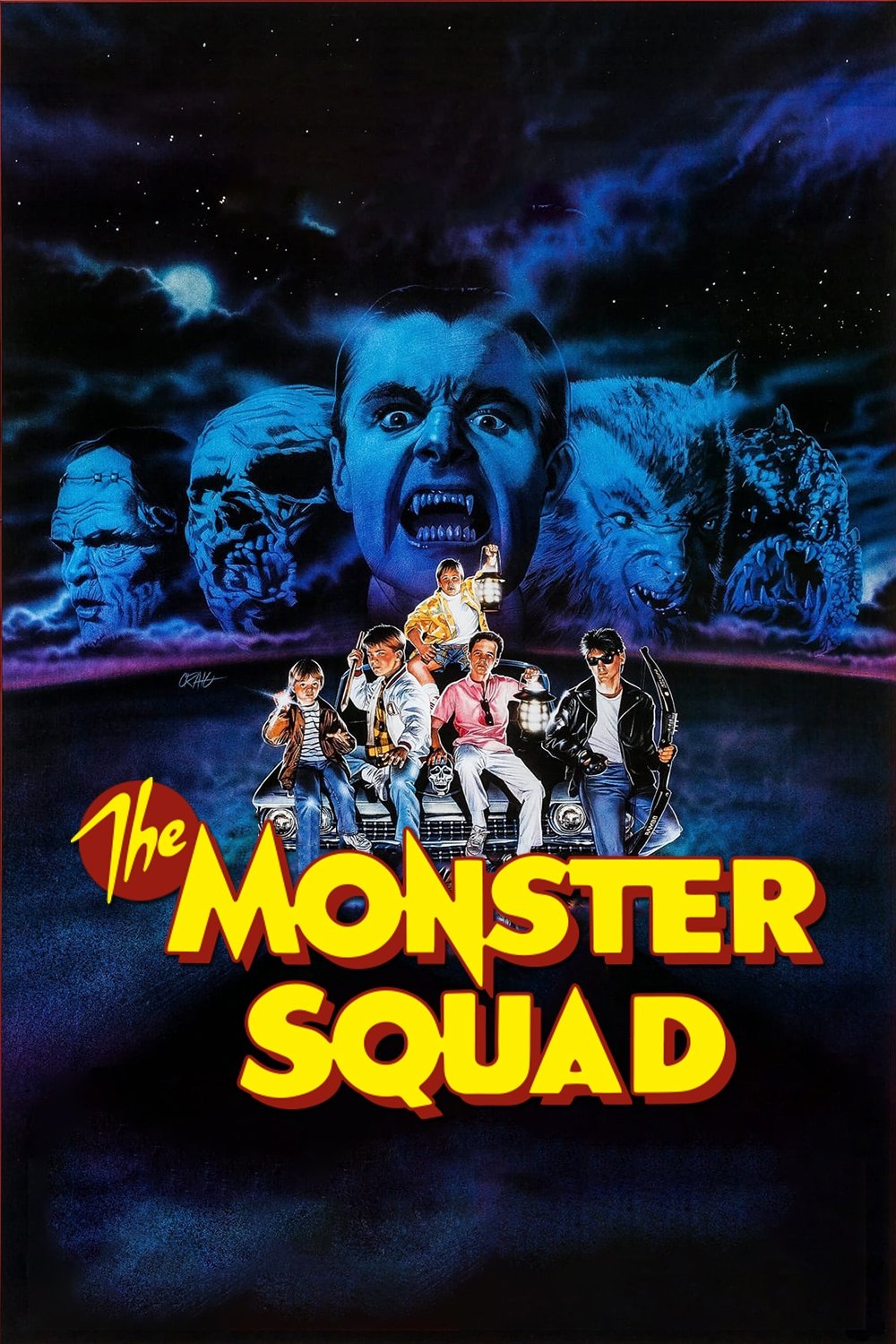
A group of kids forms a club dedicated to classic creatures and must stop a plan that would allow evil forces to take over their town. A diary in an old language, an amulet, and a specific alignment window define what must happen to close a portal.
The team prepares with homemade tools like stakes, a bow, and silver bullets produced by a local helper. Encounters occur at a mansion, a school, and downtown streets, culminating at a church where a recitation must be completed without interruption.
‘Pumpkinhead’ (1988)
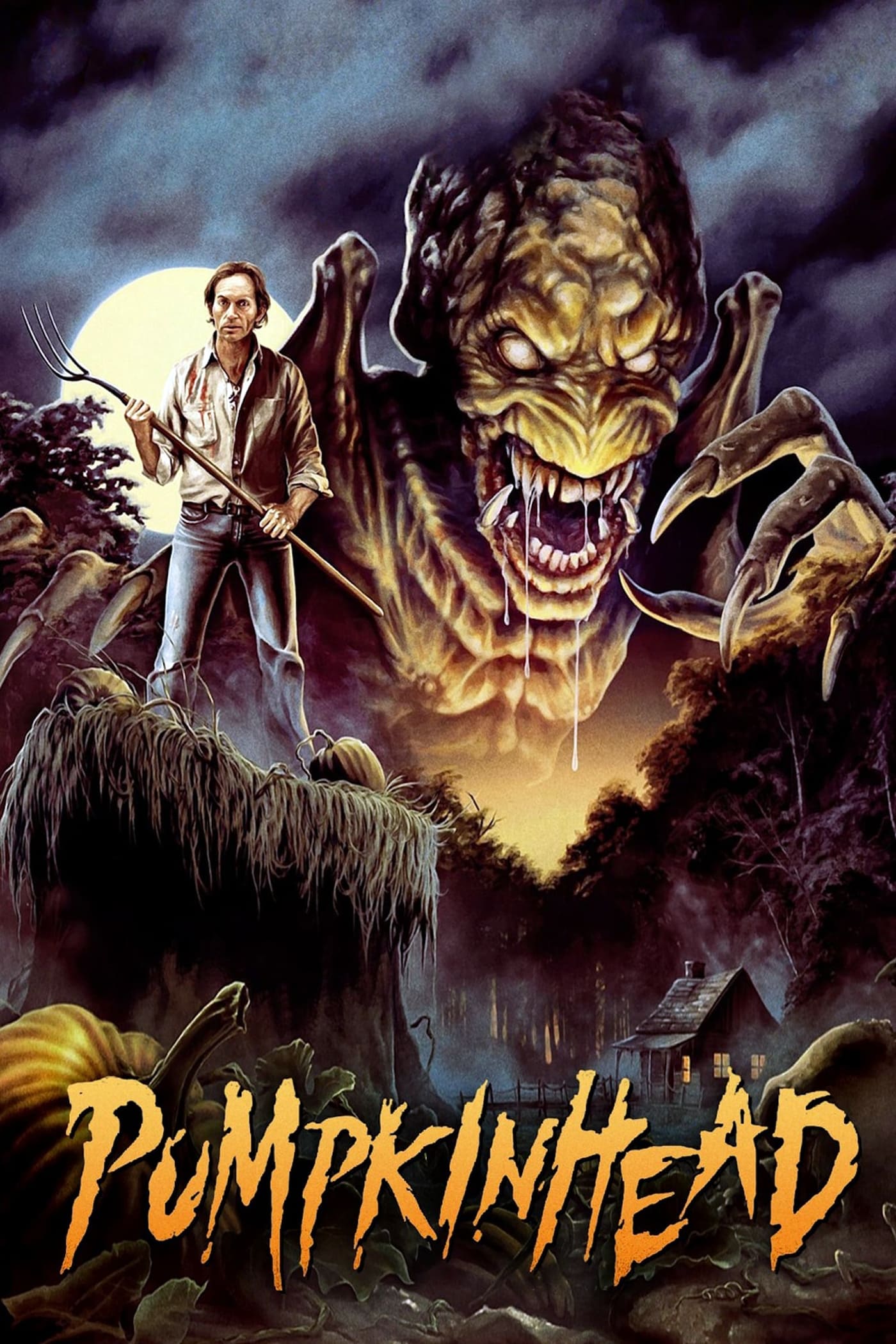
After a tragedy in a rural area, a grieving father seeks out a reclusive figure who performs a rite that summons a vengeance creature. The ritual requires a grave, a blood exchange, and a physical link between the summoner and the entity.
The creature’s movements connect woods, cabins, and a ruined church as it tracks those named in the request. Visual effects rely on a full body suit and animatronic head that allow for long takes of the monster lifting victims in outdoor night scenes.
‘Ju-On: The Grudge’ (2002)
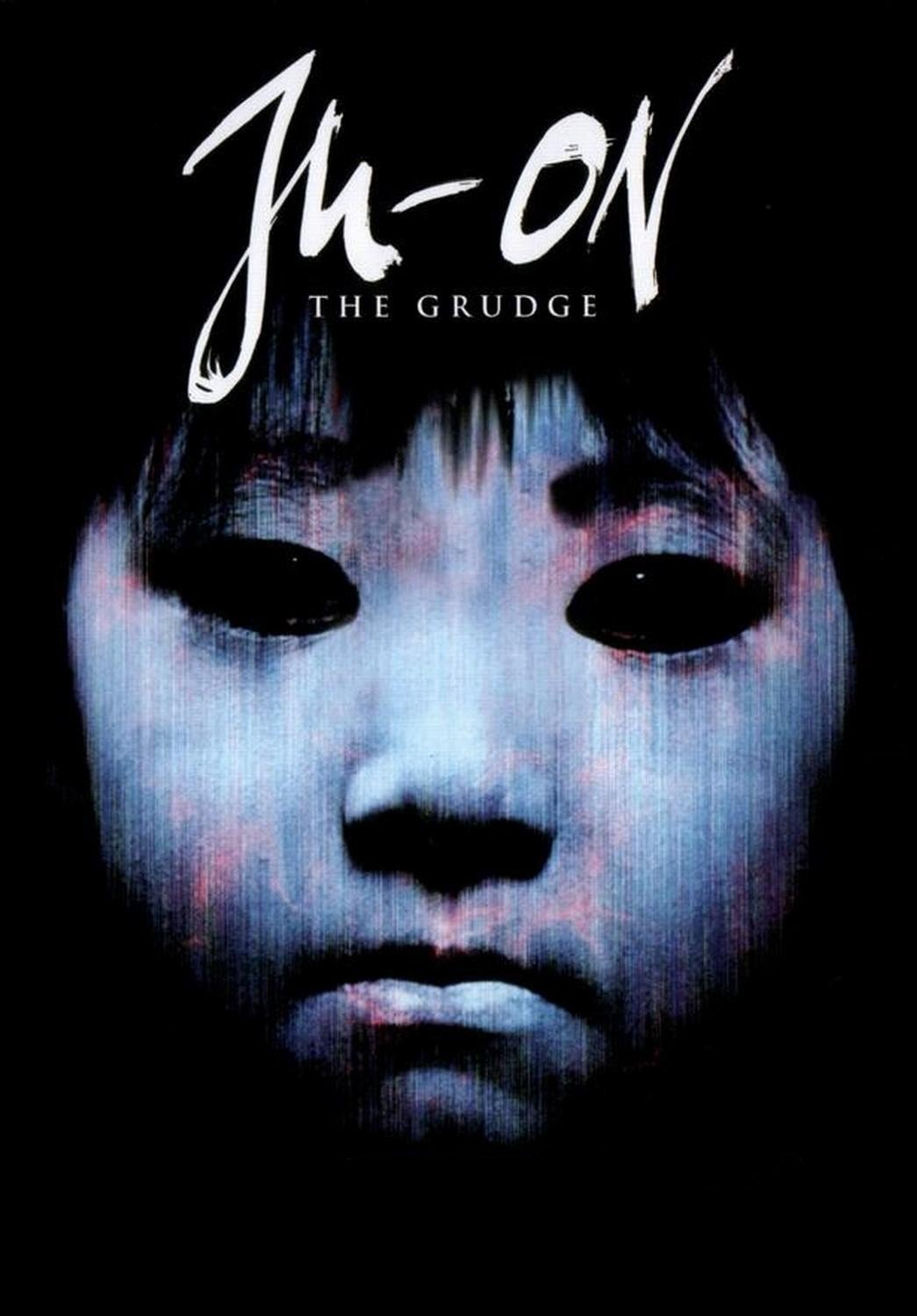
A social worker visits a house where a curse formed and the narrative branches into episodes that follow everyone who enters the property. Title cards present different characters while the timeline loops to reveal how events interlock.
The curse transmits through contact with the house and manifests as a crawling figure and a child with a distinctive vocalization. Offices, apartments, and a school become secondary locations once affected people leave the original address.
‘Host’ (2020)
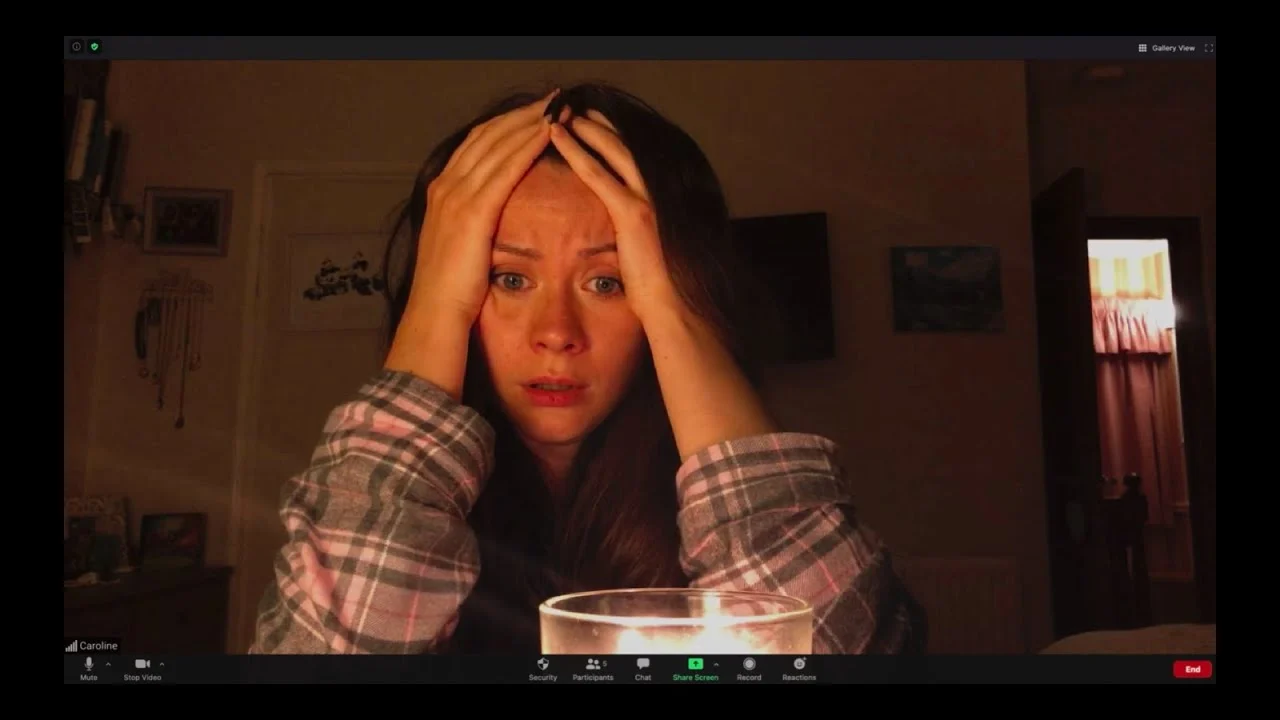
Friends organize an online séance using a video conferencing app and invite a medium to guide the session from separate apartments. A false story during the ritual opens the group to an entity that exploits household hazards and loose objects.
The format plays out on a computer screen with multiple windows where participants mute, freeze, or drop from the call. Practical gags like flying cabinet doors, flour footprints, and rope pulls create effects within fixed laptop camera angles.
‘Us’ (2019)
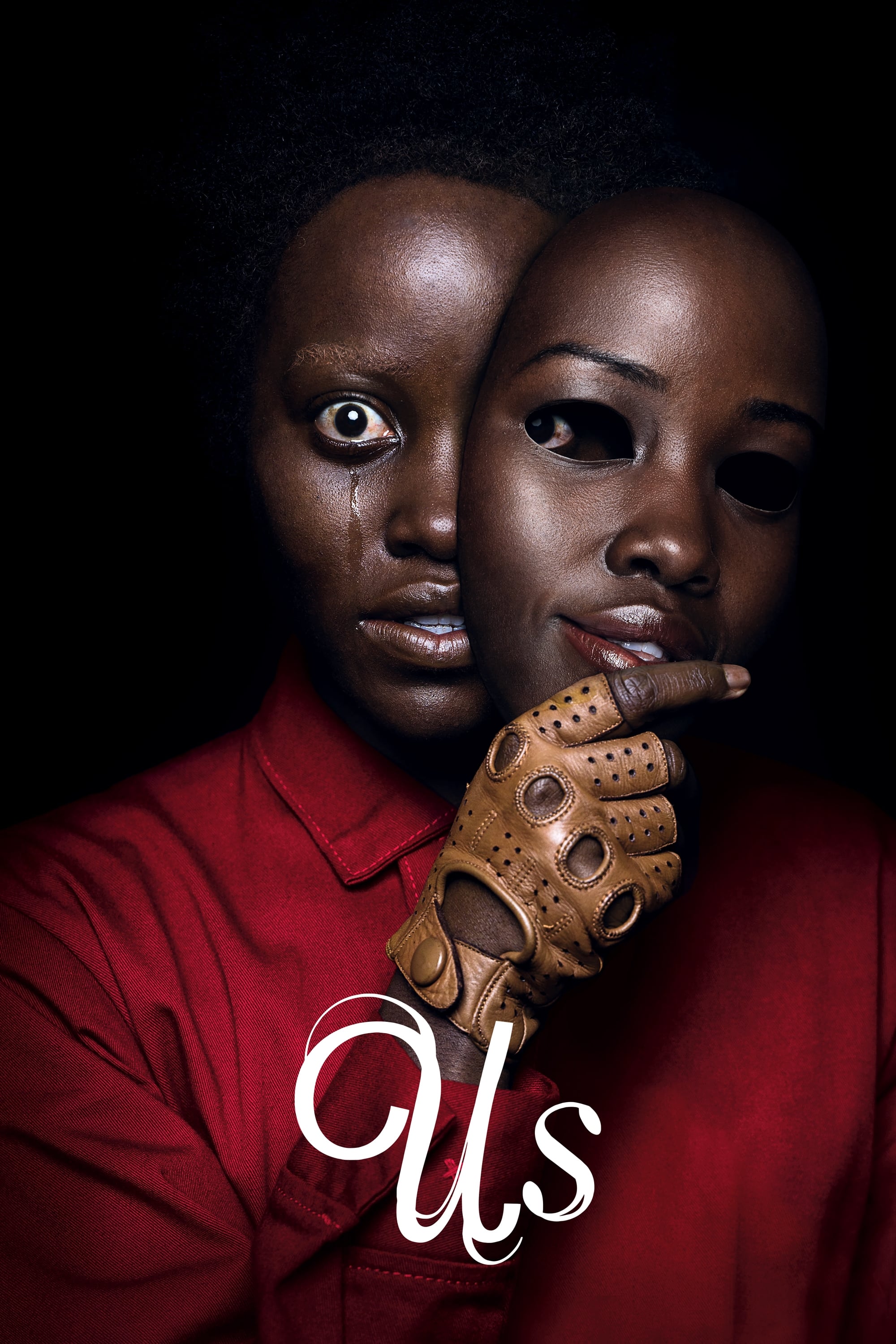
A family encounters their doubles during a seaside vacation and discovers a larger pattern across the region. The story tracks home invasion, fairground history, and a facility that explains synchronized movements.
Key details include a childhood encounter that sets later events in motion and a motif built around gloves and scissors. The timeline returns to a hall of mirrors and a tunnel where control rooms and unused spaces appear.
‘Midsommar’ (2019)

A group of students visits a remote community for a summer festival and documents rituals that follow a specific calendar. The plot records invitations, rules for guests, and written symbols that appear on tapestries and buildings.
Scenes unfold in constant daylight and move between communal halls, sleeping sheds, and outdoor platforms. The narrative uses contests, dances, and drawings to decide roles and actions during the final ceremony.
‘Barbarian’ (2022)

A traveler arrives at a rental house and finds it already occupied, then discovers hidden rooms beneath the property. The script divides into chapters that introduce new perspectives while keeping the address as the anchor.
Basement features include a secret corridor, an improvised room with a camera, and a tunnel network that links to an older house. Property records and video evidence reveal who built and used the lower levels.
‘The Black Phone’ (2022)
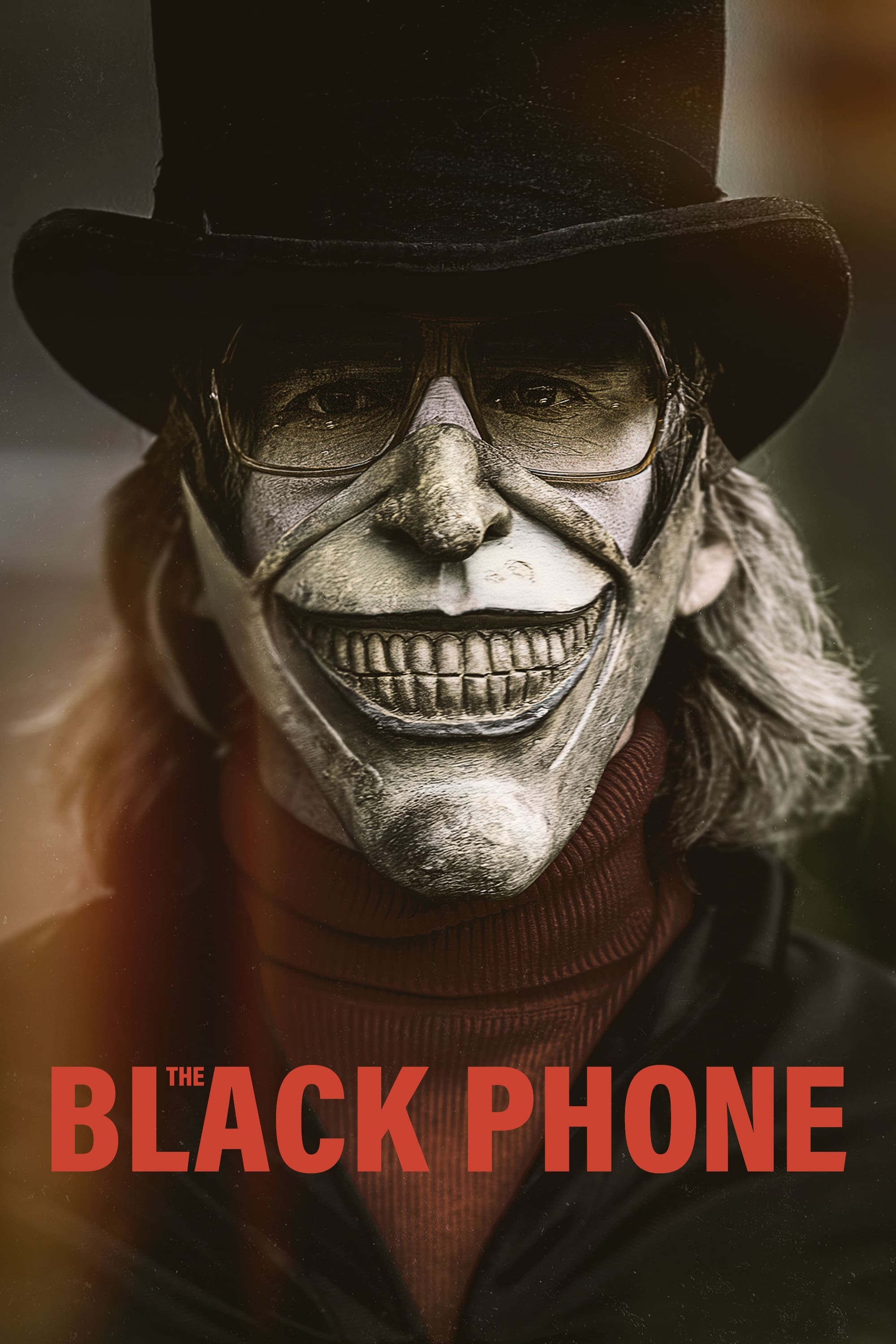
A boy is abducted and locked in a basement where a disconnected phone begins to ring with voices that offer guidance. The timeline places earlier victims on baseball fields and neighborhood streets before converging in the room.
Objects like a freezer, a cable, and a hidden combination become tools that can be assembled into a plan. The police track missing kids through flyers and interviews while the sister follows dreams that show clues.
‘Event Horizon’ (1997)
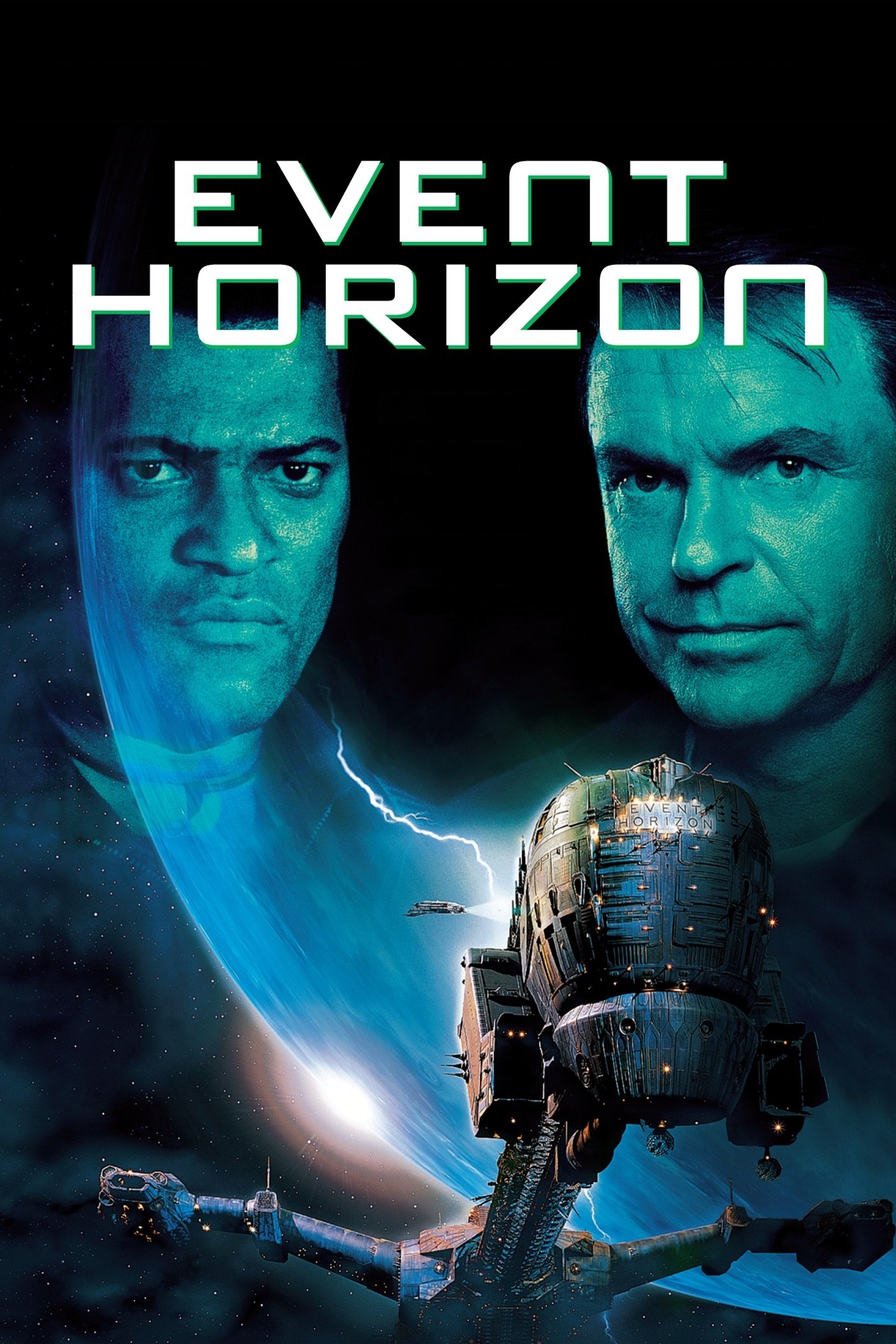
A rescue crew boards a ship that reappeared after testing an experimental drive and finds logs with corrupted imagery. The investigation reviews gravity core schematics, medical reports, and a Latin phrase translated from a distress call.
Spaces include an airlock, a rotating tunnel, and a stasis bay that holds evidence of the prior mission. The drive’s folding space concept is visualized with a demonstration that uses a paper model and a point to point shortcut.
‘The Lighthouse’ (2019)
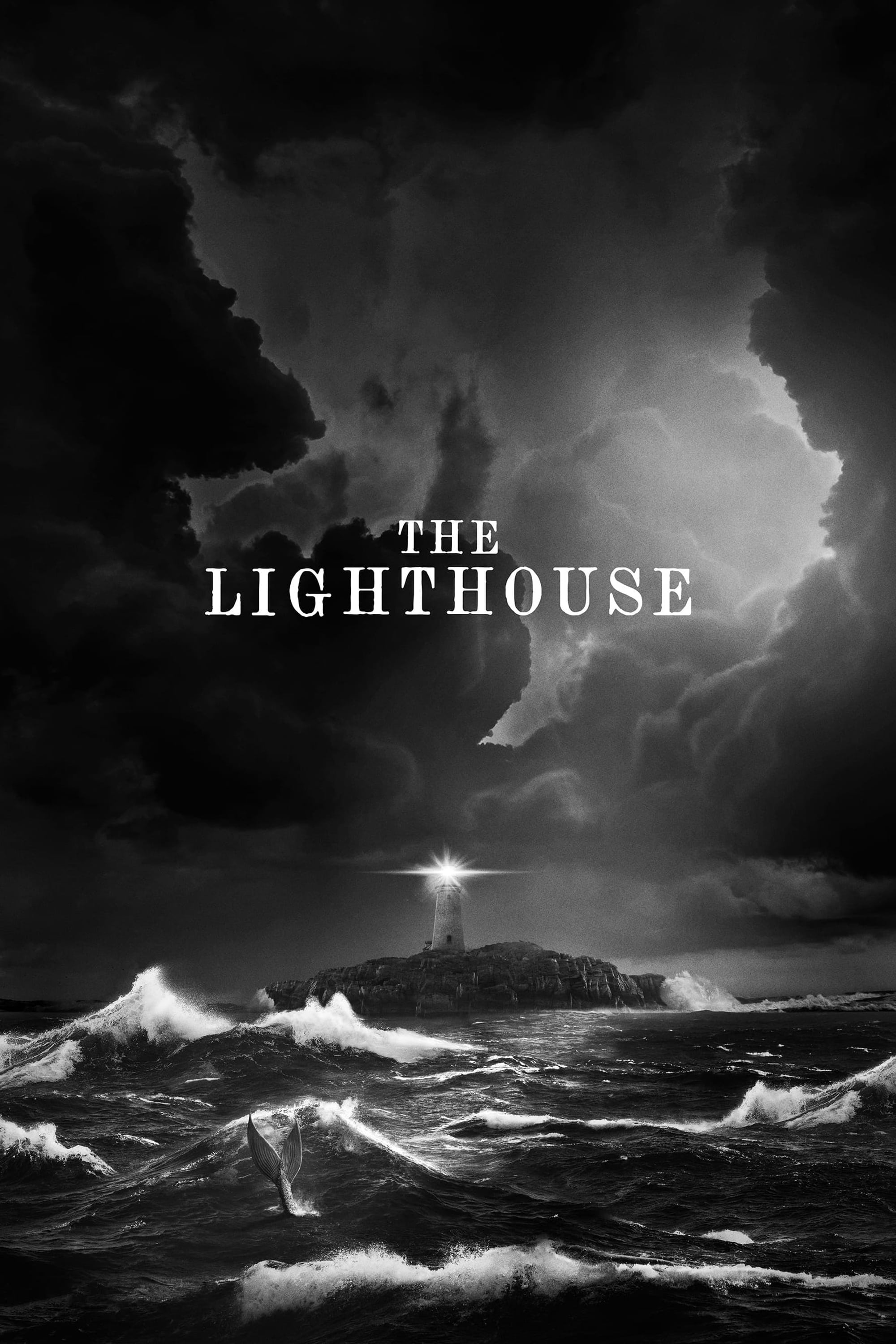
Two keepers maintain a remote station while storms interrupt supply runs and routine checks. Daily tasks include coal hauling, cistern care, and lamp maintenance that requires climbing to the gallery.
Journals, rations, and shift assignments structure each day until schedules break down. The square frame and older lenses show cramped interiors, wet stones, and fog that limit sightlines.
‘Ring’ (1998)

A reporter investigates a videotape that precedes a phone call and a death exactly seven days later. The search follows interviews with teens, a trip to a cabin, and a record of a televised demonstration with a subject who created psychic images.
The evidence leads to a well beneath a building and a case involving a woman with known abilities. Copying the tape and passing on the curse becomes a rule that changes character choices near the end.
‘Fright Night’ (1985)
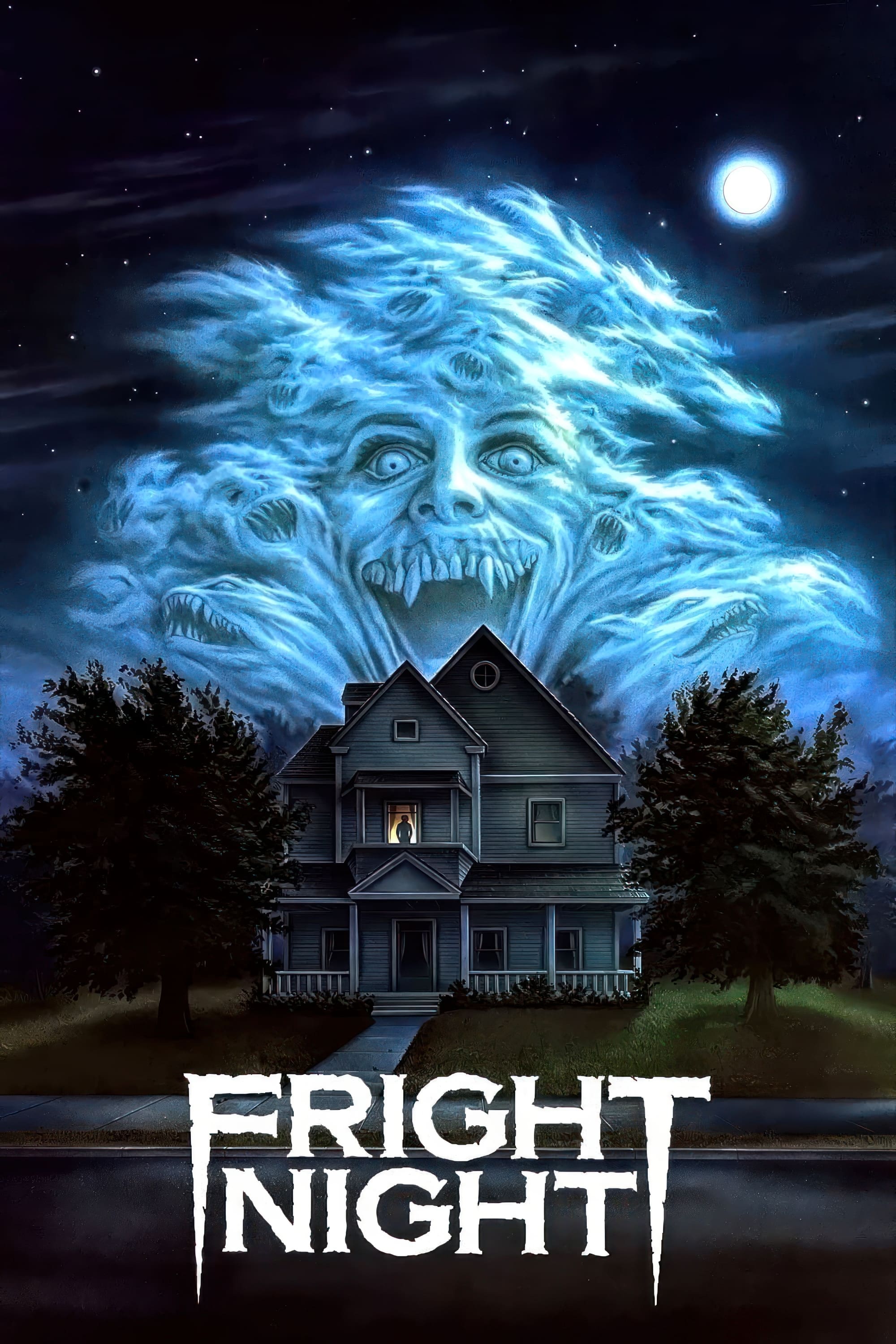
A teenager suspects his new neighbor is a vampire and enlists a horror host to help after police dismiss the claim. The neighbor’s house features blackout windows, a guarded basement, and a live in assistant who handles daylight tasks.
Television broadcasts, school hallways, and a nightclub provide locations for surveillance and encounters. The final act returns to the house where stairs, mirrors, and thresholds control access.
‘House’ (1977)

A student invites friends to her aunt’s countryside home and finds that the building itself reacts to visitors. Rooms contain floating objects, animated portraits, and a piano that becomes a trap during a musical interlude.
Visuals combine painted backdrops, matte shots, and sudden edits that turn props into hazards. The story references a missing fiancé and war losses that explain why the aunt remains in the house.
‘The Gate’ (1987)
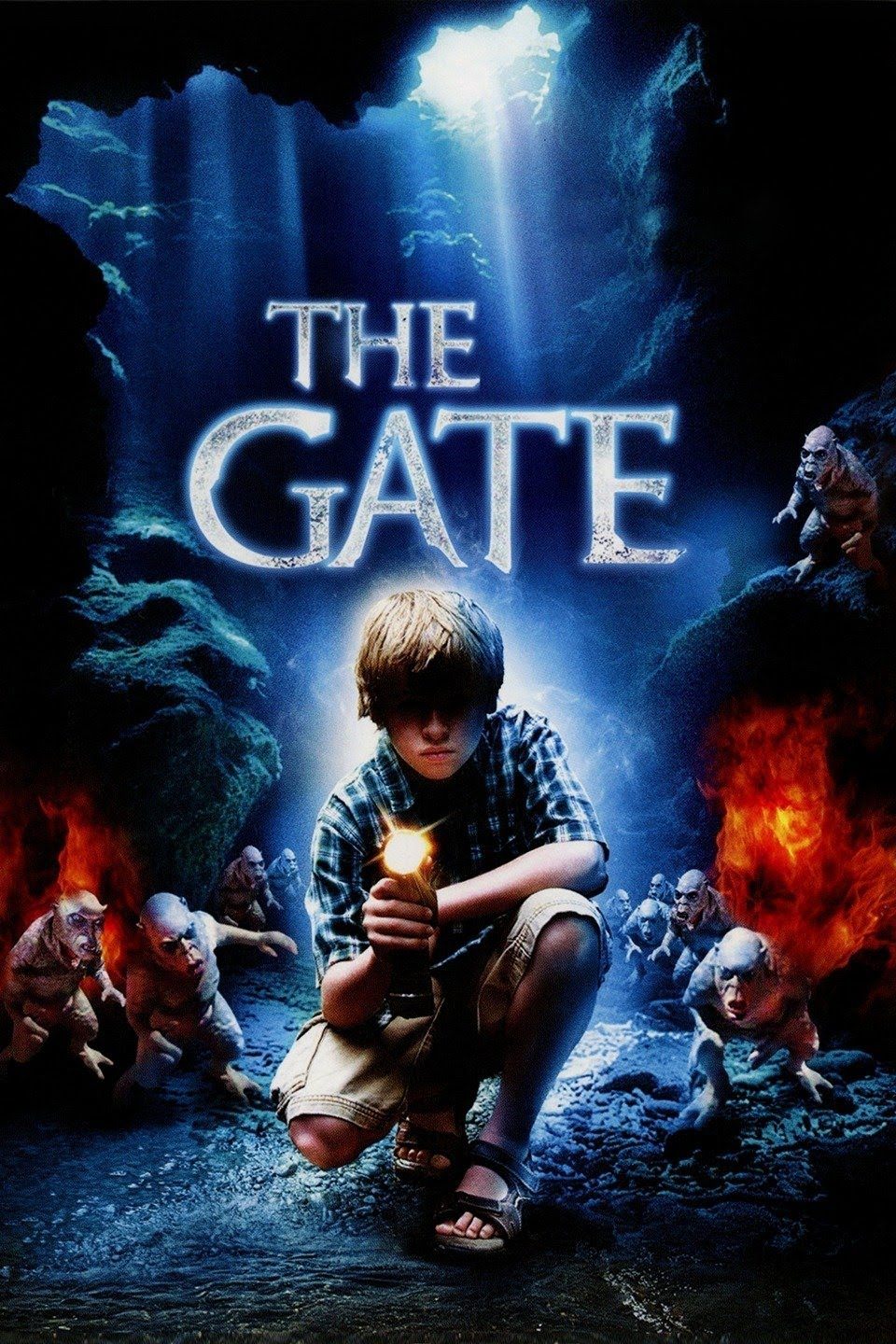
Two kids open a hole in a backyard after a tree removal and release small creatures linked to an old record album. Instructions on the album sleeve, a geode, and a book of spells describe how to close the portal.
Set pieces use stop motion for the minions and forced perspective for full size interactions. The solution requires specific words and the use of a family object that counters the ritual.
‘Over the Garden Wall’ (2014)
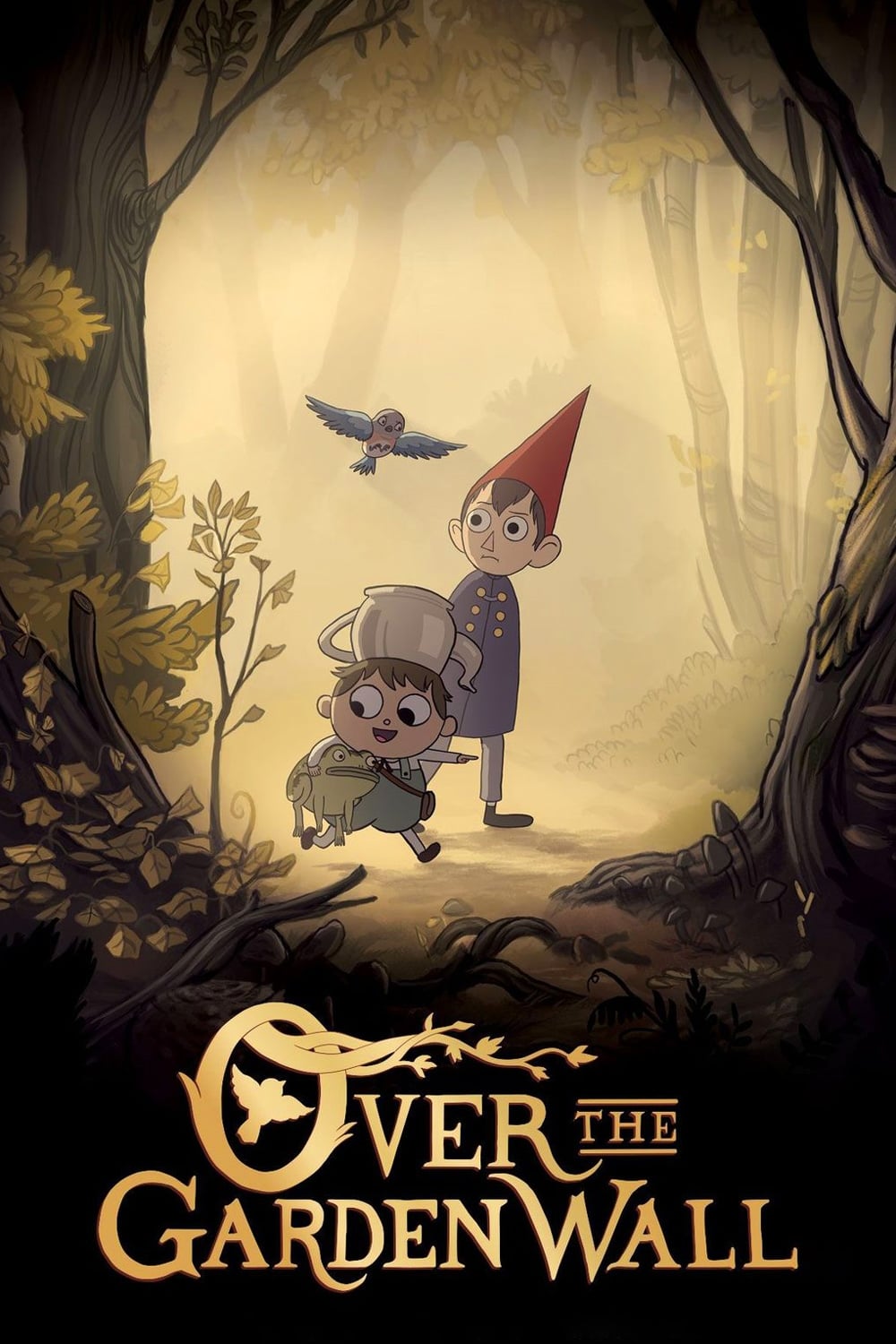
Two brothers try to find a way home through a forest where each town follows its own rules and customs. Episodes track a woodsman, a school for animals, and a harvest celebration that hides a local secret.
A lantern, a bluebird, and a frog with a changing name recur as guideposts across locations. The ending explains how the boys arrived and how the seasons affect the creature that roams the woods.
‘The Haunting of Hill House’ (2018)
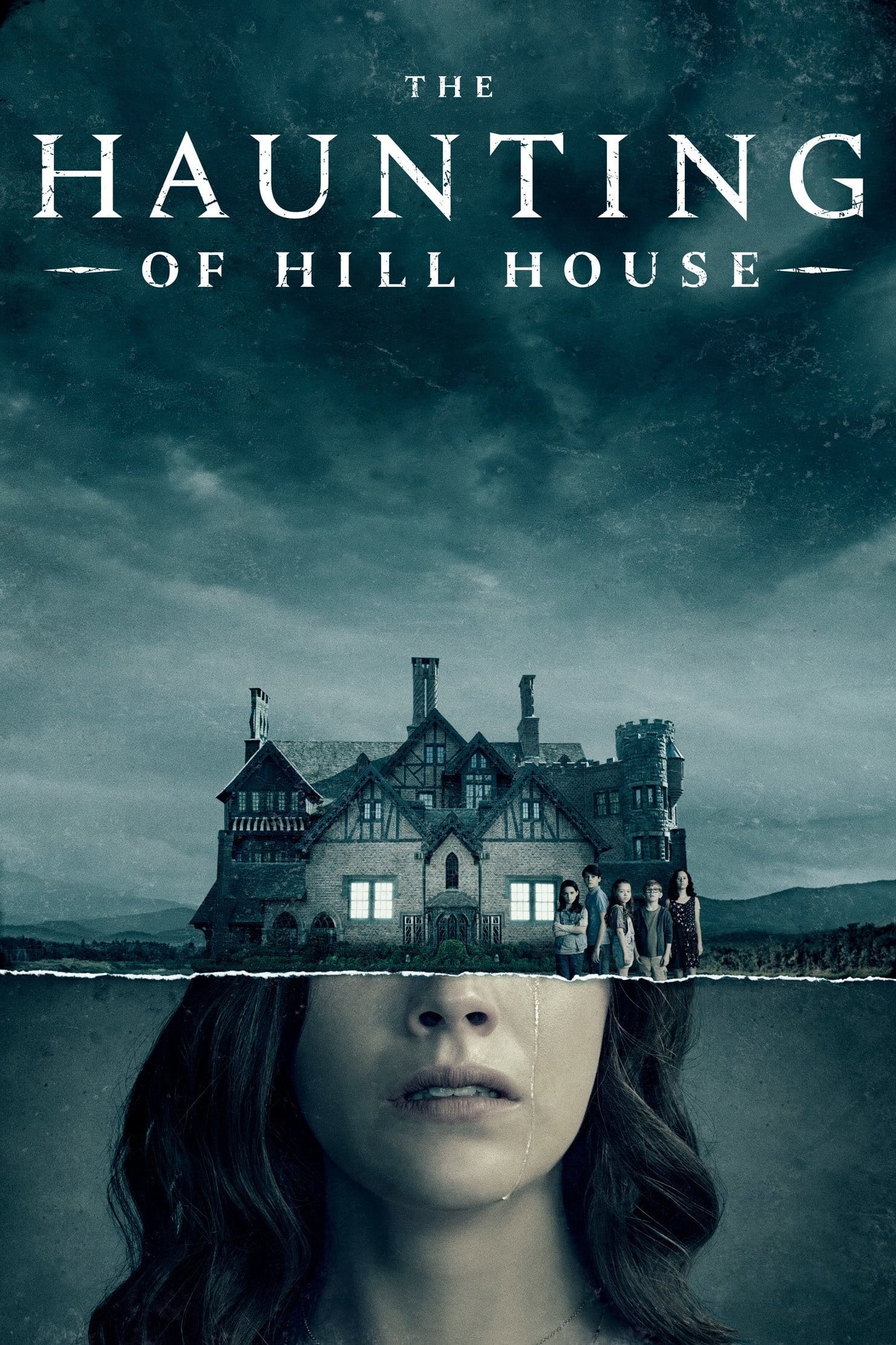
A family renovates a mansion and later confronts how each sibling was affected by events in the house. The series alternates between childhood summers and adult years to reveal causes and effects.
Architectural features include the red room that changes appearance and a library with a spiral staircase. A long take episode tracks a storm across two time periods and uses stage like blocking to connect scenes.
‘Midnight Mass’ (2021)
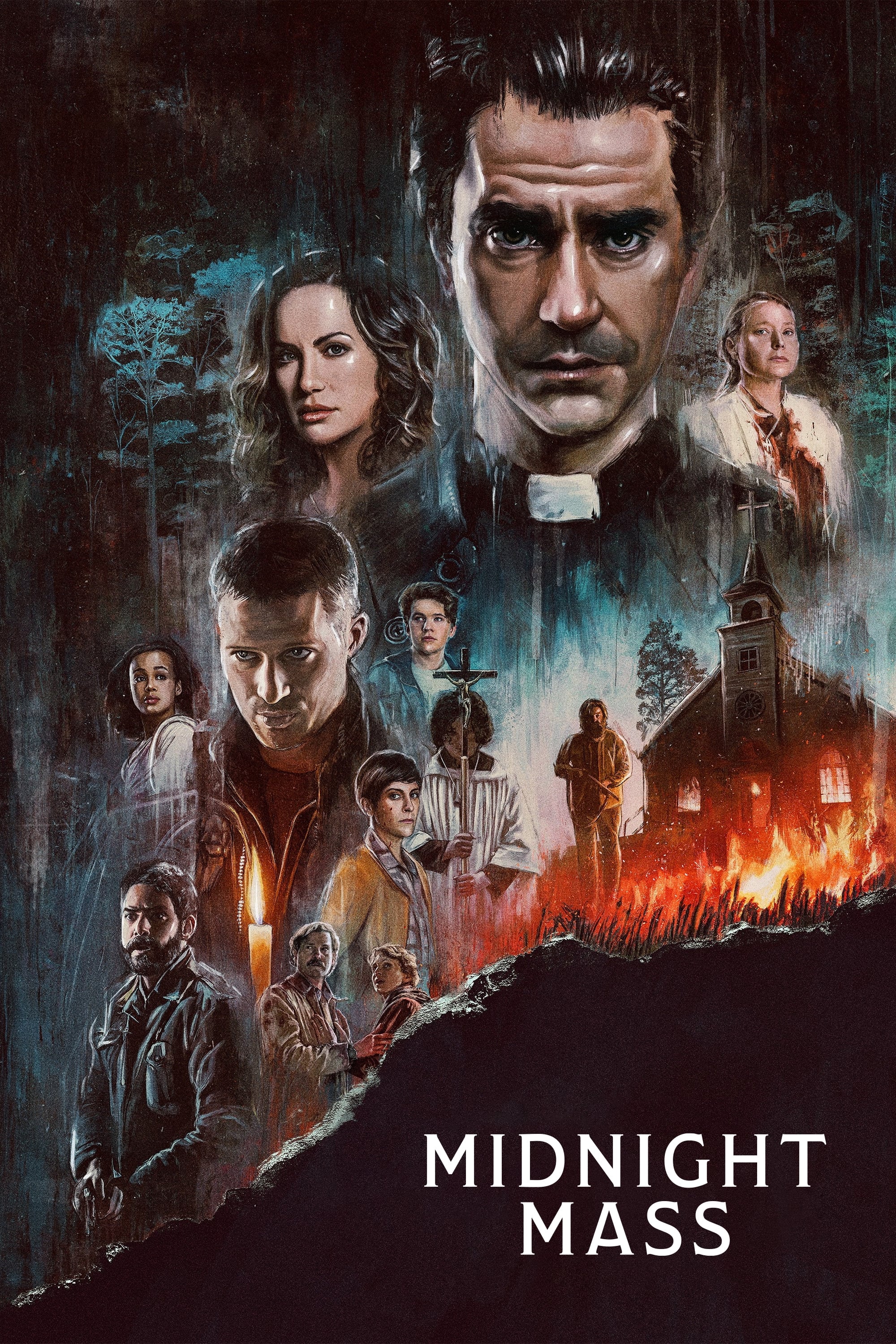
Residents of an island parish experience unusual healings and disturbances after a new priest arrives with mysterious cargo. Services, confessions, and town meetings document shifts in belief and behavior.
Key locations include a rec center, a modest church, and a ferry dock that controls travel. Audio of sermons and readings provides the framework for choices that lead to a final sunrise.
‘Halloweentown’ (1998)
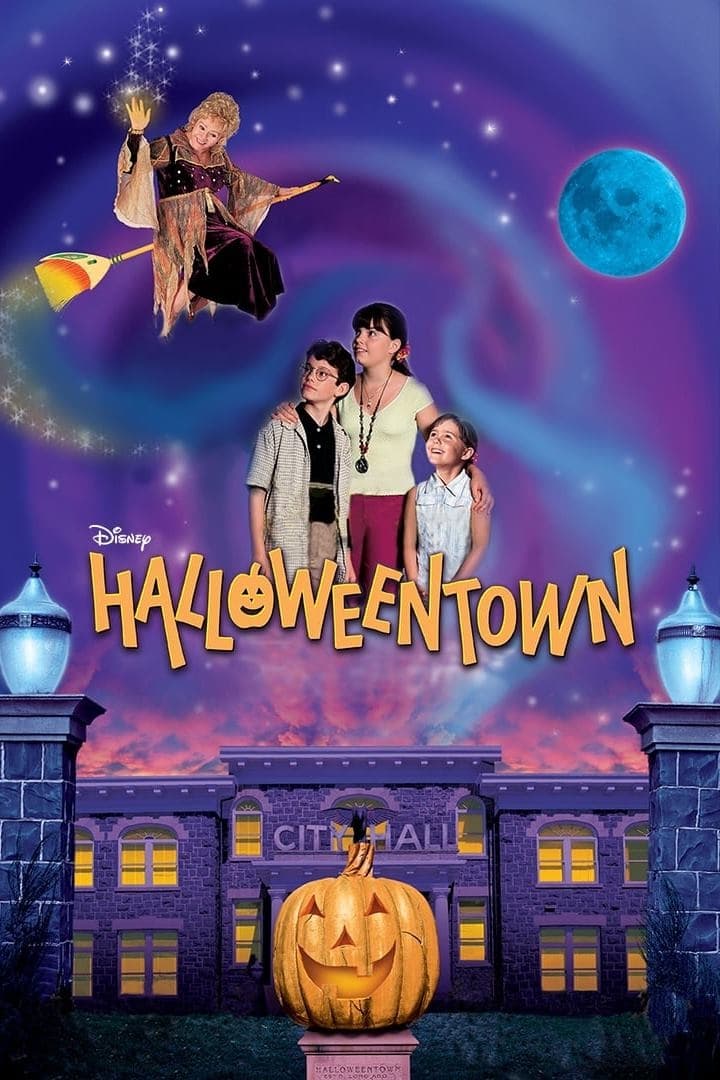
A girl learns she comes from a family of witches and travels by bus to a town where holiday creatures live openly. A magical mayor, a grandmother’s house, and a central square with a statue serve as key landmarks.
Rules for spells, talismans, and portals are explained during errands that collect ingredients. The clock tower and a theater become sites where a masked figure appears and where the final charm is assembled.
‘Casper’ (1995)
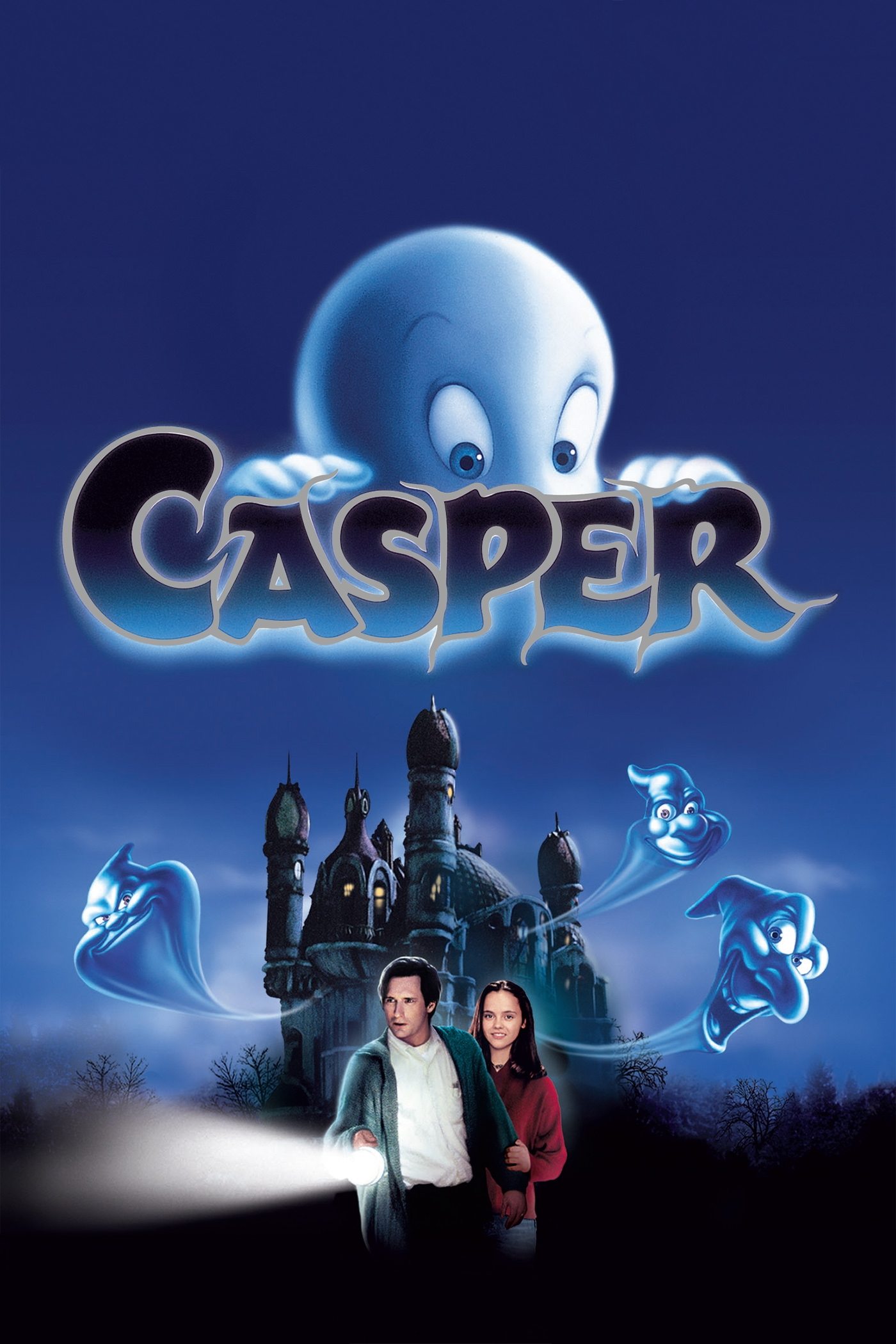
A doctor who studies spirits moves into a mansion with his daughter to contact the owner’s late wife and meets a friendly ghost who lives there. The house features secret passages, a laboratory, and a machine designed to restore a body.
Three mischievous uncles introduce rules for food, ectoplasm, and the limits of ghost strength. Newspaper clippings and home movies fill in the backstory of the inventor who once lived in the mansion.
‘Hotel Transylvania’ (2012)
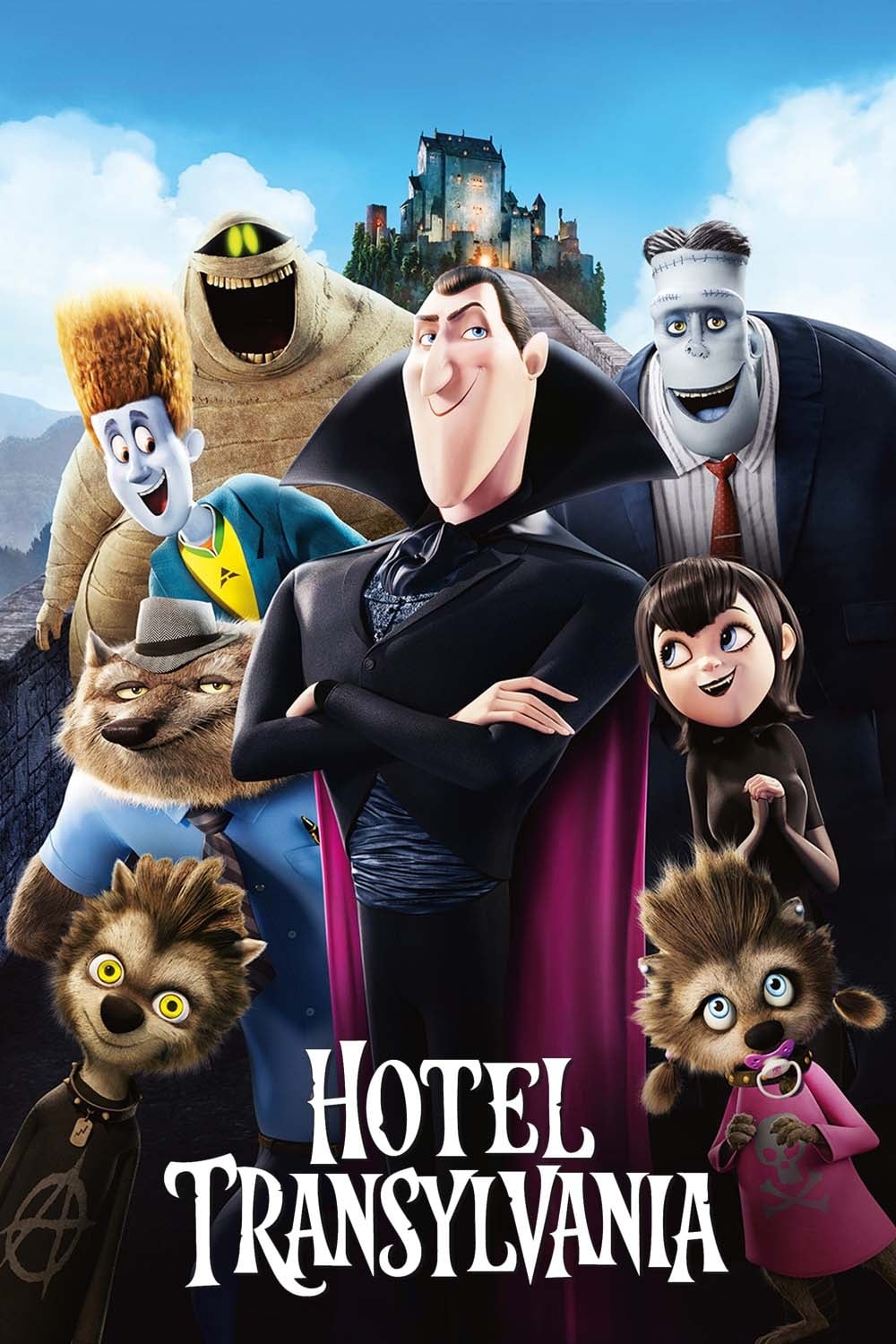
A vampire runs a resort that offers safety and hospitality to classic monsters and strictly limits human visitors. The hotel layout includes a grand lobby, a dining hall, and a rooftop where events are announced.
Guest lists feature mummies, werewolves with many pups, and an invisible man who plays card games. A delivery of food replacements and a music party help introduce the world’s rules to newcomers.
‘Fear Street: 1994’ (2021)

Teens in a small town face a recurring curse that turns ordinary people into killers and links to crimes across decades. Evidence includes a cave system, a hand separated from a body, and a mall built over important ground.
Research moves between a school, a library, and a neighbor town that kept cleaner records. The soundtrack and store layouts mark the era while the final minutes set up a trip to 1978 for further answers.
‘The Final Girls’ (2015)
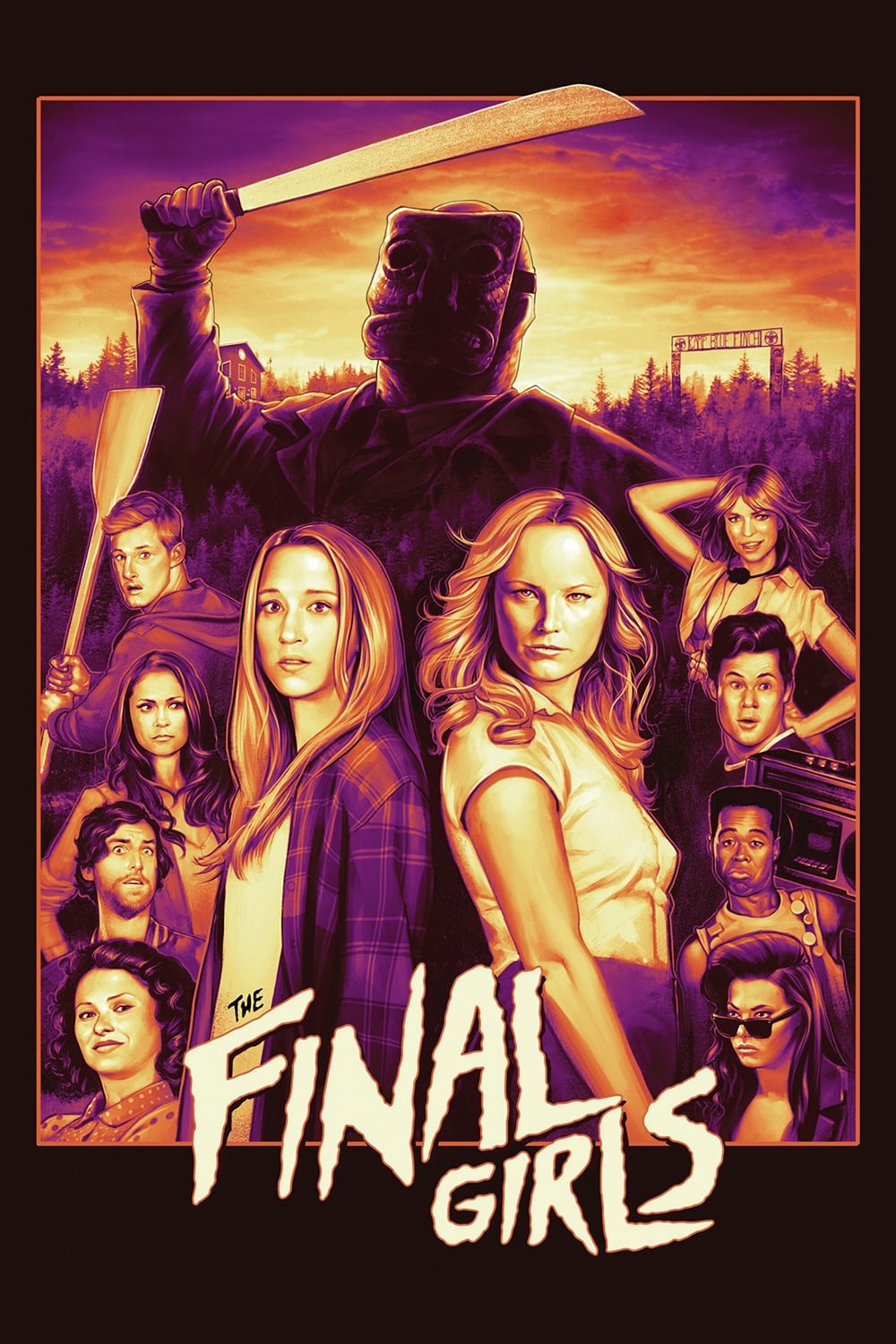
A daughter enters the slasher movie that made her late mother famous and tries to change the scripted deaths. The group tests rules about flashbacks, scene transitions, and the concept of a final girl who must face the killer alone.
Visual cues like chapter cards and musical stings announce shifts between movie logic and intruders from the outside. Prop weapons, traps, and a cabin map become tools for rerouting expected outcomes.
‘Little Shop of Horrors’ (1986)
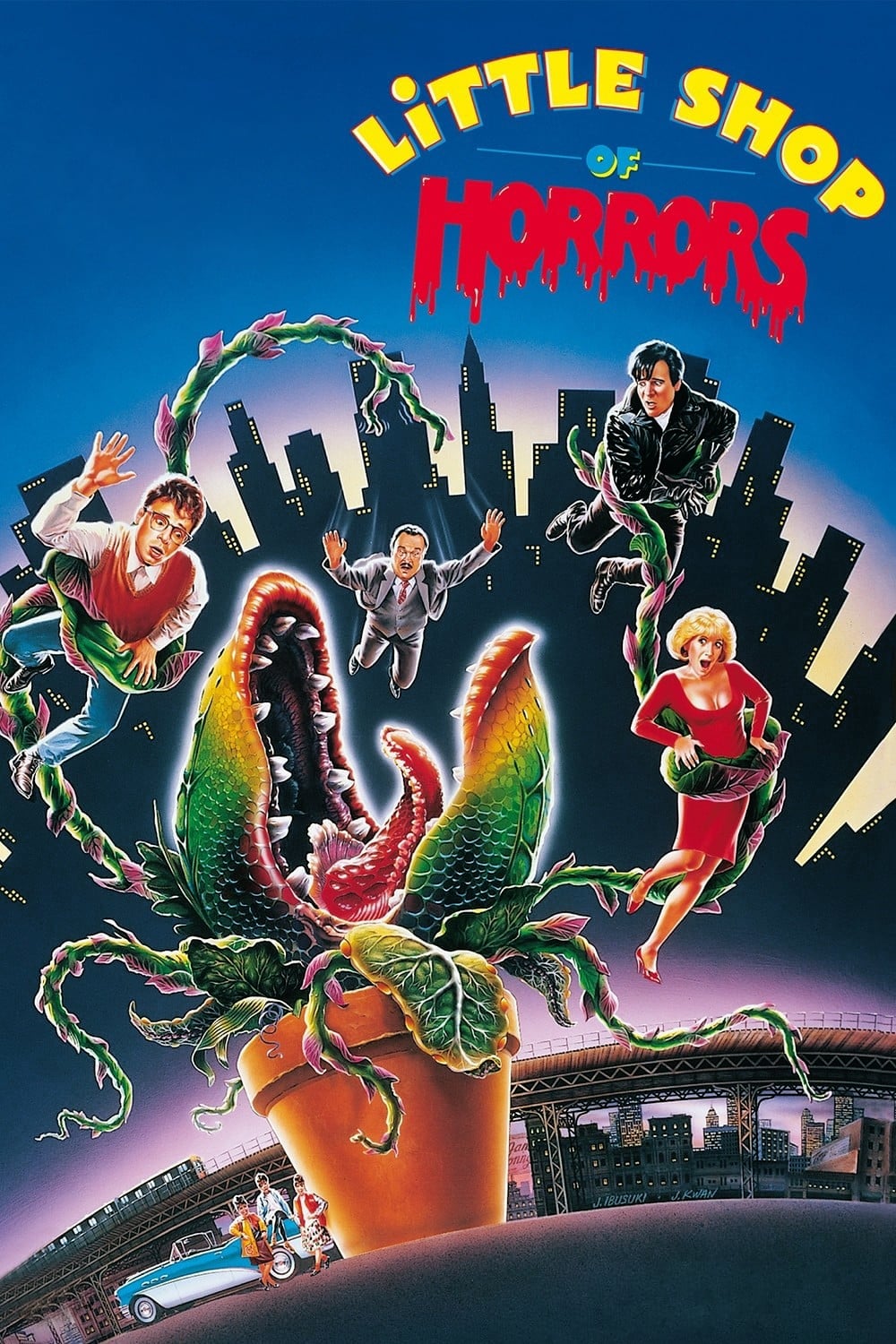
A florist’s assistant raises a plant that requires blood and grows into a talking creature with a plan for fame and control. The shop’s location on a struggling street allows the plant to draw attention through radio and television.
Musical numbers explain character motivations and the plant’s origin through doo wop style choruses. Sets include a dentist office with a mechanical chair and a rooftop where negotiations take place.
‘Housebound’ (2014)
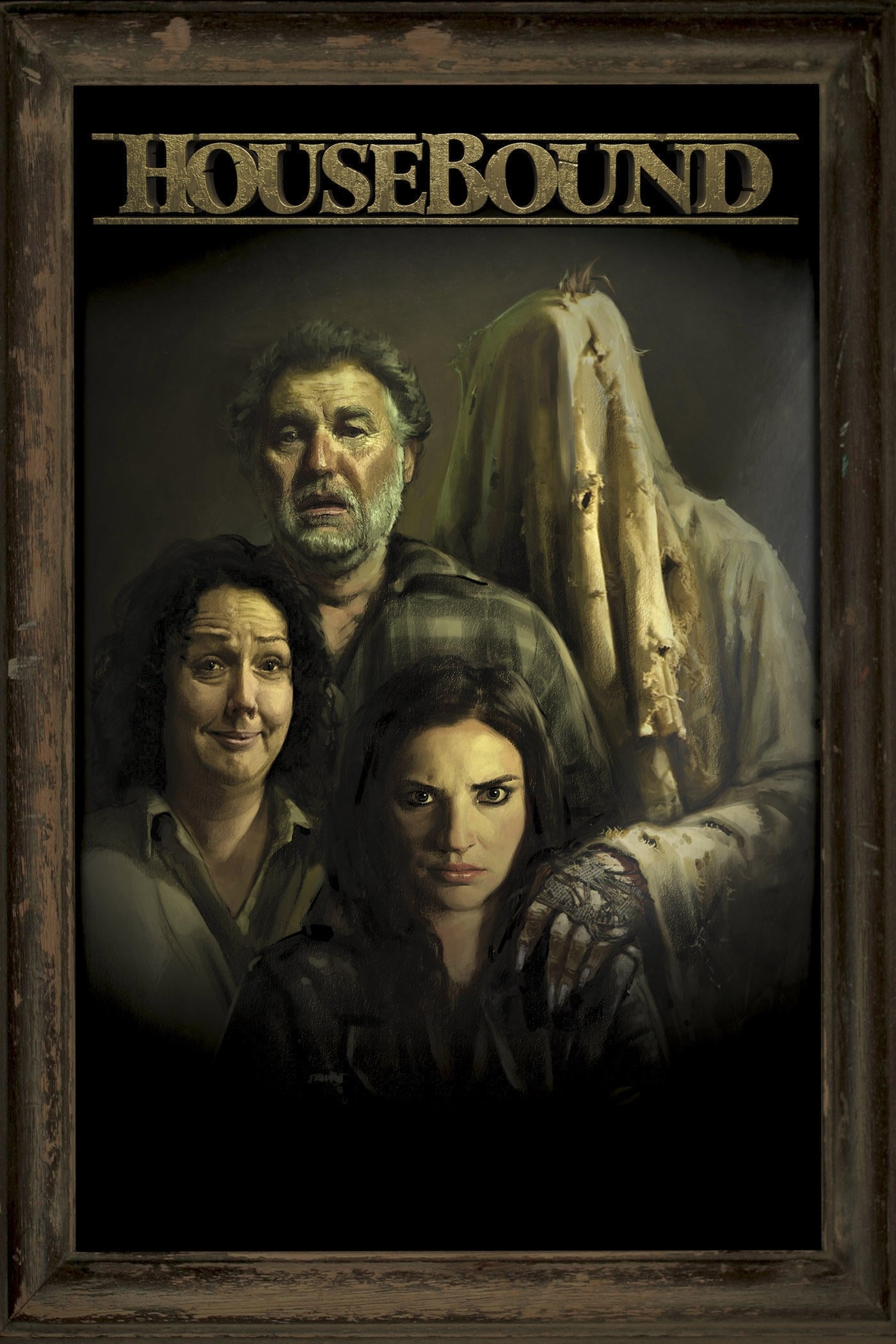
A woman is placed on home detention in her mother’s house and suspects that someone else is living behind the walls. Monitoring devices, motion sensors, and a parole officer’s visits structure the investigation.
The search reveals hidden crawl spaces, a mask, and a connection to an older psychiatric facility. The timeline logs false alarms, rewired circuits, and a final inventory of who has keys to each entrance.
Share your go to Halloween double features and hidden gems in the comments so everyone can build an even better October lineup.