

20 Best Horror Anime of the Century (So Far)




Horror anime since 2000 has pushed boundaries with folklore, psychological dread, and body horror, often blending mystery and thriller elements with striking art styles and memorable sound design. These standouts cover slow burn village curses, urban legends brought to life, and survival stories that keep the fear grounded in character stakes. You will find adaptations of acclaimed novels and manga alongside original productions that shaped how animated horror feels today. Each entry includes the essentials so you can jump in where the scares fit your taste.
‘Mononoke’ (2007)
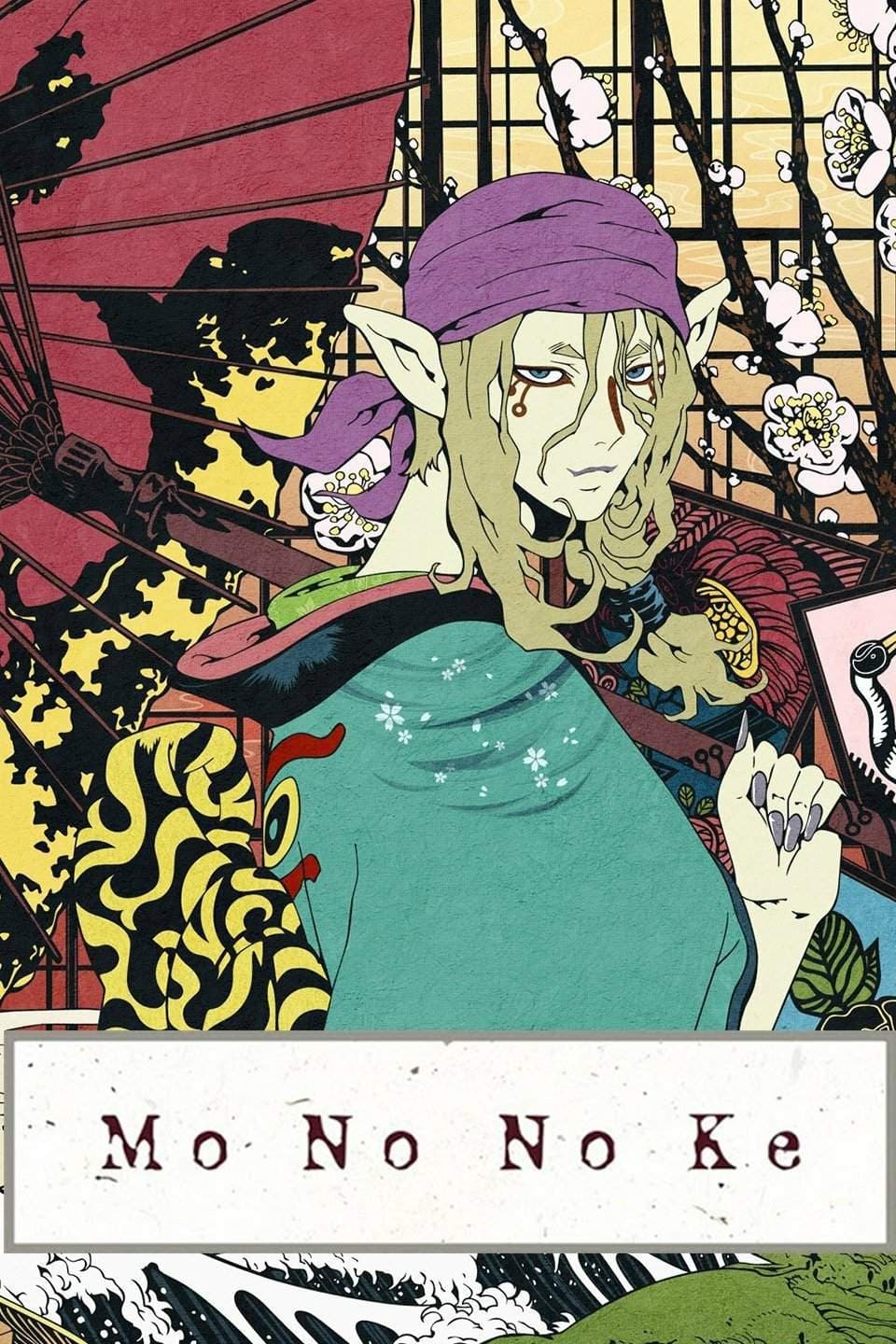
This series follows a mysterious medicine seller who exorcises spirits by uncovering three keys called Form, Truth, and Reason. Toei Animation produced it with director Kenji Nakamura, giving each arc a distinct ukiyo-e inspired look and self-contained case. The show runs 12 episodes that tackle classic yōkai tales through investigative structure and ritual confrontations. Its anthology format makes it easy to start from any arc while keeping the same exorcist at the center.
‘Shiki’ (2010)
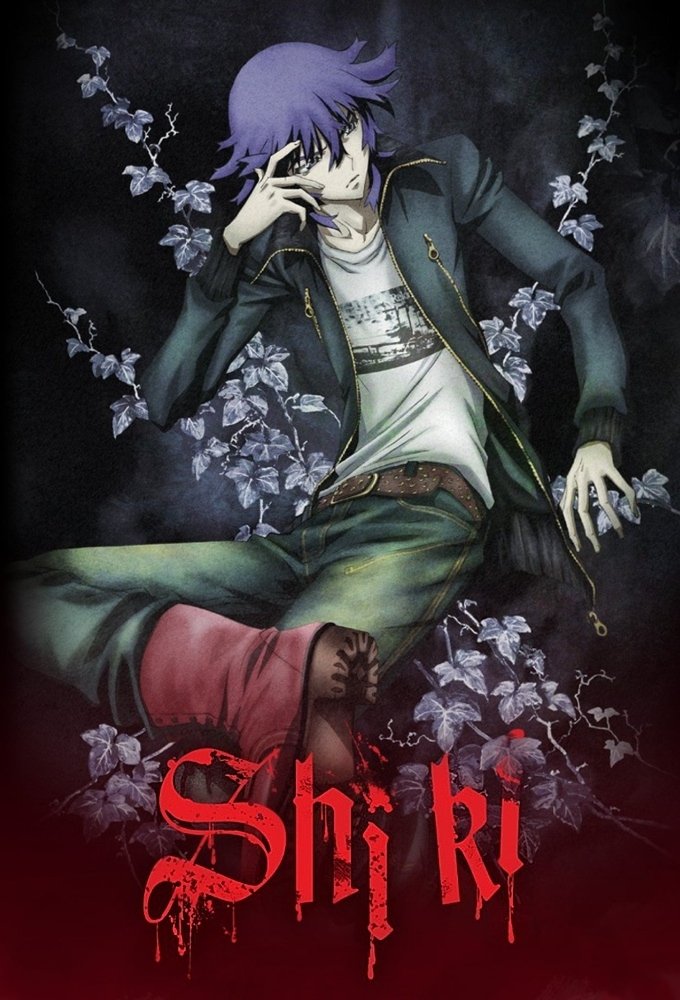
Set in the isolated village of Sotoba, this adaptation of Fuyumi Ono’s novel charts unexplained deaths tied to a clan of shiki who feed on the living. Studio Daume produced 22 episodes plus specials that track both medical and spiritual responses to the outbreak. The narrative alternates between doctors, families, and the newcomers who arrive at a hilltop mansion. Character diaries, autopsies, and town records build a procedural picture of how a community collapses.
‘Higurashi: When They Cry’ (2006–2007)
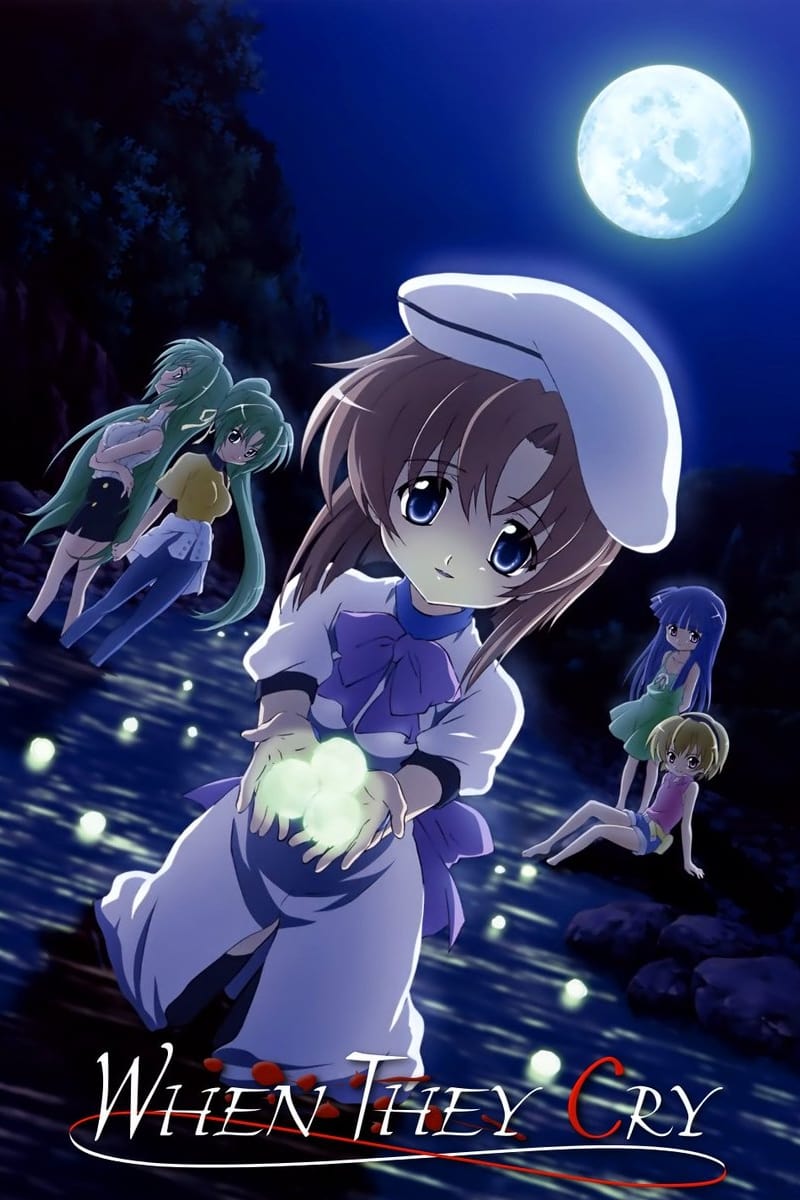
This adaptation of 07th Expansion’s visual novels is set in Hinamizawa, where a summer festival coincides with annual disappearances. Studio Deen delivered question arcs in the first season and answer arcs in the second, totaling 50 main episodes. Resetting timelines allows the same events to unfold with new clues and different outcomes. The show uses police reports, folklore notes, and school gossip to reveal how small choices trigger devastating chains of events.
‘Another’ (2012)
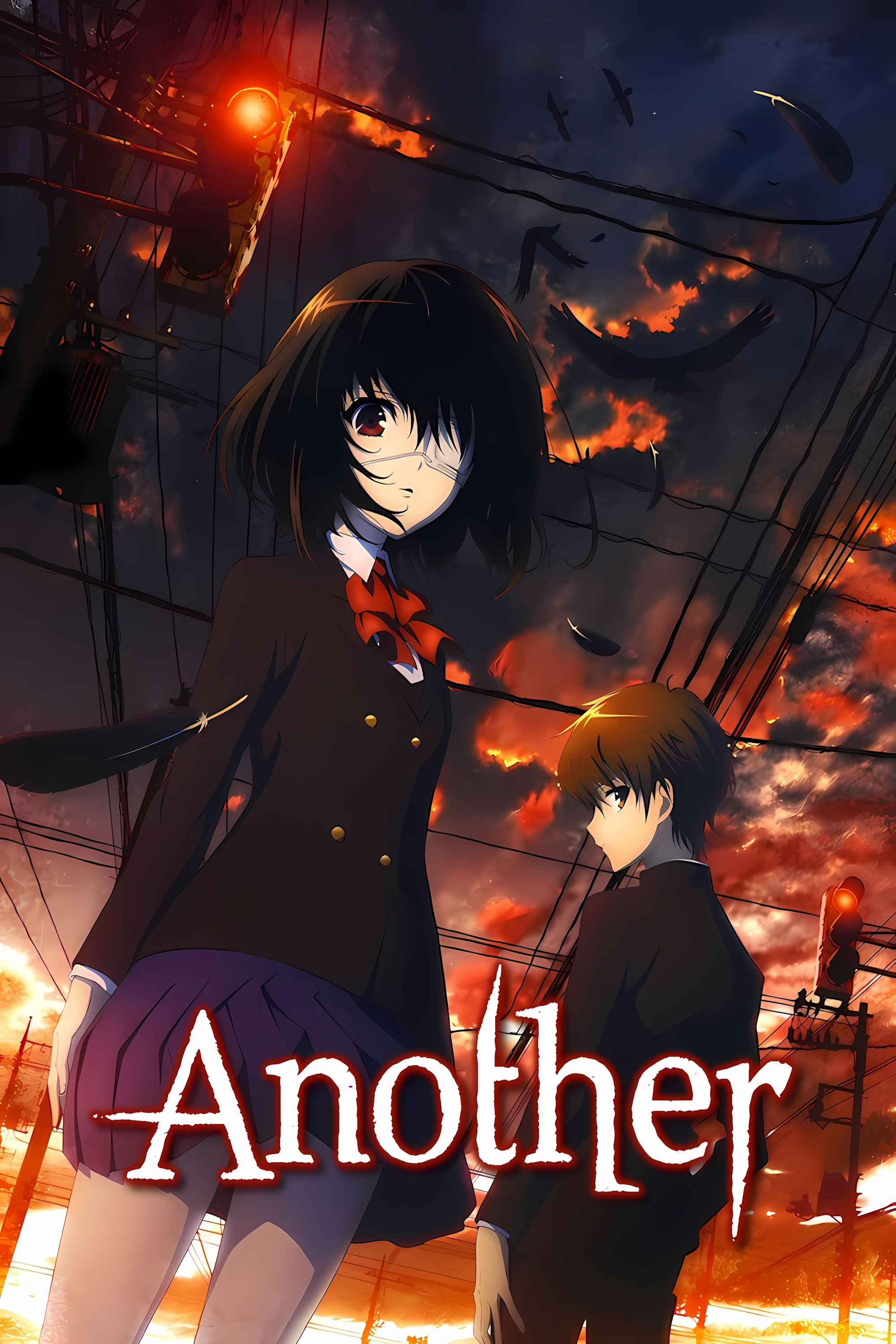
A transfer student enters Class 3-3 in Yomiyama North and discovers a curse that causes accidental deaths. P.A. Works produced 12 episodes and an OVA that explore class rosters, faculty records, and student memorials to track the origin of the phenomenon. The story uses art room inventories, hospital logs, and a buried class photograph to guide the investigation. Each episode adds new rules for survival as the students attempt countermeasures.
‘Parasyte -the maxim-‘ (2014–2015)
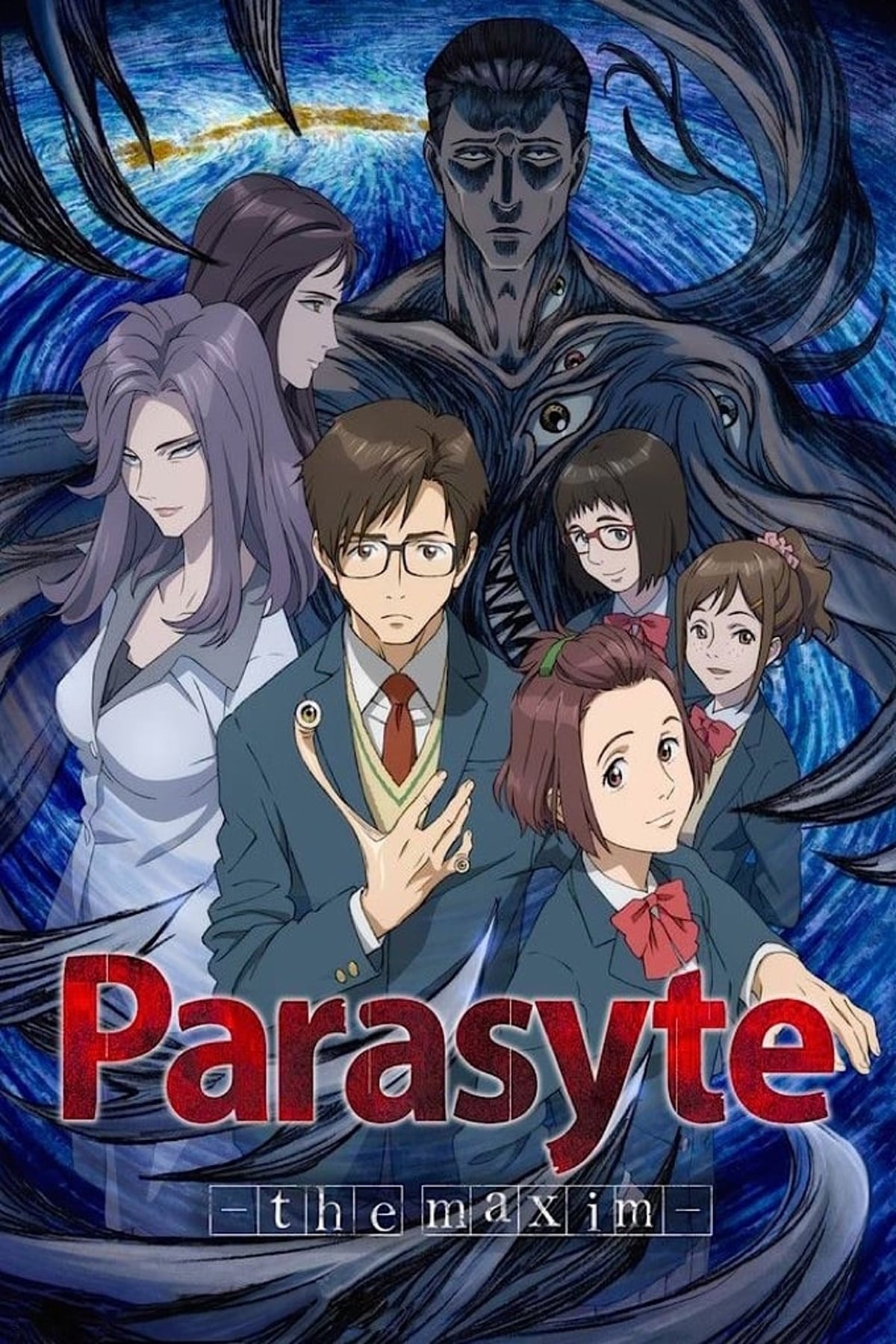
Based on Hitoshi Iwaaki’s manga, this series follows Shinichi Izumi after a parasite fails to take over his brain and instead fuses with his right hand. Madhouse produced 24 episodes that pair body horror with ethical questions about predation and identity. The show maps the spread of parasites through police briefings, autopsies, and election coverage. Combat tactics evolve as forensic evidence and sound detection tools are introduced.
‘Devilman Crybaby’ (2018)
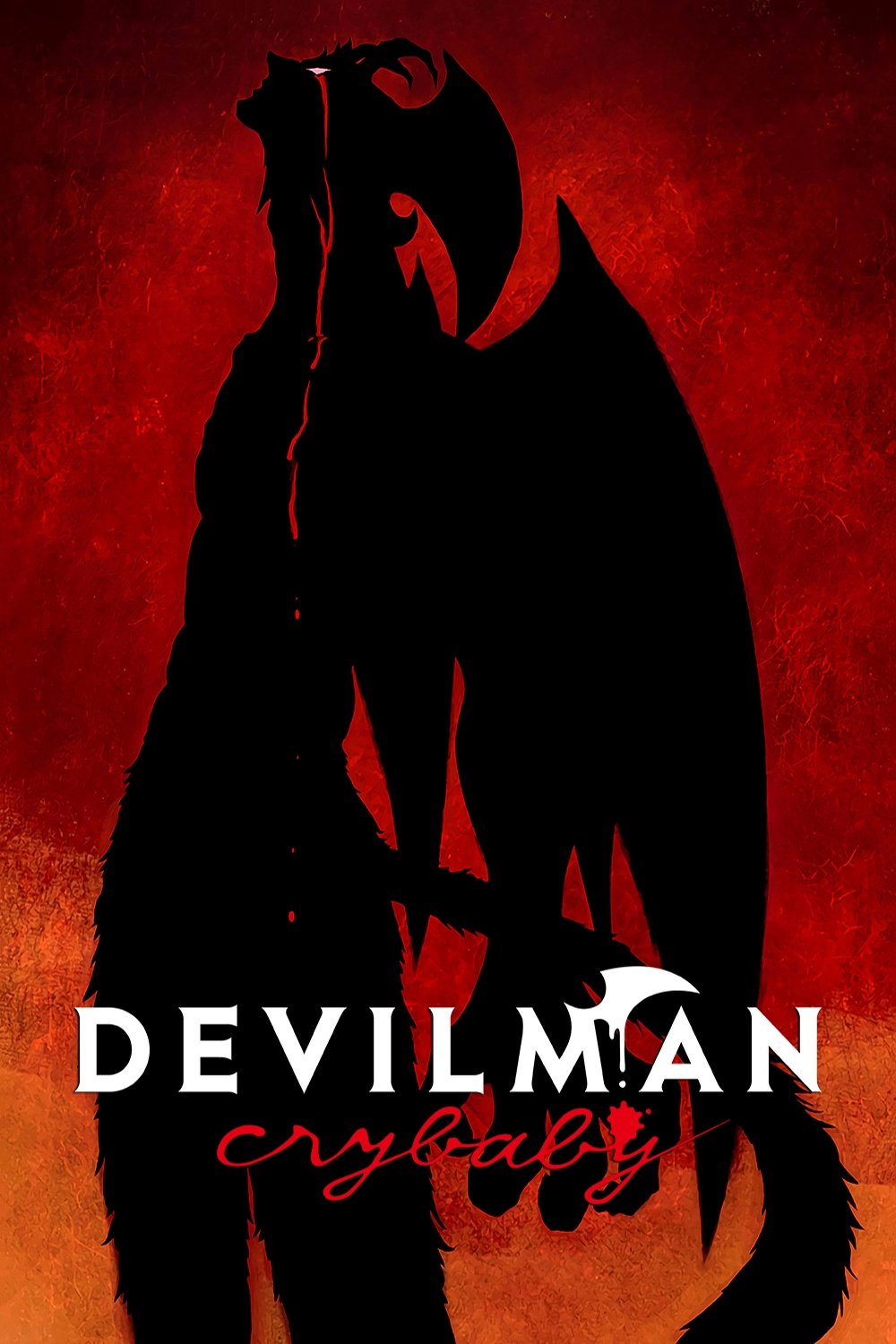
Science SARU reimagined Go Nagai’s classic manga with a modern high school setting and social media framing. The 10-episode series follows Akira Fudo and Ryo Asuka as they uncover a demon resurgence that accelerates into global panic. Athletic meets, club parties, and online videos become entry points for possession and propaganda. The production uses stylized motion and music cues to track escalating incidents across Tokyo.
‘Made in Abyss’ (2017–2022)
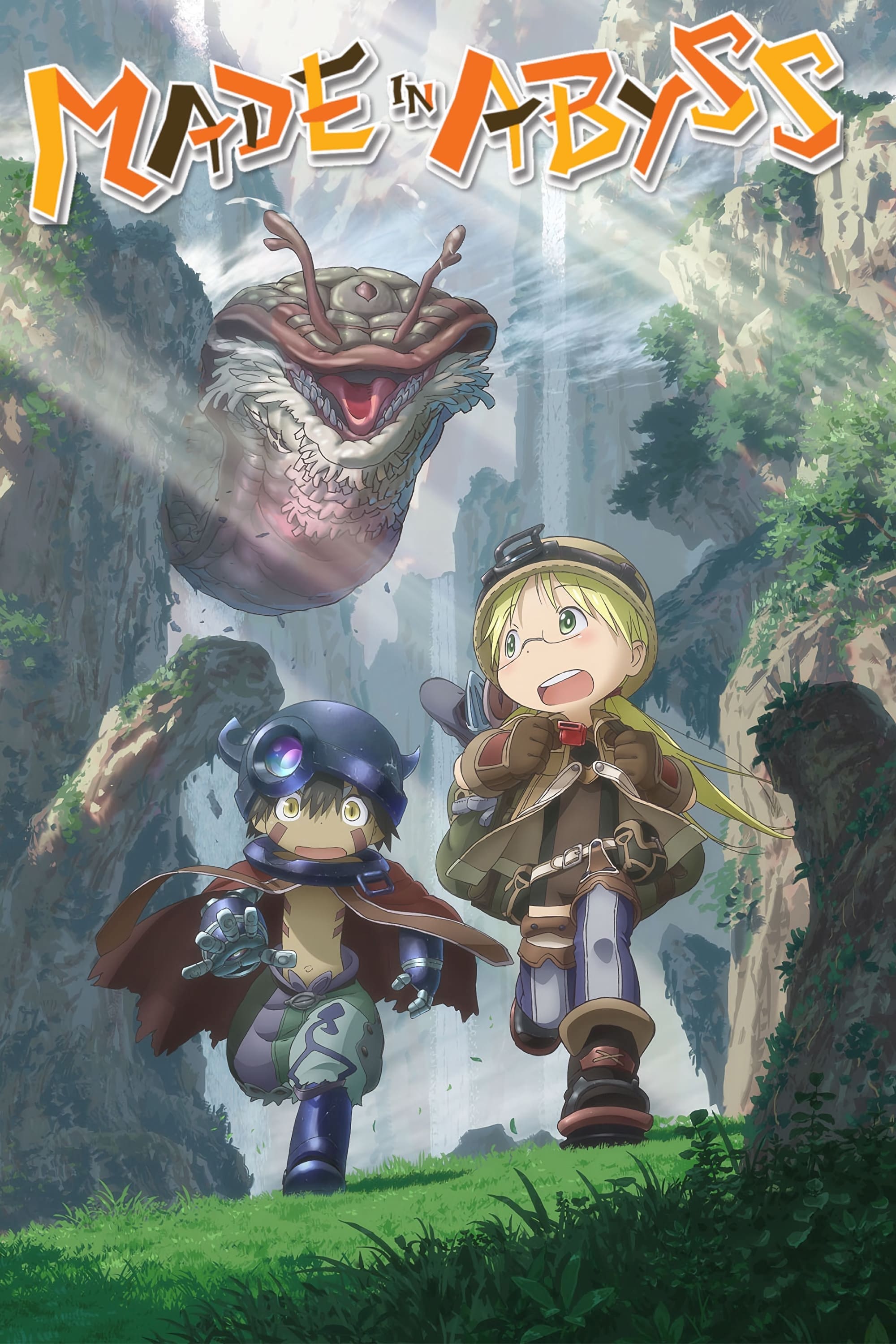
Kinema Citrus adapted Akihito Tsukushi’s manga about a massive pit whose layers impose a curse on those who ascend. The first season runs 13 episodes, followed by a feature continuation and a 12-episode second season that reaches deeper biomes. Field notes, relic appraisals, and cartography records document fauna, toxins, and the effects of the curse. Equipment upgrades and survival protocols change as the characters descend to new depths.
‘The Promised Neverland’ (2019–2021)
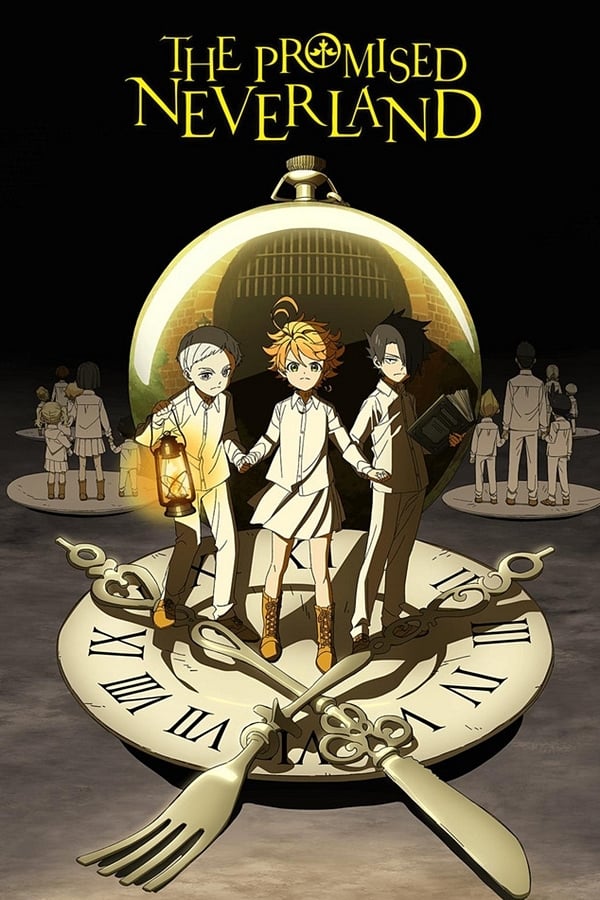
This adaptation of Kaiu Shirai and Posuka Demizu’s manga begins at Grace Field House, an orphanage with testing regimes and strict rules. CloverWorks produced two seasons that follow escape planning, resource management, and encounters with demon society. The story uses exam data, tracking devices, and coded messages to move the plot. Food chains, trade routes, and maps of shelters provide practical stakes during the journey.
‘Hellsing Ultimate’ (2006–2012)

This 10-episode OVA adapts Kouta Hirano’s manga with a faithful scope that spans London and continental Europe. Multiple studios worked across the run, with Madhouse handling a portion of the production. The series covers Vatican operations, mercenary deployments, and a Nazi remnant called Millennium. Military briefings, logistics plans, and historical dossiers drive the action around vampire extermination strategies.
‘Elfen Lied’ (2004)
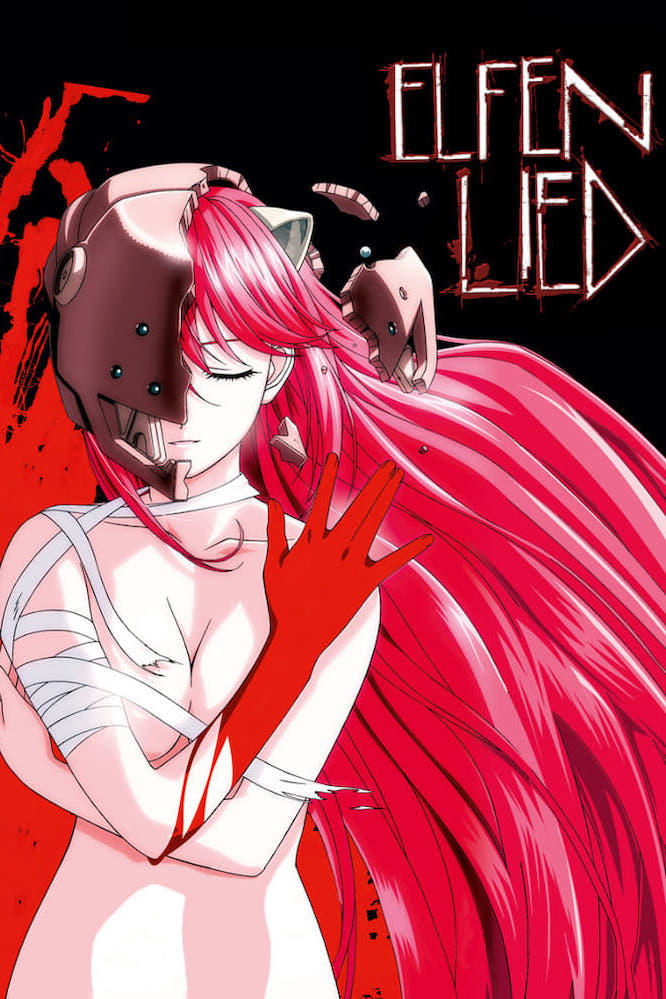
Arms produced this 13-episode series with an additional OVA based on Lynn Okamoto’s manga. The story follows a diclonius named Lucy who escapes a research facility and triggers investigations into unethical experiments. Forensics, surveillance footage, and lab reports document the consequences of vector attacks. The setting shifts between safe houses and research centers that detail containment procedures and failures.
‘Death Note’ (2006–2007)
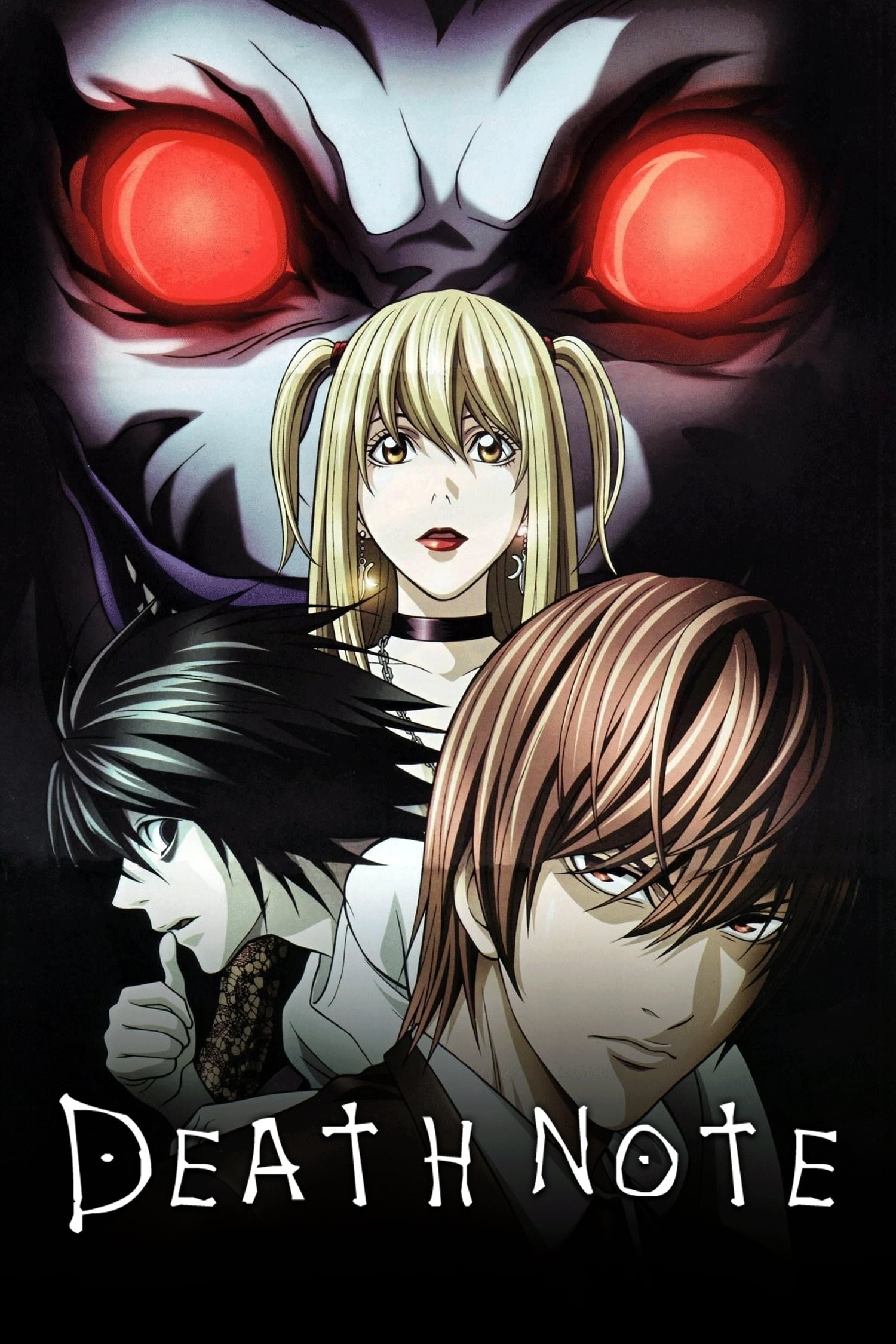
Madhouse adapted the manga by Tsugumi Ohba and Takeshi Obata into 37 episodes centered on a notebook that kills anyone whose name is written in it. Police task forces, media broadcasts, and international agencies provide the procedural backbone. The show visualizes deduction through crime scene reconstructions and chain-of-custody evidence. Rules of the notebook are cataloged and tested to refine both offense and counterintelligence.
‘Theatre of Darkness: Yamishibai’ (2013–2023)
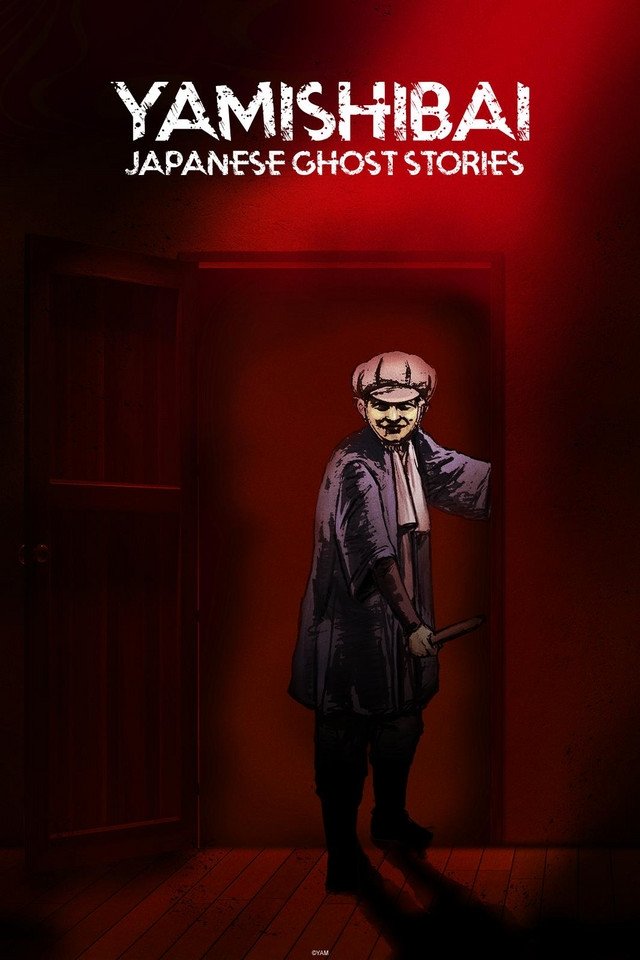
This short-form anthology uses a kamishibai paper theater style to retell urban legends. Seasons contain bite-sized episodes that focus on single incidents like haunted apartments, phone calls, and late-night buses. The format highlights common warning signs and folk customs tied to specific locations. Each story introduces a small set of rules or taboos that characters violate with predictable but inventive outcomes.
‘Boogiepop Phantom’ (2000)
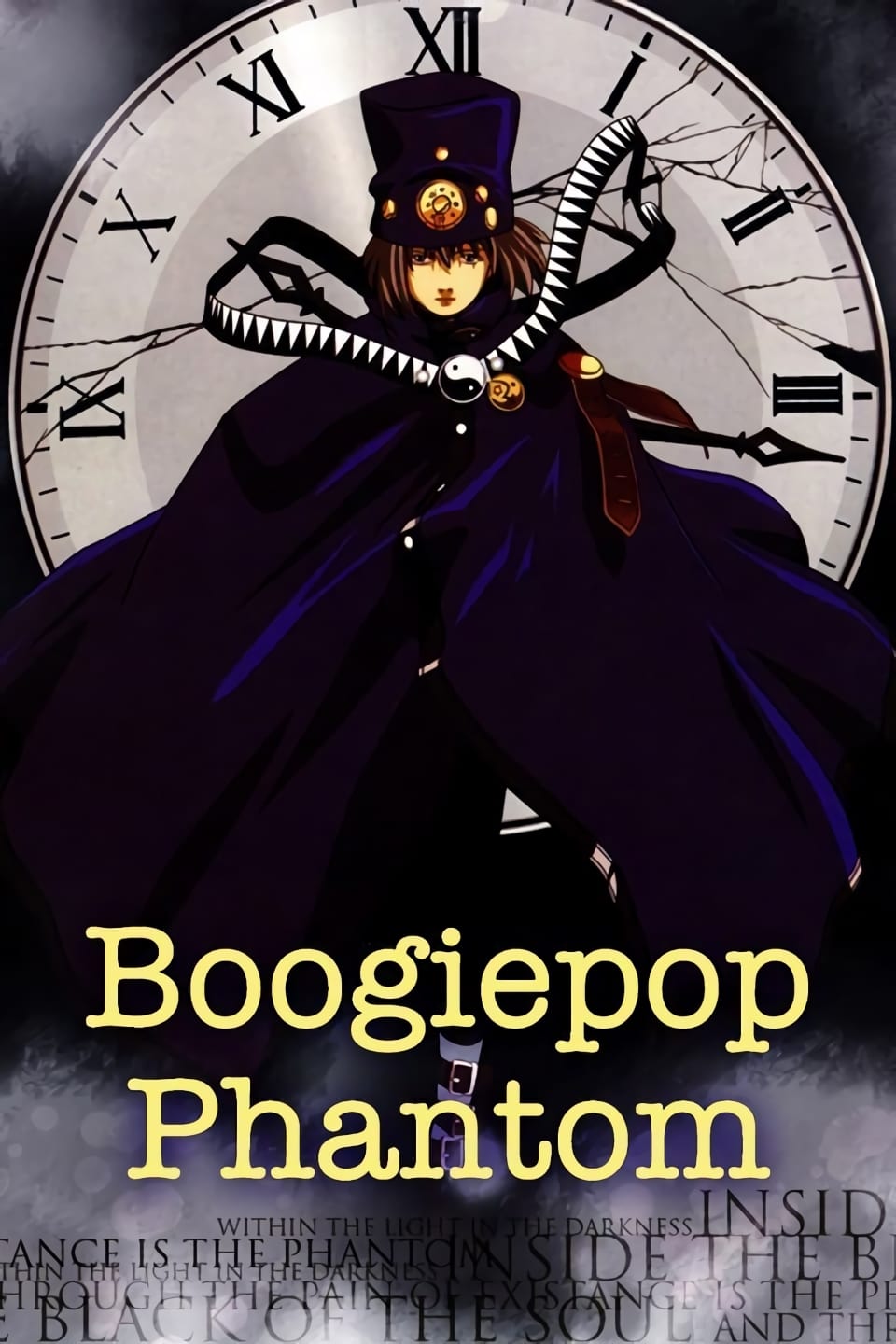
This 12-episode series from Madhouse ties strange events to a mysterious pillar of light over a city. It adapts elements from Kouhei Kadono’s novels and uses a non-linear structure that revisits incidents from different perspectives. School rumors, police files, and urban myths intersect to explain disappearances and duplications. Soundscapes and unreliable narration emphasize how memory shapes the threat.
‘Ghost Hunt’ (2006–2007)
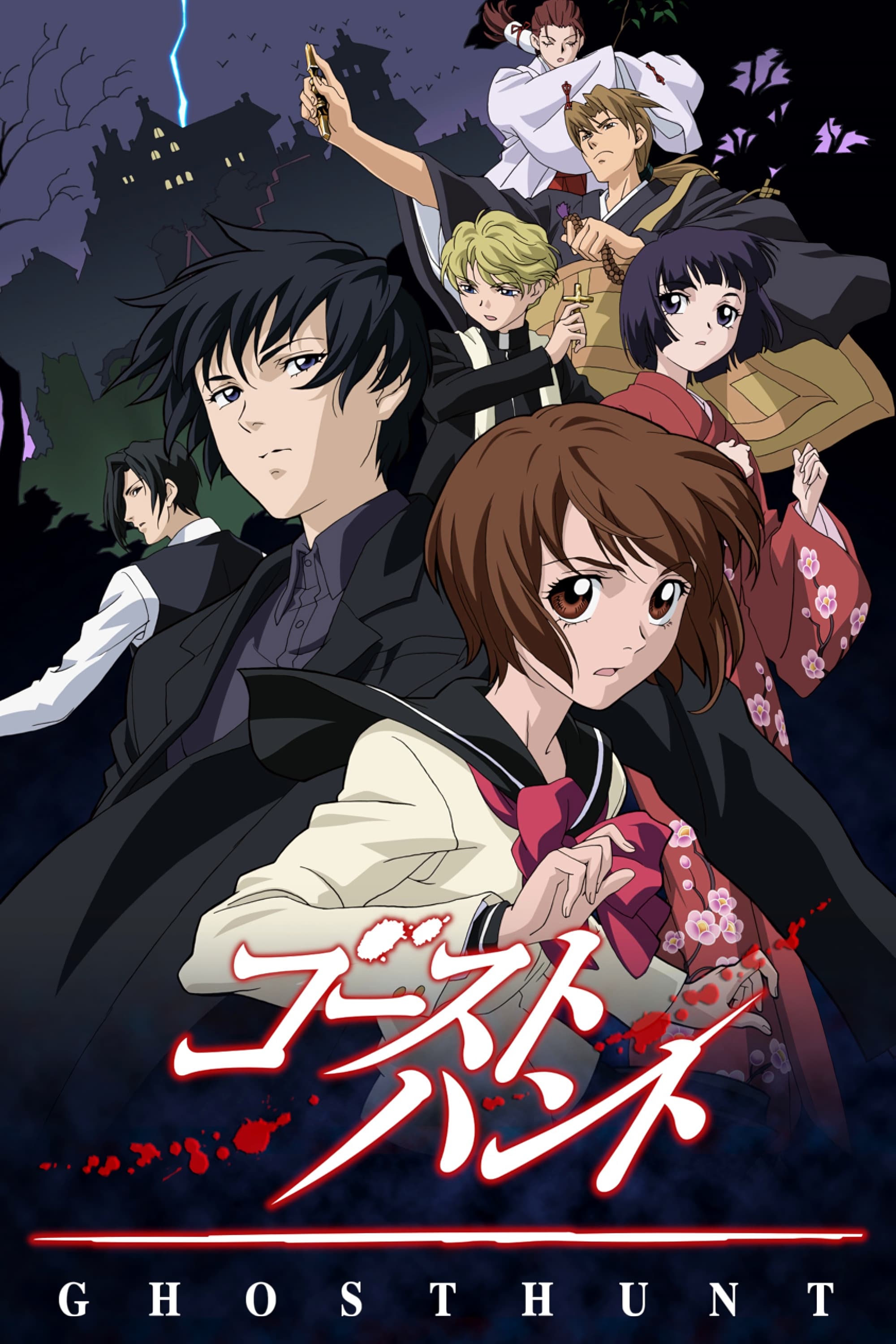
Based on Fuyumi Ono’s novels, this 25-episode series follows Shibuya Psychic Research on cases across schools, homes, and temples. J.C.Staff presents investigations through EMF readings, spirit photography, and on-site experiments. Each arc applies different methods such as exorcism rites, Western spiritualism, or skeptical testing. Case reports at the end of arcs summarize findings and mitigation steps.
‘Ayakashi: Samurai Horror Tales’ (2006)
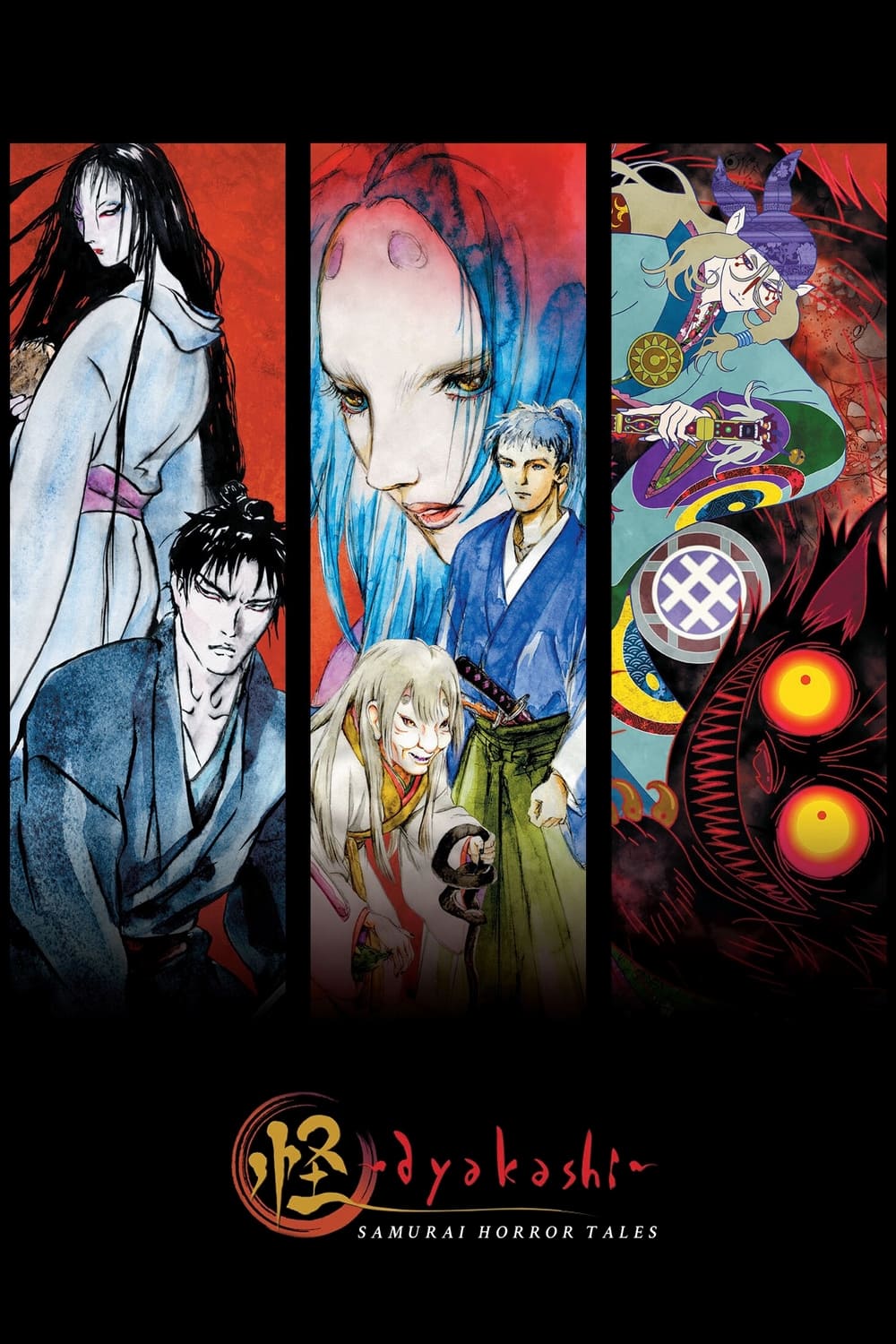
Toei Animation produced this 11-episode anthology that adapts classic stories including Yotsuya Kaidan and Tenshu Monogatari. The final arc called Bakeneko introduces a distinctive visual style and a traveling exorcist. Historical settings provide records like theater playbills, family registries, and court testimonies. Each arc ends with a clear account of grievances and the supernatural mechanics behind them.
‘Highschool of the Dead’ (2010)
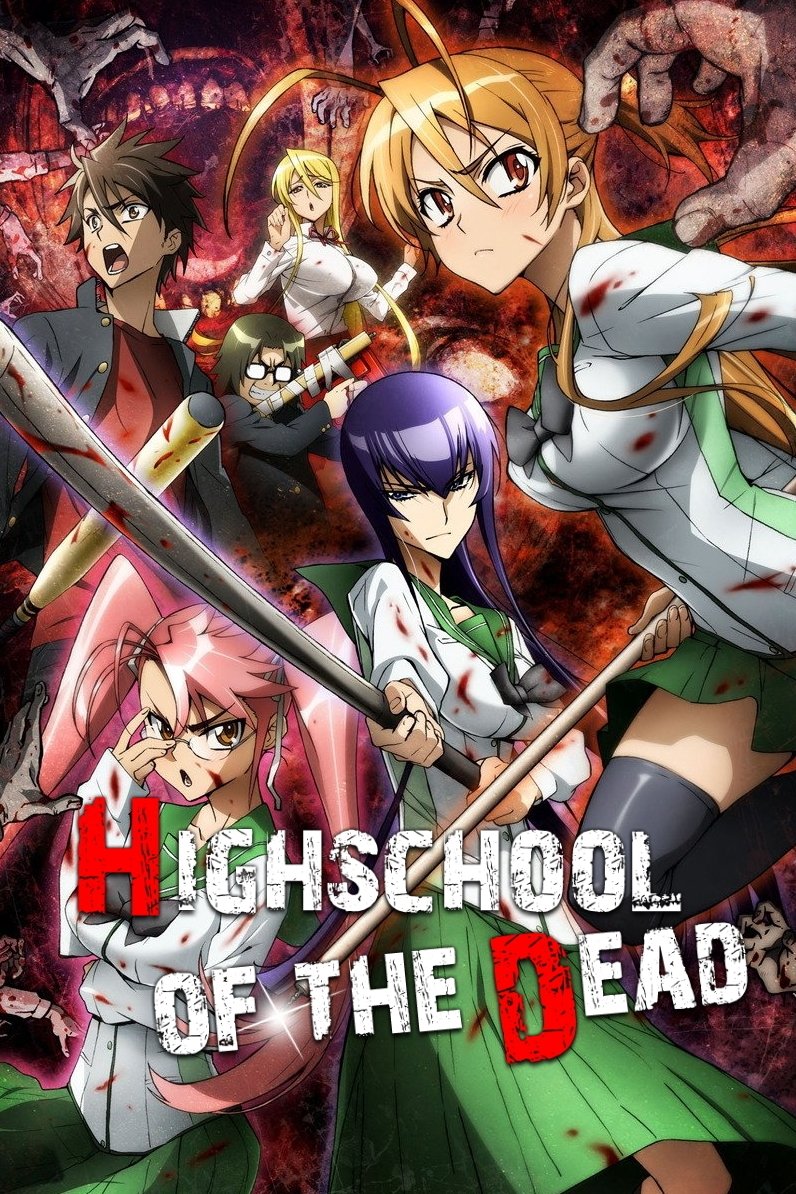
Madhouse adapted the manga by Daisuke Sato and Shoji Sato into 12 episodes plus an OVA. The series charts a zombie outbreak from a high school to citywide evacuation zones. Survival sequences cover supply runs, improvised weapons, and traffic chokepoints. Broadcast alerts, evacuation maps, and shelter notices show how infrastructure responds as the group moves.
‘Corpse Party: Tortured Souls’ (2013)
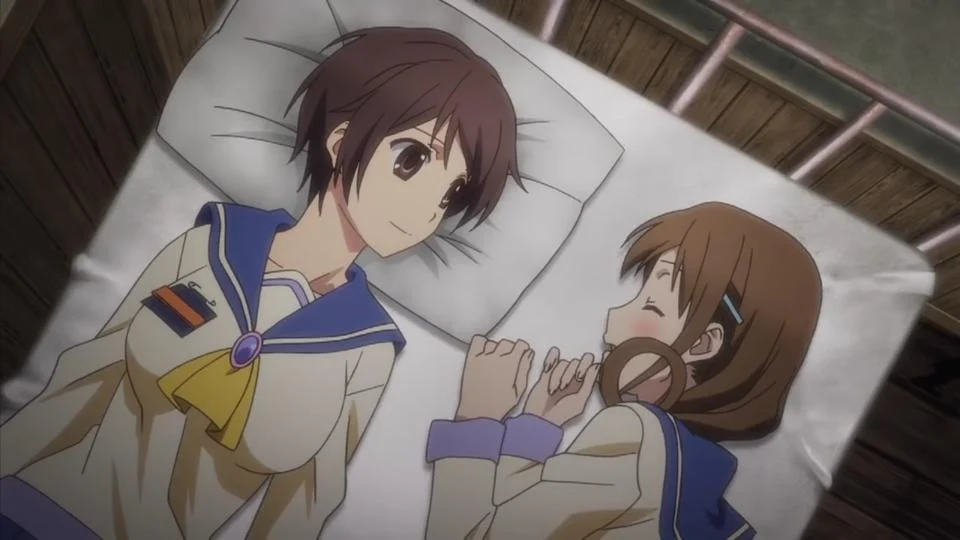
This four-episode OVA adapts the horror game set in Heavenly Host Elementary after students perform a friendship charm. Studio Asread depicts time-stamped notes, torn class lists, and talismans that document the curse. Characters follow ritual instructions that must be executed precisely to escape. The series includes room numbers, floor plans, and item logs that guide each attempt.
‘Junji Ito Collection’ (2018)
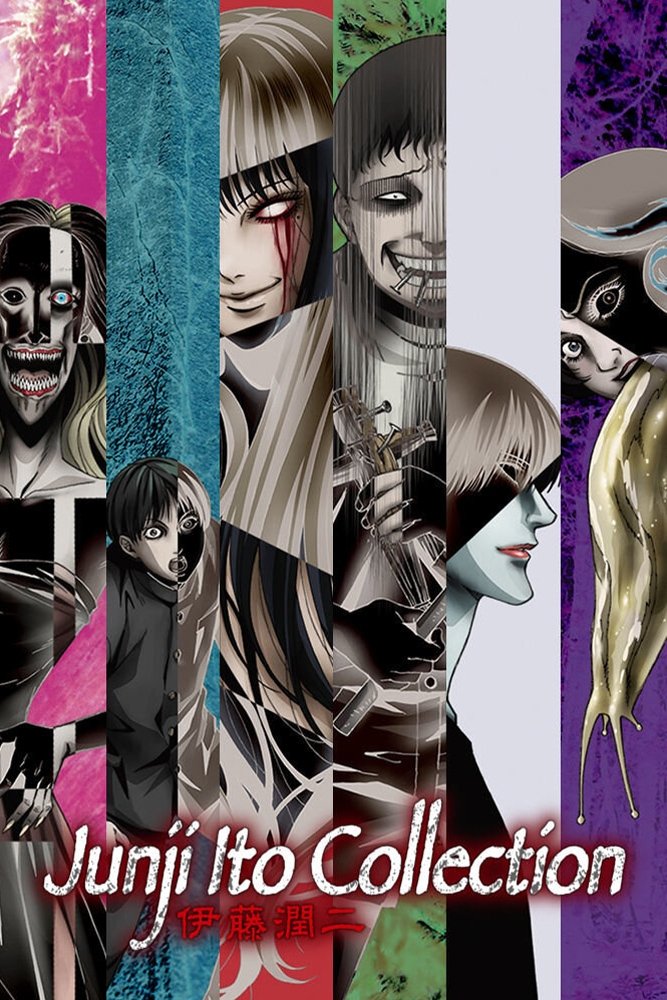
Studio Deen adapted stories from the works of Junji Ito, including selections from the ‘Souichi’ tales and other shorts. The 12-episode series presents standalone segments with self-contained premises. Each episode retains the original story’s specific rules or phenomena such as curses tied to models or strange neighborhoods. The production uses close-ups and still frames to mirror the paneling of the manga.
‘From the New World’ (2012–2013)
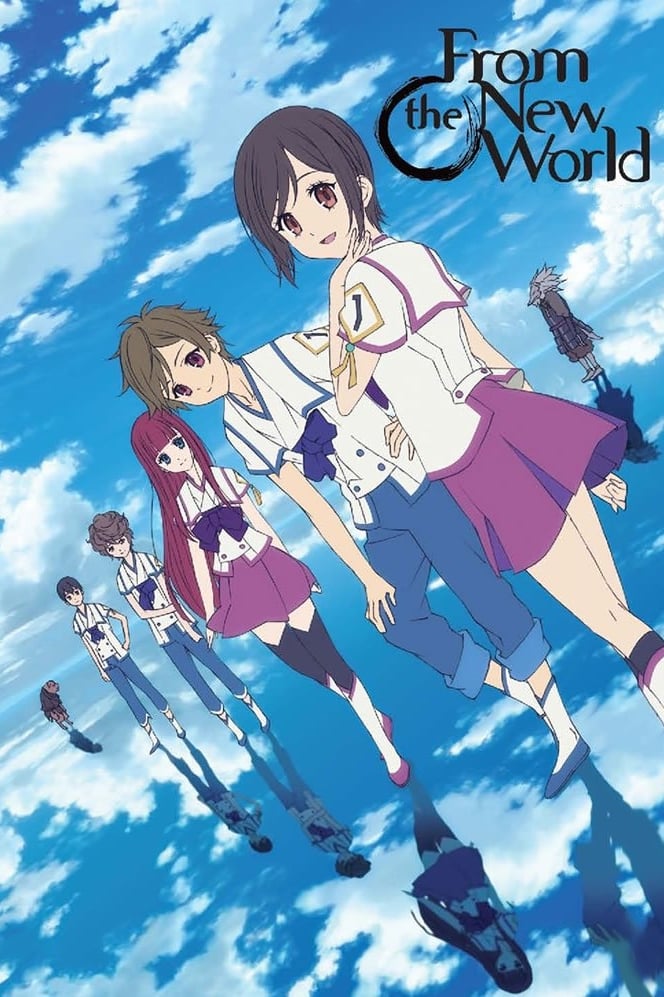
A-1 Pictures adapted Yusuke Kishi’s novel into 25 episodes set in a distant future where children develop psychokinesis. School curricula, ethics codes, and expedition logs track how society controls power and manages threats. Field studies introduce species classifications and social contracts with subterranean communities. The show catalogs historical incidents and sealed records that explain present dangers.
‘Blood-C’ (2011)
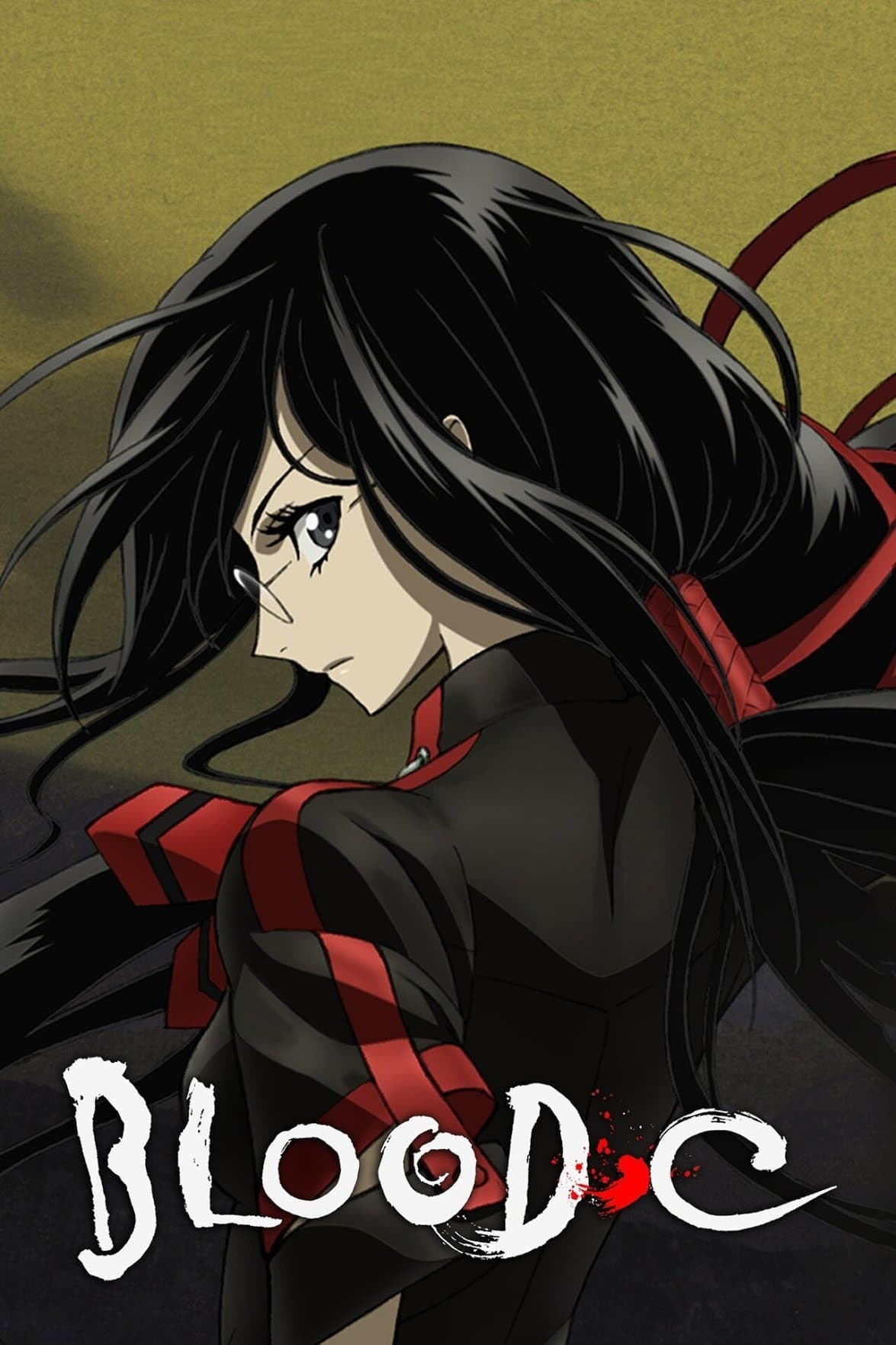
Production I.G partnered with CLAMP for this 12-episode series followed by a feature film continuation. The story centers on Saya Kisaragi, who fights Elder Bairns in a rural town while attending school. Diaries, shrine records, and surveillance artifacts establish what residents know and what is concealed. Action sequences incorporate sword forms and creature taxonomy that expand as new enemies appear.
Share your favorite scary picks from the list in the comments and tell everyone which ones kept you up at night.