

25 Best In-Game Economies That Make Sense



A good game economy makes prices feel fair, rewards the right actions, and keeps things stable as players progress. The best ones balance faucets and sinks, limit inflation, and encourage trading or crafting without confusing players. They use taxes, fees, durability, or scarcity to keep currencies valuable. Here are game economies that line up with their worlds and systems in ways that just click.
‘EVE Online’
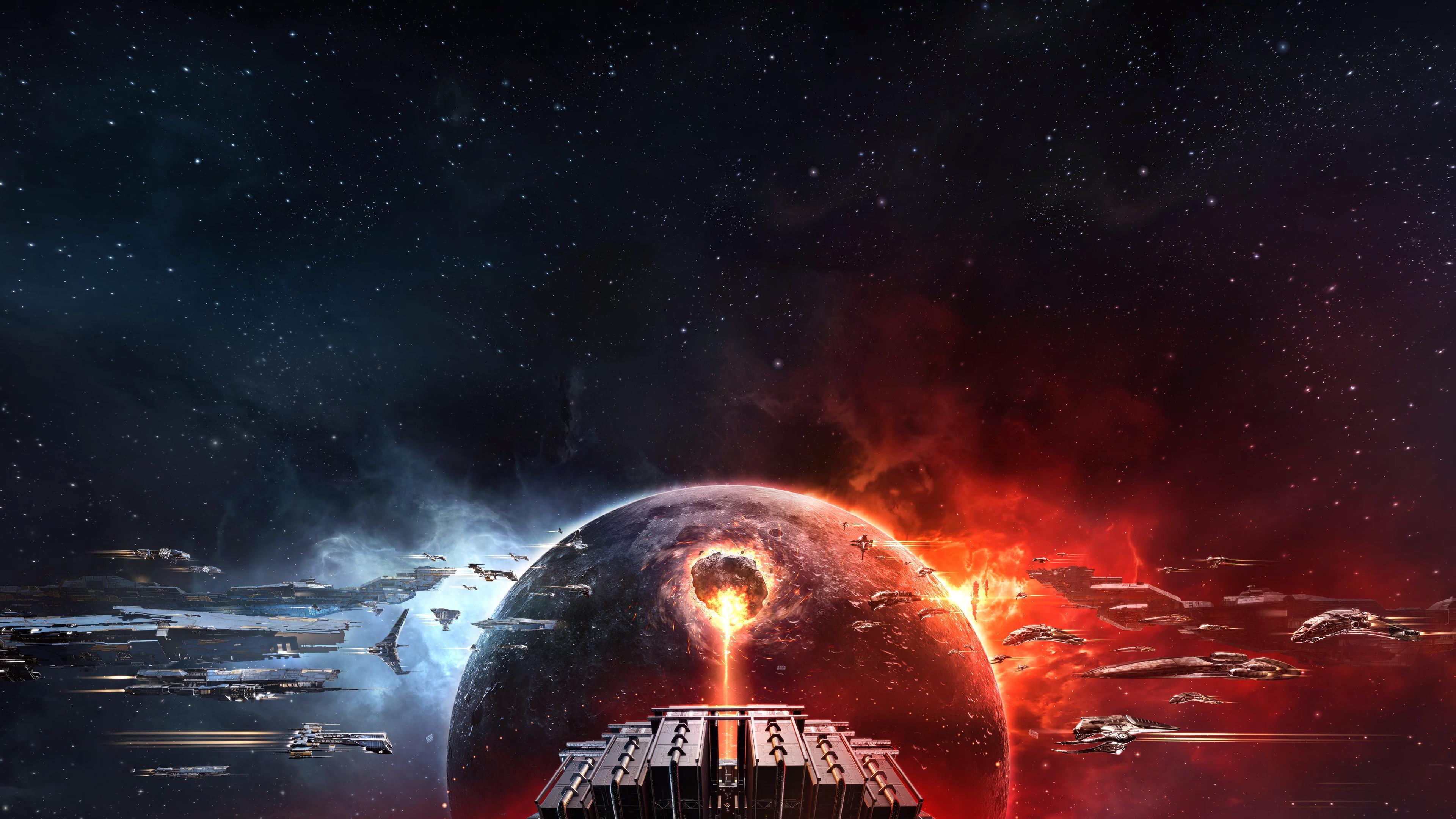
The entire market is player driven, with almost every ship, module, and munition crafted from mined or salvaged resources. Insurance, market taxes, and structure fuel serve as currency sinks that stabilize ISK over time. Destruction in combat continually removes items from circulation, keeping demand healthy. Regional markets and hauling costs create real price differences that make logistics a profession.
‘Old School RuneScape’
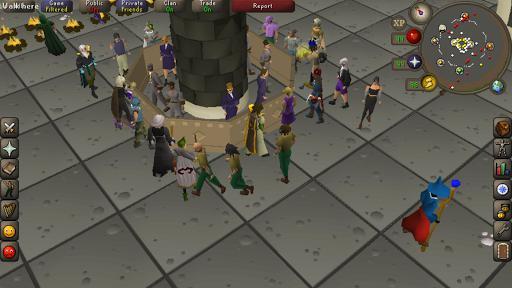
Gold enters through skilling and monster drops while item sinks like High Alchemy and Death’s coffer remove wealth. The Grand Exchange centralizes trade with buy limits that prevent rapid manipulation. Bond pricing ties the real-money subscription item to in-game demand, smoothing volatility. Ironman modes isolate economies to preserve progression integrity.
‘Guild Wars 2’
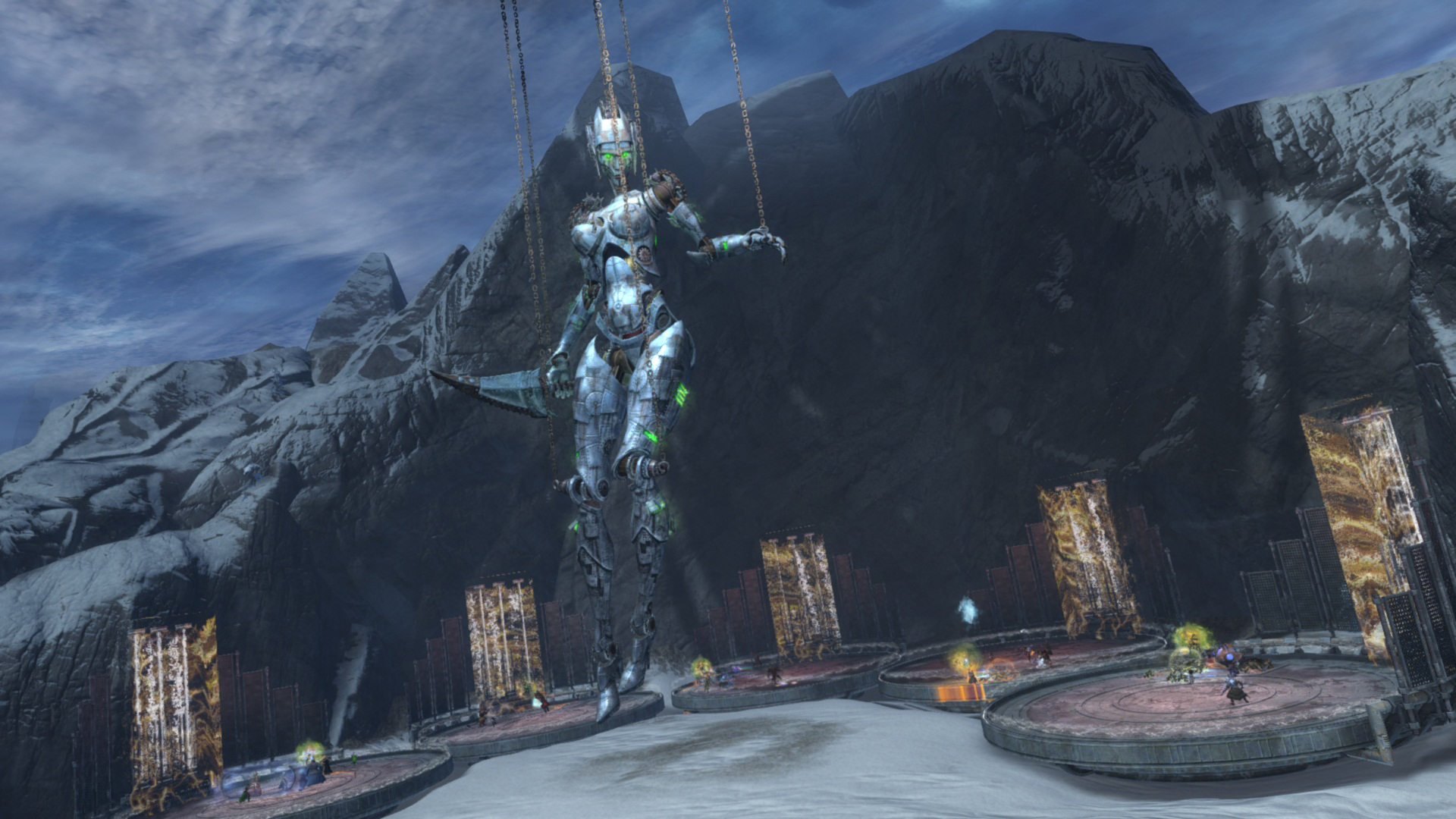
There is no mandatory gear treadmill, so high-end items hold value through rarity and prestige skins. Trading Post taxes and crafting costs drain coin at scale. Materials move constantly because ascended gear, legendaries, and daily crafts consume them. Multiple currencies like karma and laurels are siloed to reduce inflation pressure on gold.
‘Path of Exile’

The barter-based system replaces gold with a suite of crafting orbs that double as currency and utility. League mechanics inject new items while vendor recipes and crafting benches act as sinks. Trade sites reflect supply and demand quickly because each orb has practical uses. Seasonal wipes keep power and prices from spiraling between leagues.
‘Escape from Tarkov’

Roubles, dollars, and euros coexist with a robust barter economy for early progression. Insurance fees, hideout upkeep, and ammo crafting drain resources steadily. Traders use loyalty levels and limited restocks to gate access and preserve scarcity. Full-loss raids destroy gear, so demand for mid-tier equipment stays high.
‘World of Warcraft’

Gold flows from quests and dungeons, while repair costs, vendor mounts, and crafting reagents drain it. The Auction House takes cuts that scale with item value to fight inflation. WoW Tokens link subscription value to in-game supply and demand. Crafted consumables and enchantments ensure ongoing demand across tiers.
‘Elder Scrolls Online’

Gold is earned from writs, dailies, and dungeon runs, with repair fees and housing items acting as sinks. Guild Traders decentralize the market and create regional price differences. Tempers and upgrade materials keep crafters relevant over time. Multiple currencies like Tel Var and Alliance Points target specific activities without flooding the gold market.
‘Final Fantasy XIV’

Repair bills, glamour costs, and housing upkeep steadily remove gil. Player-run markets thrive because crafted gear and consumables remain useful at all tiers. Retainer ventures and leves create predictable supply without overwhelming prices. Scrip systems channel progression rewards into specialized markets instead of raw currency.
‘Stardew Valley’
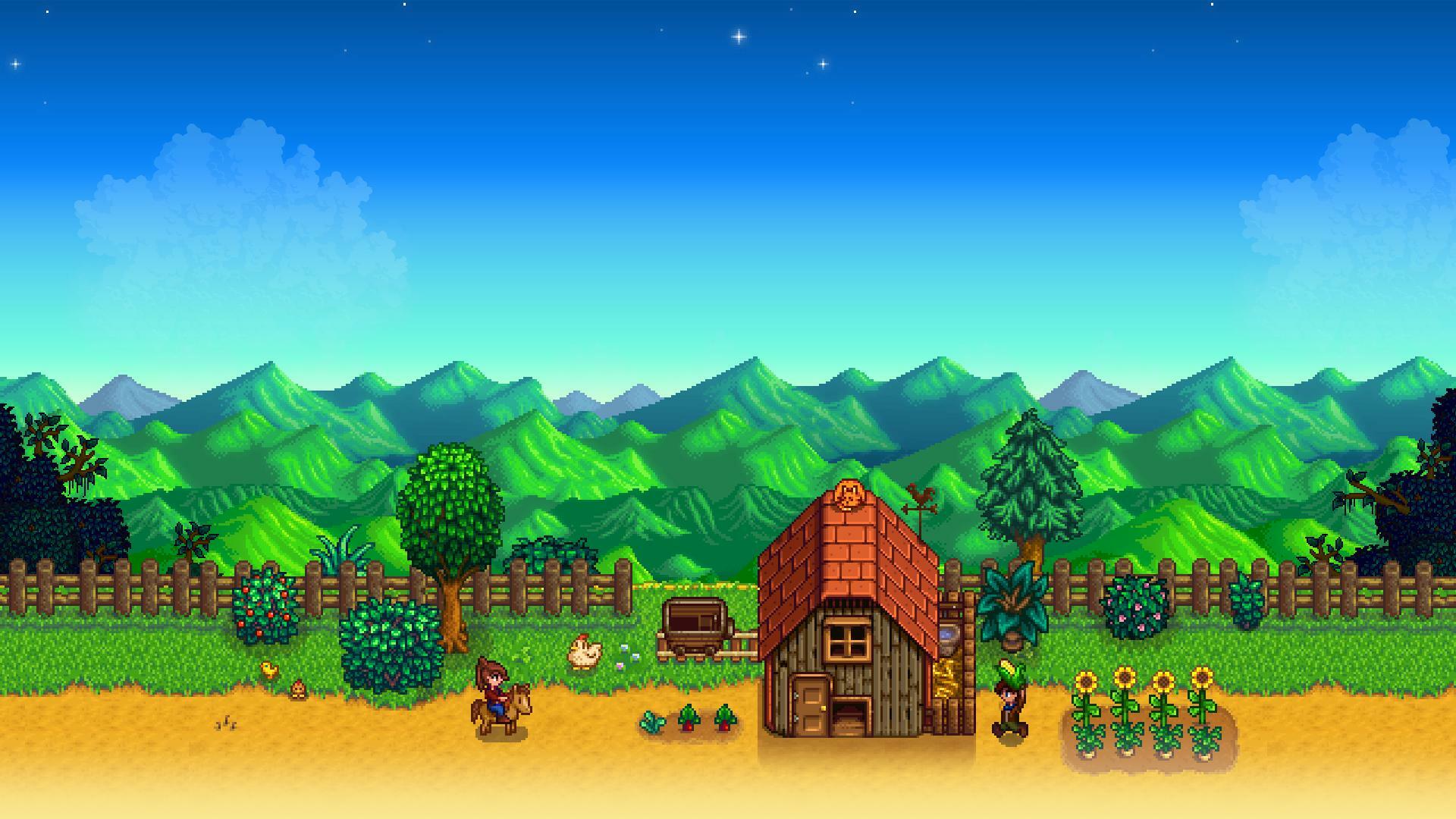
Gold is generated through crops, livestock, and artisan goods with clear seasonal constraints guiding pricing. Tool upgrades, building projects, and seeds provide consistent sinks. Quality levels and processing steps add value in a transparent way. The community center and bundles steer investment into long-term productivity.
‘Animal Crossing: New Horizons’
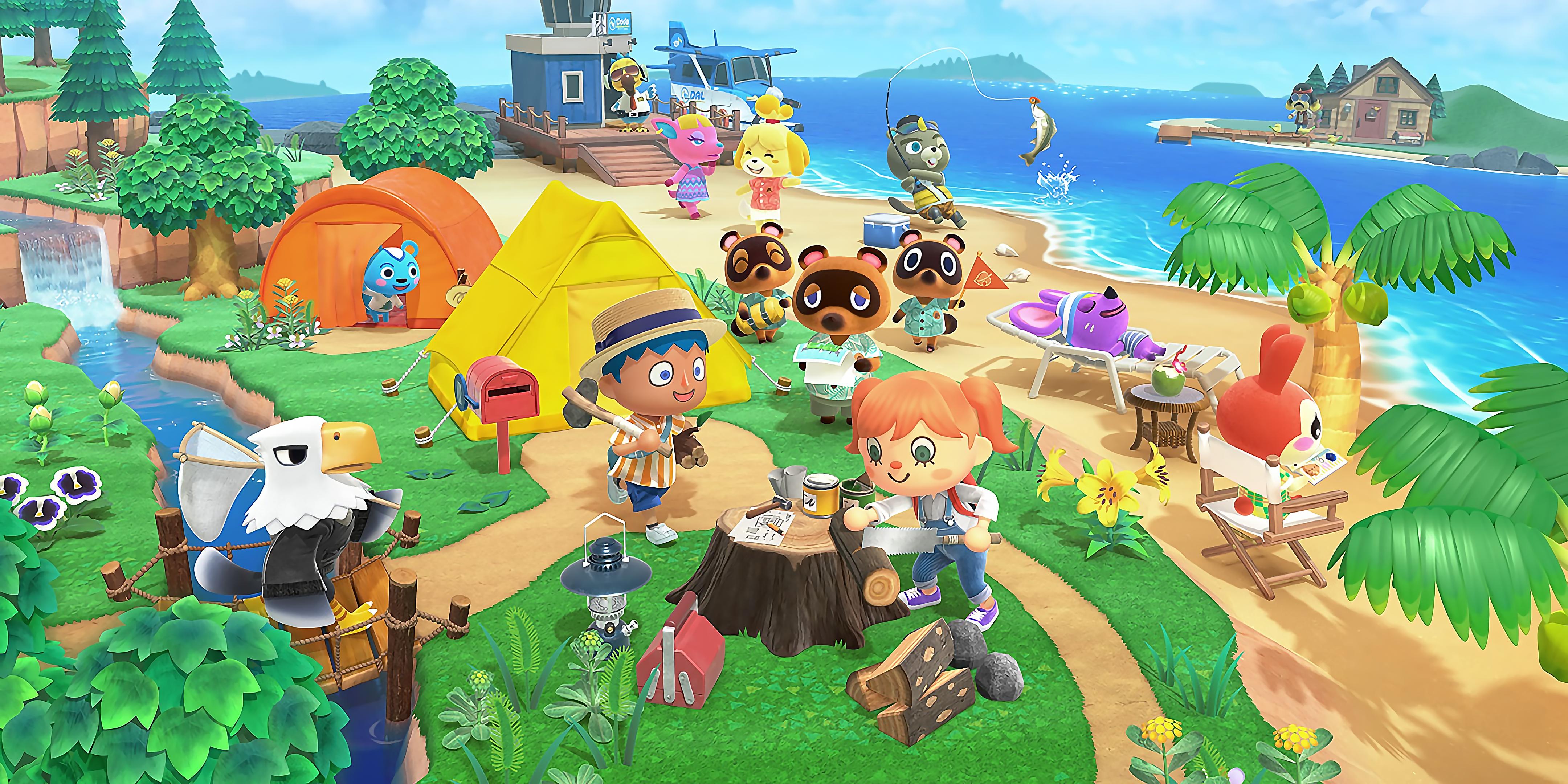
Bells come from selling resources and crafted items, while mortgages and infrastructure costs serve as sinks. Turnips create a time-bounded speculation market that rewards coordination. Crafting uses common materials to give value to routine play loops. Visitors and local price variations make social trading meaningful.
‘Factorio’
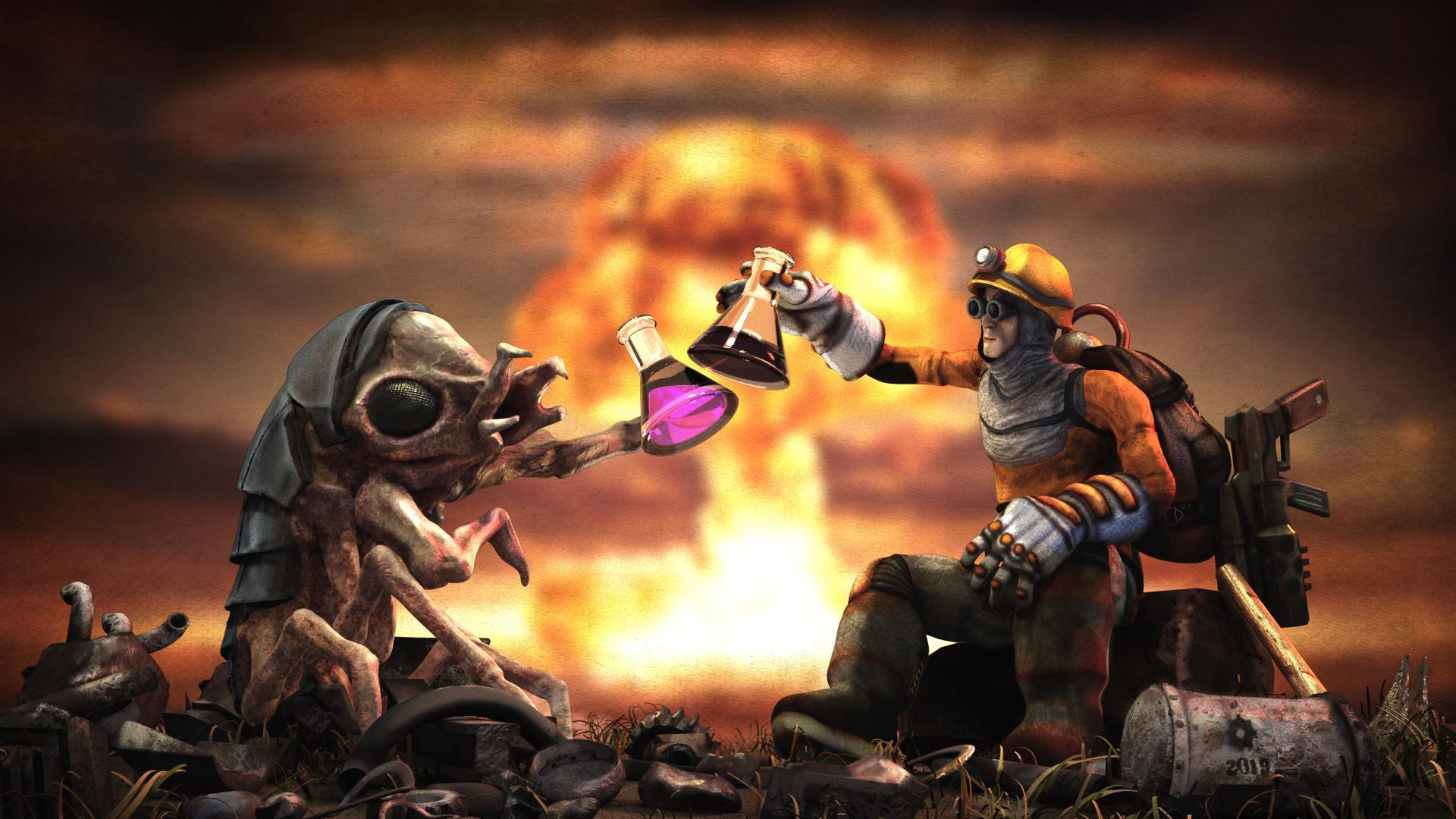
Production chains convert raw ore into increasingly valuable components with clear ratios and throughputs. Power generation, research, and defenses consume materials continuously. Expansion increases logistics costs, which naturally prices efficiency. The blueprint and module systems reward reinvestment into productivity.
‘Anno 1800’
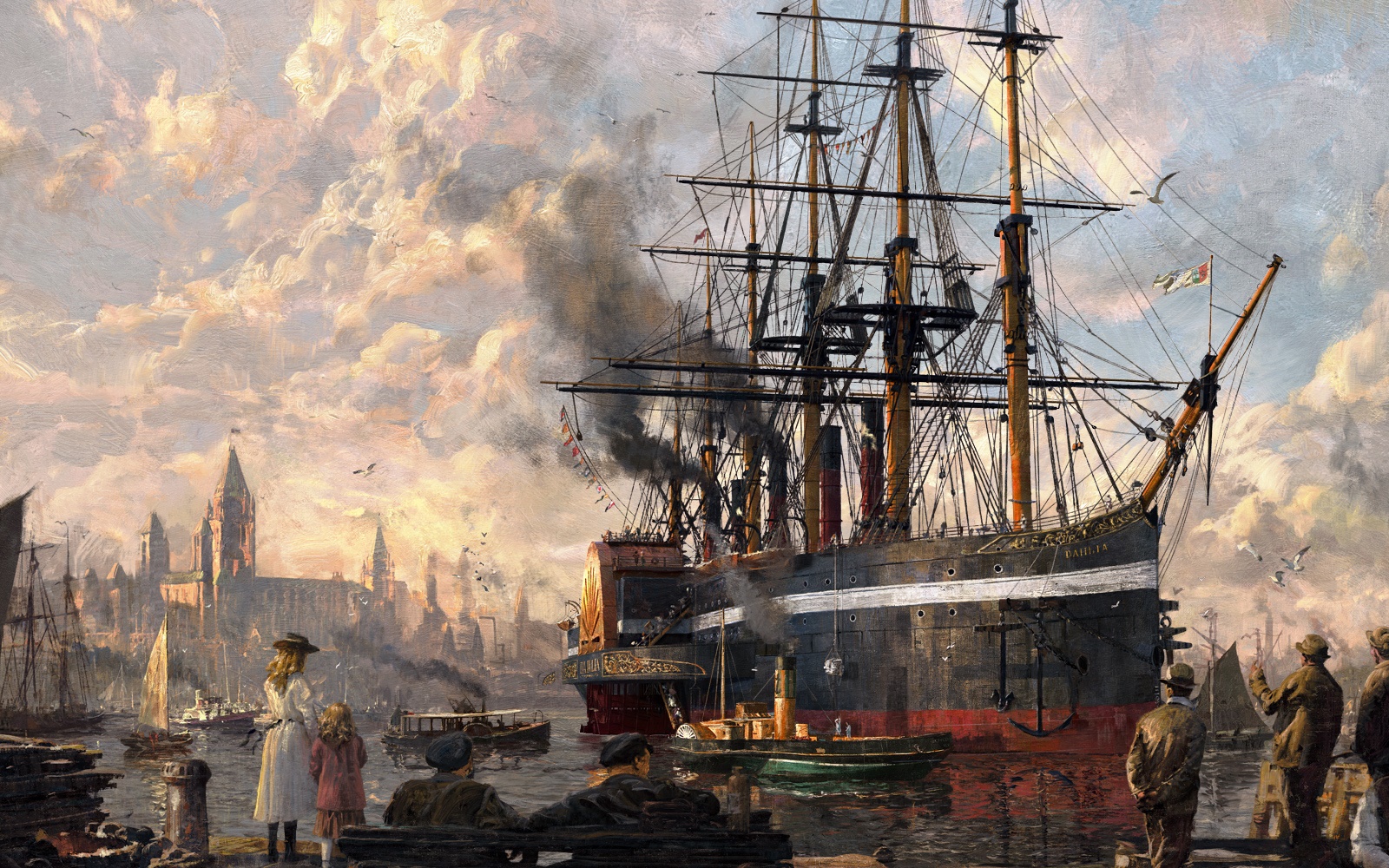
Population tiers require distinct goods, creating layered demand that evolves with city growth. Trade routes and harbor fees simulate shipping costs that affect pricing. Workforce shortages and fertility limits enforce specialization and inter-island trade. Upkeep and consumption keep goods flowing instead of stockpiling.
‘Banished’
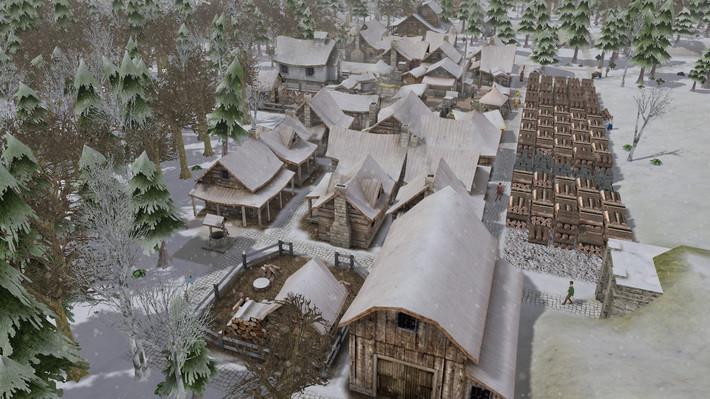
Citizens consume food and fuel at steady rates, so production must match seasons and weather. Tools and clothing wear down, creating constant demand for materials. Limited labor and storage space force players to balance supply chains. Trading posts exchange surplus for scarce goods with realistic opportunity costs.
‘Frostpunk’
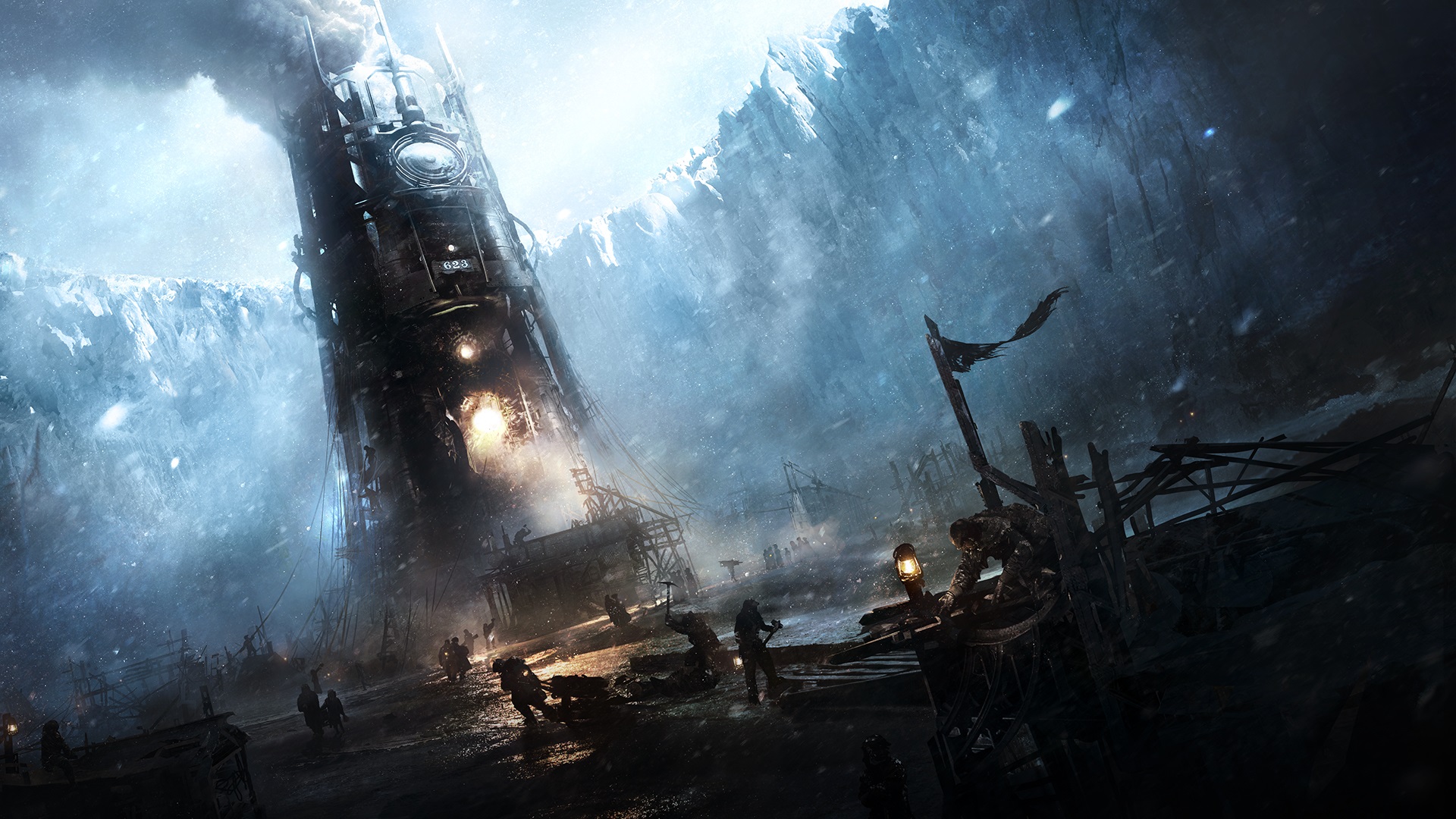
Resource consumption is relentless and tied to survival needs like heat and food. Laws and building choices create economic tradeoffs that reshape labor allocation. Coal, steel, and wood have clear uses with escalating demands as technology rises. Hope and discontent indirectly price policies by affecting productivity.
‘Victoria 3’

Pops buy goods from market baskets, so prices emerge from supply and demand across classes. Production methods change input mixes, reshaping costs and wages. Tariffs, subsidies, and trade routes shift incentives without breaking the model. Shortages and surpluses ripple through industries in predictable ways.
‘Cities: Skylines II’

Citizens and businesses run on a simulated supply chain, with goods traveling from producers to retailers. Taxes, service fees, and maintenance costs influence budget and growth. Zoning and traffic affect delivery times, which impact profitability. Utilities and land value provide stable sinks and incentives for reinvestment.
‘Mount & Blade II: Bannerlord’
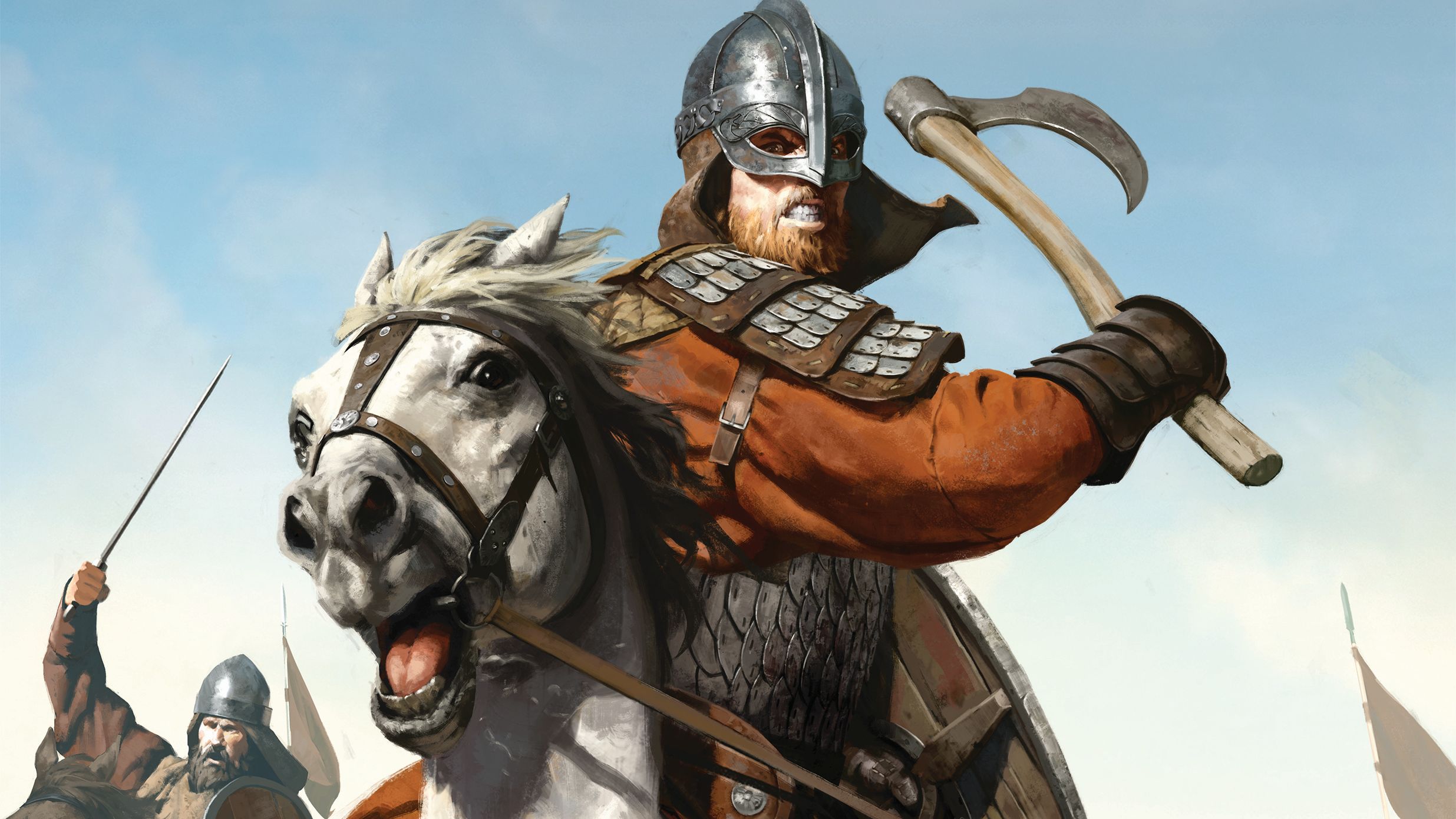
Workshops and caravans create steady income streams that depend on regional resources. Towns consume inputs and produce goods, shifting prices dynamically. Garrison wages and recruitment are ongoing sinks that scale with power. Looting and warfare disrupt supply lines, which changes trade routes and margins.
‘X4: Foundations’
Stations require construction resources and ongoing inputs to operate, creating continuous demand. NPC factions run full production chains that the player can join or disrupt. Dynamic prices reflect stock levels and distance, encouraging logistics planning. Ship losses and maintenance serve as natural sinks for materials.
‘Elite Dangerous’
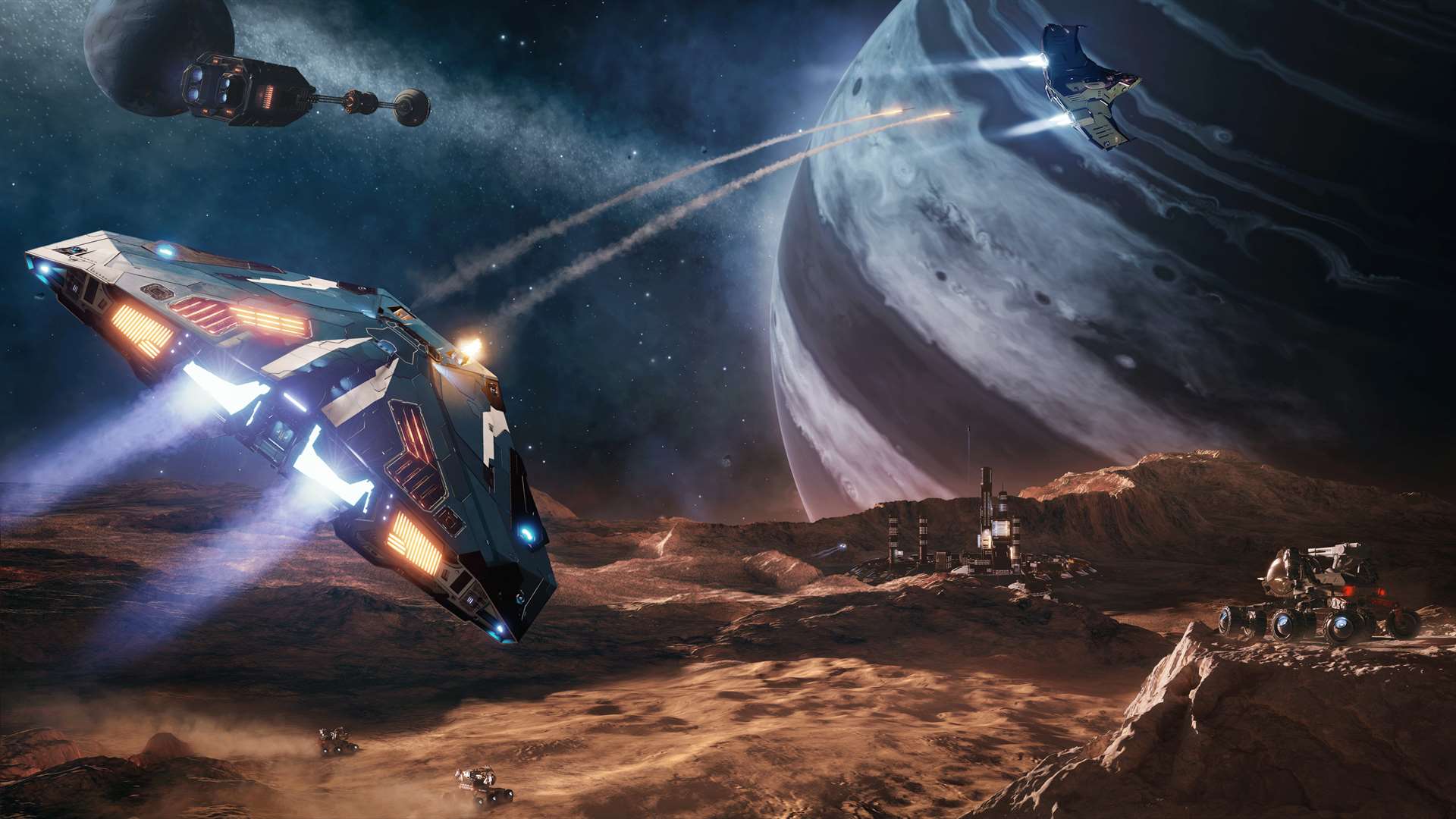
Commodities have supply and demand that shift with system states like boom or famine. Mission rewards, ship insurance, and module costs structure credit flow. Trading margins are shaped by distance, risk, and legality. Engineering materials and synthesis provide ongoing sinks for long-term goals.
‘No Man’s Sky’
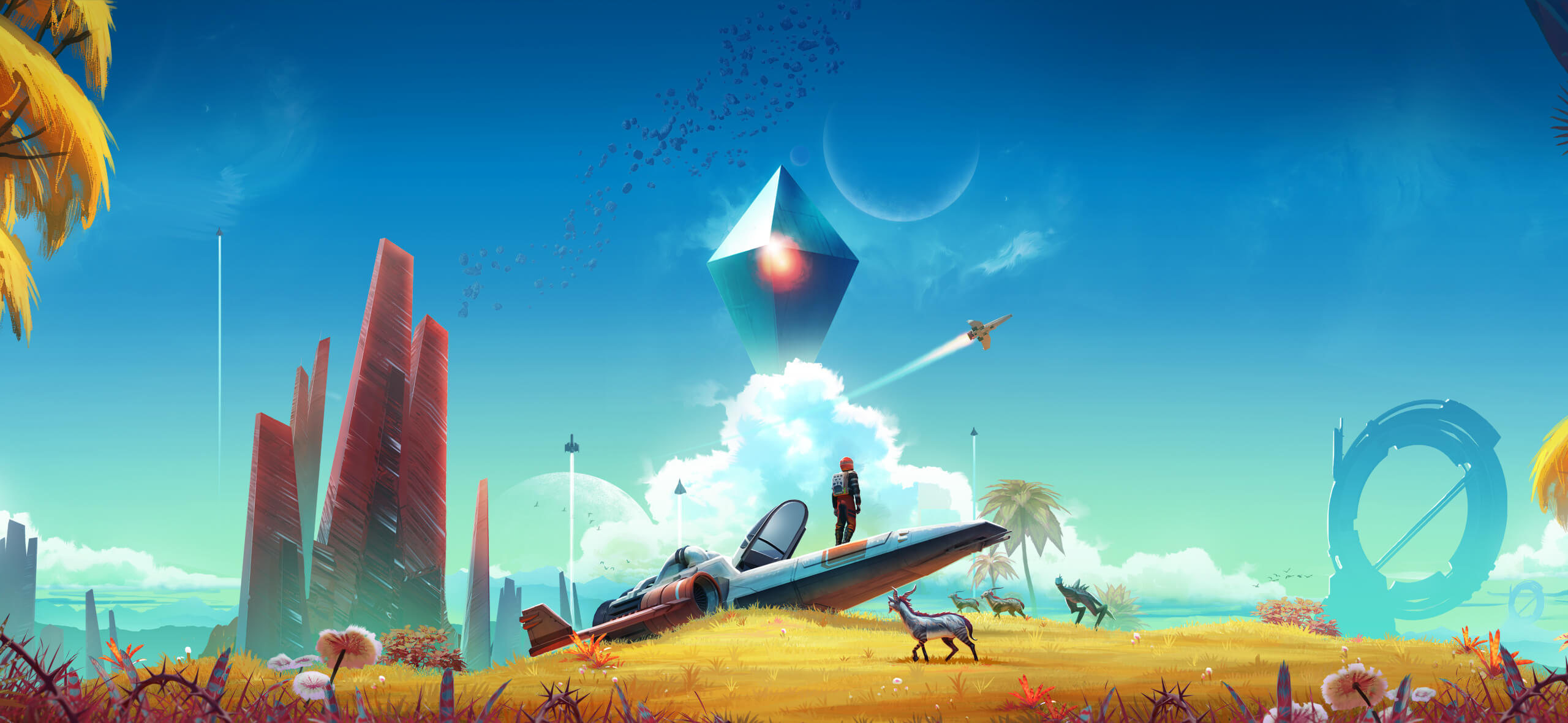
Units and Nanites come from exploration, trading, and research with clear upgrade sinks. Crafting recipes turn common resources into higher-value items. Galactic markets vary by economy type, encouraging route planning. Base building consumes materials at scale, anchoring long-term progression.
‘Warframe’
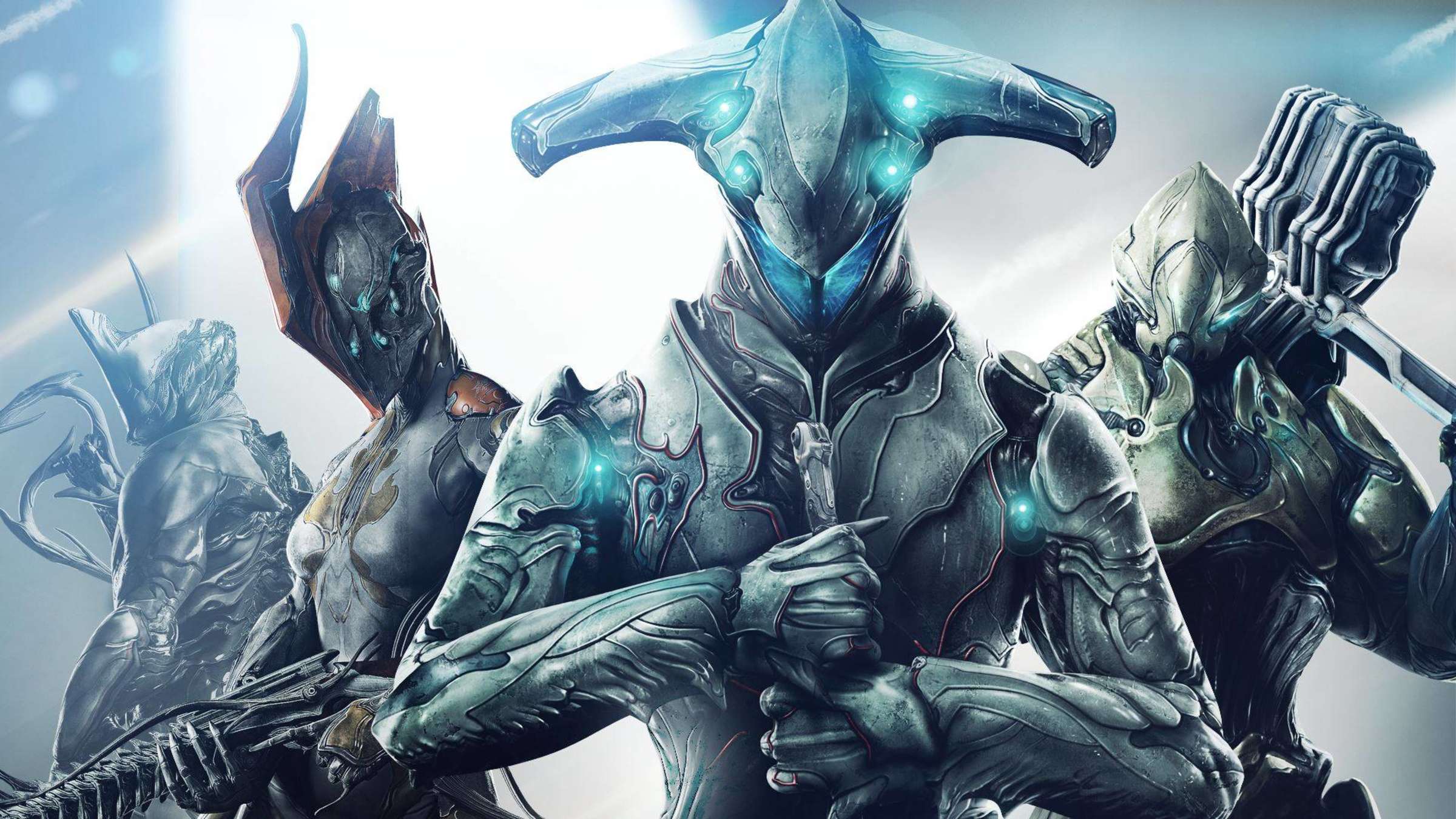
Credits and Endo fund crafting and upgrades while Forma and Reactors serve as high-value sinks. The player-to-player market revolves around prime parts and mods with transparent supply from relics. Daily caps on certain resources prevent runaway inflation. Multiple currencies are bound to activities, keeping the main economy stable.
‘GTA Online’

Cash enters through missions and businesses while vehicles, properties, and upgrades drain large amounts. Ongoing costs like ammo, armor, and utilities create steady sinks. Business supply and sell mechanics tie time and risk to profit. Heists and events adjust payouts to stabilize player progression.
‘Fallout: New Vegas’
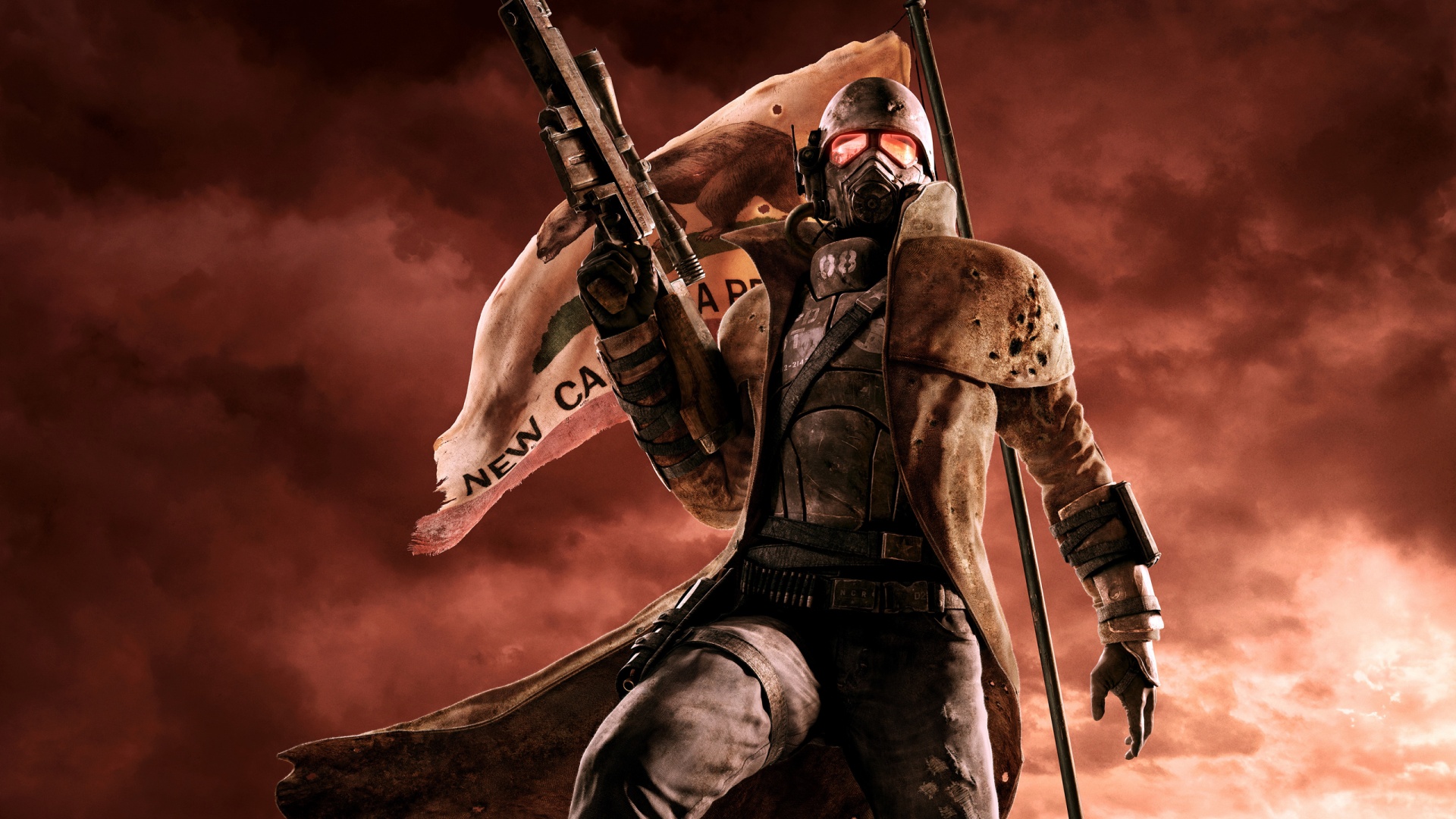
Vendors have limited caps and restock cycles, so bartering matters. Ammo types and weapon condition create ongoing demand for maintenance and resources. Faction-specific currencies and barter skill change trade outcomes. Weight limits and survival mechanics give items practical value beyond price tags.
‘The Legend of Zelda: Tears of the Kingdom’
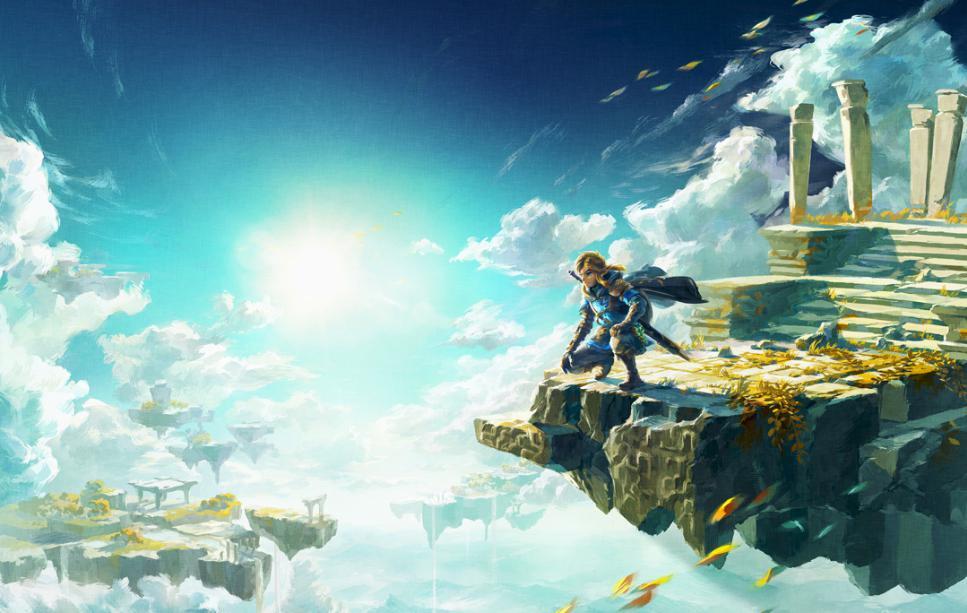
Rupees are earned through selling materials and completing activities, with armor upgrades and services as sinks. Cooking and fusing convert common items into higher-value outputs. Merchant price differences and side vendors reward exploration. Crystal charges and zonai devices channel resources into mobility and combat tools.
‘Monster Hunter: World’
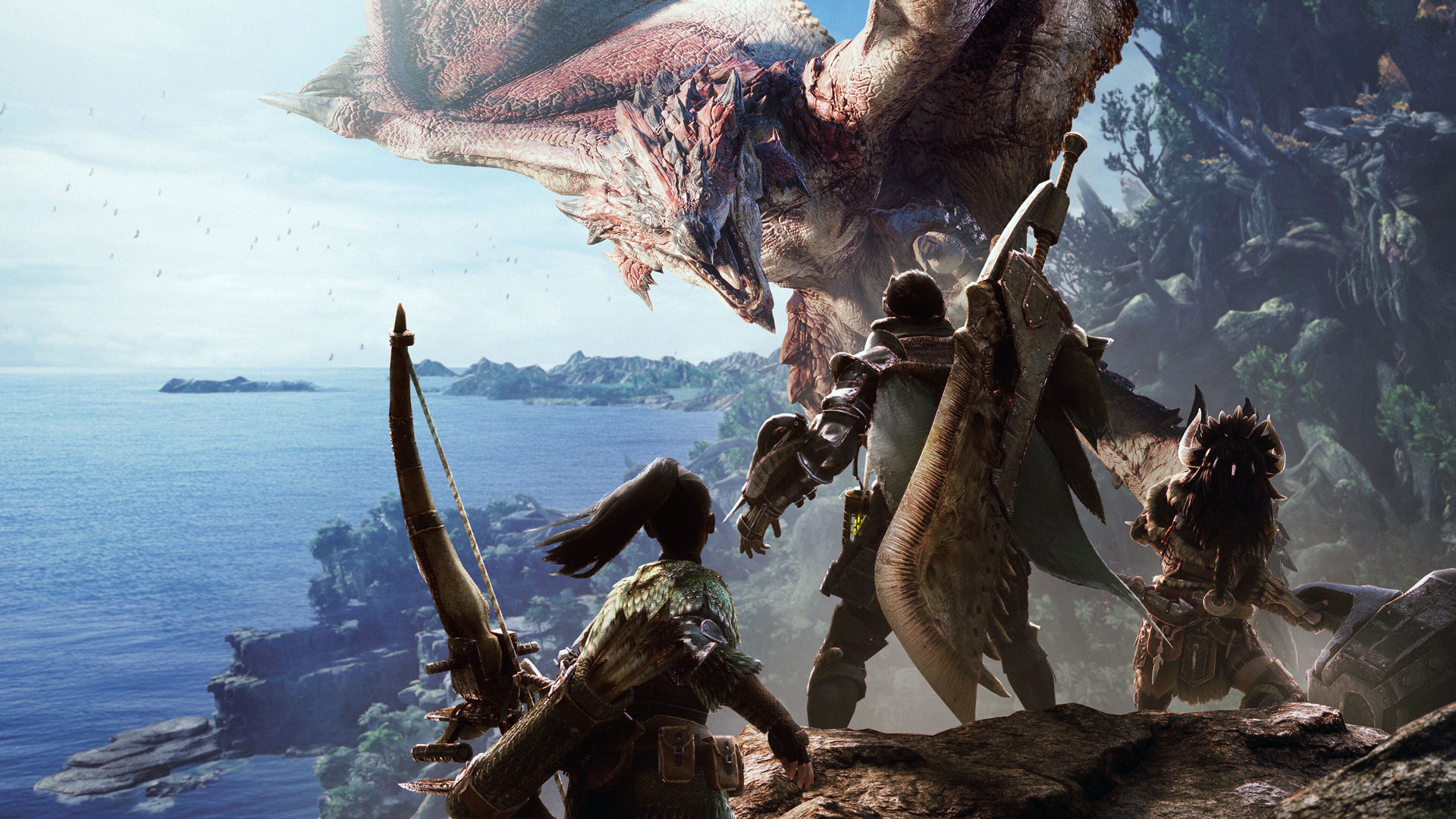
Zenny and Research Points flow from hunts, investigations, and bounties. Crafting and upgrading weapons and armor consume monster parts, driving repeat hunts. Consumables like traps and potions maintain ongoing demand for gathering. Decoration melding and augment systems provide long-term material sinks.
Share the games you think nail their economies in the comments and tell us which systems feel the most natural to play.