


25 Best Indie Horror Movies Ever Filmed

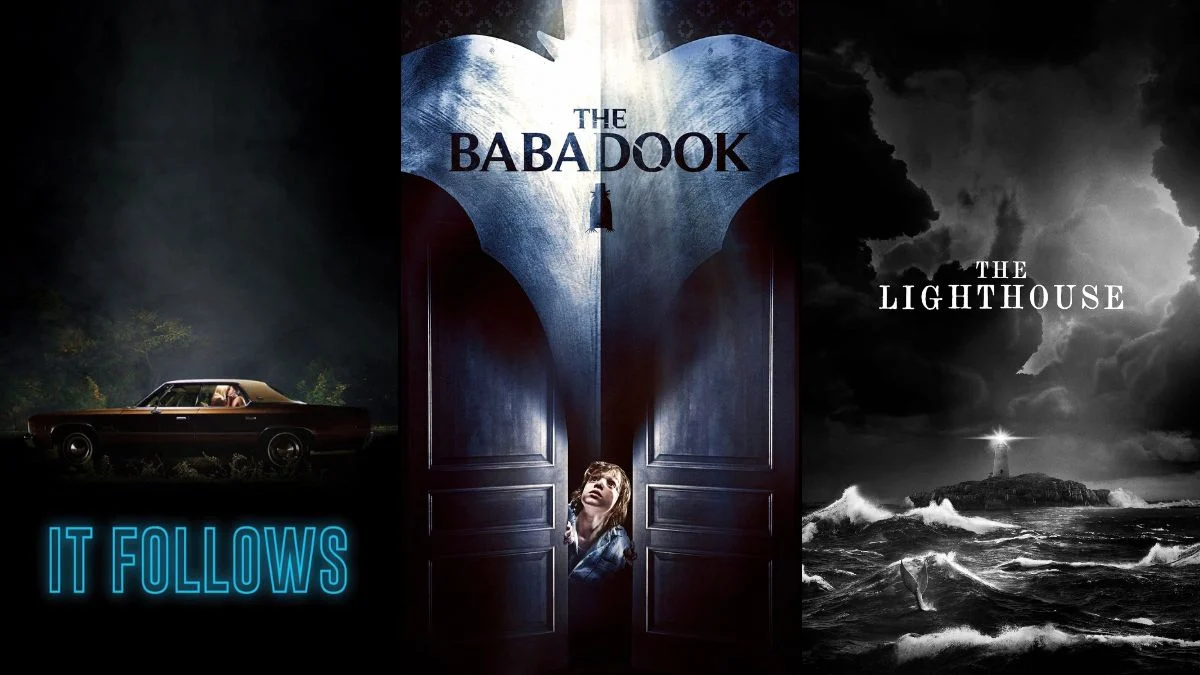


Independent horror has always thrived on scrappy budgets, bold ideas, and filmmakers willing to get weird when studios hesitate. These movies proved that imagination and nerve can stretch a dollar farther than most effects reels. From microbudget nightmares to festival breakouts, each of these titles shaped the genre in meaningful ways. Here are the standouts that kept audiences up at night and inspired countless creators to pick up a camera.
‘Night of the Living Dead’ (1968)
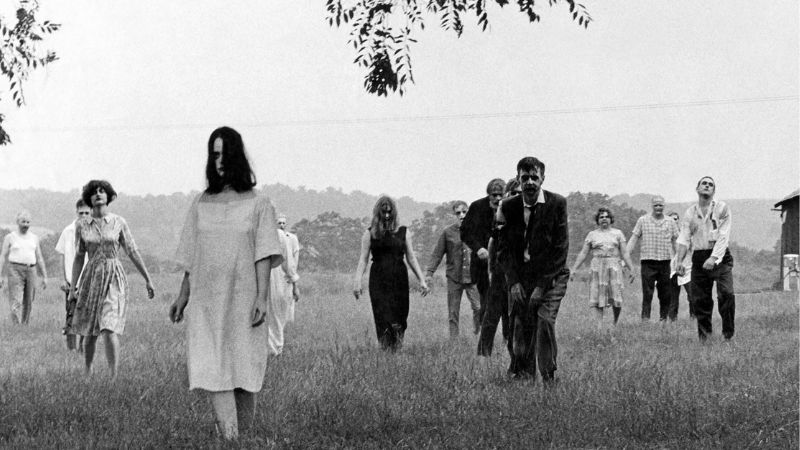
George A. Romero shot this landmark in and around Pittsburgh with a tiny budget and a cast heavy on locals. Its stark black and white look came from necessity and sharpened the documentary feel. A paperwork mistake dropped it into the public domain, which helped it spread everywhere. It earned many times its cost and rewrote the rules for modern zombies.
‘The Texas Chain Saw Massacre’ (1974)

Tobe Hooper’s crew endured brutal heat and long days on a rural Texas set to make this shocker for very little money. The movie uses suggestion and sound to create a reputation for gore it rarely shows. Clever production tricks stretched props and locations well beyond their means. It became a midnight staple and a blueprint for lean independent terror.
‘Halloween’ (1978)
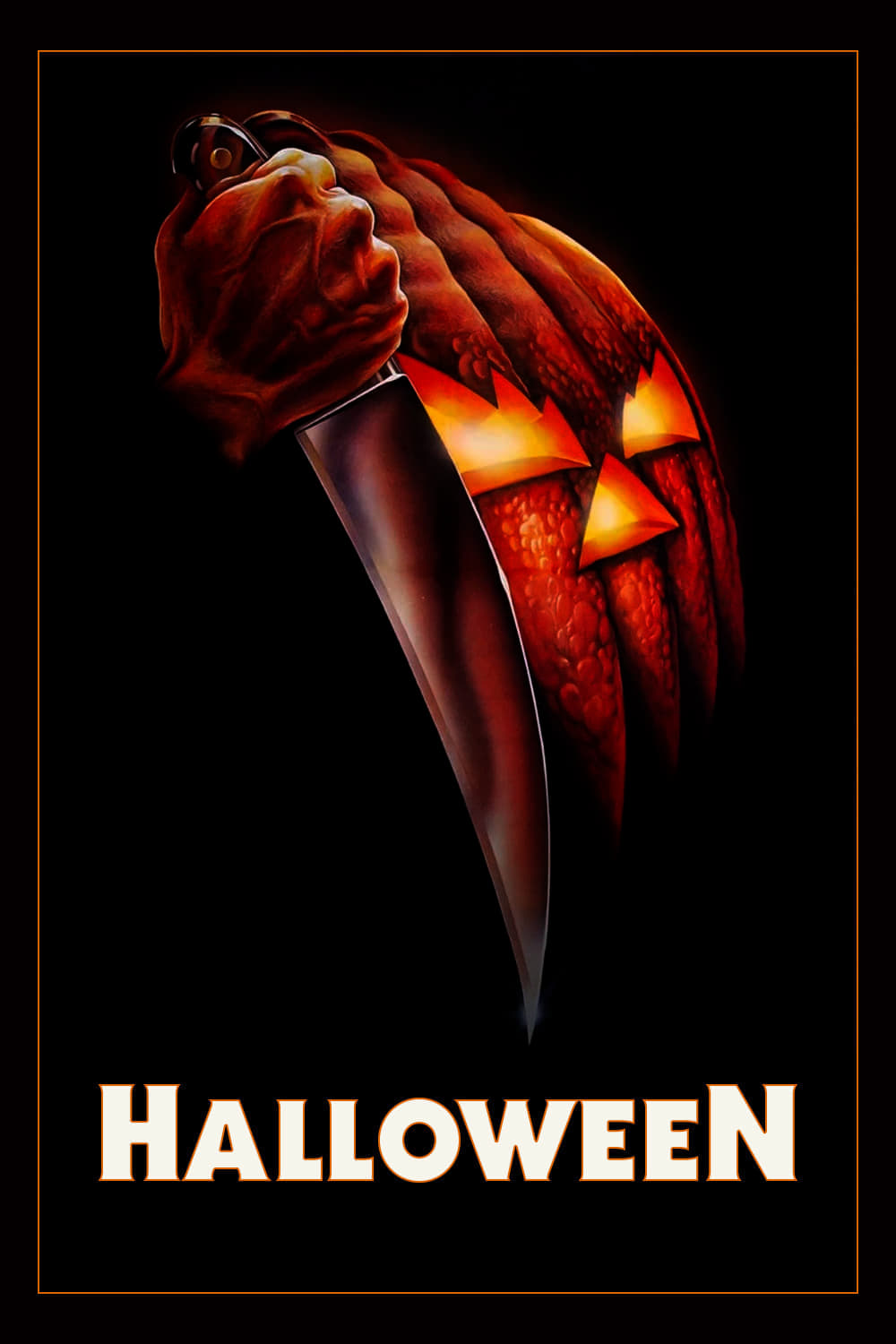
John Carpenter turned a modest budget into a suburban slasher phenomenon. The simple mask, the Panaglide camerawork, and that minimalist score came together with precision. Independent financing and a small crew kept control tight and costs low. Word of mouth and regional releases built it into a box office juggernaut.
‘Eraserhead’ (1977)
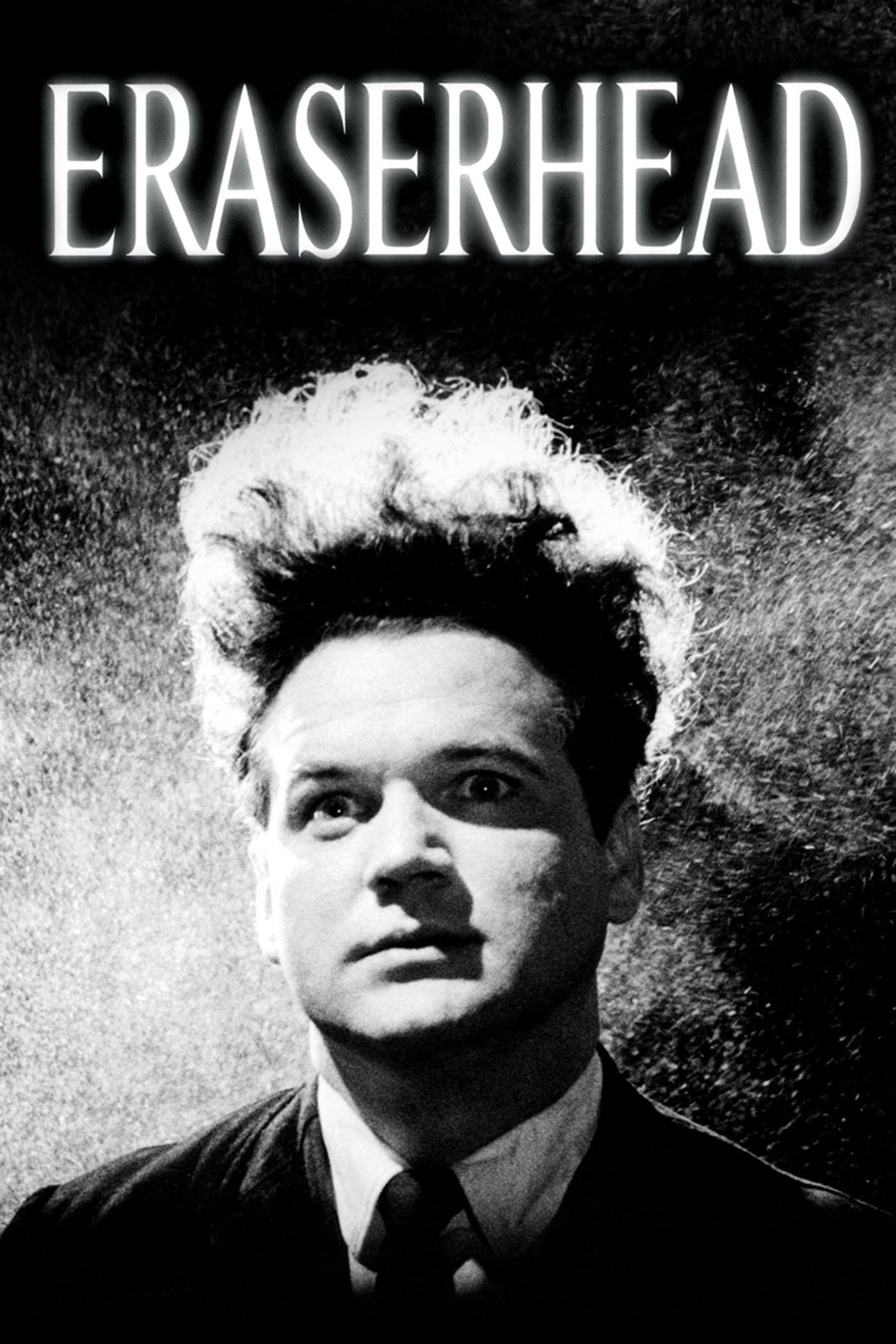
David Lynch spent years piecing together this surreal nightmare through AFI support and favors from friends. The industrial soundscape and hand-built effects created a world unlike anything else. It found life as a midnight movie where cult audiences returned again and again. Its success proved that experimental horror could travel far outside art houses.
‘The Evil Dead’ (1981)

Sam Raimi and friends shot in a real cabin with homemade rigs and outrageous practical effects. The team hauled camera gear through the woods and invented shots as they went. A glowing endorsement from a famous author helped them secure distribution. The film’s wild energy turned a microbudget gamble into a cult franchise.
‘The Blair Witch Project’ (1999)
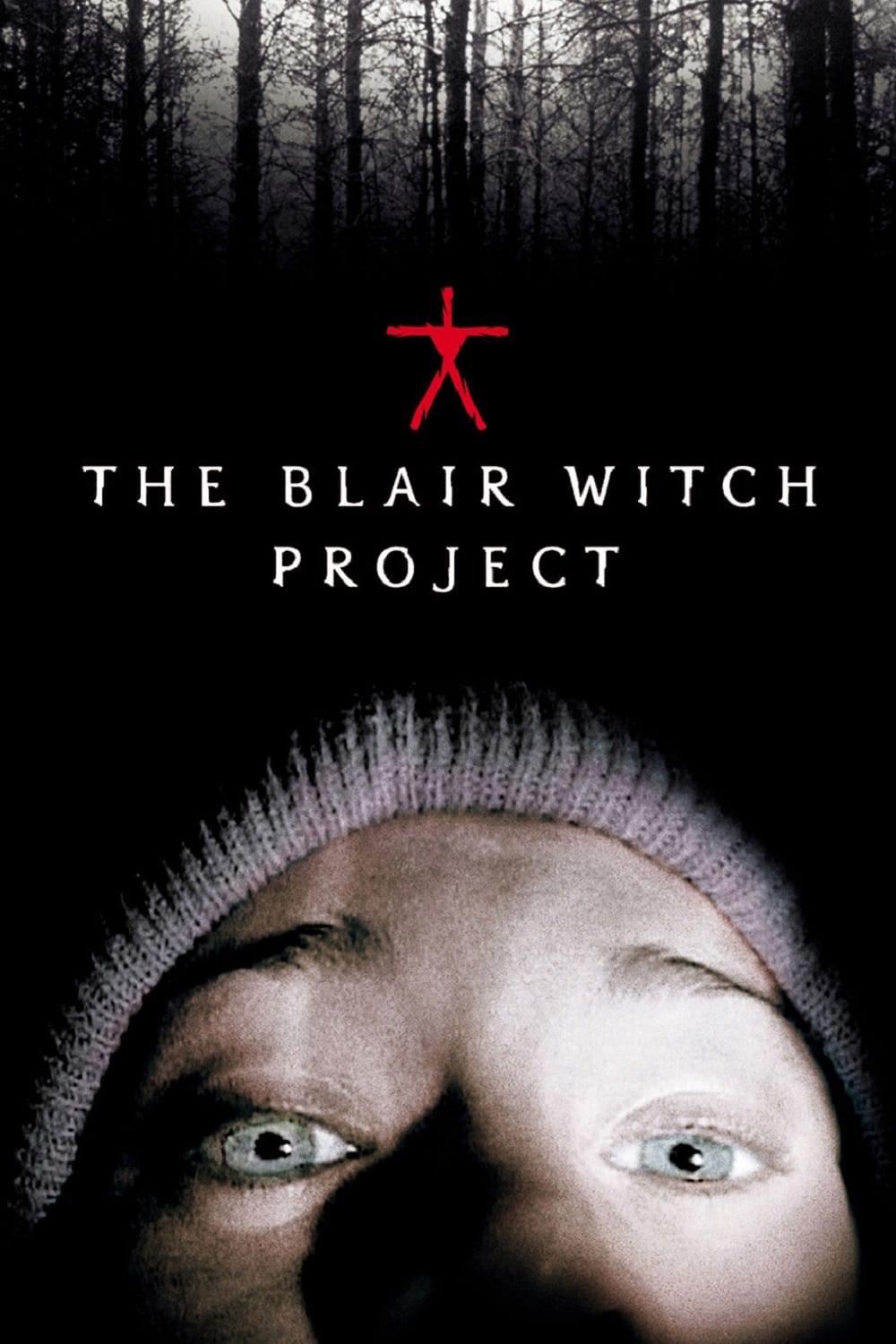
A small crew used handheld cameras, improvisation, and a clever myth to sell reality. Early internet marketing with fake documents and websites blurred fact and fiction. The shoot in Maryland woods kept costs low and performances raw. It became a global sensation and the signature example of found footage success.
‘Audition’ (1999)
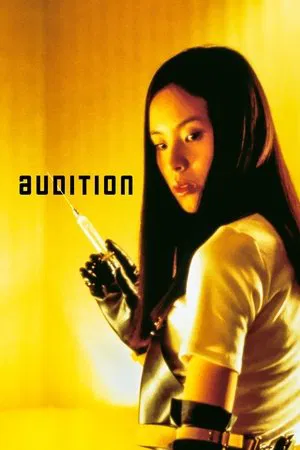
Takashi Miike adapted a novel by Ryu Murakami and produced a slow build that shifts into shocking territory. The production kept locations and cast focused to maintain a tight scale. Careful sound design and precise staging make the final act unforgettable. Festival buzz carried it from Japan to a worldwide cult following.
‘The Babadook’ (2014)
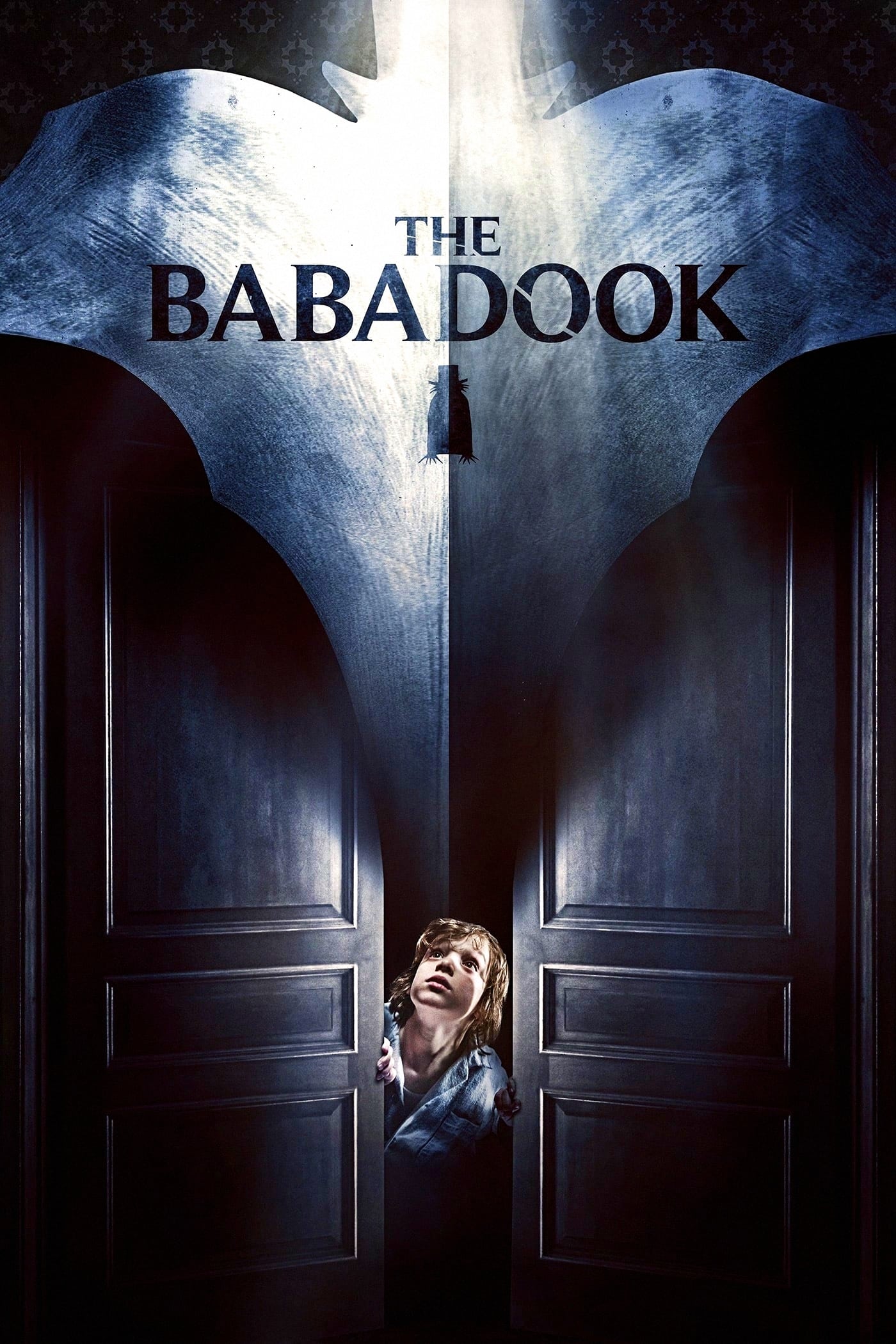
Jennifer Kent expanded her short film into a feature that explores grief through a storybook monster. Funding came together through grants and a bit of crowdfunding. The creature’s look sprang from handmade effects and puppetry. Strong festival word of mouth made it a breakout for Australian indie horror.
‘It Follows’ (2014)
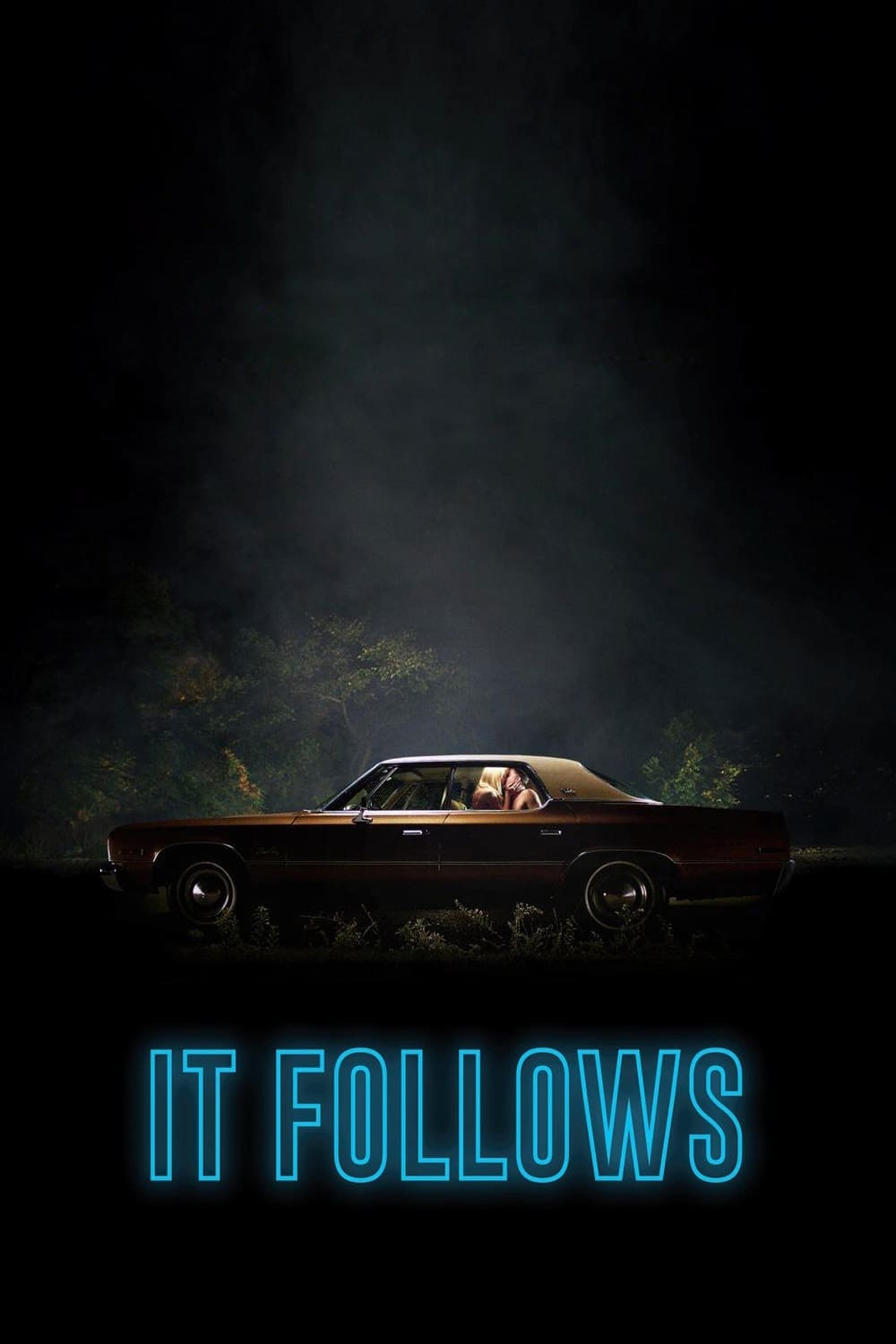
David Robert Mitchell shot around Detroit with striking widescreen compositions and a synth score by Disasterpeace. The premise allowed simple staging to generate constant dread. A small ensemble and real locations kept production nimble. It moved from a limited opening to a wider run on strong audience buzz.
‘The Witch’ (2015)
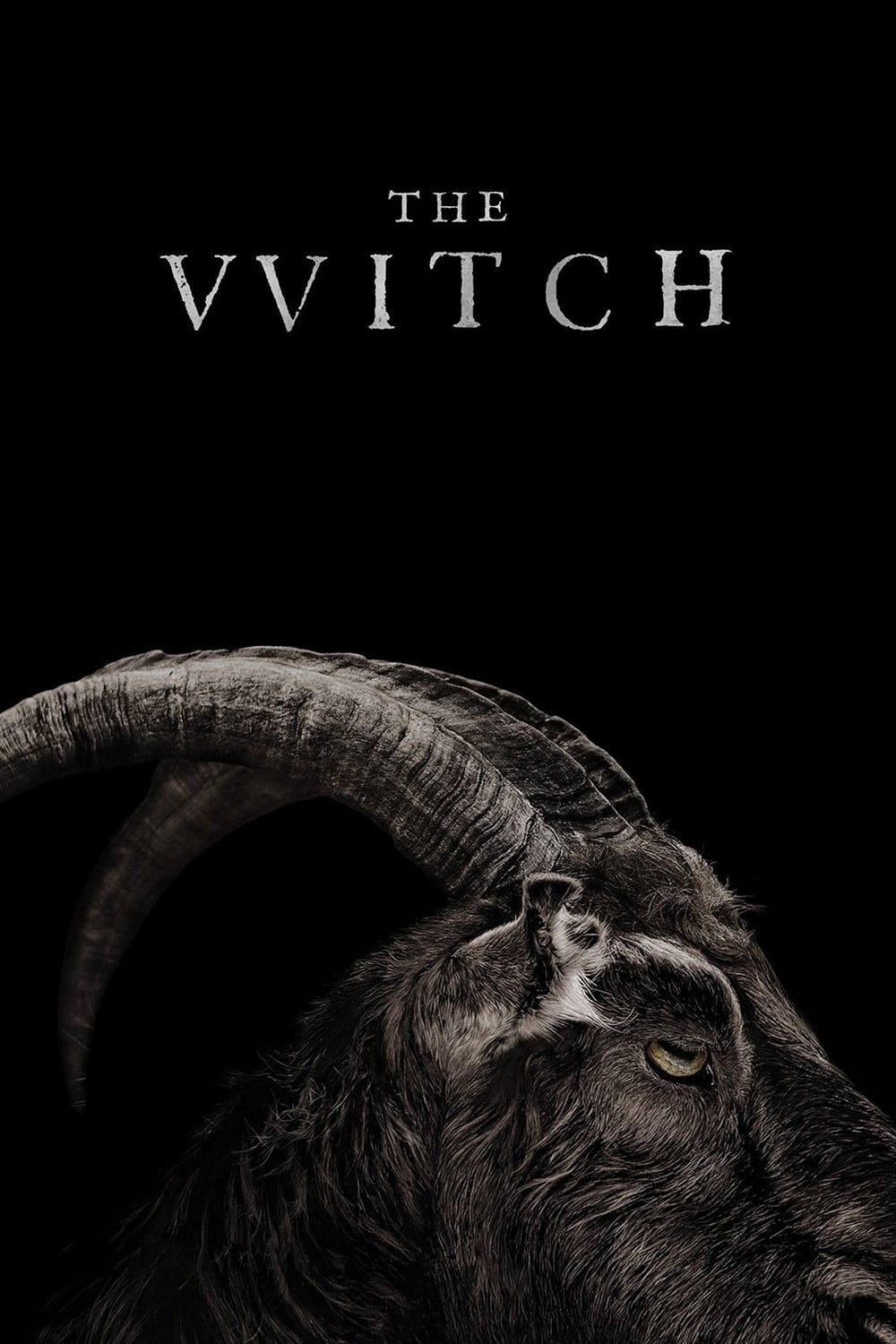
Robert Eggers built period detail from diaries and court records to nail the language and daily life. Farm sets, natural light, and animal wrangling grounded the supernatural mood. The production leaned on historical accuracy rather than expensive effects. Festival acclaim led to a wide release and a devoted audience.
‘Hereditary’ (2018)

Ari Aster constructed elaborate sets so he could control every frame and execute precise camera moves. Practical effects and in-camera tricks sell the most shocking moments. It premiered at a major festival and surged through word of mouth. The movie delivered a huge return for an independent release.
‘Midsommar’ (2019)
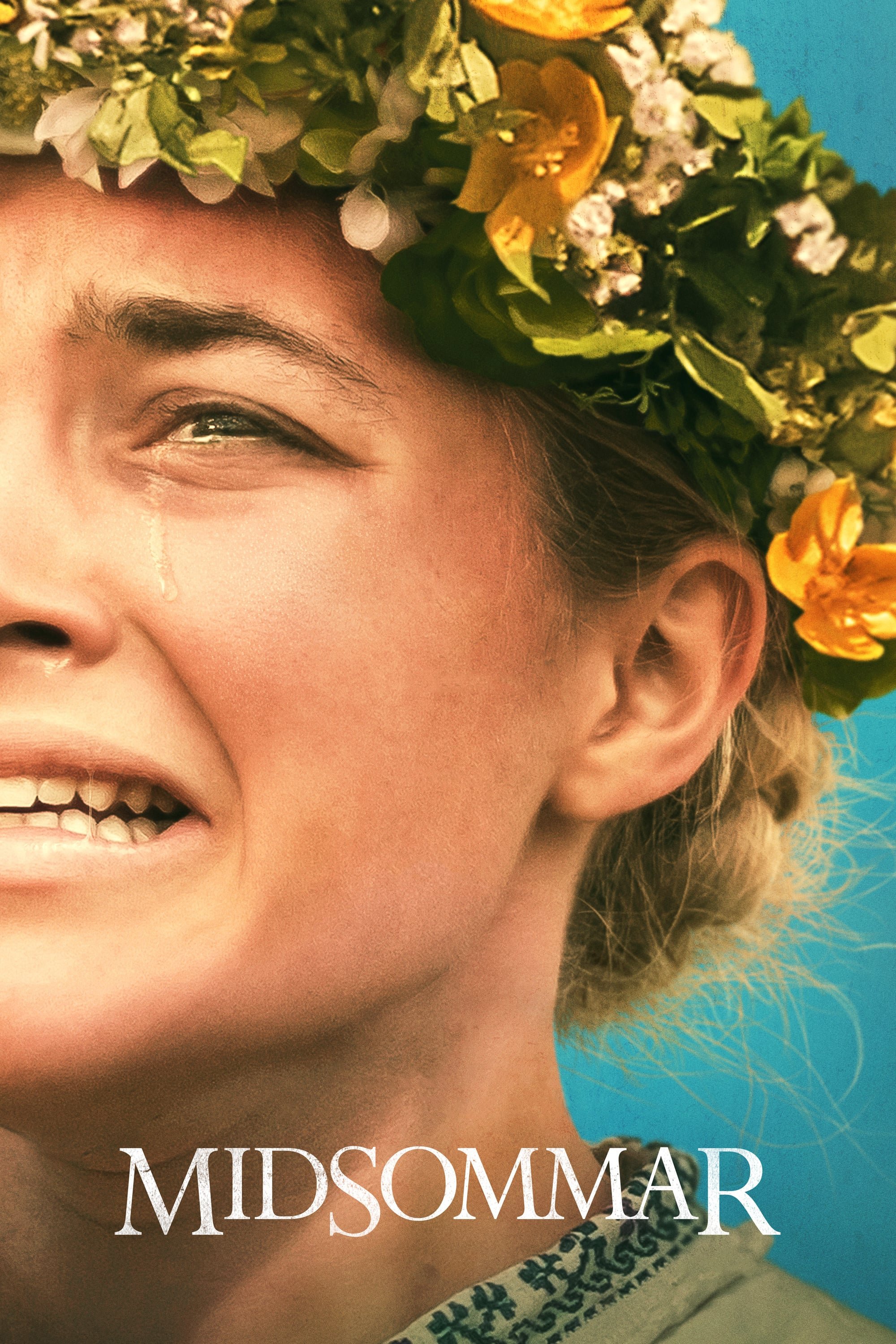
Ari Aster staged daylight horror on open fields with meticulous folk art production design. The team built a full village set and choreographed ceremonies in exacting detail. A longer director’s cut later expanded character beats and rituals. Global distribution carried its strange summer nightmare far beyond niche circles.
‘The Lighthouse’ (2019)
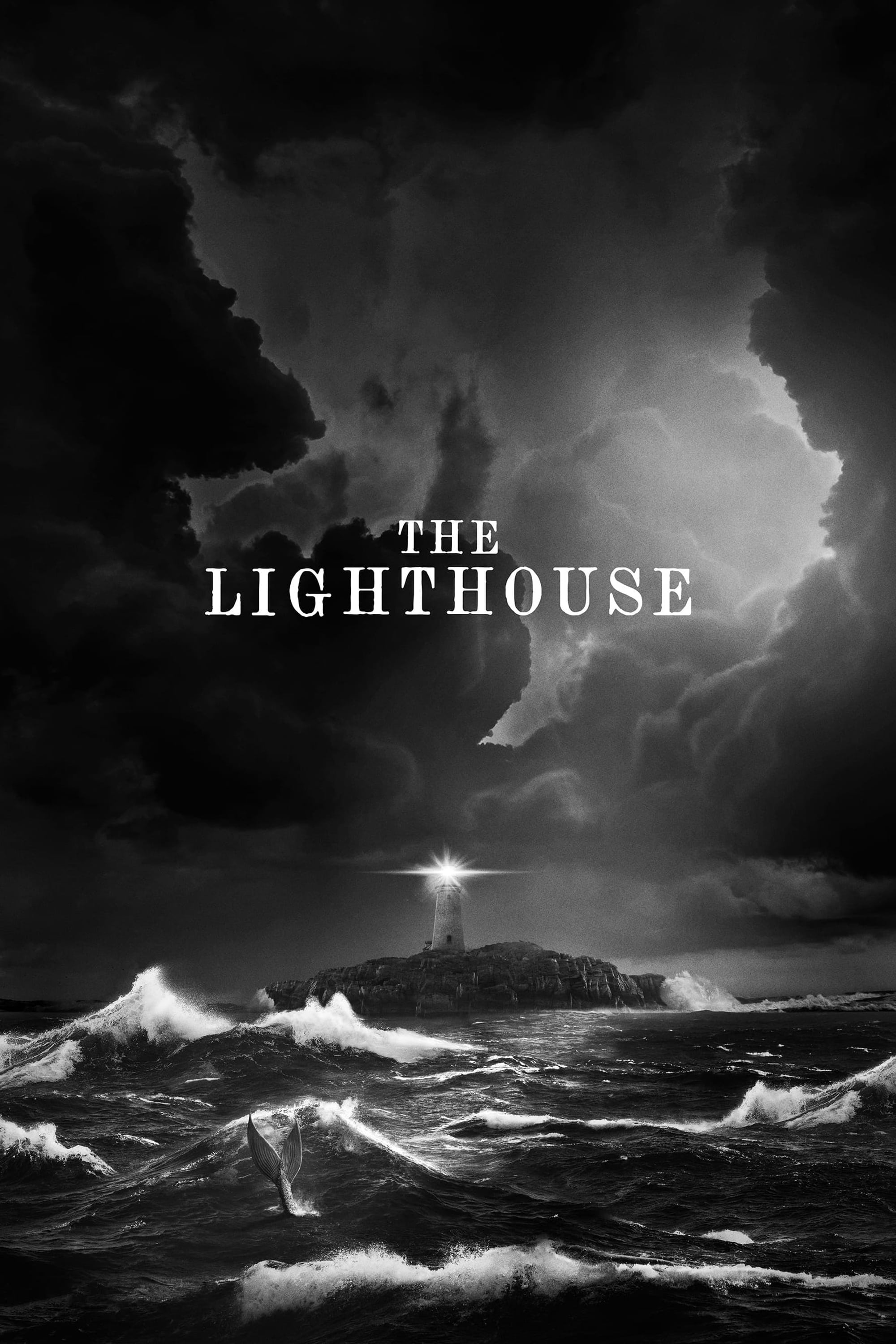
Robert Eggers shot in a boxy aspect ratio with vintage lenses to mimic early cinema. The crew constructed a working lighthouse on a harsh coastal location. Sound and weather effects were captured practically whenever possible. Two performers carry the film through a relentless psychological grind.
‘Talk to Me’ (2022)
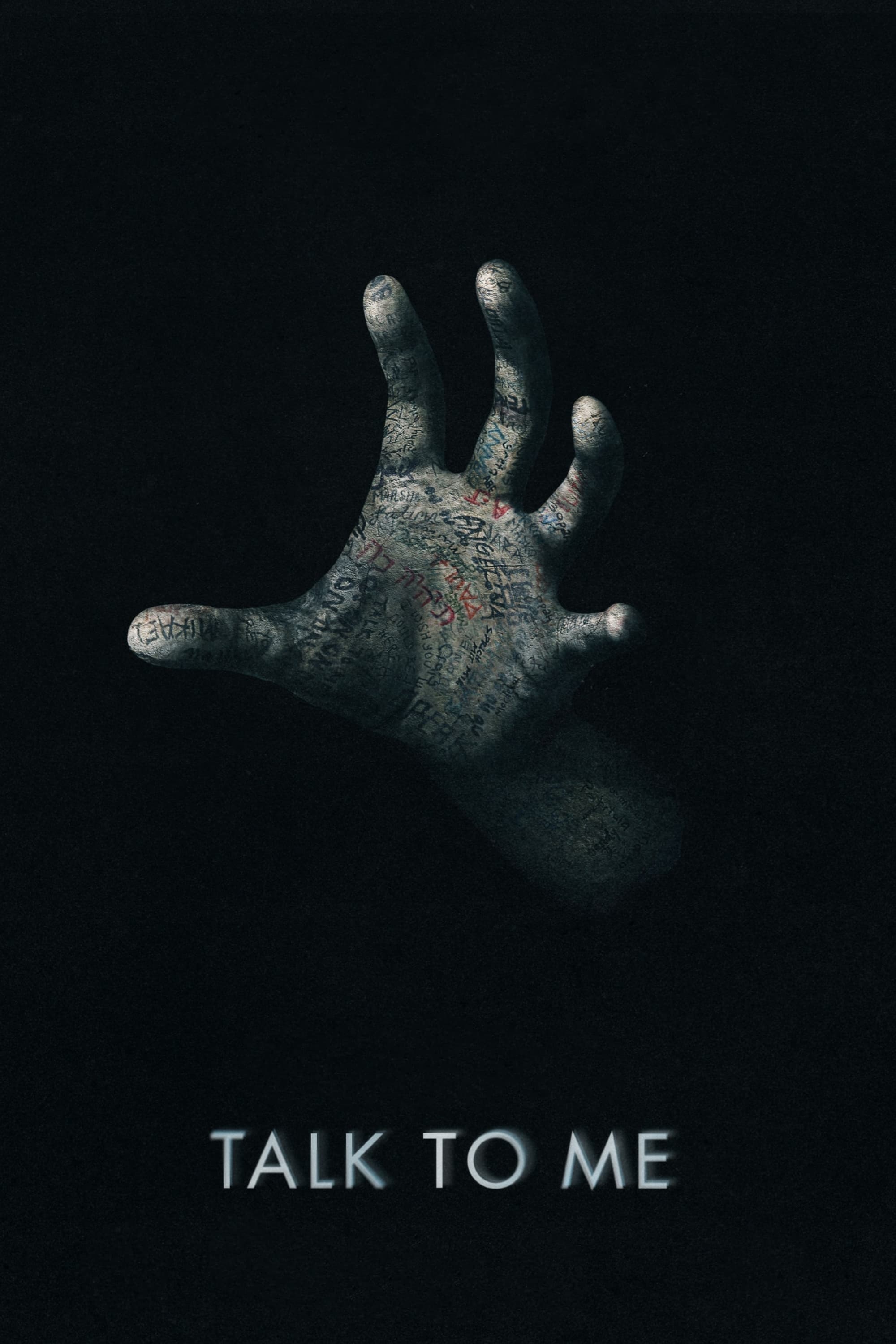
Australian filmmakers Danny and Michael Philippou used a simple party ritual prop to unlock a possession story. Practical makeup and on-set stunts keep the scares tactile. A festival premiere ignited interest and a major indie distributor pushed it wide. Rapid audience response led to a sequel announcement.
‘Skinamarink’ (2022)
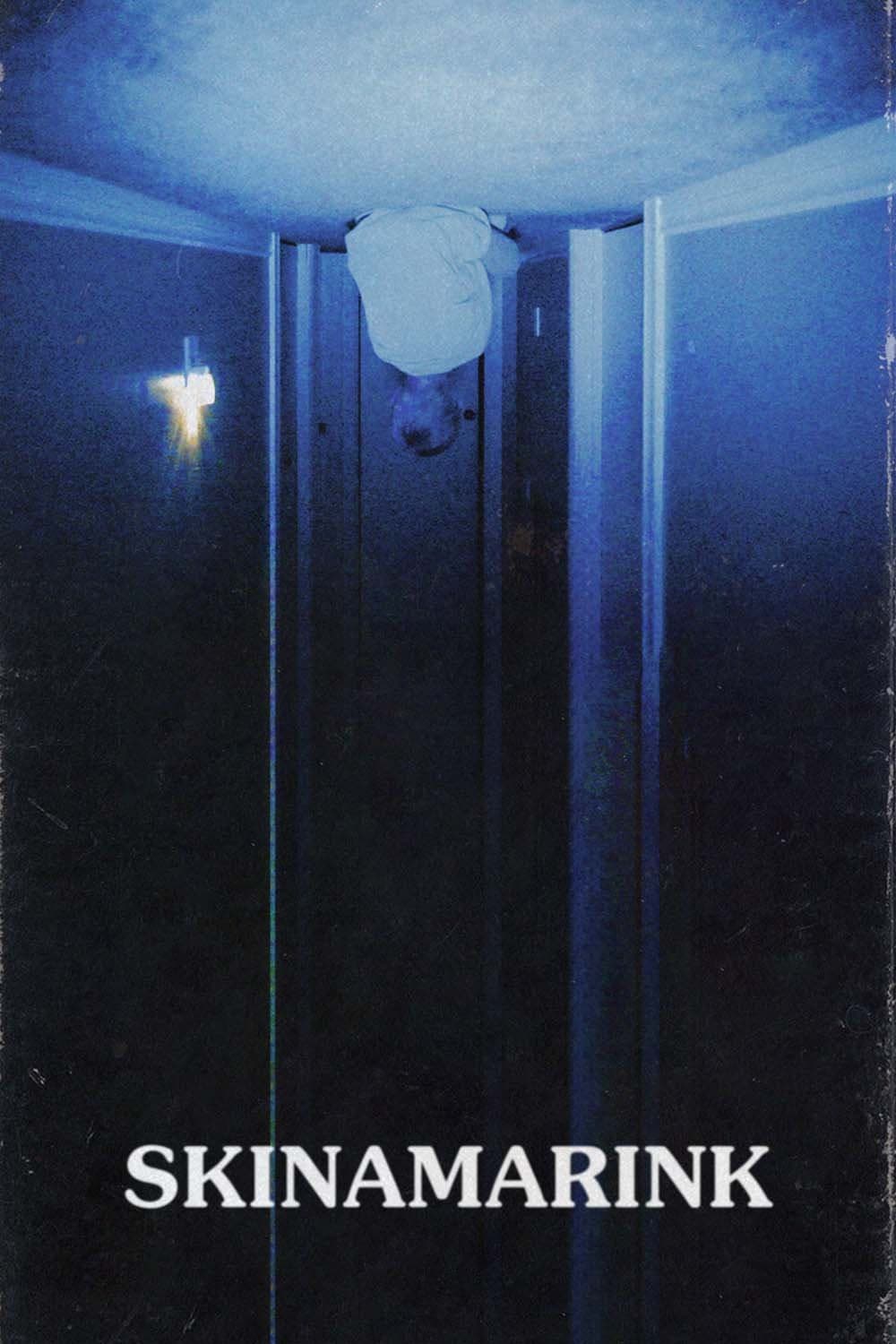
Kyle Edward Ball filmed in a childhood home with minimal gear and a tiny crew. The grainy image and nearly static frames force viewers to imagine what they cannot see. A leak online unexpectedly built huge social media attention. A specialty distributor picked it up and turned a shoestring experiment into a theatrical event.
‘Terrifier 2’ (2022)

Damien Leone expanded his killer clown saga using crowdfunding and a fiercely loyal fanbase. Practical gore effects dominate the set pieces from start to finish. An unrated theatrical run drew headlines and strong per-screen returns. The film’s success showed how grassroots support can power a national release.
‘Green Room’ (2015)

Jeremy Saulnier follows a punk band trapped in a rural club controlled by violent extremists. Real venues and a compact ensemble keep the production efficient. Tight blocking and practical makeup effects sell the escalating injuries. A specialty distributor leveraged festival buzz into a solid arthouse rollout.
‘The House of the Devil’ (2009)
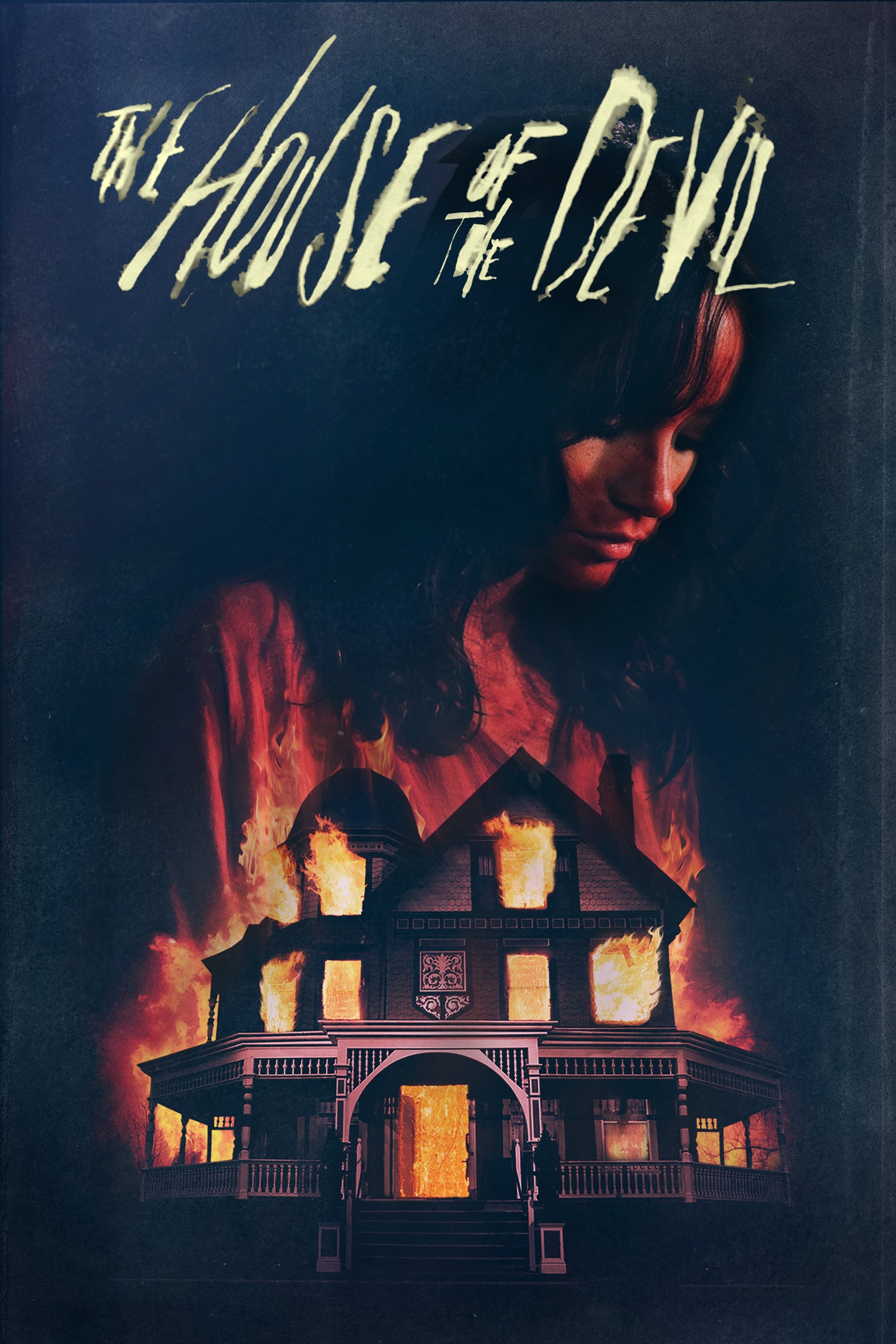
Ti West recreated the look and feel of vintage horror with 16mm film and period props. The story follows a babysitting job that spirals during a single night. A small cast and limited locations made the schedule manageable. Strong home video performance helped it find a lasting audience.
‘Creep’ (2014)
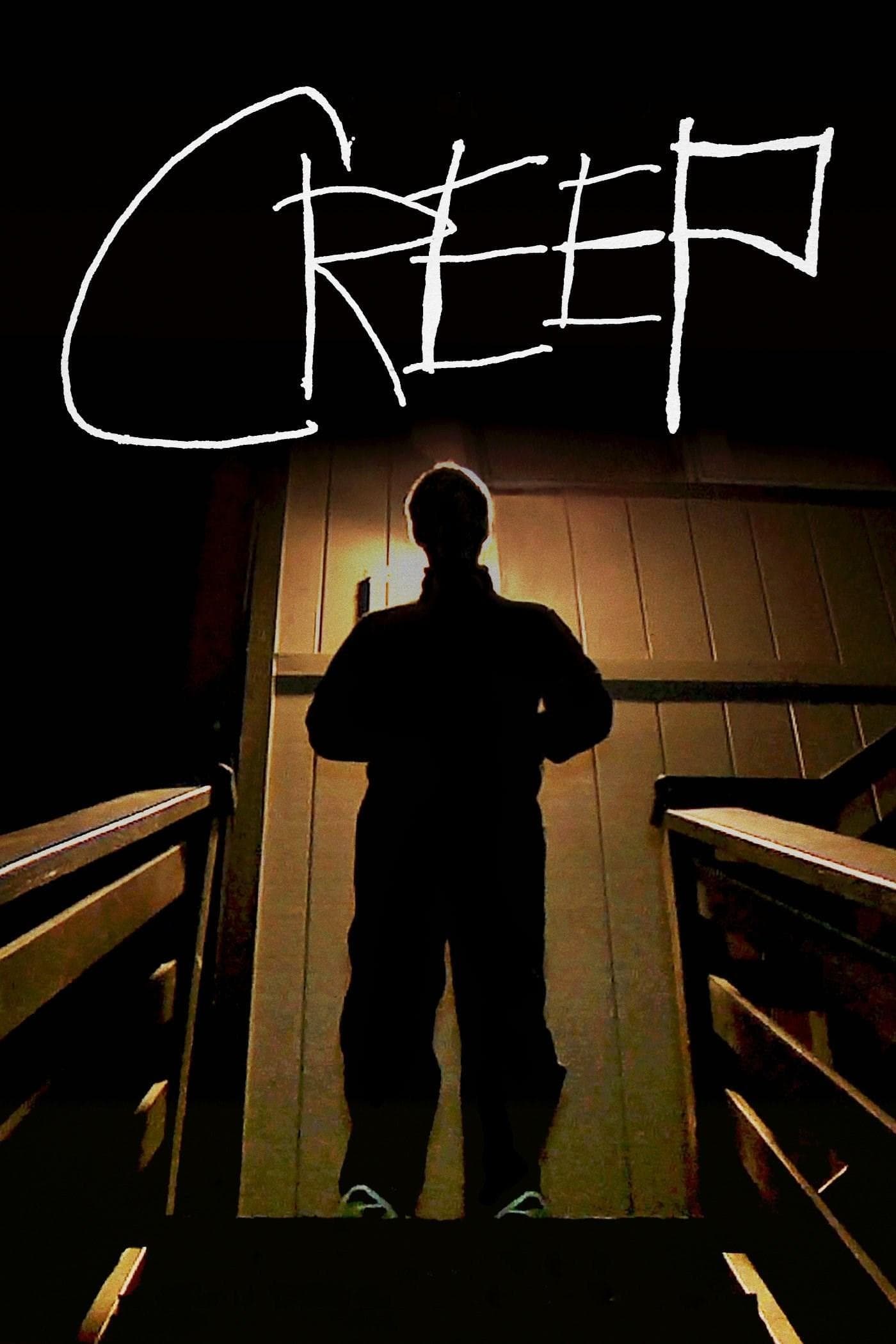
Director Patrick Brice and Mark Duplass built the film around improvisation and a two-person crew. The found-footage approach kept equipment needs light and intimate. Distribution through a major streaming platform brought it to a huge audience quickly. Minimal resources turned character work into the primary weapon.
‘Lake Mungo’ (2008)
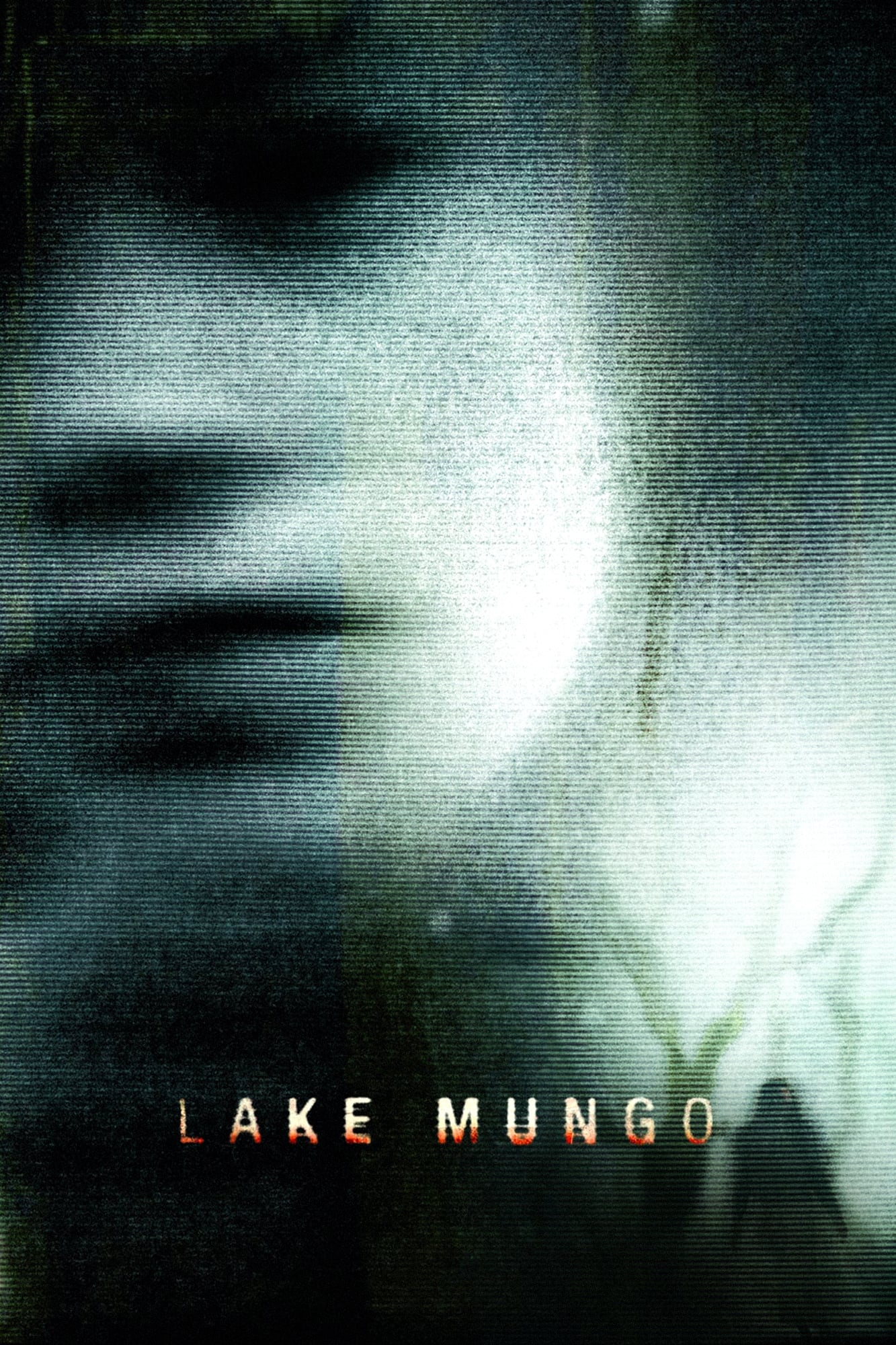
This Australian mockumentary uses interviews, stills, and video fragments to track a family tragedy. The format allowed flexible shooting without large set pieces. Careful editing builds reveals from seemingly mundane material. Word of mouth on physical media and streaming transformed it into a cult favorite.
‘Pontypool’ (2008)
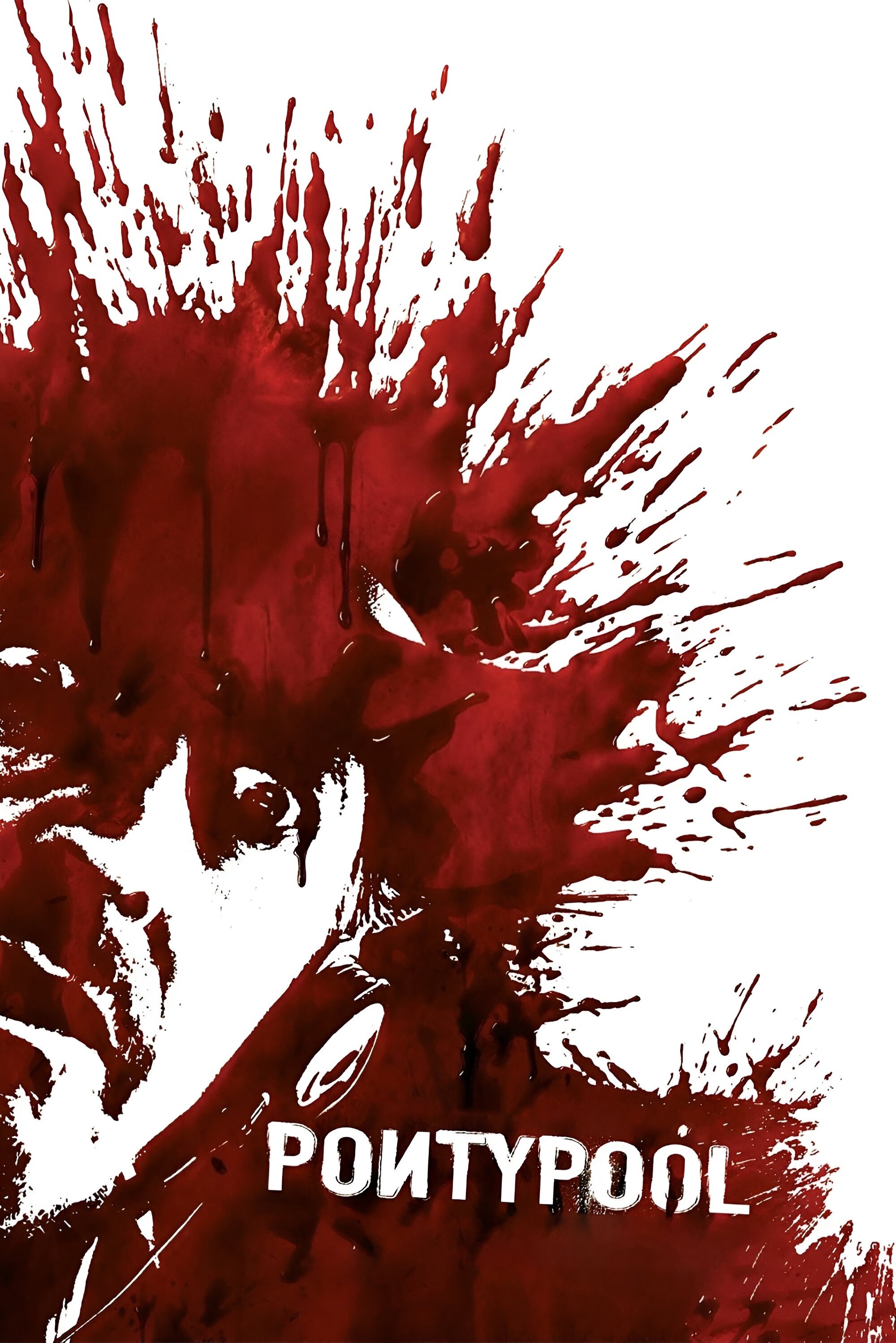
Most of the action takes place inside a small town radio station as an outbreak spreads outside. The infection transmits through language, which keeps the threat mostly off screen. A contained location and a strong lead performance anchor the budget. The result is a tense chamber piece built on dialogue and sound.
‘Kill List’ (2011)
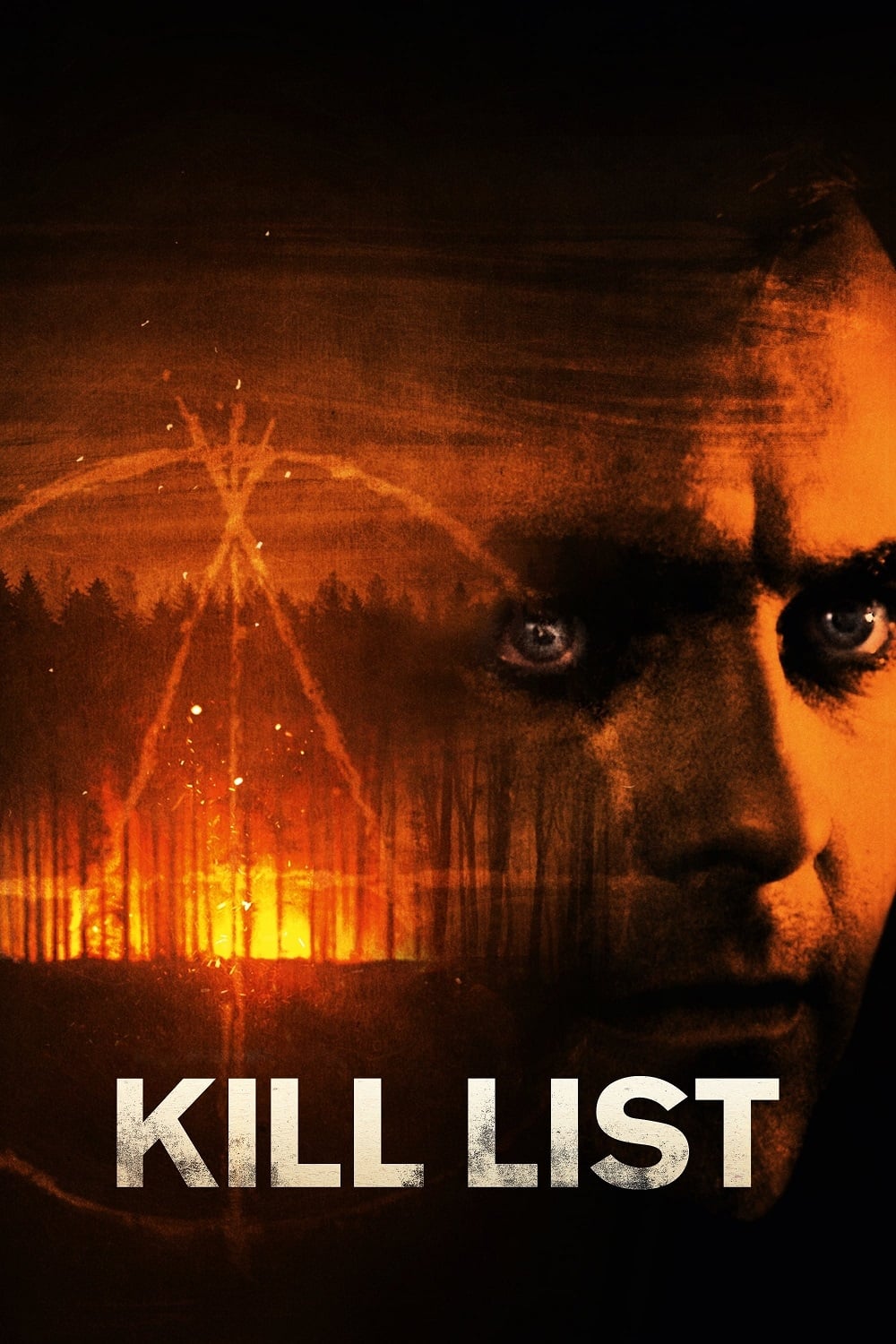
Ben Wheatley blends hitman drama with occult unease through naturalistic performances. Location shooting across the UK kept the footprint small. Partly improvised scenes give it a raw edge that suits the spiral. Its ending cemented a reputation that spread quickly through genre circles.
‘The Invitation’ (2015)
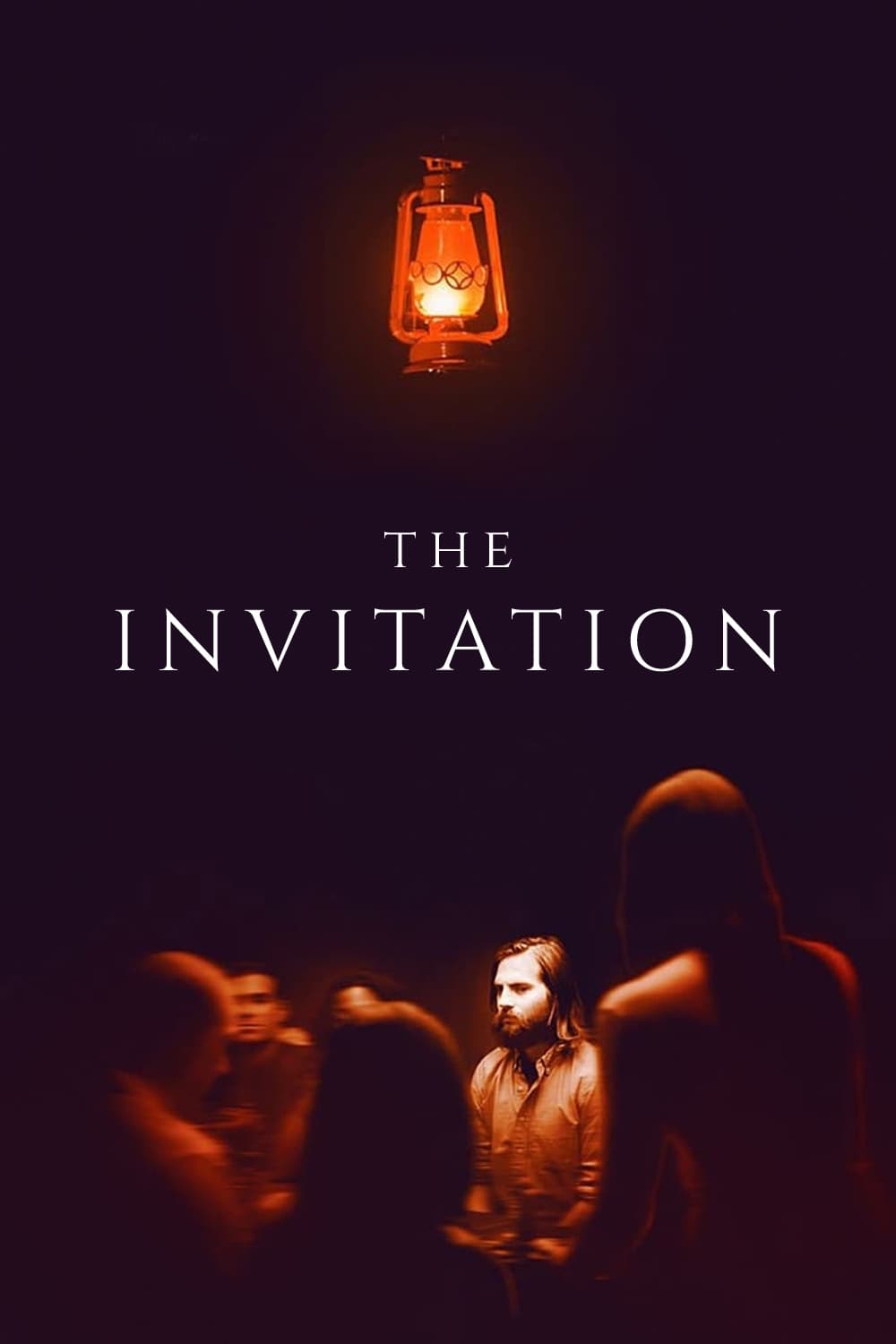
Karyn Kusama sets a dinner party inside a modern Los Angeles home and lets tension climb room by room. The single primary location made production efficient and focused. Careful blocking and long takes keep viewers on edge. A limited theatrical run and streaming push helped it reach a wide audience.
‘Saint Maud’ (2019)
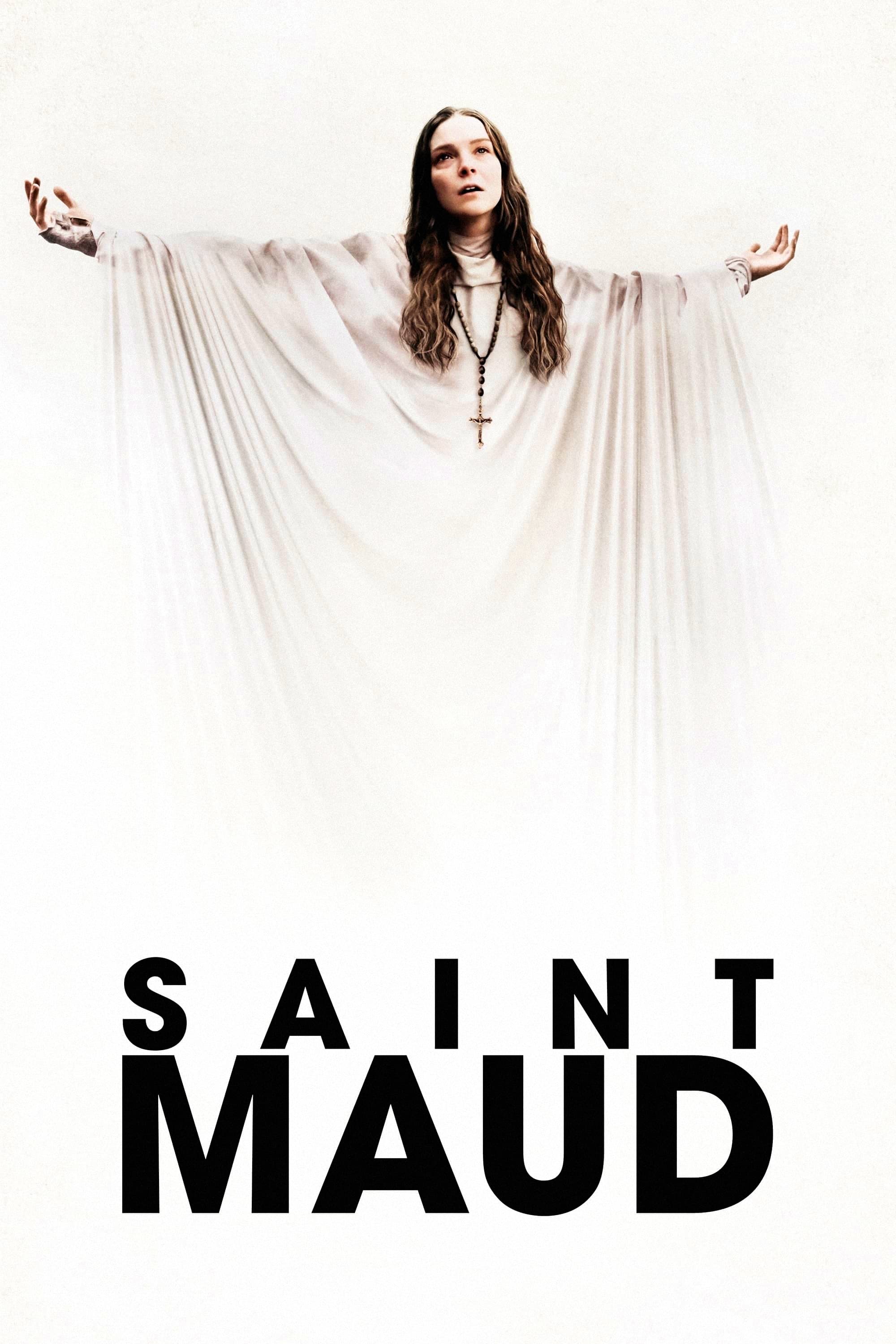
Rose Glass crafts an intimate character study about a private nurse whose devotion turns dangerous. The film relies on precise sound, restrained effects, and sharp perspective shifts. A specialty distributor shepherded it through festivals and arthouses. Its final image became an instant talking point among horror fans.
‘The Endless’ (2017)
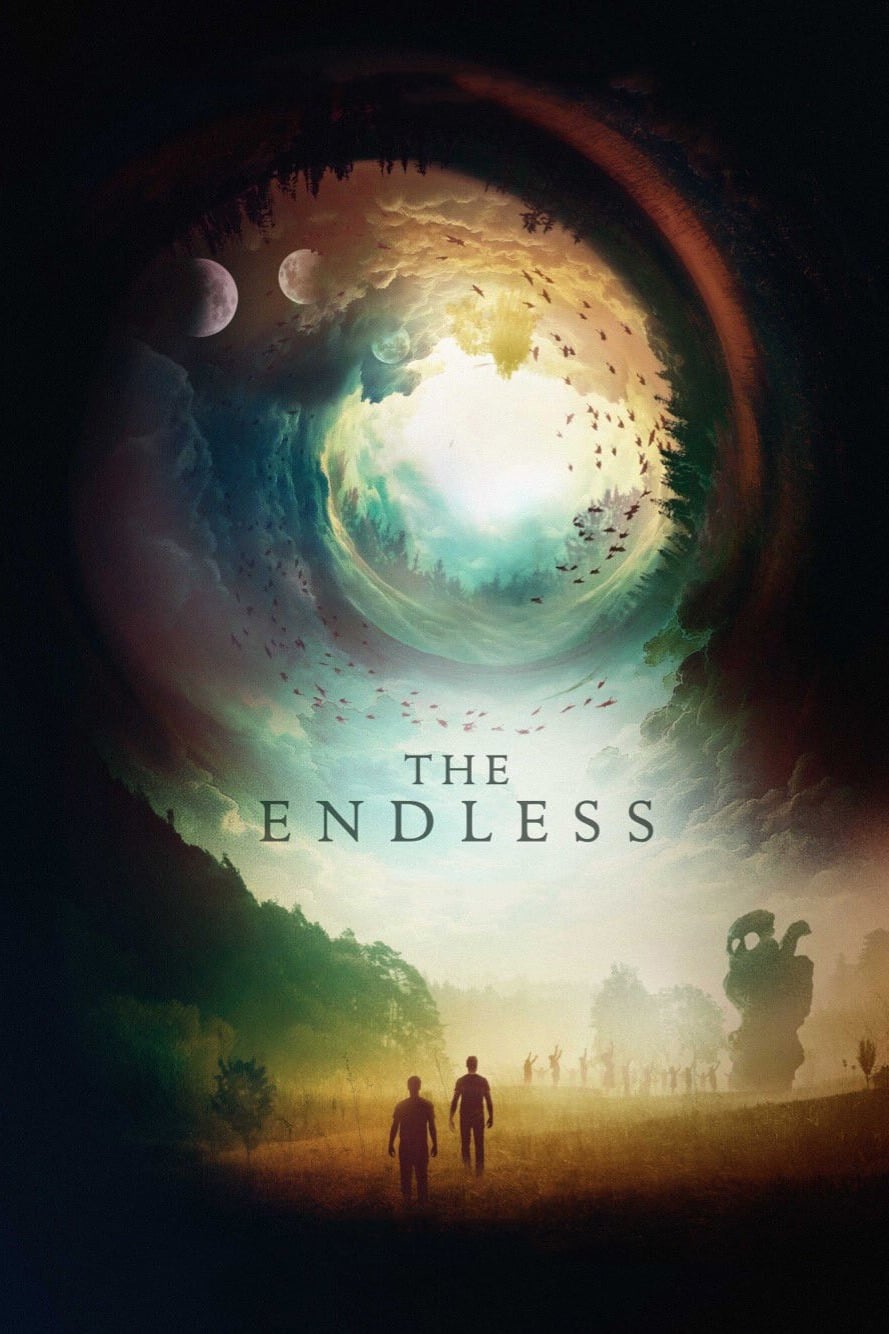
Justin Benson and Aaron Moorhead star as brothers who return to a strange backwoods commune. The production uses practical celestial effects and clever compositing on a tiny budget. Connections to their earlier work reward returning viewers without shutting out newcomers. Festival play and word of mouth carried it to an international audience.
Share your favorite indie horror picks in the comments and tell us which ones we should add next.