15 Best Mentor-Student Relationships In Anime

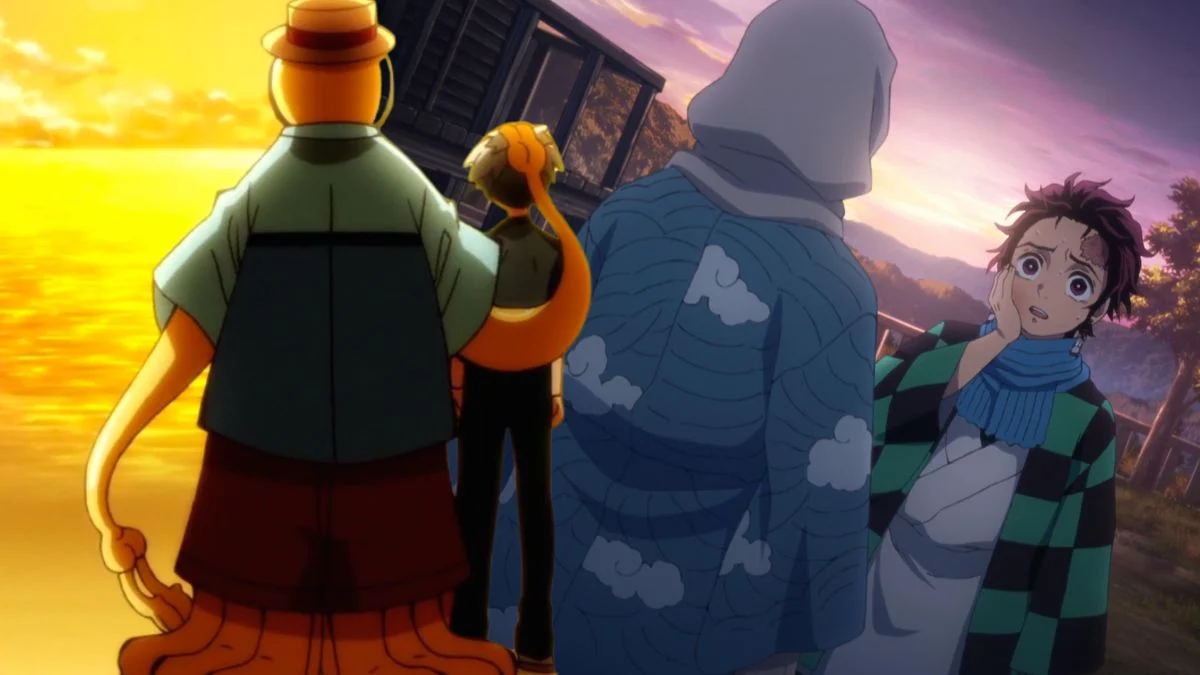

Some of the most memorable turns in anime come from mentors who take raw talent and shape it into real skill. These pairings move stories forward through training arcs, tough lessons, and real responsibilities that change how characters fight and how they think. You can trace signature techniques, key missions, and entire power systems back to the time these characters spent learning from their teachers. Here are standout mentor and student duos across series you probably know well, each grounded in concrete growth on screen.
Koro-sensei and Nagisa Shiota in ‘Assassination Classroom’

Koro-sensei runs Class 3-E with a curriculum that mixes assassination drills, academics, and survival exercises. He assigns personalized training plans and evaluates tactics during monthly exams that double as combat tests. Field trips become full operations where students apply disguises, intel gathering, and nonlethal takeovers. The series is animated by Lerche, which gives the classroom set pieces bright clarity while keeping the action readable.
Kakashi Hatake and Team 7 in ‘Naruto’

Kakashi introduces Team 7 to squad coordination with the bell test and builds missions around teamwork rather than raw power. He teaches chakra control through tree climbing and water walking before advancing to formation work and countermeasures. His sharingan analysis breaks down enemy patterns so his students learn to read fights in real time. Studio Pierrot adapts these training blocks with steady pacing that shows each step in the team’s progress.
Jiraiya and Naruto Uzumaki in ‘Naruto: Shippuden’

Jiraiya oversees Naruto’s summoning contract, rasengan development, and later the integration of nature energy. He sets travel-based training that forces Naruto to manage stamina and control under pressure. Their work includes intelligence gathering on the Akatsuki that informs tactics for future battles. Studio Pierrot presents these sessions with clear demonstrations of technique stages and limits.
All Might and Izuku Midoriya in ‘My Hero Academia’

All Might prepares Midoriya for a quirk transfer by scheduling a ten-month regimen that rebuilds his body and instills rescue fundamentals. After the transfer, he supervises Midoriya’s early output control to prevent injury and maps small percentage increases as benchmarks. He also runs classroom scenarios that balance property damage, civilian safety, and time on target. Bones animates the hero exercises with crisp framing that tracks Midoriya’s incremental control.
Piccolo and Gohan in ‘Dragon Ball Z’

Piccolo’s training isolates Gohan in the wilderness to develop self-reliance before structured combat lessons begin. He drills ki control, rapid regeneration awareness, and form adjustments for close-quarters fights. Their sessions escalate into synchronized tactics used against major threats. Toei Animation highlights the power scaling with straightforward cuts that make Gohan’s jumps in output easy to follow.
Master Roshi and Goku with Krillin in ‘Dragon Ball’

Master Roshi’s program revolves around unconventional strength building like milk runs, construction work, and shell weight training. He stresses speed and durability before tournament rules and etiquette are introduced. The turtle hermit also codifies stance work and disciplined ki release for his students. Toei Animation presents these daily routines with clean gags that still show measurable gains.
Satoru Gojo and the First-Years in ‘Jujutsu Kaisen’

Gojo breaks down cursed energy into constant flow and reinforcement principles, using movie watching with negative emotion triggers to stabilize output. He introduces domain concepts early and demonstrates counter-domain responses during field operations. The first-years train alongside live threats with safety nets that still demand quick decisions. MAPPA gives these lessons sharp visual language that distinguishes raw energy, technique, and domain effects.
Reigen Arataka and Shigeo Kageyama in ‘Mob Psycho 100’

Reigen channels Mob’s psychic power into client problem-solving that emphasizes de-escalation and boundaries. Jobs range from exorcisms to negotiations, letting Mob practice output control in ordinary spaces. Reigen also sets rules for fatigue and recovery so Mob can avoid burnout while handling requests. Bones animates the job-to-job rhythm with stylized bursts that underline how each case builds practical skills.
Izumi Curtis and the Elric Brothers in ‘Fullmetal Alchemist: Brotherhood’

Izumi grounds Edward and Alphonse in survival training before formal alchemy, insisting on physical conditioning and resource use. She teaches them to read environments as transmutation options and to respect equivalent exchange. Their lessons include strict drills on circles, arrays, and circle-less work after key breakthroughs. Bones keeps the instruction sequences tight, showing exact inputs and results for each alchemical step.
Genkai and Yusuke Urameshi in ‘Yu Yu Hakusho’

Genkai’s tournament and temple training focus on spirit energy shaping, compression, and controlled release. She sets endurance trials that force Yusuke to manage output over long fights. Later, she refines his ability to read enemy energy and adjust technique mid-attack. Studio Pierrot frames these stages with clear milestones that carry into every major bout.
Silvers Rayleigh and Monkey D. Luffy in ‘One Piece’

Rayleigh introduces haki as observation, armament, and conquering layers, then assigns drills to separate and recombine them during combat. He runs Luffy through survival training that limits outside help while promoting improvisation. Their work produces specific counters to logia users and armored opponents. Toei Animation tracks haki visualization with consistent motifs that make Luffy’s new tools unmistakable.
Urokodaki Sakonji and Tanjiro Kamado in ‘Demon Slayer: Kimetsu no Yaiba’

Urokodaki trains Tanjiro on total concentration breathing and the water forms through months of conditioning and blade work. He sets trap-filled mountain runs that build reflexes and scent-based tracking. Final selection prep includes controlled sparring against masked disciples to test technique under stress. Ufotable gives the water forms fluid effects that double as readable diagrams of each movement.
Wing and Gon Freecss with Killua Zoldyck in ‘Hunter x Hunter’

Wing introduces nen through ten, ren, zetsu, and hatsu, keeping the boys on a strict progression before advanced sparring. He assigns practice that aligns aura types with practical applications rather than flashy moves. Their early exams and tower matches become checkpoints for energy control and defense. Madhouse presents nen states with consistent visual cues so viewers can see exactly which principles are active.
Lisa Lisa and Joseph Joestar in ‘JoJo’s Bizarre Adventure’

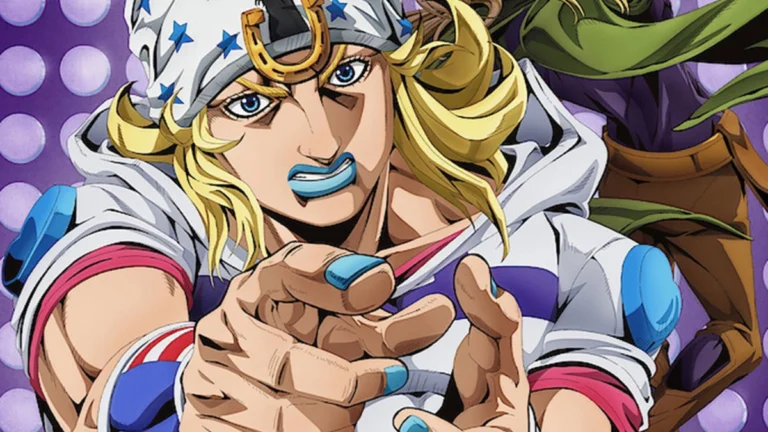
Lisa Lisa’s regimen centers on ripple breathing control and body discipline using oil pillar climbs and underwater drills. She enforces technique purity before combat improvisation, then tests Joseph in staged ambushes. The training directly equips him to counter specific enemy abilities later in the story. David Production visualizes ripple flow with steady patterns that make each successful application clear.
Kamina and Simon in ‘Gurren Lagann’

Kamina pushes Simon from excavation work to piloting by pairing drills with live engagements in a combined mecha. He sets objectives that prioritize momentum, coordination, and machine synchronization. Their sorties escalate the scope of operations while keeping Simon focused on immediate, achievable tasks. Gainax animates the cockpit interplay and combiners with brisk cuts that show how instruction becomes execution.
Share your own favorite mentor and student pairings in the comments and tell us which lessons stood out most to you.