


25 Best Movie Battles of All Time, Ranked

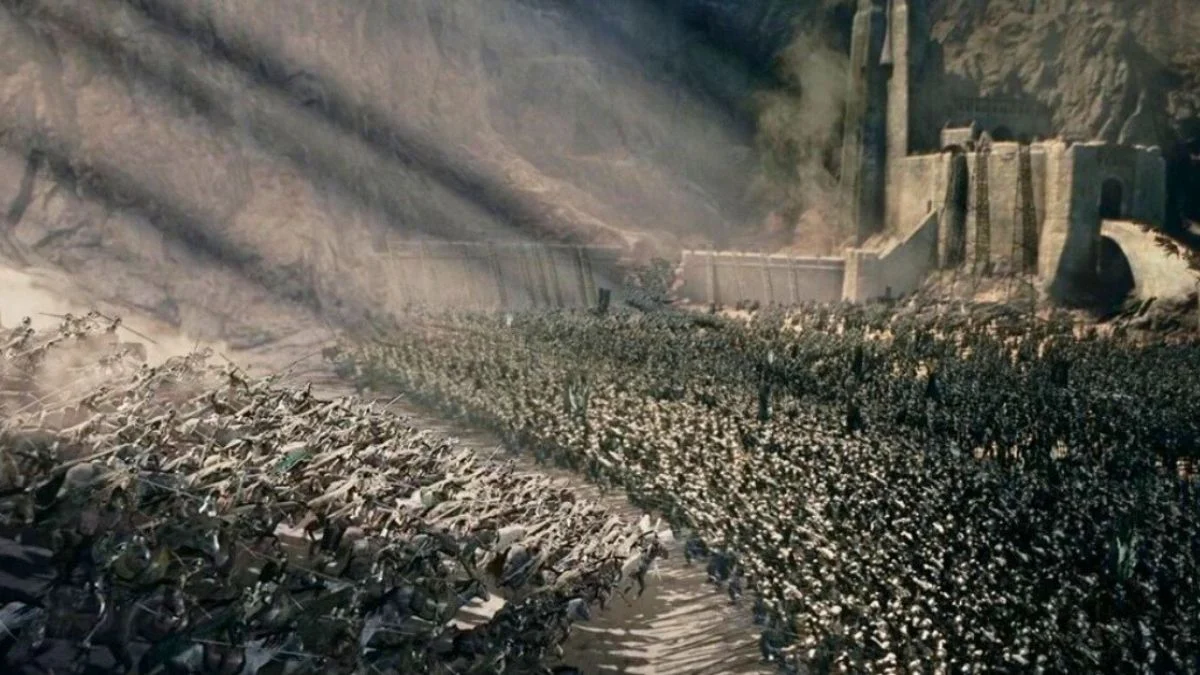


Big battle scenes can tell a whole story by themselves. The best ones combine clear geography, meaningful stakes, and coordinated work from directors, stunt teams, and visual effects crews. They use editing, sound, and camera placement to make sure viewers always understand where the fighters are and why each move matters.
This list counts down movie battles that shaped action filmmaking and stuck in popular memory. You will find large scale clashes, close quarters melees, and strategic sieges. Each entry includes concrete details on what the scene shows and how the filmmakers brought it to life.
‘300’ (2006)
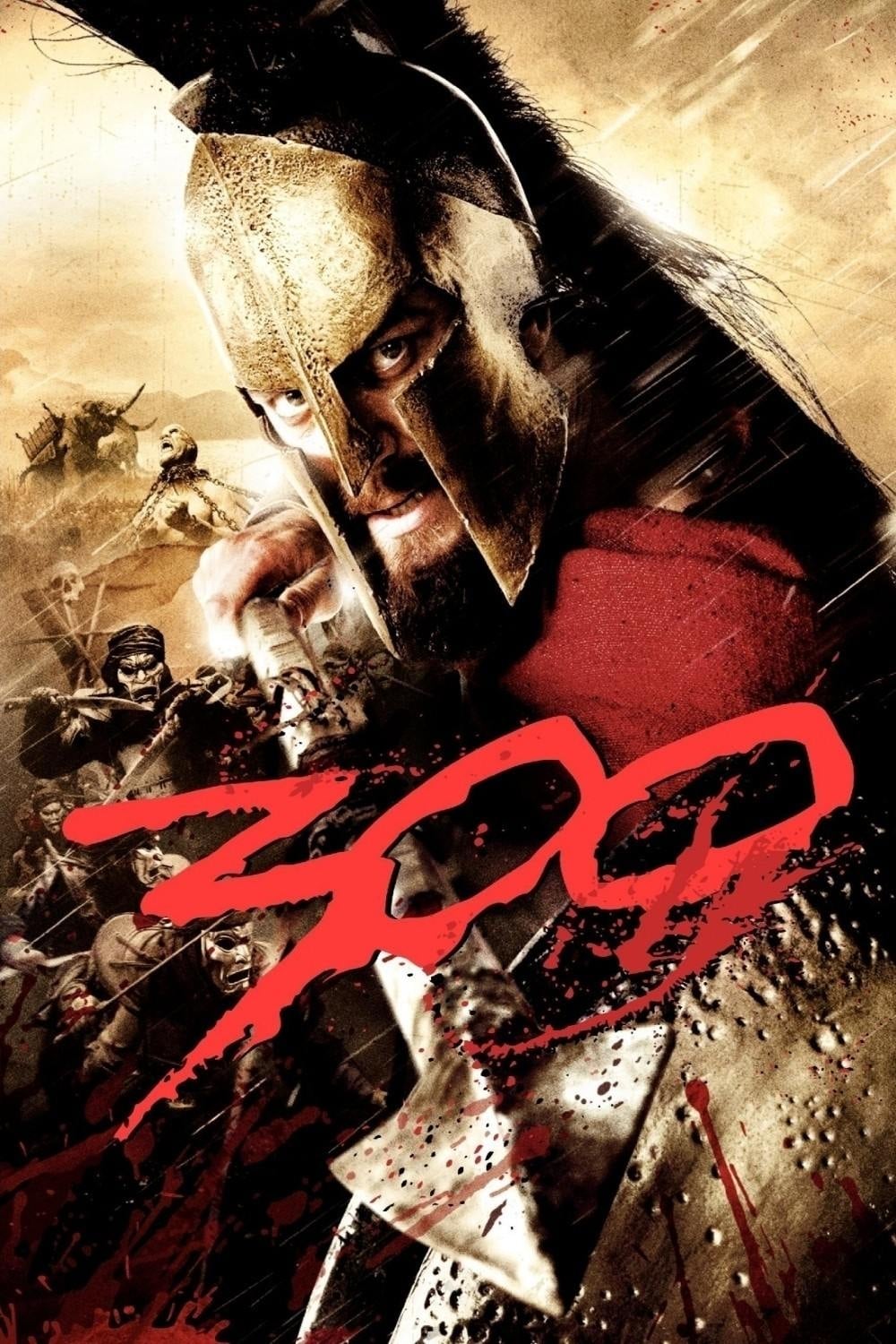
The battle scenes in ‘300’ depict the Spartan defense at Thermopylae with slow motion timing and stylized compositions that match the film’s graphic novel roots. Phalanx formations, shields interlocking, and spear thrusts are shown in single take movements that track Leonidas across the field. The choreography emphasizes group tactics such as shield walls and pushing matches at the choke point.
Production used extensive bluescreen stages and a digital backlot to build cliffs and narrow passes. The team combined live stunt work with digital blood effects and replicated soldiers to expand the Persian ranks. The narrow battlefield let the crew keep consistent sight lines so the audience could track the Spartans’ formation shifts from shot to shot.
‘The Raid: Redemption’ (2011)
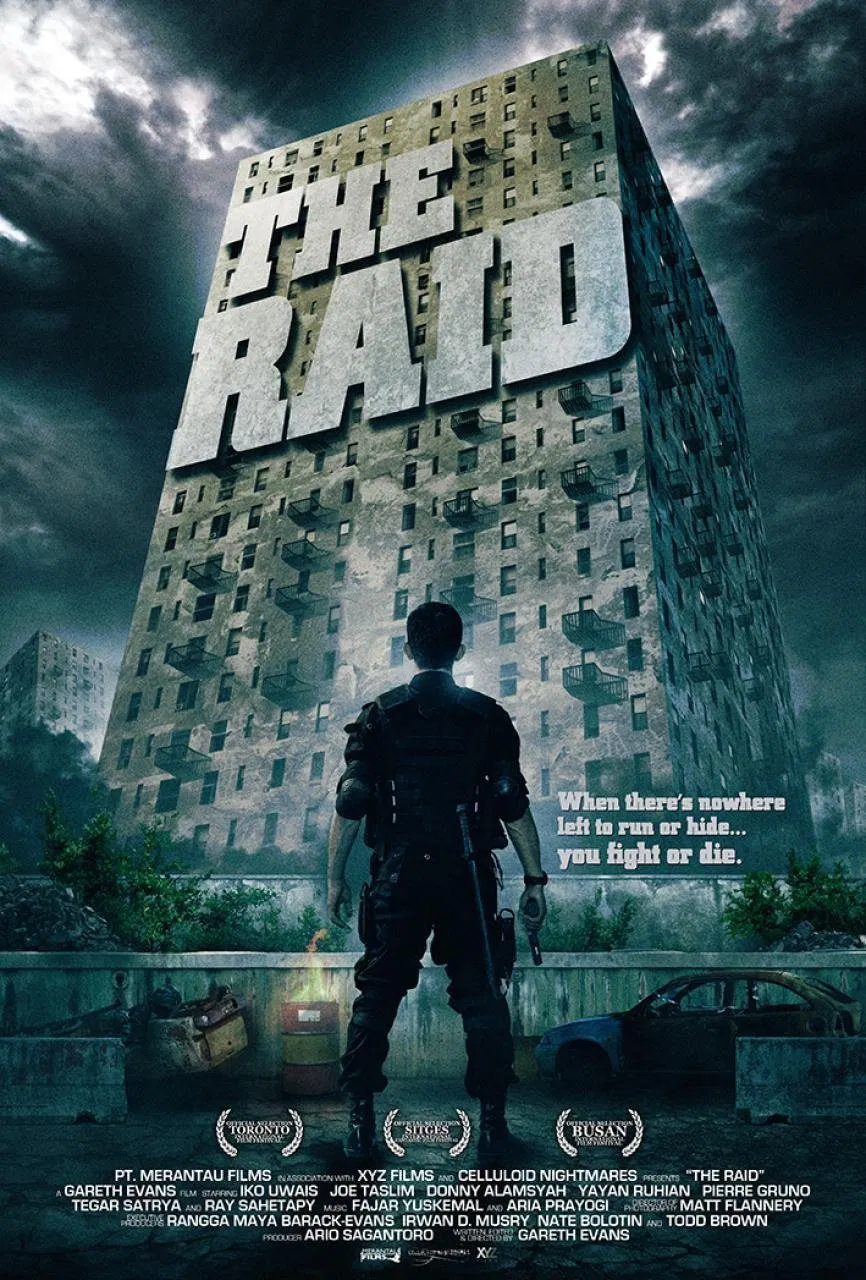
‘The Raid: Redemption’ centers on an apartment block assault where a police team fights room to room. The major hallway battles use silat techniques with elbows, joint locks, and takedowns that read clearly on camera. The camera often stays at mid distance so strikes and footwork remain visible while the fighters move through doorways and stairwells.
The stunt unit performed full contact reactions on breakaway walls and glass to sell impact. Lighting stays practical with overhead bulbs and window spill, which keeps continuity as characters advance floor by floor. Minimal music in key fights lets breathing, footsteps, and weapon clatters set rhythm for each exchange.
‘Hero’ (2002)

‘Hero’ stages multiple duels that unfold like chapters in a single political struggle. The battle by the lake uses wire work and wushu forms with long lens shots that compress distance over rippling water. Color design marks each version of the story with distinct palettes so the viewer can follow what is retold or imagined.
The production shot across locations in China and used controlled wind and rain effects to shape fabric movement during sword passes. Editors matched blade sweeps to diegetic sounds such as raindrops and zither notes. This approach ties martial choreography to the narrative device of shifting memory and motive.
‘Spartacus’ (1960)
‘Spartacus’ depicts slave and Roman forces meeting on open ground with classic era staging. The battle uses wide master shots to show infantry lines advancing and cavalry flanking across rolling terrain. Formations pivot and reform in view so unit movements read without rapid cutting.
The crew coordinated thousands of extras and practical armor with flags and standards used as markers for timing. Optical effects are minimal, so stunts such as horse falls and shield clashes were achieved in camera with trained performers. The result shows period tactics like testudo formations and envelopment maneuvers in clear daylight compositions.
‘Crouching Tiger, Hidden Dragon’ (2000)
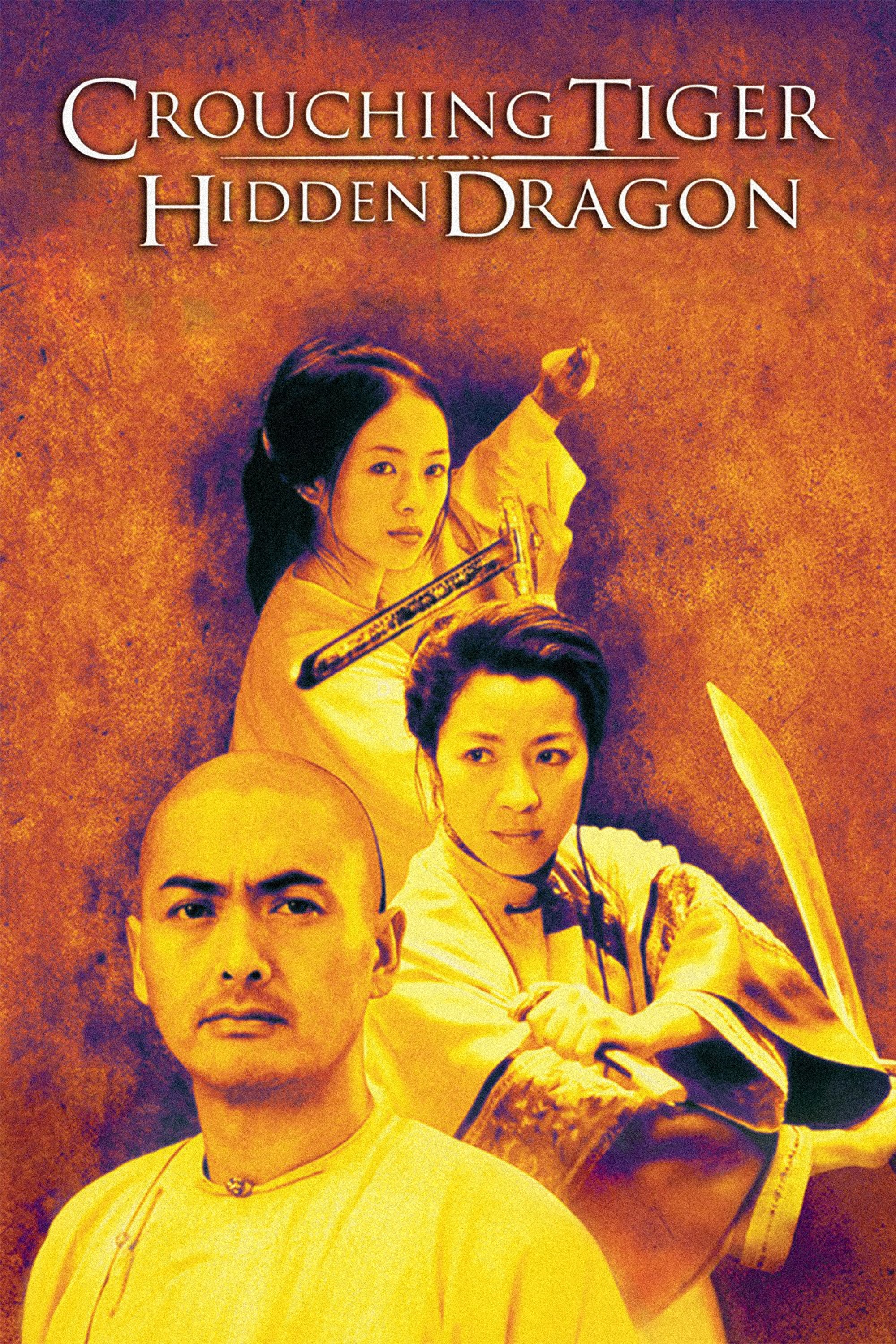
The courtyard battle in ‘Crouching Tiger, Hidden Dragon’ brings multiple weapons into play as the protagonist cycles through spears, broadswords, and staves. The fight maps out the building with jumps between rooftops and railings, and the edit emphasizes clean entries and exits from each space so viewers track the flow.
Wire rigs and trained wushu performers created extended aerial exchanges that match the film’s poetic tone. Production designed flexible set pieces such as removable lattice panels to handle kicks and blade cuts. Foley recorded specific weapon sounds so each blade type carried a distinct sonic identity in the mix.
‘The Raid 2’ (2014)
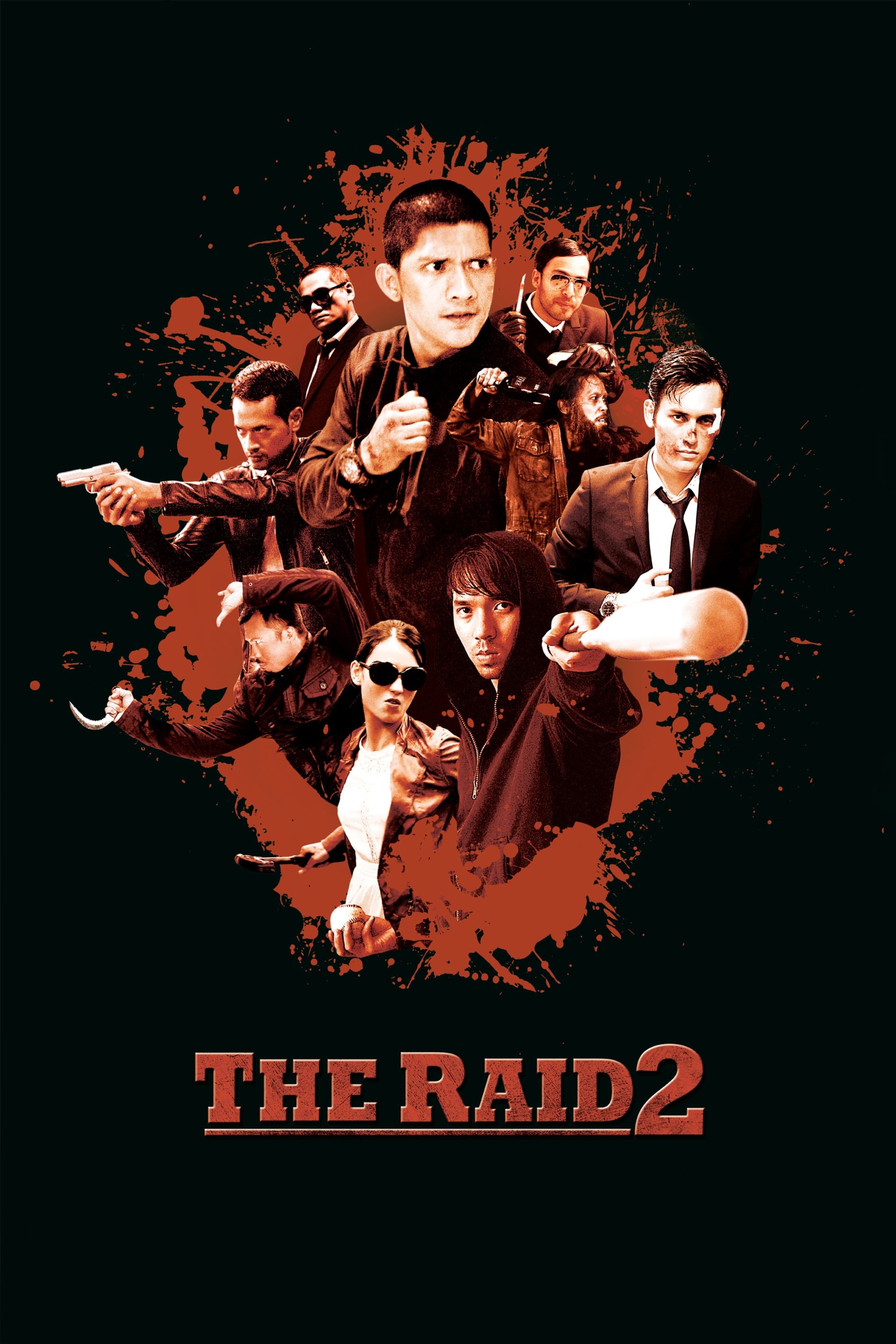
‘The Raid 2’ expands to street level with a prison yard melee, a night club pursuit, and a final kitchen duel. The kitchen fight relies on tight quarters where knives, counters, and slick flooring become tools within the choreography. Camera operators use handheld frames that stay locked on torsos to keep blade lines readable.
Crash mats and rubber edged props supported repeated takes at full speed while keeping timing consistent. Editors preserved long takes to showcase footwork and defensive transitions, and the sound team layered breaths, squeaking shoes, and tile scrapes to detail movement. The approach maintains continuity across multiple locations and scales.
‘Mad Max: Fury Road’ (2015)
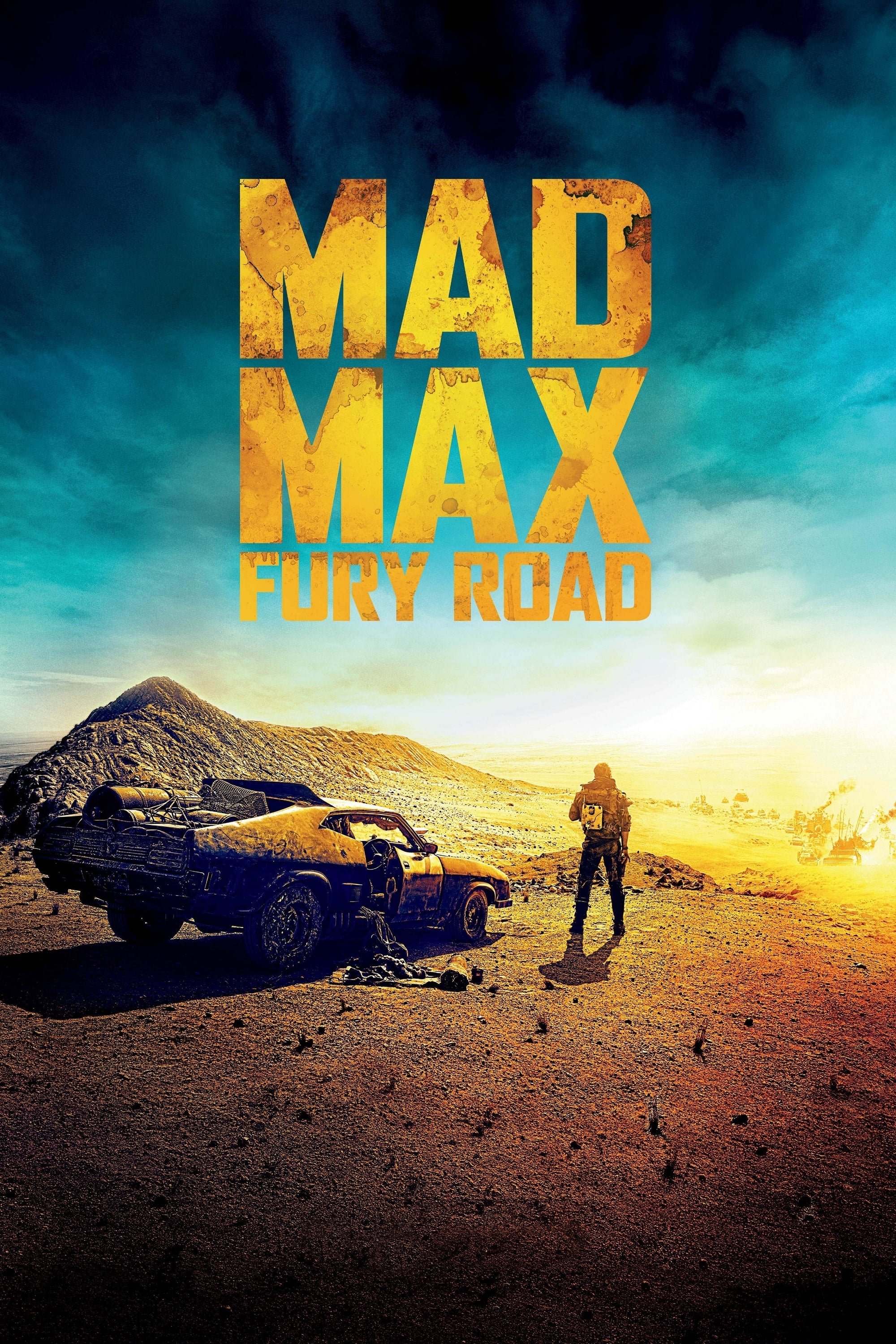
In ‘Mad Max: Fury Road’, battles happen on moving vehicles across desert flats. Pole cats swing on flexible rigs to board the war rig while drummers and engines set tempo for attacks. The geography of the convoy remains clear because vehicles hold fixed positions within the frame during chases.
Production favored practical stunts with wire assists and reinforced vehicles, then used visual effects to remove rigs and extend environments. High shutter speeds and centered compositions keep faces and tools legible at speed. Dust trails and tire paths act as visual guides so viewers track who is pursuing and who is defending.
‘Ben-Hur’ (1959)
‘Ben-Hur’ features a large scale naval battle and the well known chariot race. The sea clash uses full size galleys on tanks with rams and boarding actions staged across multiple decks. The sequence shows rowers, marines, and officers in distinct spaces to organize the chaos of impact and fire.
The chariot sequence was filmed on a massive arena set with practical harnesses and multiple camera positions. Stunt teams trained horses to hit marks while drivers controlled speed on sand prepared for traction. The edit maintains lane positions through consistent screen direction so collisions and overtakes read on first viewing.
‘Ran’ (1985)
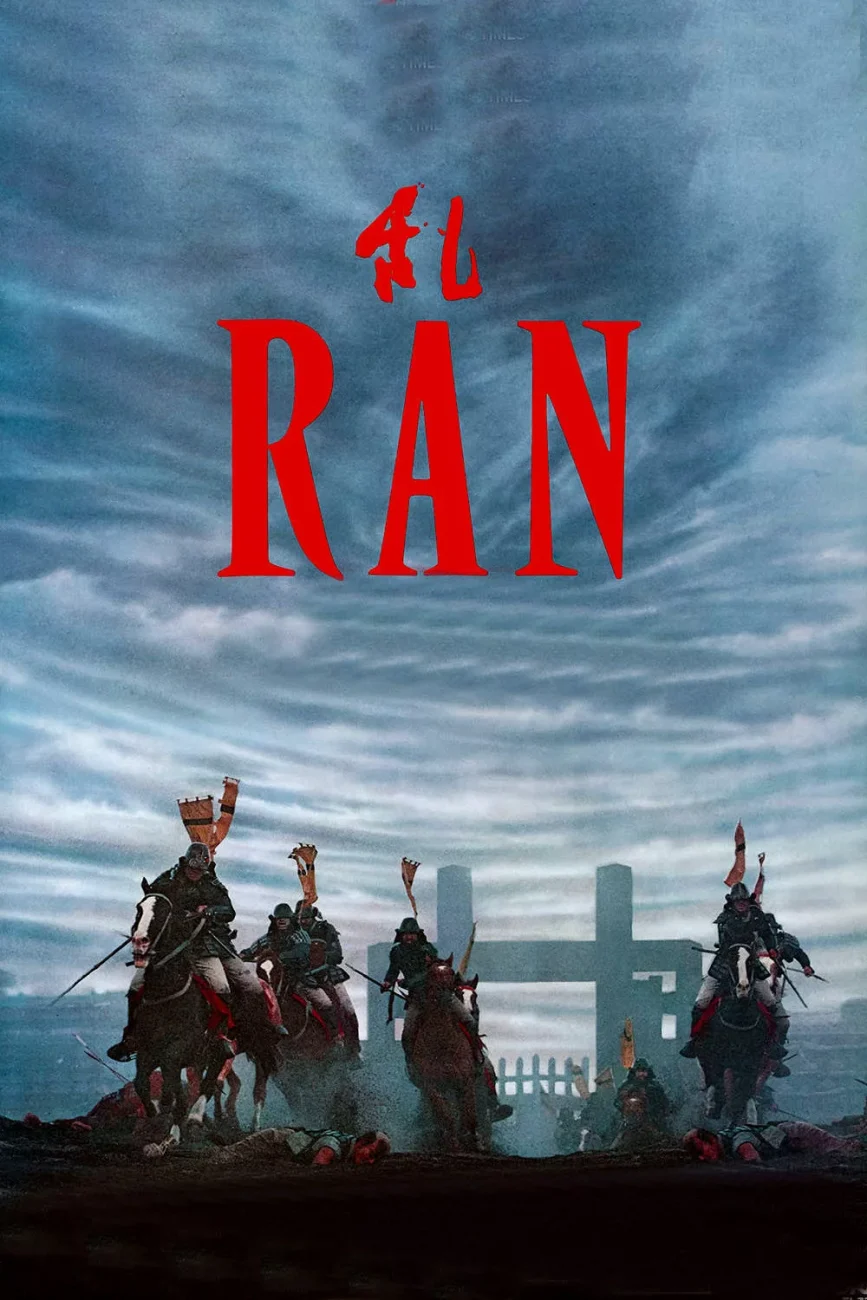
‘Ran’ stages a castle siege where color coded banners identify each army on the field. The attack unfolds with mounted archers, yari infantry, and smoke screens as defenders lose ground. The director holds back on close ups during the first breach to underline the scale of the event.
Costume and banner design serve a tactical purpose by helping audiences see which units advance or retreat at a glance. The production used real locations with minimal dialogue during the initial assault and emphasized music and drum cues to pace the action. The strategy and its breakdown become visible through the positions of banners and cavalry units in wide frames.
‘Heat’ (1995)
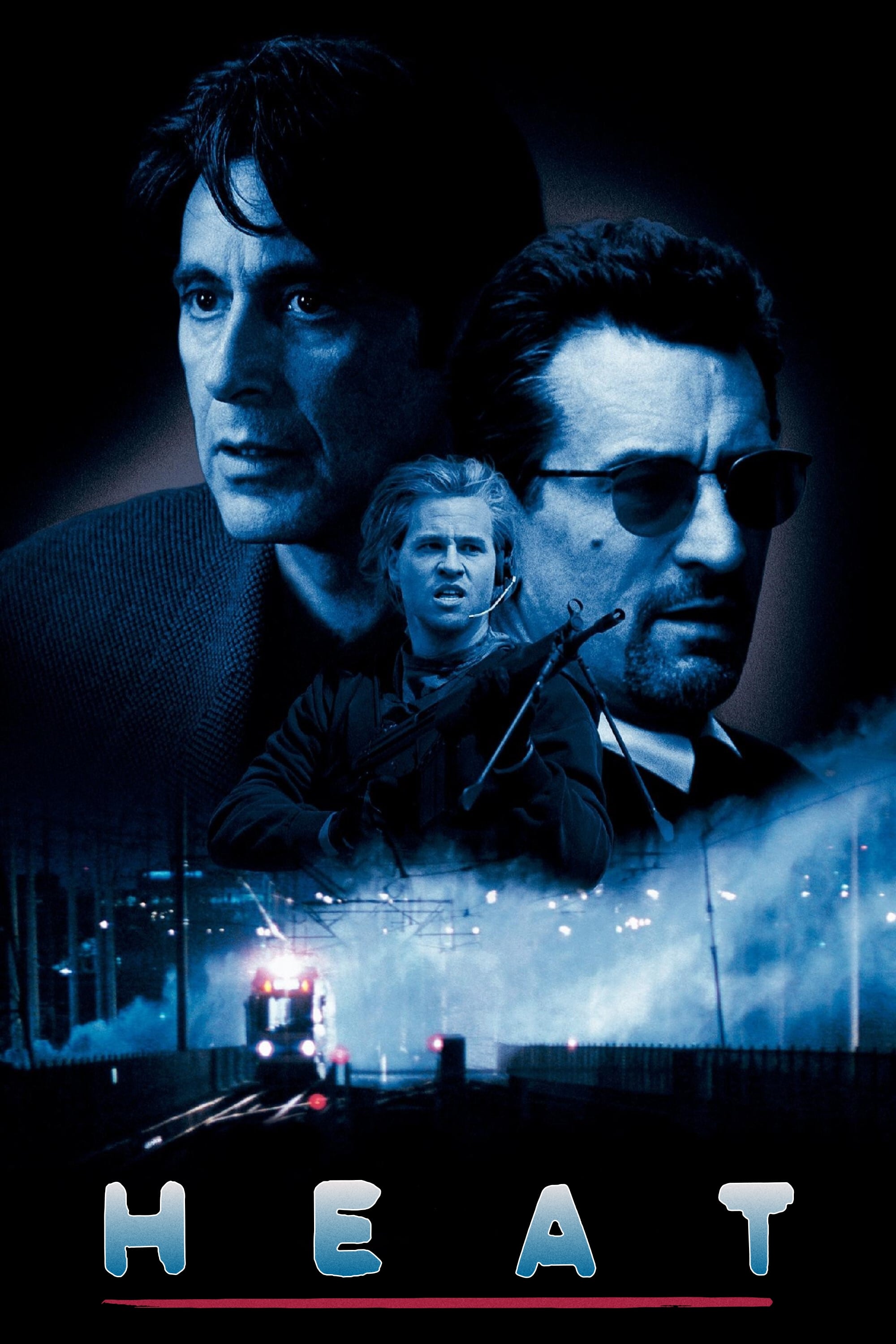
The downtown shootout in ‘Heat’ follows a bank robbery that turns into a running street battle. Sound recordings capture live gunfire echoing between buildings, and reloads, bounding movement, and leapfrogging cover are shown in sequence. The scene maps intersections and storefronts so viewers track the crew’s fallback route.
Actors trained on weapons handling and team movement, which allowed longer takes without cutting around mistakes. Microphones placed along the block provided layered reflections that sell the urban canyon effect. Editing preserves cause and effect as police converge from multiple directions while the crew attempts vehicle exfiltration.
‘Avengers: Endgame’ (2019)

The climactic fight in ‘Avengers: Endgame’ assembles a large roster on a single battlefield. Portals mark each group’s entry point and help the audience understand which team arrives and where they take positions. The fight intercuts squad level objectives such as protecting the gauntlet while aerial units handle incoming threats.
The production blended motion capture, digital doubles, and practical suits for close work. Previsualization mapped character paths before principal photography so live action plates could match the plan. Visual effects then layered crowds, destroyed architecture, and dust to maintain sight lines between foreground and background actions.
‘Avengers: Infinity War’ (2018)

In ‘Avengers: Infinity War’, two major battles anchor the story. The Wakanda fight uses defensive lines, armored vehicles, and shield generators to organize waves of attackers. The Titan sequence cross cuts between hand to hand engagements and attempts to restrain the antagonist, with each character bringing a defined capability to the plan.
The production coordinated multiple units across different continents and used extensive previsualization to track character abilities and cooldown moments. Practical stunt gags such as wire pulls and ratchets blended with digital environments. Color grading keeps locations distinct so audiences always know which plan is unfolding.
‘Braveheart’ (1995)
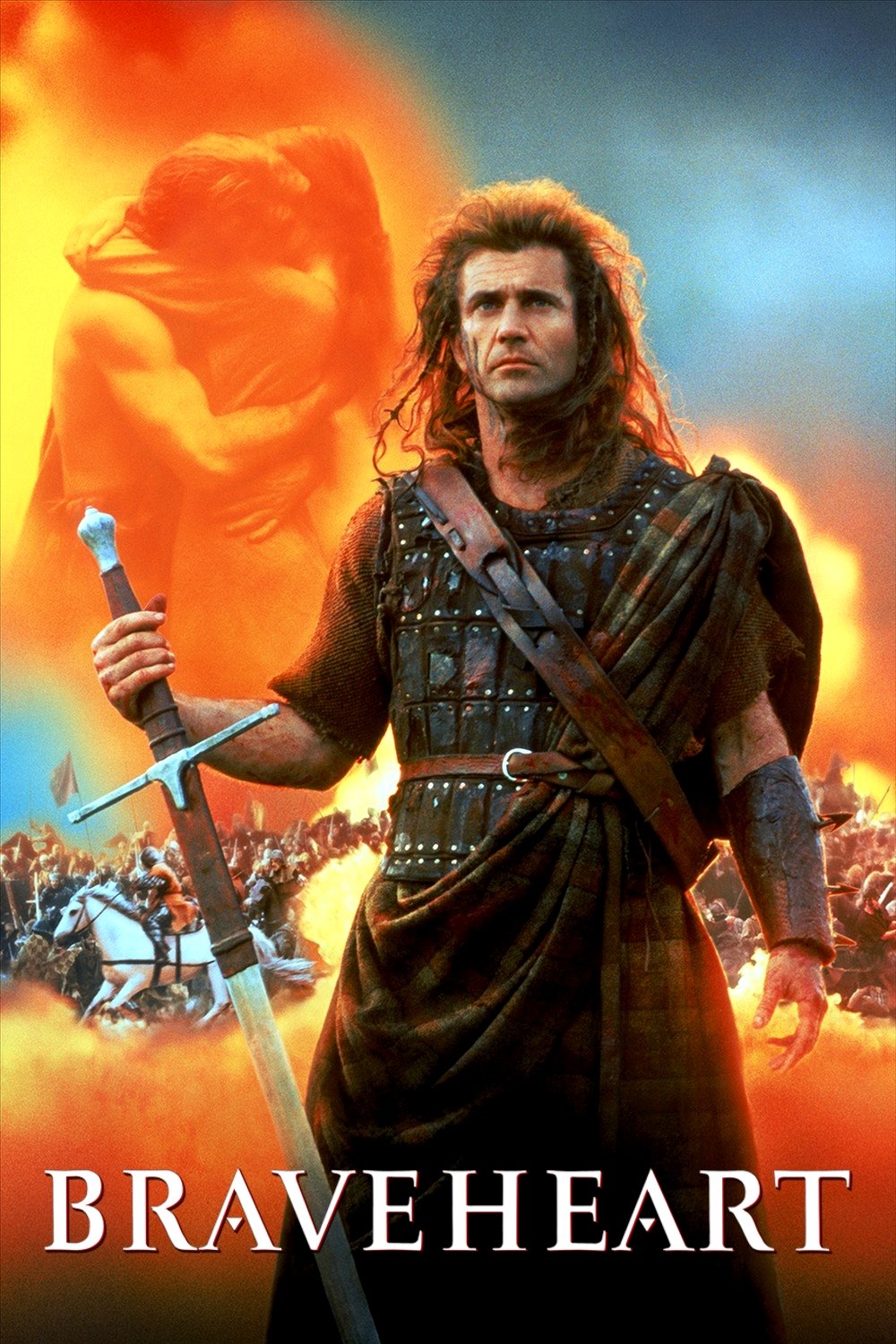
‘Braveheart’ builds battles around infantry formations meeting on open fields. The film portrays the use of long spears against cavalry charges and the effect of terrain on momentum. The sequences show command signals, false retreats, and the timing of reserve units entering the fight.
Thousands of extras in period clothing were organized into companies with colored markers to manage movement. The effects team used squibs, drags, and breakaway props to depict hits. Editors cut between command posts and the front rank so orders and their results are visible within a single passage of action.
‘Aliens’ (1986)
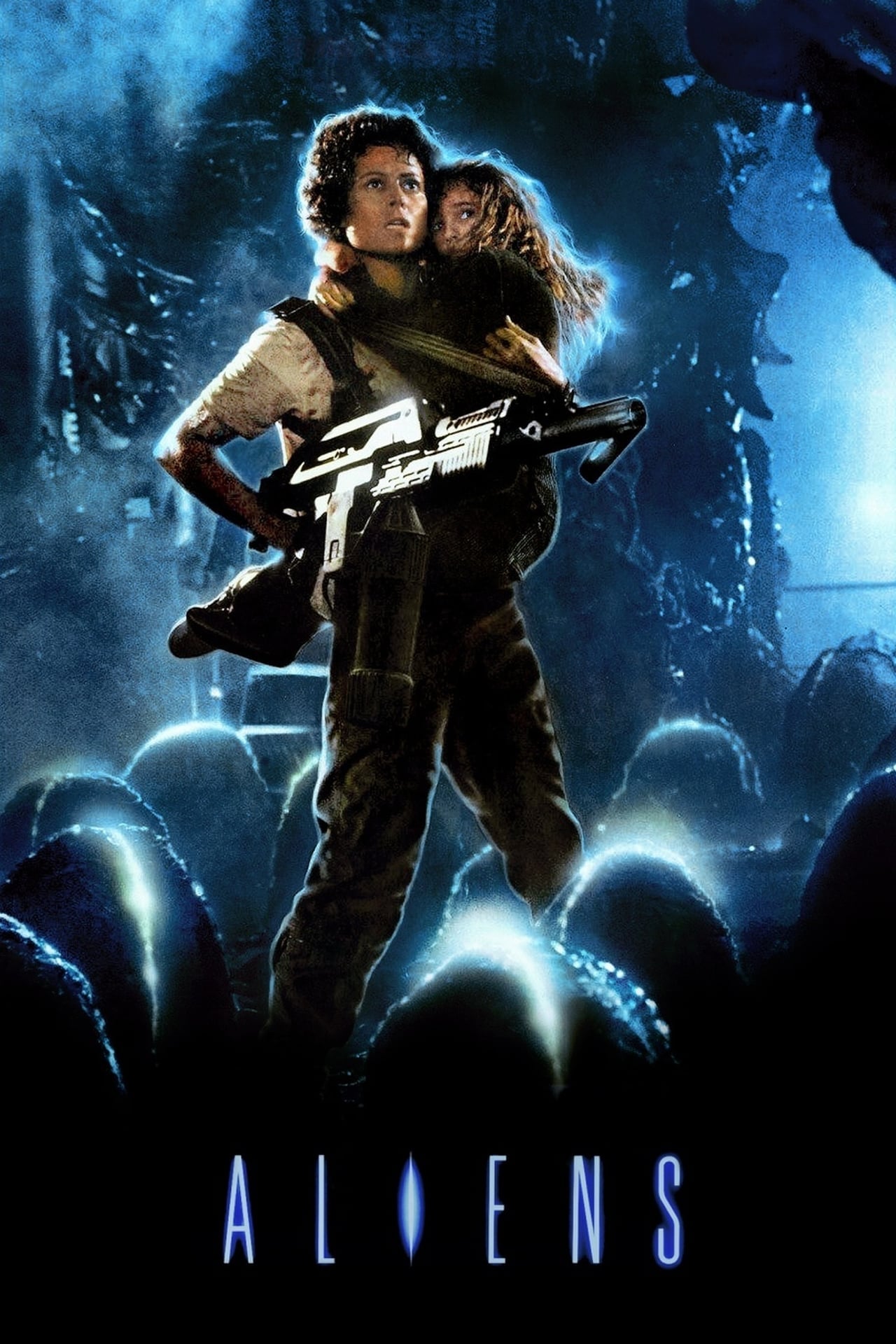
‘Aliens’ stages close quarters fights in corridors, air ducts, and a reactor complex. Marine squads advance with motion trackers and welded defenses while facing enemies that move through vents and blind spots. The final battle in the cargo bay leverages power loaders, airlocks, and pressure changes as functional parts of the fight.
Miniatures, rear projection, and suit performers created the environment and the opposition. The sound mix balances gunfire, alarm tones, and tracker beeps so situational awareness becomes a tool for tension. Editing preserves the layout of rooms and access points to ground each push and withdrawal.
‘Gladiator’ (2000)
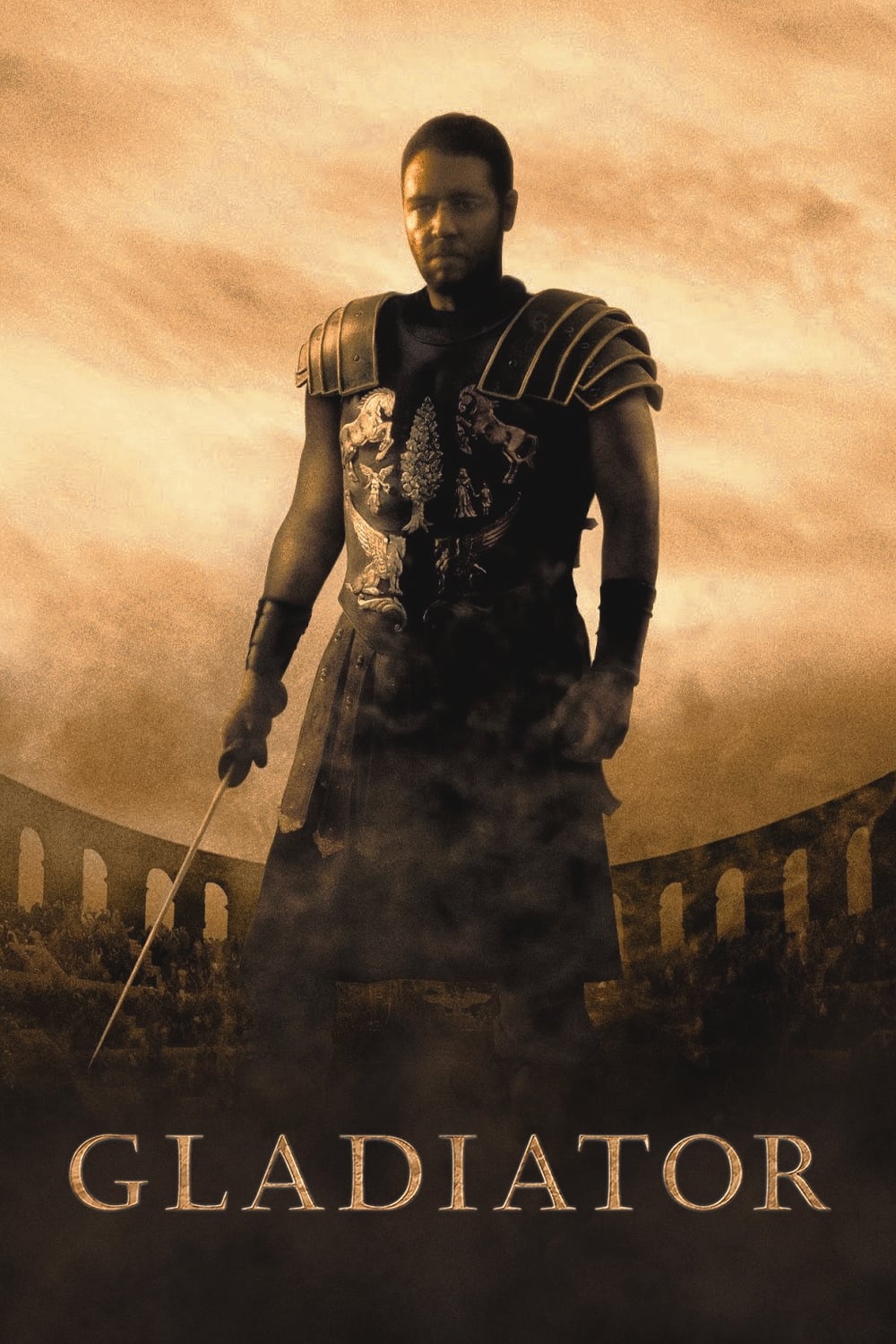
‘Gladiator’ presents an opening forest battle followed by arena fights that scale up to full unit reenactments. The Germania scene uses flaming projectiles, cavalry flanks, and infantry charges in fog filtered light that keeps directionality clear. Later sequences turn the Colosseum into a full battlefield with chariots, archers, and infantry teams.
Production built large partial stadium sets and extended the seating with digital crowds. Multiple camera speeds captured blades and impacts while maintaining motion clarity. Horse teams and chariot rigs were controlled through rehearsed circuits that allowed safe crashes and recoveries within the arena.
‘Terminator 2: Judgment Day’ (1991)
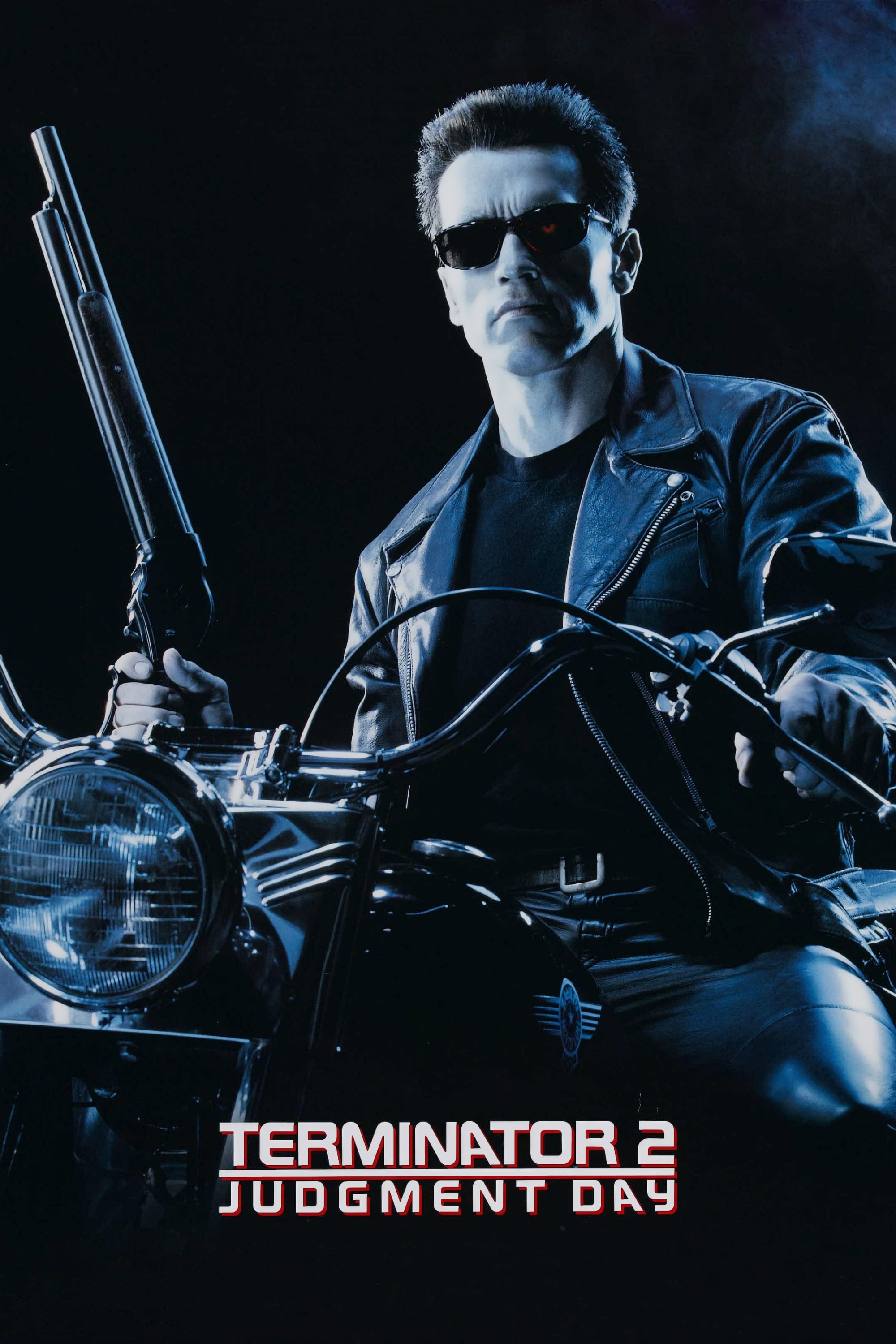
‘Terminator 2: Judgment Day’ features battles that hinge on the T-1000’s shapeshifting abilities. The steel mill finale uses molten metal, machinery, and tight catwalks to alter tactics and movement choices. Earlier chases escalate into direct clashes where firearms, vehicles, and hand to hand strikes test structural limits.
The crew combined practical makeup appliances, animatronics, and computer generated transformations. Set pieces were designed to take impact, including breakaway gates and reinforced glass. Editors aligned transformation beats with physical stunts so digital moments connected cleanly to real world motion.
‘Star Wars: Episode IV – A New Hope’ (1977)
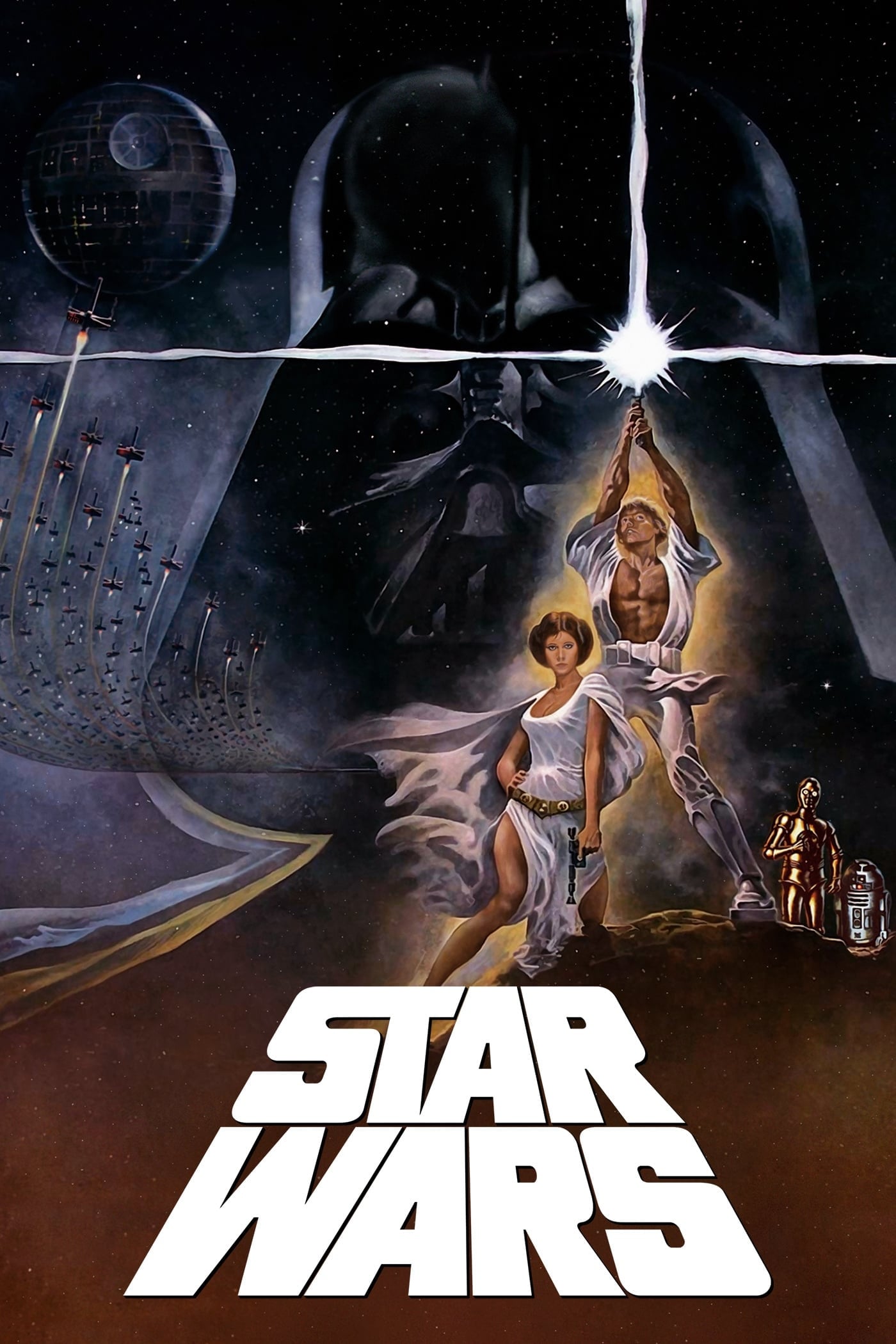
The Battle of Yavin in ‘Star Wars: Episode IV – A New Hope’ follows a trench run where small fighters attack a capital station. The film clarifies squad positions through call signs, tactical screens, and cockpit cuts that align with the exterior action. Radio chatter tracks casualties and remaining time to organize the sequence.
Miniature models and motion control photography created consistent flight paths. Editors matched cockpit angles to exterior passes so each pilot’s run could be followed from start to finish. Sound design layered engines, laser fire, and radio voices to convey speed, distance, and proximity to the target.
‘Saving Private Ryan’ (1998)
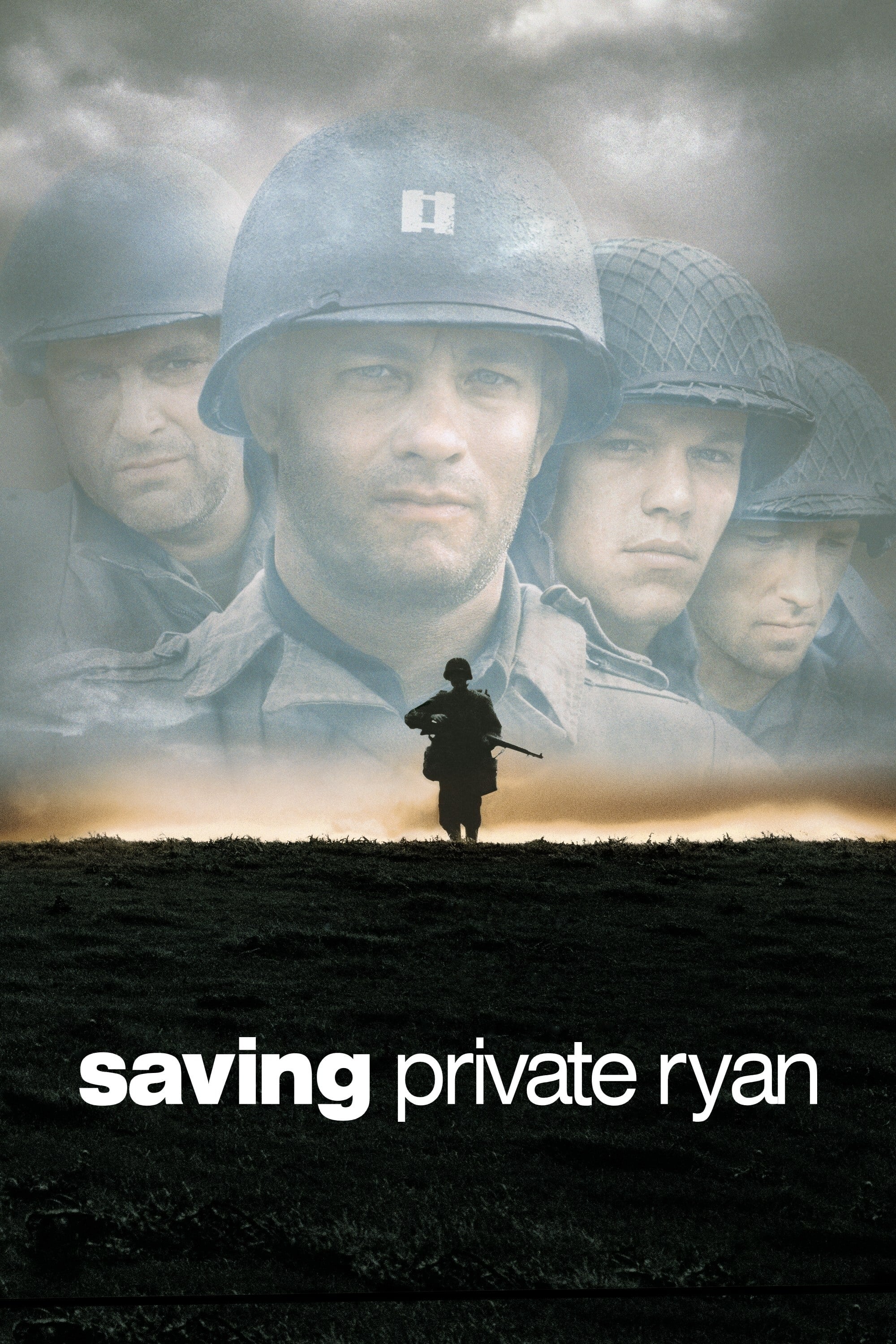
‘Saving Private Ryan’ opens with the Omaha Beach landing where water, sand, and obstacles shape the battle. Handheld cameras and high shutter speeds emphasize muzzle flashes and debris while maintaining horizon lines for orientation. The concluding defense of the town uses choke points, improvised explosives, and overlapping fields of fire.
Practical effects teams used squibs, air mortars, and water cannons to simulate incoming fire and impacts. The color grade desaturates the image to bring out uniforms and equipment markings. Sound editors built a layered mix of ricochets, gear rattles, and shouted commands that serve as communication within the fight.
‘Seven Samurai’ (1954)
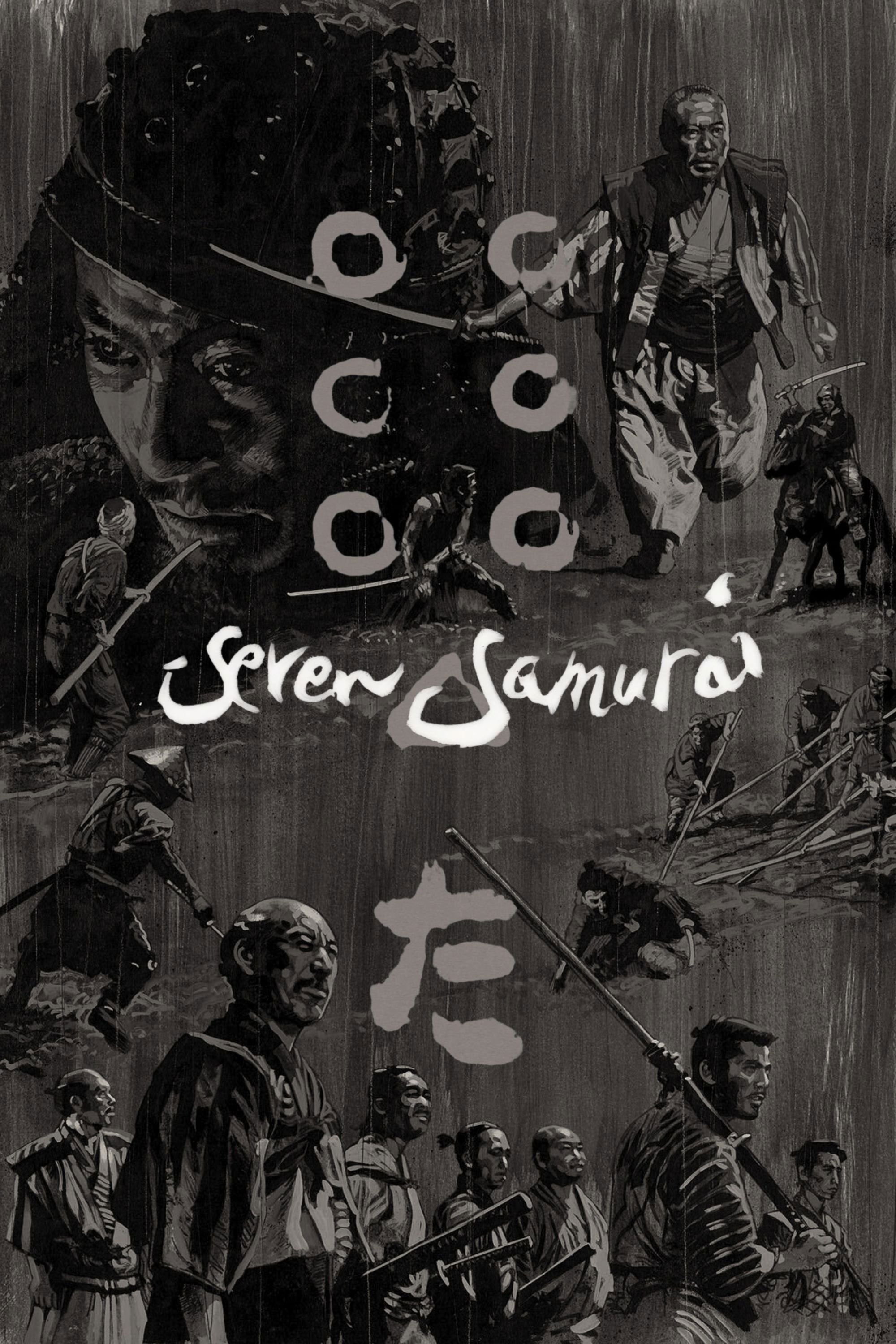
‘Seven Samurai’ builds to a rain soaked village defense planned with maps and barrier placement. The battle unfolds in stages as the defenders whittle down attackers with ambushes and controlled gate openings. The layout of the village and the positions of bridges and ditches are established well before the fight starts.
Shooting in rain required practical water systems and careful exposure control to keep faces readable. The edit tracks casualties across both sides and updates the village map through dialogue and visual markers. Horses, spears, and mud become recurring elements that affect mobility and tactics throughout the defense.
‘The Matrix’ (1999)
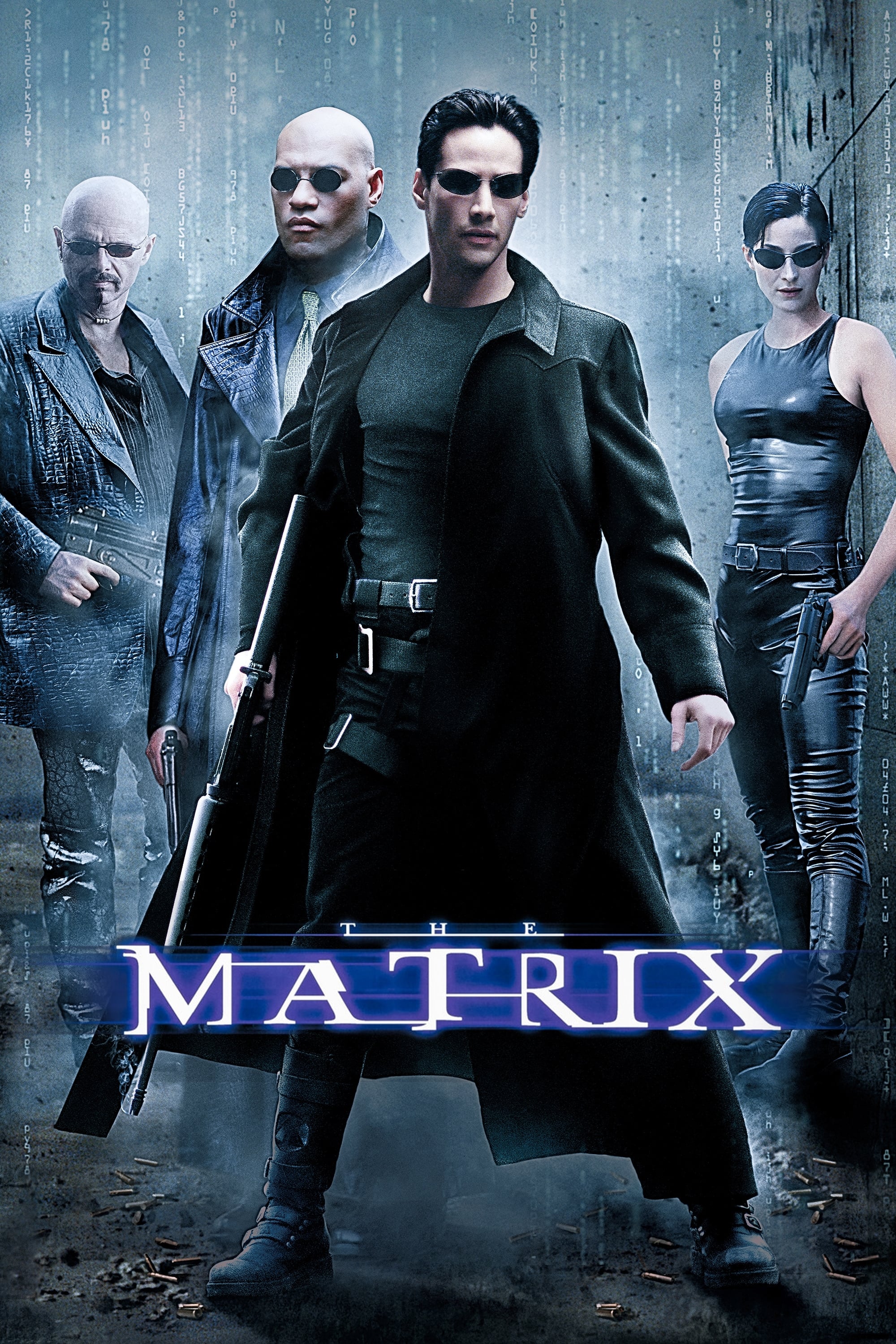
‘The Matrix’ features the lobby assault and subsequent rooftop and subway clashes. The fights combine gunplay, kicks, and acrobatic disarms while maintaining clear lines of attack and defense. Bullet time moments isolate key beats so cause and effect remain visible even when time appears to slow.
The crew implemented wire work, breakaway pillars, and practical pyrotechnics inside a constructed set. Multiple camera arrays captured effects shots that were then interpolated to create smooth temporal shifts. The production coordinated stunt doubles and principal actors to maintain continuity across long sequences.
‘Star Wars: Episode V – The Empire Strikes Back’ (1980)
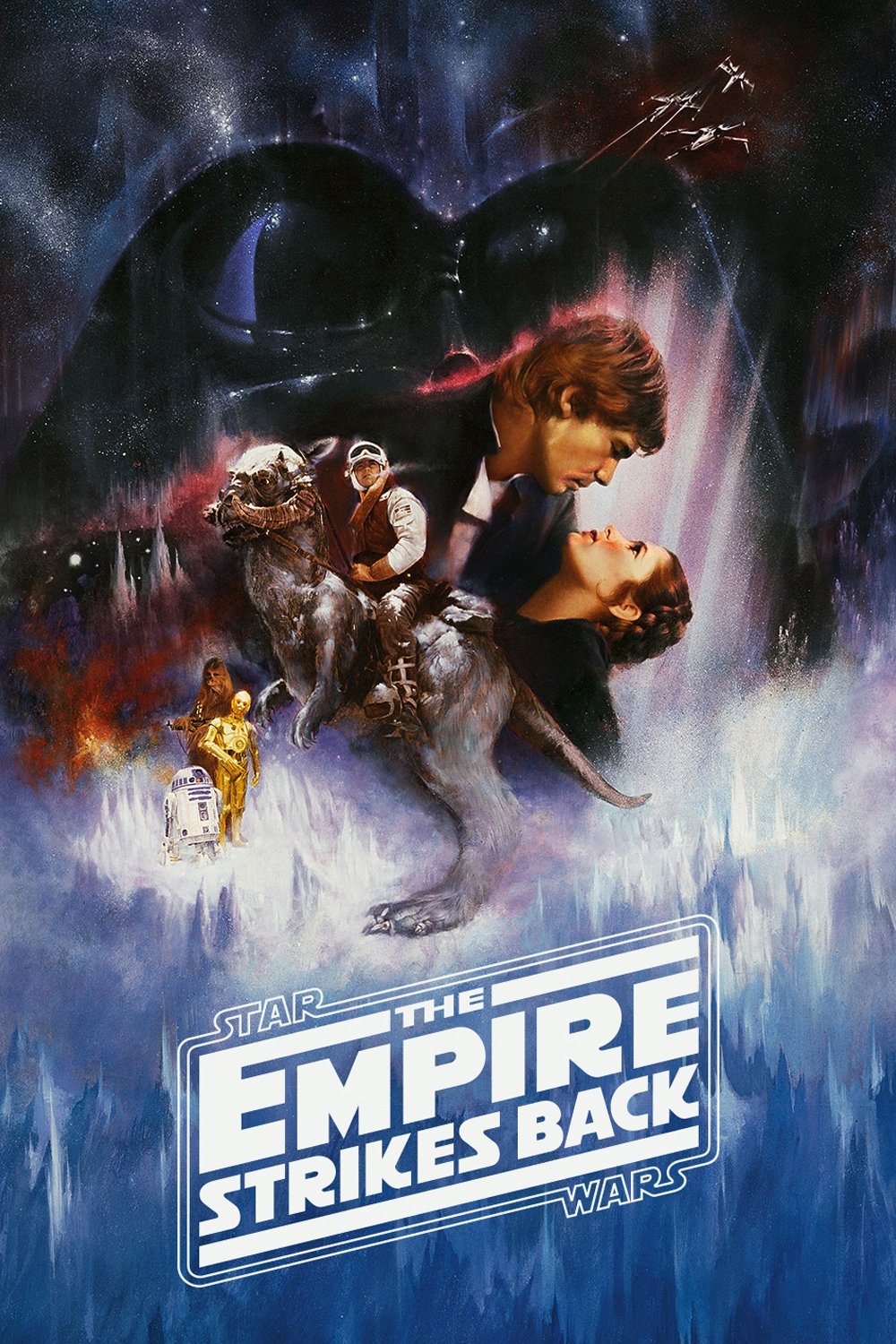
The Battle of Hoth in ‘Star Wars: Episode V – The Empire Strikes Back’ maps a retreat under pressure. Walkers advance in formation while defenders use tow cables, trenches, and shield generators to buy time. The command center and hangar scenes cut into the surface action to show decision making and evacuation.
Stop motion and miniature work brought walkers and snowspeeders to life against large scale ice sets. Editors preserved flight paths and ground positions with repeating visual cues such as ridge lines and antenna arrays. The result lets viewers understand which assets are still in play as the defense collapses.
‘The Lord of the Rings: The Fellowship of the Ring’ (2001)
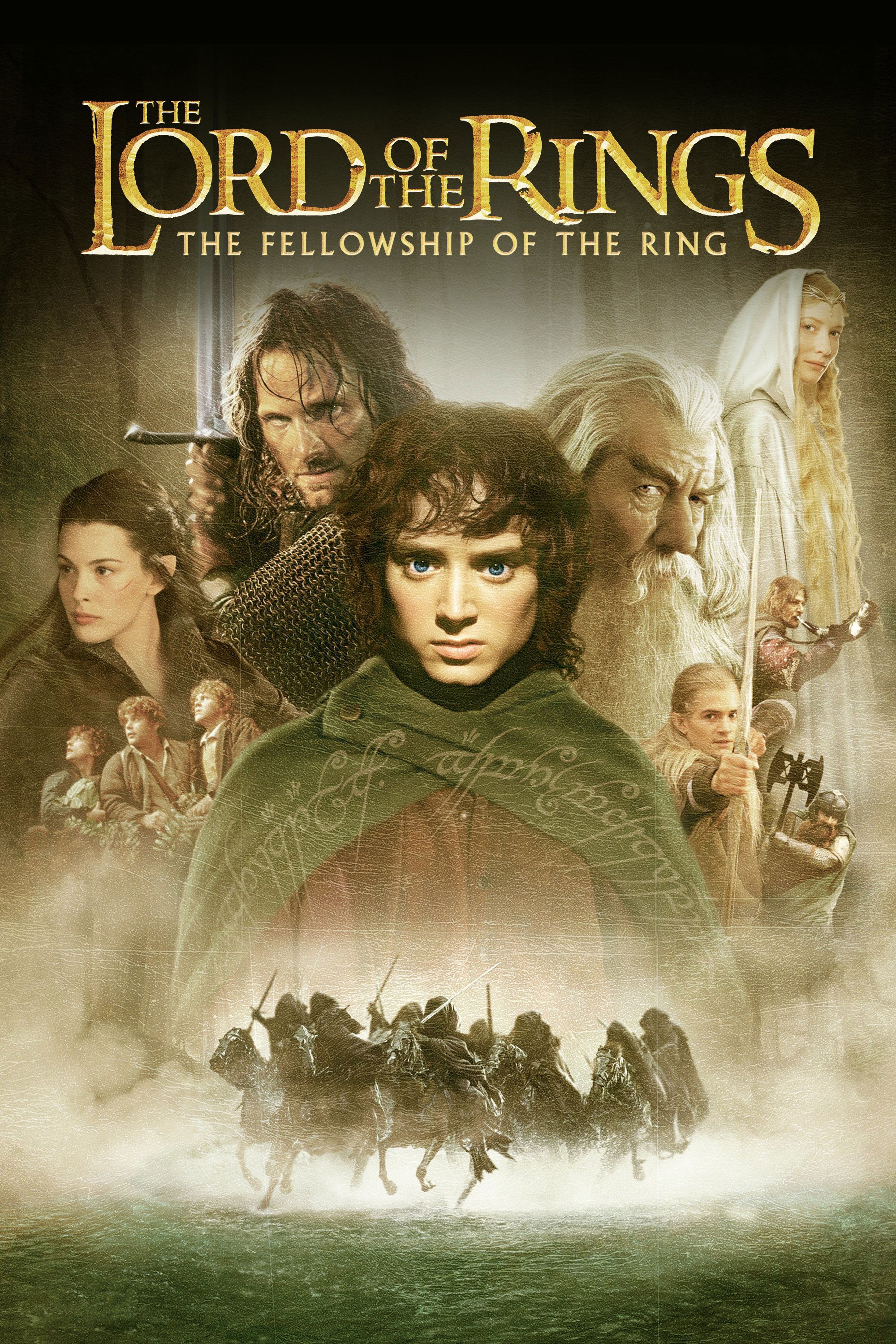
‘The Lord of the Rings: The Fellowship of the Ring’ concludes with a riverside battle where the fellowship fractures during a rear guard action. Earlier setpieces introduce orc tactics, blade types, and terrain that inform the final clash. The staging keeps multiple engagements readable while characters pursue separate objectives.
New Zealand locations provided varied landscapes, and practical armor and weapons were fabricated for close contact. The crew used forced perspective and scale doubles to integrate different sized characters in shared frames. Editing balances wide geography with insert shots of blades, arrows, and footwork to track individual duels.
‘The Good, the Bad and the Ugly’ (1966)
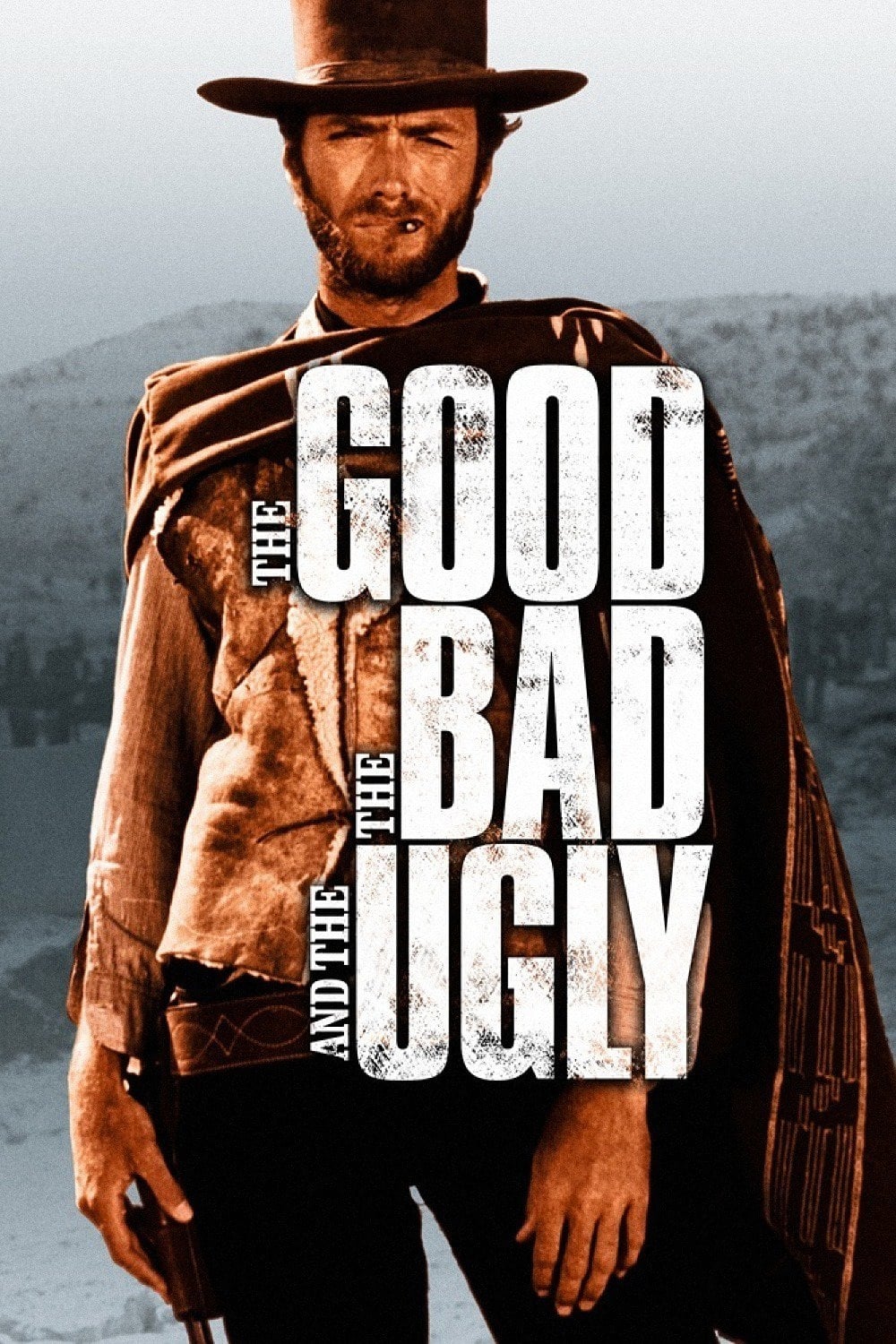
‘The Good, the Bad and the Ugly’ contains a bridge side battle where opposing forces fight over a river crossing. The protagonists manipulate explosives to change the tactical situation, and the camera holds wides to show troop movements on both banks. Dialogue establishes unit morale and command goals before the action begins.
The production built a full bridge and used practical demolition charges for the collapse. Extras were organized into regiments with consistent uniform details so movements remained clear on wide lenses. Sound and dust plumes guide the eye to the main axis of the battle while background skirmishes continue.
‘The Lord of the Rings: The Two Towers’ (2002)
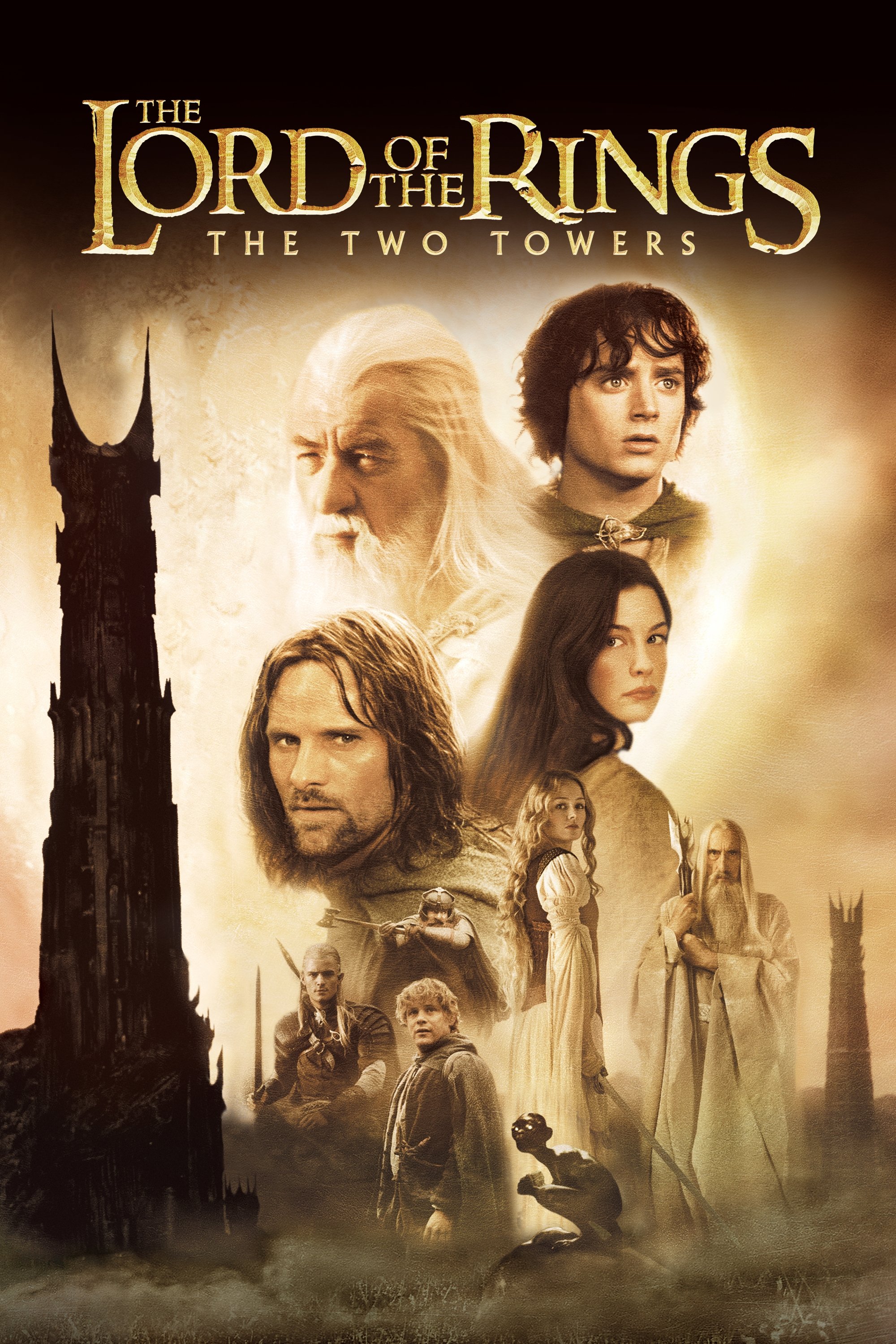
‘The Lord of the Rings: The Two Towers’ centers on the Battle of Helm’s Deep. The fortress design provides walls, culverts, and causeways that shape tactics on both sides. Nighttime rain and torches give consistent lighting cues so viewers can read positions during long stretches of combat.
The production combined thousands of extras with digital crowd systems to fill the valley. Practical effects executed wall breaches and ladder drops while stunt teams handled falls and melee. Editors preserve the geography of the keep through repeated anchor shots that reorient the audience after each push.
‘The Lord of the Rings: The Return of the King’ (2003)
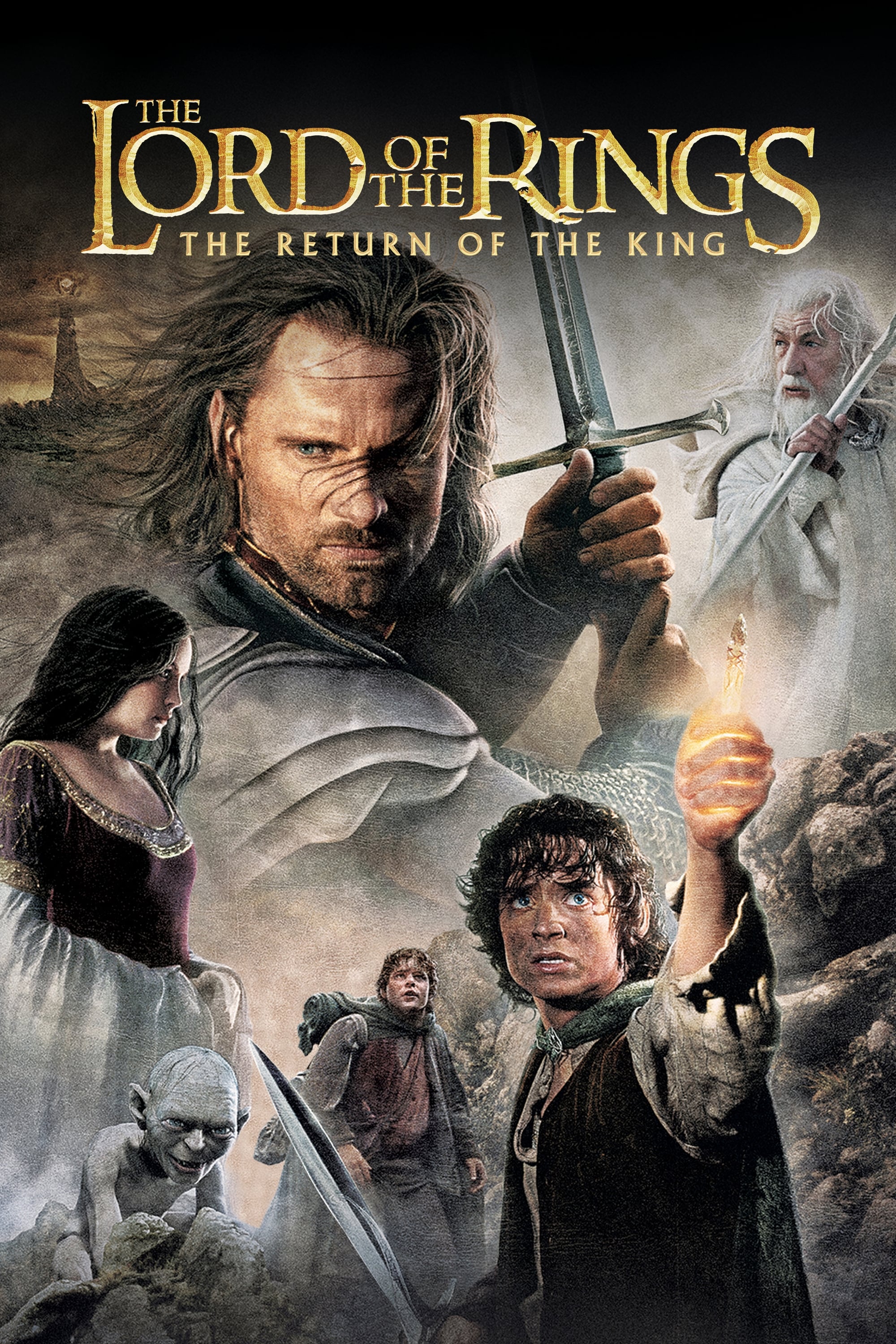
‘The Lord of the Rings: The Return of the King’ delivers the Siege of Minas Tirith and the Battle of the Pelennor Fields. Cavalry charges, siege towers, and infantry lines are staged with clear markers such as city gates, fields, and ridgelines. The sequence also tracks separate missions that affect the field at key moments.
Filmmakers combined large outdoor locations with miniature city sections and digital armies. Horse teams executed complex charges and turns while visual effects extended formations and creatures. The edit threads multiple perspectives together while keeping the main axis of battle easy to follow from entry to conclusion.
Share your favorite movie battle in the comments and tell everyone which scene you think deserves a spot here.