


15 Best Movie Crime Bosses

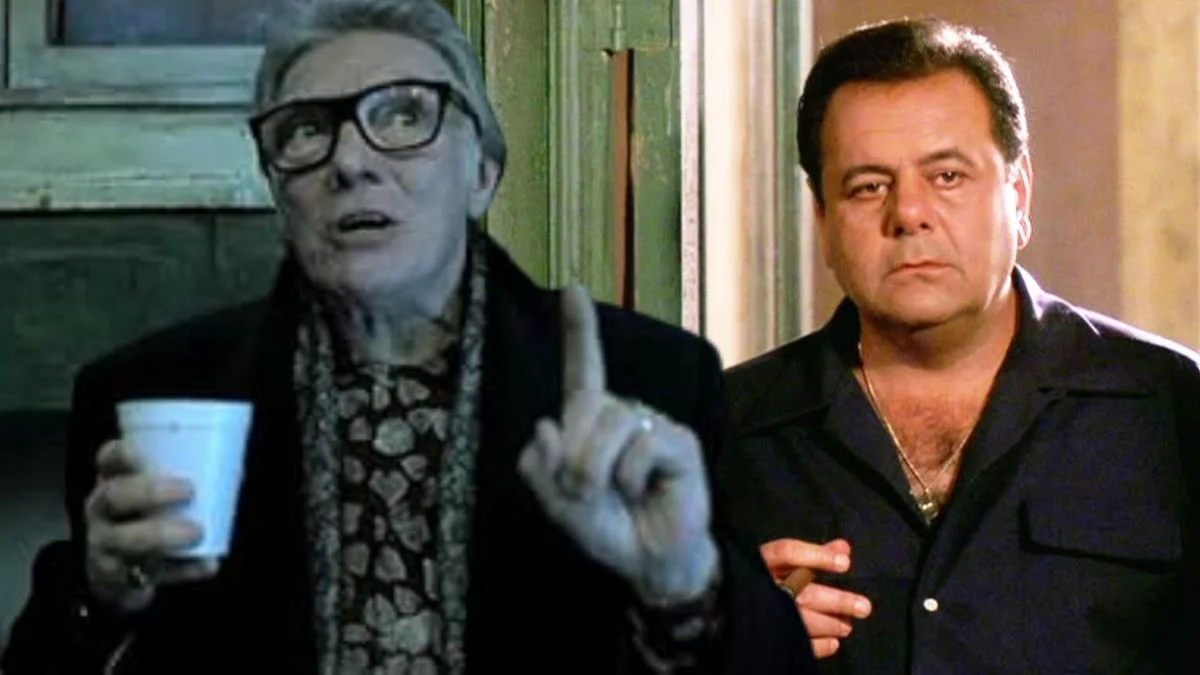


Crime bosses in movies run the operations that drive entire stories, pulling strings in the shadows and setting the stakes for every character who crosses their path. They control territory, money, and loyalty, and their choices shape the worlds around them. From neighborhood crews to global empires, their methods and networks reveal how power is built and defended in the underworld.
This list looks at crime leaders whose actions anchor their films, whether they oversee family syndicates, street level gangs, or complex smuggling pipelines. Each entry shares who they are, what they control, and how their decisions steer the plot. You will find information on their origins, the people around them, and the strategies they use to maintain control.
Vito Corleone
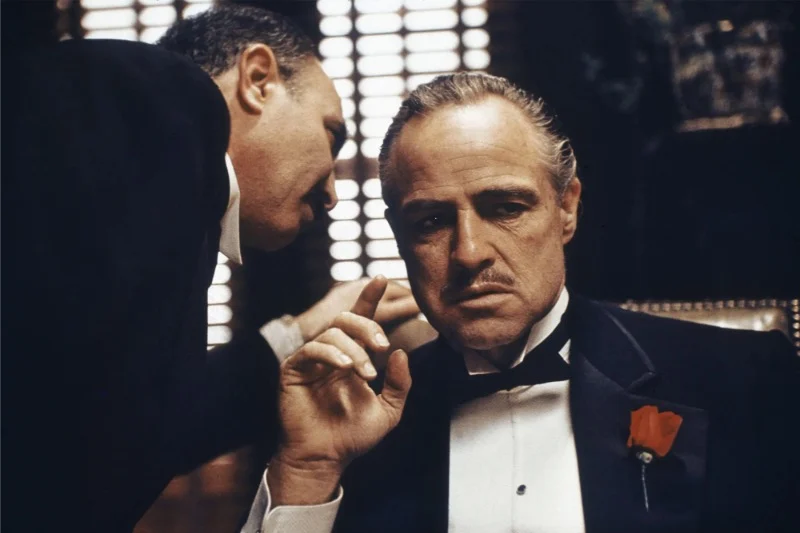
Vito Corleone leads the Corleone family in ‘The Godfather’. Played by Marlon Brando, he oversees a network that manages protection, gambling, and political favors through trusted caporegimes. His approach values negotiation backed by quiet pressure, with alliances built through family bonds and reciprocal obligations that keep the organization stable.
His influence reaches judges, business owners, and rival families, which shapes how disputes are settled and how the family invests in legitimate fronts. The film follows his handling of succession, the fallout from assassination attempts, and the transfer of responsibility to the next generation, which sets the course for the family’s future operations.
Michael Corleone
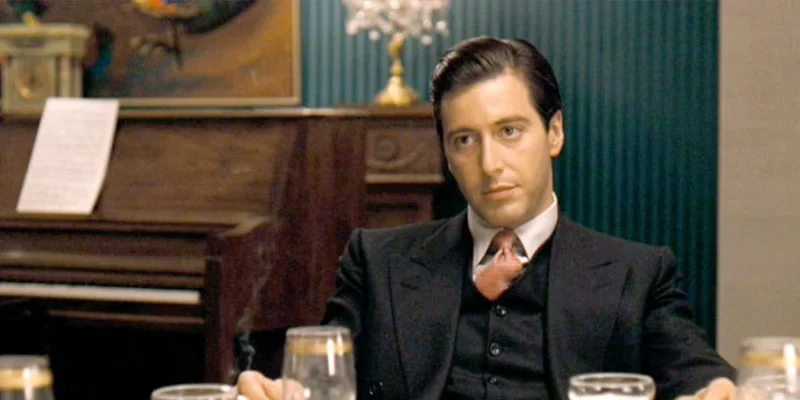
Michael Corleone emerges as the strategic head of the Corleone family in ‘The Godfather Part II’ and ‘The Godfather Part III’. Played by Al Pacino, he professionalizes the business and relocates operations to reduce exposure, using legal enterprises and holding companies to mask revenue streams from gambling and racketeering.
He manages rivalries with external syndicates and internal dissent while expanding the family’s reach into new markets. The films track his use of careful surveillance, front companies, and orchestrated meetings to consolidate power, along with the personal costs tied to his security measures and purges.
Tony Montana
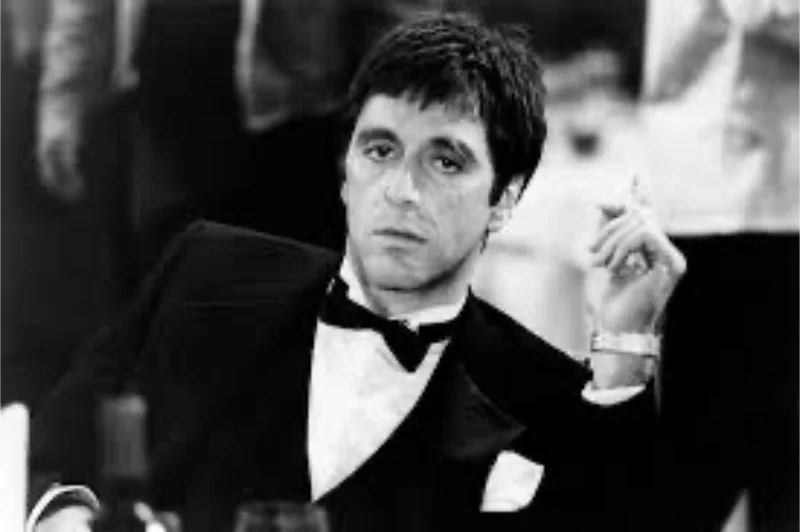
Tony Montana builds a narcotics empire in ‘Scarface’. Played by Al Pacino, he rises from small time enforcer to a distributor who controls import routes, wholesale supply, and a retail network centered in Miami. His operations rely on partnerships with foreign suppliers and an inner circle that handles logistics and enforcement.
The film shows how growth brings legal attention, internal theft, and pressure from suppliers. It follows his handling of surveillance risks, security upgrades at his estate, and a shift from street level deals to high value shipments, which changes the structure and exposure of his organization.
Frank Costello
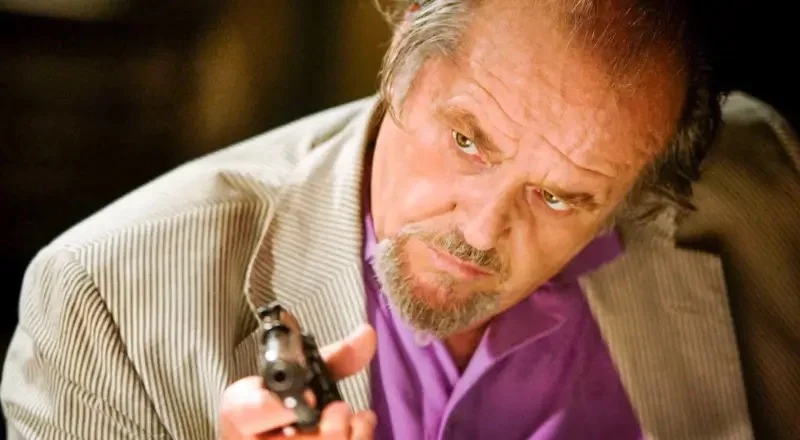
Frank Costello runs a Boston based crew in ‘The Departed’. Played by Jack Nicholson, the character operates as a high level trafficker and extortionist who places informants inside law enforcement while protecting his own identity through layers of intermediaries. His crew moves contraband and uses legitimate businesses to launder proceeds.
The story charts his management of double agents, the flow of information across police and criminal networks, and the turnover of lieutenants under pressure. It also details the ways he tests loyalty, rotates meeting locations, and exploits institutional blind spots to keep investigations off balance.
Keyser Söze
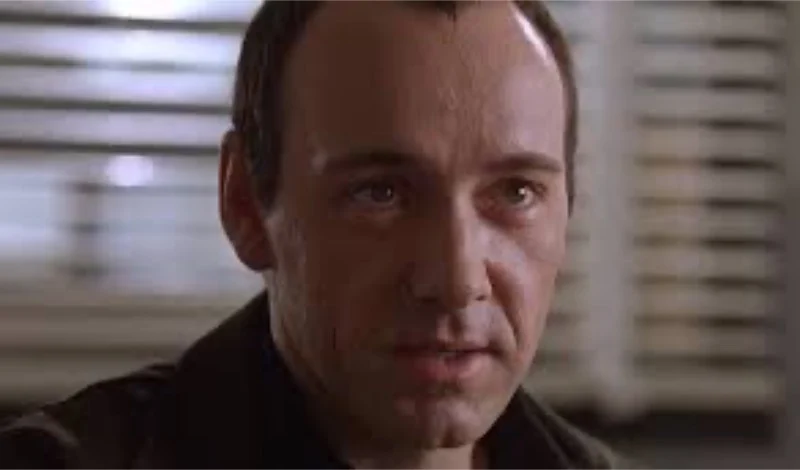
Keyser Söze is the unseen mastermind in ‘The Usual Suspects’. Known through testimony and rumor, he is said to maintain control by eliminating threats and breaking rival alliances before they form. The character operates across borders with a network that blends smugglers, fixers, and coerced assets.
The film presents his influence through unreliable narrators and fragmented accounts, which maps a web of identities, shell operations, and targeted hits. It shows how stories about him function as a tool of control, since fear shapes witness cooperation, police assumptions, and the movement of goods and people.
Al Capone
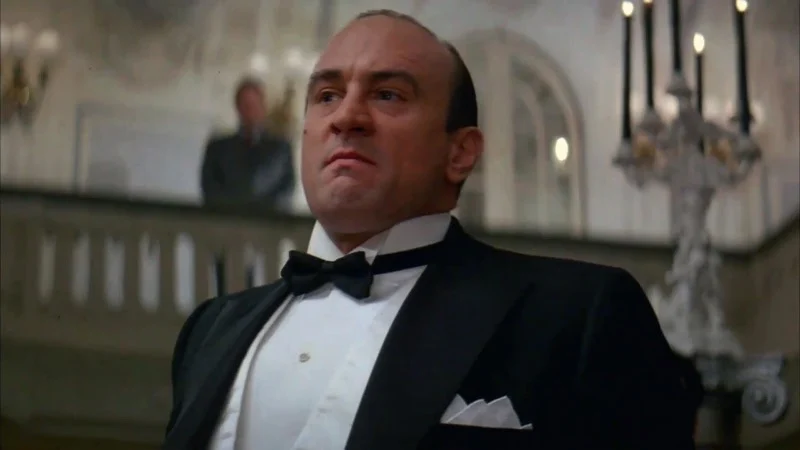
Al Capone is depicted as Chicago’s dominant mob leader in ‘The Untouchables’. Played by Robert De Niro, he manages alcohol distribution during Prohibition, which feeds protection rackets, gambling, and payrolls for enforcers on multiple blocks. Public displays of wealth reinforce his authority within the organization and the city.
The film follows the efforts of federal agents to disrupt his financial structure through tax cases and seizures. It shows how he uses lawyers, accountants, and city officials to delay prosecutions, along with the security measures he employs at hotels, warehouses, and social clubs to protect shipments and meetings.
Frank Lucas
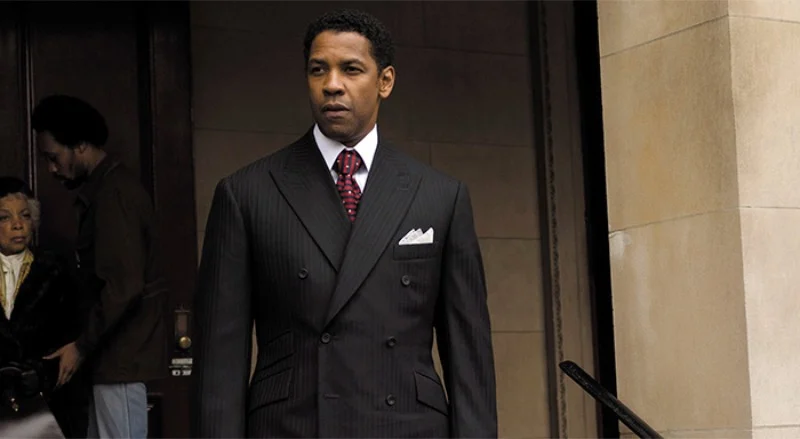
Frank Lucas centralizes Harlem’s heroin trade in ‘American Gangster’. Played by Denzel Washington, he cuts intermediaries by sourcing directly from producers and moving product through unconventional shipping channels. His pricing strategy undercuts competitors while maintaining purity, which shifts customer loyalty and dealer margins.
The narrative covers his investment in legitimate businesses to launder profits and his reliance on a tight family run distribution network. It also covers the investigative tactics that target supply chains and bank deposits, including surveillance around transport hubs and pressure on couriers and relatives.
Nino Brown
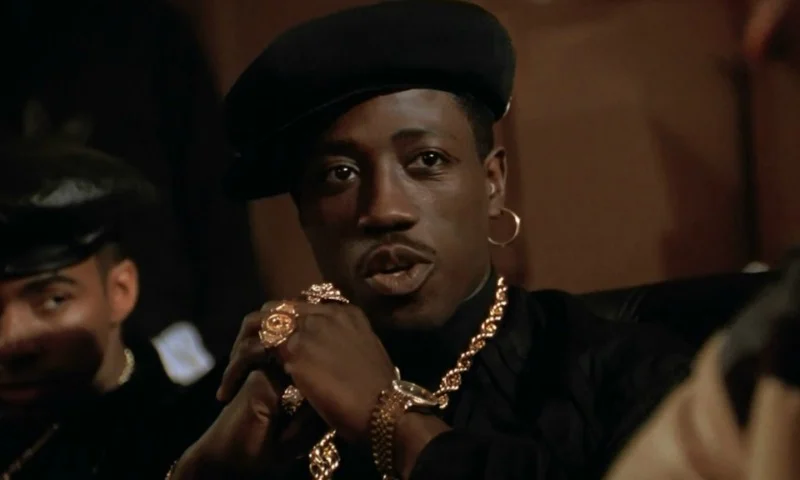
Nino Brown runs the Cash Money Brothers in ‘New Jack City’. Played by Wesley Snipes, he sets up a vertically integrated crack operation that controls production, retail sales, and security within a fortified housing complex. The group scales rapidly by standardizing product and using a structured crew hierarchy.
Law enforcement counters with undercover work and community pressure, which exposes weaknesses in his security and accounting. The film tracks how internal conflicts, supplier disputes, and neighborhood resistance affect distribution points and the stability of his command over street level sellers.
Paulie Cicero
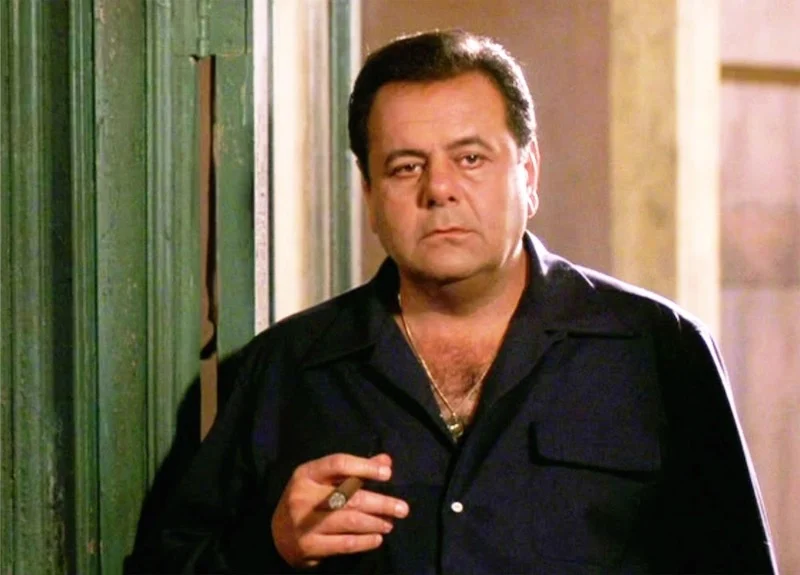
Paulie Cicero heads a Lucchese inspired crew in ‘Goodfellas’. Played by Paul Sorvino, he oversees loansharking, cargo theft, and restaurant protection through a system that limits phone use and emphasizes face to face communication. His method keeps investigators from recording incriminating orders while maintaining strict discipline.
The story shows his role in resolving disputes among earners, granting permission for major scores, and enforcing rules on unauthorized ventures. It also outlines how associates kick up a portion of profits, how fences move stolen goods through warehouses, and how parole and probation conditions complicate meetings.
Bill the Butcher
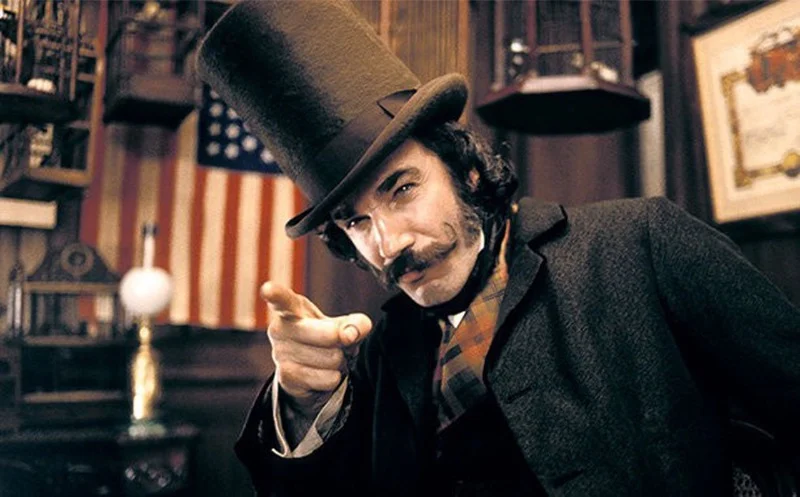
Bill the Butcher leads the Natives in ‘Gangs of New York’. Played by Daniel Day Lewis, he controls territory in Five Points through political alliances, voter intimidation, and street fighters who enforce his will. The organization uses festivals, rallies, and ward bosses to shape elections and city contracts.
The film details his ties to Tammany Hall, the financial benefits of municipal protection, and the training of loyal lieutenants. It covers how rival immigrant groups challenge his dominance, how he positions himself as a protector of local businesses, and how public spectacles reinforce his status.
Marcellus Wallace
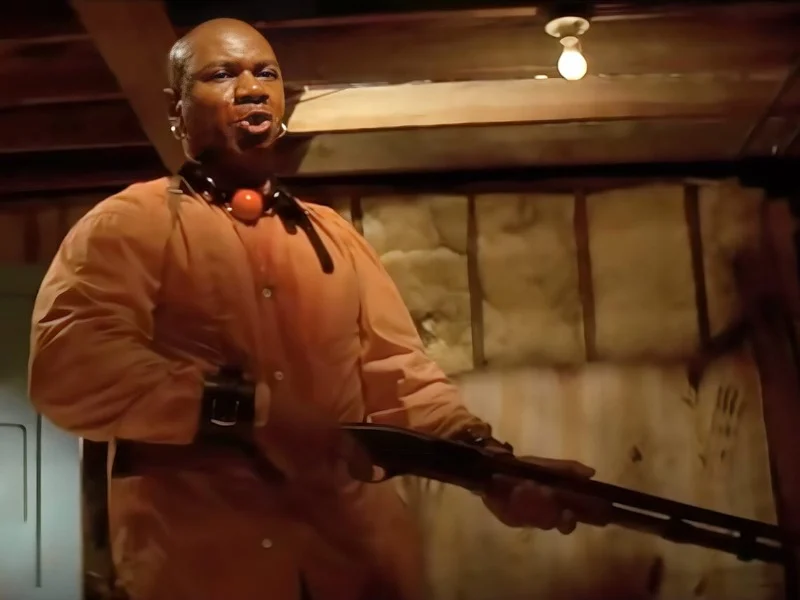
Marcellus Wallace is the Los Angeles crime figure in ‘Pulp Fiction’. Played by Ving Rhames, he manages crews of boxers, fixers, and collectors who settle debts and maintain order across nightlife and small time hustles. He delegates tasks to trusted operatives and uses private locations for negotiations.
The narrative connects his operations through overlapping stories that reveal how he handles betrayals, lost merchandise, and coercion. It shows his capacity to recruit specialized help for cleanup and recovery, which keeps incidents contained and minimizes exposure to police and rival outfits.
Frank White
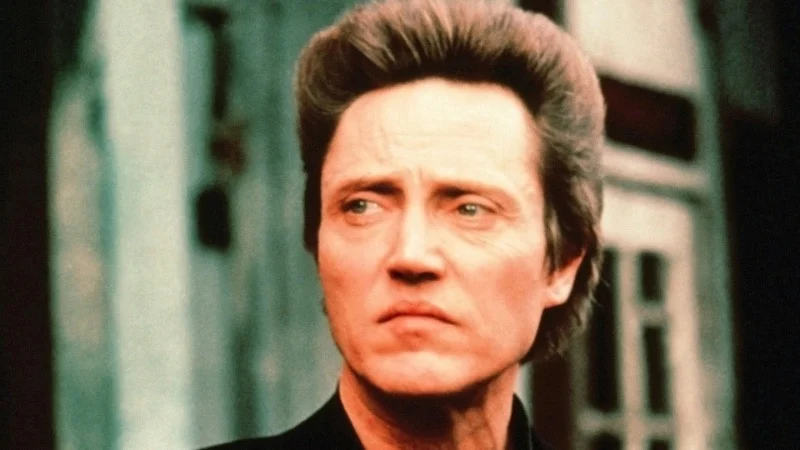
Frank White returns to New York in ‘King of New York’. Played by Christopher Walken, he moves to consolidate the city’s drug trade by targeting corrupt officers and rival distributors. He funds community projects while setting terms with street crews, which gives him a mix of public goodwill and underworld leverage.
The film follows his meetings with Dominican and Italian factions, the coordination of hits on competing bosses, and a plan to centralize supply. It maps the tension between public philanthropy and private violence, and the way his drivers, lawyers, and bodyguards maintain his mobility.
John Rooney
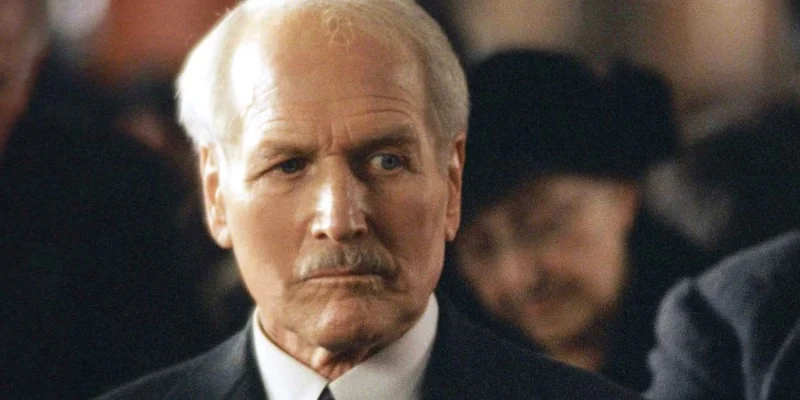
John Rooney is the Irish mob patriarch in ‘Road to Perdition’. Played by Paul Newman, he oversees bootlegging and protection operations built on long standing alliances with other families. He treats his crew as an extended family with clear rules on collections and dispute resolution.
The plot examines succession issues, the influence of his son, and the consequences when a trusted enforcer breaks ranks. It shows how payroll ledgers, warehouse routes, and rural safe houses support the business, and how out of town hitters are used when internal discipline fails.
Li’l Zé
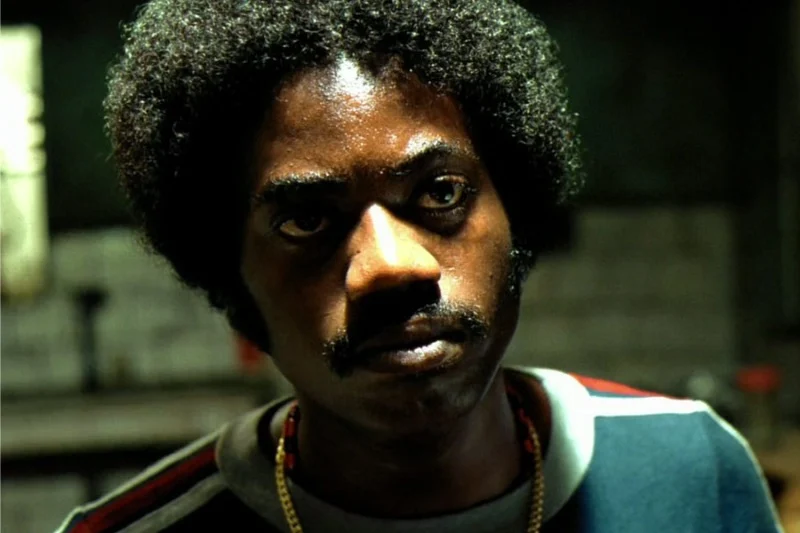
Li’l Zé, known as Zé Pequeno, commands the gang landscape of Rio in ‘City of God’. Played by Leandro Firmino, he seizes territory through targeted hits on rival dealers and control of neighborhood baile parties where sales and recruitment happen. His rule depends on teenagers carrying firearms and enforcing curfews.
The film depicts a fluid market where photographers, shop owners, and children intersect with gang life. It tracks how turf wars shift around apartment blocks, how guns and money move through informal networks, and how a younger generation forms its own crew in response to his violent control.
Brick Top
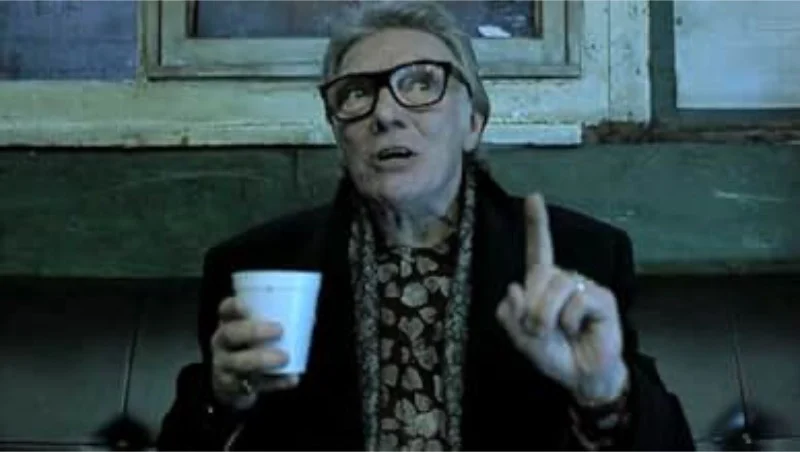
Brick Top is the bookmaker and gang boss in ‘Snatch’. Played by Alan Ford, he profits from unlicensed boxing while using a pig farm for disposal, which discourages theft and unpaid debts. His crew arranges fixed fights, collects protection, and monitors jewel traffickers who pass through his orbit.
The story follows a chain of stolen diamonds, mismatched fights, and competing thieves who cross his business. It shows how he uses betting shops, gyms, and warehouses as meeting points, how he pressures trainers and fighters to follow orders, and how surveillance gaps lead to unexpected reversals.
Share your favorite big screen crime boss in the comments and tell us which performance you think defined the character most.