


20 Best Movie Portrayals of Real Life Gangsters



Telling the stories of real world crime figures on screen means balancing documented facts with dramatic structure. Audiences come to these films to see how a production recreates a specific time and place, the networks that powered illegal enterprises, and the choices that pushed people toward power or prison. The titles below center on people whose names appear in police files, news archives, court records, and biographies, then translate those histories into scenes and performances that stay close to what actually happened.
Each entry names the actor or actors and the real figure they portray, with details on what the film covers and what sources or records it draws from. You will find mob bosses, enforcers, smugglers, bootleggers, and bank robbers whose crimes shaped headlines and law enforcement priorities. The focus here is on concrete information such as identities, locations, criminal operations, investigative pressure, and the production choices that brought those elements to the screen.
‘Goodfellas’ (1990)
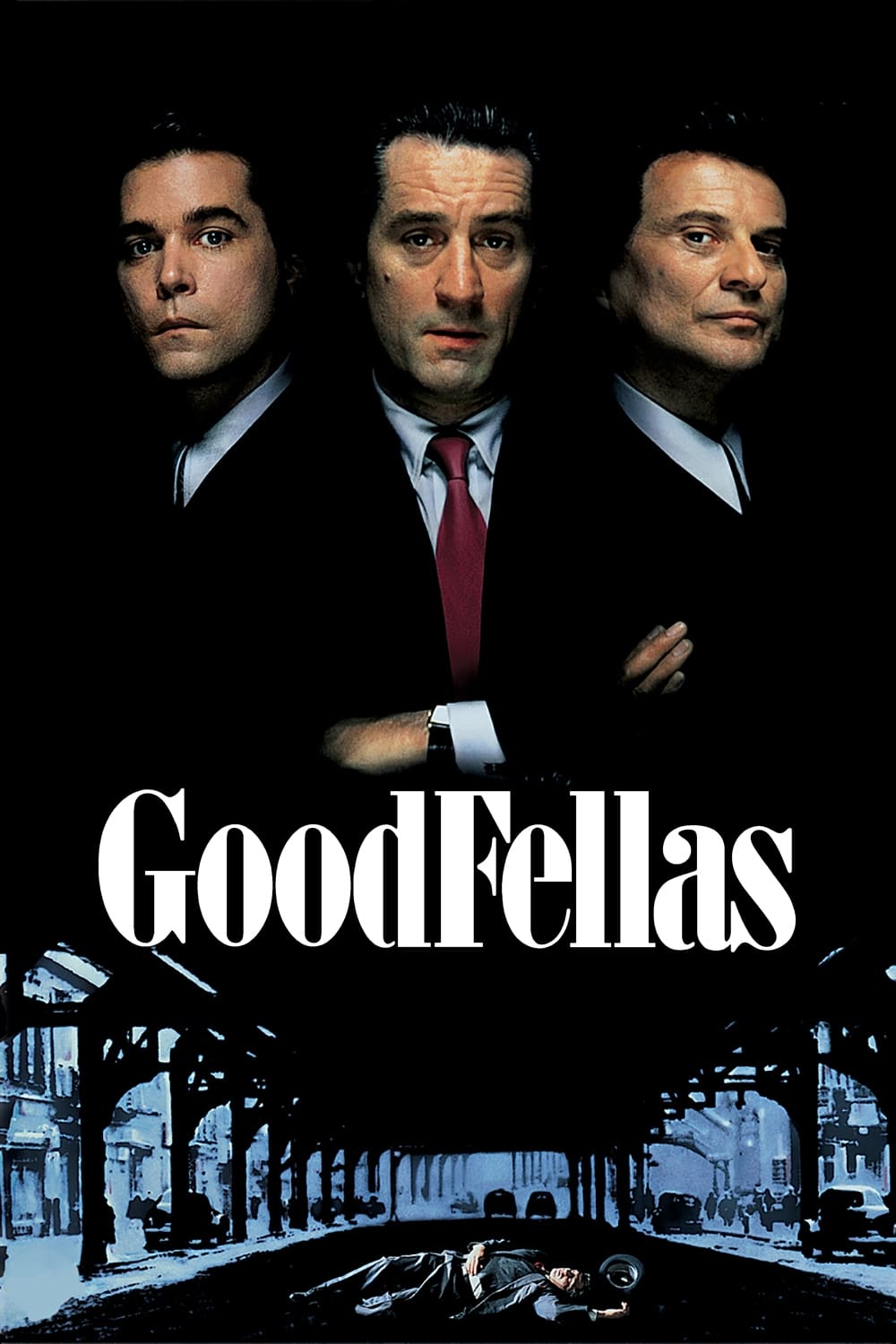
Ray Liotta plays Henry Hill, whose life inside the Lucchese crime family included work around the Air France and Lufthansa airport heists, drug trafficking, and cooperation with federal investigators after his arrest. Robert De Niro appears as Jimmy Conway, a version of real heist planner Jimmy Burke, and Joe Pesci plays Tommy DeVito, based on hitman Tommy DeSimone. The film follows Hill from teenager to protected witness, with scenes built from trial testimony and reporting.
The script uses Nicholas Pileggi’s nonfiction book Wiseguy as its backbone, which supplied dialogue and incident descriptions taken from interviews and sworn statements. Production rebuilt period New York and Long Island settings, and the crew recreated the Bamboo Lounge environment and Copacabana tracking shot using practical locations and detailed set dressing that matched contemporary photographs.
‘Casino’ (1995)
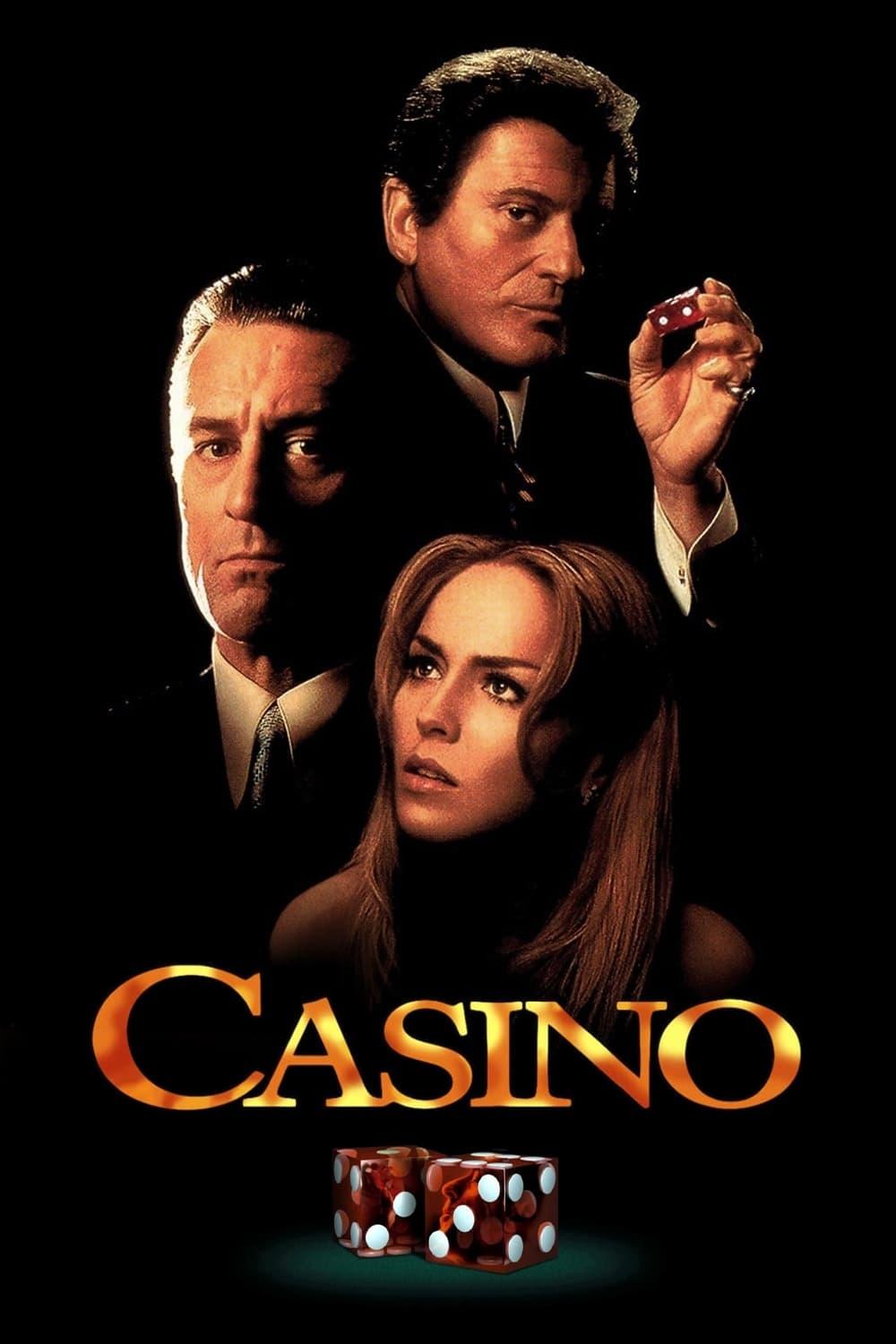
Robert De Niro appears as Sam Rothstein, a version of Chicago Outfit associate Frank Rosenthal who managed Las Vegas casinos through front companies while facing gaming board scrutiny. Joe Pesci’s Nicky Santoro mirrors Tony Spilotro, who ran protection rackets and a burglary crew and drew attention through street attacks and jewelry store break ins. Sharon Stone’s character reflects Geri McGee, a real model and casino hostess tied to Rosenthal.
The narrative draws from gaming commission files, wire stories, and interviews conducted for Nicholas Pileggi’s research, mapping out skimming operations that moved cash from counting rooms to mob bosses. Production used period marquees, pit layouts, and dealer procedures from archival photos and former casino workers, and filmed inside working resorts after hours to match floor traffic and chip handling authentically.
‘The Irishman’ (2019)
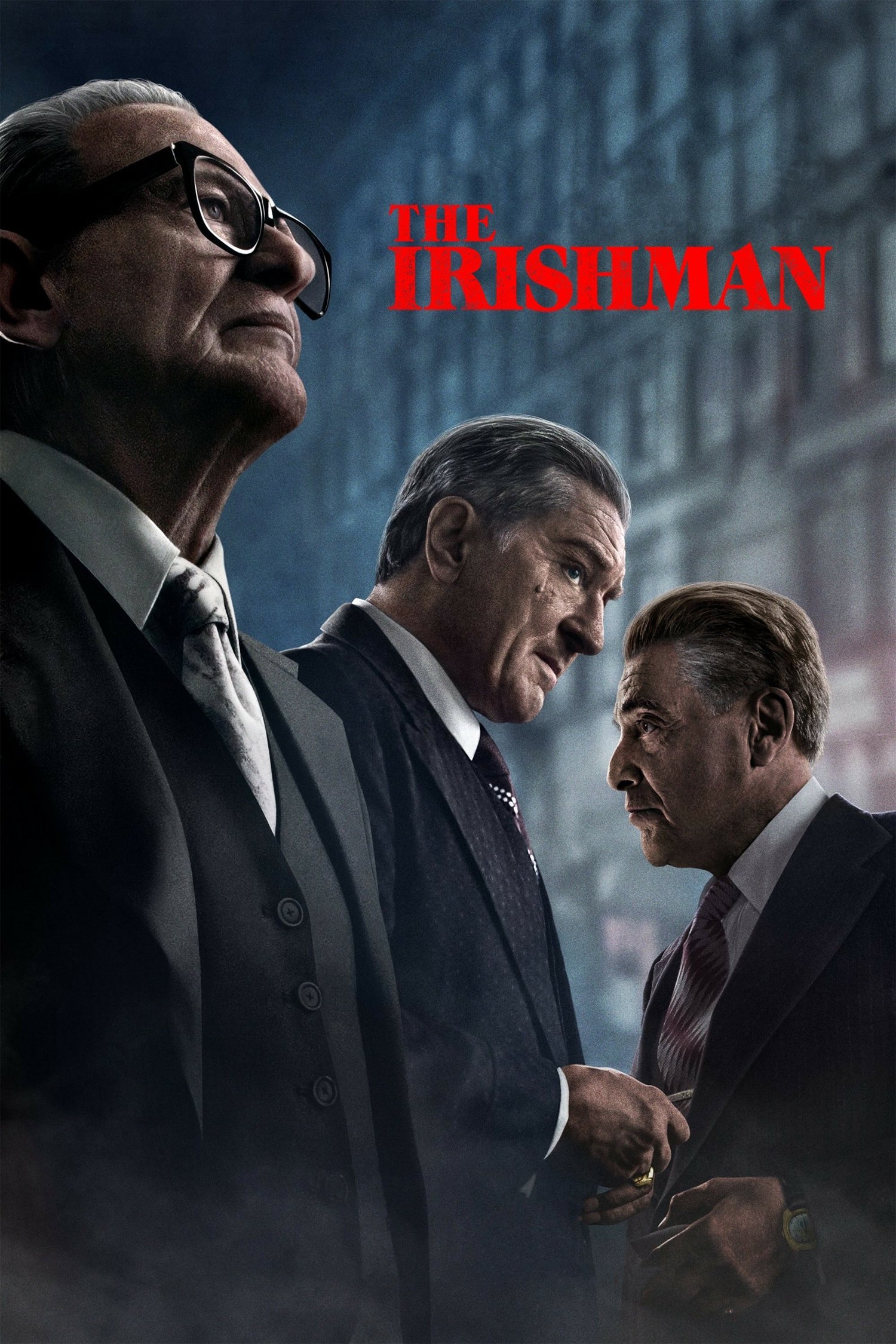
Robert De Niro portrays Frank Sheeran, a Teamsters linked hitman who claimed involvement with the Bufalino family and with events surrounding Jimmy Hoffa’s disappearance. Joe Pesci plays Russell Bufalino, a Pennsylvania boss with ties to garment trucking and union leverage, while Al Pacino plays Hoffa and anchors the labor side of the story.
The film adapts Sheeran’s account from I Heard You Paint Houses and cross references it with known timelines of union conventions, meetings, and prison terms for key figures. Digital de aging allowed actors to span decades of the story, while locations stood in for mid century Detroit, Philadelphia, and Florida, with wardrobe and cars sourced from collectors to fit law enforcement photos.
‘American Gangster’ (2007)
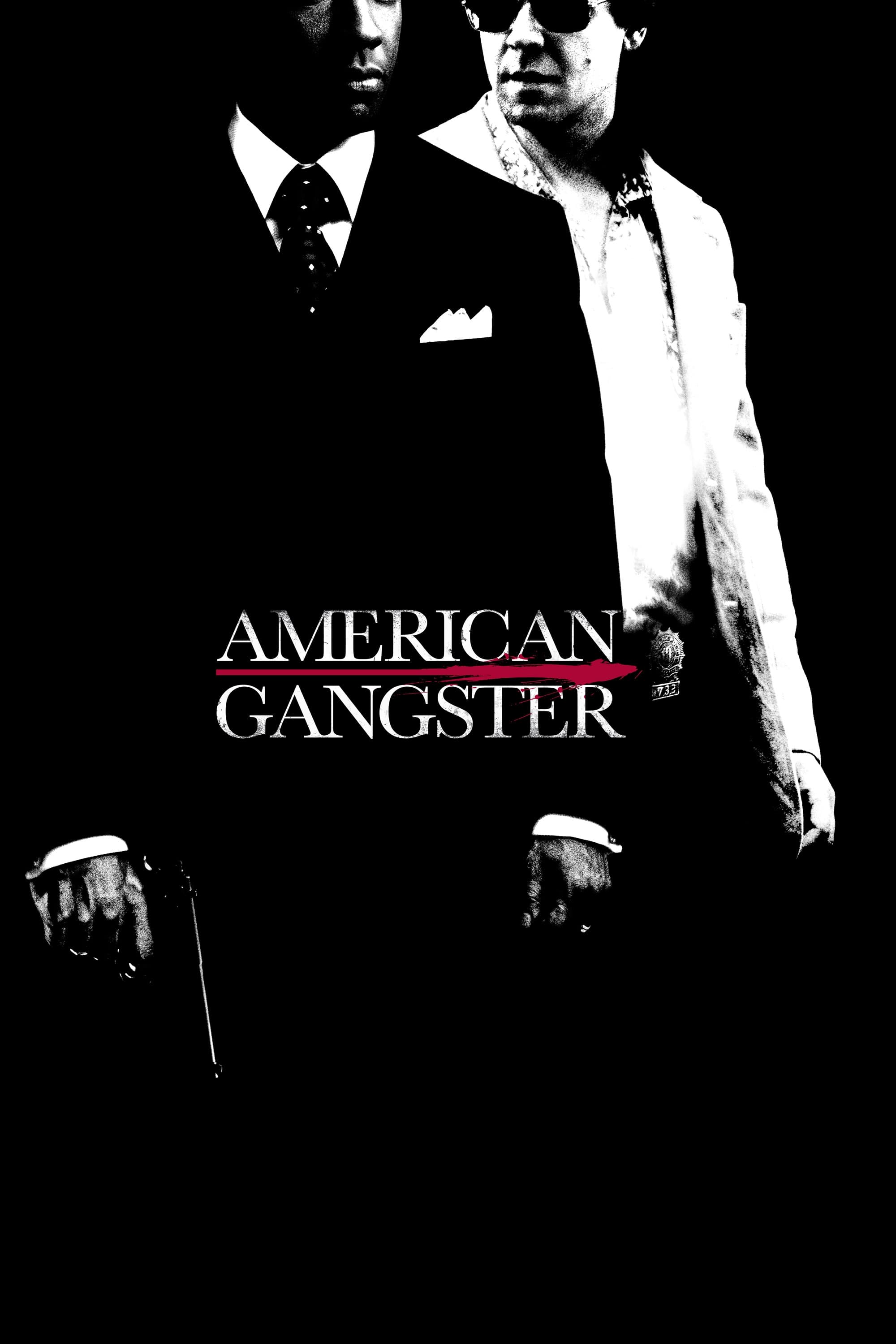
Denzel Washington plays Harlem trafficker Frank Lucas, who built a heroin supply chain through contacts in Southeast Asia and used a family network to distribute product in New York and New Jersey. The story includes Lucas’s move into legitimate businesses and his eventual cooperation with authorities after his arrest.
The production relied on federal case files and newspaper investigations that documented Lucas’s sourcing methods and the seizure figures that followed. Scenes with Richie Roberts, played by Russell Crowe, track real investigative steps such as financial tracing and controlled buys, and the film shows property seizures and courtroom outcomes that match press accounts.
‘Black Mass’ (2015)
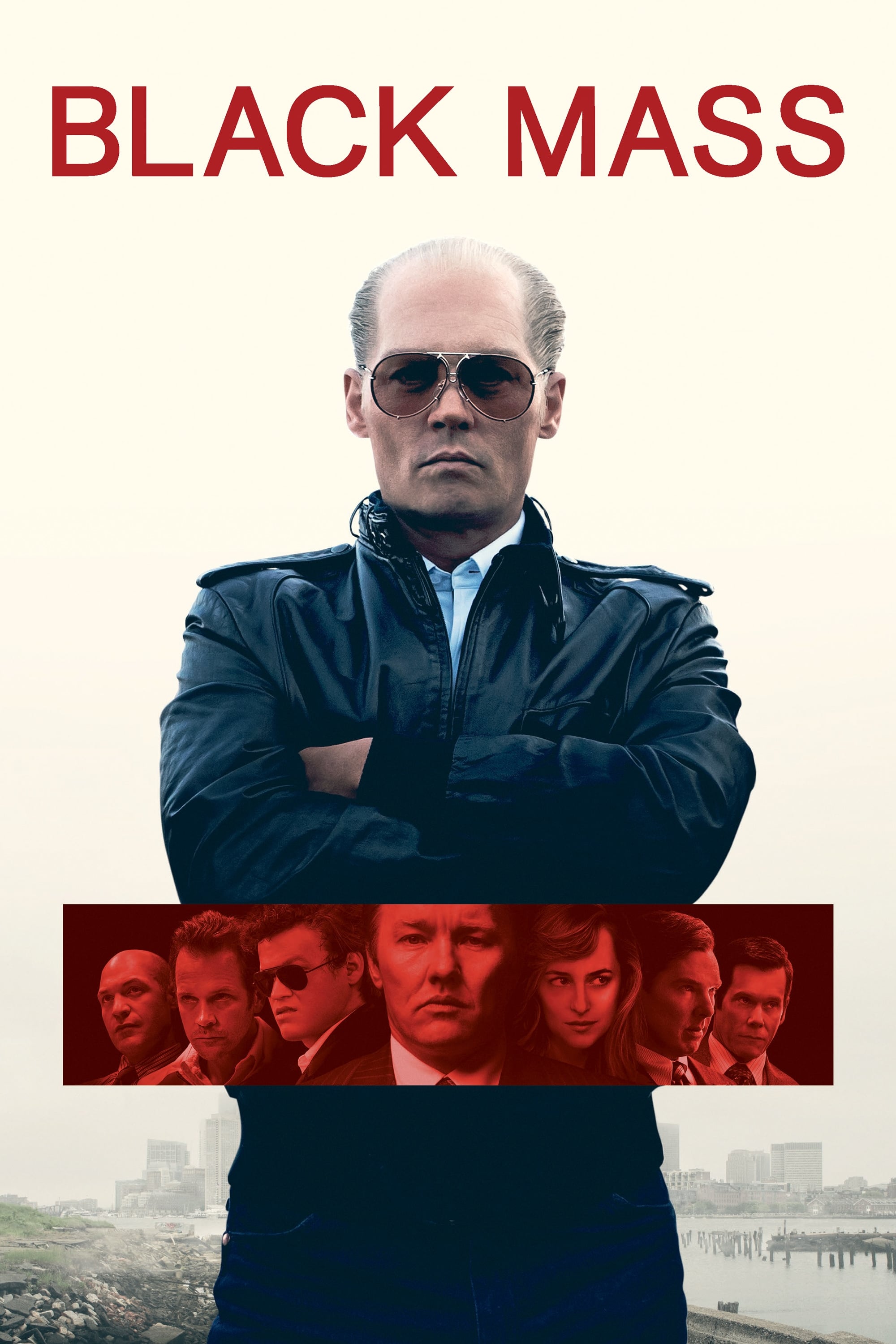
Johnny Depp portrays James Whitey Bulger, leader of the Winter Hill Gang in Boston, whose operations included extortion, bookmaking, and drug distribution while he maintained a corrupt relationship with a federal handler. Joel Edgerton plays John Connolly, the agent who enforced that relationship and later faced prison.
Writers drew on indictments and trial testimony that exposed Bulger’s status as a confidential source and detailed murders attributed to his crew. The film recreates South Boston locations and uses period police procedures for surveillance and raids, while the makeup team reproduced Bulger’s distinctive appearance matching booking photos and witness descriptions.
‘Public Enemies’ (2009)
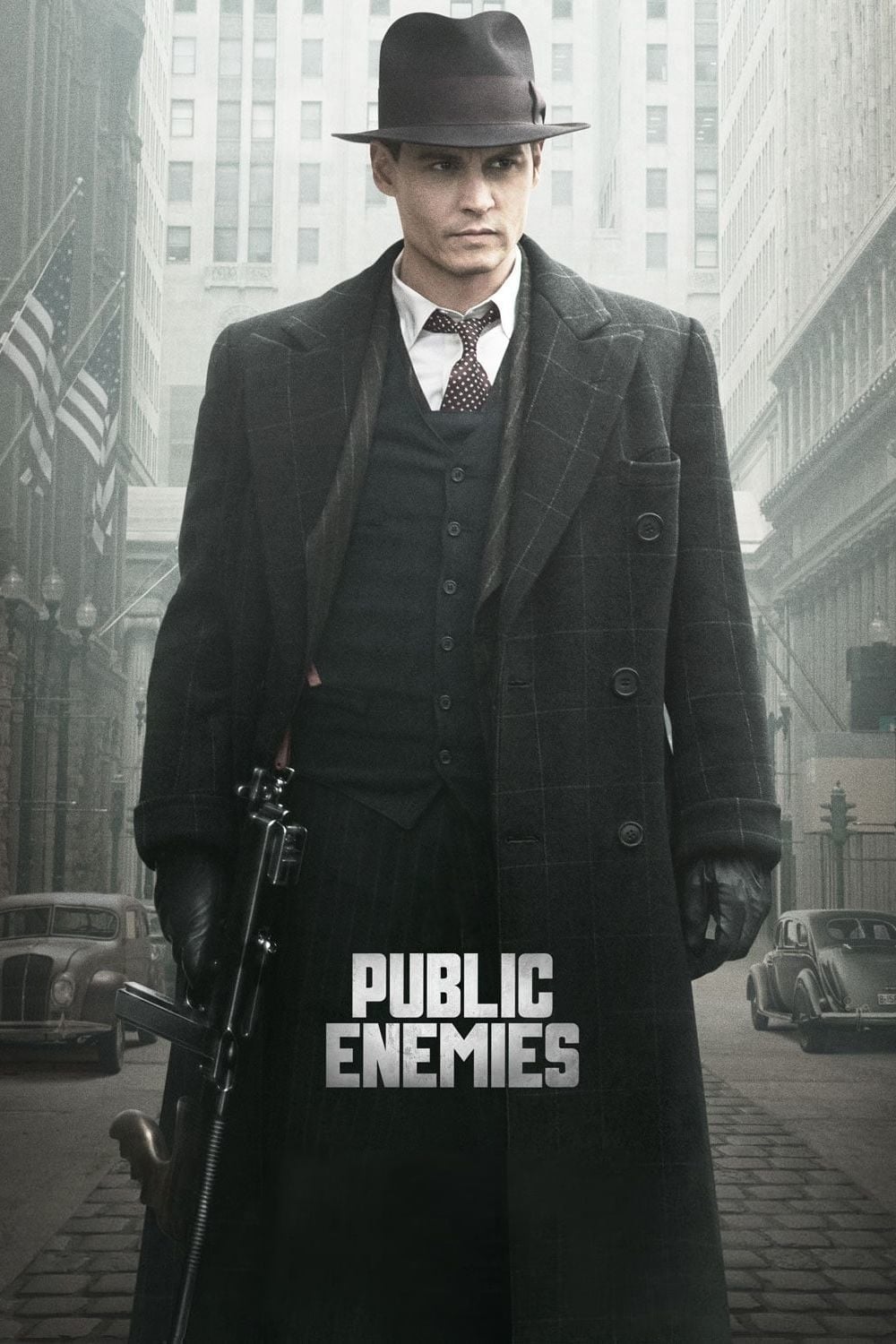
Johnny Depp plays John Dillinger, a bank robber whose escapes and robberies made him a high profile target for the Bureau of Investigation during the early Federal Bank Robbery Act era. The film charts his moves among Midwest safe houses, the Little Bohemia Lodge shootout, and his final night outside the Biograph Theater.
Production shot in historic banks and on streets with surviving architecture from the thirties, and it recreated Bureau tactics based on memos and case reports. Christian Bale’s Melvin Purvis reflects the agent in charge who coordinated interagency work, and the film stages period firearms, getaway cars, and communications practices consistent with archival photographs and equipment manuals.
‘Bugsy’ (1991)
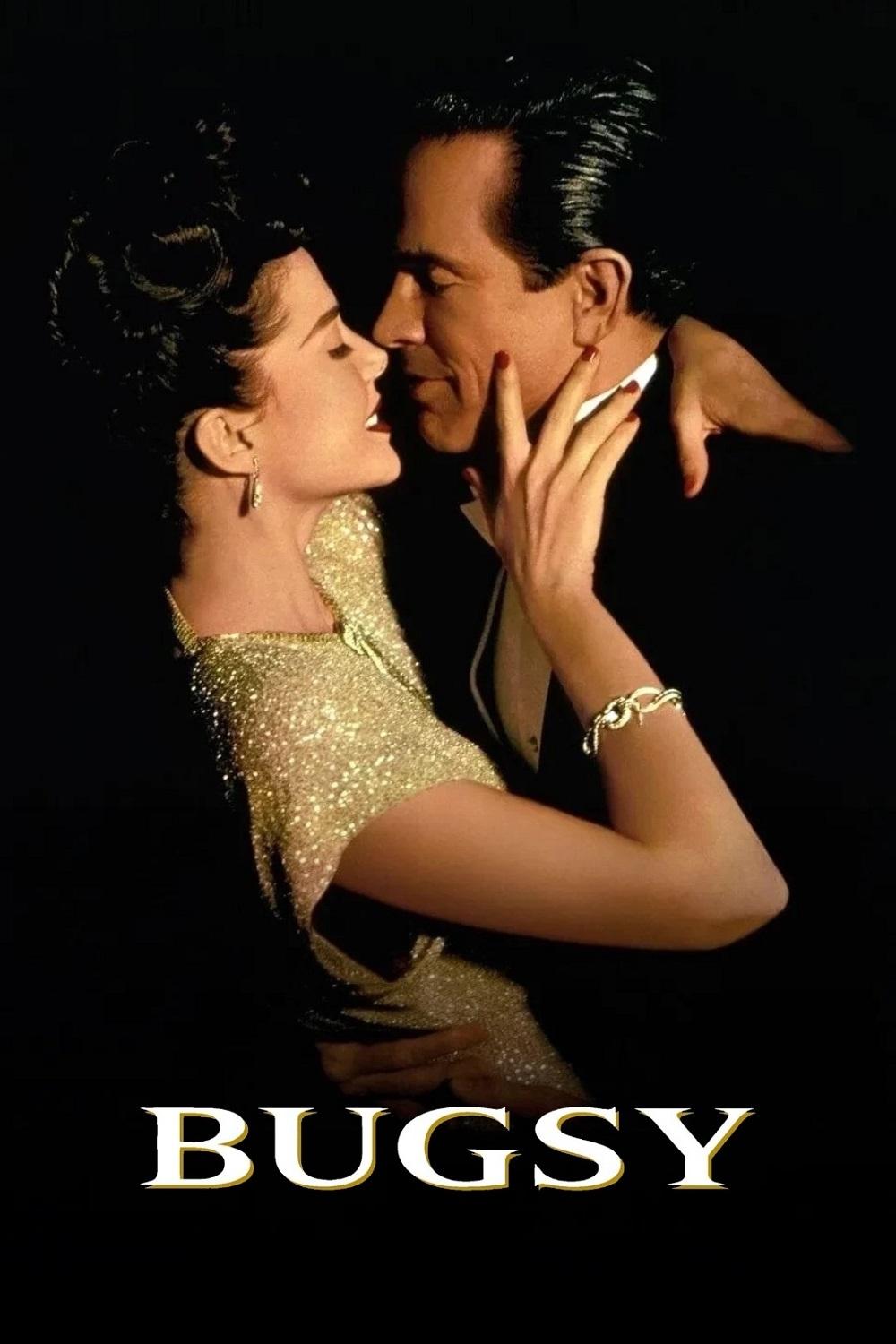
Warren Beatty appears as Benjamin Bugsy Siegel, an associate of Meyer Lansky and the Luciano crime network who helped develop gambling interests in Las Vegas. The story includes the Flamingo project, cost overruns, and the financial disputes that followed its troubled opening.
The production draws from biographies and Nevada state records relating to licensing fights and construction timelines. Costuming and set work reconstruct Los Angeles social circles and early Strip infrastructure, while the script threads in Siegel’s ties to Hollywood through visits and meetings that are recorded in studio and police logs.
‘The Untouchables’ (1987)
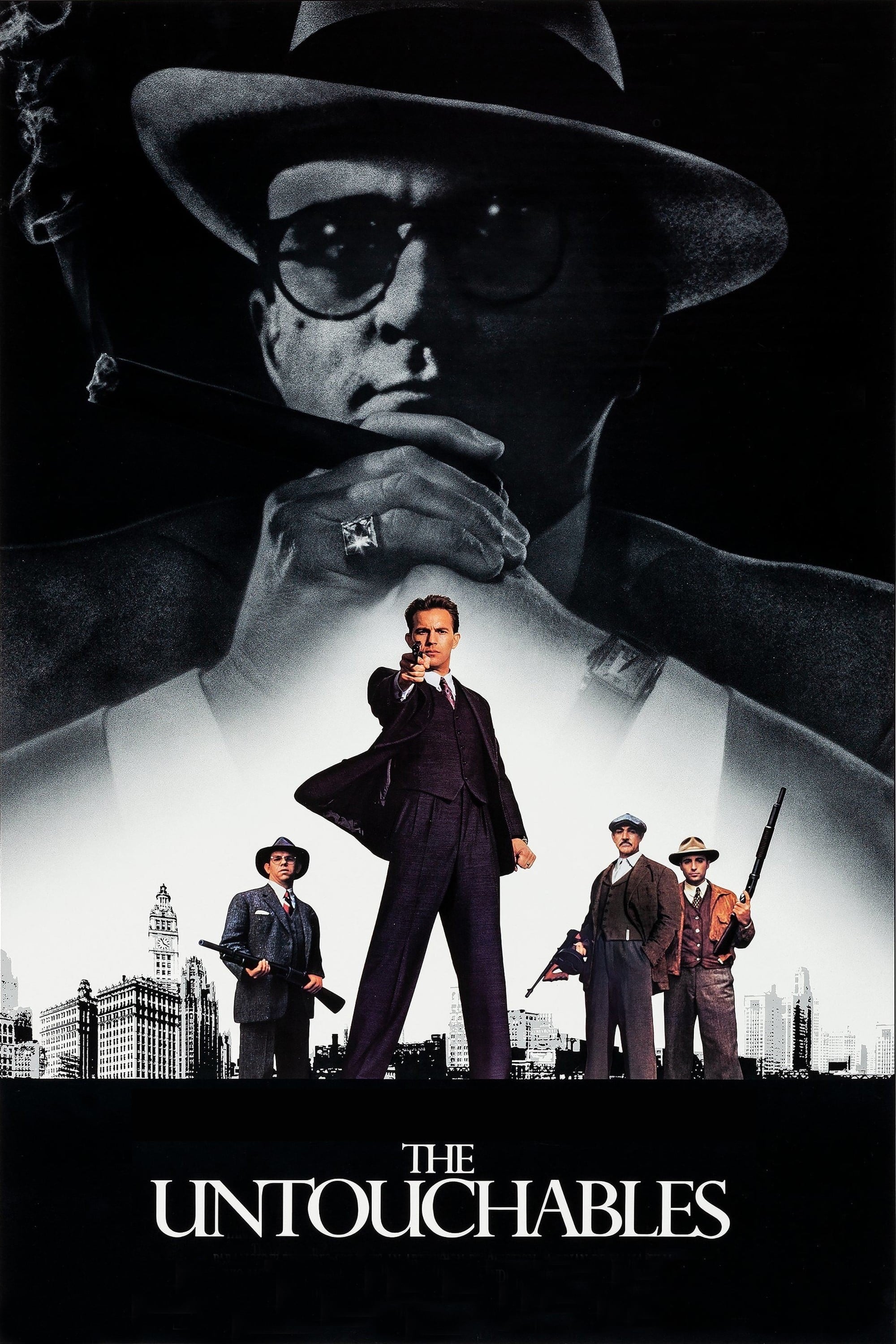
Robert De Niro plays Al Capone during the height of his Chicago Outfit power, focusing on bootlegging, protection taxes, and control of distribution during Prohibition. Kevin Costner’s Eliot Ness represents the Treasury led task force that pursued financial charges when local prosecutions faltered.
The film uses period newspapers and Treasury records to map real strategies such as ledger seizures and accountant flips that led to tax convictions. Sets recreate the Lexington Hotel suite and warehouse spaces that match published photos, and courtroom scenes echo the substitution of judges and jury tactics that appeared in trial summaries.
‘Legend’ (2015)
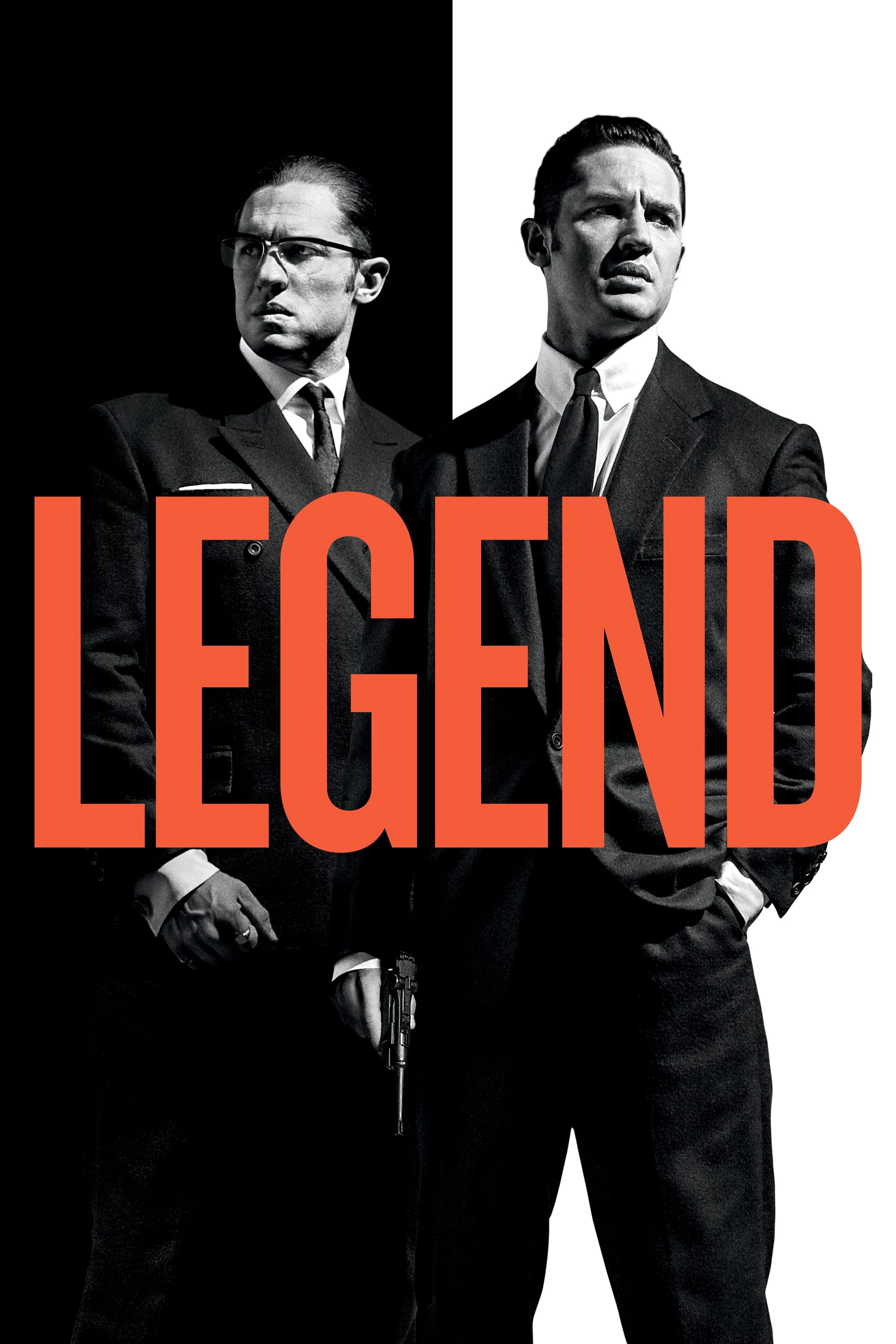
Tom Hardy portrays both Ronnie and Reggie Kray, twin leaders of a London organization involved in protection, armed robbery, and nightclub ownership during the sixties. The plot covers their expansion into the West End, ties to politicians and entertainers, and the violence that pushed police toward major case attention.
The screenplay references court documents and memoirs from associates and law enforcement, laying out specific incidents such as the murders of George Cornell and Jack McVitie. Production secured period streets and interiors across London, with signage, vehicles, and wardrobe aligned to Metropolitan Police photography and press archives.
‘Mesrine: Killer Instinct’ (2008)
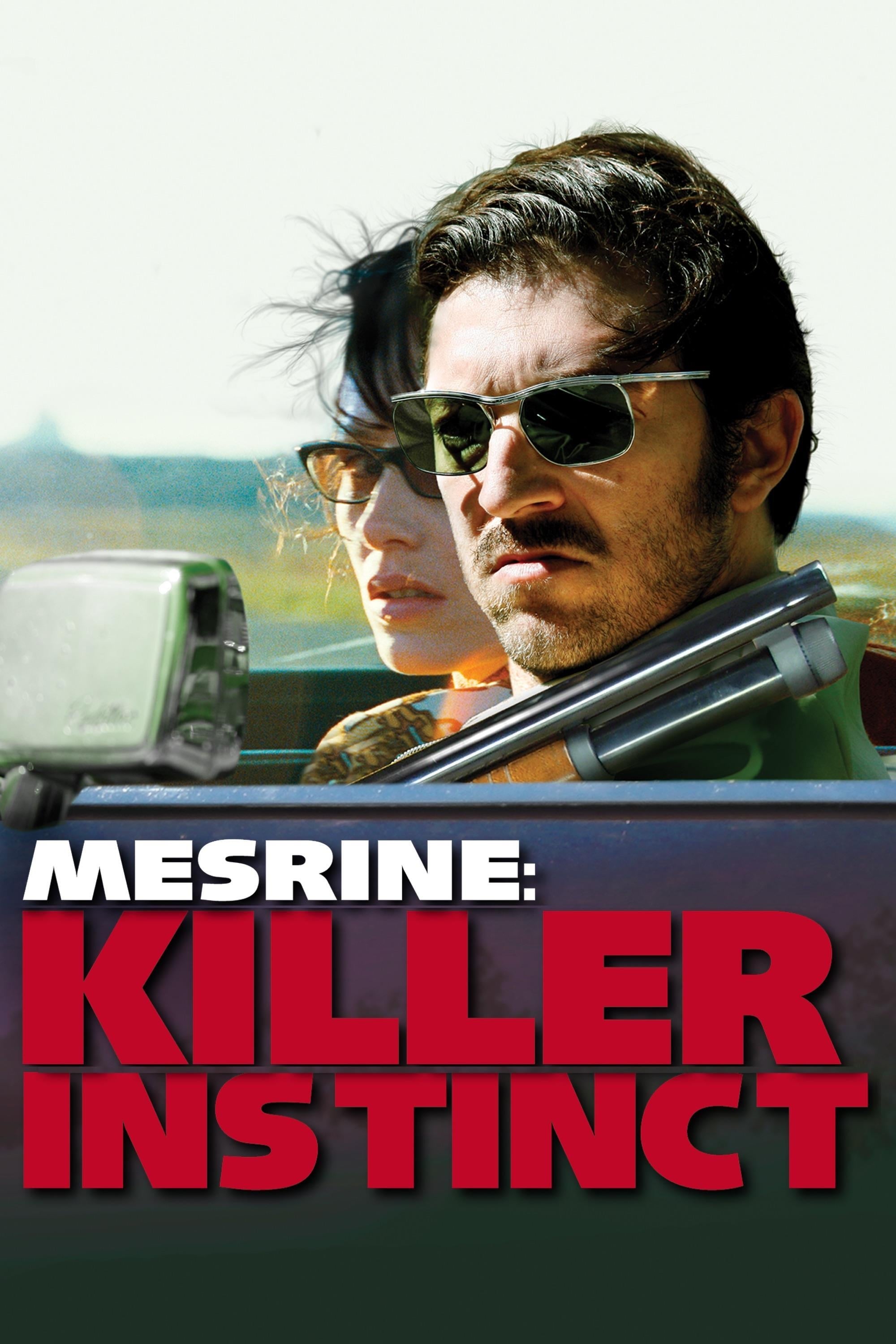
Vincent Cassel plays Jacques Mesrine, who committed robberies, jailbreaks, and kidnappings across France, Canada, and Spain. This first film in a two part project traces his early crimes, prison time, and moves between countries as he built a reputation that placed him on most wanted lists.
Writers pulled from Mesrine’s own memoir and contemporary news coverage, then staged escapes and robberies using the weapons and cars reported at the time. The production continues in the second film which covers his later spree and final confrontation, and both parts match the timeline that ends with his death during a police operation in Paris.
‘The General’ (1998)
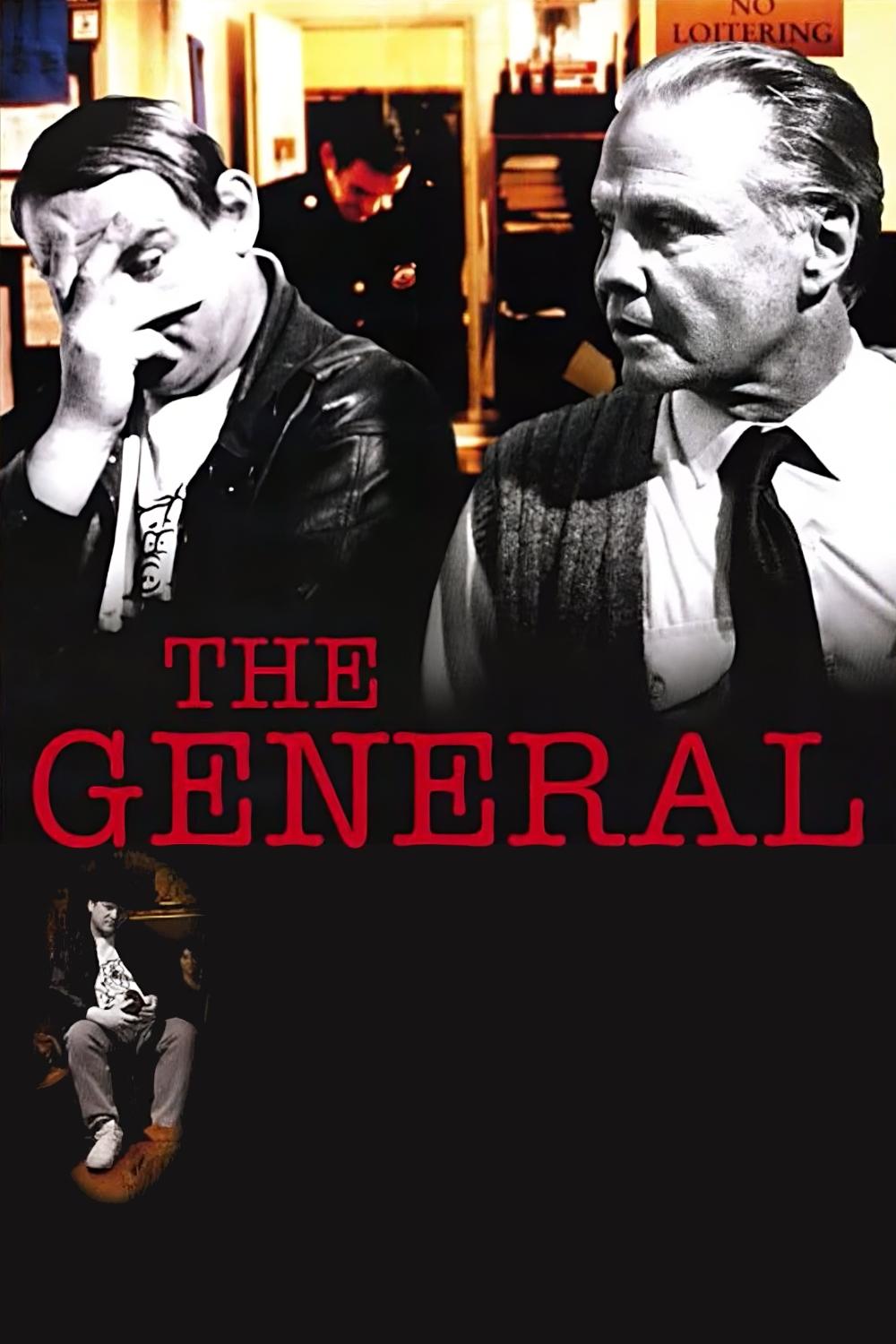
Brendan Gleeson appears as Martin Cahill, a Dublin figure who organized burglaries and robberies that targeted high value art and jewelry. The story follows his clashes with both the Garda and paramilitaries as he tried to hold territory and avoid surveillance.
The film recreates known thefts, including operations against well guarded homes, and it shows the long term surveillance methods used by Irish police. Shot in black and white, the production bases locations and routines on reporting and witness accounts, and it includes the assassination that ended Cahill’s career.
‘The Krays’ (1990)
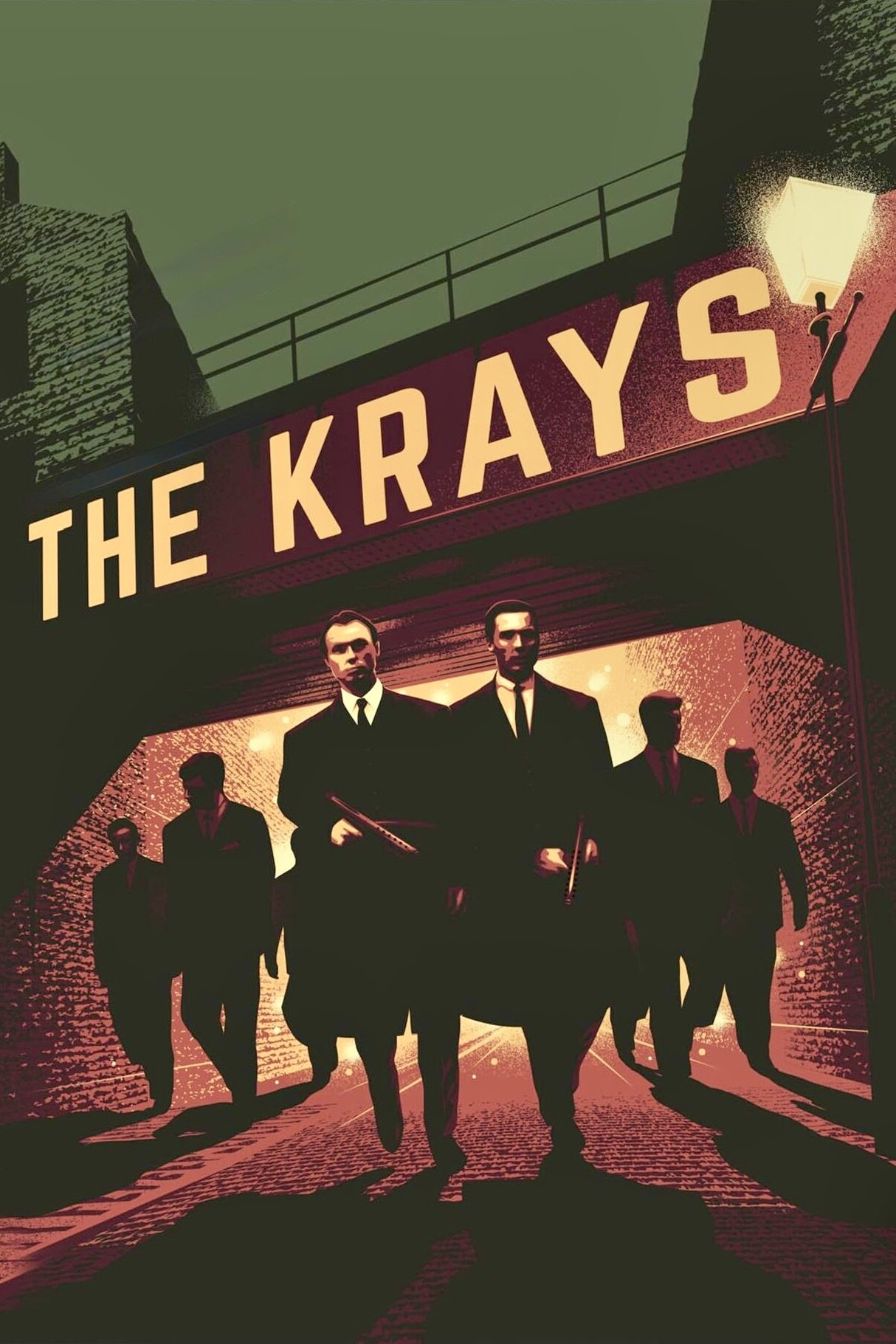
Gary and Martin Kemp play Ronnie and Reggie Kray in a biographical look at their rise from East End boxers to nightclub owners and racketeers. The film covers their management of front businesses, intimidation of rivals, and public profiles that kept them in tabloids.
Scenes build from police case notes and later testimony, depicting specific assaults and the murders that placed the brothers under heavy scrutiny. Court outcomes and prison transfers match historical records, and sets use period accurate clubs and tailoring to reflect the image the Krays built in London.
‘Gotti’ (1996)
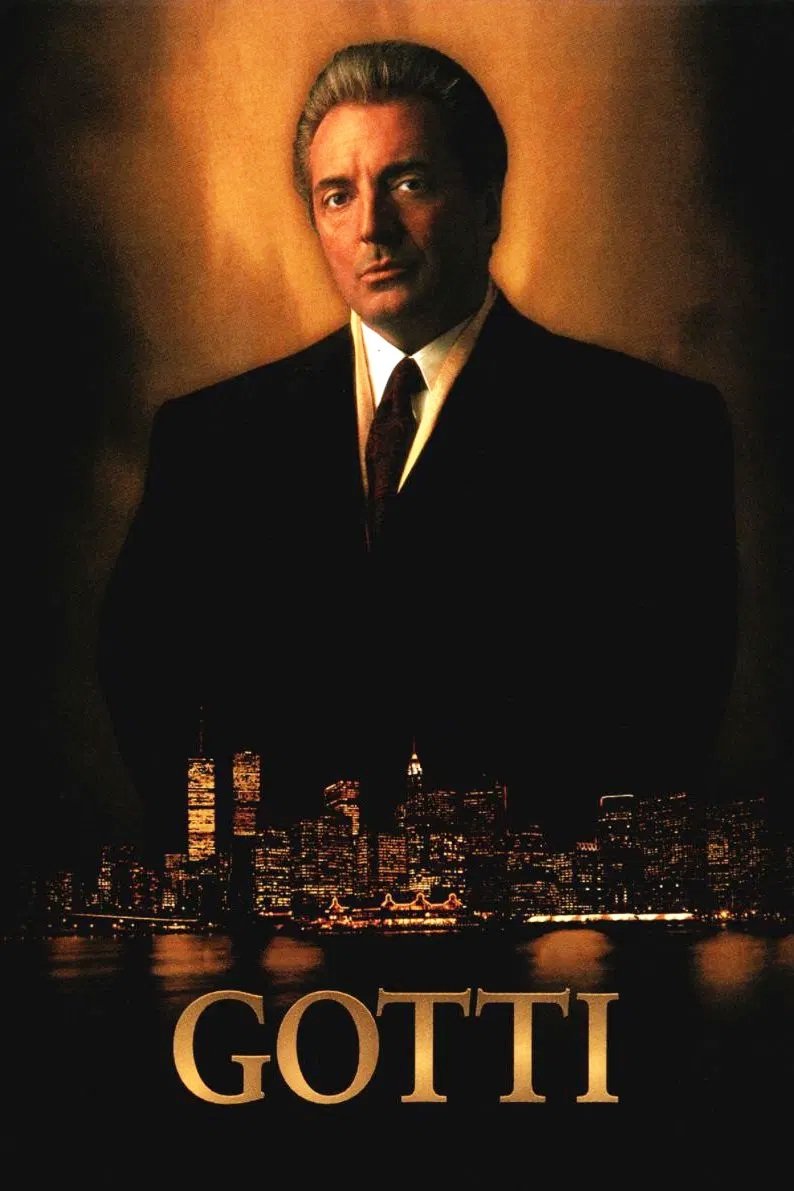
Armand Assante portrays John Gotti, the Gambino boss known for acquittals that generated the Teflon nickname before a racketeering conviction. The narrative follows internal family moves, the role of underboss Salvatore Gravano, and the federal case that finally secured long sentences.
Dialogue and incidents draw from transcripts and plea agreements that outlined construction shakedowns, extortion, and murder plots. The film depicts the Ravenite Social Club surveillance tactics and bug operations used by agents, and it shows courtroom stages that mirror the structure of the real trials.
‘The Valachi Papers’ (1972)
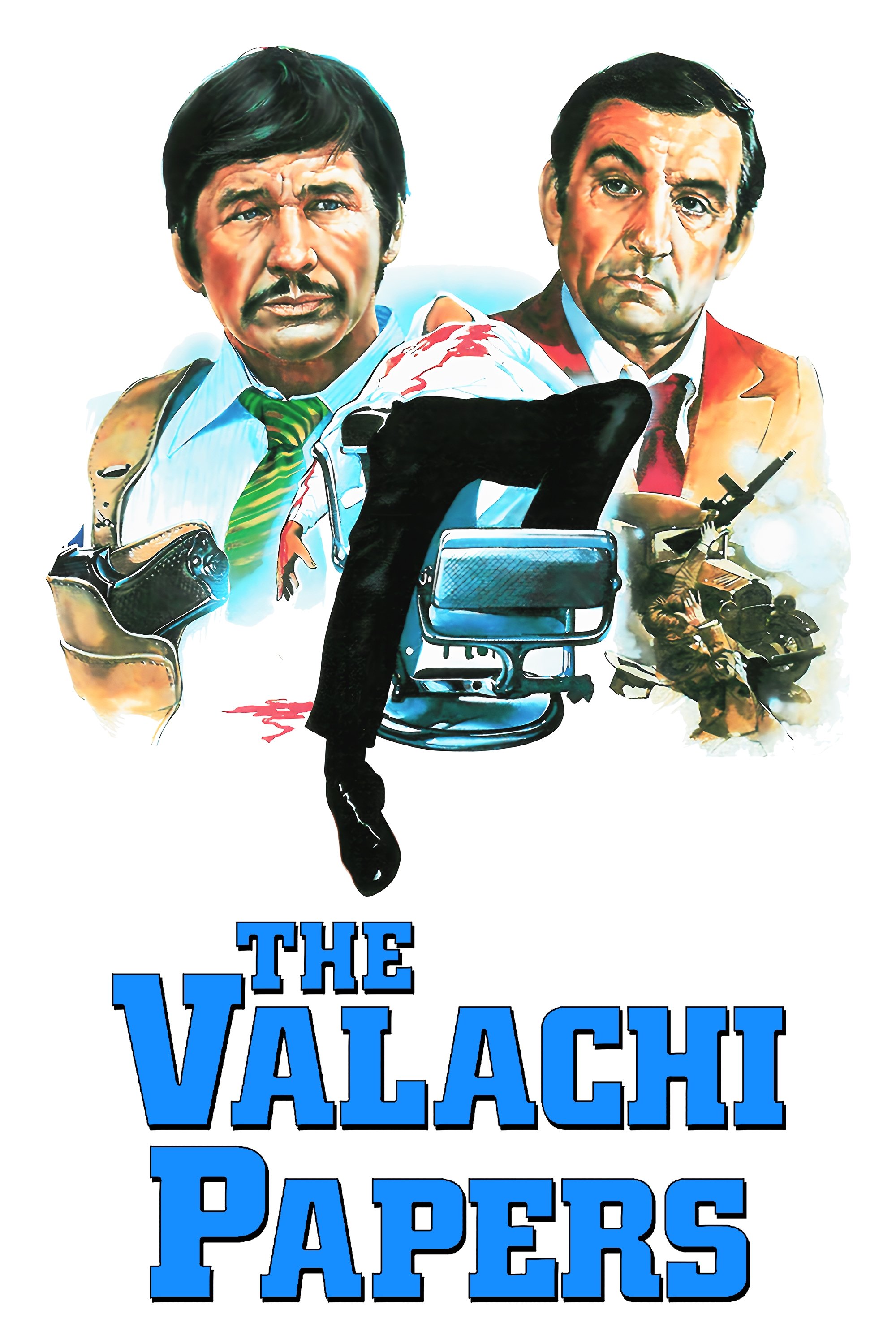
Charles Bronson plays Joseph Valachi, a soldier whose testimony before a Senate committee produced an early public description of the American Mafia structure. The story dramatizes his prison years and the decision to cooperate after threats on his life.
The script uses Peter Maas’s book and congressional records to lay out terminology, ranks, and initiation accounts that Valachi supplied under protection. Sets and staging reflect mid century federal custody and hearing rooms, and the film shows how his statements influenced later organized crime prosecutions.
‘Kill the Irishman’ (2011)
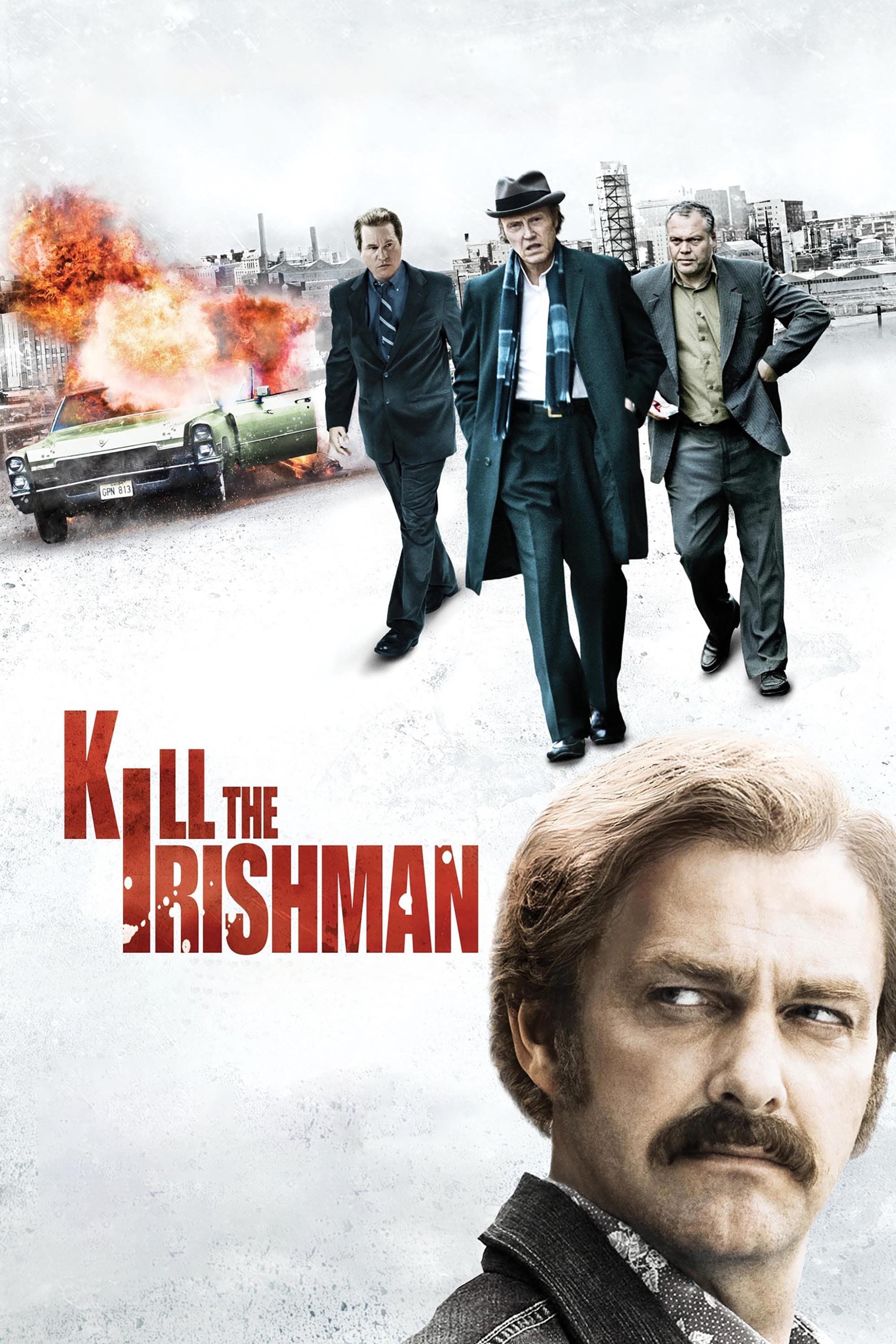
Ray Stevenson appears as Danny Greene, a Cleveland mobster who survived multiple bombings during a violent turf war linked to control of union influence and loan sharking. The story connects Greene’s crew to New York families and to a string of car bombs that triggered a wide federal response.
Writers relied on local reporting and federal cases that documented bombings, attempted hits, and alliances across cities. The production recreates seventies Cleveland streets and vehicles, and it includes the key explosion events that became central evidence in subsequent trials.
‘Angel of Evil’ (2010)
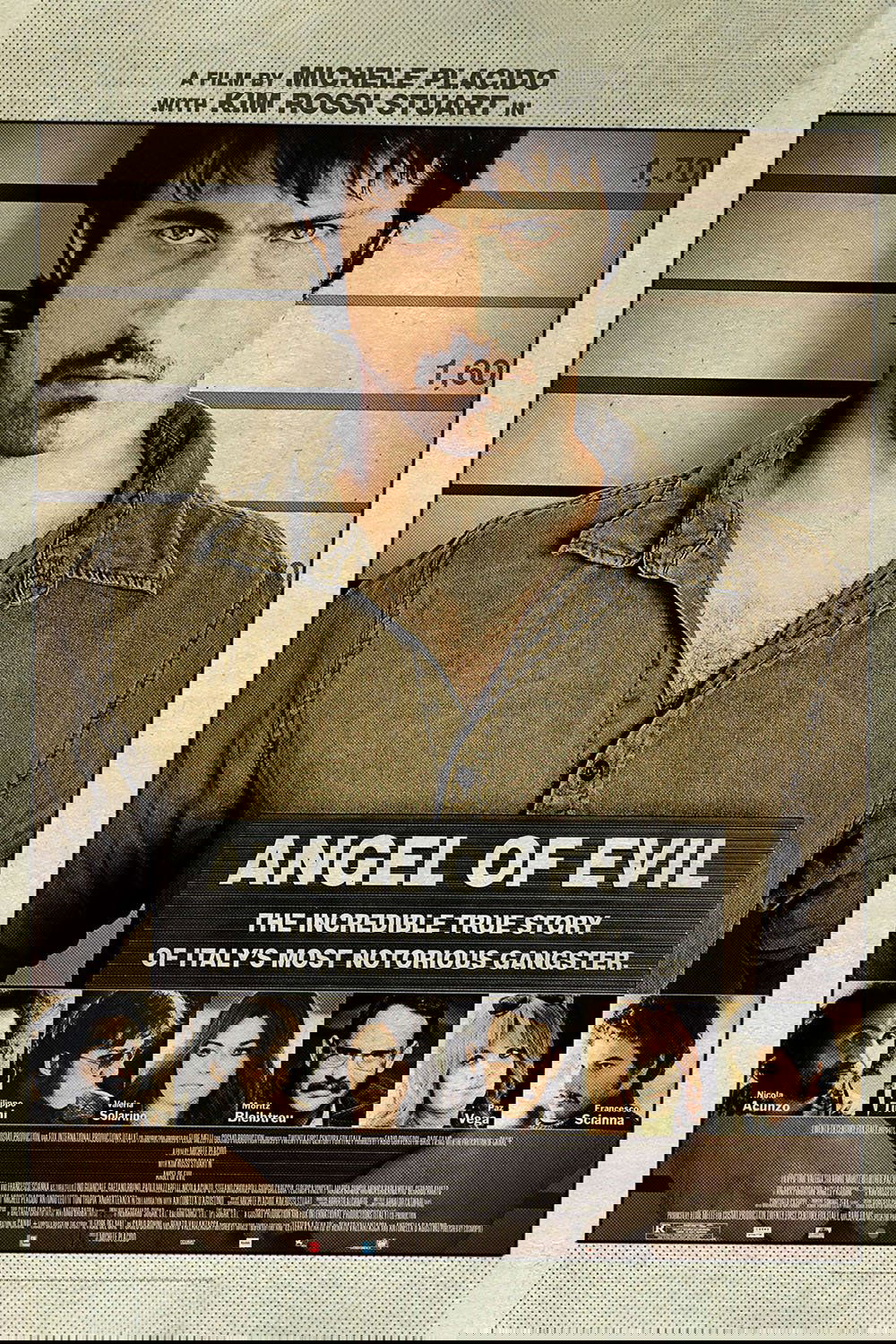
Kim Rossi Stuart plays Renato Vallanzasca, a Milanese criminal who led a crew involved in robberies, kidnappings, and prison breaks. The film follows his high profile escapes and the media attention that accompanied each arrest.
The depiction draws on Italian police files and news archives, and it stages robberies using the weapons and timing reported by witnesses. Production rebuilt Milan settings from the era and lined up costumes and vehicles with period photos, while the script includes courtroom scenes that mirror the sentences he received.
‘The St. Valentine’s Day Massacre’ (1967)
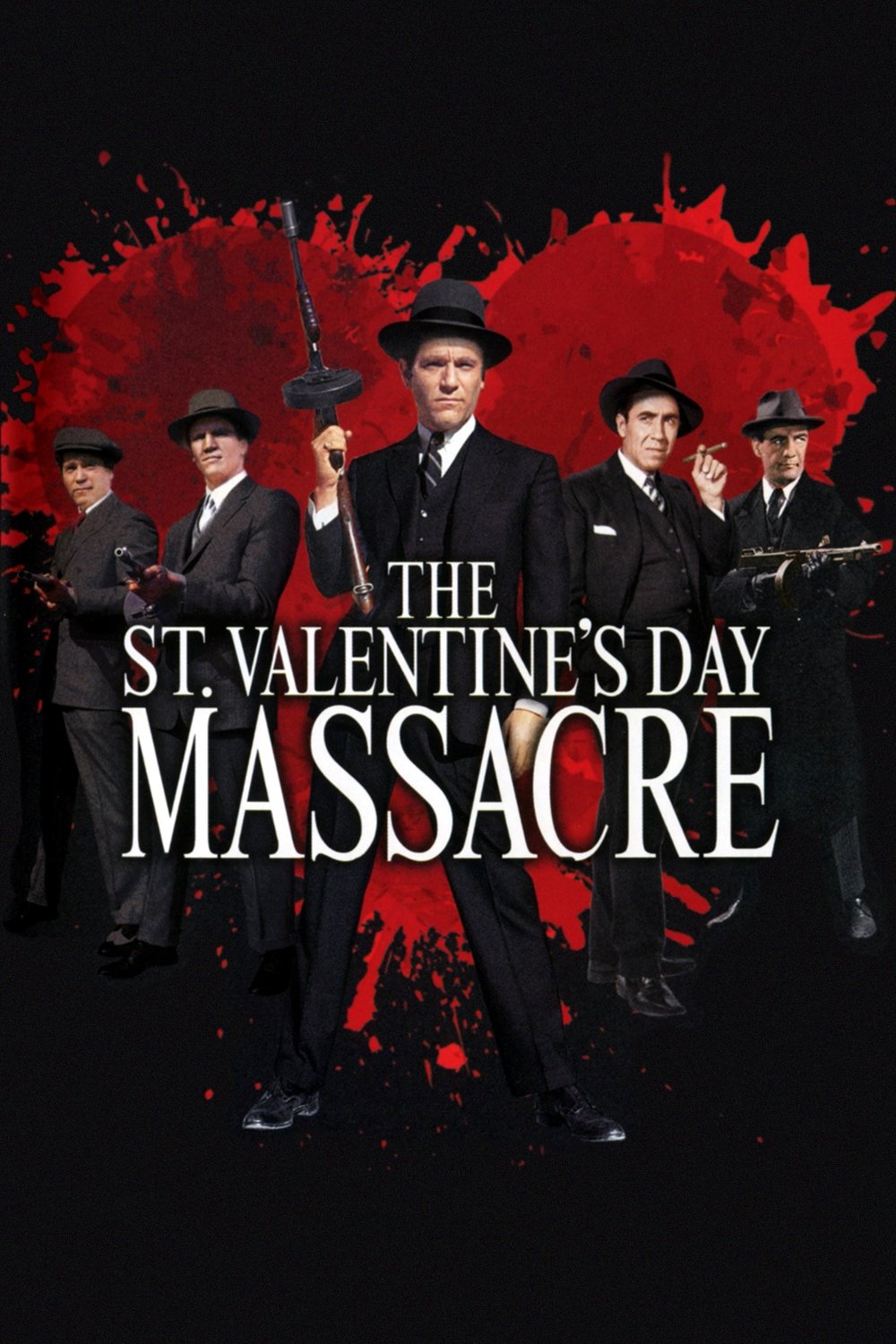
This film dramatizes the 1929 killings tied to the struggle between Al Capone and Bugs Moran for control of Chicago liquor routes. It lays out preparations, decoy tactics with police uniforms, and the execution method that left witnesses and ballistic evidence but no immediate convictions.
The production uses composite scenes built from investigative reporting, photographs, and later reconstructions by historians. Sets replicate the North Side garage layout and period weapons, and the script tracks known participants by name where records support identification and uses stand ins where identities remain disputed.
‘Loving Pablo’ (2017)
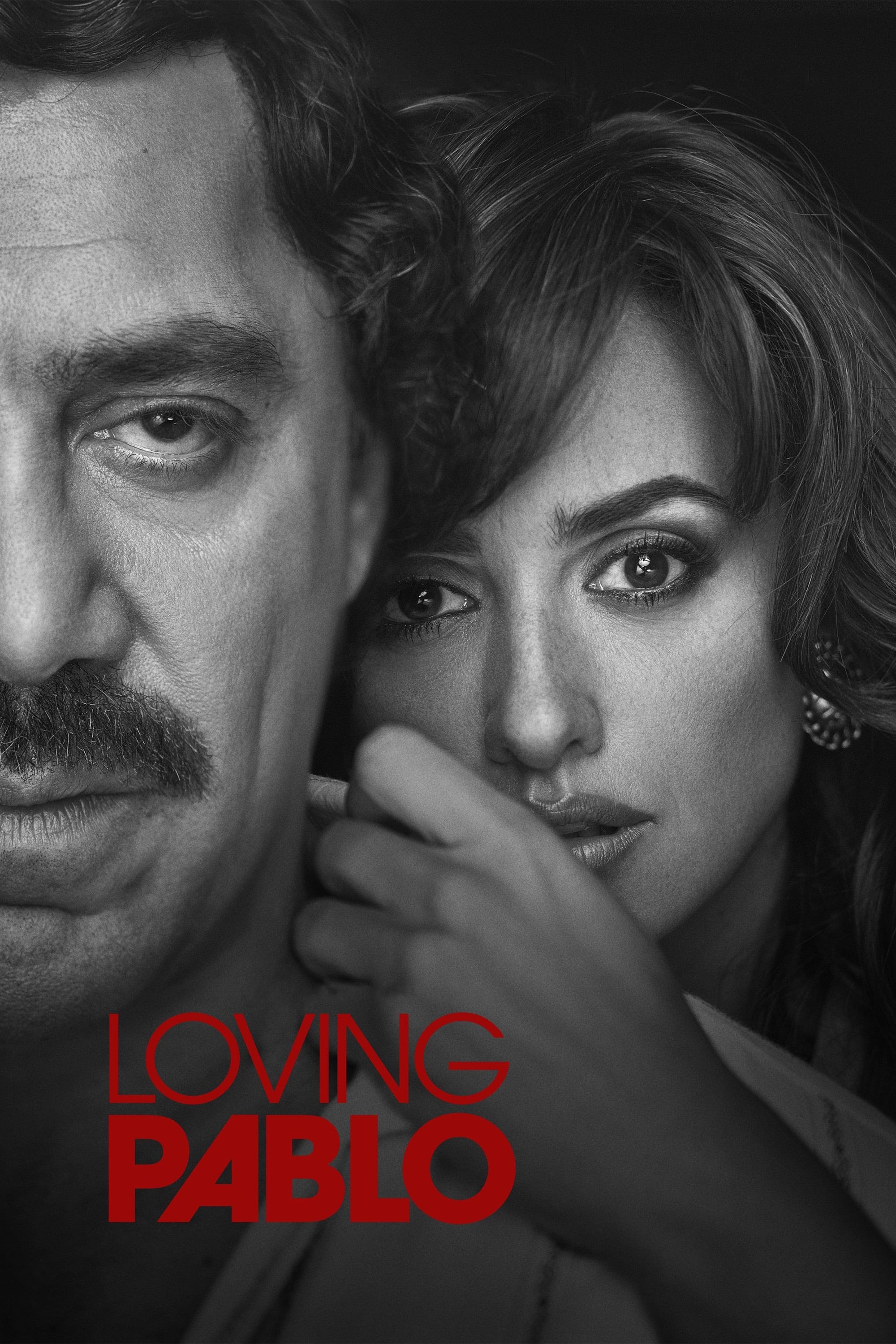
Javier Bardem portrays Pablo Escobar, leader of the Medellin cartel, through a narrative based on Virginia Vallejo’s memoir about their relationship. The film shows Escobar’s growth into international drug trafficking, political ambitions, and the violent campaign that followed extradition pressure.
Scenes include documented bombings, assassinations, and the search operations that ended with Escobar’s death on a Medellin rooftop. Production filmed in Colombia and used Spanish and English dialogue to reflect media and political coverage, while costumes and sets align with early nineties television footage and photographs.
‘Lawless’ (2012)
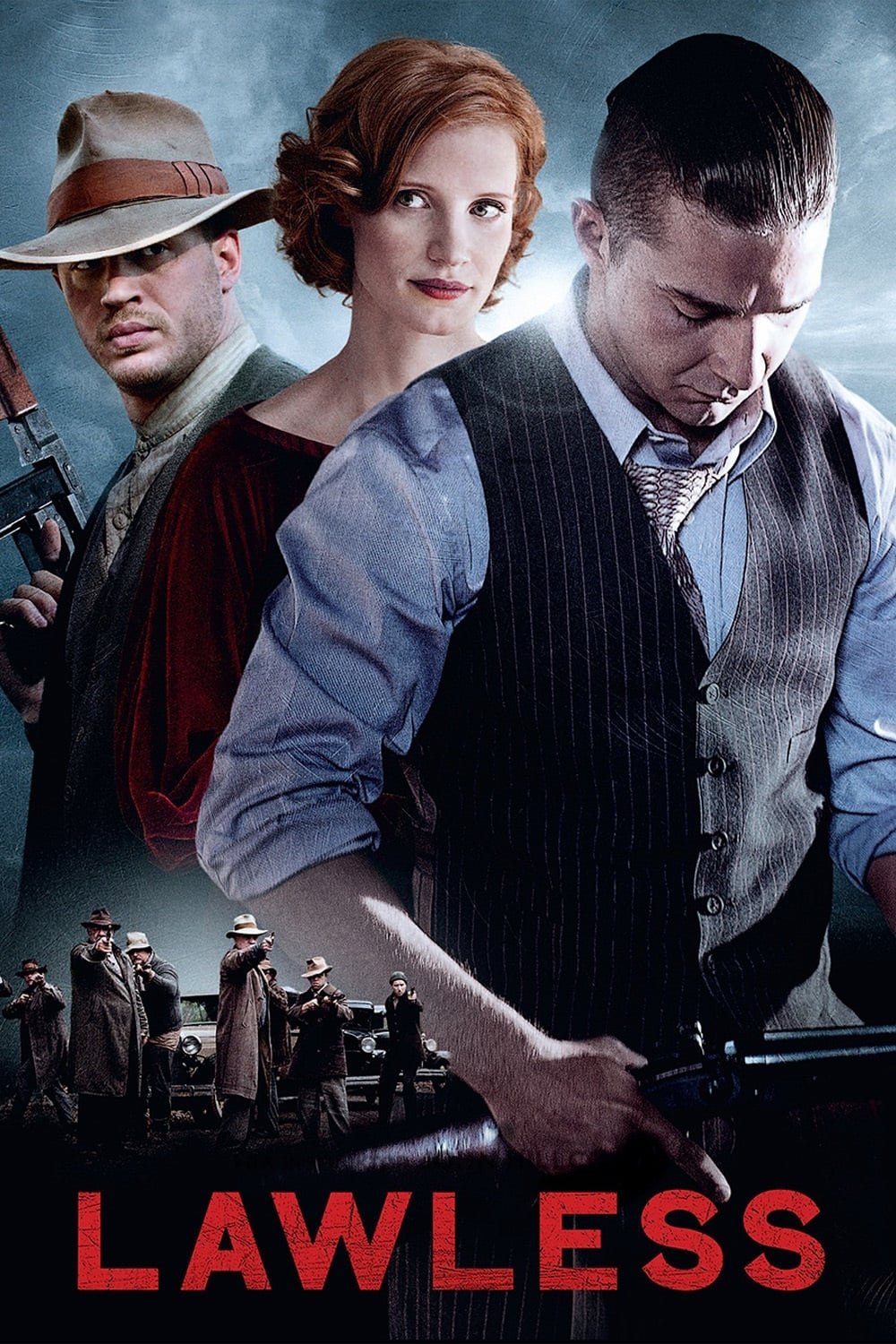
This film focuses on the Bondurant brothers in Franklin County, Virginia, who ran a bootlegging business during Prohibition and clashed with lawmen and rival outfits. Shia LaBeouf and Tom Hardy portray Jack and Forrest Bondurant, whose activities included liquor production, transport, and protection arrangements.
The script adapts The Wettest County in the World, which is based on family history and local records of raids and shootings. Production rebuilt Appalachian still sites and rural road checkpoints, and it stages exchanges with corrupt officials and federal agents consistent with period enforcement.
‘Chopper’ (2000)
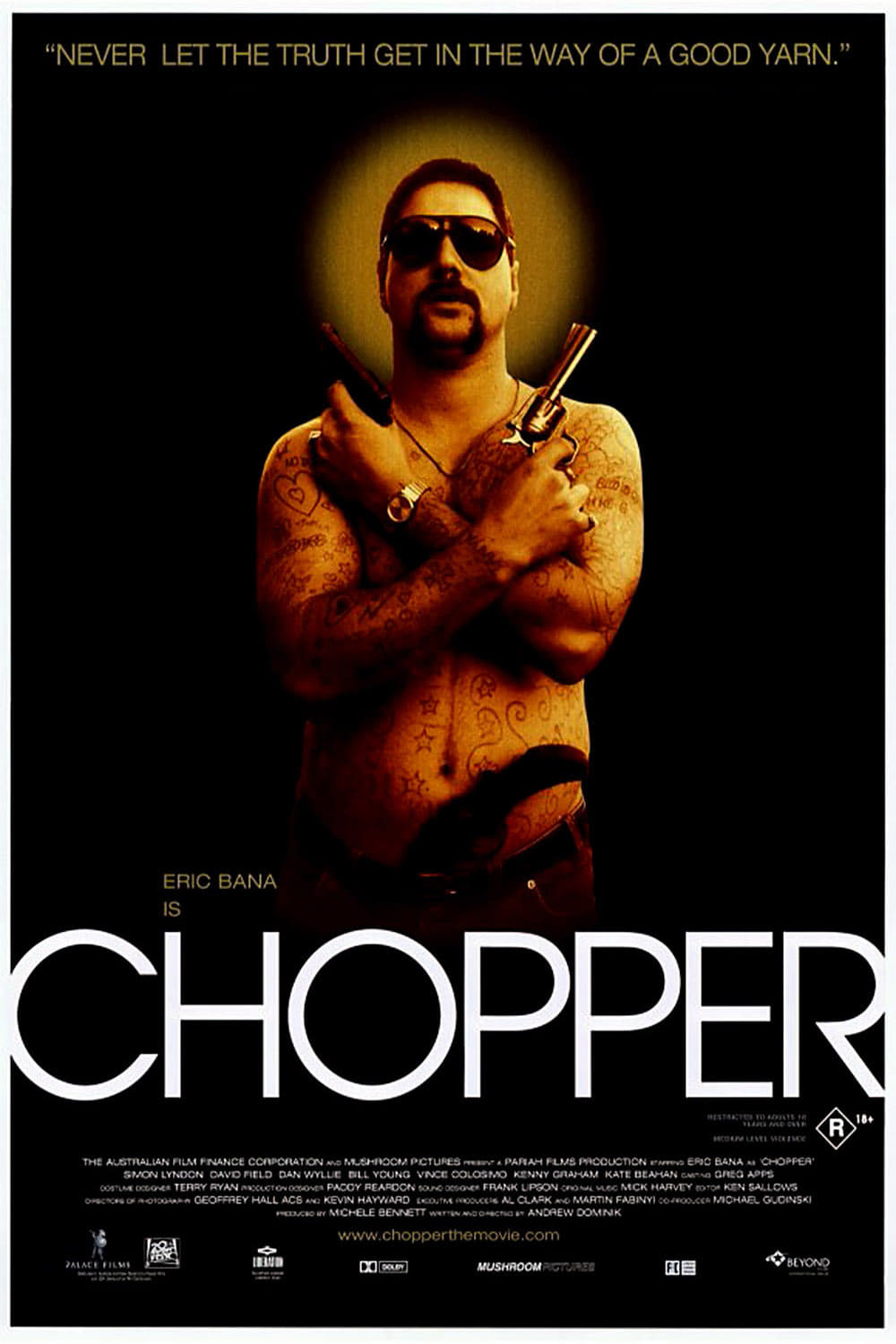
Eric Bana plays Mark Chopper Read, an Australian criminal whose record includes stabbings, kidnappings, and a long series of prison terms. The film tracks his rise inside prison networks and his later public notoriety as an author and media personality.
Writers pulled from Read’s books and interviews as well as court records to cross check events and injuries he described. The production stages prison economies, protection arrangements, and assaults using layouts and procedures documented by former inmates and staff, and it presents real scars and injuries in makeup that matches medical notes.
‘The Iceman’ (2012)
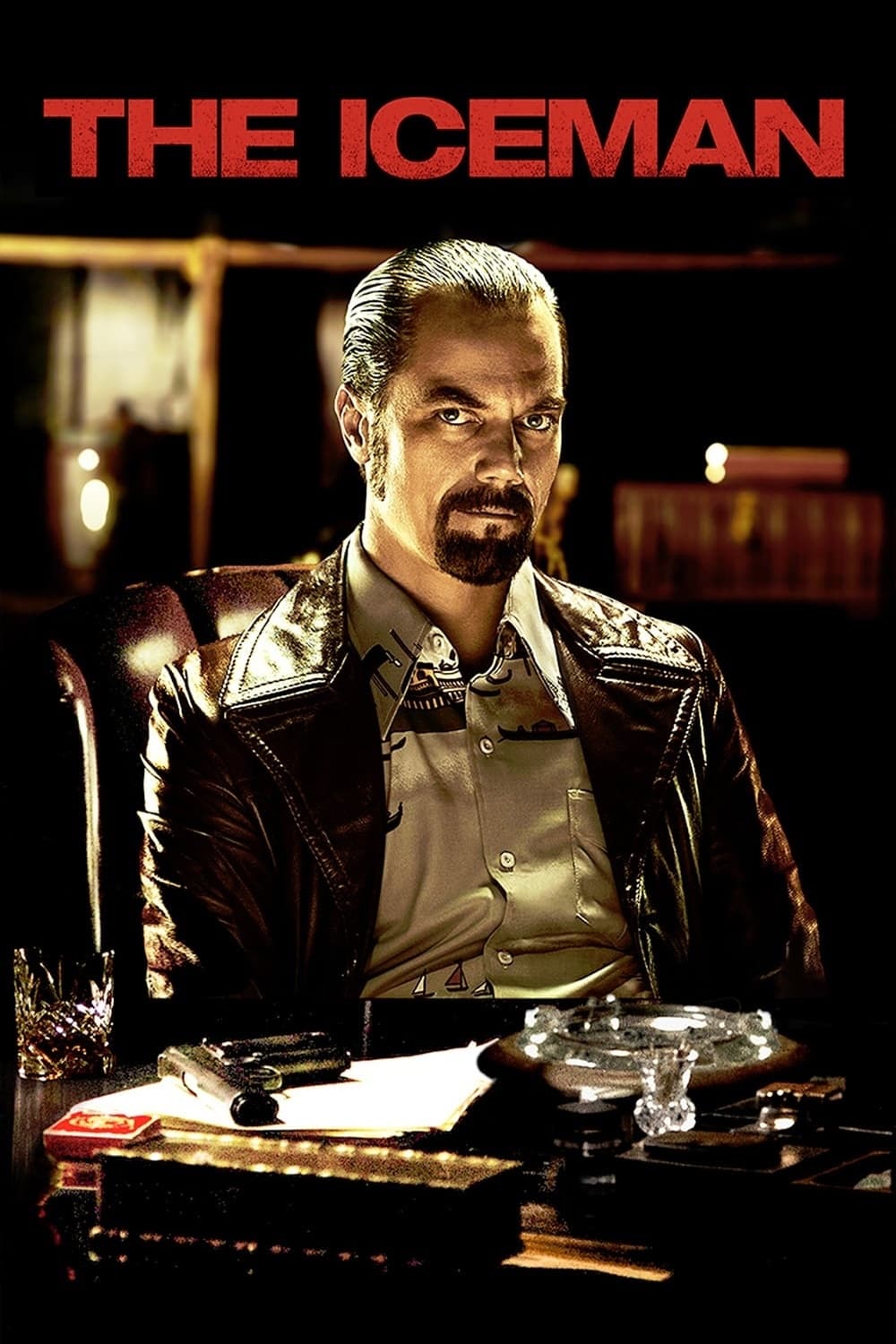
Michael Shannon appears as Richard Kuklinski, a contract killer who worked for DeMeo crew associates and also committed independent murders while maintaining a separate family life in New Jersey. The story includes his arrest after a joint task force investigation and his later prison interviews.
The film references police surveillance, undercover meetings, and ballistic evidence cited in court, and it shows the freezer storage method that produced the nickname. Locations and cars match the time period, and the script integrates names of organized crime figures that appear in indictments and testimony.
‘Capone’ (2020)
1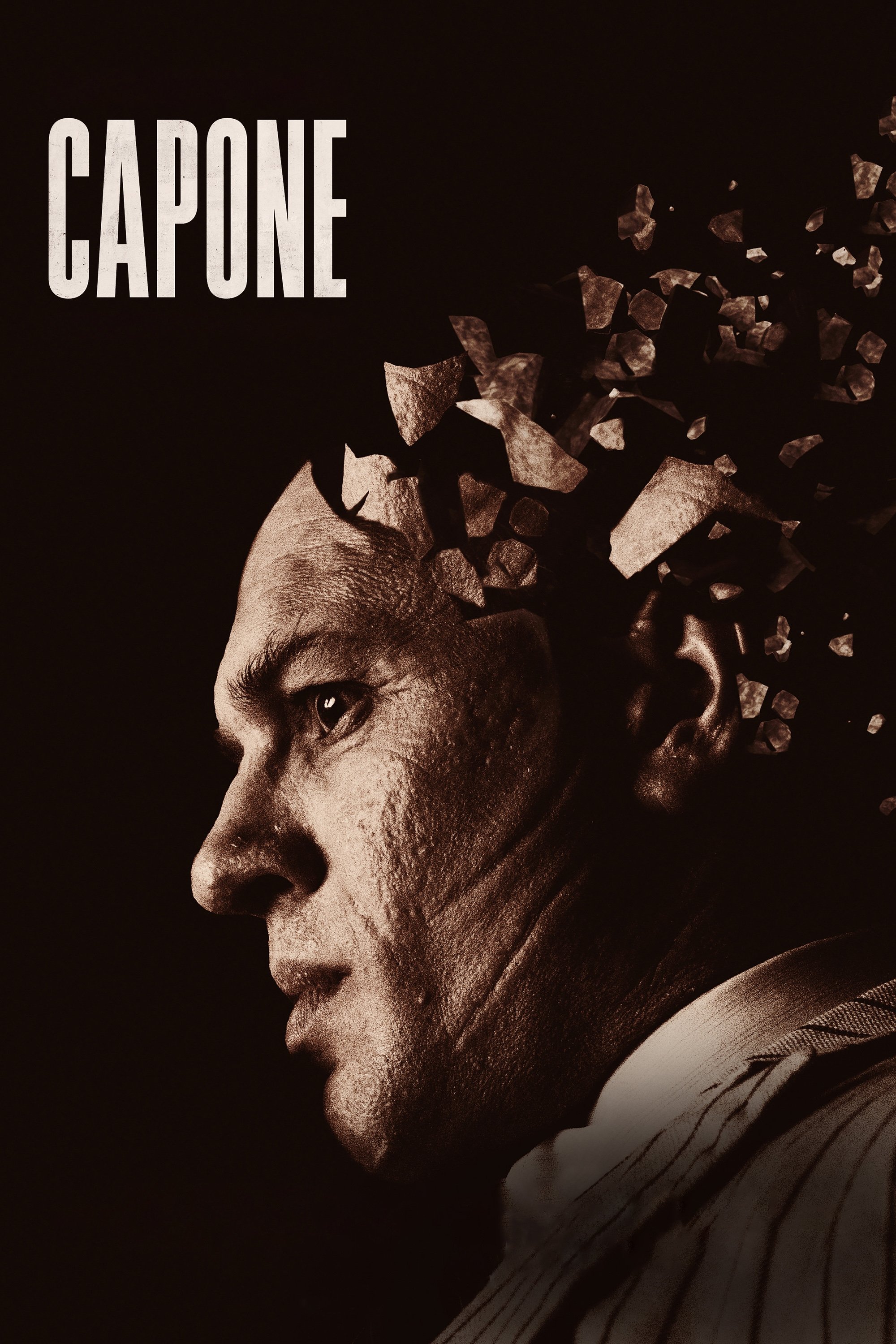
Tom Hardy portrays Al Capone during his final year in Florida, focusing on the health decline that followed years in federal prison for tax offenses. The story concentrates on memory lapses, family dynamics, and the property seizures that reduced his fortune.
The film uses medical records, property filings, and press photos to depict his condition and the status of the Palm Island estate. Production design includes period furnishings and wardrobe that mirror images from the time, and it shows the security and surveillance presence that surrounded the house near the end of his life.
Share your picks in the comments and tell us which real world gangster portrayals you think deserve a spot.