


25 Best Movies Featuring All-White Casts You Should See



This list gathers notable films that happen to feature all white casts, a reflection of casting practices and industry norms in the eras when many of these movies were made. You will find courtroom dramas, thrillers, romances, and musicals that shaped film history. Each entry includes quick facts on story, key talent, and impact so you can decide what to watch next. Use it as a guide to explore classics, compare styles across decades, and spot how filmmaking craft evolved over time.
’12 Angry Men’ (1957)
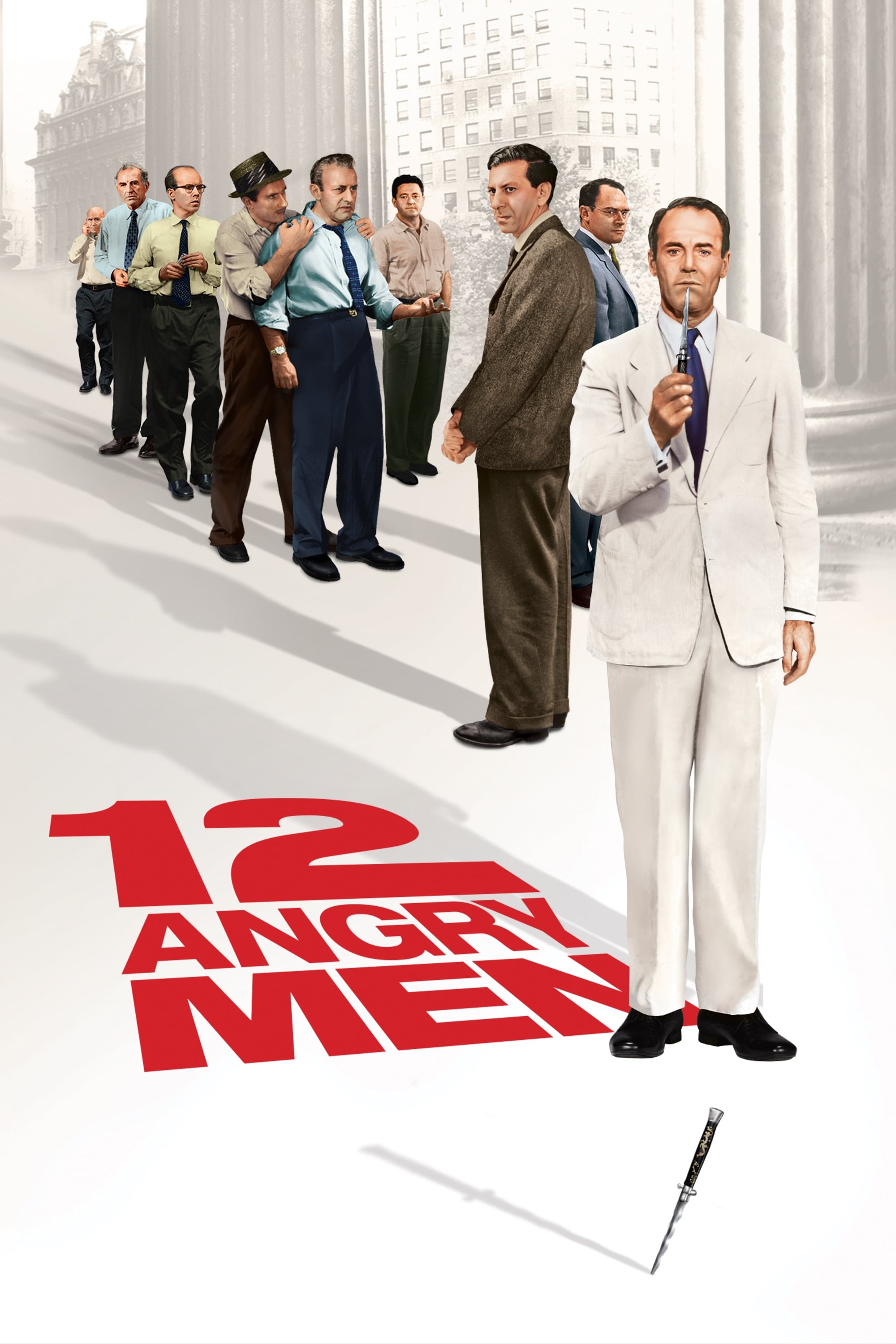
This courtroom drama tracks the jury deliberations in a homicide case set almost entirely in one room. Directed by Sidney Lumet, it stars Henry Fonda and Lee J Cobb and was adapted from a teleplay by Reginald Rose. The film is known for its real time feel achieved through gradual lens changes and tighter framing as tensions rise. It became a staple in legal and ethics education for its focus on reasonable doubt and group dynamics.
‘Psycho’ (1960)
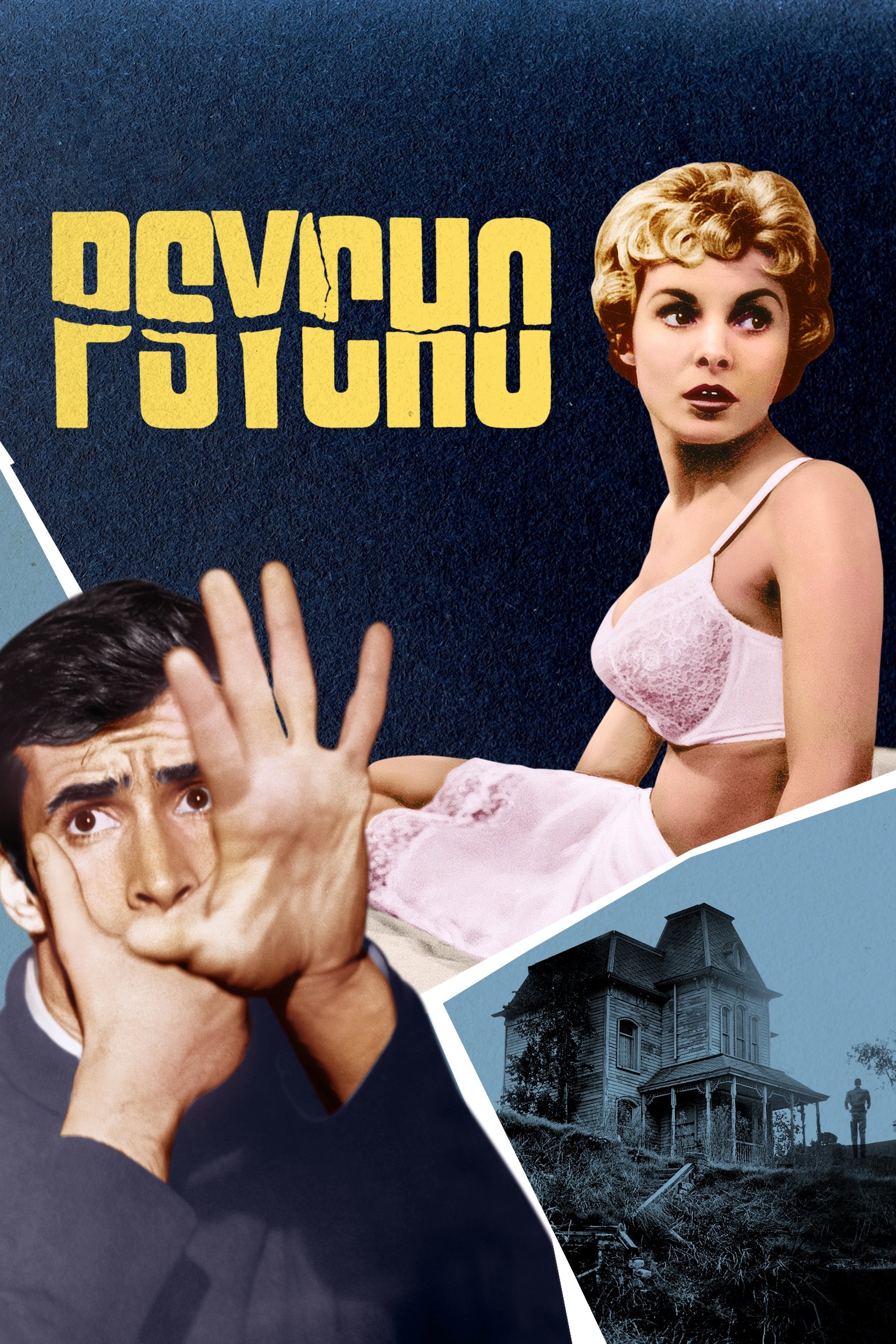
Alfred Hitchcock’s thriller follows Marion Crane and the reclusive motel owner Norman Bates. Anthony Perkins and Janet Leigh lead the cast, with the famous shower scene created using rapid cuts and a shrieking string score by Bernard Herrmann. Hitchcock kept production modest by using his television crew and shot at Universal. The movie changed the way studios handled spoilers and audience seating policies.
‘Rear Window’ (1954)
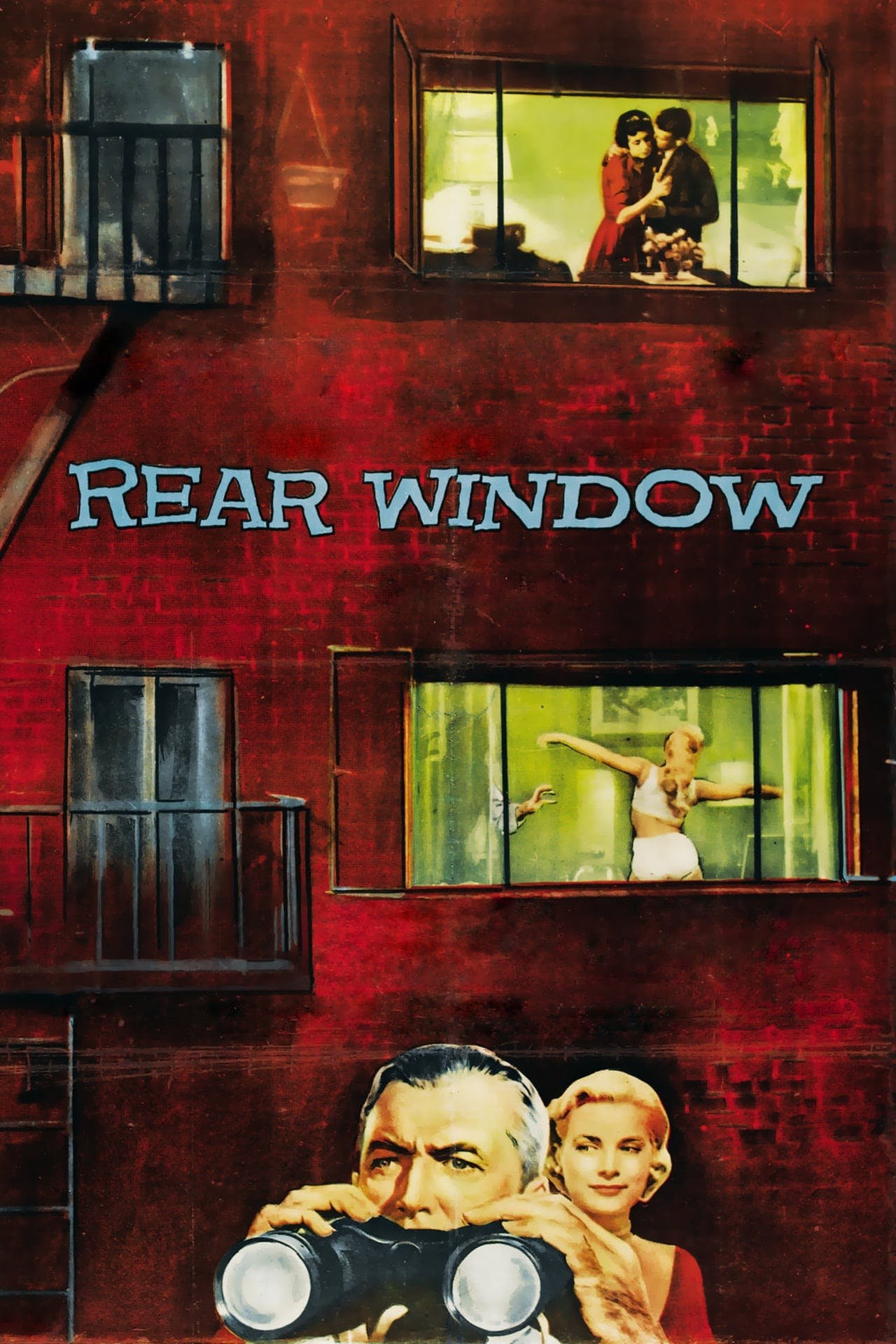
In this suspense classic, a photographer confined to a wheelchair believes he has witnessed a murder across his courtyard. James Stewart and Grace Kelly star, and the entire apartment complex was constructed as a massive indoor set on a soundstage. The story examines voyeurism through the camera viewpoint and the window frame. It remains a study text for point of view editing and set design.
‘Vertigo’ (1958)
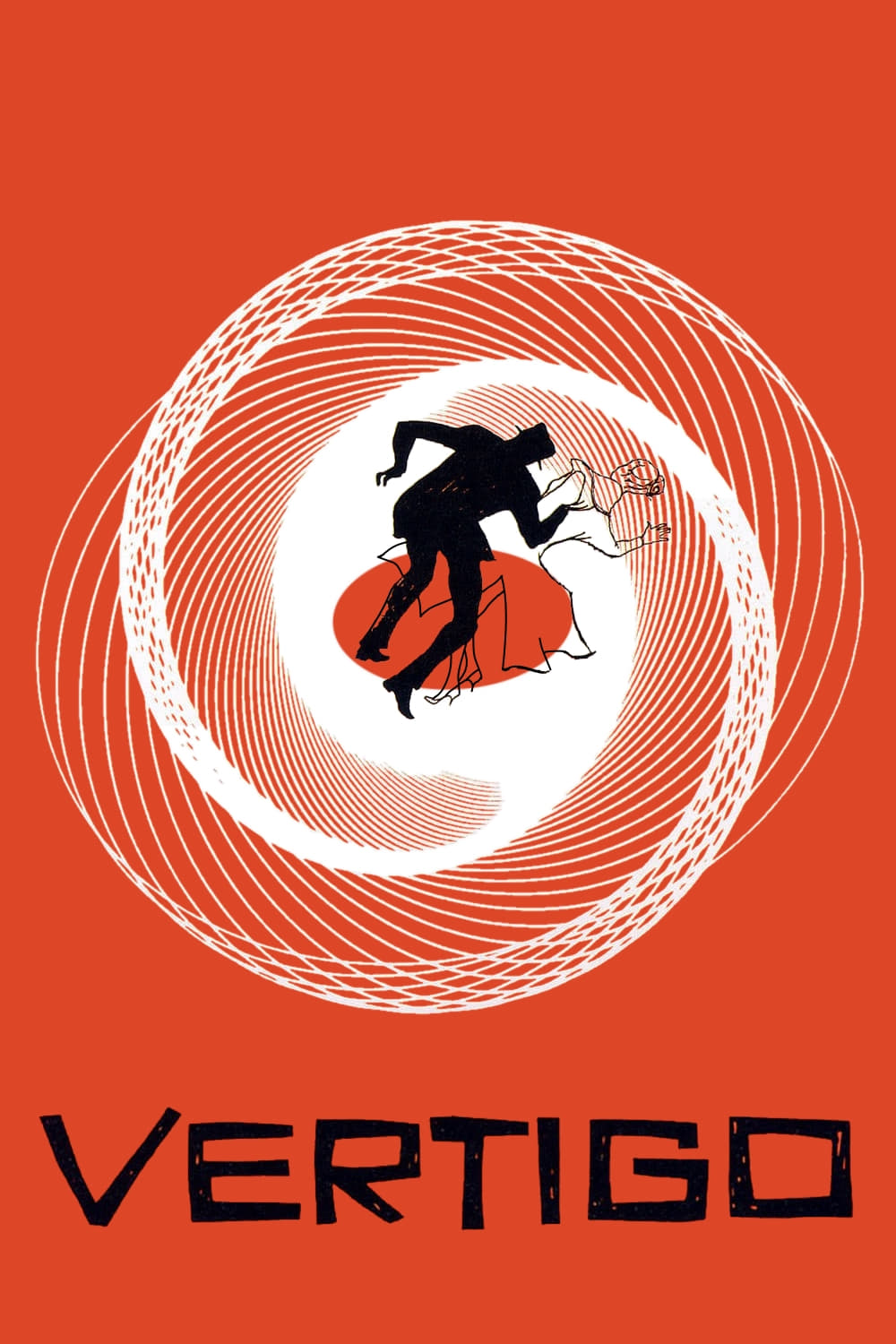
A retired detective with acrophobia becomes obsessed with a woman he is hired to follow. James Stewart and Kim Novak head the cast, with San Francisco landmarks used to anchor the story. The distinctive color motifs and the dolly zoom effect help convey psychological unease. Bernard Herrmann’s score is central to the film’s mood and later influenced many thrillers.
‘North by Northwest’ (1959)
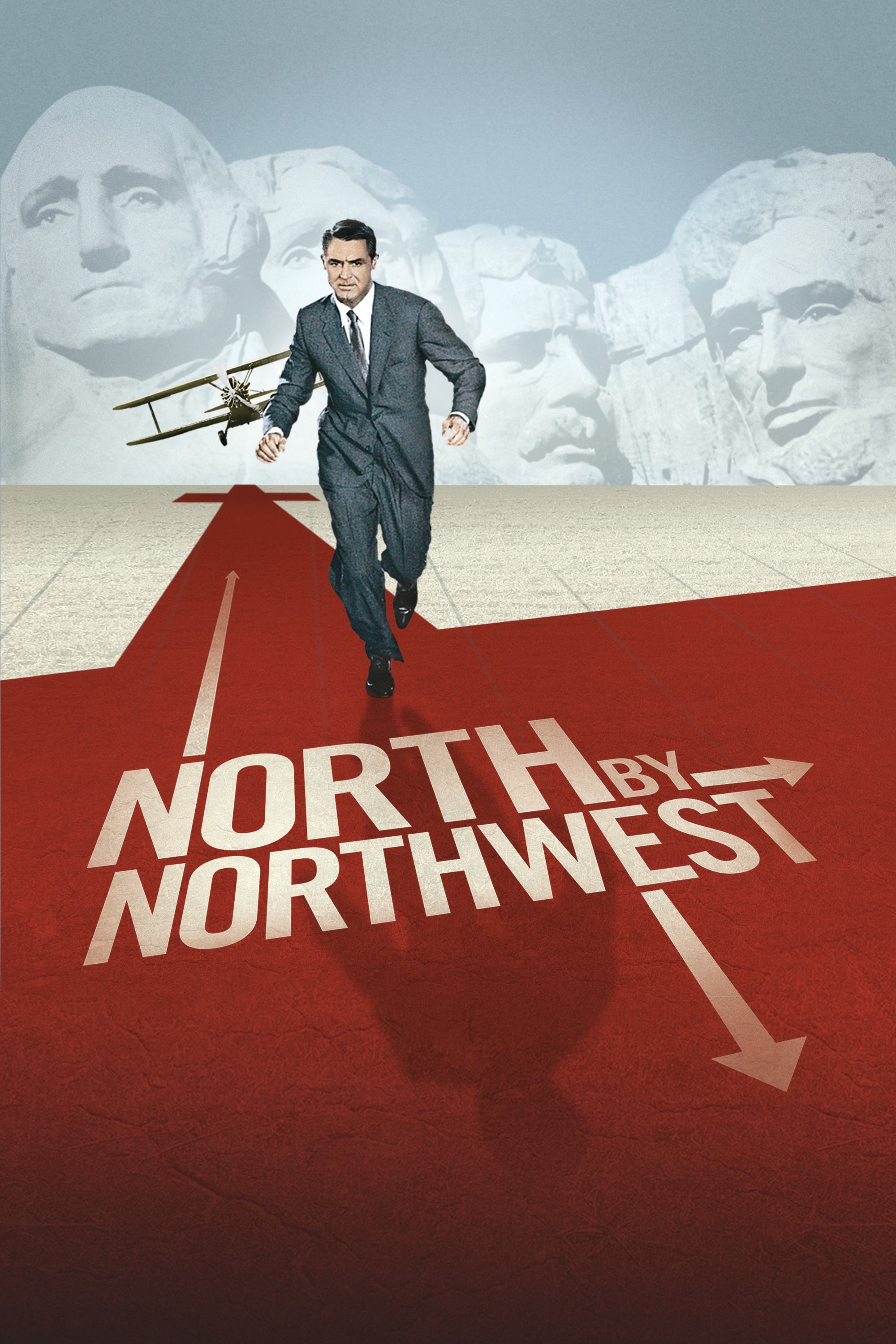
This cross country chase begins with an advertising executive mistaken for a spy. Cary Grant and Eva Marie Saint star, and the story features set pieces like the crop duster attack and the Mount Rushmore climax. Ernest Lehman’s screenplay uses mistaken identity to drive the plot through multiple locations. Saul Bass designed the kinetic opening titles that helped define the film’s brisk tone.
‘The Maltese Falcon’ (1941)
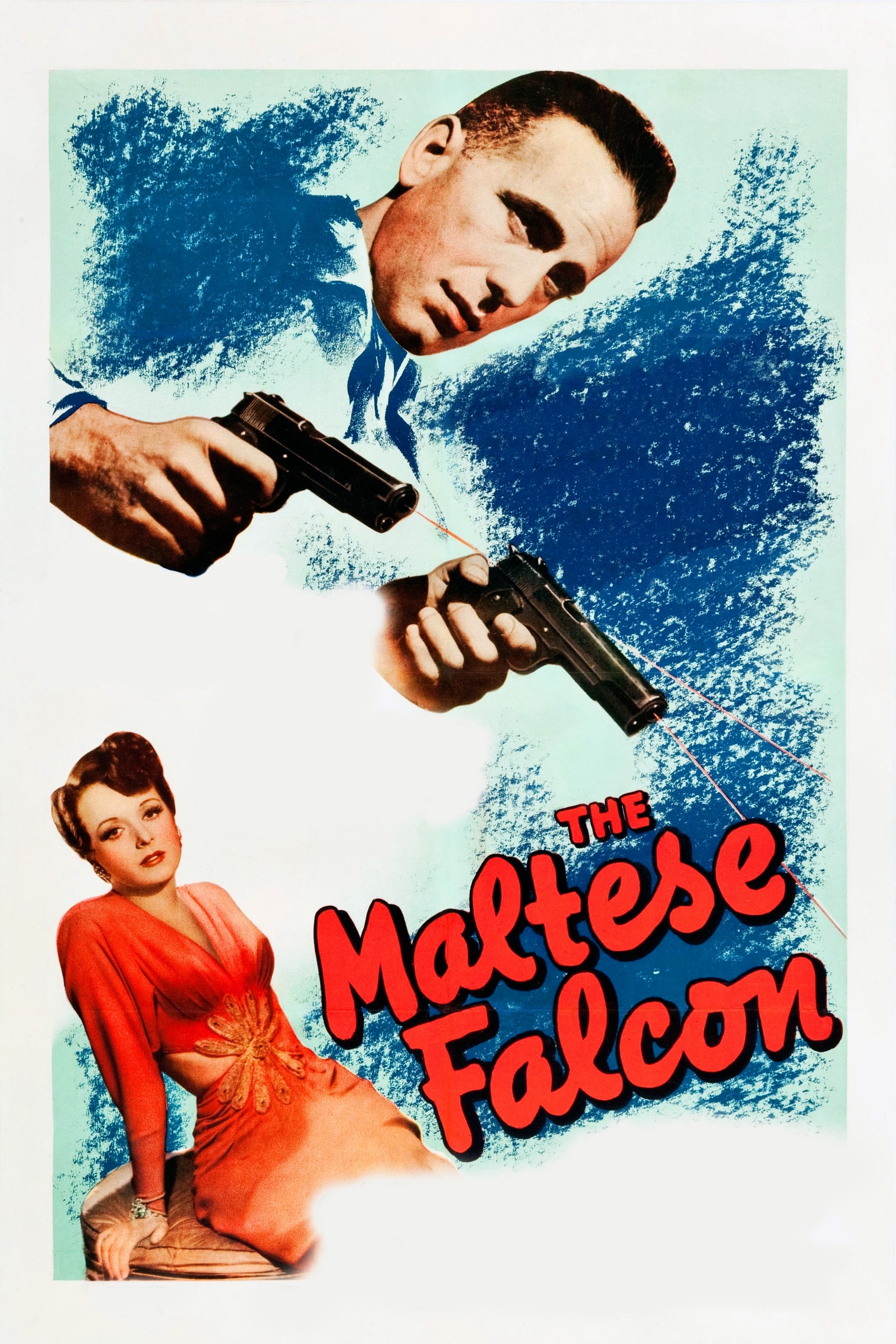
A private detective hunts a jewel encrusted statuette that draws dangerous rivals. Humphrey Bogart plays Sam Spade, with John Huston making his feature directing debut from Dashiell Hammett’s novel. The film established visual hallmarks of film noir through low key lighting and hard edged dialogue. Its success helped set Bogart’s screen persona for the decade.
‘Double Indemnity’ (1944)
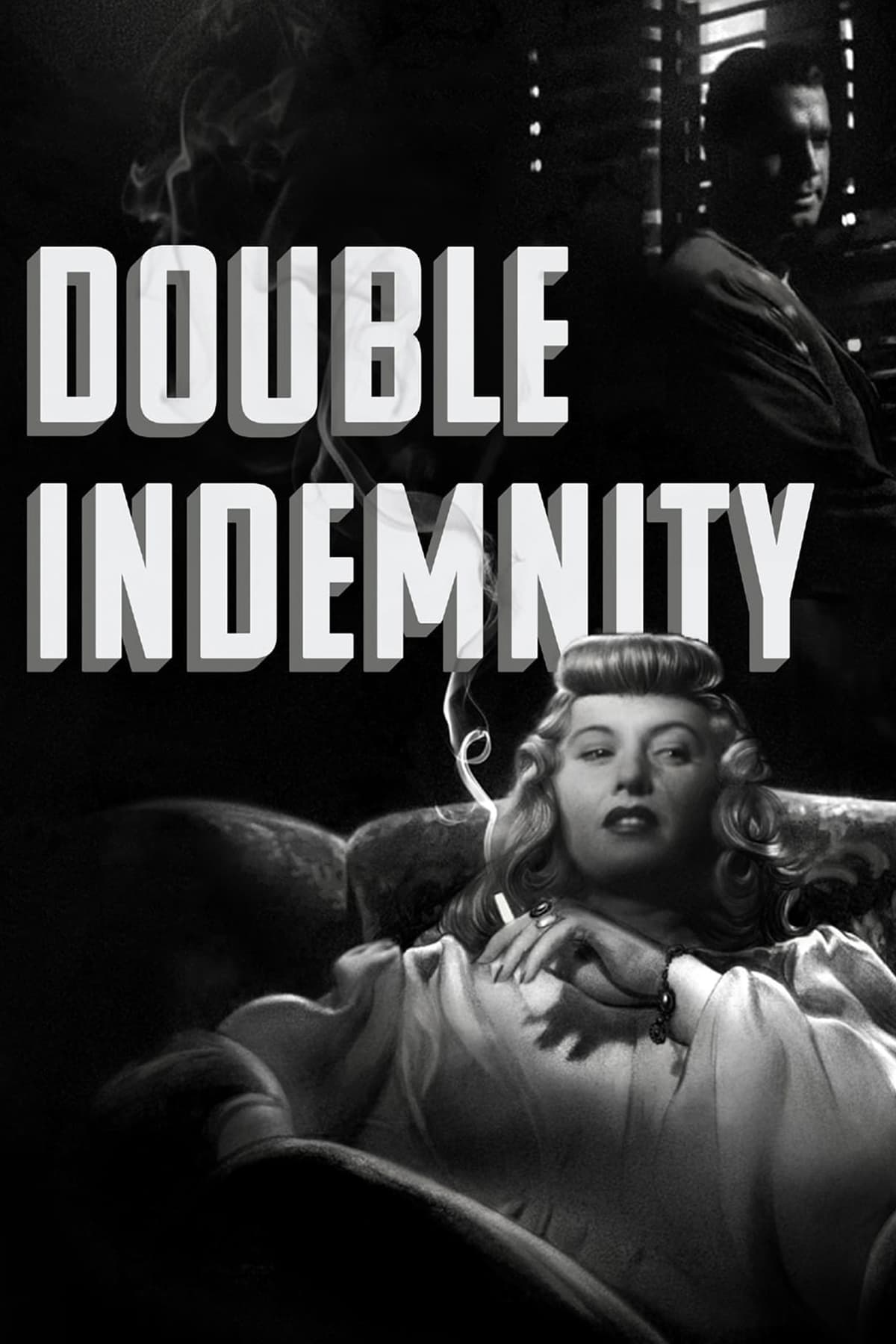
An insurance salesman and a housewife plot a killing to collect a policy payout. Fred MacMurray and Barbara Stanwyck star in a script co written by Billy Wilder and Raymond Chandler. The production employed Venetian blind lighting to create shadow patterns associated with noir style. The movie received multiple Academy Award nominations and influenced later crime thrillers.
‘Sunset Boulevard’ (1950)
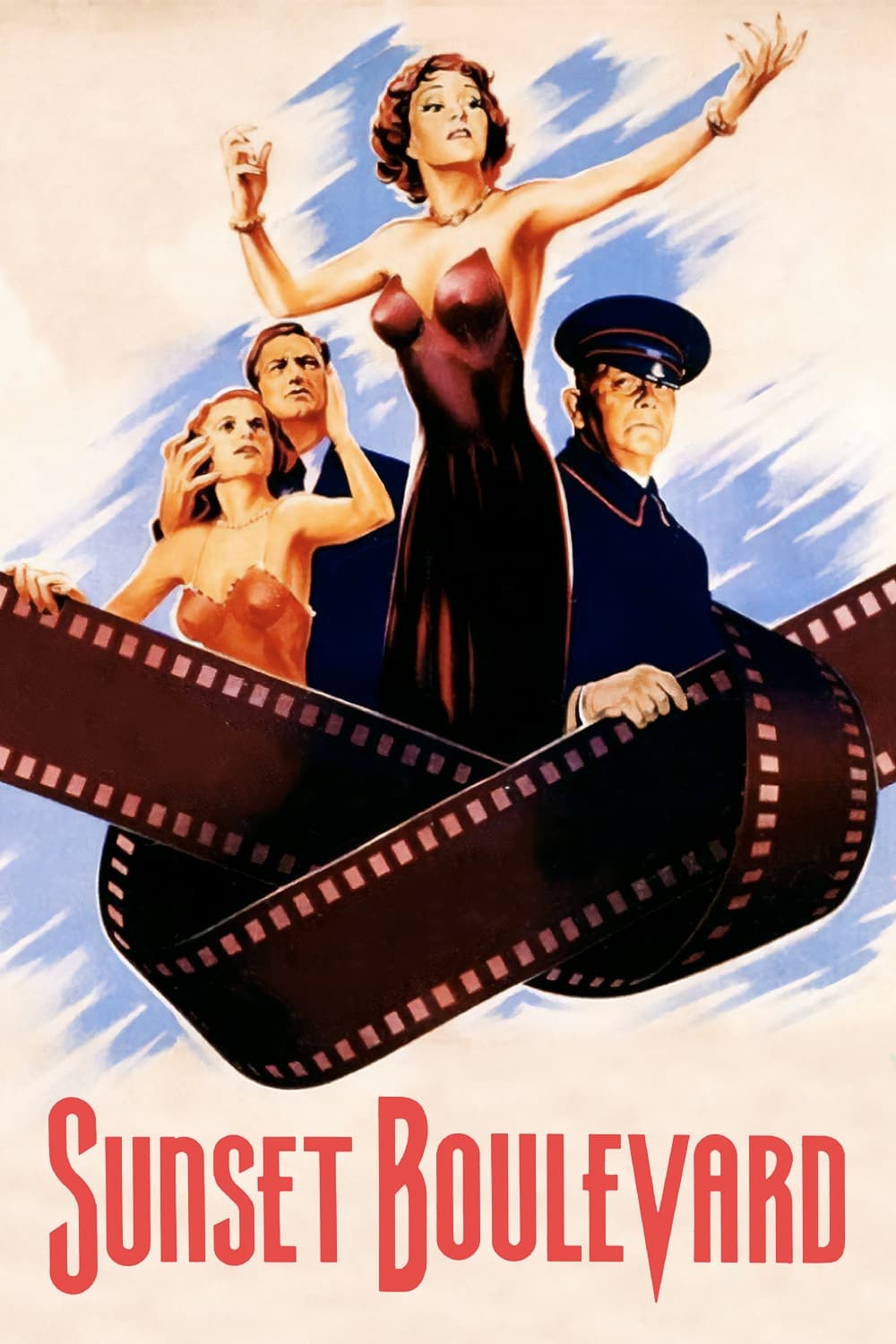
A struggling screenwriter becomes entangled with a faded silent film star. William Holden and Gloria Swanson lead the cast in a story that critiques Hollywood’s treatment of aging talent. Real studio locations and cameo appearances by silent era figures ground the setting. The line readings and narration made the film a frequent reference in studies of celebrity culture.
‘All About Eve’ (1950)
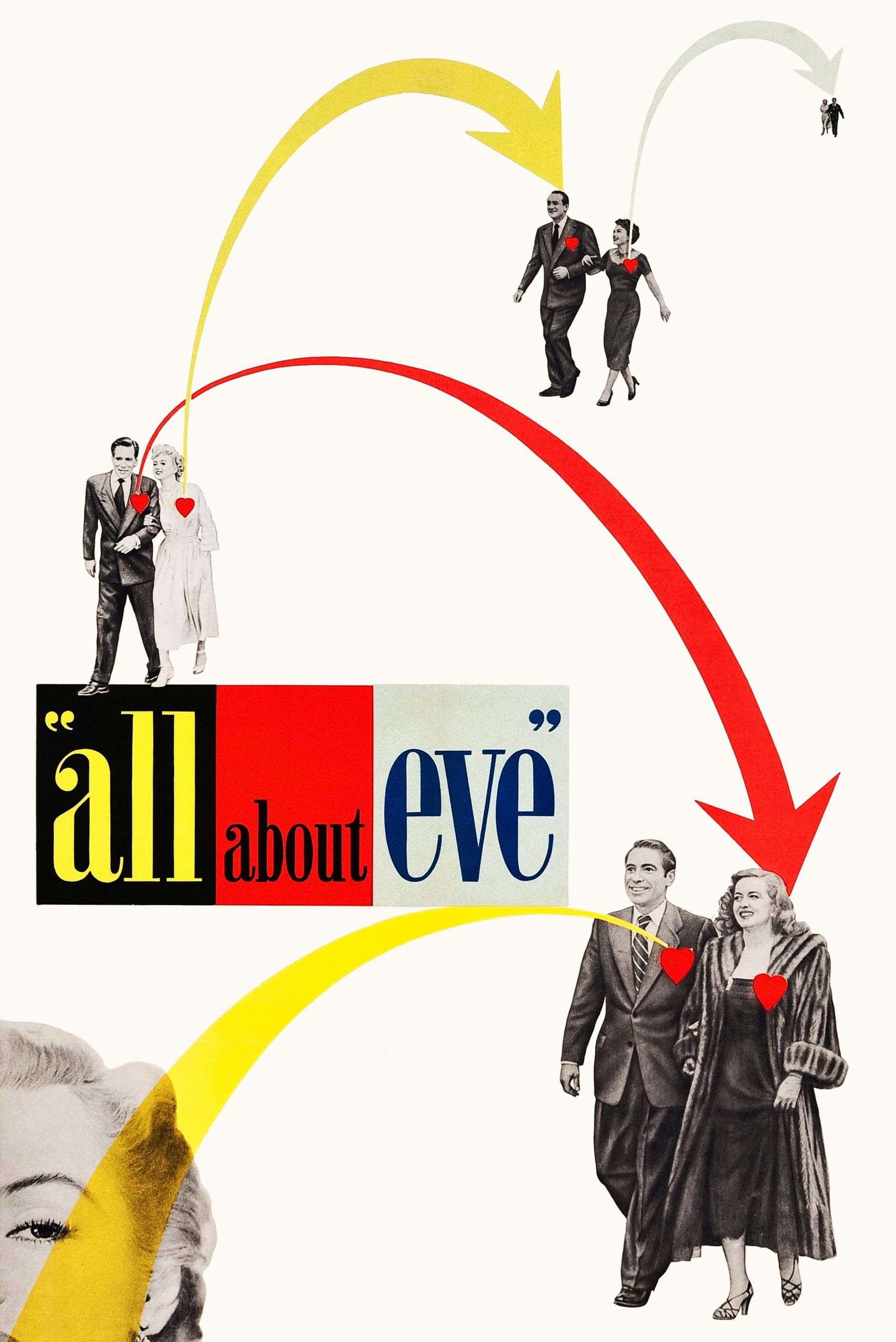
An ambitious young woman insinuates herself into the life of a Broadway star. Bette Davis and Anne Baxter headline, with the plot unfolding through overlapping flashbacks. The movie received a record number of Oscar nominations at the time and won Best Picture. Its depiction of backstage maneuvering made it a touchstone for theater themed dramas.
‘The Philadelphia Story’ (1940)

On the eve of a high society wedding, a socialite faces complications when her ex husband and a reporter arrive. Katharine Hepburn, Cary Grant, and James Stewart star in a fast talking adaptation of Philip Barry’s play. The film revived Hepburn’s box office fortunes and showcased studio era screwball timing. Dialogue pacing and ensemble blocking are often studied from its scenes.
‘His Girl Friday’ (1940)
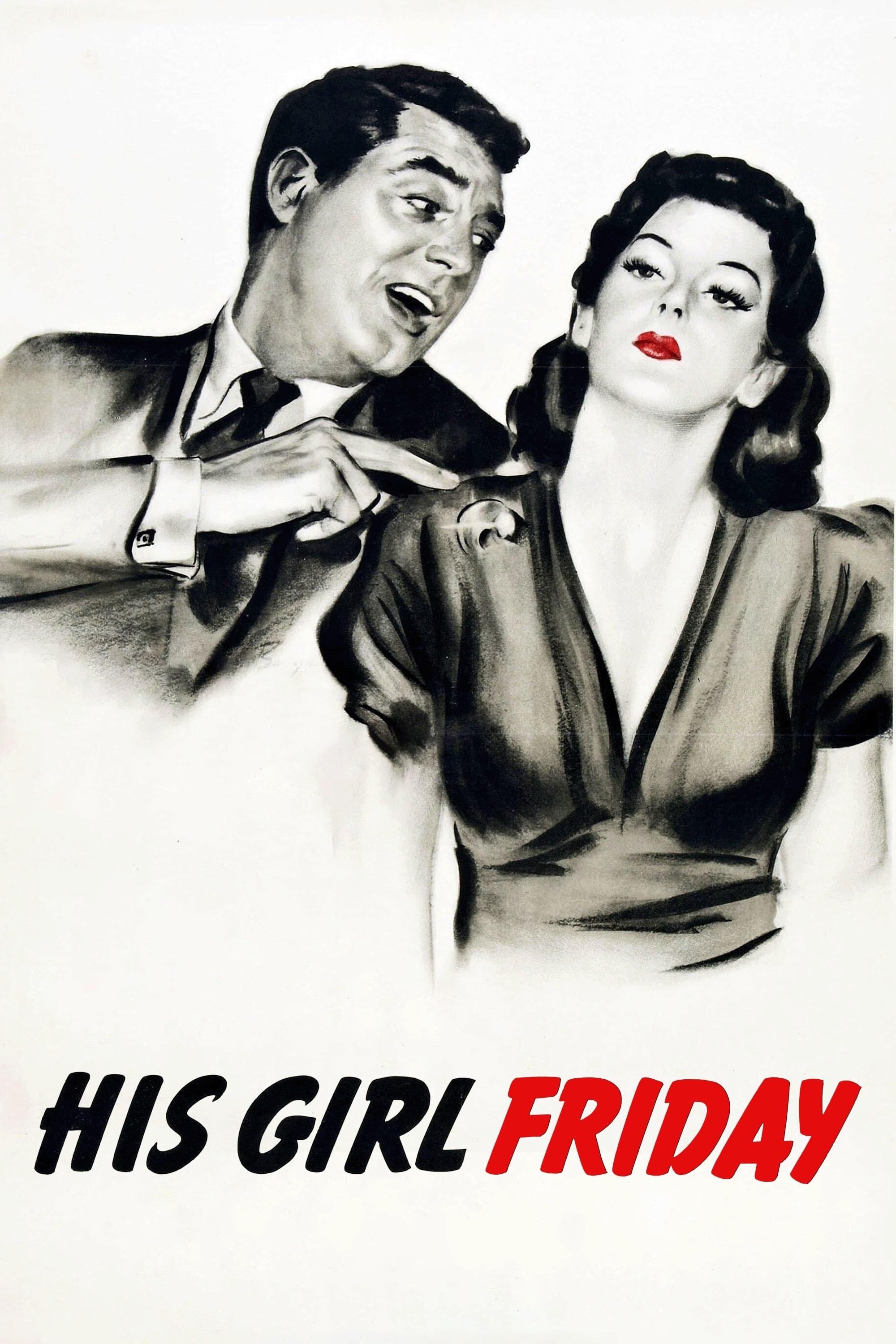
An editor schemes to keep his star reporter from leaving the newsroom by assigning one last story. Cary Grant and Rosalind Russell deliver rapid fire exchanges that push overlapping dialogue to new speeds. Director Howard Hawks reworked the earlier play and film by changing the reporter’s role to a woman. The movie remains a template for newspaper comedies and workplace banter.
‘Rebecca’ (1940)
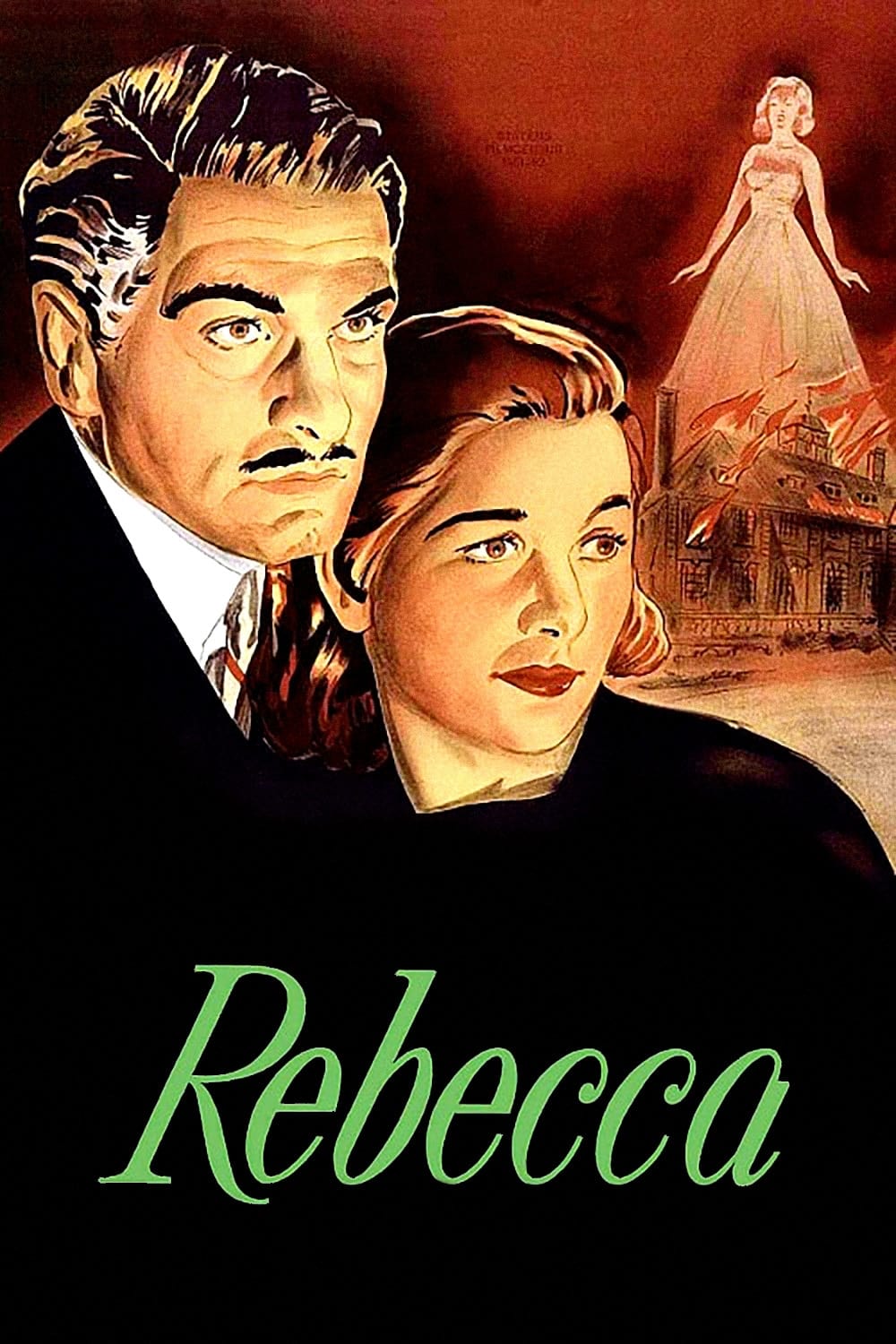
A shy young woman marries a widower and struggles with the shadow of his first wife at a coastal mansion. Joan Fontaine and Laurence Olivier lead this adaptation of Daphne du Maurier’s novel. Producer David O Selznick oversaw period detail while Alfred Hitchcock brought gothic atmosphere. It won Best Picture and helped introduce Hitchcock to American audiences.
‘Notorious’ (1946)
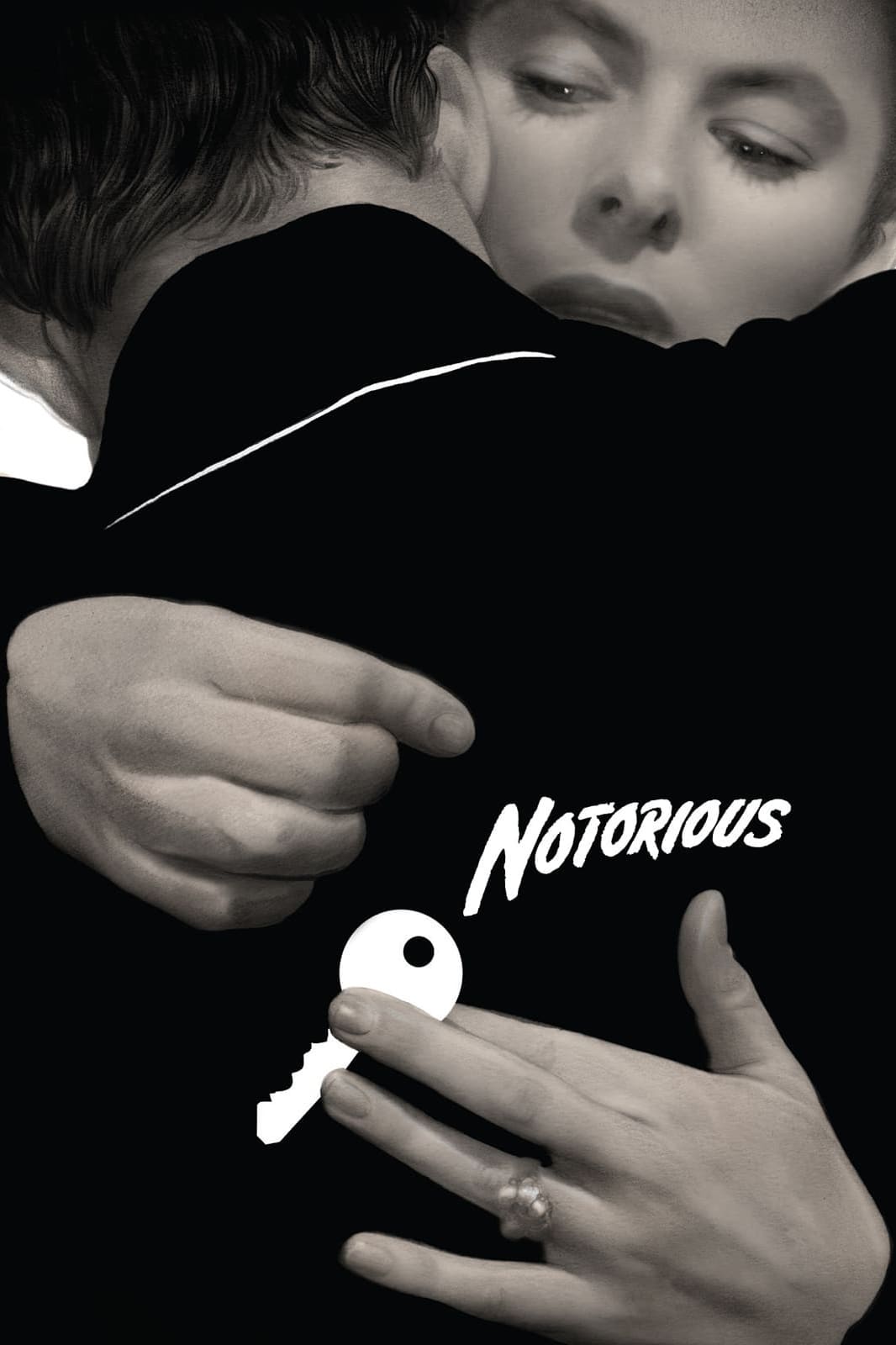
A woman with a tarnished reputation is recruited to infiltrate a group of ex Nazis in South America. Ingrid Bergman and Cary Grant star, with Claude Rains as the target she must marry. The famous key scene and the extended kissing shot navigate strict code rules creatively. The film blends romance and espionage with meticulous camera movement and framing.
‘The Third Man’ (1949)
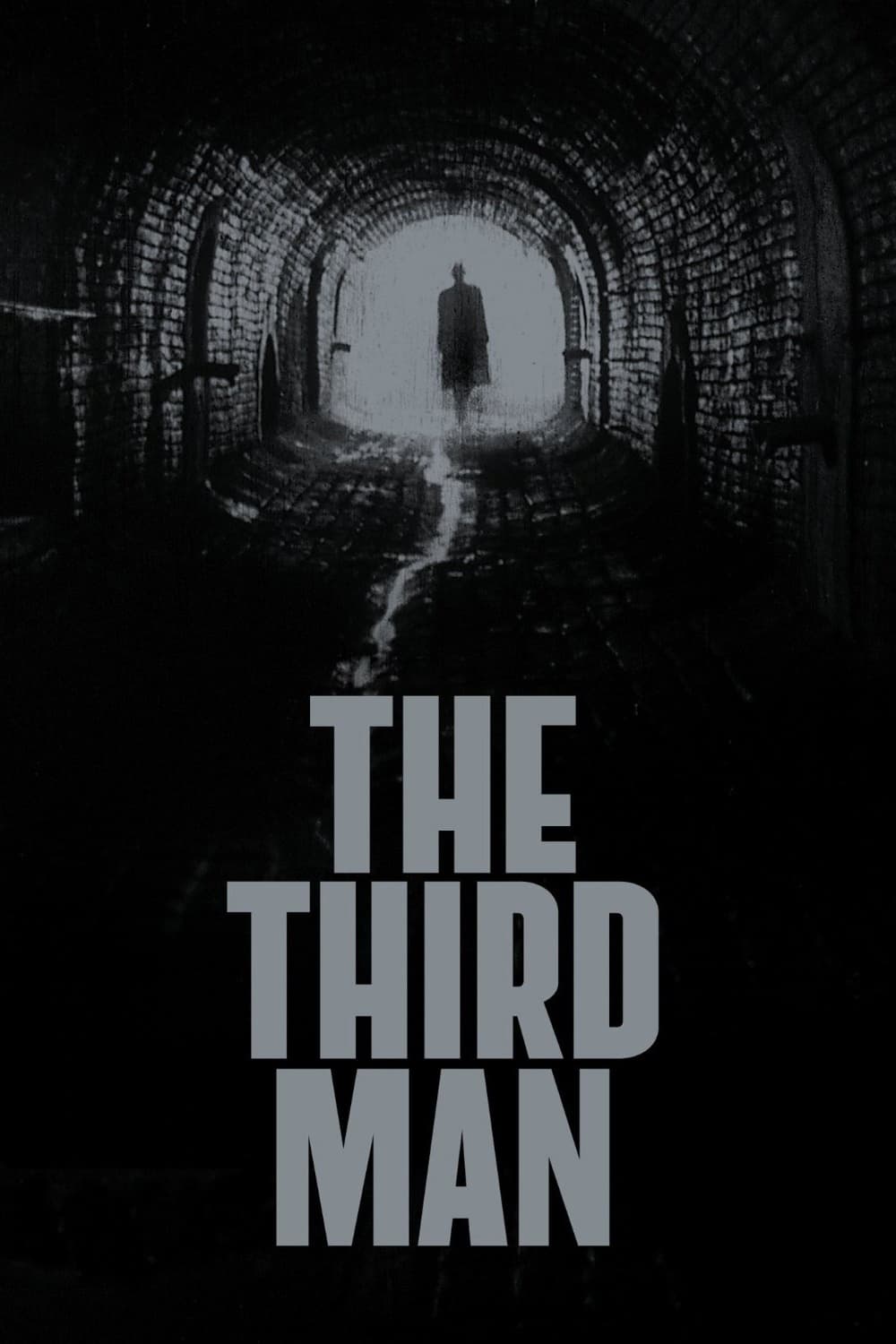
Set in postwar Vienna, a pulp novelist investigates a friend’s death amid black market dealings. Joseph Cotten and Orson Welles feature, with location photography highlighting the bombed cityscape. Carol Reed used canted angles and deep shadows to emphasize moral confusion. Anton Karas’s zither theme became a chart hit and shaped the film’s identity.
‘Roman Holiday’ (1953)
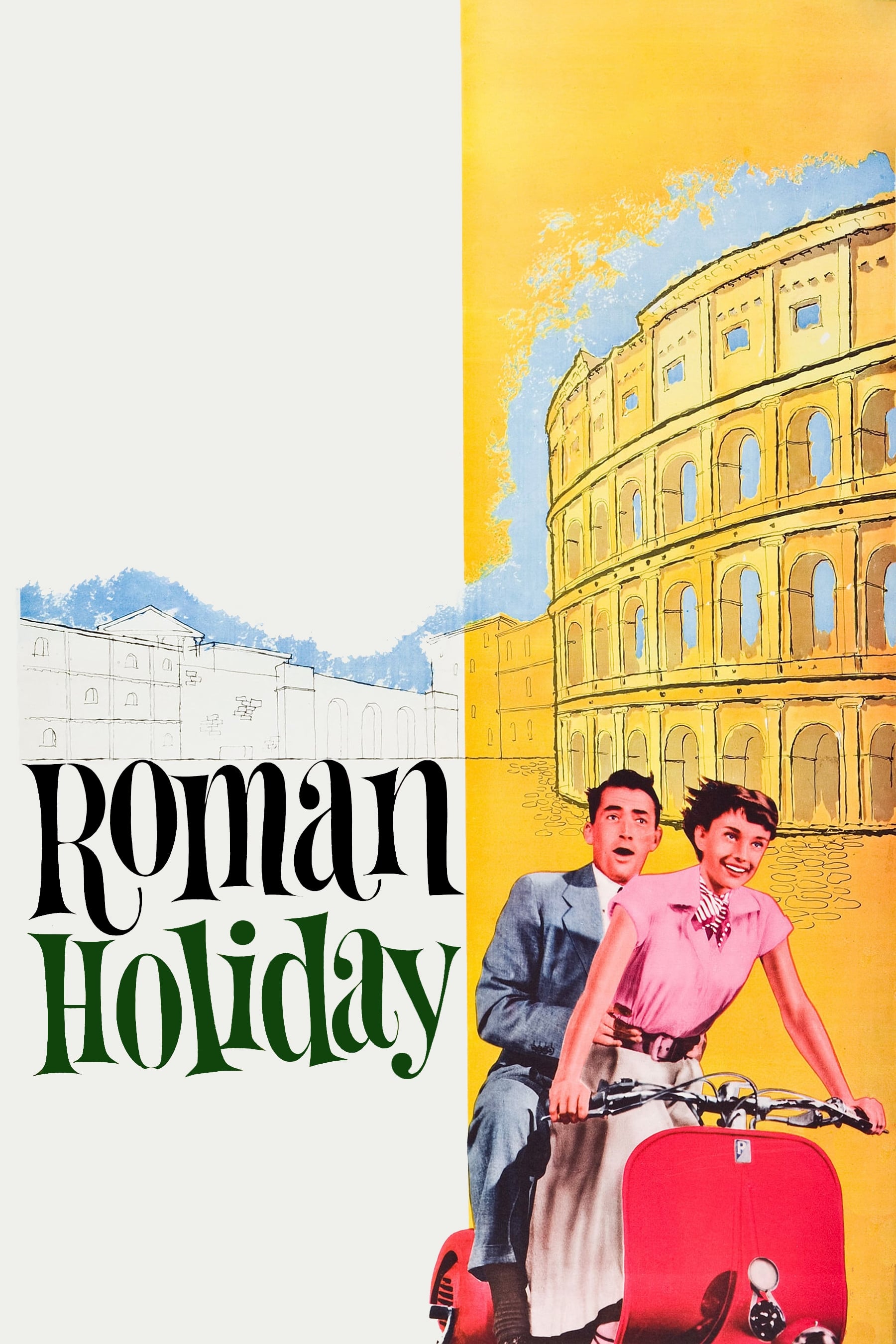
A European princess escapes her schedule and explores Rome with a reporter who smells a story. Audrey Hepburn and Gregory Peck star, with on location shooting in iconic sites across the city. Hepburn won an Academy Award for her first major film role. The Vespa ride sequence popularized the scooter internationally during the 1950s.
‘High Noon’ (1952)
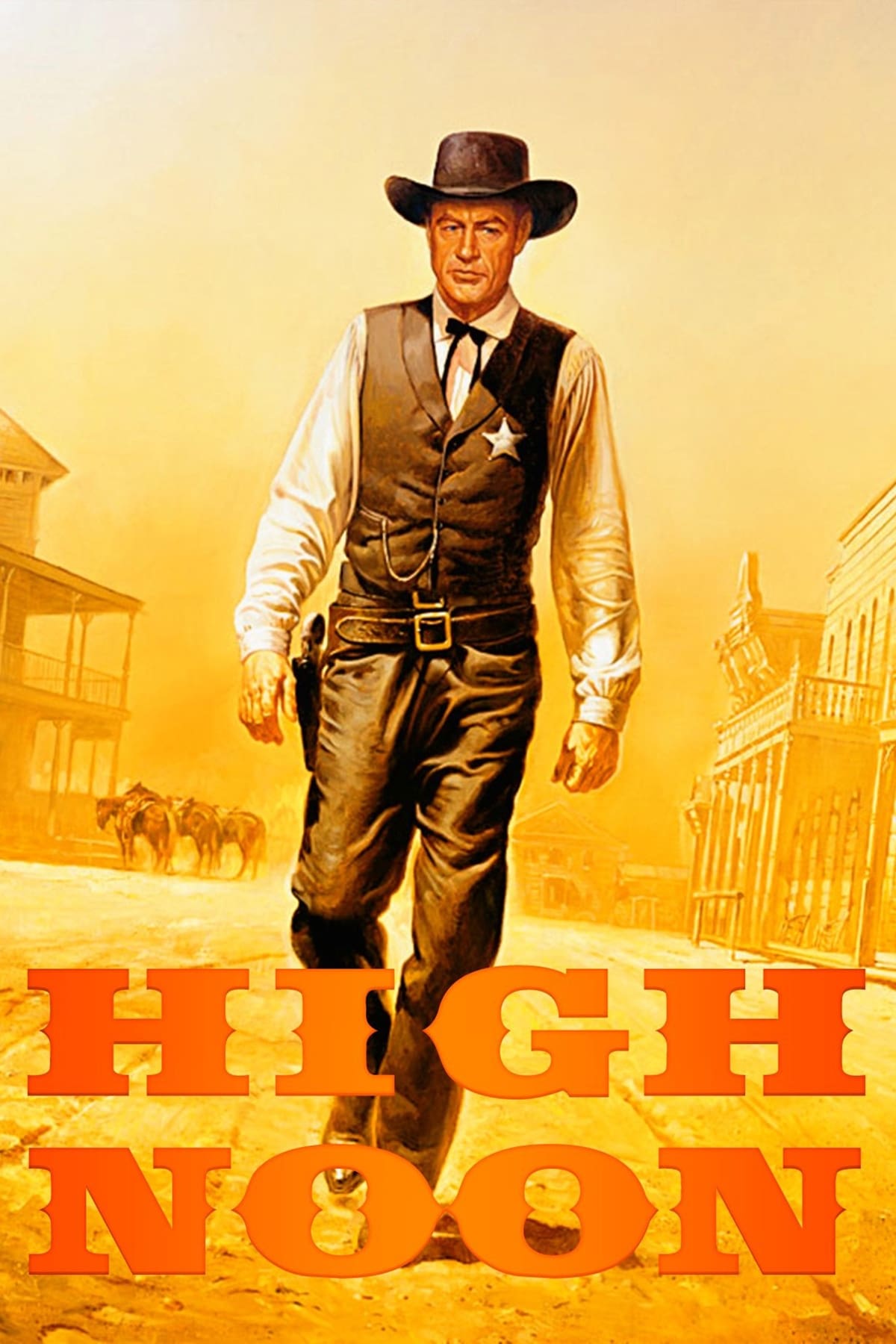
A town marshal faces a returning outlaw while the community refuses to help. Gary Cooper and Grace Kelly lead a story told in near real time using ticking clock devices on screen. Dimitri Tiomkin’s theme song became a hit and tied into the narrative. The film’s production history has been discussed in relation to the political climate of the early 1950s.
‘Shane’ (1953)
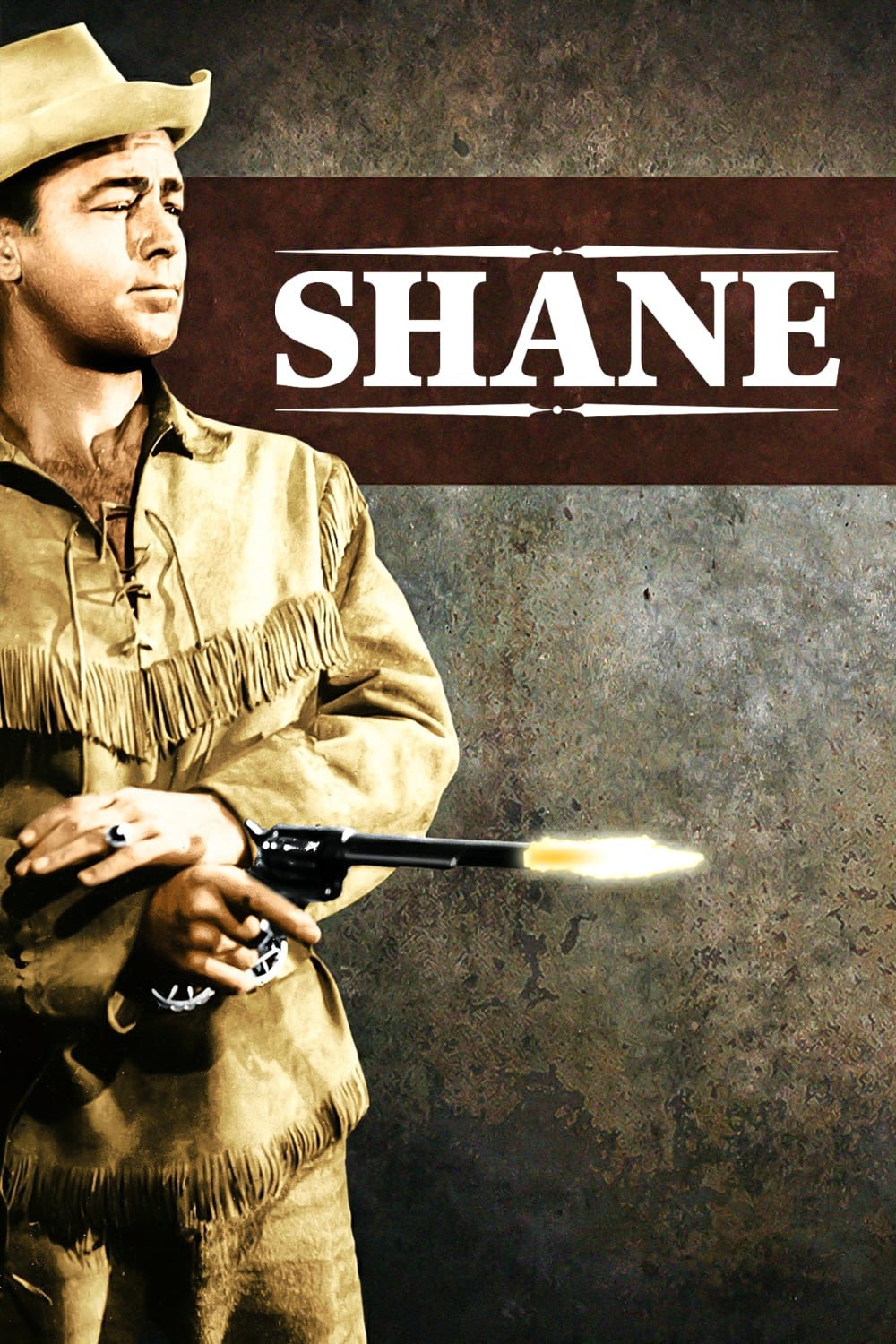
A mysterious gunfighter tries to leave violence behind while helping a homesteading family. Alan Ladd, Jean Arthur, and Van Heflin star in a Wyoming setting filmed in the Tetons. The production emphasized sound design for gunshots to increase impact. Its final shot and farewell line became enduring references in western cinema.
‘On the Waterfront’ (1954)
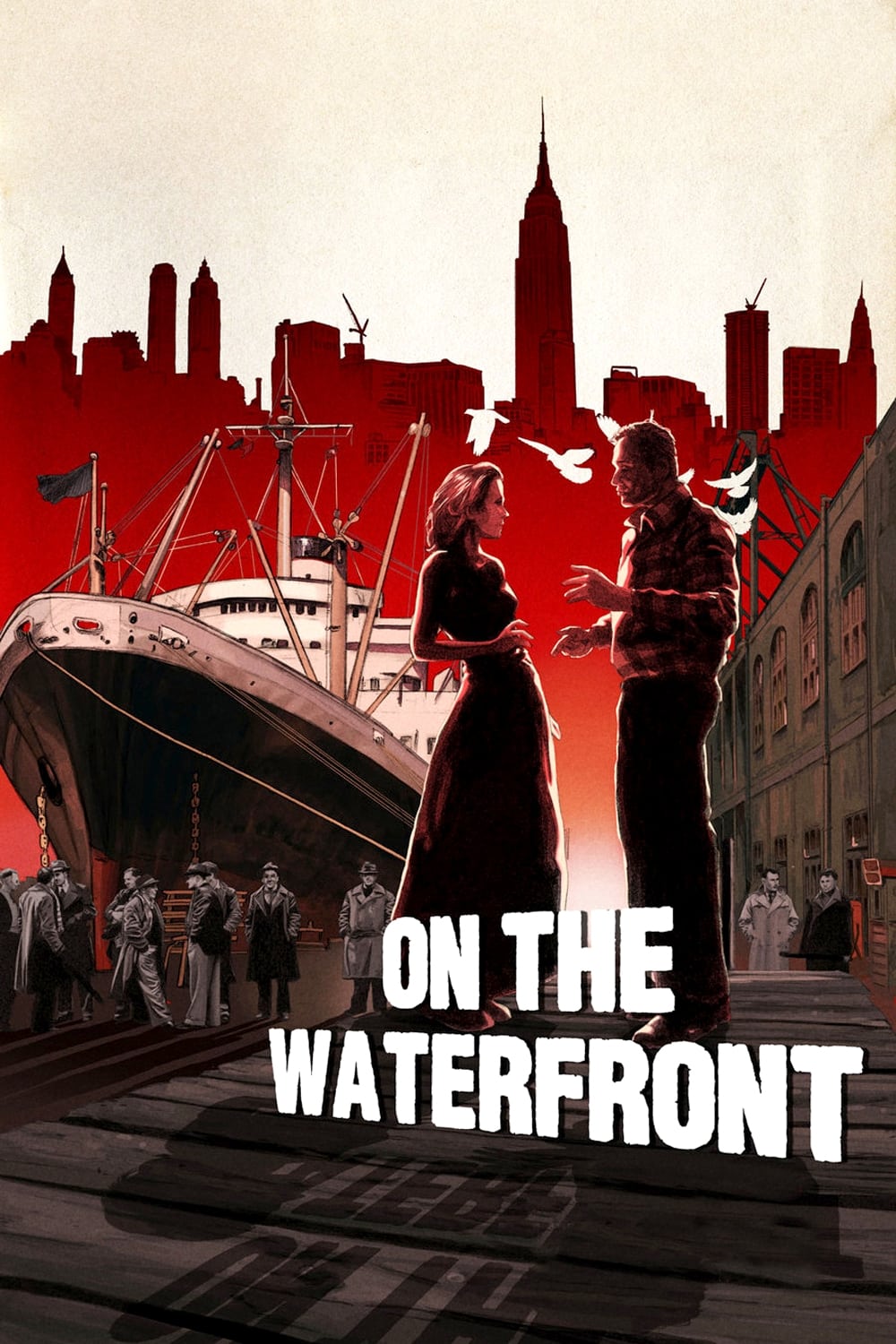
A dockworker confronts corruption within a longshoremen’s union. Marlon Brando headlines with Eva Marie Saint and Karl Malden, and the movie was shot on location in Hoboken. Method acting techniques brought a new naturalism to performances. The film won multiple Academy Awards including Best Picture and Best Actor.
‘The Apartment’ (1960)
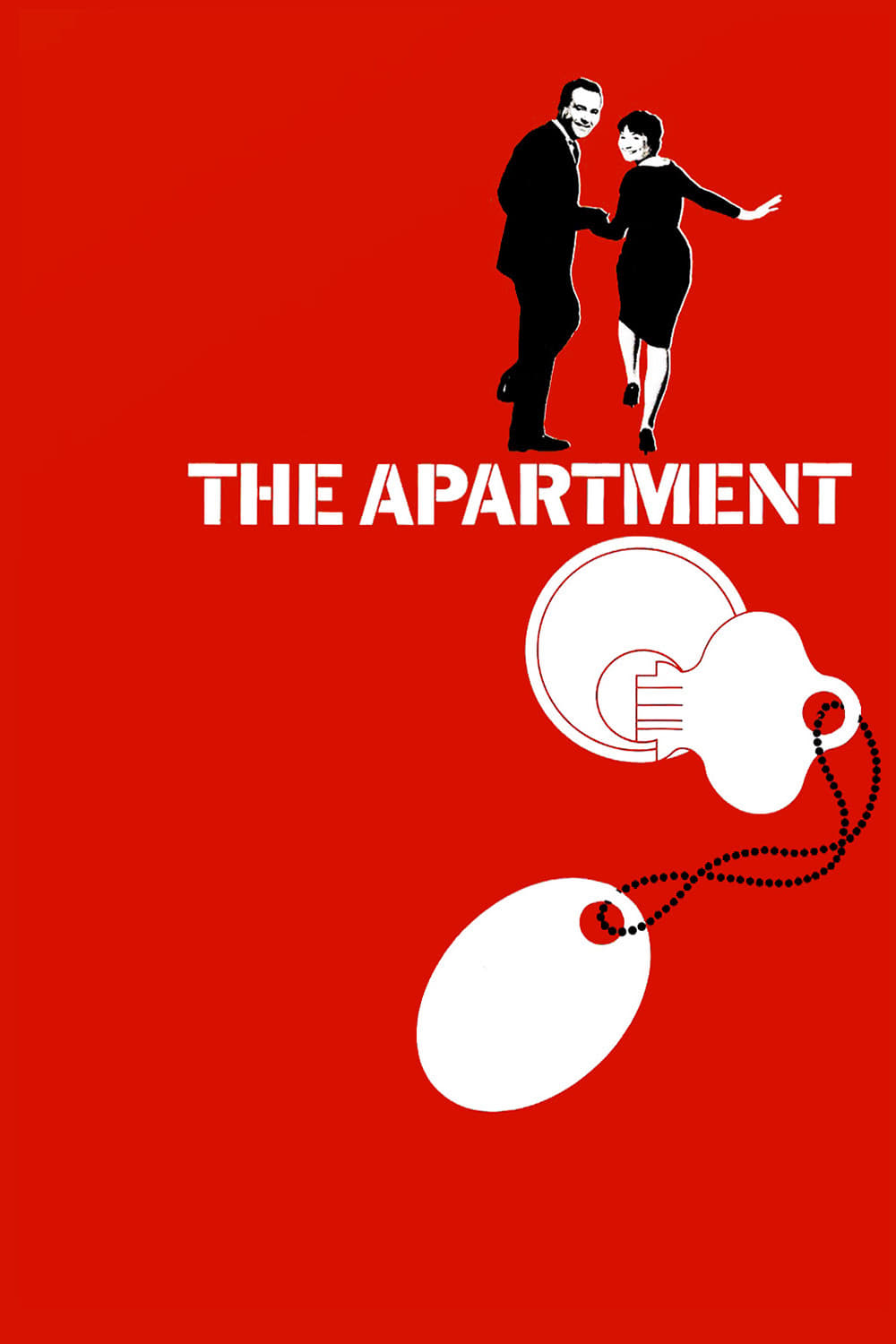
An insurance clerk lends his Manhattan apartment to executives for their affairs and gets caught in office politics. Jack Lemmon and Shirley MacLaine star under the direction of Billy Wilder. The story uses corporate settings to examine mid century work culture and personal compromise. It won Best Picture and is frequently cited for its screenplay structure.
‘Some Like It Hot’ (1959)
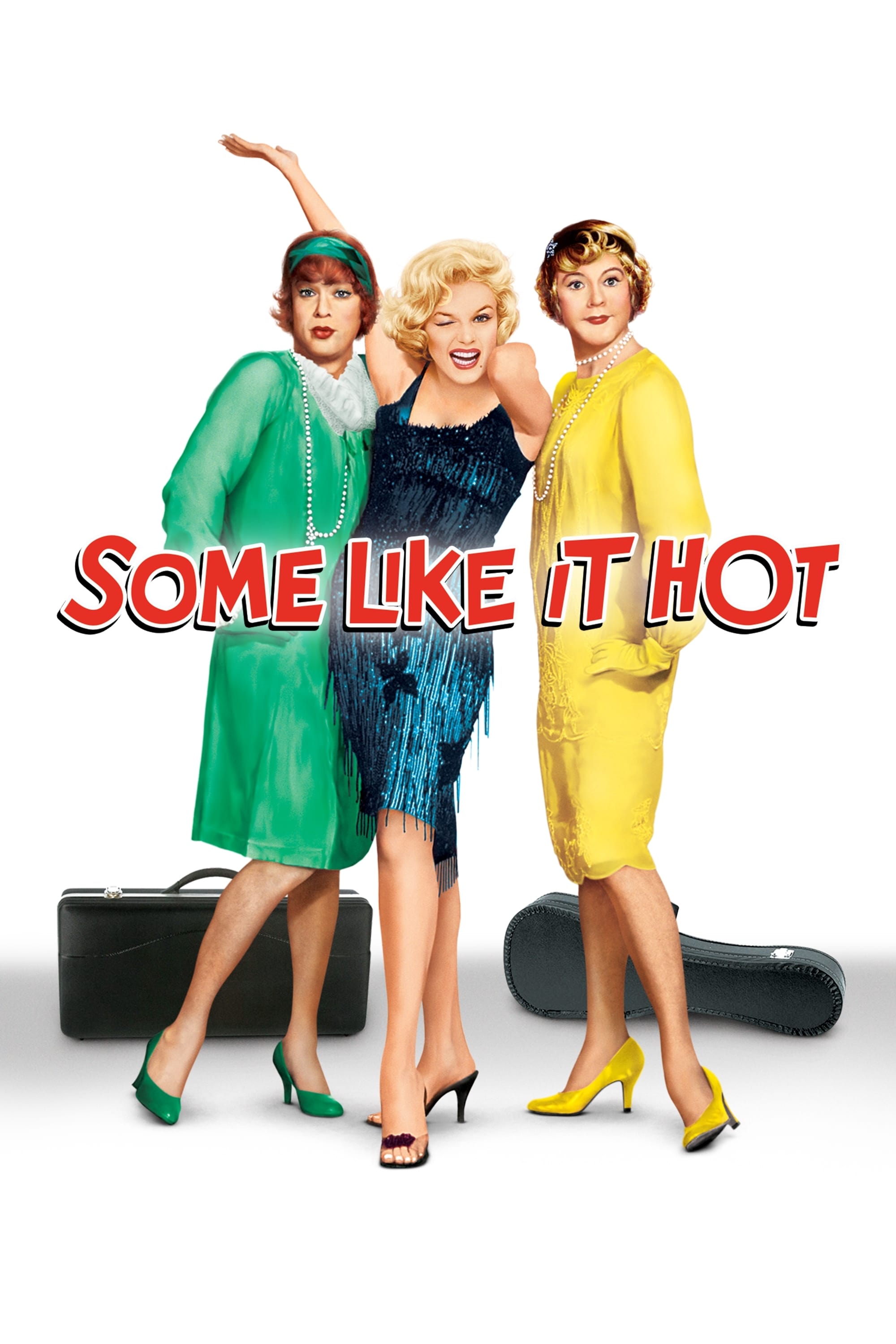
Two musicians witness a crime and hide by joining an all female band while dressed as women. Marilyn Monroe, Tony Curtis, and Jack Lemmon lead a comedy that pushed the boundaries of then current content codes. Location work and studio sets combine to create a Jazz Age look. The closing gag line became one of the most quoted in film history.
‘Brief Encounter’ (1945)
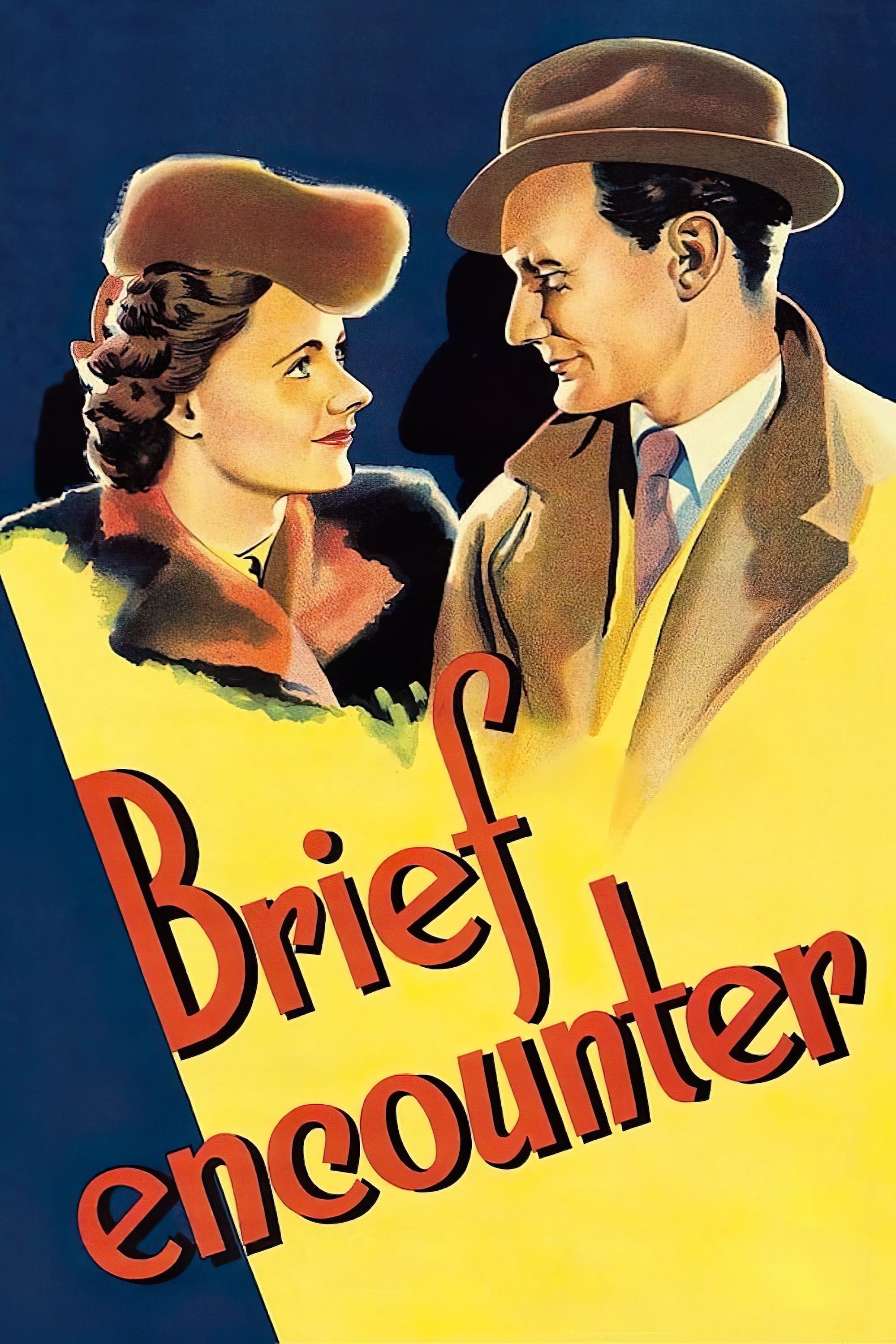
A married woman and a doctor meet by chance in a railway station and begin a restrained affair. Celia Johnson and Trevor Howard star in David Lean’s adaptation of a short play by Noël Coward. The story uses Rachmaninoff’s music to underscore longing and restraint. Railway locations and voiceover framing shape its intimate perspective.
‘Kind Hearts and Coronets’ (1949)
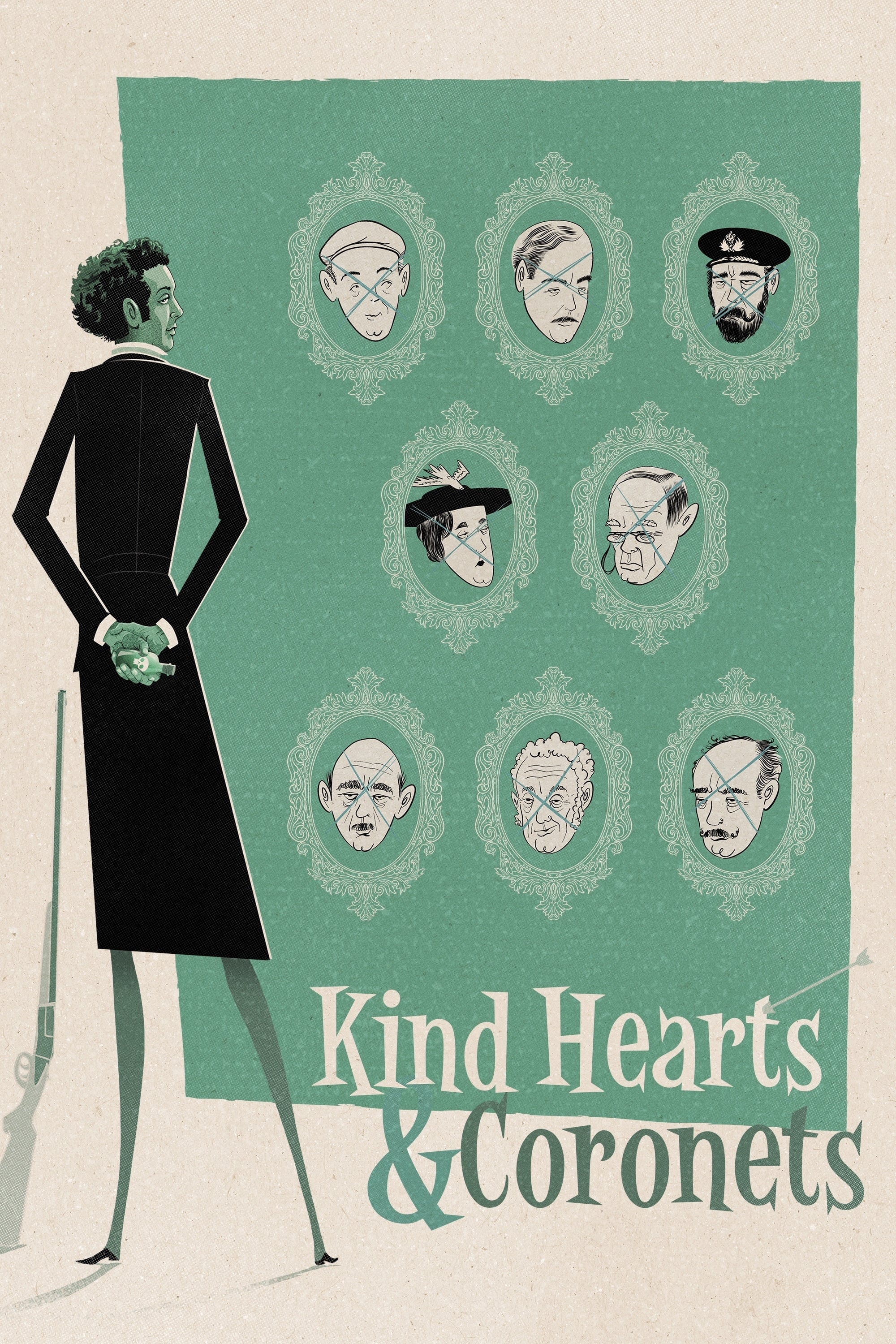
An ambitious man eliminates several relatives to inherit a title. Alec Guinness portrays multiple family members through careful makeup and staging tricks. The production balances dark subject matter with precise period detail. Its editing and visual effects allow Guinness to share the screen with himself in group scenes.
‘Great Expectations’ (1946)
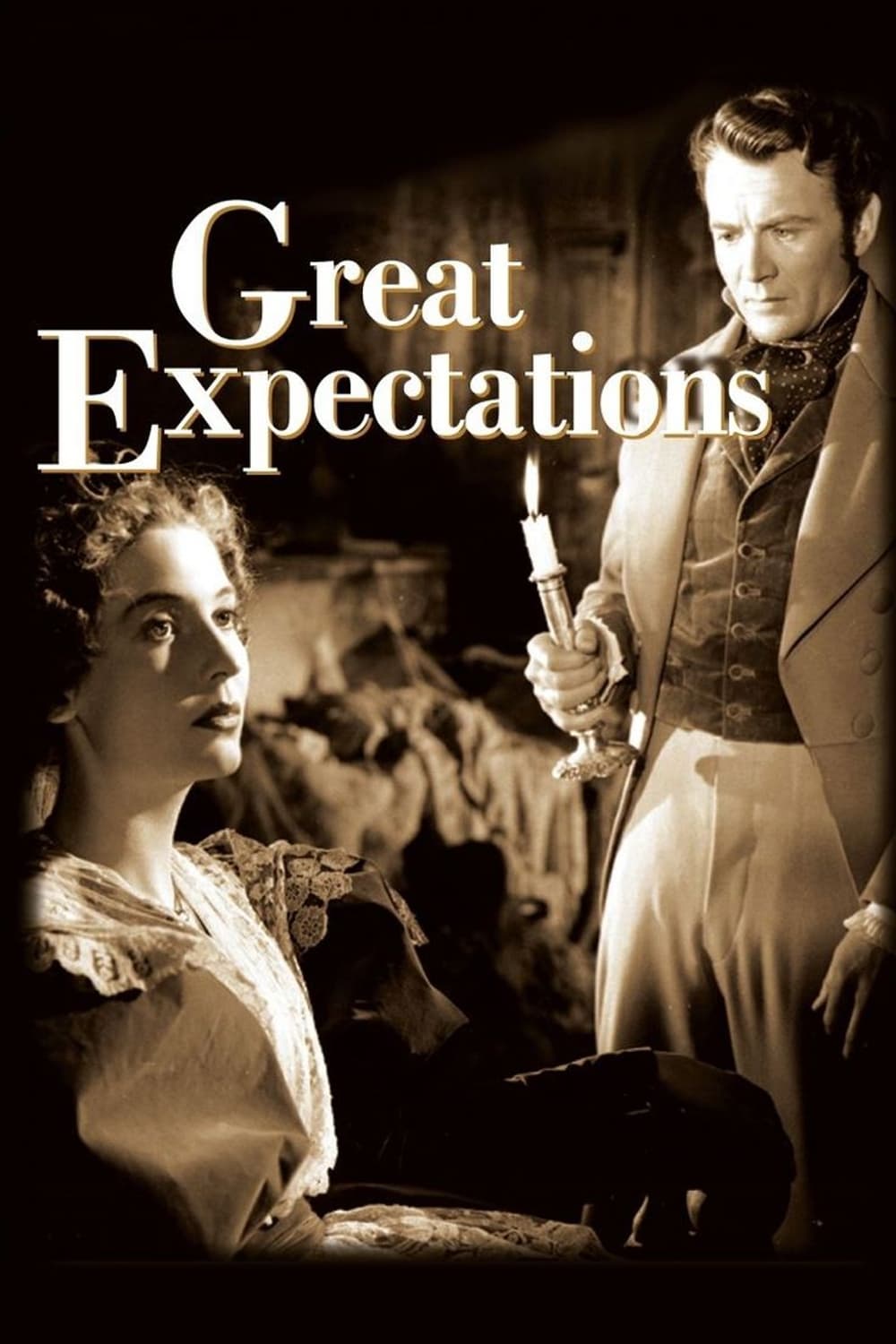
A blacksmith’s apprentice receives mysterious support that changes his social standing. John Mills, Valerie Hobson, and Alec Guinness star in this version of the Charles Dickens novel. David Lean used expressionist sets for Satis House to reflect mood and memory. The opening marsh sequence became a model for atmospheric literary adaptation.
‘The Sound of Music’ (1965)
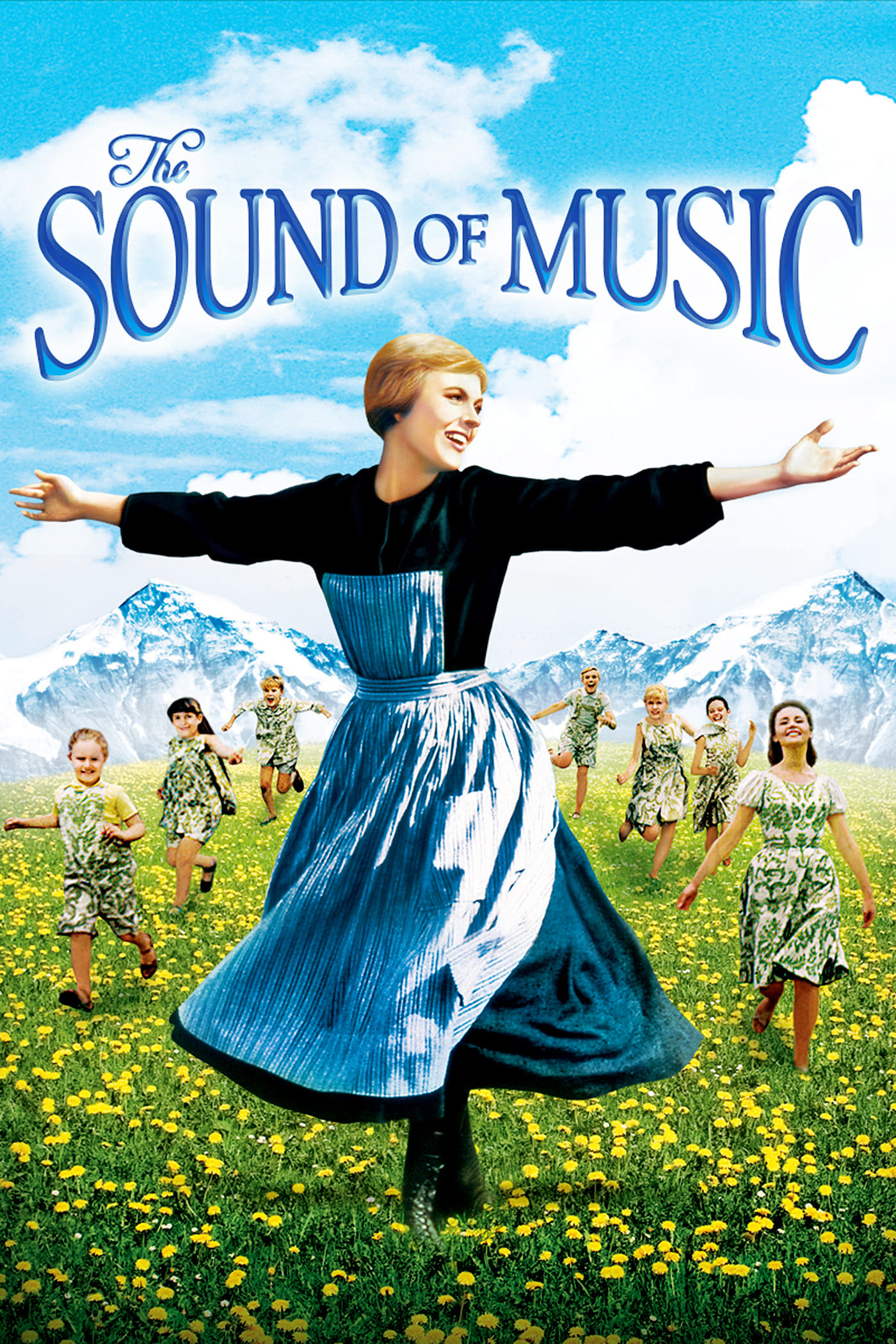
A governess brings music to a family while Austria faces political change in the late 1930s. Julie Andrews and Christopher Plummer star, with location filming in Salzburg and studio work for interiors. The soundtrack album topped charts in multiple countries and sold in large numbers. The movie won Best Picture and helped popularize interest in the real Von Trapp family.
‘Mary Poppins’ (1964)
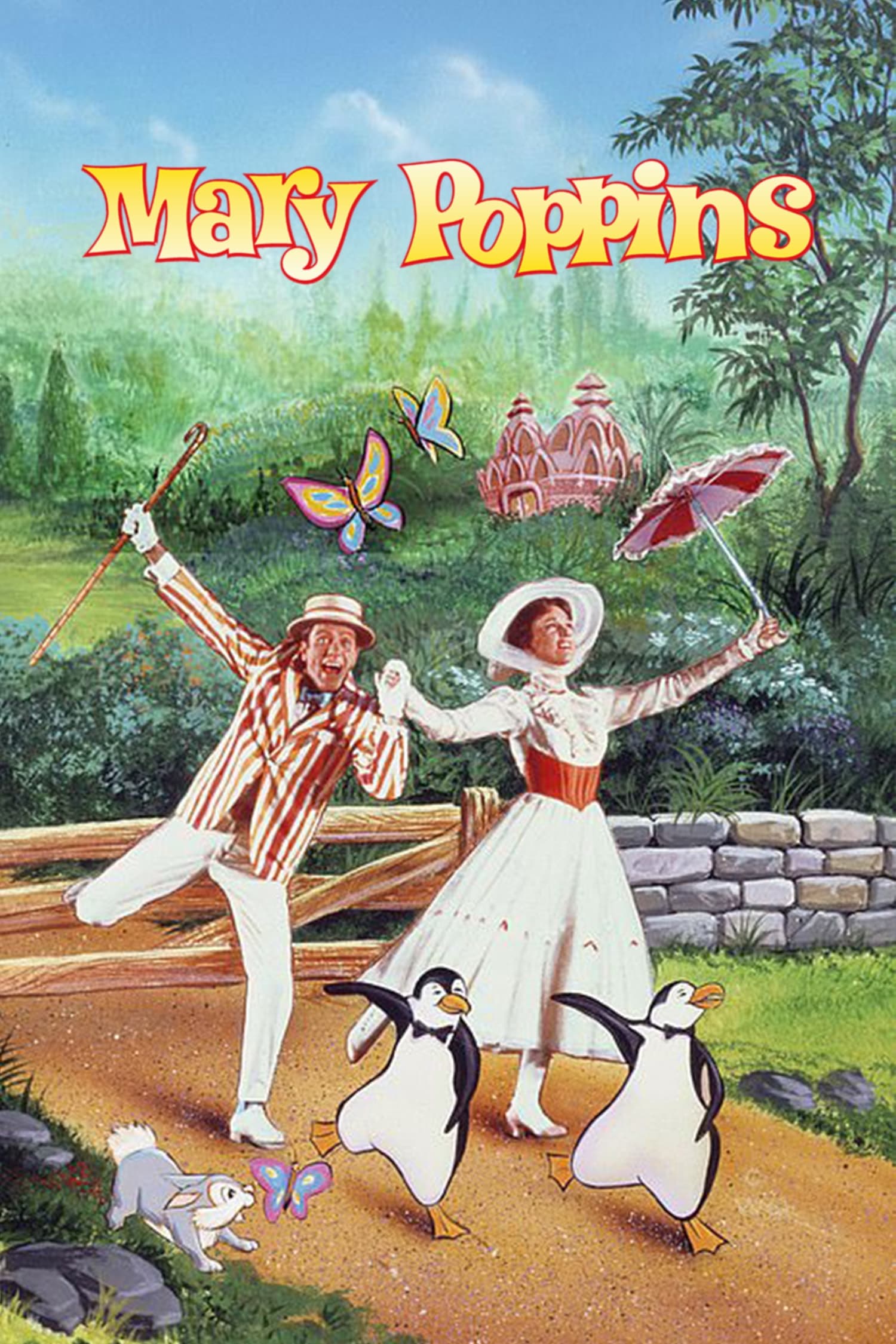
A magical nanny arrives to help a London family and their two children. Julie Andrews and Dick Van Dyke lead a production that combined live action with animation using sodium vapor compositing. The film introduced songs that became standards for decades. It earned multiple Academy Awards including Best Actress for Julie Andrews.
Share your favorites from this list in the comments and let us know which ones you plan to watch next.