


15 Best Movies Made on Location in Africa

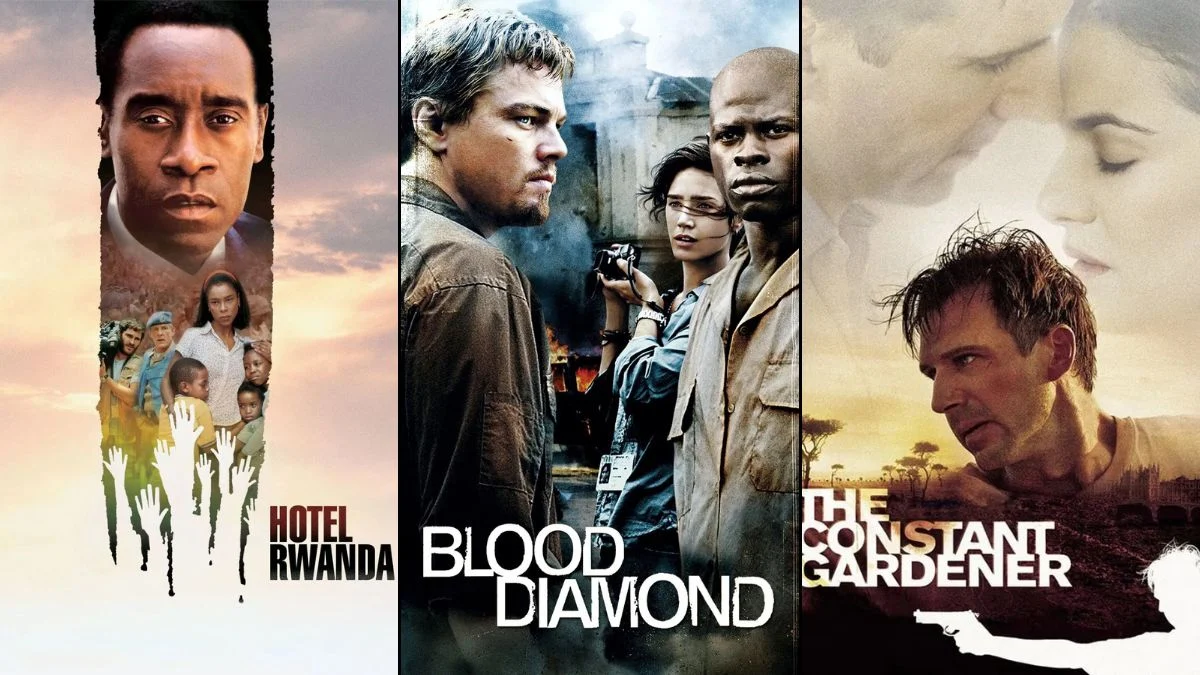


There is something special about films that pack up their gear and shoot where the story breathes. When movies head to real African locations, you feel the sun, the dust, the coastal winds, and the crowds in a way a set can rarely match. The places become part of the cast and the camera brings out details that only exist out there.
This list gathers productions that spent real time on the ground across the continent. You will find titles made in deserts, on city streets, in mountains, and inside national parks. Each one used African locations in practical ways, from casting locals to capturing exact landmarks, and it shows in what you see on screen.
‘The African Queen’ (1951)
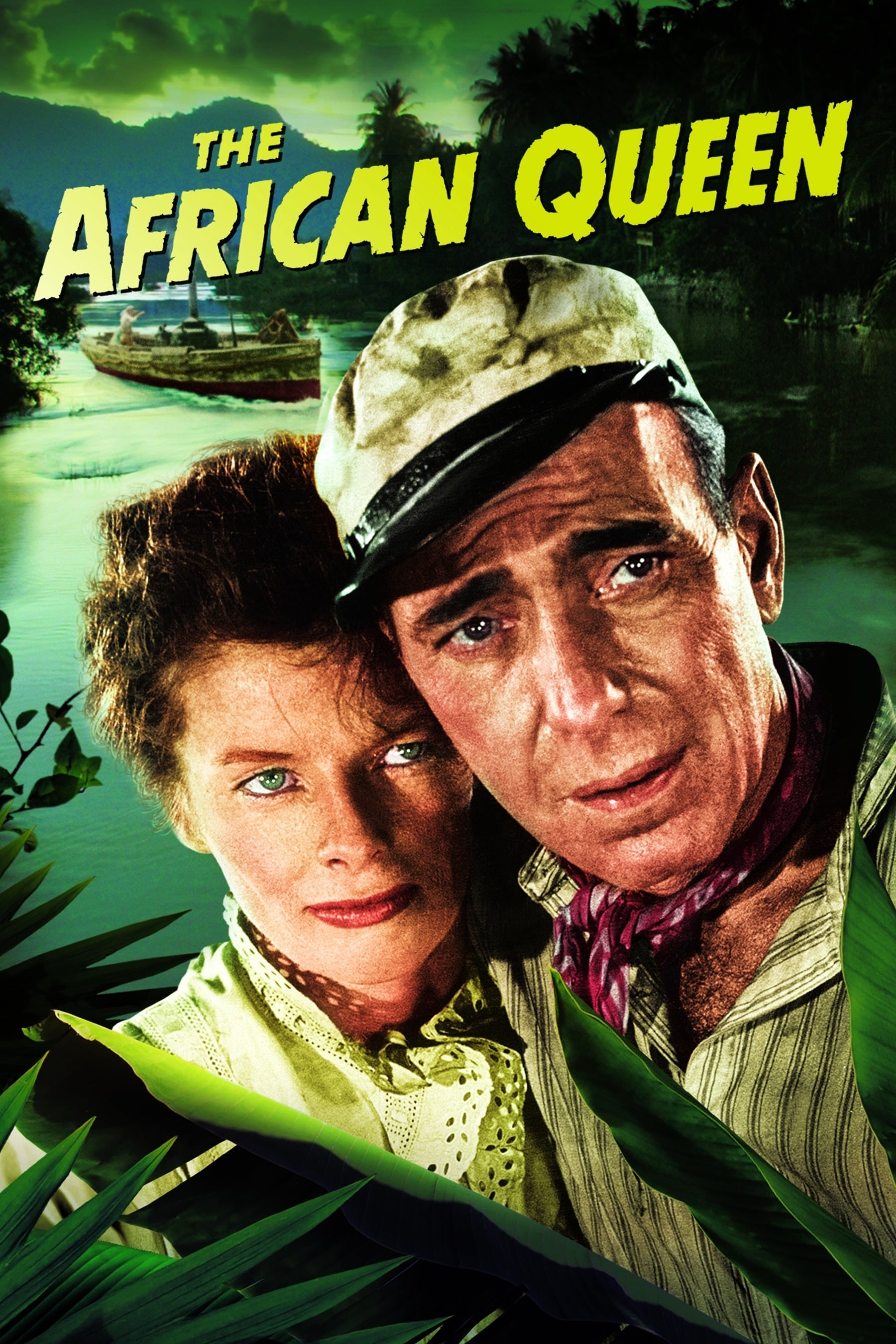
The crew took riverboats into what is now Uganda and the Democratic Republic of the Congo to film rapids, backwaters, and jungle stretches that mirror the story’s route. The production set up along the Nile and Lake Albert regions and worked with local boatmen and technicians to move bulky vintage cameras through tough terrain.
Director John Huston filmed with Humphrey Bogart and Katharine Hepburn in heat and humidity that affected both cast and equipment. Bogart’s performance as the grizzled skipper earned him an Academy Award and the movie’s practical river work set a template for mid century adventure shoots in Africa.
‘Out of Africa’ (1985)
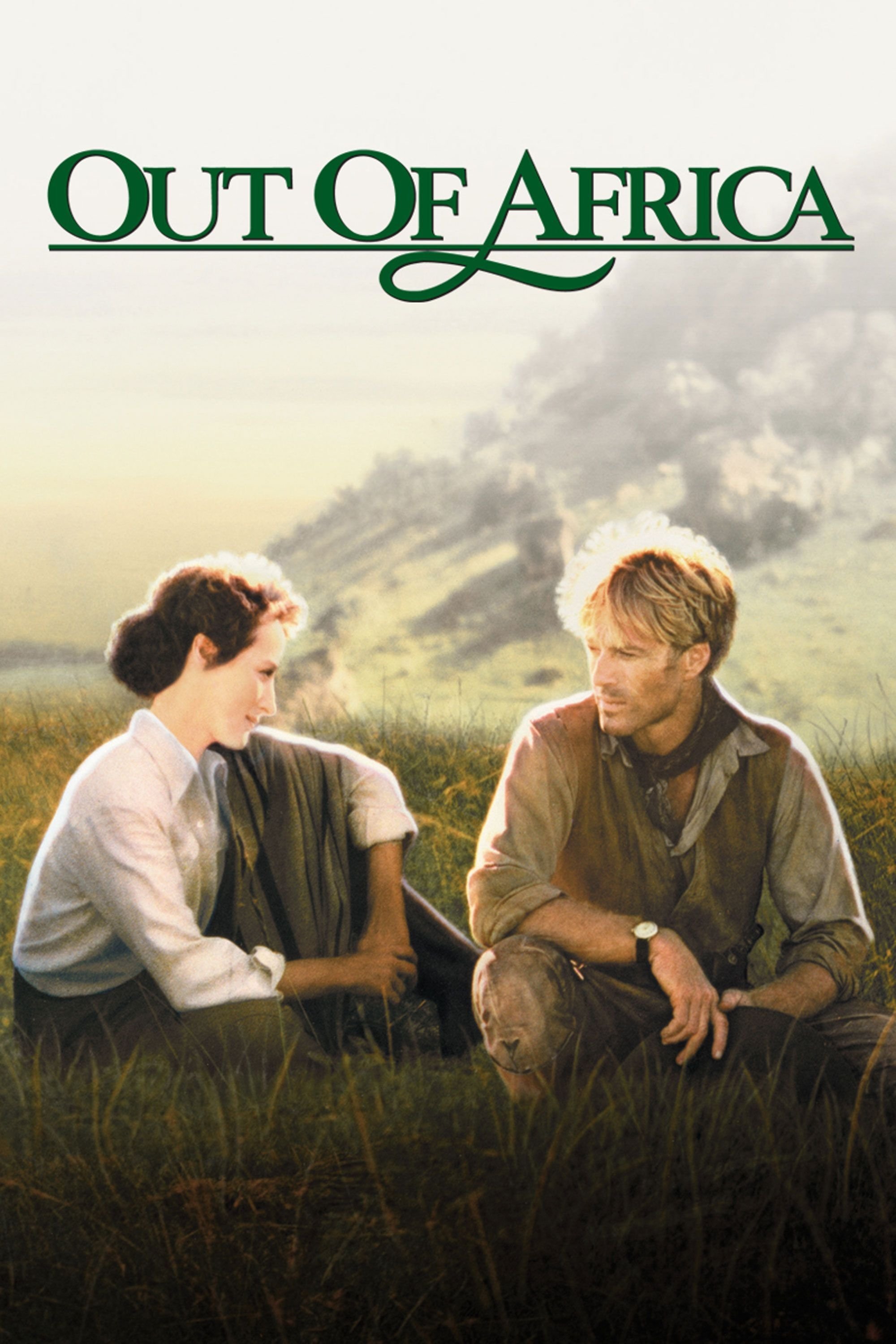
The film shot across Kenya with key sequences in the Ngong Hills and around Nairobi, where crews recreated early twentieth century farms and clubs. A working camp supported long days in game reserves, and aerial units captured sweeping plains and escarpments during the golden hour.
Sydney Pollack directed Meryl Streep and Robert Redford in a story based on Karen Blixen’s years in the country. The production secured period planes and vehicles, trained animal handlers, and coordinated with conservation authorities, and the film went on to win multiple Academy Awards including Best Picture.
‘The Constant Gardener’ (2005)
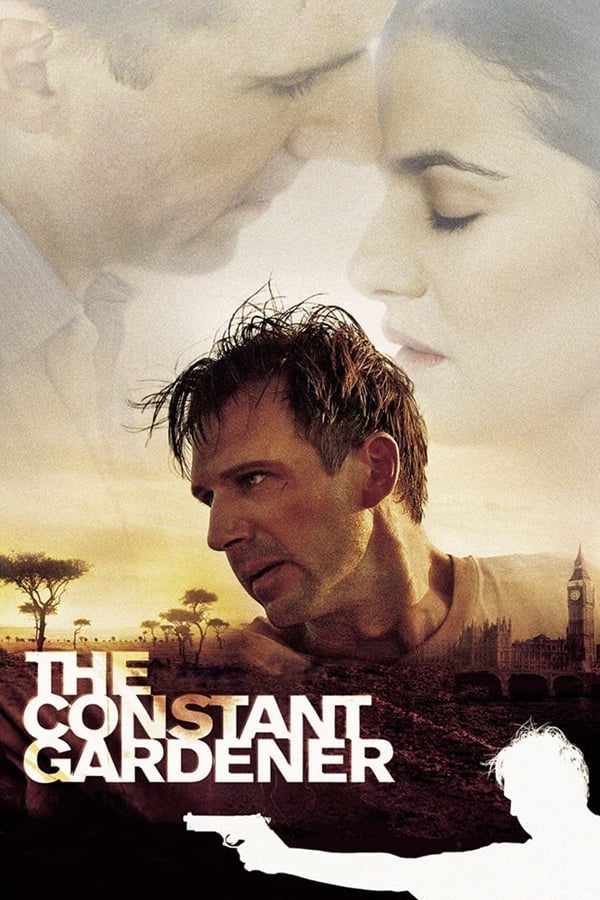
Filming took place in Nairobi and on the coast, with significant work inside Kibera where residents collaborated as extras and guides. The production used real clinics, markets, and bus routes, then moved north to stark lakeside landscapes to stage key story turns.
Fernando Meirelles directed Ralph Fiennes and Rachel Weisz, and the shoot blended handheld crews with small lighting setups to respect tight neighborhood spaces. Weisz’s performance earned an Academy Award and the movie’s Nairobi schedule created jobs for local crew and performers across departments.
‘Blood Diamond’ (2006)
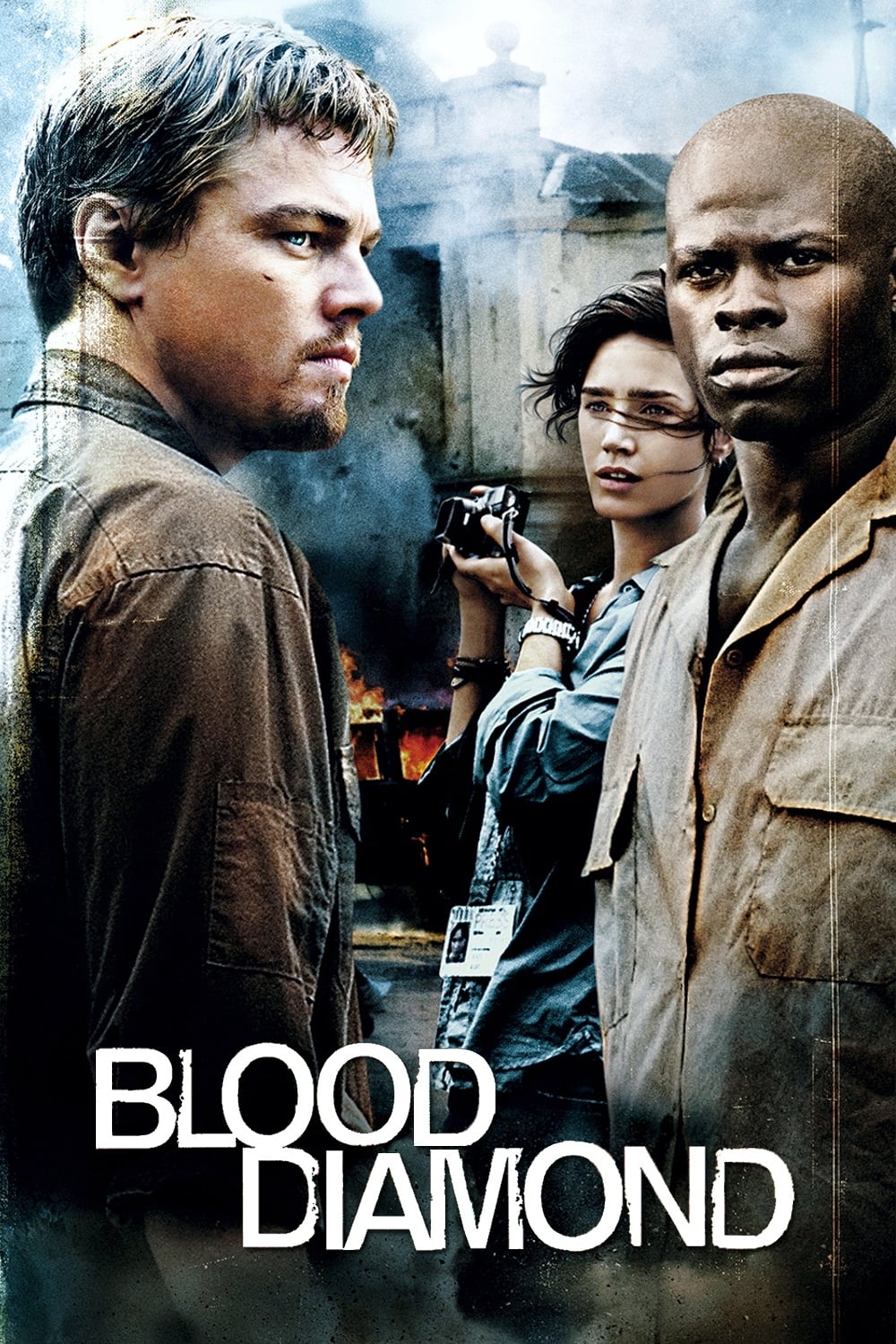
The story is set in Sierra Leone, and the production built much of it in Mozambique and South Africa to match the region’s coastlines and interior scrub. Teams scouted beaches, river crossings, and border posts, and trained with local technicians to stage convoy chases and village evacuations.
Edward Zwick directed Leonardo DiCaprio, Djimon Hounsou, and Jennifer Connelly, and the project coordinated with demining experts and stunt teams for safe handling of action scenes. The film received multiple Academy Award nominations and highlighted the logistics of moving cast and gear through remote areas.
‘Hotel Rwanda’ (2004)
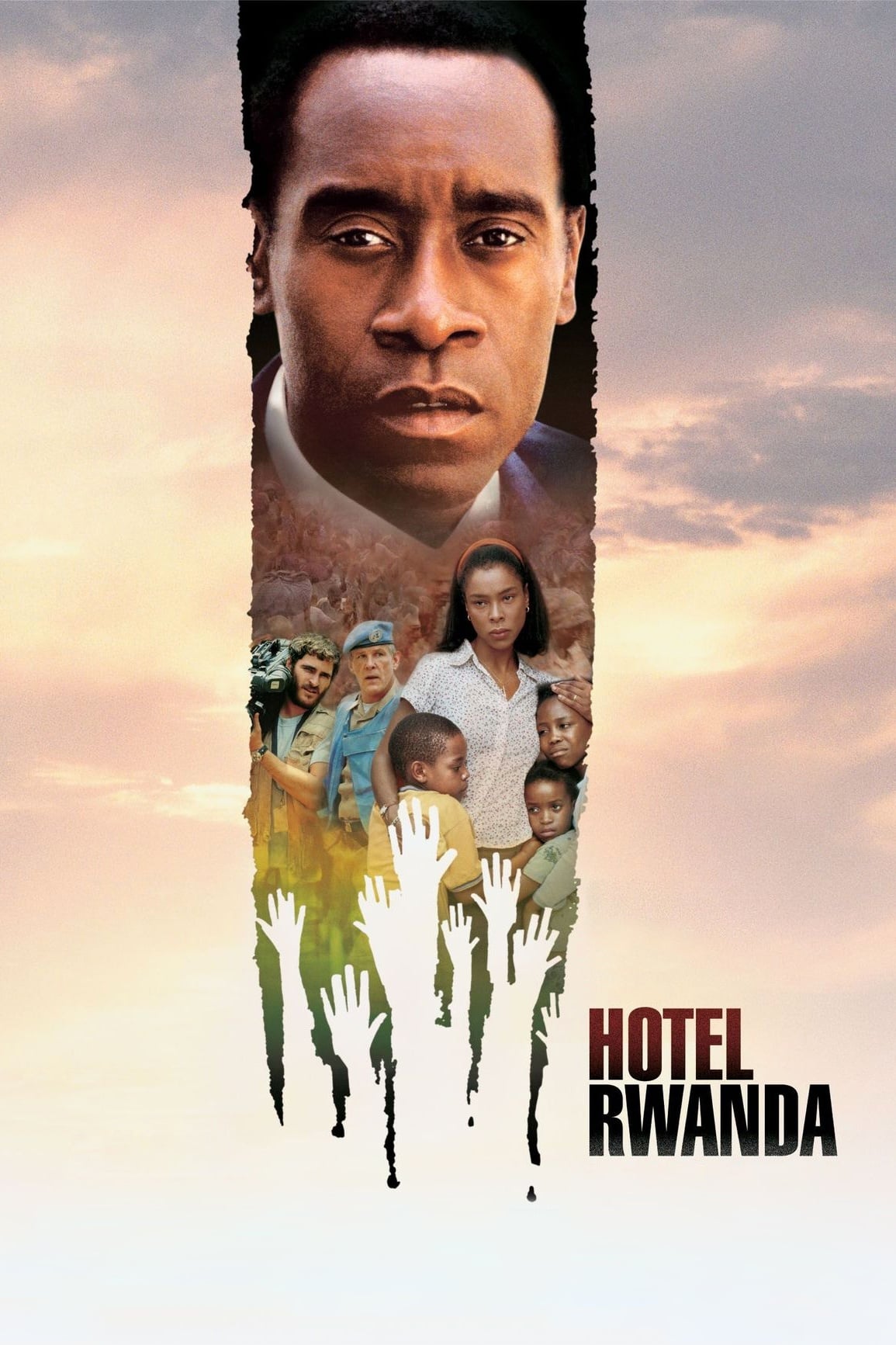
The film recreated hotel interiors in South Africa with additional photography in Kigali for exteriors and street details that anchor the story to the city. Production designers worked from reference photos to match lobbies, corridors, and balconies, then paired that work with location footage to maintain continuity.
Terry George directed Don Cheadle and Sophie Okonedo, and the schedule required careful coordination with local authorities and community groups. The project trained background actors for crowd scenes and managed large call sheets that balanced night shoots with tight city traffic patterns.
‘Mad Max: Fury Road’ (2015)
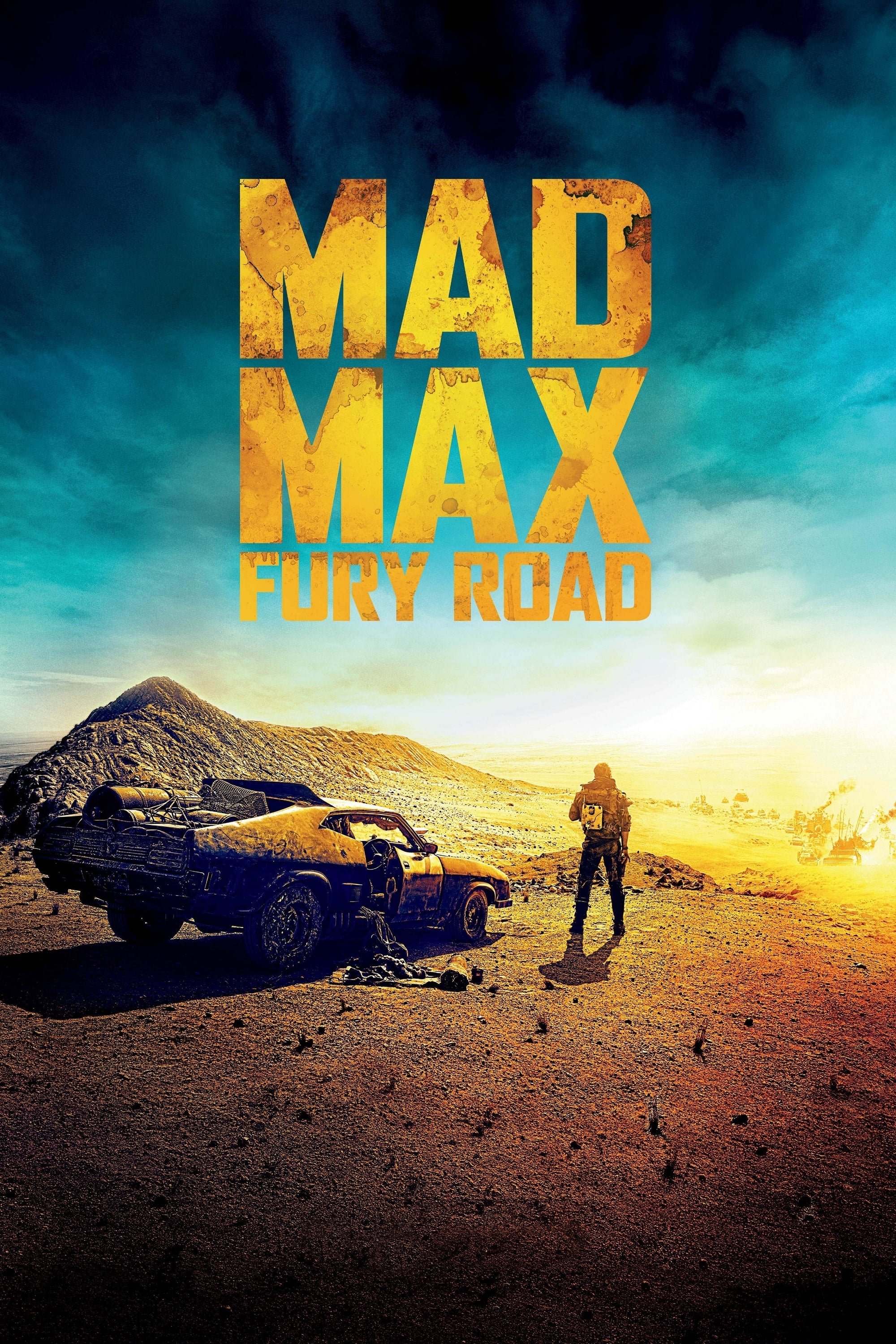
George Miller shifted the production to Namibia and built its post apocalyptic vehicle chase world in the Namib Desert near Swakopmund. The unit used dry lake beds, dune fields, and salt flats to run long stunt lines, with mobile workshops that repaired trucks and rigs between takes.
Tom Hardy and Charlize Theron performed amid practical effects that relied on roll cages, wire pulls, and custom suspension systems. The movie won six Academy Awards and the Namibian schedule involved environmental monitoring and restoration plans to protect fragile desert surfaces after filming.
‘District 9’ (2009)
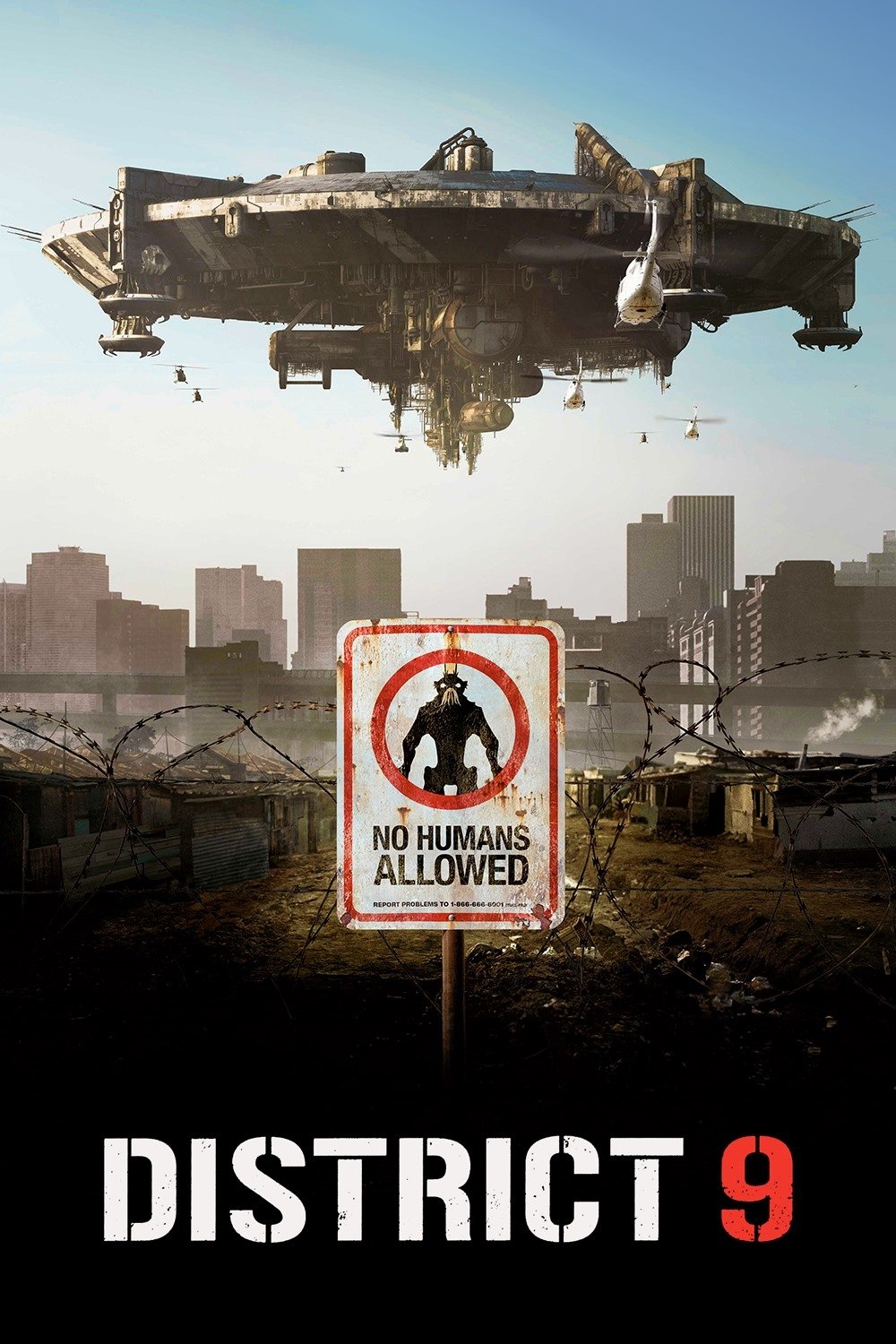
The shoot took place in Johannesburg and surrounding townships with sets that integrated into existing industrial zones and informal settlements. Crews worked with municipal services to route water and power to temporary bases while the visual effects team scanned real structures for digital extensions.
Neill Blomkamp directed Sharlto Copley and used a documentary style that blended actors with nonprofessional performers. The production collaborated with local vendors for props and set dressing, and the film earned several Academy Award nominations including Best Picture.
‘The English Patient’ (1996)
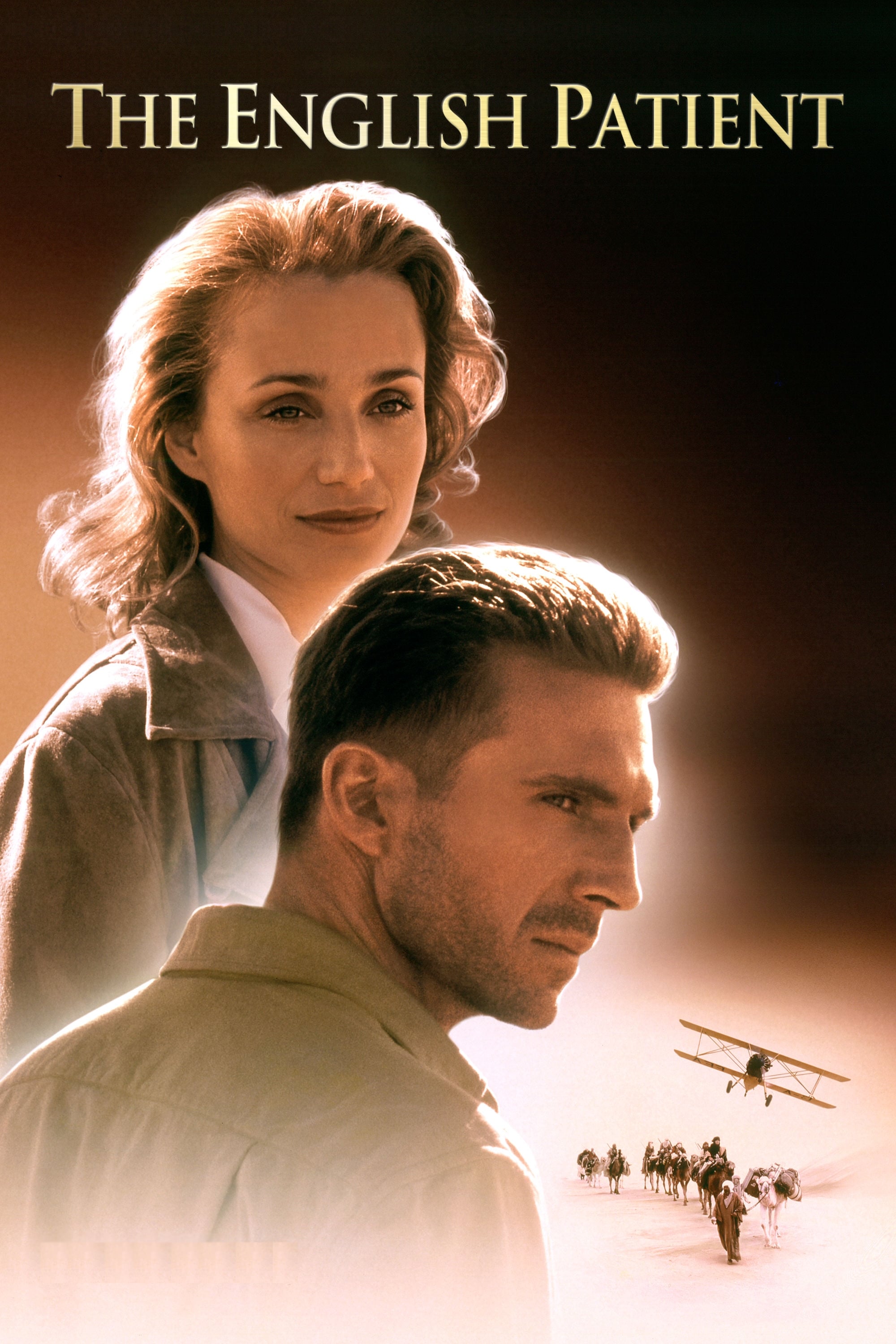
The desert expedition sequences were filmed in Tunisia, where the production found sand seas, oases, and dry riverbeds that matched the story’s maps. Aircraft were restored and flown for in camera shots, and the art department built camp interiors that could be opened to natural light.
Anthony Minghella directed Ralph Fiennes, Juliette Binoche, and Kristin Scott Thomas, and the production split time between North Africa and European locations. The film won nine Academy Awards and the Tunisia schedule required detailed coordination with aviation and heritage authorities.
‘The Battle of Algiers’ (1966)
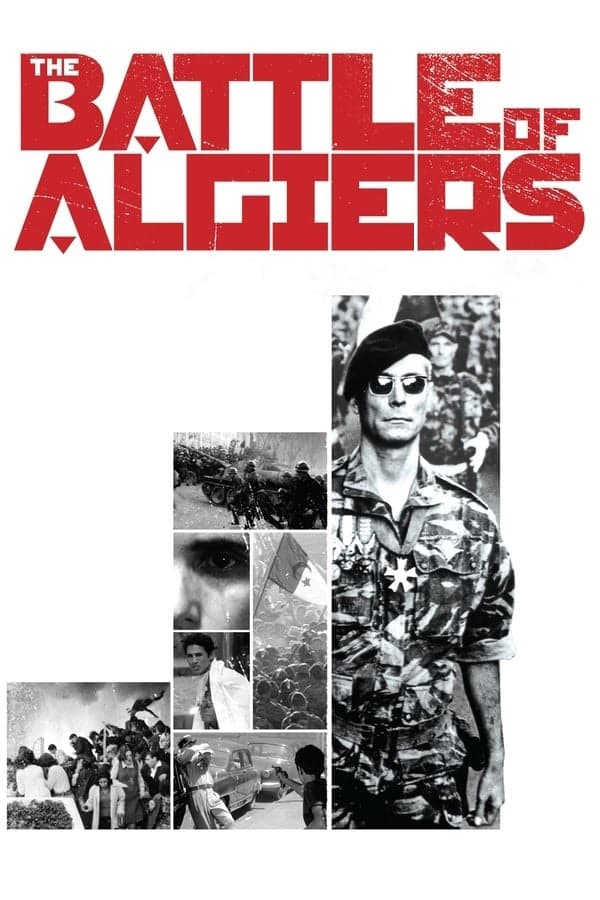
This film shot on the streets of Algiers using real locations across the Casbah and downtown. The crew adopted newsreel techniques with hand held cameras and available light, which allowed rapid moves through alleys, staircases, and courtyards while residents looked on or appeared as extras.
Director Gillo Pontecorvo worked with nonprofessional actors, including figures who had lived through the events depicted. The production kept a minimal footprint to capture crowd scenes safely, and the film later screened widely for military and political audiences as a case study in urban conflict.
‘Gorillas in the Mist’ (1988)
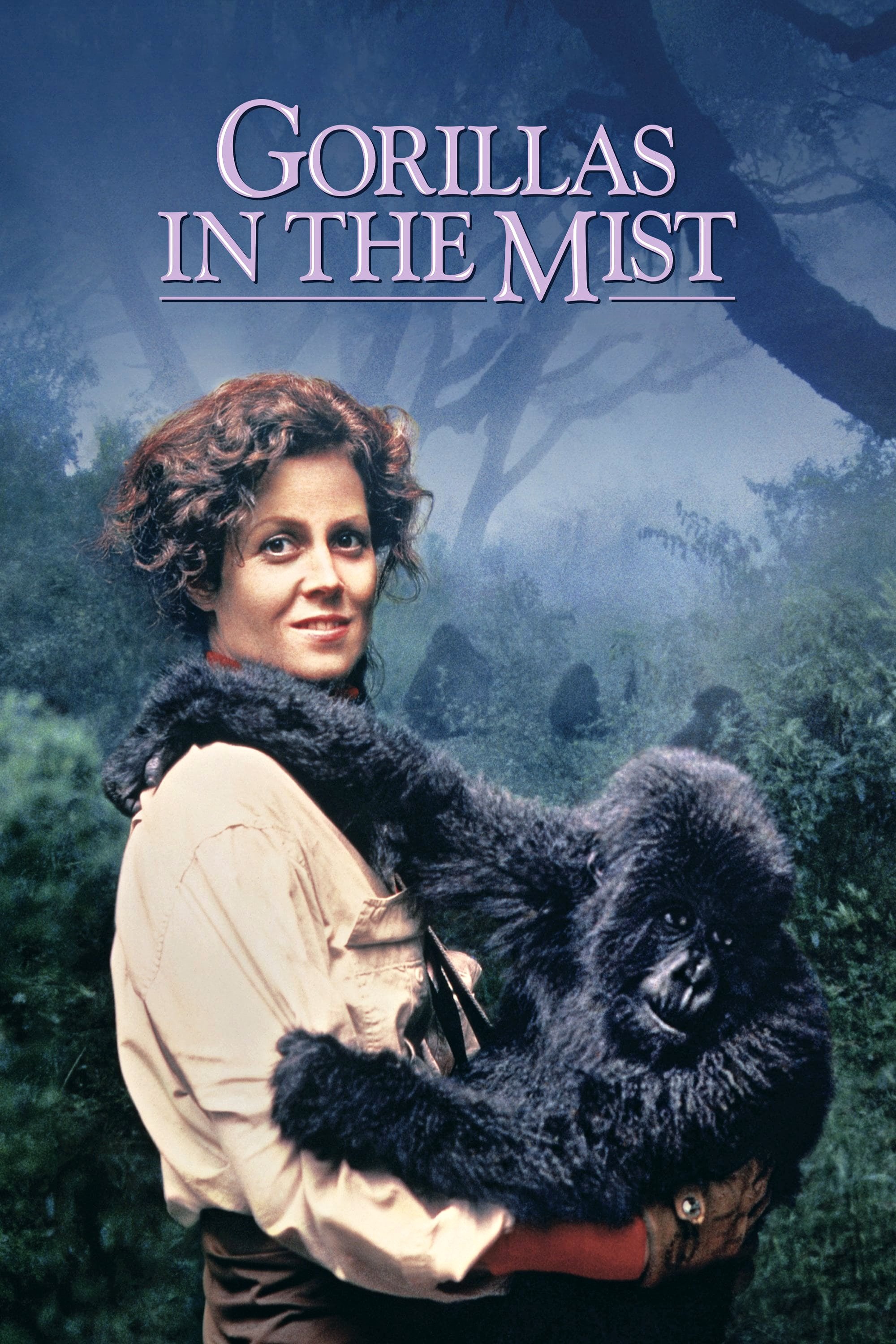
The production filmed in Rwanda’s Volcanoes National Park and in Kenyan forests with guidance from wildlife experts. Crews followed strict distance rules and used long lenses to photograph mountain gorillas while keeping people and animals calm and undisturbed.
Sigourney Weaver starred as Dian Fossey under the direction of Michael Apted, and the team coordinated closely with park rangers for access and daily movement. Equipment had to be packed on foot into high altitude locations, and rain covers and mud friendly footwear were standard on call sheets.
‘Queen of Katwe’ (2016)
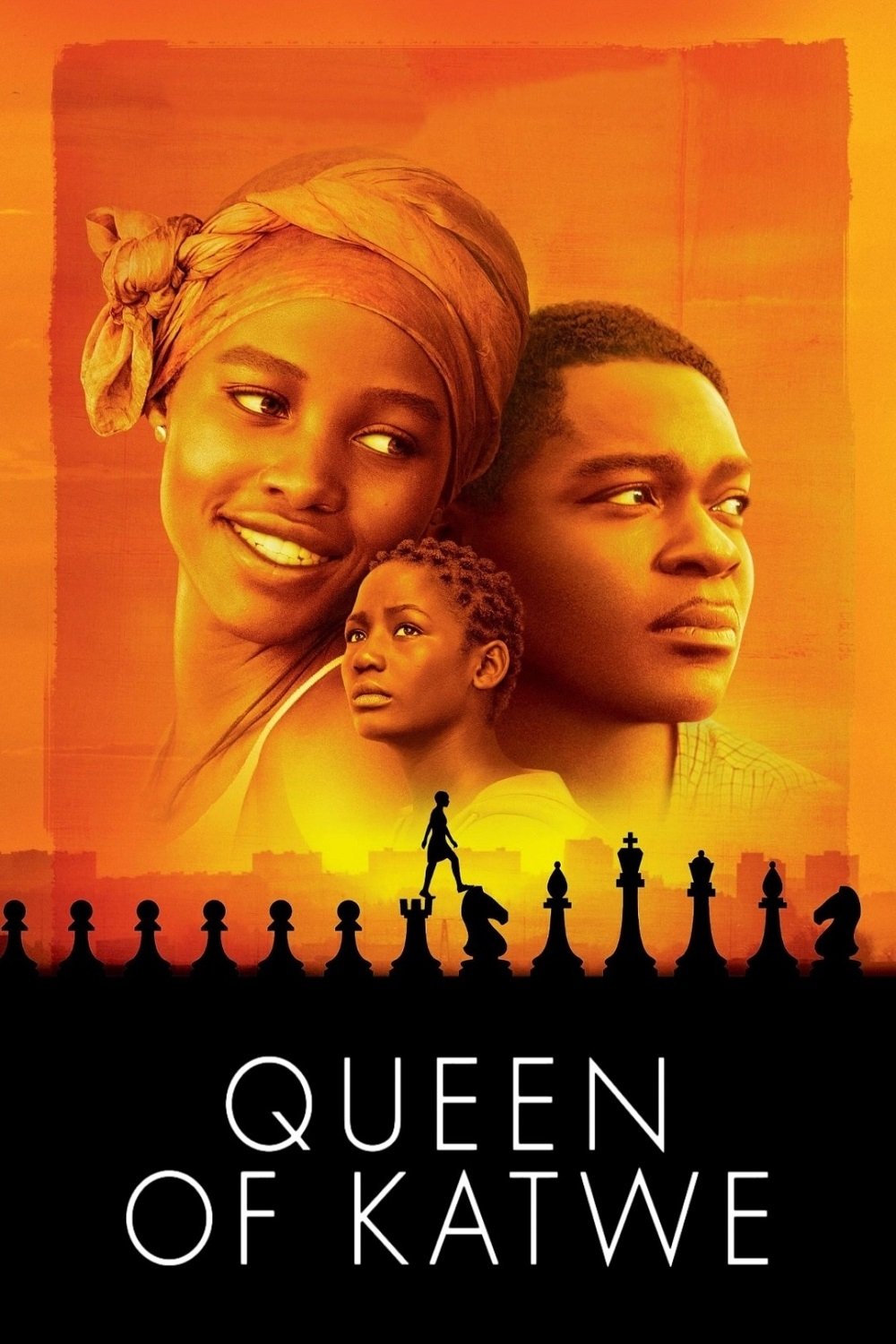
Mira Nair brought cameras to Kampala and the Katwe neighborhood to tell Phiona Mutesi’s story in the streets and markets where she learned chess. The production engaged local chess clubs, schools, and families, and cast Kampala residents alongside the leads to ground the film in real places.
Madina Nalwanga, Lupita Nyong’o, and David Oyelowo led the cast, and the crew also worked in South Africa for some interiors and tournament settings. Costumes and props were sourced from Ugandan vendors, and the shoot created training opportunities for new crew members across departments.
‘Beau Travail’ (1999)
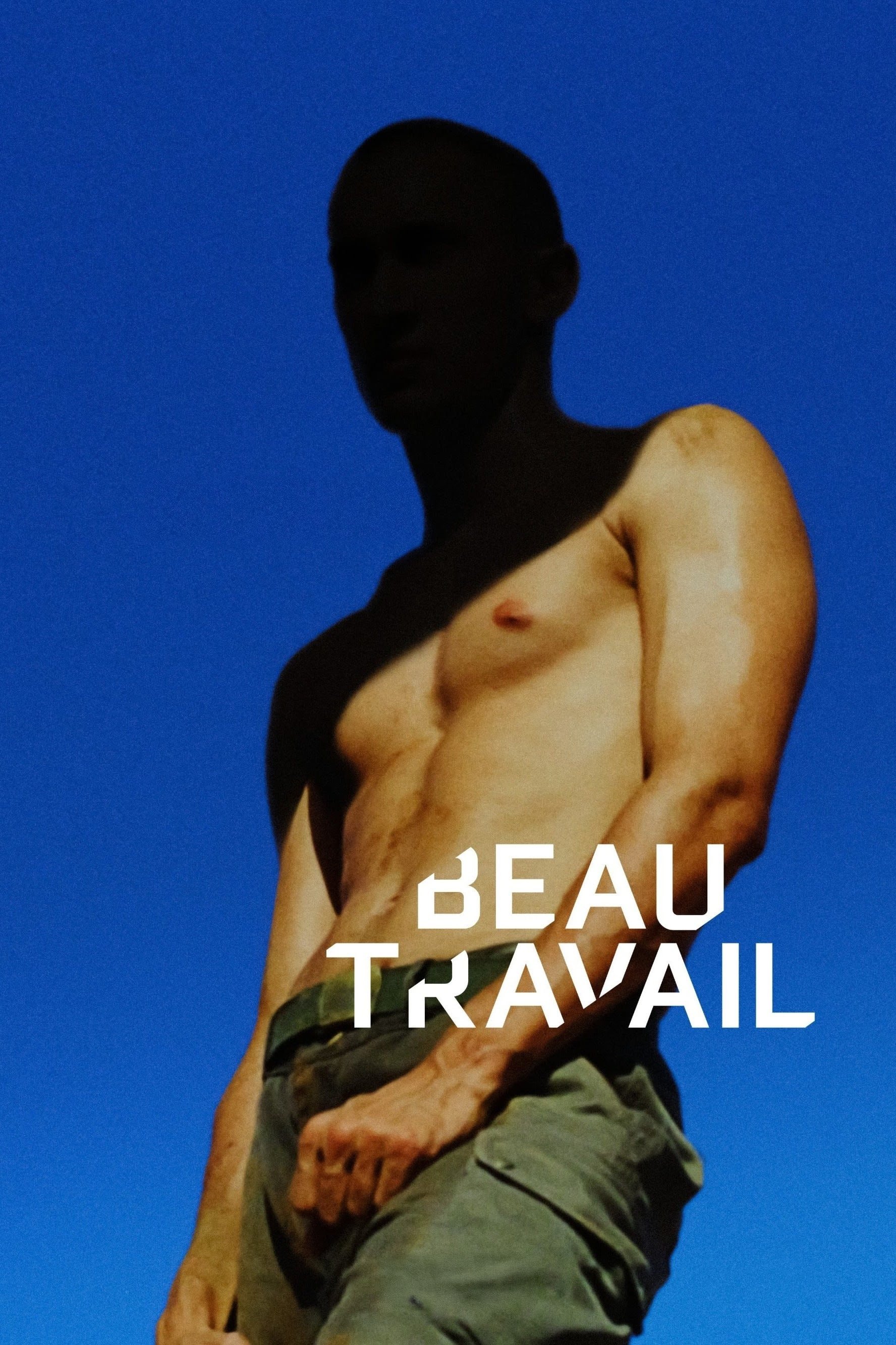
Claire Denis filmed in Djibouti, using ports, barracks, and desert plains to portray daily life in a Foreign Legion unit. The production worked at dawn and dusk to capture long exercises and used available community spaces for dance and recreation scenes.
Denis Lavant and Grégoire Colin starred, and the crew kept a light footprint with small camera packages to move quickly between city and coast. Local residents appear throughout the film, and the schedule depended on military permissions that shaped where and when the team could work.
‘Timbuktu’ (2014)
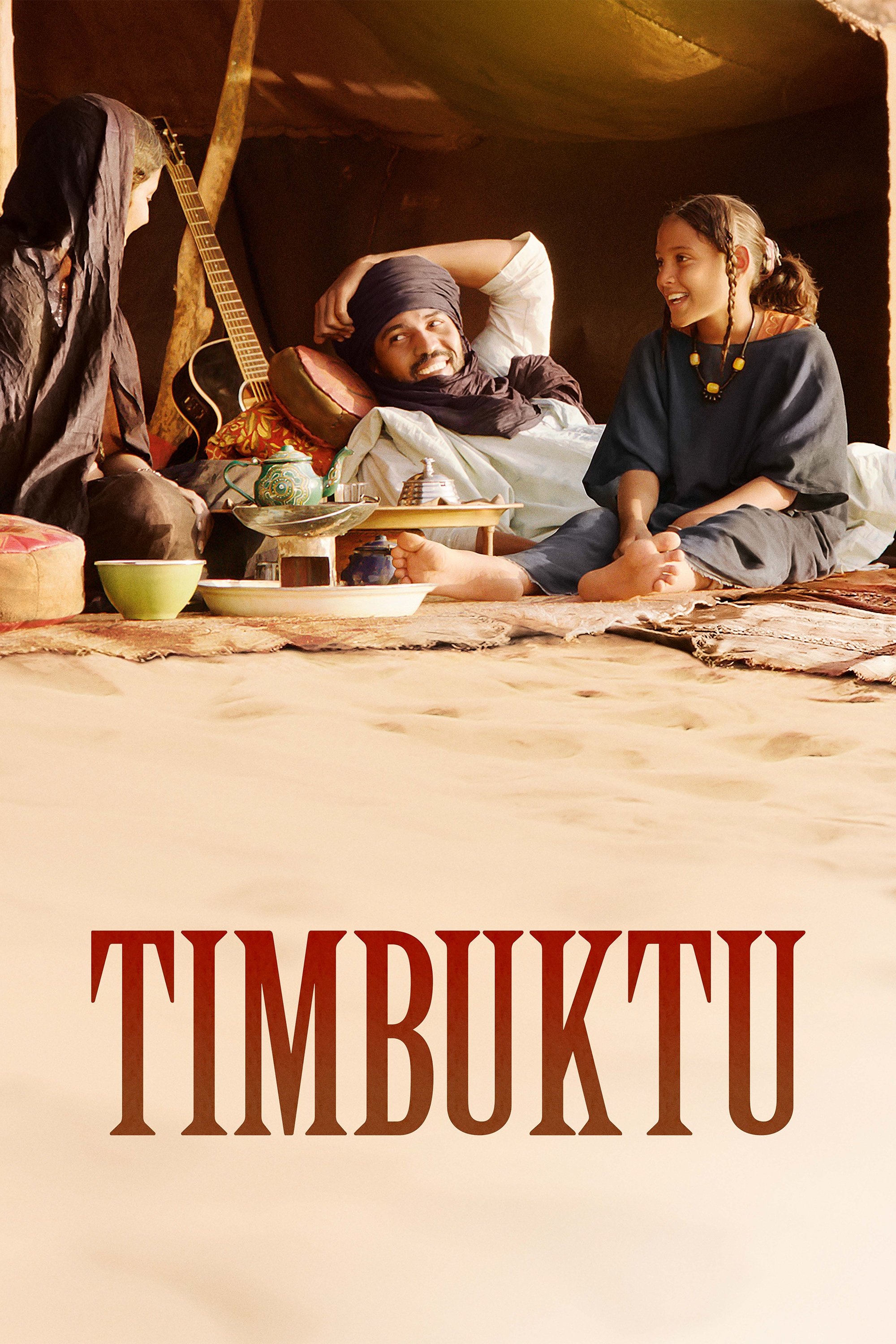
The movie was set in Mali and filmed in Mauritania due to security conditions, with locations in cities and desert outposts that reflect life under militant rule. Production teams built modest interior sets and used open courtyards and dunes for exteriors that needed controlled access.
Director Abderrahmane Sissako cast many actors from the region and recorded dialogue in multiple languages spoken in the Sahel. The film played at major festivals and received international awards recognition, and the shoot involved translators, cultural advisors, and community liaisons.
‘Zulu’ (1964)
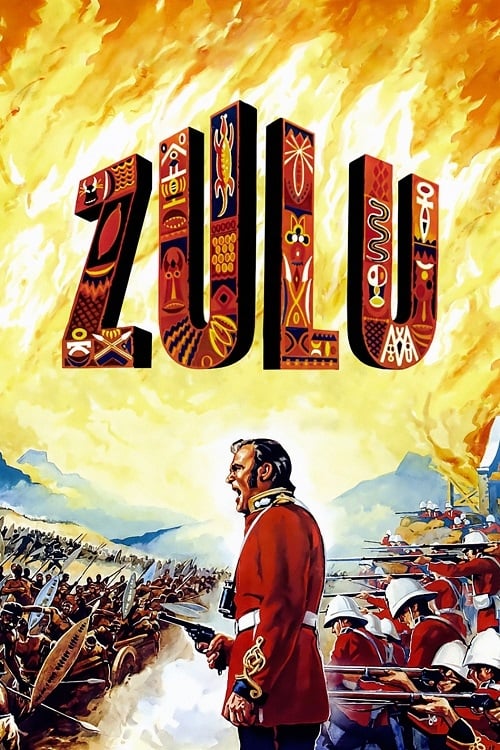
The production filmed in KwaZulu Natal with mountains and grasslands standing in for the area around Rorke’s Drift. Local communities contributed as performers and advisors while the art department constructed mission station buildings and defensive walls to match historical sketches.
Stanley Baker produced and starred alongside a young Michael Caine under the direction of Cy Endfield. Armorers trained extras in traditional weapons, and large crowd scenes were coordinated with timed signals to keep formations and camera cues aligned.
‘The Sheltering Sky’ (1990)
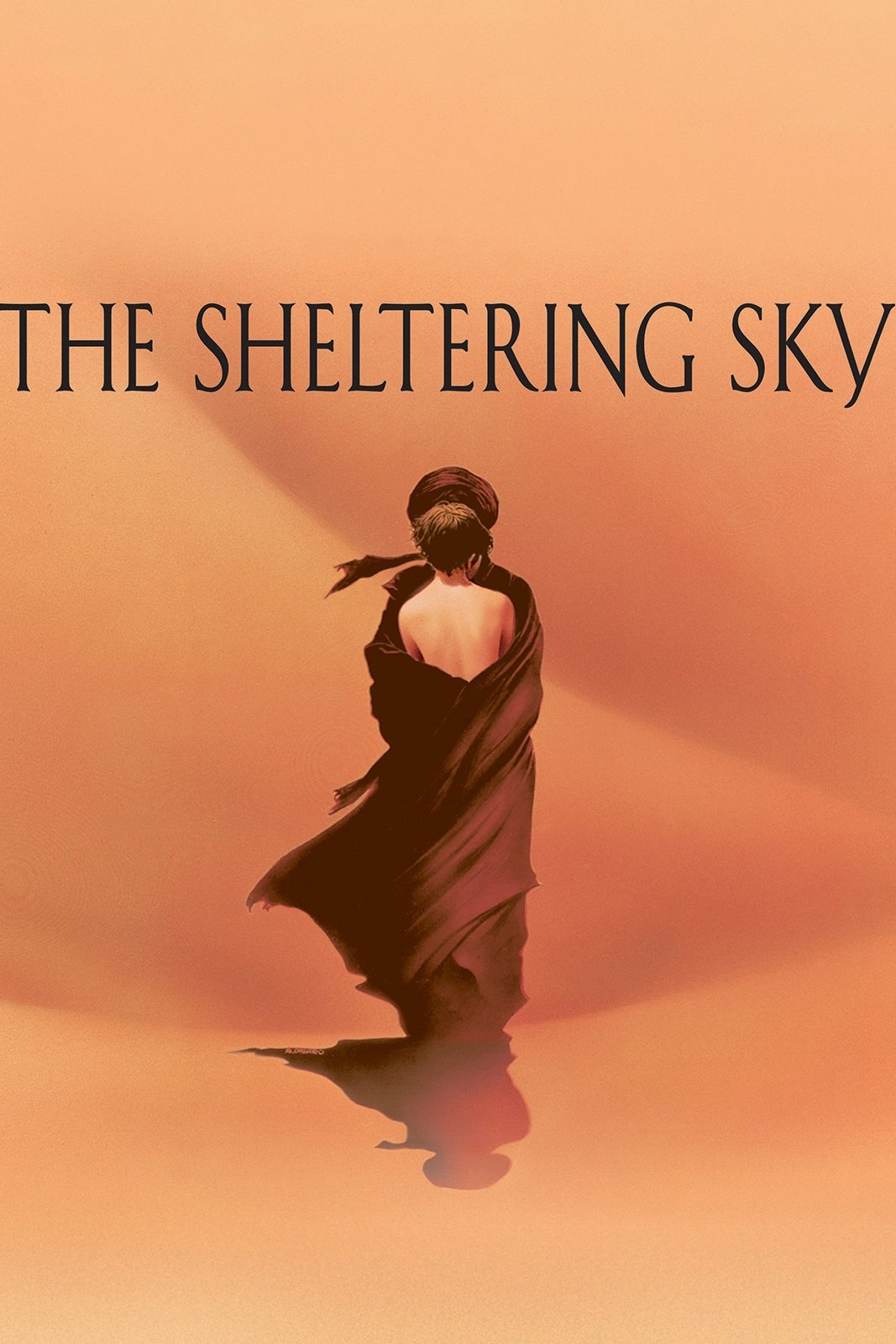
Bernardo Bertolucci shot across Morocco, Algeria, and Niger, taking the cast across real desert routes used by traders and travelers. The crew filmed in medinas, railway stations, and remote oases, and moved with a convoy of trucks carrying water, fuel, and shade tents for cast and crew.
Debra Winger and John Malkovich led the film, which is adapted from Paul Bowles’s novel. The schedule required border permissions and health precautions for extended stays in hot zones, and the sound team captured ambient winds and market soundscapes as part of the location track.
Share your favorite on location shoot in Africa in the comments and tell us which scenes felt the most real to you.