


20 Best Movies Set in Hell, Ranked

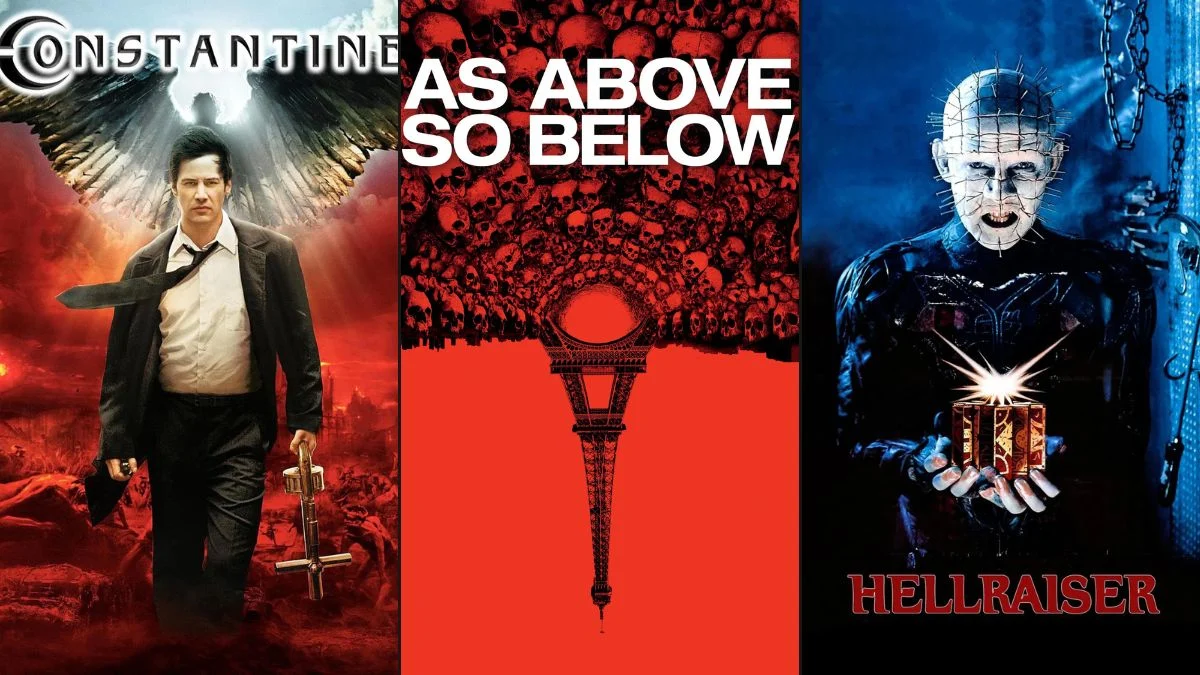


Hell on screen takes many shapes, from mythic underworlds to surreal labyrinths and animated infernos. Filmmakers use these settings to explore judgment, punishment, and redemption, often borrowing from religion, literature, and folklore while inventing their own rules for how the afterlife works. That range creates a wide tour of styles and genres, including horror, animation, comedy, and art house experiments.
This list gathers films where Hell or an infernal realm is central to the story or staging. Some travel through classical circles, others push into demon dimensions or allegorical pits beneath a city. You will find studio productions alongside cult releases and silent pioneers, all focused on taking characters below the surface to face what waits there.
‘Little Nicky’ (2000)
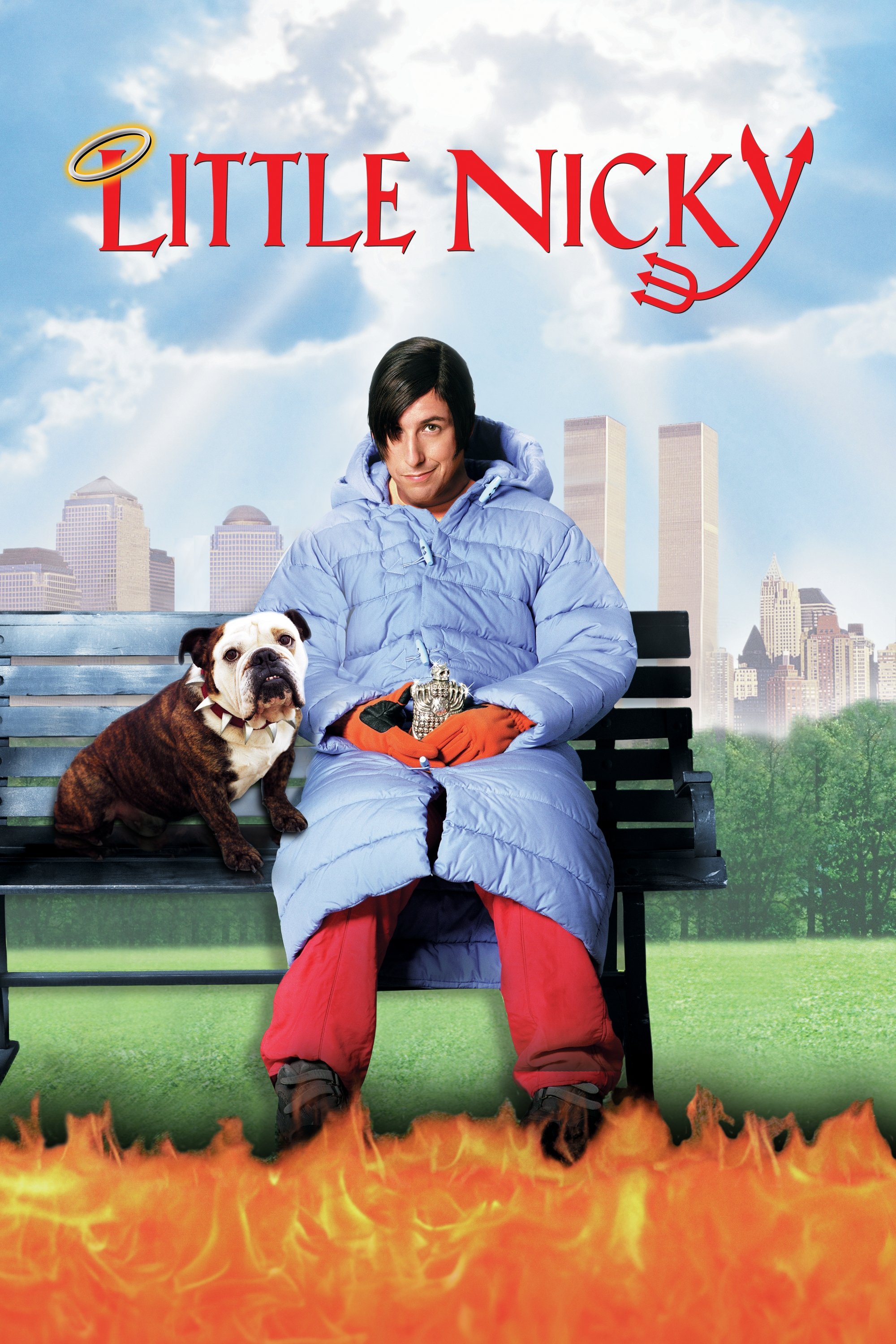
Adam Sandler plays the naive son of Satan who leaves the underworld to retrieve his brothers after they escape to Earth. The film presents a busy infernal court with a ruling monarch, torment routines, and a hierarchy of demons and souls. It includes live action visual effects that stage fire pits, torture stations, and a palace carved from black rock, along with a running gag about a talking face grafted onto a character.
The production was mounted by Happy Madison Productions with Steven Brill directing and a supporting cast that includes Patricia Arquette, Harvey Keitel, and Rhys Ifans. Location work mixed practical sets with stage builds for the throne room and cavern spaces, while the soundtrack leans on hard rock and metal cues that underscore the setting’s heat and chaos.
‘Hell and Back’ (2015)
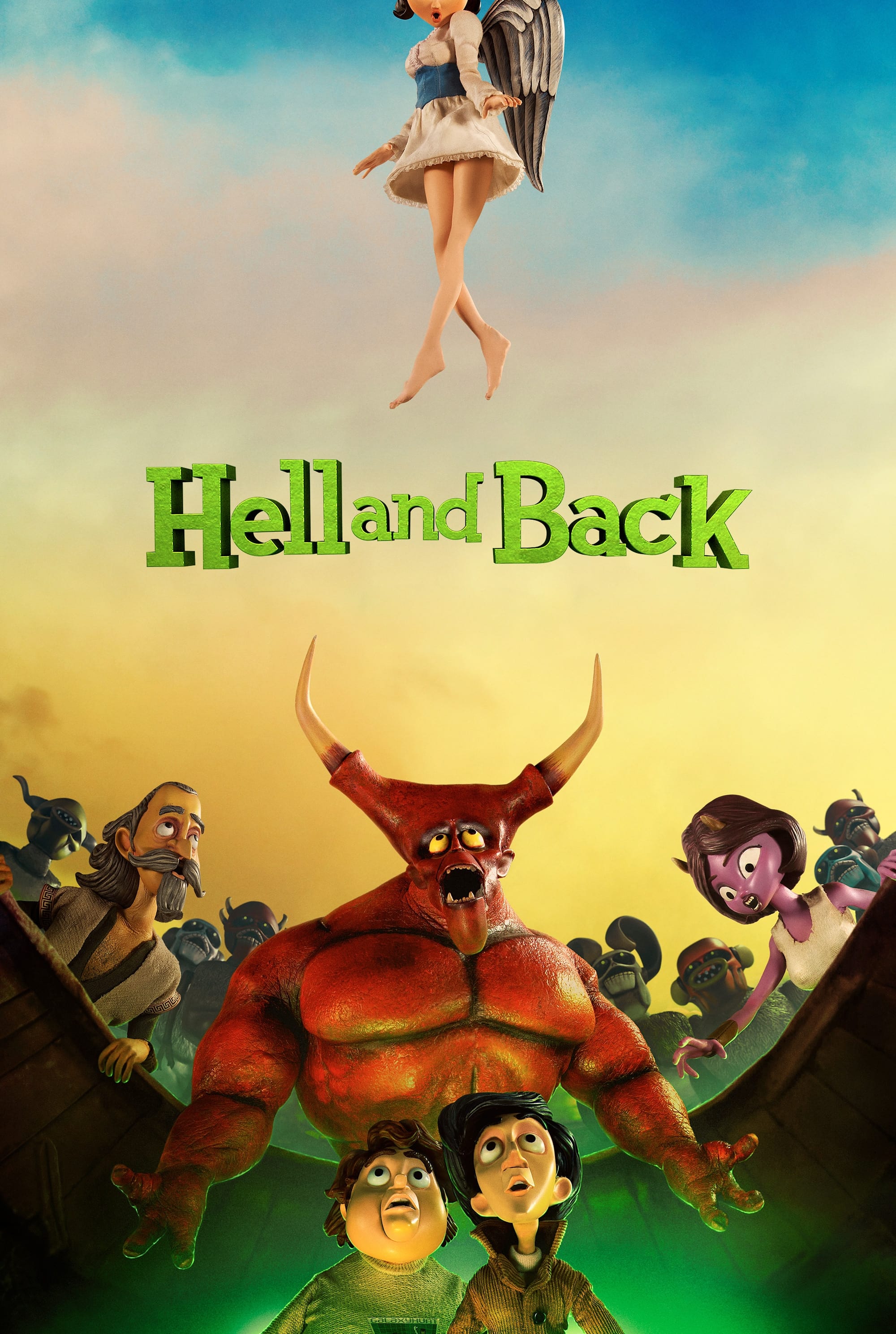
This stop motion feature follows three friends who tumble into the underworld and negotiate with demons to rescue one of their own. The film uses miniature sets to create sulfur flats, lava rivers, and bureaucratic offices that manage the damned, giving the afterlife a workplace structure with clerks, guards, and overseers.
Directors Tom Gianas and Ross Shuman employ puppetry techniques familiar from television sketch animation, scaling up to feature length with elaborate dioramas and armature rigs for fire and smoke gags. The voice cast includes Nick Swardson, Mila Kunis, Bob Odenkirk, and Susan Sarandon, and the script weaves in folklore details like contracts, blood signatures, and tests imposed by ruling demons.
‘Baskin’ (2015)
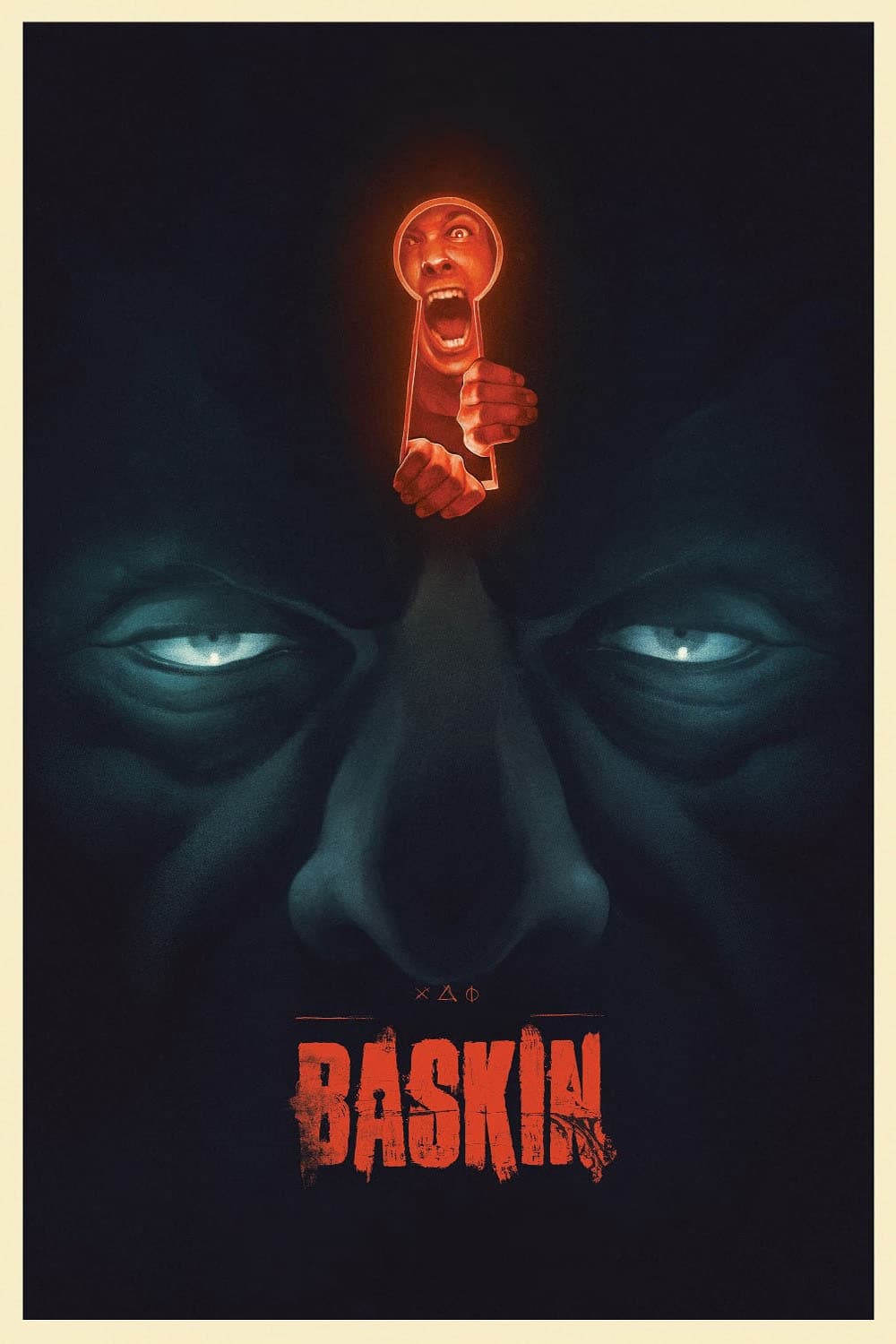
A group of Turkish police officers respond to a call and pass through a decrepit building into a subterranean realm of ritual and torment. The depiction of Hell emphasizes flesh, ceremony, and a cult leader who delivers sermons about transcendence and submission, framing the place as both temple and prison.
Director Can Evrenol adapts his short of the same name, expanding the mythos with practical makeup effects and tight interior staging that funnels the squad downward. The film was shot largely at night with low light photography that highlights blood textures and stone corridors, and it drew attention for casting Mehmet Cerrahoğlu as the cult figure whose presence defines the underworld’s rules.
‘Southbound’ (2015)
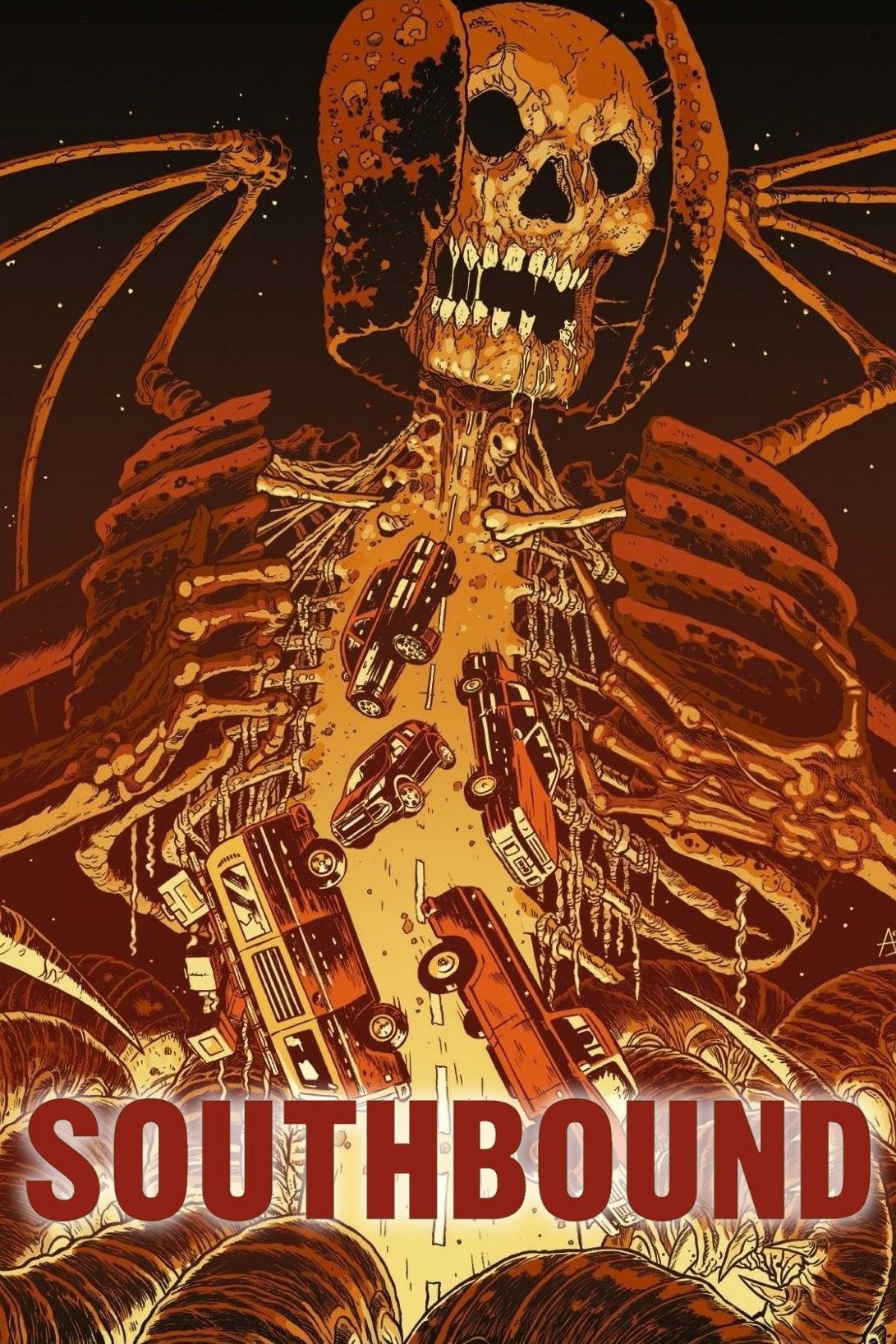
This horror anthology links five stories set along a stretch of desert highway where characters cross invisible borders into punishment and repetition. Hell appears through loops of time, skeletal creatures, and a town that traps visitors, presenting a purgatorial system that responds to guilt and confession.
Segments were directed by members of the Radio Silence collective as well as Roxanne Benjamin, David Bruckner, and Patrick Horvath. The production unifies separate shoots through shared props and road signage, while the score and transitions stitch the stories into a continuous journey that guides characters past motels, diners, and basements that open onto infernal spaces.
‘As Above, So Below’ (2014)
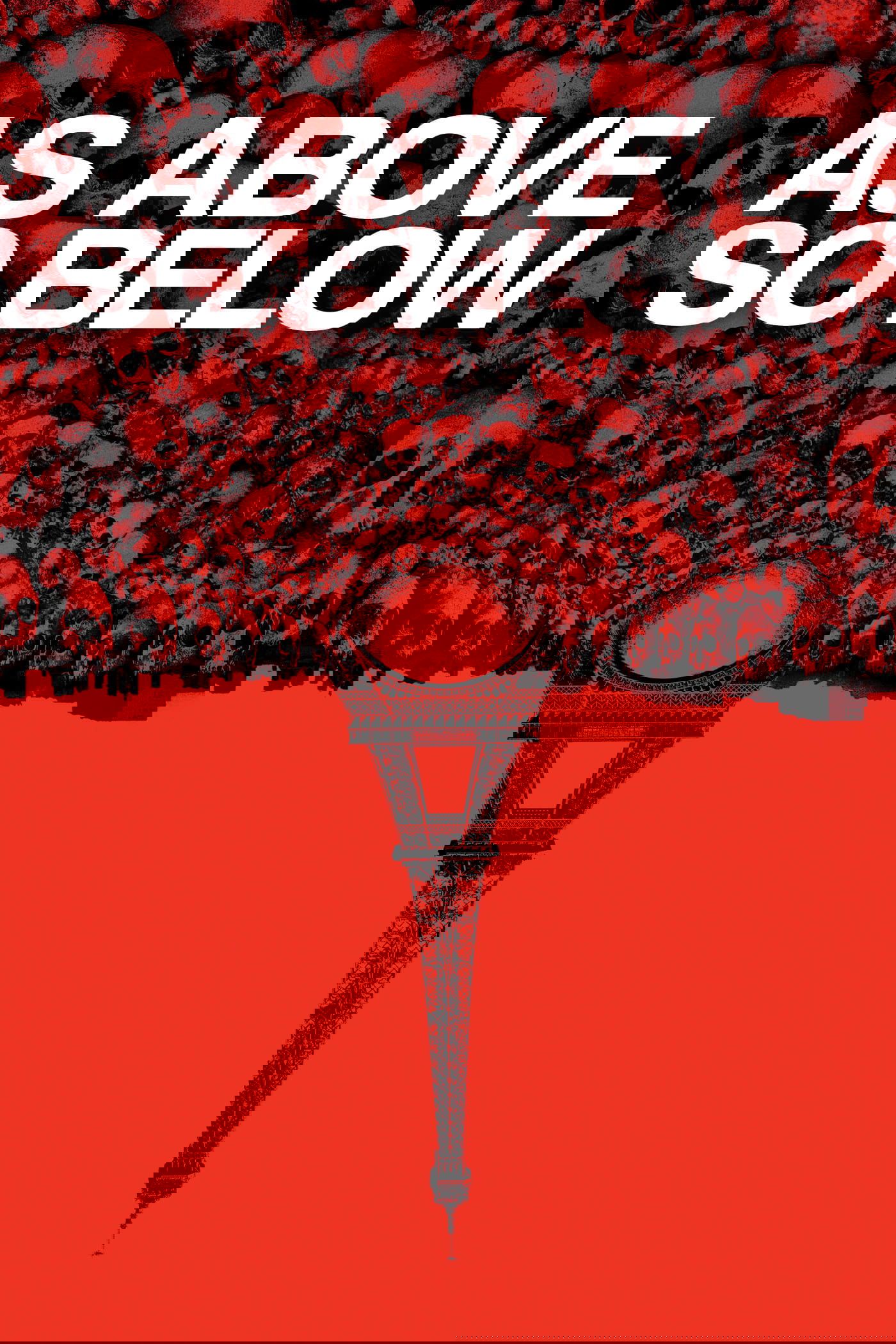
A team of urban explorers and scholars descends into the Paris Catacombs in search of alchemical treasure and enters a mirrored world that reflects their sins. The lower levels operate like a selective Hell where personal history becomes architecture and where the final gate demands recognition of wrongdoing before any exit appears.
Director John Erick Dowdle used a found footage approach with compact cameras and practical tunnels to sell tight spaces and disorientation. The production secured access to sections beneath Paris and supplemented them with soundstage tunnels that could be collapsed or flooded, and it integrates alchemical symbols and Latin inscriptions that explain the rules governing the descent.
‘Bill & Ted’s Bogus Journey’ (1991)
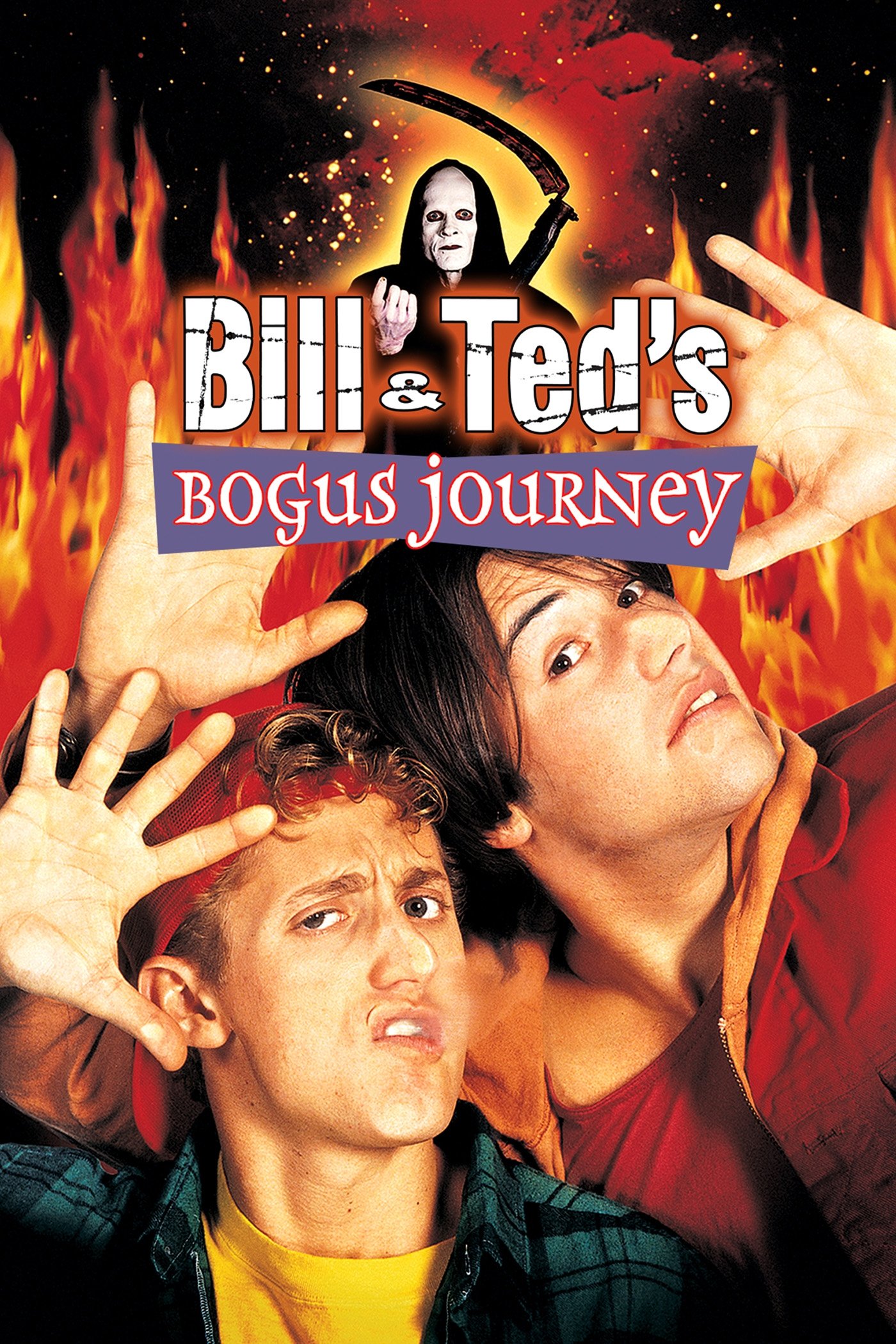
After robot doubles kill the heroes, their souls fall to Hell, where they are forced to navigate individualized nightmares and bargain with Death for a way back. The film visualizes the underworld through oversized expressionist sets that turn childhood fears into rooms with skewed perspectives and hard shadows.
Director Peter Hewitt builds the afterlife sequence around physical comedy, theater style lighting, and a musical showdown that resolves the conflict. William Sadler’s portrayal of Death borrows from Bergman while playing it for laughs, and the production uses matte paintings and stagecraft to portray cavernous voids, cliffs, and door mazes that function as judgment chambers.
‘Legend’ (1985)
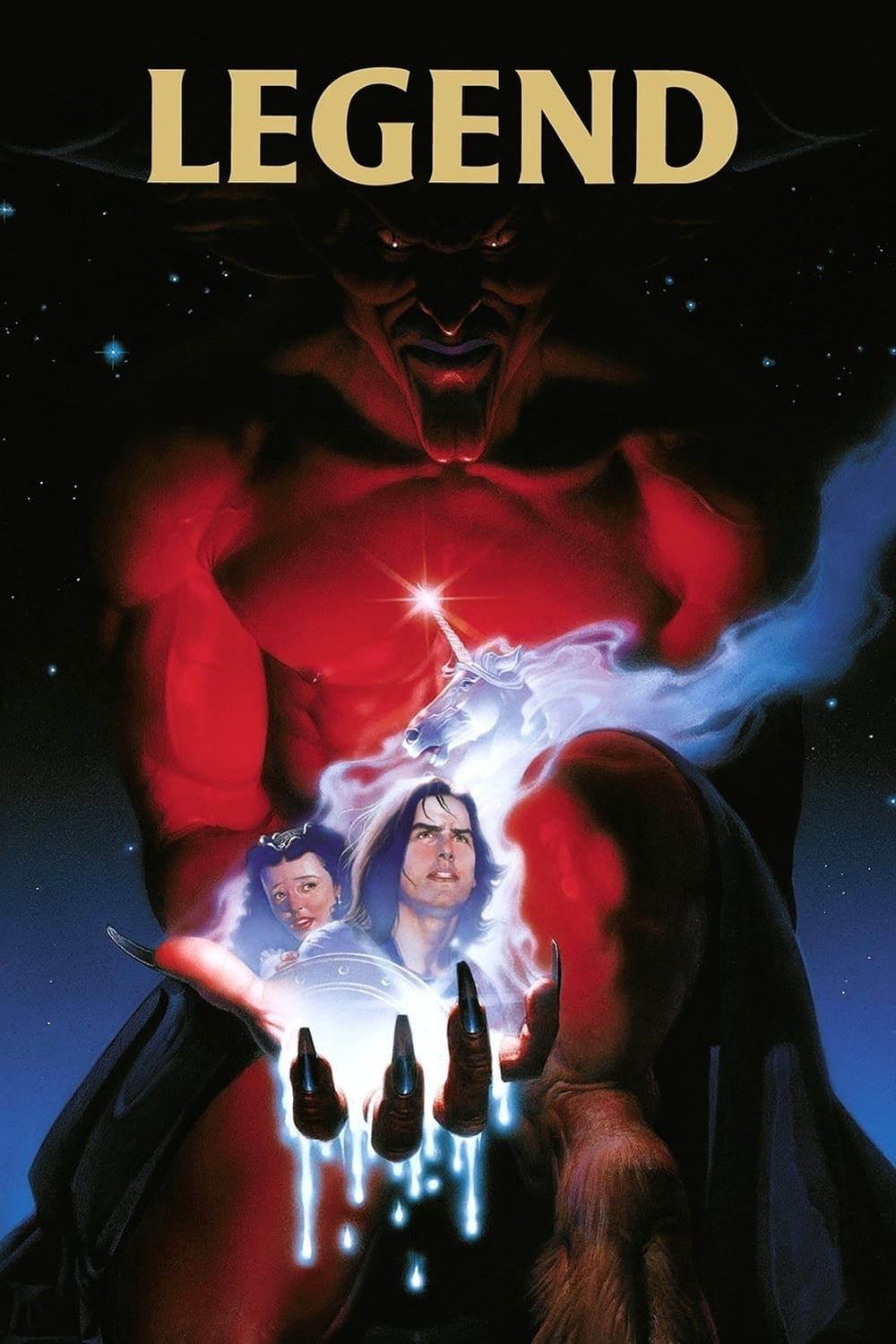
This fantasy tale sends its hero into the lair of the Lord of Darkness to rescue a captive princess and recover a stolen artifact. The underground realm reads as a mythic Hell where the antagonist reigns from a firelit throne room populated by goblins and minotaurs, and where eternal night is the ultimate goal.
Ridley Scott shot on soundstages at Pinewood with extensive practical sets designed by Assheton Gorton and makeup work that created the famous horned villain. The production is noted for atmospheric smoke, filtered light, and elaborate costumes, while the score exists in two versions that shape the mood of the infernal sequences through orchestral and electronic arrangements.
‘The Devil’s Carnival’ (2012)
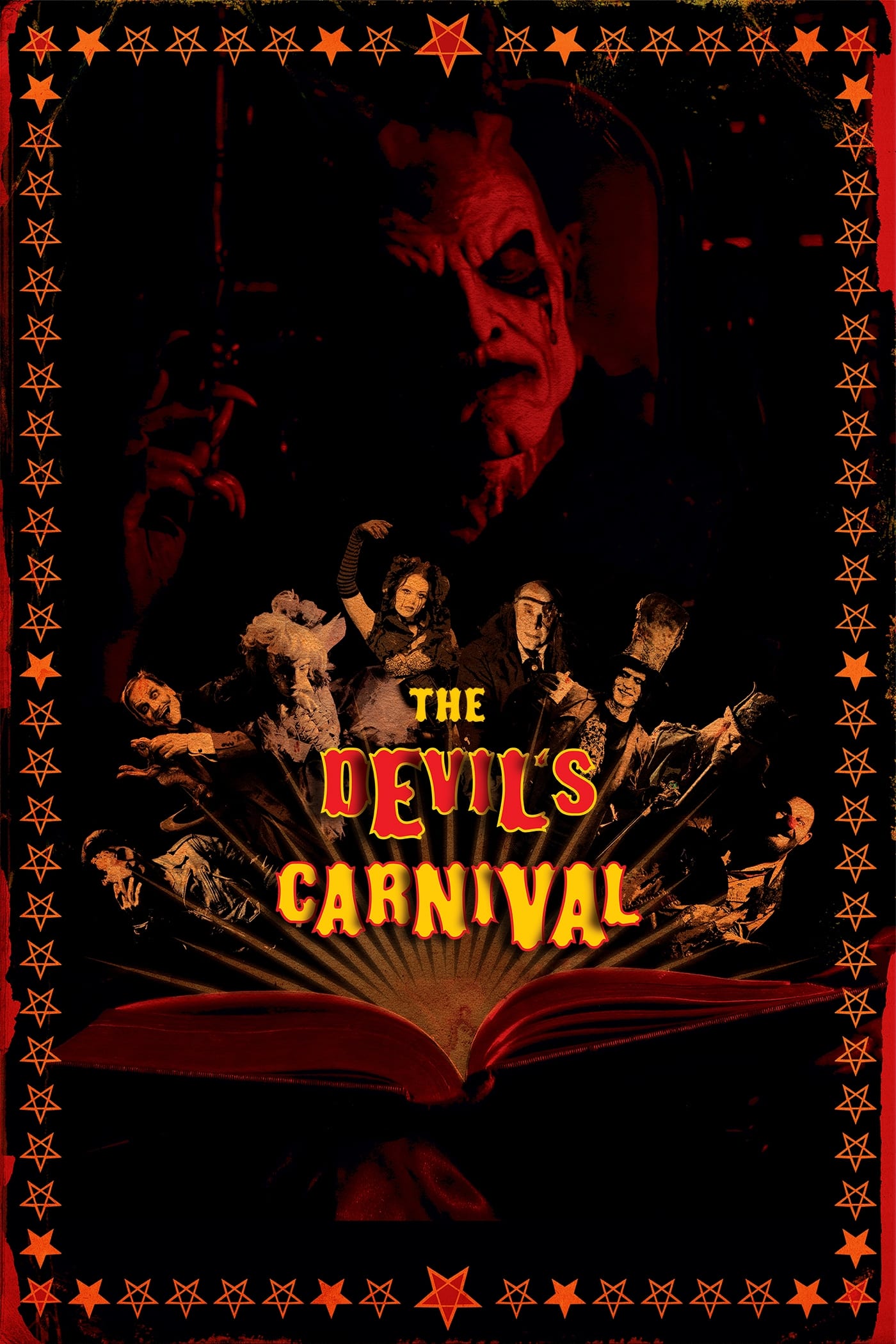
Travelers arrive in a carnival run by demonic ringmasters where sideshows reenact moral parables for the newly dead. The setting functions as a bureaucratic Hell disguised as entertainment, with barkers and performers who guide souls through temptations and punishments that mirror fables.
Director Darren Lynn Bousman mounted a roadshow release with live events and Q and A sessions, reflecting the film’s stage roots and musical format. Costumes and makeup define each ring of the carnival, and the soundtrack by Terrance Zdunich and Saar Hendelman structures the rules of this underworld through recurring motifs and refrains tied to specific sins.
‘Hellbound: Hellraiser II’ (1988)
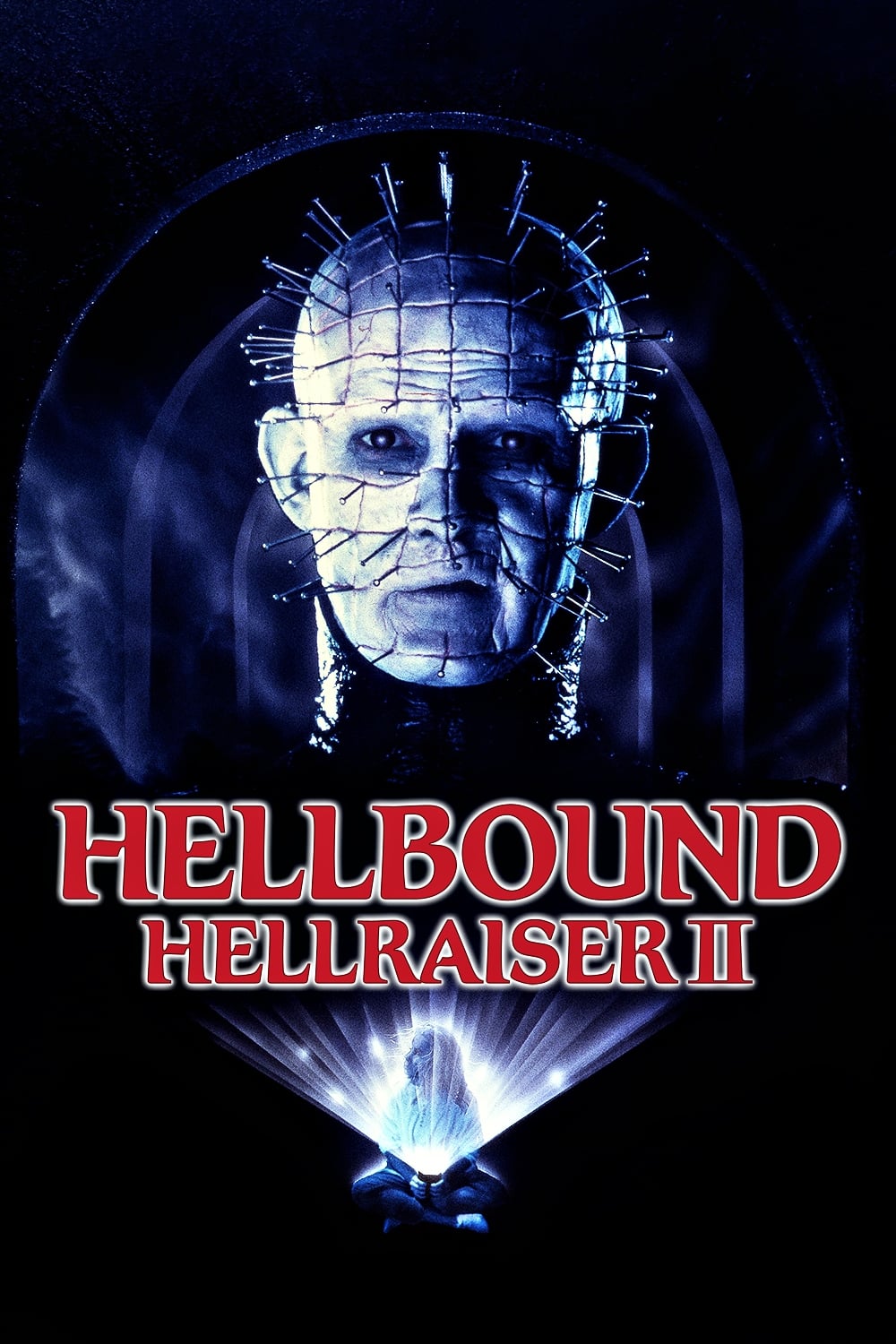
This sequel extends the world introduced by the Cenobites and opens the door to their labyrinth, a dimension of pain ruled by Leviathan. The narrative follows a young survivor and a doctor who pushes too far, showing how the domain is organized into corridors, puzzle rooms, and transformation chambers.
Director Tony Randel employs expanded makeup effects and creature designs by Bob Keen and his team, while production designer Mike Buchanan creates angular corridors that echo the Lament Configuration. The film clarifies the hierarchy that governs the Cenobites and depicts conversion rituals that lay out how human desire and suffering feed the realm’s order.
‘Dante’s Inferno: An Animated Epic’ (2010)
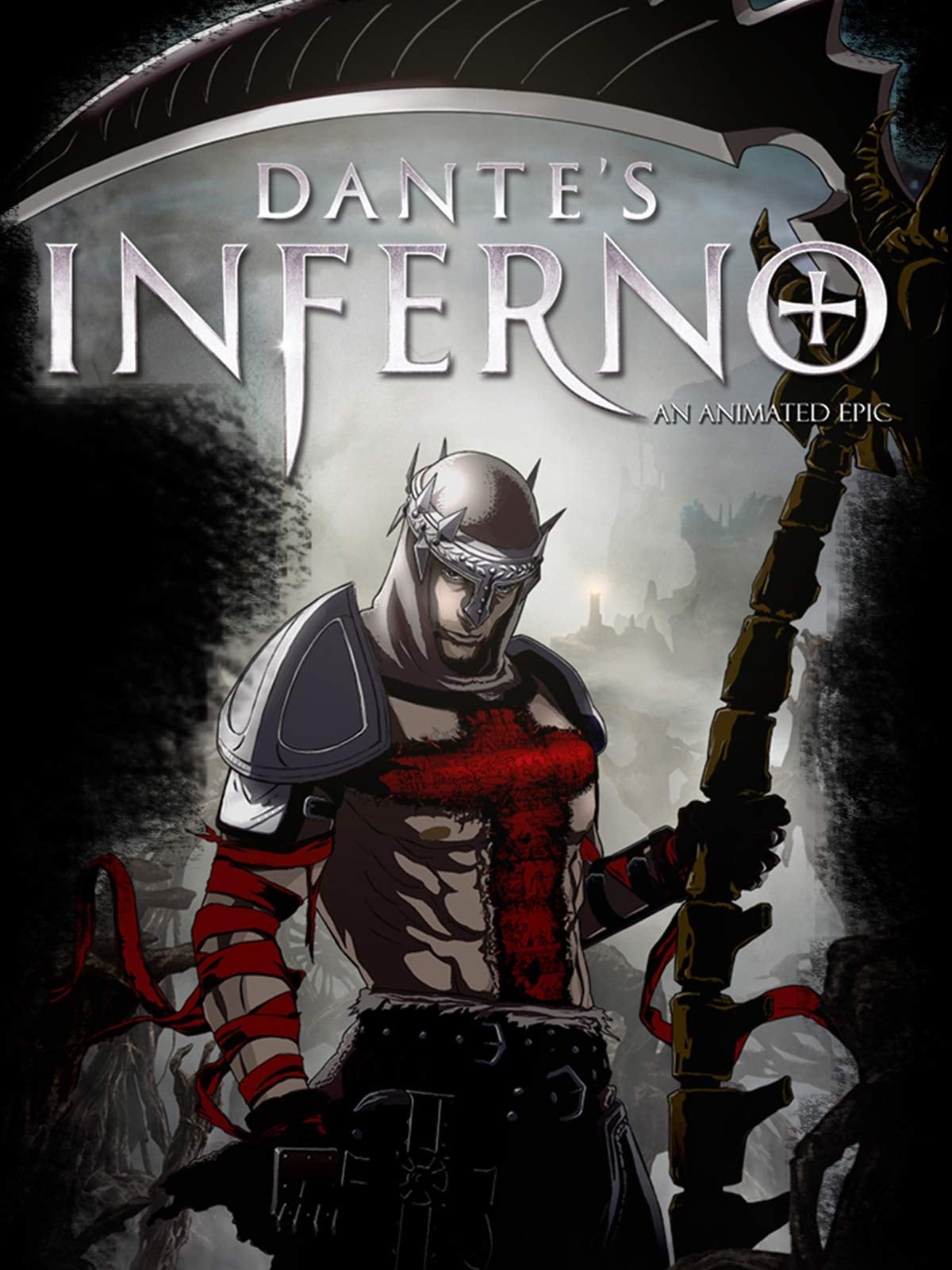
This anthology style animated feature adapts a video game retelling of the classic poem, sending a knight through circles of sin to rescue his beloved. Each circle introduces a visual grammar for its punishments and guardians, using different animation styles for wrath, greed, and treachery.
Multiple studios contributed sequences, including Film Roman and Production I.G, resulting in distinct character designs that still track a single storyline and continuity of props such as the cross and scythe. Voice work by Graham McTavish and Vanessa Branch links the chapters, and the film incorporates inscriptions and guides that mirror the poem’s structure and travelogue of infernal zones.
‘All Dogs Go to Heaven’ (1989)
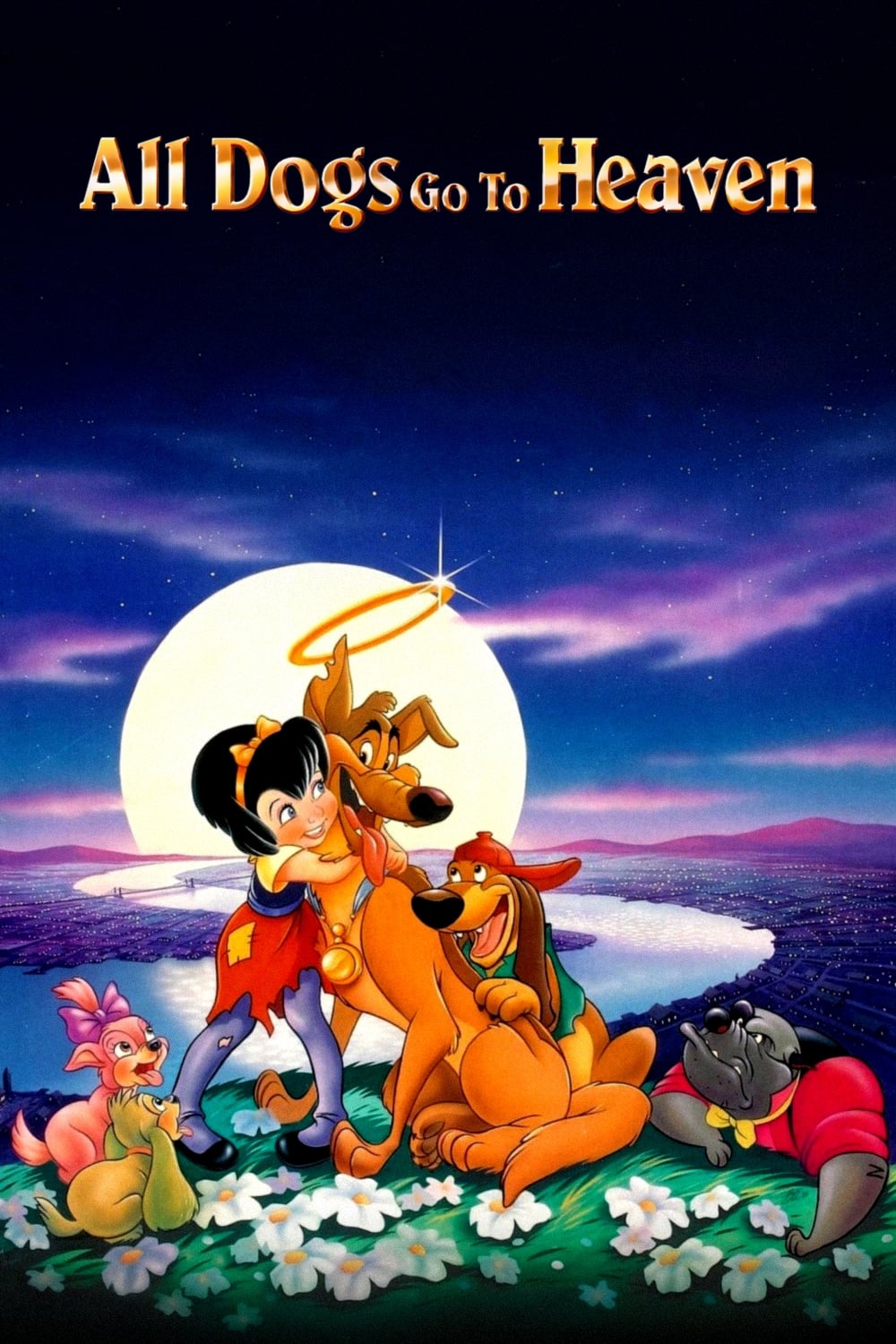
A canine antihero returns from the afterlife and risks a fall into the underworld as he confronts his past misdeeds. Hell appears in a nightmare sequence that stages a river of fire, skeletal sea creatures, and a towering demon judge who signals the consequences of backsliding.
Don Bluth directed with a team of animators working on richly painted backgrounds and multilayer camera setups. The film’s music underscores the moral framework that guides its characters, and the depiction of punishment uses fluid animation and color shifts to move from warm carnival lights to stark reds and blacks in the infernal vision.
‘Jigoku’ (1960)

This Japanese horror film sends its protagonist through a moral reckoning that culminates in an extended tour of Hell. The final act presents specific punishments tied to earthly sins, including boiling cauldrons, fields of needles, and river crossings policed by demons.
Director Nobuo Nakagawa mixes crime melodrama with Buddhist and folkloric imagery that explains how judgment operates. The production uses theatrical sets, bold lighting, and stylized blood effects to create an otherworld that feels both ceremonial and punitive, and it helped define how later Japanese cinema would picture the afterlife.
‘The Beyond’ (1981)
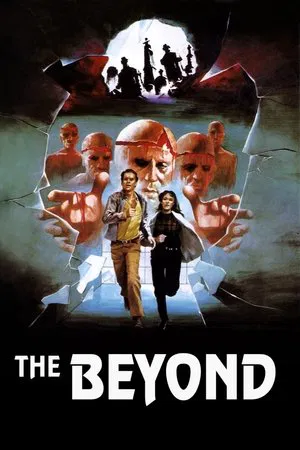
A woman inherits a Louisiana hotel built over one of the seven gateways to Hell, and the opening of that portal unleashes creatures and phenomena that consume the surrounding town. The underworld is presented as a white void filled with corpses and ash, accessed through flooded basements and crumbling hallways.
Director Lucio Fulci emphasizes practical gore, optical effects, and disorienting sound design to sell the crossing between worlds. The recurring Book of Eibon functions as a guide to the rules governing the gateway, and the final tableau fixes the characters in a liminal inferno where escape is no longer possible.
‘Tenacious D in The Pick of Destiny’ (2006)
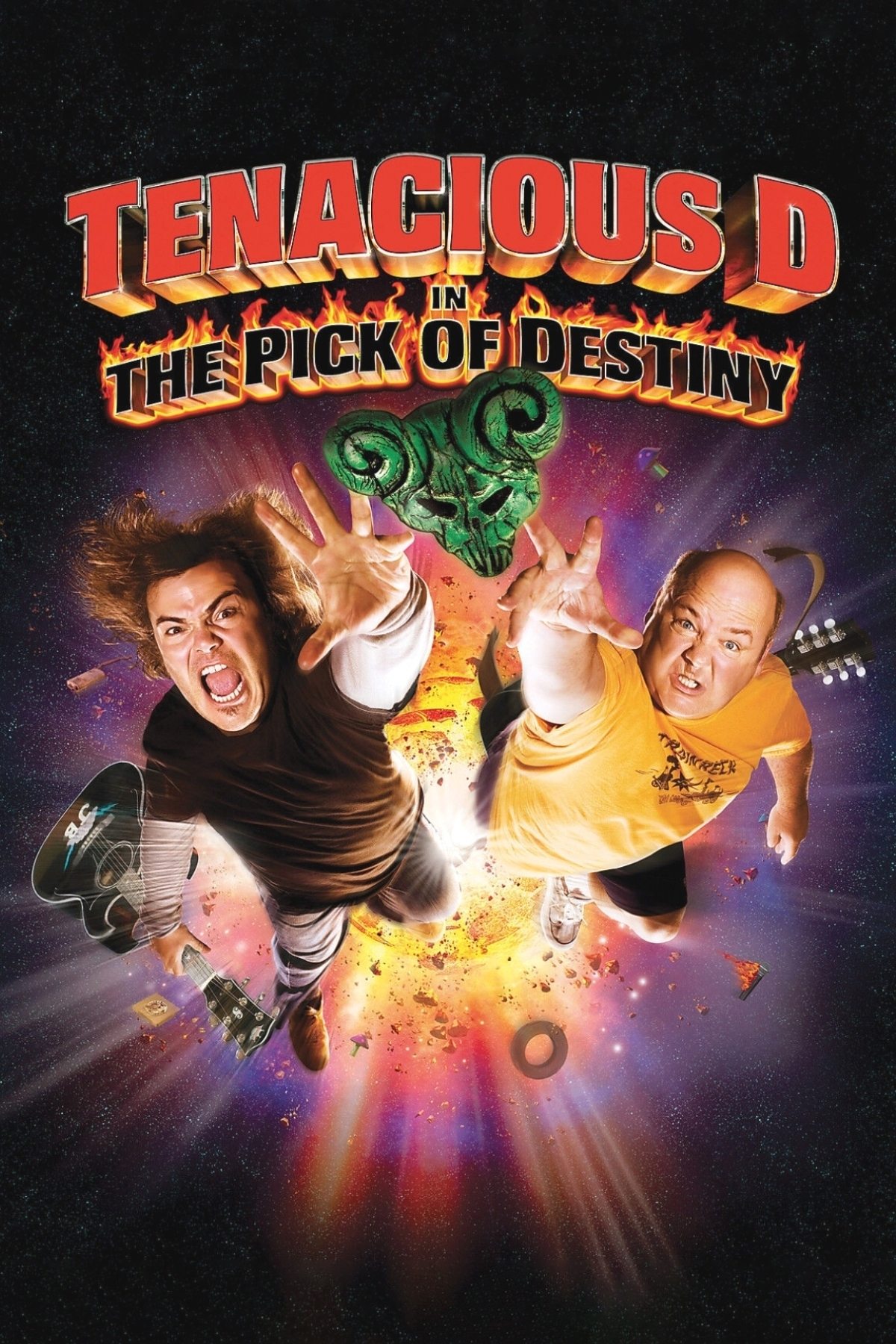
The rock duo quests for a legendary guitar pick and ends up summoning the Devil for a musical duel that decides their fate. Hell is visualized onstage with a horned antagonist, fire backdrops, and a challenge governed by long standing rules of a bet between mortals and a demon.
Director Liam Lynch integrates concert performance with narrative comedy and leans on practical makeup for the Devil and stage pyrotechnics for the infernal setting. The film’s soundtrack album preserves the duel as a track, and props like the pick and guitar rigs function as artifacts that link earthly performance to an afterlife contract.
‘Hellraiser’ (1987)
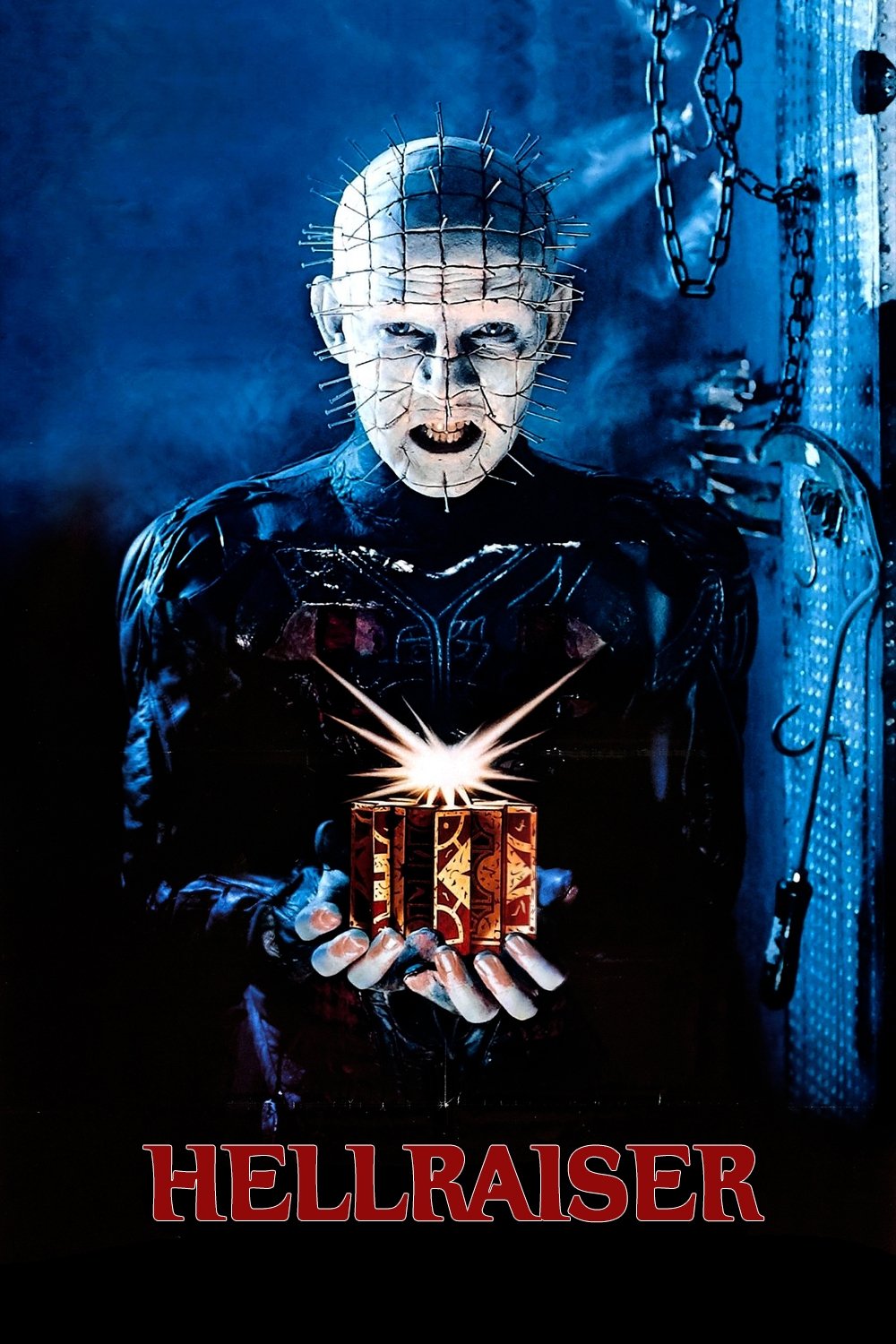
Opening a puzzle box creates a rip in reality that connects a suburban home to a domain of sensation and torment. The Cenobites operate as officers of that realm, arriving when summoned to enforce agreements and collect on debts, showing a system that blurs pleasure and pain as a form of judgment.
Clive Barker adapted his novella and directed with an emphasis on practical effects such as hooks on rigs and prosthetic skin suits. The Lament Configuration serves as a device that encodes rules of access and control, and production design turns an ordinary house into a threshold where floorboards, closets, and the attic become portals to the infernal dimension.
‘L’Inferno’ (1911)
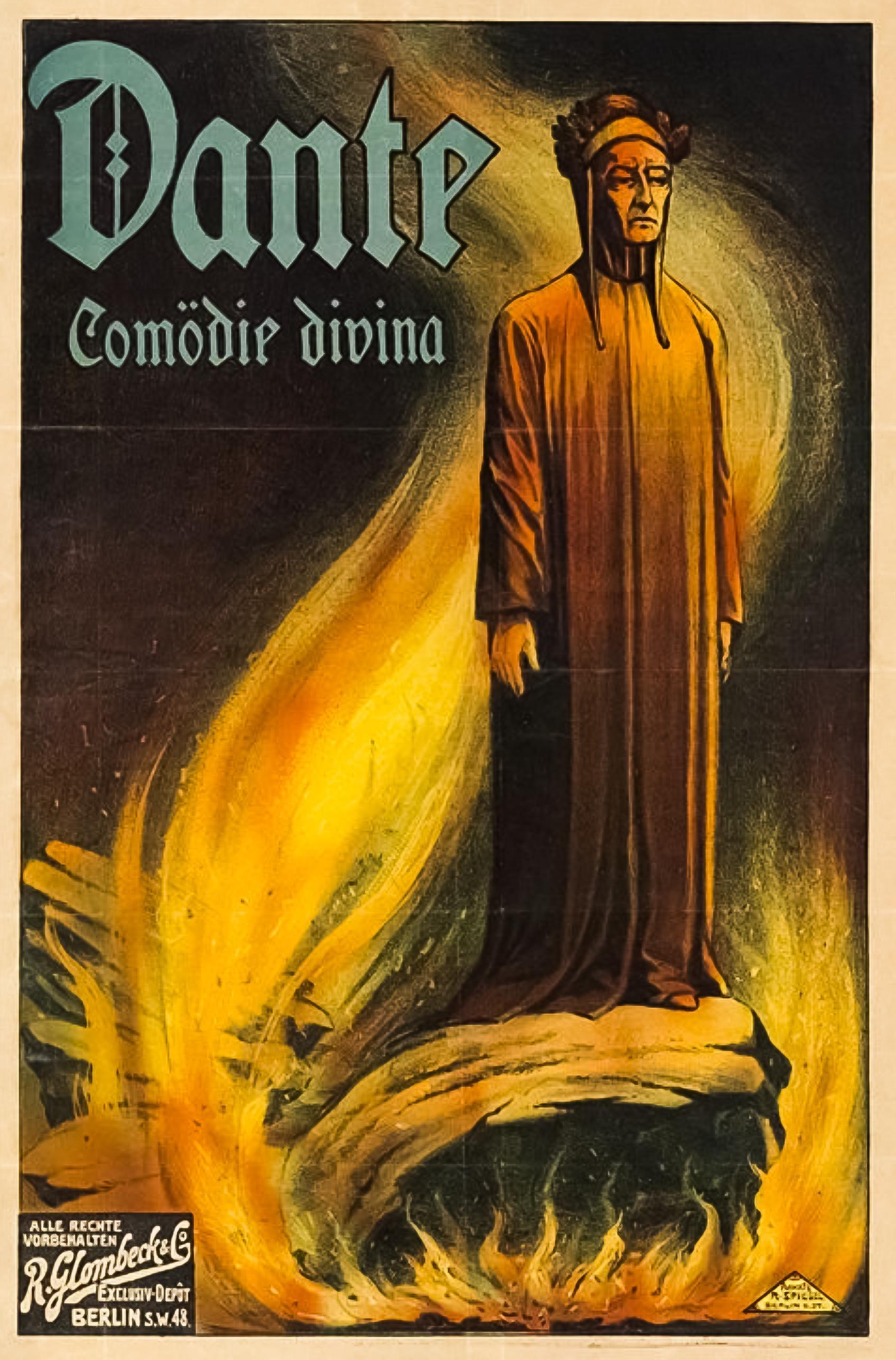
This silent Italian feature adapts the first canticle of the Divine Comedy and visualizes circles of sin through tableaux and trick photography. The film shows gate inscriptions, guardians like Minos and Cerberus, and processions of the damned moving through structured landscapes laid out by the poem.
Directors Francesco Bertolini, Adolfo Padovan, and Giuseppe de Liguoro used large sets, hand colored frames in some prints, and double exposure to create crowds and monsters. The production was a landmark for feature length storytelling and helped establish cinematic language for the underworld, including wide compositions that show scale and depth across pits and bridges.
‘What Dreams May Come’ (1998)
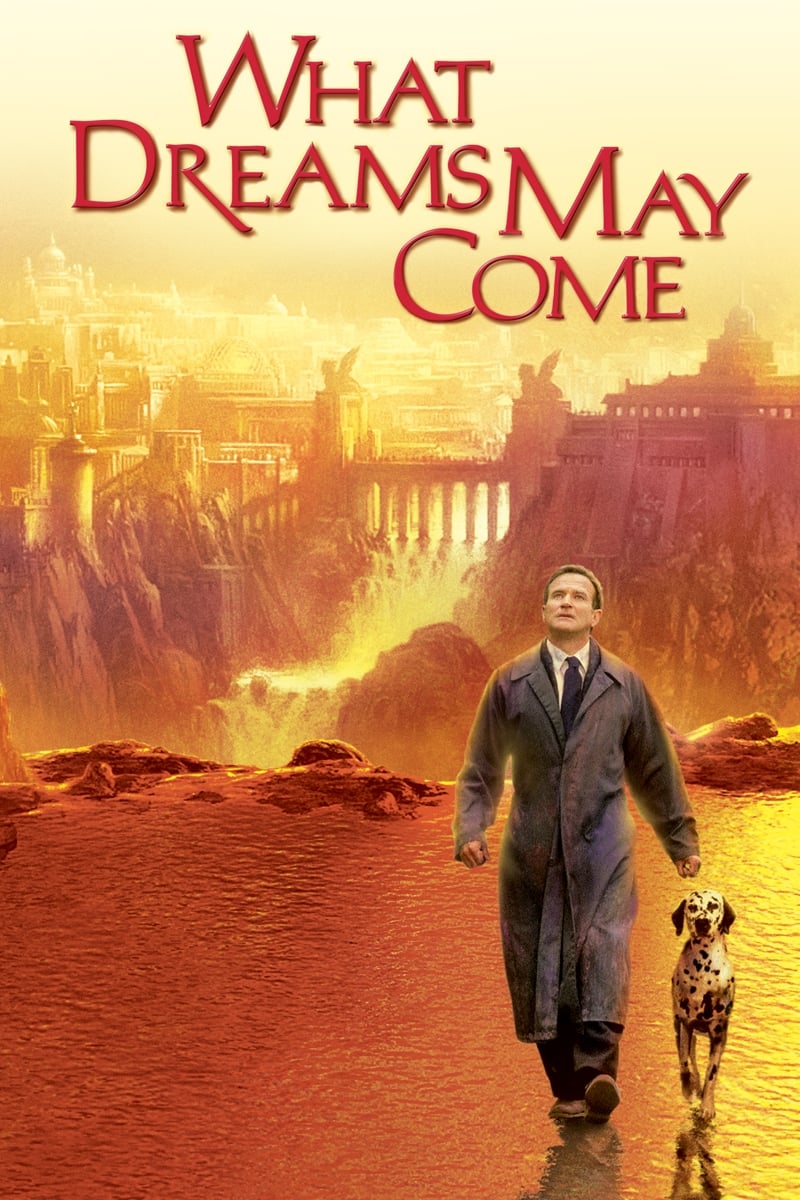
A man dies and discovers a vivid afterlife shaped by memory, then undertakes a journey into Hell to rescue his wife. The underworld appears as a ruinous mirror of life where despair calcifies into terrain, and the passage requires a guide who explains the cost of remaining too long.
Director Vincent Ward combined location photography with extensive visual effects to turn paintings and memories into physical spaces. The production used large water tanks and practical debris fields for the descent, and the score by Michael Kamen and Ennio Morricone binds the heavenly and hellish sequences into a single cosmology where love and guilt have material consequences.
‘Constantine’ (2005)
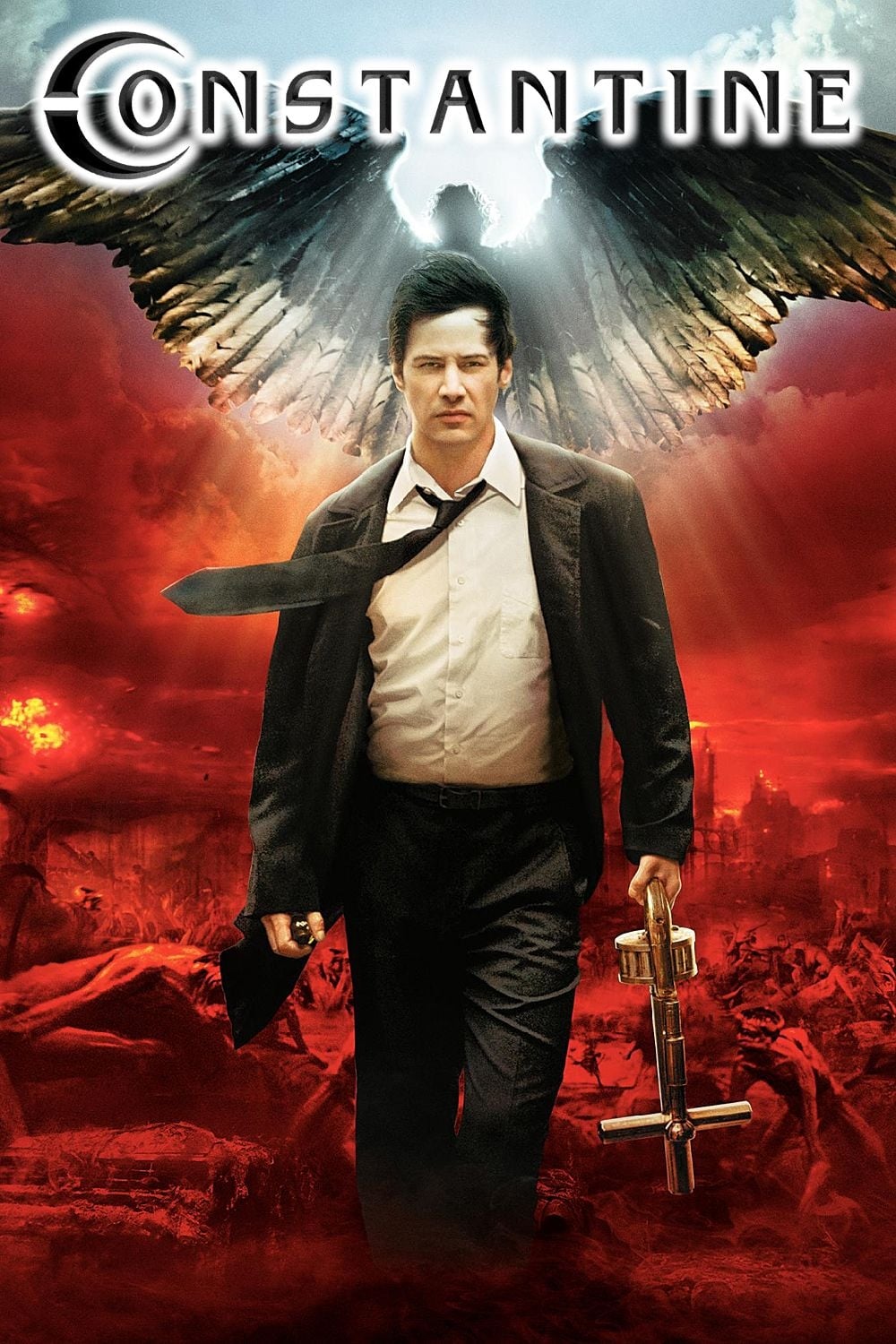
An exorcist with the ability to see demons travels to a blasted version of Los Angeles that exists in Hell to gather evidence and strike bargains. The infernal city is windblown and radioactive, with familiar landmarks stripped of life, and the rules of passage are explained through water, symbols, and relics.
Director Francis Lawrence staged sequences with practical fans and debris cannons and combined them with digital mattes to create a parallel urban landscape. Keanu Reeves leads a cast that includes Rachel Weisz, Tilda Swinton, and Peter Stormare, and the film lays out a legalistic framework of half breeds, permissions, and taboos that govern movement between realms.
‘The House That Jack Built’ (2018)
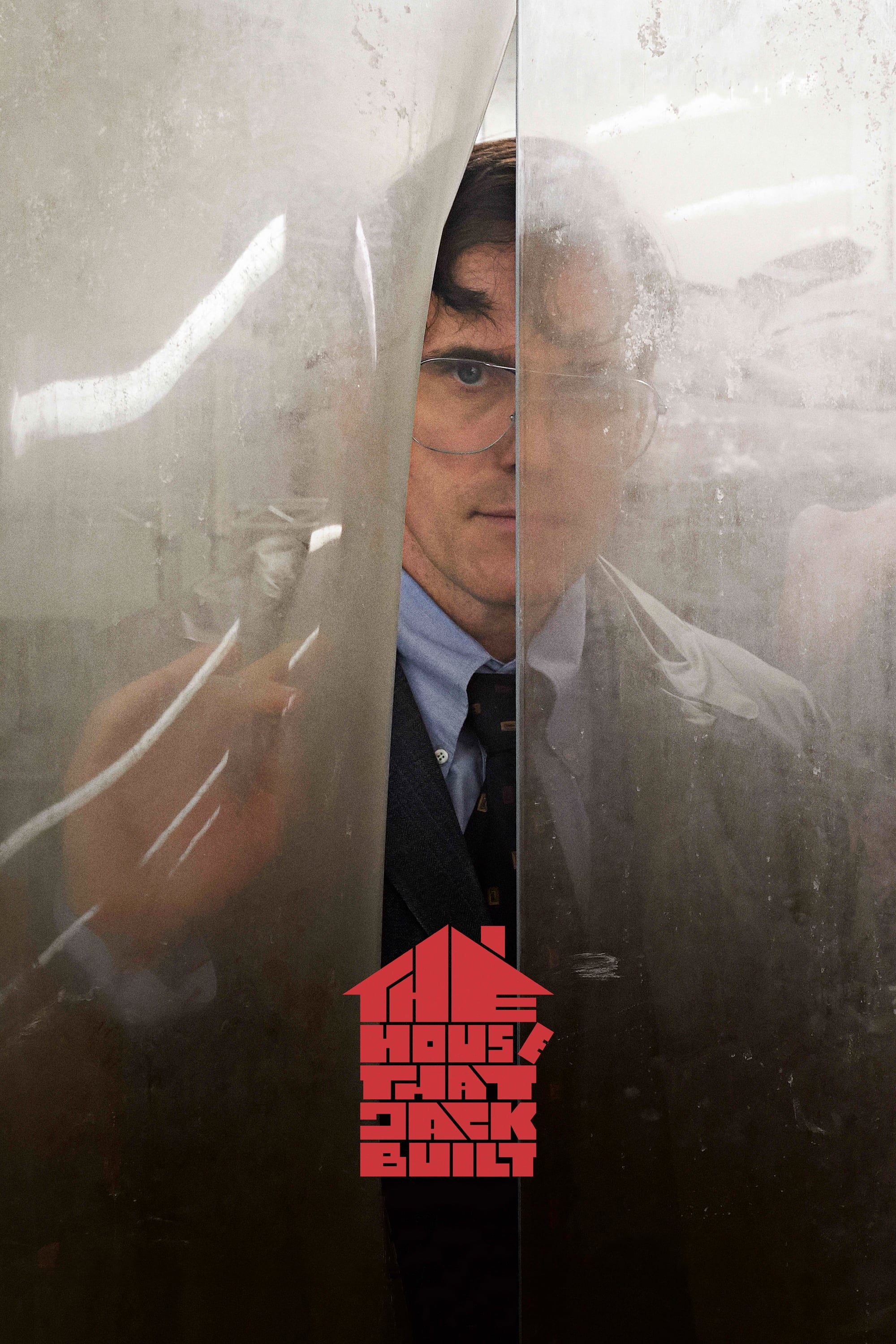
A serial killer recounts his crimes to a guide named Verge, and the story concludes with a walk through a subterranean landscape that mirrors classical descriptions of Hell. The journey passes bridges, ledges, and a final chasm where choices determine whether the traveler falls or escapes.
Director Lars von Trier structures the film as a conversation about art, ethics, and punishment, culminating in a sequence that quotes imagery from medieval texts and paintings. The production uses visual effects to extend caverns and pits while keeping the lighting low and naturalistic, and it incorporates choral music that connects the finale to liturgical depictions of the afterlife.
‘South Park: Bigger, Longer & Uncut’ (1999)
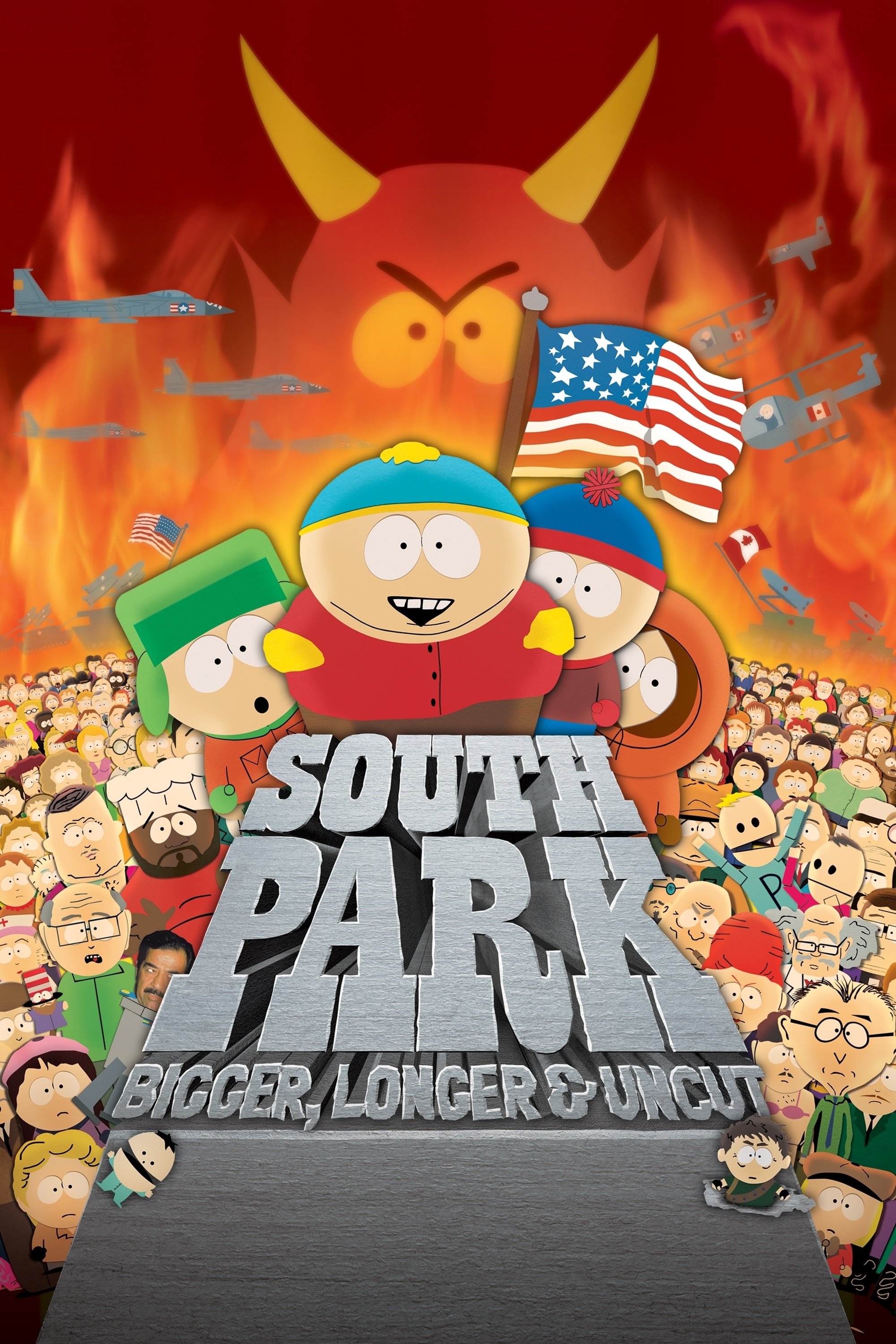
An international incident and a profanity ban eventually summon Satan and open a portal to Hell beneath a battlefield, where the underworld becomes a key staging ground for the climax. The film’s Hell includes a throne room, lakes of fire, and a political alliance that drives the plot toward an invasion.
Trey Parker directed with computer assisted cutout animation that preserves the look of the television series while allowing for large scale musical numbers. The soundtrack integrates character themes with Broadway style arrangements, and key gags hinge on the mechanics of resurrection, soul transfer, and demonic authority that shape how the underworld operates in this story.
Share your favorite infernal picks in the comments and tell everyone which descent into the abyss you think belongs on this list.