


15 Best Movies & TV Shows About Charles Manson And His Infamous Cult

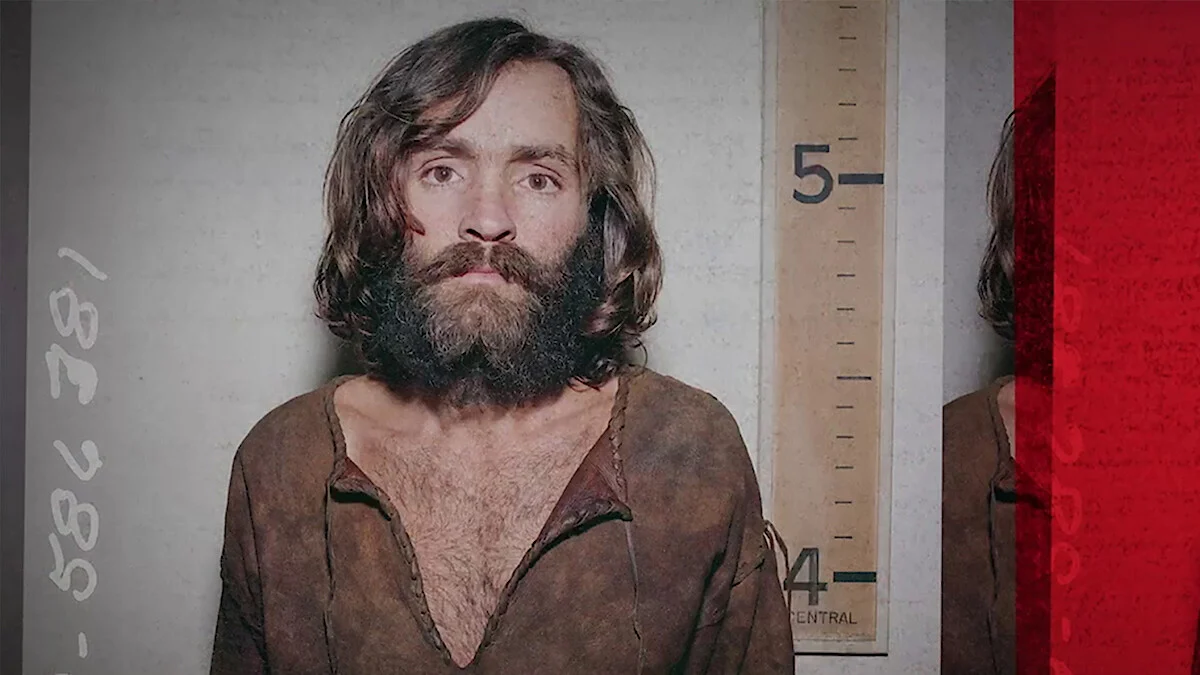


Charles Manson and the group around him have been the subject of films and shows for decades because the story touches so many nerves. The crimes shocked the world, but the deeper pull is how a small circle of people fell under the sway of a man who sold a twisted promise. These screen versions look at the culture of the time, the people who were caught up in it, and the long shadow that followed.
This list gathers powerful dramas and documentaries that approach the topic from different angles. Some lean into the perspectives of the victims and survivors. Others study Manson himself or the people who believed in him. Together they show how charisma, fear, and fantasy can collide in ways that still feel unsettling today.
‘Once Upon a Time in Hollywood’ (2019)

This revisionist drama builds a dreamy version of late sixties Los Angeles and lets a fading actor and his stunt double wander into the edge of the Manson story. It captures the mood of a city that feels bright on the surface while danger waits just out of view.
The film keeps the focus on friendship and fading fame, then quietly threads in encounters with the group at a dusty ranch. By the time the strands meet, it becomes a sharp look at celebrity, mythmaking, and how history can be imagined and reimagined on screen.
‘Helter Skelter’ (1976)
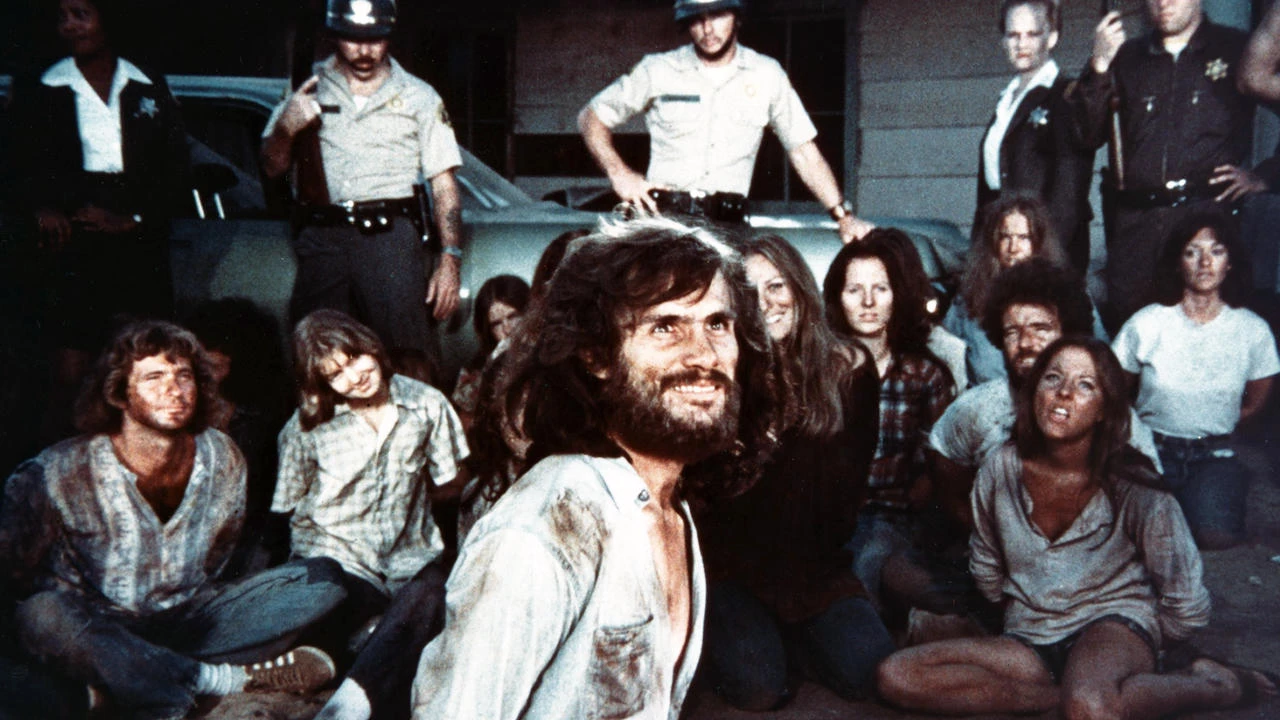
Drawn from the famous courtroom battle, this two part drama works like a meticulous case file brought to life. It walks viewers through the investigation, the prosecutions strategy, and the way the story gripped the country.
What stands out is the methodical pacing. The show lets interviews, evidence, and testimony build a picture of control and belief inside the group, while also showing how the legal system tried to make sense of something that felt almost impossible to explain.
‘Helter Skelter’ (2004)

This later retelling shifts the lens to the cult leaders point of view. It traces his ambitions, frustrations, and manipulations, asking how a persona was constructed and why it held power over so many.
The approach is intimate and unsettling. Instead of a broad legal sweep, it sticks close to the inner circle, showing day to day routines, rituals, and the slow erosion of personal boundaries that allowed terrible choices to become thinkable.
‘Mindhunter’ (2017–2019)
This acclaimed series brings Manson into a tense prison interview that explores ego, notoriety, and the hunger to be understood. The scene avoids easy answers and plays like a sparring match where every sentence has an angle.
Beyond the interview, the show digs into how investigators try to map the minds of violent offenders. By placing Manson alongside other cases, it hints at what makes his story unique and what sadly connects it to broader patterns of manipulation and control.
‘Aquarius’ (2015–2016)

Set in Los Angeles before the murders, this period crime drama tracks a detective who starts to notice a small time figure gathering followers. The city feels sunlit and carefree, which makes the creeping sense of danger even more effective.
The series is strongest when it shows recruitment in plain view. Parties, music, and promises of belonging become tools that nudge vulnerable people toward loyalty, revealing how a movement can grow in the open while most people fail to see it.
‘Charlie Says’ (2018)
Told through the women who followed him, this drama watches them after their arrests as a teacher tries to help them think for themselves again. It asks tough questions about responsibility, memory, and the cost of waking up from a shared dream.
The film does not sensationalize. It sits with conversations, small breakthroughs, and painful backslides. By centering the women, it shows how brainwashing is not a single event but a long process that can be very hard to undo.
‘The Manson Family’ (1997)
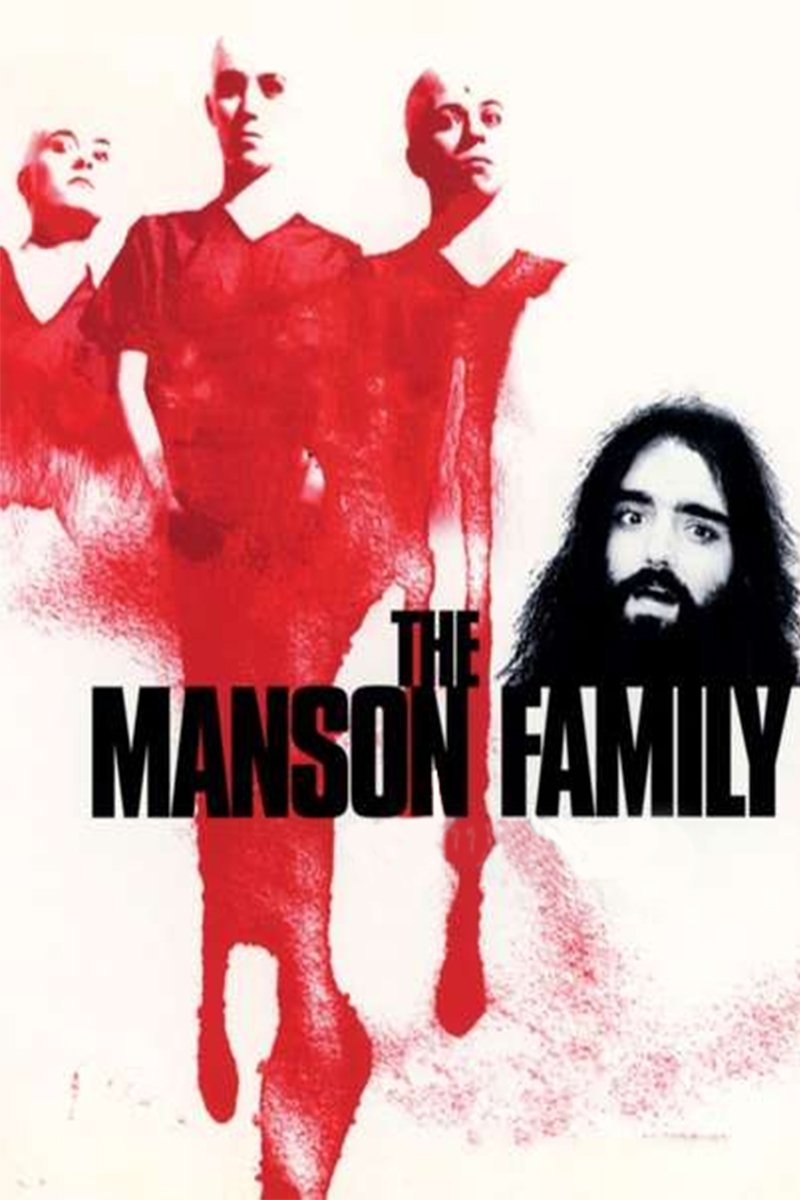
Raw and provocative, this independent film blends interviews, reenactments, and a collage of gritty images to evoke a world where chaos was the point. It is less a straight timeline and more a feverish scrapbook of a movement circling the drain.
That style can feel overwhelming, which is part of the intent. The movie leans into the ugliness of violence and fame chasing. In doing so, it becomes a harsh reflection on the urge to mythologize the unthinkable.
‘Manson’ (1973)
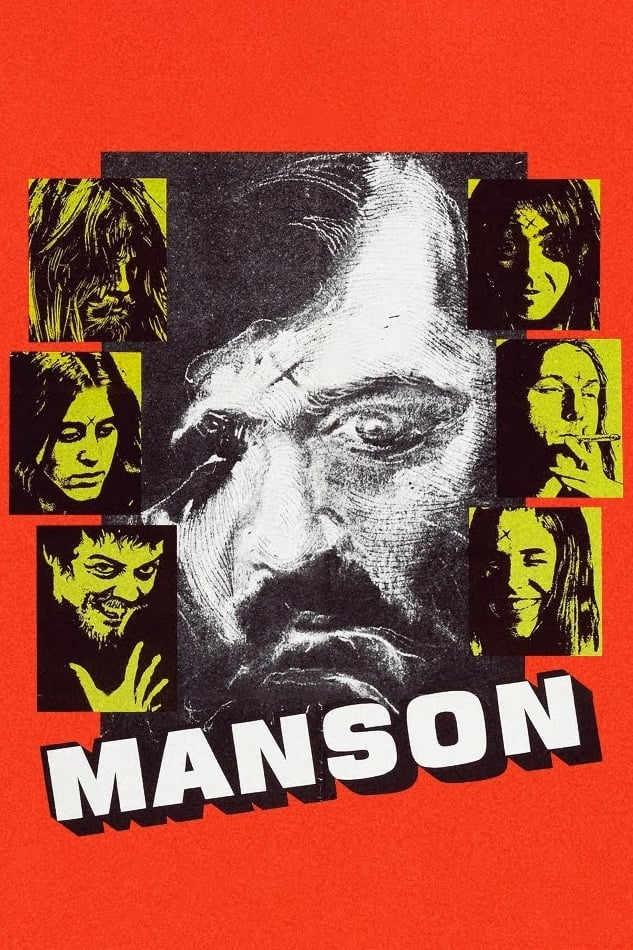
This landmark documentary captures interviews with members of the group and footage of their daily lives around the ranch. Made close to the events, it carries a chilling immediacy that later films cannot fully replicate.
The conversations feel casual at first, which makes the beliefs expressed on camera even more startling. The film becomes a time capsule of language, posture, and community dynamics that reveal how devotion was cultivated.
‘Inside the Manson Cult: The Lost Tapes’ (2018)

Built from rare home movies, photos, and audio, this documentary lets the past speak for itself. The archival material places viewers inside the rhythms of the group rather than only on the outside looking in.
The effect is eerie and intimate. We see the smiles, hear the singing, and watch ordinary moments that sit uncomfortably beside later horrors. It raises questions about how menace can hide inside scenes that look almost harmless.
‘Manson’s Lost Girls’ (2016)
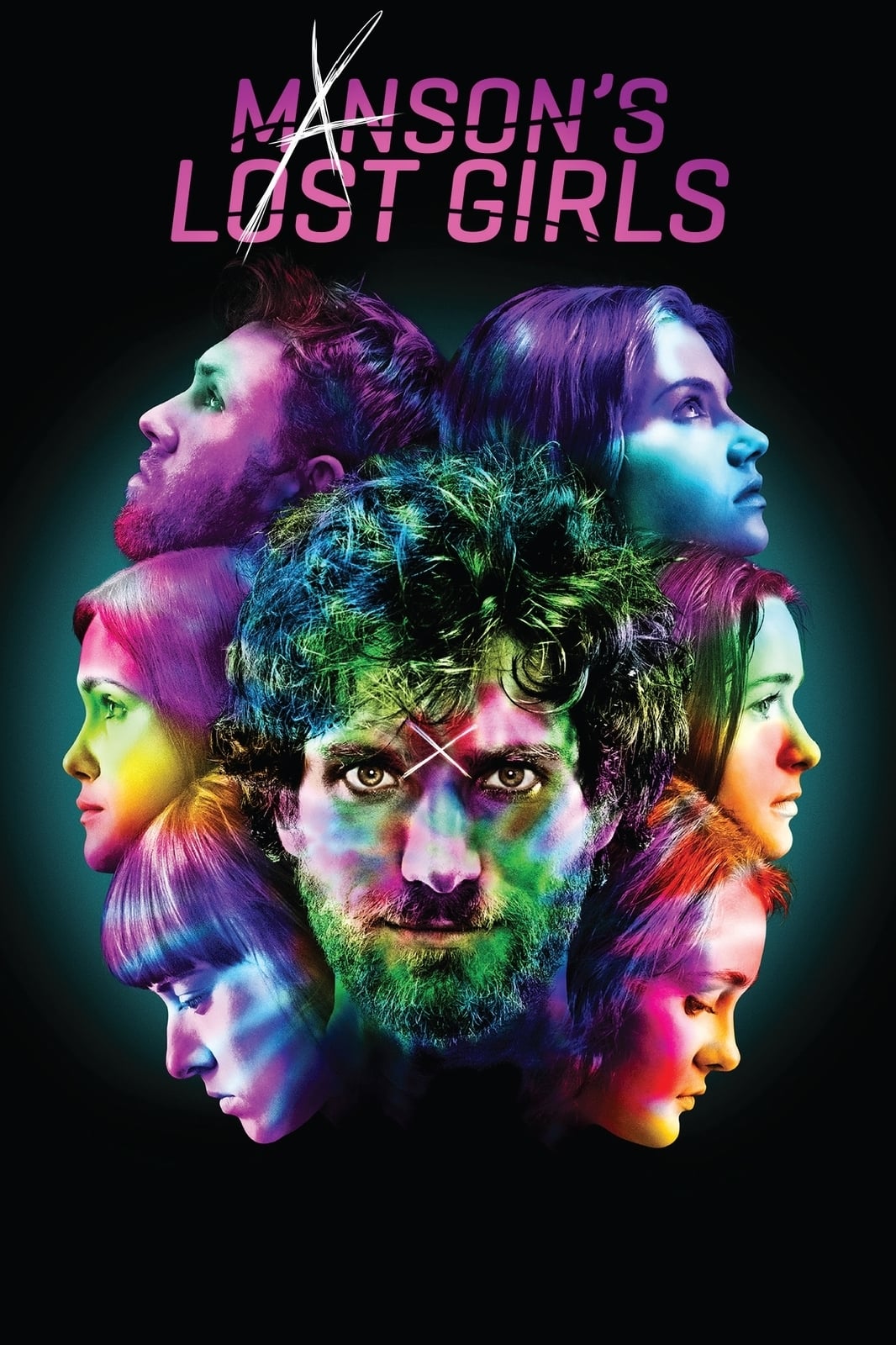
This dramatization focuses on young women who drift toward the ranch and find a family they think they need. It shows the slow trade of independence for approval and how that trade narrows what feels possible.
By staying with their perspective, the film highlights the social pressures of the time. Music, travel, and the search for meaning meet a leader who offers certainty. The result is a cautionary portrait of charm used as a trap.
‘Wolves at the Door’ (2016)
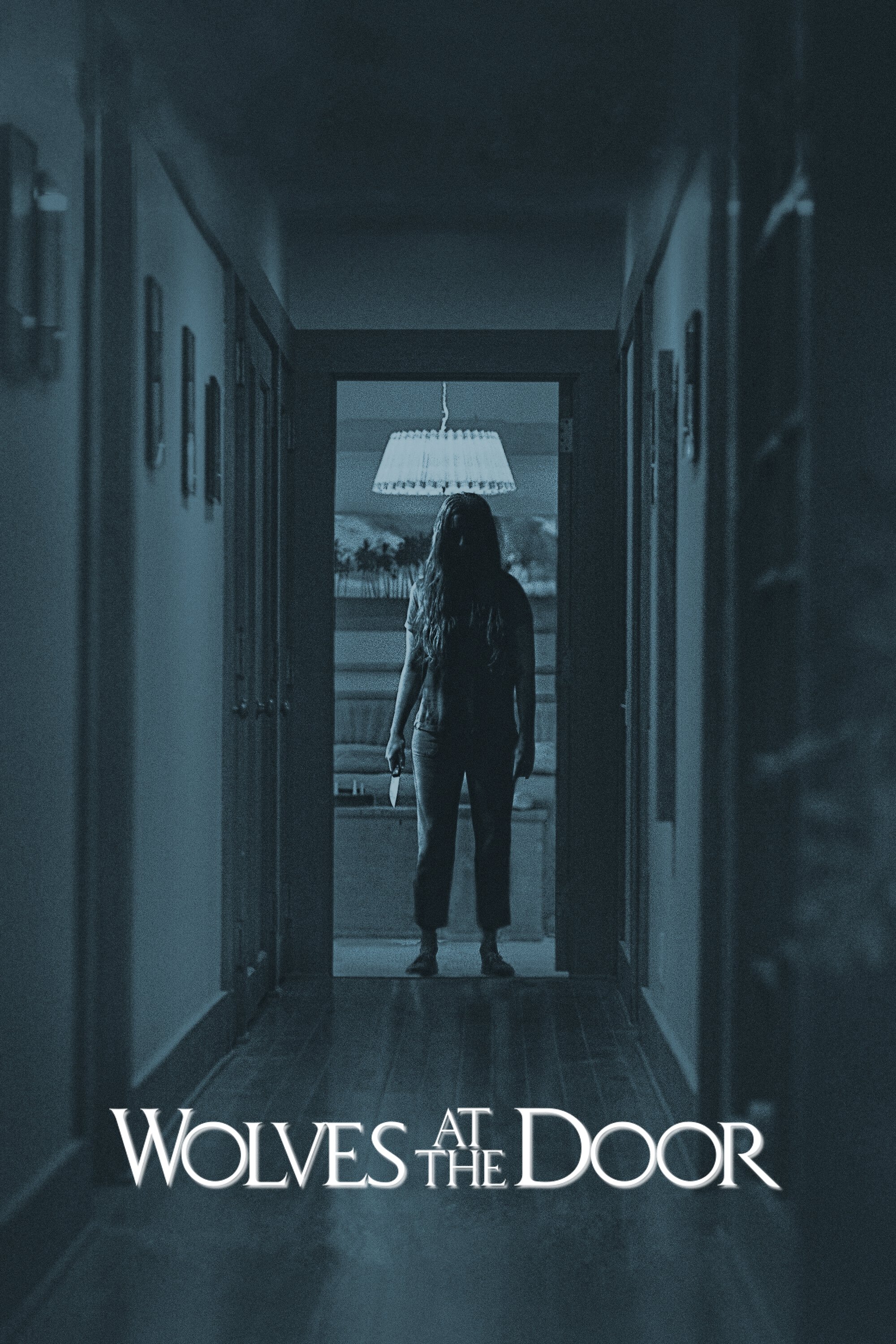
This home invasion horror takes clear cues from the Tate case while changing names and details. It uses the terror of a sudden break in to create a night of mounting fear.
Although fictionalized, the movie echoes the helplessness that people associate with the real event. It is less about motives and more about dread, which makes it a rough watch for anyone sensitive to the subject.
‘House of Manson’ (2014)
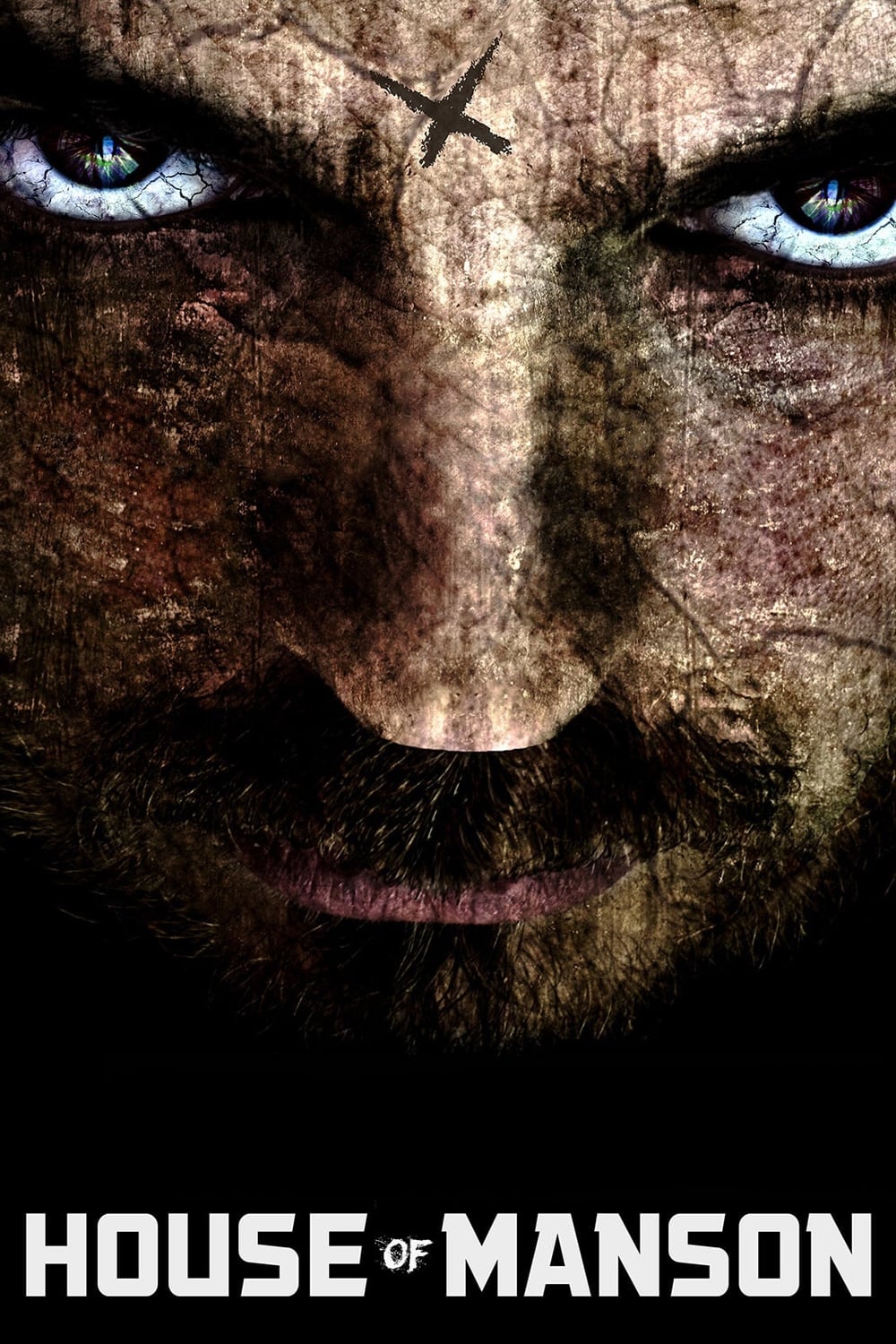
This biographical drama traces the path from a troubled childhood to the making of a self styled guru. It looks at music dreams, prison time, and the step by step building of a persona designed to pull people close.
The film aims to understand the mechanics without excusing the harm. By laying out choices and consequences in a steady way, it shows how a mix of charm and grievance can evolve into something dangerous.
‘The Haunting of Sharon Tate’ (2019)
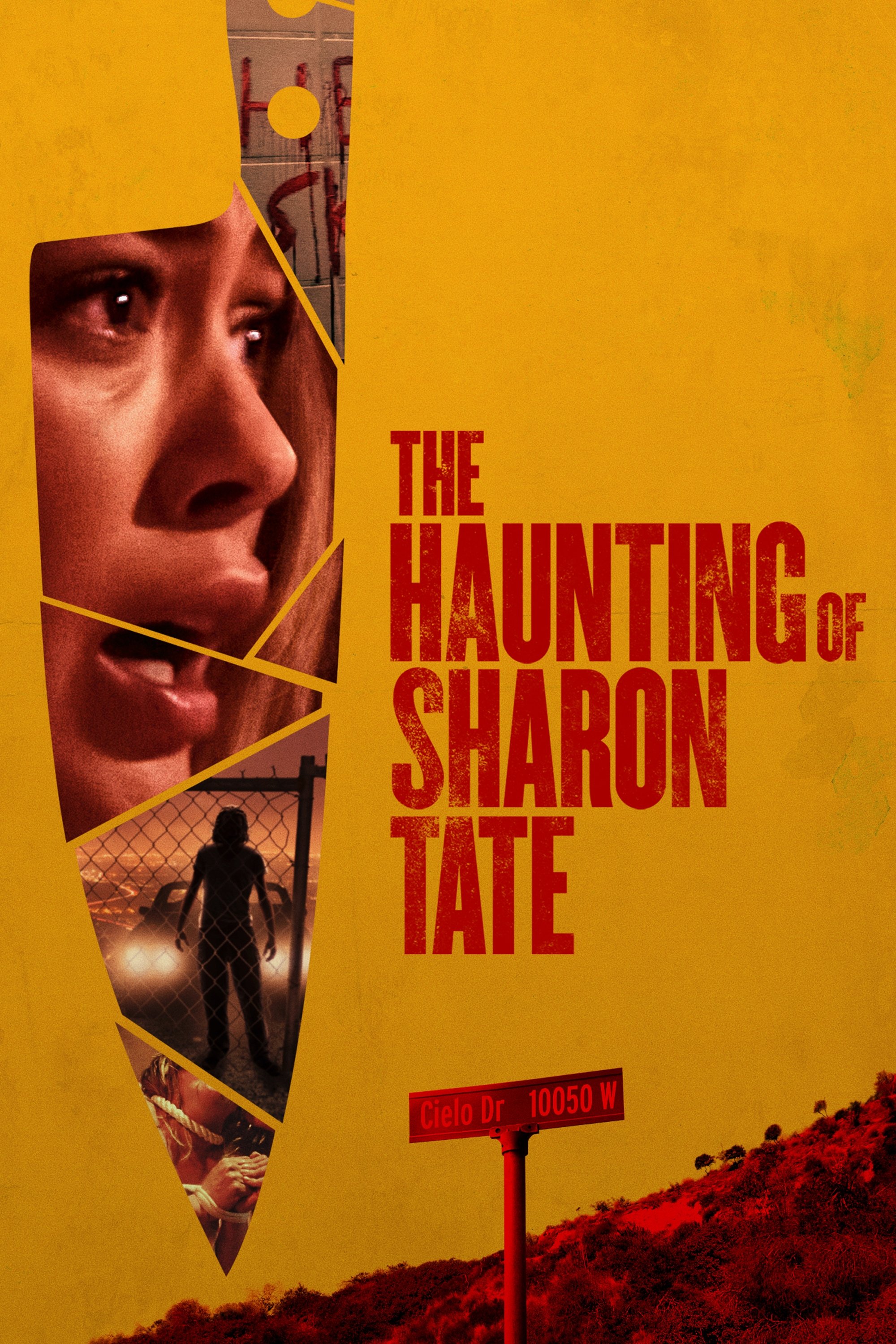
This thriller imagines the inner life of Sharon Tate in the weeks before her death. It leans into mood and premonition, creating a story that invites reflection on fear and vulnerability.
The choice to blend fact and speculation has sparked debate. What remains clear is the films focus on her as a person with hopes and anxieties, which gently shifts attention away from the man who often dominates the narrative.
‘Manson Family Vacation’ (2015)
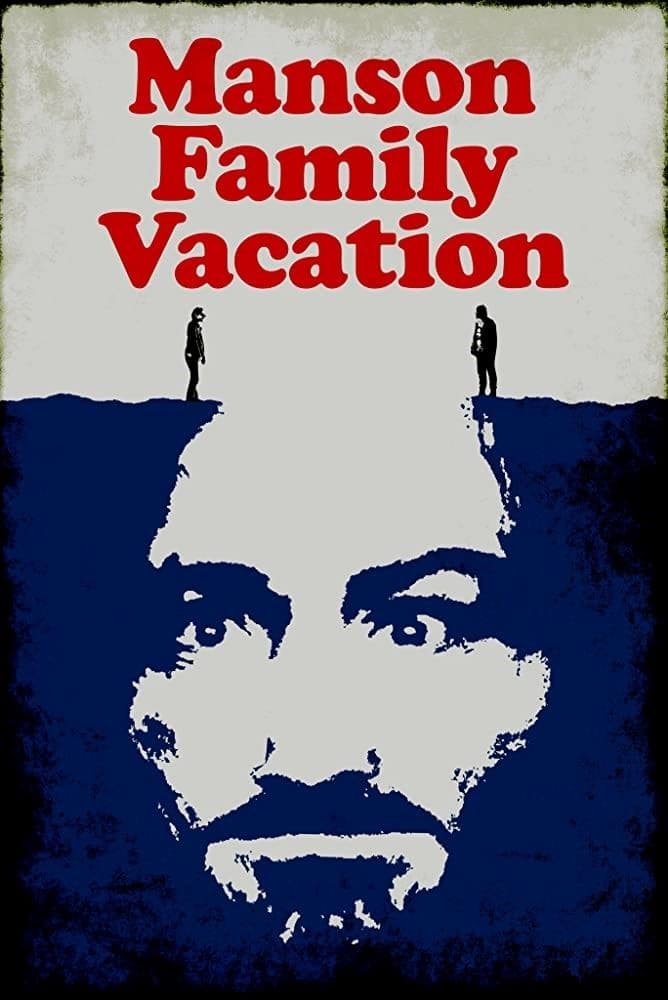
This offbeat road movie follows two brothers, one of whom is obsessed with the case. Their trip becomes a study of how true crime can warp relationships and how fascination can border on worship.
By framing the story around family dynamics, the film offers a sly critique of the cult of notoriety. It asks why some people chase dark legends and what that chase might say about a need to belong.
‘Charles Manson: The Final Words’ (2017)
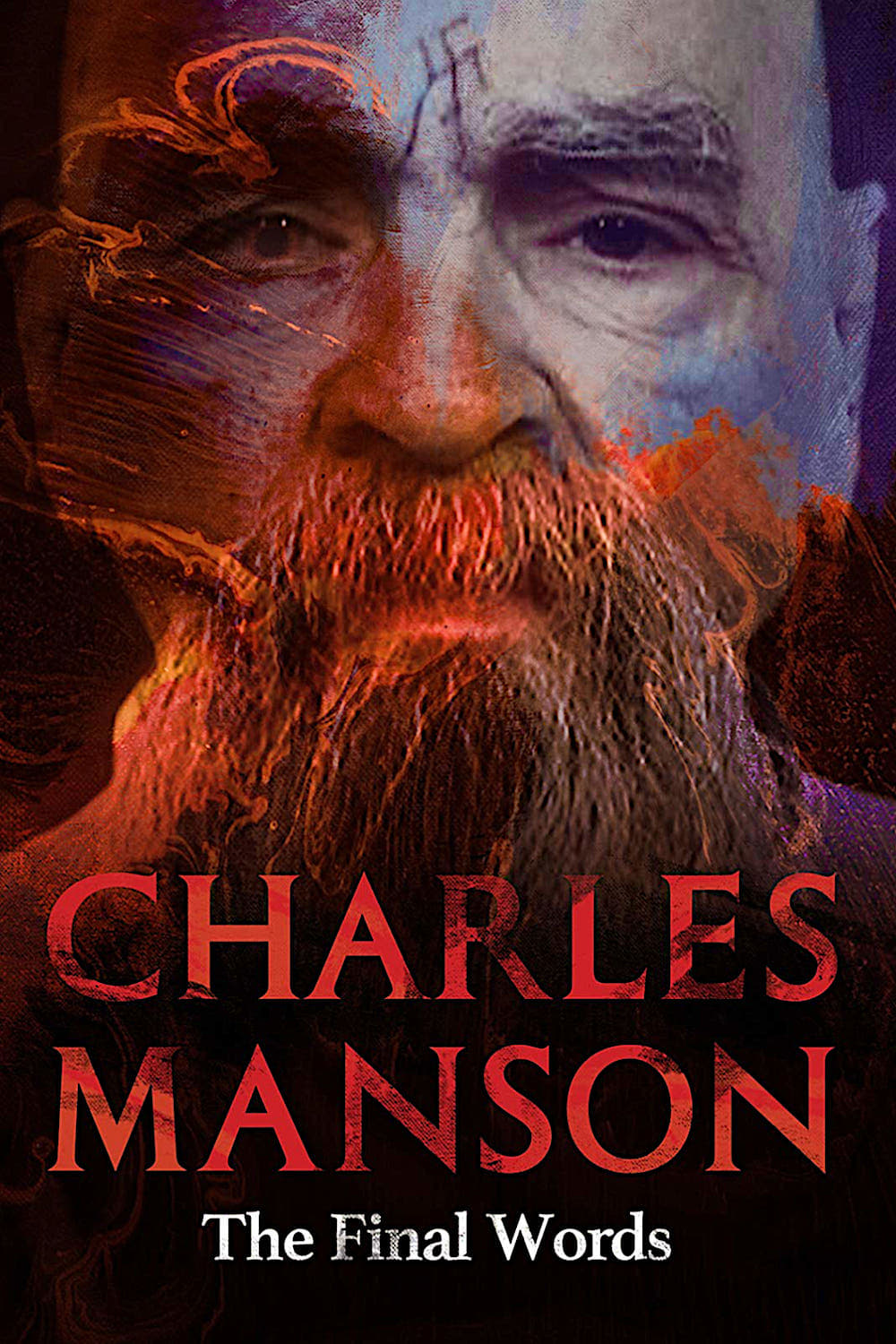
Built around recorded conversations with Manson late in his life, this documentary promises insight while inviting skepticism. It shows how even aging figures can try to control their own story.
The most compelling parts look past the man and toward the damage done. Interviews and reflections from people still living with the fallout give the film its weight, reminding viewers that the real story is about loss and survival.
Share your favorites from this list and tell us which film or show you think captures the story most effectively in the comments.