


10 Best Movies & TV Shows About William Shakespeare, Ranked

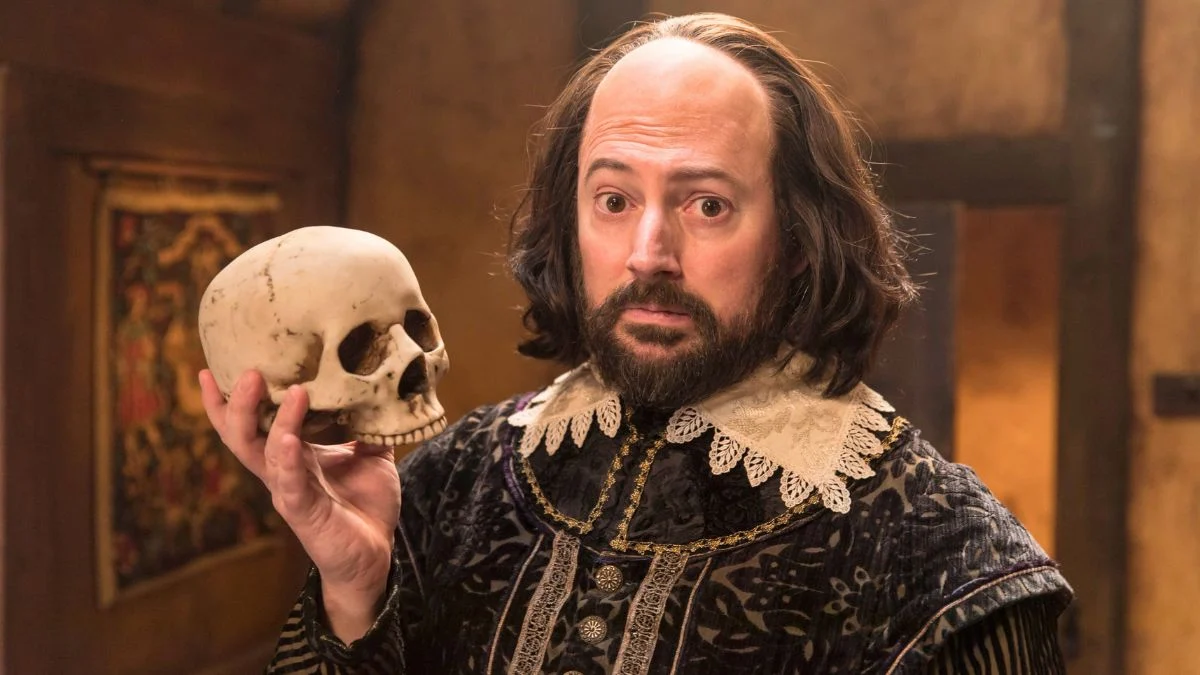


William Shakespeare has inspired films and series that look at his life, his working world, and the lasting reach of his plays. Some projects follow him from Stratford to the London stage while others investigate the authorship question or trace how performers and directors bring his words to life today. Together they create a picture of the man behind the work and the culture that shaped him.
This list brings together feature films, documentaries, and television series that are specifically about Shakespeare rather than simple adaptations of his plays. You will find biographies, investigations, and creative what if stories that use real people and real places from his life. Each entry explains what it covers, who made it, and why it is useful if you want to learn more about the person who wrote the plays.
‘All Is True’ (2018)
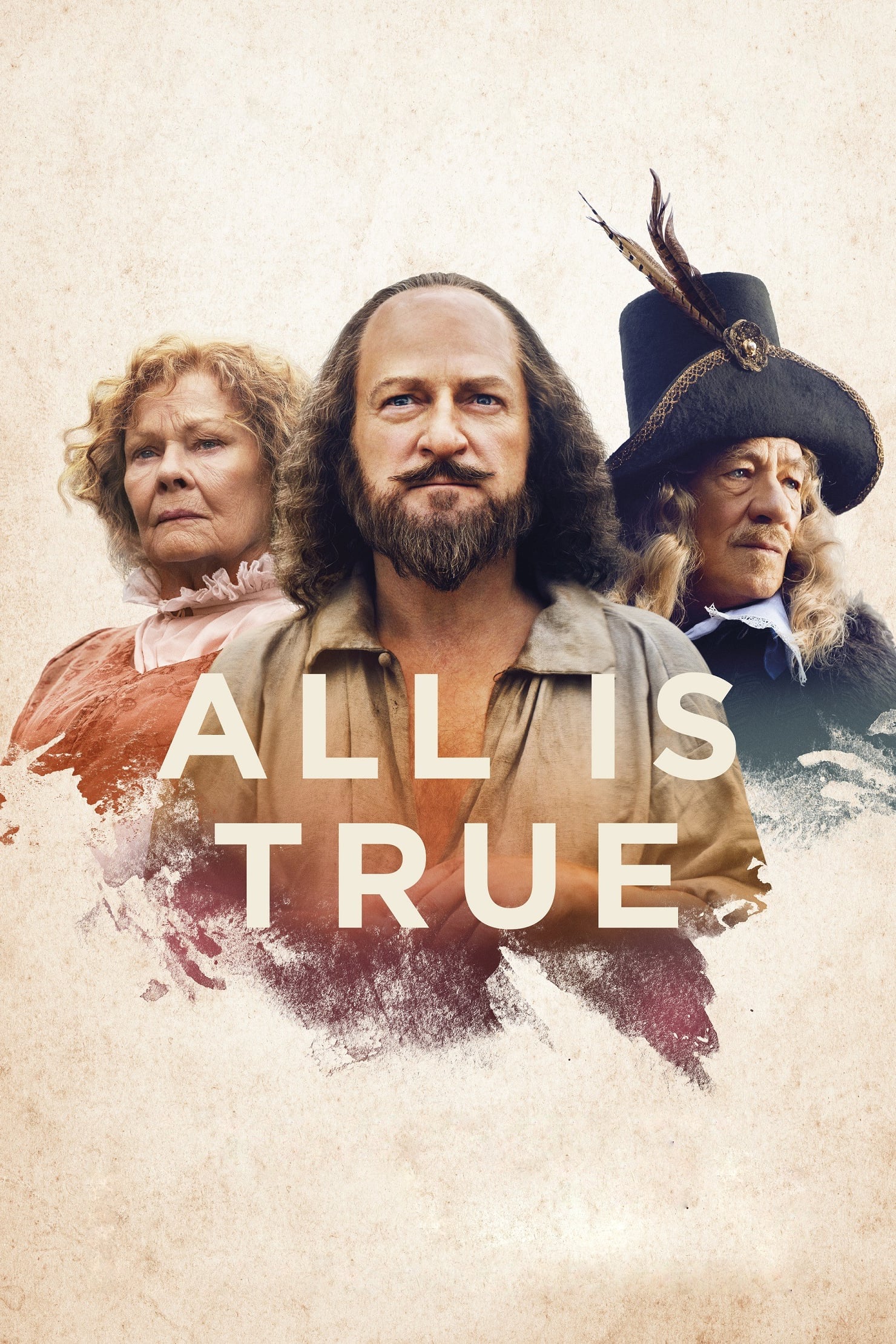
This drama follows Shakespeare after the Globe Theatre burns and he returns to Stratford to live with his family. It focuses on his marriage to Anne Hathaway and his relationships with his surviving children while he comes to terms with grief and legacy. The film looks closely at domestic life, parish records, and local customs to show how the household functioned outside London’s playhouses.
Kenneth Branagh plays Shakespeare and directs, with Judi Dench as Anne Hathaway and Ian McKellen in a key supporting role. Ben Elton wrote the screenplay and draws on known facts such as property disputes and village politics to shape events. The production uses period locations and detailed costume work to ground the late life setting in everyday routines.
‘Bill’ (2015)
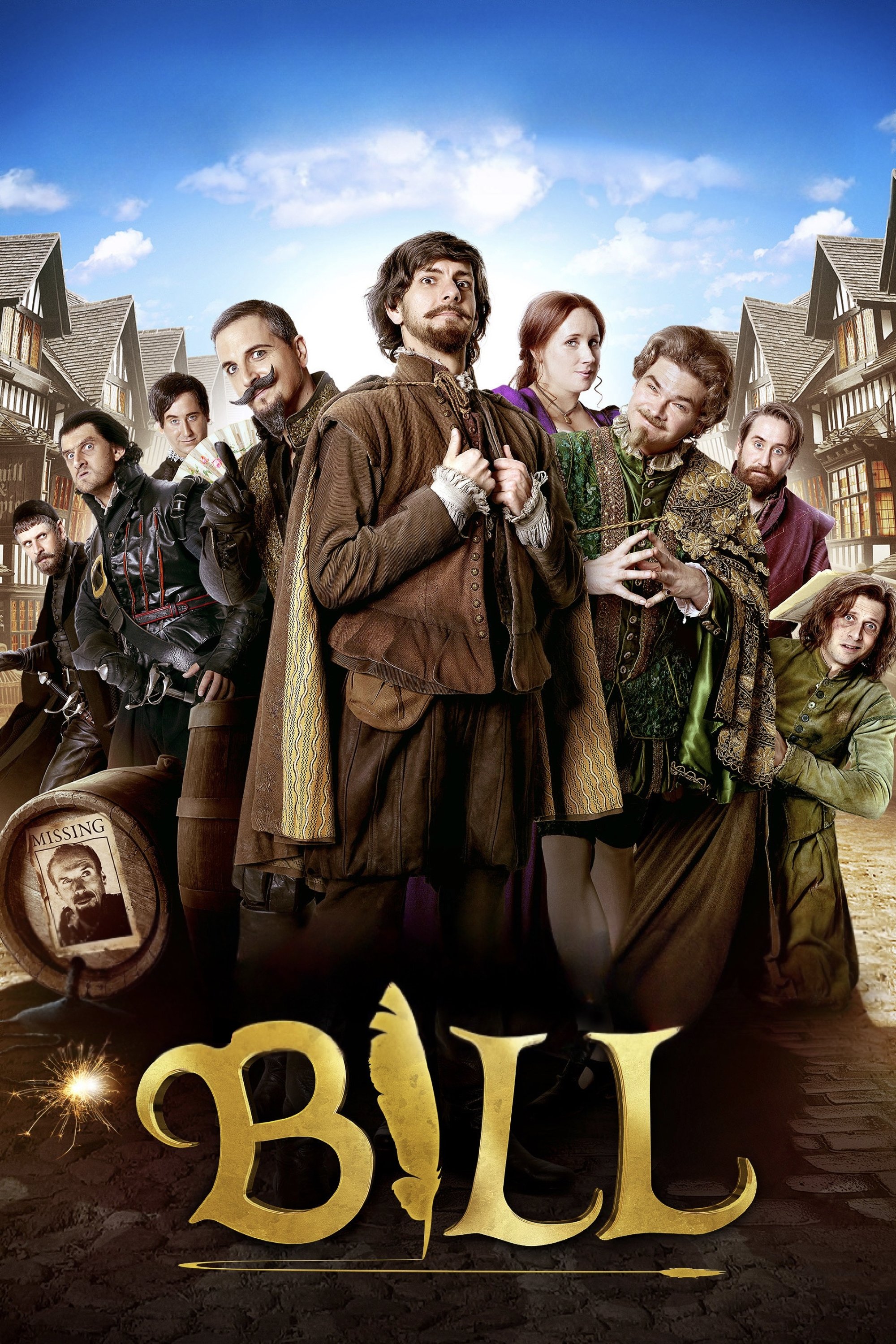
This family friendly comedy imagines Shakespeare’s early years as a struggling player and would be writer making his way to London. The story spins a caper around a plot against Queen Elizabeth I and turns the uncertainties about the so called lost years into a playful origin tale. It introduces theatre troupes, court favorites, and rival entertainers to show the scene that a newcomer would have faced.
The film comes from the team behind Horrible Histories, with Mathew Baynton as Shakespeare and a repertory cast playing multiple roles. It was developed with BBC Films and leans on real venues and court figures even as it shapes them into comic set pieces. The result gives younger viewers clear signposts about patrons, touring companies, and the path from provincial stages to London.
‘A Waste of Shame: The Mystery of Shakespeare and His Sonnets’ (2005)
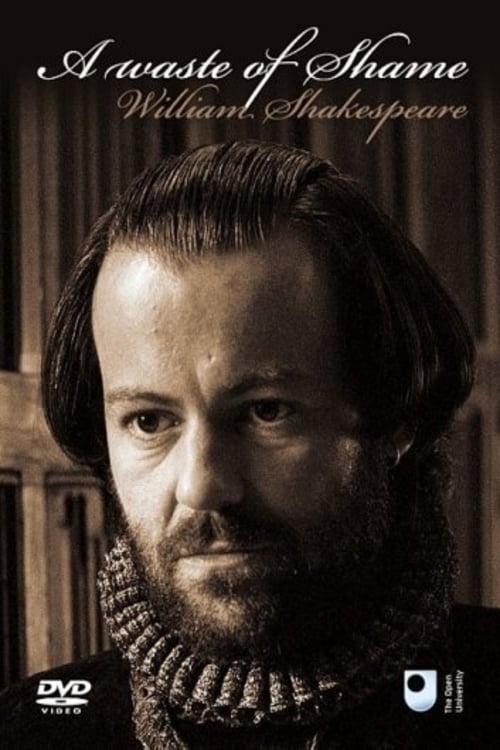
This TV film explores how the sonnets may connect to people in Shakespeare’s circle and to events in his life. It follows the writing of the sequence and sets scenes in inns, playhouses, and private chambers to show how manuscripts moved among patrons and friends. The narrative uses known names from the period and shows the London book trade at work.
William Boyd wrote the script and the production was made for BBC Four with a focus on the sonnets’ Fair Youth and Dark Lady. Rupert Graves plays Shakespeare and the cast places historical figures in conversations that reflect debates about identity and authorship. The film also takes time to show the mechanics of printing, licensing, and performance that shaped how poetry and drama reached readers and audiences.
‘Anonymous’ (2011)
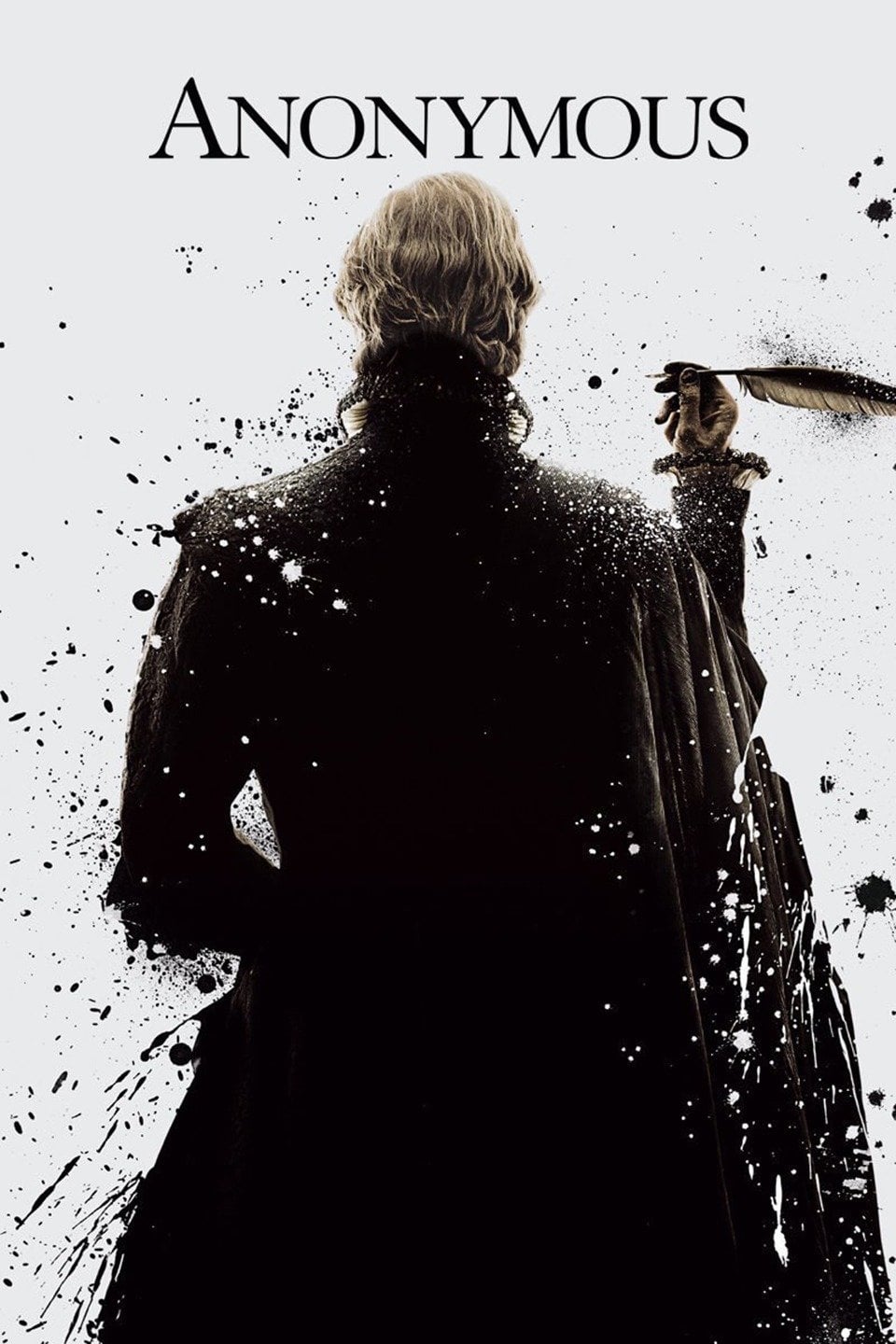
This historical drama presents the Oxfordian theory that Edward de Vere wrote the plays. It stages the late Elizabethan court with its factions and follows the flow of manuscripts from noble chambers to the stage. Scenes inside theatres and guild halls show how politics, censorship, and patronage shaped what could be performed.
Roland Emmerich directs, with Rhys Ifans as de Vere, Vanessa Redgrave and Joely Richardson as Queen Elizabeth I at different ages, and Rafe Spall as the actor Shakespeare. The film builds sets for the Rose and the Curtain and uses contemporary printing practices to frame the authorship dispute. Viewers who want to understand the claims and counterclaims around the plays will find key arguments laid out in dramatic form.
‘Shakespeare in Love’ (1998)
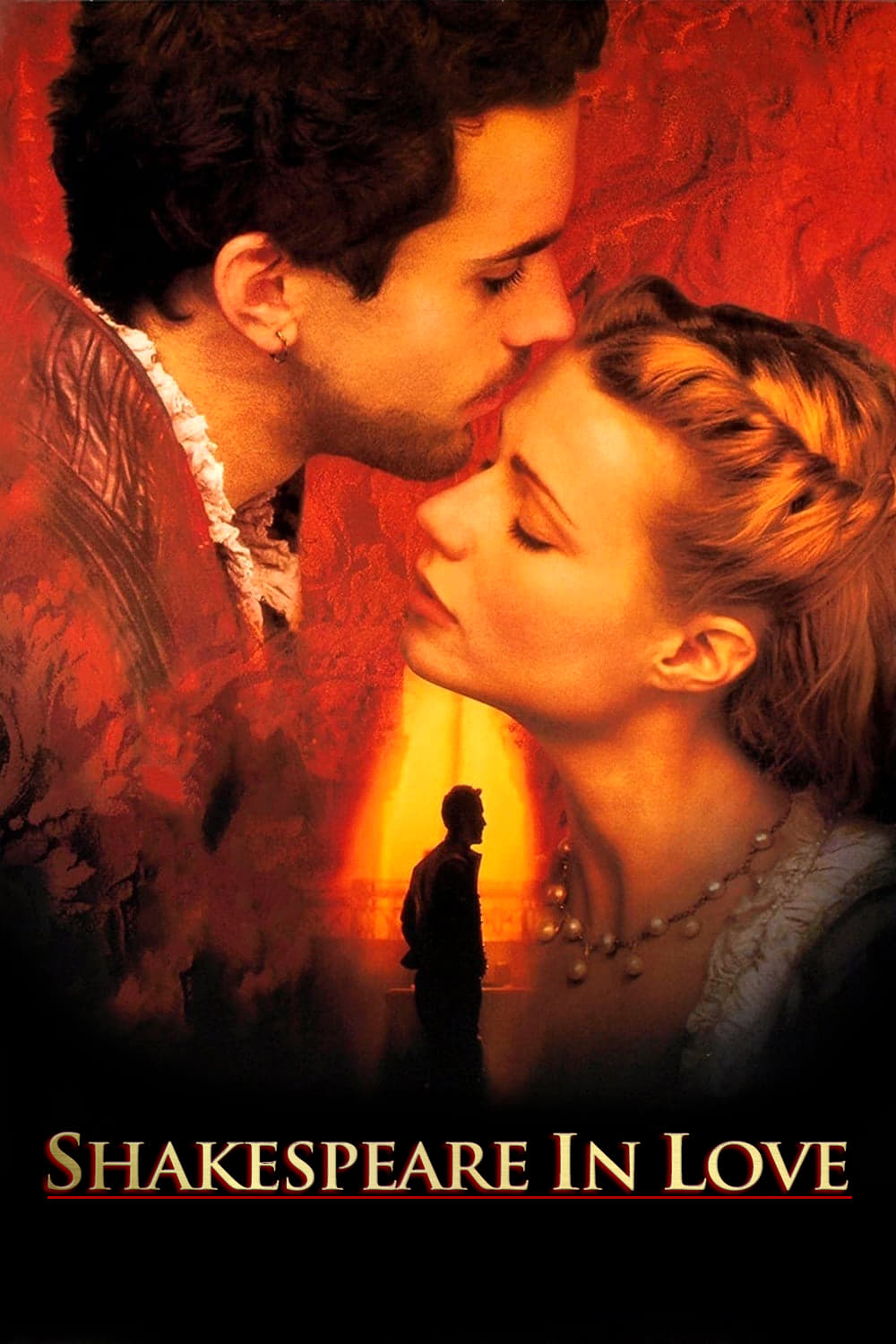
This romantic comedy drama imagines Shakespeare drafting a new play while entangled with a wealthy merchant’s daughter who disguises herself to act on stage. It shows the daily work of a playing company, from casting and rehearsal to costuming and ticketing, and it treats stage conventions and city regulations as real obstacles that need solutions. The film highlights the creative partnerships among writers, actors, and theatre owners.
John Madden directs and the cast includes Joseph Fiennes, Gwyneth Paltrow, Geoffrey Rush, and Judi Dench. The production features a working Elizabethan theatre set and incorporates period props and backstage routines. It won multiple Academy Awards including Best Picture and acting honors, and it has been widely used in classrooms to illustrate how a script moves from page to performance.
‘Looking for Richard’ (1996)

This hybrid documentary follows Al Pacino as he investigates how to play Richard III. It records table reads, rehearsals, and conversations with scholars and audiences, moving between New York streets and rehearsal rooms. The film breaks down verse speaking, rhetorical choices, and scene structure so viewers can see how performance decisions are made.
Al Pacino directs and appears with Kevin Spacey, Alec Baldwin, Winona Ryder, and others in staged excerpts. The project combines interviews with theatre historians and footage of actors testing readings to connect scholarship with practical staging. It is valuable for understanding how modern performers approach Shakespeare’s language and how a director turns textual analysis into moments on stage.
‘Being Shakespeare’ (2011)
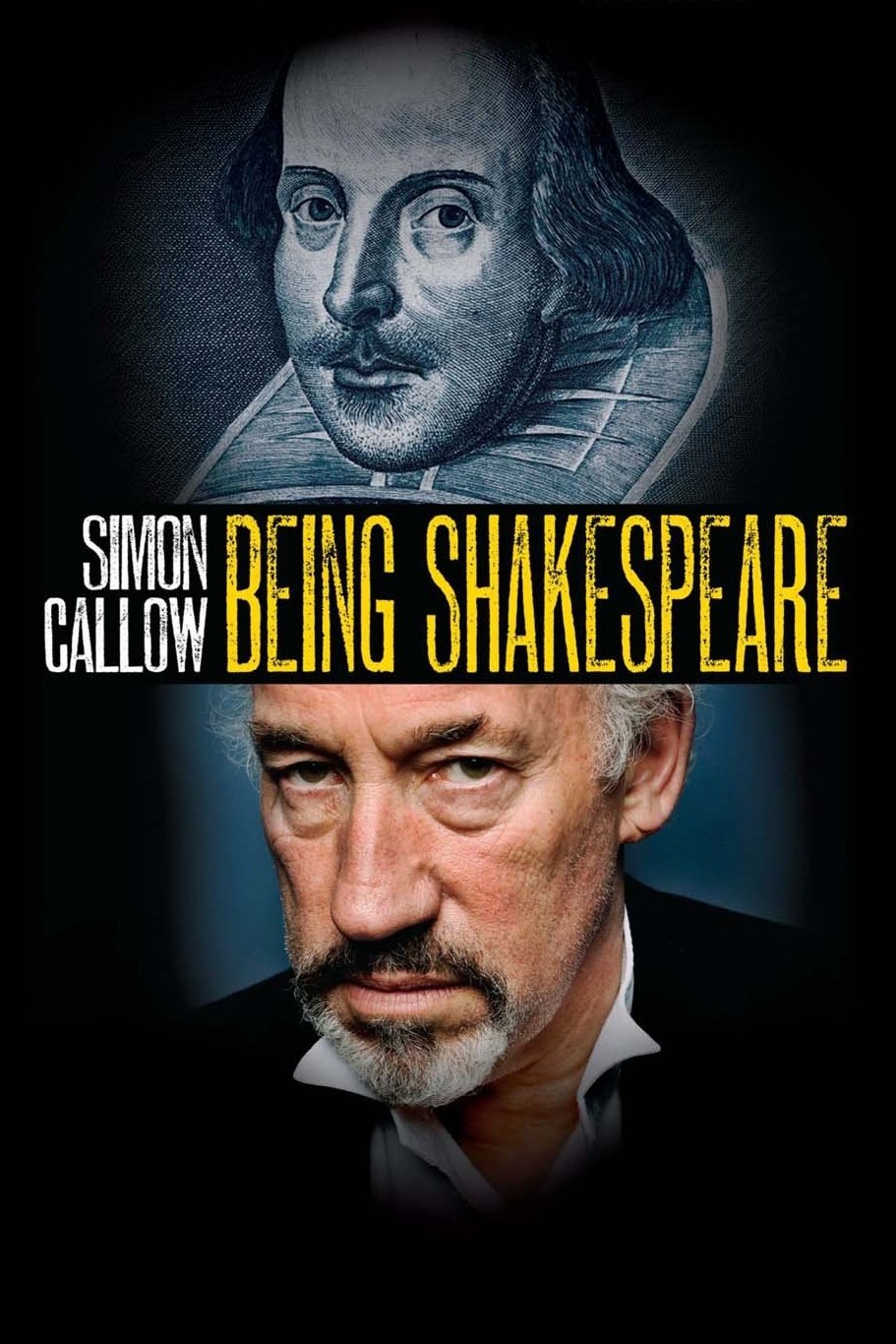
This filmed performance presents Simon Callow’s one man show about Shakespeare’s life, written by scholar Jonathan Bate. It moves through childhood in Stratford, apprenticeship in London, and later years back in Warwickshire. The script anchors each phase in themes such as family, friendship, and work, using short passages to link biographical moments with scenes and speeches.
The production uses simple staging and lighting to mark changes in time and place while Callow shifts voice and posture to bring contemporaries to life. It gathers references from plays, poems, and documents like wills and church records to keep the story tied to evidence. Viewers get a clear guide to the key milestones that frame the surviving biographical material.
‘In Search of Shakespeare’ (2003)

Historian Michael Wood travels through Stratford, London, and across Europe to trace Shakespeare’s life and times. The series uses parish registers, court cases, and letters to rebuild the networks of family, neighbors, and patrons that supported his career. It includes visits to surviving spaces such as guild halls and riverside sites to place the story in real landscapes.
The production works with archivists and local historians and makes the research process visible on screen. Re enactments show daily routines like schooling, rehearsal, and travel while the narration explains how historians weigh sources and address gaps. The result gives viewers a map of people, places, and institutions that shaped the writer’s world.
‘Upstart Crow’ (2016–2020)
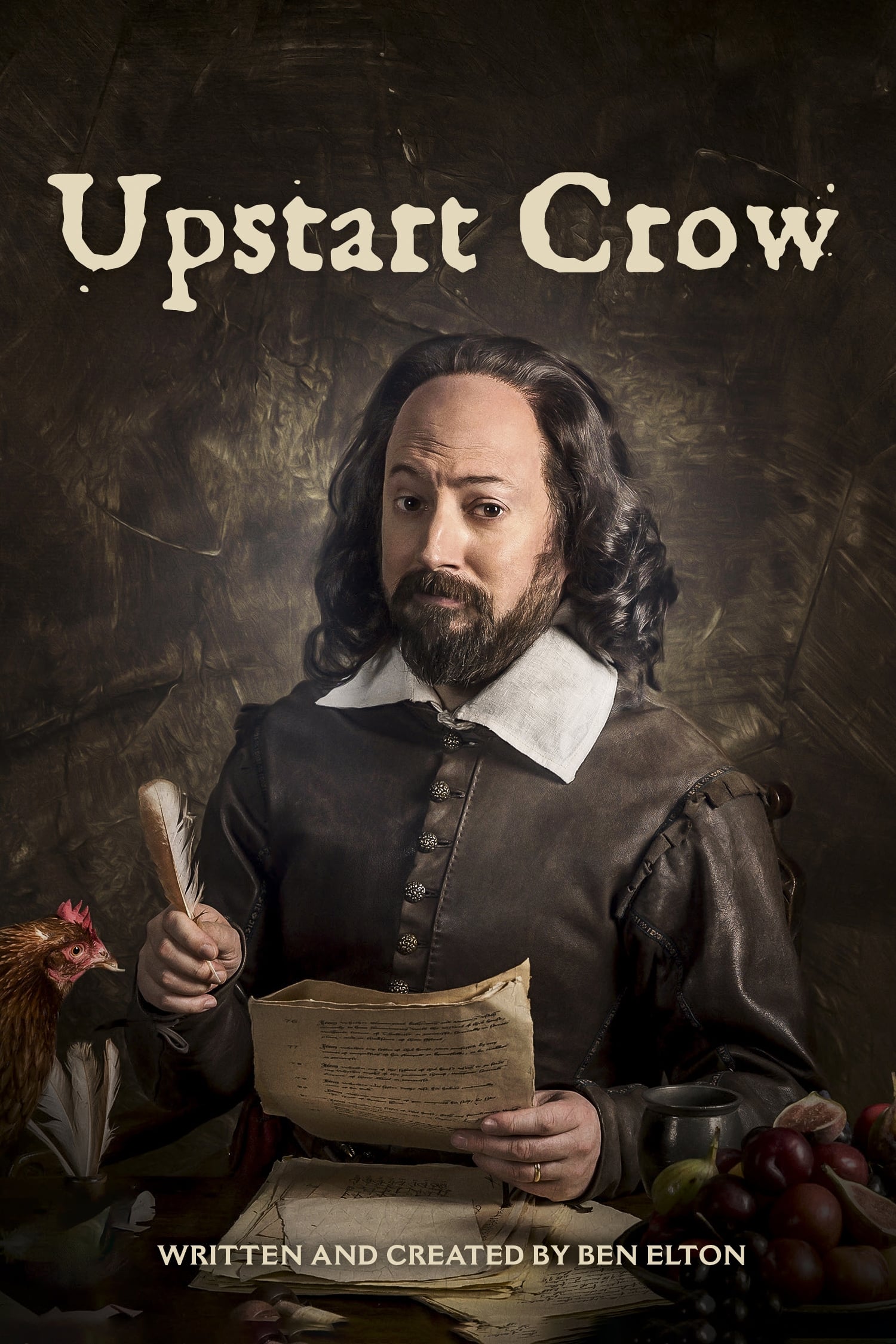
This sitcom follows Shakespeare as a working playwright juggling family in Stratford and professional life in London. Episodes mix real details about transport, housing, and rehearsal with stories about censorship, rivalry, and the pressure to deliver new work. The show uses recurring gags about travel times on the Oxford road, shared lodging, and the rules that kept women off the public stage.
Ben Elton created and wrote the series, with David Mitchell as Shakespeare and a supporting cast including Liza Tarbuck, Gemma Whelan, and Harry Enfield. The production draws on known facts such as company structures, patronage, and the responsibilities of a sharer in a troupe. It also threads in nods to specific plays and poems so viewers can connect household events to ideas that later appear in scripts.
‘Shakespeare Uncovered’ (2012–2015)
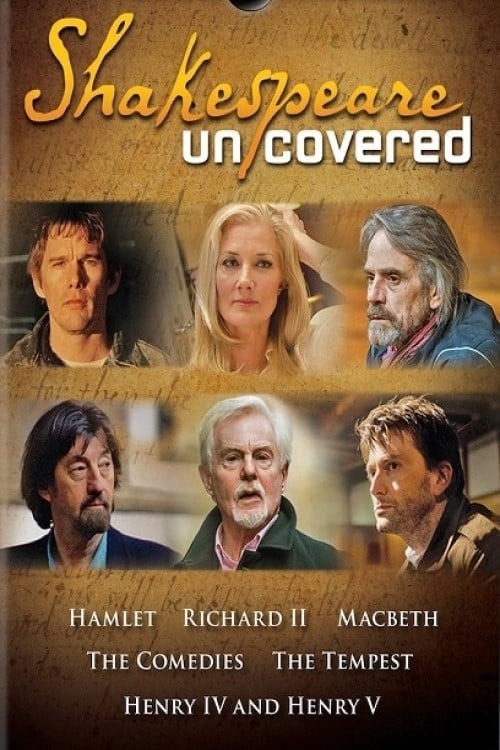
This documentary series invites actors and directors to explore individual plays while linking them to Shakespeare’s life. Each episode pairs a host with a work and traces sources, staging history, and performance choices. Segments visit archives, rehearsal rooms, and historic sites to show how evidence and experience shape interpretation.
The series is a co production with PBS and features hosts such as Jeremy Irons, Ethan Hawke, Derek Jacobi, and Joely Richardson. It includes clips from landmark productions and interviews with scholars who explain language, politics, and theatrical practice. Together the episodes build a picture of the writer’s craft and the creative communities that keep the plays in active repertory.
Share your favorites about the Bard in the comments and tell us which ones we should add next time.