


20 Best Movies with Non-Linear Timelines

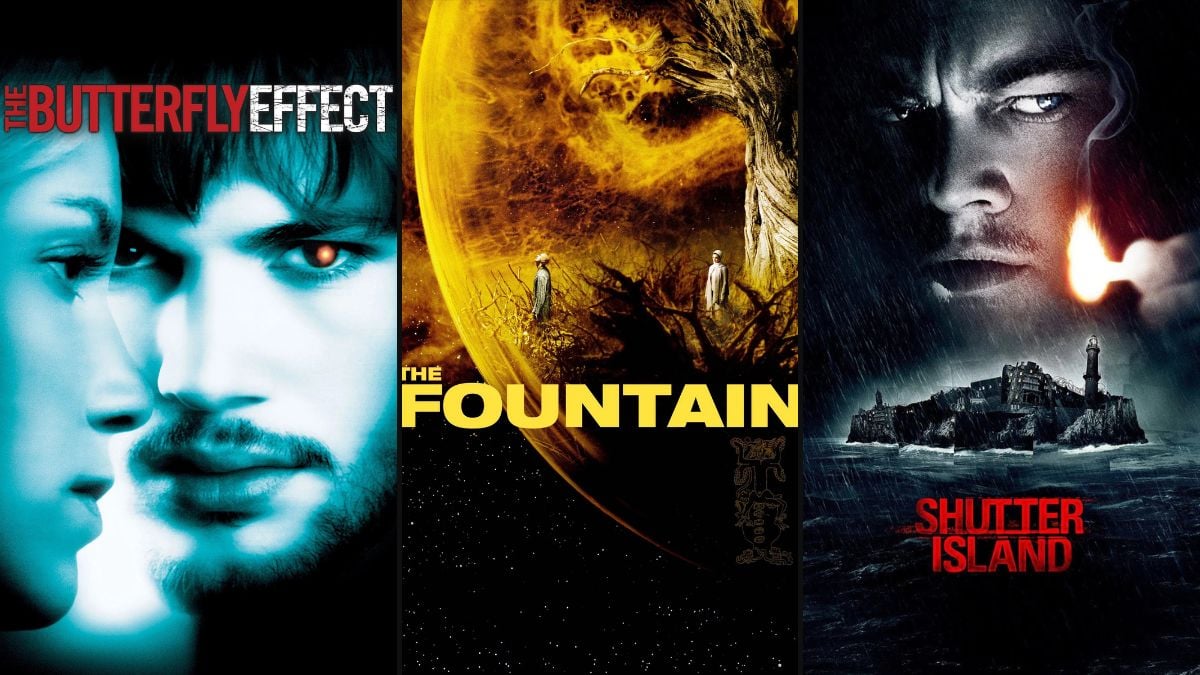


Non-linear timelines in movies grab me like nothing else, weaving stories that jump across moments to keep me piecing things together. These films ditch straight-line plots for clever structures that reveal truths in surprising ways, making every scene feel fresh.
I’ve selected 20 standout movies from various genres that masterfully shuffle time. Each one uses its fractured narrative to deepen the story, whether it’s through mystery, emotion, or sheer creative flair, offering a ride that’s as thrilling as it is thought-provoking.
The Butterfly Effect (2004)
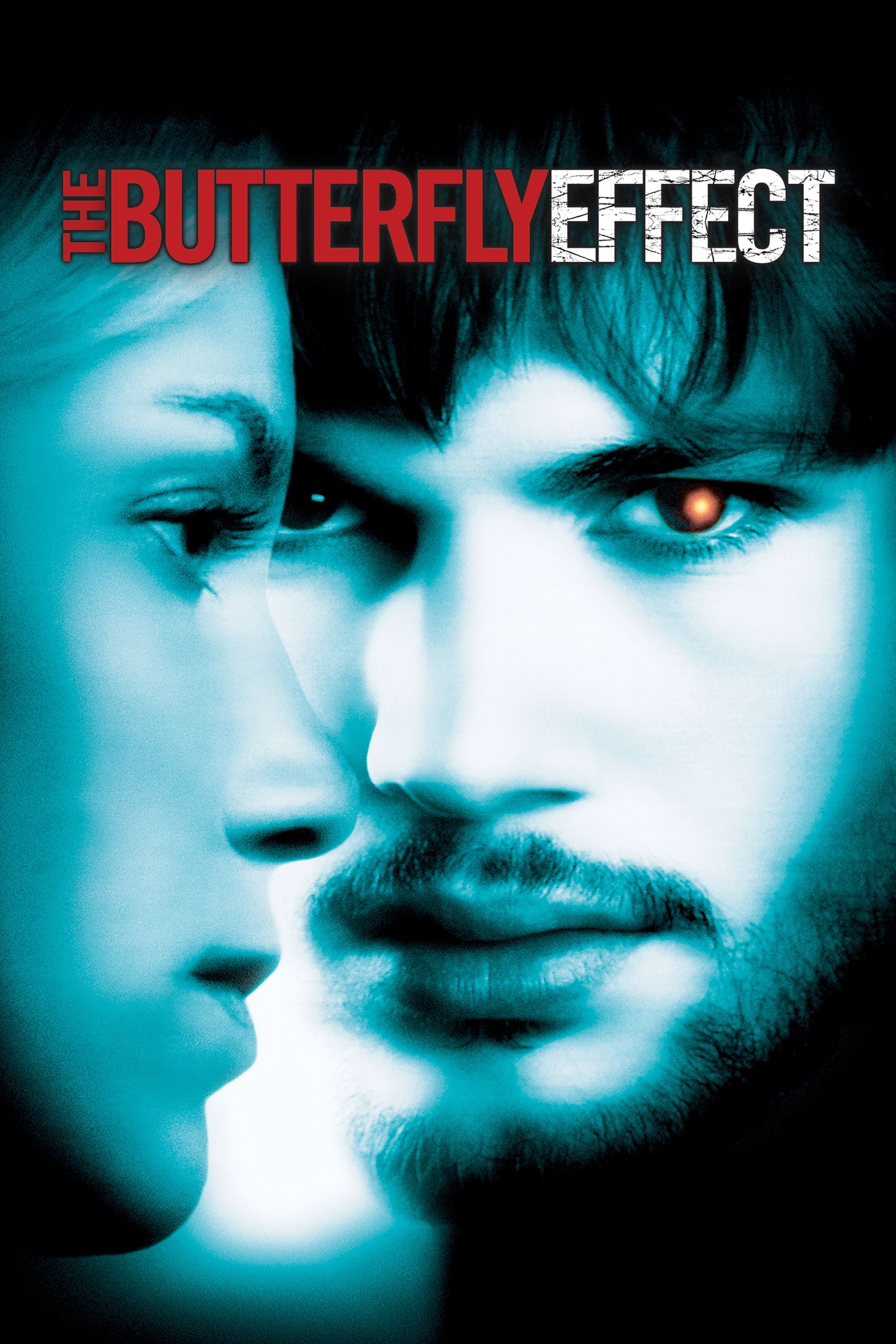
Ashton Kutcher stars as a man who can alter his past, causing drastic changes in his present. The film jumps between childhood and adulthood, showing how small choices spiral.
Its dark tone and multiple endings keep you guessing. The time-hopping structure drives home the weight of every decision.
Arrival (2016)
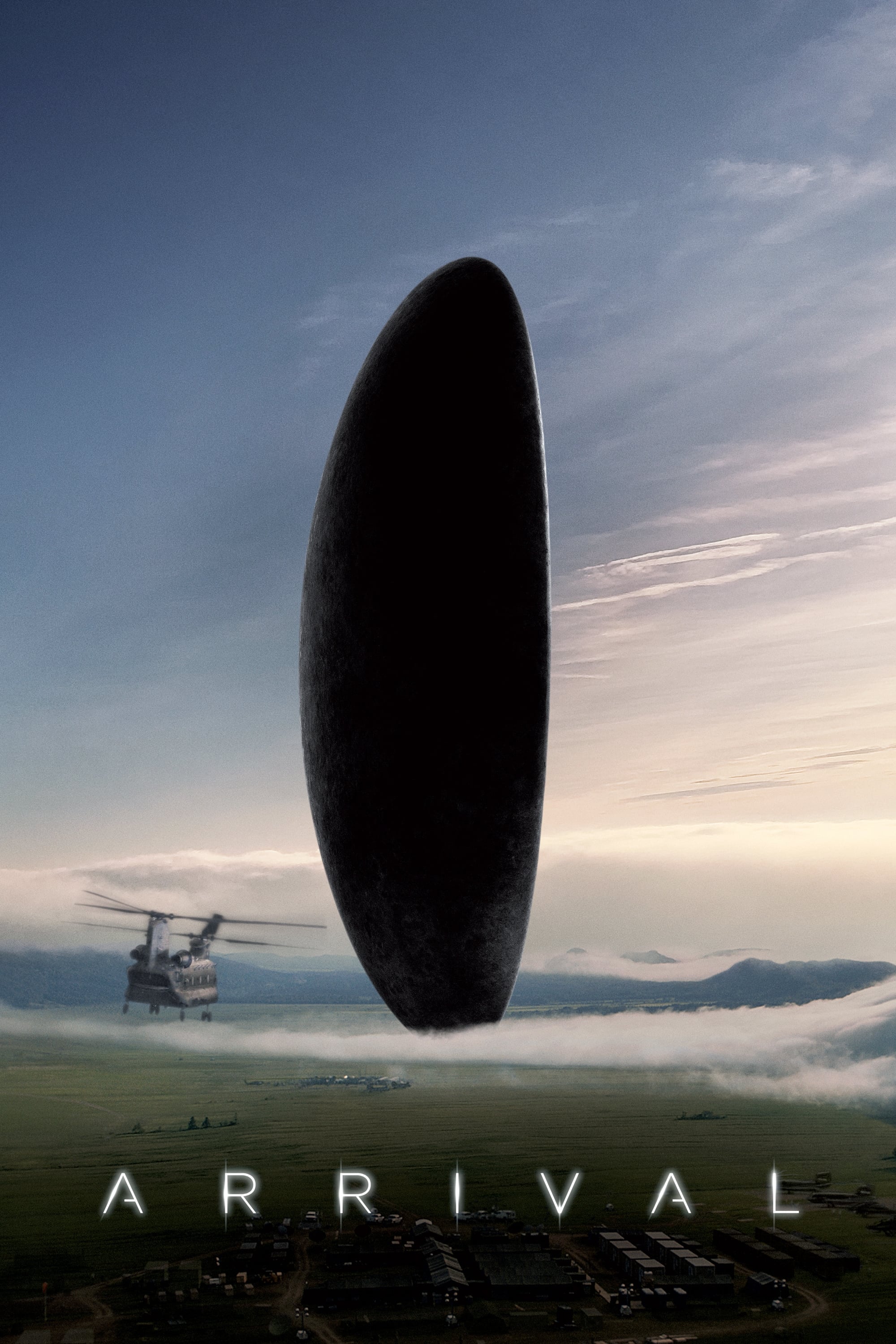
Amy Adams plays a linguist decoding an alien language, with flashes of her life weaving through the plot. Denis Villeneuve’s sci-fi unfolds non-sequentially to mirror the aliens’ perception.
The film’s emotional gut-punch ties to its timeline twists. Its quiet intensity and clever structure make it a modern classic.
Cloud Atlas (2012)
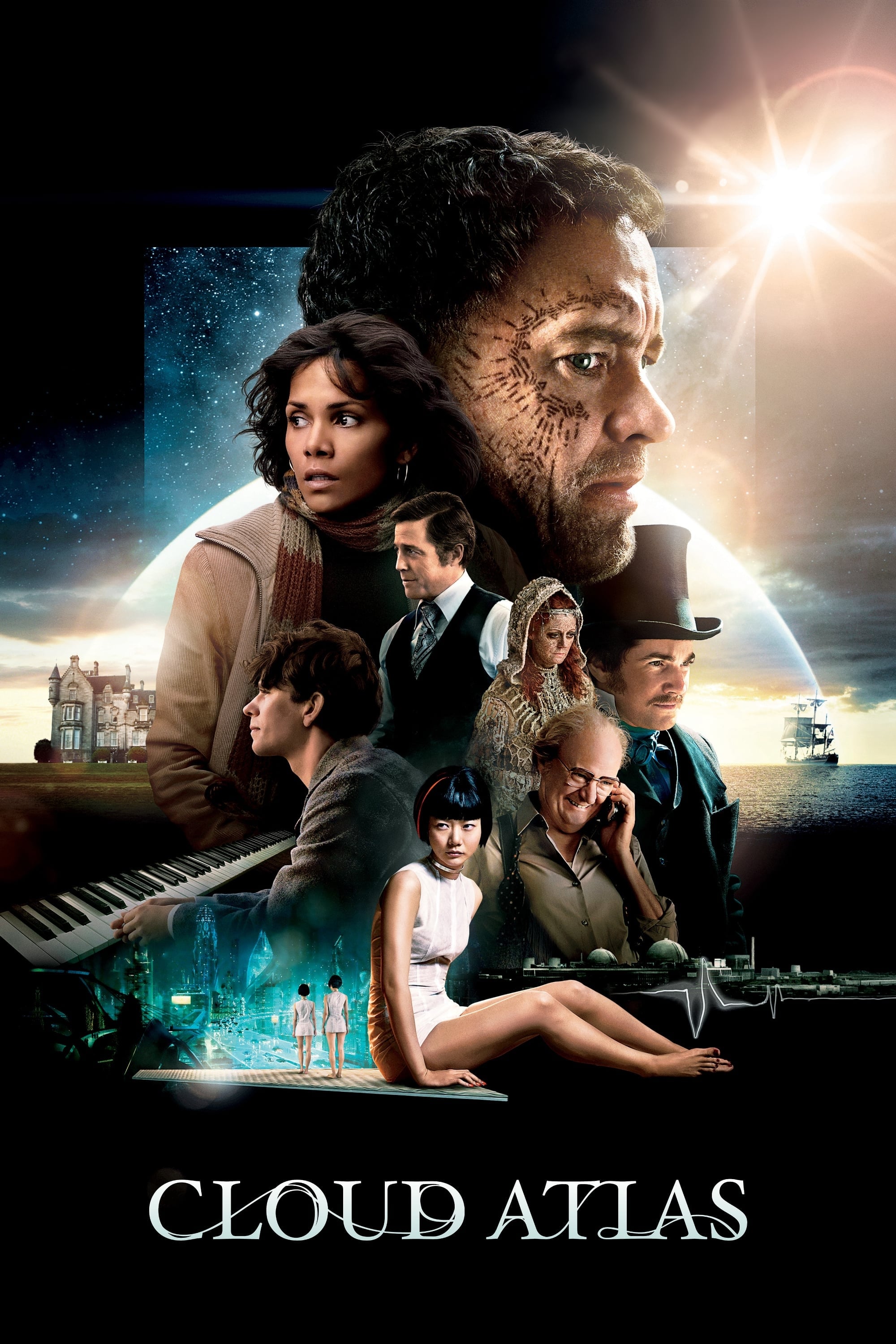
This ambitious epic by the Wachowskis and Tom Tykwer links six stories across centuries, with actors like Tom Hanks playing multiple roles. The film cuts between eras to show connected fates.
Its sprawling narrative demands attention but rewards with depth. The bold time-jumping weaves a tapestry of human struggle.
21 Grams (2003)
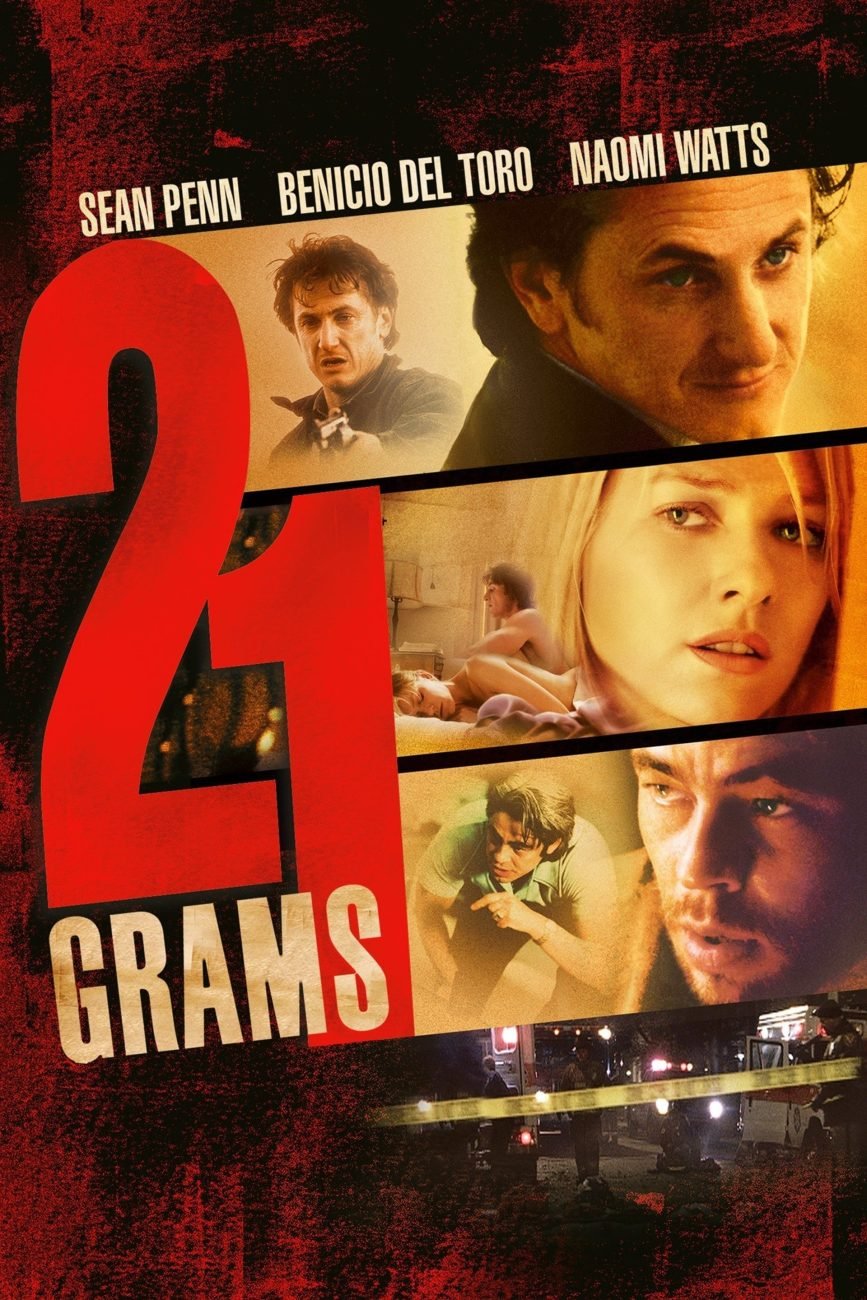
Alejandro González Iñárritu’s drama follows three lives, played by Sean Penn, Naomi Watts, and Benicio Del Toro, linked by a tragic accident. The fragmented timeline unravels their pain.
The film’s raw performances and shuffled scenes hit hard. Its non-linear flow mirrors the chaos of grief and guilt.
The Fountain (2006)
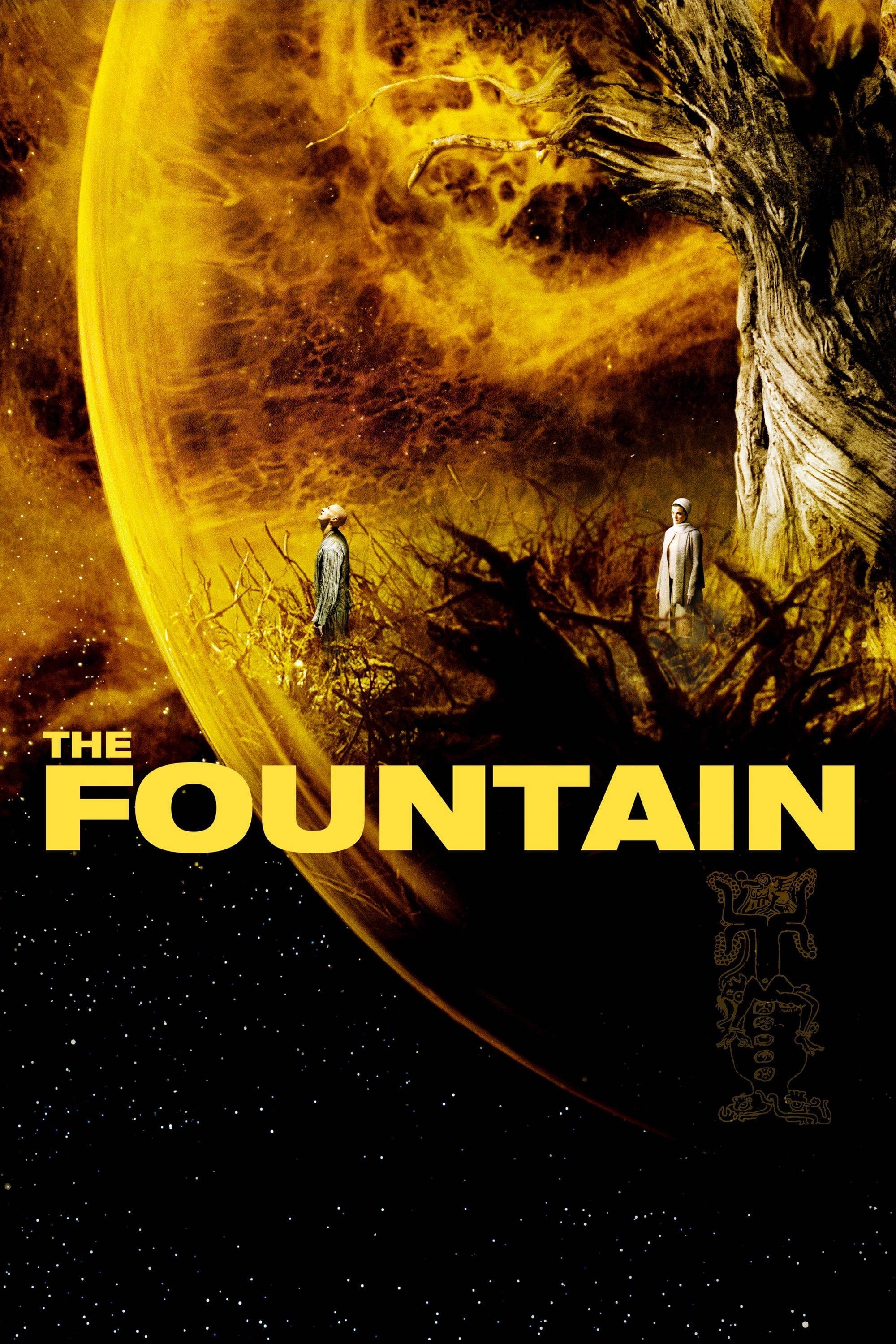
Darren Aronofsky’s poetic film stars Hugh Jackman as a man across three timelines—past, present, and future—chasing eternal love. The stories blend in a dreamlike flow.
Its lush visuals and emotional core make the jumps hypnotic. The film’s structure reflects the timelessness of devotion.
Irreversible (2002)
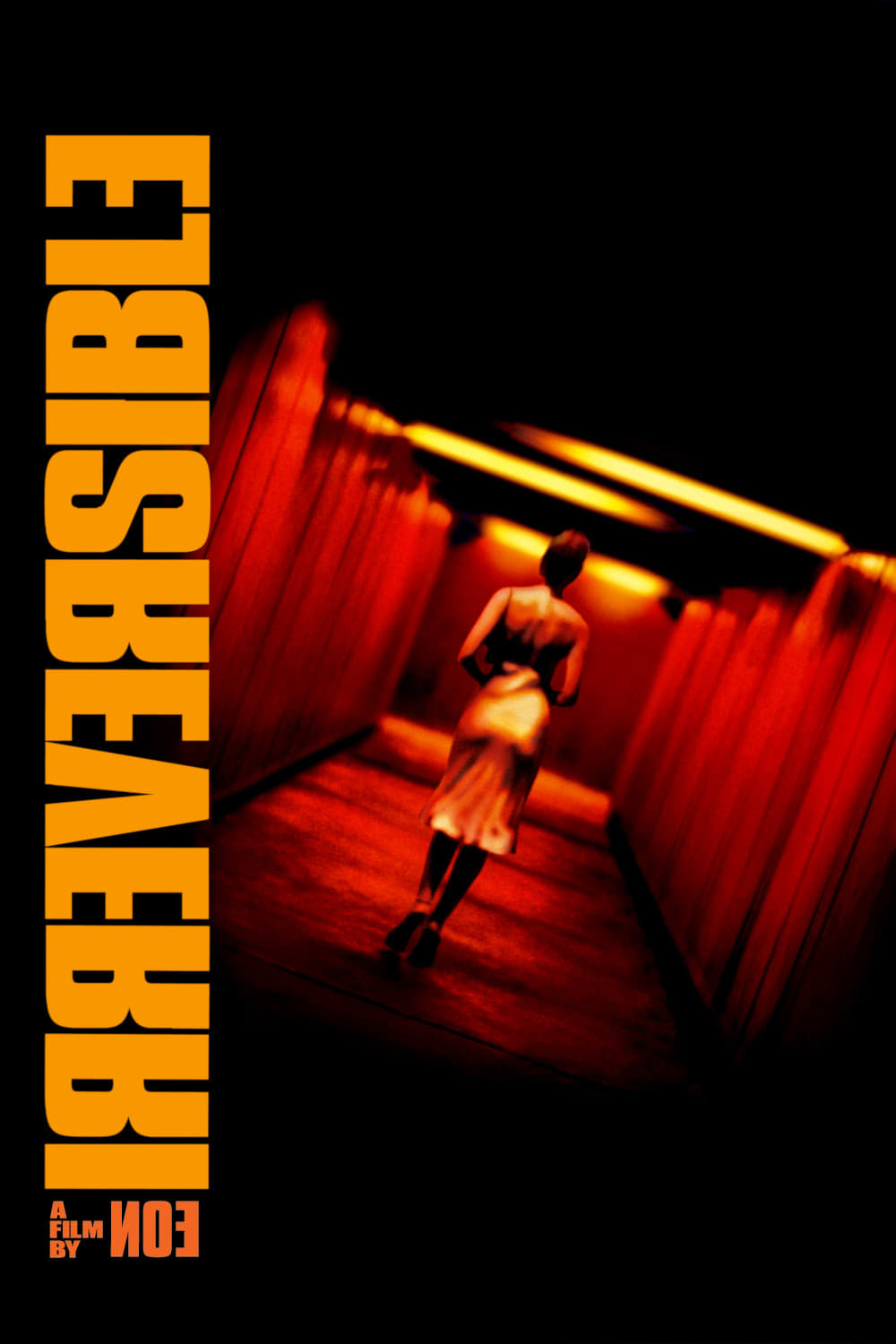
Gaspar Noé’s brutal French thriller, starring Monica Bellucci, tells a violent revenge story backward. Each scene moves earlier, unraveling the tragedy’s cause.
The reverse timeline amps up the dread and moral weight. It’s a tough watch, but its structure makes the impact unforgettable.
Primer (2004)
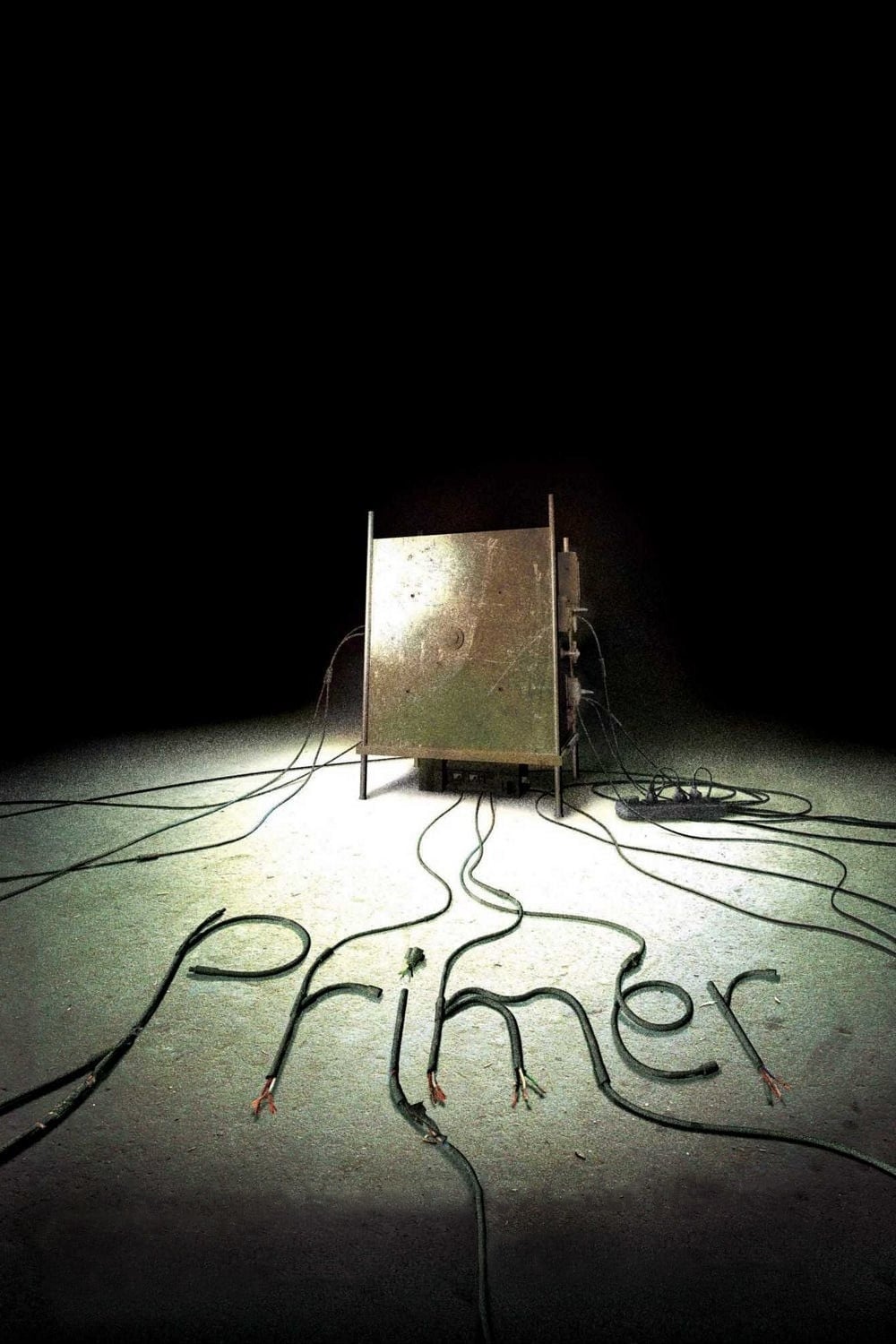
Shane Carruth’s low-budget sci-fi follows engineers stumbling into time travel. The dense, overlapping timelines mimic the confusion of their discovery.
Its lo-fi style and complex plot demand rewatches. The film’s non-linear chaos captures the messiness of tampering with time.
Amores Perros (2000)

Iñárritu’s debut weaves three Mexico City stories, starring Gael García Bernal, around a car crash. The film shifts across time to show how lives collide.
Its gritty energy and raw performances grip you. The fractured timeline underscores the ripple effects of chance.
The Prestige (2006)
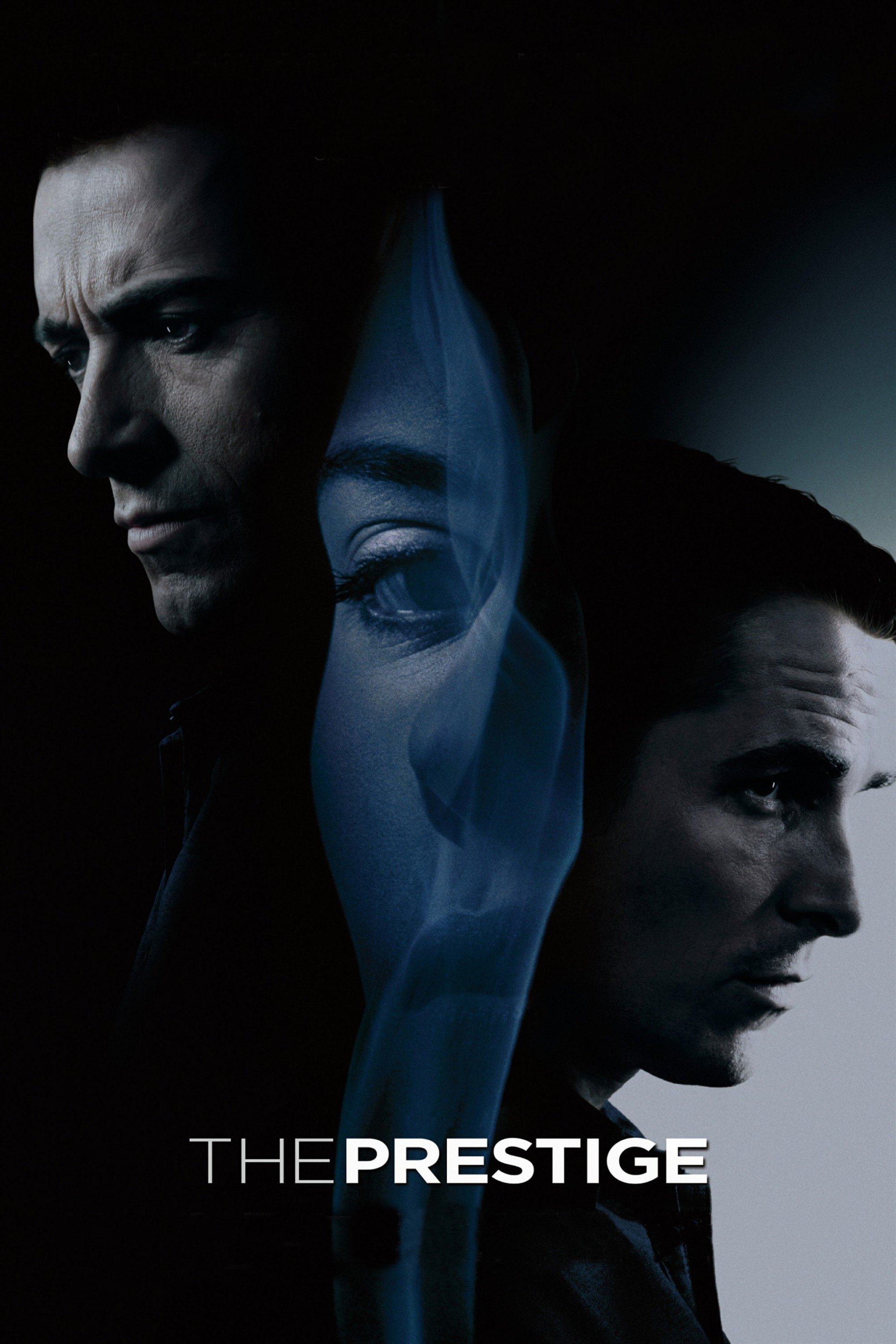
Christopher Nolan’s tale of rival magicians, played by Hugh Jackman and Christian Bale, uses diaries and flashbacks to hide its tricks. The timeline flips to mimic a magic act.
Its final twist stuns, tying the non-linear clues together. The film’s clever structure keeps you hooked like a great illusion.
Run Lola Run (1998)
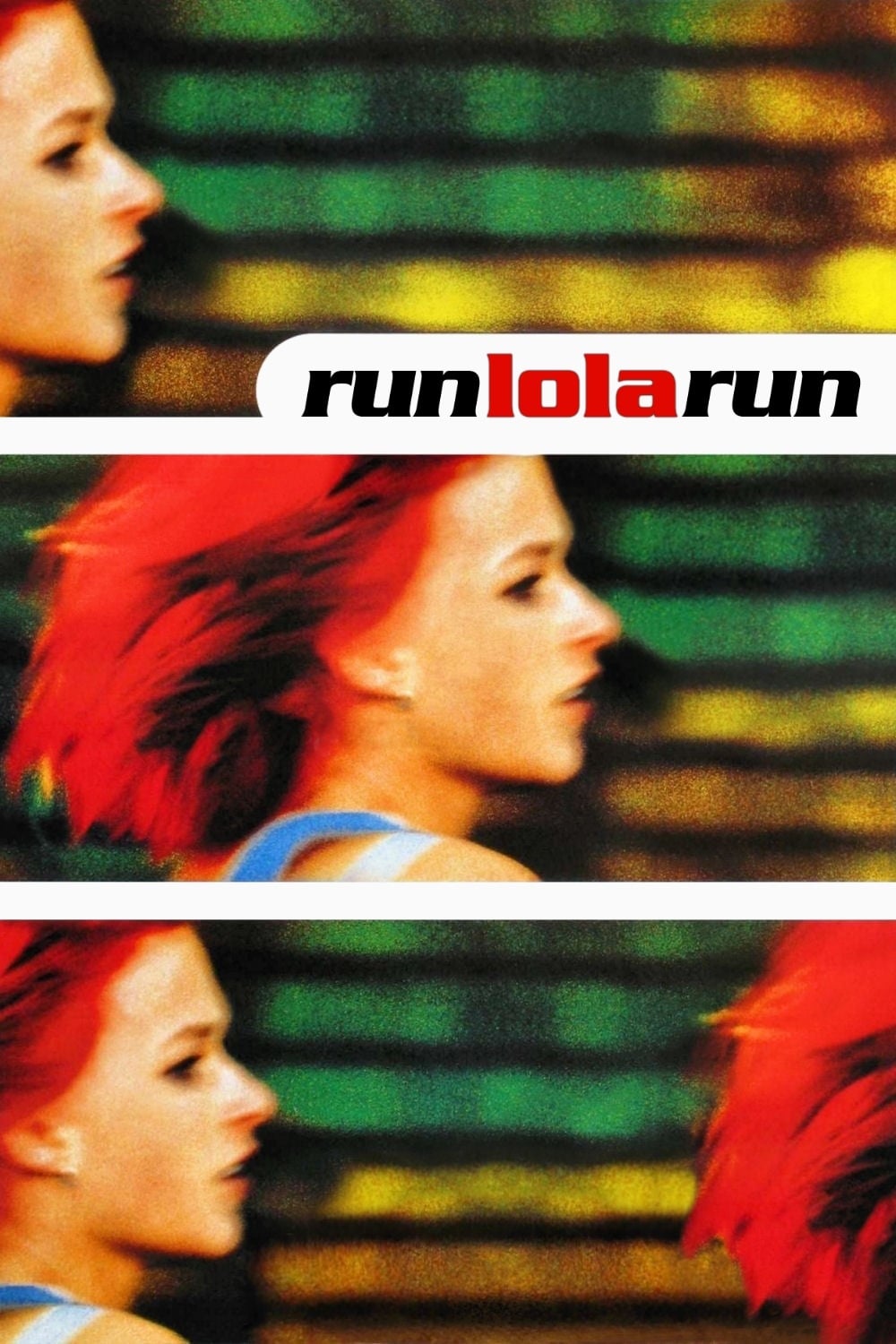
This German thriller follows Lola, played by Franka Potente, racing to save her boyfriend in three alternate timelines. Each run shifts slightly, with rapid cuts between moments.
Its high-energy pace and vibrant style feel like a video game. The film’s time-loops show how seconds change everything.
Eternal Sunshine of the Spotless Mind (2004)
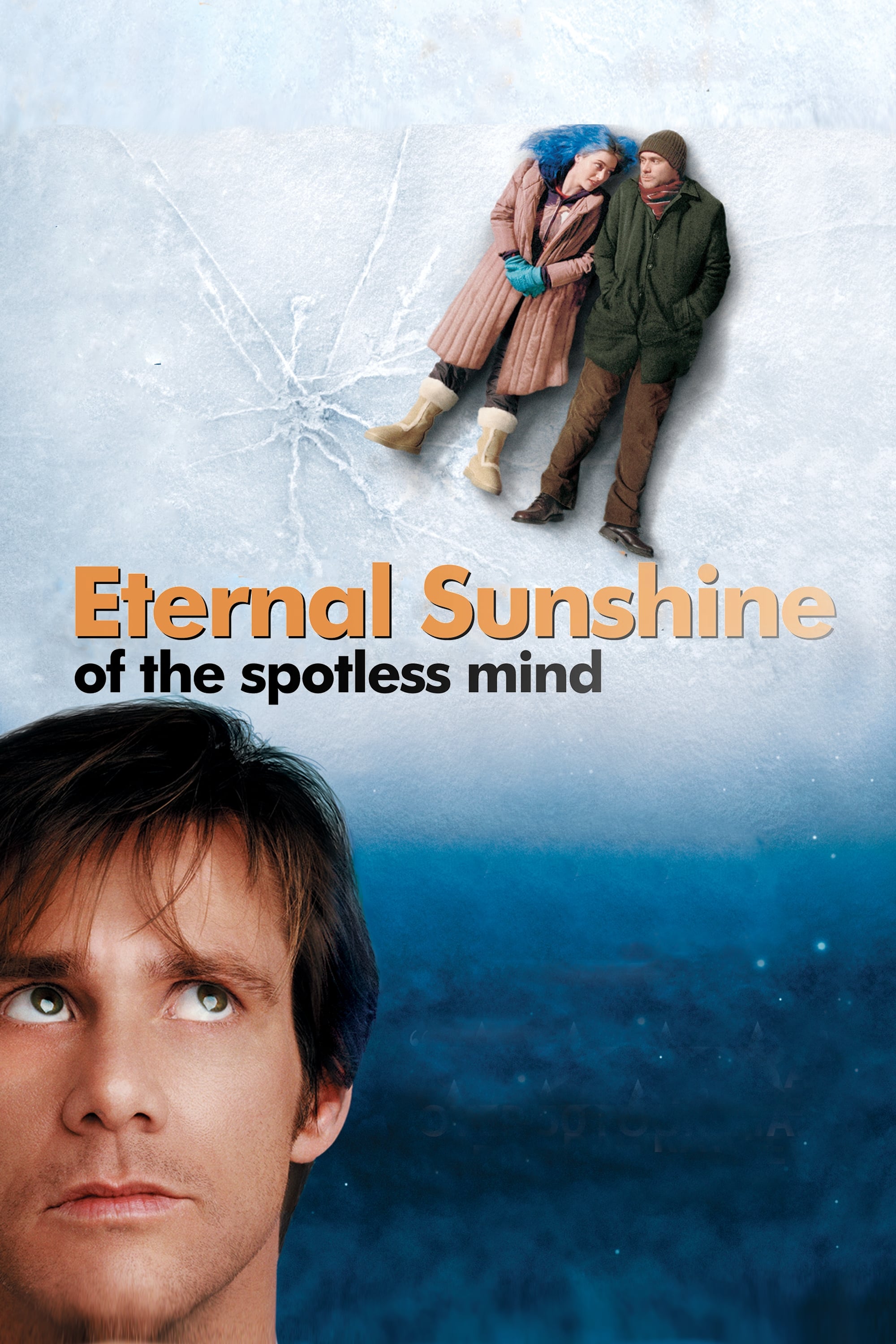
Jim Carrey and Kate Winslet star as ex-lovers erasing their memories, with the film jumping through their fractured past. Michel Gondry’s direction blends surreal visuals with heart.
The non-linear unraveling mirrors memory’s messiness. Its tender story and clever structure make it a romantic masterpiece.
Dunkirk (2017)

Nolan’s war epic tracks soldiers, pilots, and civilians during a WWII evacuation, with three timelines—land, sea, air—converging. The staggered pacing builds relentless tension.
Hans Zimmer’s score and stark visuals amplify the chaos. The film’s time-bending structure captures the desperation of survival.
The Tree of Life (2011)

Terrence Malick’s meditative film weaves a 1950s family story, led by Brad Pitt and Jessica Chastain, with cosmic flashes of creation. The timeline drifts between personal and universal.
Its poetic visuals and emotional depth feel transcendent. The non-linear flow reflects life’s fleeting, interconnected moments.
Mr. Nobody (2009)
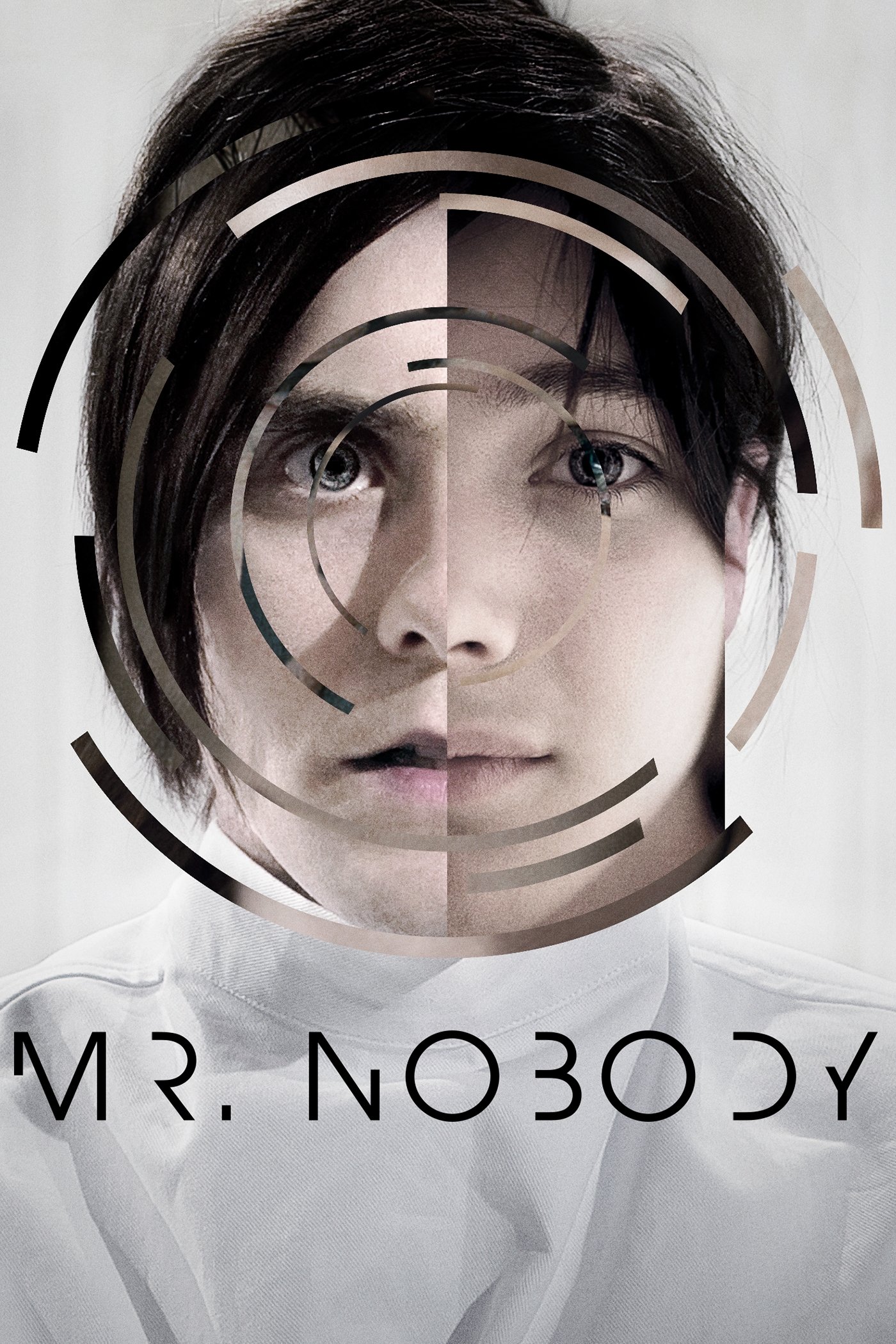
Jared Leto stars as the last mortal man recalling alternate lives in a sci-fi drama. The film jumps through countless what-ifs, blending love, loss, and choice.
Its dreamlike visuals and sprawling paths reward focus. The non-linear structure mirrors the endless possibilities of existence.
Oldboy (2003)
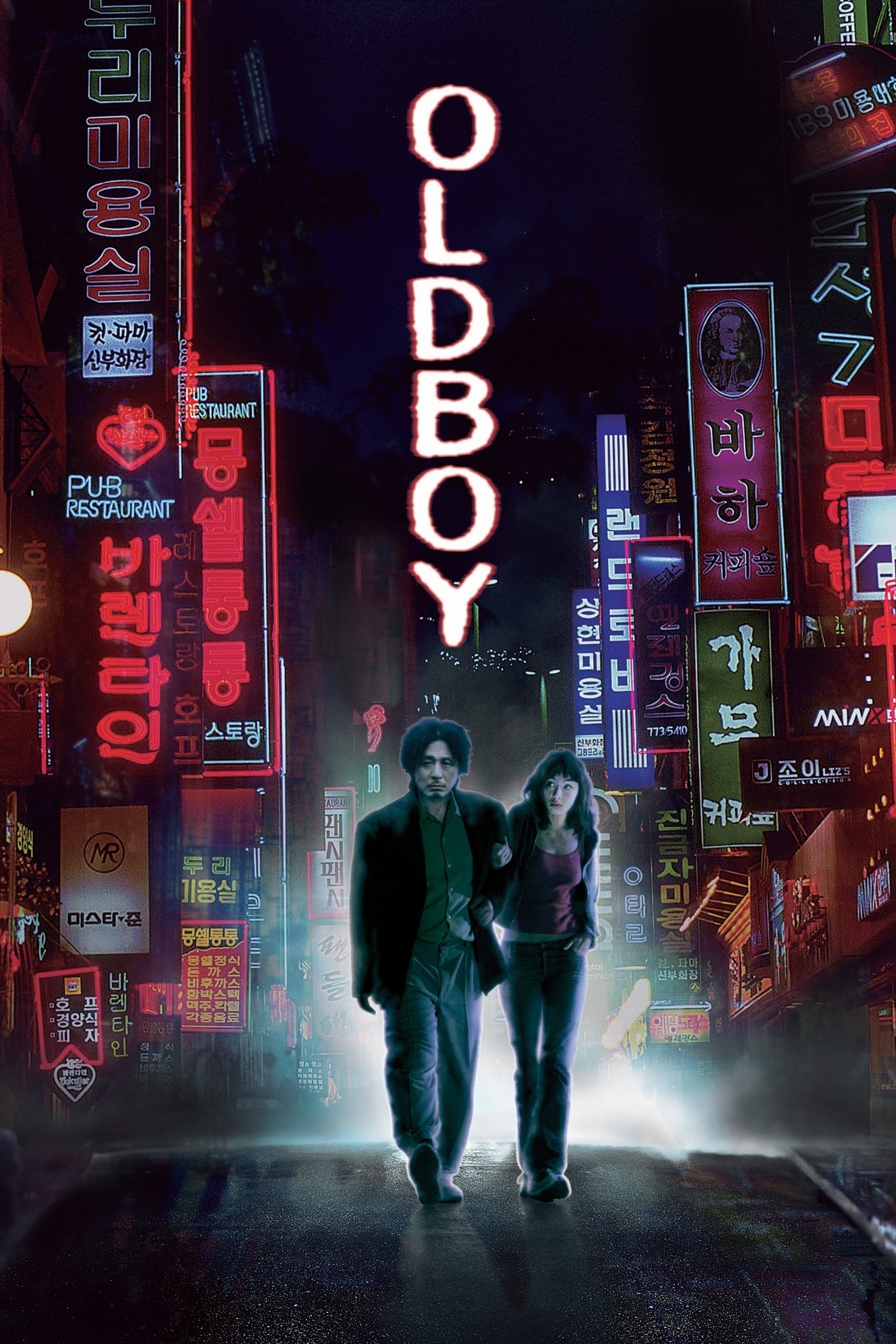
Park Chan-wook’s South Korean thriller follows a man, played by Choi Min-sik, seeking revenge after 15 years of captivity. Flashbacks unravel his dark past mid-action.
The film’s shocking twists and raw intensity stun. Its time-shifting narrative builds to a gut-wrenching reveal.
Shutter Island (2010)
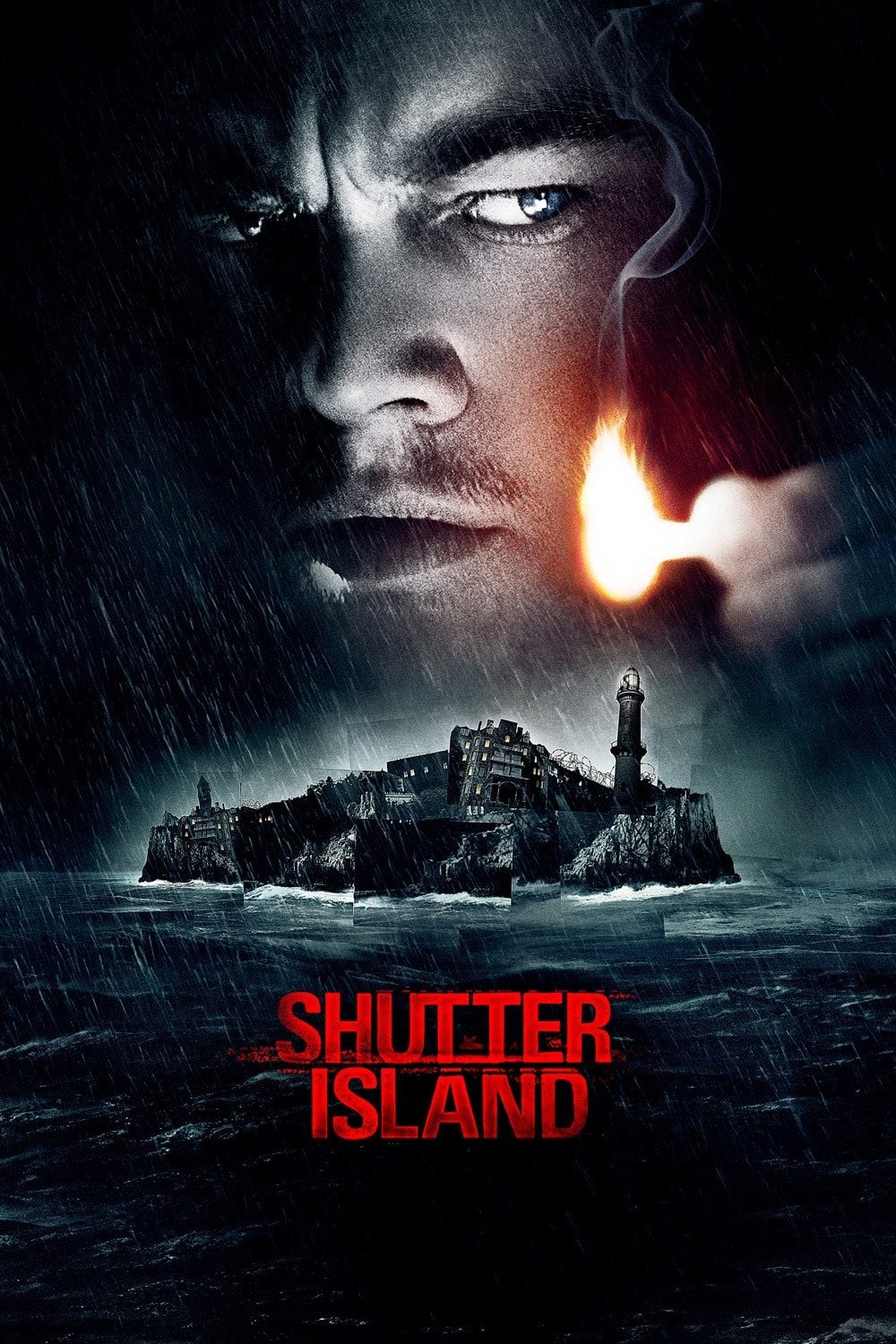
Martin Scorsese’s psychological thriller stars Leonardo DiCaprio as a marshal investigating a mental hospital. Flashbacks and visions blur past and present, hiding the truth.
The film’s eerie tone and DiCaprio’s intensity grip you. Its non-linear clues make the final twist hit like a hammer.
Following (1998)

Nolan’s debut noir follows a writer, played by Jeremy Theobald, tailing strangers until he’s drawn into crime. The black-and-white film shuffles scenes to keep you off balance.
Its lean budget and clever cuts show Nolan’s early genius. The non-linear plot mirrors the paranoia of obsession.
Pulp Fiction (1994)
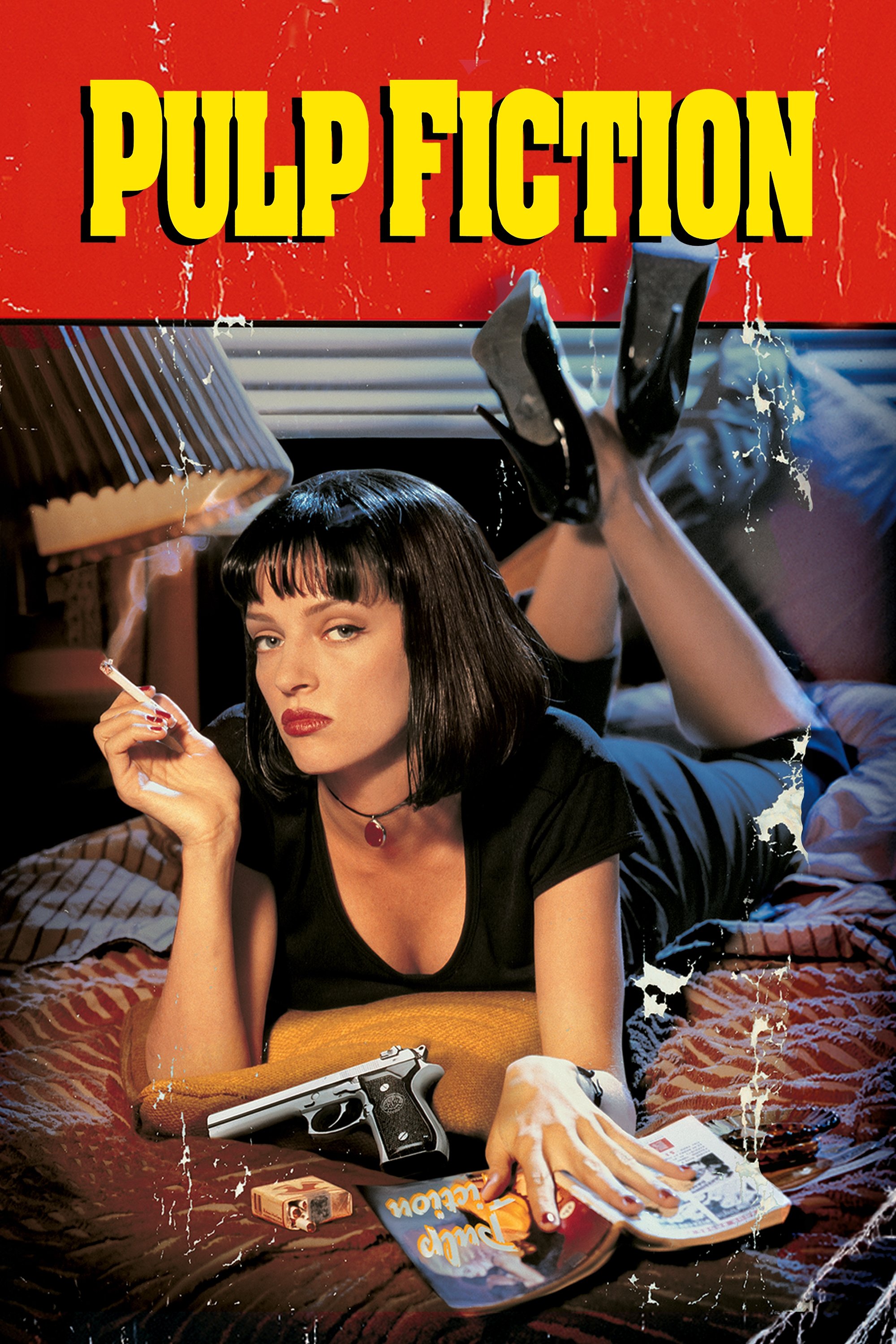
Quentin Tarantino’s crime classic weaves stories of hitmen, boxers, and mobsters, played by John Travolta, Samuel L. Jackson, and Bruce Willis. The out-of-order scenes feel like a puzzle.
Its sharp dialogue and cool vibe redefined 90s cinema. The time-jumping structure keeps every moment electric.
Memento (2000)
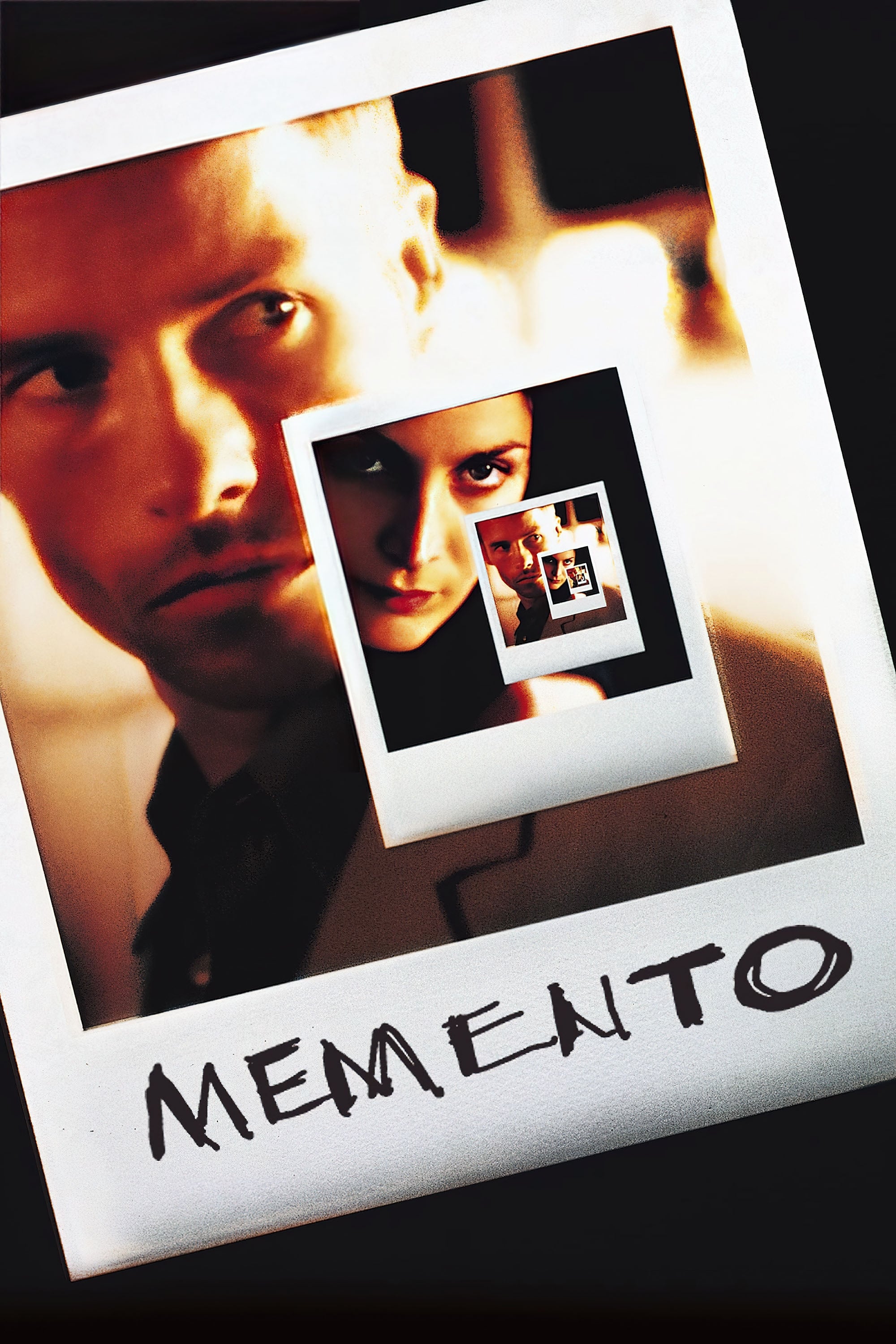
Nolan’s breakout thriller stars Guy Pearce as a man with memory loss hunting his wife’s killer. The film alternates backward and forward scenes, mimicking his disorientation.
Its tense pacing and clever reveals demand focus. The non-linear genius makes every rewatch a fresh puzzle.
Mulholland Drive (2001)
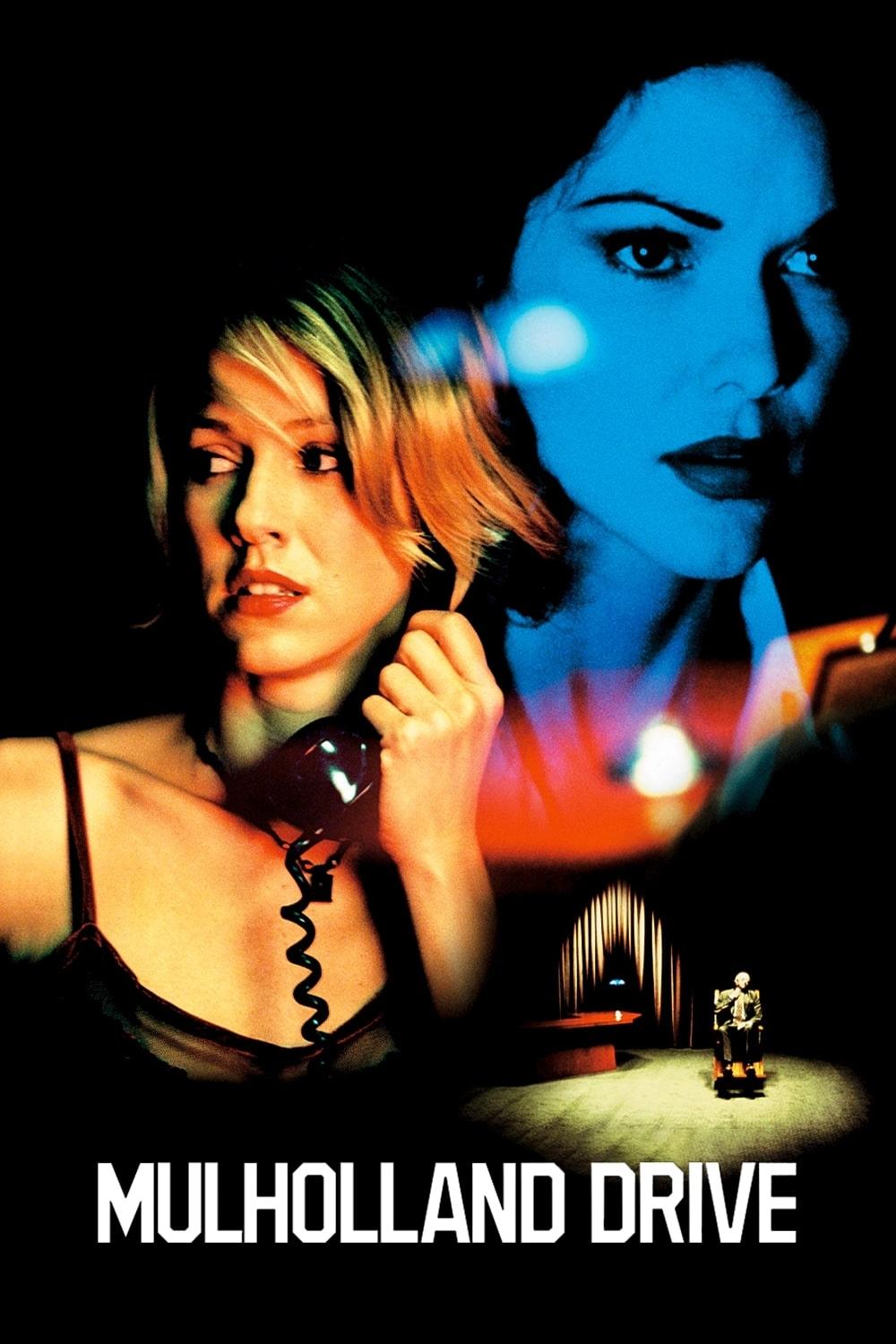
David Lynch’s surreal mystery follows Naomi Watts as an aspiring actress in a dreamlike Hollywood. The timeline fractures halfway, blending reality and fantasy.
Its haunting mood and cryptic clues spark endless theories. The non-linear structure feels like a nightmare you can’t shake.
Which non-linear movie blew your mind, or is there one I missed? Share your favorites in the comments!