

15 Best Naruto Jutsu With Real-World Applications

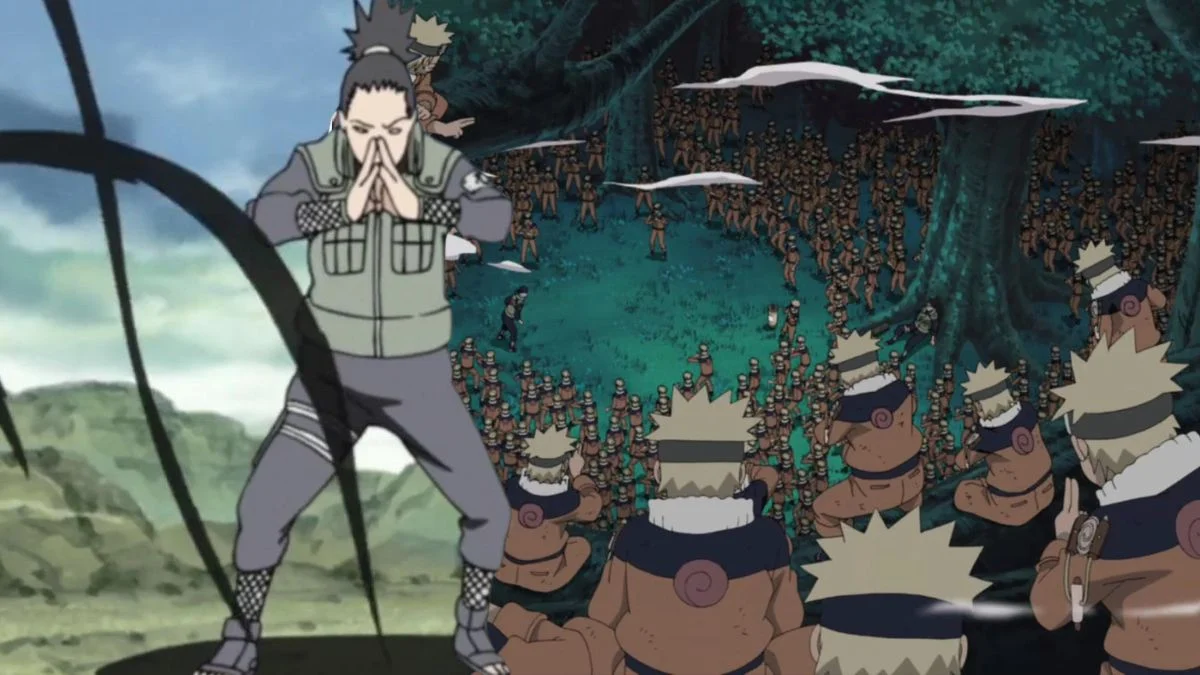


The world of ‘Naruto’ is packed with techniques that map surprisingly well to everyday needs, from healthcare and education to disaster response and public safety. Thinking about these jutsu as blueprints rather than magic helps reveal practical takeaways for training, tools, and protocols. Below are fifteen techniques and how their core ideas translate into real work, with notes on skills, risks, and where they would fit. The focus is on clear use cases that teams could actually plan around.
Shadow Clone Technique
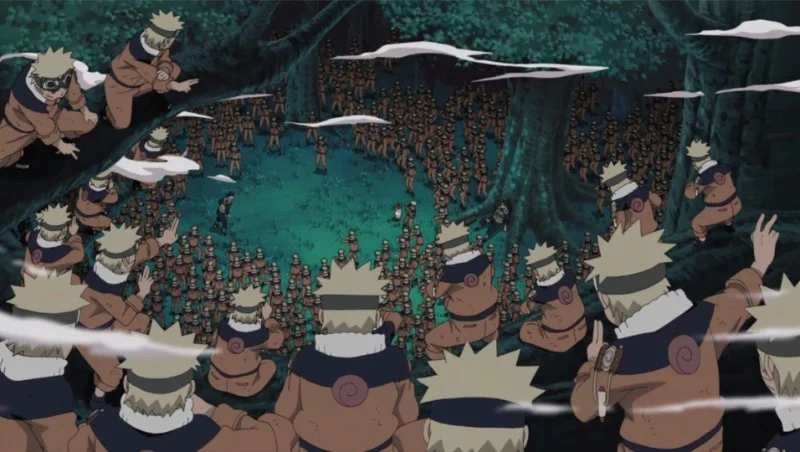
This technique models structured parallel work. The real world version is coordinated task branching with checklists, timeboxing, and later consolidation to prevent duplicated effort. Teams use shared templates, synchronized debriefs, and version control to merge outputs cleanly. The payoff is faster iteration in fields like incident response, research sprints, and complex event planning.
Transformation Technique

This jutsu mirrors controlled disguise and role simulation. In practice it aligns with training through role play, standardized attire, and rapid identity verification tools for security drills. Instructors rotate personas to test procedures without revealing the exercise scope. Clear rules on privacy and consent keep simulations ethical and documented.
Substitution Technique
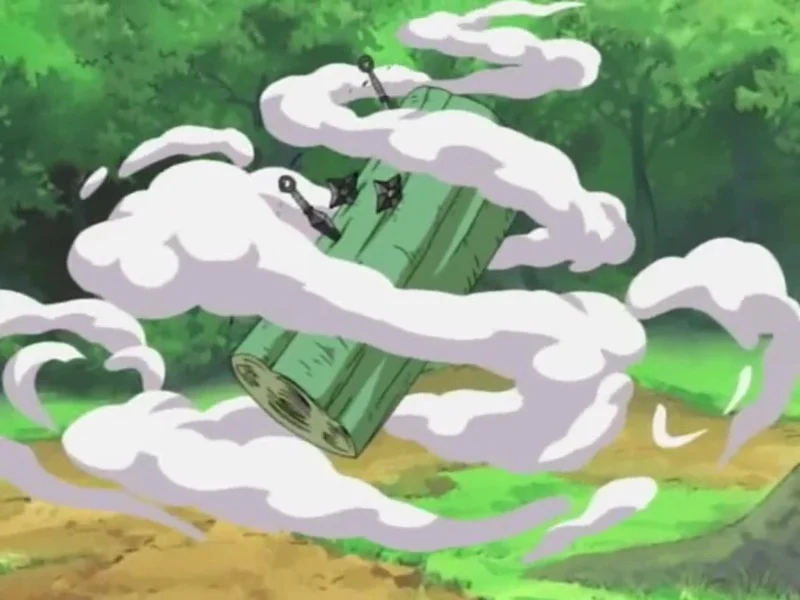
Substitution is a structured escape and decoy plan. Emergency workers can use preset fallback positions, dummy assets, and route cards to break line of sight during threats. The key is prearranged signals and safe handoff zones recorded on simple pocket maps. After action logs capture timing and outcomes for later improvements.
Body Flicker Technique
This is about short burst repositioning with minimal exposure. Real teams practice micro sprints between cover, controlled breathing, and gear layouts that reduce snagging. Waypoints and timing calls keep pairs synchronized in low visibility areas. It is useful for medics reaching patients in active hazards and for inspectors in unstable structures.
Mystical Palm Technique
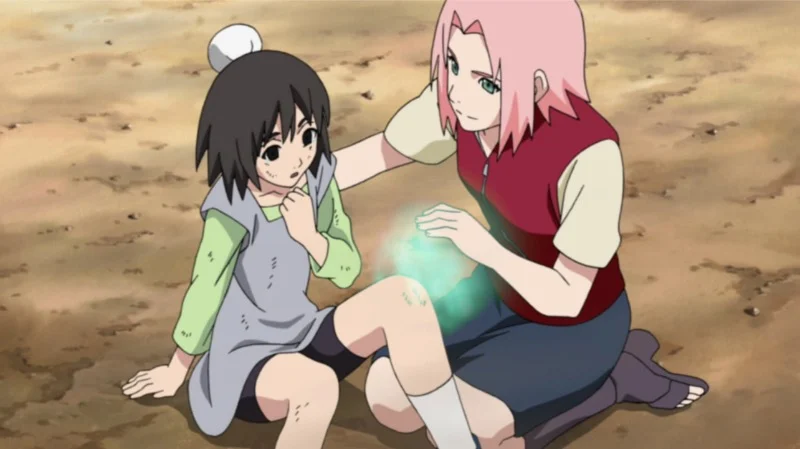
The healing concept translates to field triage with portable diagnostics and guided protocols. Think handheld ultrasound, wound irrigation kits, and checklists that reduce errors under pressure. Teams practice calm verbal loops to stabilize patients while devices collect vitals. Clean packaging and sharps control reduce infection risk.
Chakra Scalpel
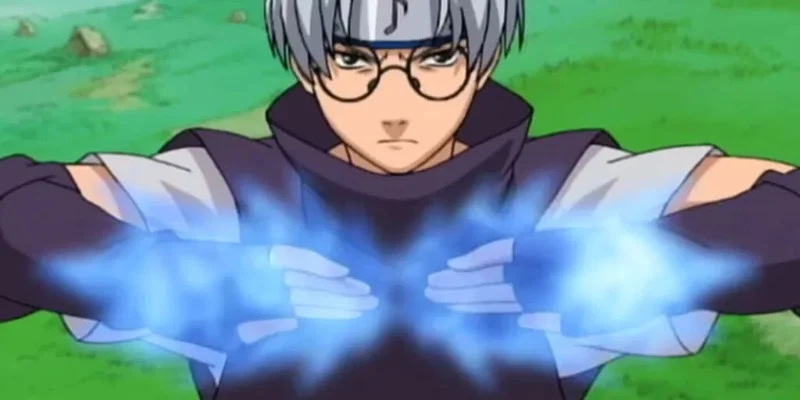
Fine energy control maps to microsurgery workflow. Surgeons use magnification, tremor damping grips, and haptic feedback instruments to protect delicate tissues. Clear labeling of planes and stepwise checkbacks prevent accidental damage. Training includes benchtop models and recorded sessions for peer review.
Gentle Fist
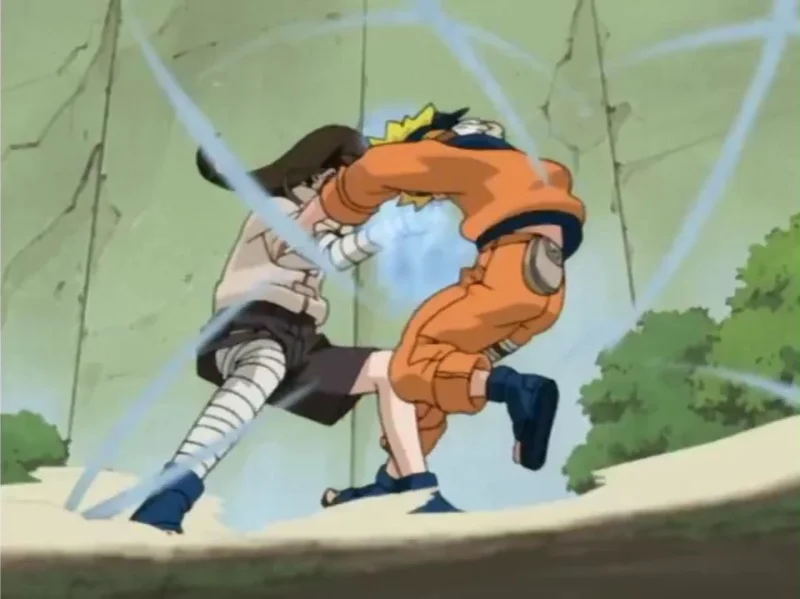
Gentle Fist emphasizes precise contact on energy pathways, which aligns with safe-force application and de escalation. Officers and healthcare staff learn joint control, pressure direction, and balance breaks that minimize injury. Curriculum stresses restraint documentation and continuous monitoring of circulation and breathing. Cameras and peer coaching keep technique within policy.
Sensory Technique
Long range sensing becomes perimeter awareness using layered inputs. Sites combine microphones, thermal cameras, airflow meters, and badge data to detect anomalies early. Dashboards flag outliers while operators confirm with quick cross checks. Clear privacy boundaries and data retention limits protect bystanders.
Barrier Ninjutsu

Barriers translate to zone control and access layers. Facilities use mobile fencing, RFID locks, and portable Faraday bags to isolate devices during incidents. Color coded passes and one way flows reduce crowd friction. Daily audits confirm that emergency exits and override keys are reachable.
Sealing Techniques
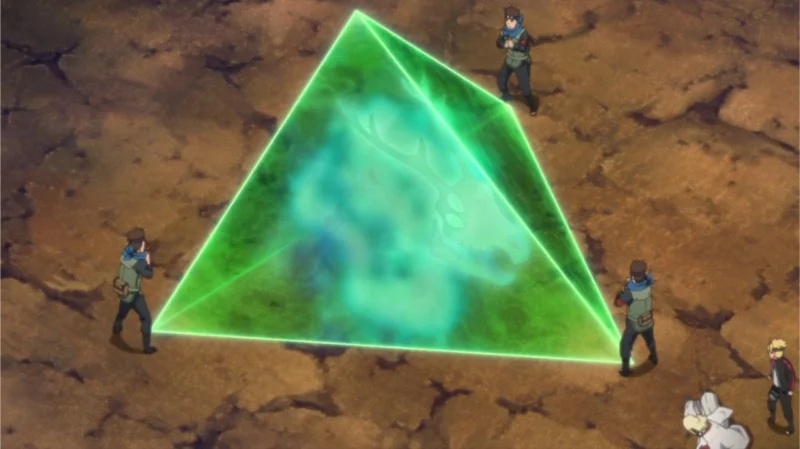
Fuinjutsu aligns with containment and chain of custody. Teams employ tamper seals, QR logs, and cold boxes to store biohazards or evidence. Every handoff includes timestamped photos and signature capture. Periodic seal checks and two person verification prevent silent failures.
Puppet Technique
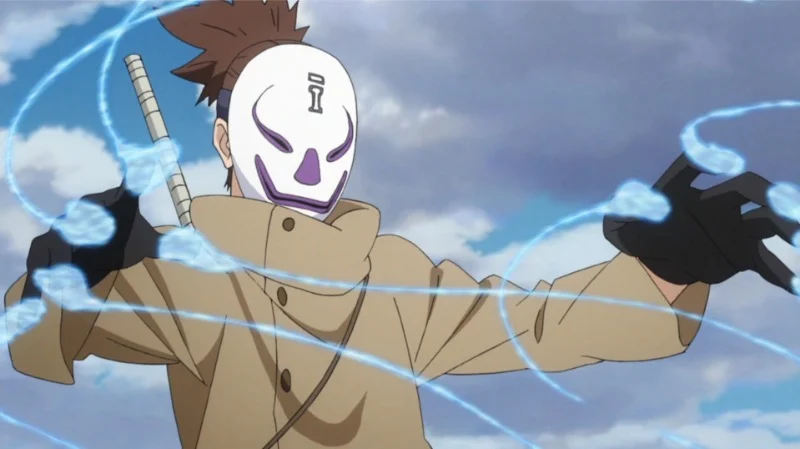
Controlling puppets maps to teleoperation of robots for risky tasks. Operators train on latency, depth cues, and battery swaps before live missions. Robots carry modular tools for valves, samples, and camera angles. Fail safes pull devices to a safe state when connections drop.
Shadow Possession Jutsu
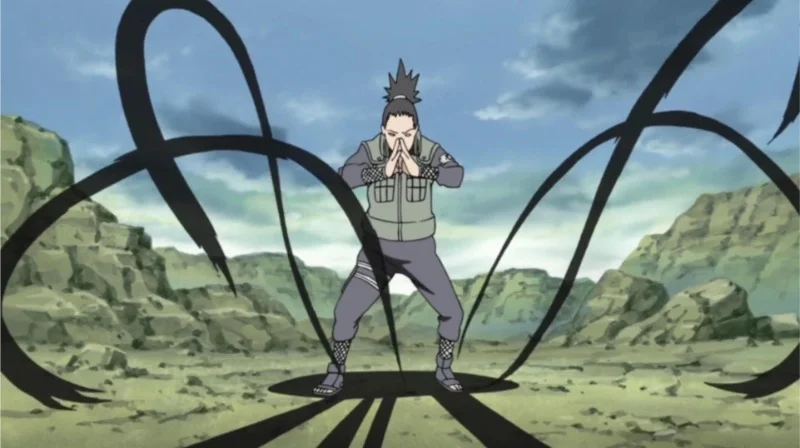
This reflects synchronized movement without direct contact. Warehouses use floor projections and wearable cues so teams mirror motions at distance, which reduces collisions. A lead sets pace while followers receive haptic steps to match turns and stops. It helps coordinate forklifts and foot traffic in tight aisles.
Water Walking and Tree Climbing Training

These chakra control drills become balance and friction training for rescue work. Crews practice on wet surfaces and inclined ramps with measured grip footwear. Fall arrest lines and buddy calls keep sessions safe. The goal is predictable foot placement under stress rather than speed.
Summoning Technique
Summoning suggests rapid deployment of pre contracted helpers. In practice this is a roster of service animals, drones, and vetted volunteers on standby with prepacked kits. A single request message triggers the right bundle to the right GPS point. Clear scope notes and demobilization steps avoid crowding a scene.
Body Replacement Technique

This variant of substitution focuses on sacrificial shielding. Laboratories and workshops set up blast curtains, dummy housings, and remote actuation so parts take the hit instead of people. Trigger cords and standoff plates are checked before each test. Post event inspections replace any component that absorbed force.
Share which jutsu you think would help your work the most in the comments.