

Best Original Anime Ever Created (Not Based on Manga)

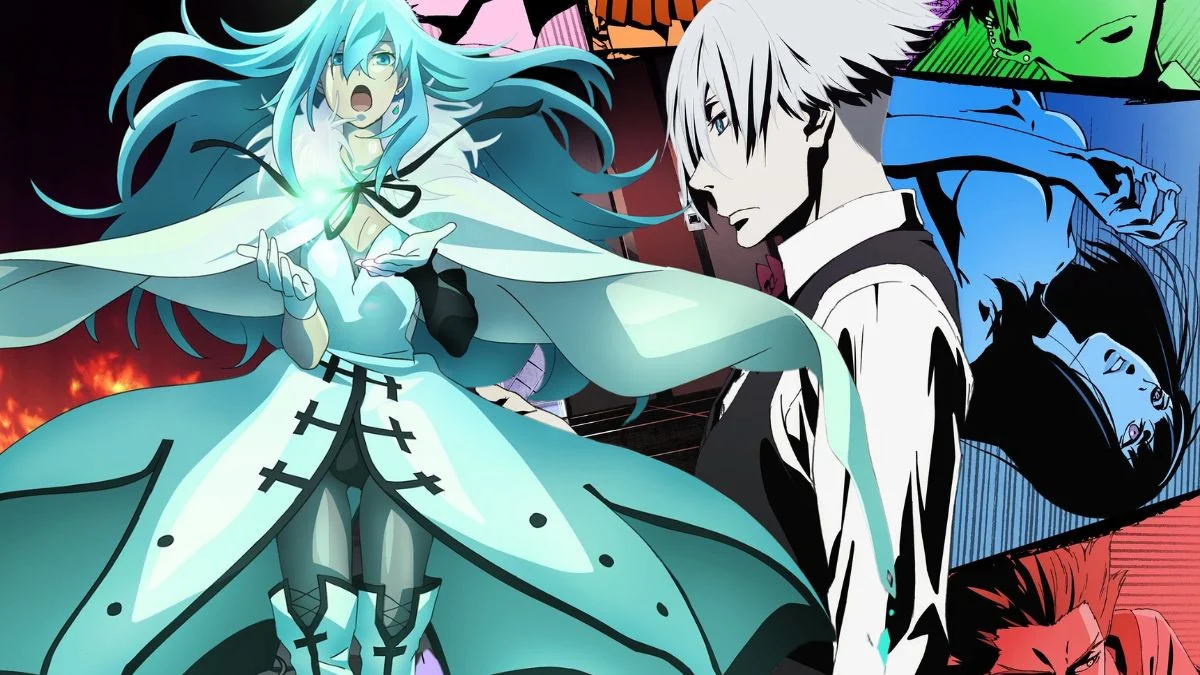


Original anime series leave a unique mark because they are built for the screen from day one. Without a manga blueprint, these projects rely on directors, writers, and studios to shape worlds, characters, and ideas that only unfold through animation. That freedom often leads to bold storytelling choices, striking visuals, and music that is composed to fit scenes rather than adapted to them.
This list gathers standout originals across genres and decades. You will find series that premiered on Japanese television, OVAs that redefined experimentation, and recent titles made with streaming in mind. Each entry includes practical details like studios, creators, formats, and distribution history so you can track them down and see how these projects came together.
‘Neon Genesis Evangelion’ (1995–1996)
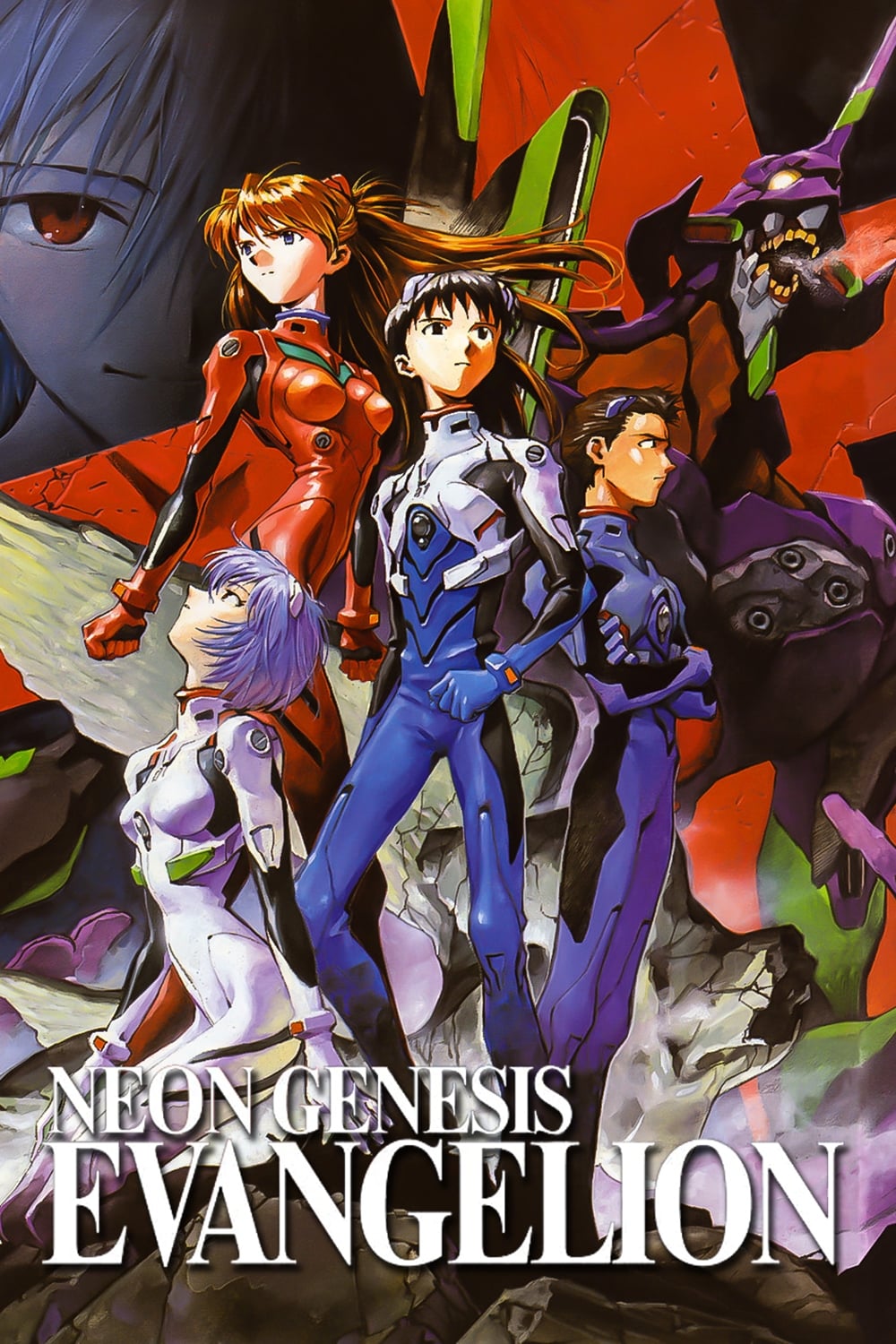
Created by Hideaki Anno and produced by Gainax and Tatsunoko Production, this 26-episode television series originally aired on TV Tokyo and later received the feature film ‘The End of Evangelion’ as an alternate conclusion. The project began as an original concept at Gainax with mechanical designs by Ikuto Yamashita and character designs by Yoshiyuki Sadamoto. King Records’ Starchild label handled music production, including the opening theme performed by Yoko Takahashi.
International distribution included multiple home video releases and a restoration for high definition formats. The series later appeared on major streaming platforms along with new subtitle and dub tracks. A separate ‘Rebuild of Evangelion’ film cycle was produced years later at Studio Khara, which was founded by Anno after Gainax.
‘Cowboy Bebop’ (1998–1999)
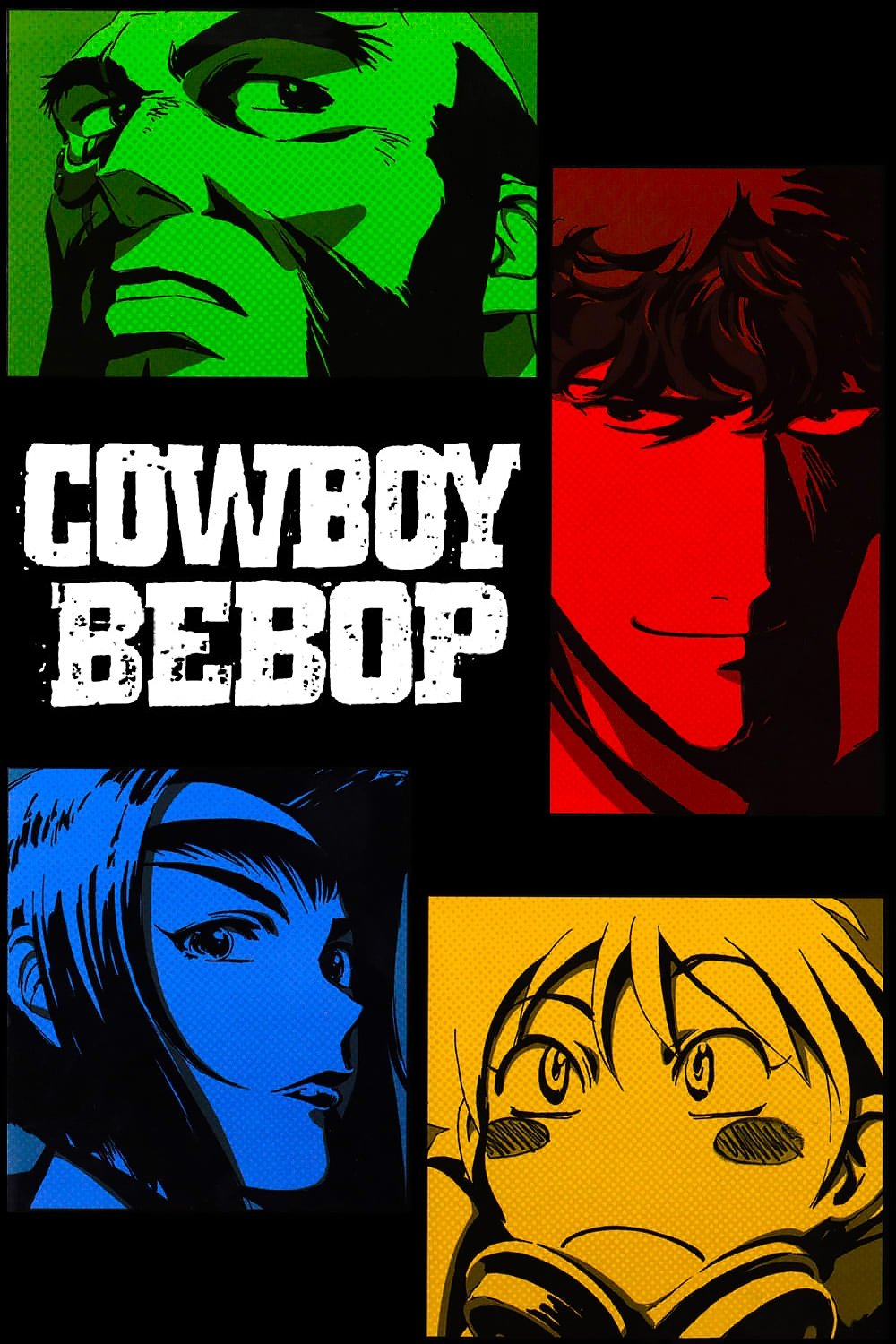
This Sunrise production ran for 26 episodes with chief director Shinichirō Watanabe and mechanical designs by Kimitoshi Yamane. Character designs were handled by Toshihiro Kawamoto at Studio Bones prior to Bones becoming a separate production company. Composer Yoko Kanno and the Seatbelts recorded an extensive jazz and blues soundtrack that was developed in tandem with the storyboards.
The series first broadcast partially on TV Tokyo and then fully on WOWOW satellite television. It received the feature film ‘Cowboy Bebop: Knockin’ on Heaven’s Door’ in 2001 through a co-production involving Bandai Visual and Sony Pictures. International releases included television runs in North America and Europe along with Blu-ray remasters.
‘Serial Experiments Lain’ (1998)
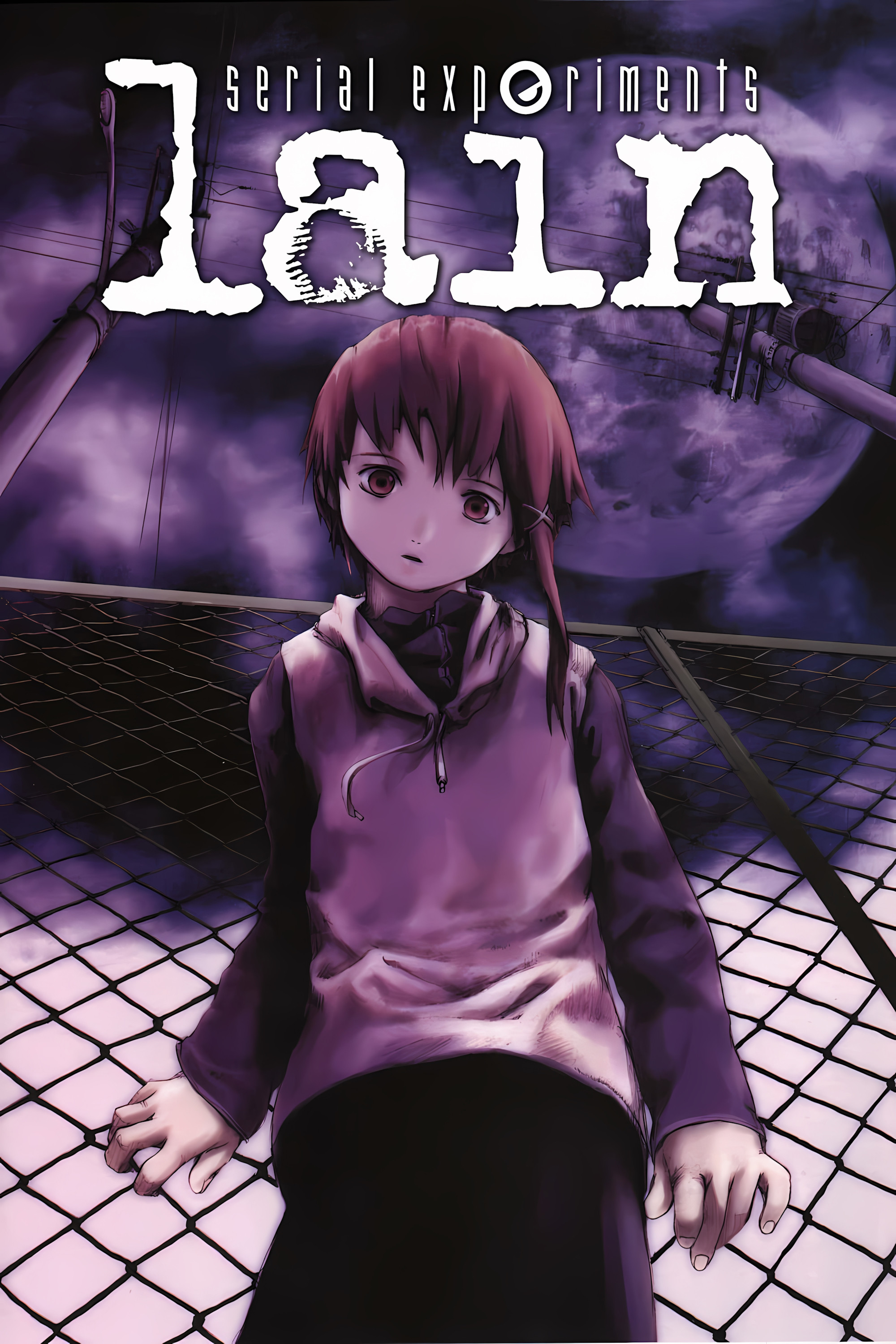
Produced by Triangle Staff with character designs by Yoshitoshi ABe and direction by Ryūtarō Nakamura, this original television series comprises 13 episodes. The project used digital compositing techniques that were still uncommon for late-1990s TV anime. Pioneer LDC served as the main financier and handled music production and early home video distribution.
Broadcast took place on TV Tokyo’s late-night slot. The property later received PC software tie-ins and artbooks supervised by ABe and scriptwriter Chiaki J. Konaka. Worldwide releases included multiple subtitle revisions and collector’s edition Blu-ray sets with remastered video.
‘Revolutionary Girl Utena’ (1997)
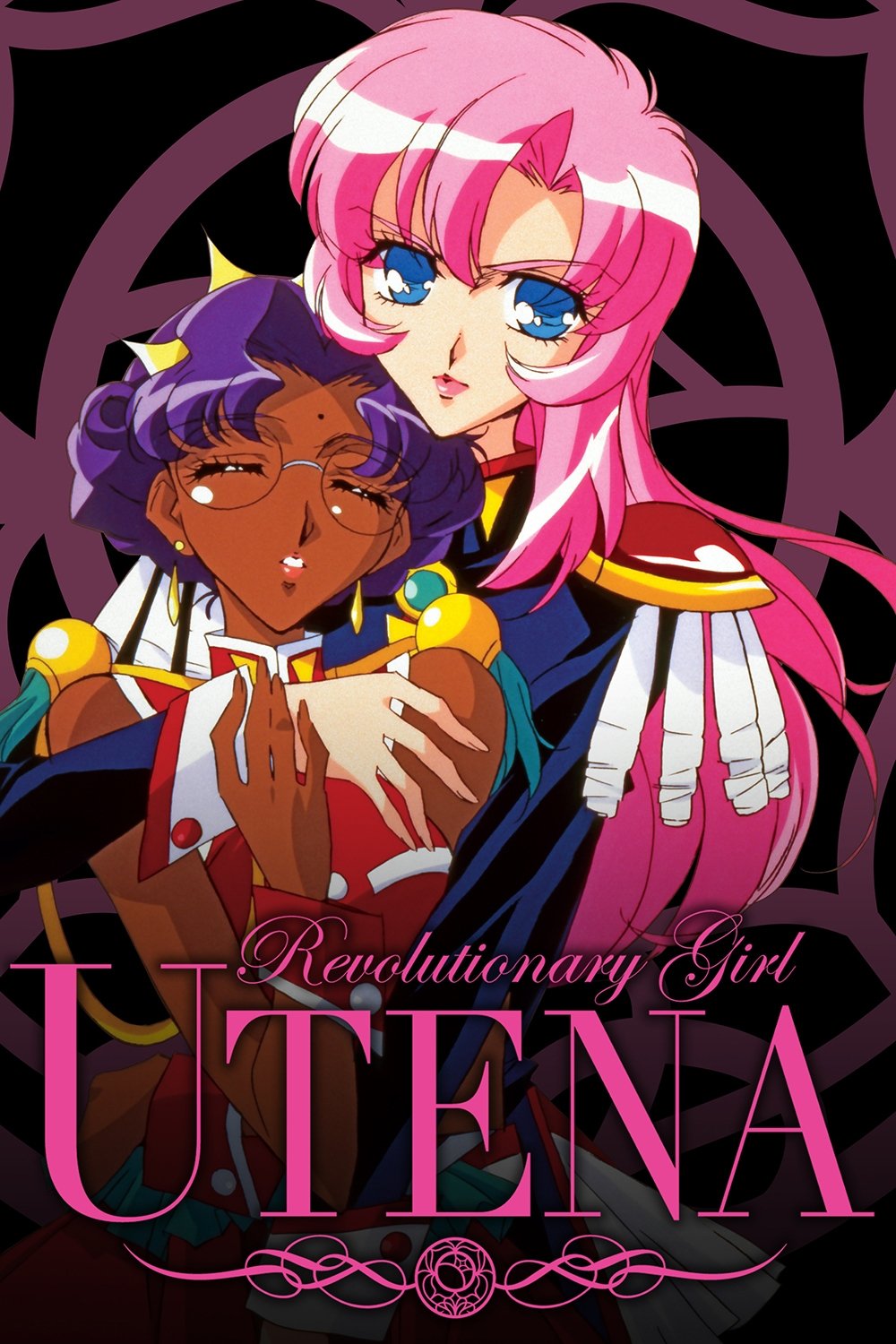
An original television production by Be-Papas and J.C.STAFF, the series ran for 39 episodes on TV Tokyo under the direction of Kunihiko Ikuhara. Shingo Kaneko supervised animation with character designs by Shinya Hasegawa based on concepts from the Be-Papas team. Composer J.A. Seazer contributed choral pieces written specifically for the show’s duel sequences.
The franchise expanded with the theatrical feature ‘Adolescence of Utena’ in 1999. Home video releases have included remastered editions and soundtrack reissues. International distribution brought the title to multiple regions with new dubs and restored masters.
‘FLCL’ (2000–2001)
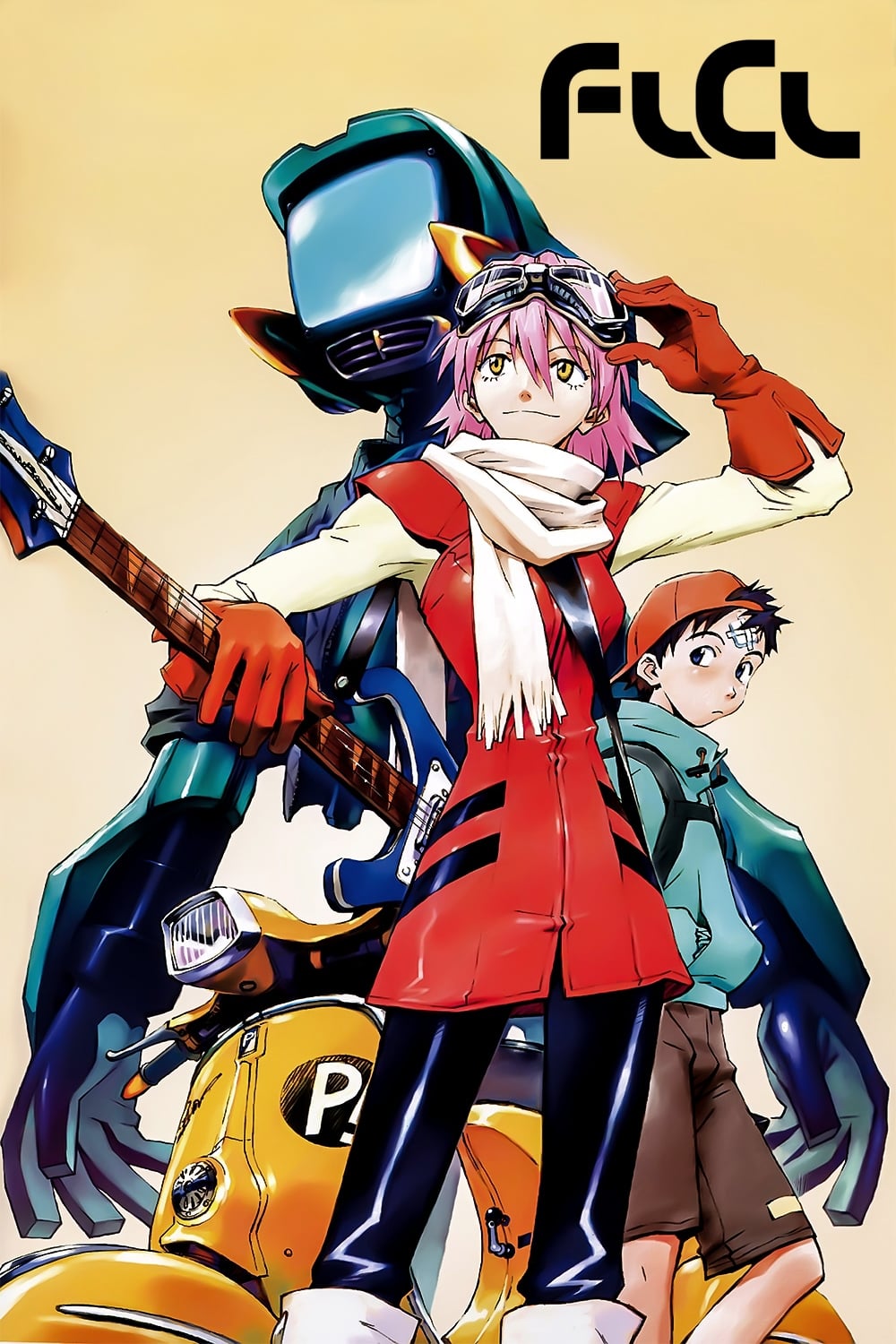
This six-episode OVA was produced by Gainax and Production I.G with chief director Kazuya Tsurumaki. The short series format allowed high-detail animation and experimental editing. The character designs were by Yoshiyuki Sadamoto and mechanical designs by Kazuya Tsurumaki and others. The Pillows provided original songs that were integrated across episodes.
Initial release came through direct-to-video in Japan with later television airings. International editions included English dubs and soundtrack albums. The property later received additional seasons produced by Production I.G and Adult Swim, released years after the original OVA.
‘Code Geass: Lelouch of the Rebellion’ (2006–2008)
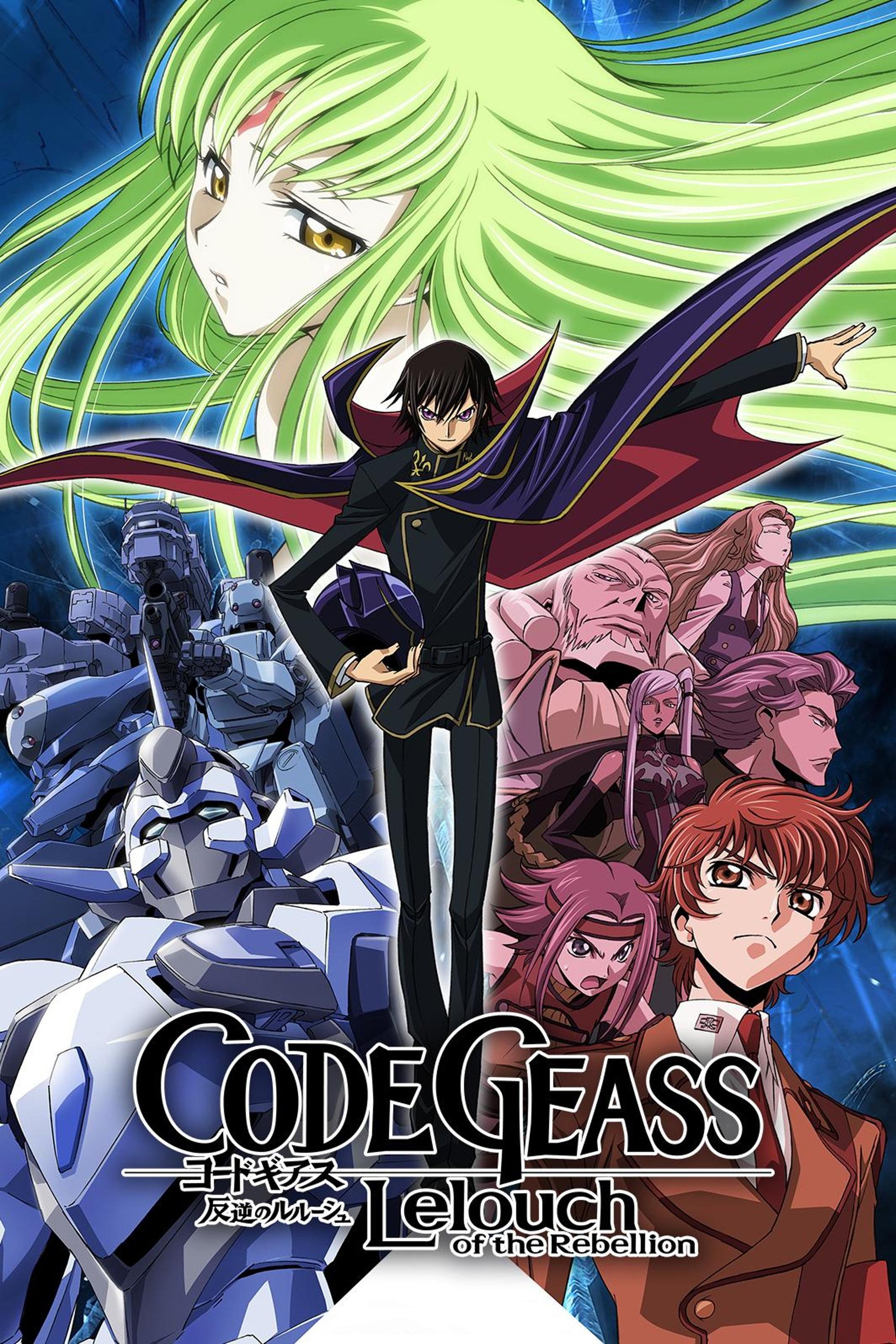
Sunrise developed this original television series with director Gorō Taniguchi and series composition by Ichirō Ōkouchi. CLAMP provided original character concepts refined for animation by Takahiro Kimura. The project ran for two seasons with a total of 50 episodes and included an original mecha design lineup by Astray’s Junichi Akutsu and others.
Broadcast took place on MBS and TBS networks in Japan. The franchise expanded to compilation films, sequel movies, and spin-off projects with returning staff. International distribution covered multiple home video releases and streaming platforms with updated subtitle and dub options.
‘Puella Magi Madoka Magica’ (2011)
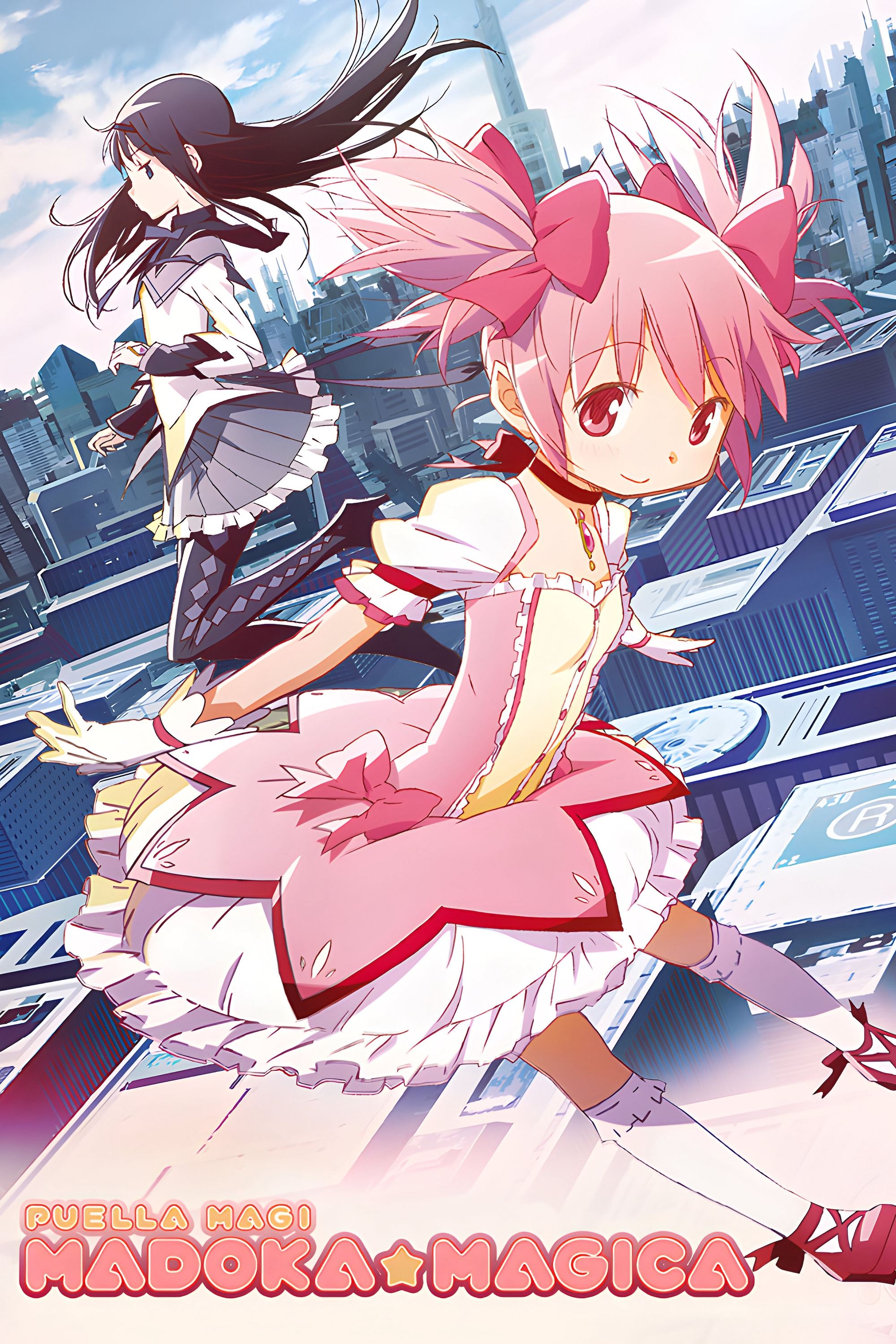
Aniplex, Shaft, and Nitroplus collaborated on this 12-episode original television series with Akiyuki Shinbo as chief director and Yukihiro Miyamoto credited as series director. Gen Urobuchi wrote the scripts and Ume Aoki provided original character designs adapted for animation by Takahiro Kishida. Yuki Kajiura composed the score and Kalafina performed key themes.
The TV series was followed by two compilation films and the original feature ‘Rebellion’ in 2013. The project later announced follow-up works with returning staff. Worldwide distribution included theatrical screenings, simulcasts, and collector’s home video editions.
‘Psycho-Pass’ (2012–2013)
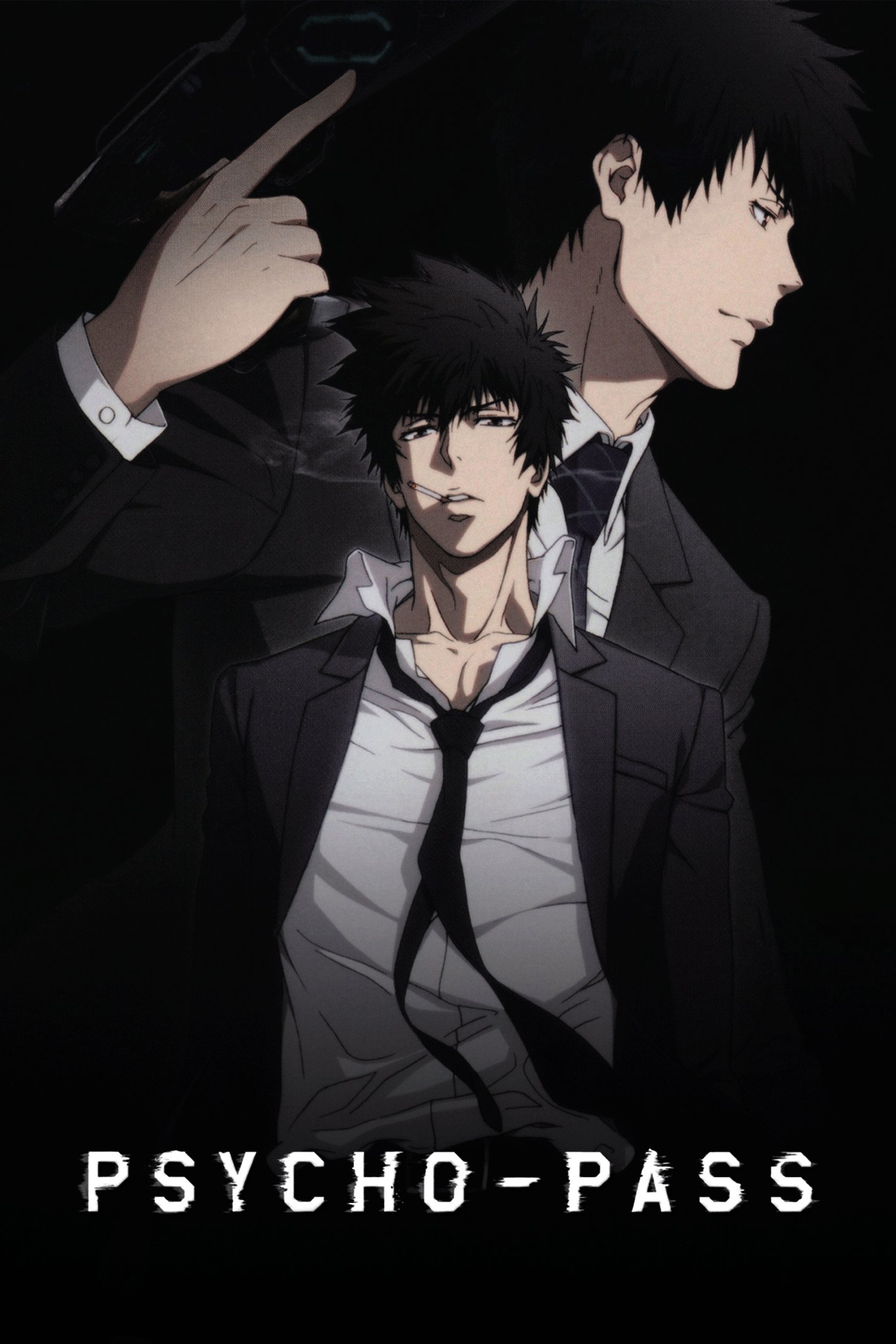
This Production I.G television project launched as an original 22-episode season on Fuji TV’s Noitamina block. Gen Urobuchi drafted the early story framework with Tow Ubukata contributing in later seasons. Character designs by Akira Amano were adapted for animation by Kyoji Asano. The series employed detailed background art and a near-future setting developed through extensive design documents.
The property grew into multiple seasons and feature films released under different production committees. International releases provided simulcast subtitling, dubbed versions, and remastered home video sets. Tie-in exhibitions and concerts highlighted original artwork and music cues.
‘Angel Beats!’ (2010)
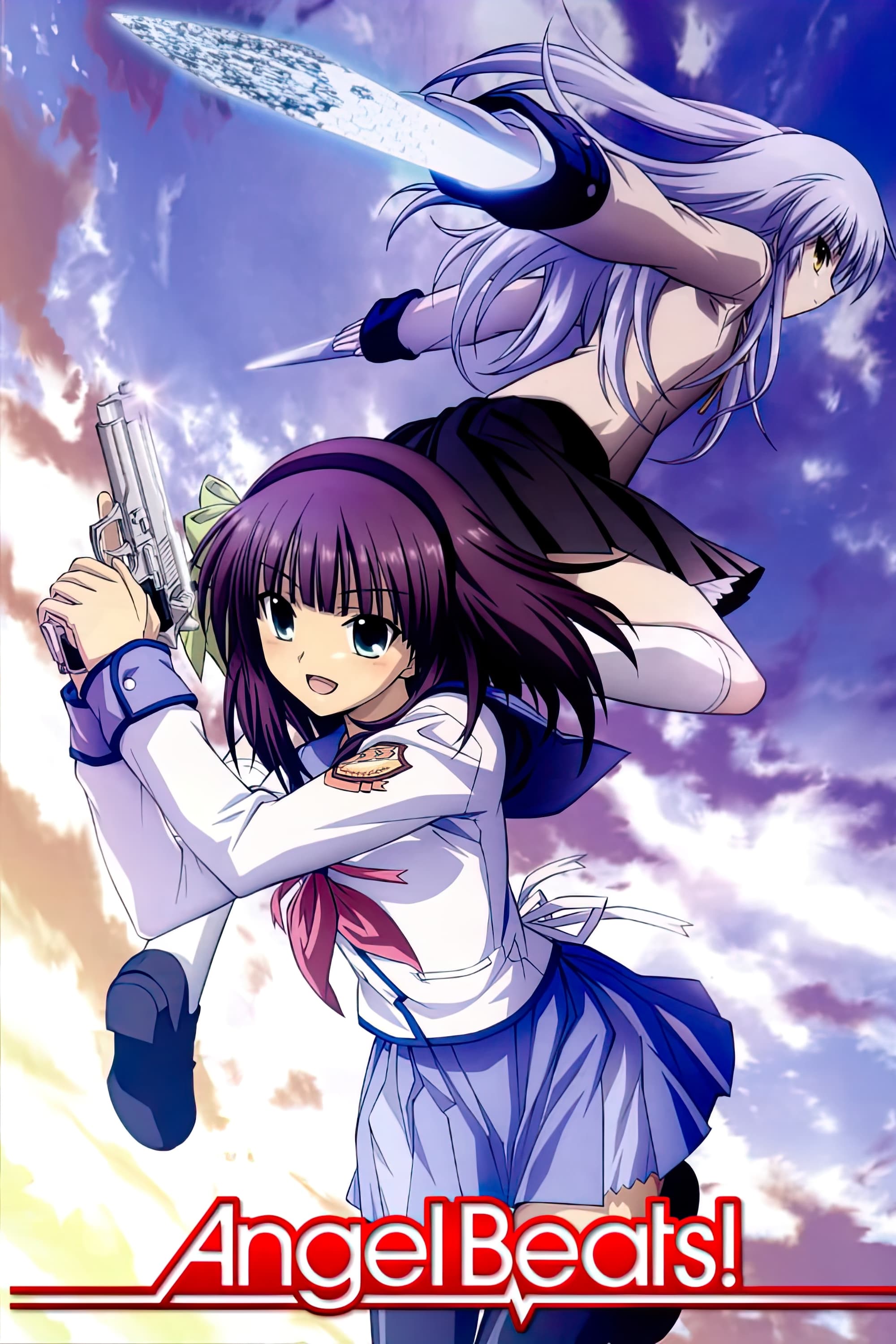
P.A.Works produced this 13-episode original series for a spring broadcast on TBS and affiliated stations. Jun Maeda served as creator and primary writer, with Seiji Kishi directing and Na-Ga providing original character designs adapted by Katsuzō Hirata. The music production included insert songs performed by a fictional in-series band.
Home video editions added unaired episodes and production notes. International distribution spanned television airings and streaming. The franchise later included concerts, drama CDs, and official art releases tied to the original production committee.
‘Death Parade’ (2015)
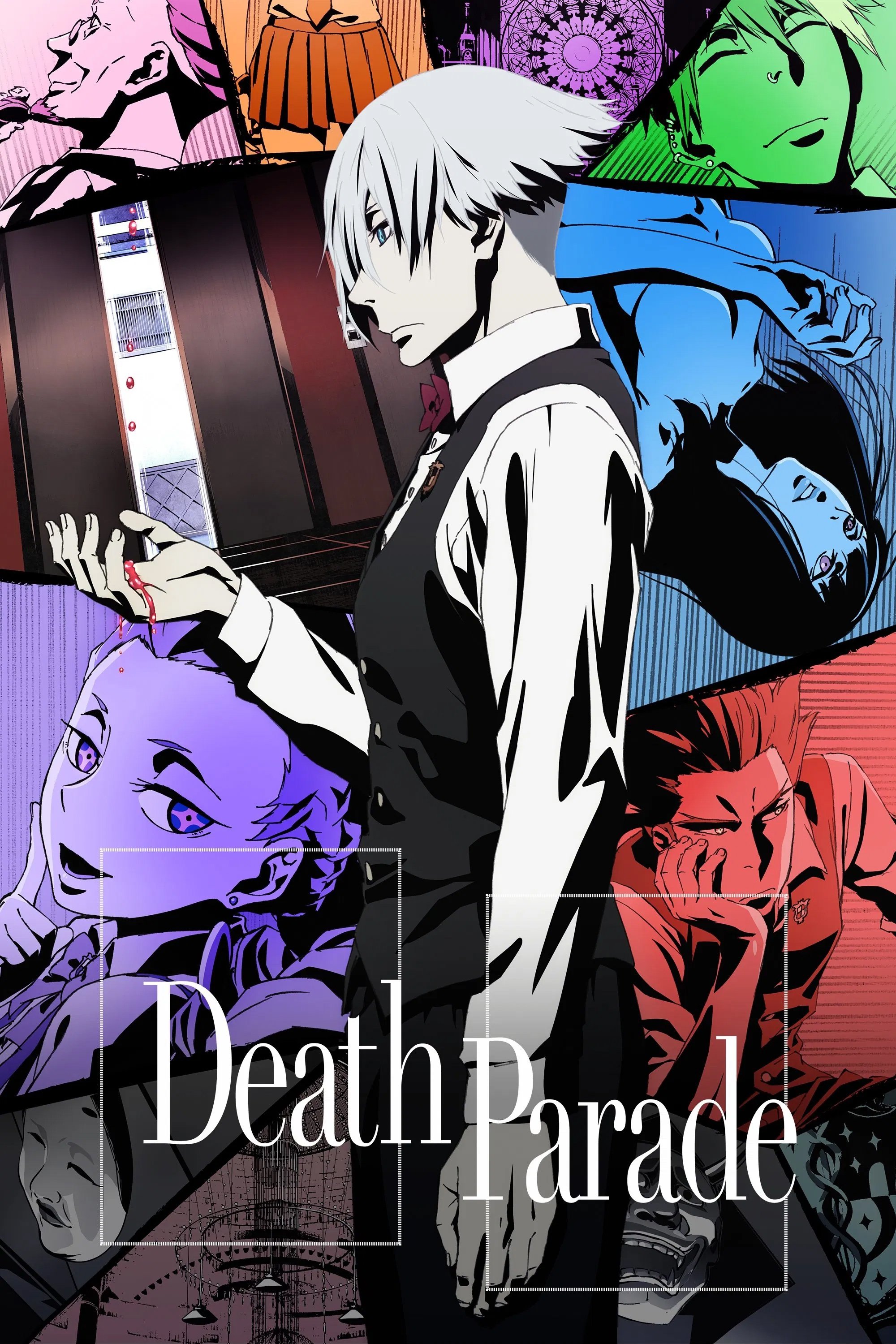
Madhouse expanded the short film ‘Death Billiards’ into this 12-episode original television series created and directed by Yuzuru Tachikawa. Shinichi Kurita designed the characters for animation and Yuuki Hayashi composed the soundtrack. The production emphasized contained episodic stories that fit a single cour schedule.
The show premiered on NTV and related networks in Japan with streaming availability abroad soon after. Home video releases included clean opening and ending sequences and staff commentary. The property remains tied to Madhouse’s catalog with international dubbing in multiple languages.
‘Tengen Toppa Gurren Lagann’ (2007)
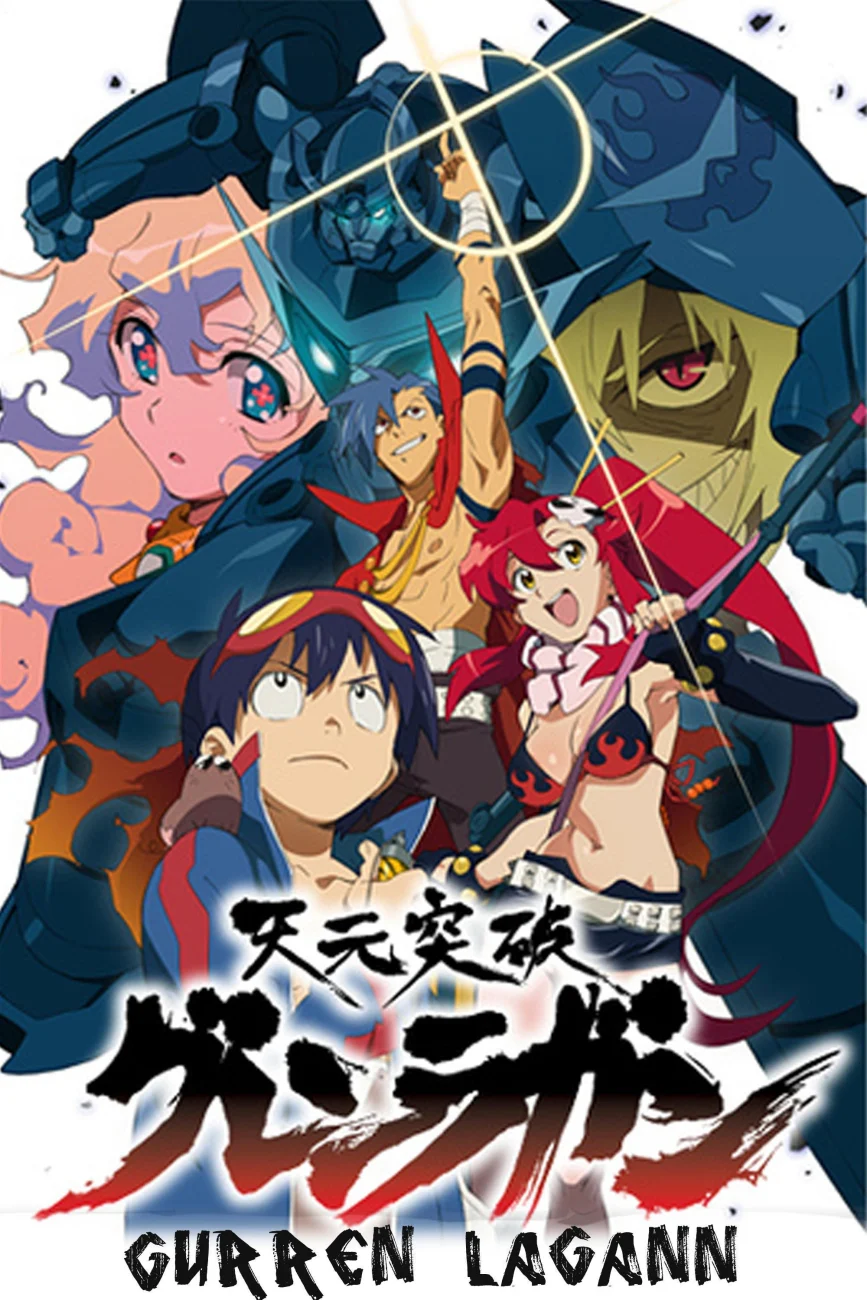
Gainax produced this 27-episode original series with Hiroyuki Imaishi as director and Kazuki Nakashima handling series composition. Character designs by Atsushi Nishigori and mechanical designs by Yoh Yoshinari and others supported a mecha focus. The project aired on TV Tokyo and received two compilation films with new animation.
Licensed releases covered DVD and Blu-ray editions across regions. Later staff reunions occurred on separate original projects, with art books and interviews documenting the show’s production pipeline. Music releases featured themes by Shoko Nakagawa and various insert songs.
‘Eureka Seven’ (2005–2006)
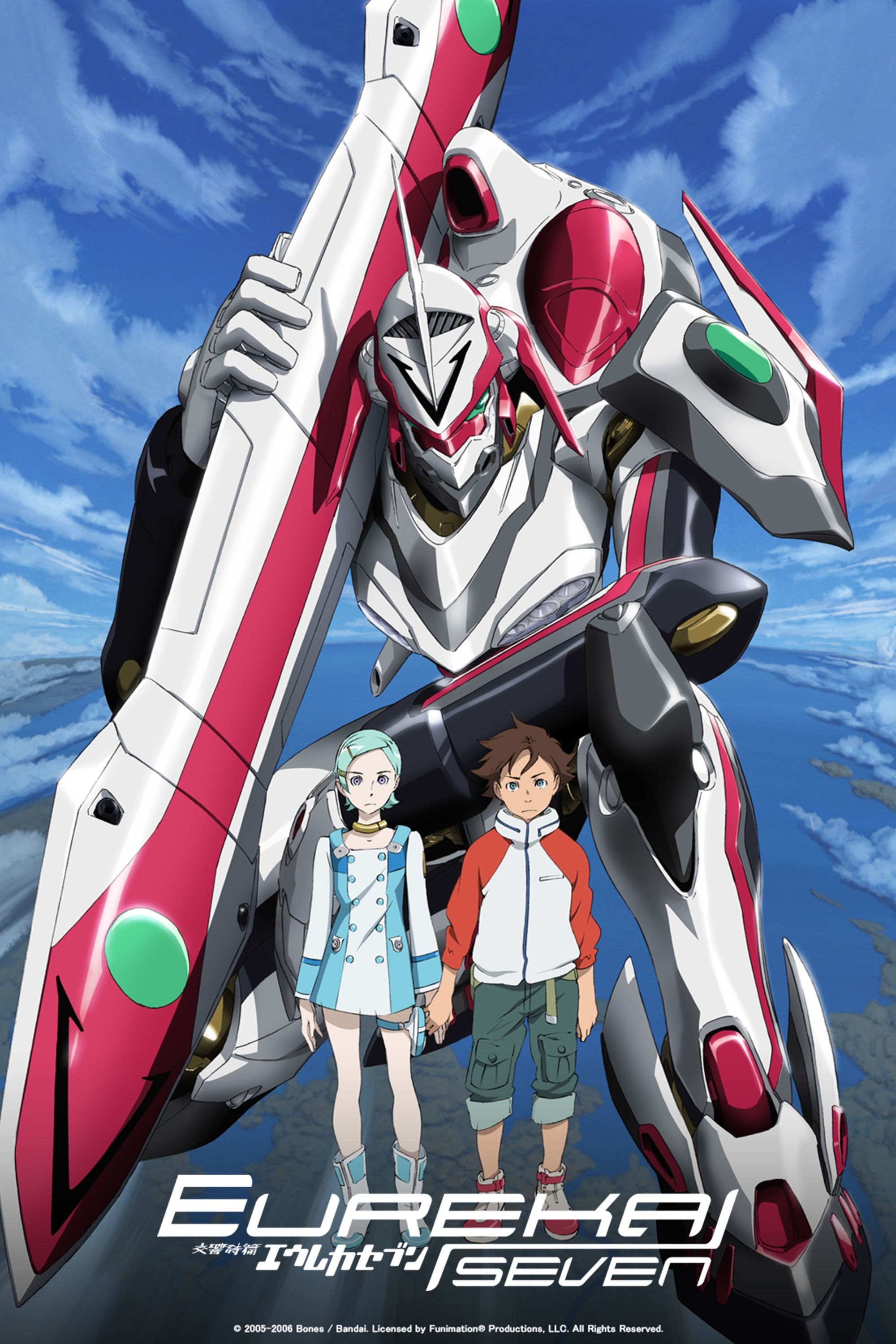
Bones developed this 50-episode original television series for MBS with director Tomoki Kyoda and series composition by Dai Satō. Kenichi Yoshida provided character designs and Shoji Kawamori contributed to mechanical design concepts. The production also created original surfing-style aerial action that influenced the show’s layout planning.
The property expanded with the film ‘Good Night, Sleep Tight, Young Lovers’ and later the ‘Hi-Evolution’ trilogy. International distribution included television broadcasts, streaming availability, and home video sets with staff interviews and production materials.
‘Samurai Champloo’ (2004–2005)
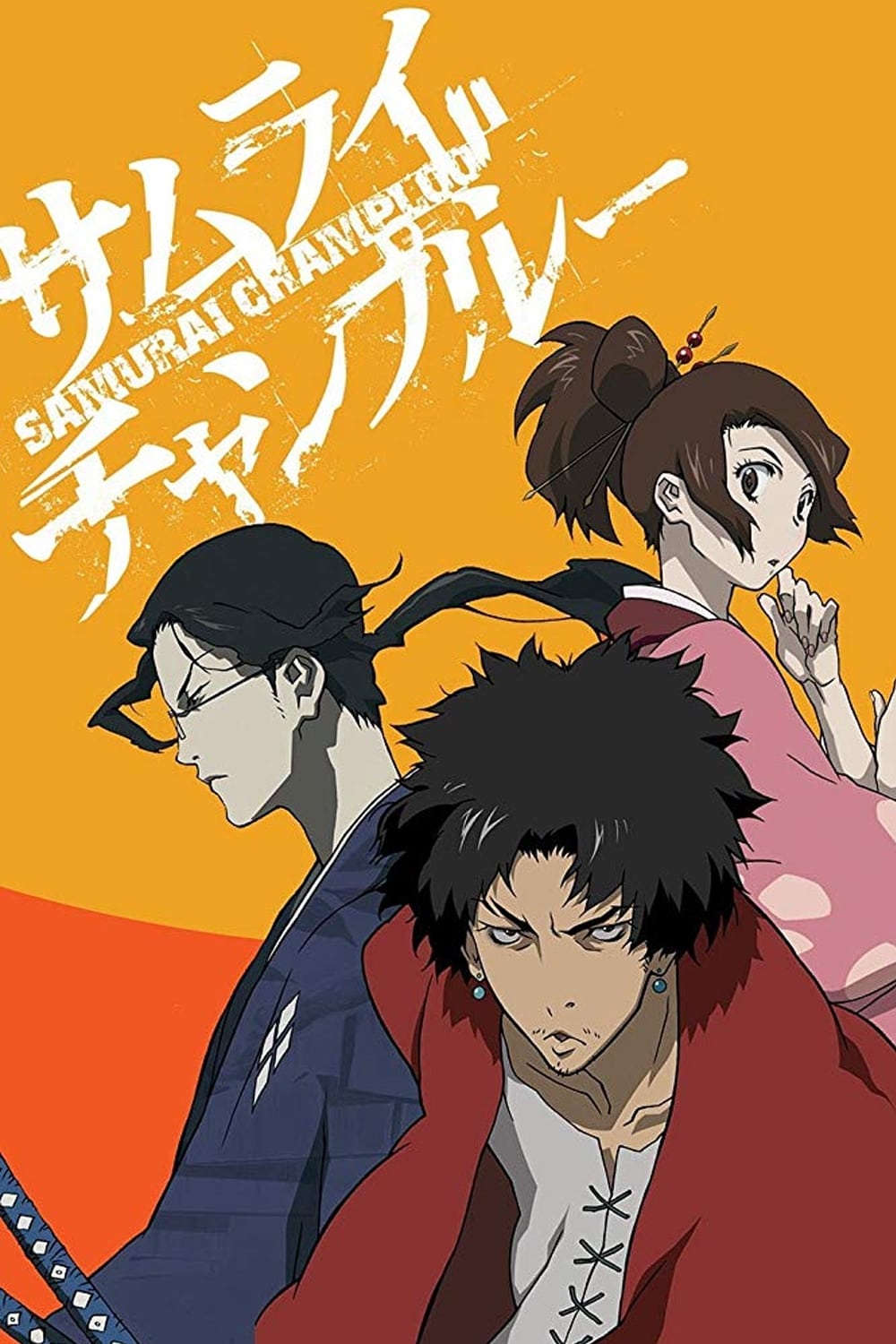
Manglobe produced this 26-episode original series directed by Shinichirō Watanabe. Kazuto Nakazawa contributed character design work alongside animation direction, and the soundtrack featured original tracks by artists including Nujabes and Fat Jon. The show aired first on Fuji TV and later on other outlets as episodes completed production.
International distribution reached North America and Europe with TV runs and Blu-ray releases. The production committee handled music publishing and merchandise tied to the series. Interviews and guidebooks document the episode order, staff assignments, and broadcast timeline.
‘Space Dandy’ (2014)
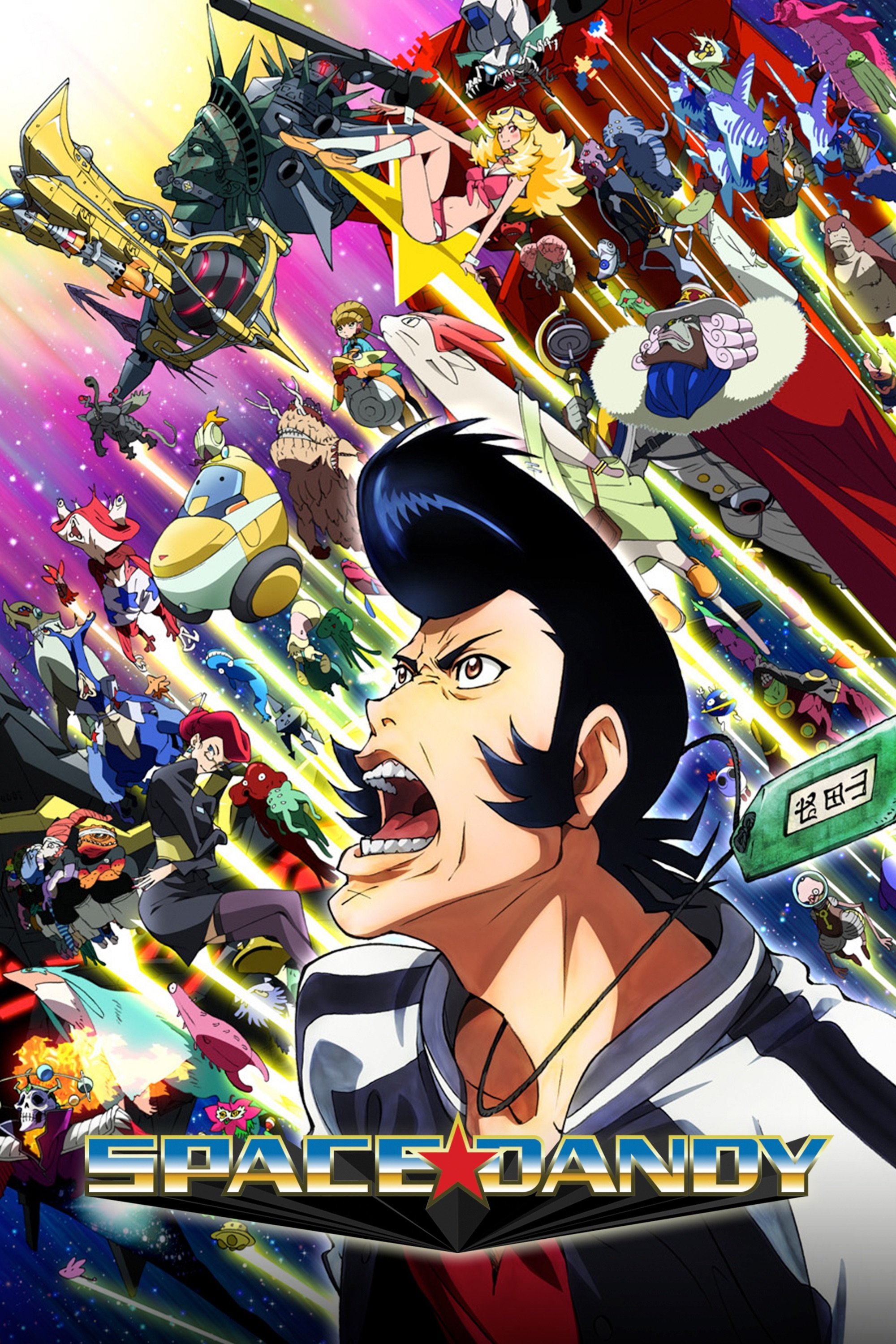
This 26-episode original project reunited director Shinichirō Watanabe with a rotating lineup of guest directors and studios under Bones. Character designs by Yoshiyuki Ito and a music team coordinated by FlyingDog supported an anthology structure. The series aired in Japan and received near-simultaneous overseas broadcasts.
Home video releases provided clean credits and staff commentaries. The production encouraged experimental animation and invited creators from multiple countries. Distribution included streaming services with multilingual subtitle and dub options.
‘Paranoia Agent’ (2004)
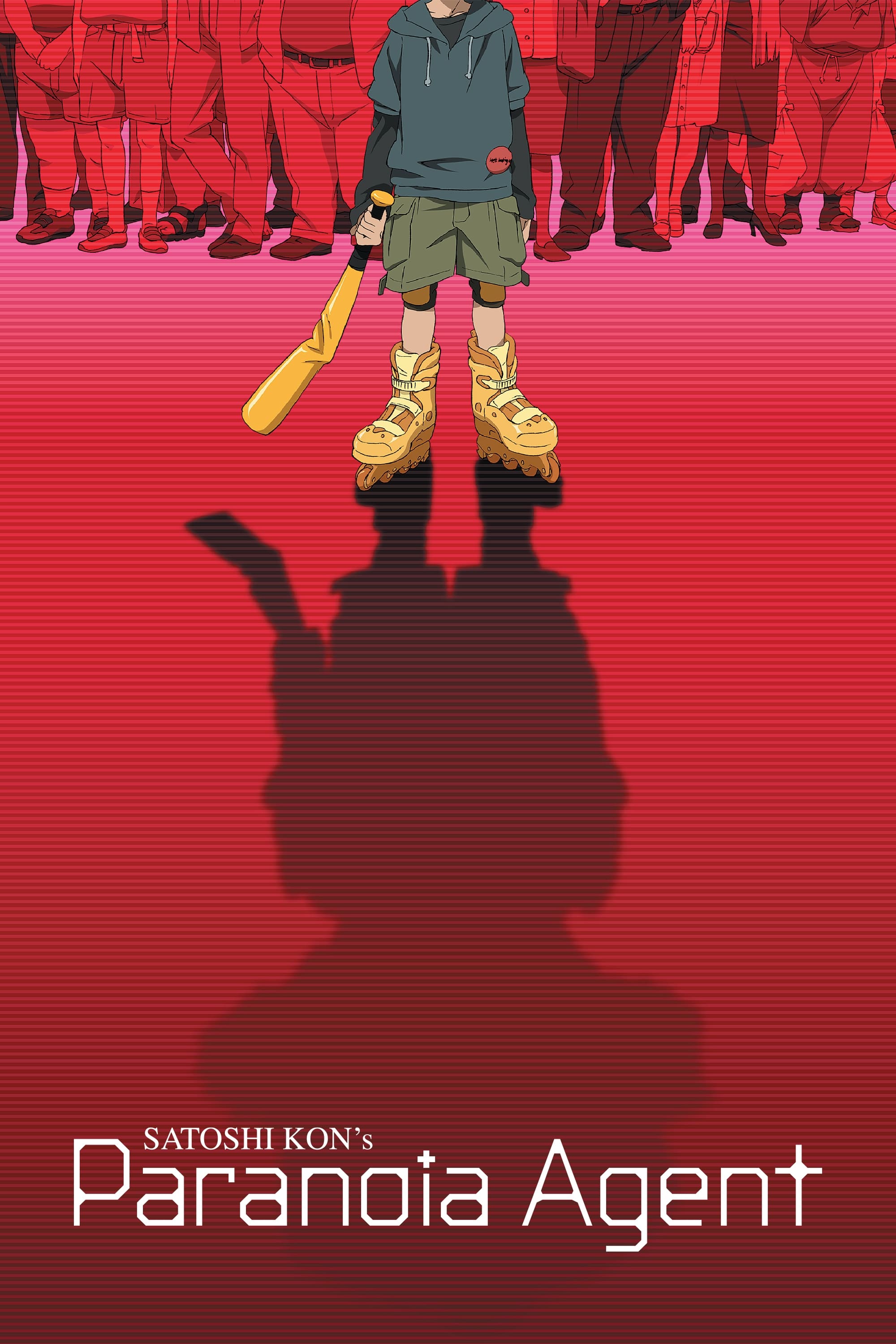
Madhouse produced this 13-episode original TV series from creator Satoshi Kon. The project featured character designs by Masashi Ando and music by Susumu Hirasawa. Broadcast occurred on WOWOW satellite television, with the production developed between Kon’s theatrical films.
International distribution brought the show to late-night programming blocks in several regions, followed by DVD and Blu-ray releases. Restored editions were issued with new masters and audio tracks. Official companion books collected storyboards and interviews from the staff.
‘Ergo Proxy’ (2006)
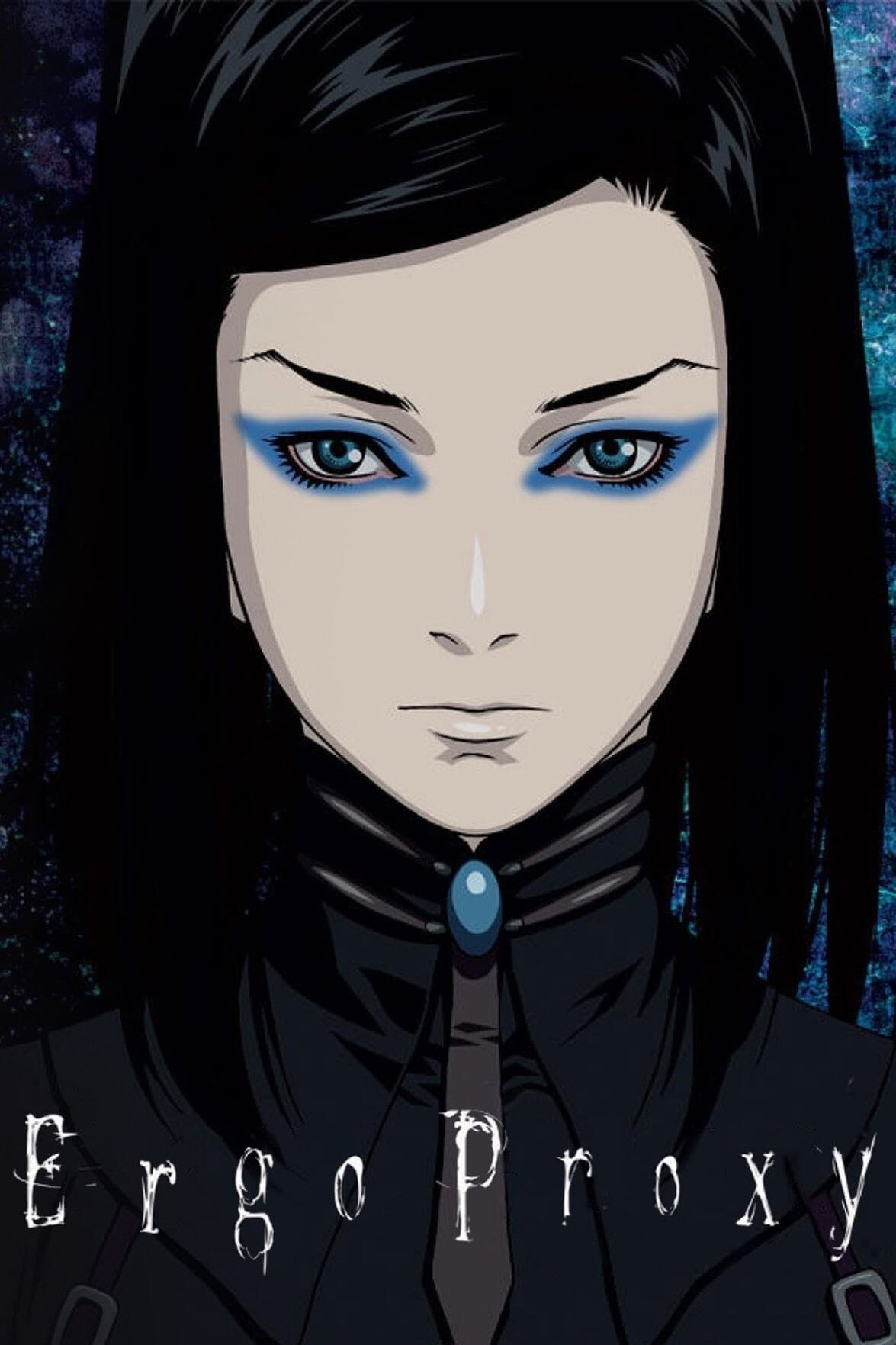
Manglobe created this 23-episode original series with director Shukō Murase and series composition by Dai Satō. Naoyuki Onda handled character designs based on concept art by Range Murata. The show aired on WOWOW and employed a mix of hand-drawn animation and 3D CG for backgrounds and props.
Home video editions included making-of features that detailed the production pipeline. The property was licensed in multiple territories and distributed on physical media and streaming. Staff artbooks showcased design sheets and location layouts from the series.
‘Wolf’s Rain’ (2003–2004)
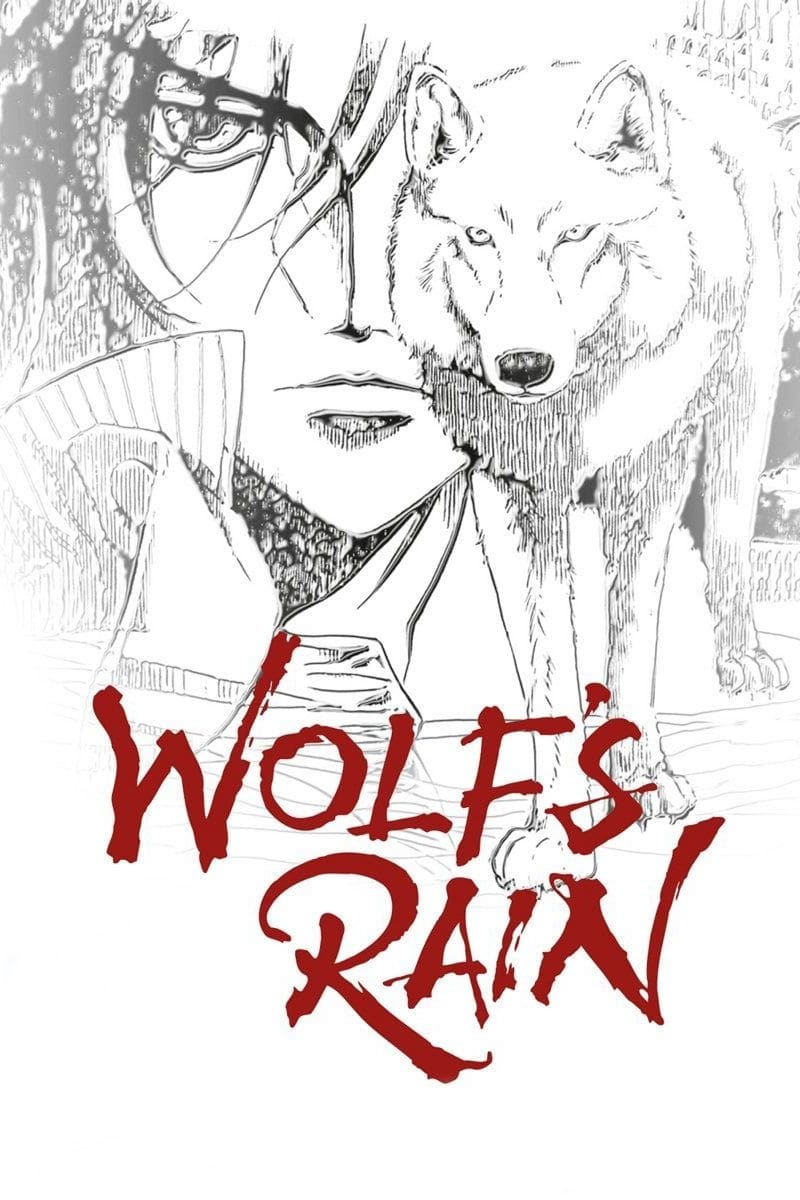
Bones produced this original project with chief director Tensai Okamura and story supervision by Keiko Nobumoto. The television run covered 26 episodes on Fuji TV, followed by four direct-to-video episodes that concluded the story. Yoko Kanno composed the score with vocal performances recorded specifically for the series.
The title saw international broadcast and complete collection releases that include the OVA ending. Production materials were archived in guidebooks and official soundtracks. The project is frequently included in studio retrospectives and exhibitions.
‘RahXephon’ (2002)
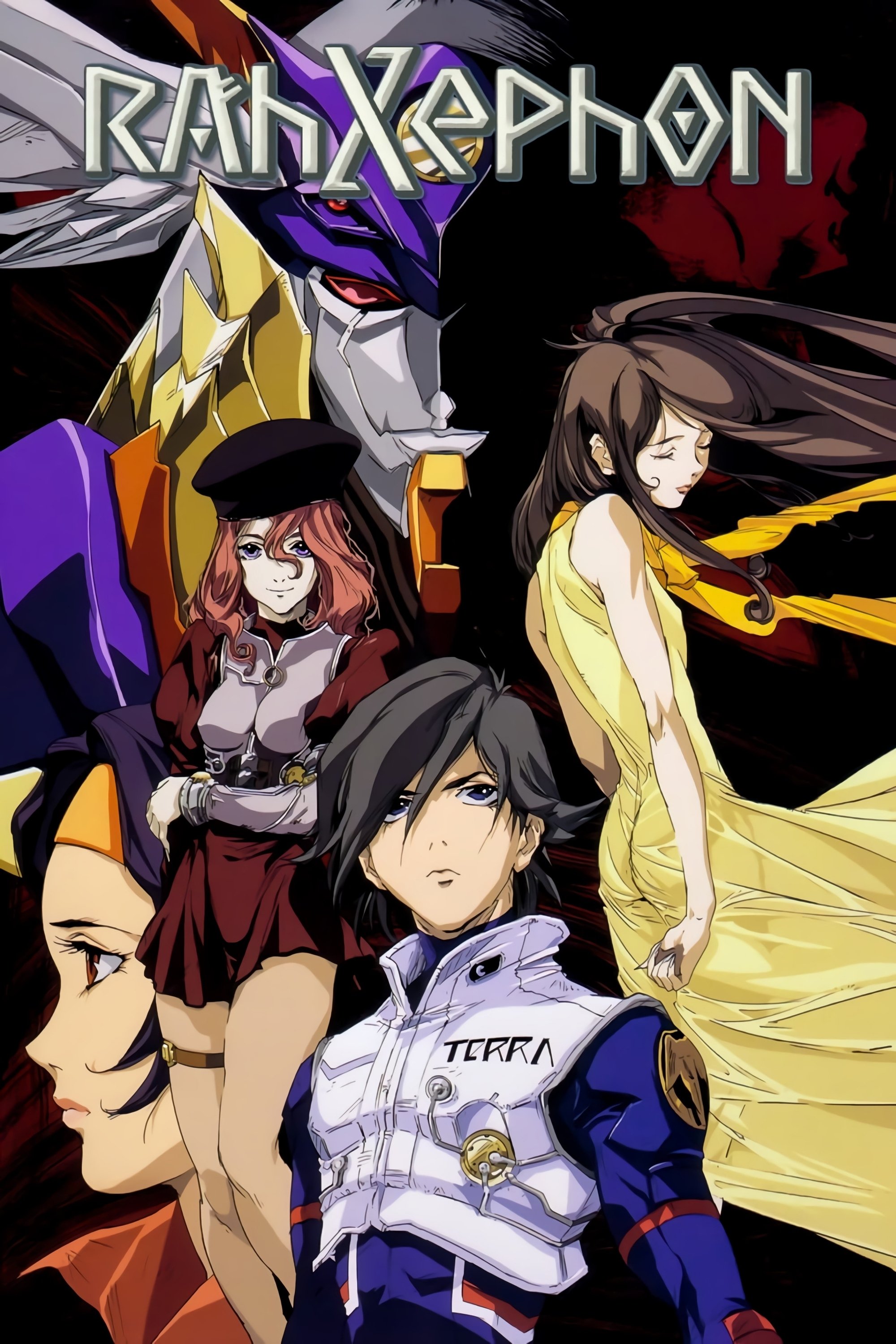
Bones developed this 26-episode original TV series directed by Yutaka Izubuchi. Character designs were by Akihiro Yamada and Michiharu Aoyama, with music by Ichiko Hashimoto. Broadcast occurred on TV Tokyo and AT-X, and a theatrical feature titled ‘RahXephon: Pluralitas Concentio’ followed in 2003 with reworked narrative elements.
Licensing covered multiple regions with television syndication and disc releases. Production notes detail a coordinated schedule between storyboard teams and music recording sessions. Artbooks and interviews document the worldbuilding and mechanical design process.
‘Michiko & Hatchin’ (2008–2009)

Manglobe produced this 22-episode original series with director Sayo Yamamoto and chief director Shinichirō Watanabe. Character designs by Hiroshi Shimizu supported a setting inspired by Latin American locales, and the music production included artists from Brazil alongside Japanese composers. The show aired on Fuji TV’s late-night slot.
International distribution included home video and streaming with multilingual dubs. Production features highlight location research and color design. Official releases bundled art galleries and interviews with the core creative staff.
‘Terror in Resonance’ (2014)
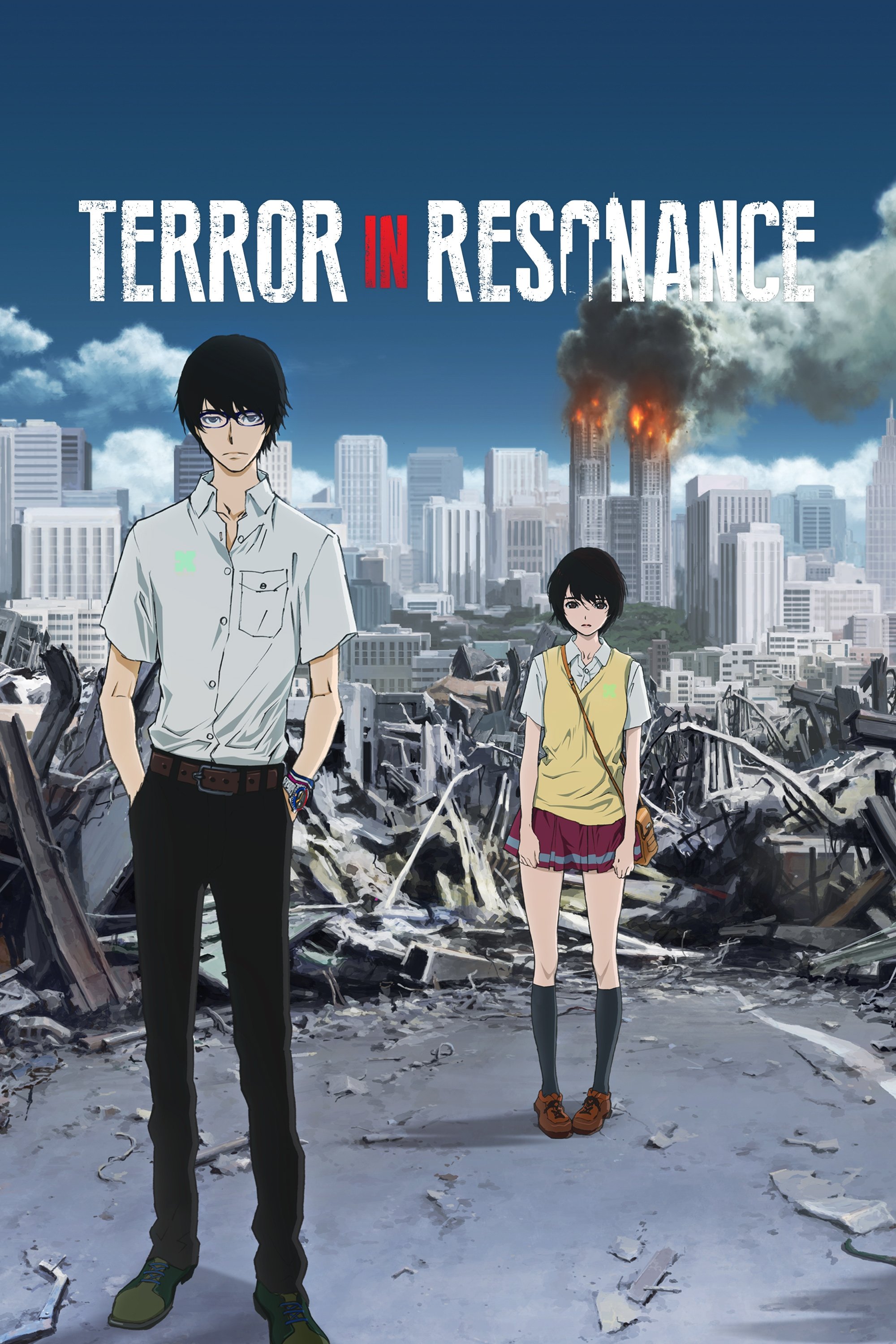
MAPPA developed this 11-episode original series directed by Shinichirō Watanabe with music by Yoko Kanno. Character designs were by Kazuto Nakazawa, and the series aired on Fuji TV’s Noitamina block. The project emphasized a contemporary urban setting supported by extensive background photography.
Home releases included clean openings and endings and staff commentary tracks. International licensing provided simulcast access and later Blu-ray sets. Production booklets outlined episode scheduling and art direction choices made during broadcast.
‘Great Pretender’ (2020)
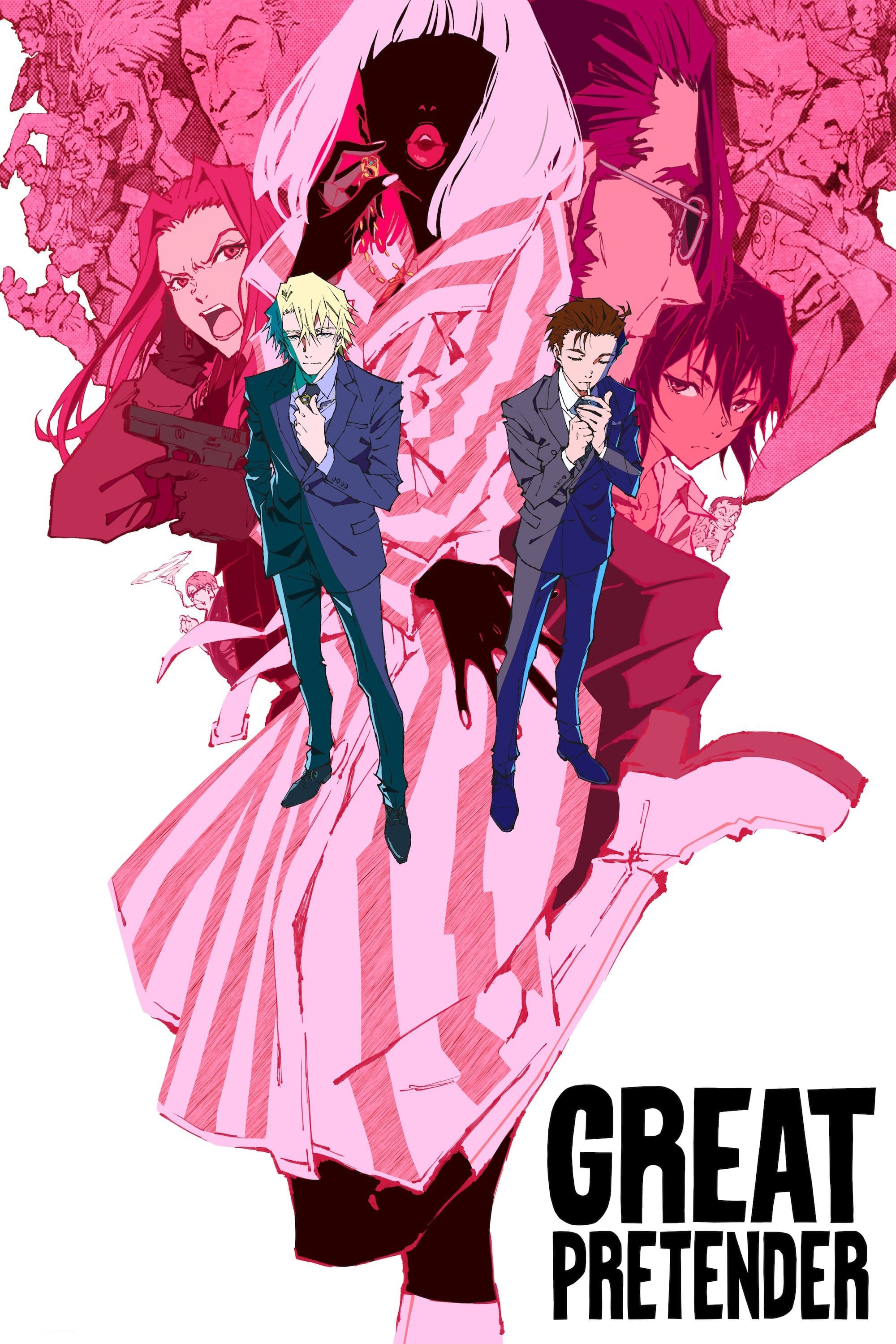
This original series from Wit Studio premiered via streaming before airing on Fuji TV’s +Ultra block. Hiro Kaburagi directed with scripts by Ryota Kosawa and character designs by Yoshiyuki Sadamoto. The production structured its story as self-contained cases across two cours.
International distribution launched through a global streaming platform with staggered regional rollouts. Physical releases followed with art cards and booklets. The project’s music included original themes and a licensed ending song that varied by region due to rights management.
‘Vivy: Fluorite Eye’s Song’ (2021)
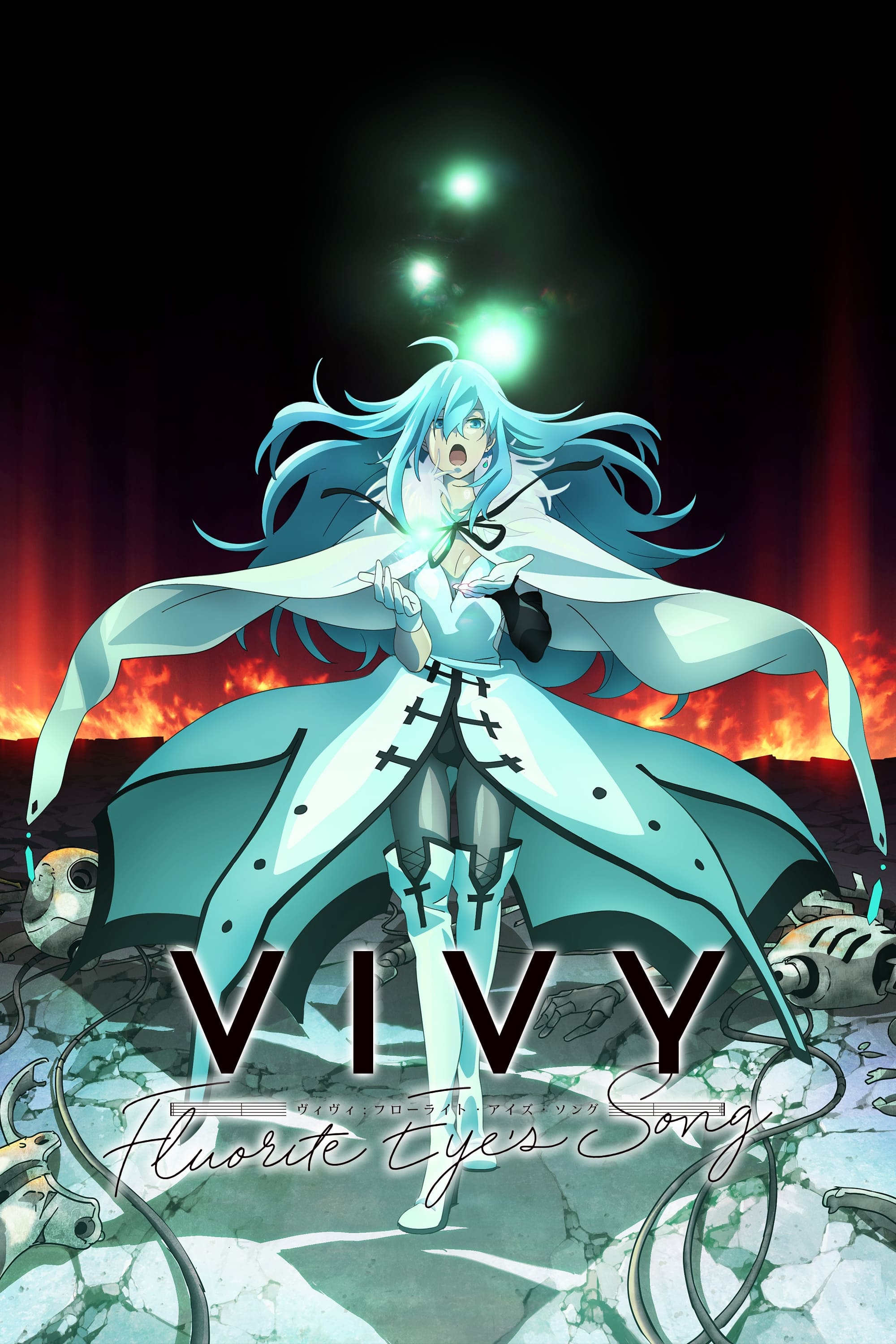
Aniplex, Wit Studio, and creators Tappei Nagatsuki and Eiji Umehara developed this 13-episode original series. Shinpei Ezaki directed, with character designs by loundraw adapted for animation by Yuichi Takahashi. The production integrated vocal performances recorded for the series with music direction aligned to episode scripts.
Broadcast and streaming occurred concurrently across multiple regions. Home video editions included drama tracks and staff commentary. Official materials document the timeline planning and design sheets used to map the story’s multiple eras.
‘Odd Taxi’ (2021)
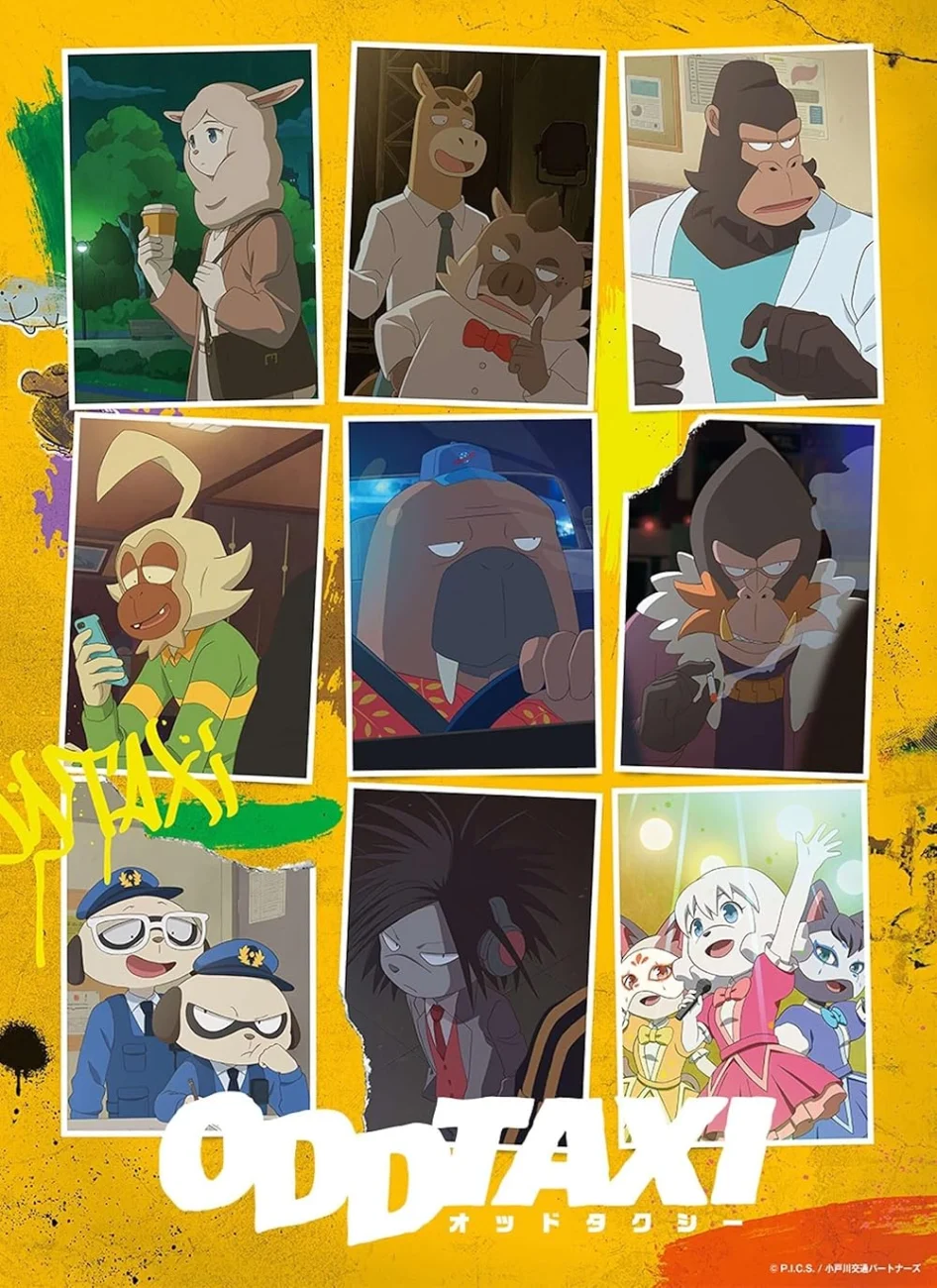
OLM and P.I.C.S. co-produced this 13-episode original series directed by Baku Kinoshita with scripts by Kazuya Konomoto. The production used a compact cast and stylized character designs to match an urban setting. Music was coordinated through Pony Canyon with theme songs by Skaai and others.
The property expanded with a compilation film that added new material. International distribution included simulcasts and disc releases. Official books and interviews detail the scriptwriting process and the coordination between two studios during weekly broadcast.
‘SK8 the Infinity’ (2021)
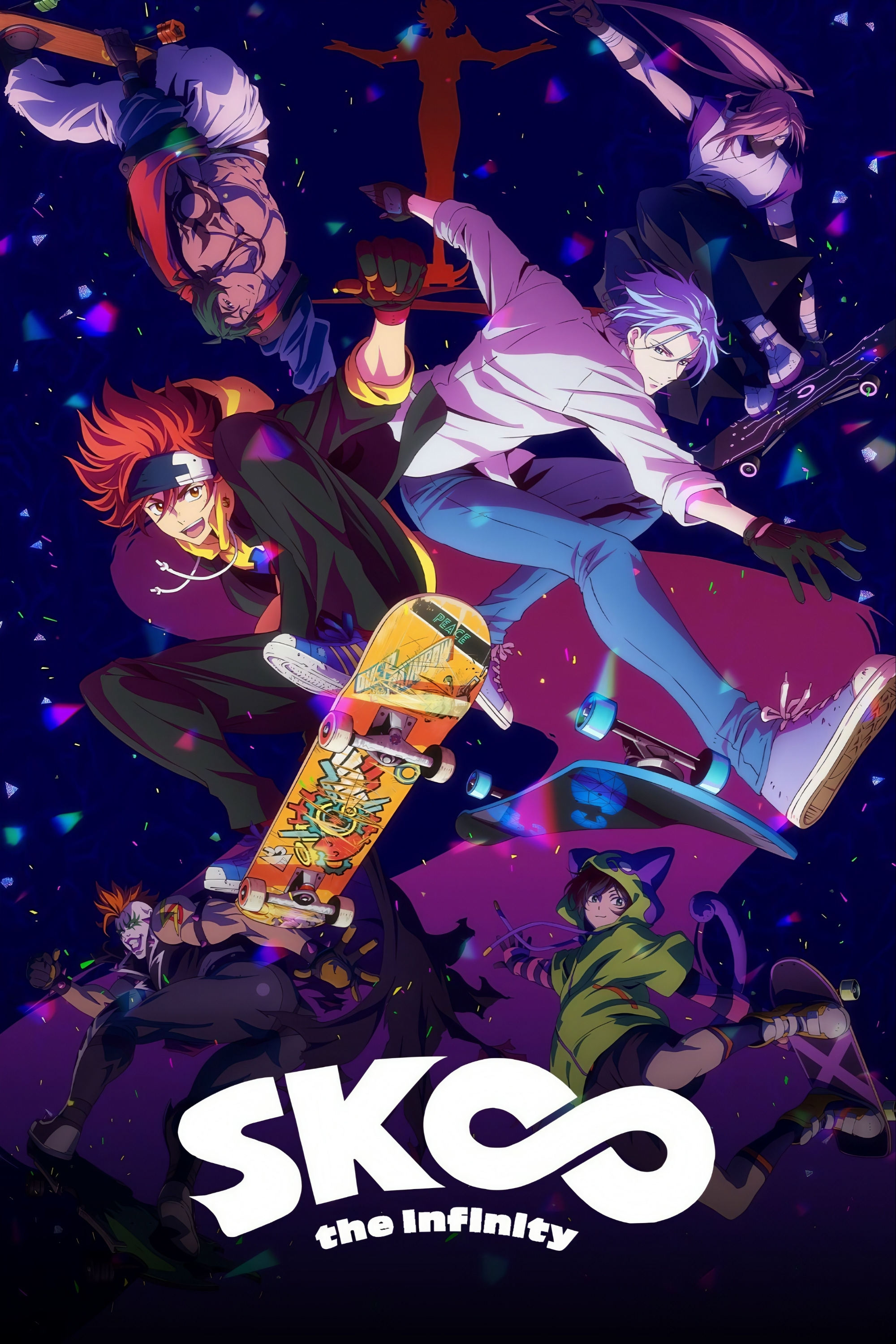
Bones produced this 12-episode original series directed by Hiroko Utsumi with series composition by Ichirō Ōkouchi. Character designs by Michinori Chiba and a soundtrack coordinated by Aniplex supported a focus on skateboarding action. The show premiered on ABC TV and TV Asahi’s ANiMAZiNG!!! block.
The franchise added an OVA and a second season announcement after the initial run. Overseas distribution provided simulcasts, dubs, and home video. Official merchandise and events included collaboration items produced during and after broadcast.
‘Zombieland Saga’ (2018–2021)
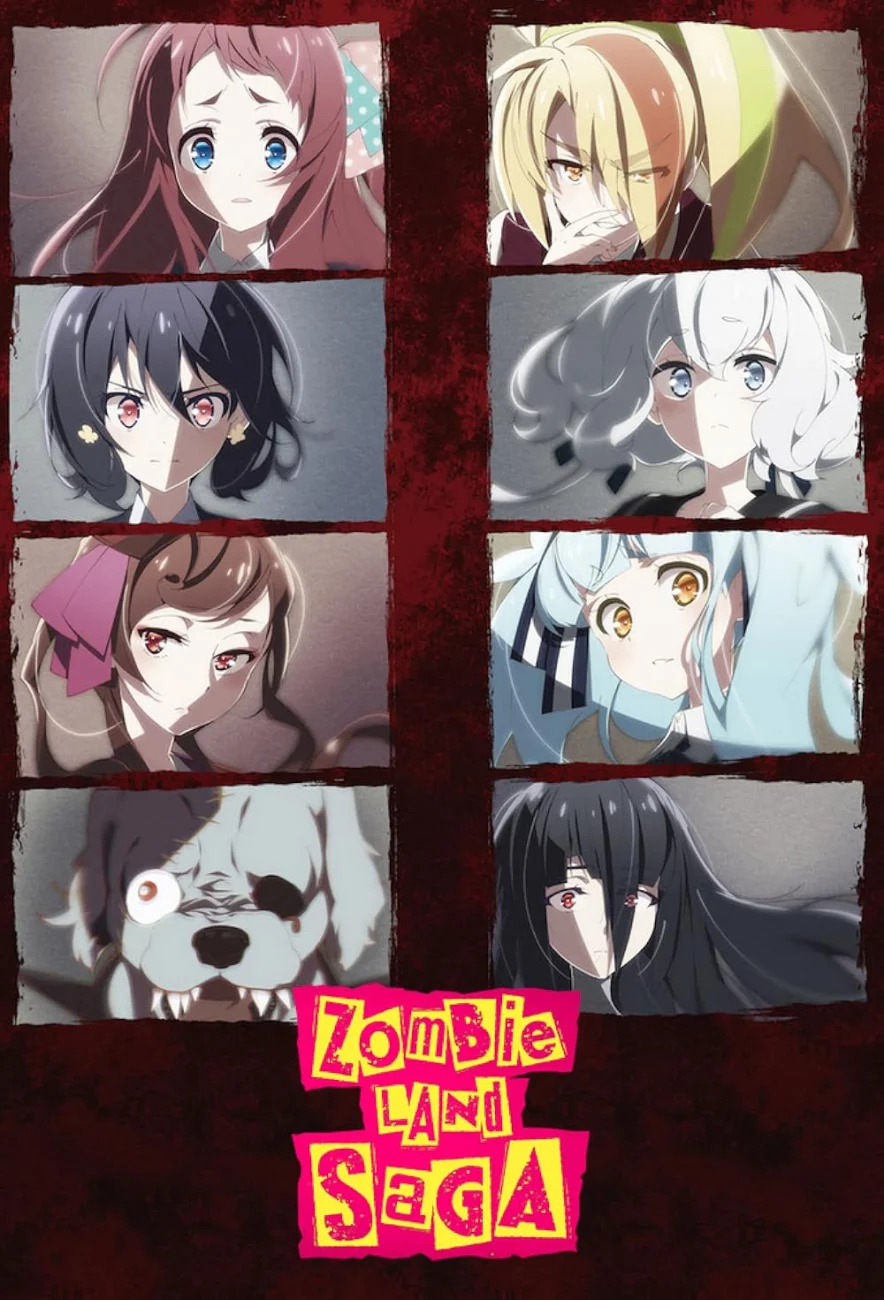
MAPPA and Avex Pictures launched this original franchise with a 12-episode first season on AT-X, Tokyo MX, and other stations, followed by ‘Zombieland Saga Revenge’ as a second season. Munehisa Sakai directed the initial outing with character designs by Kasumi Fukagawa based on original concepts by Toshifumi Akai. Music production involved a large catalog of insert songs recorded by the cast.
Distribution spanned television, streaming, and disc releases with concert events staged in Japan. The project developed live performances, radio shows, and exhibitions tied to the in-universe idol group. Official releases included making-of features and design materials.
Share your favorites and any must-add original titles in the comments so everyone can compare notes.