

25 Best Parkour Systems In Gaming

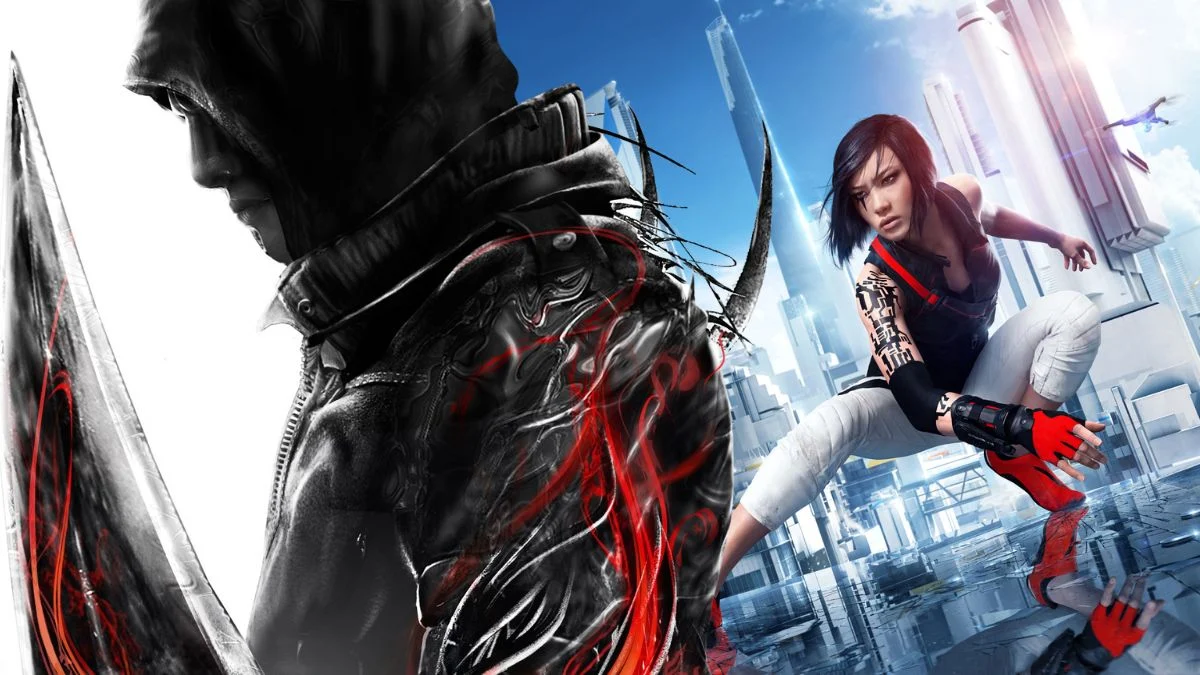


Parkour systems in games have grown from simple vaults to deep toolkits that let players chain climbs, wall runs, slides, and leaps across sprawling maps with style and speed, and the best ones make movement feel like its own kind of puzzle solving while still serving combat and exploration, so here are standout examples that show how different studios approach momentum, input forgiveness, and environment design to keep you flowing from point to point.
‘Assassin’s Creed Unity’
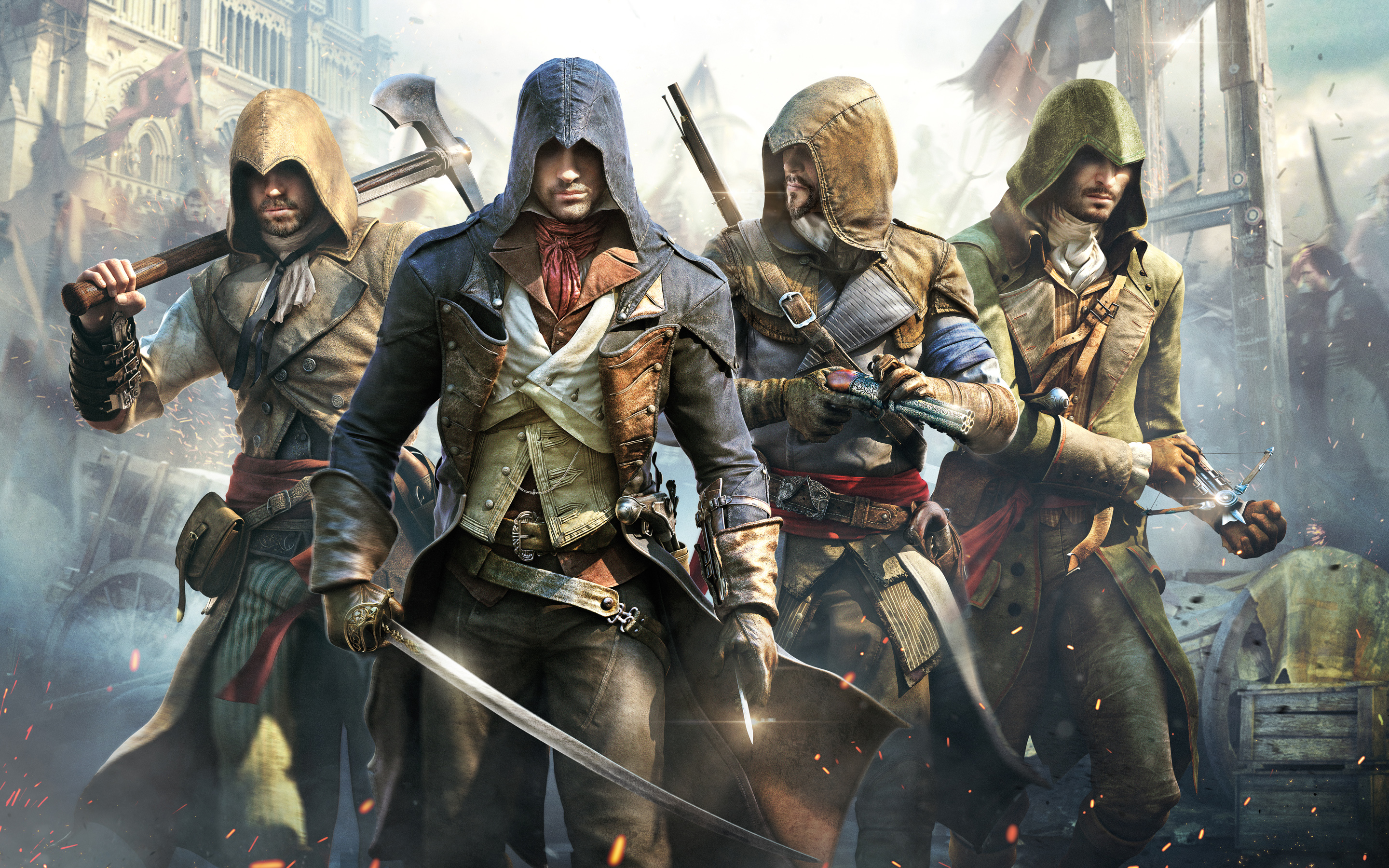
This entry introduced separate inputs for parkour up and parkour down to give finer control over ascent and descent in dense Paris streets. Characters snap to believable handholds on windowsills, gutters, and stonework while animation blending smooths the route. Leap of Faith points and synchronized viewpoints feed into route planning across districts. The navigation mesh supports angled surfaces and narrow gaps so free running feels precise inside crowds and tight alleys.
‘Mirror’s Edge Catalyst’
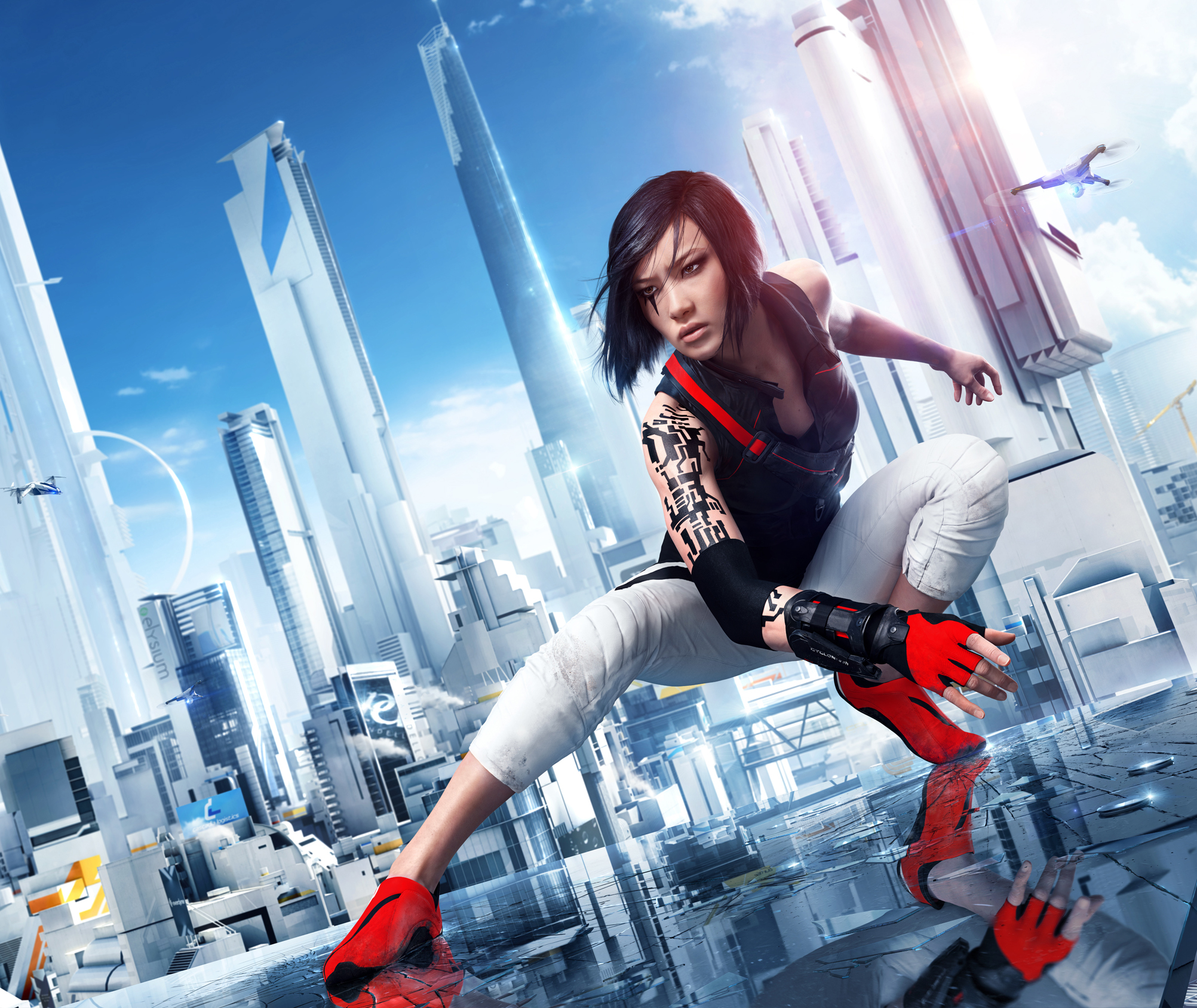
This first person system maps core moves like wall run, coil, slide, and quick turn to minimal inputs that chain into a continuous flow. Runner Vision marks on objects highlight viable lines through rooftops and interiors without forcing a single path. Momentum affects jump distance and wall transfer timing which rewards clean inputs. Time trials and missions use modular level pieces built to support loops and retries.
‘Dying Light 2 Stay Human’
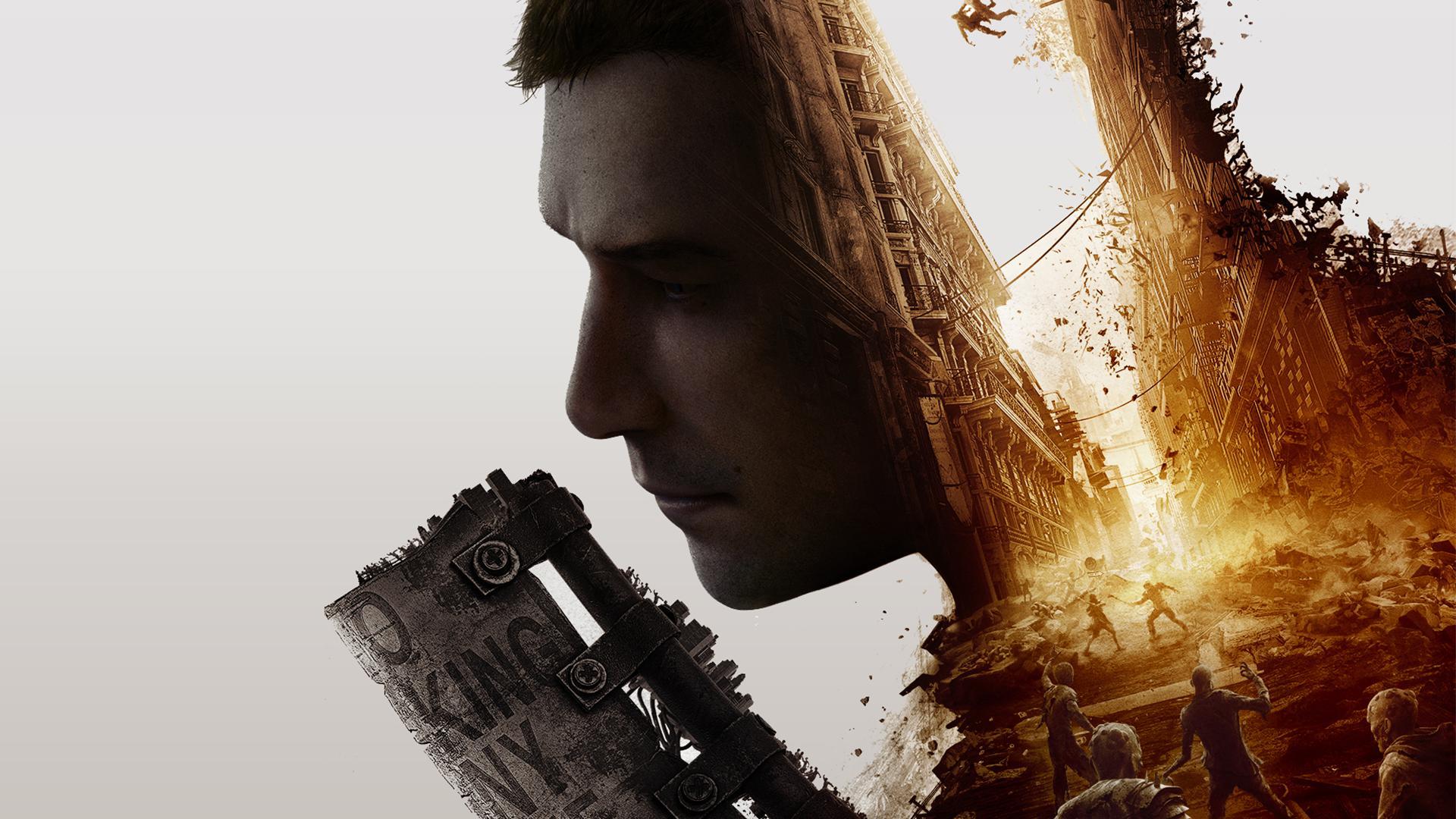
Parkour proficiency levels unlock new moves such as far jump, tic tac, wall climb boost, and soft landing. Stamina governs climbs while night exploration grants bonus experience for higher risk routes. The paraglider and grappling hook integrate with ledges and vents to extend horizontal and vertical range. Buildings feature readable edges, yellow grips, and breakable obstacles that telegraph routes at a glance.
‘Dying Light’
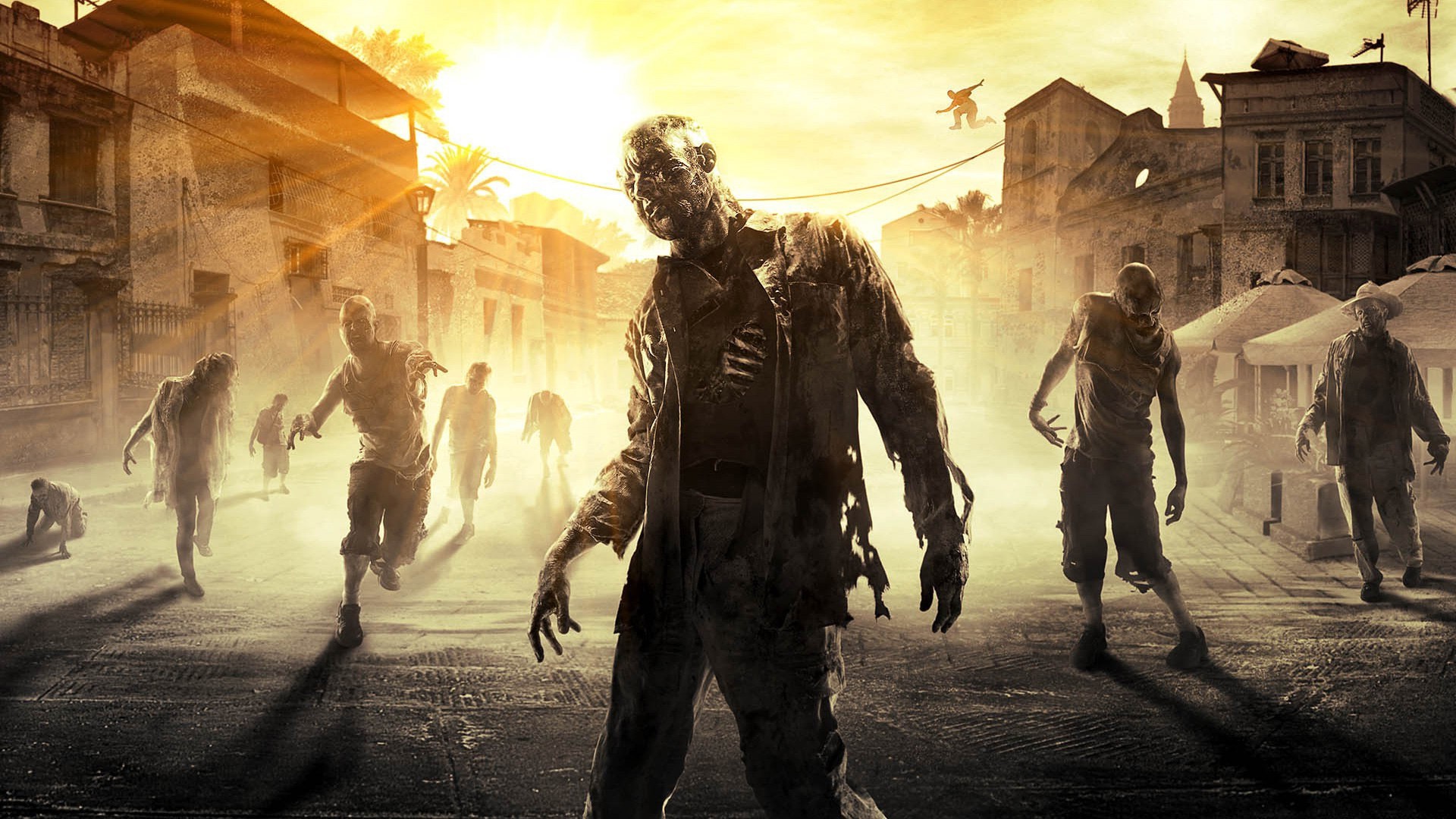
The original created a first person parkour model where head and hand movement align with ledge grabs and mantling. A dedicated climb input gives reliable attachment to contextual handholds. Safe zones, supply drops, and chase tiers push players to plan rooftop lines under pressure. Day and night cycles shift enemy density which changes preferred paths and escape tactics.
‘Titanfall 2’
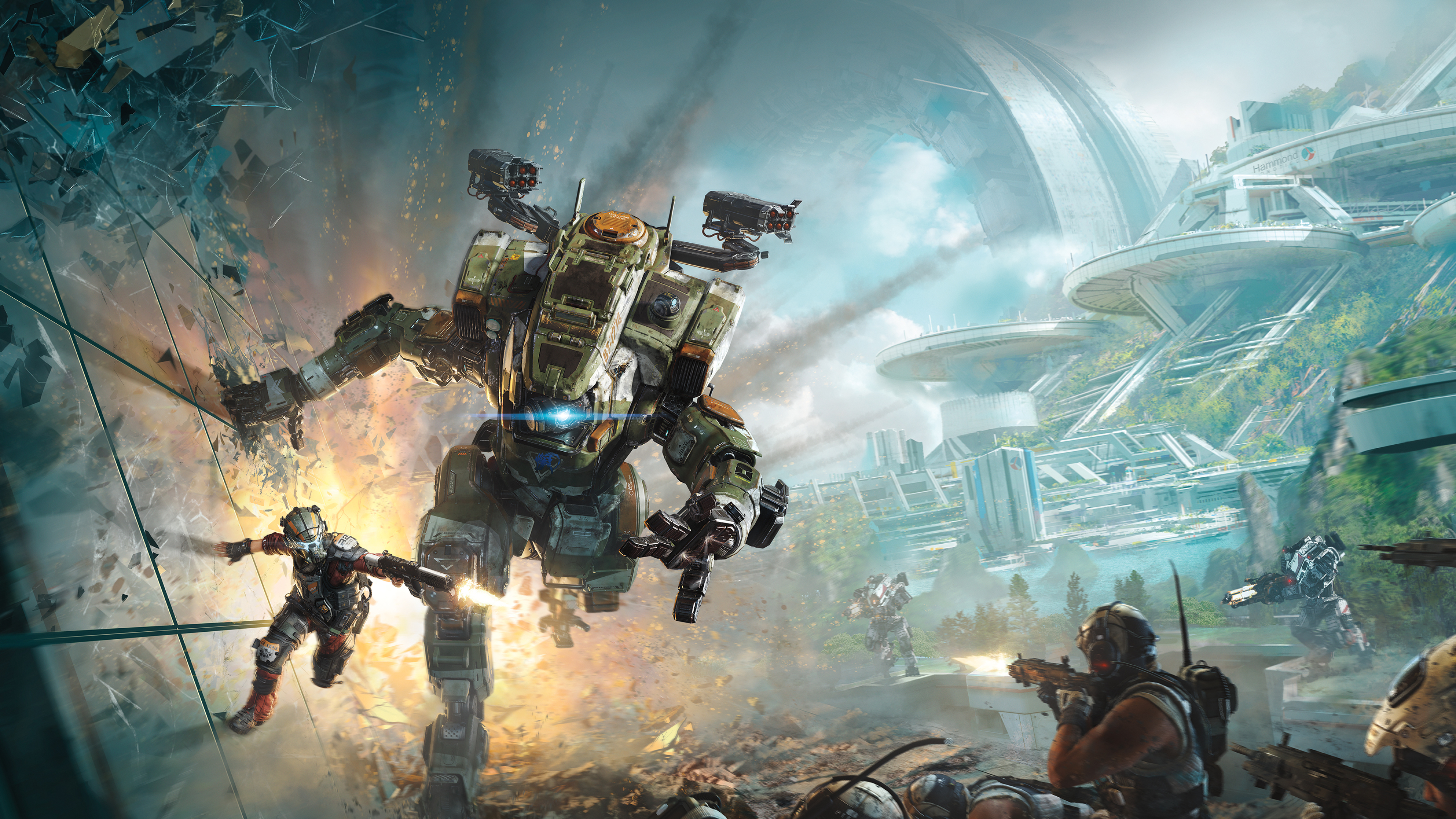
Pilots can wall run, double jump, and slide while preserving speed through angled entries and smooth exits. Map geometry in multiplayer creates parallel routes that cross over sightlines for flanking and flag runs. The campaign designs arenas with multiple walls in sequence so players can maintain airtime for extended periods. Movement speed carries into weapon handling for a distinct mobility combat style.
‘Prince of Persia: The Lost Crown’
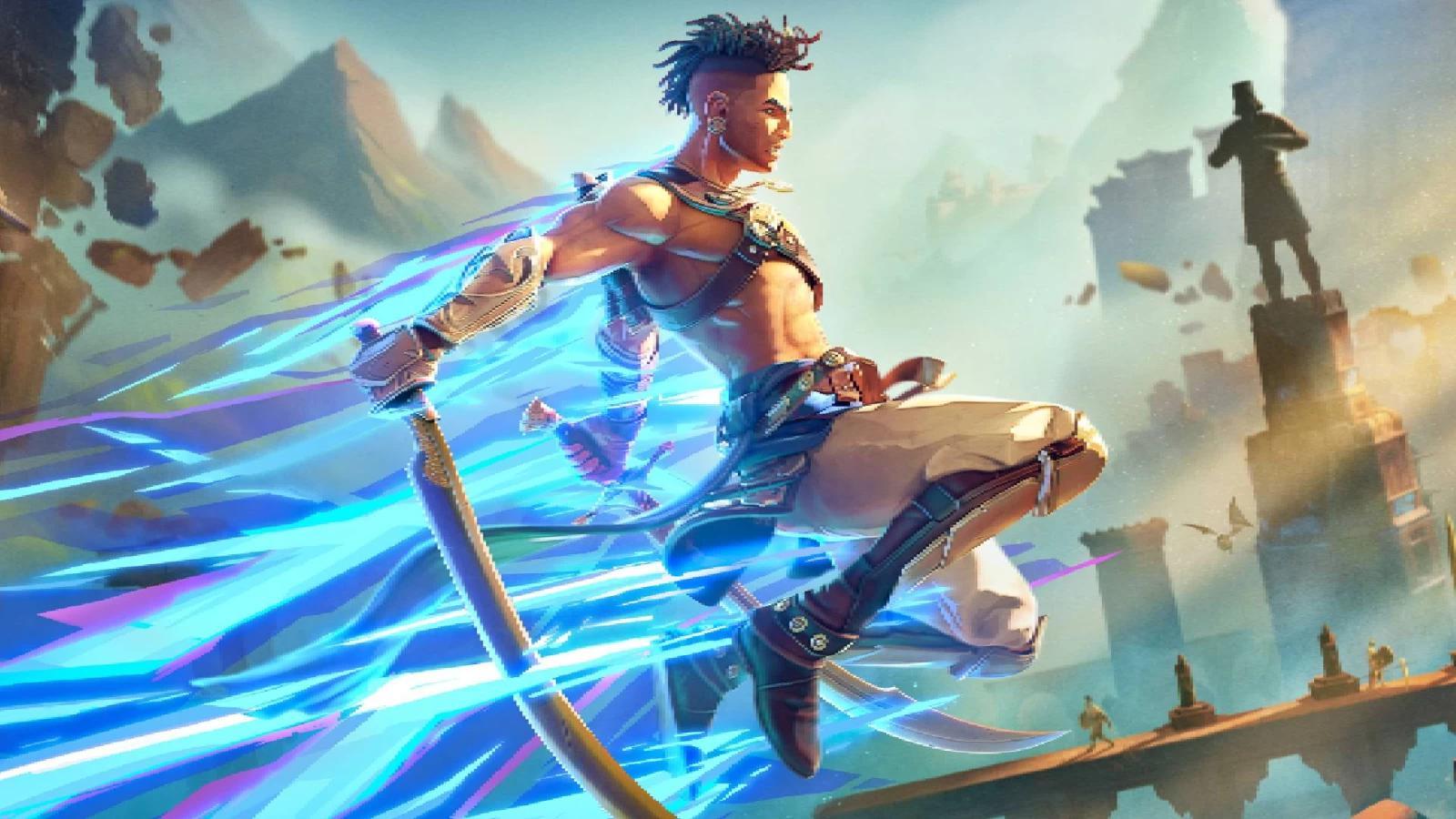
Sargon’s kit layers wall jumps, air dash, and a late game double dash on top of classic vaults and climbs. Athra powers add temporary movement buffs that enable optional sequence breaks. Time powers let players mark a location and return to it which opens intricate platforming solutions. Challenge rooms focus on pure movement puzzles that teach precise timings.
‘Prince of Persia’
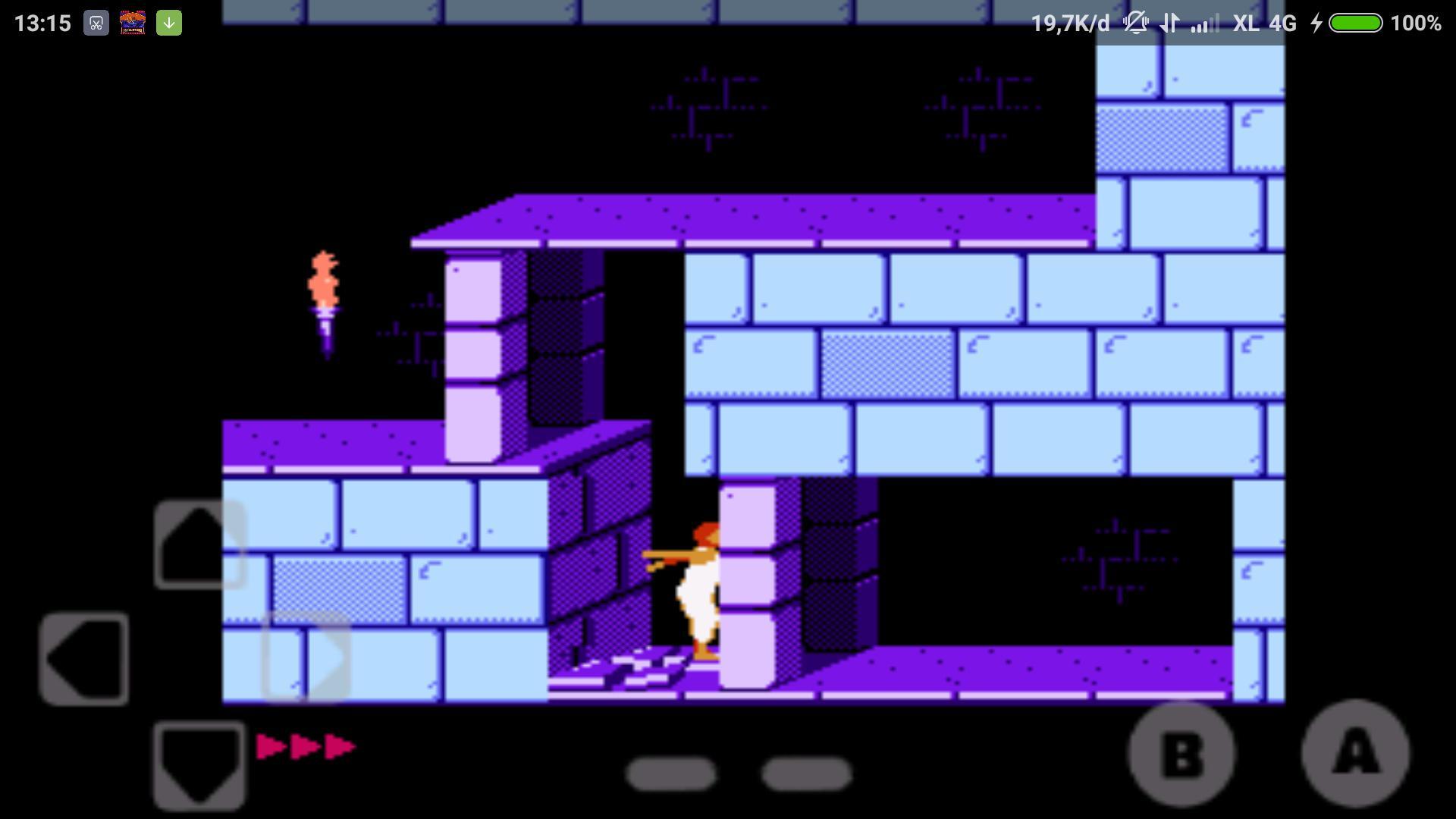
This reboot centers traversal on wall runs, ring grabs, and plates that launch the player to predefined arcs. Co op style partner assists let the companion extend jumps and recover from misses. Levels are arranged as open nodes where movement puzzles gate light seeds. The design emphasizes readable silhouettes and contrasting grip points to guide flow.
‘Warframe’
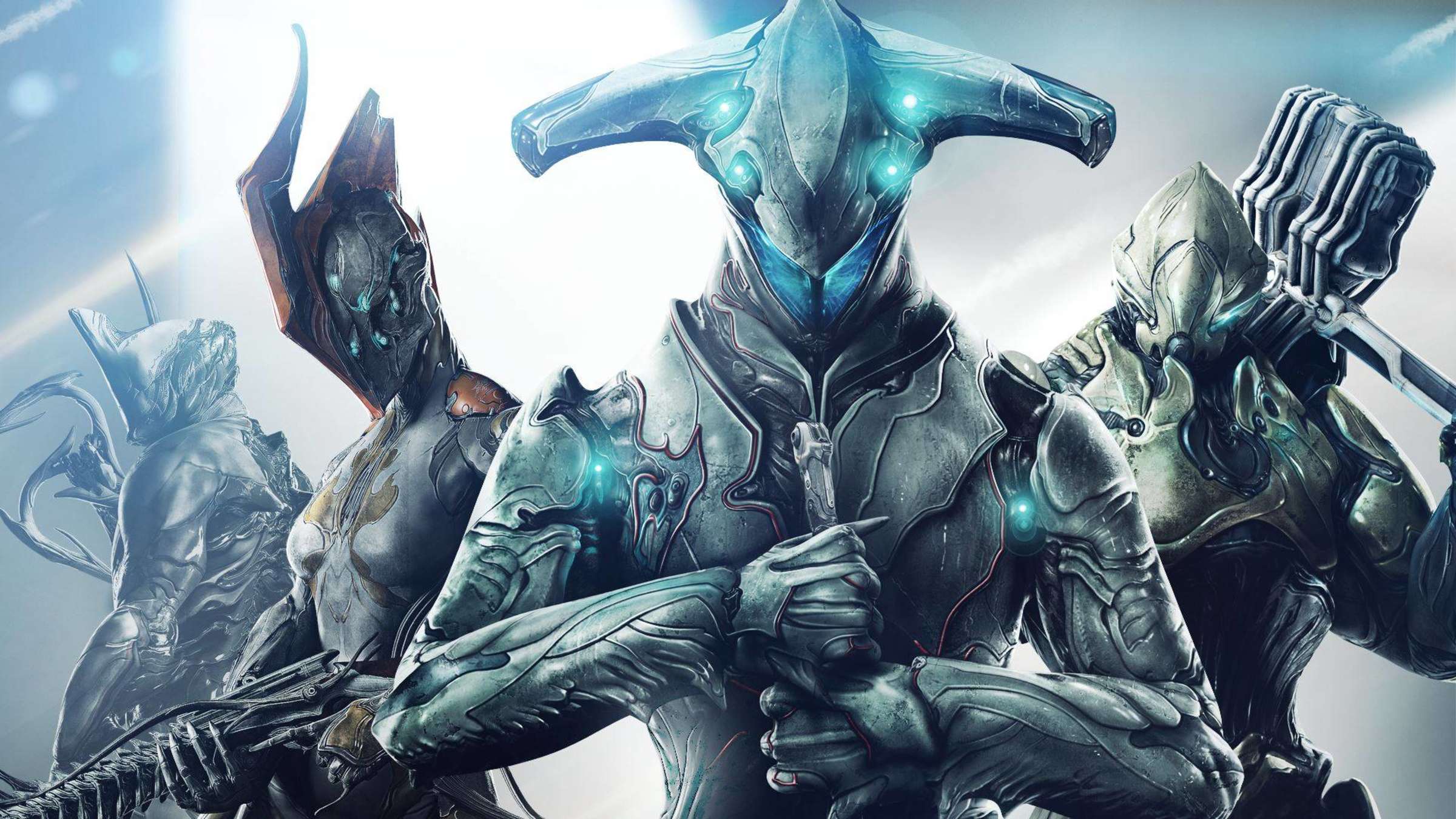
Space ninja movement includes bullet jump, aim glide, wall latch, and rolling to maintain combo velocity. Mods and arcanes can extend slide duration and jump height which changes route options. Tilesets are built from repeatable rooms with multiple ceiling and wall paths. Parkour 2.0 standardized inputs across frames so abilities complement baseline mobility.
‘Ghostrunner’
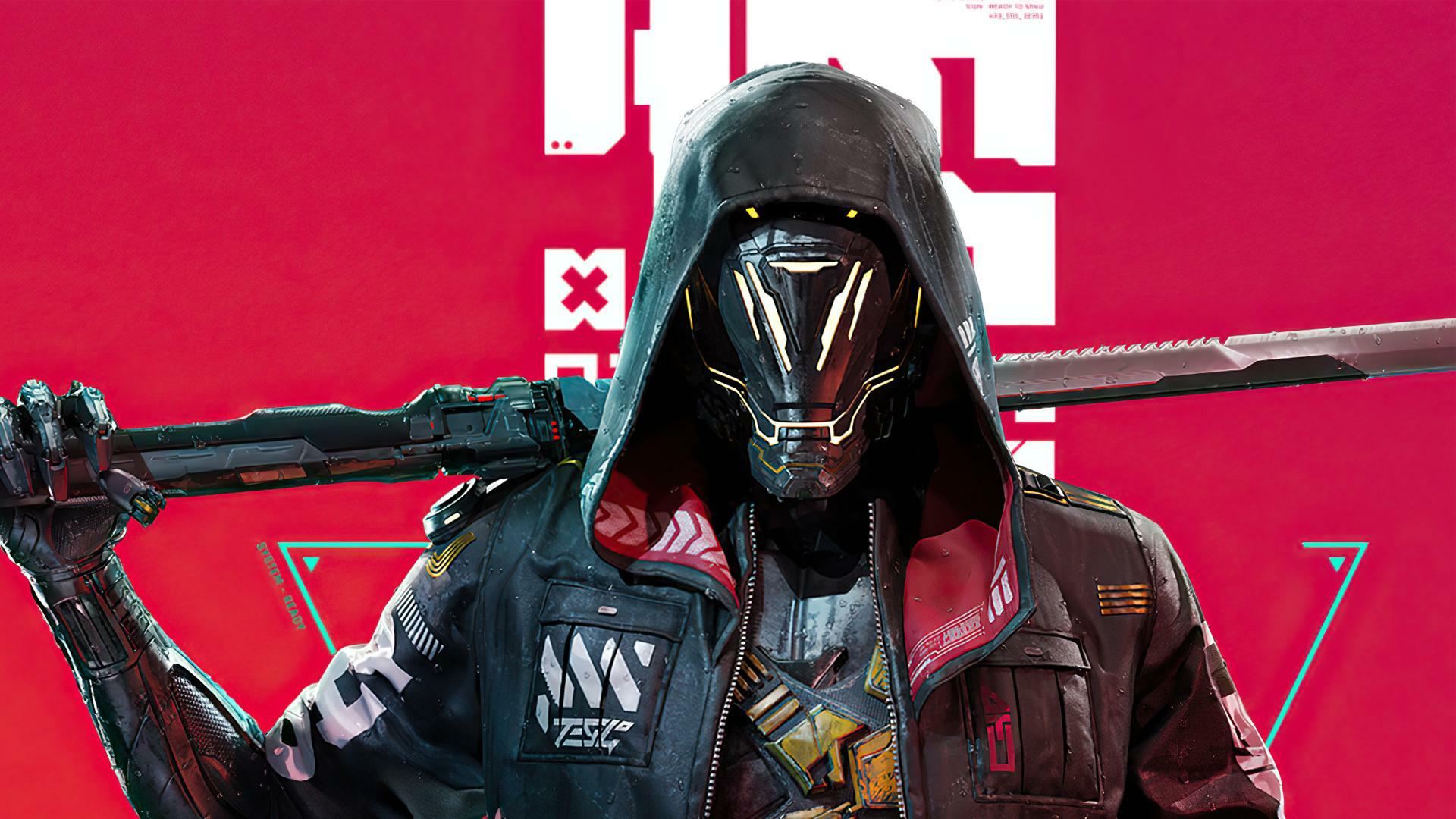
First person katana combat ties directly to movement tools like wall run, dash, and grapple. One hit deaths make route planning and mid air adjustments essential. Levels feature alternating walls, ziplines, and bounce pads to keep speed high. Assist options allow aim snap for grapples and extra time dilation to learn lines.
‘Ghostrunner 2’
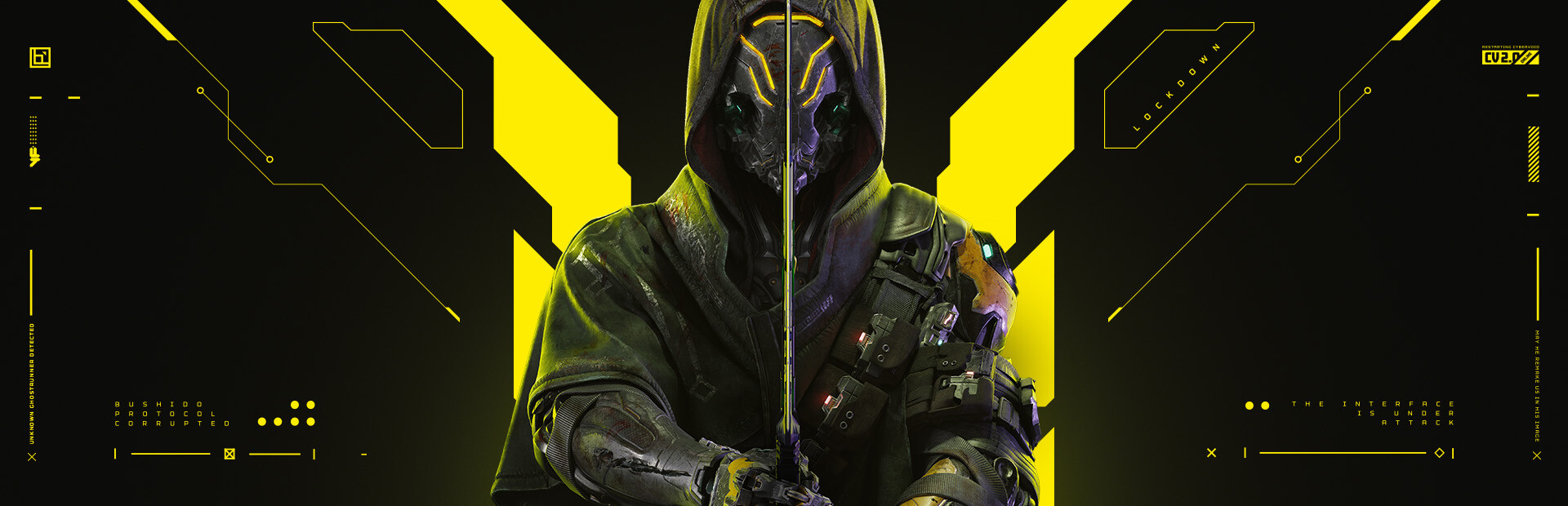
This sequel adds a bike that preserves the series emphasis on precision while expanding track scale. New enemy types encourage aerial repositioning using shuriken marks that create grapple anchors. Checkpoints are placed to invite experimentation with faster routes. Time attack modes record splits to push optimization of every wall and dash.
‘Apex Legends’
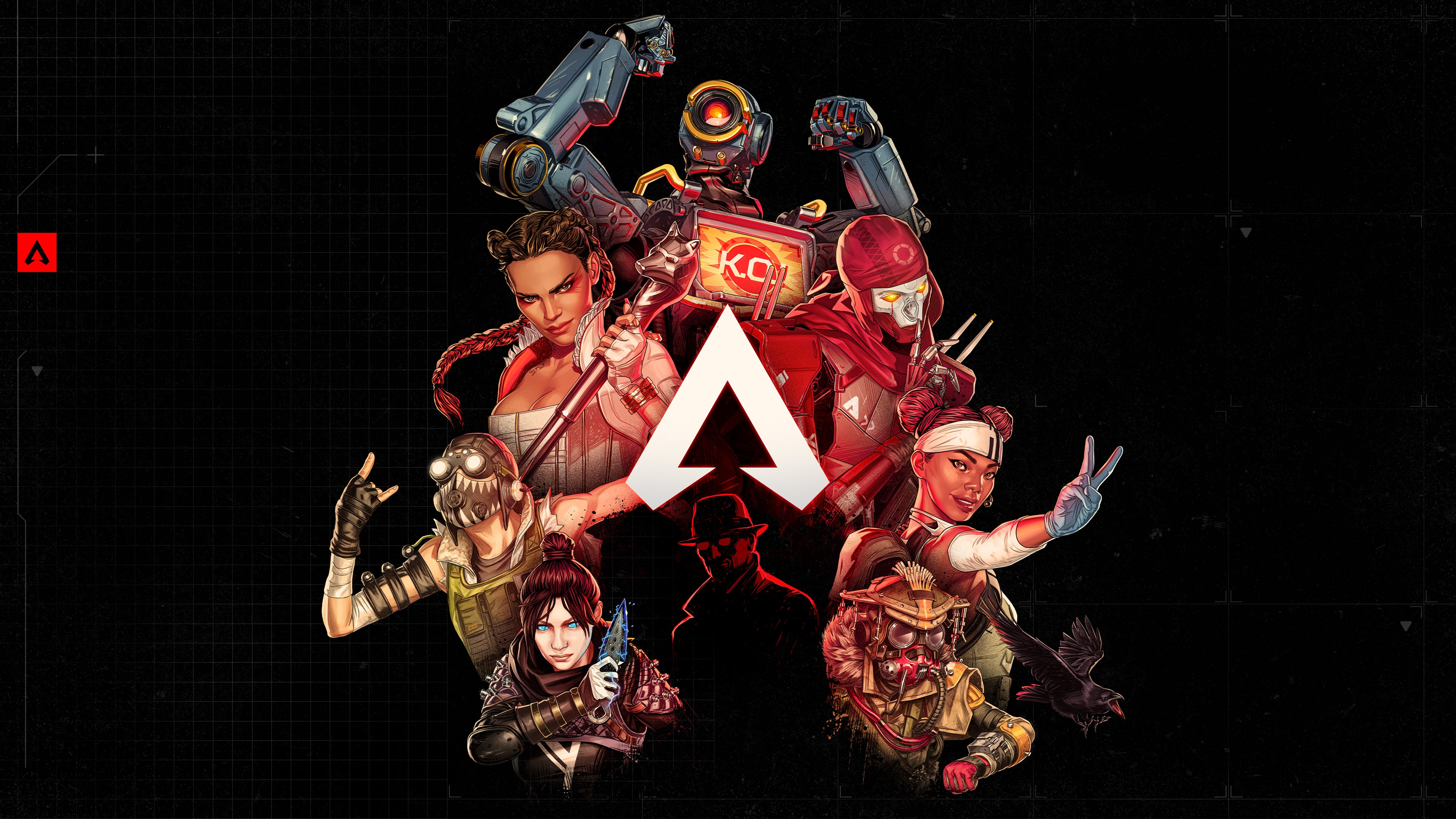
Legends inherit baseline wall clamber, slide, and air strafe that interact with weapon handling. Map design places zip lines, balloons, and jump towers as connectors between micro parkour pockets. Certain legends add movement options such as grapples or speed boosts that open unique routes. Slide momentum on slopes enables quick disengages and rotation.
‘Star Wars Jedi: Survivor’
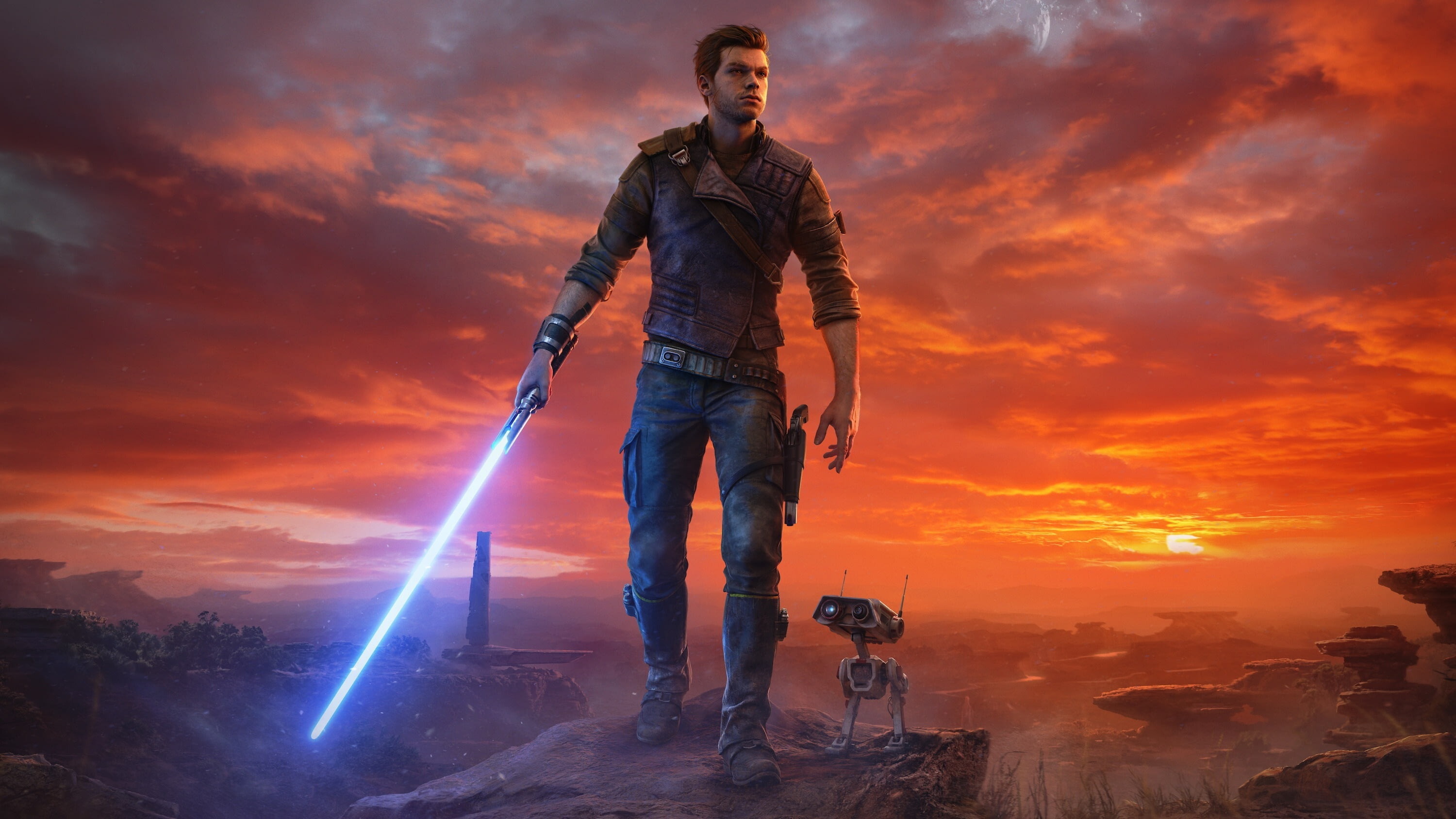
Traversal mixes wall runs, force pulls, ziplines, and a grapple that works on marked anchors. Mounts and air gliding expand vertical travel across open zones. Puzzle doors and environmental switches often require chaining moves in sequence. Meditation points and shortcuts create loops that reward route mastery.
‘Star Wars Jedi: Fallen Order’
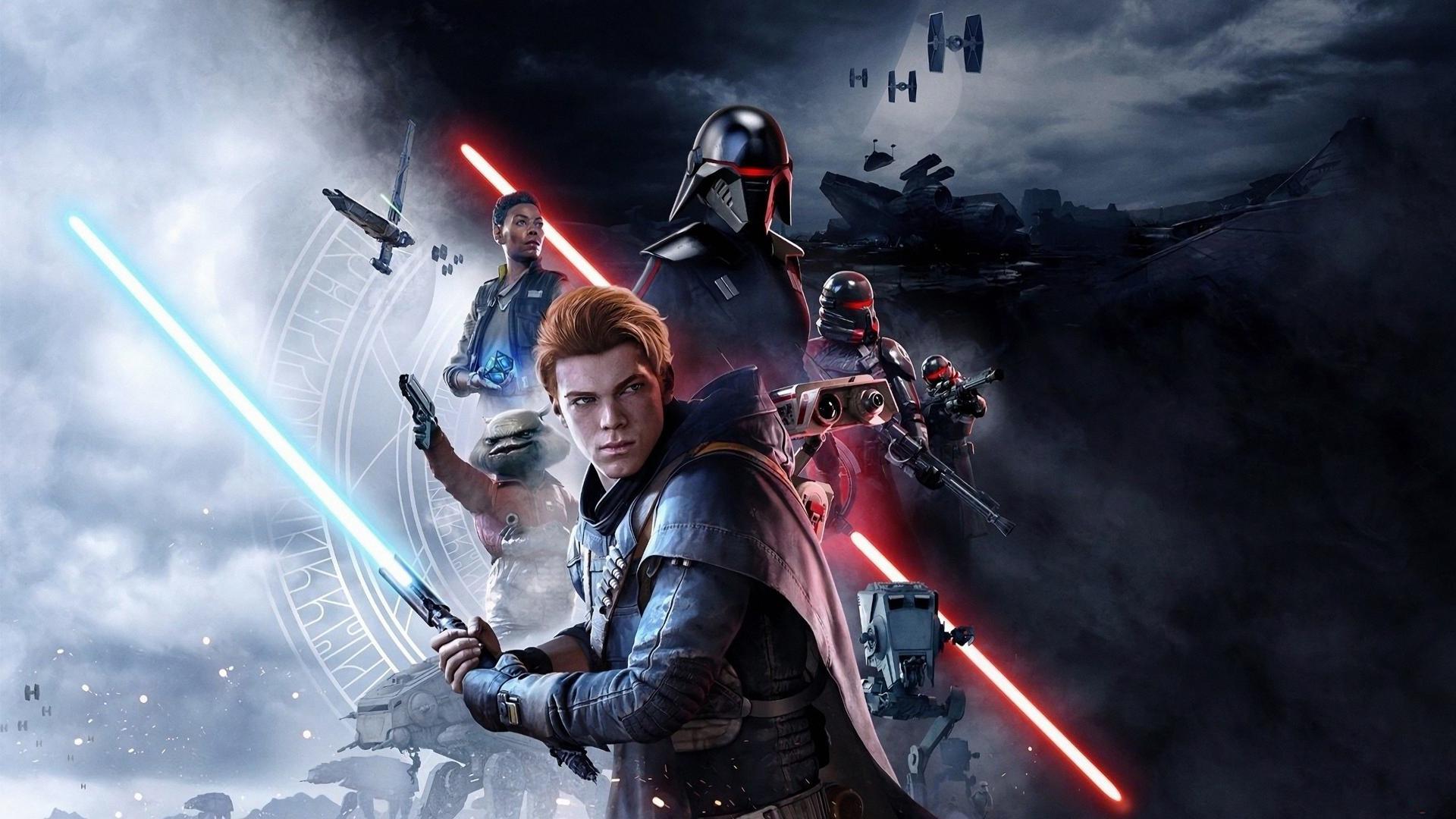
Cal’s movement set includes climbable surfaces, double jump, and force powered rope swings. Level design uses Metroid style gating where new abilities reopen earlier paths. Sliding sections and rotating machinery demand timed jumps. Visual language marks grabbable surfaces with distinct textures for clarity.
‘Dishonored 2’
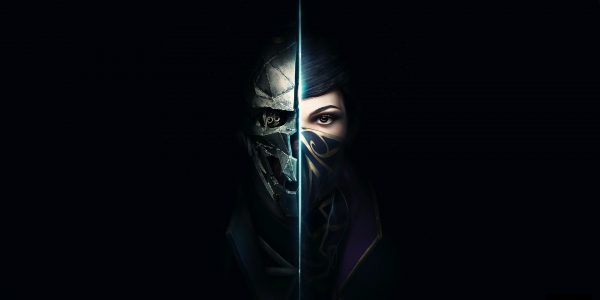
Blink and Far Reach allow instant short range repositioning that combines with mantling and slides. Levels support multiple vertical layers like balconies, ducts, and chandeliers. Bonecharms can modify movement cost and distance for custom traversal builds. Mission layouts encourage non lethal routes that rely on parkour lines over enemy patrols.
‘Sunset Overdrive’
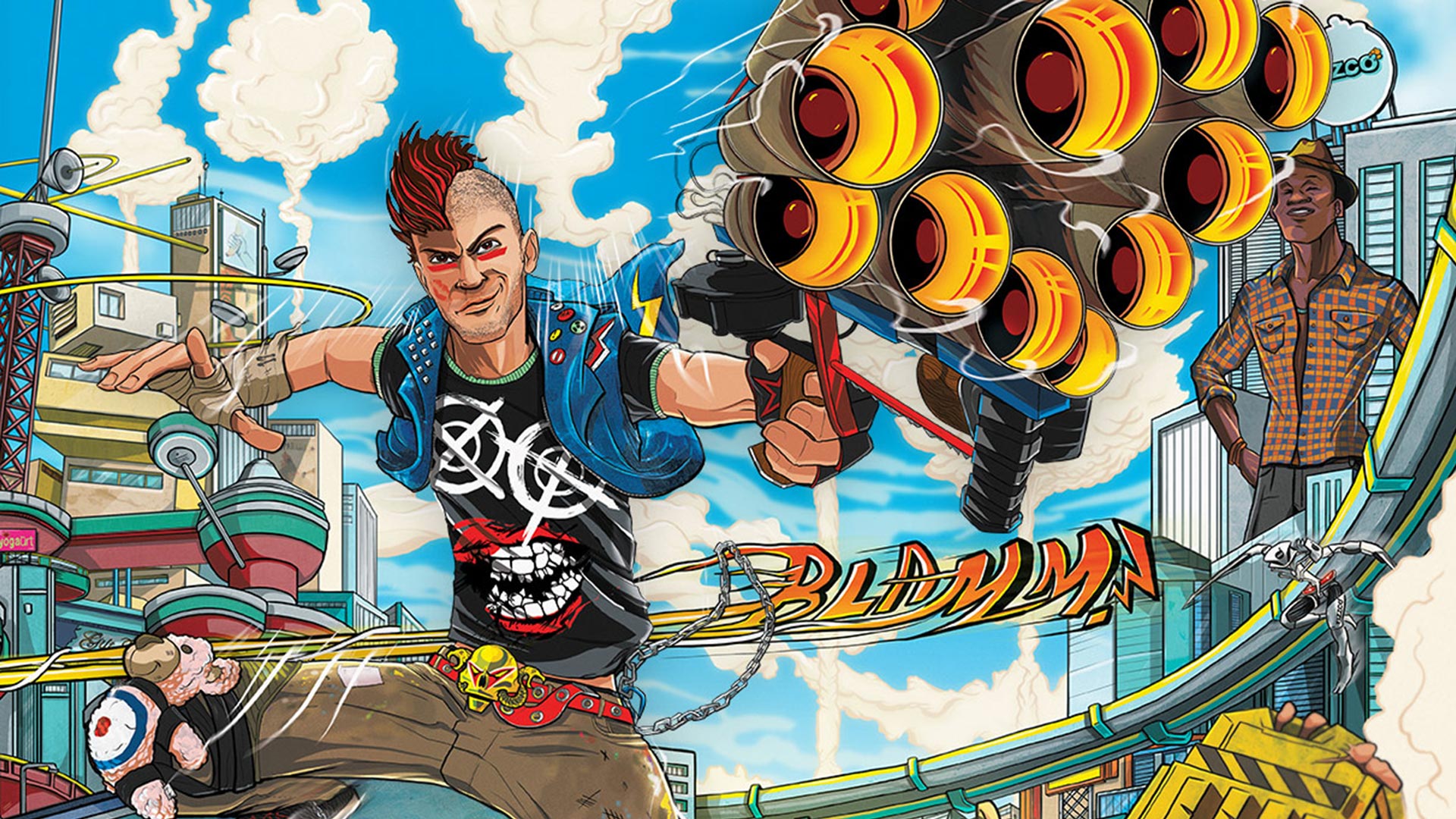
Grinding on rails and bouncing on cars and canopies form a momentum system that discourages staying on the ground. Air dashes and swings connect traversal elements into long combos. Style meters rise with continuous movement which unlocks combat boosts. City layout deliberately places rails and wires at varied heights to sustain flow.
‘Watch Dogs 2’
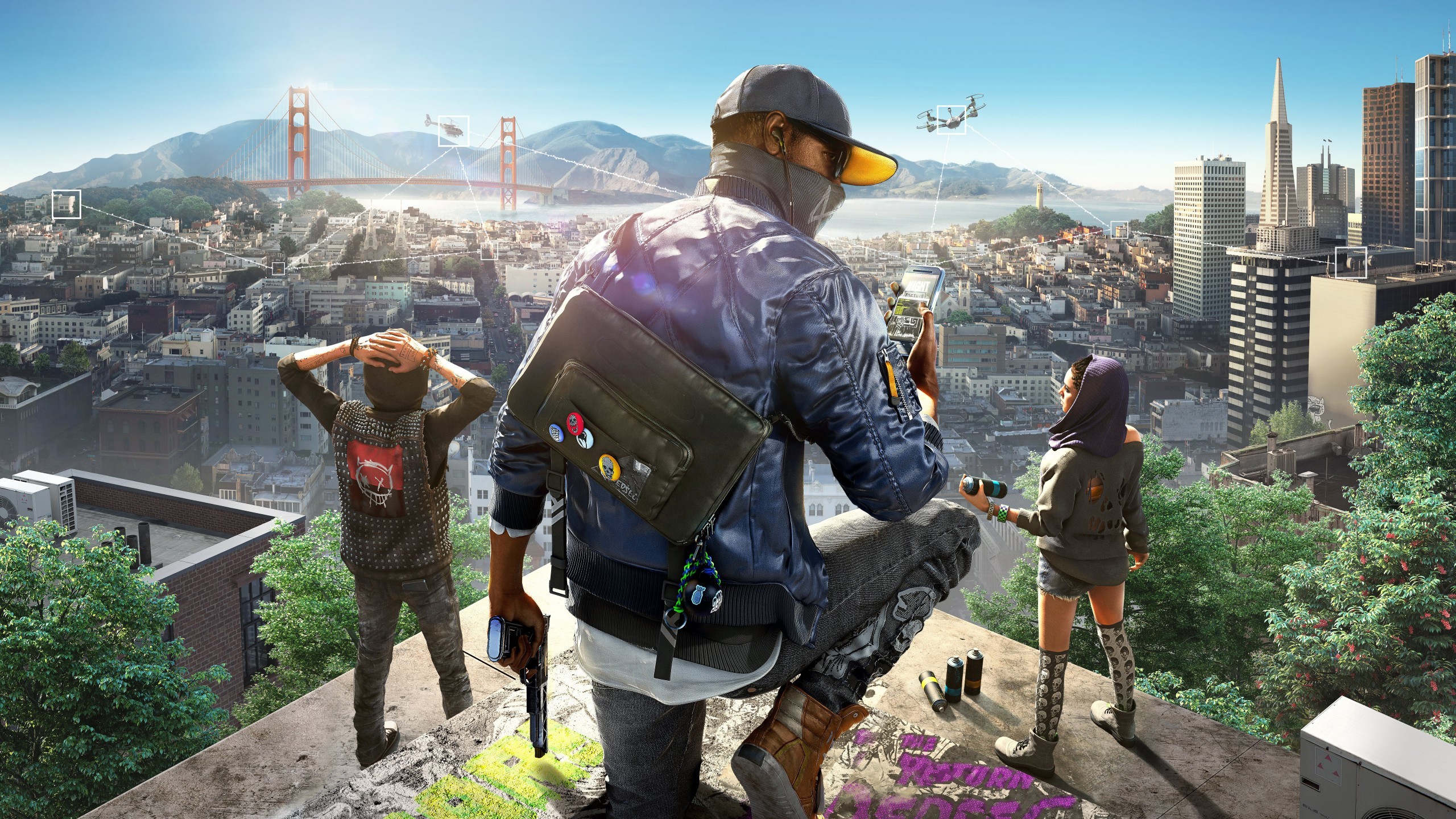
Marcus uses a responsive vault and climb system that reads edges on urban furniture, scaffolding, and rooftops. Parkour integrates with stealth by offering elevated approach routes. RC gadgets scout lines so the player can plan movement before committing. Mission spaces provide multiple access points labeled by environmental cues rather than markers.
‘Forspoken’
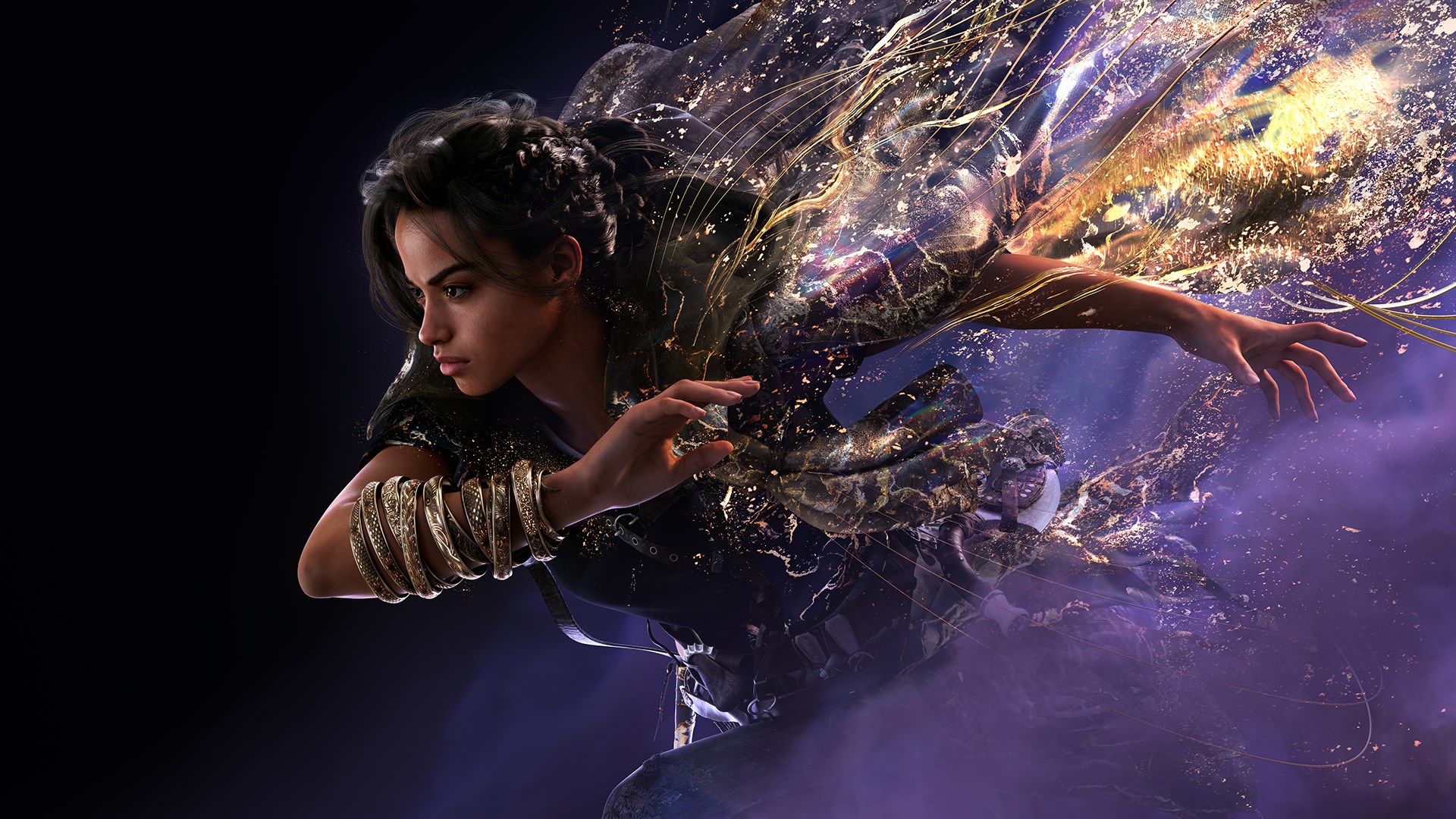
Magic parkour grants sustained sprinting with auto vaulting and water running when upgraded. Spells like zip pull the player toward grapple points to bridge gaps. Stamina governs duration but can be regained mid run with timely inputs. Terrain responsive effects change acceleration on slopes and rough ground.
‘Prototype’
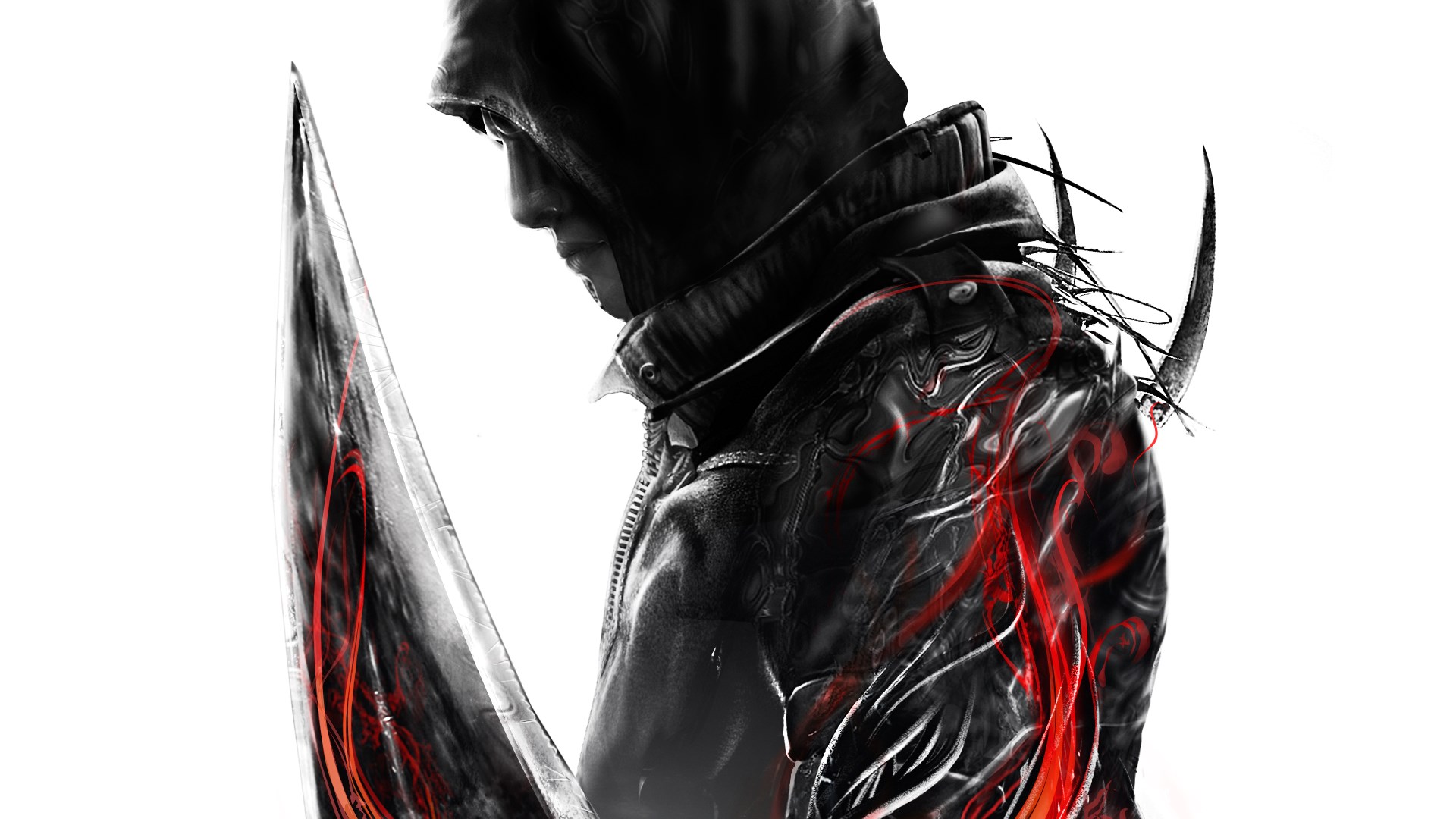
Alex Mercer can scale sheer walls at speed and chain massive leaps across blocks. Gliding extends airtime and allows directional corrections. Disguises and enemy alert levels interact with rooftop routes during escapes. The system reads almost any building surface as valid which simplifies path choice.
‘Infamous Second Son’
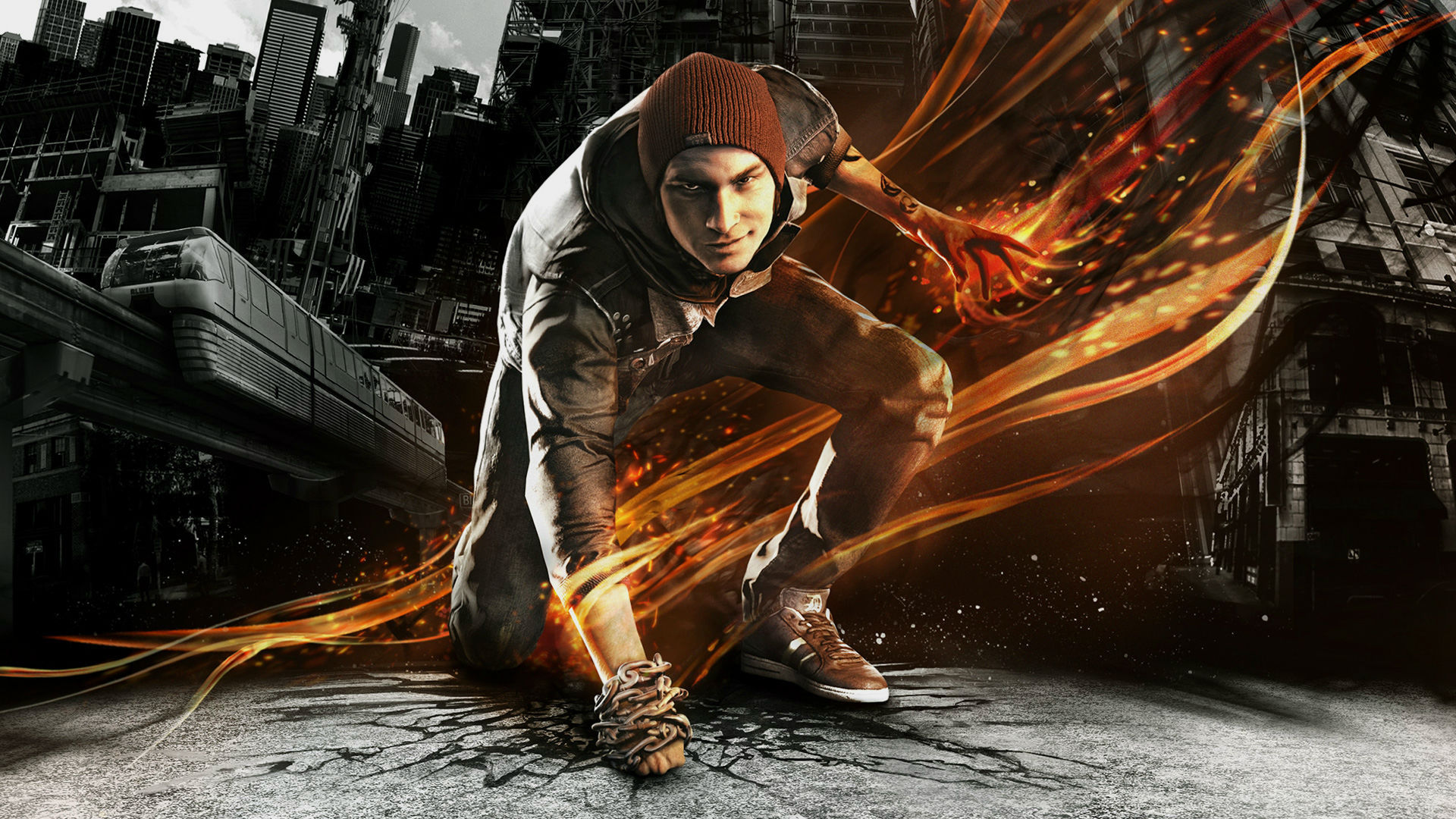
Delsin’s smoke and neon powers alter movement with boosts like air dash and vertical launches. Vent entries provide instant ascents through building interiors. District design places climbable scaffolds and billboards to support freeform routes. Upgrades increase efficiency of traversal without changing inputs.
‘Call of Duty: Black Ops III’
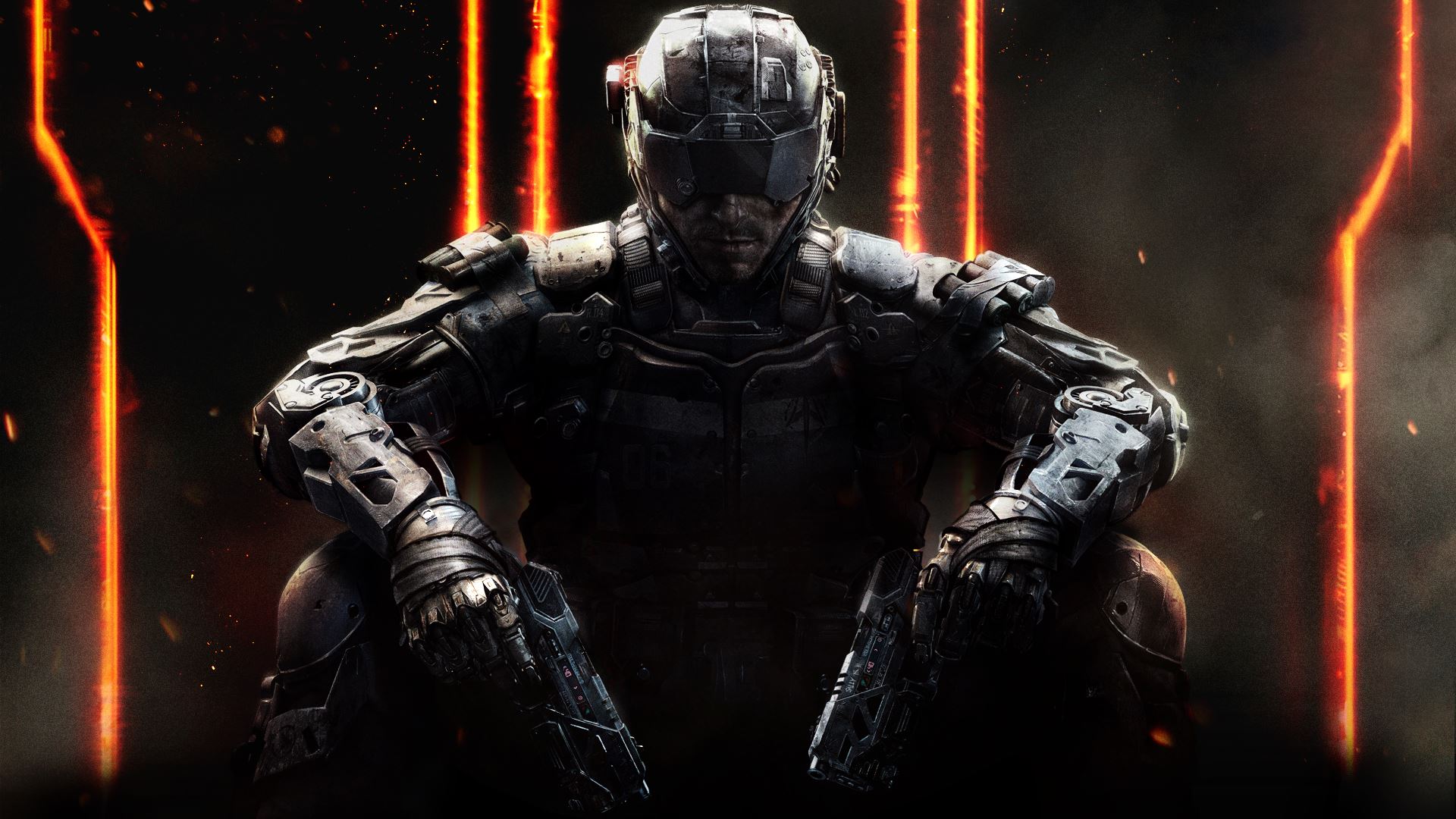
Soldiers gain thrust assisted jumps, wall runs, and power slides that keep aim available. Multiplayer maps include mirrored wall run lanes that cross over key choke points. Specialists and perks can augment duration and control of aerial movement. The campaign features sequences designed to teach chaining across walls under fire.
‘Shadow Warrior 3’
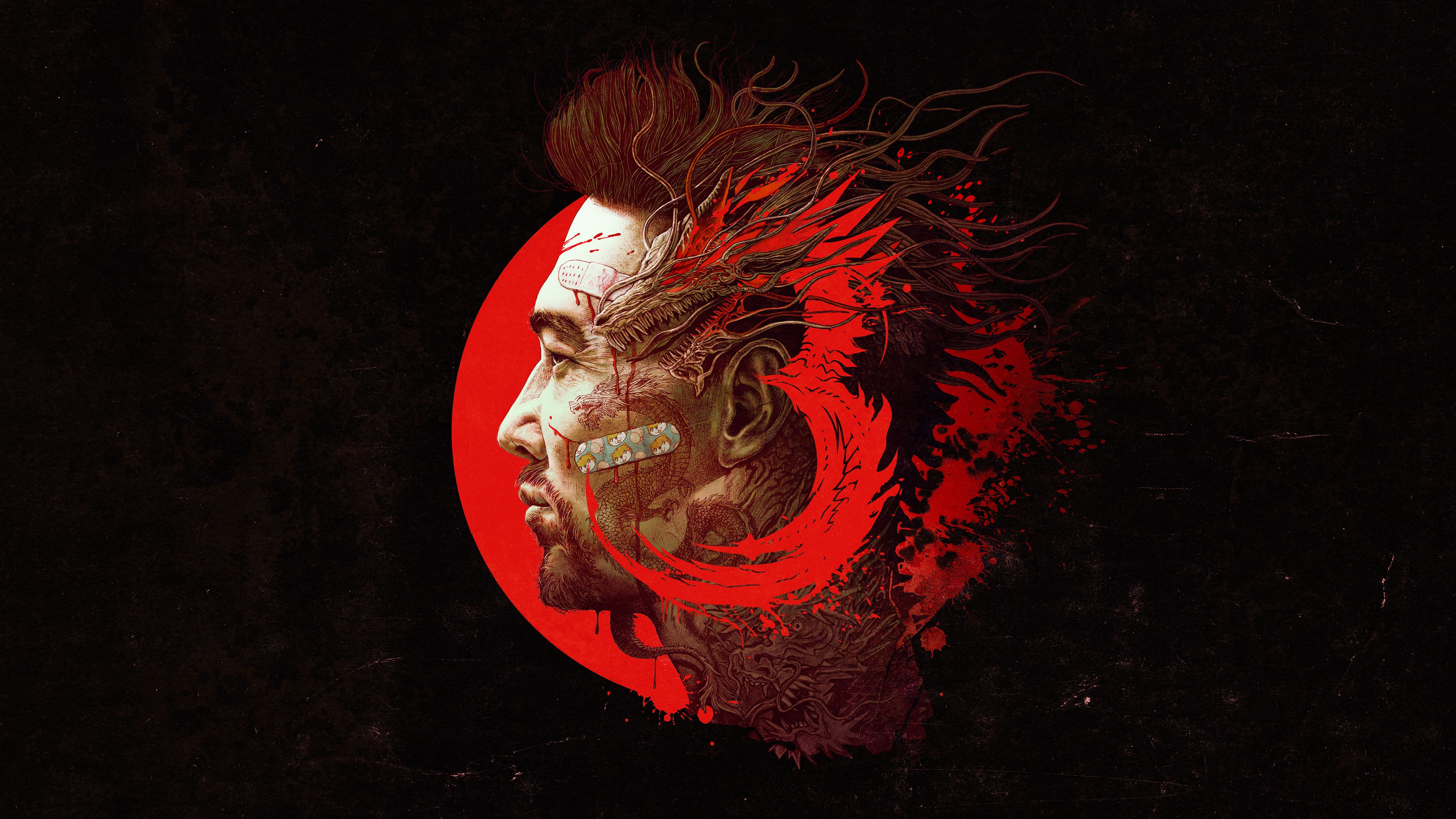
A grappling hook pairs with wall runs and double jumps to maintain speed through arenas. Environmental hazards like spinning blades are placed to reward clean movement lines. Finishers and pickups are positioned along optimal routes to reinforce flow. Level chunks loop back to starting points to encourage repeated runs.
‘Cyberpunk 2077’
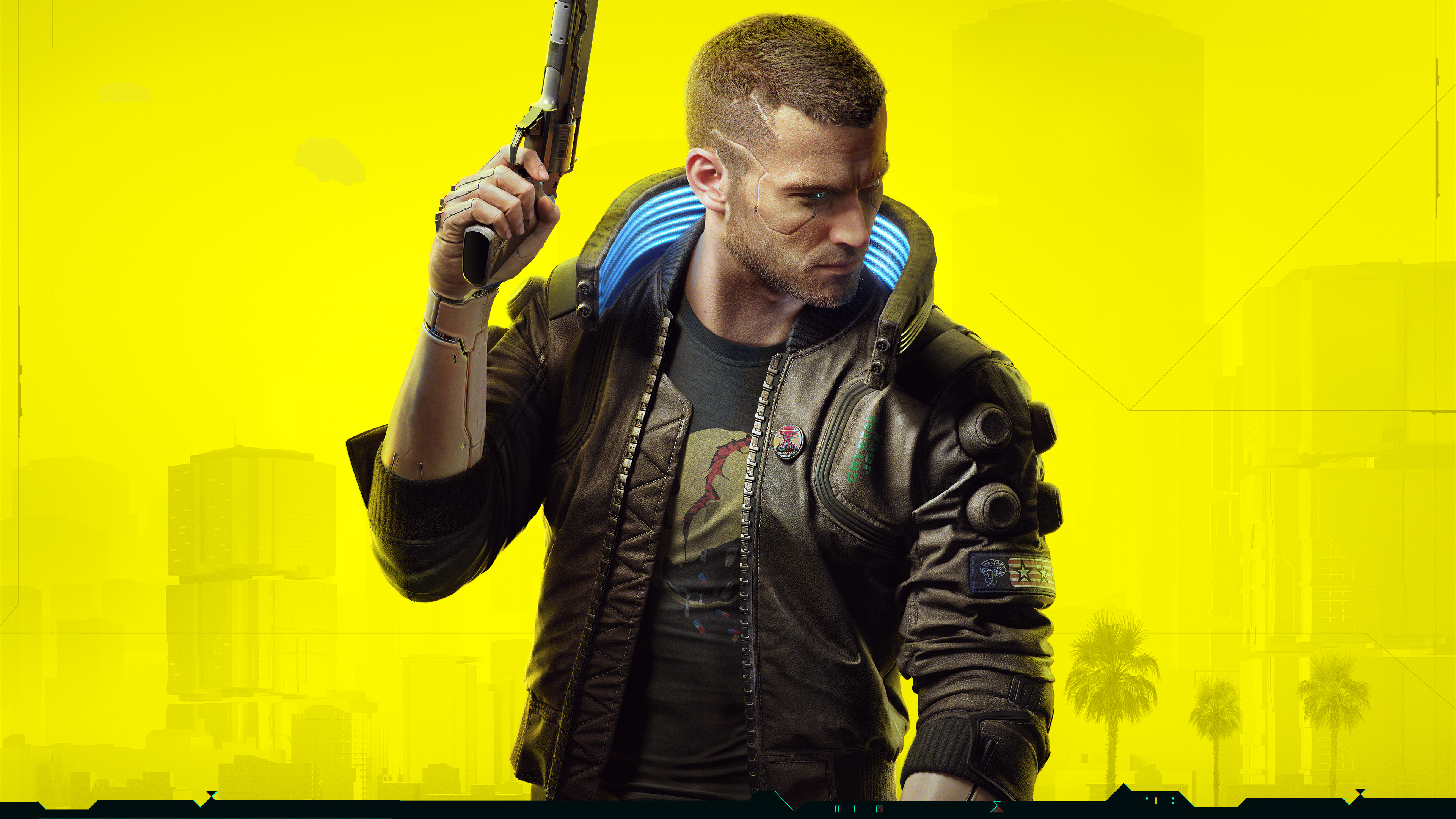
Cyberware such as reinforced tendons unlocks double jump while other implants improve sprinting and sliding. Perk trees add air control and climb efficiency that open new rooftop paths. Vertical Night City design places fire escapes, billboards, and vents that support creative routes. Relic upgrades and mission rewards expand movement options over time.
‘Sekiro: Shadows Die Twice’
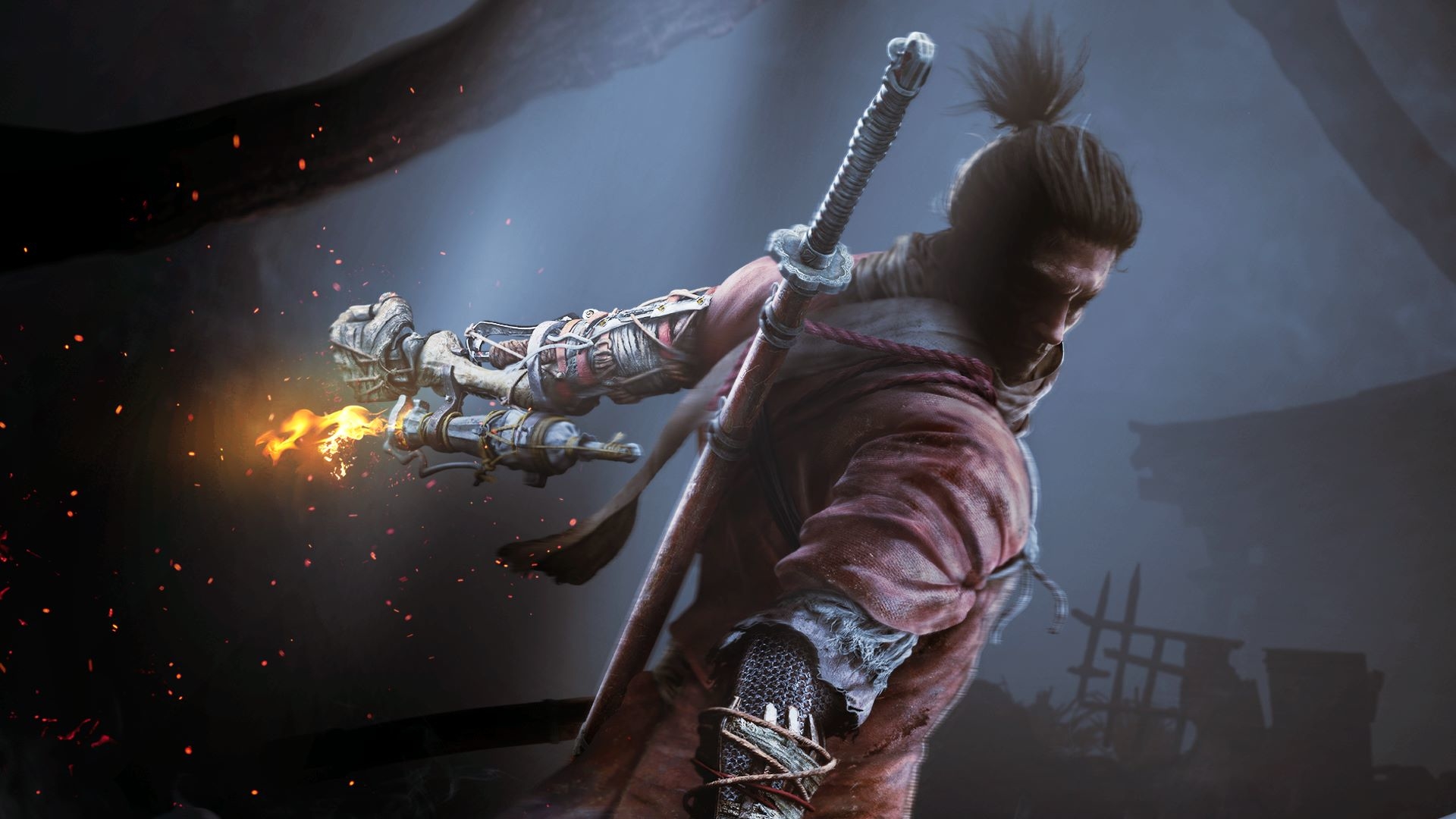
The shinobi prosthetic grappling hook provides fast vertical access to rooftops and branches. Ledges and pagoda roofs create stealth routes above patrols. Mid air deflection and ledge hangs let players recover from missed jumps. Sculptor idols and shortcut doors form learnable loops through regions.
‘Uncharted 4: A Thief’s End’
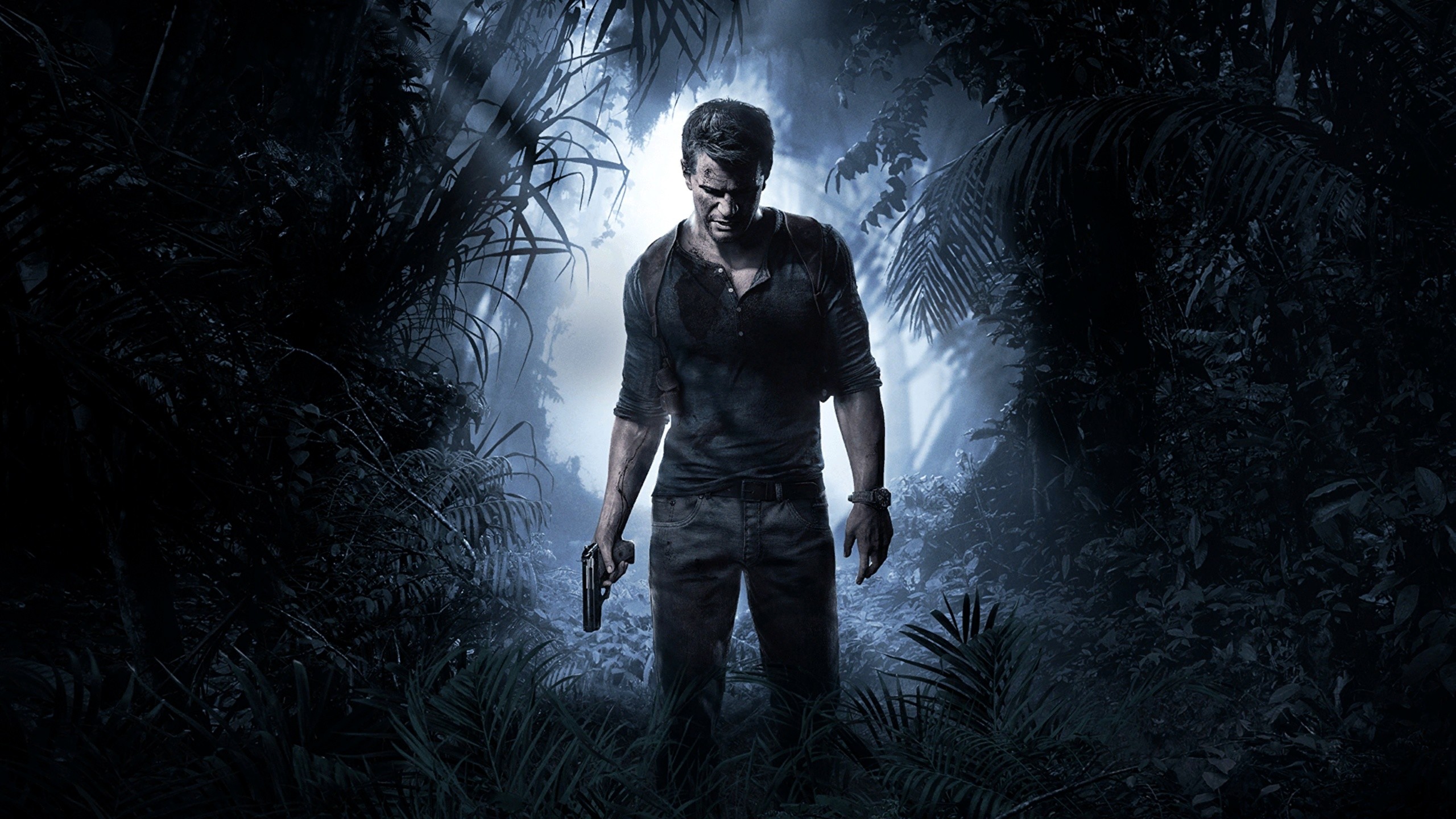
The rope adds swinging arcs that can be aimed and combined with jumps and ledge grabs. Climbing picks allow traversal on marked rock surfaces and walls. Cinematic chases use scripted collapsing paths that still read from clear handholds. Pacing alternates between open climbs and tight interior sequences to vary movement demands.
‘The Legend of Zelda: Breath of the Wild’
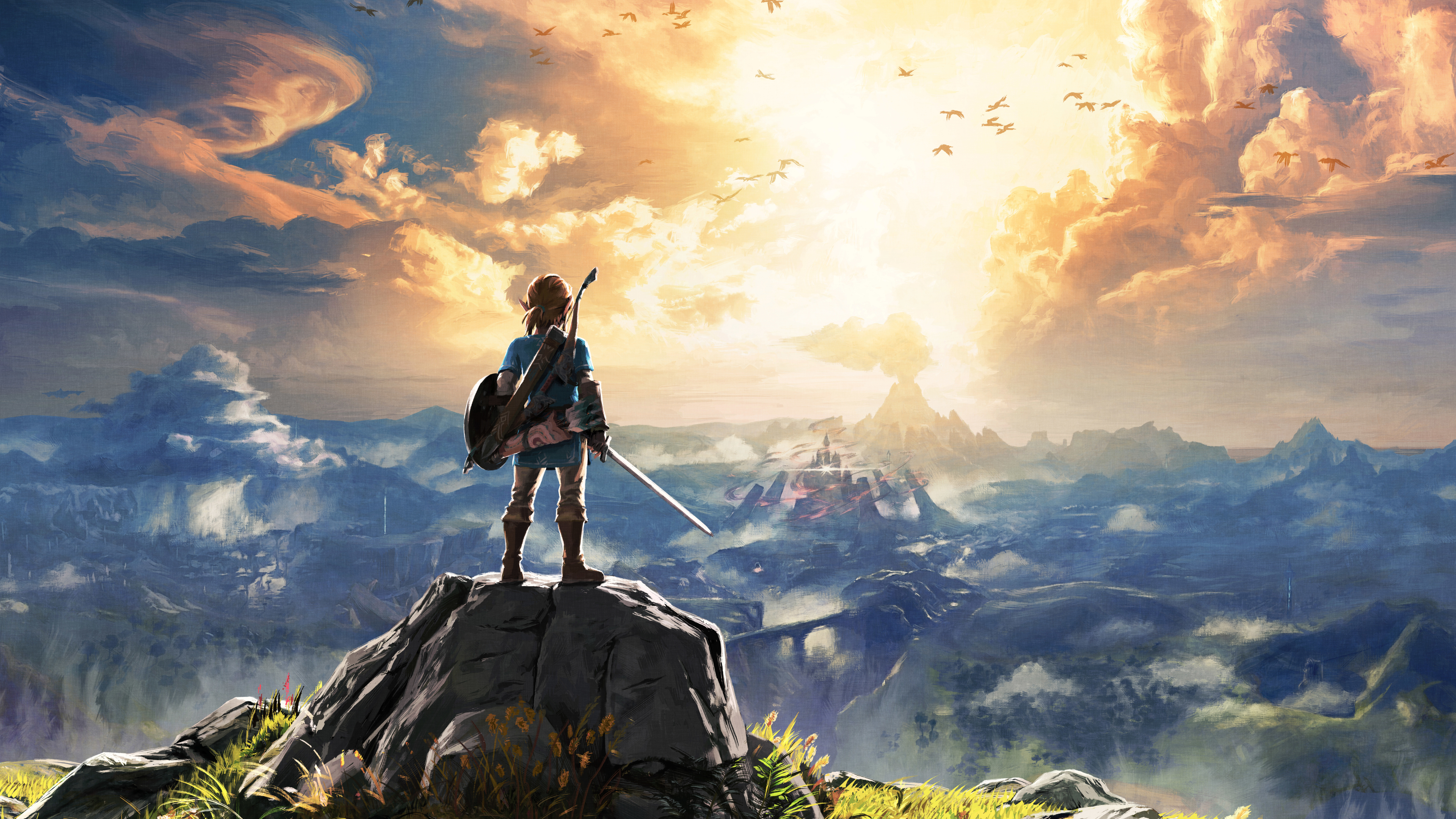
Climbing applies to nearly any surface with a stamina system that sets route planning constraints. Weather changes such as rain affect grip which pushes players to find alternate paths. Paragliding converts vertical gains into long horizontal travel. Environmental tools like elixirs and food can extend stamina to reach distant ledges.
Share which games gave you your favorite flow moments in the comments so we can compare routes and tips.