15 Best Sister/Brother Dynamics In Anime


Siblings in anime can be the heart of a story, shaping heroes, raising stakes, and grounding wild adventures in something real and relatable. These pairs and groups show how trust, rivalry, sacrifice, and everyday care can drive memorable arcs across genres. You will see family bonds tested by curses, wars, and game worlds, along with quieter moments that say just as much. Each entry highlights how the sibling relationship works inside the show. Studio details are noted so you can trace the distinct look and feel behind each dynamic.
Tanjiro and Nezuko in ‘Demon Slayer: Kimetsu no Yaiba’
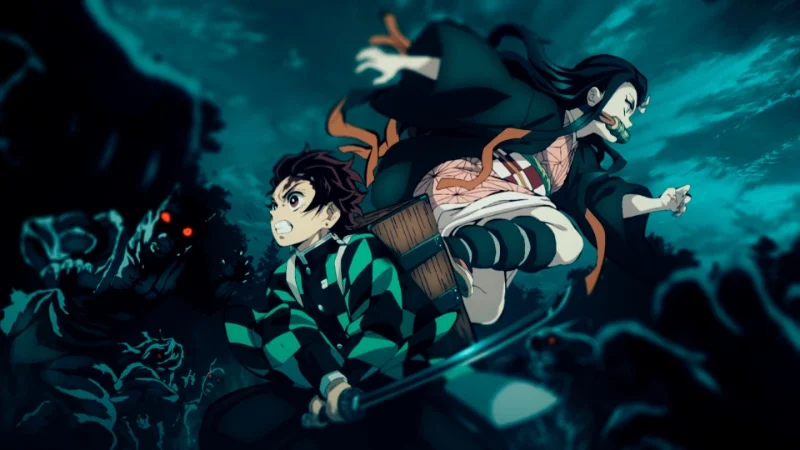
Their bond starts with tragedy when Nezuko is turned into a demon and Tanjiro vows to cure her and protect others. The series uses a simple bamboo muzzle and a protective box to show how they travel and fight together. Nezuko’s blood art and Tanjiro’s breathing styles often sync during key battles, turning defense into offense. The show is animated by Ufotable, which gives their teamwork crisp choreography and vivid elemental effects.
Sora and Shiro in ‘No Game No Life’
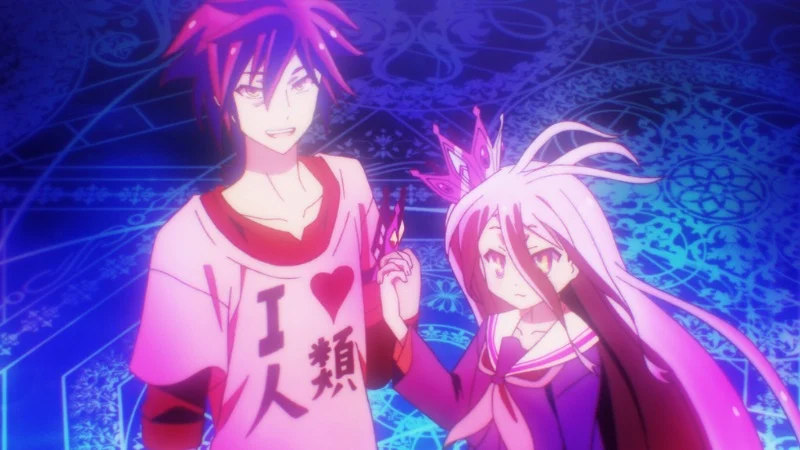
Step siblings Sora and Shiro treat every challenge as a co op puzzle, from chess gambits to nation building gambles. Their rule is simple since neither moves without the other, which makes separation scenes immediately tense. The pair exploits game loopholes and psychological feints to elevate contests into world changing negotiations. Madhouse animates the show with neon palettes and bold layouts that mirror their synchronized thinking.
Killua and Alluka Zoldyck in ‘Hunter x Hunter’
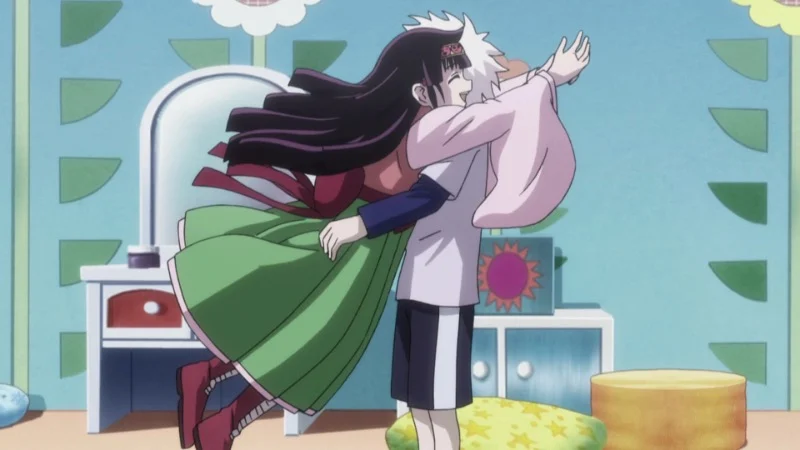
Killua’s mission to protect Alluka from their family’s control reveals the cost of being born into the Zoldyck clan. The wish and backlash rules around Nanika turn simple requests into life or death calculations. Killua’s knowledge of those rules and his willingness to break with tradition reshape his role on the team. Madhouse brings careful staging to the siblings’ scenes so quiet conversations carry the same weight as battles.
Lelouch and Nunnally in ‘Code Geass’
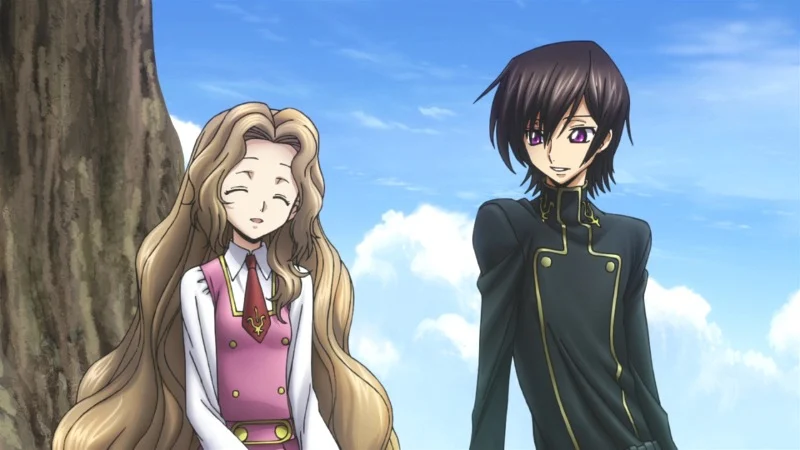
Lelouch claims power to create a safer world for Nunnally, and that goal shapes every alliance he makes. Political masks and codenames keep her safety at the center of risky plans and public personas. When leadership choices threaten civilians, Lelouch measures outcomes against what Nunnally would endure. Sunrise animates the mecha and city set pieces with sharp angles that suit Lelouch’s strategic mindset.
Tatsuya and Miyuki Shiba in ‘The Irregular at Magic High School’
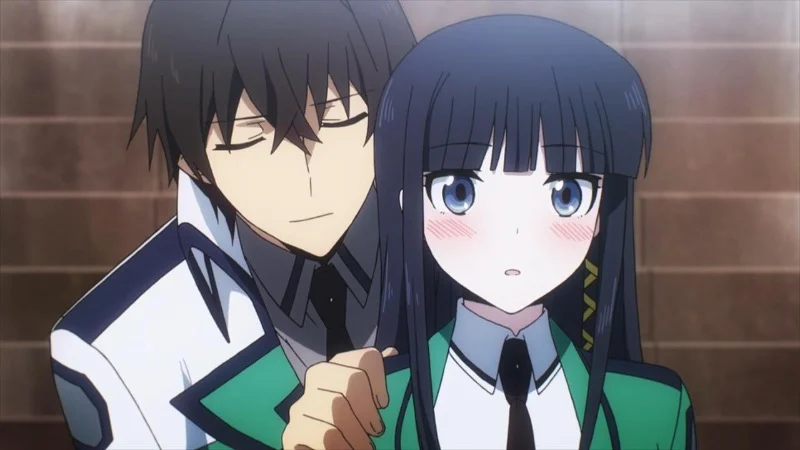
The siblings attend a tiered magic school where Tatsuya’s unusual abilities and Miyuki’s elite status draw constant scrutiny. Their roles in the course system and in external security groups pull them into regional conflicts. Mission parameters often rely on unspoken coordination since he handles unconventional tactics and she handles precision power. The first season is animated by Madhouse, which gives their spells and tech interfaces a clean, technical look.
Kirito and Suguha in ‘Sword Art Online’
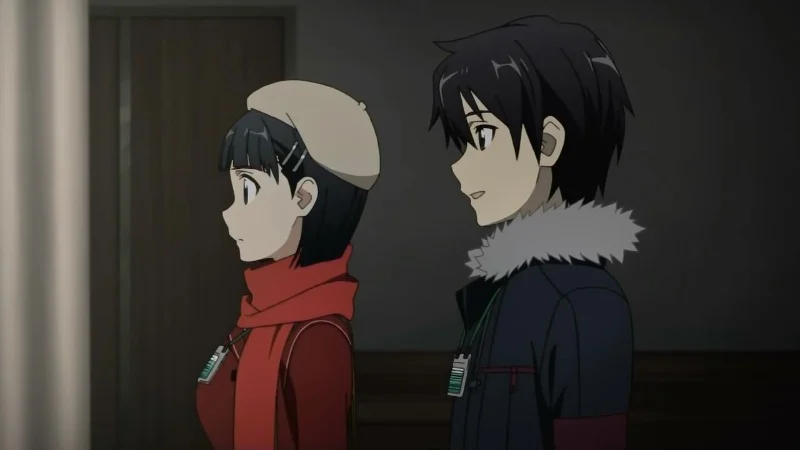
While Kirito survives trapped game worlds, Suguha trains in kendo and steps into virtual spaces to find him. Family conversations at home and in game show how distance forms even when people share a roof. Identity handling across avatars adds layers to how they reconnect after long separations. A-1 Pictures animates switching between real and virtual with clear visual cues that track emotional shifts.
Taichi and Hikari Yagami in ‘Digimon Adventure’
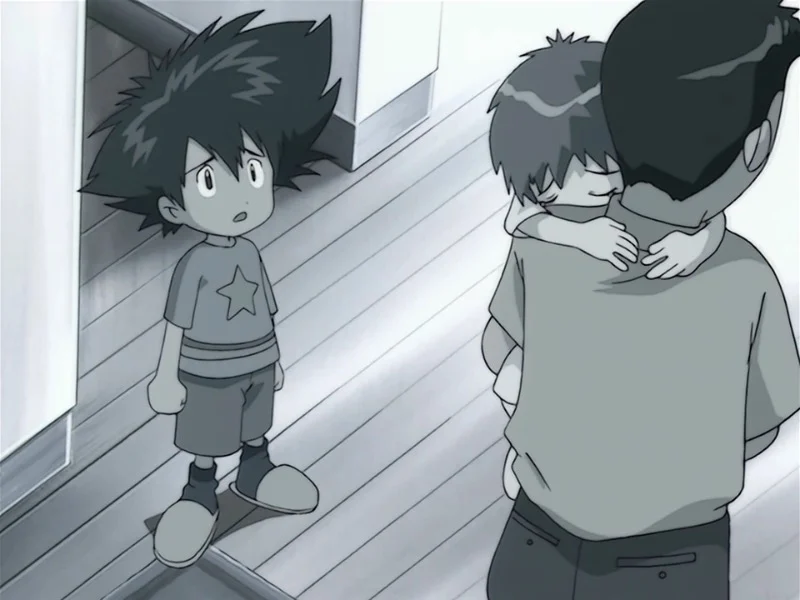
Older brother Taichi often leads on the front lines while Hikari’s insight shapes calmer choices. Their partnership helps the group navigate digital hazards, from corrupted zones to unstable evolutions. When crises split the team, the siblings’ communication anchors the younger kids. Toei Animation gives their crest themes consistent visual motifs so teamwork reads quickly during battles.
Youhei and Mei Sunohara in ‘Clannad’
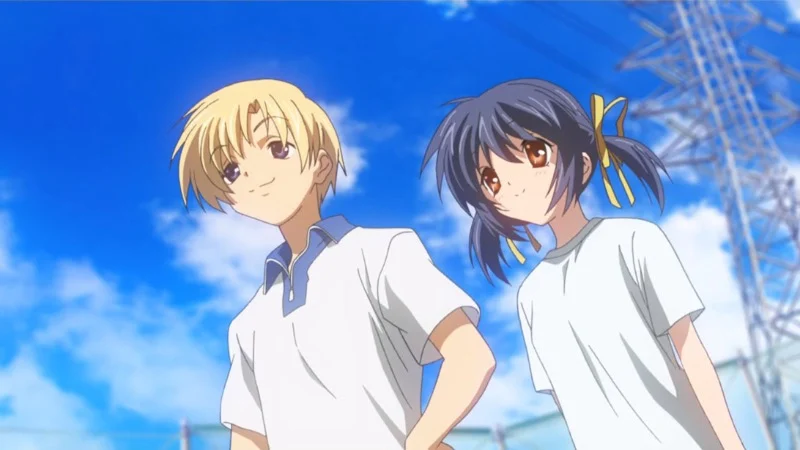
The Sunohara siblings clash over school choices and independence, which draws in their friends and tests loyalties. Episodes follow Youhei’s attempts to look capable while Mei quietly supports or challenges him when needed. Family visits and part time work scenes map how small decisions change their relationship. Kyoto Animation keeps the focus on everyday gestures and timing so their growth feels grounded.
Hachiman and Komachi Hikigaya in ‘My Teen Romantic Comedy SNAFU’
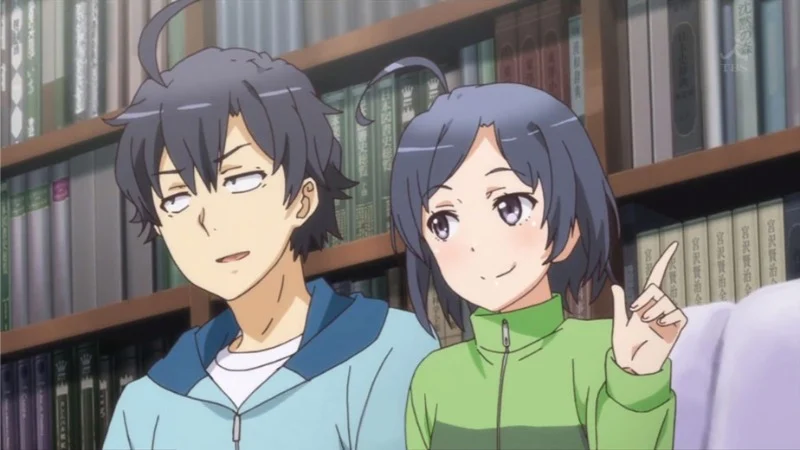
Komachi’s encouragement and blunt advice often push Hachiman to reconsider how he handles club problems and classmates. Their conversations at home give context to his guarded behavior at school. When decisions affect the people around him, Komachi’s perspective becomes a reality check he listens to. The series is animated first by Brain’s Base and later by studio Feel, which maintains expressive character acting for their talks.
Shinpachi and Otae Shimura in ‘Gintama’
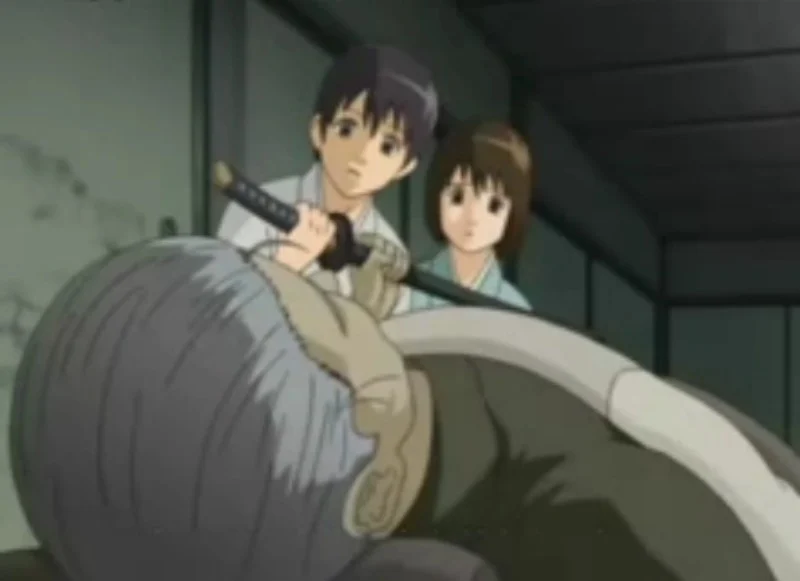
Shinpachi works to keep the dojo afloat while Otae protects it with sharp wit and quick takedowns when needed. Their shared responsibilities set up many of the show’s part time jobs and odd missions. Even in comedy arcs, they coordinate to handle debt collectors and protect friends. Sunrise supports their dynamic with snappy timing and action cuts that pivot smoothly between jokes and brawls.
Miyuki and Kei Shirogane in ‘Kaguya-sama: Love Is War’
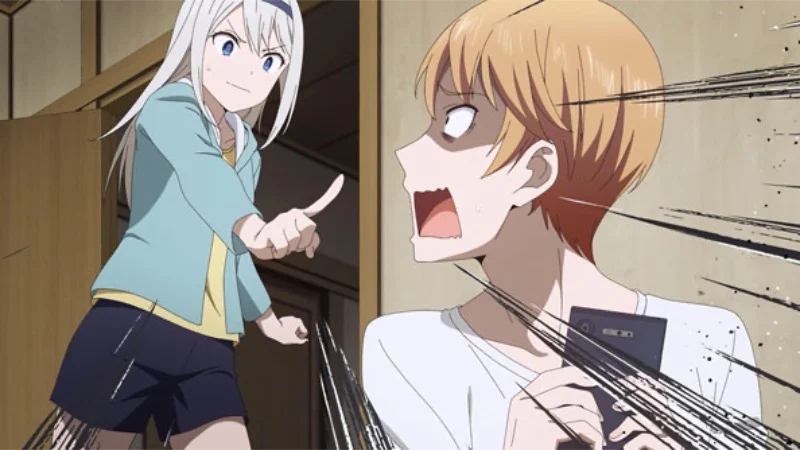
Student council duties and home life overlap when Kei’s school issues intersect with Miyuki’s leadership role. Their scenes show how advice travels both ways since each learns to handle expectations differently. Family rules and finances add pressure that shapes choices the council never sees. A-1 Pictures animates their exchanges with tight reaction shots that highlight subtle shifts in confidence.
Ichigo and Karin Kurosaki in ‘Bleach’
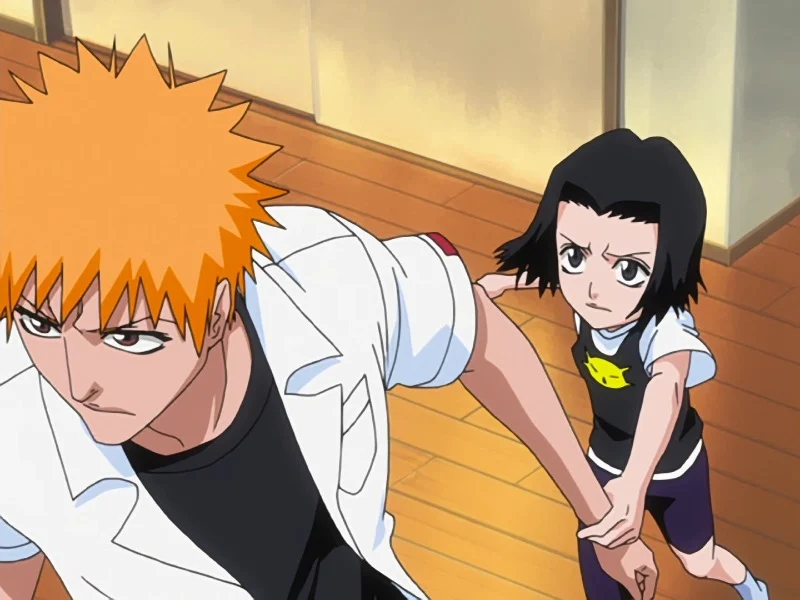
Karin tracks spiritual activity early and backs Ichigo by covering for him at home when battles pull him away. Their coordination keeps the family stable while Hollows and Soul Society affairs escalate. Moments at the clinic underline how responsibility moves around when danger rises. Studio Pierrot balances domestic scenes and large scale fights so the siblings’ support remains visible.
Mirajane and Elfman Strauss in ‘Fairy Tail’
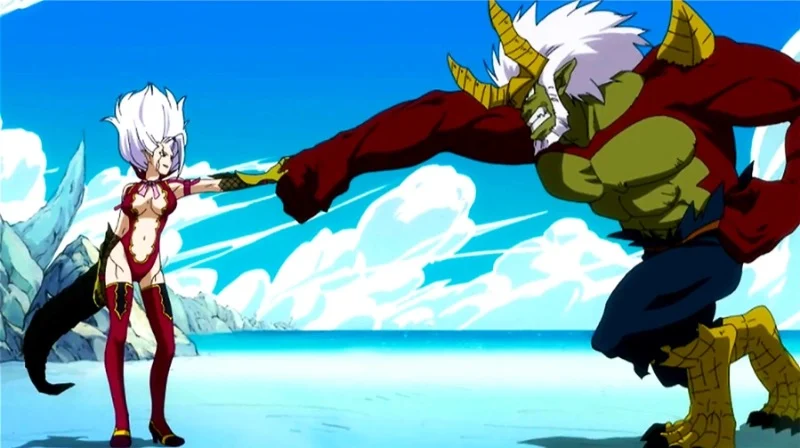
Guild work and family history shape how Mirajane watches out for Elfman while encouraging him to control his Take Over magic. Missions often pair their different strengths to solve problems other teams avoid. Flashbacks explain why both protect Lisanna and the guild’s sense of home so fiercely. A-1 Pictures brings consistent character acting to their banter and teamwork across long arcs.
Usagi and Shingo Tsukino in ‘Sailor Moon’
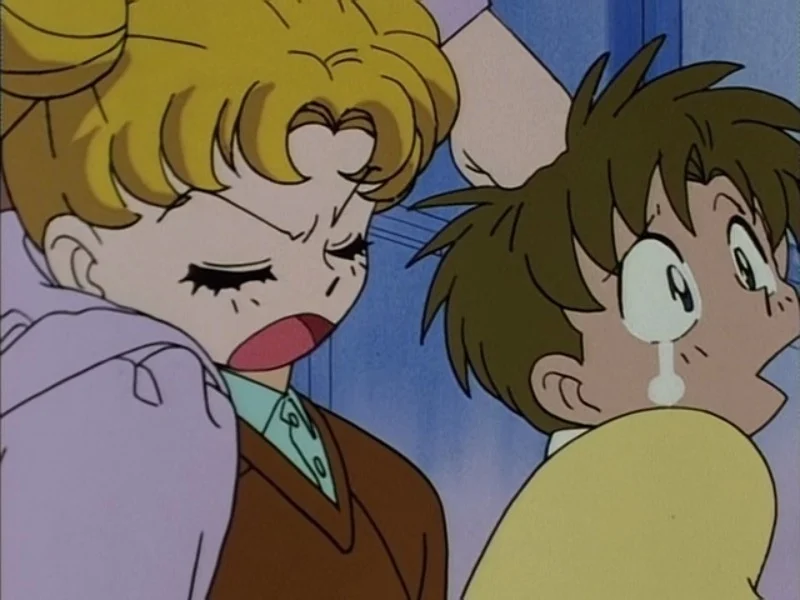
Shingo’s everyday teasing turns into practical help when Usagi’s responsibilities grow heavier. Family dinners and school reports frame how superhero duty fits into a normal household. When crises hit the city, small cover stories and chores keep their parents calm. Toei Animation uses repeated home settings and warm lighting to show how the house anchors their routine.
Kagome and Sota Higurashi in ‘Inuyasha’
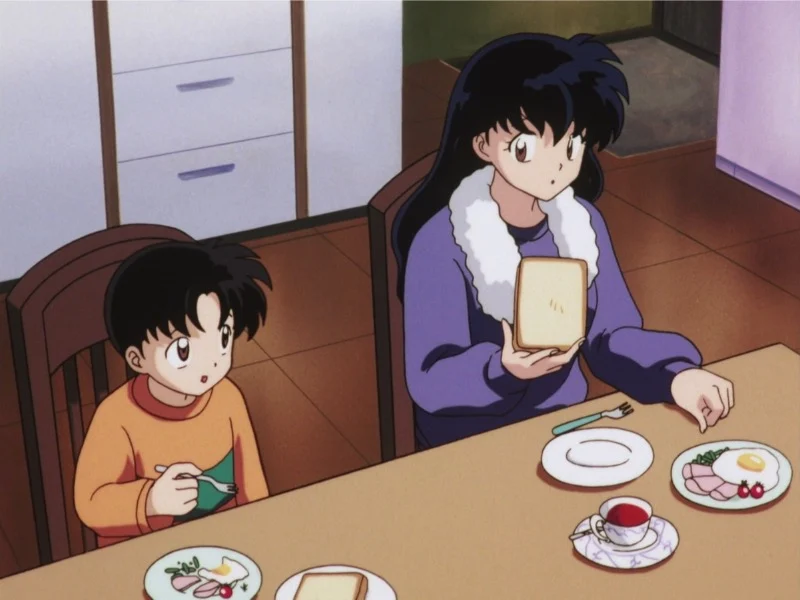
Sota handles questions and household tasks when Kagome disappears through the shrine well for long stretches. Their talks bridge the past and present so Kagome can return to the feudal era prepared. Scenes at the shrine highlight how the family manages secrecy while staying supportive. Sunrise keeps the Higurashi home visually consistent, which makes each reunion feel steady and familiar.
Share your favorite sibling pair in the comments and tell us which moment made their dynamic unforgettable.