Best Soundtracks in TV Anime, Ranked

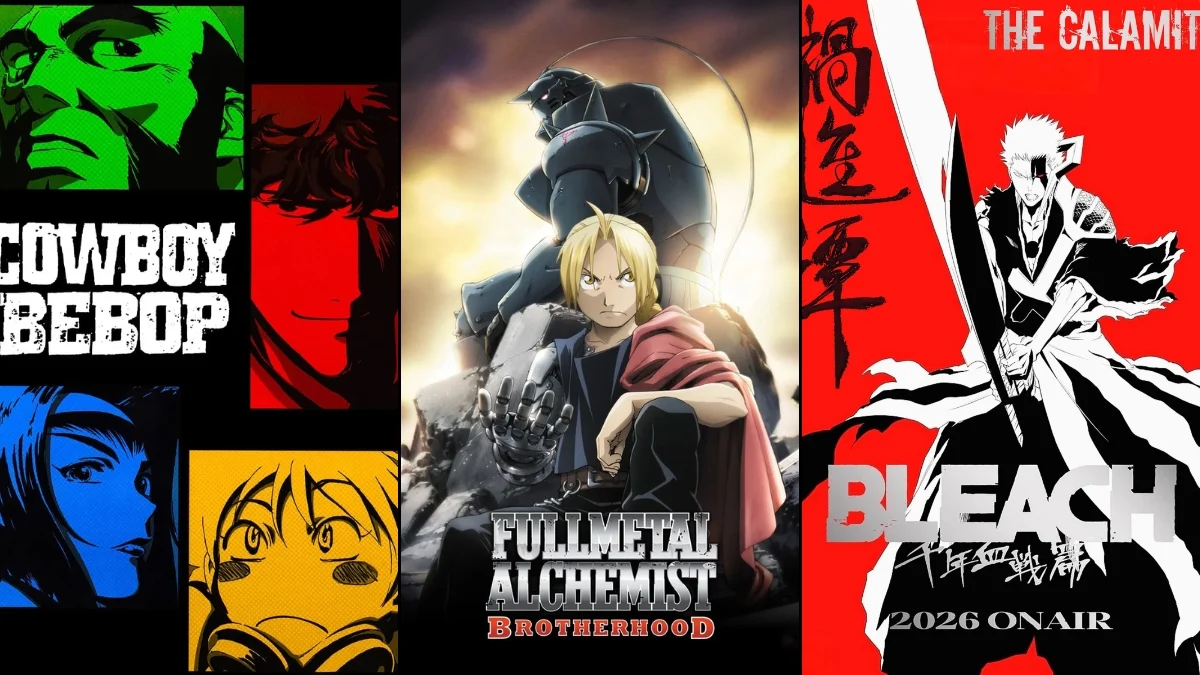

From blistering big-band jazz to throat-singing over strings, TV anime scores are wildly diverse—and they do a lot of heavy lifting to set tone, build worlds, and etch characters into memory. Below is a countdown of standout TV anime whose music is as integral as the animation and story, highlighting the composers, styles, instrumentation, and notable releases that shaped how these shows sound.
‘Paranoia Agent’ (2004)
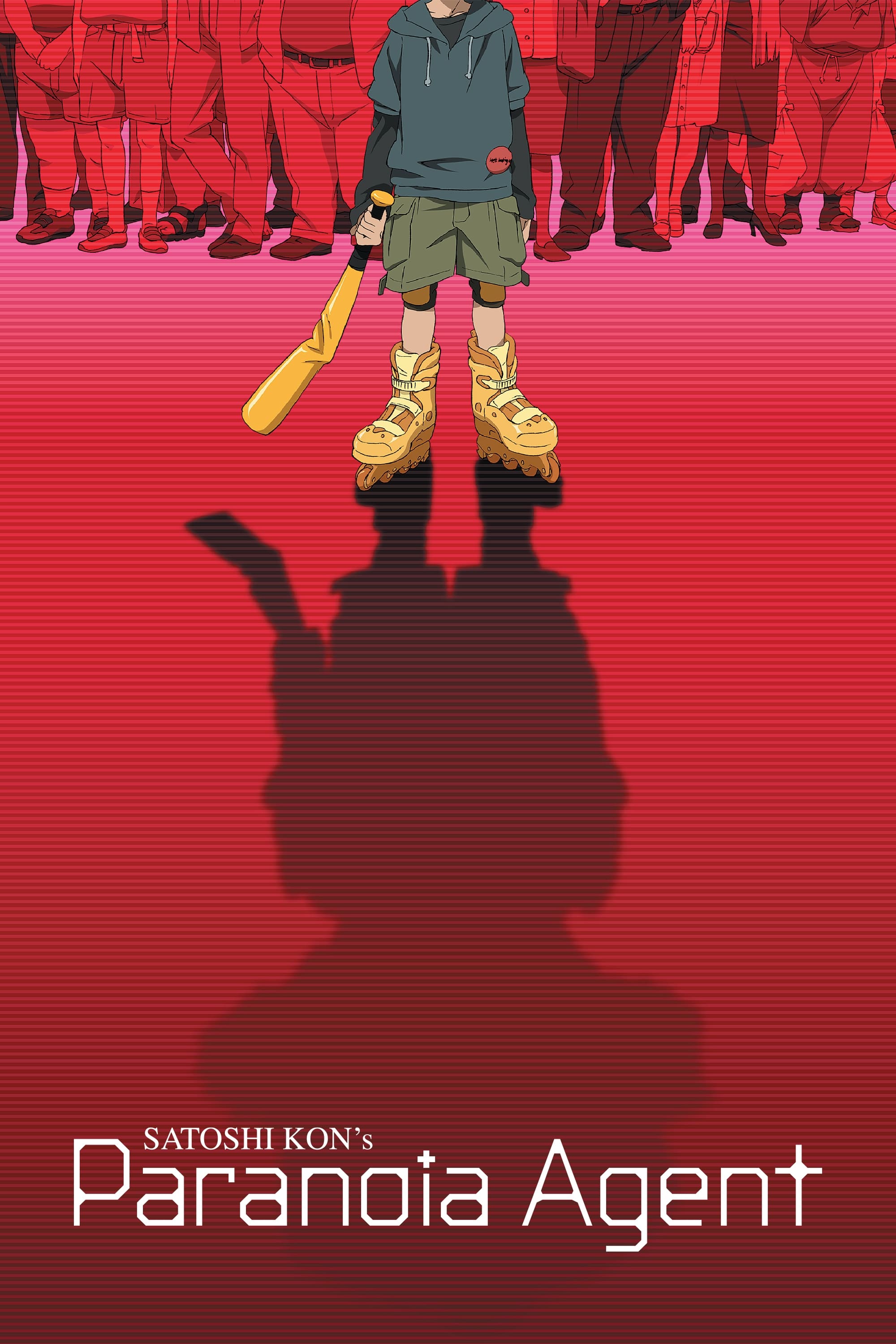
Composer Susumu Hirasawa built the score around layered vocals, synthetic percussion, and sampled textures, creating an oneiric soundscape that mirrors the series’ shifting realities. His approach features recurring melodic cells that reappear with altered harmonies to signal perspective changes. The soundtrack emphasizes algorithmic sequencing and vocal formants rather than traditional orchestration. Official releases include albums collecting the background music alongside the opening and ending edits.
‘The Tatami Galaxy’ (2010)
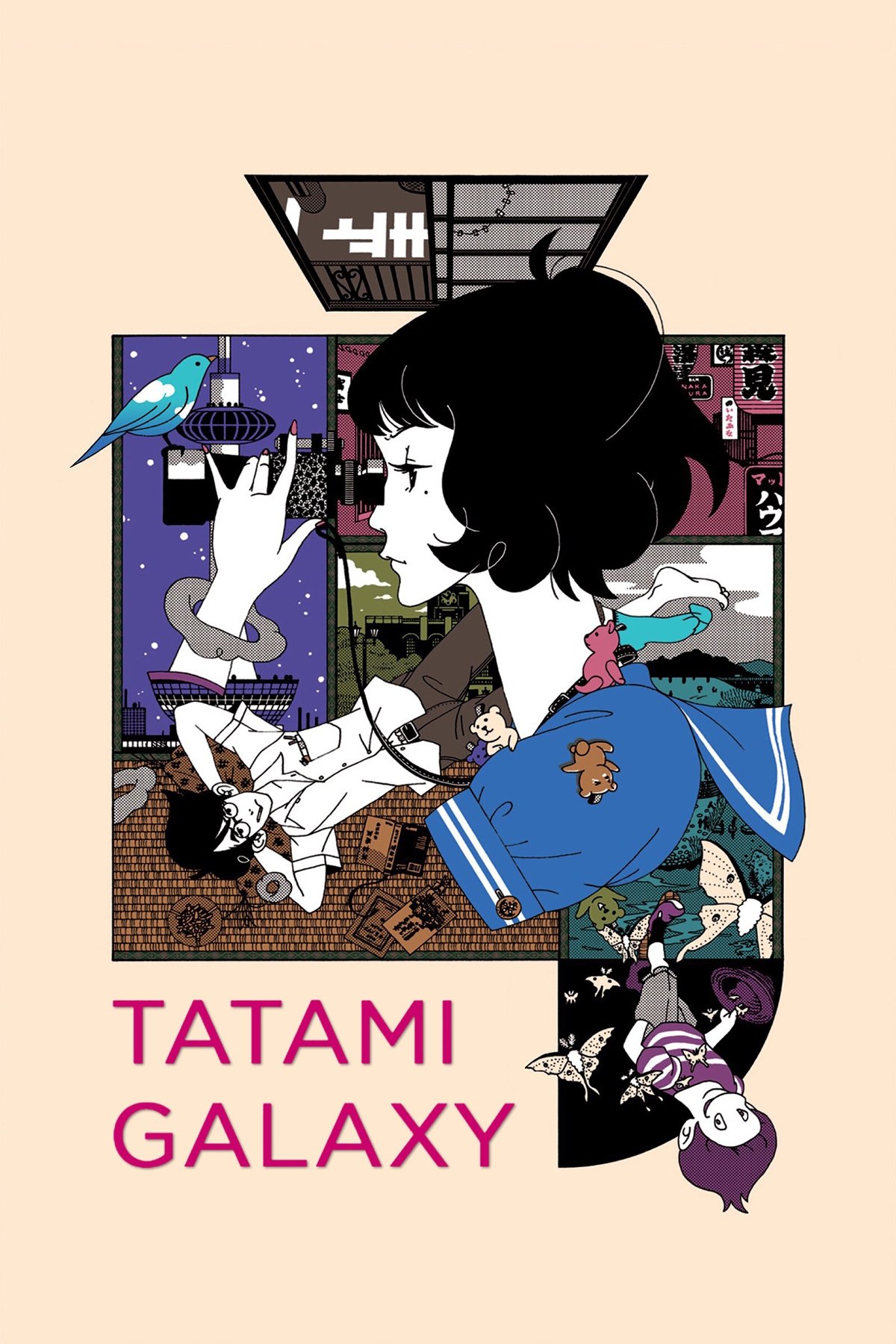
Music director Michiru Ōshima orchestrates chamber strings, woodwinds, and light electronics to match rapid-fire dialogue and surreal campus detours. Cues pivot quickly between bouncy rhythms and contemplative interludes to underline narrative resets. The OST places short motifs for recurring characters, stitched with transitional percussion and mallet patterns. Soundtrack releases compile the series’ BGM cues with clean TV-size versions of the opening and ending themes.
‘Trigun’ (1998)
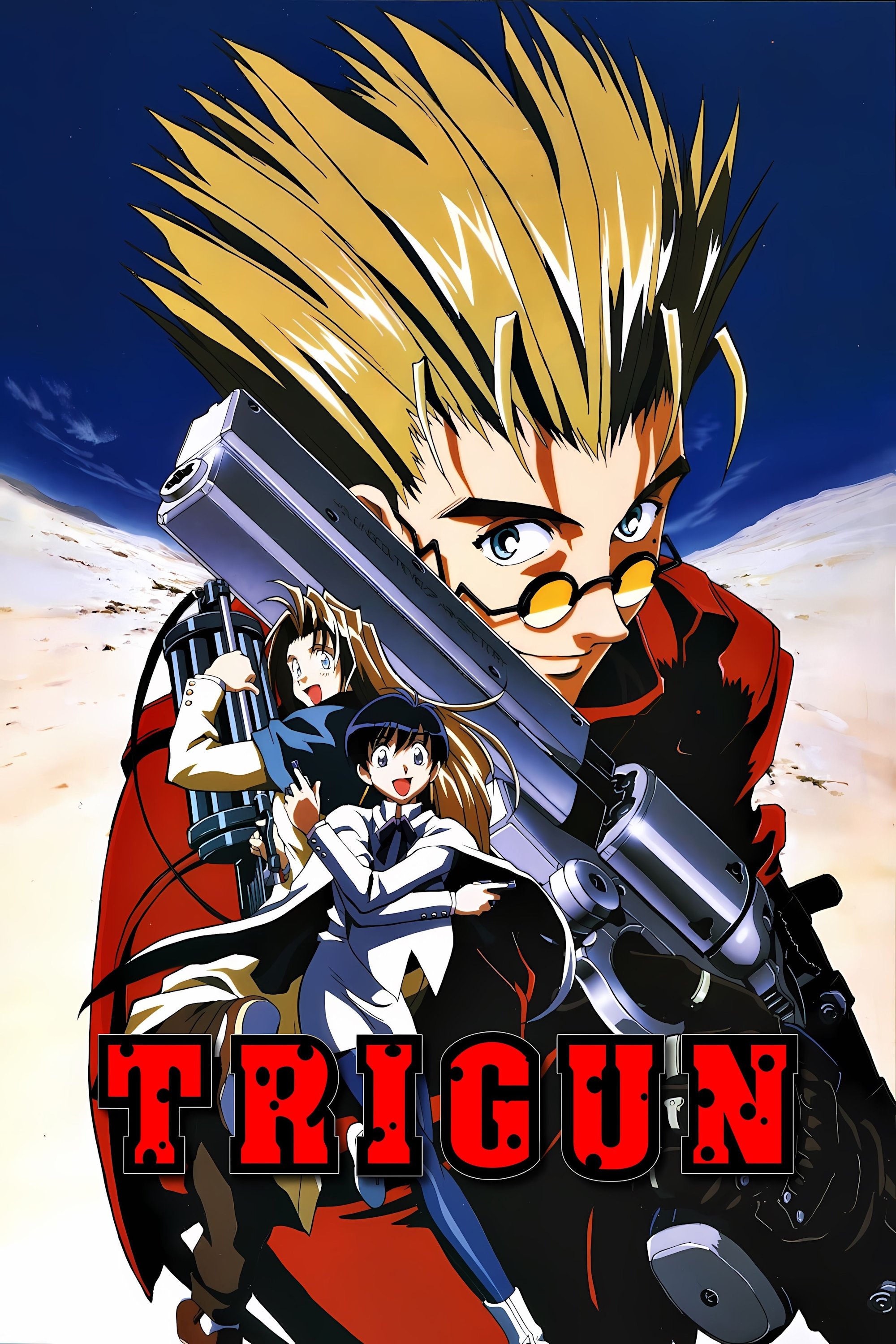
Tsunami Umetani’s music blends electric guitar, harmonica, and drum kit with sparse strings for a dust-blown, frontier tone. Western blues licks alternate with atmospheric pads to frame quiet stretches of travel and stand-offs. Percussive accents—hand claps, rim shots, and tom rolls—mark shootout beats without crowding the mix. The score appears across multiple OST volumes that also include TV edits of the opening and ending.
‘Naruto Shippūden’ (2007–2017)

Primary composer Yasuharu Takanashi layers taiko, shamisen, and shakuhachi with rock rhythm sections to scale from training arcs to large-scale clashes. The soundtrack uses character leitmotifs that modulate into battle arrangements with added choir and synth bass. Insert songs are arranged into instrumental suites for major confrontations and flashbacks. Numerous OST albums document arc-specific material and theme variants.
‘Bleach: Thousand-Year Blood War’ (2022–2024)
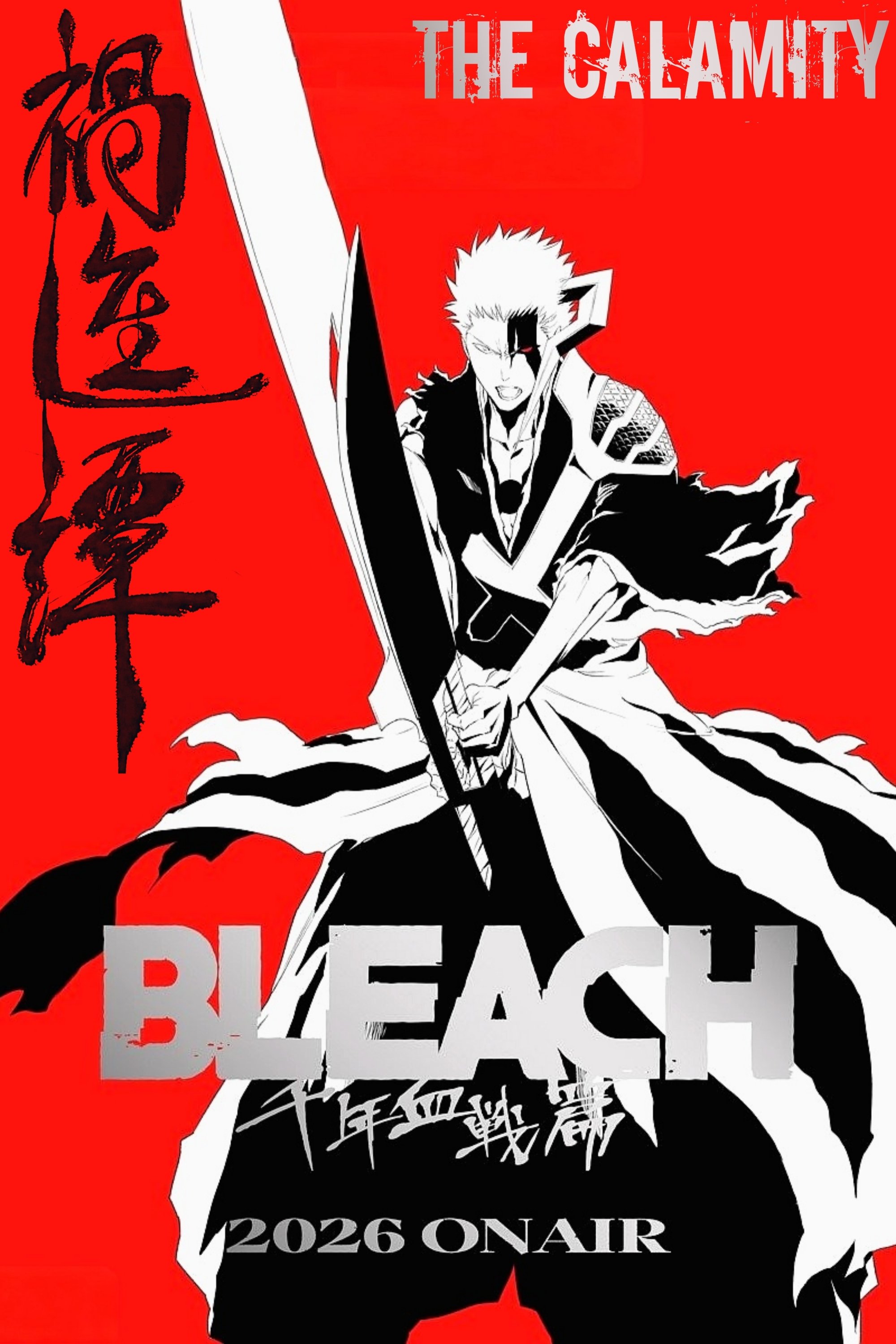
Shirō Sagisu’s score extends the franchise palette with modern orchestral writing, choral Latin text, and hard-edged drum programming. Brass clusters and low strings carry the antagonists, while processed vocals and sub-bass emphasize Quincy set-pieces. Several cues reprise classic motifs in new meters and tempi to mark returning factions. The music is available in season-tied soundtrack releases with long-form suites.
‘Made in Abyss’ (2017–2022)
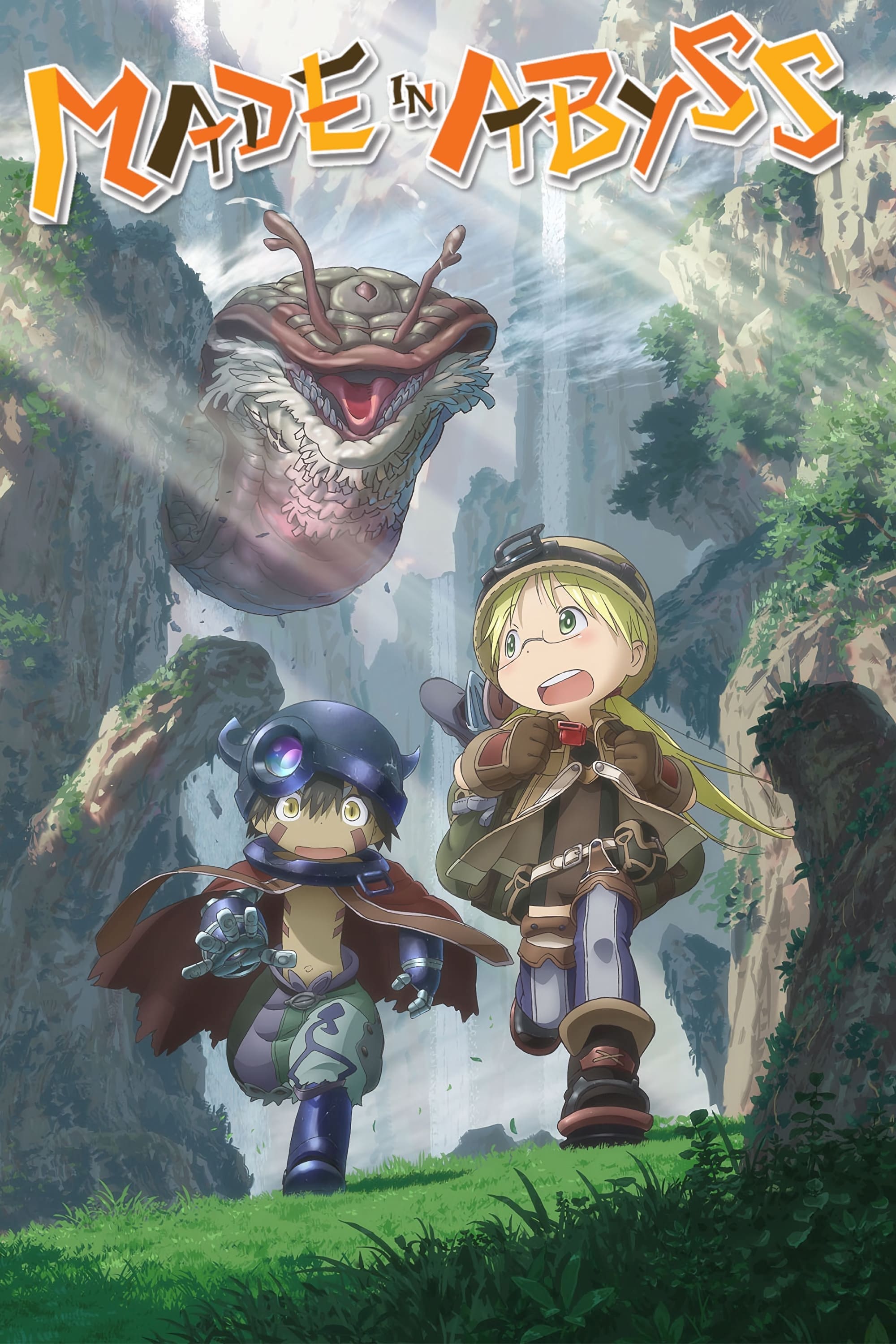
Composer Kevin Penkin mixes Celtic-inflected melodies, children’s choir, and modular synths to evoke wonder and danger across the Abyss’s layers. Unusual instrumentation—tin whistle, dulcimer, and bowed guitar—helps distinguish biomes. Field-recorded textures and reverb-heavy percussion widen the sense of scale. The OST albums package ambient versions, vocal features, and extended cues used for major discoveries.
‘Clannad: After Story’ (2008–2009)
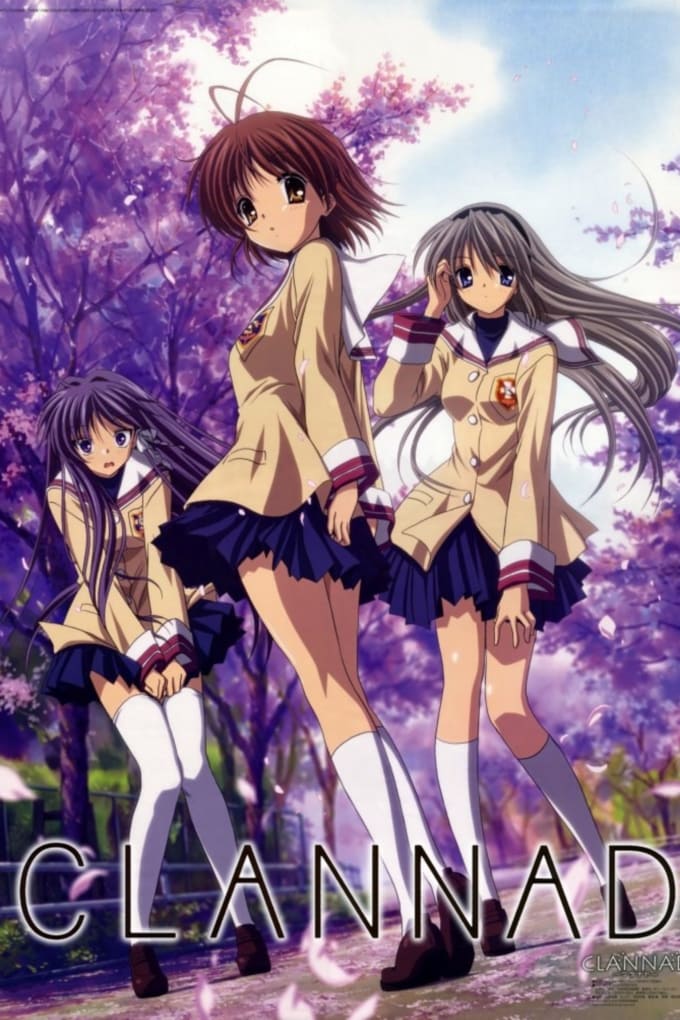
Key Sounds Label writers Jun Maeda, Shinji Orito, and Magome Togoshi build the score around piano, strings, and light synth pads tied to character motifs. Tracks re-arrange visual novel themes into ensemble settings, with counter-melodies assigned to woodwinds. The production favors gentle dynamics and room-mic reverb to support dialogue-heavy scenes. Multiple official albums collect orchestrations, piano arrangements, and TV-size themes.
‘Your Lie in April’ (2014–2015)
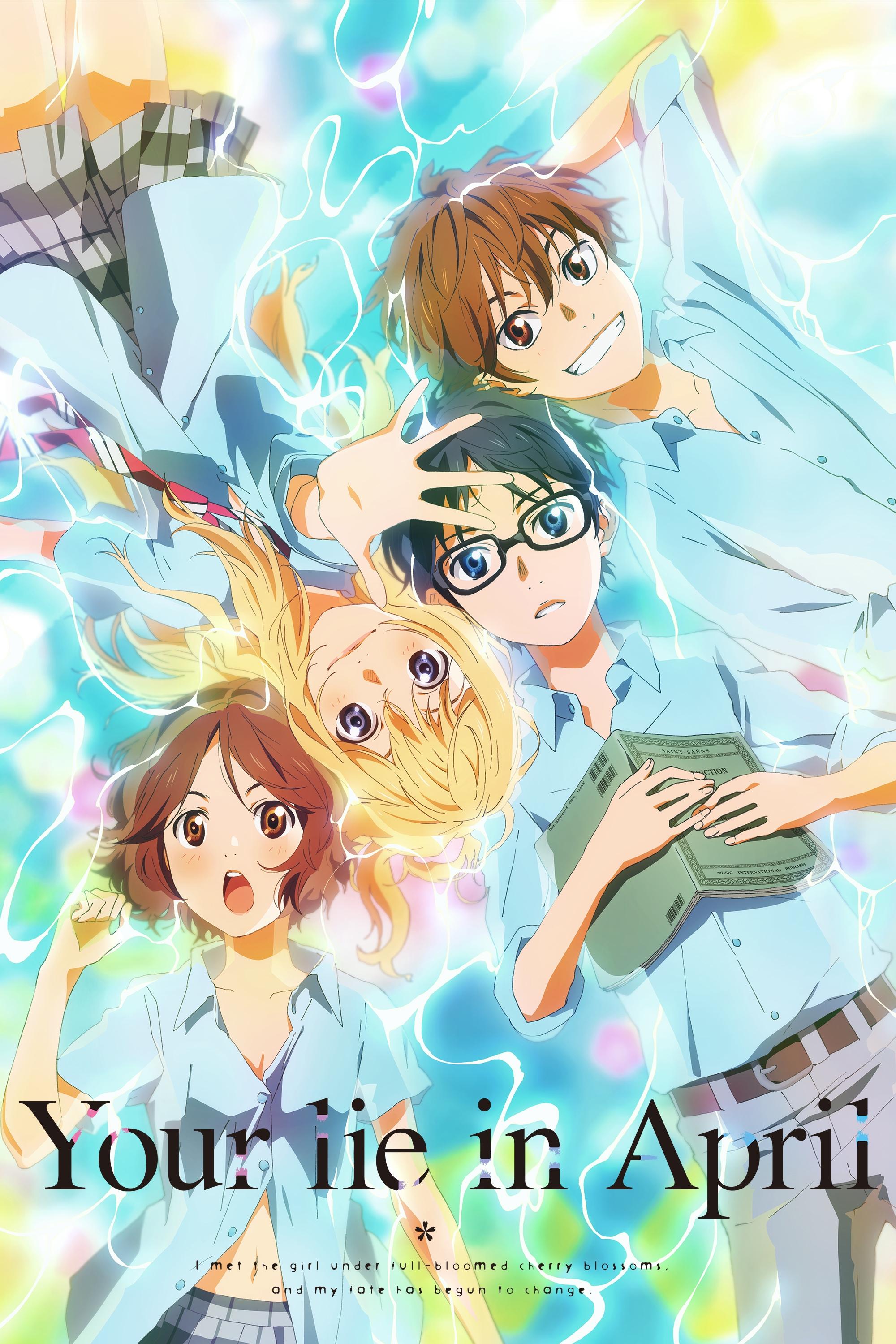
The series integrates classical repertoire performance recordings with Masaru Yokoyama’s original scoring. Orchestral cues employ transparent string voicings and harp to bridge concert scenes and everyday life. Character arcs are underscored by motif variations that move between piano solos and full ensemble textures. The soundtrack releases include both BGM and selected performance takes used on screen.
‘Berserk’ (1997–1998)
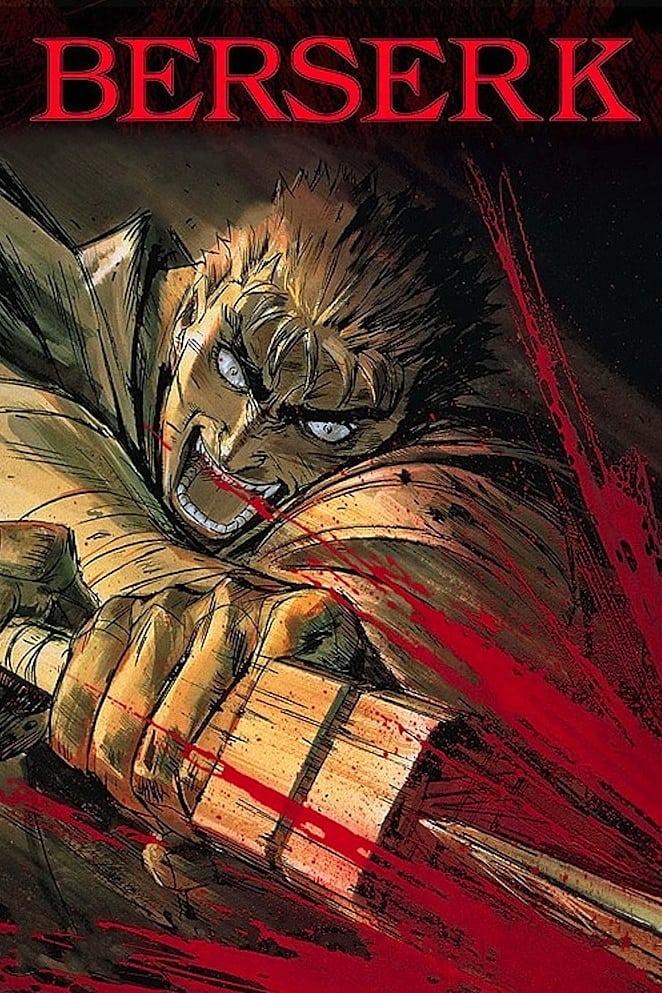
Susumu Hirasawa’s minimalist electronic writing—pulse bass, choir pads, and sampled percussion—establishes a stark medieval-industrial mood. Short motivic fragments recur with altered timbres to trace shifts in allegiance. The production uses gated reverb, vocoder, and arpeggiators to juxtapose courtly settings with battlefield imagery. Official OSTs present the background score alongside TV edits of the themes.
‘Neon Genesis Evangelion’ (1995–1996)
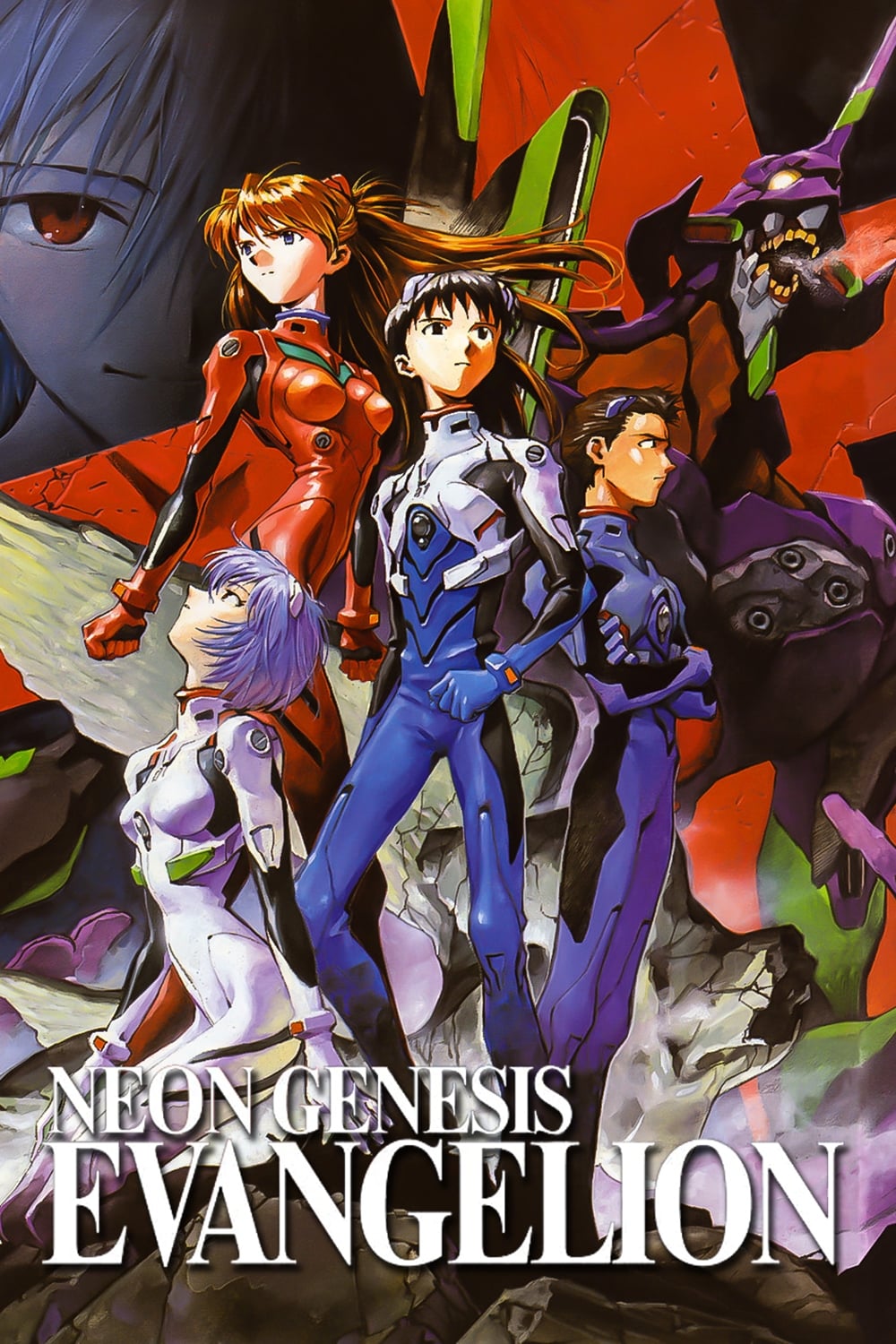
Shirō Sagisu’s score juxtaposes baroque-style strings, big band cues, and dramatic orchestral writing to reflect abrupt tonal swings. Recurring harmonic progressions mark EVA sorties, while diegetic tracks handle everyday school life. The music library includes choral arrangements and concert suites prepared from the series material. Multiple soundtrack releases compile BGM, symphonic selections, and variations used across episodes.
‘Samurai Champloo’ (2004–2005)
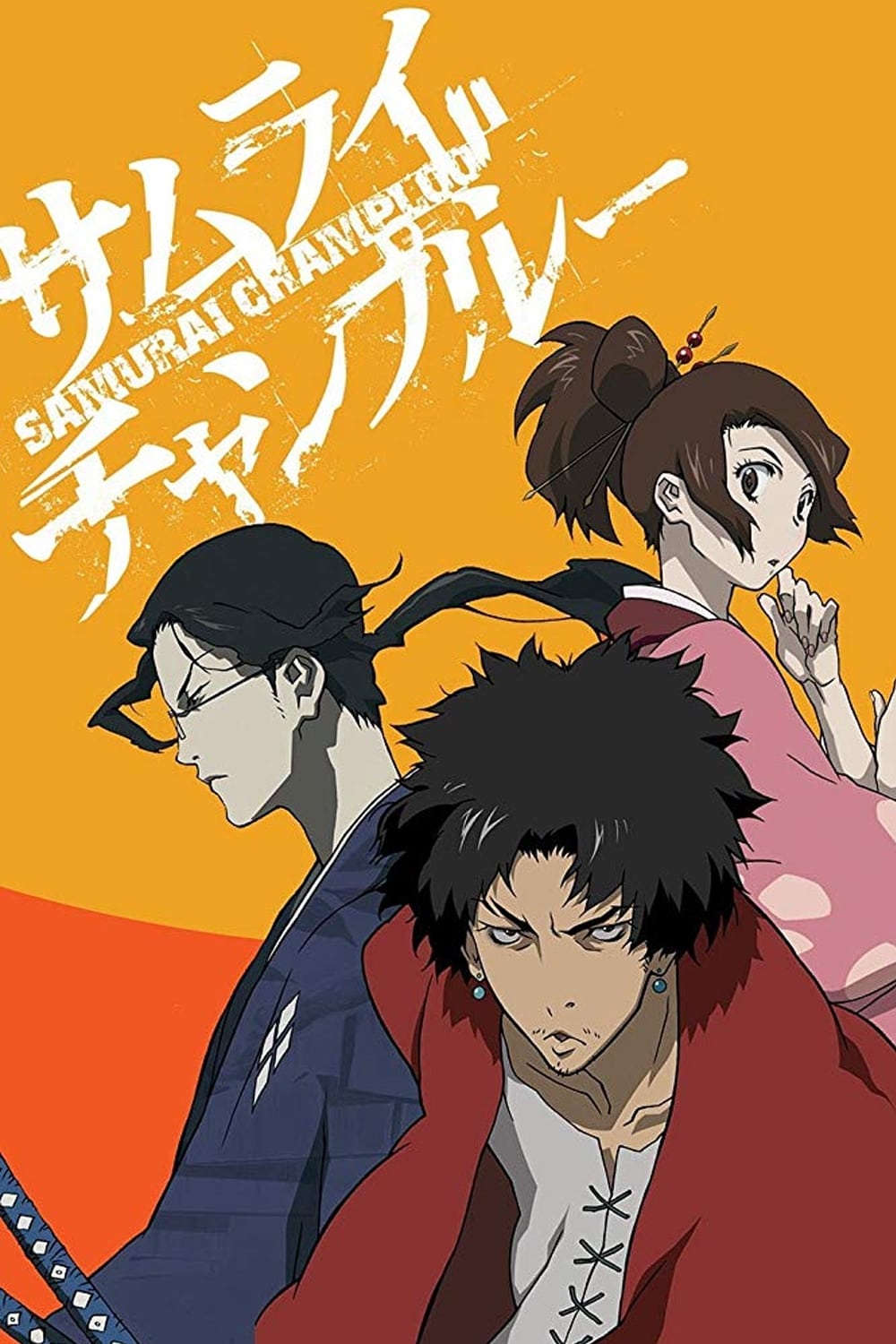
Producers Nujabes, Fat Jon, Tsutchie, and Force of Nature anchor the sound with hip-hop beats, jazz chords, and vinyl-textured sampling. Acoustic bass, Rhodes, and shakuhachi lines weave through breakbeats to fuse Edo-period imagery with modern rhythm. Cue versions range from loop-centric vignettes to fully arranged instrumentals for fights and travel. Albums like ‘Departure’ and ‘Impression’ collect the BGM and character-focused tracks.
‘Mob Psycho 100’ (2016–2022)
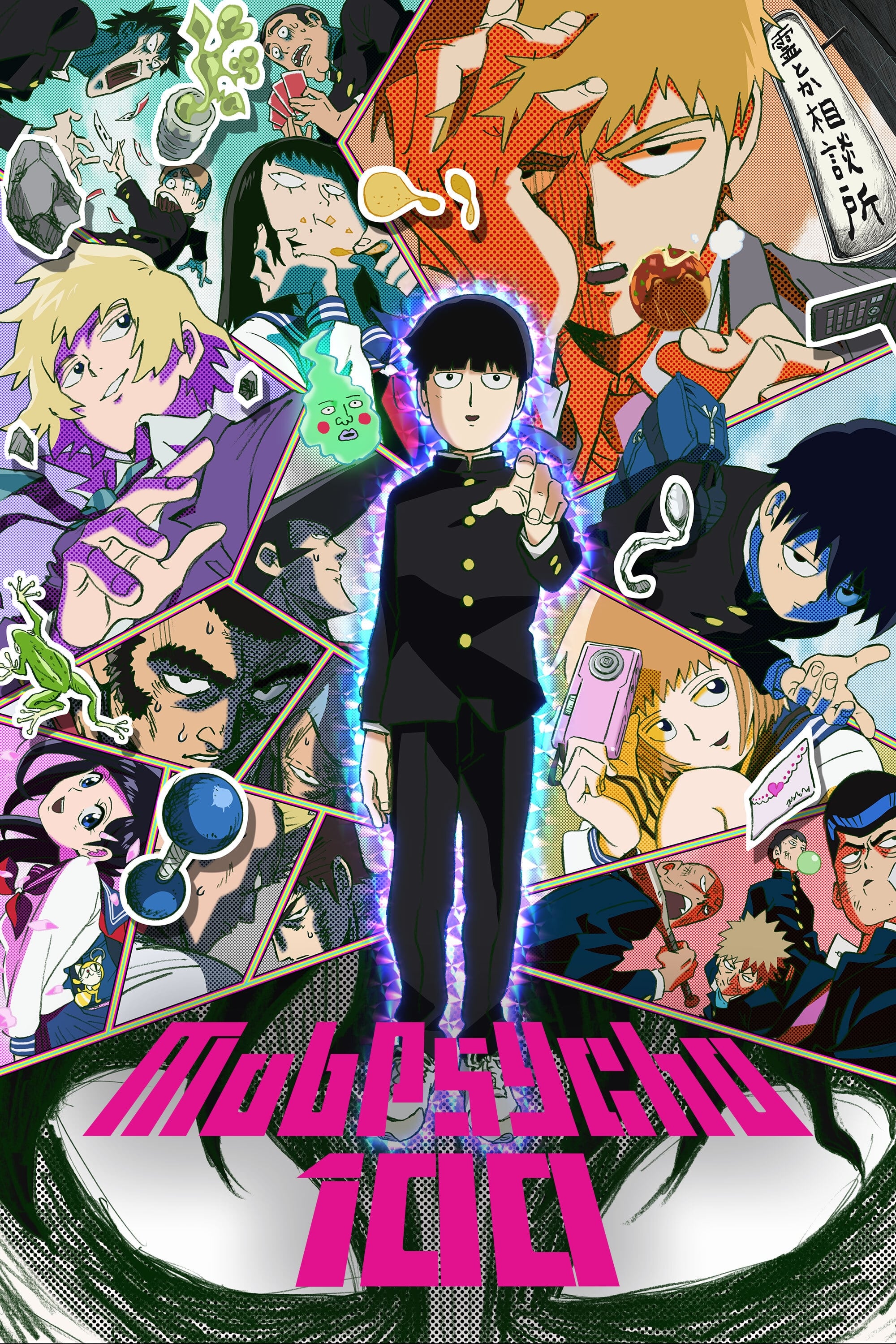
Kenji Kawai scores the series with layered percussion, analog synths, and choral clusters that swell with the protagonist’s power scale. Cue naming tracks the percentage motif, and arrangements expand themes with guitar and brass at peak moments. The mix emphasizes stereo imaging for psychic effects using panned pads and gated delays. Official OSTs include extended versions and event-use suites.
‘Jujutsu Kaisen’ (2020–2023)
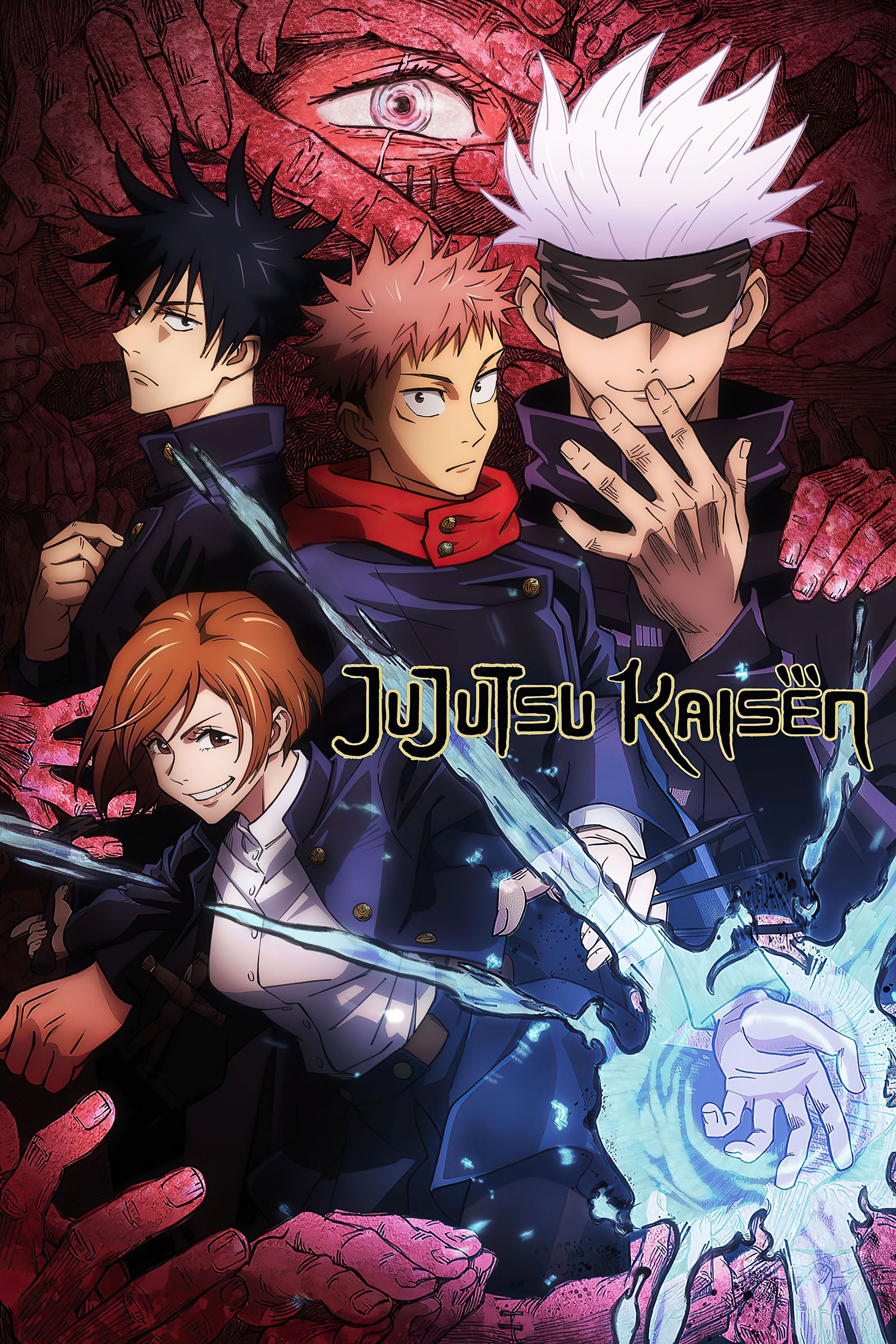
Hiroaki Tsutsumi, Yoshimasa Terui, and Alisa Okehazama split duties across urban action, creepy ambience, and character drama. Low-tuned guitars, taiko-inspired drumming, and processed vocals define combat tracks, while strings and piano handle reflective scenes. Season and arc releases catalog cue sets for major confrontations and school events. Remix and extended cuts appear on compilation albums tied to broadcast phases.
‘Haikyu!!’ (2014–2020)

Yuki Hayashi’s score features energetic string ostinatos, snare-driven rhythms, and brass hits that track rally momentum. Motifs for each team shift instrumentation—guitars, synth arps, or brass chorales—to highlight play styles. Practice sequences use lighter percussion and hand claps, while match points add choir and toms. The OST series spans multiple volumes aligned with seasons and national tournament arcs.
‘Code Geass: Lelouch of the Rebellion’ (2006–2008)
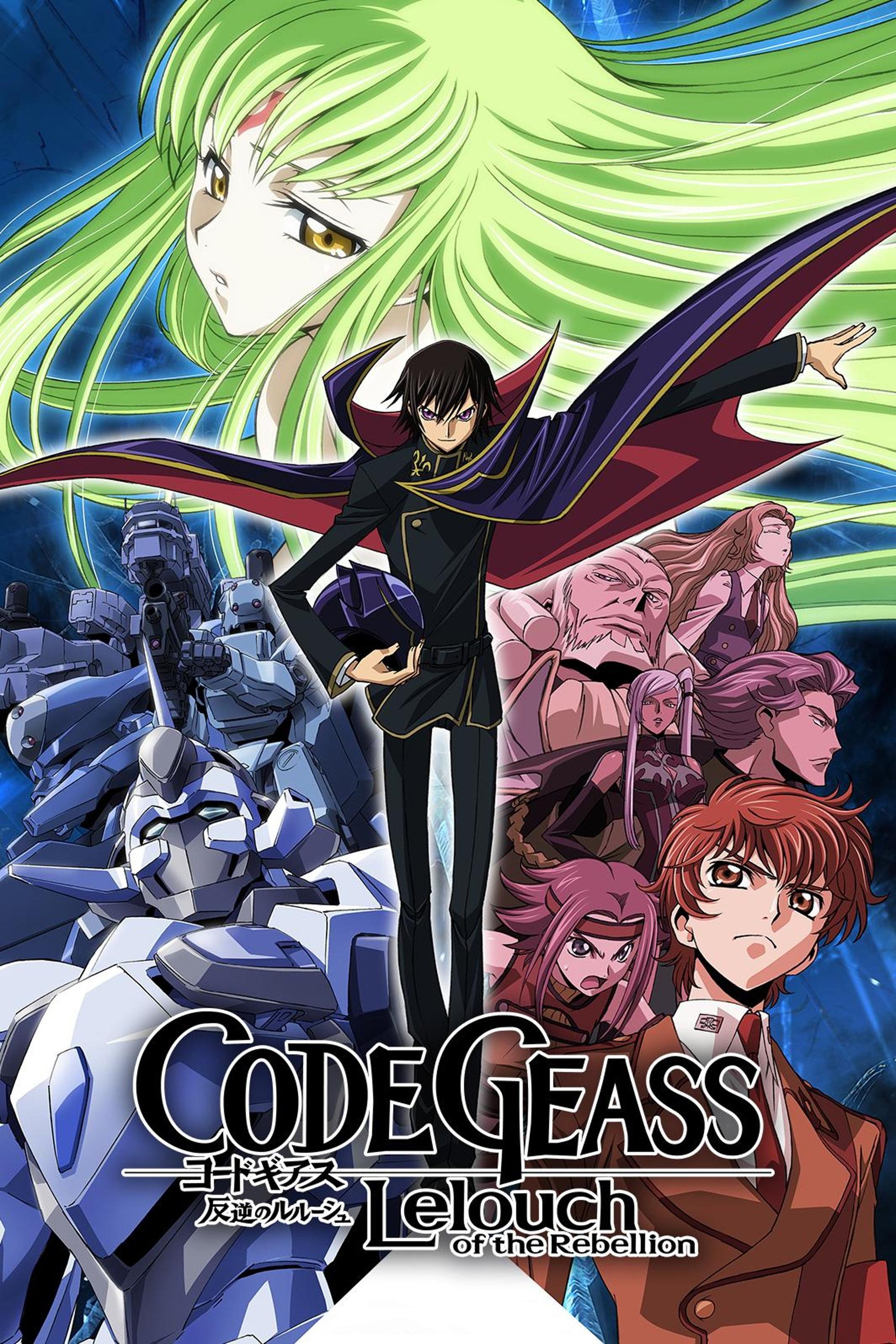
Kotaro Nakagawa and Hitomi Kuroishi combine symphonic writing, ethnic percussion, and vocalise to support mecha tactics and court intrigue. Leitmotifs for factions recur in altered modes to signal turning points. Piano and string quartets provide intimate character cues between set-pieces. Soundtracks include orchestral suites and vocal tracks produced with the same thematic material.
‘Demon Slayer: Kimetsu no Yaiba’ (2019–2024)
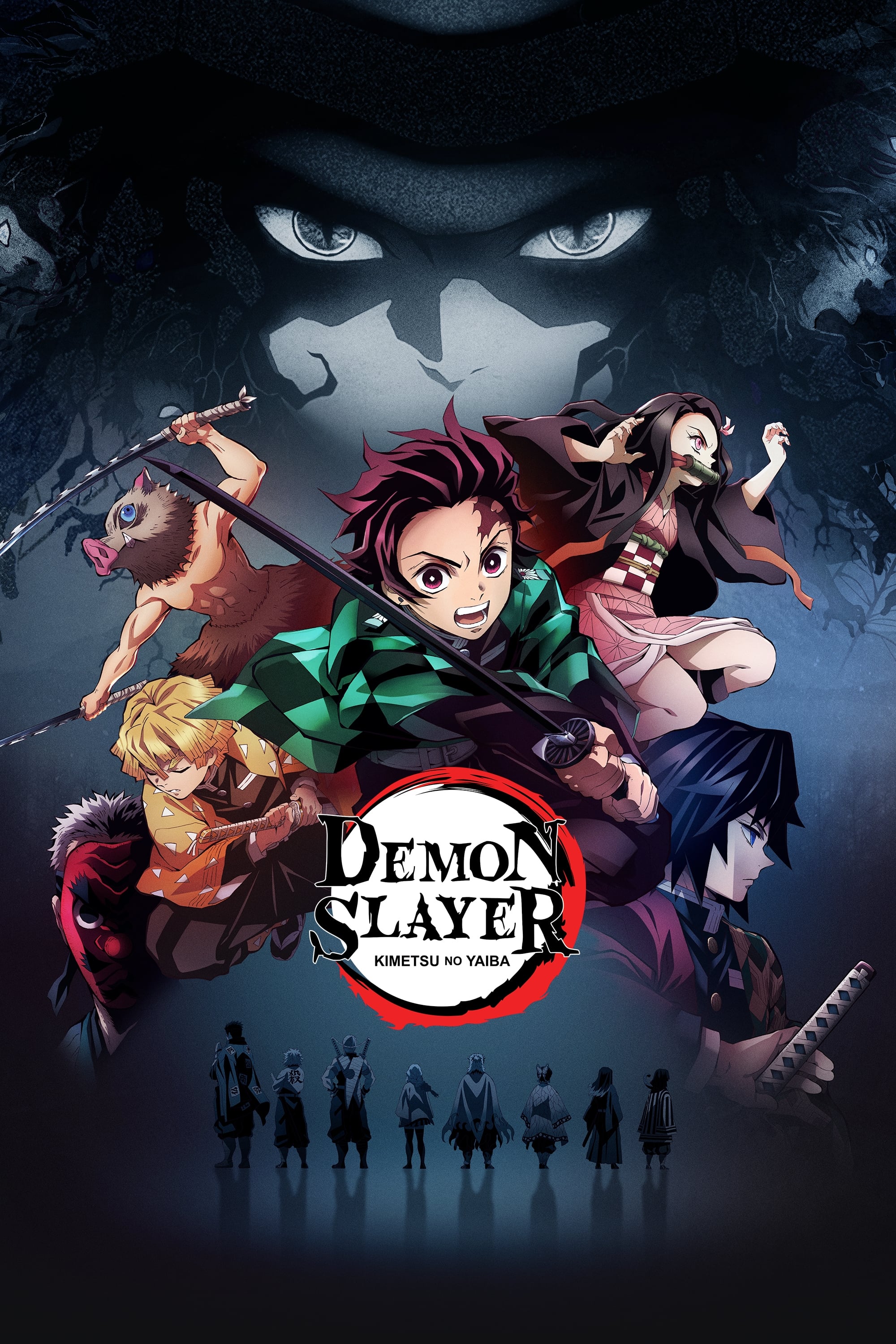
Go Shiina and Yuki Kajiura employ traditional Japanese instruments—shamisen, koto, and noh-style chants—alongside modern strings, synths, and heavy percussion. Character and breathing-style motifs are re-orchestrated for each major battle. The production uses multi-layered choirs and granular synth textures to heighten demon abilities on screen. Official OSTs and arc compilations document the evolving palette across seasons.
‘Mushi-shi’ (2005–2014)
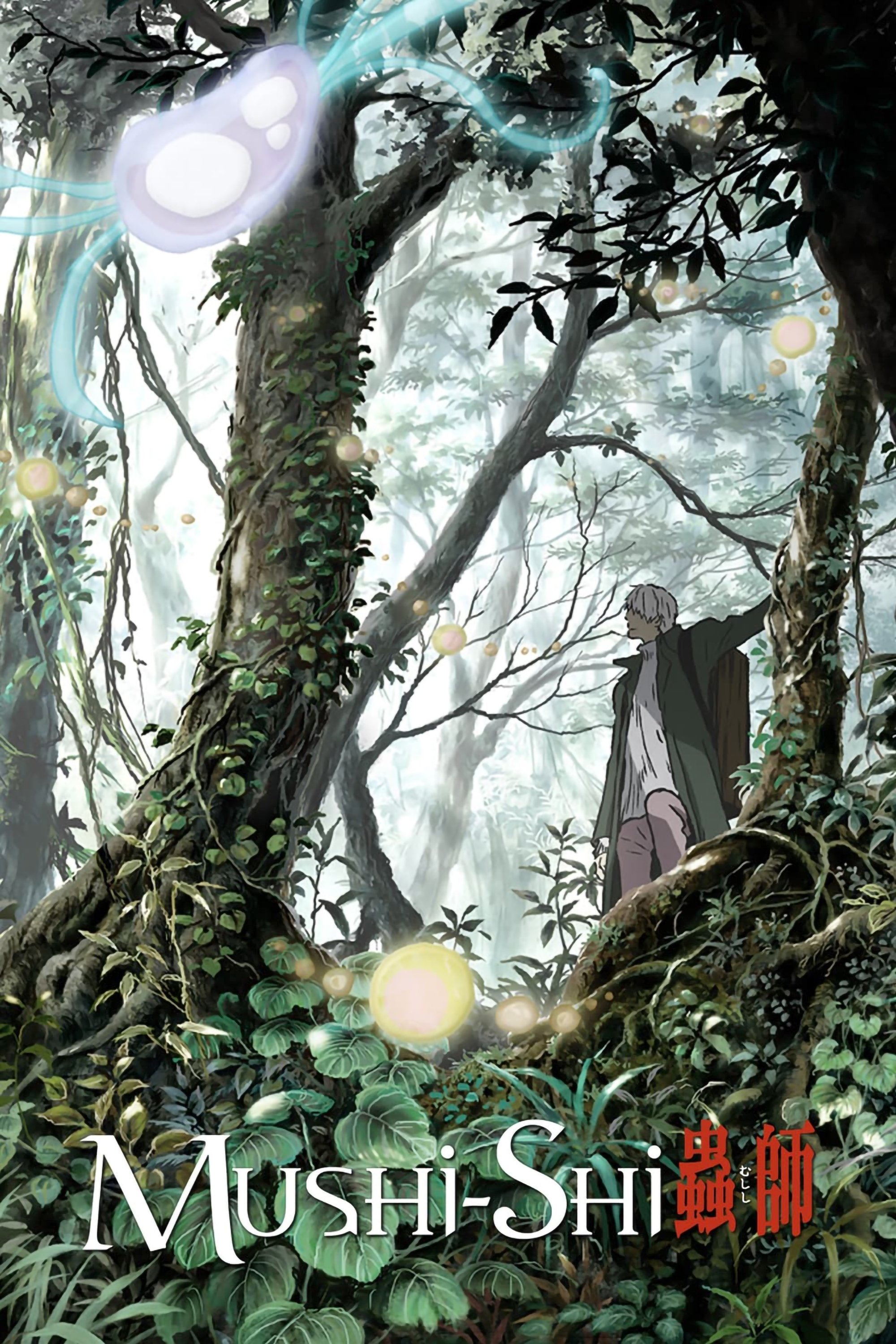
Toshio Masuda’s minimal scoring centers on acoustic guitar, piano, and subtle strings, often leaving ample silence to shape scenes. Pentatonic motifs and simple harmonies mirror the natural folklore tone. Occasional non-Western instruments and drones underscore the uncanny presence of the mushi. The OST releases present spacious mixes and alternate takes suited for quiet listening.
‘Monster’ (2004–2005)

Kuniaki Haishima writes restrained, suspense-forward cues with low strings, timpani, and dissonant woodwind clusters. Theme fragments for the main cast recur with slight rhythmic shifts to reflect investigation progress. Sparse piano figures punctuate revelations and moral dilemmas. The soundtrack albums collect BGM suites sequenced to follow the story’s continental trajectory.
‘Cowboy Bebop’ (1998–1999)

Yoko Kanno and The Seatbelts deliver a genre-spanning score—hard-swing jazz, blues, bossa nova, and ambient—recorded with live brass and rhythm sections. Cue architecture mirrors episode genres, from caper grooves to melancholic ballads. Signature tracks use tight horn voicings, walking bass, and drum solos to propel action. Multiple OSTs compile session takes, TV edits, and extended versions recorded for the series.
‘Vinland Saga’ (2019–2023)

Yutaka Yamada’s music blends Scandinavian folk colors—tagelharpa, frame drum, and throat singing—with hybrid orchestra and synth. Percussive triplets and low-string drones underpin long-form battles and sea voyages. Character motifs reappear as slow-build suites with vocal layers for pivotal decisions. The official soundtracks include season-specific albums and live-arranged suites.
‘Steins;Gate’ (2011–2015)
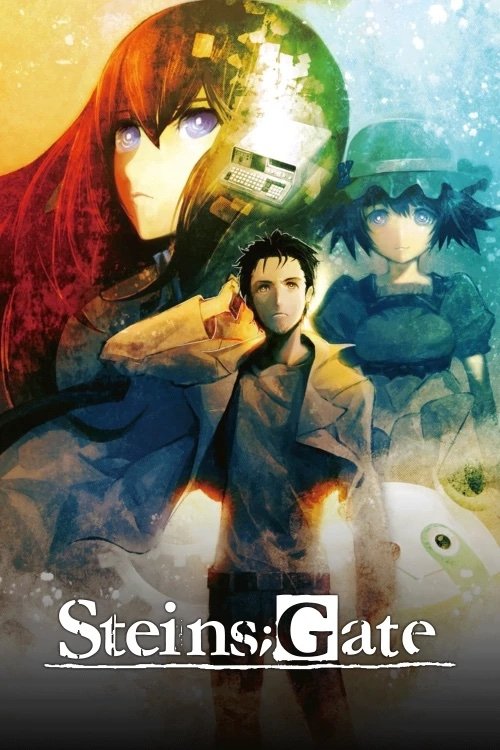
Takeshi Abo’s score uses repeating modal motifs, analog pads, and glitch elements to track timeline divergence. The main theme expands from solo piano to layered strings and electronics across crucial episodes. Sound design integrates shortwave-style noise and filtered beats around lab scenes. OST releases feature BGM cues alongside arrangements derived from the visual novel’s music.
‘Death Note’ (2006–2007)
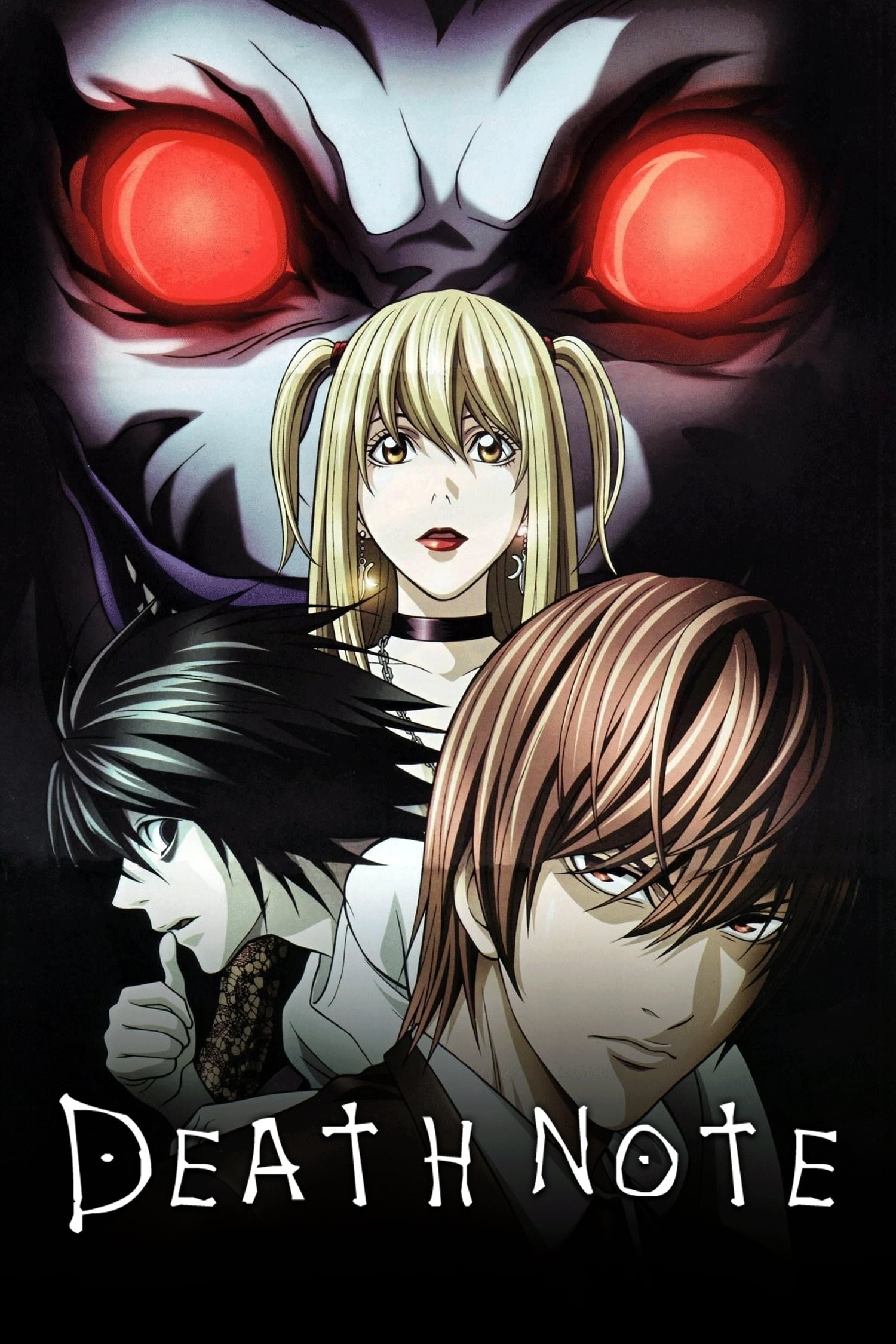
Yoshihisa Hirano and Hideki Taniuchi alternate between gothic choral writing and rock-inflected tension cues. Orchestral tracks employ organ, choir, and brass fanfares for strategy clashes, while guitar-driven pieces support pursuit sequences. Character themes develop through rhythmic augmentation and meter changes as plans unfold. The soundtrack spans multiple volumes with TV edits and extended instrumentals.
‘Hunter x Hunter’ (2011–2014)

Yoshihisa Hirano’s orchestral writing features vivid brass, nimble strings, and ethnic percussion tailored to each arc’s setting. The score maps distinct motif families to the protagonists, antagonists, and Nen systems. Ambient synths and vocalise are layered for chimera and dungeon environments. Official releases gather arc-grouped BGM and new recordings for compilation albums.
‘Attack on Titan’ (2013–2023)
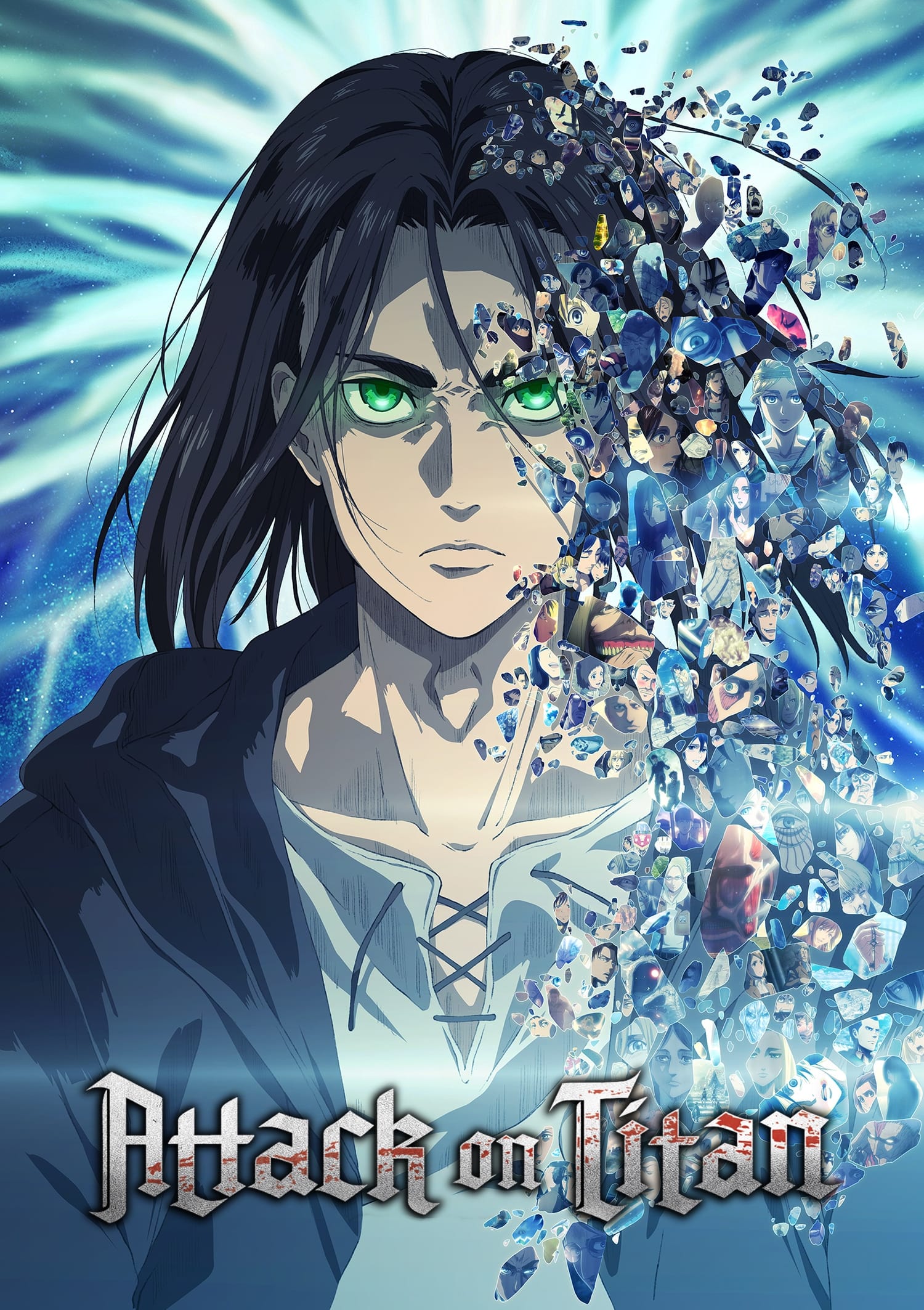
Hiroyuki Sawano’s score is defined by choral hooks, German-text vocals, heavy guitars, and hybrid orchestration. Rhythmic cells and ostinatos escalate through added choir, drum kits, and synth bass for combat cues. Signature tracks employ call-and-response brass and strings to mark tactical shifts. Multi-disc OST sets document recording sessions, vocal versions, and long-form suites.
‘Fullmetal Alchemist: Brotherhood’ (2009–2010)
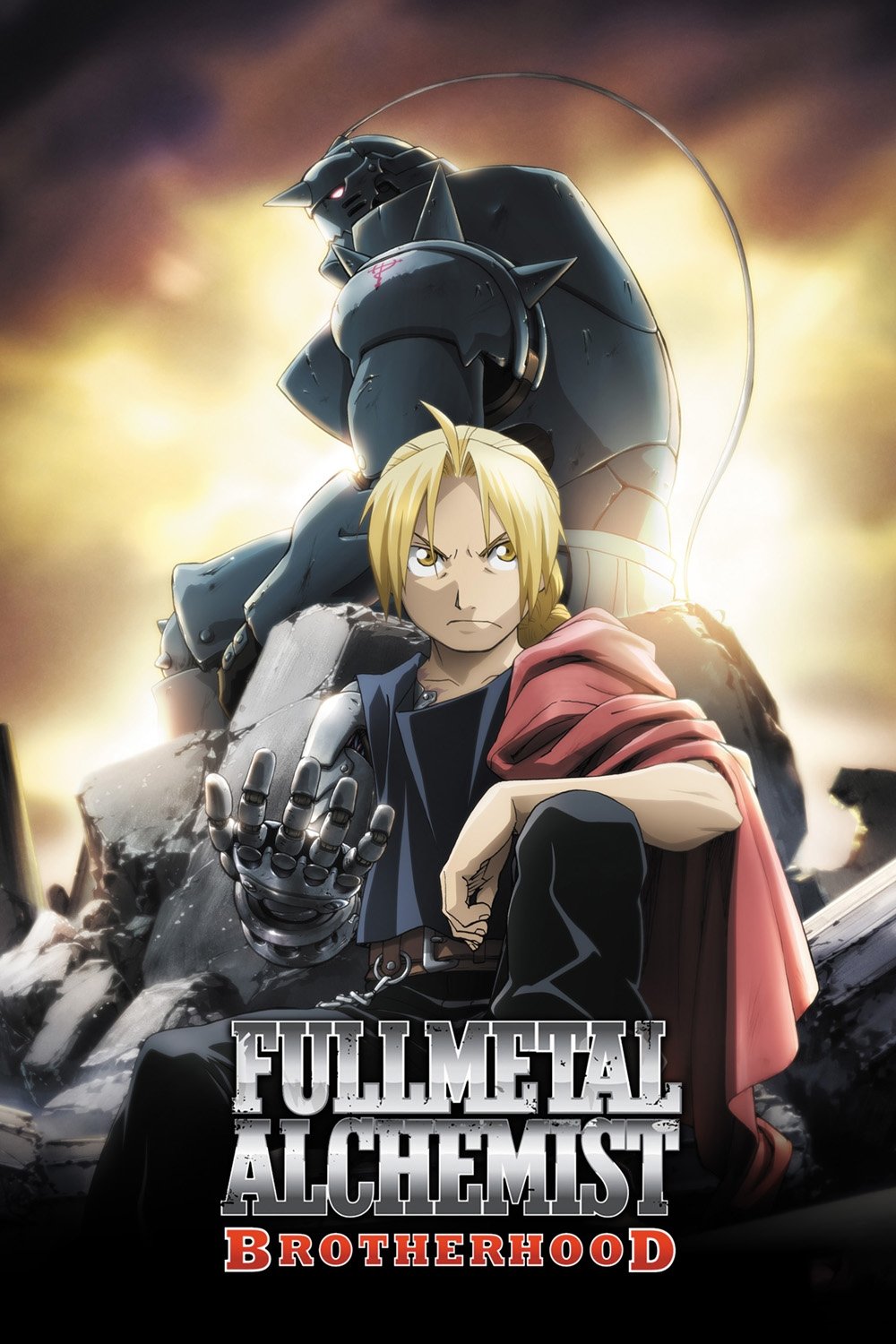
Akira Senju composes a symphonic score with clear leitmotifs for brothers, state alchemists, and antagonists, expanding to full choir for climactic sequences. Woodwind solos and harp arpeggios color quieter, domestic scenes, while brass and low strings frame military settings. The soundtrack releases include comprehensive BGM collections and piano arrangements derived from key themes. Mixing emphasizes depth and warmth, keeping dialogue intelligible during action.
Share your favorite TV-anime soundtracks—and the specific tracks you keep on repeat—in the comments!