

15 Best Training Arcs In Anime

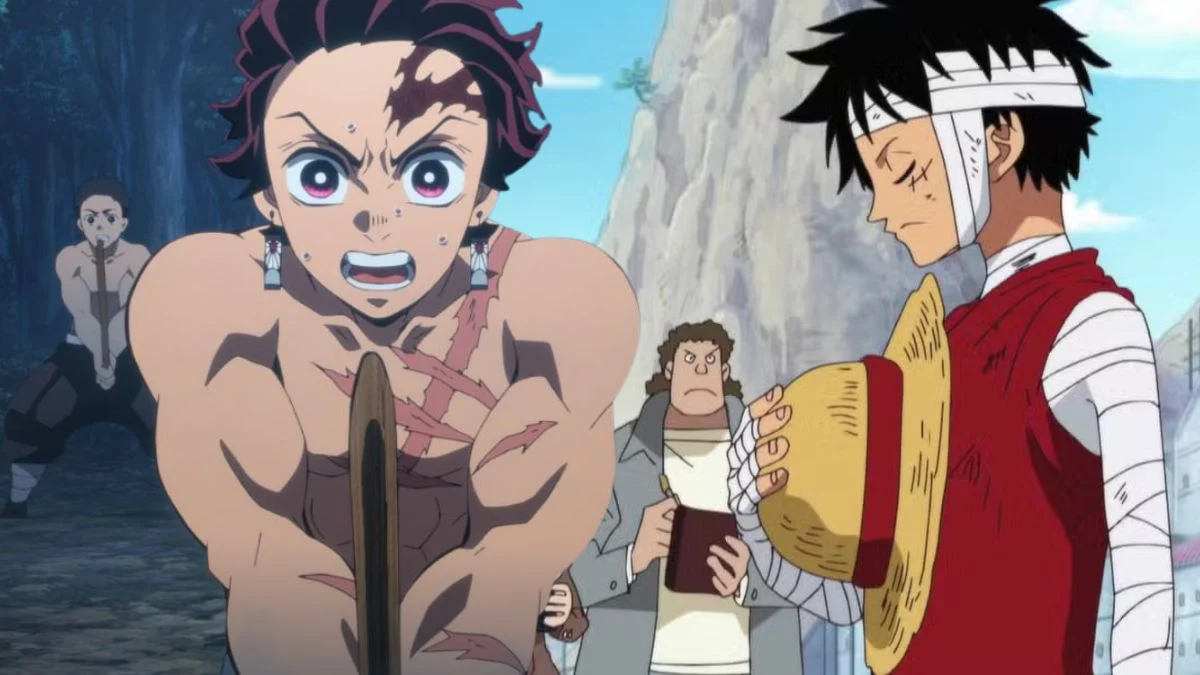


Training arcs give characters the tools they need for the battles ahead, and they also lay out the rules of their worlds in a way that sticks. The best ones blend technique, mentorship, and stakes so we understand exactly what changed between one fight and the next. Here are standout examples across shonen, sports, and action series, each noting the studio that brought the grind to life. From intense survival lessons to structured academies, these arcs show how skill is built step by step.
Hyperbolic Time Chamber in ‘Dragon Ball Z’
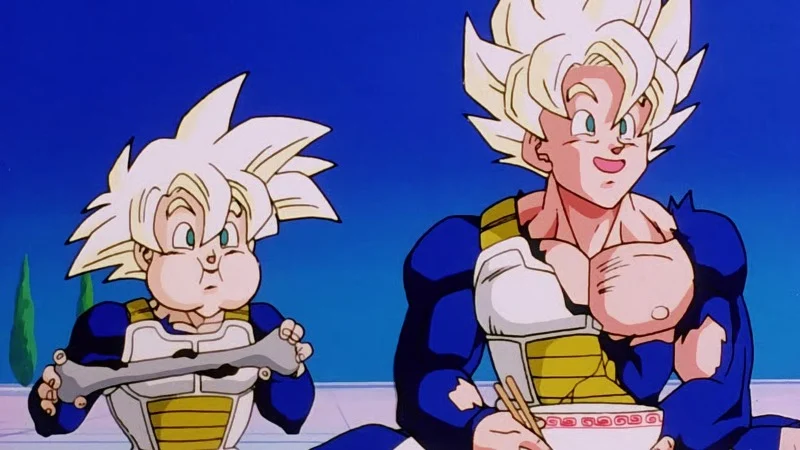
Toei Animation depicts Goku and his allies using a dimension where one day outside equals a year inside, letting them multiply training volume before major confrontations. The environment has crushing gravity, thin air, and extreme temperatures that force rapid adaptation. Character routines include weighted clothing, ki control drills, and sparring under time pressure. Entry limits and psychological strain are emphasized to explain why the chamber is used sparingly.
Jiraiya’s Apprenticeship in ‘Naruto’

Studio Pierrot shows Naruto learning summoning techniques and chakra control under Jiraiya during a long journey between villages. The training introduces the toad contract, channeling chakra through blood pacts, and practical drills that build toward the Rasengan. Naruto’s exercises include water-balloon rotation, rubber-ball bursting, and real combat applications against rogue ninja. The arc also establishes travel-based fieldwork as part of shinobi development.
Sage Mode At Mount Myoboku in ‘Naruto Shippuden’
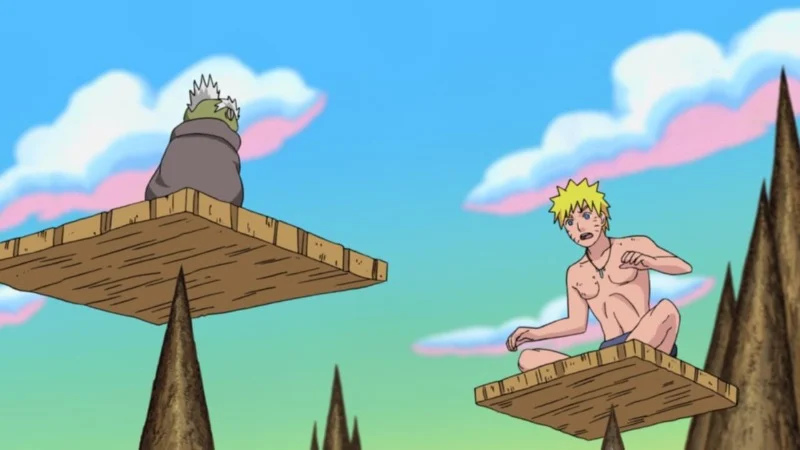
Produced by Studio Pierrot, this arc explains nature energy and the balance needed to avoid turning into stone. Naruto trains with the toads to gather energy while staying still, then carries that lesson into battle by using shadow clones to collect reserves remotely. The regimen covers sensory enhancement, raw strength boosts, and new techniques fueled by natural energy. Time limits and the risk of petrification clarify why Sage Mode requires precise management.
Two-Year Timeskip Training in ‘One Piece’
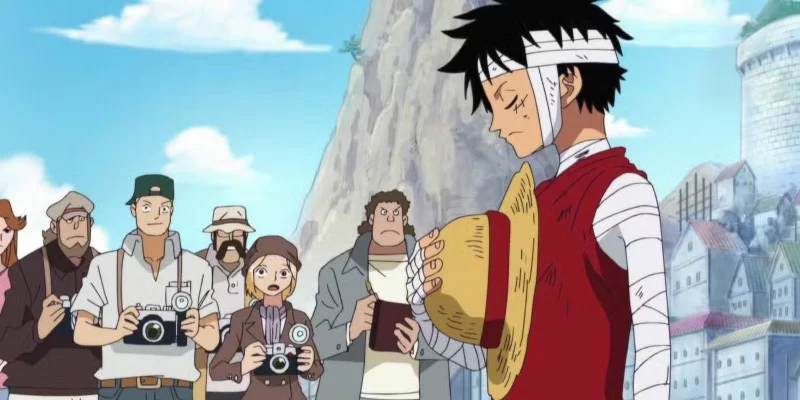
Toei Animation splits the Straw Hat crew across different mentors and environments to address individual weaknesses. Luffy studies advanced Haki under Silvers Rayleigh, while others focus on navigation, medicine, engineering, or marksmanship upgrades. The arc uses letters and a reunion counter to track progress and schedules a return point at Sabaody. Training outcomes are shown through new abilities like Observation and Armament Haki and refined crew roles.
Heavens Arena Nen Training in ‘Hunter x Hunter’
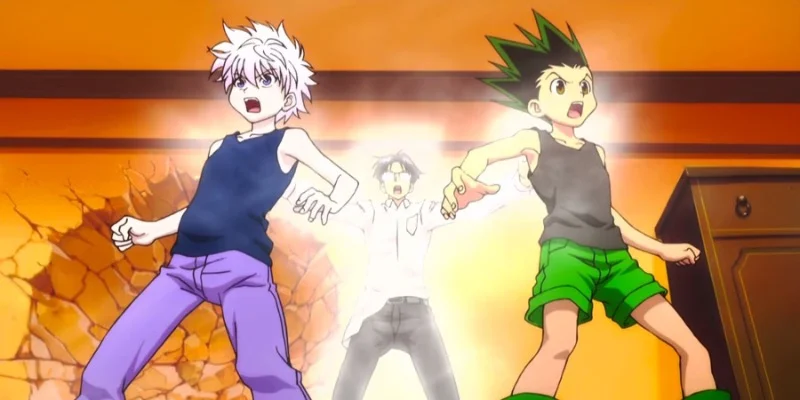
Madhouse uses a tower tournament to introduce Nen categories, aura nodes, and the basics of Ten, Zetsu, Ren, and Hatsu. Wing and later Biscuit structure lessons with measurable milestones tied to floor advancement. The arc includes practical tests like aura defense, emission drills, and creative Hatsu design. Match rules and earnings link progression to concrete achievements, making the system’s logic easy to follow.
Final Selection Preparation in ‘Demon Slayer: Kimetsu no Yaiba’
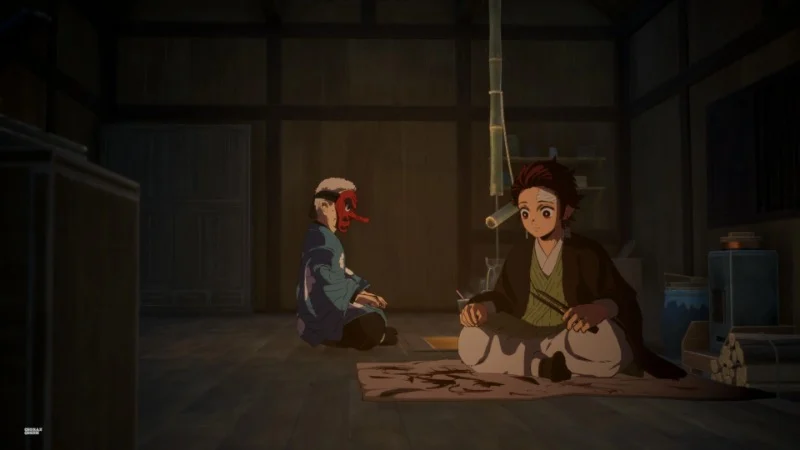
ufotable portrays Tanjiro’s months of conditioning under Sakonji Urokodaki, featuring mountain sprints, trap avoidance, and sword forms known as Water Breathing. Breathing techniques are framed as oxygen management that boosts strength and perception. A boulder-splitting test serves as the gate to the Final Selection exam. The training pairs repetitive kata with real terrain challenges to simulate demon encounters before certification.
Hashira Training in ‘Demon Slayer: Kimetsu no Yaiba’
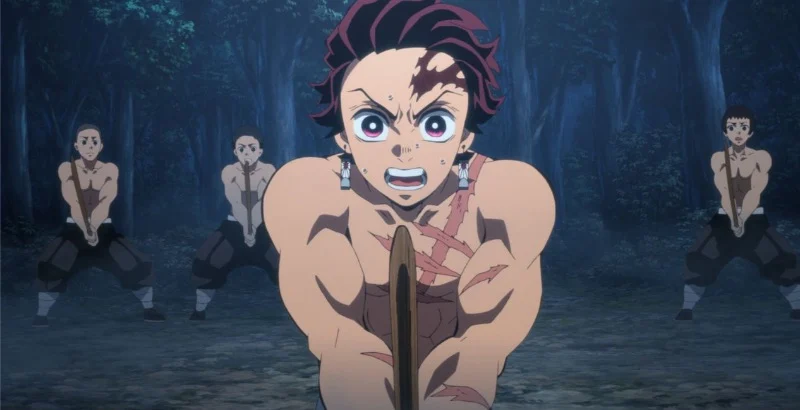
Animated by ufotable, this later program places demon slayers through circuits led by each Hashira, each focusing on a specialty. Drills range from endurance slashes to reflex courses and coordination under fatigue. The arc standardizes techniques across ranks to raise baseline competence before new threats arrive. Rotational stations and escalating difficulty ensure measurable progress for squads and individual swordsmen alike.
Gran Torino And Work-Study in ‘My Hero Academia’
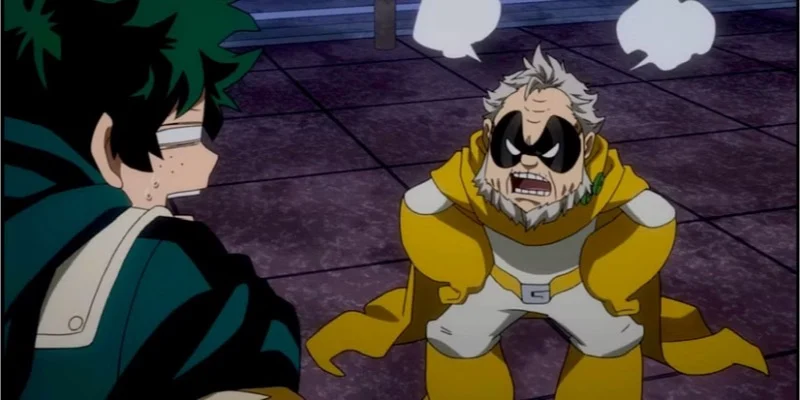
Bones presents Izuku Midoriya’s supervised practical training where mobility and control become the main objectives. Gran Torino forces him to concentrate power into bursts, creating full-body movement patterns that reduce self-injury. Work-studies place students with pro agencies to apply fundamentals in live operations and rescue scenarios. Progress is tracked through improved Quirk output, teamwork protocols, and on-site evaluations.
Bankai Training With Yoruichi in ‘Bleach’
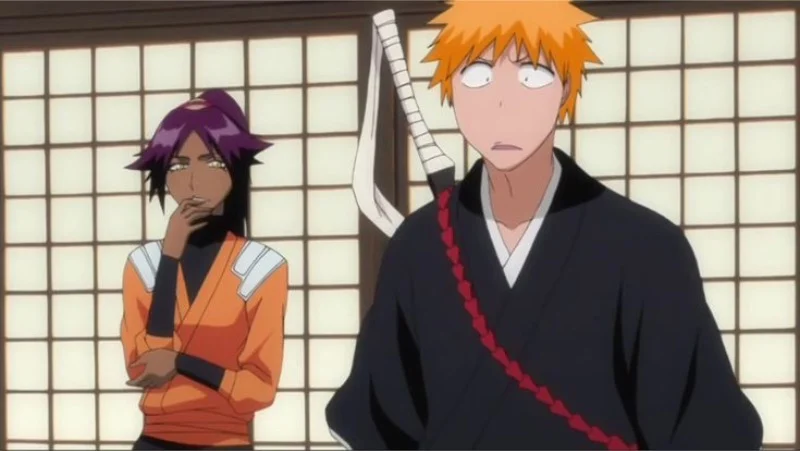
Studio Pierrot introduces a method to force Bankai manifestation within days using special tools that externalize a Zanpakuto’s spirit. Ichigo’s regimen requires defeating the spirit in a limited time to qualify for advanced combat. The process includes stamina drills, spirit communication, and timed pressure tests. The arc explains why Bankai is rare and how accelerated training carries risks alongside rapid power gains.
104th Cadet Corps in ‘Attack on Titan’
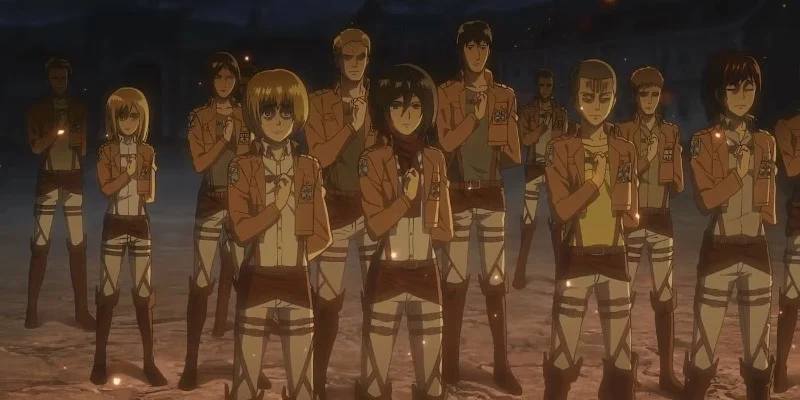
Wit Studio details a multi-year military curriculum covering 3D maneuver gear, formation tactics, and titan anatomy. Recruits undergo balance tests, vertical mobility practice, and supply logistics training inside controlled zones. Classroom instruction complements fieldwork to rank cadets for branch assignments. Evaluations determine placement in the Military Police, Garrison, or Survey Corps based on performance criteria.
Hamon Training With Lisa Lisa in ‘JoJo’s Bizarre Adventure: Battle Tendency’

David Production structures Joseph Joestar’s regimen around breathing control that channels life energy into Ripple techniques. The course includes underwater endurance, rope ascents, and synchronized breathing under combat stress. Hamon’s conductivity through fluids and metals is taught with practical demonstrations. Timed challenges and tutor oversight tie technique mastery to impending duels.
Survival Lessons With Izumi On Yock Island in ‘Fullmetal Alchemist: Brotherhood’
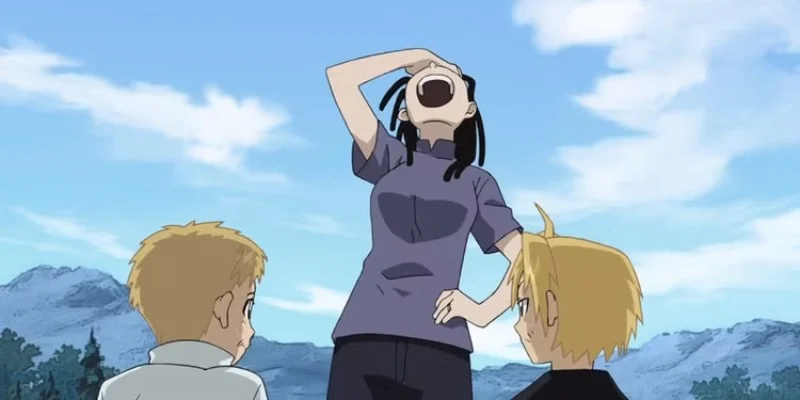
Bones presents a strict rule set where the Elric brothers must “learn the meaning of one” through self-sufficiency. Tasks cover hunting, shelter building, and problem-solving that feeds into transmutation discipline. The experience reframes alchemy with equivalent exchange reinforced by real scarcity. Physical conditioning and mental resilience become prerequisites for later research and combat work.
Genkai’s Spirit Wave Training in ‘Yu Yu Hakusho’
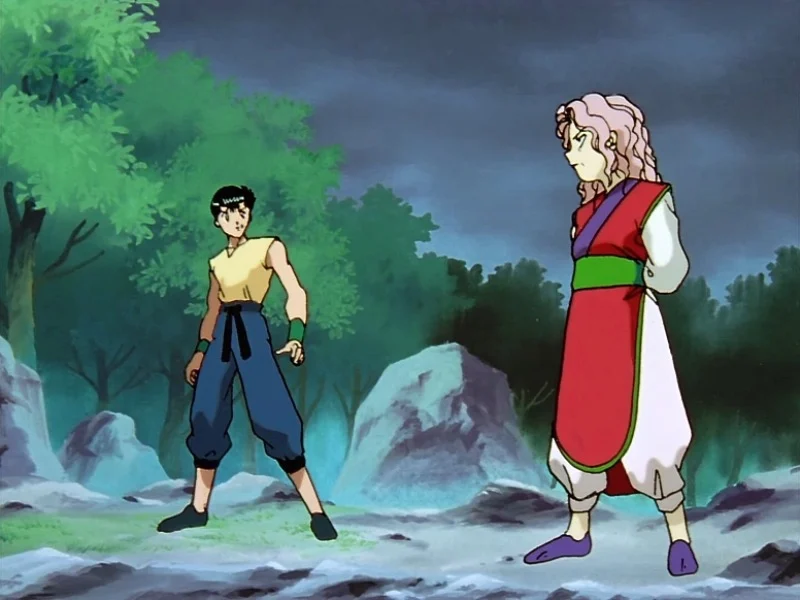
Studio Pierrot outlines a selection tournament followed by focused energy refinement under Genkai. Yusuke learns to condense spirit energy, expanding from the Spirit Gun to broader applications. Night sessions, endurance tests, and meditation advance control and output. The arc ties mastery to lineage by passing on the Spirit Wave technique through formal succession.
Tokyo Training Camps in ‘Haikyuu!!’

Production I.G documents Karasuno’s invitation matches and multi-team scrimmages that stress serve-receive, tempo setting, and defensive systems. Coaches track repetitions and rally outcomes to refine quick attacks and blocking reads. Player roles evolve through data-driven adjustments, with drills tied to specific rotations and free-ball scenarios. The camps culminate in measurable improvements seen in inter-high qualifiers.
Heart Kingdom Mana Method in ‘Black Clover’
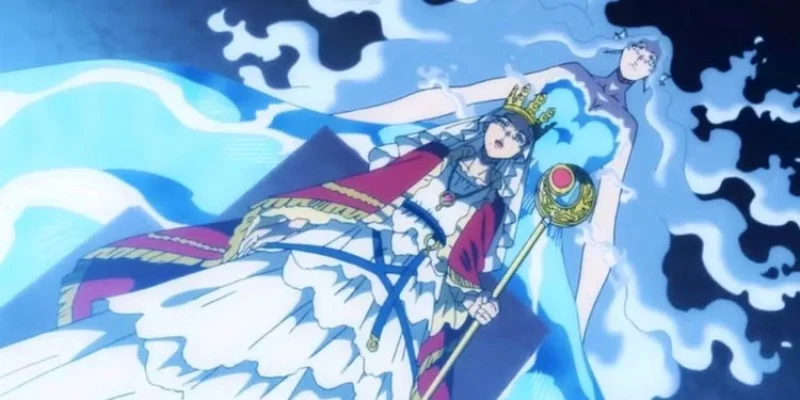
Studio Pierrot introduces a structured approach where mages train in arrays that stabilize and amplify mana control. Asta and company receive personalized regimens to shore up weaknesses against high-tier enemies. Exercises include rune-based casting, environmental synchronization, and coordinated squad tactics. The program formalizes progression steps so new spells and defenses scale to upcoming threats.
Share your favorite training arc from any series in the comments and tell us why it stuck with you.