

15 Best Training Sequences Across DB/DBZ/DBS

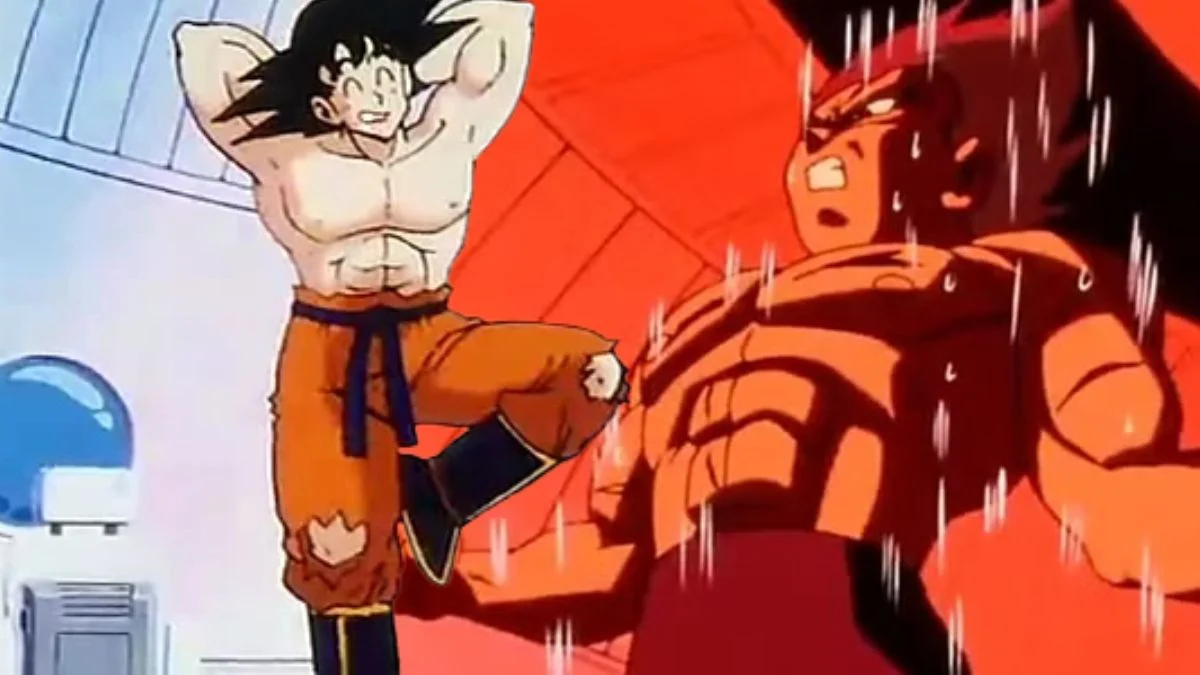


The ‘Dragon Ball’ saga turns training into a story engine, showing exactly how characters learn new skills, push limits, and prepare for the next fight. These sequences span simple chores to reality-bending rooms, and they spell out methods, time frames, and milestones in plain detail. From gravity chambers to fusion drills, each entry here focuses on what was practiced, where it happened, and what techniques came out of it. If you want a clear picture of how strength is actually built across ‘Dragon Ball’, ‘Dragon Ball Z’, and ‘Dragon Ball Super’, this breakdown keeps to the facts.
Goku and Krillin’s Turtle Hermit regimen (‘Dragon Ball’)

Under Master Roshi at Kame House, Goku and Krillin run long distances with heavy shells, deliver milk, plow fields by hand, and study balance on a wobbling log. The training mixes physical labor with chores to develop stamina, reflexes, and discipline. Roshi increases shell weight over time to scale difficulty. The regimen prepares both students for the Tenkaichi Budokai under Turtle School fundamentals.
Goku’s climb and training with Korin at Karin Tower (‘Dragon Ball’)
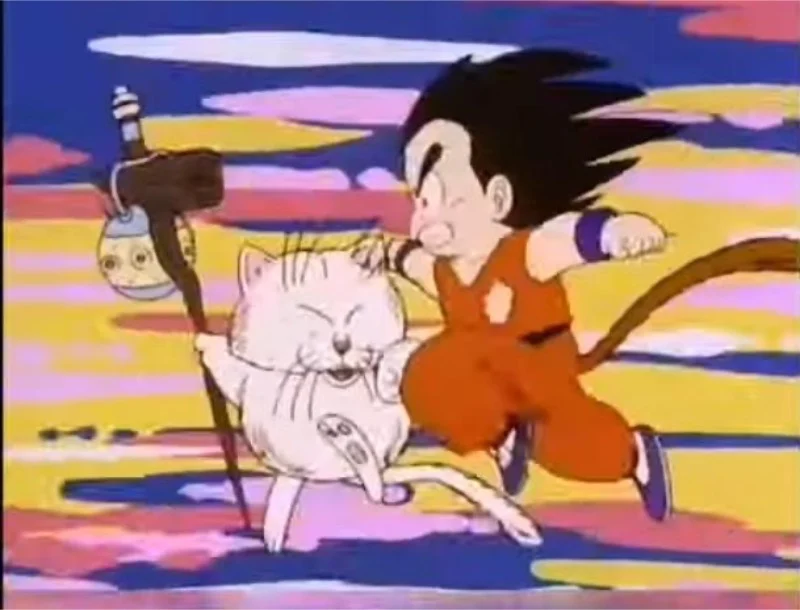
Goku scales Karin Tower to reach Korin and spend days chasing the Sacred Water while adjusting to thinner air. Korin uses speed and misdirection to force improvements in agility and perception. The exercises emphasize reading an opponent and minimizing wasted motion. Goku descends with sharper reflexes and better ki control for his rematch with Tao and beyond.
Goku’s years with Kami and Mr. Popo at the Lookout (‘Dragon Ball’)
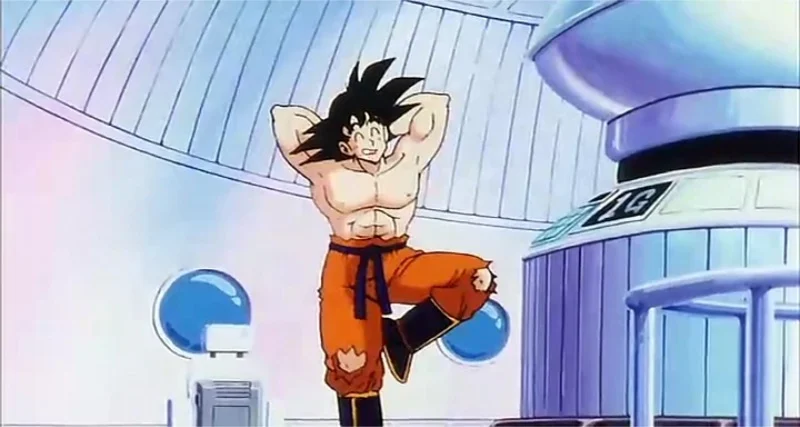
At the Lookout, Goku spars with Mr. Popo in low-visibility and uneven footing environments to refine technique and awareness. He learns to sense movements without relying on sight and practices advanced forms under Kami’s guidance. The training includes clearing his mind and managing ki output efficiently. Afterward he enters the next Tenkaichi Budokai with refined timing and control.
Goku’s King Kai routine at the end of Snake Way (‘Dragon Ball Z’)
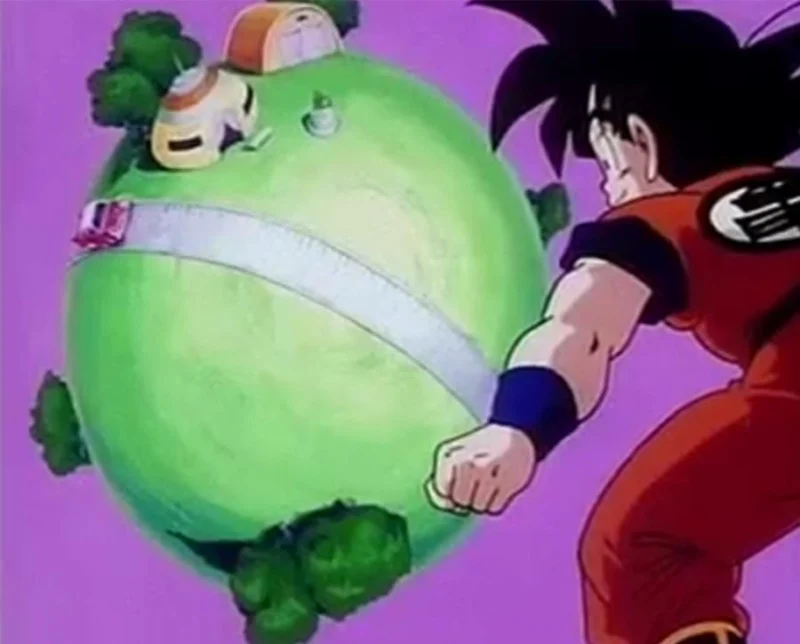
On King Kai’s small planet, Goku trains under increased gravity and learns the Kaio-ken and Spirit Bomb. The curriculum includes insect-style agility drills, hammer strength work, and catching Bubbles to adjust to gravity. King Kai teaches ki gathering from living things and precise control for sudden bursts. Goku returns to Earth with techniques tailored for rapid power spikes and large-scale energy focus.
Gohan’s six months in the wild with Piccolo (‘Dragon Ball Z’)
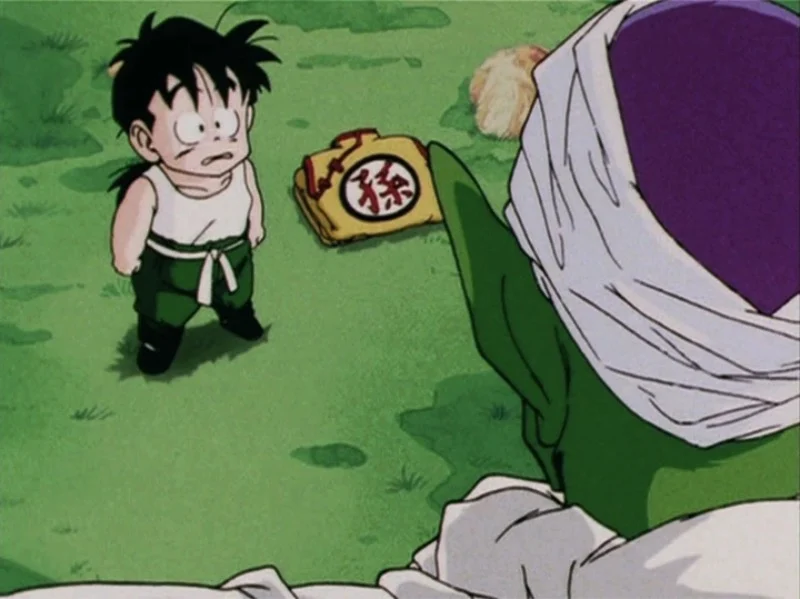
Piccolo cuts Gohan loose in the wilderness to build survival skills before structured combat lessons. The plan stacks endurance, fear management, and hunting with daily sparring and ki practice. Piccolo times progress with weighted clothing and targeted lectures on stance and breathing. By the end, Gohan can sense energy, move under pressure, and maintain output for extended fights.
Goku’s 100x gravity voyage to Namek (‘Dragon Ball Z’)
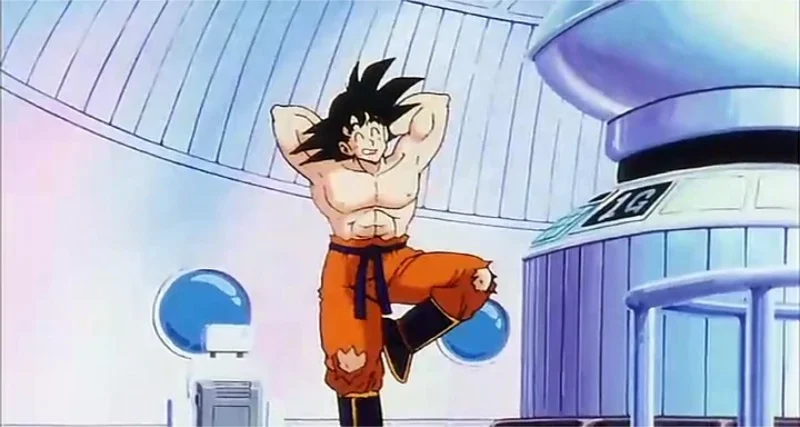
Inside a Capsule gravity room en route to Namek, Goku increments the load from ten times gravity up to one hundred. He cycles calisthenics, shadow sparring, and energy control under strict rest and meal windows. The program tracks heart rate and recovery to avoid injury while deepening muscle conditioning. He arrives with vastly improved durability and speed calibrated for the coming battles.
Vegeta’s 300G gravity chamber grind before the Androids (‘Dragon Ball Z’)
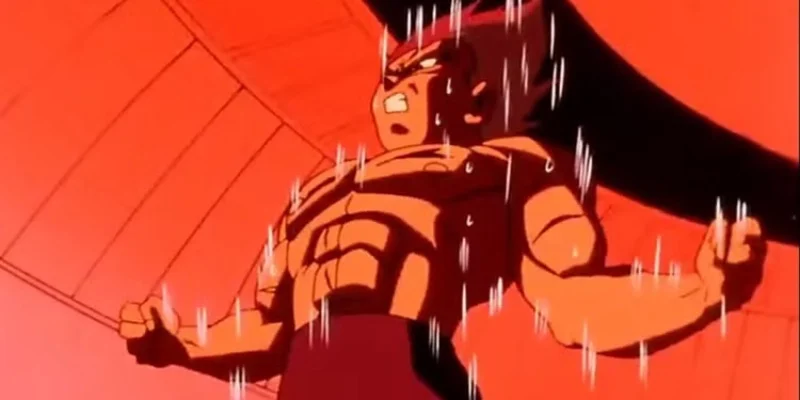
On Earth, Vegeta uses Capsule Corp’s chamber to train at triple and higher gravity, often stacking it with push-ups, kicks, and beam precision. He logs sessions alone to sharpen focus and reaction at punishing loads. The routine emphasizes explosive bursts and sustained strikes to simulate strong opponents. The method produces tangible gains that carry into his first clashes with the Androids.
Vegeta and Trunks’ first Hyperbolic Time Chamber stay (‘Dragon Ball Z’)
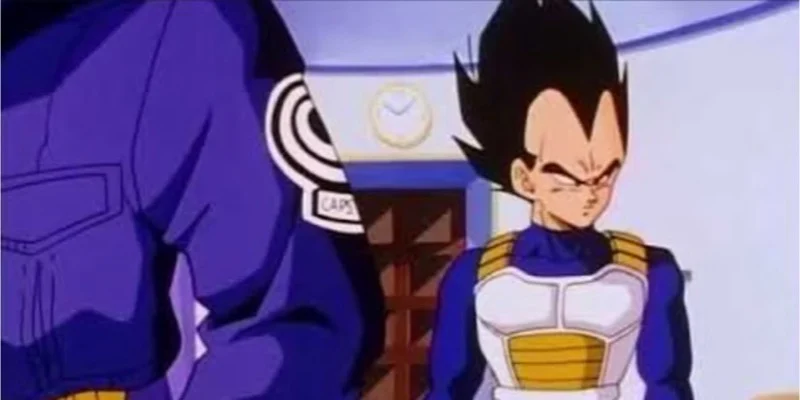
Father and son enter the Room of Spirit and Time where one day outside equals a year inside, with extreme climate shifts and high gravity. Their plan centers on pushing Super Saiyan endurance and elevating strike force under long sessions. Food rations, rest blocks, and equipment are managed to extend training windows. They exit with new thresholds for speed, power, and stamina prepared for the Cell Games.
Goku and Gohan’s calm Super Saiyan lifestyle after the chamber (‘Dragon Ball Z’)
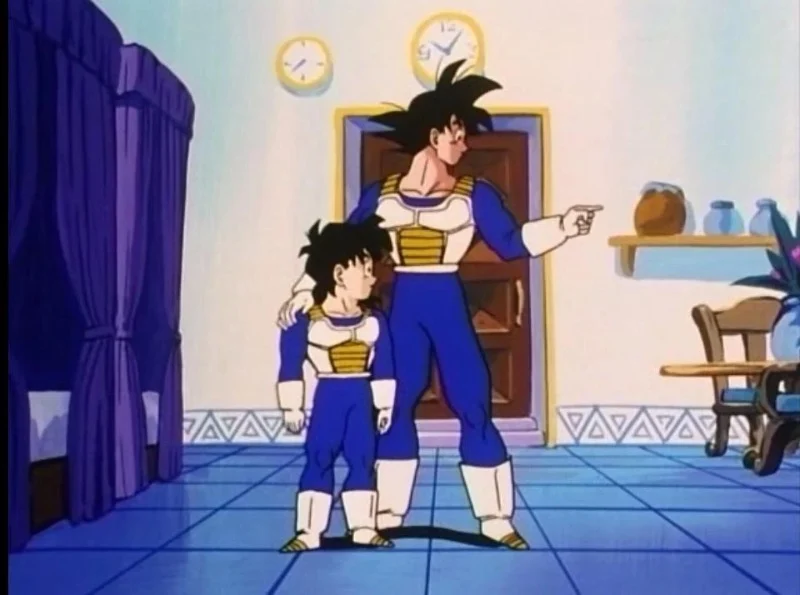
Following their chamber year, Goku and Gohan remain transformed through daily life to normalize the form’s energy draw. They use light sparring, meditation, and regular activities while holding Super Saiyan to stabilize output. The goal is to reduce stress responses and eliminate spikes that waste ki. By tournament time, both can move and think clearly while maintaining the form for long stretches.
Gohan’s Z-Sword drills and Elder Kai potential unlock (‘Dragon Ball Z’)
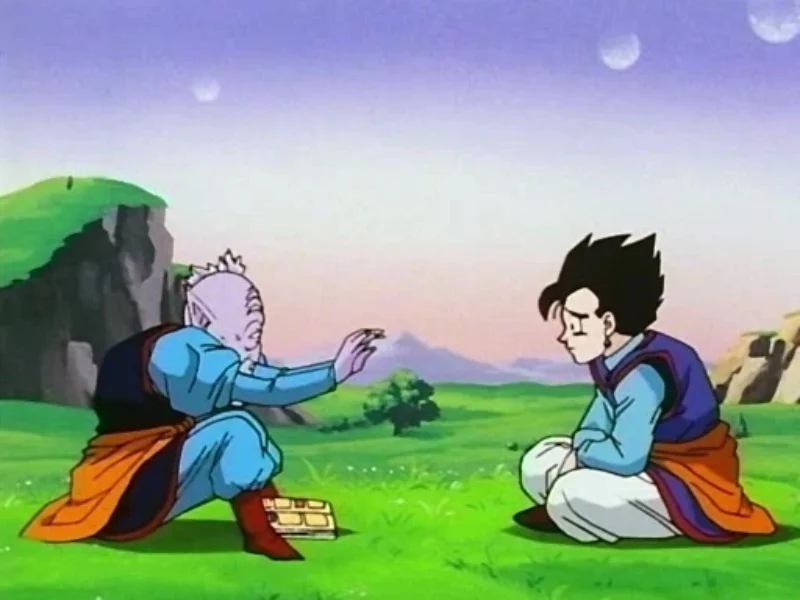
At the Lookout, Gohan pulls the Z-Sword and performs endurance swings, balance work, and precision cuts to test the blade. A durability test shatters the sword, releasing Elder Kai, who begins a long potential-unlock ritual. The process requires stillness and patience while energy is drawn out and refined. When finished, Gohan gains access to power without a taxing transformation sequence.
Goten and Trunks’ Fusion dance lessons (‘Dragon Ball Z’)
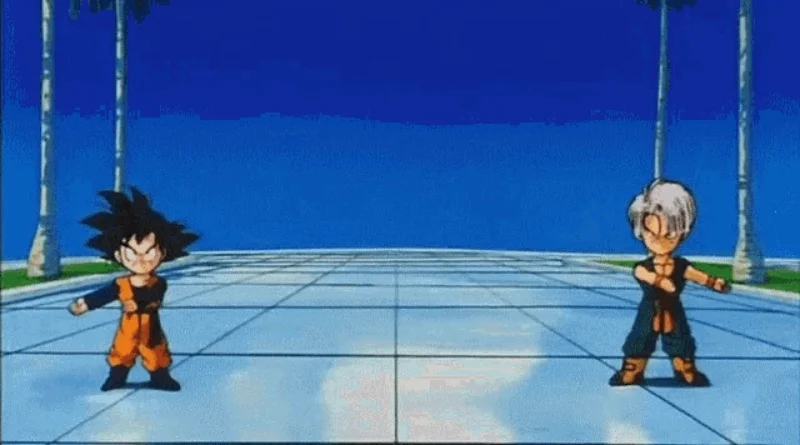
Goku introduces the Metamoran Fusion dance and demonstrates each pose for timing and symmetry. Piccolo supervises repetition sets, correcting foot angles, finger alignment, and breathing cadence. Several failed attempts show how small errors change the result’s size or power. With consistent practice, the pair synchronize ki and form a single fighter on a measured time limit.
Tien, Yamcha, and Chiaotzu’s Other World sessions with King Kai (‘Dragon Ball Z’)
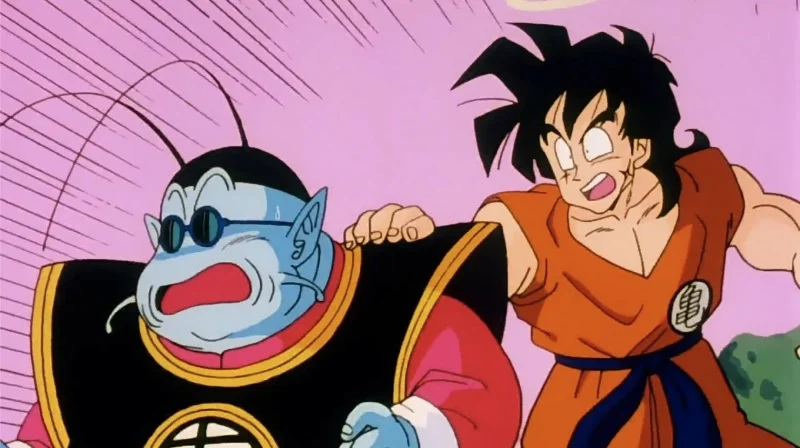
After the Saiyan conflict, the trio trains on King Kai’s planet to catch up on speed and energy skills. They practice gravity-adjusted movement, coordinated attacks, and energy sensitivity. King Kai structures their sparring to build teamwork and situational awareness. The group returns with improved timing and broader techniques for later threats.
Goku departs to train Uub after the World Tournament (‘Dragon Ball Z’)
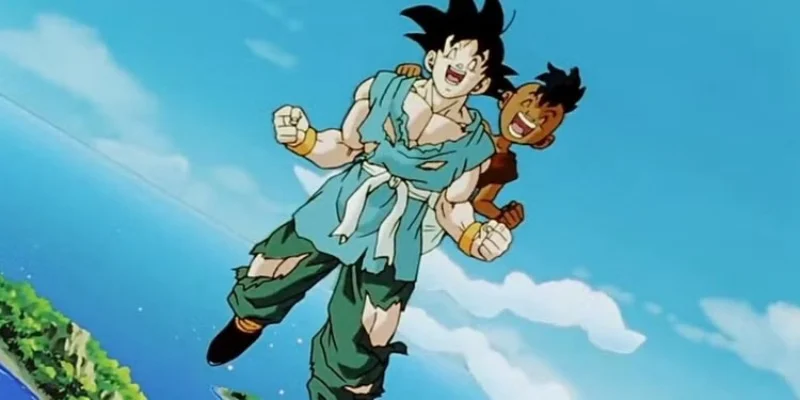
At the close of the tournament, Goku identifies Uub’s latent power and invites him to travel for long-term instruction. The plan is to build fundamentals first, then mentor advanced ki control and sparring. Goku positions structured sessions alongside daily life to stabilize temperament and focus. The partnership sets a pathway for Uub’s development after the Majin Buu saga.
Goku and Vegeta’s Whis program on Beerus’ world (‘Dragon Ball Super’)
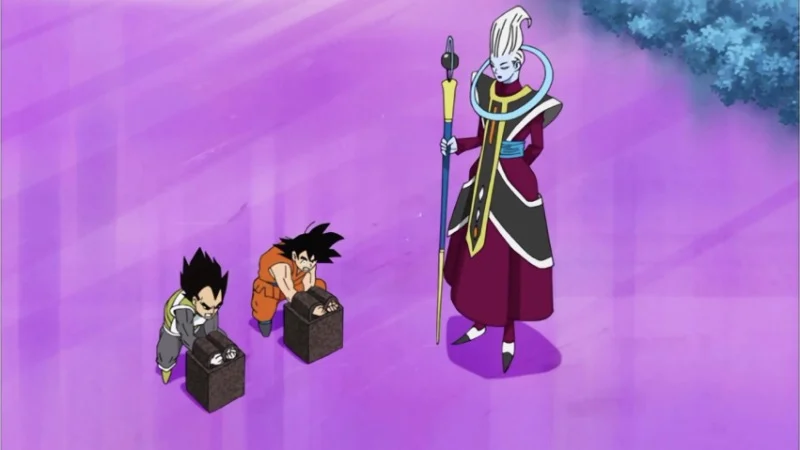
Whis runs food-timed sessions and surprise staff strikes to push reflexes that bypass conscious thought. The training includes stance adjustments, joint alignment, and energy flow that reduces unnecessary movement. Weighted suits and synchronized drills help both fighters distribute power across their bodies. These lessons lay groundwork for moving efficiently against stronger opponents under calm focus.
Vegeta’s return to the Hyperbolic Time Chamber before the Goku Black battles (‘Dragon Ball Super’)
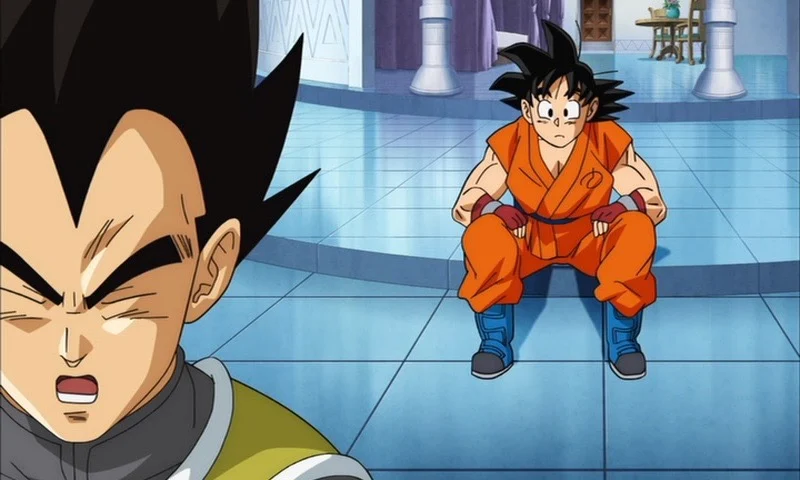
Ahead of the rematches, Vegeta reenters the chamber for intense solo work focused on precision and endurance. He sets strict intervals for heavy striking, ki shaping, and recovery while monitoring stability in heightened forms. The environment’s gravity and harsh climate accelerate adaptation within limited outside time. He emerges better able to sustain power and control during prolonged combat.
Share your favorite training sequence across ‘Dragon Ball’, ‘Dragon Ball Z’, and ‘Dragon Ball Super’ in the comments and tell us which details stood out to you most.