

25 Best Tutorials That Teach Without Boring You

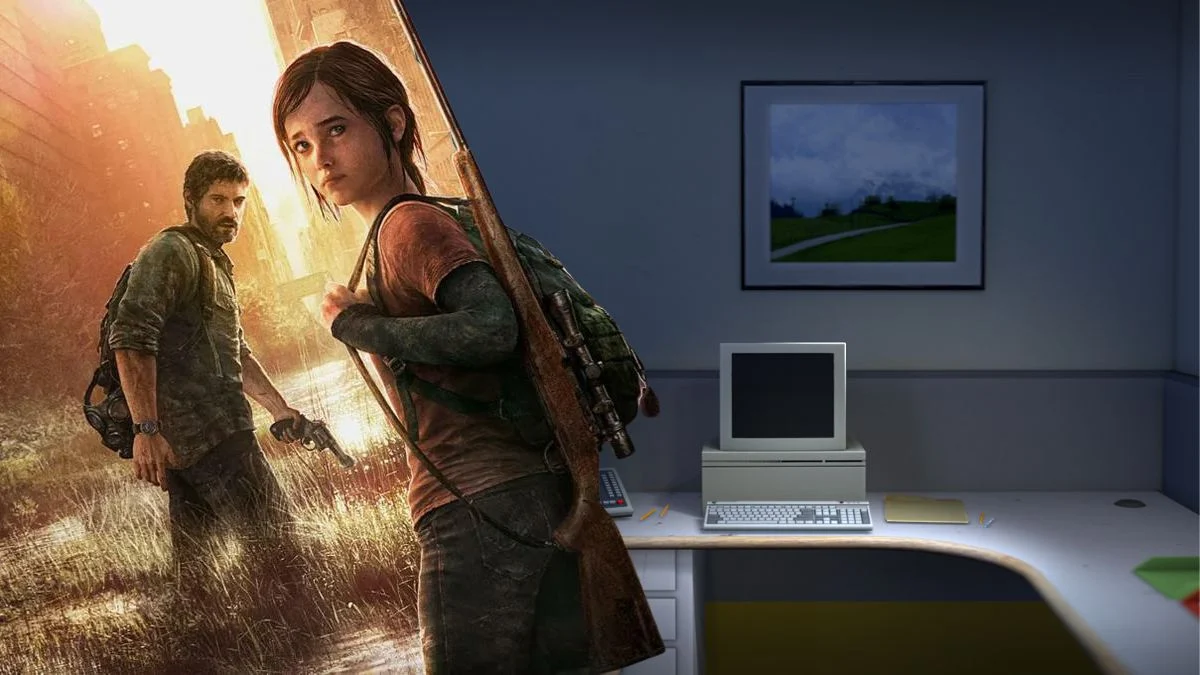


Learning through games can be surprisingly fun when the tutorial actually feels like part of the experience. Some titles go beyond simple button prompts and instead teach players through storytelling, clever level design, and rewarding experimentation. These tutorials grab your attention, let you play freely, and make sure you learn everything you need to without ever feeling like a classroom lesson. They build skills through smart design choices so you keep moving and learning at the same time.
‘Portal’ (2007)
Developed by Valve, ‘Portal’ teaches every core idea through carefully staged test chambers that build one concept at a time. The game introduces portals, momentum, and timing in small puzzles that feel like play rather than lessons. Environmental clues and simple layouts show what to try without stopping you with long text. GLaDOS keeps you engaged while the level design quietly checks that you understand each step.
‘Half-Life 2’ (2004)
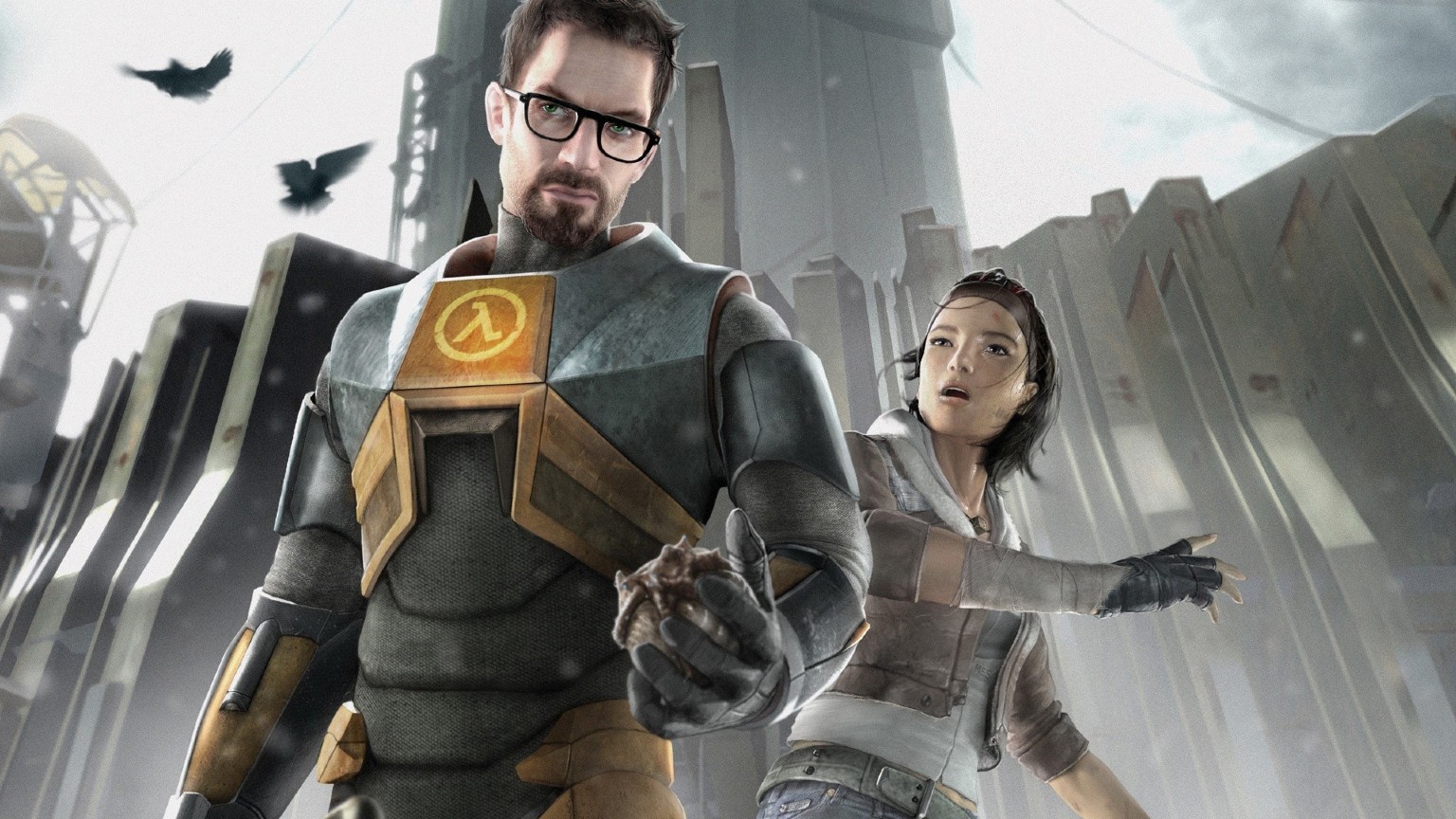
‘Half-Life 2’ starts by showing how to move through the world with simple interactions that feel natural. You learn about physics by stacking boxes and using doors while the story moves forward. The Gravity Gun arrives after you already understand how objects behave in the environment. The design makes each new tool feel intuitive because you have already practiced the basics.
‘The Legend of Zelda: Breath of the Wild’ (2017)
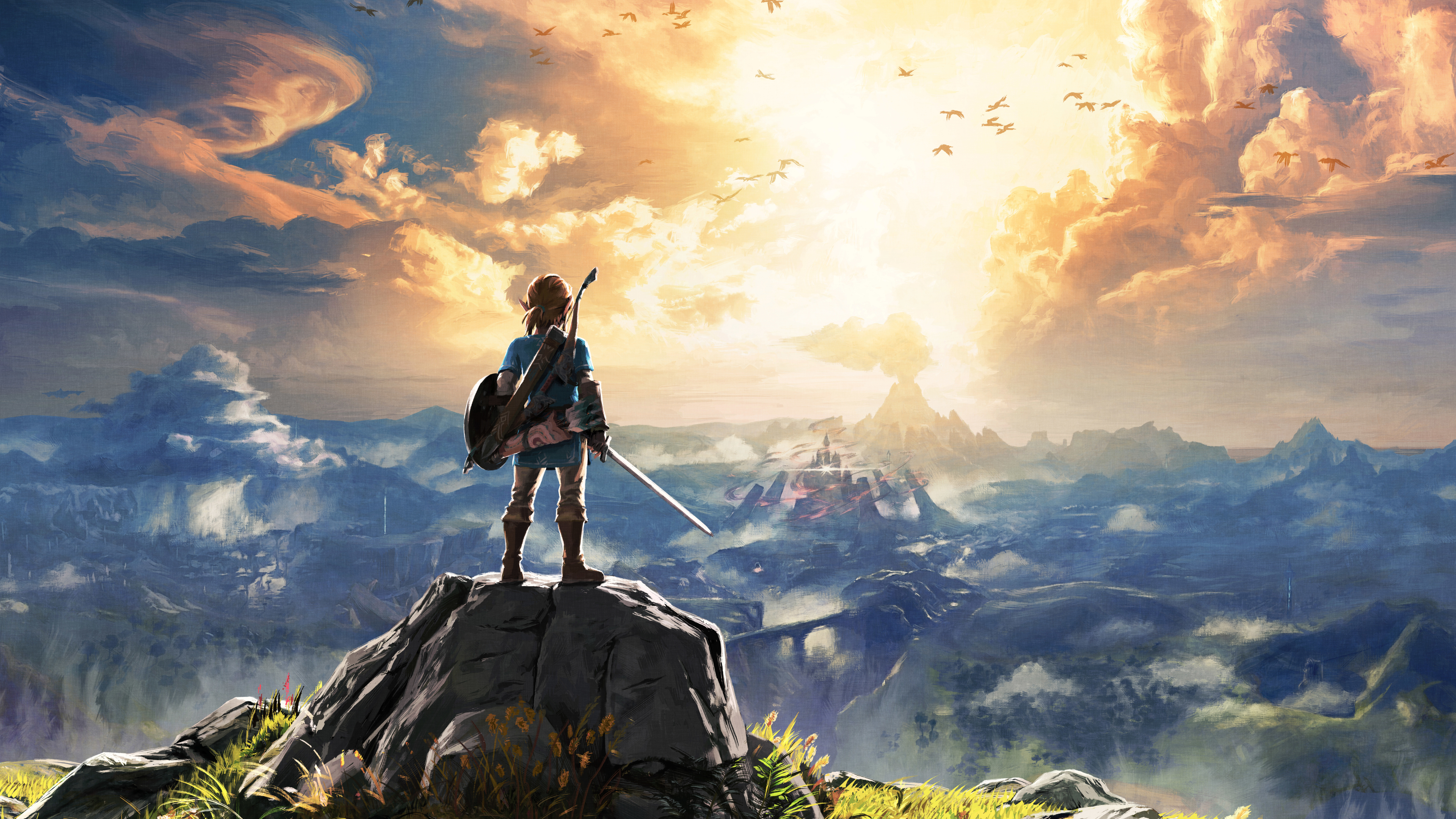
The Great Plateau in ‘Breath of the Wild’ serves as a safe space where exploration teaches cooking, weather, and stamina. Shrines break down movement skills and rune abilities into short, focused challenges. You practice climbing, gliding, and combat in areas that reward curiosity. By the time you leave, you have used every core system in a way that feels like adventure.
‘Super Mario Odyssey’ (2017)
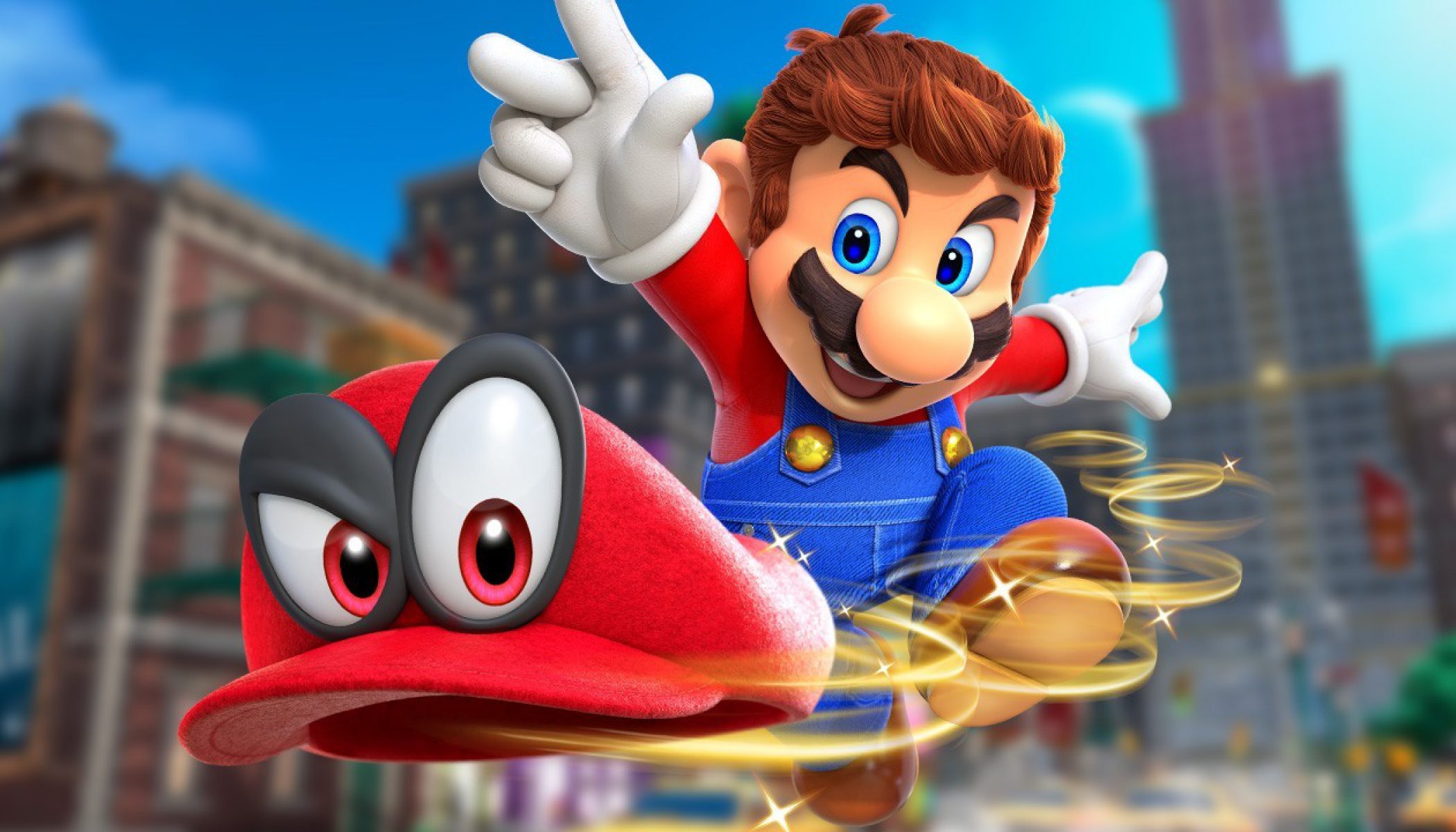
‘Super Mario Odyssey’ shows how to use Cappy through playful tasks that highlight throwing, capturing, and jumping. Each early kingdom adds a small twist that builds on the last idea. Visual cues guide you to try new moves without long explanations. The pacing keeps you moving so learning blends into discovery.
‘Celeste’ (2018)
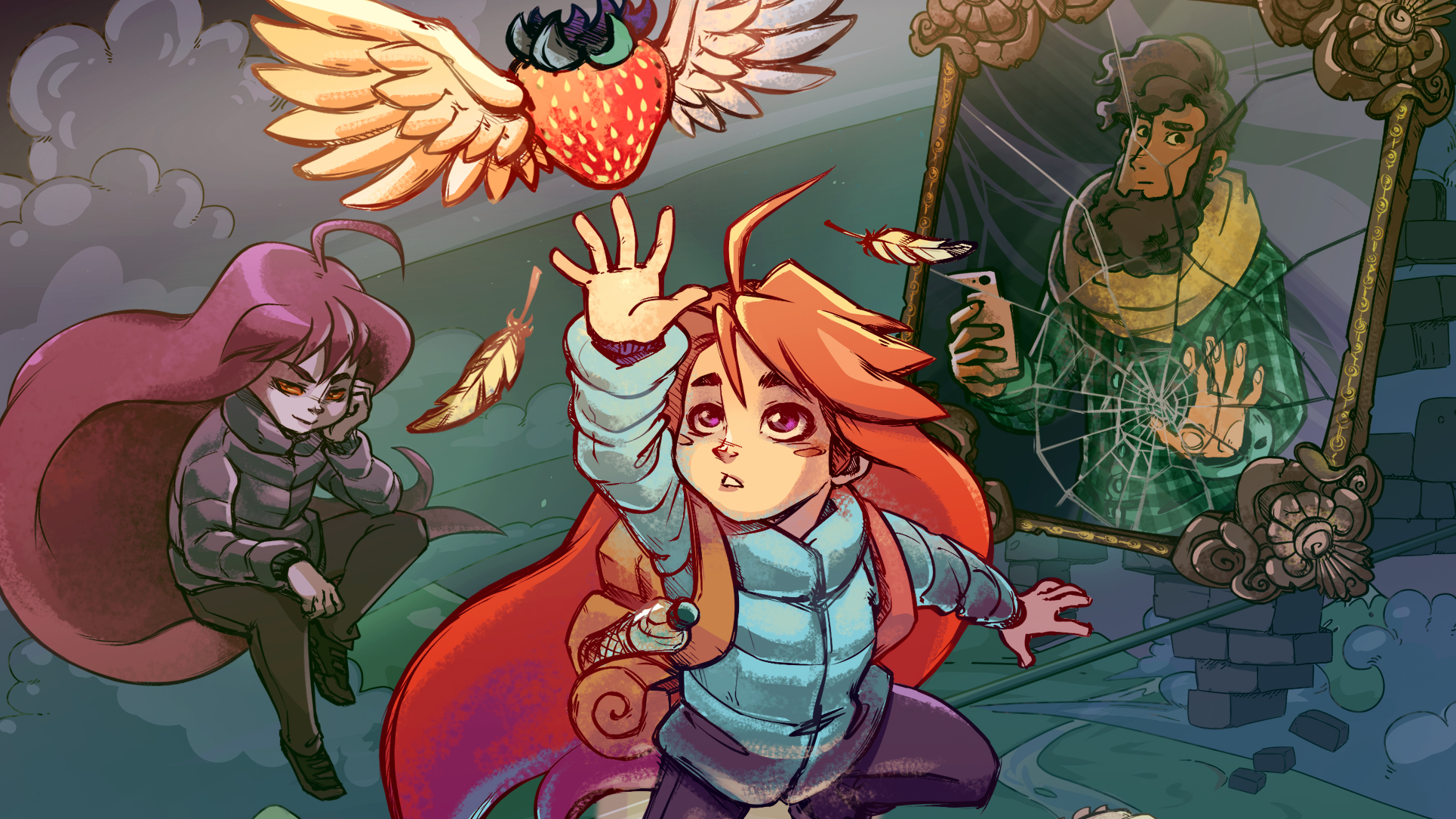
‘Celeste’ introduces dashes, wall climbs, and stamina through tight rooms that focus on one skill at a time. Checkpoints and quick restarts encourage experimentation without frustration. Optional strawberries invite you to practice advanced movement in a low risk way. Assist Mode clearly explains options so players can tune difficulty to learn comfortably.
‘Dark Souls’ (2011)
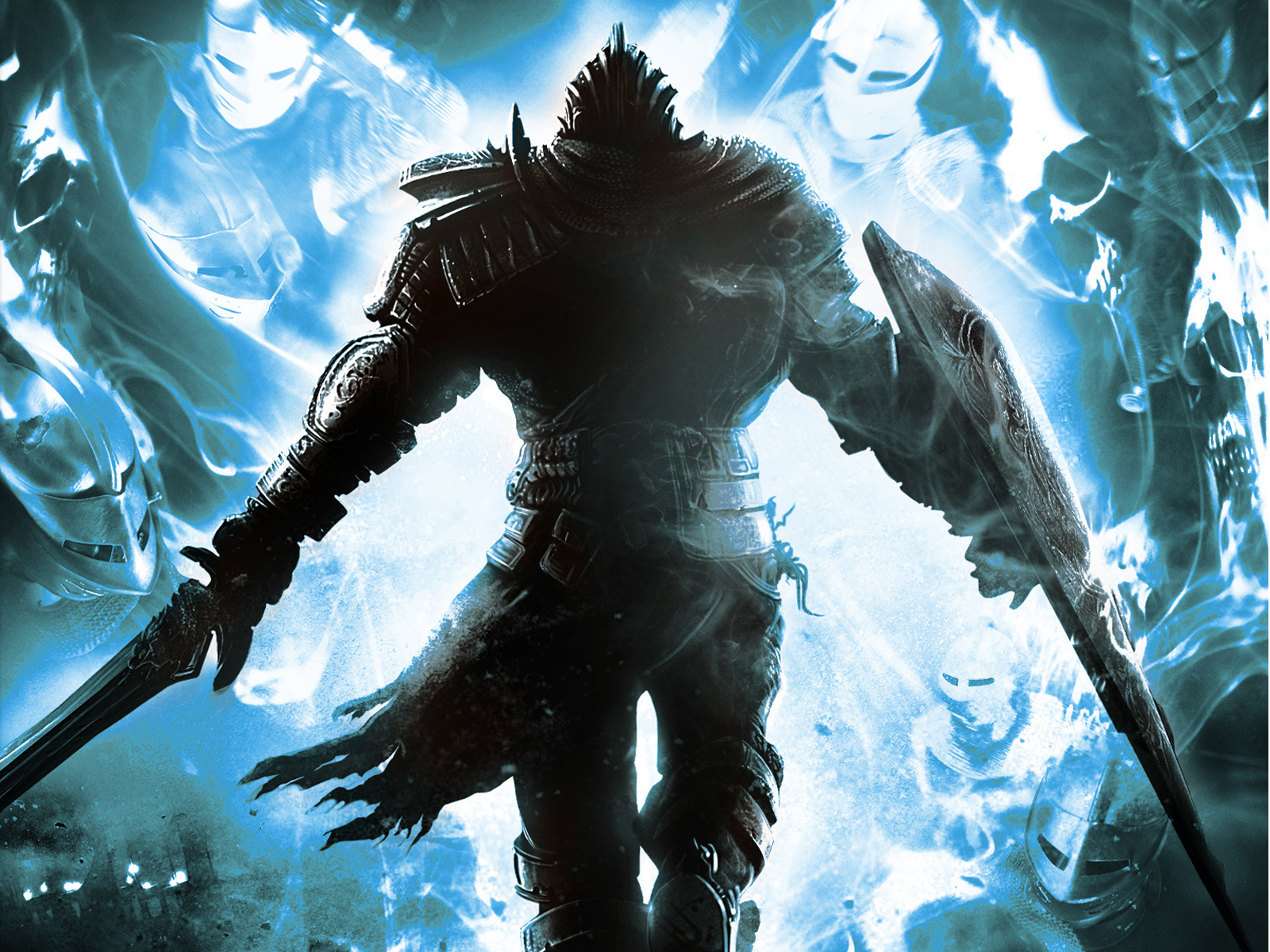
The Undead Asylum in ‘Dark Souls’ shows how caution and observation beat rushing. Messages on the ground and enemy placement highlight blocking, rolling, and backstabs. A locked door and a surprise boss teach when to retreat and when to explore. Bonfires and shortcuts explain the game’s loop through simple repetition.
‘Titanfall 2’ (2016)
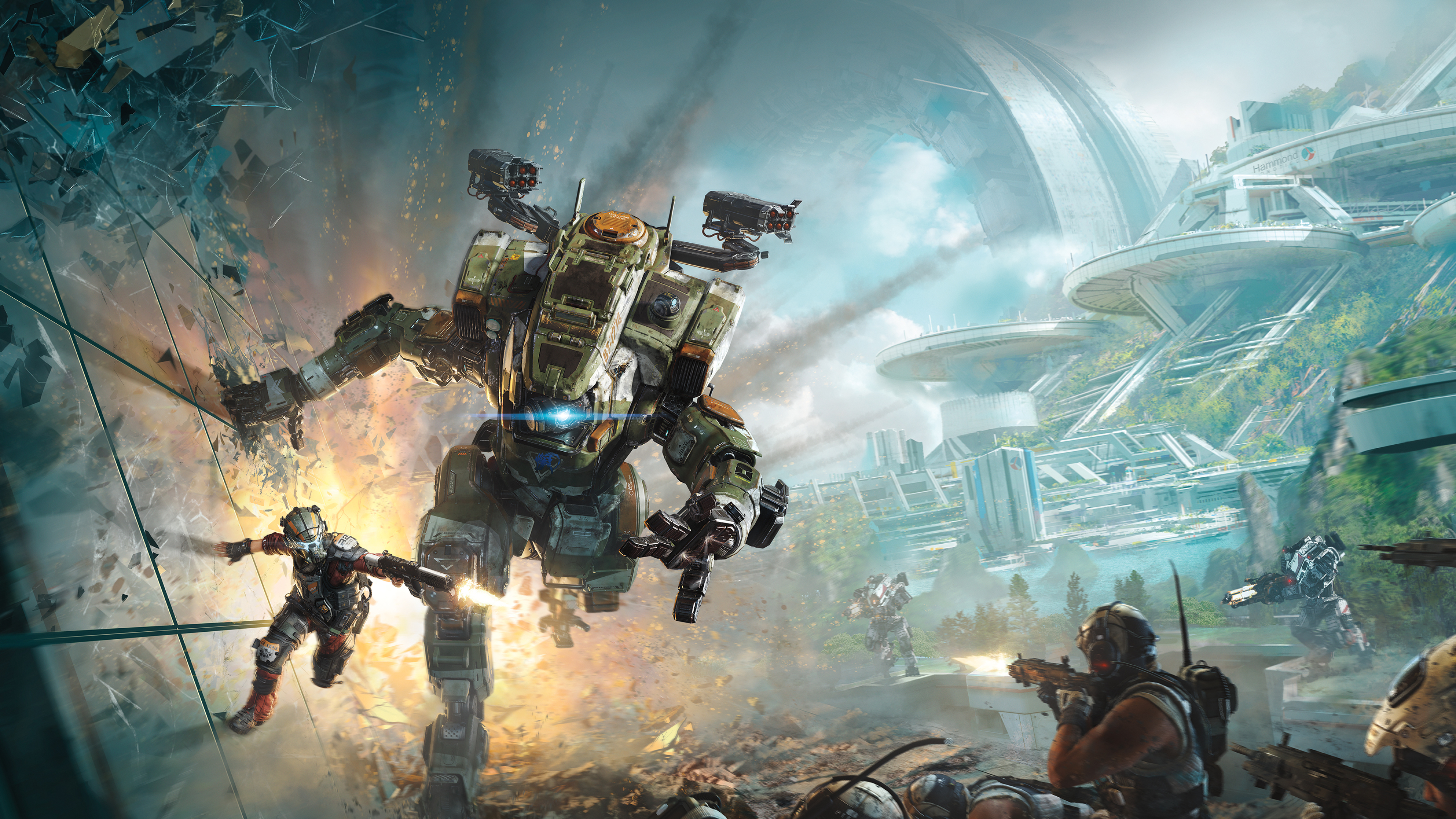
‘Titanfall 2’ begins with a short training course that blends shooting with wall running and slides. The time trial gives instant feedback so players repeat until the movement clicks. Loadout stations let you try weapons without pressure. The tutorial finishes with a smooth handoff into story missions where those skills matter.
‘God of War’ (2018)
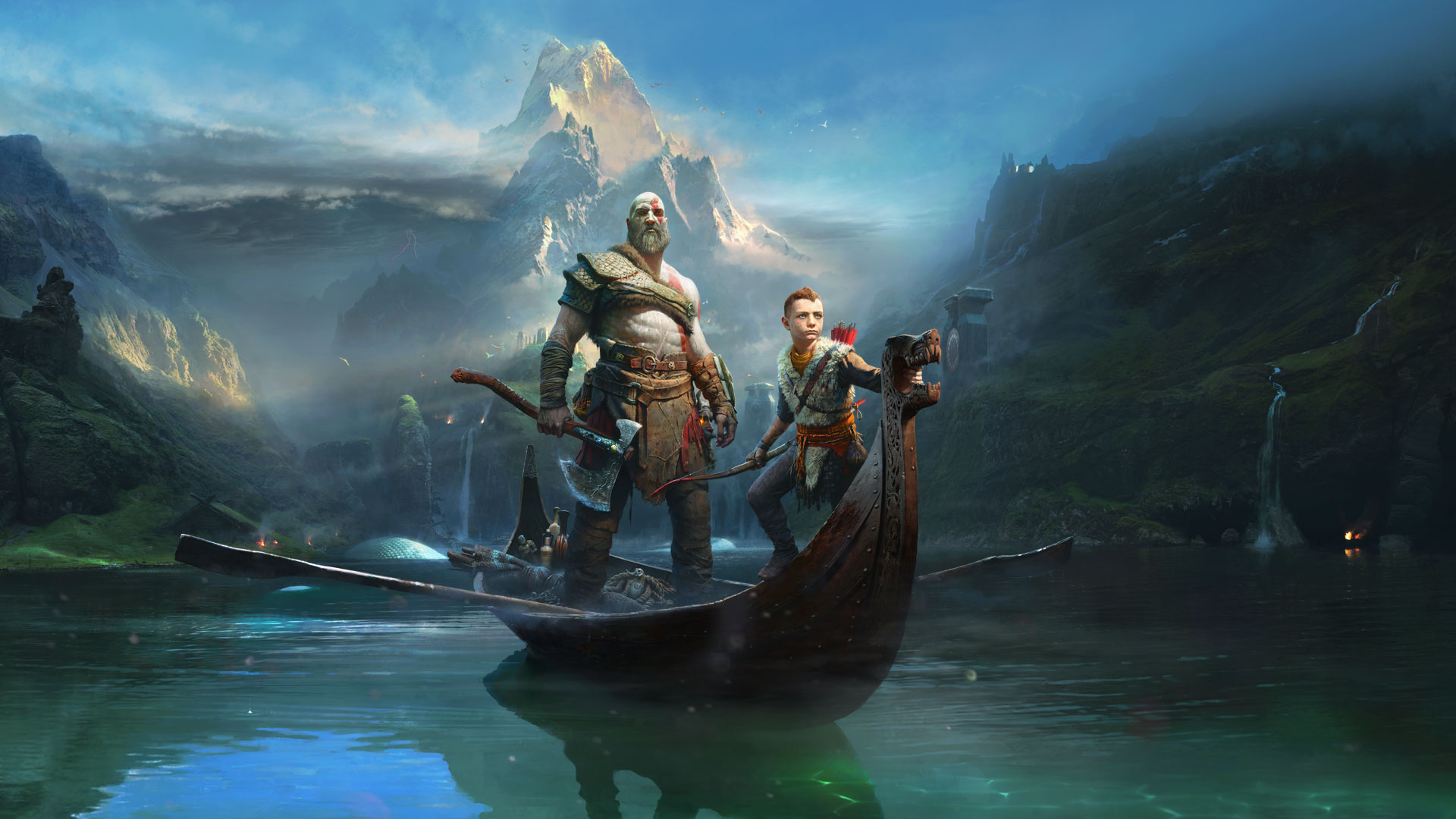
‘God of War’ uses early encounters to teach axe recalls, parries, and teamwork with Atreus. Clear enemy tells and simple arenas help you read timing. Small puzzles reinforce switching between combat and exploration. Dialogue and prompts appear only when needed so the story keeps moving.
‘Aperture Desk Job’ (2022)
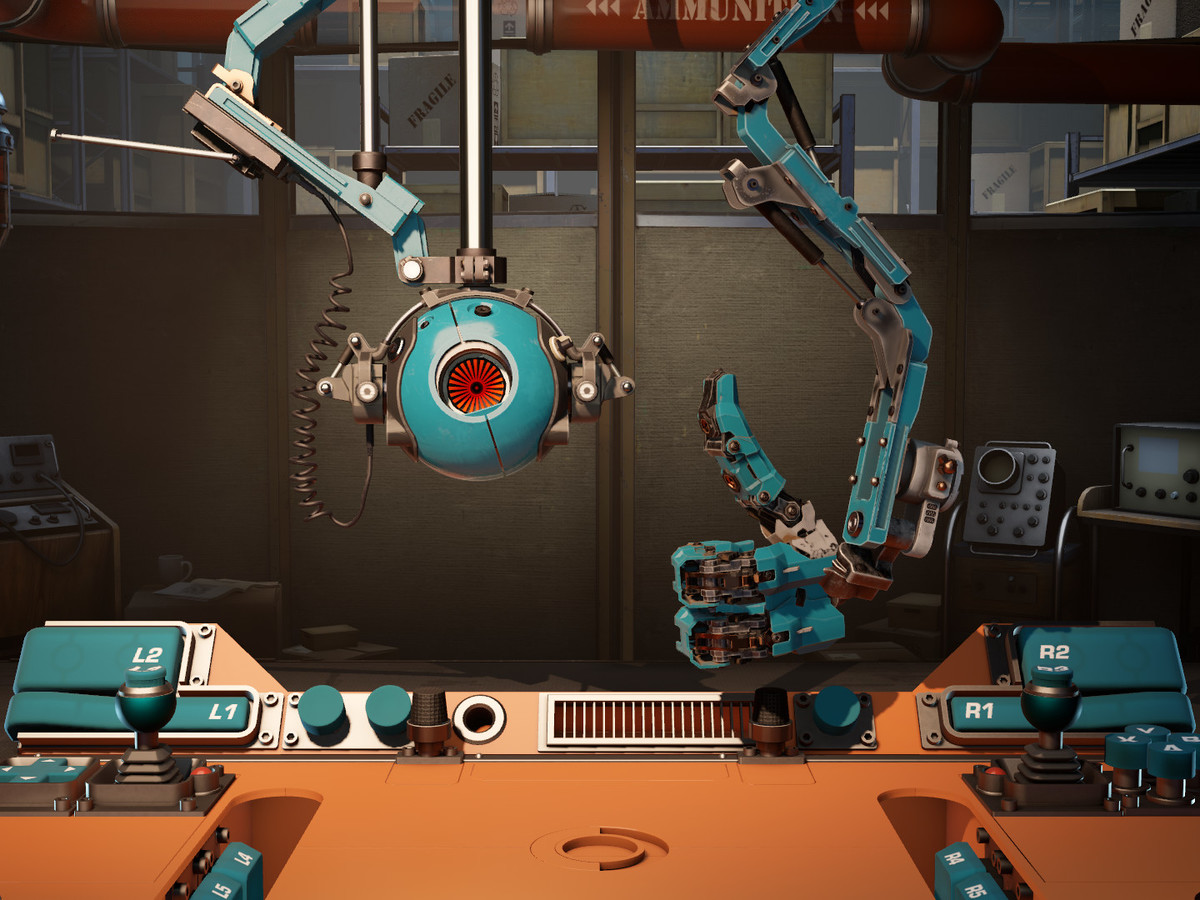
‘Aperture Desk Job’ introduces device controls through a short comedy set in the ‘Portal’ universe. It guides you through buttons and motion with lively set pieces. Each segment tests one control so nothing feels crowded. The result is a quick tour that entertains while it teaches.
‘Metal Gear Solid V: The Phantom Pain’ (2015)
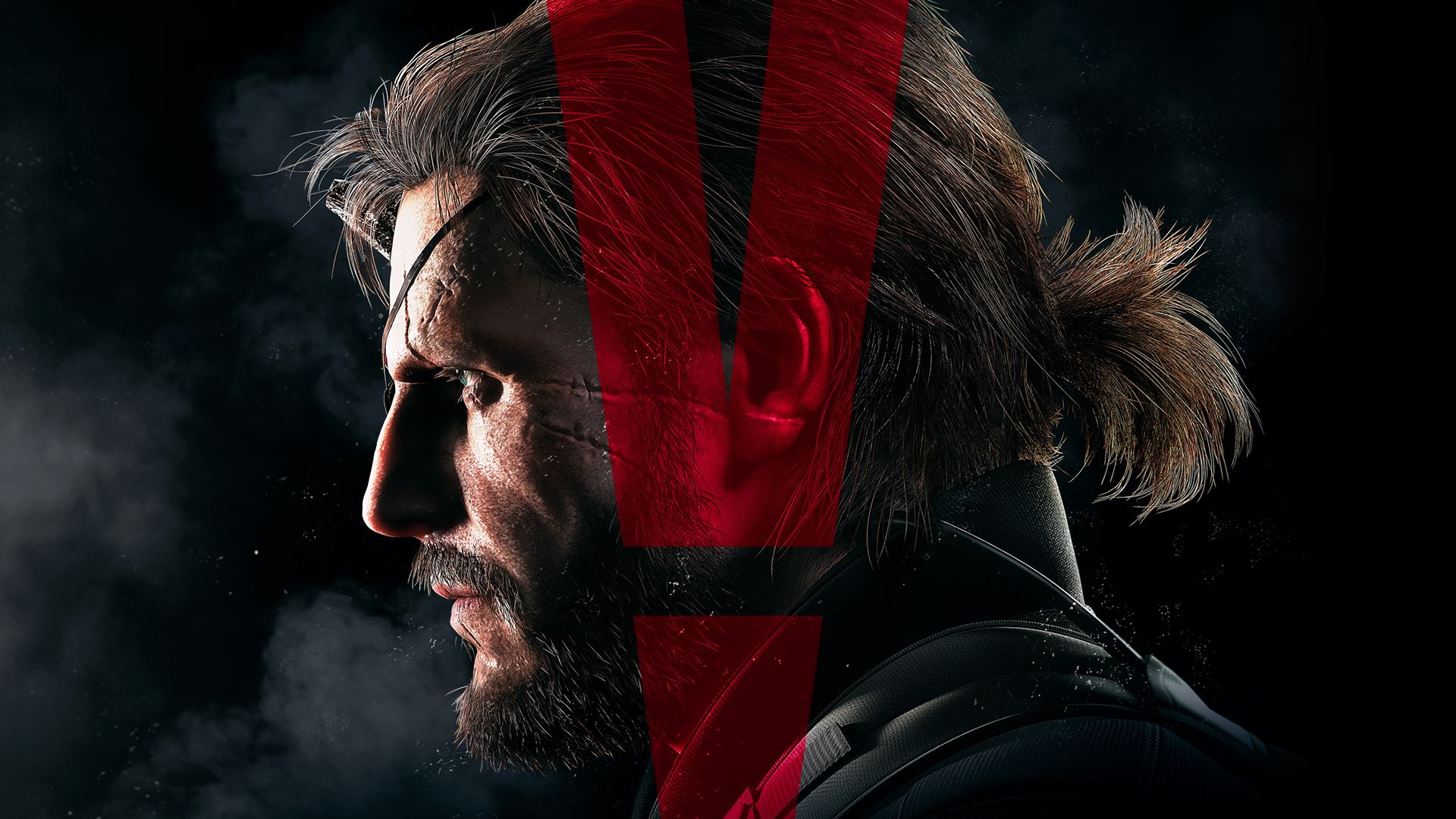
The opening hospital sequence in ‘The Phantom Pain’ teaches stealth, crawling, and distraction in a tense scenario. You learn camera control and movement while avoiding patrols. Later, quiet practice areas let you try marking targets and using gadgets. The shift from escape to open missions makes those lessons immediately useful.
‘Super Metroid’ (1994)
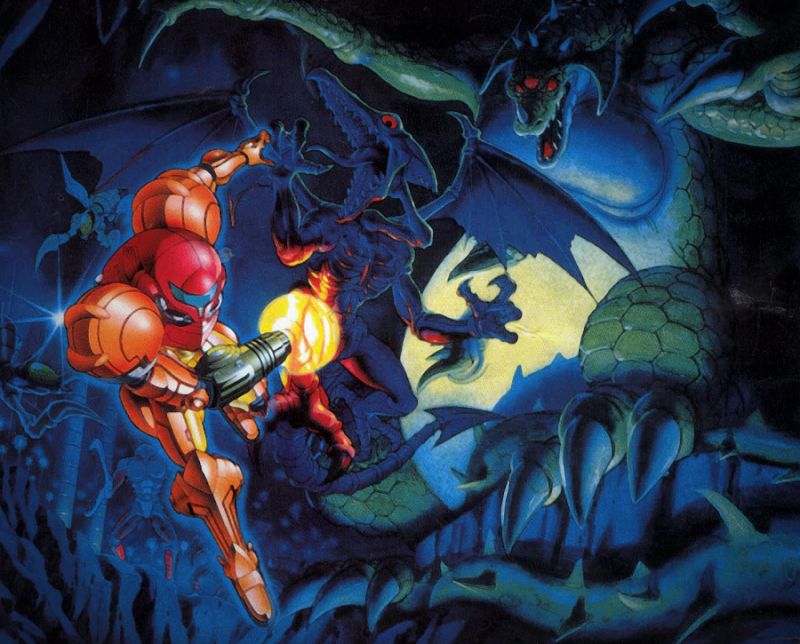
‘Super Metroid’ uses layout and lighting to point you toward key actions without stopping the flow. Early rooms show how to shoot doors, roll, and backtrack with subtle hints. Enemies are placed to teach spacing and angles in small steps. The map loops you through areas to reinforce each new power.
‘Resident Evil 4’ (2005)
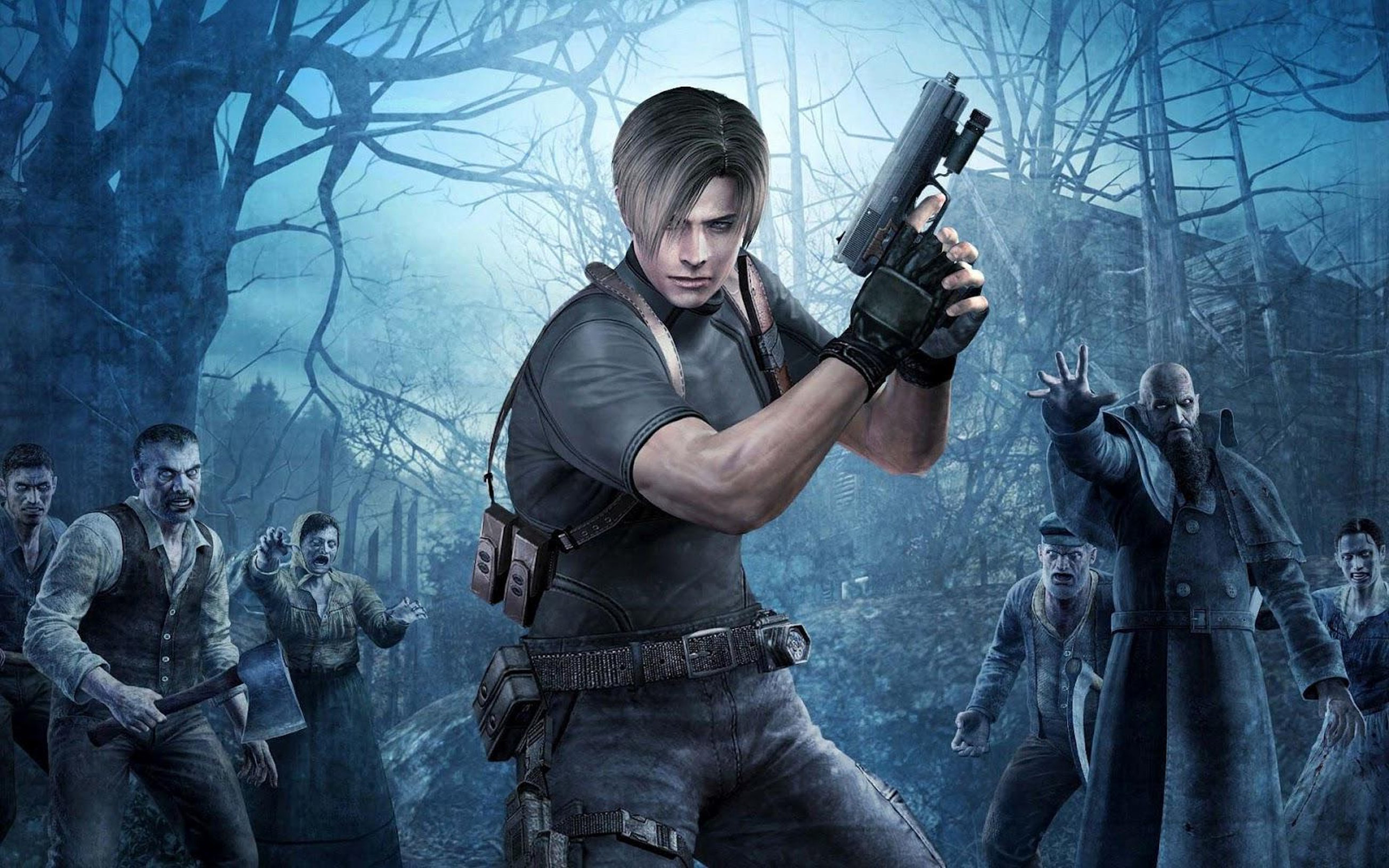
The first village in ‘Resident Evil 4’ forces you to learn space management and aim control under pressure. Windows, ladders, and doors show how to control a crowd. Barricades and context actions teach environmental use without a pause. The encounter ends as soon as you grasp the essentials.
‘Minecraft’ (2009)
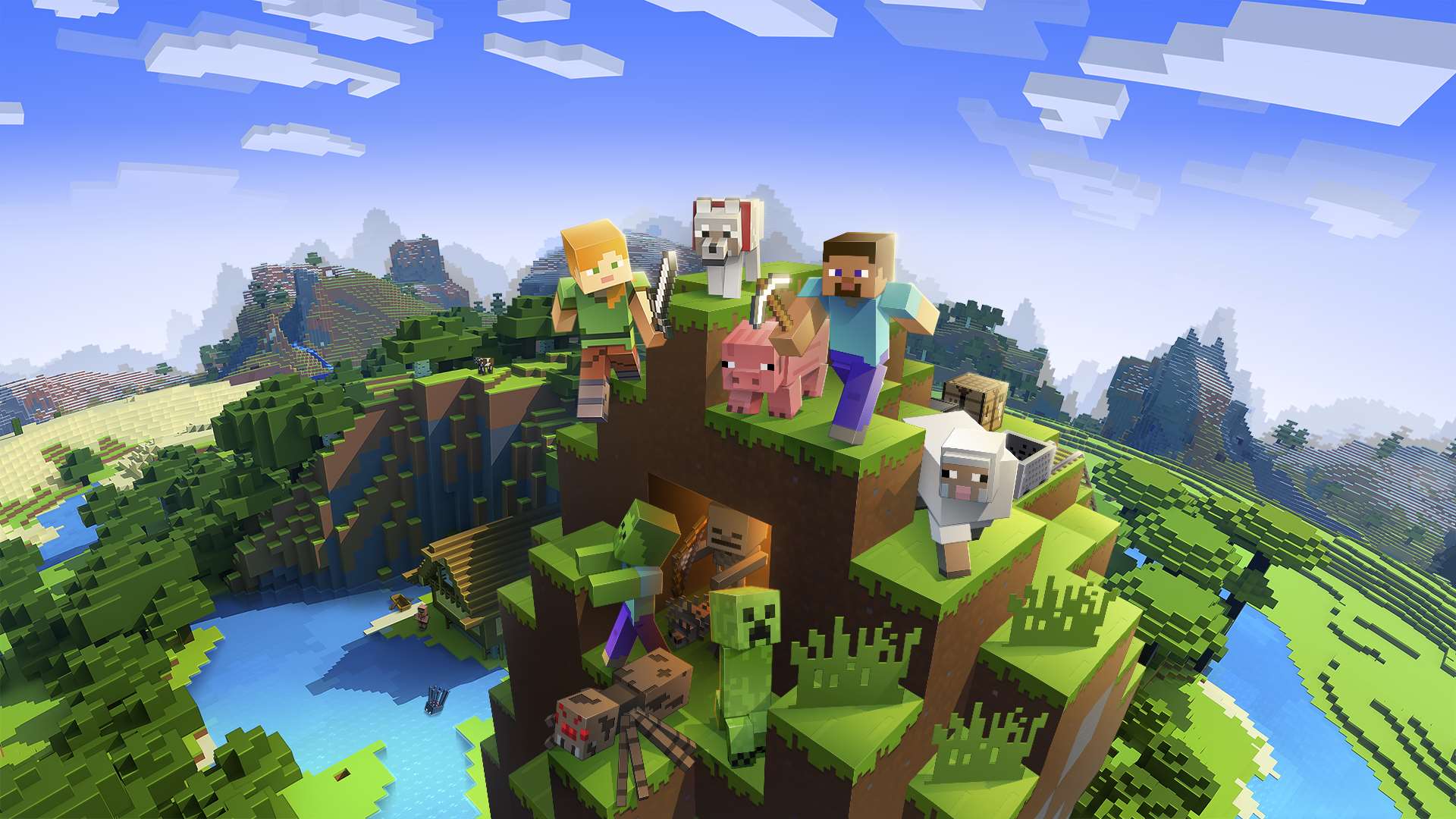
‘Minecraft’ lets players discover crafting, shelter, and resource priorities by reacting to the day and night cycle. Simple recipes lead you from tools to advanced blocks. The world rewards curiosity with clear cause and effect. Learning becomes a chain of small projects that grow into larger goals.
‘Cuphead’ (2017)
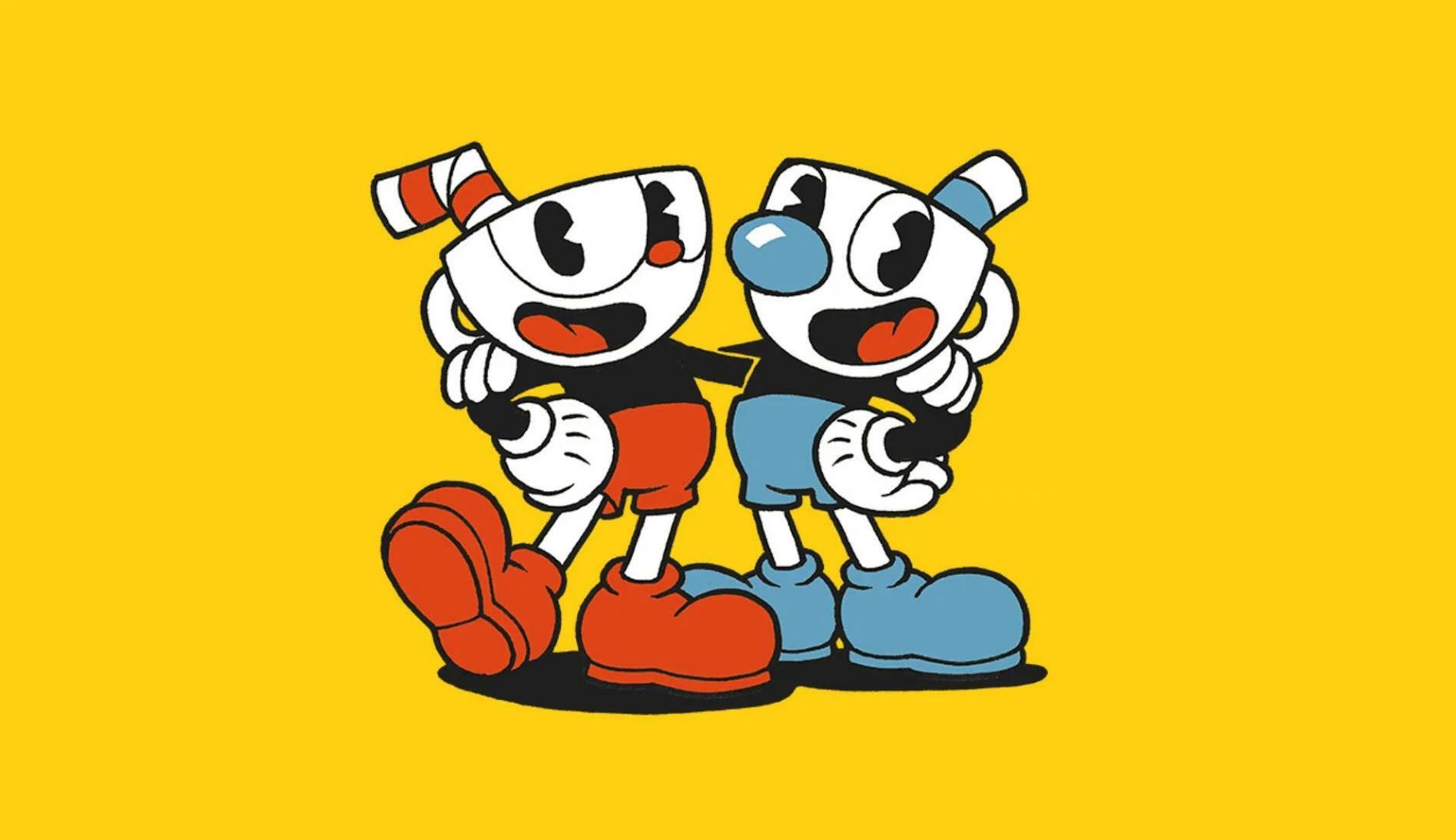
‘Cuphead’ starts with a compact training room that demonstrates parries, dashes, and supers. Boss fights then teach patterns and positioning through repeated attempts. Clear telegraphs help you read attacks and adjust quickly. The shop encourages trying new loadouts to solve specific challenges.
‘The Stanley Parable’ (2013)
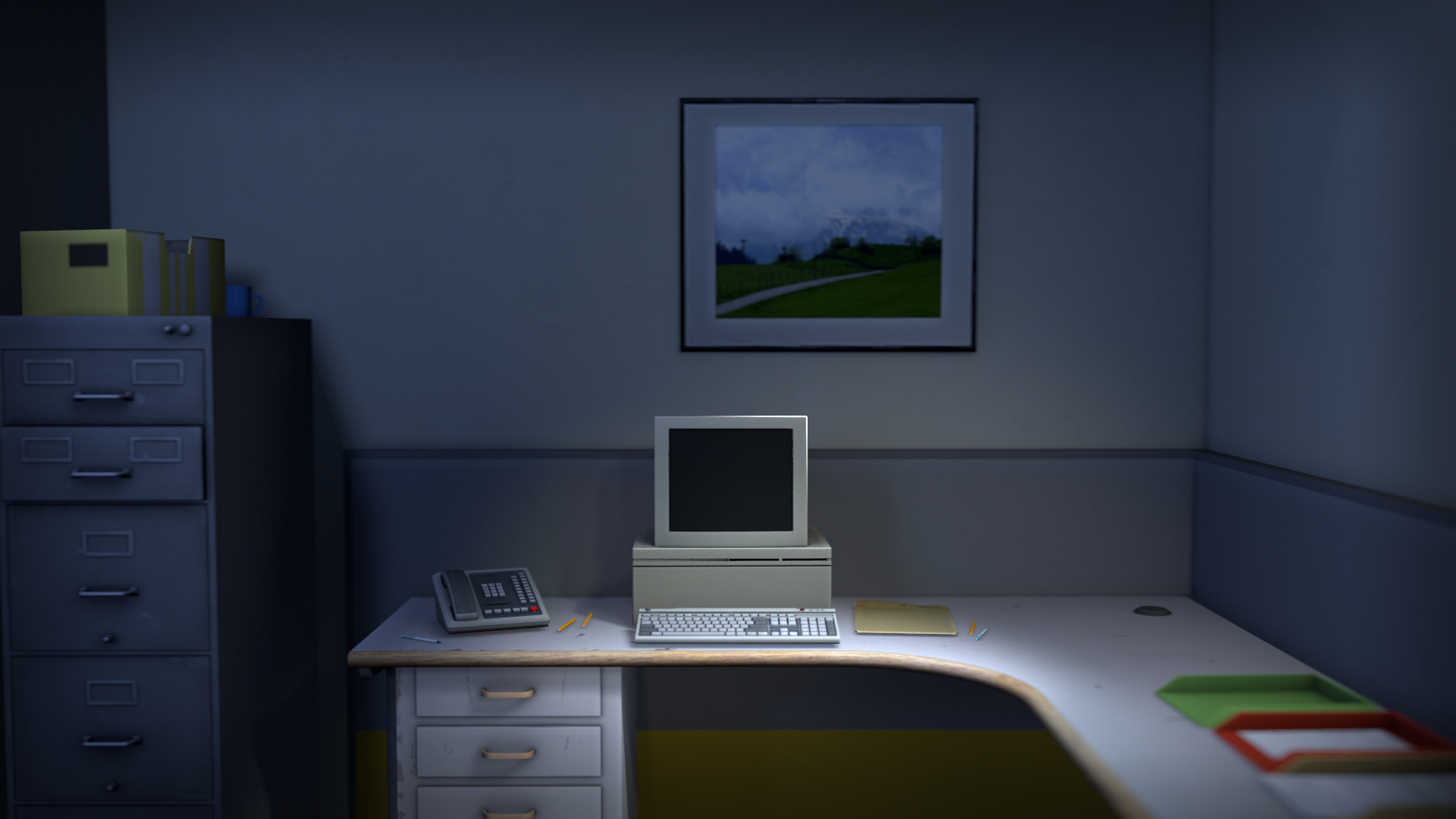
‘The Stanley Parable’ explains interaction through a narrator who reacts to your choices. Doors, buttons, and paths show branching design without heavy prompts. Repeating routes reveals how small changes lead to new outcomes. You learn the rules by breaking them and seeing what follows.
‘Mirror’s Edge’ (2008)

‘Mirror’s Edge’ opens with a clean training area that chains jumps, climbs, and rolls into smooth runs. Color accents show where to go and what to grab. Timed sections encourage rhythm so movement becomes instinct. The city then applies those skills in wider spaces.
‘Splatoon 2’ (2017)
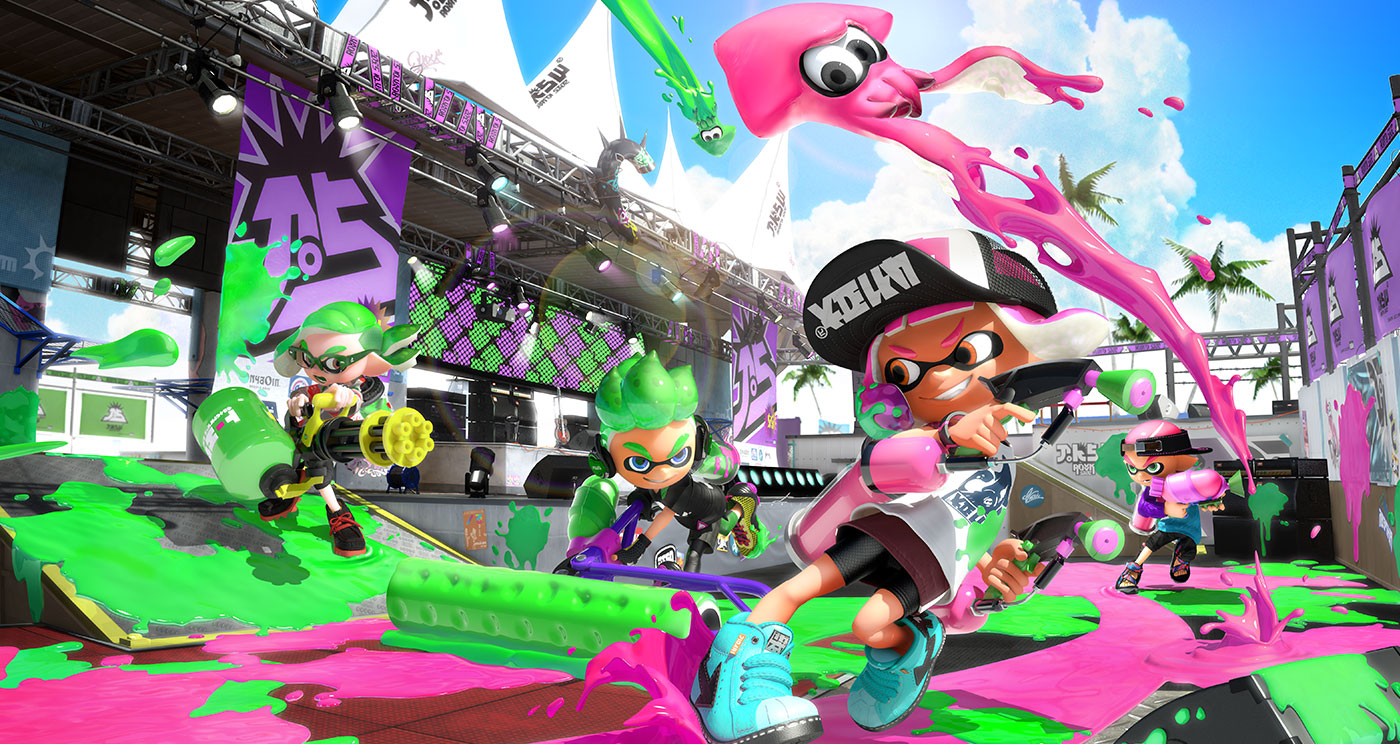
‘Splatoon 2’ teaches swimming, shooting, and ink management through small arenas with quick objectives. The contrast between inked and clean surfaces gives constant feedback. Enemy types highlight range, mobility, and cover use. The flow stays light so players keep experimenting.
‘Undertale’ (2015)
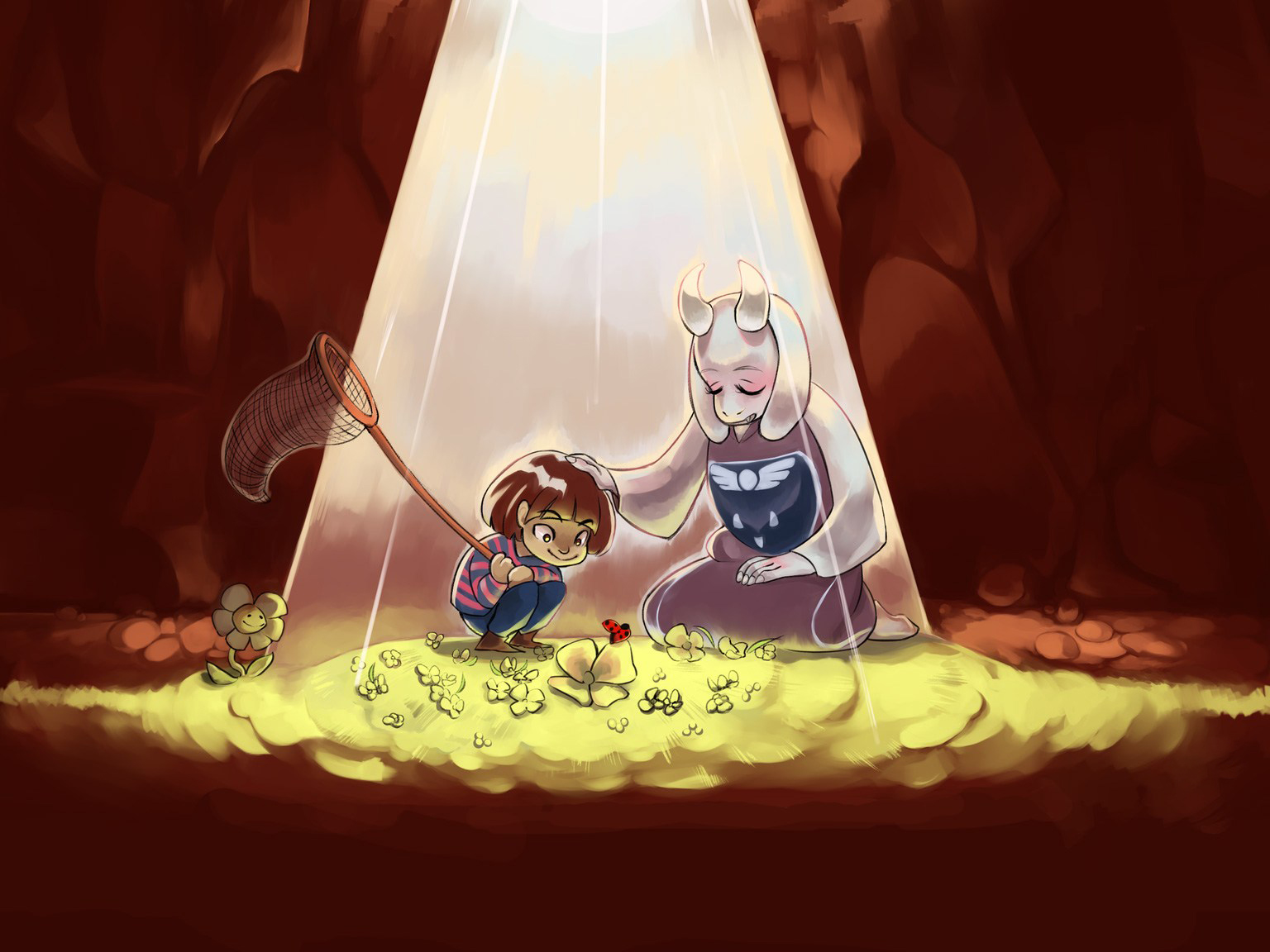
In ‘Undertale’, early encounters show how mercy, items, and dodging work inside a unique battle screen. Toriel’s guidance illustrates choices that matter later. Bullet patterns teach movement in short bursts. The game frames each lesson within character moments so it sticks.
‘Hollow Knight’ (2017)
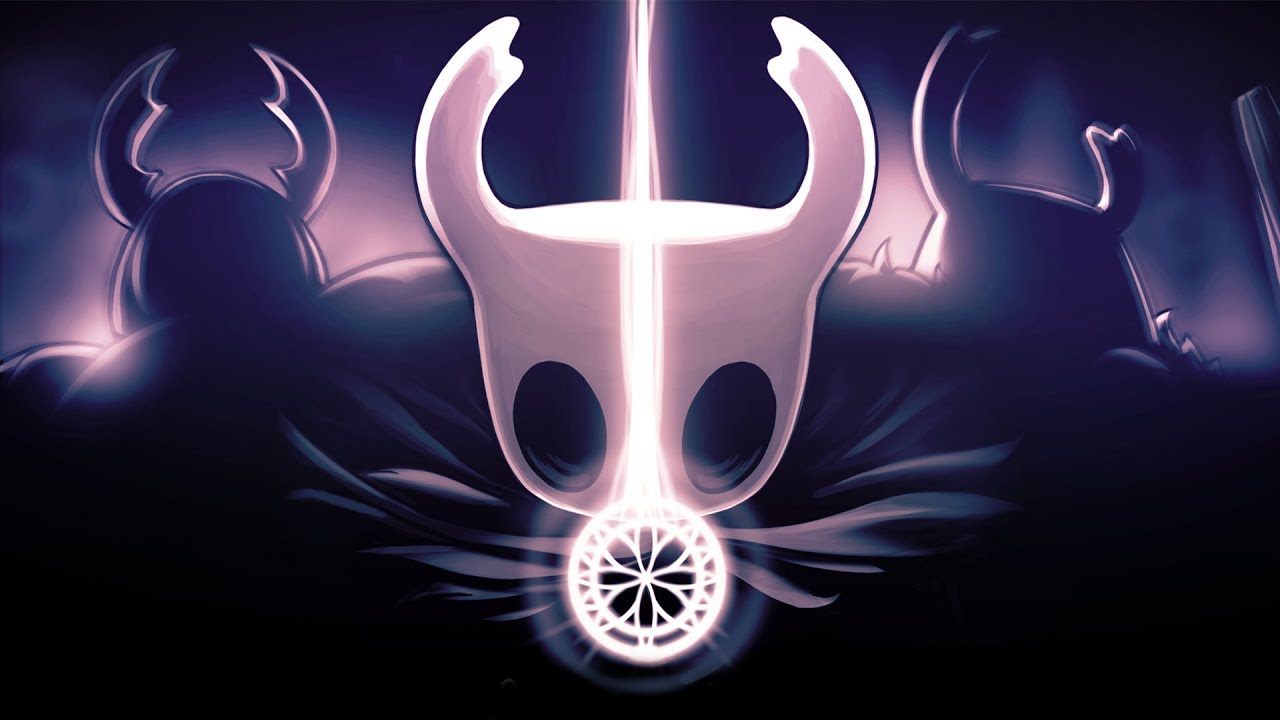
‘Hollow Knight’ introduces movement and nail strikes in calm rooms before adding hazards. Benches and shortcuts explain progress and route planning. New abilities open earlier paths so you practice navigation. Enemy behavior teaches spacing and patience with clear tells.
‘Apex Legends’ (2019)
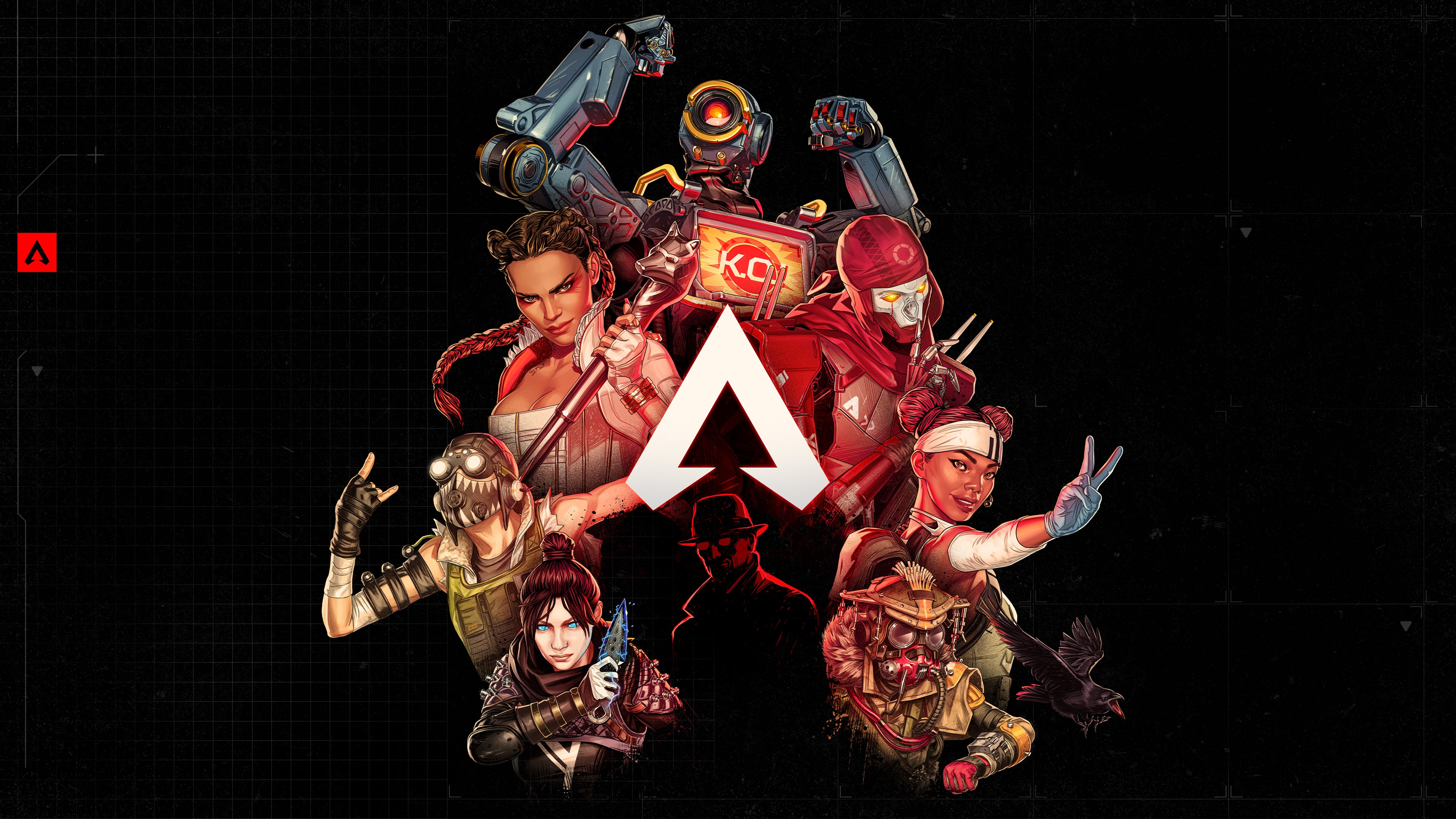
‘Apex Legends’ provides a simple training range that covers pings, abilities, and movement. The ping system explains team communication with quick prompts. Swapping attachments and weapons is safe to practice in one place. Players can return anytime to refresh skills.
‘Super Smash Bros. Ultimate’ (2018)
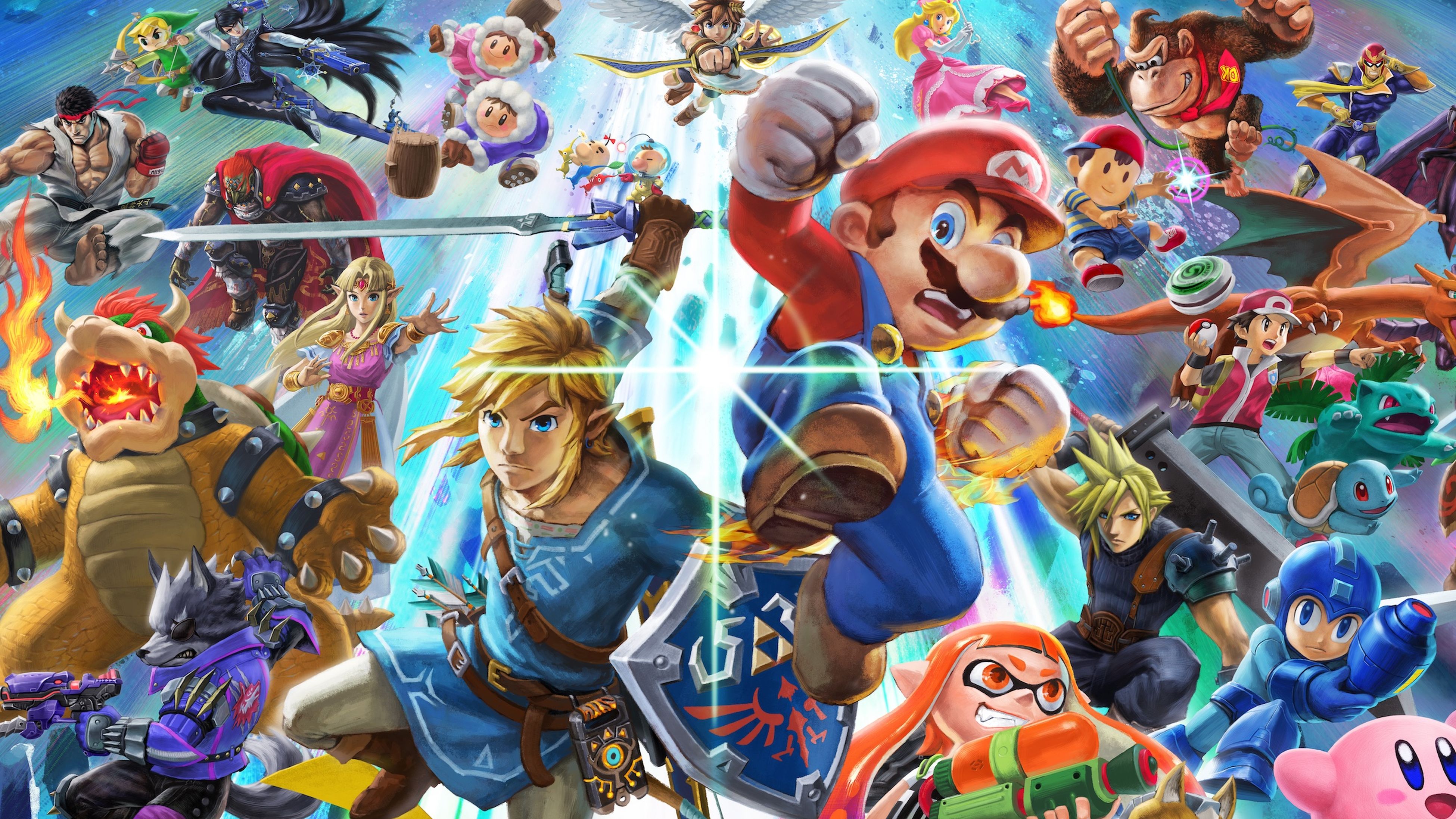
‘Super Smash Bros. Ultimate’ uses early challenges to teach recovery, shields, and special moves. Spirits and simple matches introduce matchup ideas at a steady pace. The game presents clear objectives so you focus on one mechanic at a time. Replays and practice modes make improvement feel smooth.
‘Ori and the Blind Forest’ (2015)
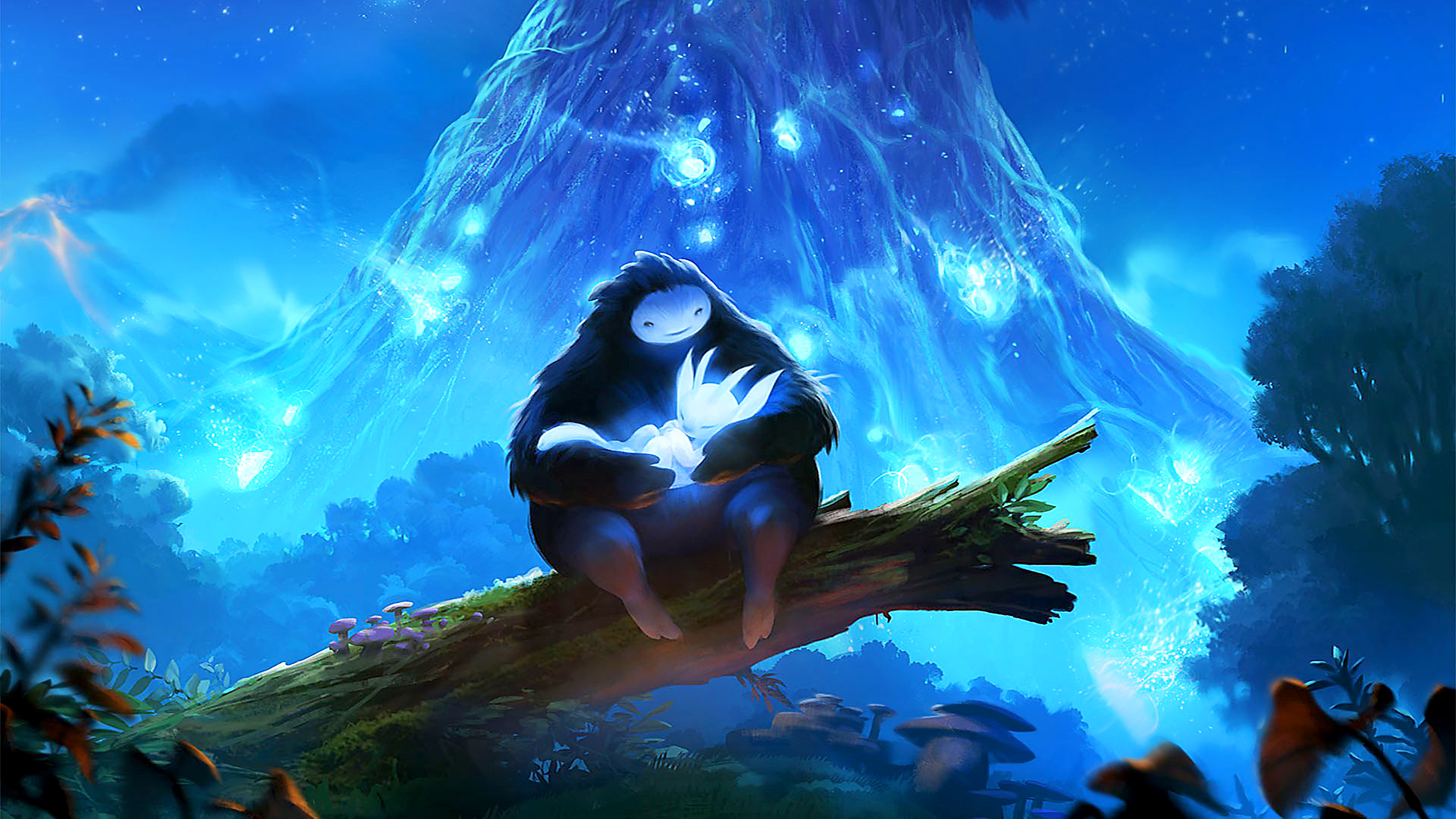
‘Ori and the Blind Forest’ layers movement skills like double jump and bash through gentle platforming sections. Each new ability appears with a space that showcases its best use. Checkpoints and generous respawns support experimentation. The world design leads you to revisit areas to reinforce learning.
‘Overwatch’ (2016)
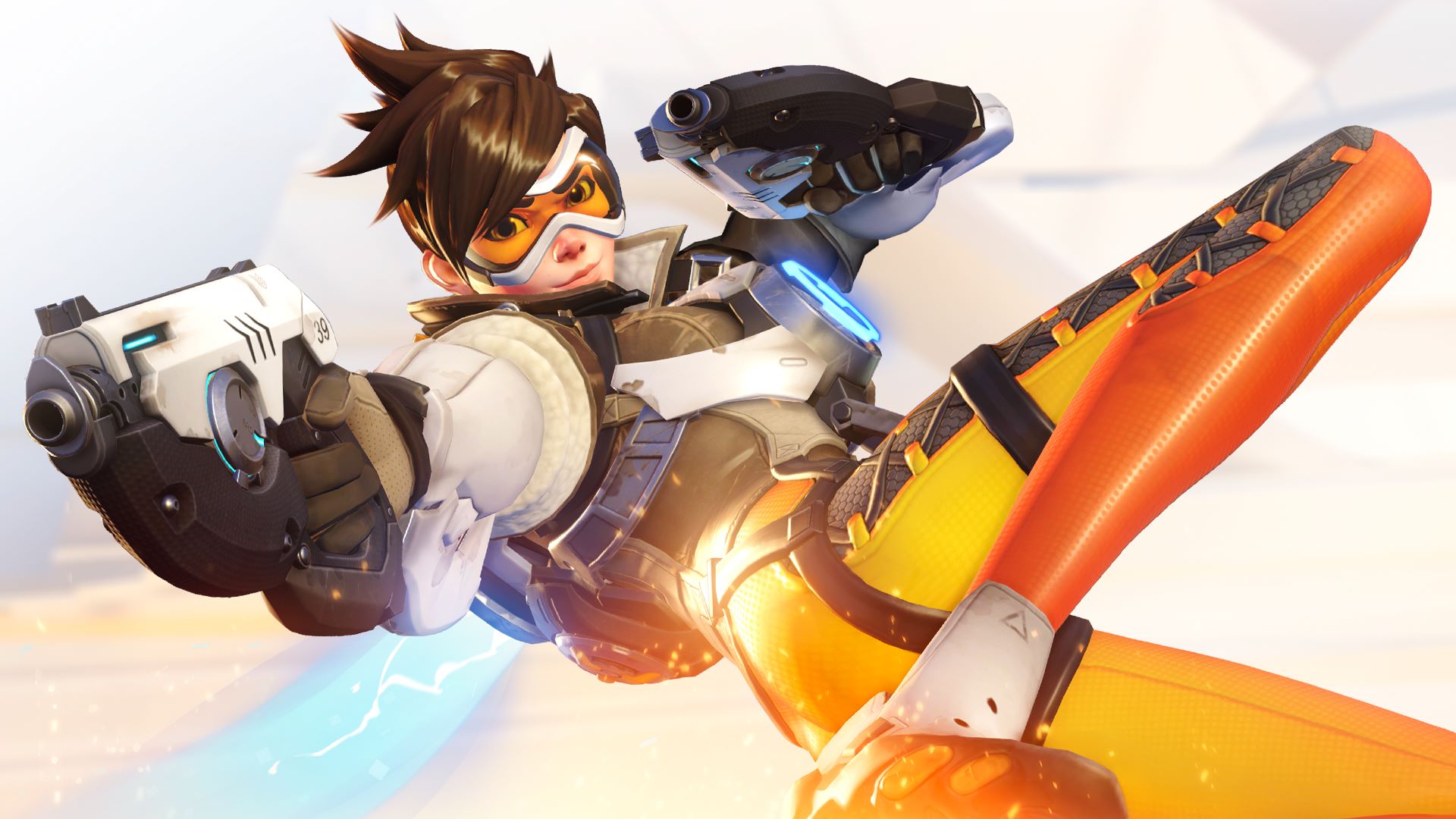
‘Overwatch’ offers a quick tutorial that covers aiming, abilities, and payload rules. The Practice Range lets you test heroes and targets without pressure. Role tips explain how tanks, damage, and support contribute to a team. Rotating training events keep basics fresh for new players.
‘The Last of Us’ (2013)
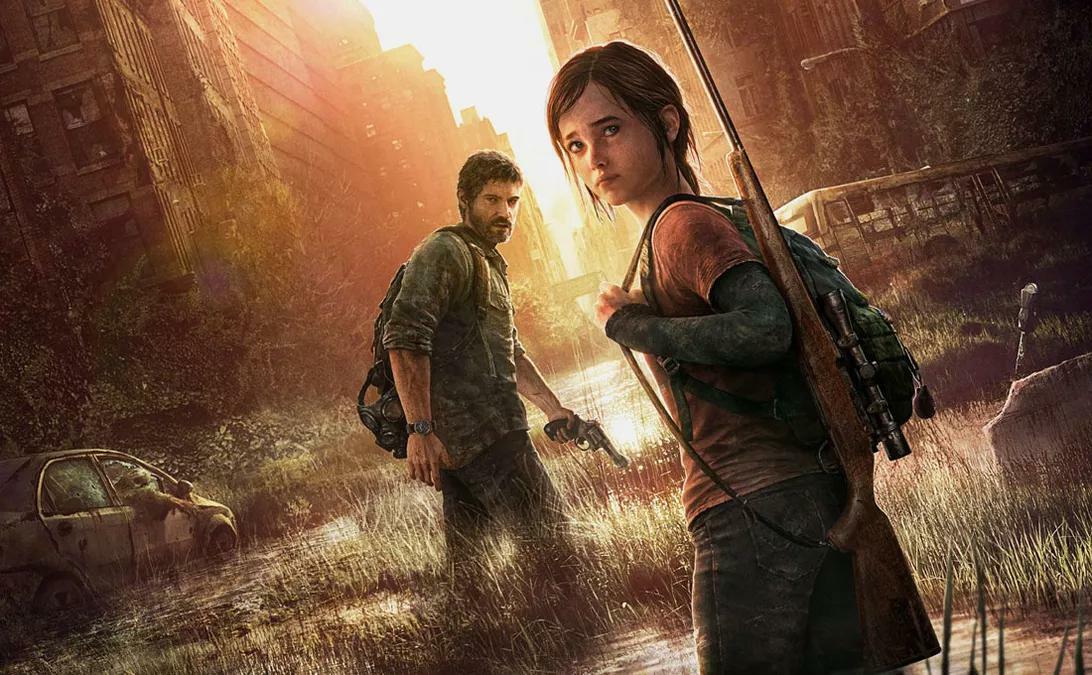
‘The Last of Us’ teaches stealth, crafting, and listening through missions that demand careful movement. Craft menus appear only when you need them. Quiet spaces let you practice bricks and bottles before real danger. Encounters connect the mechanics to story stakes so lessons feel meaningful.
‘Fortnite’ (2017)
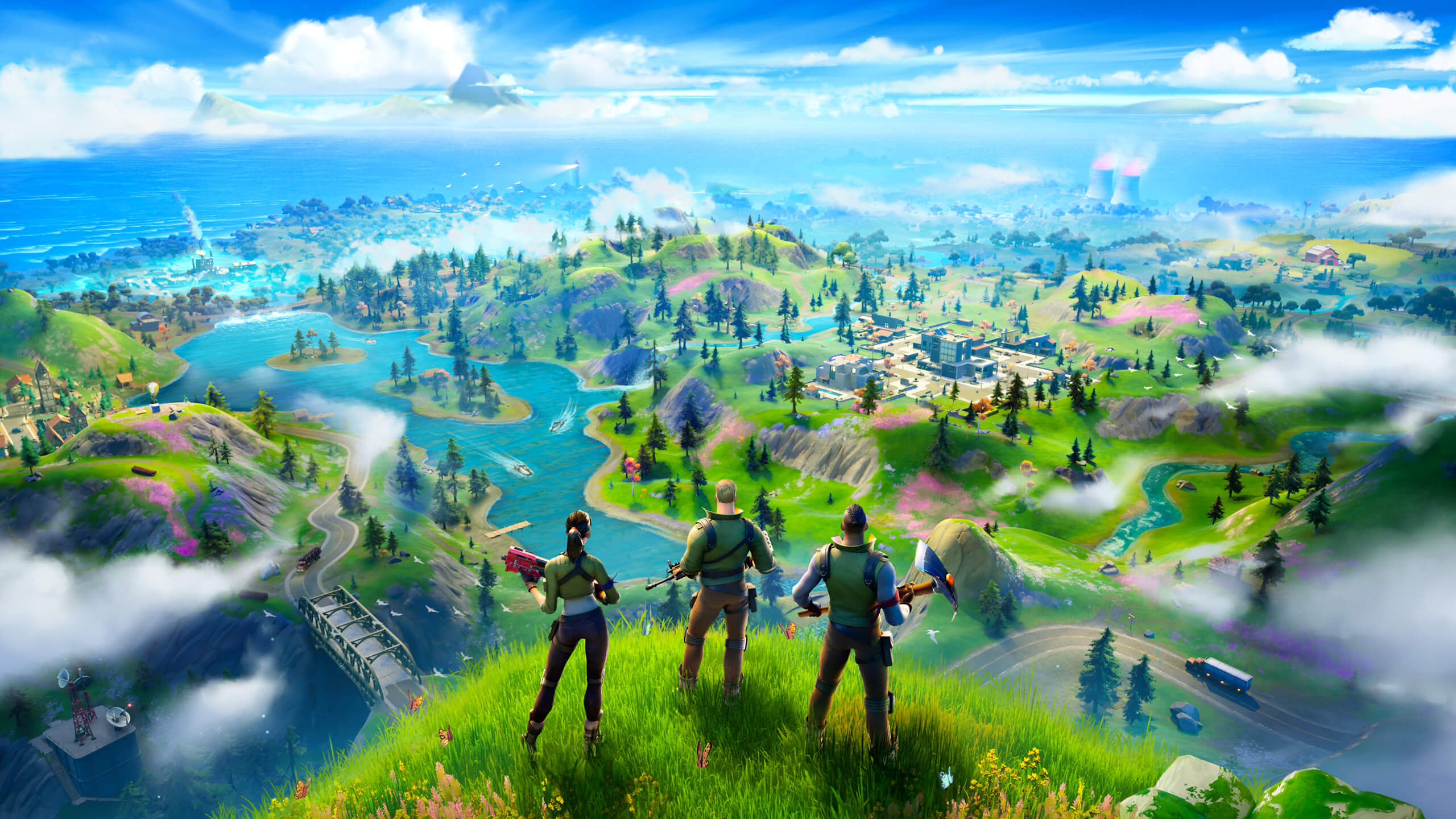
‘Fortnite’ introduces harvesting, building, and shooting through simple matches that escalate naturally. Early challenges highlight ramps, walls, and edits in small steps. Visual indicators make resource and storm management easy to track. Players learn quickly because every match offers another fast lesson.
Which tutorials taught you the most without you even realizing it? Share your picks in the comments!