


20 Best TV Show Intros That Will Hook You Instantly

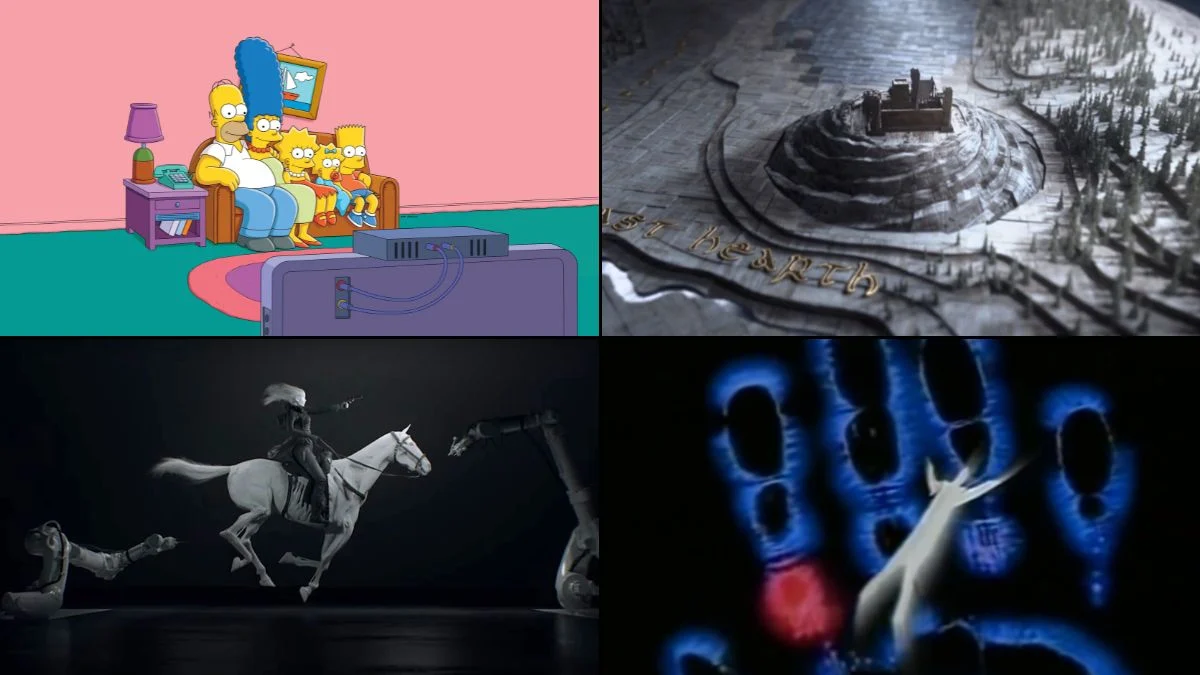


Great opening credits do more than list names. A strong intro sets the mood, signals the world you are about to enter, and uses music and design choices that stick in your head after the episode ends. The best ones are built with careful visual planning, smart editing, and musical cues that introduce characters and themes before a single line of dialogue arrives.
This list gathers twenty title sequences that became part of the shows’ identities. You will find distinctive music cues, evolving visuals that update as stories change, and craft from top design studios and directors who turned a few minutes into a signature moment every week.
‘The Sopranos’ (1999–2007)
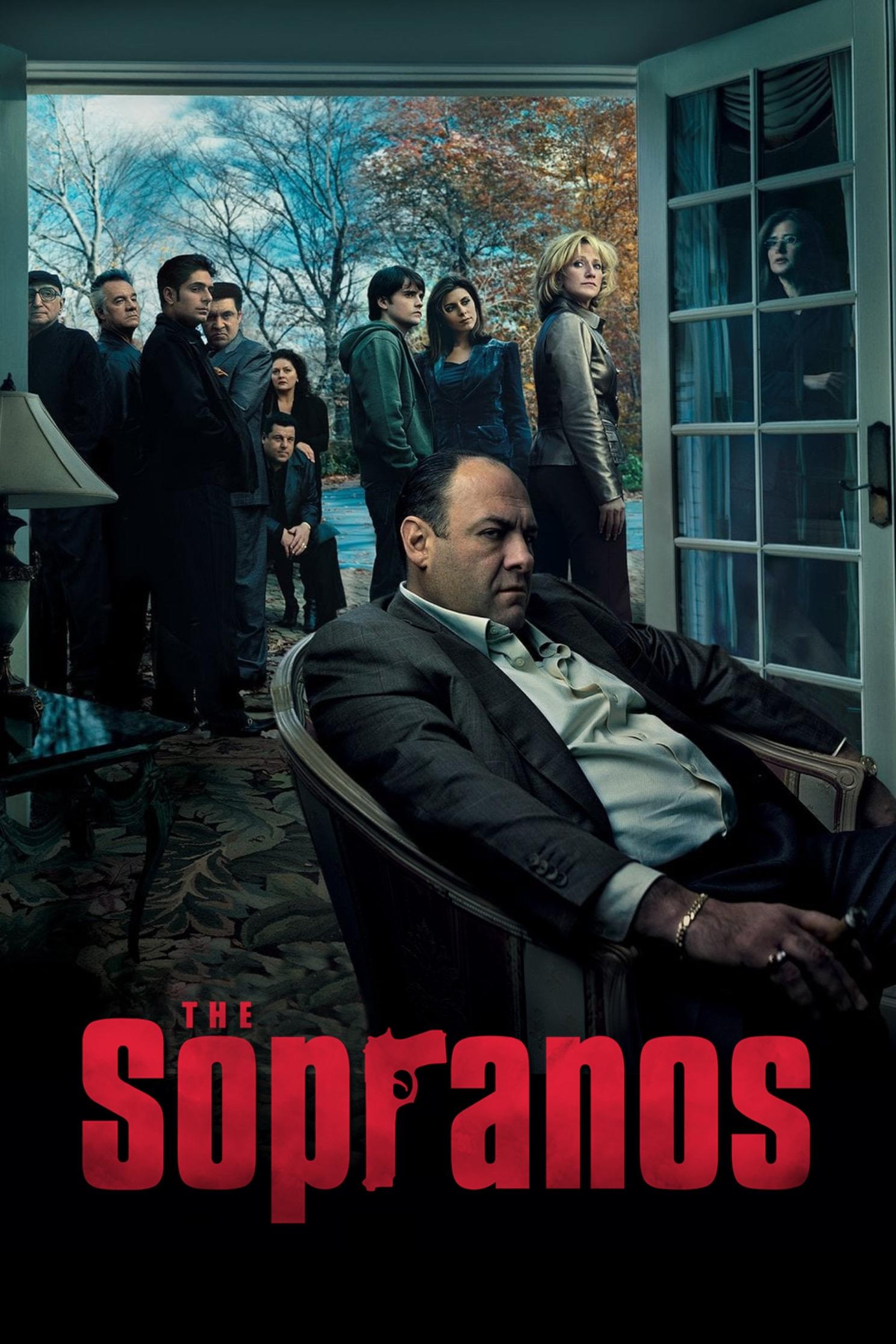
The sequence follows Tony Soprano driving from the Lincoln Tunnel area toward New Jersey, passing toll booths, industrial stacks, and local landmarks before arriving at his driveway in North Caldwell. The camera placement inside the car and the final cut on the slam of the car door create a consistent route that viewers learned by heart across six seasons.
The theme song Woke Up This Morning by Alabama 3 plays over the route with a mix that was tailored for television broadcast. The imagery and song remained stable, while small credits updates reflected cast changes from season to season.
‘Game of Thrones’ (2011–2019)
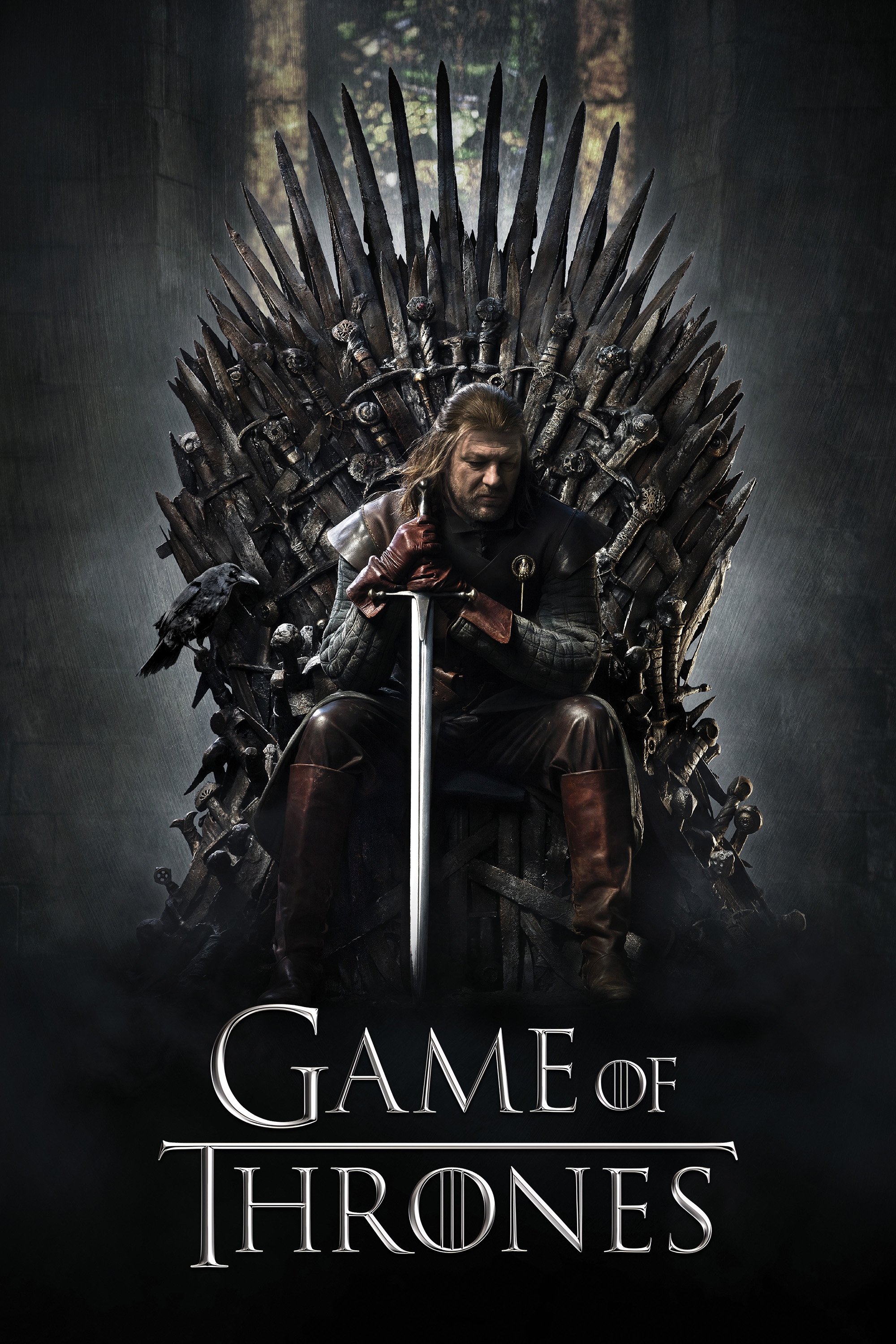
The map based title sequence showcases a clockwork model of Westeros and Essos that rises from a textured surface with gears, rings, and etched sigils. The camera moves between locations using smooth transitions that highlight key regions relevant to each episode.
Ramin Djawadi’s theme anchors the sequence with a melody arranged to build in layers as the camera travels. The map content was updated across the series to match story shifts, adding or removing keeps and banners as control of territories changed.
‘Mad Men’ (2007–2015)
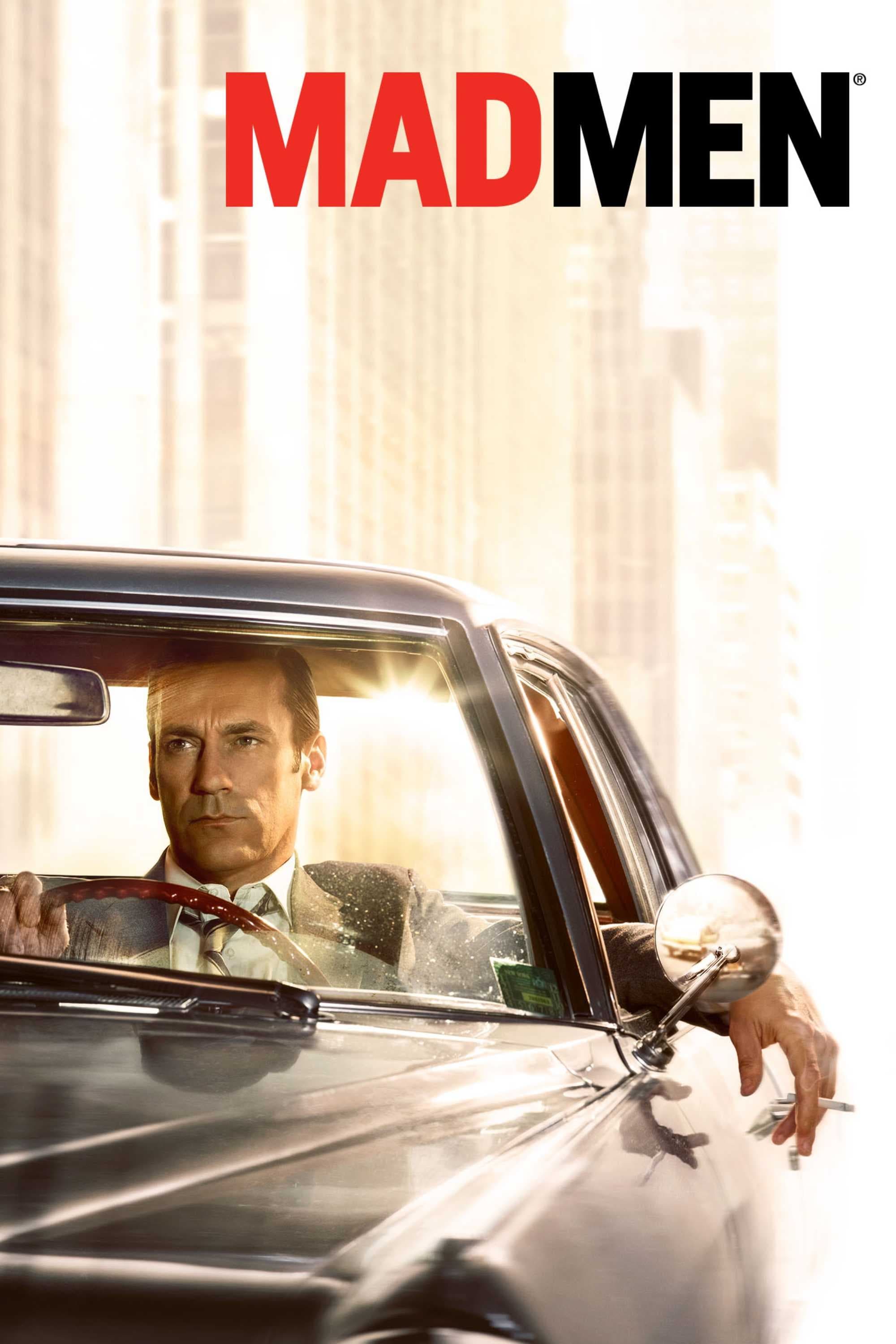
The sequence presents a silhouetted figure entering an office as ads peel from the walls and a figure falls past campaigns for cigarettes, shoes, and vacations. Mid century typography, stark black and white figures, and clean credit cards define a consistent visual system.
The music A Beautiful Mine by RJD2 plays over the credits with a cut tailored for the opening length. The clean design approach aligned with the show’s setting in the advertising world and remained constant while cast and producer credits changed across seasons.
‘True Blood’ (2008–2014)

The titles use documentary style footage of rural Louisiana with shots of swamps, churches, bars, and roadside signs. The imagery includes time lapses, decaying textures, and film scratches that give the sequence an aged look.
Bad Things by Jace Everett provides the musical bed with a rhythmic guitar line and a vocal that matches the southern setting. The credits maintain consistent typography and pacing, while later seasons adjusted clip selections to reflect new story elements.
‘The Fresh Prince of Bel-Air’ (1990–1996)
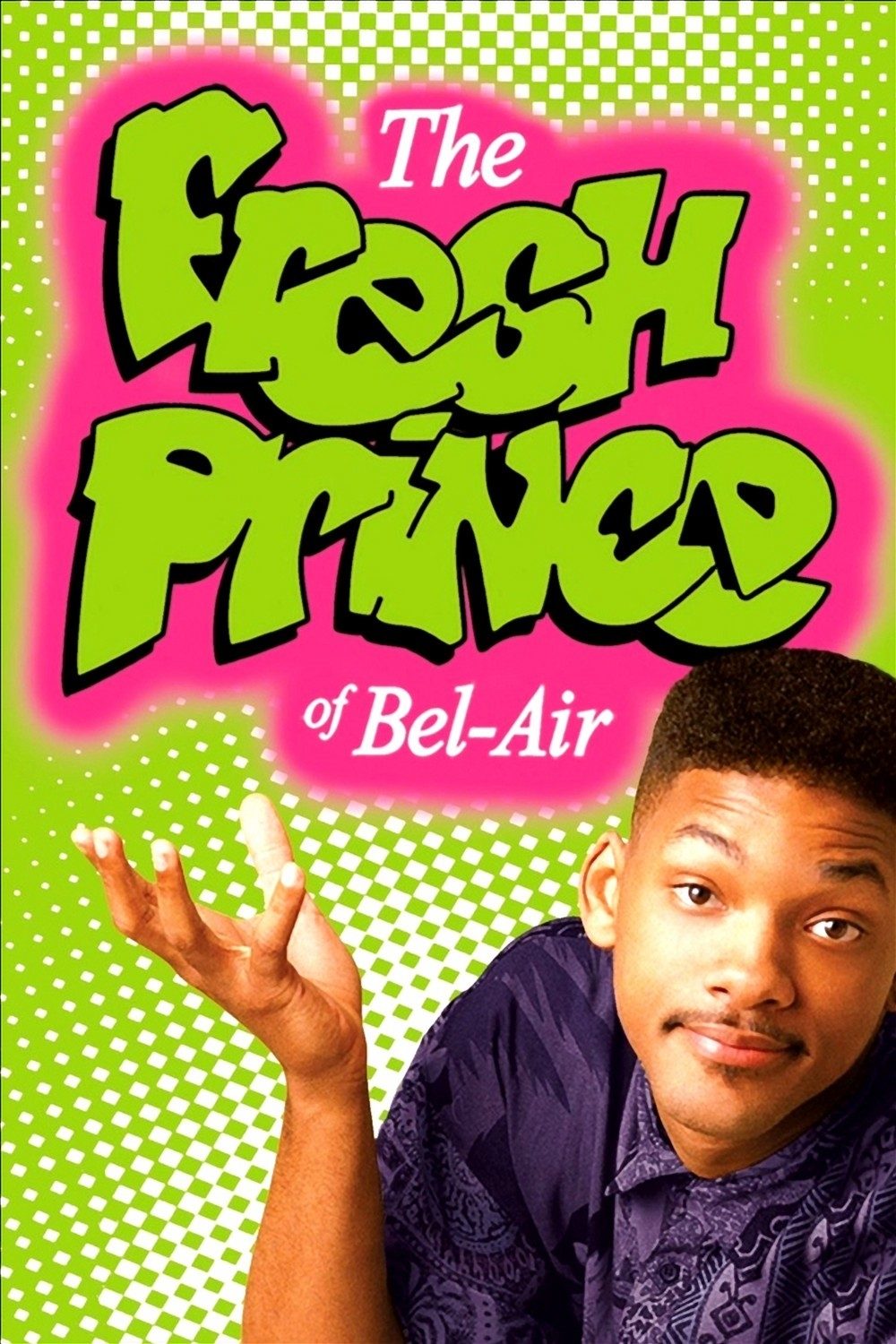
The intro functions as a compact origin story, explaining the move from West Philadelphia to Bel Air through a series of staged vignettes. It uses bright clothing, graffiti style title cards, and a basketball court setting before shifting to the mansion driveway.
Will Smith performs the theme with DJ Jazzy Jeff credited for production, and the track was edited to a standard broadcast length. The fountain and couch sequence was filmed on the Warner Bros lot and remained a repeatable credit package across the run.
‘The X-Files’ (1993–2002)
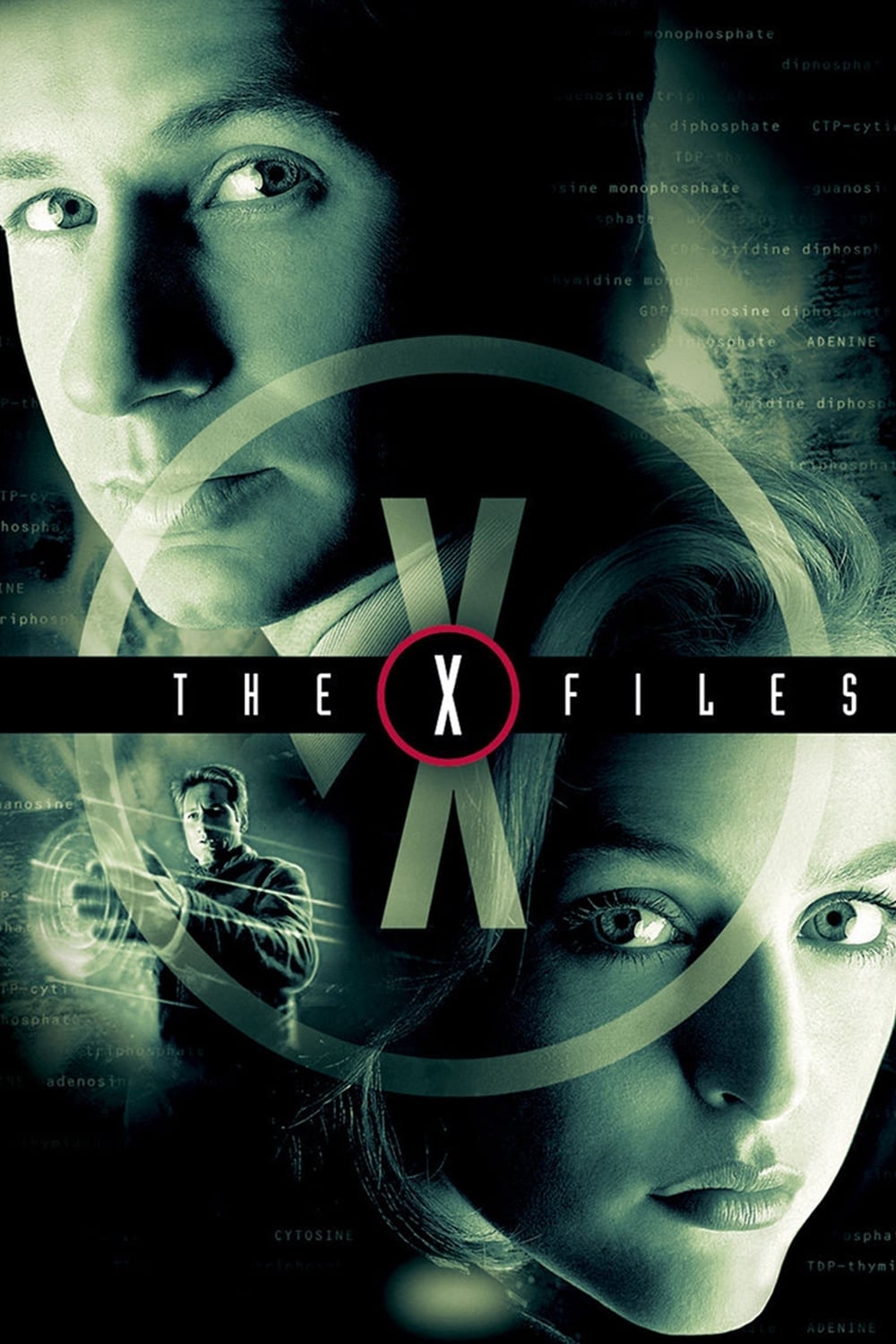
The opening features composite shots of UFOs, ghostly faces, and scientific readouts paired with a cool blue palette. A typewriter style font and the final card The Truth Is Out There became recurring visual anchors.
Mark Snow’s whistled theme sets an eerie tone with a simple melody and echo effects. The sequence saw minor adjustments for cast credit updates and technical refinements while preserving the core imagery that viewers associated with the show’s paranormal focus.
‘Friends’ (1994–2004)
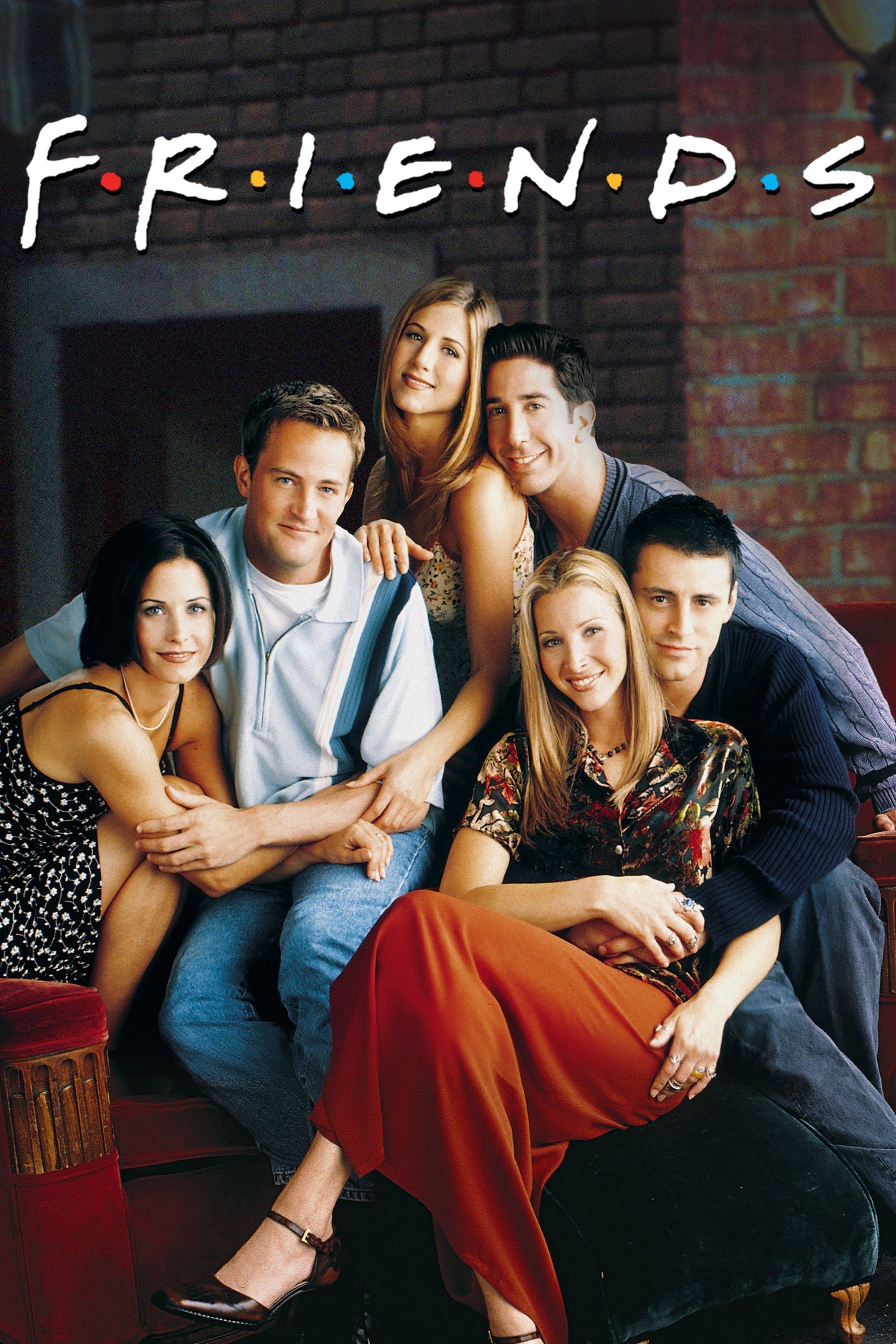
The titles cut between cast footage at a fountain and episode clips selected to highlight character beats from the current season. The fountain set was built on a studio lot and used a repeating choreography pattern with umbrellas and dance moves.
The Rembrandts performed the theme I’ll Be There for You with a mix designed for television timing. As seasons progressed, the clip montage was refreshed to reflect new storylines while the fountain section and credit structure stayed consistent.
‘Dexter’ (2006–2013)
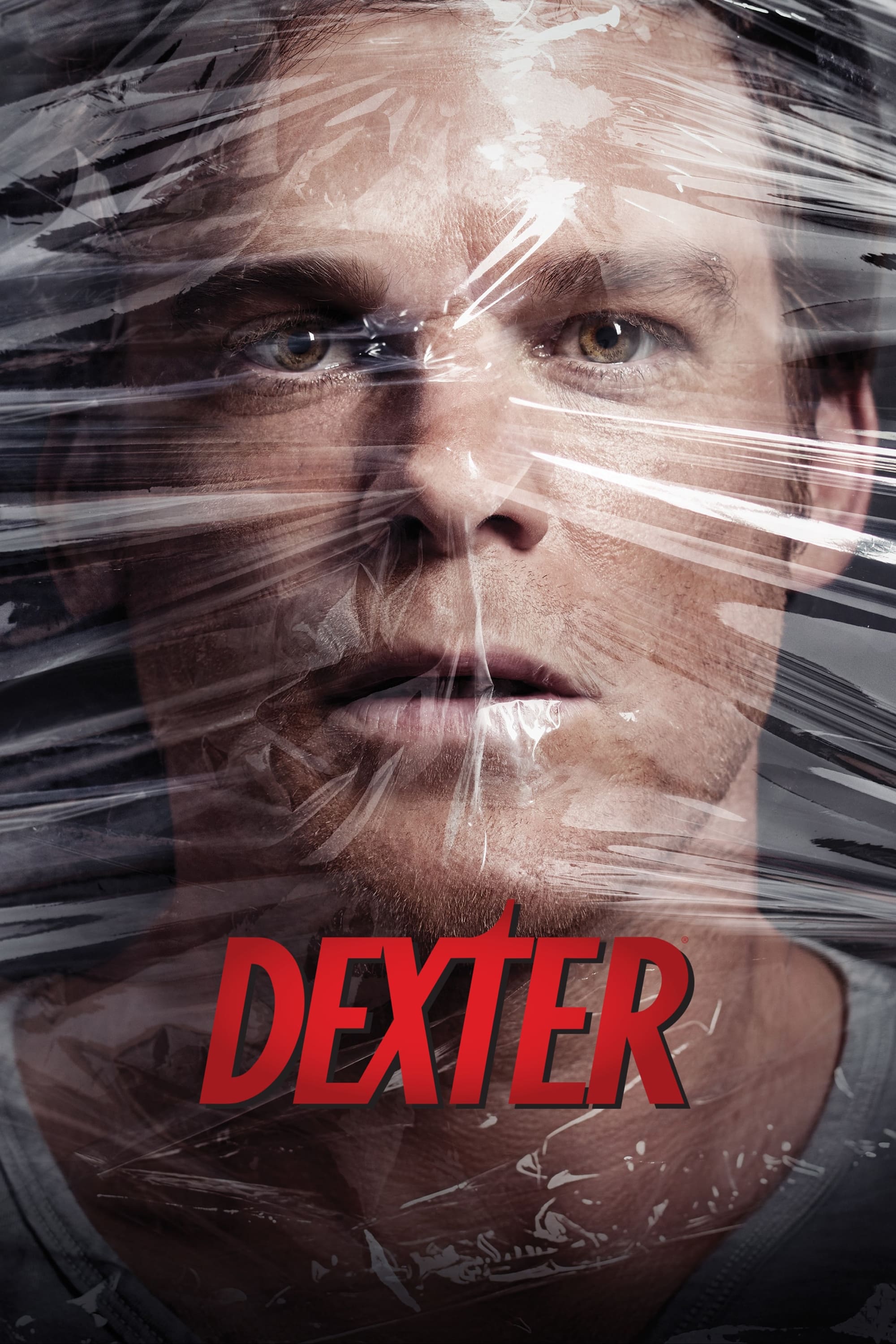
The intro reframes a morning routine with close up shots of shaving, frying eggs, and tying shoes presented in a way that suggests forensic detail. Quick cuts and macro photography emphasize textures like blood orange juice and tightening thread.
Rolfe Kent’s score pairs plucked strings with percussion to match the editing rhythm. The visuals and music remained steady for the original run, with credit updates and subtle color grading tweaks introduced in later seasons.
‘Breaking Bad’ (2008–2013)
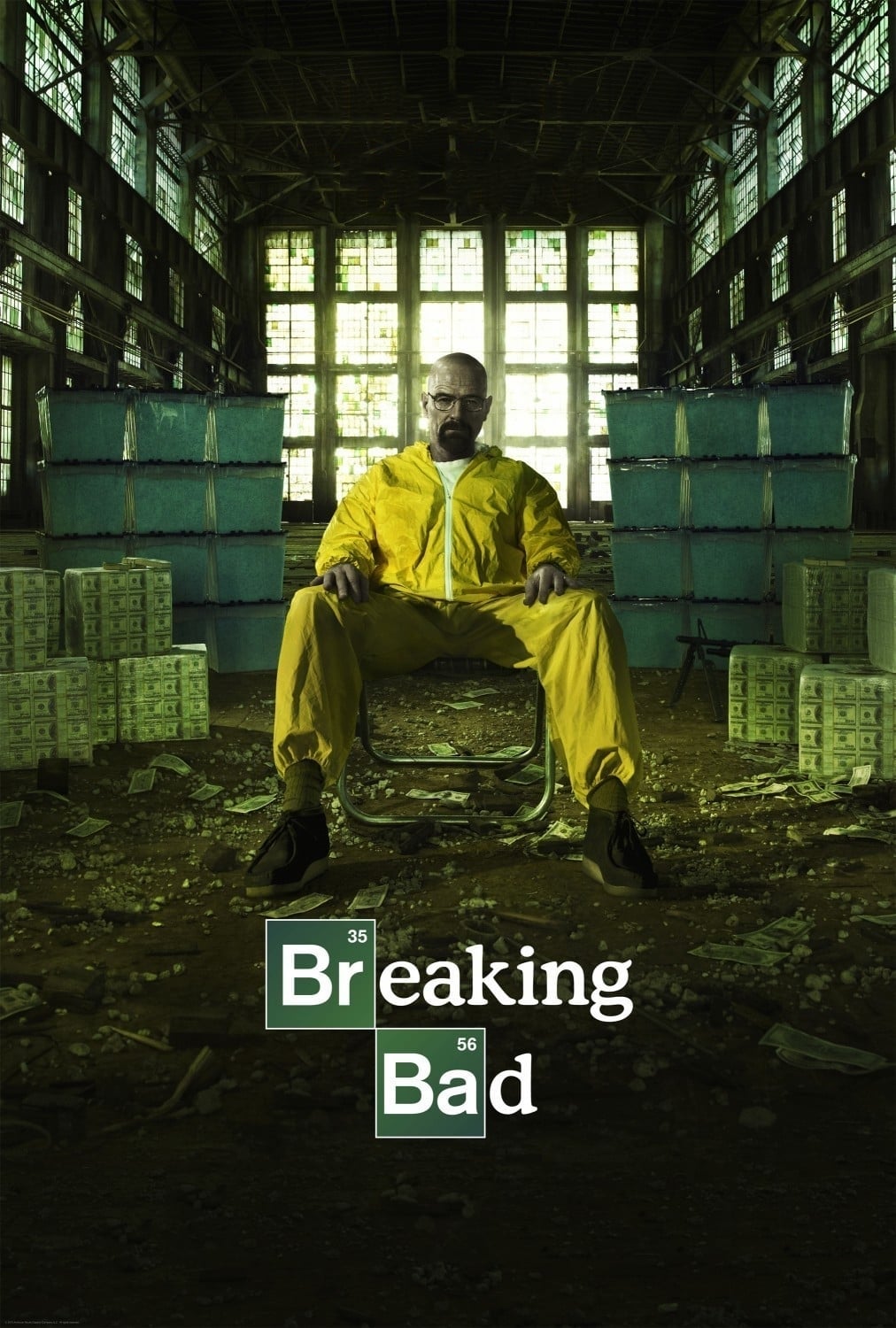
The opening is brief, centering on elemental symbols Br and Ba that resolve out of smoke and particulate clouds. A dusty palette and a short musical sting deliver a concise identity within seconds.
Composer Dave Porter created the cue with guitar and processed effects to imply chemical processes. The titles were designed to end quickly so episodes could use more narrative time, and the minimalist approach stayed unchanged throughout the series.
‘Twin Peaks’ (1990–1991)
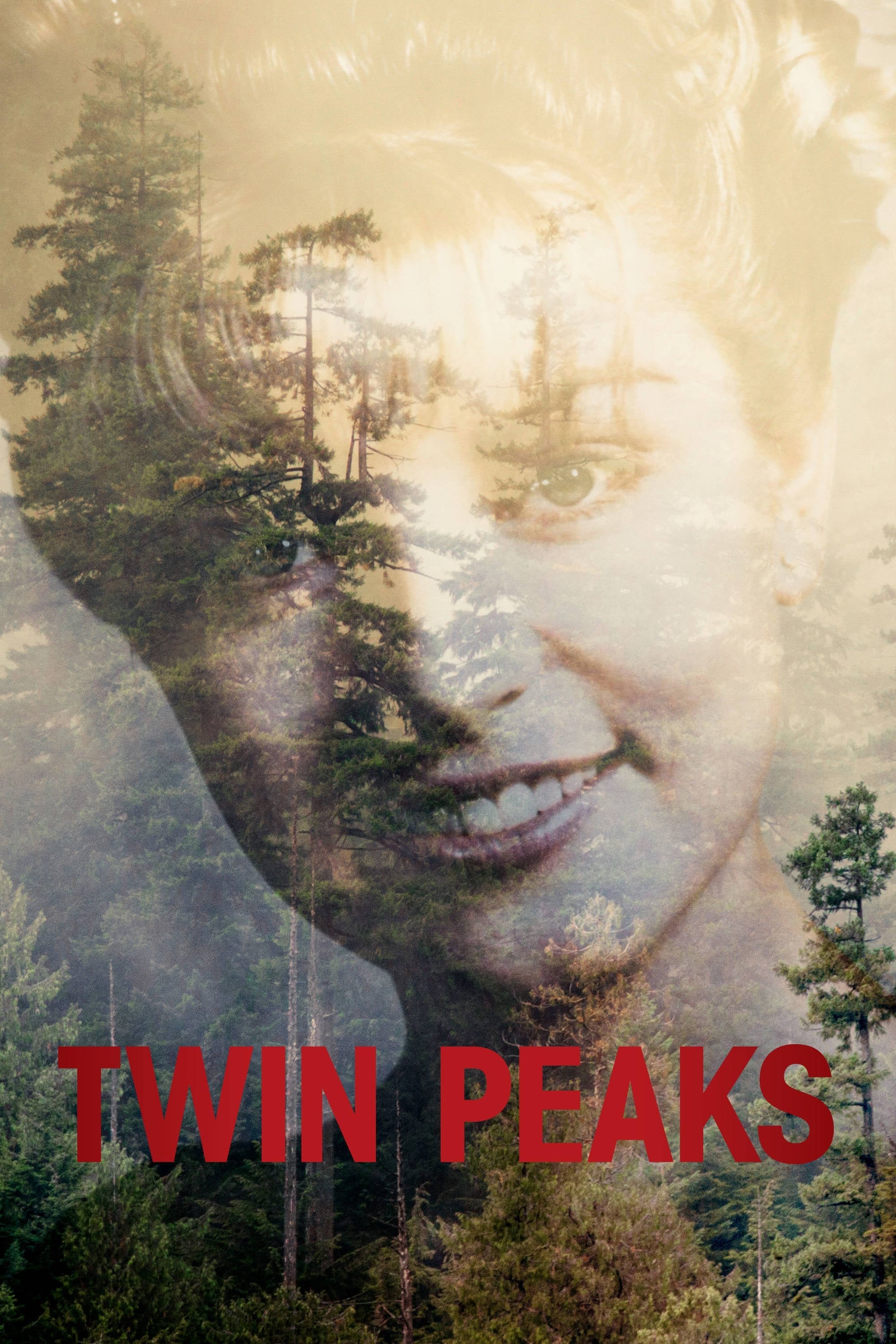
The credits open with a shot of a bird and cut to a lumber mill, river, and waterfall, building a portrait of a Pacific Northwest town. The Welcome to Twin Peaks sign and green title cards set a consistent visual language.
Angelo Badalamenti’s theme pairs synthesizer pads with guitar and bass to produce a slow tempo introduction. The sequence maintained its imagery and pacing across the original broadcast, with cast credit changes adjusted as needed.
‘Band of Brothers’ (2001)
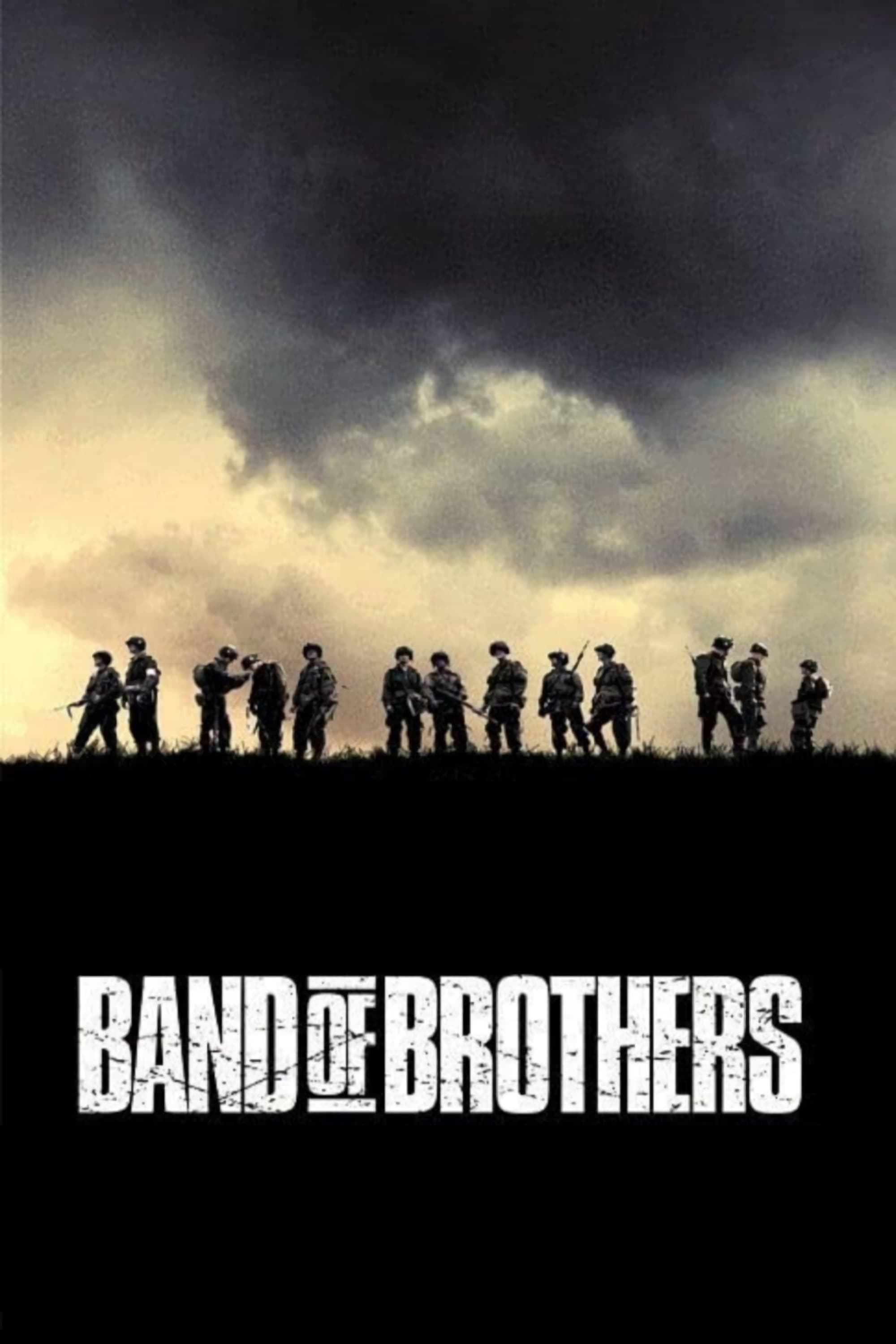
The titles present cast members in slow motion with name slates that match each actor to the character. Archival inspired footage, film scratches, and a desaturated palette reinforce the World War II setting.
Michael Kamen’s score uses strings and brass with a measured tempo that pairs with the montage editing. The miniseries structure meant the sequence remained uniform across the limited run with identical typography and order of credits.
‘Cowboy Bebop’ (1998–1999)
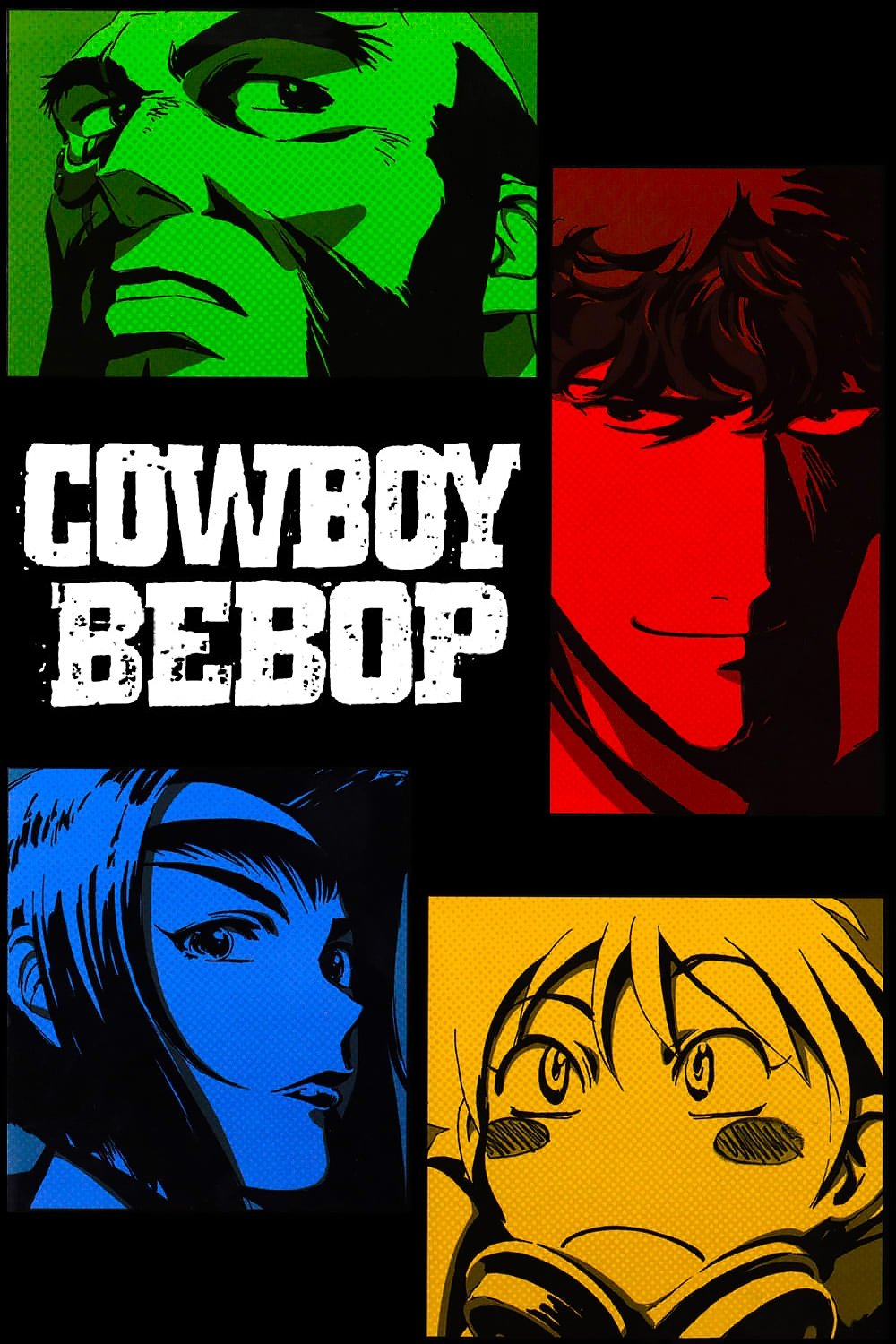
The intro uses bold graphic panels, quick cuts, and character silhouettes that recall classic spy and jazz album art. Split screens and motion lines build energy while introducing each member of the crew.
The theme Tank from Yoko Kanno and the Seatbelts drives the sequence with horns, bass, and a drum break. The timing of title cards and instrument hits was designed with musical precision, producing a credit package that never needed alteration during the series.
‘Rome’ (2005–2007)
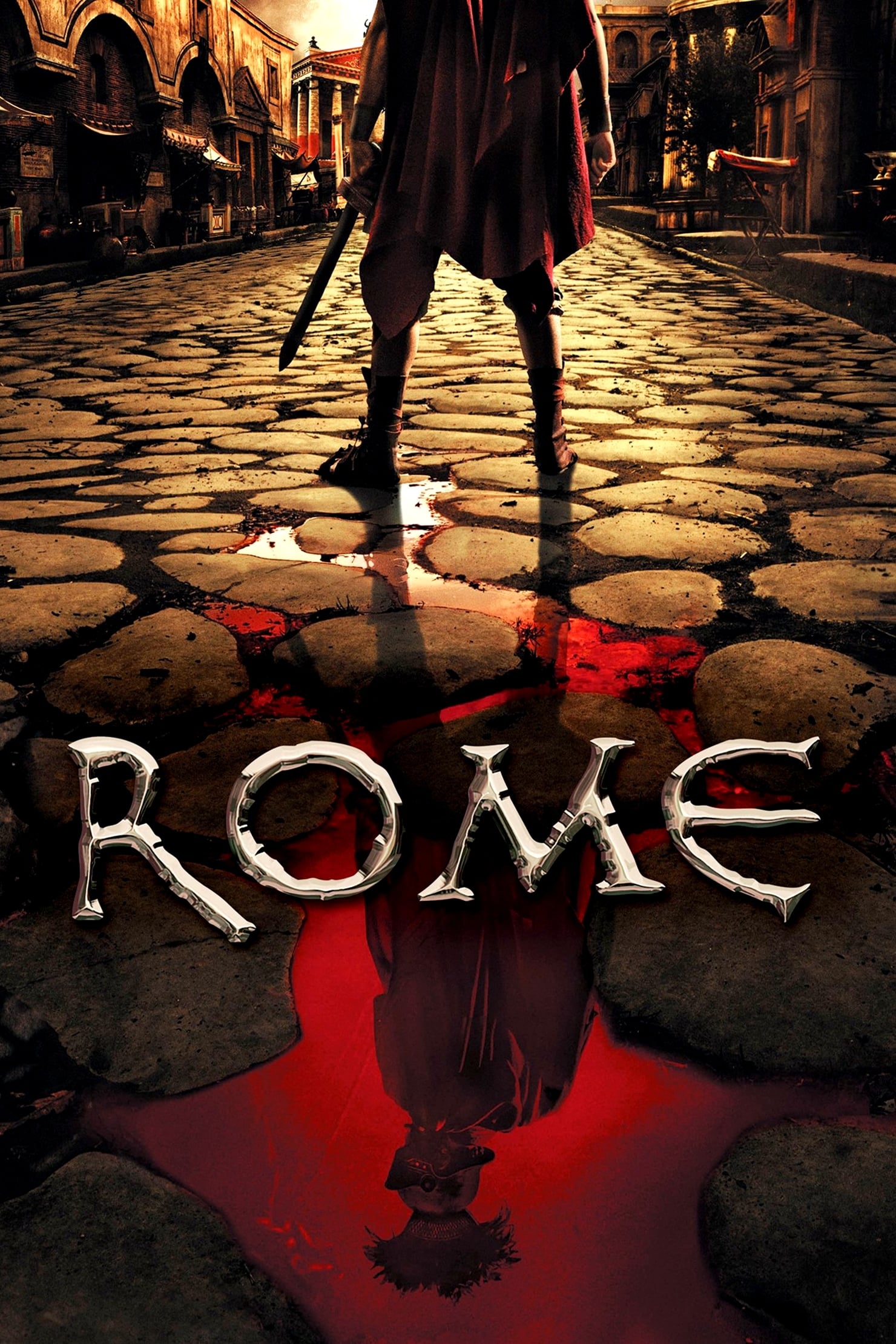
The sequence animates street graffiti and mosaics that come to life as figures and symbols move across plaster and stone. The camera tracks along walls and artifacts while the credits appear as if etched into the surfaces.
The score layers percussion and strings to match the march of the visuals. The design remained consistent for both seasons, with minor credit order updates and a stable typographic treatment that matched the period setting.
‘The Wire’ (2002–2008)
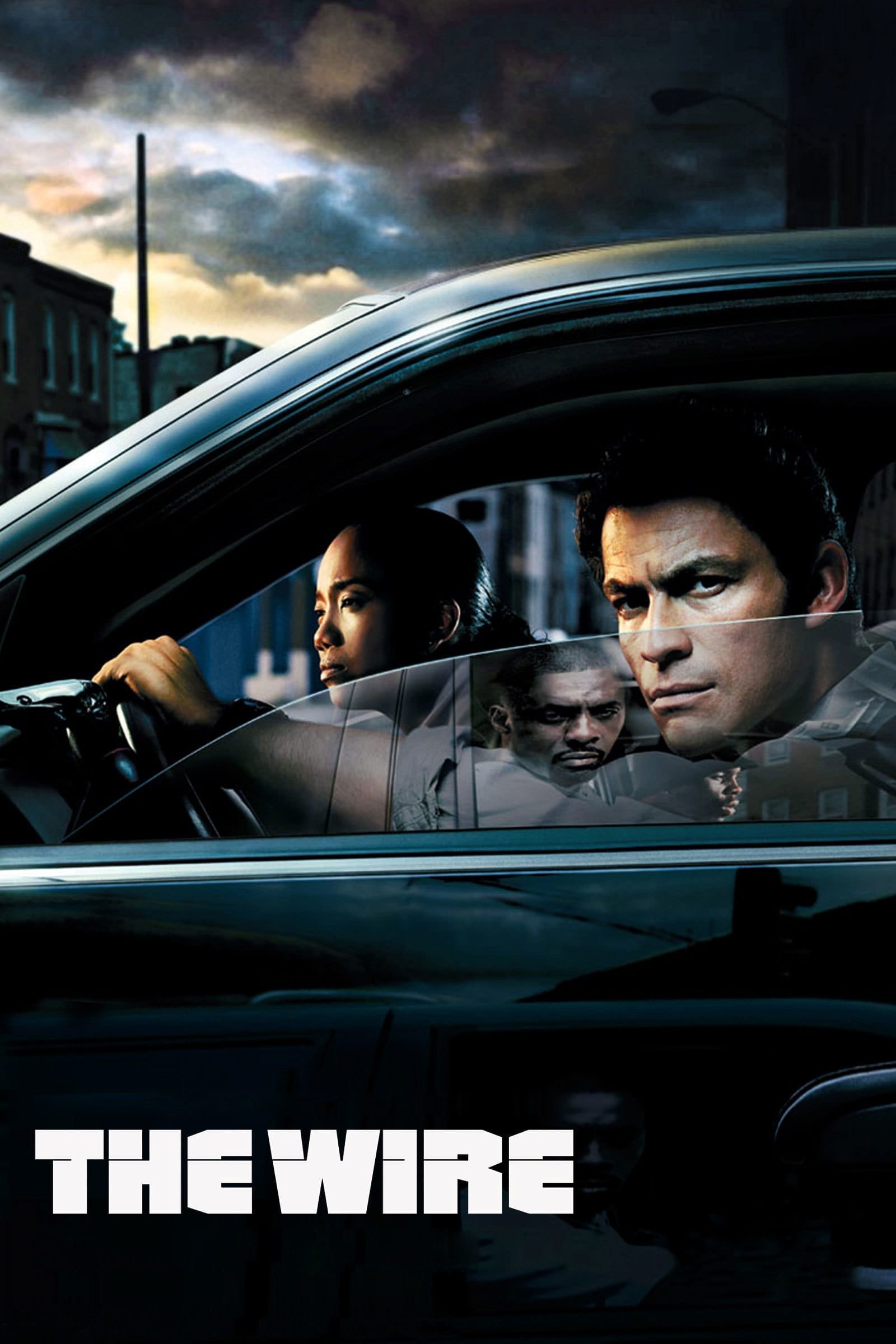
The titles use a rotating set of performers for the song Way Down in the Hole with a new version for each season. The Blind Boys of Alabama, Tom Waits, the Neville Brothers, DoMaJe, and Steve Earle each provided a rendition that aligned with the season’s focus.
The montage updates each year with footage of surveillance, street life, docks, schools, and newsrooms, depending on the narrative arc. Consistent fonts and pacing tie the changing images together while reflecting the city’s different institutions.
‘Vikings’ (2013–2020)
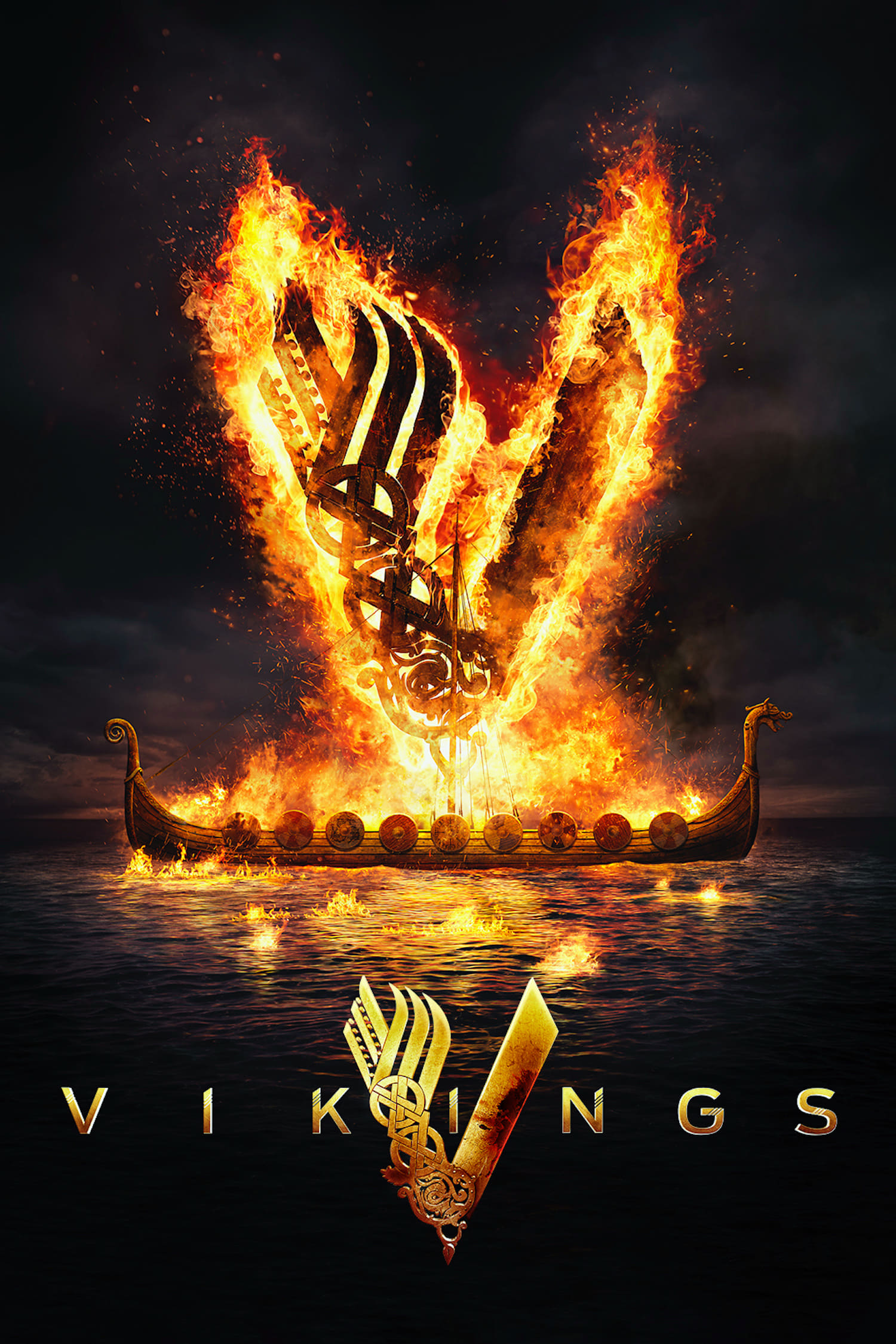
The visuals show waves, ravens, and a figure sinking below the waterline as artifacts drift through the frame. Texture heavy photography and slow motion create a cohesive image set that fits the historical setting.
Fever Ray’s If I Had a Heart carries the titles with a dark synth and drum pattern edited to the length of the sequence. The credits preserve the same imagery through later seasons with cast updates inserted as the ensemble shifted.
‘Westworld’ (2016–2022)
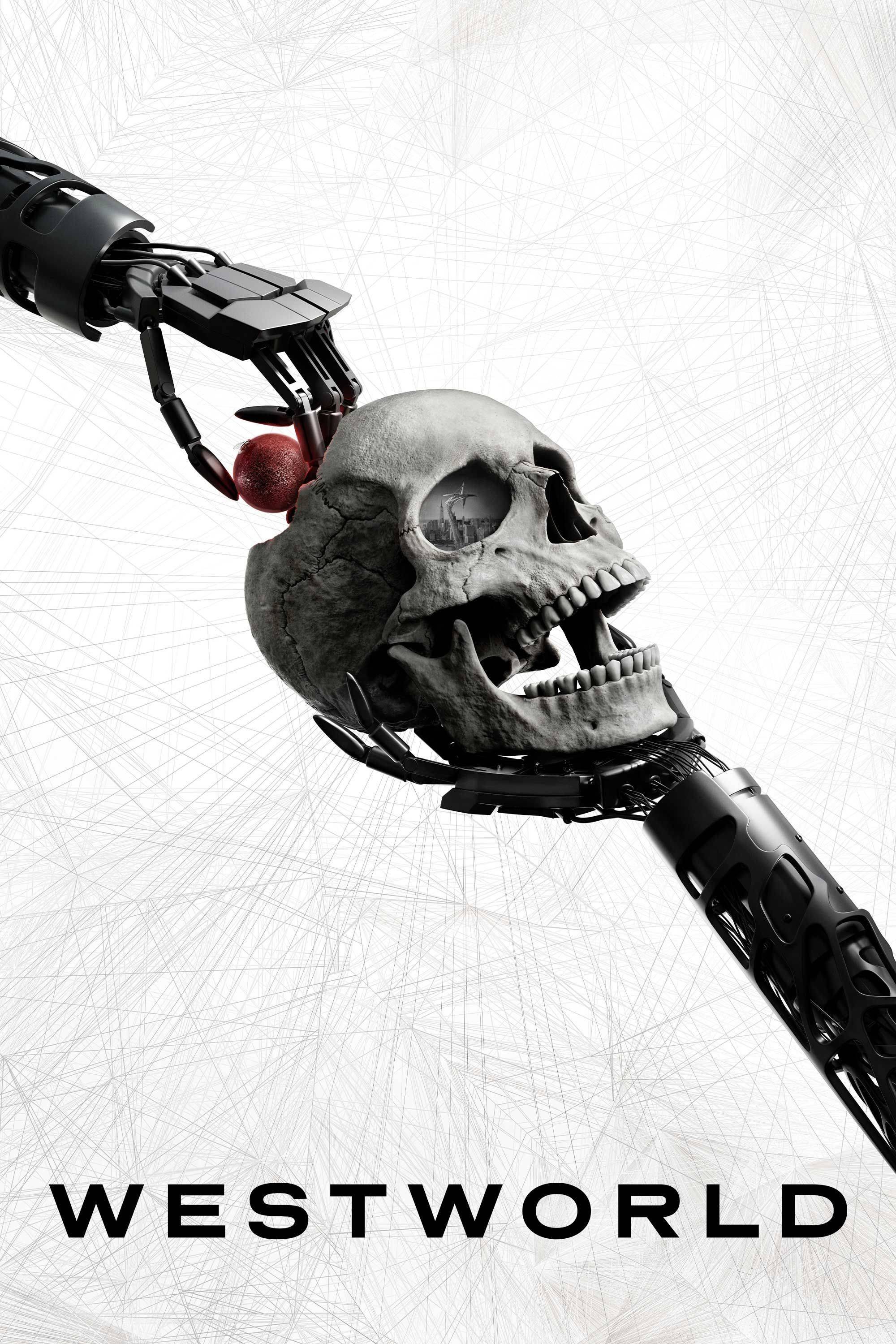
The titles depict host construction with robotic arms printing bone and muscle while a self playing piano hammers notes. The camera glides through a lab environment where strings and fibers assemble into human shapes.
Ramin Djawadi’s theme provides a repeating motif that matches the mechanical motion on screen. Later seasons introduced variations in imagery and color grading while keeping the piano, lab visuals, and typography as the foundation.
‘Narcos’ (2015–2017)
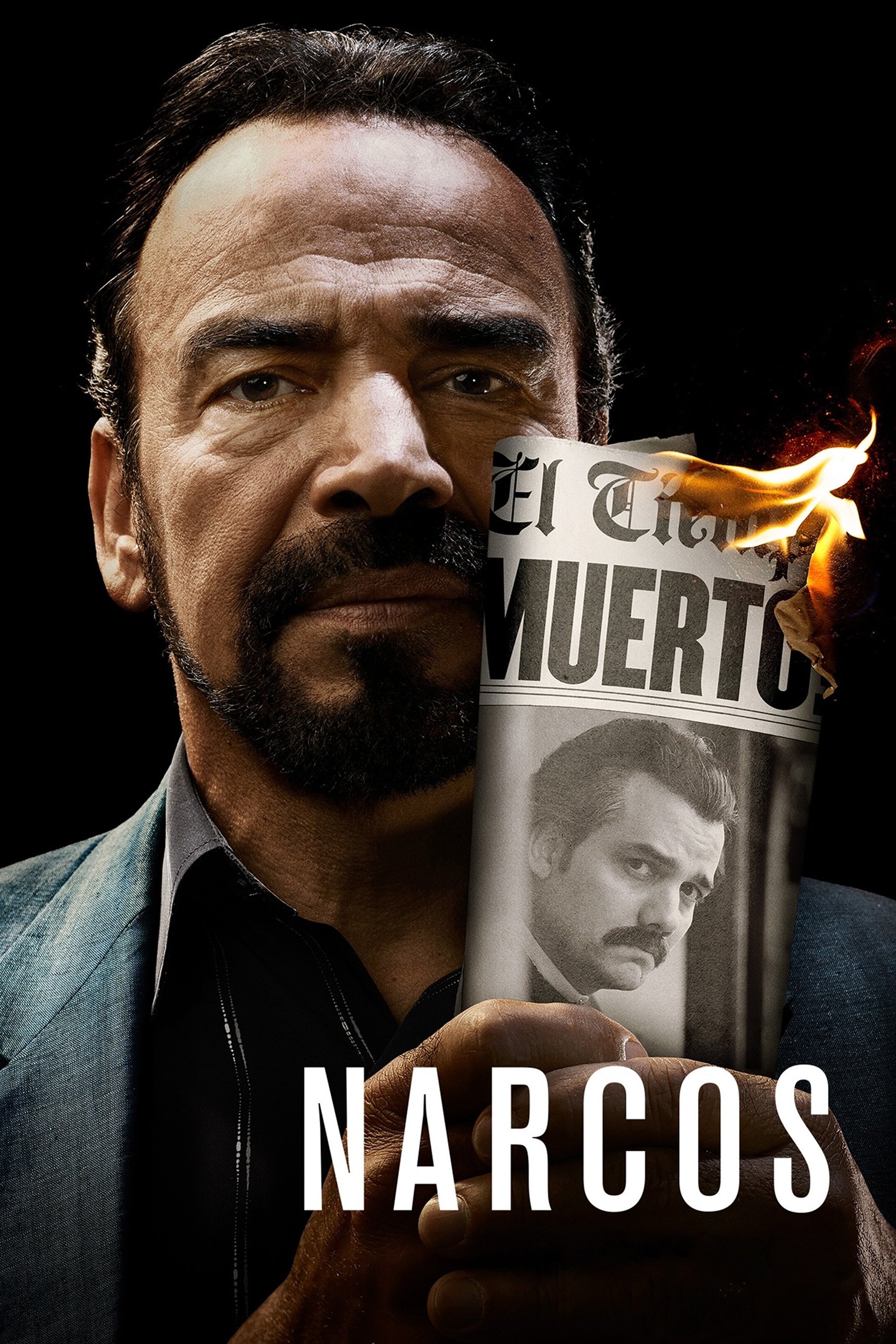
The sequence combines archival photos, currency, and travel documents with footage of seventies and eighties Colombia. Polaroid frames and stamped graphics create a document driven visual style.
Rodrigo Amarante’s song Tuyo plays over the montage with a melody that sets the period mood. The titles were consistent across seasons centered on Colombia, with the design carrying through while cast credits changed.
‘Peaky Blinders’ (2013–2022)
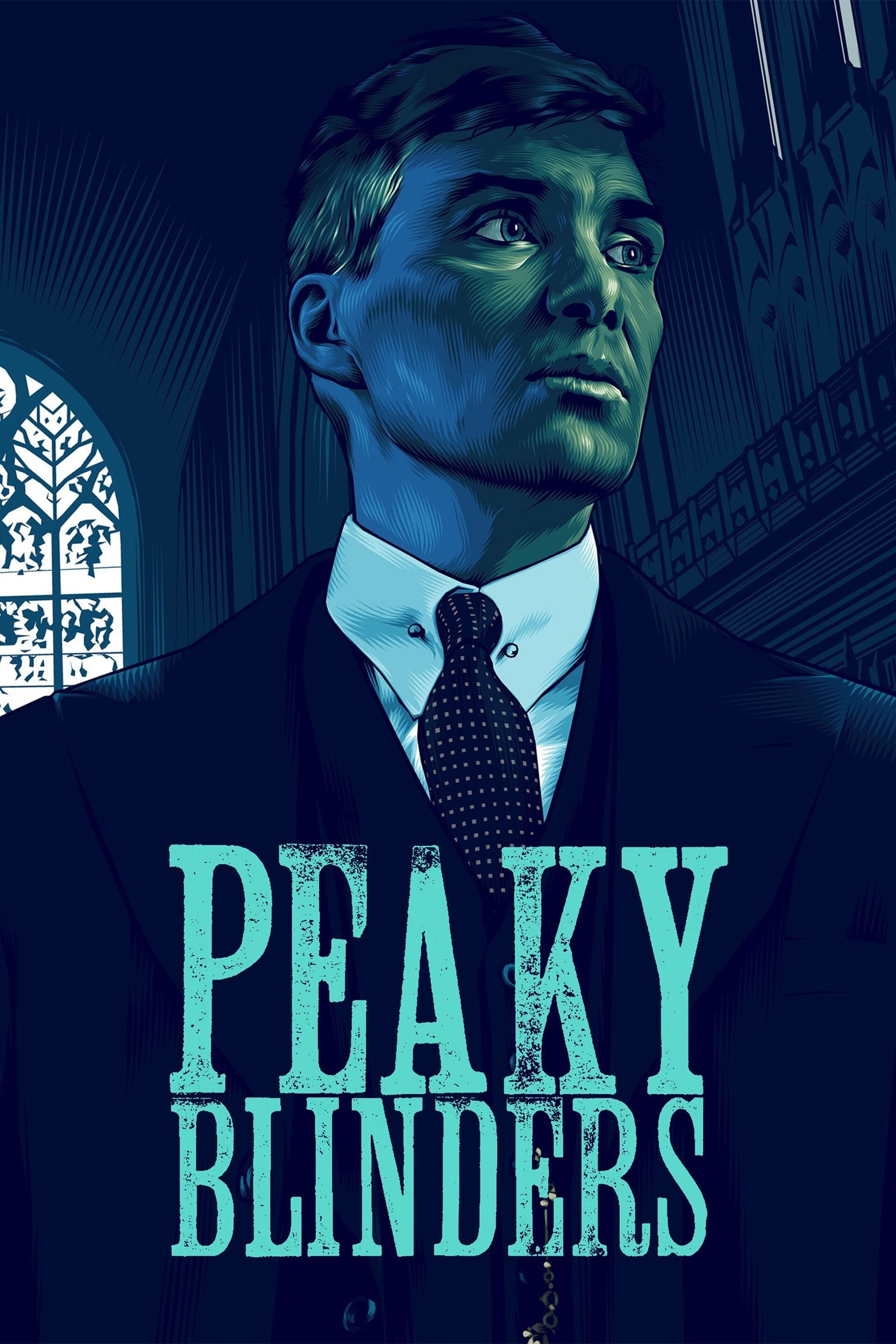
The opening features slow motion shots of Tommy Shelby walking through smoke and cinders, often with urban backdrops and rail yards. Close ups of boots and embers anchor the imagery in repeated visual motifs.
Nick Cave and the Bad Seeds supplied Red Right Hand as the signature song, joined by covers in later series by artists such as PJ Harvey and others. The credit package kept its stark typography and pacing while the music selection varied across seasons.
‘Hannibal’ (2013–2015)
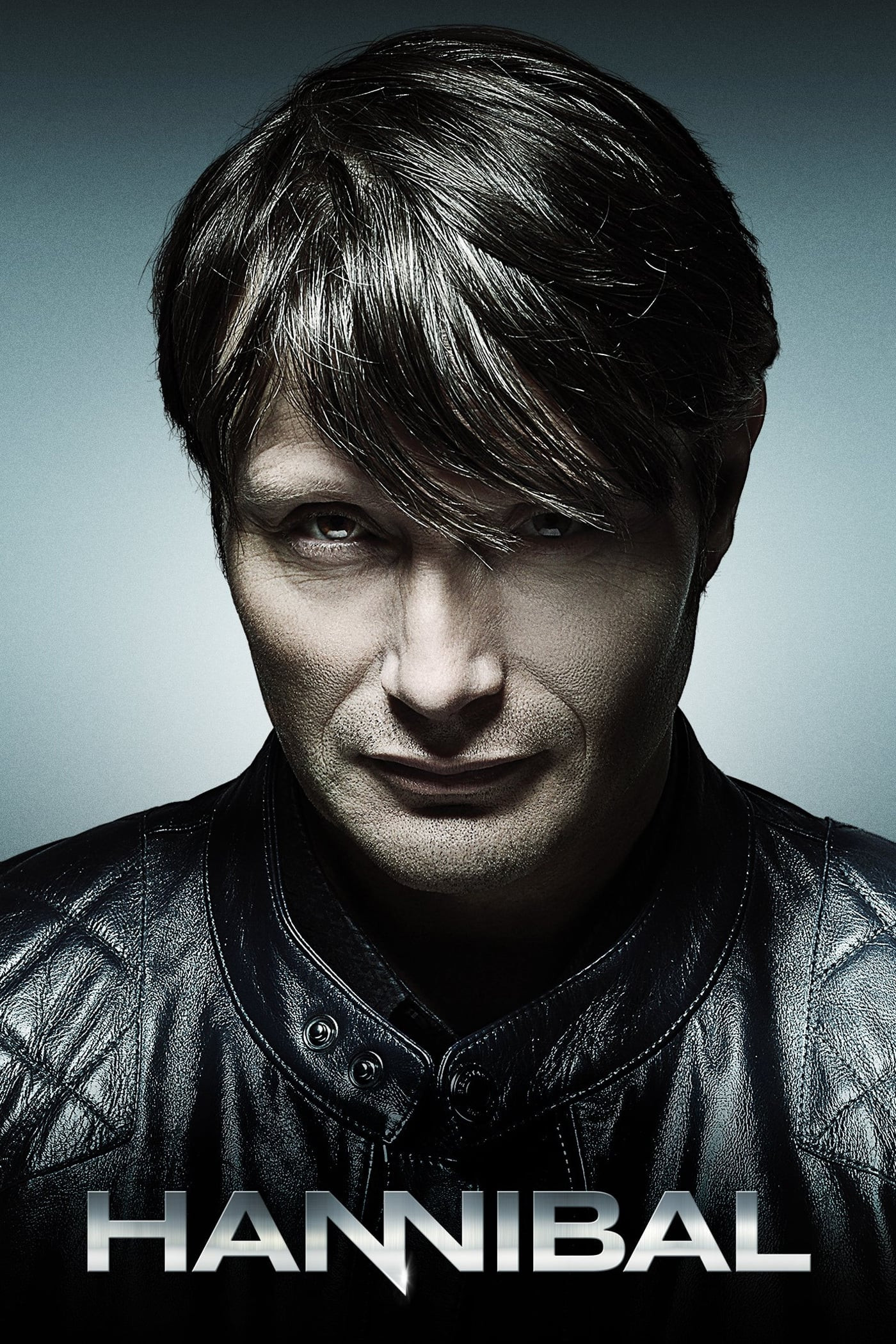
The titles present liquid that forms faces in mid air, creating a sculpture like effect as features coalesce and disperse. A white backdrop and high speed photography emphasize shape and motion.
Brian Reitzell’s score uses percussive and tonal elements that match the forming and dissolving imagery. The sequence stayed uniform across the run with minimal changes beyond cast and production credit updates.
‘The Crown’ (2016–2023)
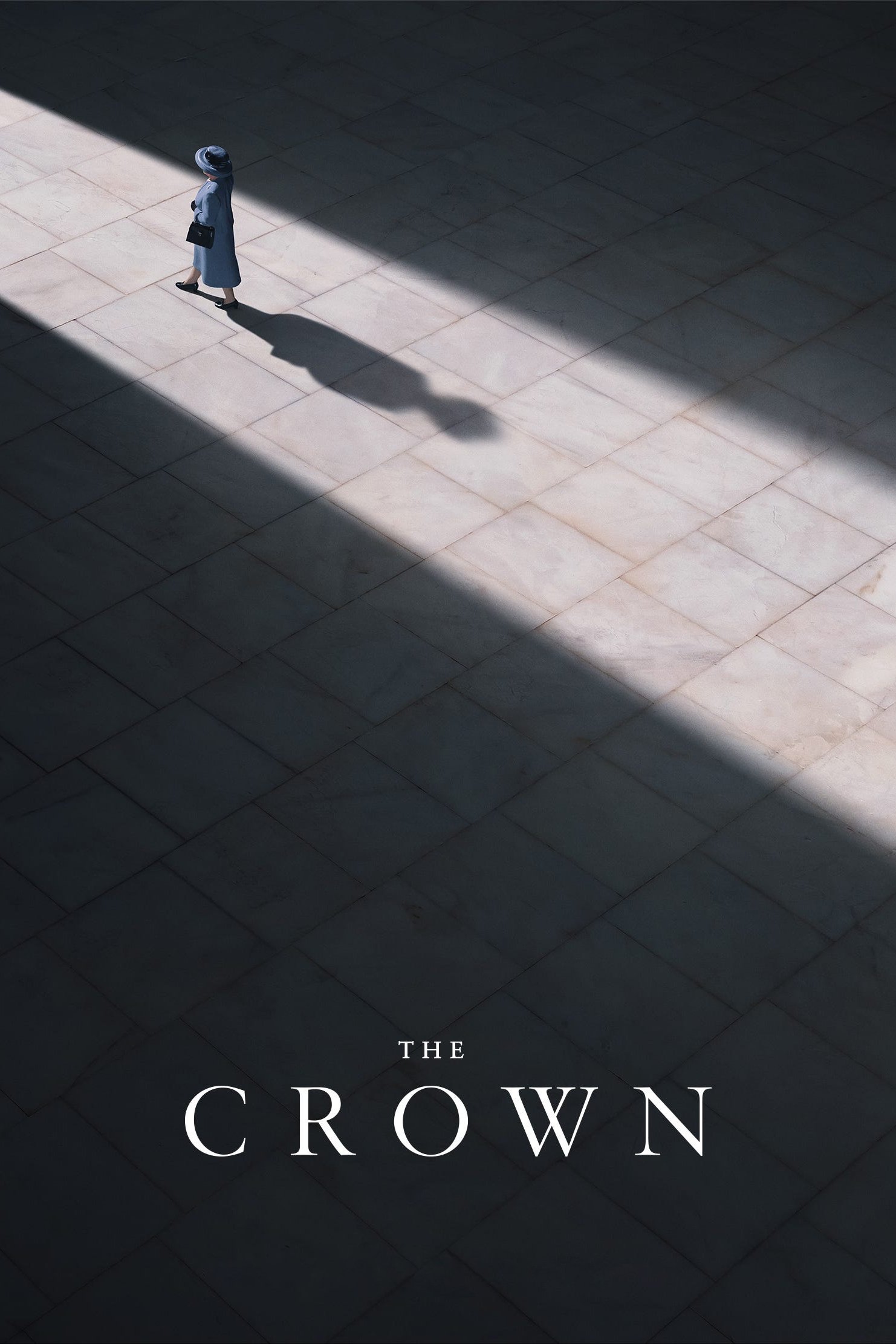
The sequence shows molten metal pooling and stretching before resolving into a crown, with macro shots of filigree and jewel shapes. A dark background and precise lighting focus attention on texture and form.
Hans Zimmer composed the theme with strings and brass that swell to match the slow build of the visuals. Across six seasons the credits retained the same structure, with adjustments only to names and billing as the ensemble changed.
Share the TV intro that always pulls you in first in the comments.