

Best “Villain Point Of View” Episodes in Anime

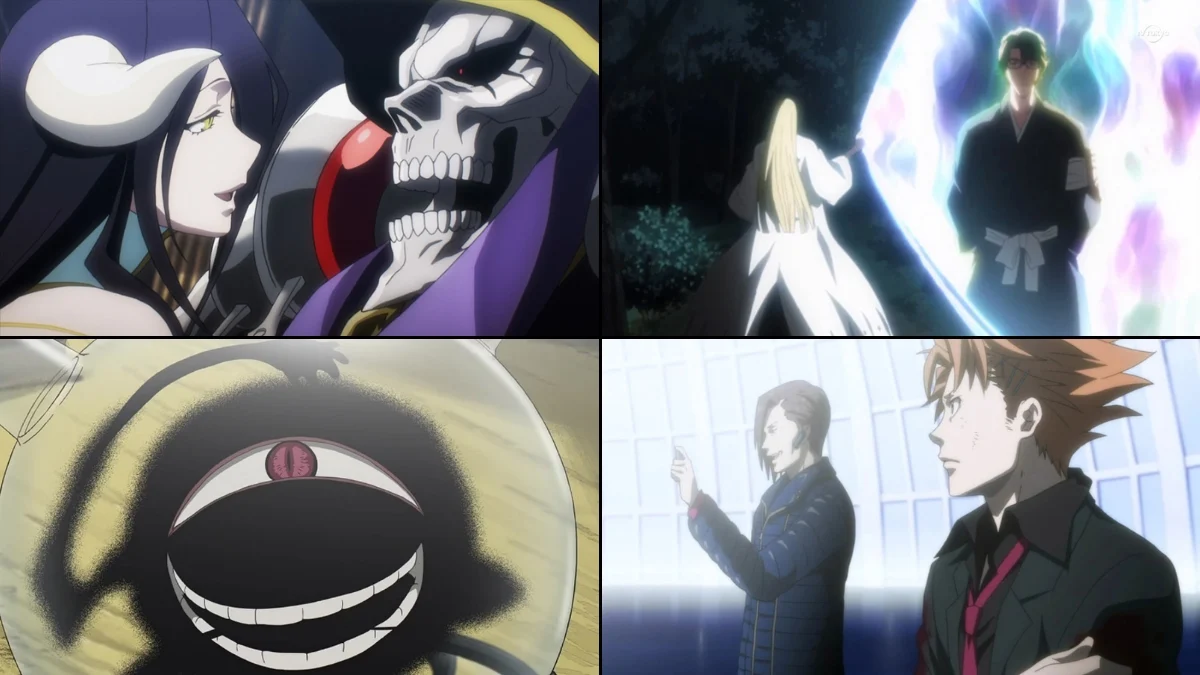


Villain-centric episodes flip the camera to the other side of the conflict, showing how antagonists think, organize, and justify what they do. From origin stories and secret meetings to full arcs told by the “bad guys,” these episodes are gold for understanding the broader stakes of their worlds and the machinery behind the heroes’ biggest challenges. Below are 25 standout anime episodes where the narrative meaningfully lives with the villain or an anti-heroic lead, spotlighting their operations, networks, and pivotal decisions.
‘Death Note’ (2006) – “Rebirth”
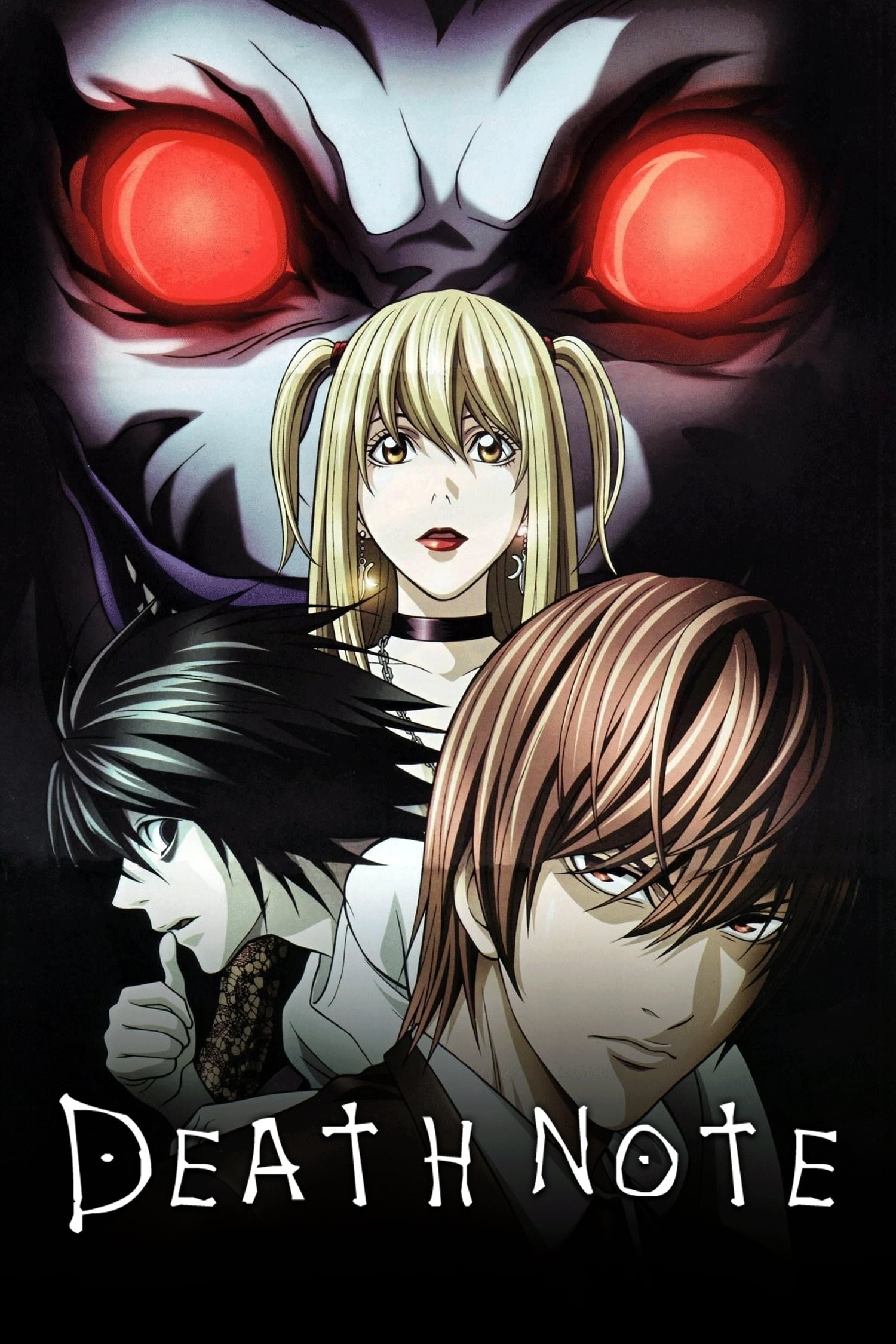
The premiere of ‘Death Note’ introduces Light Yagami acquiring the notebook and immediately sets the series from his perspective as he tests its rules and begins constructing his new world order. The episode establishes his relationship with Ryuk, the constraints of the Death Note, and Light’s early operational secrecy. It also tees up the global response that will bring L into the picture. The framing makes Light the narrative engine from the outset.
‘Attack on Titan’ (2013) – “The Other Side of the Sea”
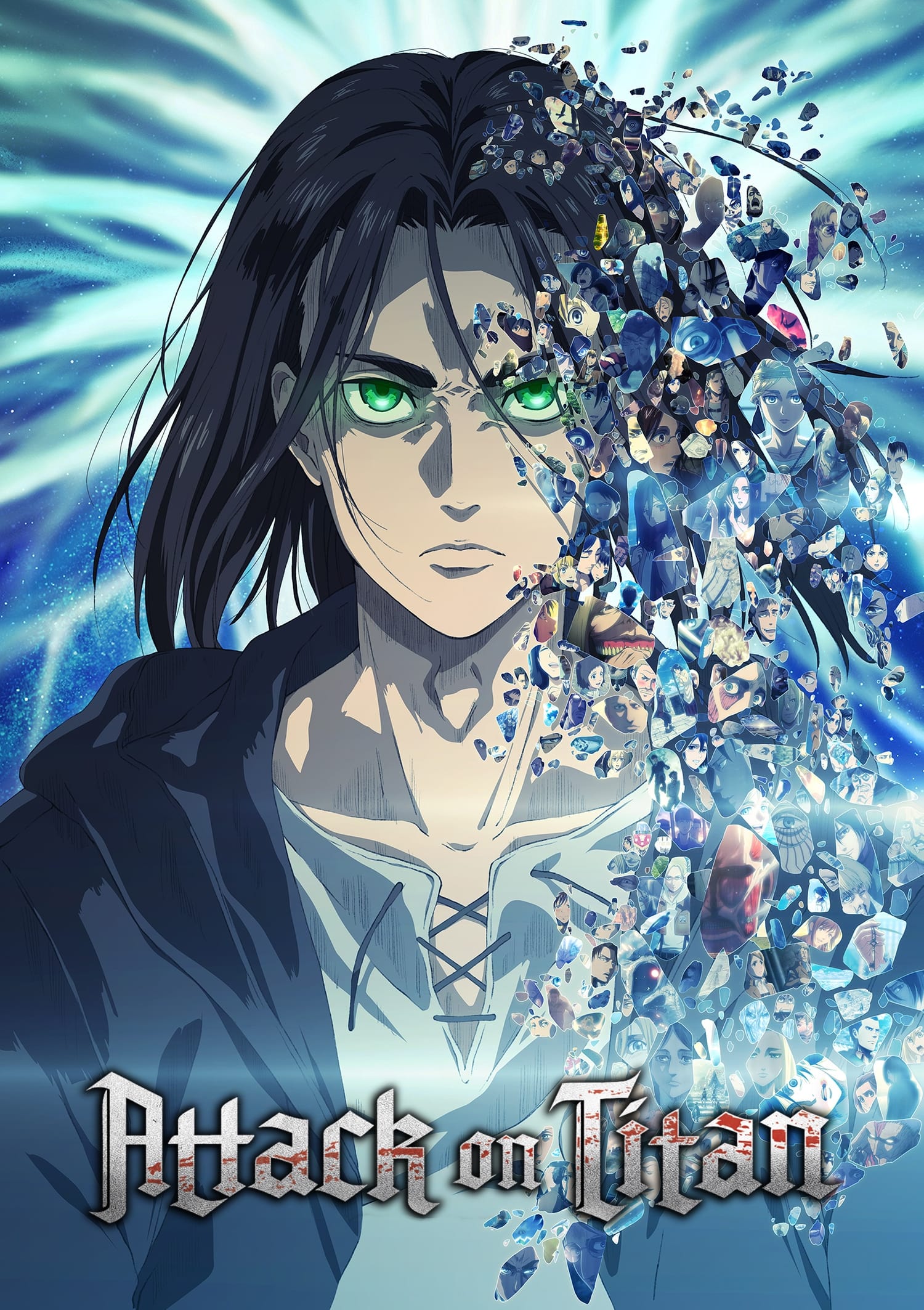
Season 4 opens in Marley, centering Reiner, Falco, and Gabi as it details military planning, Warrior doctrine, and Marley’s wartime goals—explicitly shifting the story to the opposing side’s day-to-day. The episode shows battlefield deployment tactics for Warrior candidates and the Eldian unit structure. It also positions Reiner’s internal conflict within Marley’s propaganda and conscription system. This reorients the series around former “villains” and their state apparatus.
‘My Hero Academia’ (2016) – “My Villain Academia”
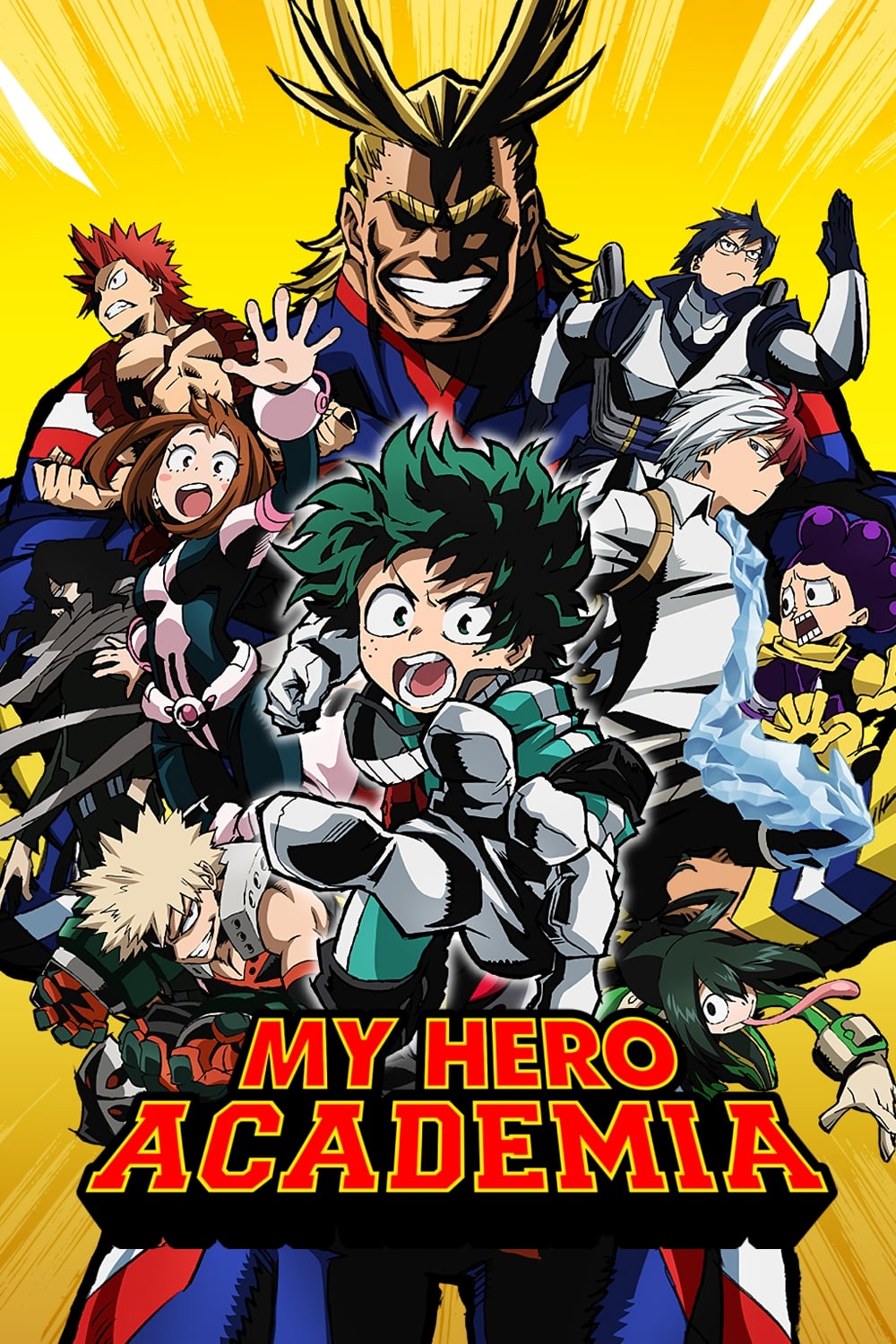
This entry in Season 5 pivots to the League of Villains, following Tomura Shigaraki and his group as they clash with the Meta Liberation Army. The episode lays out the opposing organization’s hierarchy and ideology while documenting the League’s shortages, tactics, and battlefield adjustments. It also advances Shigaraki’s development through combat and resource constraints. The focus is squarely on villain operations and power consolidation.
‘JoJo’s Bizarre Adventure: Diamond Is Unbreakable’ (2016) – “Yoshikage Kira Just Wants to Live Quietly”
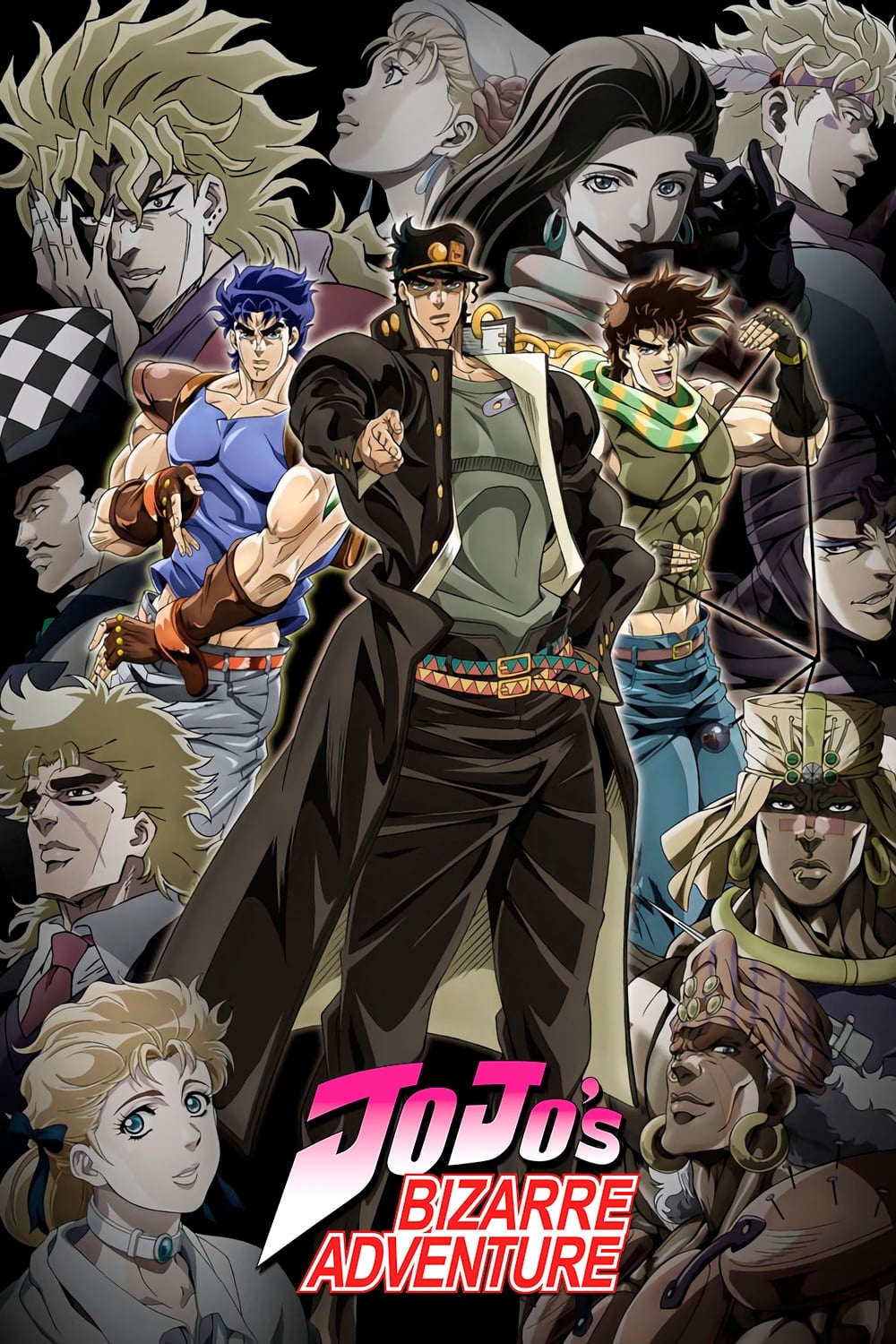
The show shifts to serial killer Yoshikage Kira’s daily routine, covering how he hides in Morioh and manages evidence to evade detection. It details his methods, including his Stand’s capabilities, and how he improvises to maintain anonymity. The episode’s structure tracks his movements and contingency plans within the town. It effectively maps the antagonist’s lifestyle logistics.
‘Overlord’ (2015) – “End and Beginning”
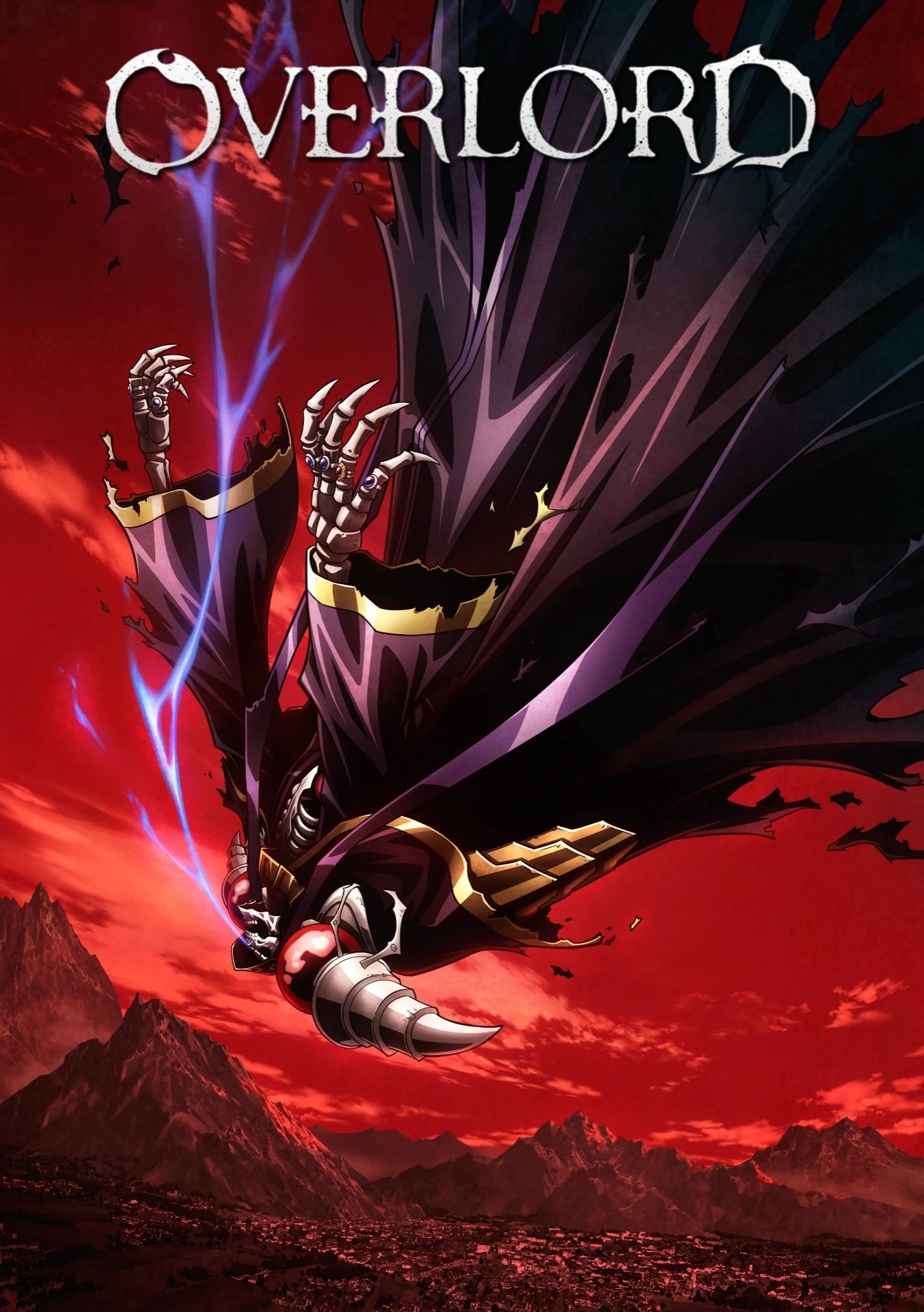
‘Overlord’ opens in the Nazarick base with Ainz Ooal Gown and his Floor Guardians, presenting a guild-turned-sovereign power from the leader’s viewpoint. The episode establishes chains of command, NPC loyalty, and Ainz’s initial information-gathering protocols after the server shutdown. It outlines the early strategic posture toward the new world. The narrative centers on a villainous overlord constructing statecraft.
‘Saga of Tanya the Evil’ (2017) – “Devil of the Rhine”
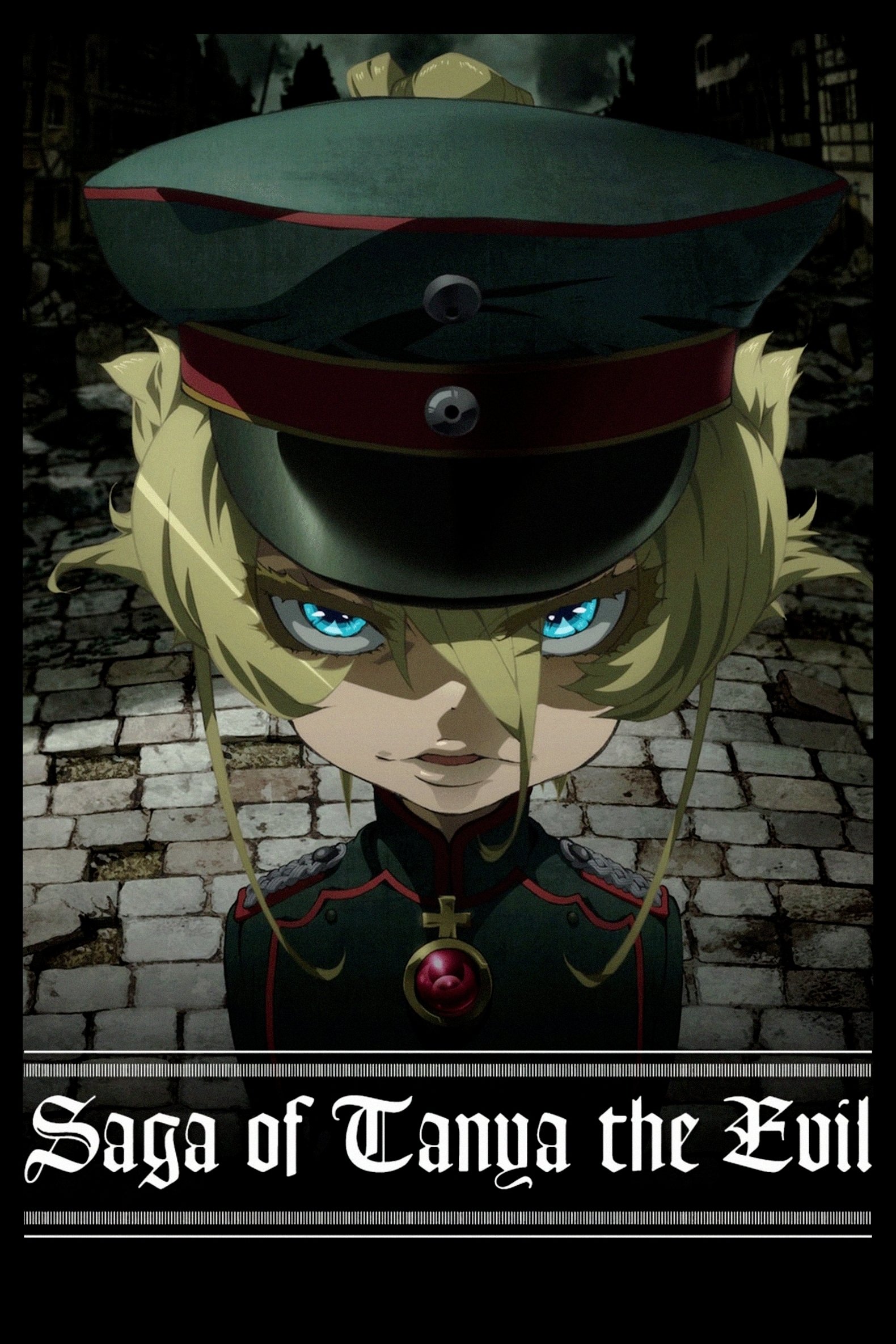
The premiere sets up Tanya Degurechaff within the Imperial Army’s hierarchy, showing her disciplinary methods and battlefield command. It explains the military technology and magical doctrine in use, along with how Tanya navigates promotion and policy. The episode frames her as the architect of unit-level decisions and aggressive tactics. It’s an origin point for a militaristic antagonist POV.
‘Parasyte -the maxim-‘ (2014) – “A Mother’s Emotions”
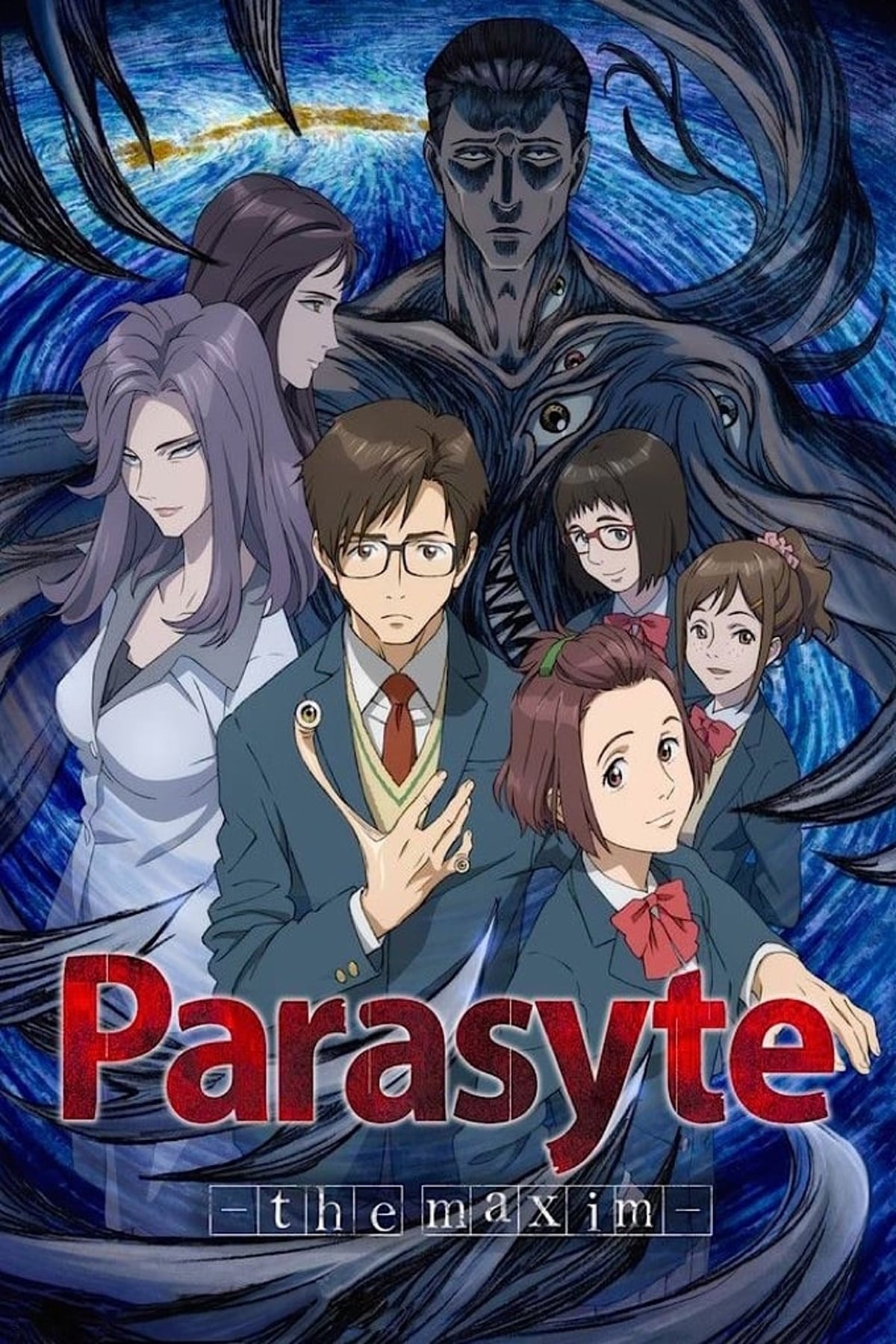
This episode follows Tamura Reiko’s arc as a parasite inhabiting a human mother, documenting her evolving behavior and choices. It details investigations into parasite biology, internal ethics, and responses to law enforcement pressure. The narrative tracks her interactions with police and other parasites, culminating in decisive actions unique to her perspective. It’s a concentrated look at an antagonist’s self-study and strategy.
‘Psycho-Pass’ (2012) – “The Gates of Judgment”
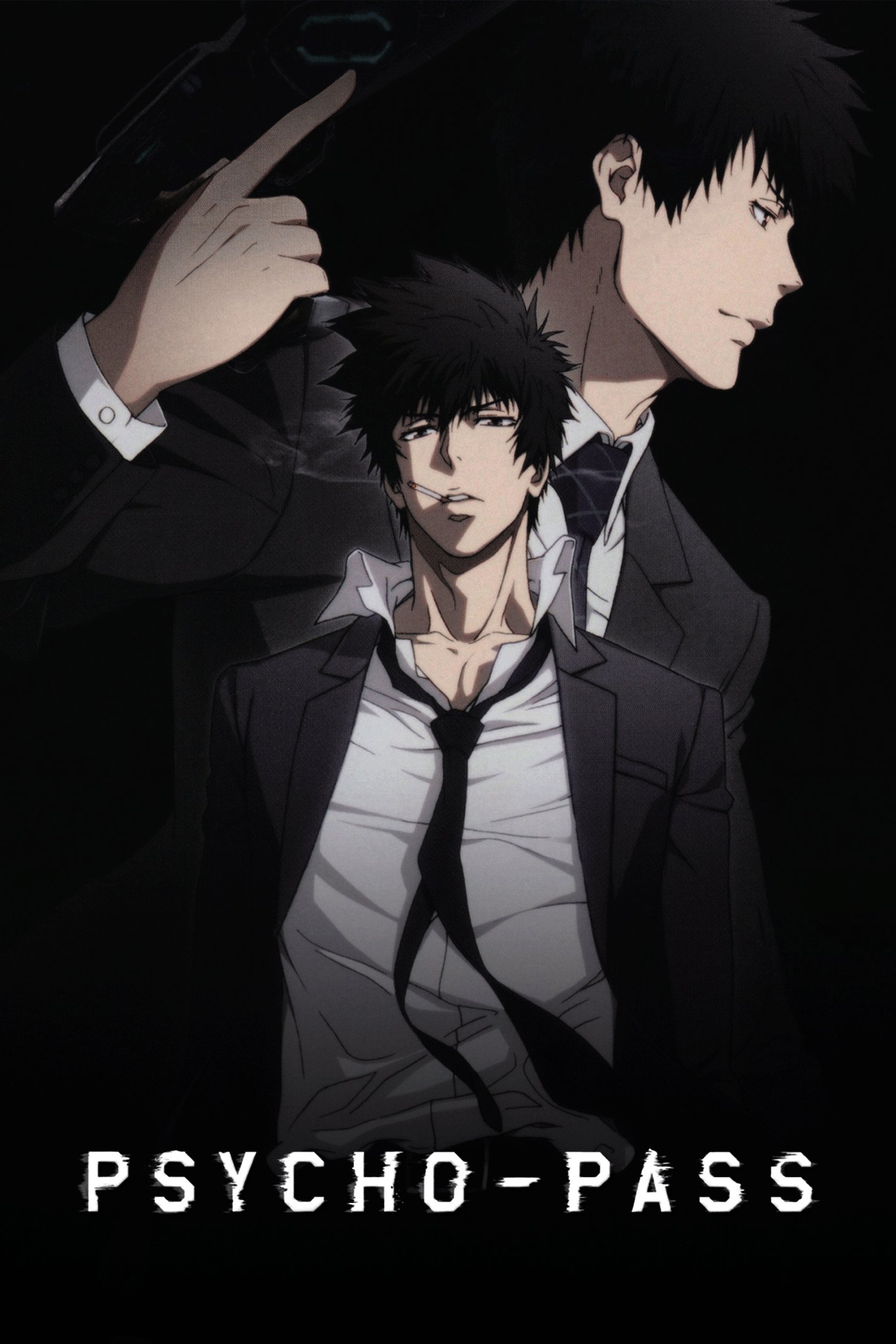
The story converges on Shogo Makishima’s objectives as he maneuvers around the Sibyl System’s blind spots, with the episode charting his infiltration amid law-enforcement response. It lays out the NONA Tower situation, the pursuit dynamics, and the discovery that reframes the system’s nature. The hour is structurally built around the villain’s endgame colliding with institutional protocols. Its staging clarifies how Makishima exploits governance vulnerabilities.
‘Fullmetal Alchemist: Brotherhood’ (2009) – “The Dwarf in the Flask”
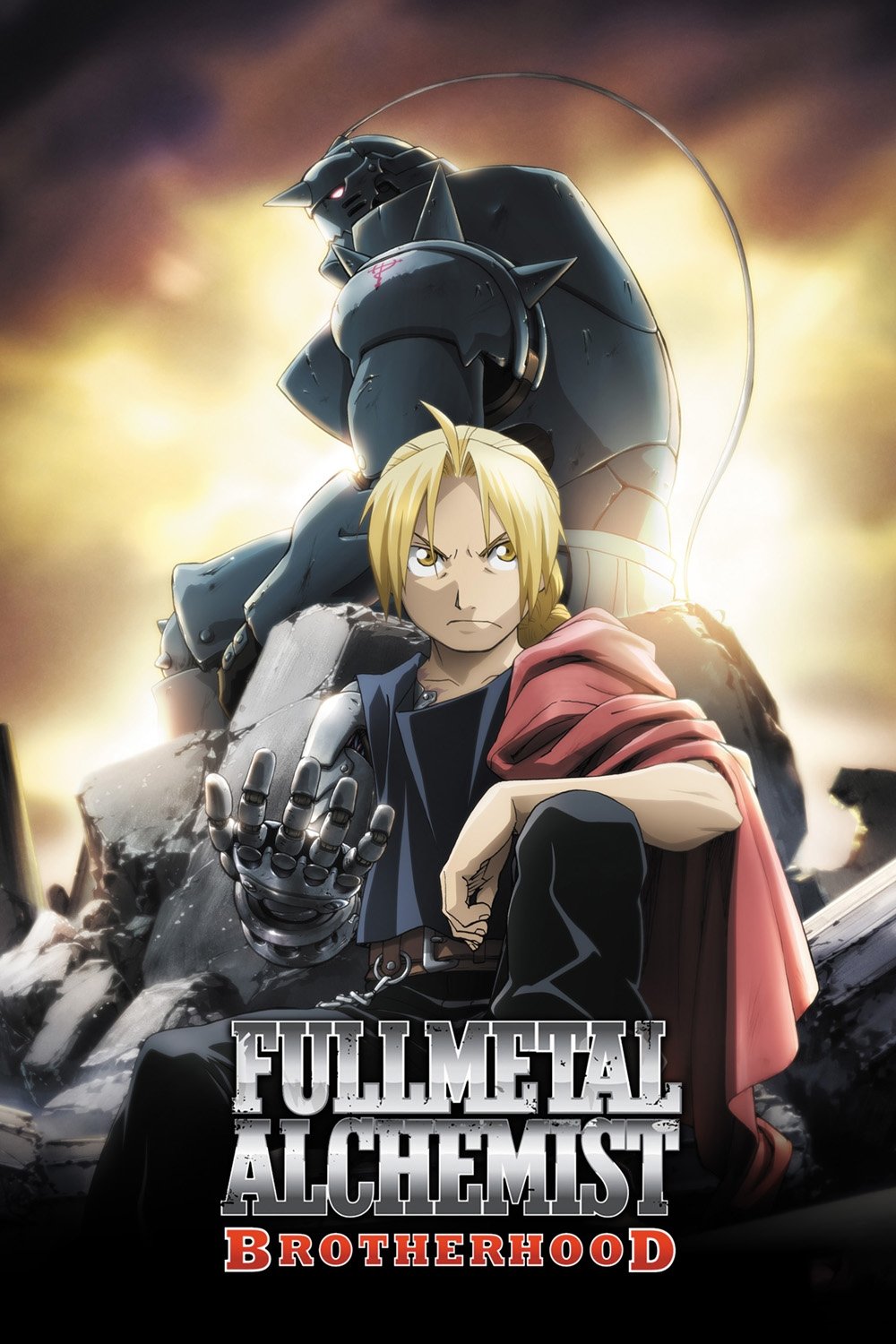
The episode recounts the creation and rise of “Father,” tracing the Xerxes incident and the mechanisms underpinning his plan. It presents the homunculus’ philosophy, resource extraction approach, and long-horizon statecraft. The flashback orients viewers to the antagonist’s infrastructural design behind the series’ conflicts. It’s a pure origin brief from the villain’s side of history.
‘Bleach’ (2004) – “Turn Back the Pendulum”
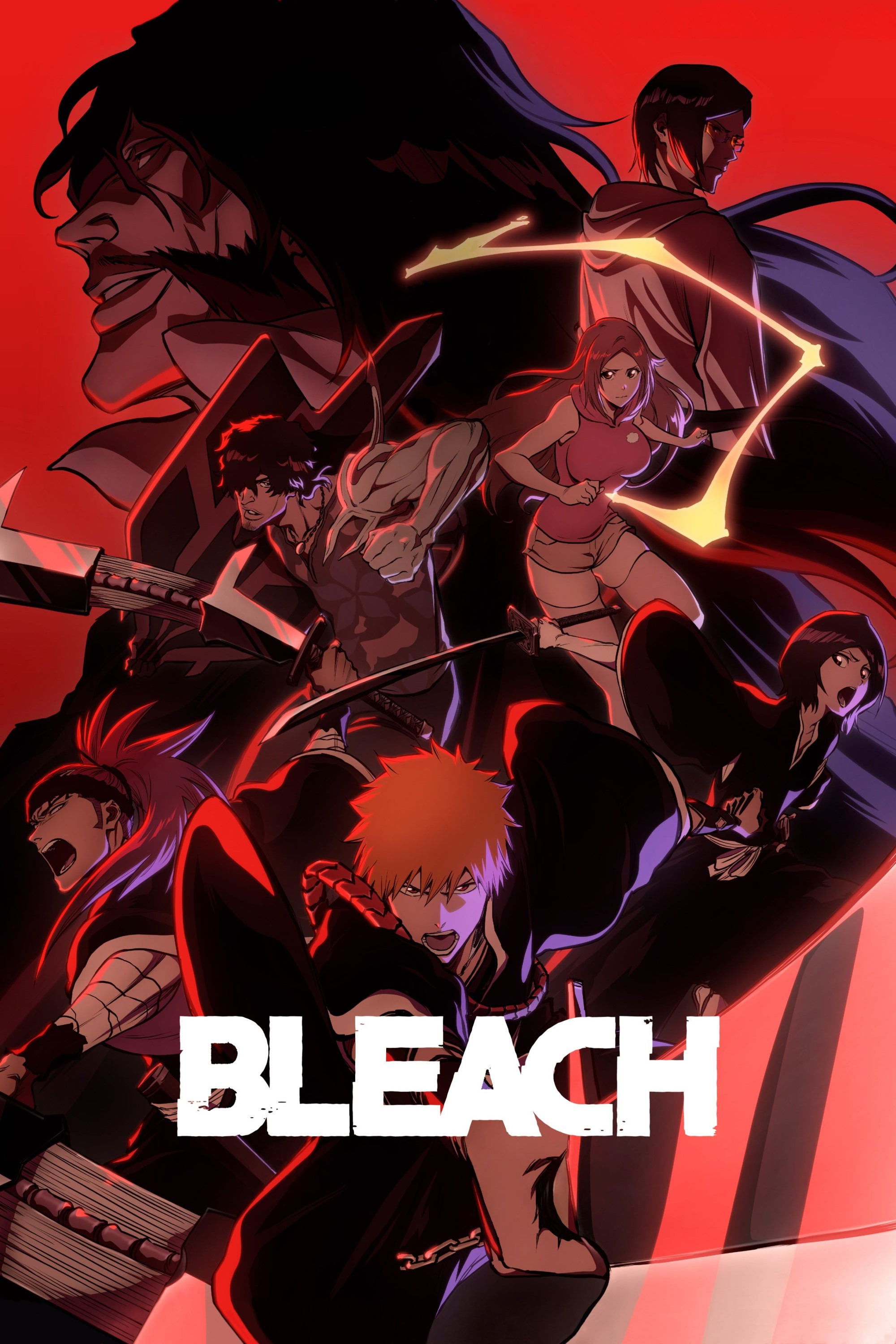
This special-titled episode explores the past that led to Aizen’s experimentation and the Vizards’ creation, detailing Soul Society politics and lab procedures. It maps relationships within the Gotei 13 and shows the processes that enabled Aizen’s covert operations. By reconstructing the timeline, it clarifies his methodology and institutional blind spots. It’s a systemic view of the villain’s setup phase.
‘Baccano!’ (2007) – “Ladd Russo Enjoys Talking a Lot and Slaughtering a Lot”
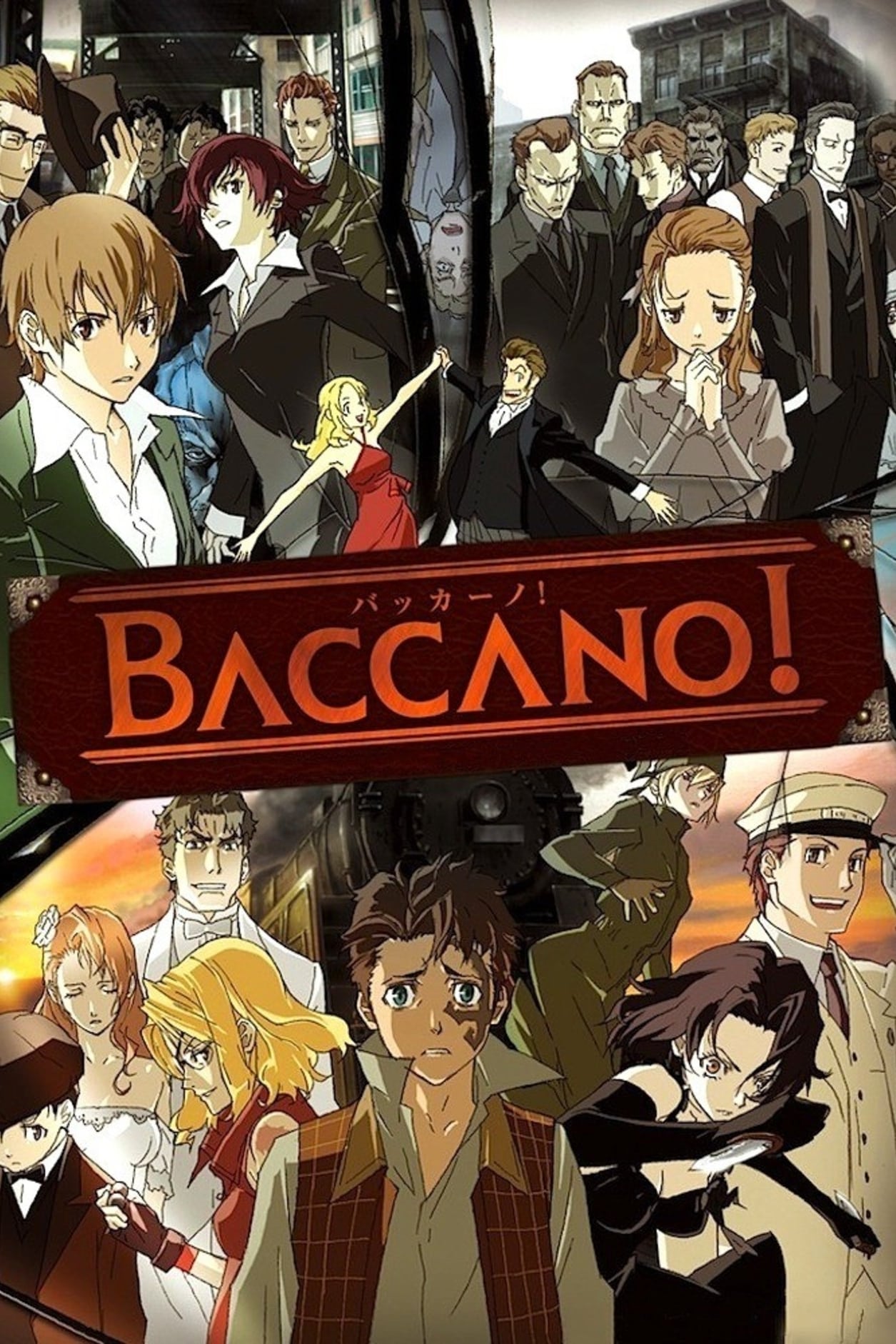
With the camera on Ladd Russo and other criminal actors during the Flying Pussyfoot incident, the episode catalogs mob dynamics, hitman codes, and train-car power plays. It identifies factions, their objectives, and the logistics of violence in transit. The structure interleaves multiple antagonistic crews’ maneuvers. It’s a compact dossier on villain networks and methods.
‘Neon Genesis Evangelion’ (1995) – “The Final Messenger”
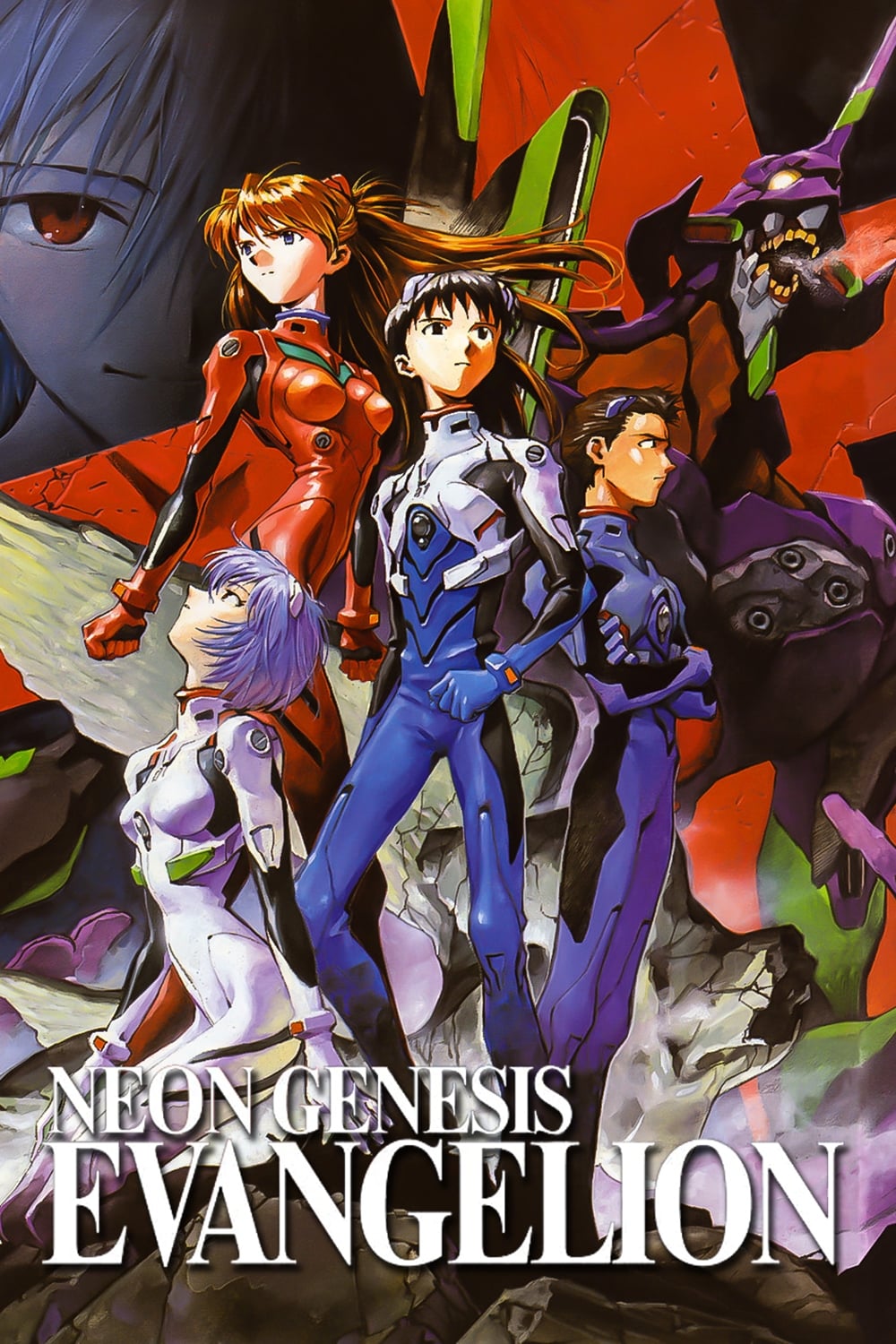
Kaworu Nagisa’s arrival reframes NERV and SEELE from an outside agent’s vantage, revealing handshake points between the organizations and their Angel agenda. The episode showcases how Kaworu navigates command structures and initiates contact with Lilith. It documents the interplay between covert directives and NERV’s operations. The perspective highlights antagonist alignment within institutional politics.
‘Inuyasha’ (2000) – “Naraku’s True Identity”

This chapter clarifies Naraku’s origins, including the circumstances that produced him and his manipulation tactics. It outlines the fusions and disguises that enable his long game. The episode is a reference point for understanding his objectives and methods against Inuyasha and Kikyo. It’s a canonical unpacking of the main villain’s beginnings.
‘Bungo Stray Dogs’ (2016) – “Dazai, Chuuya, Fifteen Years Old (Part 1)”
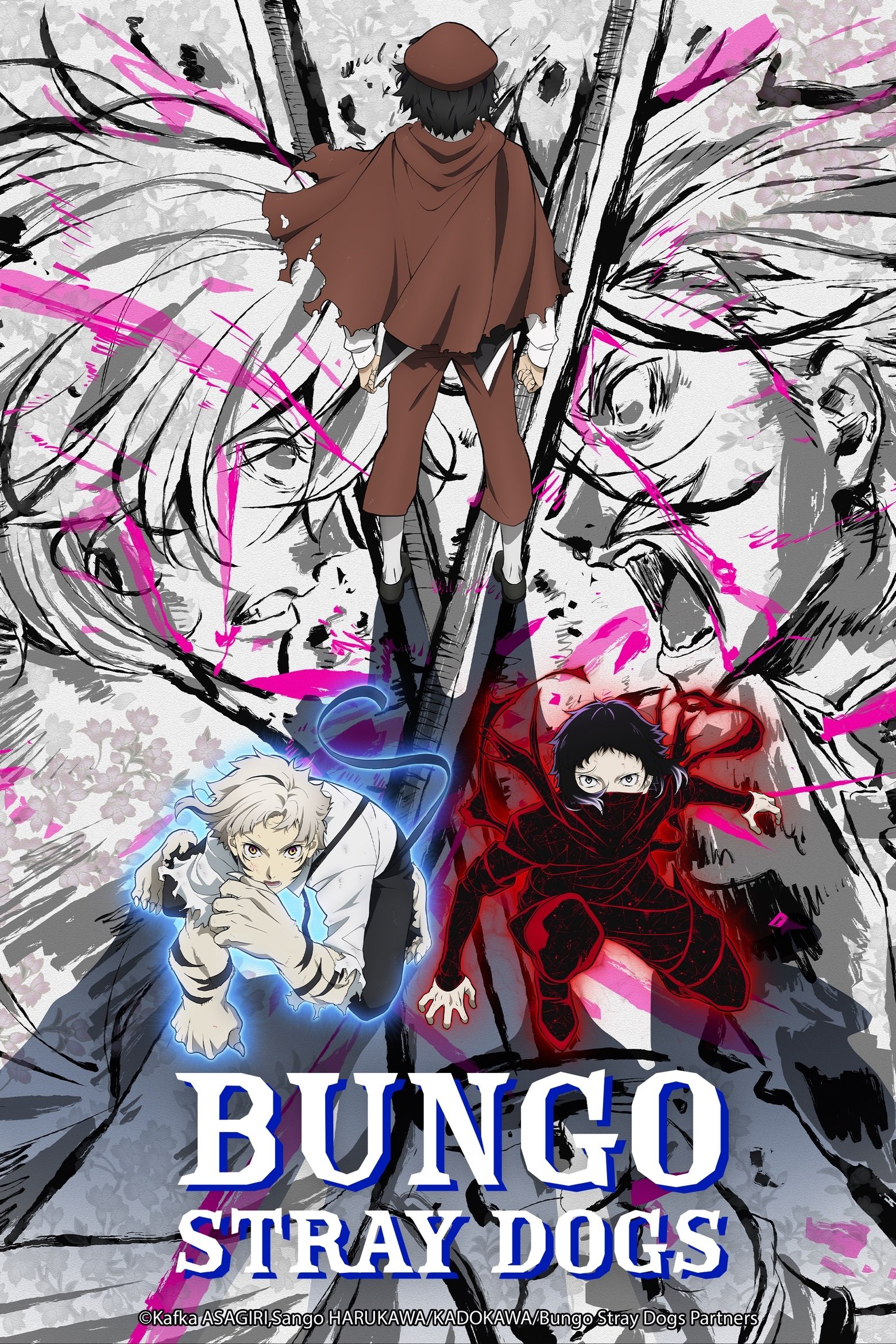
Season 3 opens with a Port Mafia backstory arc, detailing power structures, personnel, and objectives from within the criminal organization. The episode logs Dazai and Chuuya’s early operations and chain-of-command realities. It also traces the conflict environment they inherit. The framing is squarely inside the antagonist syndicate.
‘Tokyo Ghoul’ (2014) – “Ghoul”
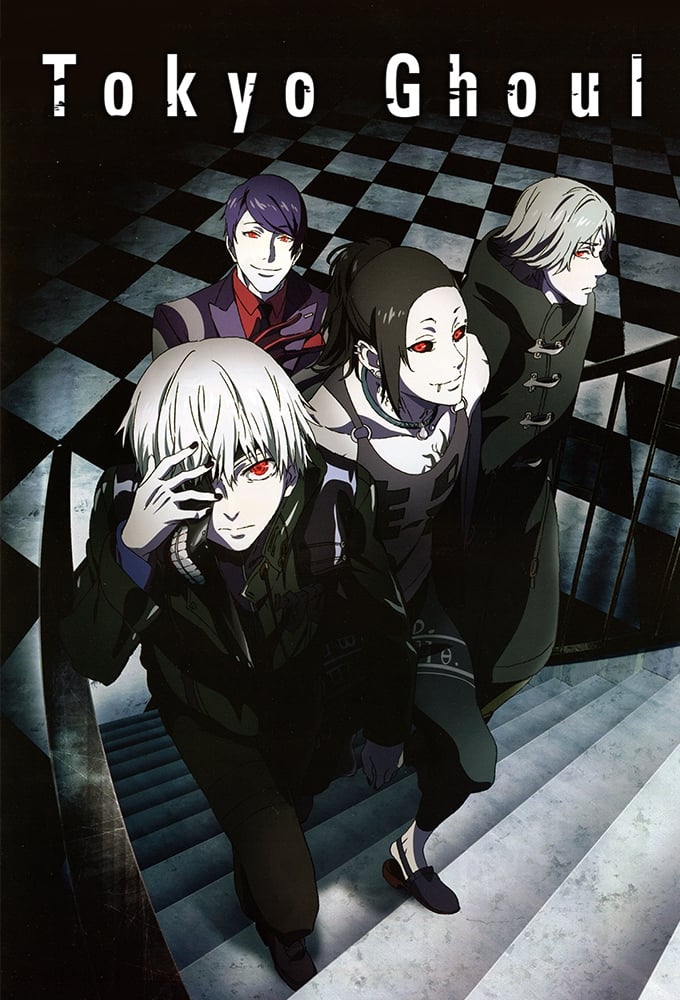
The Season 1 finale documents Aogiri Tree’s assault and Jason’s torture chamber, presenting ghoul militants’ procedures and the CCG’s countermeasures. It records how Kaneki’s captivity intersects with warring factions’ agendas. The episode shows the operational tempo of ghoul cells and the organization’s aims. The perspective follows the darker actors driving the climactic moves.
‘Mobile Suit Gundam: The Origin’ (2015) – “Blue-Eyed Casval”
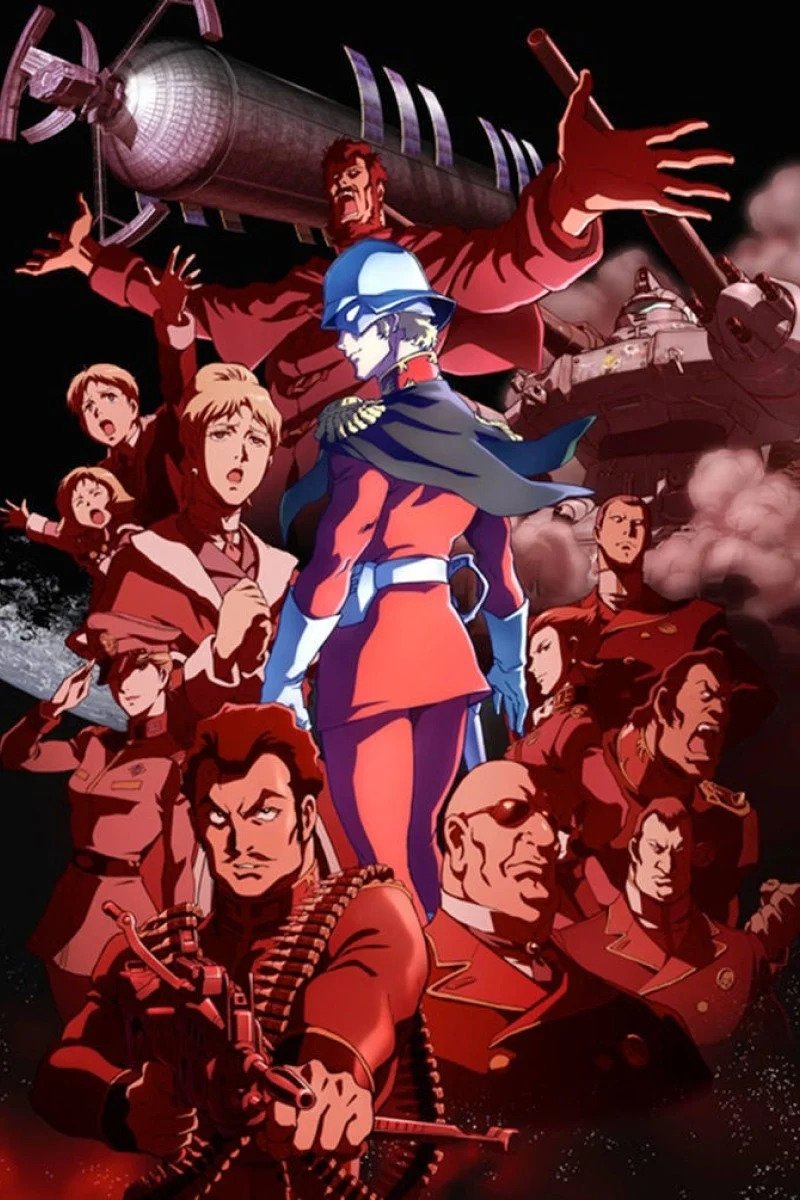
This OVA episode chronicles the formative years of Casval Rem Deikun (future Char Aznable), mapping Zeon political schisms and family intrigue after Zeon Zum Deikun’s death. It details the escape, identity concealment, and early motivations that shape Casval’s path. The narrative orients entirely around a future antagonist’s upbringing within a volatile state. It’s a structured prologue to Char’s ideology and tactics.
‘Attack on Titan’ (2013) – “Warrior”
Centered on Reiner and Bertholdt, the episode captures their reveal and immediate operational decisions atop the wall. It shows mission priorities, extraction plans, and the calculus behind confronting Eren in the open. The focus explains how the Warriors reconcile orders against relationships forged inside the Walls. It firmly positions events from the infiltrators’ side.
‘A Certain Scientific Accelerator’ (2019) – “Accelerator”
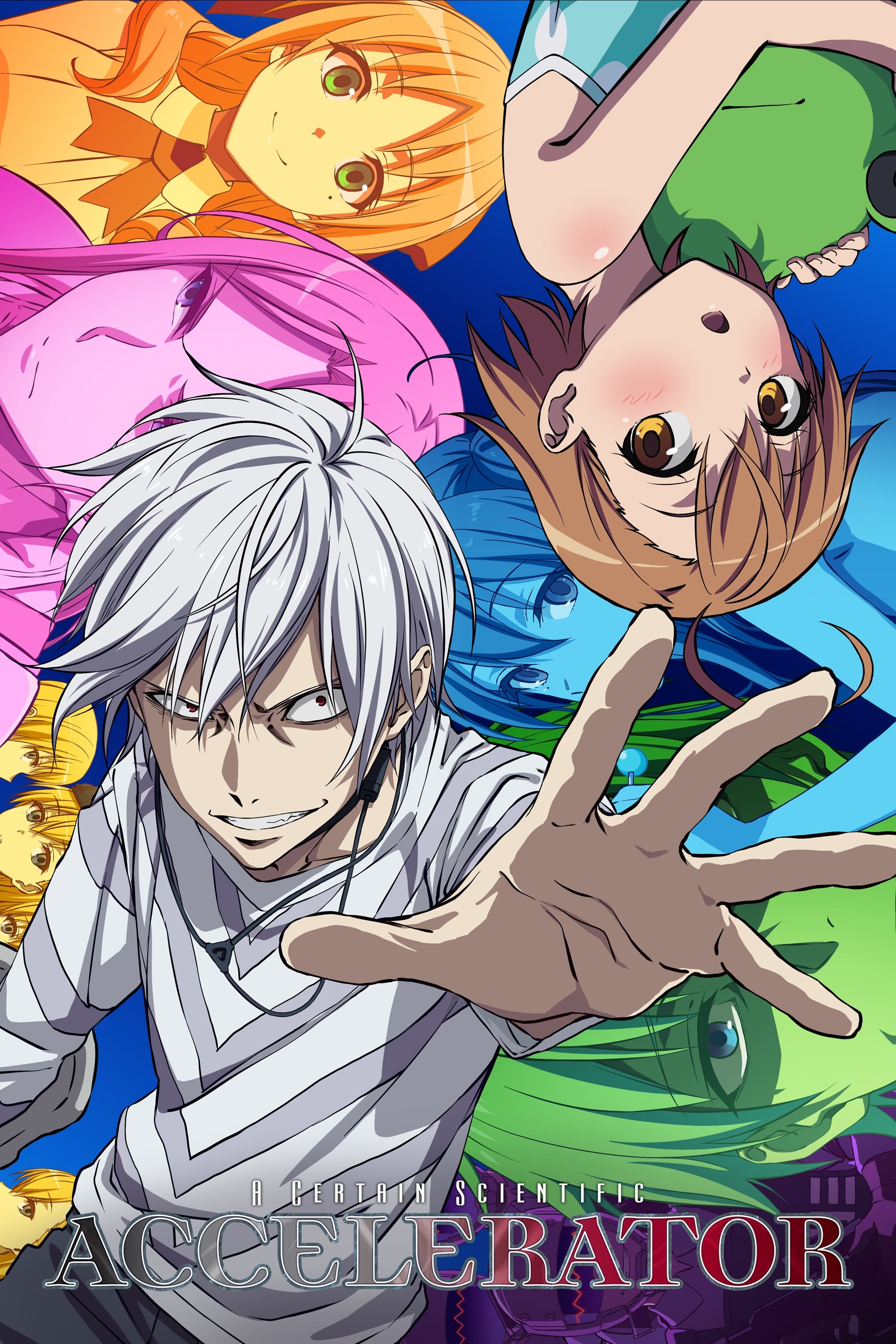
The spin-off’s first episode follows Academy City’s top Level 5 antagonist as he recovers from injury and gets pulled into a new conspiracy. It delineates his relationship with Last Order, outlines Disciplinary Action’s plot, and sets Accelerator’s investigative approach. The hour establishes the power landscape from a former villain’s perspective. It’s a clean hand-off to a dark-side lead.
‘Vinland Saga’ (2019) – “End of the Prologue”
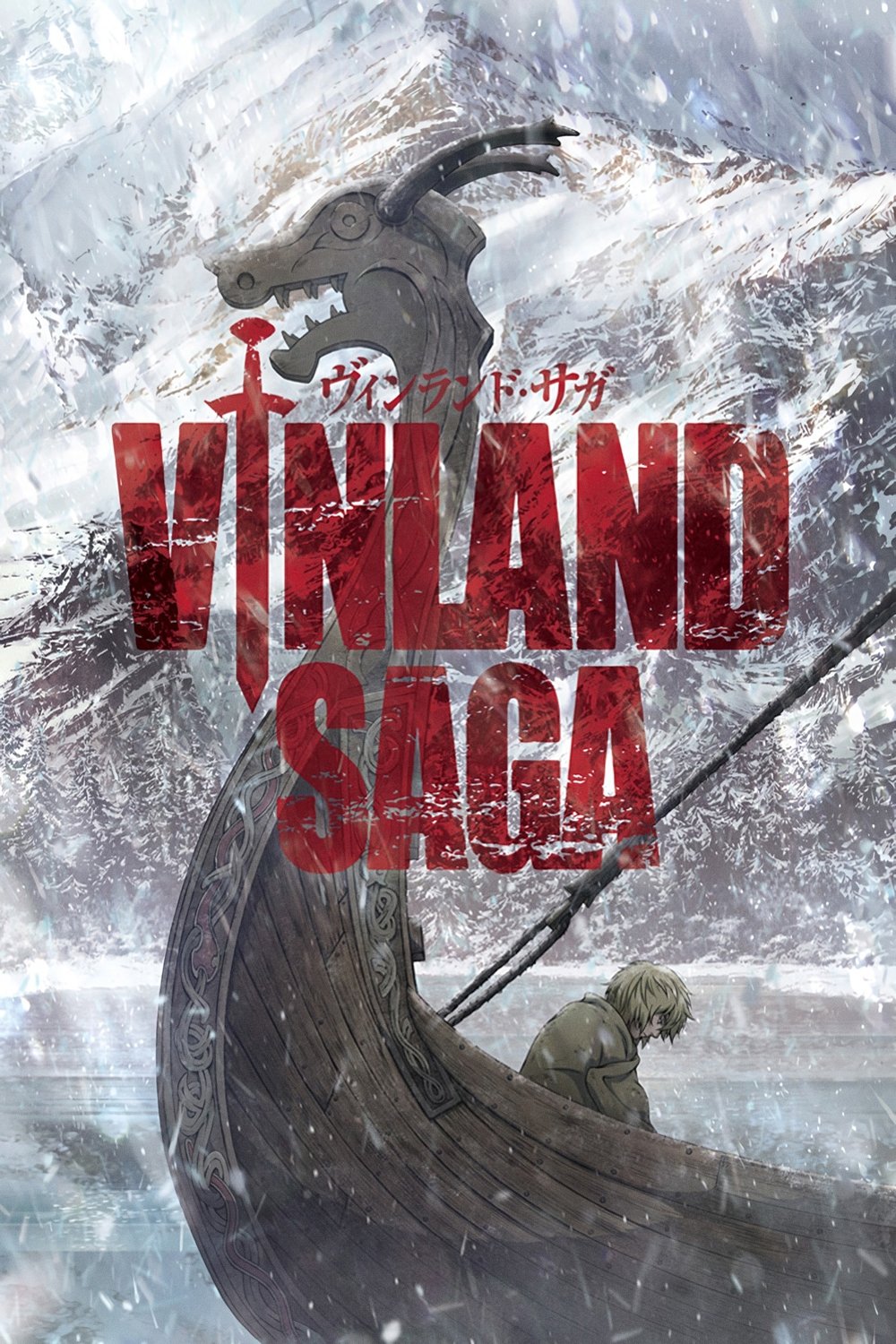
This Season 1 finale centers Askeladd’s decisive move at the imperial council, highlighting his political calculations and long-concealed loyalties. The episode shows how his personal objectives intersect with Welsh interests and shape the power vacuum that follows. It precisely logs the fallout for Thorfinn and the Danish succession. The narrative stakes ride on the antagonist’s final gambit.
‘Akame ga Kill!’ (2014) – “Kill the Giant Danger Beast”

This installment devotes significant time to Esdeath recounting her upbringing and combat ethos, situating her in imperial command and clarifying her ideology. It documents her clan background and the formative lesson about strength that drives her policies. The episode pairs biography with her military role in the larger conflict. It’s a concise readout on the empire’s general from her own account.
‘Dorohedoro’ (2020) – “In the Bag”
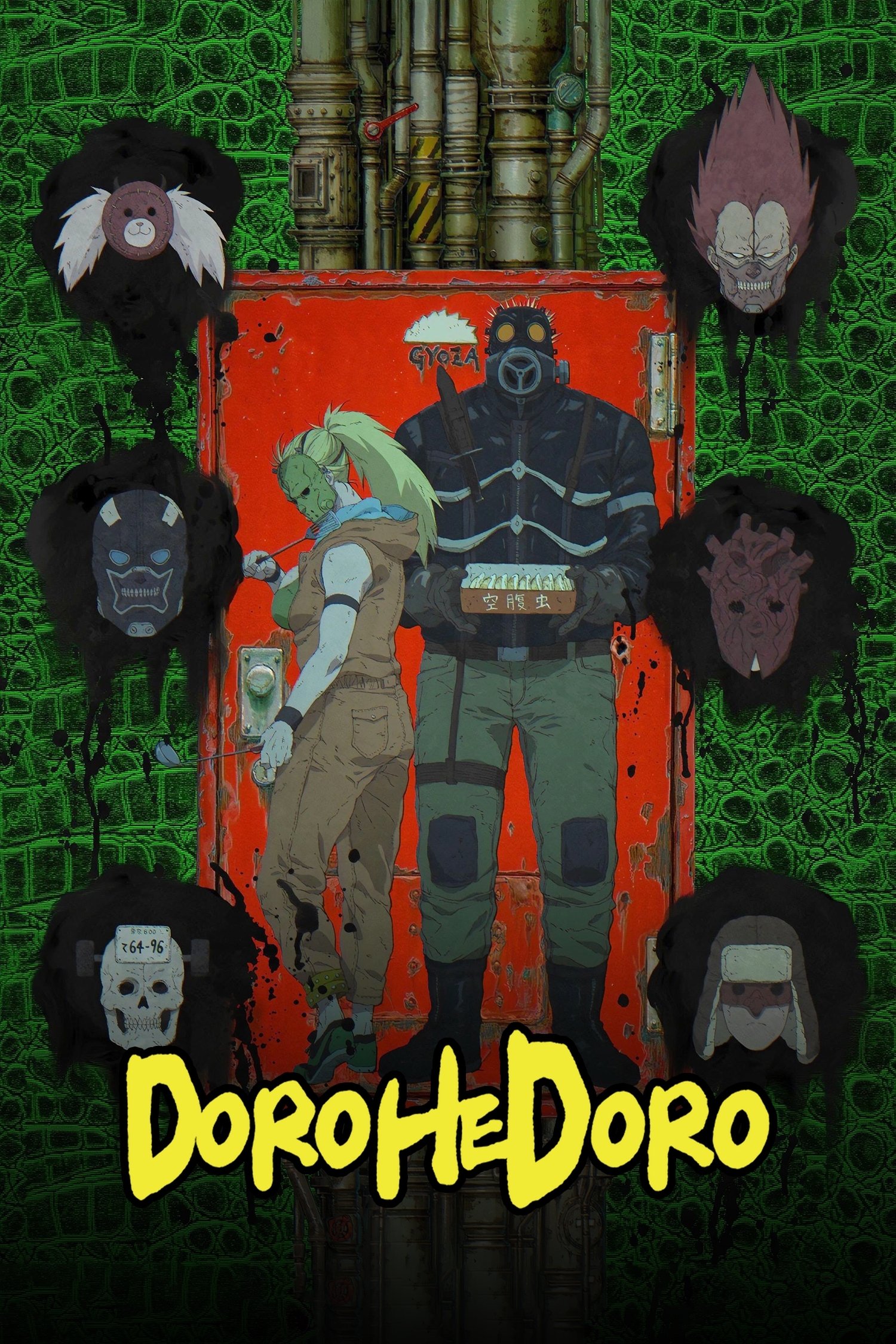
Episode 2 spends extended time with sorcerers Shin and Noi—the En Family’s “cleaners”—on assignment, showing methods, tools, and reporting lines. It contrasts “the Hole” with the sorcerers’ world and illustrates how En’s organization enforces order. The structure covers parallel pursuits by Caiman and the antagonists. It’s a ground-level look at the opposing side’s workforce.
‘The Promised Neverland’ (2019) – “150146”
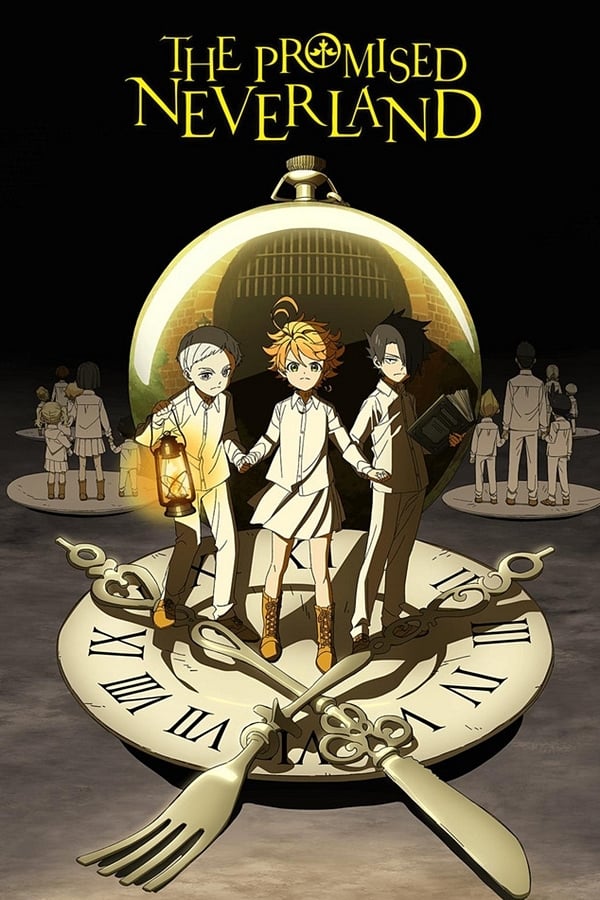
The season finale integrates flashbacks to Isabella’s past, contextualizing her role in the farm system and the constraints she navigates. It clarifies the institution’s recruitment pipeline for “Moms” and its surveillance practices. The episode intercuts these details with the escape plan to show how both tracks collide. It demystifies the antagonist’s position inside the system.
‘Hunter x Hunter’ (2011) – “Signal × To × Retreat”
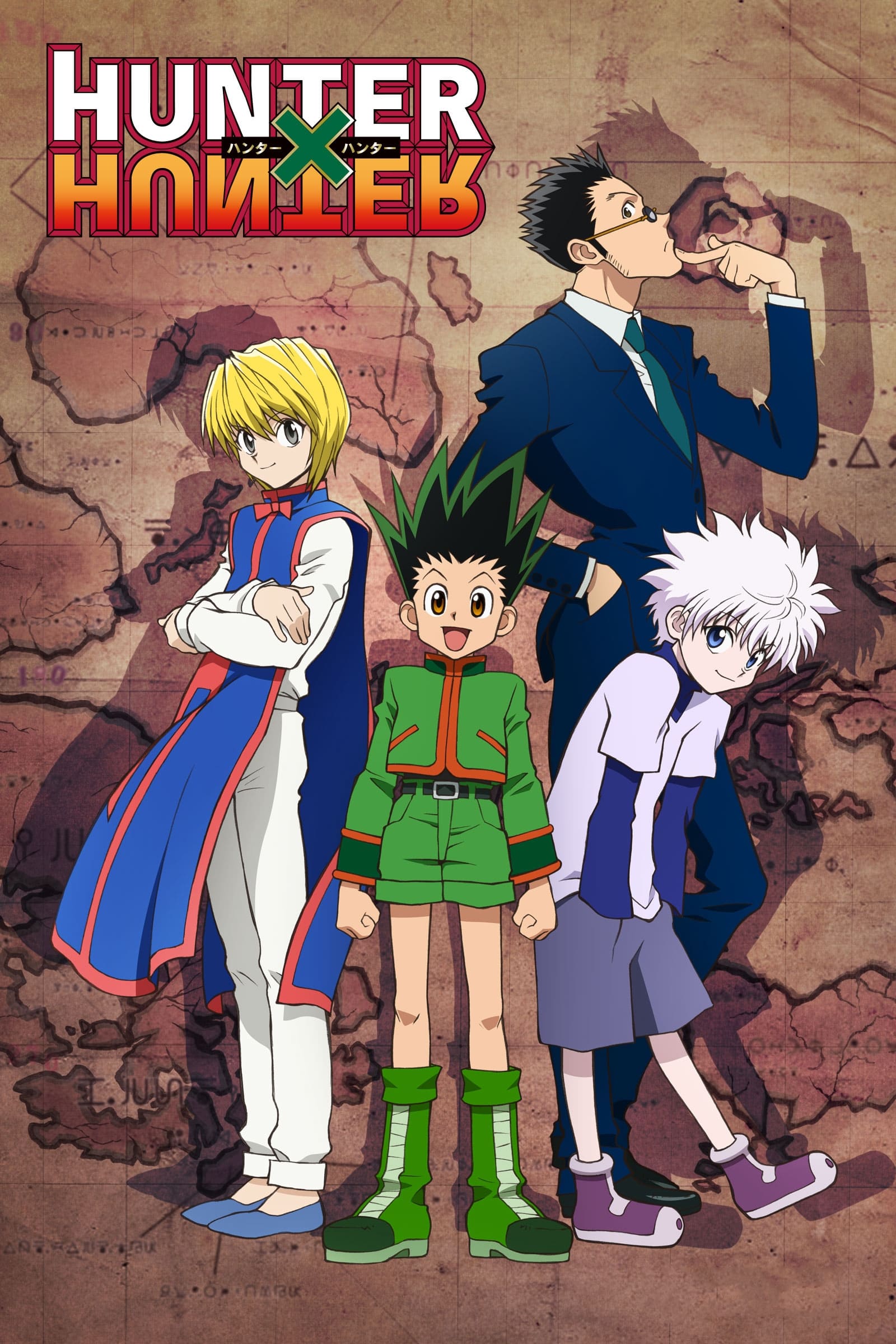
This Yorknew City capstone tracks Phantom Troupe logistics and Pakunoda’s choices, documenting the exchange conditions and internal codes. It shows how the Troupe processes risk and information in response to Kurapika’s capture of their leader. The episode also details the consequences of memory sharing within the group. It’s a tactical portrait from the antagonists’ side of the table.
‘Code Geass: Lelouch of the Rebellion’ (2006) – “The Day a New Demon Was Born”
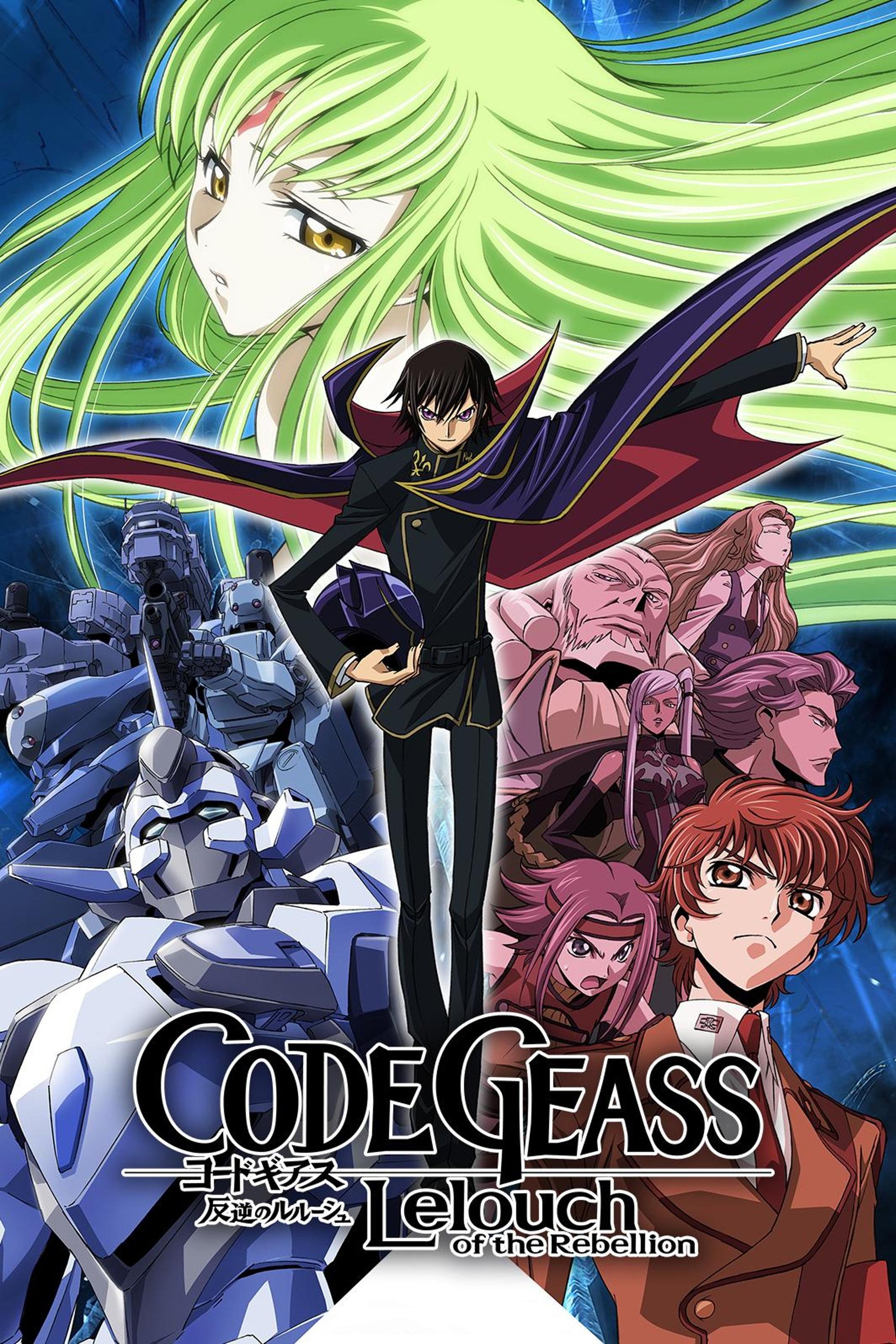
The series begins with Lelouch receiving Geass and immediately using it to manipulate Britannian forces, placing a would-be tyrant’s toolkit in the protagonist’s hands. It lays out Britannia’s occupation of Japan and the mechanics of Lelouch’s command power. The hour also shows how he founds the basis for the Black Knights. It’s an anti-hero launch told from the architect of rebellion.
‘The Devil Is a Part-Timer!’ (2013) – “The Devil Arrives in Sasazuka”
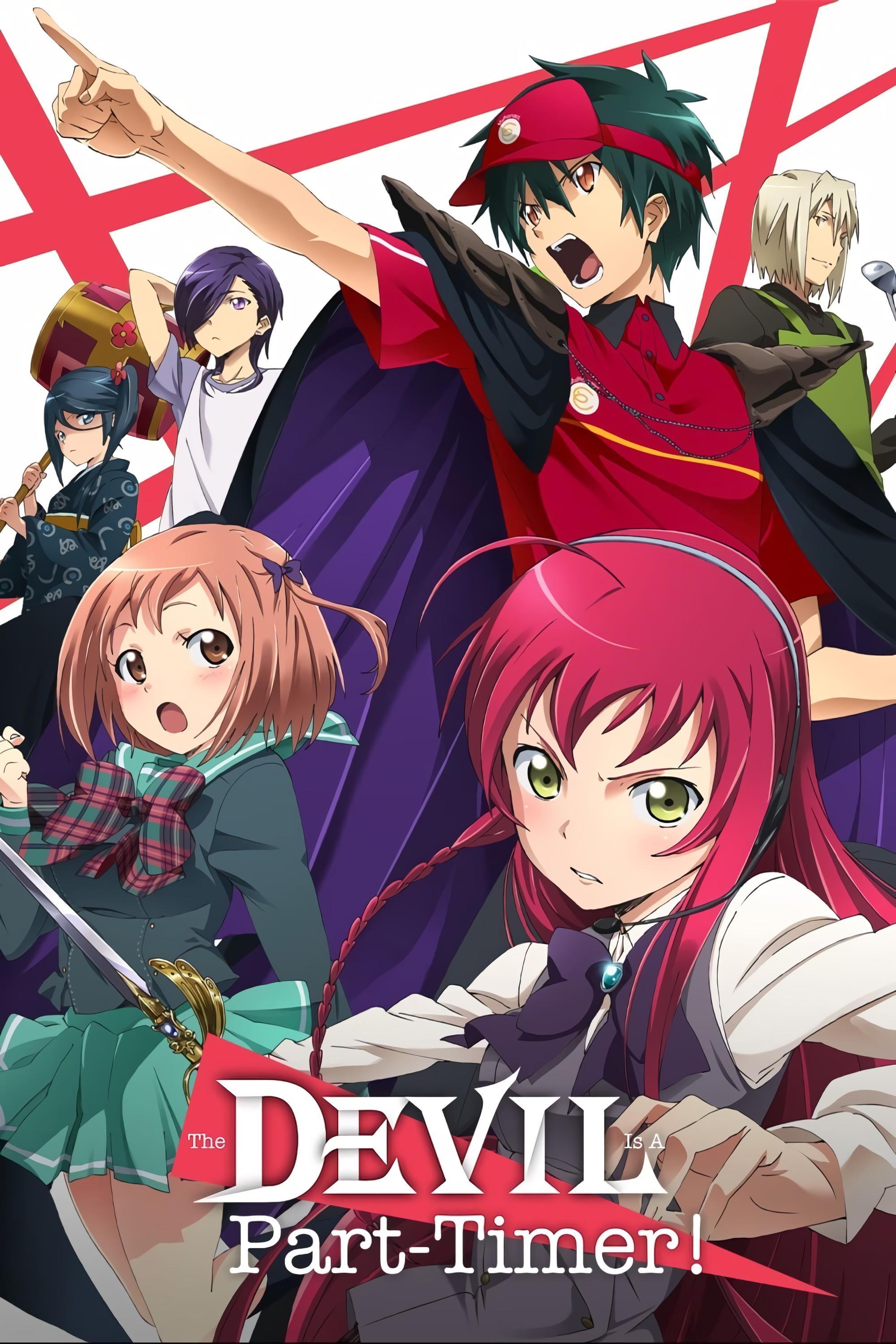
This premiere tracks Demon King Satan’s retreat to modern Tokyo and his immediate survival planning, from identity cover to employment. It outlines the status loss from overlord to part-timer and the constraints of low magic in the human world. The episode also sets up the hero’s pursuit crossing into Japan. It is a daily-life operations briefing from a de-powered villain’s view.
Share your favorite villain-POV episodes in the comments and tell us which one changed how you saw its story’s conflict!