


Best Workplace Comedies Set in Blue-Collar Jobs Ranked

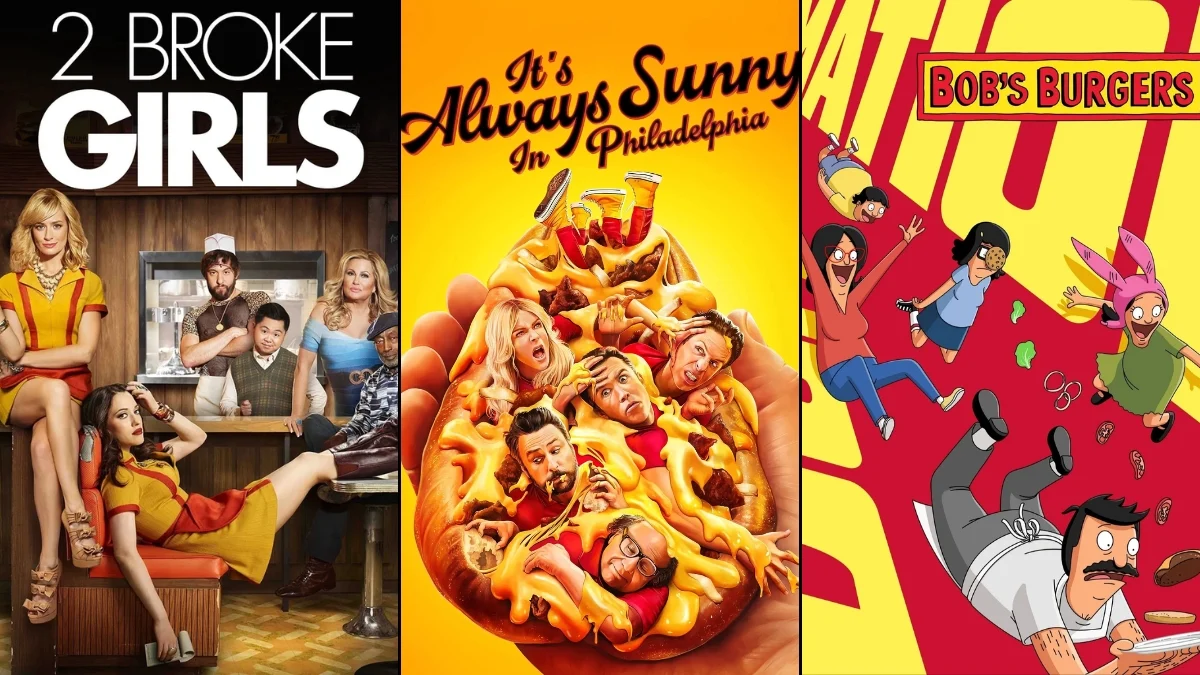


Workplace comedies have long provided a relatable escape for audiences by highlighting the absurdity and camaraderie found in daily employment. While corporate offices often dominate the genre, shows set in blue-collar environments offer a distinct perspective on the grind of manual labor and service industries. These series capture the unique struggles of retail workers, cab drivers, and public servants who deal with the public face-to-face. The humor often stems from the resilience required to handle difficult customers and eccentric bosses while earning a living.
‘2 Broke Girls’ (2011–2017)

Max Black and Caroline Channing work as waitresses at a diner in Brooklyn while attempting to launch their own cupcake business. The show relies on the contrast between street-smart Max and Caroline, who is a former wealthy socialite adjusting to poverty. They navigate the demands of their customers and the quirks of their boss Han Lee in the bustling Williamsburg Diner. The series highlights the financial instability of service workers through broad humor and slapstick situations.
‘Tacoma FD’ (2019–2024)
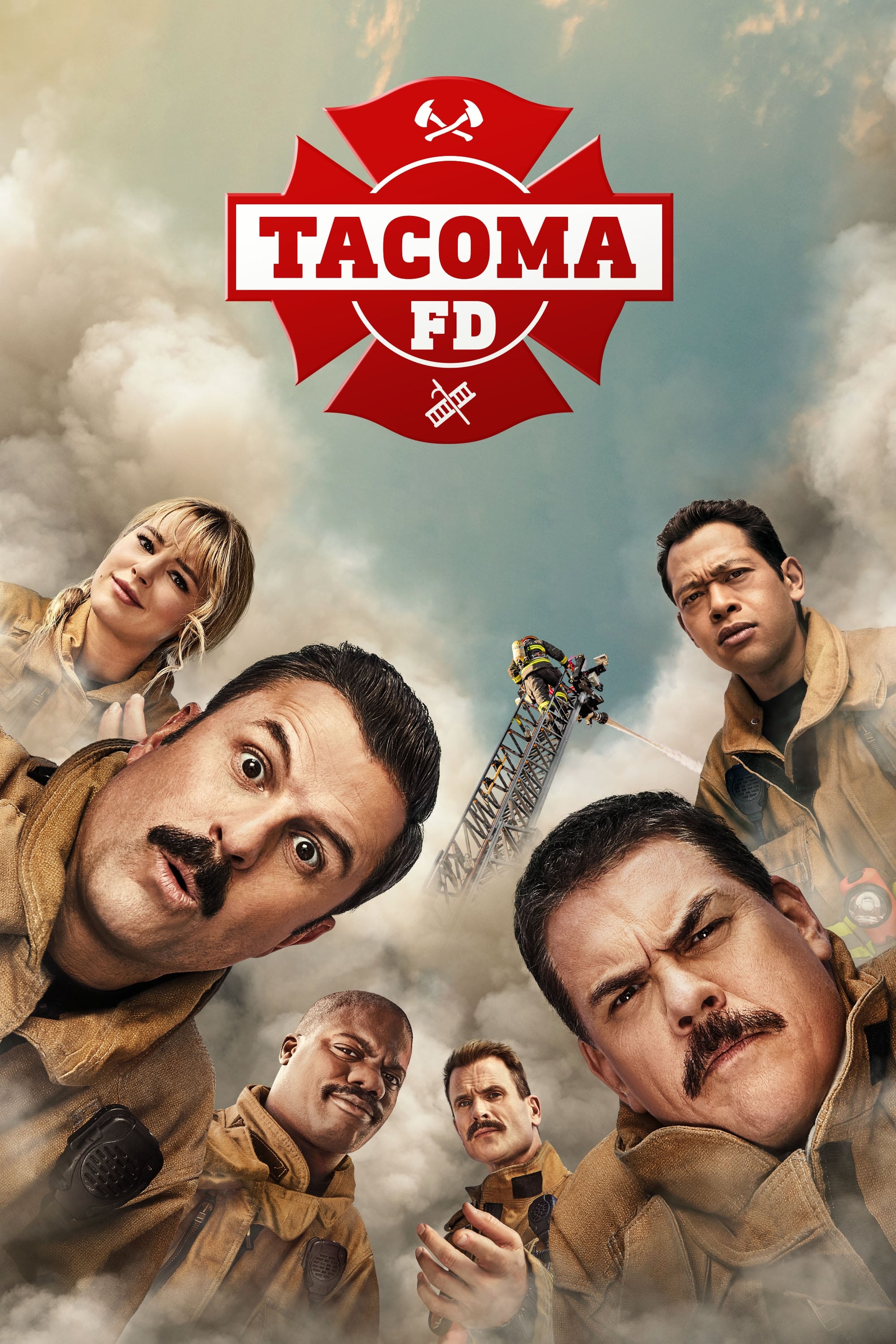
This series follows the crew of a fire station in one of the rainiest cities in America where fires are a rarity. The firefighters deal with the boredom of their shifts by engaging in ridiculous competitions and elaborate pranks. Kevin Heffernan and Steve Lemme created the show to explore the downtime inherent in emergency services. The team balances their brotherly teasing with the bizarre emergency calls they eventually receive from the community.
‘Sirens’ (2014–2015)
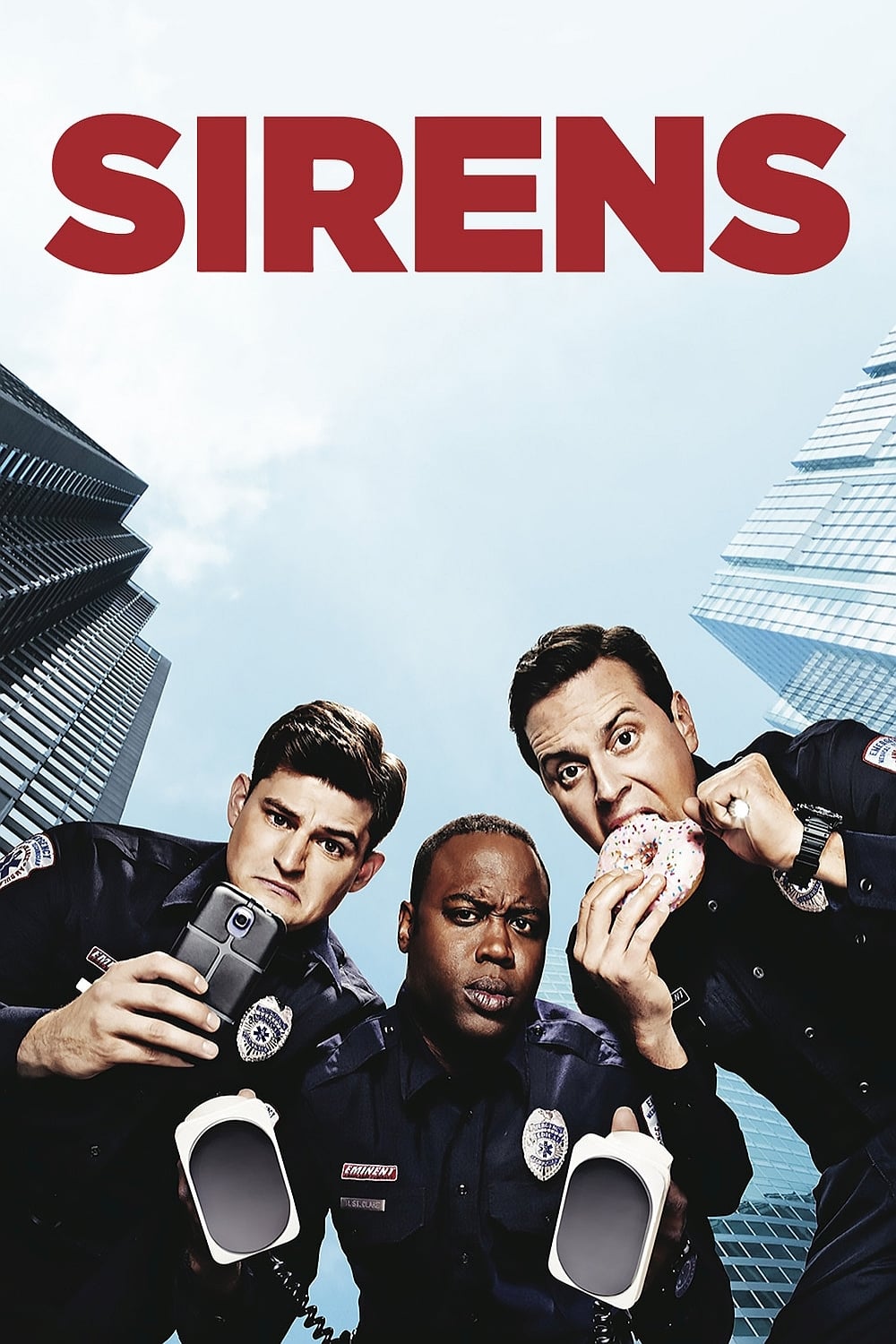
Three Chicago EMTs excel at their medical duties but struggle to manage their messy personal lives. The team navigates the absurdity of emergency calls while bickering constantly in the back of their ambulance. This show offers a humorous look at the high-stress environment of first responders without slipping into heavy drama. The chemistry between the partners drives the comedy as they handle unique crises across the city.
‘Alice’ (1976–1985)
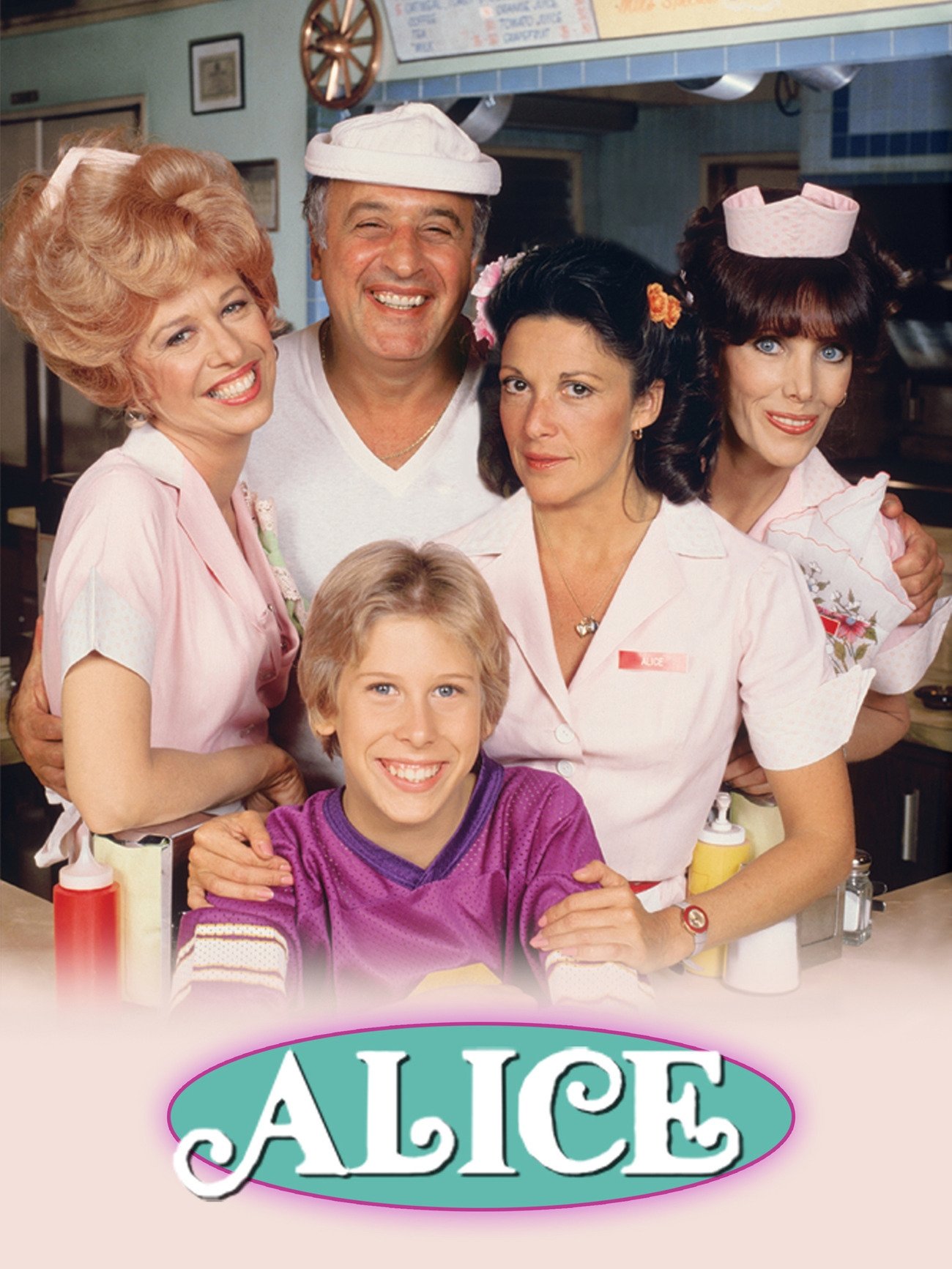
Alice Hyatt moves to Phoenix and takes a job as a waitress at Mel’s Diner to support her son. The sitcom centers on her daily interactions with the gruff owner Mel and her fellow waitresses Flo and Vera. It depicts the repetitive grind of the service industry during the late 1970s and early 1980s. The series became famous for its memorable catchphrases and the distinct personalities of the diner staff.
‘Reno 911!’ (2003–2022)
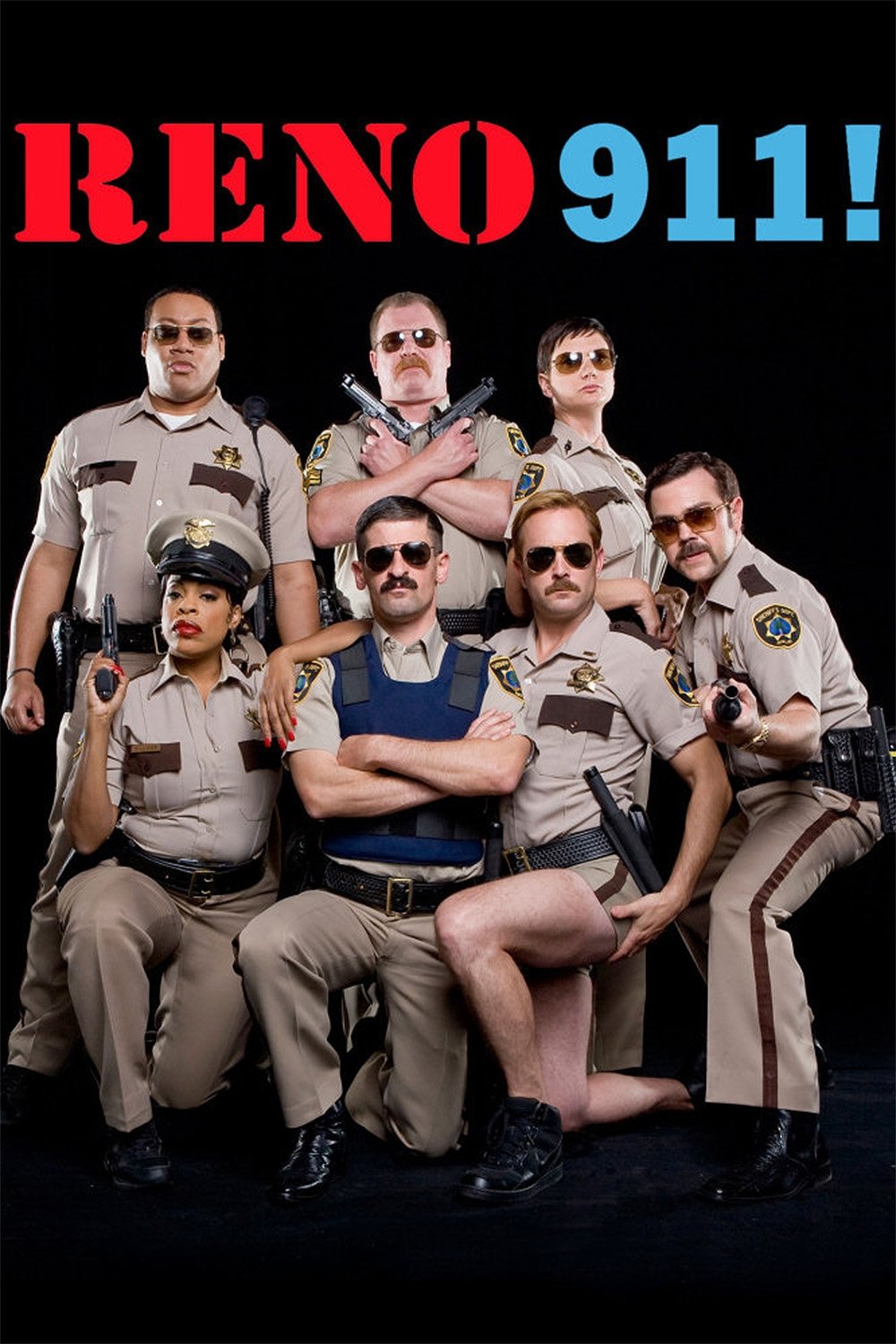
This mockumentary parodies law enforcement reality shows by following a group of incompetent sheriff deputies. The officers deal with bizarre criminals and their own interpersonal dysfunction while patrolling the streets of Reno. Improvised dialogue gives the series a chaotic and spontaneous energy that mimics the style of ‘Cops’. The show satirizes the seriousness of police procedurals through physical comedy and utter absurdity.
‘Corner Gas’ (2004–2009)

Brent Leroy runs a gas station in the fictional town of Dog River in Saskatchewan. The residents pass the time by obsessing over trivial matters and engaging in small-town gossip at the station. It captures the slow pace of rural life where the gas station serves as the primary community hub. The Canadian sitcom gained a dedicated following for its dry wit and observational humor regarding service work.
‘Wings’ (1990–1997)
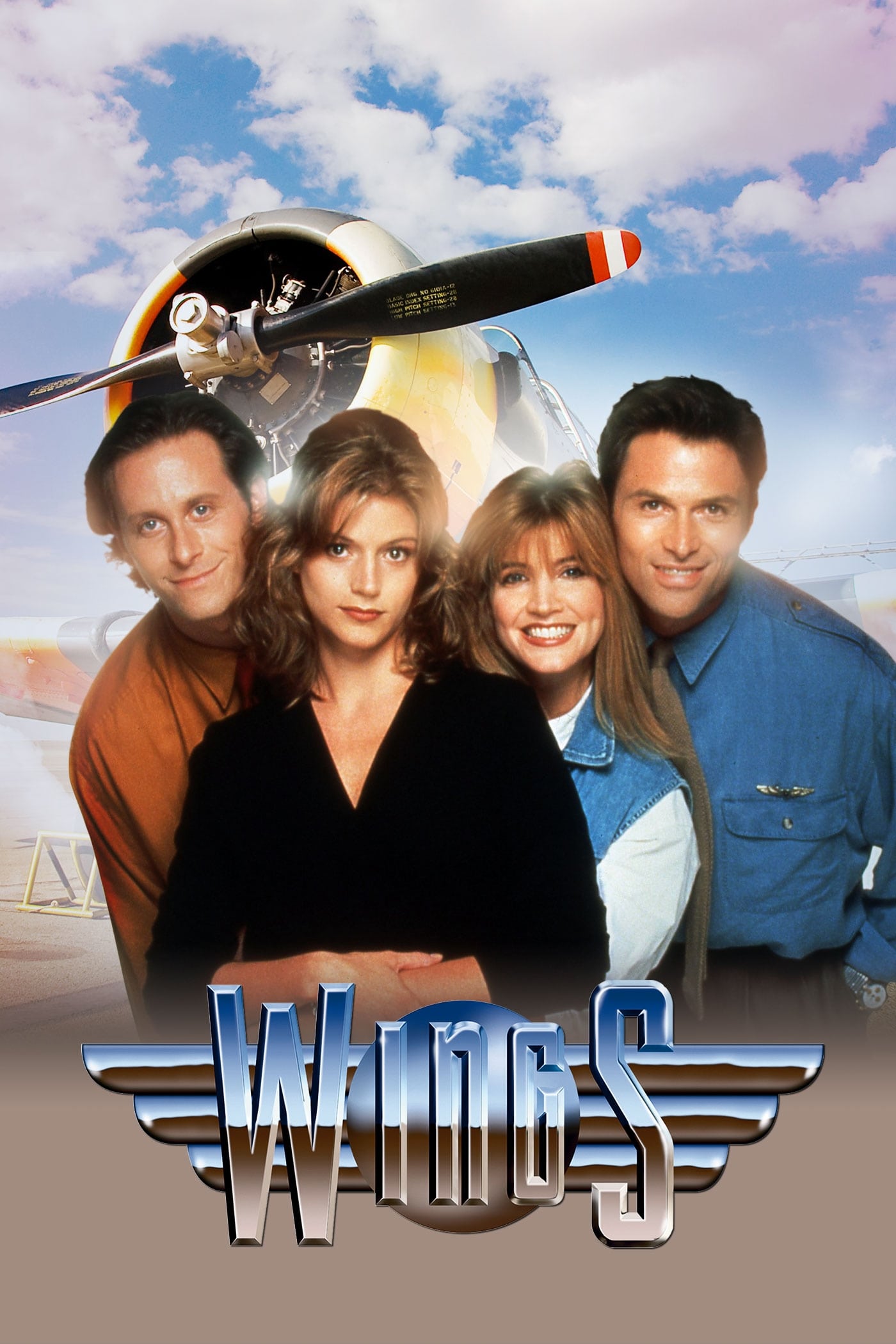
Two brothers run a small single-plane airline called Sandpiper Air on the island of Nantucket. Joe and Brian Hackett deal with their rival Roy and the quirky staff at the small airport terminal. The show explores the tension between the brothers and their constant struggles to keep the business afloat. It features a strong ensemble cast that highlights the eccentricity of small-scale aviation operations.
‘Kim’s Convenience’ (2016–2021)
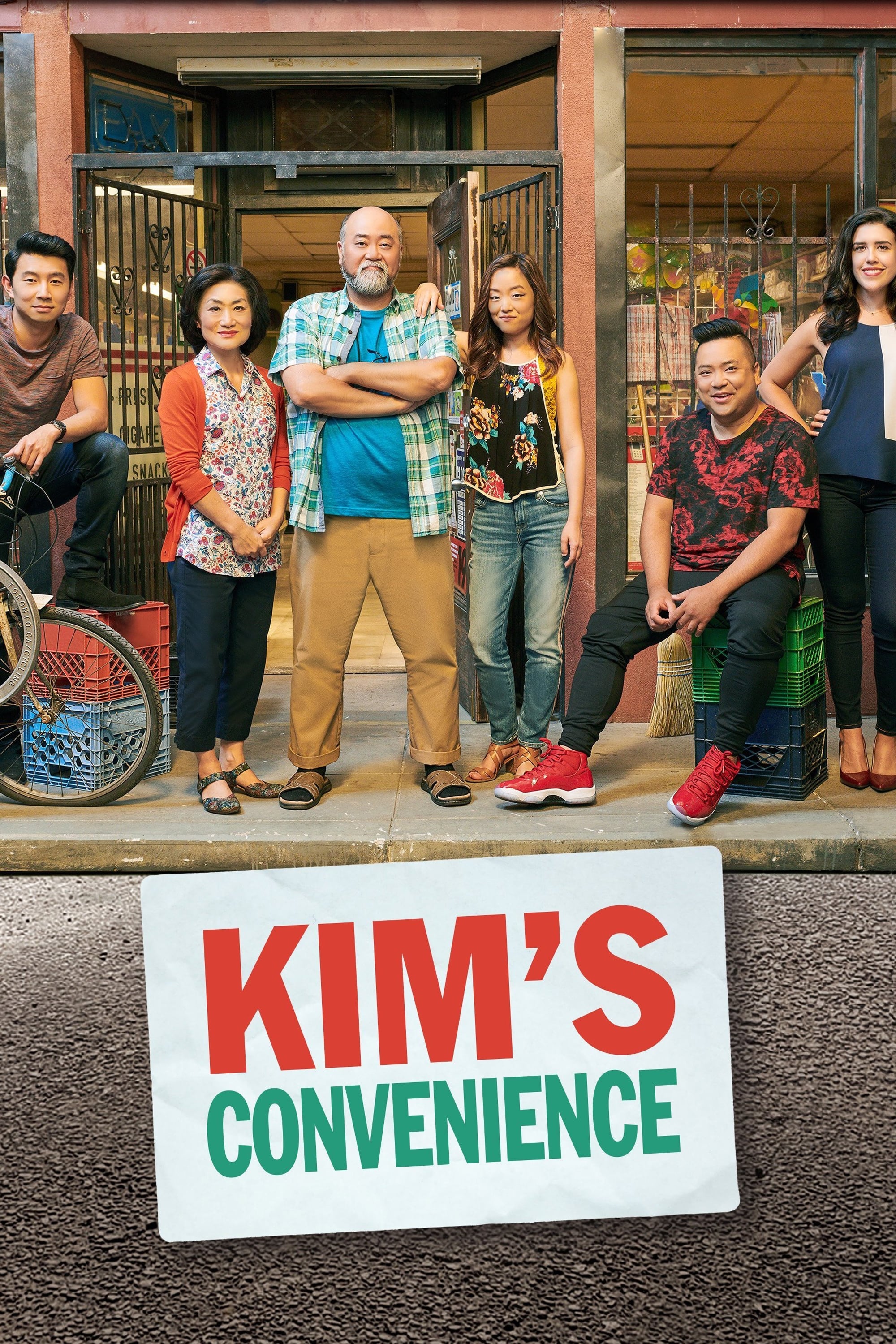
The Kim family operates a convenience store in the Moss Park neighborhood of Toronto. Mr. and Mrs. Kim balance the demands of running the shop with raising their two children in a changing world. The series addresses the immigrant experience and generational clashes within the setting of a family business. Customers provide a steady stream of comedic conflicts that the family must resolve together.
‘Party Down’ (2009–2023)
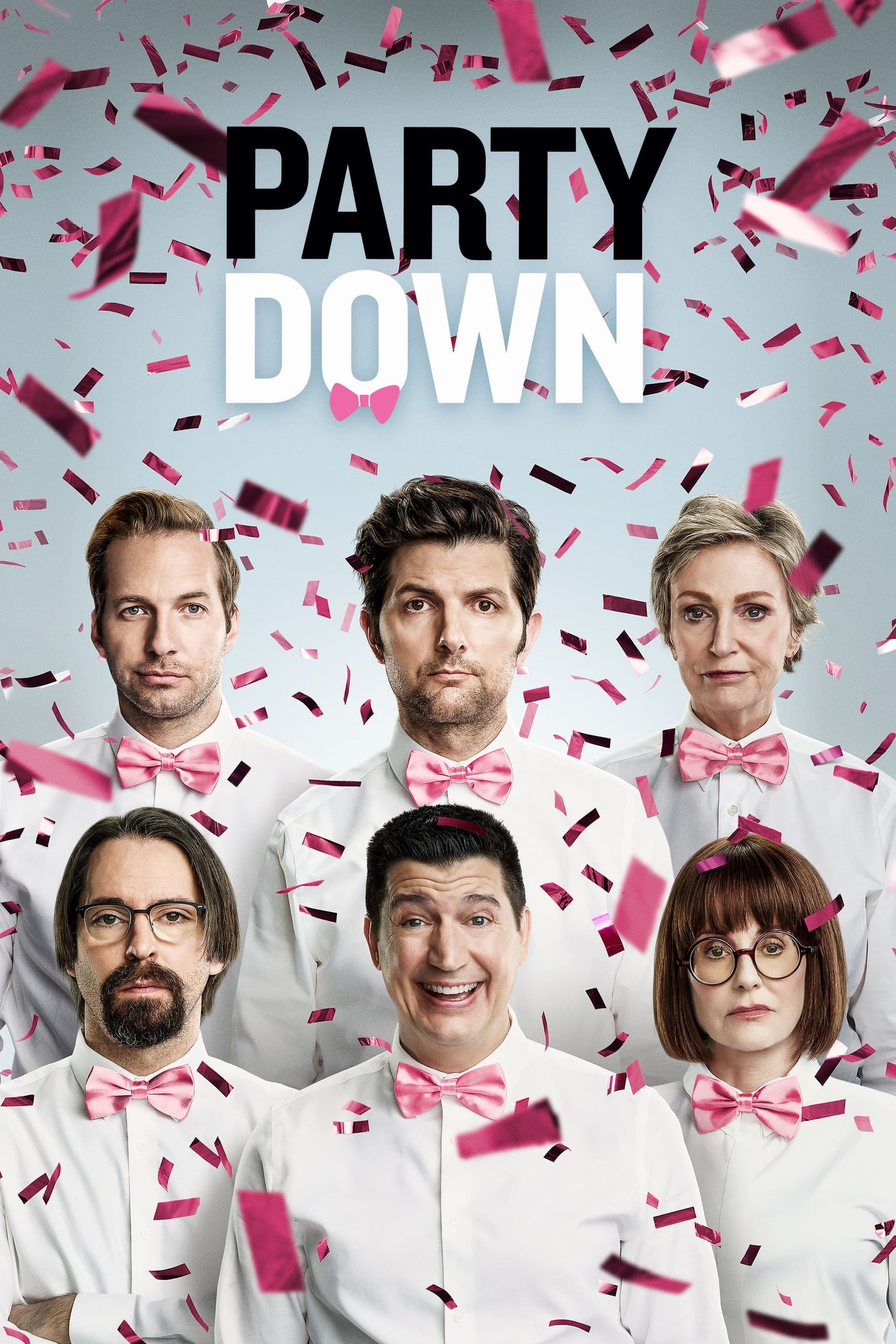
A group of aspiring actors and writers work for a Los Angeles catering company while waiting for their big break. Each episode takes place at a different catering gig where the staff must handle peculiar guests and humiliating tasks. The show satirizes the indignity of the service industry and the desperation of Hollywood hopefuls. The cynical humor stems from the apathy the workers feel toward their dead-end jobs.
‘Superstore’ (2015–2021)
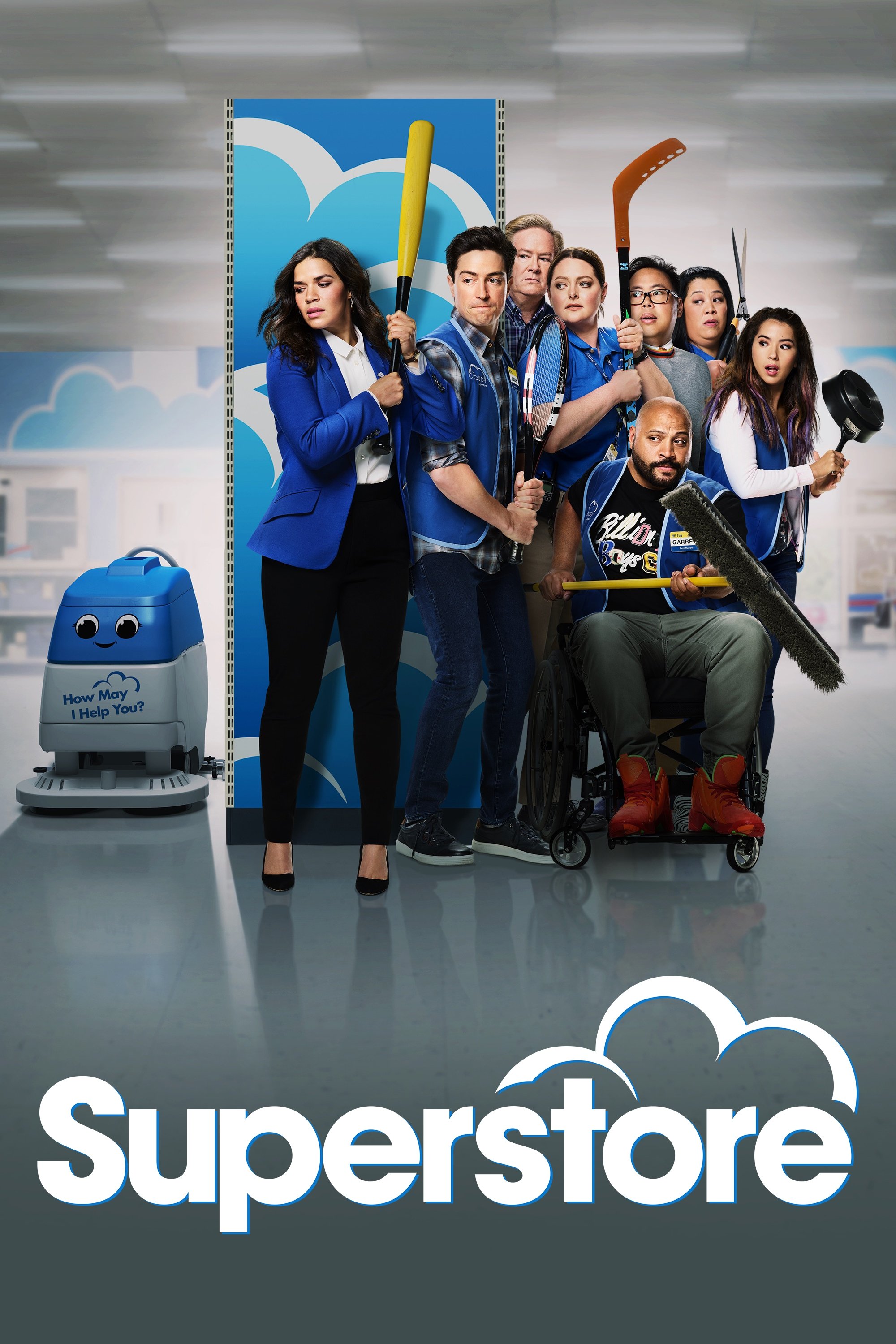
Employees at a massive Cloud 9 big-box store navigate the daily chaos of retail work. The series tackles issues like unionization and healthcare while maintaining a steady stream of jokes about difficult customers. Amy and Jonah lead an ensemble cast that represents a diverse cross-section of the American workforce. It effectively captures the specific drudgery and camaraderie found in corporate retail environments.
‘Bob’s Burgers’ (2011–Present)
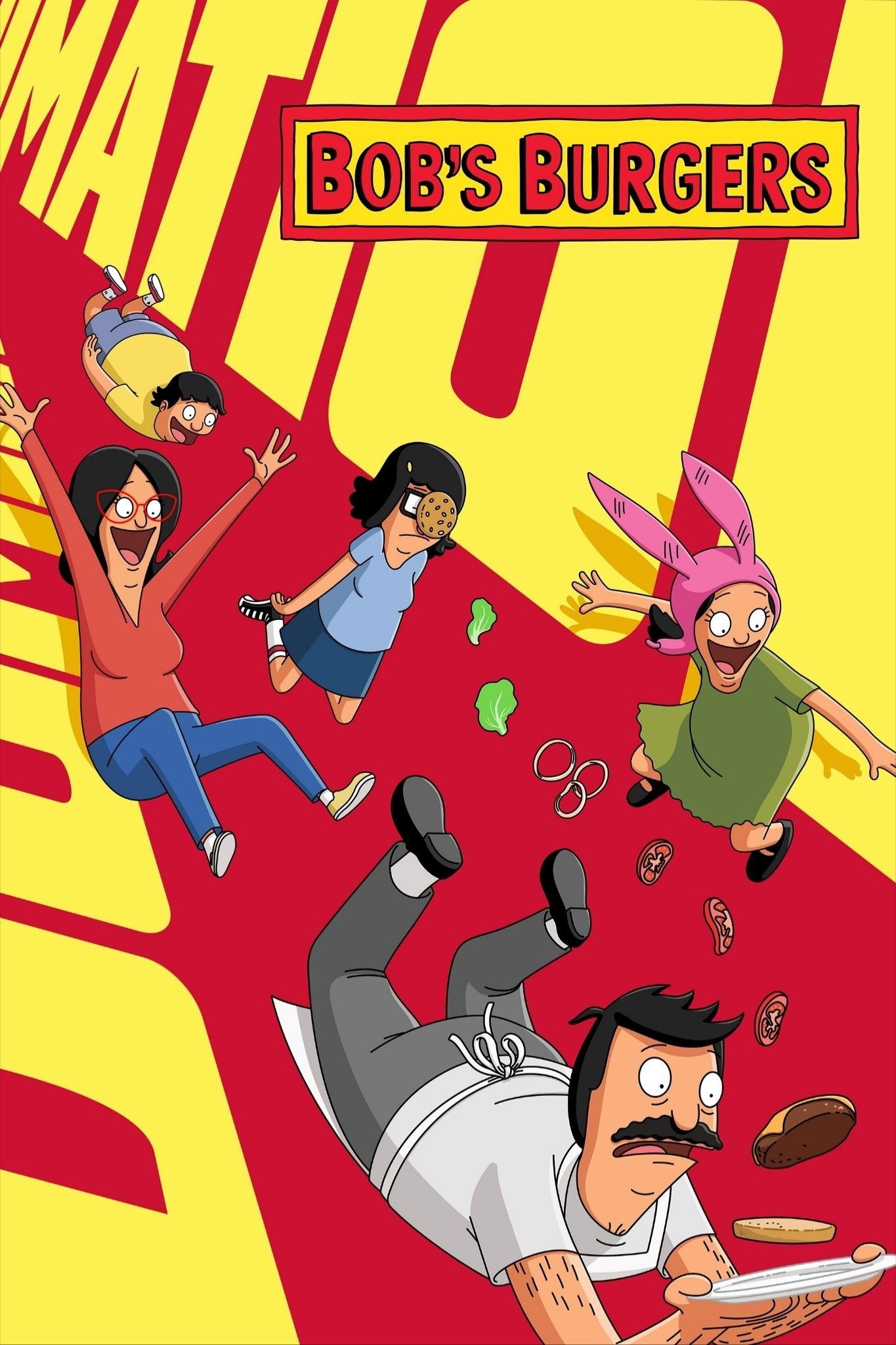
Bob Belcher runs a burger restaurant with the chaotic help of his wife Linda and their three children. The animated series focuses on the family’s constant struggle to pay rent and attract customers to their establishment. Each episode features new burger puns and the eccentric characters who populate their seaside town. The show balances the stress of small business ownership with heartwarming family dynamics.
‘Brooklyn Nine-Nine’ (2013–2021)
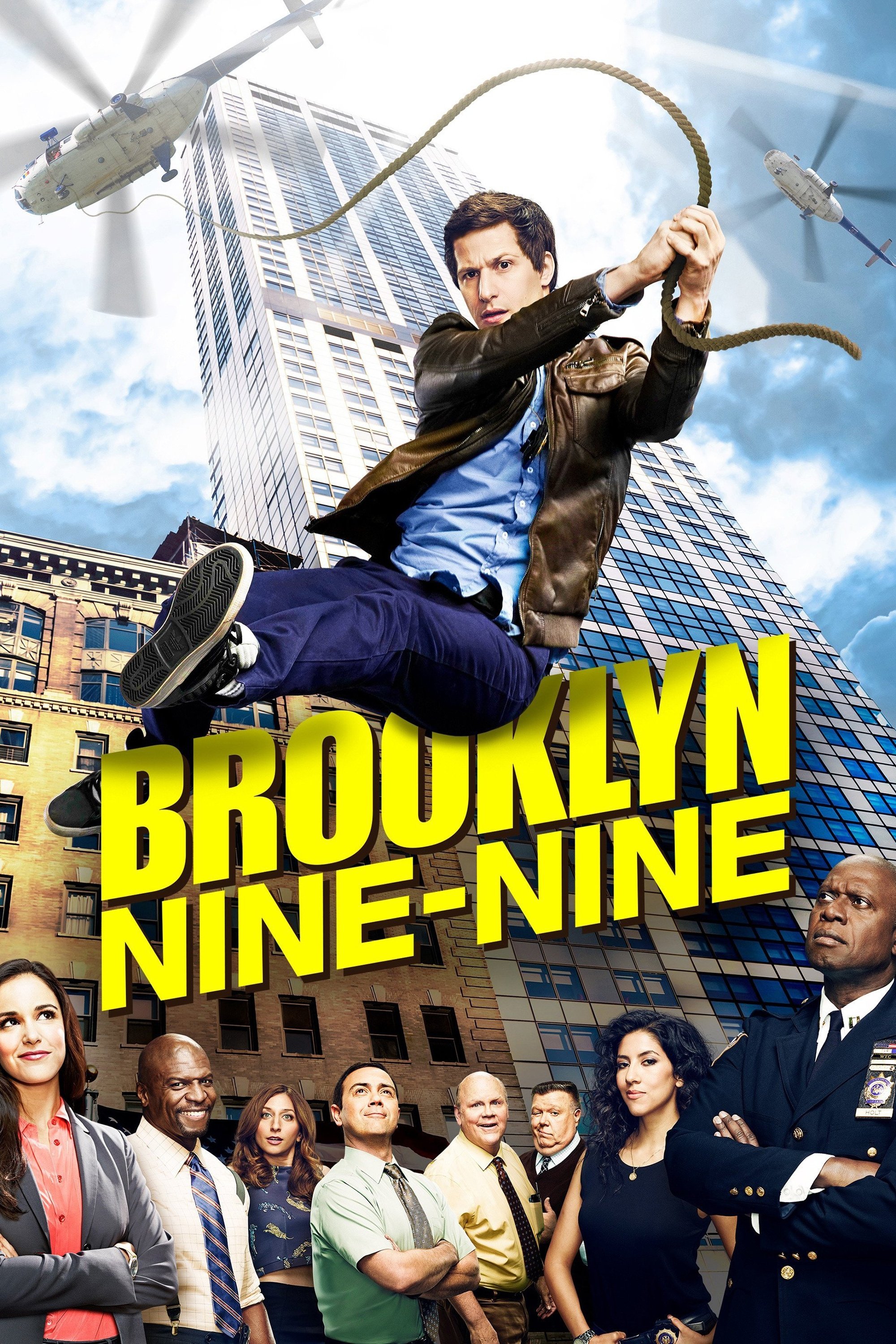
Detective Jake Peralta and his colleagues solve crimes in Brooklyn’s 99th Precinct. The show blends police procedural elements with workplace sitcom tropes under the stoic leadership of Captain Ray Holt. It addresses serious topics through a comedic lens while emphasizing the bond between the officers. The precinct functions as a dysfunctional family unit dedicated to public service.
‘It’s Always Sunny in Philadelphia’ (2005–Present)
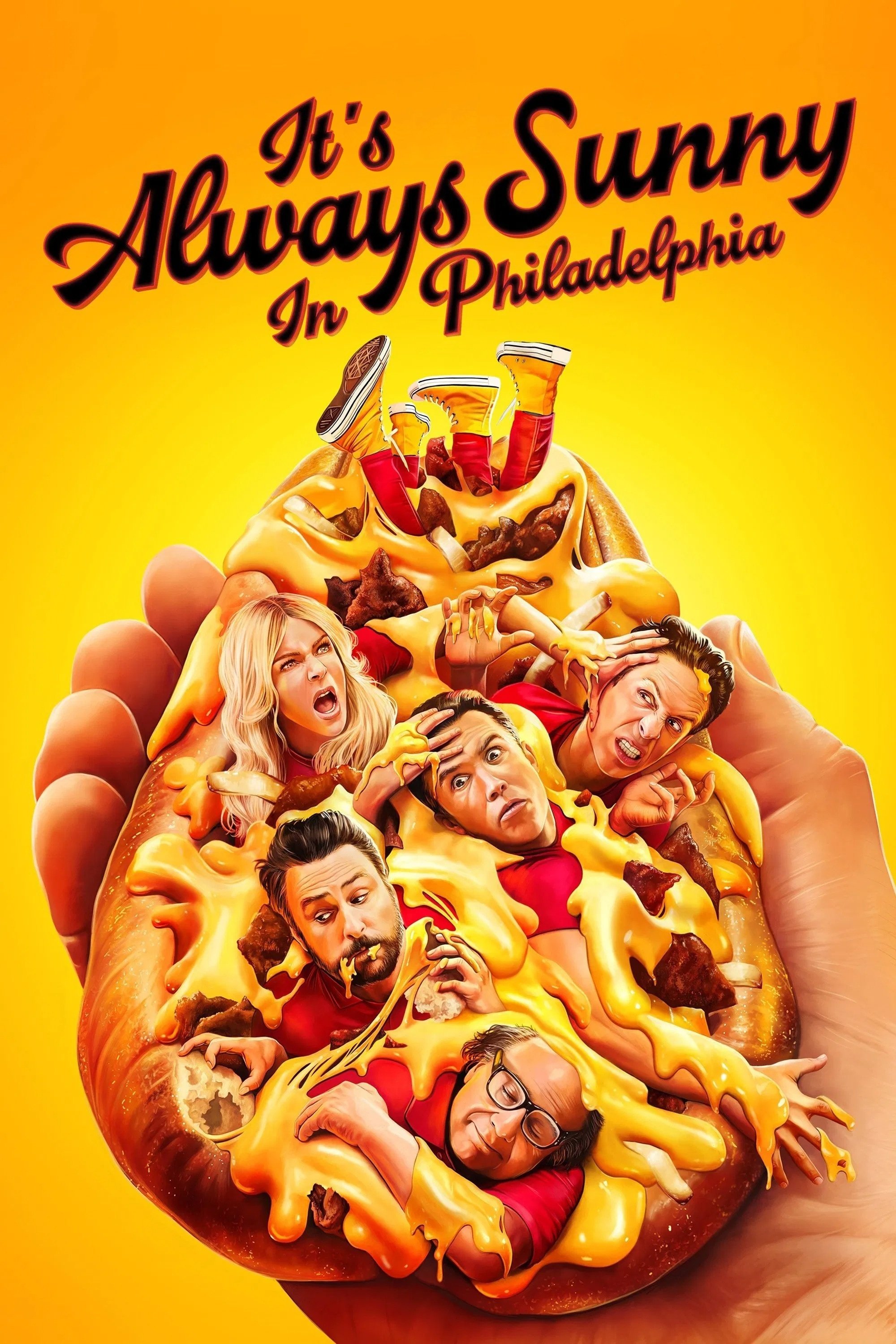
The Gang runs an unsuccessful Irish bar in South Philadelphia called Paddy’s Pub. Dennis, Mac, Charlie, Dee, and Frank engage in depraved schemes to make money or boost their fragile egos. The setting of the bar serves as a launchpad for their sociopathic behavior and elaborate plots. It deconstructs the traditional sitcom format by featuring characters who never learn or improve their station in life.
‘Taxi’ (1978–1983)
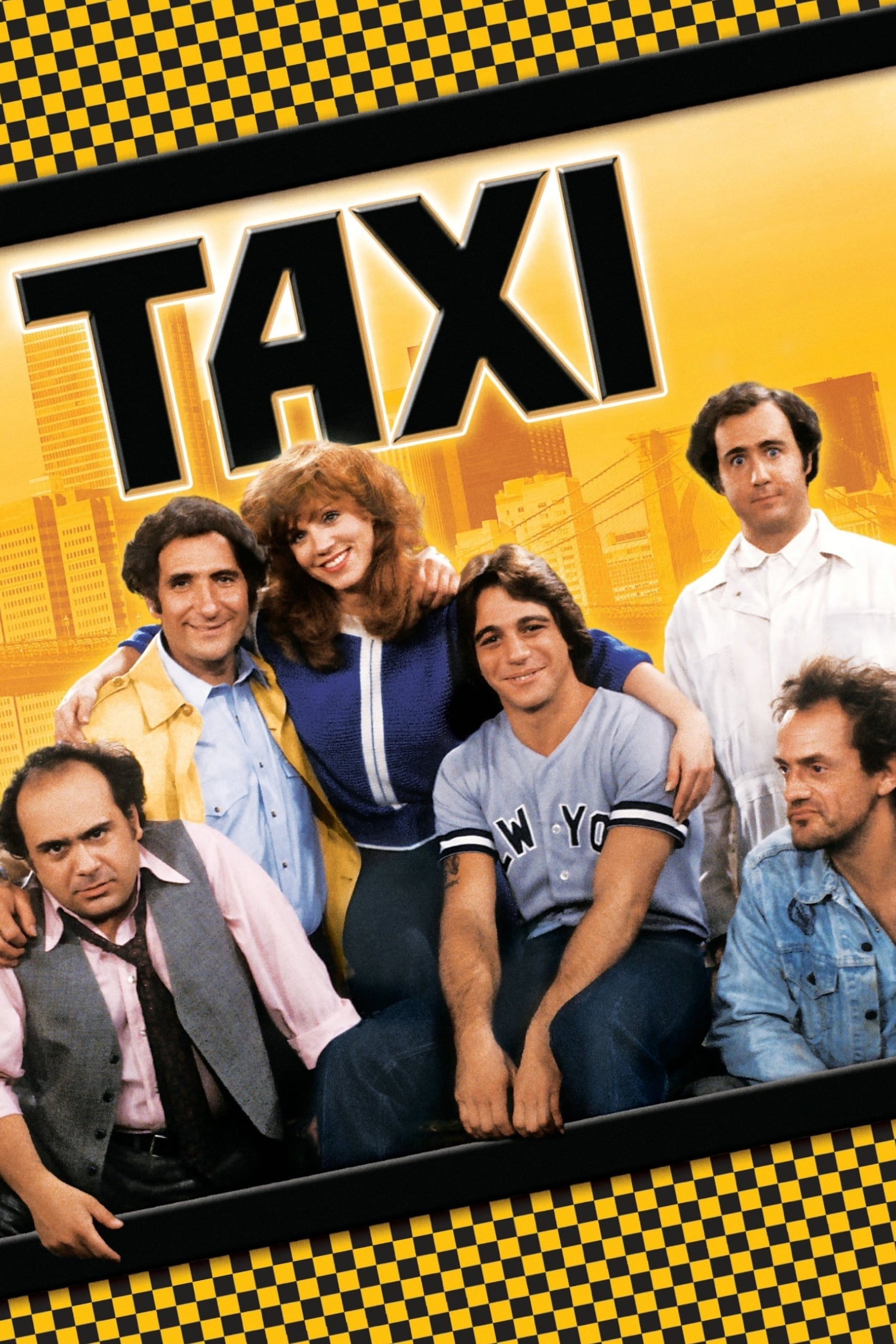
The staff of the Sunshine Cab Company in New York City view their driving jobs as temporary pit stops. Alex Reiger is the only driver who accepts the profession as his career while the others dream of different lives. The tyrannical dispatcher Louie De Palma barks orders from his cage and antagonizes the drivers constantly. This series is celebrated for its character-driven humor and poignant exploration of blue-collar disillusionment.
‘Cheers’ (1982–1993)
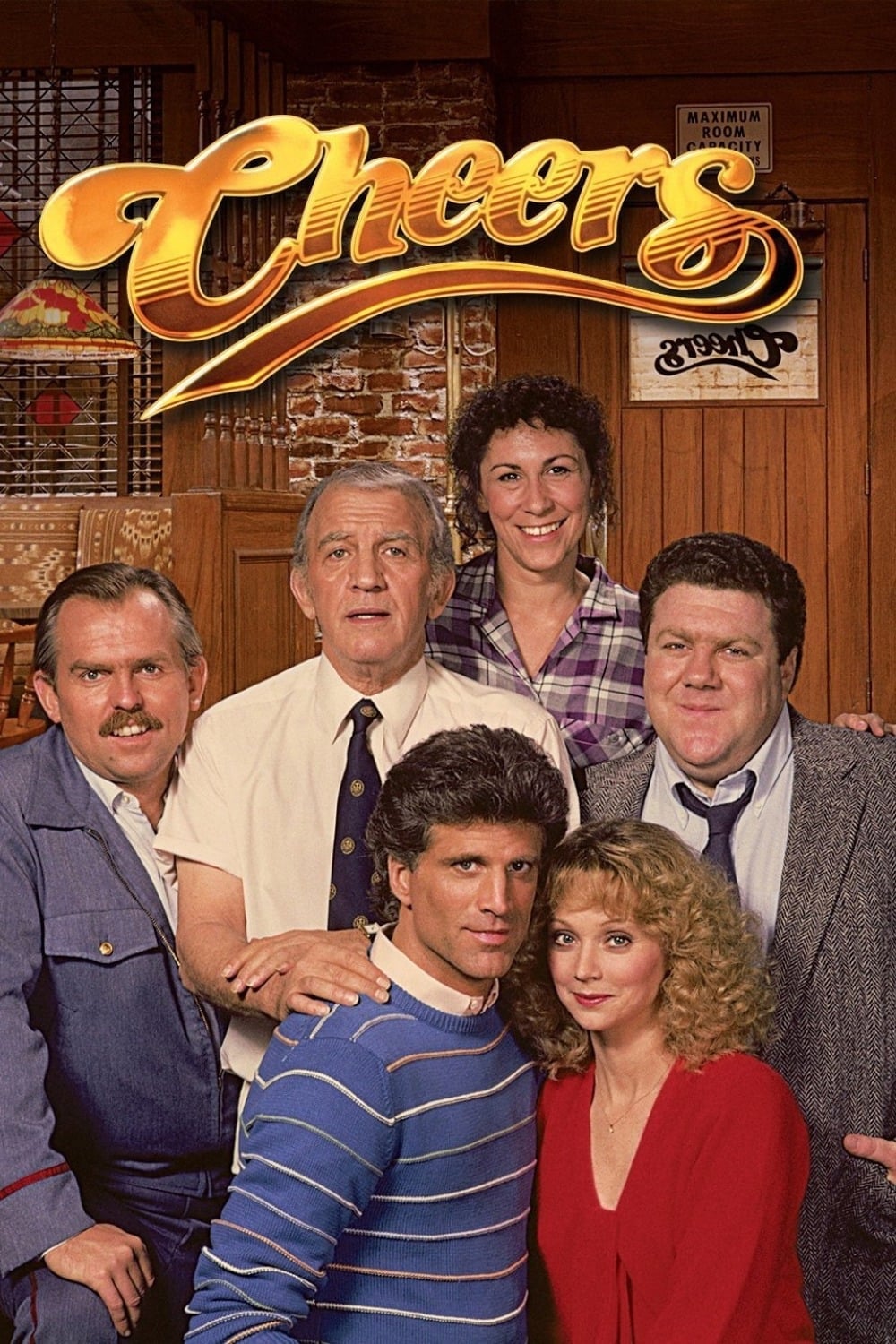
Sam Malone runs a Boston bar where a colorful group of locals gathers to drink and socialize. The show focuses on the relationships between the staff and the regular patrons who treat the bar as a second home. It establishes the workplace as a sanctuary where people from all walks of life interact on equal footing. The writing and ensemble cast defined the structure of the modern workplace sitcom.
Tell us which blue-collar comedy series resonates most with your own work experience in the comments.