


Bill Murray’s Career: From ‘Meatballs’ to ‘The Phoenician Scheme’

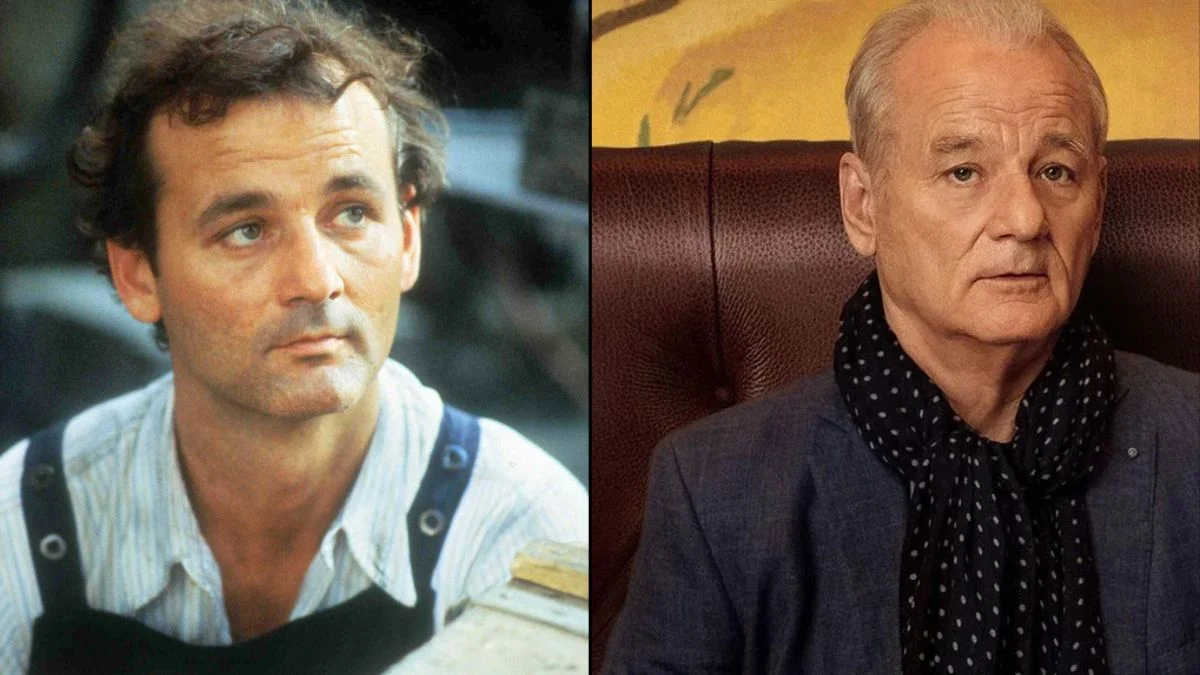


Bill Murray is a unique and beloved figure in Hollywood, an actor who built a legendary career on his signature dry wit and sarcastic charm. He first became a star on ‘Saturday Night Live’, creating a persona that was cool, detached, and effortlessly funny. This personality translated perfectly to the big screen, where he became one of the biggest comedy stars of the 1980s, known for playing lovable slackers who always seemed to be smarter than everyone else in the room.
Over time, Murray’s career took a fascinating turn. He began to move away from mainstream comedies and started working with independent filmmakers like Wes Anderson and Sofia Coppola. In these later roles, he revealed a surprising depth, mastering a kind of funny-sad performance that explored themes of loneliness and regret. This second act reinvented him as a respected dramatic actor while preserving the iconic, unpredictable energy that has made him a cultural icon both on and off the screen.
‘Meatballs’ (1979)
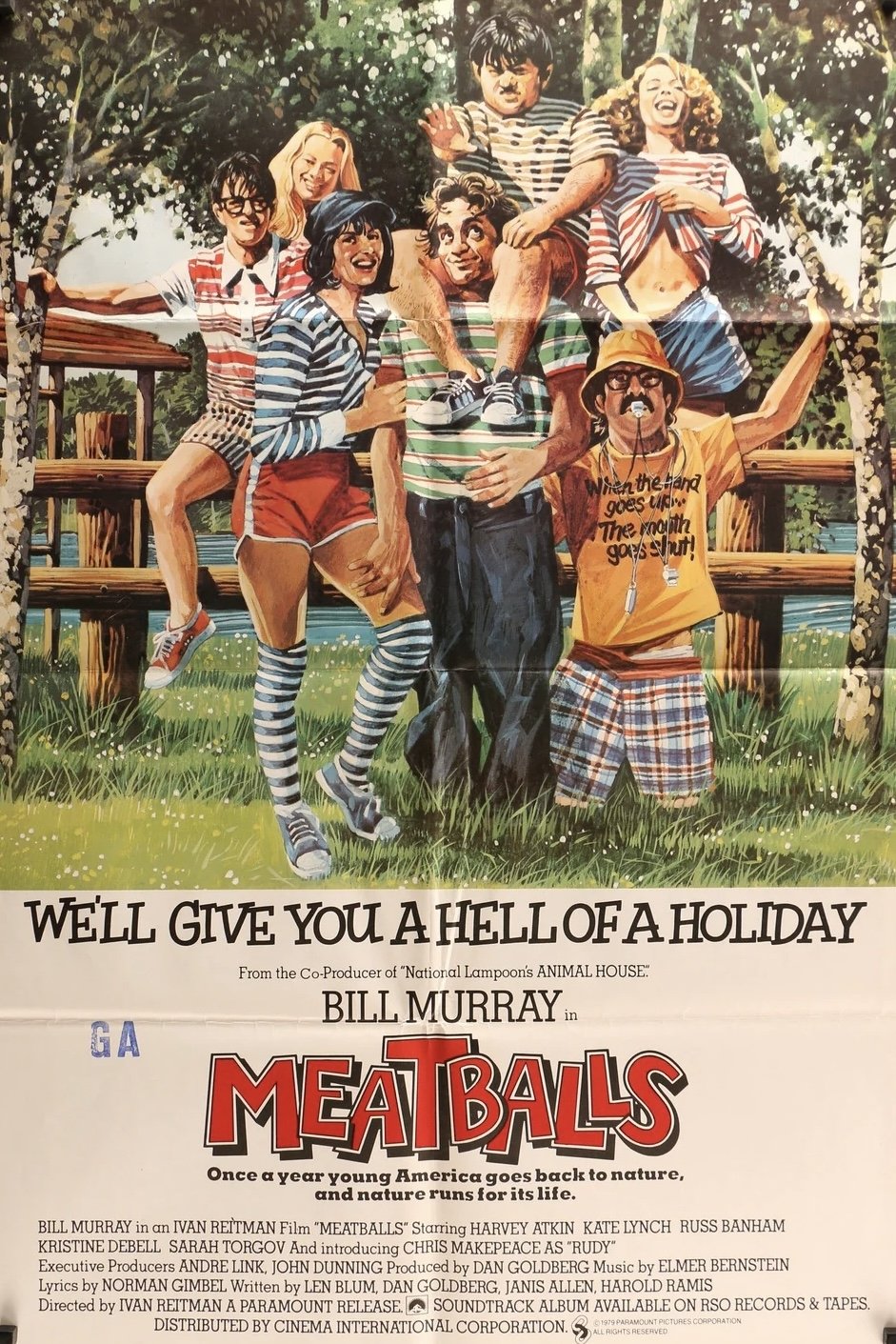
This summer camp comedy was Bill Murray’s first starring role in a film. He plays Tripper Harrison, the head counselor at the budget-friendly Camp North Star. Tripper is the fun-loving, rule-breaking leader who uses his sarcastic humor to inspire his team of misfit counselors and campers. A central part of the story is his friendship with a lonely young camper named Rudy, whom he takes under his wing.
‘Meatballs’ was a surprise hit and established the foundation of the Bill Murray persona. His performance is largely improvised, showcasing the laid-back, anti-authoritarian charm that would define his early career. He is the cool, funny guy you want to hang out with, but he also shows moments of genuine warmth and sincerity, especially in his scenes with the young camper. The film proved that his unique comedic style could carry a movie.
‘Caddyshack’ (1980)
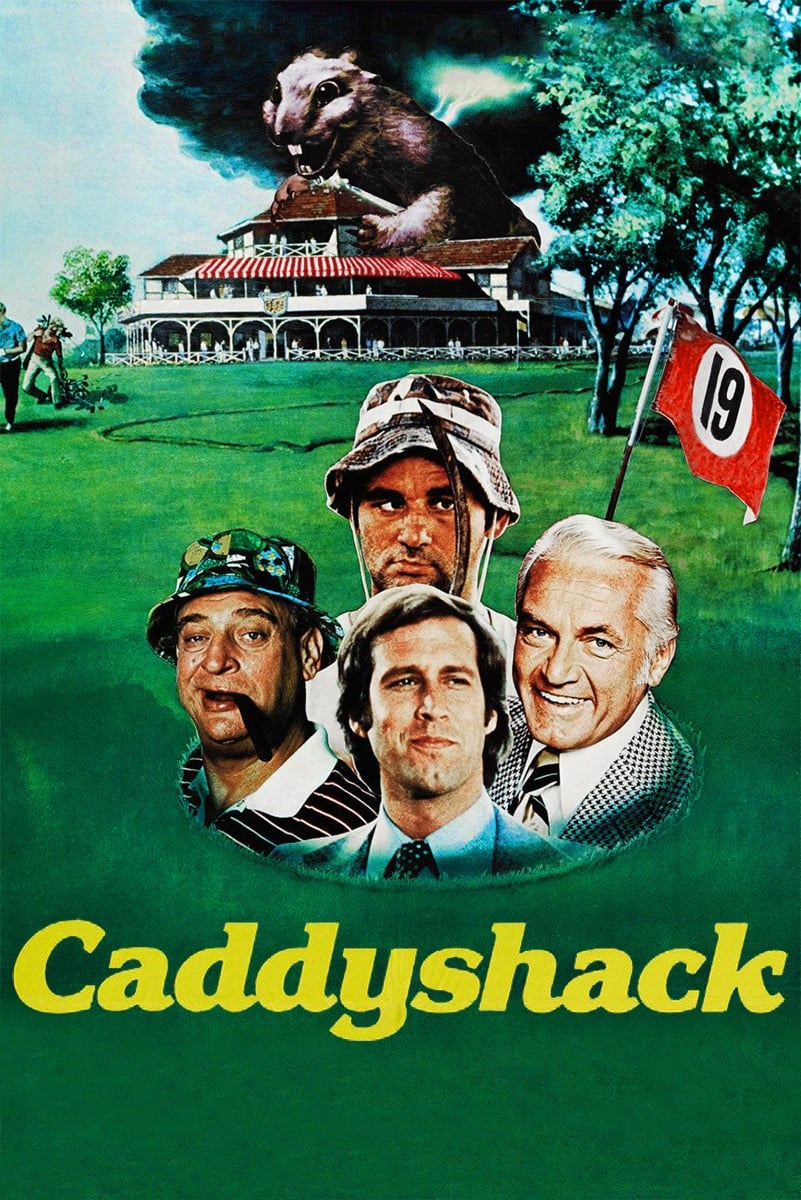
In this classic comedy set at a stuffy golf club, Bill Murray plays the memorable character of Carl Spackler. Carl is the dim-witted and slightly unhinged groundskeeper who is engaged in an epic, one-sided war against a gopher that is tearing up the golf course. He lives in a messy shack, talks to himself, and has elaborate fantasies about his own greatness.
Carl Spackler is one of Murray’s most iconic and quotable creations. Although it is a supporting role, his performance steals the show. Murray improvised nearly all of his lines, including the famous “Cinderella story” monologue. The character is a perfect example of his ability to create bizarre, hilarious, and unforgettable personalities. ‘Caddyshack’ became a cultural phenomenon and solidified Murray’s status as a major comedic talent.
‘Stripes’ (1981)
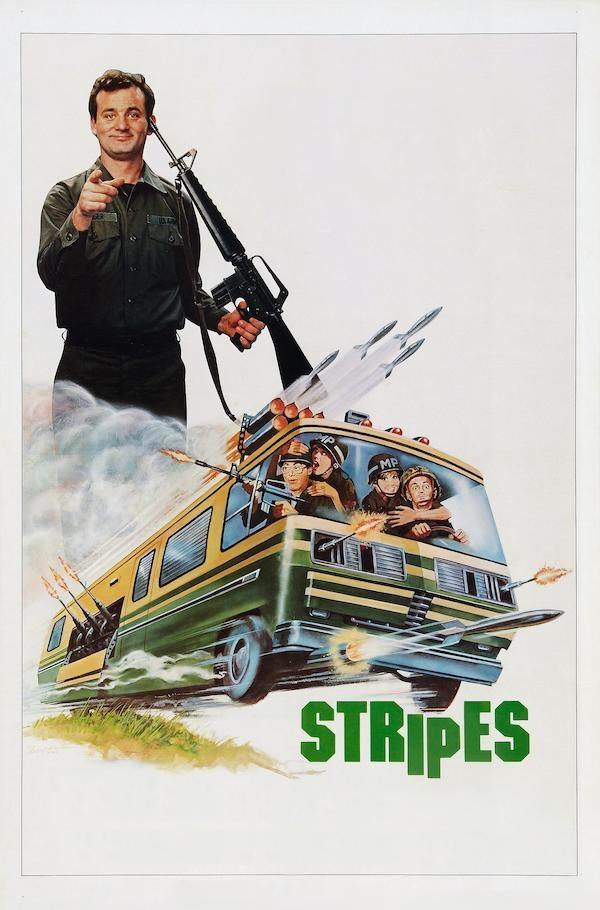
‘Stripes’ stars Bill Murray as John Winger, a wisecracking slacker who loses his job, his car, and his girlfriend all in one day. Looking for a new direction, he impulsively convinces his best friend to enlist in the U.S. Army with him. Once in basic training, Winger’s rebellious and anti-authoritarian attitude clashes with his tough drill sergeant, but he eventually becomes the unlikely leader of his platoon of misfits.
This film cemented Murray’s position as a leading man in comedy. The character of John Winger is a perfect vehicle for his smart-aleck persona, a man who uses humor to challenge authority and get through life. The movie was a huge commercial success and continued his successful collaboration with director Ivan Reitman, which would lead to their biggest hit a few years later.
‘Ghostbusters’ (1984)
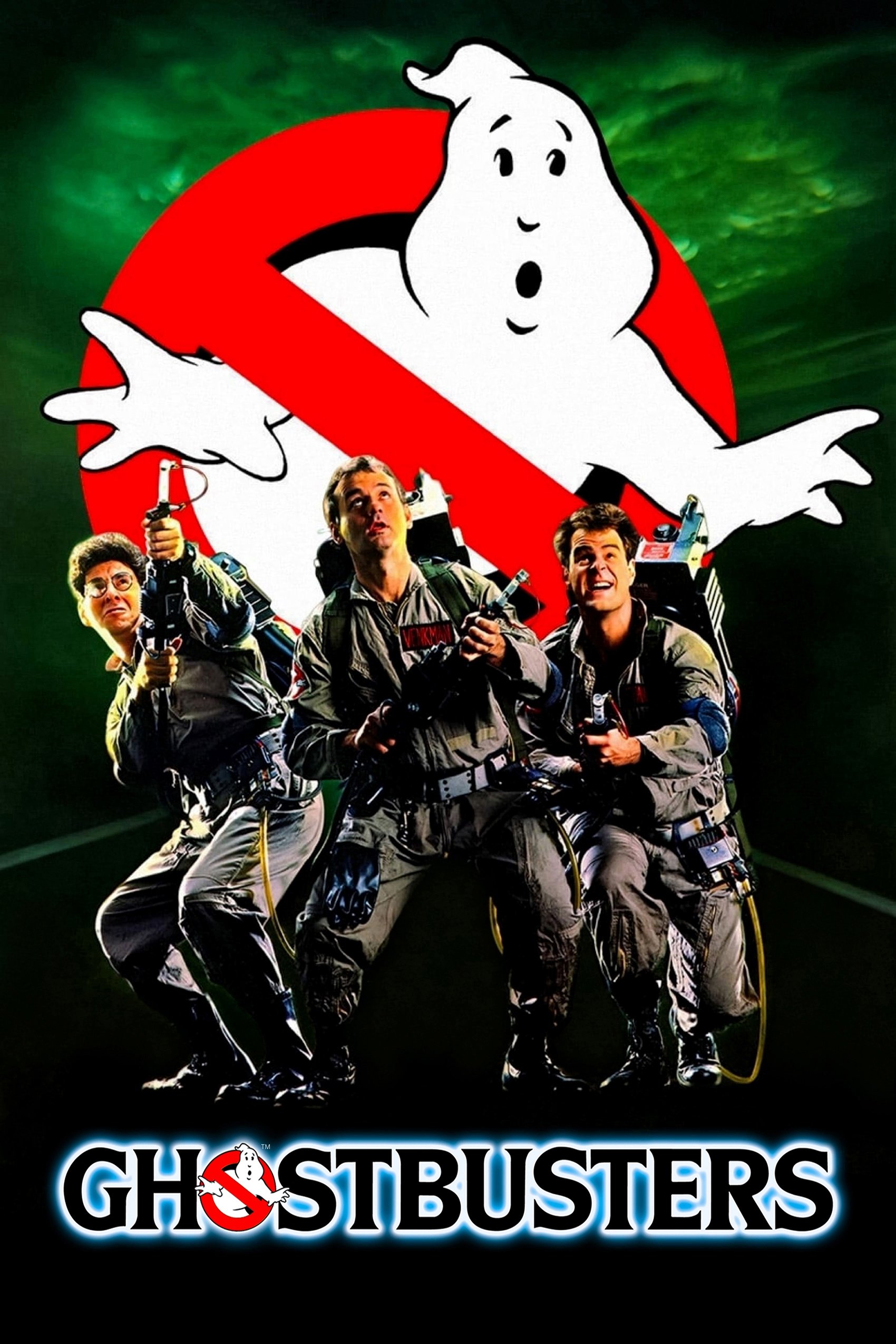
‘Ghostbusters’ is one of the most successful and beloved comedies of all time. Murray stars as Dr. Peter Venkman, one of three parapsychology professors who start a ghost-catching business in New York City. Venkman is the cynical, sarcastic, and business-minded leader of the group. He is more interested in charming their clients than in the science behind their work.
The role of Peter Venkman made Bill Murray an international superstar. The character is the definitive version of his on-screen persona: cool, funny, and unfazed by anything, including the supernatural. He is the charismatic center of the film, delivering some of the most famous and quotable lines in movie history. ‘Ghostbusters’ was a cultural landmark of the 1980s and remains his most iconic film.
‘Scrooged’ (1988)
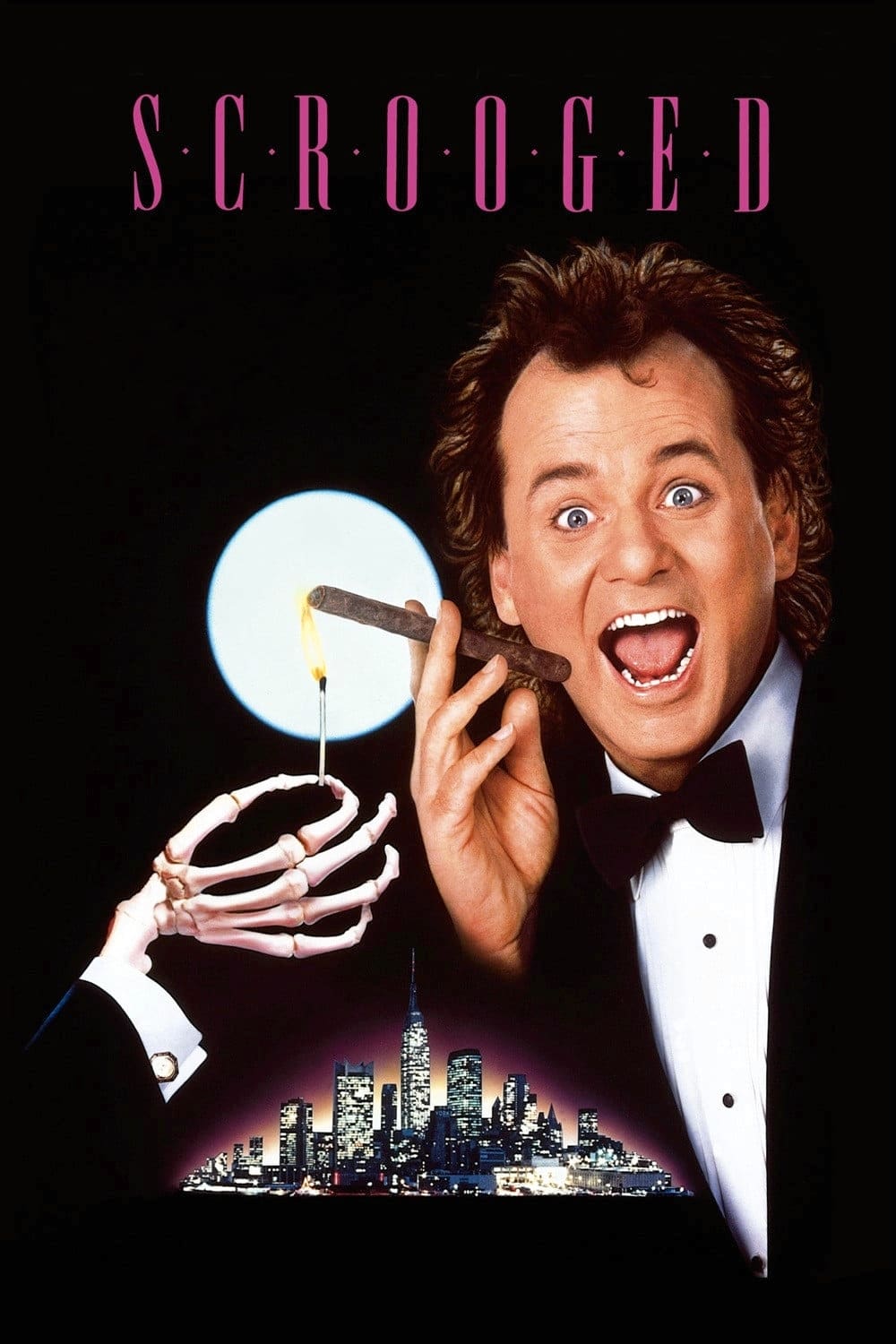
In this dark comedy update of Charles Dickens’ ‘A Christmas Carol’, Murray plays Frank Cross, a cynical, cruel, and wildly successful television executive. On Christmas Eve, while preparing a live, over-the-top holiday special, he is visited by three ghosts who force him to confront his selfish past, his miserable present, and his lonely future.
The role of Frank Cross was perfect for Murray, allowing him to mix his trademark sarcasm with genuine emotion. He is hilariously nasty in the first half of the film, but his journey toward redemption is both funny and surprisingly touching. The film has become a holiday classic, and Murray’s manic and heartfelt performance is the main reason for its enduring popularity.
‘What About Bob?’ (1991)
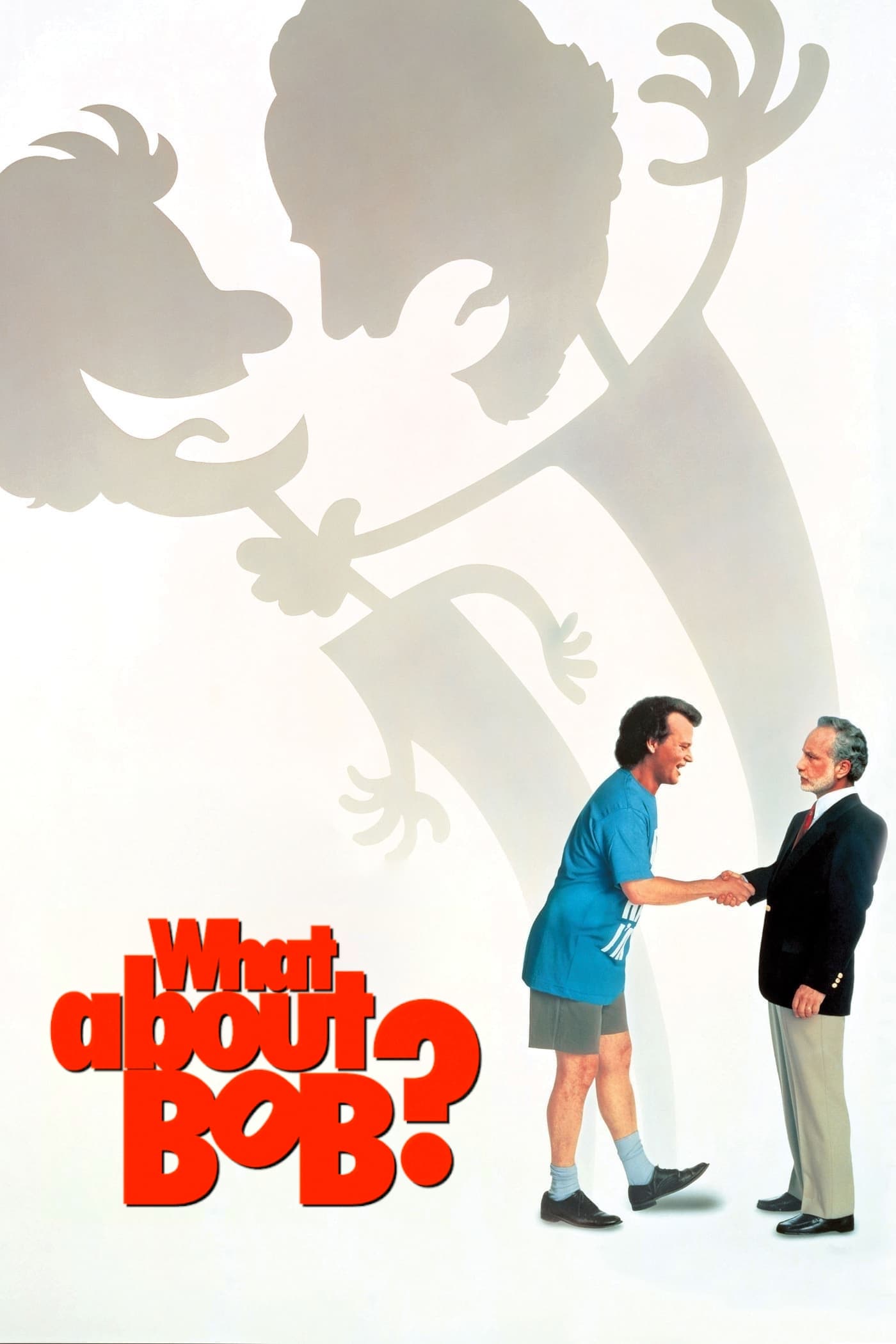
In this hilarious comedy, Murray plays Bob Wiley, a friendly but deeply neurotic man with a multitude of phobias. When his therapist goes on a month-long vacation, the dependent Bob tracks him down at his quiet family lake house. Bob’s cheerful and persistent presence slowly but surely drives the arrogant psychiatrist, played by Richard Dreyfuss, completely insane.
Murray’s performance as Bob is a masterclass in comedic annoyance. He plays the character with a childlike innocence that makes his incredibly disruptive behavior somehow lovable. The escalating conflict between the easygoing Bob and the increasingly unhinged doctor is one of the great comedic pairings of the era. It remains one of his most popular and funniest roles.
‘Groundhog Day’ (1993)

‘Groundhog Day’ is widely considered to be one of the greatest comedies ever made. Murray plays Phil Connors, an arrogant and cynical TV weatherman who is sent to cover the annual Groundhog Day festival in Punxsutawney, Pennsylvania. He becomes trapped in a time loop, forced to relive the same day over and over again. At first, he uses the situation for his own selfish gain, but he eventually begins a long journey toward becoming a better person.
This film represents the pinnacle of Murray’s comedic and dramatic abilities. The role required him to navigate a huge range of emotions, from despair and anger to joy and selflessness. His performance is a masterclass in comedy with a philosophical depth that has fascinated audiences and critics for decades. ‘Groundhog Day’ proved that Murray was more than just a comedian; he was a brilliant actor.
‘Kingpin’ (1996)

In this bowling comedy from the Farrelly brothers, Murray delivers a scene-stealing performance as Ernie “Big Ern” McCracken. He is the arrogant, sleazy, and hilariously villainous professional bowler who was responsible for ruining the career of his rival years earlier. McCracken is the story’s main antagonist, a man with a terrible combover and an even worse personality.
Murray’s over-the-top performance is one of the highlights of the film. He fully embraces the character’s ridiculousness, creating one of the most memorable comic villains of the 1990s. Every moment he is on screen is a comedic gem, from his ridiculous bowling moves to his sleazy one-liners. It showed that Murray could be just as funny playing an exaggerated bad guy as he was playing a sarcastic hero.
‘Rushmore’ (1998)
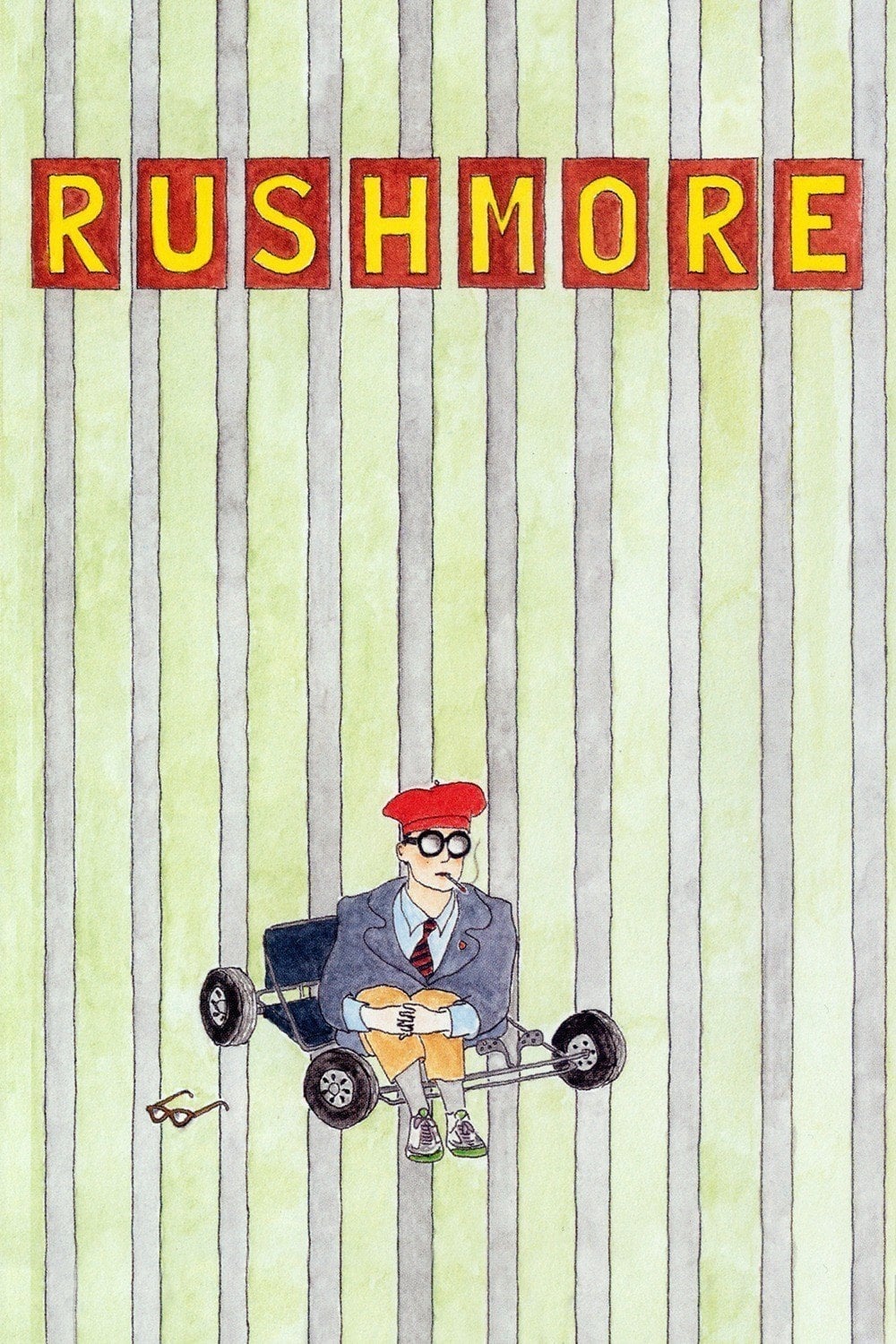
‘Rushmore’ marked a major turning point in Bill Murray’s career and was his first collaboration with director Wes Anderson. He plays Herman Blume, a lonely and disillusioned industrialist who is bored with his life and his family. He befriends Max Fischer, an eccentric and ambitious teenage student, and the two become unlikely rivals when they both fall in love with a teacher at Rushmore Academy.
The role of Herman Blume earned Murray some of the best reviews of his career and reinvented him as a star of independent cinema. He brought a quiet sadness and a dry, understated humor to the character, creating a performance that was both funny and deeply melancholic. This film began the most important creative partnership of his later career and introduced audiences to a new, more mature side of his acting.
‘The Royal Tenenbaums’ (2001)
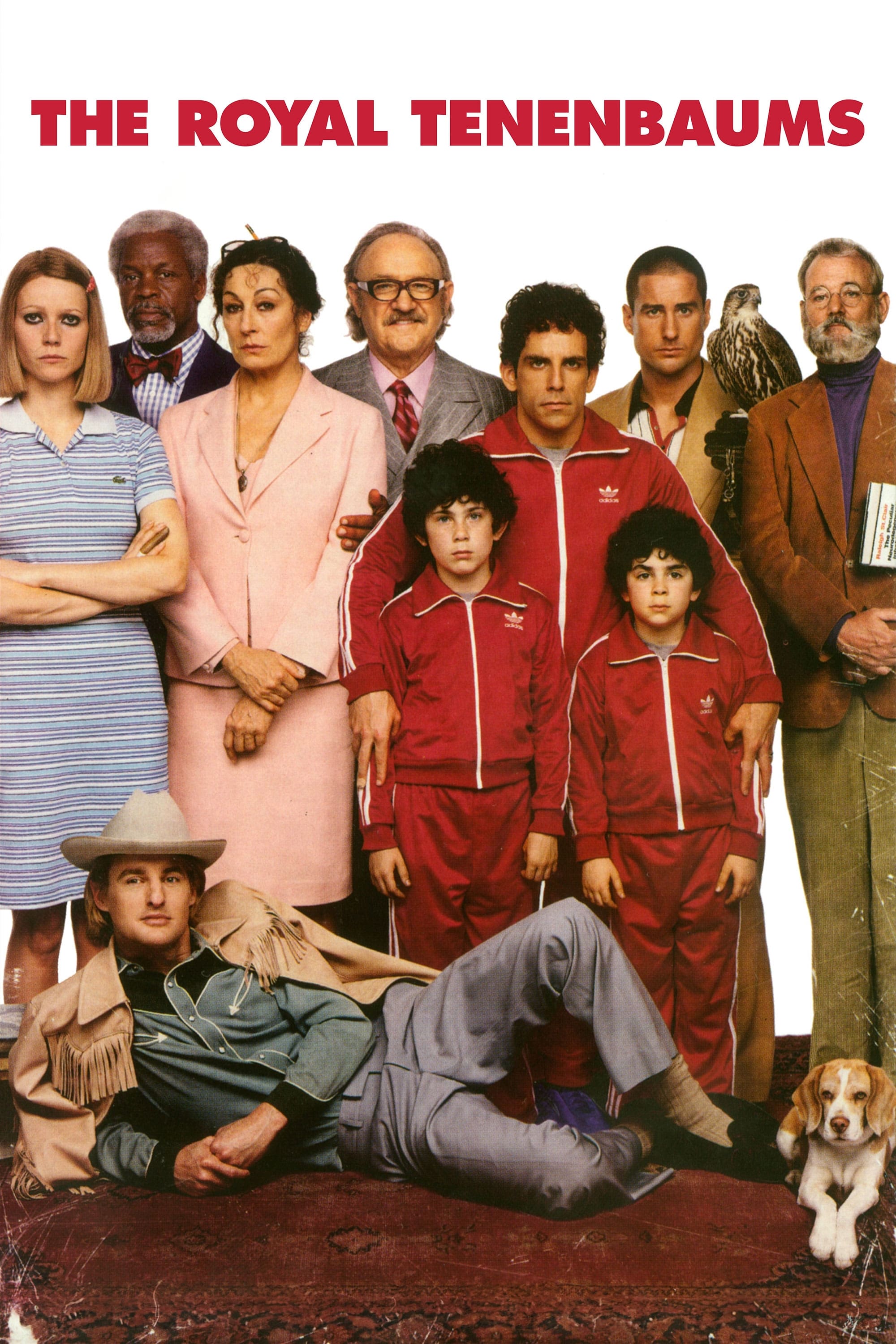
In his second film with Wes Anderson, Murray plays Raleigh St. Clair, a quiet and melancholic neurologist. He is married to Margot Tenenbaum, the adopted daughter of the dysfunctional Tenenbaum family. Raleigh spends much of his time conducting bizarre experiments on his young research subjects and seems to be the last person to realize that his wife is deeply unhappy and unfaithful.
The role is a perfect example of Murray’s later, more understated style. Raleigh is a sad, passive character, and Murray portrays his quiet suffering with a subtle and touching performance. He is a key part of the film’s incredible ensemble cast and a memorable figure in the quirky and melancholic world that Anderson creates.
‘Lost in Translation’ (2003)

In this critically acclaimed film by director Sofia Coppola, Murray plays Bob Harris, an aging American movie star who is in Tokyo to shoot a whiskey commercial. Feeling disconnected from his wife and his career, he forms an unlikely bond with a young, newly married woman named Charlotte, who is also feeling lonely and lost. They spend a few days exploring Tokyo together, finding comfort in their shared sense of alienation.
This is arguably Murray’s finest dramatic performance, earning him an Academy Award nomination. He perfectly captures the character’s weariness, wit, and quiet desperation. The performance is subtle and internal, relying on small gestures and expressions to convey deep emotion. ‘Lost in Translation’ was a beautiful, funny, and poignant film that solidified his status as one of the great actors of his generation.
‘The Life Aquatic with Steve Zissou’ (2004)
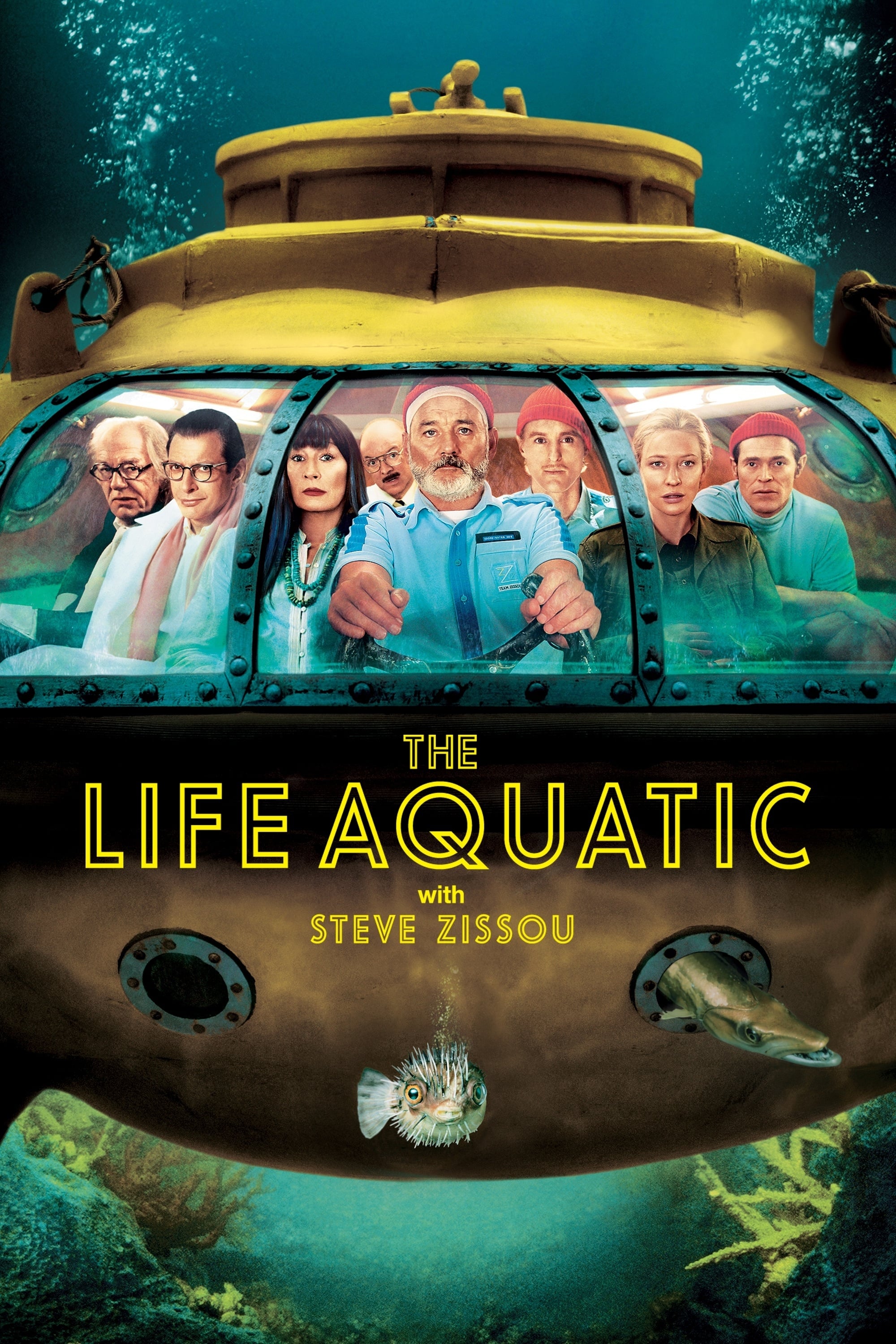
This Wes Anderson film stars Murray as Steve Zissou, an aging oceanographer and documentary filmmaker who is a parody of Jacques Cousteau. Zissou’s career is on the decline, and his best friend was recently eaten by a mysterious “jaguar shark.” He assembles his quirky crew for one last expedition to hunt down and destroy the shark, while also dealing with a man who may or may not be his long-lost son.
The role of Steve Zissou is the ultimate lead performance in a Wes Anderson movie. Murray perfectly embodies the character’s vanity, insecurity, and world-weary sadness. He is the tired, melancholic center of the film’s chaotic and colorful world. The performance is a perfect blend of the deadpan comedy of his early career and the sad-clown persona of his later work.
‘Zombieland’ (2009)
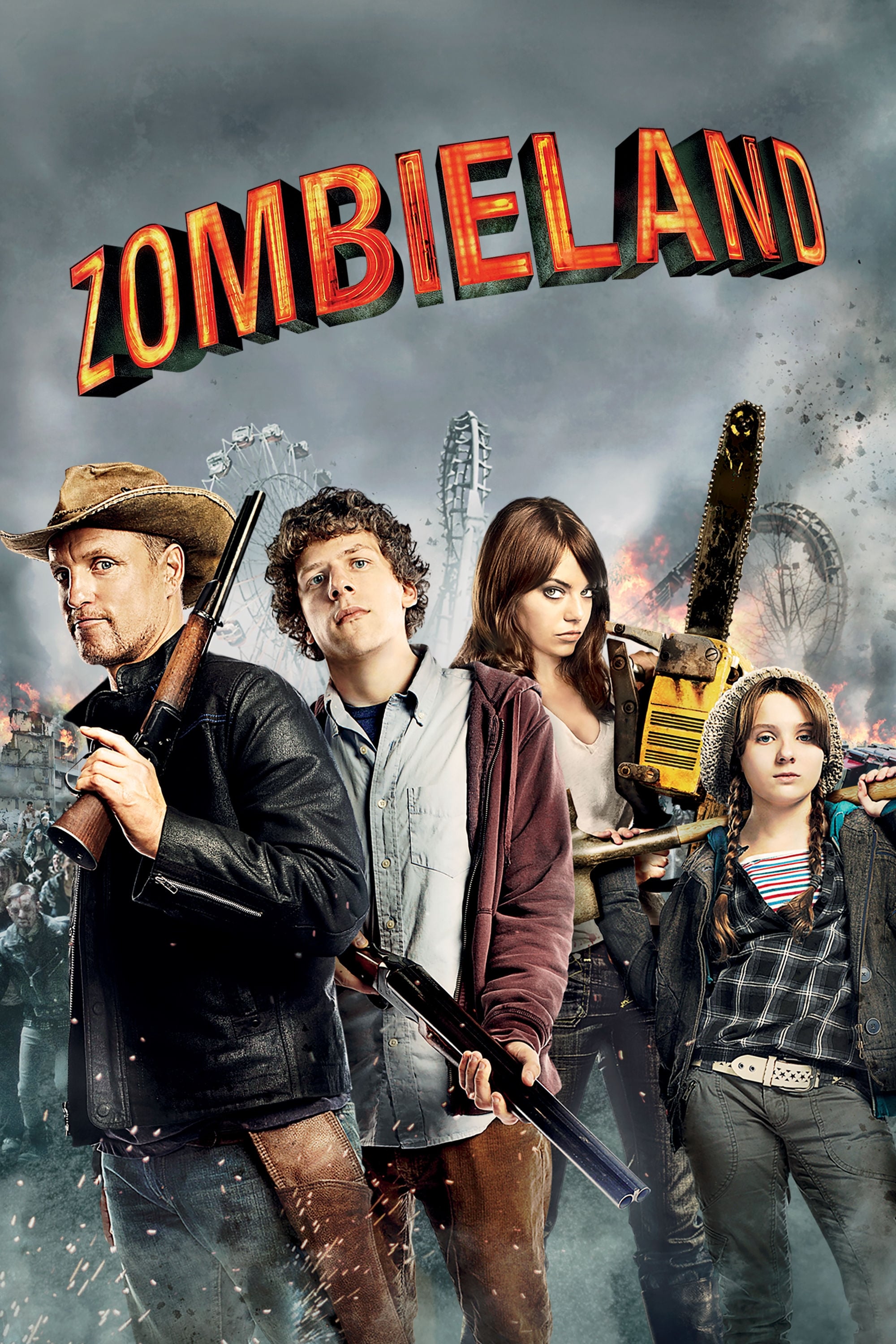
Bill Murray delivered one of the greatest and most surprising cameos in movie history in the horror-comedy ‘Zombieland’. The main characters, searching for a safe place to hide from the zombie apocalypse, take shelter in a massive Beverly Hills mansion that they discover belongs to Bill Murray. Soon after, they meet the actor himself, who has survived by disguising himself as a zombie.
Playing a fictionalized version of himself, Murray is hilarious as he explains his survival strategy and hangs out with the star-struck survivors. The cameo is a brilliant and unexpected moment that has become the most famous scene in the film. It’s a testament to Murray’s iconic status and his willingness to poke fun at his own public image.
‘Moonrise Kingdom’ (2012)
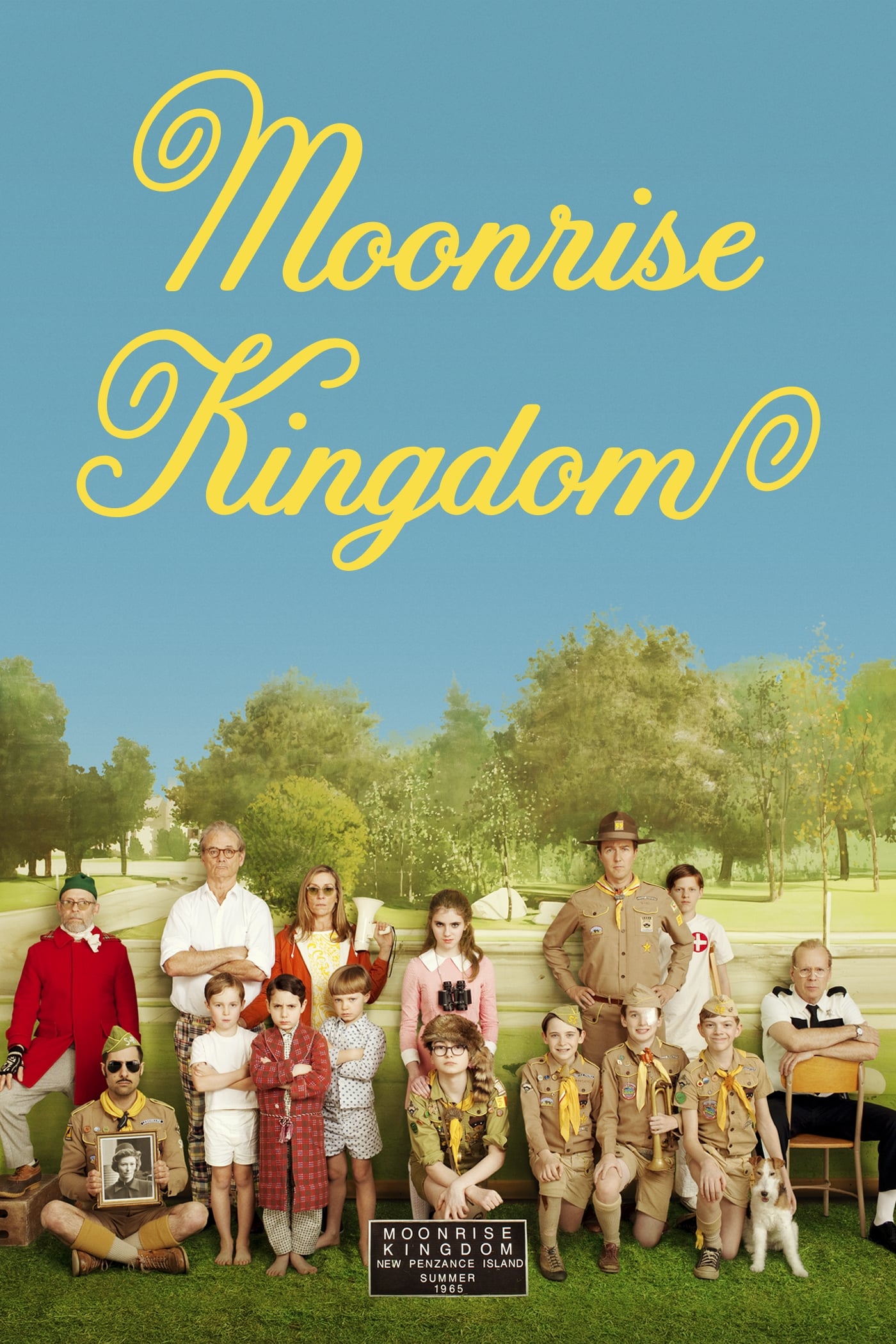
In another collaboration with Wes Anderson, Murray plays Mr. Bishop, the subdued and melancholic father of a troubled young girl who runs away from home with a young Khaki Scout. Set on a New England island in the 1960s, the film follows the search for the two young lovers. Mr. Bishop and his wife are having their own quiet marital problems, which adds to the film’s bittersweet tone.
Murray’s performance is a key part of the film’s quirky and emotional landscape. He plays the cuckolded husband and concerned father with a perfect blend of deadpan humor and genuine sadness. His character is another of Anderson’s many disappointed patriarchs, a man who has lost control of his family and his life, and Murray portrays this with understated perfection.
‘St. Vincent’ (2014)

Bill Murray plays Vincent MacKenna, a grumpy, hard-drinking, gambling-addicted war veteran who lives alone. His life changes when a single mom and her young son move in next door. In need of cash, Vincent agrees to babysit the boy after school. An unlikely friendship forms between the two, and the boy begins to see the good heart hidden beneath Vincent’s rough exterior.
The role of Vincent is a perfect late-career showcase for Murray, combining all the different aspects of his screen persona. He gets to be the sarcastic curmudgeon, the funny slacker, and the man with a hidden well of sadness and decency. It is a warm, funny, and touching performance that earned him a Golden Globe nomination and reminded audiences of his unique star power.
‘On the Rocks’ (2020)
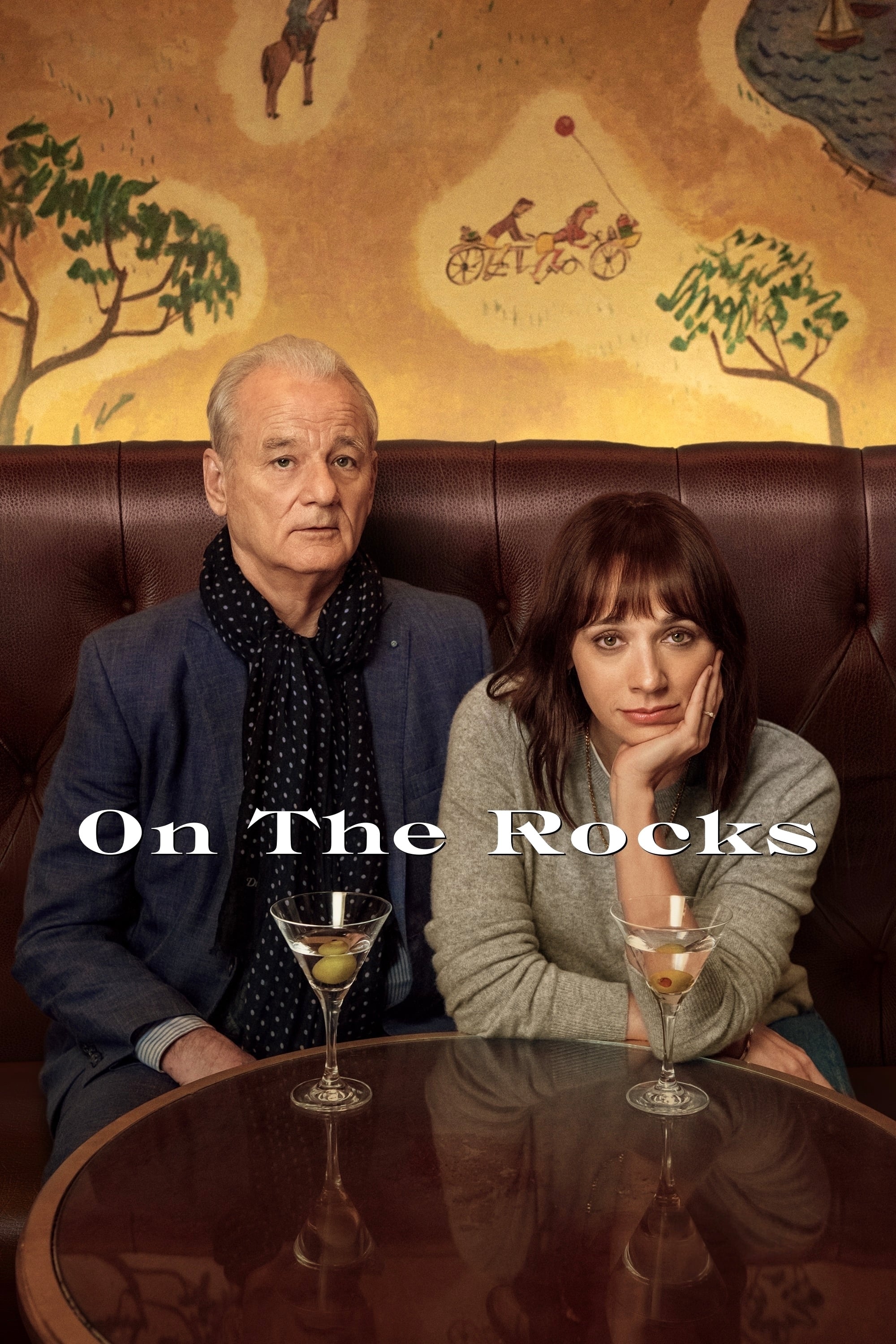
This film reunited Bill Murray with his ‘Lost in Translation’ director, Sofia Coppola. He plays Felix Keane, a wealthy, charming, and semi-retired art dealer in New York City. He teams up with his daughter, who suspects her husband is having an affair. The two embark on a playful spy mission through the city to investigate, all while Felix offers his flamboyant and old-fashioned advice on life and relationships.
Felix is an incredibly charming and larger-than-life character, and Murray plays him with an infectious energy. He is the cool, martini-drinking dad who seems to know everyone and everything. The performance is a delightful return to a more purely comedic role, but it also has moments of quiet emotional depth as it explores the bond between a father and his daughter.
‘Ghostbusters: Afterlife’ (2021)
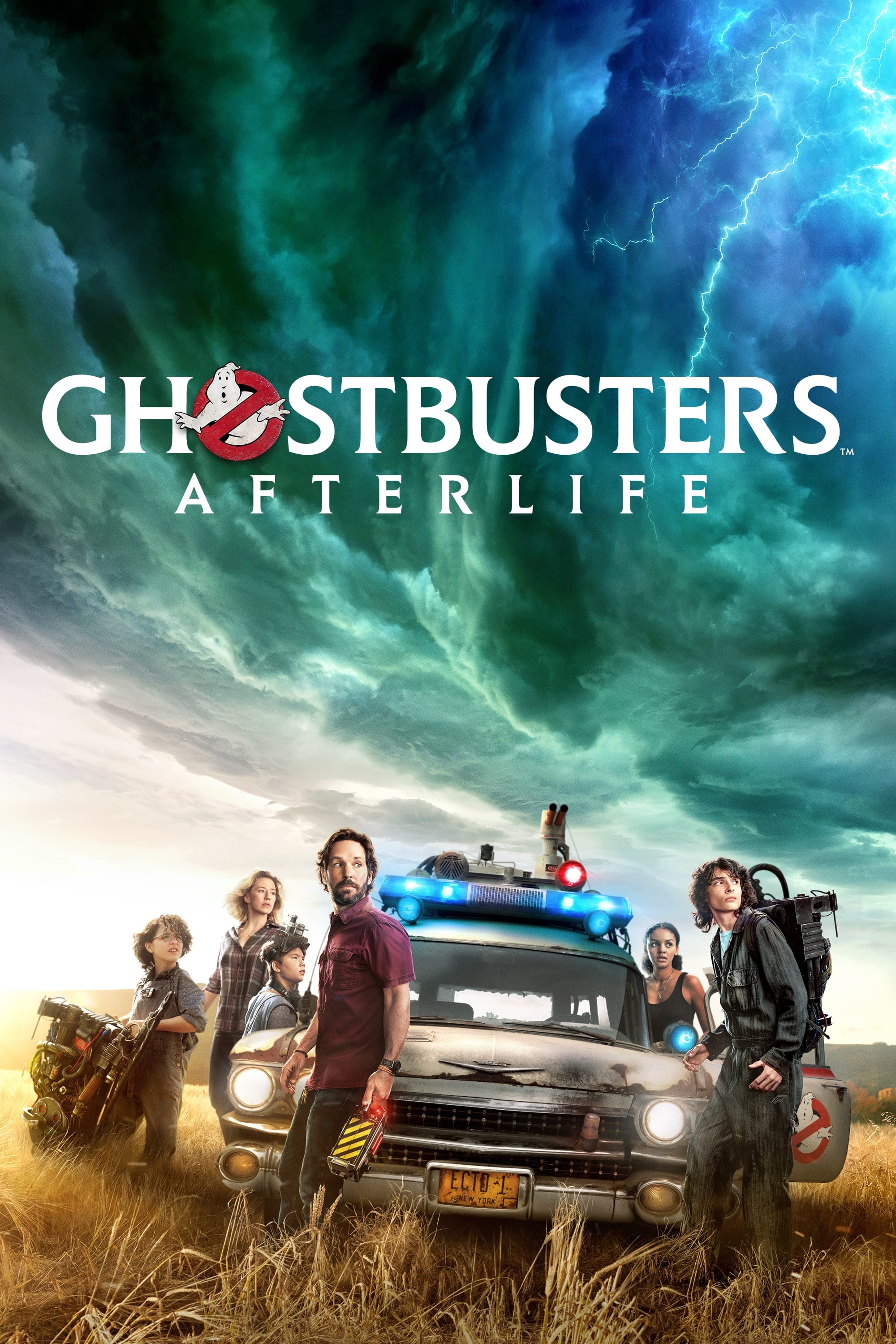
Murray reprised his most famous role, Dr. Peter Venkman, in this long-awaited sequel to the original ‘Ghostbusters’ films. The story follows the grandchildren of original Ghostbuster Egon Spengler, who discover their family’s legacy in a small Oklahoma town. Murray, along with the other surviving original cast members, appears in the film’s third act to help the new generation battle a familiar supernatural threat.
Seeing Murray back in the Venkman jumpsuit was a huge moment for fans. Though his screen time is limited, he effortlessly slips back into the character’s sarcastic and unflappable persona. His return provided a perfect blend of nostalgia and closure, bridging the gap between the old and new generations of Ghostbusters.
‘The Phoenician Scheme’ (2025)

Murray’s latest film is another collaboration with his most frequent director, Wes Anderson. The movie is a black comedy and espionage tale about a wealthy arms dealer who, after surviving multiple assassination attempts, tries to make his estranged daughter the heir to his business empire. The story involves the main character having visions of the afterlife during his near-death experiences.
In these afterlife sequences, Bill Murray takes on the ultimate role: he plays God. It is a cameo role, but a pivotal one, continuing his long and celebrated partnership with Anderson. The character is described as an informal and relaxed version of the Almighty, offering cryptic advice in a way that only Bill Murray could deliver.
Let us know in the comments which Bill Murray character you find the most unforgettable.