


18 Biopics That Completely Changed Public Perception of Their Subjects




Biographical films possess a unique power to reshape history and alter how the world views famous figures. These movies can rehabilitate the image of a villain or expose the dark truths behind a beloved icon. By offering new perspectives and dramatizing private moments filmmakers provide context that headlines often miss. The following films successfully challenged the prevailing narratives surrounding their subjects.
‘I, Tonya’ (2017)

Margot Robbie portrays the disgraced figure skater in a narrative that challenges the media frenzy of the nineties. The film presents Tonya Harding as a victim of abuse rather than solely a villain in the Nancy Kerrigan scandal. Audiences gain insight into her difficult upbringing and the classism present in the figure skating world. This dark comedy forces viewers to reconsider the harsh judgments passed on her by the public. It effectively transforms her image from a punchline into a sympathetic and complex human being.
‘The Social Network’ (2010)

Jesse Eisenberg plays Mark Zuckerberg in this drama about the founding of Facebook and the lawsuits that followed. The script portrays the tech mogul as socially awkward and ruthless in his pursuit of success and recognition. While the accuracy is debated the film cemented a specific image of Zuckerberg as an isolated genius who betrayed his friends. This depiction influenced how the public viewed the origins of social media and the personality behind the platform.
‘Bohemian Rhapsody’ (2018)
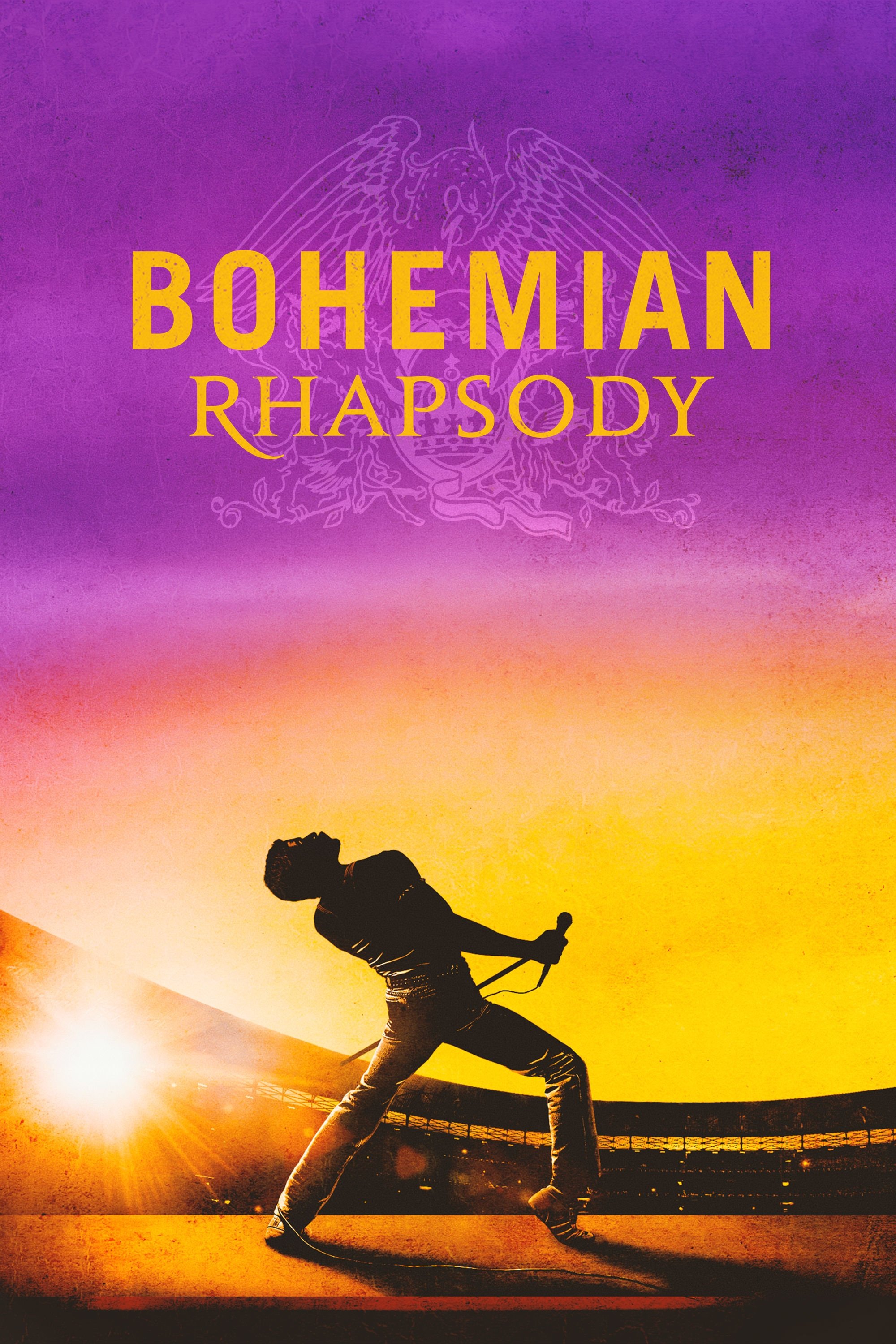
Rami Malek delivers an Academy Award winning performance as the flamboyant lead singer of Queen. The movie introduces a new generation to Freddie Mercury while highlighting his personal struggles with identity and illness. It moves beyond the stage persona to show his vulnerability and loneliness amidst global fame. Viewers see the deep bond between band members and the creative process behind their greatest hits. This biopic revitalized interest in the band and solidified Mercury as a beloved cultural icon.
‘Elvis’ (2022)

Austin Butler embodies the King of Rock and Roll in a visually dazzling exploration of his rise and fall. The narrative focuses heavily on the manipulative relationship between Elvis and his manager Colonel Tom Parker. Audiences see the singer as a tragic figure who was exploited for profit until his untimely death. This perspective shifts the blame for his decline away from his own choices and places it on external pressures. It successfully humanizes a man who had become almost mythical in American culture.
‘Monster’ (2003)

Charlize Theron undergoes a drastic physical transformation to play serial killer Aileen Wuornos. The film explores the traumatic history of abuse and mental illness that contributed to her violent crimes. It provides a harrowing context that was largely absent from the sensationalized media coverage of her trial. Viewers are confronted with the brutal reality of her life on the margins of society. The portrayal complicates the narrative of a monster by revealing the broken human beneath the headlines.
‘Richard Jewell’ (2019)
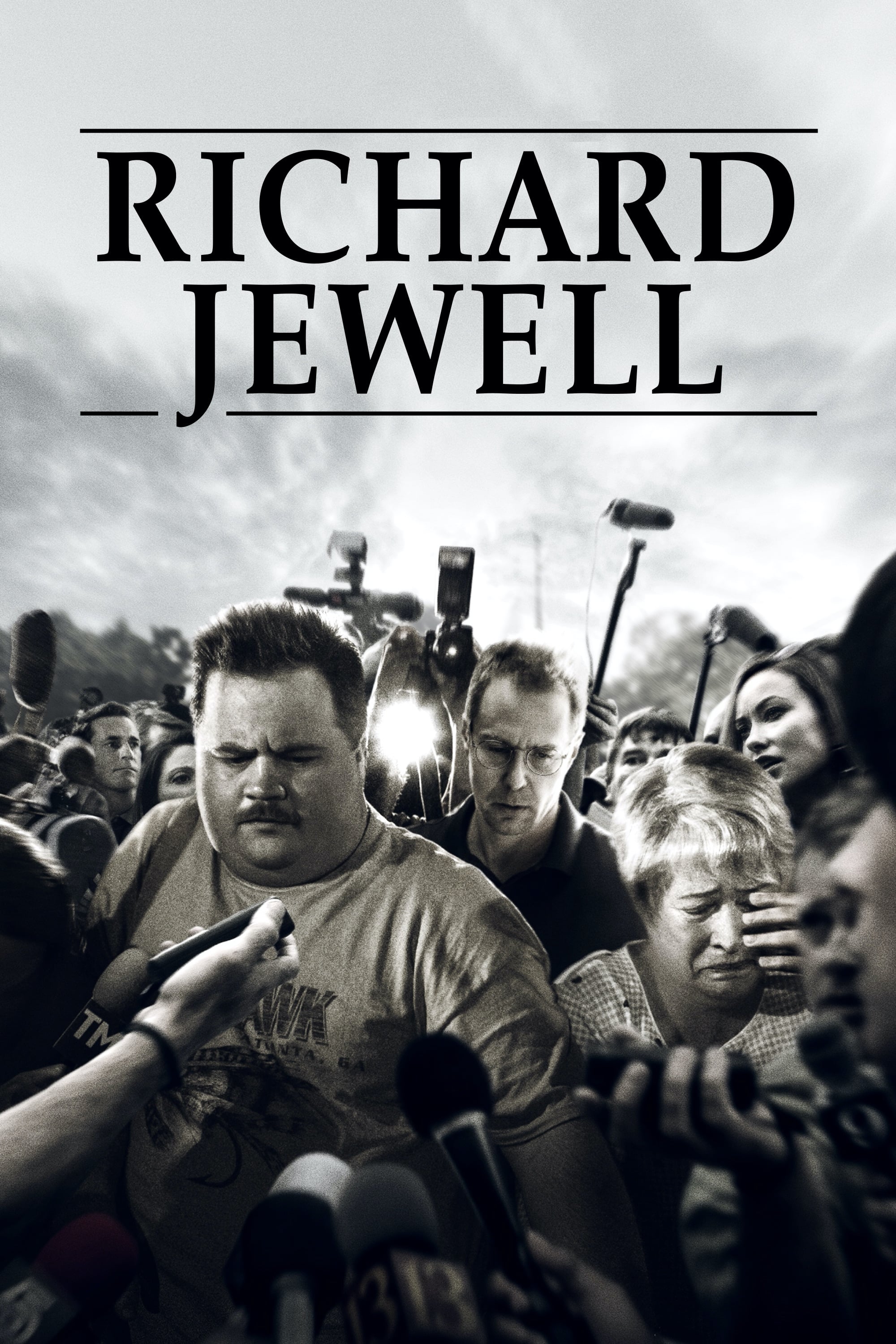
Clint Eastwood directs this drama about the security guard who saved lives during the Centennial Olympic Park bombing. The story details how the media and the FBI wrongly vilified Jewell as a primary suspect shortly after his heroic act. It highlights the devastating impact that the rush to judgment had on his life and the health of his mother. The film serves as a correction to history by firmly establishing his innocence and bravery. Audiences are left with a deep sense of injustice regarding his treatment by the press.
‘Malcolm X’ (1992)
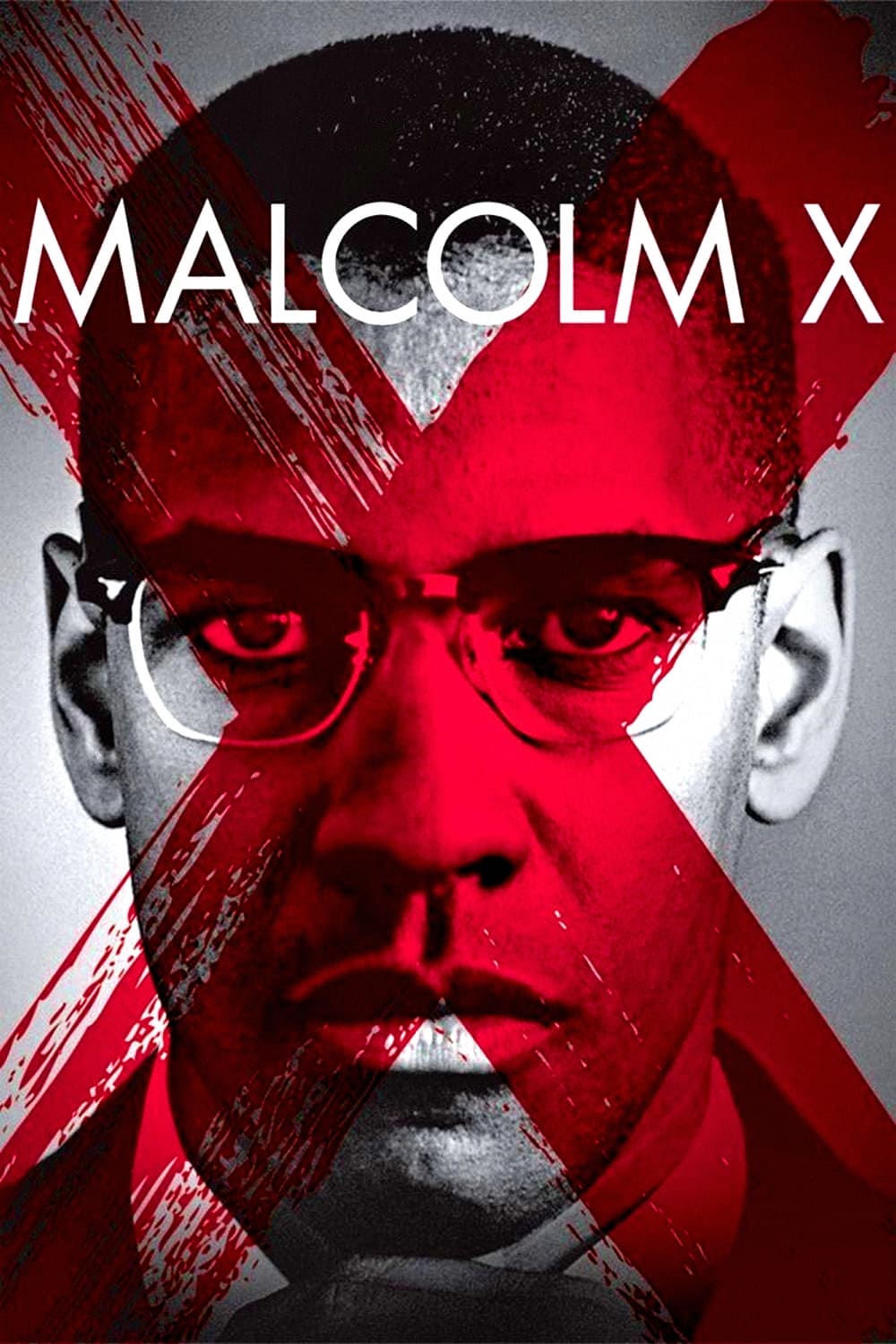
Denzel Washington stars in this epic biographical film that spans the life of the influential civil rights leader. The movie dispels many misconceptions by showing his evolution from a street hustler to a spiritual leader preaching unity. It provides necessary context to his more controversial statements and emphasizes his intellectual growth. Spike Lee crafts a narrative that demands respect for his legacy and impact on American history. This definitive portrayal helped move Malcolm X from the fringe into the mainstream pantheon of heroes.
‘The Iron Lady’ (2011)
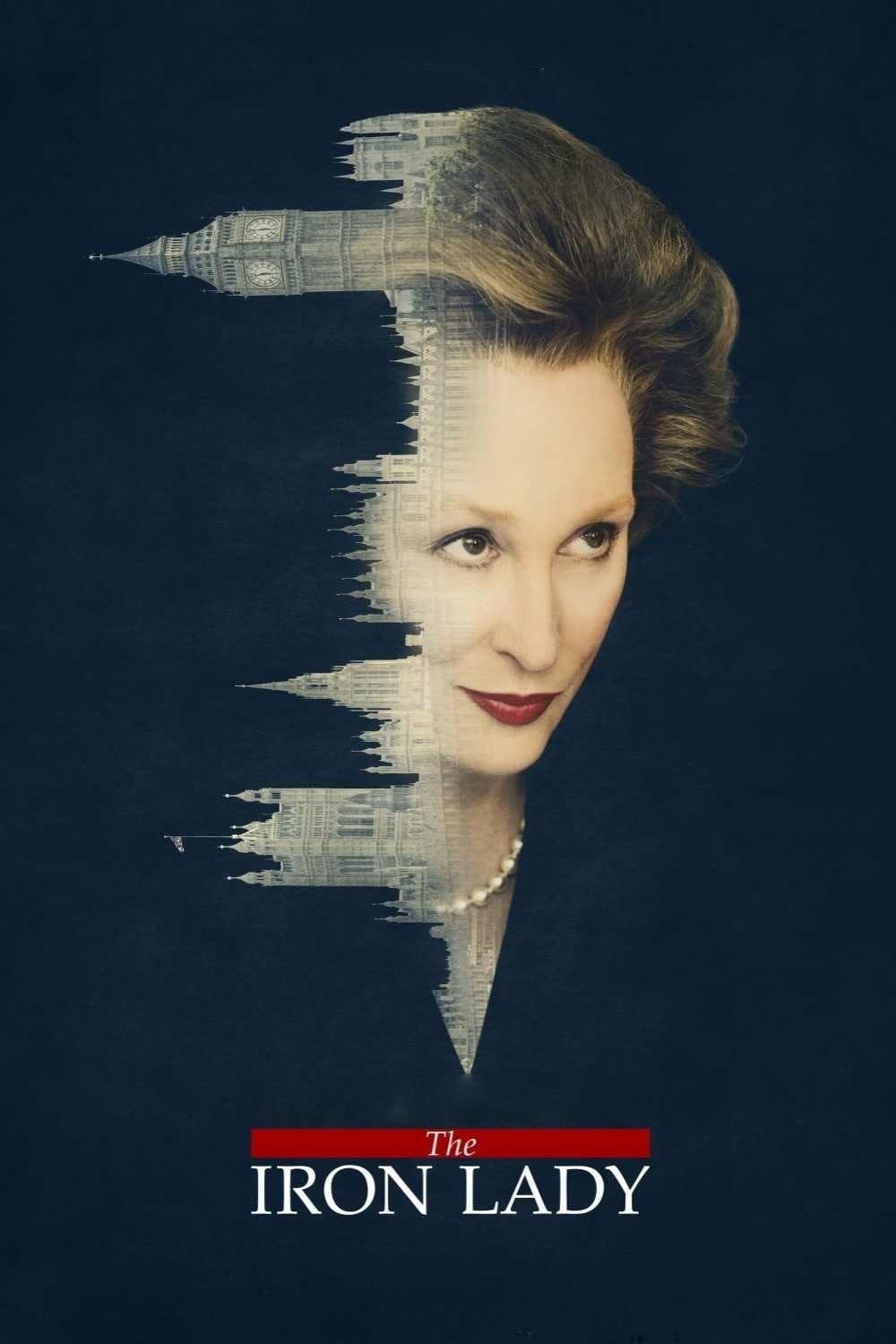
Meryl Streep portrays Margaret Thatcher during her rise to power and her eventual decline into dementia. The film focuses on the personal sacrifices made by the first female Prime Minister of the United Kingdom. It attempts to separate the woman from her polarizing politics by showing her vulnerability and isolation. Viewers witness the gender barriers she faced within her own party and the toll of leadership. This humanizing approach softened her rigid public image for many moviegoers.
‘Spencer’ (2021)

Kristen Stewart captures the internal anguish of Princess Diana during a suffocating Christmas holiday at Sandringham. The psychological drama moves away from the fairytale narrative to depict a woman on the verge of a breakdown. It emphasizes her feeling of entrapment within the royal institution and her desperate need to protect her children. The film challenges the polished media image of the People’s Princess by focusing on her pain and rebellion. Audiences see a raw and visceral interpretation of her struggle for autonomy.
‘Amadeus’ (1984)
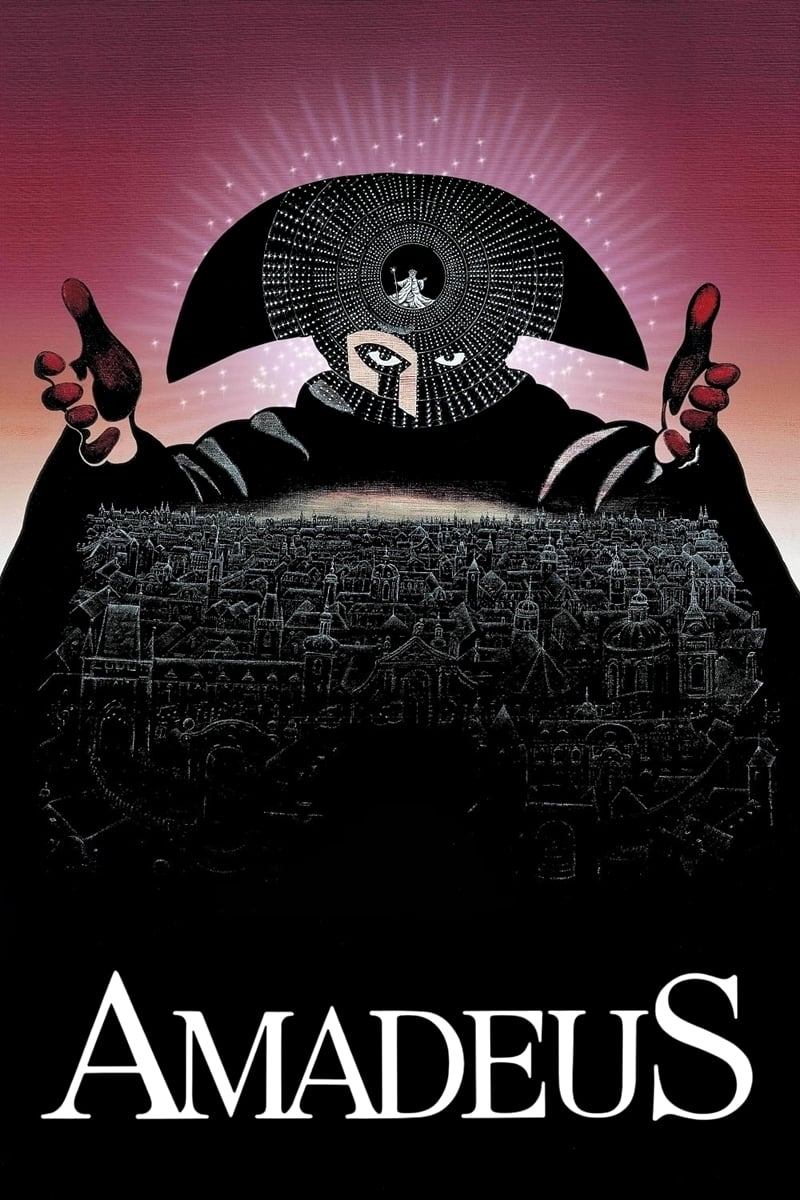
F. Murray Abraham plays Antonio Salieri as a man consumed by jealousy over the divine talent of Wolfgang Amadeus Mozart. This fictionalized account permanently altered how the public perceives the relationship between the two composers. It frames Salieri as the mediocrity who plotted the downfall of a genius despite historical evidence to the contrary. The movie successfully paints Mozart as a vulgar yet brilliant child while making Salieri a tragic villain. This narrative remains the dominant association most people have with the Italian composer.
‘Vice’ (2018)

Christian Bale gains significant weight to portray former Vice President Dick Cheney in this satirical biopic. The film argues that Cheney was the true power behind the throne during the Bush administration. It details his quiet manipulation of the political system to expand executive authority and influence foreign policy. The narrative presents him as a calculated architect of modern geopolitical conflicts rather than just a supporting player. This depiction solidified a cynical view of his legacy and political maneuvering.
‘Straight Outta Compton’ (2015)
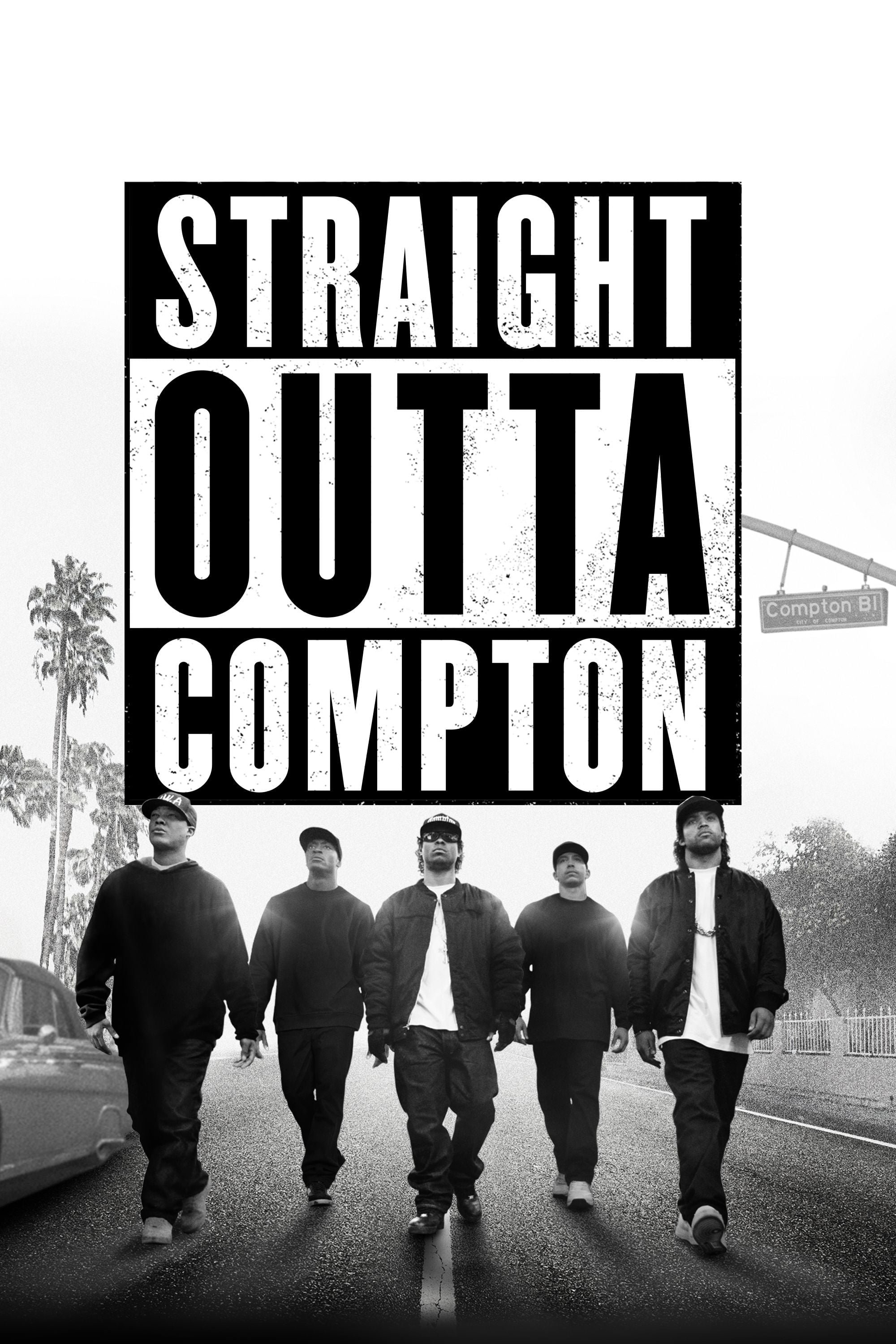
The film chronicles the rise of the hip hop group N.W.A and their experiences with police brutality in Los Angeles. It humanizes figures like Eazy-E and Dr. Dre by showing their artistic drives and personal flaws. The story contextualizes their aggressive lyrics as a direct response to their environment and systemic oppression. Audiences gain a better understanding of the cultural significance behind their controversial music. It successfully reframed the group from dangerous agitators to pioneers of free speech.
‘The King’s Speech’ (2010)
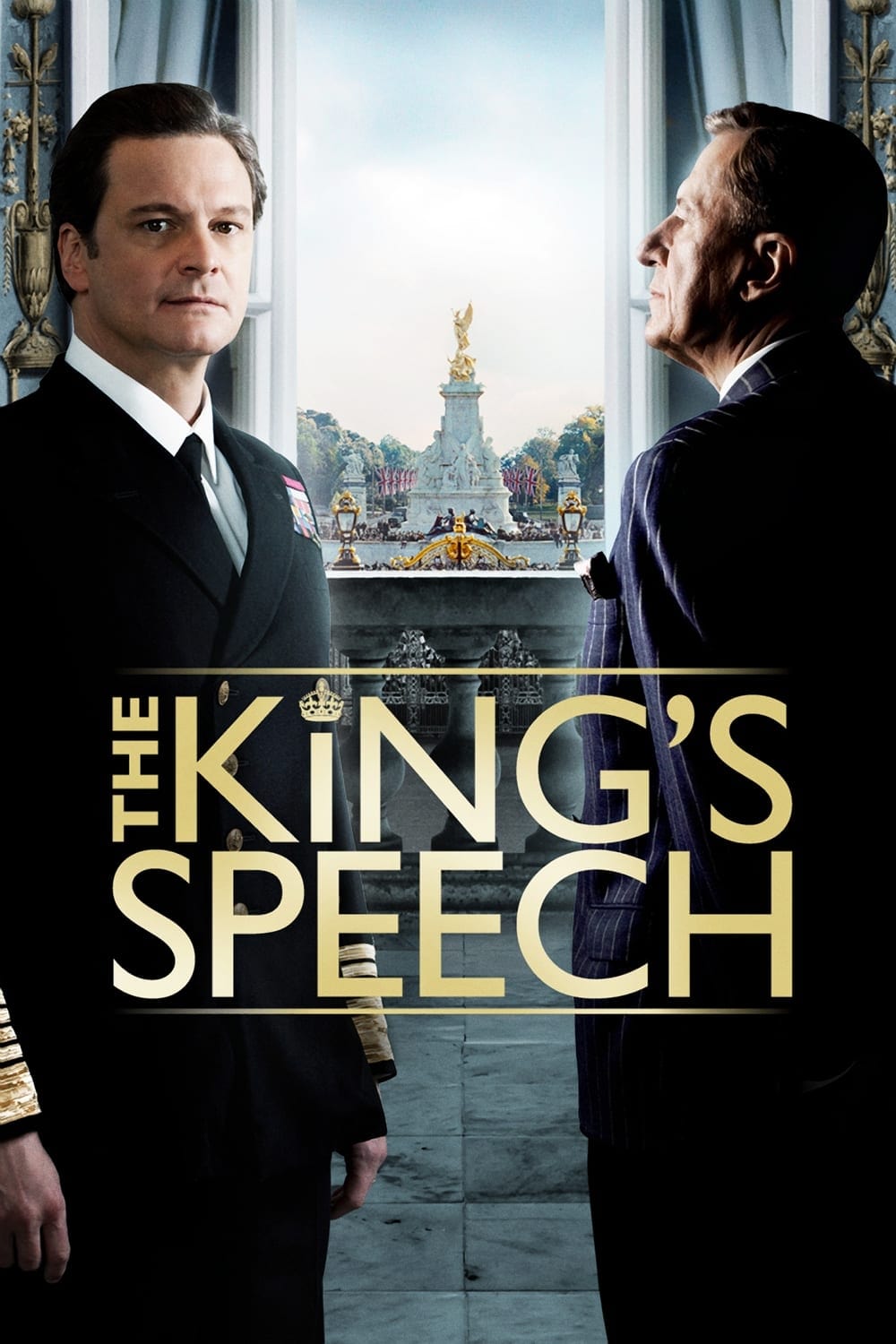
Colin Firth plays King George VI as he struggles to overcome a severe stammer before his first wartime radio broadcast. The movie focuses on his vulnerability and the unorthodox friendship he forms with his speech therapist. It transforms the image of a distant monarch into a man fighting a personal disability under immense pressure. Viewers sympathize with his reluctance to take the throne and his fear of public speaking. This intimate portrait revitalized public affection for the father of Queen Elizabeth II.
‘Frost/Nixon’ (2008)
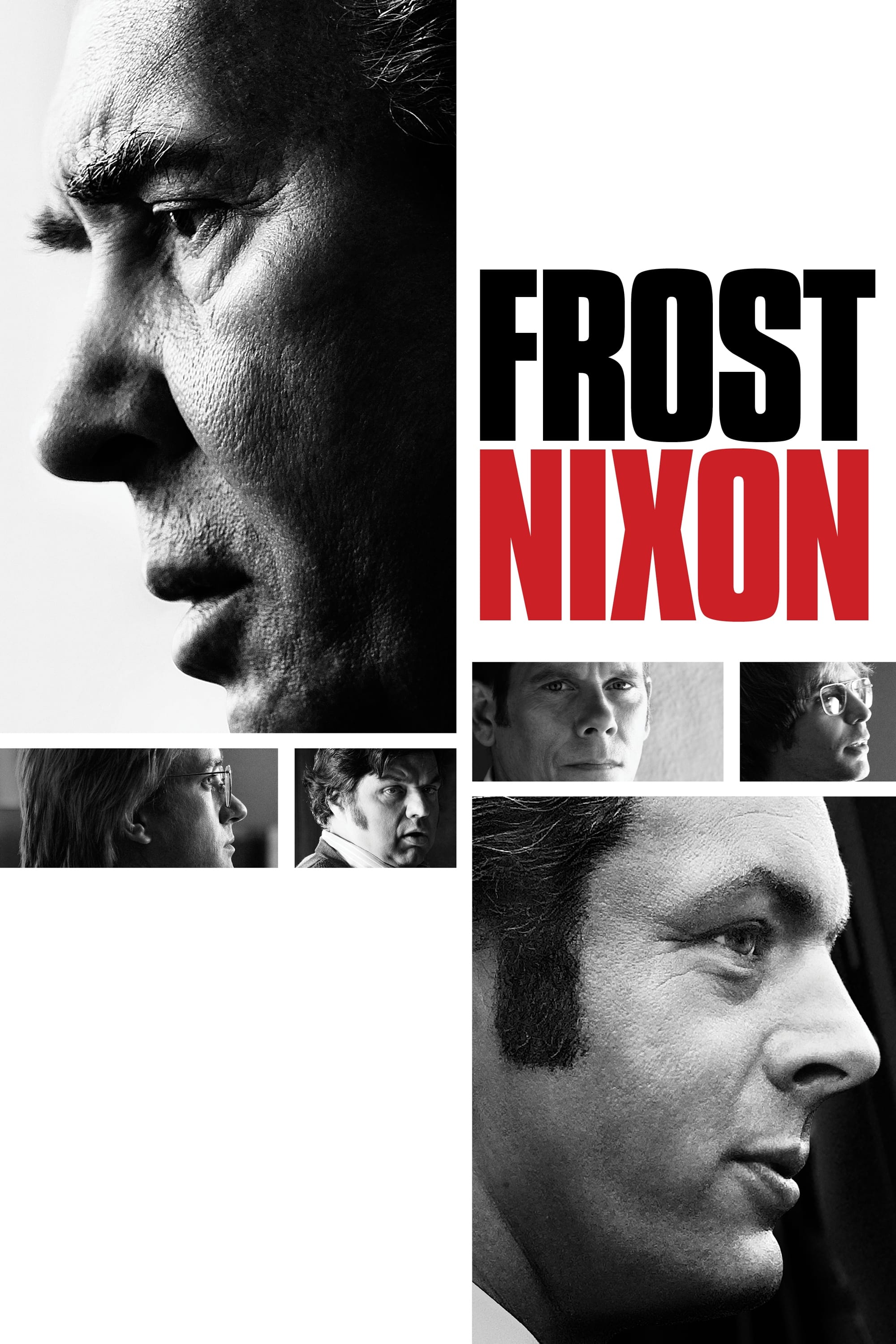
Frank Langella portrays disgraced President Richard Nixon during his famous post-Watergate interviews. The film dramatizes his attempt to rehabilitate his image and his eventual admission of guilt on national television. It presents Nixon not just as a corrupt politician but as a complex man seeking redemption and validation. The intense verbal sparring reveals his intelligence as well as his deep insecurities. This dramatization offers a nuanced look at a figure often reduced to a caricature of corruption.
‘The Eyes of Tammy Faye’ (2021)
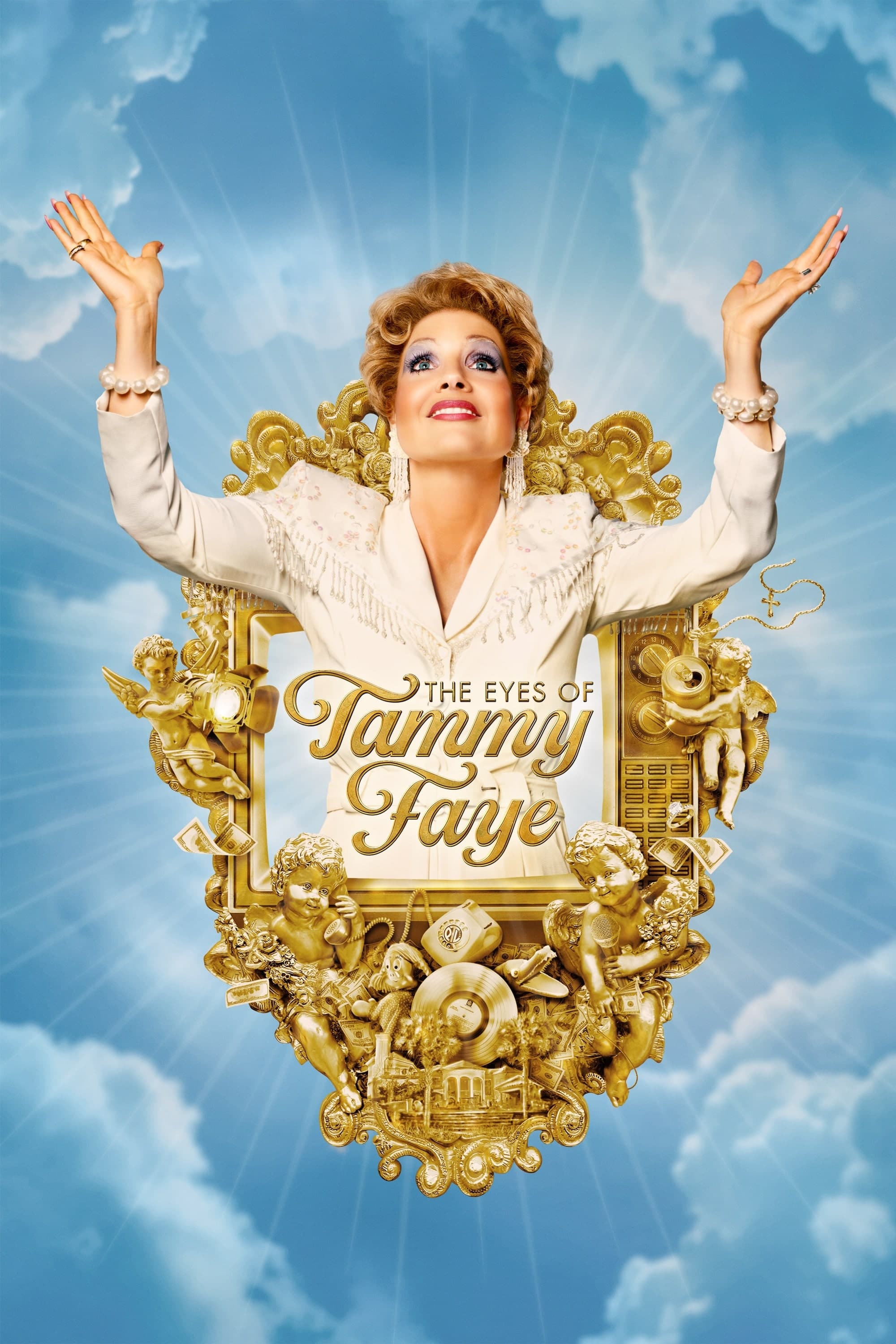
Jessica Chastain plays the televangelist Tammy Faye Bakker and explores her rise and fall alongside her husband Jim. The movie looks past the heavy makeup and scandal to reveal a woman of genuine faith and inclusivity. It highlights her compassion for the LGBTQ community at a time when most religious leaders turned their backs. The narrative reclaims her legacy from being a national joke to being a misunderstood pioneer. Audiences discover the sincere heart beating beneath the tabloid caricature.
‘Schindler’s List’ (1993)

Liam Neeson stars as the German industrialist who saved over a thousand Jewish refugees during the Holocaust. The film brings the horrors of the period to a wide audience while highlighting the moral awakening of a war profiteer. It cemented Oskar Schindler in the global consciousness as a symbol of righteous courage. The stark black and white cinematography emphasizes the gravity of the historical events depicted. This masterpiece fundamentally shaped how general audiences visualize and understand the Holocaust.
‘Oppenheimer’ (2023)
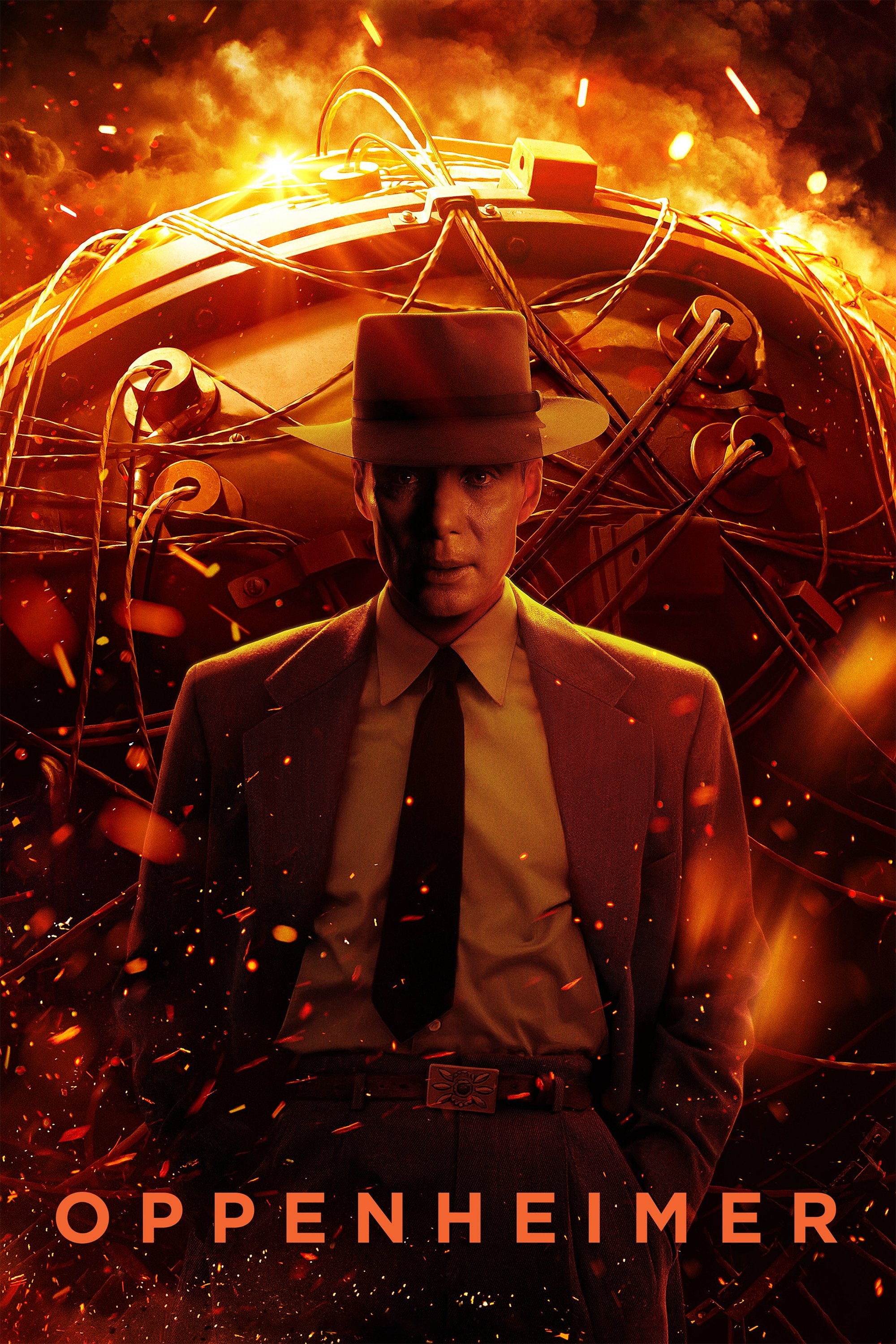
Cillian Murphy portrays the theoretical physicist tasked with leading the Manhattan Project during World War II. The film delves into the moral weight and political persecution J. Robert Oppenheimer faced after creating the atomic bomb. It shifts the focus from the scientific achievement to the haunting psychological aftermath for its creator. Viewers are left with a complex image of a man torn between duty and the devastation he unleashed. The narrative restored his status as a tragic and pivotal figure in modern history.
‘Lawrence of Arabia’ (1962)
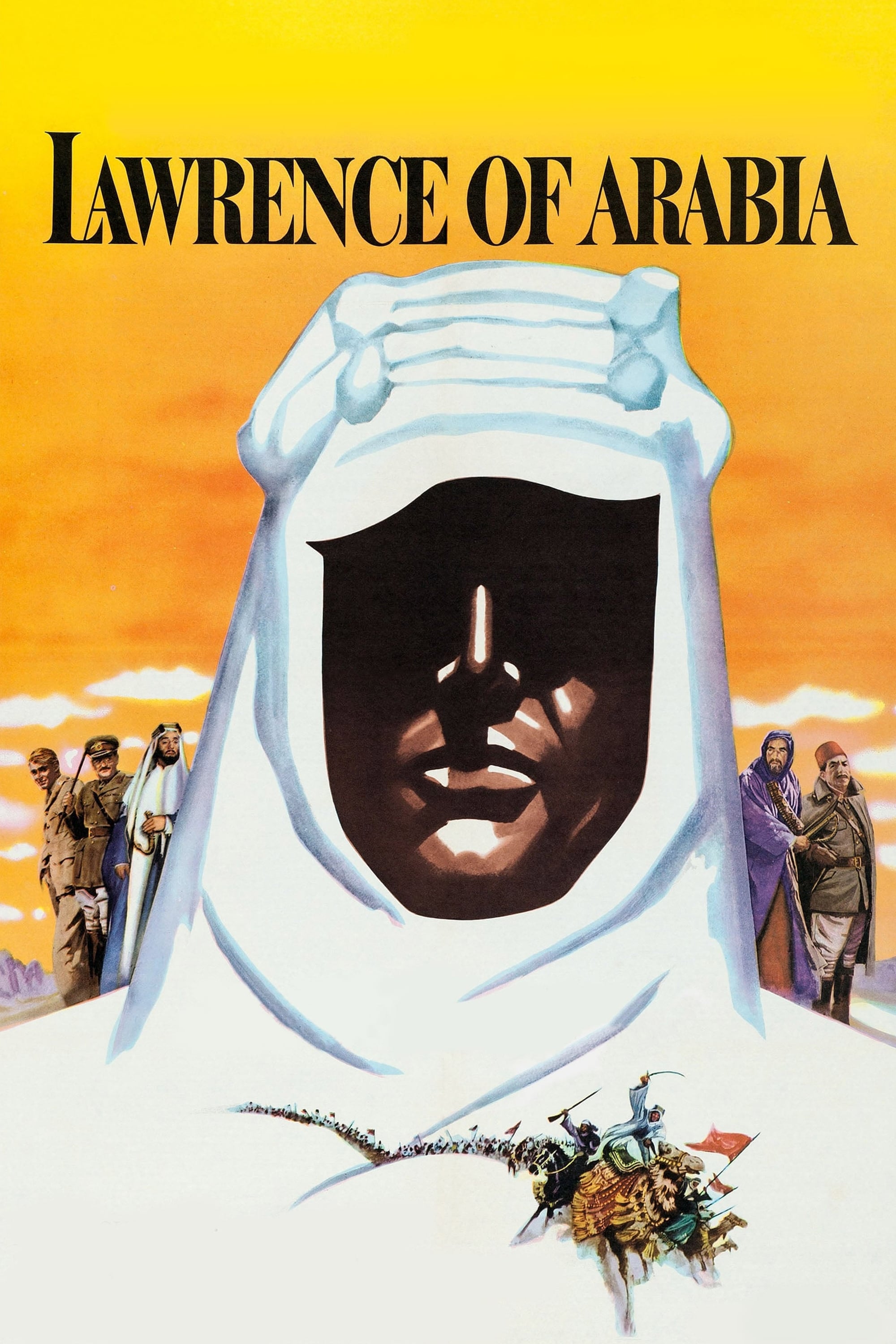
Peter O’Toole plays T.E. Lawrence in this sweeping epic about his involvement in the Arab Revolt. The film mythologizes the British officer while exploring his conflicting loyalties and identity crisis. It presents him as a messy and ego-driven figure who genuinely loved the desert and its people. The visual grandeur and character study defined the public perception of Lawrence for decades. It remains the primary source of knowledge about his life for the vast majority of the public.
Tell us which biographical film changed your opinion of a historical figure in the comments.