


Black Actors Who Crossed Over into Global Asian Cinema

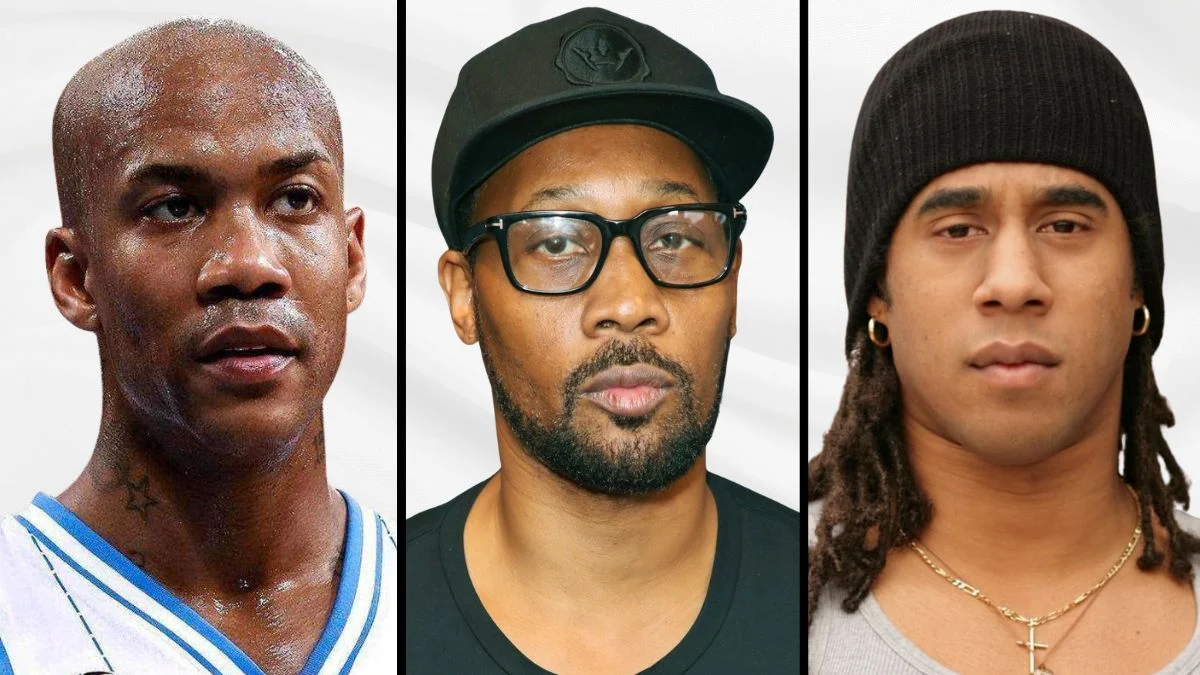


The intersection of Black talent and Asian cinema establishes a rich and often overlooked history of cultural exchange. This tradition dates back to the golden era of Hong Kong martial arts movies where skilled American fighters traveled East to showcase their physical prowess. Modern collaborations have expanded significantly beyond the kung fu genre into Japanese dramas and high-budget Chinese historical epics. These performances demonstrate how cinema transcends language barriers and creates unique opportunities for diverse storytelling on a global scale.
Kareem Abdul-Jabbar
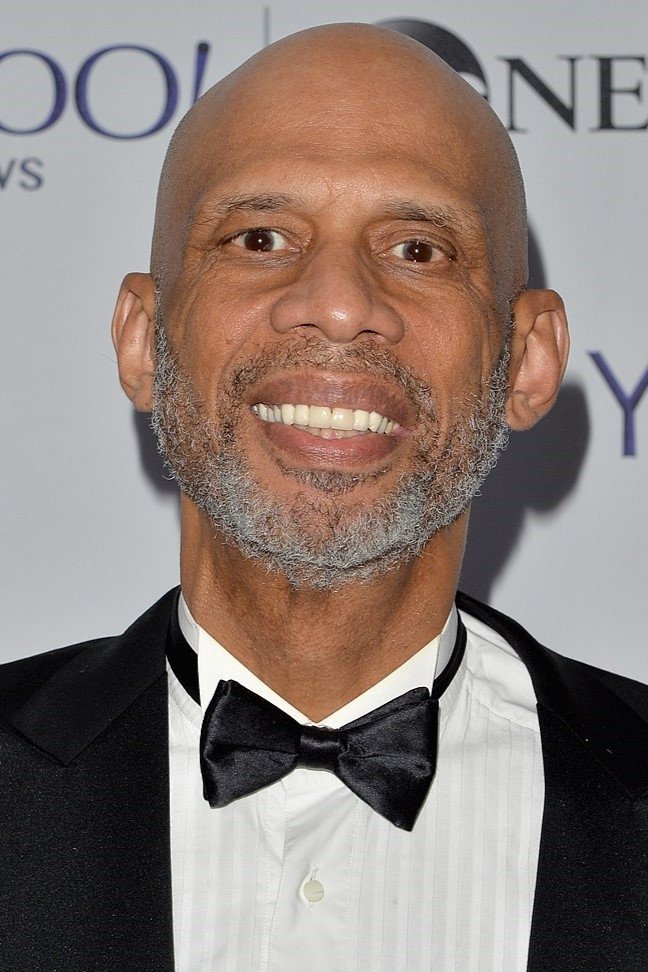
The NBA legend made an indelible mark on martial arts cinema with his role in ‘Game of Death’ alongside Bruce Lee. Their fight scene remains one of the most iconic moments in action history due to the striking height difference and contrasting styles. Abdul-Jabbar utilized his immense reach and size to challenge the Jeet Kune Do master in a pagoda battle. This performance cemented his status in Hong Kong film lore long before his basketball career ended. His appearance demonstrated the global appeal of Hong Kong martial arts films during the 1970s.
Jim Kelly
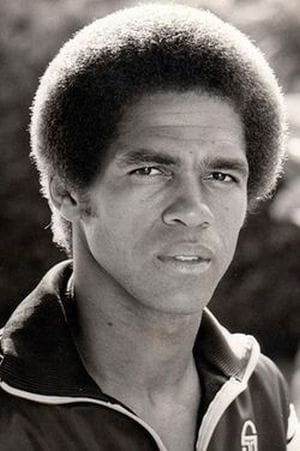
Kelly became the first breakout Black martial arts star after his charismatic performance in ‘Enter the Dragon’. He subsequently starred in Hong Kong productions like ‘Golden Needles’ and ‘The Tattoo Connection’ where he showcased his karate skills. His afro hairstyle and cool demeanor made him a cultural icon who bridged the gap between Blaxploitation and kung fu cinema. Studios in Hong Kong actively sought him out to headline films for international audiences. He remains a pivotal figure in the history of cross-cultural action cinema.
Mike Tyson
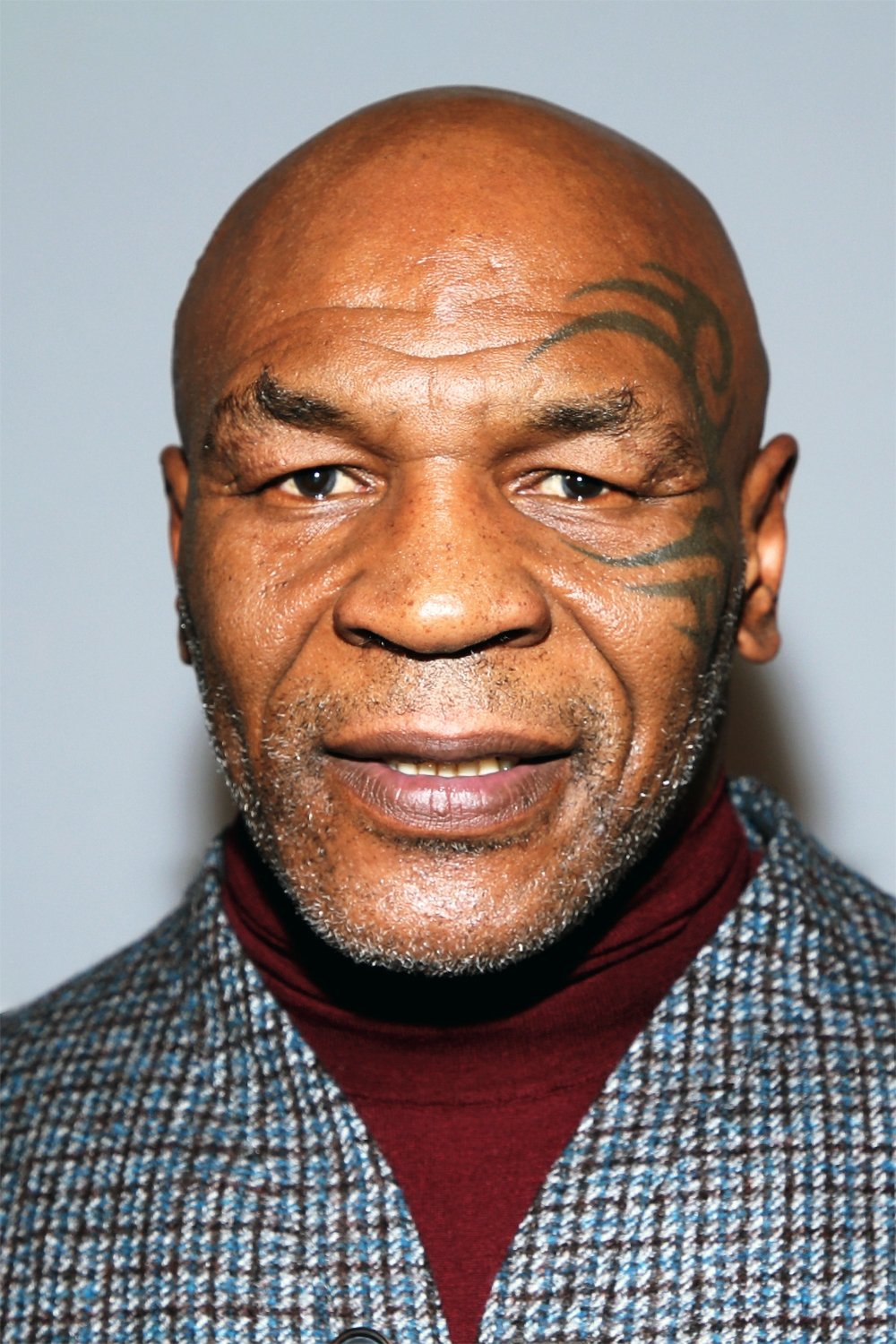
The former heavyweight champion brought his ferocious boxing style to the screen in ‘Ip Man 3’ as a corrupt property developer. His fight sequence against Donnie Yen is widely regarded as one of the best choreography displays in the franchise. Tyson impressed audiences by matching the speed and precision of Hong Kong action design while maintaining his signature power. He later appeared in the Chinese film ‘China Salesman’ alongside Steven Seagal. His transition into Asian cinema highlighted his enduring global fame.
Robert Samuels
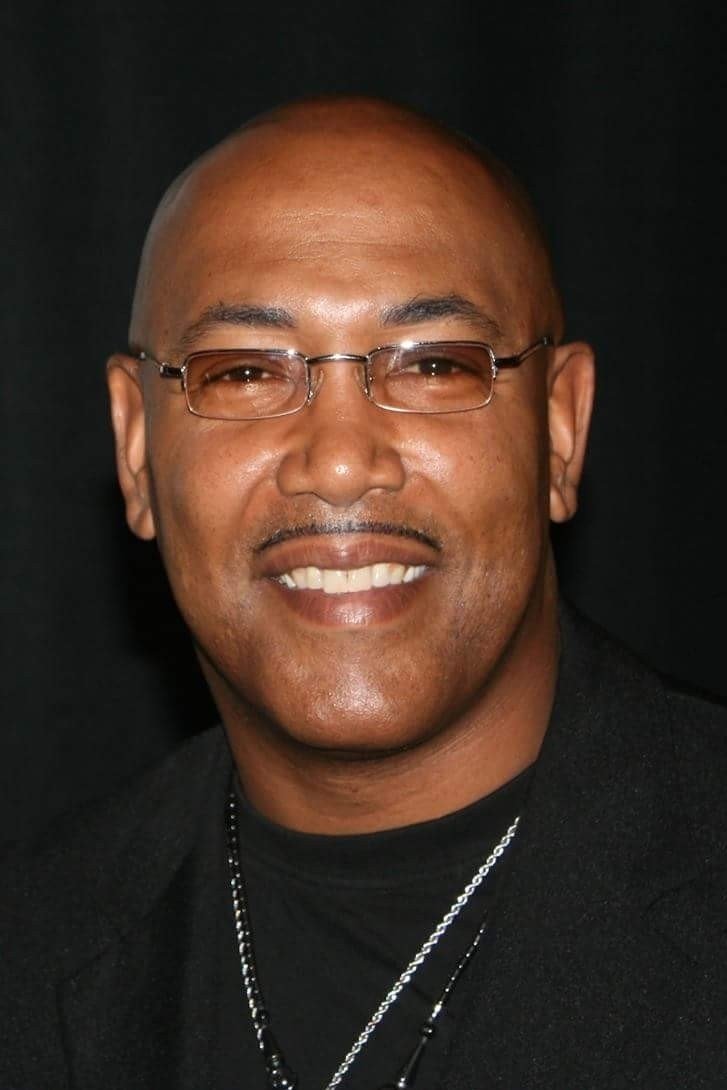
Samuels holds the distinction of being the first African American member of the Hong Kong Stuntman Association. He worked directly under legends like Sammo Hung and appeared in films such as ‘Gambling Ghost’ and ‘The Red Wolf’. His dedication to the craft allowed him to blend seamlessly into the high-octane rhythm of Cantonese fight choreography. He lived in Hong Kong for years to immerse himself fully in the industry. His career paved the way for other Western martial artists to seek work in the East.
Ron Van Clief
Known as The Black Dragon, Van Clief starred in several Hong Kong productions during the 1970s martial arts boom. He was promoted as a successor to Bruce Lee in films like ‘The Black Dragon’ and ‘Way of the Black Dragon’. His legitimate tournament fighting background lent credibility to his on-screen skirmishes. He helped popularize the genre among urban American audiences while working within the Hong Kong studio system. His films remain cult classics for enthusiasts of grindhouse kung fu.
Eugene Thomas
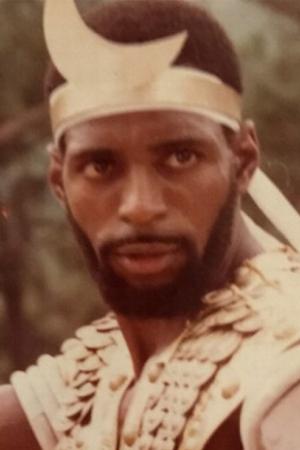
Thomas found success in the crossover action market with roles in ‘The King of the Kickboxers’ and ‘American Shaolin’. He often played the role of a mysterious guide or a powerful fighter entrenched in Asian martial arts culture. His performance in ‘The King of the Kickboxers’ involved a supernatural element that set him apart from standard action stars. Filmed on location in Thailand and Hong Kong, these movies capitalized on his imposing presence. He was a key player in the seasonal wave of martial arts co-productions.
Billy Blanks
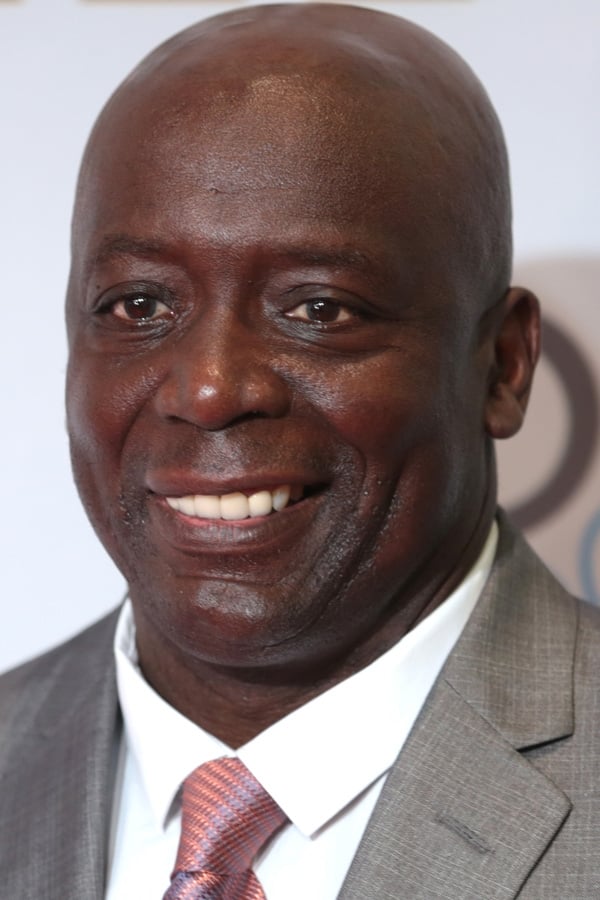
Before he became a fitness mogul with Tae Bo, Blanks starred in gritty martial arts films produced in Hong Kong and Thailand. His role in ‘The King of the Kickboxers’ showcased his incredible flexibility and kicking power against formidable opponents. He worked with seasoned Hong Kong directors who knew how to capture his athleticism on camera. Blanks often played the intense rival or the hardened warrior in these physically demanding productions. His early filmography is deeply rooted in the Asian action aesthetic.
Marrese Crump
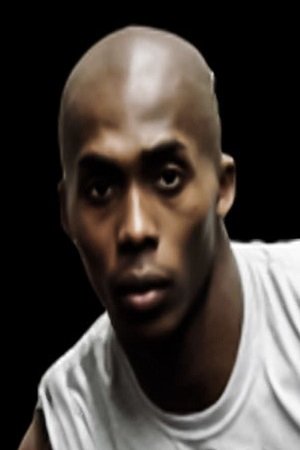
Crump serves as a modern example of a Western martial artist thriving in Thai action cinema. He played a formidable villain in ‘Tom-Yum-Goong 2’ where he fought Tony Jaa with calculated precision. His understanding of cinematic combat allowed him to execute complex long-take fight scenes. He was handpicked for his role due to his tactical knowledge and physical conditioning. Crump continues to collaborate with top Asian action directors and choreographers.
Lateef Crowder
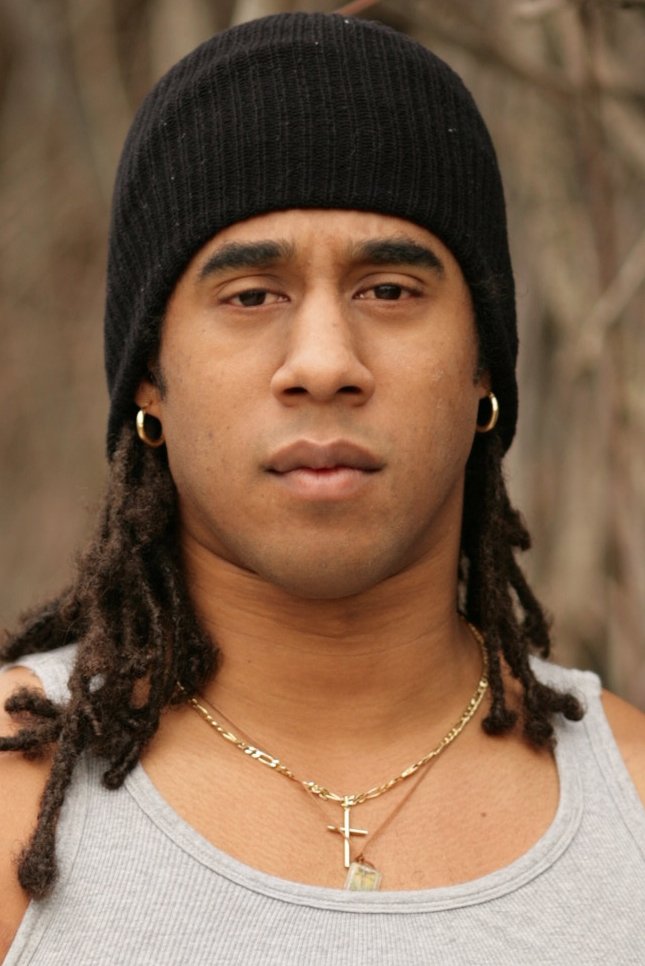
Crowder brought the Brazilian art of Capoeira to Thai cinema in the hit film ‘Tom-Yum-Goong’. His battle with Tony Jaa in a burning temple is considered one of the most visually distinct fights in the genre. The scene highlighted the contrast between Muay Thai and Capoeira movements without the use of quick cuts. Crowder appeared in several other Asian productions that required unique fighting styles. His gravity-defying kicks made him a favorite among action design teams.
Bob Sapp
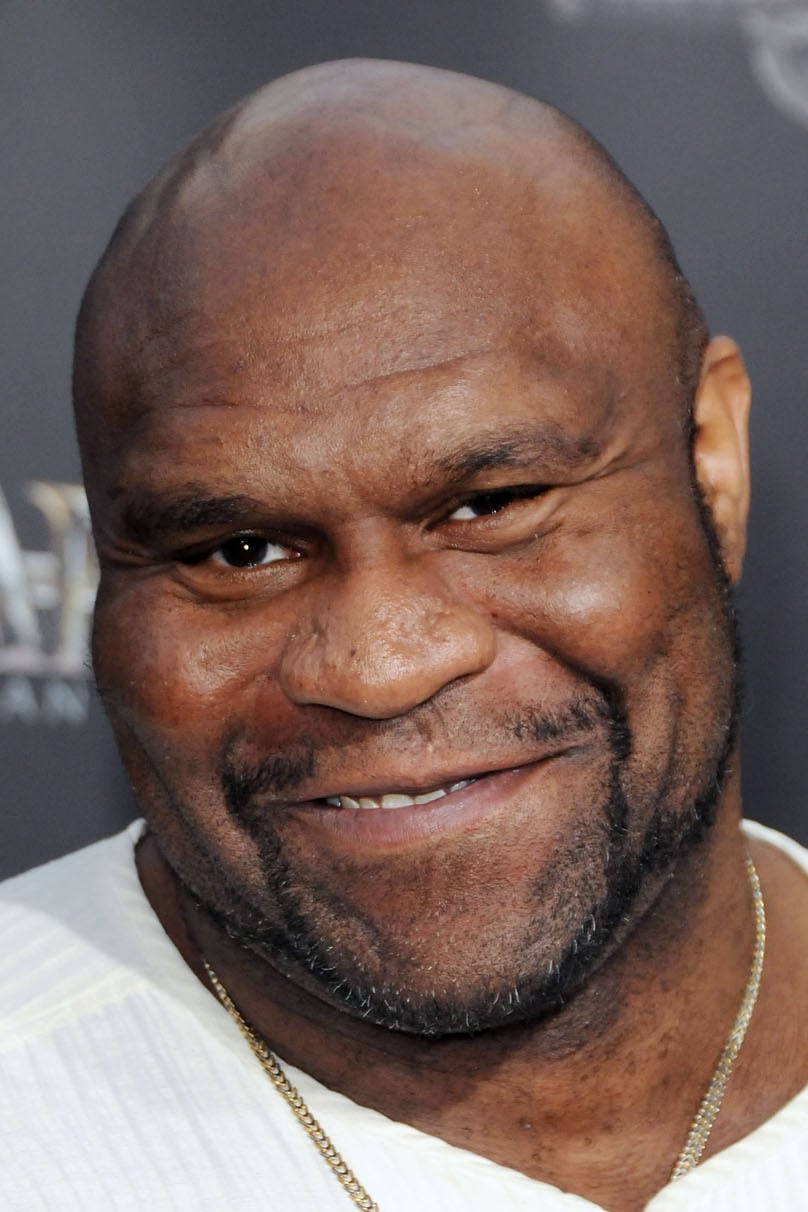
The former kickboxer and MMA fighter achieved massive celebrity status in Japan and appeared in numerous films and TV shows. He starred in the live-action adaptation of ‘Devilman’ and the surreal comedy ‘Big Man Japan’. His larger-than-life persona made him a perfect fit for characters requiring brute strength and comedic timing. Sapp became a household name in Tokyo and transcended the typical boundaries of a foreign guest star. His career in Japan encompasses everything from variety shows to blockbuster movies.
Han Hyun-min
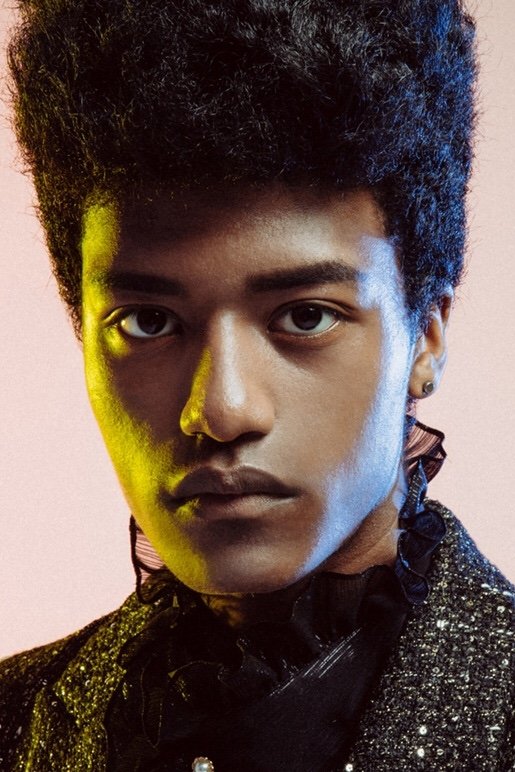
As prominent Korean-Nigerian model and actor, Han has become a trailblazer for multiracial representation in South Korea. He starred in the Netflix sitcom ‘So Not Worth It’ which focused on the lives of international students in Seoul. He also took on a role in the action film ‘Special Delivery’ as a skilled expert assisting the protagonist. His presence challenges traditional casting norms in the Korean entertainment sector. Han continues to balance his high-profile modeling career with acting projects.
Chris Lyon
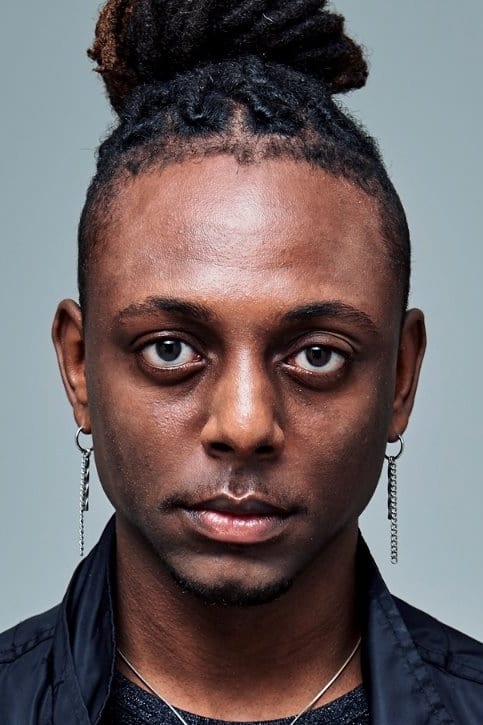
Lyon gained international attention for his role as Kim Toni in the hit drama ‘Itaewon Class’. His character arc tackled issues of race and identity within South Korean society directly. He also appeared in the film ‘Miss & Mrs. Cops’ which performed well at the local box office. Lyon brings a unique energy to his roles and speaks Korean proficiently. His participation in such high-profile projects marks a shift toward more diverse storytelling in K-dramas.
Will Smith
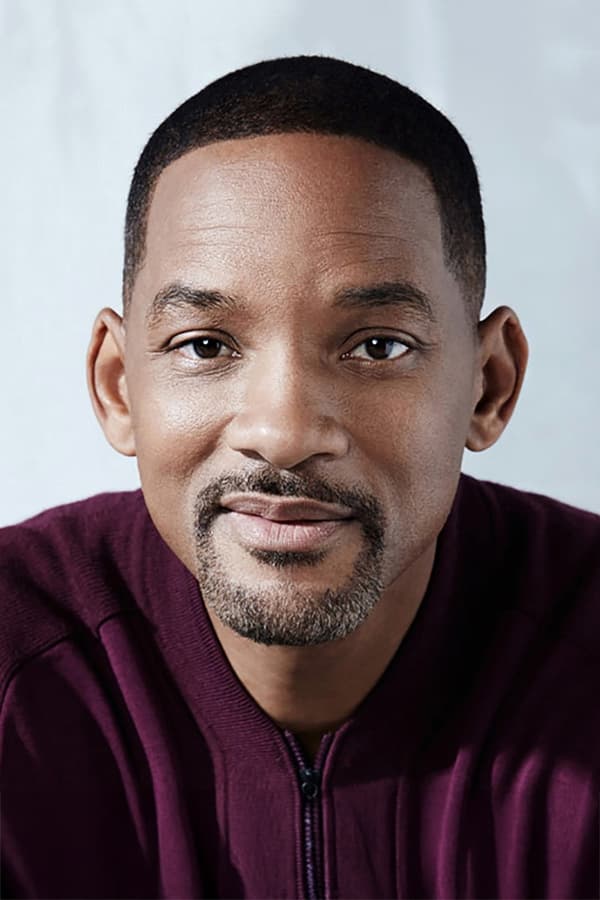
Smith made a surprising crossover into Indian cinema with a cameo in the Bollywood film ‘Student of the Year 2’. He appeared in a dance sequence alongside the lead actors during his visit to Mumbai. The appearance was part of his bucket list series but became a genuine moment of cultural exchange. He fully committed to the Bollywood dance style and energy. This cameo remains a fun trivia point in his extensive filmography.
Snoop Dogg
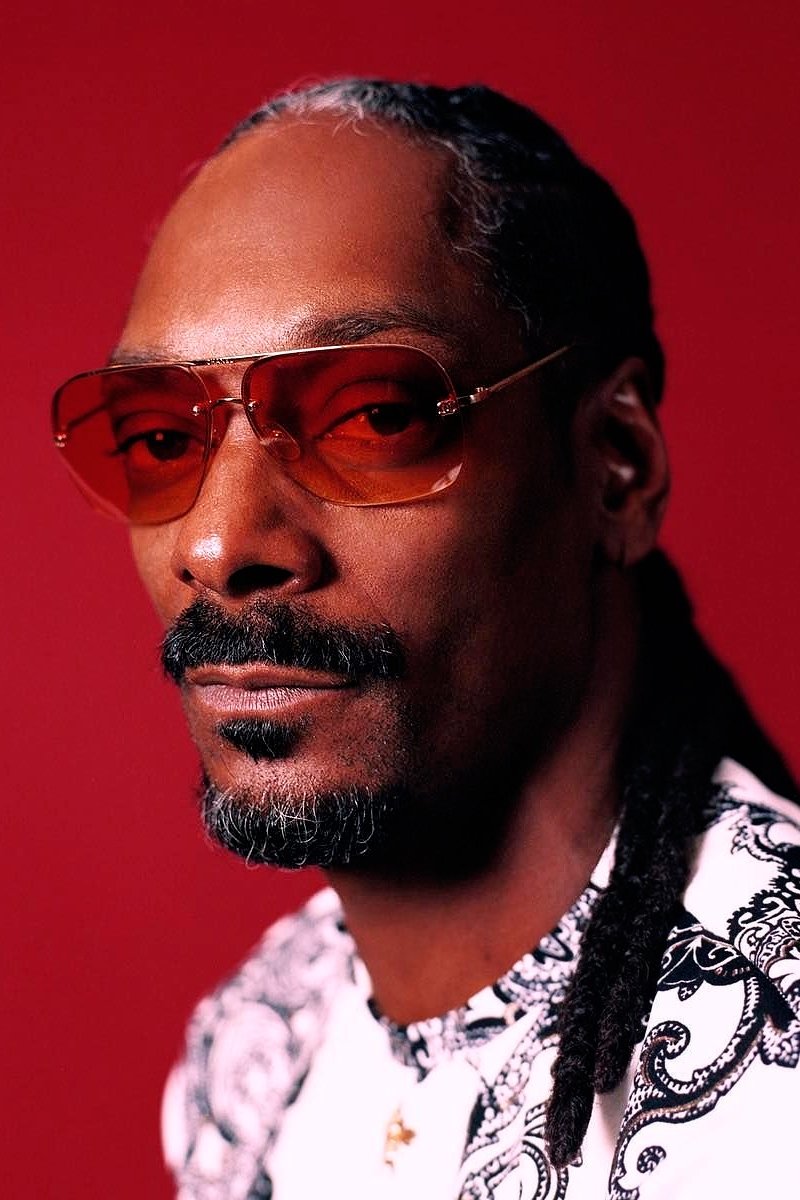
The hip-hop legend embraced Bollywood culture by appearing in the film ‘Singh Is Kinng’ alongside Akshay Kumar. He performed the title track and appeared in the music video sequence within the movie wearing a turban and traditional attire. His collaboration bridged the gap between American hip-hop and Punjabi bhangra music. Snoop expressed genuine appreciation for the industry during the production. The track remains a popular party anthem in India.
Akon
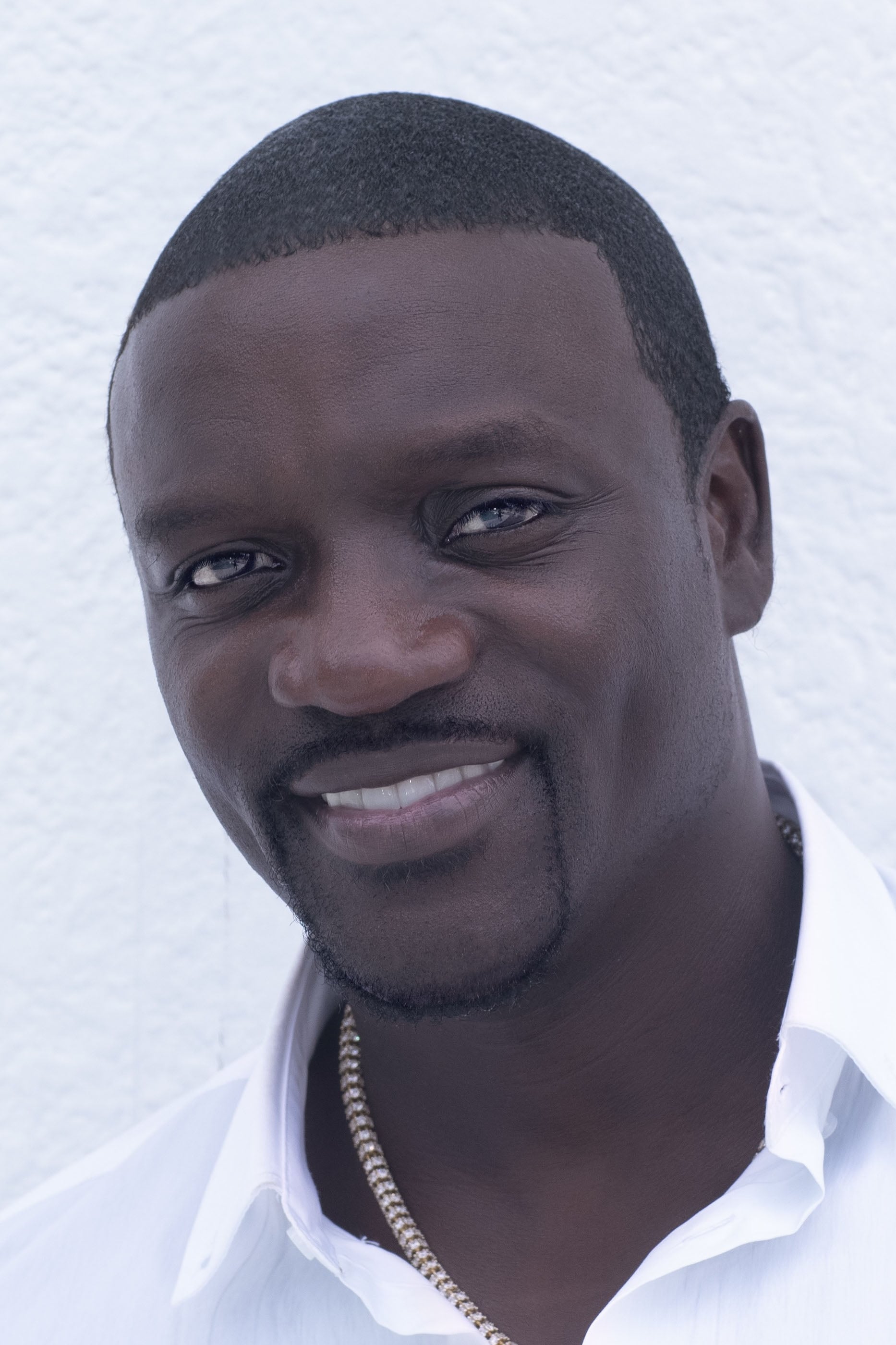
Akon collaborated with superstar Shah Rukh Khan for the sci-fi blockbuster ‘Ra.One’. He sang the hit songs ‘Chammak Challo’ and ‘Criminal’ and appeared in the accompanying promotional videos. His ability to sing in Hindi impressed audiences and critics alike. The soundtrack became a massive chart-topper across India and the diaspora. Akon played a significant role in the film’s global marketing strategy.
Stephon Marbury
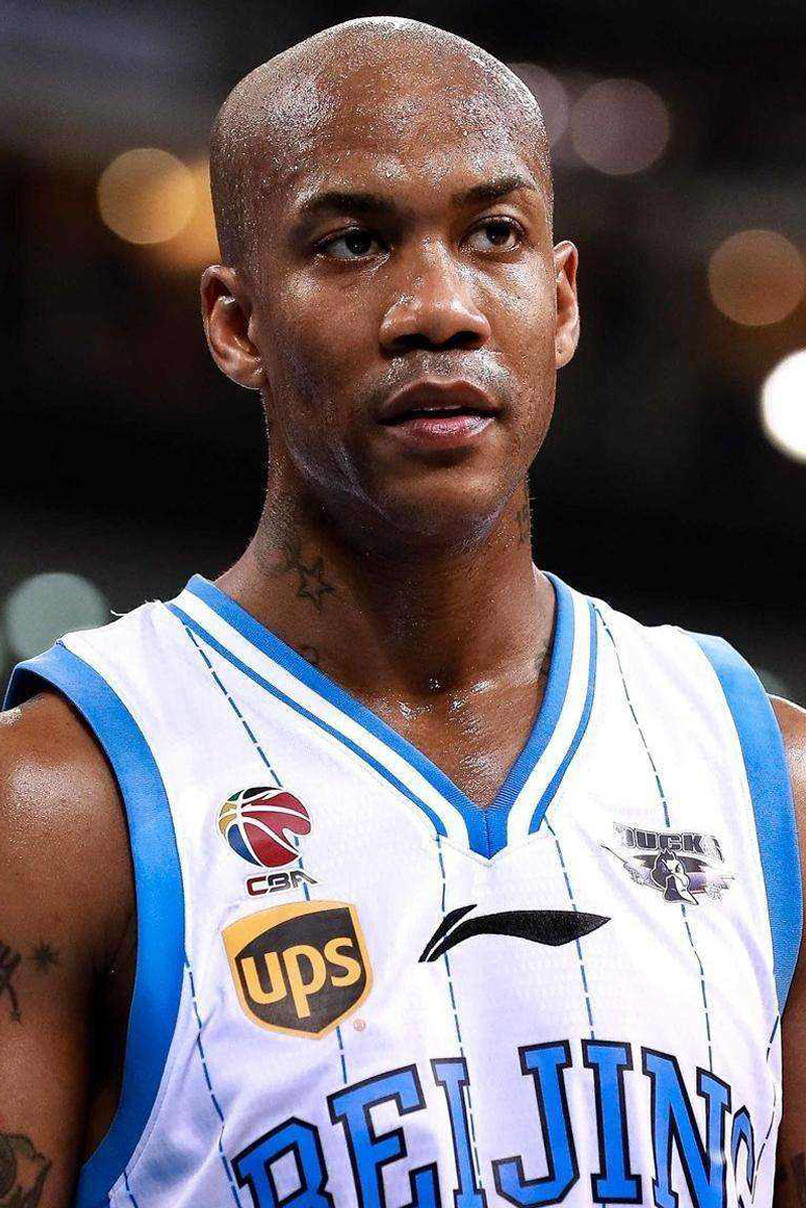
After a successful basketball career in the CBA, Marbury starred in the biopic ‘My Other Home’. The film tells the story of his journey from the NBA to becoming a legend in China. He played himself in the movie and acted alongside professional Chinese actors. The project was a Chinese production that celebrated his contribution to Beijing sports culture. Marbury remains one of the few Western athletes to lead a Chinese narrative film.
Tyrese Gibson
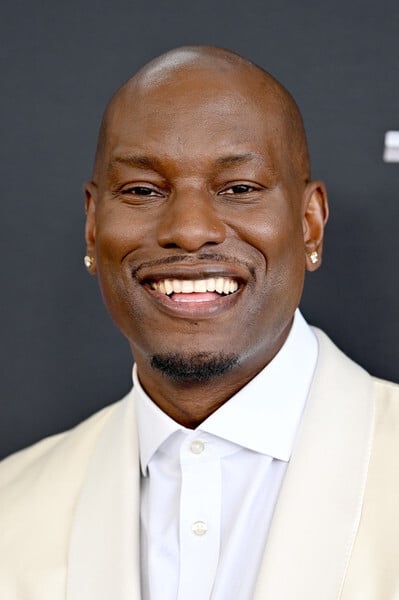
Gibson starred in the historical action epic ‘Dragon Blade’ alongside Jackie Chan and John Cusack. The film was a massive production set in ancient China involving Roman soldiers and the Silk Road. He played a loyal lieutenant in the Roman legion who fights alongside the Chinese protagonists. The movie was a box office hit in China and allowed Gibson to reach a massive new audience. His role required him to wear period armor and perform sword-fighting choreography.
Djimon Hounsou
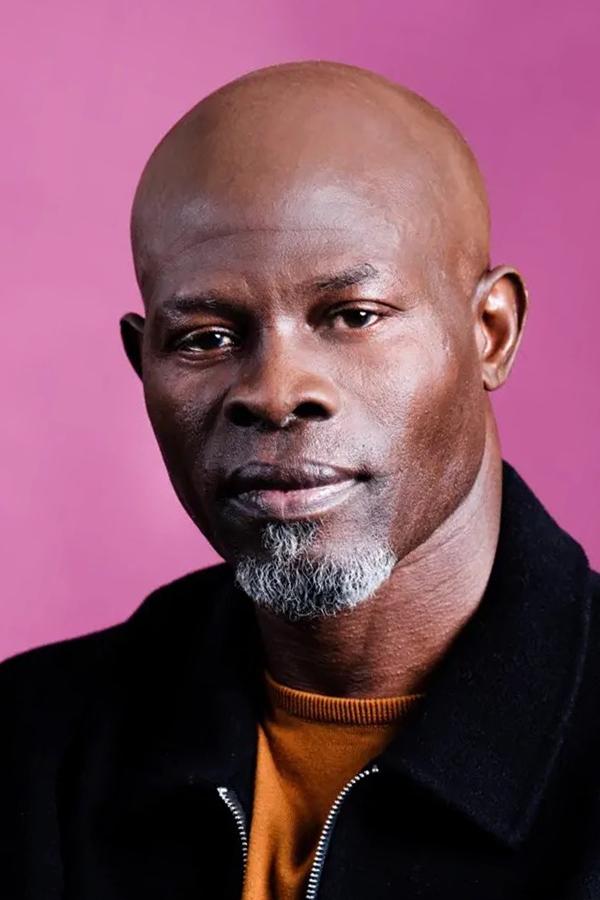
Hounsou brought his gravitas to the Chinese hit series ‘The Longest Day in Chang’an’. He played a mysterious and powerful underground leader in the Tang Dynasty capital. His casting in a period Chinese drama was a rare occurrence for a Hollywood star. He also starred in the Thai-set action thriller ‘Elephant White’ directed by Prachya Pinkaew. Hounsou consistently chooses roles that expand his global footprint beyond Western cinema.
Michael Jai White
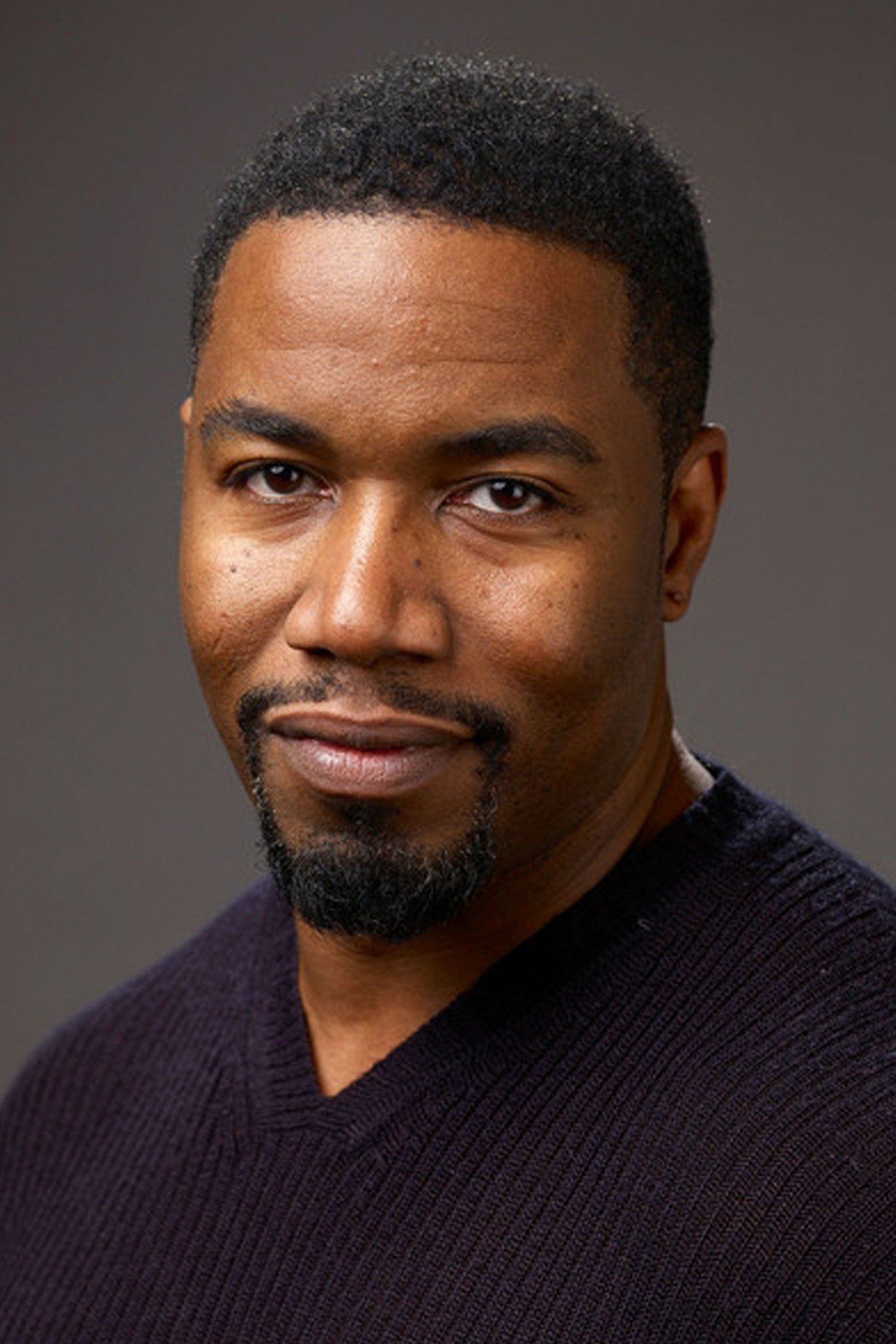
White has collaborated with Asian martial arts stars in films like ‘Triple Threat’ and ‘Skin Trade’. In ‘Triple Threat’, he faced off against Tony Jaa and Iko Uwais in a celebration of global action styles. His technical proficiency makes him a peer to the best stunt performers in Thailand and China. He often films on location in Asia and respects the local filmmaking traditions. White champions the hard-hitting style of Asian action choreography.
Jaden Smith
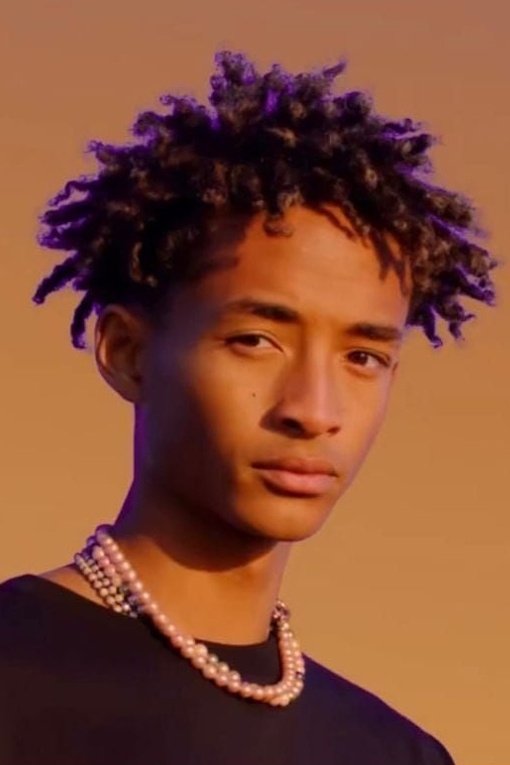
Smith starred in the remake of ‘The Karate Kid’ which was filmed entirely in China. He trained extensively to perform the kung fu choreography required for the role. The film was a co-production that showcased Chinese landscapes and culture to a global youth audience. Smith worked closely with Jackie Chan who served as his mentor both on and off screen. The movie was a significant box office success in both the US and China.
Chris Tucker
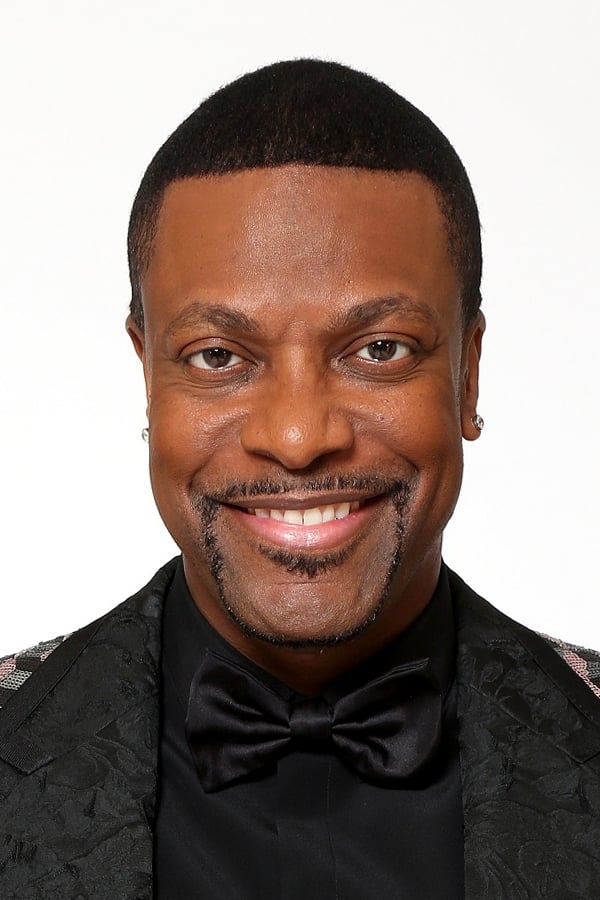
Tucker became an honorary icon of Hong Kong-style cinema through the ‘Rush Hour’ franchise. While technically American films, they relied heavily on the Hong Kong production ethos brought by Jackie Chan. Tucker adapted his comedic style to fit the rhythm of Eastern action comedy. His chemistry with Chan introduced the dynamics of Asian buddy cop films to the West. He remains widely loved in Asia for these performances.
Omar Epps
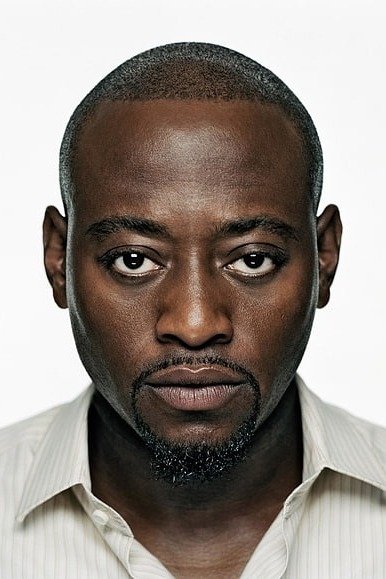
Epps starred in the crime drama ‘Brother’ directed by the legendary Japanese filmmaker Takeshi Kitano. He played a gangster who forms an alliance with a Yakuza member exiled to Los Angeles. The film blends Kitano’s signature stoic violence with American street crime elements. Epps navigated the cross-cultural tension of the script with a grounded performance. It stands as a unique entry in the filmography of both the actor and the director.
Morgan Freeman
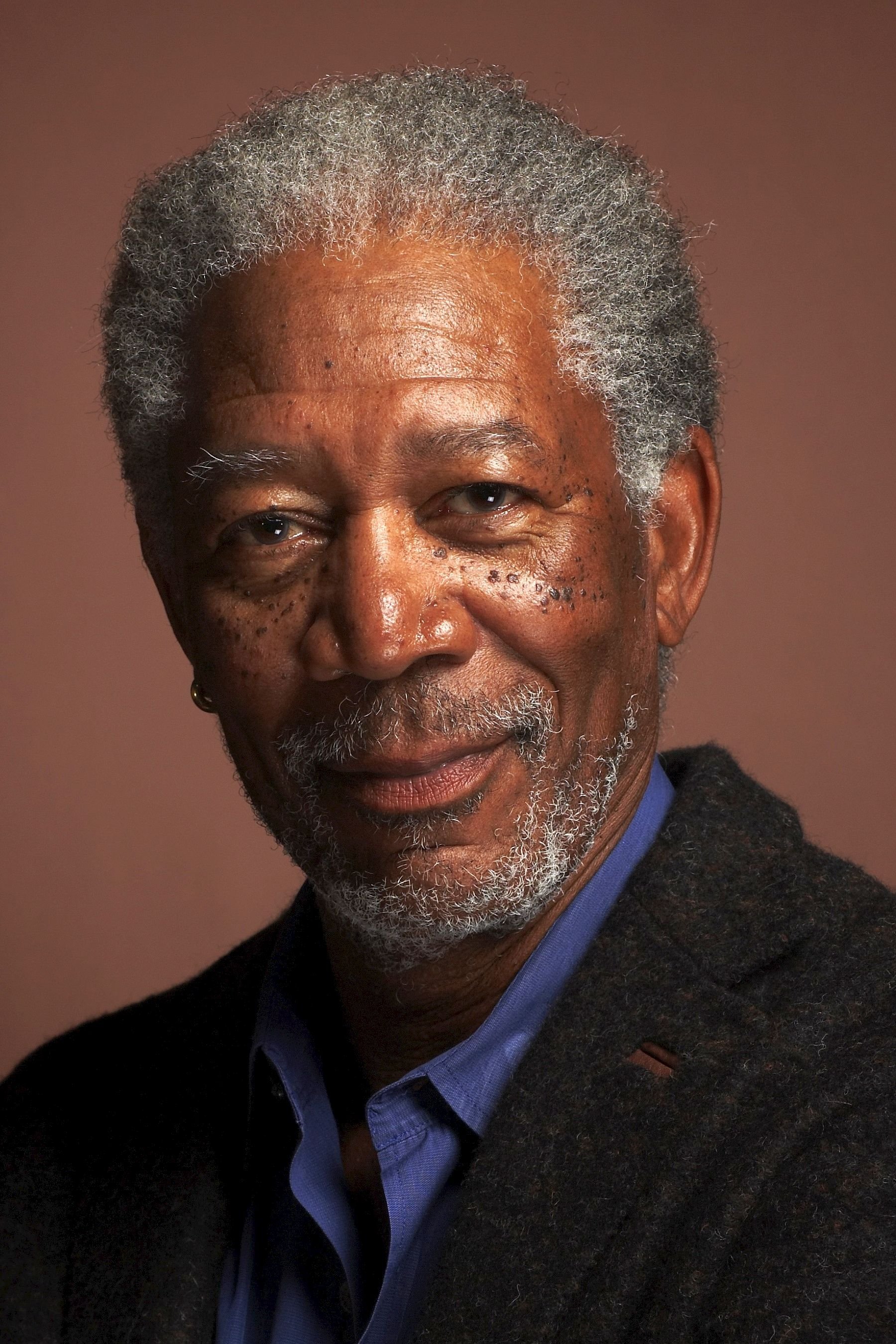
Freeman lent his dignity and presence to the film ‘The Last Knights’ directed by Japanese filmmaker Kazuaki Kiriya. The movie is a stylized retelling of the 47 Ronin story featuring an international cast. Freeman played the noble master whose honor drives the plot. Working with a Japanese director and creative team placed him in a distinct aesthetic environment. His participation helped elevate the film’s profile globally.
Dennis Rodman
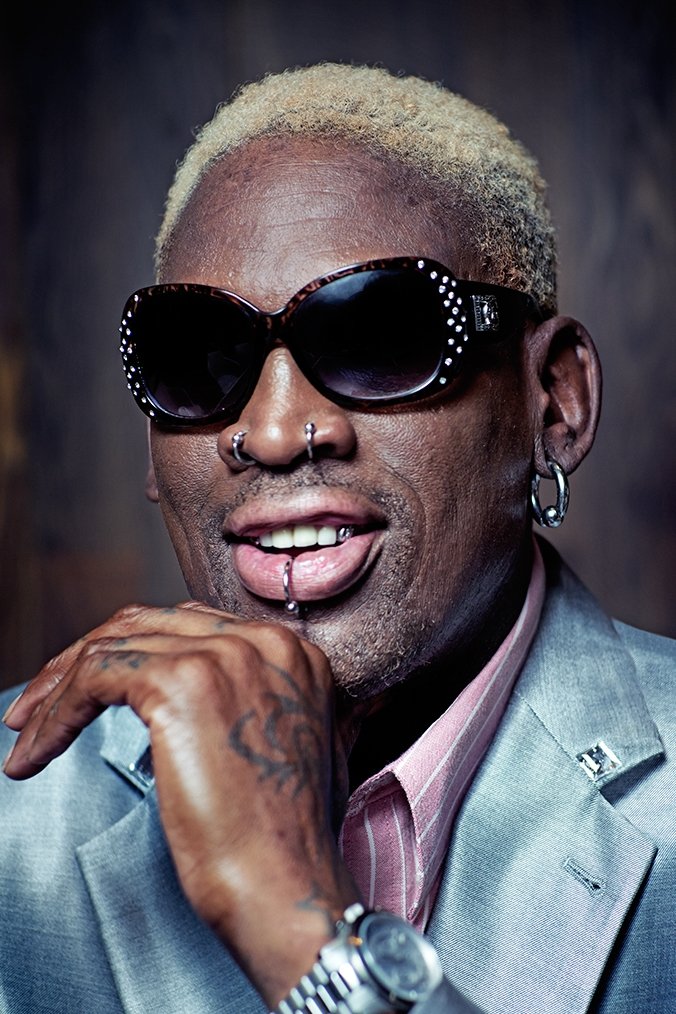
The NBA star teamed up with legendary Hong Kong director Tsui Hark for the film ‘Double Team’. Rodman played an eccentric arms dealer who assists Jean-Claude Van Damme. Tsui Hark utilized Rodman’s flamboyant public persona to create a unique action character. The film features the frantic editing and camera work typical of Hong Kong cinema. Rodman’s foray into action movies was heavily influenced by this Hong Kong connection.
RZA
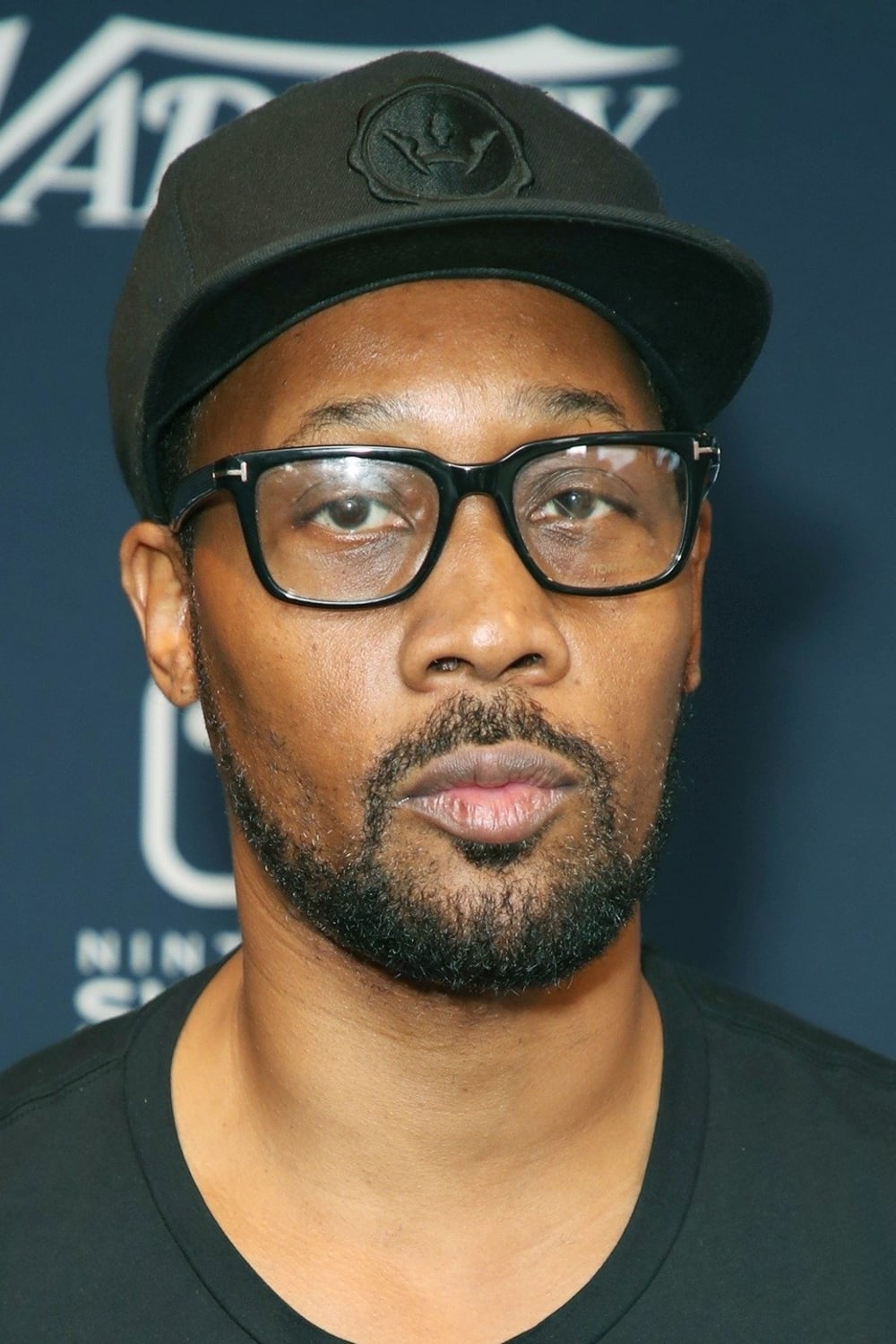
The Wu-Tang Clan leader directed and starred in ‘The Man with the Iron Fists’ which was filmed in China. He wrote the screenplay as a love letter to the Shaw Brothers kung fu movies he grew up watching. The production employed a largely Chinese crew and featured stars like Cung Le and Daniel Wu. RZA immersed himself in the local industry to ensure the fight choreography felt authentic. The film serves as a bridge between hip-hop culture and Chinese wuxia tradition.
John Boyega
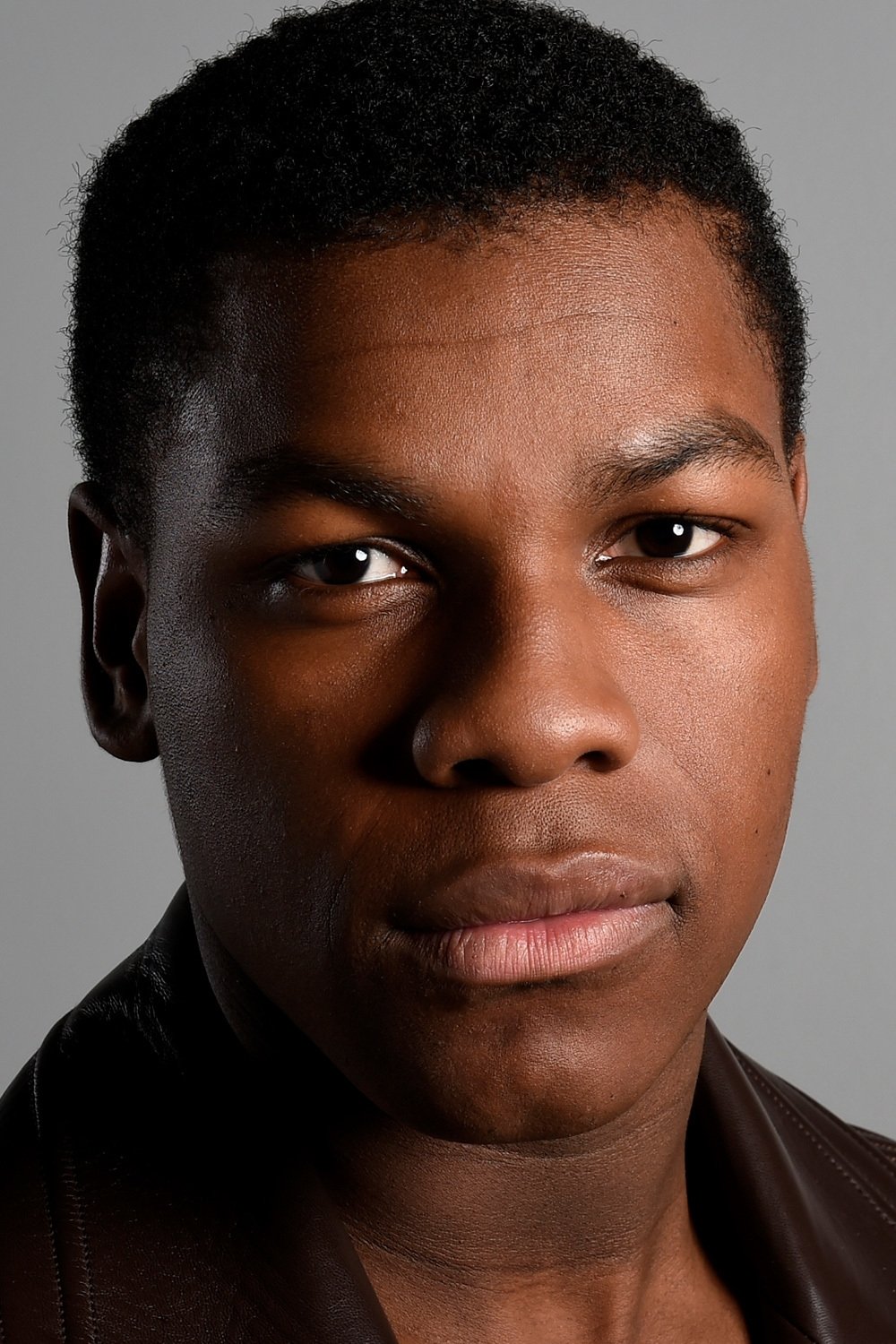
Boyega produced and starred in ‘Pacific Rim: Uprising’ which was heavily tailored for the Asian market. The film featured a large Chinese cast and significant plot points set in China and Japan. He worked alongside actors like Jing Tian and Max Zhang in this kaiju blockbuster. The production demonstrated the increasing integration of Hollywood stars into Asian-focused narratives. Boyega championed the diverse international casting of the project.
Are there any other actors or specific films you think should have made this list? Let us know your thoughts in the comments.