


19 Black Actors Who Demanded Equal Nude Scenes with White Co-Stars

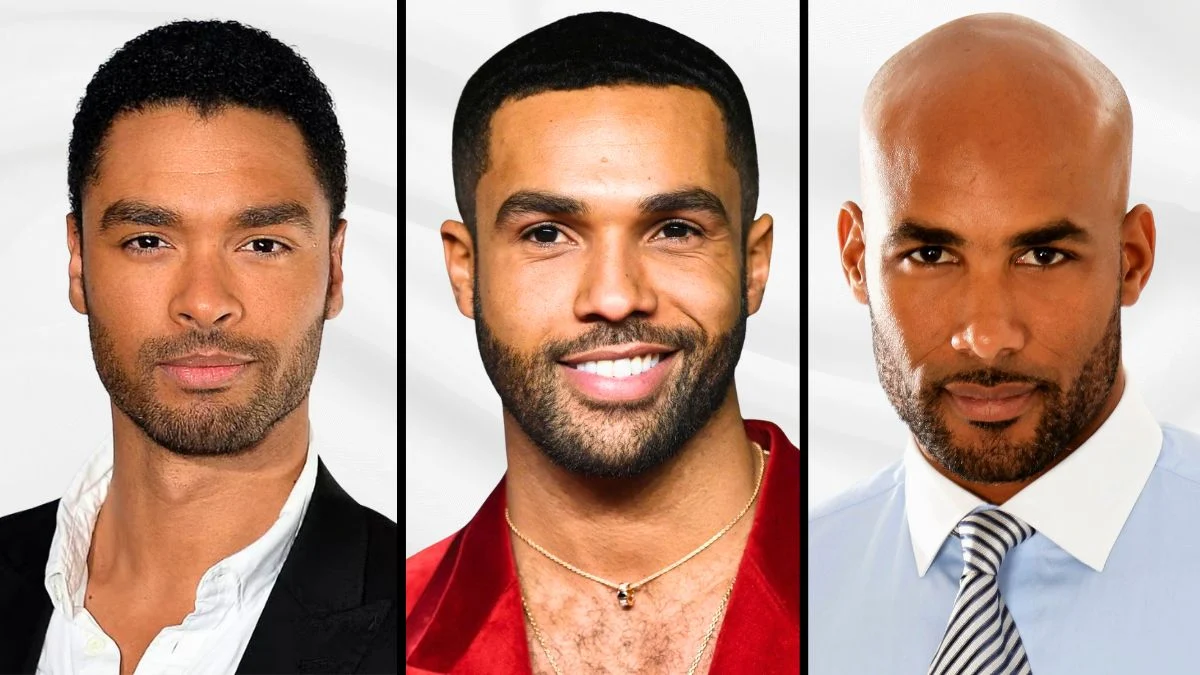


The conversation surrounding intimacy in film and television has evolved significantly to prioritize equity and narrative necessity over gratuitous content. Many Black male actors have taken a stand to ensure that their vulnerable moments on screen are treated with the same weight and artistic consideration as those of their white counterparts. These performers have championed the use of intimacy coordinators and open dialogue to establish a balanced visual language in scenes involving nudity. Their efforts have helped dismantle long-standing double standards while creating more authentic and respectful portrayals of romance.
Idris Elba
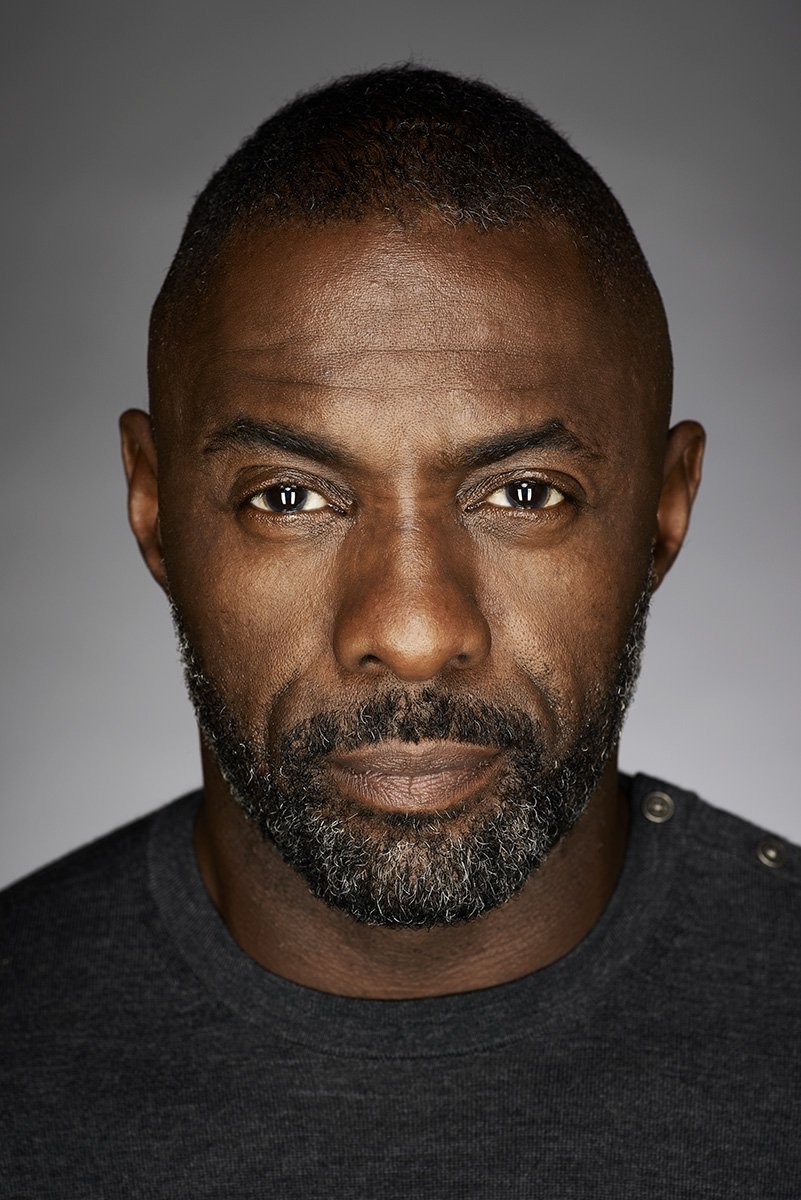
Elba starred alongside Tilda Swinton in George Miller’s fantasy romance ‘Three Thousand Years of Longing’. The actor felt it was essential to match the vulnerability of his co-star to ensure the narrative remained balanced between their two characters. He vocalized that male nudity should be treated with the same normalcy as female nudity in cinema to avoid an uneven dynamic. His portrayal of the Djinn required a shedding of ego that matched the emotional and physical exposure of Swinton’s character.
Daryl McCormack

In the critically acclaimed film ‘Good Luck to You, Leo Grande’, McCormack played a sex worker hired by a widow played by Emma Thompson. The film required full frontal nudity that the actor embraced to level the playing field with Thompson’s own brave physical exposure. McCormack worked closely with intimacy coordinators to ensure that the scenes depicted a shared human experience rather than a one-sided spectacle. His willingness to be completely vulnerable allowed the film to explore themes of body positivity and connection without exploitation.
Regé-Jean Page
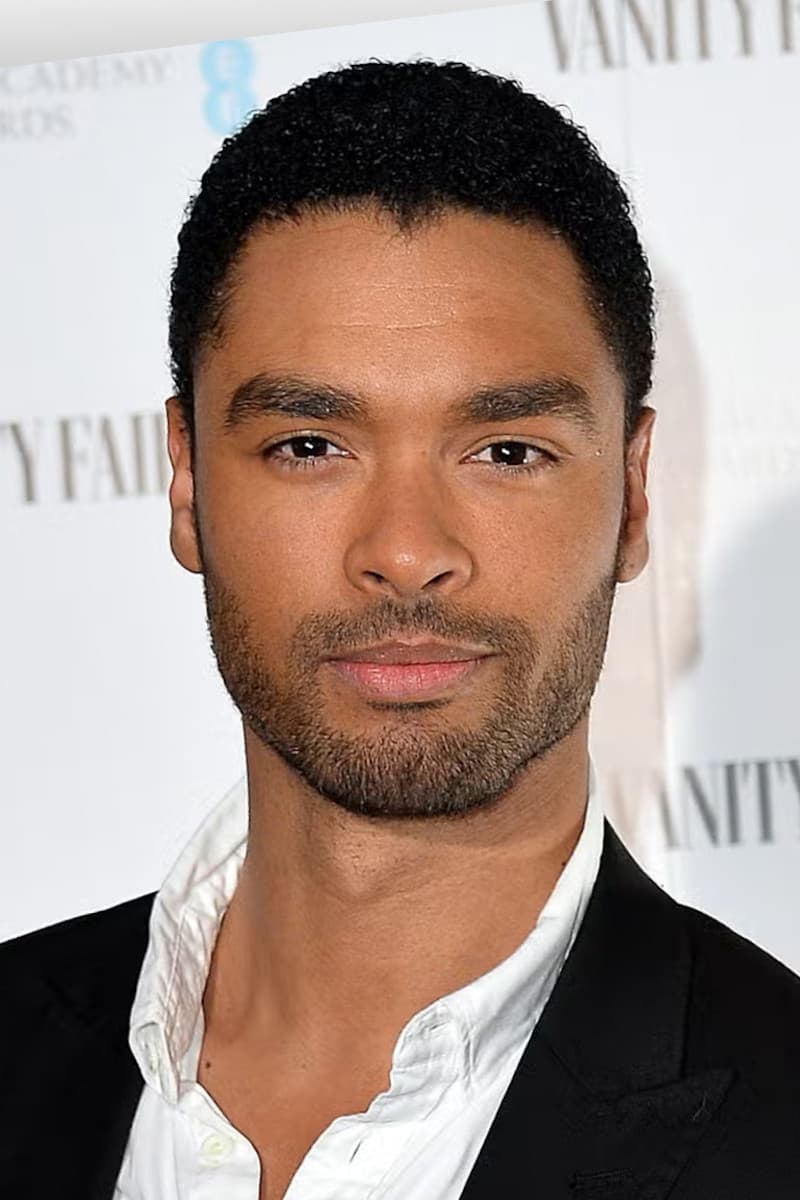
The breakout star of ‘Bridgerton’ became a global icon following his steamy scenes with Phoebe Dynevor. Page emphasized the importance of the female gaze in the series to ensure that the intimacy was not solely focused on the objectification of women. The choreography of the sex scenes was designed to show an equal exchange of passion and physical revelation between the Duke and Daphne. This approach helped redefine the romance genre by placing the male lead in a position of equal scrutiny and vulnerability.
Micheal Ward
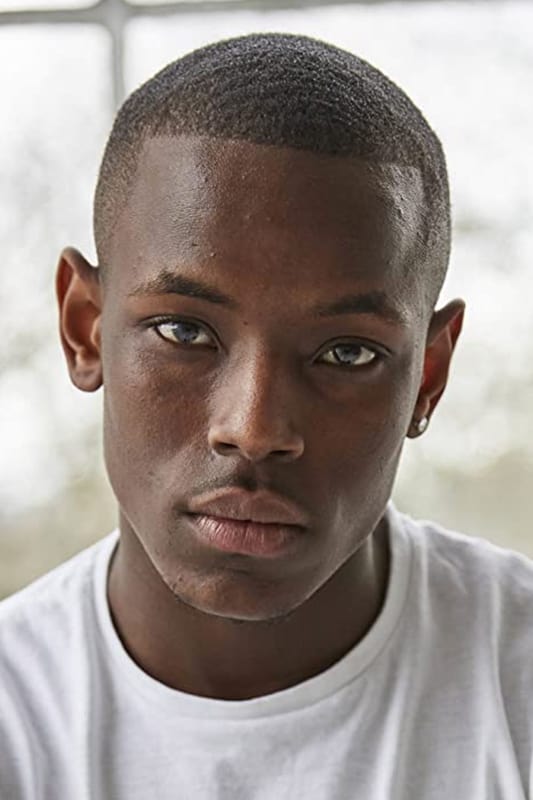
Ward starred opposite Olivia Colman in the poignant drama ‘Empire of Light’ set in a 1980s cinema. The script called for intimate moments that bridged the age and racial gap between the two characters with sensitivity and realism. Ward approached the nude scenes with a professionalism that mirrored Colman’s own dedication to raw storytelling. The result was a portrayal of tenderness that relied on the mutual exposure of both actors to convey their characters’ deep emotional bond.
Jeremy Pope
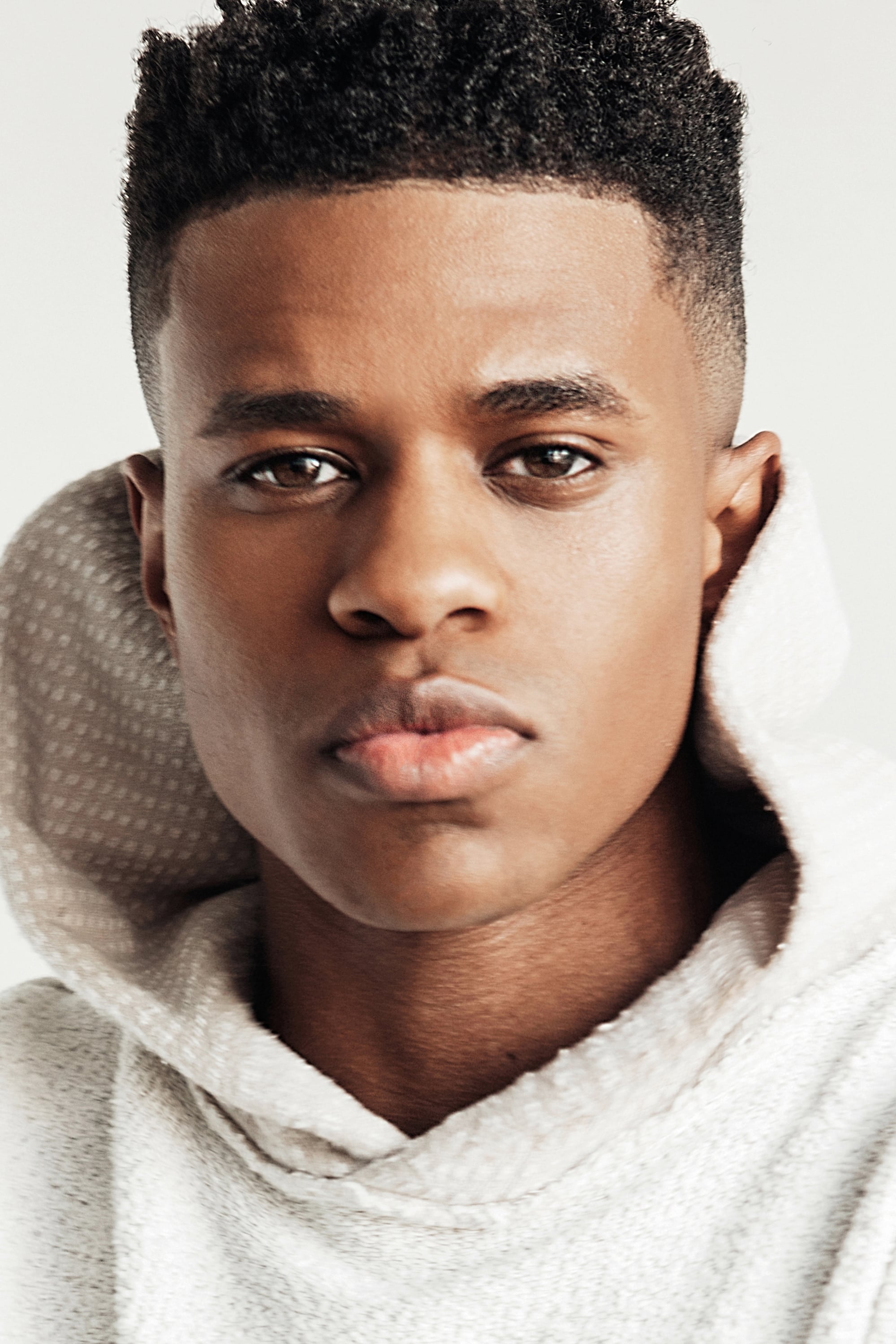
In the Netflix limited series ‘Hollywood’, Pope played a writer who engages in a relationship with a character played by Jake Picking. The series challenged the conservative norms of the 1940s by showcasing queer intimacy with the same gloss and attention as heterosexual pairings. Pope advocated for scenes that felt authentic to the era’s underground culture while maintaining a modern standard of equity on set. His performance ensured that the physical aspects of the storyline were integral to the character’s development and struggle.
Yahya Abdul-Mateen II
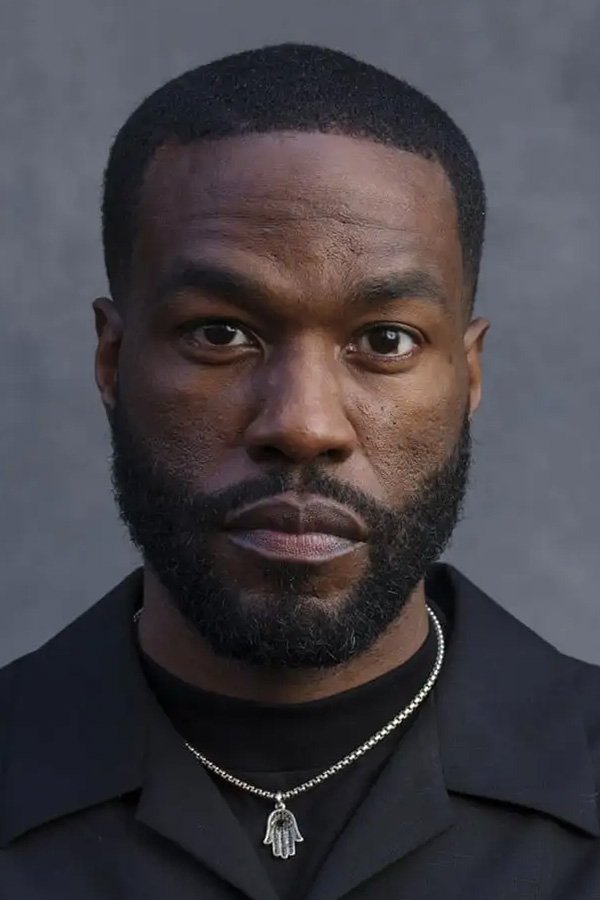
Abdul-Mateen II shocked and impressed audiences with his portrayal of Dr. Manhattan in the HBO series ‘Watchmen’. The role required full frontal nudity that served as a narrative device to display the character’s detachment from human social norms. He committed to the scene to maintain continuity with the graphic novel’s legacy while bringing a new layer of Black representation to the superhero genre. The actor viewed the exposure as a necessary element of the storytelling that demanded total fearlessness.
Ncuti Gatwa
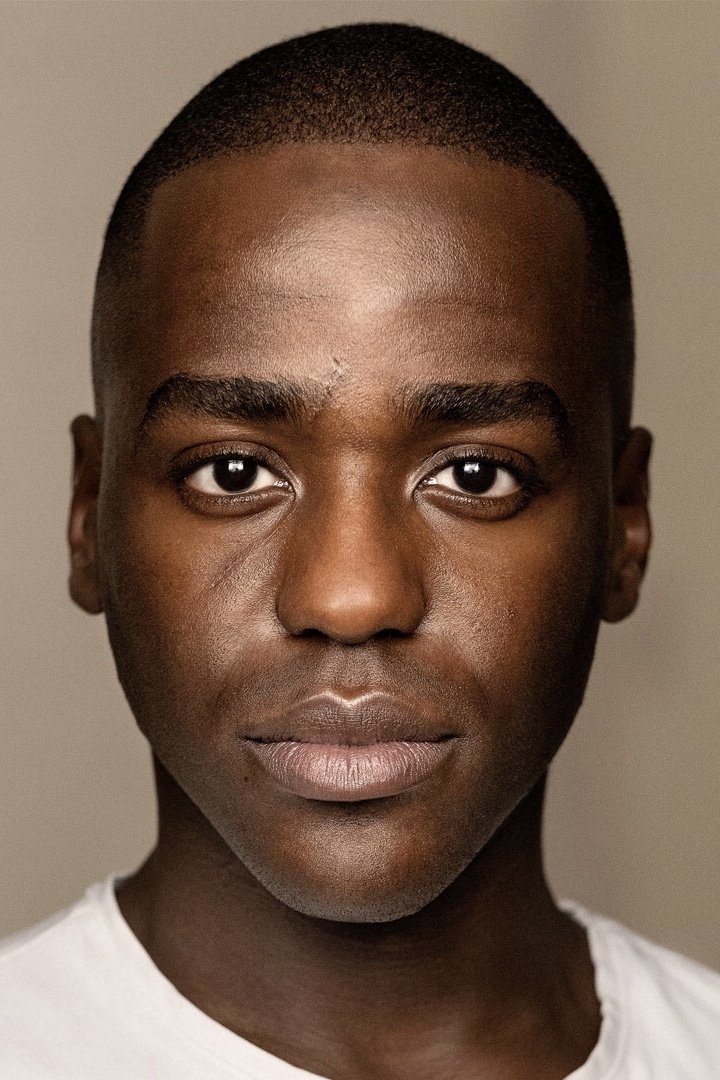
As Eric Effiong in ‘Sex Education’, Gatwa navigated complex intimate scenes with various co-stars including Connor Swindells. The show is renowned for its frank and equitable depiction of teenage sexuality across all orientations. Gatwa ensured his character’s intimate moments were treated with dignity and humor that matched the screen time given to his white peers. His performance broke barriers by presenting a Black queer character with a fully realized and unashamed sexual agency.
Justice Smith
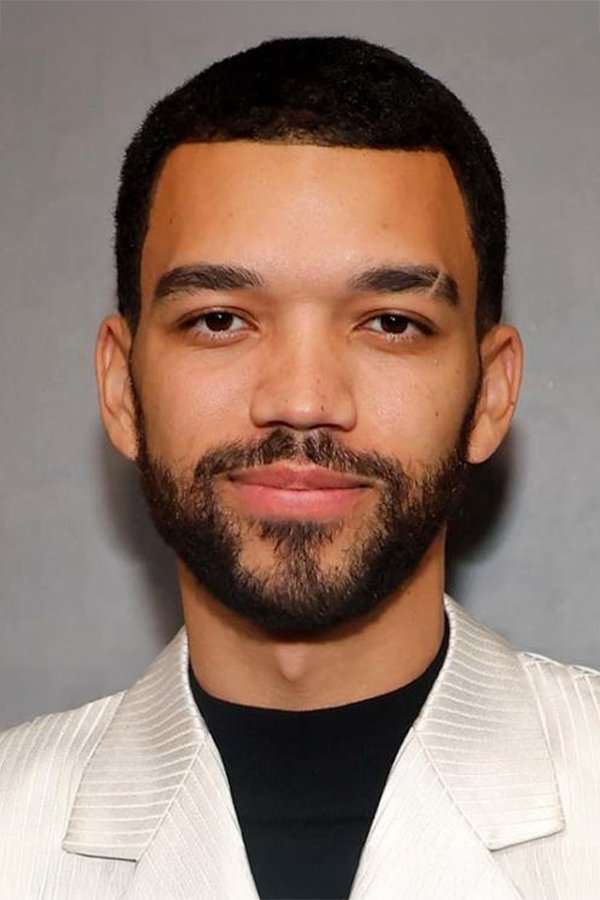
Starring in the erotic thriller ‘The Voyeurs’, Smith performed intimate scenes alongside Sydney Sweeney. The film explores themes of obsession and privacy that required the actors to participate in highly exposing sequences. Smith approached the project with an understanding that the genre demands equal participation from male leads to function effectively. His willingness to bare it all contributed to the film’s tense atmosphere and highlighted the reciprocal nature of the characters’ voyeurism.
O-T Fagbenle
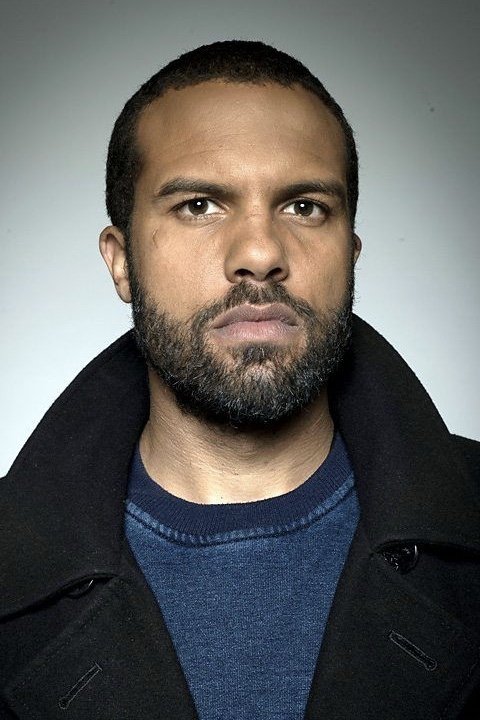
In ‘The Handmaid’s Tale’, Fagbenle plays the husband of Elisabeth Moss’s character in flashbacks that depict their life before the regime change. The intimacy between the couple serves as a grounding emotional anchor against the show’s brutal reality. Fagbenle and Moss worked to create a chemistry that felt lived-in and naturalistic through equitable physical acting. The scenes underscore the humanity of their relationship by presenting their bodies and desires as equally important to the narrative.
Taye Diggs
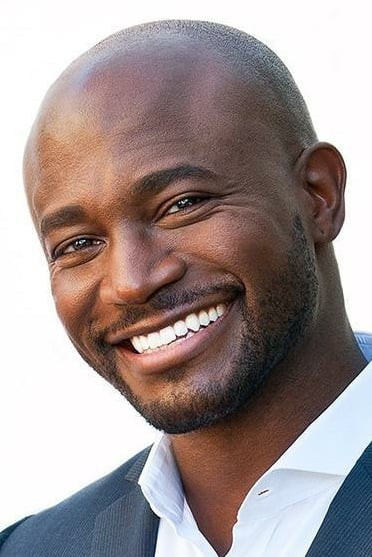
Diggs has long been a proponent of equitable intimacy in projects like ‘Private Practice’ where he starred alongside Kate Walsh. Throughout his career in medical dramas and romances, he has maintained a presence that challenges the desexualization or hyper-sexualization often forced upon Black men. His romantic scenes are often framed to highlight mutual passion and equal physical appreciation between partners. This consistency has helped normalize diverse romantic leads in mainstream television.
Donald Glover
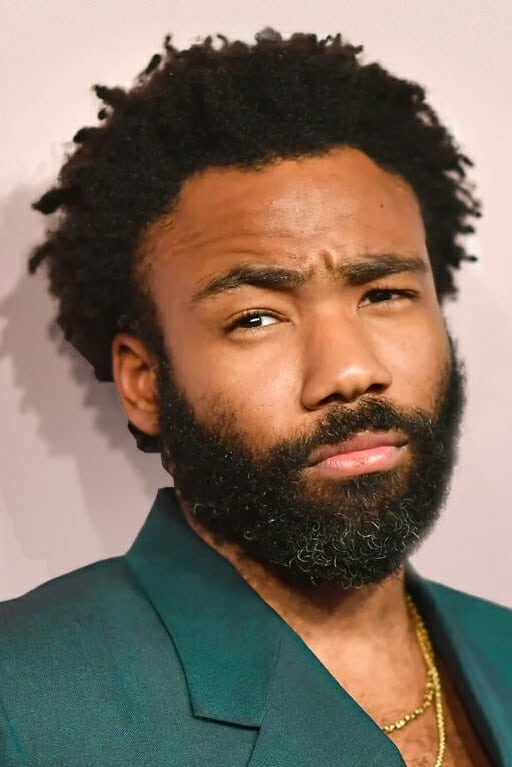
In ‘Mr. & Mrs. Smith’, Glover starred opposite Maya Erskine in a series filled with domestic intimacy and high-stakes action. The show subverted traditional spy tropes by focusing heavily on the physical closeness and vulnerability of the couple. Glover used his creative control to ensure the series depicted the male body with the same level of scrutiny and openness as the female body. The result was a refreshing take on the genre where both leads shared the burden of emotional and physical exposure.
Daveed Diggs
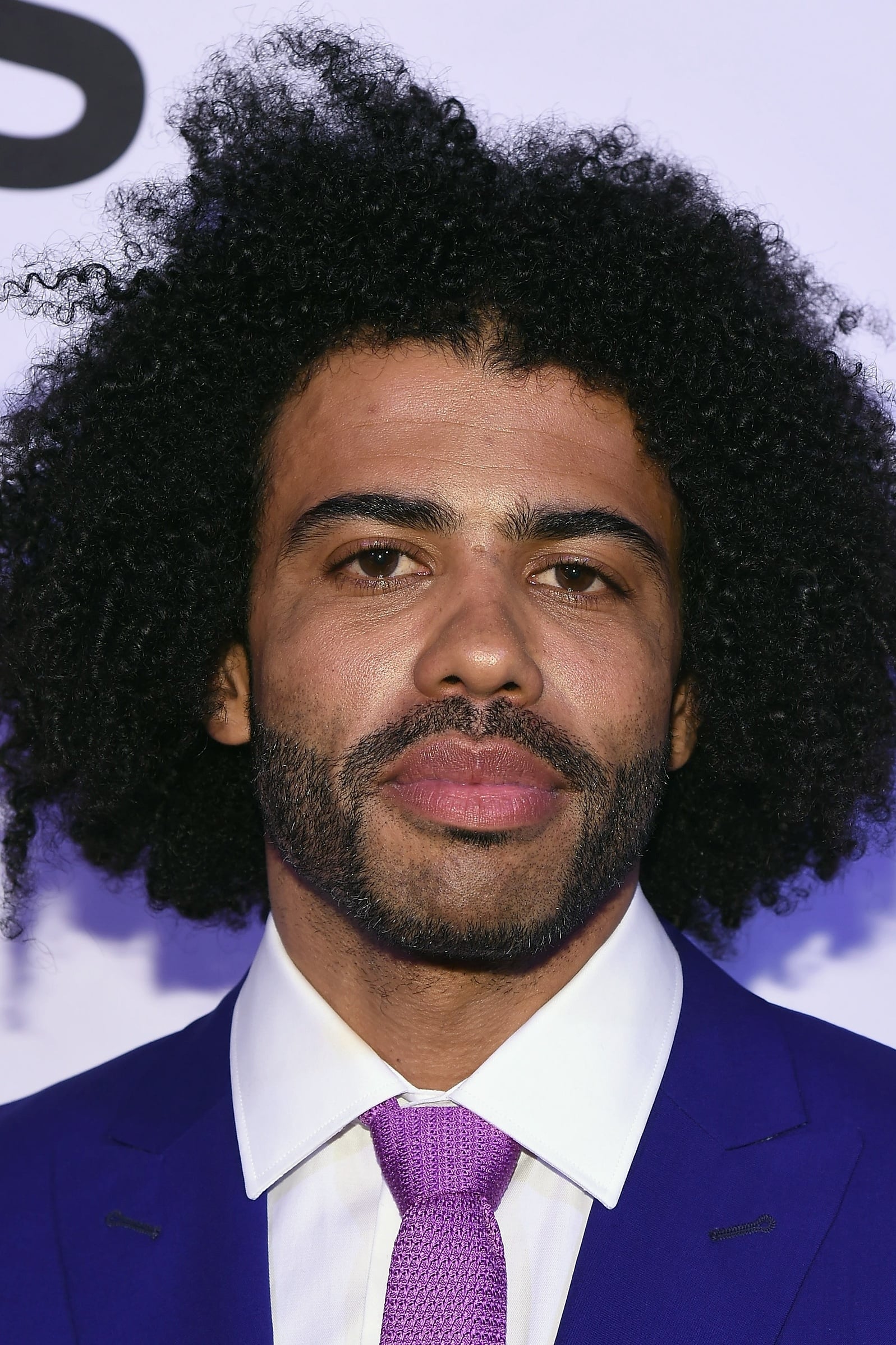
For the TV adaptation of ‘Snowpiercer’, Diggs took on the lead role which involved a complex relationship with Jennifer Connelly’s character. The dystopian setting stripped away societal pretenses which allowed for raw and honest interactions between the leads. Diggs approached the physical aspects of the role with a focus on narrative truth rather than sensationalism. His performance balanced the power dynamics of the show by ensuring his character’s vulnerability was just as visible as his strength.
Lucien Laviscount
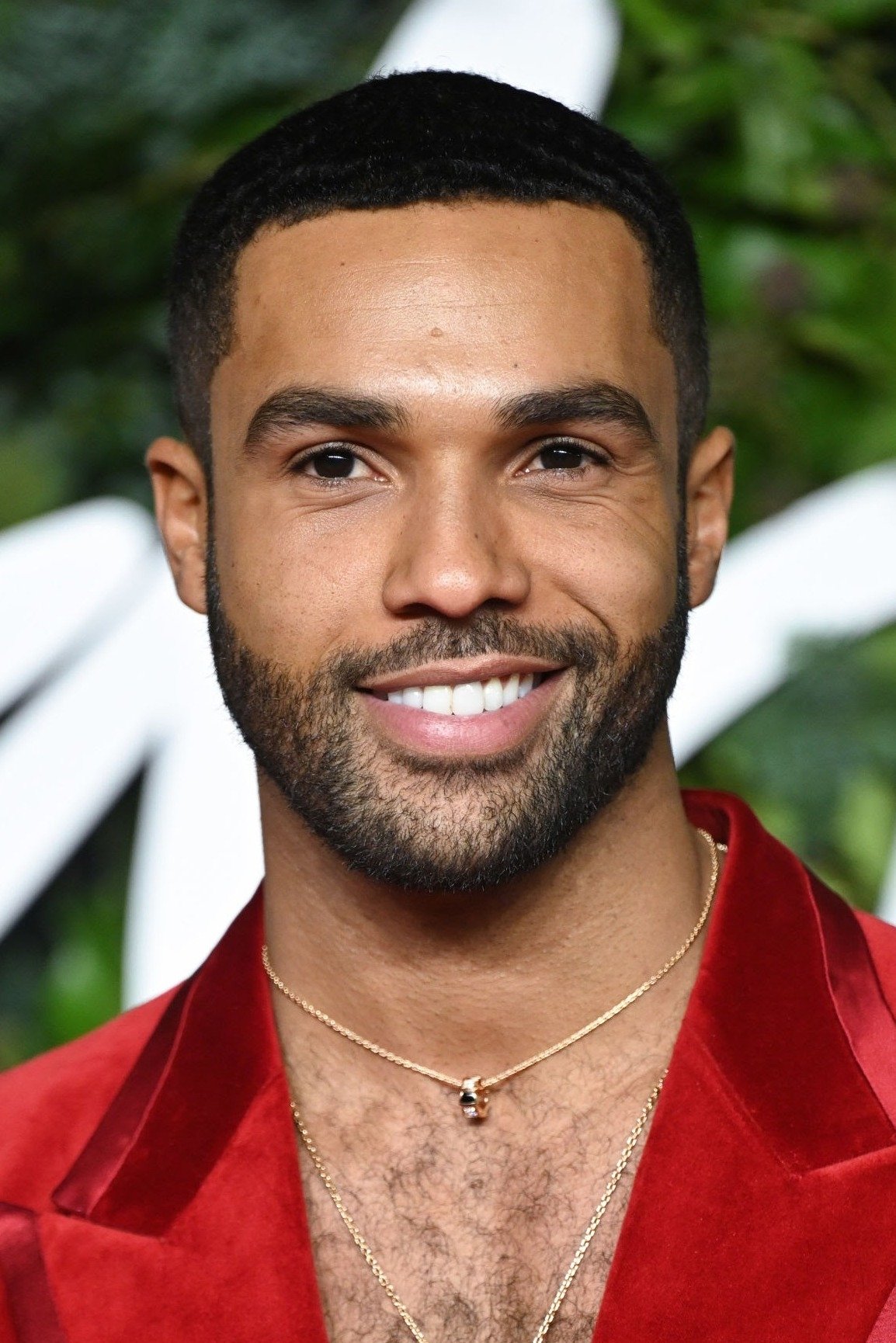
Joining the cast of ‘Emily in Paris’, Laviscount played the romantic interest of Lily Collins. The show is known for its romantic idealism and required the actor to participate in the series’ signature dreamy intimate sequences. Laviscount brought a grounded presence to the role that ensured the chemistry felt reciprocal and modern. His participation in the show’s romantic storylines emphasized that Black men belong in global heartthrob roles with equal screen time and focus.
Omari Hardwick
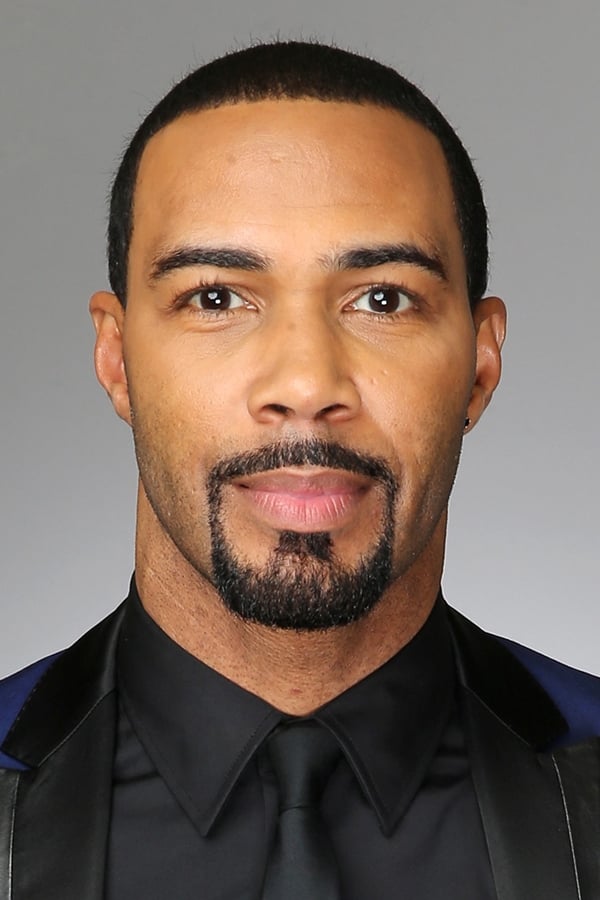
Hardwick’s role in ‘Power’ often involved intense intimate scenes with co-stars such as Lela Loren. The actor was vocal about the necessity of these scenes to drive the plot and reveal the inner turmoil of his character Ghost. He maintained that the nudity was a tool for storytelling that required equal commitment from him to match his female counterparts. His fearless approach to the show’s mature content set a standard for premium cable dramas.
Trevante Rhodes
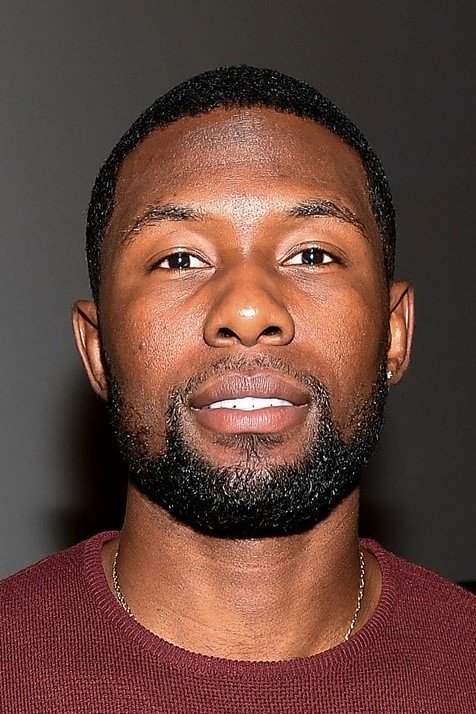
Rhodes delivered a memorable performance in ‘The Predator’ and other projects where his physicality was central to the role. While not always in a romantic context, his approach to physical vulnerability in films like ‘Bird Box’ alongside Sandra Bullock showed a softer side of masculinity. He consistently chooses roles that allow him to deconstruct the “tough guy” trope through emotional and physical openness. This nuance creates a sense of equality in how his characters relate to their white female leads.
Jordan Fisher
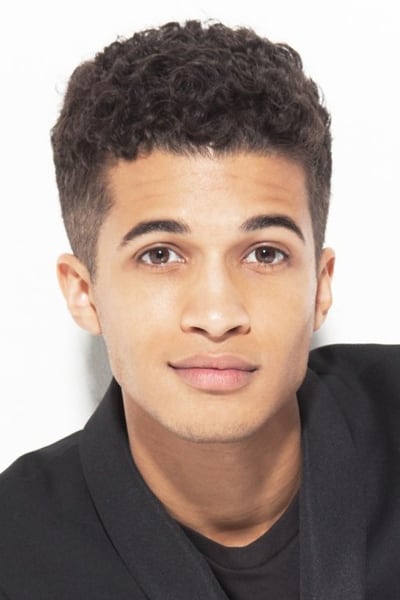
In the dance comedy ‘Work It’, Fisher starred opposite Sabrina Carpenter in a role that highlighted physical chemistry and movement. The film relied on the connection between the two leads to drive the narrative forward. Fisher ensured that the romantic tension was built on a foundation of mutual respect and shared physical effort in the dance sequences. His performance highlighted the importance of equal partnership in the teen romance genre.
Harold Perrineau
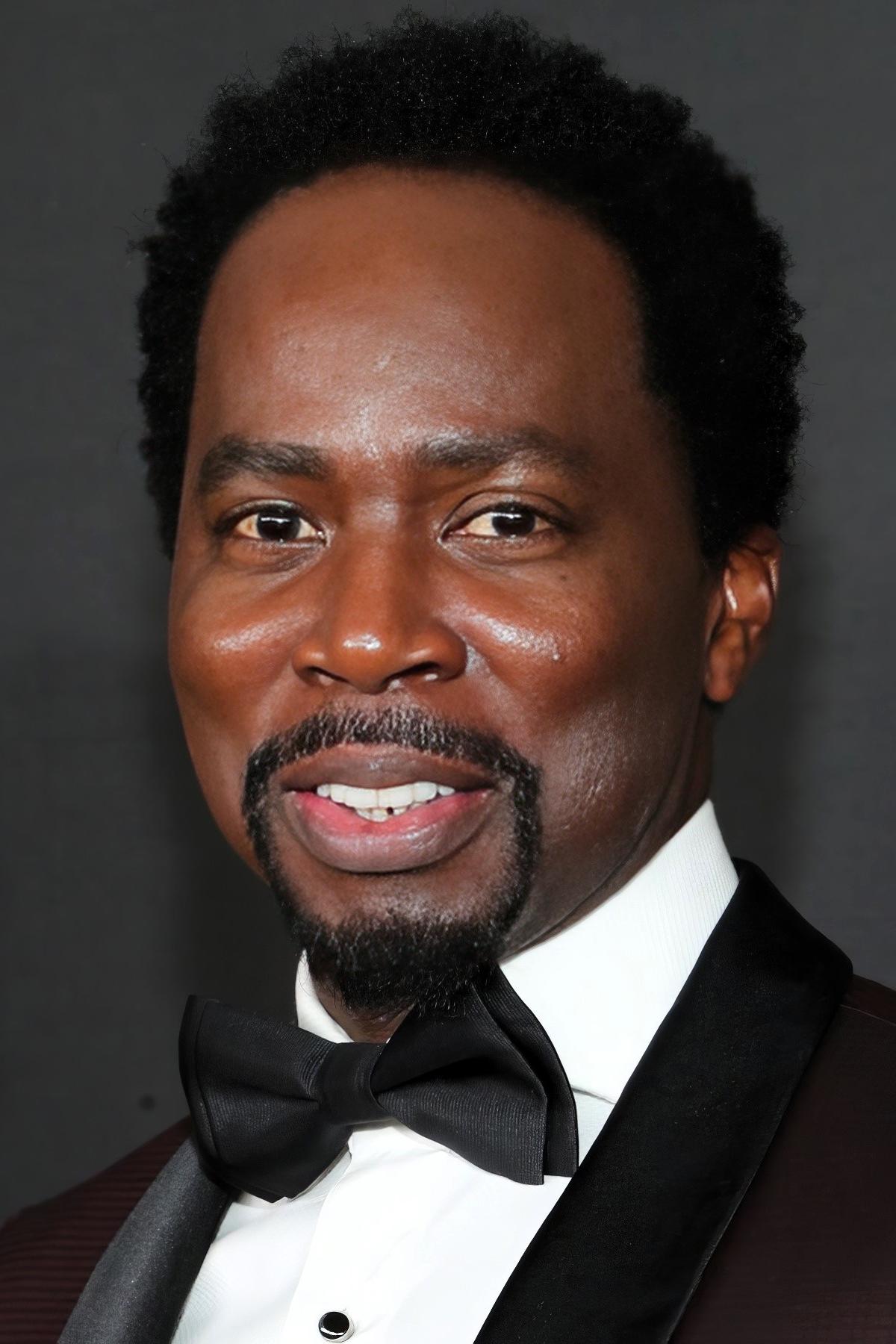
In the gritty prison drama ‘Oz’, Perrineau served as the narrator and a central inmate who navigated a racially divided environment. The show was infamous for its equal opportunity nudity which stripped all characters of their defenses regardless of race. Perrineau’s performance was pivotal in humanizing the inmates and showing that the system degraded everyone equally. His participation in the show’s raw depiction of prison life broke significant taboos regarding male nudity on television.
McKinley Belcher III
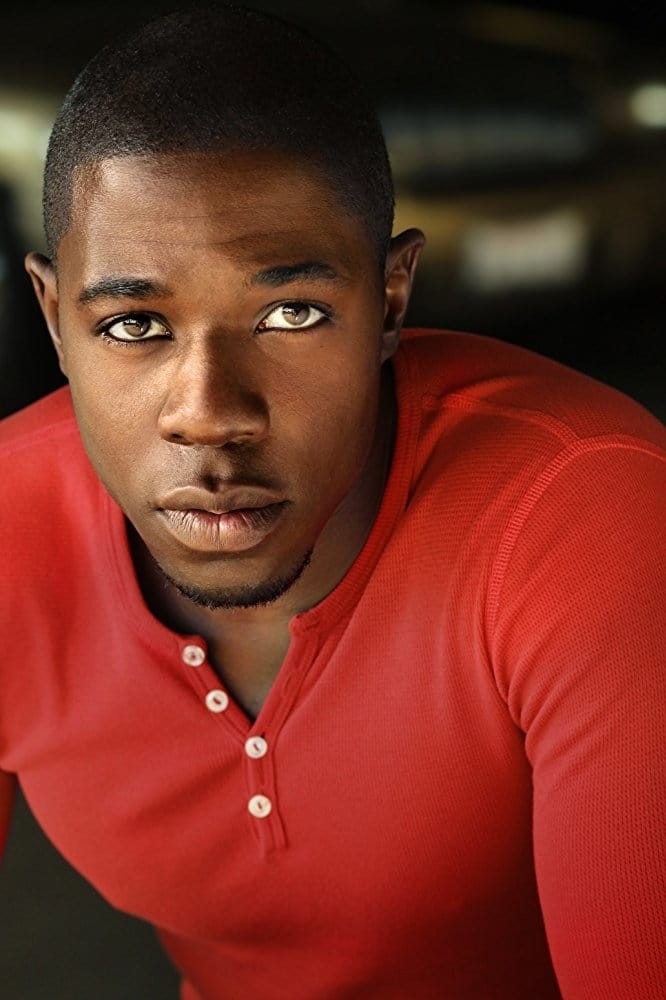
Belcher starred in the psychological thriller ‘Eric’ alongside Benedict Cumberbatch. The series required him to portray a complex character navigating the underground scenes of 1980s New York. Belcher approached the role’s intimate requirements with a focus on historical accuracy and emotional resonance. His performance ensured that his character’s personal life was treated with the same depth and visibility as the main protagonist’s journey.
Boris Kodjoe
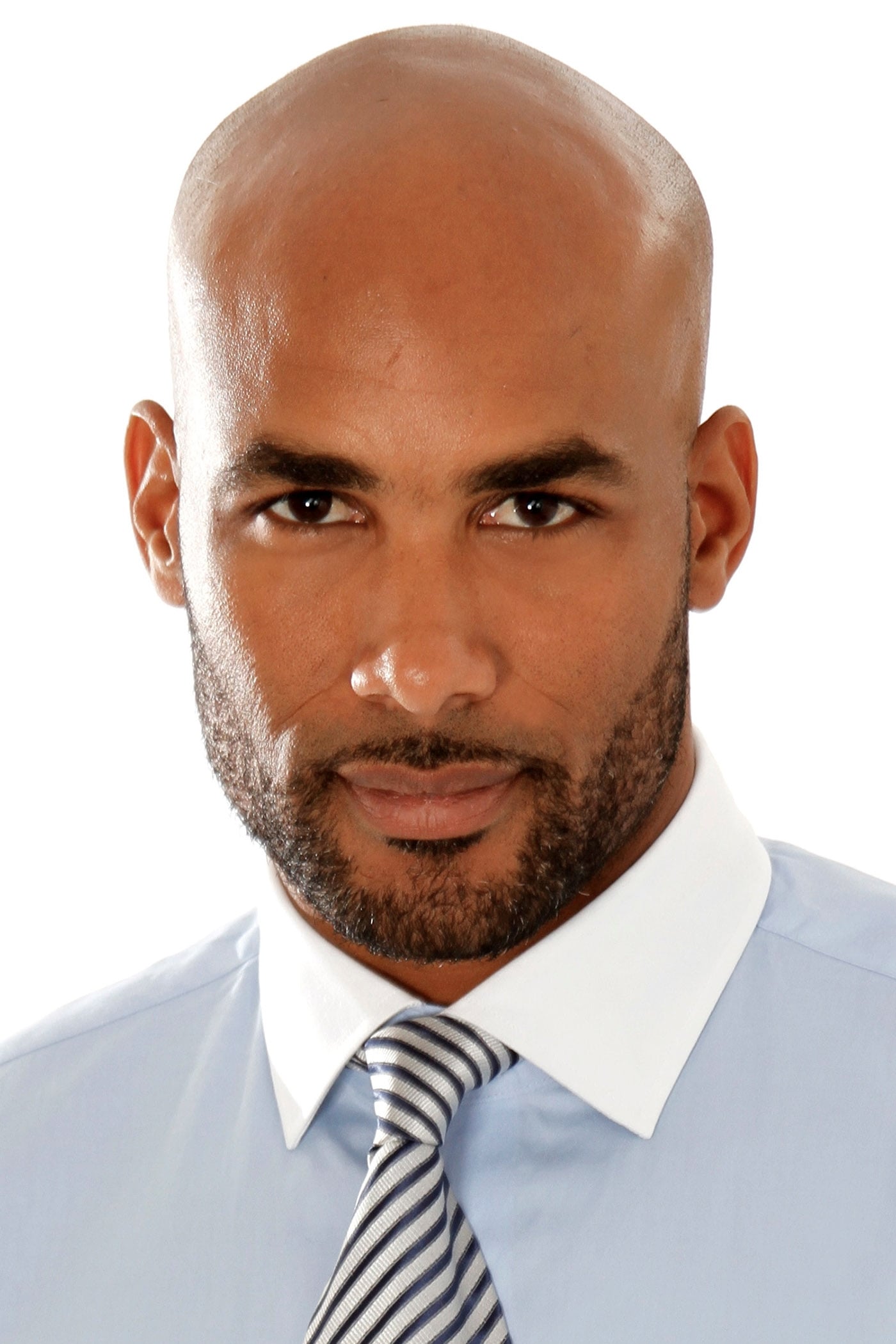
Known for his roles in ‘Station 19’ and ‘Code Black’, Kodjoe has frequently played romantic leads in mixed ensembles. He has spoken about the importance of portraying healthy and balanced relationships on screen. His scenes often emphasize mutual attraction and respect to counter stereotypes about aggressive masculinity. Kodjoe consistently brings a level of grace to his intimate scenes that demands the audience view his character as an equal partner in the romance.
Please share your thoughts on these performances and the importance of equity in film scenes in the comments.