


Black Actors Who Flipped Scripts for More Political Depth




Throughout the history of cinema many Black performers have transitioned from entertainers to advocates by demanding changes to their roles. These actors often insisted on more nuanced portrayals that challenged systemic racism and historical inaccuracies. By using their influence they ensured that stories about the Black experience were told with dignity and political resonance. Their contributions have reshaped the landscape of Hollywood and paved the way for future generations of creators.
Sidney Poitier
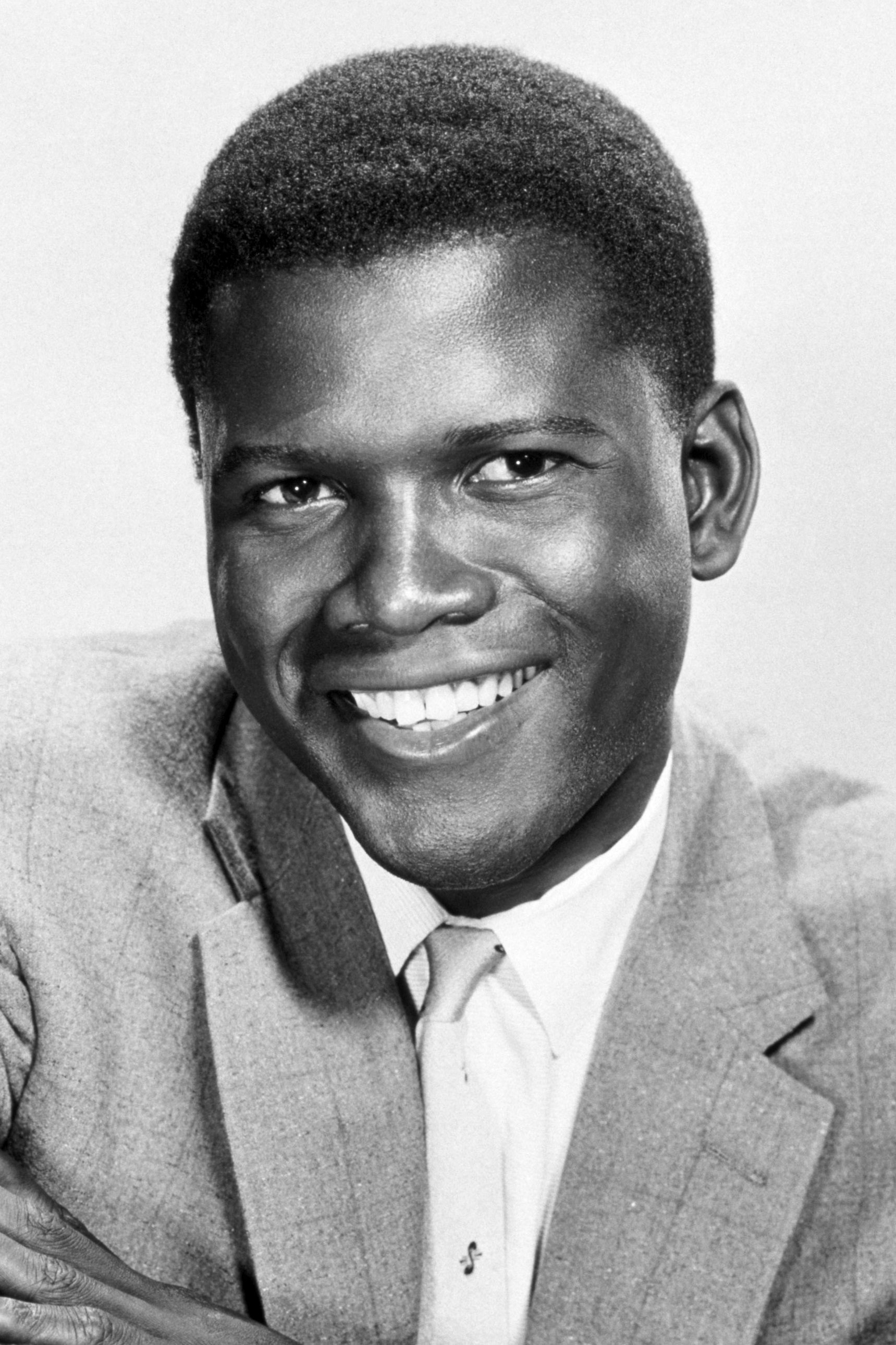
Sidney Poitier was instrumental in changing the way Black men were portrayed on the big screen during the mid twentieth century. In the film ‘In the Heat of the Night’ he famously insisted that his character return a slap delivered by a white plantation owner. This specific change in the script provided a powerful statement on equality and dignity during the height of the Civil Rights Movement. He often chose roles that emphasized intelligence and professional stature to counter prevailing negative stereotypes in Hollywood.
Paul Robeson
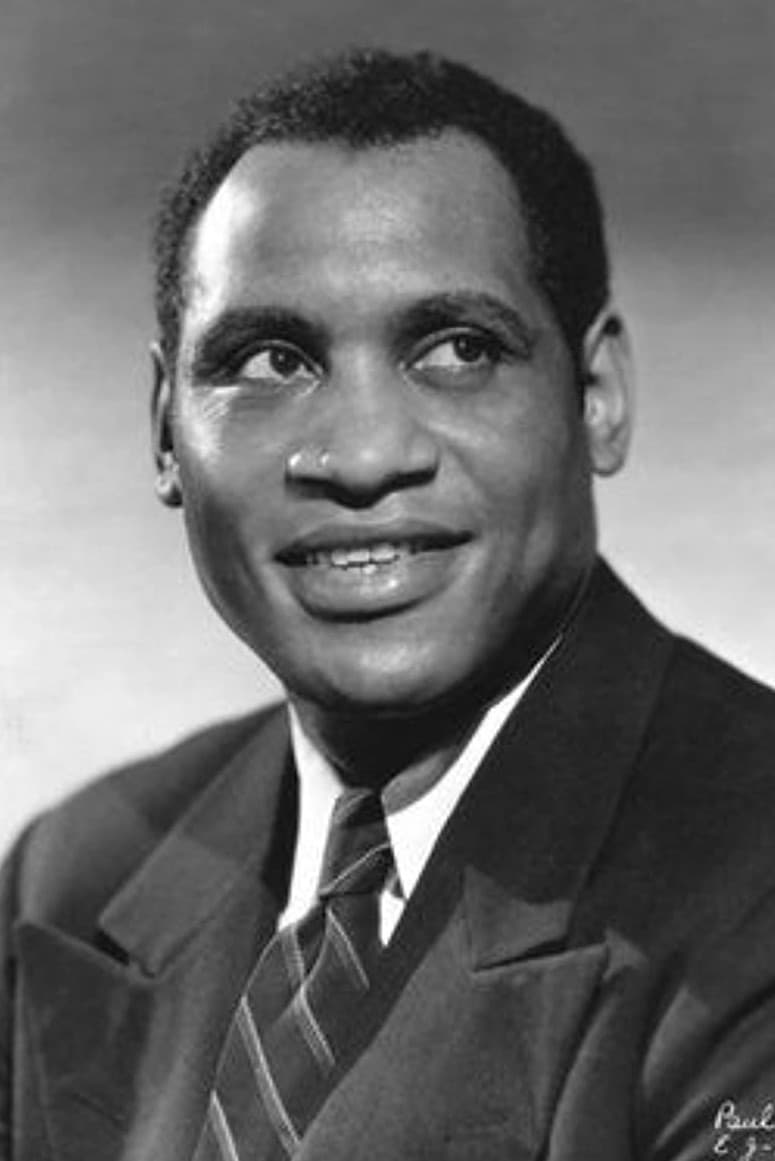
Paul Robeson used his international fame to push for more politically conscious narratives in his films. During the filming of ‘The Proud Valley’ he worked closely with the creative team to focus on the solidarity between Black workers and Welsh miners. He frequently rejected scripts that he felt did not accurately portray the dignity of the working class or the reality of racial struggle. His efforts ensured that his performances were consistent with his lifelong commitment to activism and social reform.
Harry Belafonte

Harry Belafonte leveraged his star power to challenge racial boundaries and promote civil rights through his artistic choices. In the movie ‘Island in the Sun’ he pushed for a more direct exploration of interracial relationships and the political tensions in the Caribbean. He famously refused roles that he felt mocked his heritage or simplified the Black experience. His insistence on creative control allowed him to produce projects that addressed global issues of oppression and liberation.
Ossie Davis
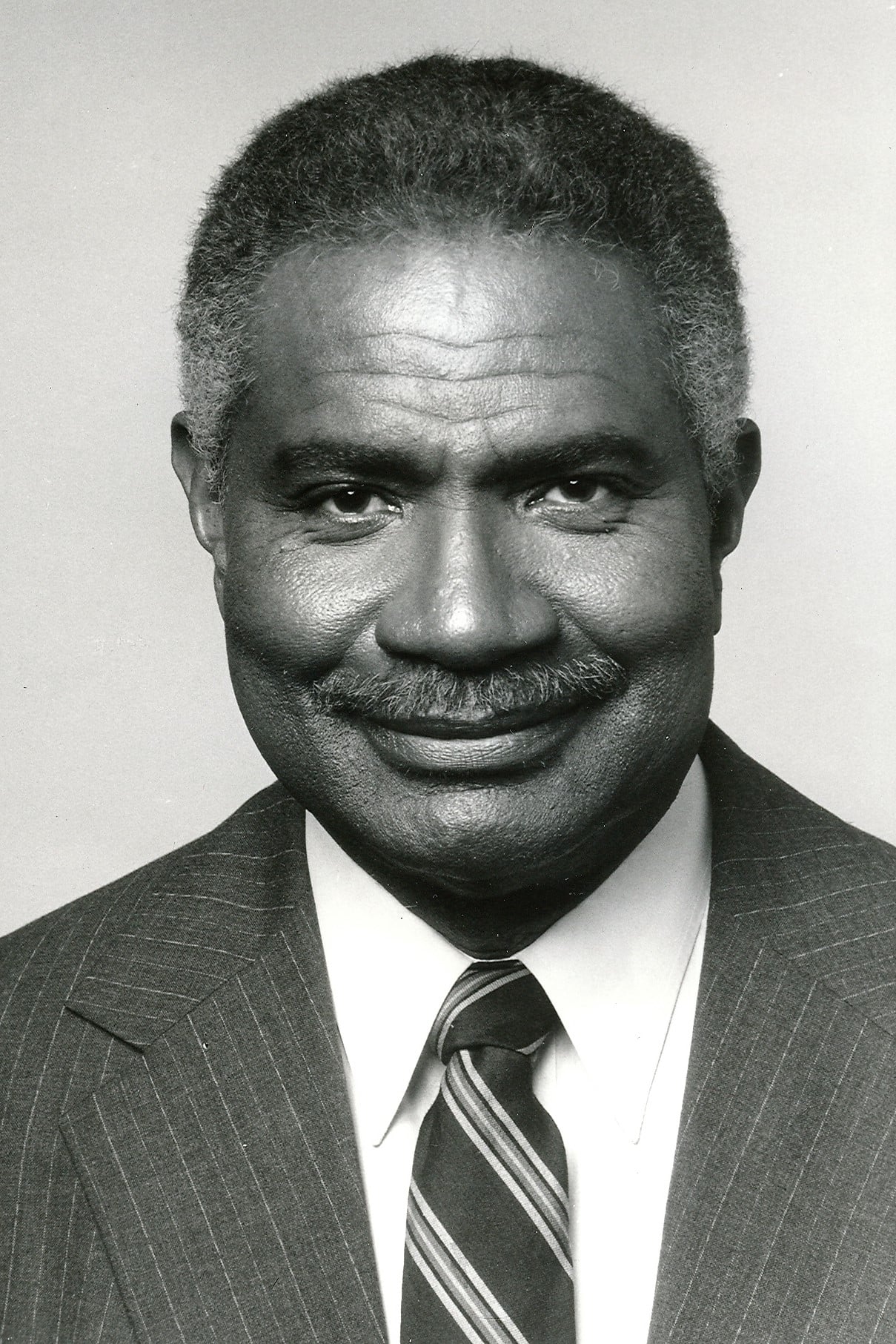
Ossie Davis was a dedicated activist who used his work in film and theater to advance the cause of racial justice. He often rewrote his dialogue to include sharp social commentary and historical context regarding the Black American experience. In the production of ‘Purlie Victorious’ he satirized Jim Crow laws to highlight the absurdity and cruelty of segregation. His career was defined by a commitment to using the performing arts as a tool for political education and community empowerment.
James Earl Jones
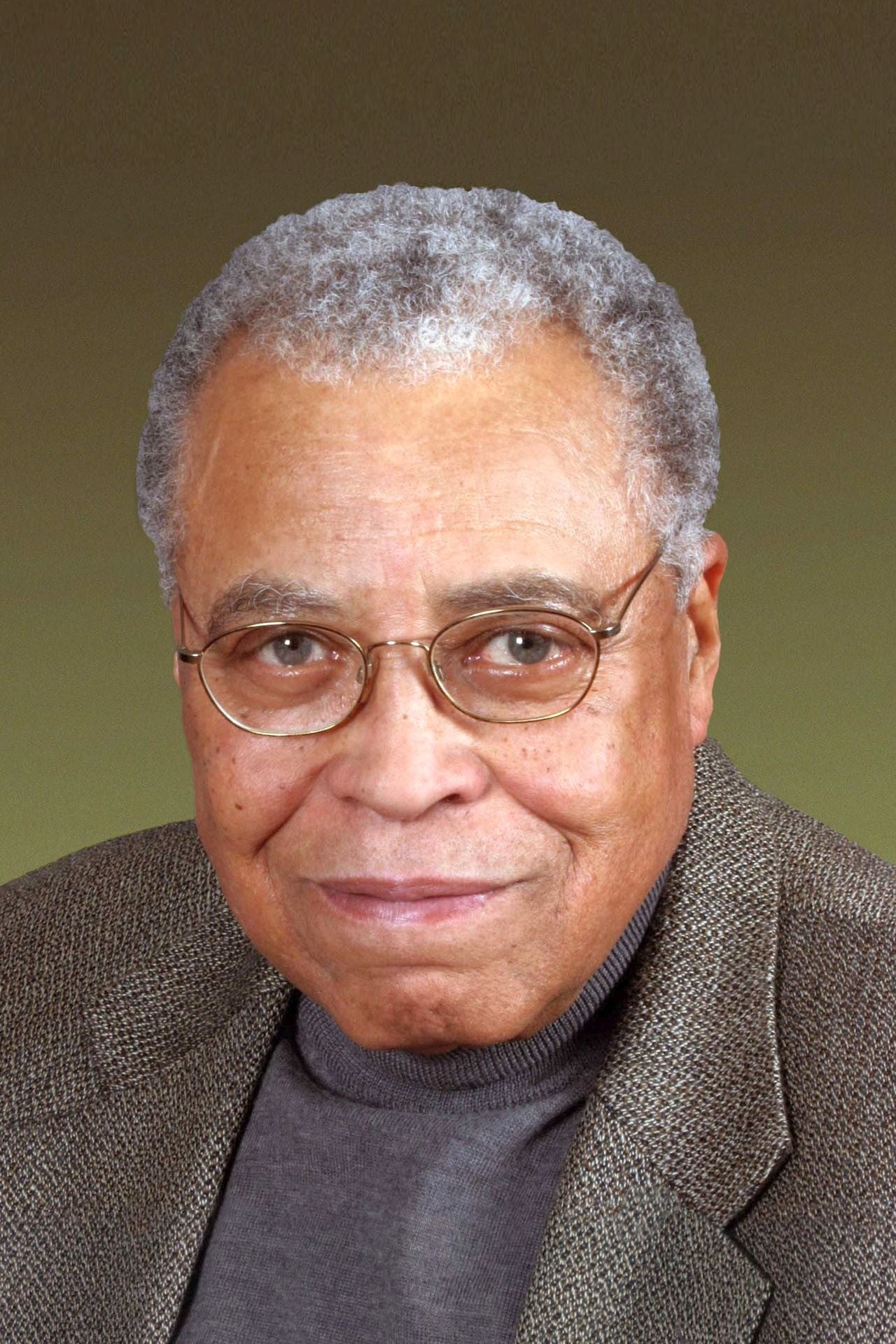
James Earl Jones brought a sense of gravitas and intellectual depth to roles that might have otherwise remained superficial. In ‘The Great White Hope’ he portrayed the struggles of a Black boxer facing a racist society with intense psychological realism. He worked with directors to ensure that his characters were never seen as mere victims but as complex individuals with agency. His powerful voice and presence helped transform the depiction of Black authority figures in mainstream media.
Denzel Washington
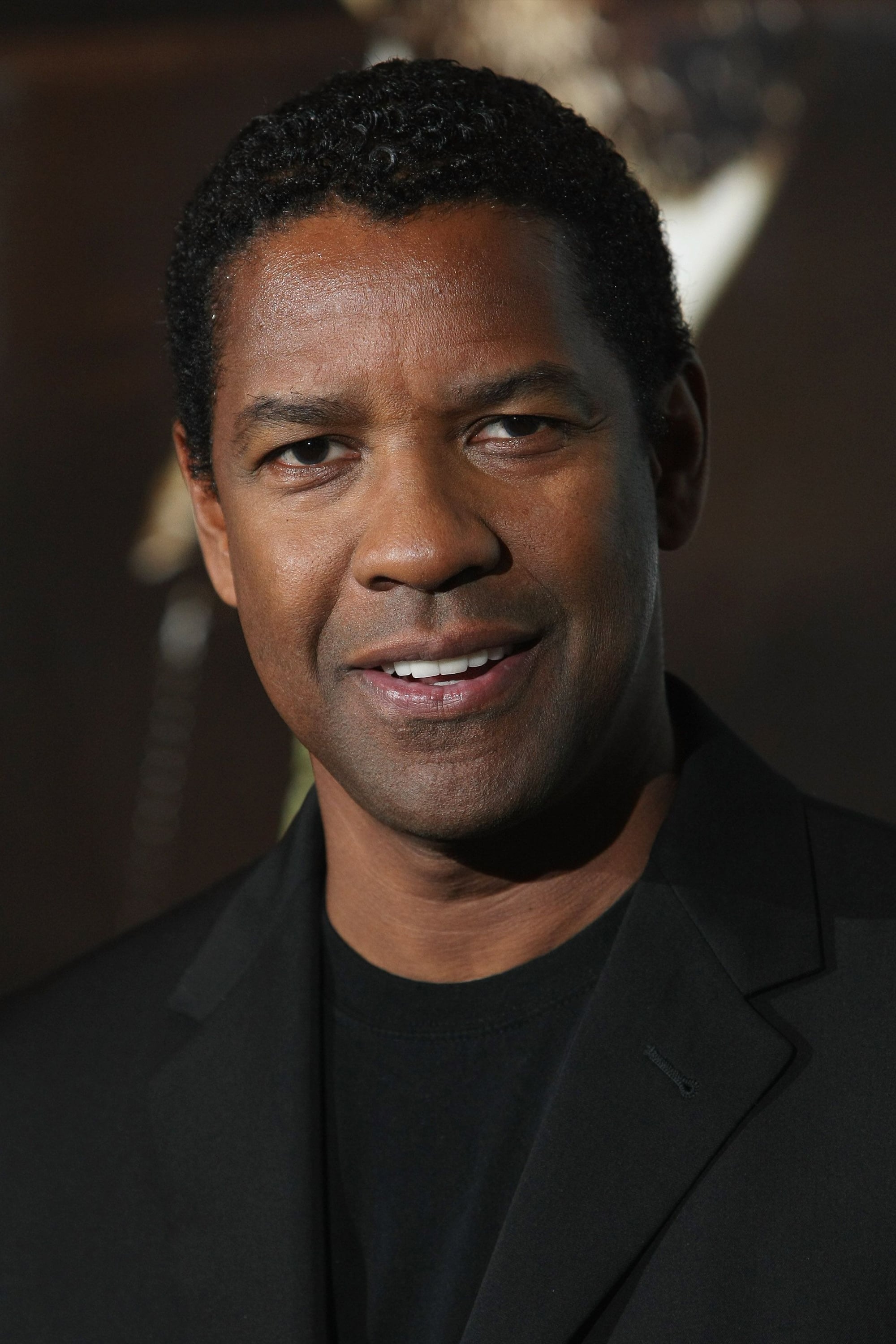
Denzel Washington is known for his meticulous approach to characters and his willingness to challenge script directions. While preparing for ‘Malcolm X’ he collaborated extensively with the director to ensure the portrayal captured the political evolution of the leader. He often revised his lines to align with historical records and the specific intellectual gravity required for such a significant figure. His performances frequently explore the intersection of personal morality and systemic corruption in American society.
Morgan Freeman
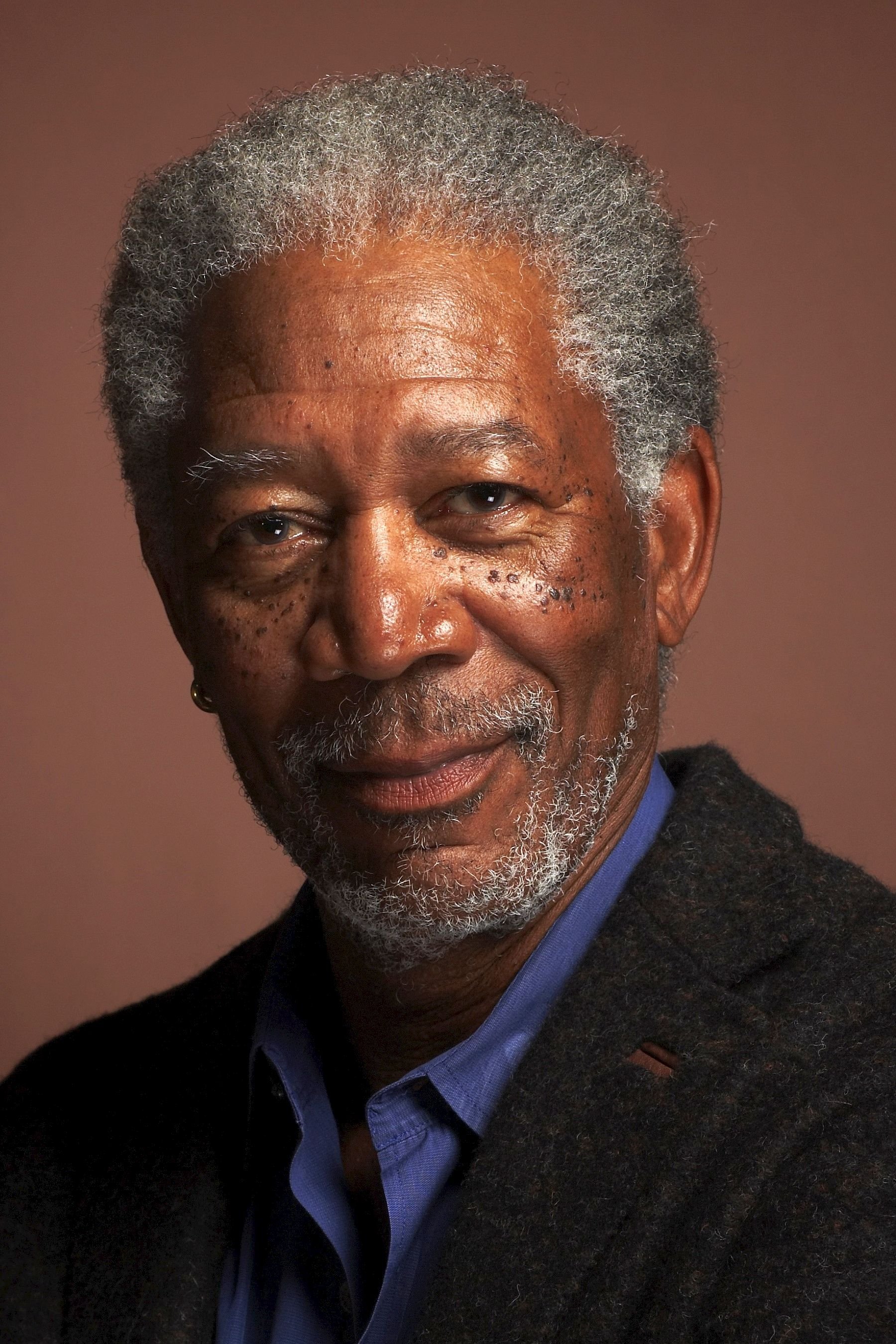
Morgan Freeman has frequently chosen roles that allow him to subvert expectations about race and authority. In the film ‘Glory’ he added layers of weariness and wisdom to his character to reflect the harsh realities faced by Black soldiers. He often worked with writers to remove stereotypical dialogue and replace it with more thoughtful and dignified language. His ability to command the screen has allowed him to bring political weight to a wide variety of genres.
Samuel L. Jackson
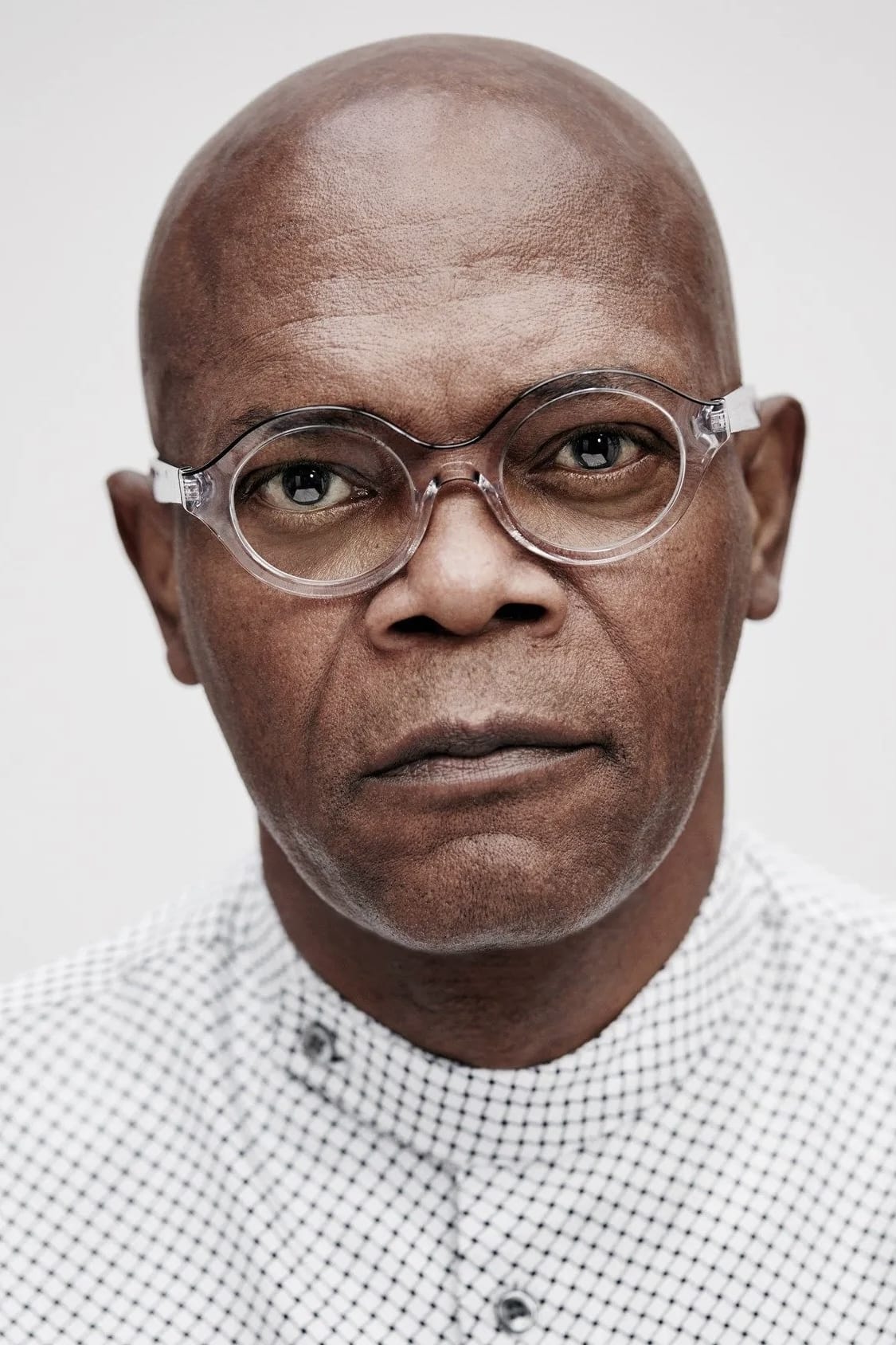
Samuel L. Jackson has used his prominence to demand more agency and complexity for his characters in major blockbusters. In ‘Django Unchained’ he took a role that explored the psychological trauma and complicity associated with the system of slavery. He often collaborates with directors to ensure his characters have distinct voices and clear motivations that transcend simple archetypes. His career demonstrates how a high profile actor can influence the political subtext of mainstream entertainment.
Laurence Fishburne
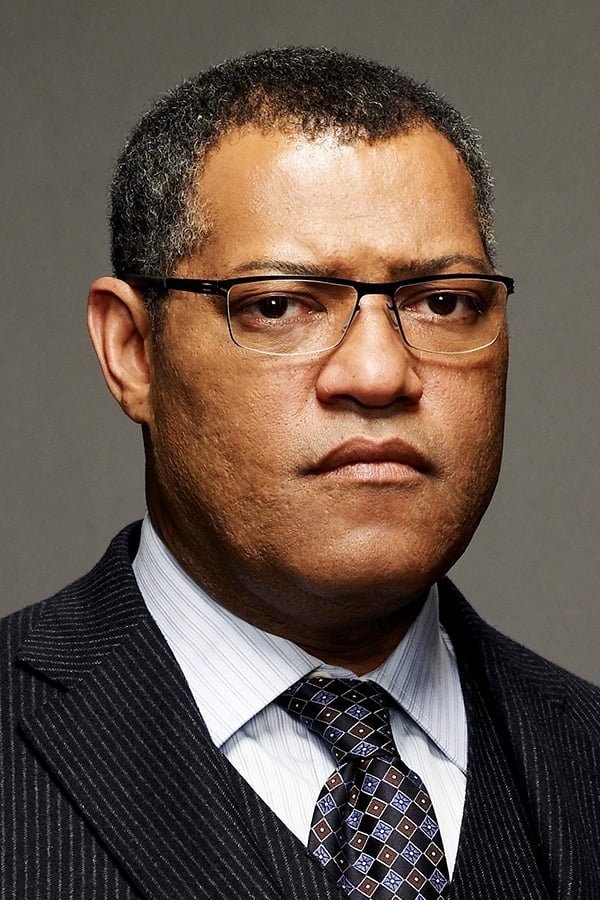
Laurence Fishburne has a long history of selecting roles that address the social and political landscape of urban America. In ‘Boyz n the Hood’ he played a father figure who delivered powerful monologues about gentrification and the importance of self determination. He worked with the creative team to ensure these scenes felt authentic and served as a direct address to the audience. His performances often serve as a bridge between dramatic storytelling and social advocacy.
Forest Whitaker
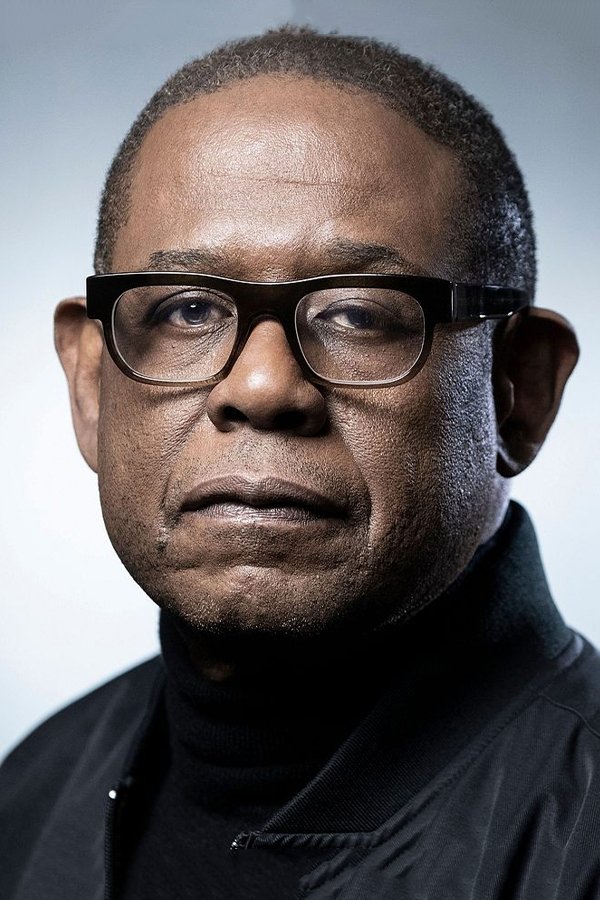
Forest Whitaker is celebrated for his ability to find the human heart within politically charged stories. For his role in ‘The Last King of Scotland’ he conducted extensive research to portray the complex and terrifying nature of a dictator. He pushed the production to move beyond a Western perspective and focus on the internal politics of Uganda. His dedication to accuracy and depth has made him a vital voice in films that examine power and morality.
Don Cheadle
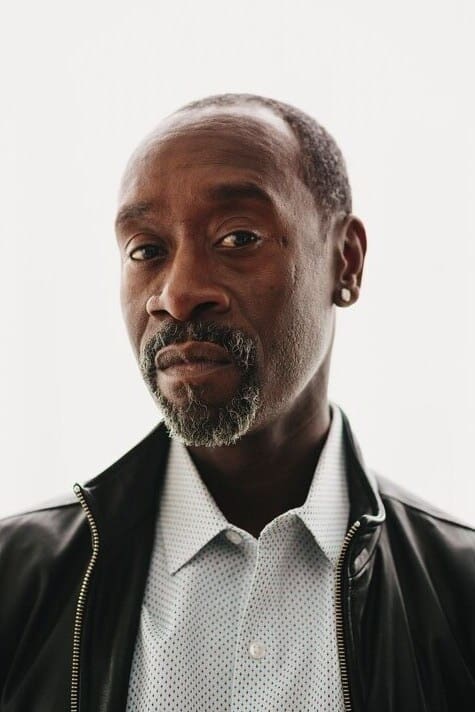
Don Cheadle has consistently used his career to bring attention to international human rights issues and political crises. In ‘Hotel Rwanda’ he portrayed the bravery of an ordinary man during the genocide with profound sensitivity and realism. He worked with the filmmakers to ensure the story remained focused on the political failures that allowed the tragedy to occur. His commitment to social justice extends beyond his acting to his work as a producer and activist.
Danny Glover
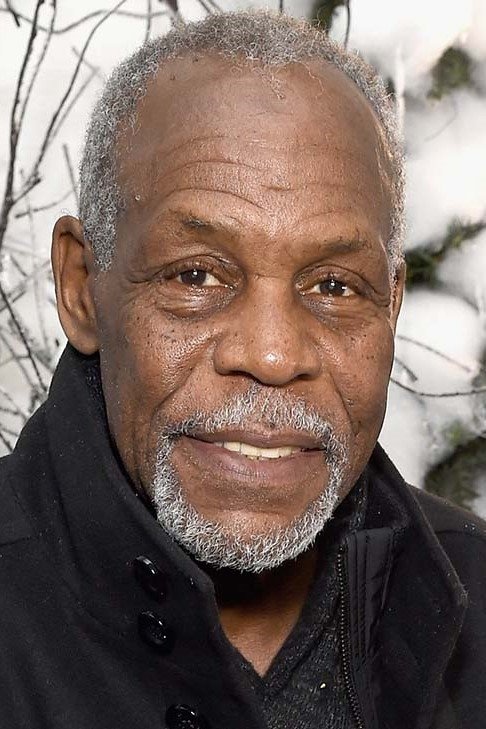
Danny Glover has balanced a successful career in action films with a deep commitment to political and social causes. He often used his leverage to support independent films that explored themes of labor rights and racial inequality. In ‘The Color Purple’ he brought a nuanced perspective to a character that examined the cycles of abuse and redemption. His work reflects a lifelong dedication to using the medium of film to spark conversations about global justice.
Delroy Lindo
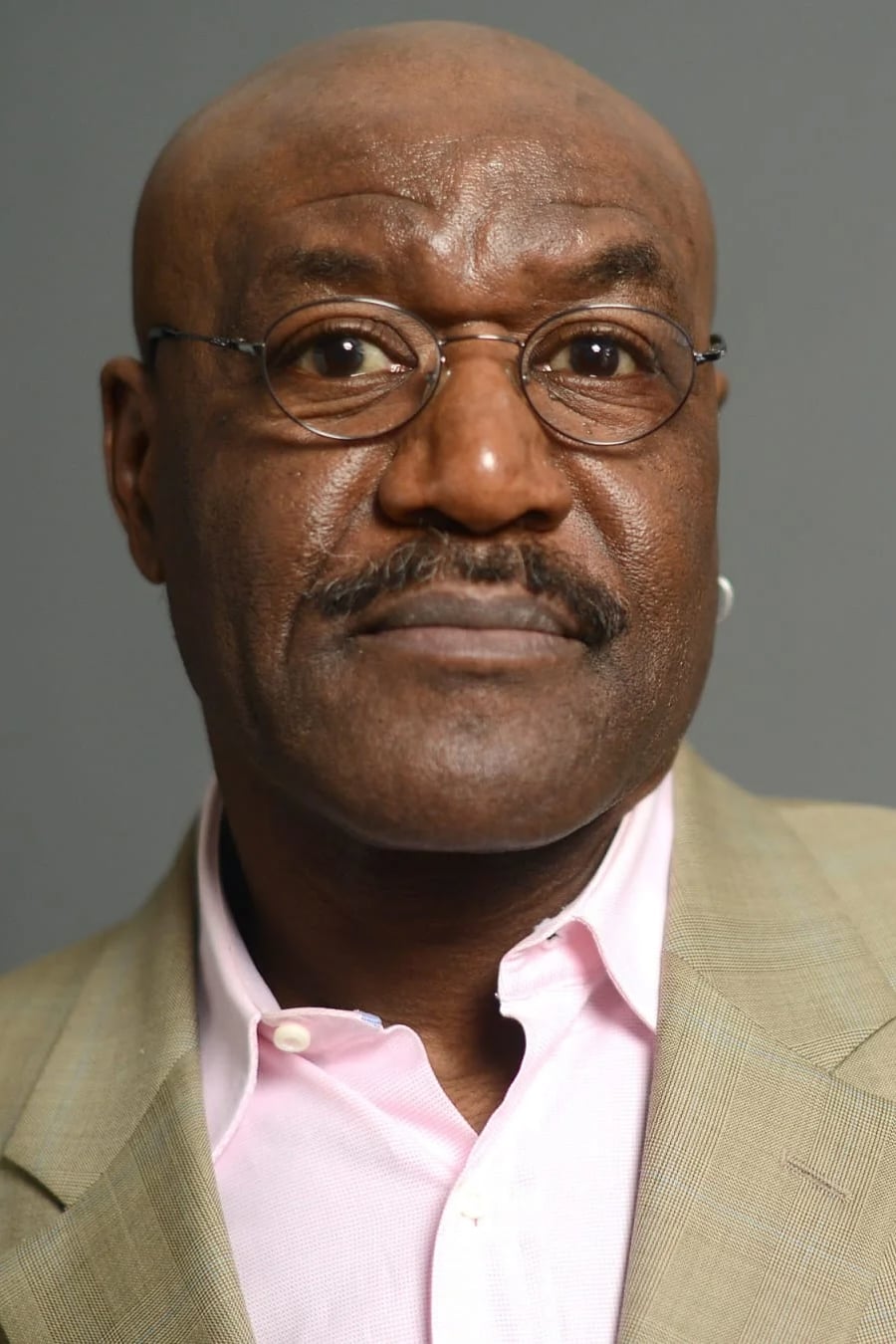
Delroy Lindo is known for his intense and layered performances that often highlight the experiences of the Black diaspora. In ‘Da 5 Bloods’ he worked with the director to portray a Black veteran struggling with the psychological effects of war and systemic neglect. He added a sense of political urgency to the role by exploring the specific traumas faced by soldiers of color. His presence on screen often demands that the audience confront uncomfortable truths about history and identity.
Courtney B. Vance
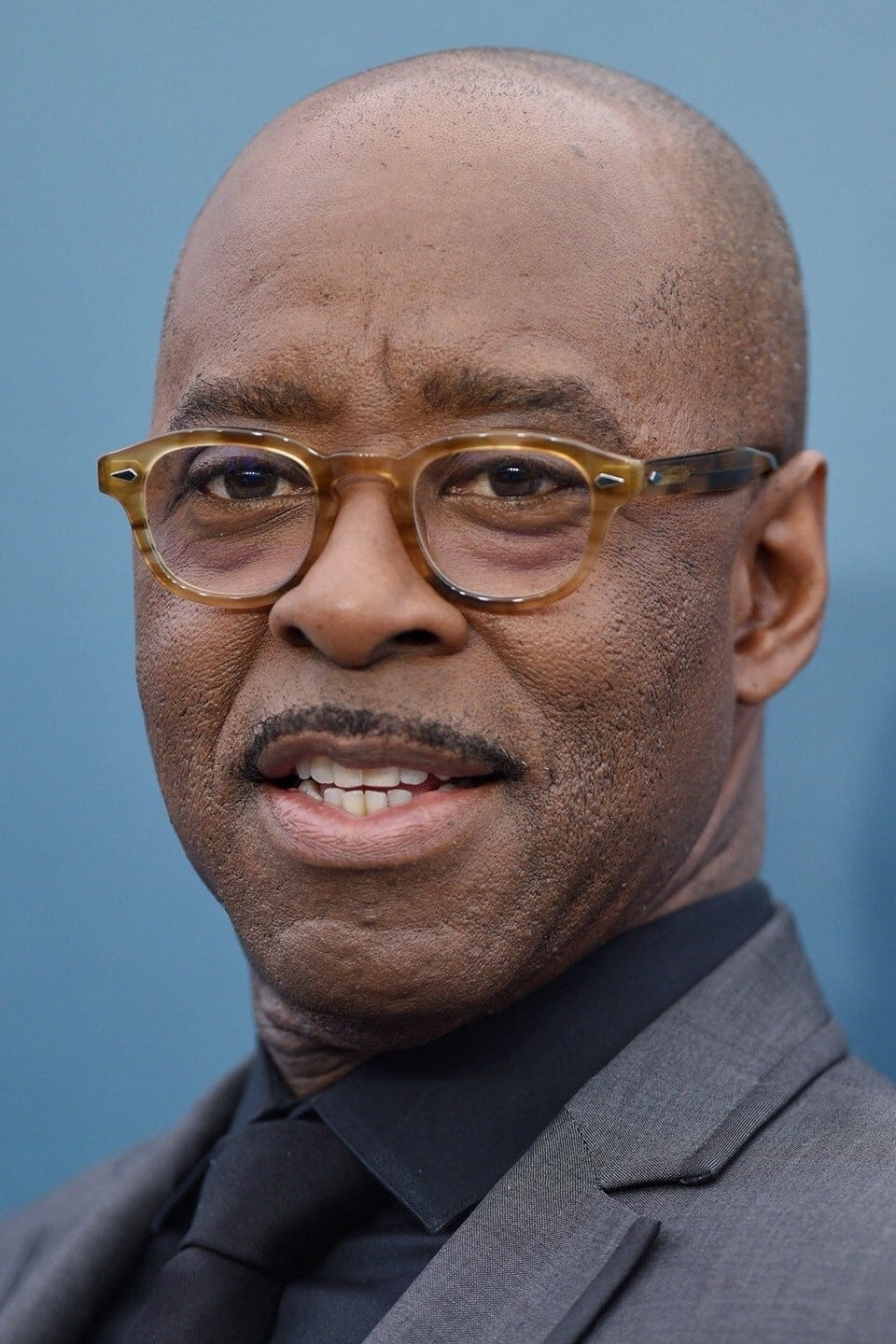
Courtney B. Vance has brought a sharp intellectual energy to roles that examine the American legal and political systems. In the series ‘The People v. O. J. Simpson’ he portrayed a defense attorney by focusing on the broader racial tensions of the era. He collaborated with the writers to ensure the performance reflected the strategic brilliance required to navigate a biased judicial landscape. His work often highlights the intersection of race and power in modern society.
Giancarlo Esposito
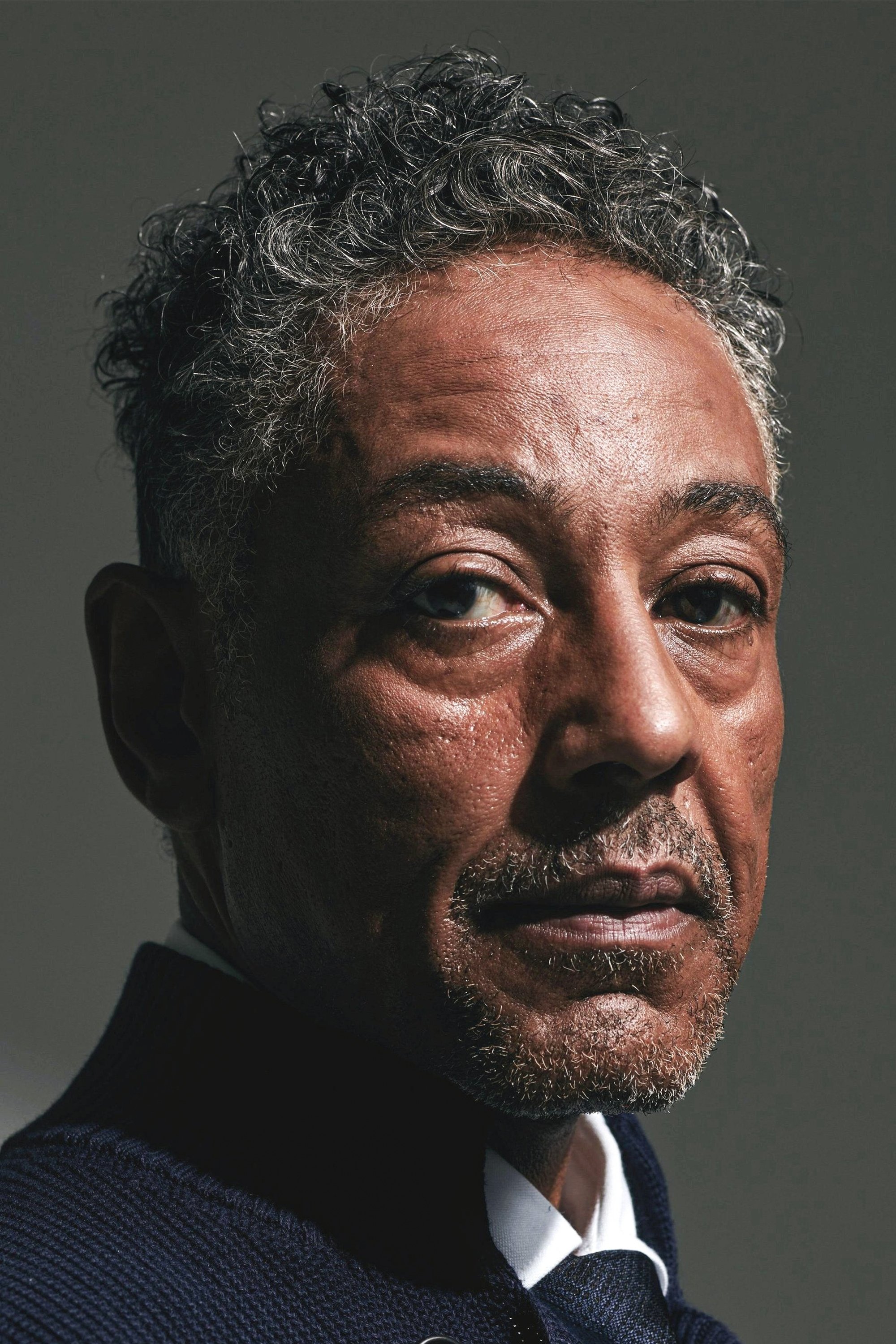
Giancarlo Esposito has a reputation for adding depth and menace to characters in ways that challenge social norms. In ‘Do the Right Thing’ he played a character who demanded representation and sparked a pivotal political conflict within the community. He worked with the director to ensure his motivations were clear and rooted in a desire for justice. His career is marked by a series of performances that explore the complexities of identity and resistance.
Jeffrey Wright
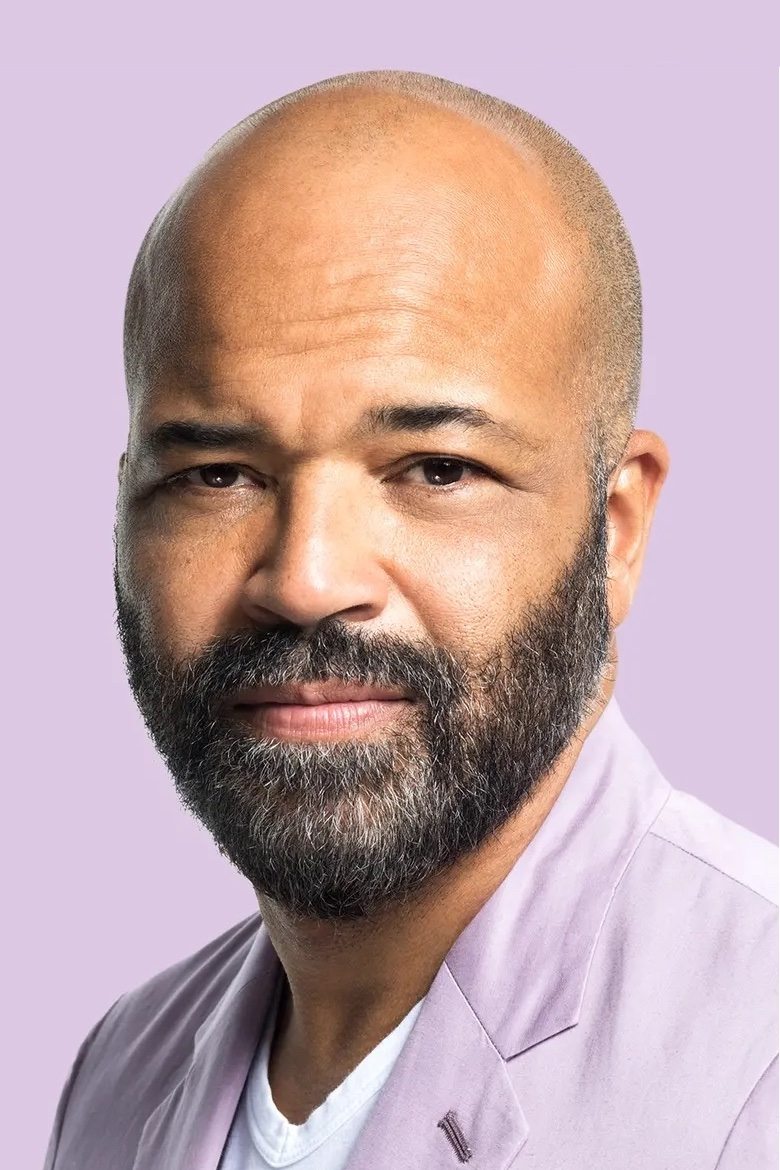
Jeffrey Wright is acclaimed for his ability to transform into characters who exist on the fringes of political and social movements. In ‘Angels in America’ he portrayed the intersection of race and the health crisis with immense vulnerability and strength. He often selects projects that challenge the audience to think critically about historical figures and artistic icons. His work in films like ‘Basquiat’ highlights the struggles of Black artists within predominantly white institutions.
Chiwetel Ejiofor
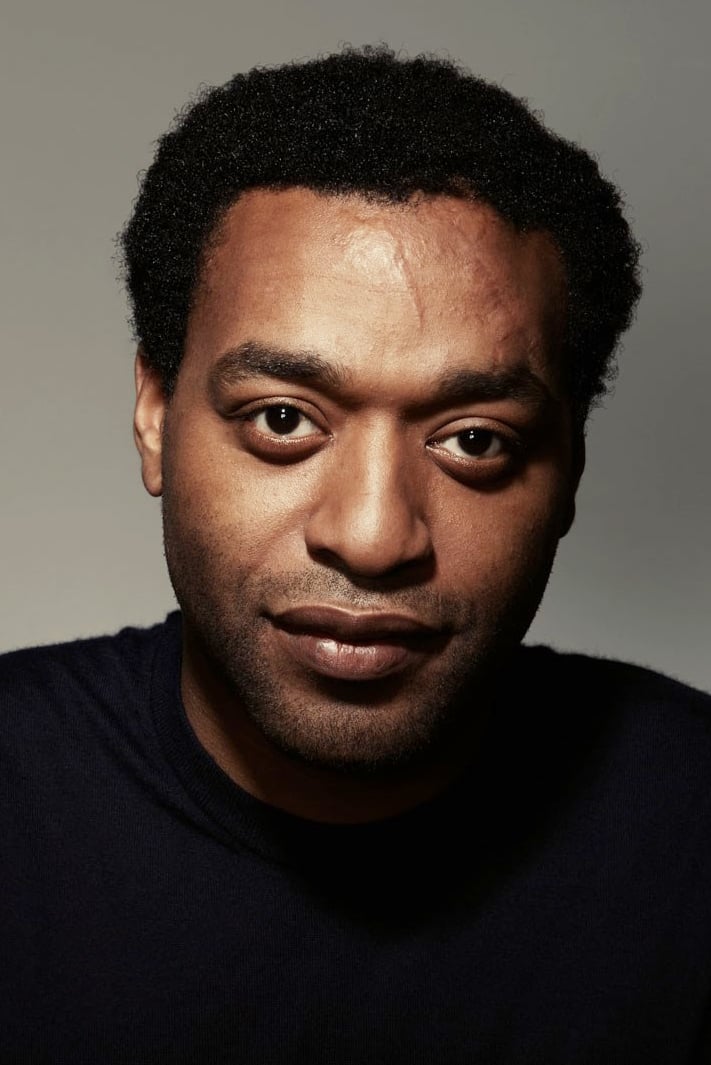
Chiwetel Ejiofor has built a career on roles that examine the enduring impact of history and global inequality. In ’12 Years a Slave’ he gave a performance that stripped away the Hollywood gloss to show the brutal reality of the institution. He worked with the creative team to ensure the film maintained a focus on the psychological resilience of his character. His directorial debut ‘The Boy Who Harnessed the Wind’ further demonstrated his commitment to telling stories of African innovation and struggle.
Idris Elba
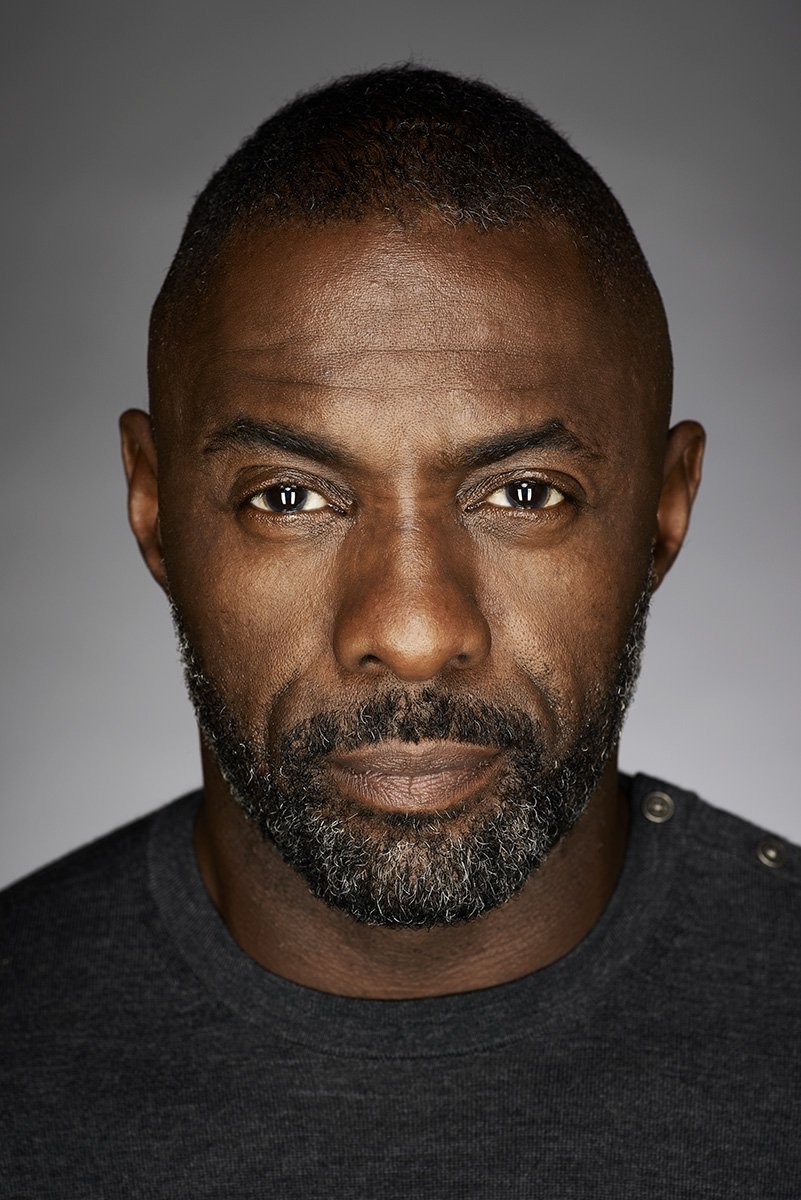
Idris Elba has used his international status to bring complex portrayals of African leaders and heroes to a global audience. For his role in ‘Mandela Long Walk to Freedom’ he spent significant time studying the political philosophy and personal sacrifices of the icon. He aimed to move beyond a simple tribute and create a performance that felt grounded in reality. His work often explores the challenges of leadership and the weight of political responsibility.
David Oyelowo
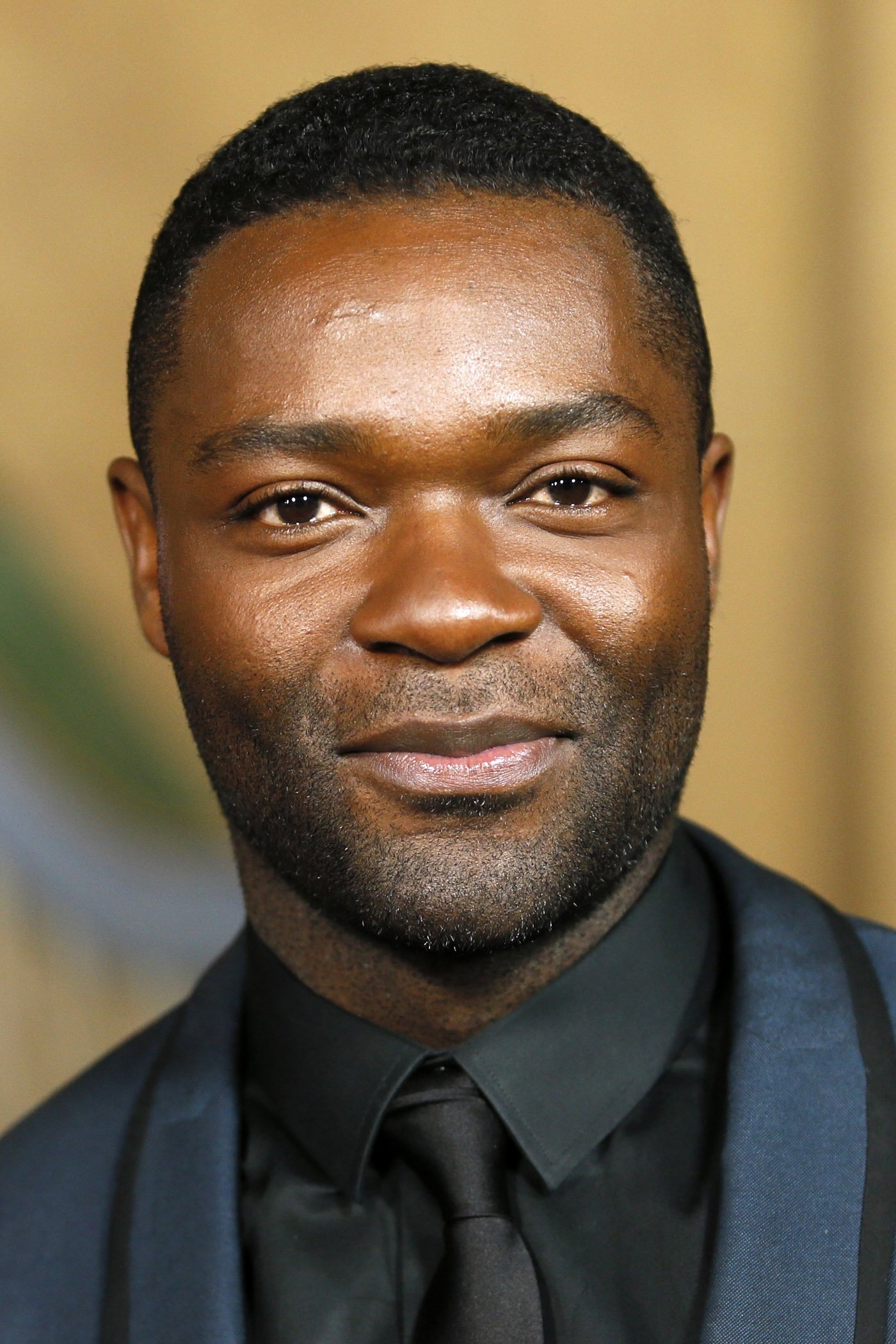
David Oyelowo is known for his dedication to portraying historical figures with a focus on their political strategy and inner life. In the film ‘Selma’ he worked with the director to emphasize the tactical genius of Martin Luther King Junior. He pushed for a script that moved away from hagiography and toward a realistic depiction of the Civil Rights Movement. His commitment to these roles has helped reshape how history is taught through the medium of film.
Chadwick Boseman
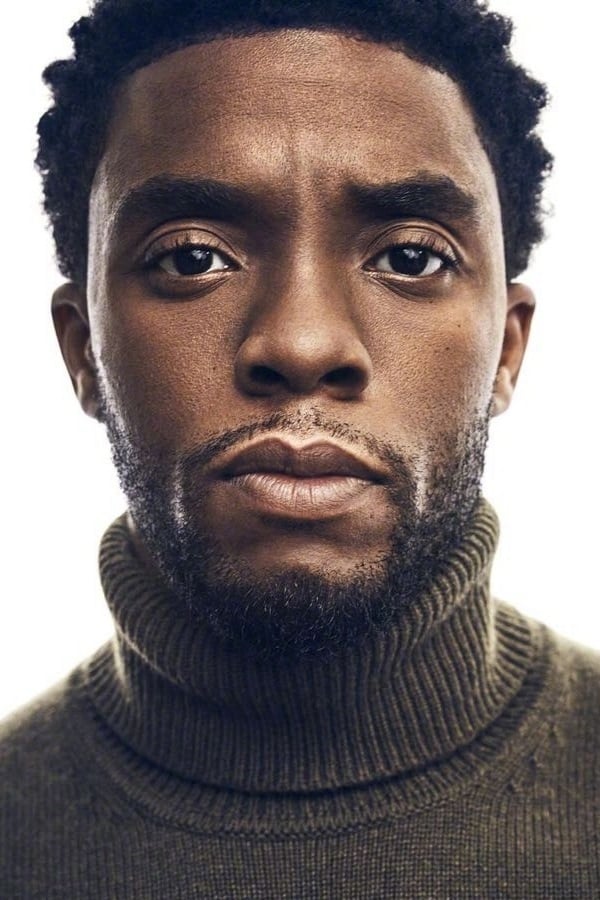
Chadwick Boseman left a lasting impact by choosing roles that celebrated Black excellence and political agency. During the filming of ‘Black Panther’ he insisted that the characters speak with African accents to reflect a culture that had never been colonized. This decision was a powerful political statement that challenged the dominance of Western linguistic standards in cinema. He also portrayed historical pioneers like Thurgood Marshall to highlight the legal battles for racial equality.
Michael B. Jordan
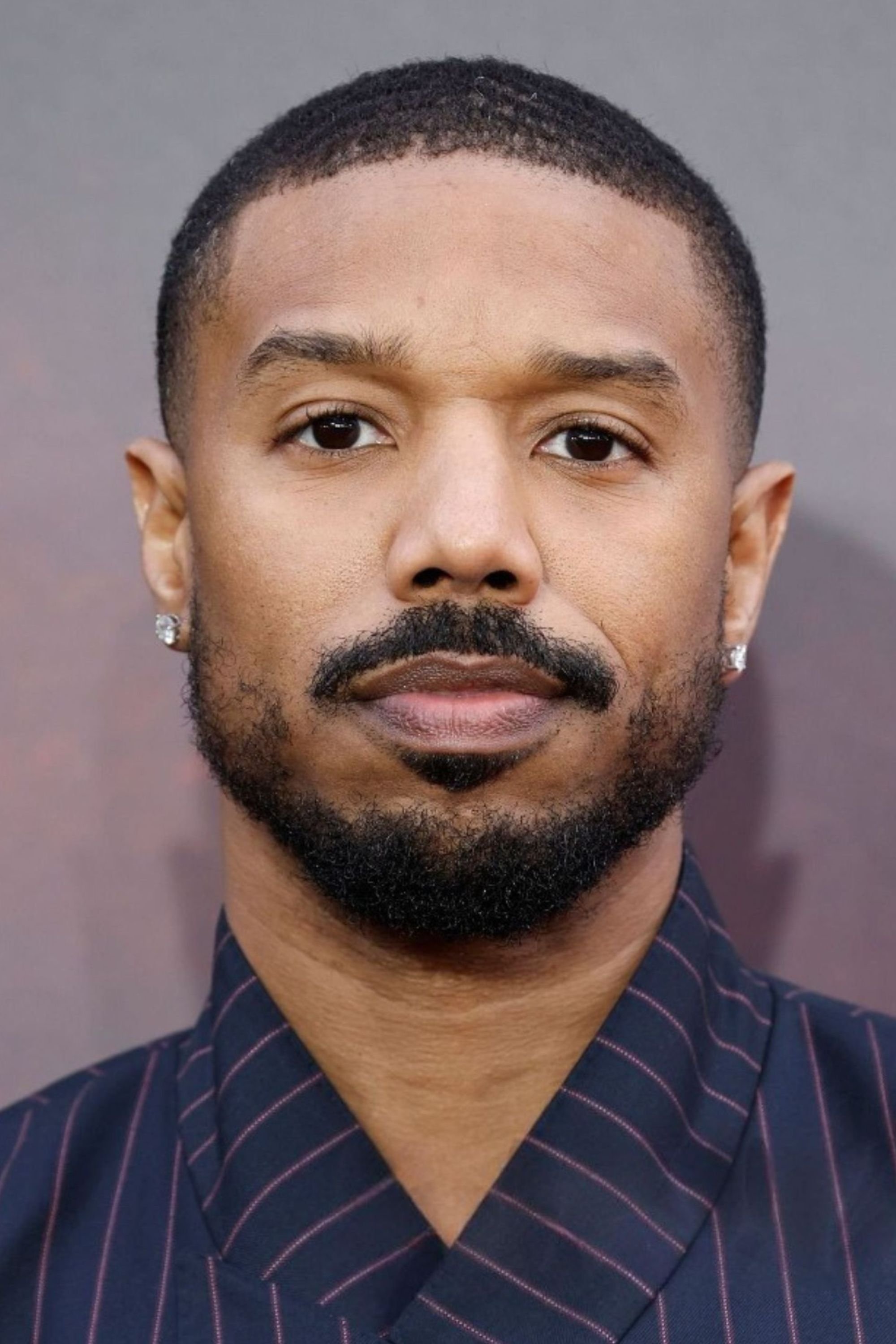
Michael B. Jordan has consistently selected projects that address the modern political landscape and the fight for justice. In ‘Fruitvale Station’ he portrayed the final day of a young man killed by police with a focus on his humanity and potential. He later starred in and produced ‘Just Mercy’ to bring attention to the flaws in the American death penalty system. His work often combines commercial appeal with a strong message of social accountability.
Daniel Kaluuya
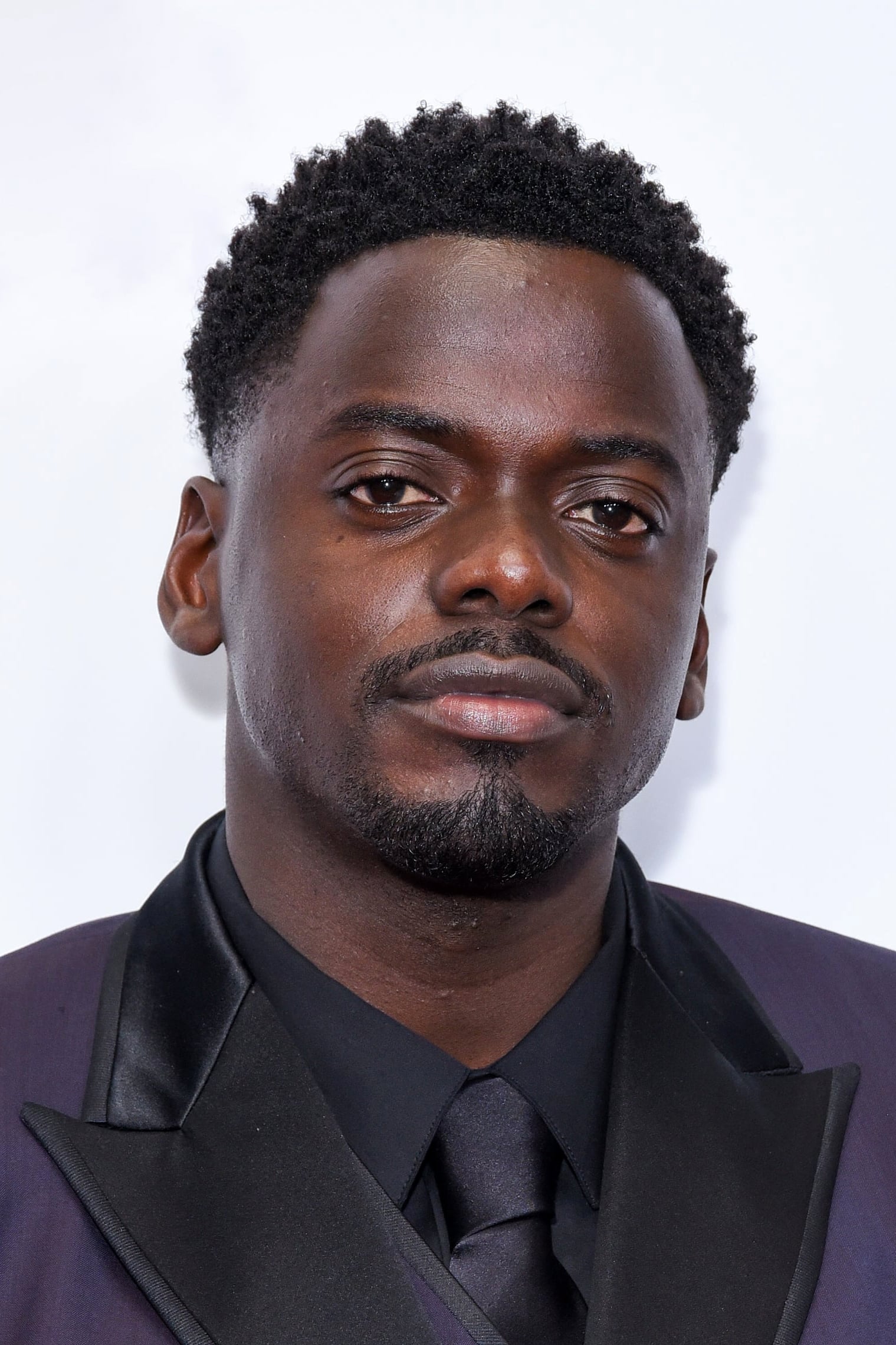
Daniel Kaluuya has become a prominent voice in films that use genre to explore deep seated political and social issues. In ‘Judas and the Black Messiah’ he gave a revolutionary performance that captured the charisma and mission of the Black Panther Party. He worked to ensure the film honored the legacy of Fred Hampton and focused on his community organizing efforts. His career reflects a commitment to stories that challenge the status quo and demand social change.
Mahershala Ali
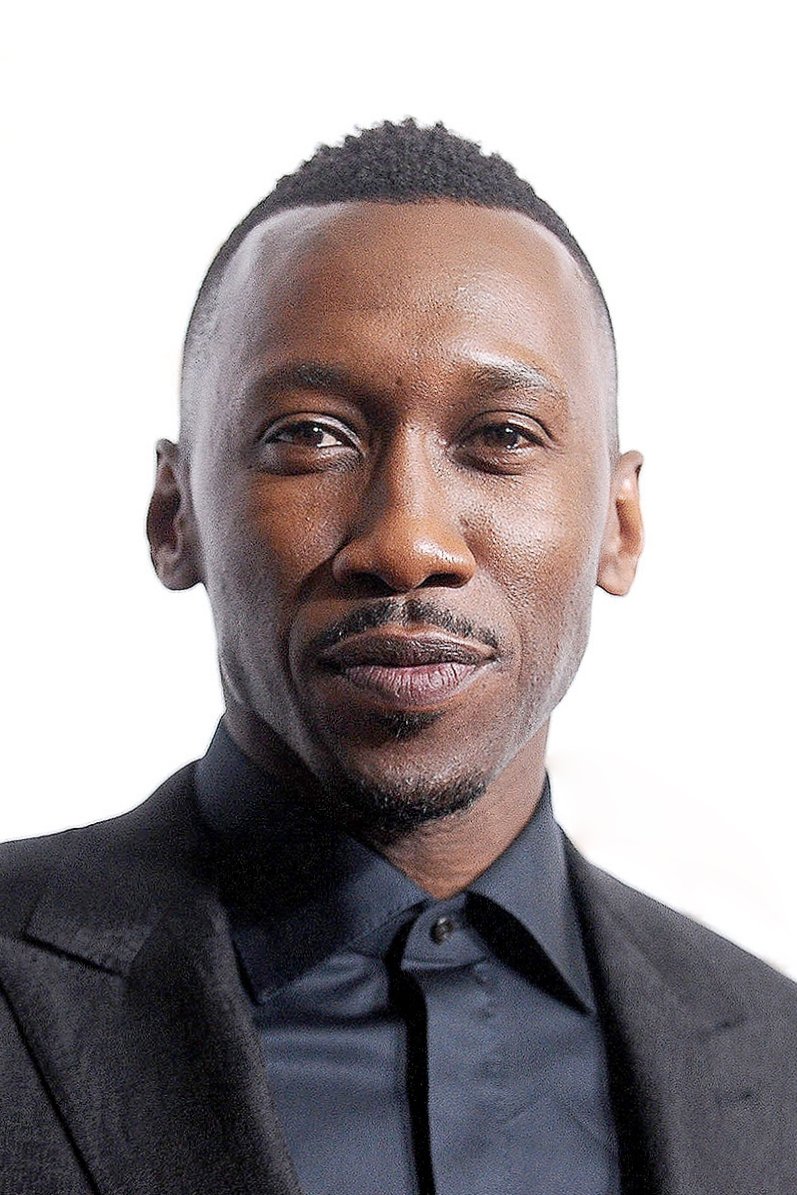
Mahershala Ali is known for his quiet and powerful performances that challenge conventional ideas about masculinity and race. In ‘Green Book’ he pushed for a portrayal that emphasized the dignity and isolation of a Black artist traveling through the Jim Crow South. He often works with directors to refine his characters and add layers of psychological complexity. His success has allowed him to champion stories that explore the intersection of personal identity and public perception.
Lakeith Stanfield
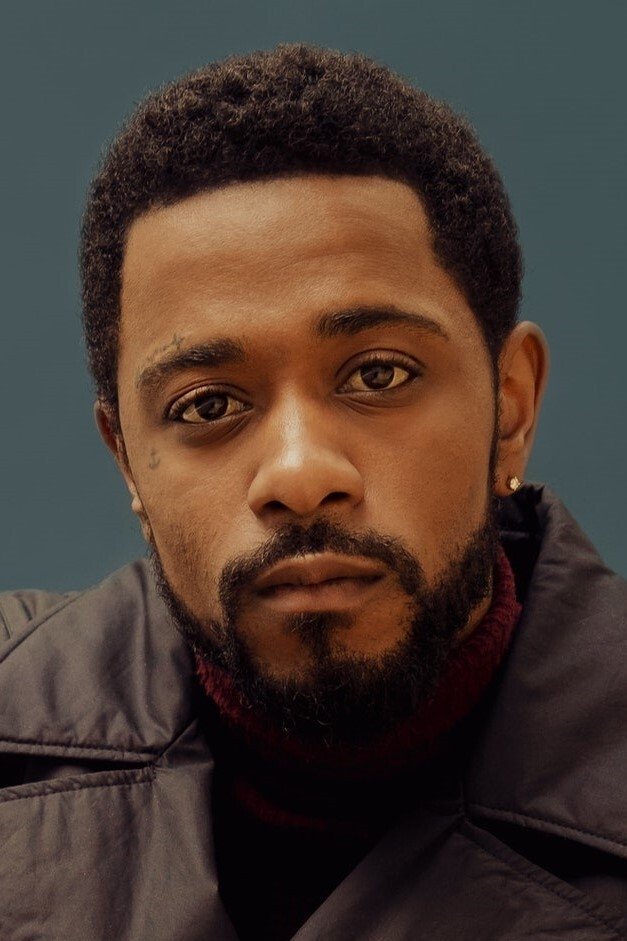
Lakeith Stanfield has carved out a unique space in Hollywood by appearing in surreal and politically subversive films. In ‘Sorry to Bother You’ he starred in a story that used satire to critique capitalism and the racial dynamics of the corporate world. He often brings an unpredictable energy to his roles that forces the audience to question social norms. His work in ‘Judas and the Black Messiah’ added a tragic and complex perspective to the history of political betrayal.
John Boyega
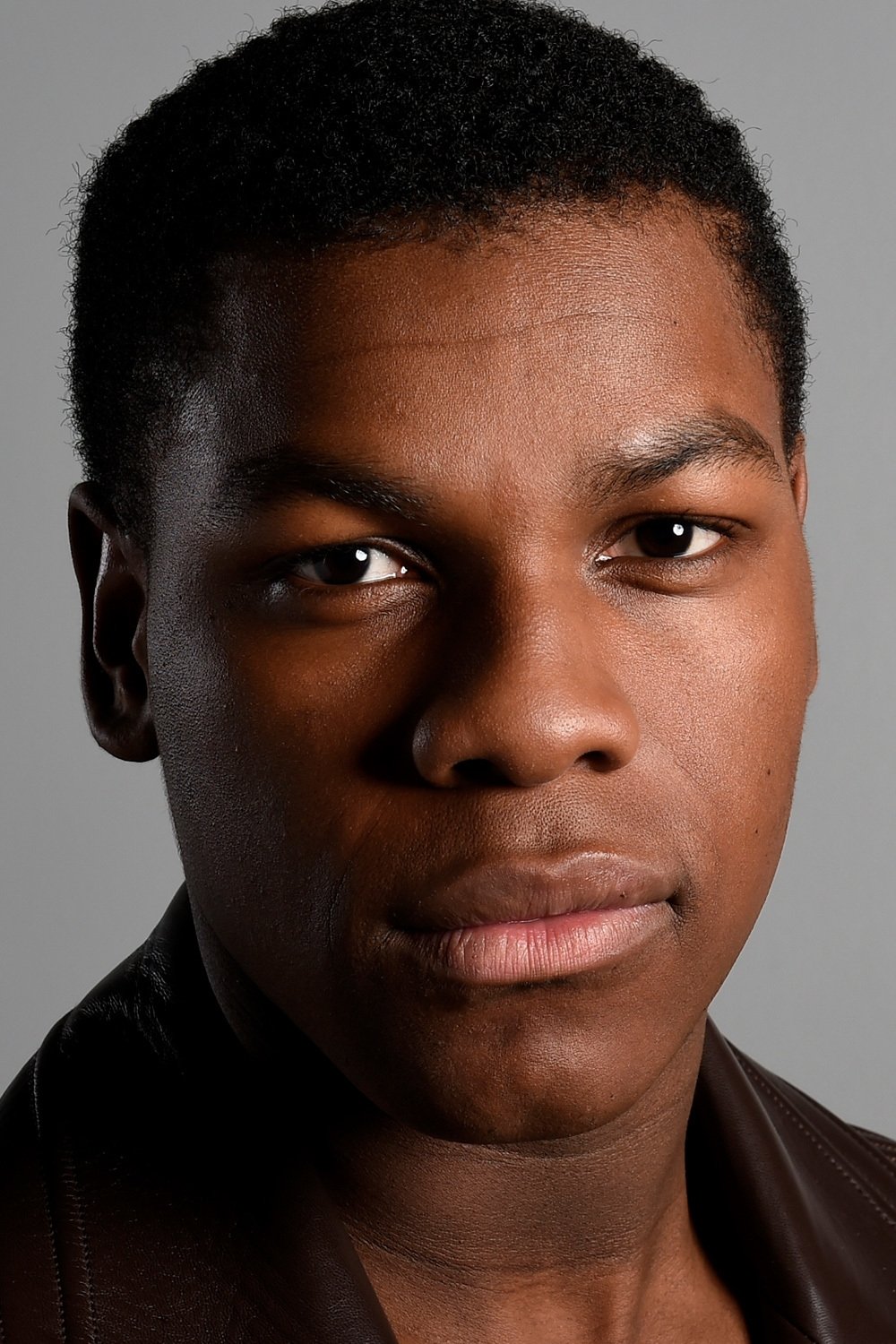
John Boyega has used his platform to speak out against racial inequality both on and off the screen. In the series ‘Small Axe’ he gave a powerful performance that addressed the history of police corruption and systemic racism in the United Kingdom. He has been vocal about his experiences in major franchises and the need for better representation for actors of color. His choices reflect a desire to tell stories that are rooted in the reality of the Black British experience.
Yahya Abdul-Mateen II
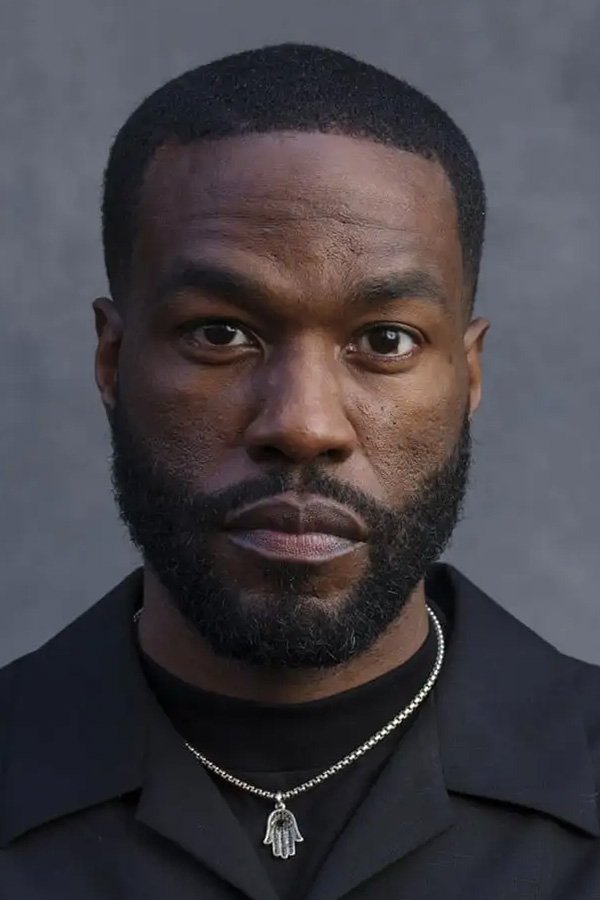
Yahya Abdul-Mateen II has quickly risen to prominence by taking on roles with significant political and cultural weight. In ‘The Trial of the Chicago 7’ he portrayed a Black Panther leader who faced a biased judicial system with courage and defiance. He worked with the production to ensure the character was not sidelined and that the systemic injustice he faced was central to the story. His work often examines the relationship between the individual and the state.
Sterling K. Brown
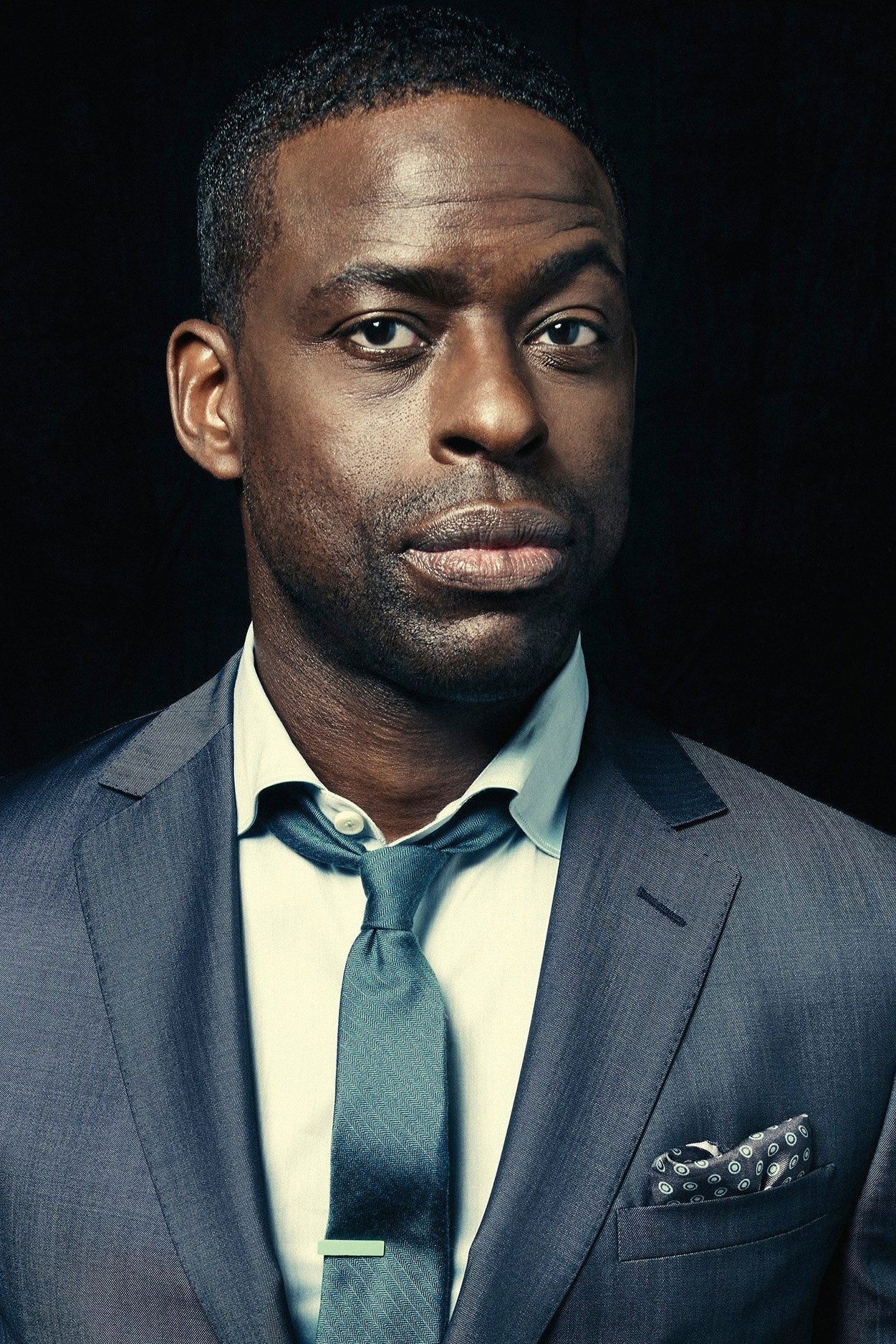
Sterling K. Brown has used his success in television and film to explore the nuances of Black family life and historical struggle. In the film ‘Marshall’ he portrayed a man wrongfully accused of a crime during a time of intense racial prejudice. He often brings a sense of vulnerability and intellectual depth to his characters that challenges simple portrayals. His work highlights the importance of emotional truth in stories about social and political conflict.
André Holland
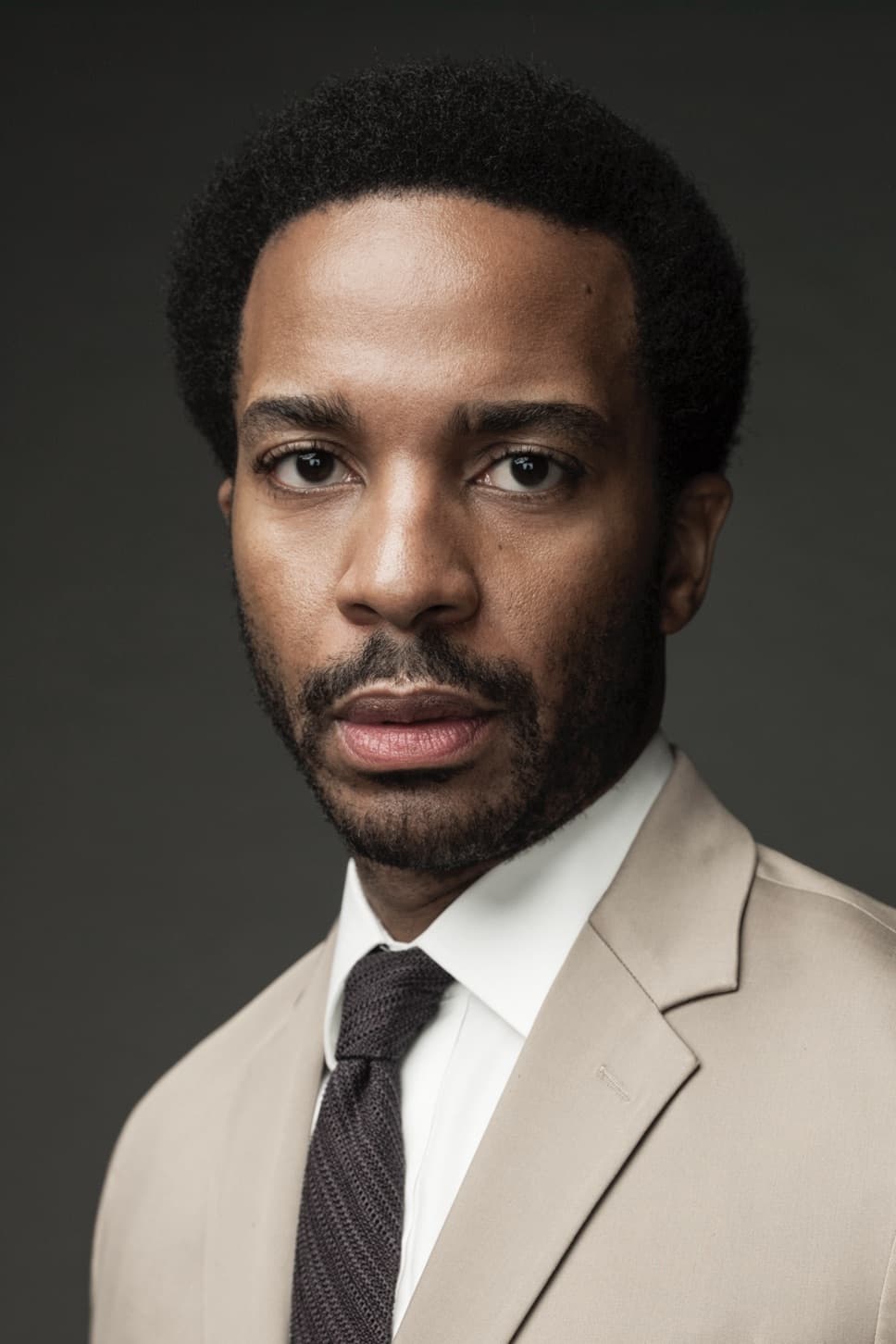
André Holland is celebrated for his performances in films that examine the legacy of race in America with a focus on quiet intensity. In ‘Moonlight’ he played a pivotal role in a story that explored the intersections of identity and community. He also starred in ‘High Flying Bird’ which used a sports narrative to discuss the ownership and exploitation of Black labor. His career is marked by a series of thoughtful choices that prioritize social and political relevance.
Brian Tyree Henry
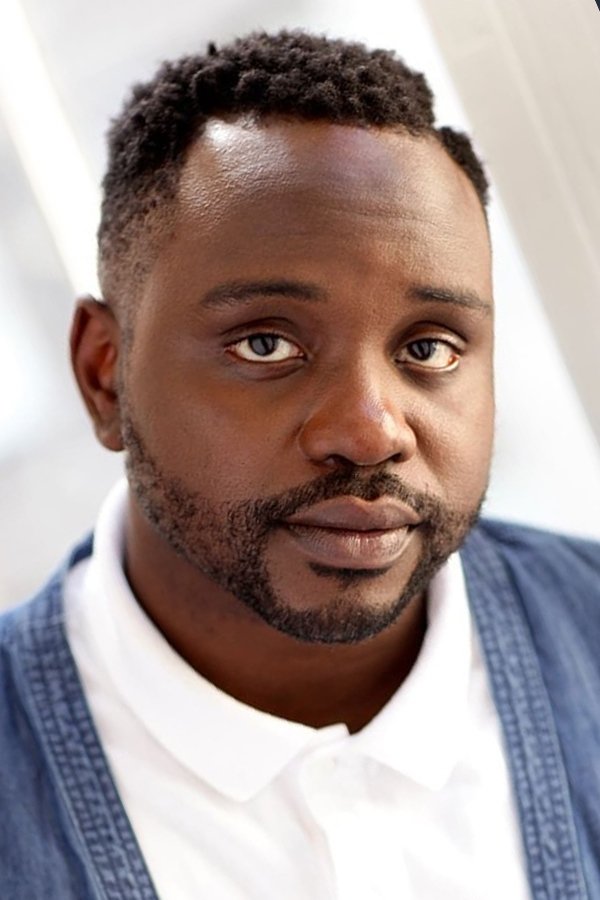
Brian Tyree Henry has brought a sense of humanity and complexity to roles that explore the modern Black experience in urban settings. In the show ‘Atlanta’ he played a character whose journey offered a surreal and sharp critique of the music industry and social class. He often adds a sense of world weariness and wisdom to his roles that transcends the original script. His work in films like ‘If Beale Street Could Talk’ highlights the impact of systemic injustice on personal relationships.
Colman Domingo

Colman Domingo has become a vital presence in films that celebrate Black history and the fight for civil rights. In ‘Rustin’ he portrayed a key organizer of the March on Washington with a focus on his brilliance and the challenges he faced as a gay Black man. He worked to ensure the film captured the complexity of the political movement and the personal costs of activism. His performances often shine a light on figures who have been overlooked by mainstream history.
Stephan James
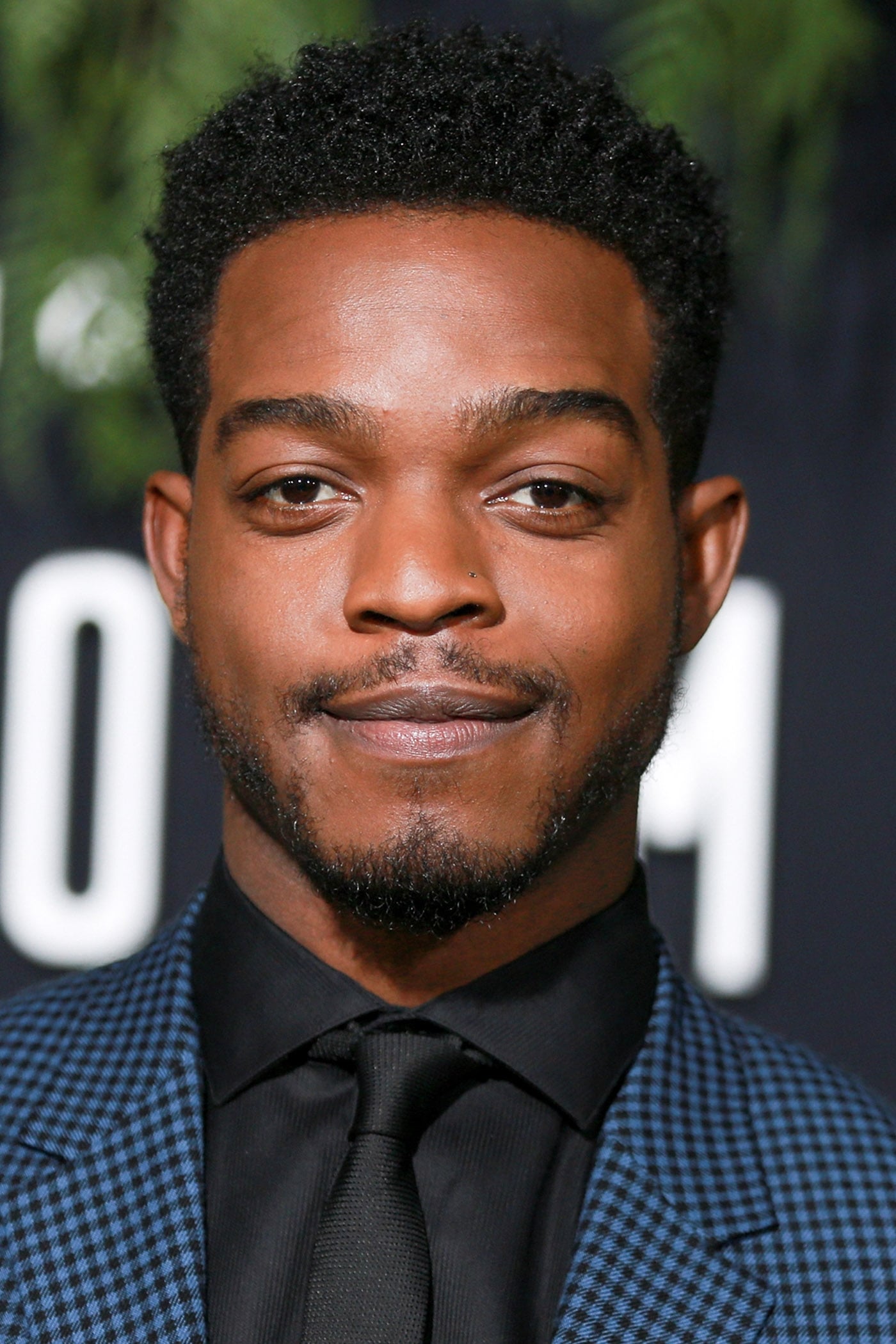
Stephan James has taken on several roles that require him to portray the endurance and strength of Black men facing historical adversity. In ‘Race’ he played the legendary athlete Jesse Owens during the Olympic Games in Nazi Germany. He worked with the filmmakers to ensure the story addressed the irony of fighting for a country that still practiced segregation. His performance in ‘If Beale Street Could Talk’ further demonstrated his ability to portray the human cost of systemic racism.
Damson Idris
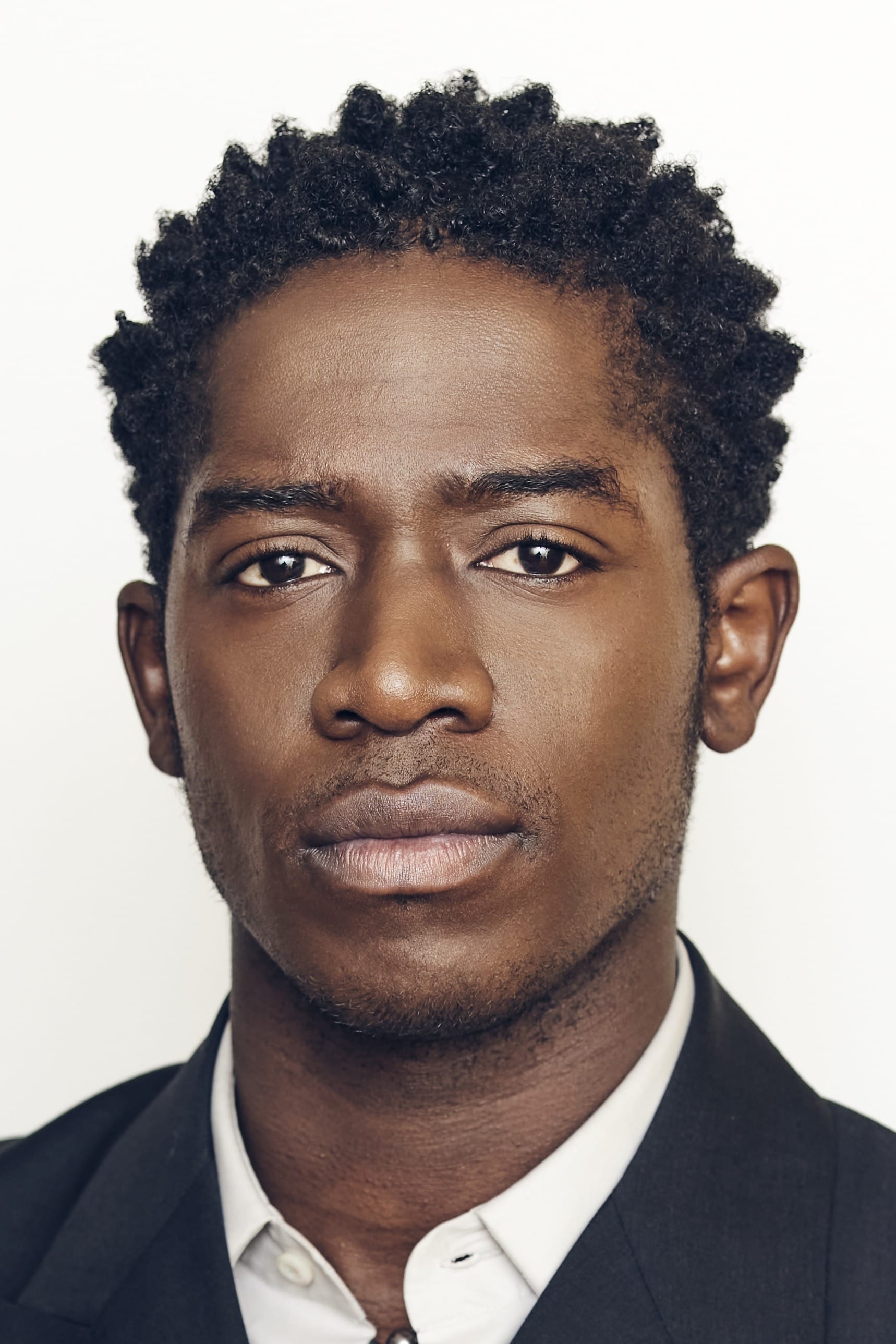
Damson Idris has gained international recognition for his role in a series that examines the impact of the drug trade on the Black community. In ‘Snowfall’ he portrayed a young man caught in the political and social chaos caused by the arrival of crack cocaine in Los Angeles. He worked with the writers to ensure the character was not just a criminal but a victim of larger geopolitical forces. His work provides a sobering look at how government policies can devastate local neighborhoods.
Leslie Odom Jr.
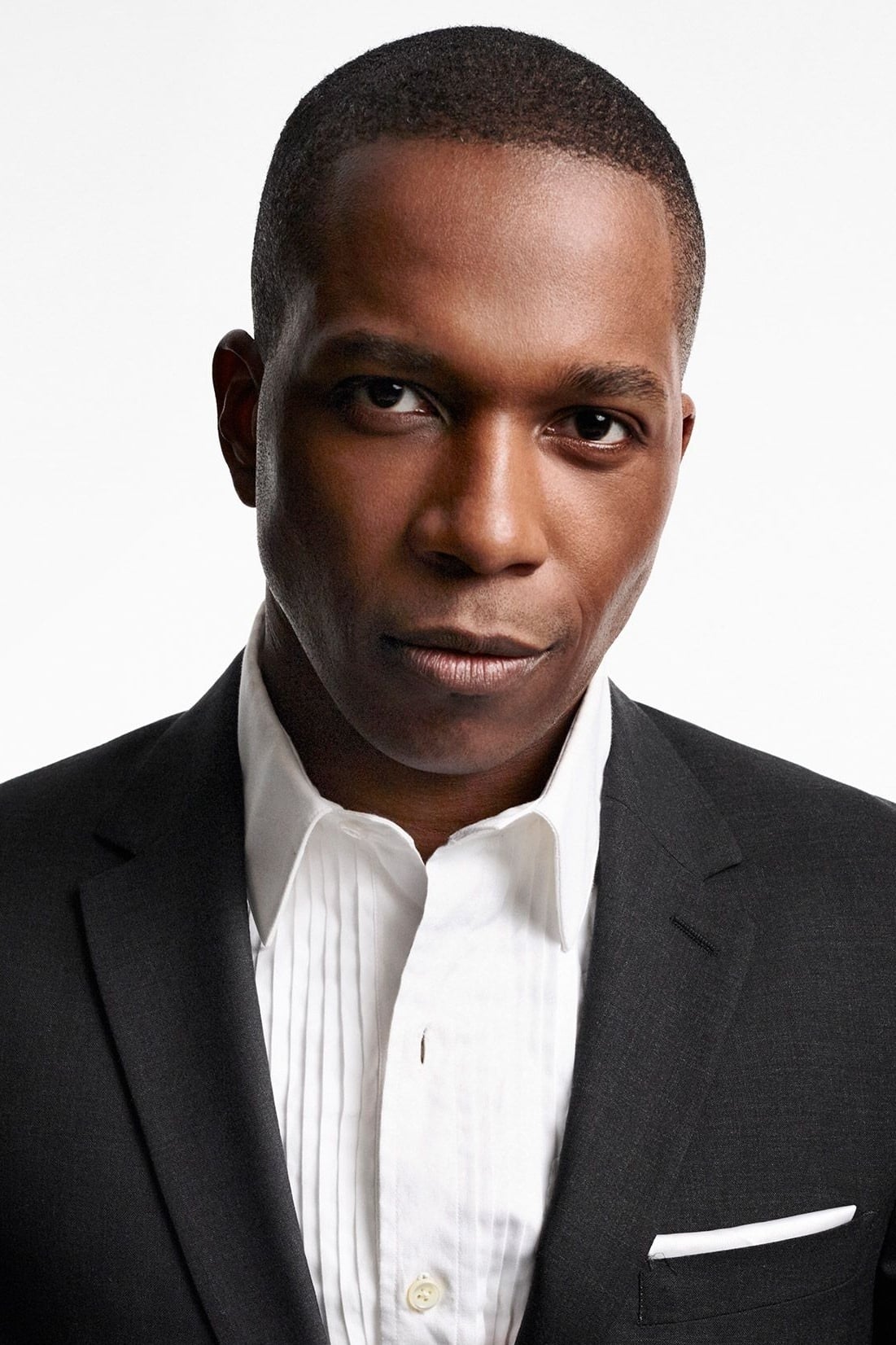
Leslie Odom Jr. has successfully transitioned from the stage to the screen with a focus on roles that offer deep social commentary. In ‘One Night in Miami’ he portrayed a legendary singer who was grappling with his role in the Civil Rights Movement. He worked with the director to explore the tensions between artistic success and political responsibility. His performance highlighted the internal conflicts faced by Black icons who used their voices for change.
Aldis Hodge
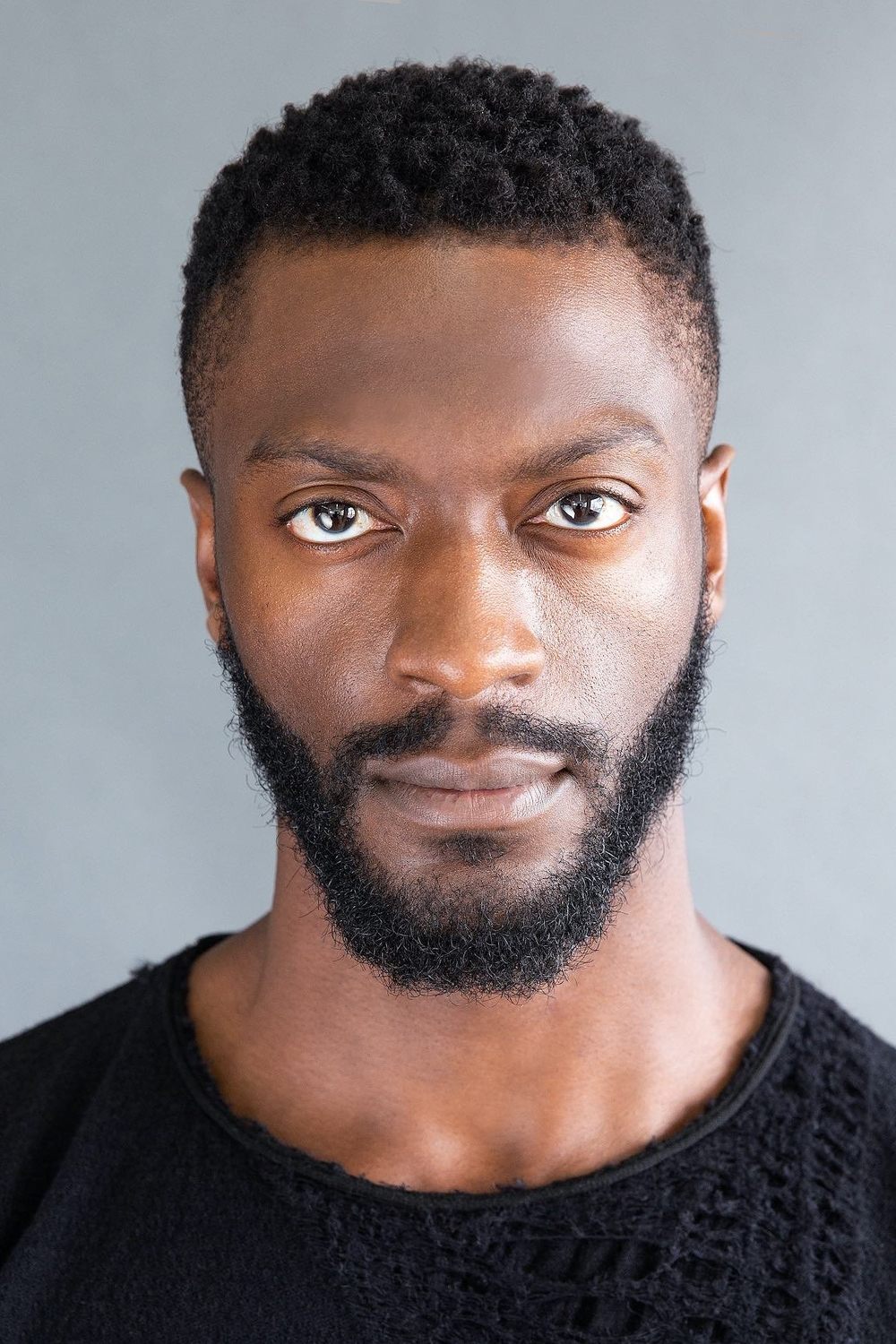
Aldis Hodge is known for his versatile performances in films that address the legal system and historical innovation. In ‘Clemency’ he gave a devastating portrayal of a man on death row that challenged the audience to consider the ethics of capital punishment. He also starred in ‘Hidden Figures’ to highlight the essential contributions of Black Americans to the space race. His work often combines technical precision with a strong sense of moral purpose.
Winston Duke
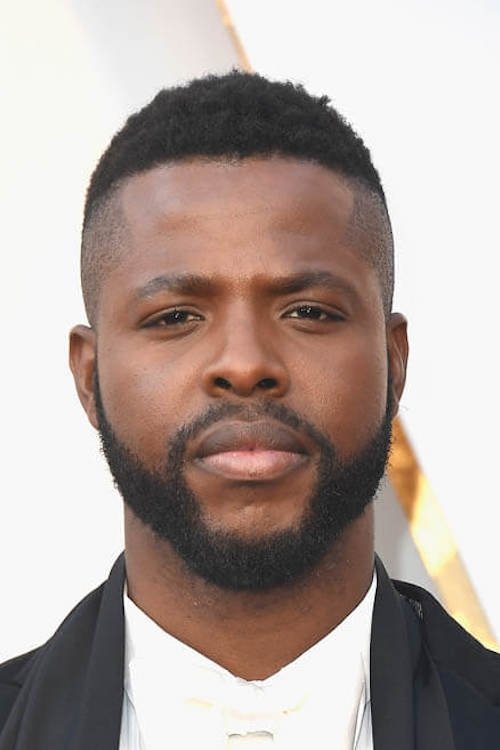
Winston Duke rose to fame by portraying a powerful leader who challenged the political isolation of his nation. In ‘Black Panther’ he brought a sense of humor and strength to a character who advocated for traditional values and self sufficiency. He worked to ensure his character was a respected peer rather than a villainous rival. His work continues to explore themes of leadership and the diverse perspectives within the Black experience.
Jonathan Majors
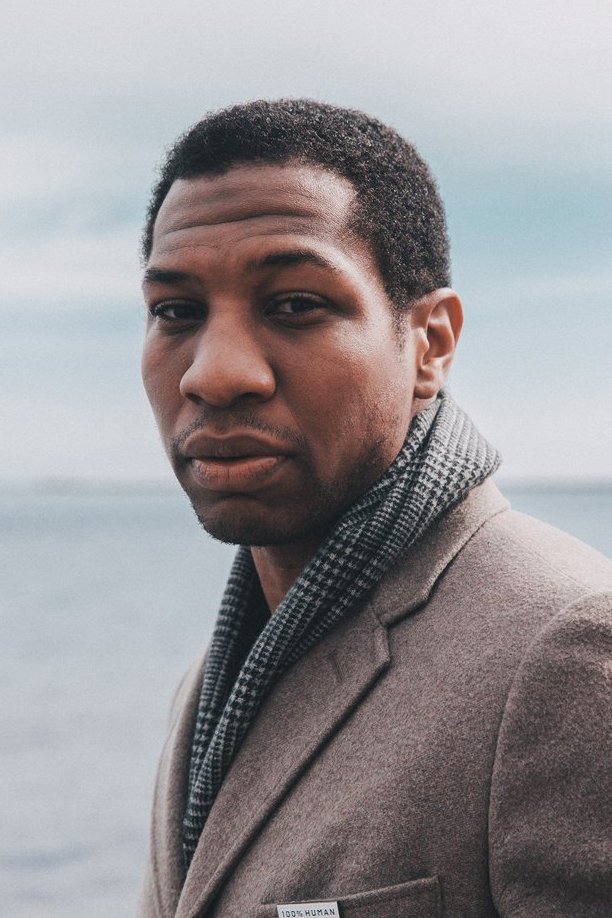
Jonathan Majors has delivered a series of intense performances that examine the historical and social landscape of the United States. In ‘The Last Black Man in San Francisco’ he explored the themes of gentrification and the loss of community with deep poetic sensitivity. He often works with directors to add physical and emotional depth to his characters. His roles frequently ask the audience to consider the meaning of home and the impact of systemic change.
Glynn Turman
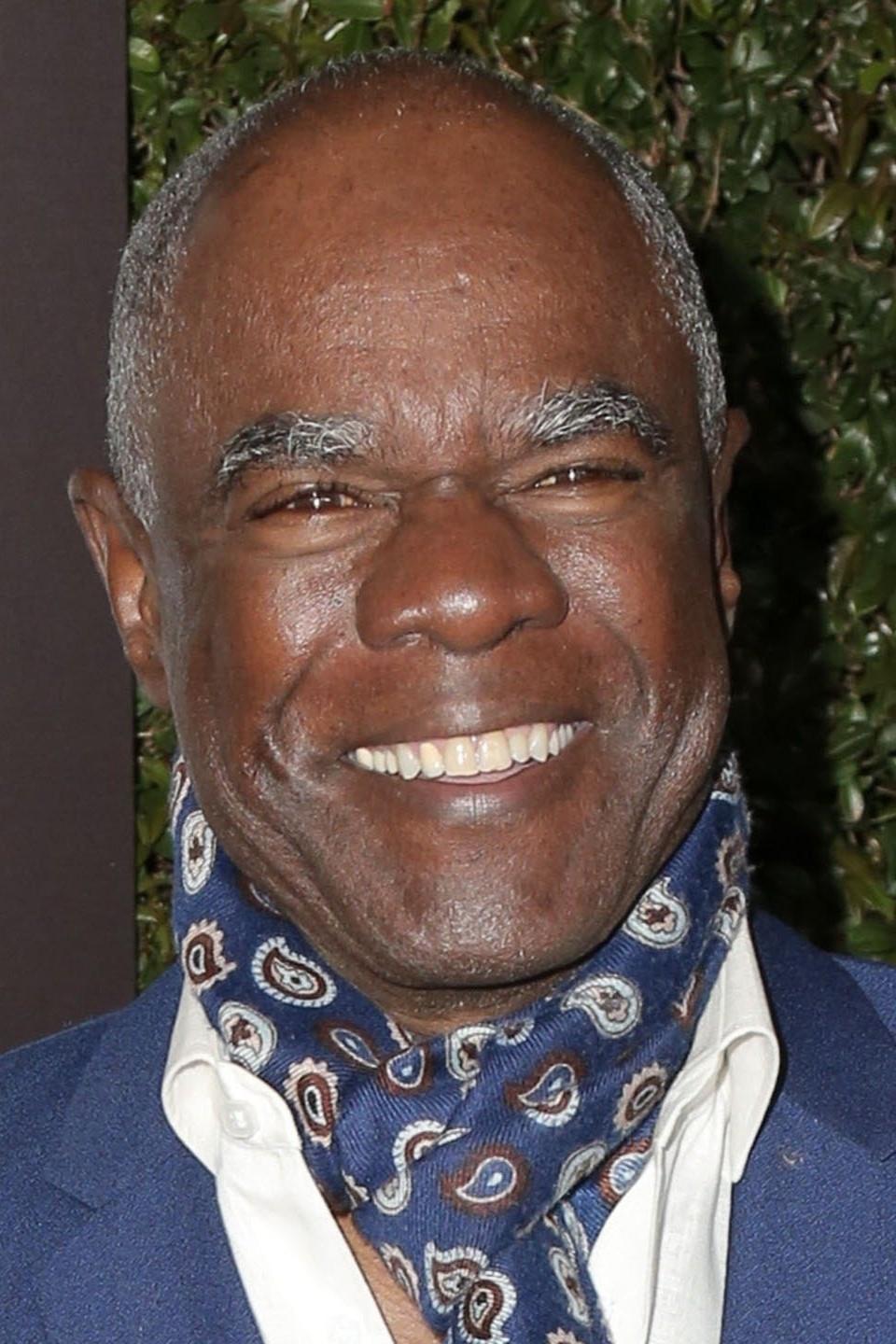
Glynn Turman is a veteran actor whose career has spanned decades of changes in the portrayal of Black life in media. In ‘Ma Rainey’s Black Bottom’ he played a musician whose stories revealed the trauma and resilience of the Great Migration. He has consistently used his roles to provide historical context and a sense of continuity to the Black experience in film. His presence adds a layer of wisdom and gravity to every project he joins.
Robert Guillaume
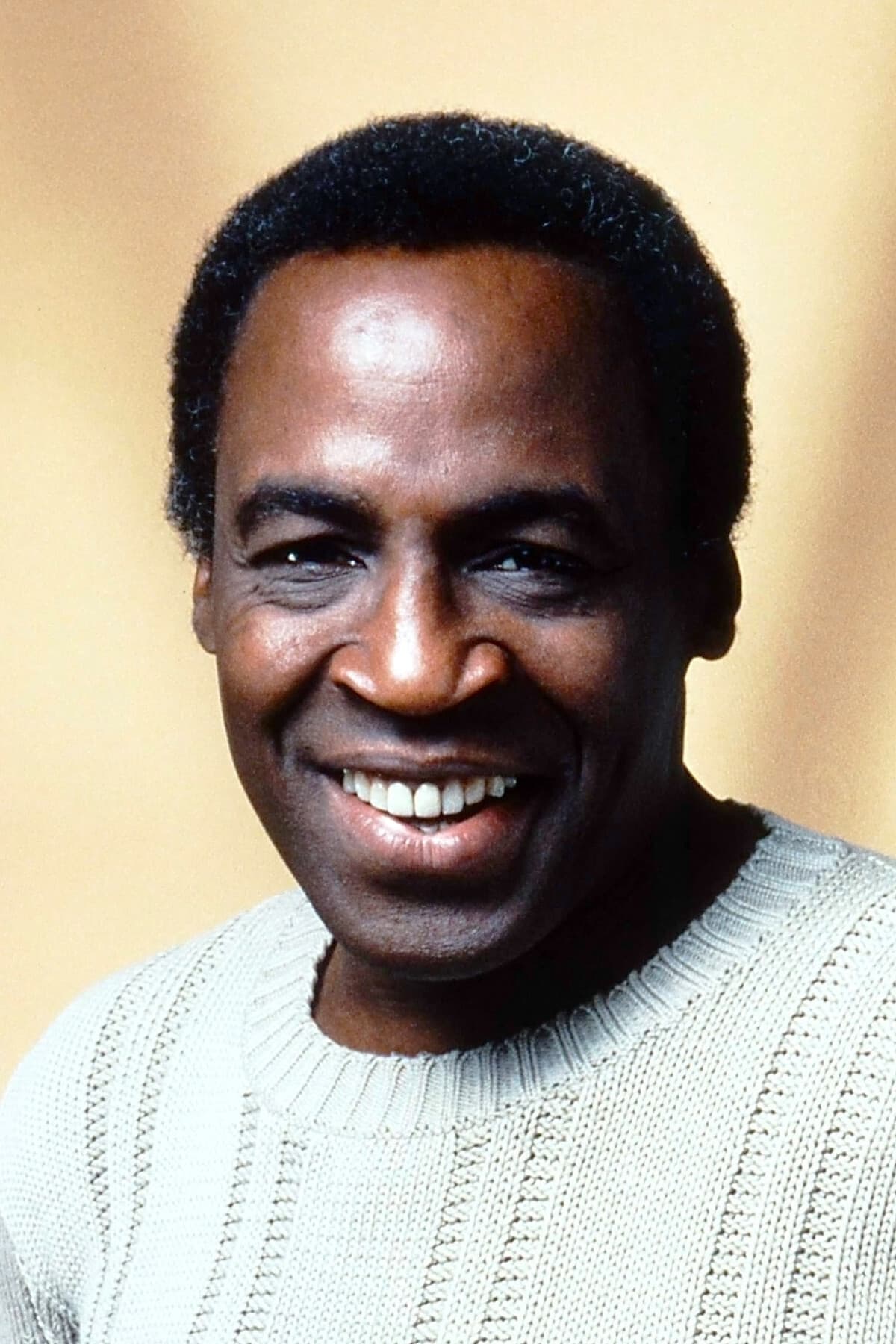
Robert Guillaume was a pioneer who used his popularity to demand better representation for Black characters on television. He famously pushed the writers of his show to move his character from a domestic worker to a high ranking government official. This transition was a significant political statement during a time when Black roles were often limited to service positions. His career demonstrated the power of an actor to change public perceptions through persistence and excellence.
Brock Peters
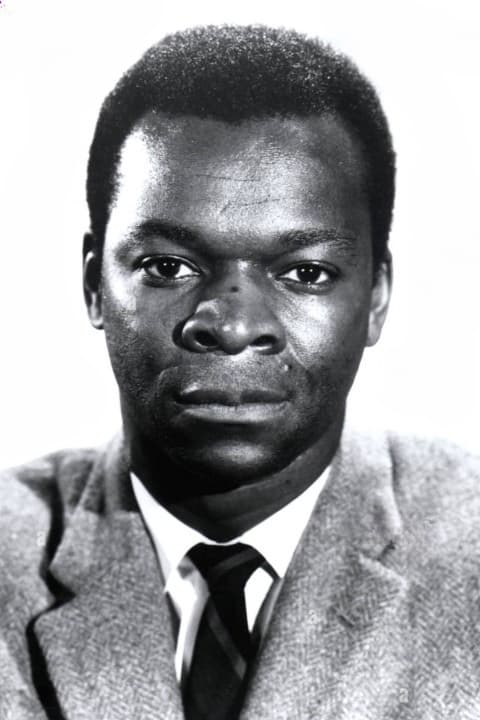
Brock Peters was a powerful presence in films that addressed the racial tensions of the mid twentieth century. In ‘To Kill a Mockingbird’ he gave a heartbreaking performance that served as the emotional and political core of the story. He often chose roles that highlighted the dignity of Black men in the face of overwhelming injustice. His work helped to create a more realistic and empathetic depiction of racial struggle in American cinema.
Clarence Williams III
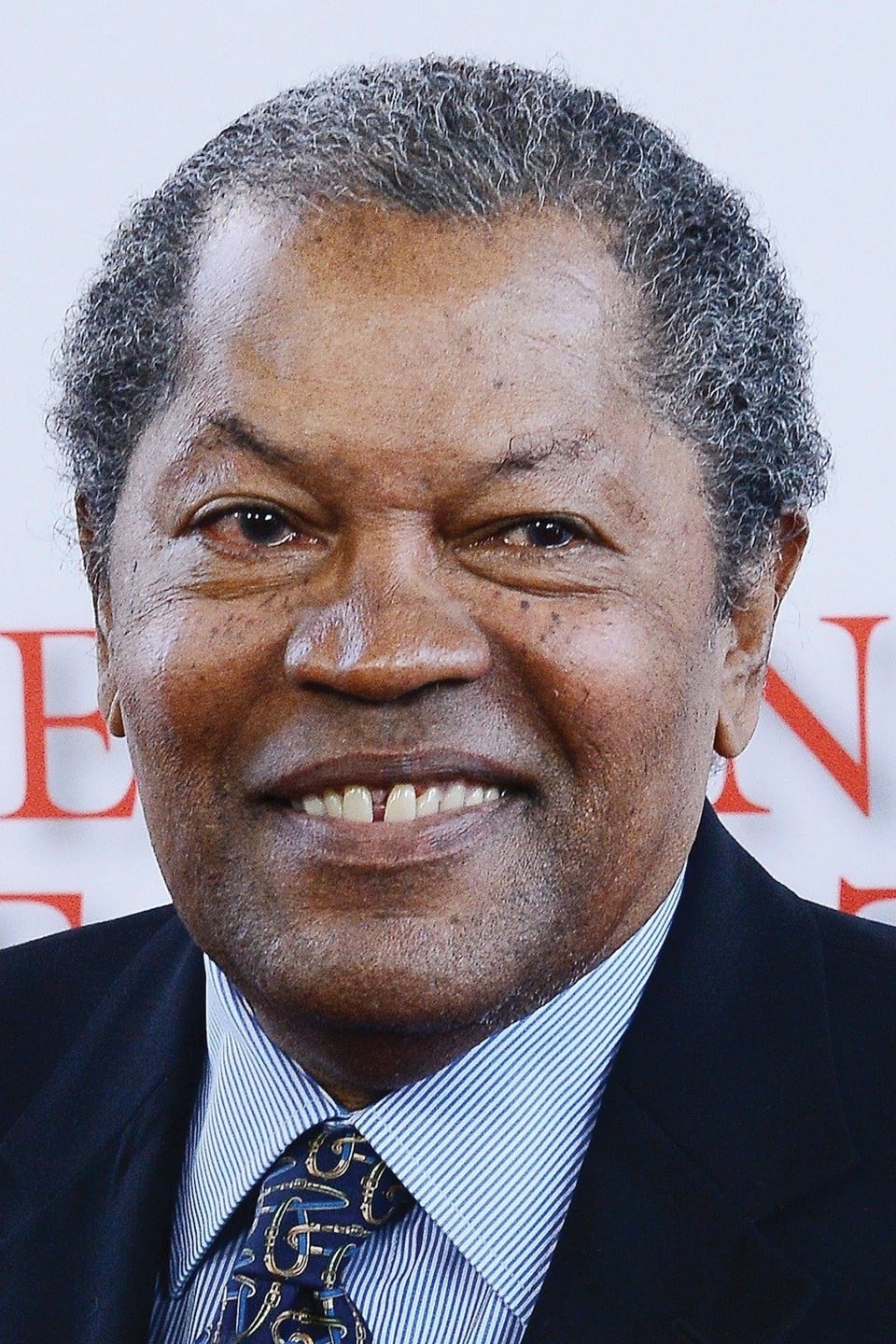
Clarence Williams III became a cultural icon by portraying a character that challenged traditional ideas about law enforcement and Black youth. In ‘The Mod Squad’ he brought a sense of cool and political consciousness to a role that resonated with the younger generation. He often sought out projects that explored the dark and complex side of the American dream. His work in films like ‘Hoodlum’ continued his exploration of power and survival in marginalized communities.
Wood Harris

Wood Harris is best known for his portrayal of a complex leader in a series that examined the political and social decay of an American city. In ‘The Wire’ he played a character whose actions were a direct response to the lack of opportunity and systemic neglect in his neighborhood. He worked with the creators to ensure the role was grounded in social reality rather than stereotype. His performance remains a landmark in the depiction of the urban experience.
Bokeem Woodbine
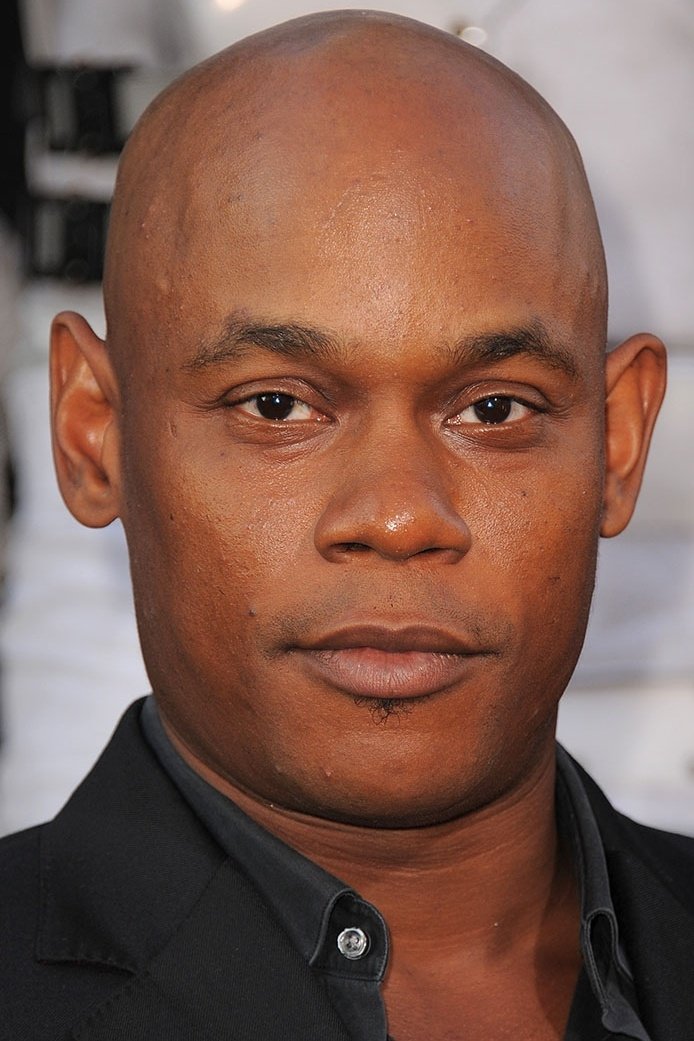
Bokeem Woodbine has a reputation for bringing a unique and philosophical energy to his roles in film and television. In ‘Fargo’ he portrayed a character who delivered complex monologues about history and the cycles of violence. He often adds a sense of intellectual depth to characters who exist on the edges of society. His work in ‘Queen and Slim’ contributed to a story that explored the modern realities of race and policing.
Louis Gossett Jr.
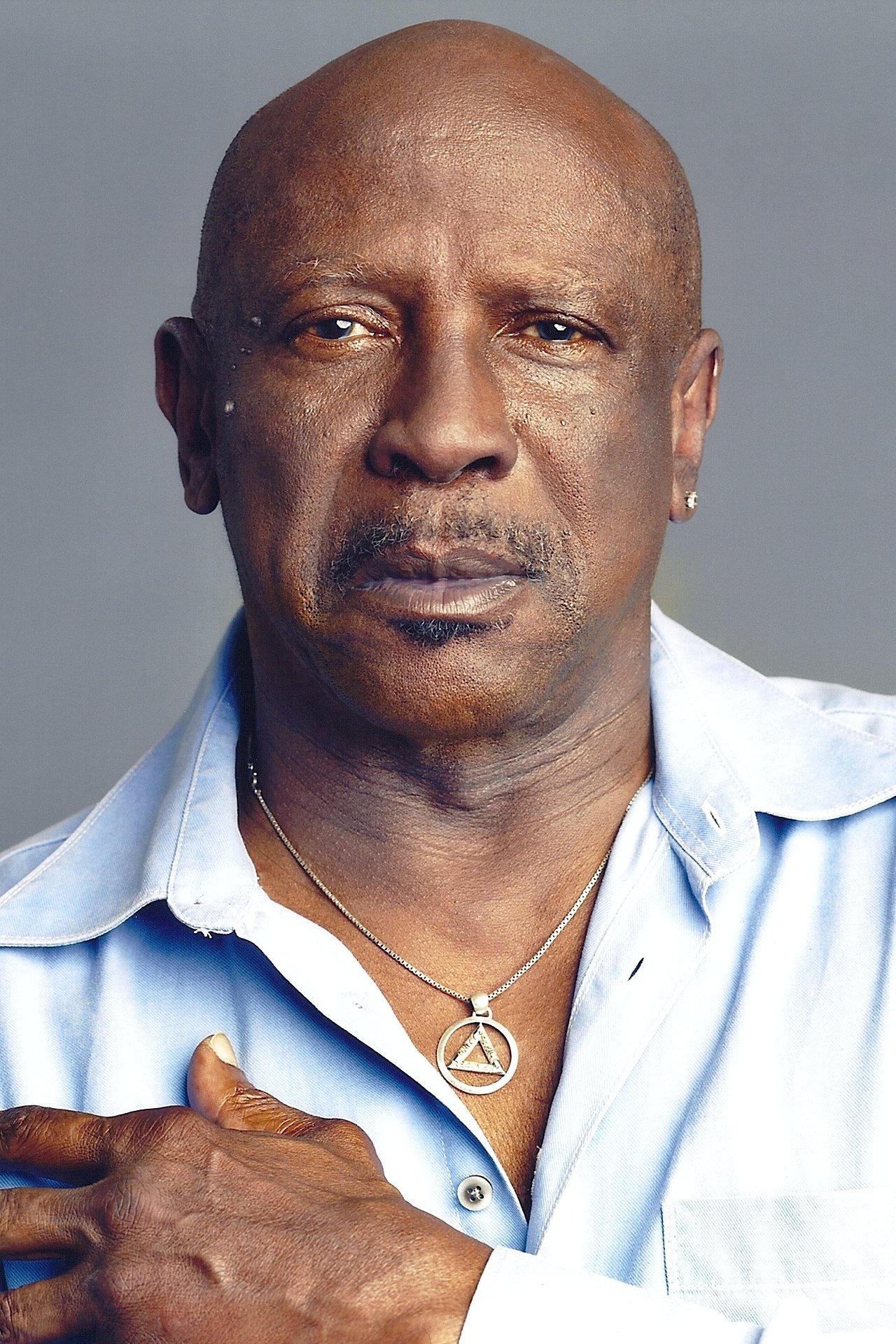
Louis Gossett Jr. broke significant ground by winning an Academy Award for a role that emphasized authority and discipline. In ‘An Officer and a Gentleman’ he portrayed a drill sergeant with a focus on his professional excellence and high standards. He also appeared in ‘Roots’ which was a pivotal television event that educated the public about the history of slavery. His career has been defined by a commitment to roles that demand respect and offer historical depth.
Keith David
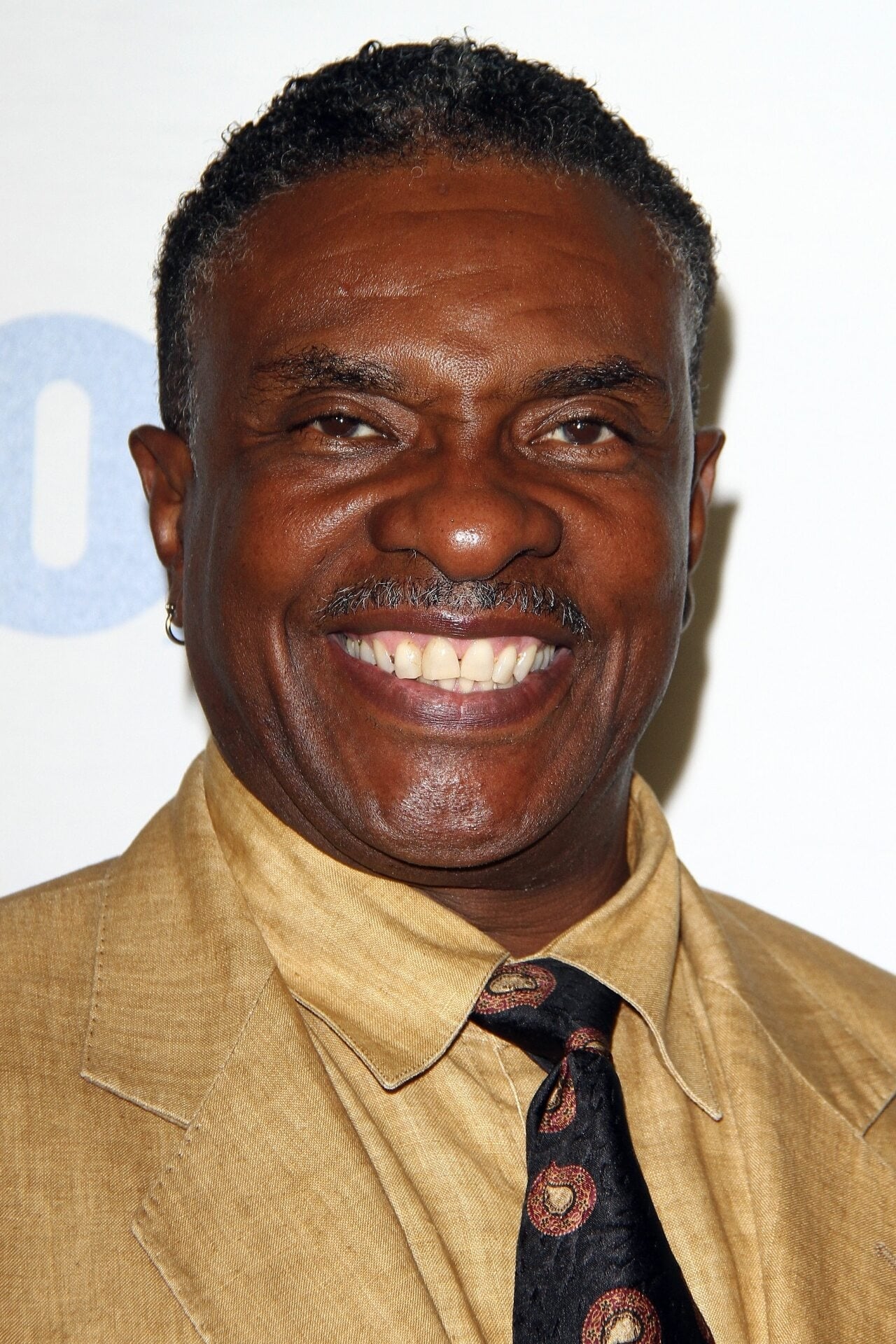
Keith David has a long and distinguished career in films that often have a strong political or social subtext. In ‘Platoon’ he brought a sense of realism and weariness to the experience of a soldier in the Vietnam War. He also starred in ‘They Live’ which used a science fiction premise to deliver a sharp critique of consumerism and social control. His deep voice and commanding presence have made him a staple in movies that challenge the status quo.
Yaphet Kotto
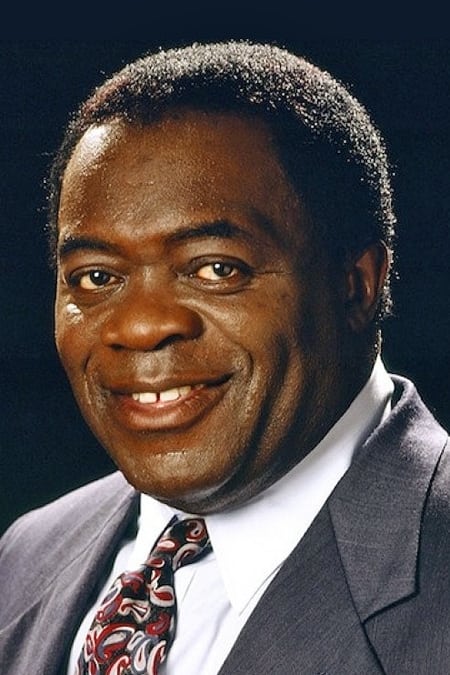
Yaphet Kotto was known for his intense performances and his refusal to play characters that lacked dignity. In the film ‘Blue Collar’ he portrayed a factory worker who faced the combined pressures of economic struggle and union corruption. He often worked with directors to ensure his characters were seen as intelligent and capable individuals. His career included roles that explored the intersection of class and race in a variety of genres.
Billy Dee Williams
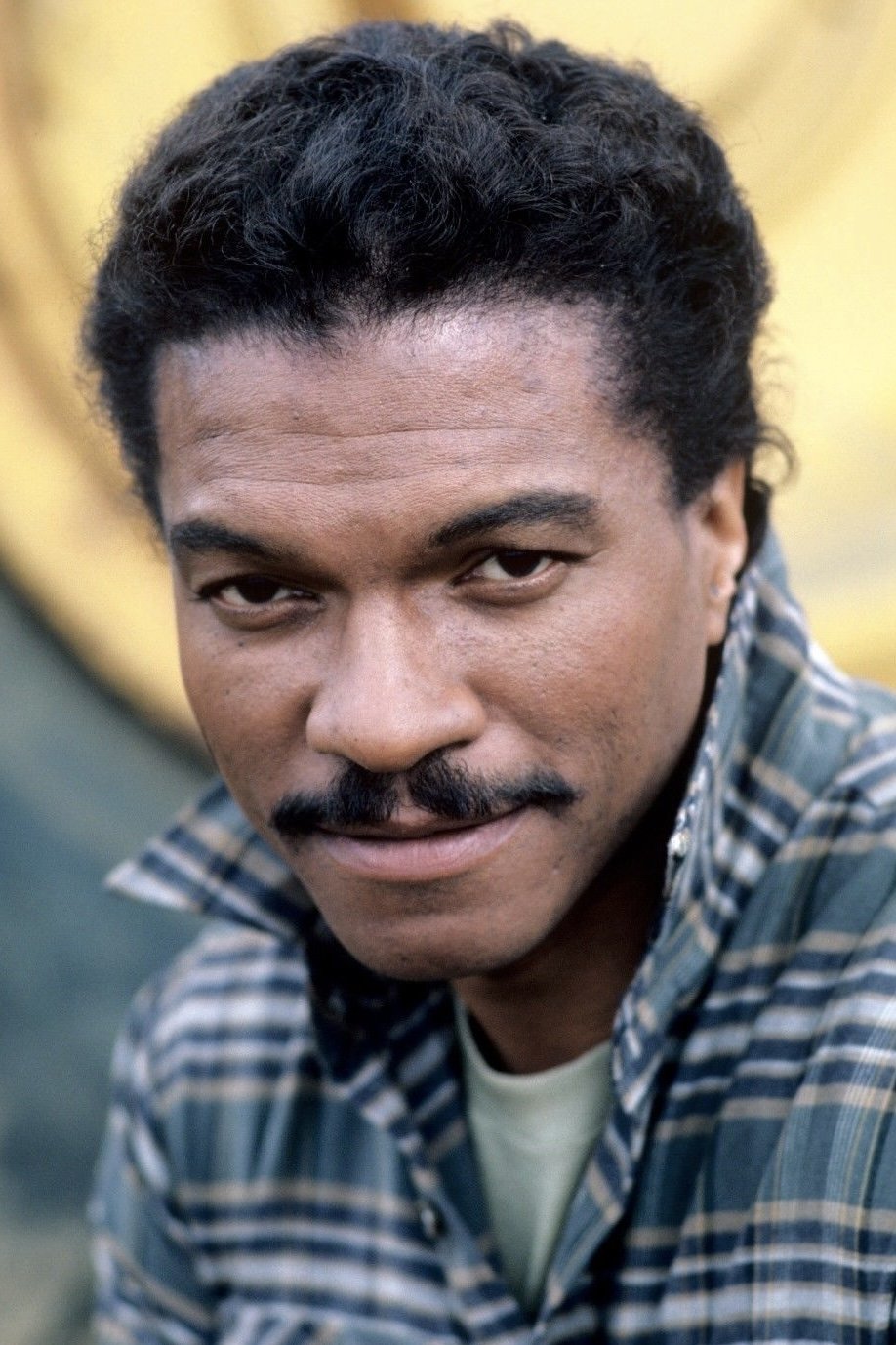
Billy Dee Williams became a romantic lead and a cultural icon by bringing a sense of elegance and charm to his roles. In ‘Lady Sings the Blues’ he played a character who supported the talent and ambition of a Black woman in a hostile industry. He also broke barriers by playing a high ranking leader in a major science fiction franchise. His presence on screen helped to broaden the possibilities for Black actors in mainstream Hollywood.
Richard Pryor

Richard Pryor was a comedic genius who used his films to deliver biting social and political commentary. In ‘Blue Collar’ he gave a dramatic performance that highlighted the exploitation of the working class and the tactics used to divide workers by race. He often used humor to address the absurdity of racism and the reality of the Black experience in America. His work as an actor and writer helped to open doors for more honest and raw storytelling.
Will Smith
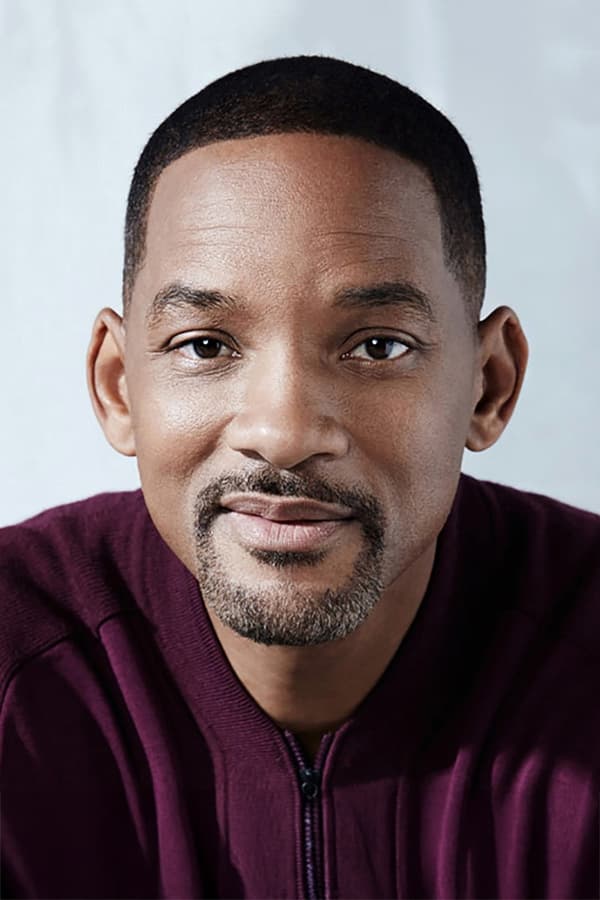
Will Smith has used his immense global popularity to take on roles that explore the lives of significant Black historical figures. For his performance in ‘Ali’ he underwent a dramatic physical and intellectual transformation to capture the political courage of the boxer. He worked to ensure the film addressed the religious and social convictions that defined the man. His career shows how a superstar can use their influence to bring important political stories to a wide audience.
Jamie Foxx
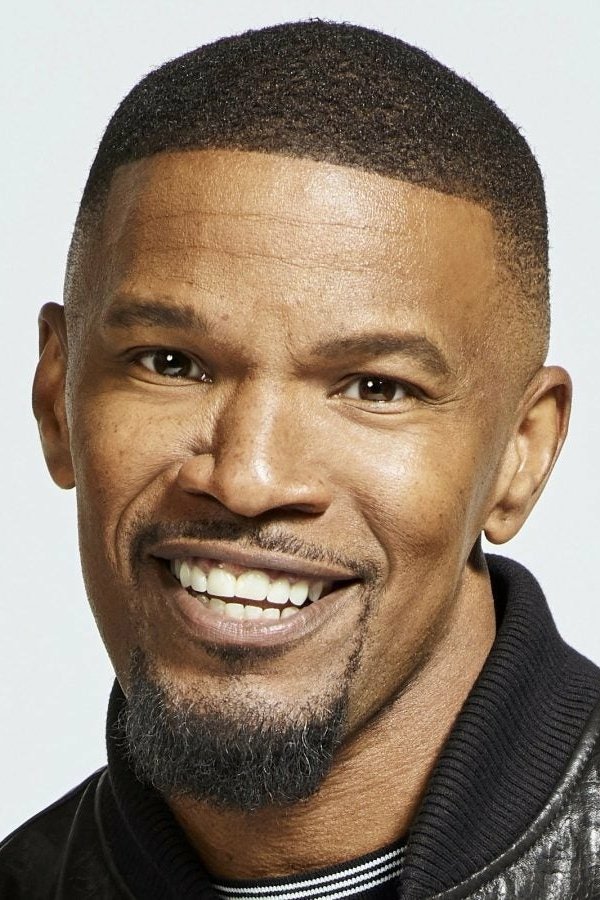
Jamie Foxx has demonstrated a range that includes powerful portrayals of real life figures and social advocates. In ‘Ray’ he captured the talent and personal struggles of a musical legend who also fought against segregation in the industry. He later starred in ‘Just Mercy’ to portray a man facing the injustice of the legal system. His dedication to these roles has helped highlight the ongoing struggle for civil rights and equal treatment.
Please share your favorite performances from these influential actors in the comments.