


Black Actors Who Forced Equal Pay Clauses Into Contracts

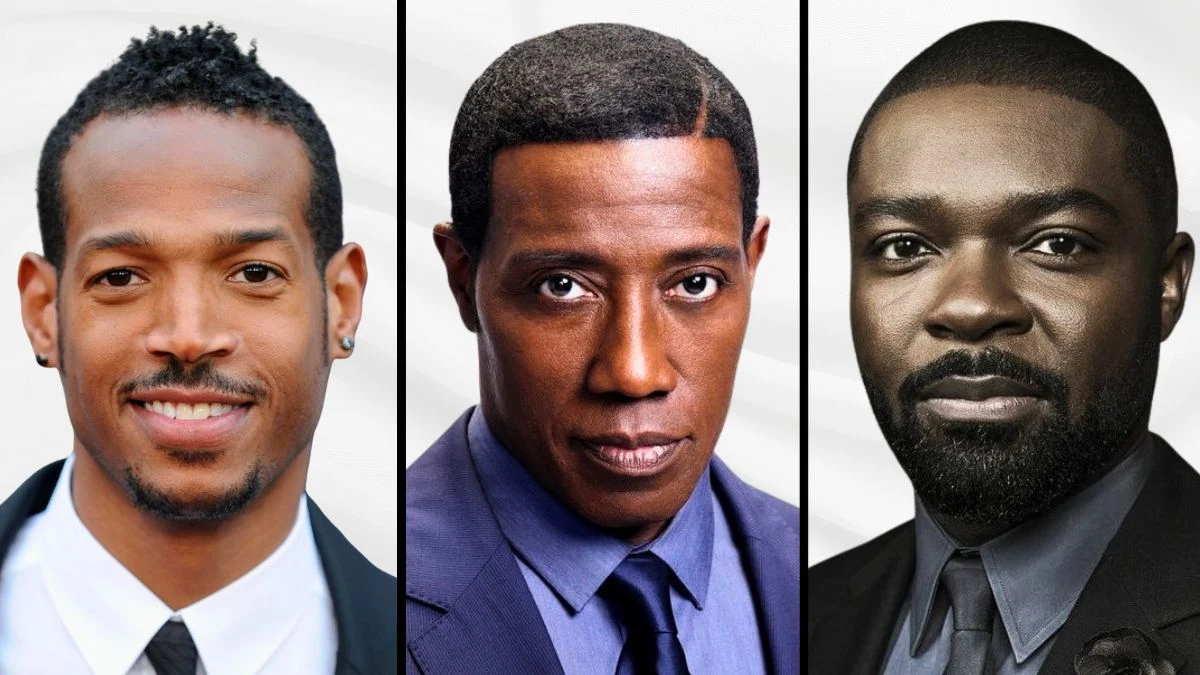


The entertainment industry has historically struggled with significant wage disparities that disproportionately affect minority performers. Black actors often faced hurdles in securing compensation that matched their white counterparts despite delivering comparable box office results. A generation of determined talent eventually rose to challenge these systemic inequities by demanding strict pay parity in their agreements. These fifty men utilized their leverage and critical acclaim to reshape contract negotiations for future generations of artists.
Denzel Washington
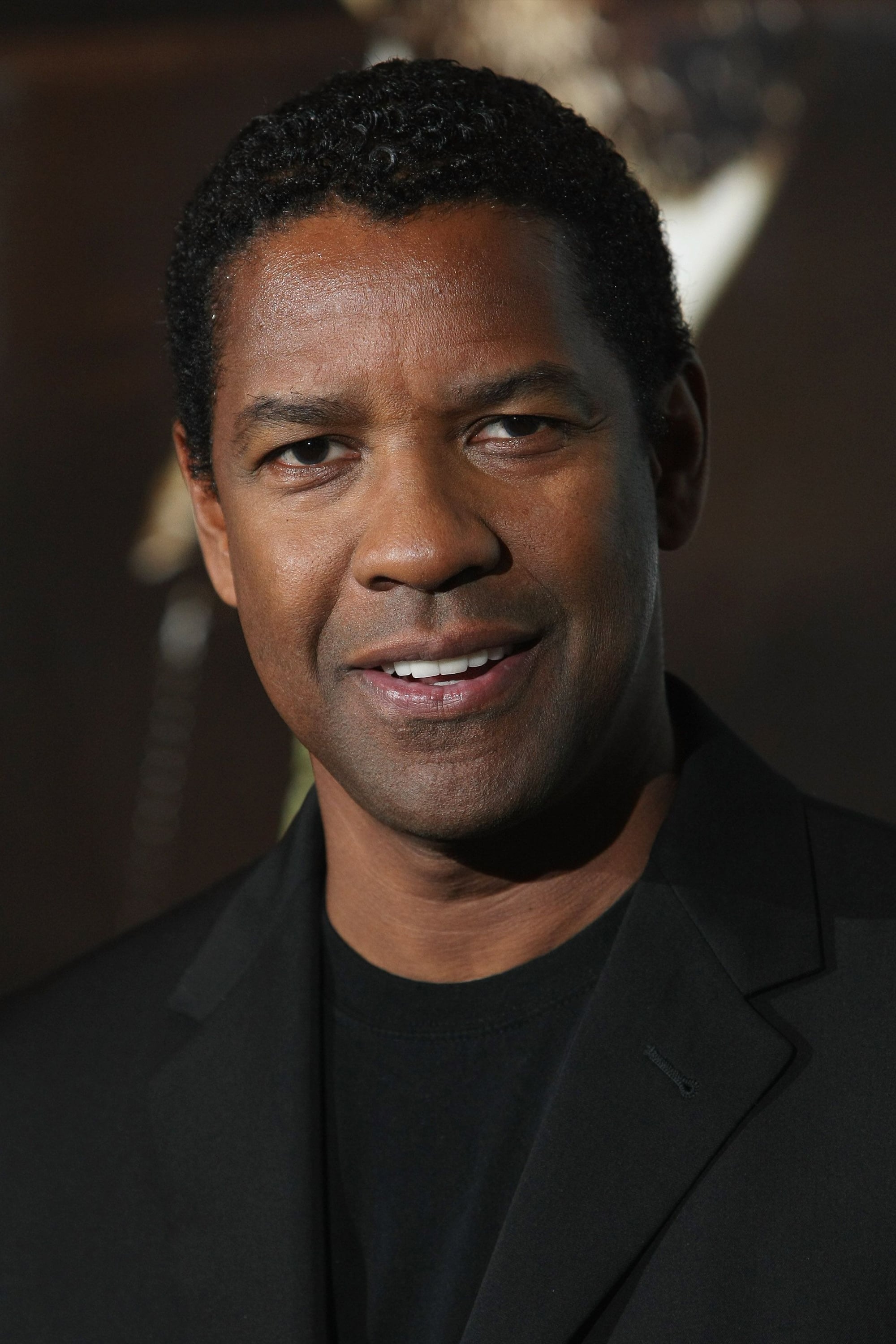
Denzel Washington established himself as a box office titan who could command salaries equaling the biggest stars in Hollywood. His consistent performance in films like ‘Training Day’ gave him the leverage to demand gross points on top of his upfront fee. Agents for the actor ensured that his contracts reflected his status as a leading man capable of opening films globally. This insistence on fair valuation helped pave the way for other Black actors to enter the twenty million dollar club.
Will Smith
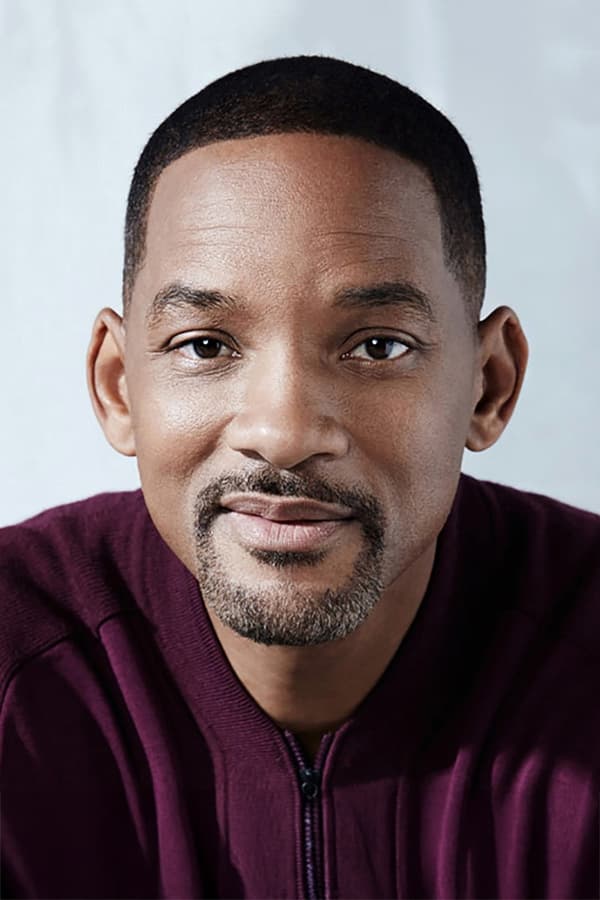
Will Smith shattered salary records with his role in ‘Men in Black III’ and subsequent blockbusters. His team negotiated deals that often included backend profits which resulted in massive paydays rarely seen by minority actors at the time. He famously utilized his producer status to ensure pay equity on sets where he held influence. This approach secured his position as one of the highest paid actors in entertainment history.
Samuel L. Jackson
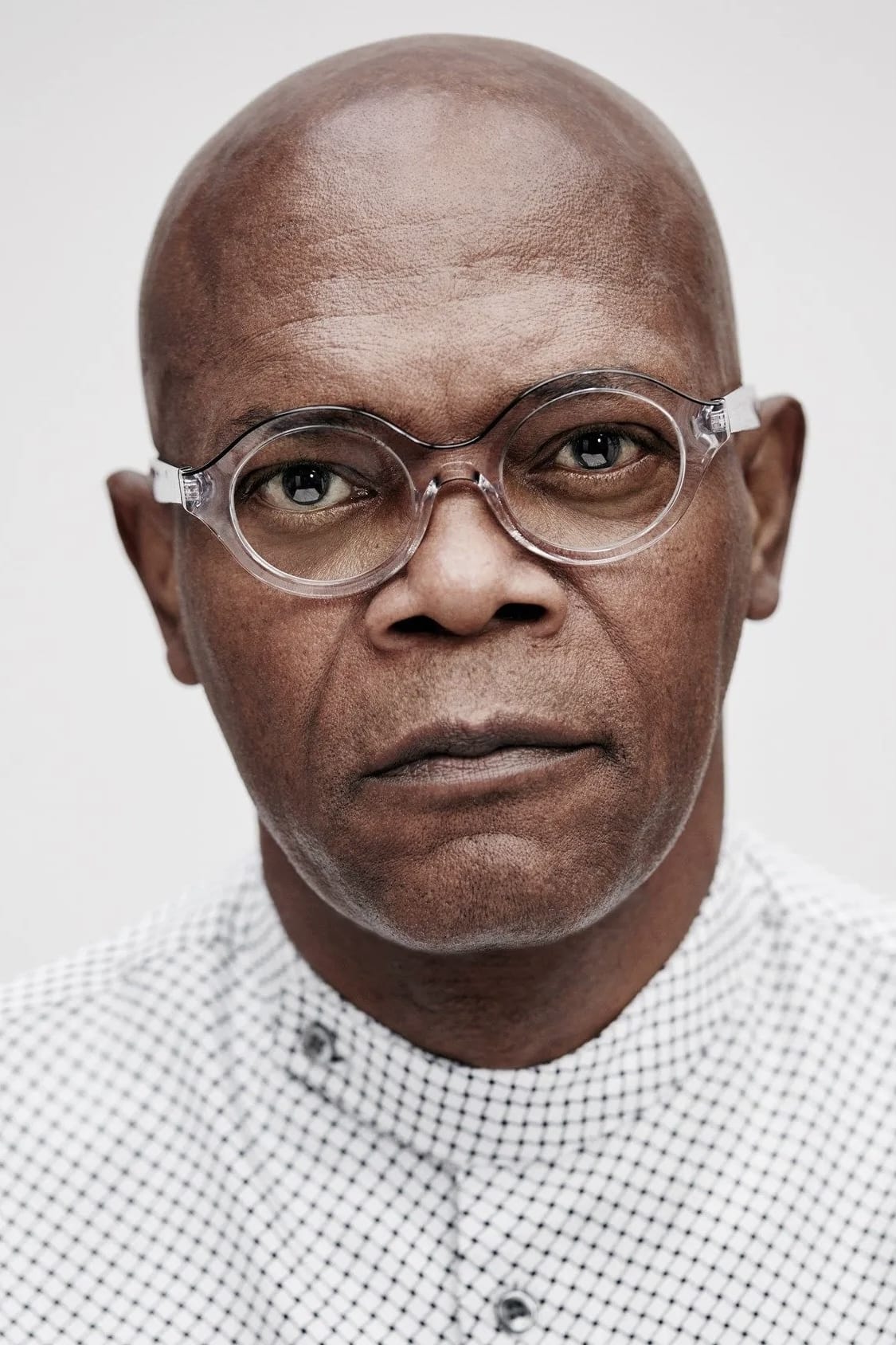
Samuel L. Jackson holds the distinction of being the highest grossing actor of all time due to his sheer volume of work. His ubiquity in franchises like the Marvel Cinematic Universe allowed him to negotiate most favored nation clauses in his contracts. These terms meant he would be paid on par with other top billed talent in ensemble casts. His business acumen ensured he was compensated for his likeness and merchandise sales as well.
Chadwick Boseman
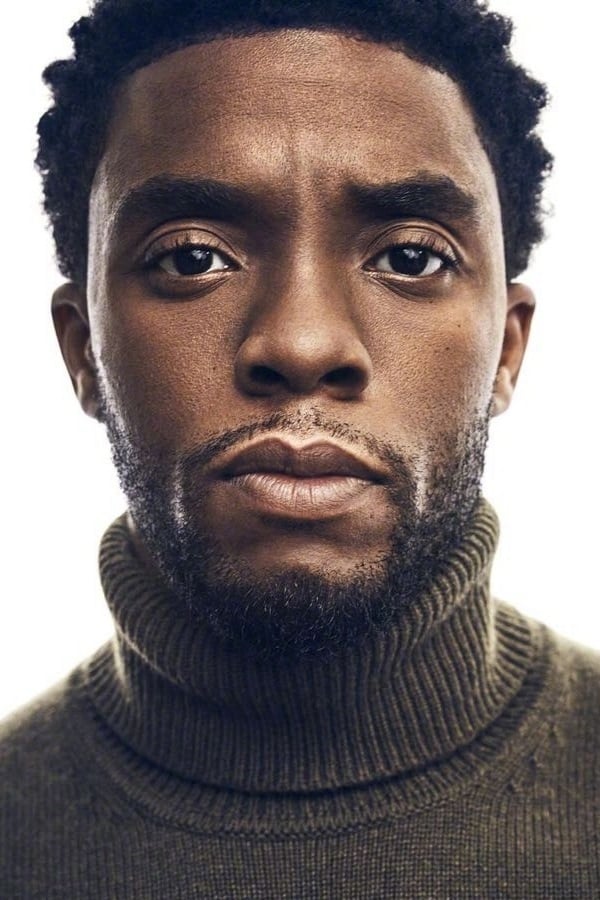
Chadwick Boseman was a staunch advocate for pay equity during his meteoric rise in Hollywood. He famously donated a portion of his salary to co-star Sienna Miller on ’21 Bridges’ to bridge her pay gap. This action highlighted his commitment to fairness and set a precedent for lead actors supporting their colleagues. His legacy involves fighting for the value of Black talent in every negotiation.
Eddie Murphy
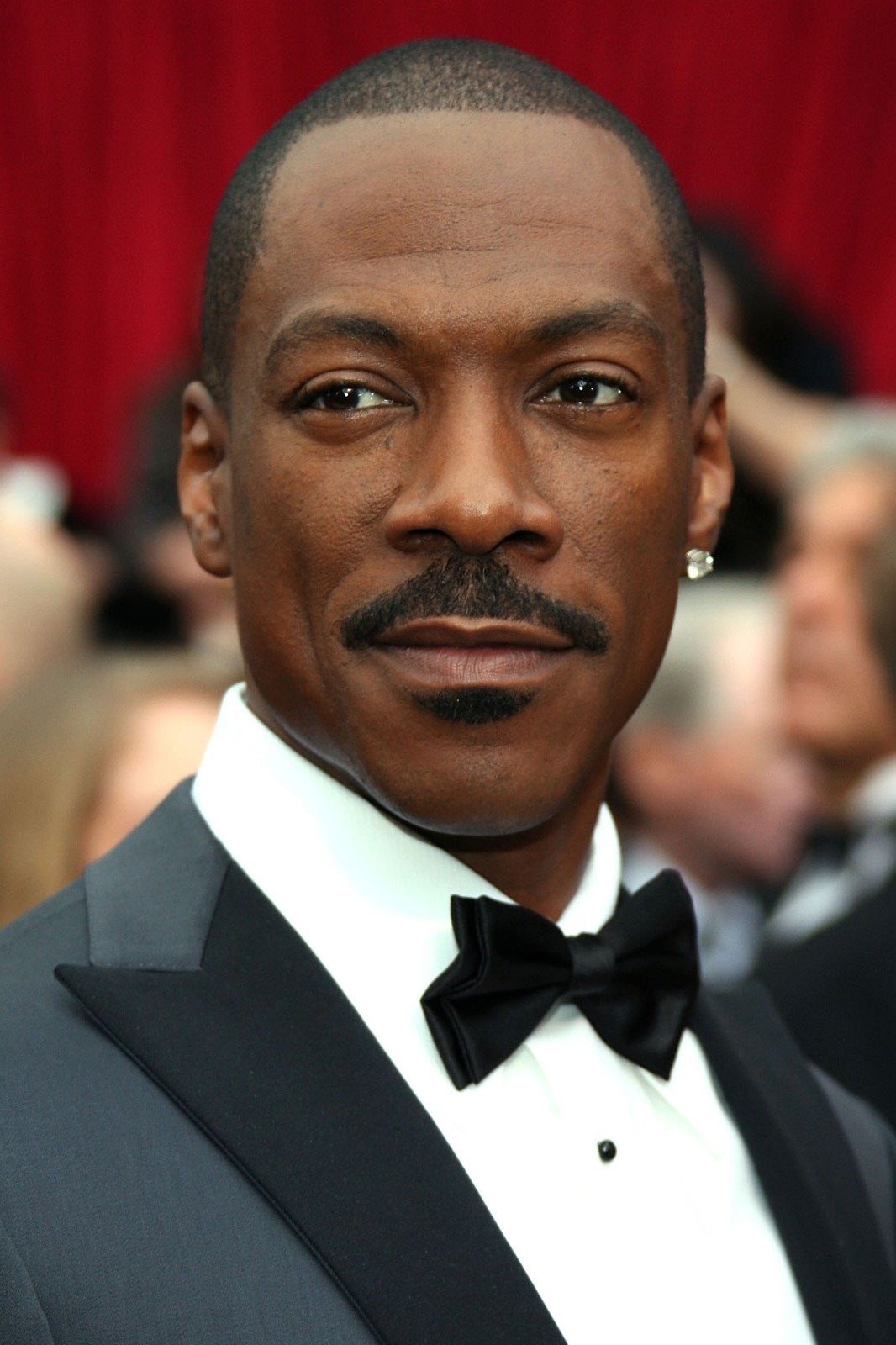
Eddie Murphy broke numerous barriers in the eighties by securing contracts that rivaled the biggest studio stars of the era. His work on ‘Beverly Hills Cop’ allowed him to command upfront salaries that were unprecedented for Black comedians. He consistently refused to work for less than his perceived market value which forced studios to meet his asking price. This determination created a new standard for comedic actors in the industry.
Morgan Freeman
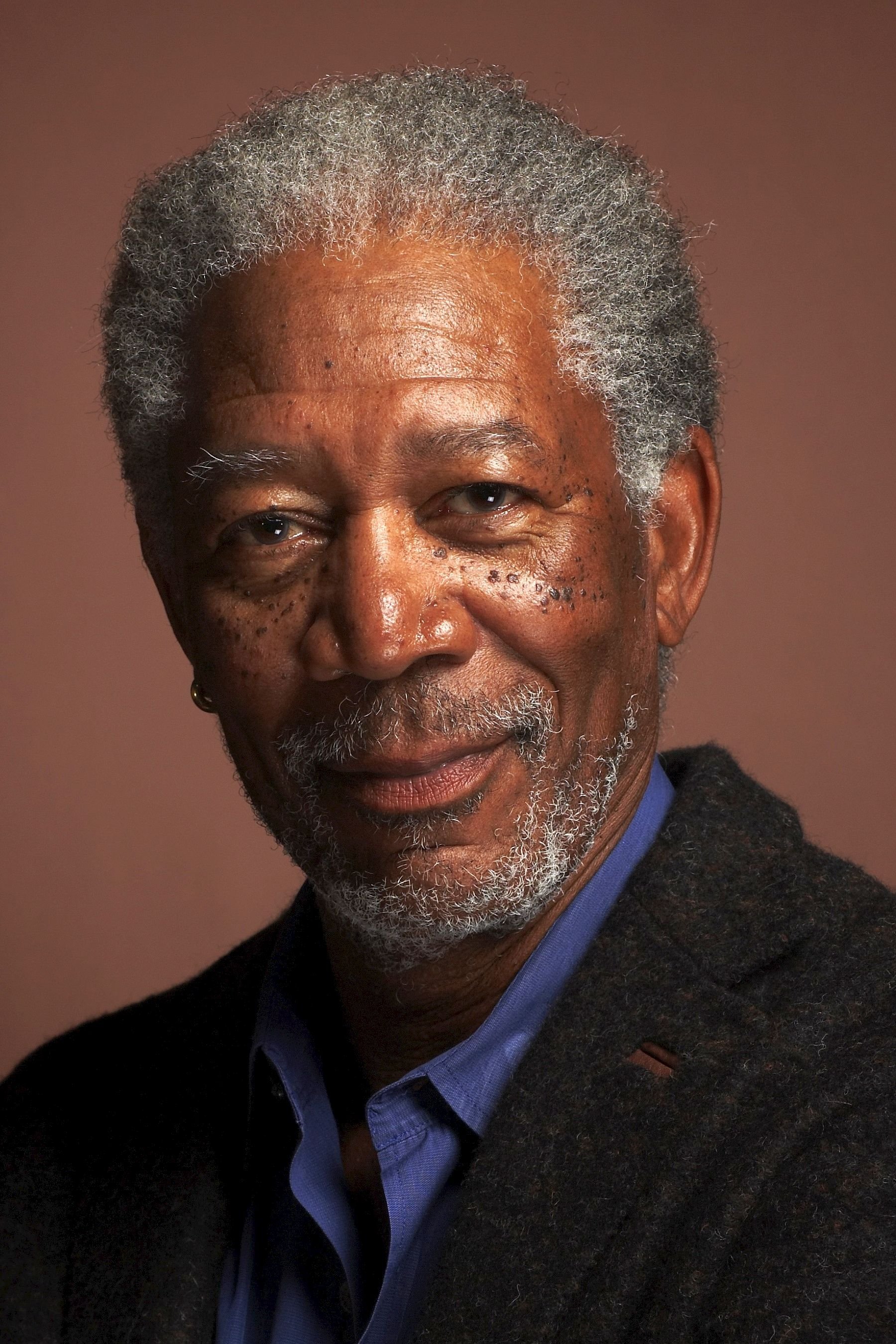
Morgan Freeman spent decades building a filmography that made him indispensable to major studio productions. His transition from character actor to leading man allowed his representatives to demand parity with his co-stars. He often negotiated for profit participation in addition to his base salary. Freeman used his venerable status to ensure his compensation reflected his legendary standing in cinema.
Jamie Foxx
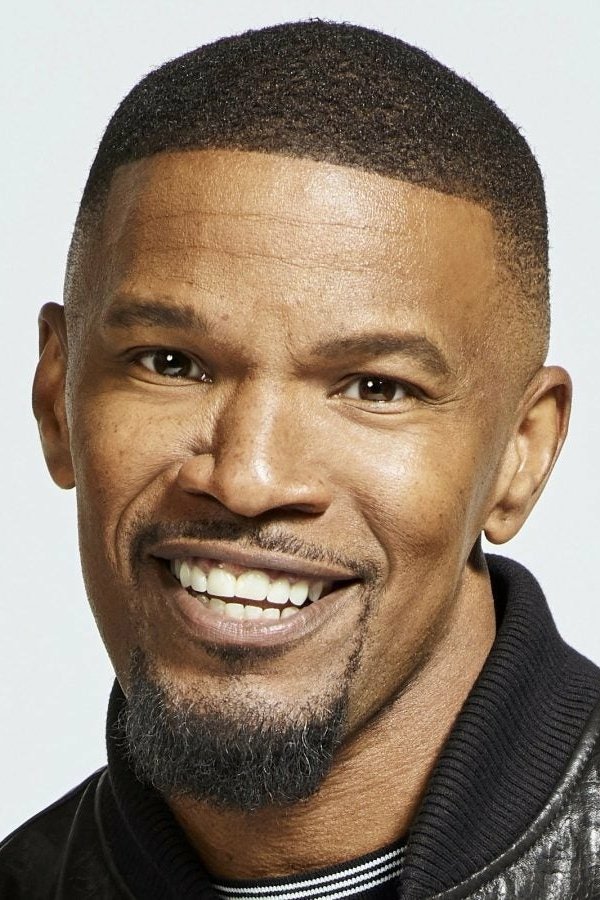
Jamie Foxx leveraged his Academy Award win to renegotiate his standing in the film industry. He insisted on contracts that placed him on the same financial tier as his peers in action and drama genres. His versatility allowed him to secure lucrative deals for films like ‘Django Unchained’ and franchise blockbusters. Foxx continues to advocate for fair ownership and compensation for artists.
Forest Whitaker
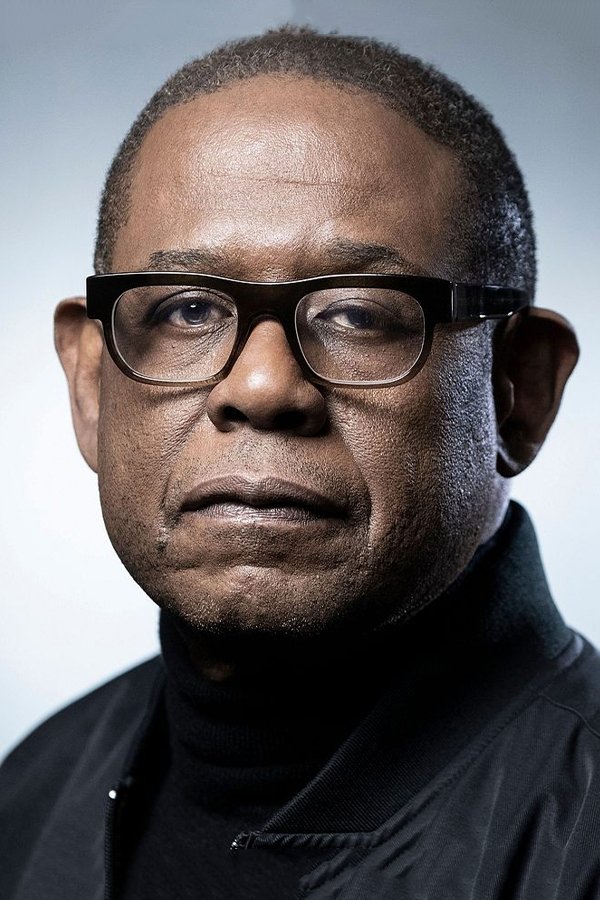
Forest Whitaker has long been a quiet force in demanding equitable treatment for character actors and leads alike. His critical acclaim in ‘The Last King of Scotland’ provided the necessary capital to restructure his deal terms. He focused on producing credits and backend points to ensure long term financial parity. Whitaker remains a key figure in pushing for diversity in compensation packages.
Idris Elba
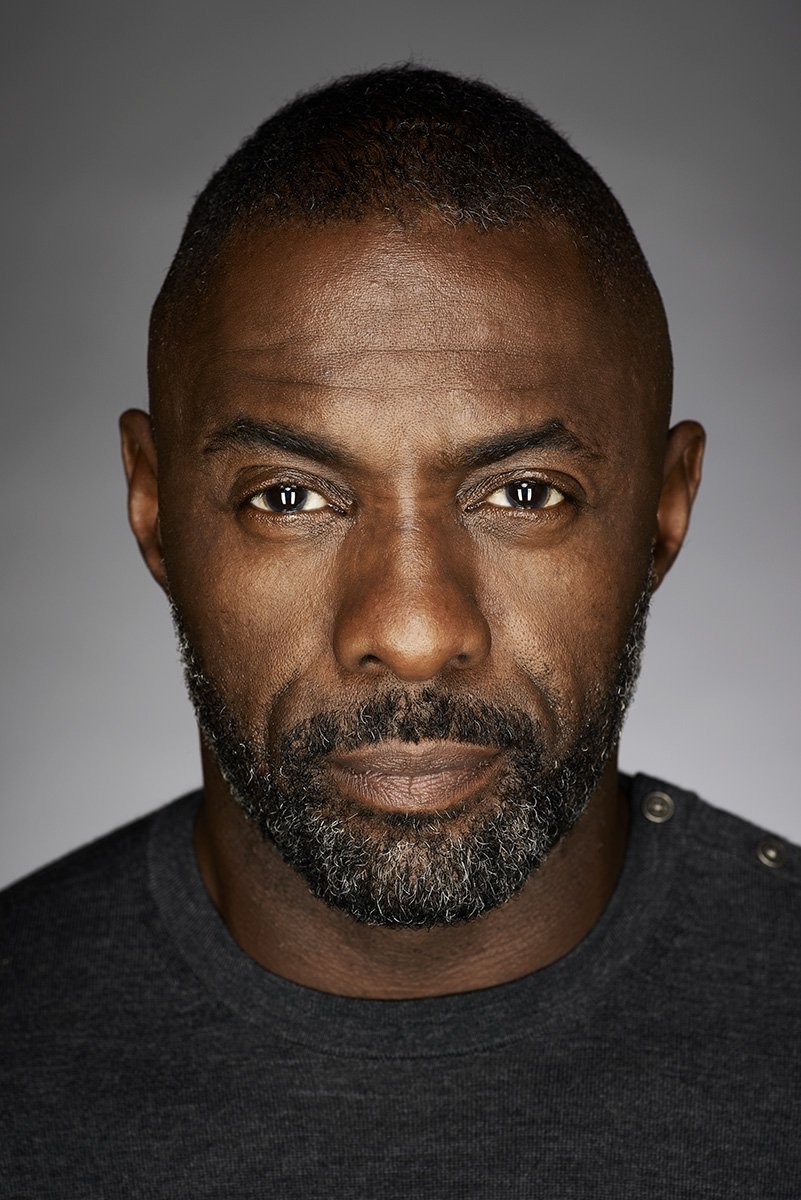
Idris Elba utilized his international appeal to secure favorable terms in both television and film contracts. He negotiated significant raises for his work in the Marvel Cinematic Universe and the ‘Fast & Furious’ franchise. His ability to lead projects in the United Kingdom and the United States gave him unique bargaining power. Elba consistently ensures his contracts reflect his global marketability.
Kevin Hart
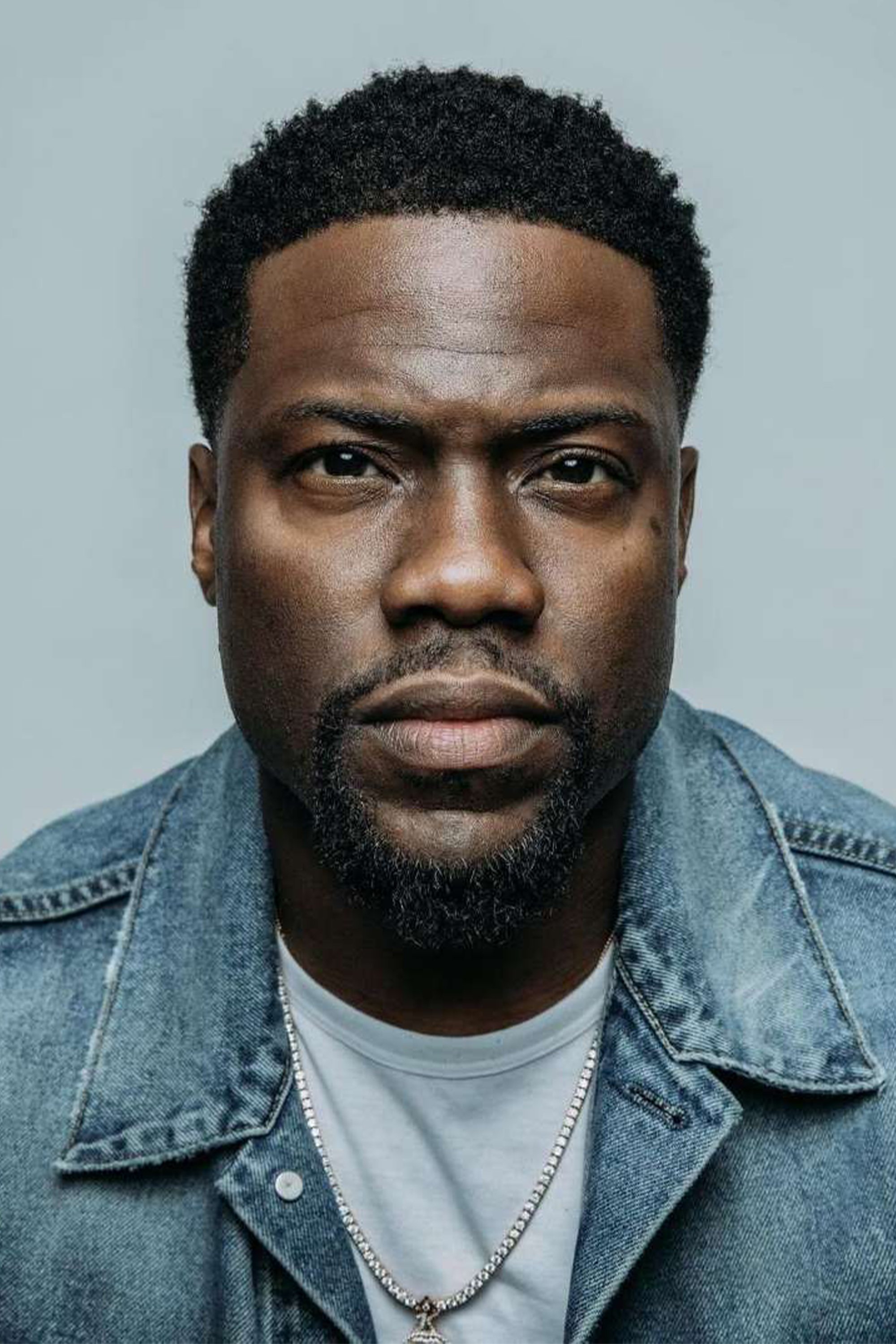
Kevin Hart revolutionized the modern salary model by partnering with studios rather than just working for them. He demanded ownership stakes and backend revenue for his standup specials and feature films. This strategy allowed him to bypass standard salary caps and generate wealth based on performance. Hart forced the industry to view comedians as business partners deserving of equal profit sharing.
Dwayne Johnson
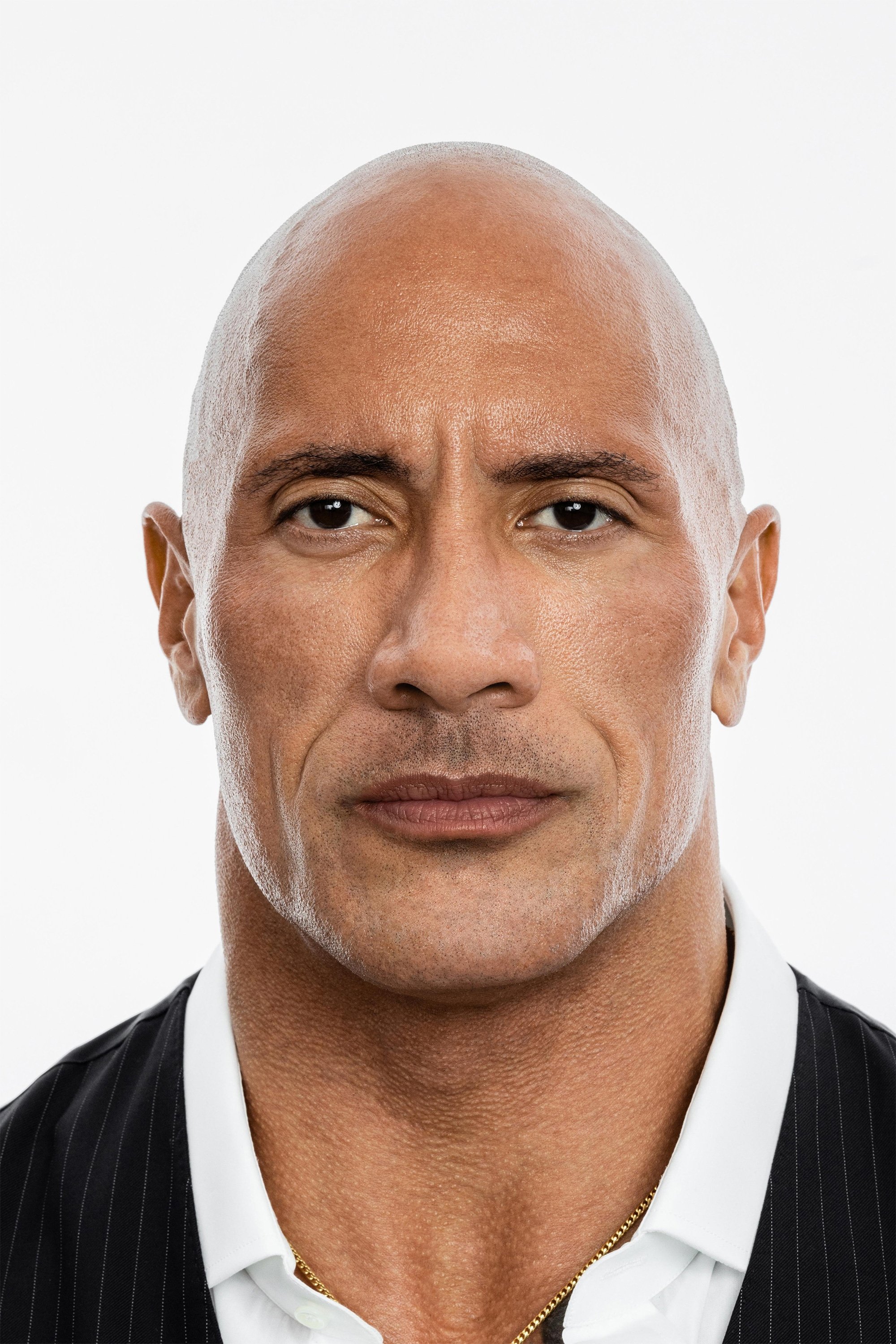
Dwayne Johnson became the highest paid actor in the world by rigorously negotiating every aspect of his contracts. He insisted on separate fees for promoting films on his massive social media channels. His production company negotiated terms that gave him unprecedented control and compensation. Johnson set a new benchmark for how action stars monetize their personal brand.
Tyler Perry
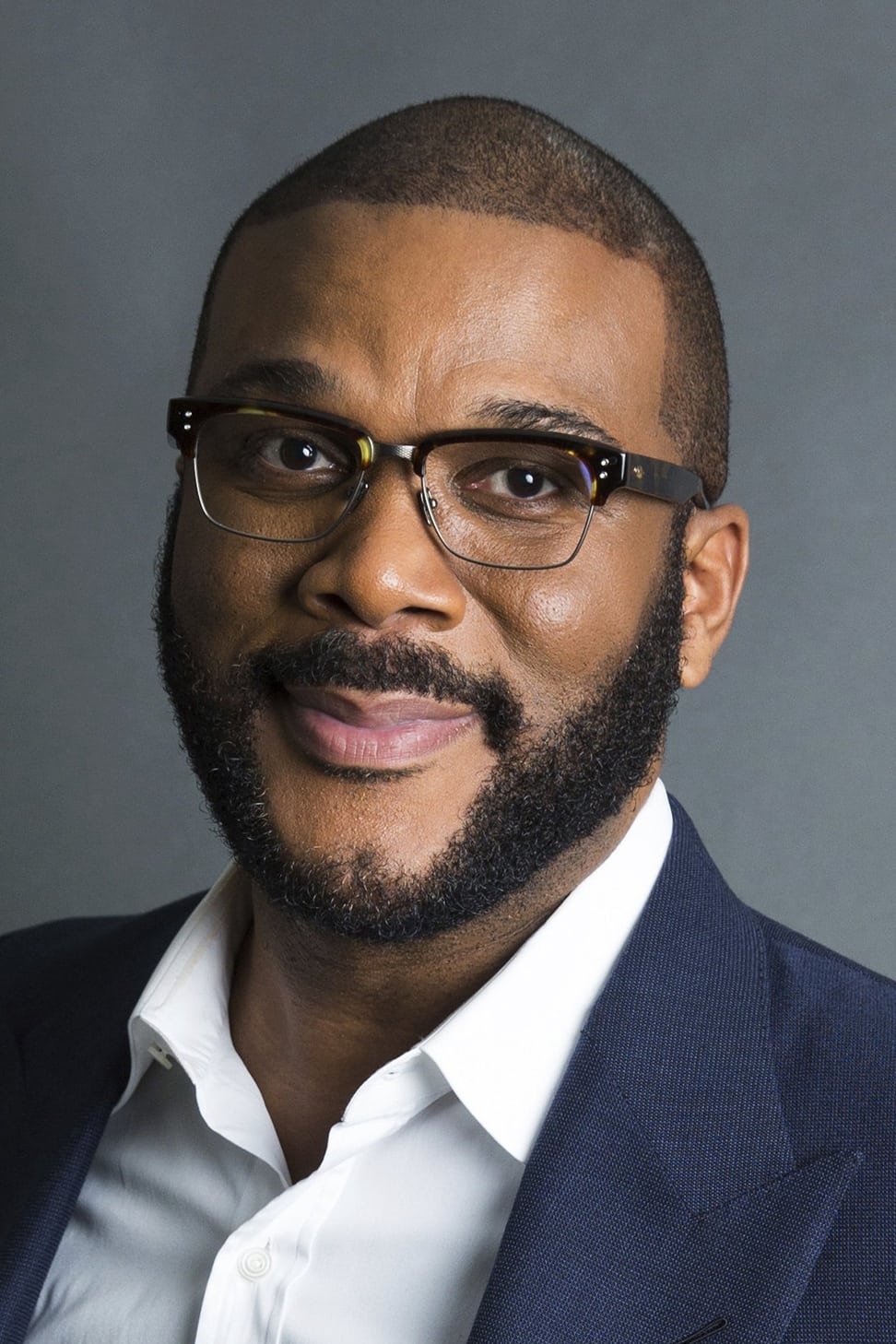
Tyler Perry bypassed traditional studio gatekeepers by building his own production empire in Atlanta. He negotiated distribution deals that allowed him to retain full ownership of his intellectual property. This autonomy meant he paid himself what he was worth without needing studio approval. Perry proved that ownership is the ultimate form of pay equity.
Laurence Fishburne
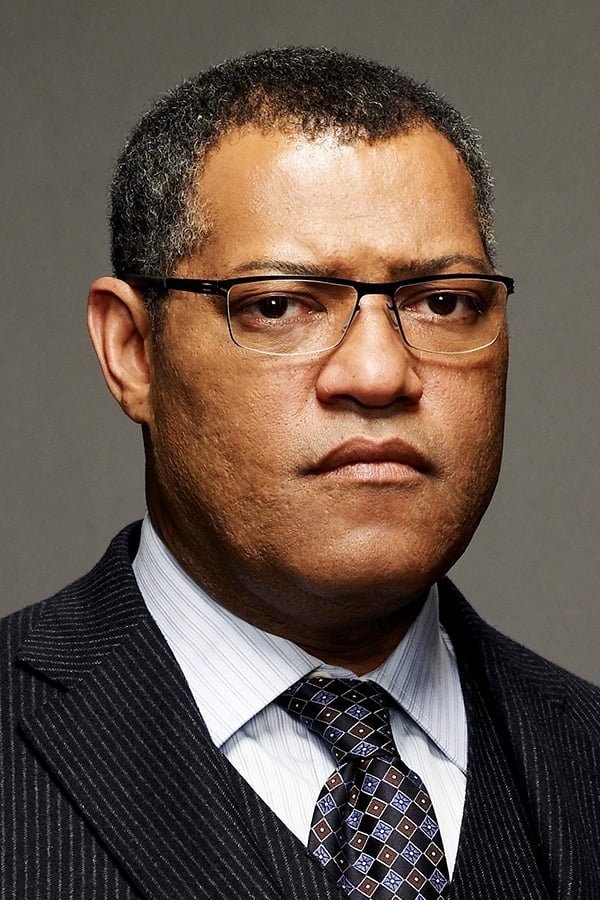
Laurence Fishburne has maintained a steady career by ensuring his contracts honor his decades of experience. His role in ‘The Matrix’ trilogy came with negotiations that secured his financial future through residuals. He successfully transitioned between film and television while commanding top tier salaries in both mediums. Fishburne demands respect and compensation commensurate with his veteran status.
Wesley Snipes
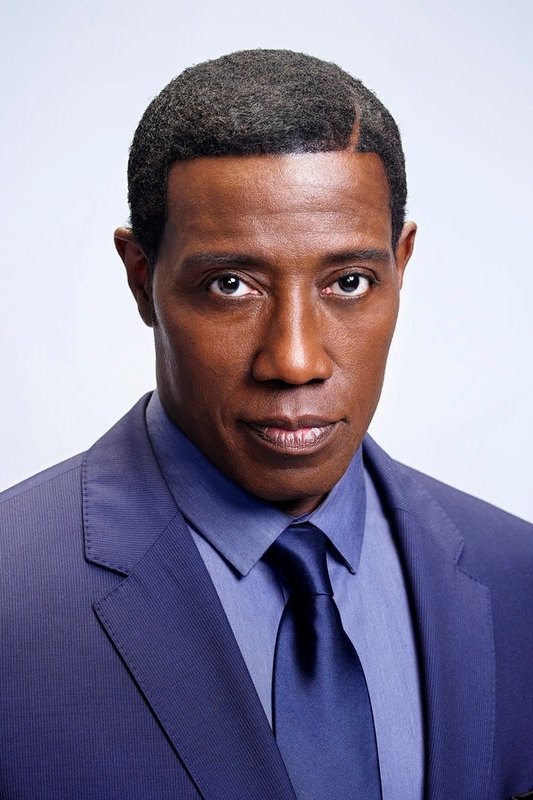
Wesley Snipes was a pioneer in the nineties for securing action star salaries that matched his white contemporaries. His involvement in the ‘Blade’ franchise included producer credits that enhanced his earnings significantly. He fought for compensation that reflected his contribution to the early success of comic book movies. Snipes opened doors for Black leads in the superhero genre.
Danny Glover
Danny Glover used the massive success of the ‘Lethal Weapon’ franchise to ensure he was paid as a true co-lead. His negotiations prevented the studio from treating him as a sidekick in financial terms. He advocated for parity that respected his equal screen time and contribution to the box office. Glover remains a vocal supporter of labor rights within the actors union.
Don Cheadle
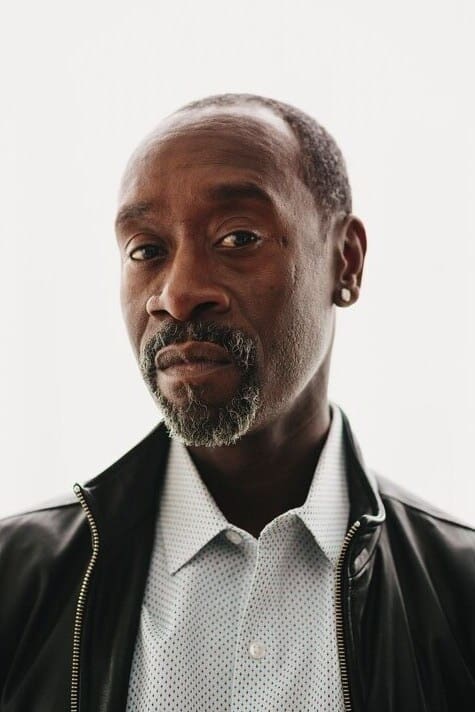
Don Cheadle has navigated his career by balancing indie credibility with blockbuster paydays. His role as War Machine in the Marvel films involved renegotiations that brought his pay closer to the original Avengers cast. He leverages his producing skills to create projects where he controls the budget and salary distribution. Cheadle actively works to close the wage gap for minority performers.
Mahershala Ali
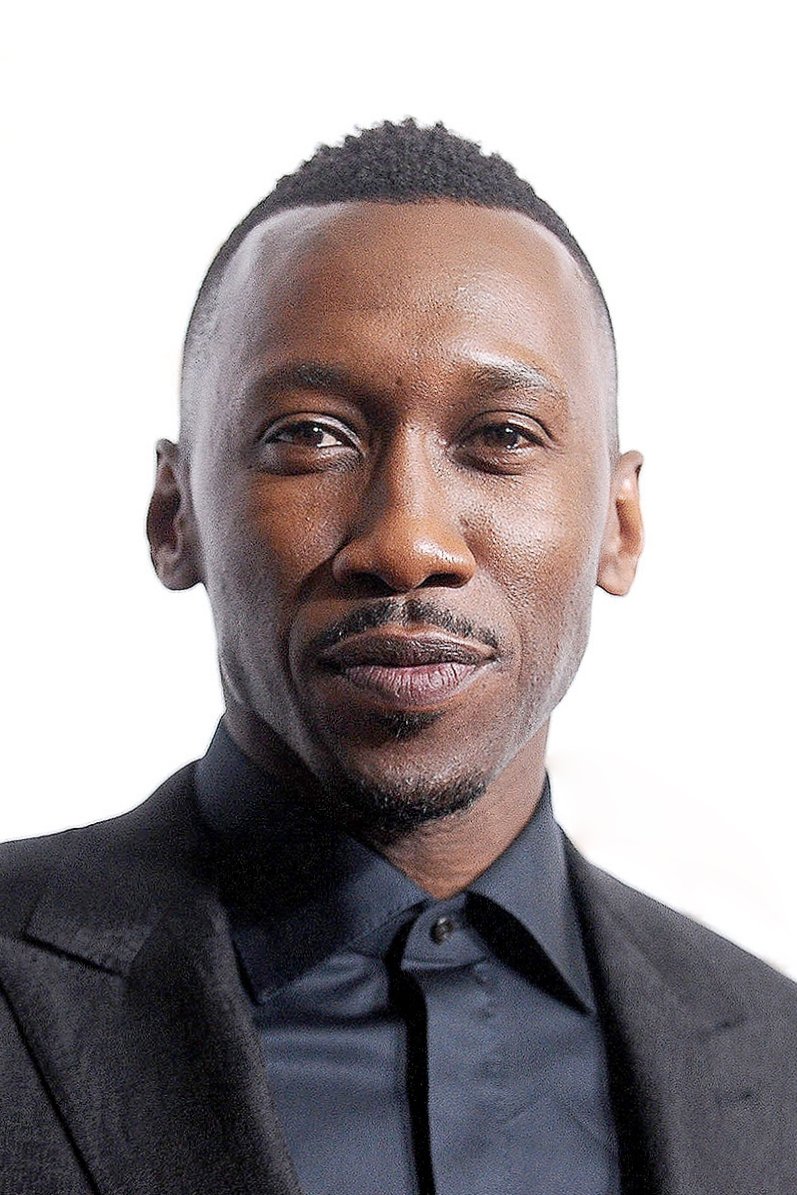
Mahershala Ali utilized his two Academy Awards to demand a significant pay increase for his projects. He successfully negotiated for leading man compensation in the upcoming ‘Blade’ reboot. Ali refused to accept offers that undervalued his critical standing and audience appeal. His team ensures his contracts reflect his status as one of the most acclaimed actors working today.
Michael B. Jordan
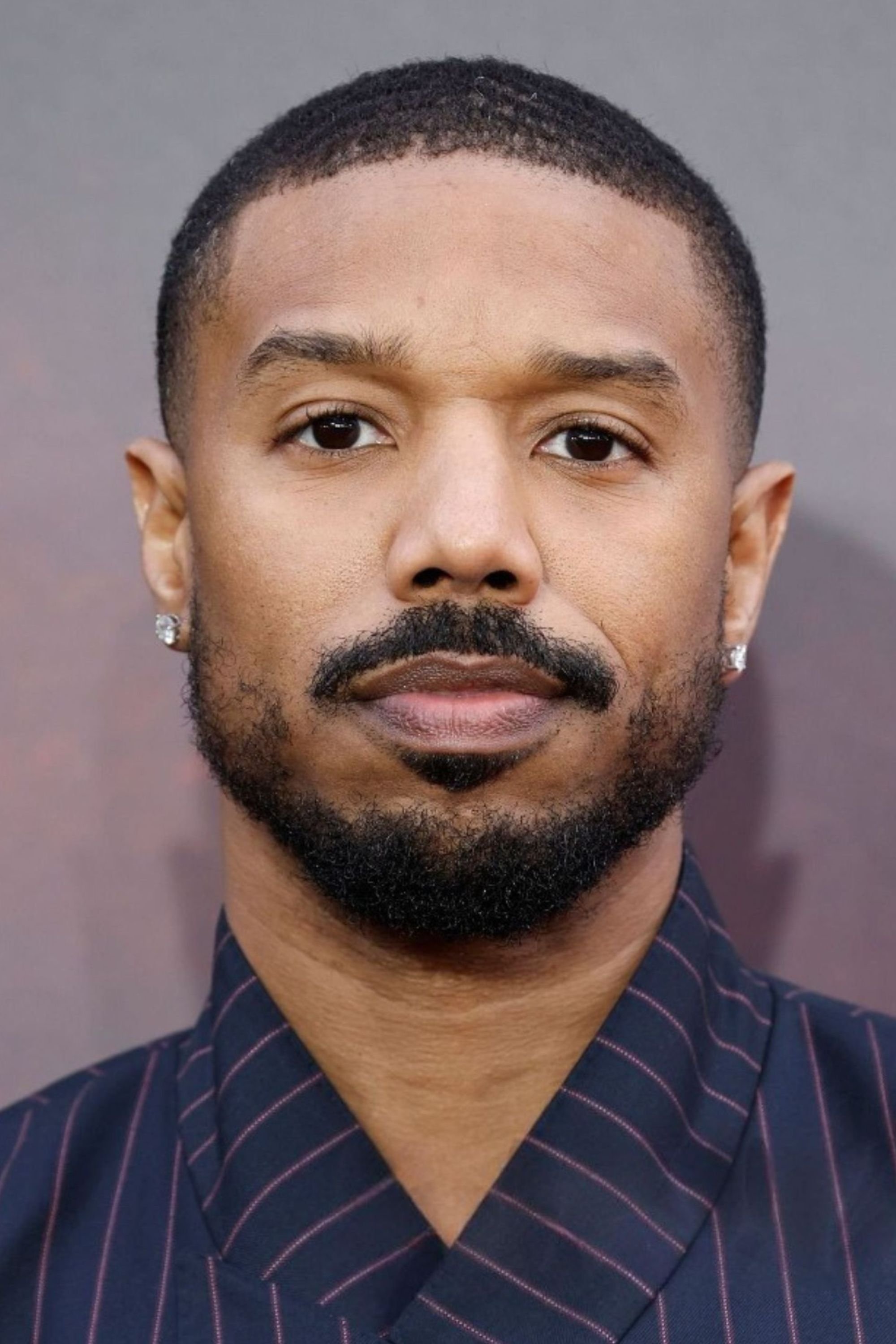
Michael B. Jordan adopted an inclusion rider policy for his production company to ensure fairness on his sets. He leveraged his success in ‘Creed’ and ‘Black Panther’ to secure first look deals with major studios. These contracts mandate equitable hiring practices and compensation for cast and crew. Jordan uses his influence to enforce systemic change in pay structures.
Daniel Kaluuya
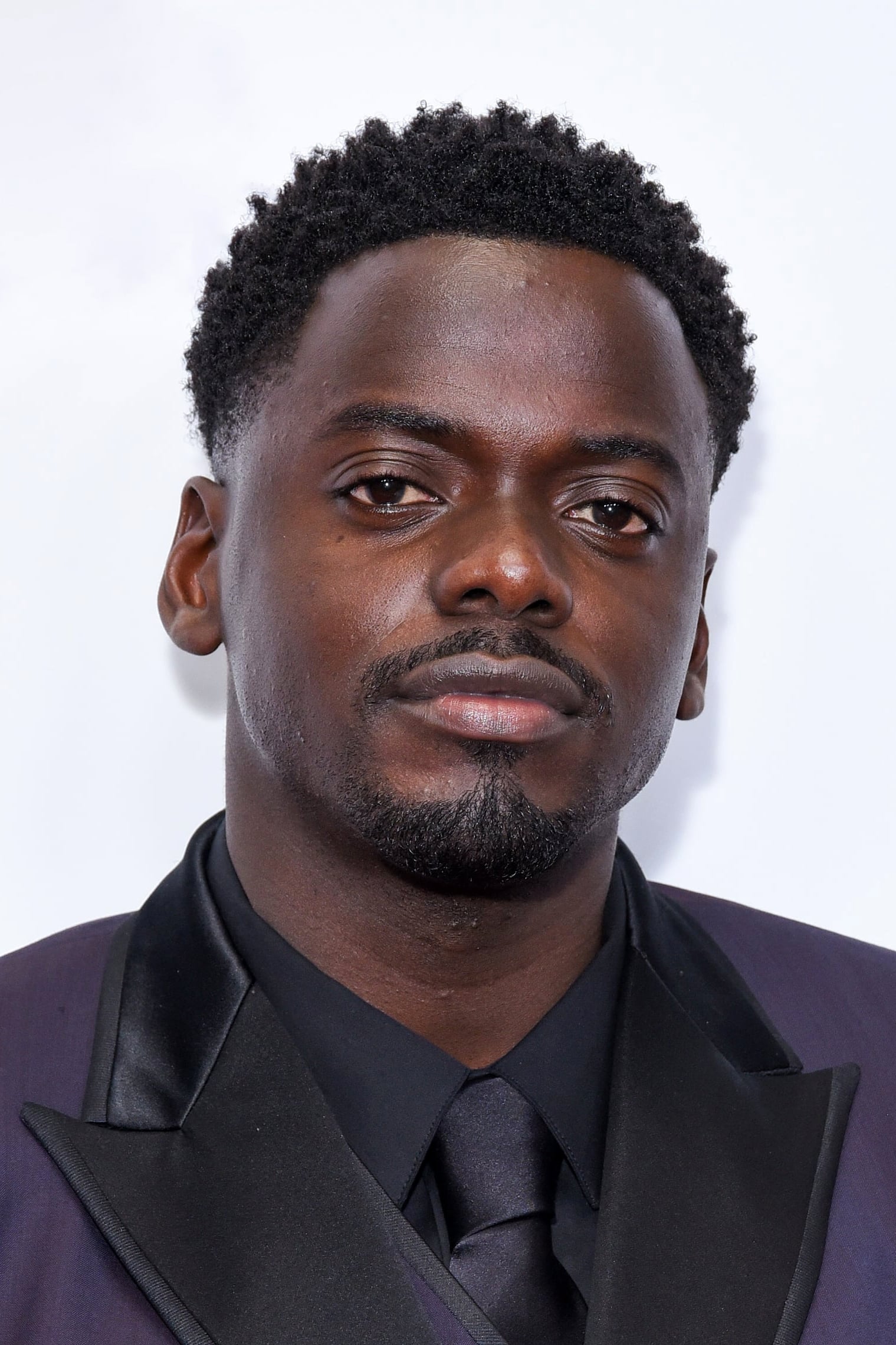
Daniel Kaluuya capitalized on the massive cultural impact of ‘Get Out’ to restructure his earning potential. He demanded fair compensation for his subsequent roles in major studio films. His team focuses on securing backend points to ensure he shares in the financial success of his projects. Kaluuya represents a new wave of talent refusing to settle for entry level rates.
John Boyega
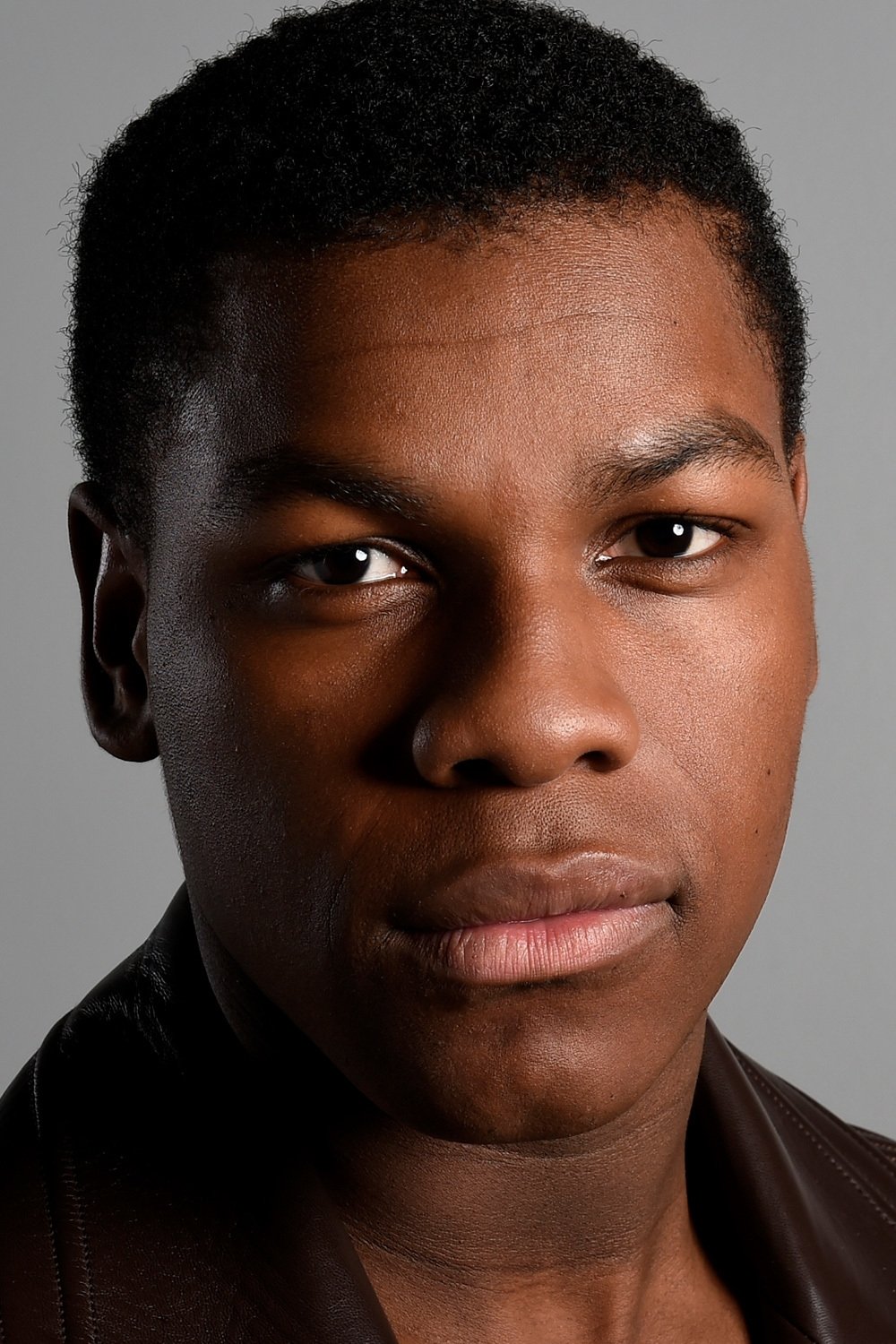
John Boyega publicly challenged the industry to treat Black characters and actors with equal respect. His negotiations for the ‘Star Wars’ sequels involved ensuring his pay rose alongside his increased screen presence. He has since focused on producing projects where he can guarantee fair terms for himself and others. Boyega remains vocal about the need for studios to protect and pay their minority talent.
Anthony Mackie
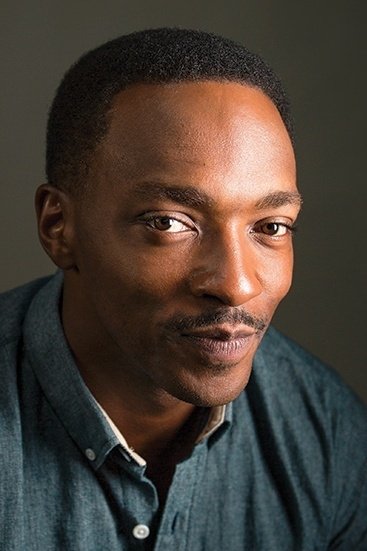
Anthony Mackie negotiated a significant pay raise when he transitioned from a supporting role to the new Captain America. He insisted that the mantle of the character carried the same financial value regardless of the actor holding the shield. His deal set a precedent for legacy characters being passed to Black actors. Mackie continues to push for pay equity within the superhero genre.
Sterling K. Brown
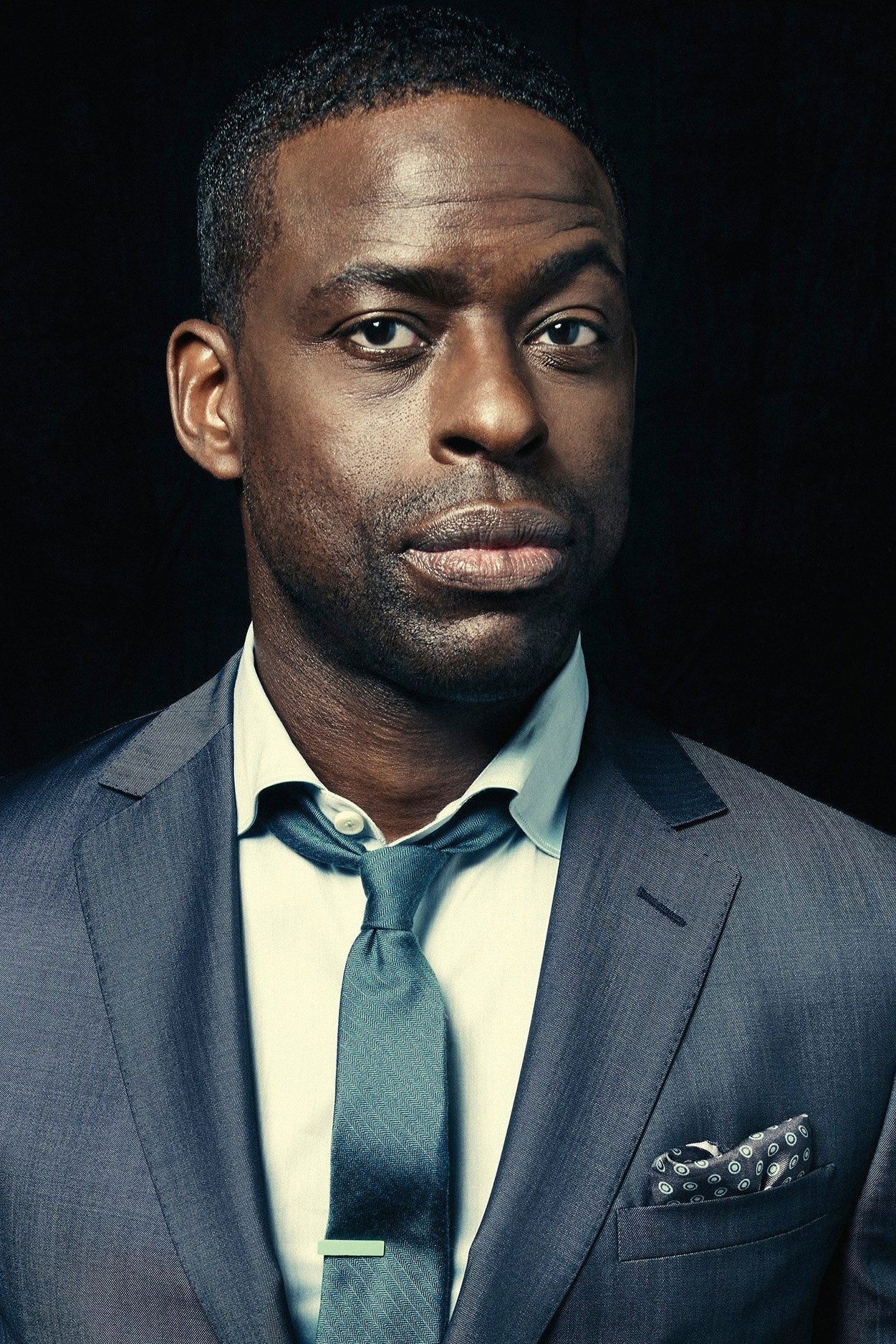
Sterling K. Brown broke barriers in television salary negotiations following his success on ‘This Is Us’. He secured pay parity with his co-stars to ensure the ensemble was compensated equally. His rise in film allowed him to demand higher fees for supporting roles in blockbusters. Brown advocates for transparency in television contracts to prevent wage discrimination.
Chris Rock
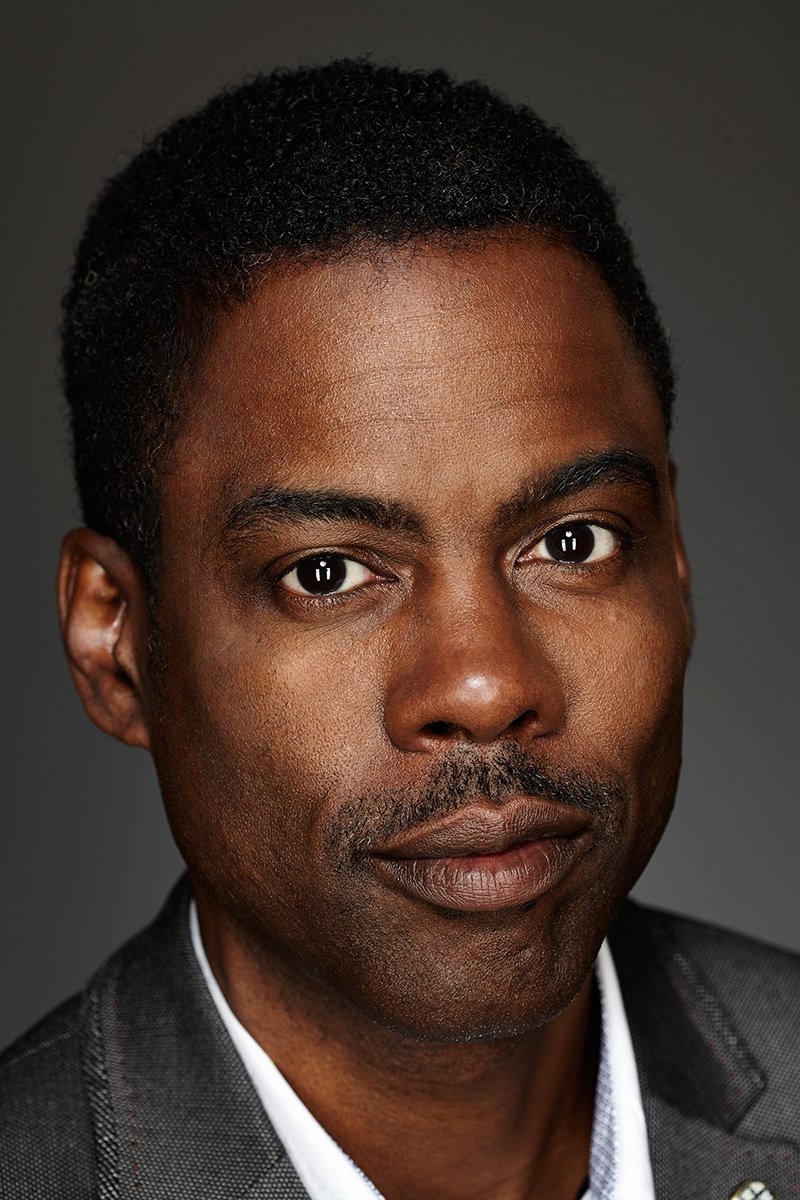
Chris Rock secured one of the largest paydays in comedy history for his standup specials with streaming services. He leveraged the competitive market to demand compensation that matched or exceeded other top comedians. Rock has openly discussed the disparities in Hollywood and used his platform to demand change. His business moves force networks to reevaluate how they value Black comedy.
Martin Lawrence
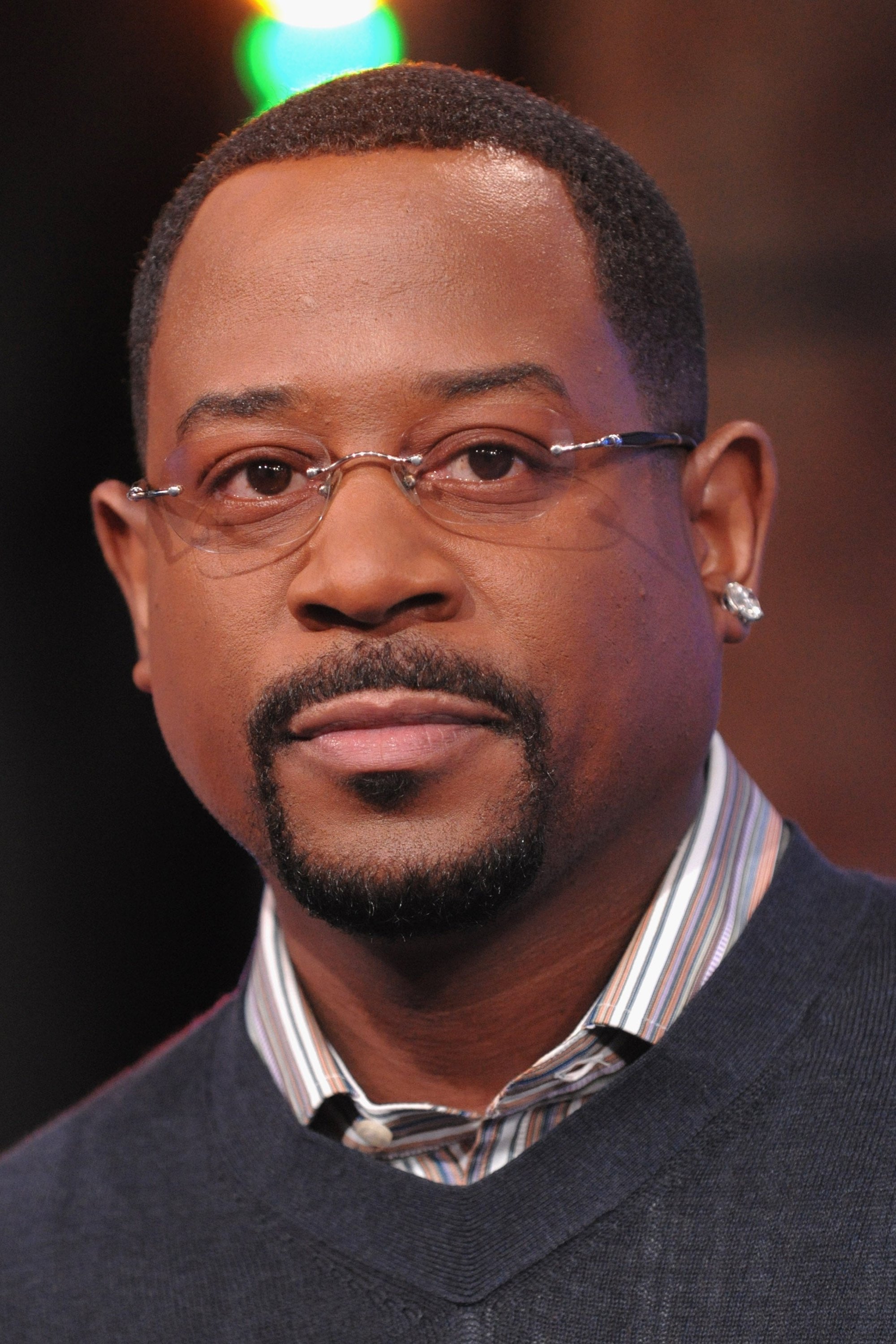
Martin Lawrence was a trailblazer in the nineties who commanded twenty million dollars per film at his peak. He ensured his contracts for ‘Bad Boys’ gave him financial footing equal to his co-star Will Smith during the early films. Lawrence fought for lucrative syndication deals for his sitcom which generated massive wealth. His career proves that Black sitcom stars can drive global revenue.
Ice Cube
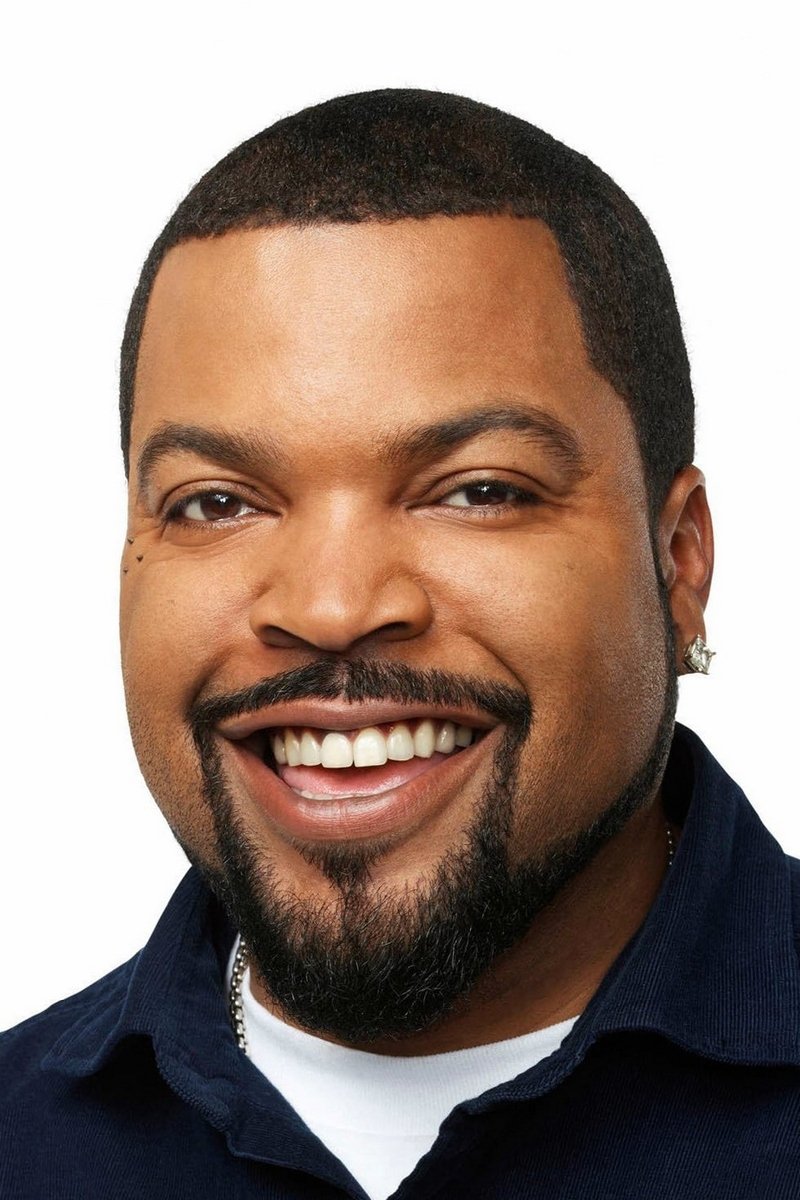
Ice Cube transitioned from music to film mogul by writing and producing his own vehicles. He created the ‘Friday’ franchise to ensure he could control the budget and the payroll. This independence allowed him to pay himself and his cast without studio interference regarding salary caps. Cube demonstrated that equity comes from owning the means of production.
Ludacris
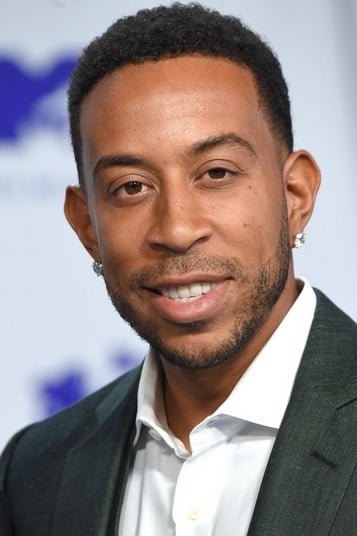
Ludacris successfully negotiated his transition from rapper to a core member of the ‘Fast & Furious’ ensemble. He ensured his contract included raises with each sequel as the franchise grew in global popularity. His longevity in the series gave him the leverage to demand most favored nation terms. Ludacris exemplifies how to maintain value in a multi-billion dollar franchise.
Tyrese Gibson
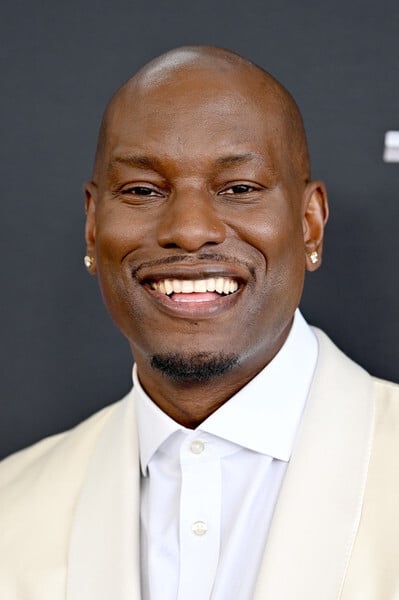
Tyrese Gibson publicly fought for his financial worth within the ‘Fast & Furious’ franchise. He utilized social media and public pressure to ensure his character was not sidelined or underpaid. His vocal stance highlighted the importance of protecting one’s spot and salary in a crowded ensemble. Gibson continues to advocate for the original cast members to receive their fair share.
Terrence Howard
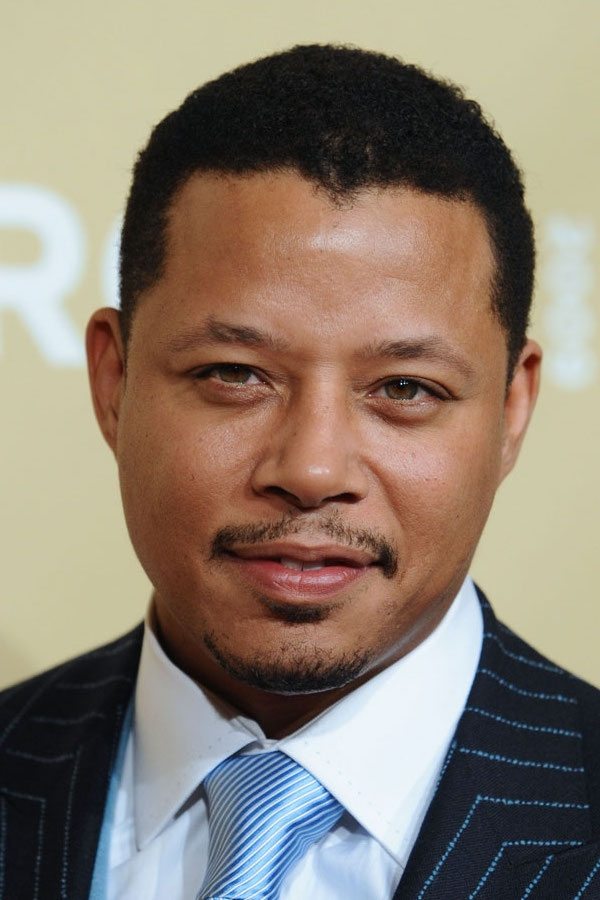
Terrence Howard famously stood his ground regarding pay cuts for the ‘Iron Man’ sequel. He refused to accept a salary reduction that violated his original contract terms despite the studio replacing him. His willingness to walk away rather than accept less demonstrated a commitment to principle over a paycheck. This moment sparked industry wide discussions about the disposability of Black actors.
Cuba Gooding Jr.
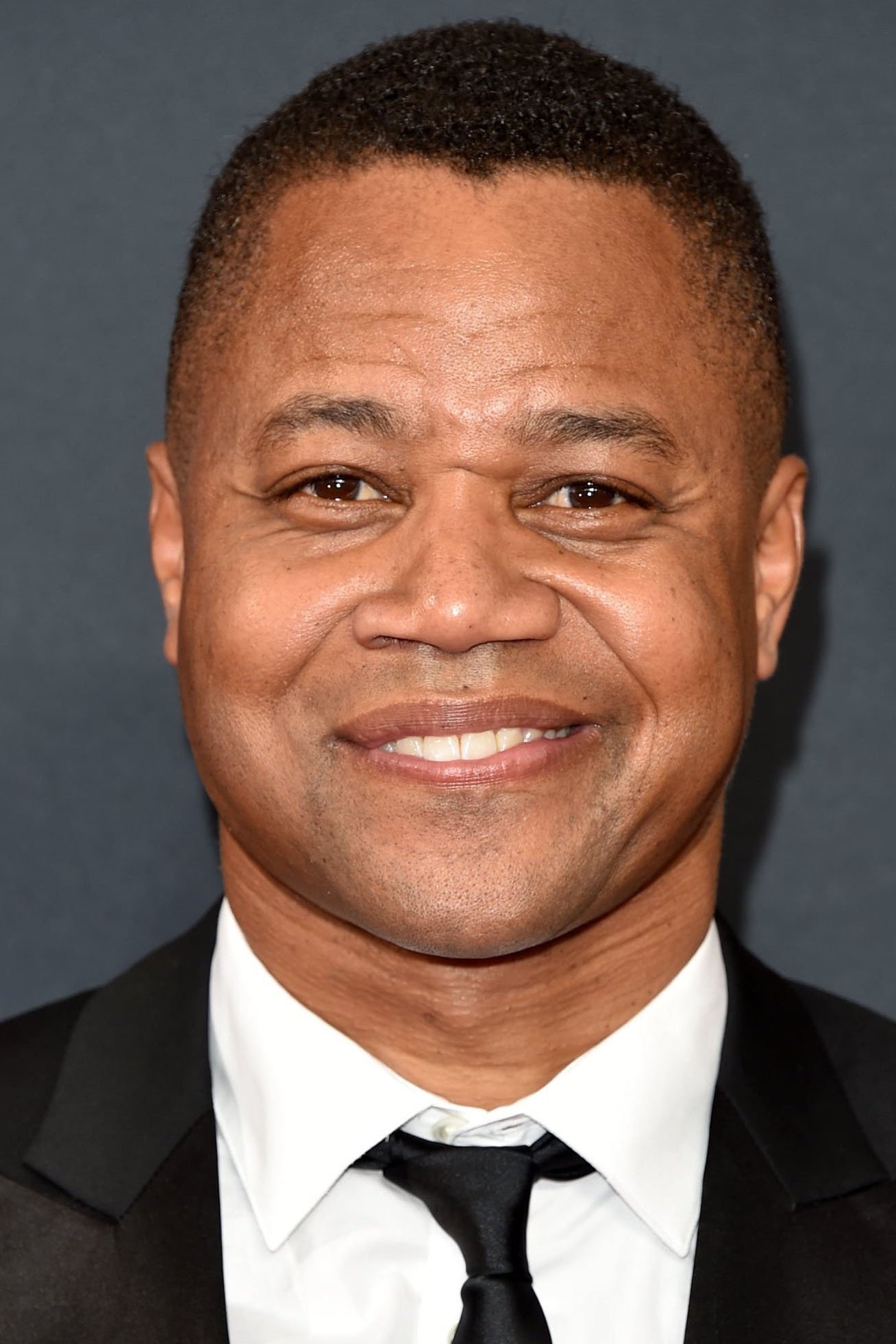
Cuba Gooding Jr. utilized his Oscar win to secure a massive salary bump in the late nineties. He demanded compensation that reflected his new status as an Academy Award winner. While his career fluctuated he maintained a standard for what an acclaimed supporting actor should be paid. Gooding fought to ensure the “Oscar bump” applied to Black actors as well.
Djimon Hounsou
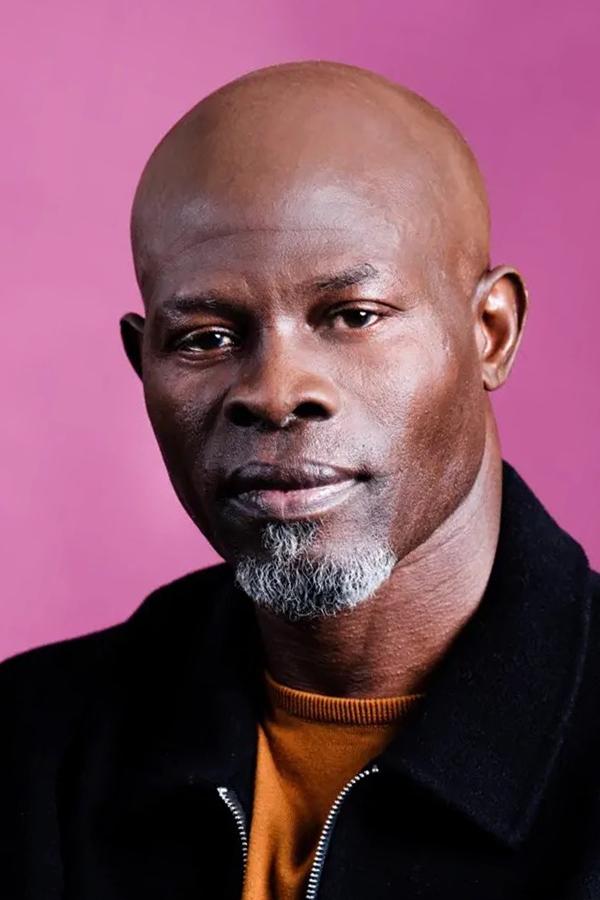
Djimon Hounsou has consistently delivered powerful performances that merit top tier compensation. He has advocated for better pay for character actors who provide the emotional weight to major films. His team negotiates for billing and salary that reflects his two Academy Award nominations. Hounsou demands recognition for the value he adds to every production.
Chiwetel Ejiofor
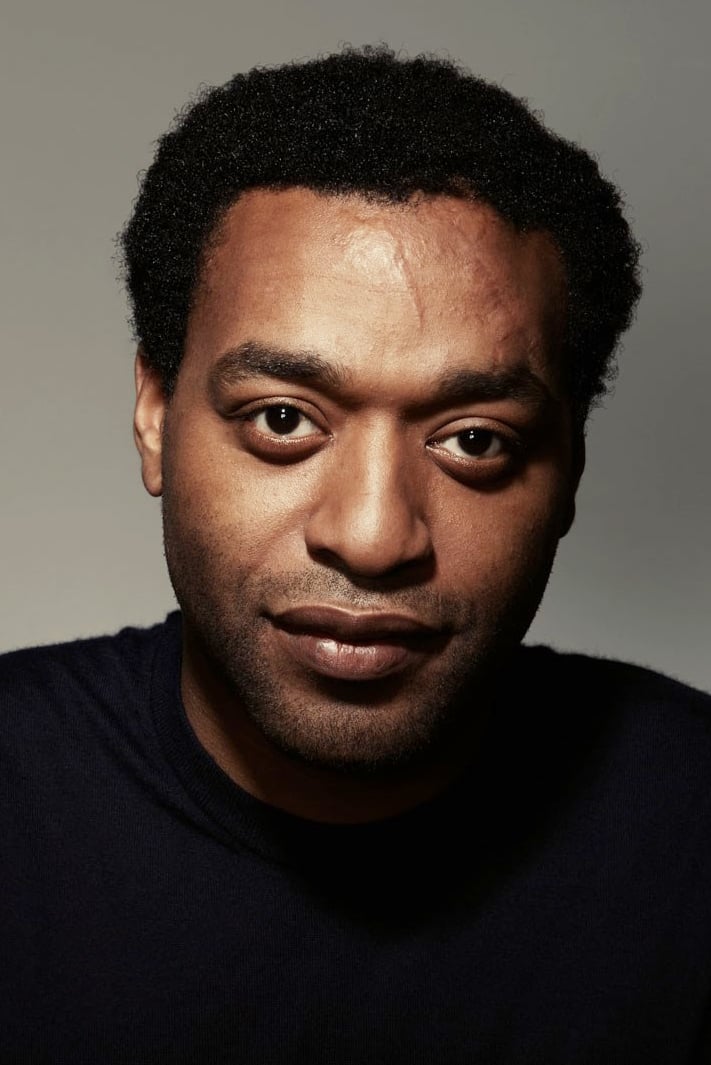
Chiwetel Ejiofor leveraged his acclaim from ’12 Years a Slave’ to secure better terms for blockbuster roles. He negotiated a prominent position in the Marvel Cinematic Universe with commensurate pay. His contracts often include provisions for theater work which allows him to balance art and commerce. Ejiofor maintains a dignified stance on fair compensation for dramatic actors.
David Oyelowo
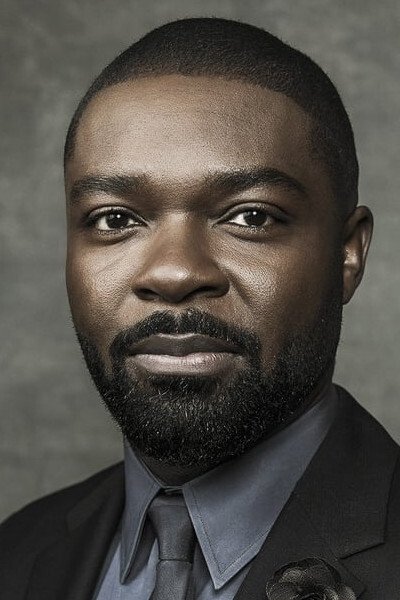
David Oyelowo has been a vocal critic of the lack of opportunities and equal pay for Black British actors. He established his own production company to create roles that pay what he is worth. Oyelowo refuses to take roles that perpetuate stereotypes or offer below market compensation. He actively works to change the narrative around the value of Black historical dramas.
Lakeith Stanfield
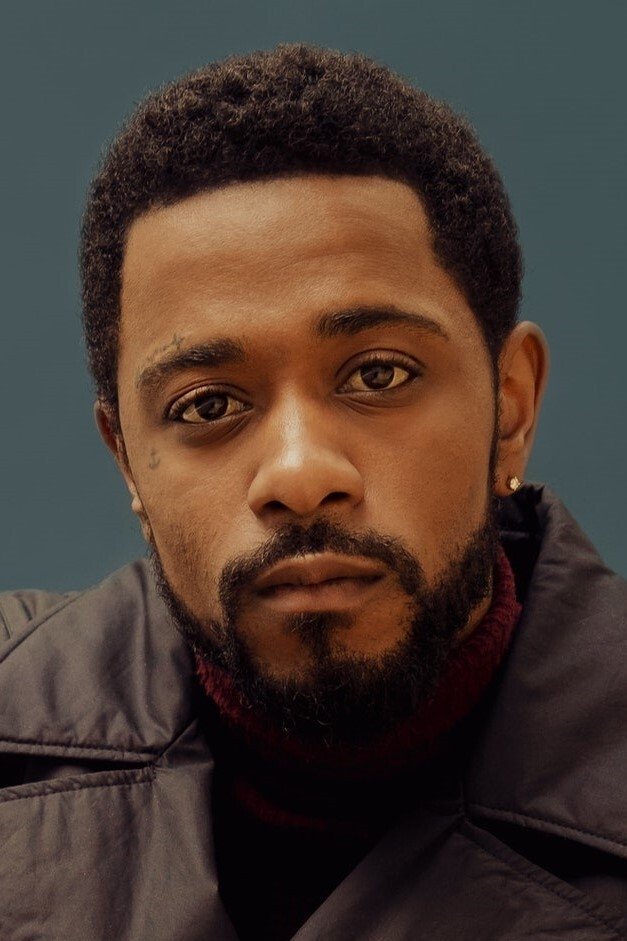
Lakeith Stanfield has navigated his career by selecting diverse roles that allow him to negotiate based on artistic merit. He secured significant pay raises for his television work as his profile grew in film. His team ensures he is not typecast or undervalued in ensemble pieces. Stanfield represents a generation that prioritizes creative control and fair pay equally.
Brian Tyree Henry
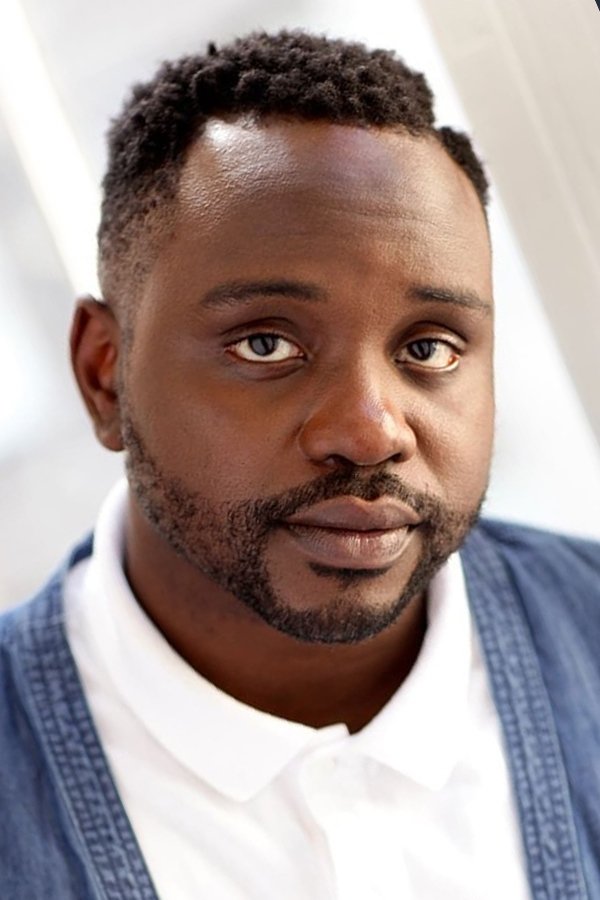
Brian Tyree Henry utilized his breakout success to demand higher fees for his film appearances. He negotiated favorable terms for his role in the ‘Eternals’ franchise by leveraging his critical acclaim. His versatility allows him to command strong salaries in both comedy and drama. Henry consistently proves that character actors act as the backbone of successful projects.
Yahya Abdul-Mateen II
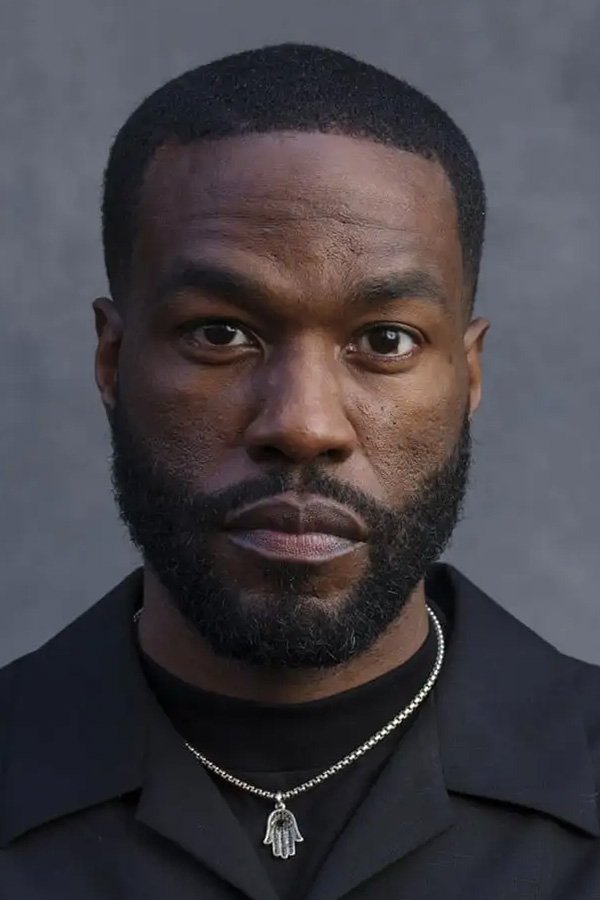
Yahya Abdul-Mateen II quickly rose to leading man status and adjusted his quote accordingly. He secured a major payday for his role in ‘Aquaman’ and its sequel by proving his draw with audiences. His team negotiates aggressively to ensure he is paid like a franchise star. Abdul-Mateen is part of a new guard demanding immediate equity.
Colman Domingo
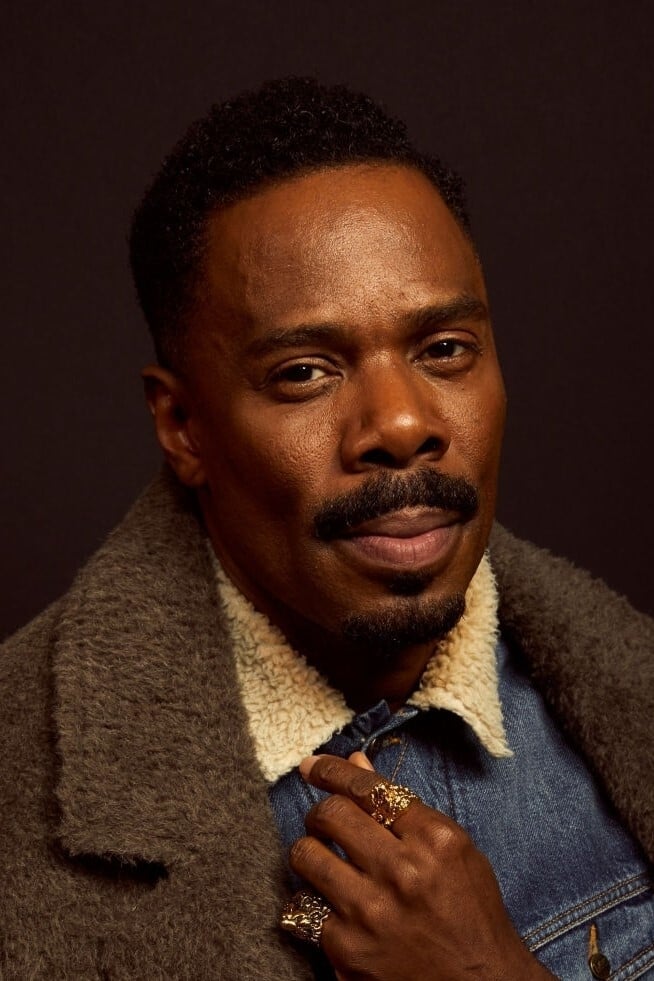
Colman Domingo transformed his career from a working actor to a sought after lead with significant negotiation power. He leveraged his Emmy win to demand higher compensation for his film roles. His production deals allow him to create content where he controls the financial structure. Domingo advocates for LGBTQ actors of color to receive equal pay.
Delroy Lindo
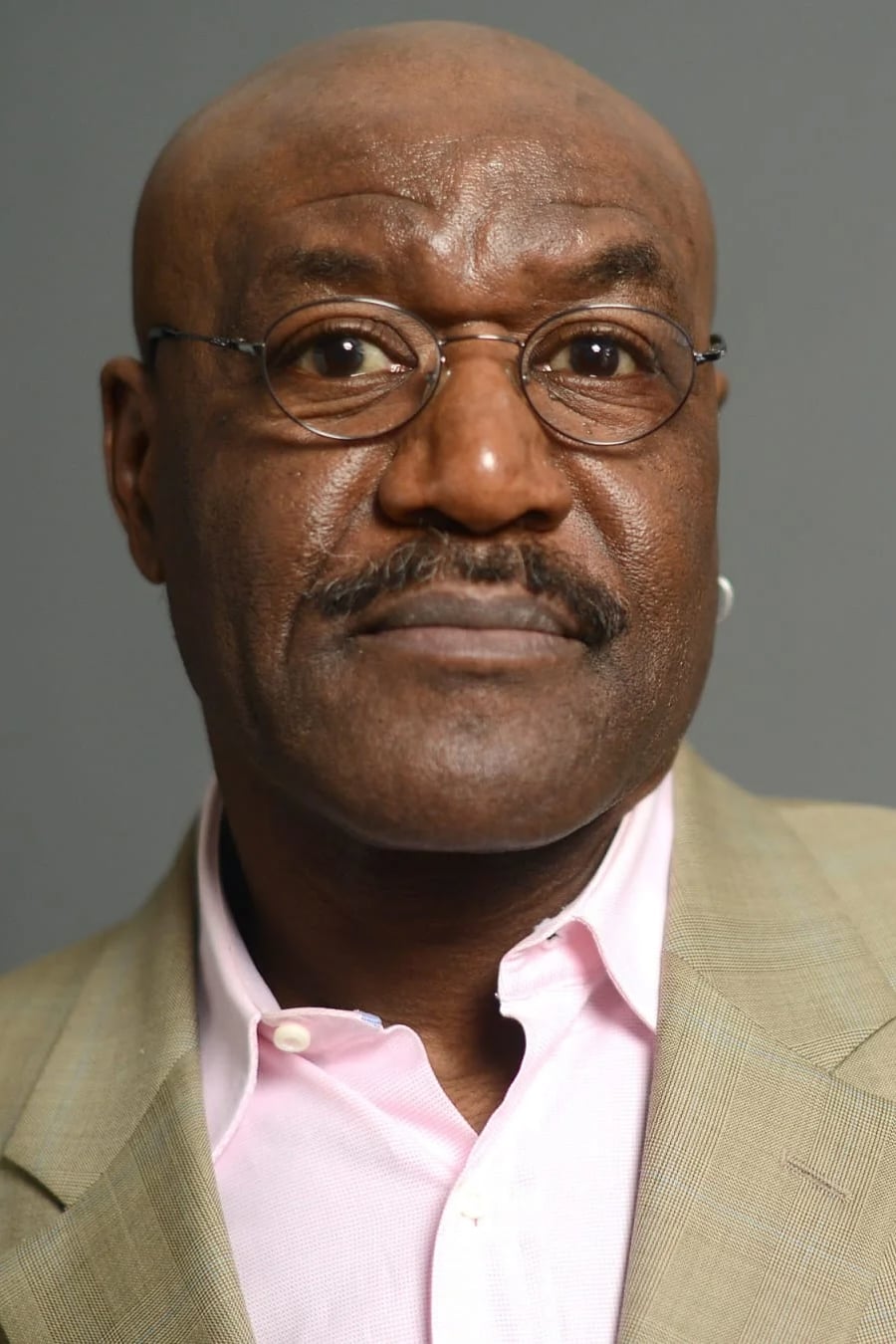
Delroy Lindo has long been a respected figure who demands compensation matching his veteran experience. His resurgence in recent films allowed him to renegotiate his quote for premium cable and streaming projects. He refuses to accept lowball offers that dismiss his decades of contribution to the craft. Lindo stands as a testament to maintaining value over a long career.
Giancarlo Esposito
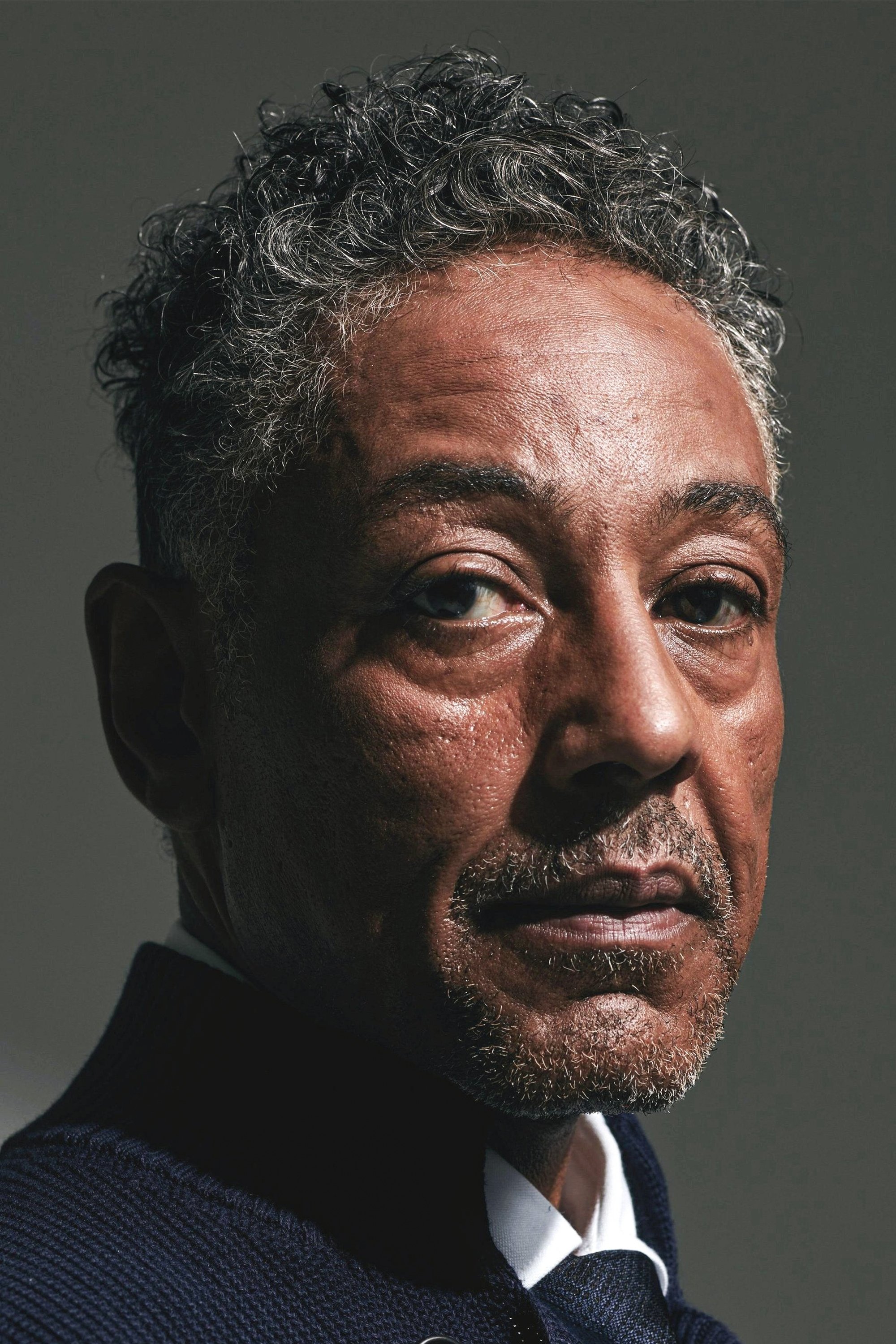
Giancarlo Esposito utilized his iconic television roles to secure pay parity across multiple franchises. He negotiated deals that allowed him to appear in ‘The Mandalorian’ and ‘The Boys’ simultaneously with significant fees. His status as a premier villain actor gives him unique leverage in contract talks. Esposito ensures his specific brand is compensated at a premium rate.
Sidney Poitier
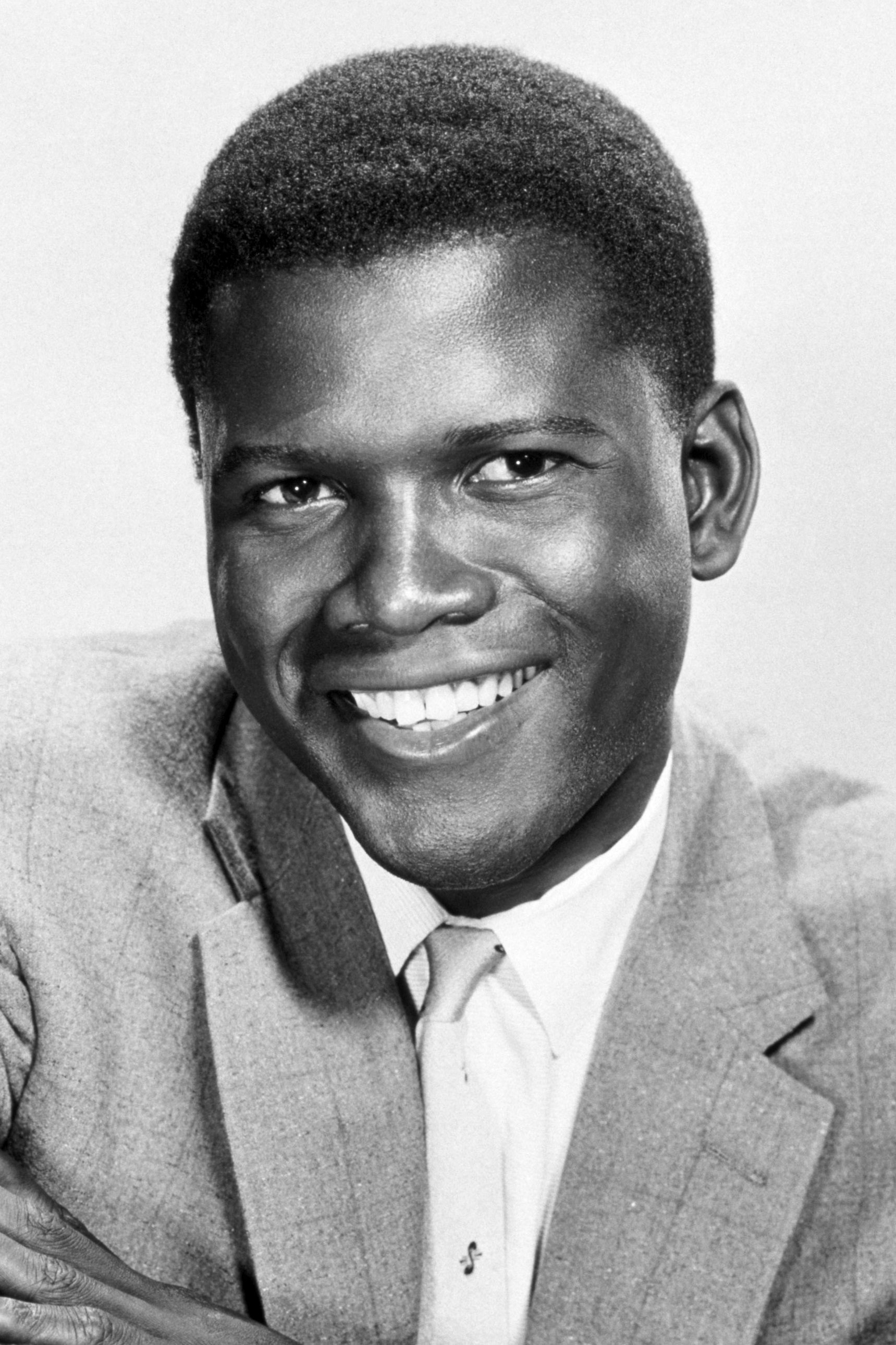
Sidney Poitier was the original pioneer who demanded to be paid equal to white leading men in the sixties. He refused to sign contracts for roles that were demeaning or paid less than his box office value. His insistence on profit participation set the template for every Black star who followed him. Poitier forced the studio system to acknowledge the financial power of a Black lead.
Harry Belafonte

Harry Belafonte used his dual success in music and film to demand fair contracts during a segregated era. He refused to perform in venues or act in films that did not offer equitable terms and treatment. His control over his own production rights was revolutionary for the time. Belafonte sacrificed paydays to maintain his dignity and fight for civil rights.
James Earl Jones
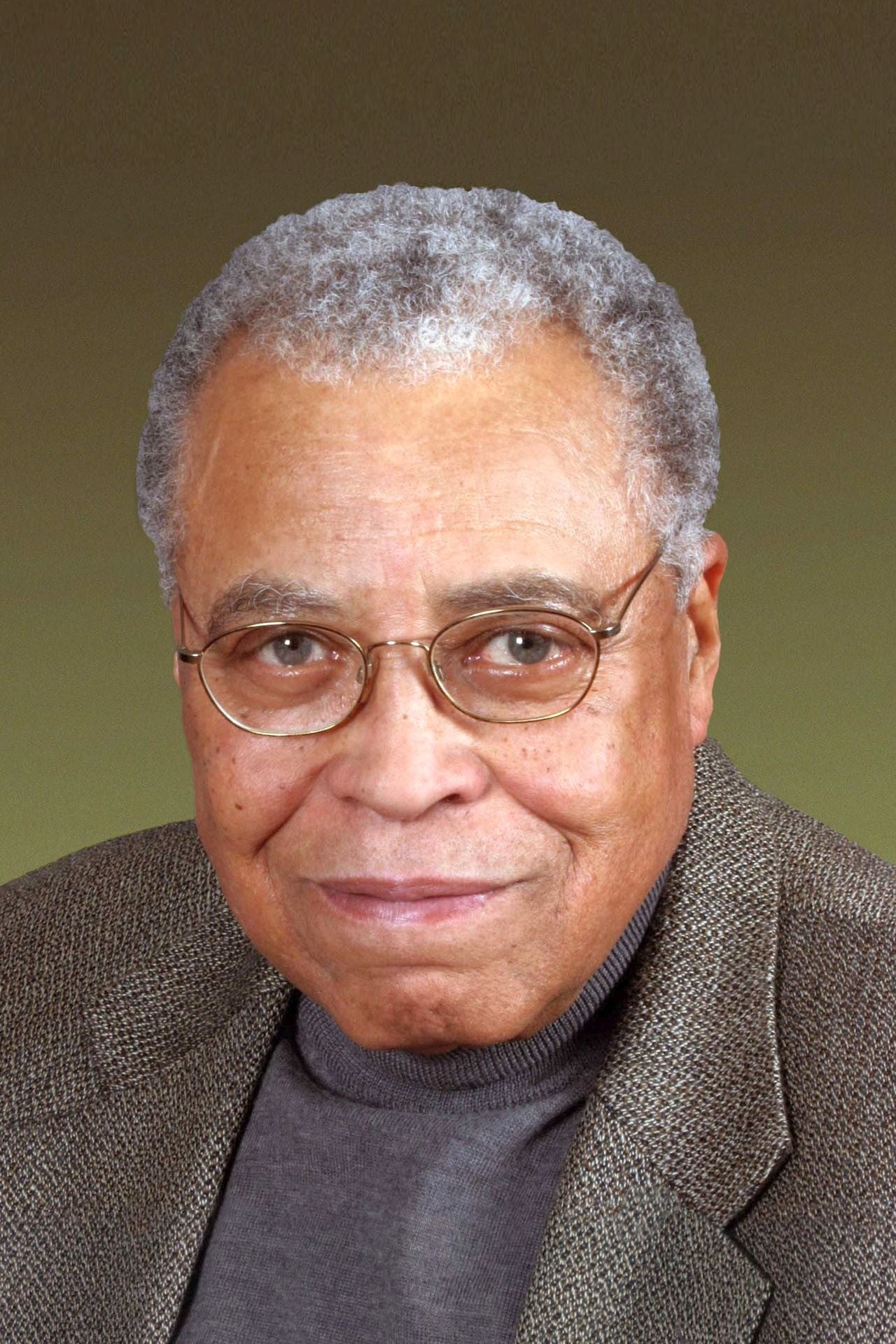
James Earl Jones ensured his voice work was valued as highly as on screen performance. He negotiated deals that granted him residuals for his iconic voice roles in ‘Star Wars’ and ‘The Lion King’. His team fought for credit and compensation that had initially been overlooked. Jones proved that vocal performance deserves equal financial respect.
Billy Dee Williams
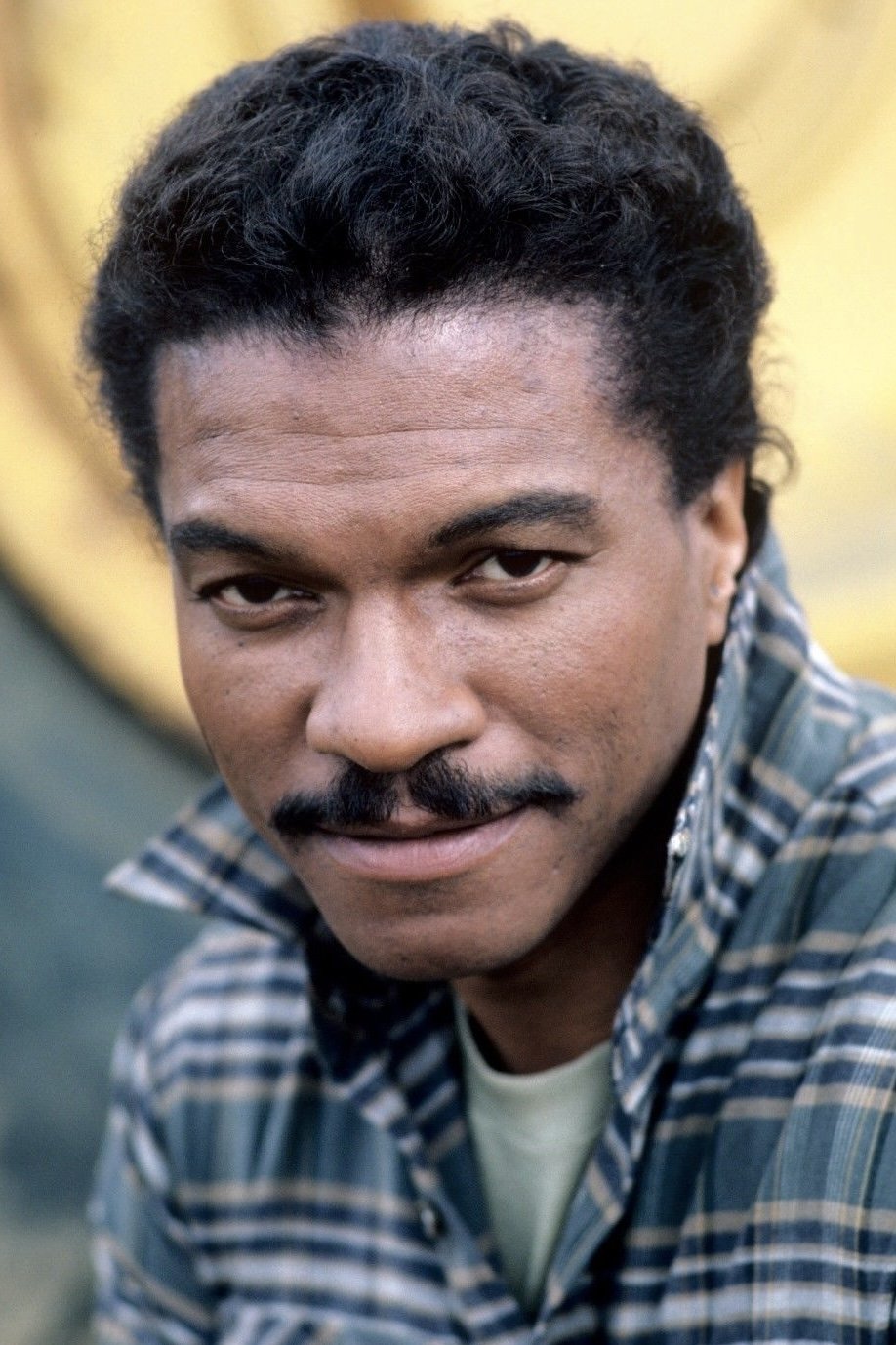
Billy Dee Williams broke barriers as a romantic lead who commanded salaries comparable to white heartthrobs. His role as Lando Calrissian came with a contract that acknowledged his importance to the plot and the audience. He maintained his value by returning to the franchise decades later with a negotiated pay increase. Williams paved the way for Black actors in space operas.
Chris Tucker
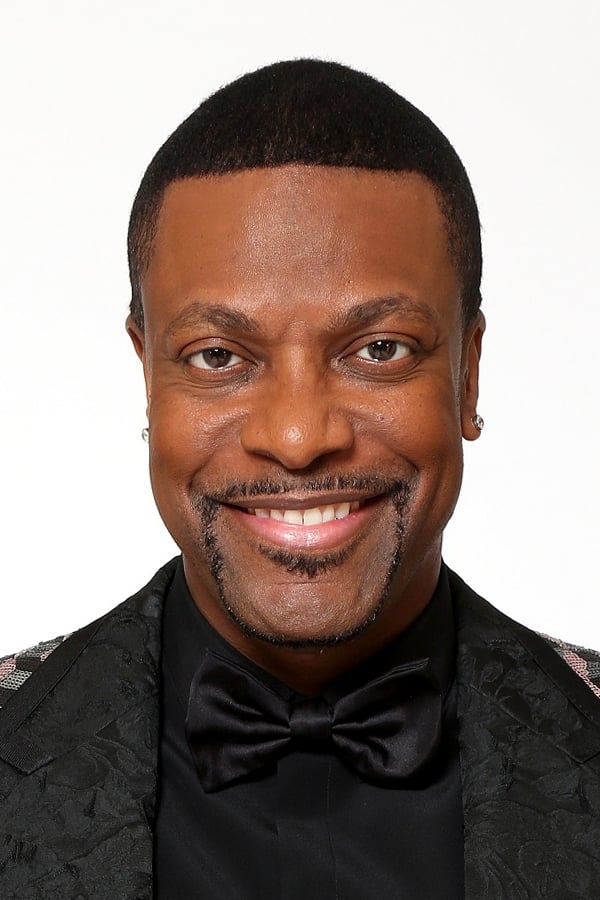
Chris Tucker famously held out for a twenty-five million dollar payday for ‘Rush Hour 3’. He refused to sign on for the sequel until the studio met his unprecedented salary demand. This negotiation made him the highest paid actor in Hollywood at that specific moment. Tucker demonstrated the immense power of walking away until the price is right.
Keith David
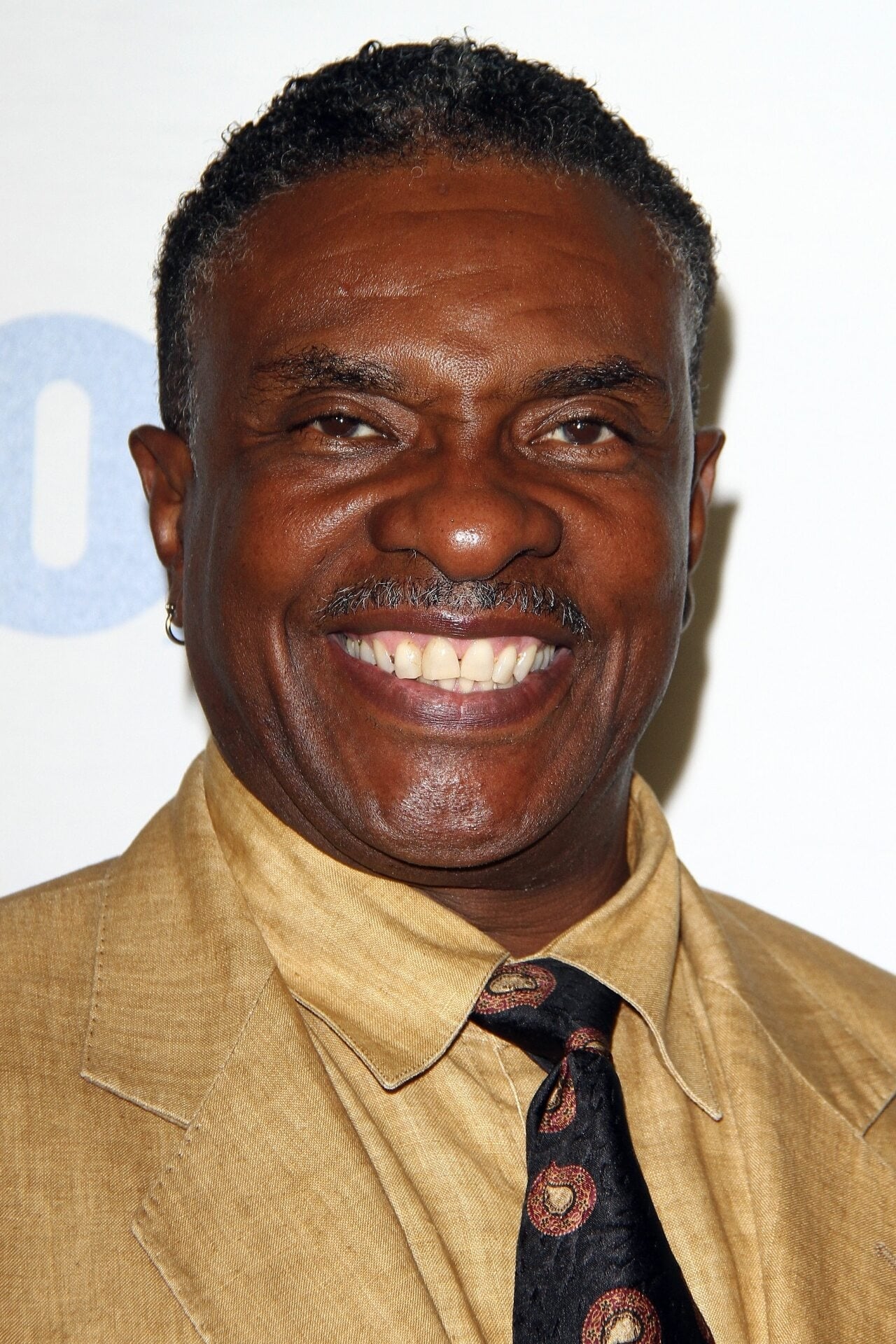
Keith David has maintained a prolific career by ensuring his contracts cover his extensive voice and screen work. He negotiates for residuals that protect his long term financial health. His reputation allows him to demand premium rates for narration and character work. David represents the working actor who demands fair union standards.
Dennis Haysbert
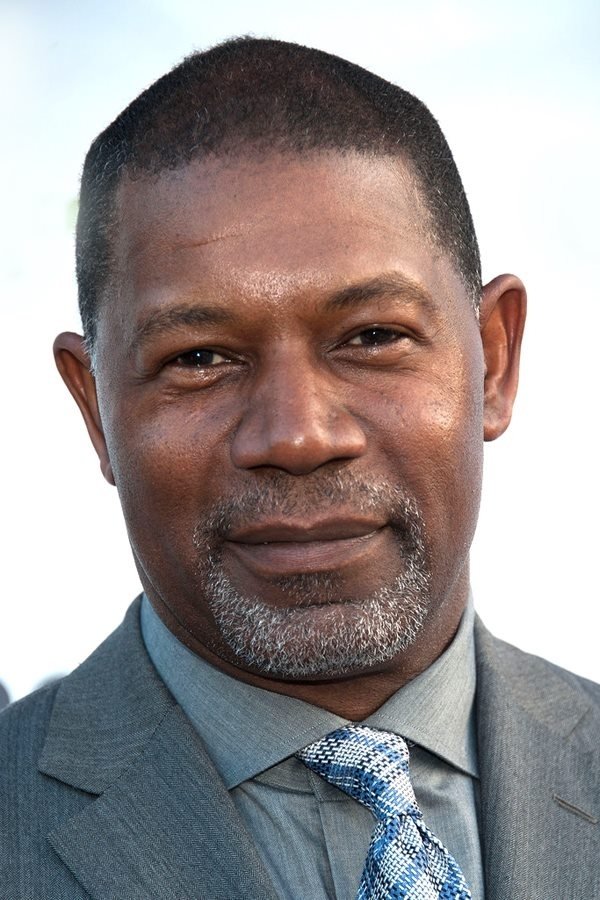
Dennis Haysbert utilized his trustworthy persona to secure massive commercial contracts alongside his acting work. He negotiated deals for television series that made him one of the highest paid actors on network TV. His ability to cross over into lucrative endorsements supplemented his acting income. Haysbert showed how to monetize a specific image effectively.
Ving Rhames
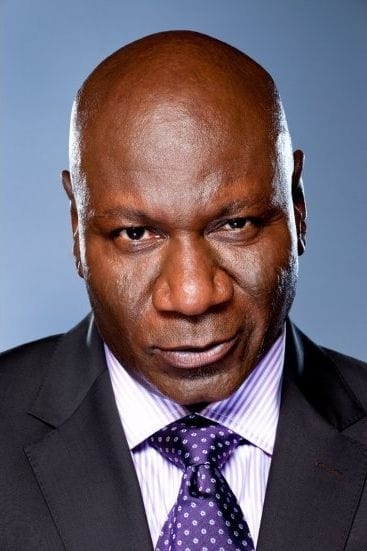
Ving Rhames negotiated a massive payday for his return to the ‘Mission: Impossible’ franchise. He ensured his contract paid him for his likeness and continued involvement as the only other original cast member besides Tom Cruise. His team fought for terms that respected his seniority in the series. Rhames proved that loyalty to a franchise should be rewarded financially.
Michael Clarke Duncan
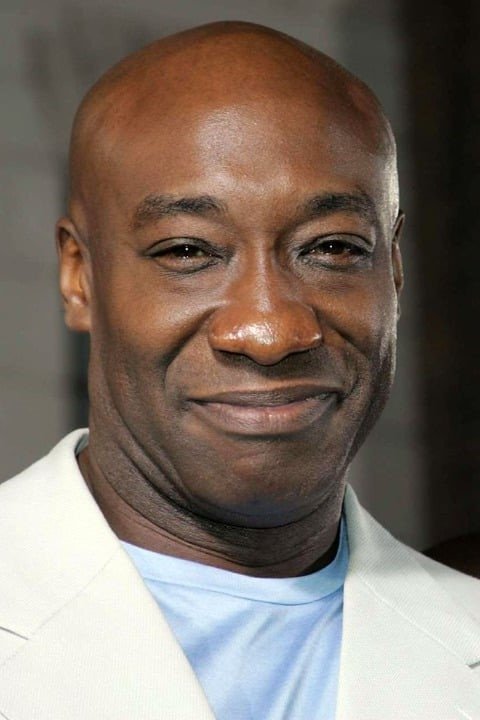
Michael Clarke Duncan used his breakout role in ‘The Green Mile’ to secure his financial future. He negotiated for roles that played against type to ensure he wasn’t pigeonholed into low paying thug roles. His voice work provided an additional stream of income that he leveraged in negotiations. Duncan fought to be seen and paid as a versatile performer.
Tracy Morgan
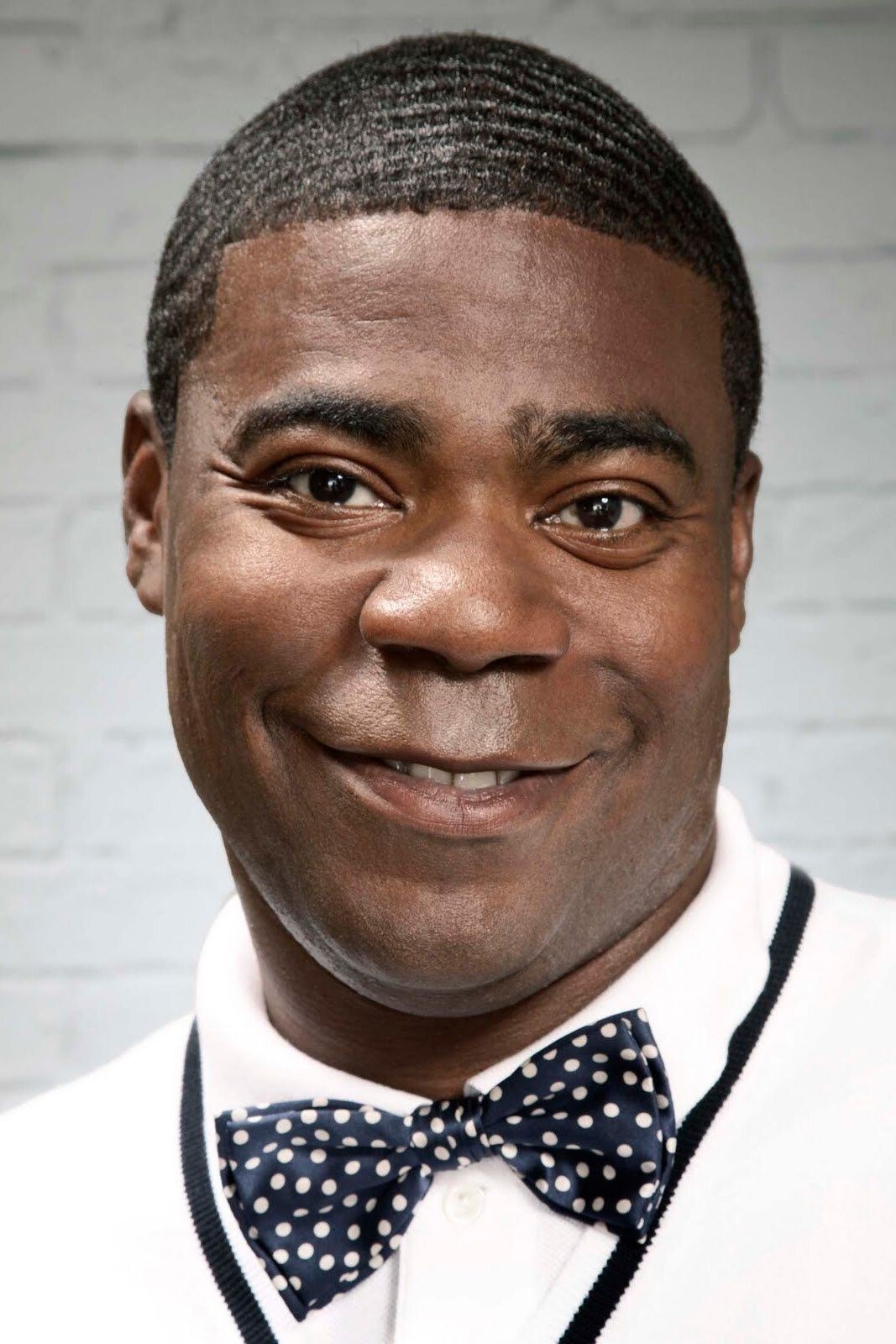
Tracy Morgan negotiated a settlement and return to television that ensured his financial security after his accident. He leveraged his unique comedic voice to secure high paying roles on ’30 Rock’ and his own series. His contracts often include executive producer credits to boost his earnings. Morgan ensures his comedy is valued at a premium price point.
Kenan Thompson
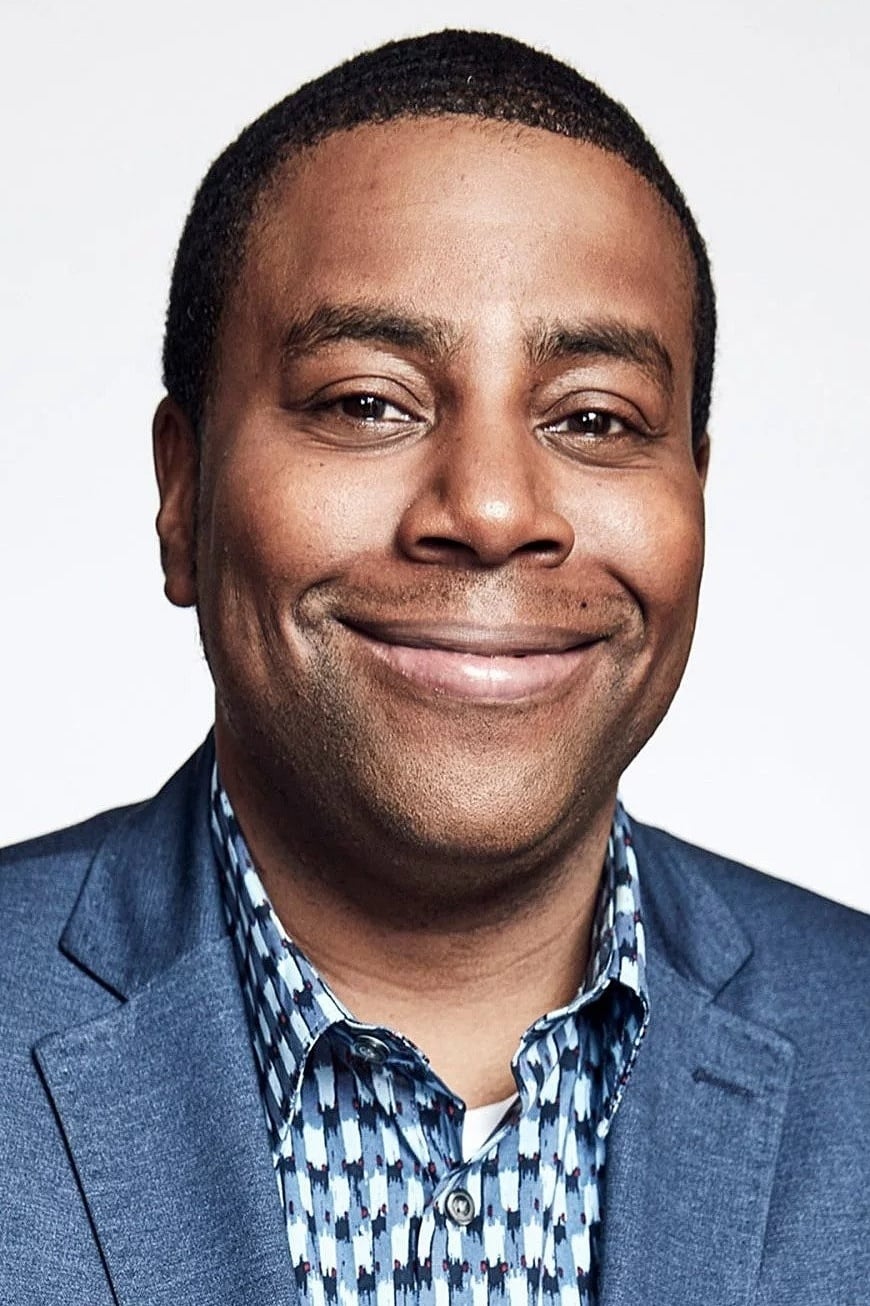
Kenan Thompson negotiated his tenure on ‘Saturday Night Live’ to become the longest serving cast member. He leveraged this seniority to secure a salary that exceeds standard cast rates and allows for outside projects. His deal includes producing credits on spinoff projects. Thompson turned a sketch comedy gig into a lucrative long term career.
Marlon Wayans
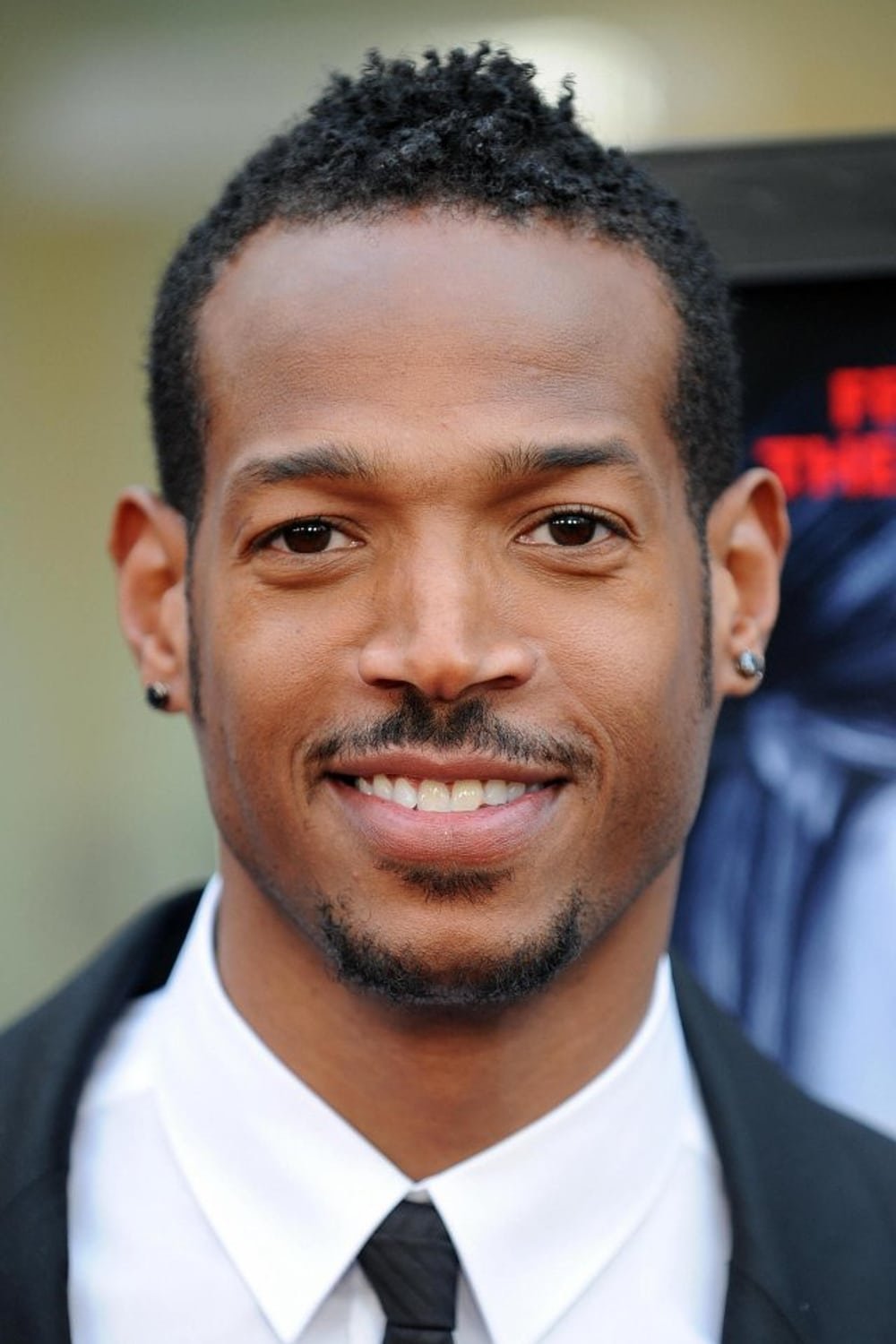
Marlon Wayans followed in his family’s footsteps by writing and producing his own low budget hits. He negotiates high backend deals on films like ‘A Haunted House’ to maximize his return on investment. This strategy allows him to make millions even on films with modest box office returns. Wayans proves that betting on yourself is the best way to ensure equal pay.
Share your thoughts on these trailblazing actors in the comments.