


Black Actors Who Improvised Cultural Rituals On Set



Films and television shows are often meticulously scripted, but some of the most resonant moments emerge when actors tap into their own heritage and instincts. Black actors, in particular, have frequently enhanced productions by improvising scenes that reflect authentic cultural practices, language, and social rituals. These unscripted additions often bridge the gap between fiction and reality, grounding characters in a truth that writers may have overlooked. The following list highlights actors who used improvisation to bring specific cultural nuances to the screen.
Winston Duke
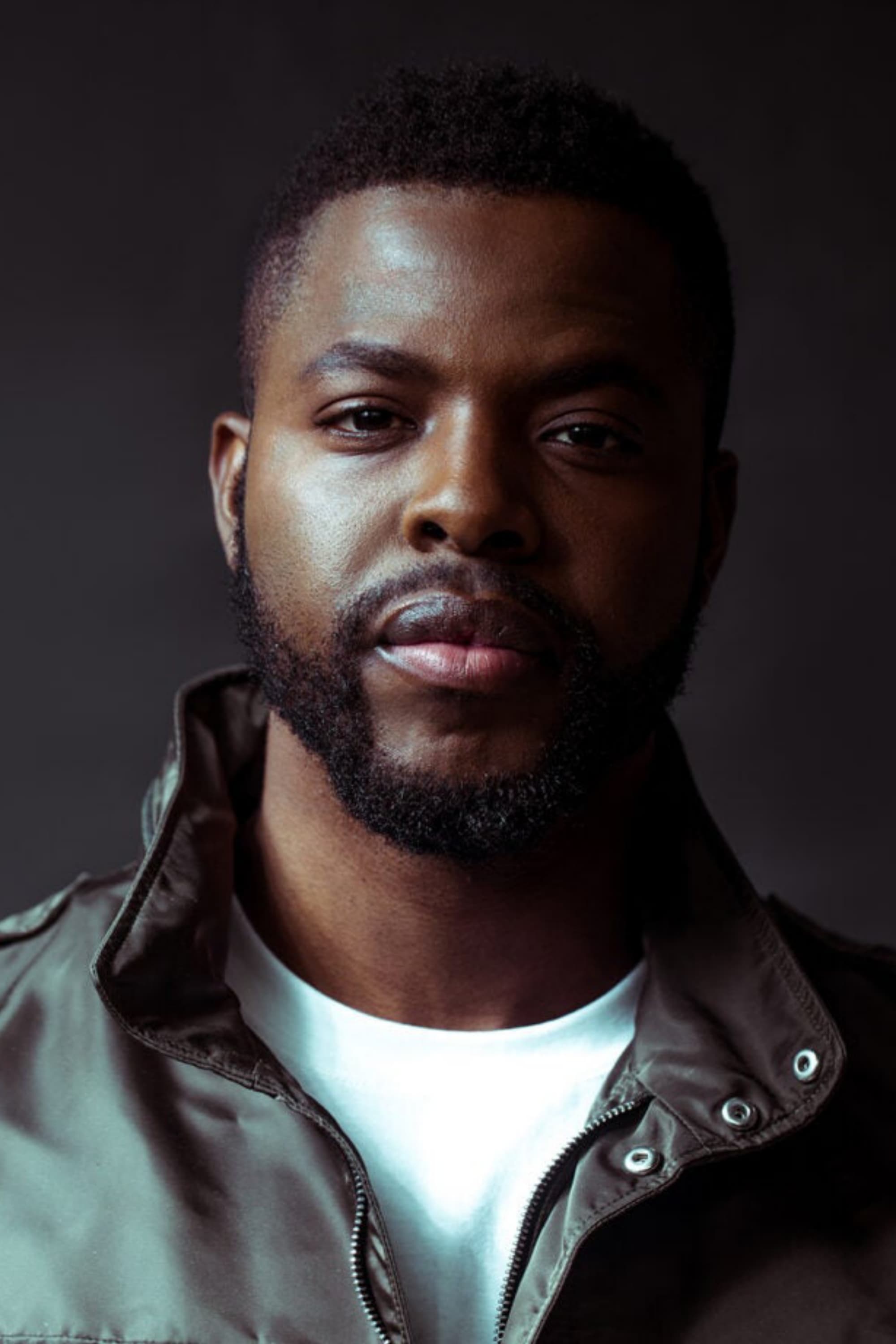
In the Marvel blockbuster ‘Black Panther’ (2018), Winston Duke created one of the film’s most memorable power dynamics completely on the fly. During a scene where his character M’Baku is interrupted by CIA agent Everett Ross, Duke improvised a loud, rhythmic barking chant to silence him. This intimidation tactic was not in the script but was drawn from Nigerian Igbo traditions and other African tribal rituals to assert dominance without words. The moment effectively showcased the Jabari tribe’s rejection of Western interference and added a distinct cultural layer to the interaction.
Sidney Poitier
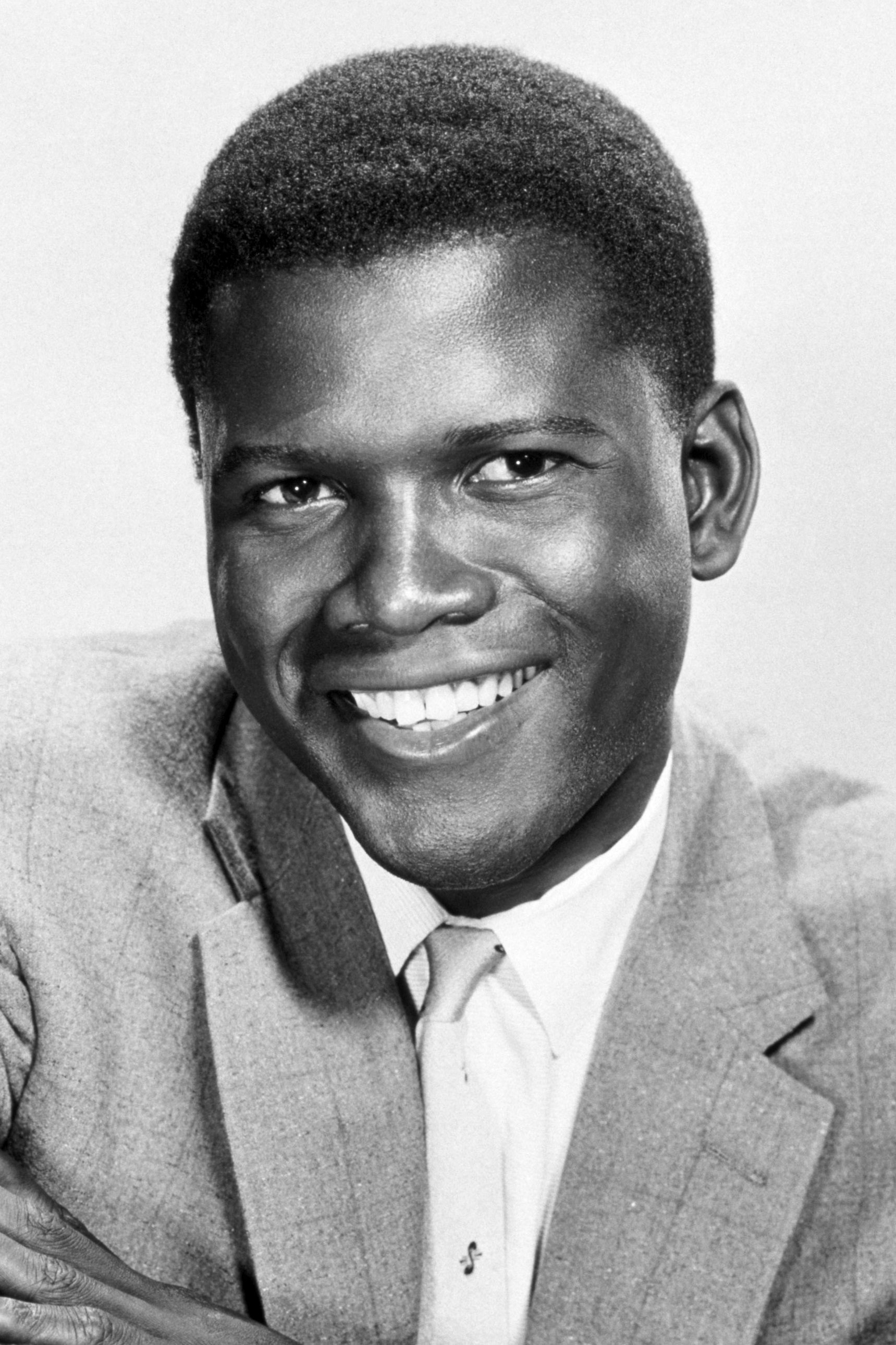
While filming the mystery drama ‘In the Heat of the Night’ (1967), Sidney Poitier insisted on altering a pivotal scene to reflect a demand for dignity. The original script called for his character, Detective Virgil Tibbs, to passively accept a slap from a racist plantation owner. Poitier successfully demanded the scene be changed so that he immediately slaps the man back, establishing a ritual of reciprocal respect that was unheard of in cinema at the time. This improvised retaliation became known as “the slap heard ’round the world” and marked a major cultural shift in how Black men were portrayed on screen.
Chadwick Boseman
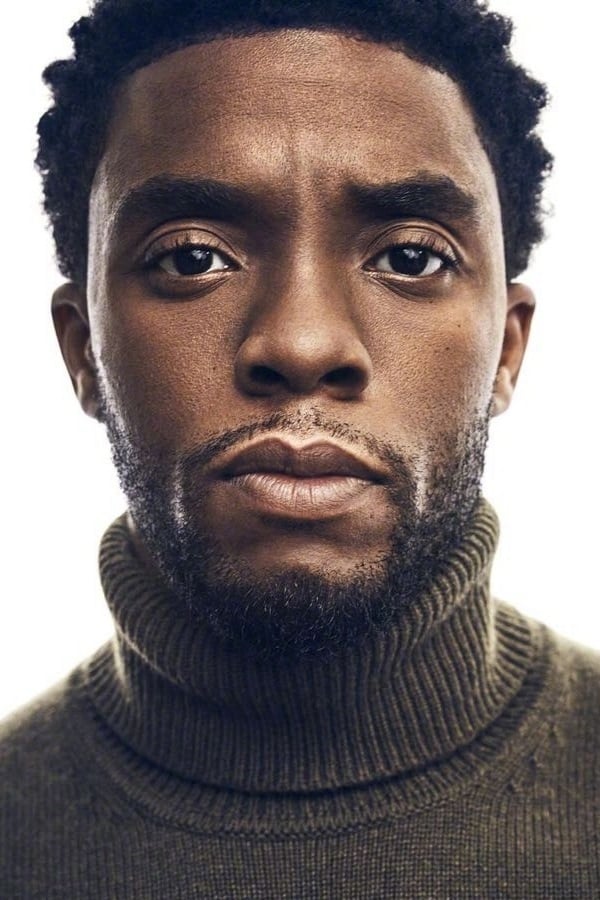
During the production of ‘Captain America: Civil War’ (2016) and ‘Black Panther’ (2018), Chadwick Boseman fought against the idea of T’Challa speaking with a British or American accent. He insisted on using a Xhosa accent to signal that the King of Wakanda had never been colonized and therefore would not adopt a European dialect. This linguistic choice became a cultural anchor for the entire fictional nation, influencing the performances of the rest of the cast. Boseman’s dedication ensured that the character’s voice carried the weight of African history and sovereignty.
Michael B. Jordan
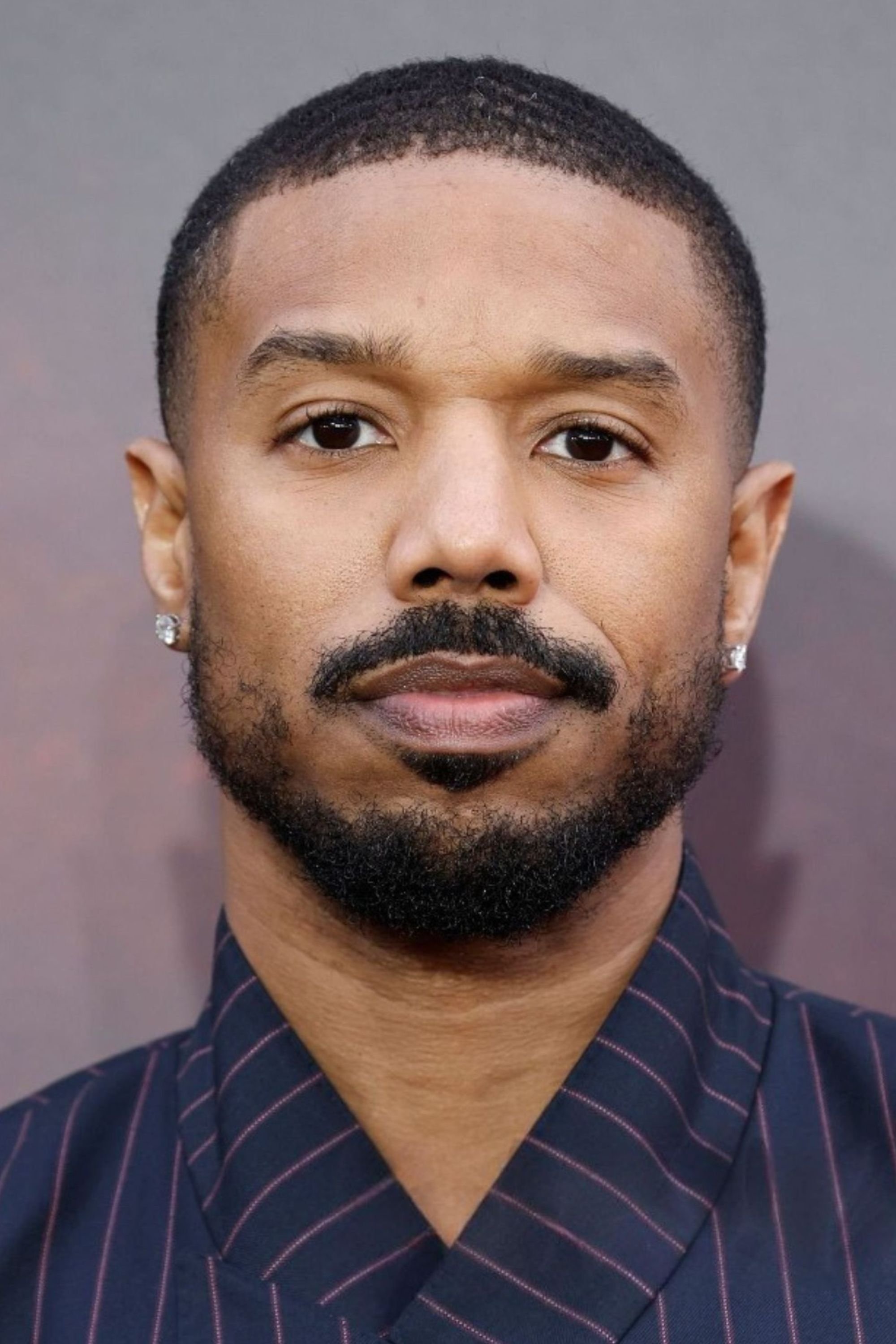
In ‘Black Panther’ (2018), the villain Erik Killmonger enters the Wakandan throne room and delivers a line that instantly resonated with Black audiences worldwide. Michael B. Jordan improvised the casual greeting “Hey, Auntie” directed at Queen Ramonda, flipping a formal royal introduction into a familiar African American kinship ritual. The line perfectly encapsulated the character’s Oakland roots and his disconnect from the traditional Wakandan protocol. It added a layer of tragic relatability to a character who was technically royalty but culturally an outsider.
Will Smith
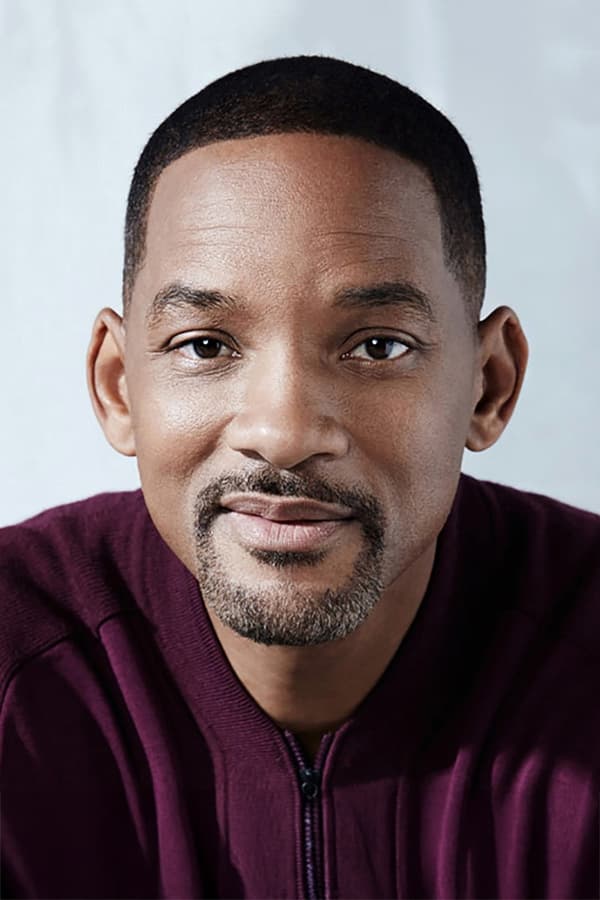
The emotional climax of the ‘The Fresh Prince of Bel-Air’ (1990–1996) episode regarding Will’s absentee father was largely unscripted. Will Smith deviated from the page to deliver a raw, tearful monologue about growing up without a dad, tapping into a deep cultural conversation about fatherhood and abandonment. The final embrace between Smith and James Avery, who played Uncle Phil, was a genuine moment of comfort between the actors. This scene transformed a sitcom moment into a cathartic ritual of black male vulnerability and support.
Denzel Washington
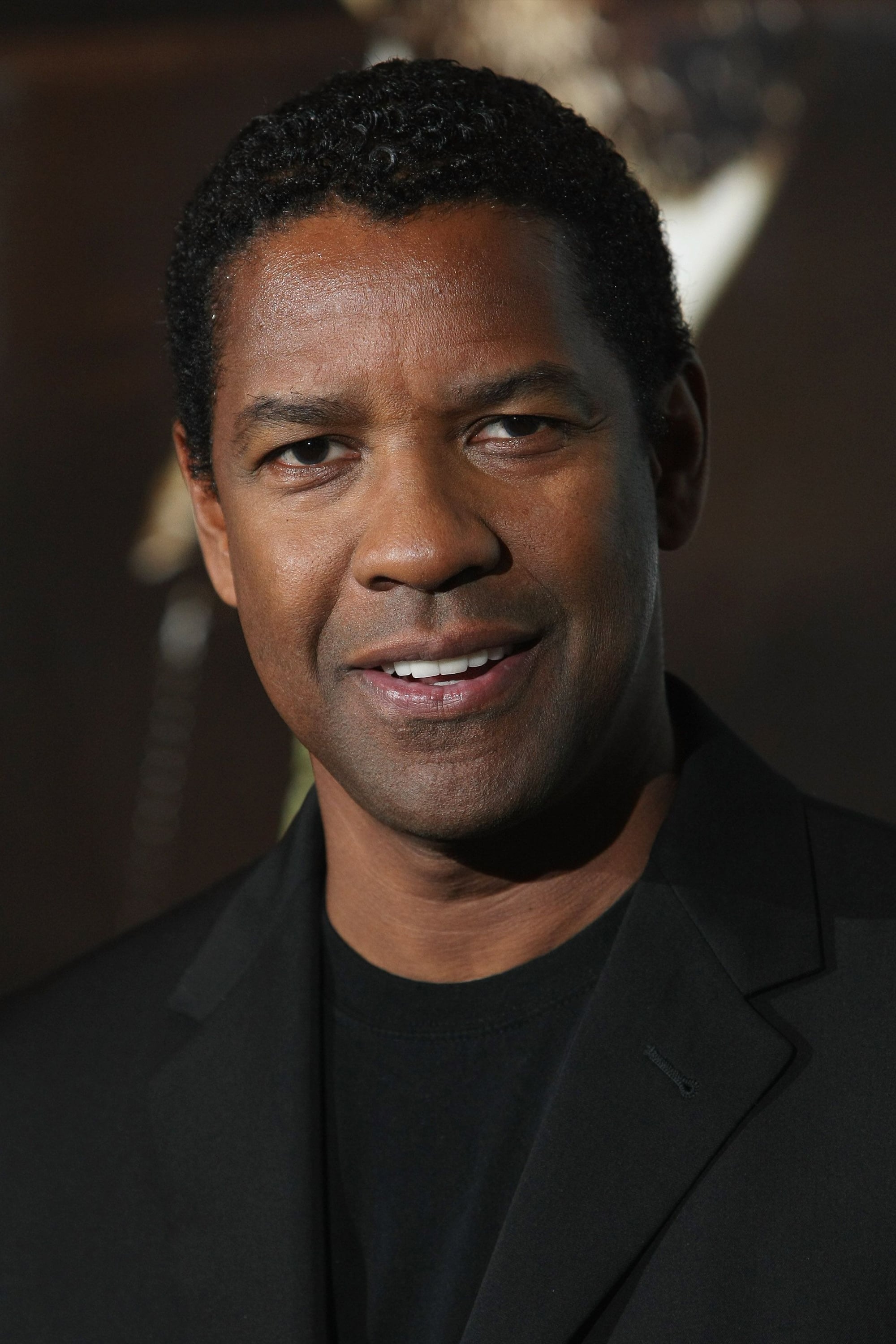
In the crime thriller ‘Training Day’ (2001), Denzel Washington improvised the famous “King Kong” speech during a confrontation with neighborhood gang members. The explosion of bravado was Washington’s way of asserting his character’s dominance over the street hierarchy, a twisted version of a chest-beating ritual. He channeled the energy of a man who believes he has transcended the law and the community’s judgment. This ad-libbed moment secured the character’s status as one of cinema’s most terrifyingly charismatic villains.
Samuel L. Jackson
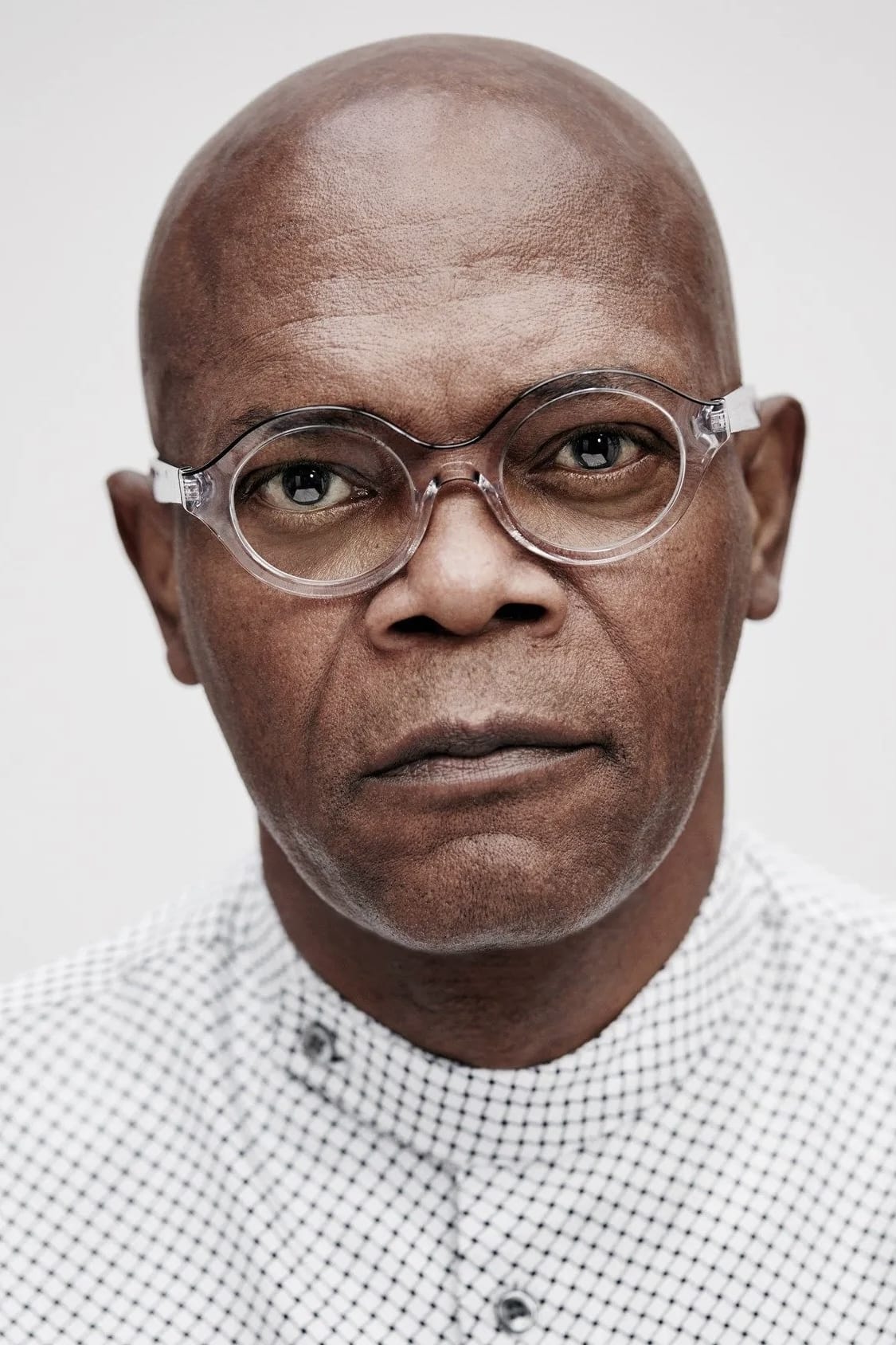
The iconic Bible verse recitation in ‘Pulp Fiction’ (1994) was scripted, but Samuel L. Jackson’s delivery turned it into a terrifying ritual of judgment. Jackson had memorized the speech during his audition and improvised the intense, preacher-like cadence and specific physical mannerisms that made it legendary. He treated the monologue not just as lines, but as a sermon delivered before an execution, blending religious imagery with gangster brutality. This performance choice turned a hitman’s routine into a perverse spiritual ceremony.
Eddie Murphy
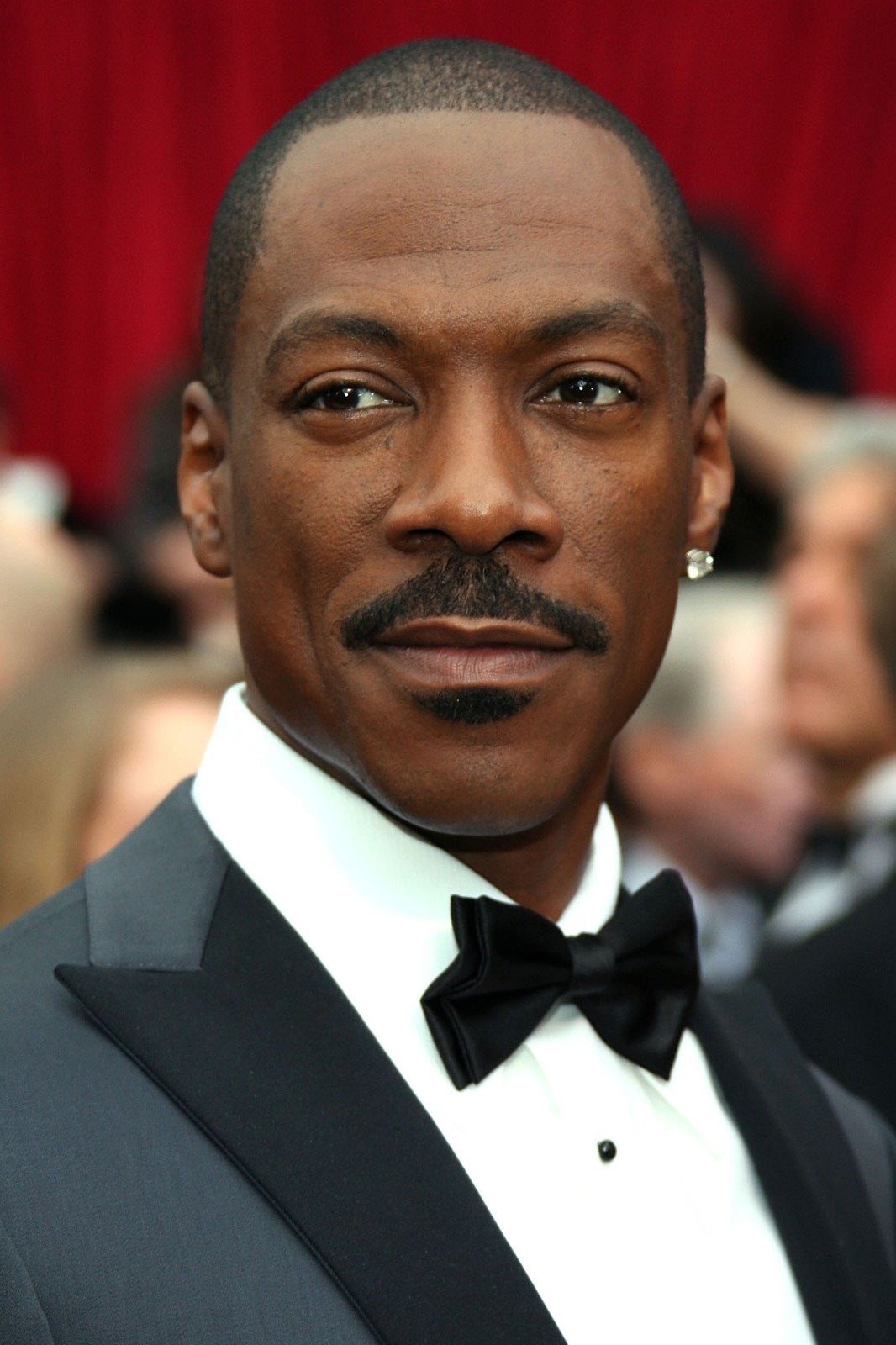
In the comedy classic ‘Coming to America’ (1988), Eddie Murphy utilized improvisation to create the atmosphere of a bustling Queens barbershop. Playing multiple characters under heavy prosthetics, Murphy ad-libbed arguments about boxing and love, replicating the specific social rituals and banter found in Black barbershops. These scenes served no plot purpose but were essential for establishing the cultural setting and community vibe. The result was a masterclass in capturing the rhythm of everyday conversation.
Wesley Snipes
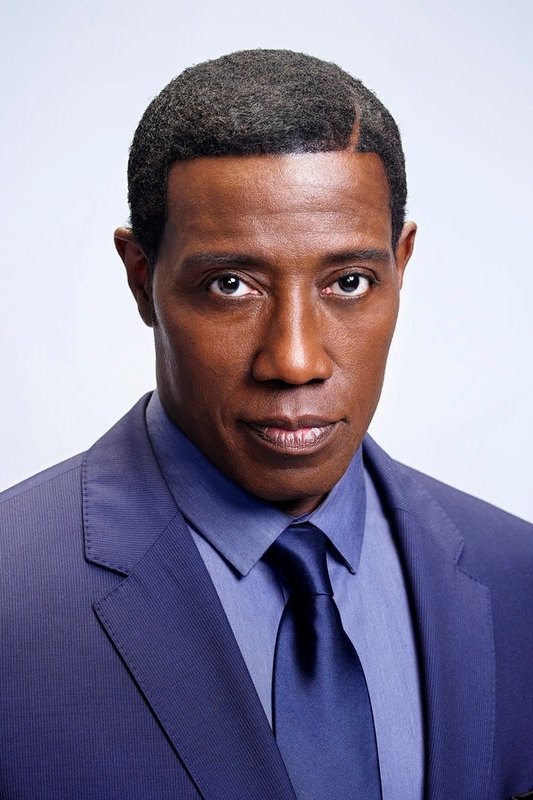
During the filming of the superhero horror ‘Blade’ (1998), Wesley Snipes felt the dialogue needed to reflect his character’s coolness and disdain for the vampires. He improvised the line “Some motherf***ers are always trying to ice skate uphill” during the final battle. This distinct phrase added a unique flavor of street wisdom to the action sequence, separating Blade from generic action heroes. It became the character’s signature catchphrase, defining his attitude toward his enemies’ futile struggles.
Cuba Gooding Jr.
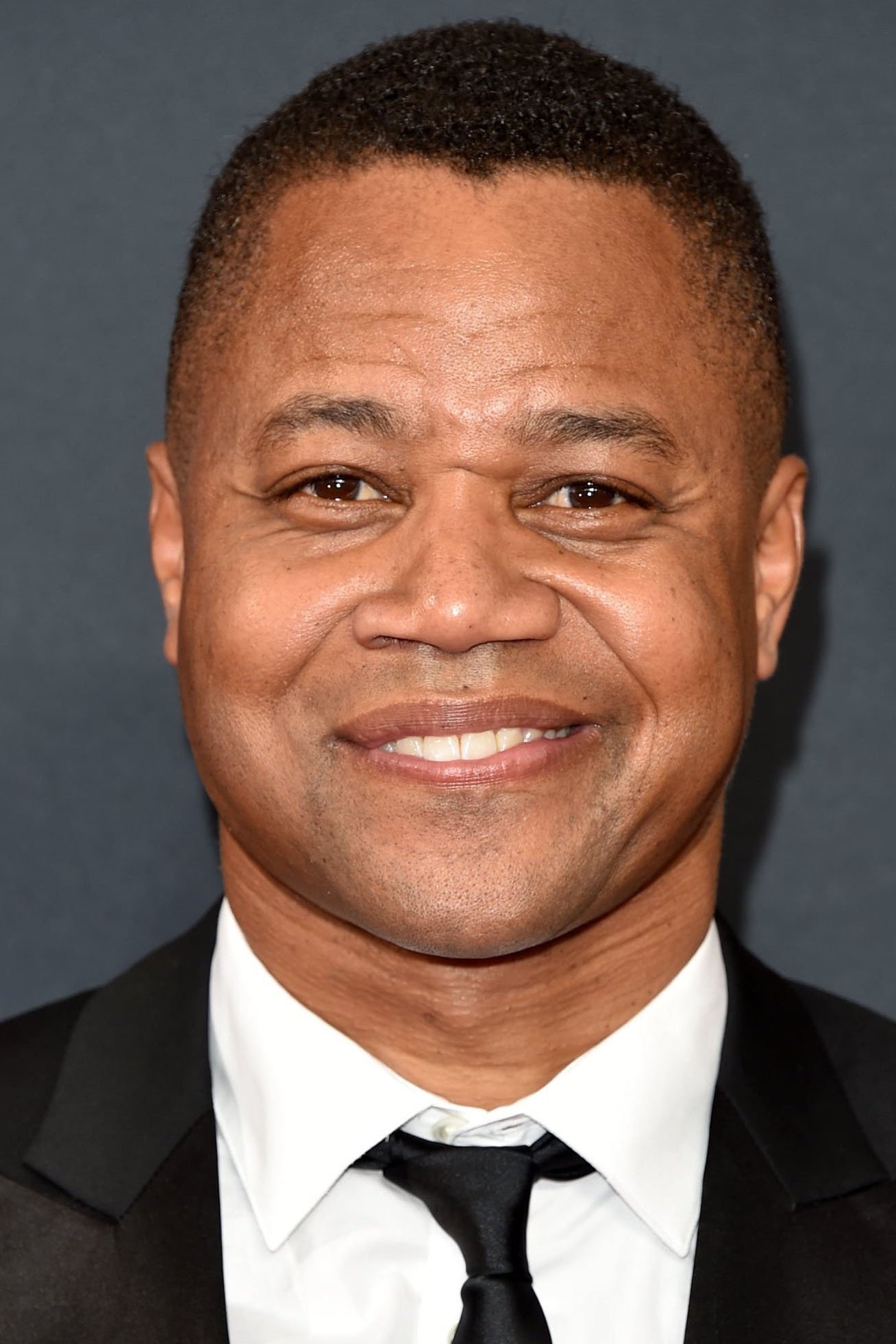
The exuberant chant “Show me the money!” in ‘Jerry Maguire’ (1996) became a cultural phenomenon due to Cuba Gooding Jr.’s high-energy improvisation. While the line was in the script, Gooding Jr. and Tom Cruise extended the scene into a call-and-response ritual that grew louder and more frantic with each repetition. Gooding Jr. infused the moment with a soulful, rhythmic intensity that turned a business negotiation into a celebration of worth and partnership. The scene captured the desperate but joyful bond between the athlete and his agent.
Jamie Foxx
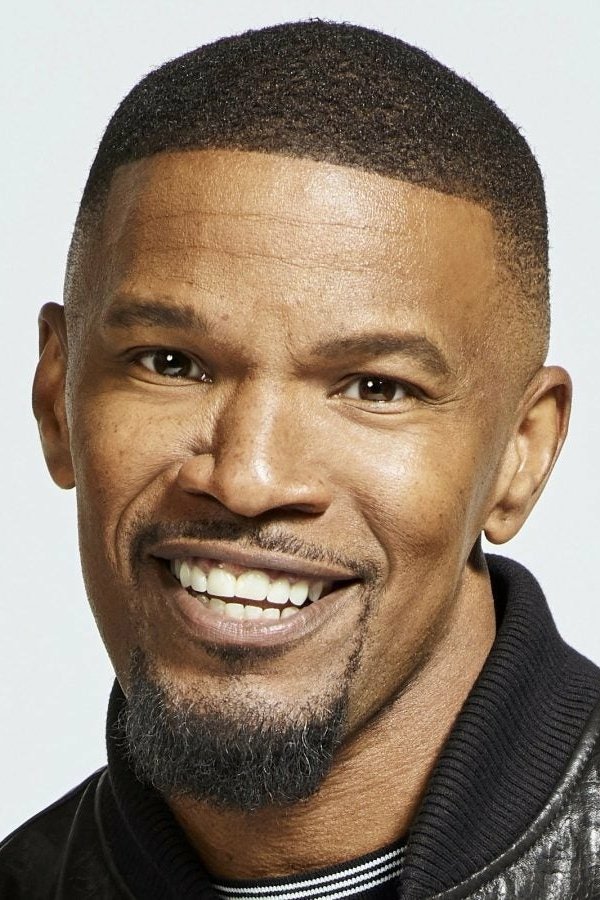
In the revisionist western ‘Django Unchained’ (2012), Jamie Foxx improvised a moment of educational reclamation when his character spells his name. When told the “D” is silent, Foxx coolly replies, “I know,” reclaiming the agency and intelligence often denied to enslaved characters in period pieces. This small interaction became a ritual of self-definition, asserting his identity to those who underestimated him. Foxx’s delivery emphasized that his character was fully aware of his own worth and name.
Martin Lawrence
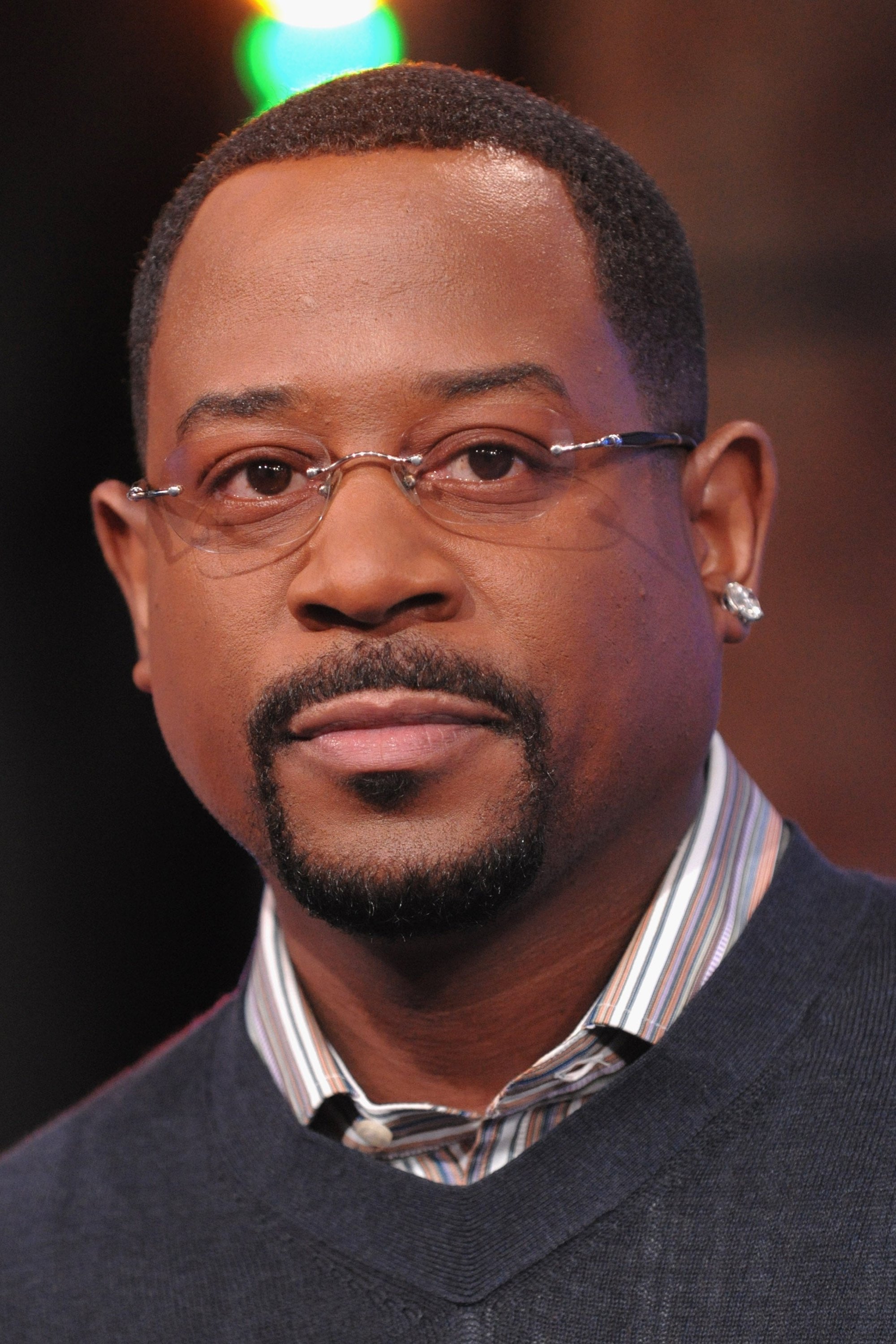
The phrase “Wooosah” in ‘Bad Boys II’ (2003) was popularized by Martin Lawrence as a comedic calming ritual. Lawrence’s character uses the word and the accompanying ear-rubbing gesture to manage his anger, a tic that Lawrence improvised and developed throughout the shoot. This made-up meditation technique became a running gag that highlighted the stress and chaotic dynamic between the two lead detectives. It entered the pop culture lexicon as a genuine slang term for trying to keep one’s cool.
Barkhad Abdi
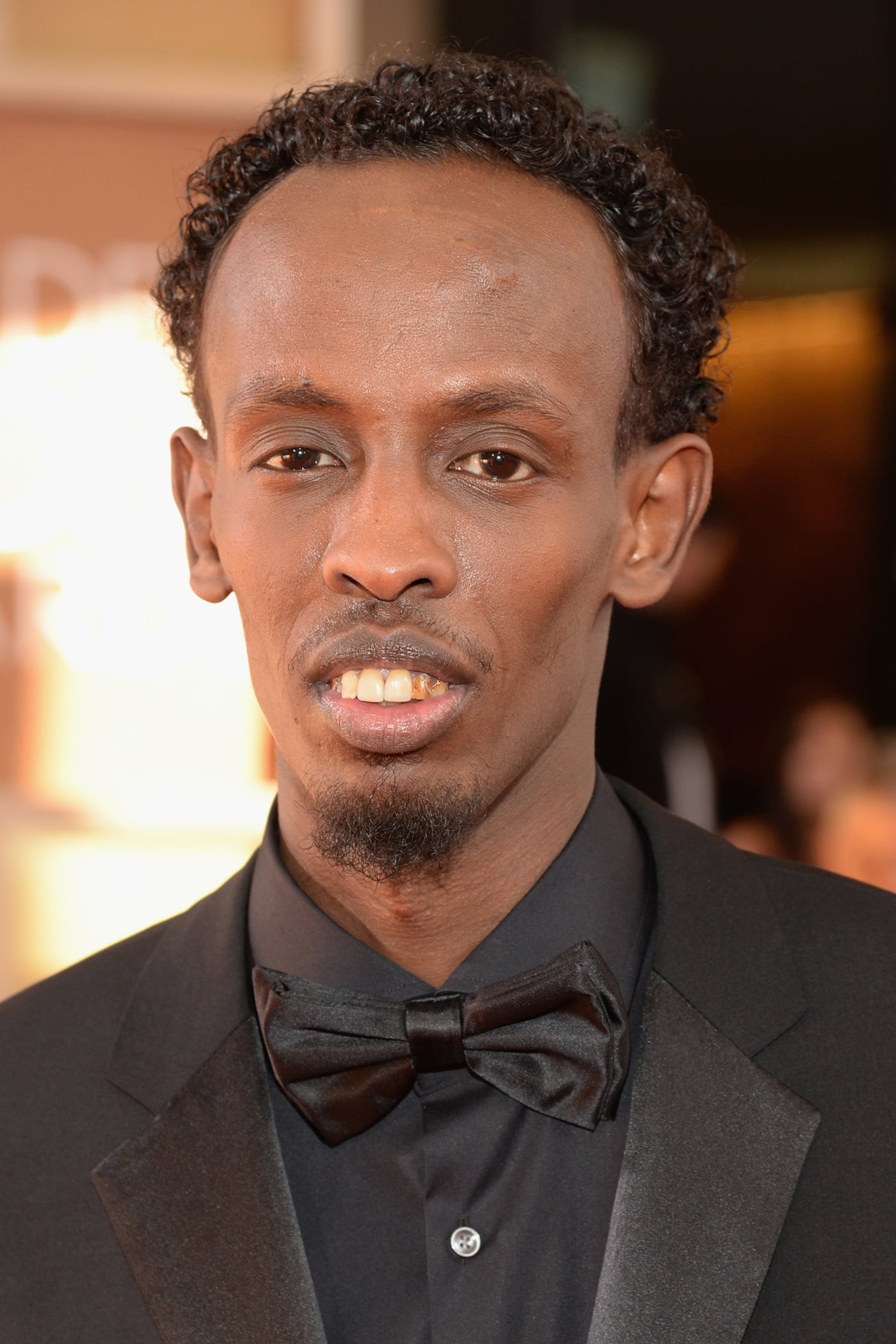
In the survival thriller ‘Captain Phillips’ (2013), first-time actor Barkhad Abdi improvised the chilling line, “Look at me. I am the captain now.” This declaration was a spontaneous assertion of power, flipping the hierarchy between the hijacker and the hostage. Abdi captured a raw, terrifying reality of piracy, turning a moment of command into a ritual of overtaking authority. The line was so effective because it was not a theatrical speech, but a simple, undeniable statement of the new status quo.
Chris Tucker
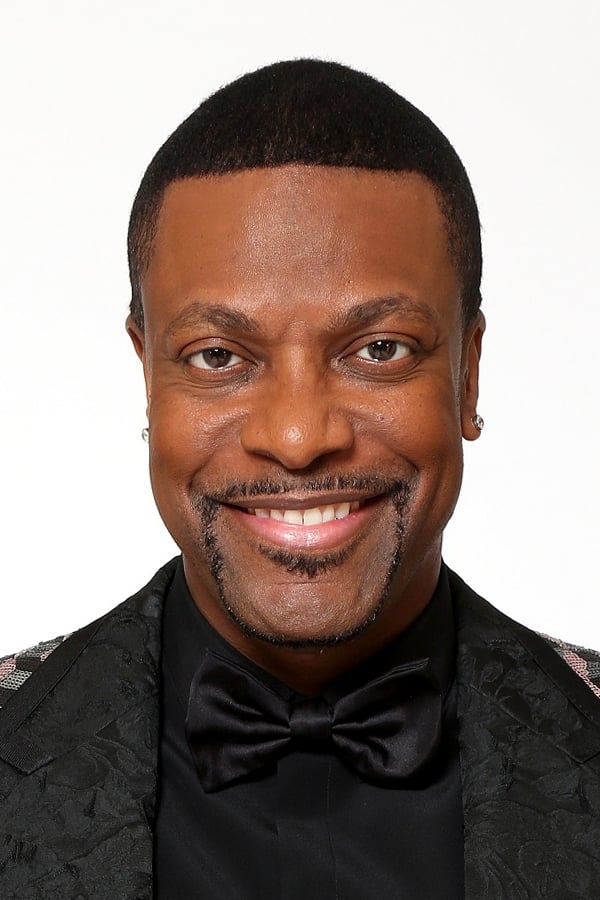
Chris Tucker’s performance in ‘Rush Hour’ (1998) was heavily reliant on his ability to improvise dialogue that clashed with Jackie Chan’s stoicism. Tucker ad-libbed the scene where he mimics Michael Jackson’s dance moves, turning a stakeout into a personal performance. He also improvised the famous “Do you understand the words that are coming out of my mouth?” line, highlighting the linguistic barrier and cultural frustration between the partners. These moments infused the action film with a specific African American comedic energy.
Forest Whitaker
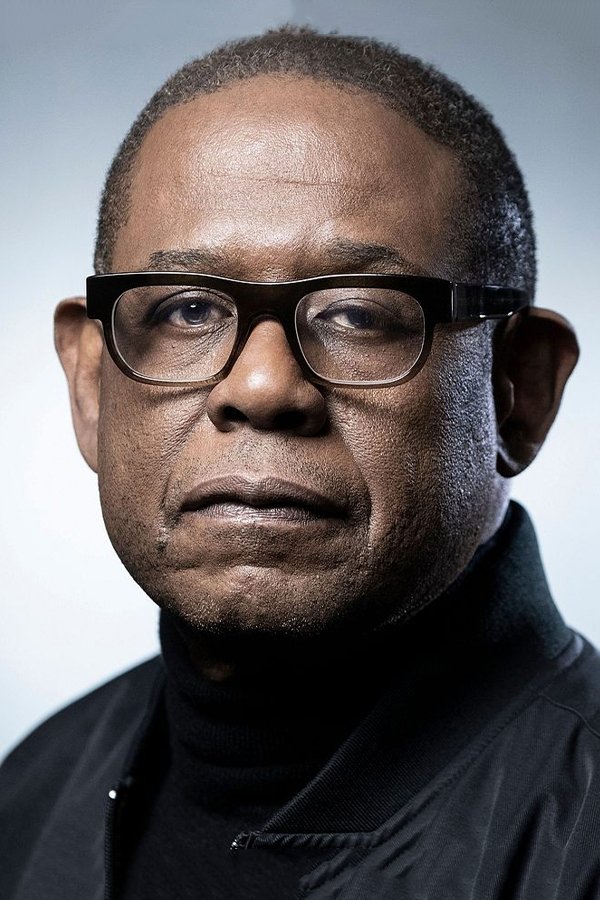
portraying the dictator Idi Amin in ‘The Last King of Scotland’ (2006), Forest Whitaker improvised many of the character’s erratic speech patterns and sudden mood shifts. He stayed in character even when cameras weren’t rolling, adopting a commanding presence that intimidated the cast and crew, mirroring the dictator’s cult of personality. Whitaker’s improvisation of Swahili phrases and specific East African mannerisms added a terrifying layer of authenticity. This method approach turned his performance into a channeling of the historical figure’s volatile nature.
Daniel Kaluuya
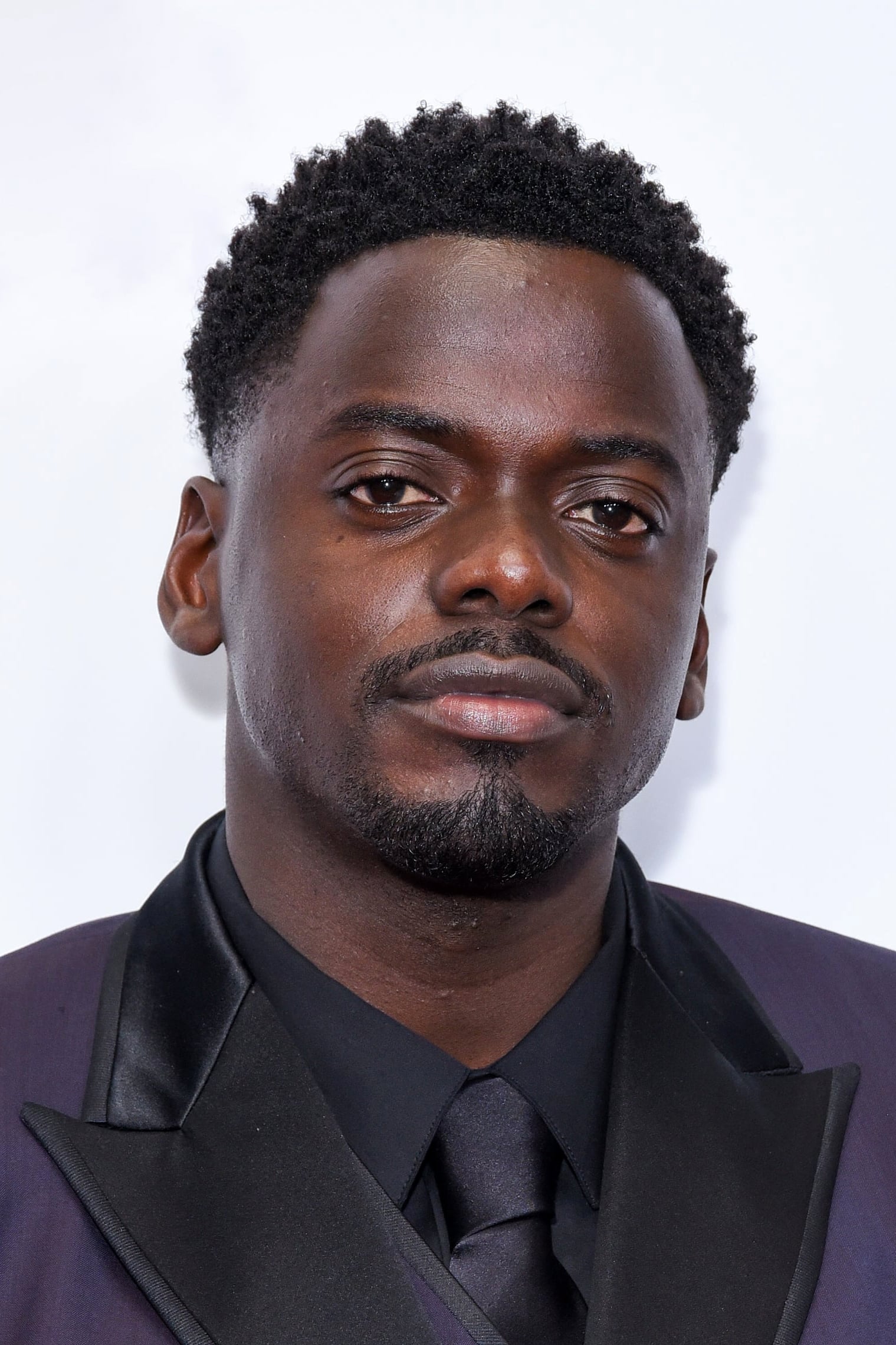
In the horror film ‘Get Out’ (2017), the “Sunken Place” scene required Daniel Kaluuya to portray a state of paralyzed terror. The single tear that falls from his eye was a controlled physical reaction that Kaluuya timed perfectly, but the emotional headspace was something he accessed through personal connection to the racial themes. He tapped into a “sense of paralyzed grief” that spoke to the Black experience of silencing. This reaction transformed a sci-fi hypnosis scene into a recognizable cultural metaphor for helplessness.
John Witherspoon
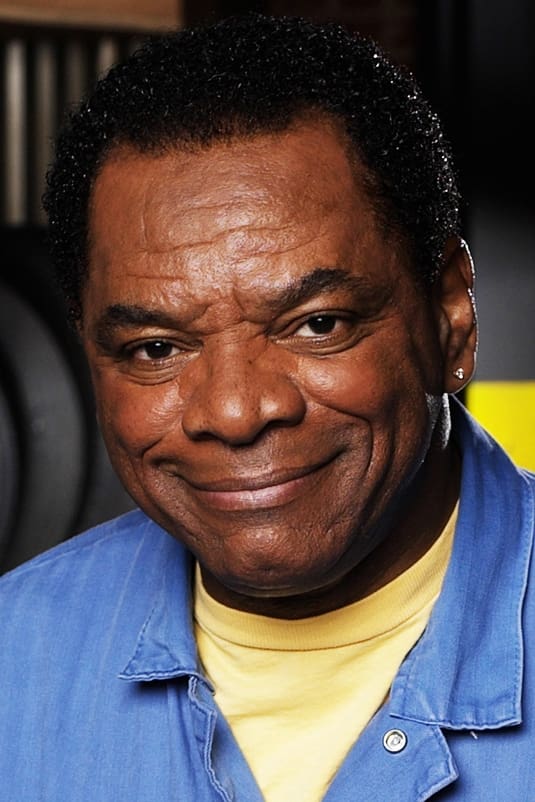
In the stoner comedy ‘Friday’ (1995), John Witherspoon improvised the vast majority of his lines as Mr. Jones, the overbearing father. He created the unique, rambling lecturing style and the obsession with coordinating his outfits, which became a specific archetype of the “Black Dad.” His ad-libs about eating all the food and his bathroom habits established the domestic rituals of the Jones household. Witherspoon’s comedic instincts turned a supporting role into the film’s most quotable character.
Share your favorite improvised moment from this list in the comments.