

Black Actors Who Learned Martial Arts from the Actual Anime Choreographers

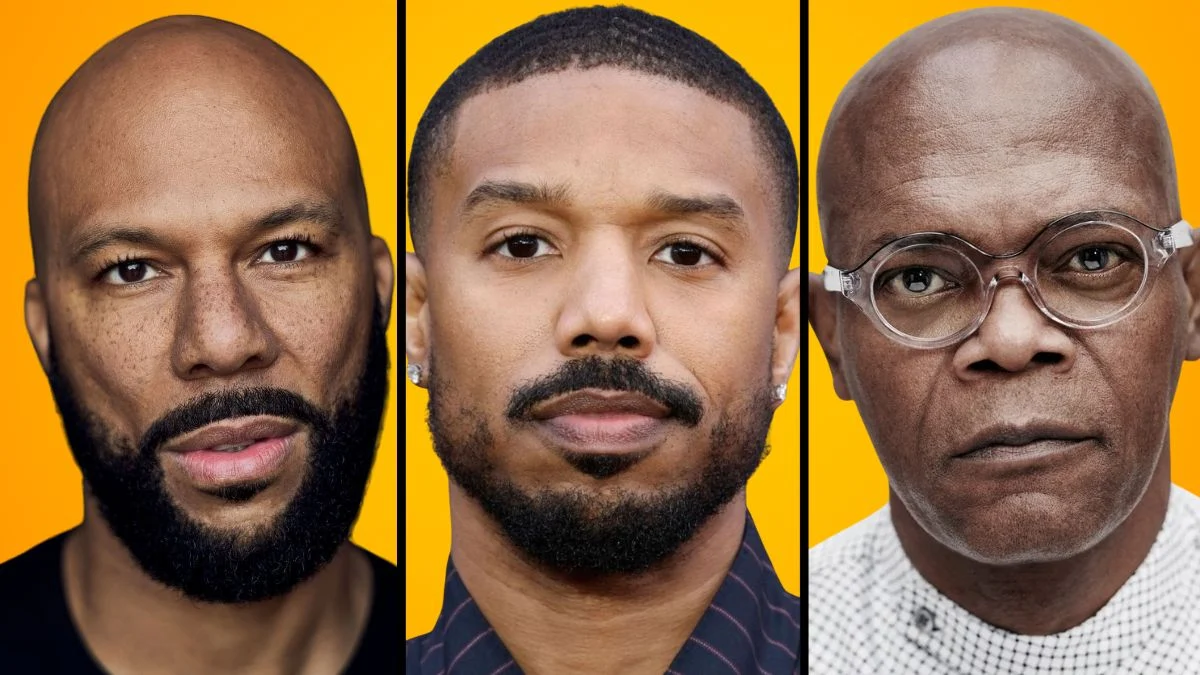


The intersection of Black Hollywood talent and martial arts cinema has a rich history, evolving from the blaxploitation era to modern blockbusters. A significant shift occurred when actors began training under the specific stunt teams and action directors responsible for bringing anime aesthetics to live action. These performers often work with legends of Hong Kong cinema or specialized coordinators to replicate the gravity-defying, hyper-stylized combat seen in Japanese animation. From the wire-fu of the Wachowskis to the shonen-inspired boxing rings of recent sports dramas, these actors dedicated themselves to mastering complex fighting styles.
Michael B. Jordan
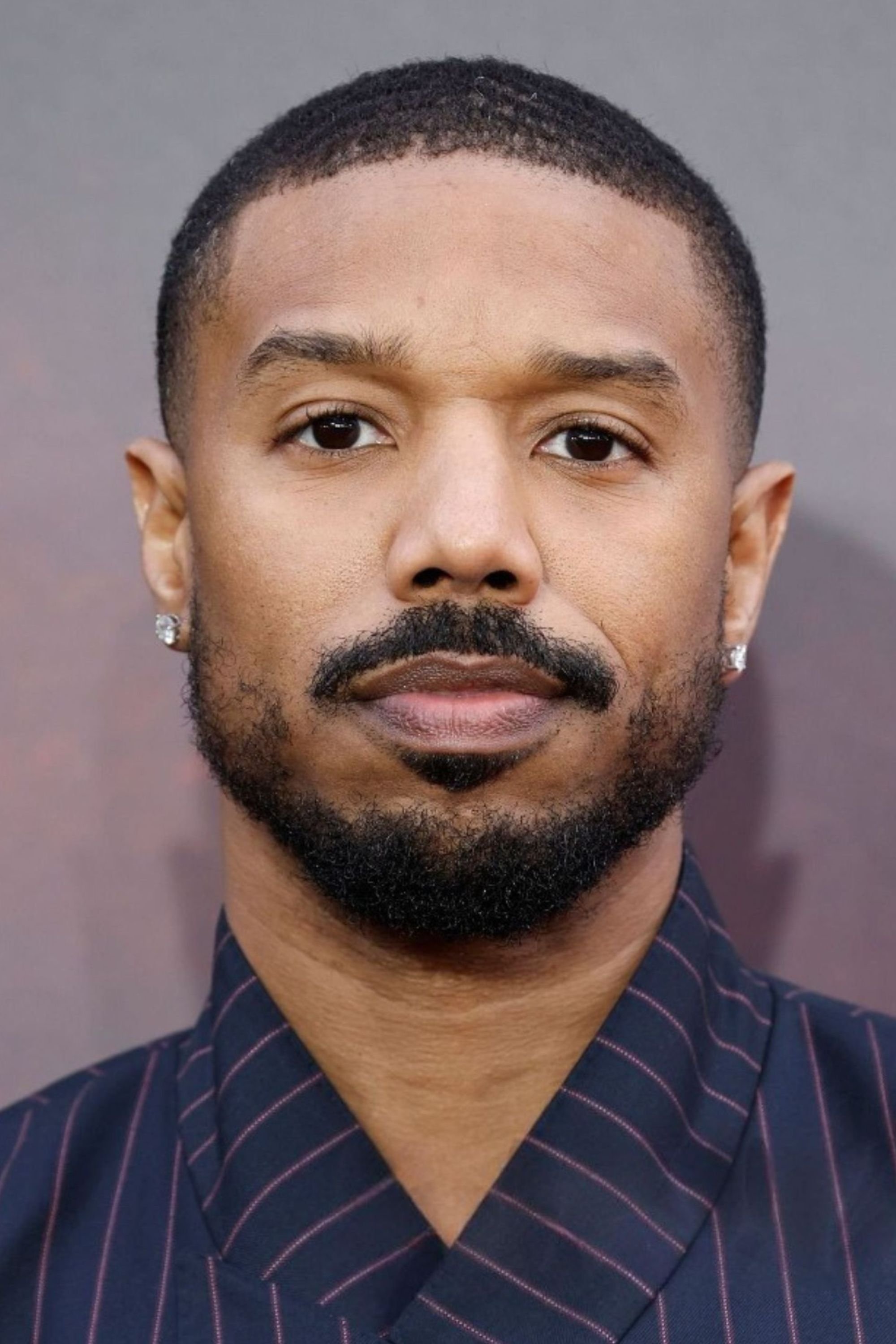
Jordan revolutionized the way boxing is portrayed on film by explicitly incorporating anime choreography into his directorial debut. For ‘Creed III’ (2023), he worked with stunt coordinators to replicate specific punches and camera angles from series like ‘Naruto’ and ‘Hajime no Ippo’. The actor stated that he wanted the emotional beats of the fights to mirror the intensity found in Japanese animation, requiring him to learn highly stylized movements. This approach turned the boxing ring into a stage for anime-style storytelling, blending realistic boxing with exaggerated, narrative-driven combat.
Laurence Fishburne
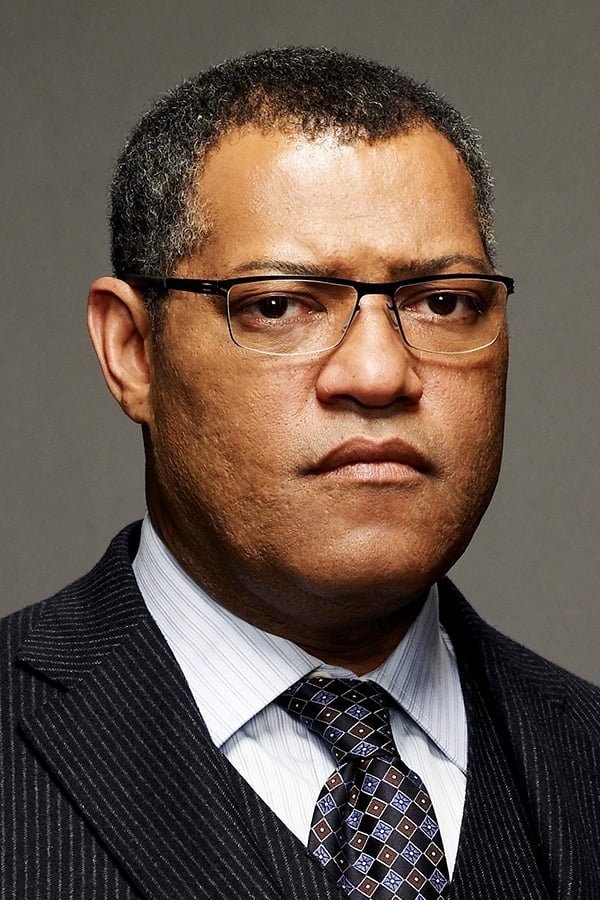
Fishburne underwent months of grueling training for ‘The Matrix’ (1999) under the guidance of Yuen Woo-ping, the legendary Hong Kong choreographer whose work defined the anime aesthetic in live action. He mastered complex wire work and Kung Fu techniques to portray Morpheus, a character that became synonymous with the mentor archetype found in martial arts sagas. The training required him to perform gravity-defying stunts that mimicked the fluid motion of animated characters. His dedication to Yuen’s rigorous regime helped introduce mainstream American audiences to the stylized violence previously reserved for anime and Hong Kong cinema.
Wesley Snipes
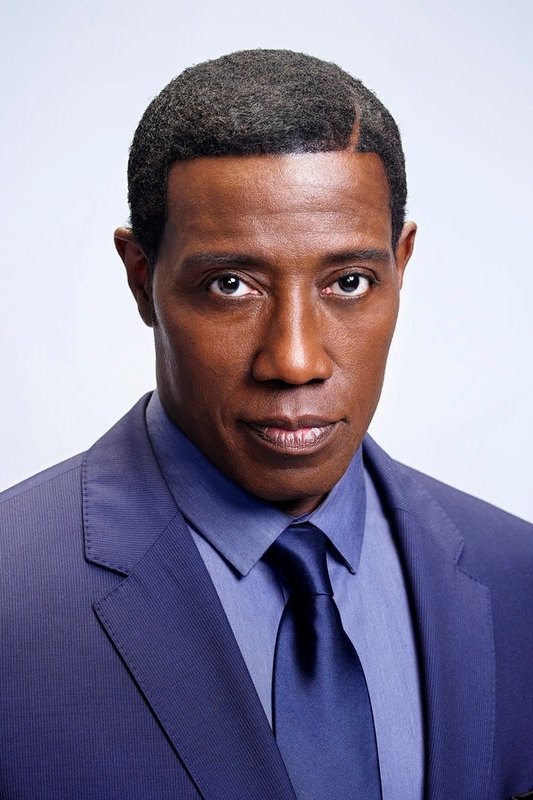
Long before the modern superhero boom, Snipes brought the vampire hunter Blade to life with a fighting style deeply rooted in his real-world martial arts background. Holding a 5th dan black belt in Shotokan Karate and a 2nd dan in Hapkido, he worked closely with fight choreographers to create a combat style that felt like a living comic book. The action sequences in ‘Blade’ (1998) utilized speed ramping and stylized posing that anticipated the live-action anime adaptations of the future. Snipes’ ability to perform his own complex swordplay allowed the directors to shoot wide angles similar to animated fight scenes.
Michael Jai White
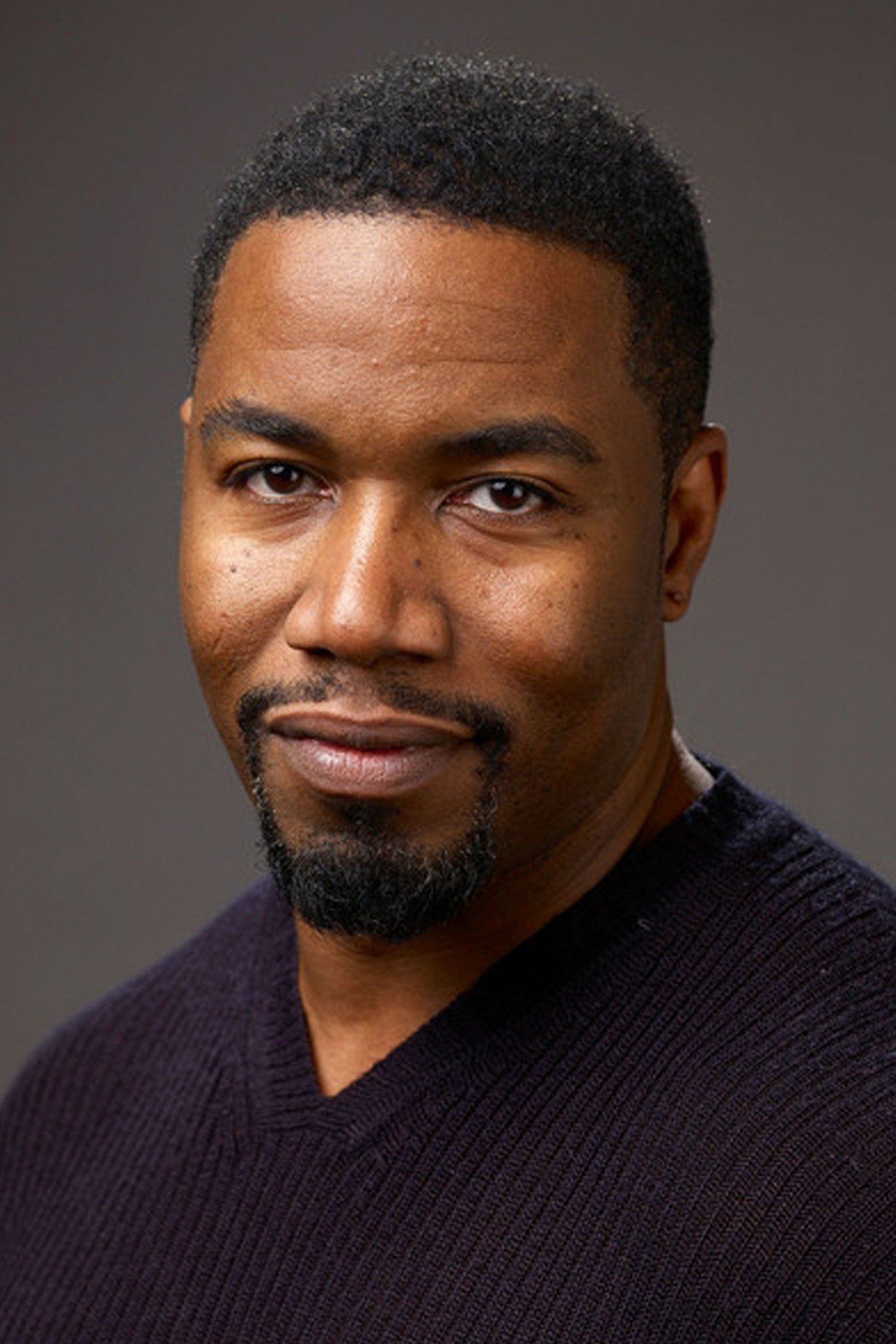
White is one of the most legitimate martial artists in Hollywood, holding black belts in seven different distinct styles including Kyokushin and Goju-Ryu. He often cites anime and manga as major influences on his career, particularly for his role in ‘Spawn’ (1997) and the cult classic ‘Black Dynamite’ (2009). His physical training allows him to execute kicks and flips that are usually only possible in animation without the use of wires. White has worked with numerous top-tier stunt teams to bring a level of technical precision to the screen that mirrors the fluidity of high-budget anime fights.
Mustafa Shakir
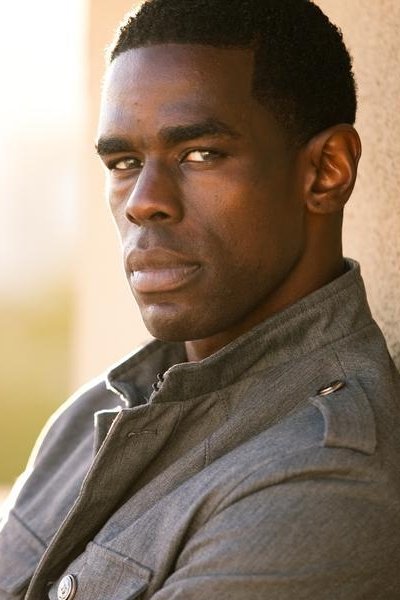
To embody the character of Jet Black in the live-action adaptation of ‘Cowboy Bebop’ (2021), Shakir underwent extensive physical preparation. He worked with the show’s stunt team to master a brawling style that integrated the specific moves his character utilizes in the original 1998 anime. The choreography required him to blend brute force with the jazz-influenced rhythm that defined the series’ action sequences. Shakir’s commitment to matching the animated character’s physicality ensured that the transition from cel-shaded animation to live-action felt authentic.
RZA
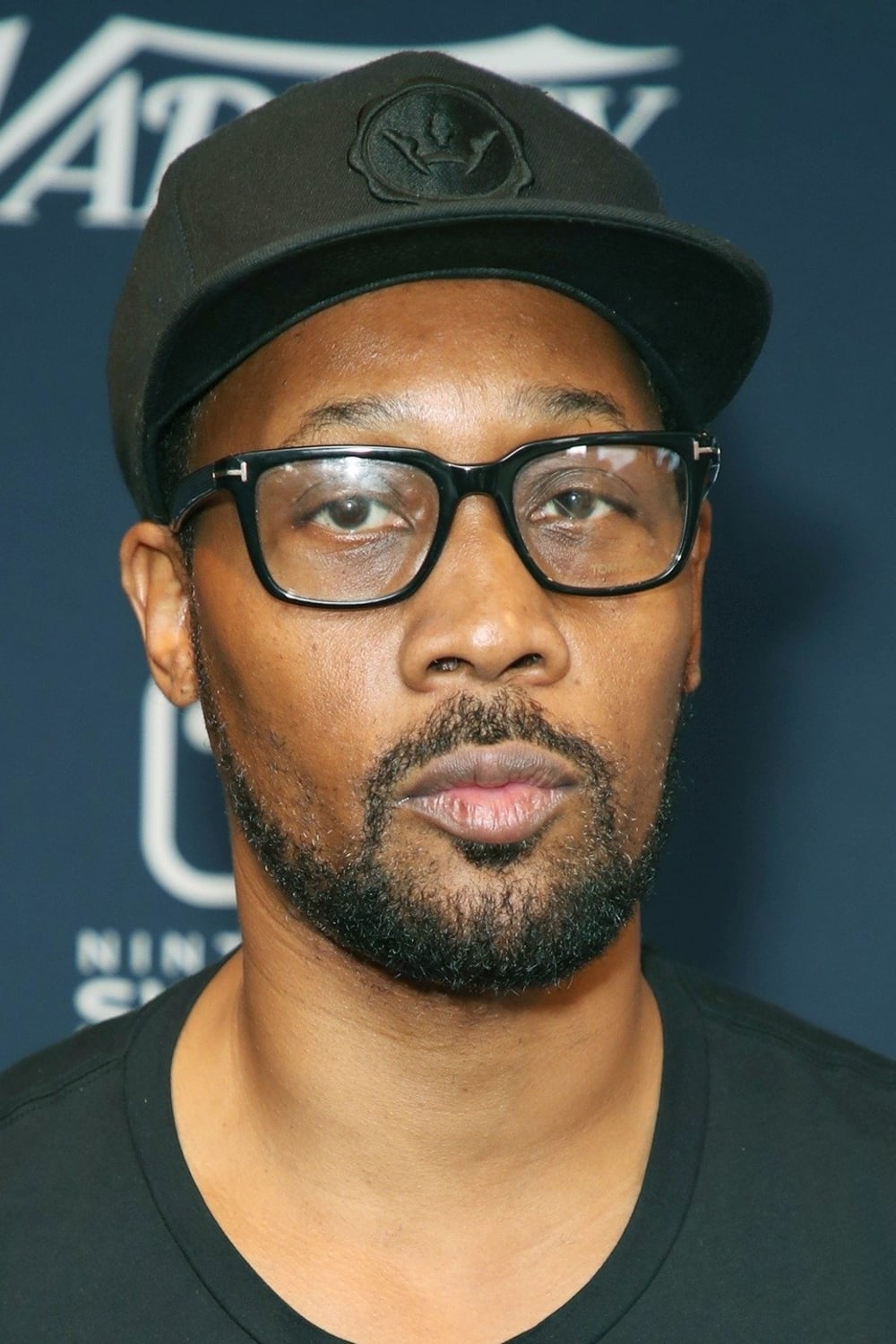
The Wu-Tang Clan leader transitioned from music to martial arts cinema, eventually training under Yuen Woo-ping for ‘The Man with the Iron Fists’ (2012). His passion for the genre led him to study the specific Hung Ga and Wing Chun styles that often serve as the foundation for anime combat. Working directly with the master choreographer allowed RZA to understand the mechanics of wire-fu and exaggerated weaponry. This collaboration bridged the gap between hip-hop culture and the fantastical martial arts storytelling seen in wuxia and anime.
Jaden Smith
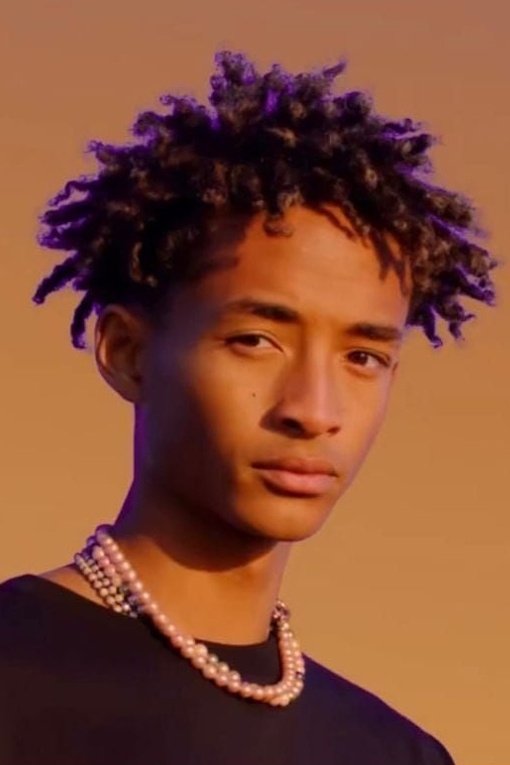
For ‘The Karate Kid’ (2010), Smith spent months training daily under the personal stunt team of Jackie Chan. Chan’s action comedy style is the direct ancestor of the “shonen” anime fighting trope, emphasizing resilience and creative environment usage. Smith learned remarkable flexibility and kung fu forms that allowed him to perform stunts usually reserved for adult professionals. His training mirrored the classic “student and master” arc found in almost every martial arts anime, resulting in a physical transformation that surprised critics.
Chadwick Boseman
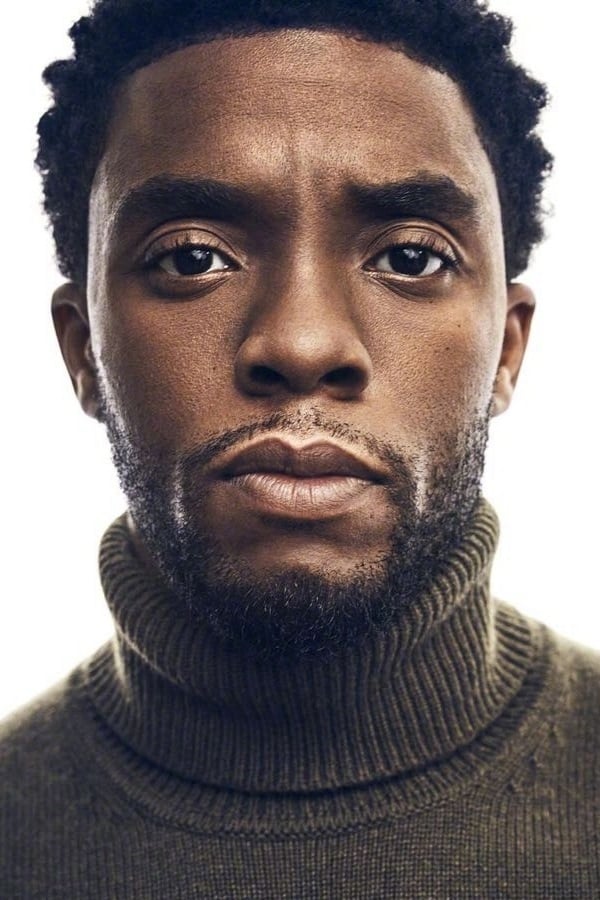
Boseman trained extensively with martial arts expert Marrese Crump to develop the unique fighting style of T’Challa in ‘Black Panther’ (2018). The choreography blended African martial arts with the acrobatic flair often seen in superhero animation. Crump’s background in various Asian disciplines helped construct a style that was both grounded and superhumanly agile. Boseman’s dedication to learning these complex forms allowed the film to utilize wide shots that showcased his movements, similar to the framing used in action manga.
Yahya Abdul-Mateen II
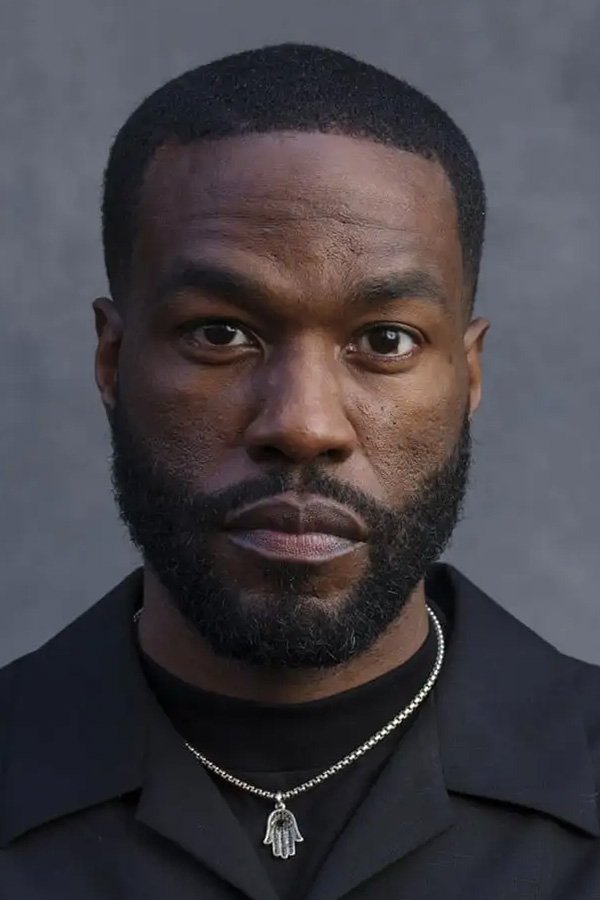
Stepping into the role of Morpheus for ‘The Matrix Resurrections’ (2021), Abdul-Mateen II had to master a new iteration of the franchise’s signature “gun-fu.” He trained with a team of elite stunt performers to learn the wire-work and hand-to-hand combat established by the original films’ Hong Kong roots. The role required him to move with a digital fluidity, mimicking the physics-bending nature of a simulation. His training focused on power and precision, ensuring he could replicate the iconic, anime-inspired visuals of the series.
Shamier Anderson
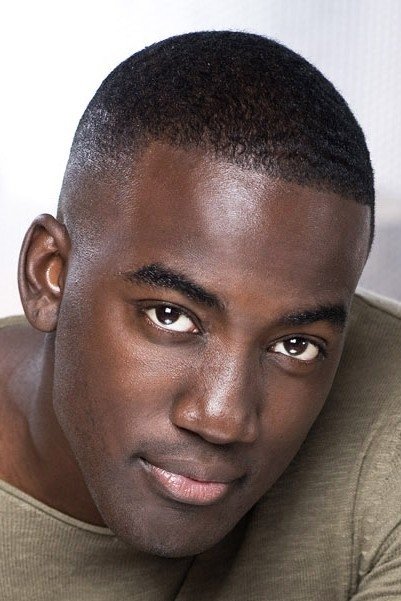
In ‘John Wick: Chapter 4’ (2023), Anderson played the Tracker, a role that required him to work with the 87Eleven stunt team. This team is renowned for a style called “Gun-Fu,” which was heavily inspired by the anime ‘Cowboy Bebop’ and Hong Kong cinema. Anderson learned to manipulate weapons and perform grappling moves that seamlessly transitioned into gunplay. The precision required for these long-take fight scenes demands a level of choreography memorization similar to a dance routine.
Marcus Chong
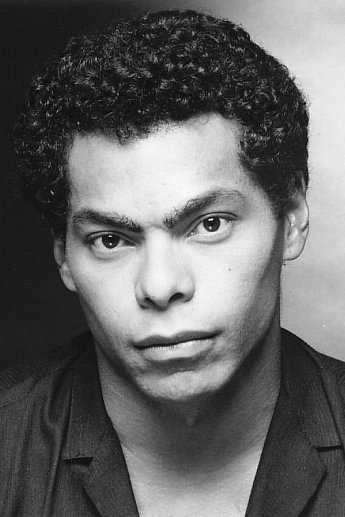
As Tank in ‘The Matrix’ (1999), Chong was part of the core cast that endured Yuen Woo-ping’s intense martial arts boot camp. Although his character was an operator, the physical demands of the production required all actors to understand the rhythm of Hong Kong action. He learned to handle weaponry and move with the disciplined grace that defined the film’s anime-influenced aesthetic. This training ensured that even the characters outside the Matrix moved with a specific stylized intent.
Harold Perrineau
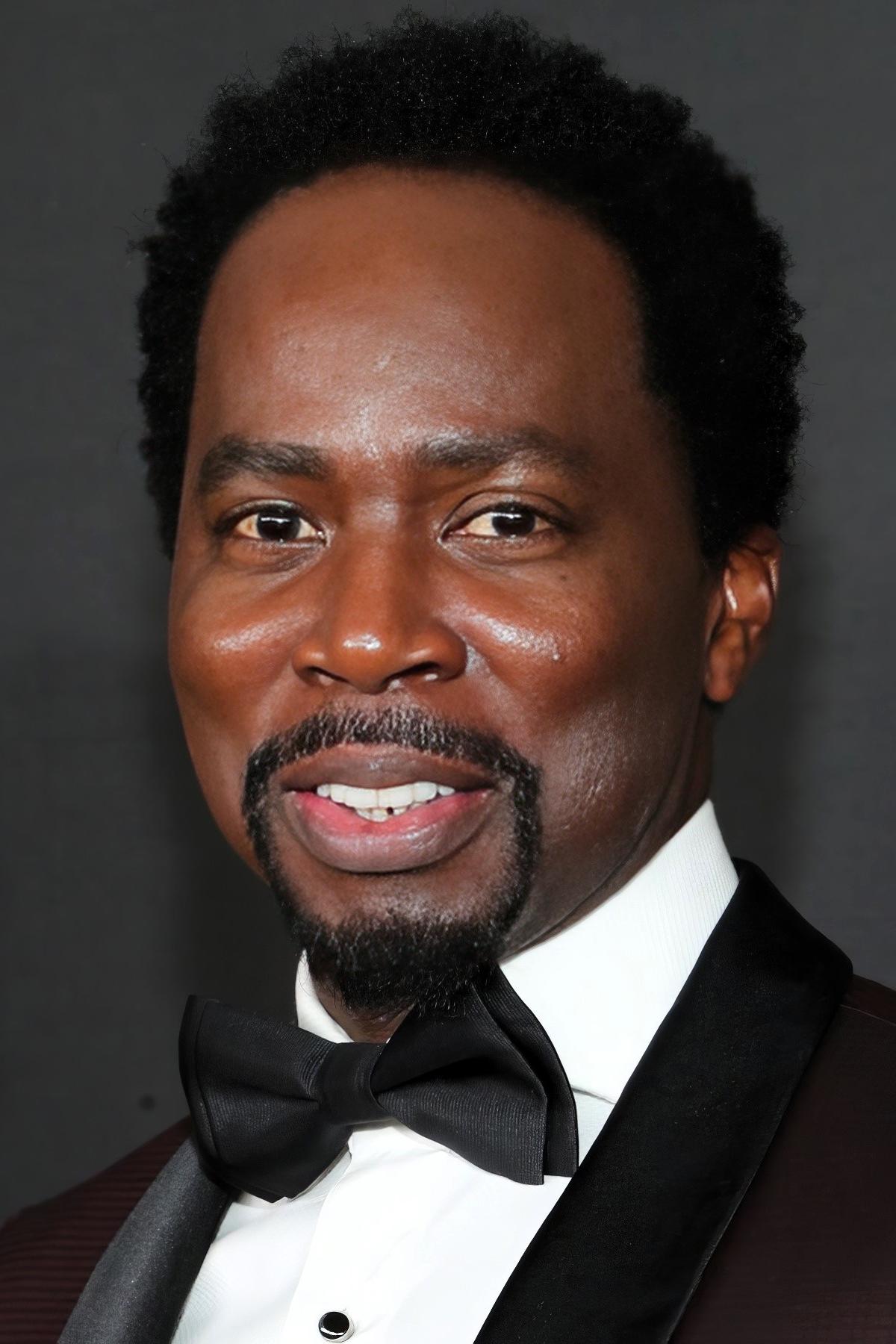
Perrineau joined the franchise in ‘The Matrix Reloaded’ (2003) as Link and was immediately thrust into the production’s rigorous physical preparation. The stunt coordinators, who specialized in wire-work and heightened reality combat, trained him to perform complex maneuvers on moving sets. His role involved operating the Nebuchadnezzar’s weaponry, which was choreographed with the same intensity as the hand-to-hand fights. The training emphasized the same focus and body control found in the voice actors who bring anime mecha pilots to life.
Anthony Ray Parker
Parker played Dozer in ‘The Matrix’ (1999) and participated in the foundational training that set the standard for Western martial arts films. Working with the Hong Kong stunt team, he learned the importance of timing and reaction, which are critical for selling the impact of stylized violence. His physical presence was utilized to contrast with the sleek speed of the other characters, adding a different dynamic to the group’s combat aesthetic. The training gave him a permanent appreciation for the discipline required in Eastern action cinema.
Marrese Crump
Crump is a legitimate martial artist who has transitioned into acting and stunt work, collaborating with legends like RZA and Tony Jaa. He is a protégé of Panna Rittikrai, the Thai action director whose hard-hitting style influences modern action anime. Crump’s knowledge of weapon-based combat and Muay Thai allows him to perform moves that defy conventional physics. He brings an authenticity to roles that require the speed and ferocity typically seen in animated tournament arcs.
Lateef Crowder
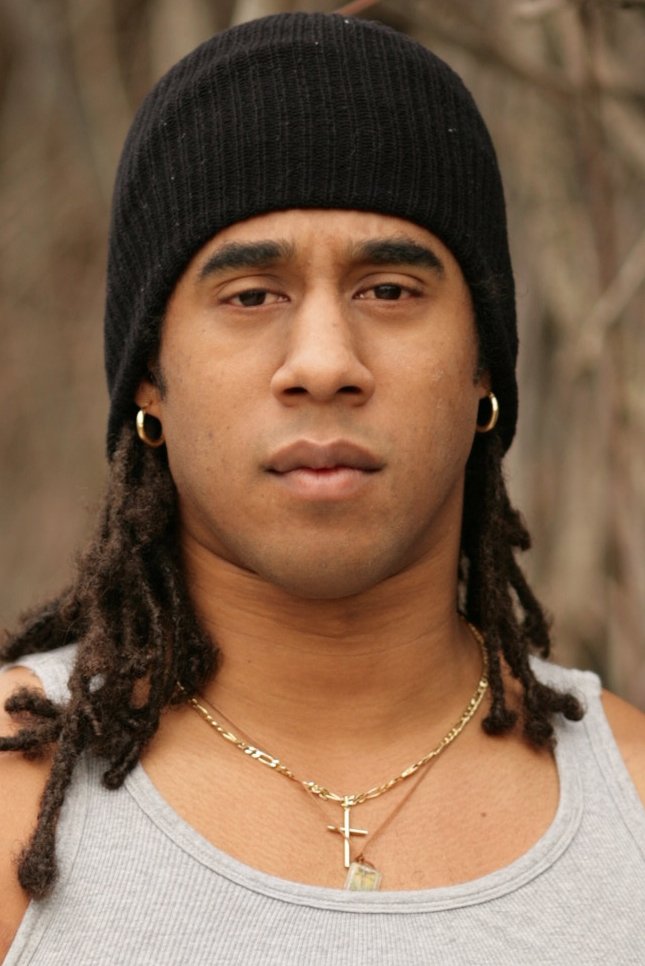
Crowder is best known for his mastery of Capoeira, a style he has brought to live-action adaptations of video games and anime-adjacent media like ‘Tekken’ (2009). His ability to perform gravity-defying kicks and spins makes him a living special effect, reducing the need for CGI wires. He has worked with top stunt coordinators to integrate his unique style into broader fight choreography. Crowder’s movements are frequently used as reference material for animators creating fighting games and anime sequences.
Idris Elba
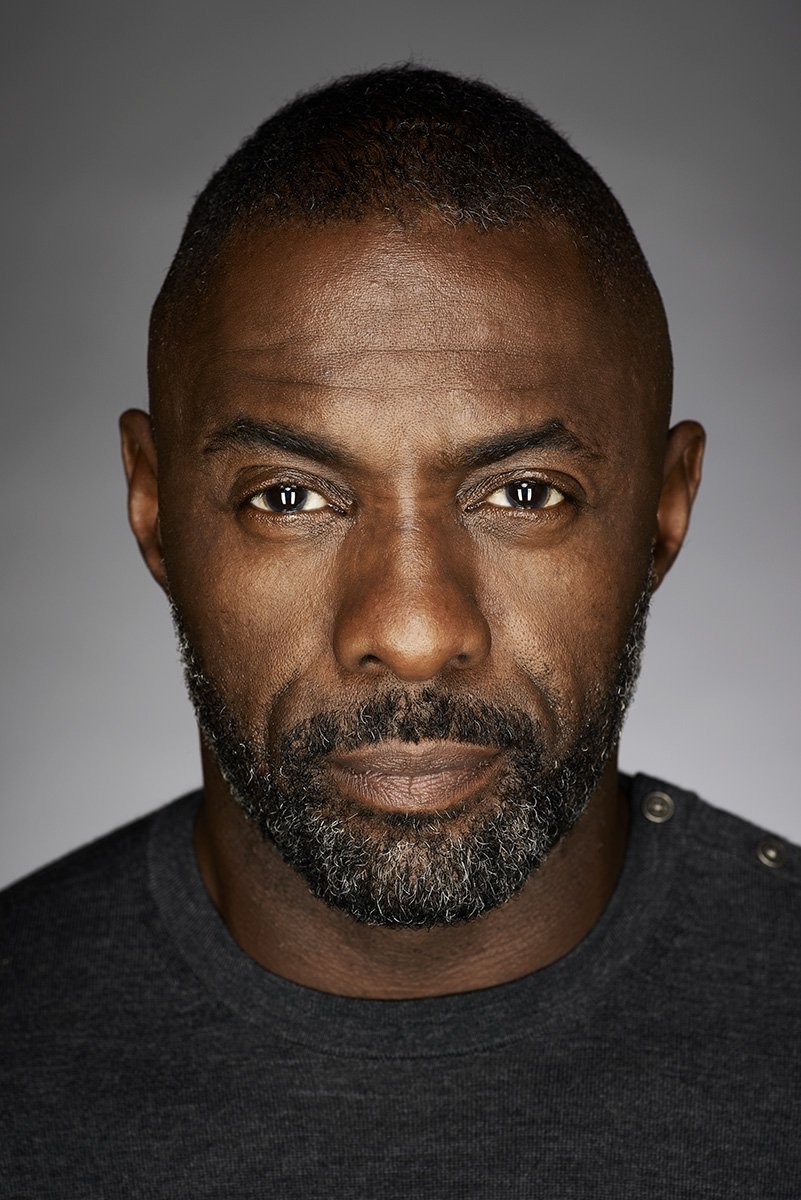
For ‘Pacific Rim’ (2013), Elba trained to embody the commander of a giant mecha, a genre deeply rooted in Japanese anime history. He worked with stunt teams to master the physicality of piloting a Jaeger, which required mimicking the resistance and weight of a massive machine. The role demanded a martial command presence and the ability to perform combat maneuvers in a confined rig. This performance captured the spirit of the stoic captains found in series like ‘Gundam’ and ‘Evangelion’.
John Boyega
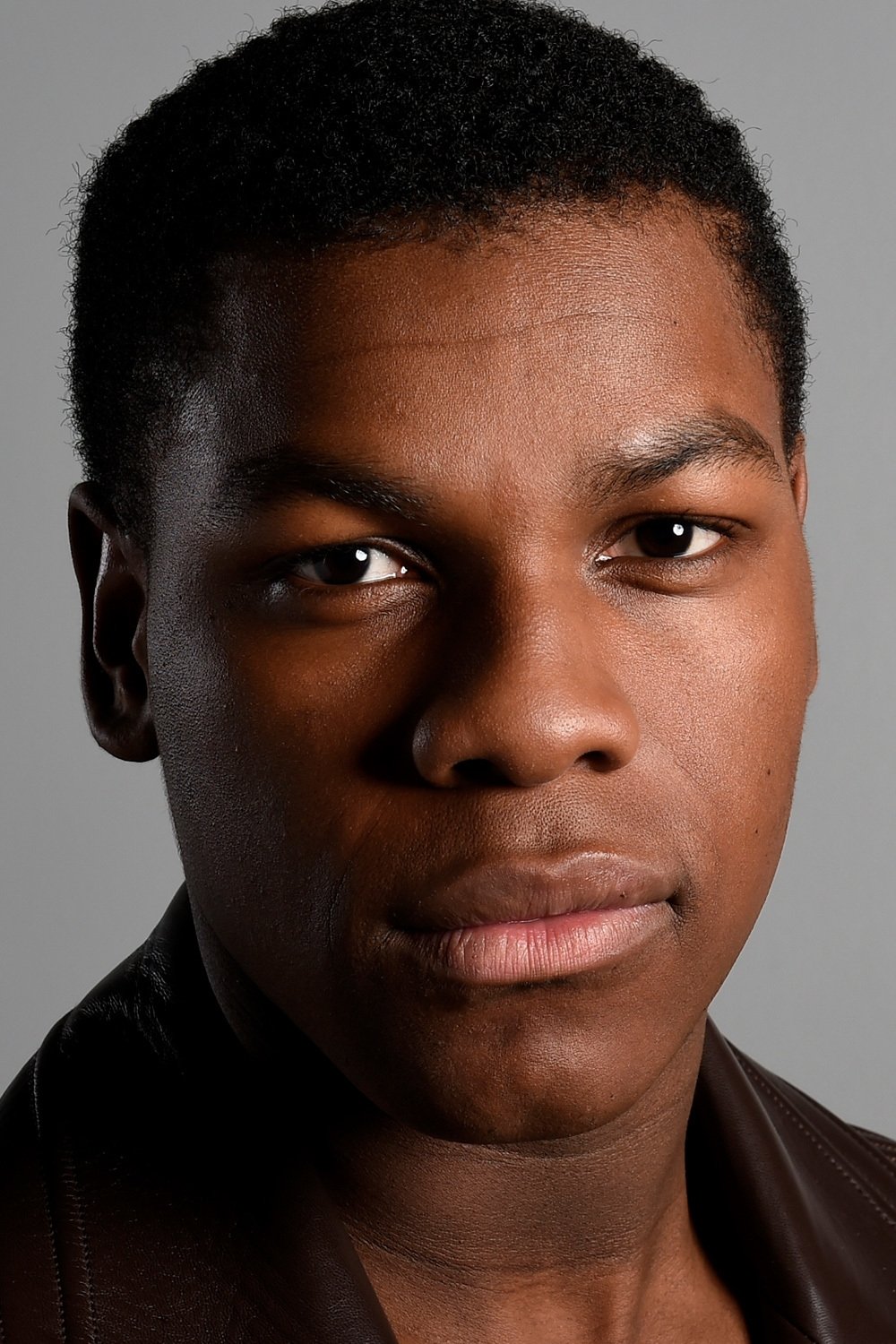
Boyega took the lead in ‘Pacific Rim: Uprising’ (2018), fully embracing the anime roots of the franchise. He trained to perform stunts that mimicked the agility of a younger, more reckless pilot, contrasting with the previous film’s heavy style. The choreography involved using holographic interfaces and performing combat movements that translated to the giant robot avatars. Boyega’s enthusiasm for anime culture informed his performance, bringing a shonen protagonist energy to the blockbuster.
Jonathan Majors
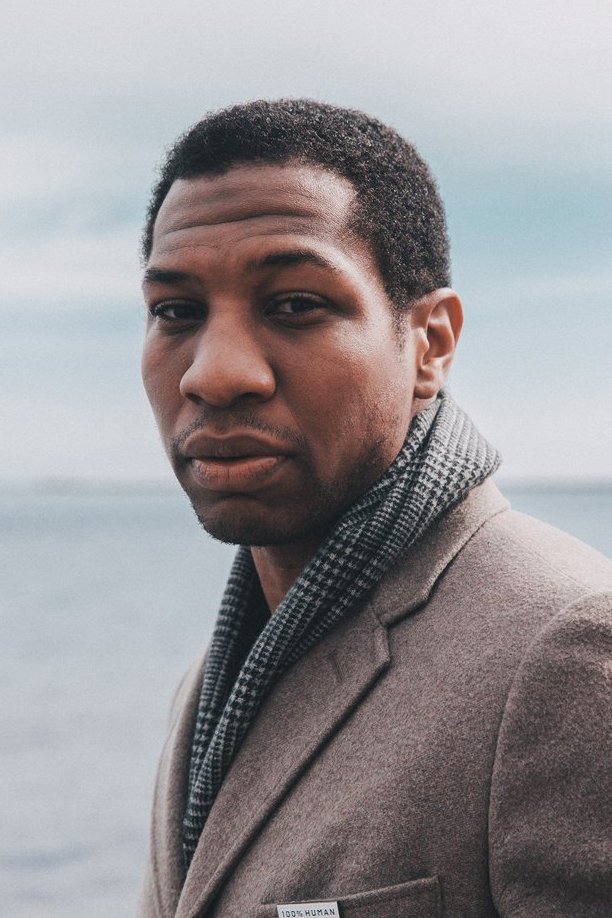
Starring opposite Michael B. Jordan in ‘Creed III’ (2023), Majors transformed his body to play the antagonist with a distinct, brutal fighting style. He worked with the same stunt team to learn choreography that was specifically designed to counter Jordan’s anime-inspired moves. The trainers focused on making his movements appear heavy and unstoppable, reminiscent of the “power type” villains in fighting anime. His physical acting sold the narrative of the “imposing wall” that the hero must overcome.
Mahershala Ali
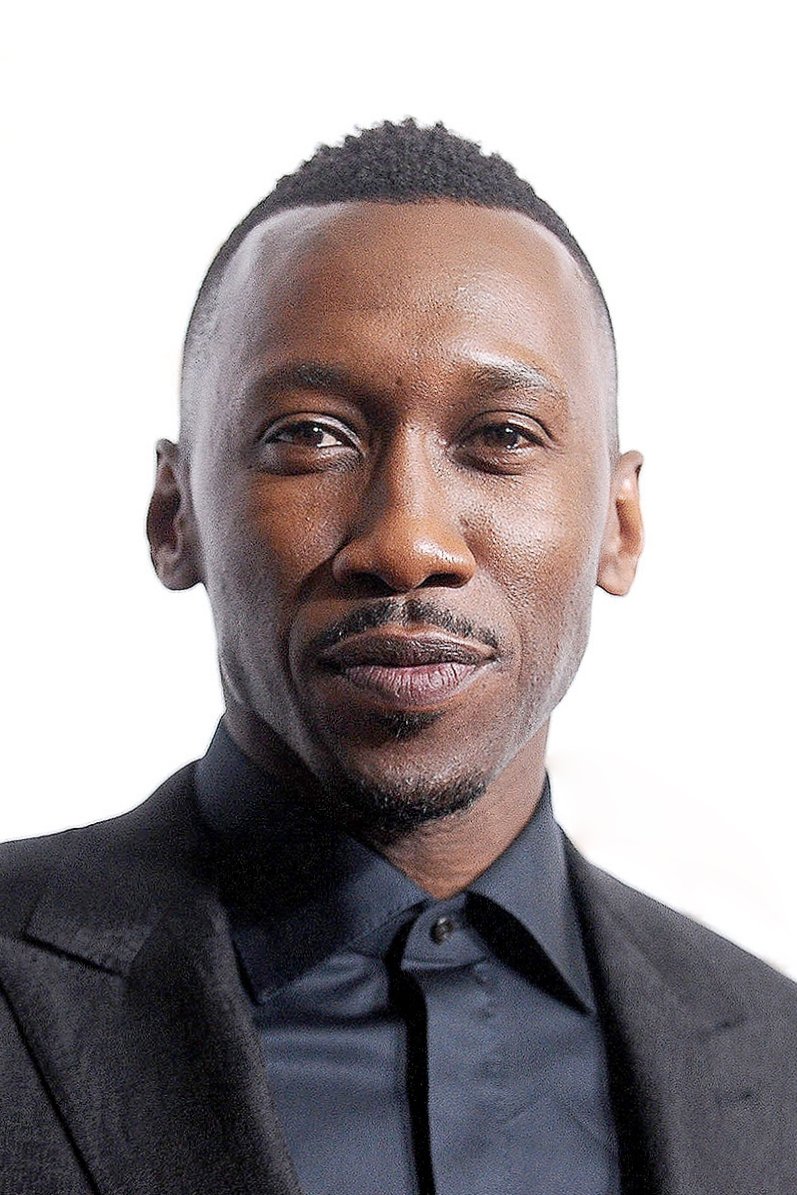
Ali took on the role of Vector in the live-action adaptation of ‘Alita: Battle Angel’ (2019), a film that required precise interaction with motion-capture characters. He worked with Robert Rodriguez’s stunt team to understand the physics of a world where cyborg martial arts are the norm. Although his role was more cerebral, the physical presence required to intimidate cybernetic warriors was a result of careful movement coaching. He is also set to portray Blade, which will require him to undergo the same vampire-hunting martial arts training as his predecessor.
Billy Blanks
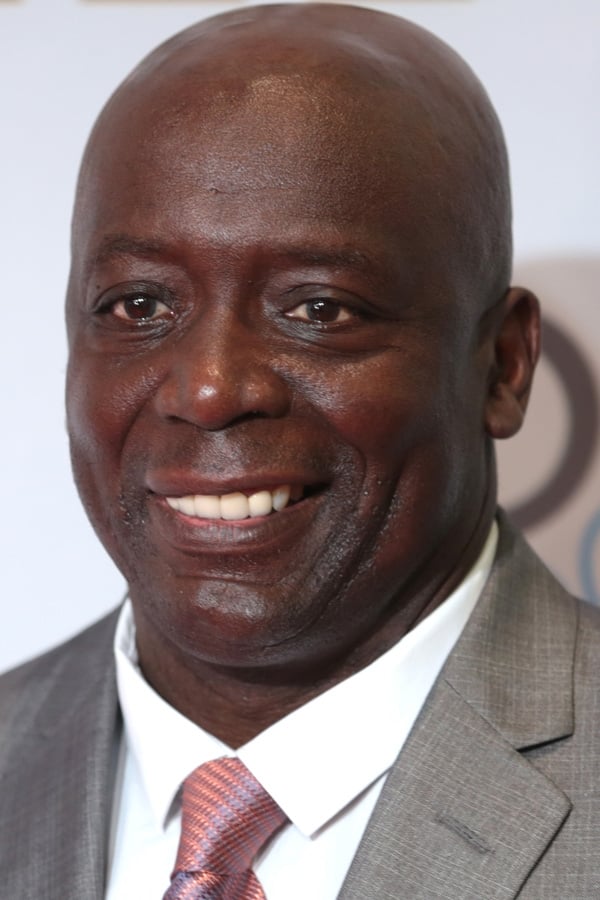
A legend in the fitness and martial arts world, Blanks brought his legitimate karate and taekwondo background to 90s action cinema. His films often featured the kind of tournament-style storytelling that was popularized by anime like ‘Dragon Ball’. He trained continuously to keep his flexibility and kicking speed at a level that looked superhuman on camera. Blanks’ signature high kicks became a staple of the era’s action vocabulary, influencing how Western directors shot martial arts.
Ron Van Clief
Known as “The Black Dragon,” Van Clief is a martial arts pioneer who actually starred in Hong Kong cinema during the 1970s. He trained and worked alongside the very stuntmen and choreographers who built the industry that anime draws from. His fighting style was so respected that he became the first Black actor to headline Hong Kong kung fu films. Van Clief’s legacy is a direct bridge between the African American community and the Eastern martial arts origins of anime.
Jim Kelly
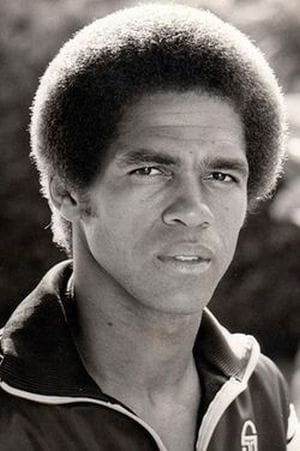
Kelly exploded onto the scene in ‘Enter the Dragon’ (1973), working directly with Bruce Lee, the ultimate icon of martial arts cinema. His cool demeanor and legitimate karate skills established a template for the “cool fighter” archetype seen in countless anime series like ‘Afro Samurai’. Kelly’s training focused on efficiency and power, allowing him to keep up with the frantic pace of Hong Kong choreography. He remains a cultural icon whose style continues to influence character designs in Japanese media.
Trevante Rhodes
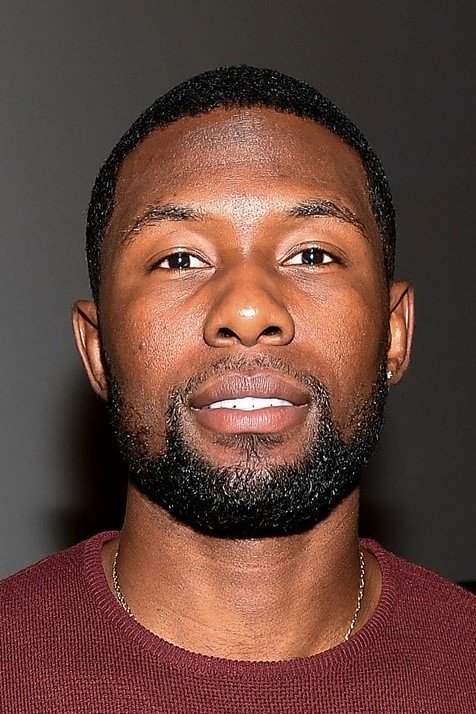
Rhodes utilized his background as a track and field athlete to master the tactical combat required for ‘The Predator’ (2018). He trained with military consultants and stunt coordinators to perform alien-fighting sequences that bordered on the fantastical. The choreography required a blend of realistic soldiering and the heightened durability of an action hero. His physical discipline allowed him to execute complex stunts that mirrored the intensity of survival-horror anime.
Terry Crews
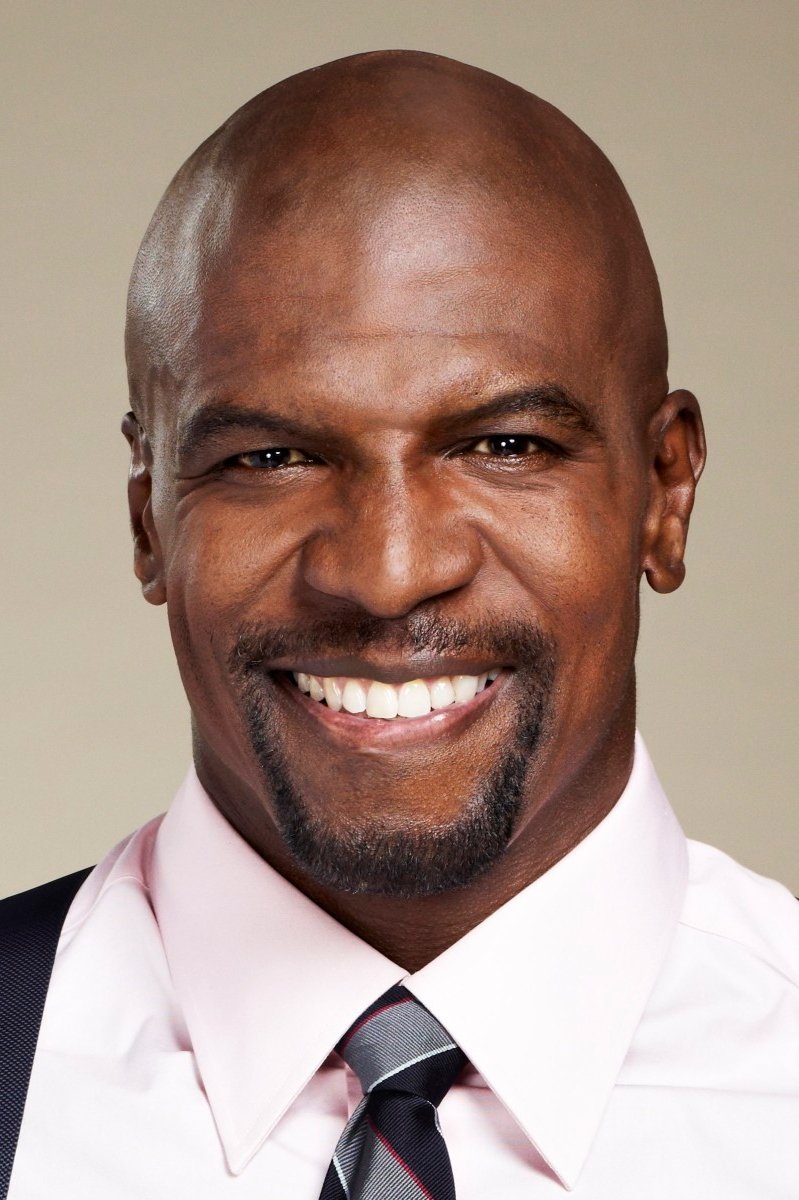
Crews brings his immense physical strength to the ‘Expendables’ franchise, where he works with the world’s top action stars and choreographers. His training involves handling heavy weaponry with the ease of an anime character, often dual-wielding guns that would be impossible for a normal person. The action direction in these films emphasizes destruction and power, aligning with the “super robot” subgenre of anime. Crews’ ability to mix comedy with intense violence makes him a living cartoon character in the best possible way.
Winston Duke
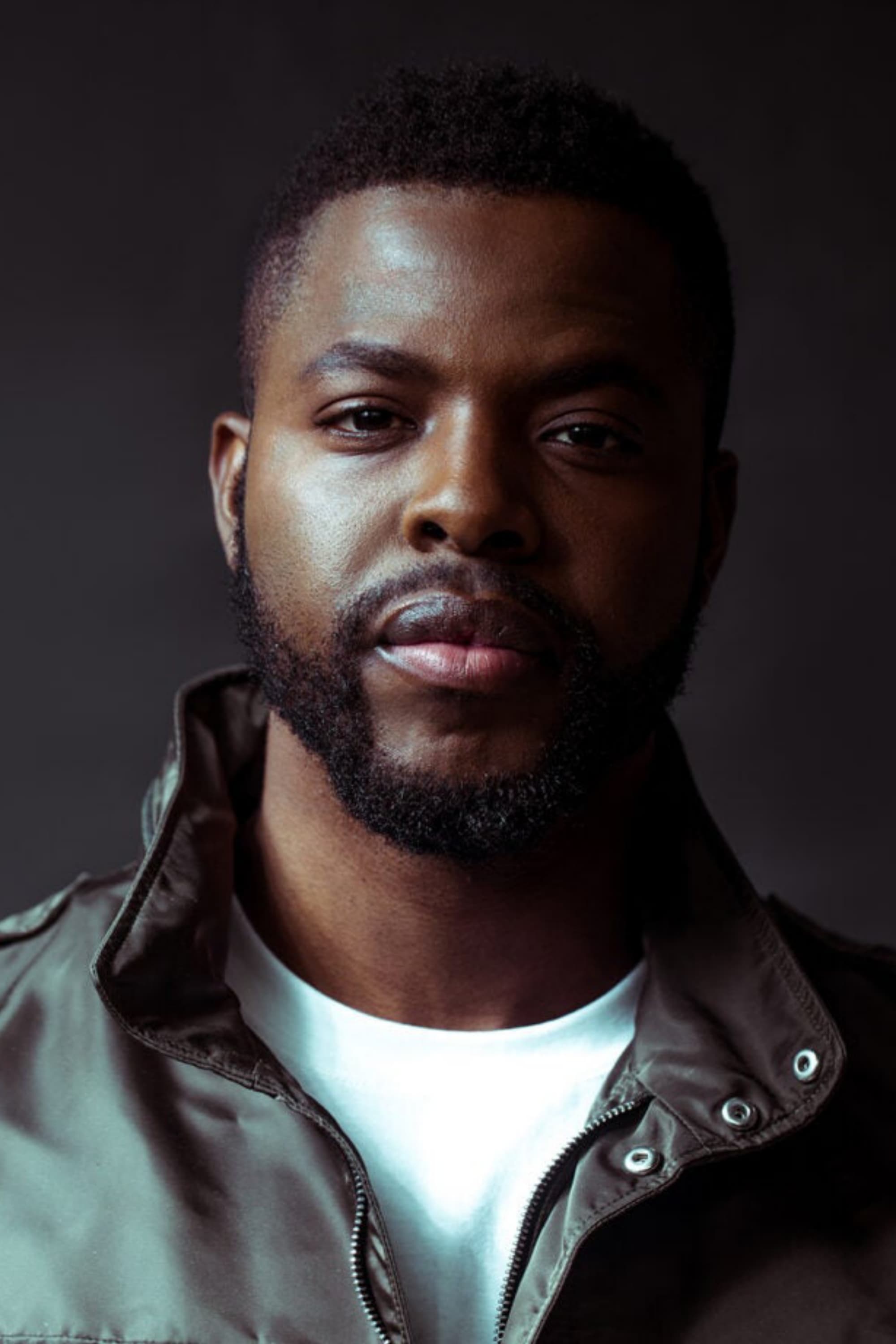
In the Marvel Cinematic Universe, Duke developed a unique fighting style for the Jabari tribe that differs from the sleek movements of the Black Panther. He trained to use a heavy staff and utilize his size advantage, creating a combat aesthetic similar to the “tank” class characters in RPGs and anime. The choreography emphasized grounding and raw power, requiring him to learn how to swing heavy props with speed and control. This distinct style helped visually separate the various factions within the film’s warrior culture.
Chiwetel Ejiofor
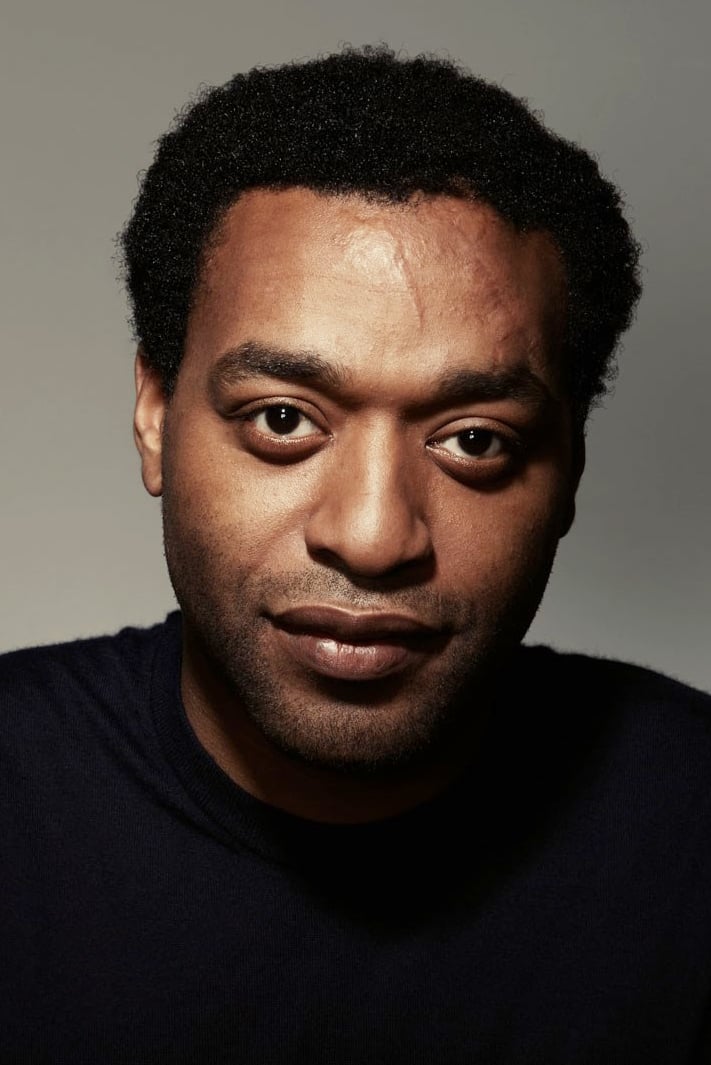
As Baron Mordo in ‘Doctor Strange’ (2016), Ejiofor trained in a style of martial arts designed to look like spellcasting. The fight teams, who often work on wire-heavy fantasy films, taught him to combine hand gestures with staff fighting and aerial maneuvers. This “magic kung fu” is a direct live-action translation of the energy blasts and spell combat found in fantasy anime. His disciplined movement made the casting of CGI spells look physically exhausting and impactful.
Anthony Mackie
Mackie underwent rigorous training for the second season of ‘Altered Carbon’ (2020), a cyberpunk series with heavy anime influences. He worked with stunt teams to master a combat style that incorporated futuristic weaponry and enhanced human abilities. The choreography required him to perform long takes of hand-to-hand combat that mimicked the relentless pacing of sci-fi anime. His preparation allowed him to embody a “sleeve” (body) that was supposed to be a living weapon.
Common
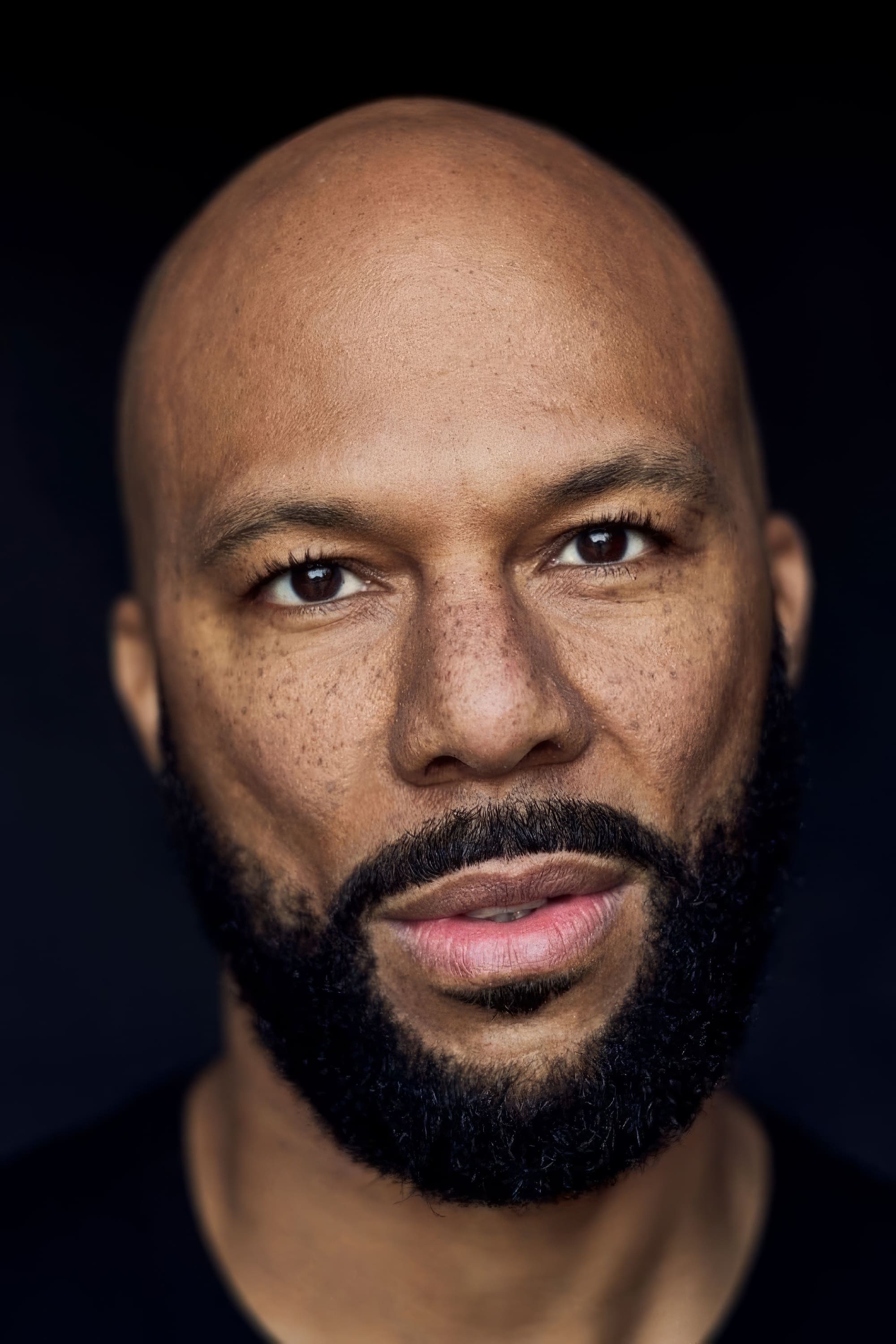
For ‘John Wick: Chapter 2’ (2017), Common trained in Judo and Jiu-Jitsu to play a rival assassin capable of matching the protagonist. He worked with the 87Eleven team to learn the “Gun-Fu” style, which treats firearms as melee weapons. The fights were shot in wide angles to showcase the technical proficiency of the actors, a technique borrowed from Hong Kong cinema and anime. Common’s ability to execute these rapid-fire drills elevated him from a rapper-actor to a credible action star.
Djimon Hounsou
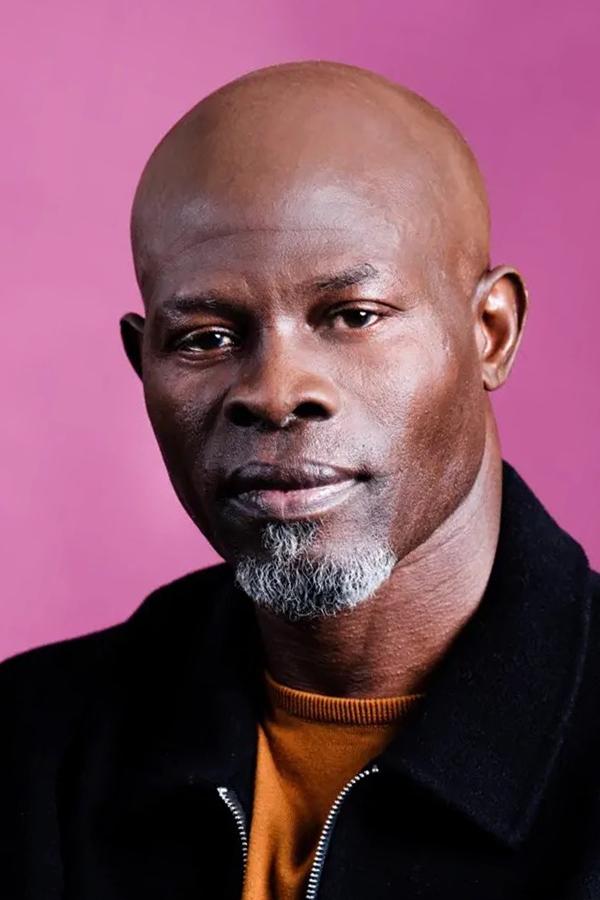
Hounsou has been a staple in action cinema, utilizing his boxing and kung fu training in films like ‘Never Back Down’ (2008) and ‘The King’s Man’ (2021). He works with choreographers to develop a fighting style that often feels raw and primal, yet technically sound. His role in ‘The King’s Man’ specifically involved using a sword/knife combination that mirrored the unique weapon loadouts of anime warriors. Hounsou’s intense focus and physical condition allow him to perform fight scenes that are both emotional and acrobatic.
Mike Colter
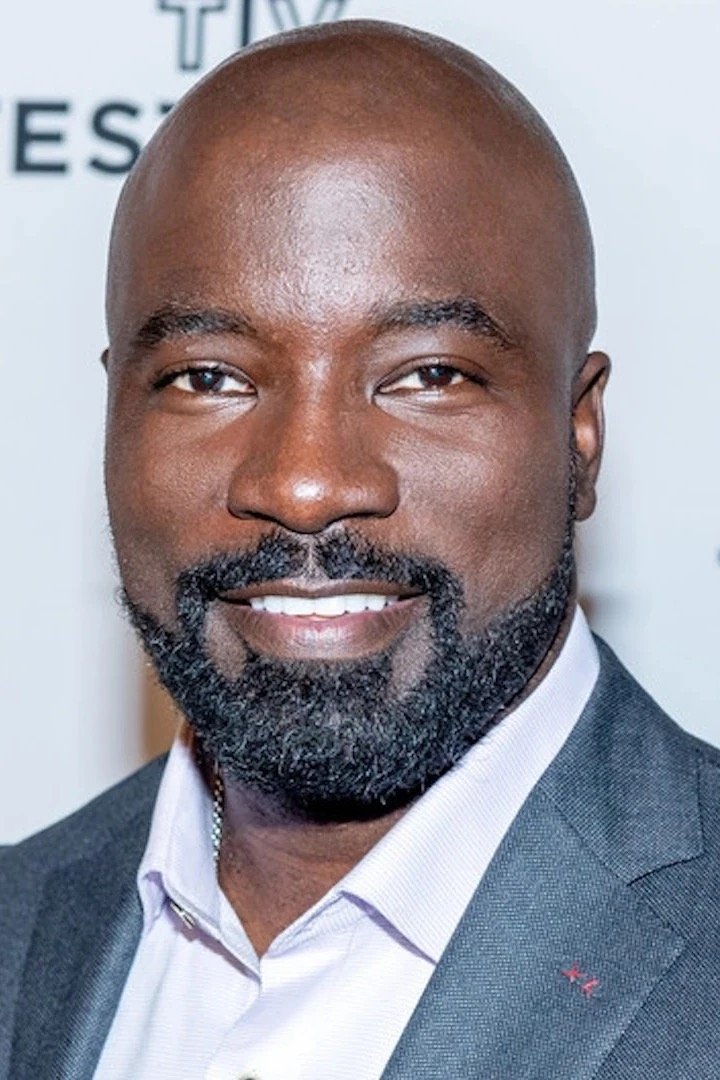
To play the invulnerable Luke Cage, Colter learned a “brawler” style of fighting that focused on absorbing impact rather than dodging. Stunt coordinators trained him to move with a sense of weight and inevitability, similar to juggernaut characters in anime. The choreography was less about finesse and more about demonstrating unstoppable force. This required Colter to learn how to sell the reaction of not reacting, a difficult physical acting skill often used to show power levels in animation.
Aldis Hodge
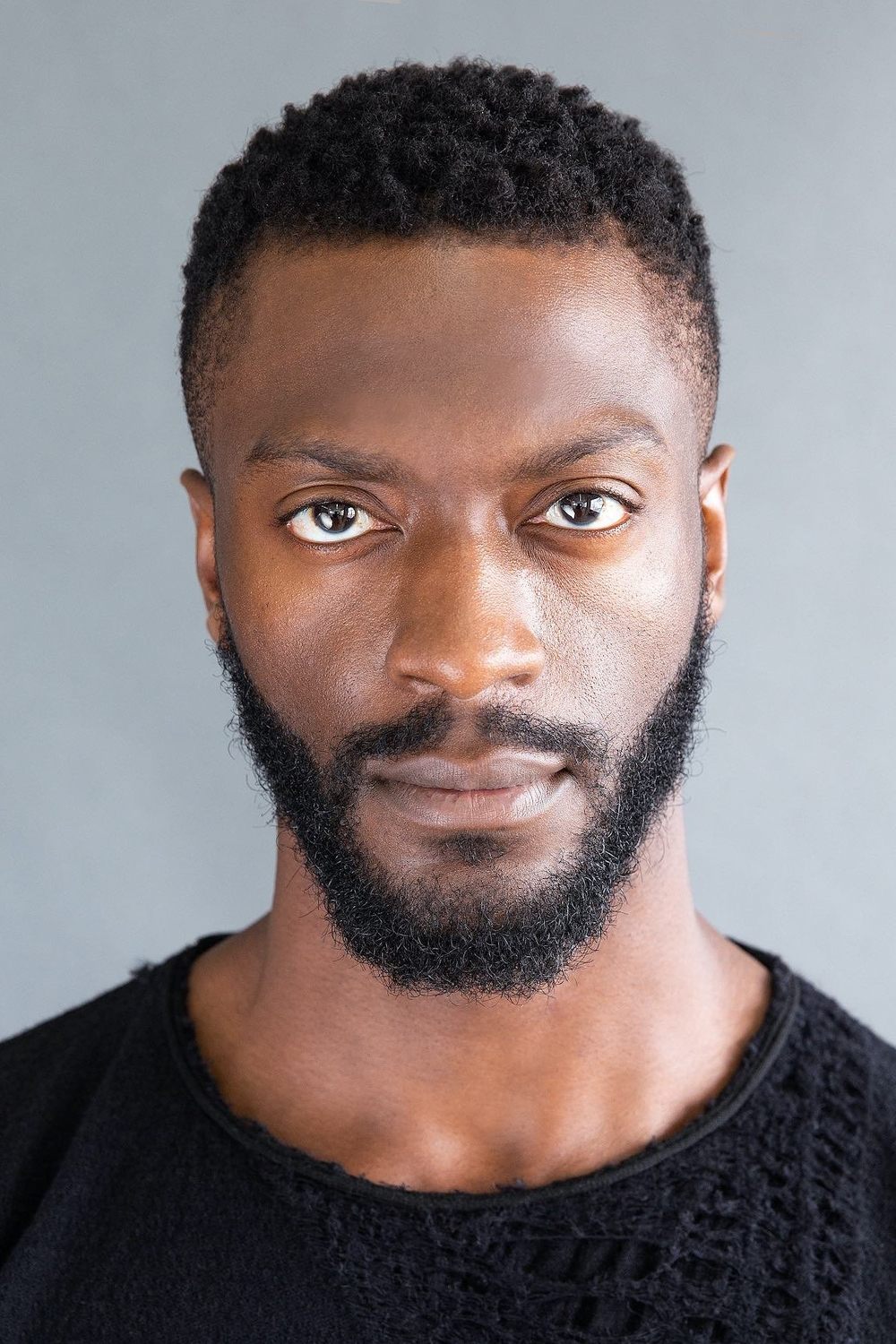
Hodge trained relentlessly to play Hawkman in ‘Black Adam’ (2022), mastering flight-based combat and mace wielding. The stunt team, accustomed to superhero physics, taught him to move in a way that suggested a massive wingspan. His fighting style combined aerial maneuvers with heavy strikes, replicating the three-dimensional combat seen in shonen anime. Hodge’s dedication to the physical language of the character brought a mythical warrior archetype to the screen.
Isaiah Mustafa
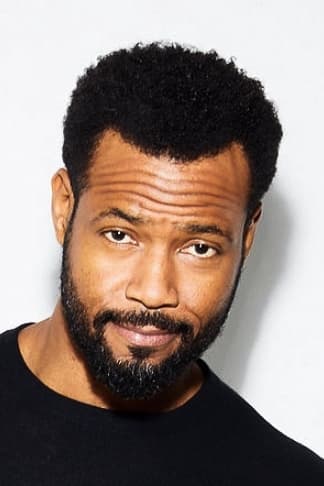
Mustafa performed his own stunts for the fantasy series ‘Shadowhunters’ (2016–2019), which features demon-hunting warriors with magical weapons. He trained with sword masters and gymnasts to replicate the fluid, dance-like combat described in the source material. The show’s aesthetic was heavily influenced by anime character designs and weapon styles. Mustafa’s height and reach were utilized in choreography to create sweeping, visual attacks that looked like they were ripped from a manga panel.
Sticky Fingaz
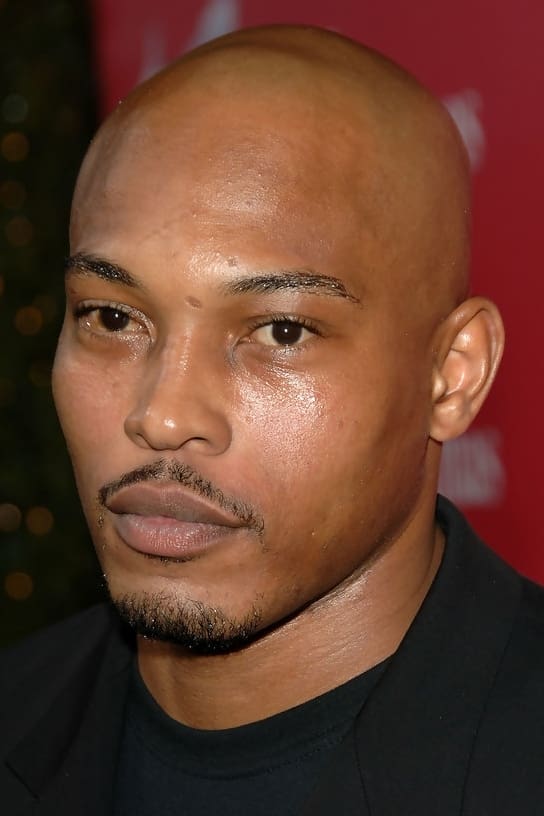
The rapper turned actor took on the mantle of Blade for the television series adaptation (2006). He underwent a crash course in martial arts to replicate the vampire hunter’s signature moves on a TV schedule. The choreography was designed to be stylized and fast, mimicking the editing pace of action anime. While the show was short-lived, his training highlighted the demand for actors who could perform complex fight sequences weekly.
Bokeem Woodbine
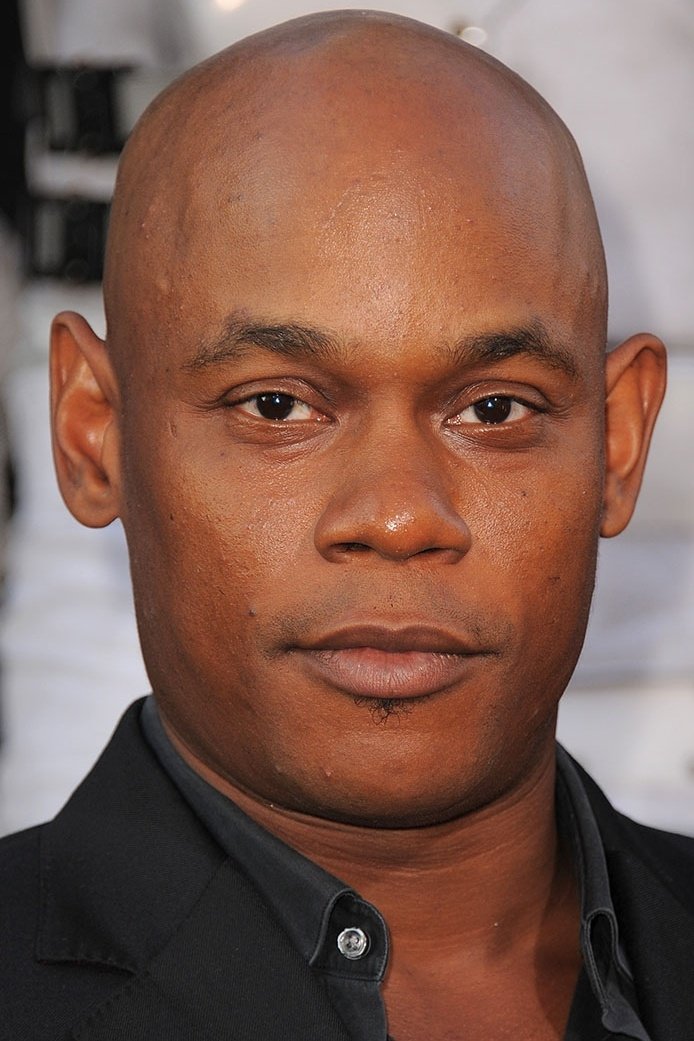
Woodbine brought a unique physical menace to ‘Spider-Man: Homecoming’ (2017) as the Shocker. He worked with the stunt team to master the use of gauntlet-based weapons, a staple in mecha and sci-fi anime. His movement had to convey the recoil and power of the technology he was wielding. This performance required a mix of physical strength training and pantomime to sell the weight of the CGI effects.
Kevin Hart
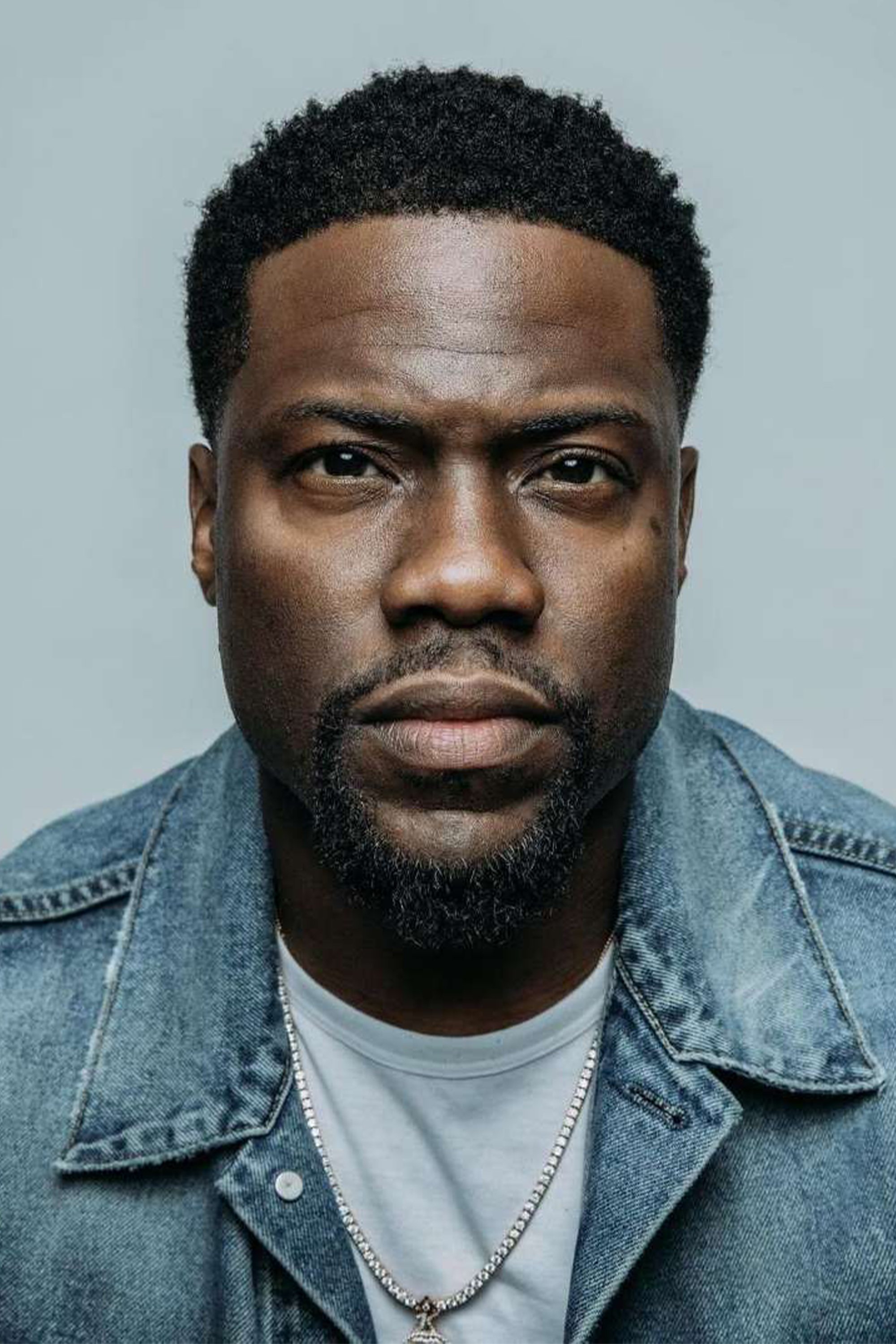
While known for comedy, Hart undertook serious tactical and combat training for ‘Borderlands’ (2024) and ‘Die Hart’ (2020). He trained with Navy SEALs and martial artists to convincingly play an action hero, even if the context was sometimes comedic. For ‘Borderlands’, based on the video game, he had to learn a soldiering style that fit the over-the-top, anime-inspired aesthetic of the world. Hart’s dedication to looking the part proved that comedic actors could master the same choreography as serious action stars.
Will Smith
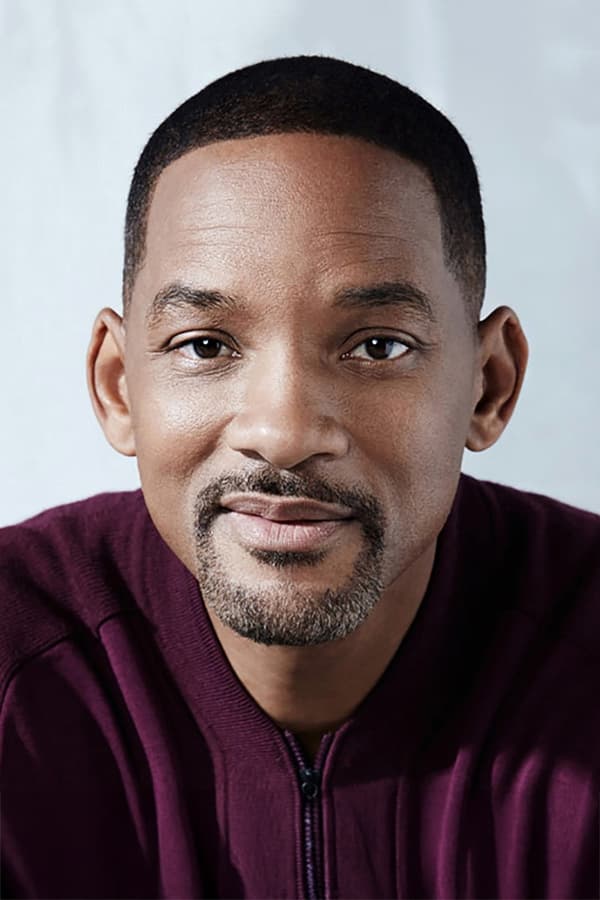
Smith transformed his body and learned professional-level boxing for ‘Ali’ (2001) and tactical shooting for ‘Suicide Squad’ (2016). For the latter, he trained with military experts to master the movement of an elite assassin, Deadshot. The character’s ability to never miss required Smith to have perfect form and fluidity, similar to the “gun-kata” seen in anime. His training focused on the economy of motion, ensuring every movement had a lethal purpose.
Jamie Foxx
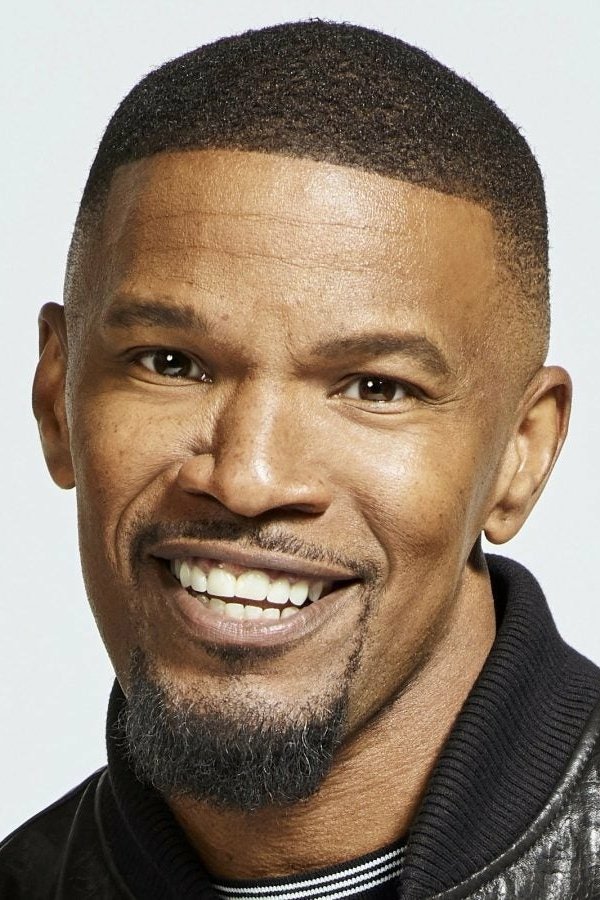
Foxx trained intensely for ‘Django Unchained’ (2012) and ‘Project Power’ (2020), learning to handle firearms and perform hand-to-hand combat. In ‘Project Power’, the action sequences were designed to mimic the effects of superpowers, requiring actors to interact with invisible forces. Foxx’s physical acting helped sell the idea of a world where biology could be rewritten, a common theme in sci-fi anime. His ability to switch between dramatic acting and high-octane stunts makes him a versatile action lead.
Samuel L. Jackson
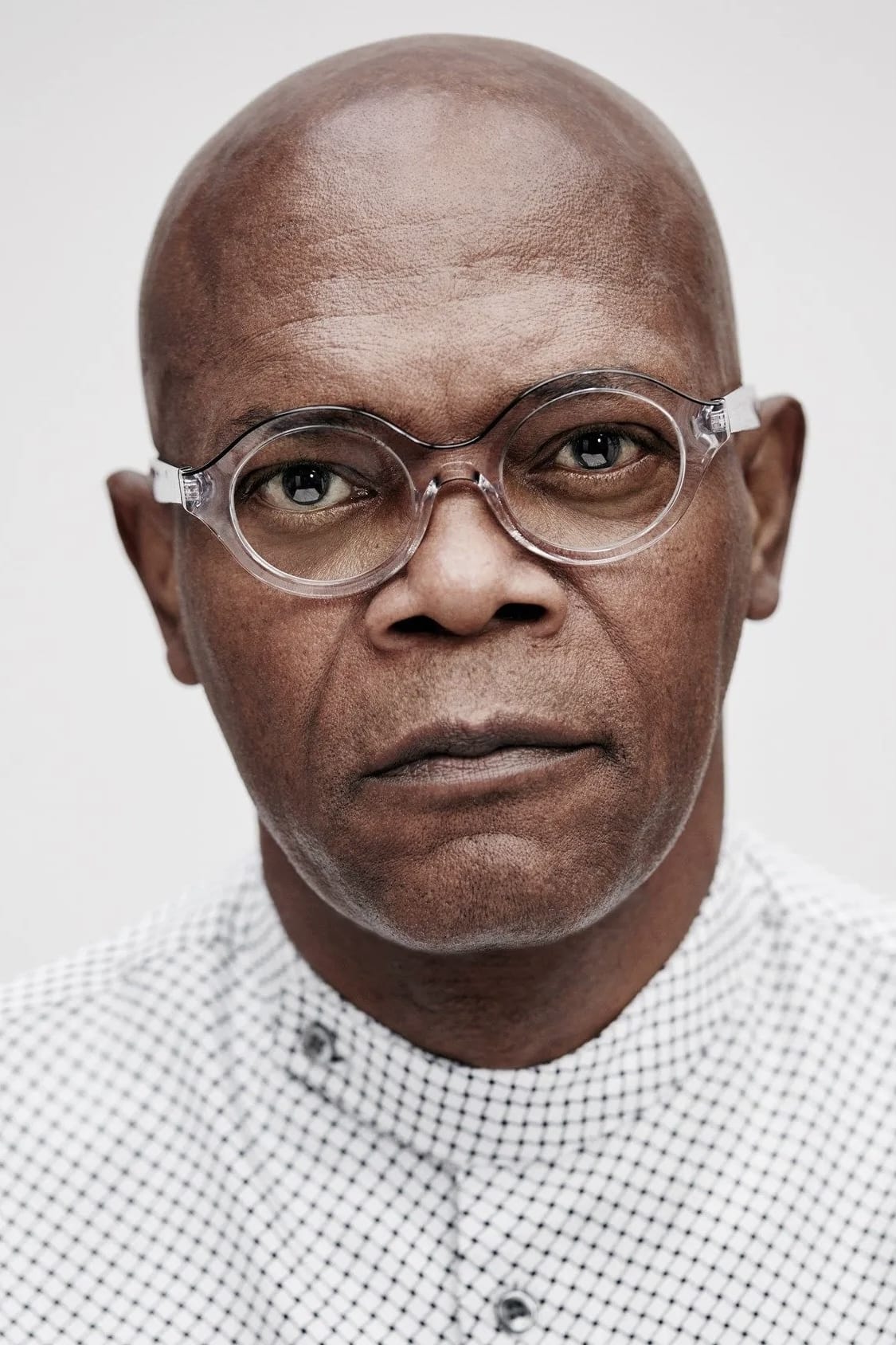
Jackson is perhaps the biggest anime fan in Hollywood, having produced and voiced the lead in ‘Afro Samurai’ (2007). While primarily a voice role, he worked closely with the animators and creators to define the fighting style and attitude of the character. For his live-action roles like Mace Windu in ‘Star Wars’ or Nick Fury in the MCU, he engaged in extensive combat training. He specifically requested a purple lightsaber to stand out in large battle scenes, a distinct “main character” move common in anime culture.
Tell us which of these actors had the most impressive fight scene in the comments!