Black Actors Who Played White Characters

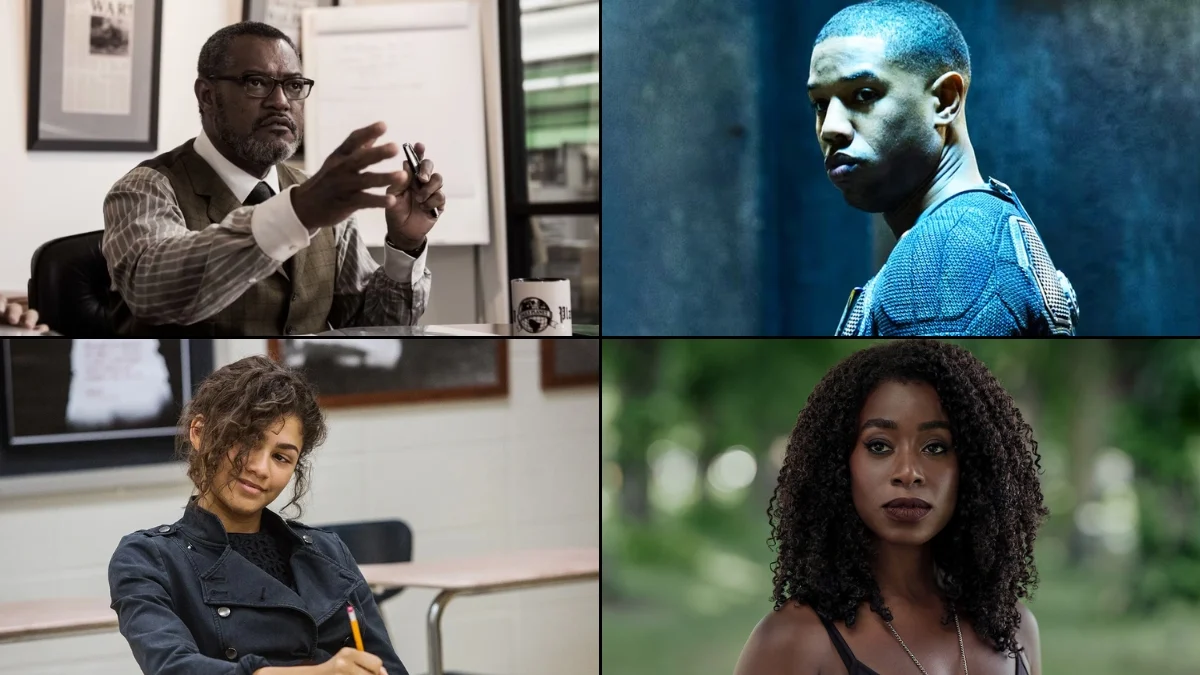

Casting that reimagines characters traditionally depicted as white has become more visible across film and TV, drawing on a wider pool of talent and expanding how familiar roles can look on screen. Below are notable examples where Black actors stepped into roles that originated as white in earlier comics, books, animation, or historical portrayals. Each entry includes useful background on the character’s origins, the production, and why the casting choice mattered in context.
Halle Bailey as Ariel in ‘The Little Mermaid’ (2023)
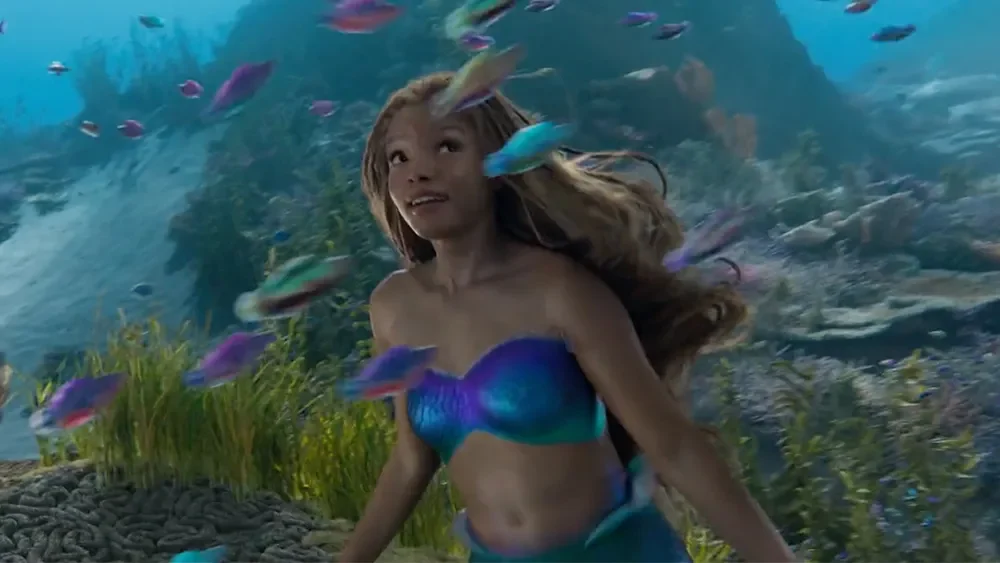
In Disney’s live-action remake, Halle Bailey portrays Ariel, a character originally depicted with pale skin and red hair in the 1989 animated film and earlier promotional art. The role required extensive underwater performance work, with a mix of motion rigs, dry-for-wet filming, and visual effects to realize swimming sequences. Bailey recorded new vocals for the classic songs and additional material created for the remake’s score. Marketing highlighted both continuity with the original story and updated character details to fit a modern adaptation.
Michael B. Jordan as Johnny Storm in ‘Fantastic Four’ (2015)
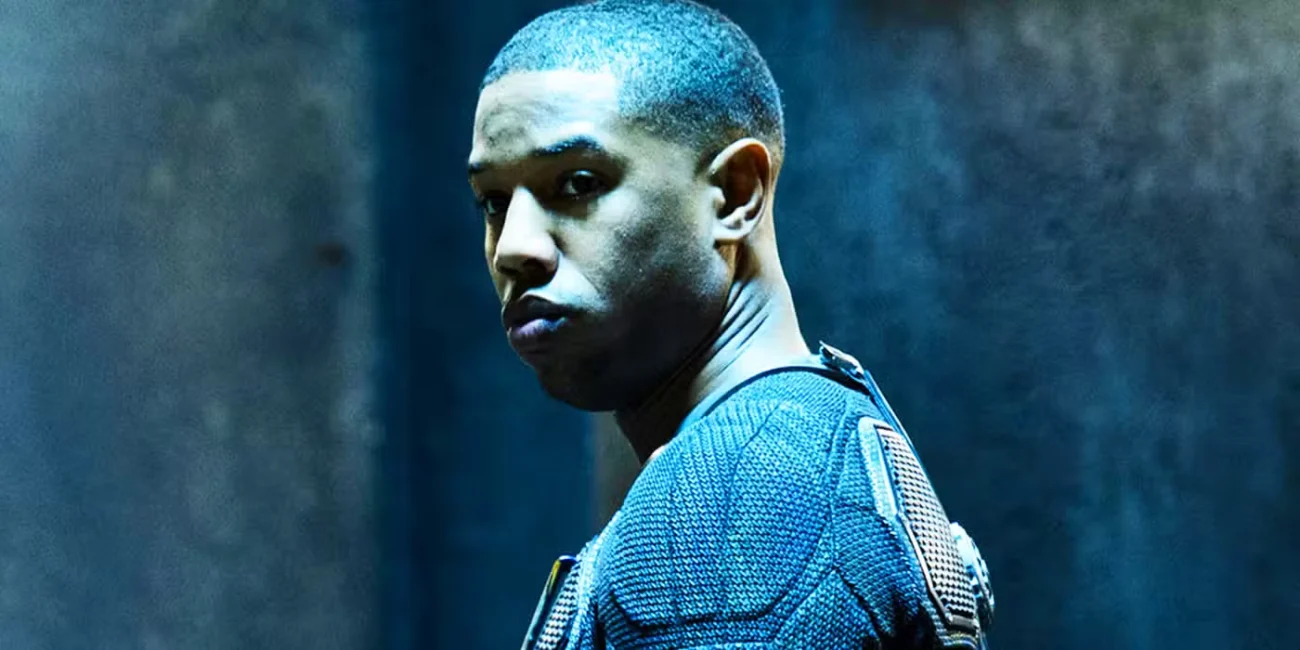
Michael B. Jordan played Johnny Storm, traditionally illustrated as a white character in Marvel Comics. The film reimagined the Storm family dynamic, with Sue as Johnny’s adoptive sister, aligning the characters’ backstory to the movie’s version of the Baxter Foundation. Production emphasized a grounded take on the team’s origin and powers, including the Human Torch’s flame-on effects created through digital doubles and practical lighting. Jordan’s stunt preparation included wire work and effects coordination to match the character’s high-speed flight and combustion.
Zendaya as MJ in ‘Spider-Man: Homecoming’ (2017)
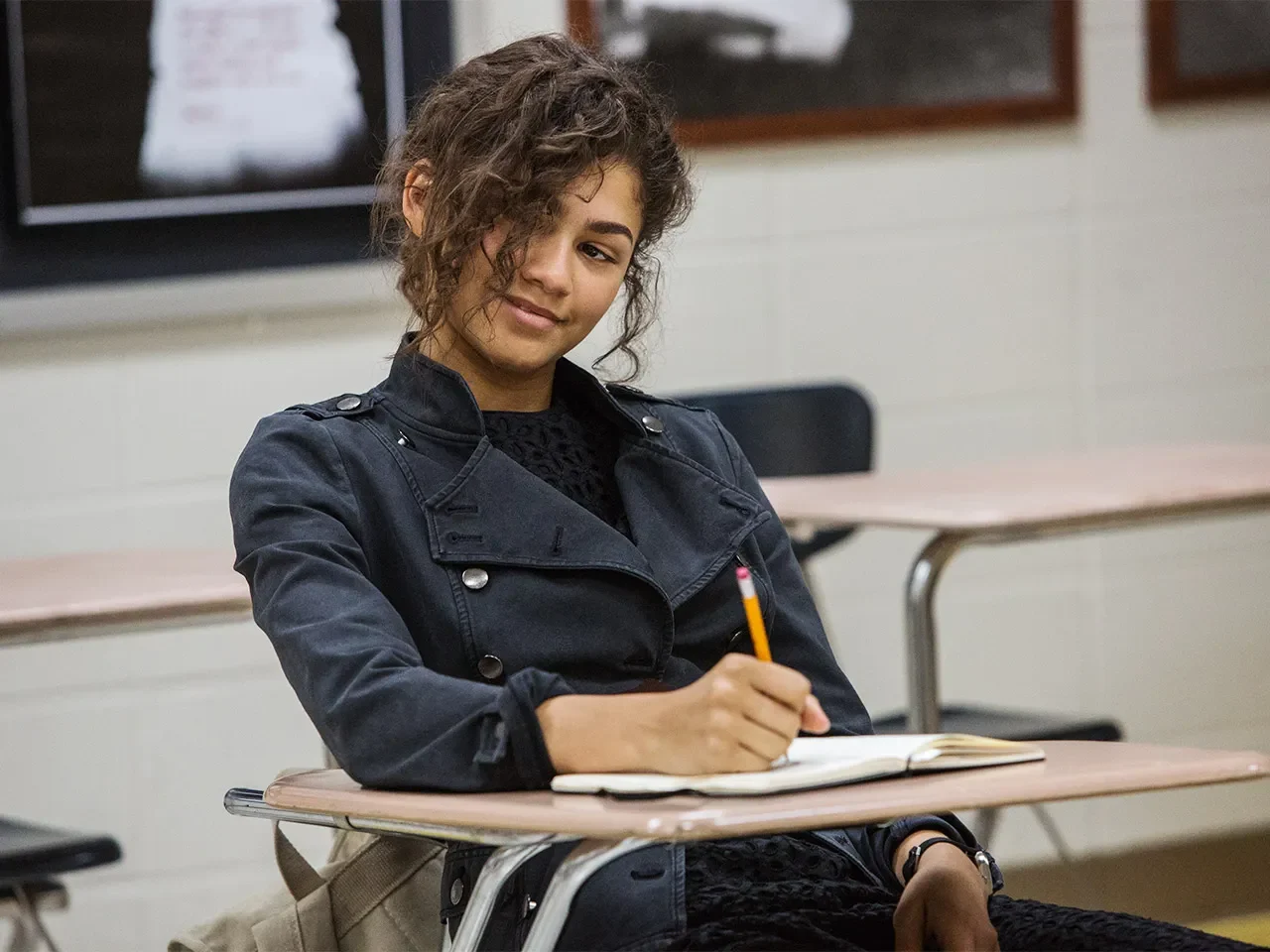
Zendaya’s character Michelle Jones—often referred to as MJ—serves as a modern counterpart to Mary Jane Watson, who was previously portrayed as white in comics and earlier films. The production positioned MJ within a contemporary high school ensemble, updating Spider-Man’s supporting cast to reflect a more diverse Queens setting. The creative team separated the character’s identity from prior adaptations while retaining the MJ nickname as a narrative nod. Storylines integrated her academic decathlon involvement and observational role to expand Peter Parker’s school life.
Samuel L. Jackson as Nick Fury in ‘Iron Man’ (2008)
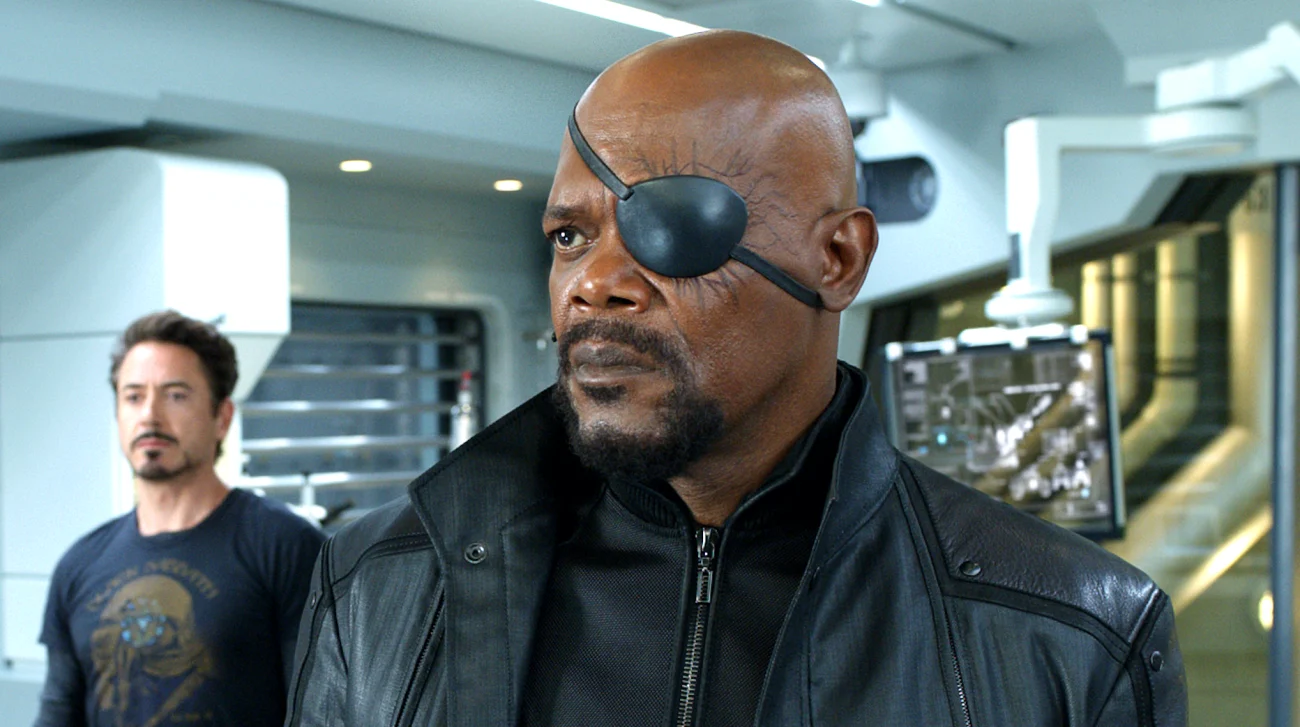
Samuel L. Jackson’s portrayal of Nick Fury builds on the character’s original white depiction in early Marvel Comics, while also echoing the Ultimate Marvel line that modeled Fury on Jackson’s likeness. His cameo established the connective tissue for subsequent films, introducing the Avengers Initiative within a post-credits framework. The role expanded across multiple entries, using consistent costume elements like the leather coat and eyepatch as visual identifiers. Production used this appearance to seed a shared universe approach to continuity and character crossovers.
Jeffrey Wright as James Gordon in ‘The Batman’ (2022)
Jeffrey Wright played Gotham’s future police commissioner, a character long presented as white in Batman comics and earlier live-action iterations. The film portrays Gordon as a central investigative partner to Batman, emphasizing procedural elements and crime scene work. Wardrobe and makeup departments designed a grounded look that aligns with the movie’s noir style, including muted tones and period-agnostic textures. The casting supports a fresh continuity distinct from previous franchises while maintaining core traits of the character.
Laurence Fishburne as Perry White in ‘Man of Steel’ (2013)
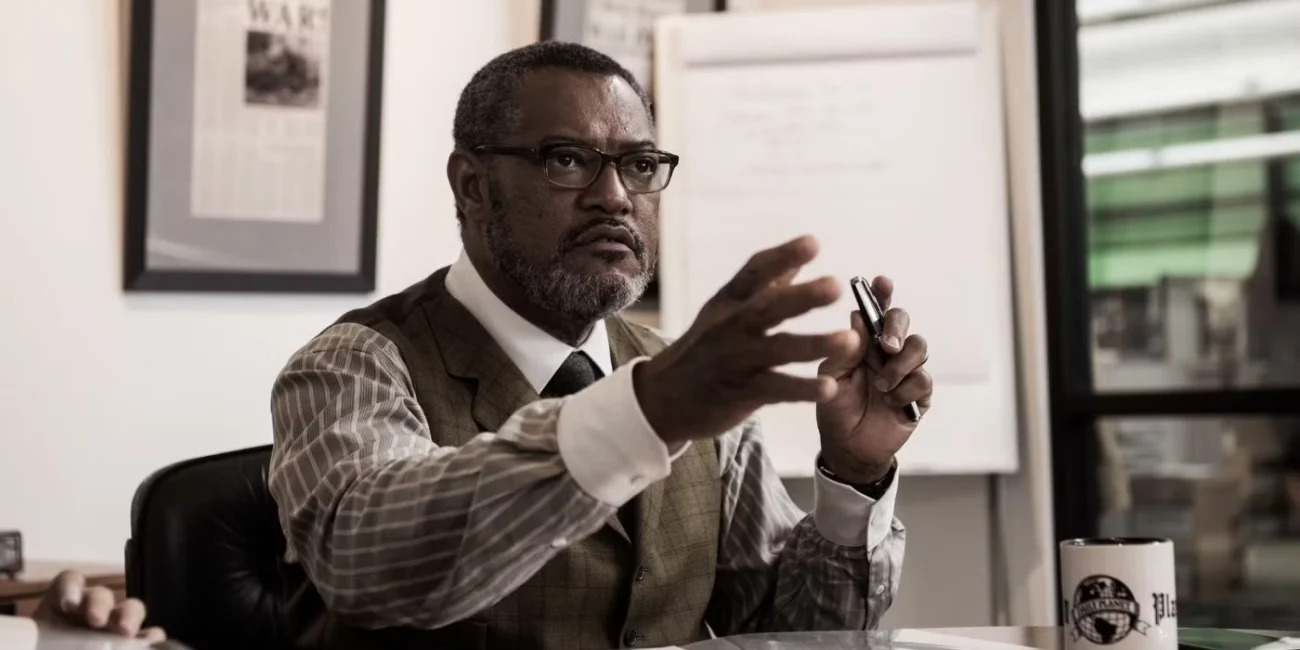
Laurence Fishburne took on the role of Perry White, historically depicted as a white newspaper editor in Superman comics and earlier films. The production framed White as a modern newsroom leader at the Daily Planet, integrating changing media realities into the setting. Scenes highlight editorial decision-making and crisis reporting to anchor Metropolis as a functioning city. Fishburne’s portrayal reinforces the Planet’s role as a narrative hub connecting Clark Kent, Lois Lane, and broader world events.
Will Smith as Deadshot in ‘Suicide Squad’ (2016)
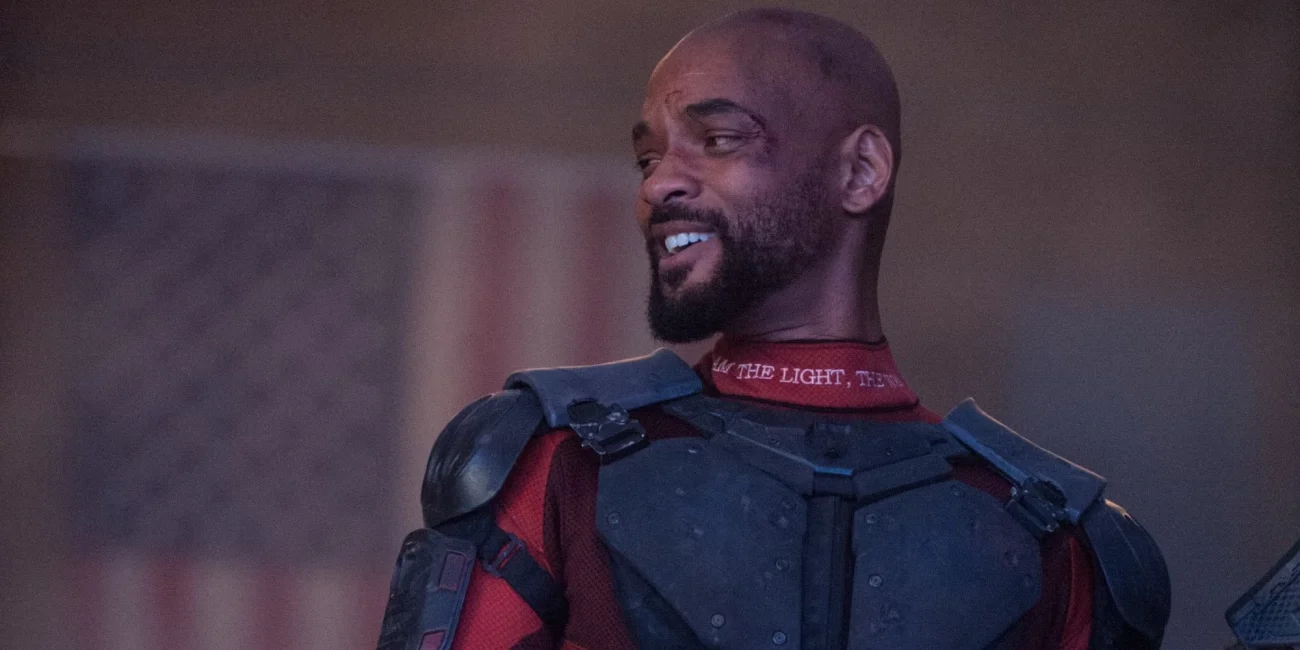
Will Smith portrayed Floyd Lawton, known as Deadshot, a DC Comics character typically illustrated as white in earlier source material. The film presents Lawton as an expert marksman whose technology-driven arsenal is a key tactical asset for Task Force X. Costuming incorporated the character’s signature eyepiece and armored elements adapted for live-action mobility. The script balances his mercenary background with personal stakes that motivate his participation in government-directed missions.
Candice Patton as Iris West in ‘The Flash’ (2014)
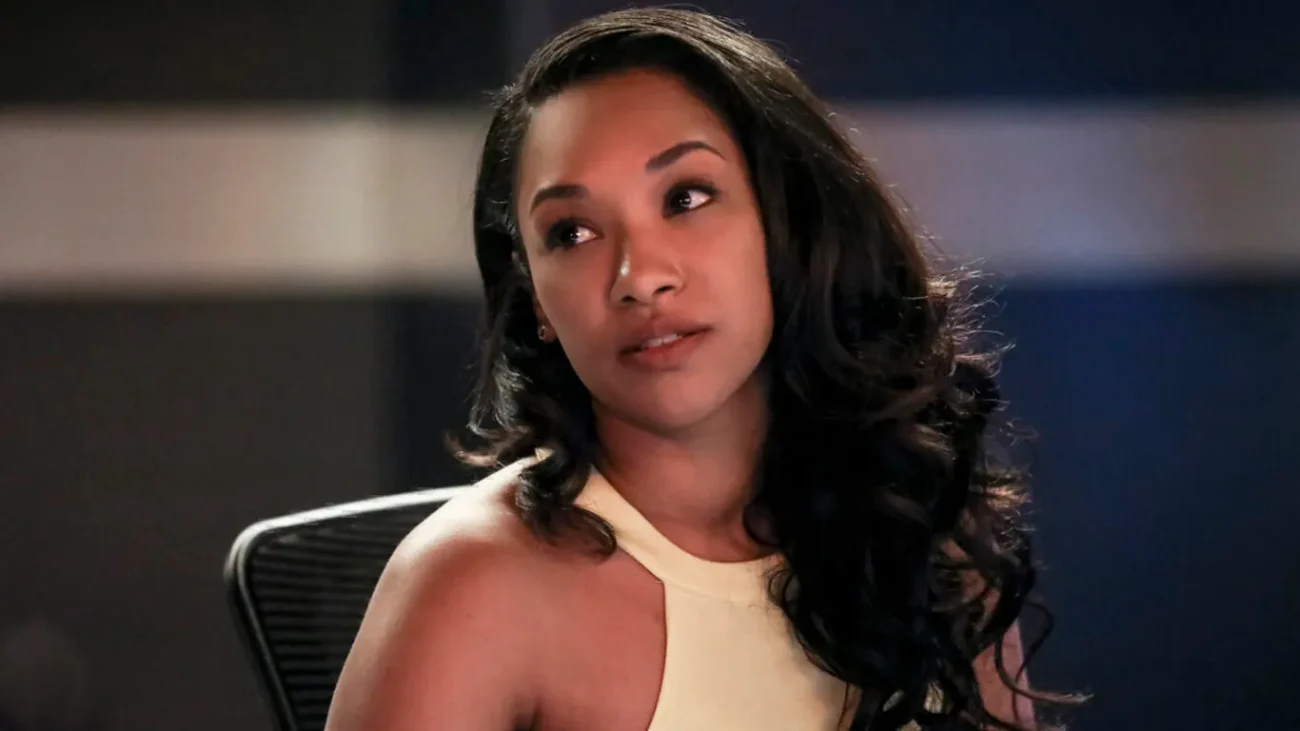
Candice Patton played Iris West, traditionally a white character in DC Comics and earlier adaptations. The series integrates Iris as a journalist and a core part of Barry Allen’s support network, shaping investigative threads across multiple story arcs. Production design uses recurring sets like CCPN to anchor journalism-centric plots and character dynamics. The show’s continuity developed Iris’s professional advancement alongside the evolving roster of speedsters and metahumans.
Steve Toussaint as Corlys Velaryon in ‘House of the Dragon’ (2022)
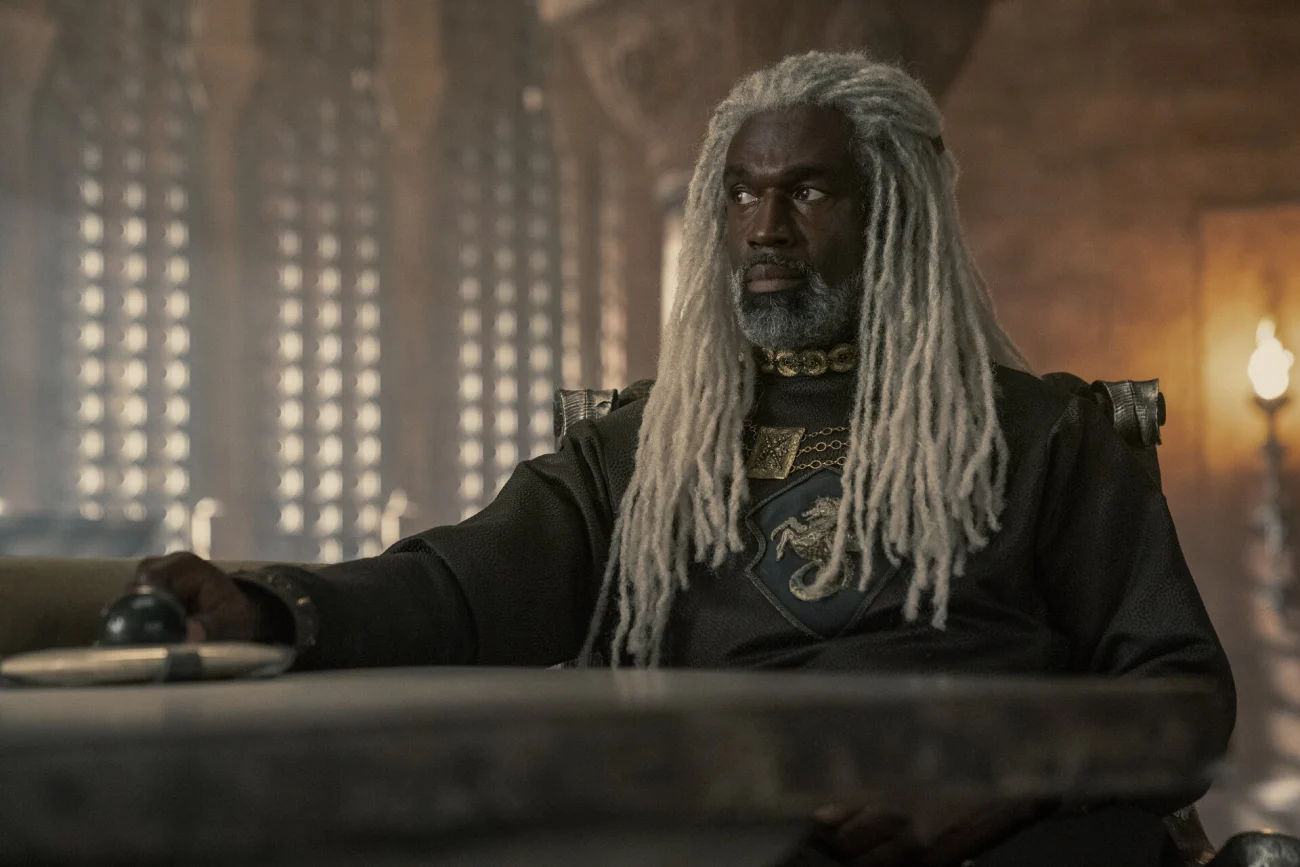
Steve Toussaint portrays Corlys Velaryon, a character described differently in some earlier textual interpretations and frequently depicted as white in prior illustrations. The show establishes House Velaryon with distinct heraldry and seafaring culture, emphasizing Corlys’s naval achievements. Costuming integrates Valyrian-inspired details with maritime motifs to distinguish the family within the wider setting. The casting choice informs political alliances and succession narratives central to the series.
Jacob Anderson as Louis de Pointe du Lac in ‘Interview with the Vampire’ (2022)
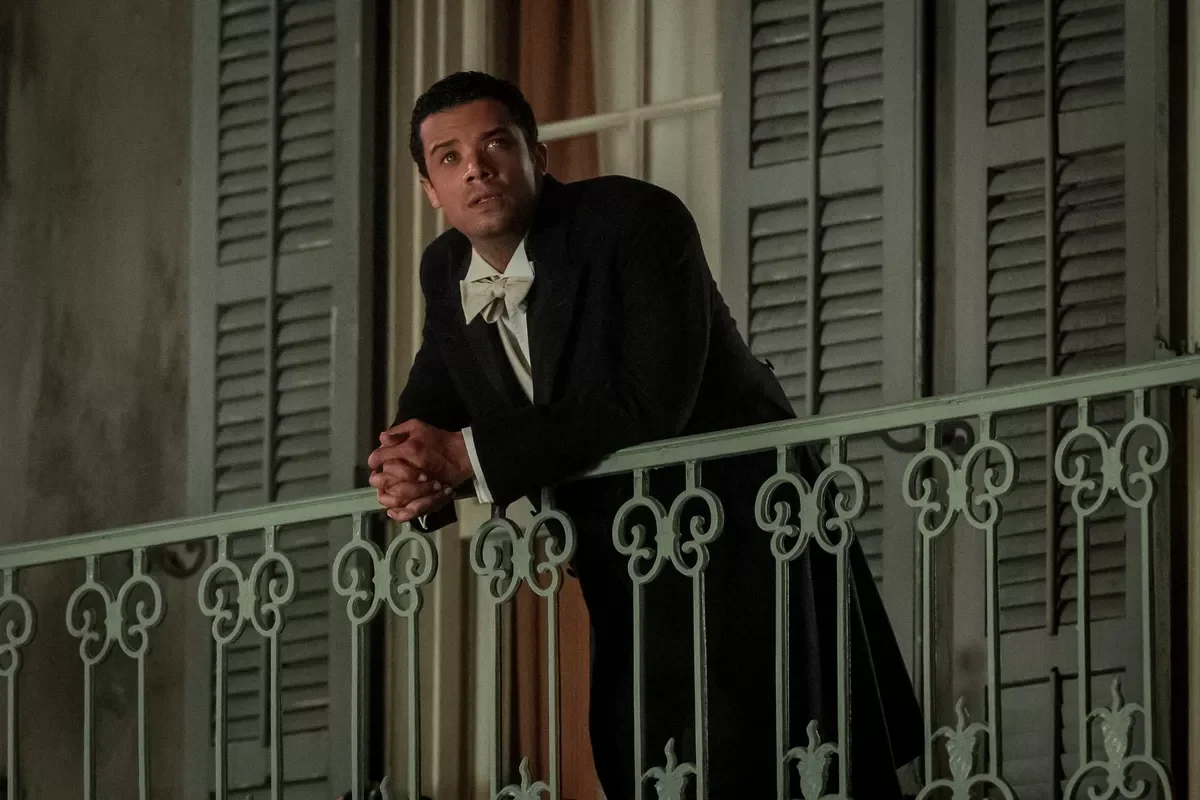
Jacob Anderson’s Louis differs from the white plantation owner portrayal in earlier interpretations of the source material. The series relocates his business background to an urban, vice district milieu, reframing economic and social context for the character’s transformation. Production employs stylized period design and lighting to underscore themes of memory and unreliable narration. The adaptation revisits key relationships from the novel while reshaping historical and cultural specifics.
Kirby Howell-Baptiste as Death in ‘The Sandman’ (2022)
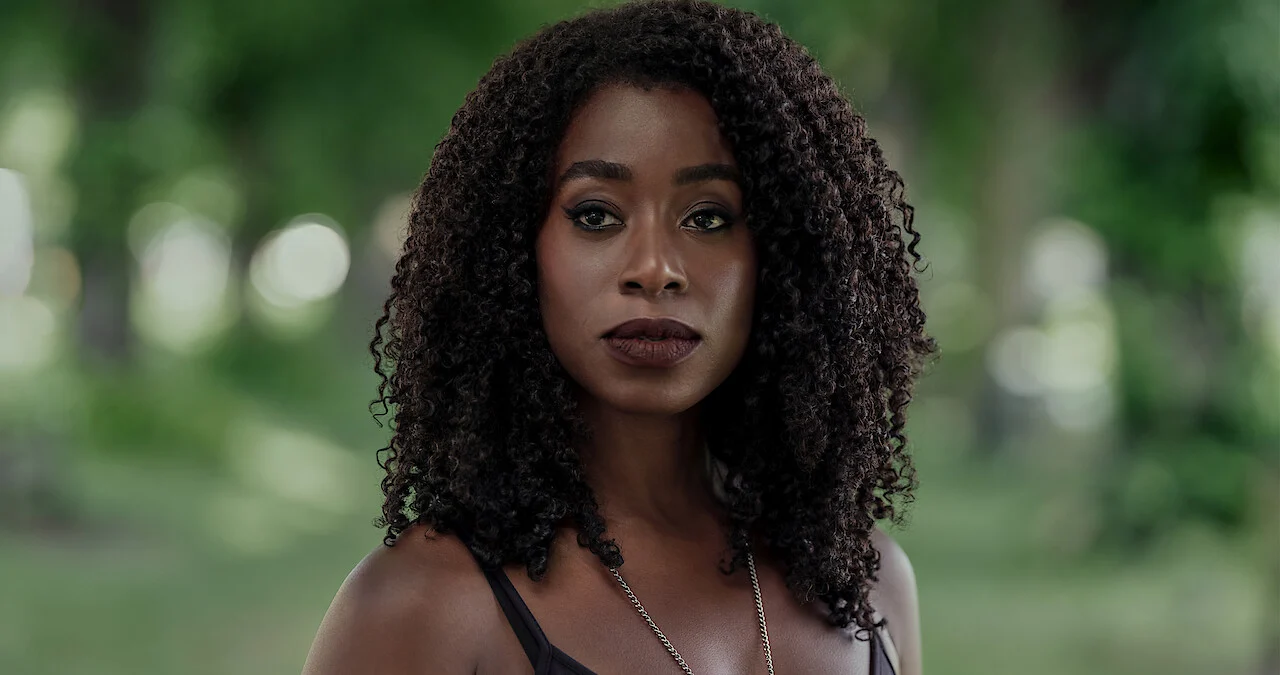
Kirby Howell-Baptiste plays Death, a character often depicted as white in the original comic art. The show translates iconic visual beats, like the ankh necklace and friendly demeanor, through live-action staging and close-up framing. Episodes center on mortal encounters that highlight the character’s role in the narrative’s cosmology. The creative approach balances fidelity to key themes with adjustments for tone, pacing, and performance.
Quvenzhané Wallis as Annie in ‘Annie’ (2014)
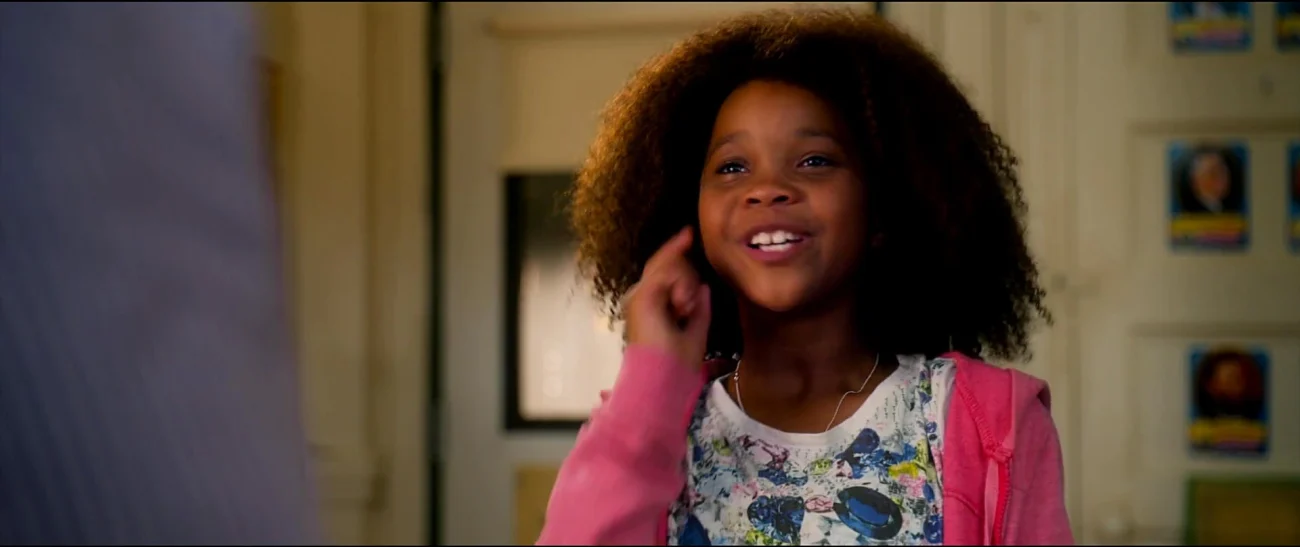
Quvenzhané Wallis took the title role in a modern reimagining of a character long presented as white in earlier stage and screen versions. The film updates the setting to contemporary New York, incorporating current technology and music production elements. Choreography and sound mixing align classic numbers with pop arrangements and urban locations. The adaptation reframes character relationships to fit the new milieu while preserving central plot points.
Ayo Edebiri as April O’Neil in ‘Teenage Mutant Ninja Turtles: Mutant Mayhem’ (2023)
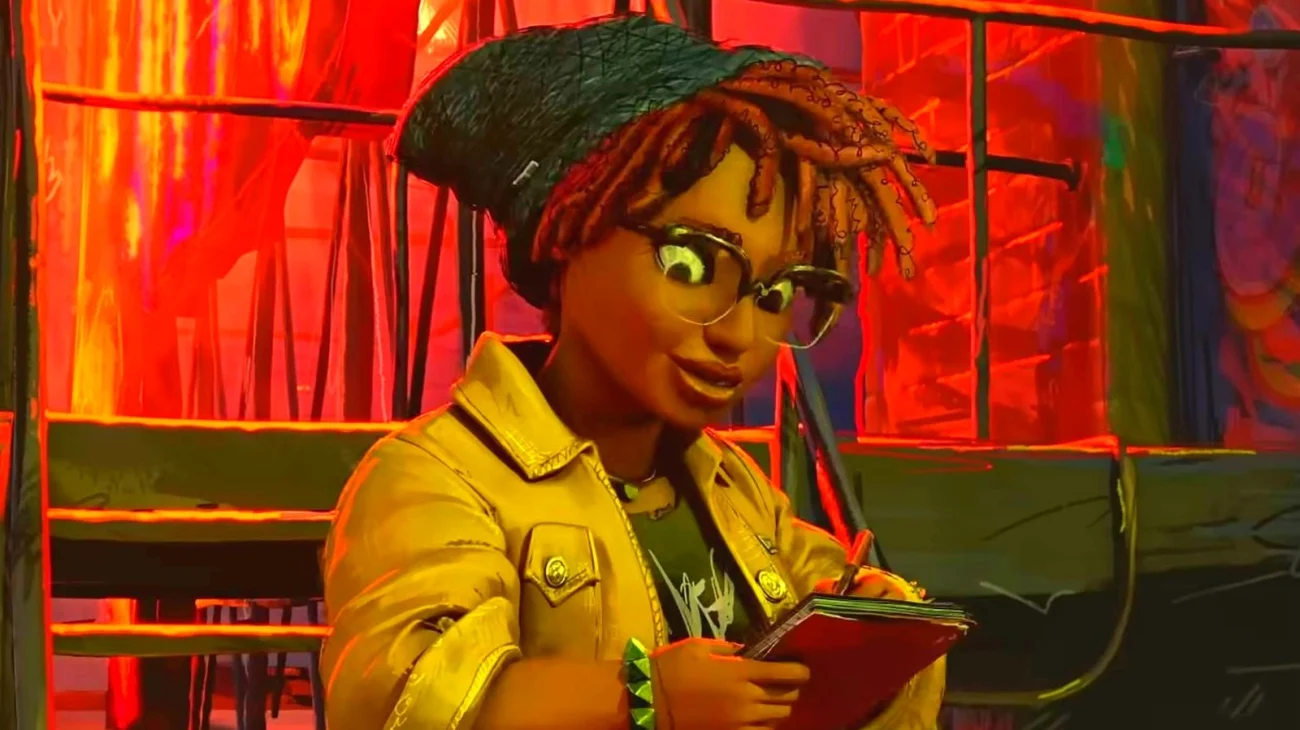
Ayo Edebiri voices April O’Neil, a character historically shown as a white redhead in many earlier animated and comic depictions. The film redesigns April as a teenage reporter, adjusting school context and social dynamics to match the turtles’ ages. Voice direction emphasizes naturalistic dialogue and comedic timing consistent with the movie’s improvisational energy. Character modeling and story beats position April as an investigative ally whose journalism advances the plot.
Lashana Lynch as Miss Honey in ‘Roald Dahl’s Matilda the Musical’ (2022)
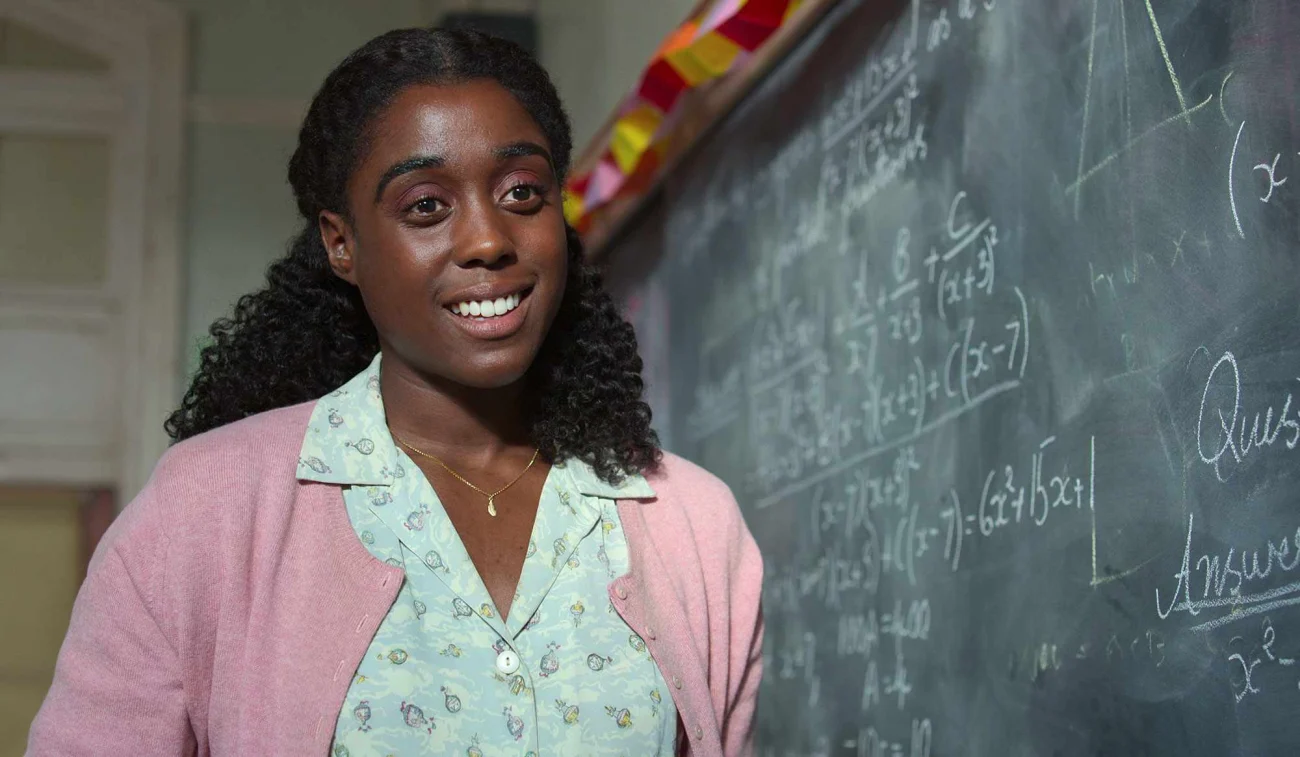
Lashana Lynch portrays Miss Honey, traditionally depicted as white in earlier illustrations and screen adaptations. The film integrates large ensemble choreography with single-take sequences that require precise blocking and camera coordination. Vocal performances were recorded with attention to on-set singing and post-production mixing suited to a musical format. The characterization supports narrative contrasts between Miss Honey’s quiet resilience and the story’s authoritarian figures.
Leah Sava Jeffries as Annabeth Chase in ‘Percy Jackson and the Olympians’ (2023)
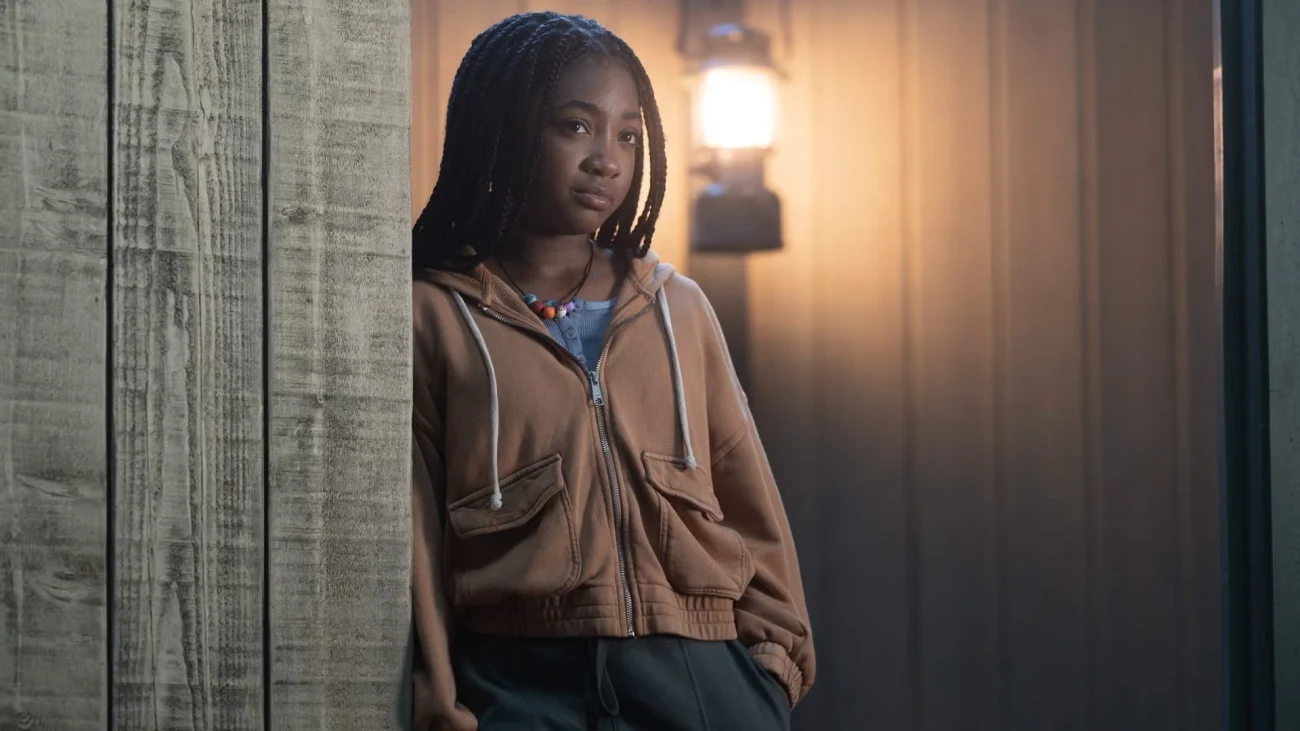
Leah Sava Jeffries plays Annabeth Chase, a character originally illustrated as white with specific visual traits in the book series’ early art. The show adapts demigod training, camp settings, and quest structure using contemporary VFX and production design. Casting highlights a broader approach to translating literary characters to screen while retaining essential skills and relationships. The series format allows extended exploration of plot arcs that were previously condensed in other adaptations.
Share your thoughts in the comments: which portrayals or productions stood out to you, and what examples would you add?