


Black Actors Who Publicly Support “No White Saviors” Clauses in Contracts

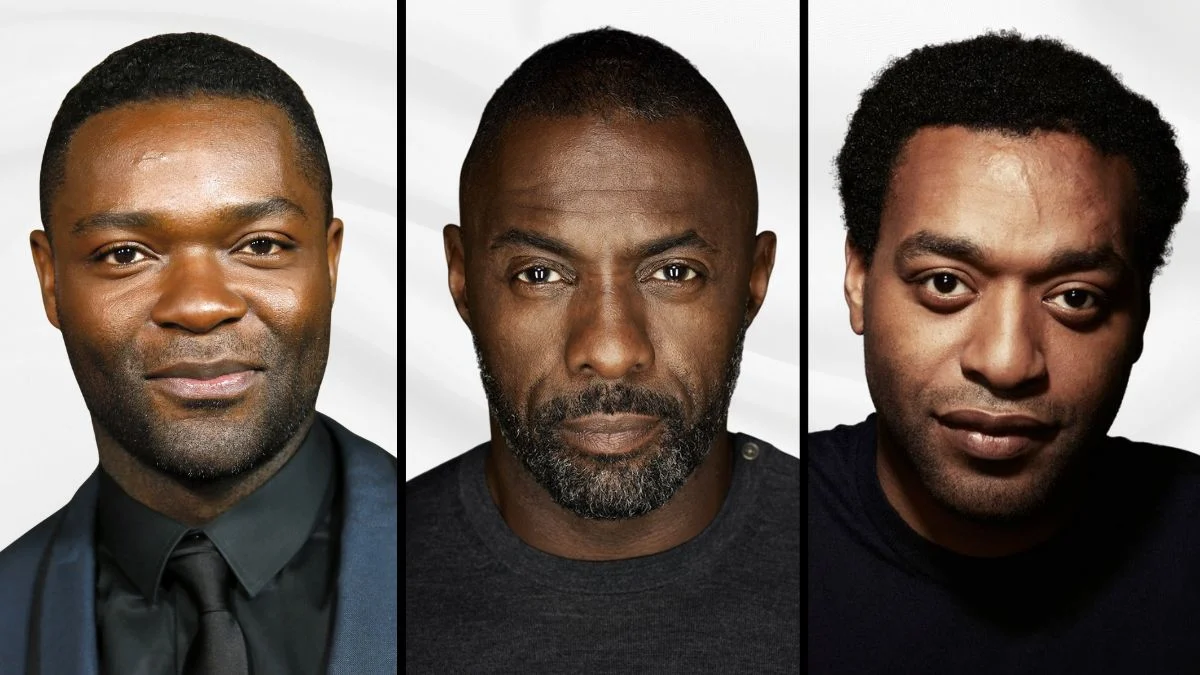


The entertainment industry is witnessing a significant shift as performers demand more control over how their stories are told on screen. Many Black actors now advocate for contractual clauses that ensure authentic representation and prevent the use of outdated tropes that diminish the agency of minority characters. These inclusion riders and narrative mandates are designed to dismantle the reliance on external figures to resolve the conflicts of marginalized protagonists. By prioritizing diverse voices in the writers room and on set these actors are reshaping the future of cinema. This movement fosters an environment where Black excellence is portrayed with depth and cultural integrity.
Michael B. Jordan
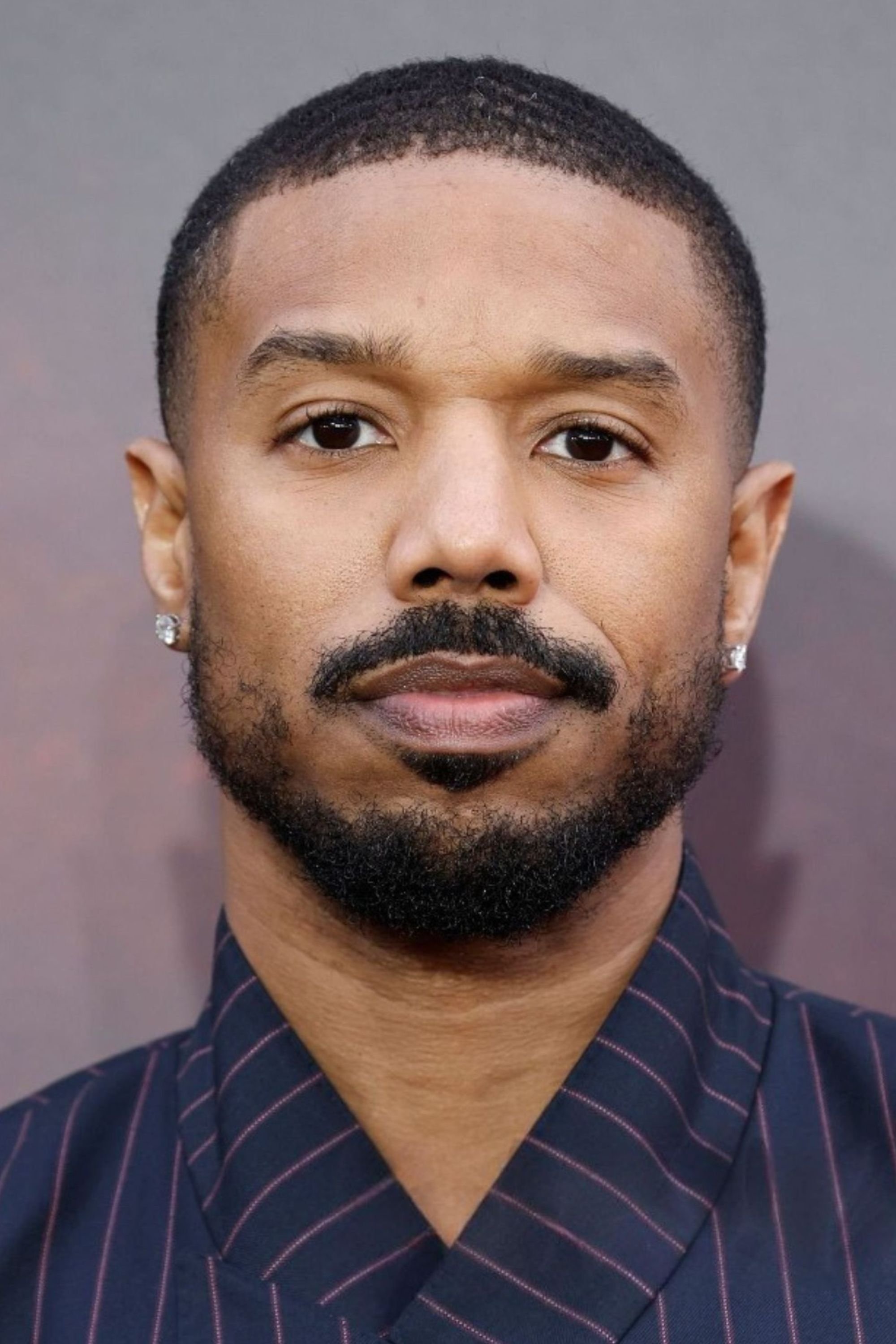
Michael B. Jordan became a pioneer for narrative equity when he announced that his production company would adopt inclusion riders for all future projects. This commitment ensures that diverse perspectives are represented both in front of and behind the camera to prevent traditional Hollywood biases. His performances in films like ‘Black Panther’ and ‘Creed’ emphasize the importance of self-reliance and community strength within Black stories. He continues to use his influence to push for structural changes that empower Black creators to maintain creative control over their own legacies. This approach helps eliminate the need for stereotypical rescue narratives in mainstream media.
Idris Elba
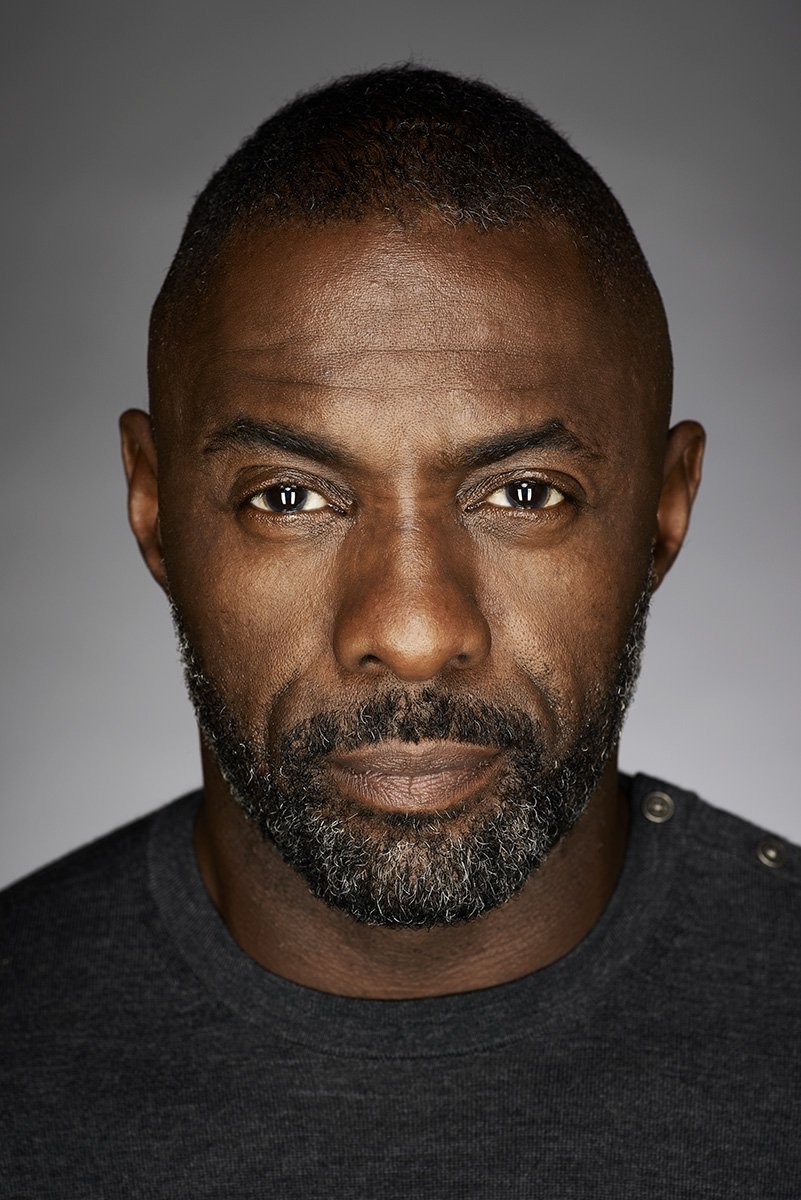
Idris Elba has long been an advocate for authentic storytelling that reflects the true complexity of the Black experience across the globe. He often speaks about the necessity of providing opportunities for diverse writers who understand the nuances of the characters they create. Through his production work he seeks to develop projects that showcase Black protagonists as the primary drivers of their own destinies. His involvement in ‘Luther’ and ‘Beasts of No Nation’ demonstrates a dedication to roles that challenge conventional tropes. By supporting these initiatives he ensures that upcoming talent can work in an industry that values cultural accuracy.
Sterling K. Brown
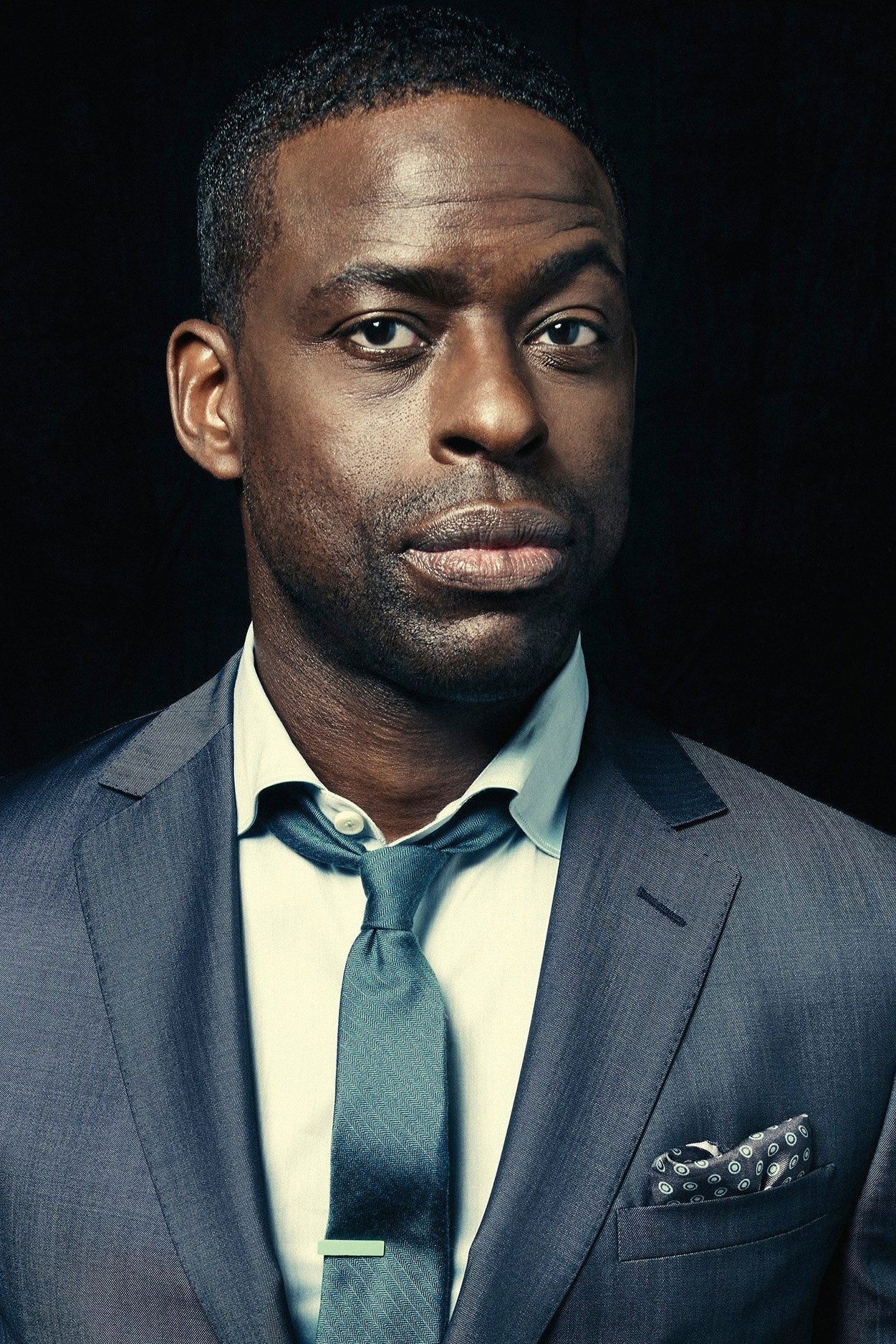
Sterling K. Brown is known for his vocal support of scripts that offer deep emotional resonance and intellectual agency for Black men. He frequently highlights the importance of having Black directors and producers involved in the creative process to safeguard the integrity of the story. His work on ‘This Is Us’ and ‘Honk for Jesus. Save Your Soul.’ reflects a commitment to portraying multifaceted characters who navigate their challenges through personal growth. He believes that contractual mandates for diversity can help break the cycle of reductive storytelling in television. These efforts are essential for creating a more inclusive and representative media landscape.
Anthony Mackie
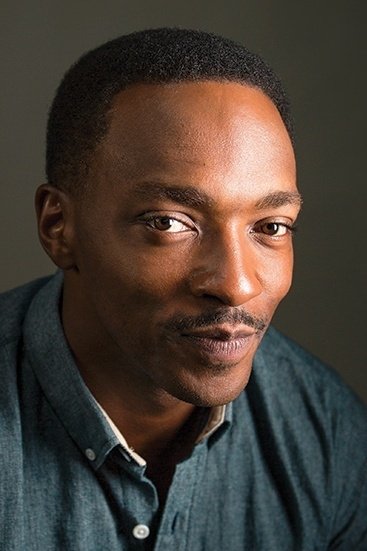
Anthony Mackie has expressed the need for more Black professionals in technical roles to ensure that films are produced with a culturally informed perspective. He advocates for the empowerment of Black actors to have a say in the development of their characters to avoid common cliches. His portrayal of the first Black Captain America in ‘The Falcon and the Winter Soldier’ serves as a landmark for agency in superhero narratives. He emphasizes that true progress comes from having decision-makers who reflect the diversity of the audience. This advocacy helps shift the focus away from savior tropes and toward genuine empowerment.
John Boyega
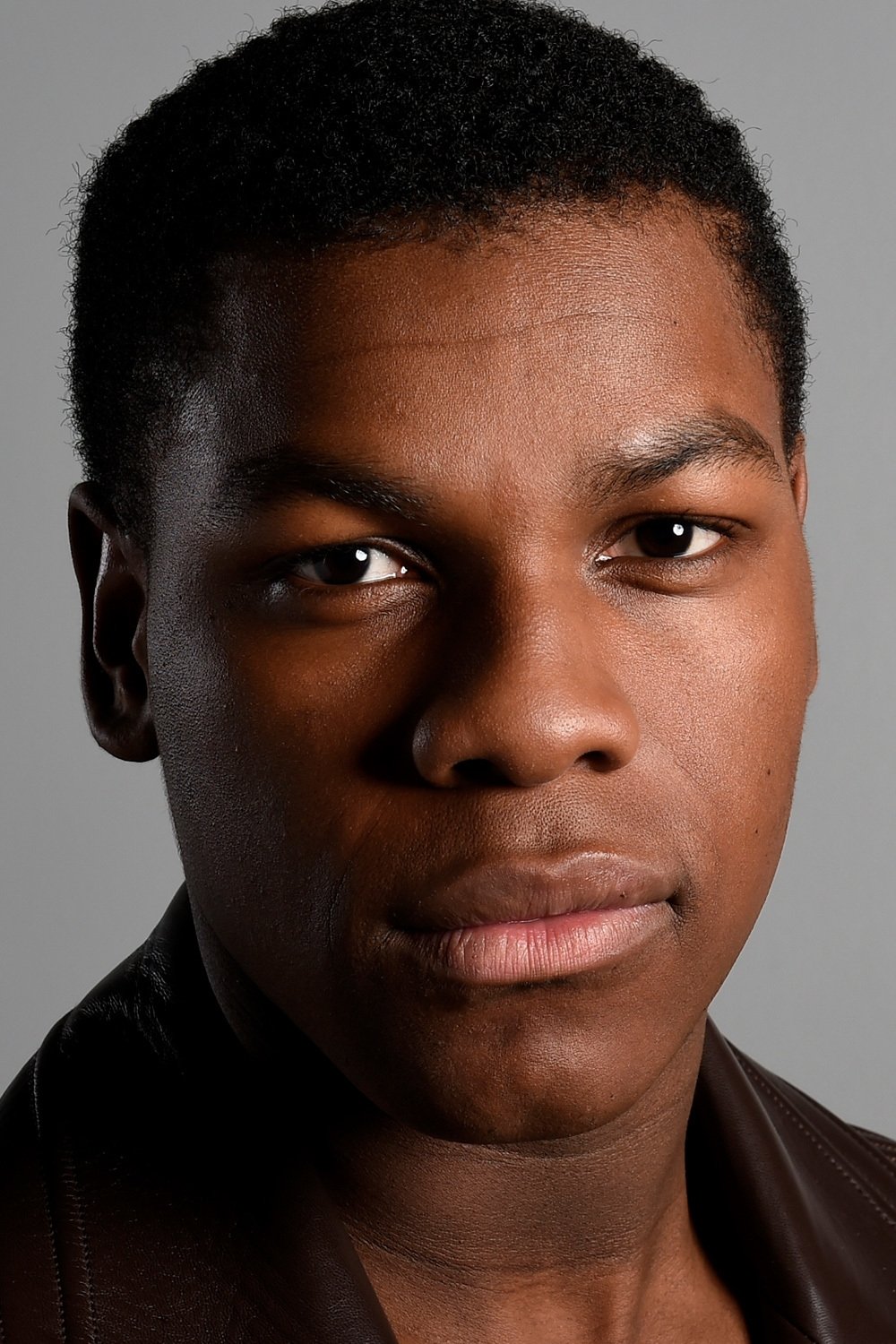
John Boyega has been a fearless critic of how major franchises sometimes sideline diverse characters in favor of traditional archetypes. He advocates for better treatment and more substantial roles for Black actors in blockbuster cinema to ensure they are not merely peripheral figures. His public statements have encouraged studios to rethink their approach to character development and narrative balance. He actively seeks out projects like ‘The Woman King’ and ‘Breaking’ that center on the strength and resilience of the Black community. His dedication to these principles is a driving force for change in the global film industry.
Daniel Kaluuya
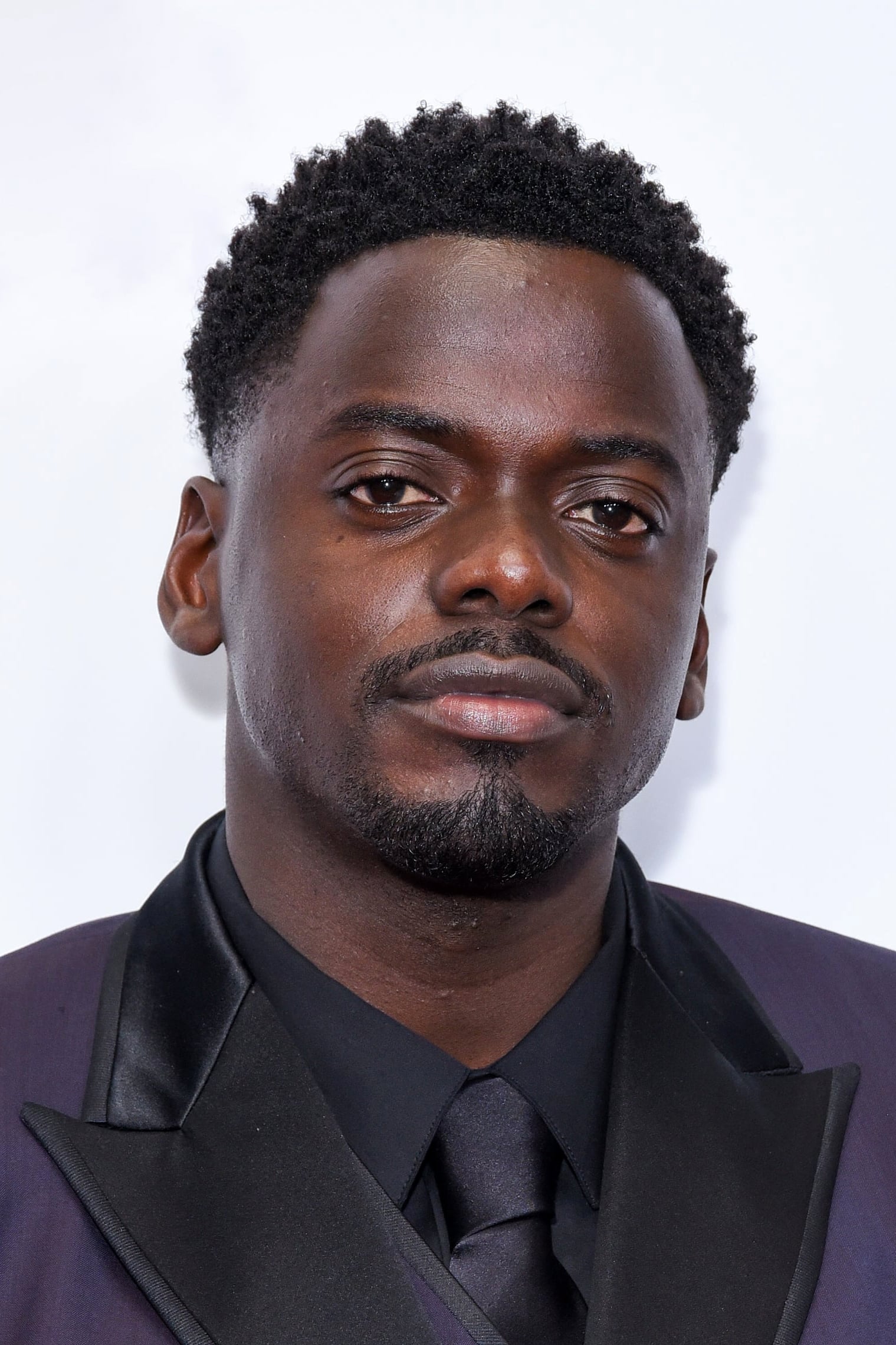
Daniel Kaluuya often chooses roles that explore the psychological and social realities of the Black experience without relying on external intervention. He is a strong supporter of the idea that Black stories should be told by people who have lived those experiences. His performances in ‘Get Out’ and ‘Judas and the Black Messiah’ highlight the power of authentic voice and vision. He works closely with emerging filmmakers to ensure that the narratives remain grounded in reality rather than falling into stereotypical patterns. By championing these standards he helps protect the artistic value of Black cinema.
Lakeith Stanfield
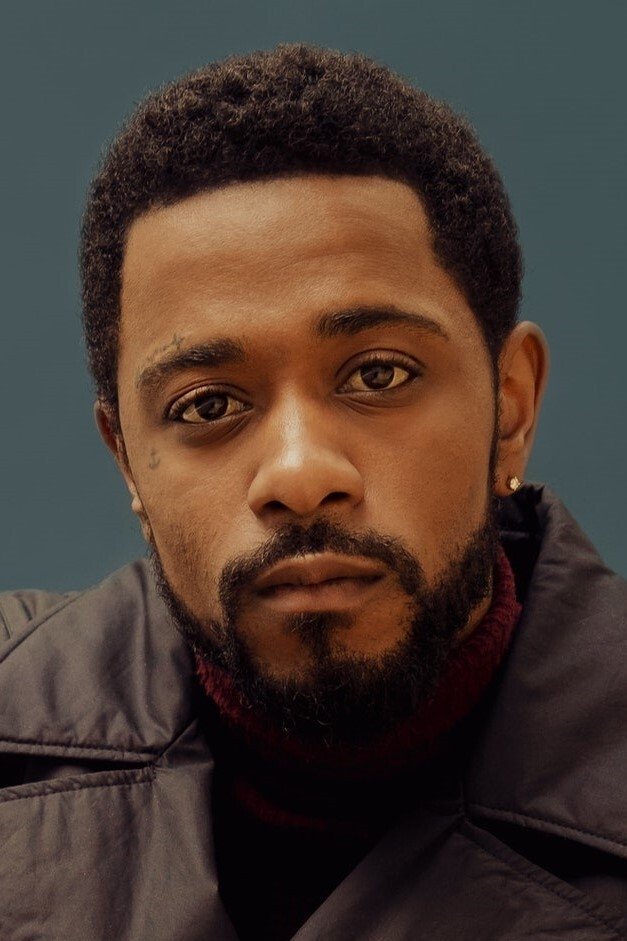
Lakeith Stanfield is known for his eccentric and deeply human portrayals that defy easy categorization or tropes. He supports the movement for greater creative freedom for Black artists to tell unconventional stories that do not cater to the white gaze. His work in ‘Atlanta’ and ‘Sorry to Bother You’ showcases a unique perspective on the modern Black identity. He believes that the industry must move past the requirement for savior figures to make Black stories palatable to a broad audience. His career choices reflect a commitment to pushing the boundaries of what is possible for Black actors.
Mahershala Ali
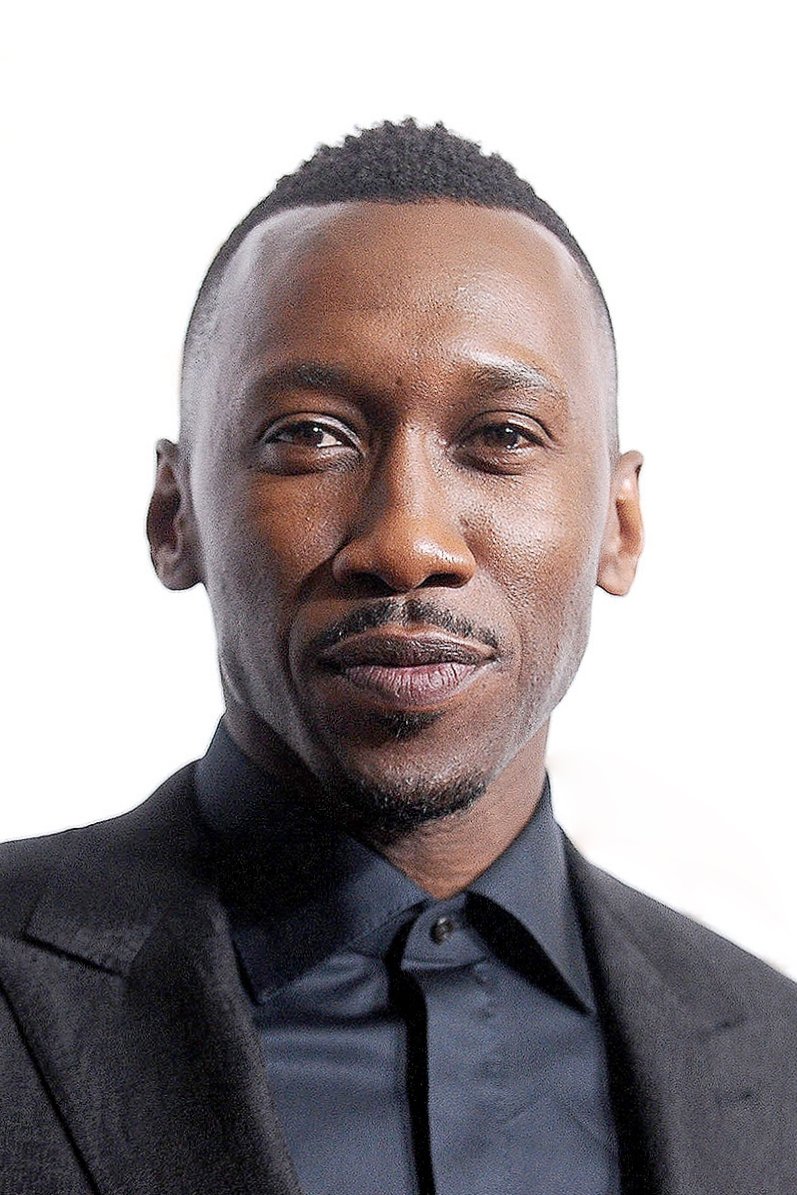
Mahershala Ali has used his platform to advocate for roles that offer dignity and intellectual depth to Black protagonists. He is often involved in the creative development of his projects to ensure that the scripts are respectful and culturally accurate. His award-winning performances in ‘Moonlight’ and ‘Green Book’ demonstrate his ability to bring nuance to complex historical and social contexts. He supports initiatives that require a diverse workforce to prevent the dilution of minority voices in the production process. His leadership in the industry encourages a more thoughtful and inclusive approach to filmmaking.
Winston Duke
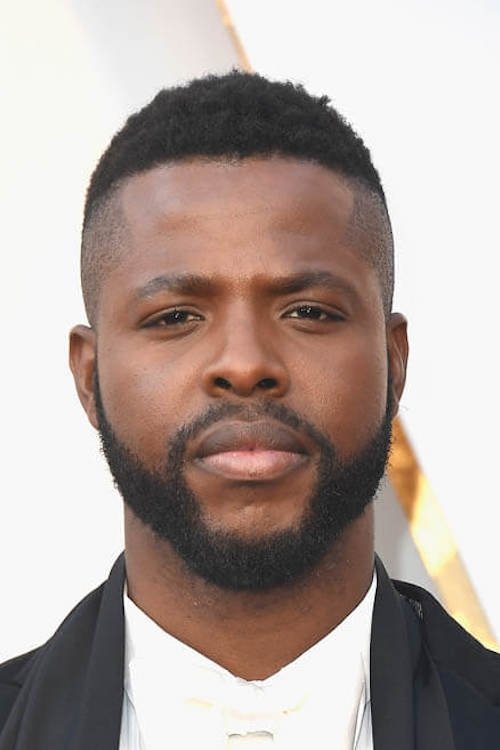
Winston Duke has spoken extensively about the impact of the Black Panther movement on the perception of Black power and agency in media. He advocates for the use of inclusion riders to ensure that the entire production team reflects the diversity of the story being told. His roles in ‘Us’ and ‘Nine Days’ highlight his preference for narratives where Black characters are the masters of their own fate. He believes that by controlling the narrative Black actors can dismantle the harmful tropes that have persisted for decades. His work continues to inspire a new generation of performers to demand better representation.
David Oyelowo
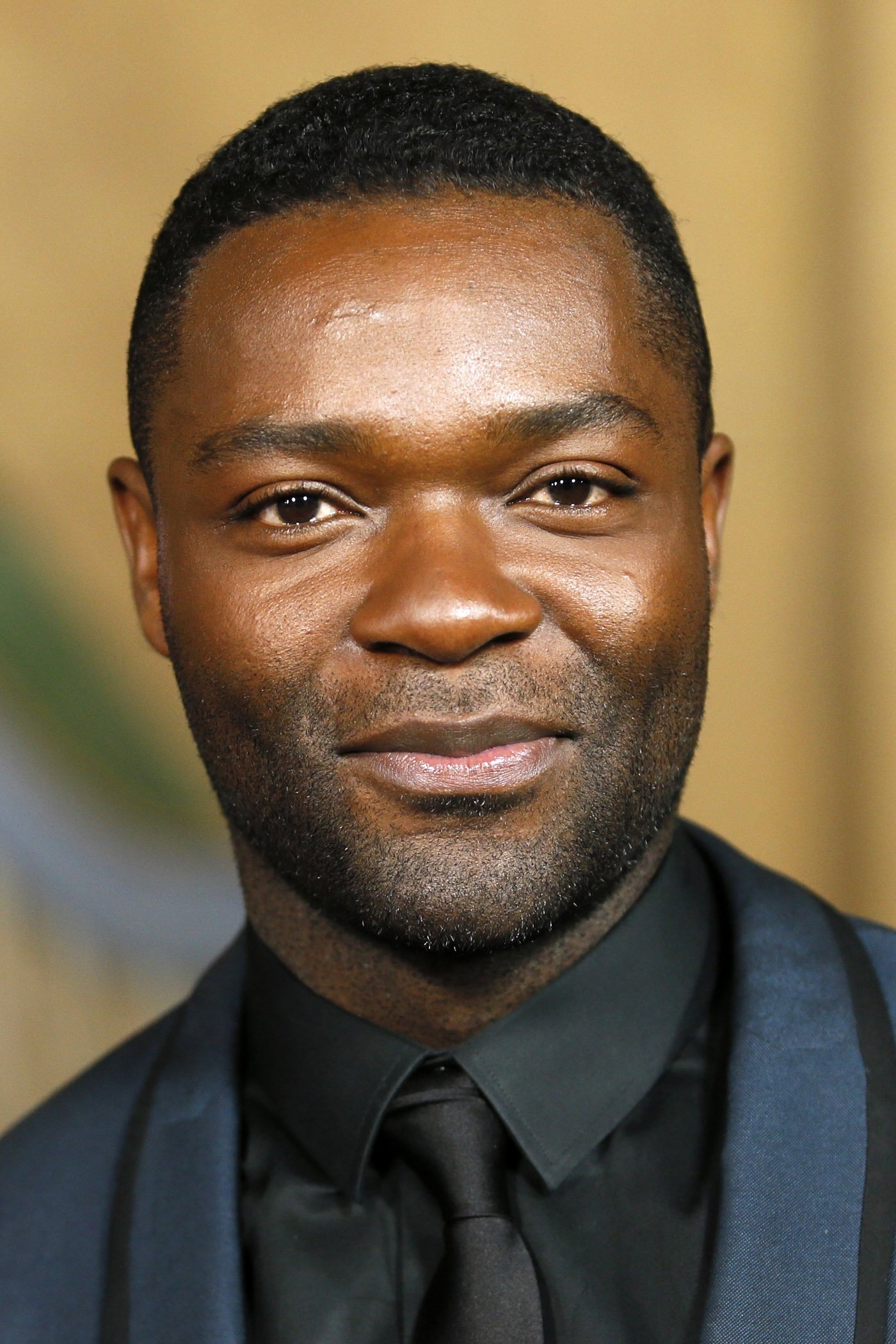
David Oyelowo is a staunch supporter of historical accuracy and cultural sensitivity in films that depict the Black experience. He has often pushed for Black directors to lead projects that center on significant Black historical figures to ensure the perspective remains authentic. His portrayal of Martin Luther King Jr. in ‘Selma’ was a landmark moment for narrative sovereignty in cinema. He believes that contractual clauses are a necessary tool to force the industry to change its hiring practices. By prioritizing these values he helps ensure that Black history is told with the respect and gravity it deserves.
Courtney B. Vance
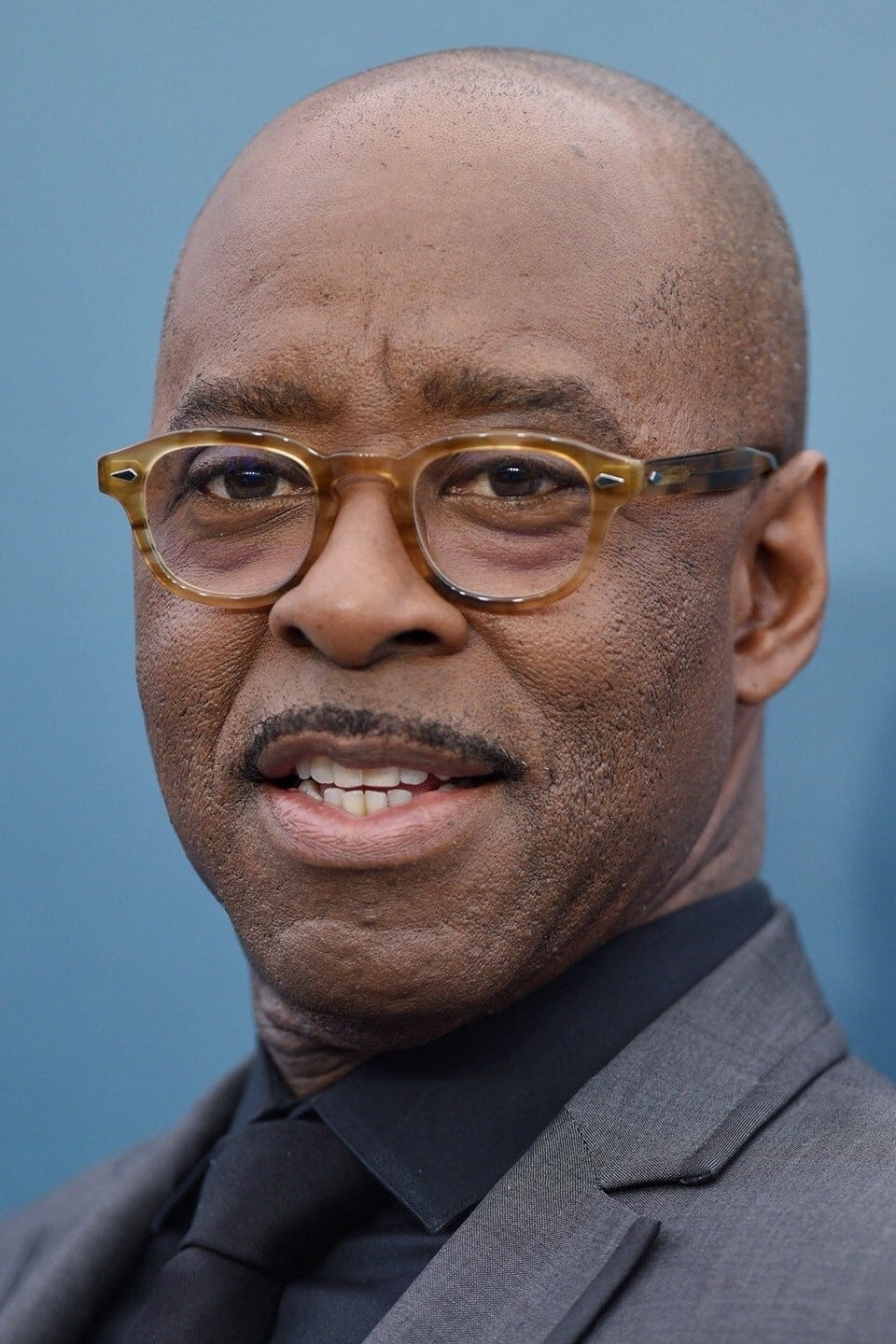
Courtney B. Vance has a long history of advocating for the professional advancement and fair treatment of Black actors in Hollywood. He supports the implementation of diversity mandates that guarantee a seat at the table for minority creators during the production process. His work in ‘The People v. O. J. Simpson’ and ‘Lovecraft Country’ shows his commitment to projects that address systemic issues with honesty. He believes that the removal of savior tropes is essential for the maturation of Black storytelling in television. His advocacy continues to influence how contracts are negotiated for veteran and emerging stars alike.
Billy Porter
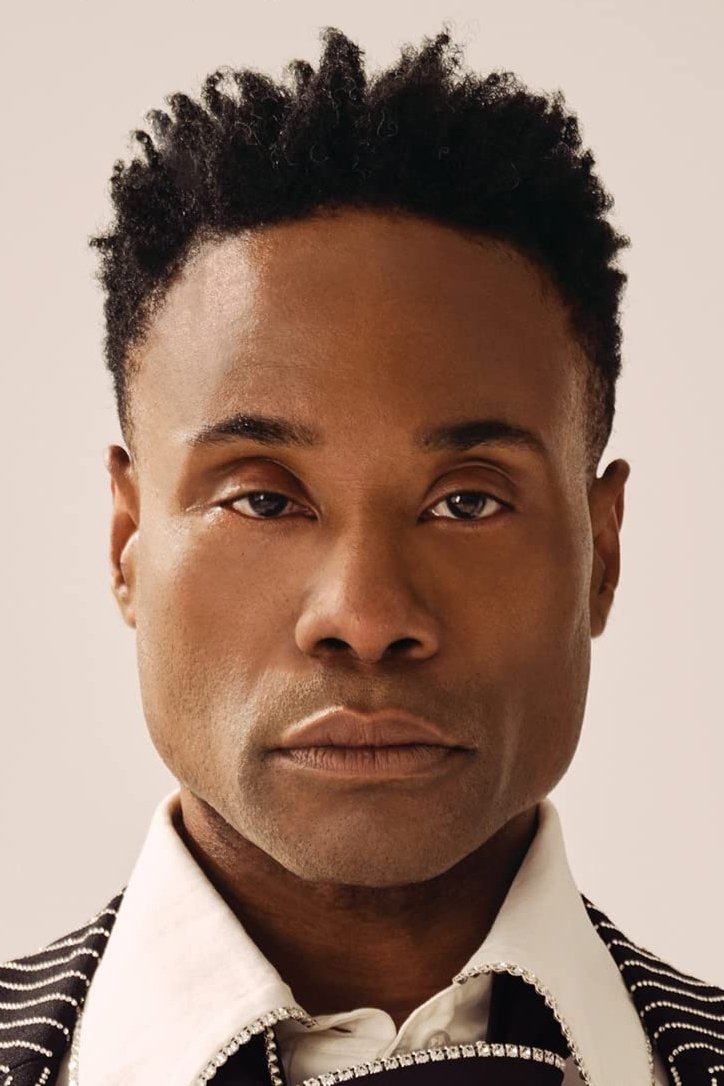
Billy Porter is a vocal advocate for the inclusion of Black queer voices in the movement for narrative control and diversity. He emphasizes that representation must be intersectional to truly reflect the richness of the human experience. His performances in ‘Pose’ and on Broadway have challenged traditional notions of masculinity and race. He supports contractual requirements that protect the integrity of marginalized stories and prevent them from being filtered through a limited lens. His bold presence in the industry serves as a catalyst for broader acceptance and authentic portrayal.
Samuel L. Jackson
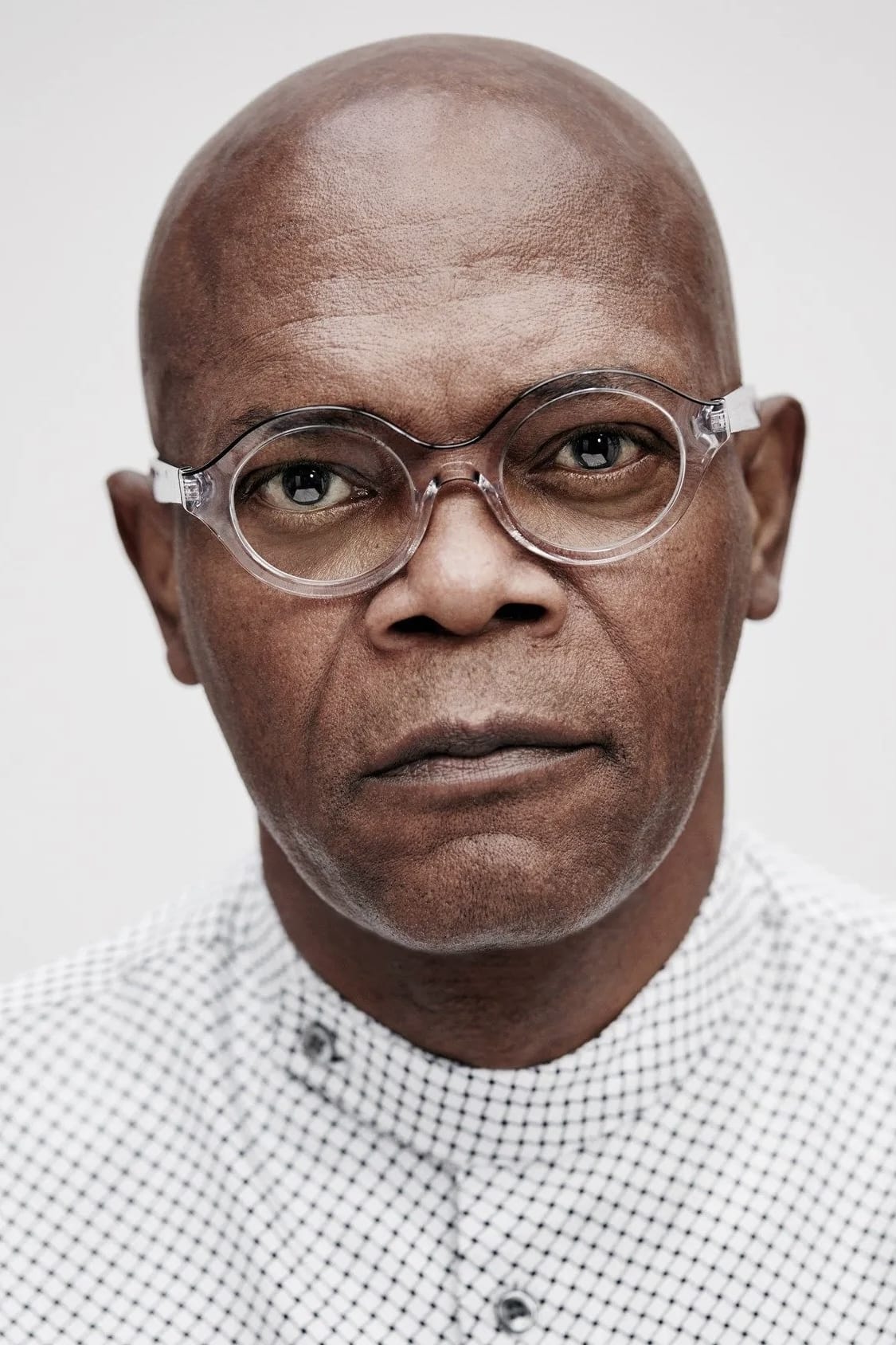
Samuel L. Jackson has frequently discussed the importance of maintaining the unique voice and energy of Black characters in film. He often works with directors who understand the cultural significance of his roles and allow for genuine expression. His extensive filmography includes many characters who are fiercely independent and refuse to be defined by others. He supports the idea that Black actors should have the power to influence the dialogue and direction of their projects. This approach ensures that the final product resonates with the audience it is intended to represent.
Don Cheadle
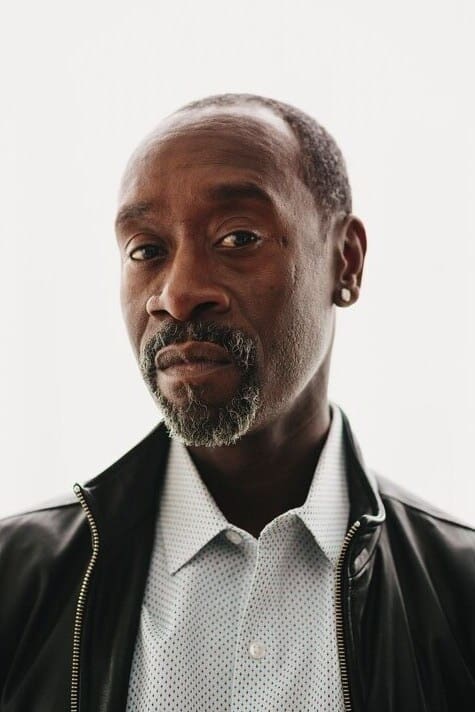
Don Cheadle has been an active participant in movements aimed at increasing diversity and equity in the entertainment world. He advocates for the development of stories that center on Black ingenuity and leadership across various genres. His work in ‘Hotel Rwanda’ and the Marvel Cinematic Universe demonstrates his ability to anchor major narratives with authority. He believes that inclusion riders are a practical way to ensure that the industry lives up to its promises of change. His continued involvement in production allows him to mentor others and promote a more balanced storytelling environment.
Colman Domingo
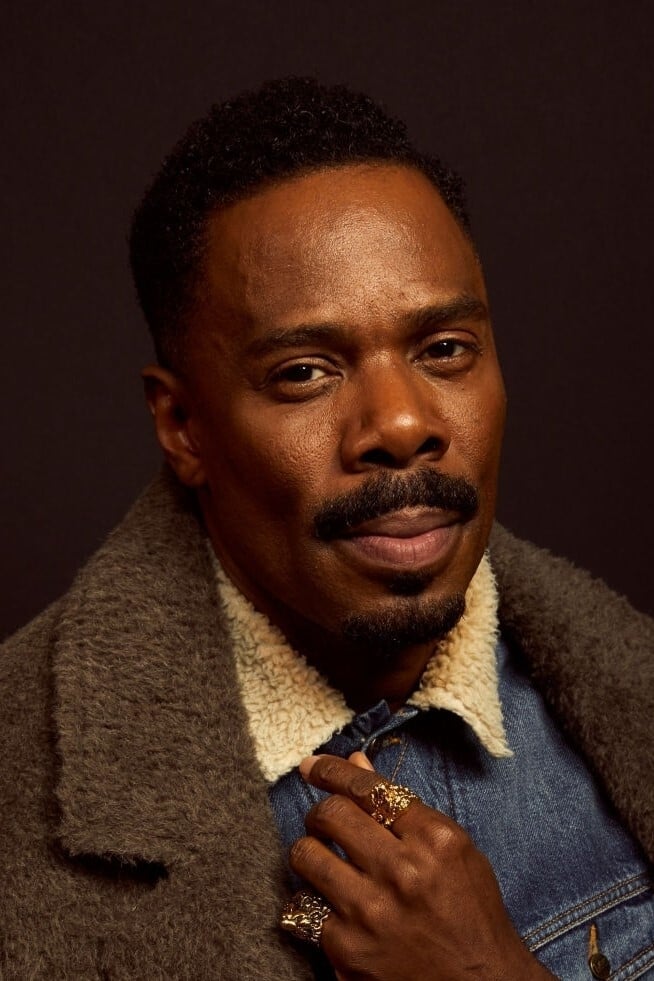
Colman Domingo is a versatile talent who advocates for the preservation of the Black voice in both theater and film. He emphasizes the need for Black actors to be involved in the conceptual stages of a project to prevent the insertion of savior tropes. His performances in ‘Ma Rainey’s Black Bottom’ and ‘Euphoria’ highlight his range and commitment to authentic character work. He supports contractual measures that ensure a diverse and inclusive creative team on every project he joins. His dedication to these principles helps elevate the quality and honesty of contemporary drama.
Jeffrey Wright
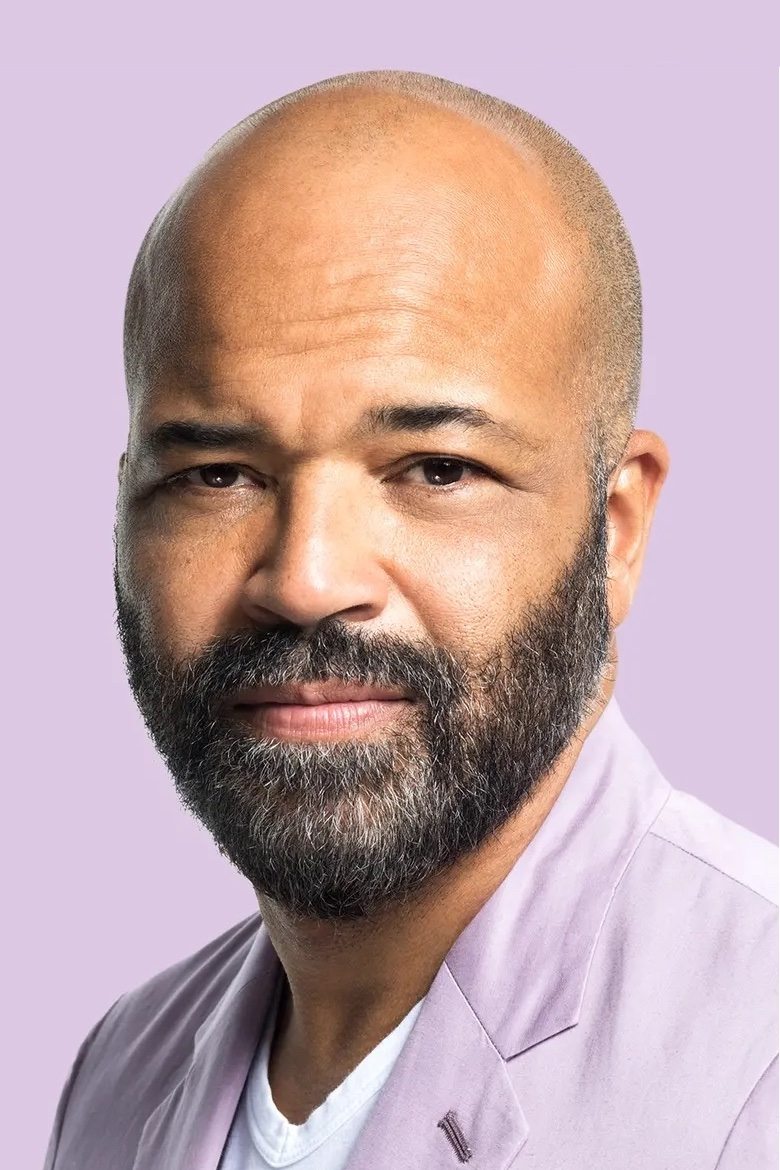
Jeffrey Wright is known for his intellectual approach to his craft and his insistence on the complexity of the Black characters he portrays. He often speaks about the dangers of reductive storytelling and the need for scripts that respect the audience’s intelligence. His roles in ‘Westworld’ and ‘American Fiction’ challenge viewers to think critically about race and identity. He supports the implementation of standards that require studios to hire diverse talent at every level of production. His influence ensures that the projects he is part of are handled with care and cultural awareness.
Brian Tyree Henry
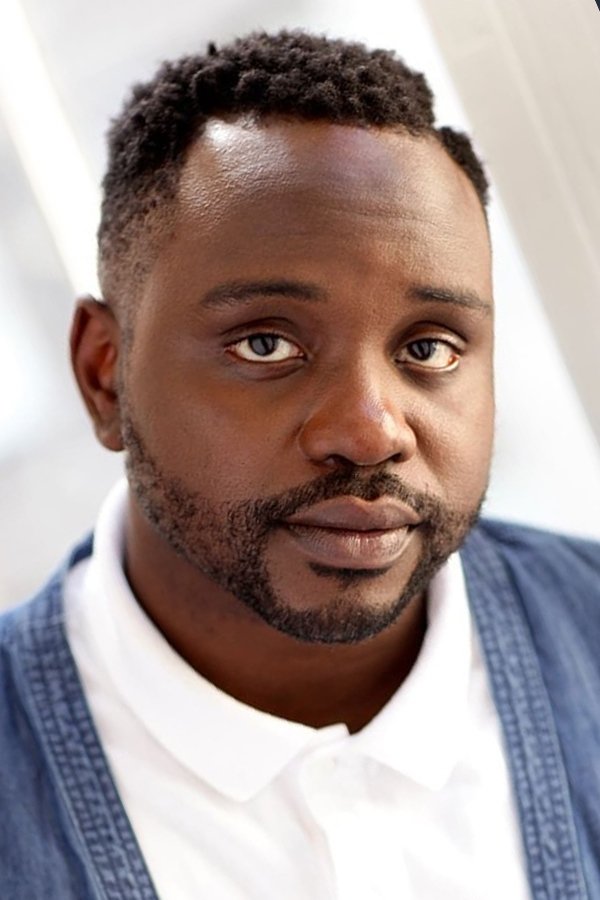
Brian Tyree Henry has quickly become a prominent voice for the importance of vulnerability and humanity in Black male roles. He advocates for stories that allow Black characters to exist as full individuals without the burden of representing a single trope. His work in ‘Atlanta’ and ‘Causeway’ showcases his ability to navigate a wide range of emotions and experiences. He believes that the industry must be held accountable through contractual obligations that promote genuine diversity. His commitment to authentic storytelling is evident in the diverse array of projects he chooses to pursue.
Yahya Abdul-Mateen II
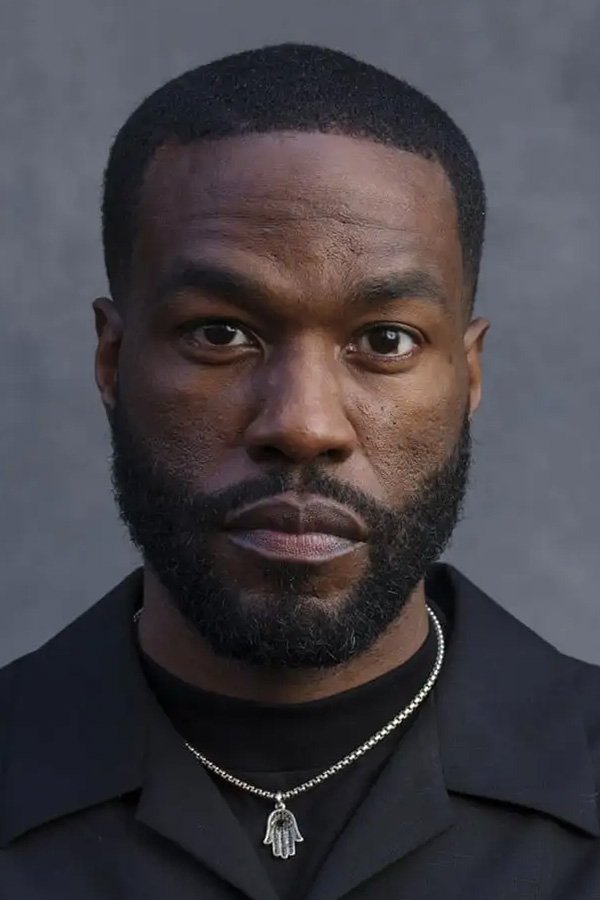
Yahya Abdul-Mateen II supports the push for narrative equity by choosing roles that place Black characters in positions of power and agency. He advocates for the inclusion of Black voices in the decision-making process to ensure that the stories told are both relevant and accurate. His performances in ‘Watchmen’ and ‘Candyman’ explore themes of legacy and justice from a distinctively Black perspective. He believes that the industry should move away from reliance on external figures to resolve internal community struggles. His presence in the industry is a testament to the power of self-representation.
Daveed Diggs
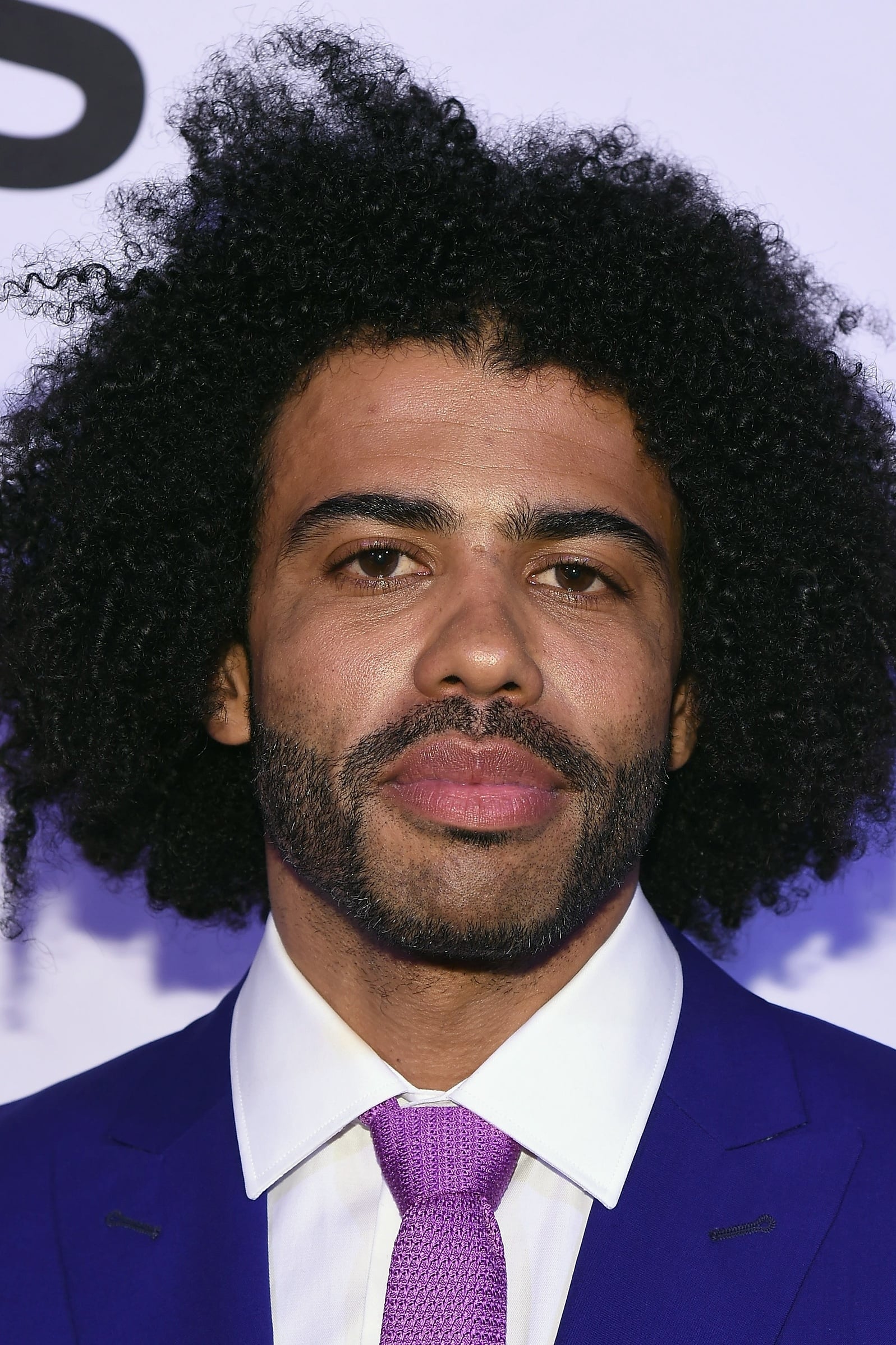
Daveed Diggs is a creative force who uses his background in music and theater to advocate for innovative Black storytelling. He supports the use of contractual clauses that protect the creative vision of minority artists from being altered by studio interference. His work in ‘Blindspotting’ and ‘Hamilton’ demonstrates a commitment to exploring the intersections of race and society. He believes that true diversity requires a fundamental shift in how stories are greenlit and produced. His advocacy encourages other artists to use their platform to demand a more equitable industry.
Leslie Odom Jr.
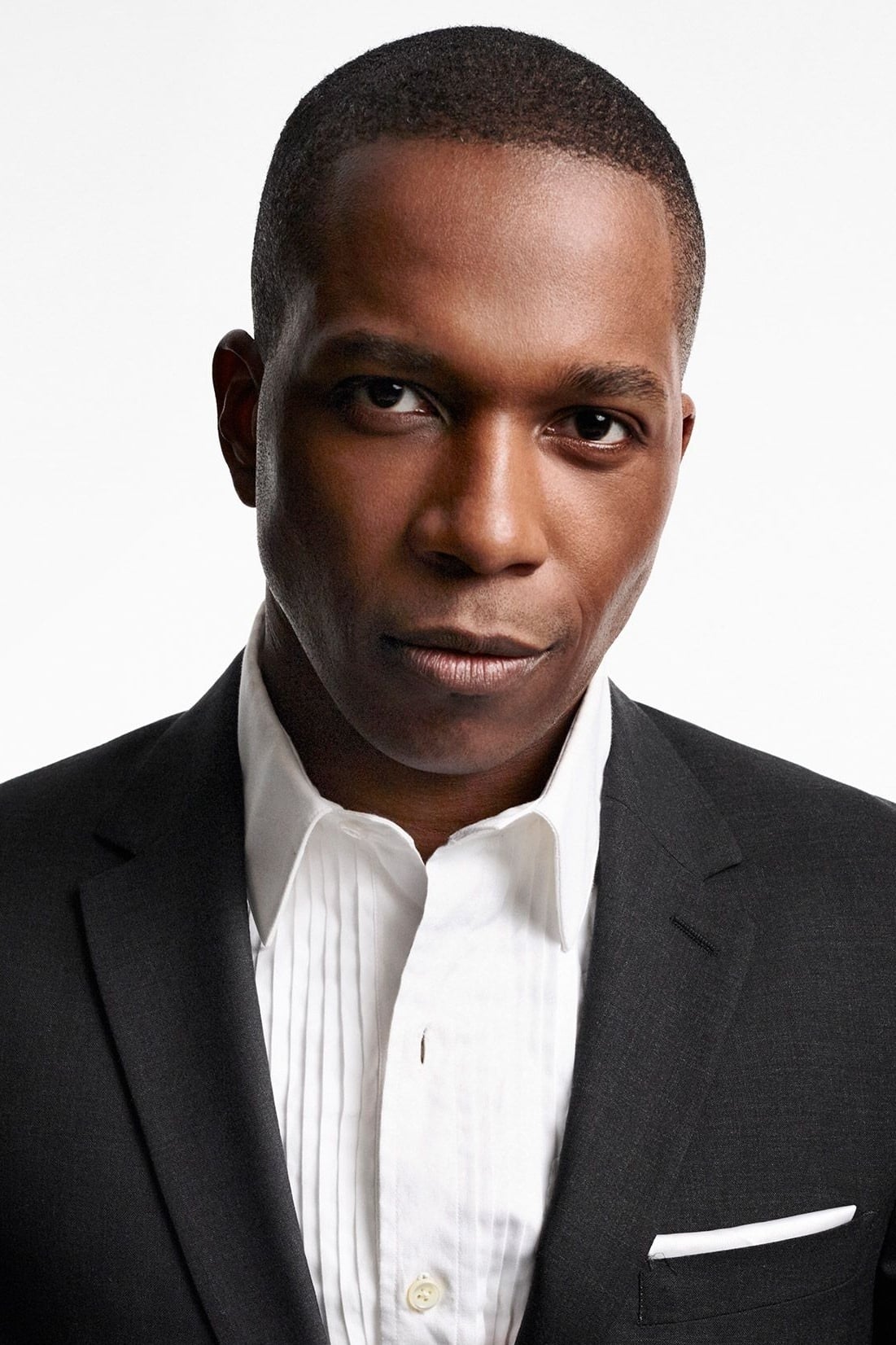
Leslie Odom Jr. has consistently advocated for the fair representation and compensation of Black performers in all areas of the arts. He supports the adoption of inclusion riders to ensure that the production environment is as diverse as the world we live in. His portrayal of Sam Cooke in ‘One Night in Miami…’ highlights the importance of Black historical figures being portrayed with agency and purpose. He believes that the removal of savior tropes is a vital step toward achieving true artistic freedom. His work continues to set a high standard for excellence and integrity in the performing arts.
Stephan James
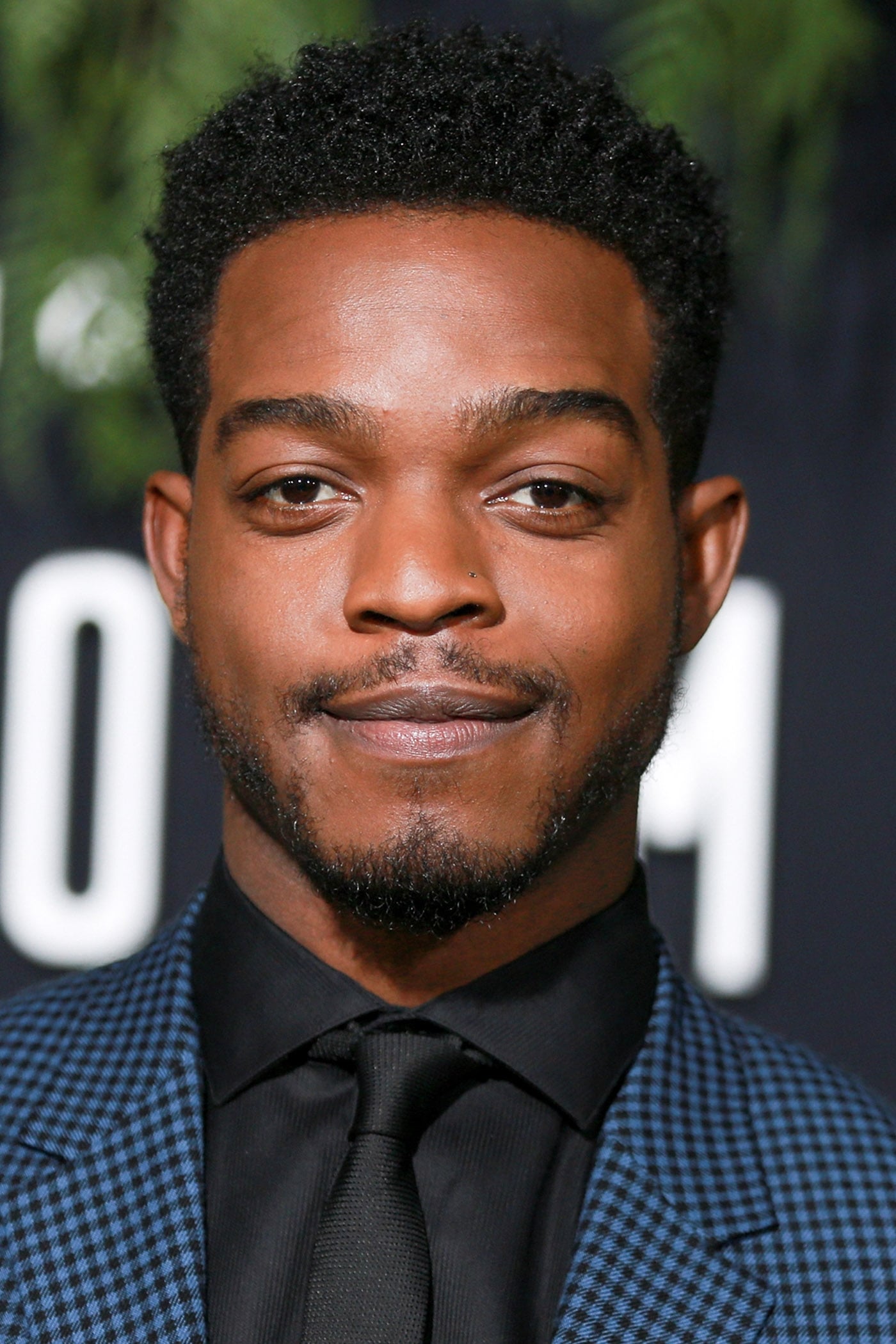
Stephan James is a rising star who prioritizes projects that offer a deep look into the historical and contemporary Black experience. He advocates for the use of diverse crews and writers to ensure that the narrative remains authentic to the source material. His roles in ‘If Beale Street Could Talk’ and ‘Race’ demonstrate his commitment to stories of resilience and self-determination. He believes that contractual mandates are necessary to ensure that the industry does not revert to old habits. His focus on meaningful storytelling is helping to shape the next chapter of Black cinema.
Damson Idris
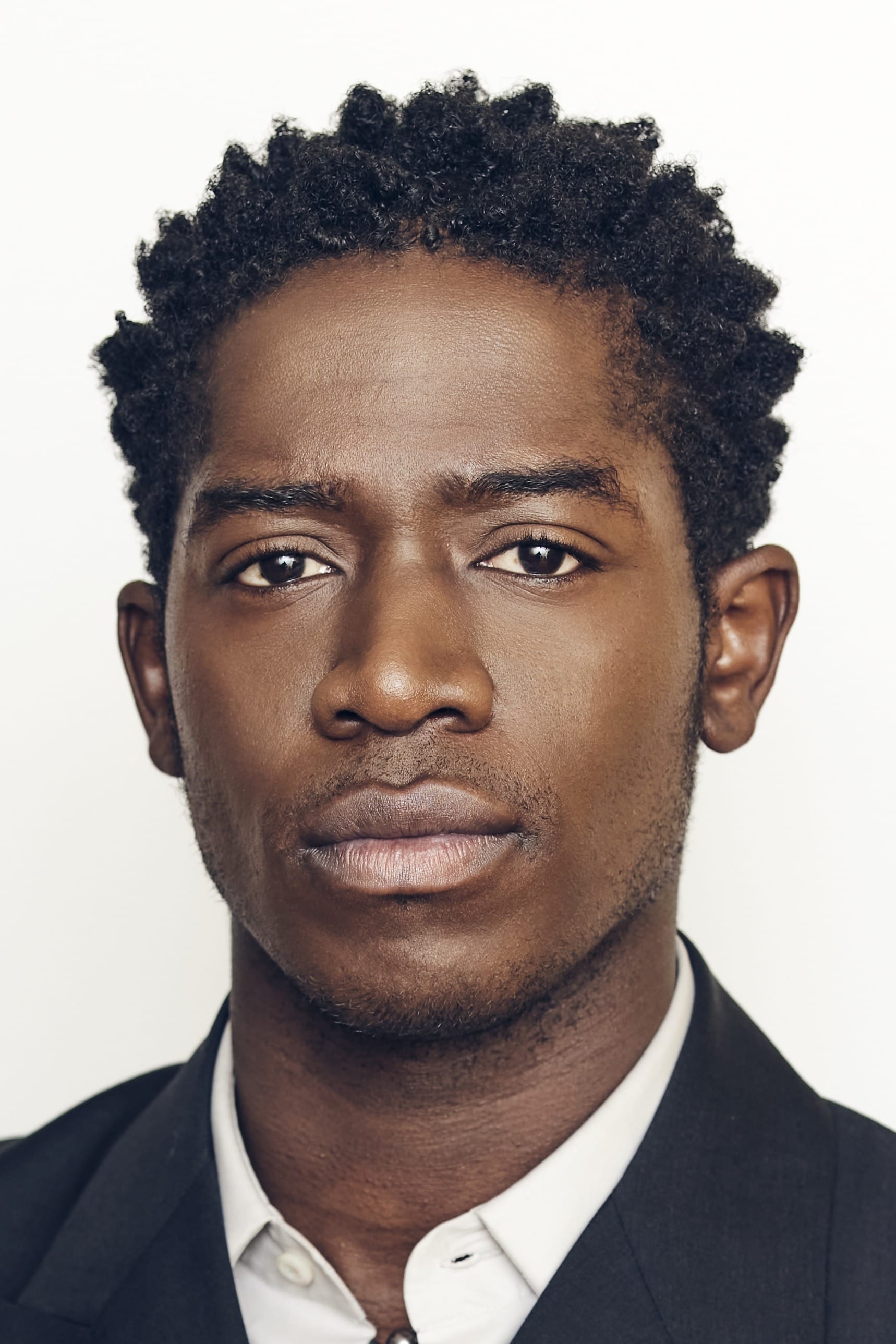
Damson Idris has spoken about the responsibility he feels to portray Black men with dignity and complexity in global media. He supports the push for more Black writers and producers to be involved in the creation of television dramas and films. His lead role in ‘Snowfall’ has allowed him to explore the social and political impacts of the crack epidemic on the Black community. He believes that the industry must provide the tools and resources for Black creators to tell their own stories without outside intervention. His advocacy is centered on the belief that authenticity is the key to lasting impact.
Aldis Hodge
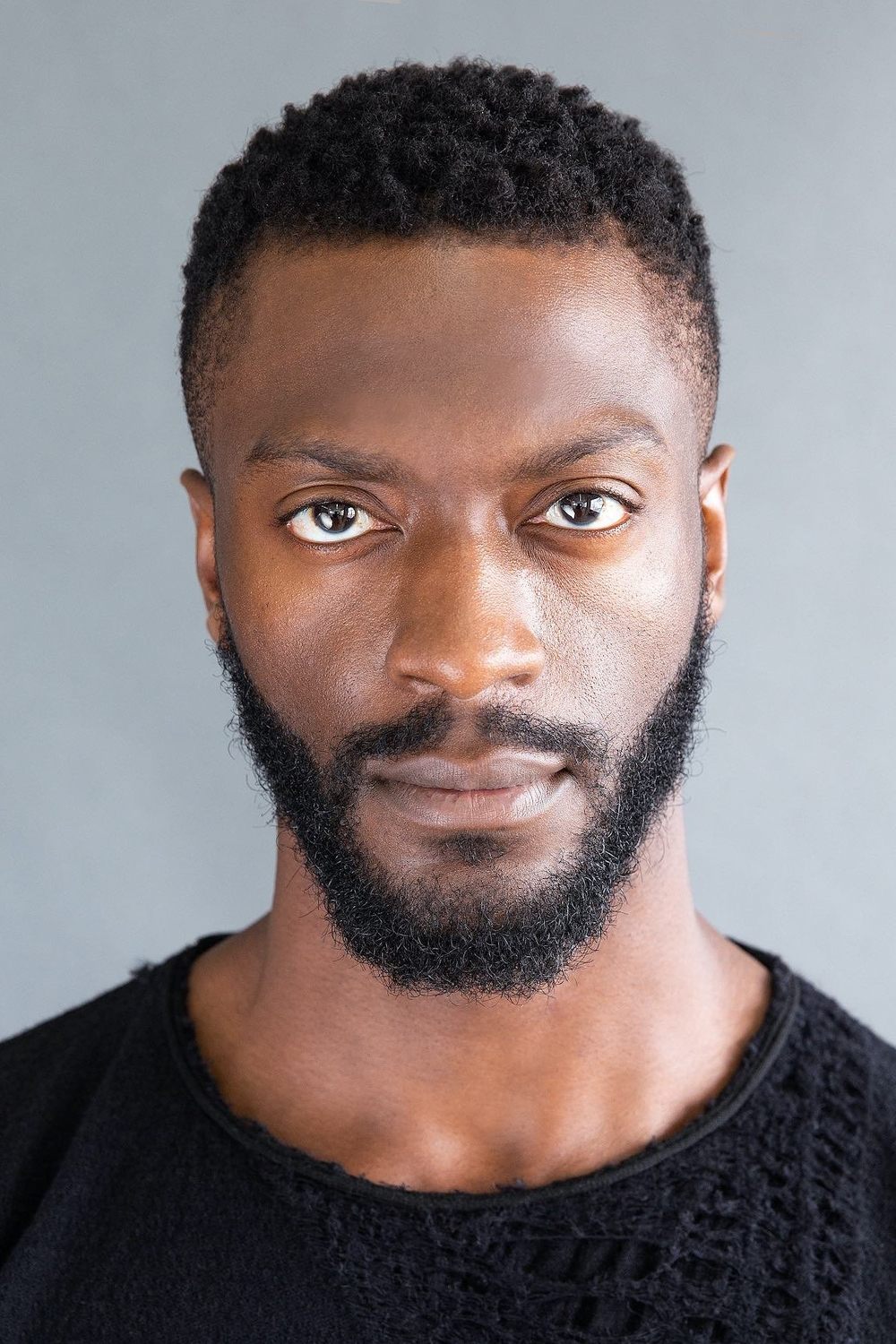
Aldis Hodge is a vocal supporter of the inclusion of Black talent in every phase of the filmmaking process. He emphasizes the importance of narrative sovereignty and the need for Black characters to be the heroes of their own journeys. His performances in ‘City on a Hill’ and ‘Black Adam’ showcase his ability to bring strength and depth to his roles. He believes that contractual agreements should reflect a commitment to diversity and the elimination of savior tropes. His work in the industry serves as a model for how actors can use their influence to drive systemic change.
Ncuti Gatwa
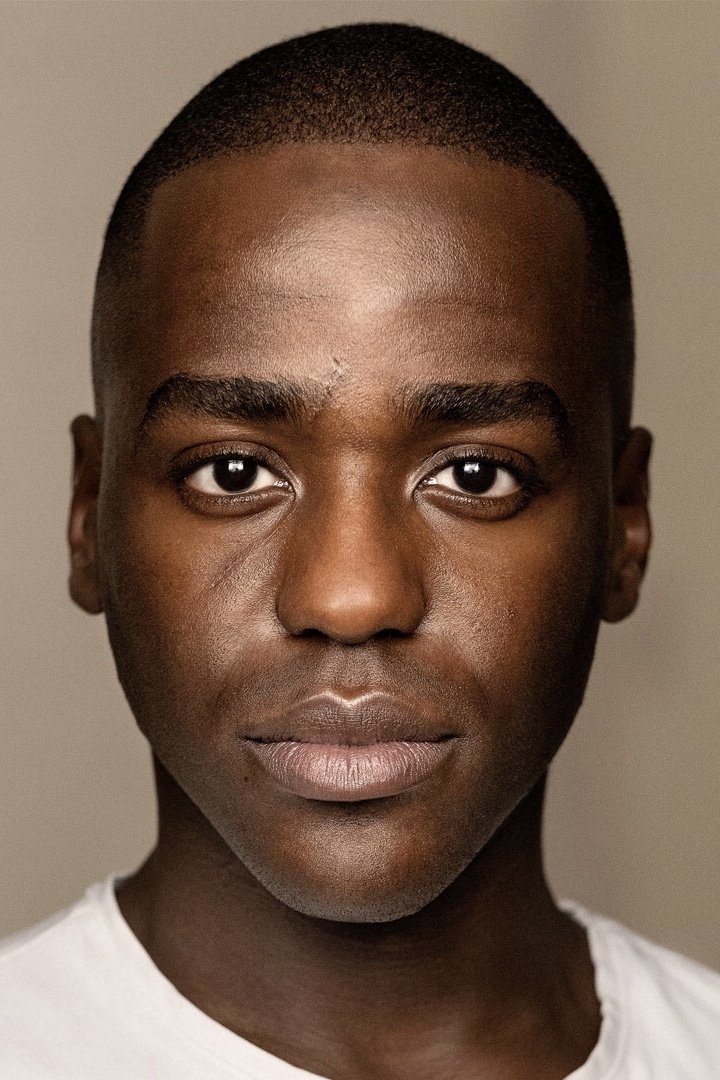
Ncuti Gatwa has become a prominent figure in the push for more diverse representation in international television. He advocates for the inclusion of Black and queer perspectives in mainstream narratives to ensure a more comprehensive view of society. His role in ‘Sex Education’ and his casting as the Doctor in ‘Doctor Who’ mark significant milestones for inclusive casting. He supports the use of mandates that protect the integrity of diverse characters and prevent them from being used as mere plot devices. His presence in these iconic roles is helping to redefine what a hero can look like.
Kingsley Ben-Adir
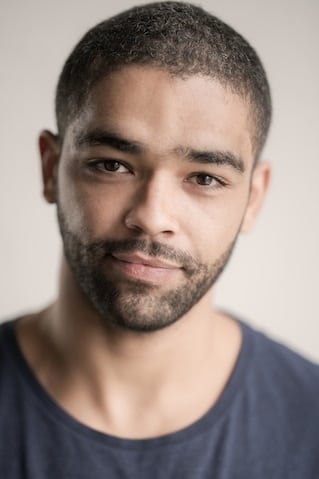
Kingsley Ben-Adir is known for his meticulous portrayals of significant Black leaders and cultural icons. He advocates for the importance of historical accuracy and the need for Black actors to have a voice in the development of their characters. His work in ‘One Night in Miami…’ and ‘Bob Marley: One Love’ demonstrates his dedication to authentic representation. He believes that the industry must move beyond superficial diversity and embrace deep narrative changes. His commitment to his craft ensures that the figures he portrays are given the respect they are due.
Chiwetel Ejiofor
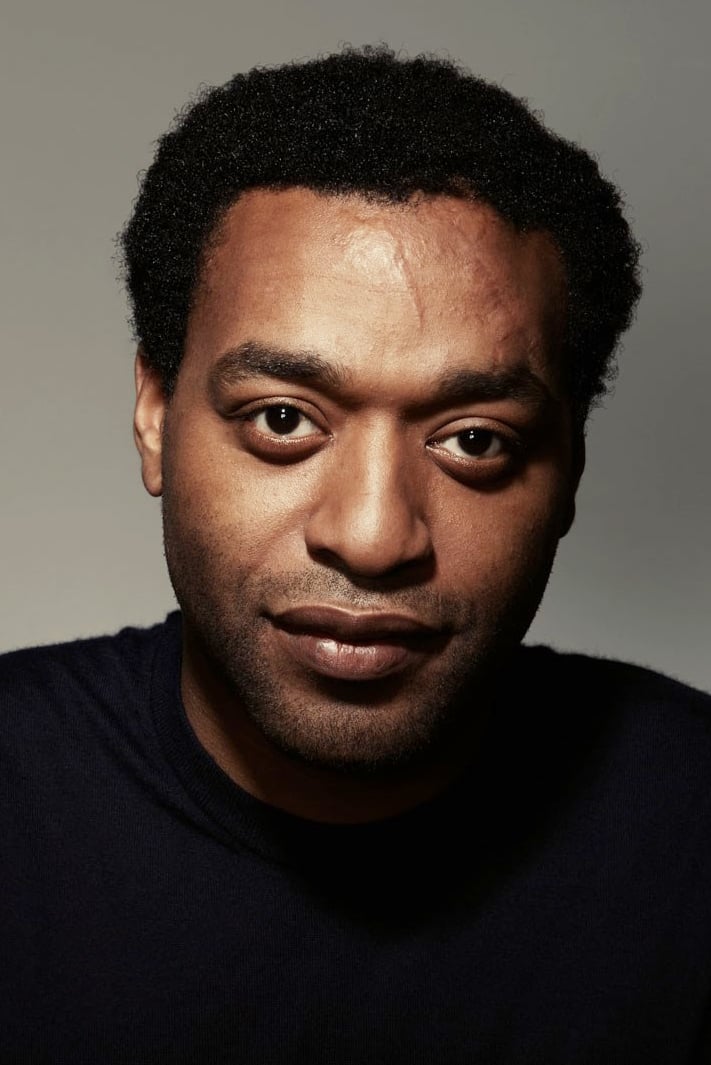
Chiwetel Ejiofor has long been an advocate for the global representation of the African diaspora in film. He supports the implementation of diversity standards that ensure a wide range of voices are heard in the creative process. His performances in ’12 Years a Slave’ and ‘The Boy Who Harnessed the Wind’ highlight his commitment to stories of human dignity. He believes that by empowering Black creators the industry can produce more meaningful and universal stories. His work as both an actor and a director reflects his dedication to narrative equity.
Forest Whitaker
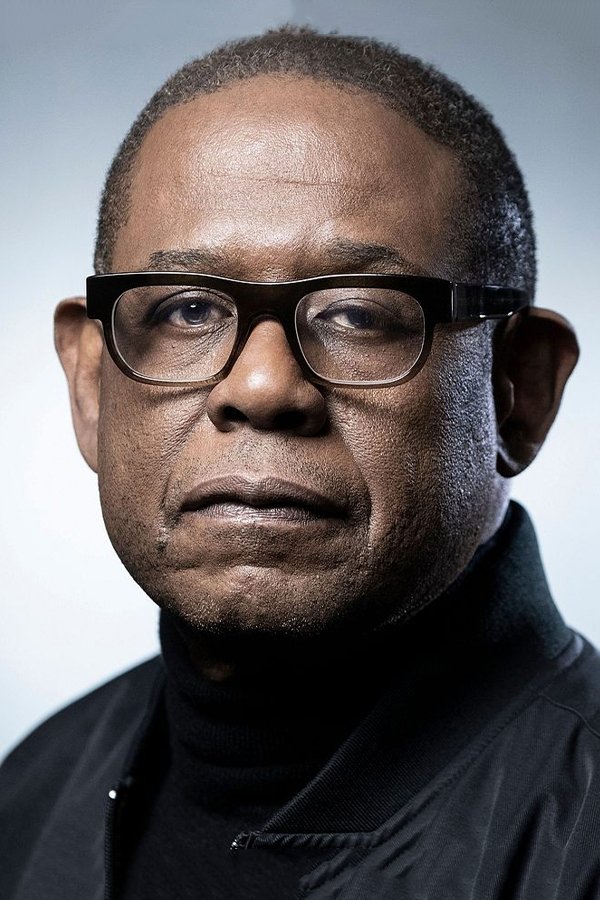
Forest Whitaker is a veteran actor and producer who has spent his career advocating for social justice and authentic representation. He supports the use of inclusion riders to promote a more equitable workplace for all members of the film community. His production company often focuses on stories that highlight the strength and perseverance of the Black experience. He believes that the elimination of savior tropes is essential for the emotional honesty of a film. His leadership in the industry continues to pave the way for future generations of Black talent.
Laurence Fishburne
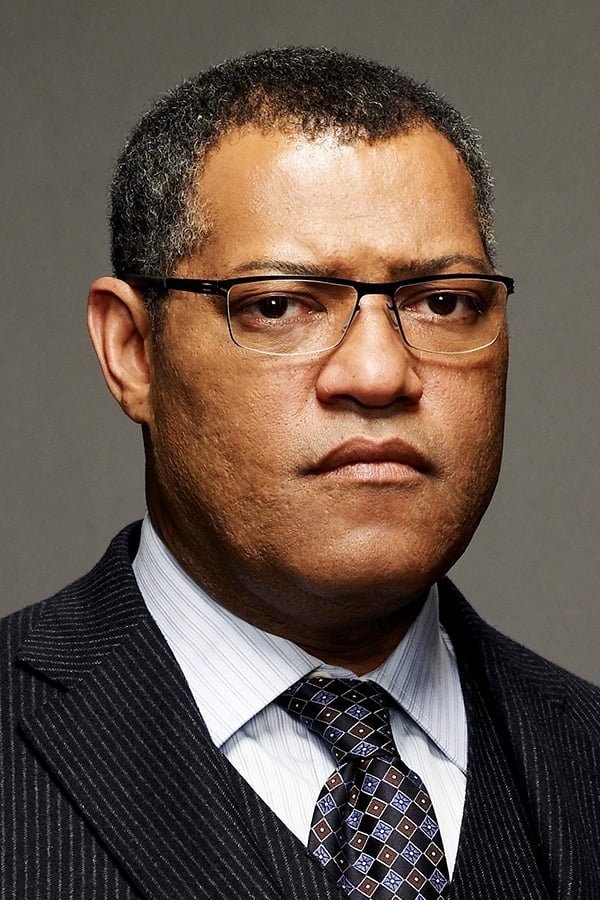
Laurence Fishburne has consistently pushed for roles that challenge the status quo and offer a powerful perspective on Black life. He advocates for the importance of Black actors having the freedom to interpret their characters without conforming to stereotypes. His iconic roles in ‘The Matrix’ and ‘Boyz n the Hood’ have left a lasting impact on how Black men are perceived in cinema. He believes that contractual protections can help ensure that Black stories remain in the hands of those who understand them best. His career is a testament to the importance of maintaining one’s voice in a competitive industry.
Denzel Washington
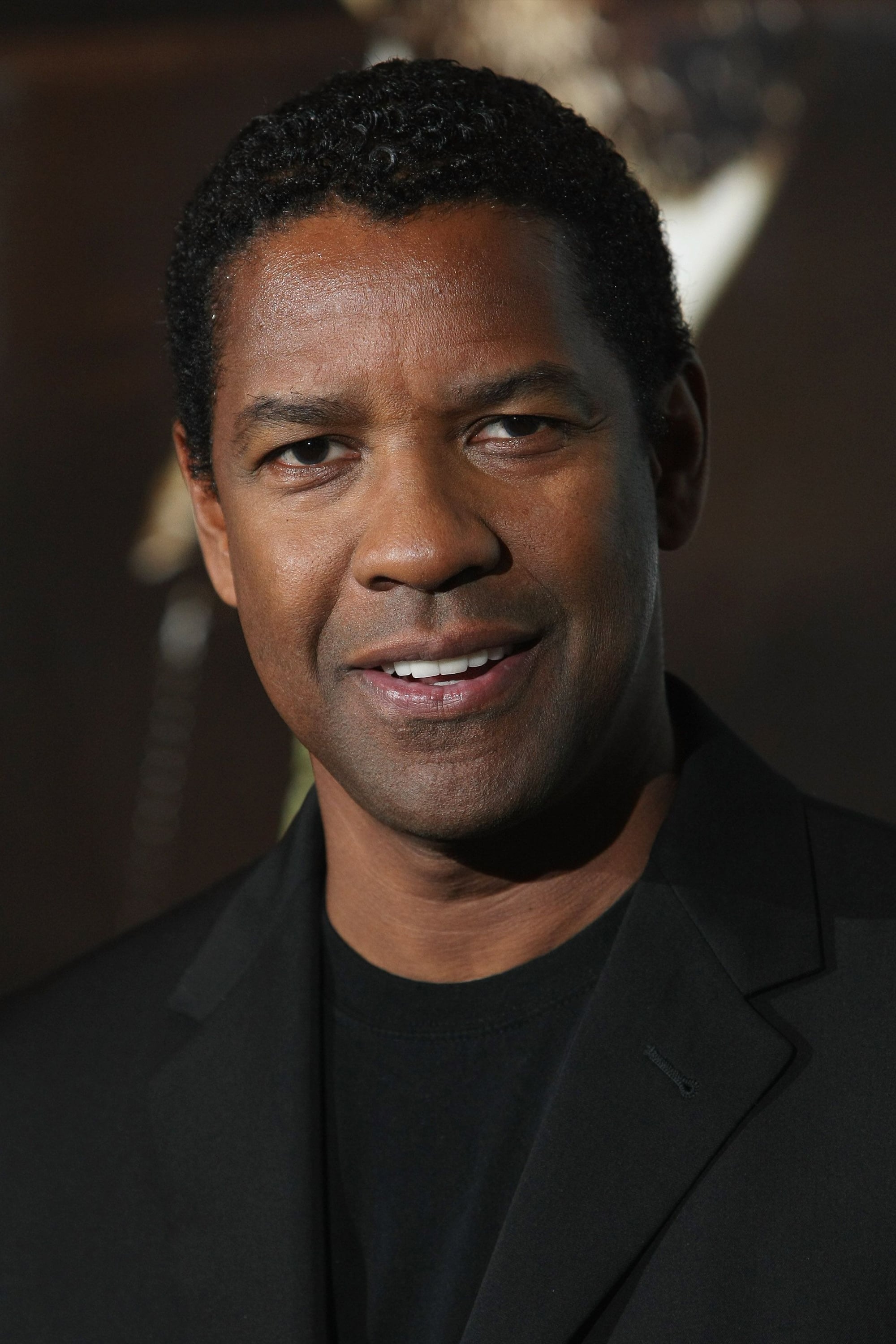
Denzel Washington is one of the most influential figures in Hollywood and a strong proponent of Black excellence in storytelling. He often emphasizes the need for Black directors and writers to lead projects that concern the Black community. His work as an actor and director in films like ‘Fences’ and ‘The Great Debaters’ showcases his commitment to narrative autonomy. He believes that the industry has a responsibility to portray the full spectrum of Black life with honesty and respect. His advocacy for the next generation of Black actors helps ensure that the progress made will be sustained.
Tyler Perry
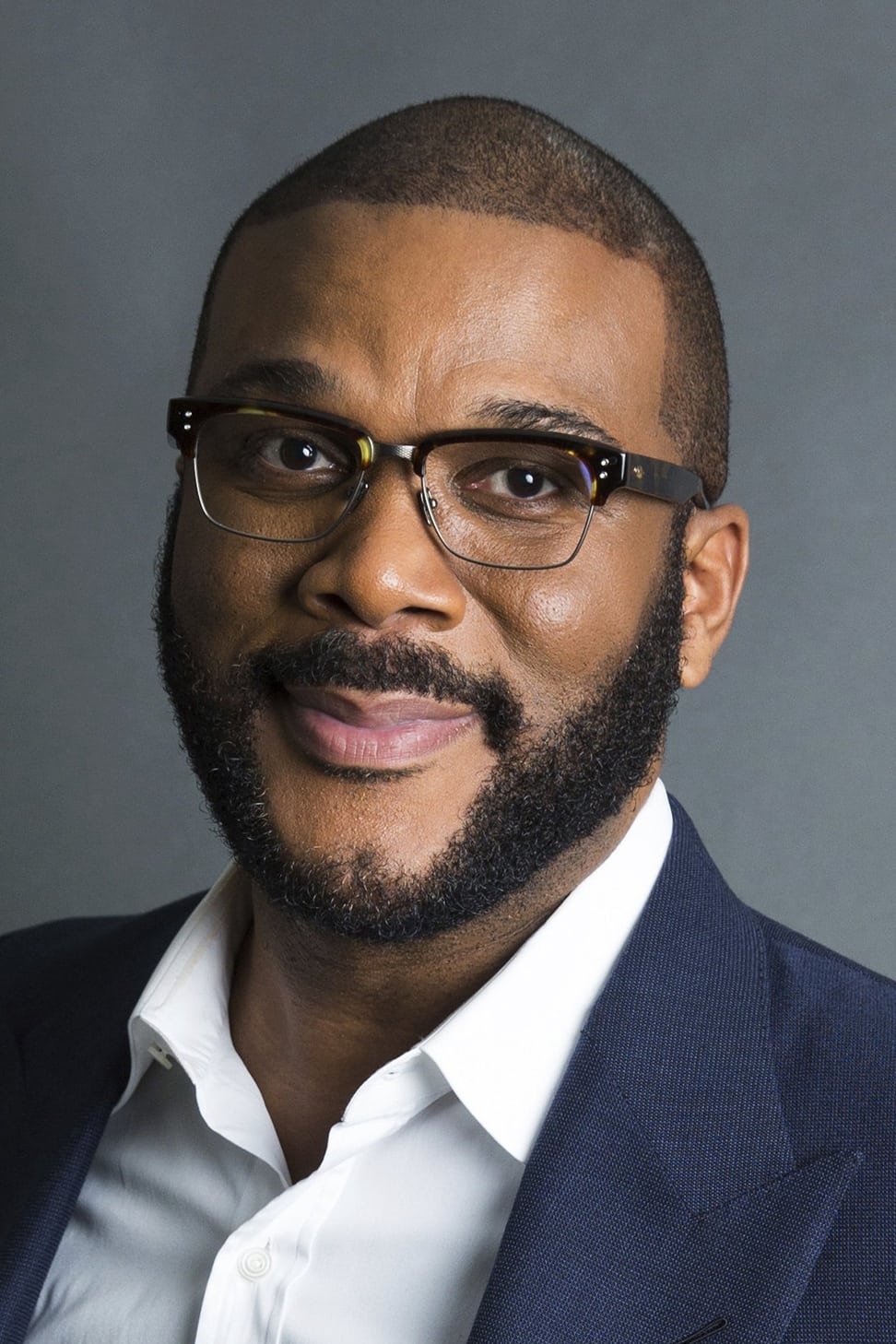
Tyler Perry has built an entire media empire based on the principle of Black ownership and narrative control. He advocates for the industry to recognize the immense value and power of the Black audience by producing content that speaks directly to them. His studio provides a space for diverse talent to work in an environment where their voices are prioritized. He believes that the best way to prevent savior tropes is for Black creators to own the means of production. His success serves as a powerful example of what can be achieved through self-determination and strategic advocacy.
Share your thoughts on these actors and their impact on the film industry in the comments.