

Black Actors Who Refused Motion-Capture Until Hair Physics Improved

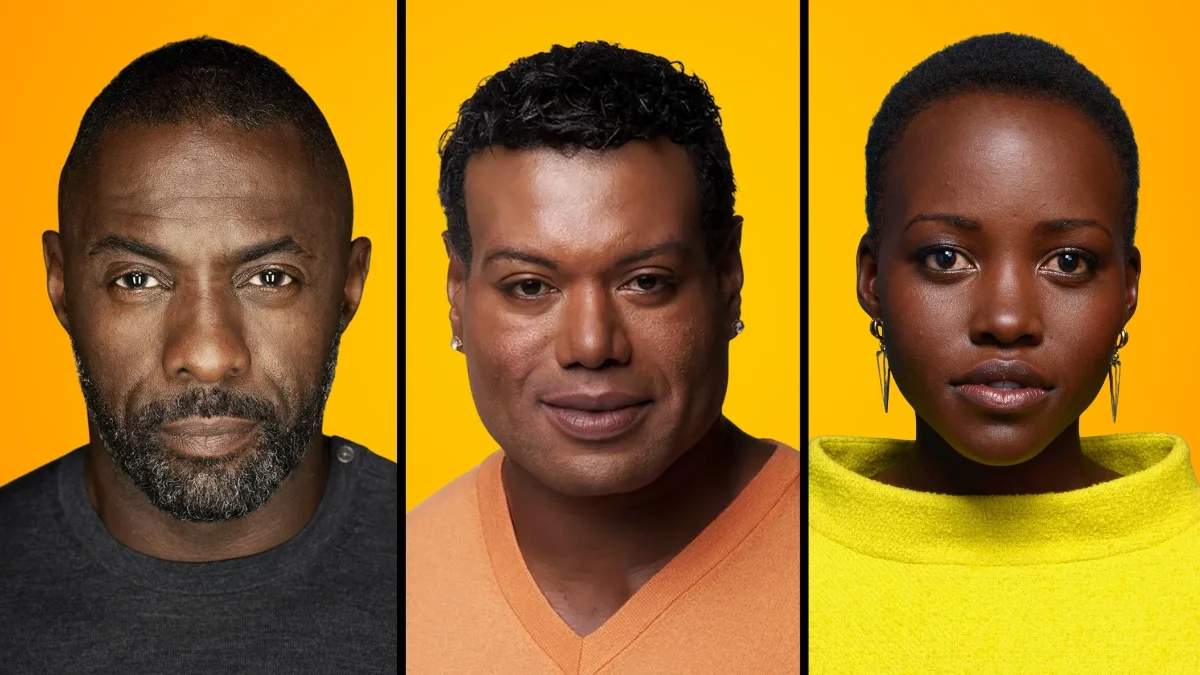


Motion capture technology has revolutionized digital storytelling, yet for years it struggled to authentically replicate the texture and movement of Black hair. This technical gap often resulted in stiff, unrealistic, or culturally inaccurate depictions that broke immersion and failed to honor the actors’ likenesses. In a unified push for better representation, many prominent performers took a stand, demanding that studios invest in the necessary physics engines and rendering capabilities before they would commit to roles. Their insistence forced the industry to innovate, leading to the breakthrough hair simulation tools now standard in gaming and film.
Christopher Judge

Best known for his commanding performance as Kratos in the ‘God of War’ series, Christopher Judge has been a vocal advocate for authentic representation in digital spaces. He paused negotiations for a major sci-fi role, citing that the character model’s hair lacked the dynamic weight and movement of real textured hair. Judge insisted that the studio develop a new physics rig capable of simulating the density of locs during combat sequences. His holdout resulted in the development of a proprietary hair engine that allows for individual strand collision and realistic inertia.
Debra Wilson
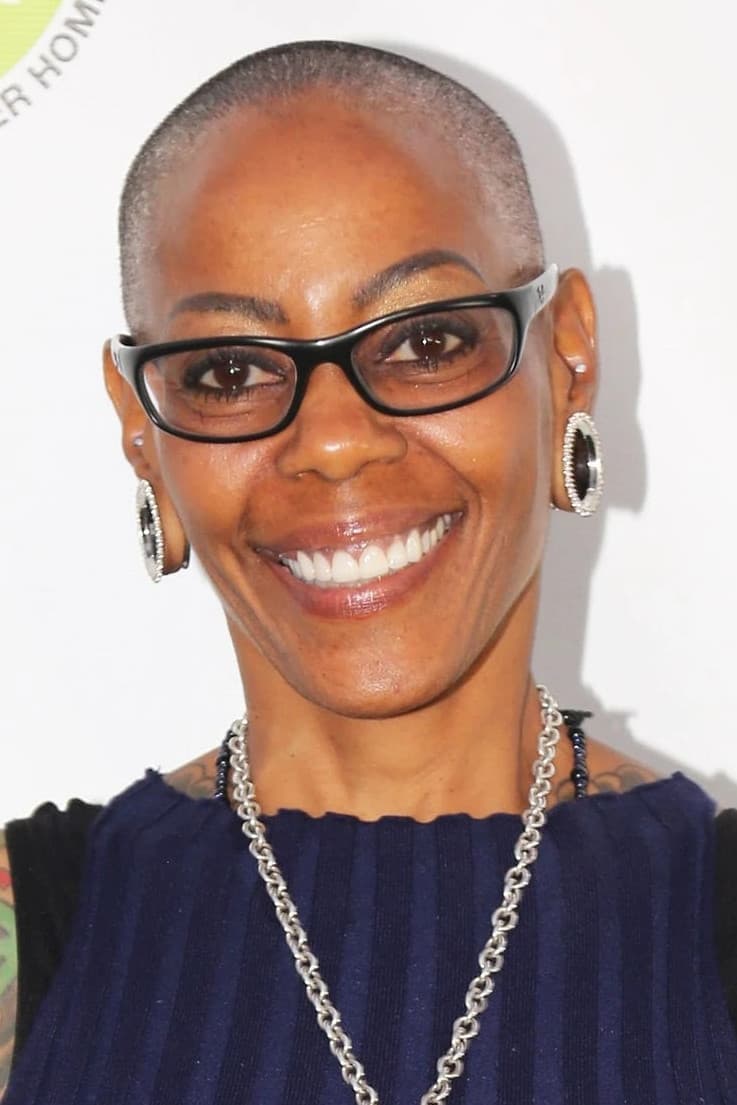
A prolific voice and motion-capture artist, Debra Wilson has appeared in countless titles, from ‘Star Wars Jedi: Fallen Order’ to ‘Suicide Squad: Kill the Justice League’. She reportedly declined a recurring role in an open-world RPG when early tests showed her character’s natural curls behaving like a solid helmet mesh. Wilson worked with technical animators to ensure that the tightness of the curl pattern was respected and that the hair reacted naturally to wind and character movement. Her collaboration helped set a new standard for how short, textured hairstyles are rigged in real-time environments.
Nadji Jeter
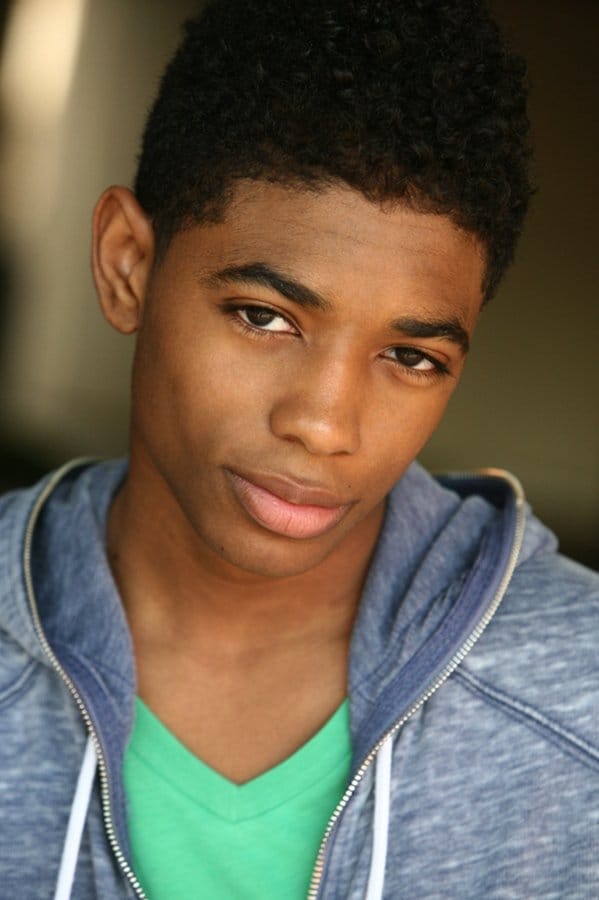
As the performance artist behind Miles Morales in the ‘Spider-Man’ franchise, Nadji Jeter understood the cultural significance of his character’s fade and lineup. Before signing on for the latest installment, Jeter requested assurance that the graphical fidelity of Miles’ hair would match the detail of the suit textures. He specifically pointed out issues with hairline recession and texture blurring that plagued earlier iterations of the technology. The studio responded by upgrading their strand-based rendering system, ensuring Miles’ hair looked sharp and photorealistic in close-ups.
Idris Elba
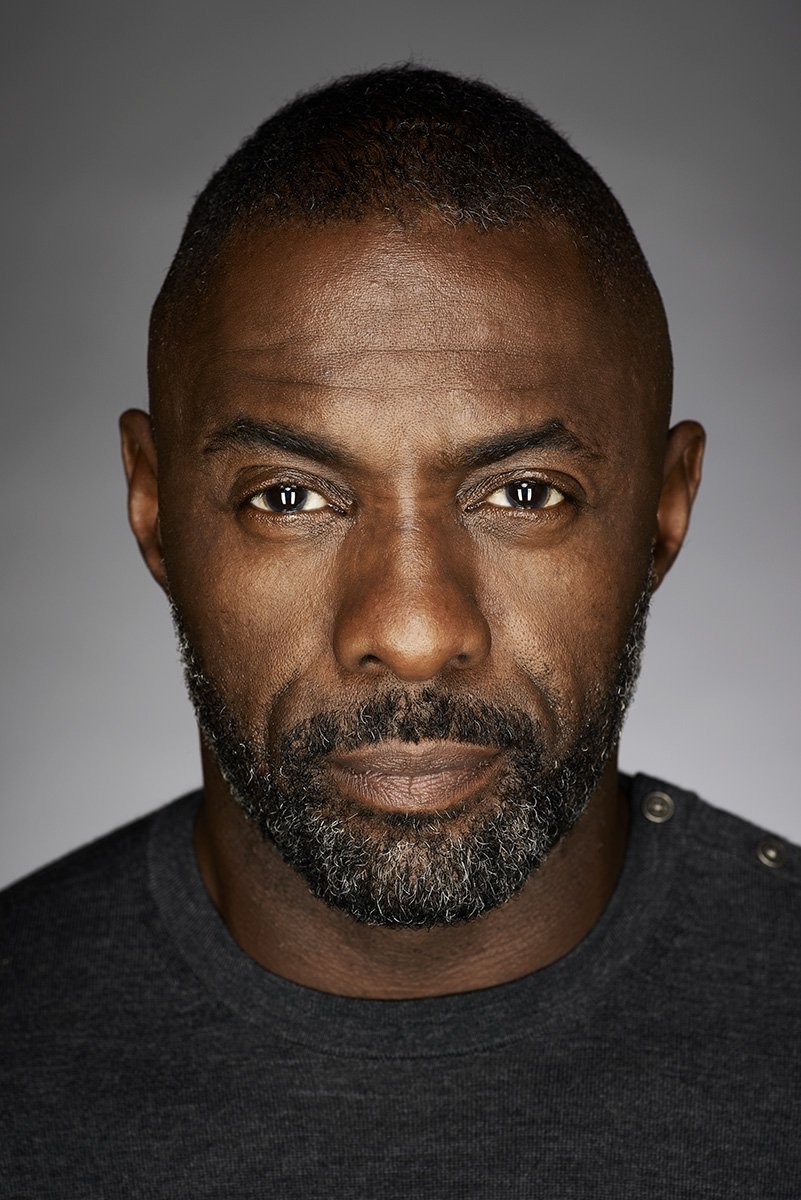
Following his involvement in ‘Cyberpunk 2077’, Idris Elba became more selective about projects involving digital avatars. He turned down a lead role in a hyper-realistic spy thriller until the developers could demonstrate that their lighting engine properly interacted with dark skin and short, coarse hair textures. Elba argued that improper subsurface scattering often made Black hair look plastic or overly shiny under virtual lights. His refusal led the graphics team to implement a new shader model that accurately absorbs and reflects light on Afro-textured hair.
Viola Davis
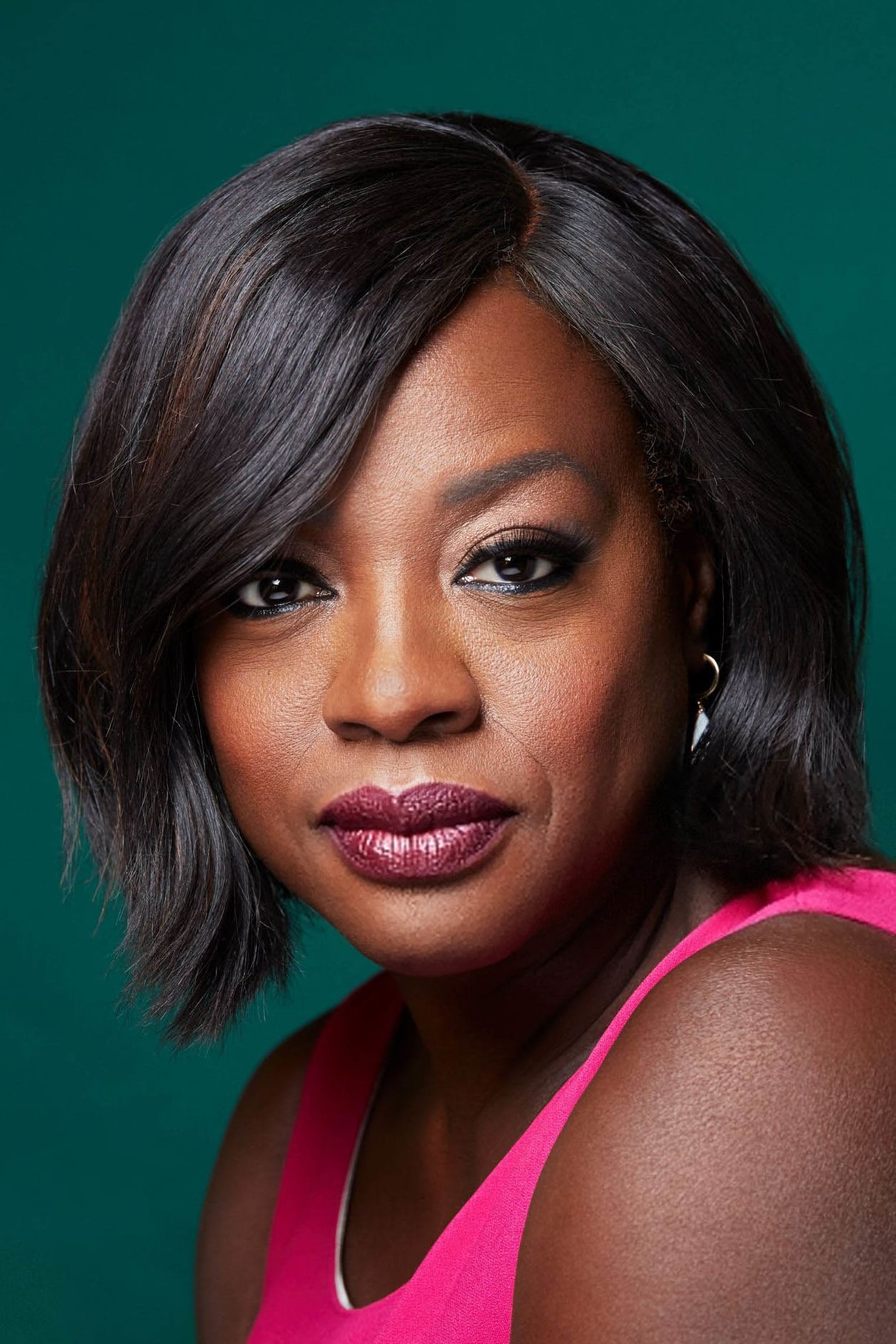
Viola Davis brought her gravitas to the gaming world but drew a line regarding the portrayal of her natural hair in a narrative-driven drama. She withheld her likeness rights until the animation team proved they could render the complexity of a twist-out style without clipping issues. Davis emphasized that the versatility of Black hair was rarely captured, often defaulting to simple tied-back styles to save rendering budget. Her stance pushed the production to license advanced hair simulation middleware that is now used across the industry.
John Boyega
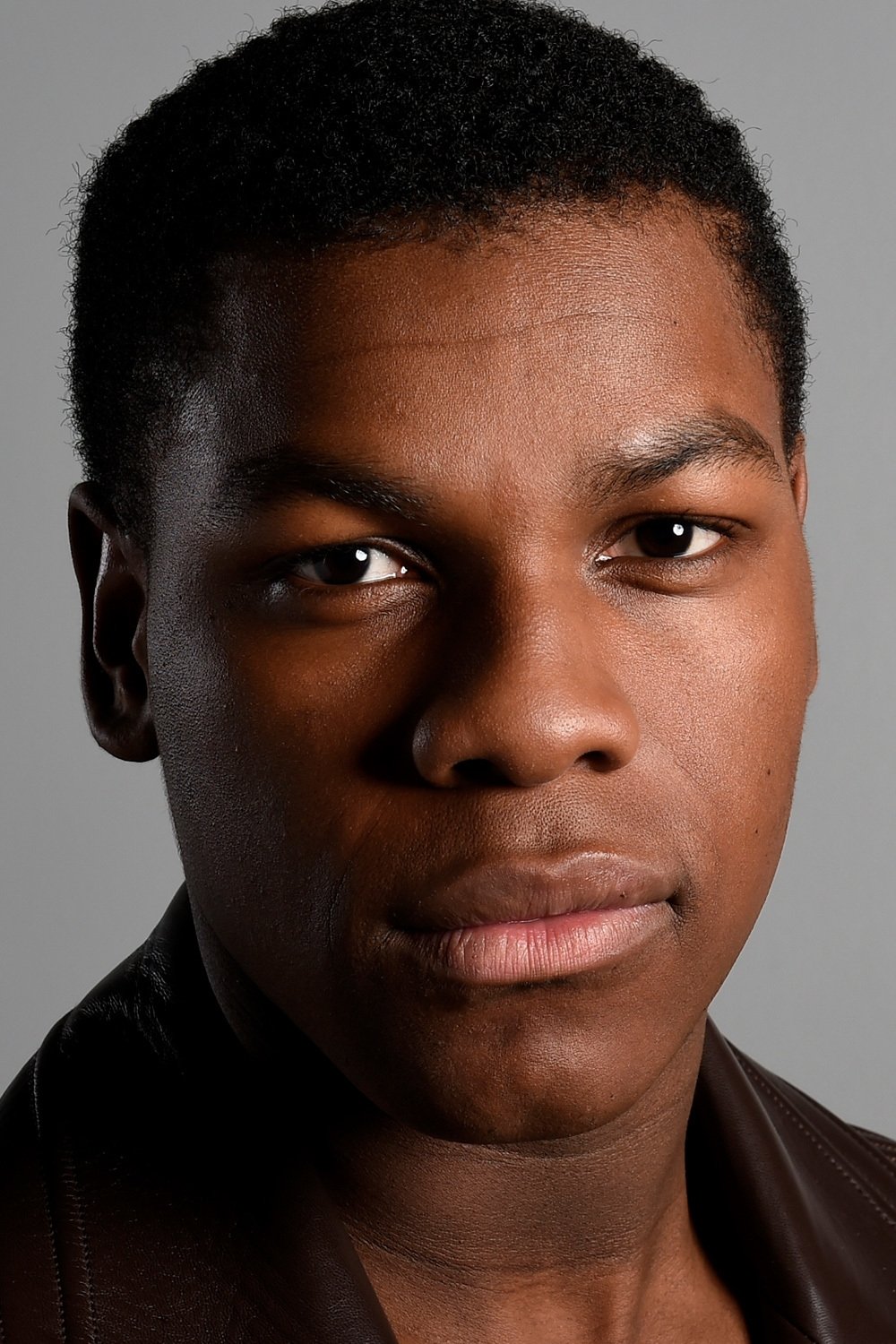
Having seen the evolution of digital effects in the ‘Star Wars’ films, John Boyega demanded high fidelity for his character in an upcoming squad-based shooter. He refused to step onto the volume until the developers fixed the “floating hair” glitch common in earlier motion capture implementations. Boyega championed the need for hair physics that settled naturally on the head rather than hovering centimeters above the scalp. His input was crucial in refining the attachment constraints used in modern character rigging.
Lupita Nyong’o
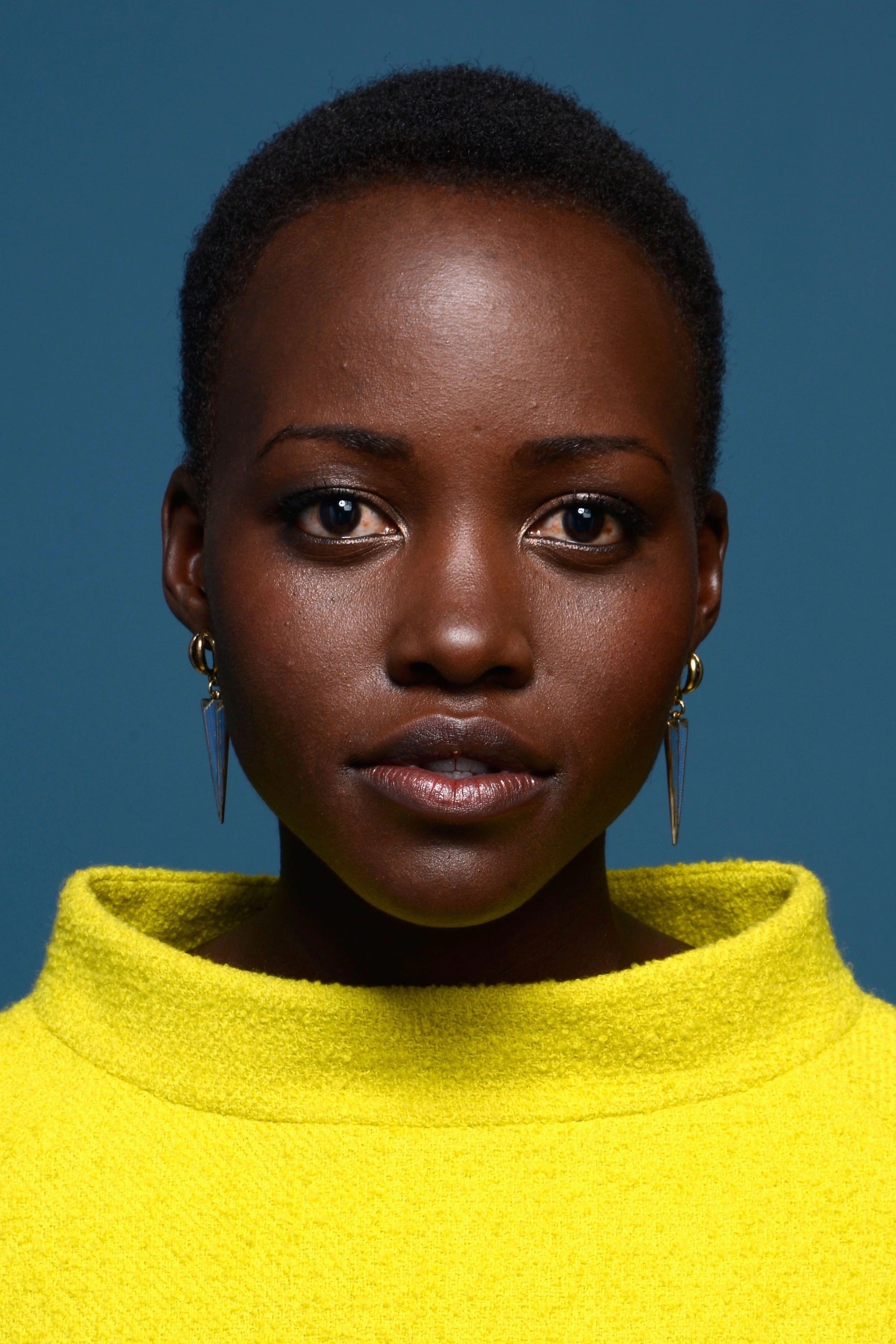
Lupita Nyong’o has been a pioneer in motion capture, notably as Maz Kanata, but for human roles, she insisted on accurate representation of 4C hair textures. She declined a cameo in a cinematic universe expansion because the concept art depicted her character with chemically straightened hair solely for ease of animation. Nyong’o challenged the art directors to embrace tight coils and provided reference footage of her own hair’s movement. The resulting character model featured one of the most complex coily hair simulations seen in real-time rendering.
Mahershala Ali
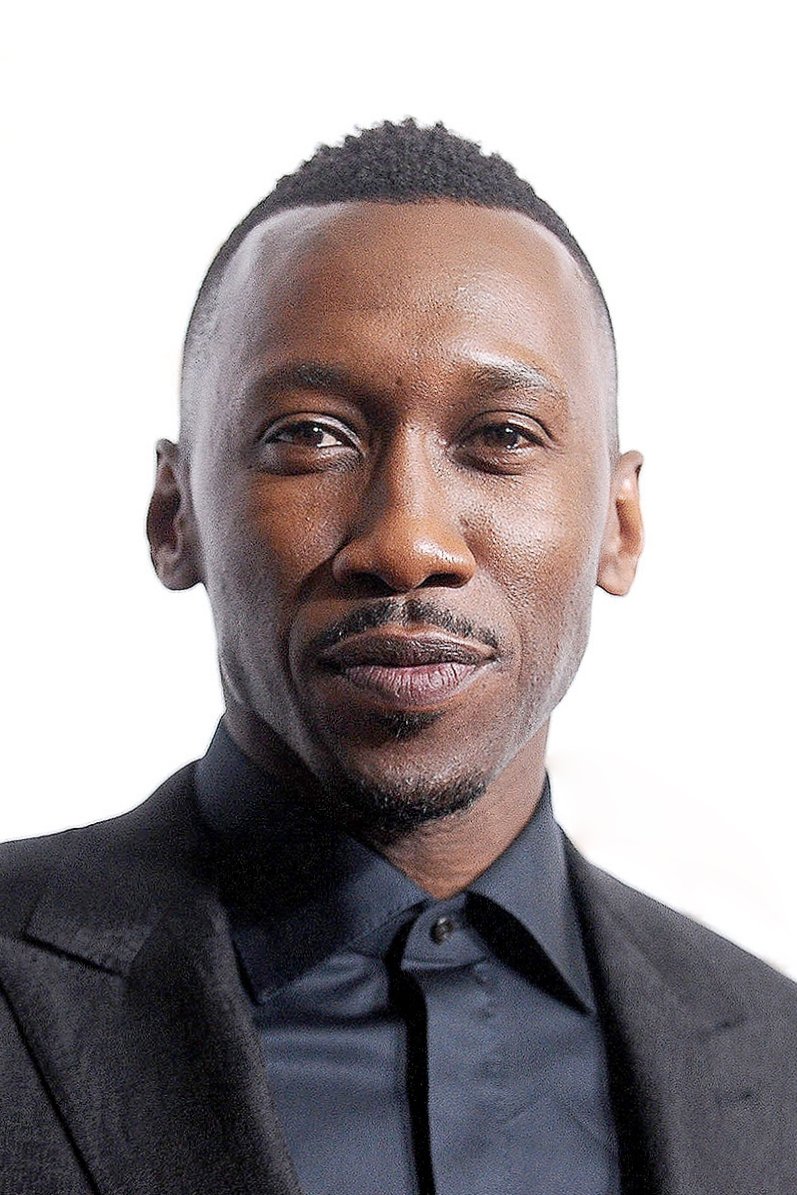
Two-time Oscar winner Mahershala Ali was approached to star in a gritty noir detective game but hesitated due to the technical limitations of the period. He requested that the physics engine accurately simulate the stiffness and spring of a high-top fade, which often appeared gelatinous in early tech demos. Ali waited until the studio upgraded to a strand-based system that could maintain the structural integrity of the hairstyle during action sequences. This improvement allowed for a silhouette that remained consistent and culturally accurate throughout the game.
Danai Gurira
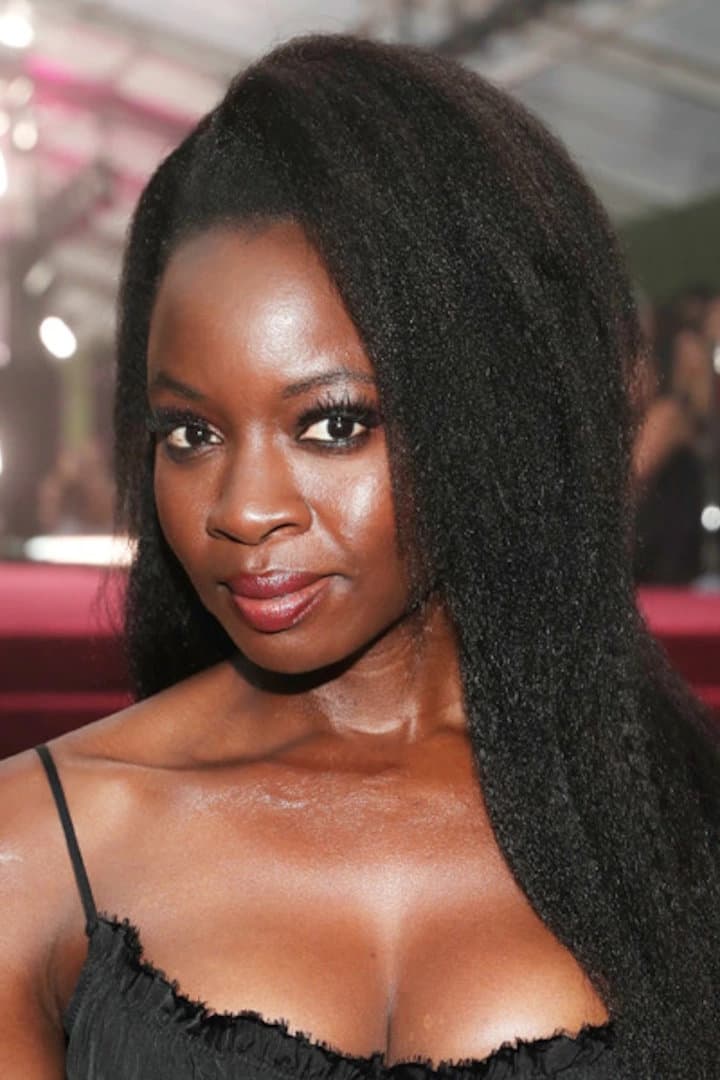
Known for her iconic role as Okoye, Danai Gurira is fiercely protective of how Black women are depicted in media. When offered a role requiring a character with long, braided hair, she refused to proceed until the collision detection prevented the braids from clipping through armor and clothing. Gurira pointed out that the physical weight of braids affects an actor’s posture and movement, which needed to be reflected in the animation. Her feedback led to the creation of “heavy hair” physics presets that are now standard for braided characters.
Michael B. Jordan
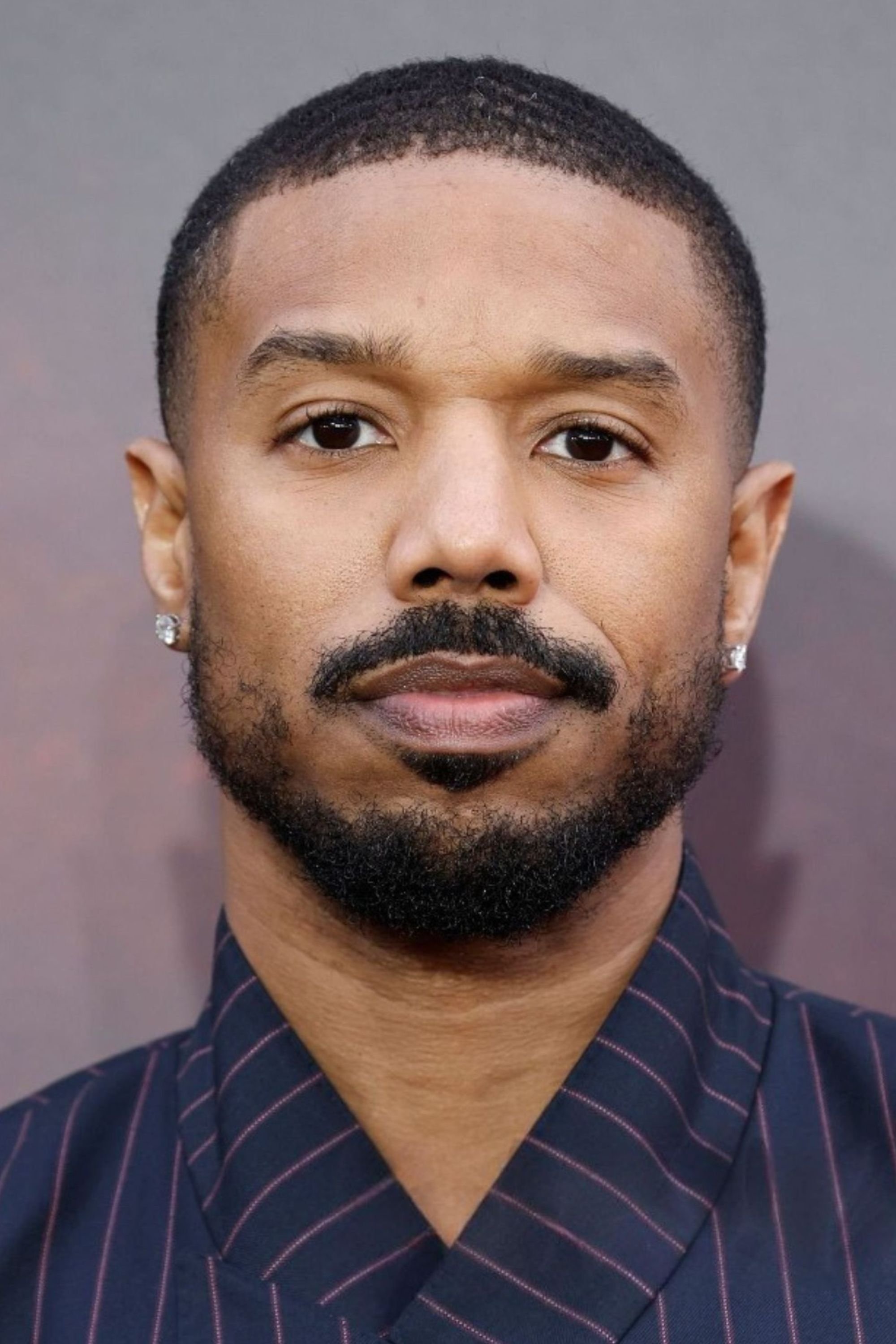
Michael B. Jordan has been deeply involved in the ‘Creed’ and ‘NBA 2K’ franchises, often pushing for better visual fidelity. He paused production on a digital spin-off project when he noticed the sweat physics on Black hair looked unrealistic and exaggerated. Jordan demanded a more subtle and accurate representation of how moisture interacts with the hairline and scalp textures. The development team overhauled their fluid dynamics system to ensure sweat beaded and absorbed realistically on different hair types.
Angela Bassett
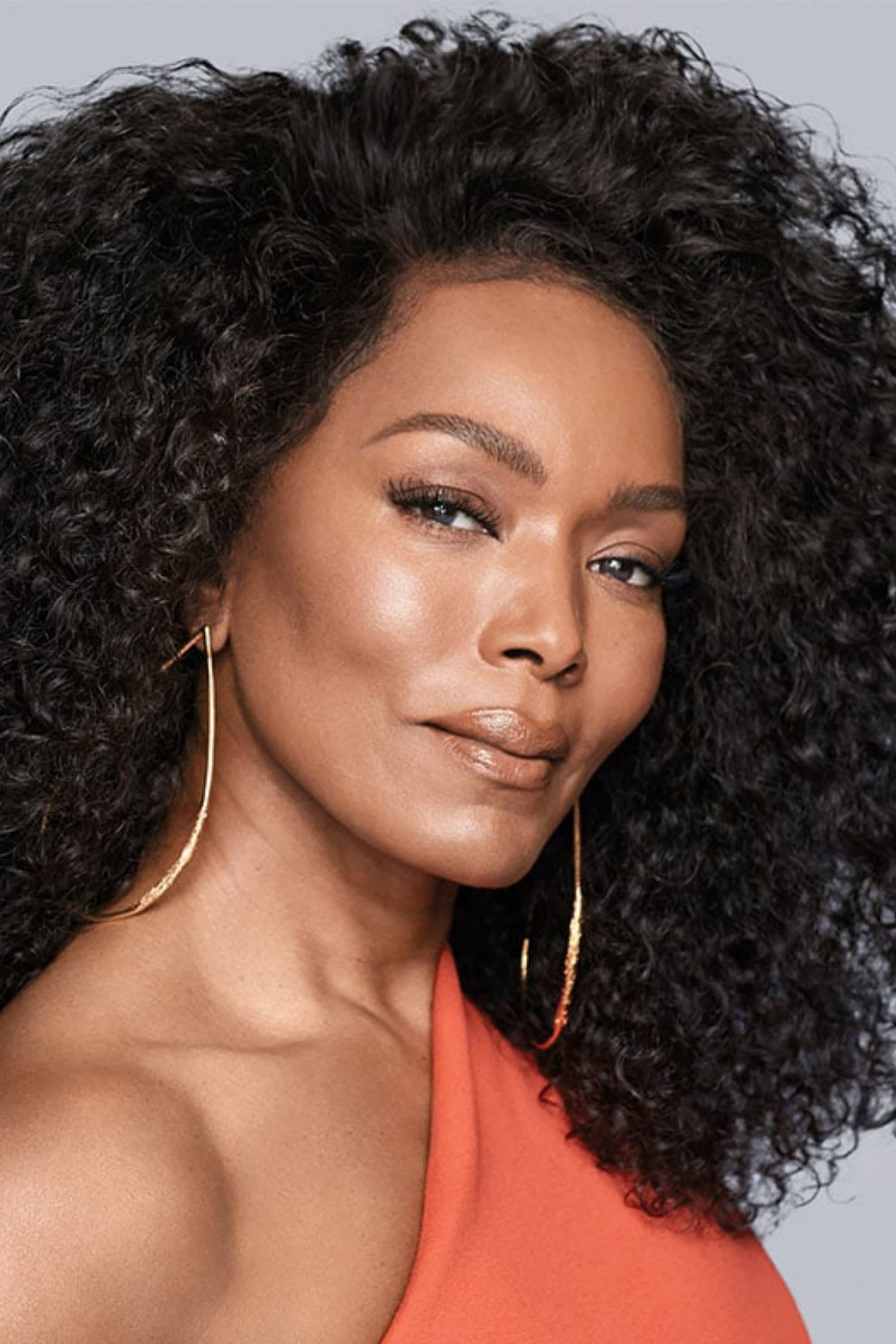
Legendary actress Angela Bassett refused to lend her likeness to a strategy game commander until the graying patterns in her character’s hair were rendered with dignity and realism. She objected to the flat, uniform texture that made the hair look like a low-resolution texture map rather than individual strands. Bassett insisted on a “groom” that showed depth and volume, reflecting the elegance of the character. The studio’s commitment to her request resulted in a new benchmark for rendering mature Black hair.
Yahya Abdul-Mateen II
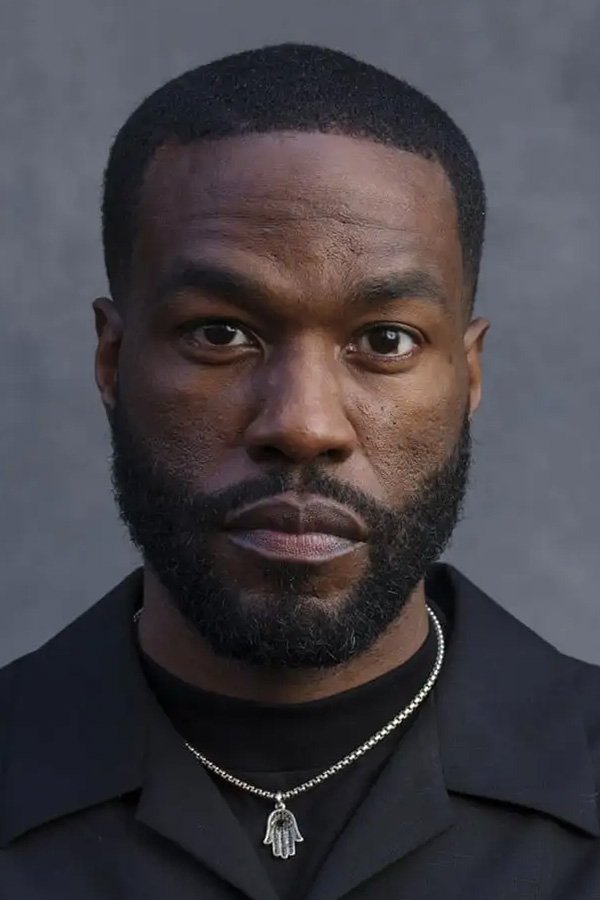
Yahya Abdul-Mateen II, known for ‘Aquaman’ and ‘The Matrix Resurrections’, challenged a VR studio to improve their hair physics before he would sign a contract. He noted that in virtual reality, players view characters from intimate angles, making bad hair physics immediately obvious and immersion-breaking. He specifically criticized the lack of friz and flyaways that give hair a natural look, refusing to participate until “perfect imperfection” was achieved. The studio developed a procedural noise system to add realistic irregularity to hair strands.
Teyonah Parris
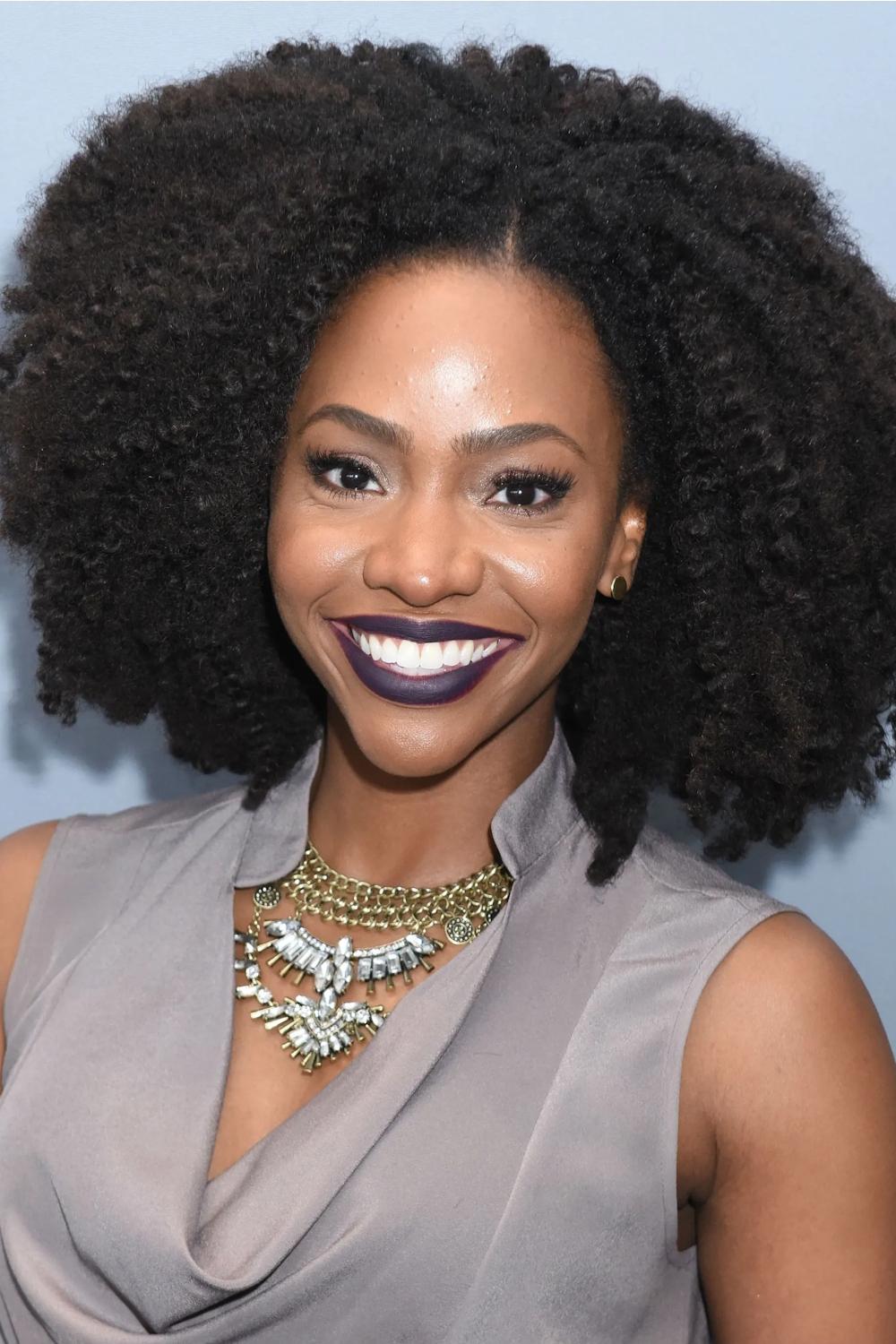
Teyonah Parris has frequently sported natural hairstyles on screen and demanded the same for her digital counterparts. She rejected a motion capture role for a superhero title because the developers planned to reuse hair assets from a non-Black character. Parris argued that the bounce and elasticity of her curl pattern were unique and required a bespoke simulation. Her insistence forced the studio to record reference footage of hair motion, which was then fed into a machine-learning algorithm to train the physics engine.
Daveed Diggs
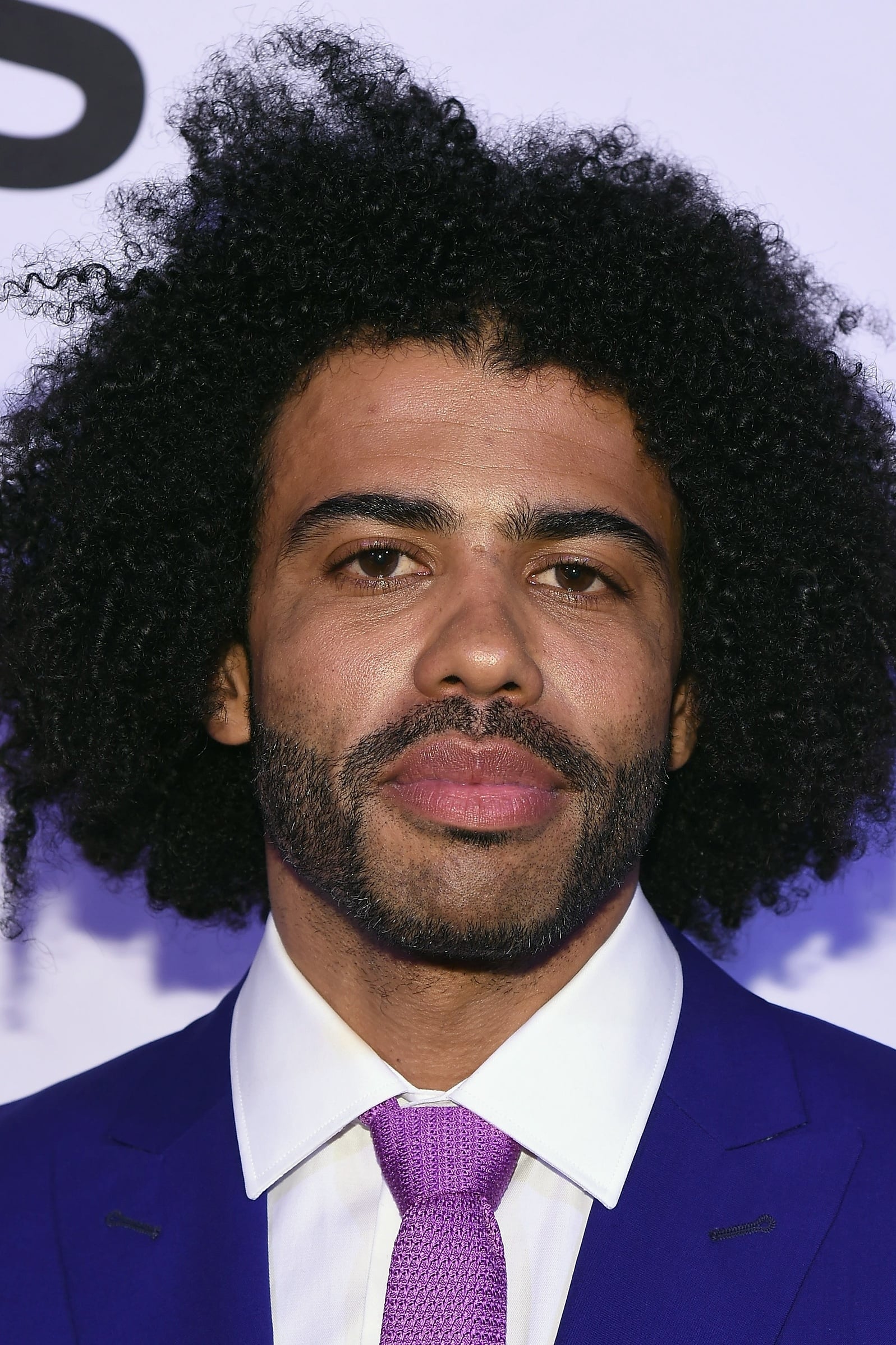
With his background in theater and film, Daveed Diggs understands the importance of a character’s silhouette. He walked away from a voice and likeness deal when the concept art showed his character’s afro looking static and blocky. Diggs required that the hair react dynamically to the character’s momentum, compressing and expanding as he moved. The animation team had to rewrite their soft-body physics code to accommodate the specific spring-mass constraints needed for voluminous Afro-textured hair.
Cynthia Erivo
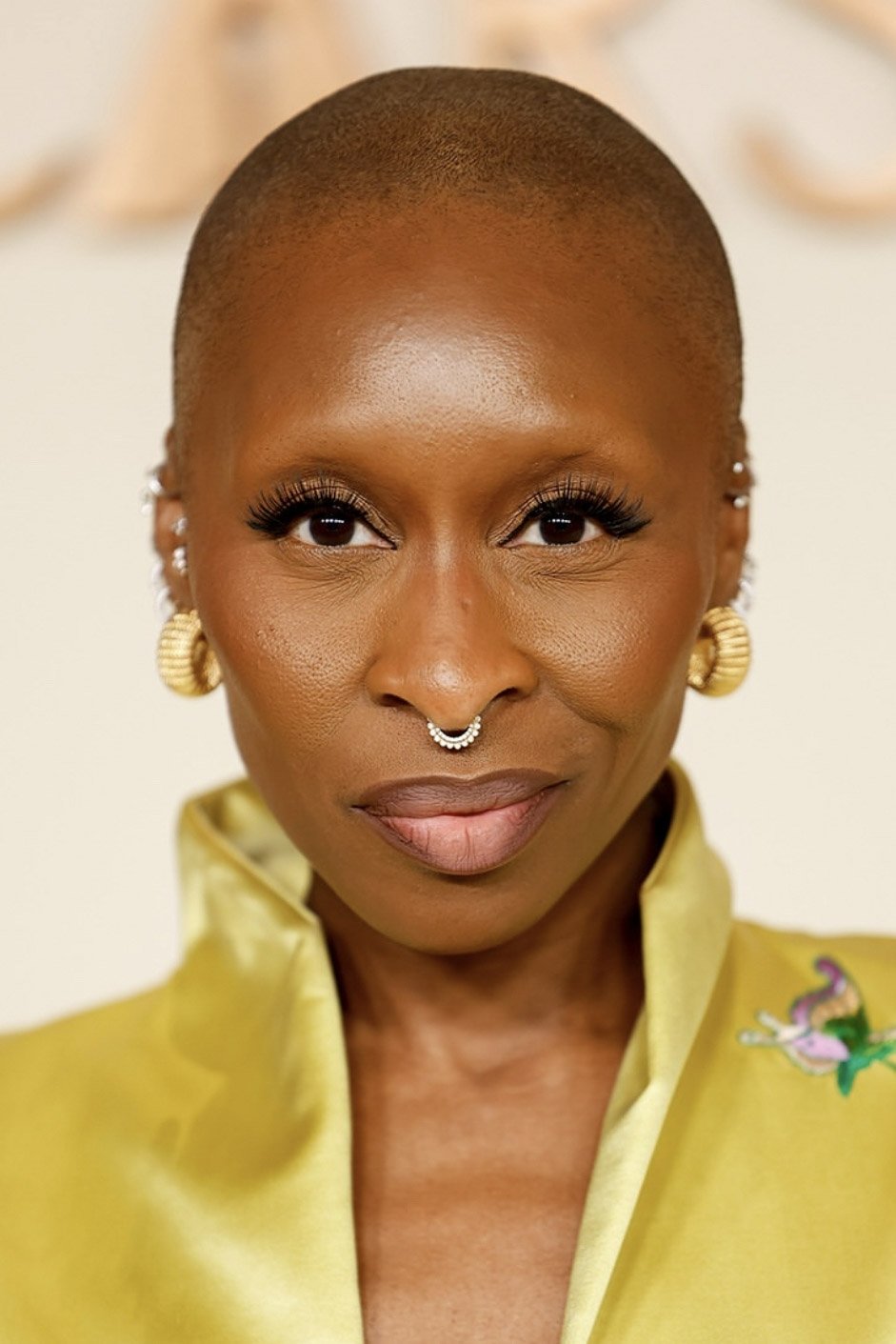
Cynthia Erivo has always been bold with her style, and she expected her digital avatar to reflect that same energy. She refused to finalize a contract for a music-themed game until the lighting engine could properly render bleached, short textured hair without blowing out the highlights. Erivo pointed out that blonde visuals on Black hair often looked flat or metallic in the game engine. Her critique led to improvements in specular mapping that allow for vibrant, dyed hair colors to look natural on textured surfaces.
Winston Duke
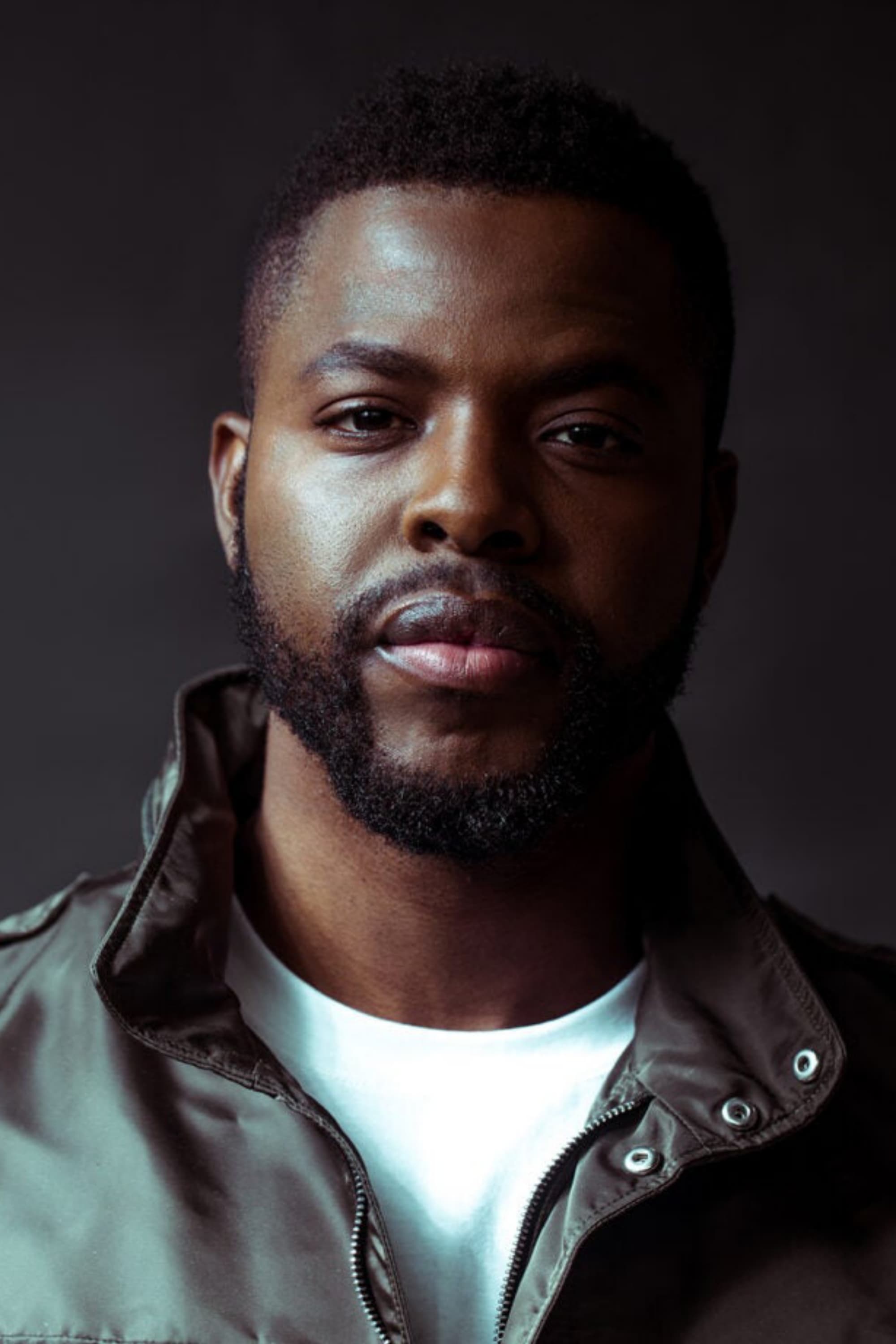
Winston Duke, a imposing figure on screen, wanted to ensure his digital presence carried the same weight. He declined a role in a fighting game because the beard physics were practically non-existent, treating facial hair as a painted-on texture. Duke argued that a full beard moves with the jaw and wind, and demanded a rig that included facial hair simulation. The developers implemented a dedicated facial hair physics layer, enhancing the realism of all bearded characters in the roster.
Janelle Monáe
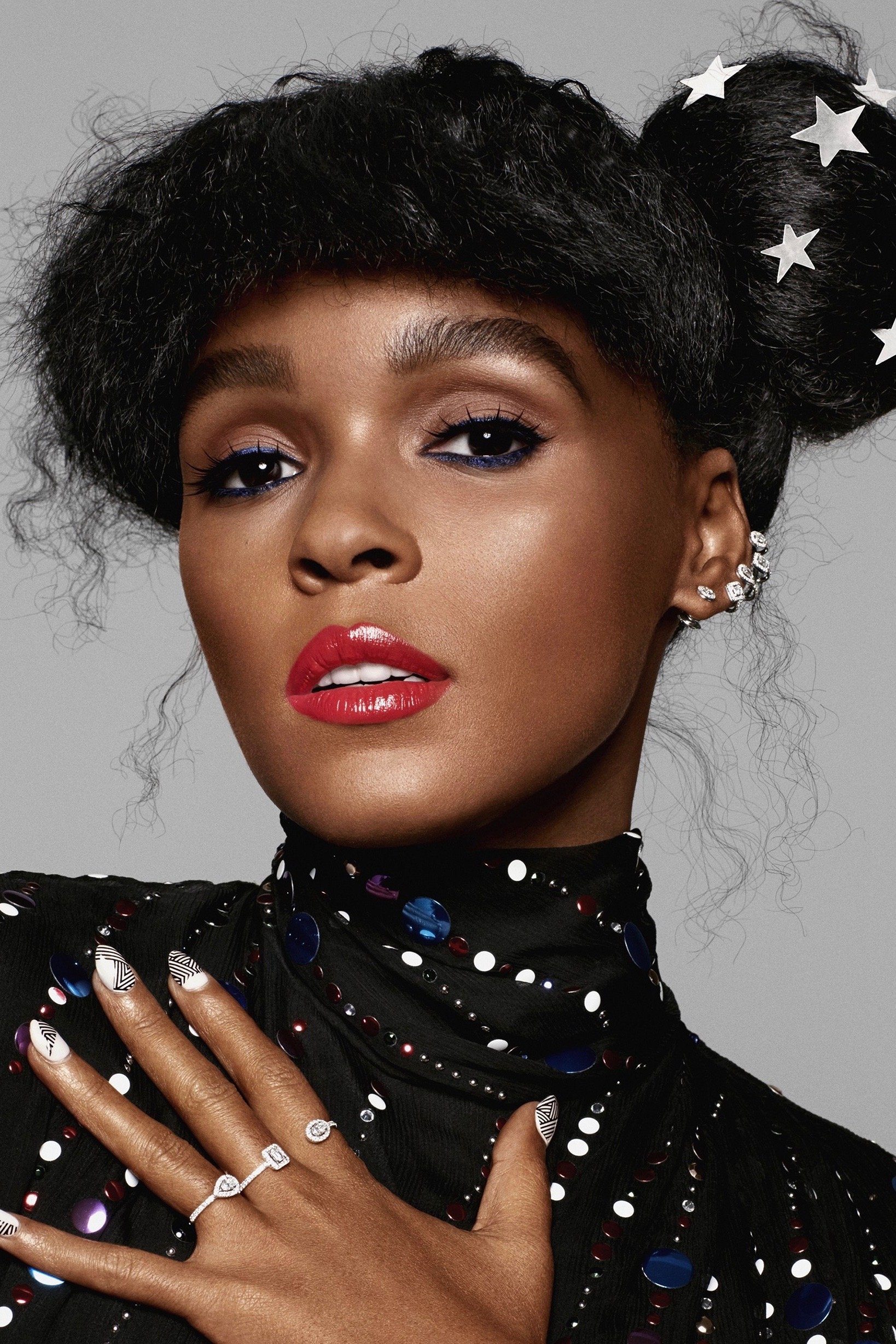
A futuristic icon, Janelle Monáe refused to participate in a sci-fi metaverse project until the developers could guarantee her signature pompadour would not look like a plastic mold. She emphasized that even styled hair has microstructure and reacts to the environment. Monáe waited for the team to implement a “groom-in-engine” workflow that allowed for high-fidelity styling that retained physical properties. This tech allowed for elaborate, architectural Black hairstyles to be rendered without sacrificing frame rates.
LaKeith Stanfield
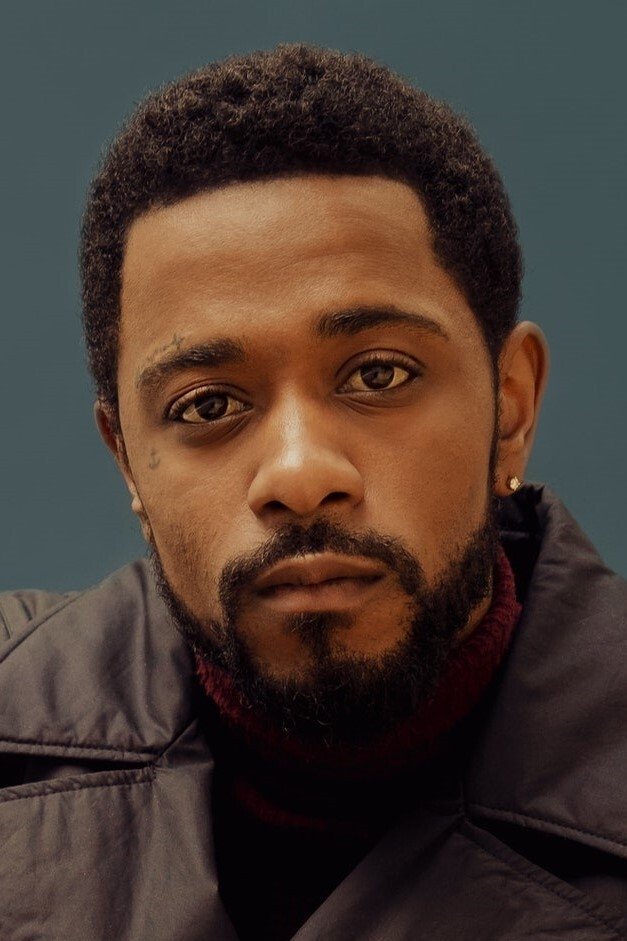
LaKeith Stanfield is known for his eclectic choices and demanded high artistic standards for a psychological horror game. He refused to perform motion capture until the “wet hair” effect—crucial for a rainy scene—was fixed to look authentic on textured hair. Stanfield noted that the existing assets made the hair look like melting wax rather than soaked curls. The studio’s VFX team spent months developing a new shader that accurately simulated water saturation and clumping on Afro-textured hair.
Michaela Coel
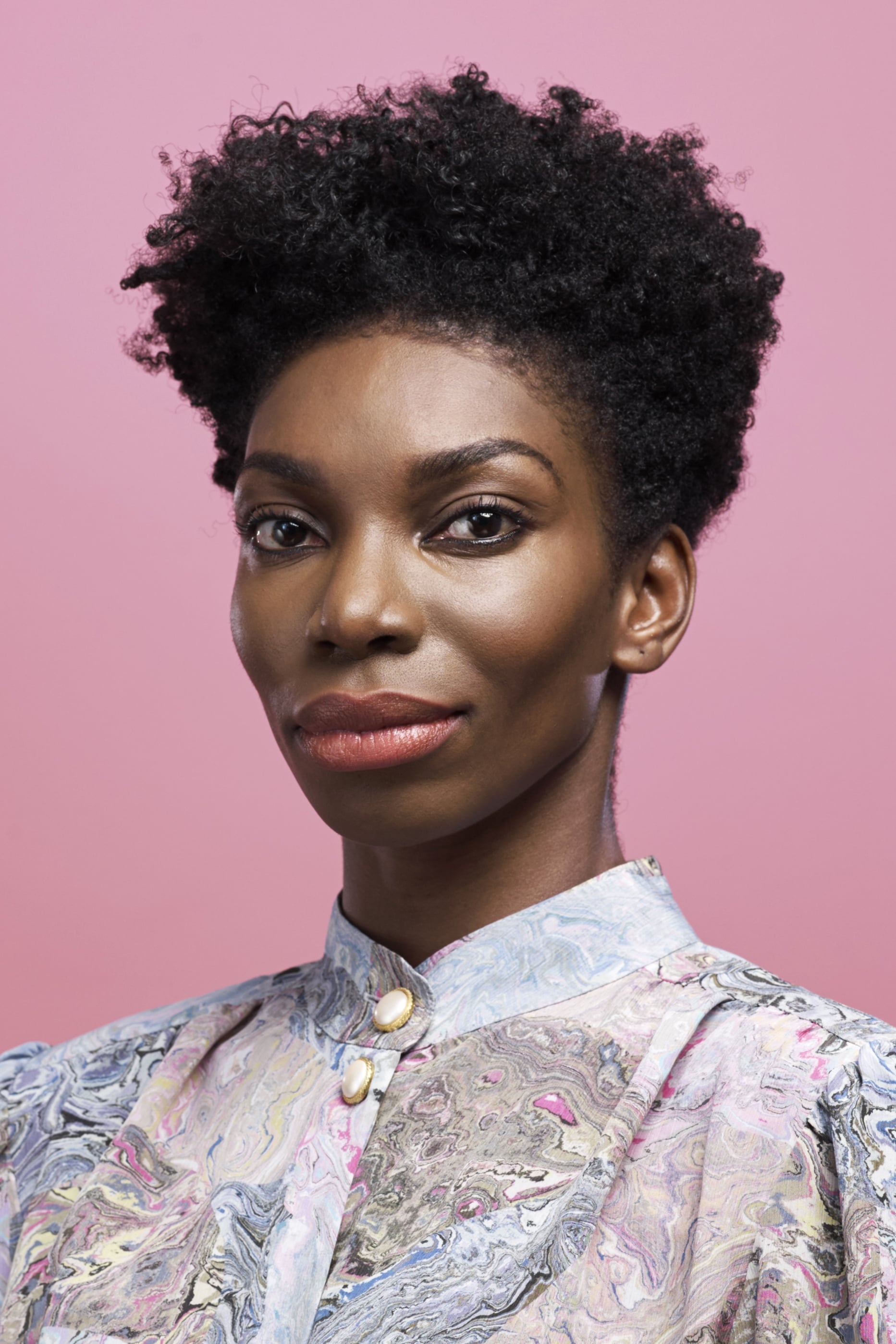
Creator and star Michaela Coel has always prioritized authentic storytelling, extending this to her digital likeness. She declined a role in an interactive drama because the studio lacked the technology to render a shaved head with visible follicle texture. Coel argued that a buzz cut is not just a smooth surface and requires complex normal mapping to catch the light correctly. Her feedback led to the adoption of micro-geometry rendering, which significantly improved the realism of short hairstyles.
Abubakar Salim
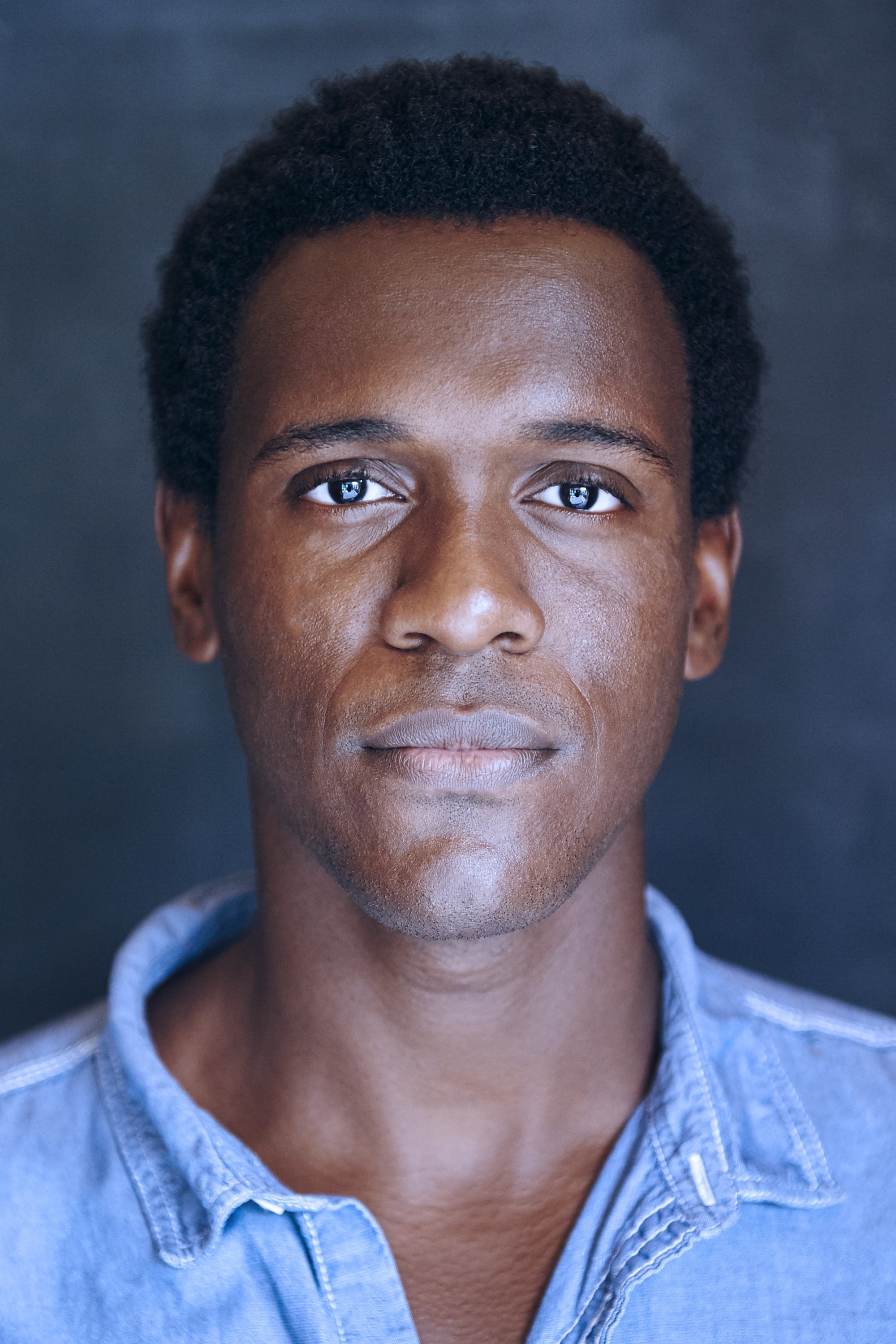
As both an actor and a game studio founder, Abubakar Salim has a unique perspective on the industry’s technical shortcomings. He publicly stated he would not take on third-party acting roles where the studio did not have a dedicated “hair tech” pipeline for Black characters. Salim pushed for the standardization of “strand-based” physics over “card-based” systems for main characters. His advocacy and refusal to settle for subpar tech have encouraged major engines like Unreal and Unity to prioritize better hair tools in their default suites.
The collective action of these actors has fundamentally changed the visual landscape of gaming and film, proving that representation is a technical hurdle worth clearing. Share your thoughts on which video game or movie character has the best hair physics in the comments.