


20 Black Actors Who Say Hollywood Still Won’t Let Them Play Gay

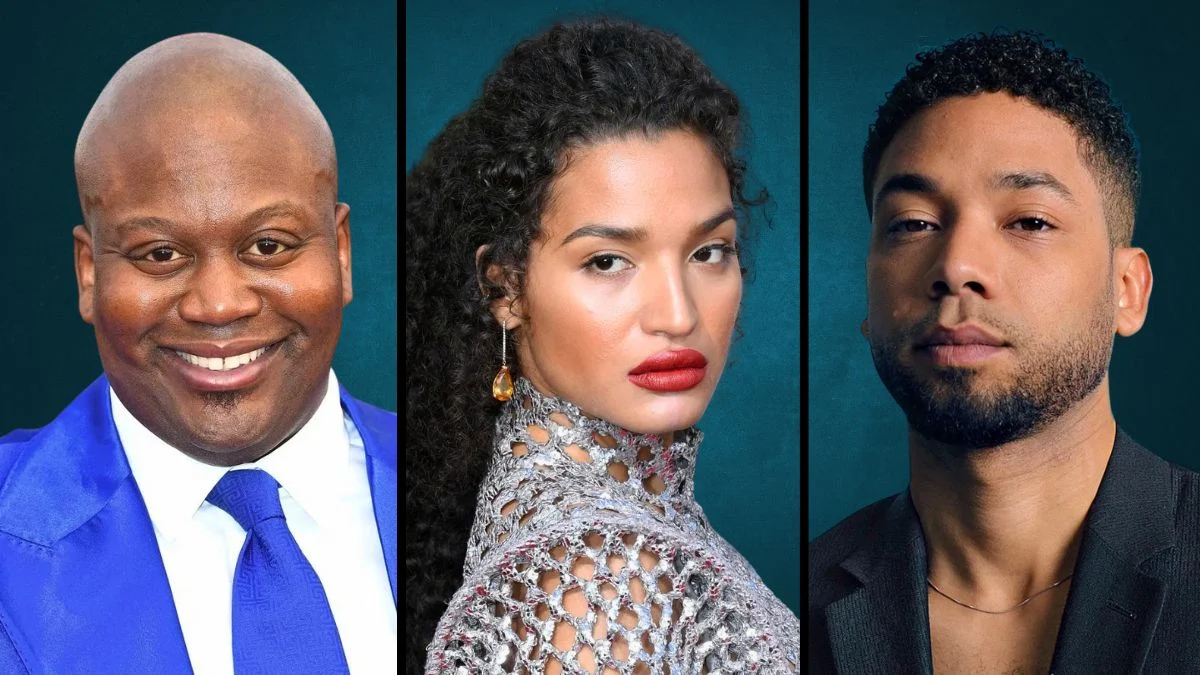


Representation in Hollywood has come a long way but many Black LGBTQ+ actors argue that the industry still hesitates to cast them in substantial queer roles. These performers have voiced frustration that complex gay characters are often given to straight actors for “star power” while actual queer actors are relegated to stereotypes or ignored completely. The “straight-washing” of award-winning Black gay narratives remains a point of contention for many talented artists who live that truth every day. Here are 20 Black actors who have spoken out about the barriers to playing authentic gay roles or the limitations placed on their careers.
Billy Porter
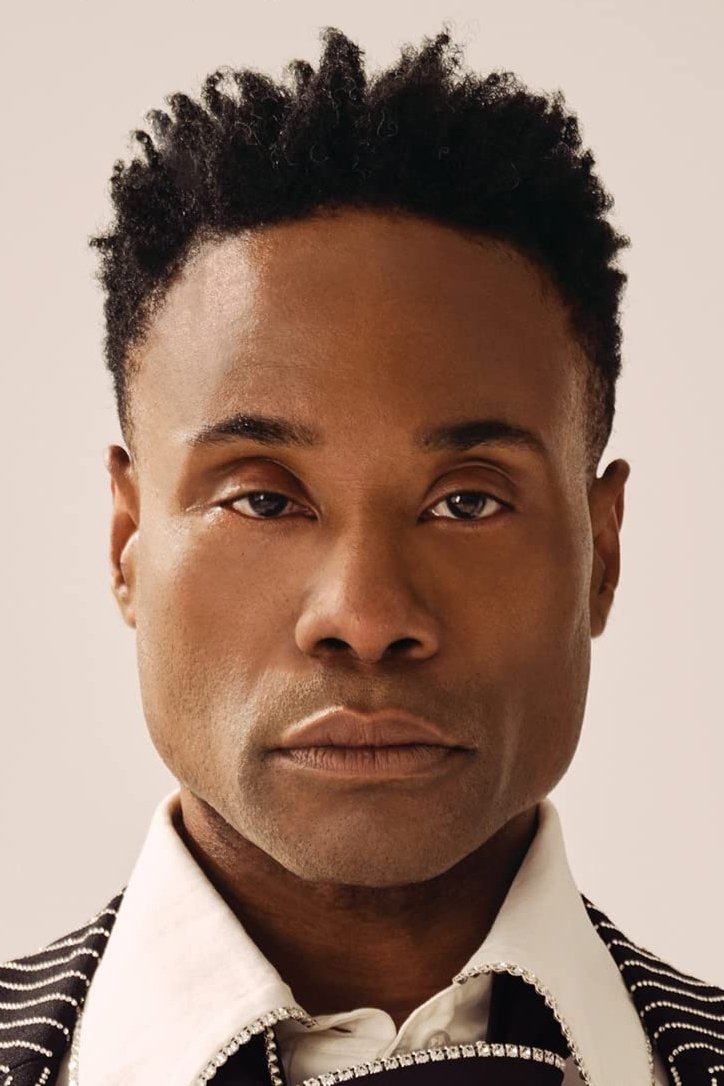
Porter has been one of the most vocal critics of Hollywood casting practices regarding gay roles. He famously criticized the industry for constantly giving prestigious LGBTQ+ roles to straight actors while ignoring the community those stories are about. The ‘Pose’ star spent decades on the sidelines because executives claimed he was too flamboyant to be a leading man but not “straight enough” for other parts. He argues that he had to wait for the world to catch up to his authenticity before he could land a lead role. Porter continues to fight for the idea that gay actors should be the first choice to tell their own stories.
Colman Domingo
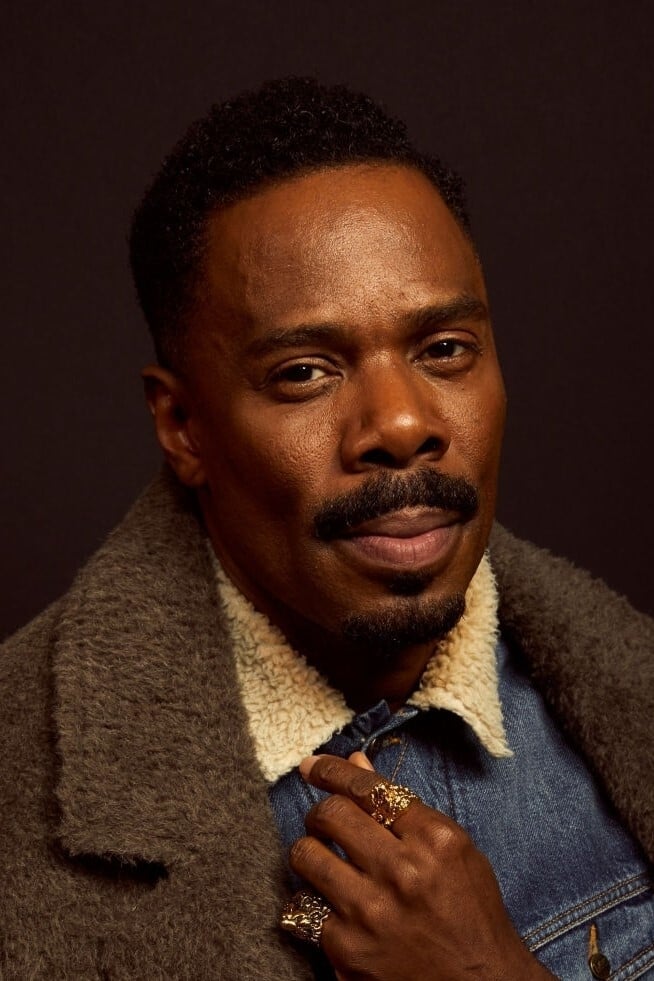
Before his acclaim in ‘Rustin’ and ‘Euphoria’ this veteran actor spent years as a journeyman performer. Domingo has discussed how Hollywood struggled to place him because he did not fit the narrow box of what a Black gay man should look like on screen. He often notes that the industry prefers tragedy over triumph for Black queer characters. His recent success proves that audiences are ready for nuanced portrayals that defy the limited imagination of casting directors. Domingo remains a powerful advocate for expanding the range of roles available to openly gay Black men.
RuPaul
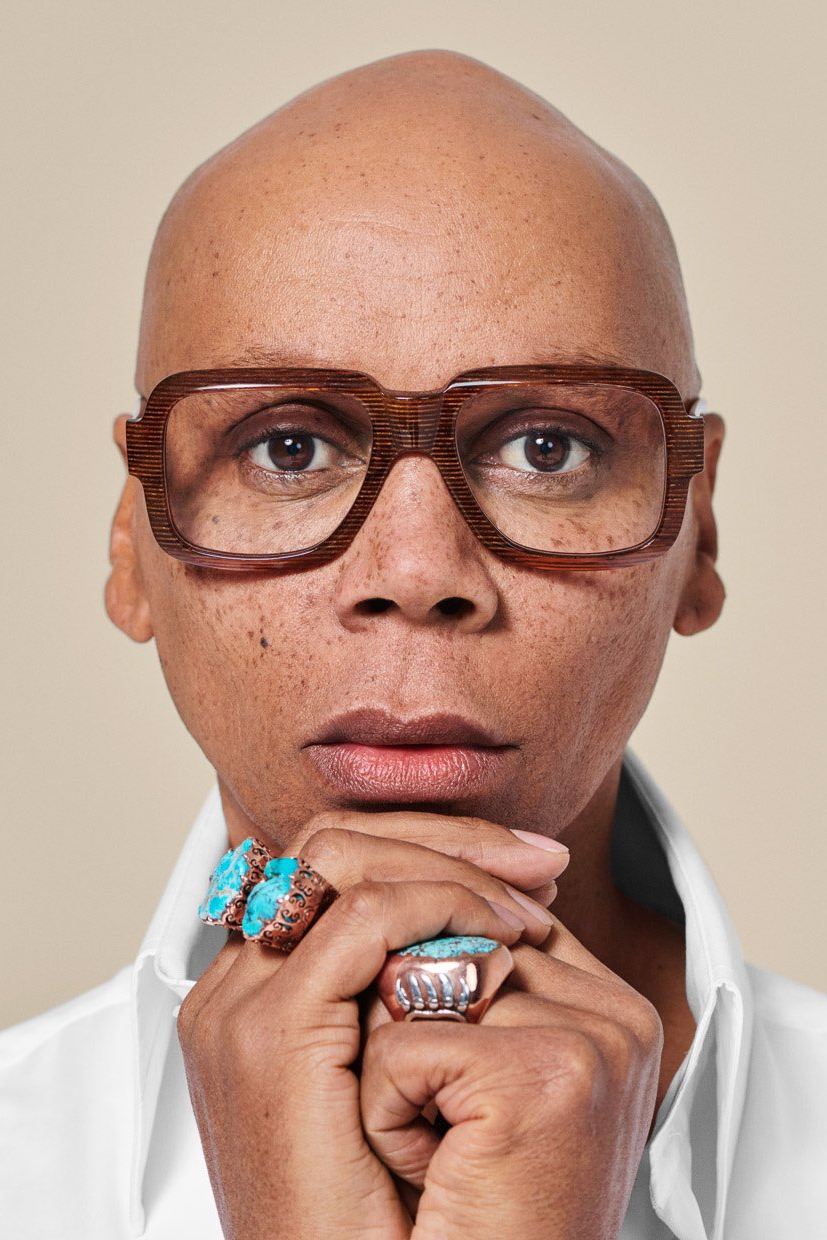
The world’s most famous drag queen has frequently noted that Hollywood keeps drag and queer culture at arm’s length from mainstream prestige projects. RuPaul has stated that while the industry loves the spectacle of drag it rarely offers drag artists serious acting roles beyond cameos or punchlines. He created ‘RuPaul’s Drag Race’ specifically because he knew mainstream networks would never greenlight such a celebration of queer culture on their own. He believes there is still a “velvet rope” that keeps authentic gay performers out of the inner circle of A-list Hollywood acting.
Tituss Burgess
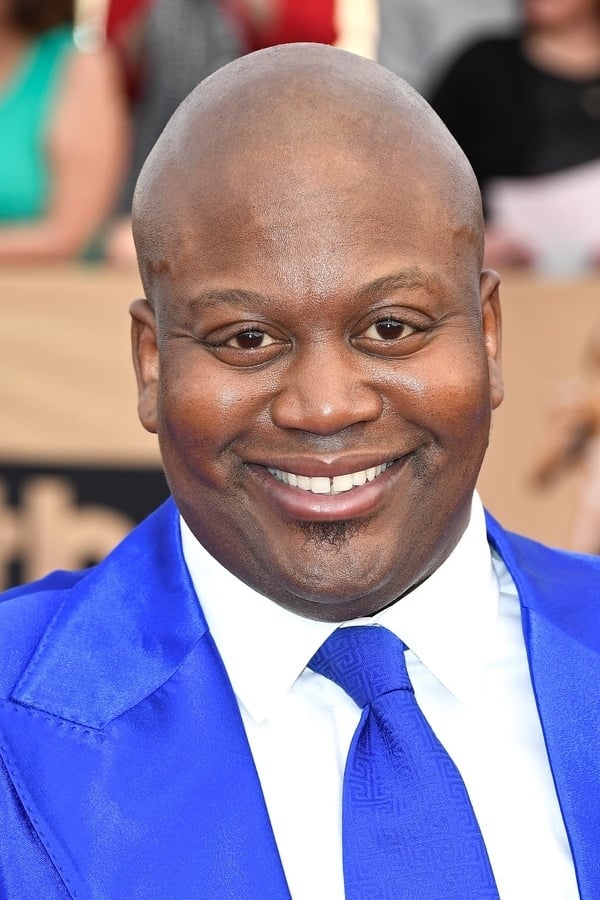
Best known for his role in ‘Unbreakable Kimmy Schmidt’ Burgess has spoken about the trap of being typecast as the “sassy gay best friend”. He has expressed frustration that Hollywood rarely envisions him as a romantic lead or a complex dramatic character. The actor believes that the industry is comfortable with gay Black men providing comic relief but hesitates to give them full humanity. Burgess strives to find projects that allow him to show range beyond the flamboyant caricature studios often request. He continues to push for roles that center his talent rather than just his sexuality.
Wanda Sykes
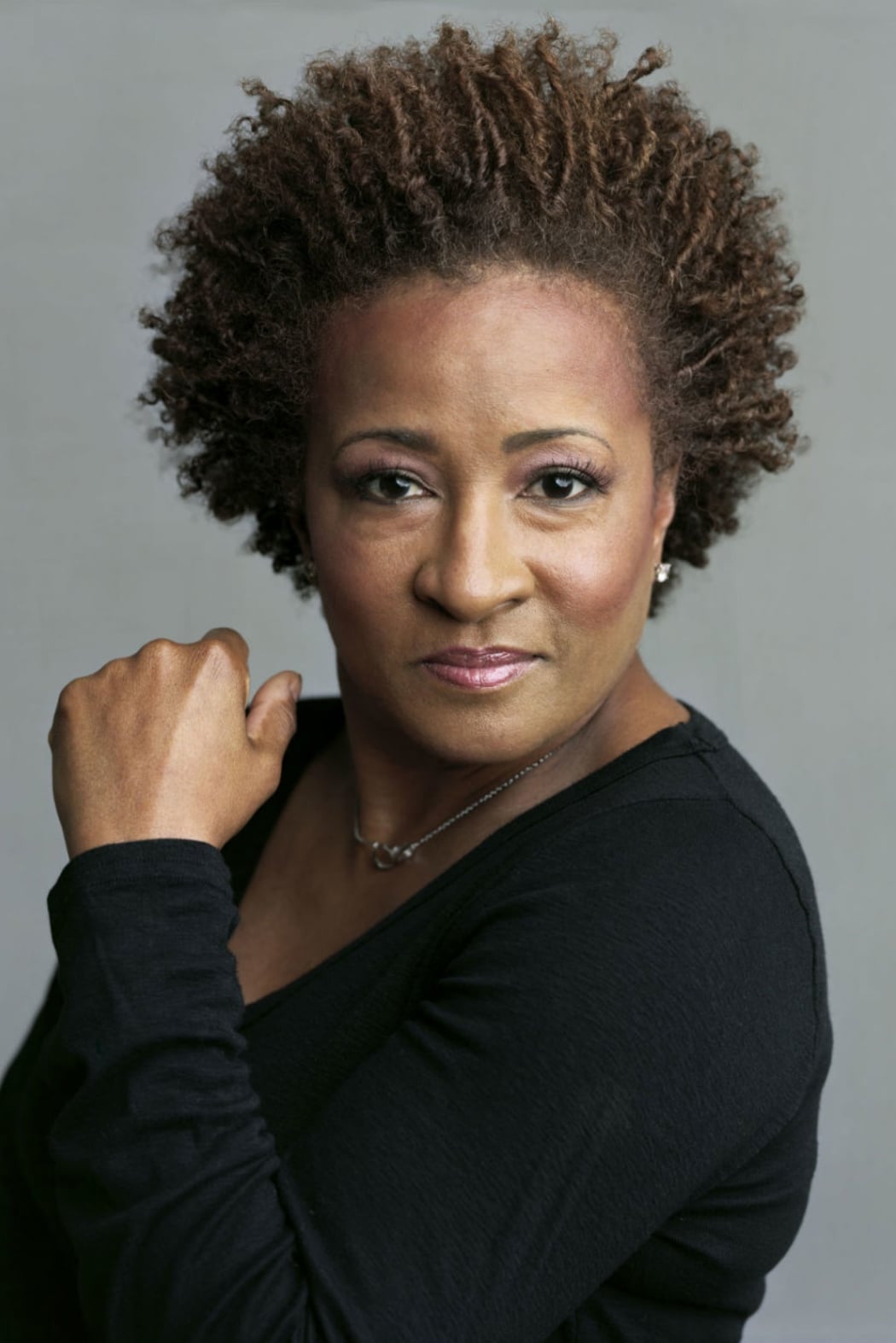
Sykes has been out for years and has discussed the lack of lesbian representation in film and television. She often jokes about how Hollywood does not know what to do with a Black lesbian who does not fit a specific butch or femme stereotype. The comedian and actress has had to carve out her own lane because standard casting calls rarely included roles that reflected her reality. She argues that lesbian characters are often written for the male gaze rather than for authentic storytelling. Sykes uses her producing power to create the opportunities she was denied early in her career.
Jussie Smollett
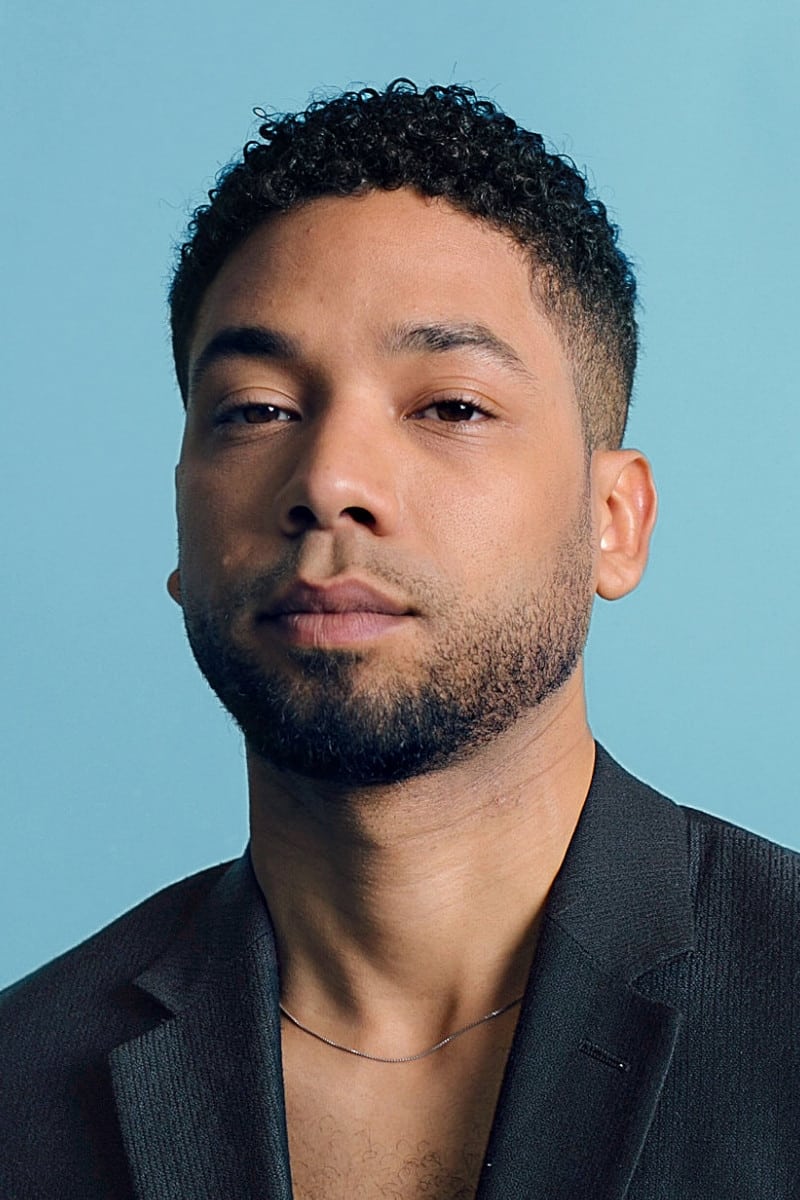
Before his highly publicized legal issues Smollett was a groundbreaking figure as a Black gay dad on the hit show ‘Empire’. He frequently spoke about the pressure of being one of the only representations of that specific identity on network television. The actor noted that Hollywood had almost no blueprint for a masculine Black gay male character who was also a music superstar. He often challenged writers to go deeper into the character’s love life in ways that mirrored straight romances. His early advocacy highlighted how rare it was for Black gay love to be centered in a primetime drama.
Niecy Nash-Betts
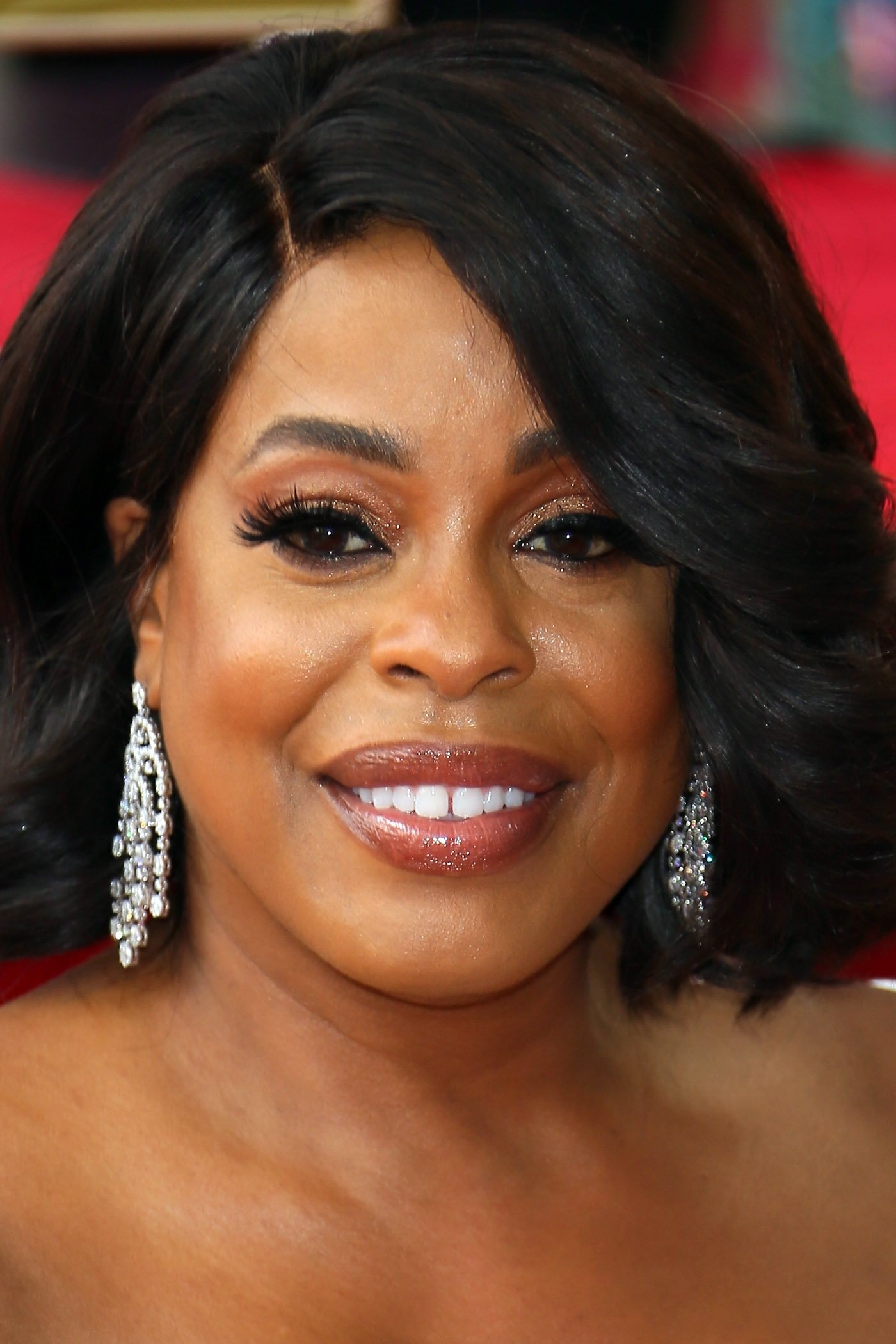
Nash surprised the industry when she married her wife Jessica Betts and opened up about her fluid sexuality. She has since discussed how Hollywood attempts to put actors in boxes based on their previous work and public persona. The ‘Claws’ and ‘Dahmer’ star refuses to be limited by industry expectations of who she should love or what roles she can play. She challenges the notion that coming out later in life should limit the types of characters an actress can portray. Nash continues to be a visibility advocate simply by living her truth unapologetically.
Jeremy Pope
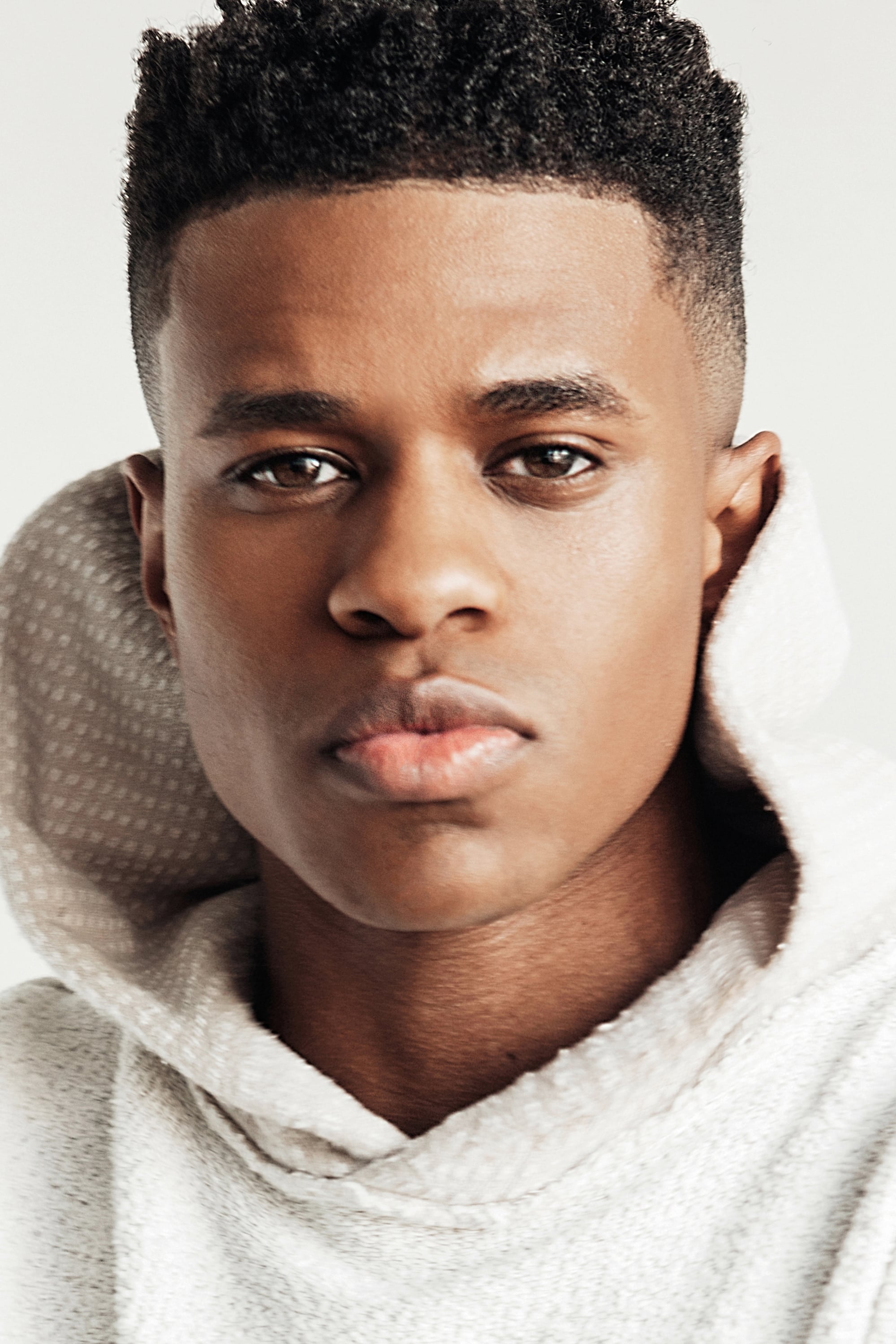
Pope garnered critical acclaim for his role in ‘The Inspection’ which was based on the director’s real life as a Black gay man in the Marines. The actor has discussed how rare it is to find scripts that treat Black queer masculinity with dignity and nuance. He has pointed out that many “gay” roles in Hollywood are actually trauma porn rather than fully realized human beings. Pope seeks out projects that allow Black men to be vulnerable without being victimized. He represents a new generation refusing to accept the scraps of representation Hollywood previously offered.
Michaela Jaé Rodriguez
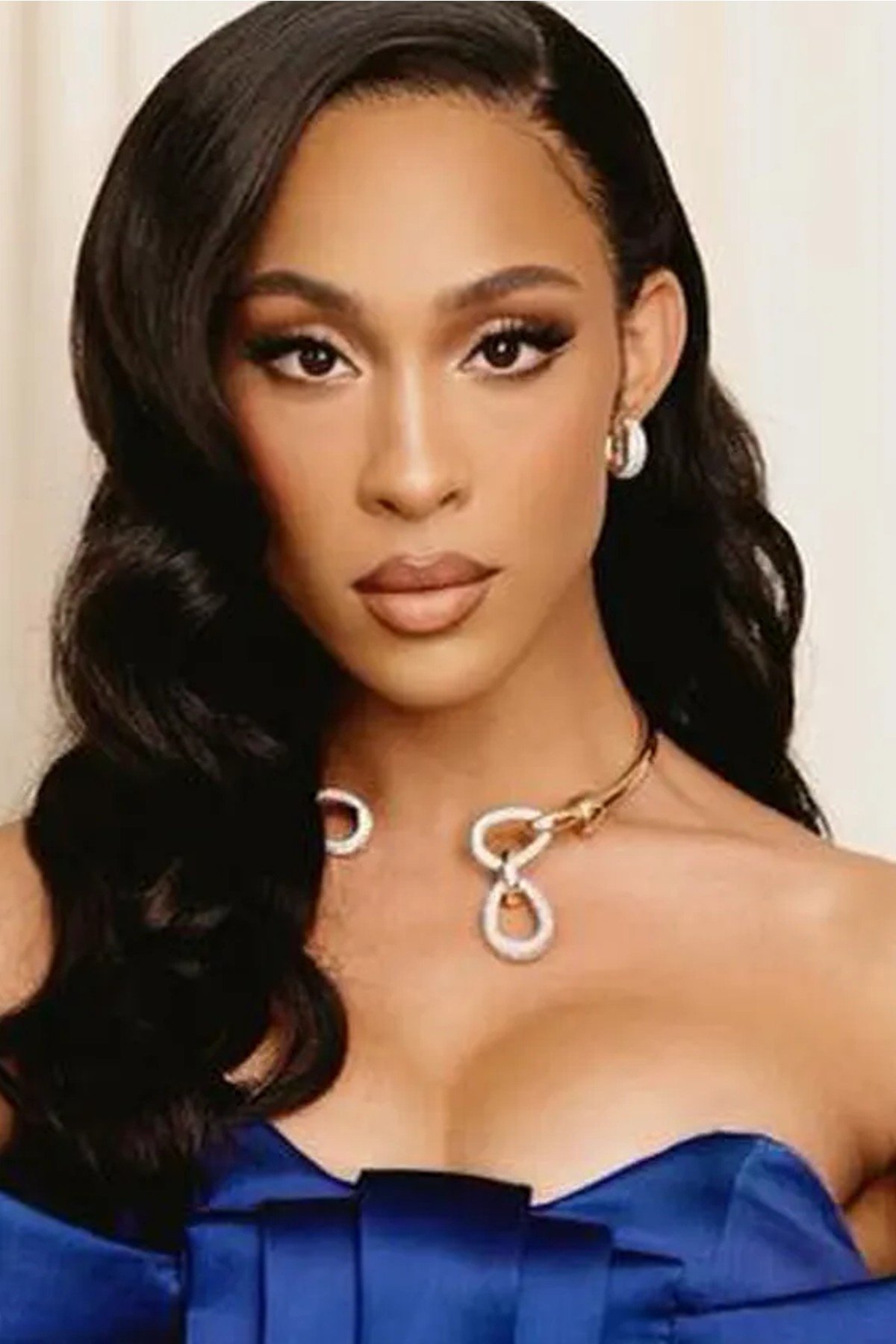
As the first trans performer to win a Golden Globe Rodriguez has broken significant barriers in the industry. She has been open about the struggle to be seen as an actress capable of playing any woman and not just trans characters in trauma narratives. Hollywood often hesitates to cast trans women in roles that do not explicitly center on their transition or suffering. Rodriguez argues that her talent should allow her to inhabit any world the script demands. She continues to fight for a space where trans actresses are viewed simply as actresses.
Indya Moore
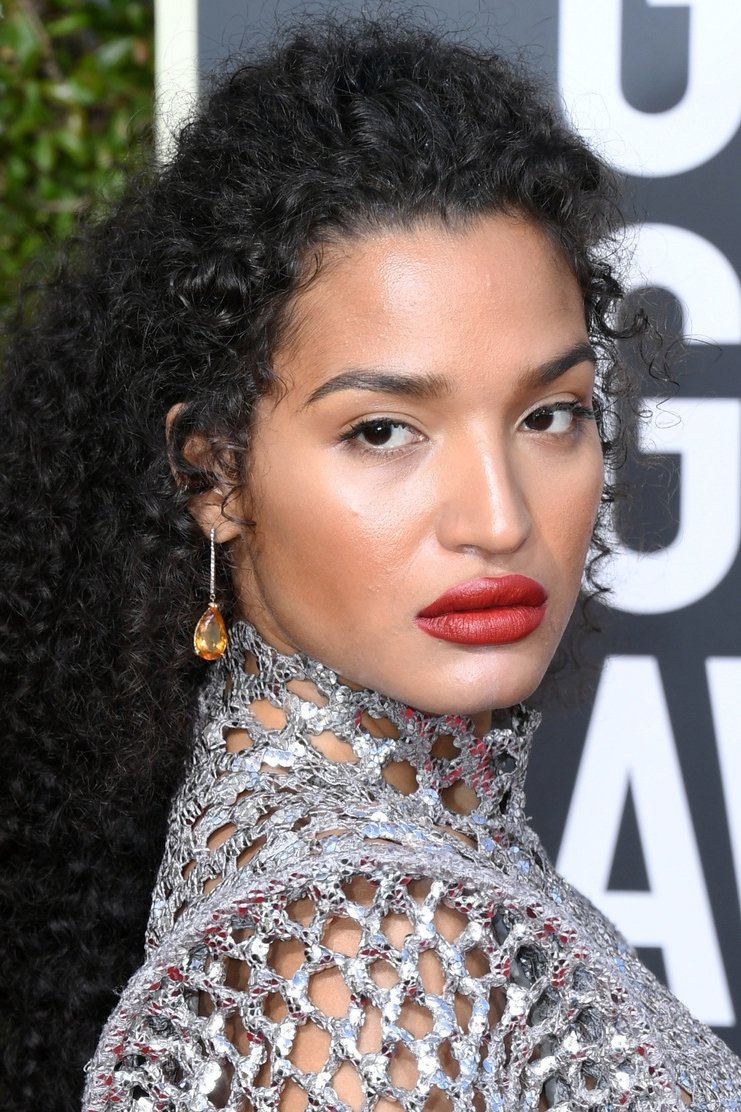
Moore has been a fierce advocate for non-binary and trans visibility beyond the fashion world. The ‘Pose’ star has criticized the industry for hiring cisgender actors to play trans roles while trans actors struggle to find work. They argue that Hollywood loves the “aesthetic” of queerness but often fails to support the actual people living those lives. Moore believes that true representation requires trans people behind the camera and in the writer’s room as well. Their activism highlights the disconnect between Hollywood’s performative allyship and its actual hiring practices.
Raven-Symoné
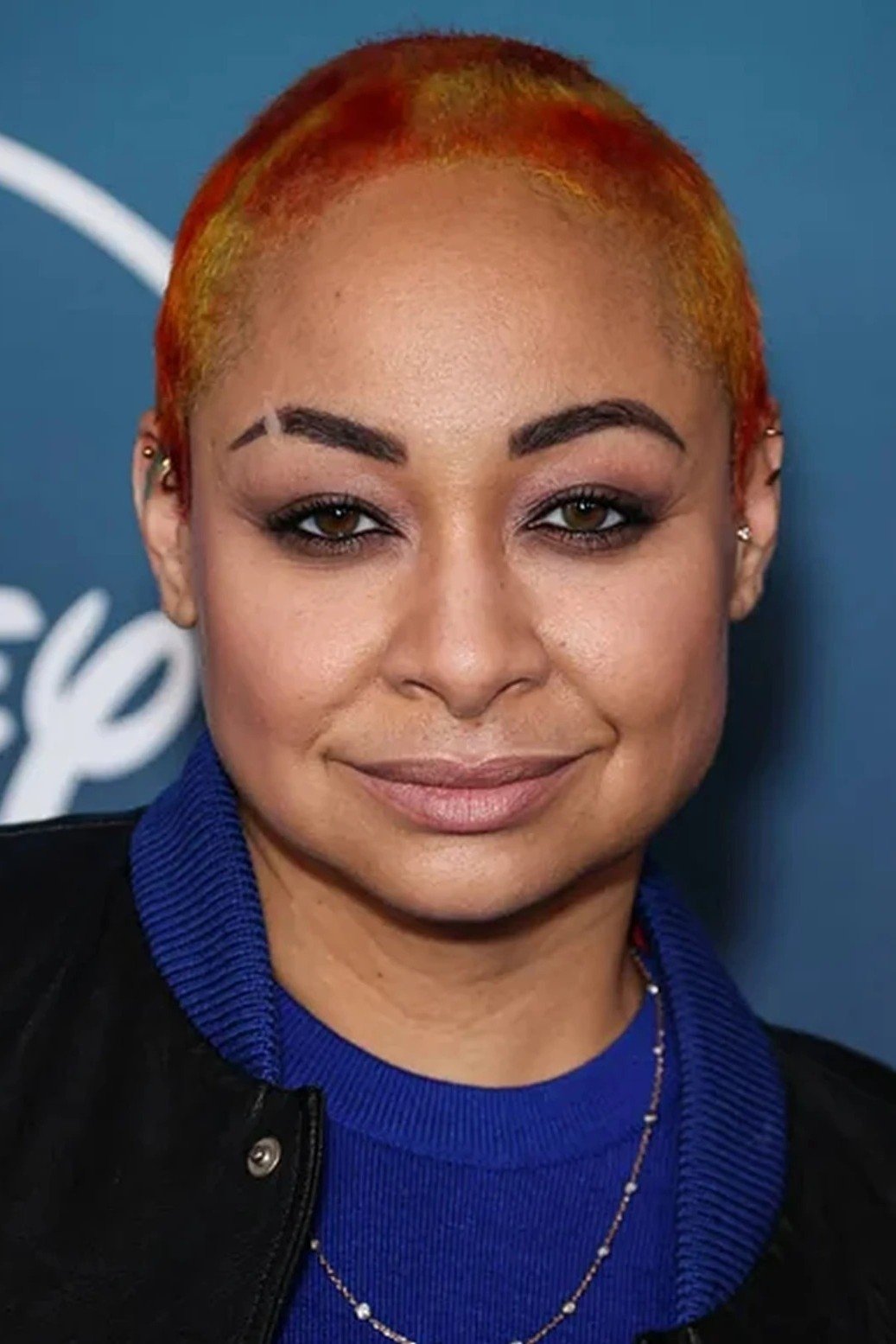
The former child star has lived in the public eye for decades and faced immense pressure to conform to a wholesome image. She has discussed the difficulty of navigating her sexuality in an industry that feels ownership over her childhood brand. Raven often pushes back against labels but acknowledges that being an out Black woman in Hollywood comes with specific hurdles. She has had to work hard to transition from “Disney kid” to an adult actress living her authentic life. Her journey reflects the industry’s long history of silencing queer identities in family-friendly entertainment.
Dominique Jackson

Jackson brought the ballroom scene to life in ‘Pose’ but has been vocal about the scarcity of roles for trans women of color. She has noted that Hollywood often views trans actors as a trend rather than a permanent fixture in the talent pool. The actress argues that casting directors still harbor biases that prevent trans women from being considered for standard matriarchal or professional roles. Jackson emphasizes that her presence on screen is a form of activism against an industry that tried to erase her community. She demands respect for the legacy of the ballroom culture she represents.
Brian Tyree Henry
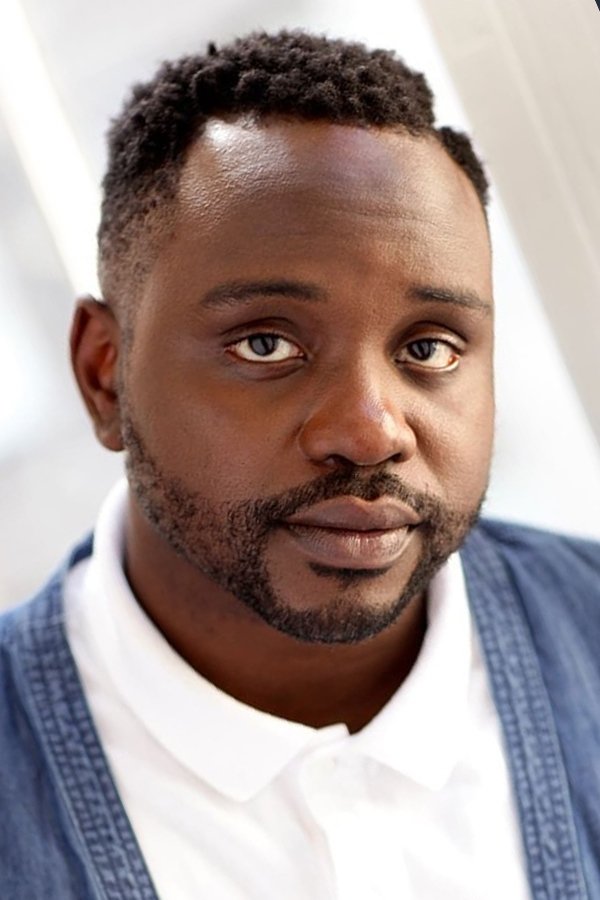
Henry made history as the first openly gay superhero in the Marvel Cinematic Universe film ‘Eternals’. He has discussed the importance of showing a Black gay man who is powerful and happy rather than struggling. The actor notes that Hollywood rarely depicts Black queer joy or stable domestic families. He actively looks for roles that subvert the audience’s expectations of what a Black man can be on screen. Henry’s portrayal challenged the global film market’s resistance to LGBTQ+ heroes.
Angelica Ross
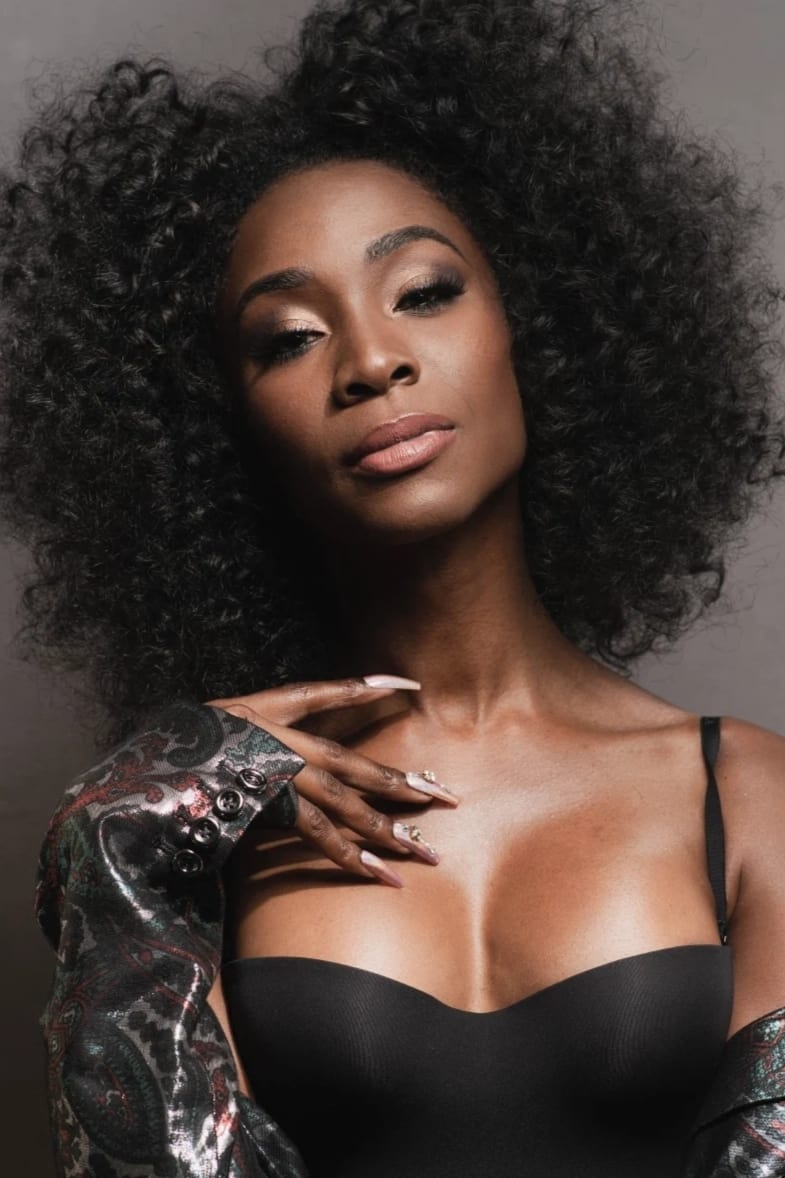
Ross has been a vocal critic of how the industry treats Black trans women even after they achieve some level of fame. She famously called out the systemic issues in Hollywood that leave trans actors vulnerable and underpaid compared to their cisgender counterparts. The ‘American Horror Story’ actress argues that visibility without protection and fair compensation is just exploitation. She has stepped back from the industry at times to focus on tech and advocacy because of these systemic barriers. Ross refuses to participate in a system that does not value her full humanity.
Uzo Aduba
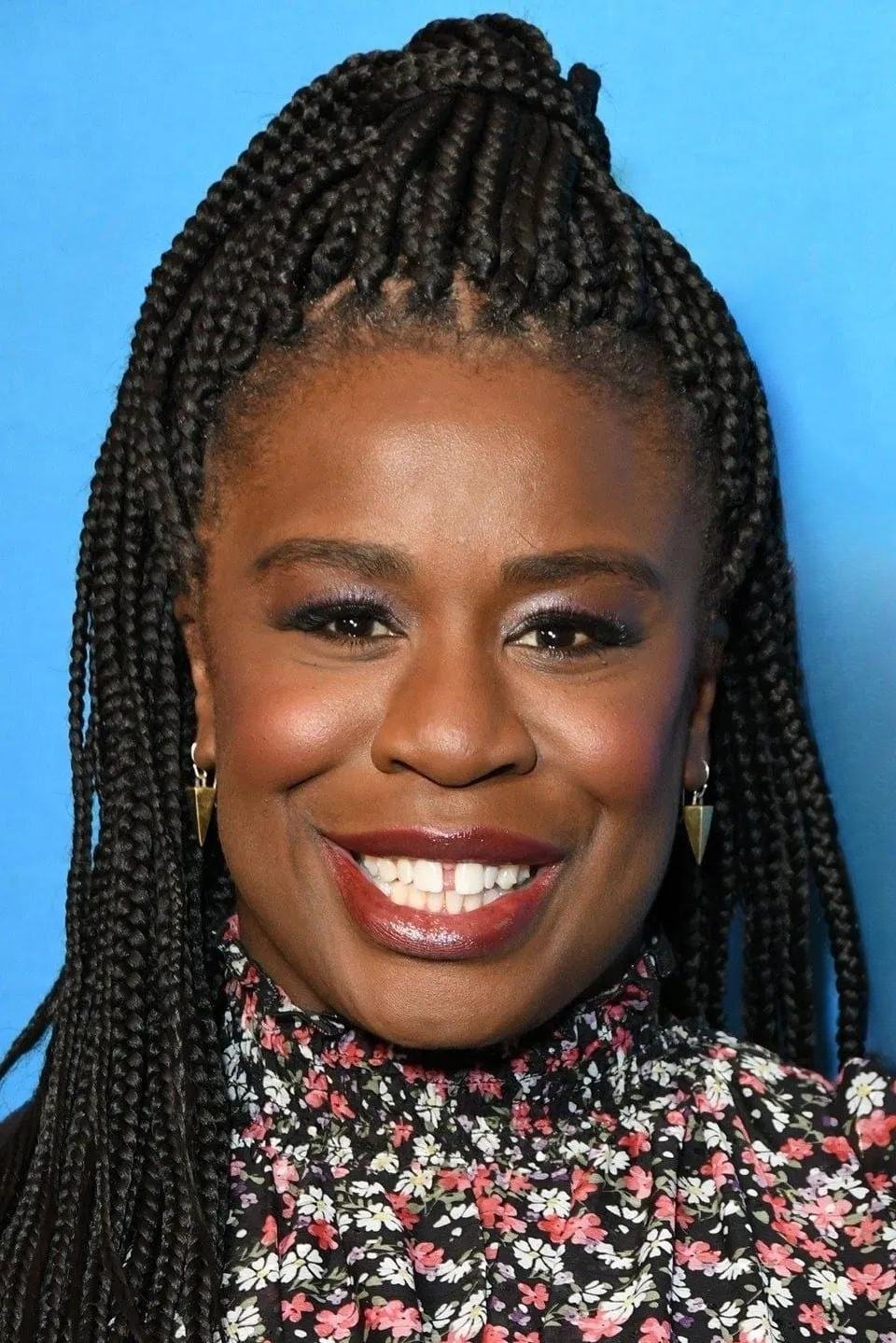
Aduba won hearts and awards as “Crazy Eyes” in ‘Orange Is the New Black’ but the role was far from a glamorous romantic lead. She has navigated an industry that often desexualizes Black women who do not fit a Eurocentric standard of beauty. The actress advocates for stories that show the full spectrum of Black womanhood including queer relationships. She has proven her range in various projects but still faces the industry’s rigid categorization of Black female actors. Aduba continues to push for roles that allow her to be soft and loved.
Samira Wiley
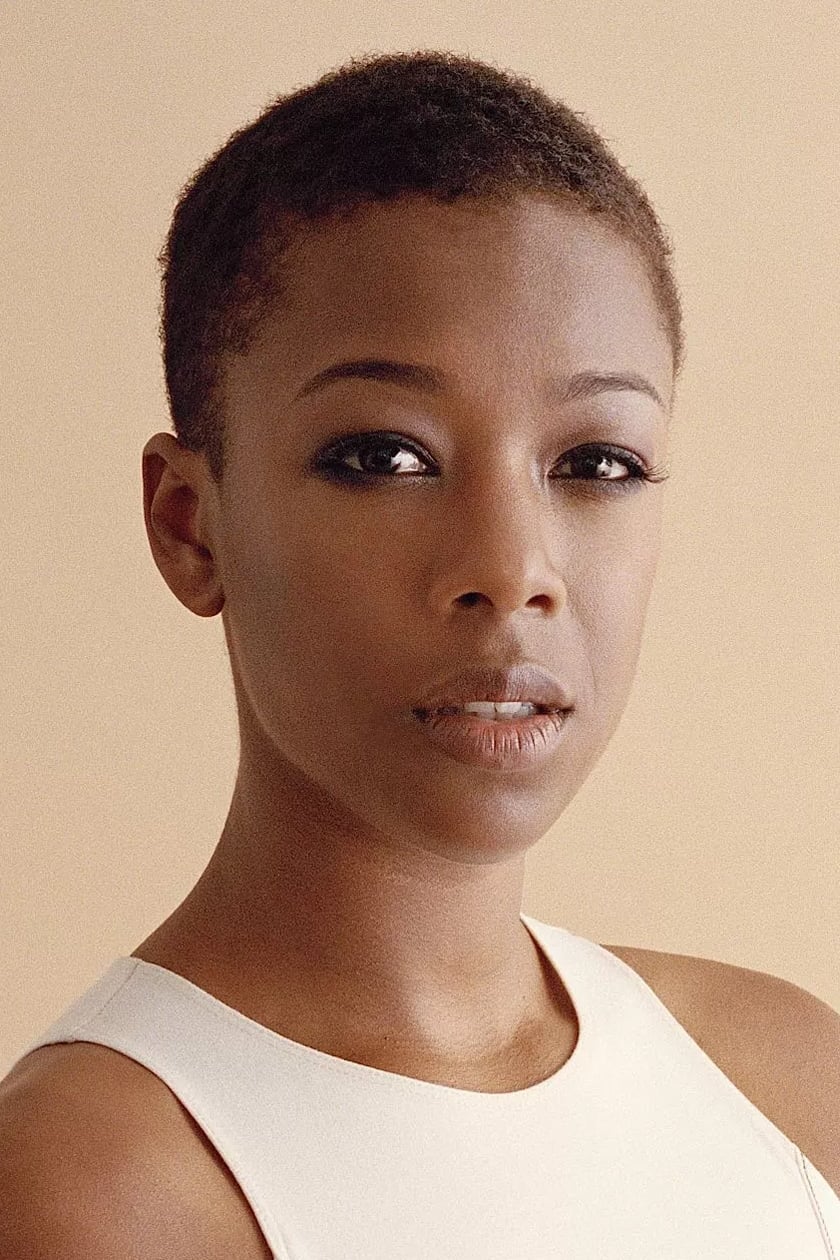
Wiley became a fan favorite as Poussey Washington and later starred in ‘The Handmaid’s Tale’. She has discussed the relief of playing characters that are explicitly gay because it allows her to bring her full self to the work. However she also notes the limited number of such roles available for Black women compared to their white counterparts. Wiley argues that Hollywood needs to greenlight more lesbian stories that are not centered solely on tragedy. She represents the need for normalizing Black queer love on screen.
Nicco Annan
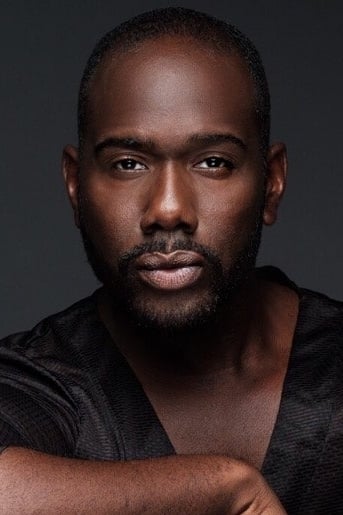
Annan broke ground as Uncle Clifford on ‘P-Valley’ a non-binary character who defies every Hollywood convention. He has spoken about how the industry usually fears characters who mix masculine and feminine energy so freely. Annan argues that there are many “Uncle Cliffords” in real life who have never seen themselves represented in media. He believes the success of his character proves that audiences are more open-minded than executives assume. Annan challenges the rigid gender binaries that Hollywood casting usually enforces.
Nathan Stewart-Jarrett
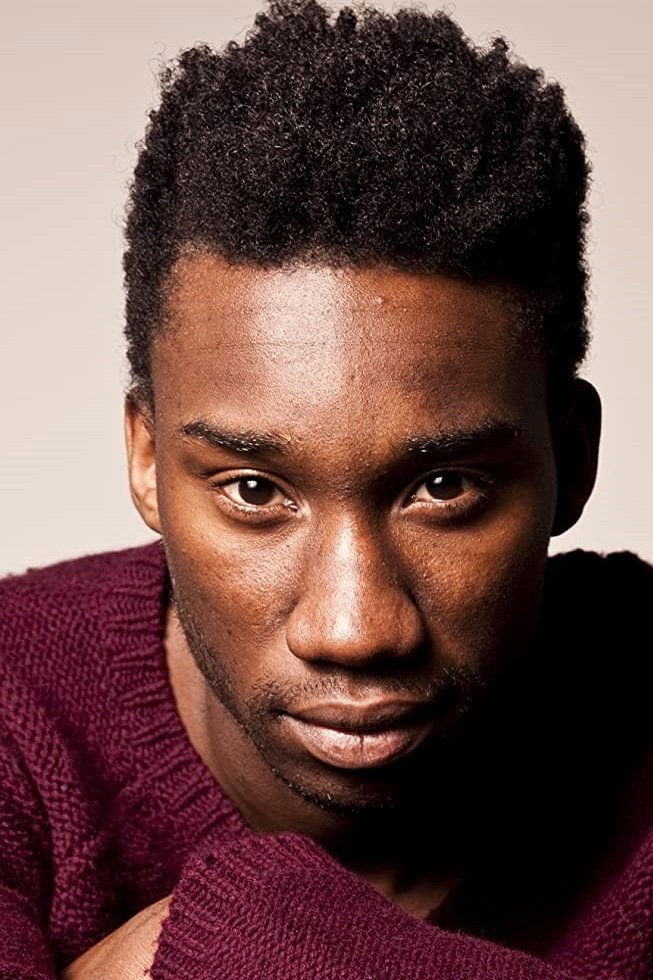
This British actor has worked on both sides of the Atlantic and has noted the differences in how Black queer bodies are viewed. He often discusses the challenge of finding roles that are not just “the gay friend” or a victim of a hate crime. Stewart-Jarrett seeks out genre work like ‘Candyman’ or ‘Misfits’ to escape the gritty realism often forced on Black actors. He believes that Black queer characters belong in fantasy and horror just as much as in drama. His career choices reflect a desire to expand the imagination of casting directors.
Dyllón Burnside
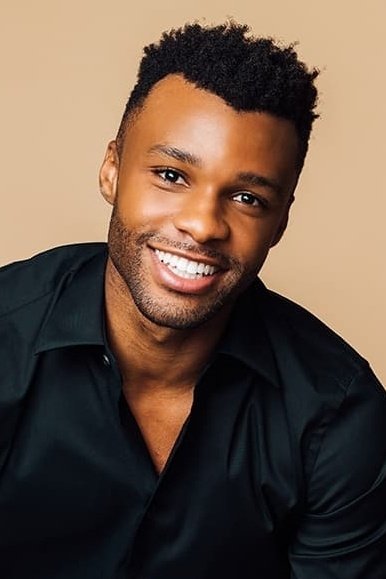
Burnside is another ‘Pose’ alumni who has spoken about the need for more diverse representations of Black gay men. He has noted that Hollywood often depicts Black masculinity as inherently toxic or rigid leaving no room for softness. The actor advocates for stories that explore the intersection of race sexuality and faith. He believes that the industry has a responsibility to show young Black boys that there are many ways to be a man. Burnside continues to use his platform to challenge the monolithic view of Black manhood.
J. Harrison Ghee
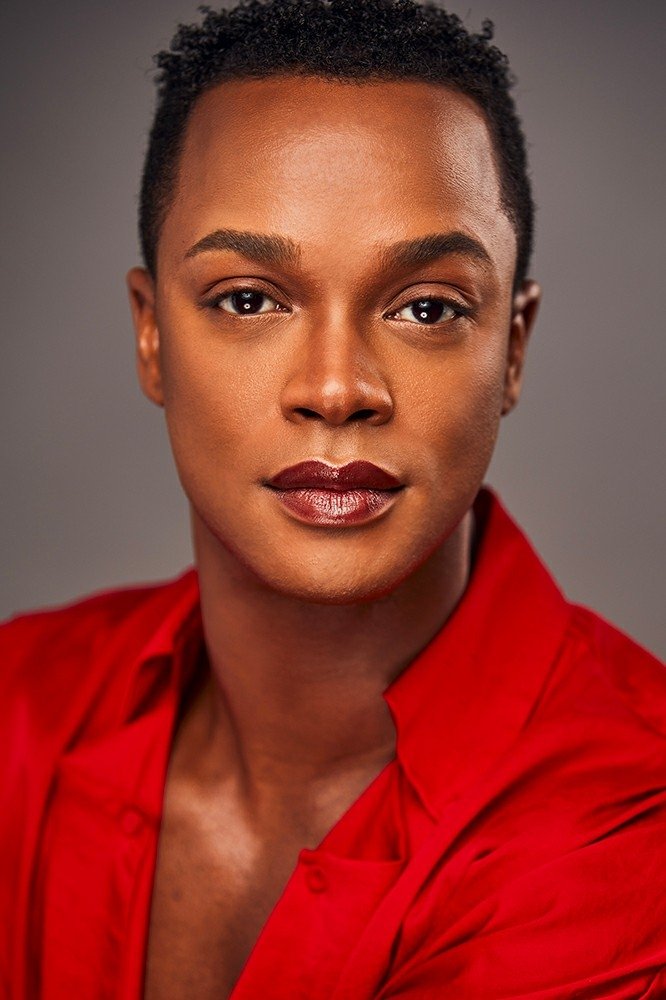
Ghee recently made history as one of the first non-binary actors to win a Tony Award showing that Broadway is slightly ahead of Hollywood. They have discussed the freedom of playing roles that deconstruct gender norms but acknowledge that film and TV are slower to adapt. Ghee argues that the industry needs to stop asking “what are you?” and start asking “who is this character?”. They represent a future where casting is based on essence rather than gender checkboxes. Ghee’s success signals a shift that Hollywood is slowly being forced to acknowledge.
Share your thoughts on these actors and the state of representation in the comments.