


Black Actors Who Say They’re Tired of Being the “Wise Mentor”




Many Black actors in Hollywood have expressed their exhaustion with the recurring trope of the wise mentor. This archetype often relegates talented performers to supporting roles where they only exist to provide guidance to the main character. These performers seek more complex and flawed roles that move beyond the limitations of being a moral compass. The push for more diverse storytelling aims to eliminate these restrictive patterns and allow for a wider range of character arcs. By challenging these industry standards, these actors are paving the way for more authentic representations on screen.
Morgan Freeman
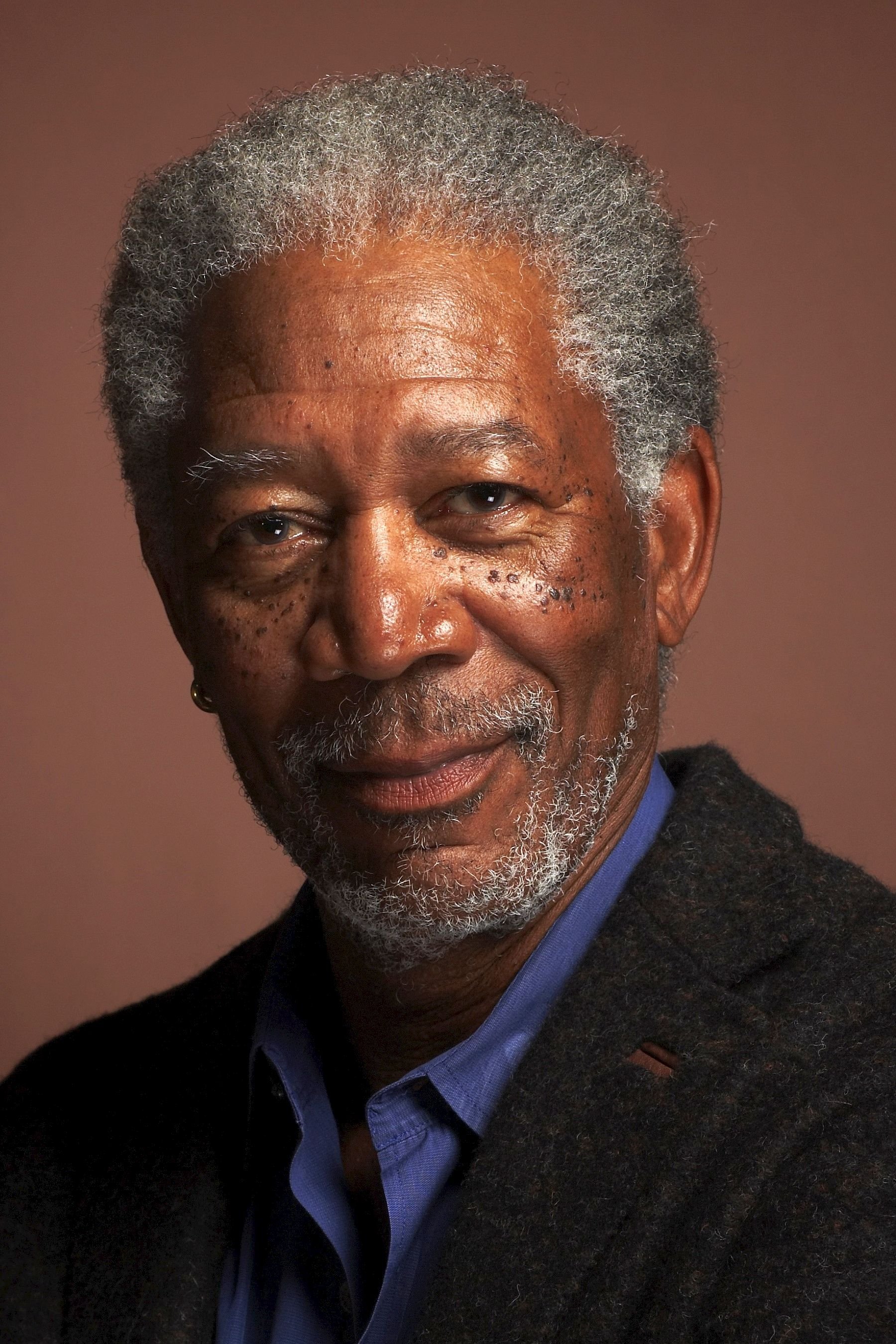
Morgan Freeman is often associated with the voice of authority and wisdom in Hollywood cinema. He has portrayed numerous characters that serve as the moral guide for a younger or white protagonist. The actor has expressed that while these roles have been successful, he still craves the chance to play more varied and less predictable people. He believes that the industry tends to rely on his gravitas rather than exploring his full range as a performer. His career serves as a primary example of how Black actors can be confined to the sage archetype.
Laurence Fishburne
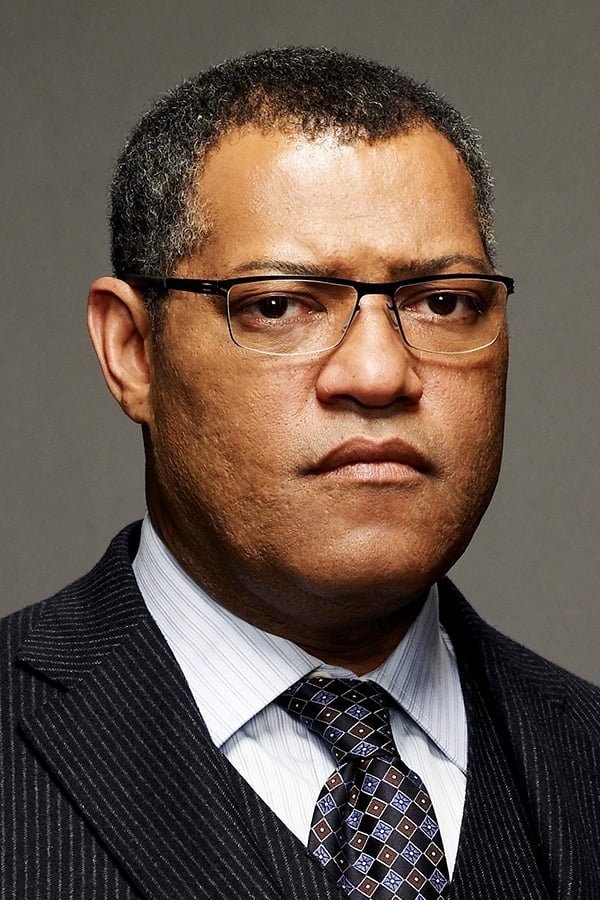
Laurence Fishburne is widely recognized for his portrayal of mentors in major film franchises. He has spoken about the limitations of the wise advisor role and the need for more diverse character arcs for Black men. The actor advocates for stories where Black characters are the primary focus of their own narratives. He believes that the industry should move away from using Black actors as mere instruments for the growth of other characters. His filmography reflects a continuous effort to find roles that offer depth and personal agency.
Samuel L. Jackson
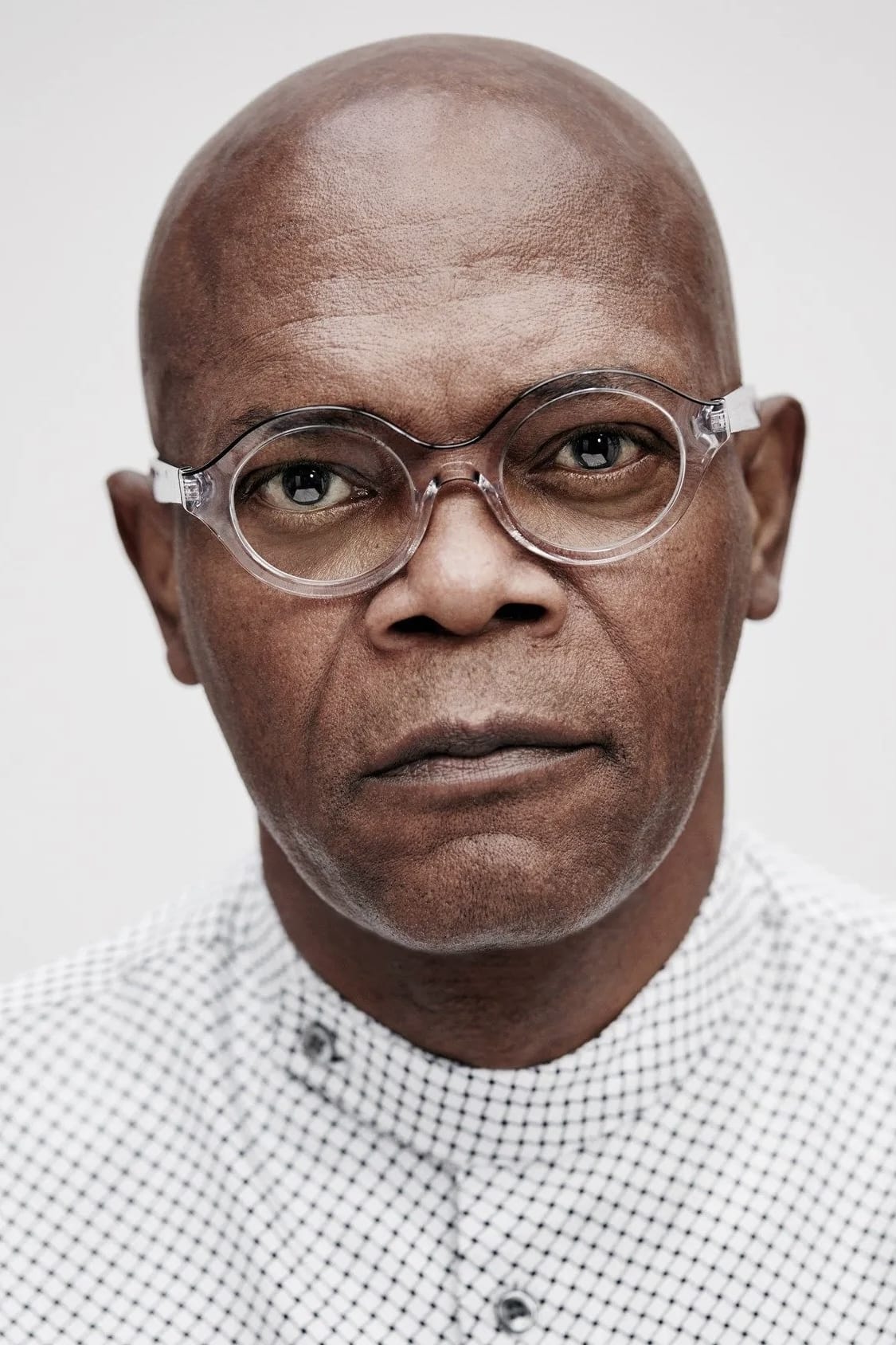
Samuel L. Jackson has been vocal about the repetitive nature of the roles offered to Black performers in major studio films. He has often played the wise or powerful figure who provides essential information to the main character. The actor pushes for scripts that allow Black men to be the central figures in stories that do not require them to be teachers. He points out that the industry frequently uses the mentor trope as a shortcut for building narrative tension. His work remains a testament to his desire for roles that are both challenging and unconventional.
Idris Elba
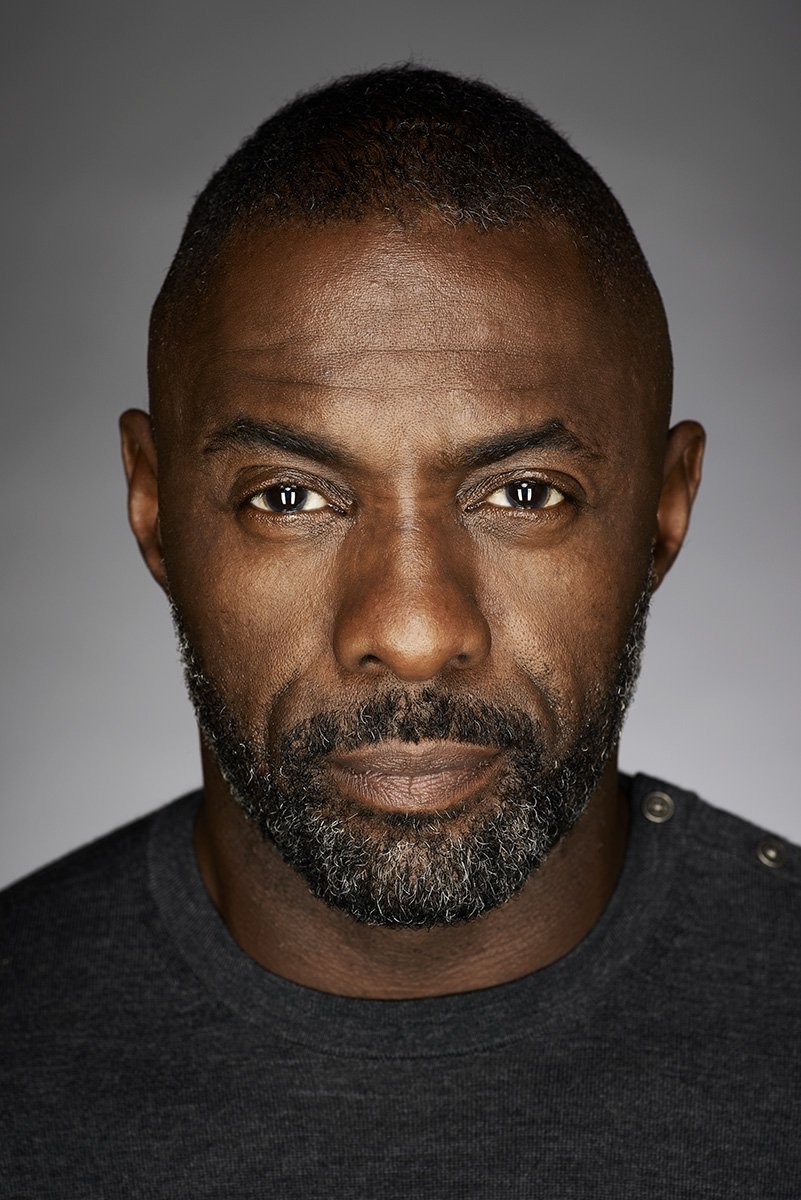
Idris Elba has frequently discussed the need for Hollywood to look beyond race when casting lead roles. He often finds himself playing the stoic mentor or the authoritative leader who guides the actions of others. The actor prefers to take on parts that are defined by their personal struggles and human imperfections. He believes that the wise mentor trope is a result of narrow thinking in the writing process. His choice of diverse roles in international productions shows his commitment to breaking these industry patterns.
David Harewood
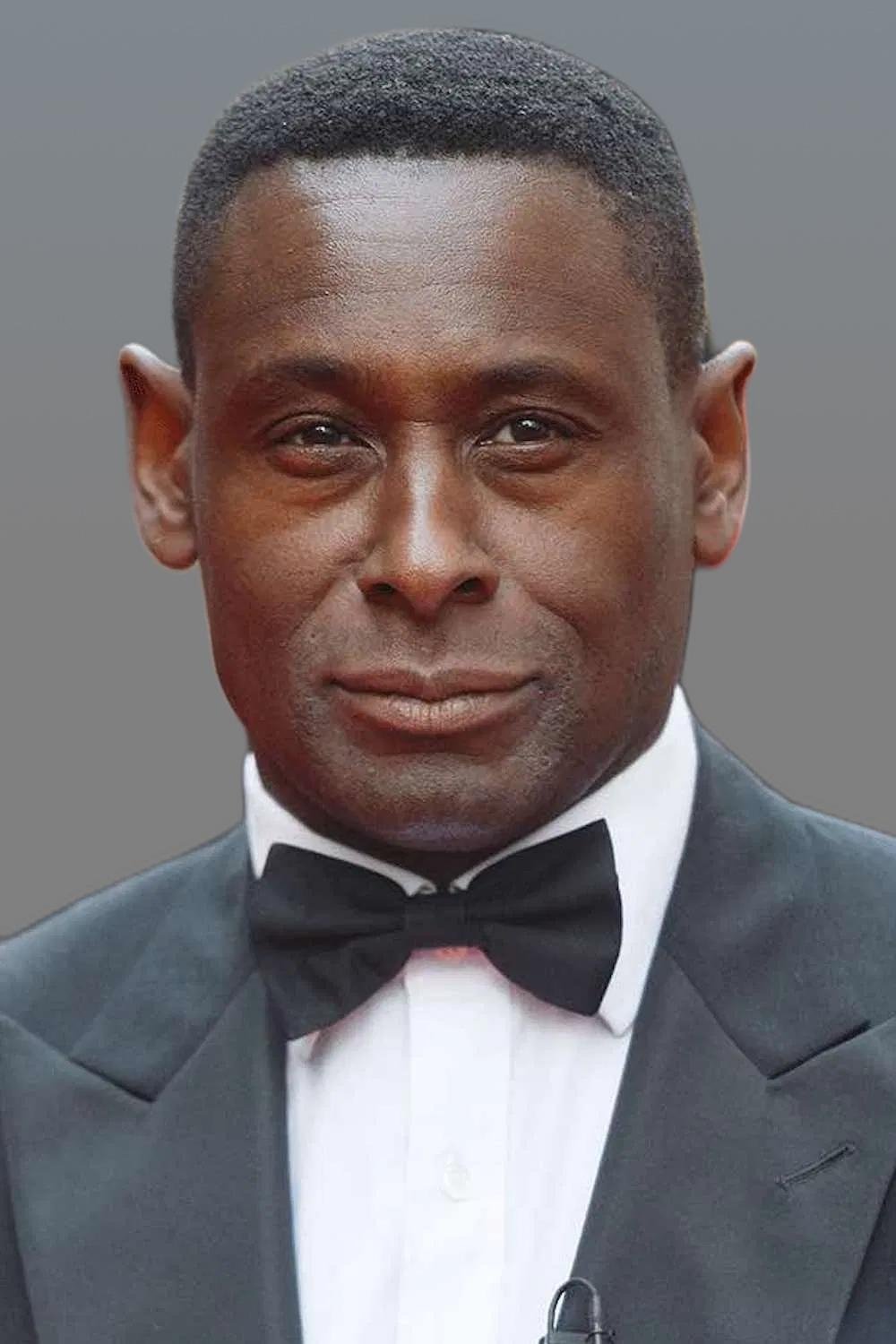
David Harewood has addressed the lack of complexity in many of the roles available to Black actors in the United Kingdom and America. He has noted that he is frequently cast as an authority figure or a mentor who lacks a significant personal storyline. The actor believes that these roles often function as a way to support the emotional journey of someone else. He has called for more opportunities to play leads that are not defined by their wisdom or position of power. His public statements in relation to his time on ‘Supergirl’ have highlighted the systemic nature of typecasting in modern television.
Courtney B. Vance
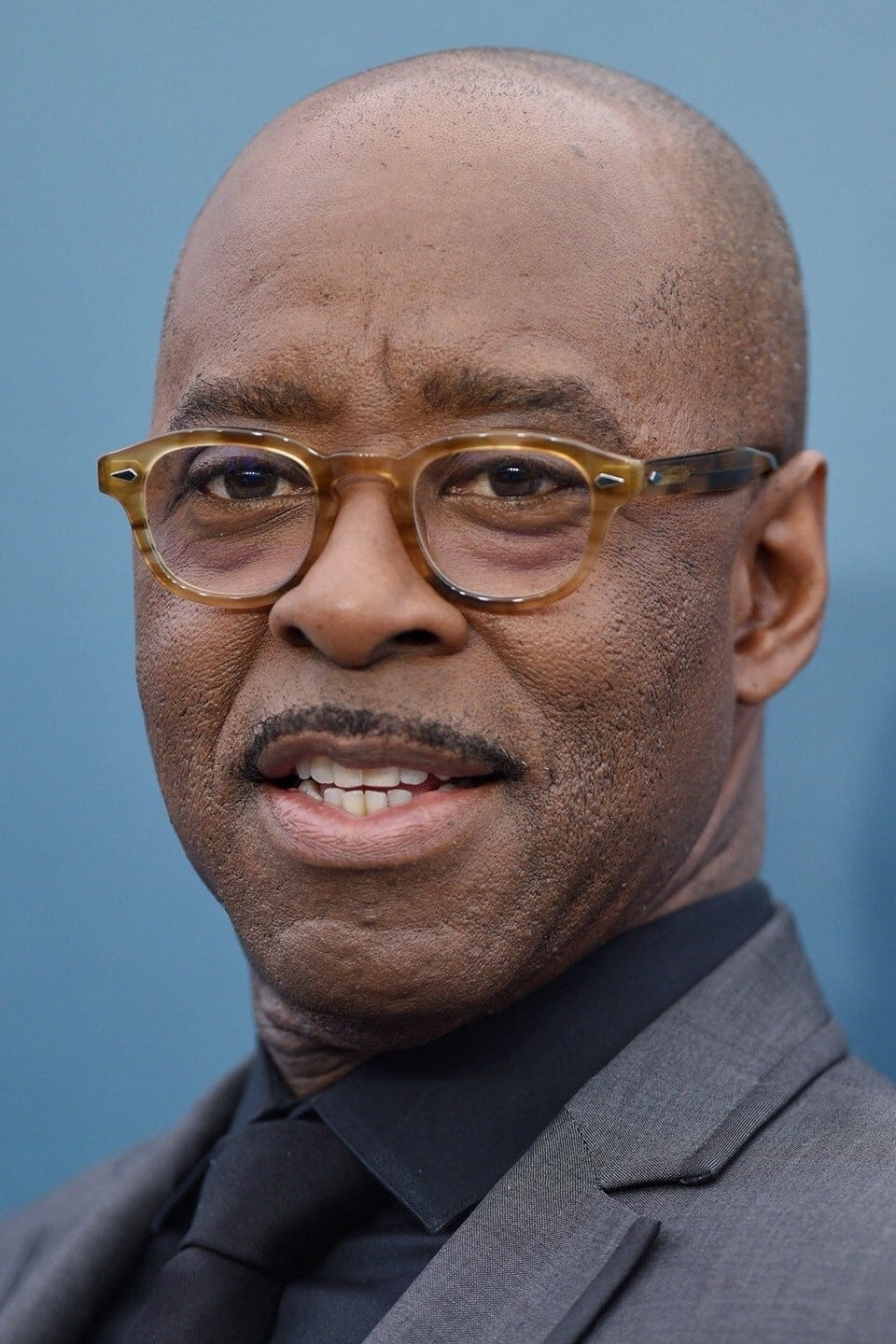
Courtney B. Vance has discussed how the wise mentor trope can limit the artistic growth of Black performers. He believes that these roles often strip characters of their own goals and desires. The actor looks for projects that allow him to portray the full spectrum of the human experience. He advocates for a change in how the industry perceives the roles of Black men in drama. His career choices emphasize his desire to play characters that are complex and fully realized.
Wendell Pierce
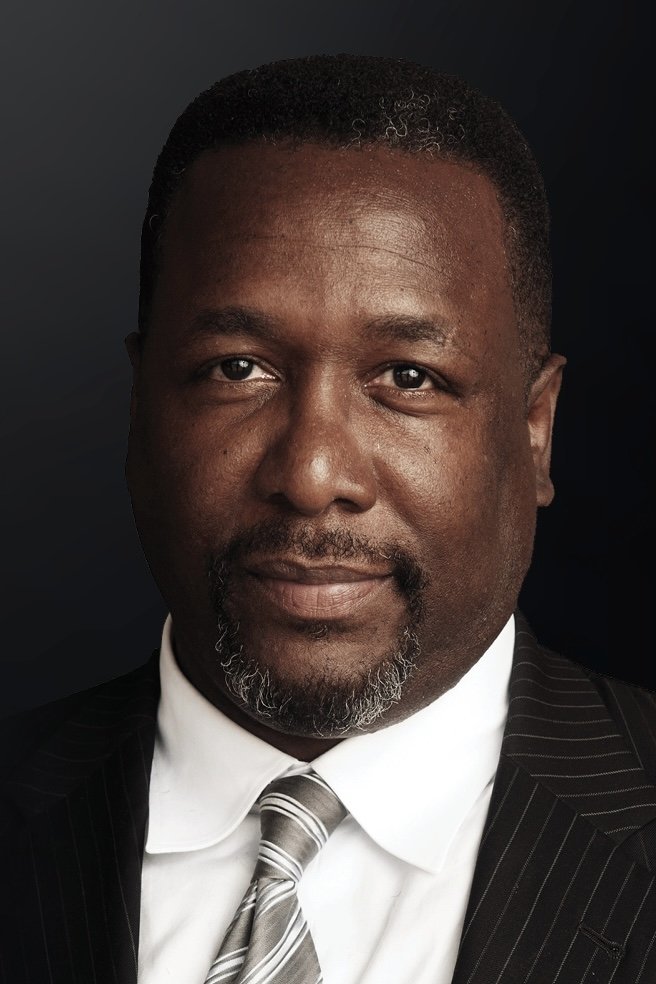
Wendell Pierce has been a critic of the way Black men are often used as the moral conscience of a story. He believes that the mentor archetype can be a way to avoid telling truly authentic Black stories. The actor seeks out roles that are grounded in reality and offer a more nuanced view of life. He has mentioned that being cast as a wise figure can prevent an actor from exploring more vulnerable characters. His work in television shows his dedication to playing roles with significant emotional depth.
Giancarlo Esposito
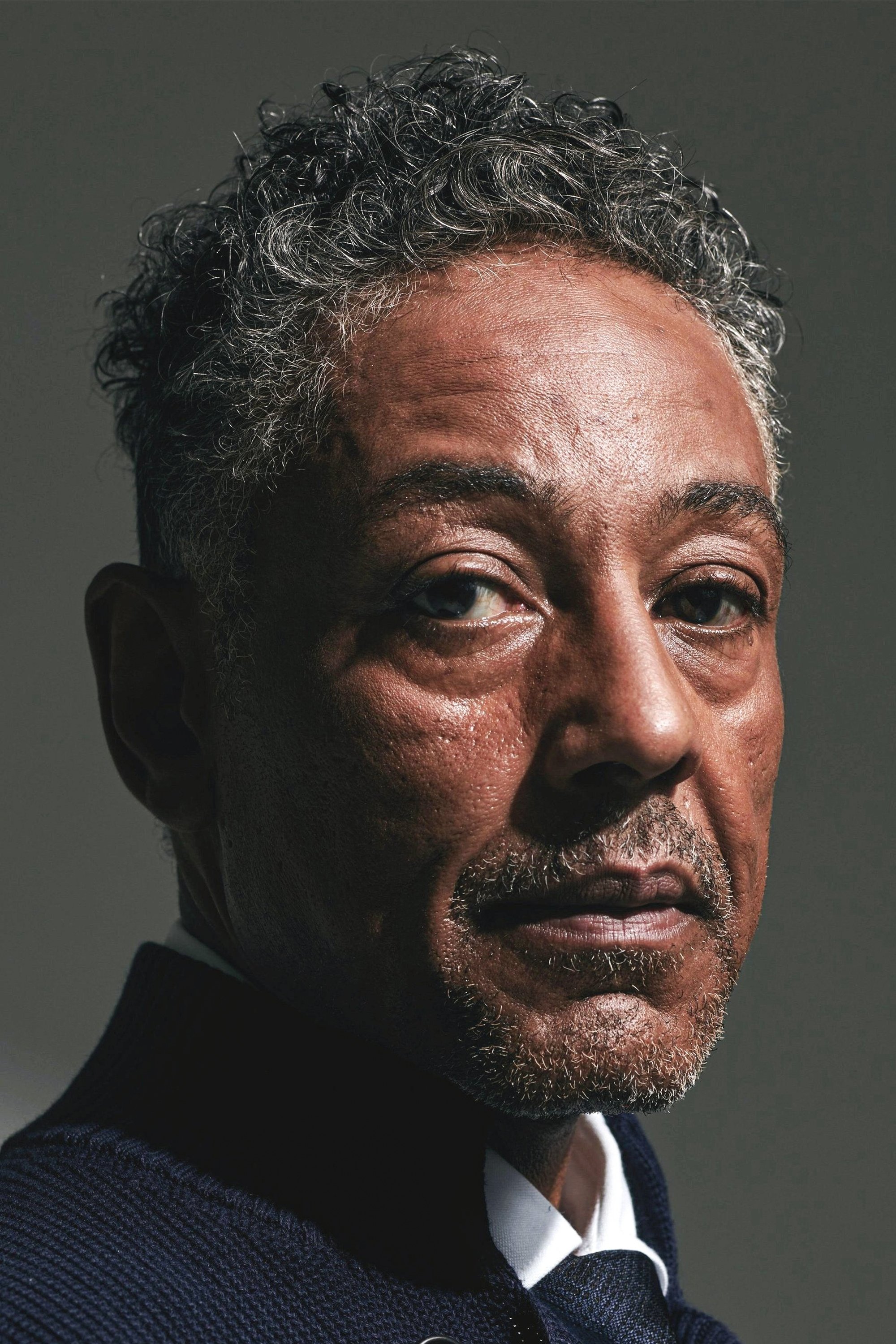
Giancarlo Esposito has often portrayed powerful and knowledgeable characters that command the screen. While he is highly respected for these roles, he has expressed a desire to move into more experimental and less defined territory. The actor believes that the wise mentor trope can become a repetitive pattern that limits an actor’s potential. He continues to seek out roles that challenge the conventional wisdom of the industry. His diverse body of work demonstrates his ability to subvert expectations and bring something new to every project.
Don Cheadle
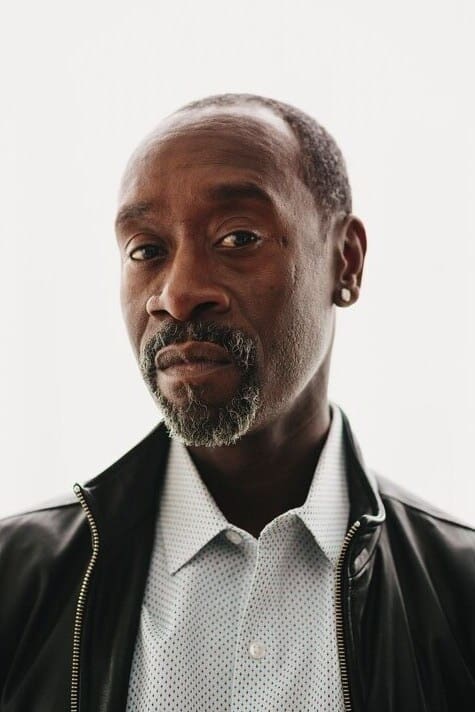
Don Cheadle has spoken out about the lack of leading roles for Black performers that do not fall into standard tropes. He has often found himself in supporting roles where his primary function is to provide guidance or expertise. The actor believes that the industry should invest in more stories that center on the internal lives of Black men. He points out that the mentor archetype often fails to give characters their own agency. His work as an actor and producer reflects his commitment to changing the narrative in Hollywood.
Danny Glover
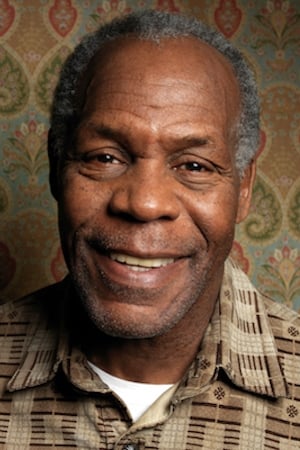
Danny Glover has spent a long career navigating the archetypes available to Black men in cinema. He has frequently played the seasoned mentor who provides wisdom to his younger counterparts. The actor has expressed the importance of breaking away from these predictable and limited roles. He believes that Black actors should have the opportunity to play characters with their own unique motivations. His activism in the industry shows his dedication to creating a more inclusive and diverse landscape.
Denzel Washington
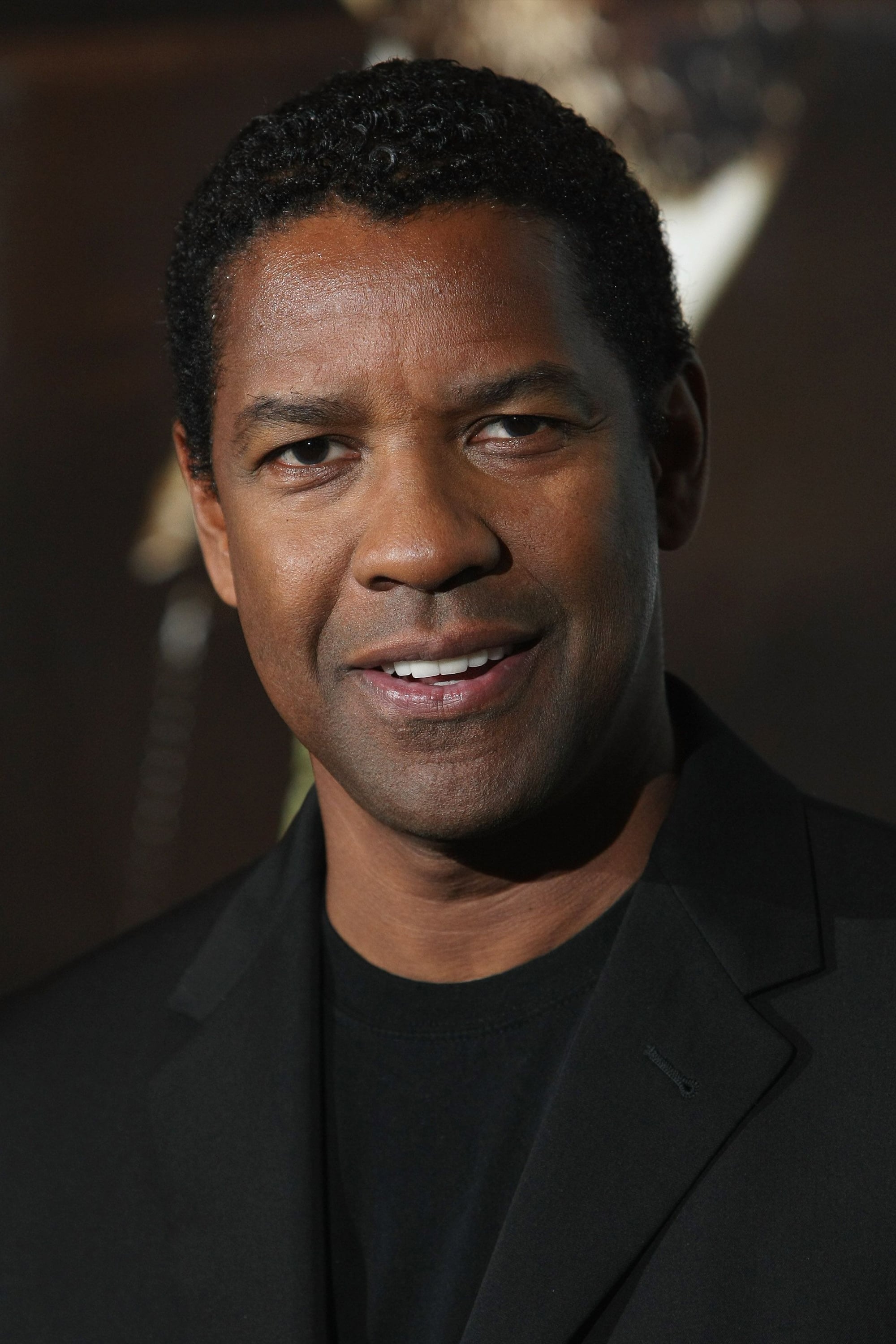
Denzel Washington has often been cast in roles that require him to be the voice of reason or moral authority. Although he is a highly decorated actor, he has emphasized the importance of finding roles that are messy and morally complex. He has expressed that he does not want to be confined to playing the perfect mentor in every story. The actor uses his platform to support projects that highlight the diversity of the Black experience. He continues to search for scripts that allow him to explore the flaws and strengths of humanity.
Keith David
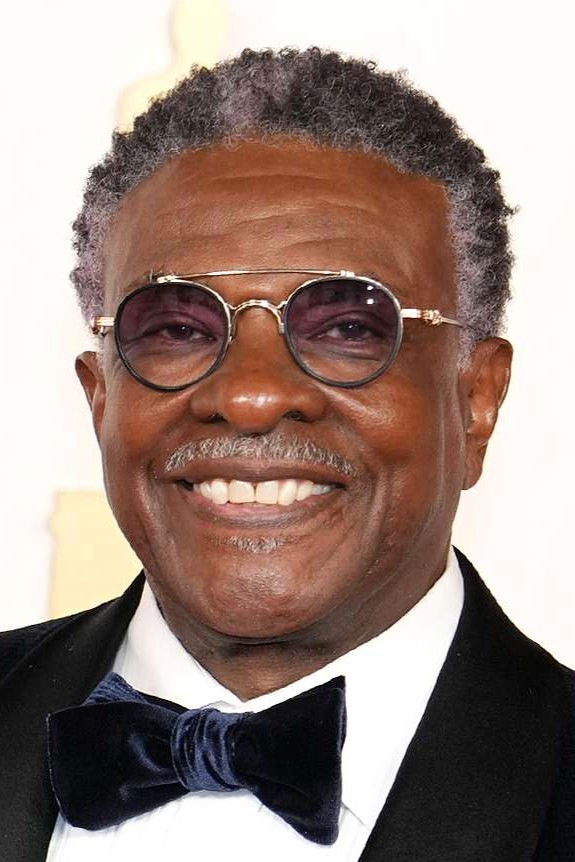
Keith David is known for his incredible voice and the authoritative characters he often portrays. He has mentioned that he enjoys playing roles that are more unpredictable and less focused on providing wisdom. The actor believes that the industry often relies on his commanding presence to fill mentor roles. He seeks out opportunities to play a variety of types that challenge his skills as a performer. His long career includes many instances where he has successfully moved beyond these established tropes.
Ving Rhames
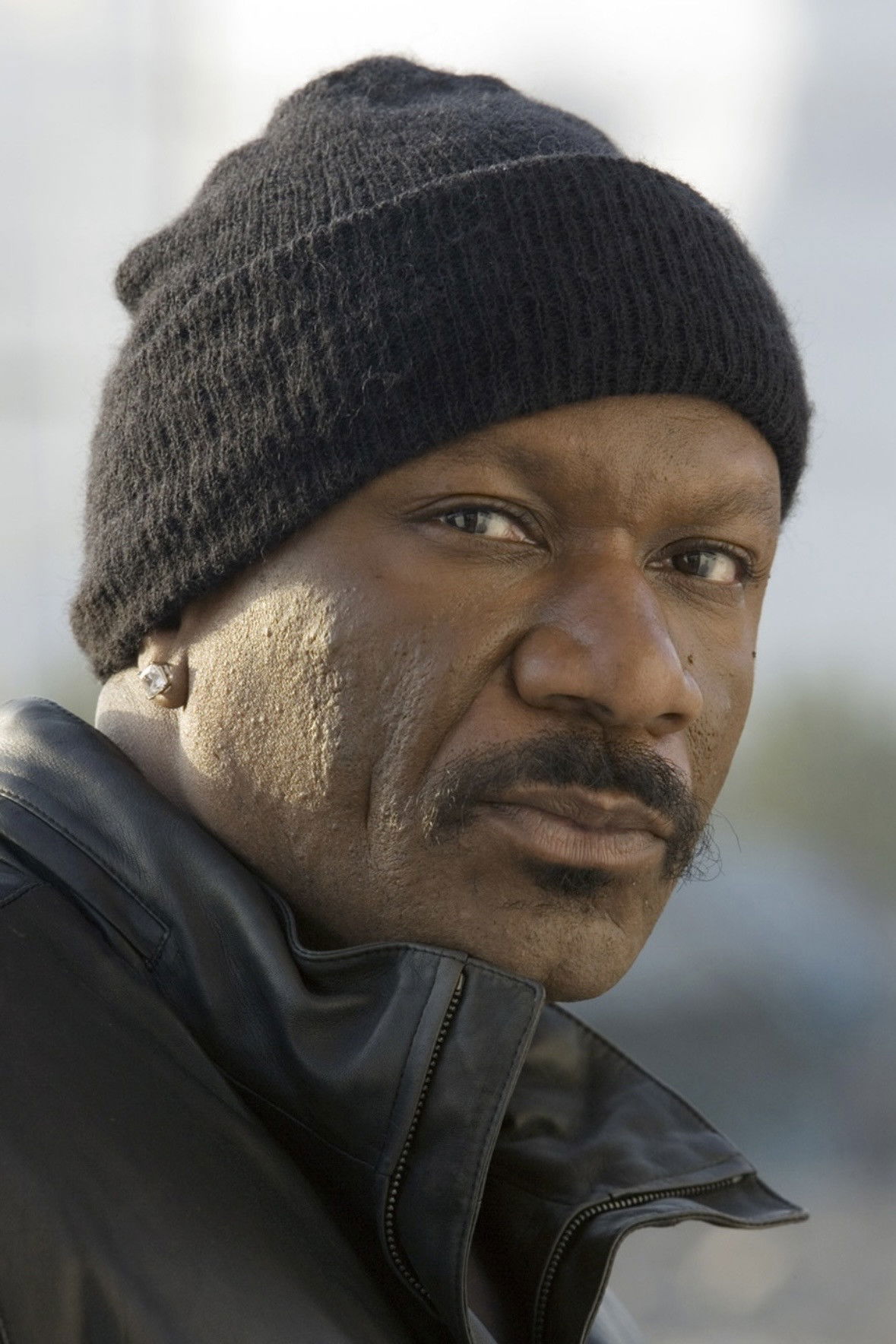
Ving Rhames has often played the wise and protective figure who supports the main character of a film. He has spoken about the need for more roles that allow him to be the center of the narrative. The actor believes that being cast as a mentor can sometimes feel like a missed opportunity for more complex storytelling. He continues to look for projects that offer him the chance to explore different facets of his talent. His career reflects a balance between major studio films and character driven independent work.
Forest Whitaker
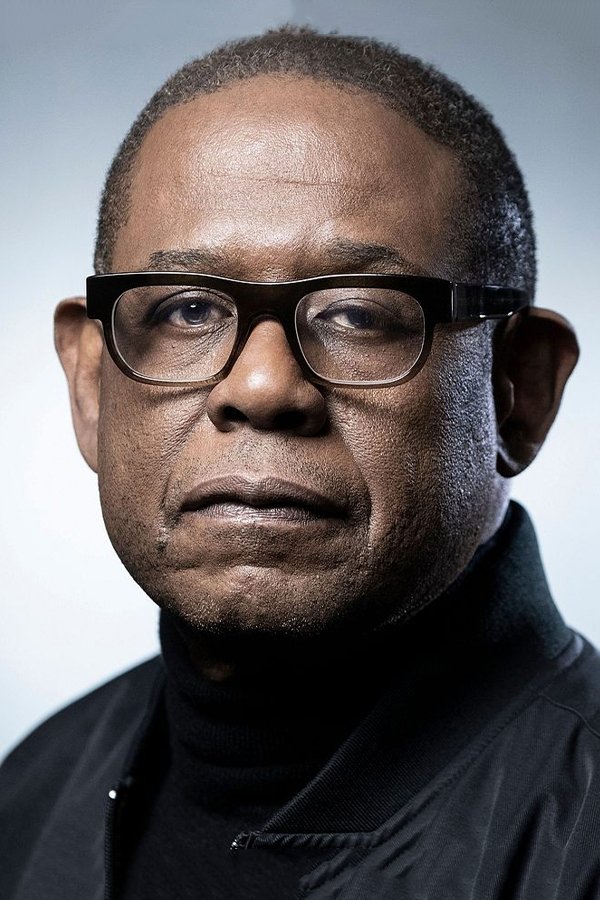
Forest Whitaker has played several iconic mentor figures throughout his successful career. He has discussed the challenge of finding roles that are truly unique and not just variations of the sage advisor. The actor believes that Black performers should be given the space to play a wider range of characters. He often chooses projects that allow him to delve into the deep psychological aspects of a role. His award winning work demonstrates his ability to bring nuance to characters that defy simple archetypes.
Jeffrey Wright
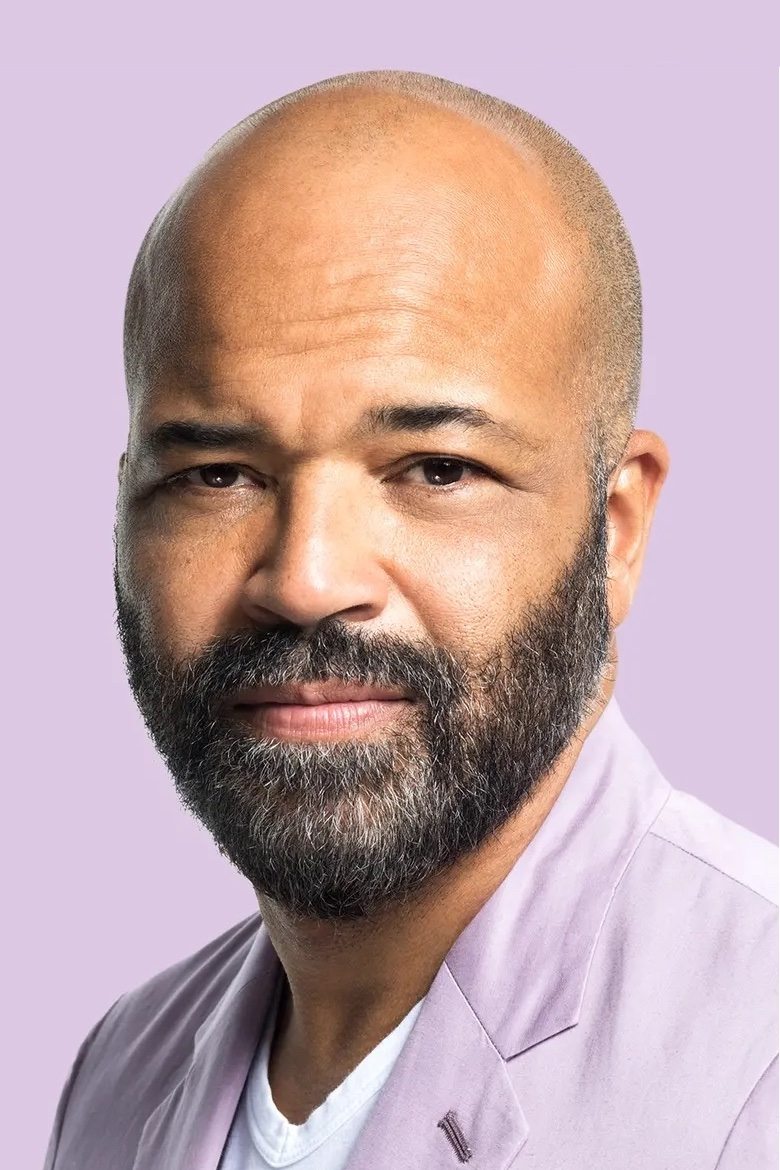
Jeffrey Wright has been a vocal critic of the intellectual typecasting that often affects Black actors. He is frequently cast as the sage or the expert who provides the solution to a problem. The actor has expressed a desire to move into roles that are more physically and emotionally demanding. He believes that the wise mentor trope can be a form of subtle exclusion in the industry. His role in ‘American Fiction’ highlights his interest in dismantling these recurring stereotypes.
Chiwetel Ejiofor
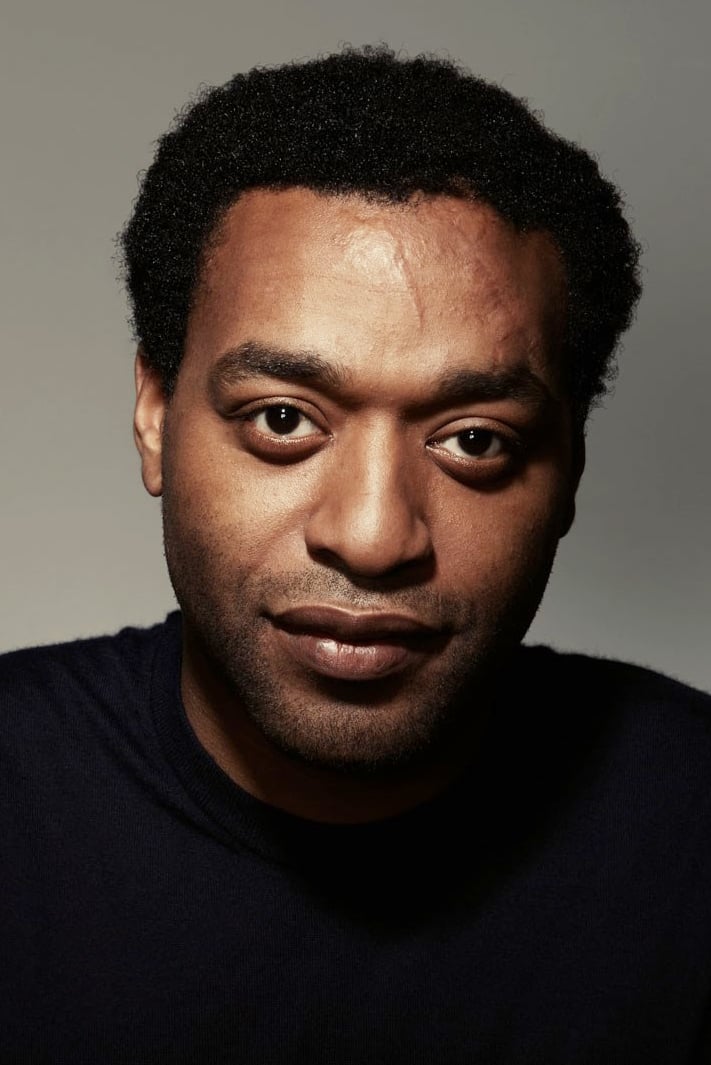
Chiwetel Ejiofor has often portrayed characters that are defined by their quiet wisdom and dignity. He has spoken about the importance of Black actors being allowed to play characters that are not symbolic of a larger message. The actor seeks out stories that are personal and specific rather than broadly instructional. He believes that the mentor role can sometimes flatten the humanity of a performer for the sake of the story. His work as a director and actor shows his commitment to telling more authentic and varied stories.
Sterling K. Brown
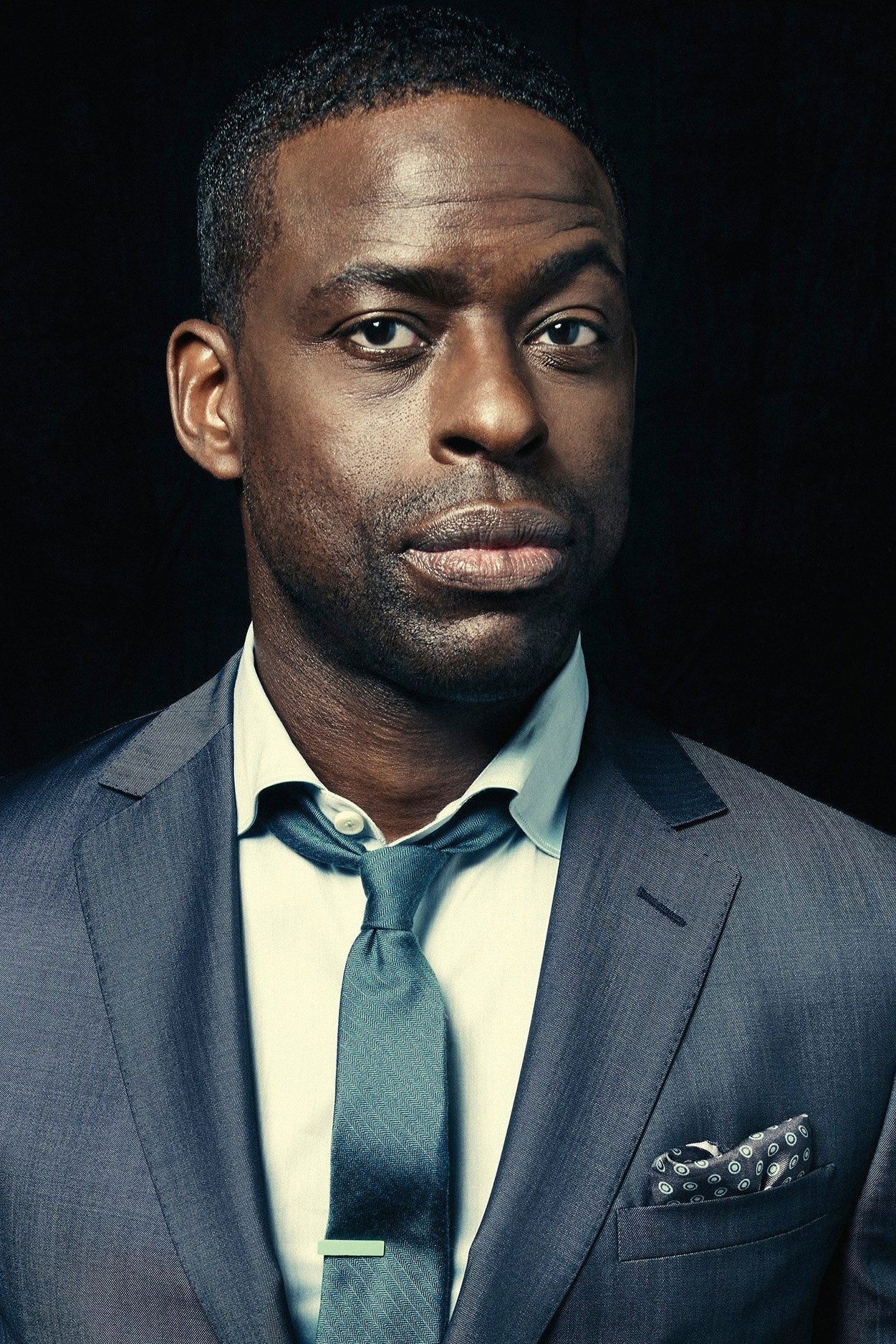
Sterling K. Brown has gained fame for playing characters that serve as the moral compass of their respective shows. He has expressed a strong desire to play roles that are less noble and more morally ambiguous. The actor believes that always being the wise or good person can be a limitation for any artist. He has actively looked for projects that allow him to break away from his established public image. He continues to advocate for more diverse and complex narratives for Black men in the media.
Mahershala Ali
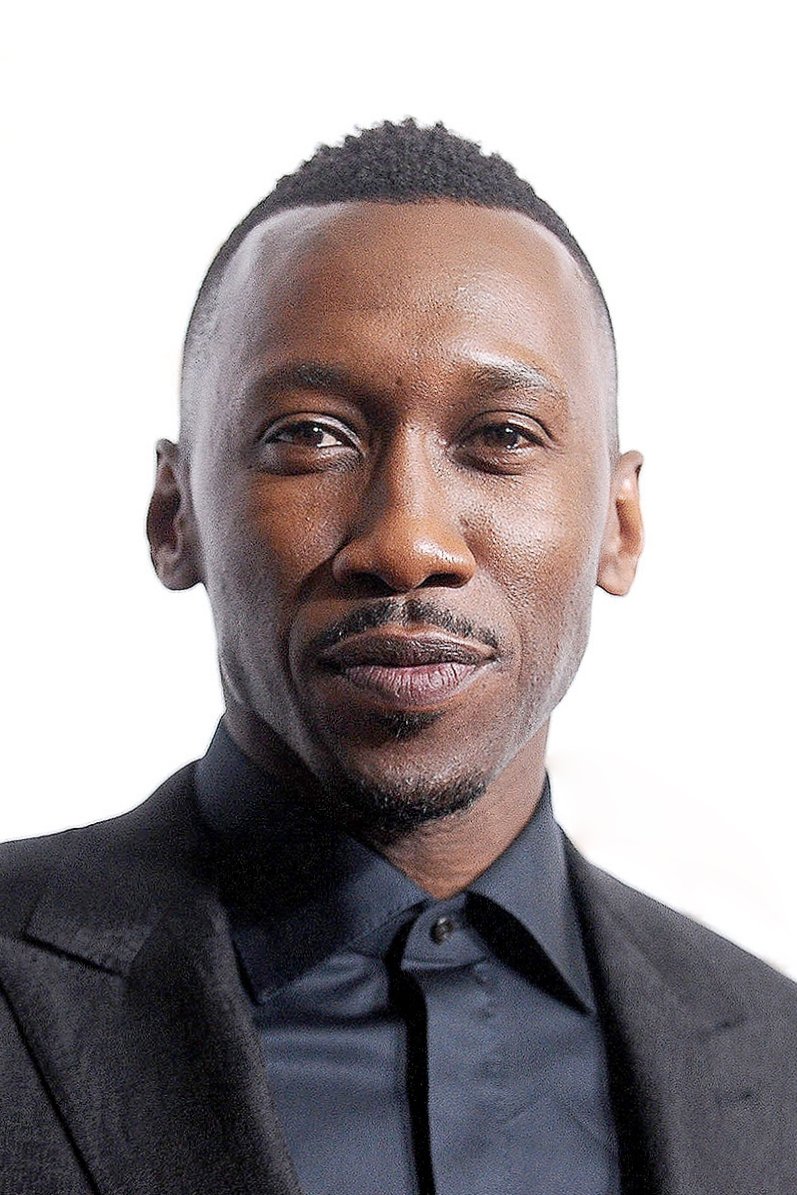
Mahershala Ali has played several significant mentor roles that have earned him critical acclaim. While he appreciates the success, he has mentioned his desire to avoid being typecast in similar characters in the future. He wants to explore roles that are not defined by their relationship to a younger protagonist. The actor looks for scripts that provide a fresh and nuanced perspective on the Black experience. His dedication to finding unique stories is evident in his wide range of project choices.
John Boyega
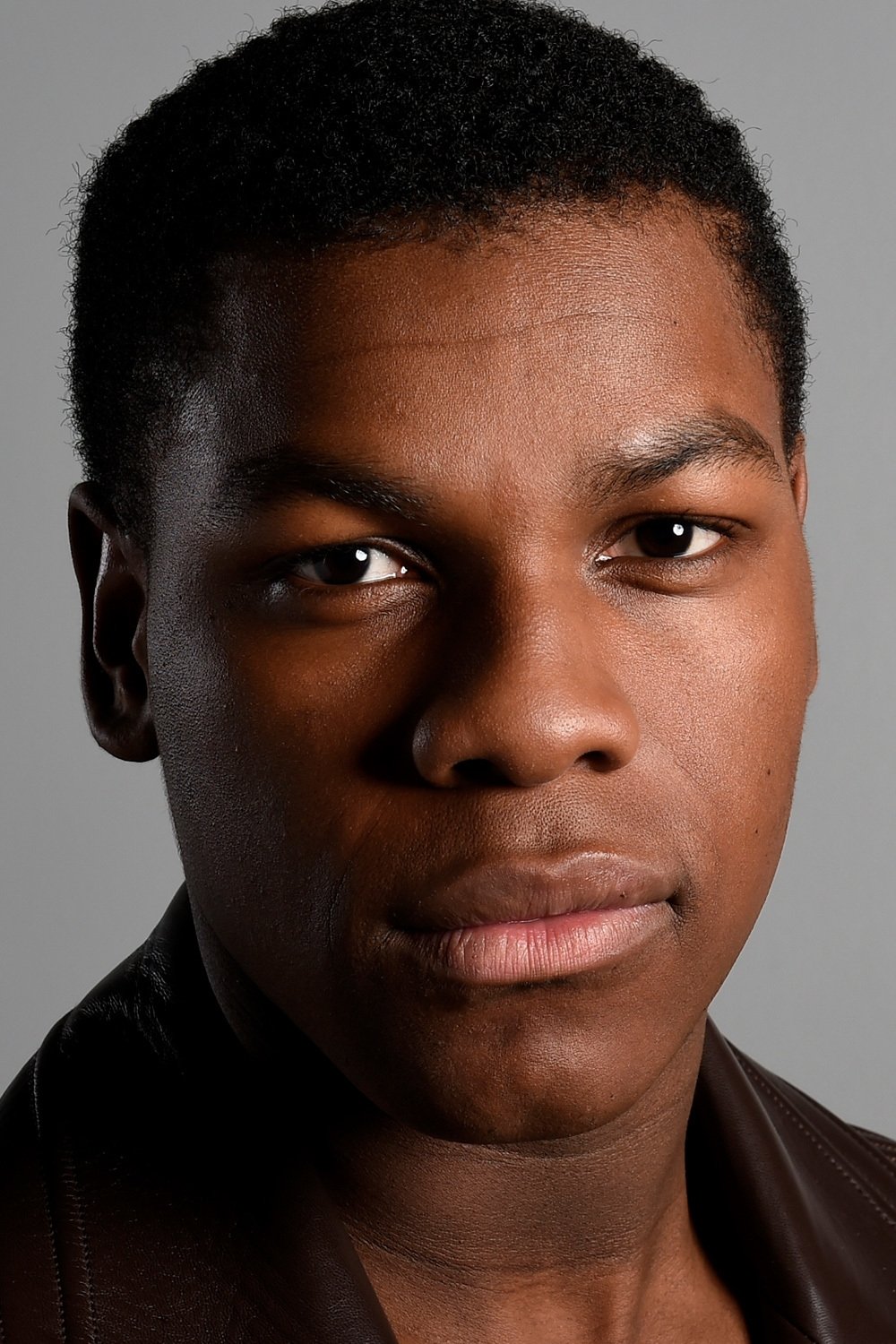
John Boyega has been very open about his frustrations with the way Black characters are handled in major franchises. He has pointed out that these characters are often relegated to mentor roles or supporting arcs that lack depth. The actor has expressed a desire to work on projects that place Black narratives at the center of the action. He believes that the industry needs to move beyond tokenism and embrace more significant roles for Black talent. His recent work reflects his commitment to choosing projects with more agency and substance.
Daniel Kaluuya
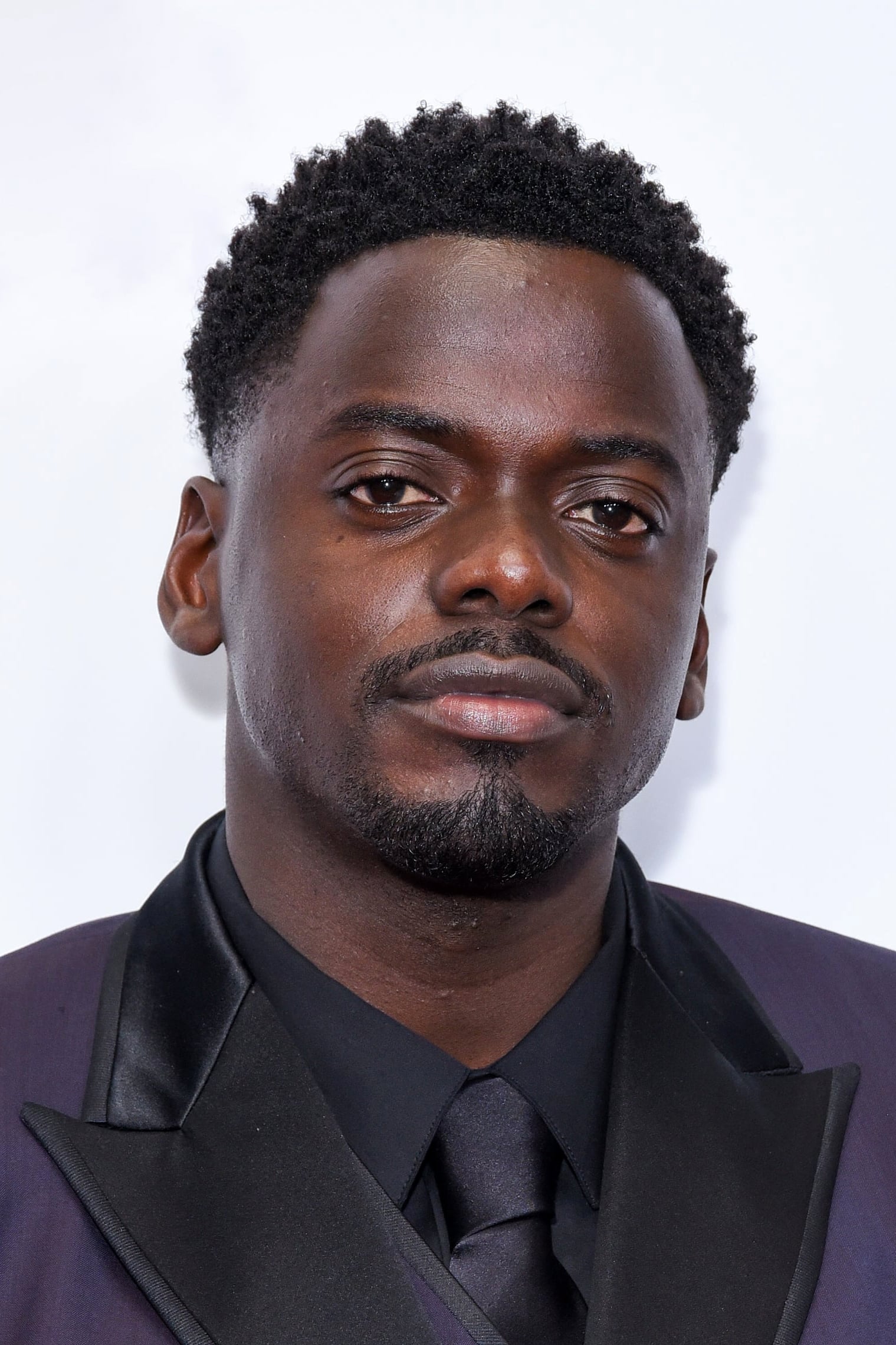
Daniel Kaluuya has spoken about the pressure to always play the moral or wise center of a film. He has expressed a clear preference for roles that allow him to be experimental and unpredictable. The actor believes that being the noble figure can be a professional burden for performers of color. He seeks out projects that allow him to explore a full spectrum of human emotions and experiences. His role in ‘Judas and the Black Messiah’ is a prime example of his desire to play complex and multifaceted leaders.
Lakeith Stanfield
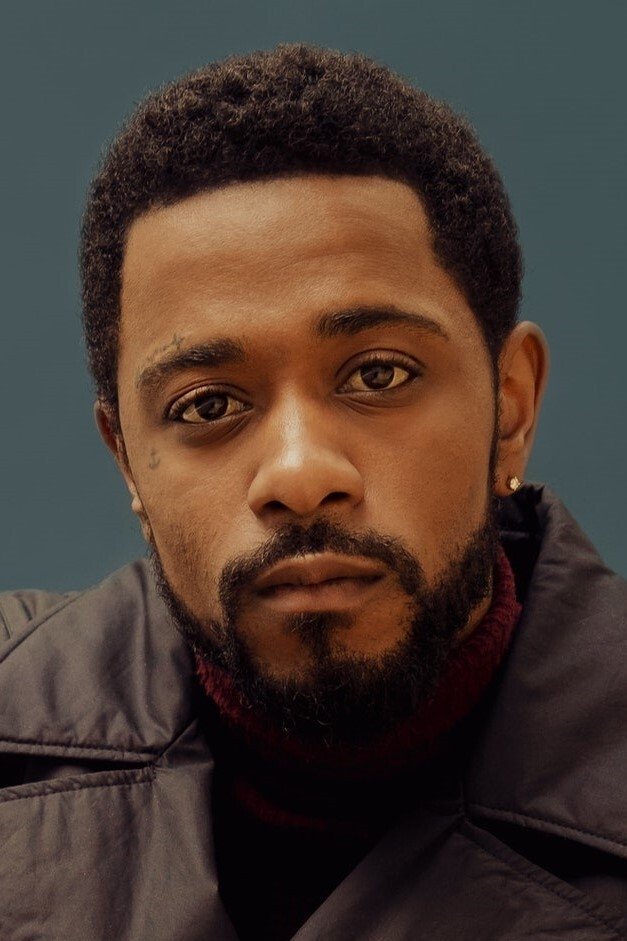
Lakeith Stanfield has often advocated for more surreal and unconventional roles for Black performers. He has avoided the traditional mentor archetype in favor of more eccentric and varied characters. The actor believes that the industry often tries to fit Black talent into narrow and predictable categories. He continues to choose projects that defy easy classification and allow for a more artistic approach. His presence in Hollywood is a testament to the importance of subverting traditional expectations for Black actors.
Yahya Abdul-Mateen II
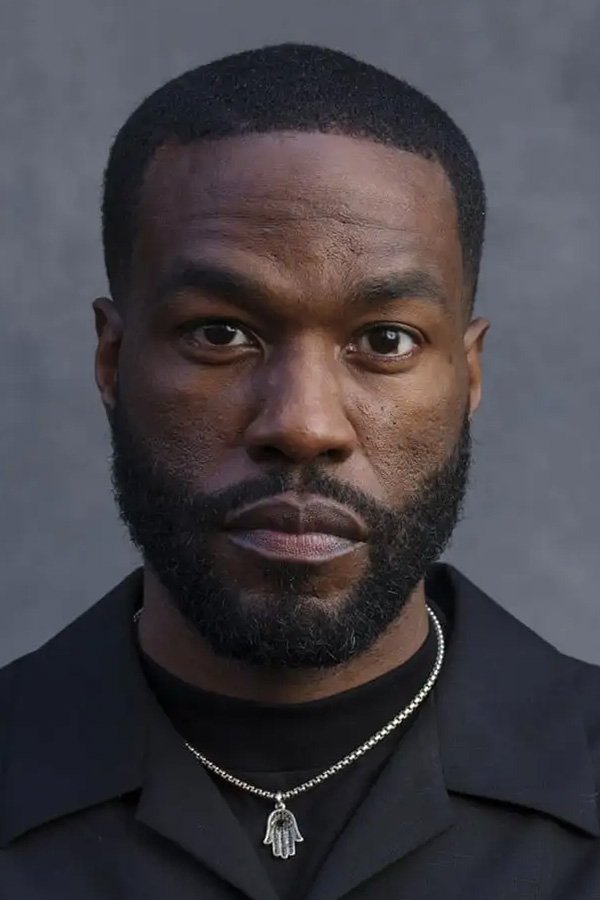
Yahya Abdul-Mateen II has expressed an interest in playing a wide variety of characters that move beyond traditional tropes. He has noted that many scripts for Black actors still rely on the concept of the strong and wise supporting figure. The actor believes that there is a great deal of room for exploration in the stories of Black men. He looks for roles that are defined by their own personal goals and internal motivations. His work in both major blockbusters and intimate dramas shows his incredible versatility.
Winston Duke
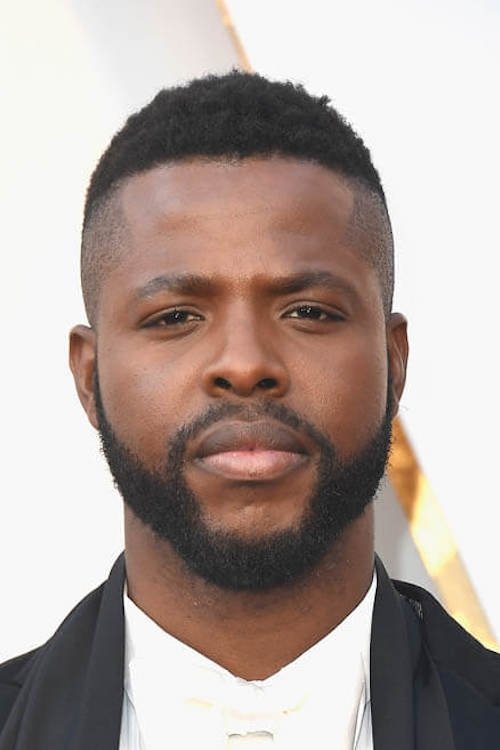
Winston Duke has spoken about the importance of Black actors being the lead in their own stories rather than supporting characters. He has expressed frustration with the idea that Black men should primarily be seen as protectors or mentors. The actor advocates for roles that allow for vulnerability and a high level of intellectual curiosity. He believes that the industry should create more space for diverse portrayals of masculinity on screen. His performance in ‘Us’ allowed him to explore a character that was very different from the wise or powerful figures he often plays.
Anthony Mackie
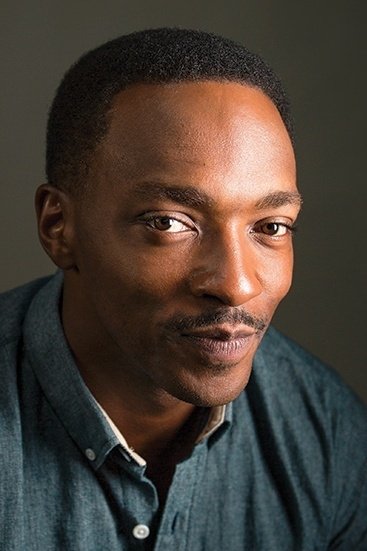
Anthony Mackie has often discussed the limitations of the roles available to Black men in contemporary cinema. He has played several characters that serve as the mentor or the right hand to a white protagonist. The actor has mentioned that he looks forward to a time when these archetypes are no longer the standard for Black performers. He believes that the industry needs to invest in more original stories that focus on the Black experience. His move into leading roles in major franchises represents a significant shift in his career away from supporting mentor roles.
Michael B. Jordan
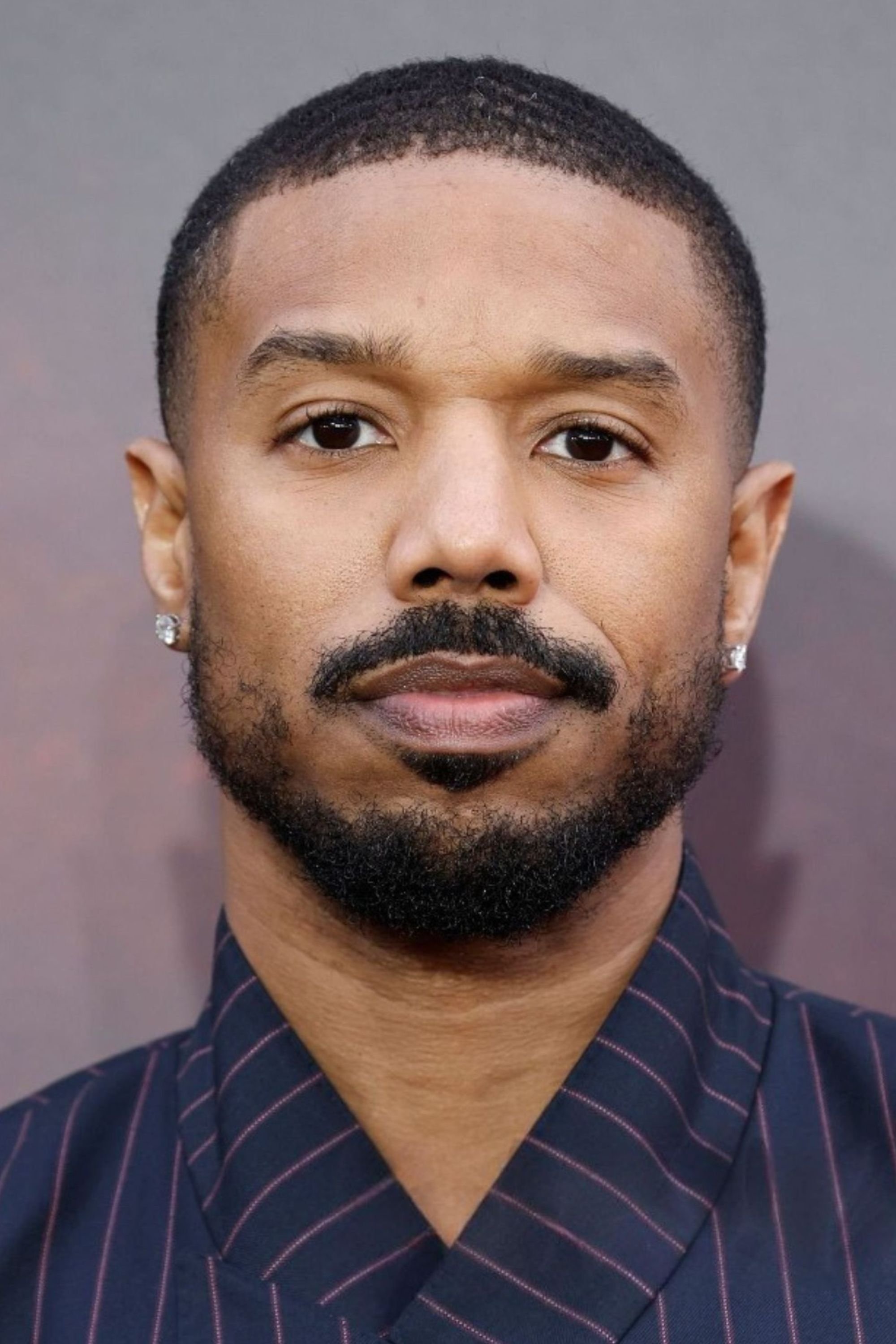
Michael B. Jordan has taken control of his career by producing projects that allow him to avoid traditional typecasting. He has expressed a strong desire to play roles that were not initially written for a specific race to escape common tropes. The actor believes that the wise mentor role can be a shortcut that avoids true diversity in storytelling. He continues to push for characters that are complex, flawed, and central to the plot. His work in the ‘Creed’ films demonstrates his ability to redefine traditional archetypes for a modern audience.
David Oyelowo
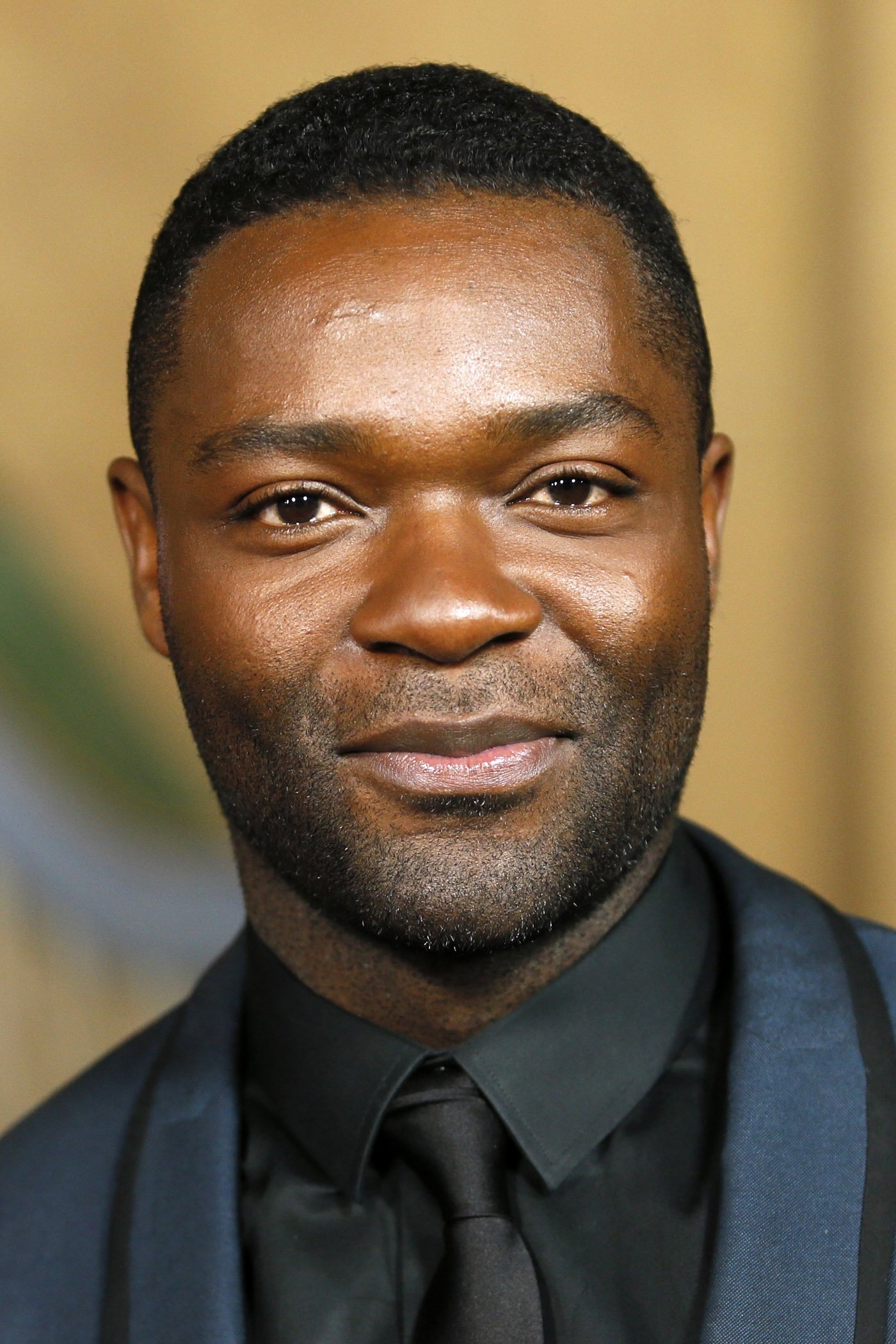
David Oyelowo has been a consistent voice for better representation of both historical and modern Black life. He has spoken about the need for Black actors to have the same opportunities to lead films as their peers. The actor believes that the mentor trope is often used to simplify the experiences of Black characters. He seeks out roles that are grounded in deep research and personal meaning. His performance in ‘Selma’ showed his ability to play a significant leader with great humanity and nuance.
Colman Domingo
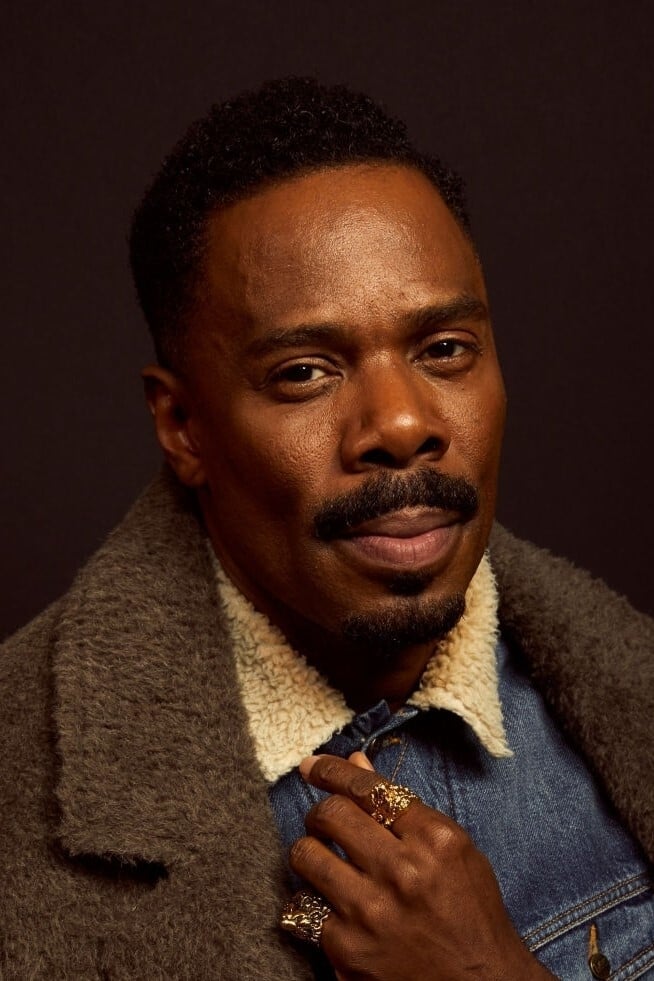
Colman Domingo has shared his thoughts on the importance of Black actors being allowed to be multifaceted and unpredictable. He has often played mentors but looks for roles that challenge the audience’s perception of his talent. The actor believes that the industry often limits Black performers to a very narrow range of behavior. He continues to work across multiple mediums to explore the full extent of his creative range. His career is a reflection of his dedication to storytelling that is both diverse and authentic.
Glynn Turman
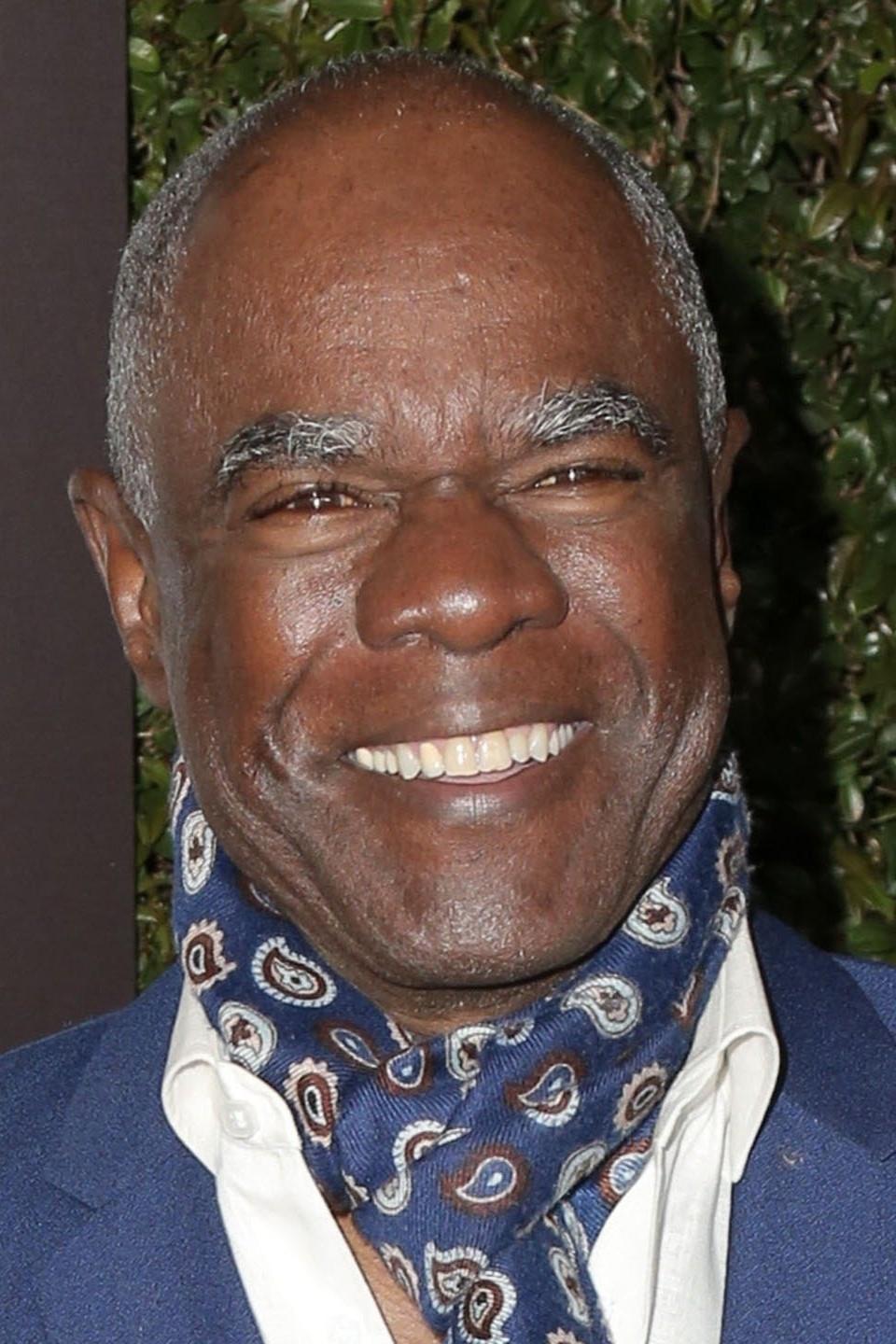
Glynn Turman has witnessed the evolution of the industry over several decades of his acting career. He has played many wise elder characters but still actively seeks out roles that offer something new and different. The actor believes that wisdom should not be the only defining trait he is allowed to portray. He continues to advocate for scripts that recognize the full and complex humanity of older Black men. His recent performances show that he is still looking for roles that challenge him as an artist.
Ernie Hudson
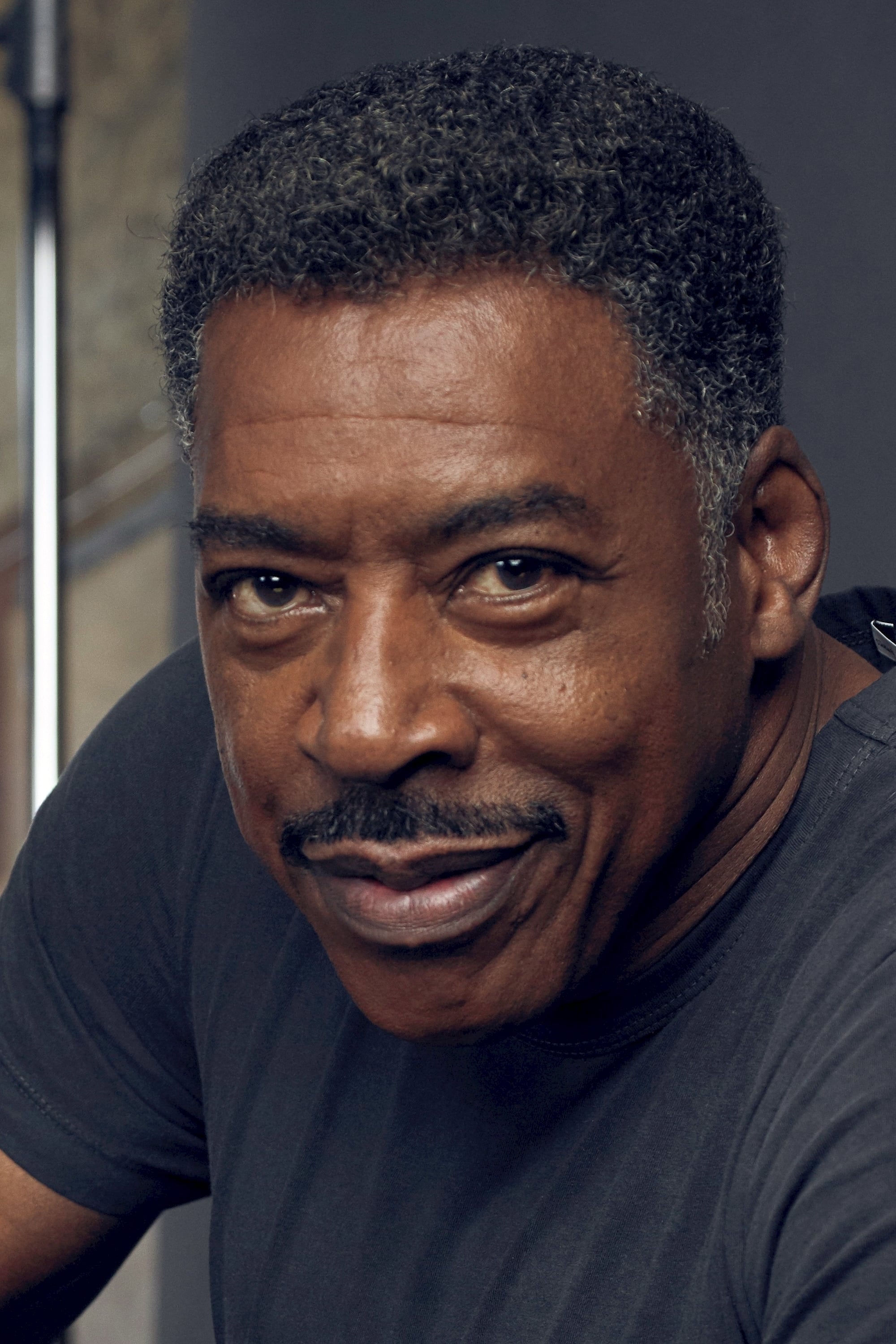
Ernie Hudson has spoken about the challenges of being a Black actor in large franchises where his role was sometimes reduced. He has played many characters that require him to be the steady and wise presence for the group. The actor has expressed a desire for more roles that allow him to be at the emotional heart of the story. He believes that the film industry has a long way to go in how it values and utilizes Black talent. His continued work in the industry is a source of inspiration and a call for better representation.
Regé-Jean Page
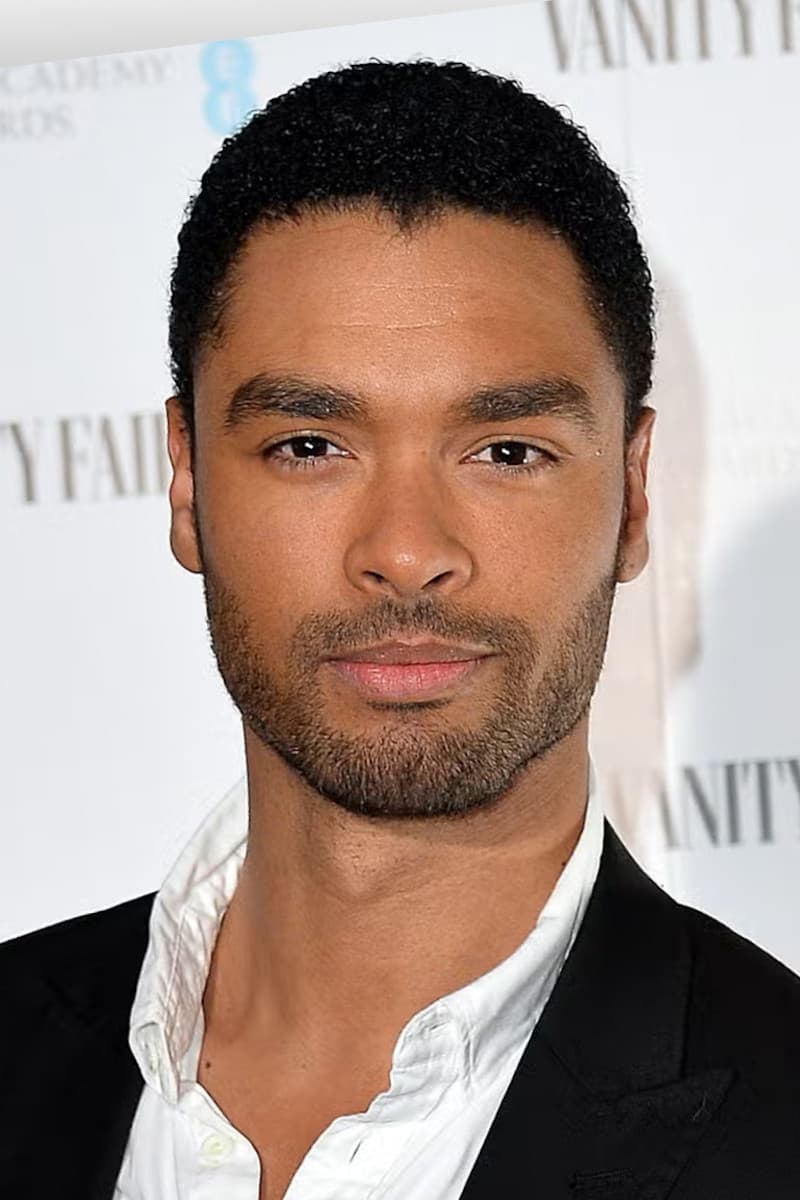
Regé-Jean Page has been very careful about selecting his roles following his rapid rise to fame. He has expressed an interest in a wide range of genres and characters that move beyond the wise advisor or romantic lead. The actor believes that while the industry is changing it still relies too heavily on old archetypes. He looks for projects that allow him to showcase his versatility and growth as a performer. His upcoming roles suggest a clear commitment to avoiding the predictable paths often set for Black stars.
Billy Porter
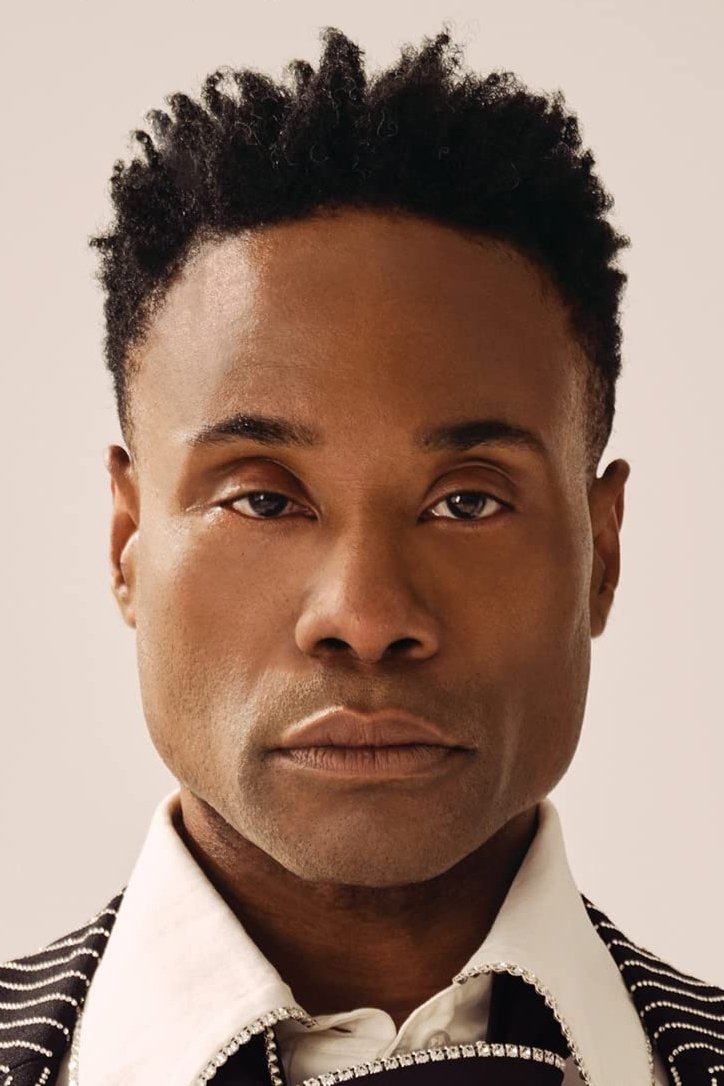
Billy Porter has been a vocal advocate for more diverse and inclusive storytelling in Hollywood and on Broadway. He has expressed frustration with the limited roles available to Black men that do not involve being a teacher or mentor. The actor pushes for characters that are allowed to be flamboyant, vulnerable, and completely unique. He believes that the industry must move past the traditional tropes that have defined Black performance for decades. His work continues to break barriers and create new opportunities for the next generation of performers.
Daveed Diggs
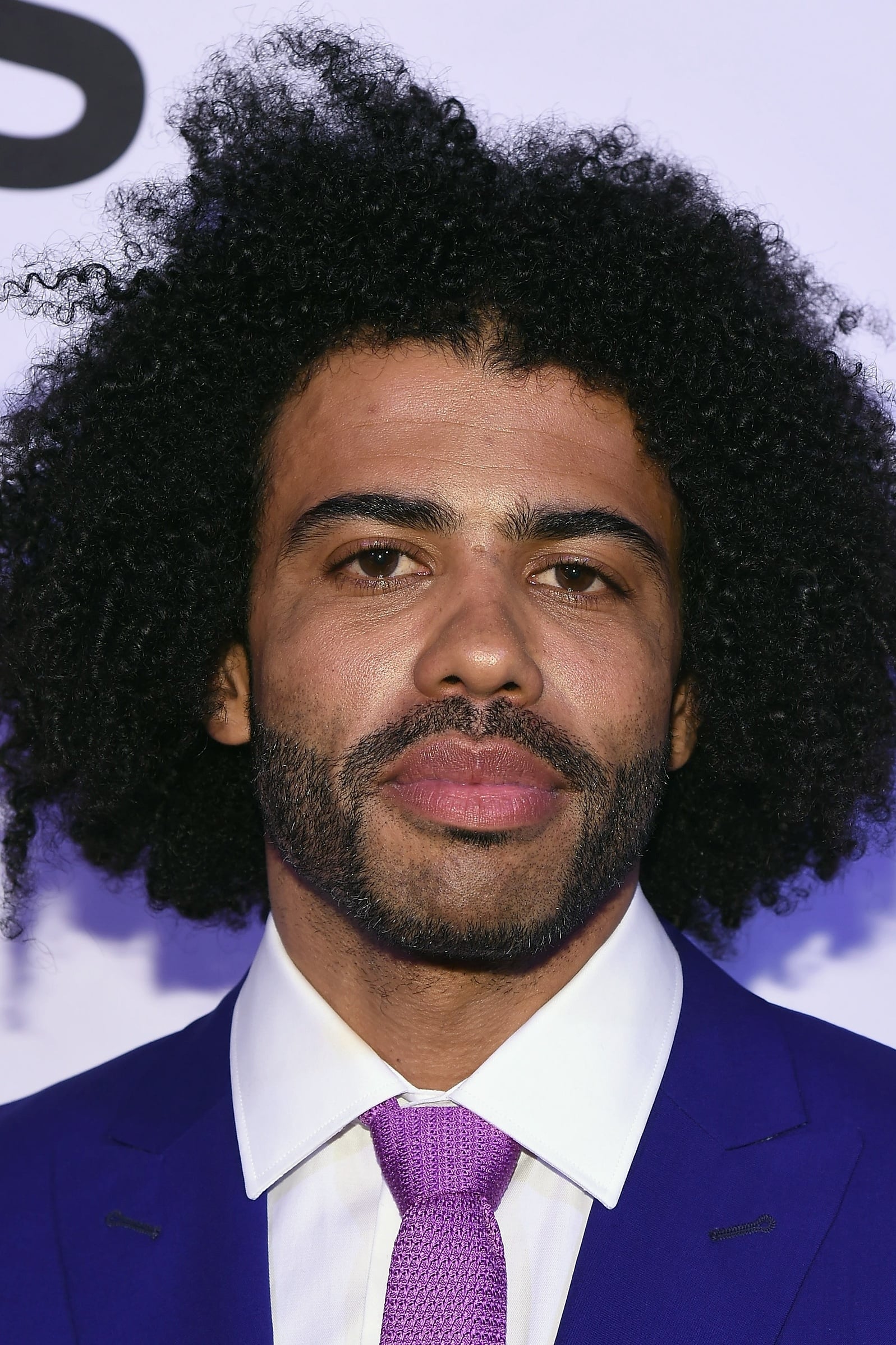
Daveed Diggs has spoken about the need for more experimental and original stories that center on Black characters. He has often avoided the traditional mentor archetype in favor of more creative and multifaceted roles. The actor believes that the industry often tries to simplify Black experiences into recognizable tropes. He continues to work on projects that challenge the audience and offer a fresh perspective on the world. His success in both music and acting highlights his dedication to artistic innovation and diverse representation.
Leslie Odom Jr.
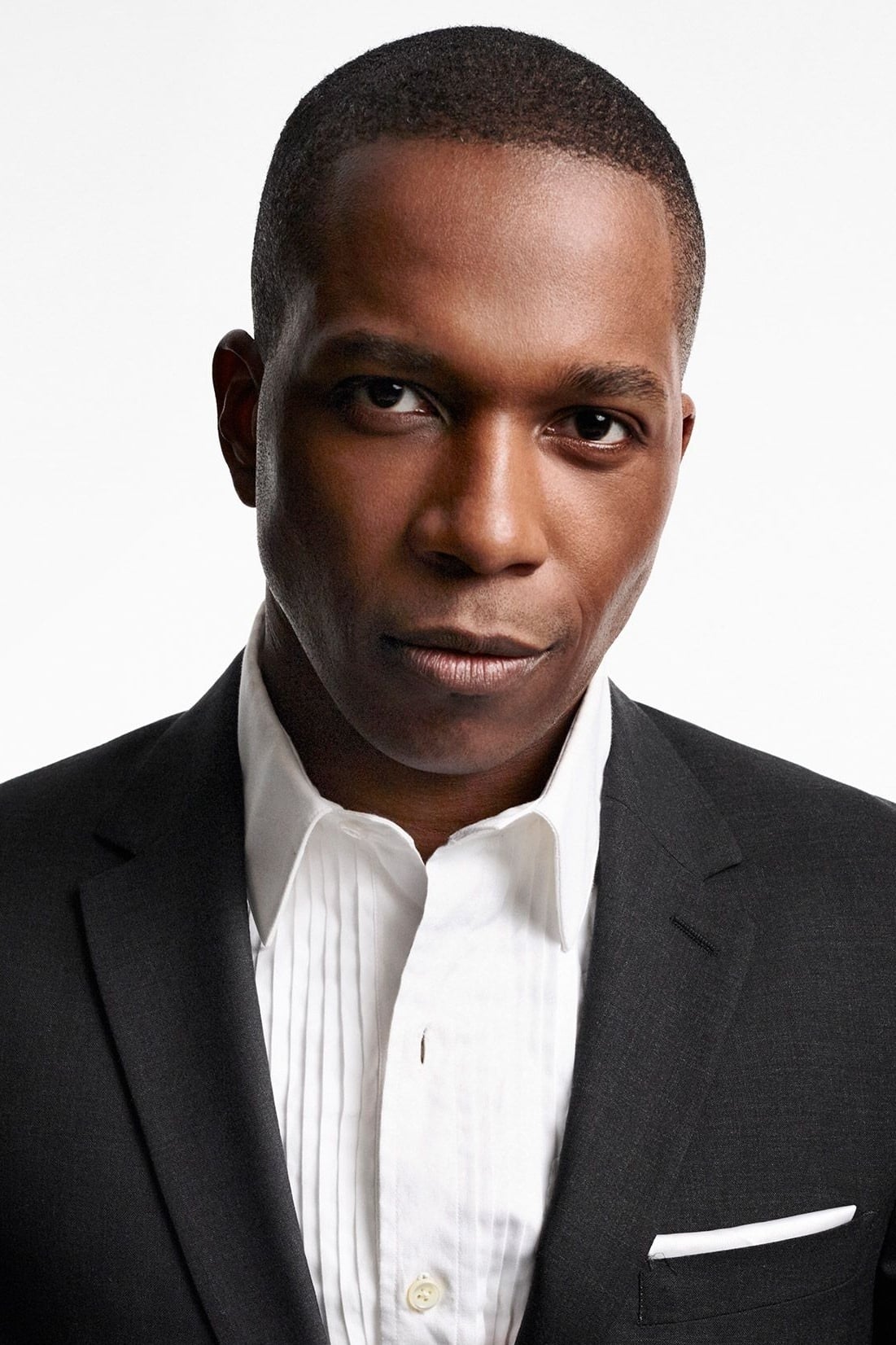
Leslie Odom Jr. has discussed the importance of Black actors finding roles that are not defined by their ability to assist others. He often seeks out characters that have their own complex motivations and personal journeys. The actor believes that the wise mentor archetype can be a limiting factor in the development of a career. He continues to push for scripts that offer more than just a supporting role for performers of color. His work in ‘One Night in Miami’ is a testament to his desire for stories with depth and agency.
Stephan James
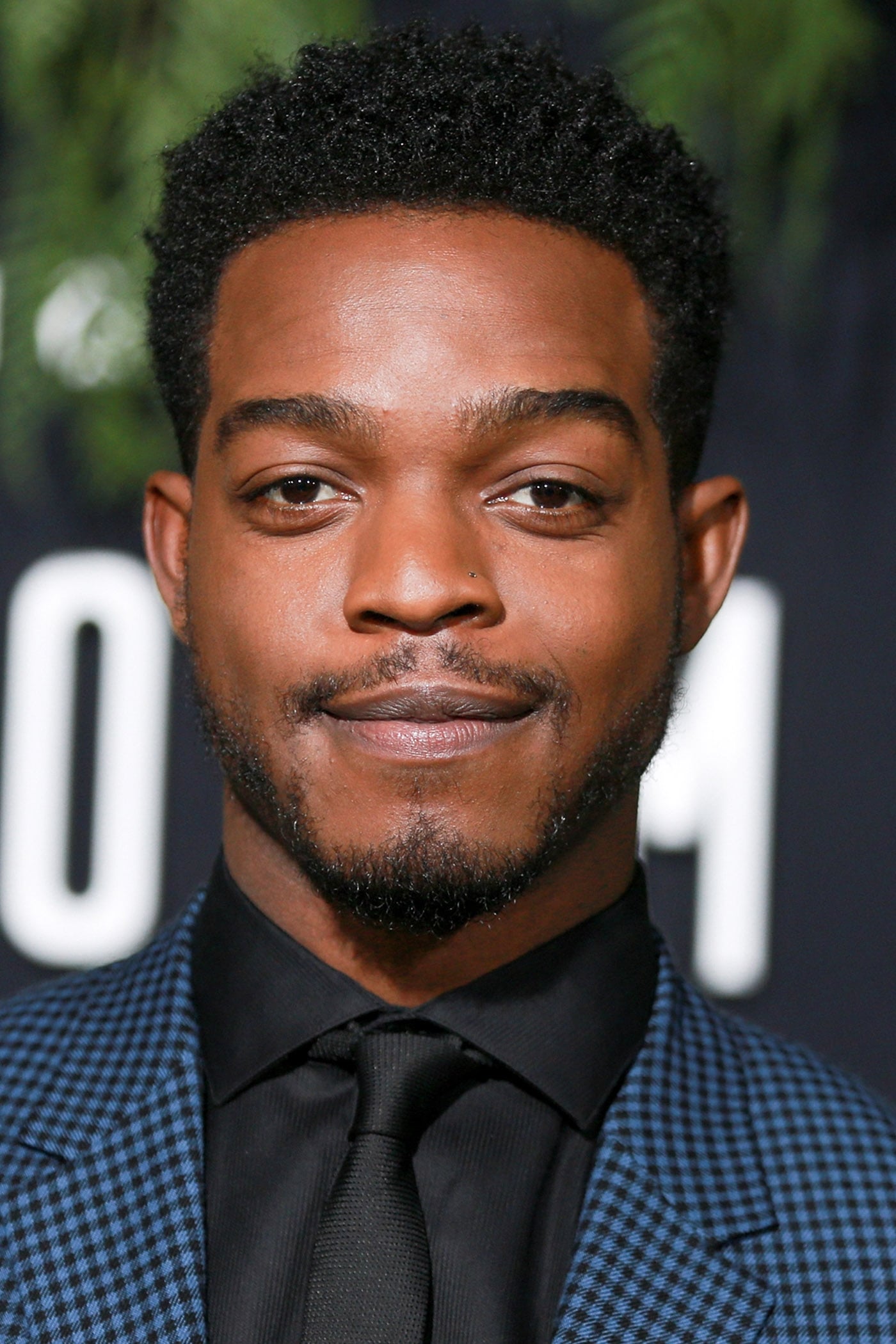
Stephan James has spoken about the need for more leading roles that portray the full diversity of the Black experience. He has often played characters that are seen as moral or wise beyond their years. The actor believes that the industry should provide more opportunities for Black men to play a wide range of types. He continues to choose projects that allow him to explore different aspects of humanity. His career reflects a commitment to stories that are both powerful and personal.
Damson Idris
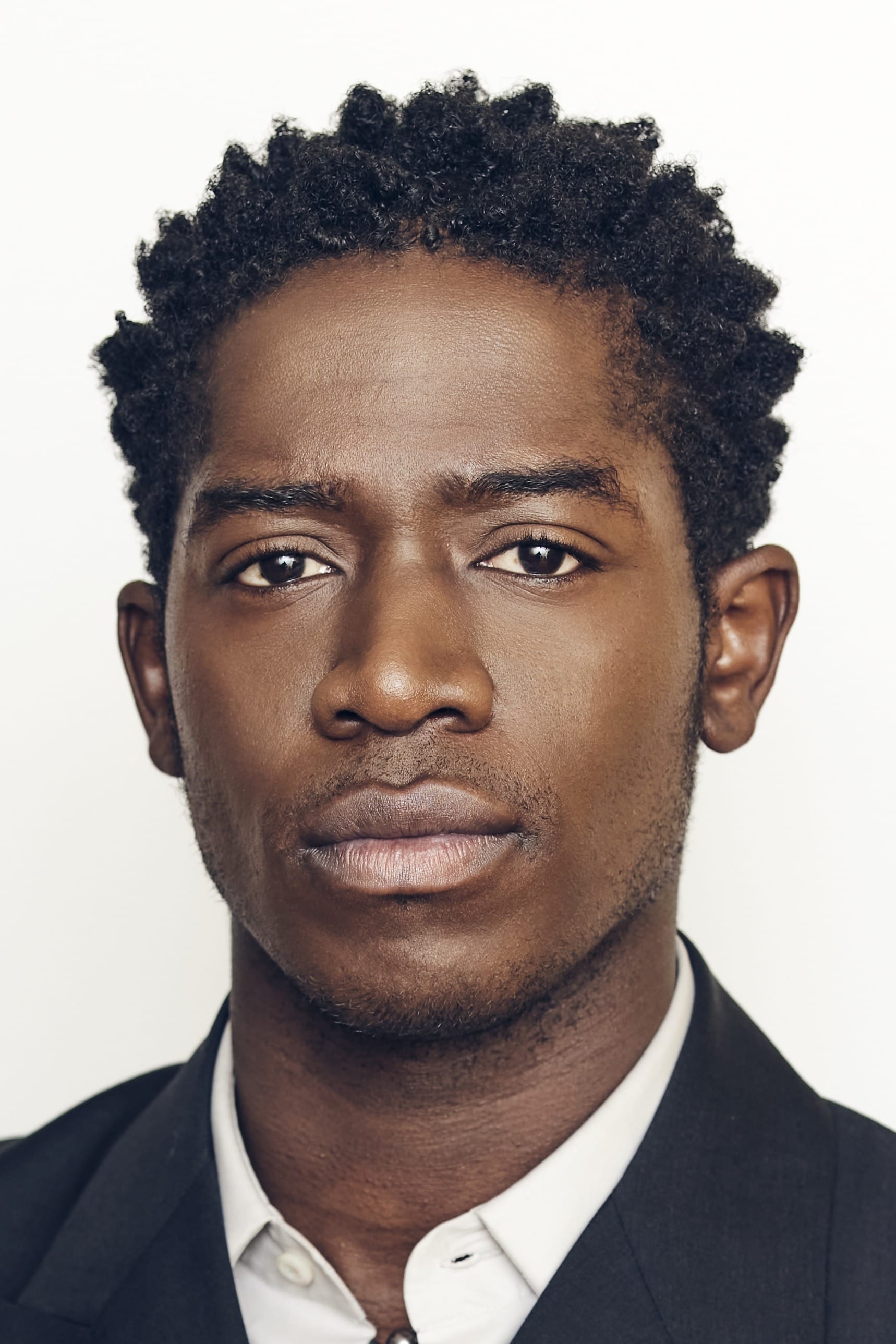
Damson Idris has expressed an interest in playing characters that are far removed from the typical mentor archetype. He has mentioned that he wants to explore roles that are more antagonistic or morally complex. The actor believes that the industry often relies on established tropes when casting Black talent. He looks for scripts that offer a fresh and modern perspective on the world. His work in the series ‘Snowfall’ has allowed him to showcase a much broader range than traditional roles might offer.
Aldis Hodge
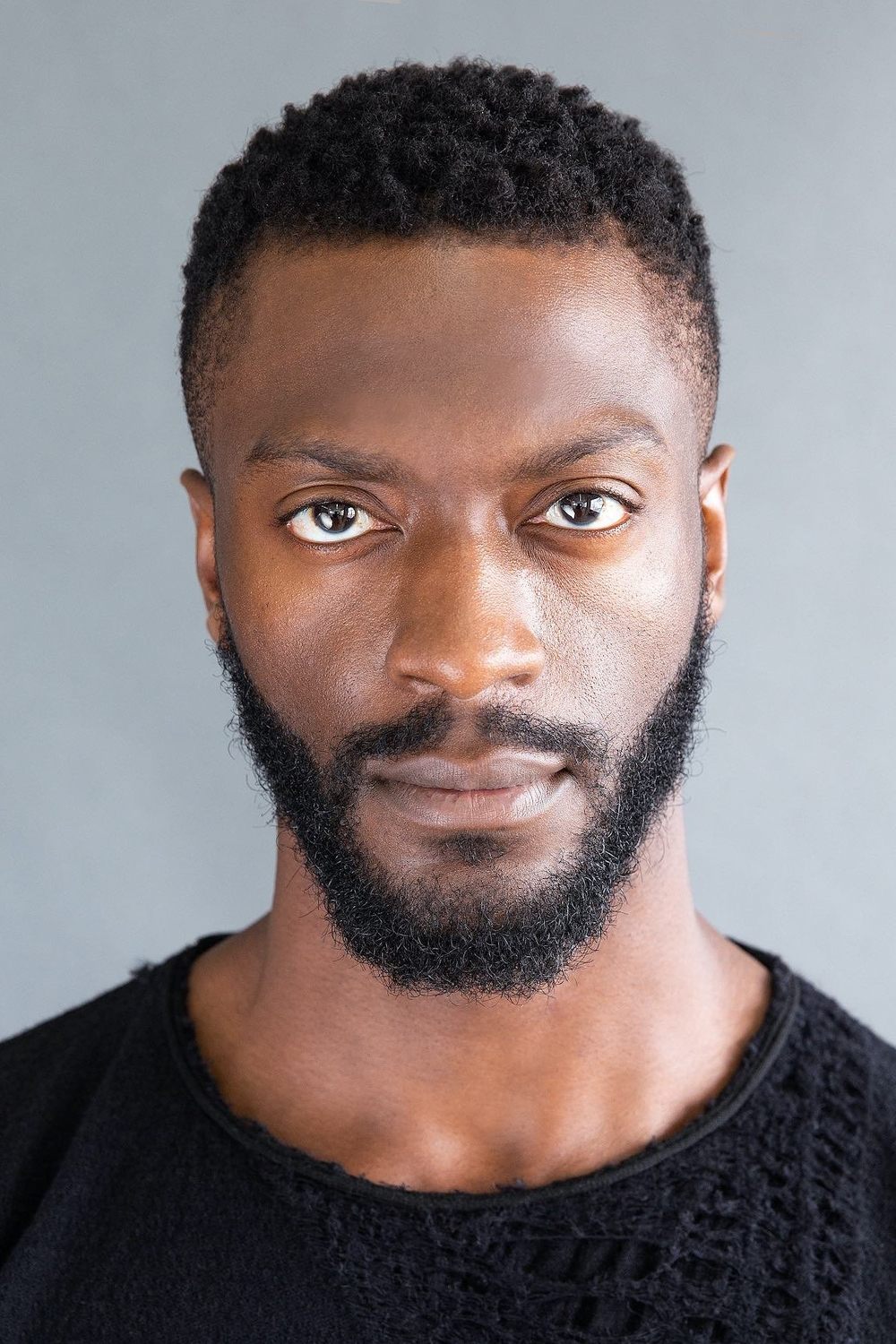
Aldis Hodge has been a vocal advocate for more leading roles for Black men that are not defined by supporting archetypes. He has played several roles that require him to be the voice of authority or the wise guide. The actor believes that the industry should focus on creating more original stories that center on Black leads. He continues to look for scripts that offer a wide range of emotional and physical challenges. His work in both film and television shows his dedication to expanding the opportunities for Black talent.
Corey Hawkins
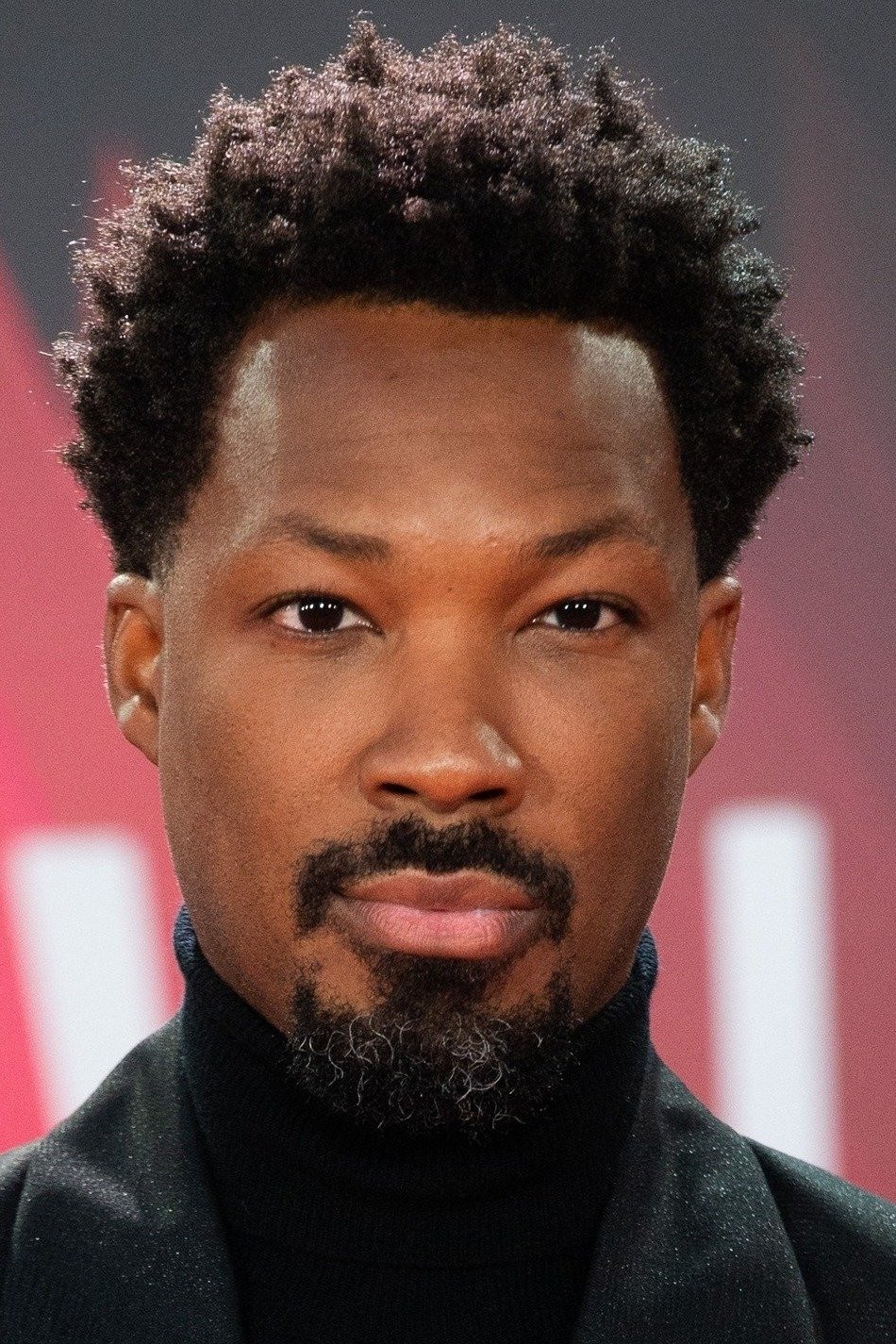
Corey Hawkins has often discussed the importance of variety in the roles available to Black performers. He seeks out characters that are grounded in history and personal experience rather than simple tropes. The actor believes that the wise mentor role can be a professional trap that limits an actor’s potential. He continues to advocate for more diverse storytelling that includes a wider array of character types. His performance in ‘The Tragedy of Macbeth’ is an example of his commitment to challenging roles.
Brian Tyree Henry
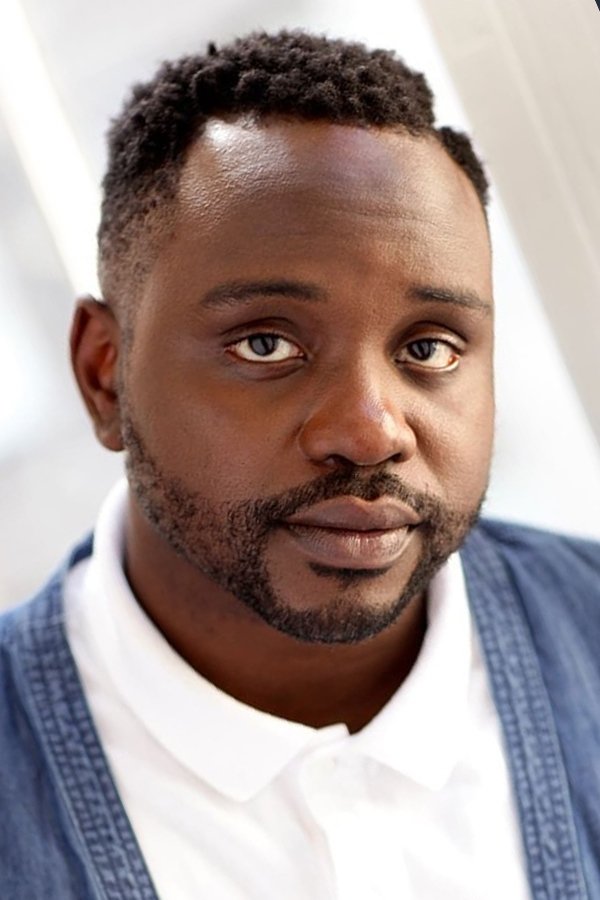
Brian Tyree Henry has spoken about the need for Black actors to be given the space to be vulnerable and imperfect. He often avoids the traditional mentor archetype in favor of roles that are more eccentric and deeply human. The actor believes that the industry frequently tries to fit Black talent into narrow and predictable boxes. He continues to choose projects that allow him to showcase his incredible range and versatility. His presence in the industry is a powerful reminder of the importance of authentic representation.
Andre Braugher
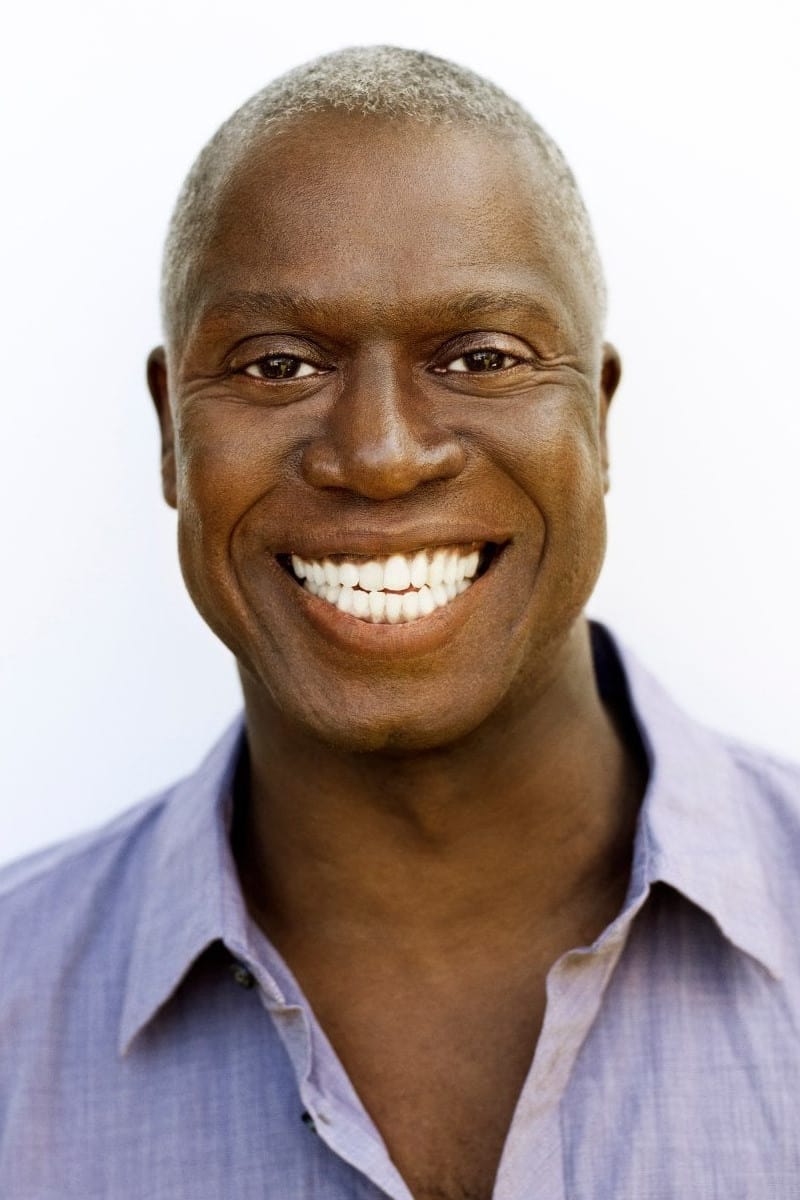
Andre Braugher was known for his commanding presence and the authoritative roles he often portrayed. He frequently spoke about the challenges of being a Black actor in an industry that relies on established tropes. The actor sought out roles that allowed him to explore the full humanity of his characters beyond their profession or wisdom. He believed that the industry should provide more space for complex and multifaceted Black leads. His legacy continues to inspire many performers to push for better and more diverse roles.
Delroy Lindo
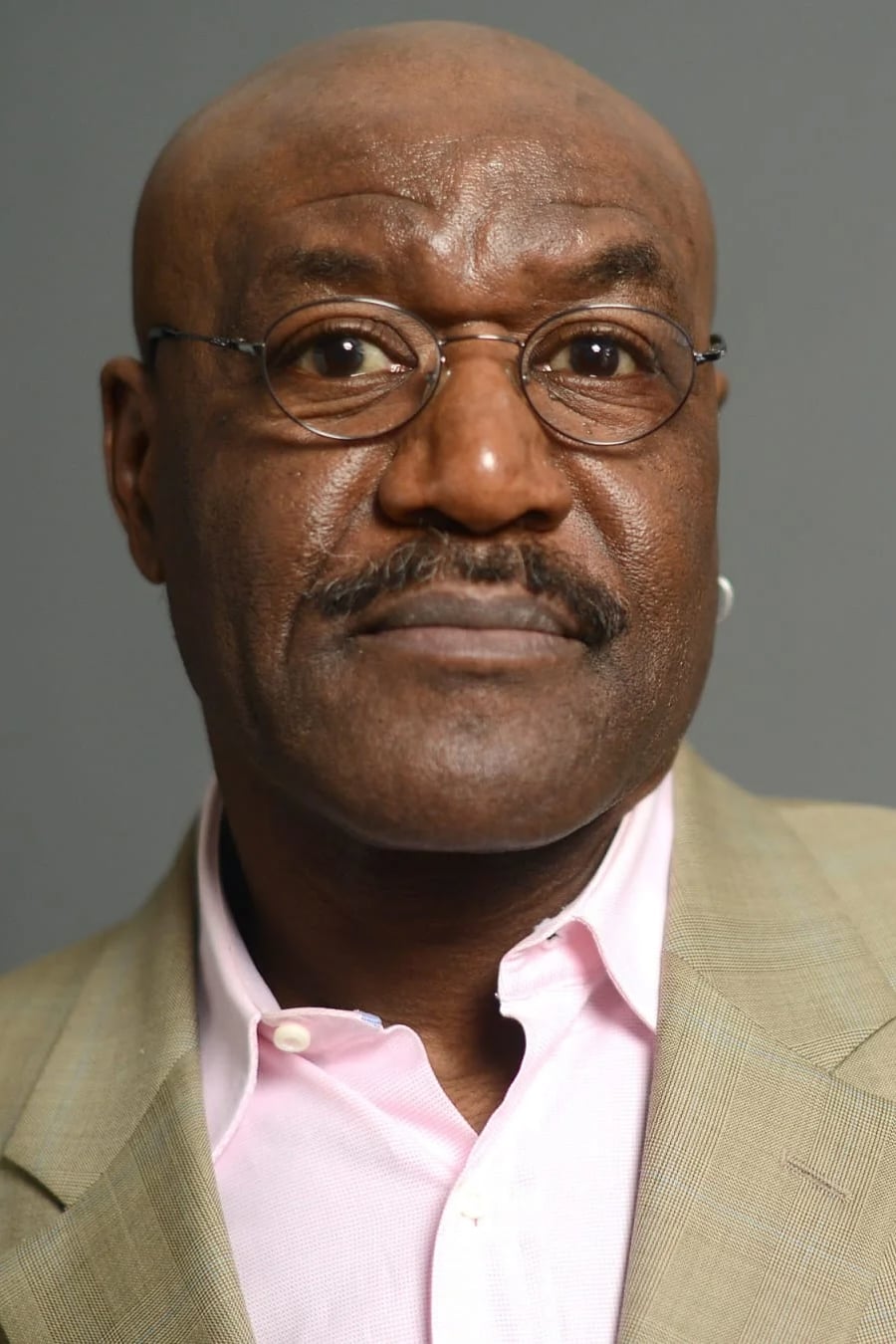
Delroy Lindo has been a consistent force in the industry for many years and has played many authoritative figures. He has spoken about the importance of Black actors finding roles that are complex and not just supportive. The actor believes that the wise mentor trope can often overlook the personal struggles of the character. He continues to seek out roles that provide a deep and meaningful exploration of the human condition. His performance in ‘Da 5 Bloods’ is a powerful example of his ability to lead a story with intensity.
Lennie James
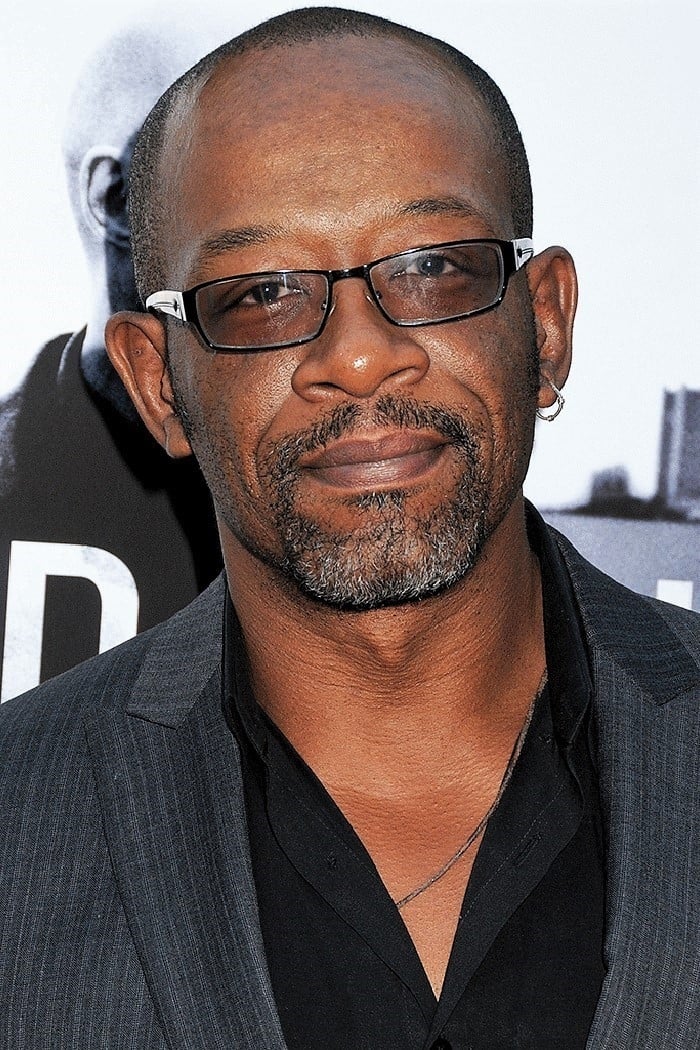
Lennie James has often played characters that serve as the moral or spiritual guide in survival situations. He has expressed a desire to move beyond these archetypes and explore more varied character types. The actor believes that being the wise presence in a group can be professionally limiting. He continues to look for scripts that offer a fresh and challenging perspective on the world. His work as both a writer and actor shows his commitment to more nuanced storytelling.
Adewale Akinnuoye-Agbaje
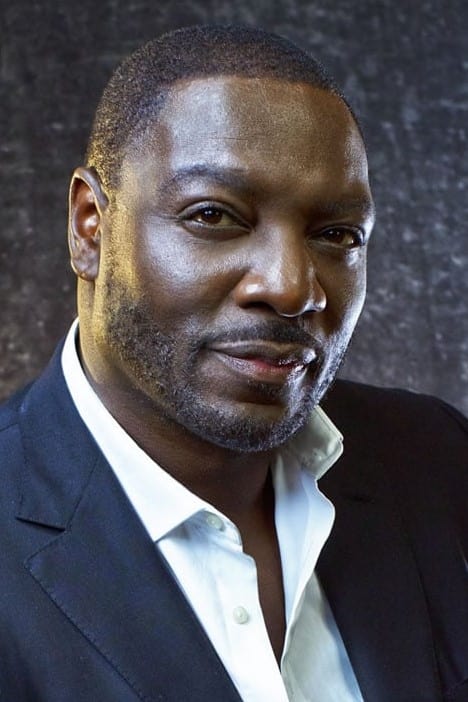
Adewale Akinnuoye-Agbaje has played several roles that are defined by their strength and wisdom. He has spoken about the need for more diverse roles for Black actors that do not rely on traditional tropes. The actor believes that the industry should provide more space for a wider range of Black narratives. He continues to seek out characters that are multifaceted and personally motivated. His career reflects a dedication to breaking down barriers and finding unique stories to tell.
Djimon Hounsou
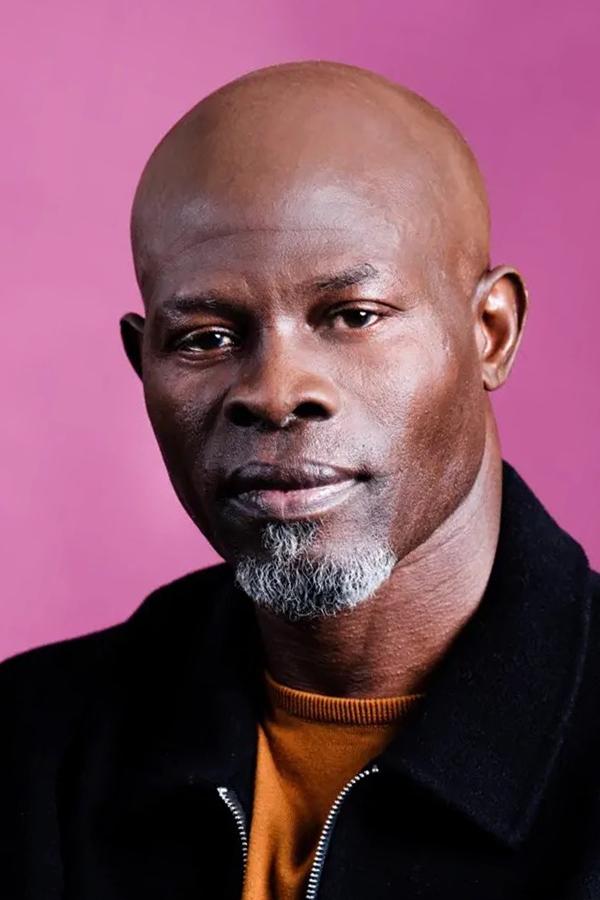
Djimon Hounsou has frequently been cast in roles that are defined by their nobility and spiritual wisdom. He has been vocal about the frustration of being pigeonholed into these specific archetypes. The actor believes that he has much more to offer than just being a supporting pillar of strength. He continues to advocate for leading roles that allow him to showcase his full range as a performer. His body of work demonstrates his commitment to finding characters with depth and agency.
Barkhad Abdi
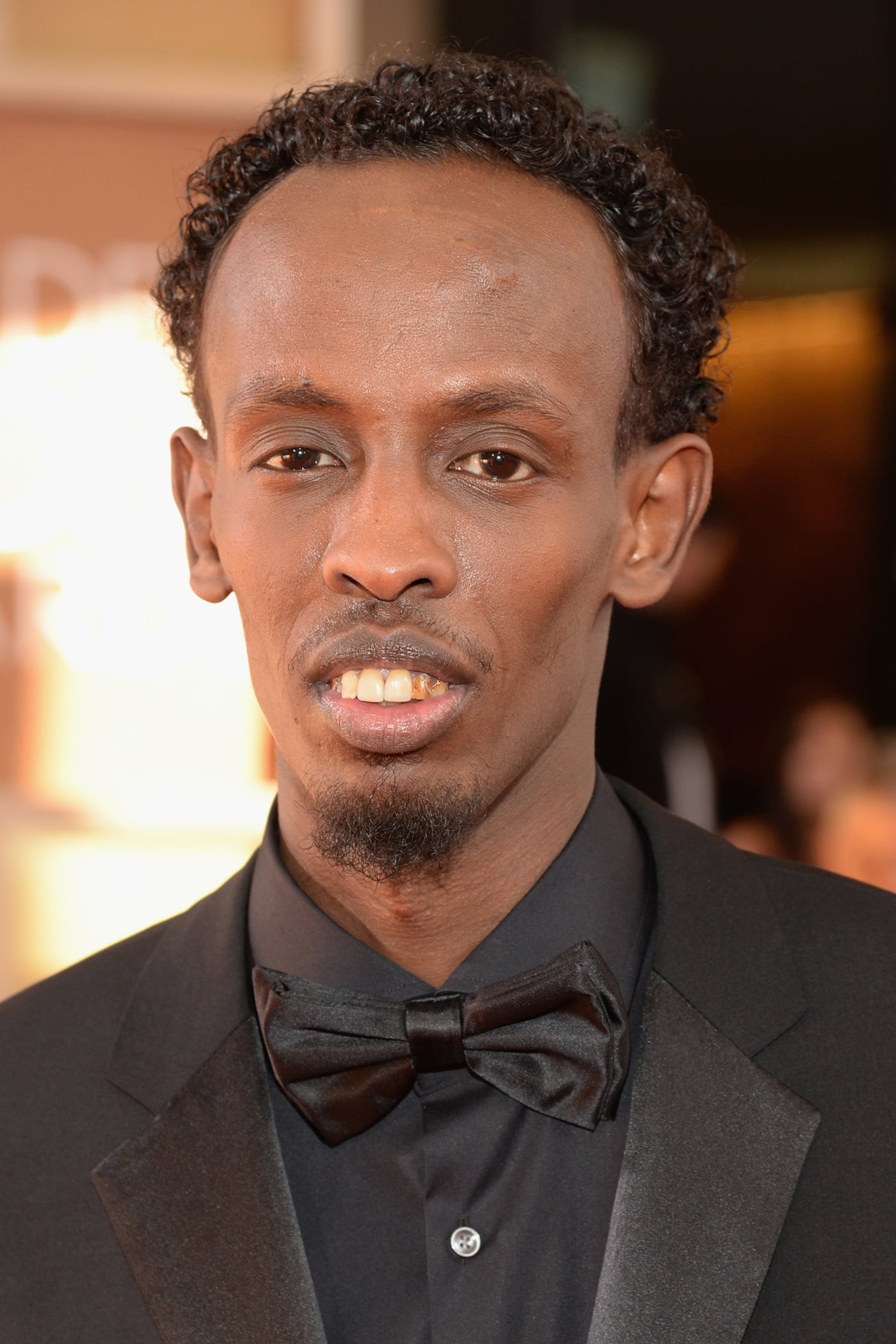
Barkhad Abdi gained international fame for a role that was far from a wise mentor and has since navigated the industry’s expectations. He has mentioned that he wants to avoid being cast in roles that are repetitive or limited by his background. The actor looks for characters that offer a unique perspective and a chance to do something different. He believes that the industry should focus on the individual talent of an actor rather than their archetype. His career continues to evolve as he searches for more diverse and challenging work.
Share your thoughts on which Black actors you would like to see in more diverse roles in the comments.