


Black Actors Who Say White Directors Still Don’t Know How to Write for Them

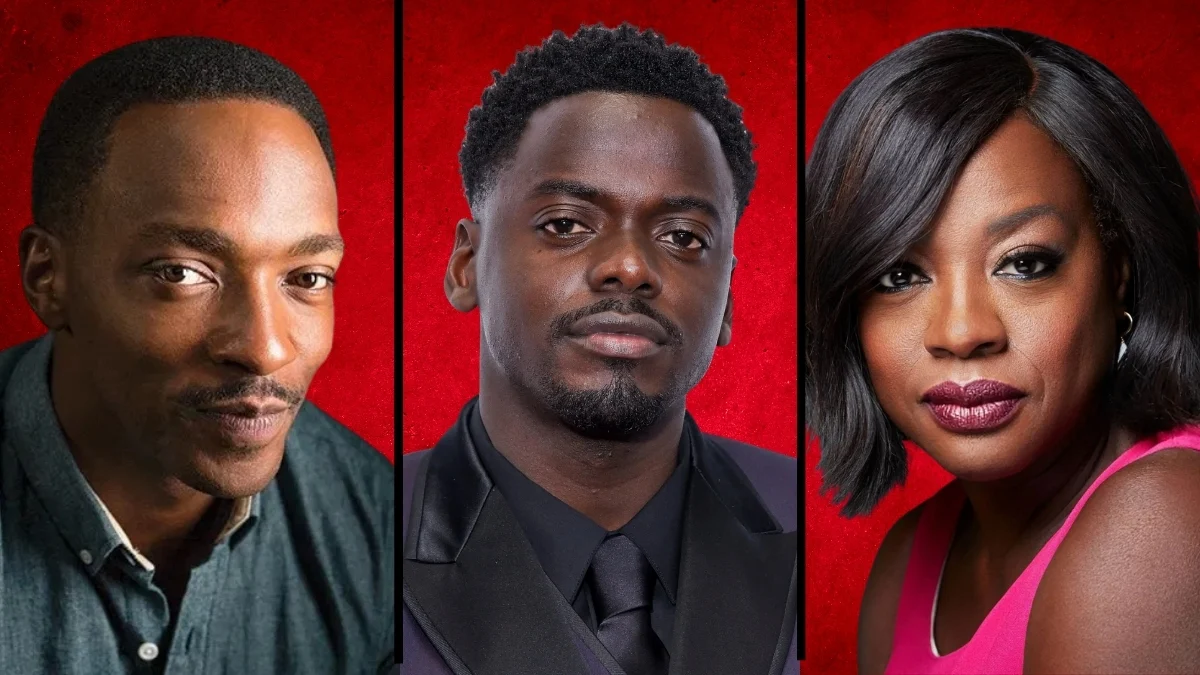


The landscape of Hollywood has undergone significant shifts in recent years, yet many Black actors maintain that a fundamental disconnect persists in the writers’ room. While diversity initiatives have increased on-screen representation, the nuance of the Black experience often remains elusive to white directors and screenwriters. These performers have frequently advocated for more authentic storytelling, noting that cultural subtleties are often overlooked or reduced to stereotypes. From script revisions to public critiques, these stars have emphasized the necessity of diverse perspectives behind the camera to truly capture their humanity.
John Boyega
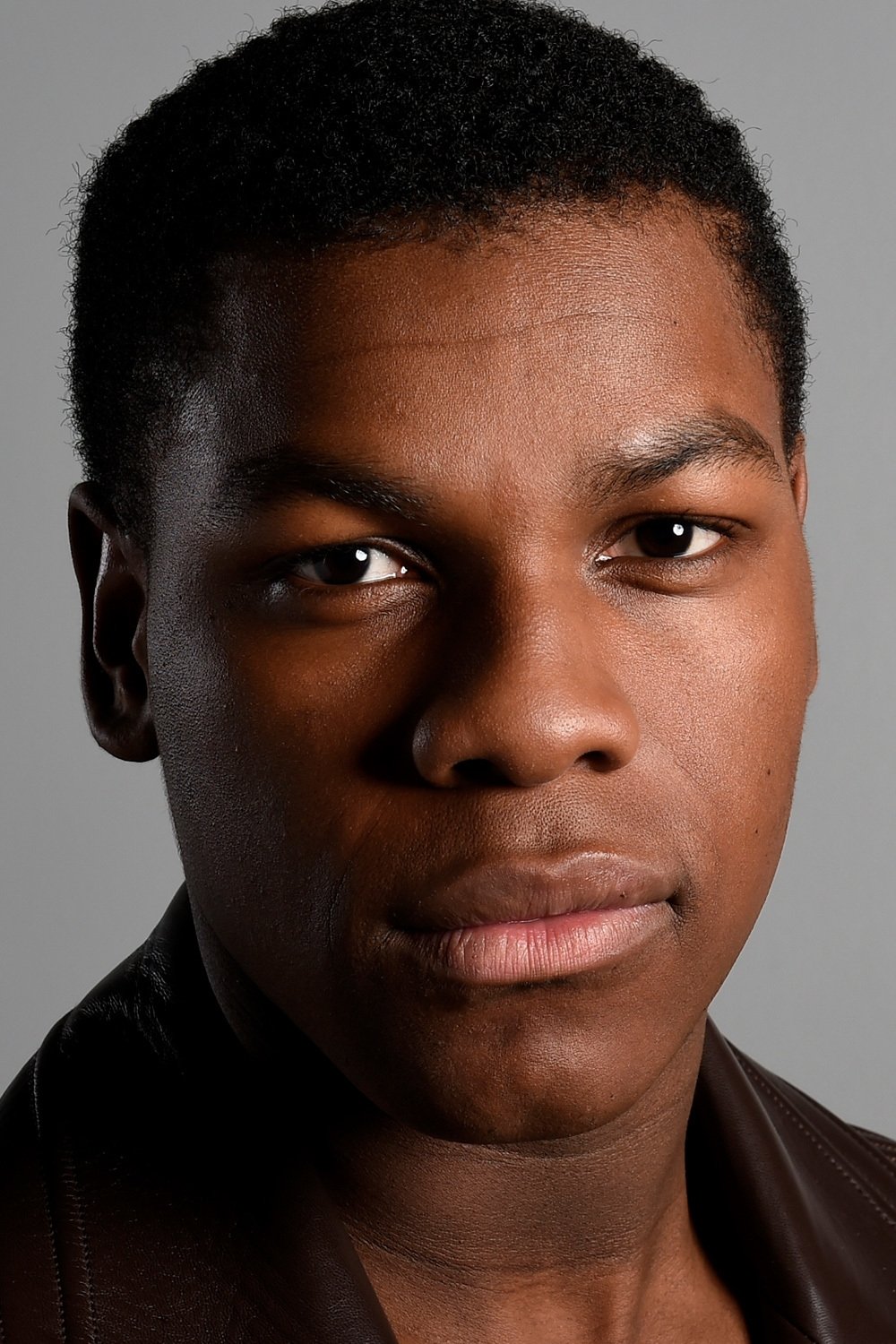
John Boyega has been vocal about his frustration regarding the handling of his character in the ‘Star Wars’ sequel trilogy. He noted that while his character, Finn, was marketed as a central figure, he was ultimately pushed to the side as the story progressed. Boyega argued that the franchise’s white creators knew exactly what to do with the white leads but struggled to give his character a nuanced or meaningful arc. He has since prioritized working with Black filmmakers who understand the cultural weight and potential of his roles. The actor continues to advocate for systemic changes to ensure Black characters are not treated as mere tokens.
Viola Davis
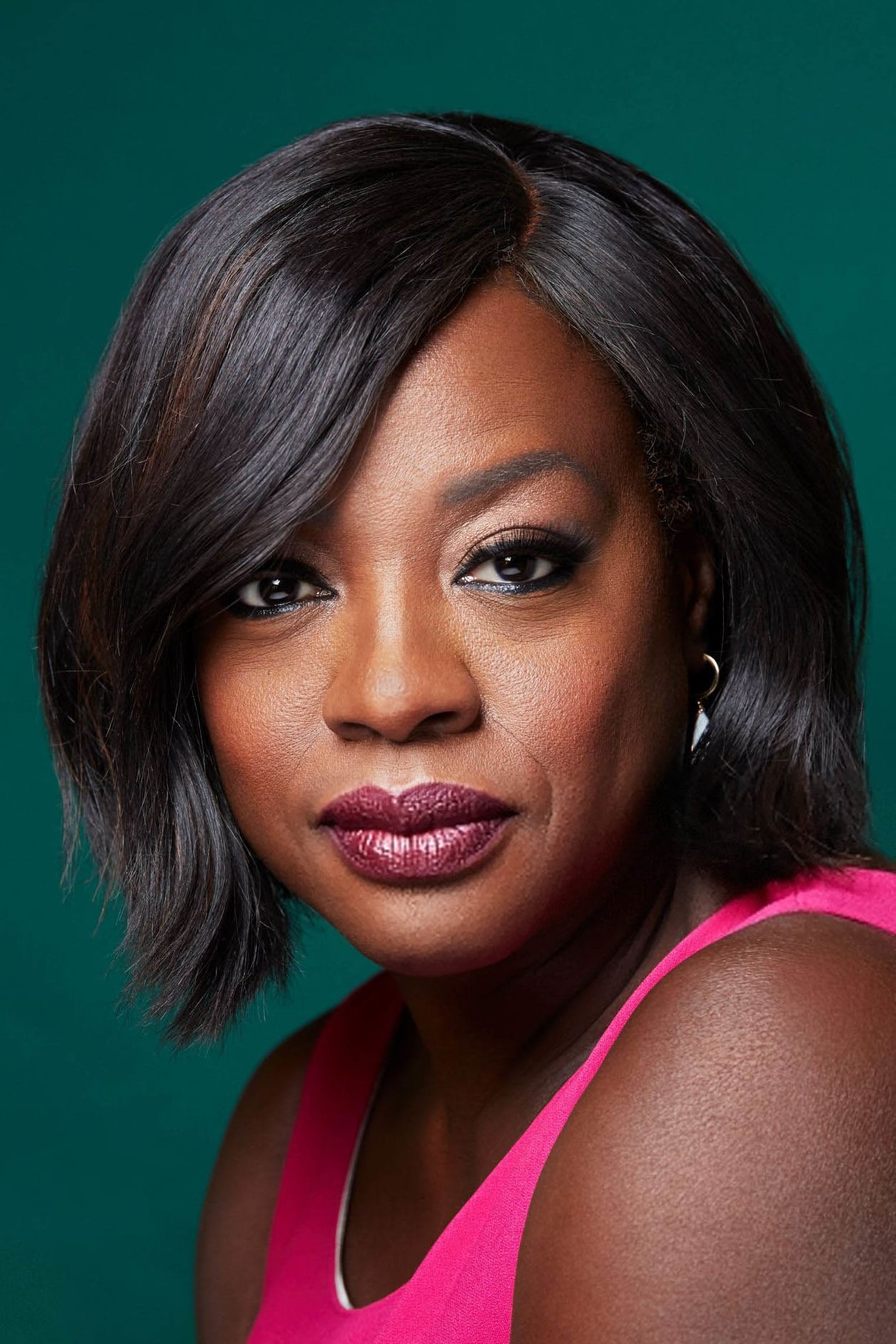
Viola Davis famously expressed regret over her role in the 2011 film ‘The Help’, despite receiving an Academy Award nomination for her performance. She argued that the film was created through the filter of systemic racism and primarily catered to a white audience’s comfort. Davis felt that the voices of the Black maids were not truly heard and that the script failed to explore their actual internal lives. She has since used her production company, JuVee Productions, to champion narratives that focus on the human experience rather than racial metaphors. The actress remains a sharp critic of “white savior” narratives that prioritize the growth of white protagonists over Black characters.
Taraji P. Henson
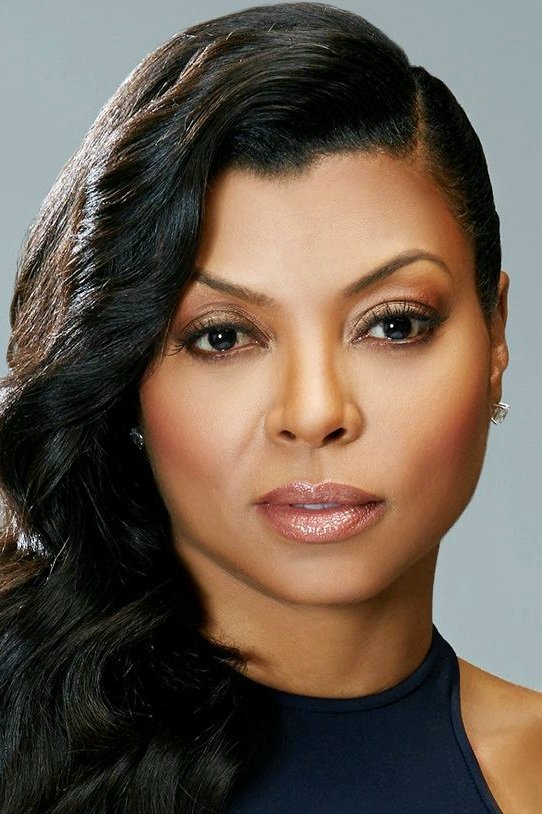
Taraji P. Henson has frequently discussed the “limited purview” white directors often have when casting and writing for Black women. In her memoir, she revealed that she was denied roles, such as a Russian stripper in ‘St. Vincent’, because executives could not envision her outside of a narrow set of expectations. She also highlighted the massive pay disparity she faced in ‘The Curious Case of Benjamin Button’ despite being a central part of the film’s emotional core. Henson argues that many white creators fail to recognize the international marketability and range of Black performers. Her career has been marked by a constant push for roles that allow for a full spectrum of emotion and complexity.
Regina King
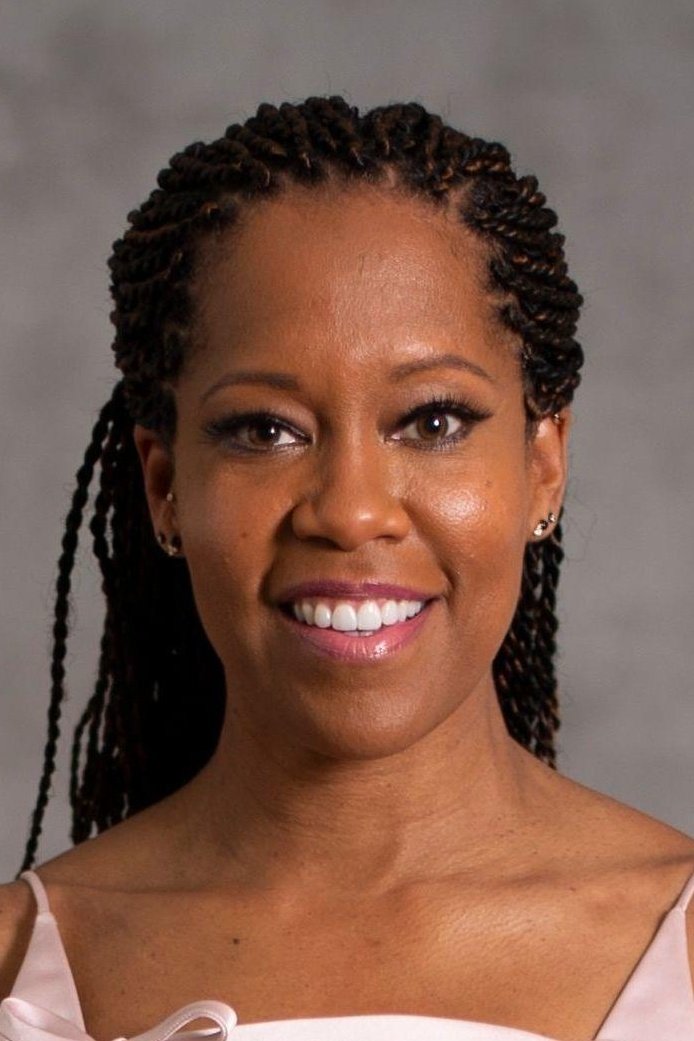
Regina King transitioned into directing partly to address the lack of nuanced brotherhood she saw in projects written by white creators. When discussing her directorial debut ‘One Night in Miami’, she highlighted the importance of showing Black men in vulnerable, intimate conversations. She has noted that white-led projects often overlook the “bromance” and deep emotional ties that exist within Black culture. King believes that having a Black woman at the helm allowed the film to bypass stereotypical aggression and focus on intellectual and spiritual bonds. Her work continues to challenge the industry to see Black characters as multifaceted individuals rather than archetypes.
Anthony Mackie
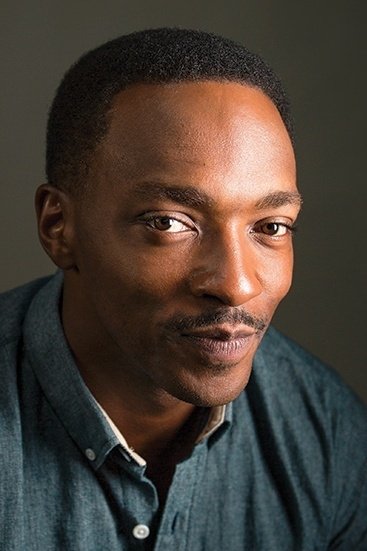
Anthony Mackie has called out the lack of behind-the-scenes diversity on major productions, specifically within the Marvel Cinematic Universe. He noted that after appearing in numerous Marvel films, he was struck by the fact that nearly every crew member, from producers to directors, was white. Mackie criticized the industry for only hiring Black crews for “Black movies” like ‘Black Panther’, suggesting it implies Black professionals aren’t capable of handling universal stories. He argues that this lack of diversity behind the camera directly affects how Black characters are written and presented on screen. The actor has used his platform to demand that film sets reflect the diversity of the world they depict.
Issa Rae
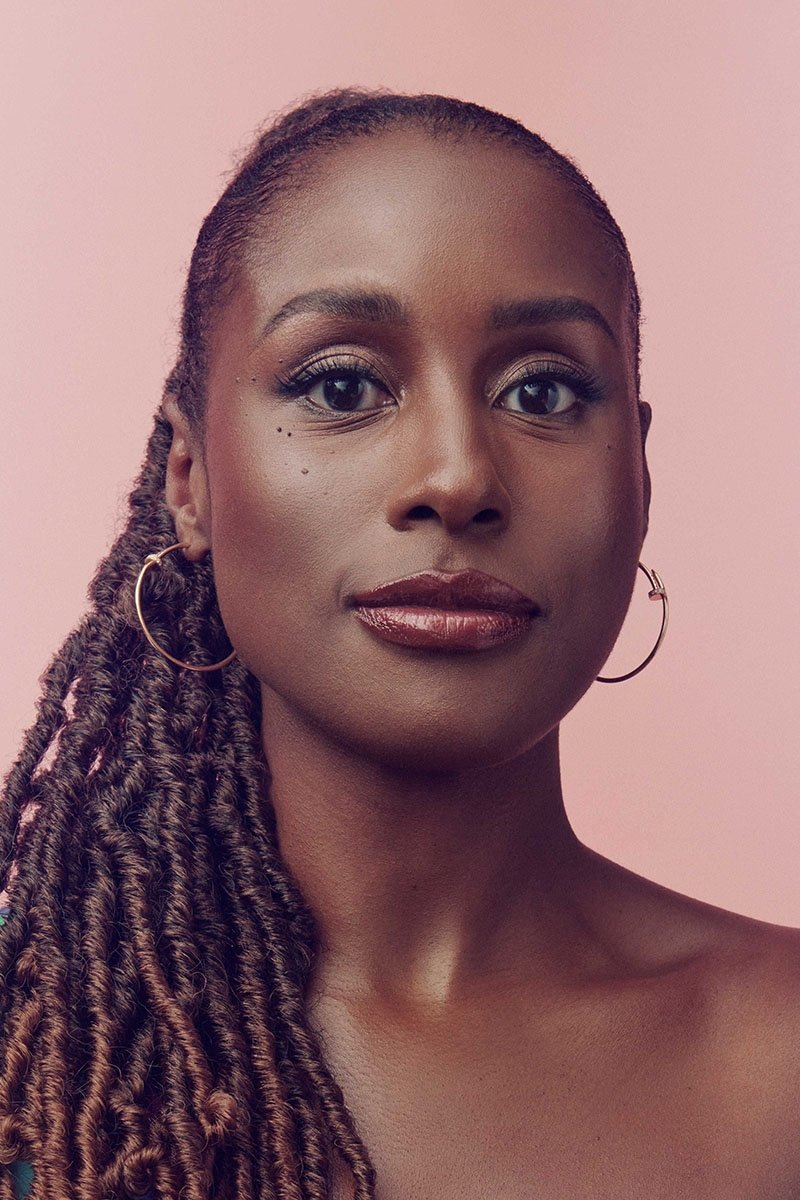
Issa Rae has emphasized that her hit series ‘Insecure’ would not have achieved its cultural resonance without a predominantly Black writers’ room. She has mentioned that white writers often missed the context of specific lines or cultural markers until the final product was edited. Rae explicitly stated that she could not have produced the show with a majority-white staff because there are elements of Black life that simply don’t require explanation for Black people. She has resisted advice from industry peers to add white characters to make her stories feel more “multicultural” or “palatable.” Her success has proven that hyper-specific Black stories can have universal appeal without sacrificing authenticity.
Chadwick Boseman
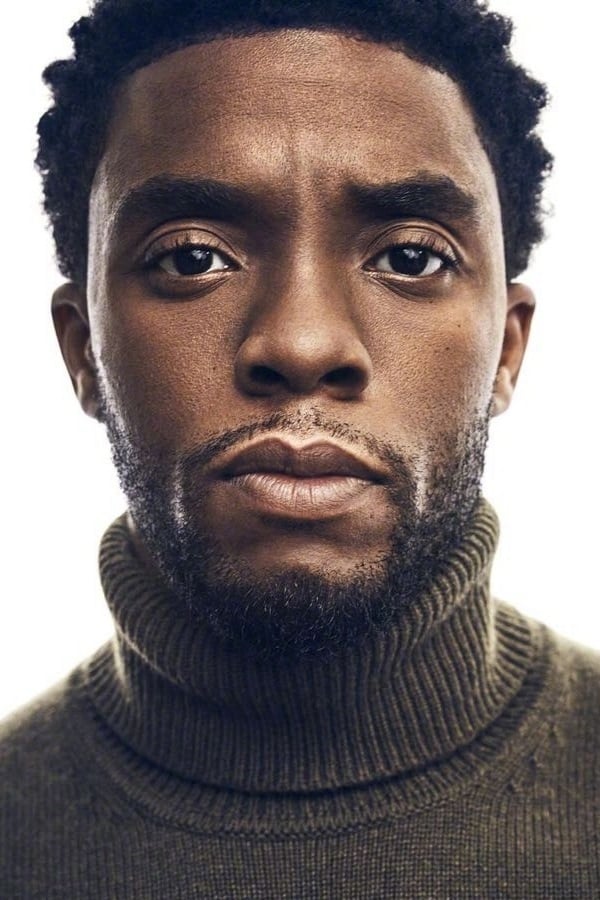
The late Chadwick Boseman fought a significant battle with Marvel executives to ensure T’Challa spoke with an African accent in ‘Captain America: Civil War’. He argued that a Wakandan king, whose nation was never colonized, would have no reason to adopt a European or American accent. Boseman believed that speaking with a British accent would have signaled a subconscious submission to white supremacist ideals of what being “educated” or “royal” looks like. By insisting on the accent, he forced the production to recognize the cultural integrity of the character. This decision ultimately helped define the visual and auditory landscape of ‘Black Panther’.
Sterling K. Brown
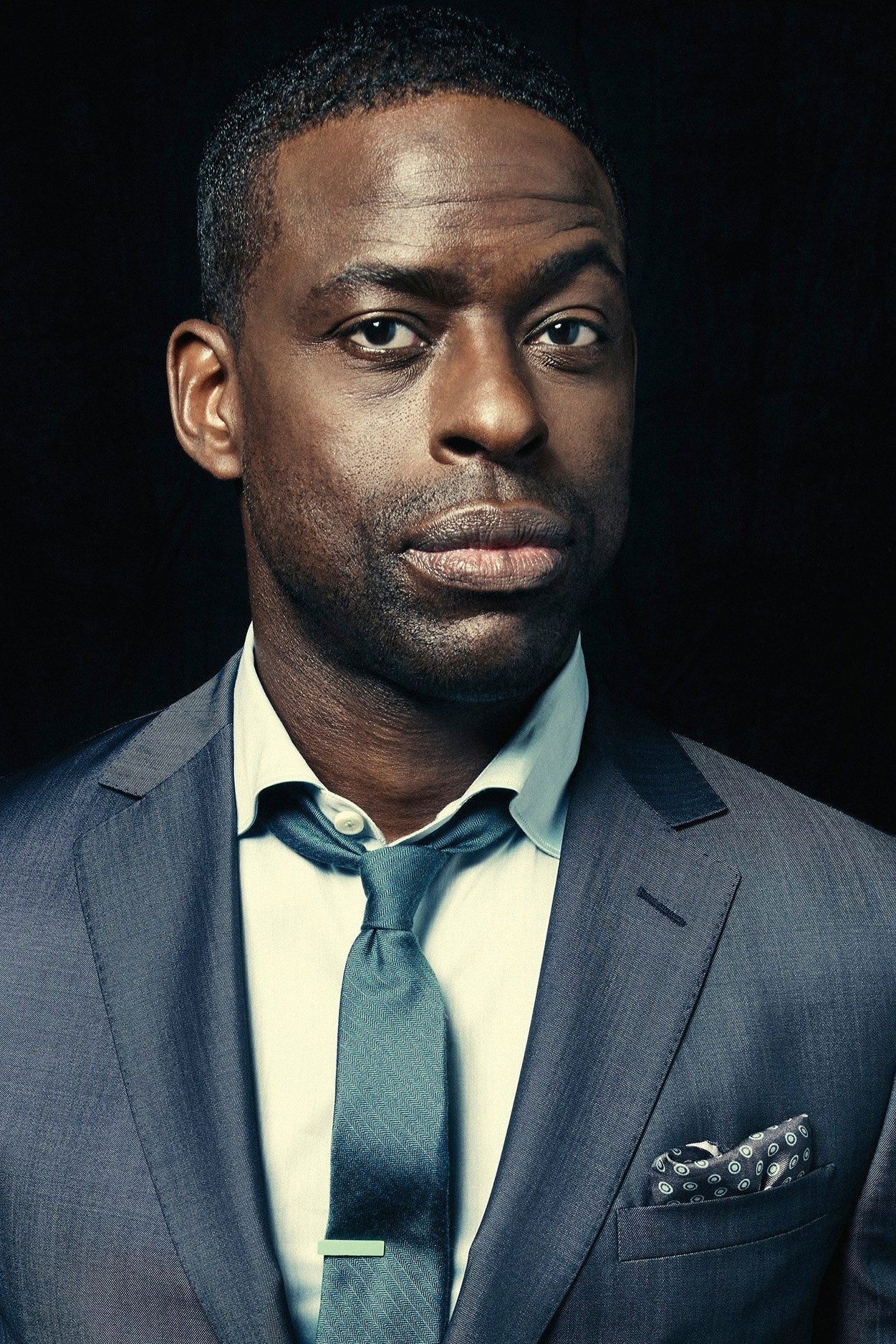
Sterling K. Brown has spoken about the necessity of Black writers in the room for his show ‘This Is Us’ to ensure his character’s journey felt authentic. He has often shared his personal perspective with showrunner Dan Fogelman to fill the gaps in the white writers’ understanding of Black family dynamics. Brown also expressed initial hesitation about the script for ‘Waves’ because it was written by a white director and featured a Black family in crisis. He only felt comfortable taking the role after realizing the filmmaker was willing to listen and incorporate the cast’s lived experiences into the narrative. The actor remains dedicated to ensuring that his characters avoid falling into tragic stereotypes.
Gabrielle Union
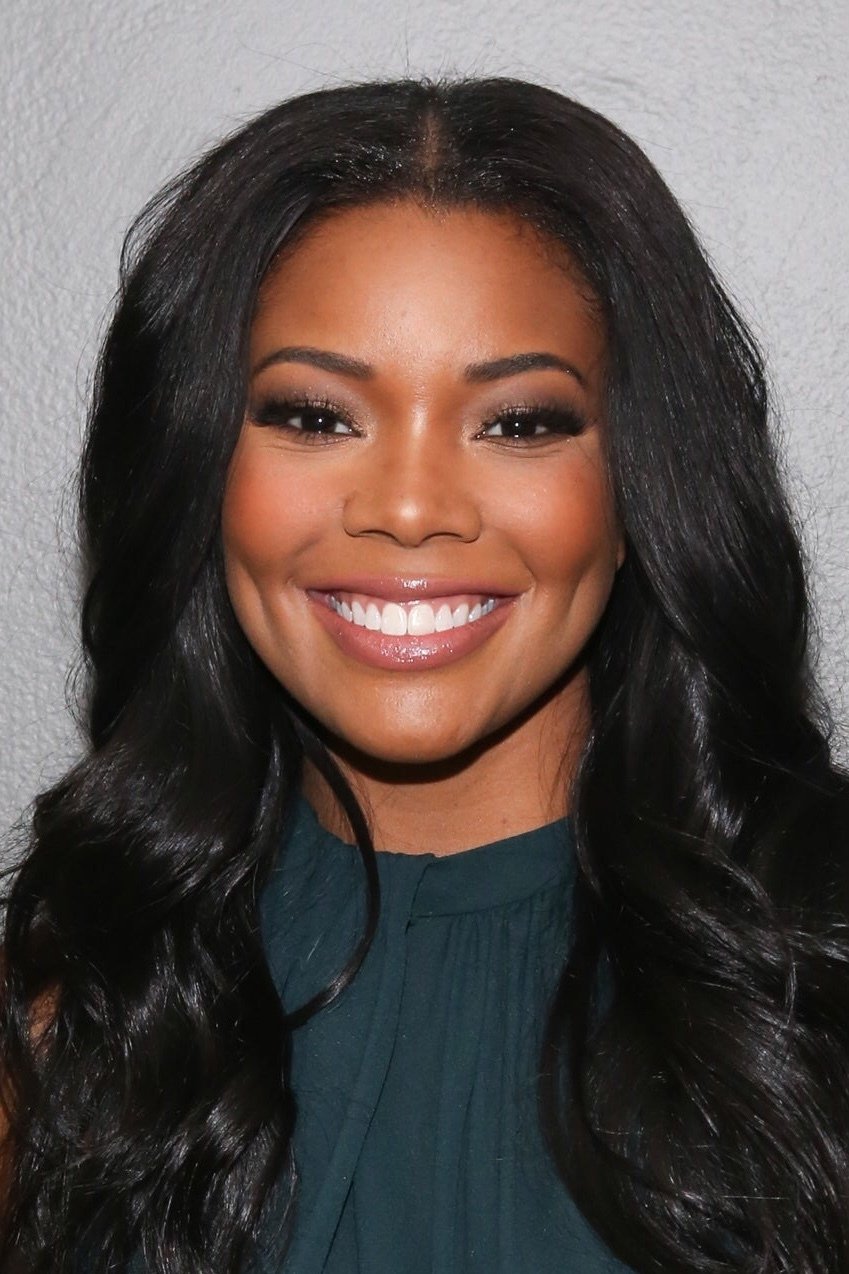
Gabrielle Union has been a fierce critic of the “painfully white” writers’ rooms she encountered throughout her early career. She noted that her roles were often limited to the “sassy Black best friend” and were frequently underdeveloped or based on racist tropes. Union revealed that when she tried to speak up about problematic scripts or jokes, she was often labeled as “difficult” or “sensitive.” In retrospect, she even expressed regret for how she portrayed her character in ‘Bring It On’, noting she stifled the character’s humanity to fit white standards of “respectability.” She continues to advocate for more Black women to have creative control over their own narratives.
Michaela Coel
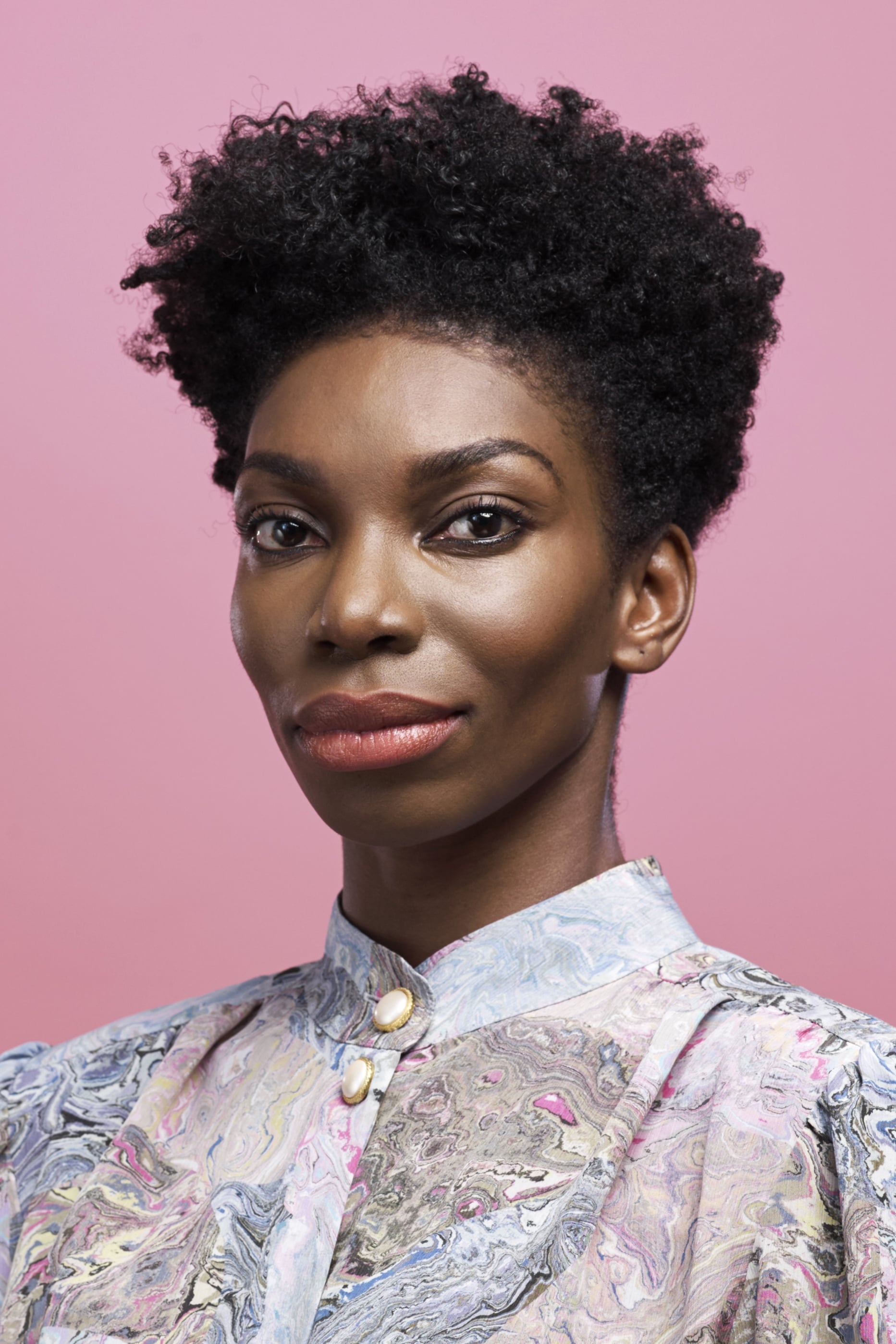
Michaela Coel famously turned down a $1 million deal with Netflix for ‘I May Destroy You’ because the streaming giant refused to grant her ownership and creative control. She believed that white executives and writers could not possibly protect the integrity of a story so deeply rooted in her own trauma and Black British identity. Coel has also shared stories of microaggressions on the set of ‘Chewing Gum’, where white directors struggled to even learn the names of Black cast members. Her insistence on writing, directing, and producing her own work has set a new standard for Black creators in the industry. By maintaining control, she ensured that her stories remained unfiltered by the “white gaze.”
Denzel Washington
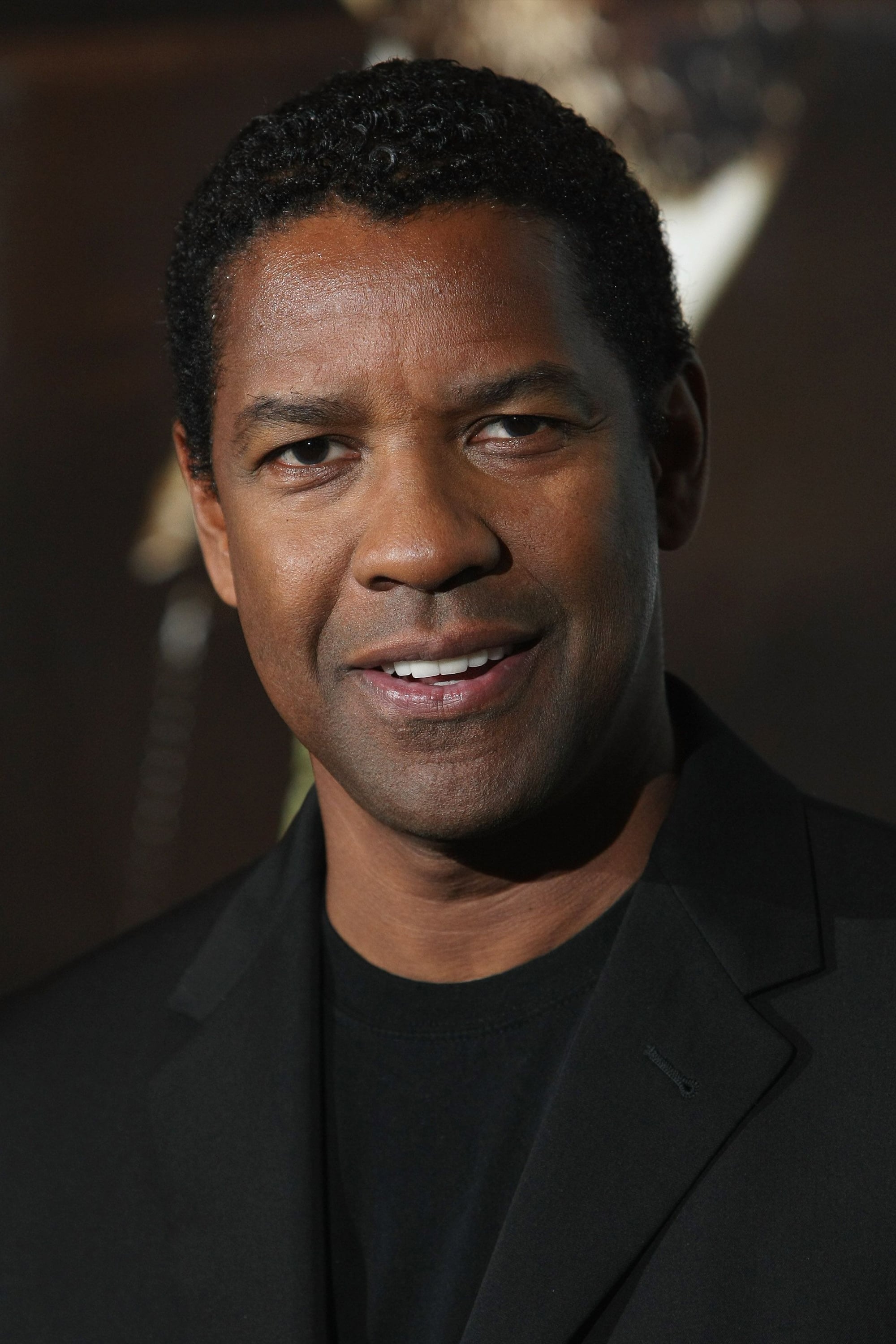
Denzel Washington insisted that the film adaptation of ‘Fences’ be helmed by a Black director to preserve the cultural essence of August Wilson’s play. He famously remarked that it wasn’t a matter of color, but of culture, noting that some experiences are inherent to the Black community. Washington argued that a Black director would inherently understand cultural markers, such as the smell of a hot comb on a Sunday morning, that a white director might miss. He believed that these “cultural differences” are what give a story its soul and authenticity. His direction of the 2016 film aimed to honor those specificities without compromise.
Jeffrey Wright
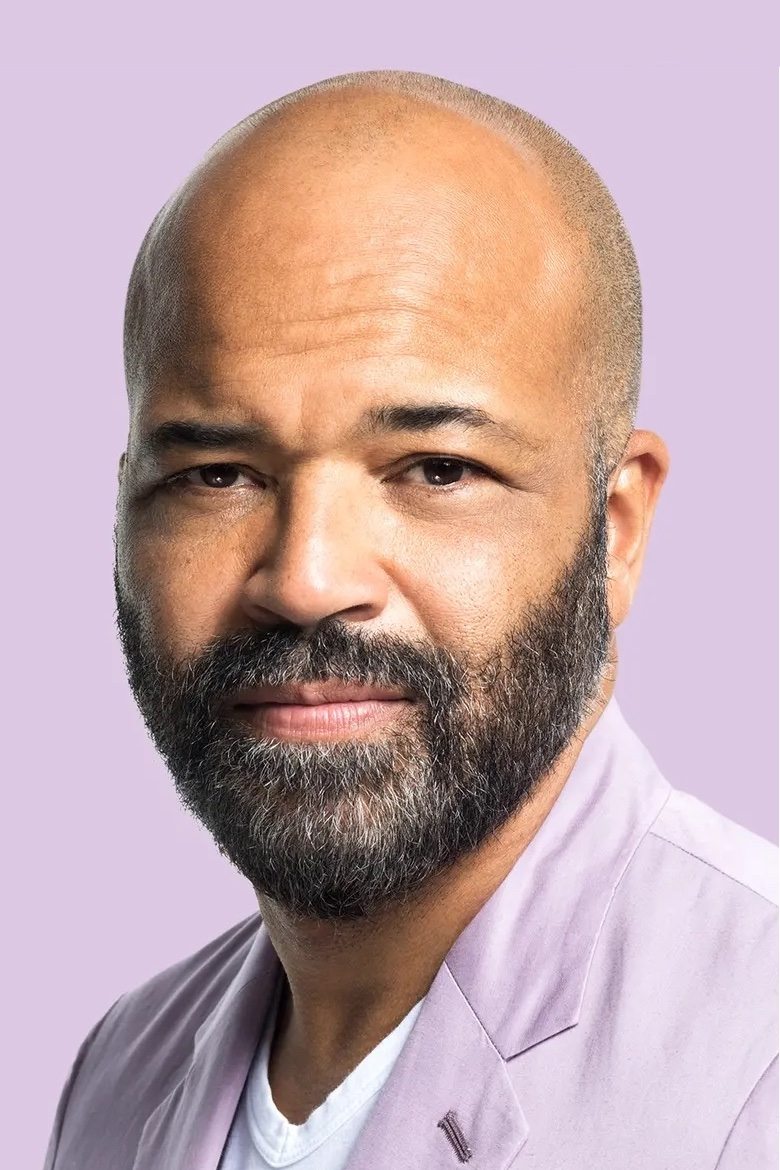
Jeffrey Wright has used his role in ‘American Fiction’ to comment on Hollywood’s obsession with reducing Black lives to outrageous stereotypes. He has spoken about how the industry often only rewards Black stories that focus on trauma or “urban” tropes to satisfy a white audience’s expectations. Wright noted that mainstream consumption often requires Blackness to be “put on” or performed in a way that is palatable to white creators. He has praised projects that allow Black characters to simply exist as complex human beings without being metaphors for social issues. The actor continues to seek out roles that challenge the industry’s narrow definition of Blackness.
Tracee Ellis Ross
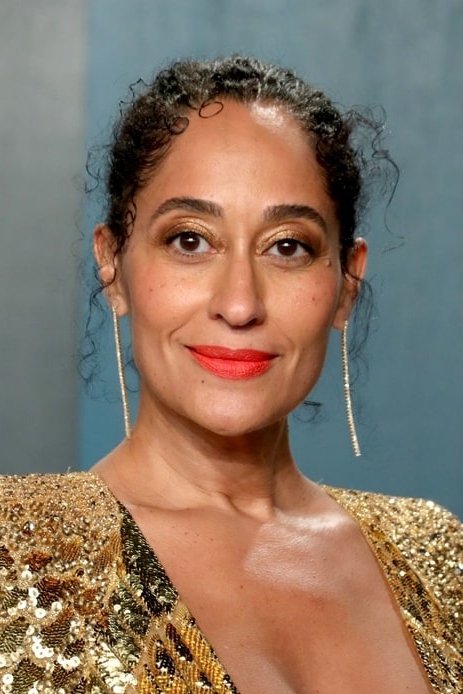
Tracee Ellis Ross has highlighted the importance of her collaborative relationship with ‘Black-ish’ creator Kenya Barris to ensure her character, Rainbow, felt real. She has mentioned that she frequently had a different point of view than the writers and felt a responsibility to “hold the space” for the audience. Ross emphasized that humor in the show had to be rooted in truth rather than just being “funny” for a general audience. She has often pushed back against monolithic ideas of Blackness, advocating for the inclusion of her own biracial identity in her character’s storyline. The actress values environments where her cultural expertise is respected and utilized.
Zendaya

Zendaya, who serves as an executive producer on ‘Euphoria’, has been instrumental in shaping her character Rue to be more than a one-dimensional addict. She has worked closely with creator Sam Levinson to ensure that the character’s experiences as a Black woman are woven authentically into the story. Zendaya has spoken about the importance of her input in making sure that Rue’s perspective is grounded in reality rather than an outsider’s interpretation. Her role as a producer allows her to guard against storylines that might feel inauthentic or culturally tone-deaf. She is part of a new generation of actors who demand a seat at the table from the beginning of the creative process.
Daniel Kaluuya
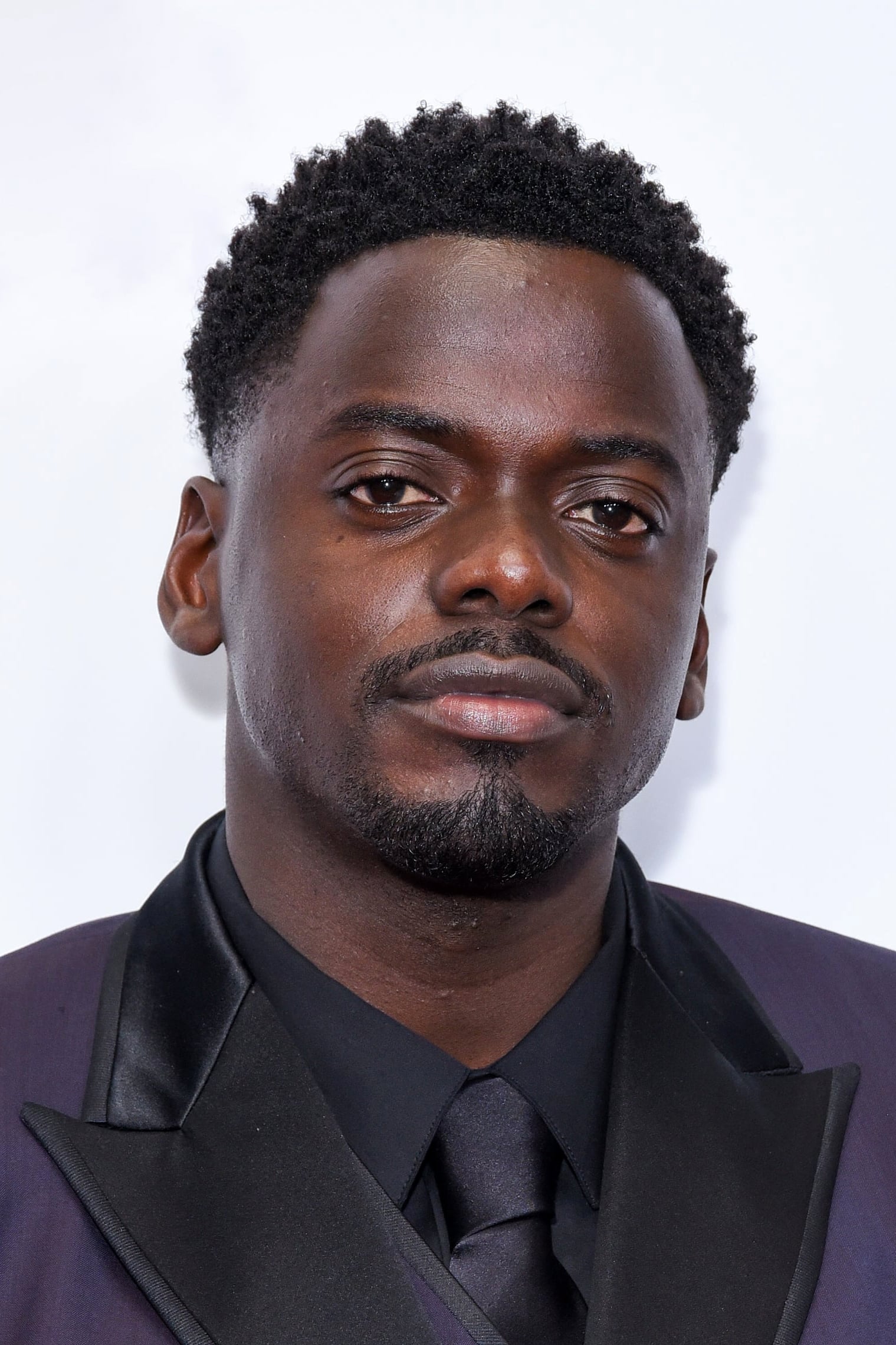
Daniel Kaluuya has addressed the skepticism he faced from some American critics and actors who felt a British performer couldn’t understand the African American experience. He argued that while certain aspects of Black life are universal, the specific nuance of American racial dynamics requires careful study and respect. Kaluuya has worked extensively with Black directors like Jordan Peele and Melina Matsoukas to ensure his performances feel authentic to the setting. He has noted that white directors often fail to see the “nuance” and “humanity” that Black filmmakers inherently bring to their work. The actor continues to bridge the gap between different Black cultures while maintaining a high standard for narrative truth.
Tessa Thompson

Tessa Thompson has been a vocal advocate for inclusive film sets, stating that she no longer wants to show up and “just see a bunch of white people.” She believes that the lack of diversity in the crew directly correlates with the lack of perspective in the writing and direction. Thompson has noted that identity is often a “performance” in Hollywood, and she strives to find roles that move beyond these expectations. She has praised films like ‘Dear White People’ and ‘Passing’ for exploring the complexities of identity in ways that mainstream white-led projects rarely do. For Thompson, inclusion is not just about the cast, but about the entire creative ecosystem.
Cynthia Erivo
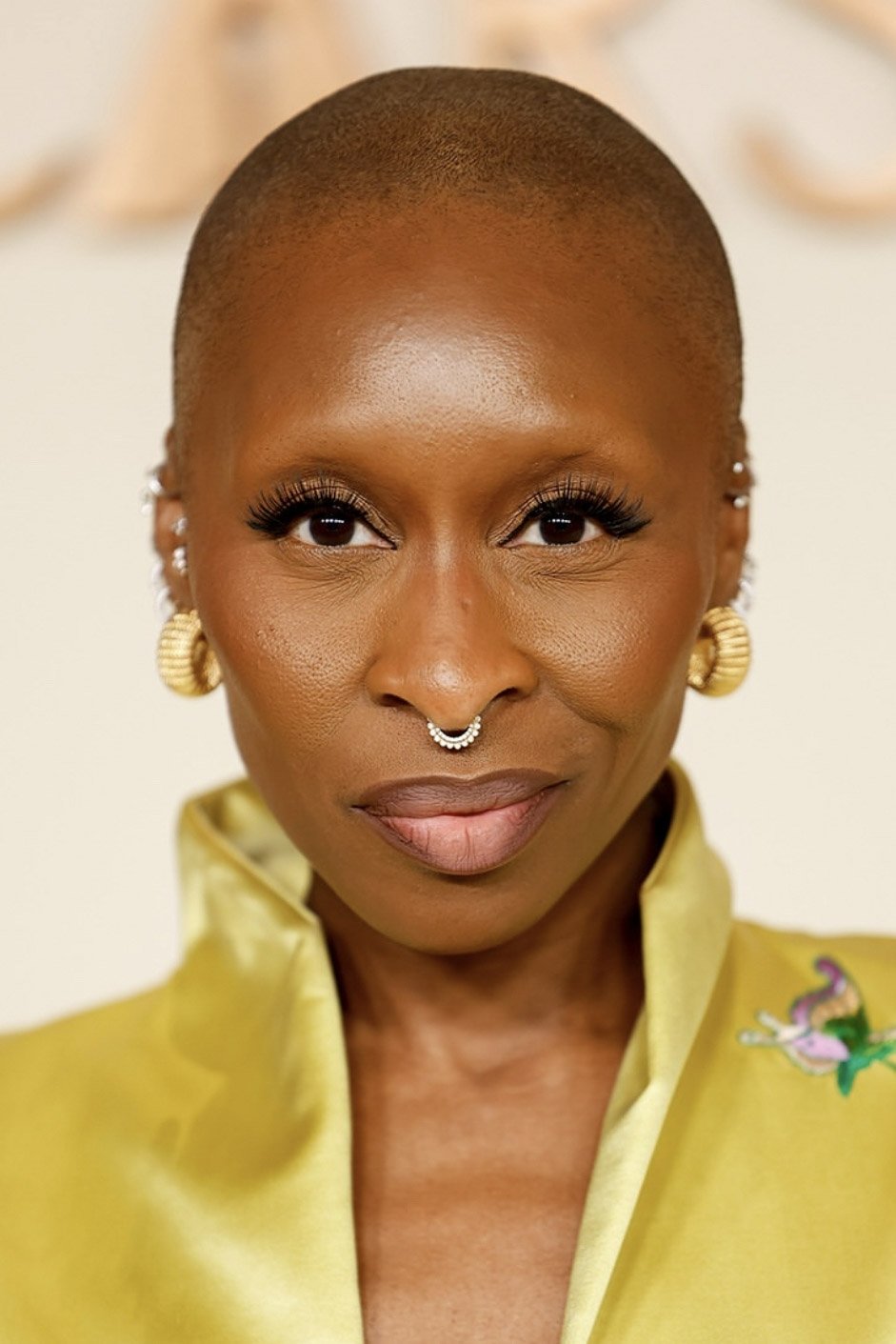
Cynthia Erivo has faced significant challenges with white directors who have struggled to acknowledge her individuality on set. She recalled an instance where a director repeatedly referred to her and a fellow Black actress as “the twins” instead of using their names. Such microaggressions highlight a broader issue of white creators seeing Black performers as interchangeable or monolithic. Erivo has since been selective about her projects, often choosing to work with filmmakers who recognize her specific talent and cultural background. She continues to push for roles that allow her to showcase her range beyond the limited boxes often provided by the industry.
Lupita Nyong’o
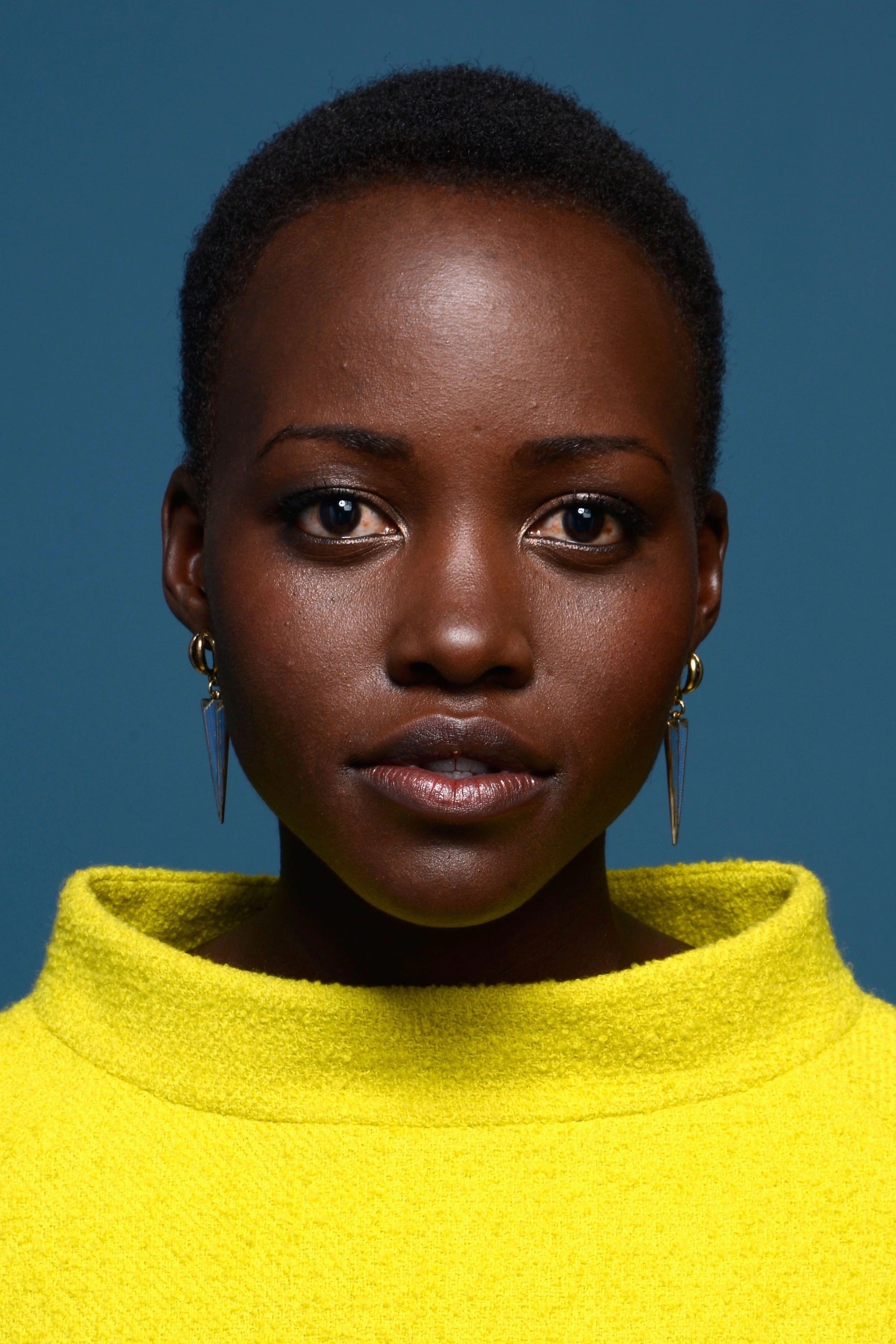
Lupita Nyong’o has observed that the industry often lacks “generic roles” for actors of color, where their race is not the primary focus of the story. She has pointed out that while she has found success in projects like ’12 Years a Slave’ and ‘Black Panther’, these roles were specifically written for Black actors. Nyong’o argues that white writers often struggle to write “race-neutral” characters that can be played by Black performers without falling into stereotypes. She advocates for a future where Black actors are considered for a wider variety of stories that aren’t defined by their struggle. The actress remains a key figure in the conversation about global representation and the “white gaze” in film.
David Oyelowo
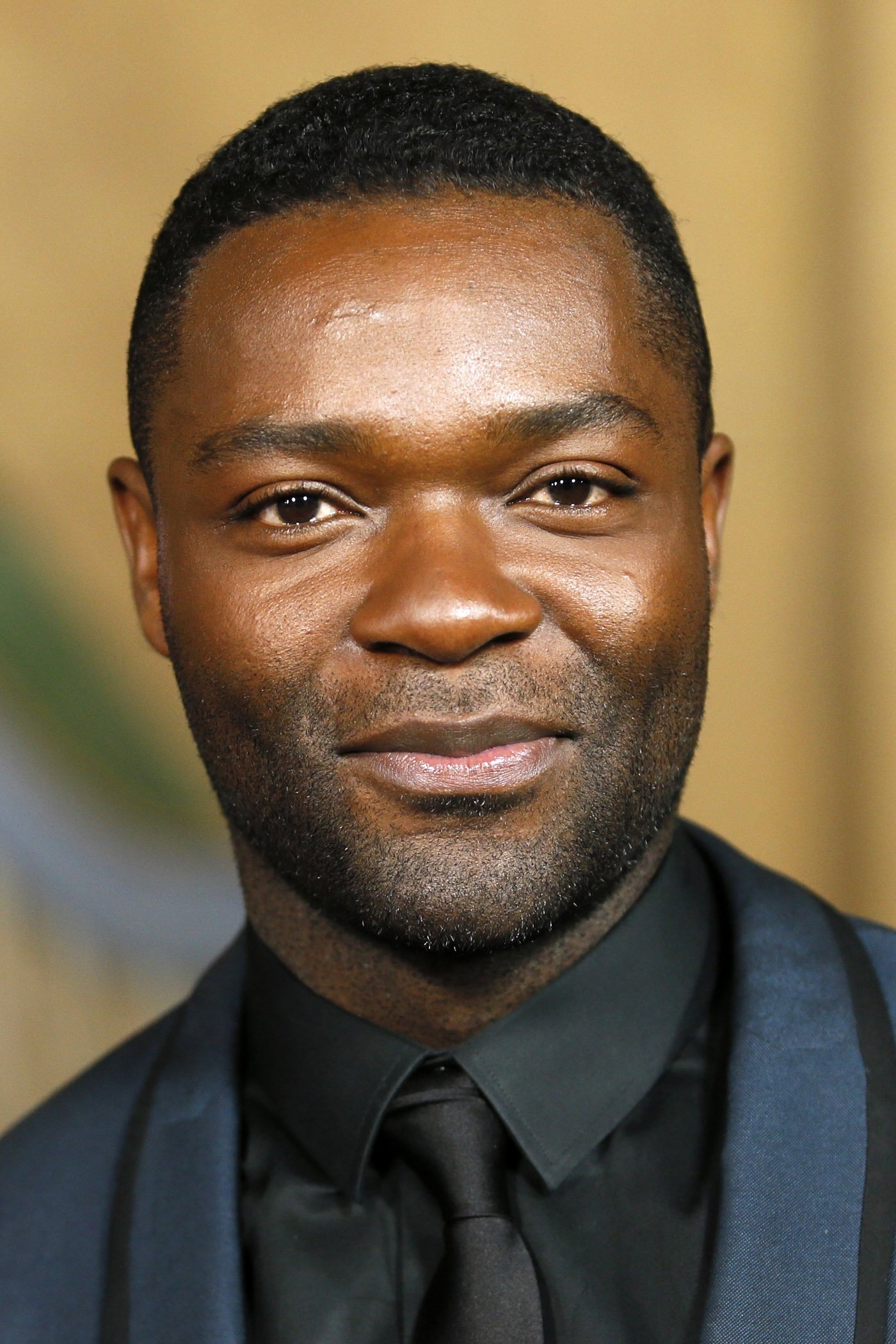
David Oyelowo has discussed the unique challenges of playing historical Black figures under the direction of white filmmakers. While promoting ‘Selma’, he noted that he had to work incredibly hard to ensure the portrayal of Martin Luther King Jr. didn’t feel like a caricature. He has mentioned that white directors often have a “different idea” about how Black leaders think and move, which can lead to a lack of psychological depth. Oyelowo has since moved into producing and directing to ensure that the stories he tells are imbued with cultural authenticity. He believes that the Black perspective is essential to telling Black history accurately.
Thandiwe Newton

Thandiwe Newton has been critical of the lack of intersectionality in Hollywood, particularly in roles written by white men. She has noted that many scripts treat Blackness as a monolithic experience, ignoring the specific challenges faced by women of different skin tones and backgrounds. Newton famously apologized for the privilege her lighter skin tone afforded her in the industry, acknowledging that she often got roles meant for darker-skinned women because she was seen as more “palatable” by white creators. She argues that the industry needs to move beyond a frame where “all Black people are men and all women are white.” Her career reflects a commitment to highlighting the voices and stories of women of color.
Share your thoughts on the importance of diverse writers’ rooms in the comments.