


Black Actors Who Spoke Out Against Prevalent “Woke” Tropes in Modern Cinema



The film industry has undergone a significant cultural shift in recent years with a heightened focus on diversity and social justice narratives. While many have embraced these changes, several prominent Black actors have voiced concerns regarding the execution of these themes. These performers have addressed issues ranging from performative representation and the pigeonholing of talent to the loss of creative freedom in the face of political correctness. Their perspectives offer a complex look at how modern tropes impact the authenticity of storytelling and the professional lives of artists. The following list highlights actors who have publicly questioned or critiqued the current landscape of modern cinema.
Morgan Freeman
Morgan Freeman has frequently expressed his disapproval of using the term Black History Month because he believes his history is American history. He argues that the focus on race can be reductive and often suggests that the best way to end racism is to stop talking about it. The actor has criticized modern cinematic trends that prioritize identity over individual talent and character development. He maintains that highlighting differences only serves to keep people separated in society. His stance reflects a desire for a more integrated approach to storytelling in Hollywood.
Idris Elba
Idris Elba sparked significant conversation when he announced that he no longer describes himself as a Black actor. He explained that this label put him in a box and limited the scope of his career within the entertainment industry. The performer believes that obsessing over race can hinder creative growth and create unnecessary barriers for artists. He advocates for a world where talent is the primary focus rather than the skin color of the person on screen. This perspective challenges the current trend of categorizing performers by their ethnic background in every project.
Marlon Wayans
Marlon Wayans has been vocal about how modern social sensitivities are negatively impacting the comedy genre in cinema. He believes that the pressure to be politically correct prevents filmmakers from creating the bold and transgressive humor that defined past generations. The actor recently defended his film ‘White Chicks’ against critics who might find its premise problematic in today’s climate. He argues that comedy should be a space where everyone can be joked about without the fear of being canceled. His comments highlight a growing concern among creators that certain tropes are being forced into films at the expense of genuine laughs.
Terry Crews
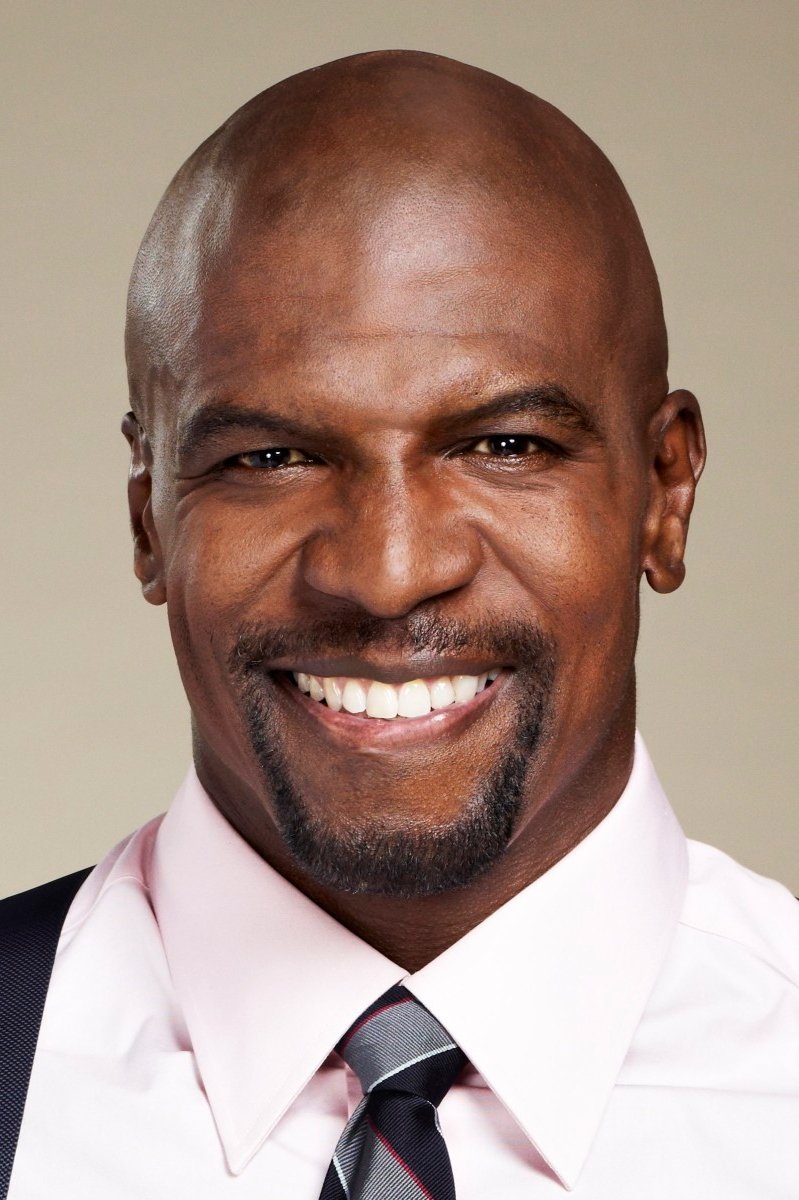
Terry Crews has faced backlash for his comments regarding the need for reconciliation and balance in social movements. He warned against the potential for modern diversity efforts to veer into a new form of exclusion if not handled carefully. The actor emphasizes the importance of universal human experiences over divisive narratives that focus solely on group identity. He has spoken out about the complexities of working in an industry that is rapidly changing its cultural standards. His public statements often call for unity and a focus on the shared aspects of the human condition.
John Boyega
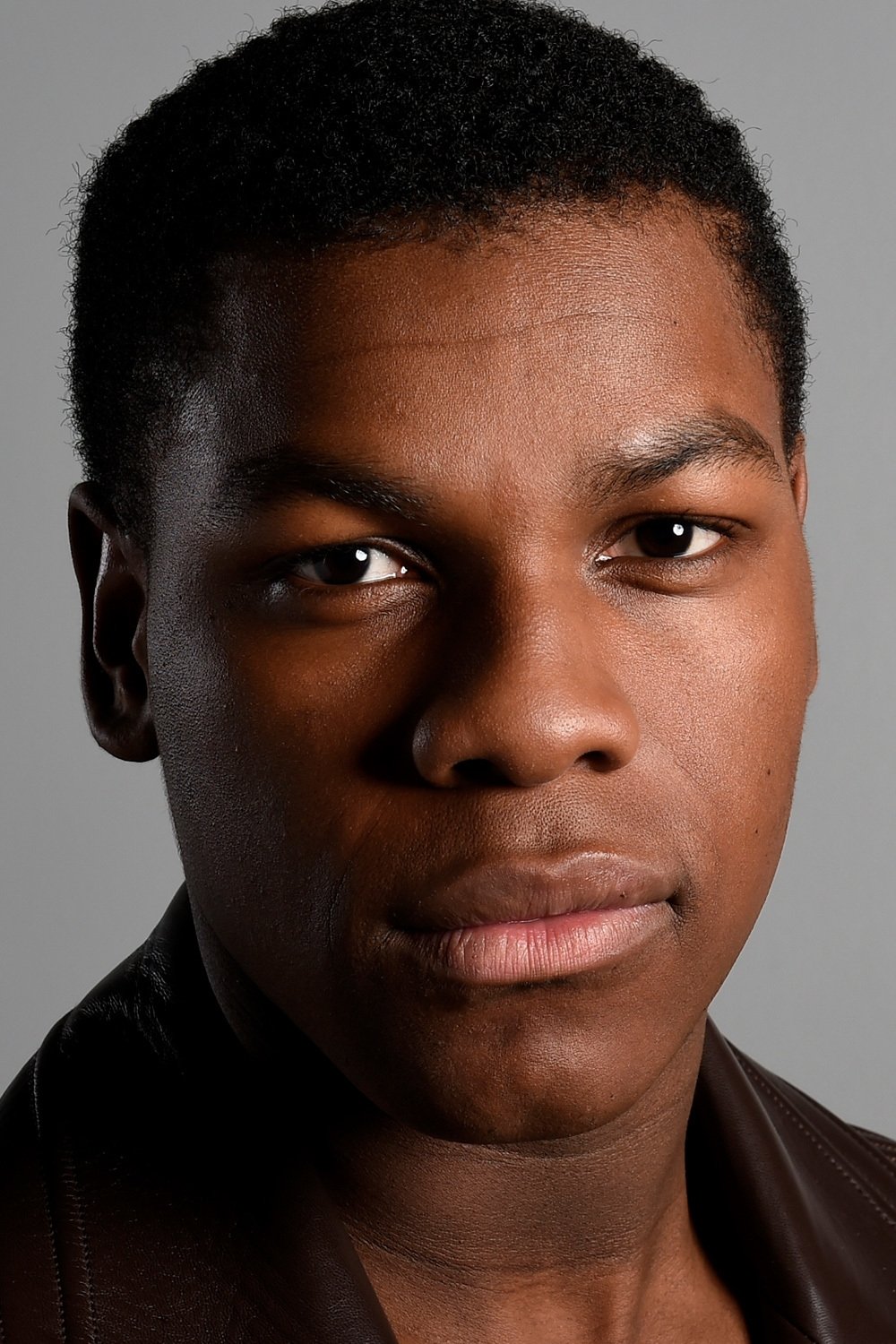
John Boyega has expressed frustration with how major studios use diverse casting as a marketing tool without providing substantive roles for the actors. He criticized the way his character was sidelined in the ‘Star Wars’ sequel trilogy despite being featured prominently in promotional materials. The actor believes that simply placing people of color in front of the camera is not enough if the writing does not support their presence. He argues that genuine representation requires thoughtful storytelling rather than checking a box for social relevance. His critique sheds light on the internal struggles actors face when dealing with performative corporate initiatives.
Anthony Mackie
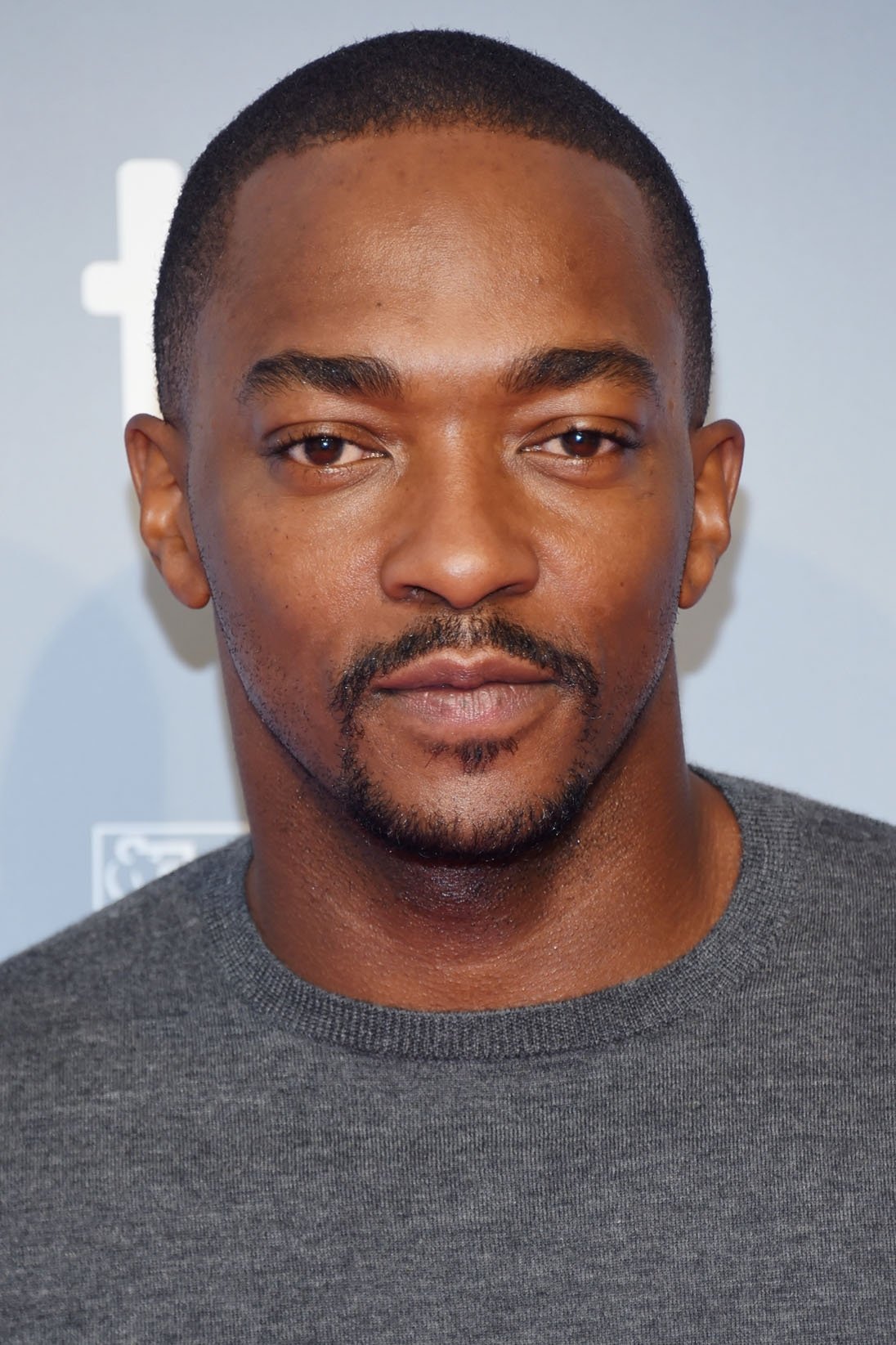
Anthony Mackie has commented on the decline of the traditional movie star due to the industry shift toward superhero franchises. He suggests that the focus on brand identity over individual talent has changed the way films are made and marketed. The actor has also shared his views on the need for more creative freedom and less reliance on established tropes. He believes that the current landscape often prioritizes safe choices over original and daring narratives. His critiques point to a desire for a return to character-driven cinema that is not bound by modern corporate agendas.
Michael Jai White
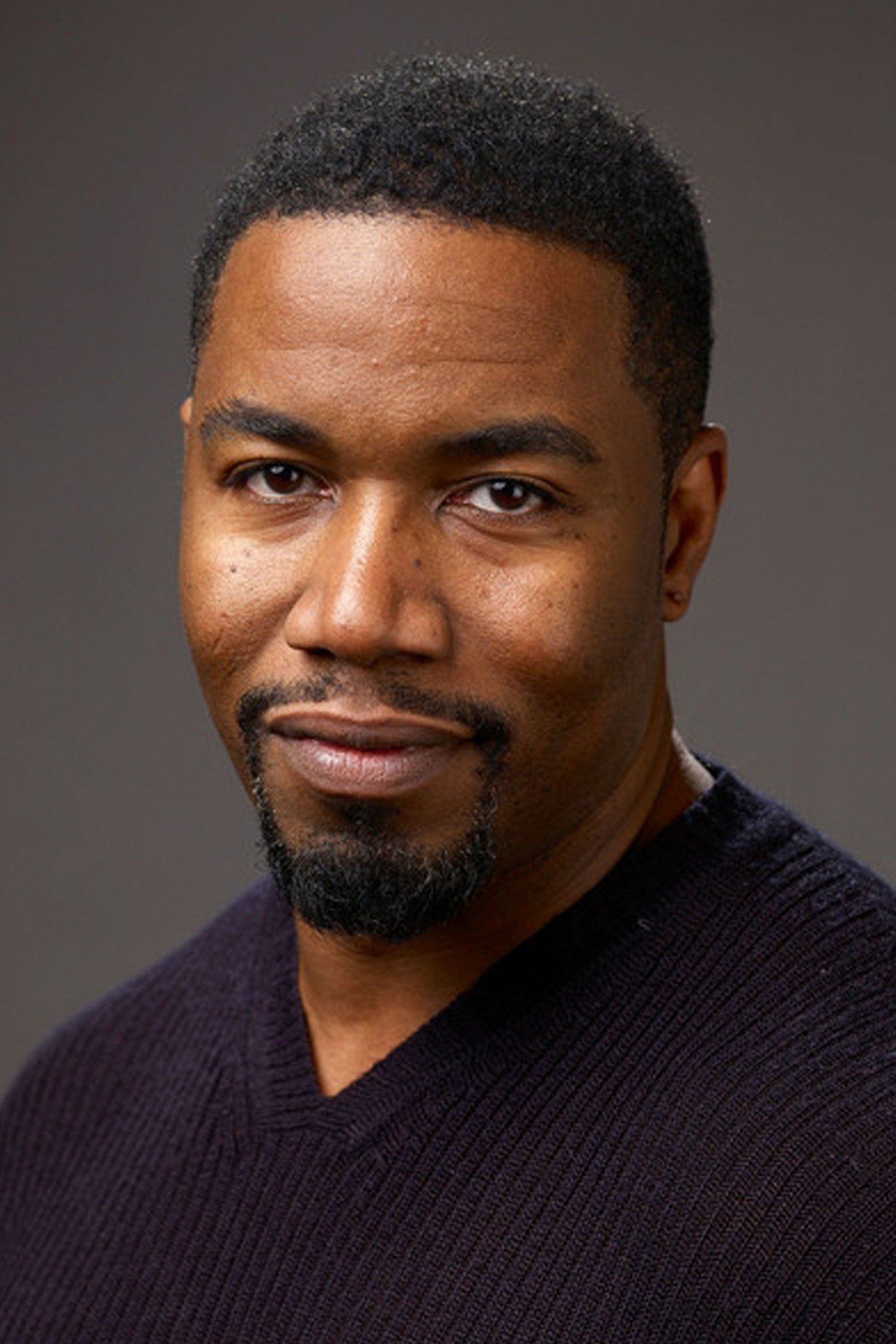
Michael Jai White has criticized the tendency of modern cinema to lean into victimhood narratives when portraying certain groups. He argues that these tropes can be damaging and do not reflect the reality of many people’s lives. The actor prefers to take on roles that showcase strength and agency rather than focusing on historical or social trauma. He has spoken about the importance of creating diverse characters who are defined by their actions and skills. His perspective encourages a more empowering and less stereotypical approach to representation in film.
Billy Dee Williams
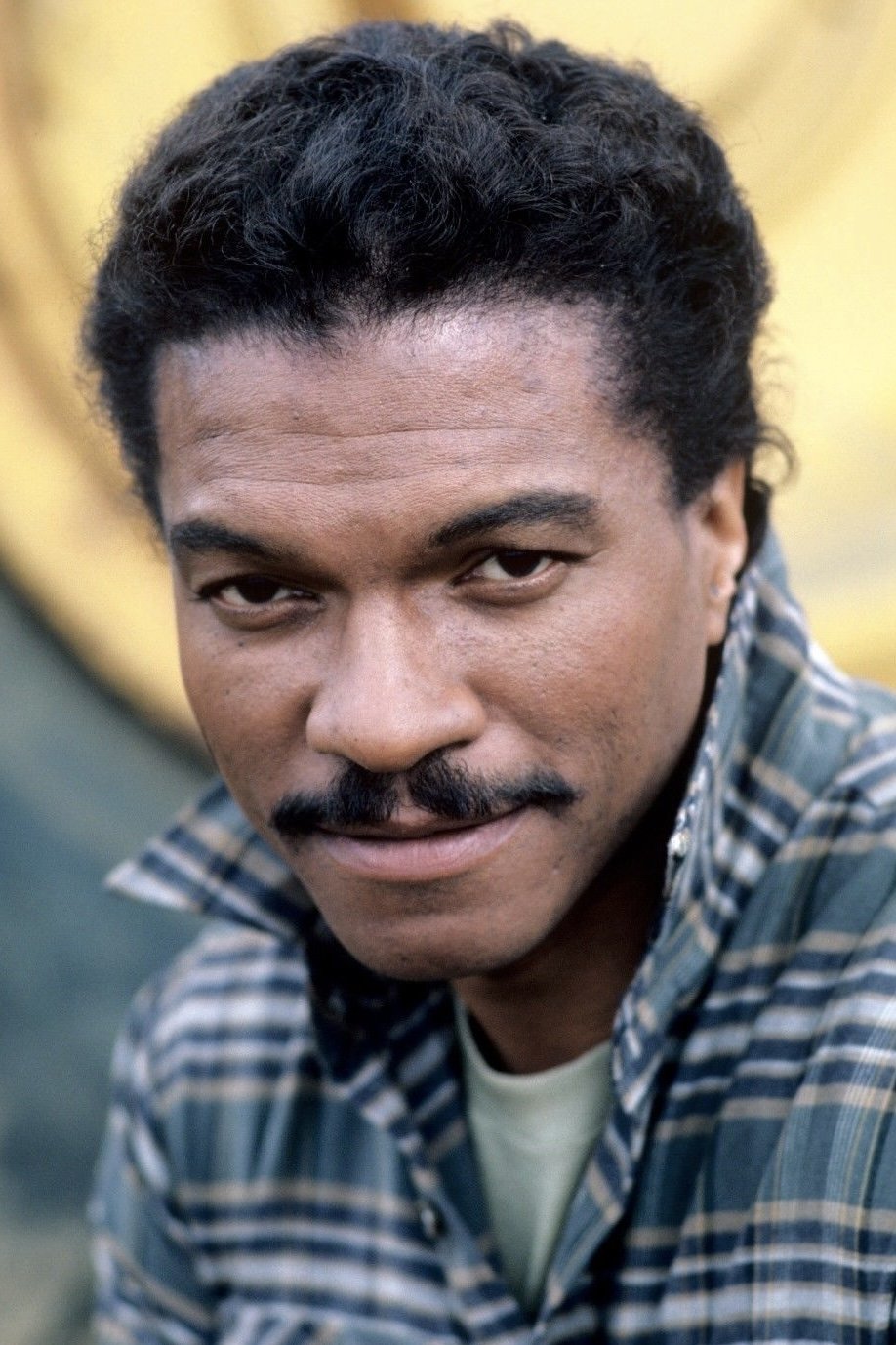
Billy Dee Williams has shared his belief that labels regarding gender and identity are often unnecessary and limiting. He famously stated that he sees himself as both feminine and masculine and does not feel the need to conform to modern terminology. The veteran actor believes that people should be allowed to be themselves without being placed into specific categories for the sake of social trends. He has expressed a preference for a more fluid and individualistic approach to identity in the public eye. His comments suggest a rejection of the rigid tropes that often define modern discourse on representation.
Isaiah Washington
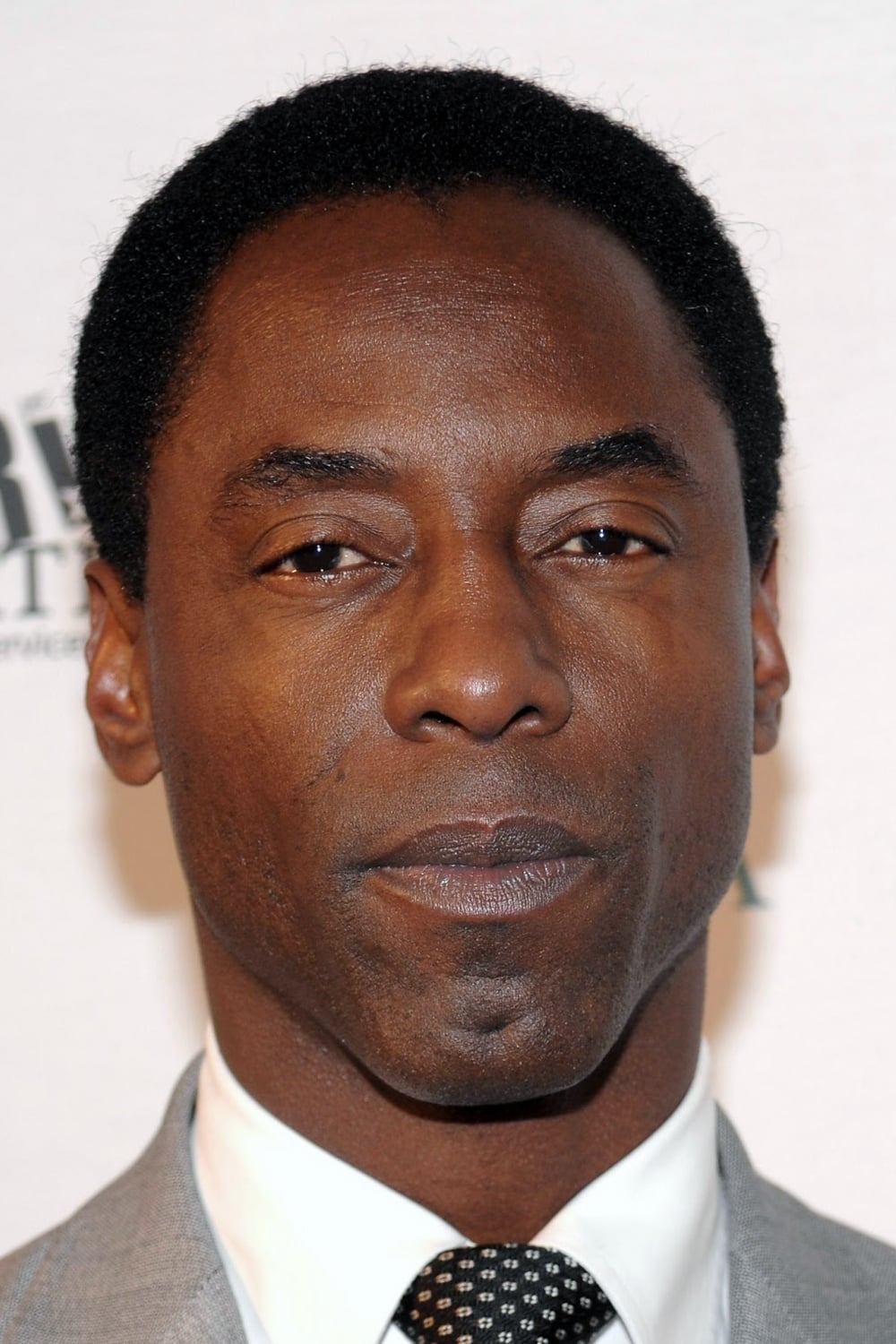
Isaiah Washington has been a vocal critic of the political and social climate within Hollywood for several years. He has spoken out against what he perceives as a restrictive environment that punishes those with dissenting opinions. The actor believes that the industry has become too focused on narrative control and social engineering at the expense of artistic integrity. He often shares his thoughts on the importance of intellectual diversity and the need for more varied perspectives in filmmaking. His stance has made him a controversial figure in a landscape that often demands conformity to specific tropes.
Dave Chappelle
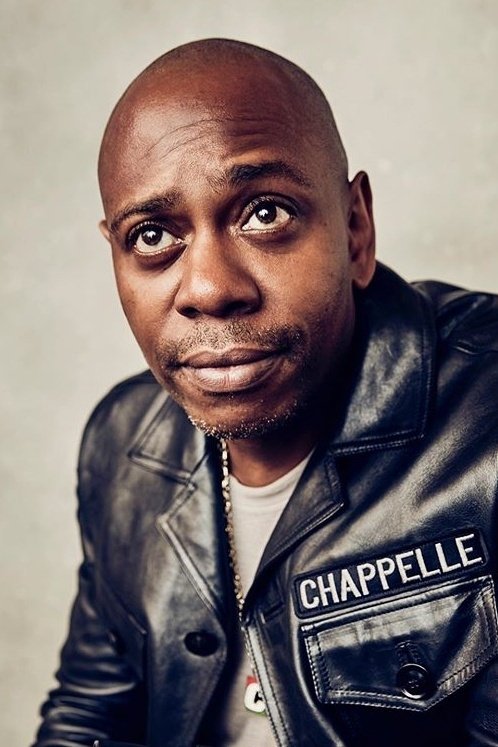
Dave Chappelle has utilized his platform to critique the modern obsession with identity politics and the limitations it places on creative expression. He has specifically targeted the way media and cinema handle sensitive topics with a perceived lack of nuance. The comedian argues that the culture of being offended has made it difficult to explore complex social issues through art. He often highlights the contradictions within modern movements that seek to promote diversity while enforcing strict ideological standards. His work and public comments continue to challenge the prevailing tropes found in modern entertainment.
Chris Rock
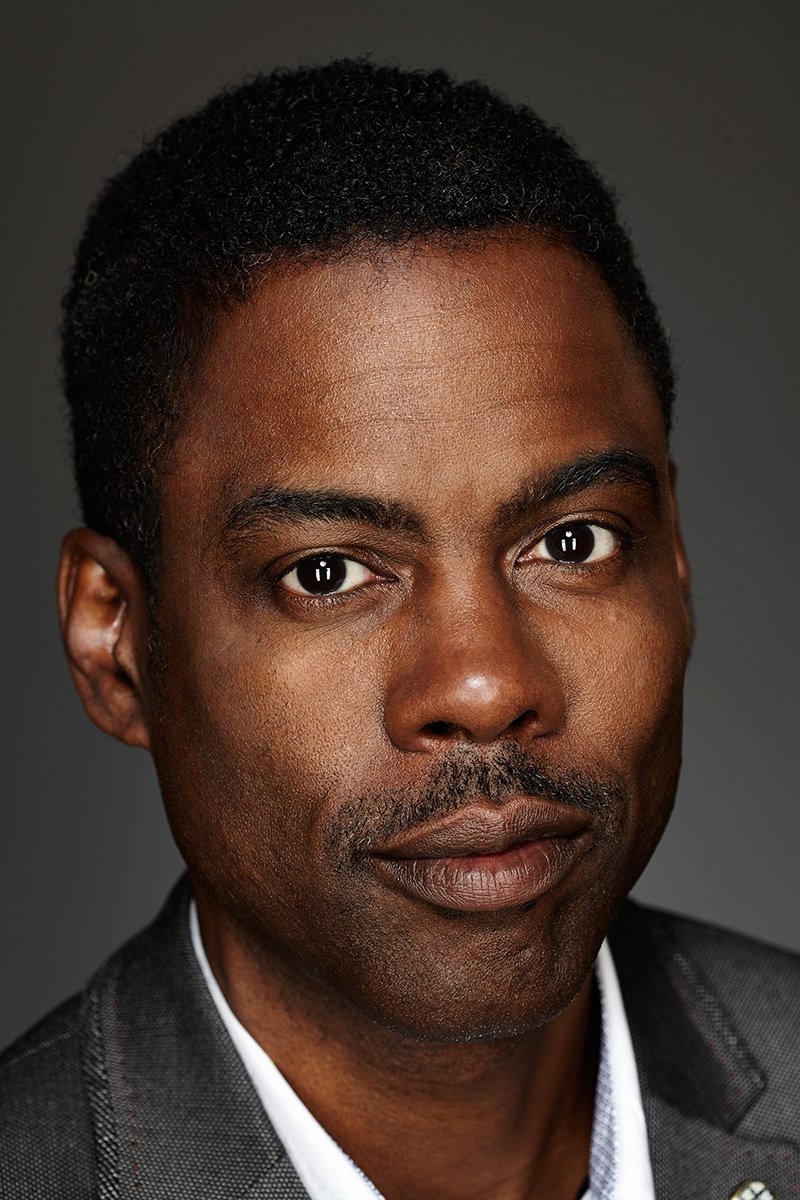
Chris Rock has frequently commented on how the current climate of political correctness has changed the landscape of entertainment and film. He believes that the fear of offending audiences has led to a sterilized version of storytelling that lacks the edge of previous eras. The actor and comedian has pointed out that modern diversity efforts can sometimes feel forced or insincere. He suggests that the industry should focus more on authentic experiences rather than adhering to a checklist of social requirements. His observations reflect a concern for the future of creative risk-taking in Hollywood.
Kevin Hart
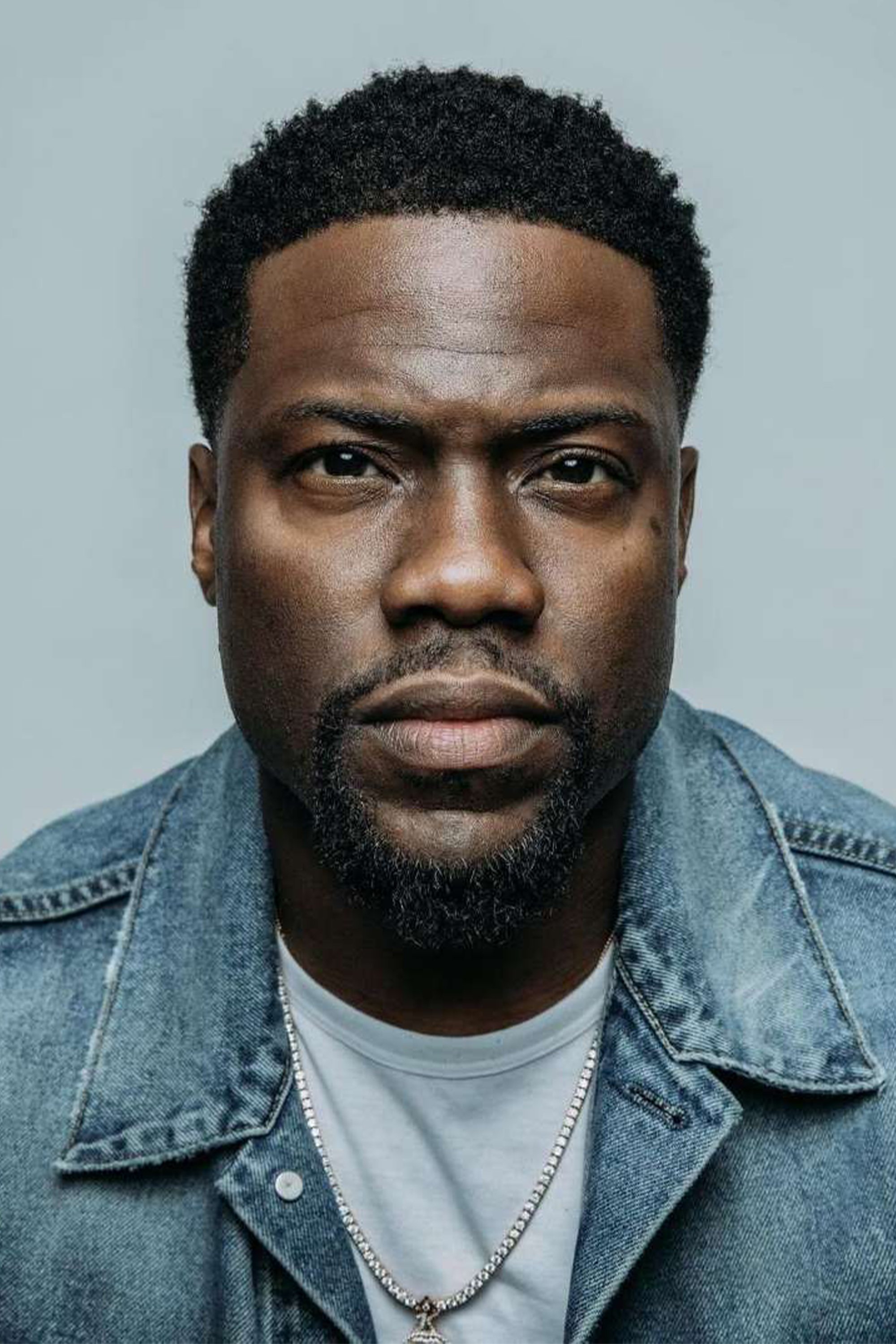
Kevin Hart has spoken about the impact of cancel culture on the entertainment industry and how it affects the roles actors choose to play. He believes that the constant scrutiny of past actions or jokes can stifle the creative process for performers today. The actor has expressed a desire for a more forgiving environment where artists can grow and evolve without being defined by singular moments. He argues that the pressure to conform to modern social tropes can limit the types of stories that get told on screen. His comments emphasize the need for a balance between accountability and artistic freedom.
Damon Wayans
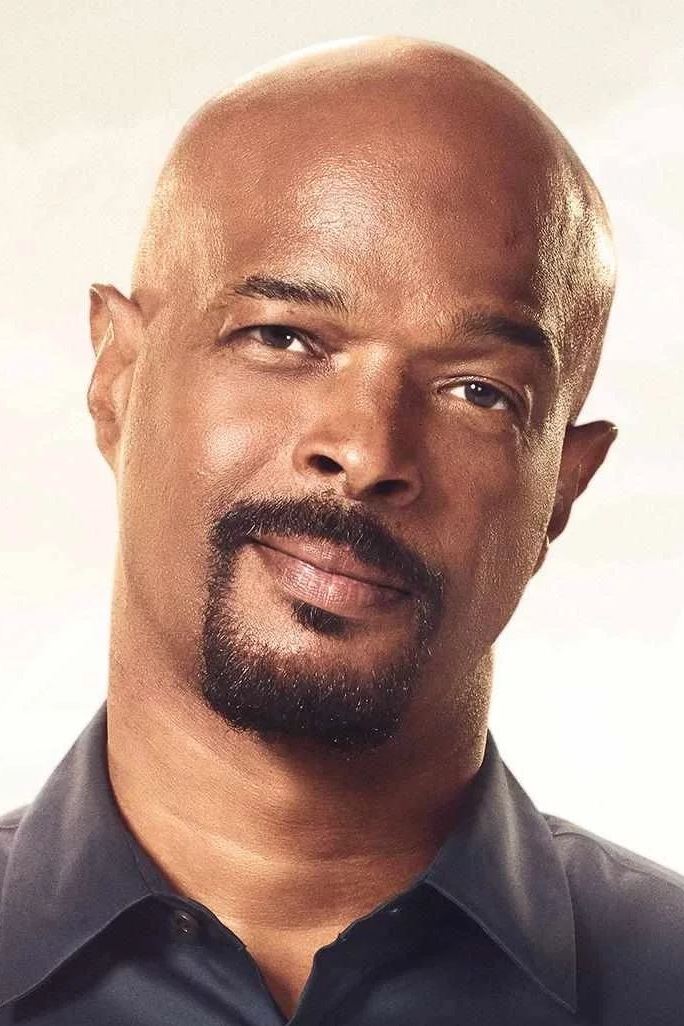
Damon Wayans has shared his concerns about the loss of humor in a world that is increasingly sensitive to every potential offense. He believes that the tropes being pushed in modern cinema often prioritize social messaging over the primary goal of entertaining an audience. The actor has noted that the current environment makes it difficult for creators to produce the kind of irreverent content that was once common. He suggests that the focus on being woke has led to a decline in the quality and variety of comedic films. His perspective is rooted in a career spent pushing boundaries and making people laugh.
Ice Cube
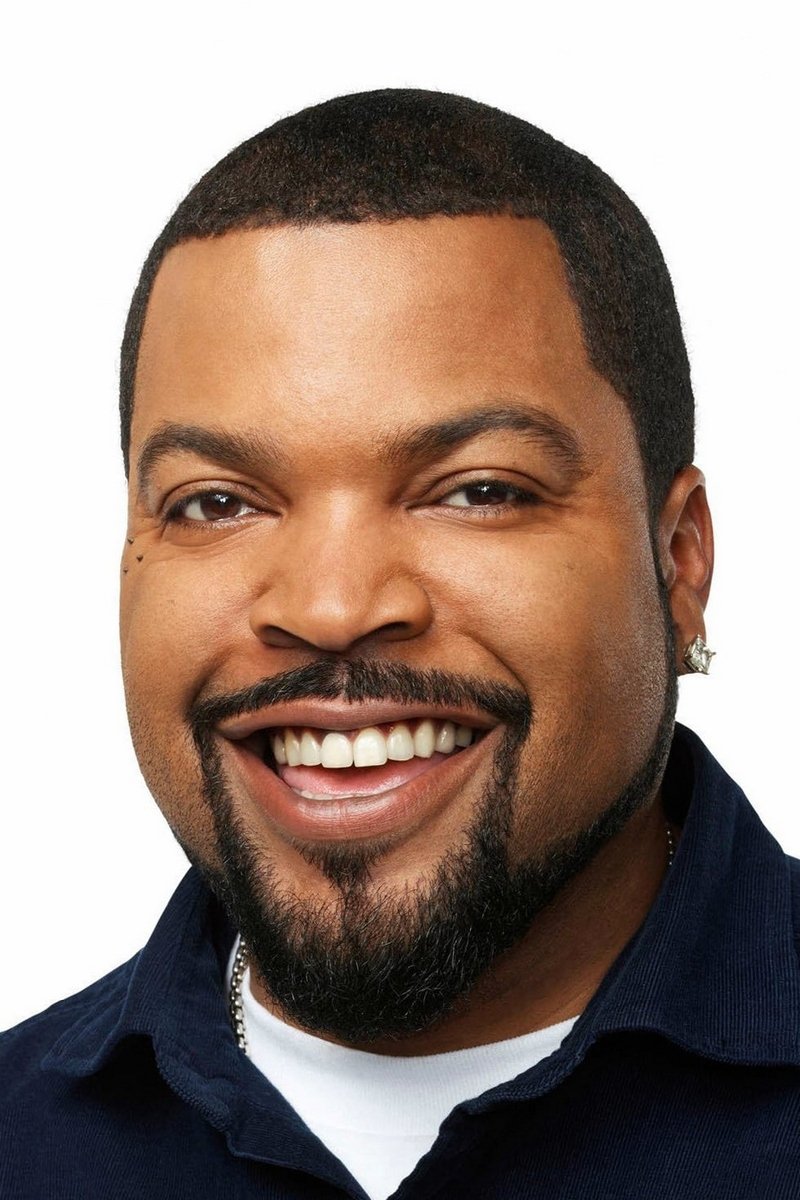
Ice Cube has been a long-time critic of the gatekeeping practices within the film industry and how they affect the stories that are allowed to be told. He has spoken out against the way studios handle diversity by often relegating minority creators to specific types of projects. The actor and rapper believes that the industry needs to move beyond performative tropes and provide real opportunities for independent voices. He argues that true progress comes from ownership and the ability to control one’s own narrative without interference from corporate agendas. His stance highlights the ongoing struggle for creative autonomy in a rapidly changing market.
50 Cent
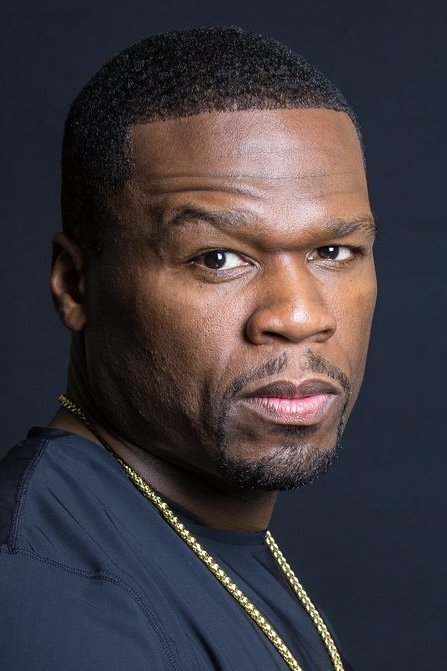
50 Cent has often used his social media presence to mock what he views as the forced inclusion and woke tropes present in modern television and film. He believes that many of these initiatives are more about public relations than actual quality storytelling. The actor and producer has been vocal about his preference for gritty and realistic narratives that do not shy away from uncomfortable truths. He argues that the industry should focus on creating compelling content that resonates with audiences rather than following social trends. His blunt assessments frequently challenge the status quo of modern entertainment.
Katt Williams
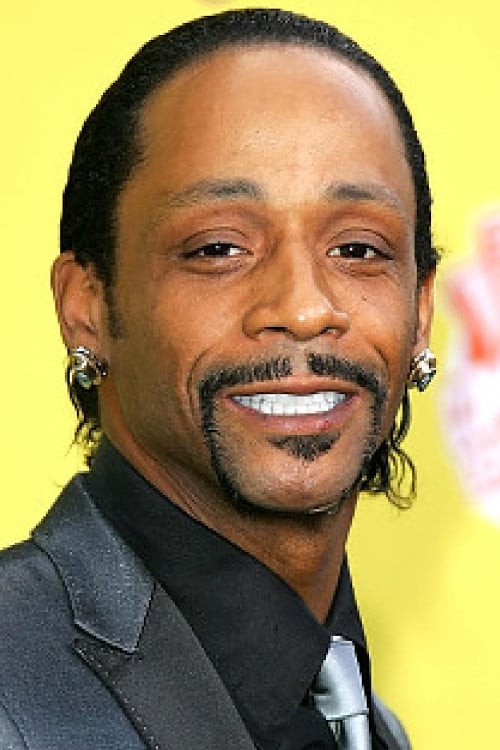
Katt Williams has spoken extensively about the internal politics of Hollywood and how they shape the narratives that audiences consume. He has criticized the way certain tropes are used to manipulate public perception and limit the range of Black performers. The comedian and actor believes that there is a push for conformity within the industry that can stifle original thought. He argues that many modern diversity efforts are superficial and do not address the underlying issues of creative control. His comments often target the systemic structures that maintain specific tropes in mainstream media.
Samuel L. Jackson
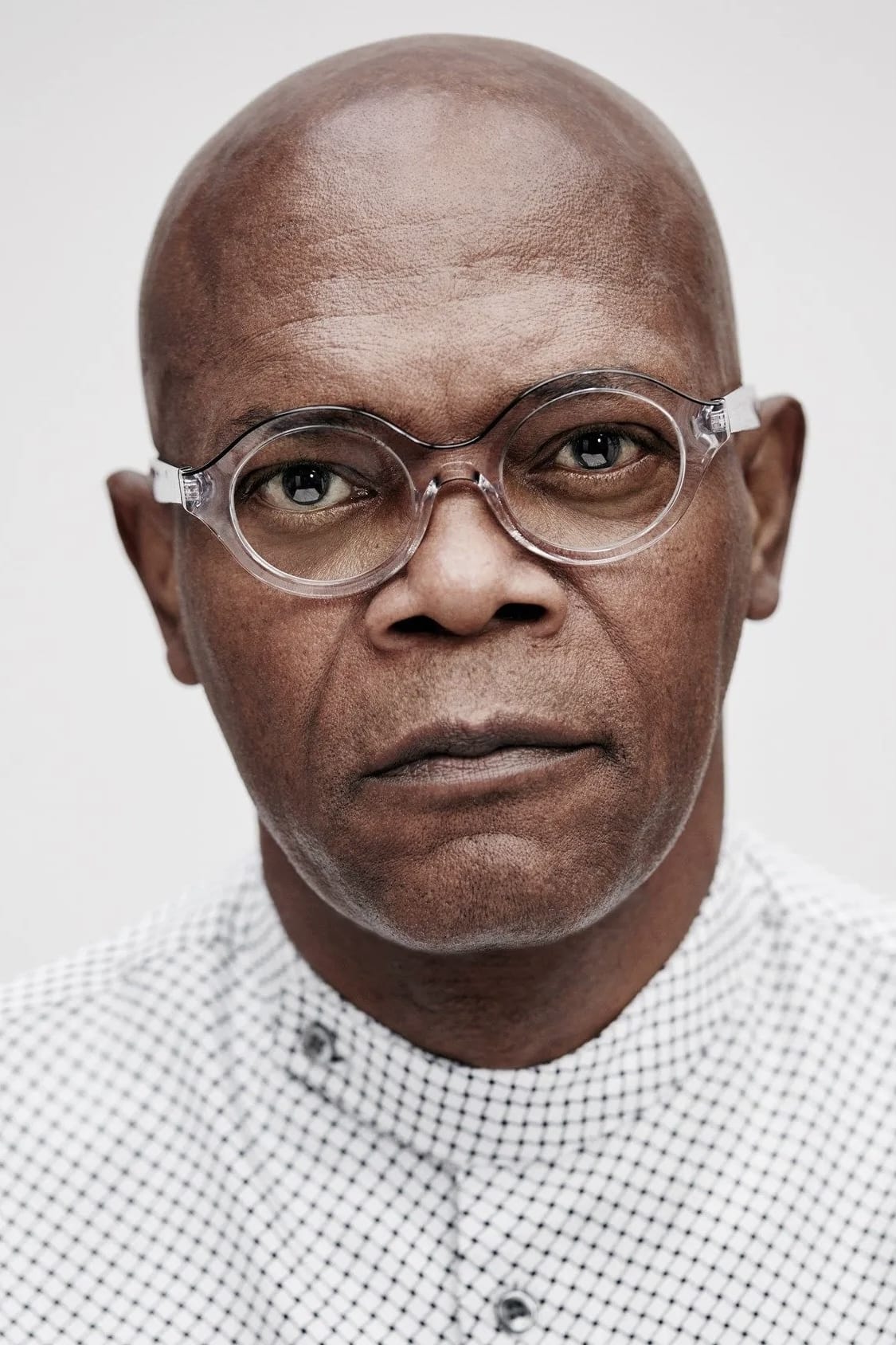
Samuel L. Jackson famously questioned the casting of British Black actors in American roles that deal with specific cultural and historical traumas. He suggested that an American performer might bring a different level of lived experience to stories like ‘Get Out’ or films about the civil rights movement. While his comments were about the nuances of casting, they also touched on the trope of universalizing the Black experience for the sake of international markets. The actor believes that the industry should be mindful of the specific cultural contexts of the stories being told. His perspective highlights the tension between global industry trends and local authenticity.
Giancarlo Esposito
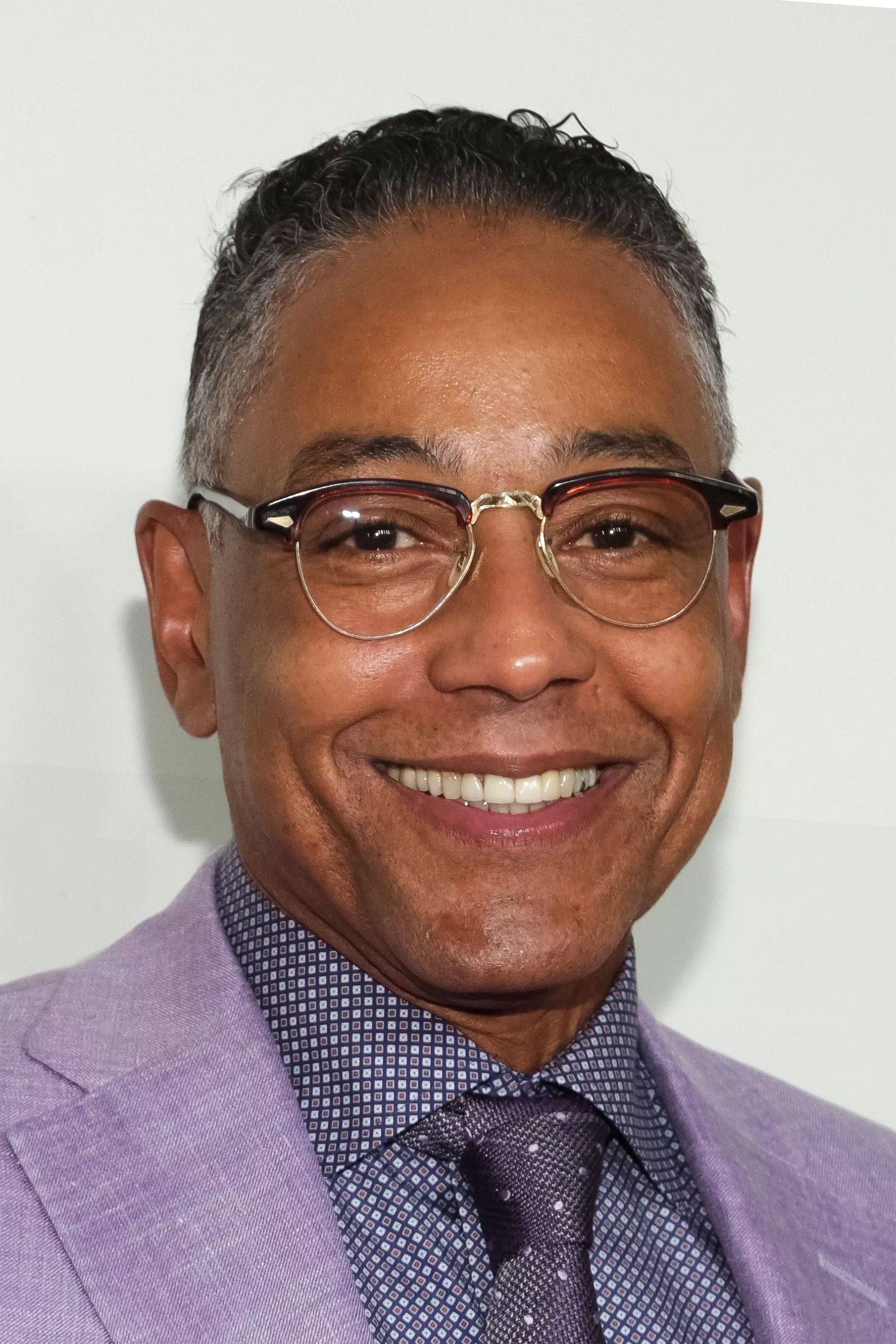
Giancarlo Esposito has expressed a preference for colorblind casting where the race of the character is not the defining characteristic of the role. He believes that the focus should be on the humanity and complexity of the person he is portraying rather than their ethnic background. The actor has mentioned that being cast in roles that were not originally written for a Black man has allowed him to showcase a wider range of talent. He suggests that modern tropes that constantly emphasize identity can sometimes be a distraction from the craft of acting. His approach advocates for a more universal understanding of characters in film and television.
David Oyelowo
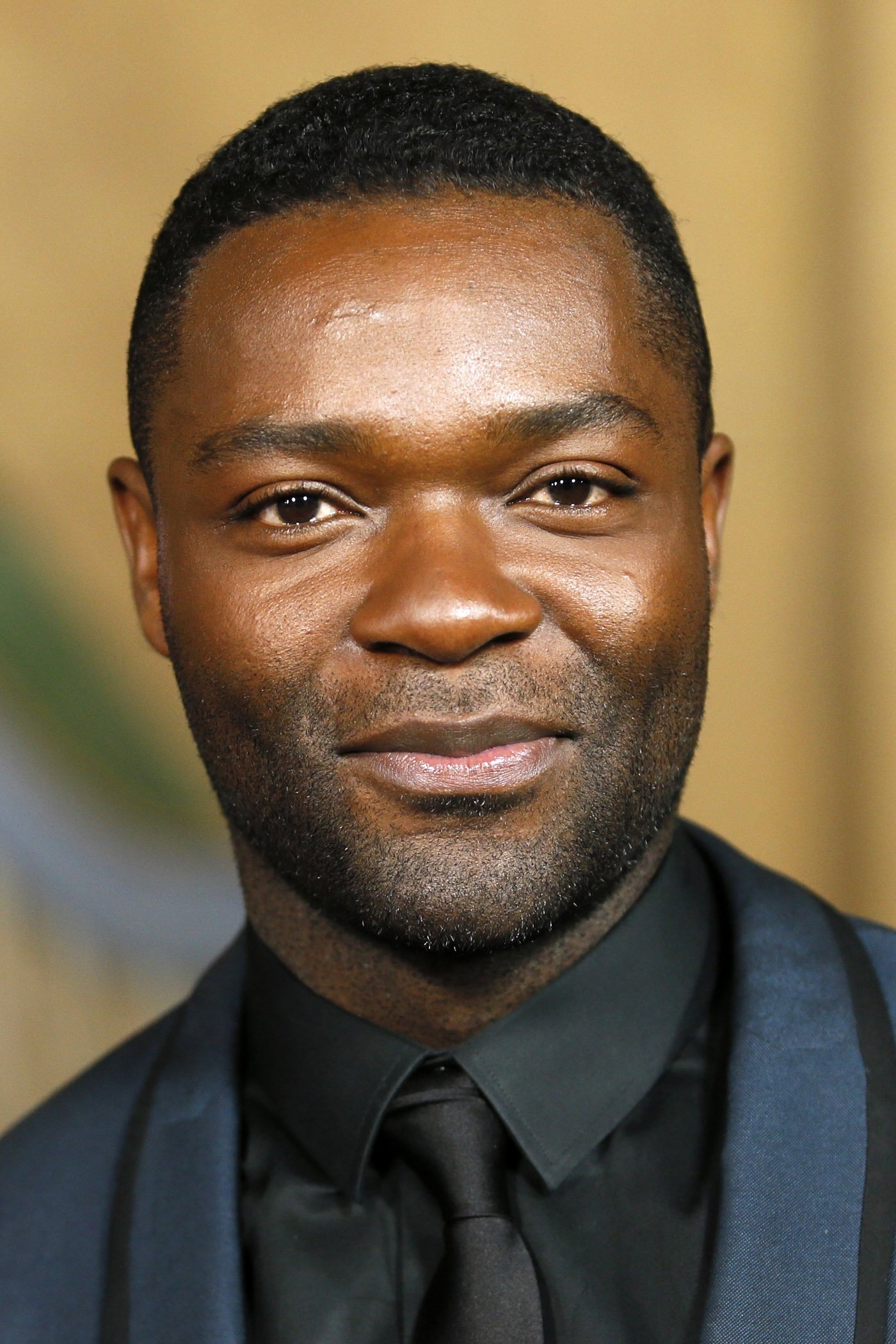
David Oyelowo has critiqued the British film industry for its historical lack of diverse roles which forced him to move to the United States. He has spoken about the trope of casting Black actors primarily in roles related to slavery or servitude in period dramas. The actor believes that the industry needs to broaden its horizons and allow for a more varied representation of history and modern life. He argues that the reliance on certain tropes can limit the potential for new and exciting stories to reach the screen. His success abroad has allowed him to advocate for better standards in his home country.
Sterling K. Brown
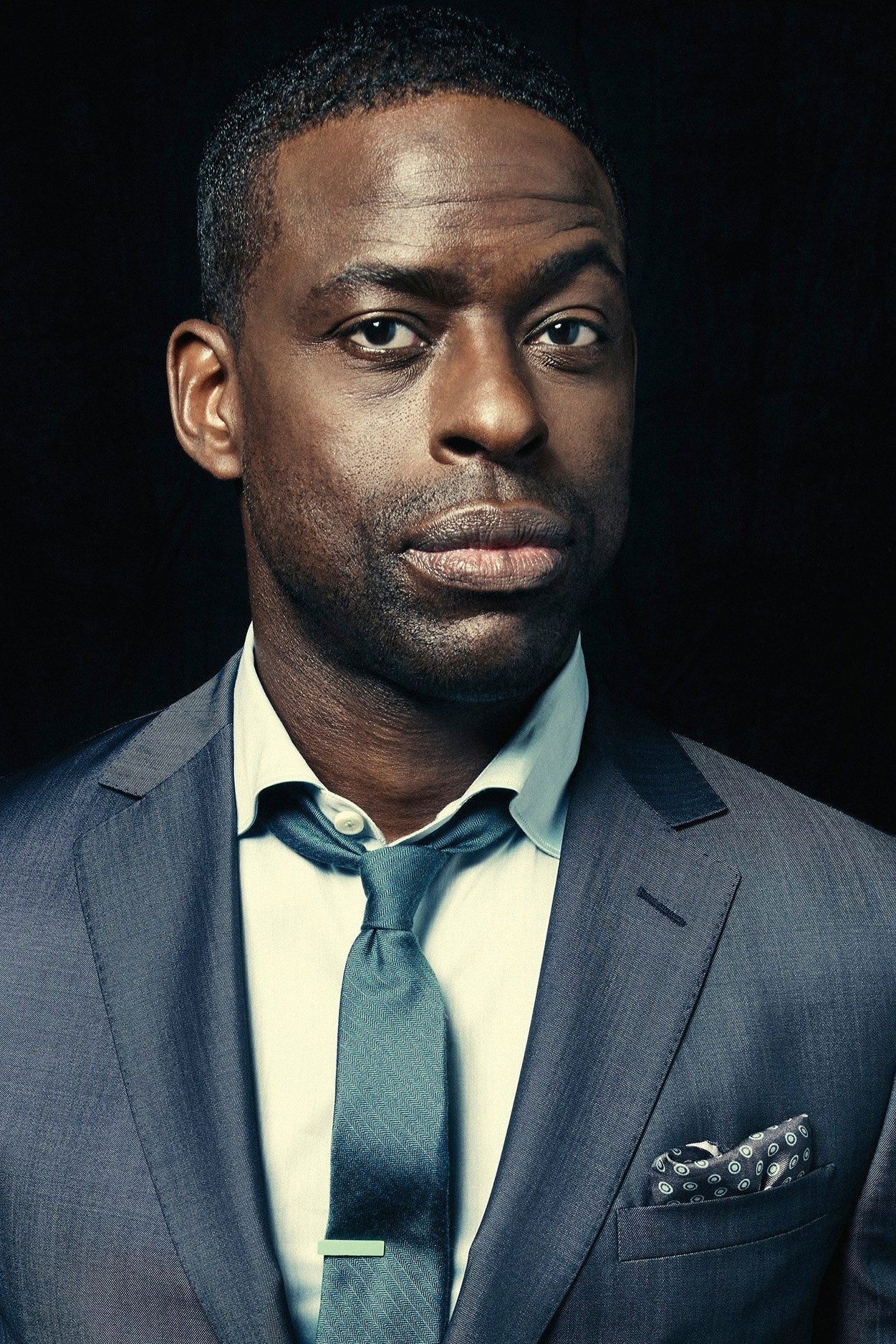
Sterling K. Brown has discussed the pressure of being a representative for his community and how it impacts the roles he chooses to play. He has voiced a desire to move beyond the expectations and tropes that are often placed on Black leading men in Hollywood. The actor believes that characters should be allowed to be flawed and complicated without being seen as a reflection of an entire race. He has spoken about the importance of finding roles that offer a sense of individuality and nuance. His comments reflect a growing movement among actors to reclaim their agency from narrow industry narratives.
Michael B. Jordan
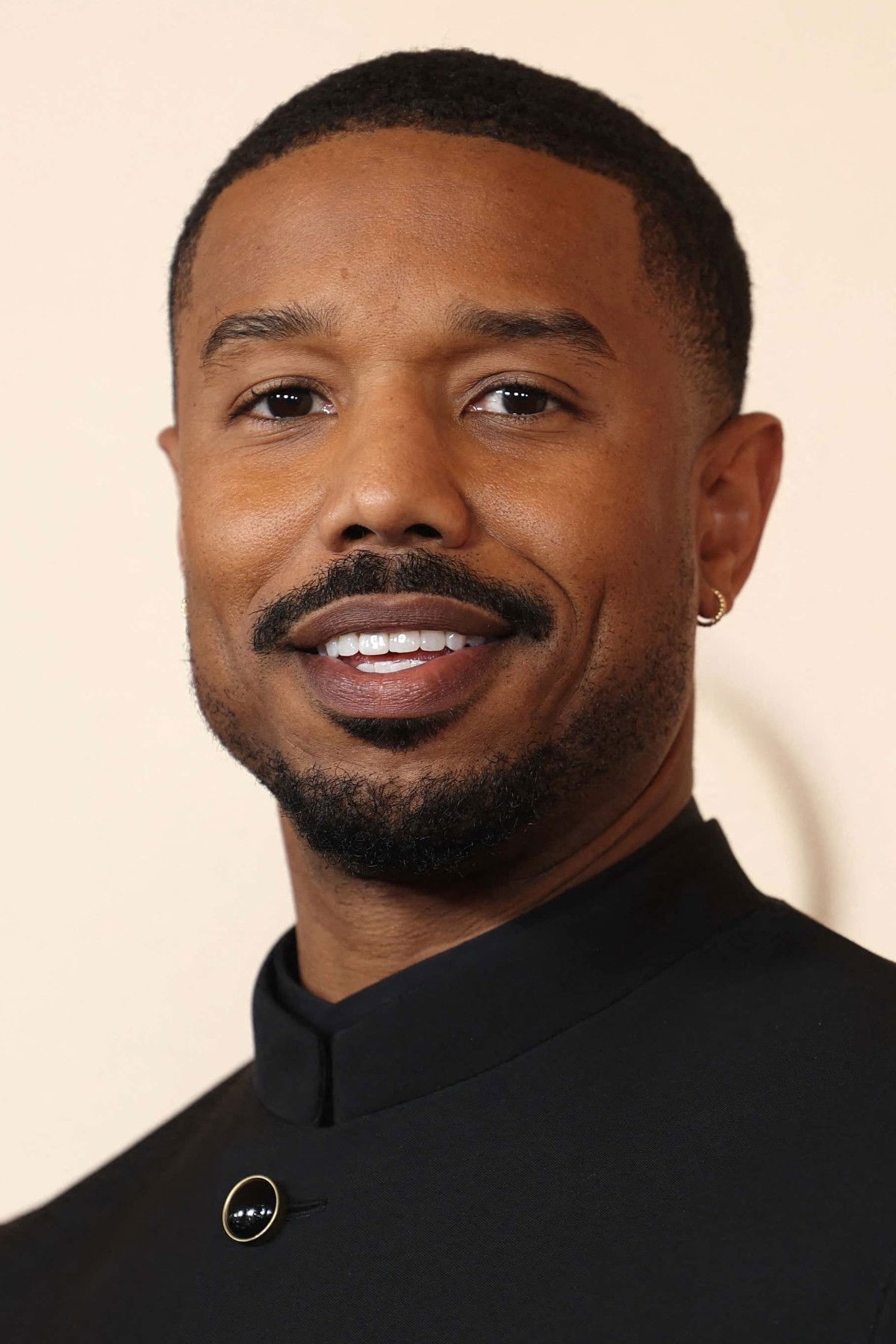
Michael B. Jordan has been proactive in changing industry standards by adopting inclusion riders for his production company projects. However, he has also spoken about the need for stories where race is not the primary focus or a constant source of conflict. The actor believes that the goal should be to reach a point where diverse casting is normalized and does not require a special narrative explanation. He has expressed interest in playing roles that were traditionally written for white actors to challenge established tropes. His work focuses on creating a new standard where representation is integrated into the core of the storytelling process.
Lakeith Stanfield
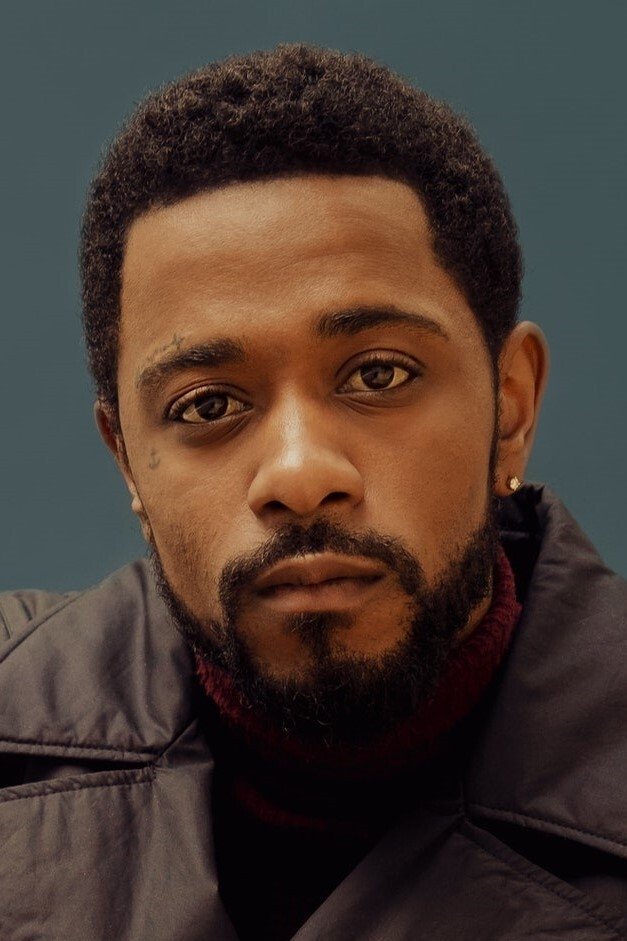
Lakeith Stanfield has been a vocal critic of the tropes associated with Black trauma that have become prevalent in modern cinema. He has expressed a desire for more imaginative and surreal storytelling that allows for a different kind of creative expression. The actor has noted that the industry often rewards films that focus on the suffering of marginalized groups which can become exhausting for both performers and audiences. He believes that there is a vast range of human experiences that are still waiting to be explored on screen. His career choices often reflect a rejection of the safe and predictable tropes found in mainstream Hollywood.
Daniel Kaluuya
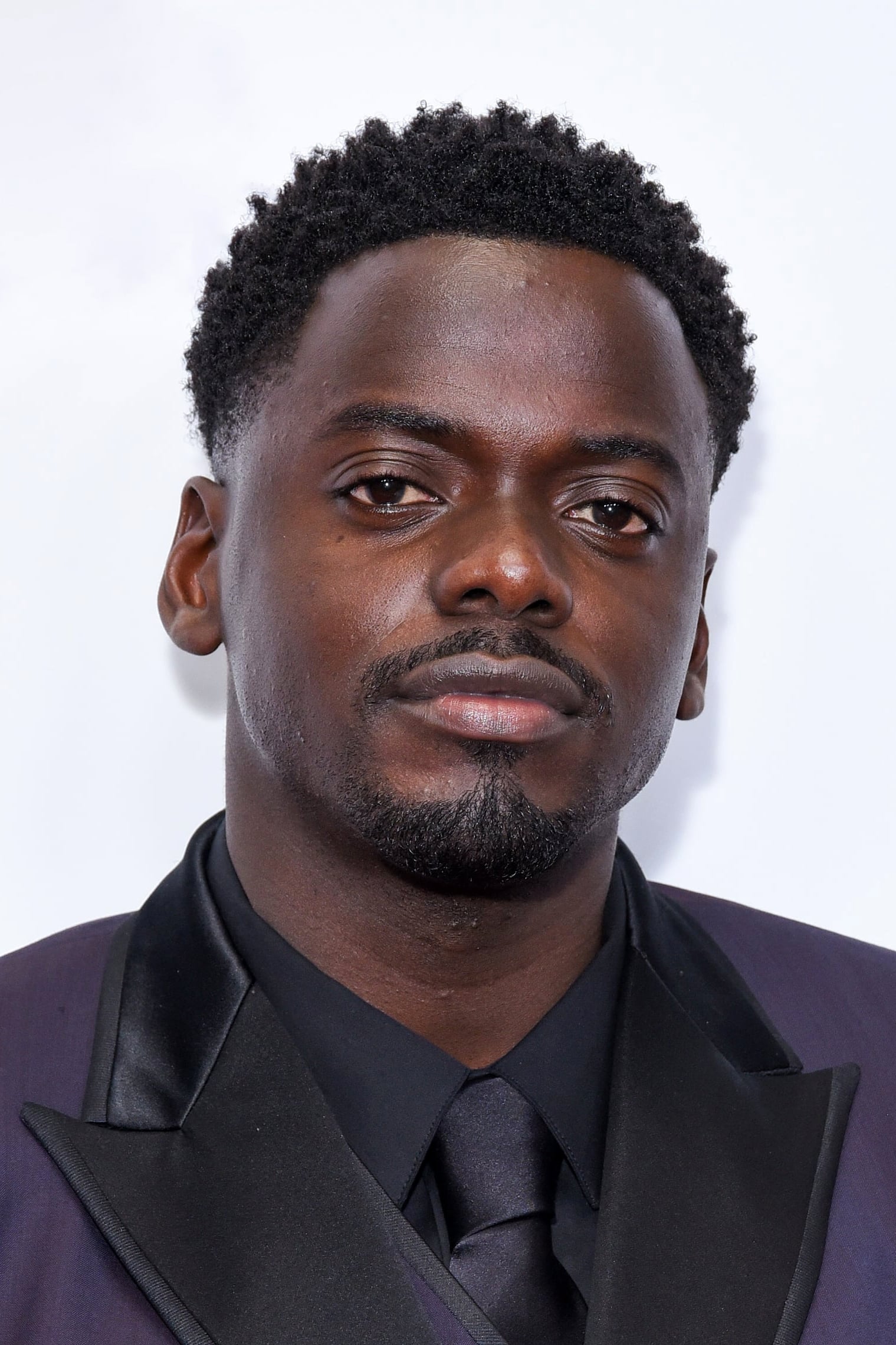
Daniel Kaluuya has spoken out about being tired of the constant focus on race in his interviews and the roles he is offered. He has expressed that while these discussions are important they can also be reductive and ignore his skill as an artist. The actor believes that he should be able to inhabit any role without it being framed through the lens of modern social tropes. He has advocated for the importance of joy and variety in the stories told about Black people. His perspective challenges the industry to see performers as more than just symbols of a particular movement.
Mahershala Ali
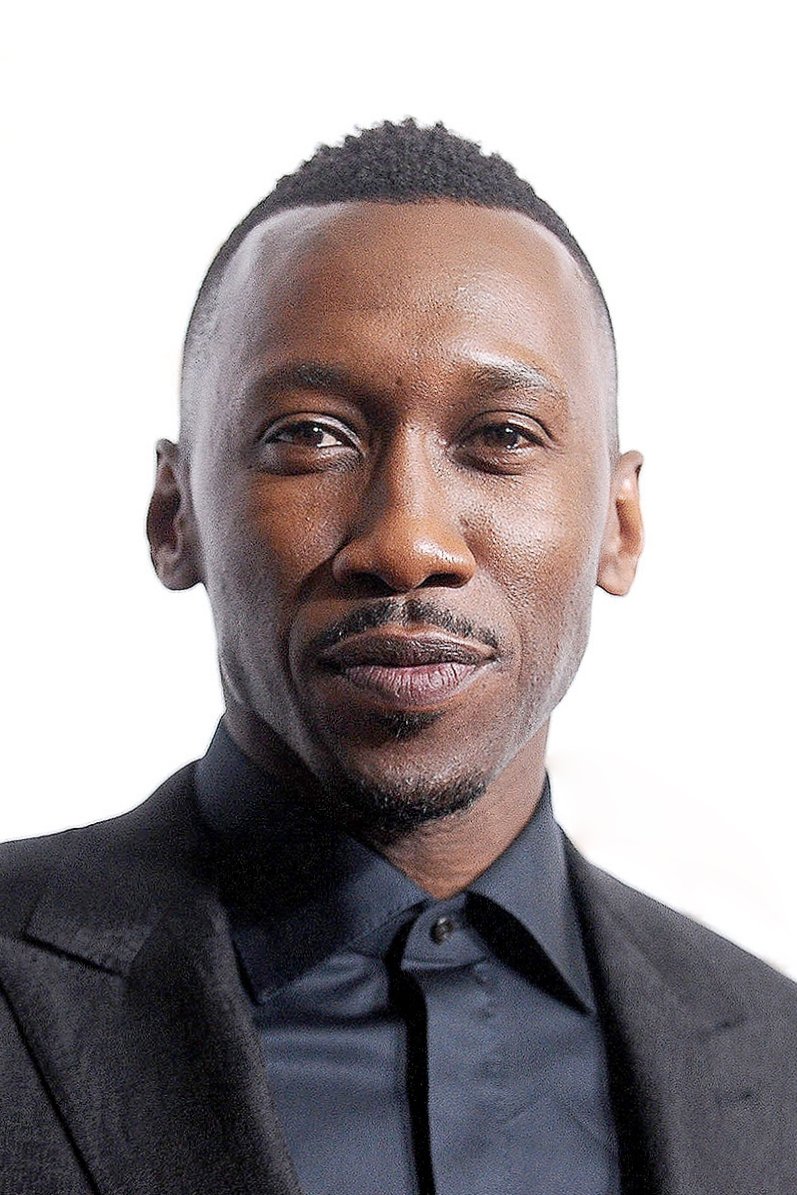
Mahershala Ali has emphasized the importance of script quality and character depth over the mere presence of diversity. He believes that a role must be meaningful and well-written to truly serve the actor and the audience. The performer has often avoided roles that rely on stereotypical tropes or serve as a checklist for modern social agendas. He argues that the best way to achieve real representation is through the creation of complex and fully realized human beings. His approach to role selection prioritizes artistic excellence and the integrity of the narrative.
Jeffrey Wright
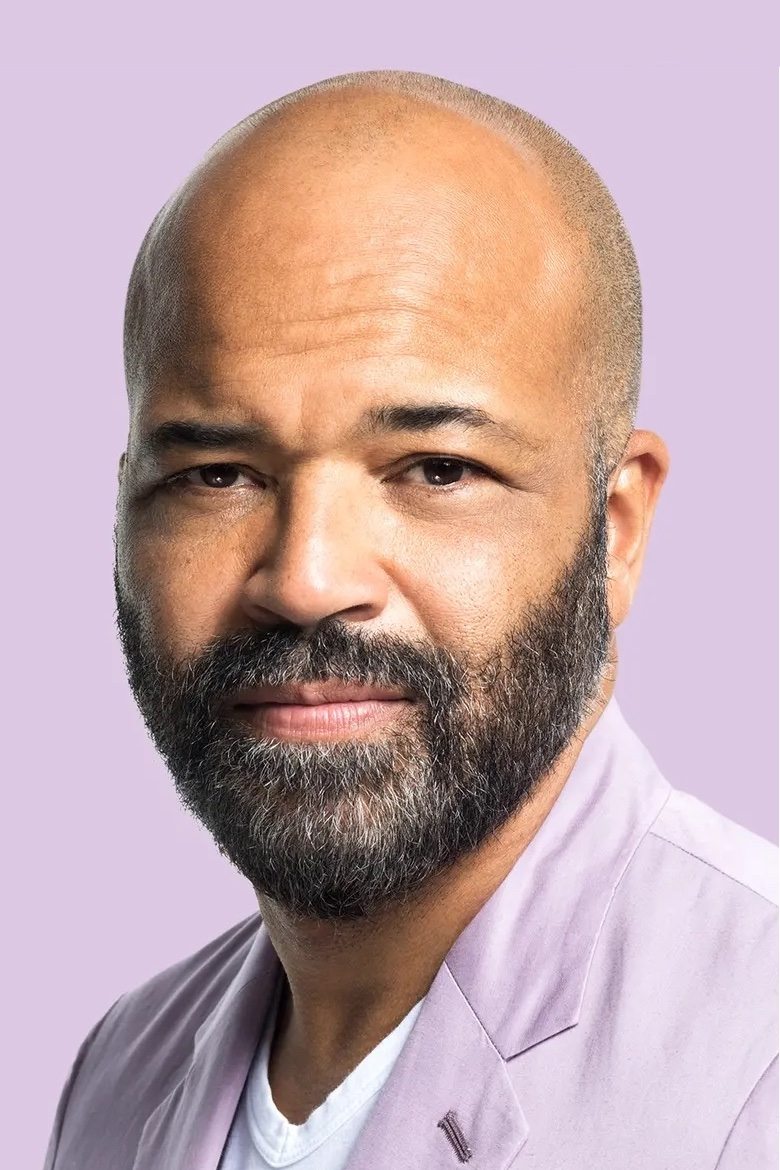
Jeffrey Wright has shared his thoughts on the complexities of identity and how they are often simplified in modern cinematic tropes. He believes that the industry sometimes settles for easy answers rather than exploring the true depth of the human experience. The actor has spoken about the need for a more sophisticated approach to representation that avoids the pitfalls of tokenism. He suggests that true diversity involves a variety of thought and perspective rather than just visual representation. His career has been defined by a commitment to playing intricate and multifaceted characters.
Delroy Lindo
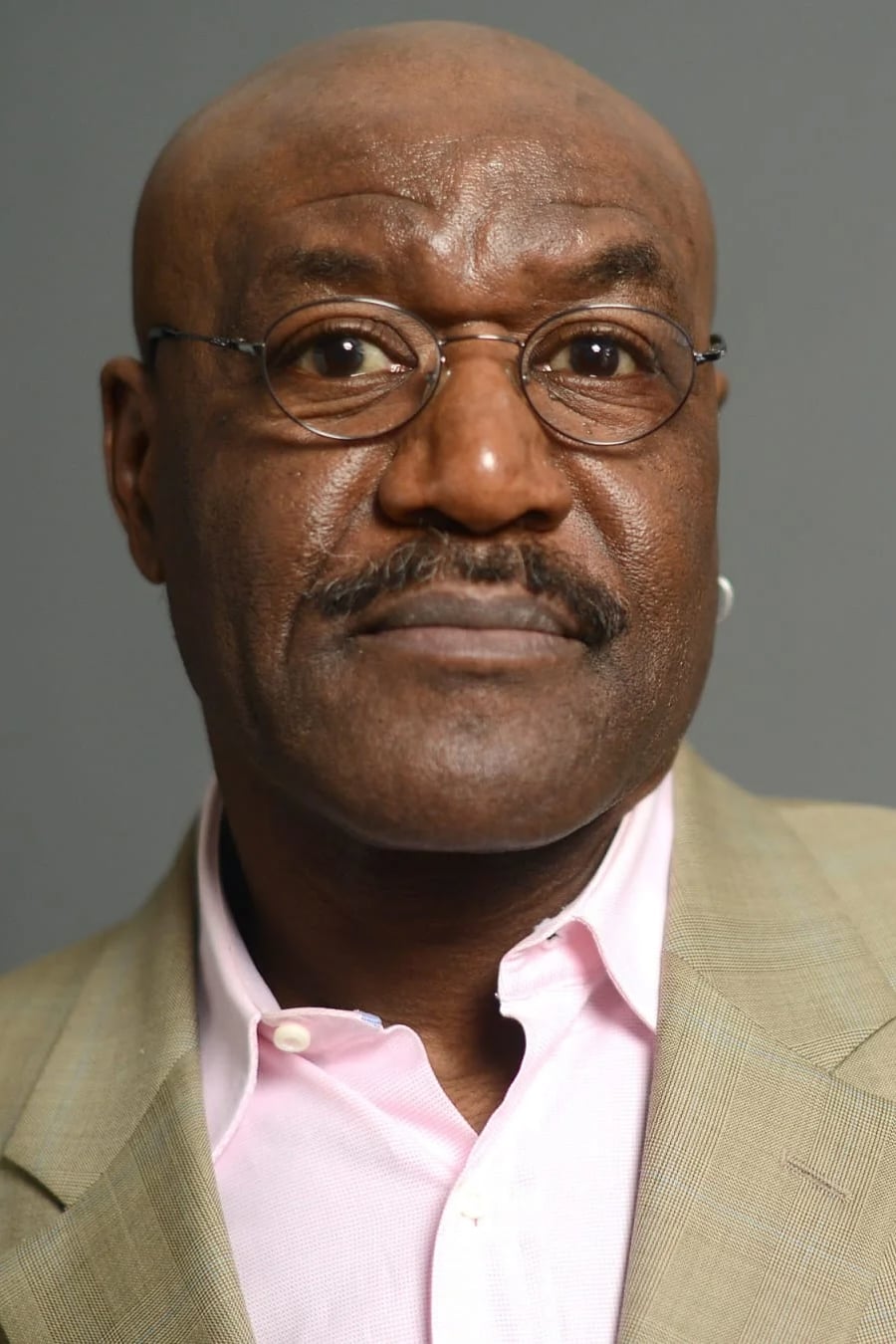
Delroy Lindo has commented on the importance of historical accuracy and the need to avoid modern tropes that can distort the past. He believes that filmmakers have a responsibility to tell stories with integrity rather than conforming to current social trends. The actor has spoken about his experiences working with directors who prioritize authentic narratives over performative messaging. He argues that the industry should be more concerned with the truth of the human condition than with adhering to a specific ideological agenda. His long career has given him a unique perspective on the changing standards of Hollywood storytelling.
Ernie Hudson
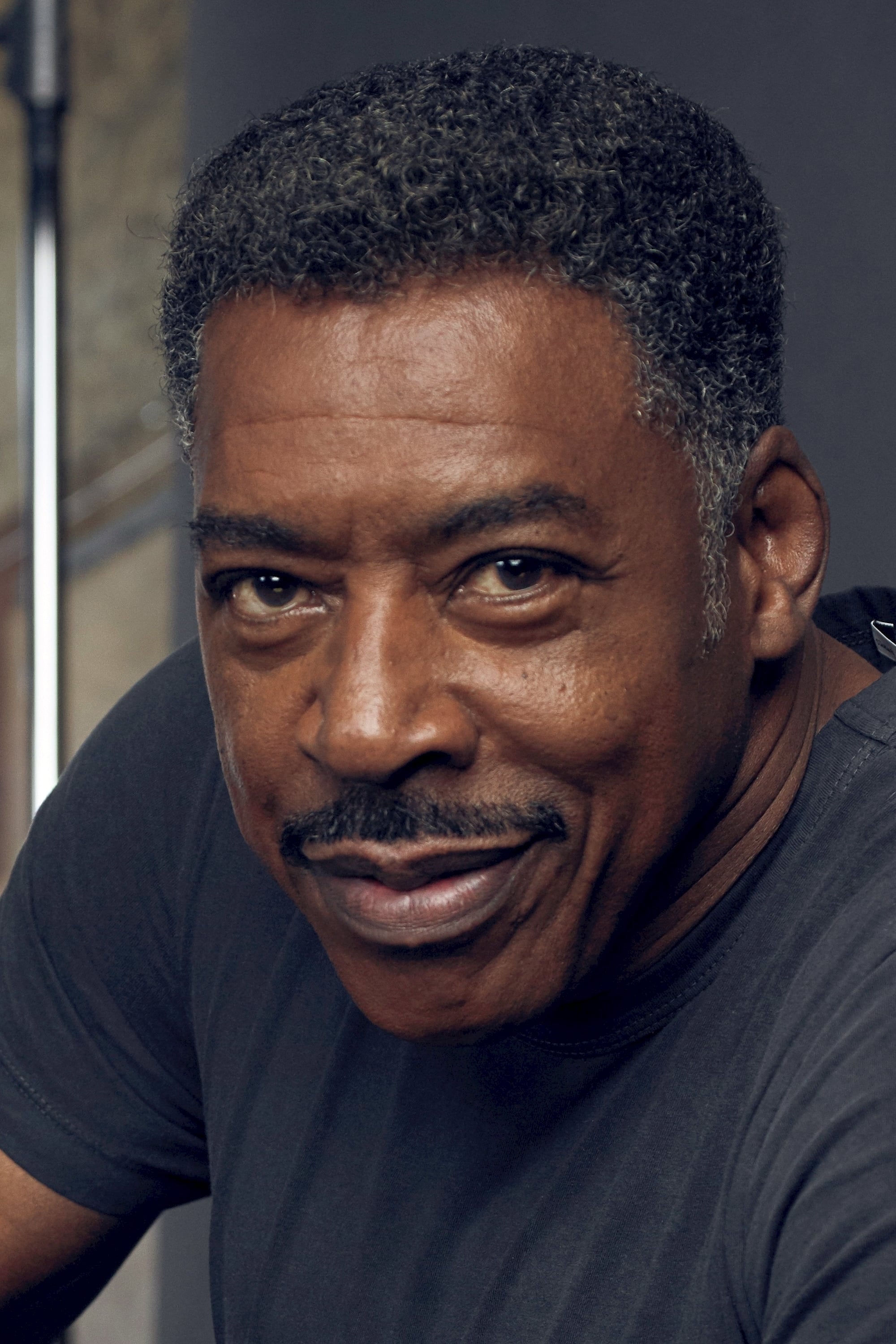
Ernie Hudson has shared his experiences regarding the casting and marketing of the original ‘Ghostbusters’ and how his role was significantly reduced. He has spoken about the challenges of being a Black actor in a system that often treats diverse performers as secondary thoughts. The actor has expressed skepticism toward modern diversity initiatives that feel like a reaction to social pressure rather than a genuine change in heart. He believes that the focus should be on creating a level playing field where talent can flourish without being held back by tropes. His insights reflect decades of navigating the complexities of the entertainment industry.
Bill Bellamy
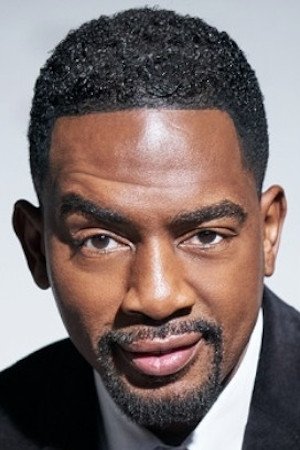
Bill Bellamy has voiced his concerns about how the current social climate has changed the way comedy is produced and consumed. He believes that the fear of being offensive has led to a lack of creativity and edge in modern films. The actor and comedian suggests that the industry is leaning too heavily into safe tropes that do not challenge the audience. He argues that humor is a vital tool for social commentary and should not be restricted by modern sensitivities. His comments highlight a desire for a return to the bold and unapologetic style of comedy that defined his early career.
Mike Epps
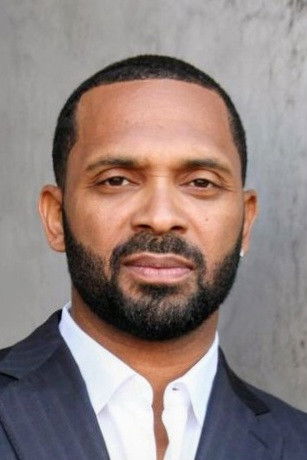
Mike Epps has often commented on the restrictive nature of modern Hollywood when it comes to comedy and storytelling. He believes that the push for woke narratives has made it difficult for actors to be truly authentic on screen. The performer has expressed a preference for the raw and unfiltered humor that he grew up with. He argues that the industry should focus more on what is funny rather than what is socially acceptable according to current tropes. His blunt style often provides a counterpoint to the more polished and careful messaging found in mainstream media.
Cedric the Entertainer
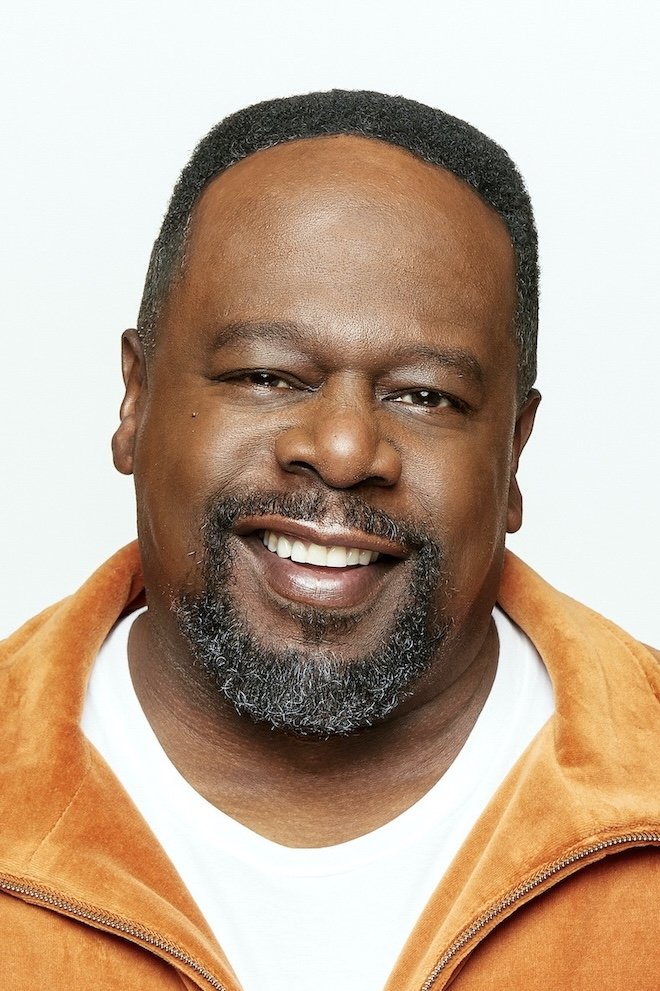
Cedric the Entertainer has discussed the impact of social media and modern tropes on the world of entertainment and cinema. He believes that the constant need for approval and the fear of backlash can hinder the creative process for performers. The actor and comedian has suggested that the industry needs to find a balance between being respectful and being creative. He argues that the best comedy comes from a place of truth even if it is uncomfortable for some people. His perspective emphasizes the importance of maintaining the integrity of the craft in a rapidly changing cultural landscape.
Steve Harvey
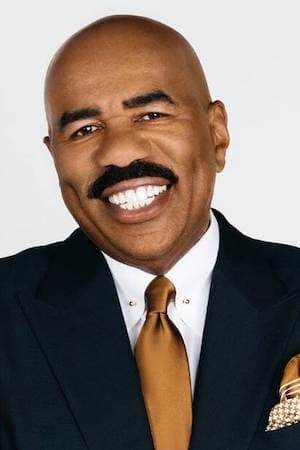
Steve Harvey has been a vocal critic of cancel culture and its effect on the ability of performers to take risks in their work. He believes that the modern environment has created a climate of fear that is detrimental to the arts. The actor and host has suggested that the focus on being woke has led to a decline in the quality of storytelling and humor. He argues that people should be allowed to make mistakes and learn from them without being permanently cast out of the industry. His comments reflect a concern for the long-term health of the entertainment world.
Tyrese Gibson
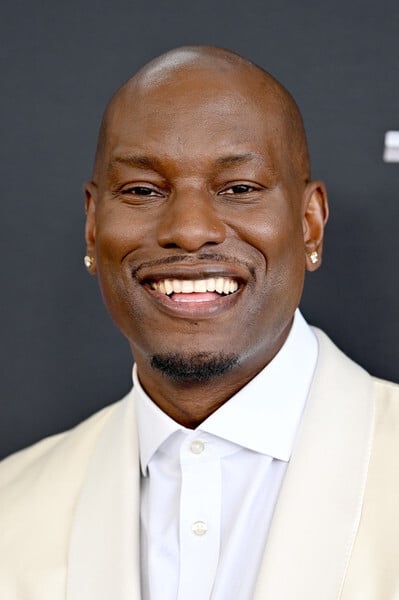
Tyrese Gibson has used his platform to speak out against what he perceives as a lack of genuine opportunity for Black creators in Hollywood. He has criticized the way studios often use diversity as a marketing tool while maintaining the same gatekeeping practices behind the scenes. The actor and singer believes that the industry needs to move beyond performative tropes and provide real resources for independent projects. He has been vocal about his frustrations with the slow pace of change and the superficial nature of many modern initiatives. His activism highlights the need for systemic change rather than just visual representation.
Terrence Howard
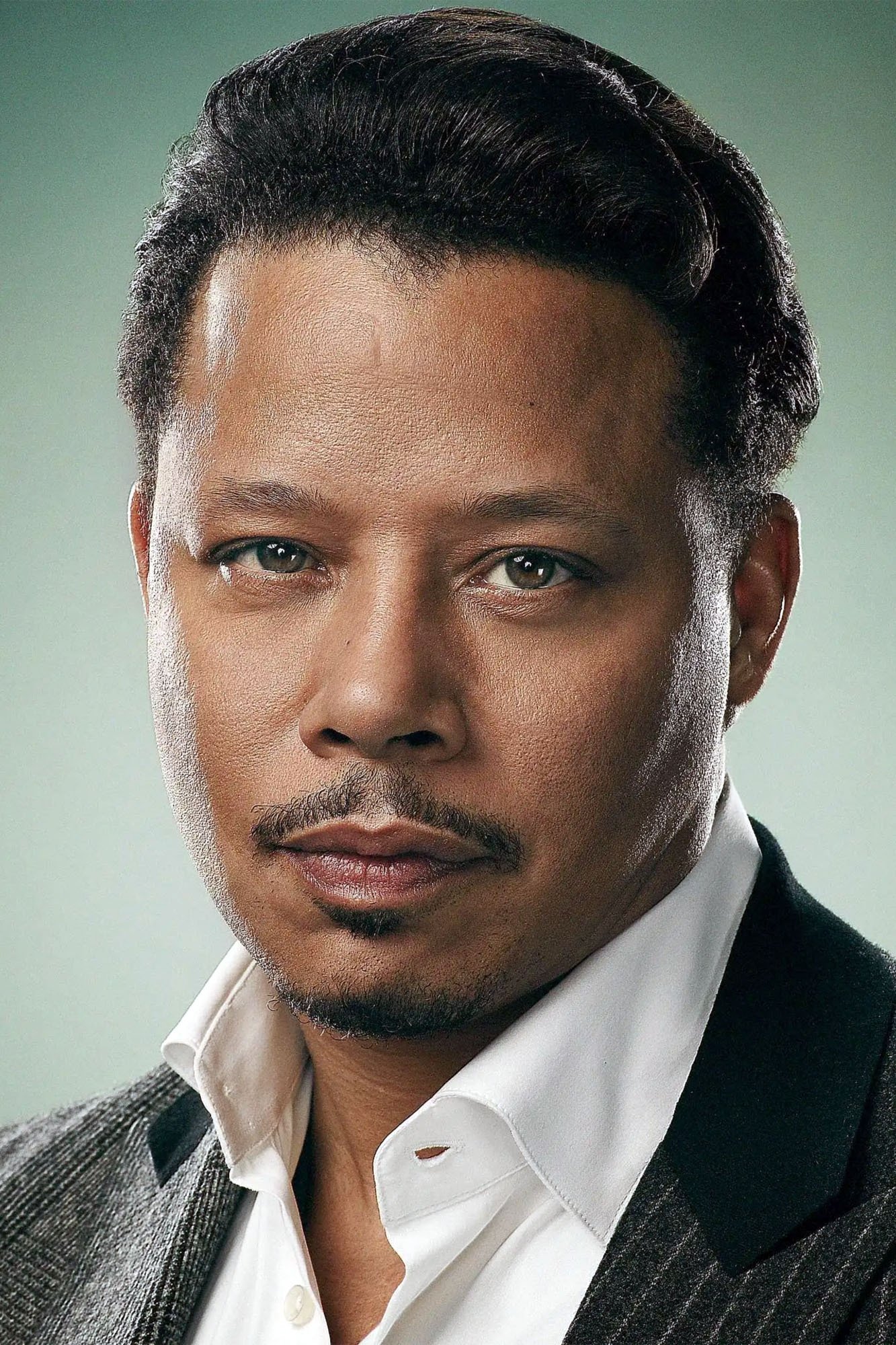
Terrence Howard has shared his unique perspectives on the industry and the types of narratives that are allowed to succeed. He has expressed a desire for more complex and unconventional roles that challenge the status quo of modern cinema. The actor believes that the current landscape is often limited by a narrow range of tropes that do not allow for true artistic exploration. He has spoken about the importance of being true to oneself and one’s vision regardless of industry trends. His career has been marked by a willingness to take on challenging and sometimes controversial roles.
Wesley Snipes
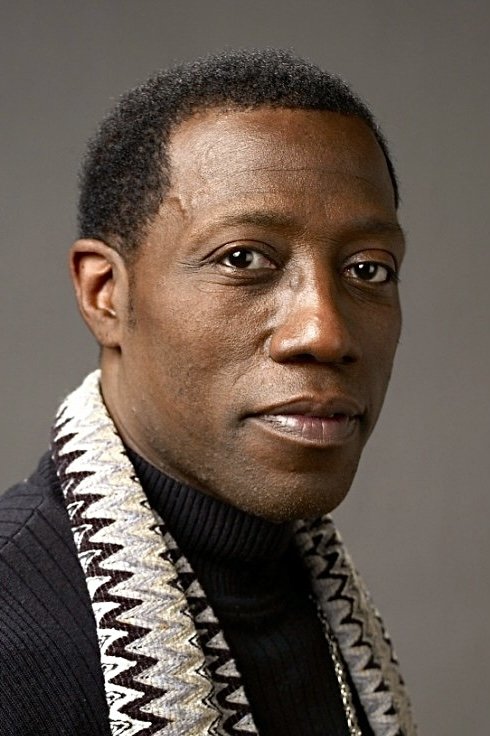
Wesley Snipes has commented on the evolution of the action genre and the role of Black performers within it. He believes that the industry has often relied on a limited set of tropes when casting diverse actors in leading roles. The actor has expressed a desire for more creative control and the ability to tell stories that are not defined by race. He suggests that the focus should be on creating compelling characters and worlds that resonate with a global audience. His groundbreaking work in films like ‘Blade’ paved the way for modern superhero cinema while challenging established norms.
Ving Rhames
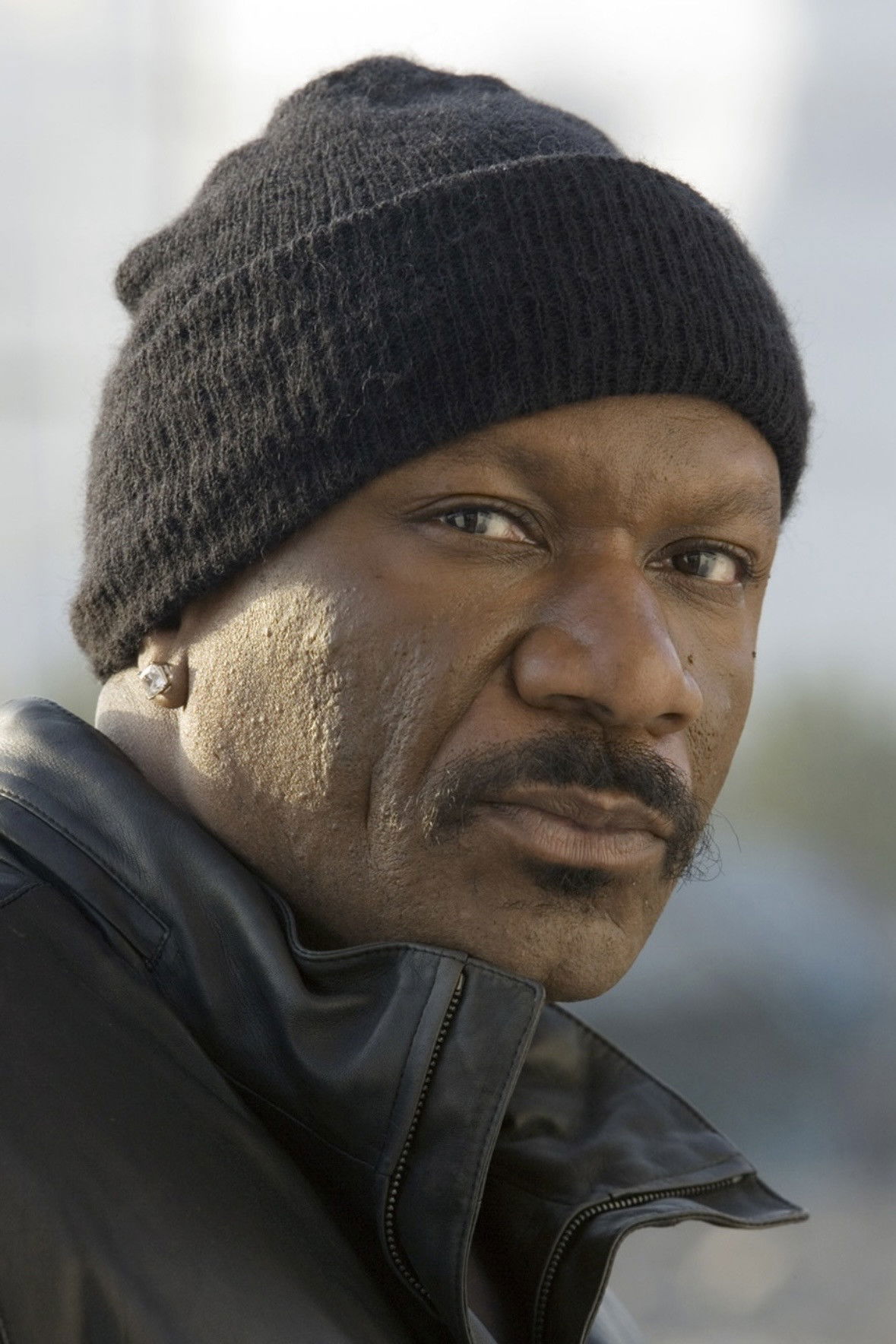
Ving Rhames has maintained a focus on the integrity of his work and the authenticity of the characters he portrays. He has spoken about the importance of avoiding stereotypical tropes and finding depth in every role. The actor believes that the industry should prioritize talent and character over modern social agendas. He has often taken a quiet but firm stance on the types of projects he chooses to be involved with. His career serves as an example of how to maintain a successful and respected presence in Hollywood without conforming to every trend.
Forest Whitaker
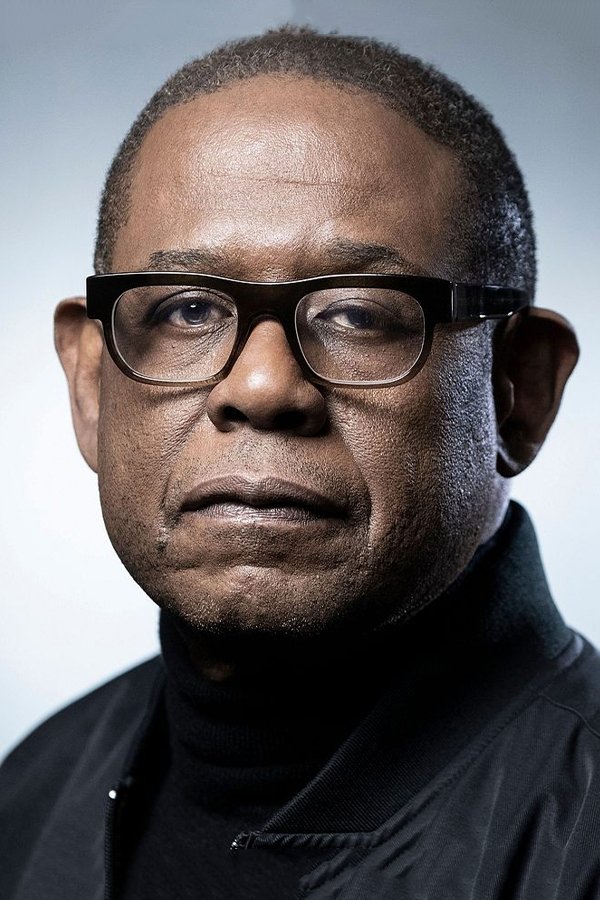
Forest Whitaker has discussed the importance of nuanced and complex characterization in film and television. He believes that the industry should avoid the easy tropes that often define diverse characters in mainstream narratives. The actor and director has focused much of his career on telling stories that explore the depth of the human experience in all its forms. He argues that real representation comes from a commitment to truth and a willingness to explore uncomfortable realities. His work continues to challenge the industry to do better when it comes to storytelling and diversity.
Chiwetel Ejiofor
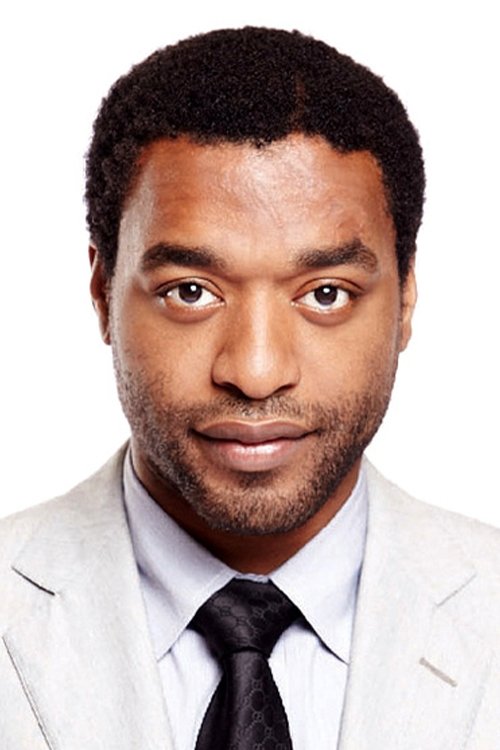
Chiwetel Ejiofor has spoken about the limits that are often placed on Black performers by the tropes prevalent in modern cinema. He believes that the industry needs to provide more opportunities for diverse actors to lead films in every genre. The actor has expressed a desire for a wider range of stories that are not solely focused on struggle or trauma. He suggests that the focus should be on the individual artist and their ability to bring a character to life. His international success has allowed him to advocate for a more inclusive and varied landscape in both the United States and Britain.
Lennie James
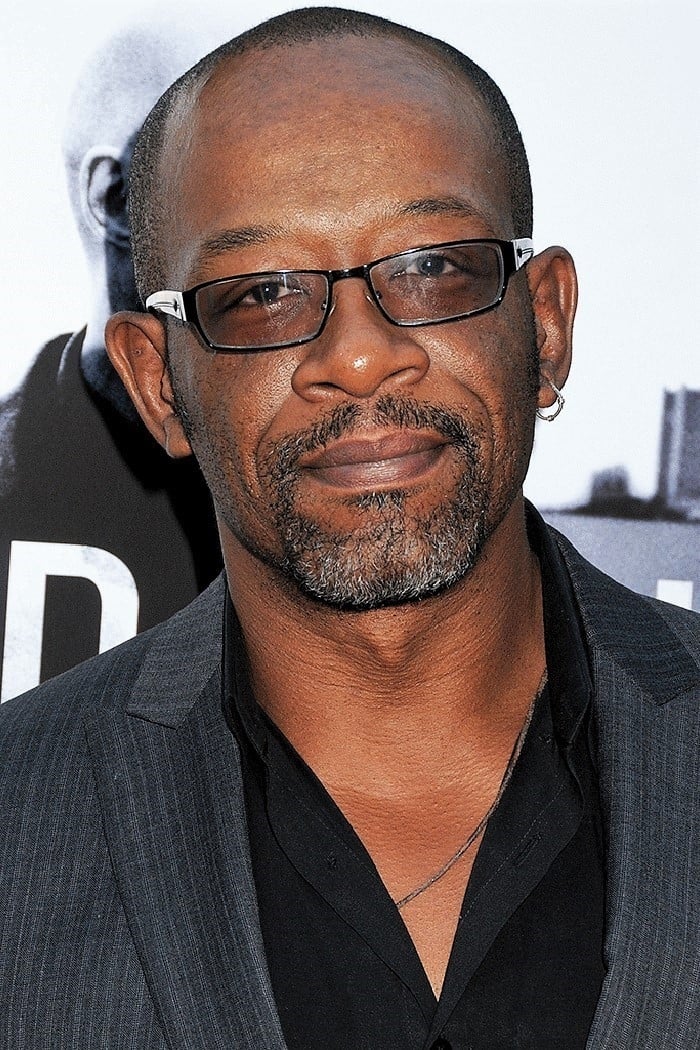
Lennie James has critiqued the way the British entertainment industry handles diversity and the tropes that it often relies upon. He has spoken about the feeling of being pigeonholed into specific types of roles early in his career. The actor and writer believes that the industry needs to be more imaginative in its casting and storytelling practices. He argues that real progress is made when performers are allowed to play characters that are not defined by their background. His work in both the United Kingdom and the United States has given him a broad perspective on these issues.
Morris Chestnut

Morris Chestnut has commented on the types of roles that are typically offered to Black leading men and the tropes they often involve. He believes that there is a need for more variety and a shift away from the predictable narratives that have dominated the industry for years. The actor has expressed a desire to see more diverse performers in roles that are not specifically written with race in mind. He suggests that the industry is slowly changing but still has a long way to go in terms of true representation. His long and successful career has seen him navigate many of these challenges firsthand.
Shemar Moore
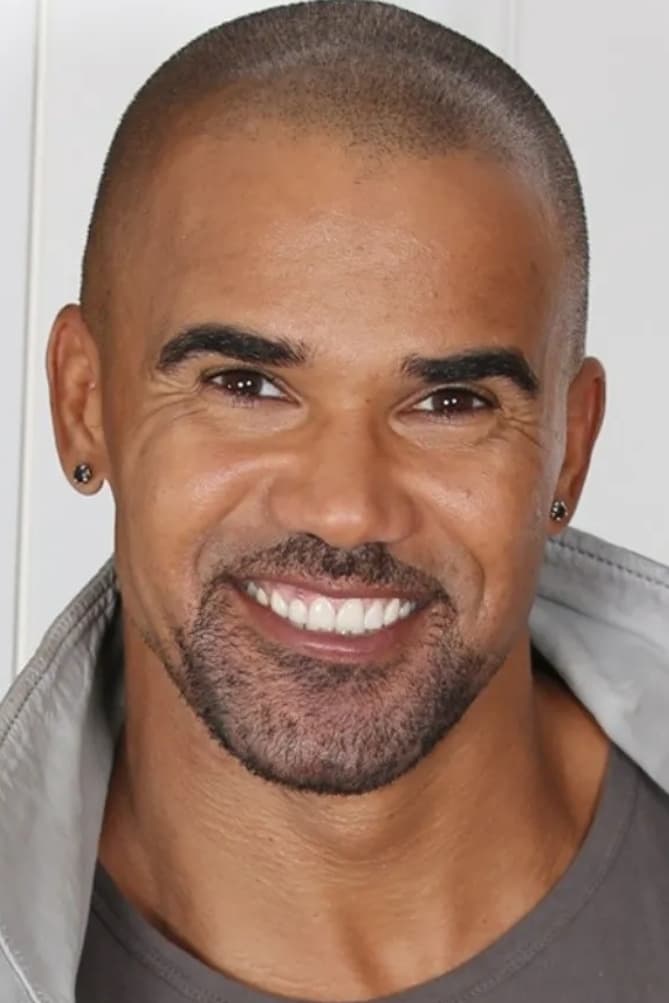
Shemar Moore has spoken about the importance of being seen as an actor first and a Black man second. He has expressed a desire to break away from the casting tropes that often limit the range of diverse performers. The actor believes that the industry should focus on the quality of the performance rather than the social implications of the casting choice. He has been vocal about his pride in his work and his commitment to being a positive representation of what is possible. His comments emphasize the need for a more individualistic approach to talent in Hollywood.
Taye Diggs
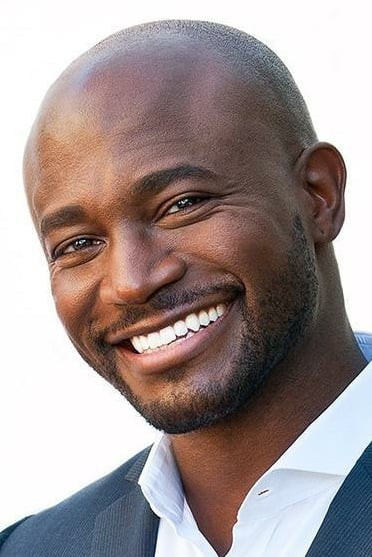
Taye Diggs has shared his thoughts on how labels and tropes can be limiting for actors who are trying to build a diverse body of work. He believes that the industry’s focus on modern social categories can sometimes get in the way of true artistic expression. The actor has expressed a preference for roles that allow him to showcase his range without being tied to a specific narrative agenda. He suggests that the focus should remain on the humanity of the character and the universal themes of the story. His career has spanned stage and screen where he has often challenged traditional expectations.
Winston Duke
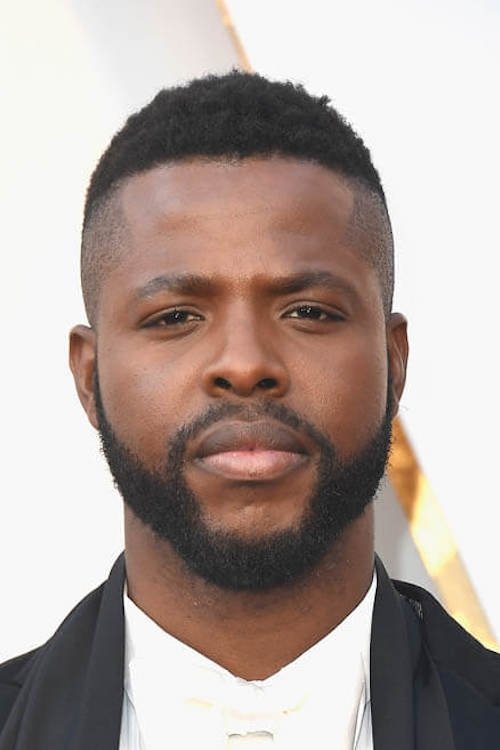
Winston Duke has discussed the impact of films like ‘Black Panther’ on the industry and the tropes they helped to subvert. He believes that it is important to continue pushing for stories that offer new perspectives and challenge established norms. The actor has spoken about the need for a more inclusive approach to storytelling that does not rely on safe or performative tropes. He argues that the industry should be a space where all voices can be heard in an authentic and meaningful way. His work reflects a commitment to exploring the complexity of identity and culture through film.
Jamie Foxx
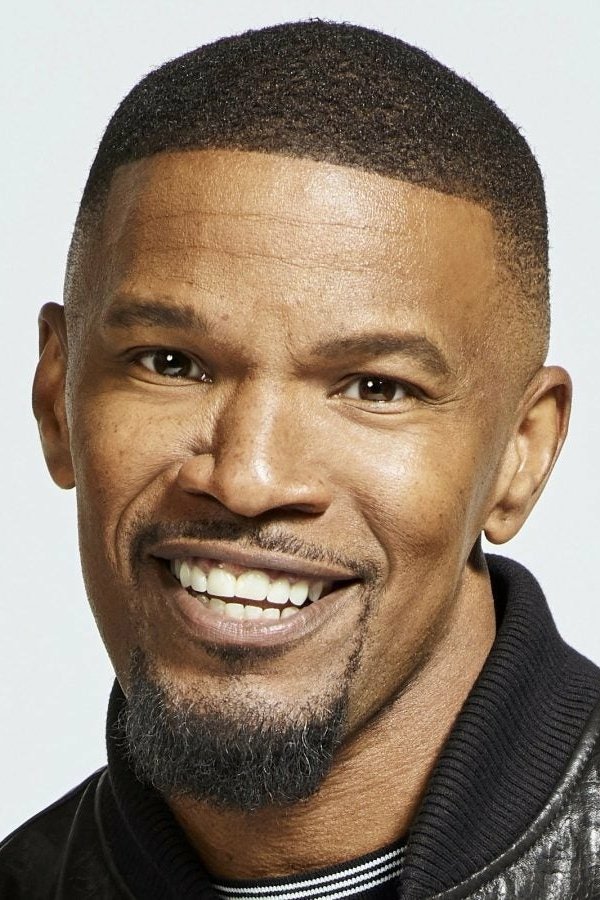
Jamie Foxx has commented on the constraints that political correctness has placed on the filmmaking process in recent years. He has mentioned that his unreleased film ‘All-Star Weekend’ has faced hurdles because of its use of characters that might be seen as controversial today. The actor believes that comedy and satire are important tools for addressing social issues and should not be entirely off-limits. He suggests that the current environment makes it difficult for creators to take the kinds of risks that lead to truly original work. His perspective highlights the tension between modern sensitivities and the tradition of transgressive humor.
Eddie Murphy
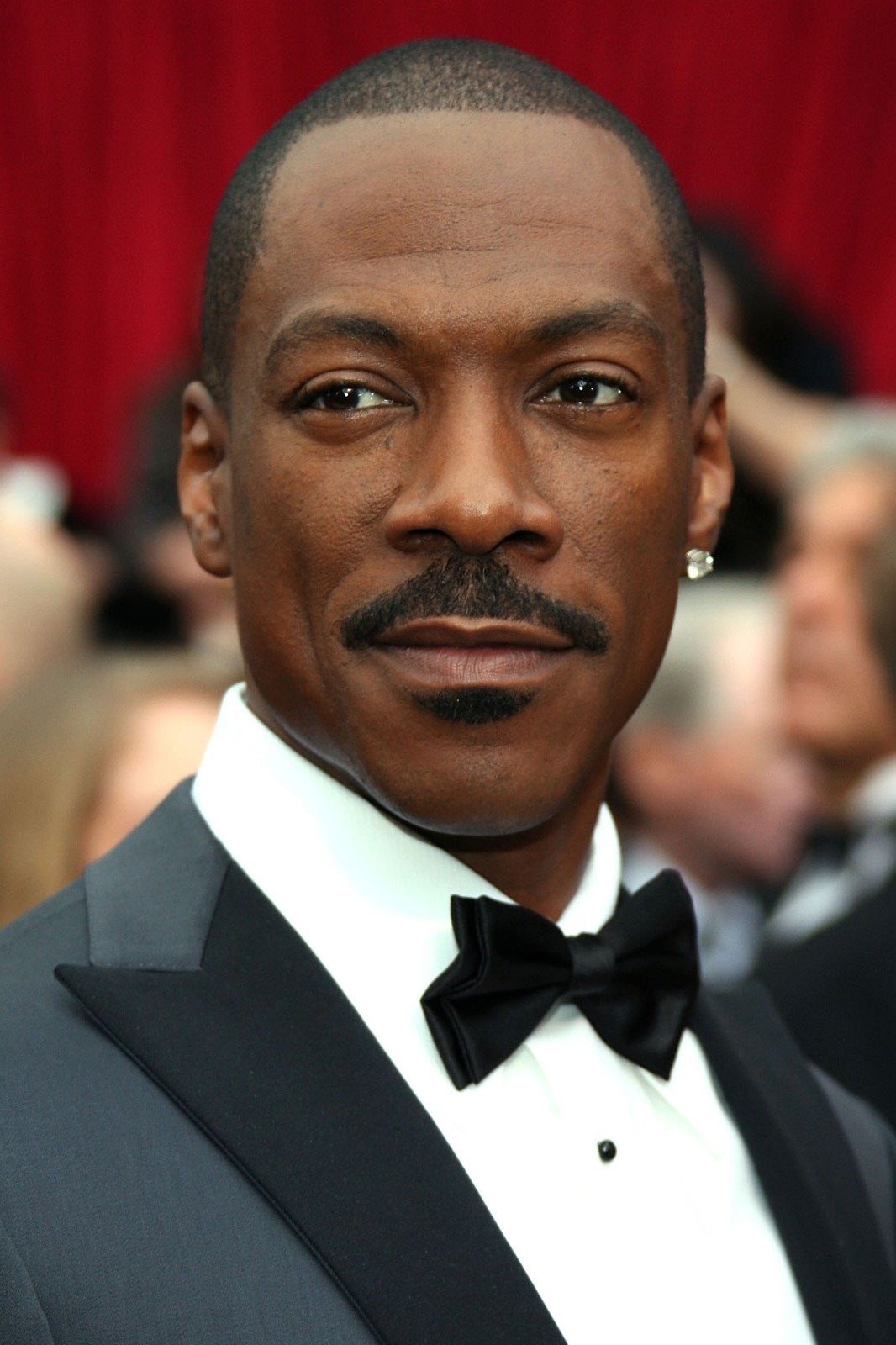
Eddie Murphy has spoken about the changes he has seen in the comedy landscape over his long and storied career. He believes that the modern focus on being woke has made it more challenging for comedians to find their audience without causing offense. The actor has noted that the industry is much more careful now which can sometimes lead to a lack of spontaneity and genuine laughs. He argues that the primary goal of a comedy should always be to make people laugh regardless of the prevailing social tropes. His return to the screen in recent years has sparked discussions about the future of traditional comedy.
Cuba Gooding Jr.
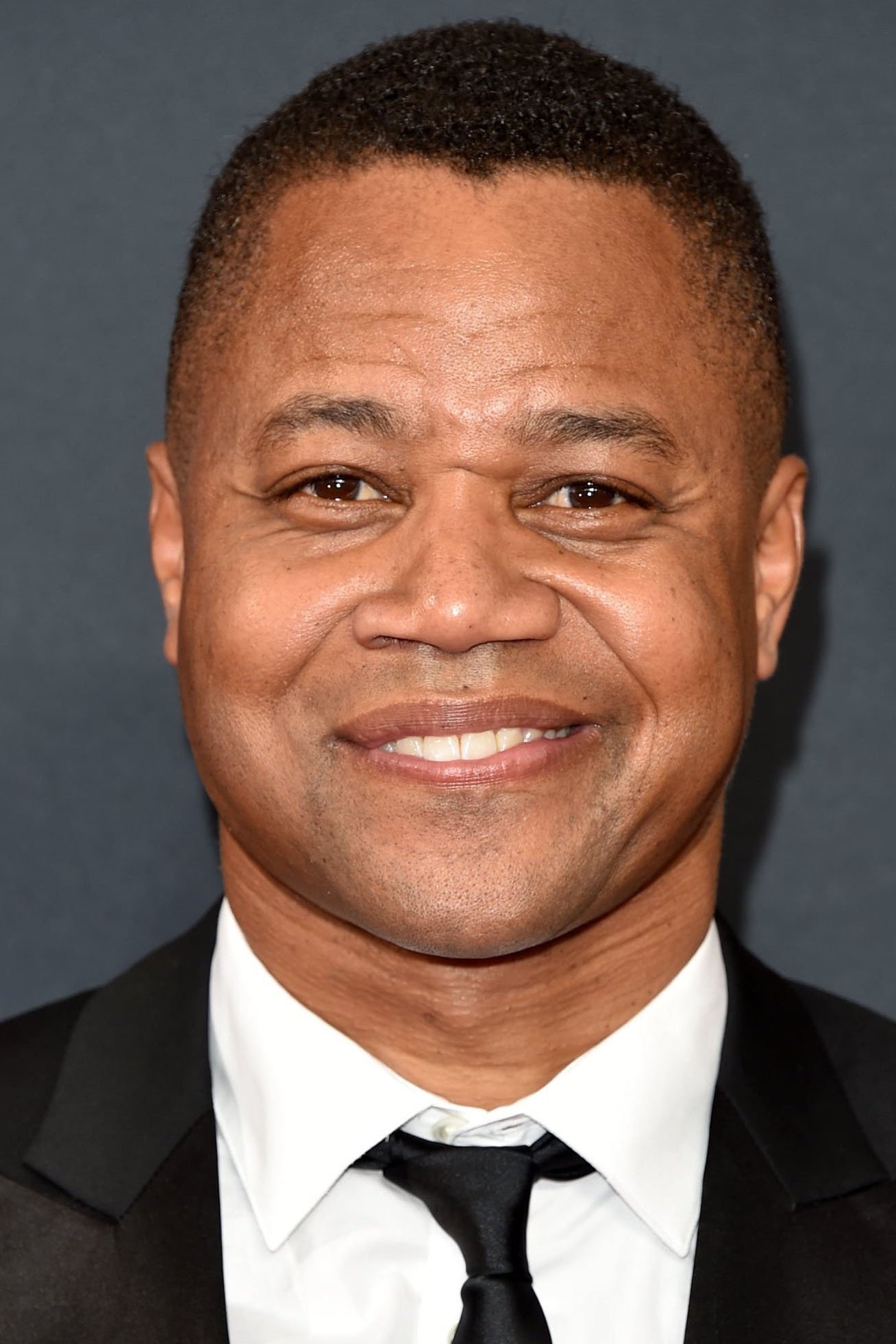
Cuba Gooding Jr. has shared his views on the industry’s shift toward commercialized diversity and the tropes that come with it. He believes that the focus should remain on the artistic quality of the project and the strength of the performance. The actor has expressed concern that the modern environment can sometimes prioritize optics over the actual substance of the work. He suggests that actors should be free to explore a wide range of human experiences without being limited by social expectations. His career has been marked by a variety of roles that have often challenged the standards of the time.
Don Cheadle
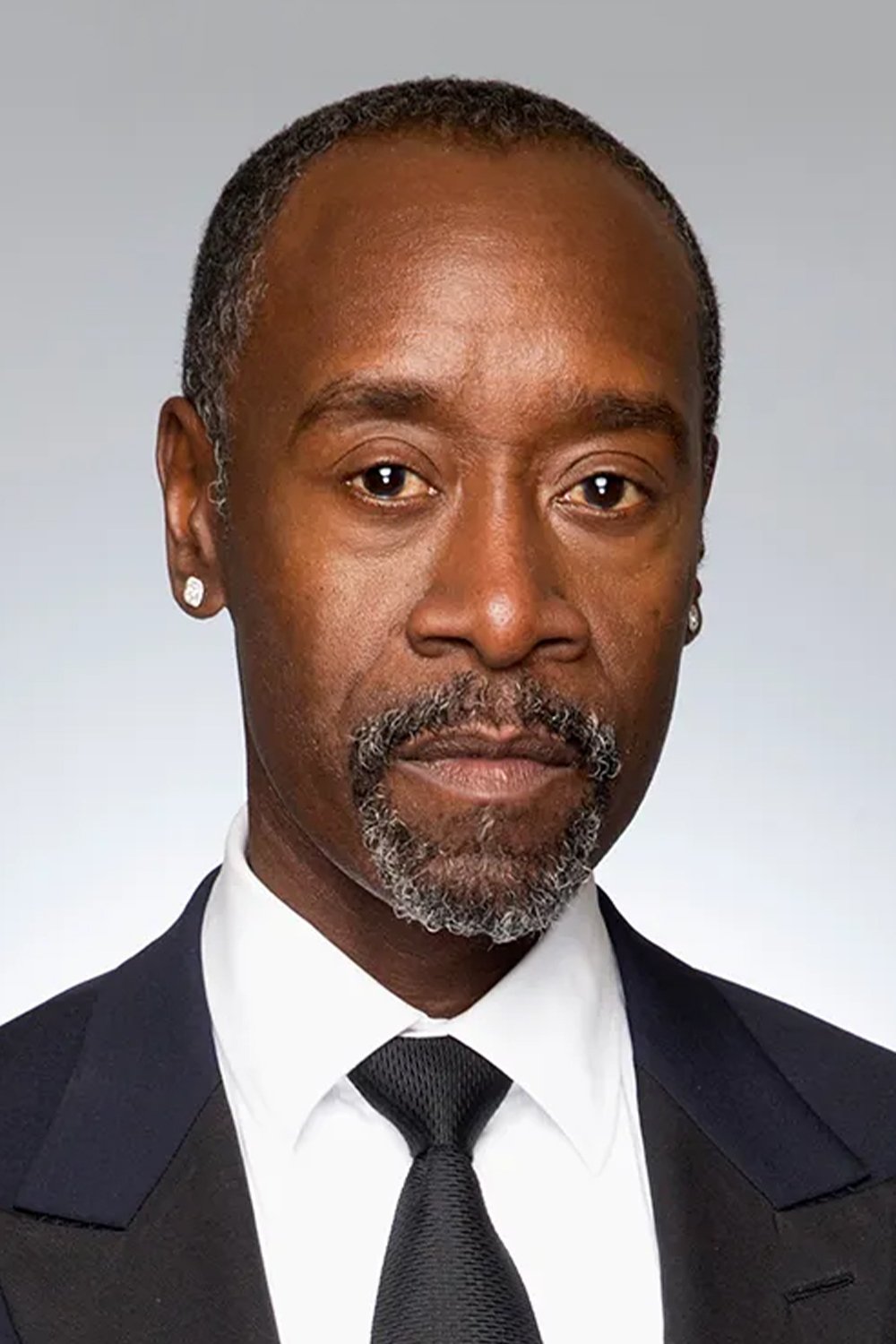
Don Cheadle has been a vocal advocate for better representation in Hollywood but has also critiqued the way these issues are handled. He believes that simply adding diverse faces to a project is not enough if the underlying narratives are still based on old tropes. The actor and director has spoken about the need for more diverse voices in the writers’ room and in production roles to ensure authenticity. He argues that the industry needs to move beyond performative actions and commit to deep and meaningful change. His work often reflects a desire to tell complex stories that defy easy categorization.
David Harewood
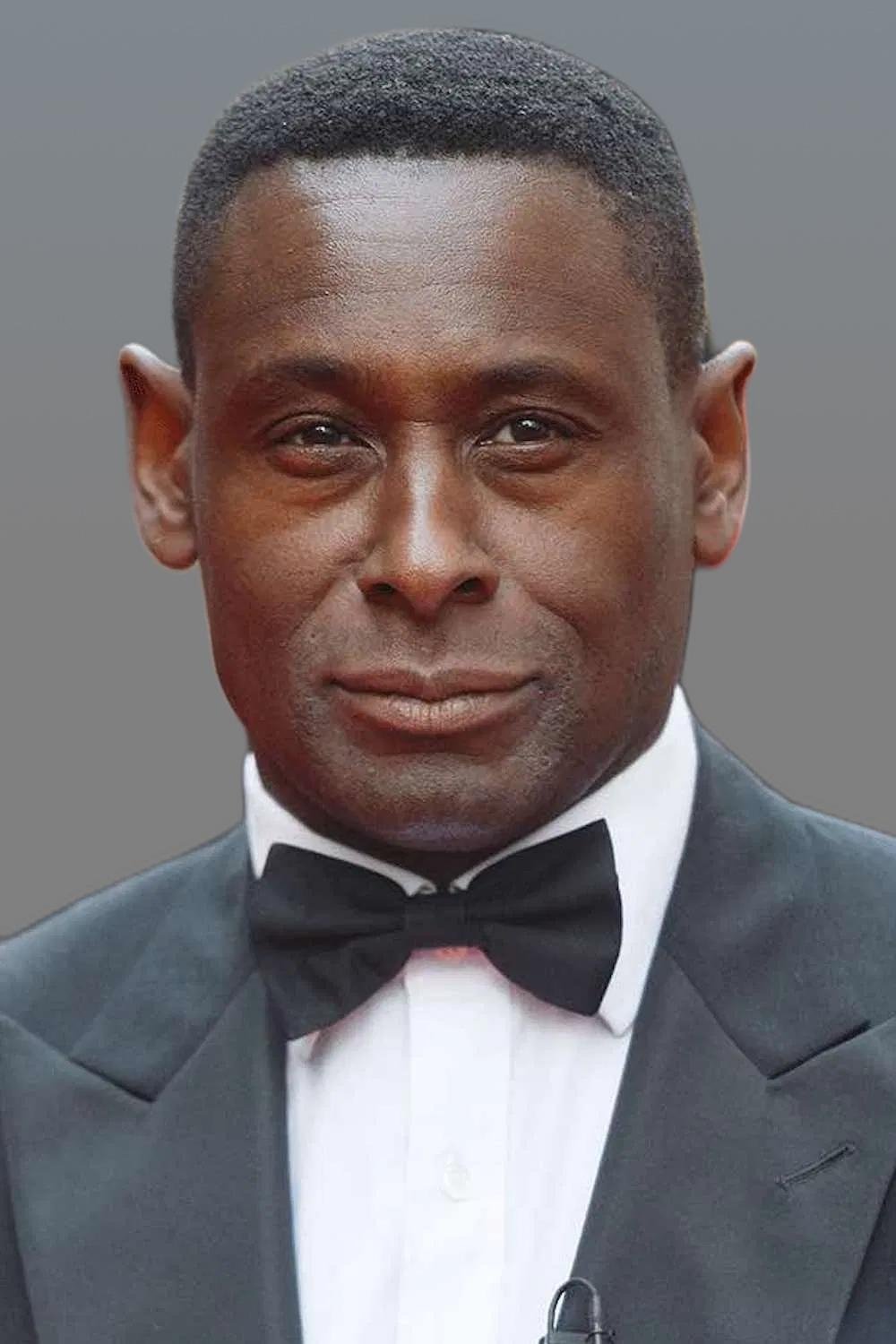
David Harewood has spoken about the differences between the British and American film industries regarding the opportunities for Black actors. He has critiqued the tropes that often limit the types of roles available to diverse performers in his home country. The actor believes that the industry needs to be more proactive in creating a space where everyone has a chance to succeed based on their talent. He has shared his personal struggles with navigating these systems and the impact it has had on his career. His advocacy continues to shine a light on the need for broader and more inclusive storytelling.
Keith David
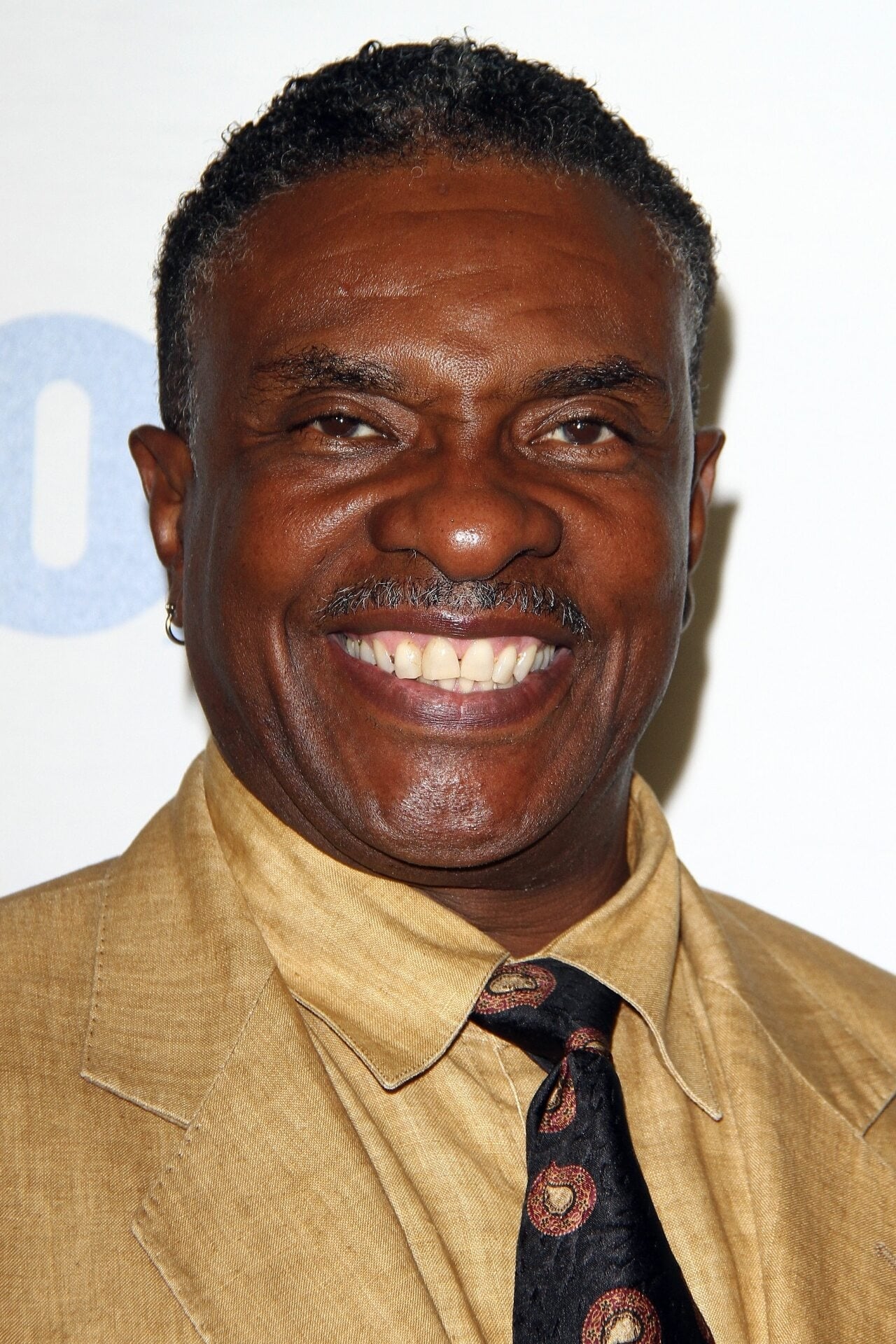
Keith David has maintained a long and successful career by focusing on the integrity of his voice and his performance. He has spoken about the importance of being true to the character and the story rather than conforming to industry trends. The actor believes that the focus on modern tropes can sometimes lead to a lack of depth and realism in filmmaking. He suggests that the best way to achieve real representation is through the creation of strong and memorable characters. His work as a character actor and voice artist has allowed him to inhabit a vast range of roles across many genres.
Laurence Fishburne
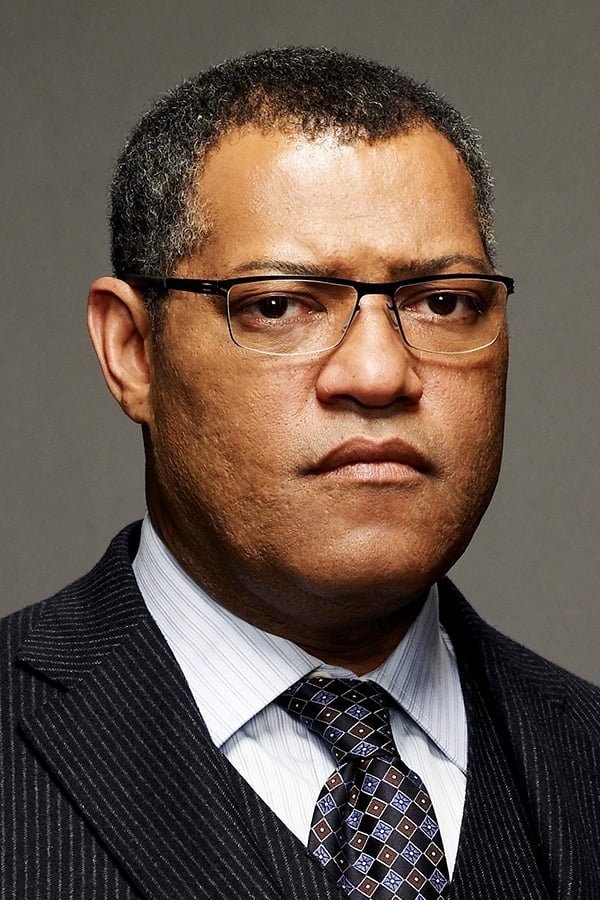
Laurence Fishburne has discussed the importance of narrative agency and the need for actors to have a say in the stories they tell. He believes that the industry often relies on safe tropes that do not allow for a full exploration of the human condition. The actor has spoken about his commitment to finding roles that offer a sense of dignity and complexity. He suggests that the focus should be on the individual journey of the character rather than their role in a broader social agenda. His storied career has been defined by a series of powerful and iconic performances that have often broken new ground.
Denzel Washington
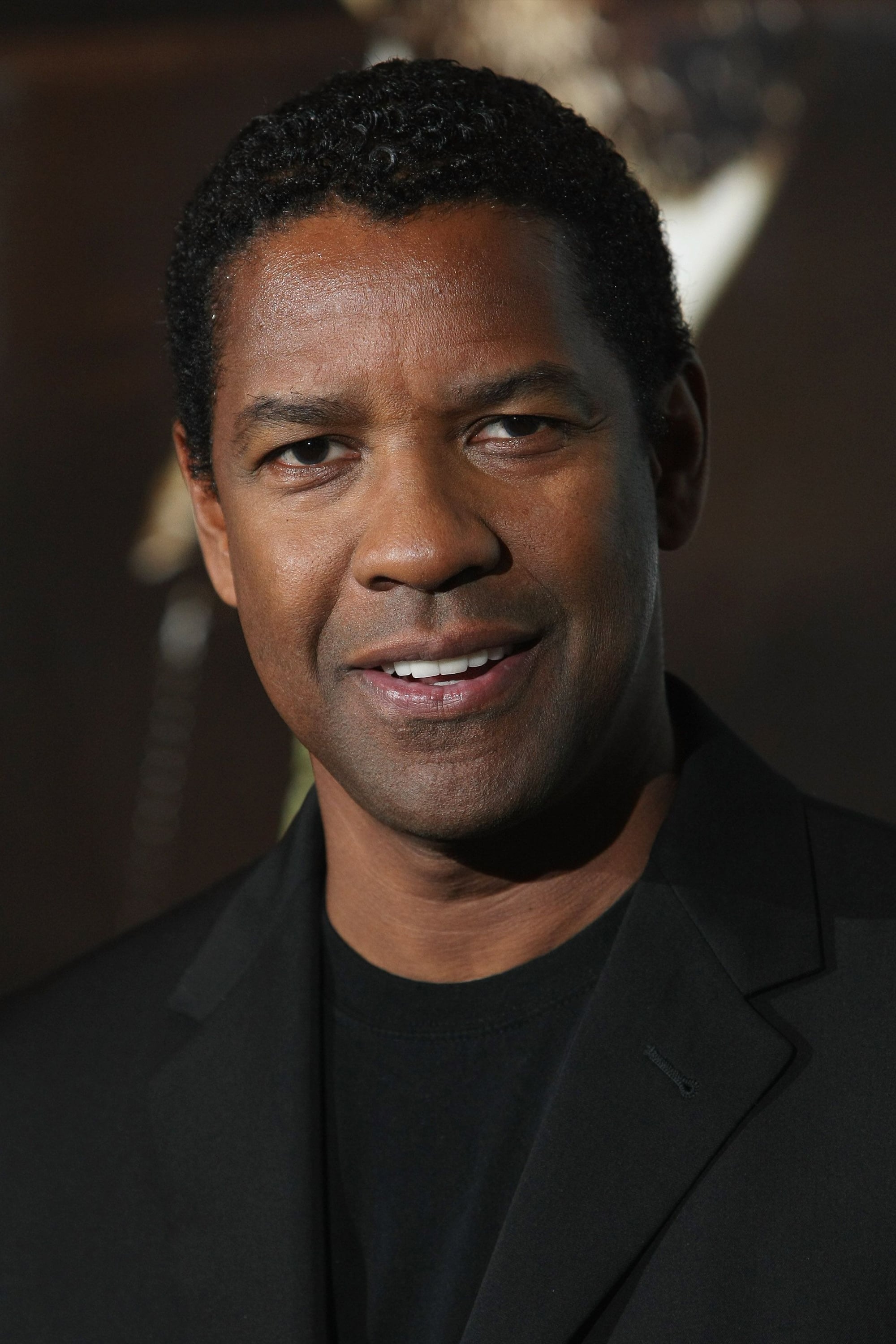
Denzel Washington has consistently emphasized that the quality of the work should always come before the identity of the person performing it. He has expressed skepticism toward the idea that only certain people can tell specific stories based on their background or race. The actor believes that a great director or performer should be able to inhabit any world regardless of their personal history. He has remained focused on the craft of acting rather than engaging in the broader political trends that often dominate modern Hollywood discussions. His approach prioritizes meritocracy and artistic excellence above all else.
Please share your thoughts on these perspectives in the comments.