


20 Black Actors Who Turned Down $20M+ Roles for Being Stereotypical



Navigating Hollywood as a Black performer often involves making difficult choices between financial security and personal integrity. Many talented artists have faced the dilemma of being offered lucrative contracts for roles that rely on harmful tropes or diminish their cultural heritage. These actors chose to walk away from millions of dollars rather than perpetuate negative images on screen. Their decisions have helped shift the industry toward more authentic and dignified representation.
Dave Chappelle
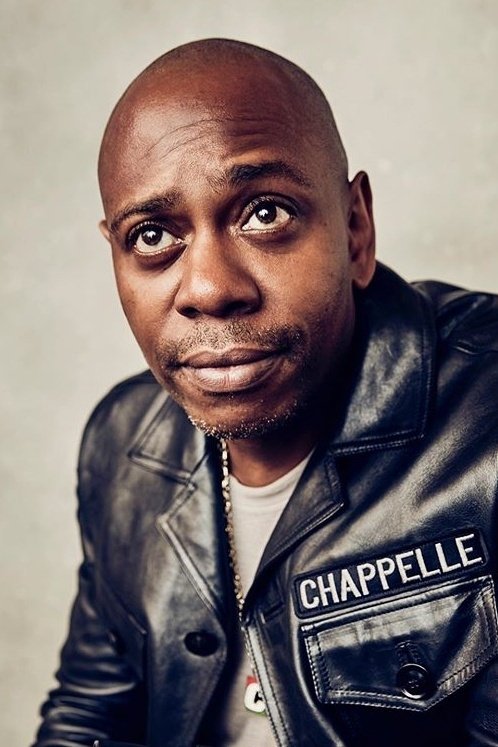
The decision to walk away from ‘Chappelle’s Show’ remains one of the most famous acts of defiance in entertainment history. Chappelle famously rejected a $50 million contract from Comedy Central because he felt the content was venturing into minstrelsy. He expressed concern that the audience was laughing at the racial stereotypes rather than with the satire he intended to create. The comedian realized that his work was reinforcing the very prejudices he sought to dismantle. His departure highlighted the mental toll of performing caricature for mass consumption.
Chris Tucker
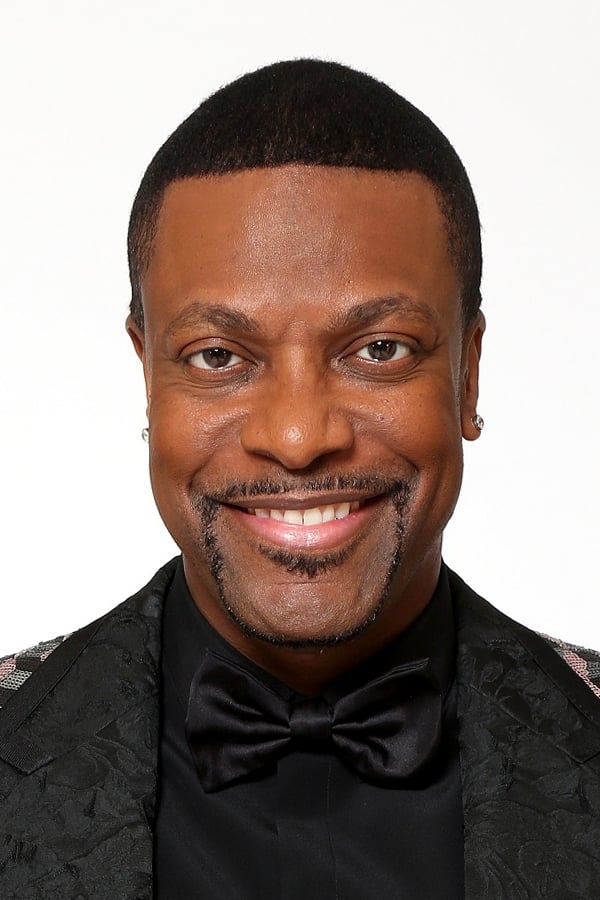
Tucker became a global superstar after his breakout performance as Smokey in ‘Friday’ but refused to reprise the role for the sequels. The actor turned down a payday reportedly between $10 million and $12 million for ‘Next Friday’ due to his religious convictions. He publicly stated that he no longer wanted to promote heavy marijuana use or profanity on screen. Tucker feared that continuing to play the stoner archetype would pigeonhole him and negatively influence his younger fanbase. His refusal demonstrated a commitment to his evolving moral standards over a guaranteed blockbuster check.
Will Smith
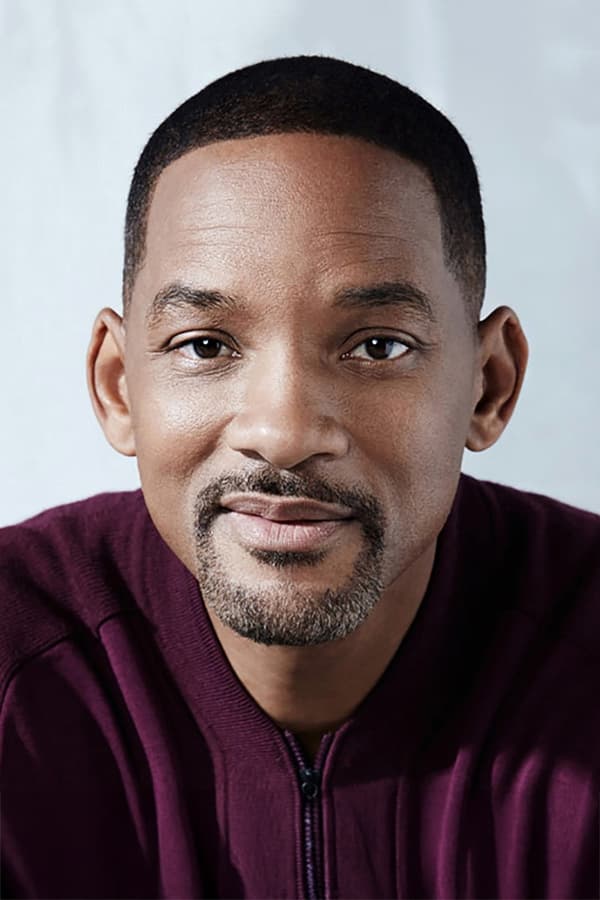
The global icon was Quentin Tarantino’s first choice to play the titular character in ‘Django Unchained’. Smith turned down the role because he felt the character was not the true lead and played second fiddle to the white bounty hunter. He argued that he needed to be the one to kill the main villain and refused to participate in a narrative where the Black hero did not have full agency. Smith wanted to avoid the cinematic trope where a Black protagonist requires a white savior to achieve liberation. His rejection paved the way for Jamie Foxx to take the role while Smith pursued projects where he could drive the story.
Angela Bassett
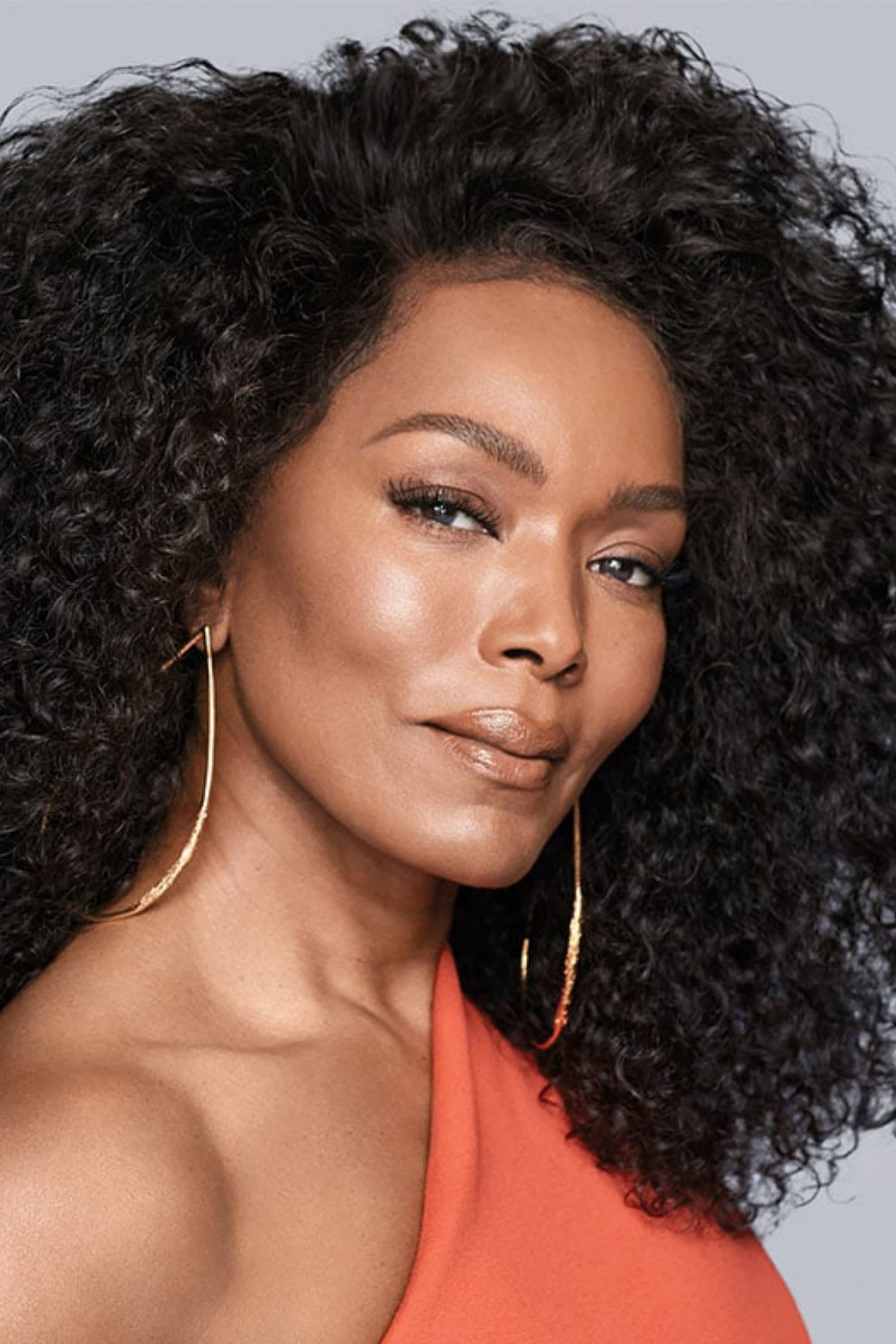
Bassett was offered the lead role of Leticia Musgrove in ‘Monster’s Ball’ but declined it due to the script’s explicit sexual content and character depiction. She stated that she was not interested in playing a prostitute on film because it was a demeaning stereotype of Black women. The actress felt the role did not possess the dignity she required for her body of work despite the Oscar buzz surrounding the project. Her decision sparked a conversation about the types of roles that Hollywood rewards with Academy Awards. Bassett prioritized her self-respect over the potential for industry accolades.
Laurence Fishburne
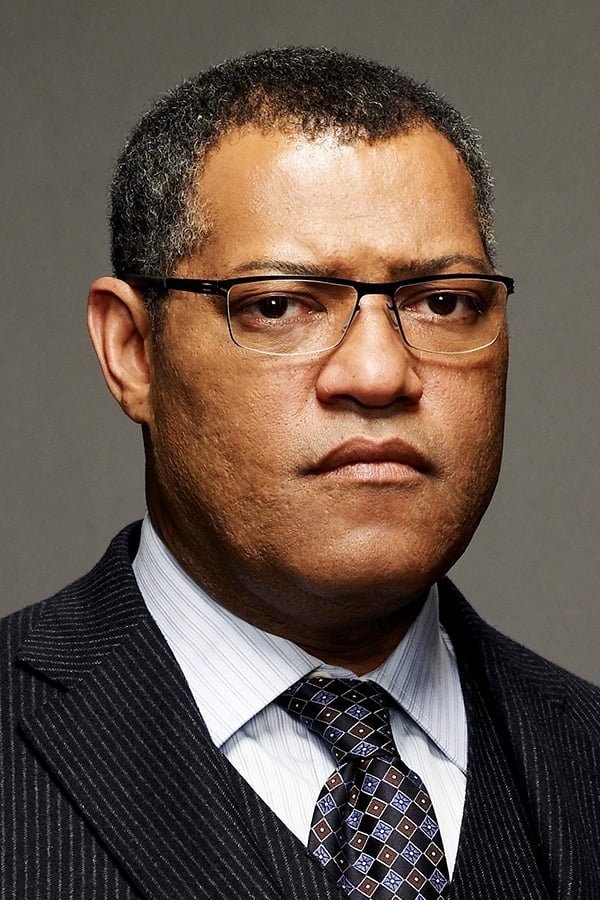
Quentin Tarantino wrote the role of Jules Winnfield in ‘Pulp Fiction’ specifically with Fishburne in mind. The actor turned down the part because he felt the film made heroin use look attractive and glamorous. Fishburne was concerned about the impact such a portrayal would have on the Black community and refused to contribute to the normalization of drug culture. He believed that the character lacked a moral anchor and felt the script was too cavalier about substance abuse. The role eventually went to Samuel L. Jackson and launched his career into the stratosphere.
Denzel Washington
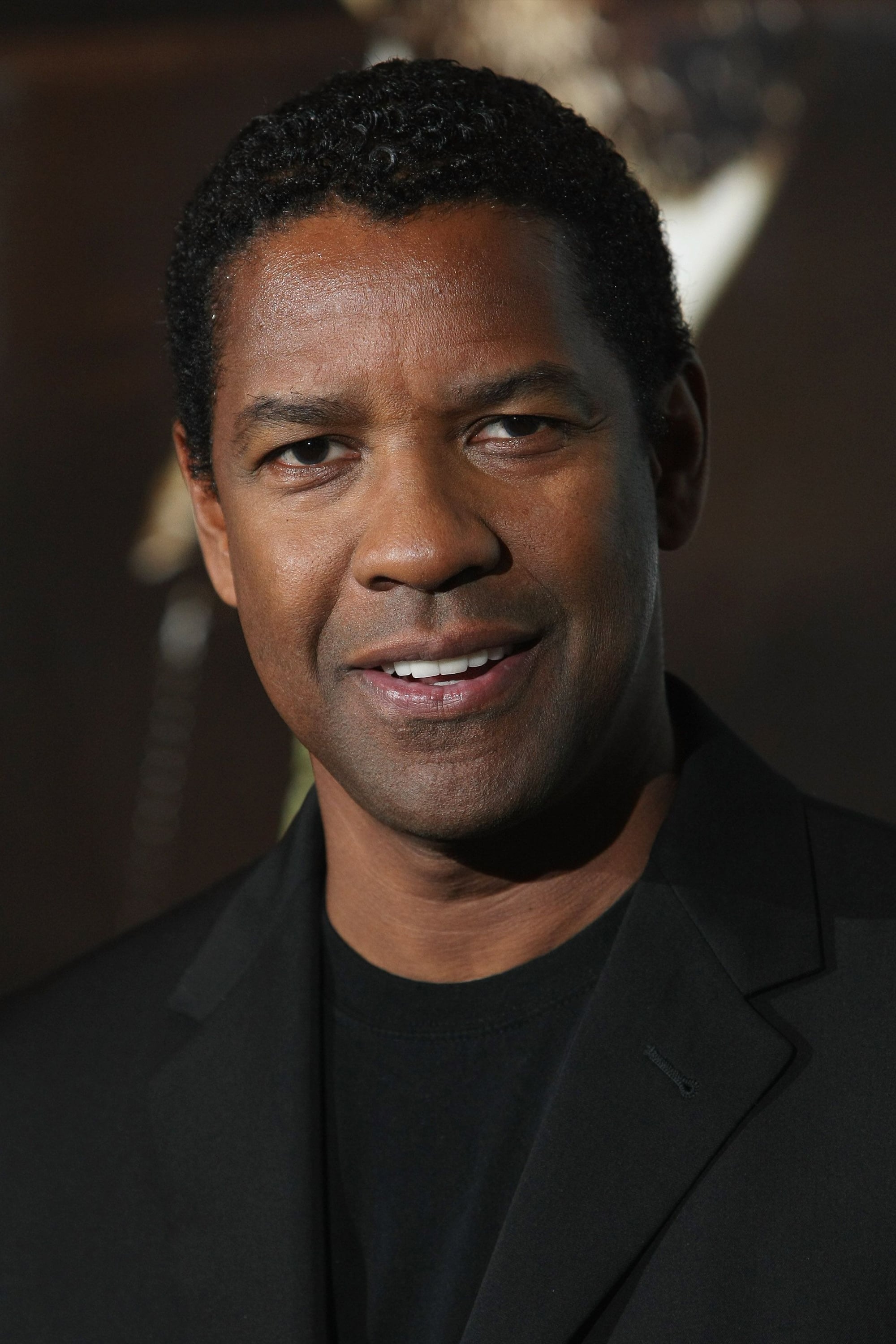
Washington has built a career on playing men of authority and dignity and famously turned down a role in Steven Spielberg’s ‘Amistad’. He refused to play the character of Joseph Cinqué because he did not want to portray a slave. The actor has consistently avoided roles that center on Black subservience or victimization throughout his decades in Hollywood. Washington believed that there were enough stories about Black suffering and wanted to focus on narratives of power and intellect. His choice forced casting directors to look elsewhere and solidified his brand as a leading man.
Chadwick Boseman
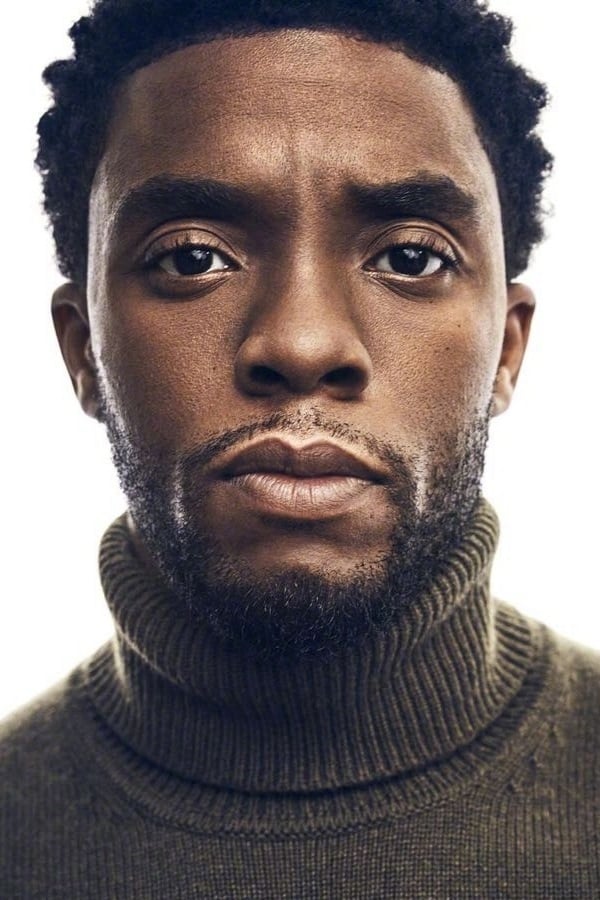
Before his rise to global stardom as the Black Panther, Boseman was cast in the soap opera ‘All My Children’. He was fired after just one week because he voiced concerns to the producers about his character being a racial stereotype. The role of Reggie Montgomery was written as a young gang member with drug-addicted parents which Boseman felt was lazy and offensive writing. He refused to silently accept the reduction of Black youth to criminal tropes on daytime television. His willingness to lose a paycheck early in his career foreshadowed his future commitment to playing iconic historical figures.
Kevin Hart
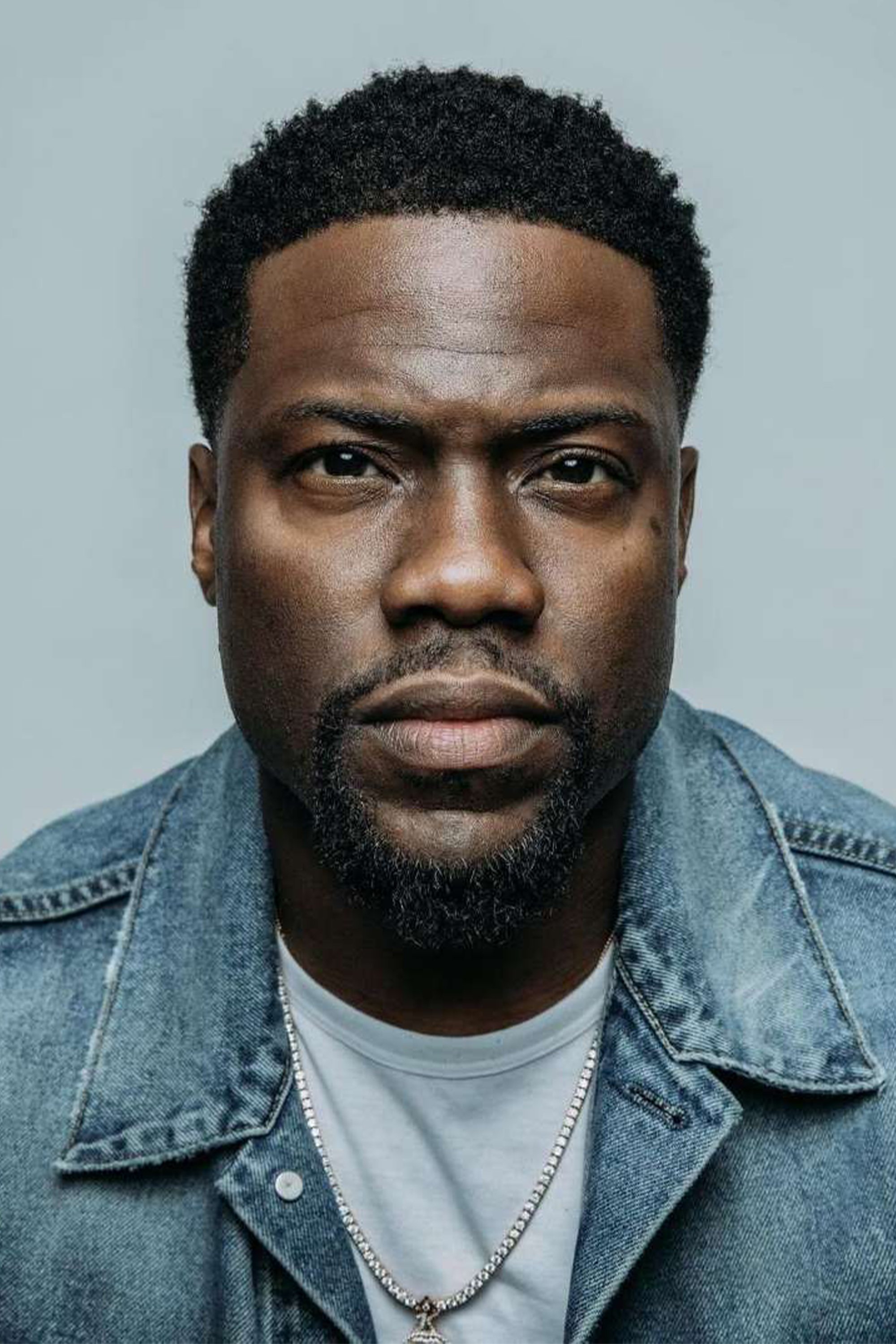
Hart was offered the role of Alpa Chino in the action comedy ‘Tropic Thunder’ but turned it down. The comedian read the script and felt the character was a flagrant and offensive gay stereotype that he was not comfortable portraying. He admitted that his own insecurities played a part but also emphasized that the draft he read lacked nuance. Hart did not want his comedy to rely on mocking a marginalized group for cheap laughs. The role was eventually rewritten and played by Brandon T. Jackson.
Vanessa Williams
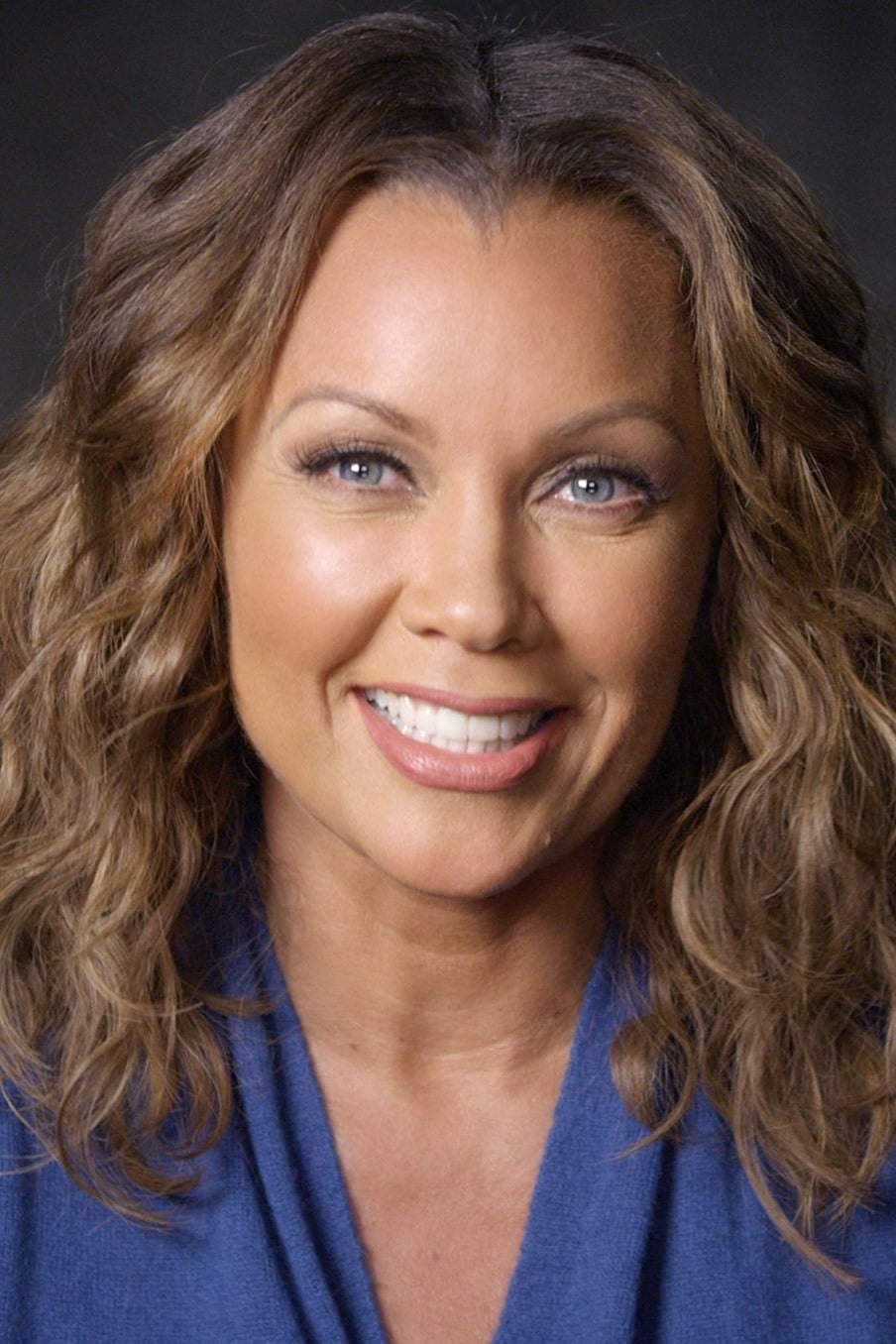
Like Angela Bassett, Williams was approached to star in ‘Monster’s Ball’ and strongly rejected the offer. She found the role of Leticia Musgrove to be contrary to the image she had worked hard to build. Williams cited the required nudity and the degrading nature of the character’s relationship with a racist prison guard as her primary reasons. She refused to compromise her dignity for a shot at an Academy Award. Her refusal reinforced the solidarity among Black actresses who felt the role exploited Black female trauma.
Harry Belafonte

The legendary activist and actor was offered the lead role of Porgy in the 1959 film adaptation of ‘Porgy and Bess’. Belafonte rejected the part because he viewed the story as racially demeaning and filled with negative stereotypes. He believed the film depicted Black people as drug addicts and simpletons and refused to validate those images with his participation. His decision was a significant political statement during the Civil Rights era. Belafonte consistently used his platform to demand dignified representation for people of color.
John Amos
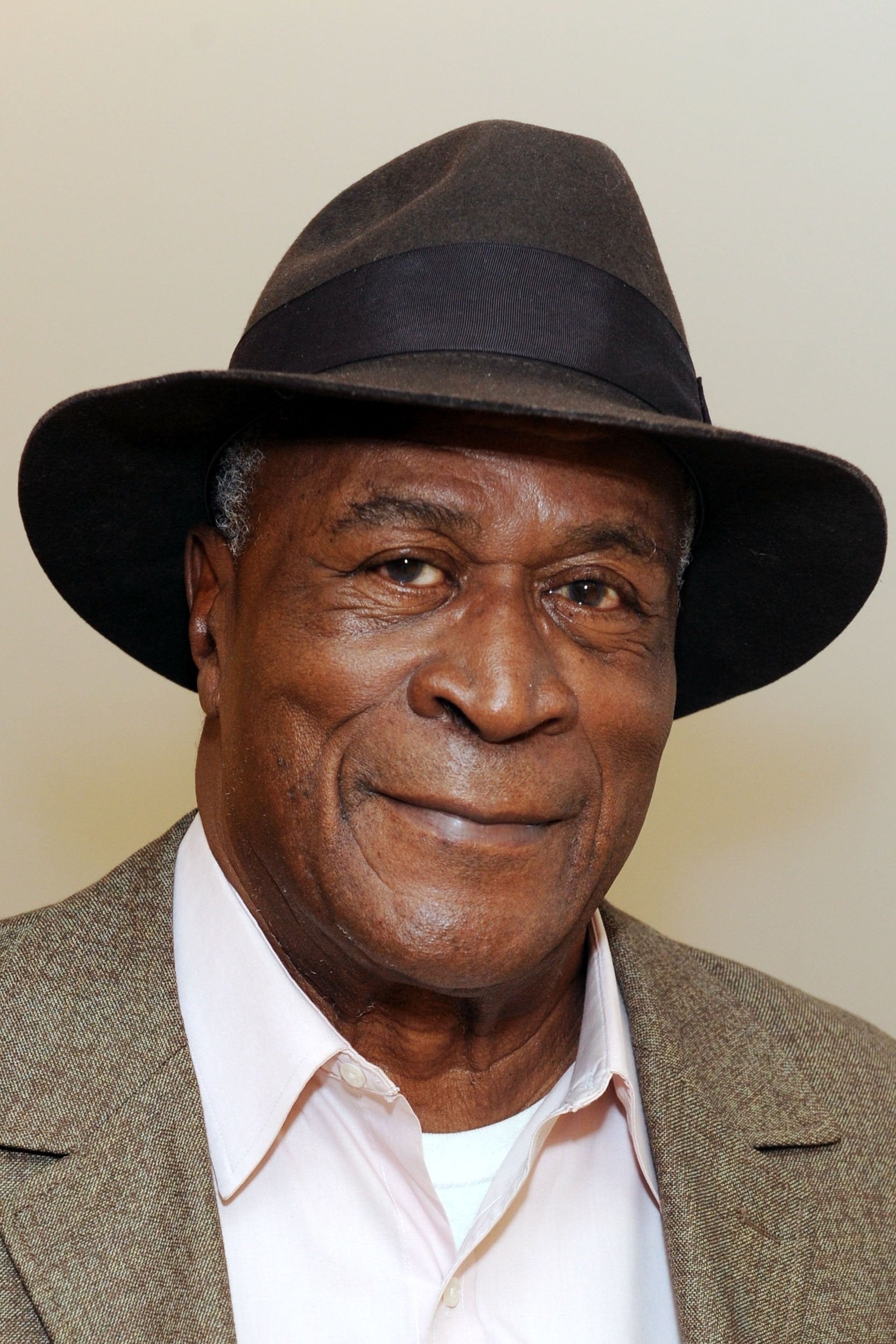
Amos starred as the patriarch James Evans on the hit sitcom ‘Good Times’ but grew increasingly frustrated with the show’s direction. He openly criticized the writers for focusing on the buffoonish behavior of the character J.J. at the expense of the family’s integrity. Amos felt the show was becoming a minstrel show that mocked the struggles of the Black working class. His vocal opposition to the stereotypes led to his character being killed off and him being fired. Amos sacrificed the security of a hit network show to stand up for the dignity of the Black father figure.
Esther Rolle
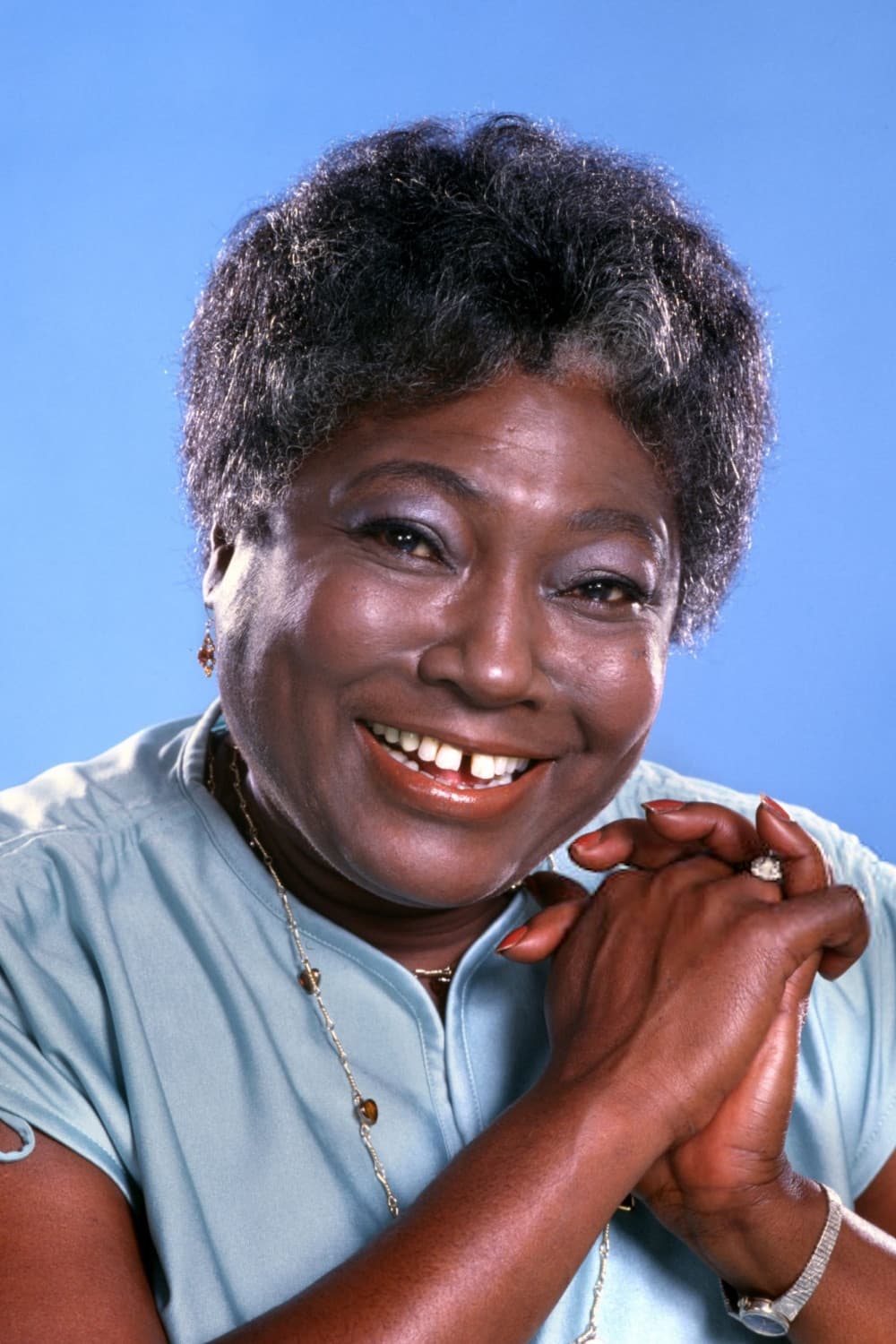
Rolle played the mother Florida Evans on ‘Good Times’ and shared her co-star John Amos’s concerns about the show’s decline. She eventually left the series because she could not tolerate the stereotypical “shuck and jive” antics that had taken over the scripts. The actress had originally agreed to the role on the condition that the family would have a strong father figure and deal with real issues. When the show pivoted to slapstick comedy centered on poverty, she walked away from the lucrative contract. She only returned later after demanding creative changes to the character portrayals.
Wesley Snipes
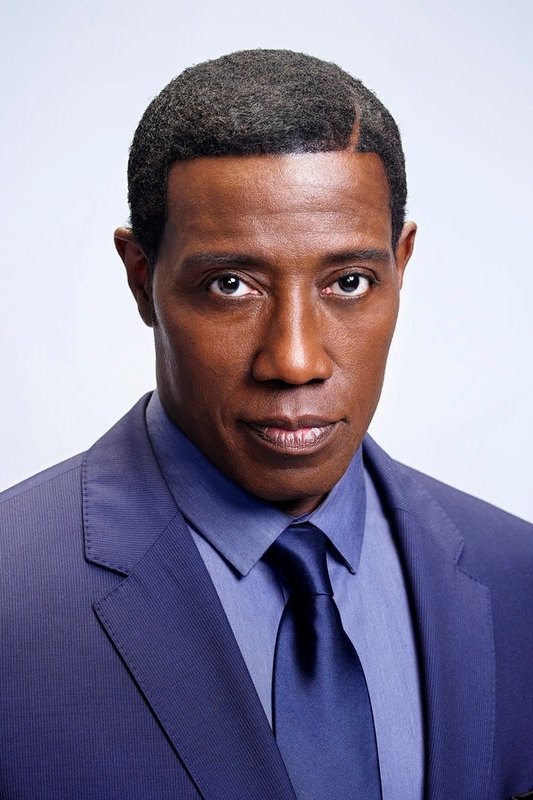
Snipes was approached to star in the 2000 remake of ‘Shaft’ but turned it down due to creative differences. He criticized the script for what he viewed as buffoonery that disrespected the legacy of the original Blaxploitation icon. The actor felt the new version was not “Black enough” in its cultural grounding and leaned too heavily on comedic tropes. Snipes wanted to maintain the coolness and agency of the character rather than making him a caricature. His refusal allowed Samuel L. Jackson to take the role while Snipes focused on other action projects.
Yaphet Kotto
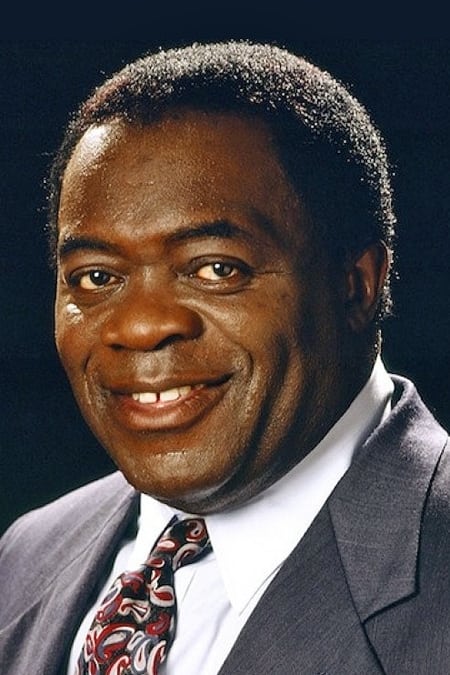
Kotto was offered the role of Lando Calrissian in ‘The Empire Strikes Back’ but declined the opportunity. The actor feared that the character would be a token addition who would inevitably be killed off like many Black characters in sci-fi. He wanted to avoid the stereotype of the sacrificial Black sidekick in a predominantly white narrative. Kotto also worried that the role would typecast him and limit his range in future projects. He later expressed some regret but maintained that his decision was based on a desire for substantial roles.
Cicely Tyson

Tyson was notorious for her strict criteria regarding the roles she accepted throughout her distinguished career. She famously refused to participate in the Blaxploitation films of the 1970s because she felt they demeaned Black women. The actress turned down numerous high-paying offers that required her to play drug addicts, prostitutes, or maids without depth. She dedicated her life to portraying strong and complex Black women to correct the historical record. Her integrity ensured that her filmography remains a testament to Black resilience and dignity.
Lena Horne
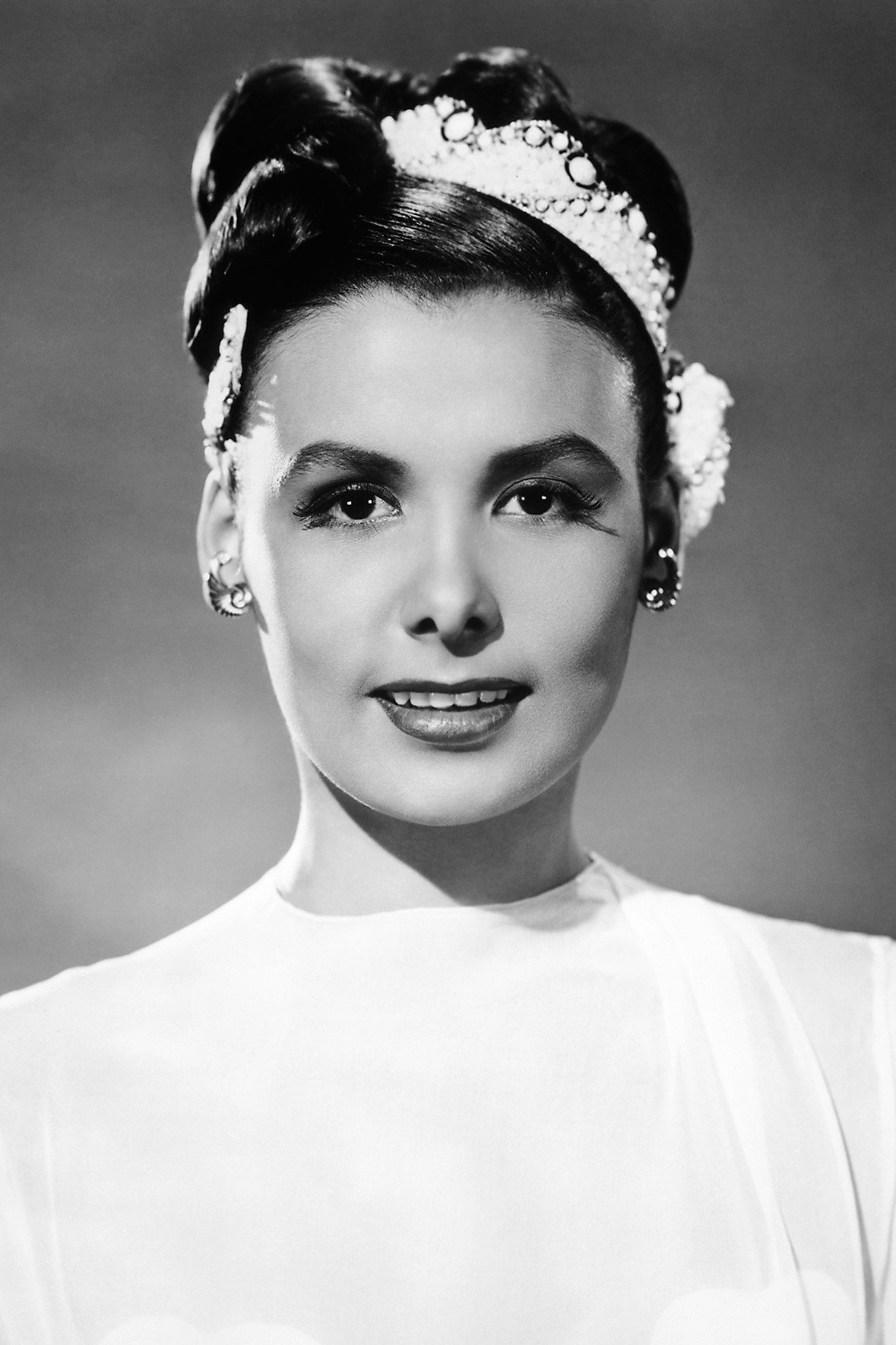
Horne was a pioneer who fought against the limited roles available to Black women in the 1940s and 50s. She famously refused to play maids or servants which were the standard roles for Black actresses at the time. MGM studios often did not know how to cast her because she would not adhere to the subservient stereotypes they expected. She lost out on significant earnings and screen time because she demanded to be portrayed as a glamorous and sophisticated woman. Her stance paved the way for future generations of actresses to demand respect.
Derek Luke
Luke has been vocal about his decision to avoid roles that require him to play a slave. He stated that he would not take on projects that center on Black subjugation because he finds the experience to be re-traumatizing. The actor believes that Hollywood relies too heavily on slave narratives and ignores other aspects of Black history. He wants to protect his spiritual and mental well-being by refusing to embody that specific trauma. Luke actively seeks out roles that showcase Black joy and contemporary complexity.
Gina Torres
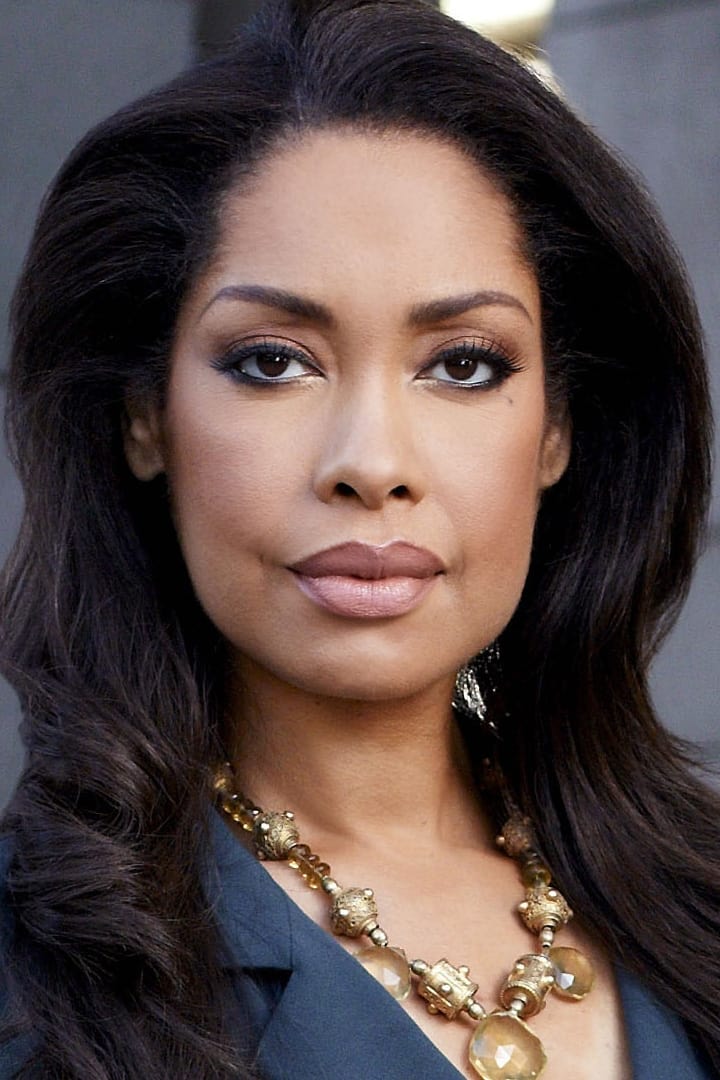
The ‘Suits’ actress made a conscious decision early in her career to turn down scripts that only offered enslaved characters. Torres refused to limit her artistic expression to narratives defined solely by victimization and suffering. She sought roles that allowed her to project authority, intelligence, and leadership. Her refusal to accept the standard “historical drama” roles for Black women allowed her to thrive in the sci-fi and legal genres. Torres proved that Black actresses could command the screen in diverse and powerful roles.
Mekhi Phifer
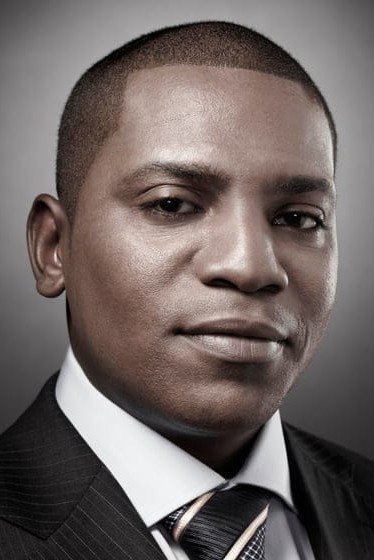
Phifer joined the ranks of actors who have instituted a personal ban on accepting slave roles. He has stated that he wants to steer clear of repeating limiting images that define Blackness through pain. The actor prefers to focus on contemporary stories or historical roles that highlight resistance and community building. He believes that constantly replaying the trauma of slavery can be psychologically damaging for both the actor and the audience. His career choices reflect a desire to expand the visual language of Black masculinity.
John Boyega
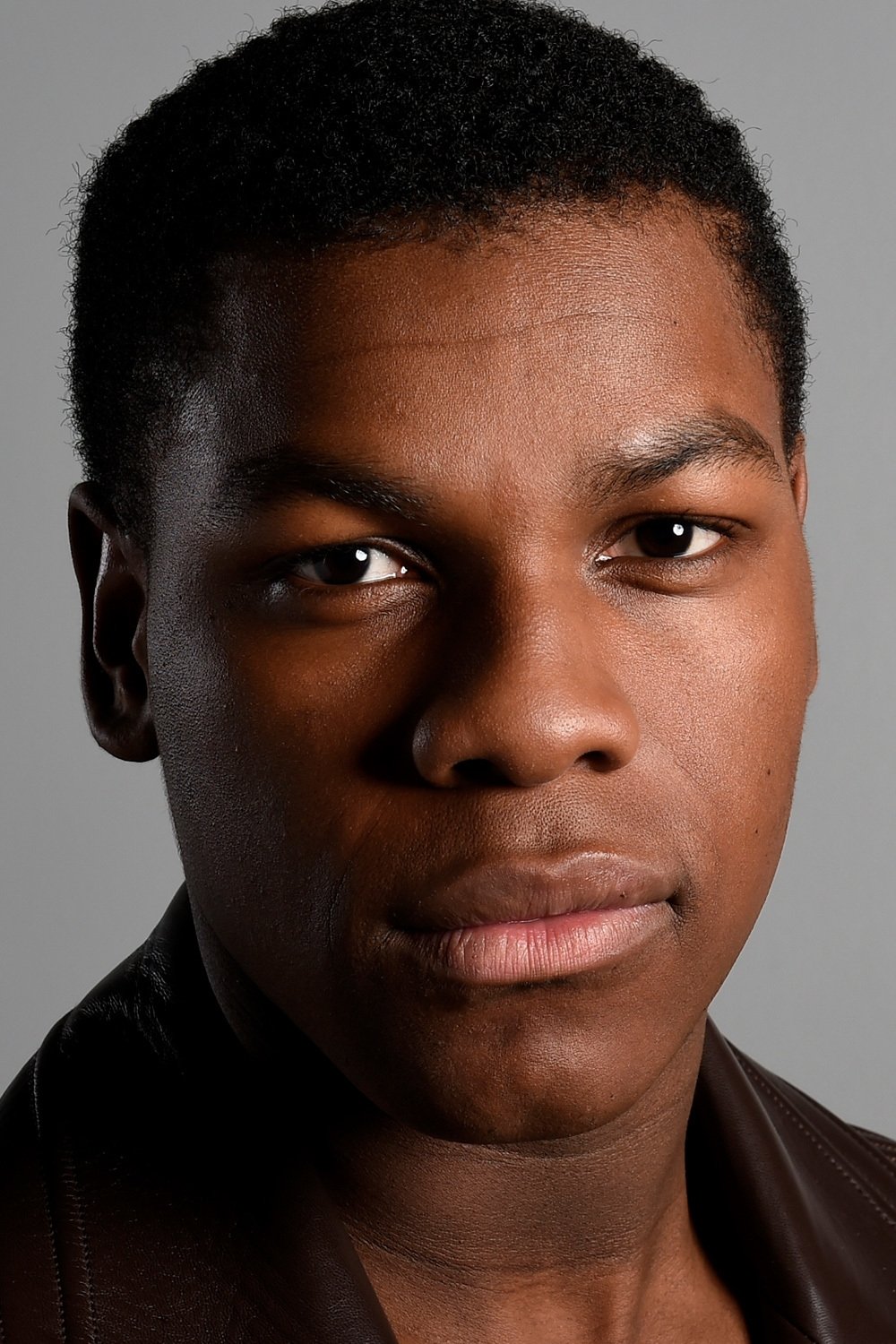
Boyega has been critical of major franchises like ‘Game of Thrones’ for their lack of diversity and refusal to cast Black actors in meaningful roles. He has turned down projects that he felt tokenized his race or required him to play a subservient savage. The actor famously spoke out against the way his character was sidelined in the ‘Star Wars’ sequels. He has since committed to producing and starring in films that give full agency to Black characters. Boyega is determined to control his own narrative and refuses to be a background accessory in white stories.
Which of these actors do you think made the boldest choice by walking away from a massive payday? Share your thoughts in the comments.