


20 Black Actors Who Turned Down “Magical Negro” Roles and Booked Bigger Ones

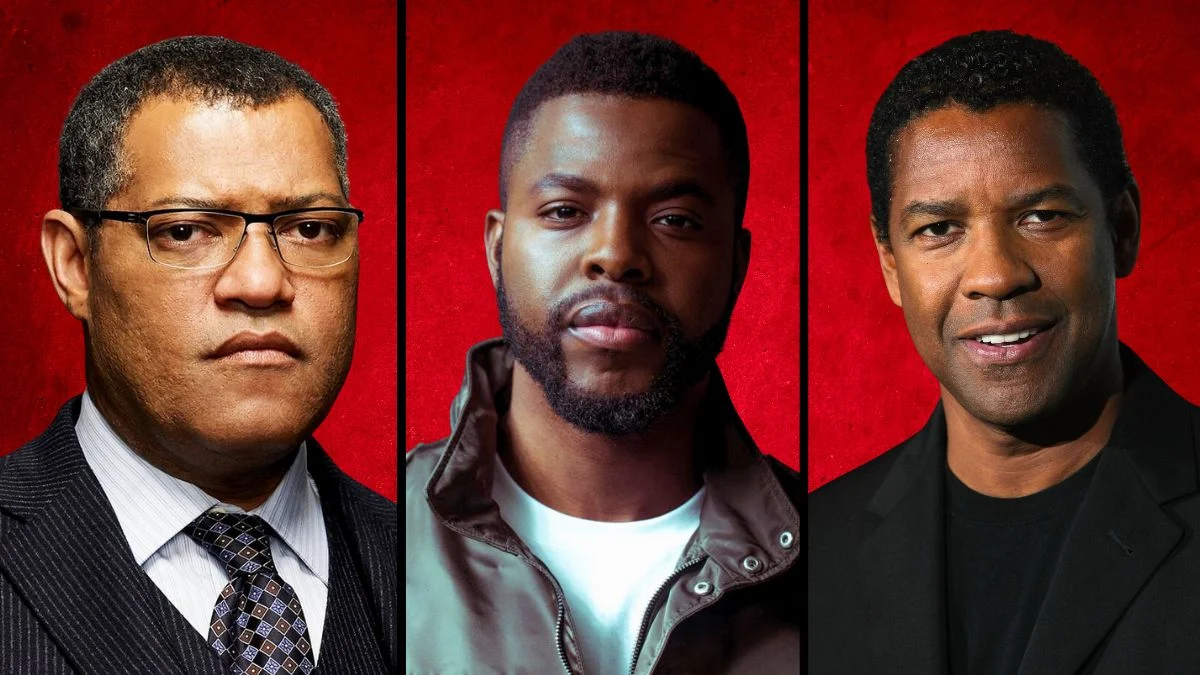


The “Magical Negro” trope has long plagued Hollywood, reducing Black characters to mystical plot devices existing solely to aid white protagonists. Many talented actors have refused to settle for these reductive portrayals, choosing instead to wait for roles that offer dignity, complexity, and agency. By saying no to stereotypes, these men reshaped their careers and the industry itself. Here are 20 Black actors who turned down limiting roles and went on to achieve greater success.
Shaquille O’Neal
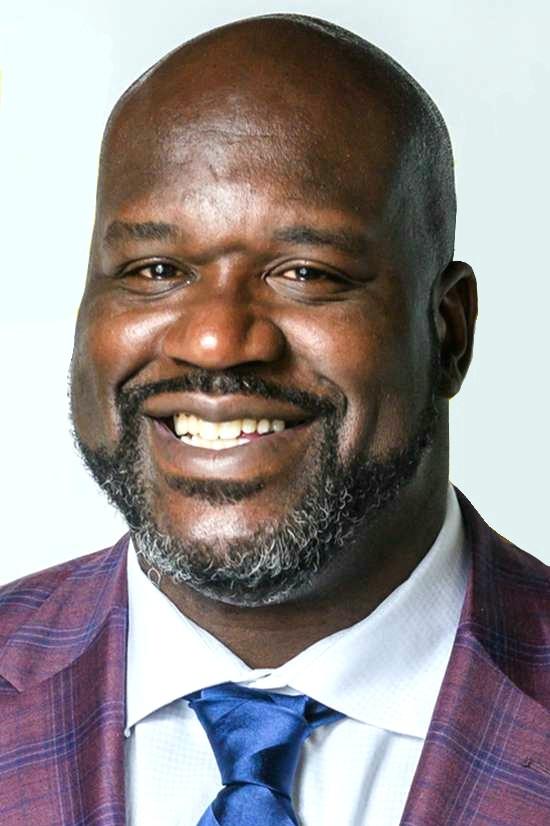
The NBA legend was the original choice to play John Coffey in ‘The Green Mile’, a role that eventually went to Michael Clarke Duncan. O’Neal turned down the part because he was uncomfortable playing a “down-South African American guy during slavery” who possessed magical powers to heal a white character. He did not want to perpetuate the “gentle giant” stereotype or the idea of a Black character existing solely to serve others. O’Neal continued his dominance in basketball and built a massive business empire that far eclipsed a potential acting career. His refusal highlighted his awareness of his public image and the historical weight of such roles.
Will Smith
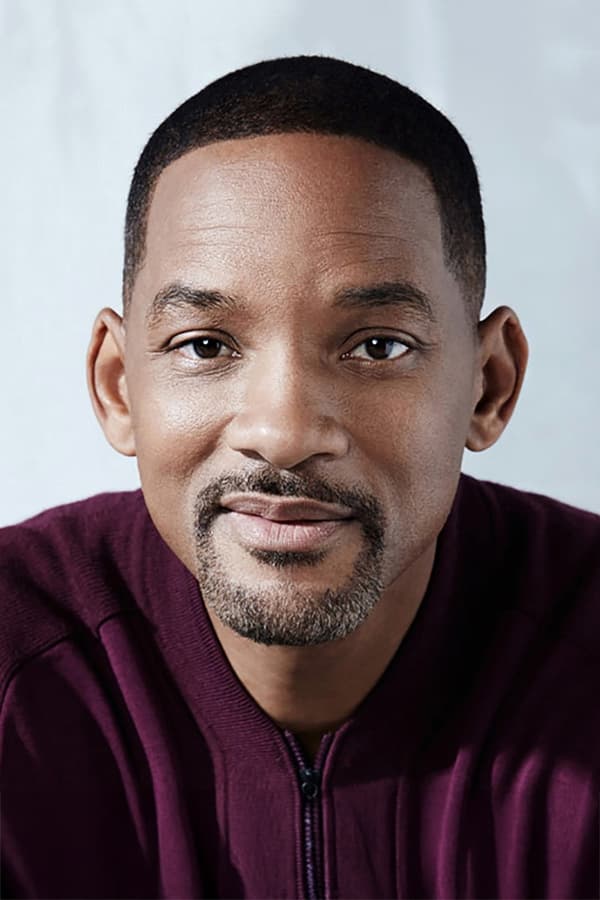
Smith famously turned down the title role in ‘Django Unchained’ because he felt the character was not the true lead of the story. He argued that Dr. King Schultz, the white bounty hunter, was the one who killed the villain and saved the day, which robbed the Black protagonist of his agency. Smith wanted to play a hero who saves himself and his love interest without being a sidekick in his own movie. He went on to star in ‘Men in Black 3’ and ‘Suicide Squad’, maintaining his status as a leading man who drives the plot. His decision sparked a conversation about how even “lead” roles for Black actors can sometimes be subservient to white narratives.
Dave Chappelle
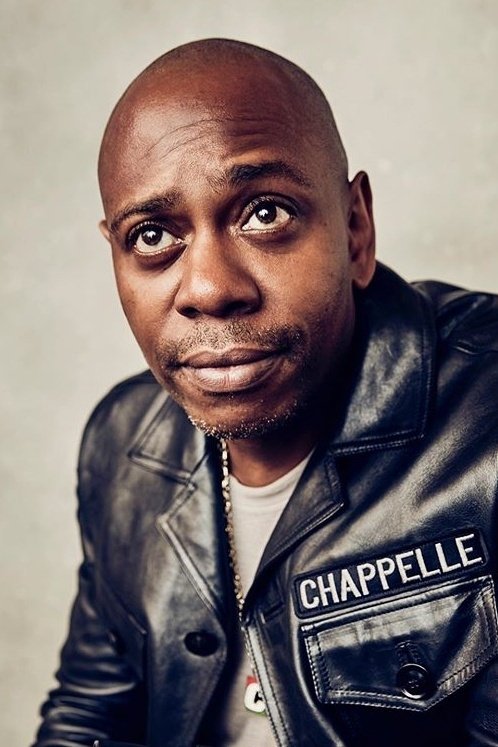
Before he became a comedy icon, Chappelle was offered the role of Bubba in the blockbuster ‘Forrest Gump’. He rejected the part because he felt the character was a demeaning stereotype of a dim-witted Black man who exists only to be the white protagonist’s best friend. Chappelle worried that taking the role would set a precedent for the types of characters he would be offered in the future. He stuck to his principles and eventually created ‘Chappelle’s Show’, which gave him complete creative control and culturally immortal status. This decision allowed him to critique stereotypes rather than embody them.
Ice Cube
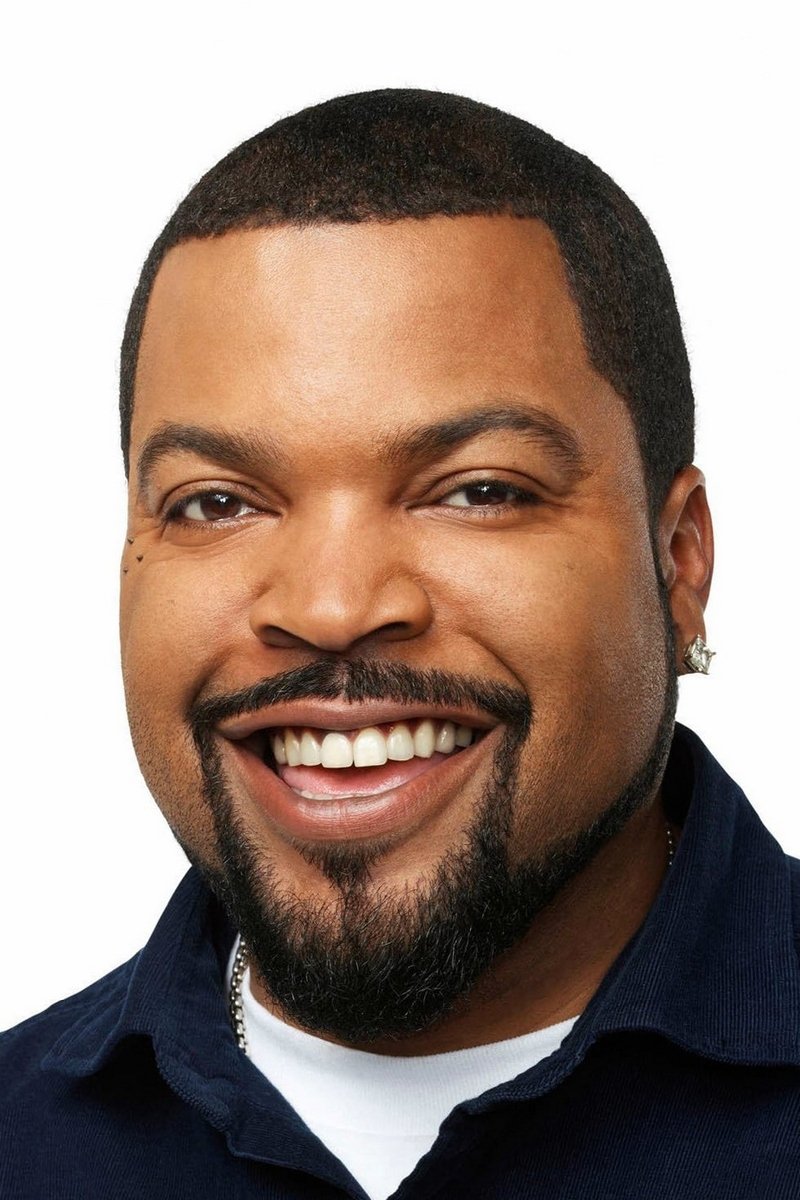
Like Chappelle, the rapper-turned-actor was also approached to play Bubba in ‘Forrest Gump’ but swiftly declined. Fresh off his success in ‘Boyz n the Hood’, Ice Cube was focused on playing characters with agency and grit, rather than subservient sidekicks. He viewed the role of Bubba as a “idiot” caricature that did not align with the intelligent, tough persona he was cultivating. He went on to write and star in ‘Friday’, launching a successful film franchise where he controlled the narrative. His career flourished as a producer and leading man who defined his own image.
Denzel Washington
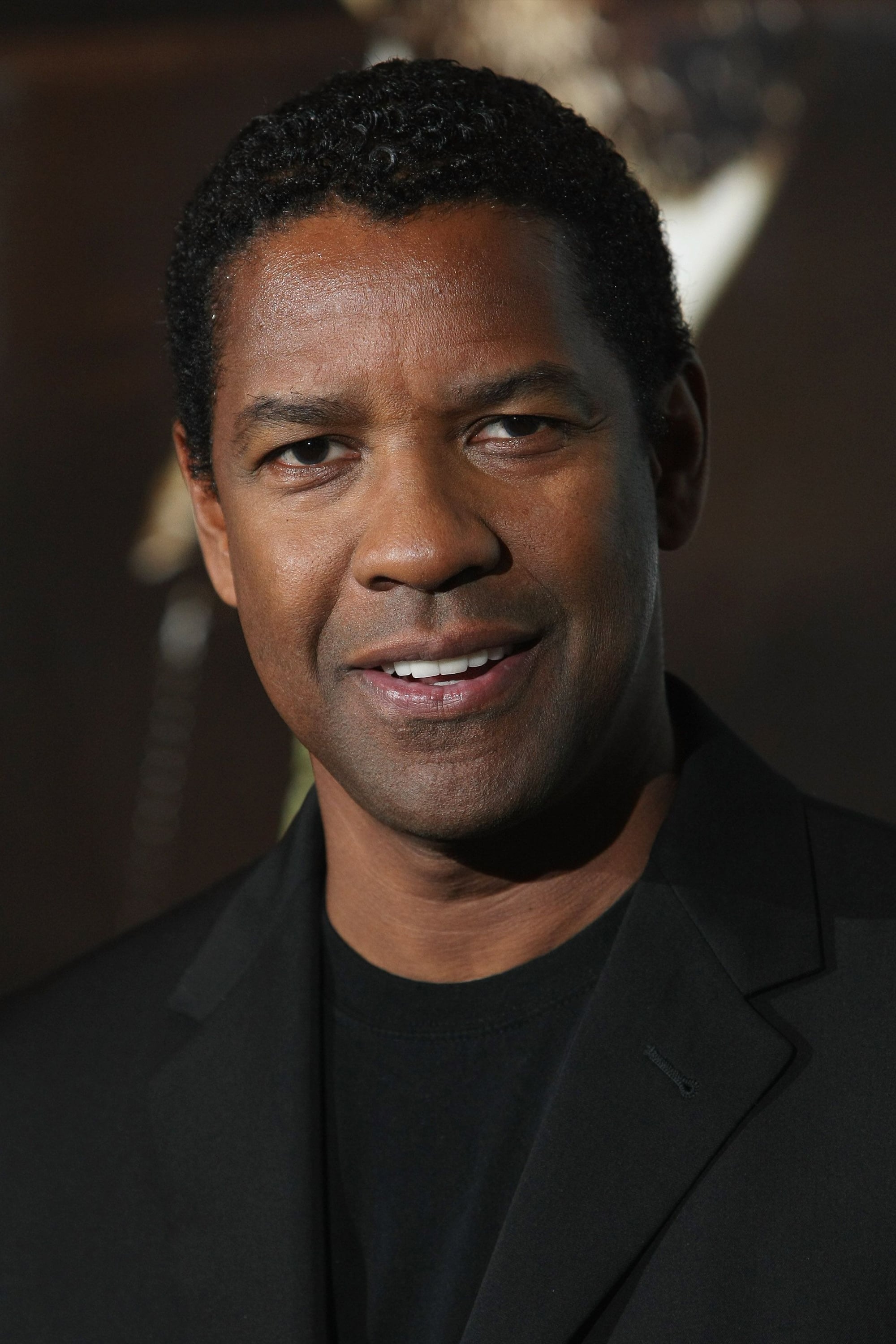
Washington has been notoriously selective throughout his career, famously turning down the role of Cinqué in ‘Amistad’. He felt uncomfortable with the “slave narrative” that permeated Hollywood dramas and preferred to play characters who held positions of power and authority. He also passed on the role of Detective Mills in ‘Se7en’ because he felt the script was too dark and demonic. Washington chose to wait for roles like the corrupt cop in ‘Training Day’, which earned him a Best Actor Oscar. His refusal to play victims established him as one of the most commanding screen presences in history.
Sidney Poitier
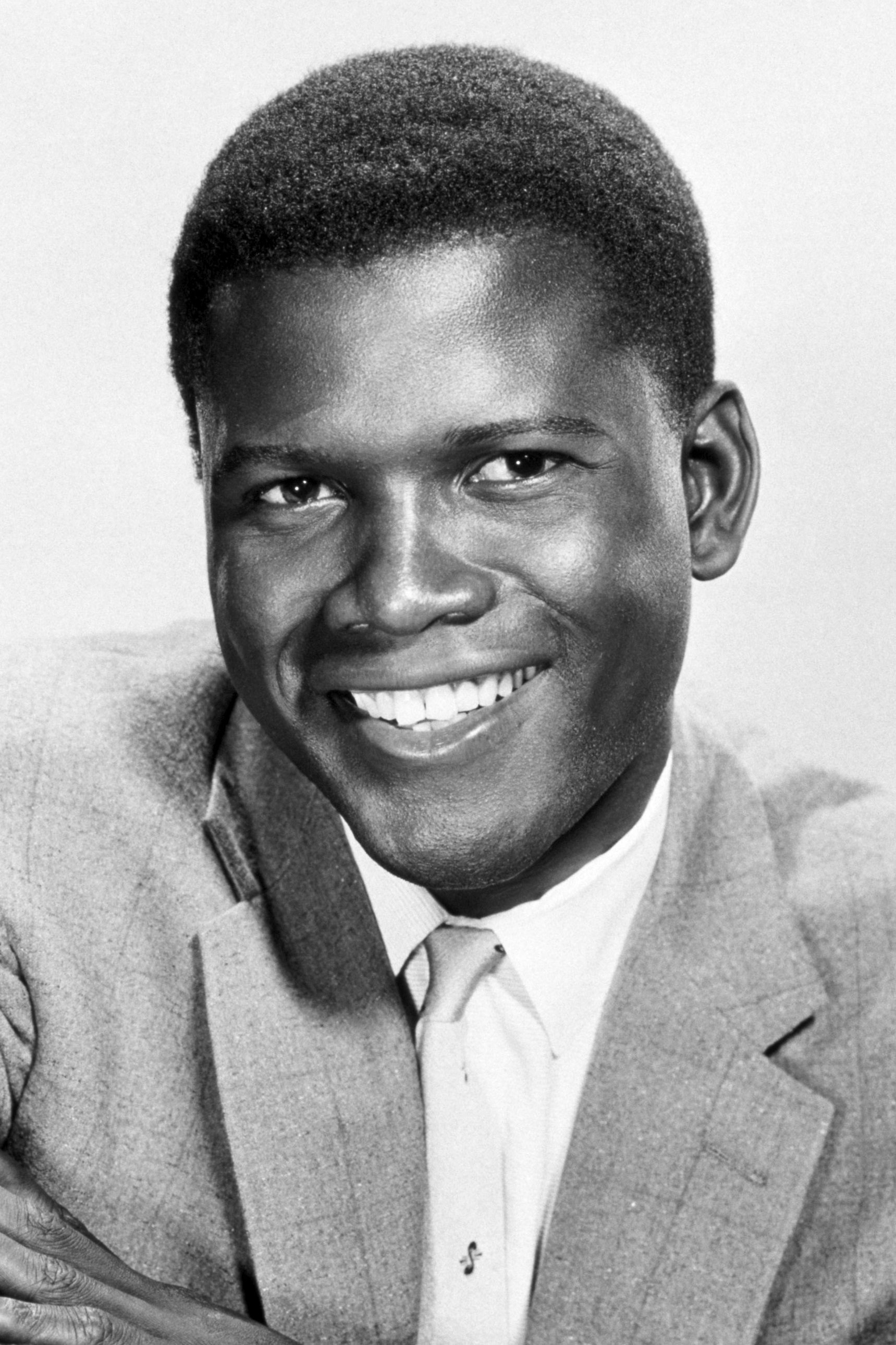
As a trailblazer for Black actors, Poitier refused to play roles that he deemed undignified or subservient, famously turning down a janitor role in ‘The Phenix City Story’. He made a vow early in his career never to play a character who did not reflect the intelligence and humanity of Black people. This principled stance led him to groundbreaking roles in films like ‘In the Heat of the Night’ and ‘Lilies of the Field’, the latter of which won him a historic Academy Award. By rejecting the “servant” trope, he forced Hollywood to write complex, leading roles for Black men. His legacy is defined by his refusal to compromise his dignity for a paycheck.
Eddie Murphy
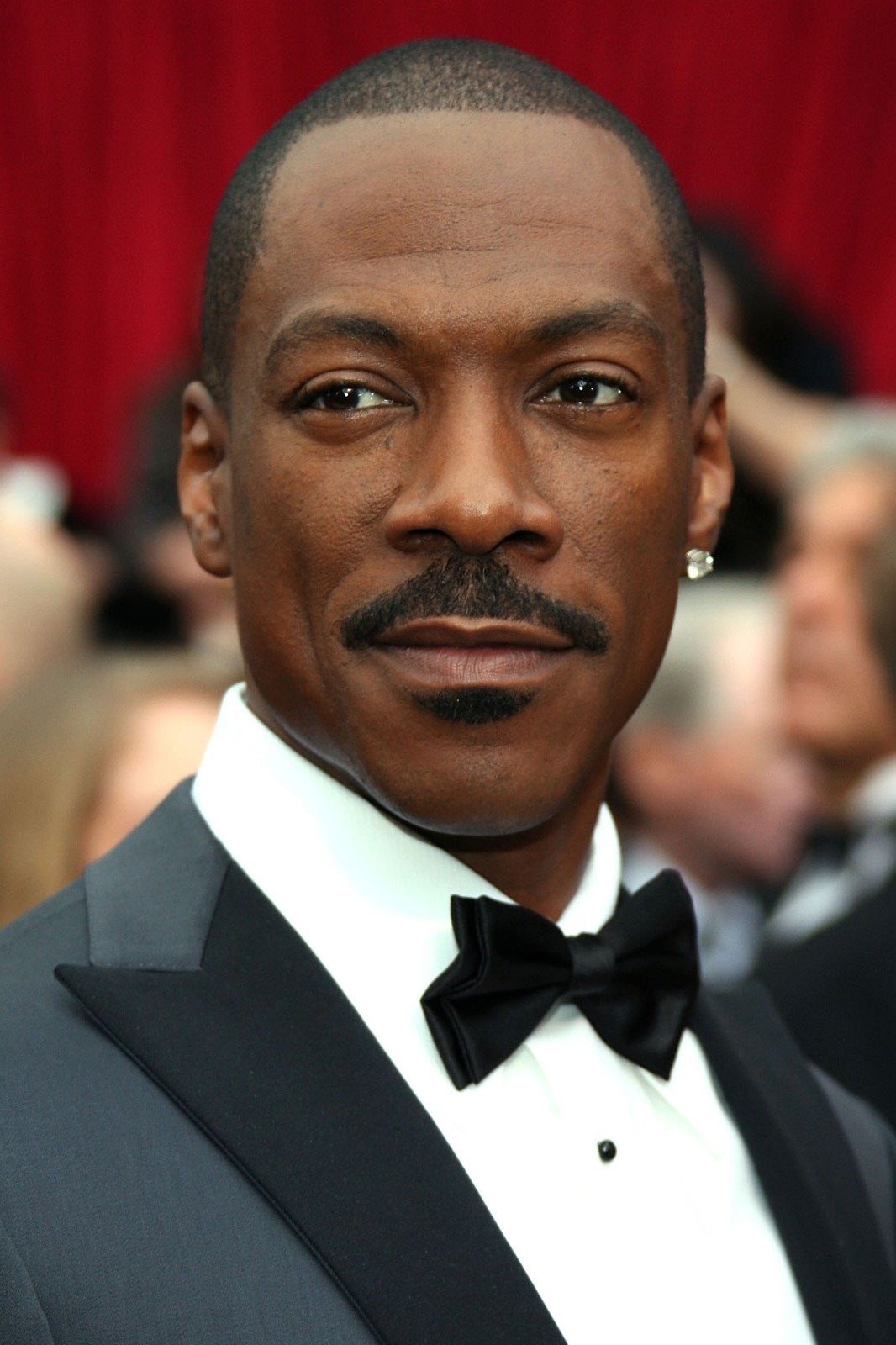
Murphy was the original choice for the role of Winston Zeddemore in ‘Ghostbusters’, a part written with him in mind. He turned it down to star in ‘Beverly Hills Cop’, a decision that cemented his status as a solo superstar rather than a member of an ensemble. The role of Winston was subsequently reduced in the script, becoming a late addition to the team who lacked the scientific expertise of his white counterparts. Murphy’s choice allowed him to lead a franchise that showcased his comedic genius front and center. He became one of the biggest box office draws of the 1980s by refusing to be the token Black guy.
Chadwick Boseman
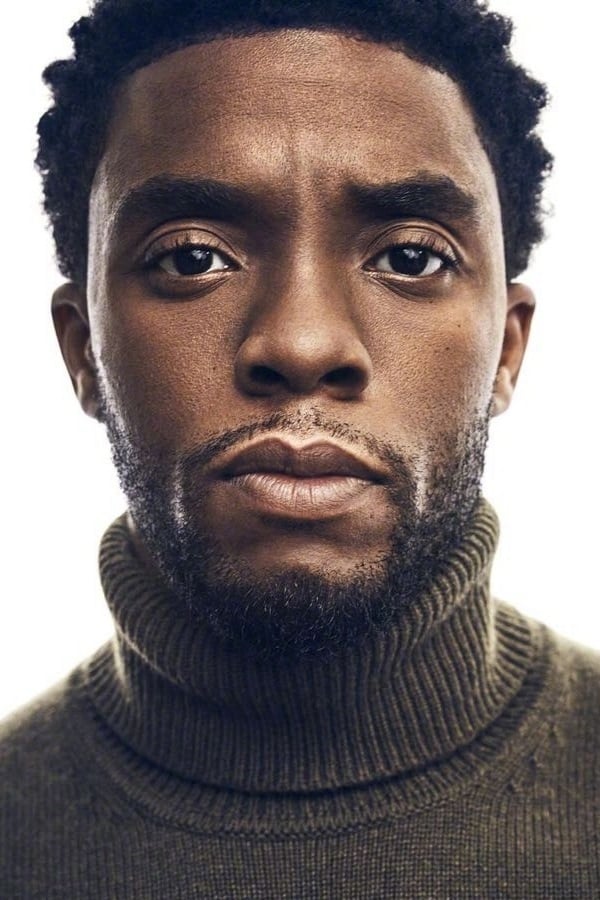
Long before he became the King of Wakanda, Boseman was cast as Reggie Montgomery in the soap opera ‘All My Children’. He was fired after only a week because he voiced concerns to the producers that the character was written as a stereotypical “thug” with no depth. He refused to play into the negative tropes that demonized young Black men, paving the way for Michael B. Jordan to take the role. Boseman’s integrity led him to portray icons like Jackie Robinson, James Brown, and Thurgood Marshall. His career became a testament to playing characters of immense dignity and historical significance.
John Amos
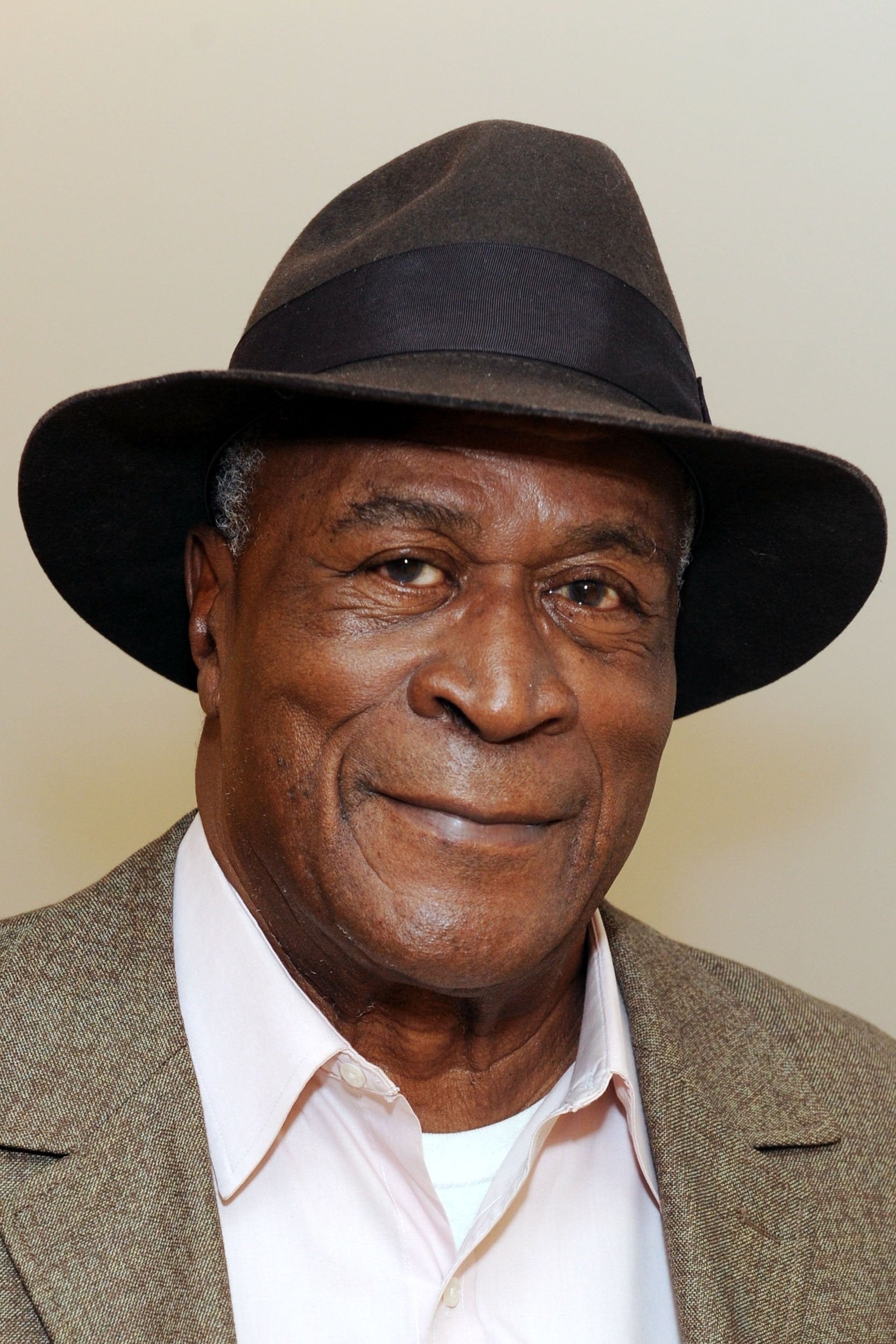
Amos is legendary for his role as the patriarch James Evans on ‘Good Times’, but his departure from the show was a direct result of his refusal to accept buffoonery. He frequently clashed with the writers over the character of J.J., whose “Dyn-o-mite” catchphrase and stereotypical behavior Amos felt were degrading to the image of the Black family. He was eventually fired for his outspokenness but maintained his integrity and respect within the community. Amos went on to star in the seminal miniseries ‘Roots’ and had a successful career in television and film. He chose dignity over a steady paycheck on a hit show that relied on minstrelsy.
Laurence Fishburne
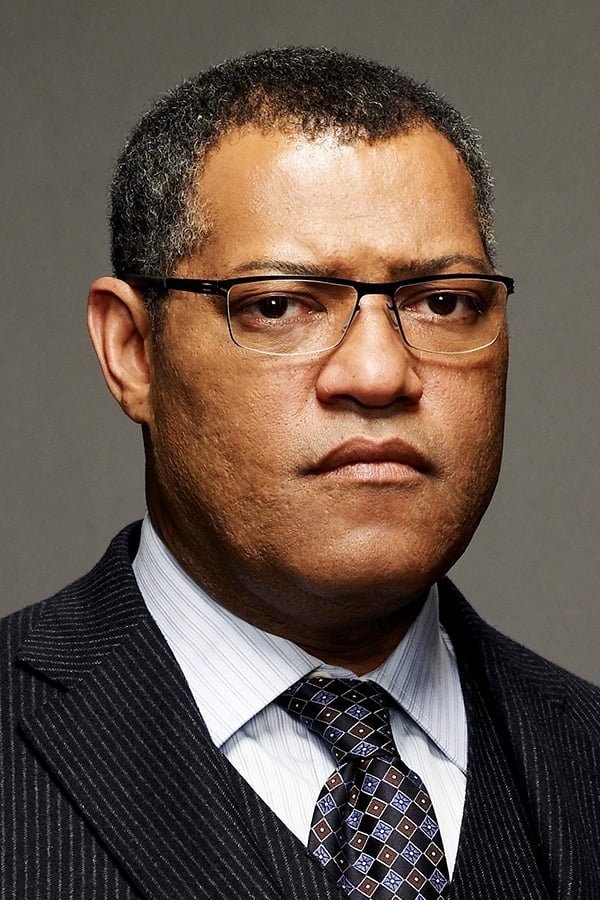
Fishburne was offered the role of Jules Winnfield in ‘Pulp Fiction’, a part written specifically for him by Quentin Tarantino. He turned it down because he felt the film glamorized heroin use and did not want to contribute to a narrative that made drug culture look “cool.” He also resisted roles that he felt were merely sidekicks to white protagonists, eventually landing the iconic role of Morpheus in ‘The Matrix’. As Morpheus, he played a leader and mentor who commanded respect and drove the plot. Fishburne’s career has been defined by his gravitas and his refusal to compromise his moral compass.
Idris Elba
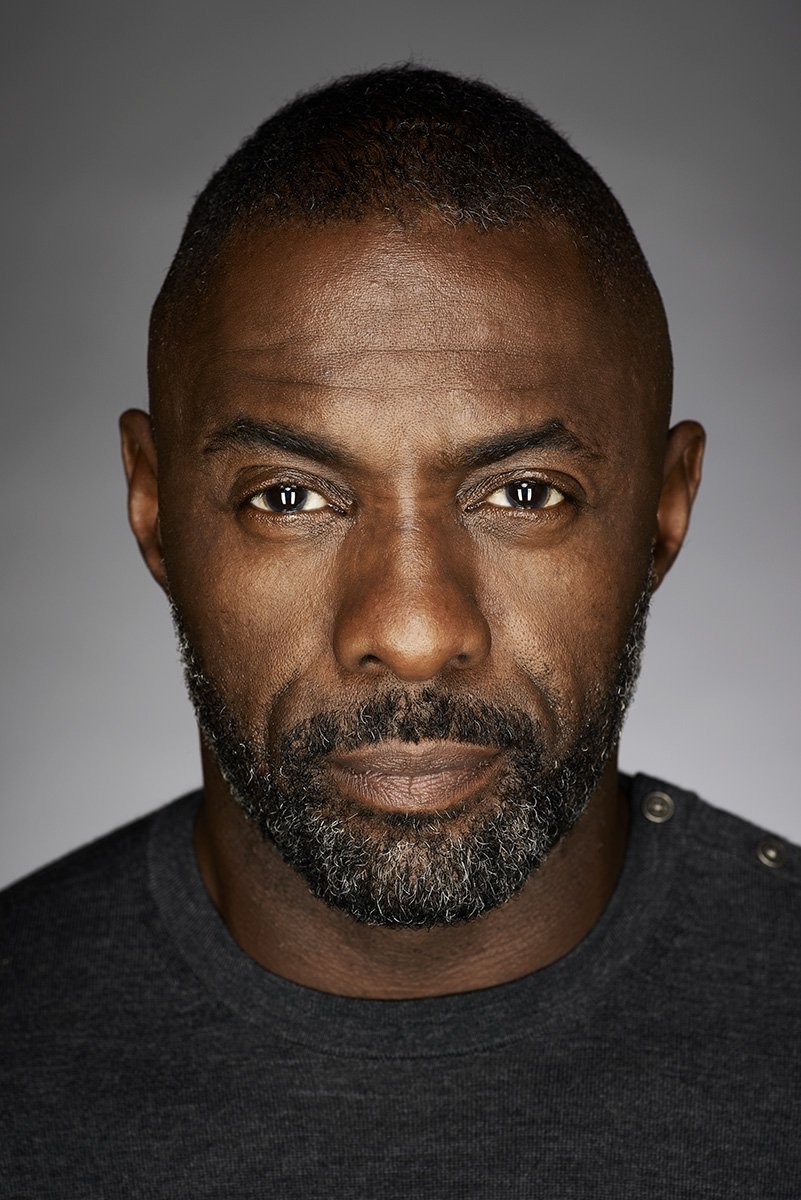
While fans clamored for Elba to become the next James Bond, the actor eventually distanced himself from the role due to the “disgusting” racial discourse surrounding it. He expressed that he did not want to be defined as the “Black Bond,” a label that reduced his potential casting to a political statement rather than a merit-based achievement. Elba preferred to create his own iconic characters, such as the brilliant but troubled detective in ‘Luther’. He has since starred in major blockbusters like ‘The Suicide Squad’ and ‘Hobbs & Shaw’. His refusal to engage with the tokenism of the Bond conversation allowed him to maintain his artistic independence.
Chris Tucker
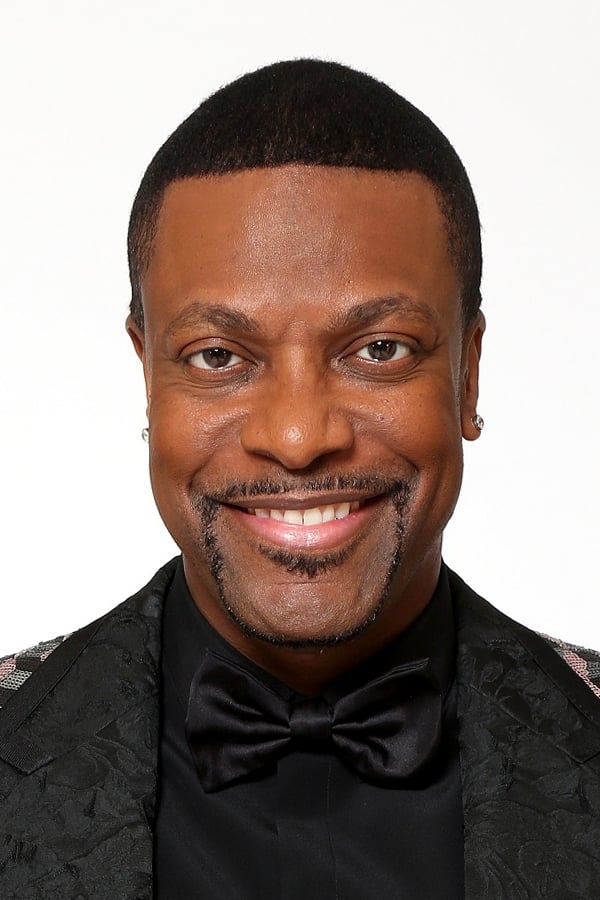
After the massive success of ‘Friday’, Tucker famously turned down the sequel ‘Next Friday’ and a potential fortune. He cited religious reasons and a desire to move away from roles that required excessive cursing and smoking, which he felt perpetuated negative stereotypes. Tucker did not want to be pigeonholed as the loud-mouthed stoner character forever. He pivoted to the ‘Rush Hour’ franchise, where he became one of the highest-paid actors in Hollywood history. His selectivity ensured that he remained a global star without compromising his evolving personal values.
Harry Belafonte

Belafonte was a fierce critic of Hollywood’s racial politics and turned down the lead role in the film adaptation of ‘Porgy and Bess’. He found the story to be racially demeaning, depicting Black people in a way that stripped them of their dignity and humanity. Throughout his career, he refused to play characters that were subservient or that ignored the reality of the Civil Rights movement. He focused his energy on music and activism, becoming a global icon for social justice. When he did act, he chose roles in films like ‘Odds Against Tomorrow’ that challenged the status quo.
David Alan Grier
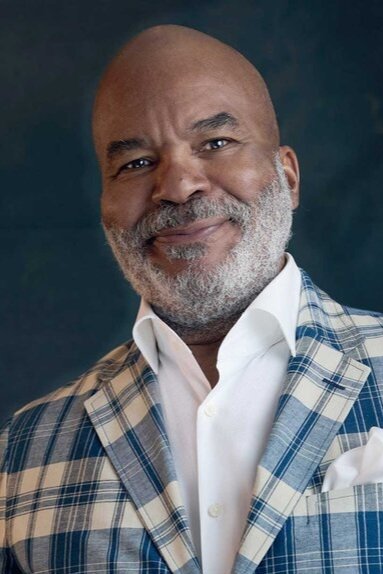
The veteran comedian and actor was another talent who passed on the role of Bubba in ‘Forrest Gump’. Grier felt the character was a regression for Black representation, reducing a Black man to a simple-minded caricature whose death serves the emotional arc of the white lead. He chose to focus on his work in ‘In Living Color’, a show that subverted stereotypes and celebrated Black culture through satire. Grier’s career has been marked by his versatility on stage and screen, winning a Tony Award later in his career. He refused to be the butt of the joke in a major blockbuster.
Yaphet Kotto
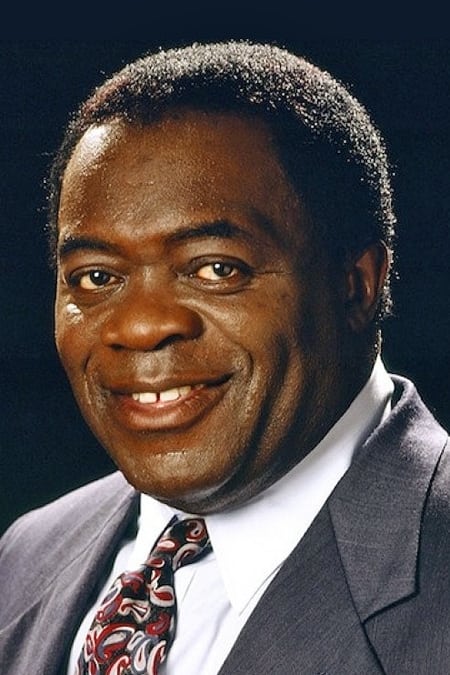
Kotto turned down the role of Lando Calrissian in ‘The Empire Strikes Back’ and Captain Picard in ‘Star Trek: The Next Generation’. He feared that playing Lando would result in him being killed off or marginalized as a “space token,” a fate he wanted to avoid. While he missed out on the Star Wars franchise, he delivered an unforgettable performance as Parker in ‘Alien’, a character who was competent, brave, and equal to his crewmates. Kotto prioritized roles where he could be a fully realized human being rather than a sci-fi trope. He maintained a steady career as a respected character actor.
John Boyega
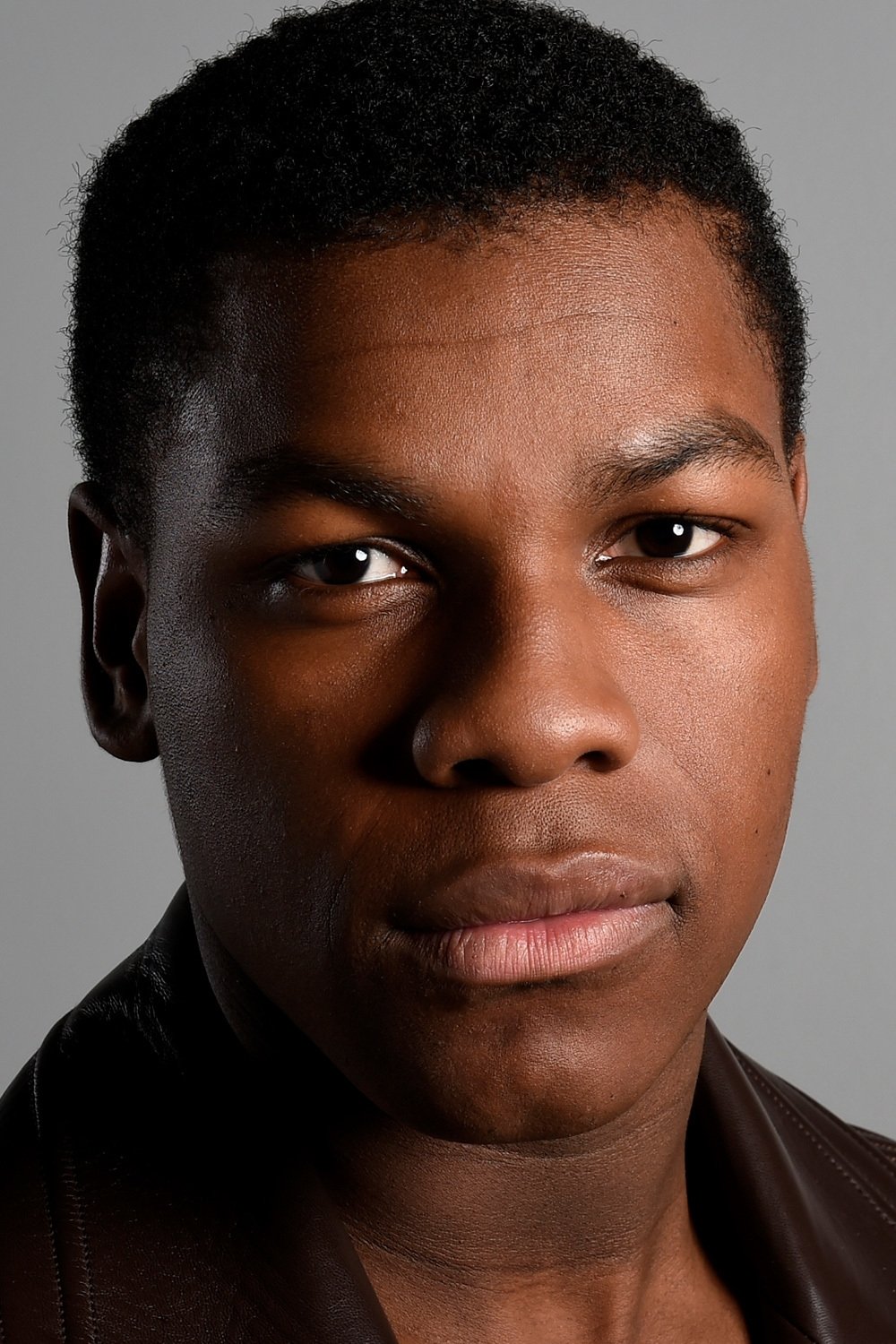
While Boyega accepted the role of Finn in ‘Star Wars’, he publicly criticized the franchise later for how his character was sidelined. He spoke out against the “bait and switch” where his character was marketed as a Jedi lead but was reduced to a comedic sidekick with no significant arc in the final film. Boyega refused to stay silent about the “Magical Negro” elements of being a Black character who exists to support the white leads. He pivoted to serious, dramatic work in the ‘Small Axe’ anthology series, winning a Golden Globe for his portrayal of Leroy Logan. His outspokenness demanded better treatment for Black actors in franchises.
Ray Fisher
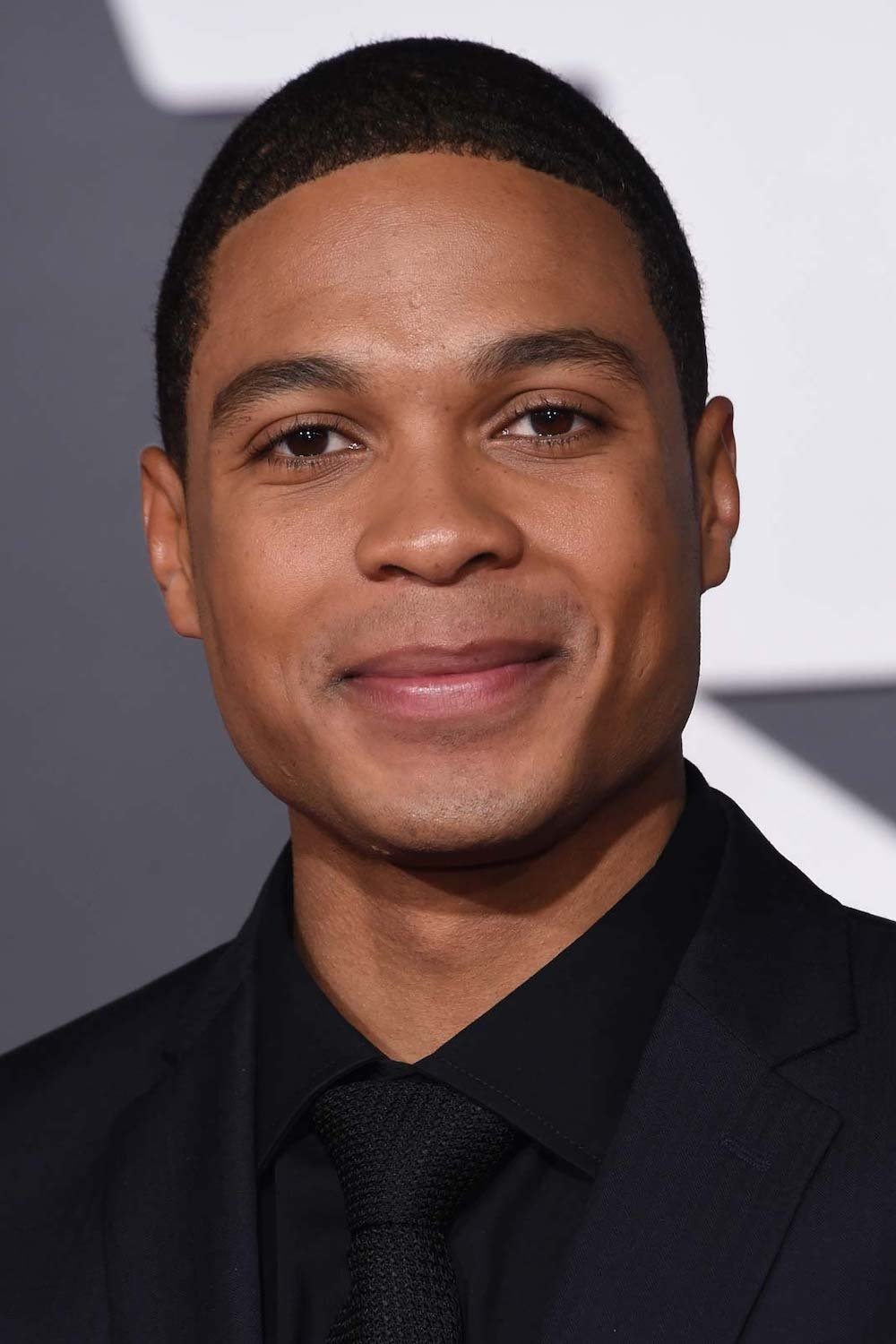
Fisher played Cyborg in ‘Justice League’ but waged a public battle against the studio over the reduction of his role in the theatrical cut. He argued that the original story, which centered on Cyborg’s emotional journey, was gutted to make him a background support character for the white heroes. He refused to accept the “angry Black man” stereotype or the minimization of his character’s trauma and triumph. His stance was vindicated when ‘Zack Snyder’s Justice League’ was released, restoring his arc as the heart of the film. Fisher sacrificed his standing with a major studio to fight for the integrity of his character.
Paul Robeson
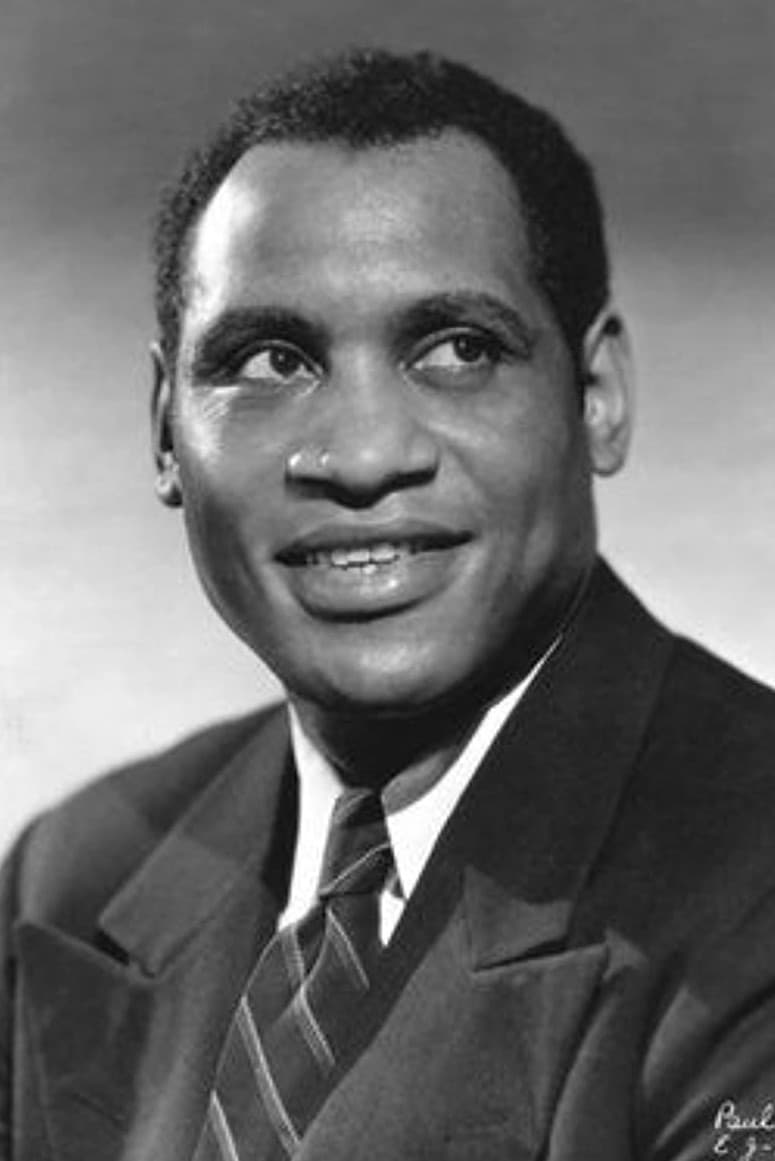
A giant of the Harlem Renaissance, Robeson eventually left Hollywood altogether because he was tired of the limited, stereotypical roles offered to Black men. After starring in ‘Tales of Manhattan’, he realized that even in lead roles, the industry portrayed Black people as “noble savages” or simpletons to appease white audiences. He refused to renew his contract, stating that he would no longer validate the industry’s racism with his immense talent. Robeson focused on his music and global activism, becoming a symbol of resistance against oppression. He sacrificed movie stardom to maintain his soul and dignity.
Winston Duke
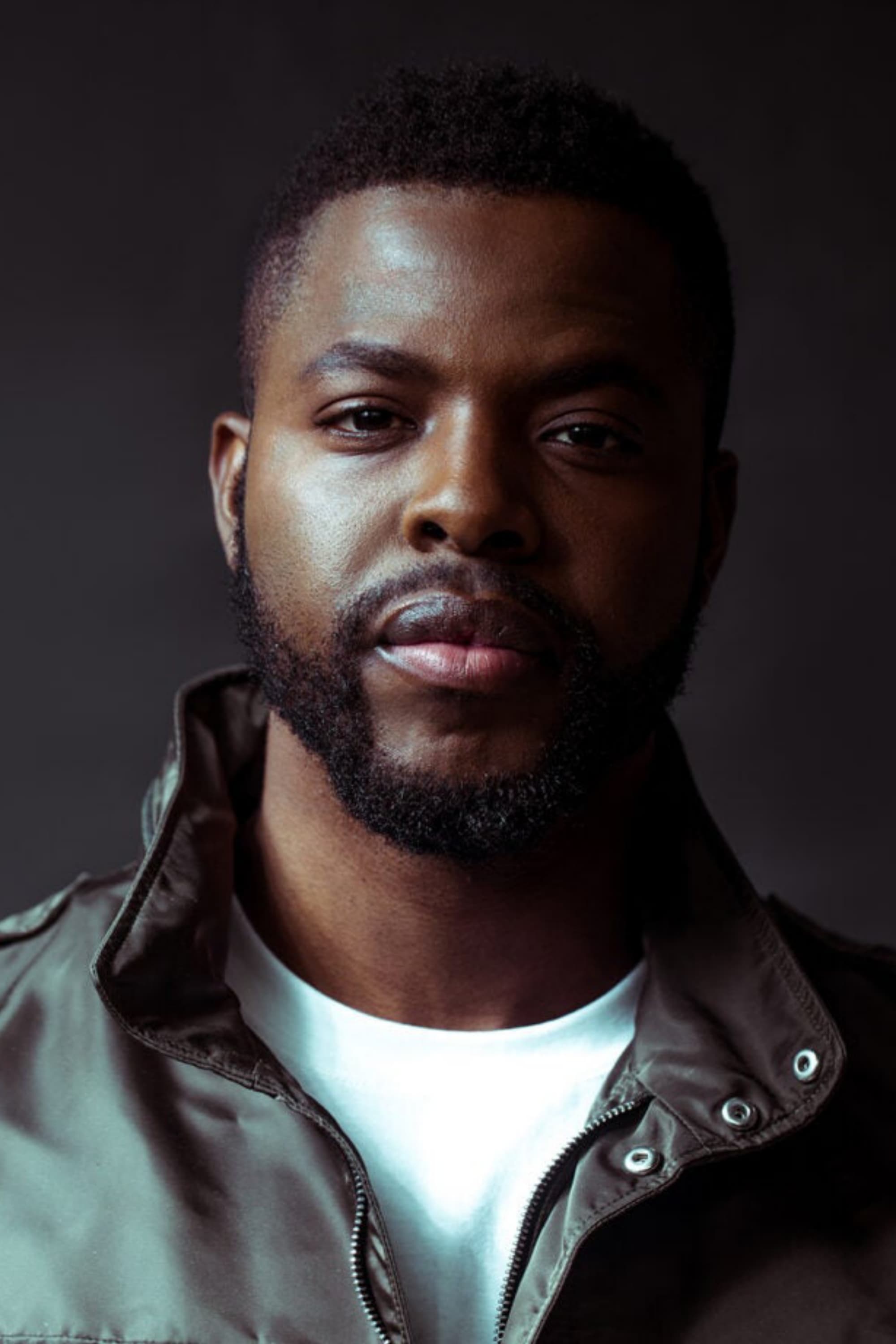
After his breakout role as M’Baku in ‘Black Panther’, Duke was offered numerous roles that wanted him to play the “scary, big Black guy” or a thug. He turned them down, recognizing that Hollywood wanted to weaponize his size to perpetuate fear rather than showcase his range. He chose instead to play a goofy, upper-middle-class dad in Jordan Peele’s ‘Us’, shattering the perception of what a man of his stature could play. Duke’s refusal to be typecast as a brute allowed him to demonstrate his comedic and dramatic versatility. He continues to seek roles that challenge physical expectations.
Larenz Tate
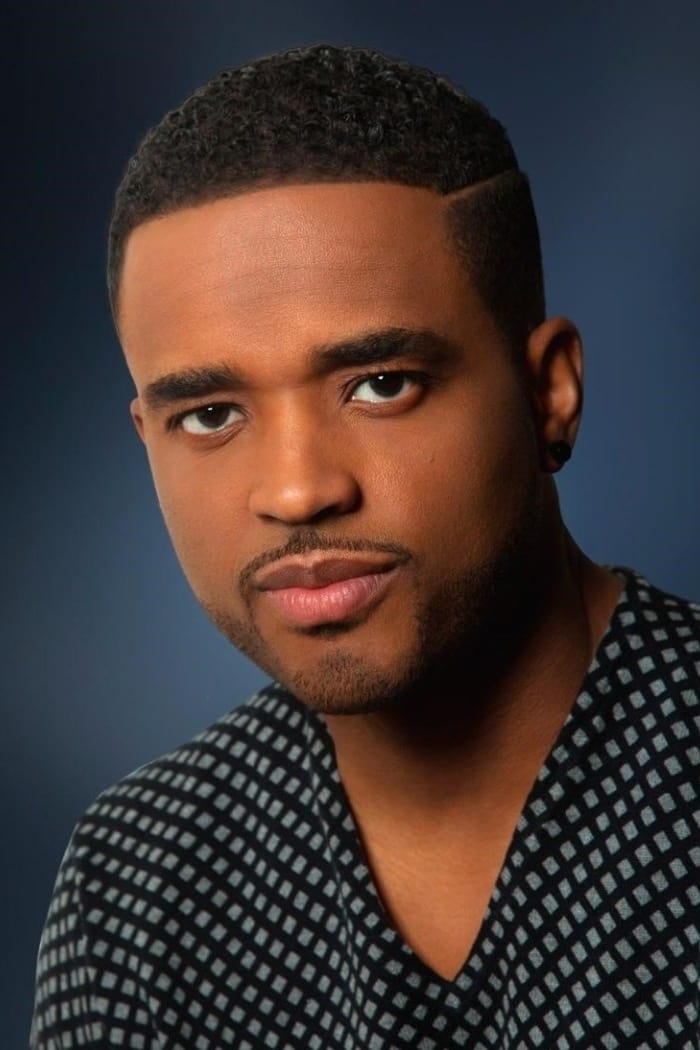
Following his chilling performance as O-Dog in ‘Menace II Society’, Tate was flooded with offers to play violent gangsters and “hood” stereotypes. He turned them all down, refusing to be trapped in a box that glamorized Black-on-Black violence. He waited for a romantic lead role, which he found in the cult classic ‘Love Jones’, proving he could be a suave, poetic heartthrob. This pivot showcased his range and saved him from the typecasting that consumed many of his peers. Tate’s career longevity is a direct result of his early refusal to play the same stereotype twice.
Share your thoughts on these actors’ decisions and which rejected role surprised you the most in the comments.