


14 Black Actors Who Walked Away from $20M+ Paychecks Over Script Issues

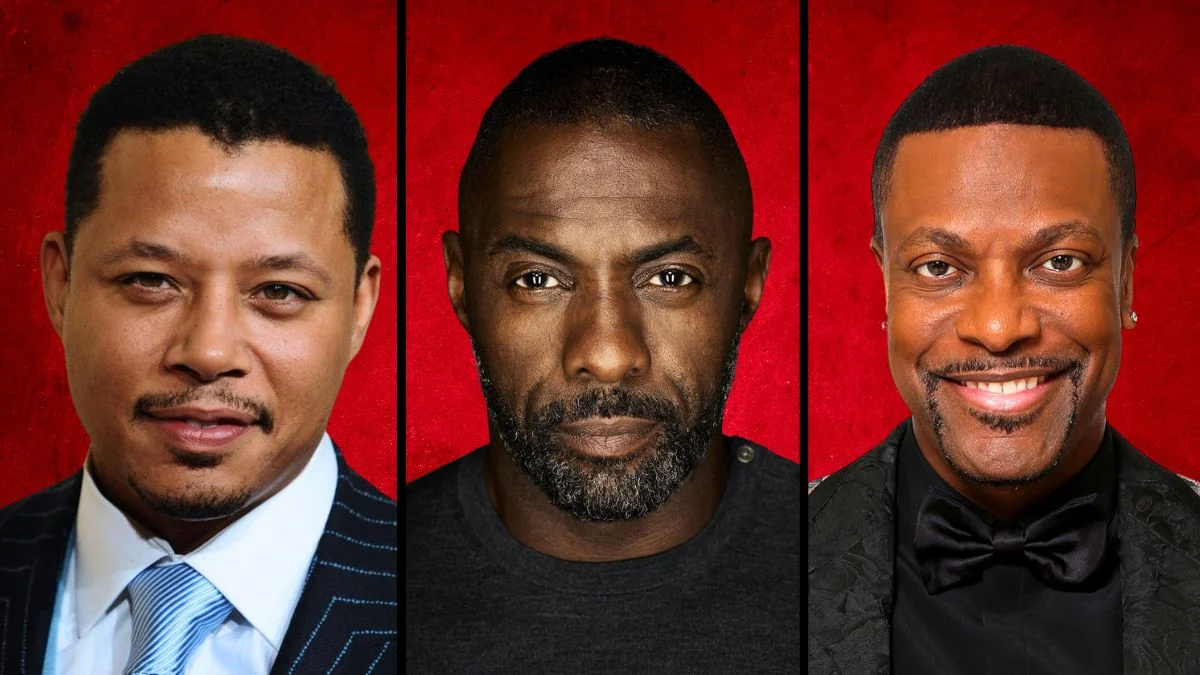


Hollywood history is filled with stories of performers turning down lucrative roles, but few instances are as dramatic as when stars walk away from massive paydays due to creative integrity. These actors prioritized the quality of the script and their personal values over guaranteed wealth and franchise opportunities. From rejecting stereotypical characters to refusing projects that conflicted with their moral compass, these decisions often altered the course of their careers and the film industry itself. The following men stood their ground when presented with scripts that did not align with their artistic vision.
Dave Chappelle
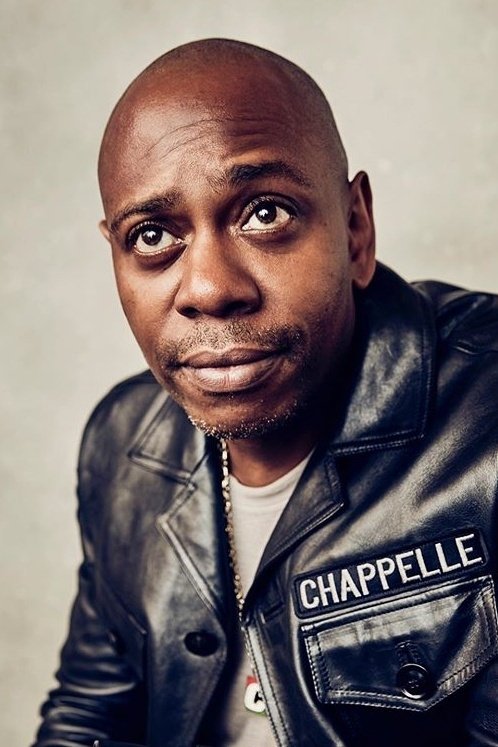
Dave Chappelle famously walked away from a $50 million contract renewal for ‘Chappelle’s Show’ at the height of its popularity. The comedian felt that the sketches in the third season were beginning to reinforce the very racial stereotypes he intended to satirize. During the filming of a specific sketch involving a pixie, Chappelle realized the content was being received incorrectly by the audience and crew. He abruptly left the production and flew to South Africa to escape the pressure and re-evaluate his career path. His refusal to compromise his integrity for a massive paycheck remains one of the most significant moments in entertainment history.
Will Smith
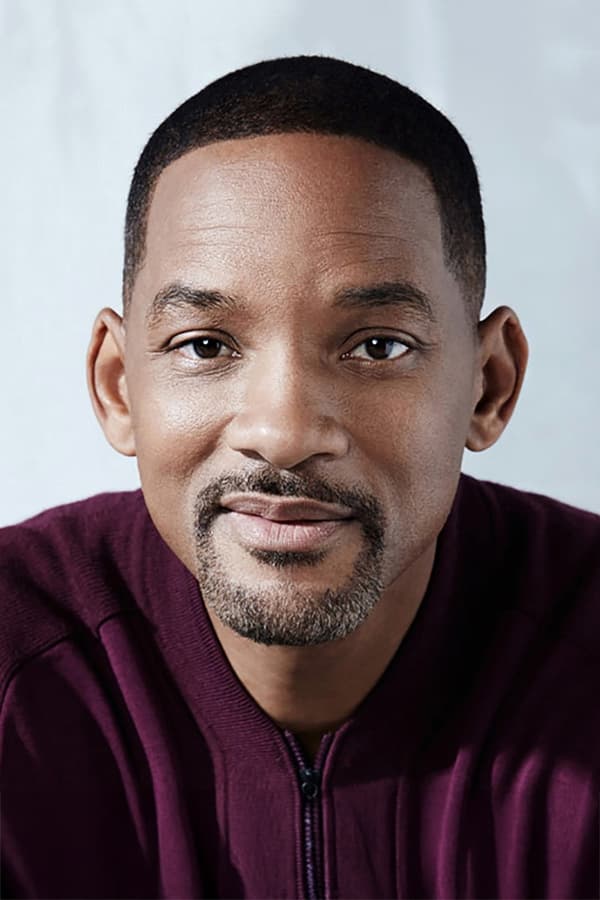
Will Smith was Quentin Tarantino’s first choice to play the lead role in ‘Django Unchained’, a film that went on to be a massive box office success. Smith turned down the role after reading the script because he felt that the title character was not the true lead of the story. He argued that Christoph Waltz’s character, Dr. King Schultz, had the pivotal moment of killing the villain, which Smith believed should belong to Django. Additionally, Smith wanted the film to be a love story rather than a vengeance film, leading to creative differences that caused him to walk away.
Chris Tucker
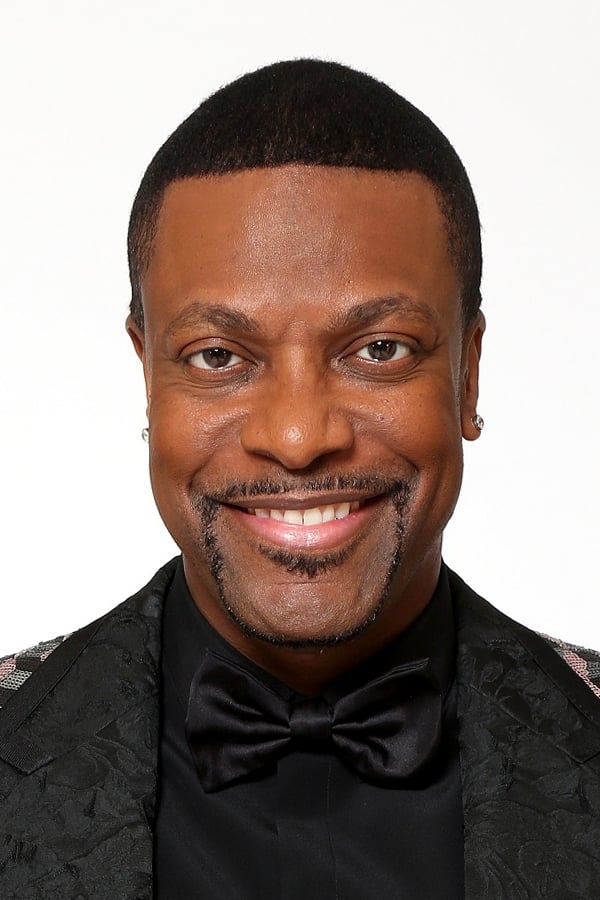
After the massive success of the first ‘Friday’ film, Chris Tucker was offered a reported $10 million to $12 million to reprise his role as Smokey in ‘Next Friday’. Tucker declined the offer because of his newfound religious convictions and a desire to distance himself from the drug-heavy content of the script. He stated that he did not want to represent smoking marijuana to his audience anymore, despite the character’s popularity. This decision eventually led to him commanding $25 million for ‘Rush Hour 3’, proving that his stance did not hinder his earning potential in the long run.
Denzel Washington
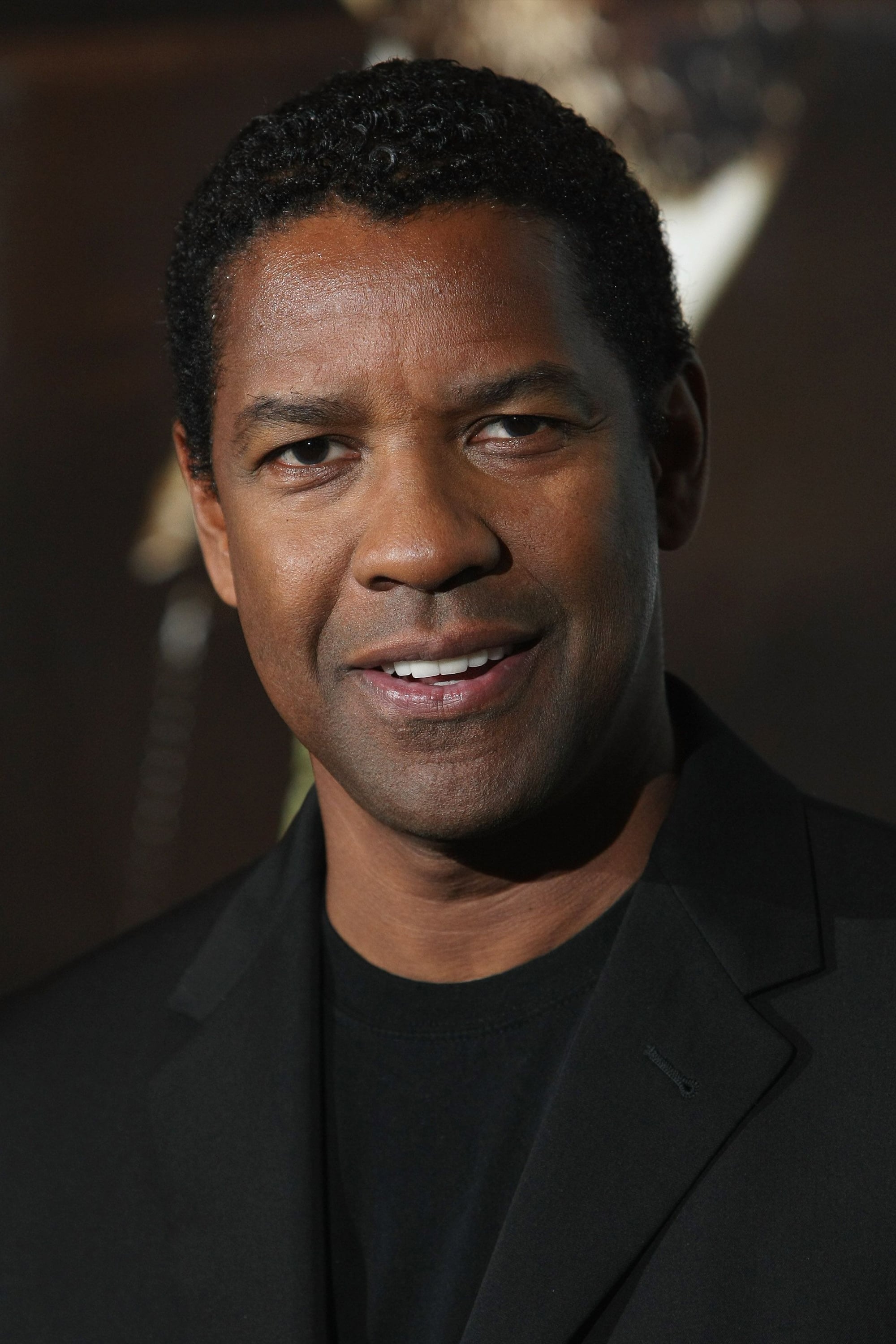
Early in his career, Denzel Washington was offered the role of Detective David Mills in the psychological thriller ‘Se7en’. Washington turned down the project because he found the script to be too dark and demonic for his personal taste. The role eventually went to Brad Pitt, and the film became a cult classic and a defining movie of the 1990s. Washington later admitted that he regretted the decision after seeing the final cut, but at the time, the script’s gruesome nature was a dealbreaker.
Eddie Murphy
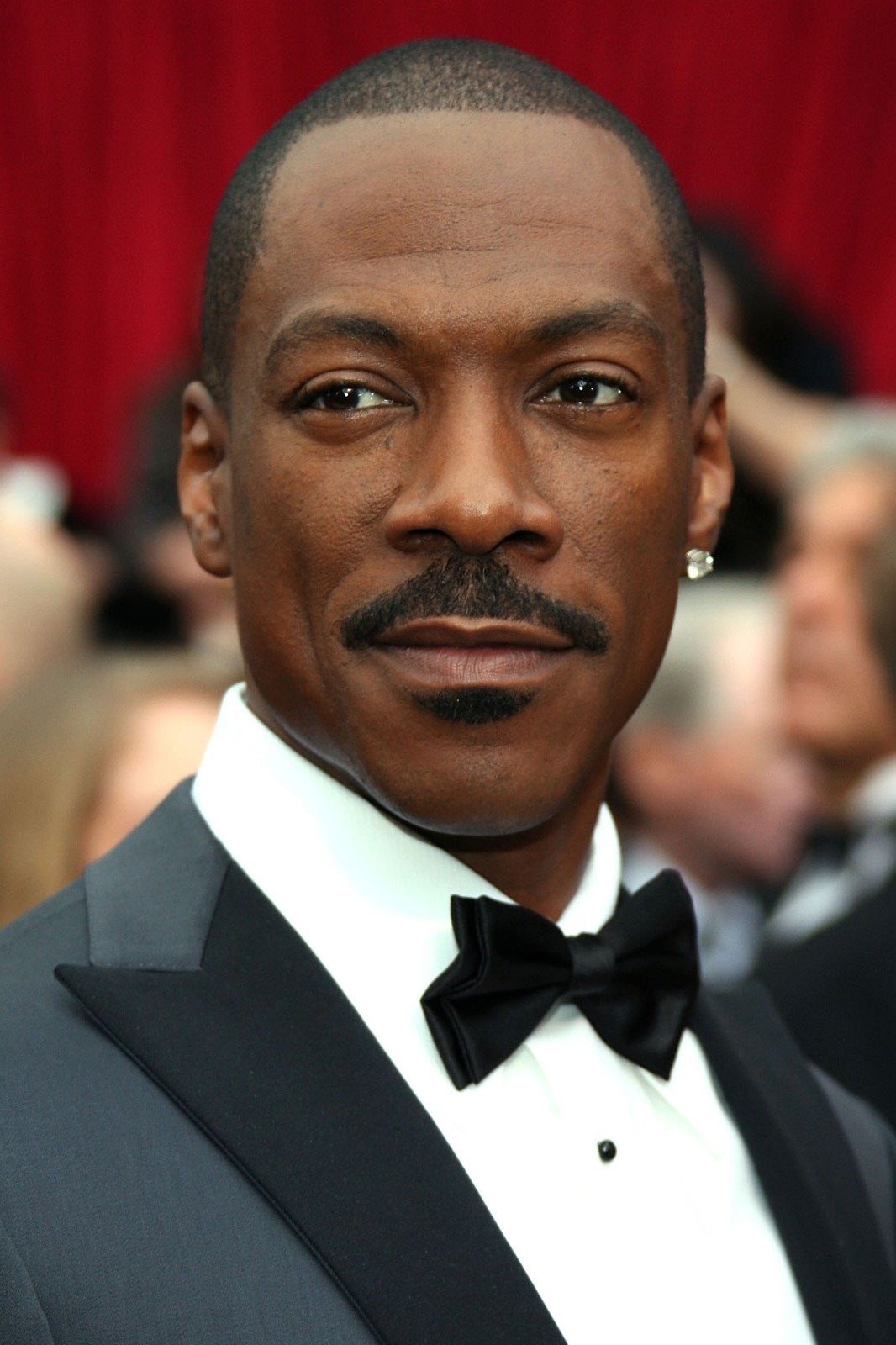
Eddie Murphy was written into the original script for ‘Ghostbusters’ as the character Winston Zeddemore, a role that was intended to be much larger. Murphy turned down the part to star in ‘Beverly Hills Cop’, which became a defining hit of his career. While ‘Ghostbusters’ became a massive franchise, Murphy felt the script for ‘Beverly Hills Cop’ offered him a better vehicle to showcase his comedic talents as a lead. Walking away from the Ghostbusters franchise did not hurt him, as Axel Foley became one of cinema’s most iconic characters.
Laurence Fishburne
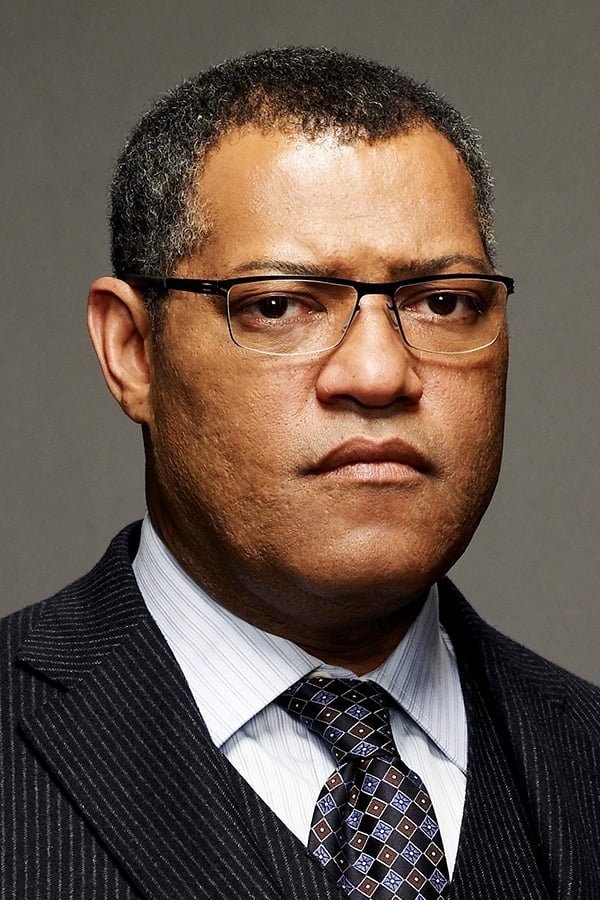
Laurence Fishburne was offered the role of Jules Winnfield in Quentin Tarantino’s ‘Pulp Fiction’ before Samuel L. Jackson made the part famous. Fishburne rejected the role because he felt the script made heroin use seem attractive and cavalier. He was concerned about the message the film sent regarding drug culture and the Black community. His refusal opened the door for Jackson to deliver an Oscar-nominated performance that launched him into superstardom.
Terrence Howard
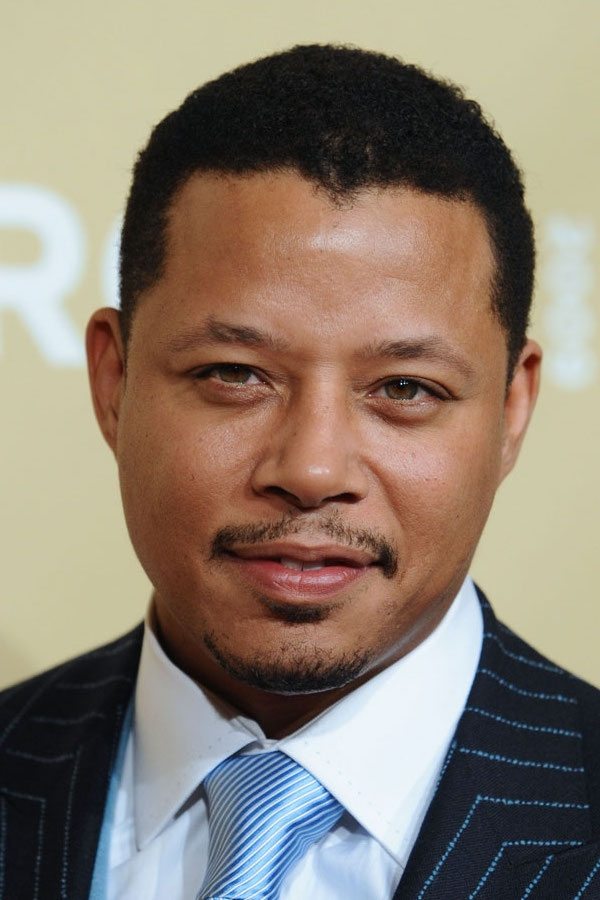
Terrence Howard was the highest-paid actor in the first ‘Iron Man’ film, but he walked away from the sequel due to a dispute over the script and salary. The studio significantly reduced his role in the ‘Iron Man 2’ script and reportedly offered him a fraction of his original salary to return as Rhodey. Howard felt that the studio had gone back on their word and refused to accept the pay cut or the diminished screen time. He was subsequently replaced by Don Cheadle, who went on to appear in multiple Marvel blockbusters.
Ice Cube
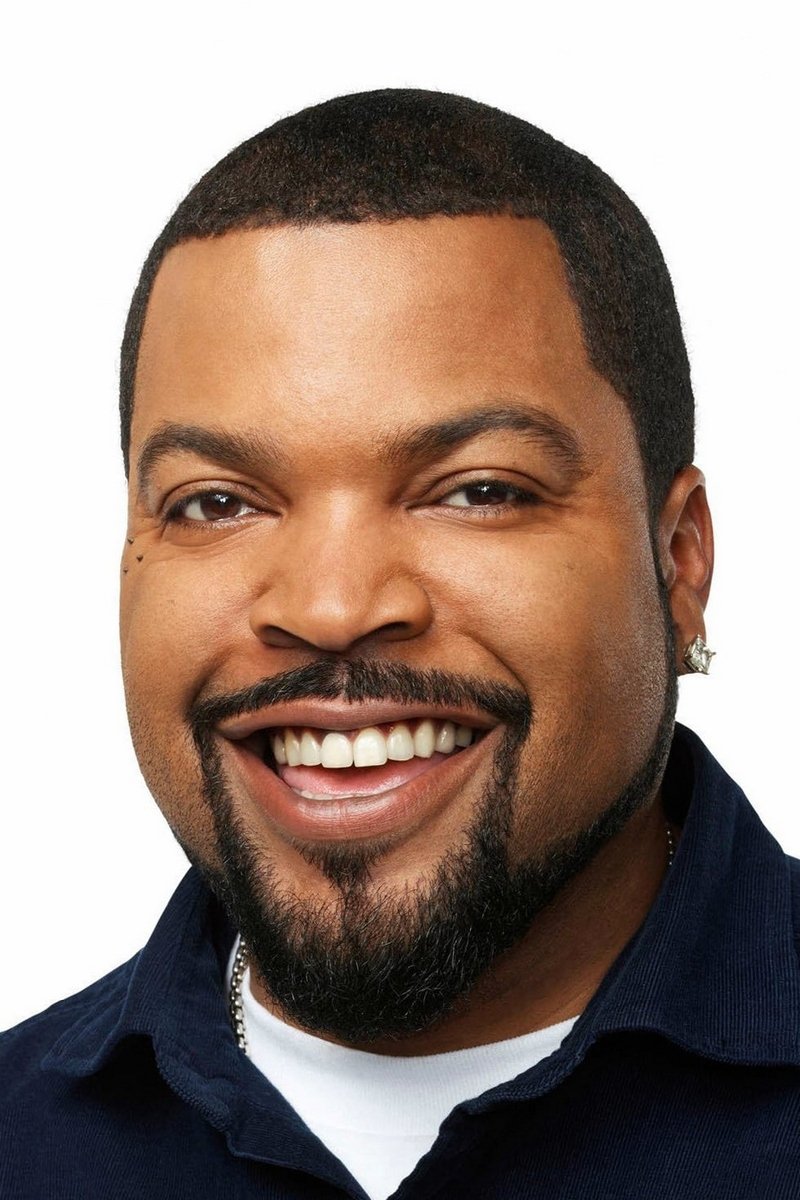
Ice Cube recently walked away from a $9 million paycheck for the comedy film ‘Oh Hell No’ due to production requirements he disagreed with. While not the full $20 million upfront, the film had significant franchise potential that could have led to much higher earnings. The rapper and actor stood firm on his personal medical decisions, refusing to comply with the studio’s mandate for the cast. His departure halted production as the studio scrambled to find a replacement for the co-lead role alongside Jack Black.
Wesley Snipes
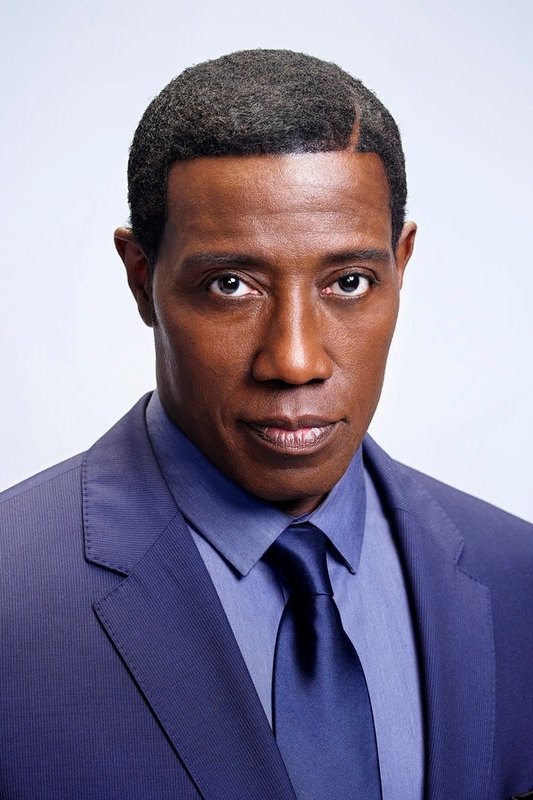
Wesley Snipes was the original choice to play Lucious Lyon in the hit TV series ‘Empire’, a role that eventually went to Terrence Howard. Snipes turned down the project because the script and the shooting location did not align with his lifestyle and artistic preferences at the time. The show became a massive cultural phenomenon, generating immense wealth for its lead actors through syndication and salaries. Snipes chose to focus on other film projects, leaving the potential television empire behind.
Kevin Hart
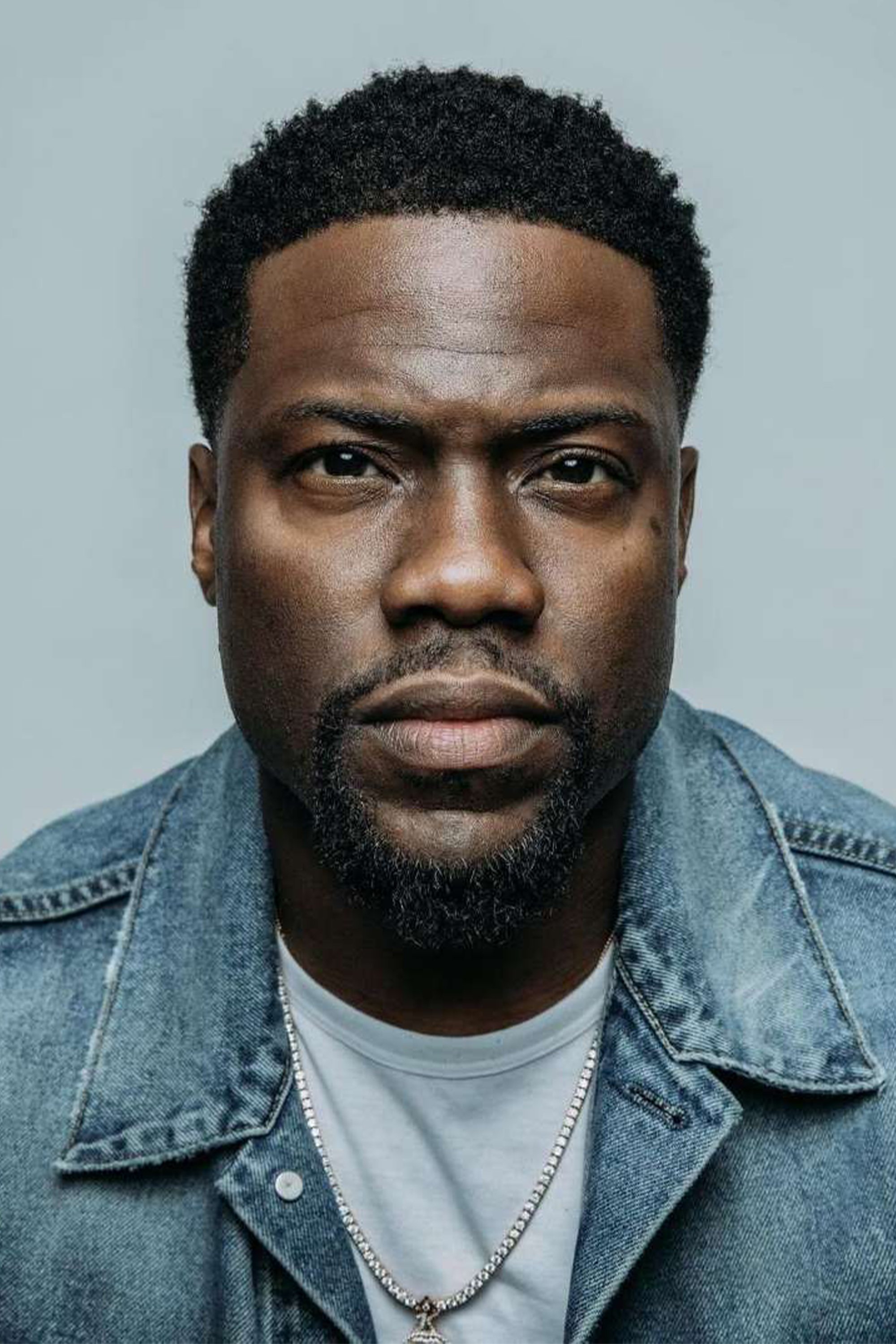
Kevin Hart was offered the role of Alpa Chino in the satirical action comedy ‘Tropic Thunder’. Hart read the script and felt that the character was too flagrant and did not align with the type of comedy he wanted to portray. He was uncomfortable with the specific dialogue and mannerisms written for the character, fearing it would be damaging to his image. Brandon T. Jackson eventually took the role, while Hart waited for projects that gave him more creative control over his comedic voice.
Richard Pryor

Legendary comedian Richard Pryor was originally attached to star in ’48 Hrs.’ alongside Nick Nolte. However, Pryor had significant issues with the script and demanded changes that the studio was unwilling to accommodate. He felt the character lacked the depth and agency he required for his return to a major action-comedy role. His departure paved the way for a young Eddie Murphy to take the part, which instantly catapulted Murphy to movie stardom.
Ray Fisher
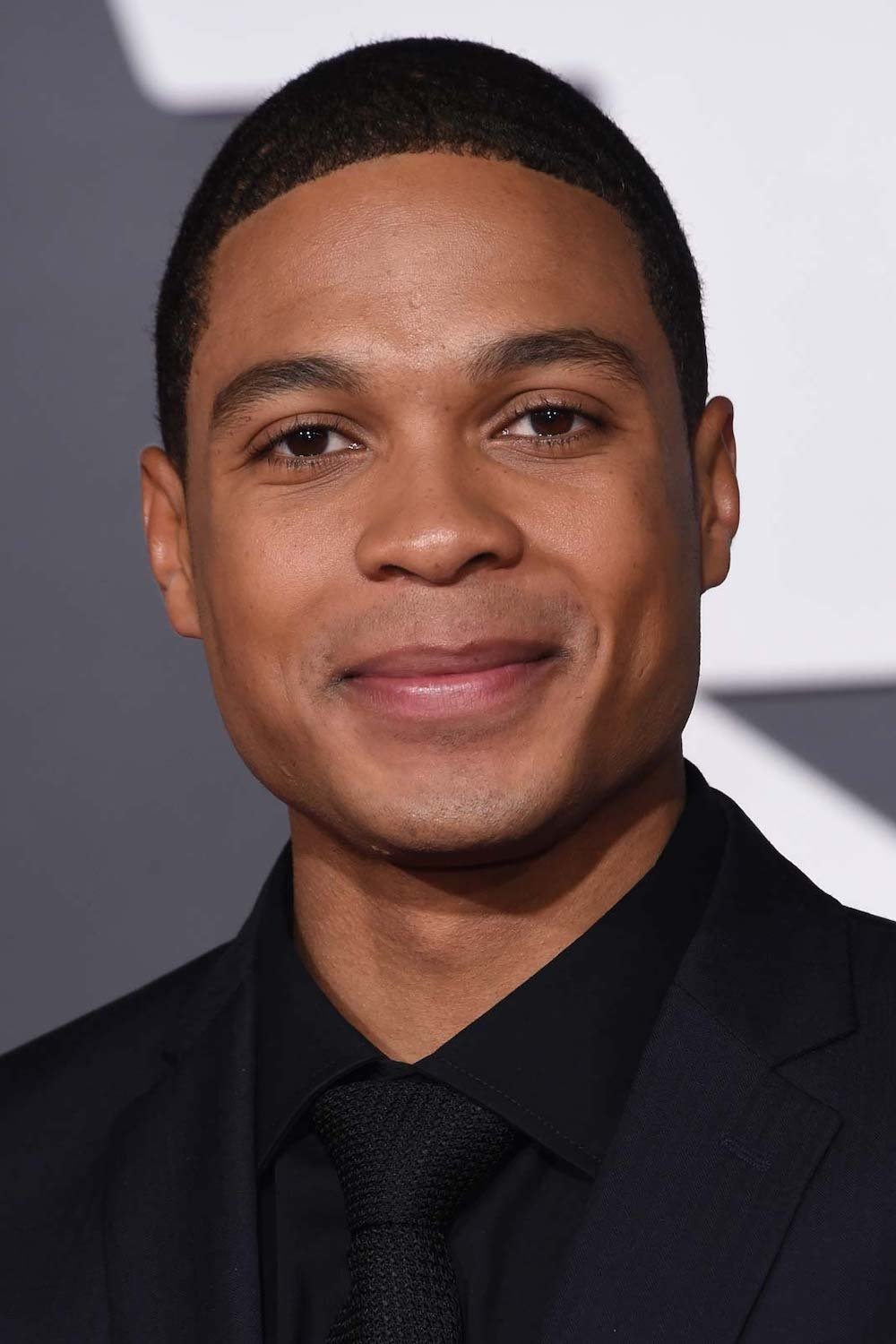
Ray Fisher walked away from the role of Cyborg in the DC Extended Universe, forfeiting millions in future standalone films and ‘The Flash’ appearance fees. Fisher entered a public dispute with the studio over the script changes and on-set treatment during the ‘Justice League’ reshoots. He stated that the revised script and the conduct of the new director were disrespectful to the character and the cast. Fisher refused to return to the role unless the studio addressed his grievances regarding accountability and creative integrity.
Tupac Shakur
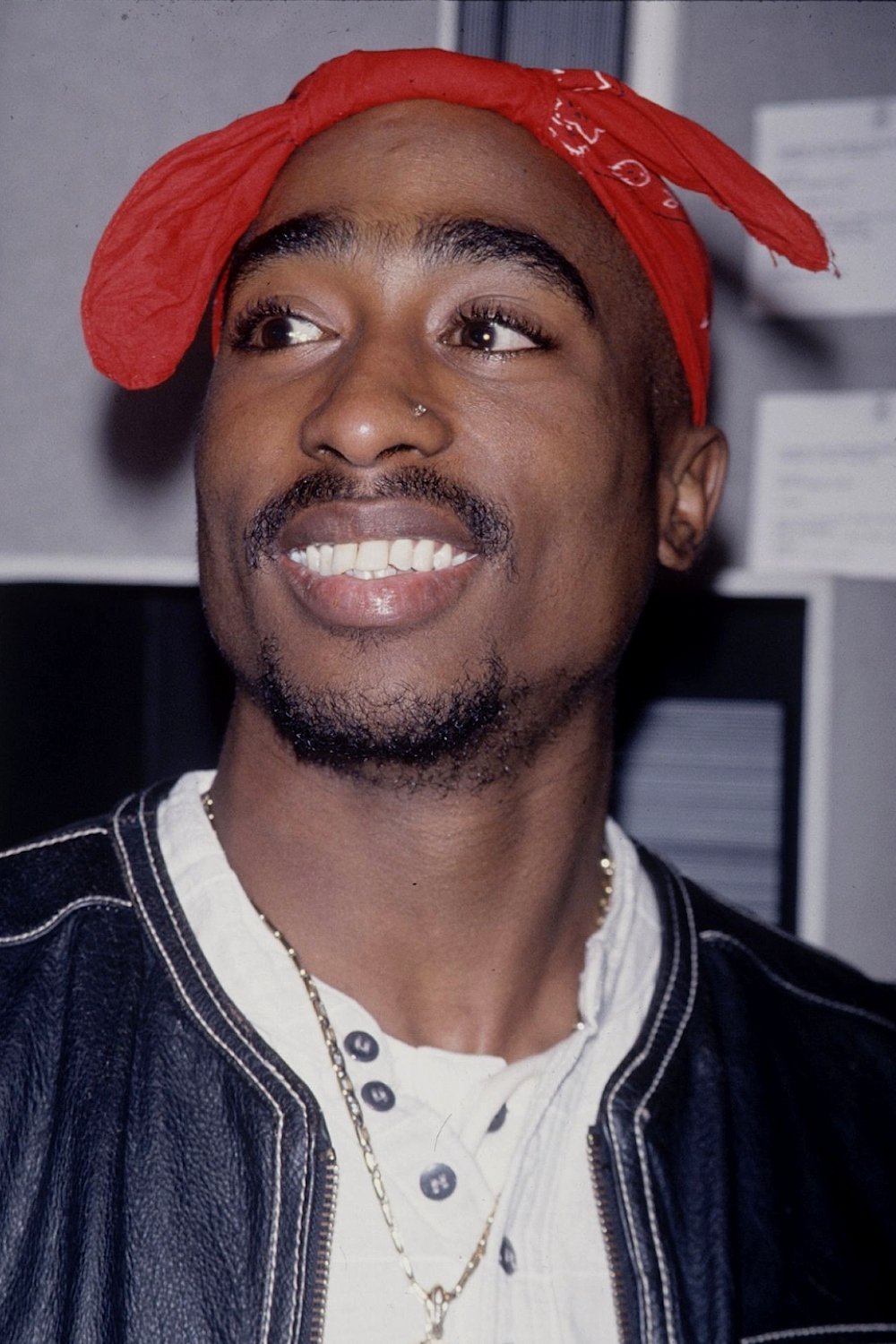
Tupac Shakur was cast in the film ‘Menace II Society’ but was fired after a physical altercation with the directors stemming from his issues with the script. Shakur argued that his character’s motivation was one-dimensional and lacked the complexity necessary to explain his violent actions. He wanted the script to show why the character turned to a life of crime, rather than just presenting him as a thug. His insistence on depth and authenticity led to his removal, costing him a role in what became a seminal hood film.
Idris Elba
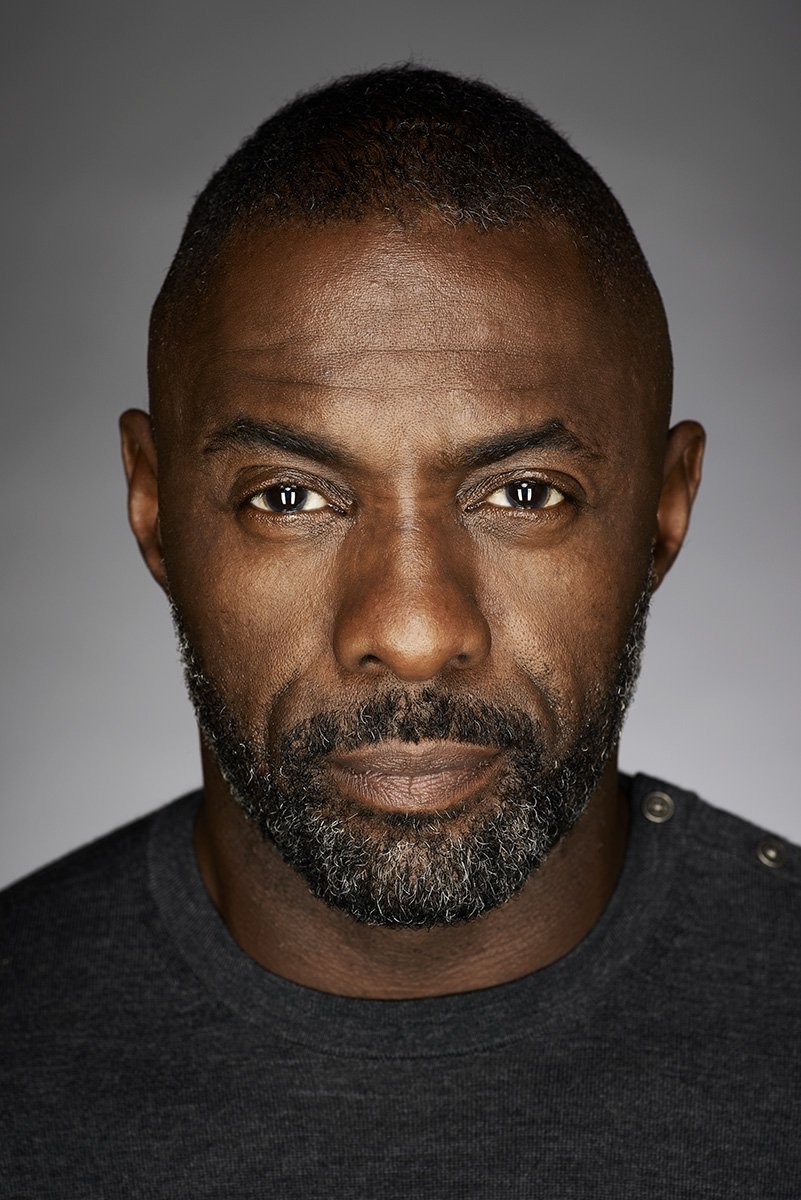
Idris Elba has famously distanced himself from the role of James Bond, despite being a fan favorite for the part for over a decade. Elba has expressed frustration that the conversation surrounding his potential casting always revolved around race rather than the merit of the script or his acting ability. He ultimately decided that the scrutiny and the “Black Bond” label made the role unappealing, effectively walking away from a franchise that guarantees a massive payday. Elba chose to pursue his own franchise characters, such as Luther, where he has more creative input.
Share your thoughts on which actor made the right call or the biggest mistake in the comments.