


Black Actors Who Were Accused of “Blackfishing” and Sparked Global Outrage

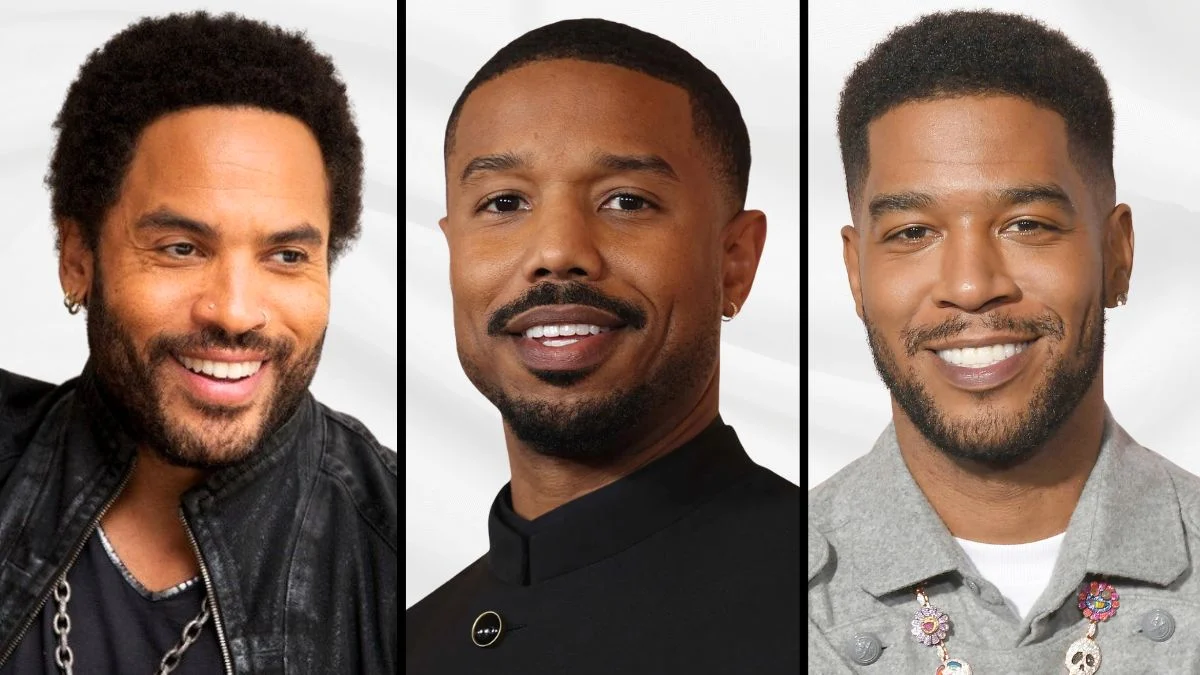


The phenomenon of Blackfishing has sparked intense debates across social media and the entertainment industry regarding cultural appropriation and racial identity. While the term is frequently applied to non-Black individuals who use cosmetics and styling to appear of African descent, the conversation has expanded to include male actors and performers. These public figures have faced scrutiny for their aesthetic choices, accents, and the way they present their heritage to a global audience. The following list examines male actors and celebrities who became the center of public outrage due to controversies surrounding their racial presentation and perceived authenticity.
Drake
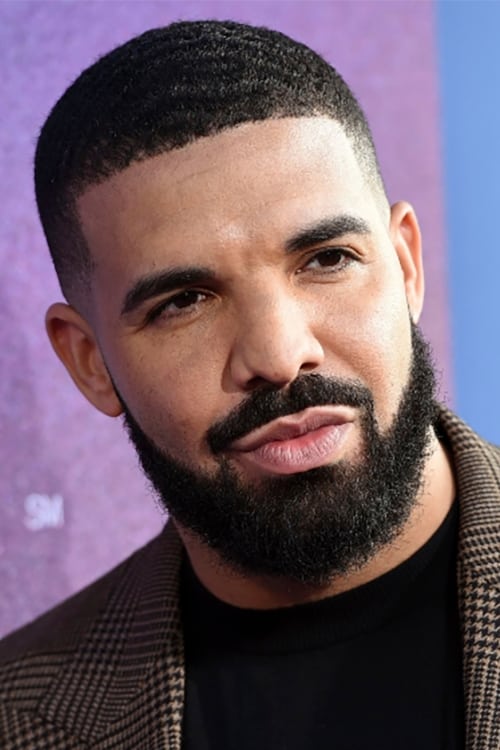
The Canadian actor and rapper faced significant scrutiny for his adoption of diverse cultural accents and aesthetics from across the African diaspora. Critics accused him of performing cultural identities for commercial gain rather than authentic expression. This discourse intensified when he utilized Caribbean and British slang in his music and public persona. His background as a child star on the series ‘Degrassi’ often fueled arguments about his perceived lack of authenticity in hip-hop. The artist defended his choices as a natural evolution of his global musical influences and personal connections.
Bruno Mars
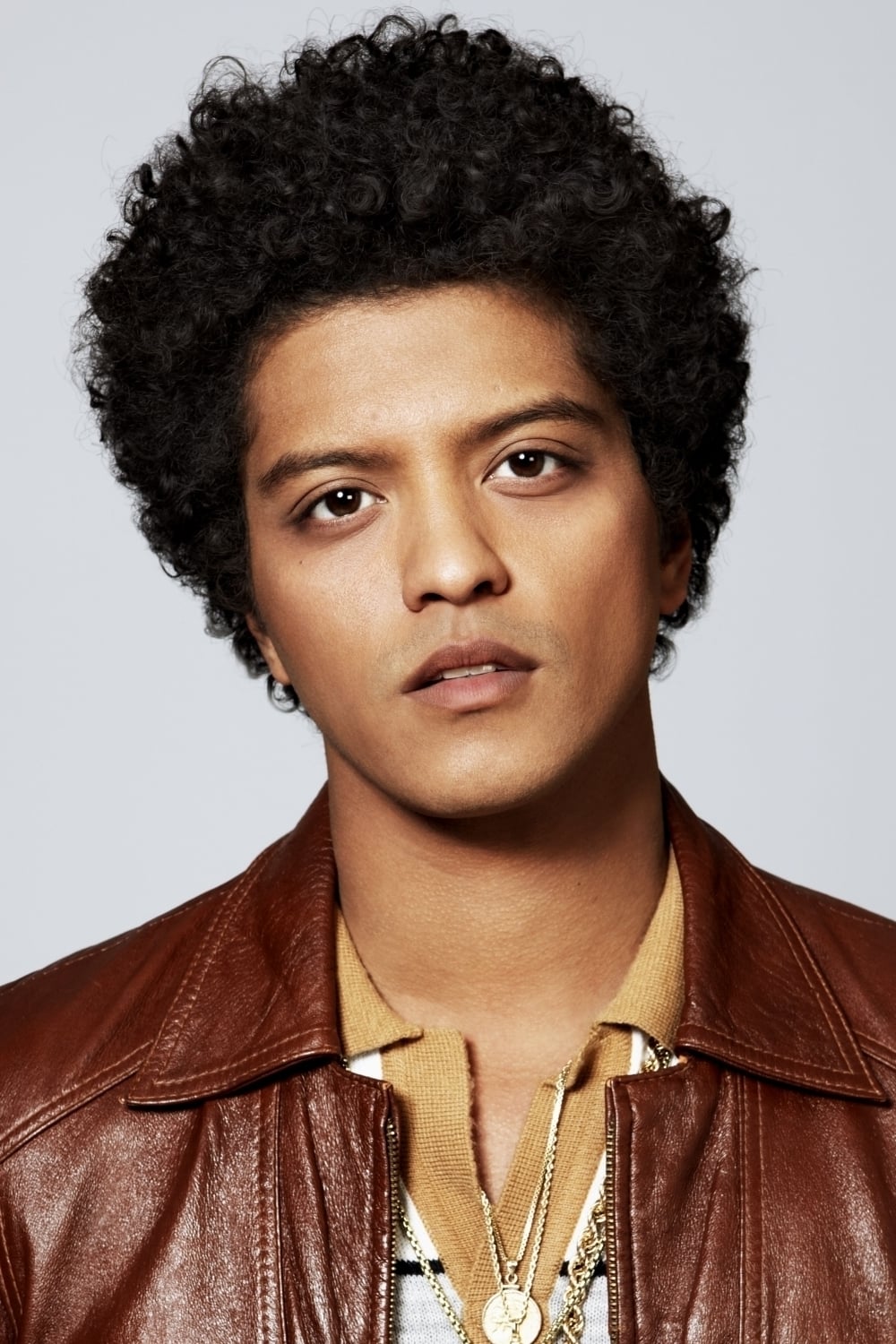
The multi-ethnic performer sparked intense debate over whether his music and style constitute cultural appropriation of Black culture. While he identifies as Filipino and Puerto Rican, he has been accused of utilizing Black aesthetics and musical genres to build his massively successful career. Some critics argued that he benefits from Black culture without facing the same systemic challenges as Black artists. Others defended him by highlighting his genuine talent and his public acknowledgment of his musical influences. This conversation became a significant moment in the larger discussion of racial presentation in the entertainment industry.
Logic

The biracial rapper and occasional actor frequently addresses his racial identity in his work which has led to mixed reactions from the public. Some fans and critics accused him of over-emphasizing his Black heritage to gain credibility within the hip-hop community. This controversy often centered on his use of certain language and his retelling of his upbringing. While he has been open about his struggles with identity, the backlash regarding his presentation remained a constant theme in his career. He has consistently maintained that his art is a true reflection of his lived experience as a mixed-race individual.
Jussie Smollett
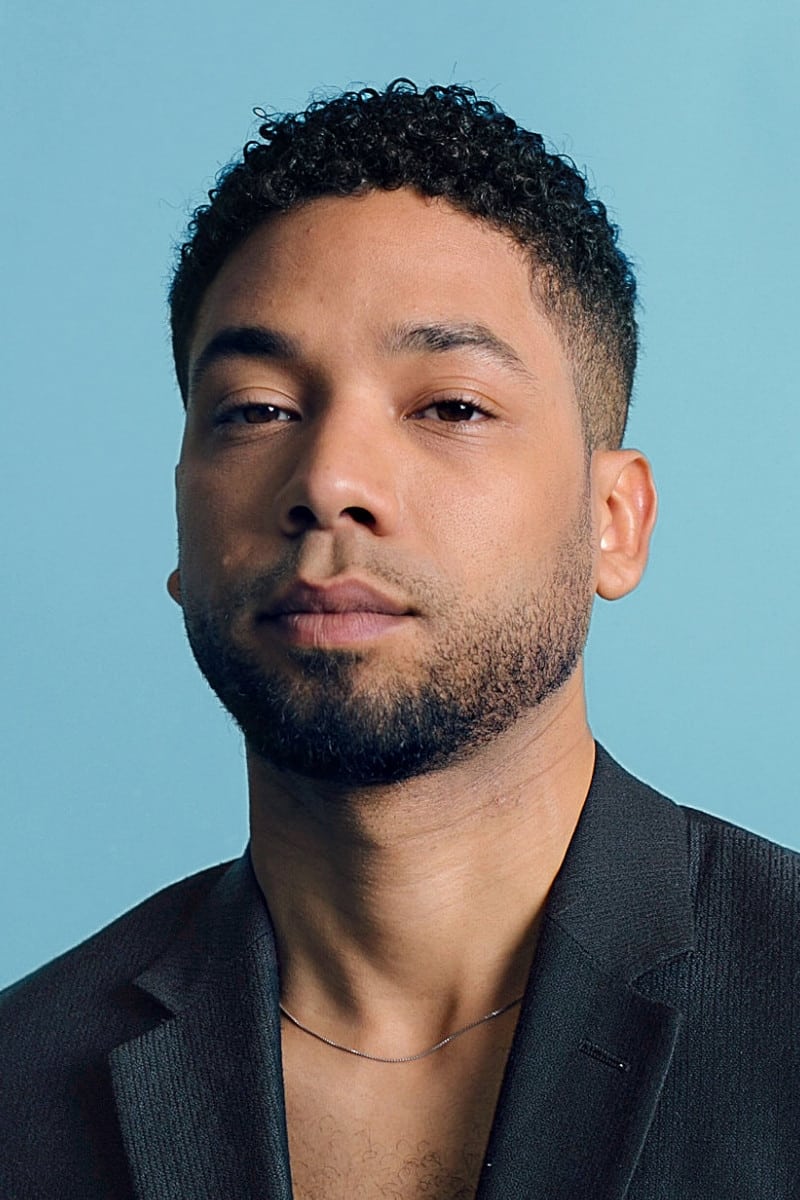
The former star of ‘Empire’ became the center of a massive international controversy regarding a reported hate crime. During the investigation, many critics questioned his motives and the way he presented his identity for public sympathy. The legal battle that followed led to accusations that he exploited racial tensions and his own identity for personal advancement. This situation sparked a wider discussion about the authenticity of racial narratives in Hollywood and the media. The fallout significantly impacted his career and public image on a global scale.
Michael Jackson
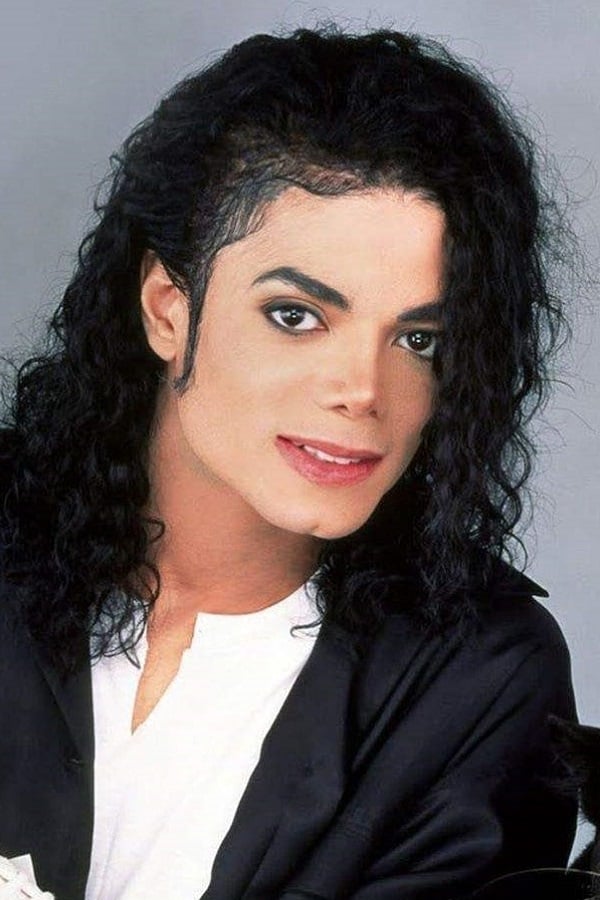
The legendary entertainer faced decades of intense public scrutiny regarding his changing physical appearance and skin tone. While he stated that his transformation was due to a medical condition, the global audience remained deeply divided on the issue. Many critics accused him of attempting to distance himself from his Black heritage through cosmetic changes. This debate touched on sensitive topics of racial identity and the pressures of global superstardom. Despite the controversy, his influence on music and performance in films like ‘The Wiz’ remains a cornerstone of pop culture history.
Jesse Williams
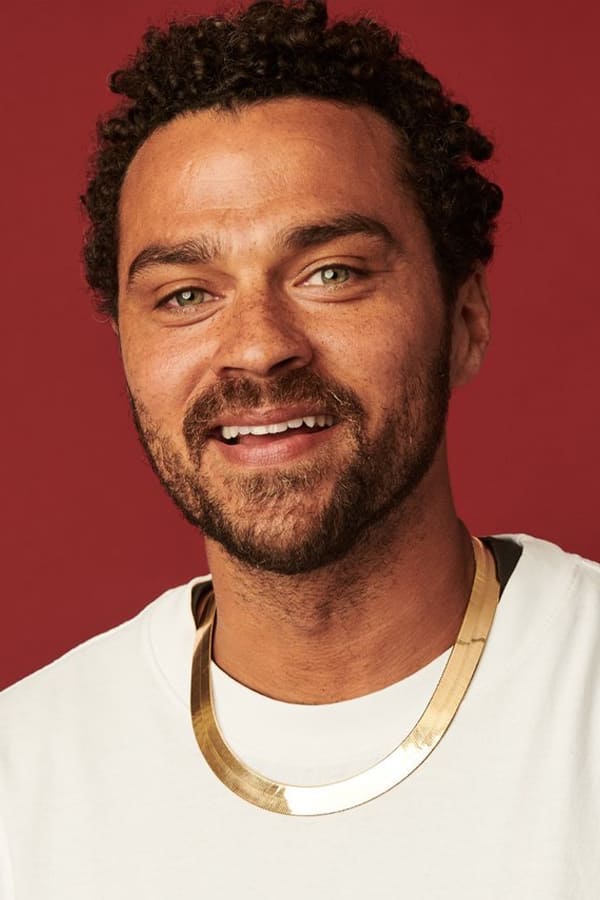
The actor known for his role in ‘Grey’s Anatomy’ has often been at the center of discussions regarding his biracial identity and his role as an activist. Some critics argued that his light skin and features allowed him to navigate spaces that darker-skinned Black men could not. This sparked a conversation about colorism and the privilege associated with certain racial presentations. While he has been a vocal advocate for racial justice, the public discourse around his identity highlights the complexities of racial perception. His career continues to be defined by his commitment to both entertainment and social commentary.
Trevor Noah
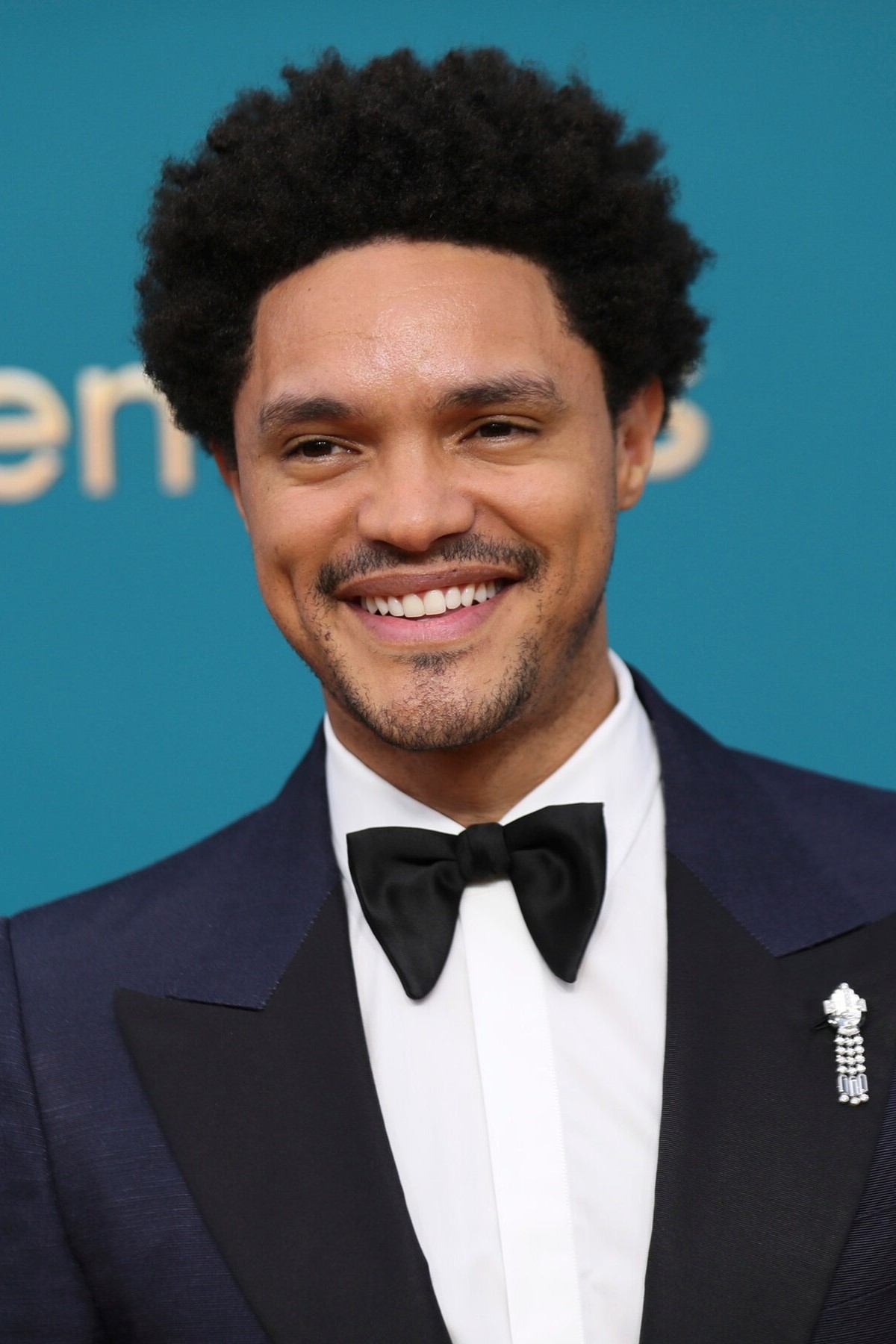
The former host of ‘The Daily Show’ and actor has frequently discussed his experience growing up as a biracial child in South Africa. He faced criticism from some who argued that his global persona sometimes smoothed over the harsher realities of racial identity for Western consumption. His ability to mimic various accents and cultures led to accusations that he was performing a globalized version of Blackness. This sparked a debate about the difference between cultural appreciation and the performance of identity for a broad audience. He has used his platform to address these nuances and the intricacies of his personal history.
Wentworth Miller
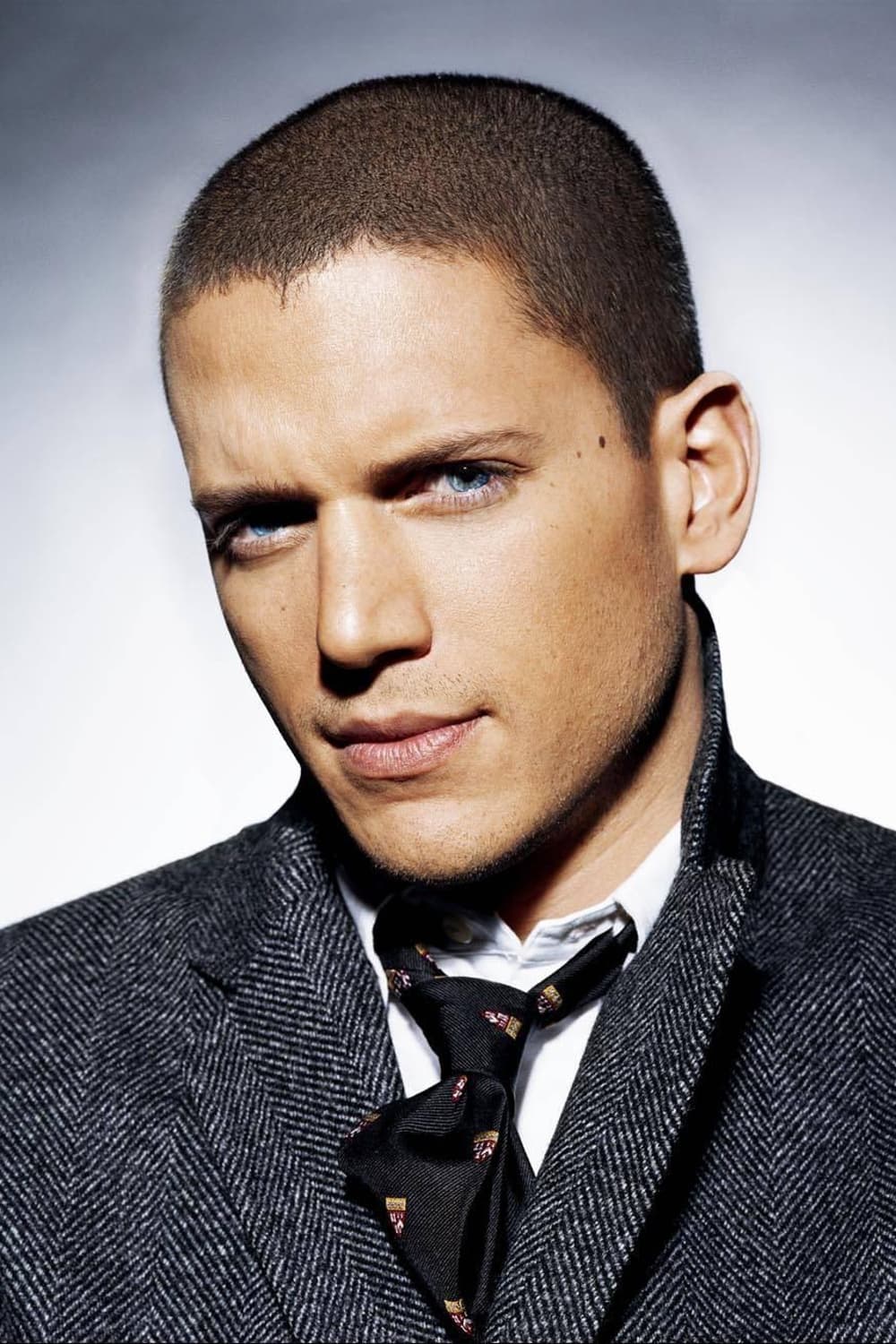
The ‘Prison Break’ star surprised many fans when he publicly discussed his biracial heritage later in his career. Some members of the audience felt that his ability to pass as white for years was a form of identity manipulation. This led to a broader discussion about the pressures actors face to conform to certain racial categories in Hollywood. The outrage centered on the perceived lack of transparency regarding his background during his rise to fame. His openness has since contributed to more inclusive conversations about mixed-race identity in the film industry.
Shemar Moore
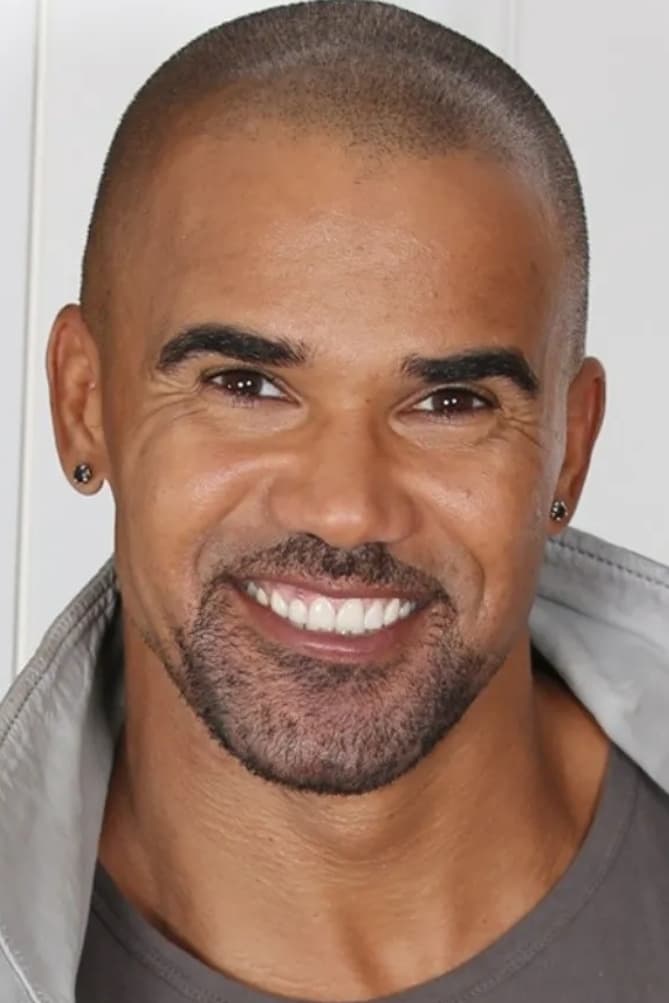
The actor known for ‘S.W.A.T.’ has often faced public commentary regarding his biracial background and how he presents his identity. Critics have sometimes accused him of leaning into certain racial stereotypes to appeal to specific demographics. This has sparked ongoing discussions about the expectations placed on light-skinned Black actors in leading roles. The actor has often responded to these critiques by emphasizing his pride in his diverse heritage. His career serves as a focal point for debates about representation and racial ambiguity in television.
Boris Kodjoe
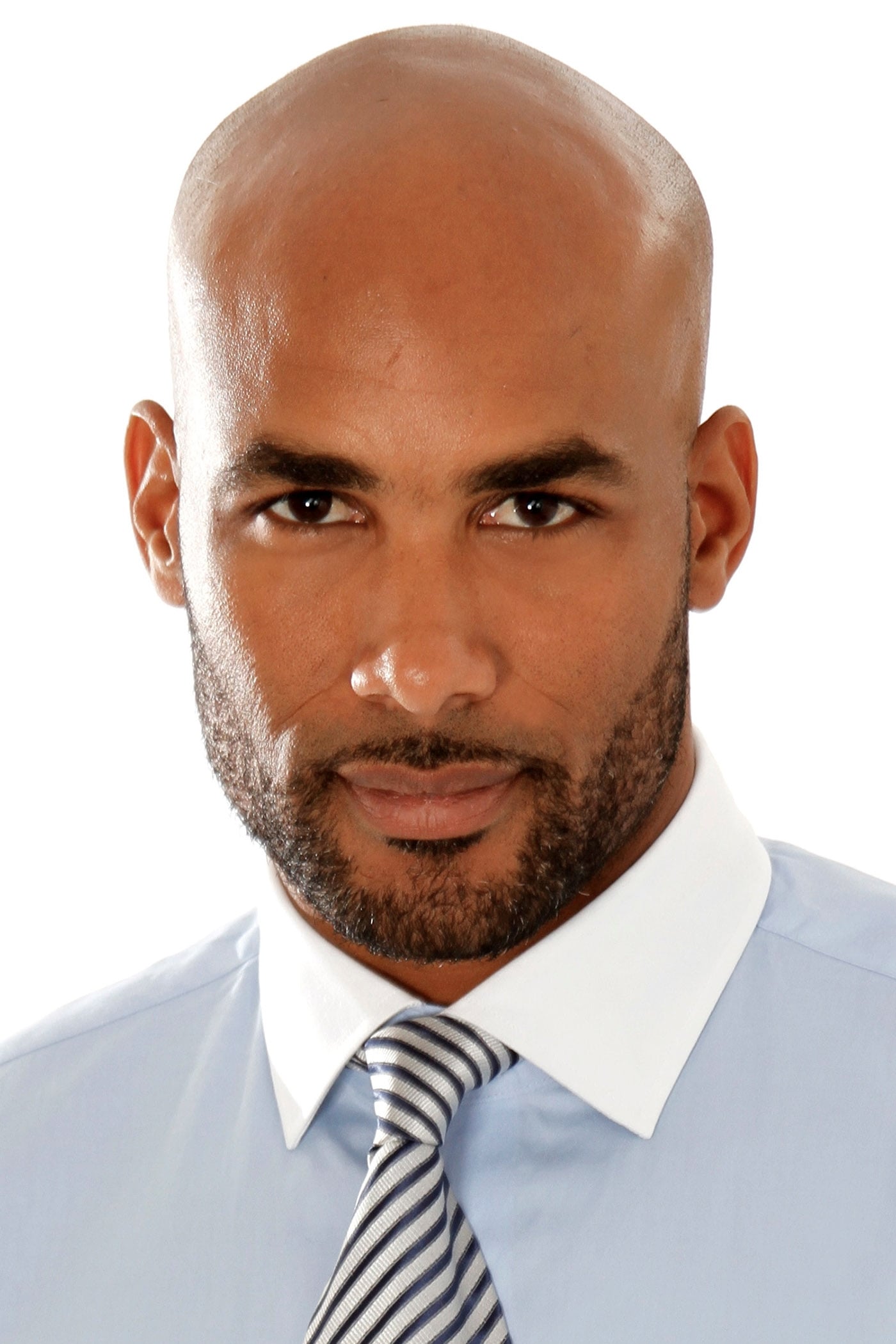
The actor and former model has faced scrutiny regarding his identity and the way he is cast in various Hollywood roles. Some critics argued that his European and African background created a level of racial ambiguity that was used to fill certain archetypes. This led to discussions about whether his presence in Black-led films was a true reflection of the community or a curated aesthetic. The debate often touched on the global nature of Blackness and the different ways it is perceived across cultures. He has remained a prominent figure in the industry while navigating these complex identity politics.
Keegan-Michael Key
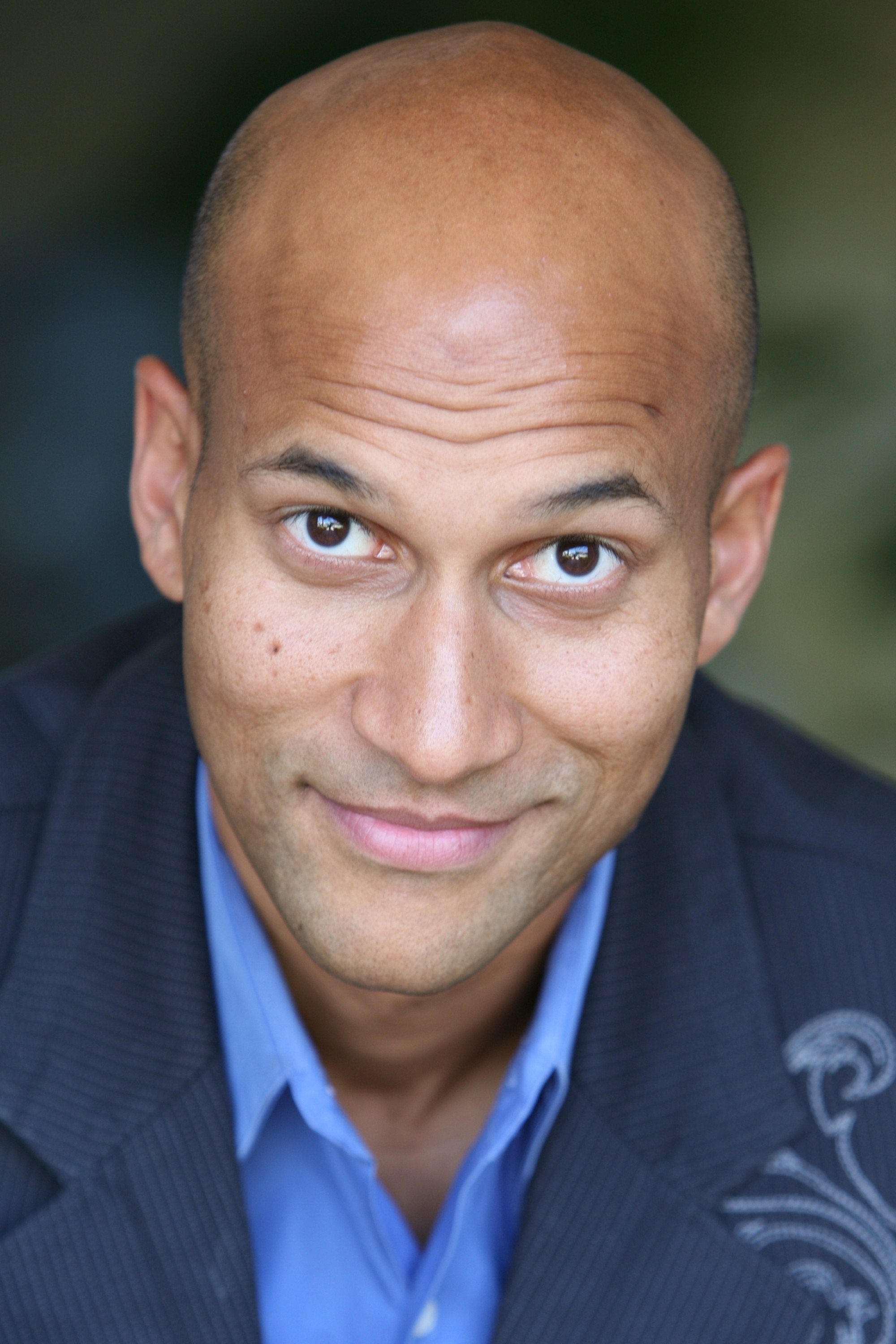
The comedic actor and creator of ‘Key and Peele’ has used his biracial identity as a primary theme in his work. Some critics argued that his performances sometimes bordered on caricatures that could be seen as a form of identity performance. This sparked a global conversation about the line between satire and the exploitation of racial tropes. The actor has defended his work as a way to explore the absurdity of racial categories and code-switching. His success has highlighted the unique position of biracial performers in contemporary media.
Jordan Peele
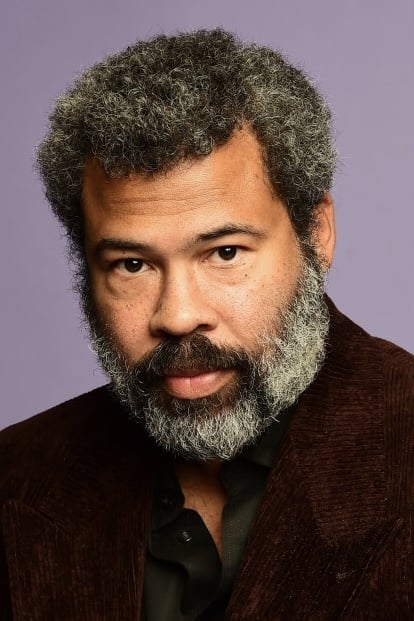
The acclaimed director and actor has frequently explored themes of race and identity through a lens of horror and satire. While he is widely celebrated, some early critics questioned his presentation of Blackness given his biracial background. This led to intense discussions about who has the authority to tell certain racial stories and how identity is performed on screen. His transition from comedy to prestige filmmaking has changed the nature of these conversations. He continues to challenge audience perceptions of race through his highly influential body of work.
Lenny Kravitz
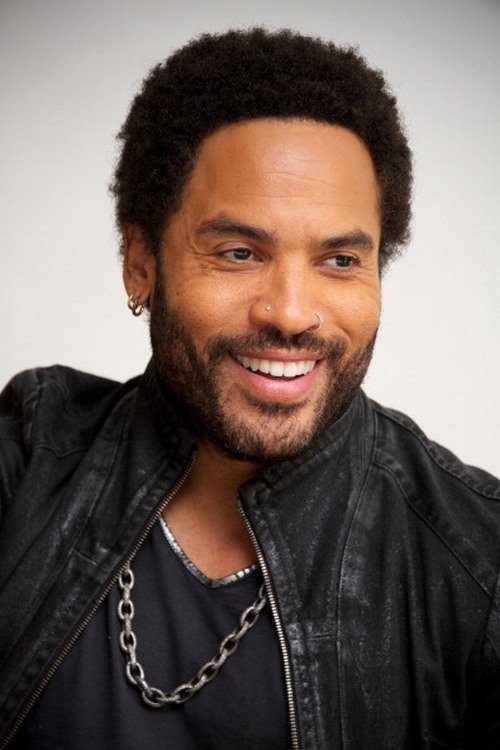
The musician and actor in ‘The Hunger Games’ has spent his entire career navigating the intersection of his Black and Jewish identities. He faced early criticism for his rock-influenced style which some felt was a departure from traditional Black musical identities. This sparked a long-standing debate about the boundaries of Blackness in the arts. Critics and fans have often debated whether his aesthetic choices were a form of identity performance or a genuine expression of his heritage. He has remained an iconic figure by consistently blending diverse cultural influences.
Vic Mensa
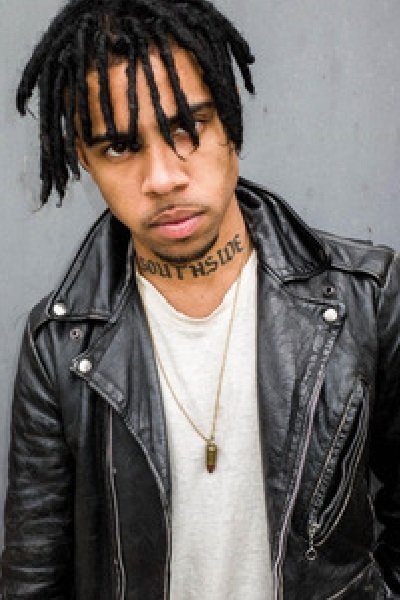
The rapper and actor has been vocal about his biracial heritage and the challenges of identity in the modern era. He faced backlash for certain stylistic choices and public statements that some felt were an attempt to curate a specific racial image. This led to accusations of performing a version of Blackness that was not entirely authentic to his upbringing. The discourse surrounding his career often reflects larger societal tensions regarding the definition of Black identity. He continues to use his platform to address these issues and advocate for social change.
J. Cole

The performer and actor has often been praised for his authenticity but has not escaped the gaze of identity politics. As a biracial man, he has faced questions from some critics about his presentation and the way he represents the Black experience. This led to a broader discussion about the diversity of the Black community and the various ways identity can be expressed. While he is largely respected, the occasional outrage regarding his persona highlights the sensitive nature of racial discourse. His work continues to explore the complexities of race and class in modern society.
Kid Cudi
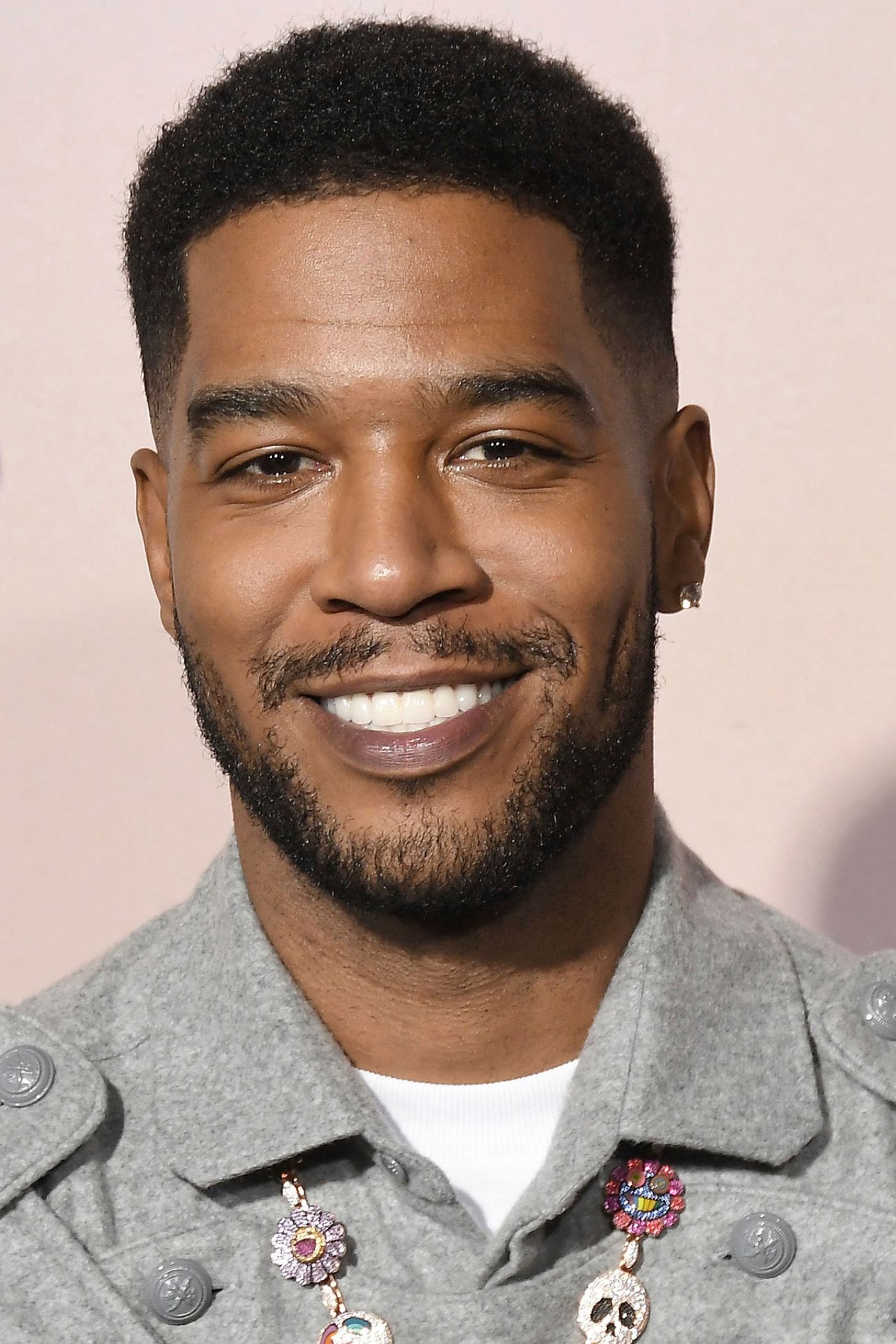
The actor and musician known for his roles in ‘Entergalactic’ and ‘X’ has often pushed the boundaries of traditional masculine and racial aesthetics. Some critics accused him of deviating from Black cultural norms to appeal to a wider or more alternative audience. This sparked a conversation about the freedom of Black artists to express themselves outside of established categories. The outrage surrounding his fashion and artistic choices often mirrors larger cultural debates about identity. He has remained a pioneer for individuality and mental health awareness within the industry.
Donald Glover
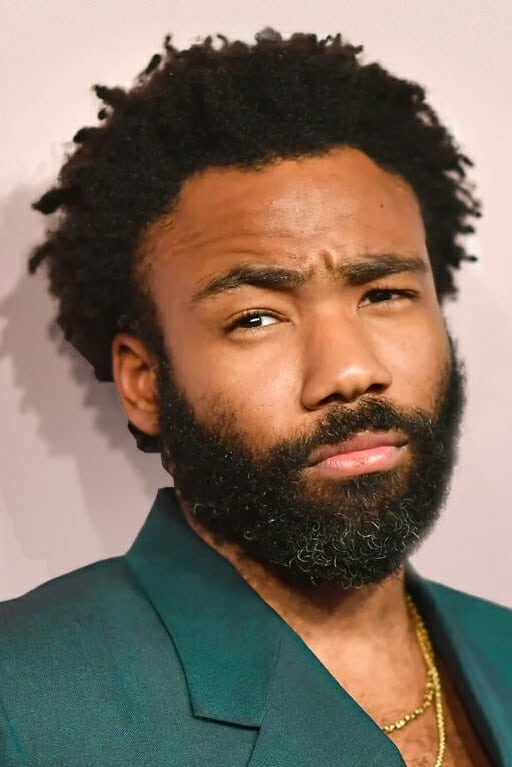
The creator and star of ‘Atlanta’ has frequently used his work to comment on the performance of race in America. He faced early career criticism for not being Black enough which later shifted to accusations that he was over-performing certain tropes. This sparked an international dialogue about the expectations of Black creators and the pressure to represent a monolith. His varied career across music and film has allowed him to inhabit many different personas. He continues to be a central figure in discussions about the fluidity of identity in the digital age.
Michael B. Jordan
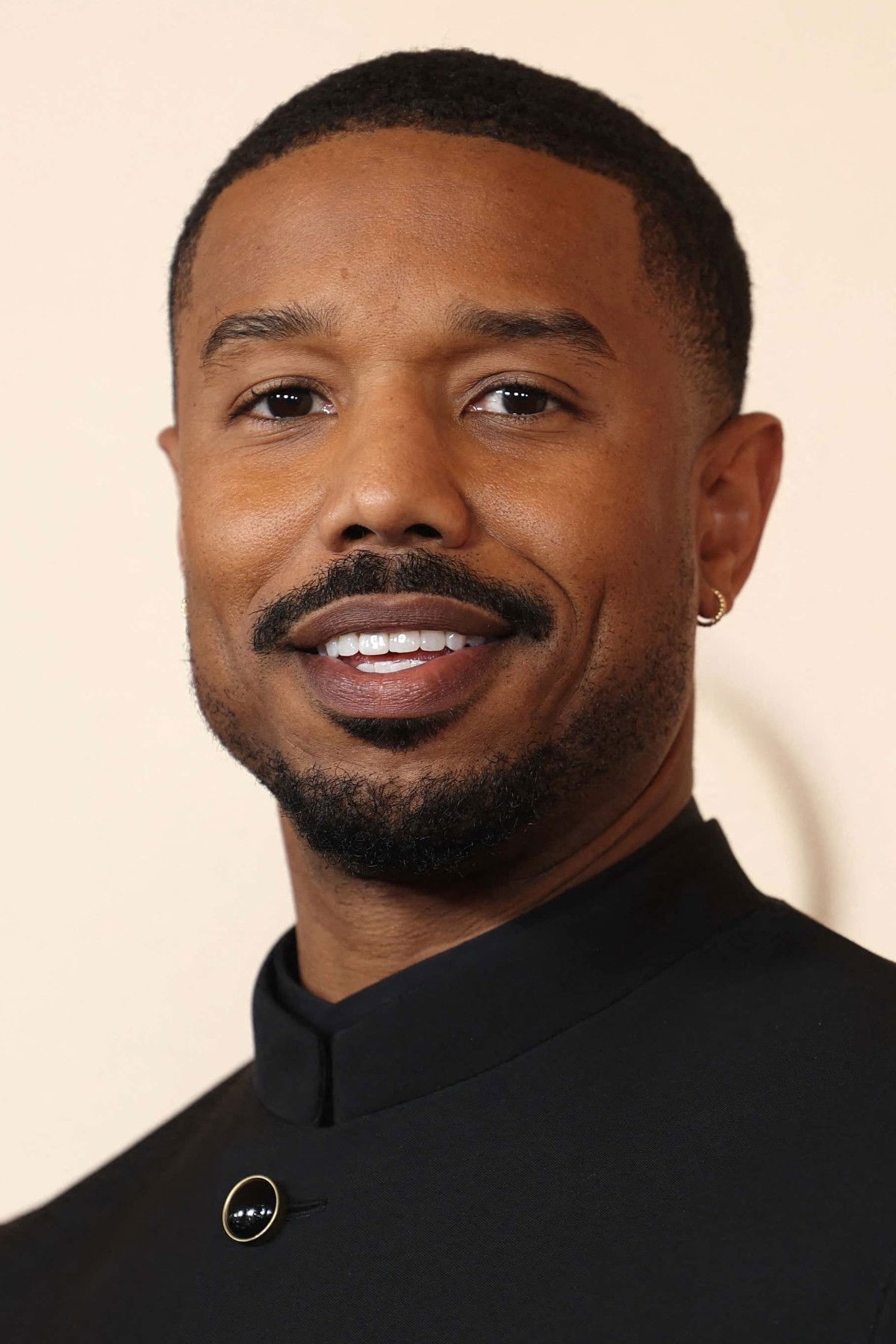
The star of ‘Creed’ faced a significant amount of public outrage when he was cast in certain roles that critics felt should have gone to darker-skinned actors. This sparked a global conversation about colorism and the perceived preference for light-skinned Black men in Hollywood. While the actor himself was not accused of Blackfishing, his career became a lightning rod for debates about racial presentation and representation. The controversy highlighted the deep-seated tensions within the community regarding visibility and opportunity. He has since become a major producer committed to expanding diversity in the industry.
Will Smith
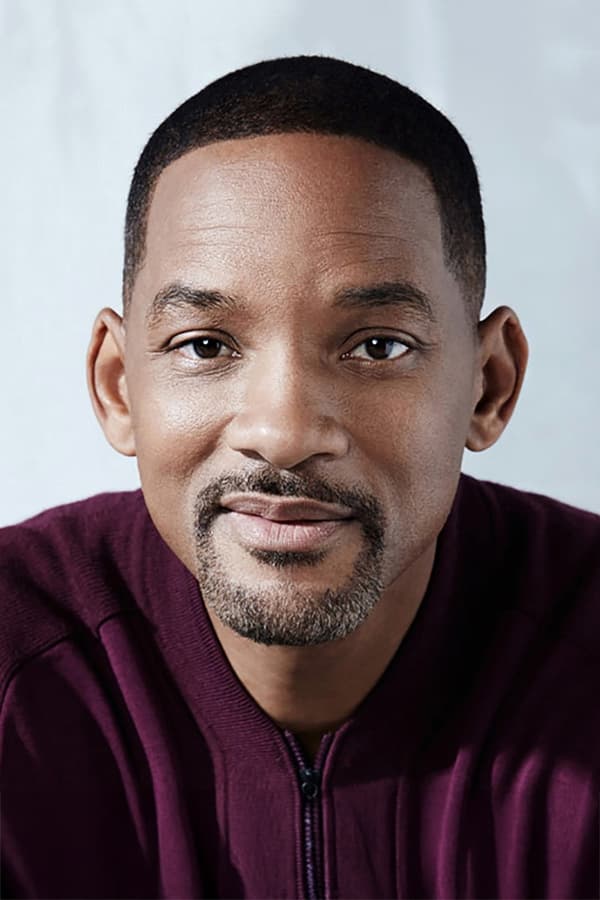
The legendary actor faced global criticism for his casting as the father of Venus and Serena Williams in the film ‘King Richard’. Critics argued that his skin tone was significantly lighter than the real-life figure he was portraying which led to accusations of colorism. This sparked a major debate about Hollywood casting practices and the erasure of darker-skinned Black men. The outrage focused on the historical pattern of choosing more commercially palatable versions of Black identity. Despite the backlash, the actor received critical acclaim for his performance in the role.
Pharrell Williams
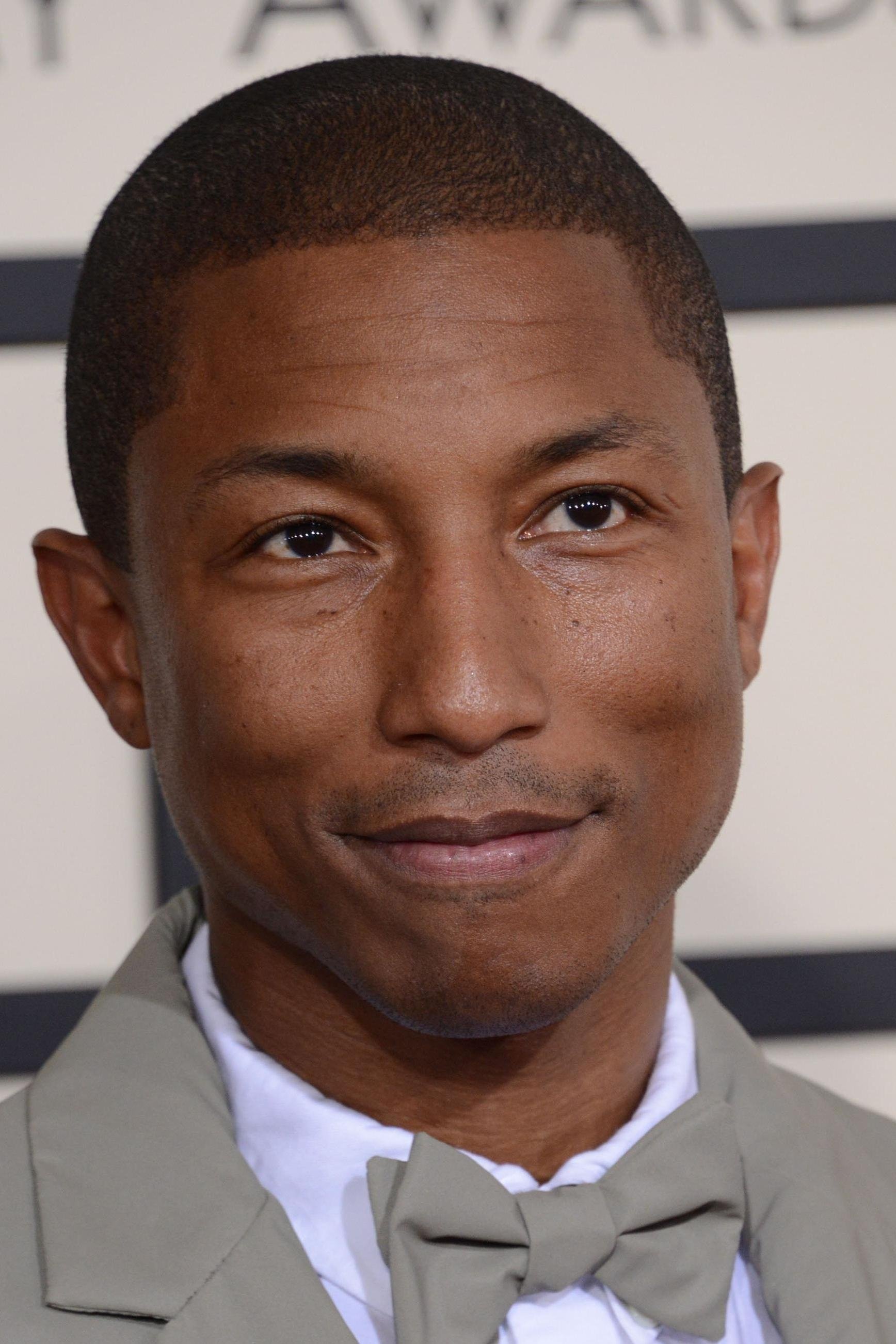
The musician and actor has faced accusations of cultural appropriation for his use of various ethnic aesthetics in his fashion and music videos. One notable instance involved the use of a Native American headdress which many felt was a form of identity performance for aesthetic gain. This sparked a wider conversation about the responsibility of Black artists to respect other cultures while navigating their own. Critics argued that his global celebrity status allowed him to treat cultural markers as mere accessories. He has since apologized for past choices and focused on more inclusive artistic expressions.
Ye
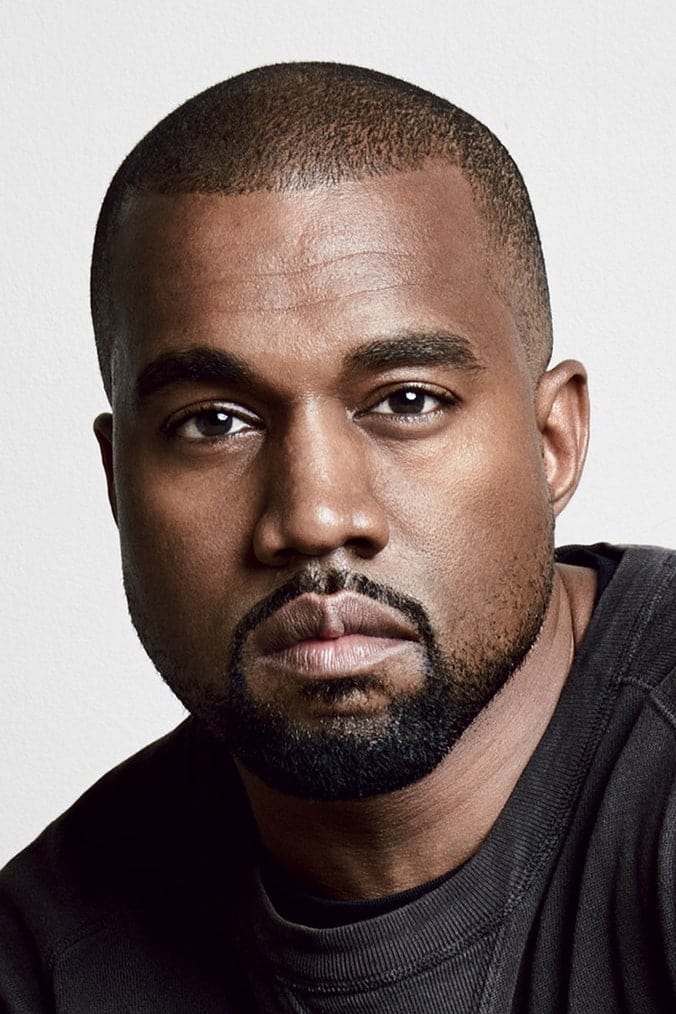
The artist and occasional actor has been at the center of countless controversies regarding his statements on race and his presentation of identity. His public embrace of certain political symbols and figures led many to accuse him of performing a version of Blackness that was harmful to the community. This sparked a global debate about the limits of artistic expression and the impact of celebrity on racial discourse. Critics argued that his actions were a form of identity manipulation designed to garner attention and provoke outrage. His career remains one of the most polarizing examples of identity politics in the public eye.
A$AP Rocky
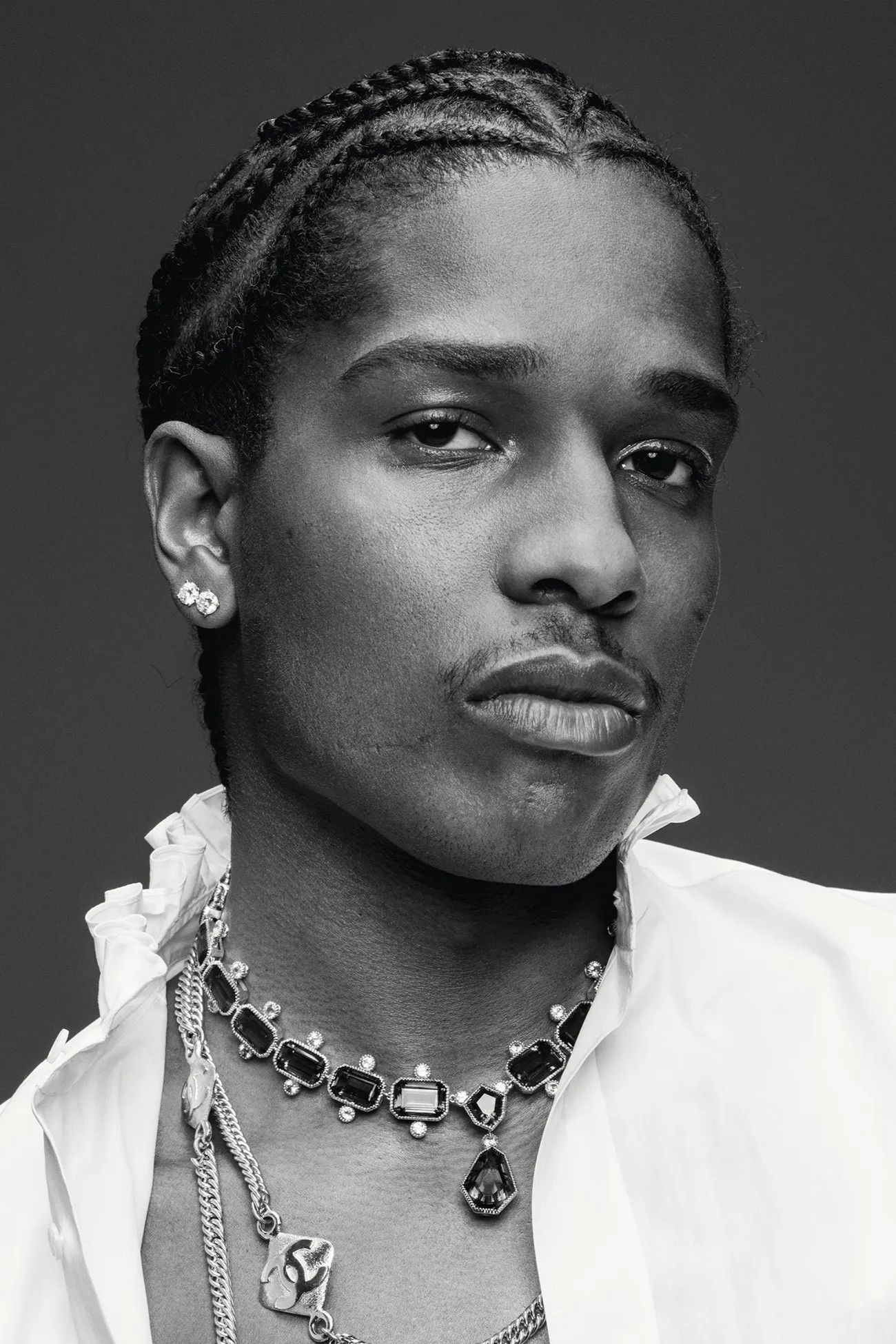
The fashion icon and actor has often been accused of prioritizing European aesthetics over Black cultural traditions. This sparked a conversation about the intersection of high fashion and racial identity in the hip-hop community. Some critics argued that his persona was a form of Blackfishing aimed at the luxury market. Others defended him as a visionary who was expanding the definition of what a Black male artist could look like. The discourse around his career highlights the ongoing tension between global style and local authenticity.
Travis Scott
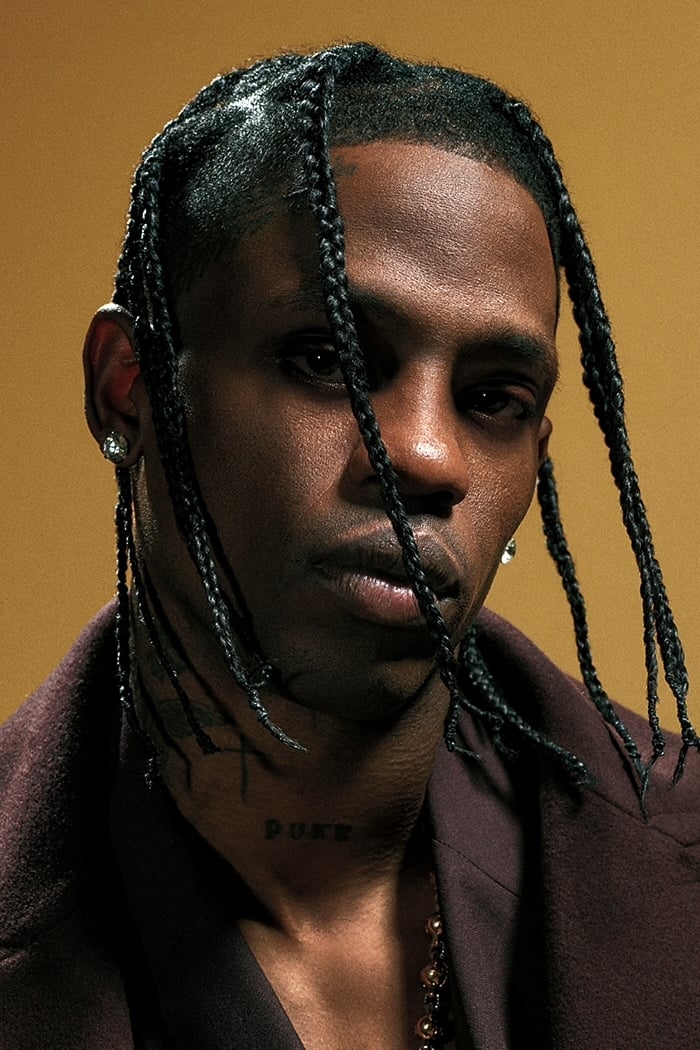
The performer and actor has faced criticism for his aesthetic choices and the way he presents a curated version of street culture. Some observers argued that his persona felt artificial and was designed to market a specific lifestyle to a global audience. This led to discussions about the commercialization of Black identity and the role of corporate branding in hip-hop. The outrage intensified during certain public events where his presentation was seen as a form of cultural performance. He continues to be a major force in music and fashion despite these recurring critiques.
Tyga
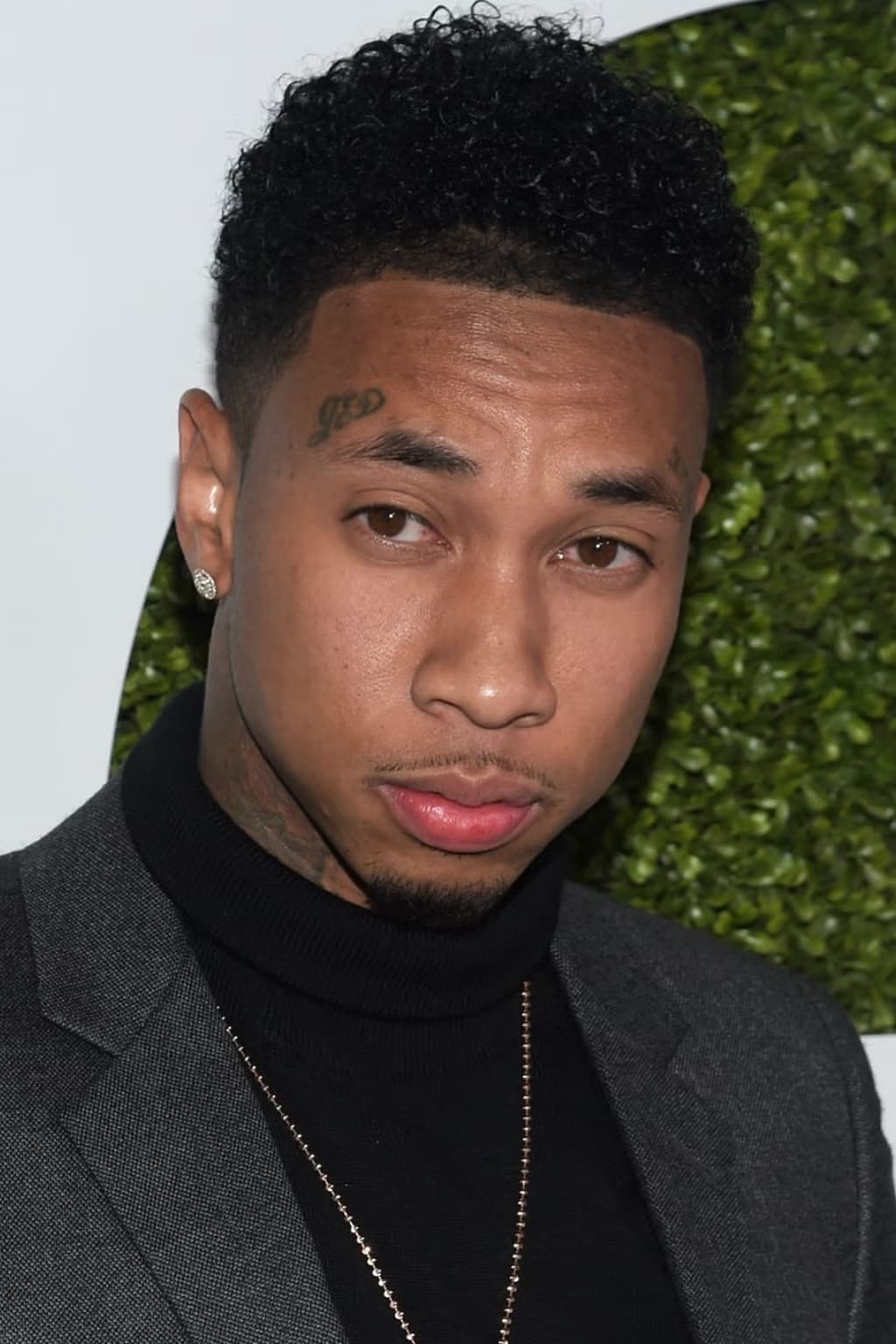
The rapper and actor has frequently faced accusations of Blackfishing and cultural appropriation throughout his career. His use of various ethnic aesthetics in music videos and his public relationships have often been the subject of public debate. Critics argued that his presentation often felt like a performance of different cultures for the sake of trends. This sparked an ongoing conversation about the boundaries of cultural exploration for multi-ethnic artists. He has maintained his popularity while consistently navigating these controversies in the media.
Anderson .Paak
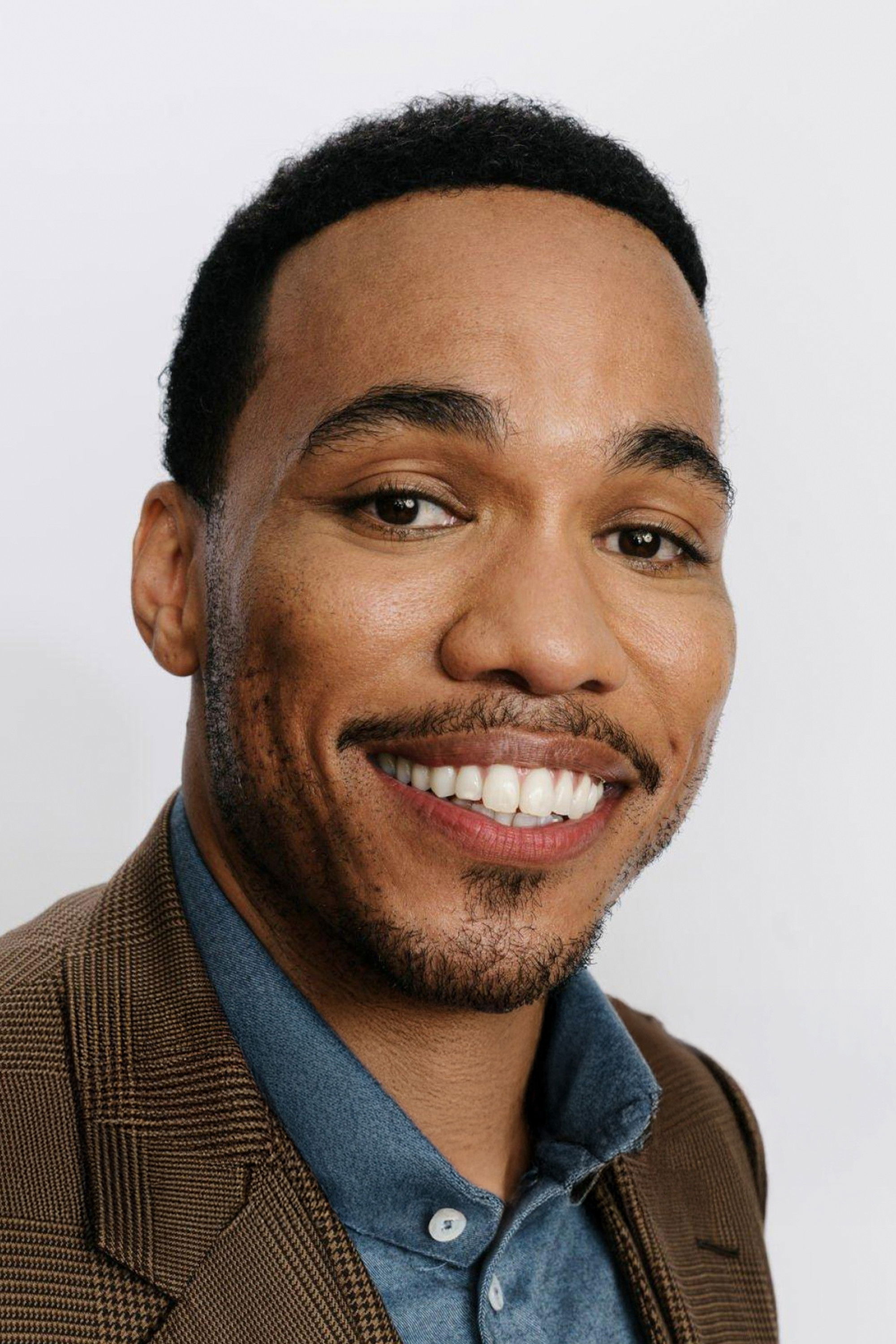
The multi-talented musician and actor has often been discussed in the context of his biracial heritage and his unique musical style. Some critics have questioned the way he presents his identity in a way that blends multiple cultural traditions. This has led to debates about the authenticity of his sound and his aesthetic choices in the industry. While he is widely respected for his musicality, the public discourse reflects the challenges faced by mixed-race artists. He continues to be a prominent figure who celebrates his diverse roots through his art.
Terrence Howard
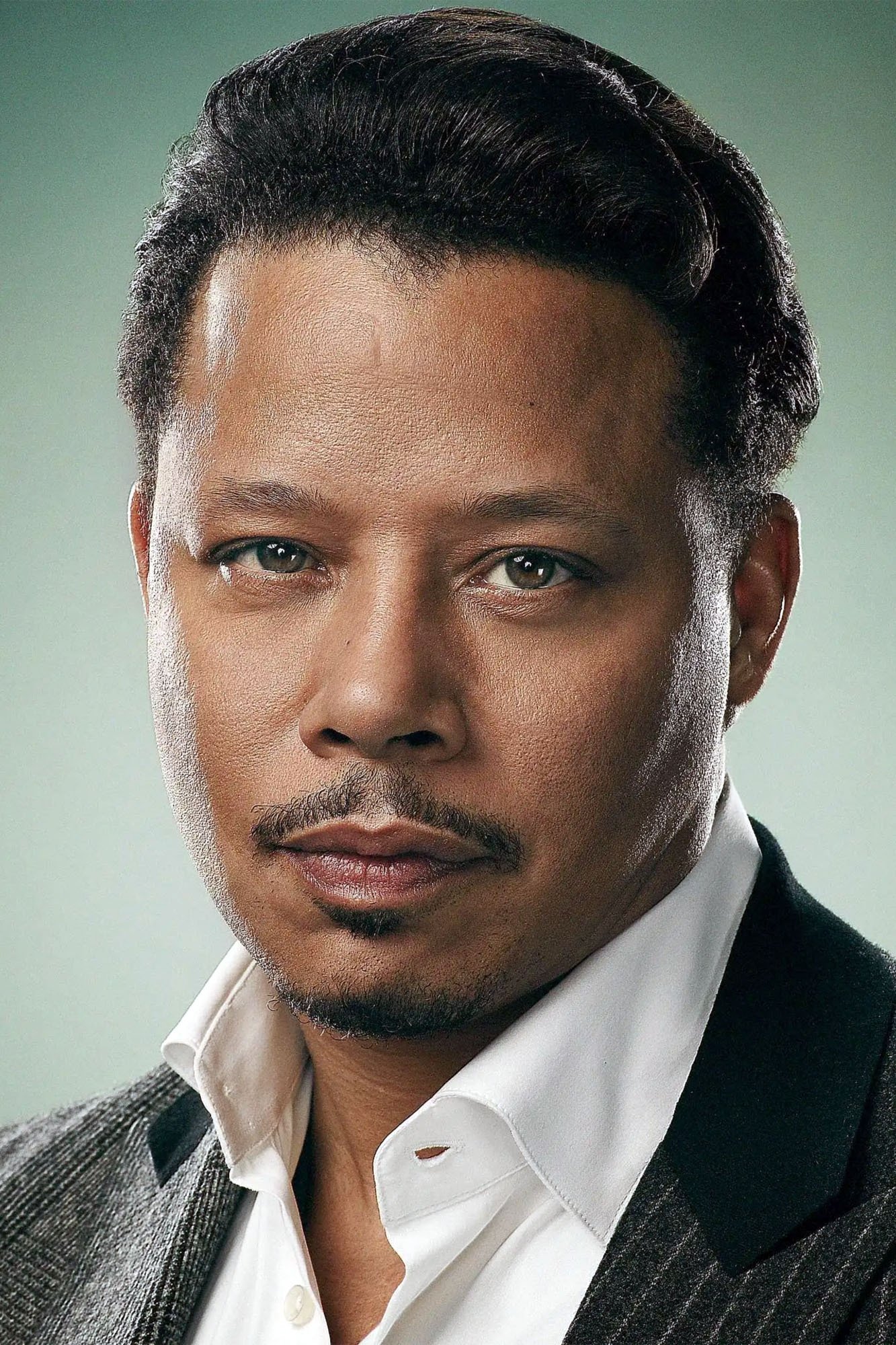
The ‘Hustle and Flow’ star has often been at the center of discussions regarding his racial identity and his public persona. Some critics have pointed to his unique way of speaking and his personal philosophies as a form of identity performance. This sparked a debate about the expectations of Black actors and the room for eccentricity within the community. The outrage often centered on his perceived distance from certain cultural norms. He remains a highly recognizable and often controversial figure in the world of film and television.
Jamie Foxx
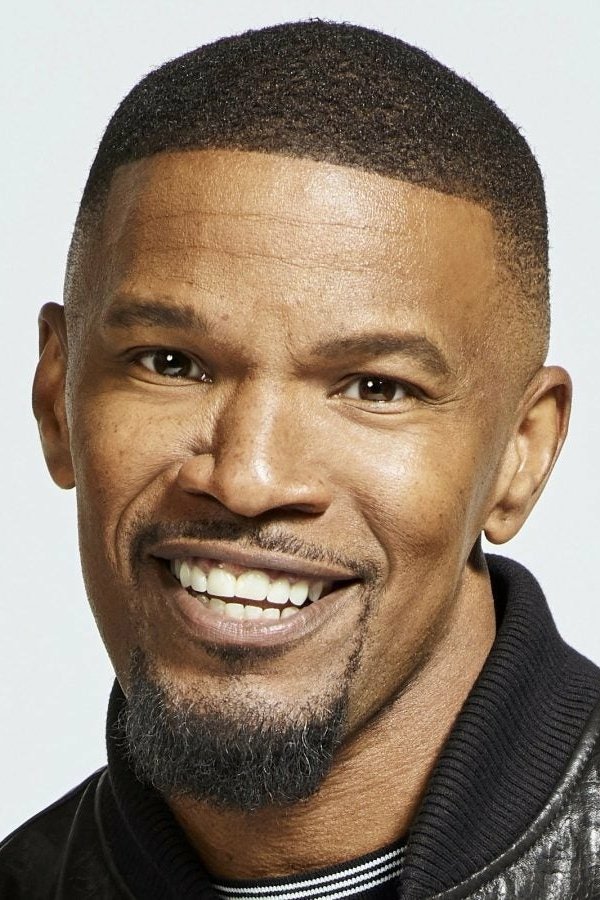
The Oscar-winning actor has faced occasional criticism for his portrayals of different racial and cultural groups in his comedy and film roles. Some critics argued that his performances sometimes utilized stereotypes that were uncomfortable for a global audience. This sparked a conversation about the evolution of racial humor and the responsibilities of Black performers. While he is celebrated for his versatility, the public backlash to certain sketches highlighted the shifting standards of identity presentation. He has successfully transitioned into a major dramatic actor while managing these public perceptions.
Nick Cannon
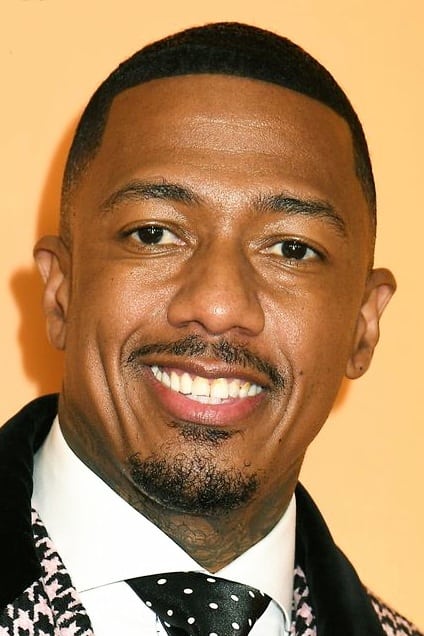
The actor and television host has often been criticized for his public commentary on race and identity. Some of his statements led to accusations that he was performing a specific version of Black identity to maintain relevance. This sparked a significant controversy that impacted his professional relationships and public standing. Critics argued that his presentation was often inconsistent and designed for maximum media impact. He has since worked to rebuild his image through more measured public discourse and community engagement.
Jason Derulo
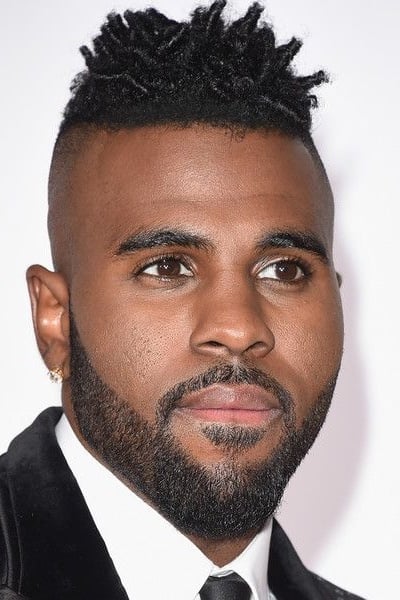
The musician and actor in ‘Cats’ has faced scrutiny for his use of digital effects and social media trends to alter his appearance. Some critics accused him of engaging in a form of digital Blackfishing by exaggerating his features or skin tone for viral content. This sparked a conversation about the ethics of image manipulation in the age of social media. The outrage focused on the message these alterations sent to a younger audience about racial identity. He has continued to be a major social media presence while facing these ongoing critiques.
Tyrese Gibson
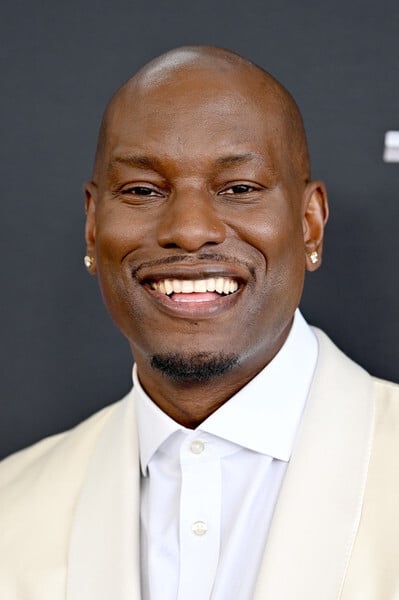
The ‘Fast and Furious’ star has frequently utilized social media to discuss his personal life and his views on racial identity. Some of his more emotional outbursts led critics to accuse him of performing a version of Black masculinity for public sympathy. This sparked a global dialogue about the performance of identity on digital platforms and the pressure of celebrity life. Critics argued that his public persona was often at odds with the reality of his professional status. He remains a vocal figure who frequently engages with his audience on sensitive topics of race and culture.
Tell us which of these identity controversies surprised you the most in the comments.