


Black Actors Who Were Ahead of Their Time

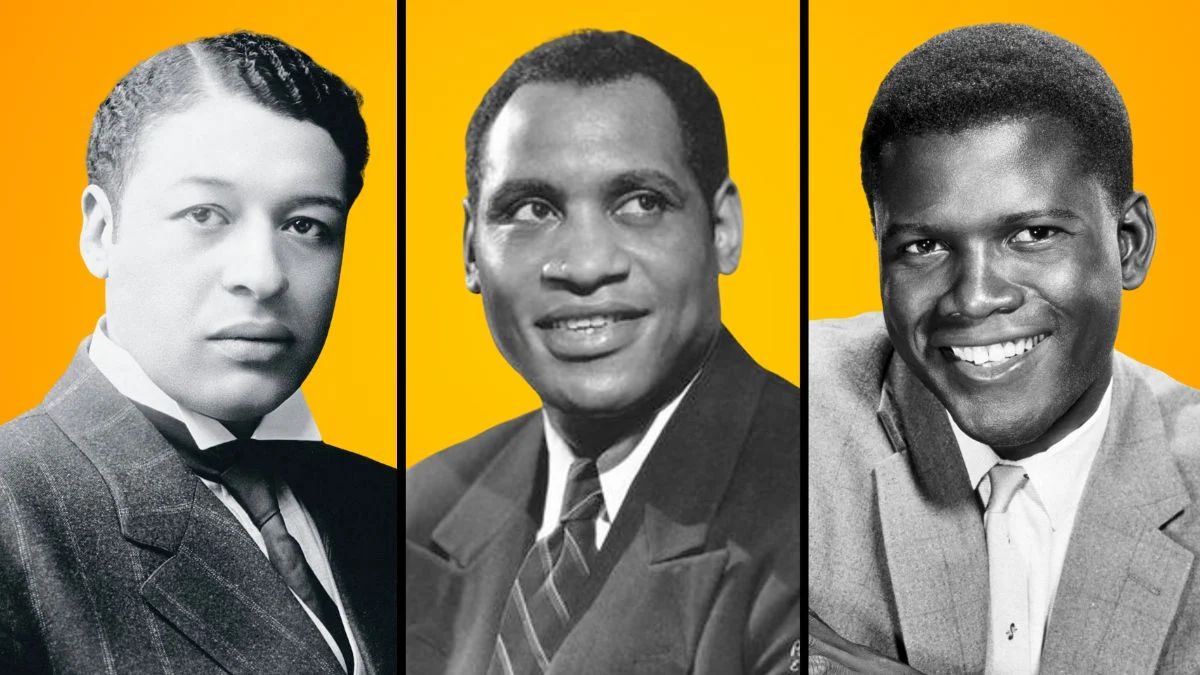


The history of cinema and theater is rich with talented Black men who broke barriers and defied the stereotypes of their eras. These trailblazers paved the way for future generations by demanding complex roles and showcasing immense versatility in an industry that often sought to marginalize them. From the stage productions of the nineteenth century to the gritty realism of New Hollywood, their contributions reshaped the cultural landscape. This list celebrates the enduring legacies of these remarkable performers who were truly ahead of their time.
Bert Williams
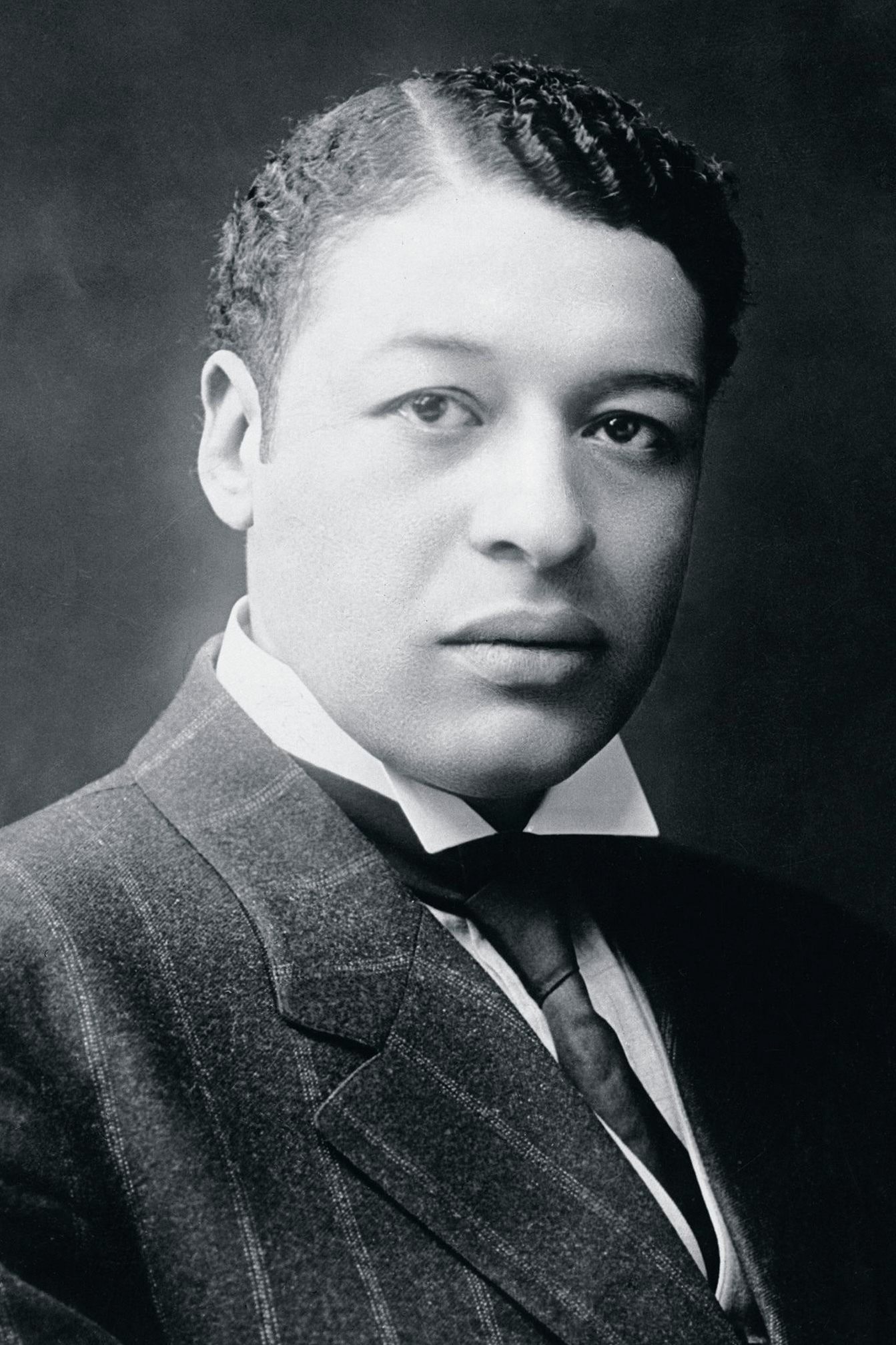
Bert Williams was a preeminent entertainer of the Vaudeville era and the first Black American to take a lead role on the Broadway stage. He famously partnered with George Walker to create successful comedic productions that navigated the complex racial dynamics of the early twentieth century. Williams broke significant ground by becoming the first Black performer to join the ‘Ziegfeld Follies’. His profound talent for physical comedy and singing allowed him to rise above the limitations placed on performers of his race.
Noble Johnson
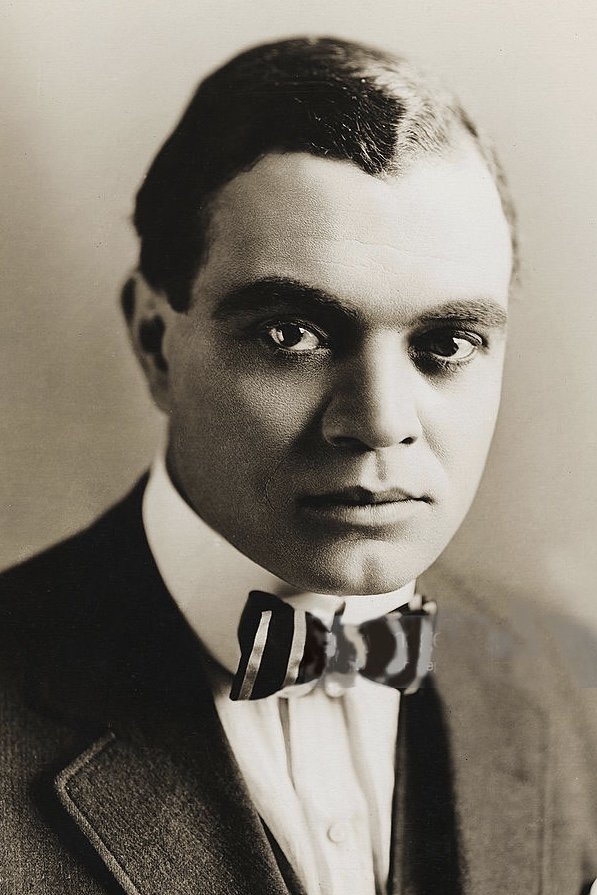
Noble Johnson was a versatile actor and producer who founded the Lincoln Motion Picture Company to create films that featured Black actors in positive roles. He appeared in a vast number of Hollywood productions and was often cast in various ethnic roles due to his ambiguous appearance. His work in films like ‘The Thief of Bagdad’ and ‘King Kong’ showcased his ability to adapt to the demands of major studio productions. Johnson worked tirelessly behind the scenes to build an infrastructure for Black cinema before the studio system fully integrated.
Paul Robeson
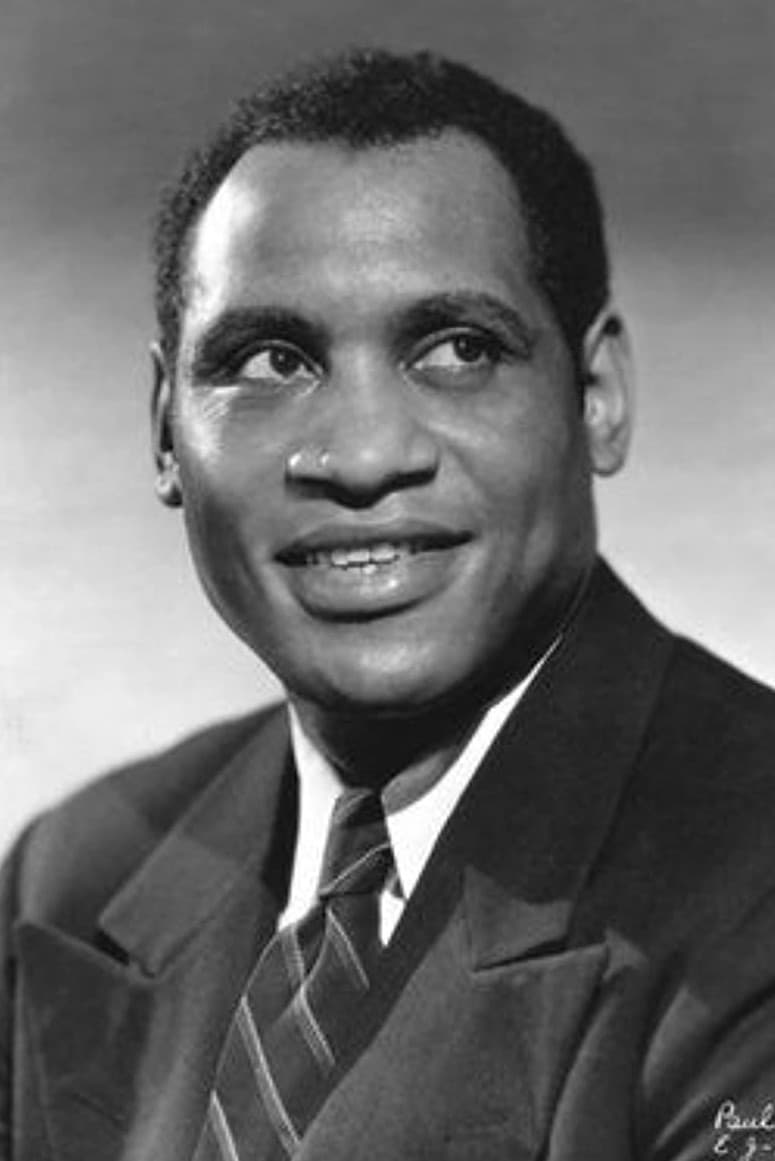
Paul Robeson was a polymath who achieved fame as an actor, singer, athlete, and scholar. He brought a commanding presence to the screen in films like ‘The Emperor Jones’ and ‘Show Boat’ where his deep bass voice became iconic. Robeson utilized his global platform to advocate for civil rights and labor movements despite facing severe political backlash. His refusal to accept roles that demeaned his dignity set a high standard for artistic integrity.
Rex Ingram
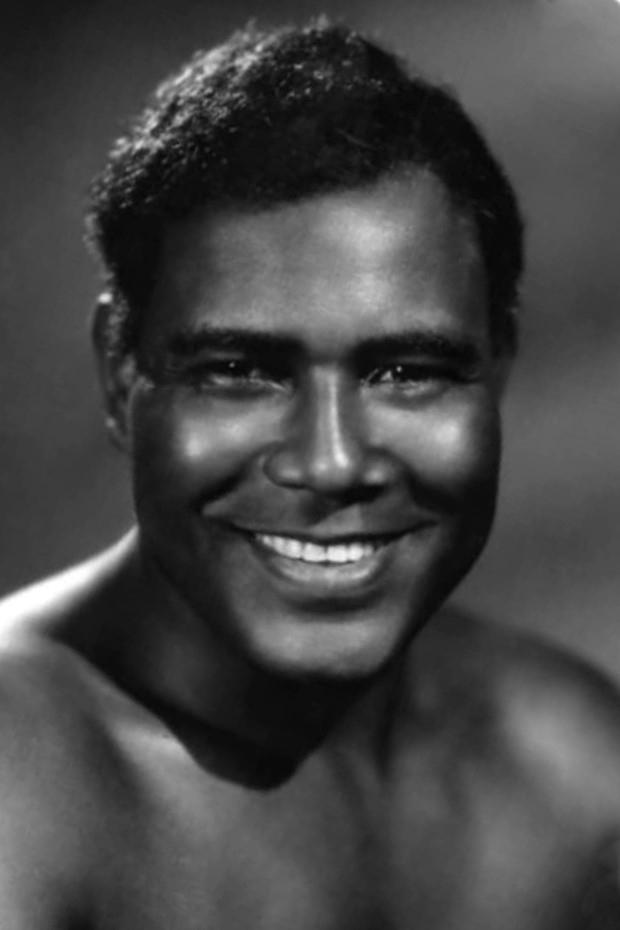
Rex Ingram was a distinguished stage and screen actor who made a lasting impression with his powerful performance as De Lawd in ‘The Green Pastures’. He possessed a medical degree but chose to pursue the arts and became a fixture in Hollywood for decades. Ingram delivered memorable performances in ‘The Thief of Bagdad’ and ‘Cabin in the Sky’ during a time when substantial roles for Black men were scarce. His career bridged the gap between the early talkies and the television era.
Clarence Muse
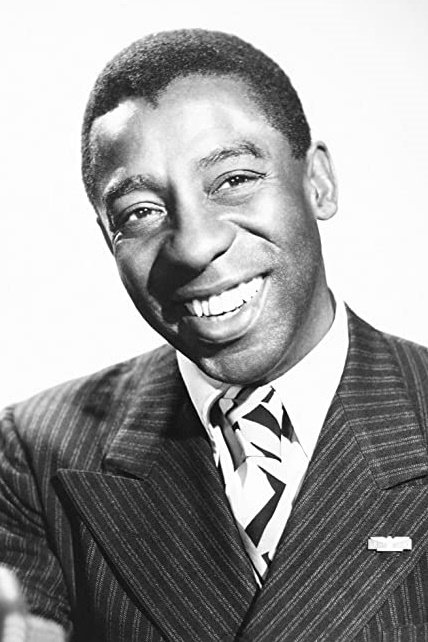
Clarence Muse was a pioneer of Black theater and film who enjoyed a career spanning more than six decades. He held a doctorate in law and was a founding member of the Screen Actors Guild. Muse appeared in over one hundred films including ‘Shadow of a Doubt’ and ‘Car Wash’. He consistently advocated for better representation of African Americans in Hollywood scripts and often rewrote his own lines to improve dignity.
Canada Lee
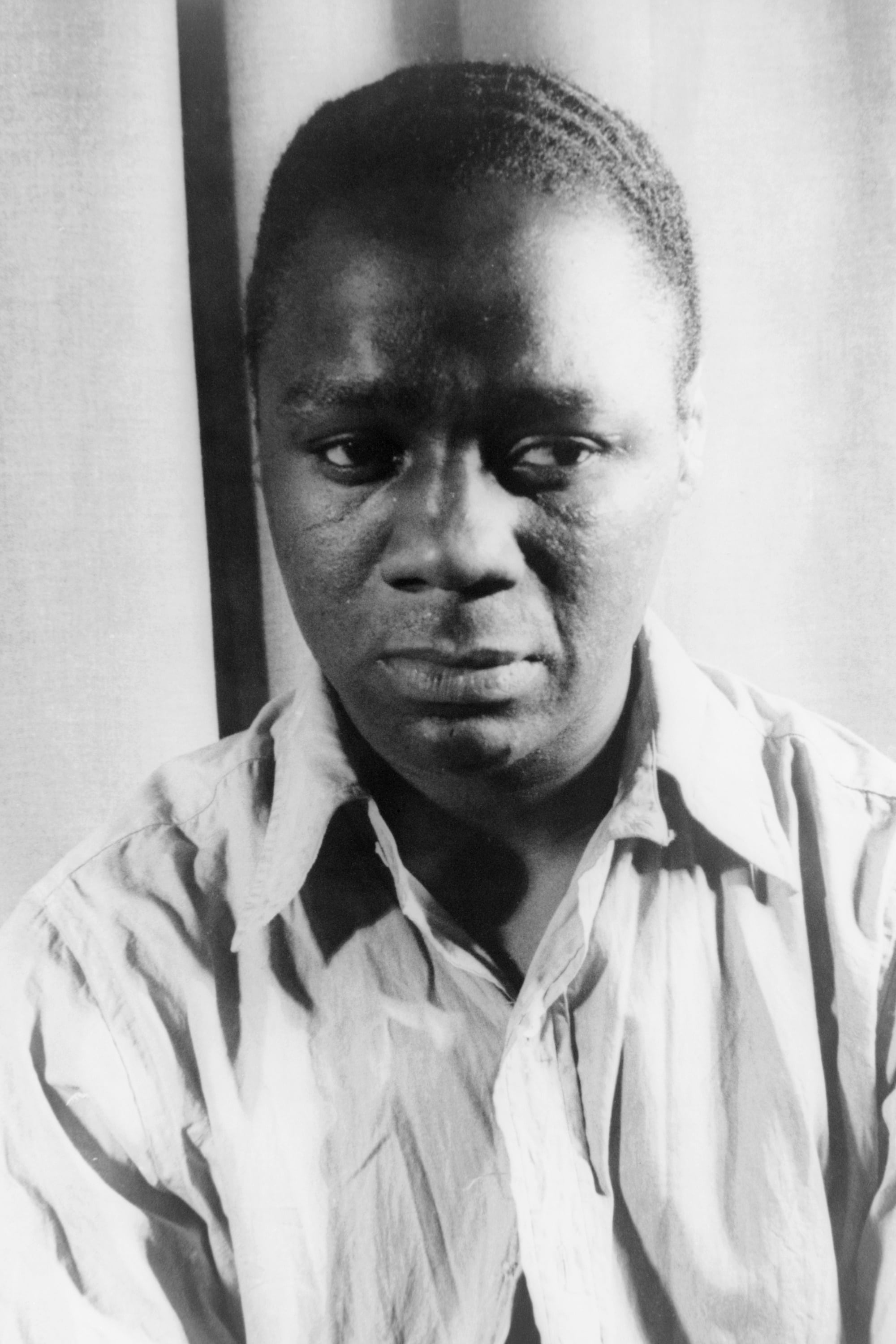
Canada Lee was a champion boxer who transitioned into acting and delivered intense performances on both stage and screen. His role in Orson Welles’s stage production of ‘Native Son’ established him as a force in American theater. Lee delivered a groundbreaking performance in Alfred Hitchcock’s ‘Lifeboat’ by refusing to play his character in a stereotypical dialect. His career was tragically cut short due to the political blacklisting of the McCarthy era.
Dooley Wilson
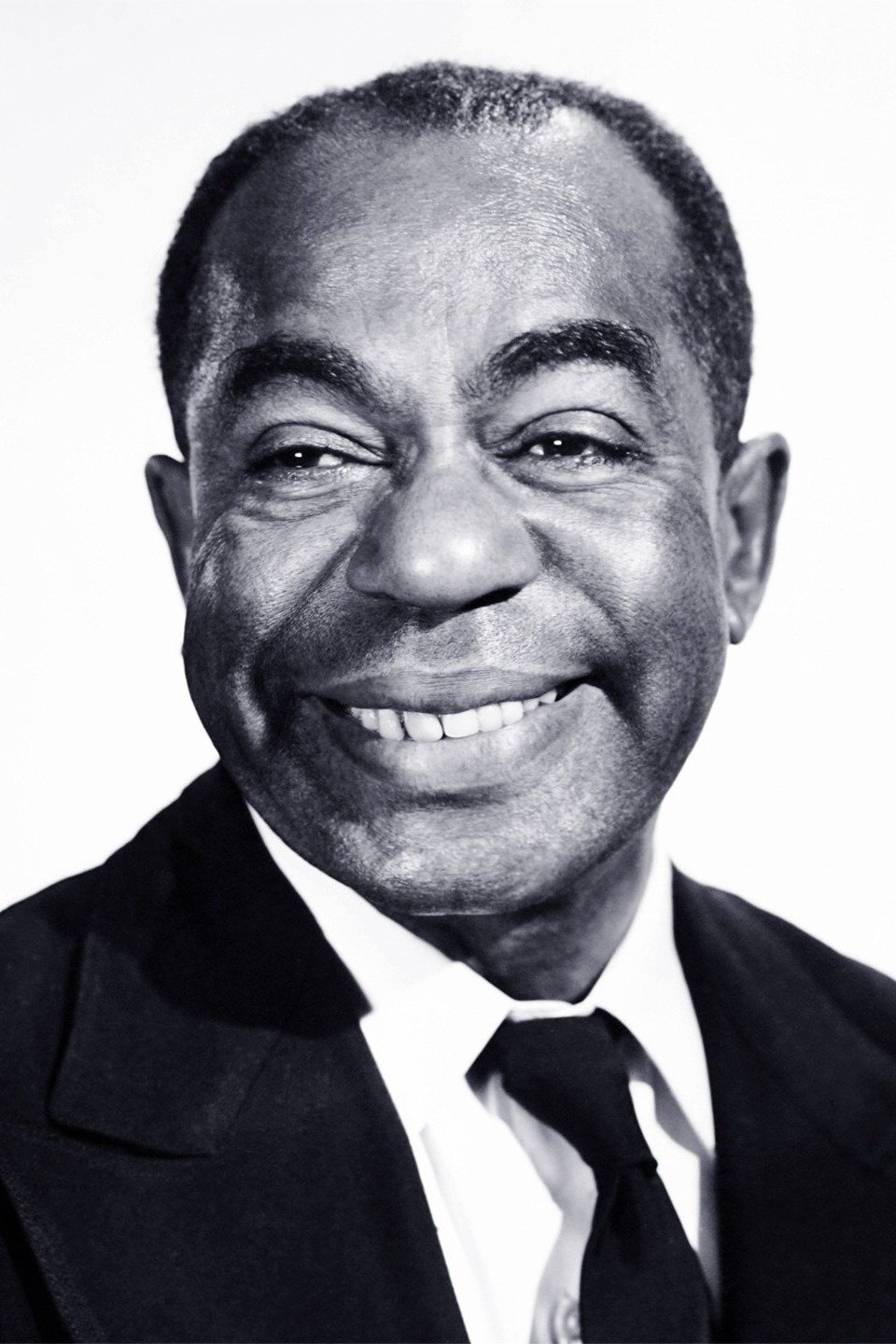
Dooley Wilson is immortalized for his role as Sam in the classic film ‘Casablanca’ where he performed the iconic song. He was a drummer and singer who brought warmth and humanity to a role that could have been incidental. Wilson earned a weekly salary that highlighted his status as a valuable talent at the studio. His interaction with Humphrey Bogart depicted a rare friendship between Black and white characters for that period.
Eddie ‘Rochester’ Anderson
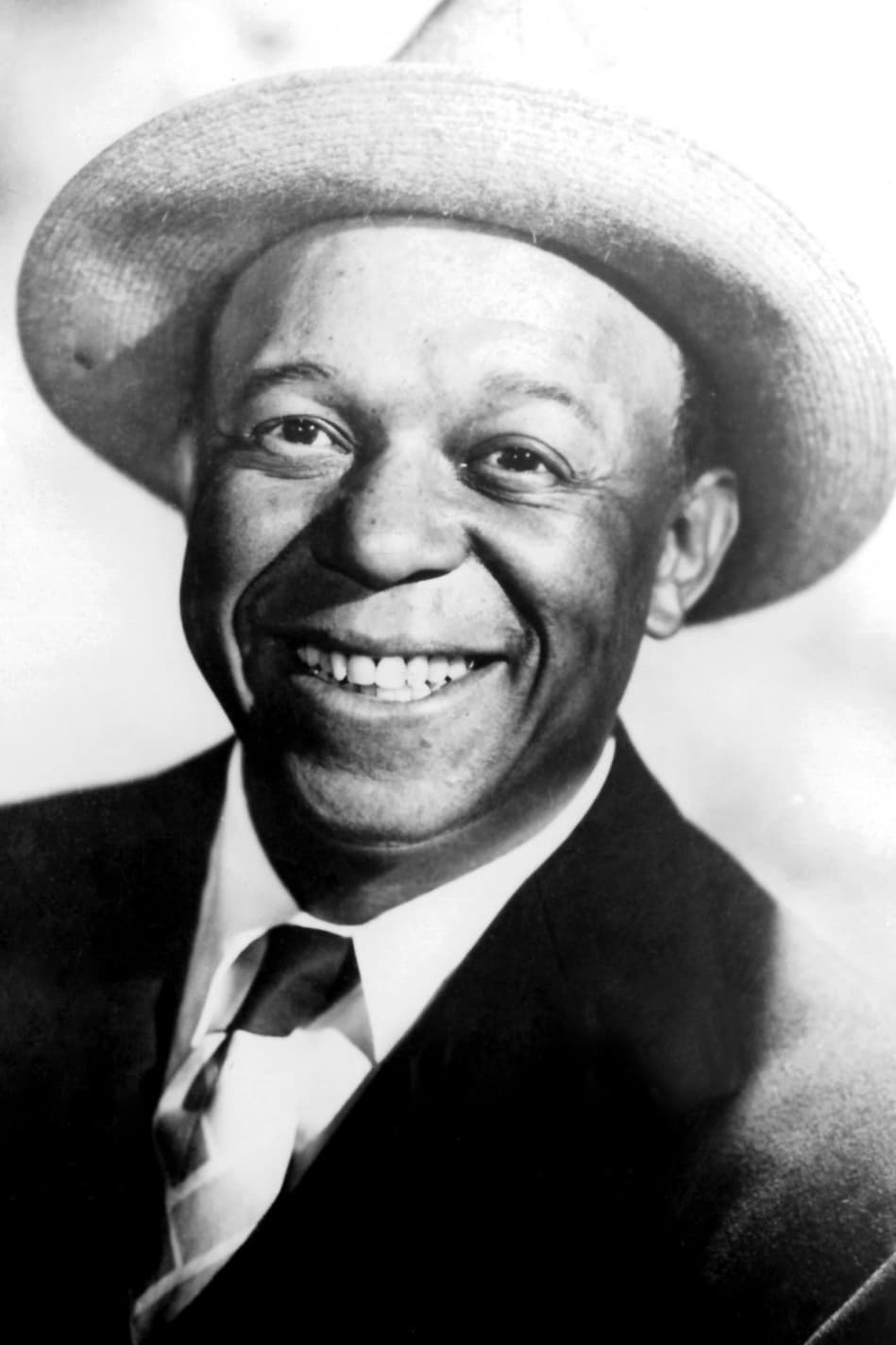
Eddie Anderson gained immense popularity as the raspy-voiced Rochester on ‘The Jack Benny Program’. He was the first Black performer to land a regular role on a national radio show and transitioned successfully to television and film. Anderson negotiated contracts that allowed him to maintain his own racehorses and build a business empire. His comedic timing and chemistry with Jack Benny made him one of the highest-paid actors of his time.
Mantan Moreland
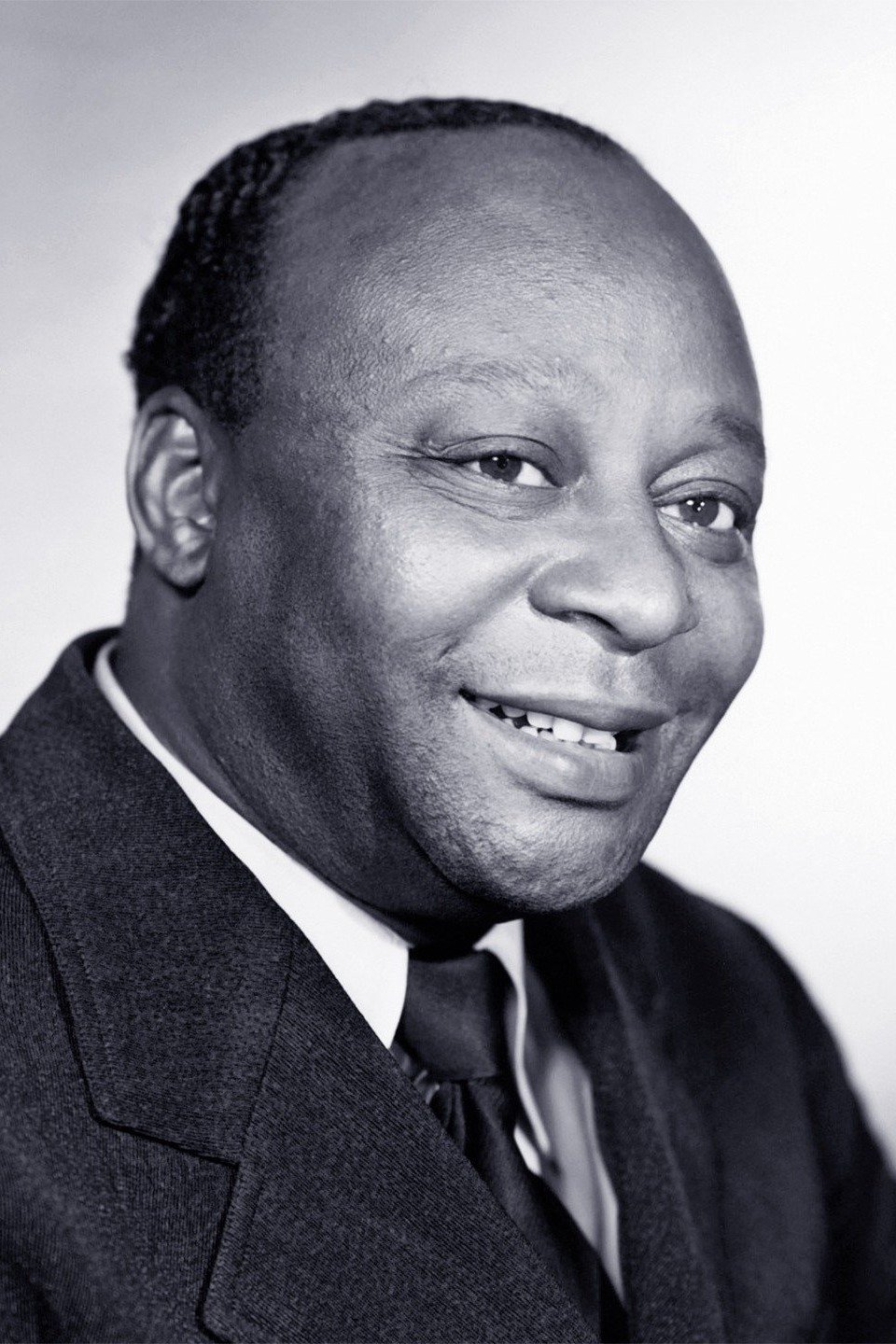
Mantan Moreland was a comedic actor best known for his role as Birmingham Brown in the ‘Charlie Chan’ film series. He possessed impeccable timing and was a star of the “race films” intended for all-Black audiences before moving to mainstream Hollywood. While some critics later debated the nature of his comedic persona, his talent kept him employed constantly. Moreland paved the way for future comedians by proving that a Black supporting actor could steal the show.
James Edwards
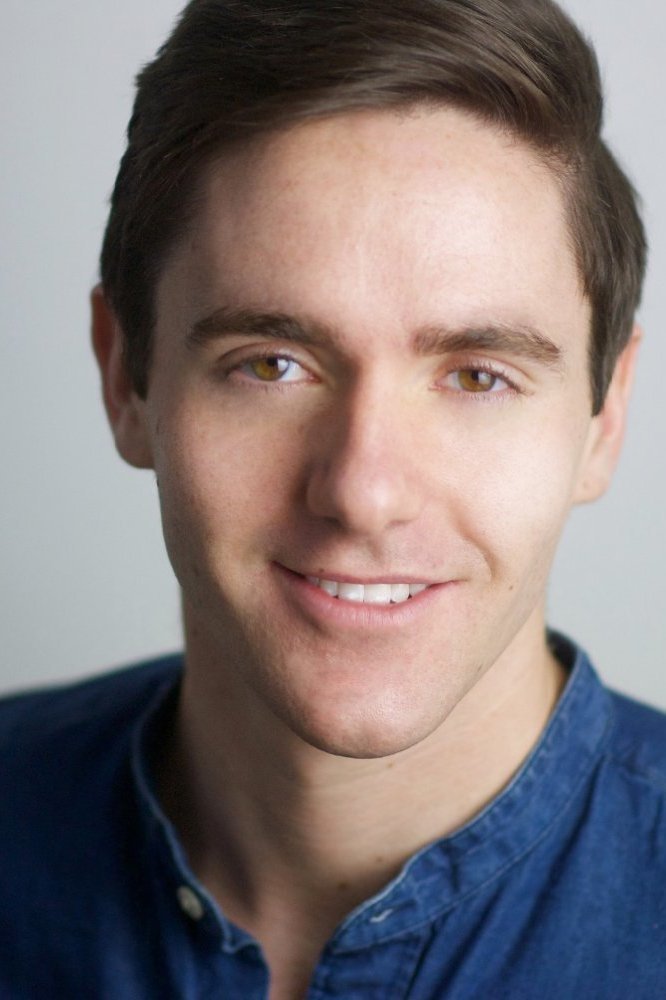
James Edwards was established as one of the first Black actors to gain critical acclaim for serious dramatic roles in the post-war era. His performance in ‘Home of the Brave’ tackled the subject of racism in the military head-on. Edwards brought a quiet intensity and intelligence to his characters that defied the caricature roles of the past. He continued to work in significant films like ‘The Manchurian Candidate’ and ‘Patton’.
Woody Strode
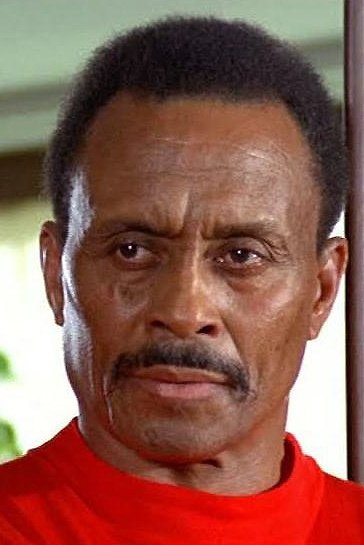
Woody Strode was a pioneering athlete who became a striking presence in Hollywood westerns and epics. He is perhaps best known for his gladiator combat scene in ‘Spartacus’ and his role as the title character in ‘Sergeant Rutledge’. Strode was a favorite of director John Ford and brought a stoic physical dominance to the screen. His career opened doors for Black actors in the action and western genres.
Sidney Poitier
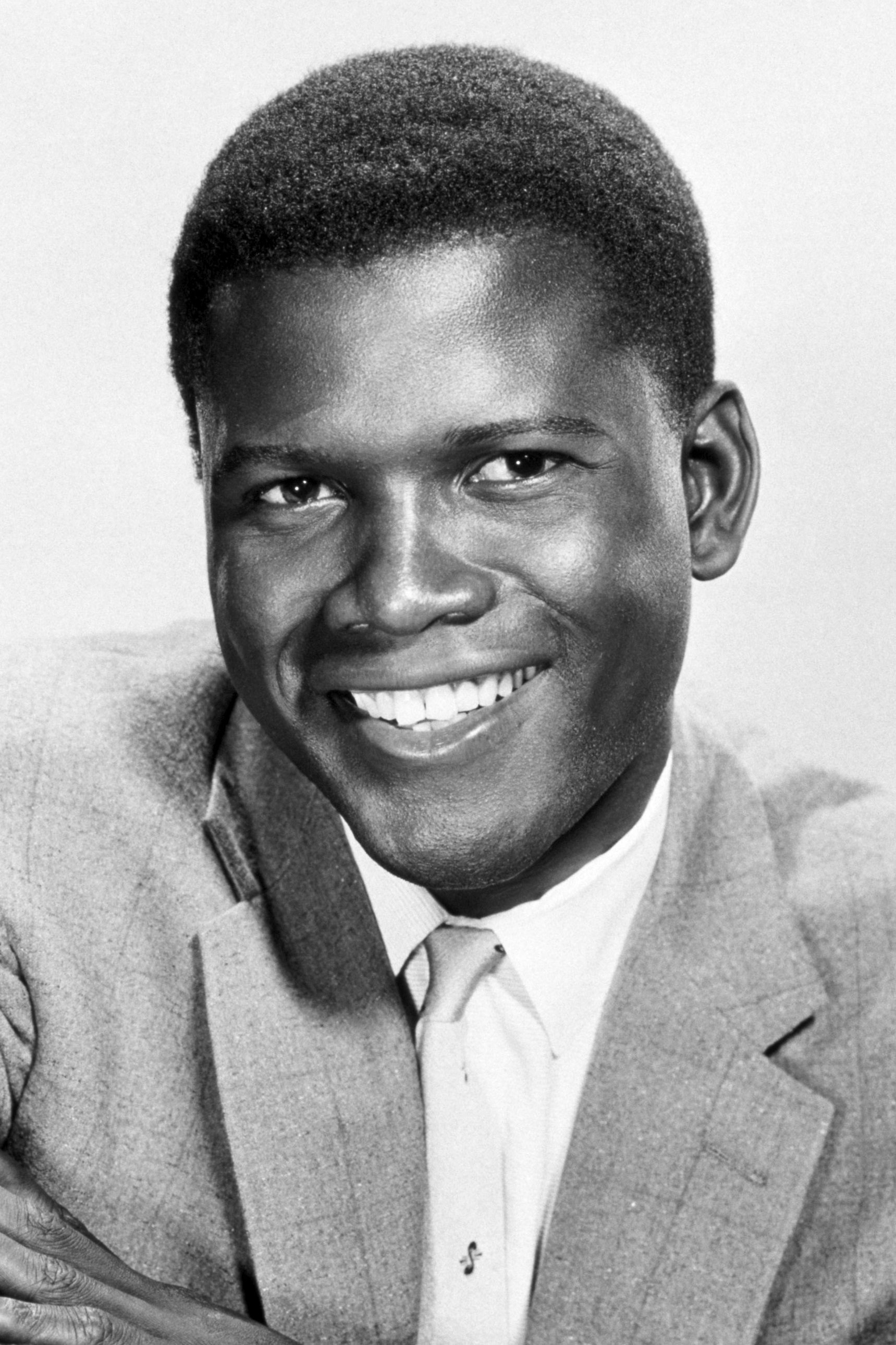
Sidney Poitier redefined the image of the African American male in film with his elegance and commanding intellect. He became the first Black man to win the Academy Award for Best Actor for his role in ‘Lilies of the Field’. Poitier starred in landmark films like ‘In the Heat of the Night’ and ‘Guess Who’s Coming to Dinner’ that directly addressed race relations. His legacy is built on a refusal to compromise his dignity for a paycheck.
Harry Belafonte

Harry Belafonte leveraged his massive success as a recording artist to become a leading man in Hollywood. He starred in films such as ‘Carmen Jones’ and ‘Island in the Sun’ which explored interracial romance and complex social themes. Belafonte was also a dedicated activist who used his celebrity to fund and support the Civil Rights Movement. He later produced films that sought to provide accurate representations of Black life.
Brock Peters
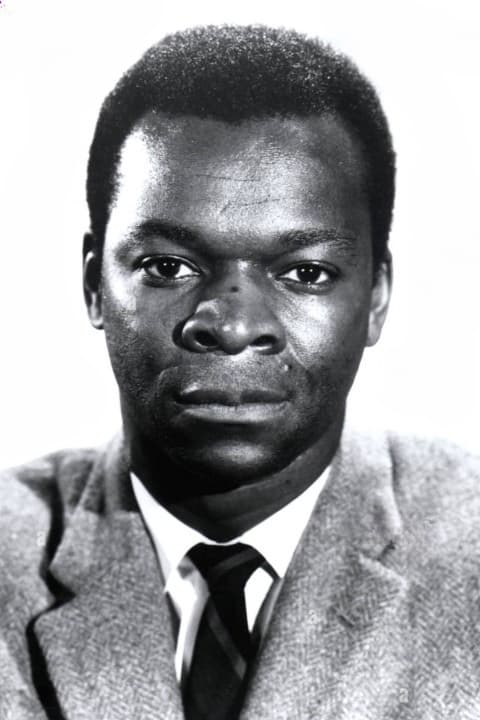
Brock Peters was known for his deep baritone voice and his ability to convey immense emotional pain. His portrayal of Tom Robinson in ‘To Kill a Mockingbird’ remains one of the most heartbreaking performances in cinema history. Peters also found success as a voice actor and a stage performer in productions like ‘Lost in the Stars’. He brought a gravitas to every role he inhabited from villains to Starfleet admirals.
Ossie Davis
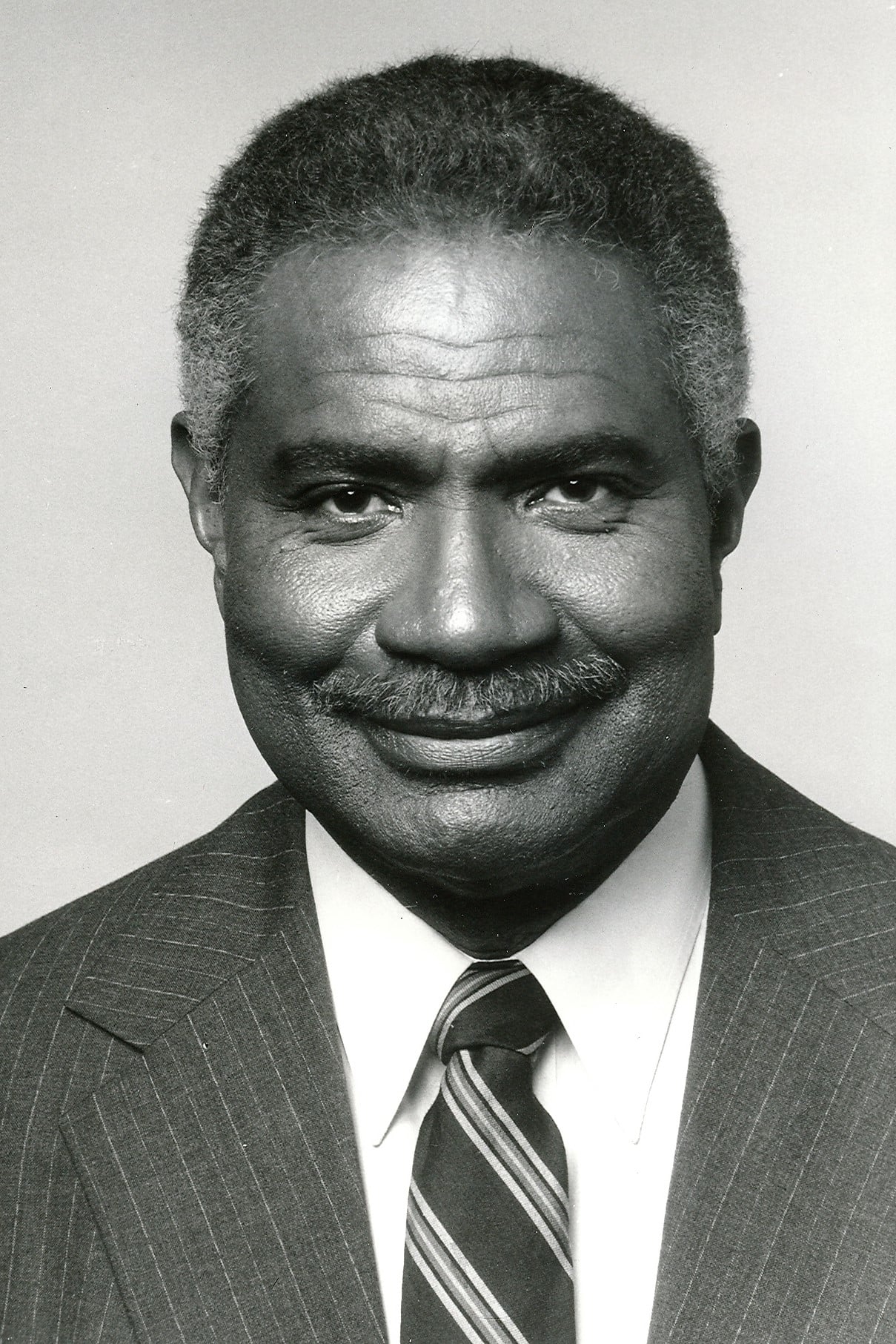
Ossie Davis was a dynamic actor and playwright who contributed significantly to American culture for decades. He wrote and starred in the film ‘Purlie Victorious’ which satirized racial stereotypes in the South. Davis worked closely with his wife Ruby Dee to promote civil rights through the arts. His resonant voice and commanding presence made him a natural choice for roles requiring wisdom and authority.
William Marshall
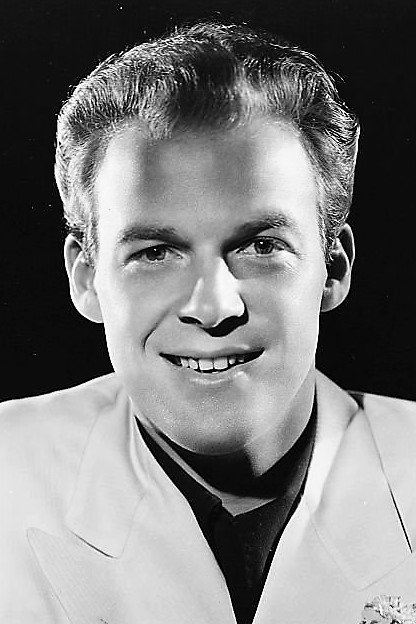
William Marshall was a classically trained actor with a booming voice and a towering physical stature. He is best known to horror fans for his sophisticated portrayal of Prince Mamuwalde in ‘Blacula’. Marshall played ‘Othello’ on stage and brought a Shakespearean gravity to genre films. His insistence on giving his horror character a noble backstory elevated the material beyond standard exploitation fare.
Ivan Dixon
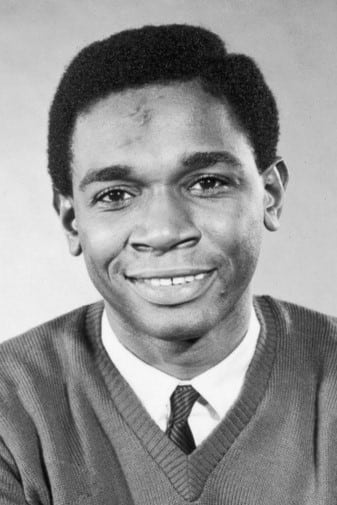
Ivan Dixon was an actor and director best known for his role as Kinchloe on the sitcom ‘Hogan’s Heroes’. He portrayed a radio technician who was arguably the smartest member of the group. Dixon later became a prolific television director and helmed episodes of many popular series. His film ‘The Spook Who Sat by the Door’ remains a cult classic for its radical political themes.
Sammy Davis Jr.
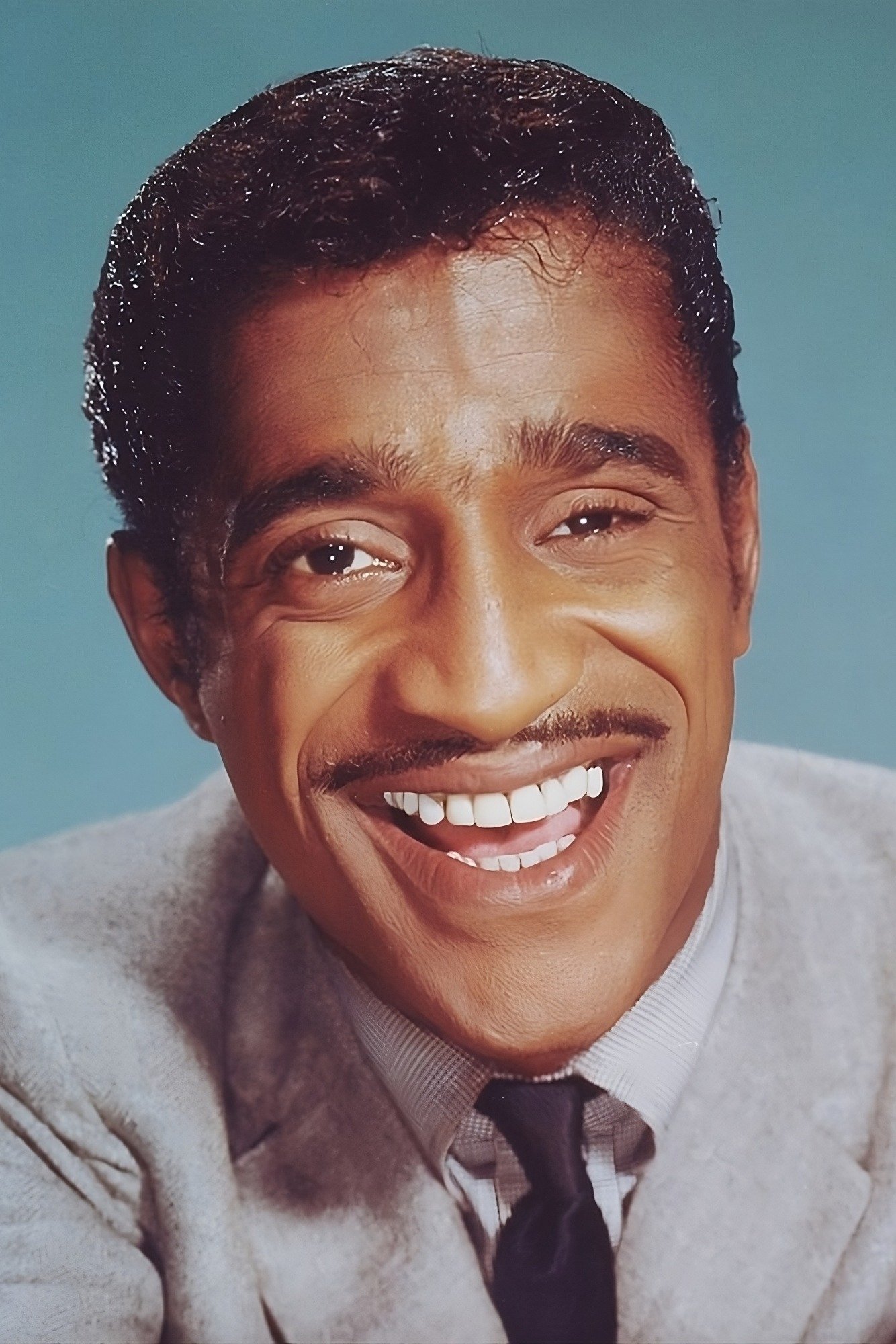
Sammy Davis Jr. was the ultimate entertainer who conquered film, television, and the stage. As a member of the Rat Pack, he broke racial barriers in Las Vegas and appeared in films like ‘Ocean’s 11’ and ‘Porgy and Bess’. Davis possessed an incredible range that allowed him to excel at tap dancing, singing, and dramatic acting simultaneously. His visibility in mainstream media helped normalize the presence of Black talent in elite entertainment circles.
Roscoe Lee Browne
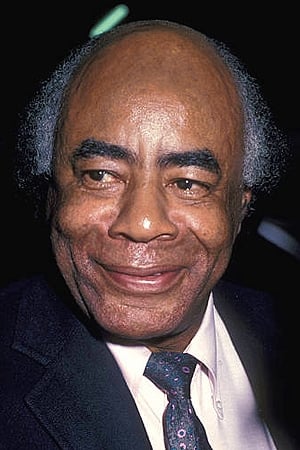
Roscoe Lee Browne was a distinguished character actor known for his rich voice and erudite demeanor. He found success on the stage and in films such as ‘The Cowboys’ and ‘Logan’s Run’. Browne often avoided racially specific roles in favor of characters defined by their intellect and sophistication. His background in literature and track and field added to his unique and commanding persona.
Robert Hooks
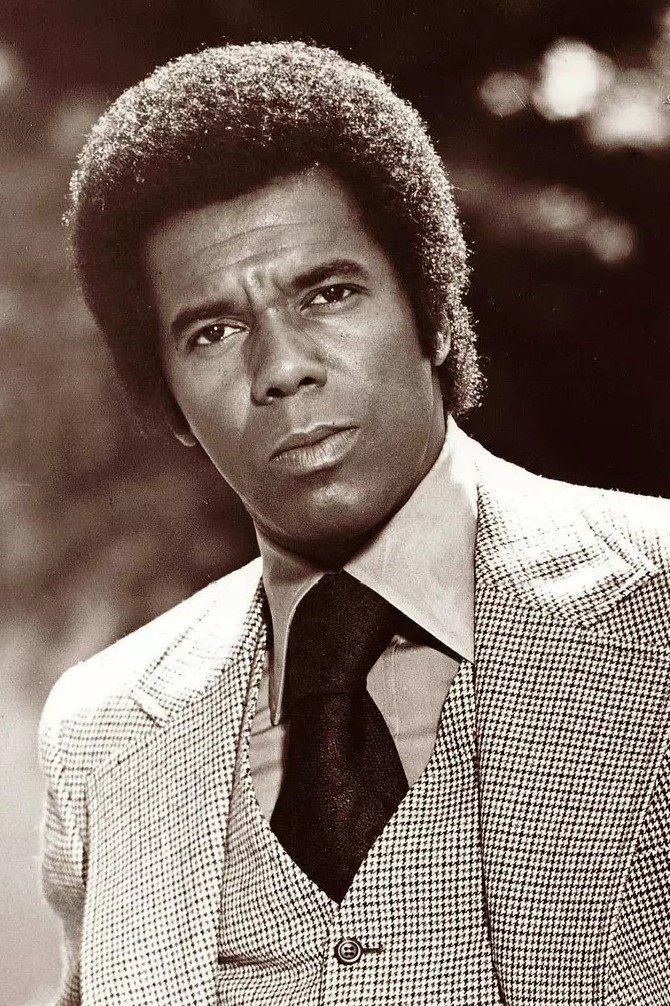
Robert Hooks is a founder of the Negro Ensemble Company and a significant figure in the Black Arts Movement. He starred in the television series ‘N.Y.P.D.’ which was one of the first police dramas to feature a Black lead. Hooks worked tirelessly to create opportunities for other Black artists in the theater world. His acting career spanned decades and included roles in action films and serious dramas.
Moses Gunn
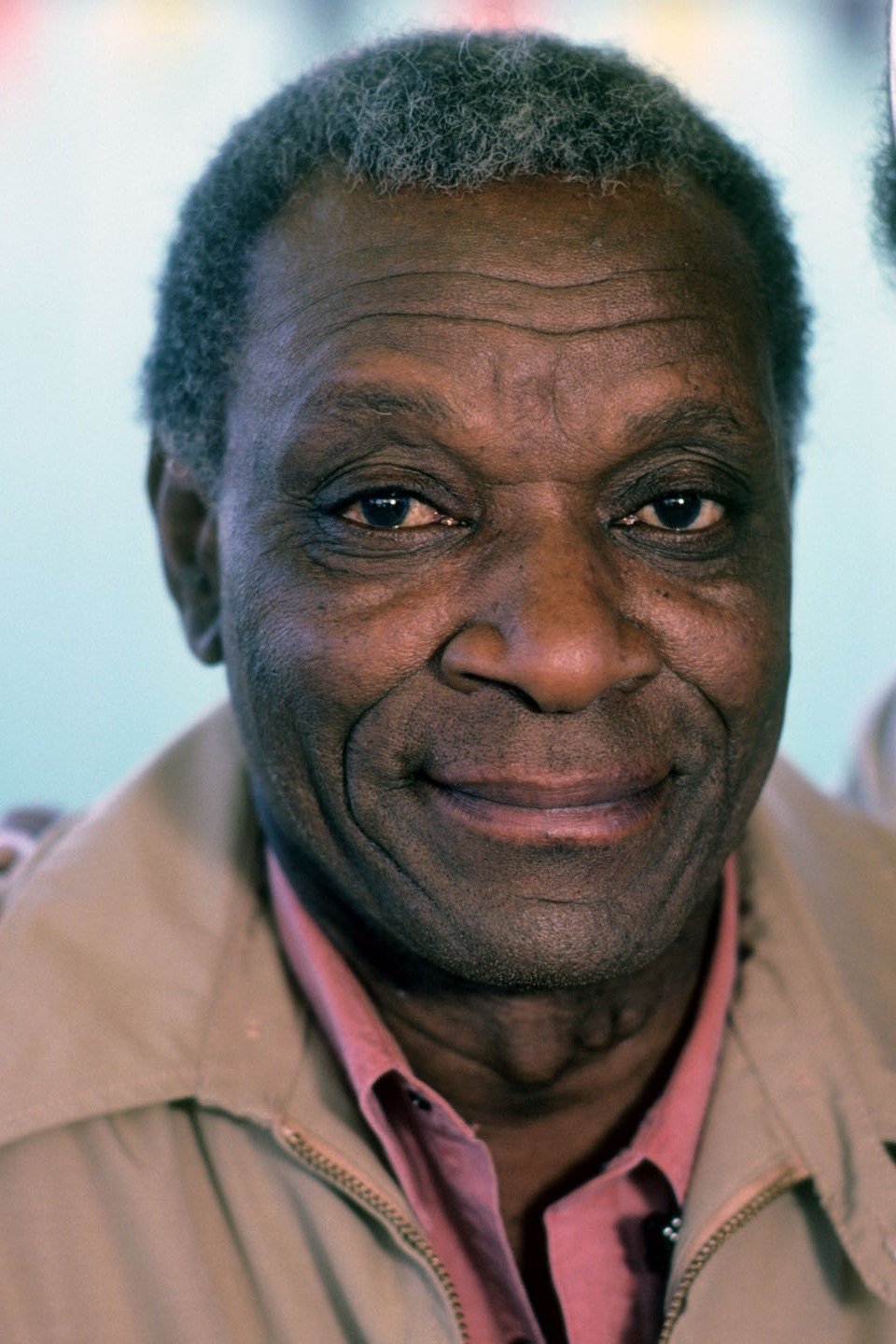
Moses Gunn was a highly respected stage actor who brought gravitas to the screen in the 1970s. He is well remembered for his role as Bumpy Jonas in the ‘Shaft’ films and his performance in ‘Ragtime’. Gunn was a co-founder of the Negro Ensemble Company and dedicated much of his life to the theater. His ability to project danger and sophistication made him a captivating presence.
Raymond St. Jacques
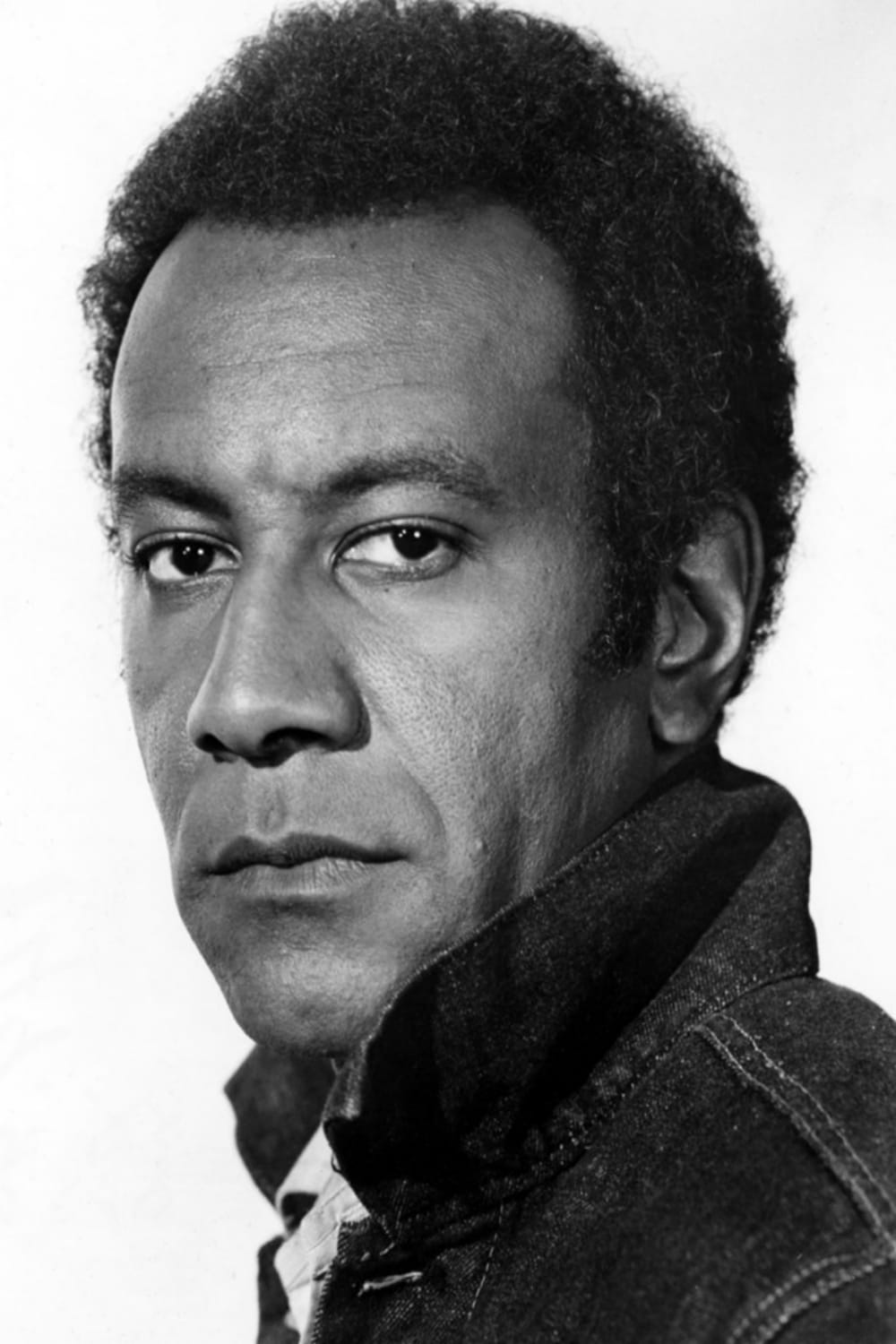
Raymond St. Jacques was a trailblazing actor who became known for his role in ‘Cotton Comes to Harlem’. He was one of the first Black actors to be cast as a cowboy regular on the series ‘Rawhide’. St. Jacques brought a cool intelligence to the Blaxploitation genre and elevated the material he was given. He also directed and produced independent projects to tell more diverse stories.
Yaphet Kotto
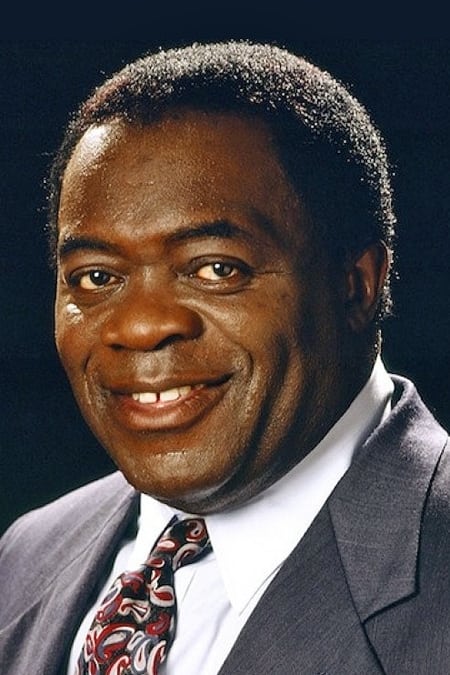
Yaphet Kotto brought an intense realism and physical power to every role he played. He was a memorable villain in the James Bond film ‘Live and Let Die’ and a blue-collar hero in ‘Alien’. Kotto often rewrote his lines to remove stereotypes and add depth to his characters. His performance in ‘Blue Collar’ highlighted his ability to convey the struggles of the working class.
Percy Rodriguez
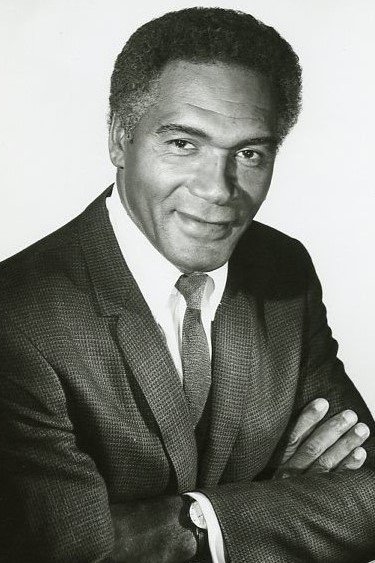
Percy Rodriguez was a Canadian actor who broke ground in American television with his authoritative presence. He played a neurosurgeon in the prime-time soap opera ‘Peyton Place’ in the late 1960s. Rodriguez was often cast as highly educated professionals and leaders. His deep voice also made him a prolific trailer narrator later in his career.
Greg Morris
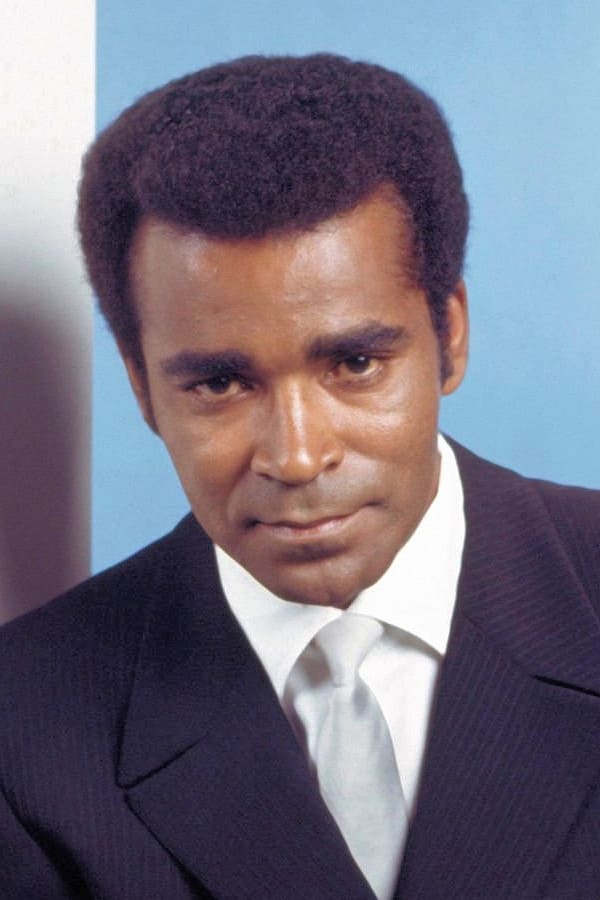
Greg Morris achieved television immortality as the electronics expert Barney Collier in ‘Mission: Impossible’. He played a character who was defined by his technical genius rather than his race. Morris remained a steady presence on the show for its entire original run. His quiet competence paved the way for future tech-savvy characters in the spy genre.
Clarence Williams III
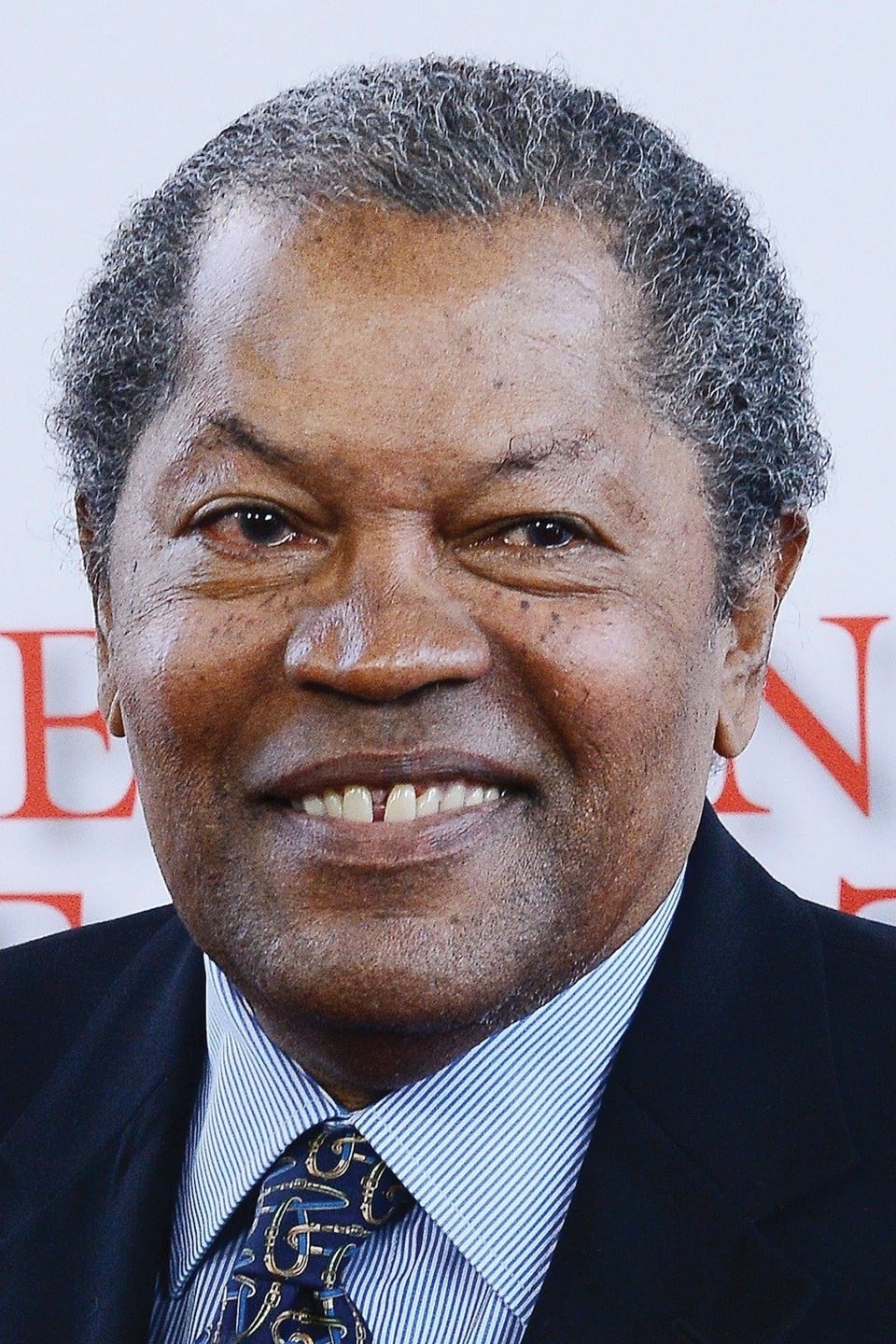
Clarence Williams III became a counterculture icon as Linc Hayes in the hit series ‘The Mod Squad’. His cool demeanor and intense acting style resonated with the youth of the late 1960s. Williams transitioned into a successful character actor in films like ‘Purple Rain’ and ‘Tales from the Hood’. He brought a unique energy and unpredictability to his performances.
Otis Young
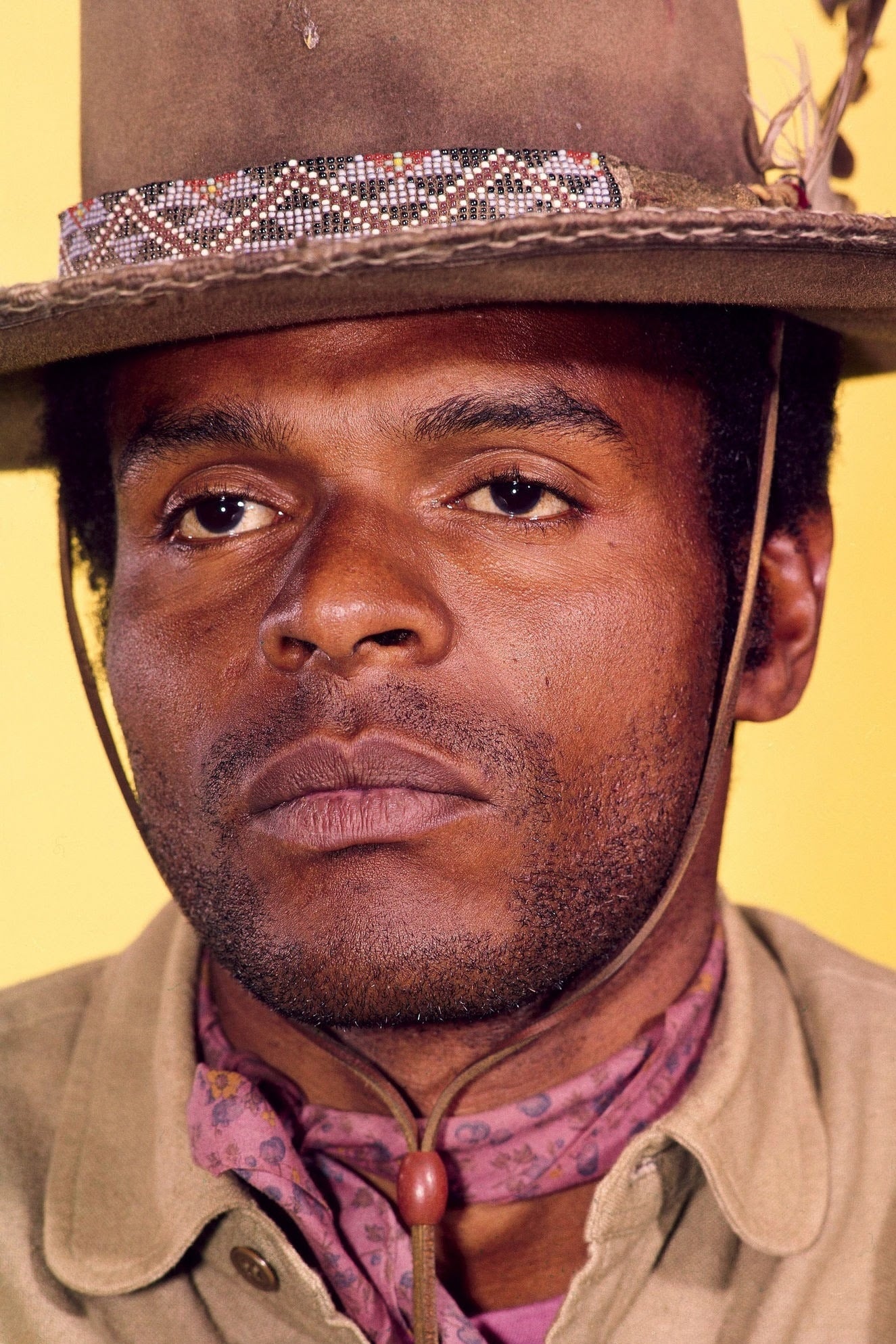
Otis Young co-starred in the television western ‘The Outcasts’ where he played a bounty hunter paired with a former Confederate soldier. This role was groundbreaking for its exploration of racial tension in a historical setting. Young was an ordained minister and an acting teacher who cared deeply about the craft. His work challenged the traditional narratives of the American West.
Rupert Crosse
Rupert Crosse was the first African American to be nominated for a Best Supporting Actor Academy Award for his role in ‘The Reivers’. He had a natural charm and comedic talent that shone through in his performances. Crosse studied under John Cassavetes and appeared in the director’s film ‘Shadows’. His promising career was cut short by illness but his impact remains significant.
Thalmus Rasulala
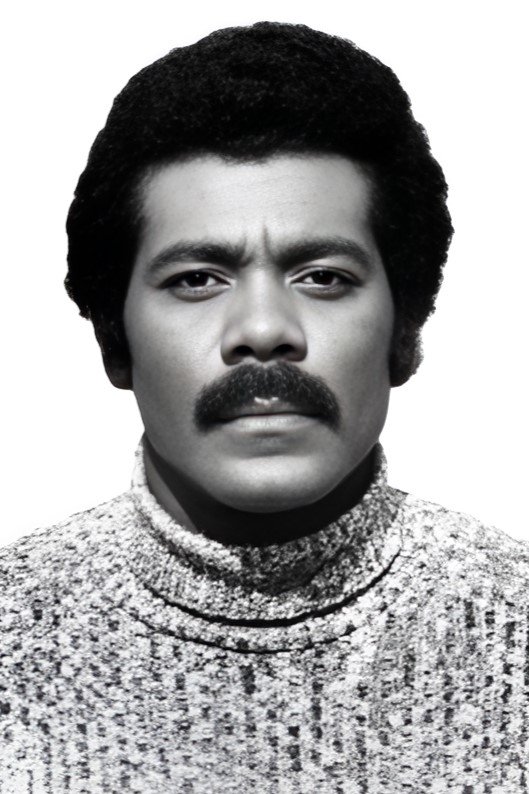
Thalmus Rasulala was a key figure in the Blaxploitation era who often played characters with a strong moral compass. He starred in films like ‘Cool Breeze’ and ‘Blacula’ while maintaining a busy television career. Rasulala was originally a theater actor who brought a disciplined approach to his film roles. He later became a familiar face in miniseries like ‘Roots’.
Calvin Lockhart
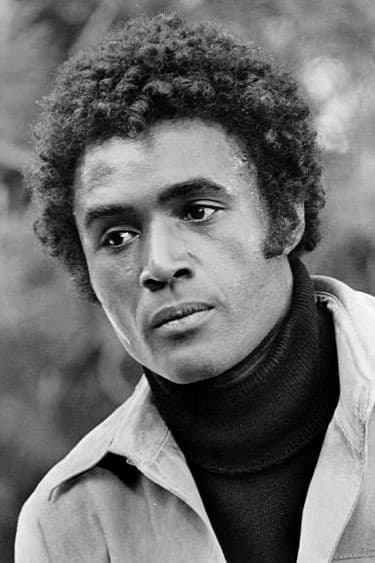
Calvin Lockhart was a Bahamian actor who gained fame for his striking good looks and charismatic screen presence. He starred in ‘Cotton Comes to Harlem’ and ‘Uptown Saturday Night’ during the 1970s. Lockhart was often cast as a suave leading man or a charming villain. His work in British and American cinema showcased his international appeal.
Ron O’Neal
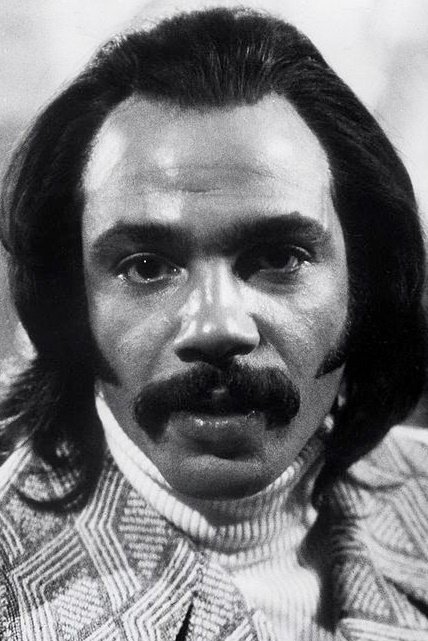
Ron O’Neal created one of the most iconic anti-heroes of the 1970s with his performance as Priest in ‘Super Fly’. He brought a Shakespearean depth to a character that could have been a one-dimensional criminal. O’Neal also directed the sequel to the film and continued to work in theater. His portrayal sparked intense debate about the representation of drug dealers in film.
Richard Roundtree
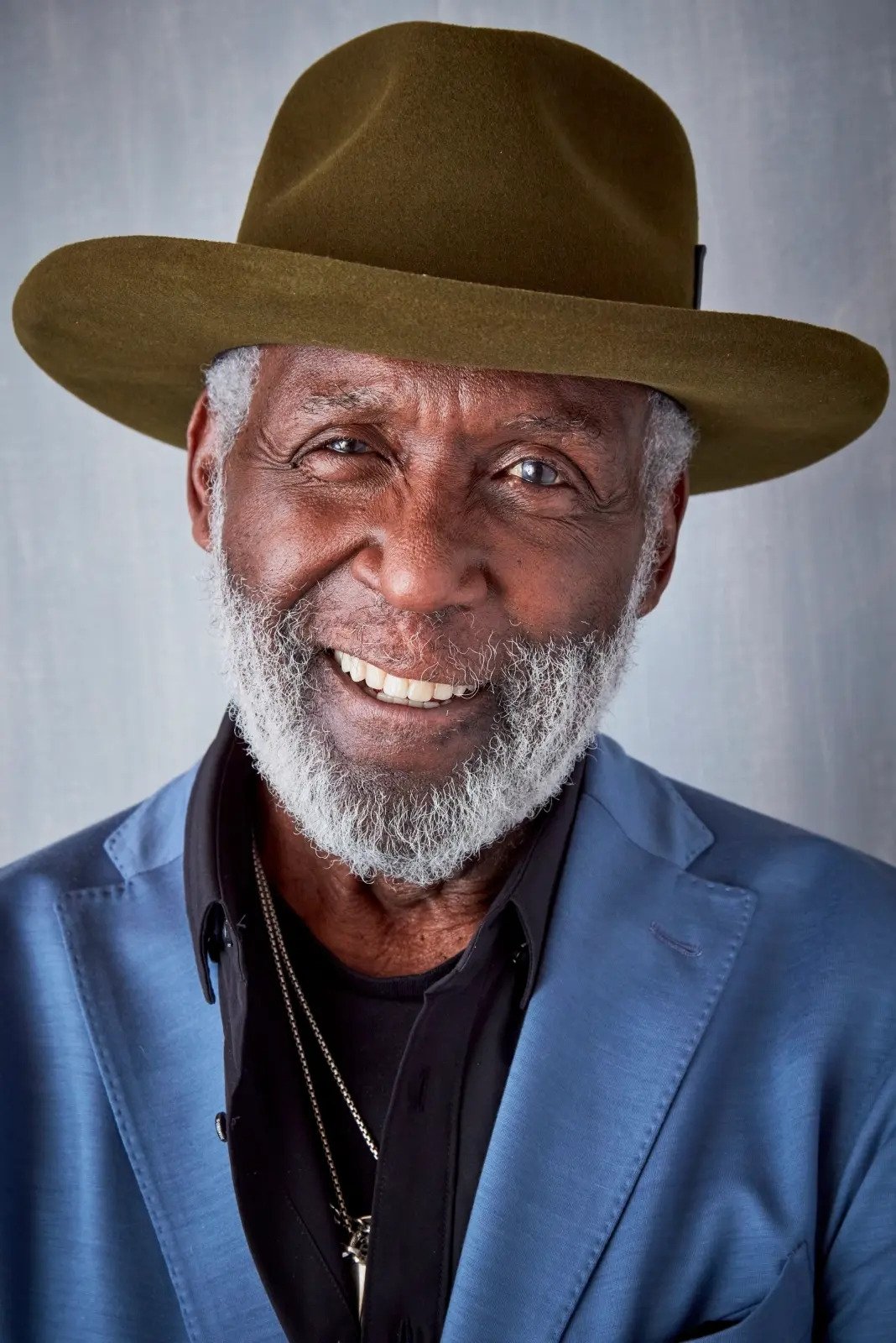
Richard Roundtree became the first Black action hero to achieve massive crossover success with the film ‘Shaft’. His portrayal of the private detective was cool and confident and assertive. Roundtree’s success proved that a Black lead could carry a major studio franchise. He continued to work steadily in film and television for decades after his breakout role.
Glynn Turman
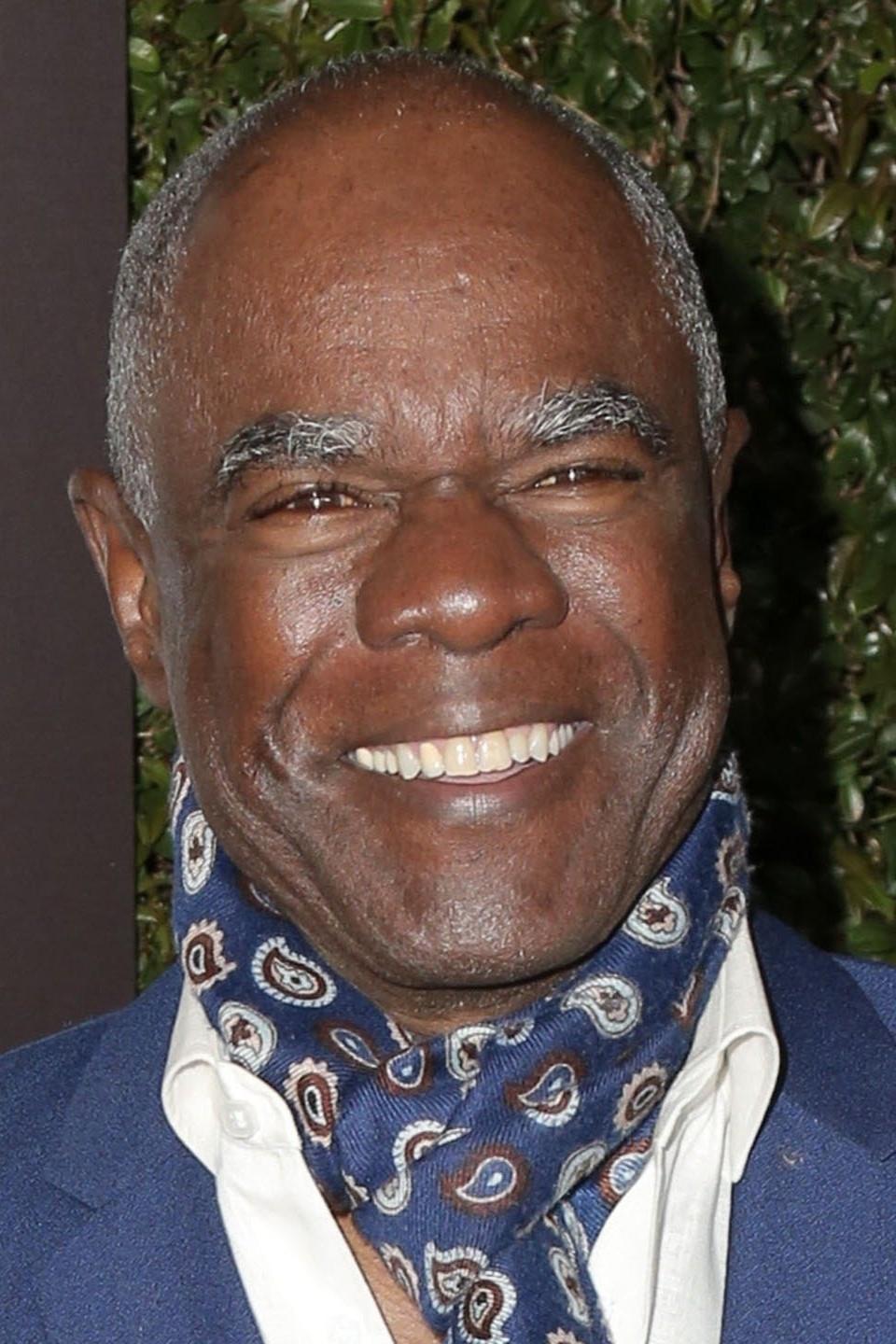
Glynn Turman began his career as a child actor in the original production of ‘A Raisin in the Sun’. He delivered a standout performance in the coming-of-age classic ‘Cooley High’. Turman has maintained a prolific career on stage and screen and eventually won an Emmy for his guest role on ‘In Treatment’. His versatility has allowed him to play everything from teenagers to mayors.
Louis Gossett Jr.

Louis Gossett Jr. began his career on stage before becoming a television and film icon. He won an Academy Award for Best Supporting Actor for his drill instructor role in ‘An Officer and a Gentleman’. Gossett played the alien in ‘Enemy Mine’ which showcased his ability to emote under heavy prosthetics. His role in the miniseries ‘Roots’ earned him an Emmy and solidified his status as a premier talent.
Billy Dee Williams
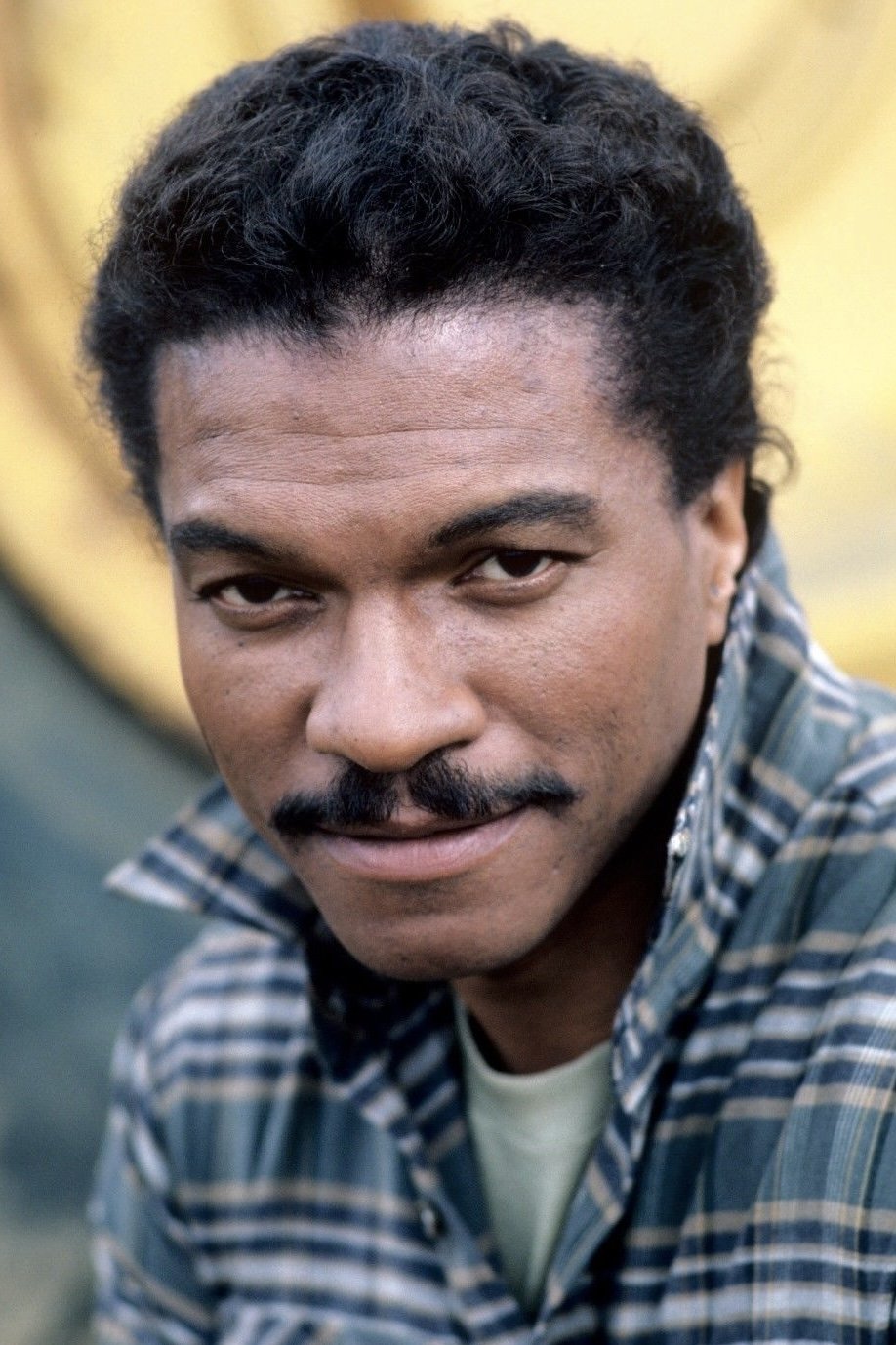
Billy Dee Williams became the quintessential romantic lead of the 1970s with films like ‘Lady Sings the Blues’ and ‘Mahogany’. He broke the color barrier in the ‘Star Wars’ universe by playing the charming Lando Calrissian. Williams brought a smooth charisma to his roles that made him a heartthrob across demographic lines. His career demonstrated that Black men could be cast as universally desirable heroes.
Robert Guillaume
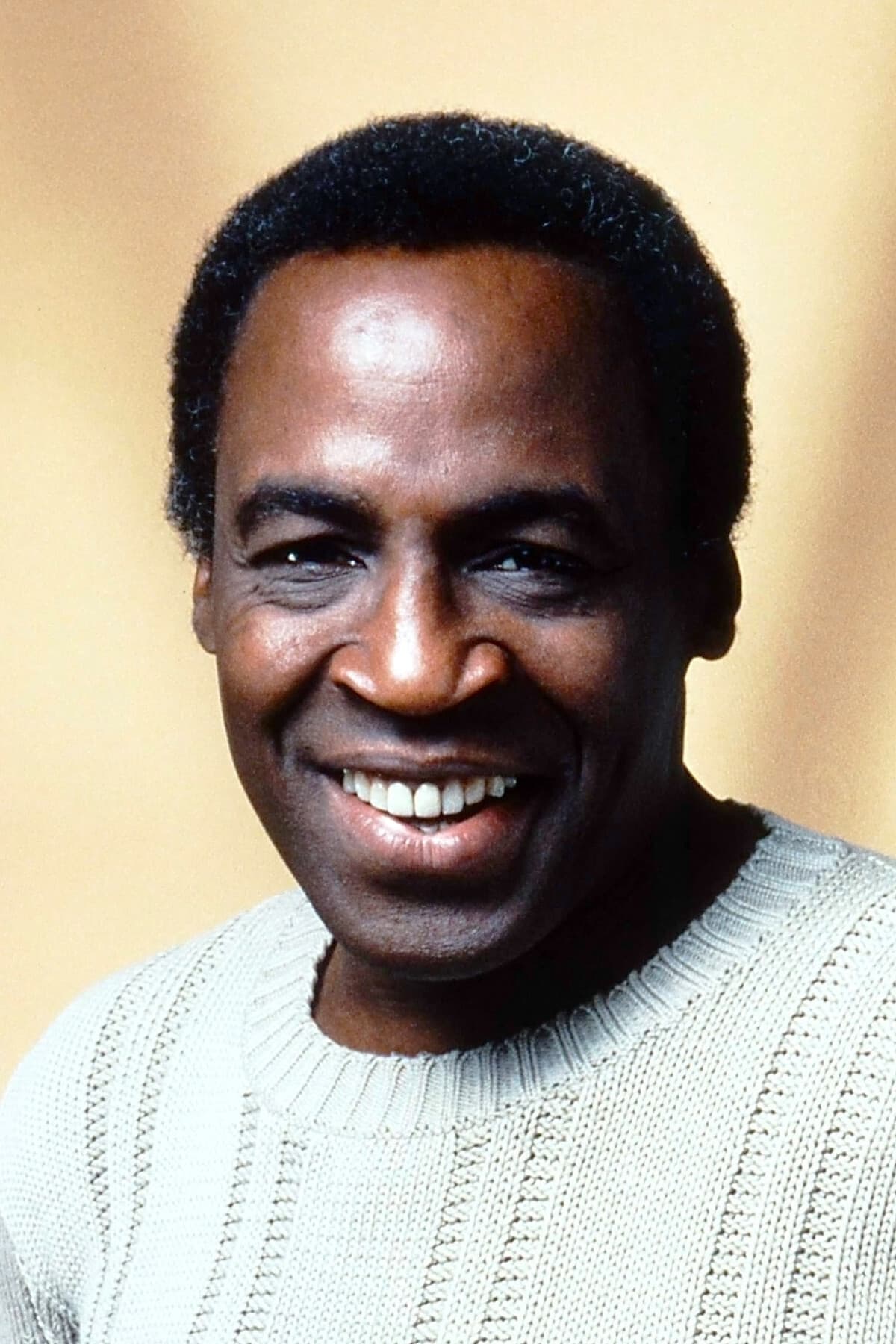
Robert Guillaume was a stage and television star who gained fame as the witty butler Benson DuBois. He won Emmy Awards for playing the character on both ‘Soap’ and his own spinoff ‘Benson’. Guillaume was also an accomplished musical theater performer who starred in ‘Phantom of the Opera’. His voice work as Rafiki in ‘The Lion King’ introduced him to a new generation.
Scatman Crothers
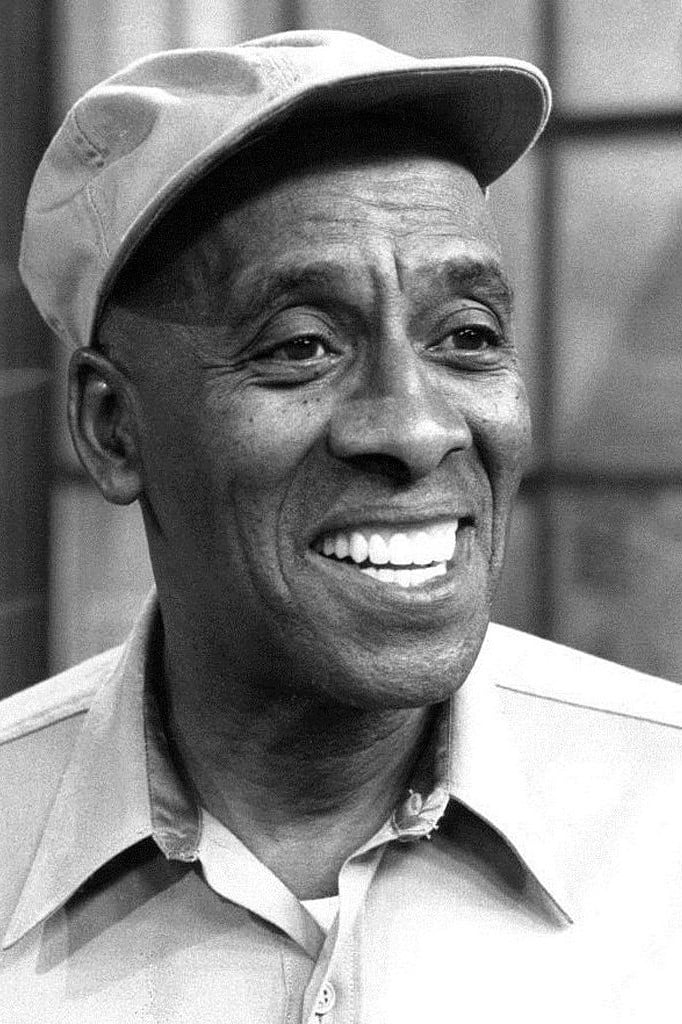
Scatman Crothers was a musician and actor who became a beloved figure in Hollywood. He is famously known for his role as the telepathic chef in Stanley Kubrick’s ‘The Shining’. Crothers provided the voice for ‘Hong Kong Phooey’ and appeared in numerous sitcoms. His distinctive voice and warm personality made him a favorite among audiences of all ages.
Cleavon Little
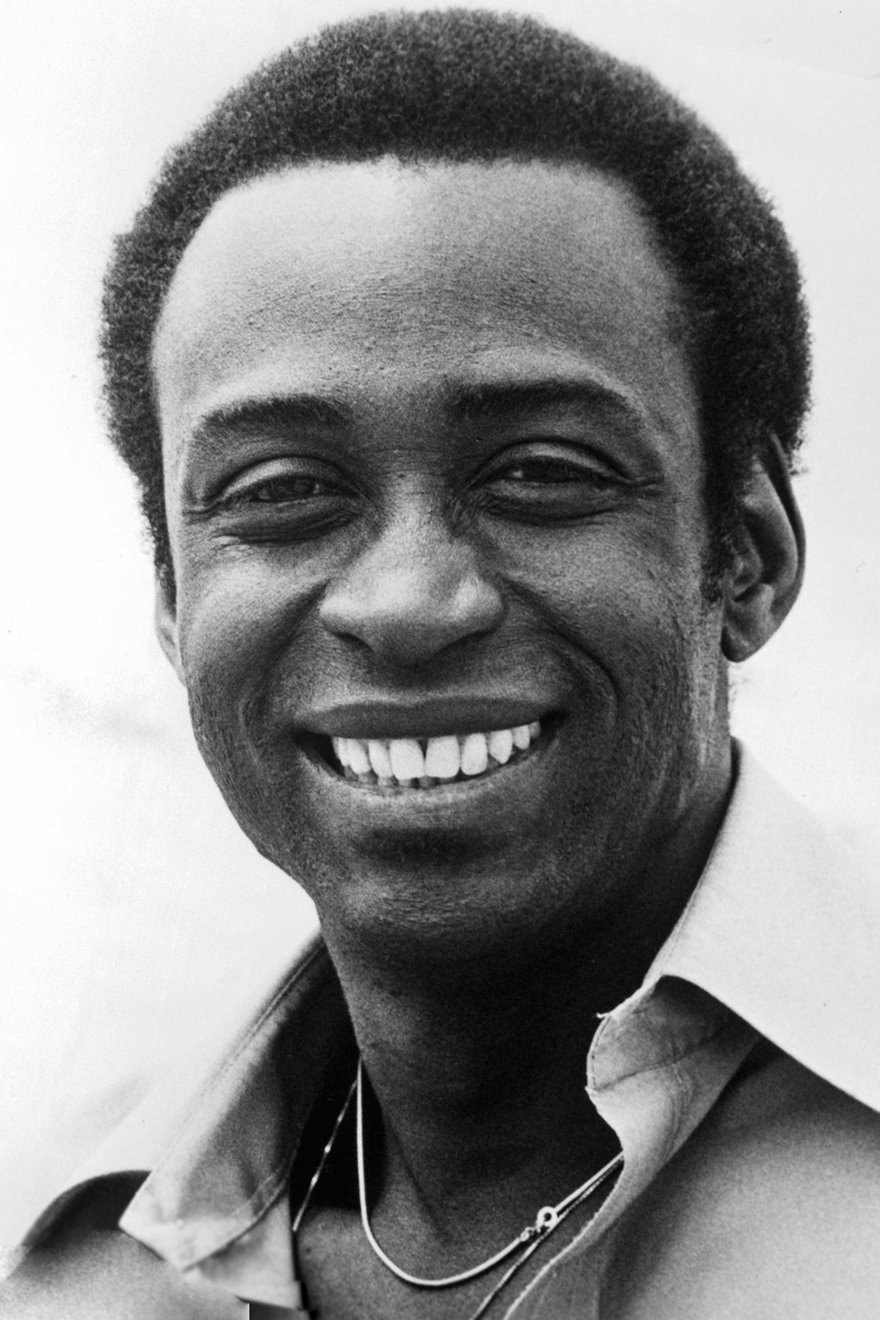
Cleavon Little etched his name in film history as the clever Sheriff Bart in Mel Brooks’s ‘Blazing Saddles’. He won a Tony Award early in his career and was a talented comedic actor. Little brought a modern sensibility to his roles that often highlighted the absurdity of racism. His ability to deliver sharp dialogue with a straight face was unmatched.
Geoffrey Holder
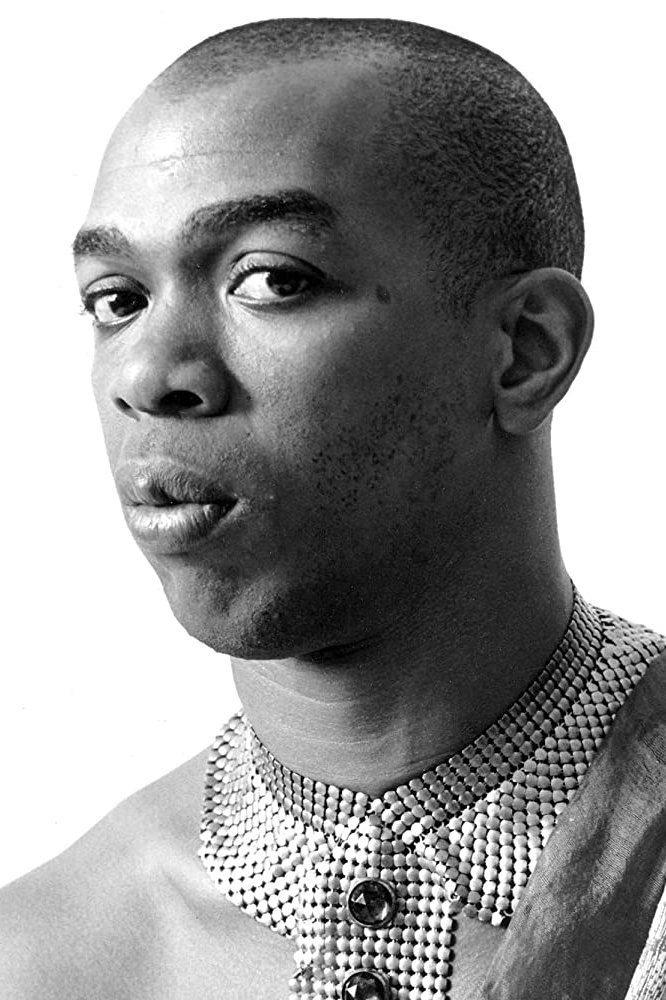
Geoffrey Holder was a Trinidadian artist who excelled as an actor and dancer and choreographer. He played the memorable villain Baron Samedi in the James Bond film ‘Live and Let Die’. Holder directed the Broadway musical ‘The Wiz’ and won two Tony Awards for his work. His deep bass voice and towering height gave him a mythical presence on screen.
Al Freeman Jr.
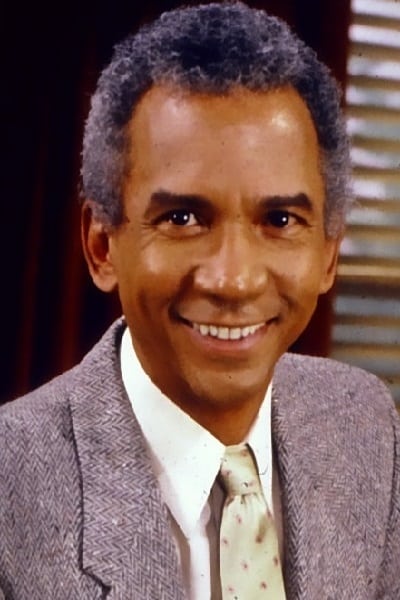
Al Freeman Jr. was a pioneering actor and educator who starred in the controversial film ‘Dutchman’. He was the first African American to win a Daytime Emmy for Outstanding Lead Actor for his work on ‘One Life to Live’. Freeman portrayed Malcolm X in the miniseries ‘Roots: The Next Generations’. He spent many years teaching acting at Howard University to inspire future talent.
Paul Winfield
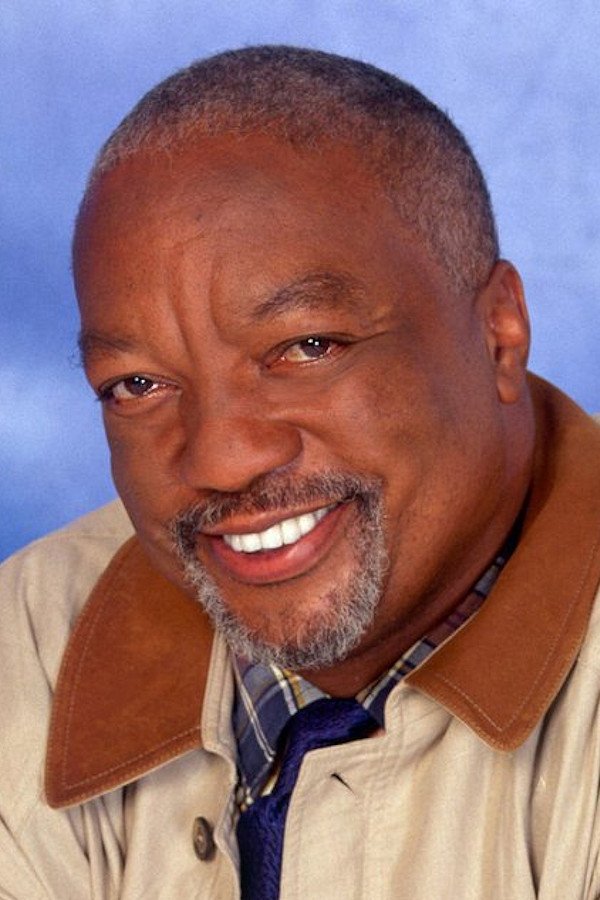
Paul Winfield was known for his versatility and his ability to play characters of great warmth and dignity. He received an Academy Award nomination for his role as the father in ‘Sounder’. Winfield played Martin Luther King Jr. in the miniseries ‘King’ and had memorable roles in science fiction films like ‘The Terminator’. His career bridged the gap between the character actors of the 1970s and the stars of the 1990s.
Bill Gunn
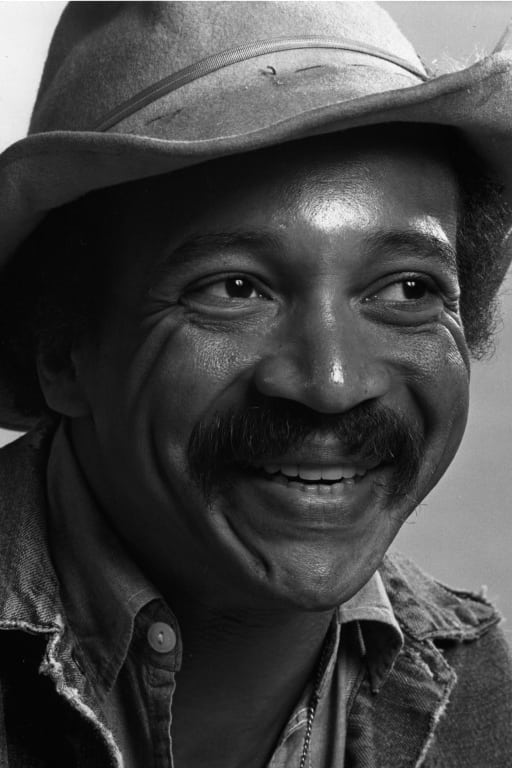
Bill Gunn was a visionary playwright and actor and director who created the cult horror film ‘Ganja & Hess’. He struggled against the studio system to tell complex and surreal stories about Black life. Gunn wrote the screenplay for ‘The Landlord’ and acted in various television shows. His work is now celebrated by critics for being far ahead of its time in terms of style and narrative structure.
Earle Hyman
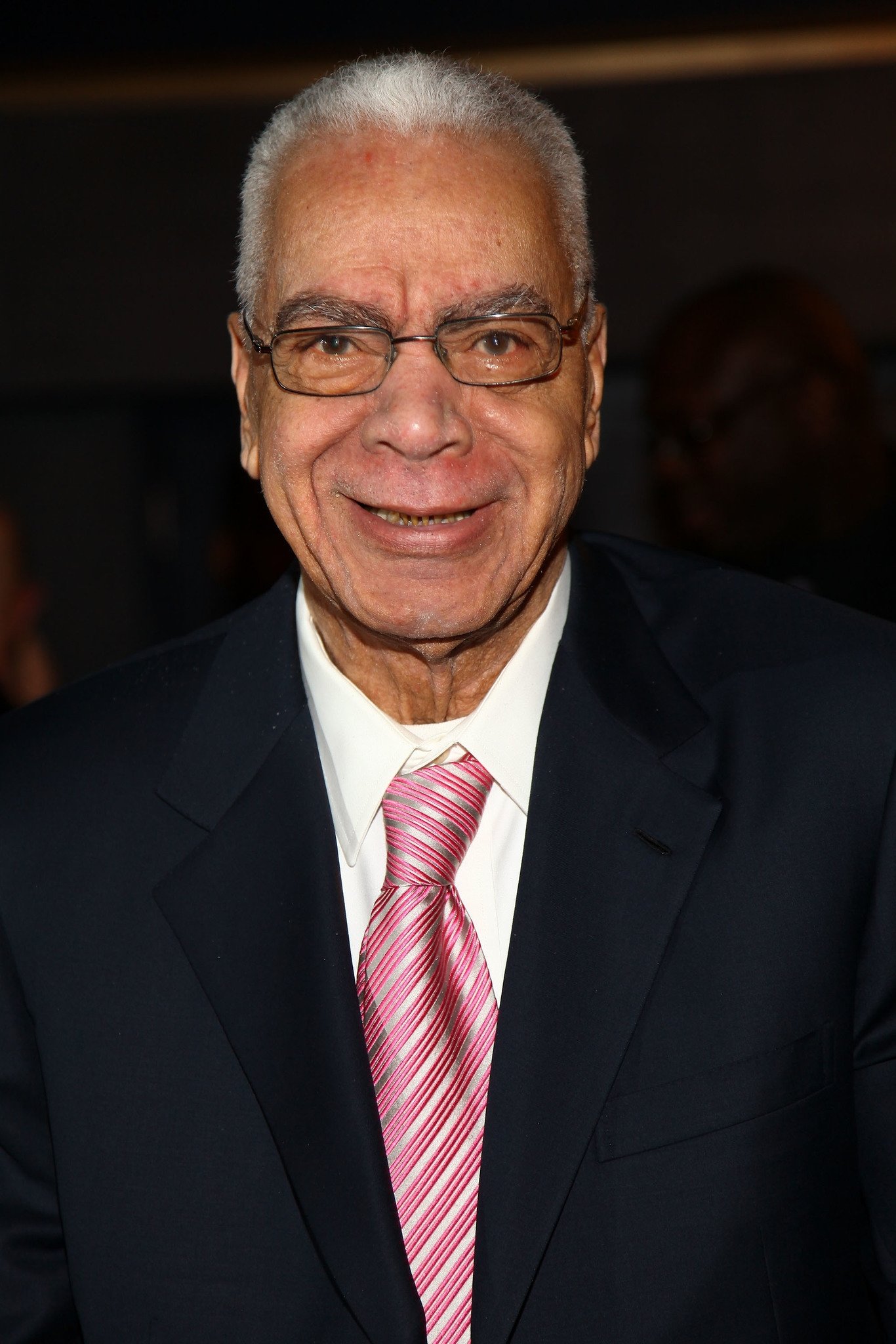
Earle Hyman was a distinguished stage actor who was deeply committed to the classics and learned Norwegian to perform Ibsen. He is best known to television audiences as the father on ‘The Cosby Show’. Hyman provided the voice for Panthro in the animated series ‘Thundercats’. His career was defined by a dedication to the theater and a refusal to be typecast.
Please share which of these legendary actors made the biggest impact on you in the comments.