


Black Actors Who Were Offered Roles as Slaves and Walked Away

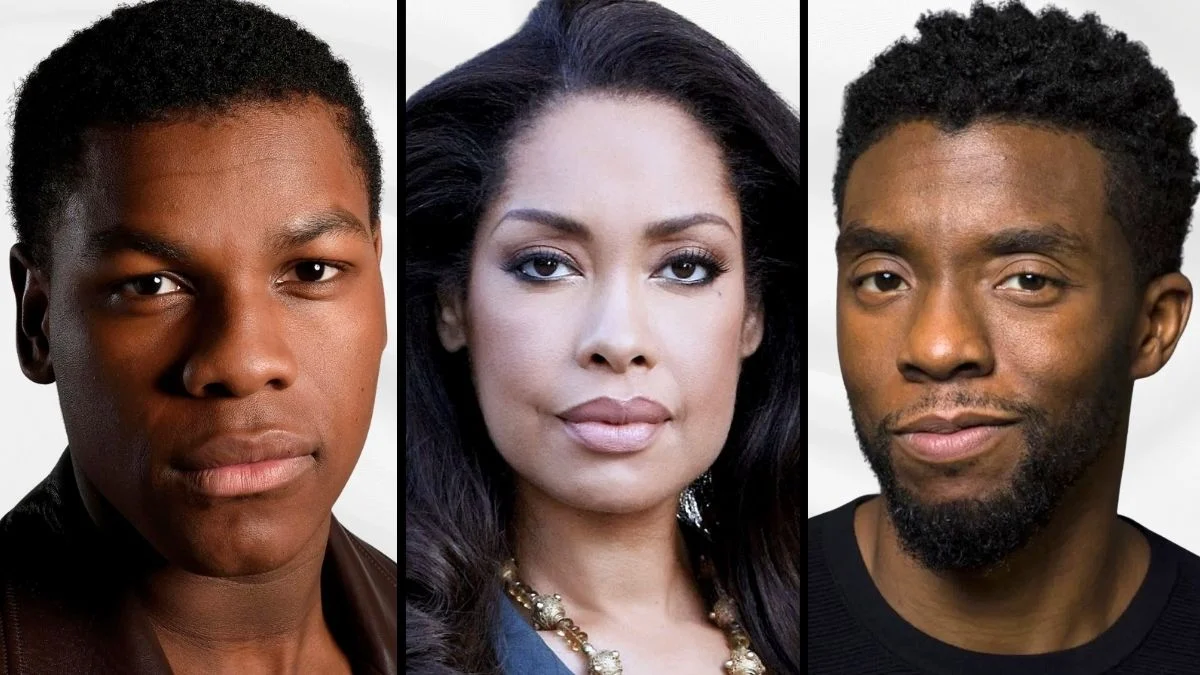


Across film and television many Black performers have weighed offers to portray enslaved characters and decided that these parts did not align with their goals or values. Some cited creative disagreements about how the story centered Black characters while others expressed a broader desire to avoid roles that would contribute to depictions of Black pain. A few later chose different projects that framed history through resilience or liberation rather than subjugation. Here are notable examples where the actor stepped back from a slave role and chose a different path.
Will Smith
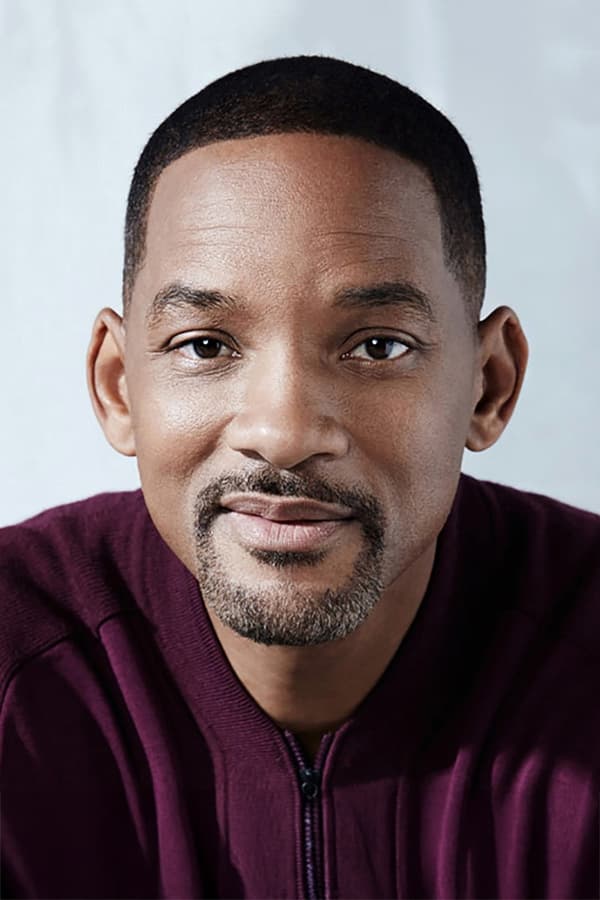
Will Smith declined the lead in ‘Django Unchained’ after discussions about the story’s focus and the framing of its central relationship. He later explained that he wanted a narrative centered on love and agency rather than revenge and did not feel the offered version fit that vision. Earlier in his career he avoided projects about slavery because he did not want to contribute to imagery that kept Black people locked in a single lens. Years later he chose ‘Emancipation’ which he described as a story of endurance and love set against slavery rather than a spectacle of suffering.
Chadwick Boseman
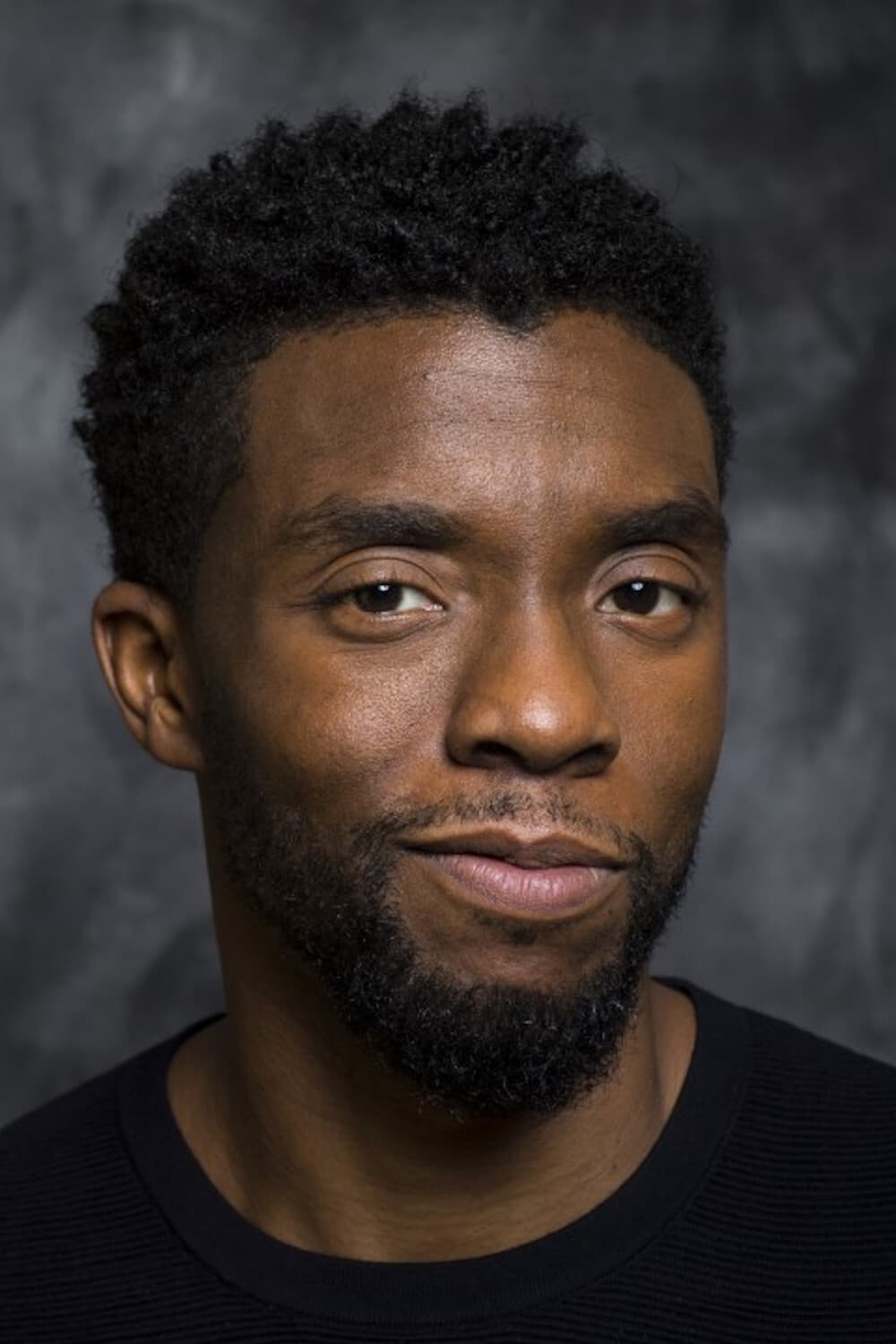
Chadwick Boseman turned down a film that would have cast him as an enslaved man opposite Tessa Thompson. The offer arrived as his career was rising and he chose not to participate because he did not want to perpetuate slavery narratives that centered on subjugation. His decision reflected a broader pattern in his choices which highlighted dignity and self determination. He went on to lead projects that emphasized heroism and legacy rather than exploitation.
Angela Bassett
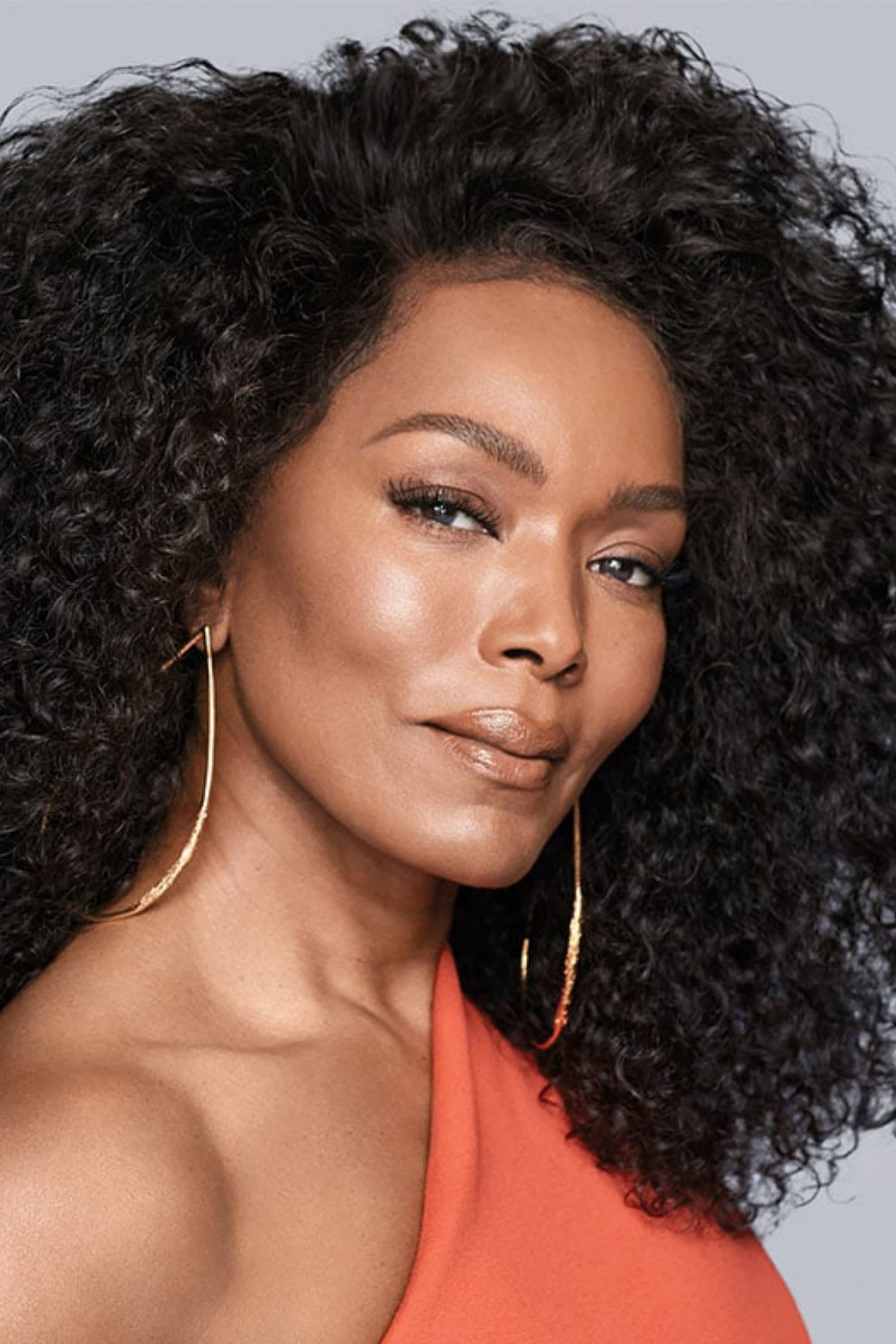
Angela Bassett has spoken openly about declining roles that would portray her as an enslaved woman. She has said that accepting such parts risked sending images worldwide that did not match how she wanted Black women to be seen. Over the years she steered toward characters defined by strength leadership and complexity. This consistent approach has shaped a filmography that resists reductive depictions tied to slavery.
John Boyega
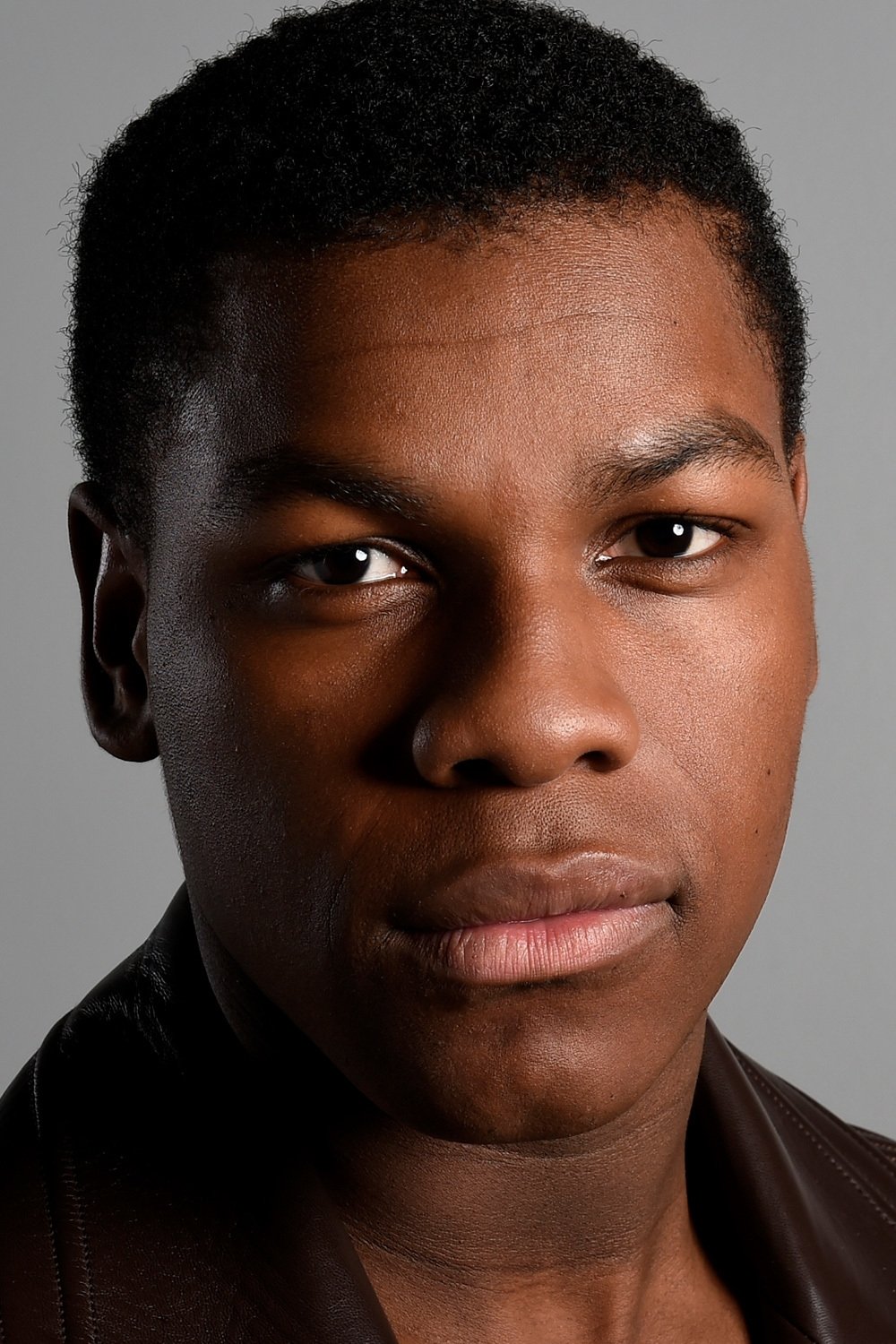
John Boyega has described passing on projects that centered Black trauma and has been selective about historical roles that risked repeating cycles of pain. While not always naming specific titles he has explained that career choices should expand the range of images available to audiences. He has favored work that balances social context with adventure romance or futurism. This stance has led him to walk away from offers that did not meet those criteria including period pieces that hinged on enslavement.
Derek Luke
Before joining stories that engage history from new angles Derek Luke said he would not play an enslaved person and turned down roles that asked him to do so. He voiced concerns about how long running portrayals of Black suffering can affect viewers and performers. When he later participated in historical projects he did so where the storytelling emphasized resistance strategy and community. His earlier refusals reflected a deliberate effort to avoid parts framed solely around bondage.
Gina Torres
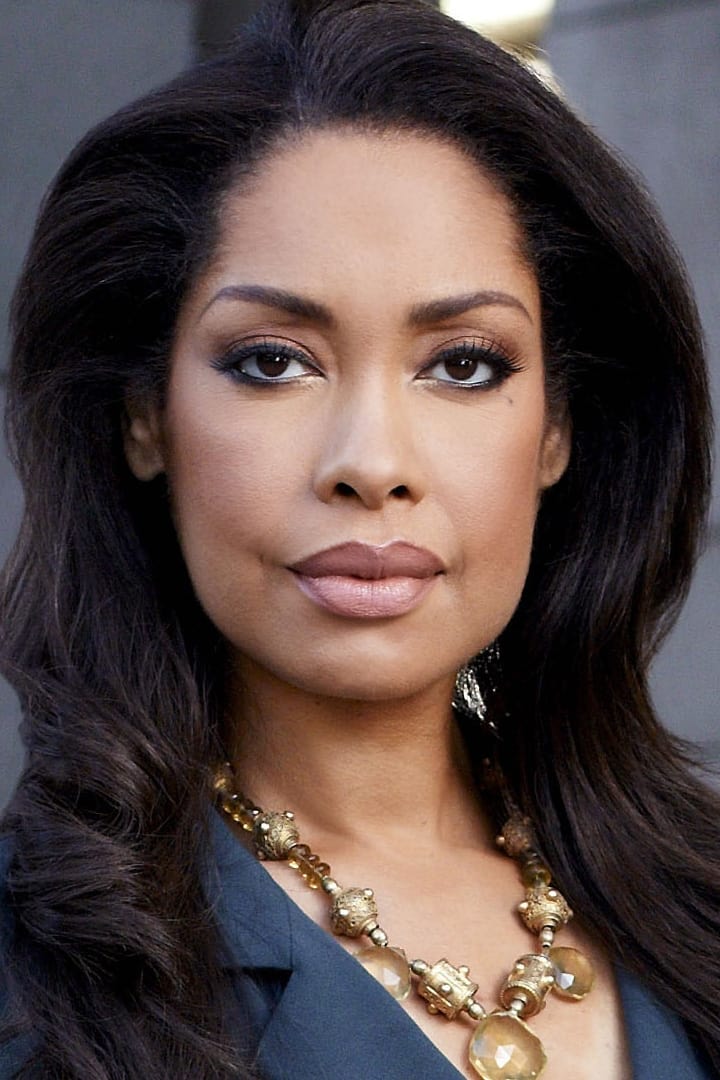
Gina Torres has discussed declining scripts that offered only enslaved characters or domestic servants. She explained that taking such parts would reduce her range and limit how audiences imagine Black women. Over the years she focused on roles that provide skill authority and complexity. Her choices show a consistent effort to avoid stories framed primarily around bondage.
Daniel Kaluuya
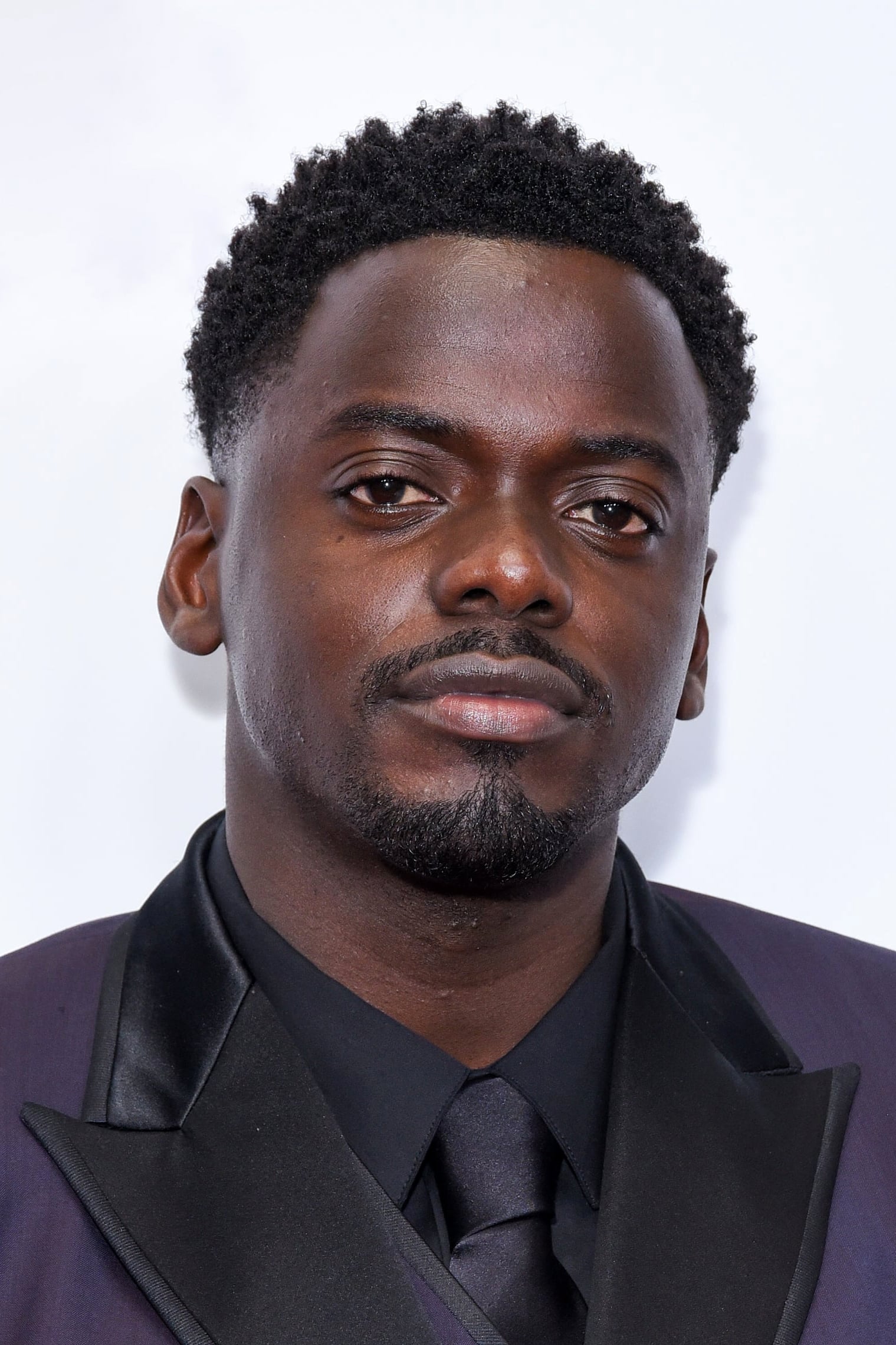
Daniel Kaluuya has said he is selective about historical projects that rely on depictions of Black suffering. He has passed on scripts where the central experience was subjugation without a fuller sense of agency. His filmography emphasizes characters with strategic power and forward momentum. This approach led him to walk away from period pieces built around enslavement.
David Oyelowo
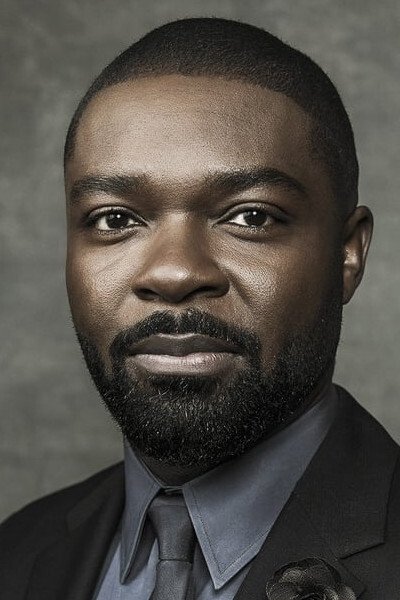
David Oyelowo has described turning down offers that define Blackness mainly through pain including stories centered on enslavement. He has advocated for narratives that show breadth in family faith and leadership. When he accepts historical work he looks for arcs that move beyond victimization. This stance has led him to refuse slave roles that did not meet those standards.
Sanaa Lathan

Sanaa Lathan has spoken about avoiding narrowly written parts such as enslaved characters that lack dimensionality. She emphasized the importance of portraying modern nuance and historical strength rather than recurring images of subjugation. As scripts arrived she prioritized roles with ambition intellect and emotional complexity. This outlook resulted in passing on slave roles that offered little growth.
Mekhi Phifer
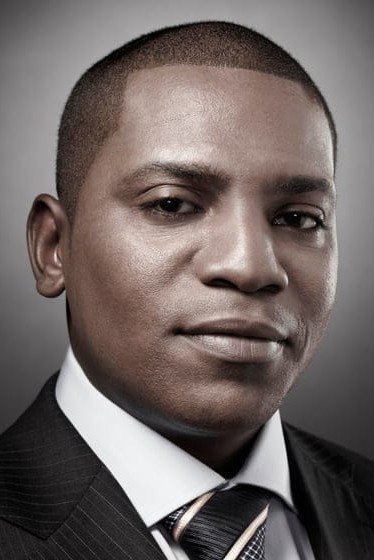
Mekhi Phifer has said he would not play an enslaved person and declined projects that asked him to do so. He cited concerns about repetition of limiting images for Black audiences. He instead pursued contemporary and historical work that highlights initiative and self definition. His refusals reflected a long term career strategy to steer clear of bondage centered storytelling.
Share the names of other actors you think belong on this list in the comments.